
May 30, 2026
Rheumatoid Arthritis vs Osteoarthritis: How Footwear Choices Differ
By Gdefy

Summary
If you live with arthritis, you already know it can change how walking feels. What surprises many people is that not all arthritis affects the feet the same way. Rheumatoid arthritis and osteoarthritis are two very different conditions, and the way each one shows up in your feet can shape what you should look for in a pair of shoes.
While footwear is never a medical solution, the right design can play a real role in everyday comfort and support. This guide walks through how the two conditions tend to differ, what shoe features matter for each, and how to choose footwear that fits the way your feet actually feel. For anything persistent or worsening, your healthcare provider is always the right first call.
Two Kinds of Arthritis, Two Kinds of Foot Stress
The word "arthritis" simply means joint inflammation, but rheumatoid arthritis and osteoarthritis arrive by different routes. Understanding that difference is the first step toward choosing shoes that feel comfortable for your situation.
How Rheumatoid Arthritis Tends to Affect the Feet
Rheumatoid arthritis is an inflammatory condition that often shows up in both feet at once, frequently in the same joints on each side. Many people first notice it around the ball of the foot and the smaller toe joints. Over time, the shape of the foot can change, and pressure points may appear in places where shoes used to feel fine.
Because the foot shape can shift, room matters a great deal. Shoes that felt roomy a year ago may start to feel tight across the toes or along the sides. A deeper toe area and a soft, flexible upper tend to feel more comfortable than a stiff, narrow shoe.
How Osteoarthritis Tends to Affect the Feet
Osteoarthritis is more often a wear-related condition that develops gradually, and it commonly settles into one area rather than mirroring across both feet. In the foot, it frequently centers on the big-toe joint, which can become stiff and tender, and sometimes on the midfoot. Stiffness is often most noticeable first thing in the morning and tends to ease as you move.
For many people with osteoarthritis, the priority is cushioning under high-pressure areas and a sole that takes some of the harshness out of each step, especially on hard floors and pavement.
Why the Difference Matters for Your Shoes
Here is the practical takeaway: rheumatoid arthritis often calls for room and adaptability because the foot can change shape, while osteoarthritis often calls for targeted cushioning and a smooth, supportive ride because the stress concentrates in specific joints. Plenty of features help with both, but knowing where your discomfort lives makes it far easier to pick footwear that feels right.
A Few Clues That Point You in the Right Direction
You don't need a diagnosis to start choosing shoes more thoughtfully — only your healthcare provider can tell you which condition you have — but a few everyday observations can hint at what your feet are dealing with and which features to prioritize.
- One foot or both? Discomfort that shows up symmetrically in both feet, often around the ball of the foot, leans toward the inflammatory pattern. Discomfort concentrated in one spot on one foot leans toward the wear-related pattern.
- Morning or all day? Stiffness that's worst in the first hour of the day and eases as you move is common with wear-related arthritis. Inflammatory arthritis can linger longer and may flare unpredictably.
- Changing shape? If shoes that fit fine last year now feel tight across the toes, that shifting shape is a sign room and adaptability should be high on your list.
- Where it pinches. Pressure right at the big-toe joint points to cushioning and a smooth roll; pressure across the whole forefoot points to width and a soft upper.
Whatever the pattern, the goal is the same: a shoe that takes pressure off the spots that hurt and supports a comfortable, balanced stride. If your symptoms are new, persistent, or getting worse, check in with your healthcare provider before changing your routine.
What to Look for in Shoes if You Have Rheumatoid Arthritis
When the foot can change shape and develop sensitive pressure points, comfort comes down to fit and flexibility:
- A roomy, deep toe box — gives toes space to move and reduces rubbing on sensitive joints.
- Removable insoles — let you swap in the support level that feels best, or make room for an insert recommended by your provider.
- A soft, flexible upper — bends with the foot instead of pressing on tender spots.
- Easy on-and-off design — a generous opening or adjustable closure helps on stiff mornings.
- Shock absorption — softens impact so each step lands more gently.
What to Look for in Shoes if You Have Osteoarthritis
When stress concentrates in specific joints like the big toe or midfoot, the goal is to cushion impact and smooth out the stride:
- Strong cushioning — helps absorb impact under the areas that take the most pressure.
- A supportive, stable sole — limits excess bending so stiff joints aren't forced to flex through their full range.
- A smooth heel-to-toe transition — a gently rolling sole encourages forward movement without sharp bending at a tender toe joint.
- A comfortable, accommodating fit — enough width to avoid pressure over bony areas.
- Energy return — a responsive sole can make longer walks feel less tiring.
Features That Help With Both
Whether your arthritis is inflammatory or wear-related, a few fundamentals tend to improve everyday comfort:
- Shock absorption to reduce harsh impact during walking and standing.
- Support and stability to encourage a balanced, controlled stride.
- A proper fit with room to spare rather than a snug, restrictive feel.
- Cushioning that lasts so the shoe still feels good months into wear.
If you'd like a deeper look at how arthritis and footwear interact, our overview of arthritis and the role footwear plays is a helpful next read.
How G-Defy Approaches Comfort and Support
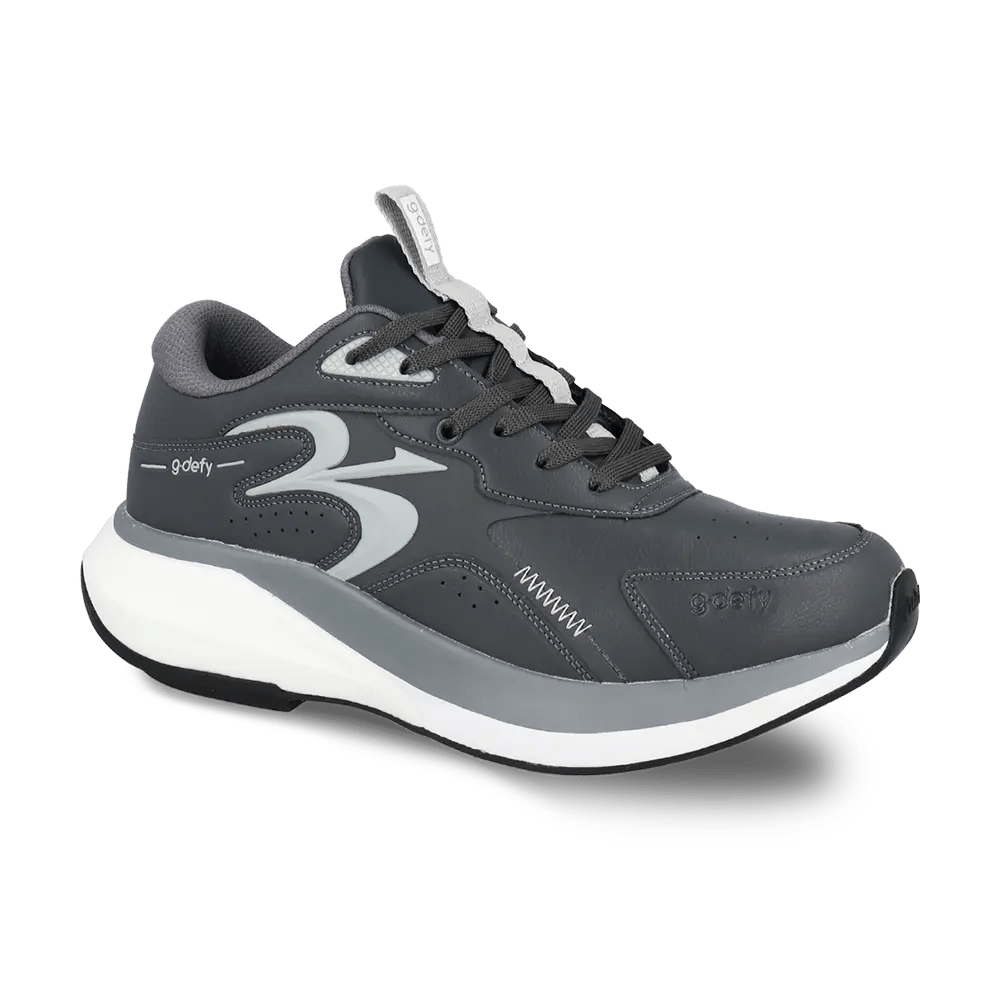
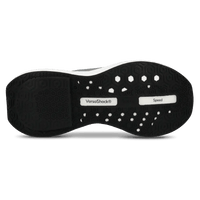
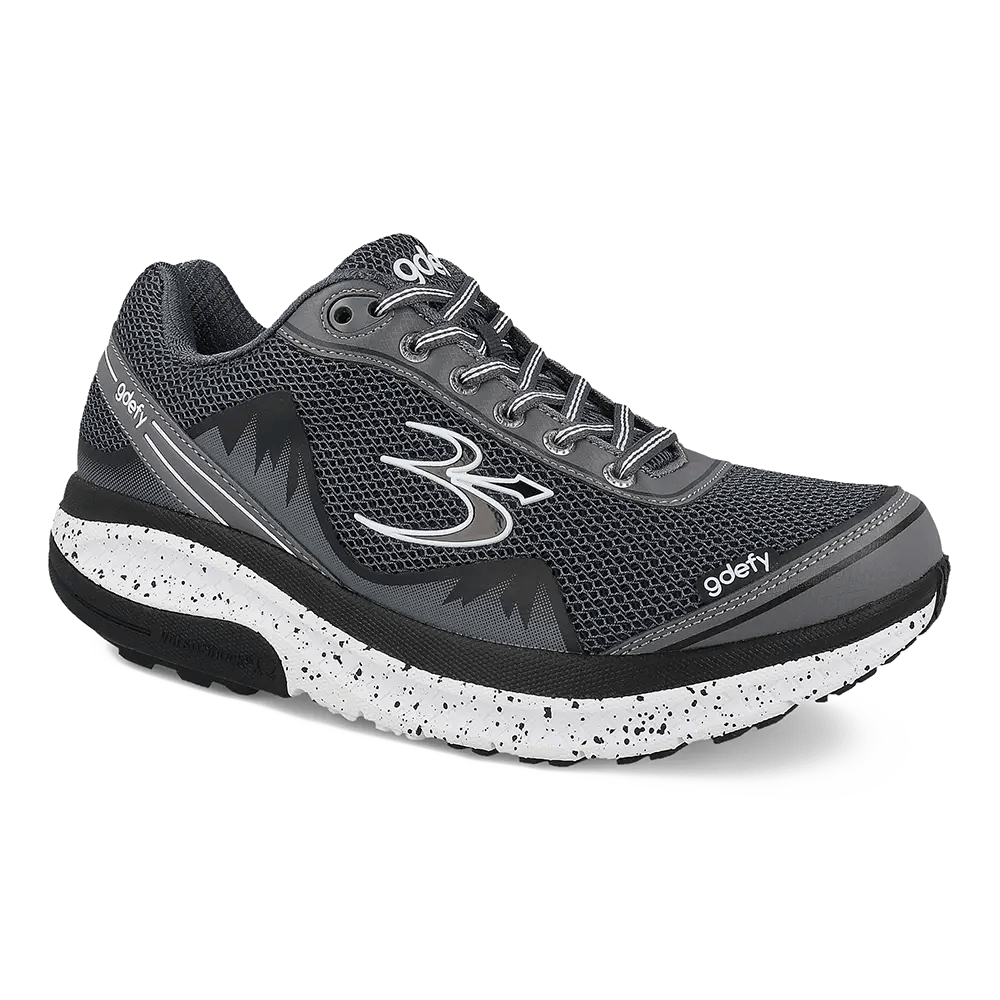
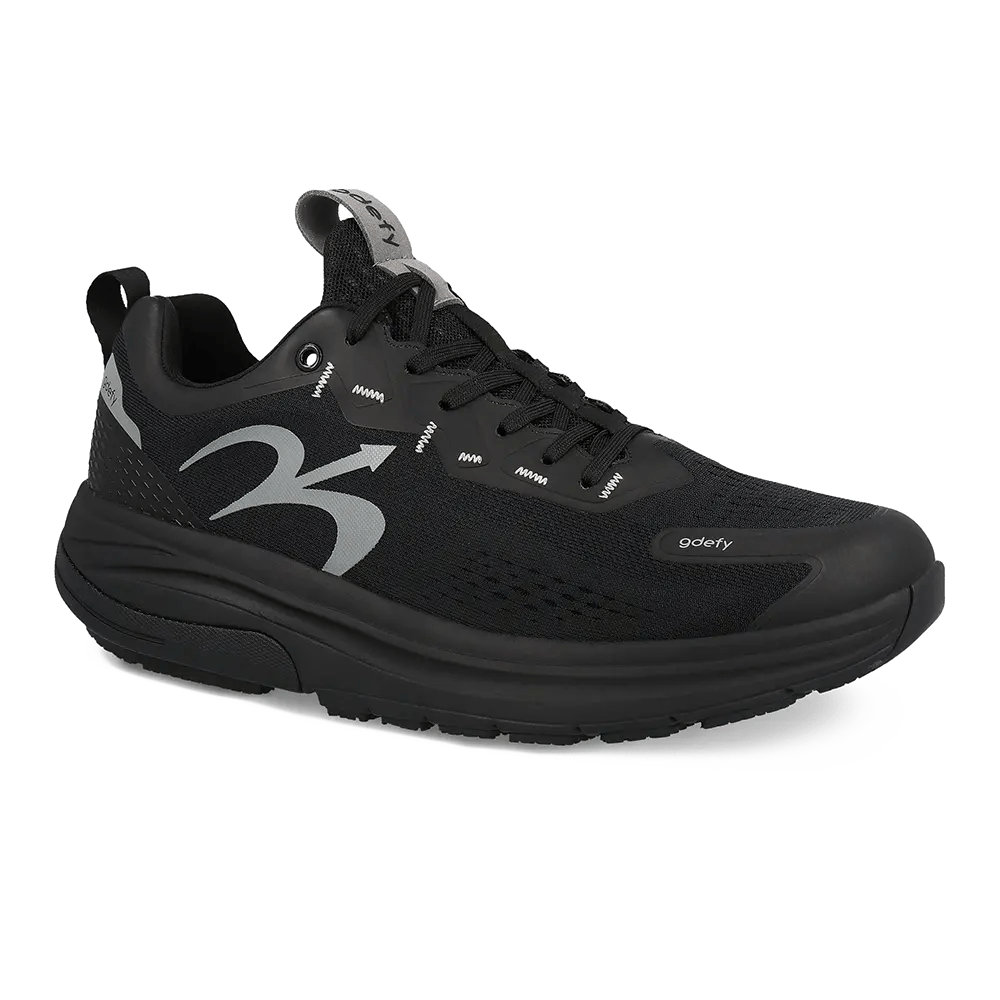
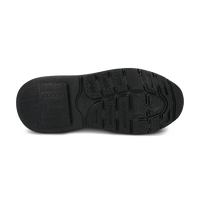
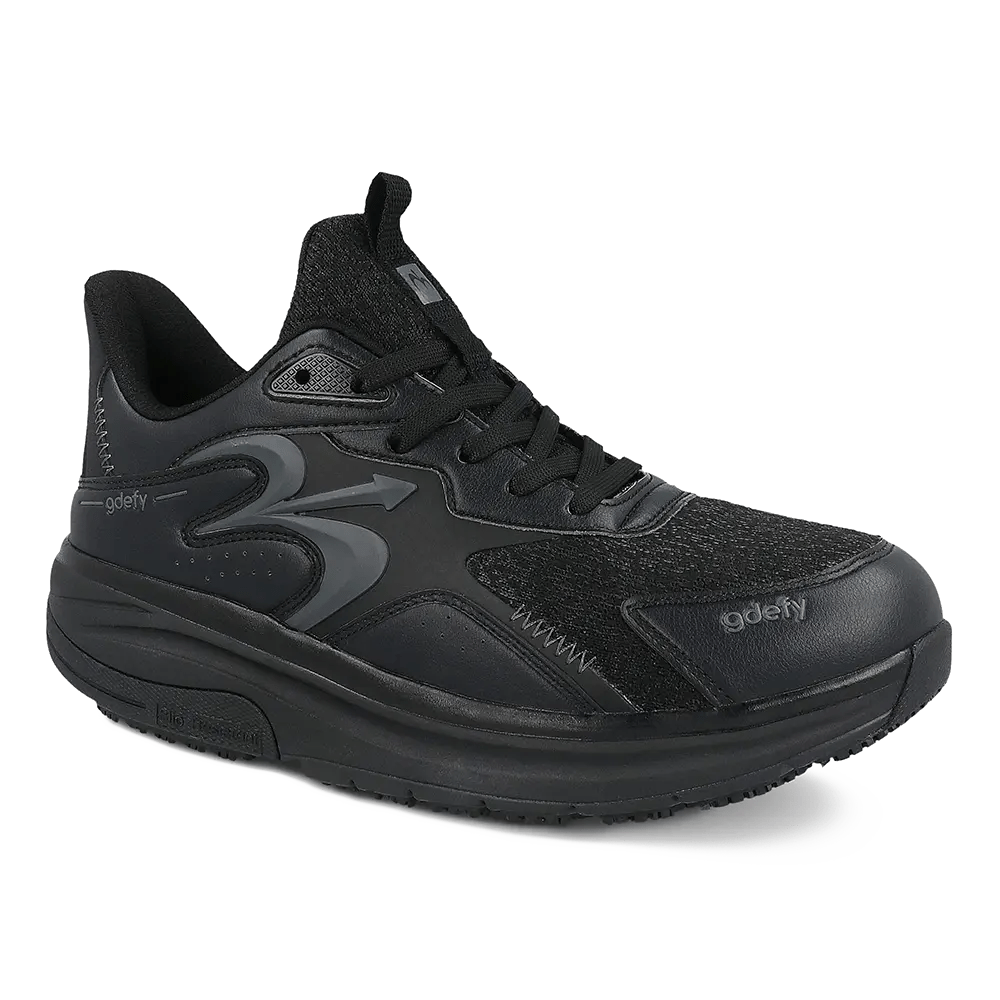
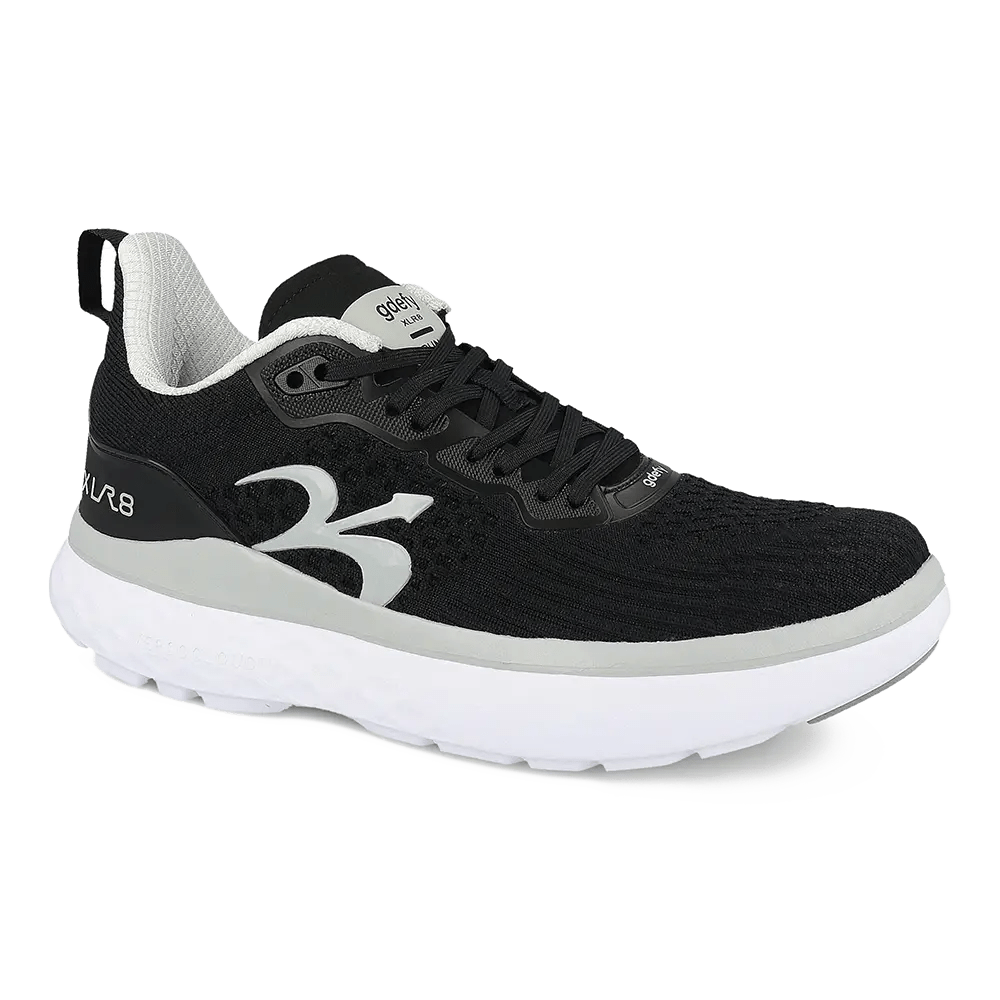
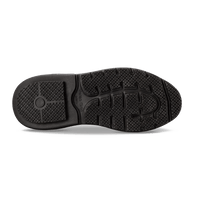
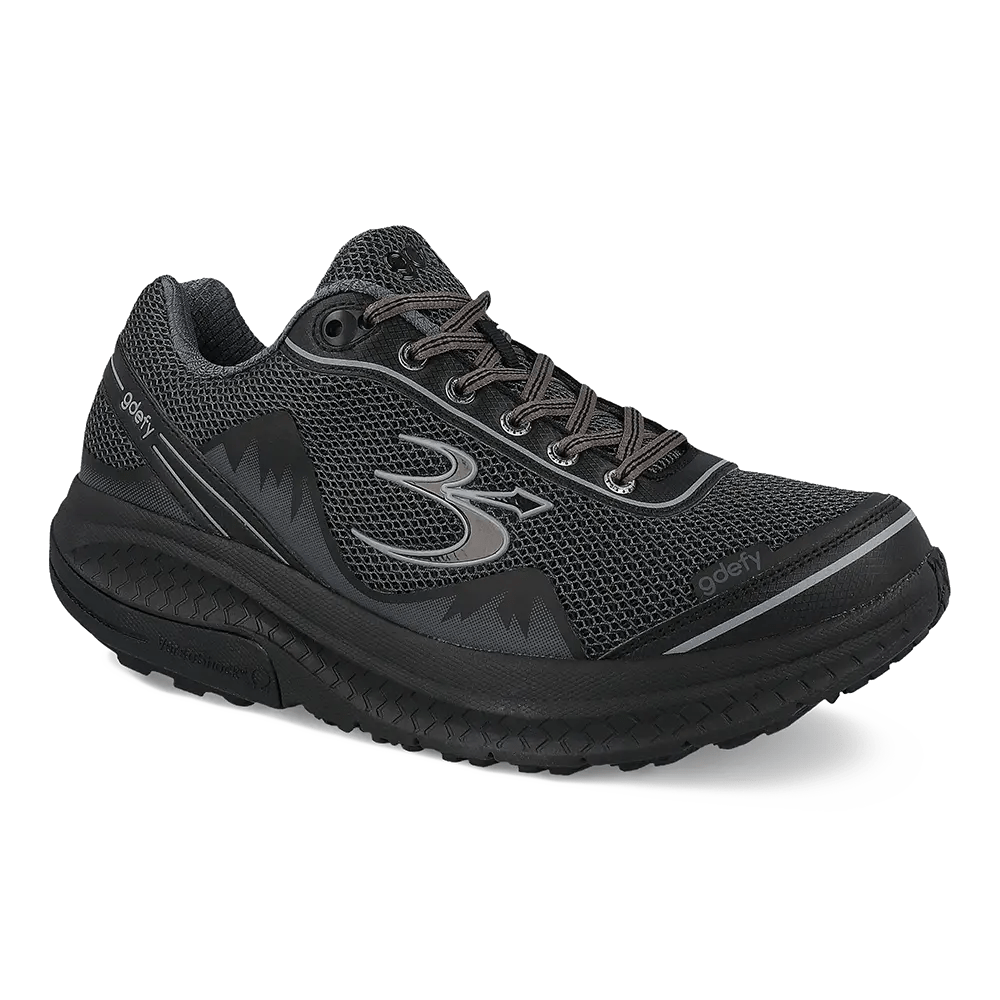
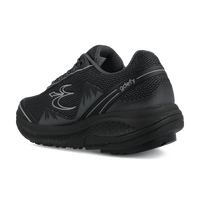
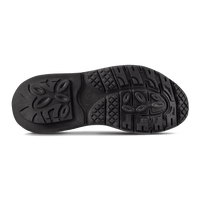
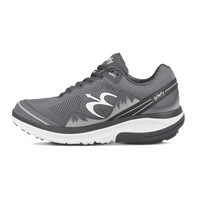
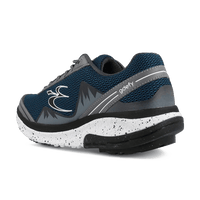
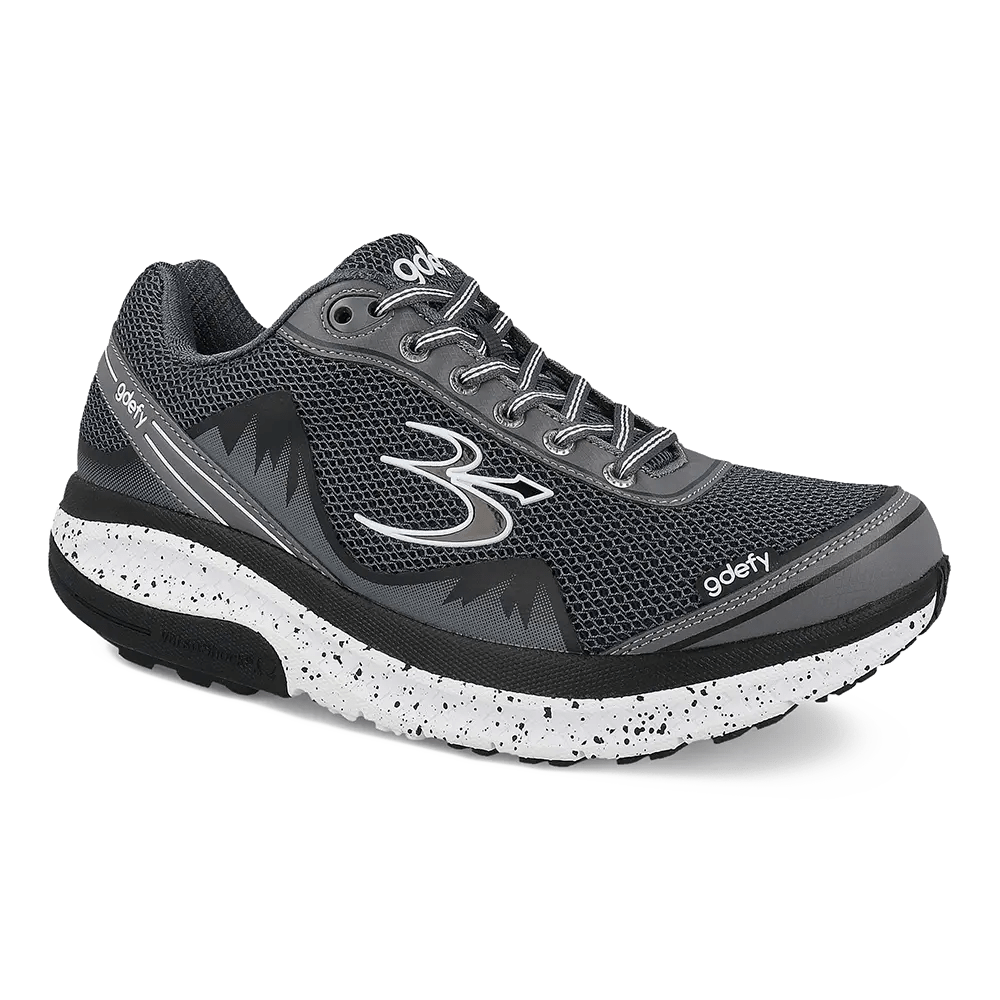
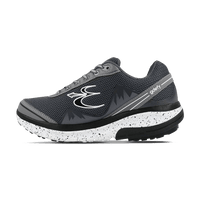
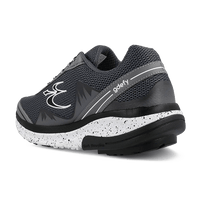
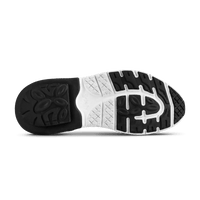
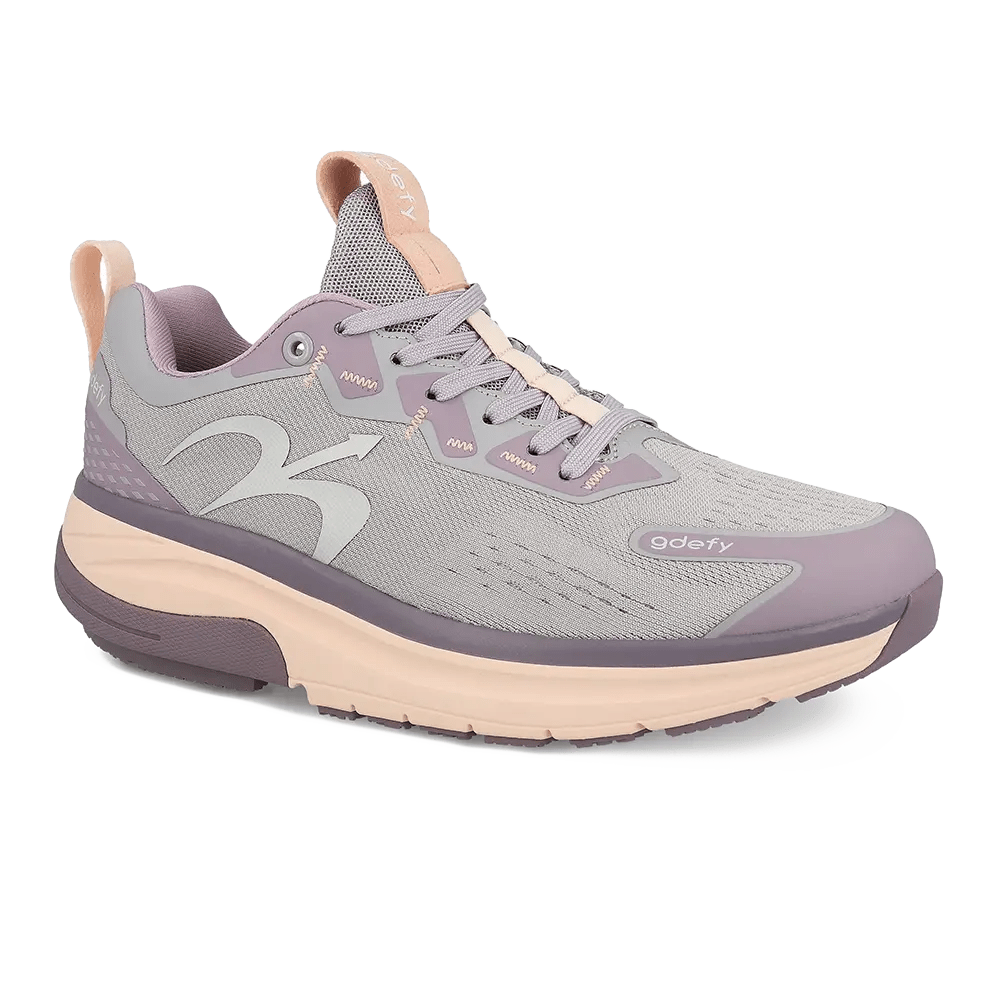
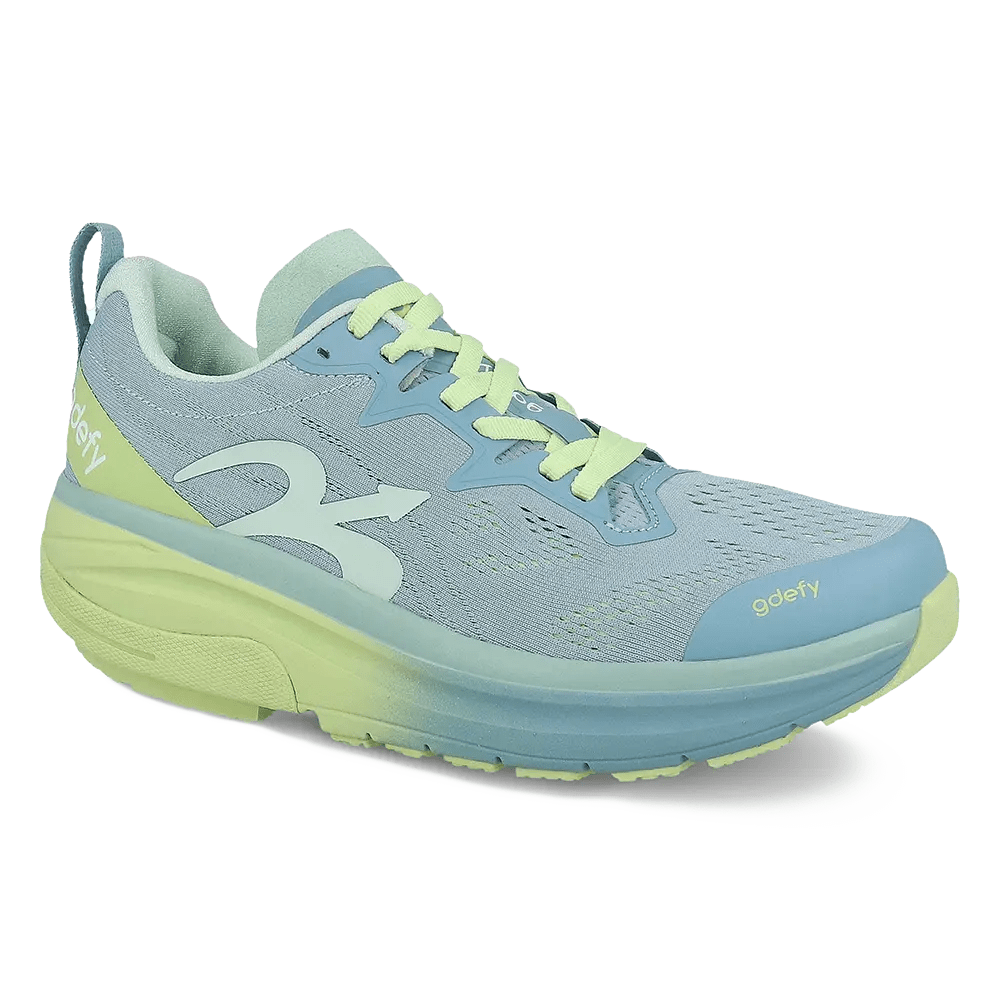
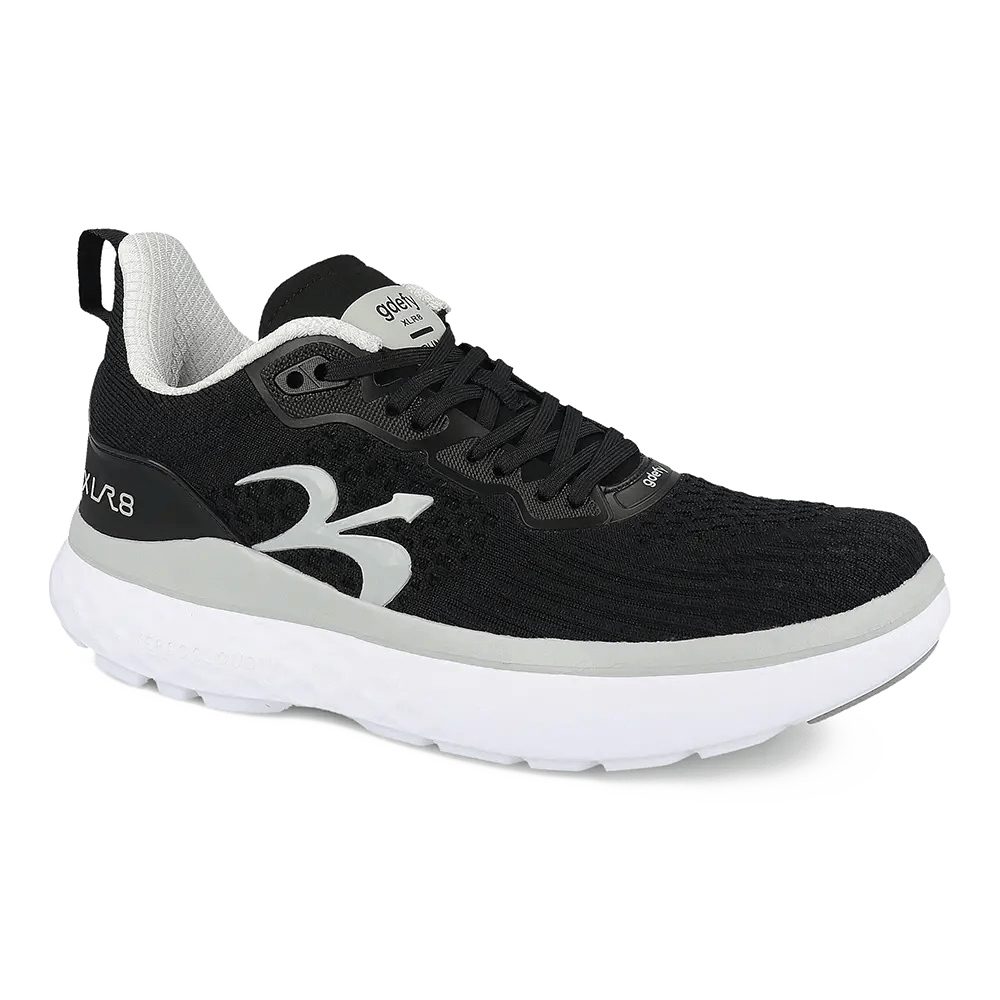
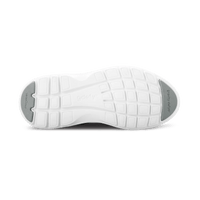
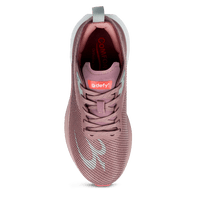
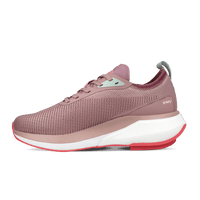
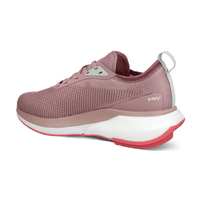
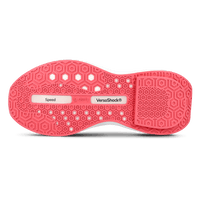
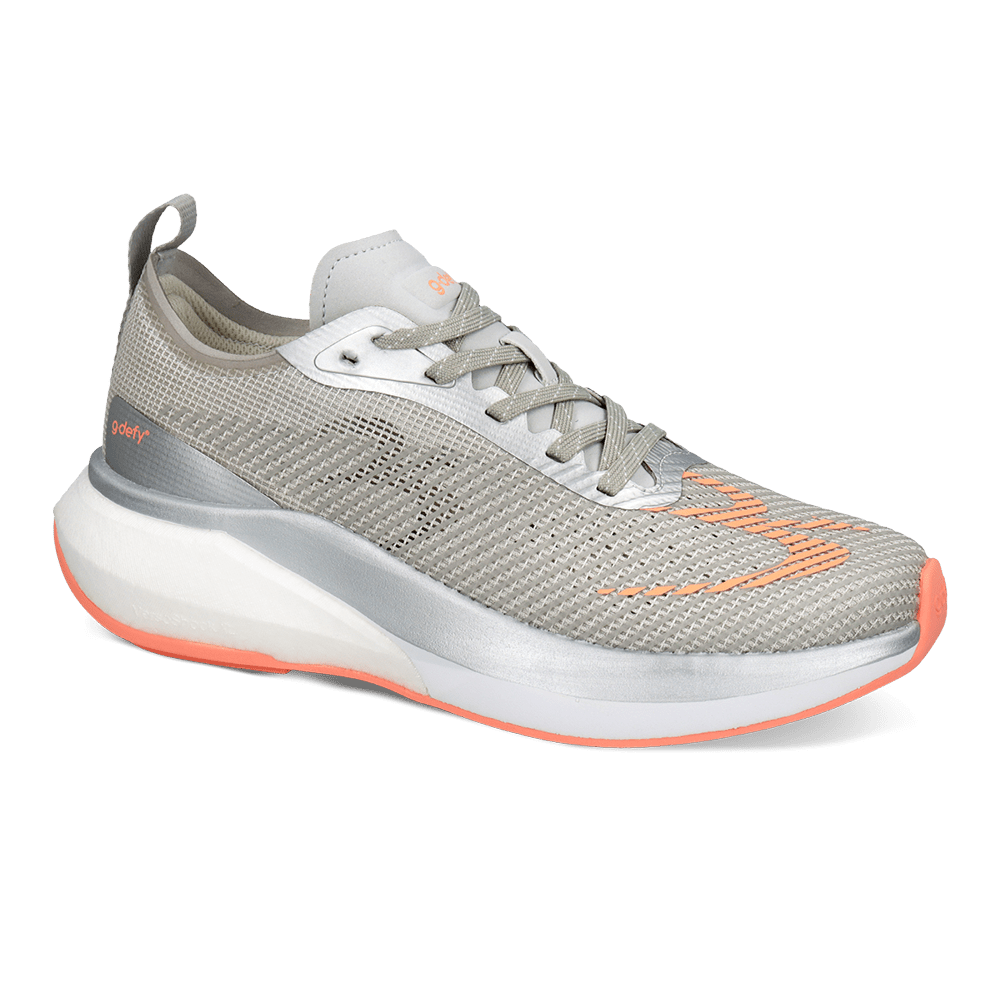
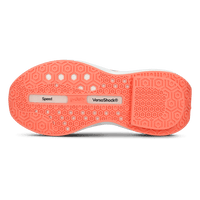
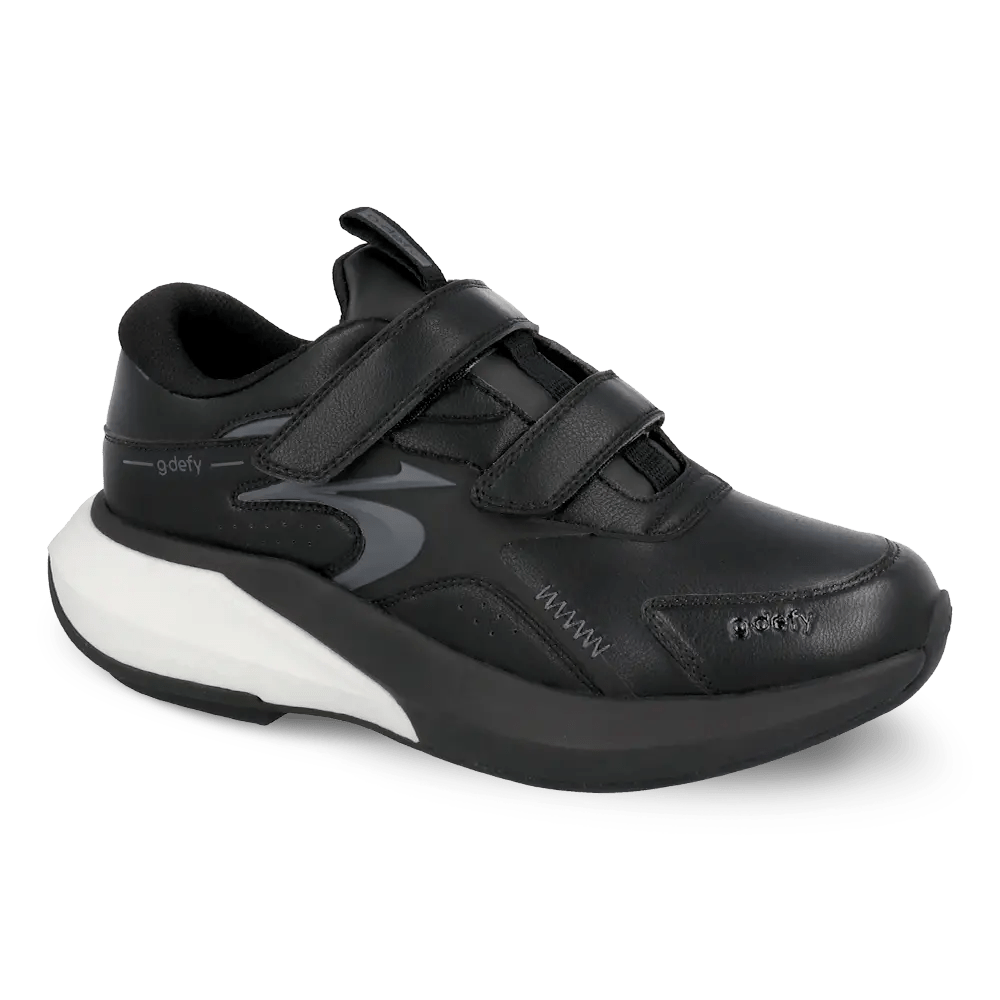
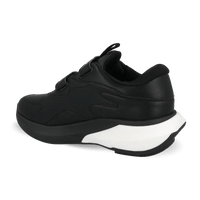
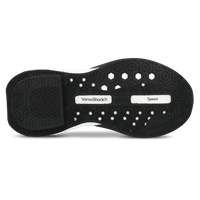
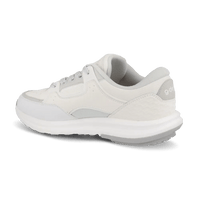
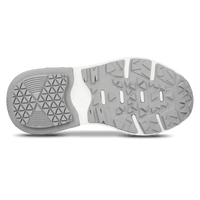
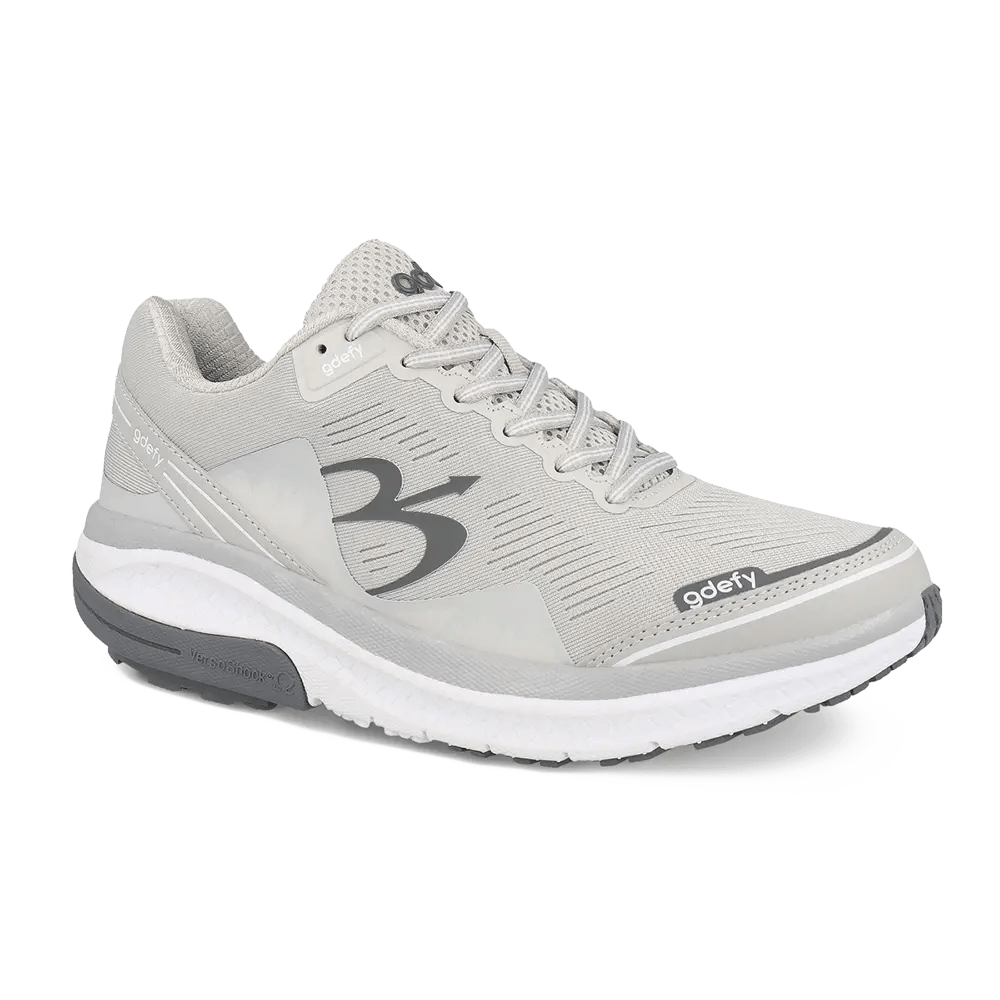
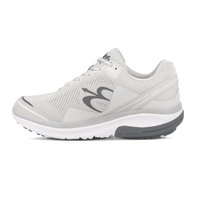
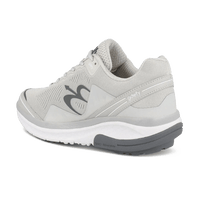
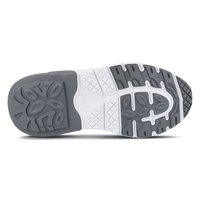
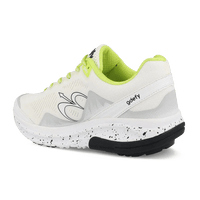
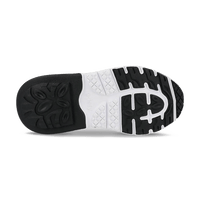
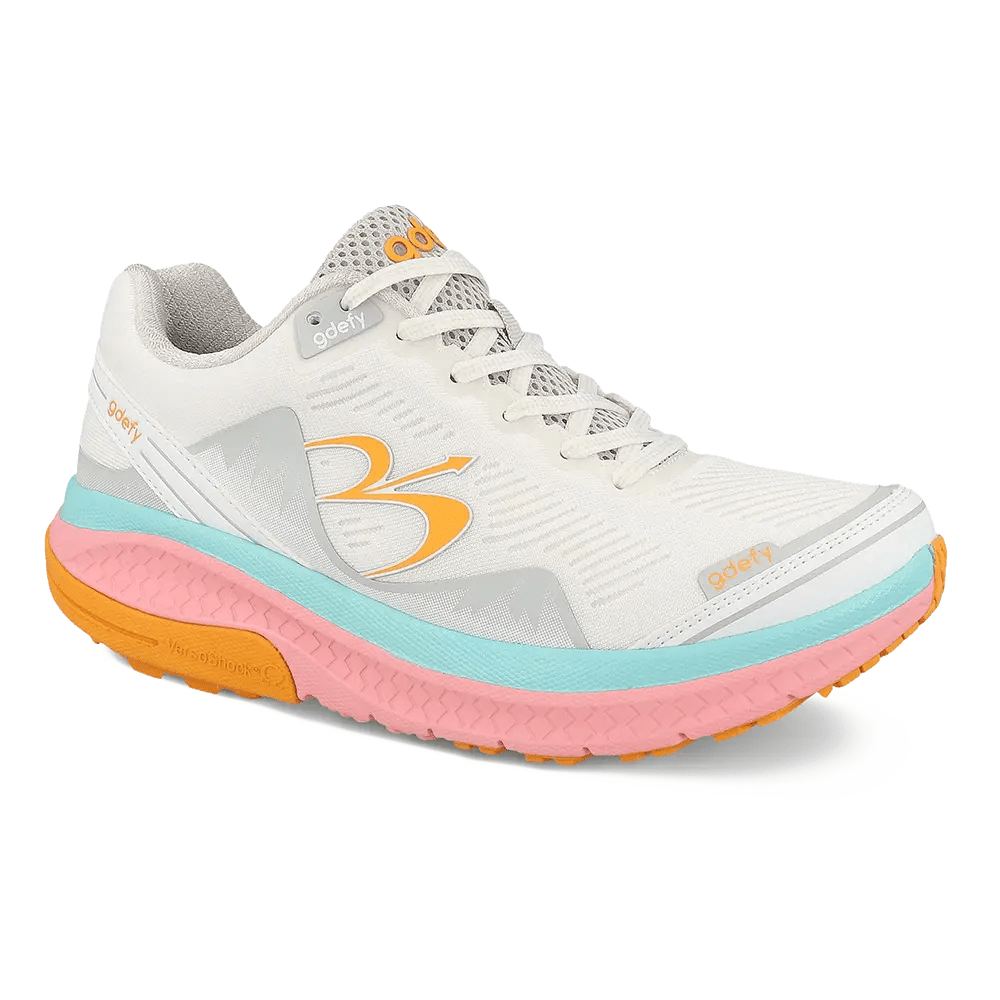
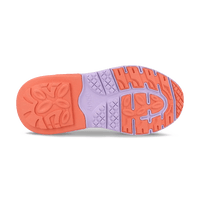
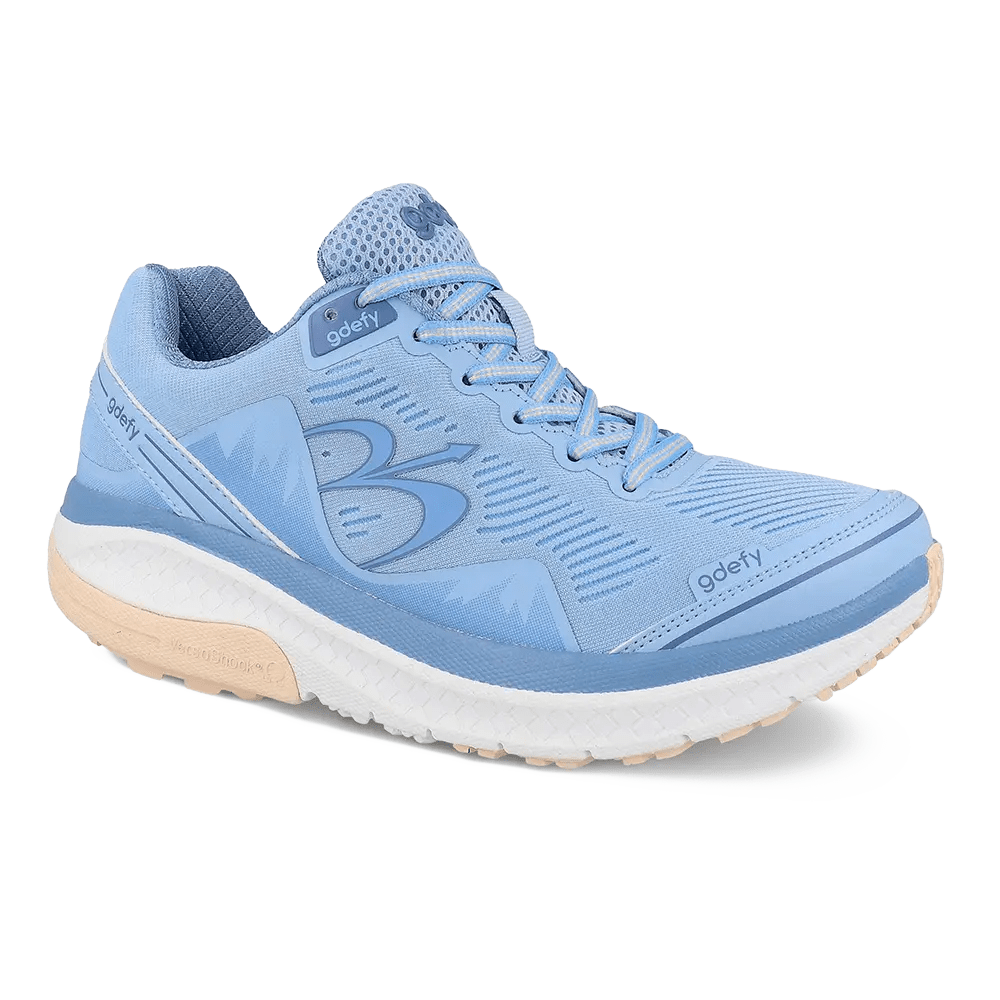
G-Defy shoes are engineered to provide comfort, support, and shock absorption during daily movement. Featuring VersoShock® technology, they are designed to absorb impact and return energy with each step. A built-in stabilizer supports the foot during movement, while the front rolling design promotes a smooth, natural heel-to-toe transition. G-Defy shoes help reduce pain from walking, running, and prolonged standing.
That comfort comes from four design pillars working together:
- Shock absorption. Instead of foam that compresses and fades, VersoShock® uses a spring-based system designed to absorb impact softly and gradually — softening each step on hard floors and pavement.
- Energy return. That same system is designed to return energy with each step, helping longer walks feel less tiring.
- A built-in stabilizer. A shank inside the shoe limits excessive bending through the middle, encouraging a more stable, controlled stride.
- A front rolling design. The gently rolling sole promotes a smooth heel-to-toe transition, so a stiff or tender toe joint isn't forced to flex sharply.
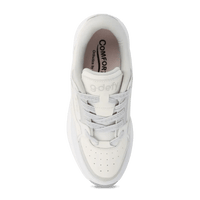
Two features tend to matter especially for people managing arthritis. First, every pair includes two removable orthotics — the ComfortFit® orthotic for low to medium arches and the CorrectiveFit® orthotic for medium to high arches — so you can customize the support level to what feels best, or make room for an insert. That removable design is a genuine advantage for inflammatory arthritis, where needs can change over time. Second, the roomy build gives sensitive feet space rather than squeezing them.
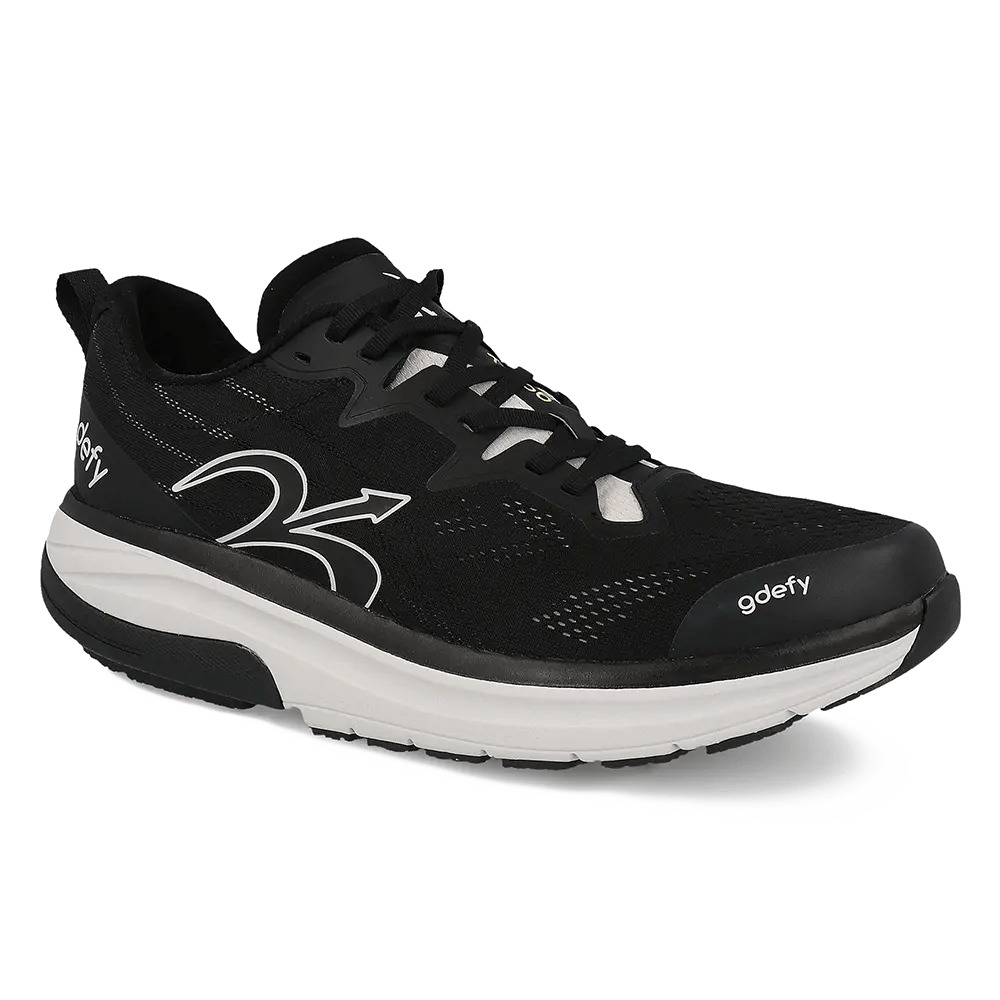
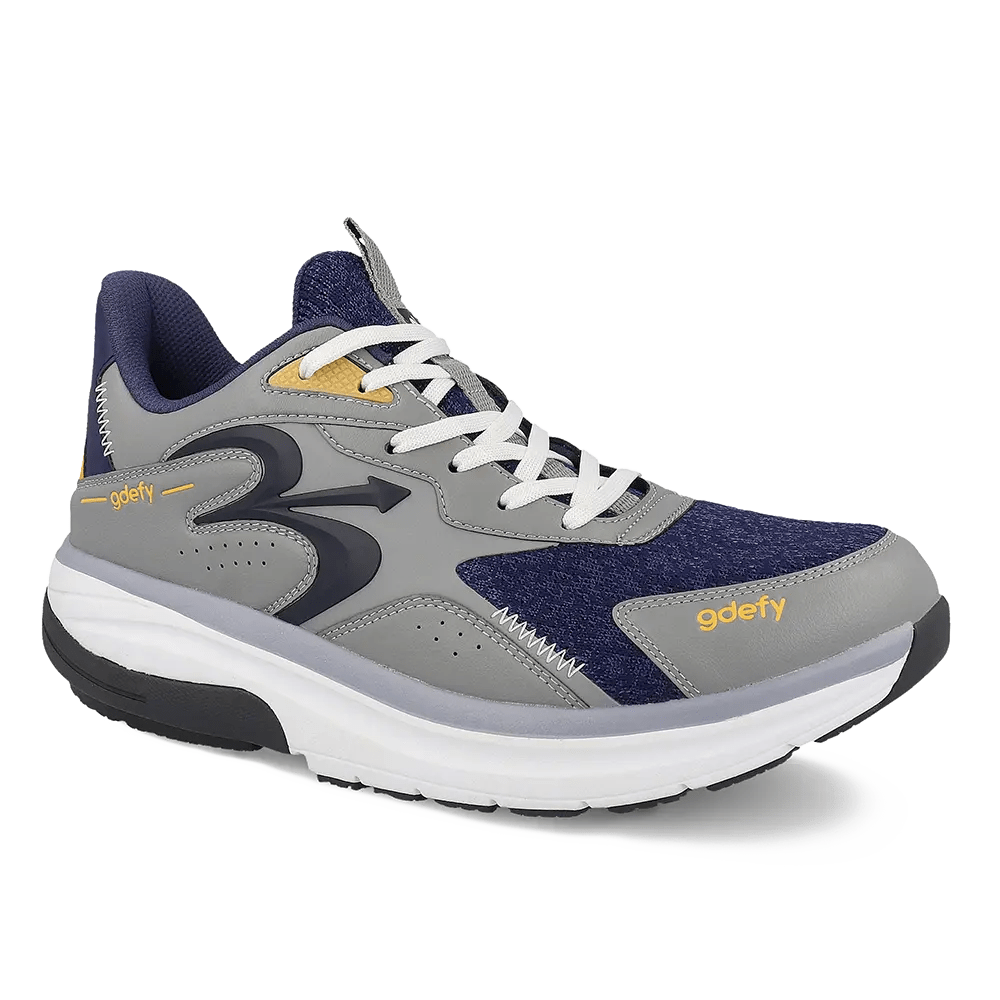
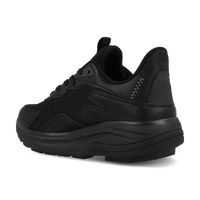
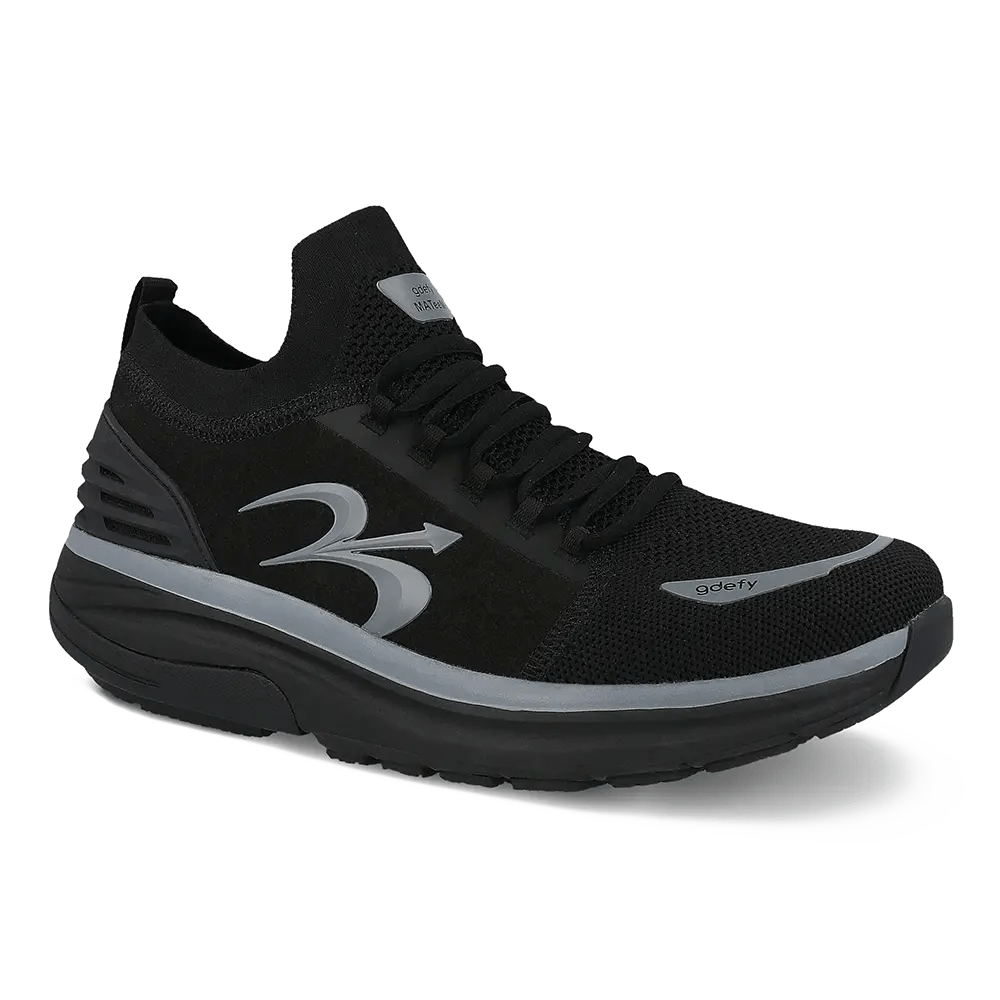
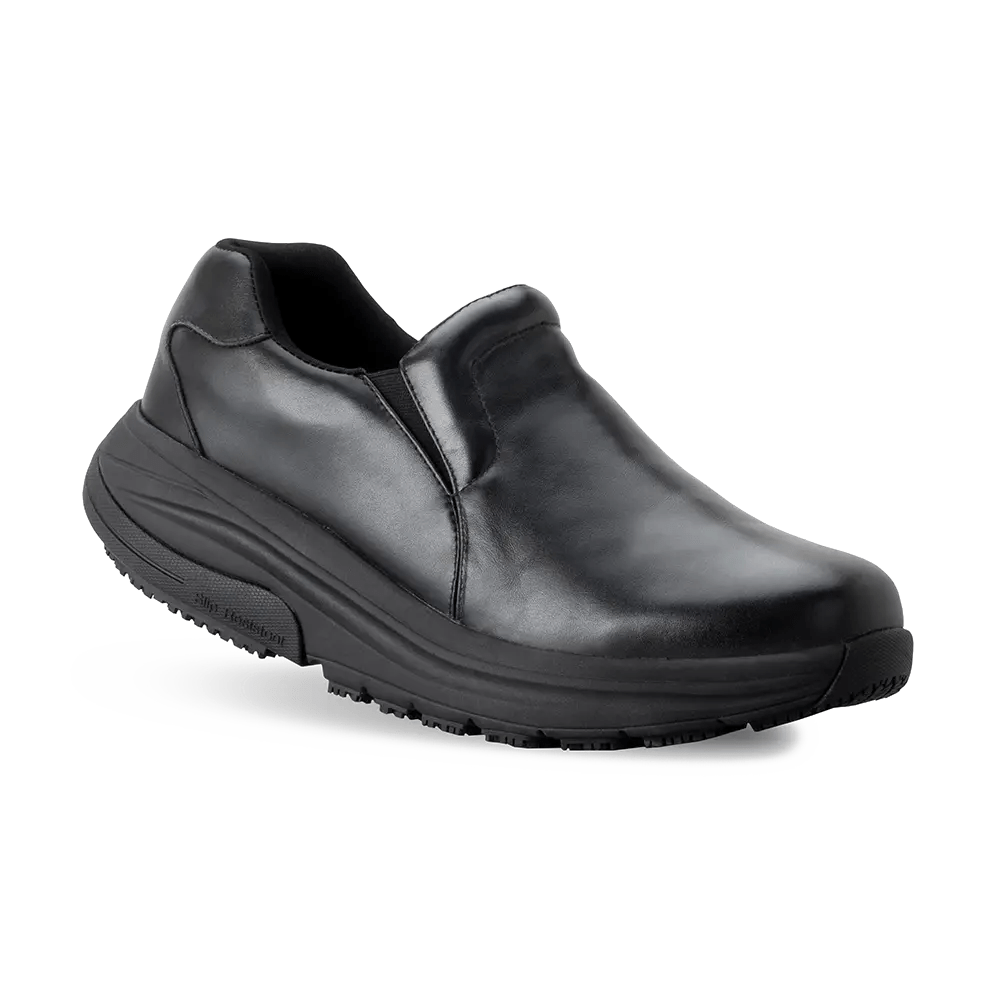
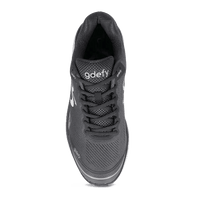
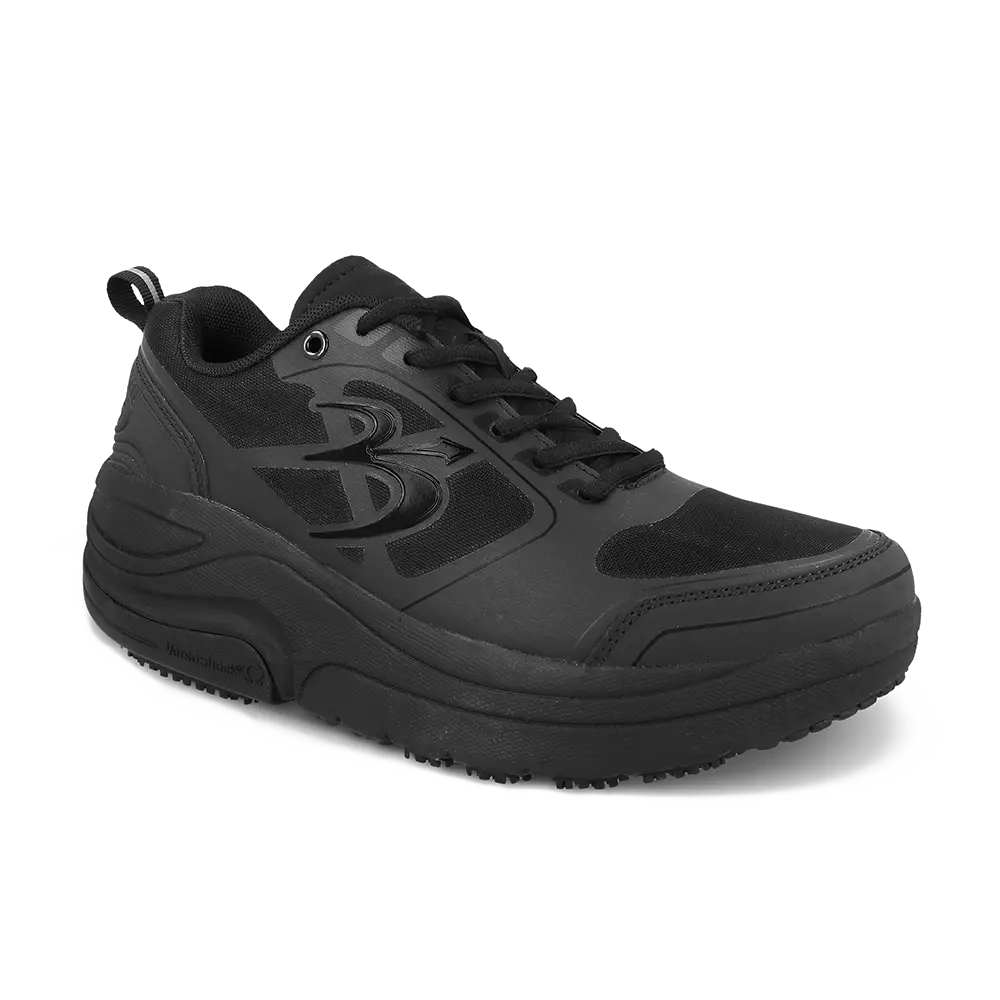
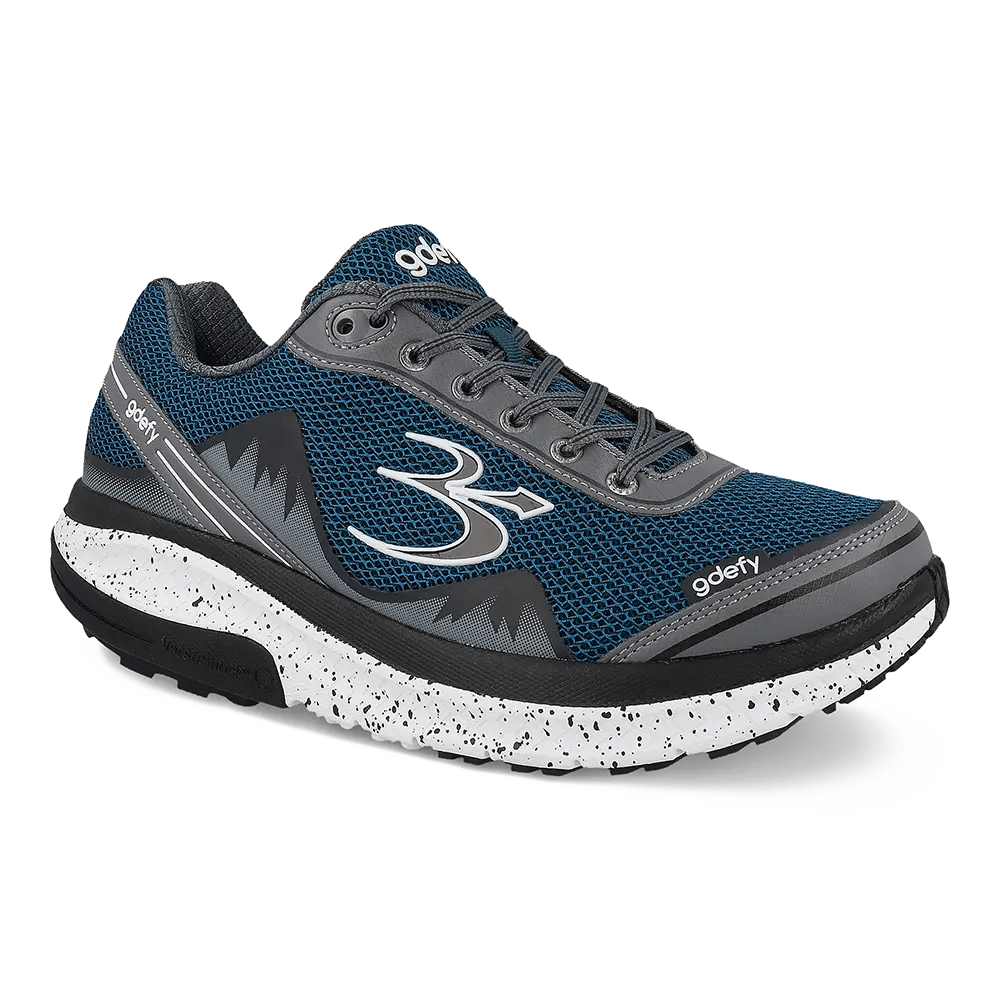
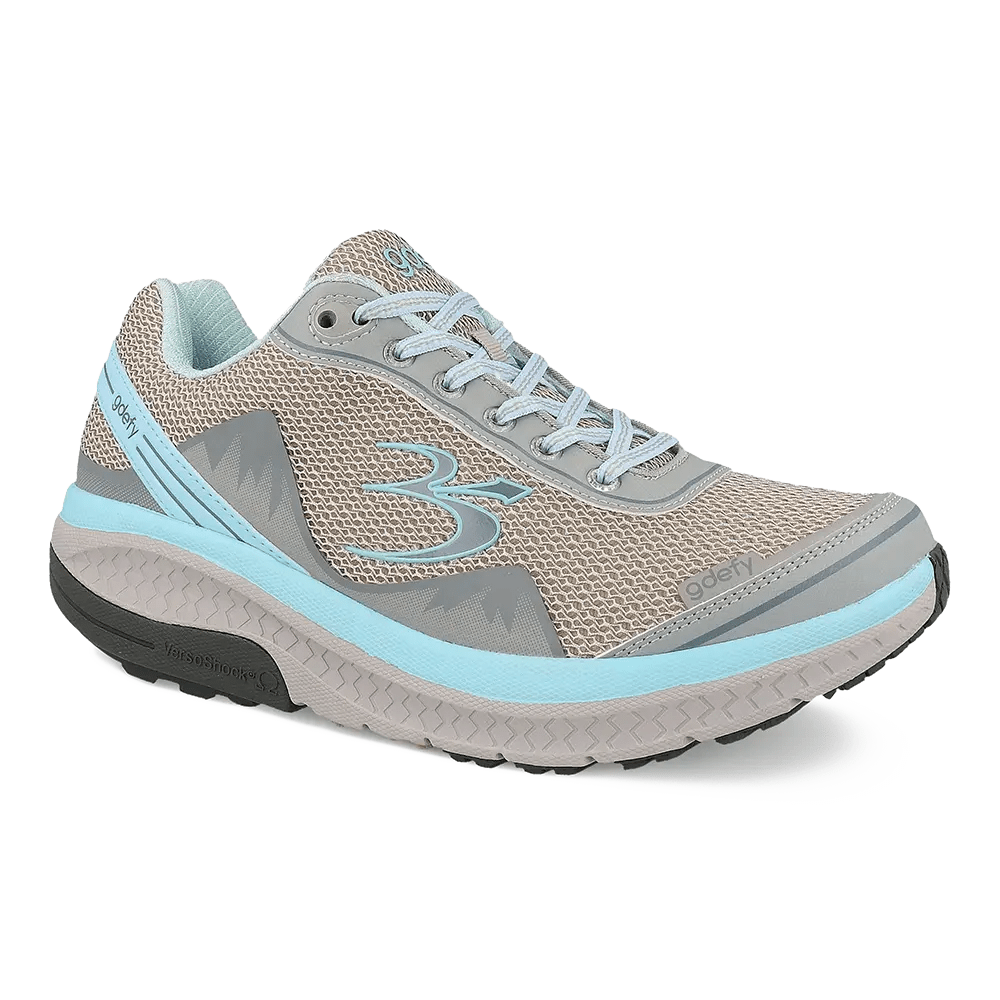
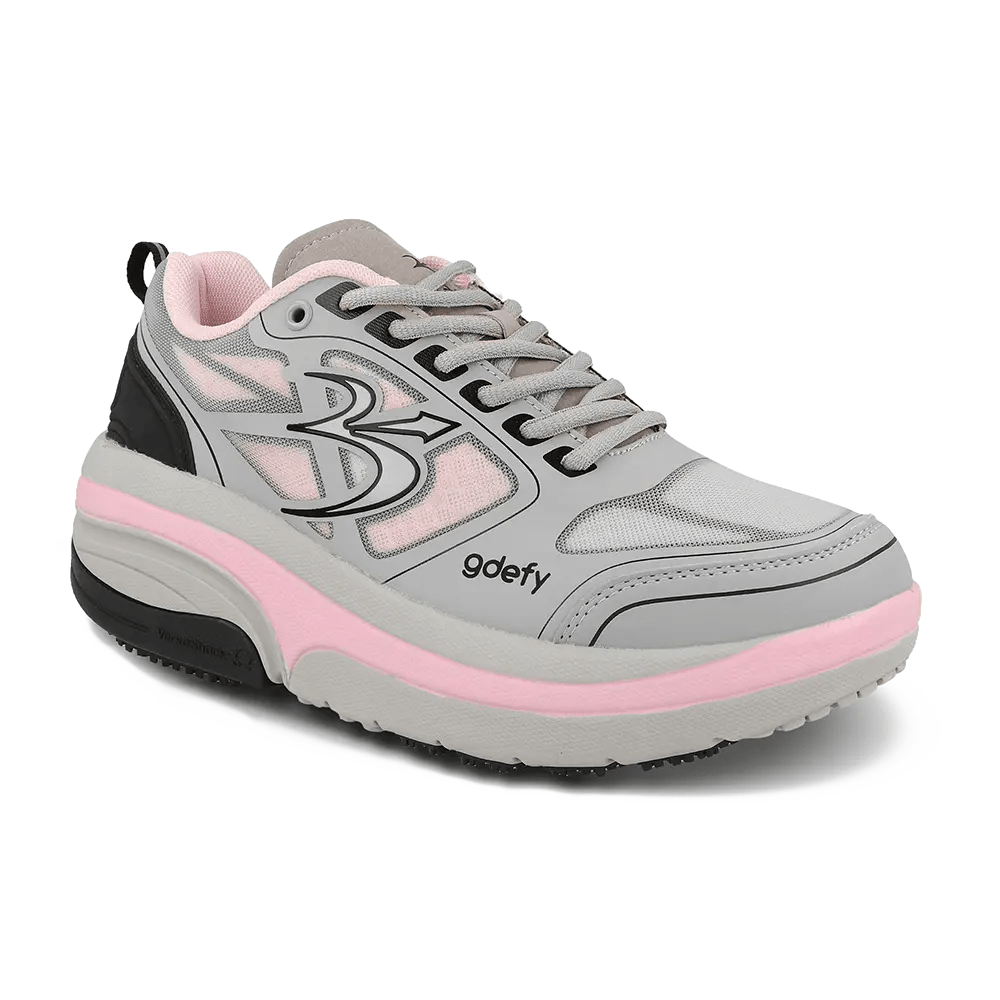
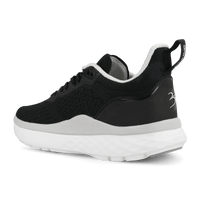
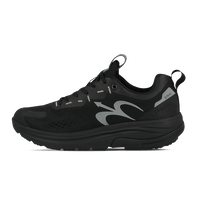
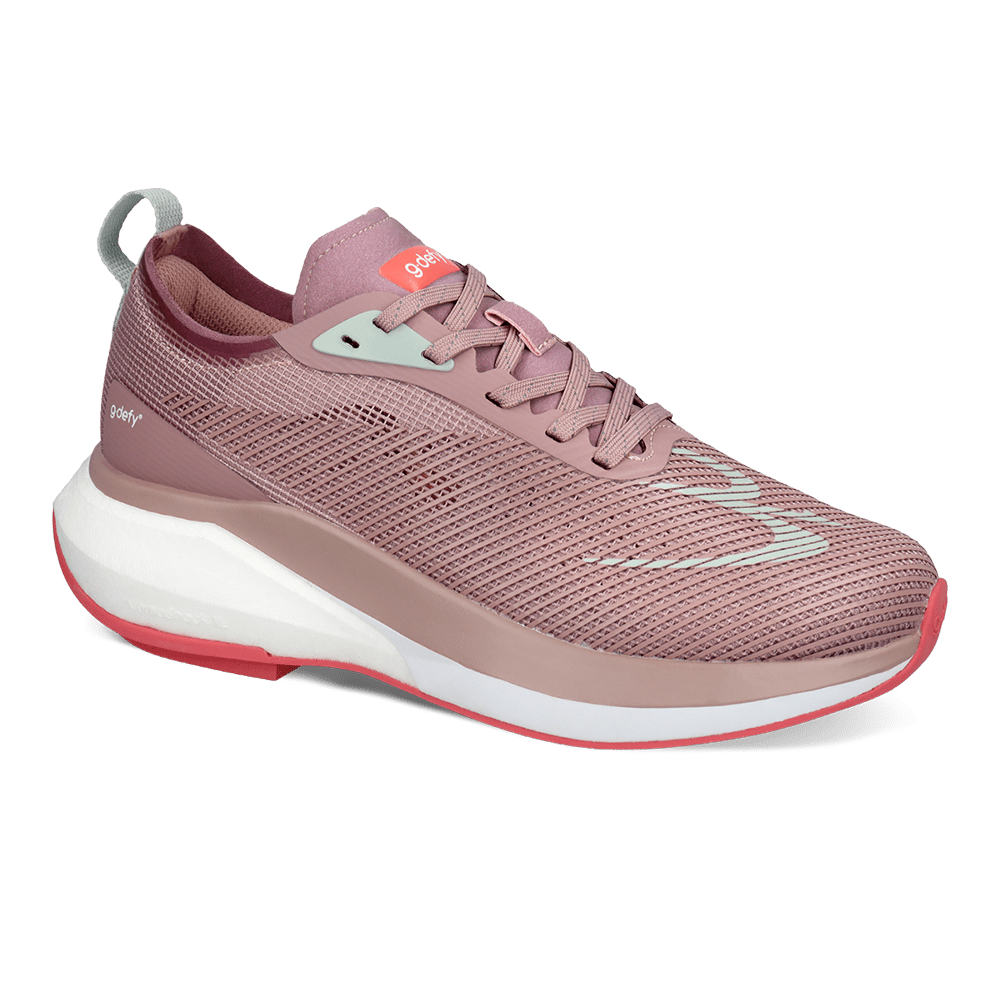
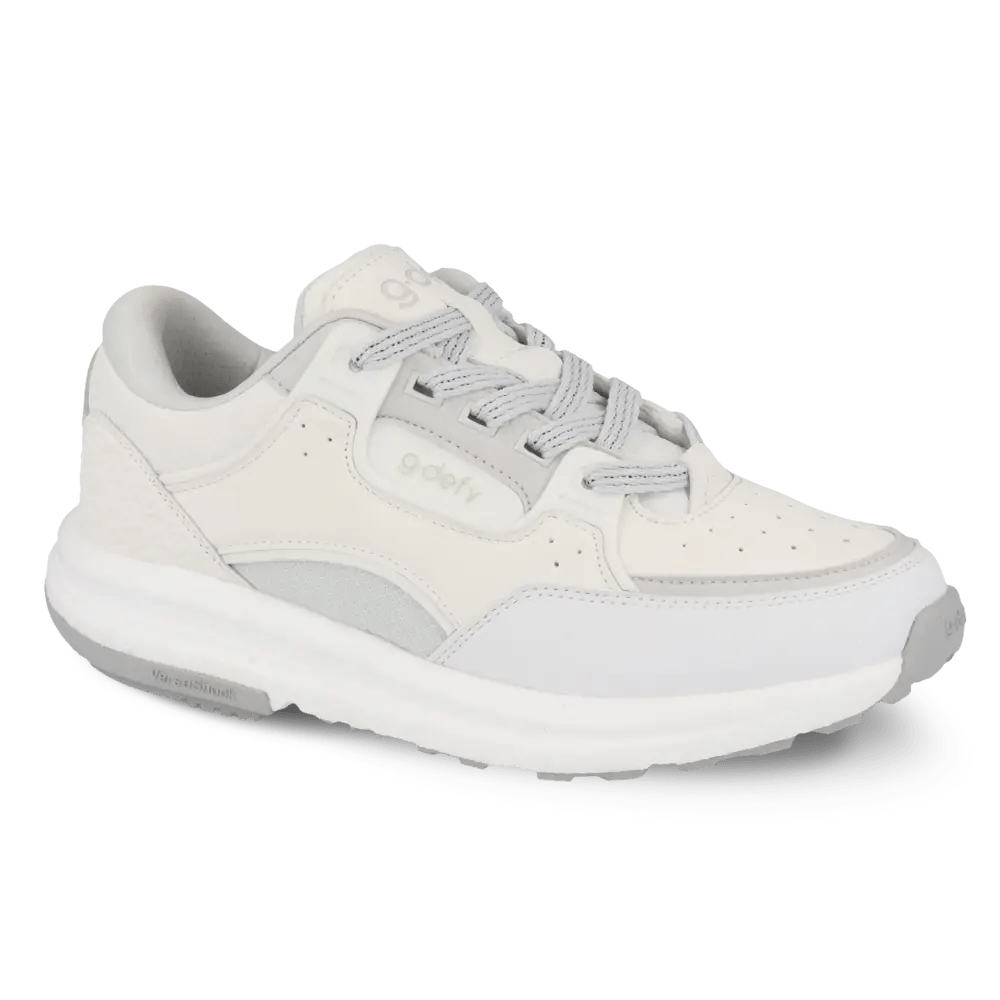
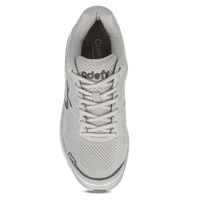
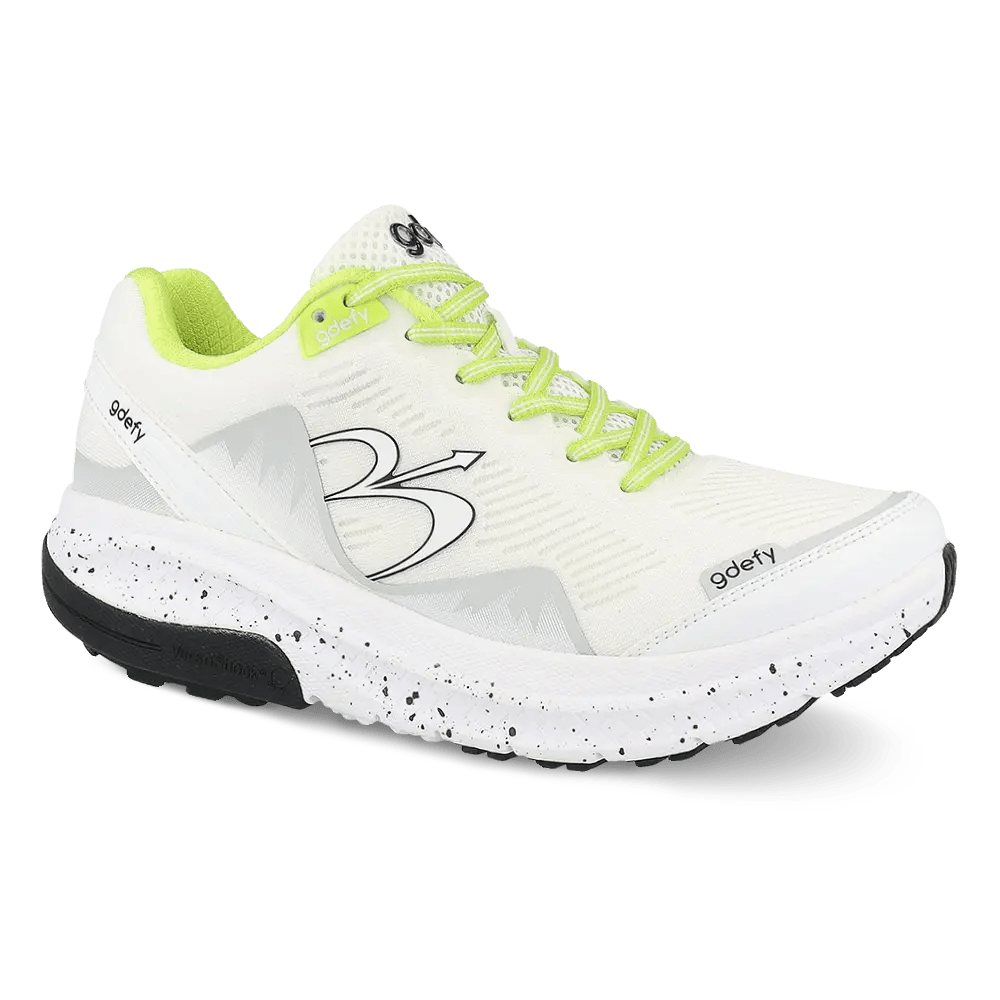
For all-day walking and standing, the Mighty Walk offers maximum cushioning and a supportive, stable platform. If you prefer something lighter and more casual, the G-Defy Ion delivers similar VersoShock® comfort in a lighter package. Both are available for men and women, and both ship with the dual orthotic system.

Find your most comfortable pair, risk-free
Try G-Defy with a 60-day risk-free trial and free shipping. If they're not the most comfortable shoes you've worn, send them back for a full refund.
Shop the Mighty Walk
Everyday Habits That Support Foot Comfort
Footwear is only part of the picture. A few simple habits can make daily movement feel easier no matter which type of arthritis you have:
- Rotate your shoes. Alternating pairs lets cushioning recover between wears and keeps support consistent.
- Replace worn shoes. Once the sole feels flat or uneven, it's no longer doing its job.
- Get the fit right. Shop later in the day when feet are at their largest, and leave a little room at the toes.
- Ease into longer walks. Gentle, regular movement is usually kinder to joints than occasional long efforts.
- Listen to your feet. New pressure points or rubbing are a signal to recheck your fit.
For more day-to-day ideas, see our arthritis foot-care tips for daily comfort and our look at how the right shoes may help on harder days.
Frequently Asked Questions
Are the best shoes for rheumatoid arthritis different from shoes for osteoarthritis?
They can overlap, but the emphasis shifts. With rheumatoid arthritis, room and a flexible, adaptable fit tend to matter most because the foot can change shape. With osteoarthritis, cushioning and a smooth, supportive ride for specific joints often take priority. Supportive, cushioned footwear may improve overall comfort during walking and prolonged standing in both cases.
Can shoes help with arthritis pain in the feet?
Shoes are not a medical solution and don't change the condition itself. That said, footwear designed for cushioning, support, and shock absorption may make daily walking and standing feel more comfortable. For persistent foot pain, talk with your healthcare provider.
Why do removable insoles matter for arthritis?
Removable insoles let you customize the level of support, swap in a fresh orthotic over time, or make space for an insert recommended by your provider. That flexibility is especially useful when foot shape or comfort needs change.
Should arthritis shoes be wide?
Many people find extra room more comfortable, particularly with rheumatoid arthritis, where sensitive joints and shifting foot shape make a snug fit harder to tolerate. Look for a deep toe box and enough width to avoid pressure over bony areas.
Does a rocker or rolling sole help with a stiff big toe?
A gently rolling sole is designed to ease the heel-to-toe transition so a stiff joint isn't forced to bend through its full range with every step. Many people who experience big-toe stiffness from wear-related arthritis find that kind of smooth, supportive ride more comfortable for everyday walking.
How long should I try a new pair before deciding?
Give any new shoe a couple of weeks of regular wear so your feet can adjust. G-Defy's 60-day risk-free trial is built for exactly this — enough time to judge real comfort during your normal routine, with a full refund if they aren't right for you.
The Bottom Line
Rheumatoid arthritis and osteoarthritis affect the feet in different ways, so the shoes that feel best can differ too — room and adaptability for one, targeted cushioning and a smooth ride for the other. While footwear is not a medical solution, choosing shoes designed for comfort, support, and shock absorption can make a meaningful difference in how you feel throughout the day. Explore the Mighty Walk or the lighter G-Defy Ion, both backed by a 60-day risk-free trial and free shipping.