
May 17, 2026
Plantar Fasciitis at Work: Shoes for People Who Stand All Day
By Gdefy

Summary
If you spend long hours on your feet at work — caring for patients, walking warehouse aisles, ringing up customers, standing at a workstation, teaching, cooking, serving tables — you already know how much your shoes shape the day. When plantar fasciitis is part of the picture, that connection gets even stronger. The wrong work shoes can make the last hour of a shift feel longer than the first three. The right ones can change the rhythm of your day.
While footwear is not a medical solution, the design of your work shoes can play a meaningful role in your daily comfort. The features that matter most for people standing all day with plantar fasciitis are the same ones that turn an ordinary walking shoe into a genuinely supportive one: cushioning, structured support, shock absorption, a stable midfoot, and a fit that lets your feet work the way they were built to.
This guide walks through what makes long workdays so demanding on the plantar fascia, what to look for in a work shoe, and how G-Defy shoes are engineered to help reduce pain from walking, running, and prolonged standing.
What Makes Standing All Day So Demanding on the Plantar Fascia
The plantar fascia is the thick band of tissue that runs along the bottom of the foot, connecting the heel to the toes. It supports the arch and helps with each push-off as you walk. When you stand or walk for long hours on hard surfaces, that band absorbs a lot of repeated stress.
A few daily realities of standing work make this worse:
- Hard floors and unforgiving surfaces — concrete, tile, polished hospital floors, retail floors, and warehouse decks return almost no impact back into the shoe, leaving more of it to be absorbed by your feet, ankles, knees, hips, and lower back.
- Static standing — staying in one place for long stretches is often harder on the feet than walking. The plantar fascia ends up under steady tension without the rhythmic flexing of a normal stride.
- Long shifts and back-to-back days — a 10- or 12-hour shift, repeated several days in a row, gives the tissues very little rest time between shifts.
- Footwear that wasn't built for the job — many traditional work shoes prioritize a uniform look or a basic grippy outsole over cushioning, arch structure, and shock absorption.
- Carrying or lifting — added load amplifies the impact of every step.
This isn't a medical diagnosis — it's the daily mechanics of standing work. Heel discomfort, arch tightness, and that classic "first-step-in-the-morning" stiffness are common signals that your feet are working overtime. For more on that morning pattern, see our companion piece on why morning heel pain happens and how the right shoes help. For persistent symptoms, talk with a healthcare provider; for everyday comfort, your work shoes are one of the easiest things to upgrade.
Why Traditional Work Shoes Often Fall Short
A lot of common work footwear was designed around durability and basic safety, not all-day cushioning. Even when a work shoe looks supportive, several design choices can quietly add up over a shift:
- Flat or thin midsoles that don't absorb enough impact from hard floors
- Soft foam that compresses fast and loses its cushioning weeks into wear
- Weak arch support that lets the plantar fascia stretch and strain unchecked
- Stiff, flat soles that fight your natural heel-to-toe motion instead of supporting it
- Heavy builds that turn every step into more effort
- Cramped toe boxes that push toes together instead of letting them splay for balance
These are the design gaps that long-shift workers feel most. Closing them is what separates a generic shoe from a work shoe genuinely built for standing all day. We covered the broader feature set in what features matter most for plantar fasciitis comfort during walking.

What to Look for in Work Shoes If You Experience Plantar Fasciitis
When you're choosing work shoes with plantar fasciitis in mind, focus on the design features below. None of these "fix" or "address" a condition — they're comfort and support features that can make standing all day feel meaningfully better.
1. Strong Heel Cushioning and Shock Absorption
Your heel takes the first hit with every step and a large share of the load while standing. A shoe with engineered shock absorption — not just thick foam — helps soften that repeated impact so your plantar fascia and heel feel less of the floor.
2. Supportive, Contoured Arch
A flat insole forces the plantar fascia to do all the supporting on its own. A contoured footbed that hugs the arch shares the work and helps the foot stay in a more comfortable position through long hours of standing.
3. A Midfoot Stabilizer
A built-in stabilizer (sometimes called a shank) keeps the middle of the shoe from collapsing under your weight. That structure helps support the arch and keeps the foot from over-flexing during shifts that have a lot of standing.
4. A Rolling, Heel-to-Toe Design
A subtle rolling forefoot encourages a smoother transition from heel-strike to toe-off. For workers who walk many short steps in tight spaces — between rooms, behind a counter, around a workstation — this can make movement feel more natural and less effortful.
5. Energy Return, Not Just Cushion
Foam alone tends to compress and stay compressed. A shoe designed to return energy with each step helps reduce fatigue late in a shift, when you need the boost most.
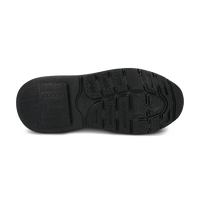
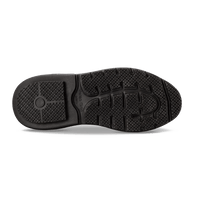
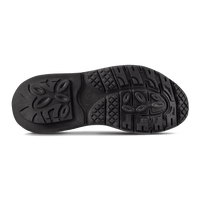
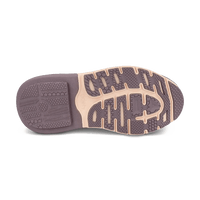
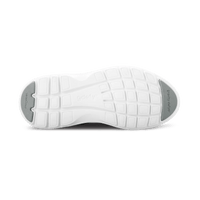
6. A Grippy Outsole for Real-World Floors
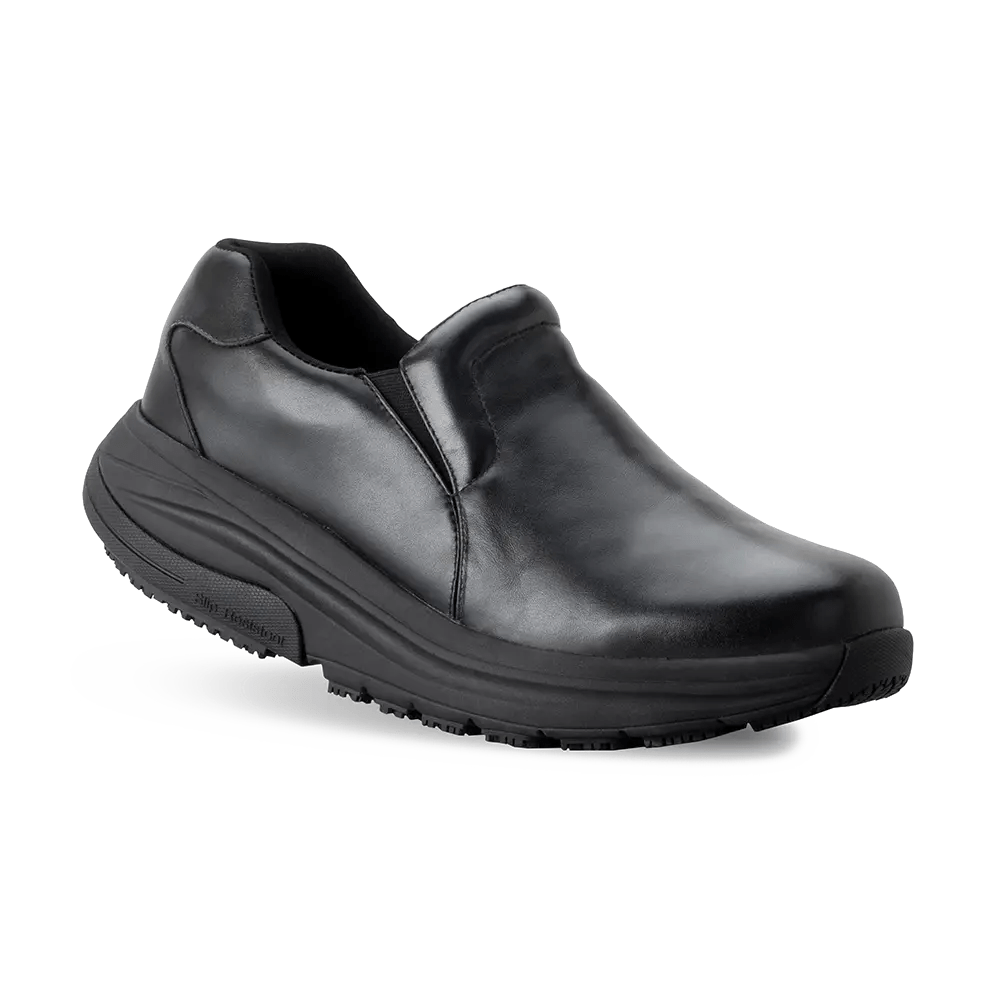
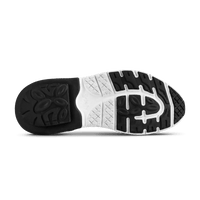
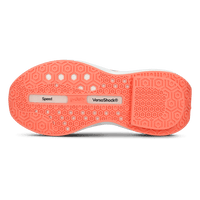
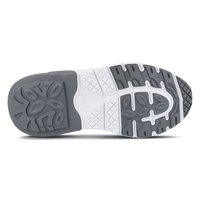
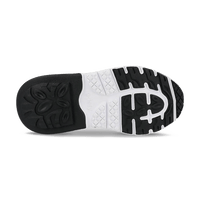
Wet kitchens, mopped corridors, food-prep areas, factory floors, and rainy entries are all part of a standard workday. A well-patterned rubber outsole helps your steps feel sure-footed without forcing you into a stiff, heavy shoe. (Always follow your workplace footwear policy, including any specific safety certifications it requires.)
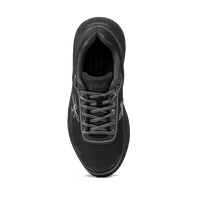
7. A Roomy, Comfortable Toe Box
Toes need a little space to splay for balance and to avoid pressure on existing sore spots. A shoe that's narrow at the front turns every step into a squeeze.
8. Lightweight Construction
A heavy shoe might feel "supportive" in the store and exhausting by the end of a shift. Modern engineering can deliver structure and cushioning without the weight.
9. A True-to-Foot Fit
Even the best features fall apart if the shoe is the wrong size. Plan to size in the afternoon (when feet are slightly larger), wear the socks you actually work in, and look for a brand that backs the fit with an easy return policy. For a deeper dive into design features that help with plantar fasciitis, see how shoe design improves comfort for plantar fasciitis.
How G-Defy Shoes Approach All-Day Standing Comfort
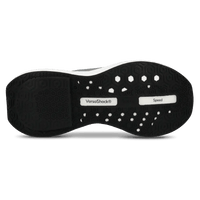
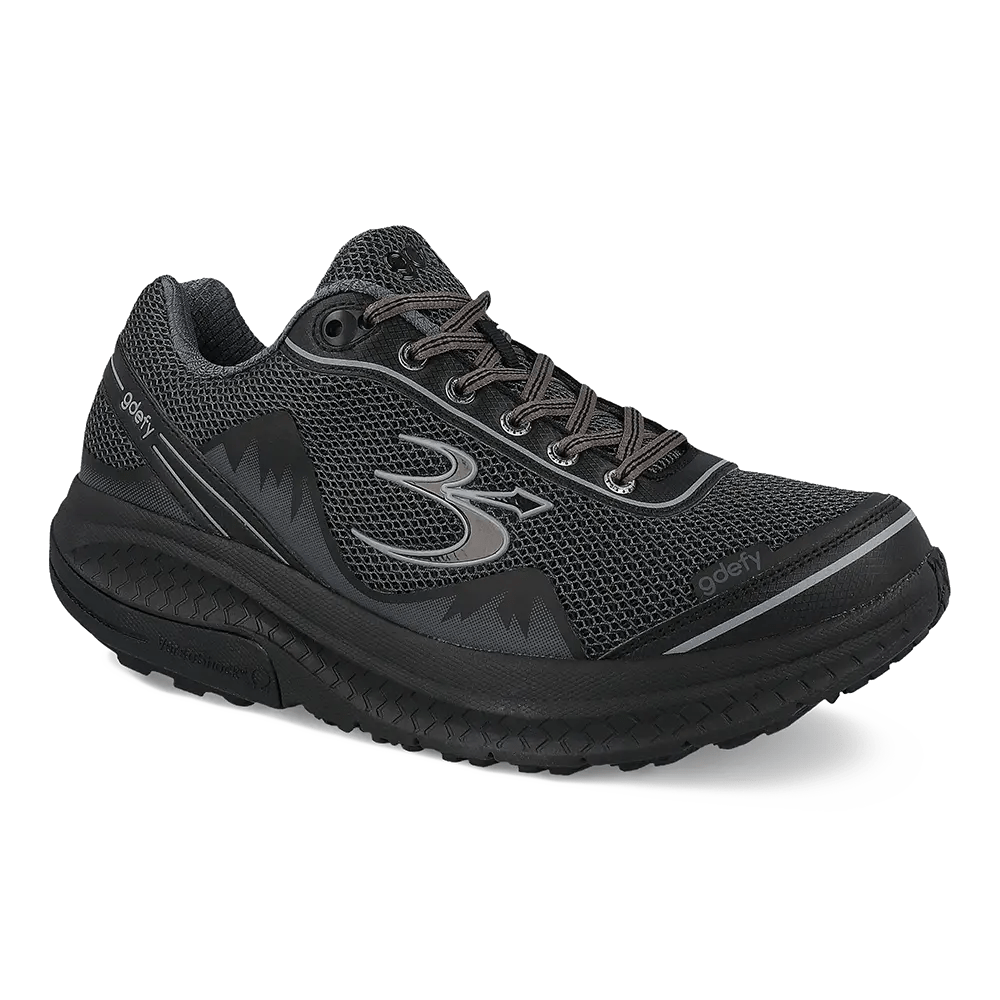
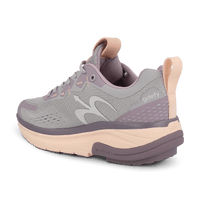
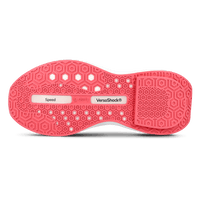
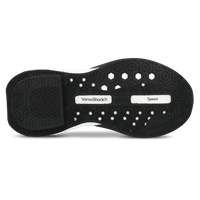
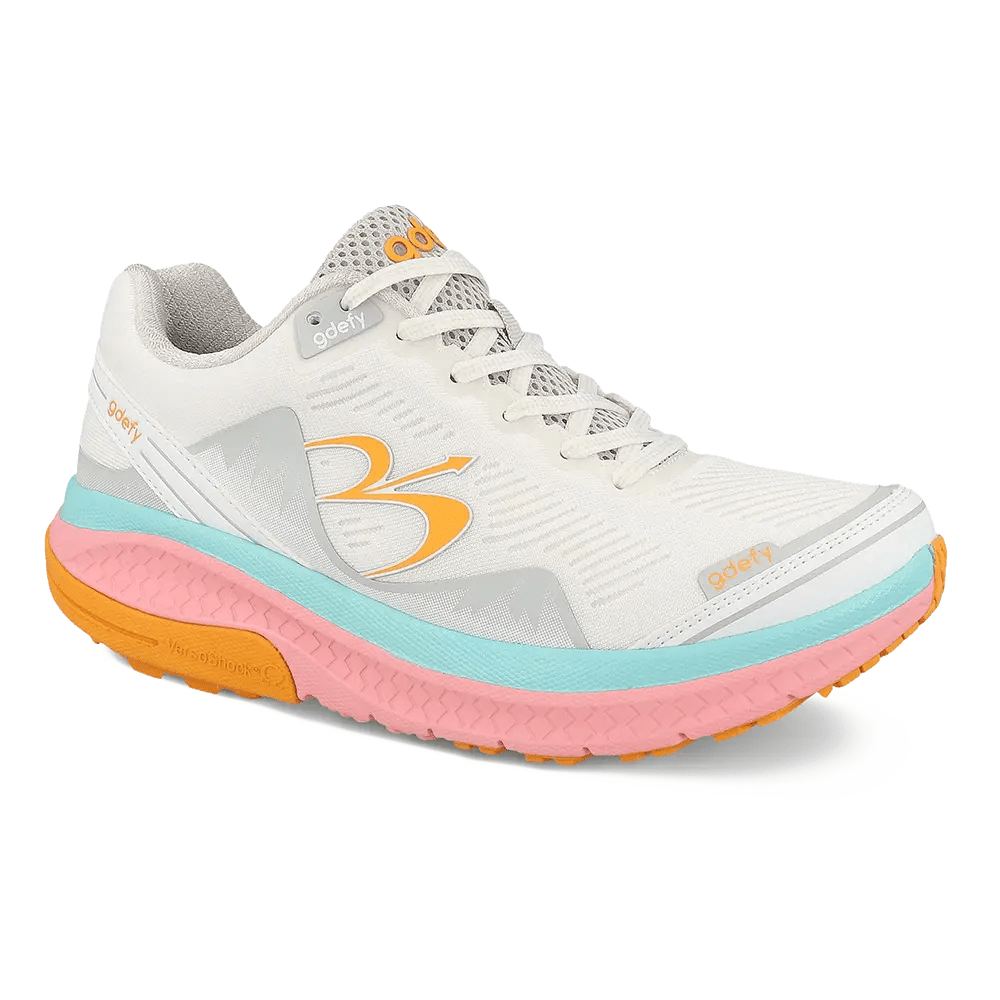
G-Defy shoes are built around a different idea — not just cushioning, but how your body moves through a long day on your feet. They feature VersoShock® technology, a spring-based system designed to absorb impact softly and return energy with each step.
Four core design elements work together:
- Shock absorption (VersoShock®) — a spring-based system designed to absorb impact softly with each step, helping reduce the harsh force of walking on hard floors.
- Energy return — instead of foam that compresses and stays compressed, VersoShock® is engineered to return energy, helping support a more responsive stride from the first hour to the last.
- Built-in stabilizer — a structured shank supports the foot through the middle of the shoe, helping prevent excessive bending during long stretches of standing.
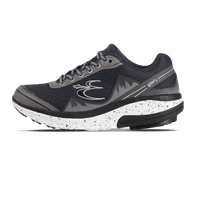
- Front rolling design — a subtle rocker encourages a smoother heel-to-toe transition, supporting a more natural walking motion across tile, concrete, and other unforgiving surfaces.
Every pair also includes two removable orthotics — the ComfortFit® insole for low to medium arches and the CorrectiveFit® insole for medium to high arches — so you can customize support to your own foot.
Together, these features are designed to deliver comfort, support, and shock absorption. G-Defy shoes help reduce pain from walking, running, and prolonged standing, while supporting a more comfortable stride for people who spend their workday on their feet. For the full story on the underlying technology, see how VersoShock® technology works.
Featured G-Defy Shoes for Long Work Days
Two G-Defy shoes are especially popular with people who stand all day:
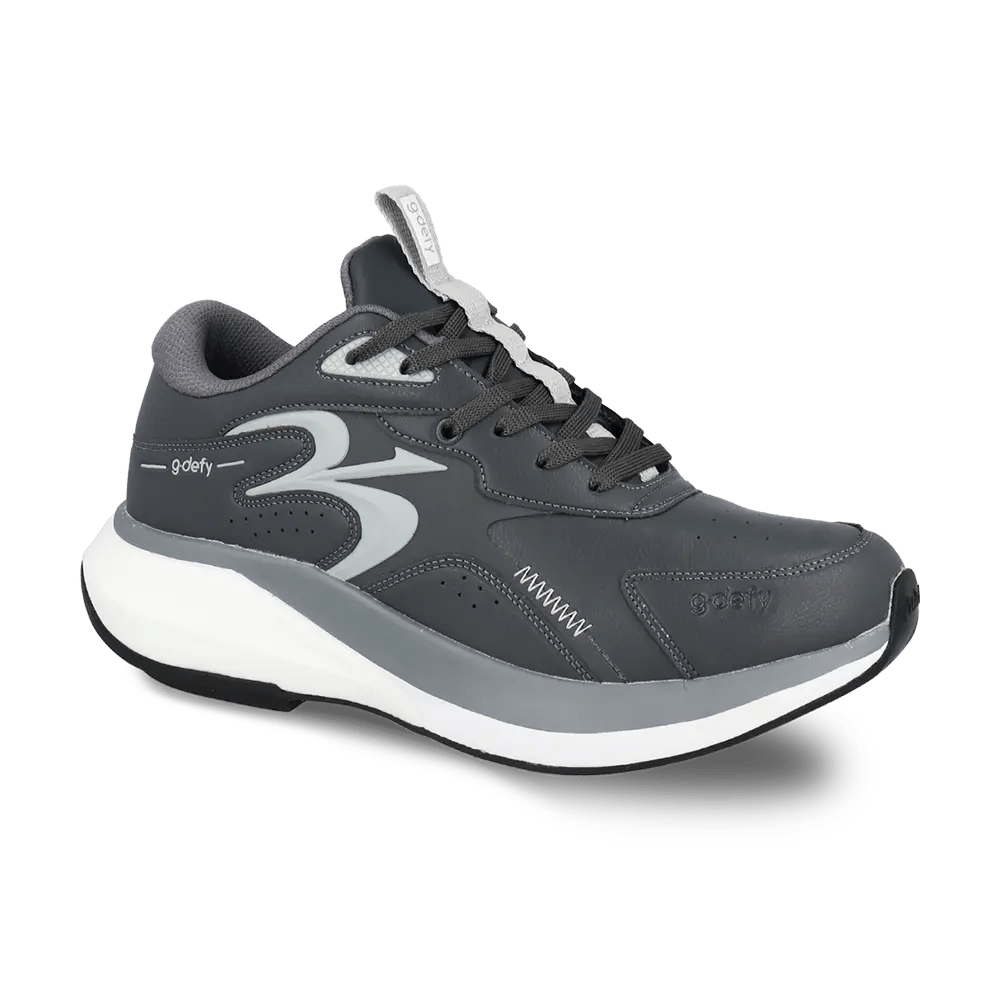
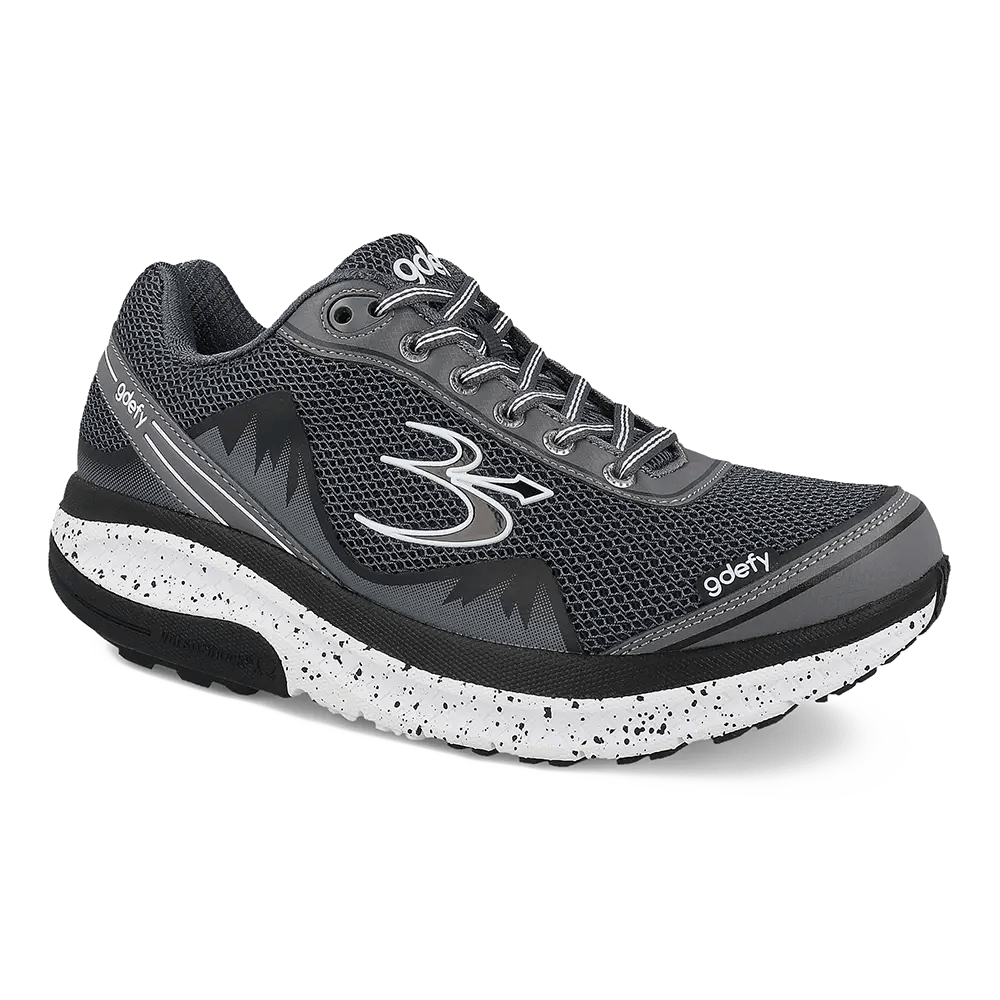
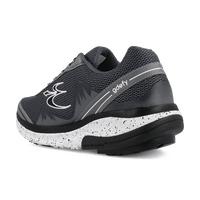
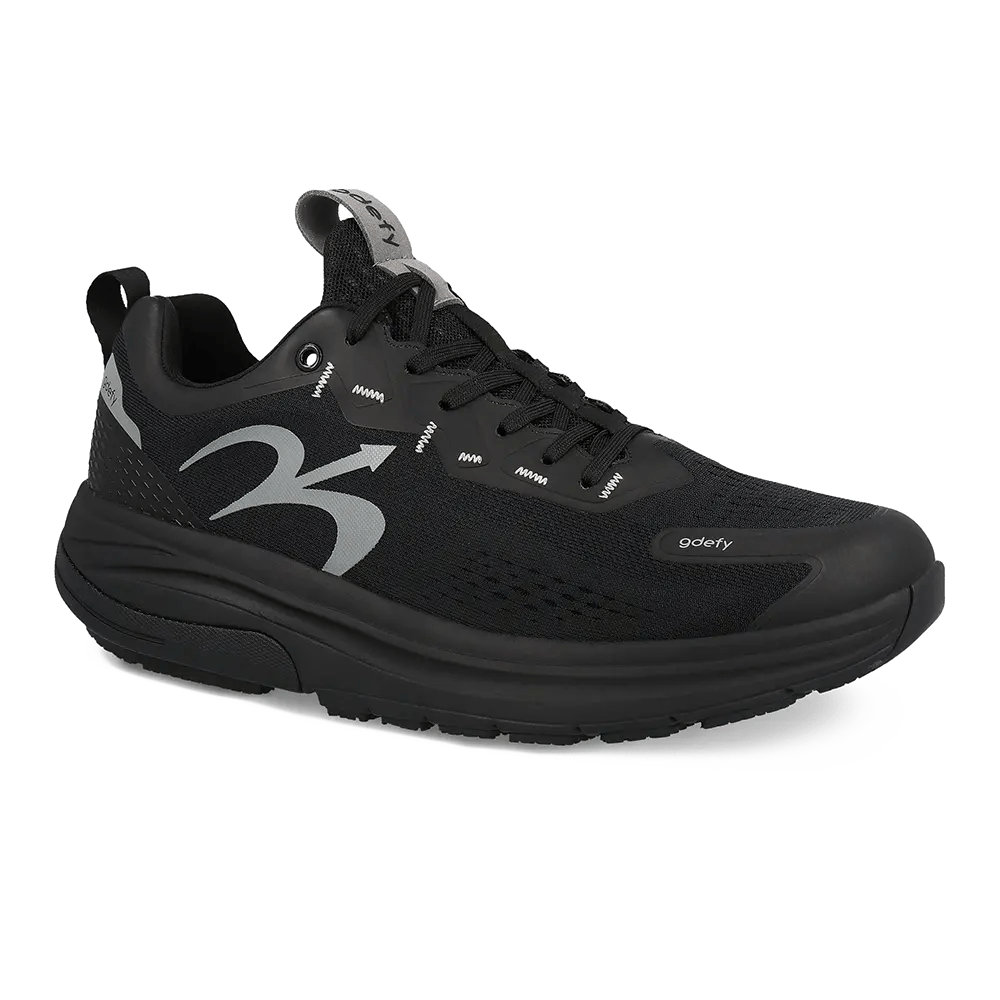
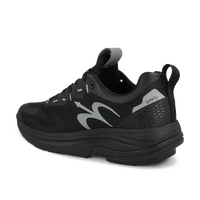
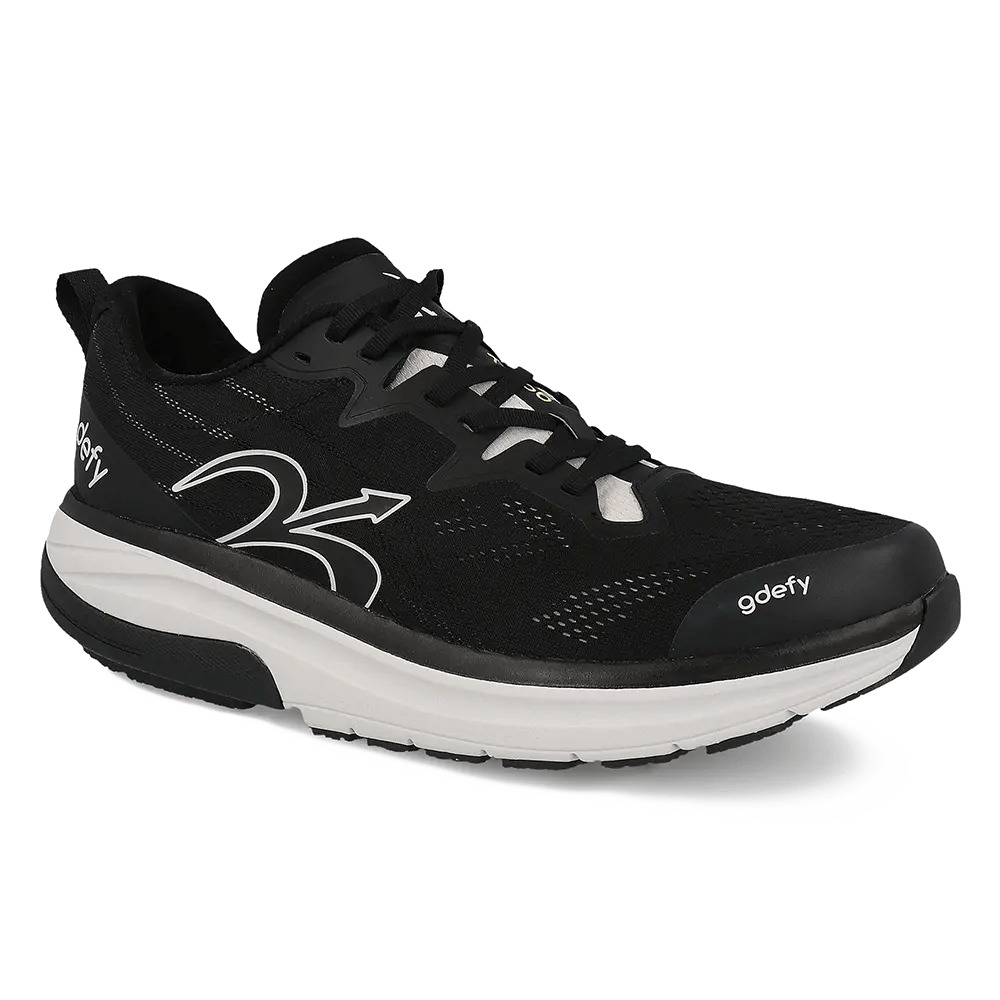
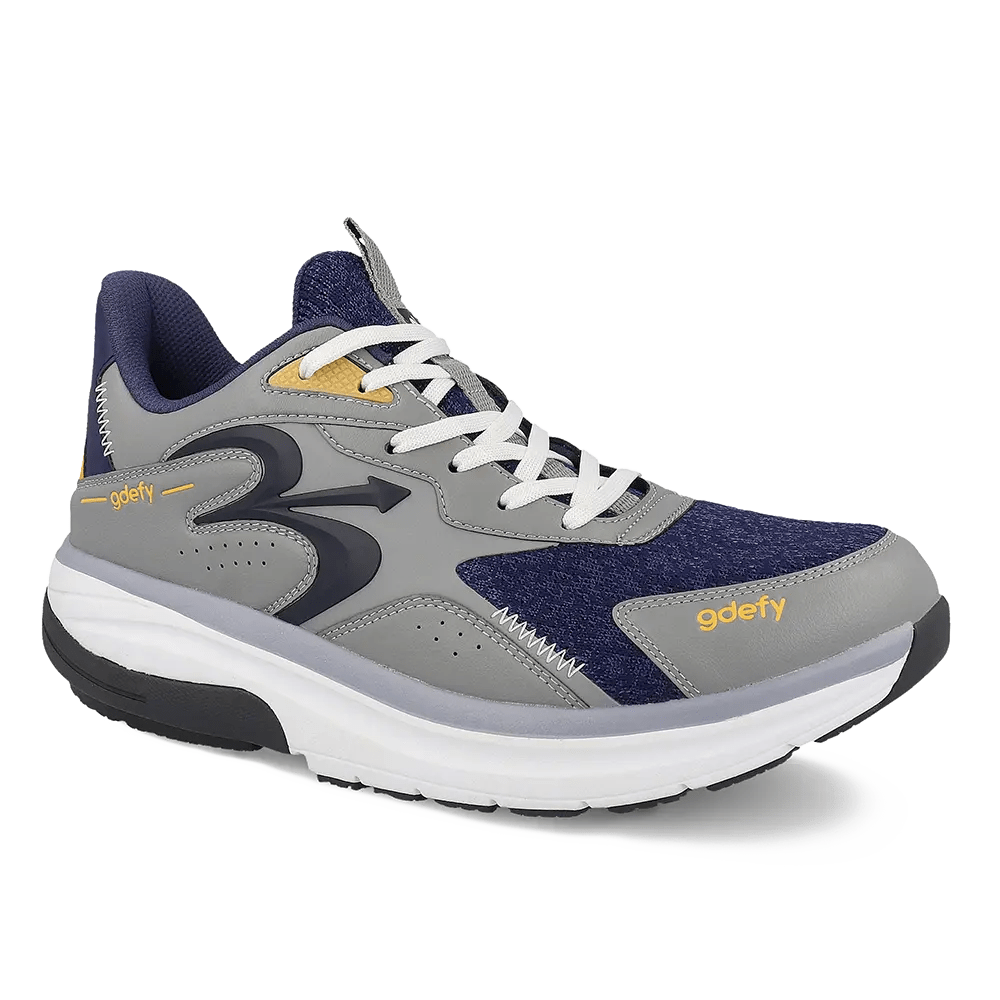
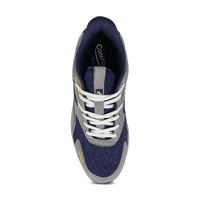
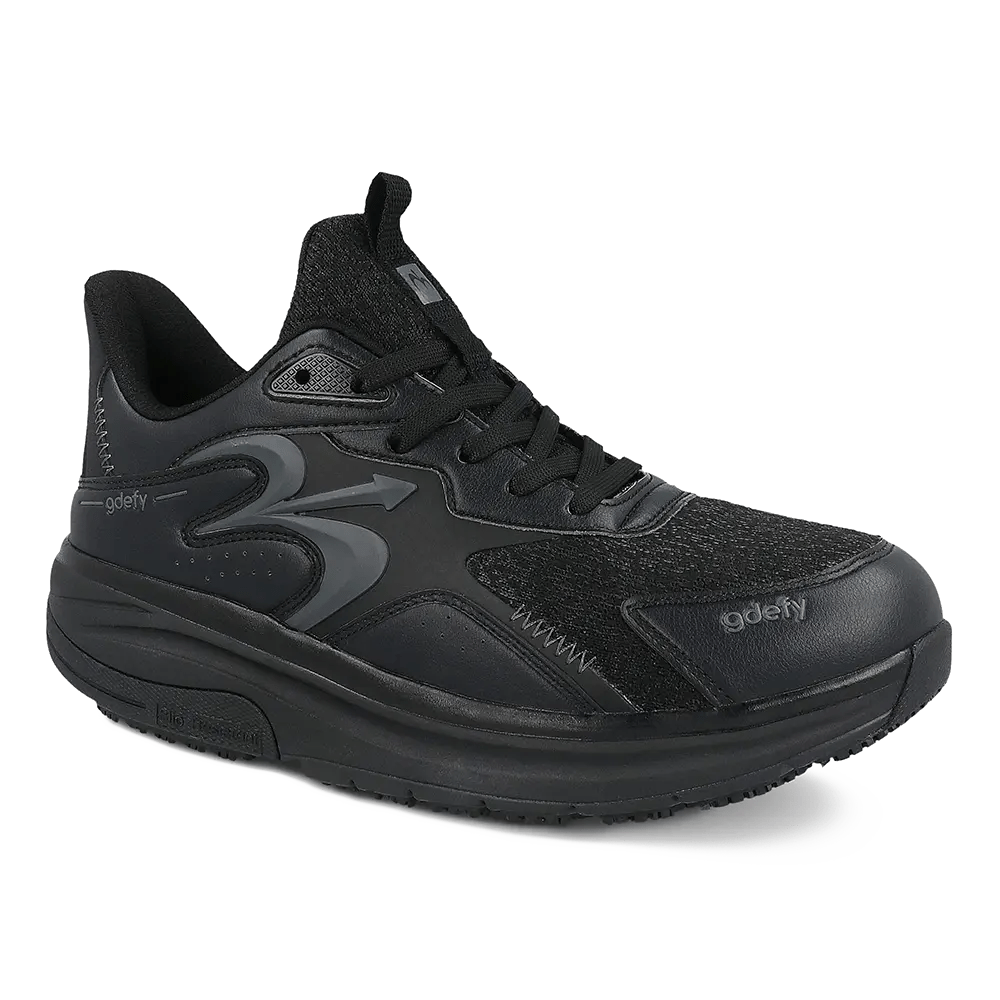
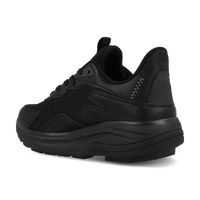
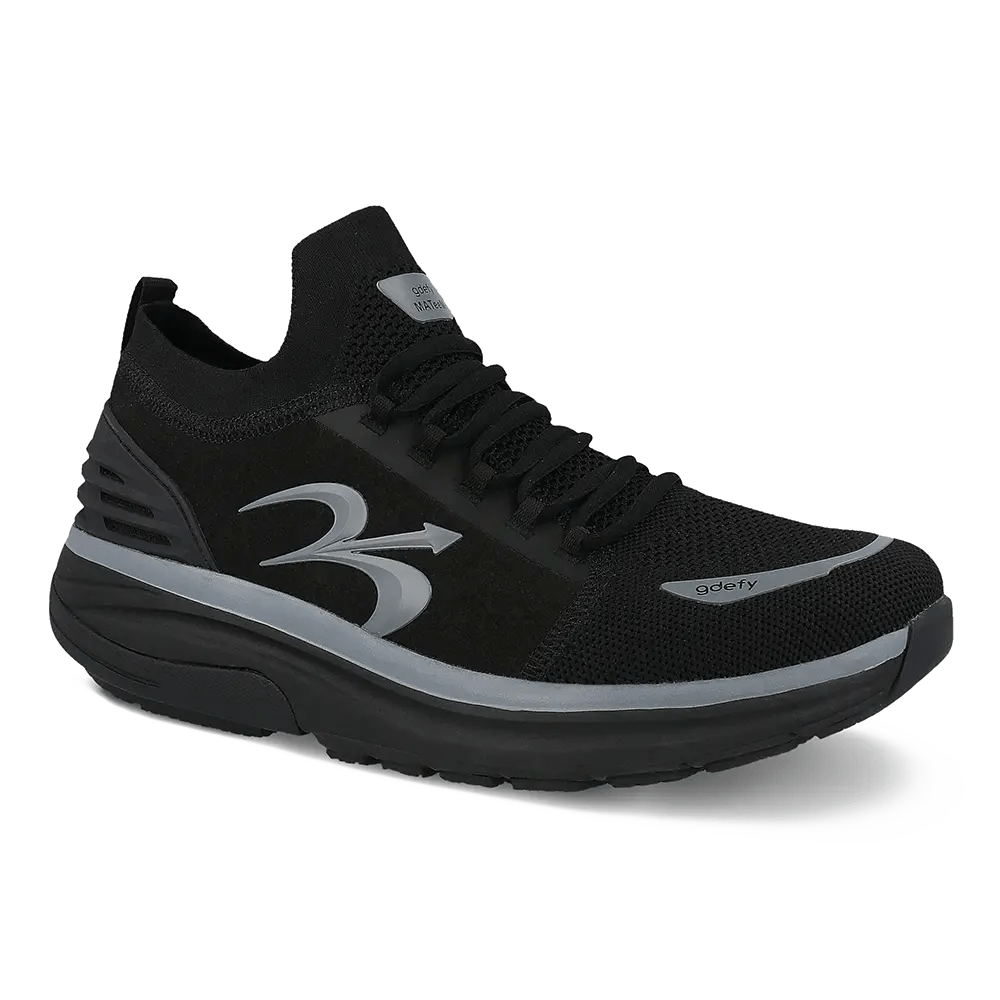
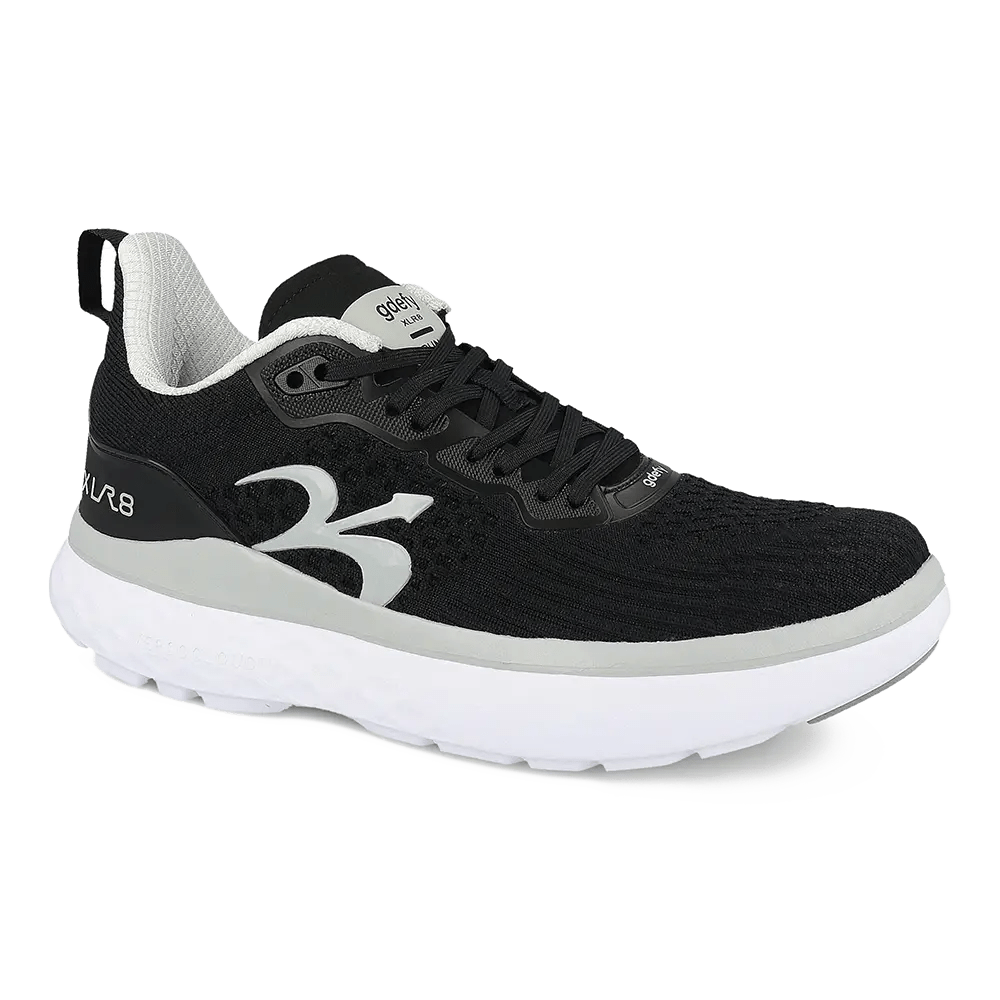
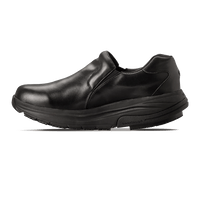
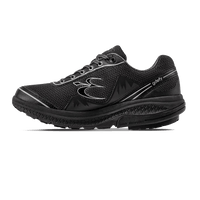
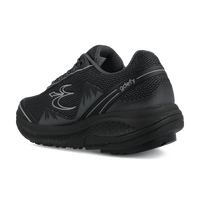
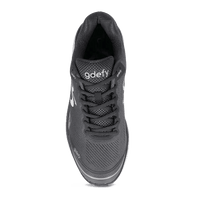
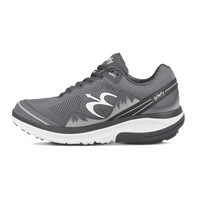
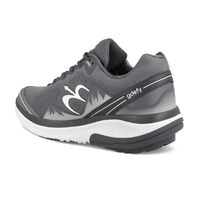
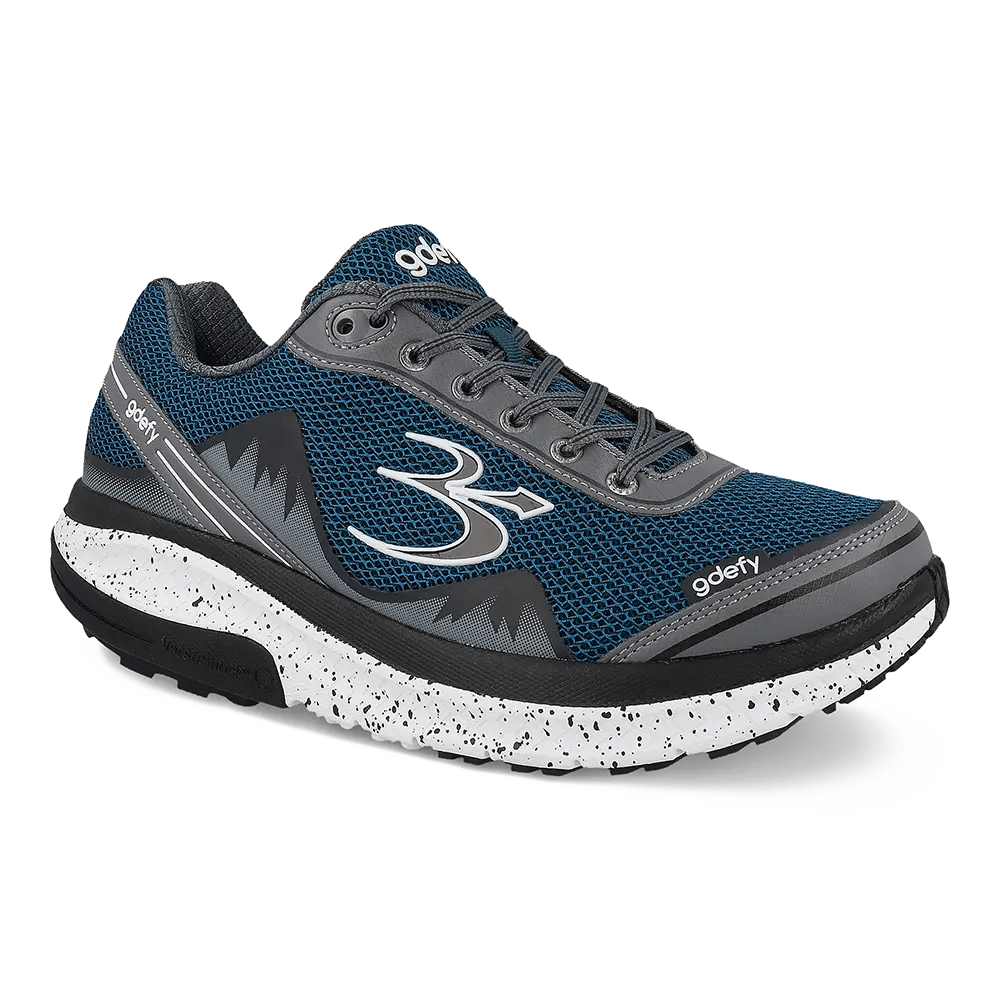
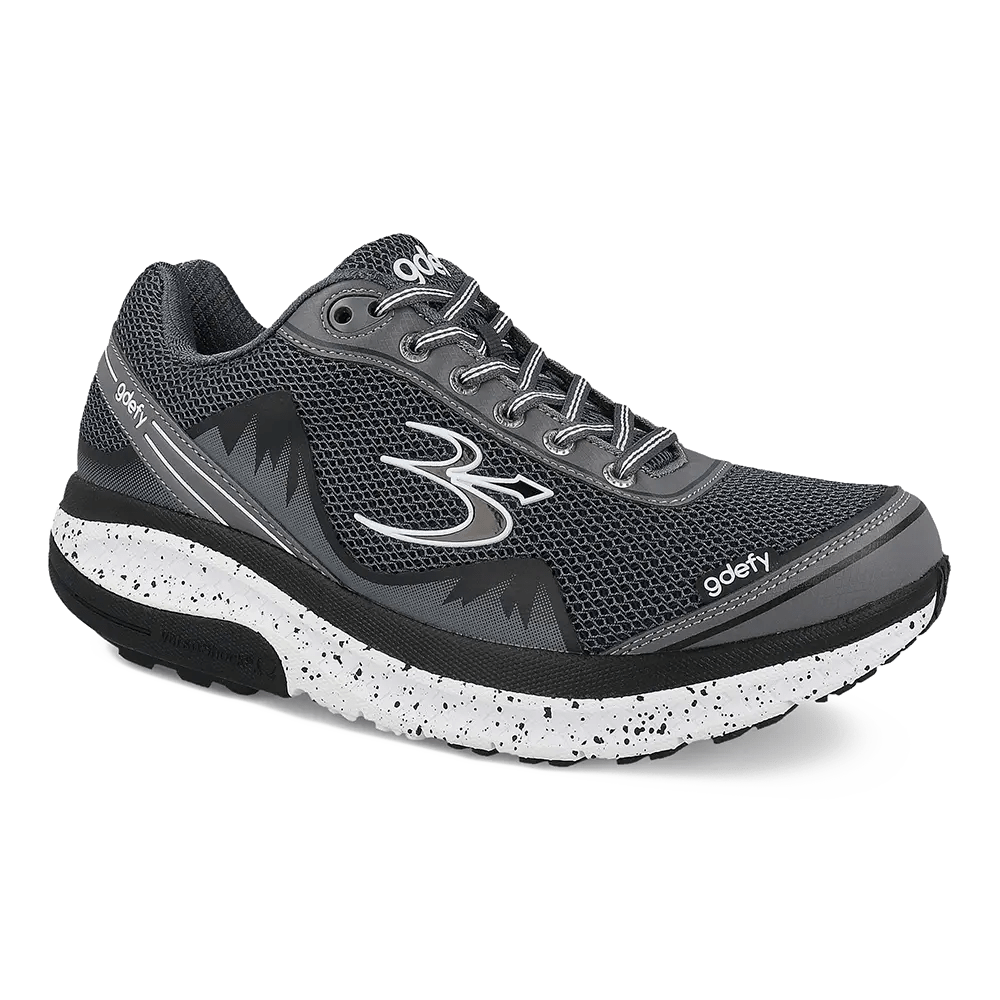
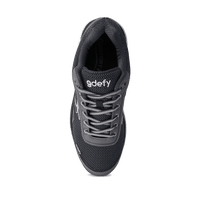
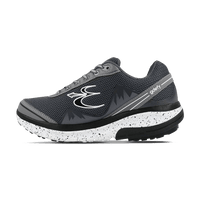
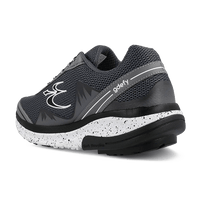
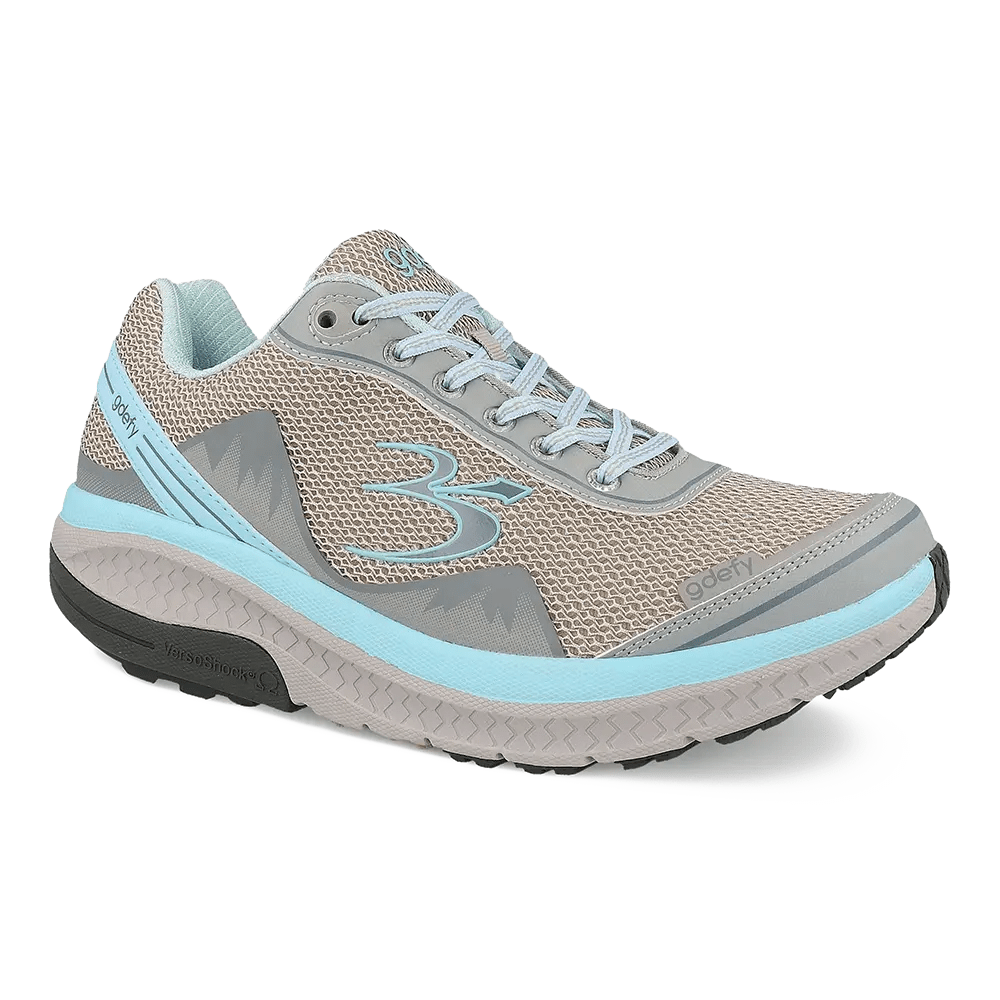
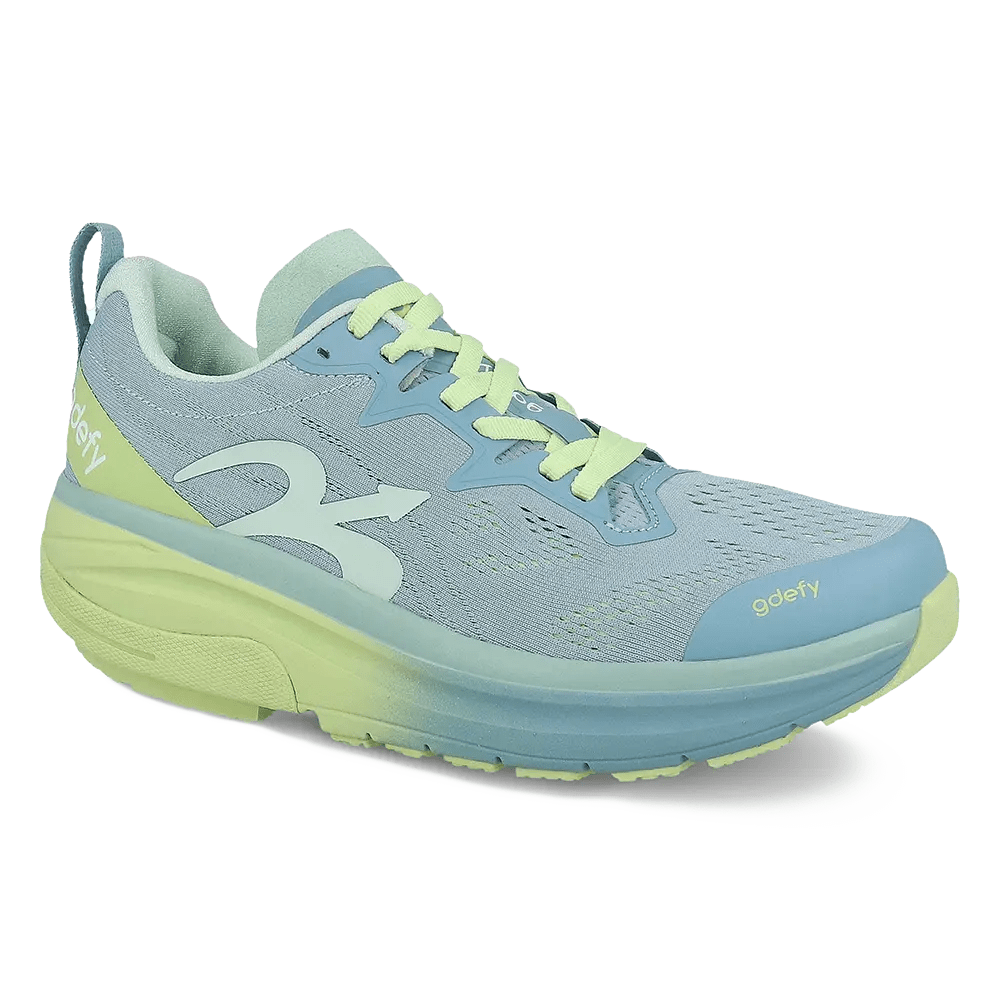
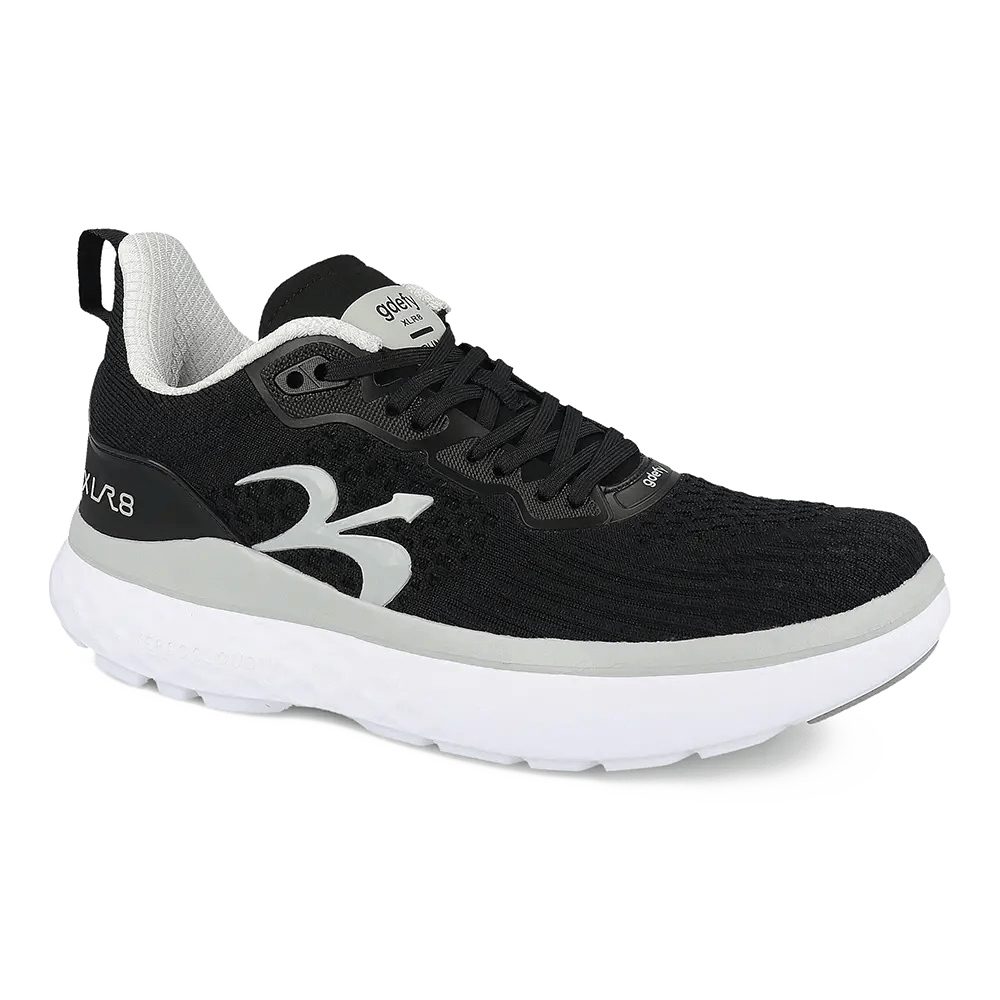
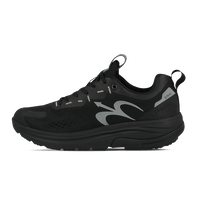
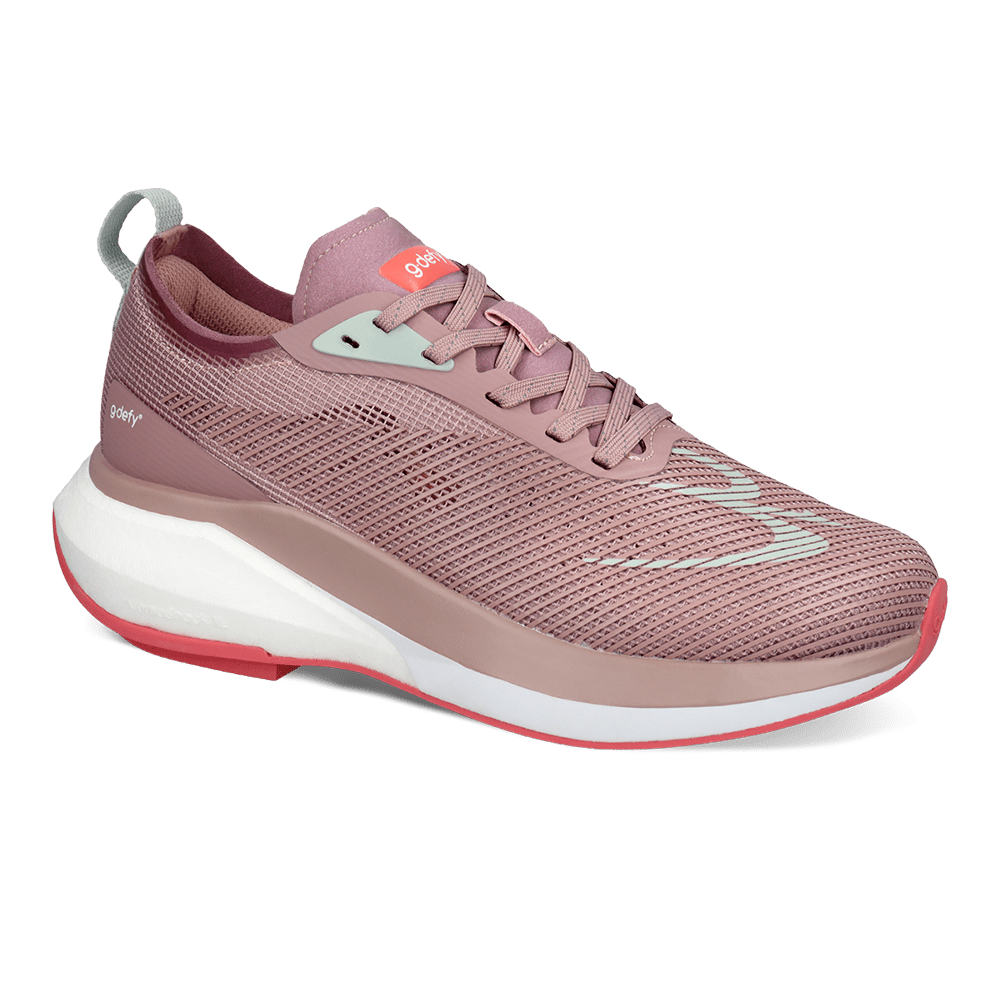
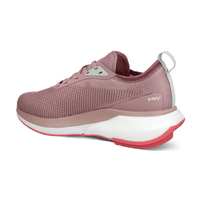
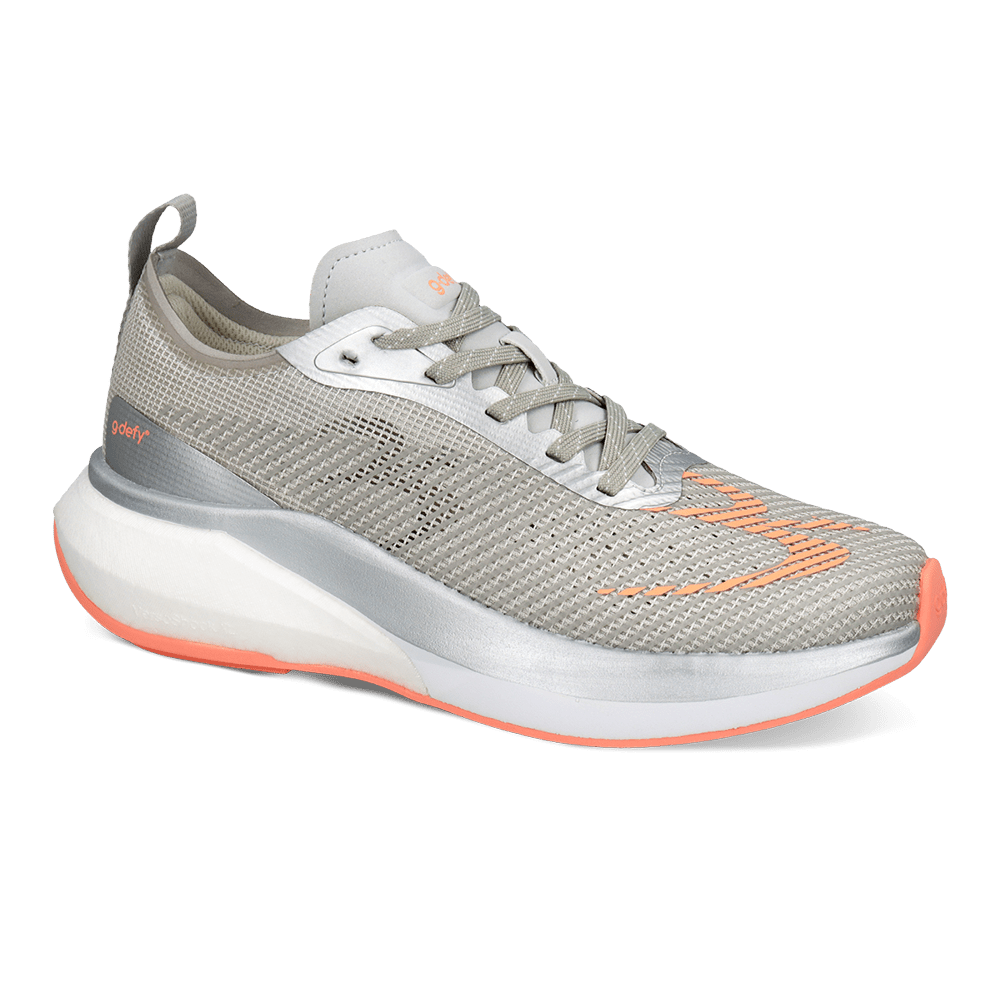
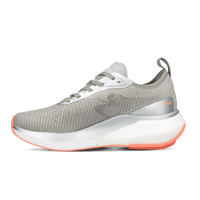
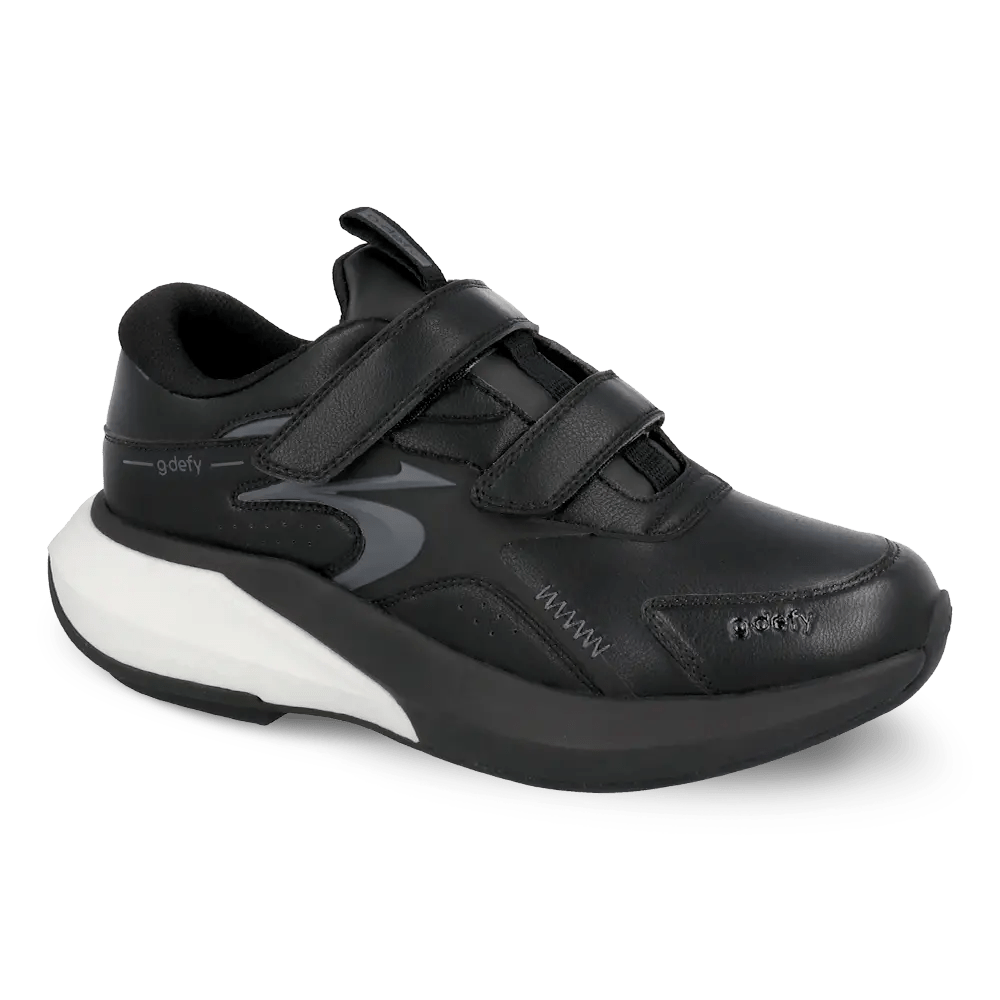
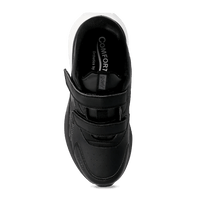
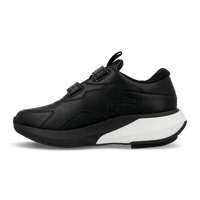
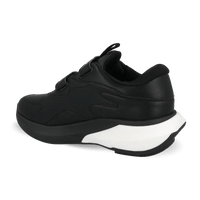
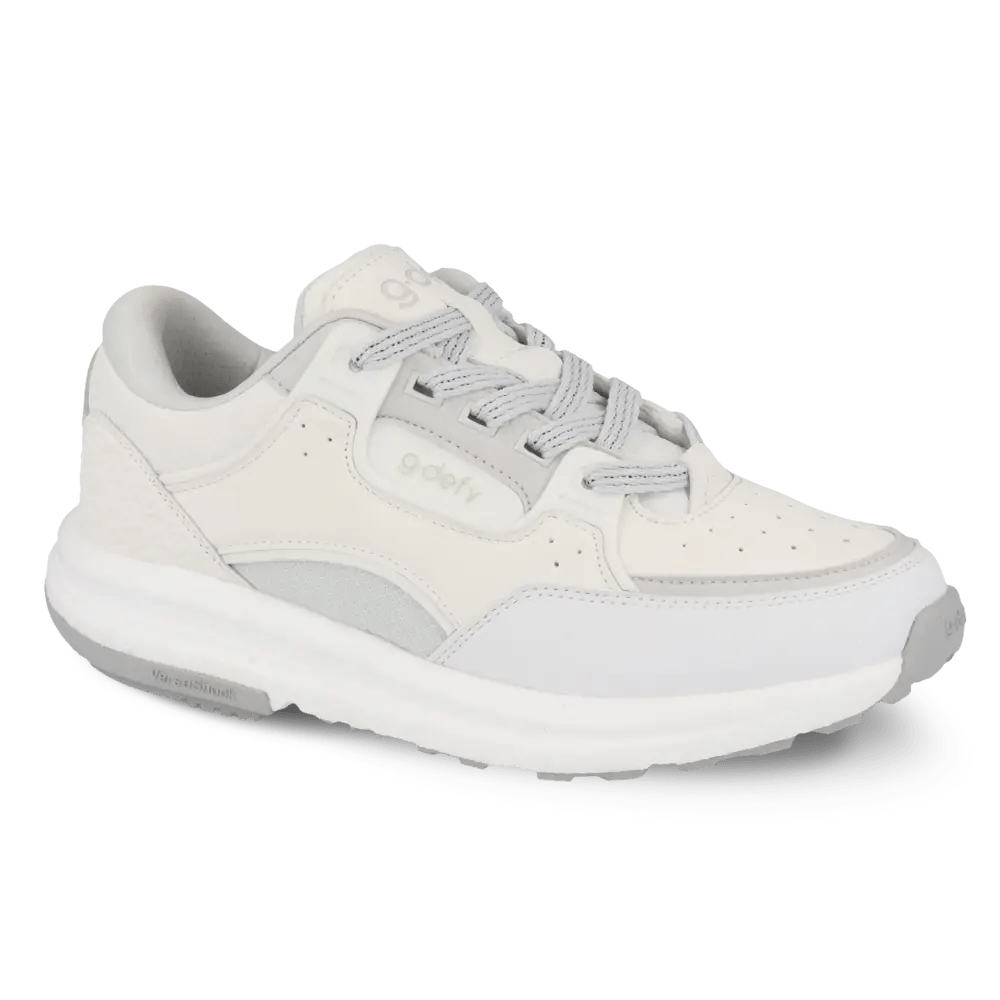
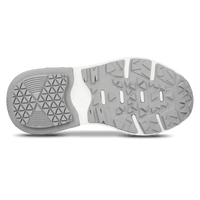
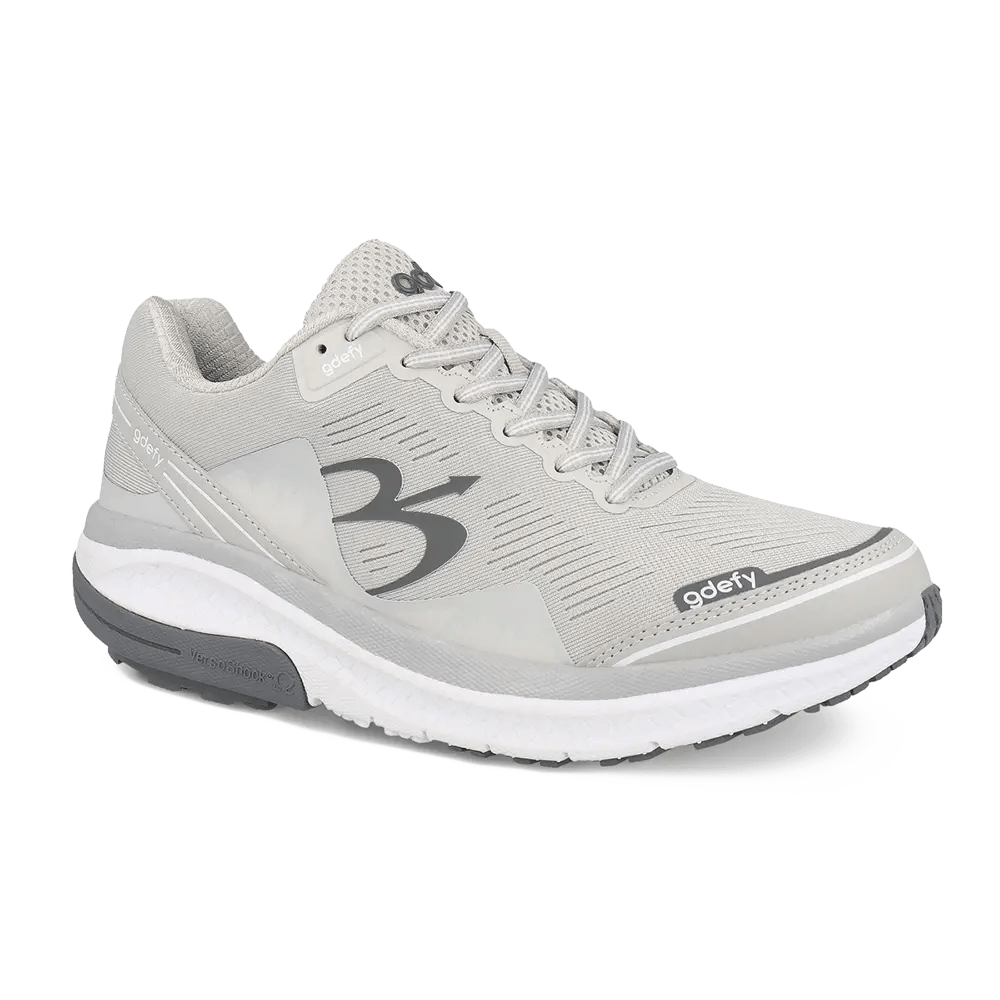
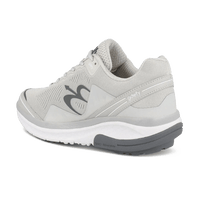
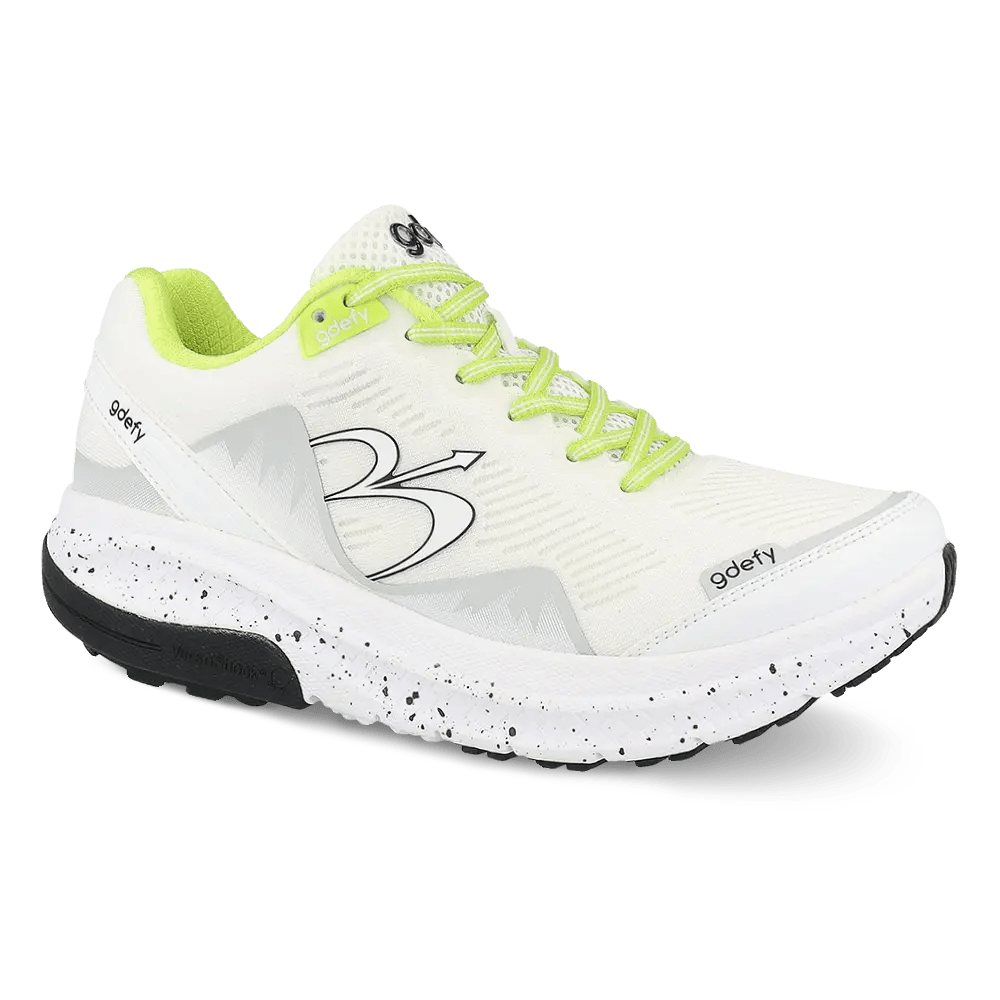
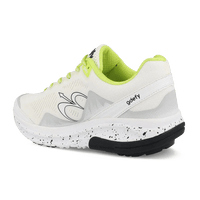
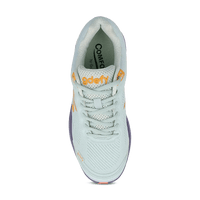
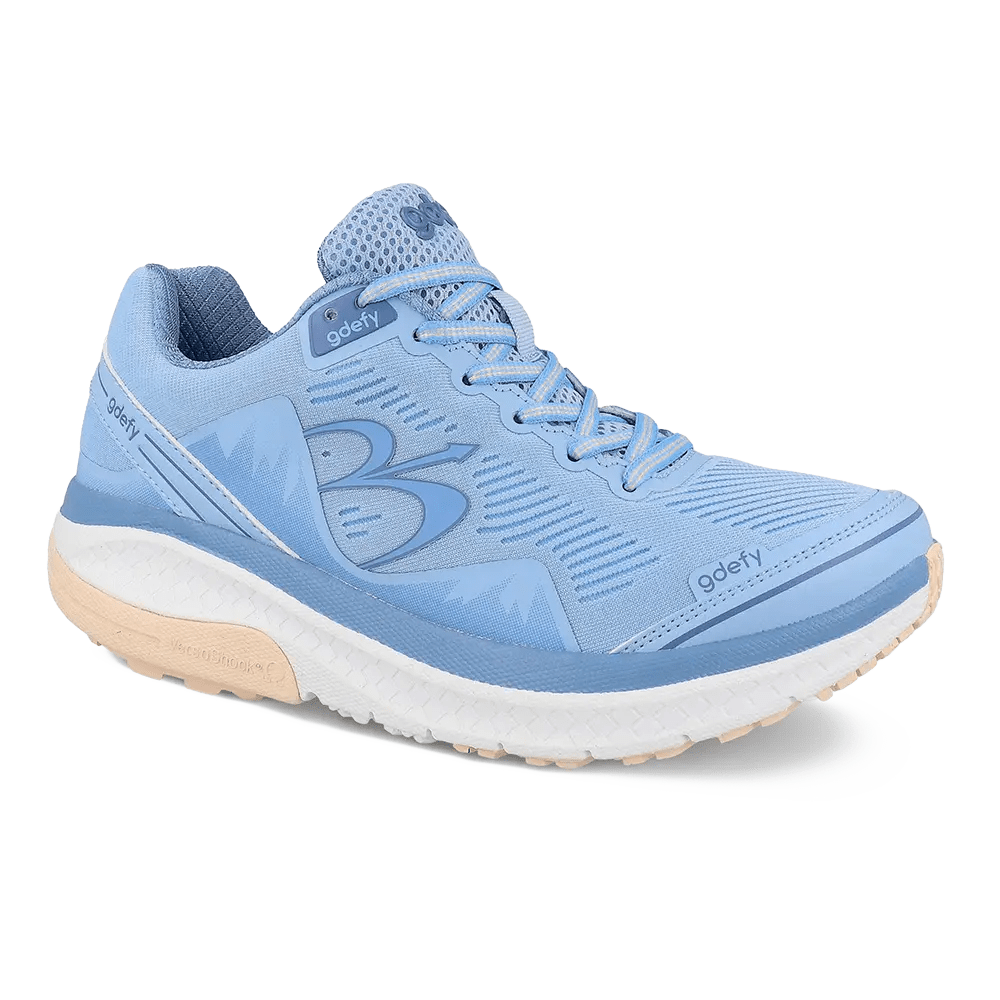
G-Defy Mighty Walk — the all-day workhorse. Built around the full VersoShock® system with a generous cushioning platform, the Mighty Walk is designed for hard-floor environments where you want the most shock absorption per step. It's a popular choice for nursing shifts, retail floors, hospitality, and any role where you're rarely off your feet.

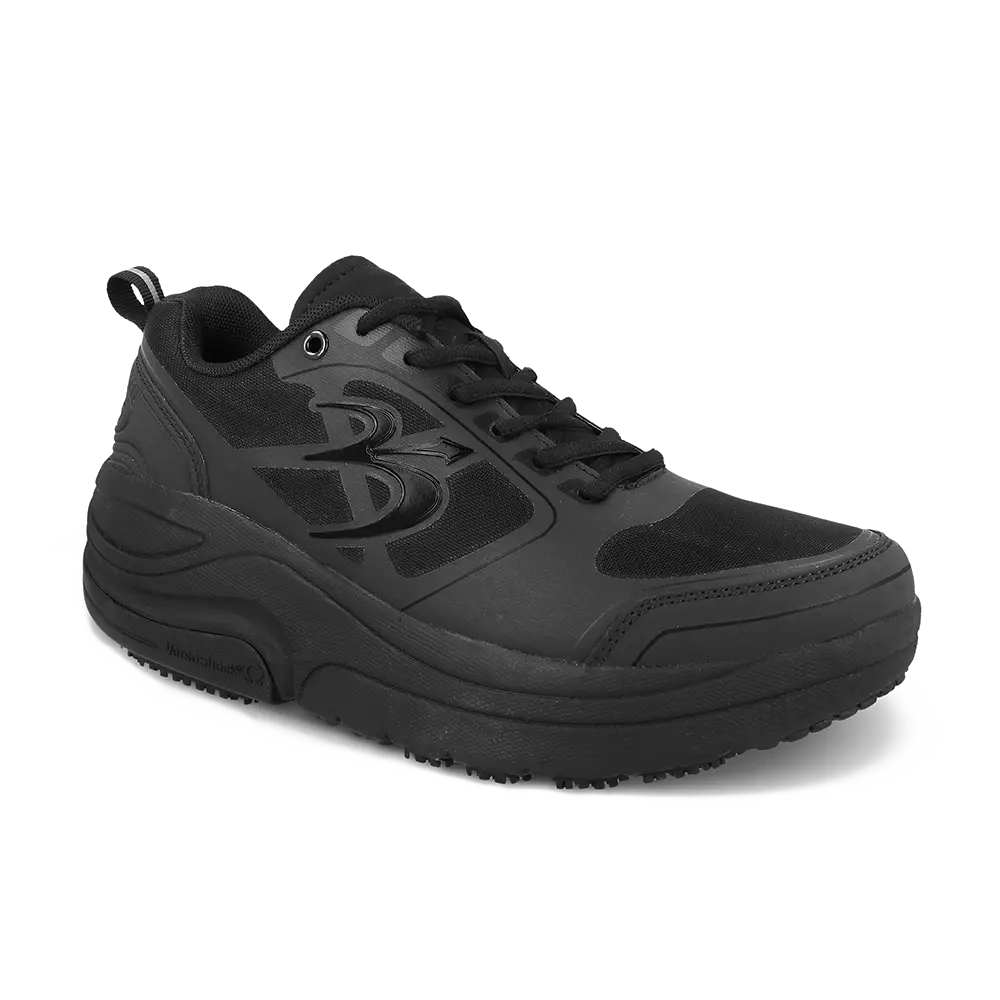
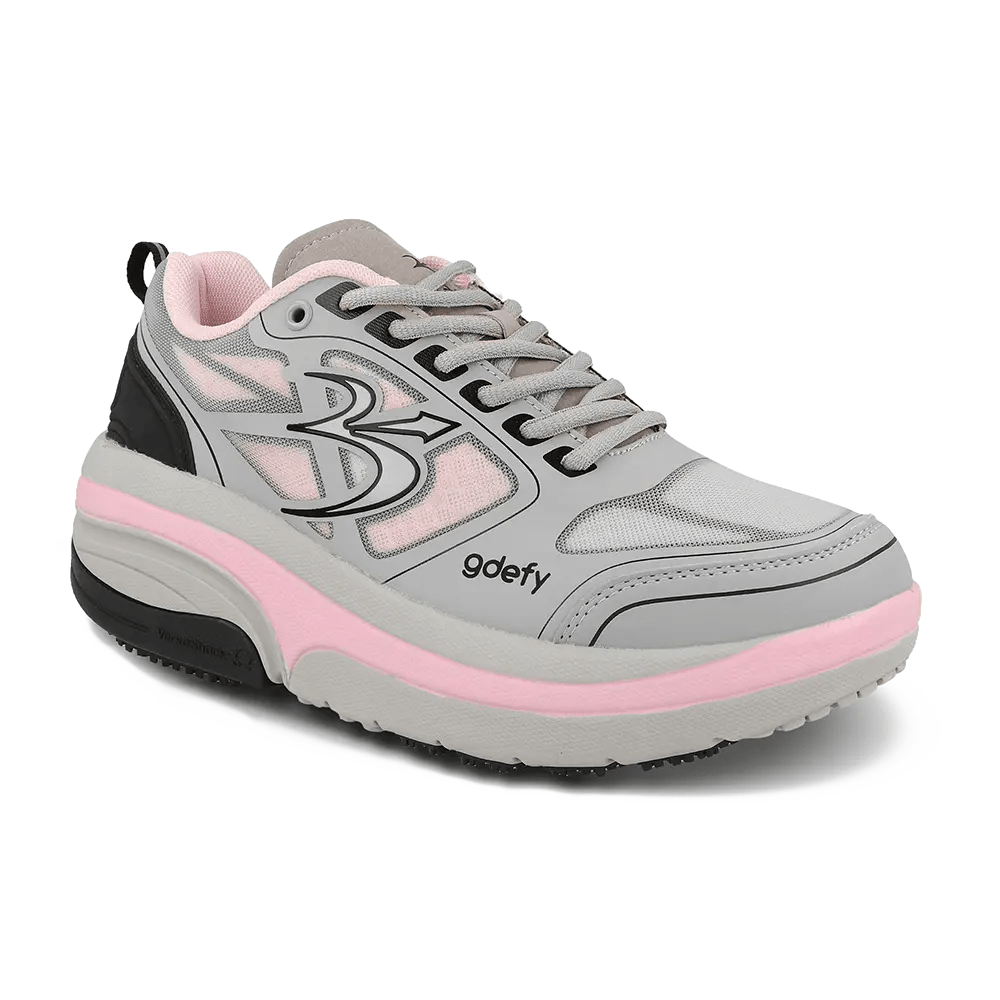
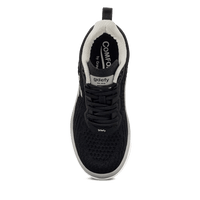
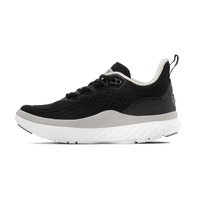
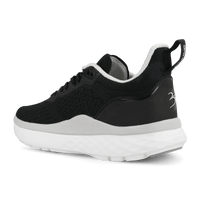
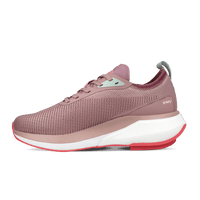
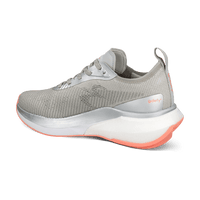
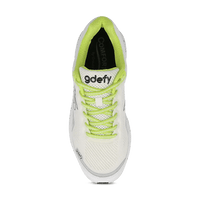
G-Defy Ion — a lighter-weight option for workers who want VersoShock® comfort with a more athletic build. The Ion is a good pick for people who move a lot during their shift (between rooms, across a campus, around a warehouse aisle) and want less weight on each step.
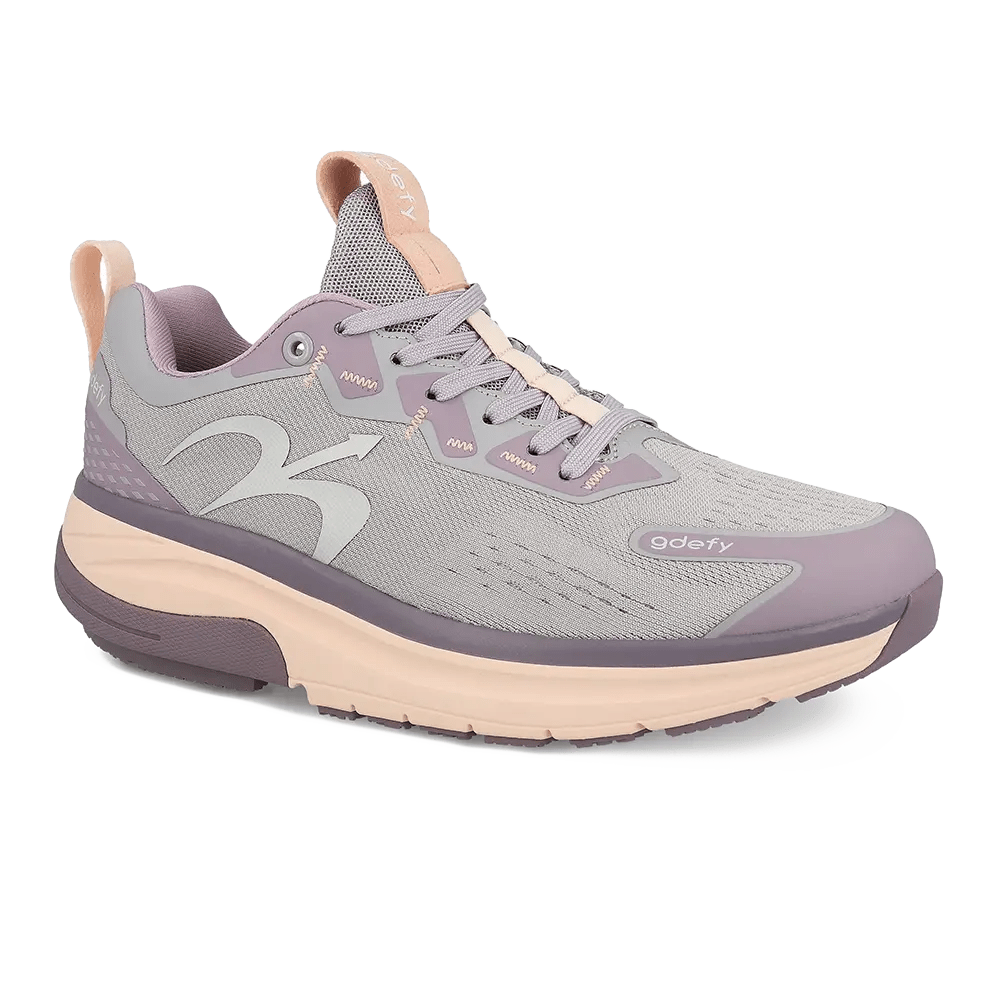
Browse the full lineup in the men's collection and the women's collection. Every pair ships with the 60-day at-home trial, free shipping, and free exchanges — so you can break the shoes in during real workdays before deciding.
Customer comfort feedback often centers on "the floor feels softer" and "I'm less tired at the end of a shift." Results vary by individual, and footwear is not a medical solution.
Daily Habits That Help When You Stand All Day
Even the best work shoes are one part of a comfortable workday. A few habits can stack with them:
- Rotate two pairs. Alternating shoes across days lets the cushioning recover between shifts and extends the life of each pair.
- Replace shoes before they're flat. Cushioning loses its responsiveness long before the upper looks worn. Many long-shift workers replace work shoes every 6–9 months.
- Use the right orthotic for your foot. If you have a flatter arch, try the ComfortFit® insole; if your arch is higher, try the CorrectiveFit®. The dual orthotic system in every G-Defy shoe is designed to make this switch easy.
- Stretch your feet and calves. A short calf and foot stretch before and after a shift can help loosen the plantar fascia. A frozen water bottle rolled gently under the arch for a few minutes can also feel good after a long day.
- Mind the floor when you can. If your job allows a soft mat at a workstation, use it. If you can sit briefly between tasks, take it.
- Lace for the long shift. A snug midfoot lacing (without crushing the top of the foot) keeps the heel seated and lets the arch support do its job.
For a broader view of plantar fasciitis and footwear, see our pillar guide on what plantar fasciitis is and the role footwear plays. If you're experiencing ongoing heel pain that doesn't ease with rest and supportive footwear, it's a good idea to check in with a healthcare provider.
Frequently Asked Questions
Can the right work shoes help with plantar fasciitis pain during long shifts?
Supportive, well-cushioned work shoes may improve overall comfort during walking and prolonged standing. They are not a medical solution, and individual experiences differ. For persistent symptoms, talk with a healthcare provider.
How often should I replace work shoes if I stand all day?
Cushioning compresses and loses responsiveness with daily wear. For people standing 8+ hours a day, replacing work shoes every 6–9 months is a common rhythm. Rotating two pairs can extend their life.
Do I need a special insole, or is the shoe enough?
Every pair of G-Defy shoes includes two removable orthotics — ComfortFit® for low to medium arches and CorrectiveFit® for medium to high arches. For most long-shift workers, swapping to the orthotic that matches their arch is enough to dial in support without a custom insole.
Are heavier work shoes more supportive?
Not necessarily. Weight and support are different things. A well-engineered lightweight shoe (with a real stabilizer and shock absorption) can feel more supportive than a heavy traditional work shoe, while leaving your legs less tired at the end of a shift.
Can I try G-Defy work shoes for a full shift before committing?
Yes. G-Defy shoes ship with a 60-day at-home trial, free shipping, and free exchanges, so you can wear them through real workdays — long shifts, hard floors, and all — before deciding.
The Takeaway
While footwear is not a medical solution, choosing work shoes designed for comfort, support, and shock absorption can make a meaningful difference in how your feet, legs, and back feel after a long day of standing. For people who spend their workday on their feet — and who manage daily heel discomfort along the way — that difference often shows up where it matters most: the last hour of the shift, and the first step the next morning.
G-Defy shoes are engineered around that exact moment. With VersoShock® shock absorption, energy return, a built-in stabilizer, a rolling forefoot, and a dual orthotic system, they're designed to support the people who spend their day on their feet — and to help reduce pain from walking, running, and prolonged standing.
Built for the People Who Stand All Day
Try G-Defy with a 60-day at-home trial, free shipping, and free exchanges.
Shop the Mighty Walk Shop the Ion