



March 27, 2026
Women's Plantar Fasciitis Shoes That Don't Look Orthopedic
By Gdefy

Summary
If morning heel pain derails your day before you even start walking, and you need shoes that work for 8,000+ steps without screaming "medical footwear," you're in the right place. This page solves two problems at once: it tells you exactly which shoe features reduce plantar heel pain (backed by research), and it lets you shop those features using simple filters that match your real workday needs. No guesswork. No endless scrolling through generic "best of" lists. Just a clear path from morning pain to supportive shoes you'll actually wear.
Shop Women's Plantar Fasciitis Shoes Using G-defy's Research-Backed Filters
This category page is built for women who wake up with stabbing heel pain and spend most of the day standing or walking on hard floors. You need shoes that look normal for work while delivering the support your plantar fascia requires.
Plantar fasciitis is medial heel pain caused by irritation of the plantar fascia, the thick band of tissue connecting your heel to your toes. Clinical guidelines describe it as pain that often feels worst with the first steps after rest, which explains why mornings are brutal. Over 1 million people in the United States receive treatment for this condition annually, making it one of the most common foot problems.
Here's what matters most when shopping for plantar fasciitis relief:
- Shock absorption to reduce impact forces at heel strike
- Stable base that prevents wobbling and supports alignment
- Firm heel counter to keep your heel locked in place
- Supportive midfoot that provides structural support without aggressive arching
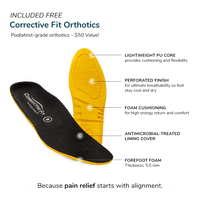
- Removable insole for custom orthotic compatibility
- Roomy toe box to accommodate swelling and natural toe spread
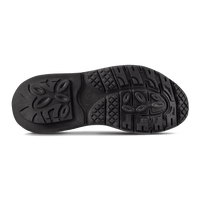
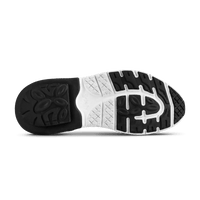
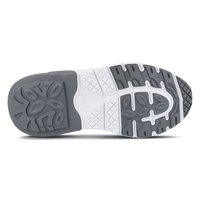
- Slip-resistant outsole for work environments with tile or concrete floors
Use these quick filters to narrow your search in seconds:
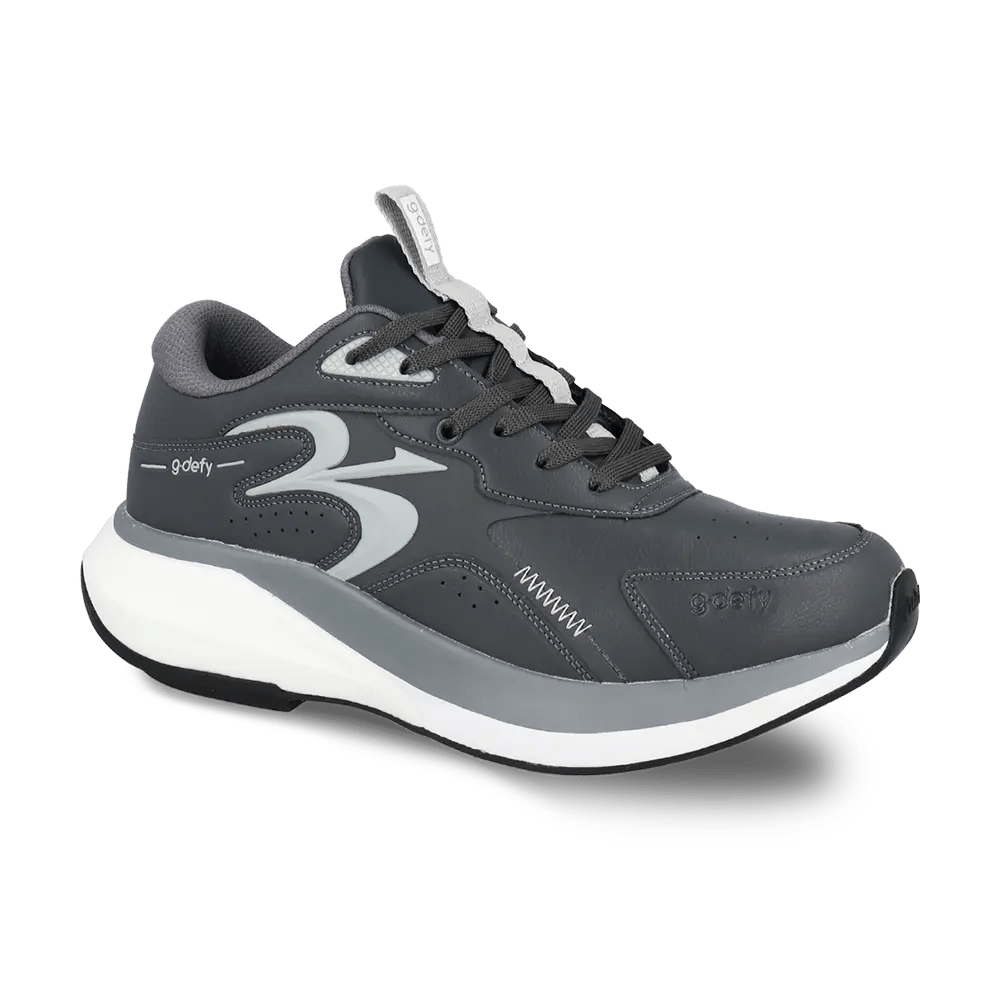
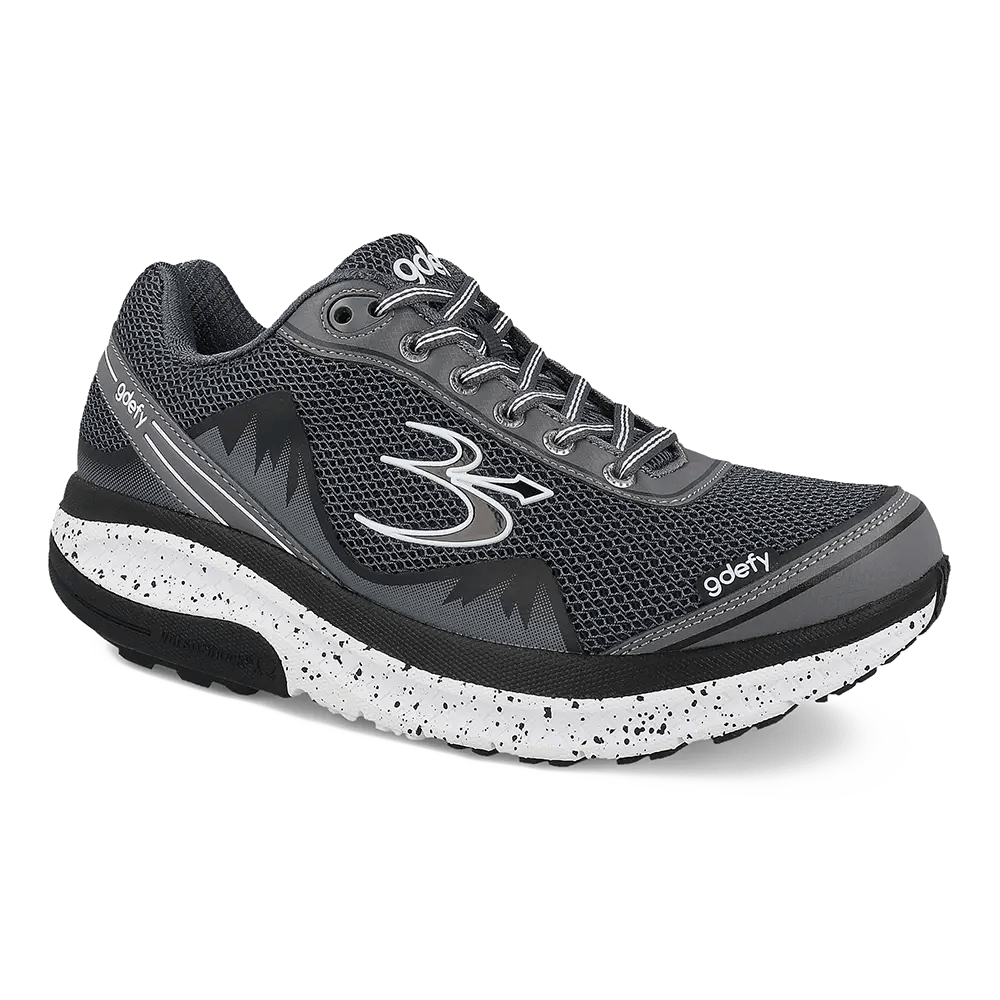
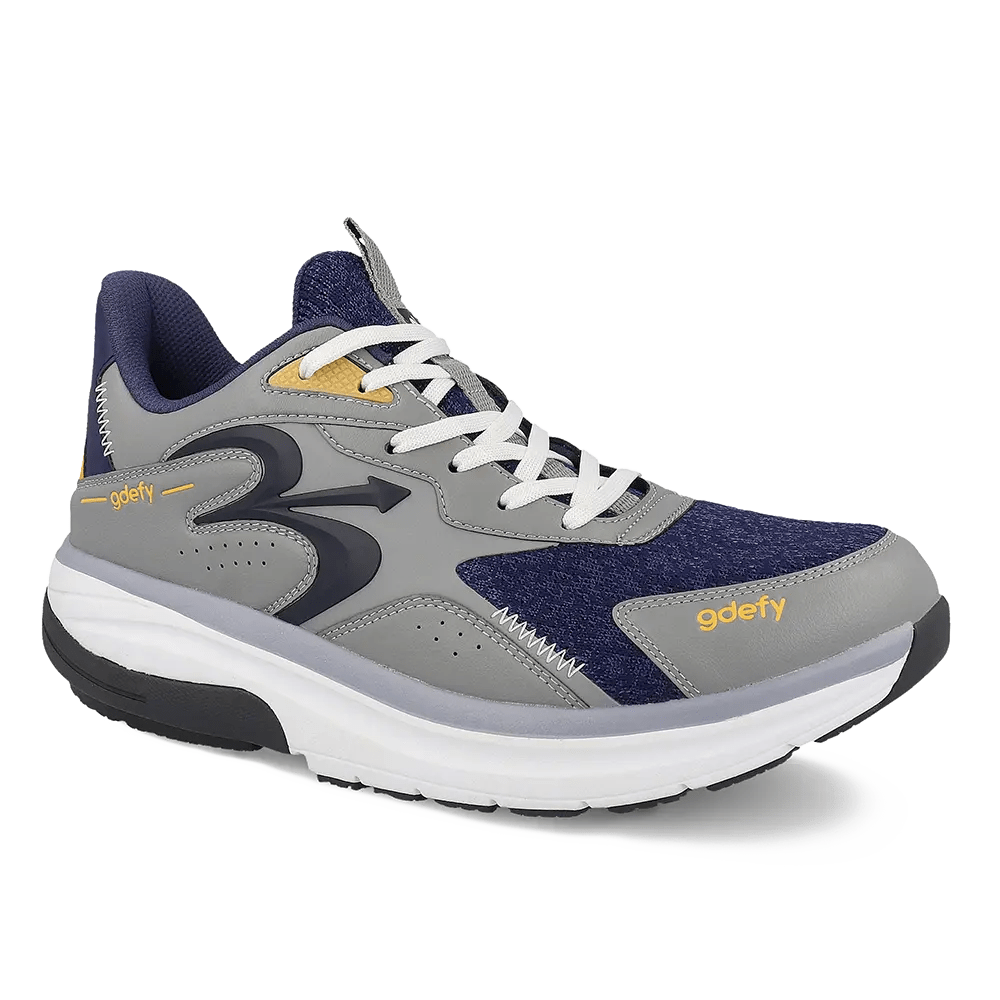
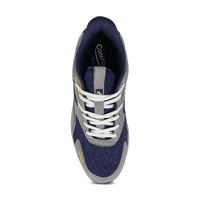
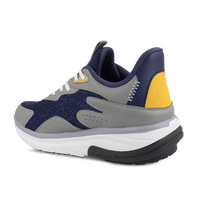
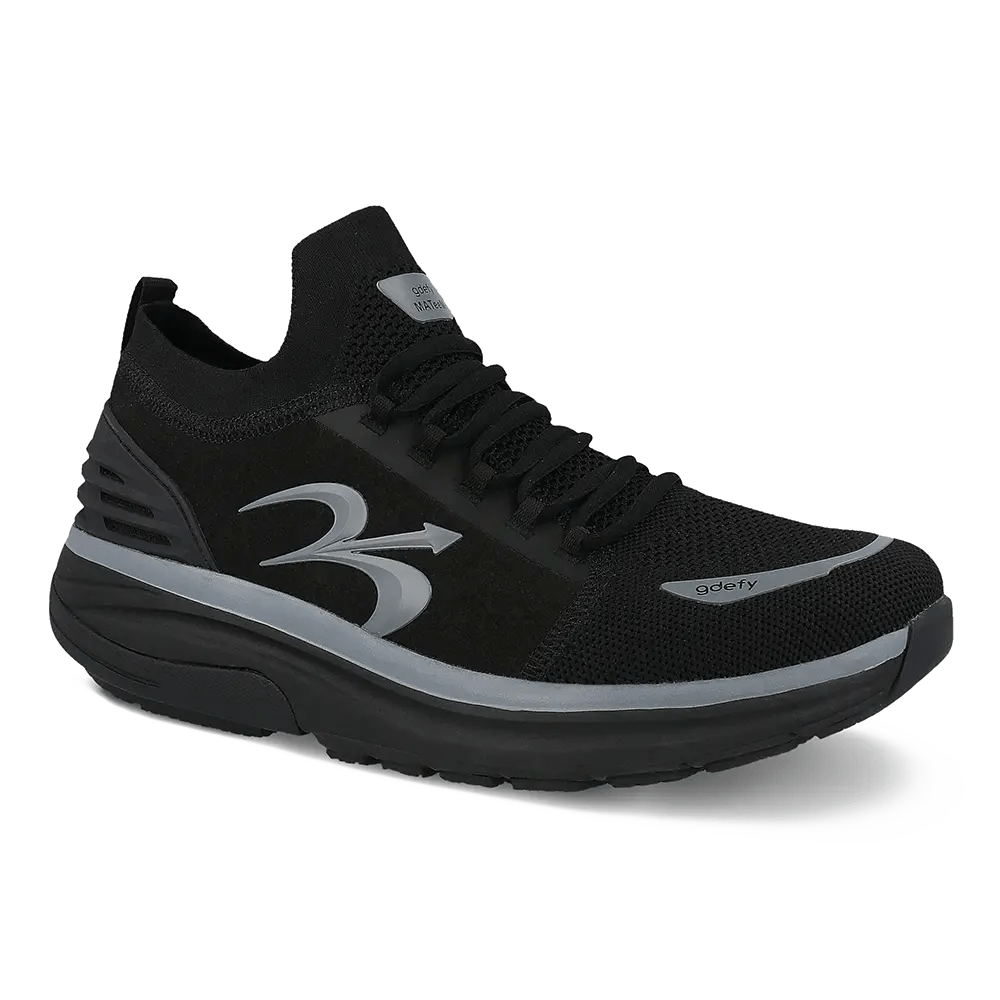
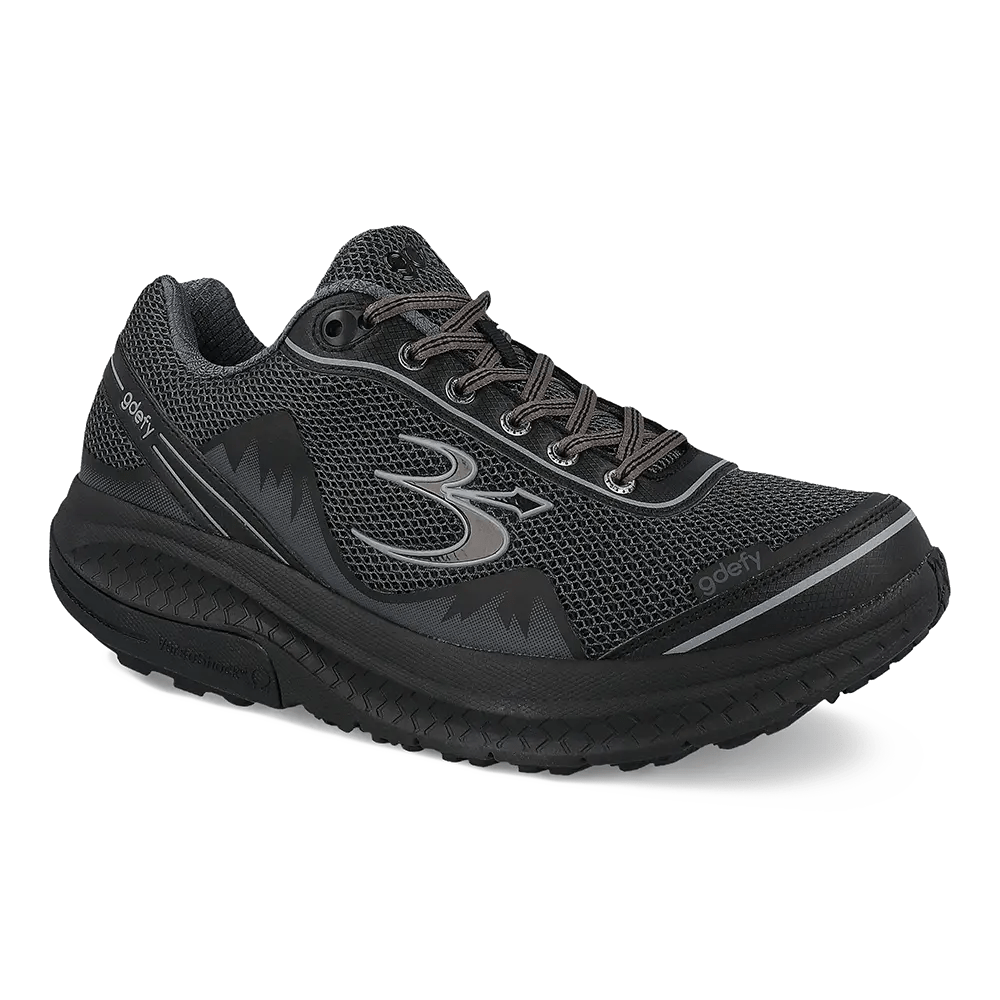
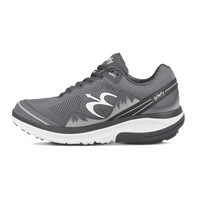
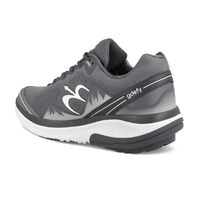
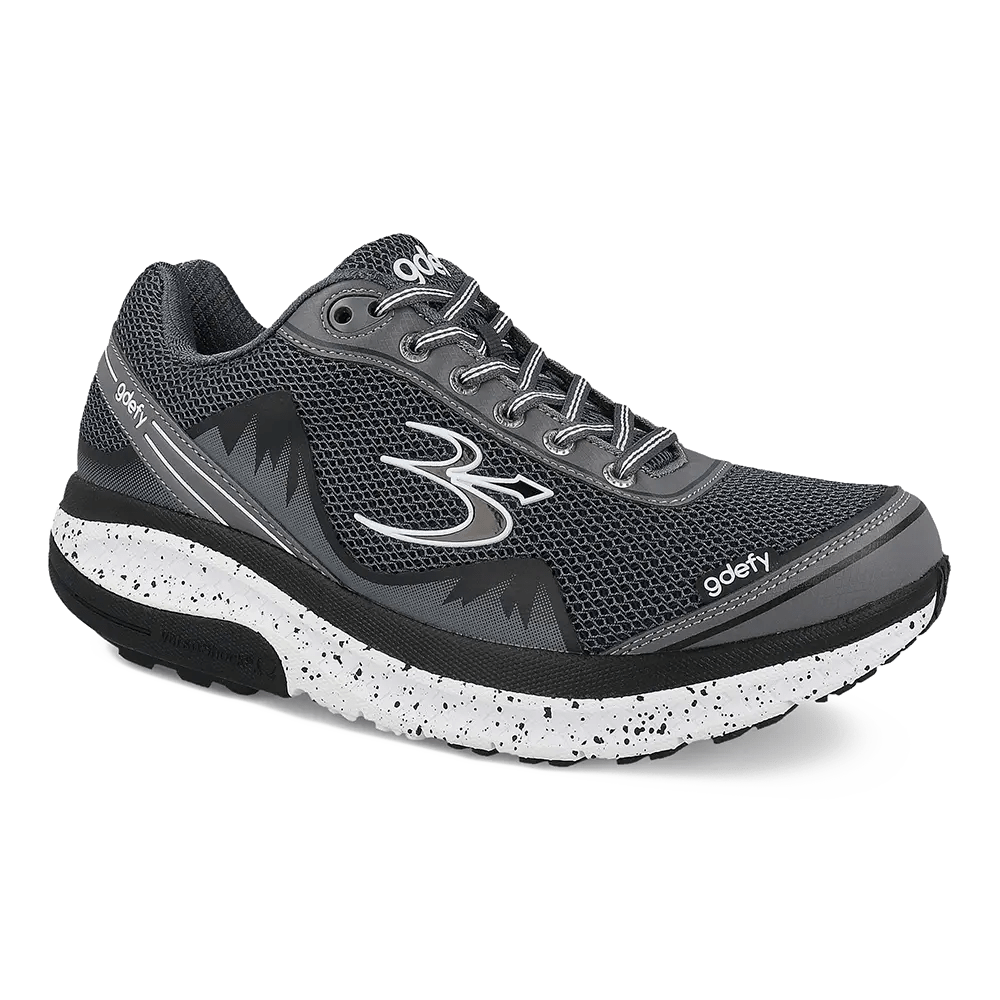
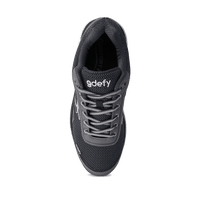
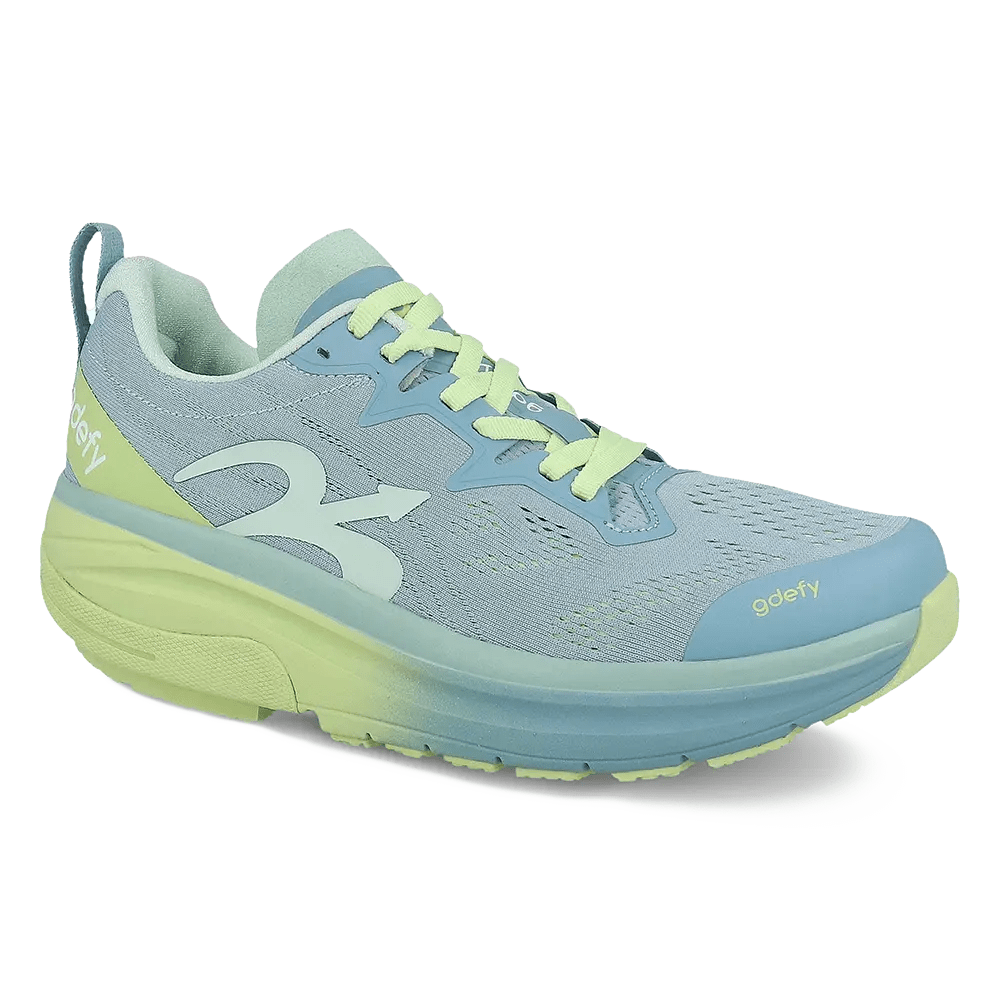
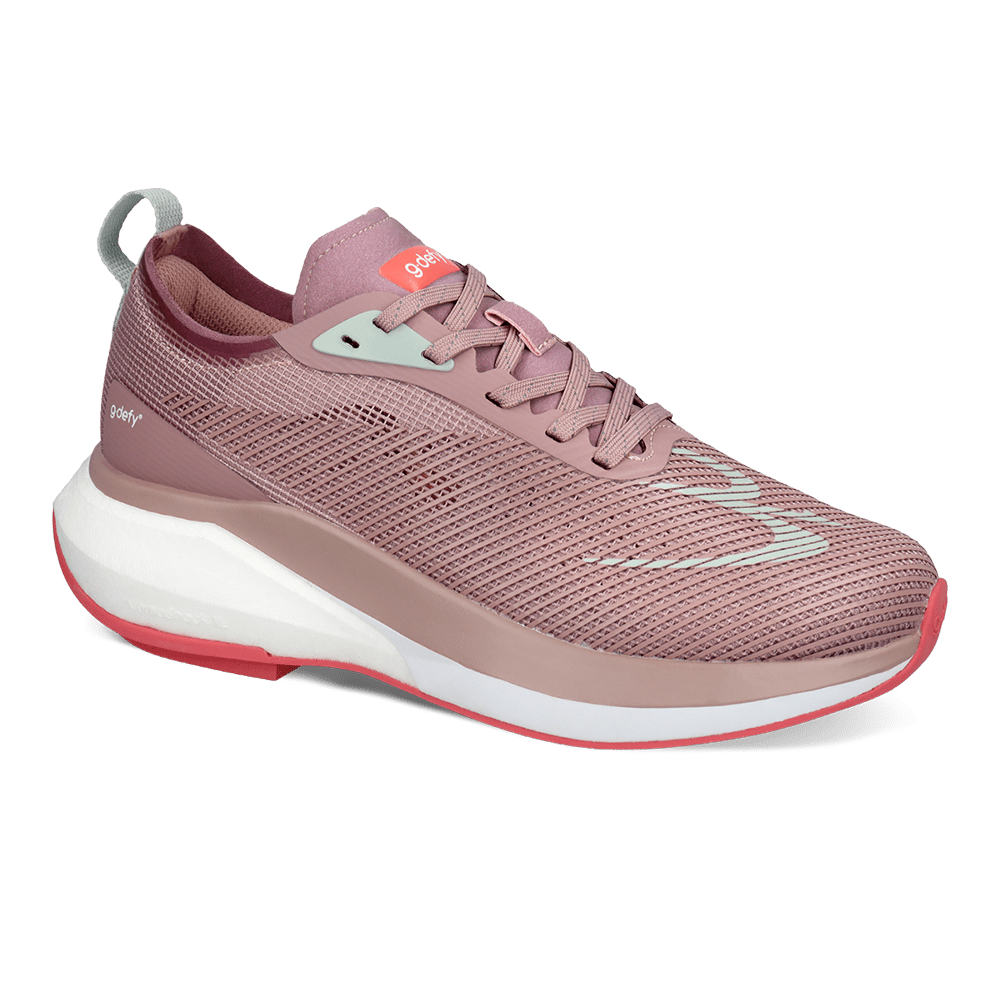
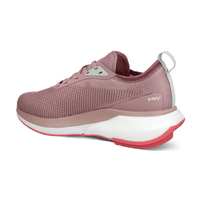
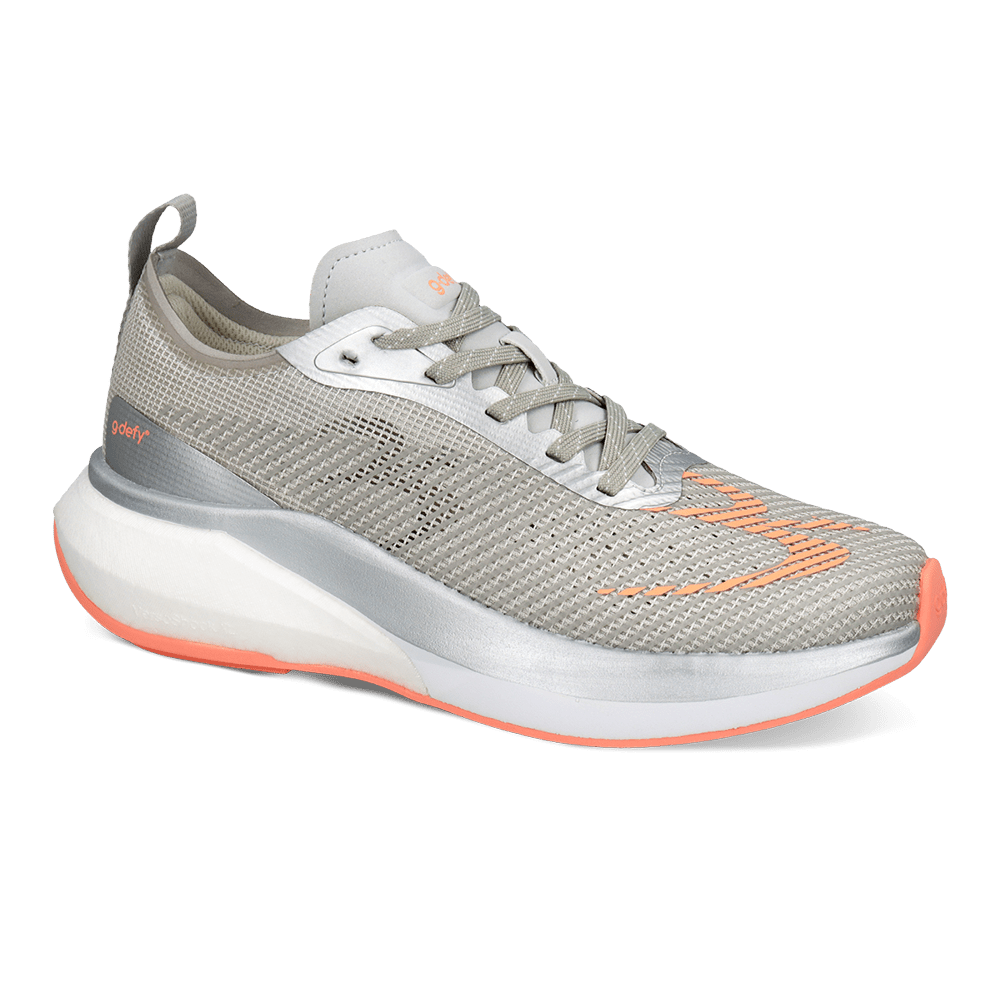
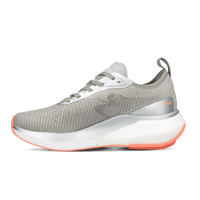
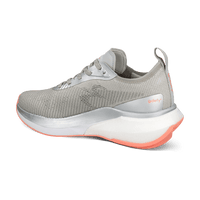
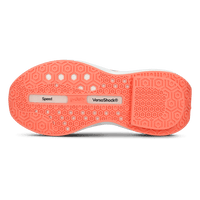
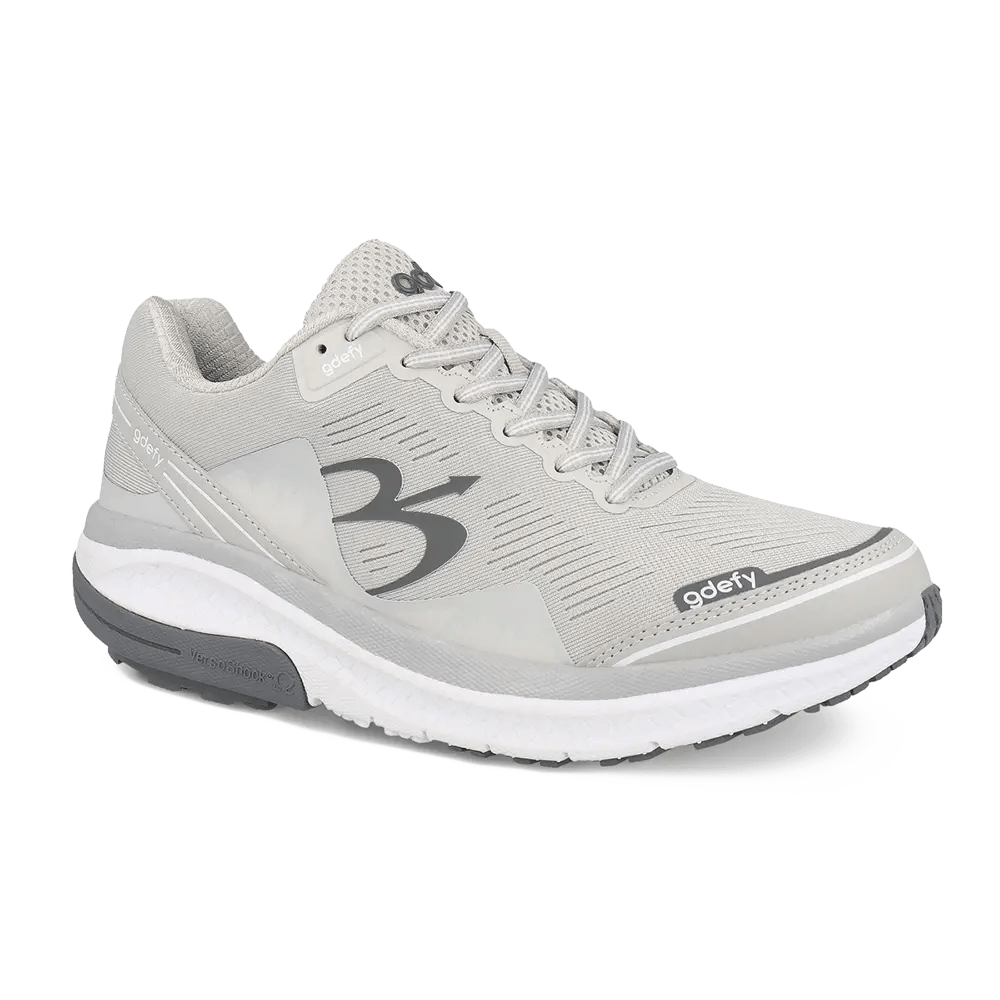
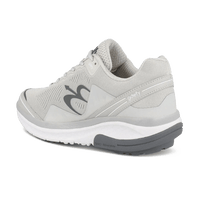
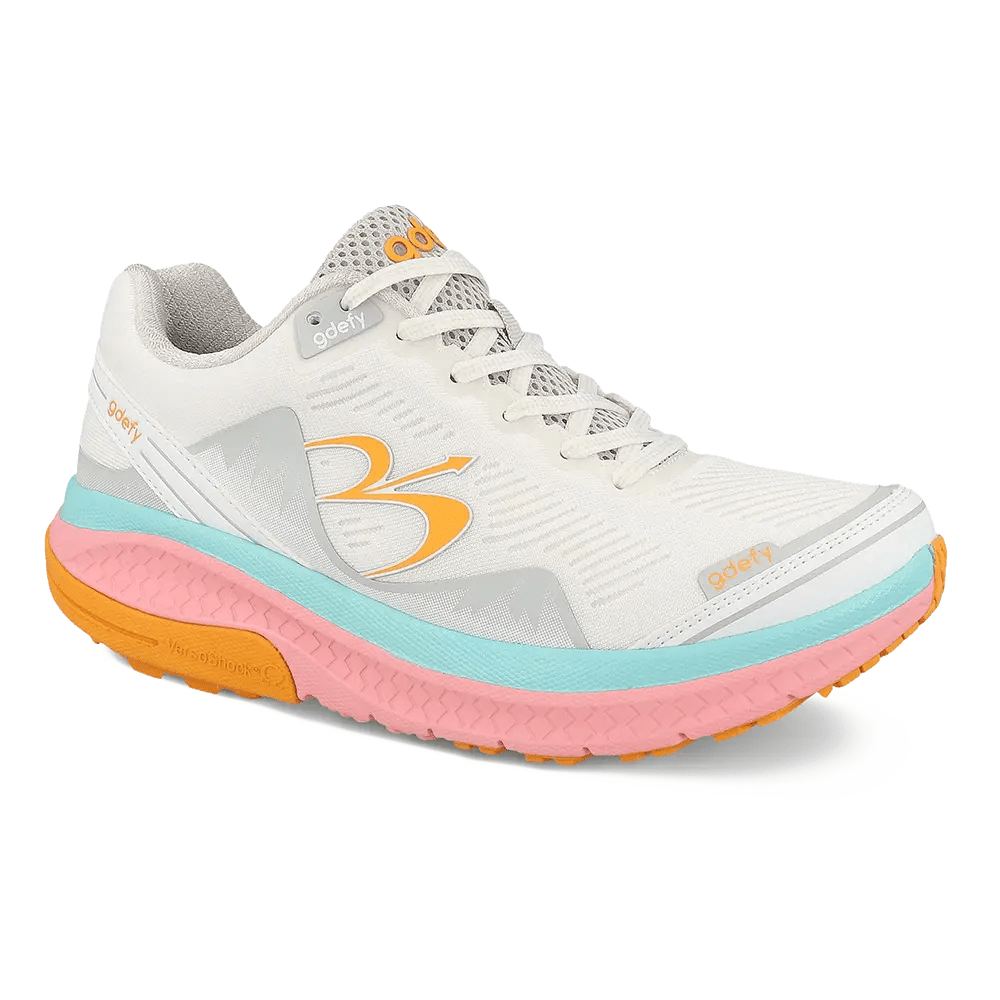
You might have seen the Brooks Adrenaline GTS 24 recommended in running shoe roundups. It's a solid choice for general support. If you want that same level of stability and cushioning but prefer a work-ready build specifically designed for plantar heel pain, the ZenWalk walking shoe delivers both. It fits the "8,000+ steps/day" filter perfectly, with a platform designed to reduce heel stress from the first step.
All G-defy orders ship free within the continental U.S. Buy shoes for plantar fasciitis online in 2026 with confidence, backed by a 60-day comfort trial.
Do You Really Need Special Shoes for Plantar Fasciitis?
Yes, because supportive shoes are part of treatment. If you have plantar fasciitis, footwear isn't optional. Your shoes reduce impact and help limit the motions that keep the plantar fascia irritated. Walking barefoot or wearing unsupportive shoes can keep symptoms flaring because your heel and arch take the full force of every step without any cushioning or control.
Think of it this way: your plantar fascia is already irritated and inflamed. Every time you stand or walk without proper support, you're loading that tissue with impact forces it can't handle. Shoes with shock absorption and stability reduce that load.
Here's what to do today:
- Make sure every pair you wear offers support from the first step (no floppy slippers or thin flats)
- Prioritize stability over pure softness
- Choose shoes with real heel cushioning, not just a padded insole over a hard sole
First-step pain is heel pain that spikes when you stand after rest because the plantar fascia stiffens overnight and then gets suddenly loaded. Research shows that 94% of participants with plantar fasciitis reported heel pain during the first steps in the morning. This pattern is so common it's essentially a hallmark of the condition.
If your heel hurts most in the morning, that first-step pain pattern strongly aligns with plantar fasciitis, and consistent supportive footwear can help reduce flare-ups. Use the filters below to shop the features that matter, and stop guessing which shoes will help.
Why Your Workday Makes Plantar Fasciitis Worse
You walk 8,000 steps at work. You stand on tile or concrete for hours. Then you wake up the next morning and your heel screams. Sound familiar?
Here's the mechanism: people with plantar heel pain stand significantly longer per day than those without it. One study found a mean difference of 3.4 hours of additional standing time. That's not a small gap. If you're in retail, healthcare, education, or food service, you're logging far more standing time than the average person, and your plantar fascia is paying the price.
The problem compounds when you're wearing the wrong shoes. Research published in the Journal of Clinical Medicine found that 83% of patients with plantar fasciitis reported wearing inappropriate shoes that lacked adequate support. Hard surfaces and unsupportive footwear create a perfect storm: high impact forces meet a foot with zero protection.
So the goal is not "the softest shoe." Cushioning without stability can still feel bad because your foot wobbles inside the shoe, creating stress on the heel and arch. What you need is shock absorption and a stable platform that keeps the heel and midfoot from moving excessively with every step.
Dress codes make this harder. Many work environments require shoes that look professional or neutral, which rules out bulky "orthopedic" styles. That's where modern work-walking sneakers and slip-resistant designs come in. They pack the features you need into silhouettes that pass workplace standards.
For plantar fasciitis, cushioning without stability can still feel bad. Most people do best with shock absorption and a stable platform that keeps the heel and midfoot from wobbling. This isn't about finding the squishiest insole. It's about finding a shoe that reduces impact and controls motion so your plantar fascia isn't getting pulled and stretched with every step.
The 10 Features That Matter Most for Plantar Fasciitis Pain Relief
Use these filters to shop smarter in under a minute. Each feature below maps directly to a common pain trigger, so you can prioritize what your foot needs most.
Shock Absorption
Shock absorption is a shoe's ability to reduce impact forces at heel strike so your heel and plantar fascia don't take the full load on hard surfaces. When you walk on concrete or tile, every step sends impact forces up through your heel. Without shock absorption, that force travels straight into the plantar fascia, aggravating the irritation.
Who needs it: anyone walking or standing on hard floors for more than a few hours a day. If you work in retail, healthcare, or any job that keeps you on tile or concrete, shock absorption is non-negotiable.
Filter to use: "Max cushioning" or "Standing all day."
Stable Base and Wide Platform
A stable base prevents your foot from wobbling side to side, which reduces stress on the arch and heel. Shoes that are too narrow or unstable force your foot to work harder just to stay balanced, increasing tension through the plantar fascia.
Who needs it: people with flat feet, overpronation, or anyone who notices their shoes feel "tippy" or unstable when standing still.
Filter to use: "Stability" or "Wide base."
Firm Heel Counter
The heel counter is the stiff structure at the back of the shoe that cups your heel. A firm heel counter keeps your heel stable and limits excess motion that can pull on the plantar fascia. Shoes with soft, collapsible heel counters let your heel slide around, which defeats the purpose of buying supportive shoes.
Who needs it: everyone with plantar fasciitis. This is a baseline requirement, not a nice-to-have.
Filter to use: Built into all G-defy plantar fasciitis models.
Supportive Midfoot and Arch Platform
Support through the midfoot doesn't mean a hard arch bump that digs into your foot. It means structural support that keeps the arch from collapsing, which reduces strain on the plantar fascia. Some people need more arch support than others, but everyone benefits from a shoe that provides a stable platform underfoot.
Who needs it: people with flat feet, high arches, or anyone who feels like their foot "rolls inward" when walking.
Filter to use: "Arch support" or "Flat feet."
Removable Insole
A removable insole lets you swap in custom orthotics or experiment with different insole depths to fine-tune comfort. If you already have orthotics prescribed by a podiatrist, this feature is essential. Even if you don't, a removable insole gives you flexibility to adjust support as your foot changes throughout the day.
Who needs it: anyone using custom orthotics, or anyone who wants the option to adjust support later.
Filter to use: "Removable insole."
Roomy Toe Box
A roomy toe box gives your toes space to spread naturally, which improves balance and reduces pressure on the forefoot. When your toes are cramped, your gait changes subtly, which can increase stress on the heel and plantar fascia.
Who needs it: people with bunions, swelling, or anyone whose feet feel cramped by midday.
Filter to use: "Wide toe box" or "Extra room."
Moderate Heel-to-Toe Pitch
Heel-to-toe pitch (also called "drop") is the height difference between the heel and forefoot. Research demonstrates that a test shoe with a 14-mm heel-toe pitch reduced heel peak pressure by 15% compared to a 4-mm control shoe. The test shoe was also rated significantly more comfortable by participants with plantar heel pain.
Who needs it: people with severe morning heel pain who need every advantage they can get.
Filter to use: This feature is built into most work-walking sneakers; ask about heel-to-toe pitch if shopping custom builds.
Slip Resistance for Work Floors
Slip resistance isn't just about safety. When your shoes grip the floor properly, you can walk with a more natural gait. Slippery shoes force you to adjust your stride, which can change loading patterns and increase heel stress. If you work in a kitchen, hospital, or anywhere with wet or polished floors, slip resistance protects both your safety and your plantar fascia.
Who needs it: healthcare workers, food service staff, teachers, retail employees on waxed floors.
Filter to use: "Slip-resistant."
Rocker or Smooth Transitions
A rocker sole or smooth heel-to-toe transition reduces the force required to push off with each step. This design helps your foot roll forward more easily, which reduces aggressive bending at the toes and limits stress on the plantar fascia during the push-off phase of walking.
Who needs it: people who feel pain when pushing off, or anyone who walks long distances daily.
Filter to use: Look for "rocker sole" or "smooth gait" in product descriptions.
Upper Comfort and Adjustability
Laces or adjustable closures let you customize fit around swelling, and knit or mesh uppers prevent rubbing that can change your gait. When a shoe rubs or pinches, you unconsciously adjust how you walk, which can increase stress on the heel and arch.
Who needs it: people with feet that swell during the day, or anyone who's had heel pain get worse after switching to a shoe that "just didn't fit right."
Filter to use: "Adjustable fit" or "Lace-up."
Feature-to-Benefit Matrix for Plantar Fasciitis Relief
| Feature | Why It Helps | Best For | Filter Name |
| Shock absorption | Reduces impact forces at heel strike on hard surfaces | Standing on concrete, tile floors, long walking days | "Max cushioning" |
| Stable base | Prevents wobbling, supports alignment, reduces arch stress | Flat feet, overpronation, unstable gait | "Stability" |
| Firm heel counter | Keeps heel stable, limits excess motion pulling on fascia | Everyone with plantar fasciitis (baseline requirement) | Standard in all models |
| Supportive midfoot | Provides platform that prevents arch collapse | Flat feet, high arches, inward rolling feet | "Arch support" |
| Removable insole | Allows custom orthotic use or support adjustments | Orthotic users, anyone who wants flexibility | "Removable insole" |
| Roomy toe box | Lets toes spread naturally, improves balance, reduces forefoot pressure | Bunions, swelling, cramped-feeling feet by midday | "Wide toe box" |
| Moderate heel pitch (14mm) | Reduces heel peak pressure by up to 15% | Severe morning heel pain, high impact jobs | Built into work-walking styles |
| Slip resistance | Allows natural gait, prevents stride adjustments that increase stress | Healthcare, food service, wet or waxed floors | "Slip-resistant" |
| Rocker sole | Reduces force needed for push-off, limits toe bending stress | Long-distance walking, push-off phase pain | "Rocker sole" |
| Adjustable upper | Accommodates swelling, prevents rubbing that changes gait | Feet that swell during the day, fit sensitivity | "Adjustable fit" |
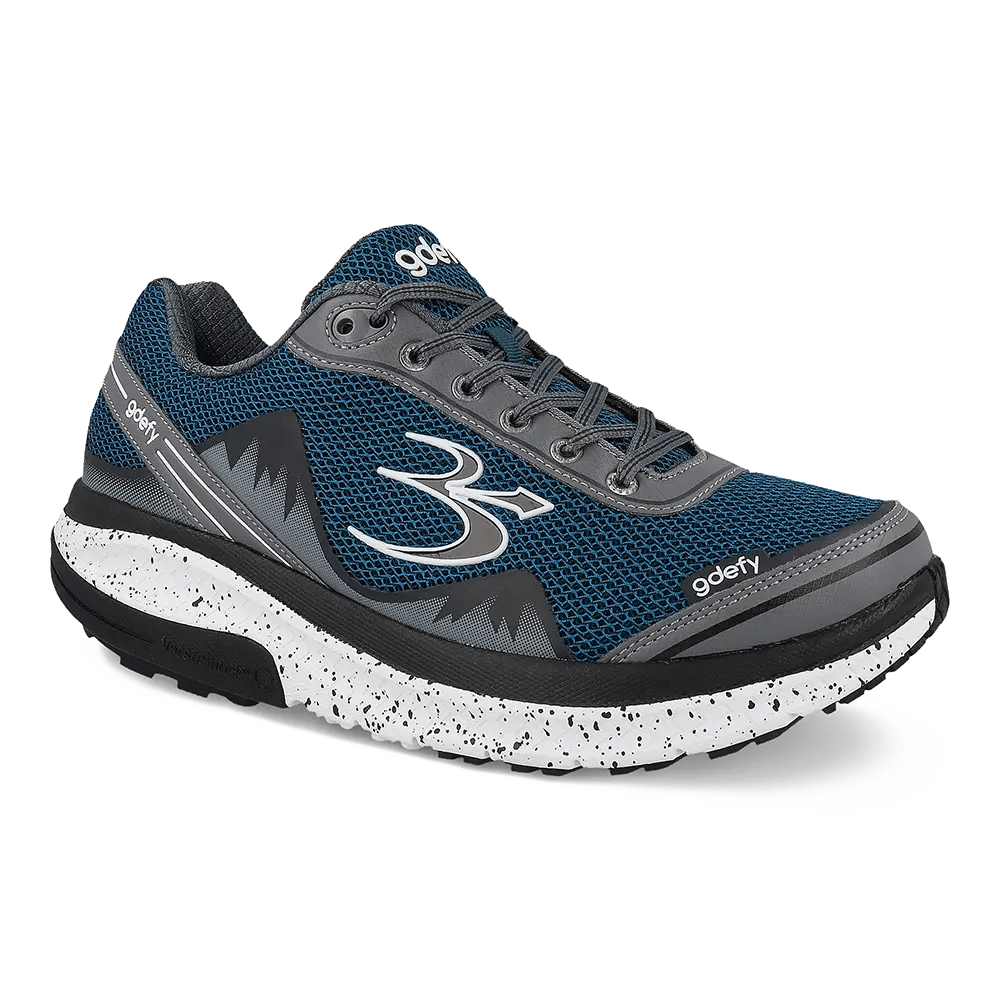
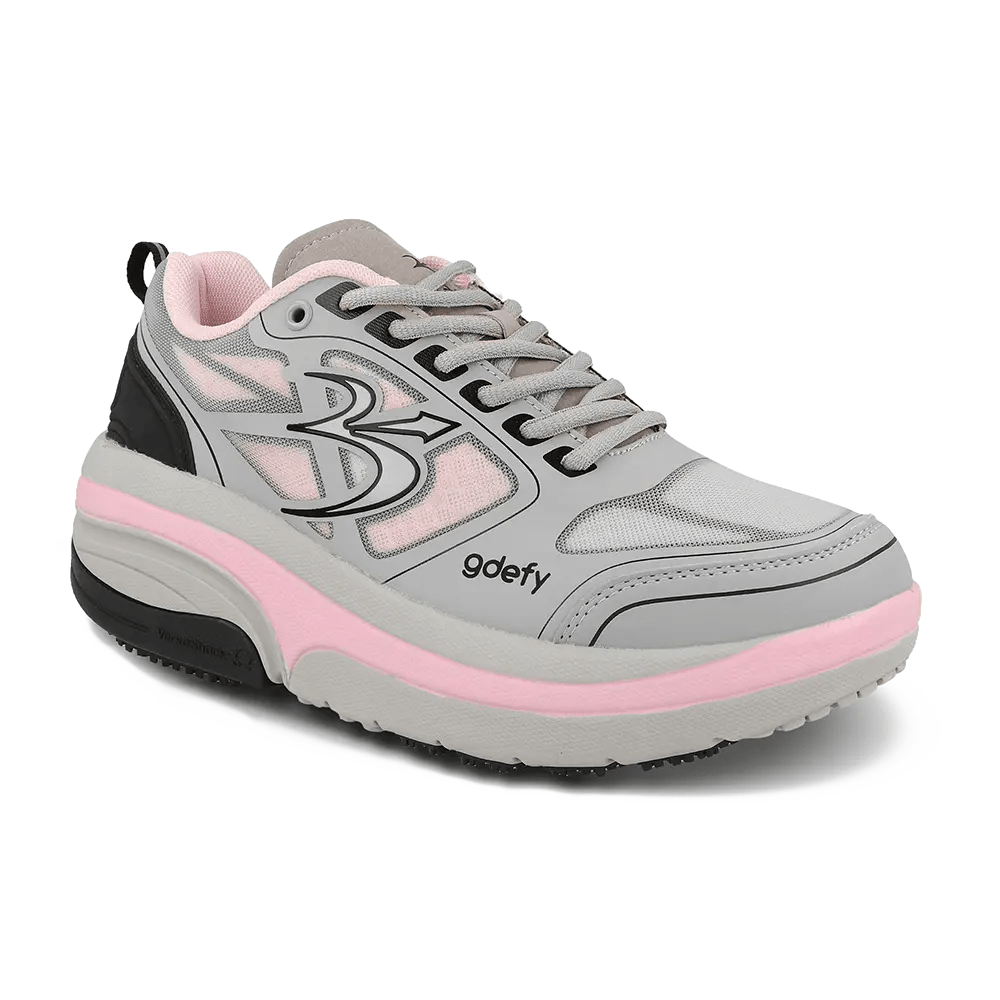
For all-day walking comfort, the ION comfort shoe delivers on multiple features in this table: shock absorption, stability, and a removable insole for custom orthotics.
For plantar fasciitis, the most important shopping filters are shock absorption, a stable base, a firm heel counter, and enough room in the toe box. These features reduce impact and help control the motions that irritate the plantar fascia. Everything else is secondary.
Comparative research confirms that running shoes reduce plantar pressure burden compared to flat shoes and high heels in healthy young women. The principle holds for plantar fasciitis: supportive athletic shoes with proper cushioning and structure outperform minimalist or fashion-forward styles.
Styles That Help Most Without Looking Orthopedic
You don't need clunky "medical" shoes. What matters is the build underfoot, not the styling on top. The best-looking plantar fasciitis shoes are usually "normal" walking sneakers or work sneakers with a stable base and real heel cushioning, because the support is built into the platform, not added as bulky "orthopedic" styling.
Work-Walking Sneakers
These are the workhorses of plantar fasciitis footwear: sleek uppers, neutral colors, stable midsoles. They're designed for 8,000 to 12,000 steps per day and look appropriate in business-casual or casual work settings. Look for styles with laces (for adjustability), a structured midsole (not just a thick foam slab), and a heel counter you can feel when you press on the back of the shoe.
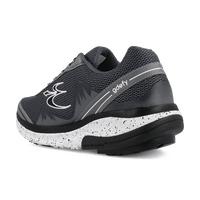
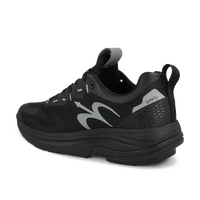
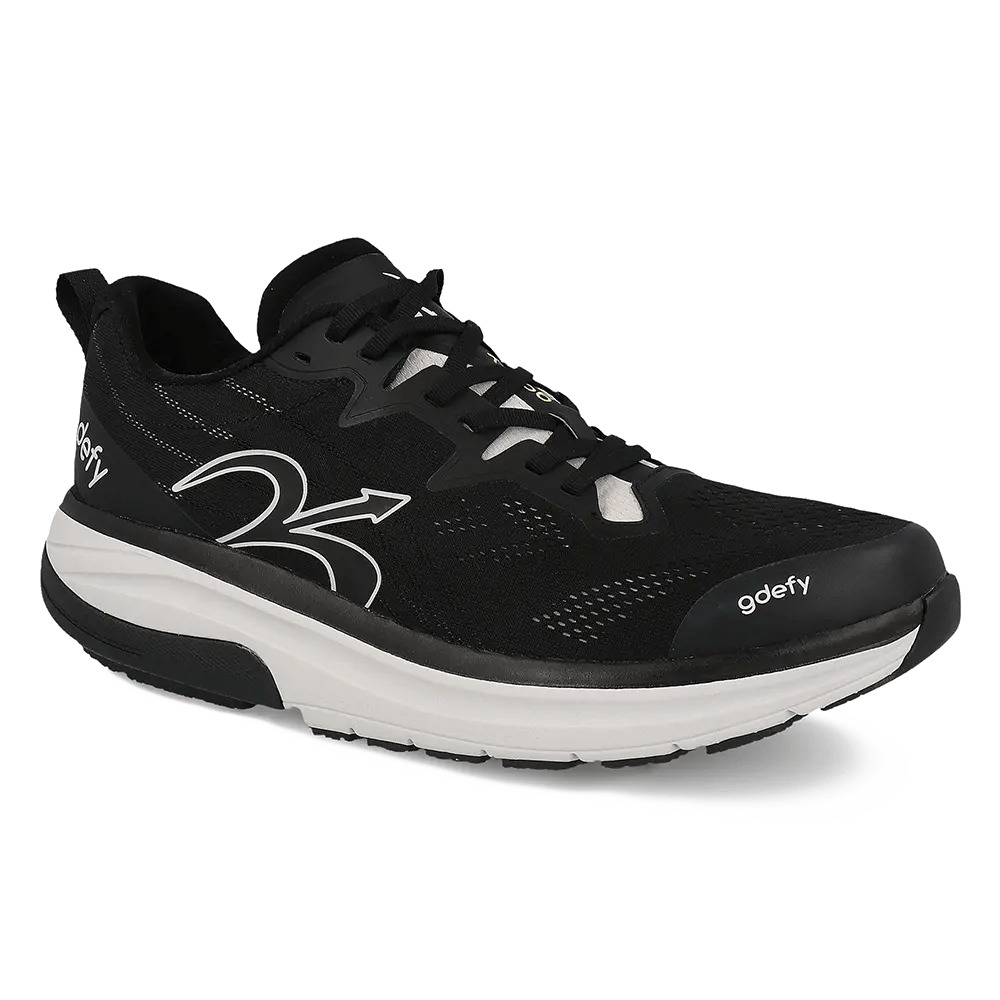
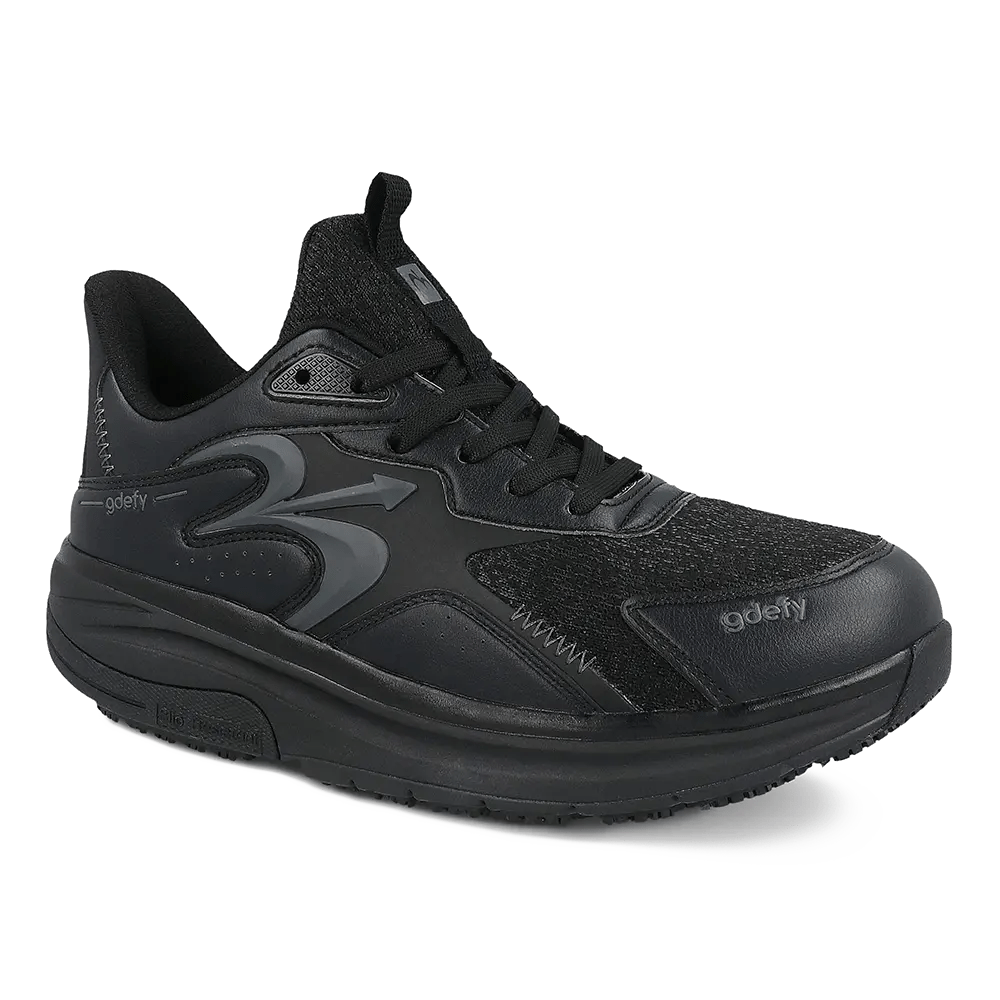
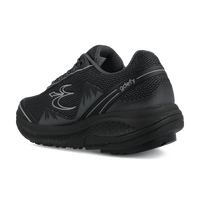
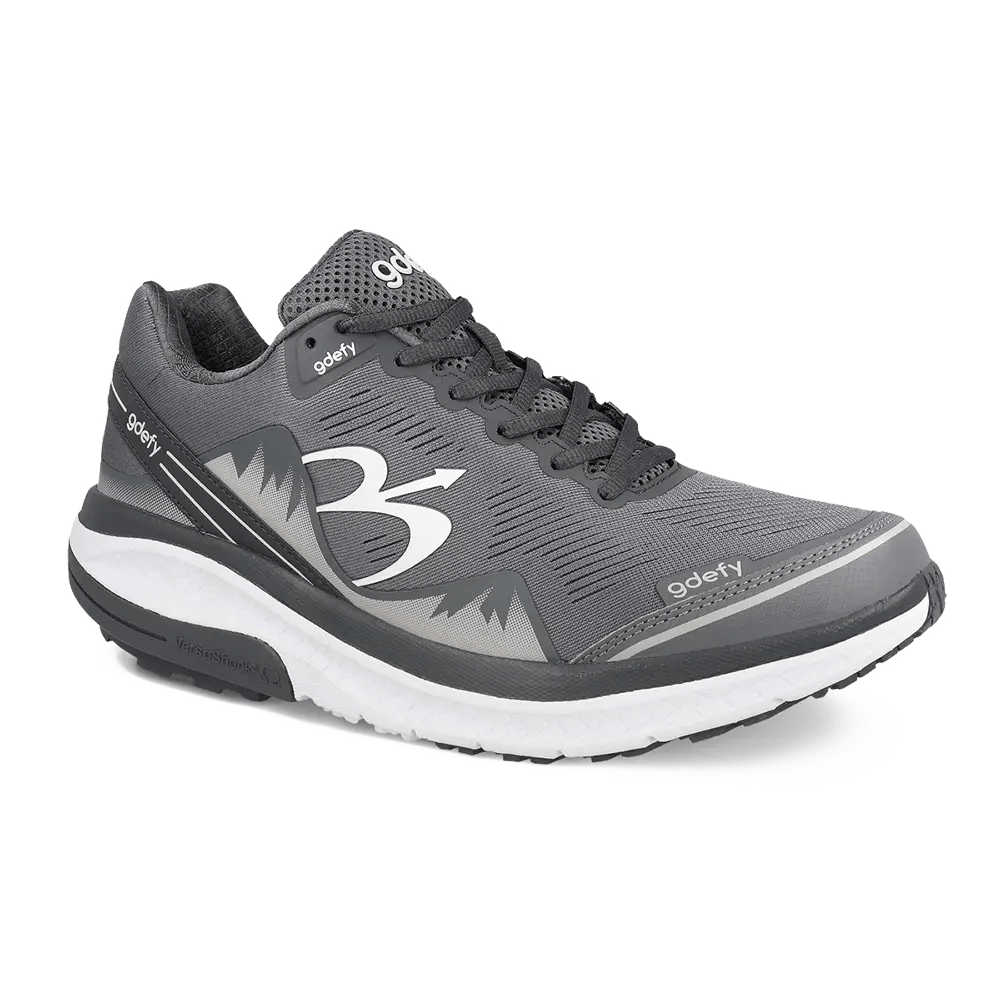
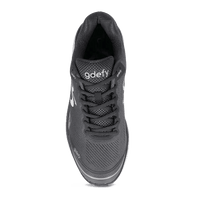
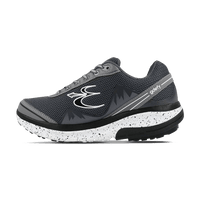
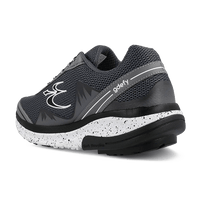
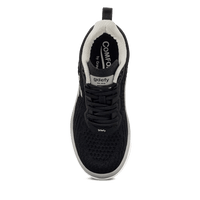
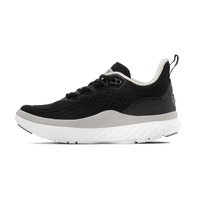
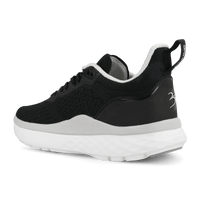
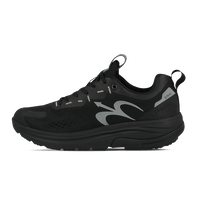
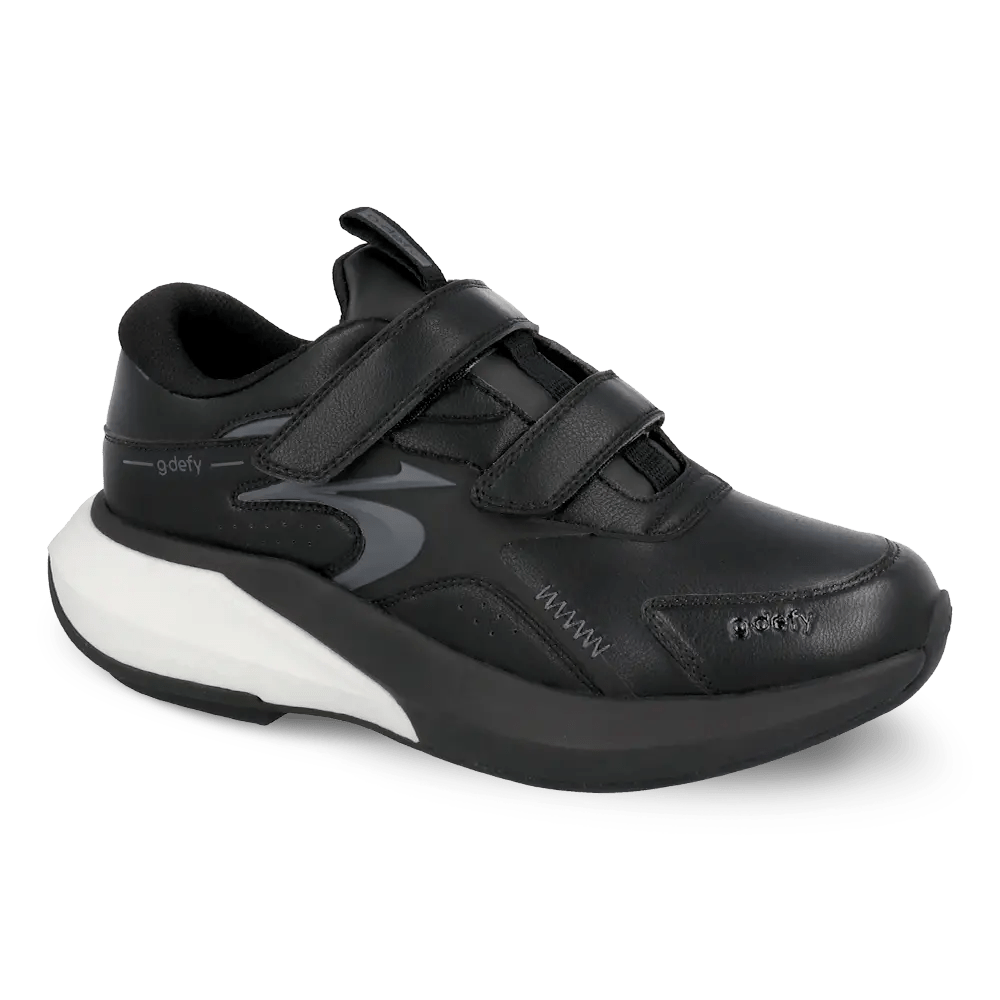
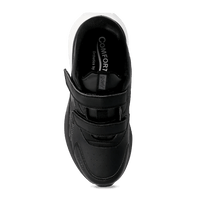
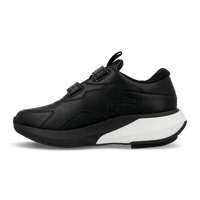
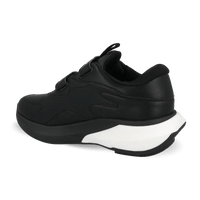
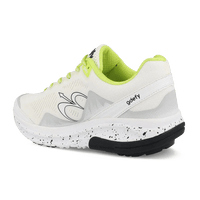
The MightyGlide is a prime example: clean black-and-white styling with a platform that delivers shock absorption and stability without looking medical. It's the kind of shoe you can wear to a desk job, a teaching shift, or a retail floor without drawing attention.
Slip-Ons for Busy Mornings
Slip-ons get a bad reputation because many styles are floppy and lack structure. But a well-designed slip-on with a firm heel counter and structured sole can work if you need to get out the door fast. The key is to avoid anything that collapses when you press down on the heel. If the back of the shoe folds flat, it's not supportive enough.
Look for slip-ons with elastic gussets or adjustable panels that keep your heel locked in place. Pair them with a stable sole and you have a practical option for mornings when lacing up feels impossible.
Slip-Resistant Work Sneakers
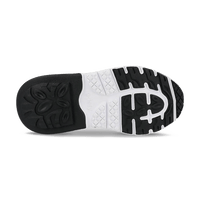
If you work in a hospital, kitchen, school cafeteria, or anywhere that requires slip-resistant footwear, prioritize traction plus stability. Many slip-resistant shoes are built on flat, hard platforms that offer zero shock absorption. That's a mismatch for plantar heel pain.
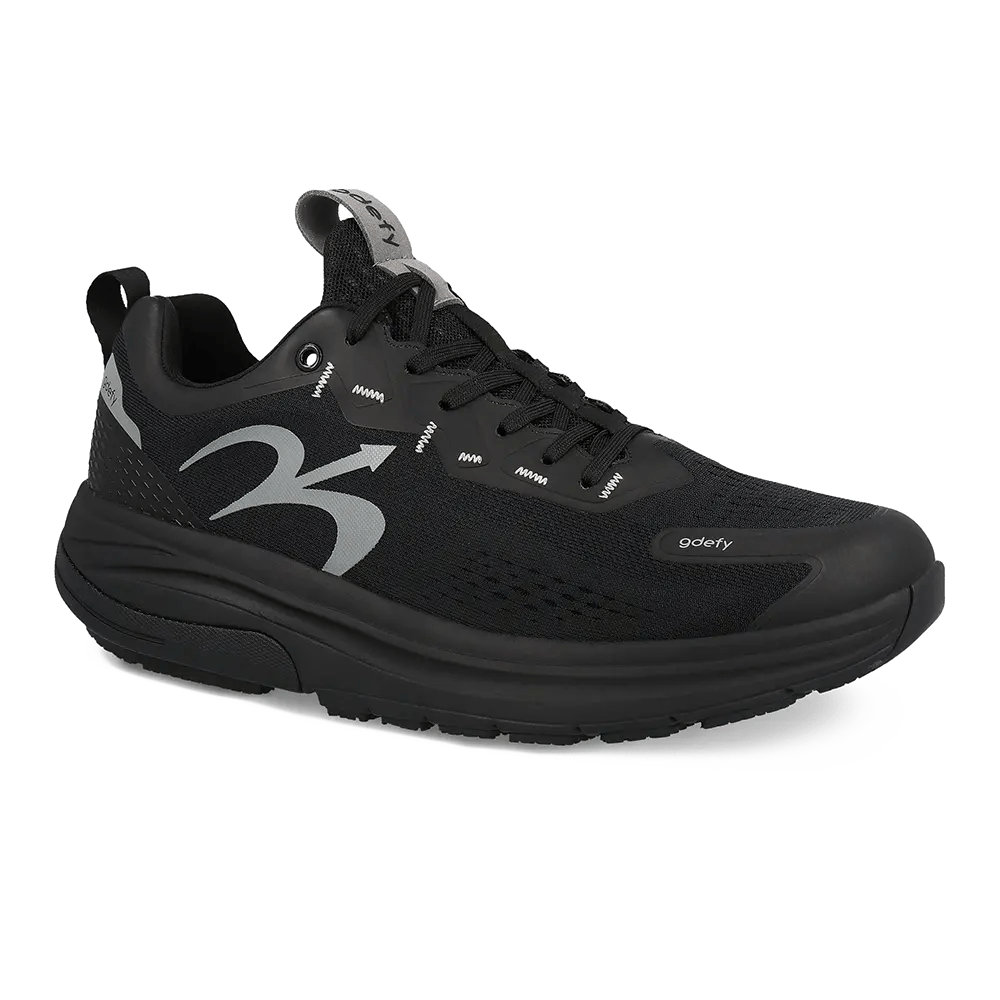
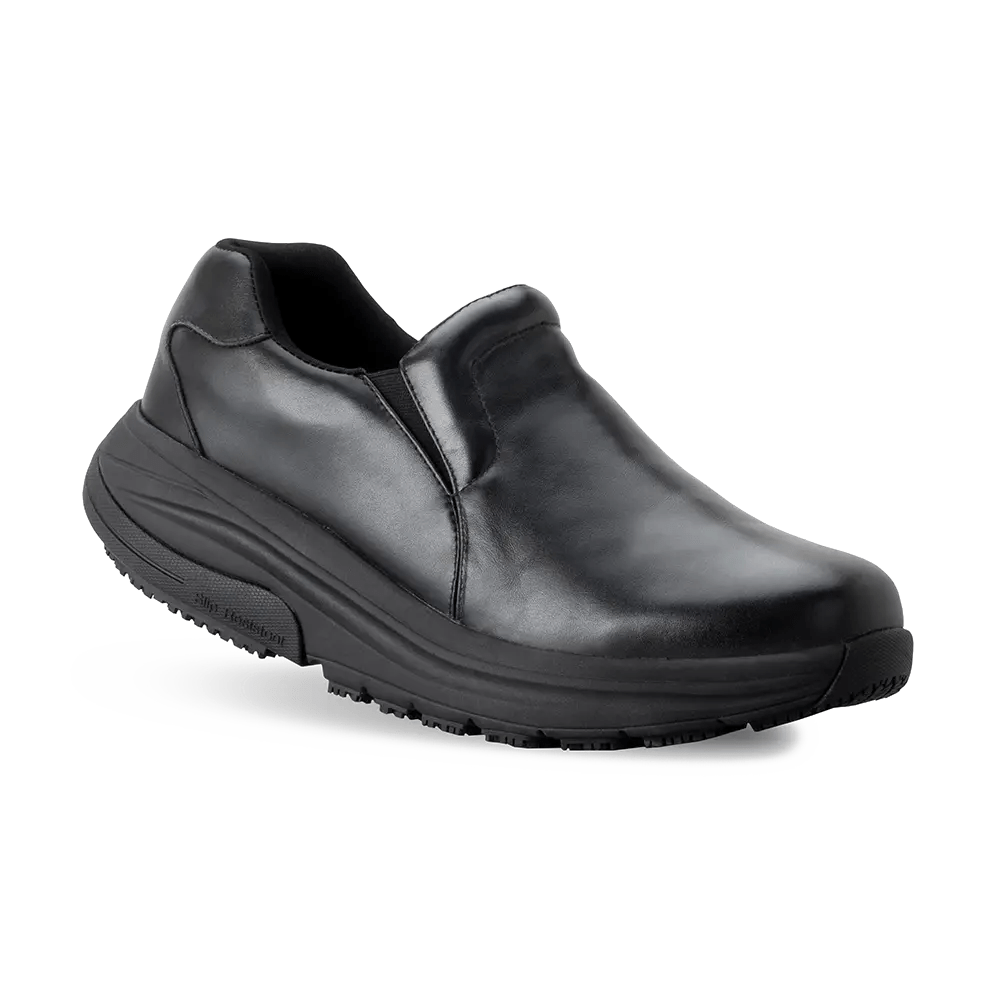
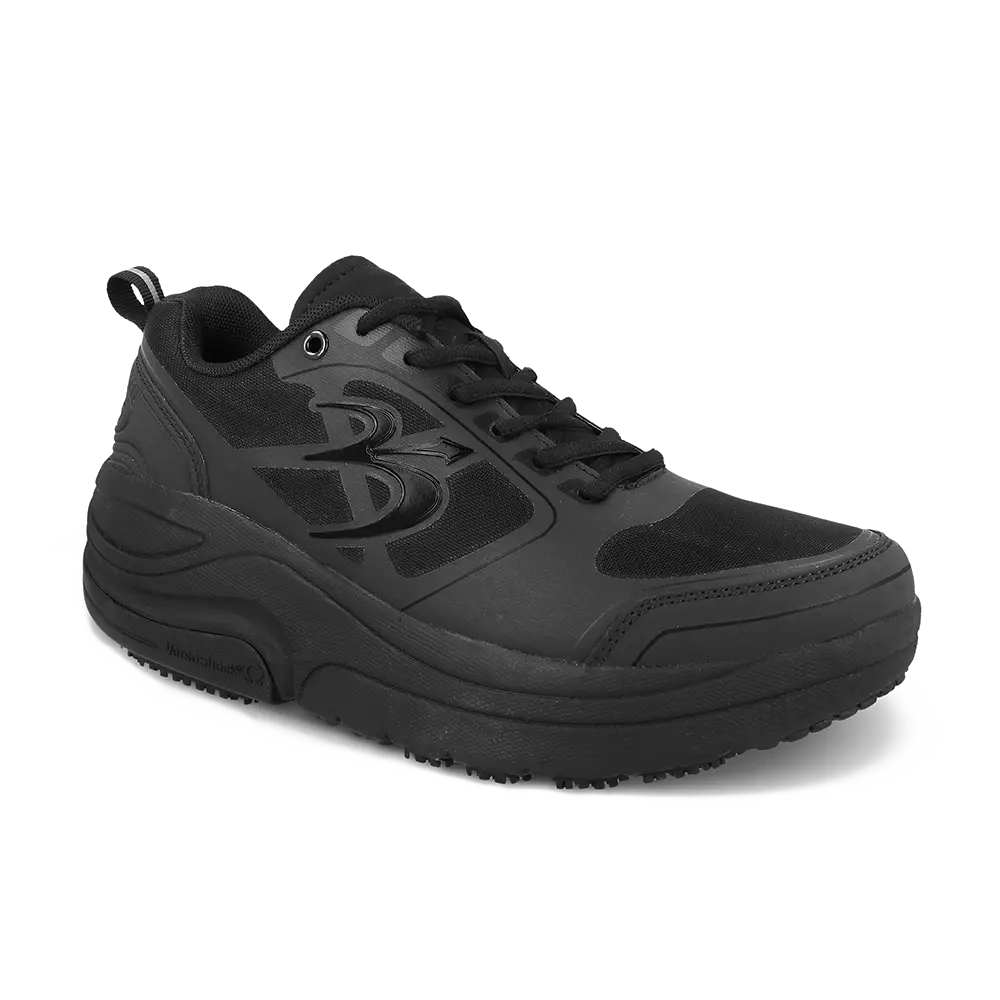
The slip-resistant option in the MightyGlide line solves this: full slip resistance with the same stable platform and heel cushioning as the standard model. No compromises.
Supportive Sandals (Seasonal)
Sandals work for plantar fasciitis only if they have a contoured footbed and secure straps. Thin flip-flops and flat slides are out. What you need is a sandal with arch contouring, a cushioned heel cup, and straps that keep your foot from sliding forward with each step.
The supportive sandal from G-defy's seasonal line meets these criteria. It's a practical option for summer or indoor comfort without sacrificing the support your plantar fascia requires.
Flats and Dress-Casual Styles
Flats are tricky. Most lack heel cushioning and structural support, which makes them a poor match for plantar fasciitis. But if your workplace requires closed-toe flats or dress-casual shoes, you can find options that work if they meet three criteria: a structured sole (not bendable like a ballet flat), a removable insole (so you can add an orthotic), and enough heel cushioning to reduce impact.
Expect shorter wear times with flats compared to athletic shoes. They're fine for short walks or meetings, but if you're on your feet for hours, switch to a walking sneaker whenever possible.
One final note on high heels: published research found that peak plantar fascia strain increased by 102% when heel height rose from 3 cm to 7 cm. Very high heels dramatically increase stress on the plantar fascia, so if you must wear heels, keep them low (under 2 inches) and limit wear time.
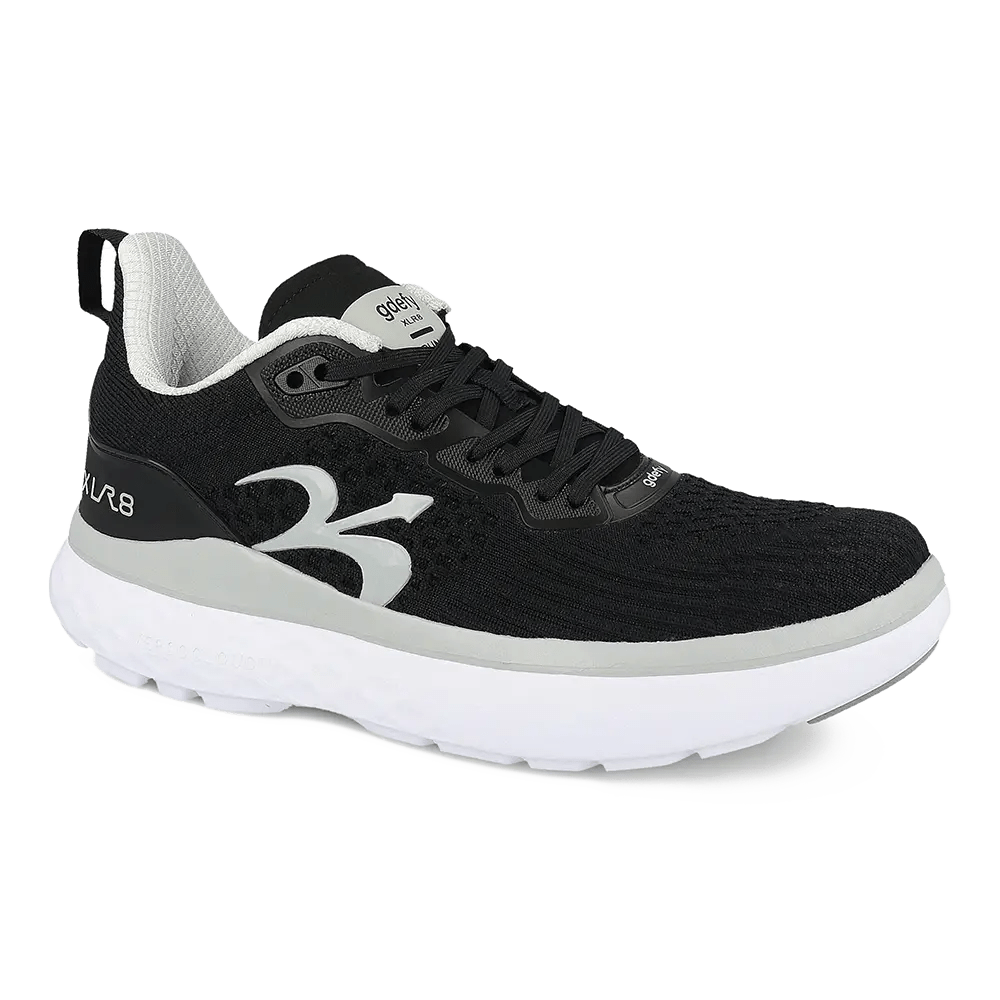
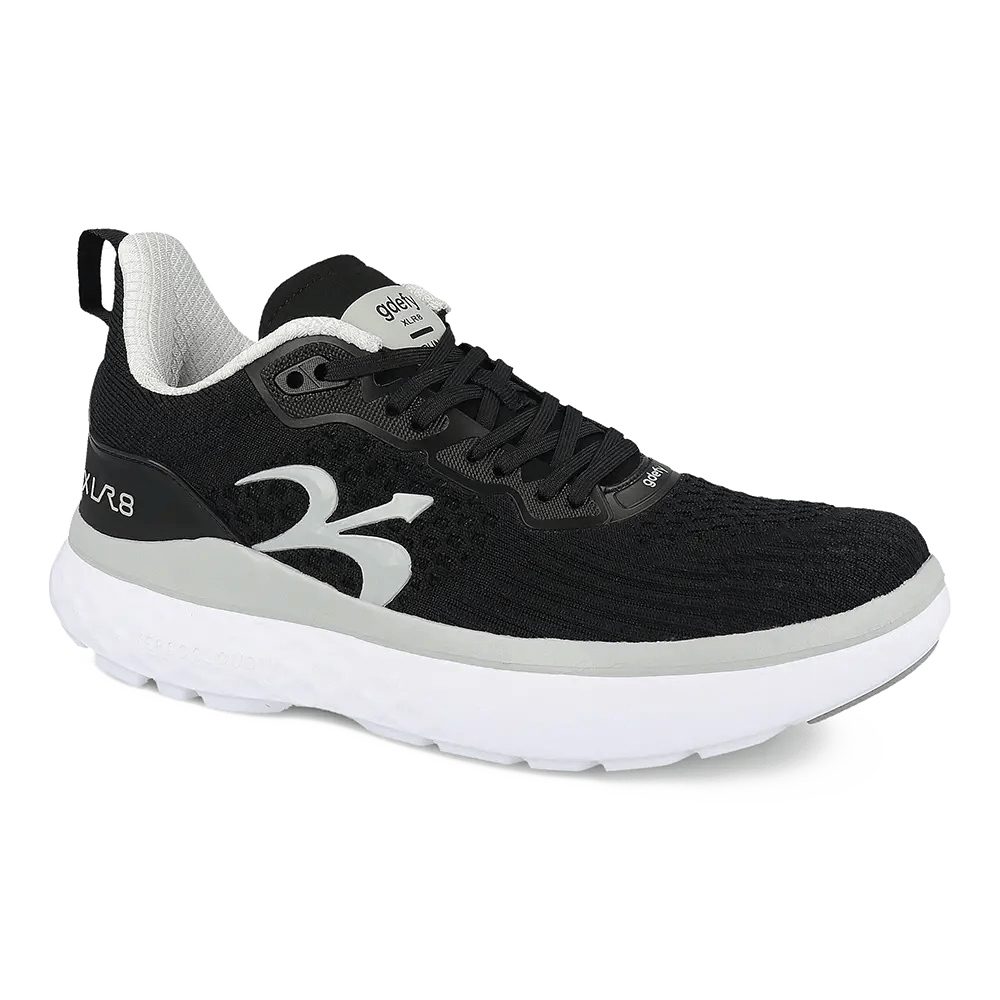
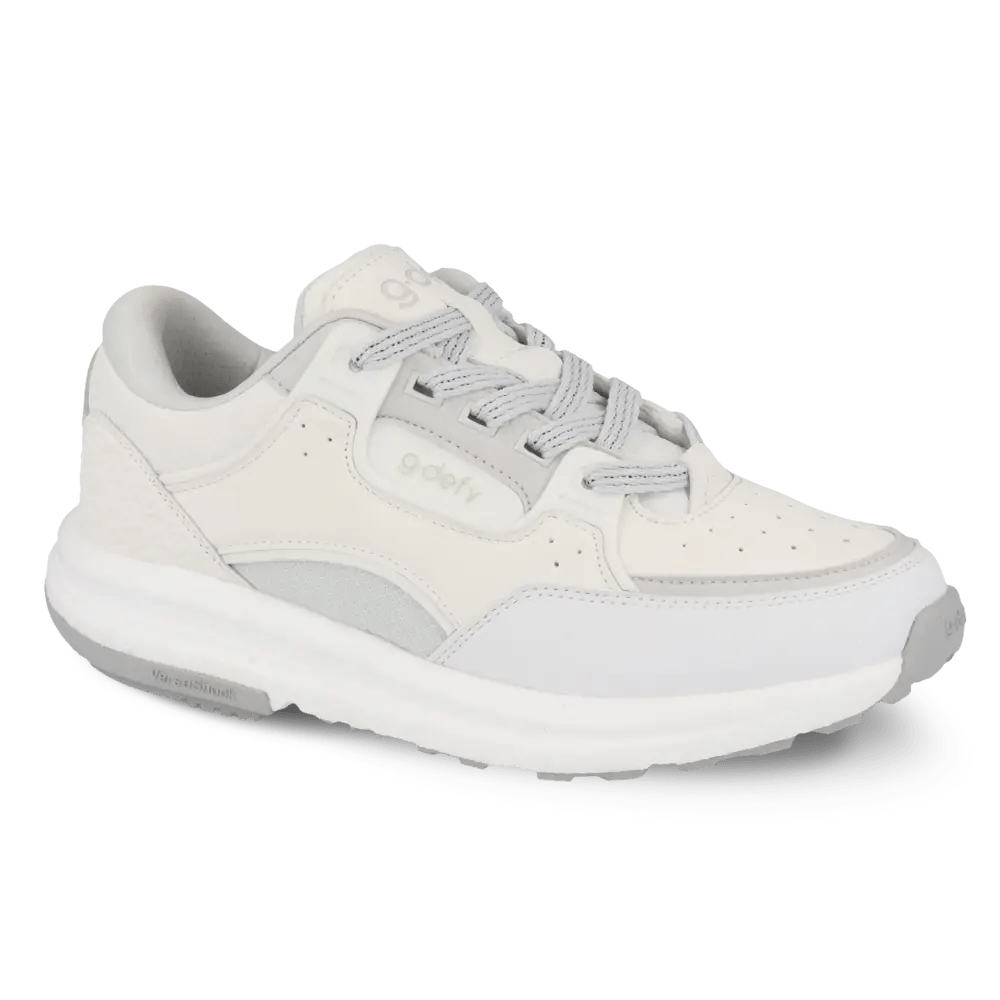
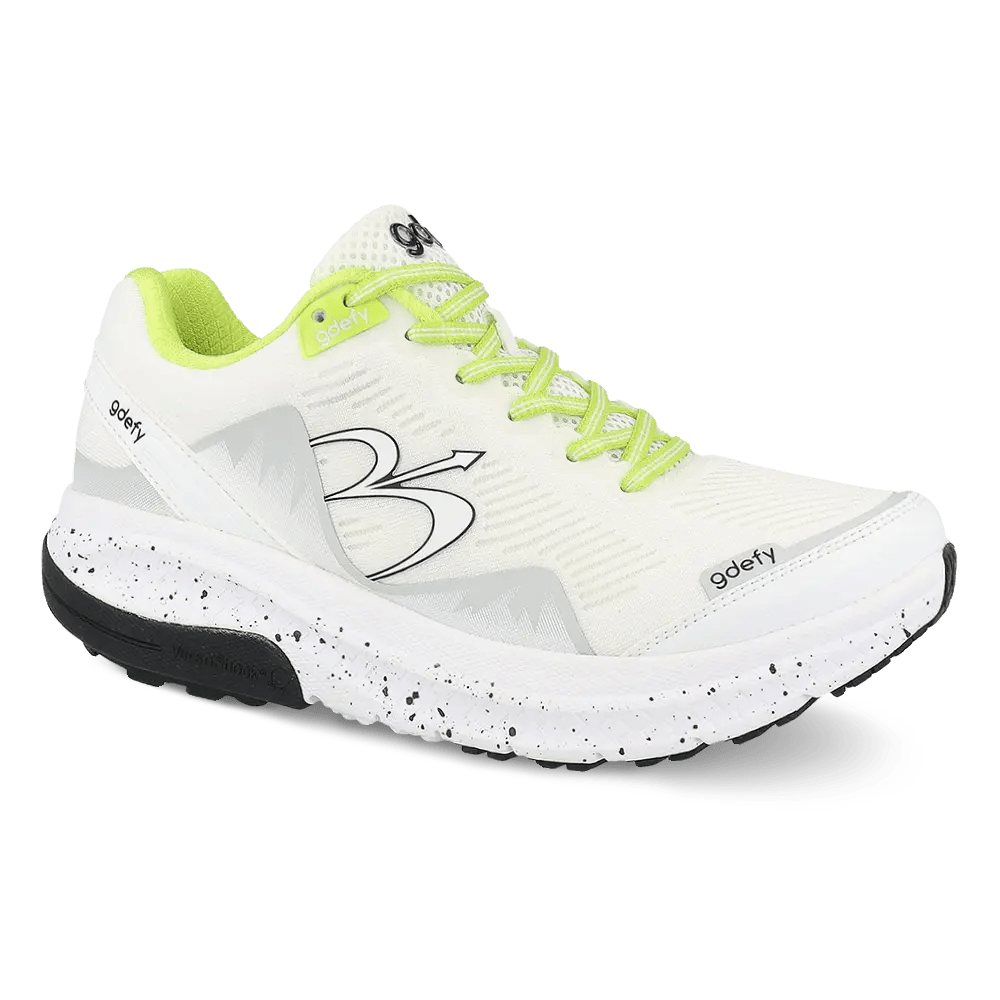
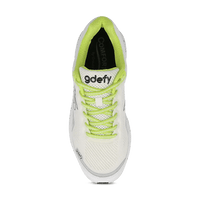
For a work-appropriate alternative to traditional heels, the XLR8 Run in white offers a sleek profile that works with smart-casual dress codes while maintaining the stability and cushioning your plantar fascia needs.
G-defy's Plantar Fasciitis Fit System
Choosing the right shoe shouldn't require a medical degree. G-defy simplifies the decision with a fit system based on your daily activity patterns: steps per day, surface type, work requirements, and foot shape.
Start by answering four questions:
- How many steps do you walk per day? (Under 5,000 / 5,000-8,000 / 8,000-12,000 / 12,000+)
- Do you spend most of your day on hard floors? (Yes / No)
- Do you need slip resistance for work? (Yes / No)
- Do you need extra toe room for bunions or swelling? (Yes / No)
Your answers map directly to recommended models and filters. If you walk 8,000+ steps for work, start by filtering for shock absorption plus stability, then choose the style category you'll actually wear every day. Consistency matters more than a "perfect" shoe you don't use.
Flat Feet and Plantar Fasciitis
If you have flat feet, prioritize stability plus supportive midfoot structure. Flat feet often correlate with overpronation (inward rolling), which increases stress on the plantar fascia. A stable base and supportive arch platform help control that motion.
Look for the "Flat feet" or "Stability" filter when shopping. Avoid minimalist shoes or very flexible soles, which offer no structure.
Wide Toe Box for Bunions and Swelling
A wide toe box helps if your feet swell during the day or you have bunions that make standard-width shoes painful. Pressure and rubbing can change your gait subtly, which increases heel stress. Extra toe room prevents that cascade.
Use the "Wide toe box" or "Extra room" filter. Pair wide toe boxes with the same stability and cushioning features you'd prioritize in a standard-width shoe.
Best G-defy Picks by Work Scenario
| Scenario | Common Symptoms | Must-Have Filters | Suggested G-defy Styles | Why It Works |
| 8,000 steps/day at work | Morning heel pain, fatigue by afternoon | Shock absorption, stability, 8,000+ steps | ZenWalk, XLR8 Run | High-mileage platforms with heel cushioning designed for long walking days |
| Standing on concrete 6+ hours | Heel pain that worsens throughout shift, foot fatigue | Max cushioning, standing all day, stable base | Mighty Walk | Shock absorption engineered for hard surfaces and extended standing time |
| Travel days (airports, sightseeing) | Unpredictable surfaces, variable distances, end-of-day pain | Lightweight, shock absorption, roomy toe box | ZenWalk, ION | Lightweight build reduces fatigue without sacrificing support |
| Slip-resistant required (healthcare, food service) | Morning pain, risk of slips on wet floors, long shifts | Slip-resistant, shock absorption, stability | MightyGlide Slip Resistant | Full traction with the same plantar-focused platform as athletic models |
| Wide forefoot / bunions | Toe cramping by midday, altered gait, heel pain | Wide toe box, adjustable fit, shock absorption | Models with wide sizing available (check product pages) | Extra toe room prevents gait changes that increase heel stress |
| Flat feet + overpronation | Inward rolling, arch collapse, heel pain during/after walking | Stability, arch support, firm heel counter | Mighty Walk, MightyGlide | Supportive midfoot structure controls pronation and reduces fascia strain |
| Dress-casual work environment | Heel pain but must look professional, limited sneaker options | Work-neutral colors, removable insole, low-profile styling | work-friendly flat | Supportive sole in a dress-appropriate silhouette for shorter wear periods |
How to Buy Plantar Fasciitis Shoes Online Without Guessing Wrong
Buying shoes online for plantar fasciitis can feel risky. You can't try them on in-store, and heel pain makes returns expensive (both financially and in lost time). Here's how to reduce guesswork and increase your chances of getting the right fit on the first order.
Three At-Home Fit Tests
When your shoes arrive, run these tests before committing to a full day of wear:
- Heel slip test: Put the shoes on and lace them snugly. Walk forward 10 steps. Your heel should stay locked in the heel cup with minimal vertical movement. If your heel lifts more than a quarter-inch with each step, the fit is too loose or the heel counter is too soft.
- Torsion ("taco bend") test: Hold the shoe at the heel and toe and try to twist it like wringing out a towel. A supportive shoe should resist twisting. If it folds easily in half or twists with minimal effort, the midsole lacks structure.
- Toe room check: Stand up with your full weight in the shoes. Press your thumb down on the toe box just in front of your longest toe. You should have about a thumb's width of space. Too little room and your toes will cramp; too much and your foot slides forward, changing heel fit.
Break-In Guidance
Even supportive shoes need a break-in period. Start with shorter wear sessions: 2-3 hours the first day, 4-5 hours the second day, then gradually increase. Avoid wearing brand-new shoes for a 12-hour shift on day one. Your feet need time to adjust to the new support structure.
Swap socks if the fit feels too tight or too loose. Thicker socks can fill extra space; thinner socks can relieve pressure points. Small adjustments matter.
Shoe Rotation Strategy
Don't wear the same pair of shoes every single day. Published findings demonstrate that a shoe-rotation strategy showed statistically significant improvements in pain measurement scores and foot function. Rotating between two supportive pairs lets the cushioning materials recover between wears and reduces repetitive stress patterns.
Buy two pairs if possible, or at minimum rotate your plantar fasciitis shoes with a second supportive pair every other day. The improvement in comfort is measurable.
What 83% of Patients Get Wrong
Research data shows that 83% of patients reported wearing inappropriate shoes that lacked adequate support. Most people underestimate how much their footwear contributes to heel pain. If you're still wearing flat sneakers, thin-soled flats, or old running shoes with compressed midsoles, your shoes are working against you.
G-defy's filters solve this by making the "right" features easy to spot. Instead of reading endless product descriptions, filter for shock absorption plus stability, then choose the style you'll wear consistently.
When buying plantar fasciitis shoes online, prioritize fit and stability tests at home because a supportive shoe that fits poorly can still aggravate heel pain. Use the 60-day trial period to test shoes in real conditions (your actual workday), not just around the house.
Five-Minute Plantar Fasciitis Relief Routine
Shoes are step one. This 5-minute routine helps your feet tolerate the demands of your workday and speeds recovery overnight. Pair supportive shoes with a short daily stretching routine, because reduced tension through the calf and plantar fascia can help decrease heel pain over time.
Morning Routine (2 Minutes)
Gentle calf stretch: Stand facing a wall with your hands on the wall at shoulder height. Step one foot back, keeping the heel down and the knee straight. Lean forward until you feel a gentle stretch in the back of your calf. Hold for 30 seconds. Switch legs. Repeat once per side.
Plantar fascia stretch: Sit in a chair and cross one ankle over the opposite knee. Use your hand to gently pull your toes back toward your shin until you feel a stretch along the bottom of your foot. Hold for 30 seconds. Switch feet. Repeat once per side.
Evening Routine (3 Minutes)
Calf stretch (same as morning): Repeat the wall calf stretch for 30 seconds per leg, twice per side.
Foot rolling: Sit in a chair and place a tennis ball or frozen water bottle under the arch of your foot. Roll your foot back and forth over the ball for 60 seconds, applying gentle pressure. Switch feet. This helps release tension in the plantar fascia.
Toe and arch activation: Stand barefoot and try to lift just your big toe while keeping the other toes on the floor. Hold for 5 seconds. Then try to press your big toe down while lifting the other toes. Repeat 5 times per foot. This simple exercise activates the small muscles that support your arch.
Morning Pain Add-On
If you have consistent morning heel pain, night splints may help. Clinical guidelines recommend a 1- to 3-month program of night splints for individuals with plantar fasciitis who consistently experience pain with the first step in the morning. Night splints keep your foot in a gentle stretch position overnight, which can reduce the stiffness that causes that first-step stab of pain.
Talk to your healthcare provider before starting night splints. They're not right for everyone, but they can be helpful if morning pain is your primary issue.
What to Avoid If You Have Morning Heel Pain
Here's what doesn't work for plantar fasciitis, backed by research:
- Thin, hard insoles: Data shows that 55.5% of participants with plantar fasciitis wore shoes with hard, non-cushioned insoles. Hard insoles transfer impact forces directly to your heel with zero shock absorption. If you can feel every step through the insole, it's too hard.
- Very high heels: Published research confirms that peak plantar fascia strain increased by 102% as heel height rose from 3 cm to 7 cm. High heels force your foot into an unnatural position that dramatically increases tension through the plantar fascia. Keep heels under 2 inches if you must wear them, and limit wear time.
- Floppy, bendable soles: If you can fold the shoe in half with minimal effort, it lacks the structural support your plantar fascia needs. Flexible soles offer no stability and no control over pronation or heel motion.
- Worn-out shoes: Midsole cushioning compresses over time, usually around 300-500 miles of walking. If your shoes are more than a year old and you wear them daily, the cushioning is likely compressed and offering far less shock absorption than when new.
Avoid shoes that are flat, hard, and unstable because plantar fasciitis is often aggravated by repeated impact on a heel that isn't cushioned or well-controlled. Your shoes should reduce impact and guide your foot through a stable gait cycle, not just look good.
Frequently Asked Questions
What are the best shoes for plantar fasciitis if I stand all day?
The best shoes for plantar fasciitis when you stand all day are stable, cushioned work-walking shoes with a firm heel counter and strong shock absorption. Use filters like "slip-resistant" and "max cushioning" if you're on tile or concrete most of your shift. Standing on hard floors for extended periods increases impact forces, so your shoes need to deliver real heel cushioning (not just a padded insole over a hard sole) and a wide, stable base that prevents your foot from wobbling.
If you stand on hard floors all day, choose a work-ready sneaker or slip-resistant walking shoe with a wide, stable base and real heel cushioning because unstable, hard-insoles are a common mismatch for plantar heel pain. The difference between a shoe with proper shock absorption and one without becomes obvious after hour three of a standing shift.
Why is plantar fasciitis worse in the morning?
Plantar fasciitis is often worse in the morning because the plantar fascia stiffens during rest, then gets suddenly loaded when you take your first steps. While you sleep, your foot relaxes into a pointed position (plantarflexion), which allows the plantar fascia to shorten and tighten. When you stand up and put weight on your foot, that stiffened tissue gets stretched abruptly, causing the characteristic sharp pain.
Research confirms that 94% of participants reported heel pain during the first steps in the morning, making this pattern a hallmark of the condition. Morning heel pain is a hallmark of plantar fasciitis. Consistent support from the first step, especially a cushioned heel and stable platform, helps reduce that "stabbing" start-of-day flare. Keep supportive shoes by your bed so you're not walking barefoot on hard floors first thing in the morning.
What shoe features help plantar fasciitis the most?
Shock absorption, stability, a firm heel counter, and a supportive midfoot are the most consistently helpful shoe features for plantar fasciitis. Reference the feature-to-benefit matrix earlier in this article for a complete breakdown. For plantar fasciitis, prioritize a stable shoe with shock absorption, a firm heel counter, a supportive midfoot, and enough toe-box room, then fine-tune comfort with a removable insole or insert if needed.
If you use orthotics, prioritize shoes with a removable insole so you can swap in your custom inserts. Toe-box room matters if your feet swell or you have bunions, but it's secondary to the core features of cushioning, stability, and heel control.
Are wide toe box shoes better for plantar fasciitis?
Wide toe box shoes can feel better for plantar fasciitis if your feet swell or your toes feel cramped, because pressure and rubbing can change your gait and increase heel stress. When your toes are cramped, you unconsciously adjust how you walk, which can alter loading patterns and put more stress on your heel and plantar fascia.
That said, toe-box width is not the primary factor in plantar fasciitis relief. Stability and heel cushioning still do the heavy lifting. A wide toe box is a helpful feature if you need it, but it won't fix plantar fasciitis on its own. Combine wide sizing with the same shock absorption and stability features you'd look for in a standard-width shoe.
Do I need arch support if I have flat feet and plantar fasciitis?
If you have flat feet and plantar fasciitis, a supportive midfoot and stability usually help more than an aggressive arch "bump." Flat feet often correlate with overpronation, where your foot rolls inward excessively during walking. This motion increases stress on the plantar fascia. A stable platform that controls pronation can reduce that stress without requiring a hard, high arch insert.
Some people with flat feet do benefit from custom orthotics prescribed by a podiatrist. If that's you, prioritize shoes with removable insoles so you can use your orthotics. Use the "Flat feet" or "Stability" filter when shopping to find models designed for pronation control.
Should I rotate shoes for plantar fasciitis?
Shoe rotation can help plantar fasciitis because alternating supportive footwear can reduce repetitive stress patterns and improve comfort over time. Research data from a shoe-rotation study demonstrated statistically significant improvements in pain and function scores compared to single-pair use.
Rotating between two supportive pairs also lets the cushioning materials in each shoe recover between wears. Midsole foams compress during use and take time to bounce back. Wearing the same pair every single day doesn't give them time to recover, which reduces cushioning effectiveness. Rotate every other day if possible.
How do I know if my shoes are making plantar fasciitis worse?
If your heel pain spikes after standing or your shoes feel flat, hard, or wobbly, your footwear may be aggravating plantar fasciitis rather than helping it. Run the three at-home fit tests described earlier: heel slip, torsion, and toe room. If your shoes fail any of those tests, they're not providing the support you need.
Other red flags: you feel every step through the insole (too hard), your heel lifts out of the shoe when walking (poor heel counter), or your foot feels unstable side-to-side (lack of stability). Published data shows that hard, non-cushioned insoles were common among people with plantar fasciitis. Don't assume that firm equals supportive; you need cushioning with structure, not just a hard platform.
When should I see a professional for heel pain?
See a clinician if heel pain persists, worsens, or changes, because not all heel pain is plantar fasciitis and some causes need different treatment. Red flags that warrant immediate evaluation: numbness or tingling in your foot, sudden severe pain after an injury, swelling that doesn't improve with rest, or pain that spreads beyond the heel into the ankle or calf.
Shoes can support recovery and reduce symptoms, but they can't replace a diagnosis. If you've tried supportive footwear, stretching, and activity modification for 4-6 weeks without improvement, it's time to consult a podiatrist or physical therapist. They can rule out other conditions (stress fractures, nerve issues, arthritis) and recommend treatments like custom orthotics, physical therapy, or corticosteroid injections if needed.
Conclusion
Morning heel pain doesn't have to control your day. The right shoes reduce impact, support your arch, and help your plantar fascia tolerate the demands of standing and walking on hard floors. You don't need bulky orthopedic styles. You need work-ready shoes with shock absorption, stability, a firm heel counter, and enough toe room to keep your gait natural.
Shop G-defy women's plantar fasciitis shoes and filter by the features that reduce heel stress: shock absorption, stability, toe room, and slip resistance. Choose the style category you'll actually wear every day, because consistency matters more than finding a "perfect" shoe you leave in the closet. Use the 60-day trial to test shoes in real work conditions. If they don't reduce your pain, return them and try a different build.
Need help choosing? Use the 4-question fit finder at the top of this page to narrow your options in under a minute. Your feet will thank you.
References
- Effectiveness of Shoe Rotation in Managing Plantar Fasciitis - Cited for U.S. treatment volume (1 million annually), inappropriate shoe prevalence (83%), and shoe rotation improvement data.
- Activity and footwear characteristics in people with and without plantar heel pain - Cited for standing time difference (mean 3.4 hours longer per day) and difficulty accessing suitable footwear.
- Heel Pain – Plantar Fasciitis: Revision 2023 - Cited for clinical definition of plantar fasciitis and night splint recommendations for morning pain.
- Impact of routine footwear on foot health: A study on plantar fasciitis - Cited for 94% morning first-step pain prevalence, 83.2% inappropriate shoe use, and 55.5% hard insole prevalence.
- The Influence of Heel Height on Strain Variation of Plantar Fascia - Cited for 102% strain increase when heel height rose from 3 cm to 7 cm.
- Immediate Effects of Footwear Design on In-Shoe Plantar Pressures - Cited for 15% heel peak pressure reduction with 14-mm heel-toe pitch test shoe and comfort rating improvements.
- Change of In-Shoe Plantar Pressure According to Types of Footwear - Cited for running shoes producing lower plantar pressure measures than flat shoes and high heels.































.svg)



