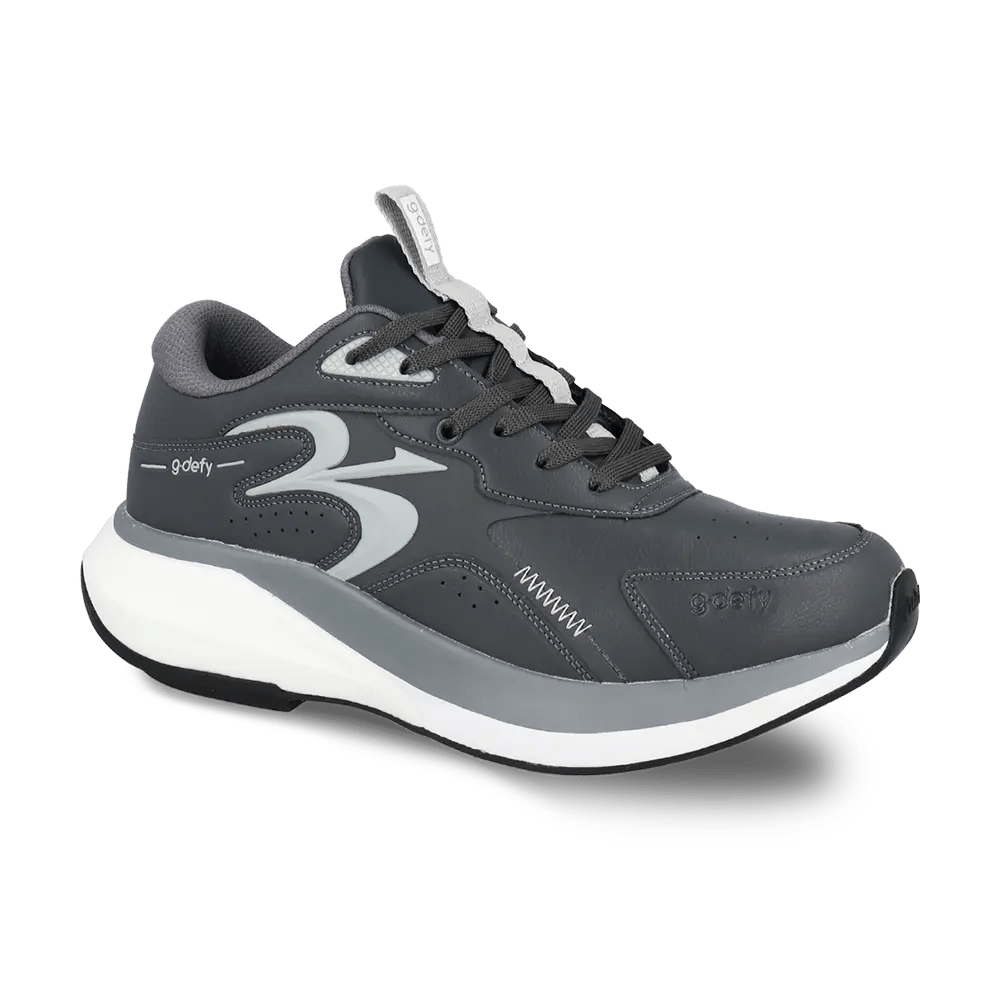
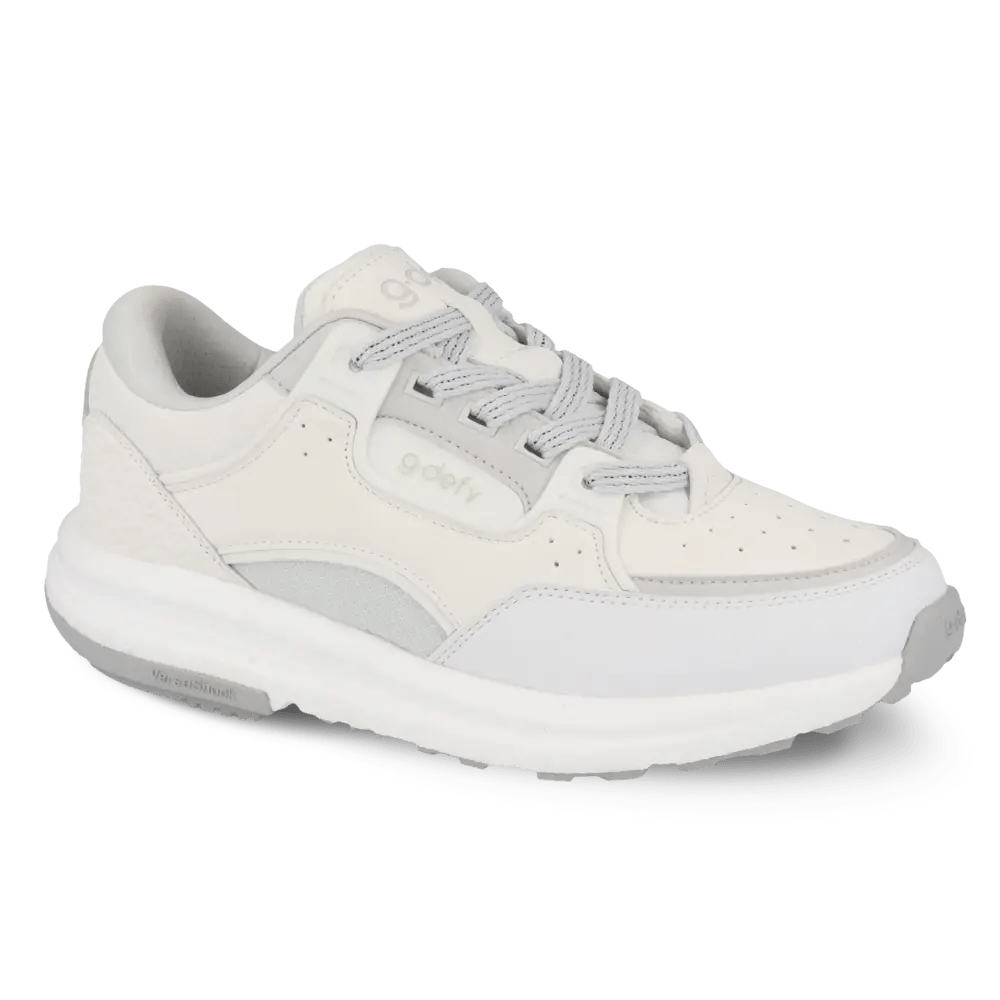
February 17, 2026
Arch Support Shoes: What to Look For (High Arches vs Flat Feet, Firmness, Heel Counter, Stability)
By Gdefy

Summary
Arch Support 101: What It Actually Means
Arch support is not just a bump in an insole. It's a full-shoe system that includes the midsole shape, heel structure, and how the shoe holds your foot during motion. Your arch acts like a suspension bridge. It distributes weight and absorbs impact when you walk or stand. When that bridge collapses or flexes too much, the plantar fascia (the thick band of tissue running under your foot) gets overstretched and inflamed. That's where plantar fasciitis often starts.
Good arch support means your midfoot is supported consistently through your stride, not propped up by a soft bump that flattens out after a week. There's a difference between arch support, cushioning, and stability. Arch support refers to the shoe's ability to cradle the midfoot and resist collapsing under body weight, helping distribute pressure and keep the heel and ankle aligned. Cushioning absorbs impact when your foot hits the ground. Stability limits side-to-side motion and unwanted rolling. You usually need all three, but in different amounts depending on your arch type.
When you first wear supportive shoes, they may feel firmer than you're used to. That's normal. Your feet have been compensating for weak support, so structured shoes feel different. Most people adapt within two to five days of gradual wear. Start with a couple of hours on day one, then add time each day. If you feel sharp pain, numbness, or pressure points that don't ease up, the shoe may be the wrong shape for your foot. Arch problems (both high arches and flat feet) are common risk factors for plantar fasciitis, and shoes with inadequate support can make the problem worse, according to Harvard Health. Supportive footwear is a standard part of treatment.
If your current shoes feel close but not quite right, an orthotic insole can fine-tune the support. We'll cover how to pair shoes with orthotics in a later section.
Quick Self-Check: How to Tell if You Have High Arches or Flat Feet
Don't guess your arch type. Test it. The wet footprint test takes less than a minute and gives you clear results. Wet the bottom of your bare foot with water. Step firmly onto a piece of brown paper, a paper bag, or cardboard. Step off and look at the outline. If you see very little midfoot contact (mostly just the heel and ball of the foot), you likely have high arches. If you see most of the midfoot filled in (almost the whole foot outline), you likely have flat feet. A neutral arch shows about half of the midfoot filled in.
Mayo Clinic research confirms that arch type affects athletic shoe choice and overall comfort. If your wet footprint shows very little midfoot contact, you likely have high arches. If it shows most of the midfoot, you likely have flat feet. High arches (pes cavus) are arches that stay lifted even when standing, which can reduce natural shock absorption and concentrate pressure at the heel and ball of the foot. Flat feet distribute pressure more evenly but can lead to overpronation (excessive inward rolling), which stresses the inside ankle and knee.
You can also check your shoe wear pattern. Flip your current everyday shoes over and look at the sole. If the inside edge is worn down heavily, you likely overpronate (common with flat feet). If the outside edge is worn more, you may supinate (roll outward, common with high arches). Uneven wear is a clue that your shoes aren't controlling motion well enough.
When should you skip the home tests and see a professional? If you have persistent heel pain, repeated ankle sprains, numbness in your feet, or diagnosed plantar fasciitis that isn't improving, a podiatrist can do a full gait analysis and recommend custom orthotics if needed. Once you know your arch type, choose a supportive base shoe you can wear daily while you figure out whether you need extra inserts.
| Footprint Result | Likely Arch Type | Primary Shoe Priority |
| Narrow midfoot, mostly heel and ball visible | High arches | Shock absorption + stable heel |
| Full foot outline, most midfoot filled in | Flat feet | Motion control + stable platform |
| About half midfoot filled in | Neutral arches | Balanced support + flexibility |
High Arches vs Flat Feet: What Your Shoes Must Do Differently
Different arches fail in different ways. High arches often act like rigid bridges. They don't flatten much to absorb shock, so every step concentrates force at the heel and ball of the foot. People with high arches usually need shoes with noticeable cushioning to soften impact, plus a stable heel and midfoot structure to prevent the foot from rolling outward (supination). The mistake many people make is buying ultra-soft, flimsy shoes that feel plush at first but offer zero control. You want cushioning that sits on top of a stable base, not a marshmallow that collapses side to side.
Flat feet behave the opposite way. The arch collapses inward during walking, which can overload the plantar fascia and inner ankle. Flat feet often benefit from stability or motion control shoes, which use a firmer midsole and structured heel counter to limit excessive inward rolling (overpronation). Too much soft foam under a flat foot can allow even more collapse, worsening the problem. Flat feet still need cushioning for comfort, but the priority is a stable platform that keeps the foot aligned.
Neutral arches sit in between. People with neutral arches can usually wear a wider range of shoes, but they still benefit from structured support and a stable heel. Comfort matters, but structure still wins over pure softness. Research shows that one-half to two-thirds of runners will sustain an injury, and arch type plays a role in injury patterns. High arches concentrate pressure at the heel and forefoot, while low arches spread pressure more evenly but increase soft tissue stress and knee pain risk.
High arches usually need more shock absorption and heel control. Flat feet usually need more motion control and a stable platform. That simple rule guides most buying decisions. When shopping for stable walking shoes, look for models that pass the twist and heel tests (covered in the next section) no matter what your arch type is.
| Arch Type | Common Stress Points | Must-Have Shoe Features | Avoid |
| High arches | Heel, ball of foot, outside ankle | Strong cushioning, stable heel counter, flexible forefoot, torsional rigidity | Overly rigid soles, minimalist shoes, flimsy heel counters |
| Flat feet | Arch, inside ankle, knee | Firm midsole support, motion control, wide stable base, strong heel counter | Ultra-soft foam, shoes that twist easily, narrow bases |
| Neutral arches | Generalized foot fatigue | Balanced cushioning, moderate stability, secure midfoot, flexible forefoot | Shoes that fold in the middle, no heel structure |
The 5 Shoe Tests: How to Spot Real Support
Before you buy, test the shoe like a podiatrist would. These five tests take under three minutes and work in any store or at home with shoes you already own. If a shoe fails more than one test, it's probably too flimsy to be a reliable arch support shoe, especially for flat feet or plantar fasciitis.
Test 1: Heel Counter Squeeze
Grab the back of the shoe (the heel counter) between your thumb and fingers. Squeeze hard. A firm heel counter will barely compress. If you can crush it flat easily, the shoe won't stabilize your heel. The heel counter is the stiff cup at the back of the shoe that keeps your heel from wobbling side to side. A strong heel counter helps control excess motion and is a standard feature in supportive footwear recommended for plantar fasciitis management. This test matters for everyone, but it's critical if you have flat feet or a history of ankle rolling.
Test 2: Torsion Twist Test
Hold the shoe by the heel and toe and try to twist it like wringing out a towel. A supportive shoe resists twisting through the midfoot. This is called torsional rigidity. Torsional rigidity is a shoe's resistance to twisting through the midfoot; higher torsional rigidity usually means better stability and less unwanted motion. If the shoe twists easily through the middle and folds in half, it's usually too flimsy to be a reliable arch support shoe, especially for flat feet or plantar fasciitis. This is a pass/fail test. Shoes built for support should feel stiff when you twist them.
Test 3: Bend Test
Try to fold the shoe in half lengthwise. It should bend at the forefoot (where your toes flex), not fold in the middle like a taco. When the midfoot collapses, your arch collapses with it. Shoes should flex at the ball of the foot to let your toes push off naturally, but the midfoot needs to stay firm to support your arch. This is where cheap sneakers fail most often.
Test 4: Flat on the Floor Stability Check
Set the shoe on a flat surface (a table or floor). Look at it from the back. Does it sit level and stable, or does it rock side to side? A good support shoe should sit flat and balanced. If it wobbles or tilts inward easily, it won't provide a stable base when you're walking. This test is especially important for flat feet, where a stable platform limits overpronation.
Test 5: Heel Lock and Slippage Test
Put the shoes on, lace them snugly, and walk briskly for 20 steps. Your heel should feel locked in place with minimal lift. If your heel slides up and down with each step, the shoe isn't holding your foot securely. Heel slippage reduces stability and can cause blisters. This is harder to test online, which is why trying supportive running-style shoes in person or through a good return policy is smart.
If you want more cushioning without losing structure, start with shoes that pass these five tests. Most people improve within nine to twelve months of starting nonsurgical plantar fasciitis treatment methods, and supportive footwear is a key part of that timeline, according to Harvard Health.
| Test | What to Do | Pass Looks Like | Fail Looks Like | Matters Most For |
| Heel counter squeeze | Pinch back of shoe firmly | Barely compresses | Crushes flat easily | Everyone, especially flat feet and ankle rollers |
| Torsion twist | Twist shoe heel to toe | Resists twisting through midfoot | Twists easily like a towel | Flat feet, plantar fasciitis |
| Bend test | Fold shoe in half | Bends at ball of foot only | Folds through the middle | High arches, flat feet |
| Flat stability check | Set shoe on flat surface | Sits level, does not rock | Tilts or wobbles side to side | Flat feet, overpronators |
| Heel lock test | Walk briskly 20 steps | Heel feels locked, minimal lift | Heel slides up and down | Everyone, especially active walkers |
Cushioning vs Firmness: How Much Is Enough
Cushioning absorbs impact. Firmness controls motion. You usually need both. The confusion happens when people equate "soft" with "supportive." A shoe can feel plush on top and still have a stable platform underneath. That's the sweet spot for most people.
High arches need shock absorption because the rigid arch doesn't flatten to absorb impact naturally. Pressure concentrates at the heel and ball of the foot. Shoes with generous cushioning help spread that force. But the cushioning needs to sit on a stable base, or your foot will roll outward (supinate) with each step. Look for shoes that feel comfortable on impact but still pass the heel counter and torsion tests.
Flat feet need a different balance. Too much soft foam allows the arch to collapse even more, which defeats the purpose of supportive shoes. Flat feet do best with a firm, structured midsole and a cushioned top layer for comfort. The goal is to limit inward rolling (overpronation) while still providing enough cushioning for all-day wear. A stability shoe is designed to limit excess side-to-side motion and inward rolling, usually with a more structured midsole and a supportive heel counter.
Body weight and the surfaces you walk on also matter. Heavier people and those who stand on concrete all day need more shock absorption. Your arch type is still the starting point, but real-world conditions adjust the formula. If you work on your feet all day, choose a stable cushioned platform for long days.
One more thing to consider: heel height. Heel-to-toe drop is the height difference between the heel and forefoot; it affects how load is distributed during walking and running. For daily comfort shoes, keeping heel height under two inches is a good guideline, according to University of Iowa research. Higher heels shift pressure forward and can strain the plantar fascia.
For arch support shoes, the goal is usually comfortable cushioning with a stable base, not a marshmallow-soft shoe that wobbles side to side. Test the shoe using the five tests above, and you'll know whether you have the right balance.
Orthotics and Arch Support Shoes: A Step-by-Step Fit Guide
Shoes are the foundation. Orthotics are the fine-tuning. If you're dealing with plantar fasciitis, pairing supportive shoes with an appropriate orthotic is a standard conservative approach, and published research reports high rates of pain reduction with orthotic use. One review reports an 89% success rate in reducing plantar fasciitis pain with orthotic interventions. Orthoses redistribute force and alleviate pressure during weight-bearing to help the plantar fascia heal.
An orthotic is a device placed in the shoe to support or align the foot and redistribute pressure during weight-bearing. When do you need one? If your shoes pass the structure tests but you still have persistent heel pain, arch fatigue, or repeated ankle rolling (common with high arches), an insert can help. Many people start with over-the-counter (OTC) orthotics and only move to custom inserts if OTC options fail or if they have complex foot issues.
OTC vs Custom Orthotics
OTC orthotics cost $20 to $60 and come in standard arch profiles (low, medium, high). They work well for mild to moderate arch support needs. Custom orthotics are molded to your exact foot shape by a podiatrist and cost $200 to $500. They're for people who have tried multiple OTC inserts without relief, have significant structural issues (severe flat feet, high arches with chronic pain), or have conditions like diabetes where proper fit is critical.
Orthotic-Friendly Shoe Checklist
Not all shoes work with orthotics. An orthotic-friendly shoe has a removable insole, enough depth for the insert, and a stable heel and midfoot structure so the orthotic can do its job. Before you buy an orthotic, check these four things. First, does the insole come out? Pull on the factory insole. If it's glued in permanently, the shoe won't fit an orthotic. Second, is there enough depth? After removing the factory insole, place the orthotic in the shoe and check whether your foot will fit comfortably on top of it. If the shoe is too shallow, your toes will hit the top or your heel will slip out. Third, does the shoe have a stable heel counter and midfoot? An orthotic can't fix a floppy shoe. The shoe needs to pass the twist and heel tests on its own. Fourth, is the midfoot width adequate? Some orthotics add bulk. If the shoe is too narrow through the midfoot, it will pinch.
Break-In Protocol for Orthotics
Don't wear new orthotics all day on day one. Your feet need time to adapt. Wear them for one to two hours on the first day, then add one to two hours each day. Most people adjust within a week. Stop if you feel numbness, sharp pain, or pressure points that don't ease up after a few days. Those are signs the orthotic is the wrong shape for your foot, not just break-in discomfort.
If you want an add-on support option for shoe optimization, consider neutral orthotics that work with most supportive shoes.
| Your Need | Key Features | Starting Point |
| All day walking | Firm heel counter, torsional rigidity, cushioned midsole | ZenWalk or MATeem |
| Everyday errands | Balanced cushioning, secure midfoot, stable platform | ION |
| Orthotic pairing | Removable insole, deep heel cup, stable structure | Any G Defy model |
Best Arch Support Shoe Features Checklist
Use this checklist to avoid expensive mistakes. Each feature gets zero to two points. A score of 10 to 14 means the shoe is a strong candidate. A score of seven to nine means try the shoe with an orthotic. A score below seven usually means the shoe is too flimsy for reliable arch support.
A supportive shoe should bend at the ball of the foot, resist twisting through the midfoot, and have a firm heel counter. If it fails any of those, it's usually not a strong arch support shoe. The heel counter is the stiff cup at the back of the shoe that stabilizes the heel and helps control excess motion. Running shoes typically last about 300 to 500 miles (including walking), according to Pennsylvania Podiatric Medical Association, after which midsole support can break down. If you log a lot of steps, track your mileage and replace shoes before they lose structure.
| Feature | Why It Matters | Quick Test | Best For | Points |
| Firm heel counter | Stabilizes heel and controls motion | Pinch test should barely compress | Everyone | 2 firm 0 crushes flat |
| Twist resistance | Prevents midfoot collapse | Twist test resists through midfoot | Flat feet plantar fasciitis | 2 resists 0 twists easily |
| Forefoot bend | Protects arch during push off | Bends at ball not middle | Everyone | 2 forefoot only 0 folds middle |
| Stable base | Reduces wobble and improves balance | Sits level on flat surface | Flat feet overpronators | 2 level 0 rocks |
| Removable insole | Allows orthotic use | Insole lifts out | Orthotic users | 2 removable 0 glued |
| Toe box width | Prevents cramping and allows toe splay | Wiggle toes | Everyone wide feet | 2 roomy 0 tight |
| Midfoot lockdown | Reduces slippage and holds foot | Walk and check sliding | Everyone | 2 secure 0 slides |
| Cushioning match | Absorbs impact or controls motion | Match to arch type | All arch types | 2 matched 1 close 0 opposite |
Two frequent mistakes people make: buying purely for softness (which often means no structure), and sizing too small so toes are crammed (which changes your gait and can worsen pain). If you're shopping for examples of shoes built for all-day walking where this checklist matters, check out women's supportive walking shoes that meet these criteria.
Where G-Defy Fits Without the Guesswork
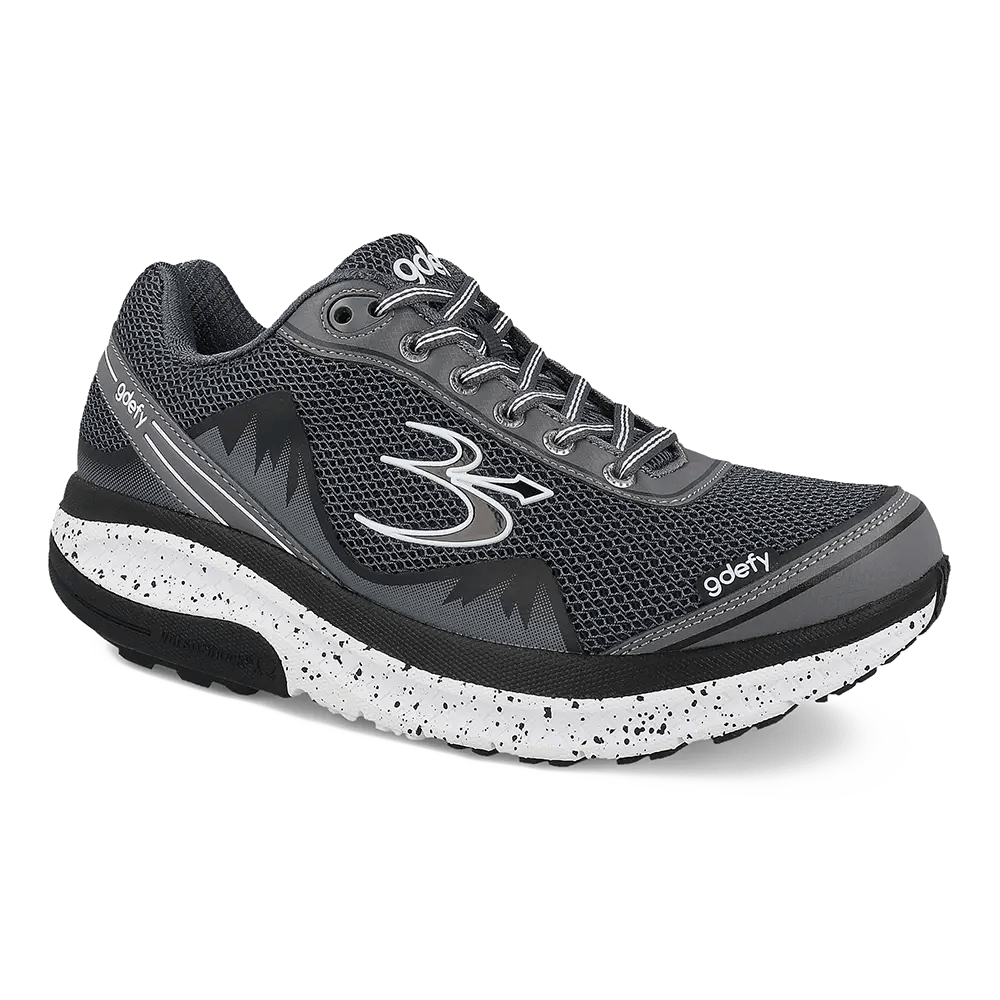
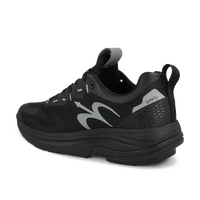
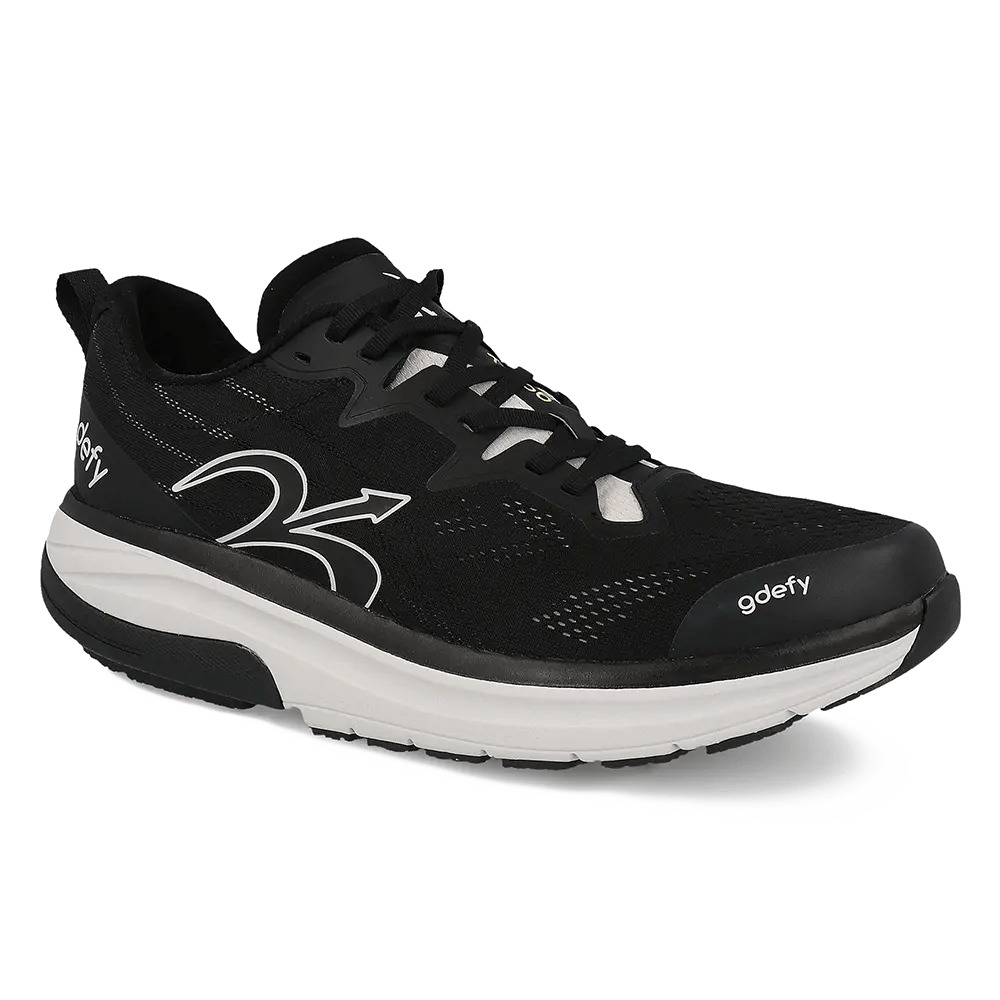
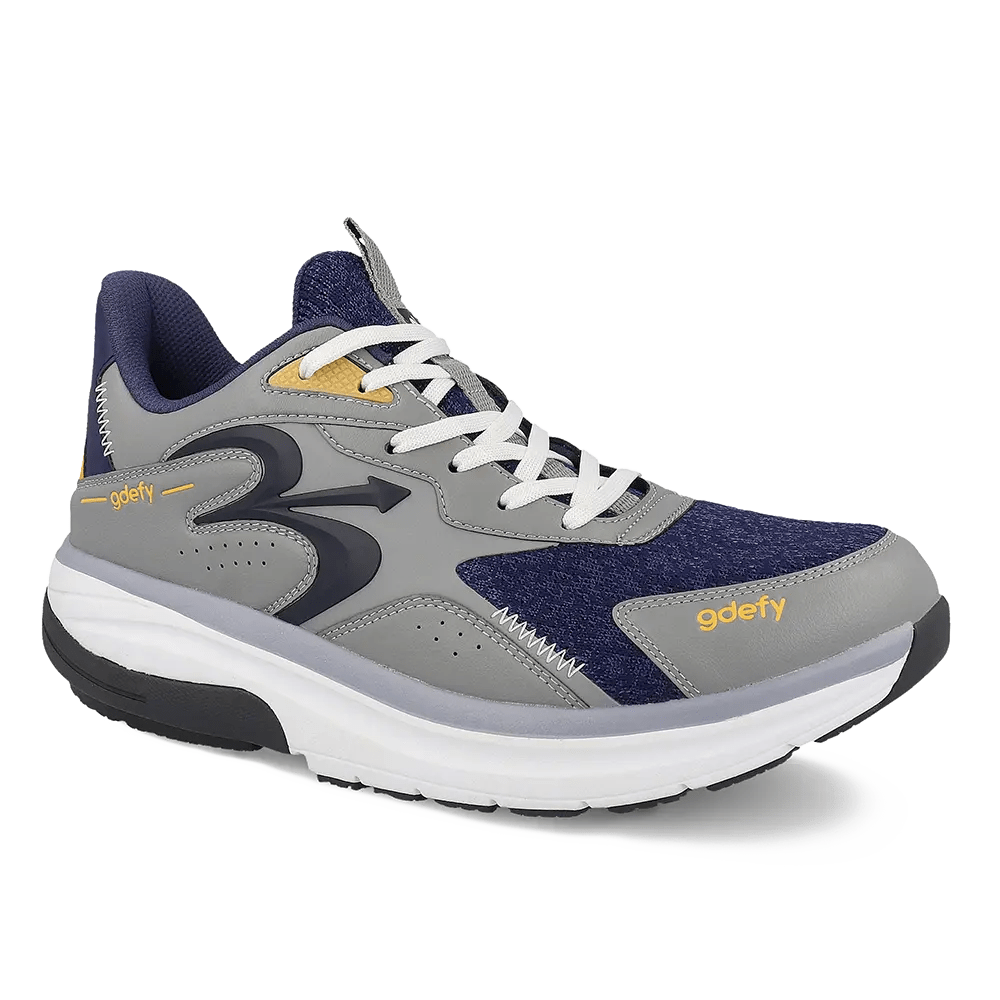
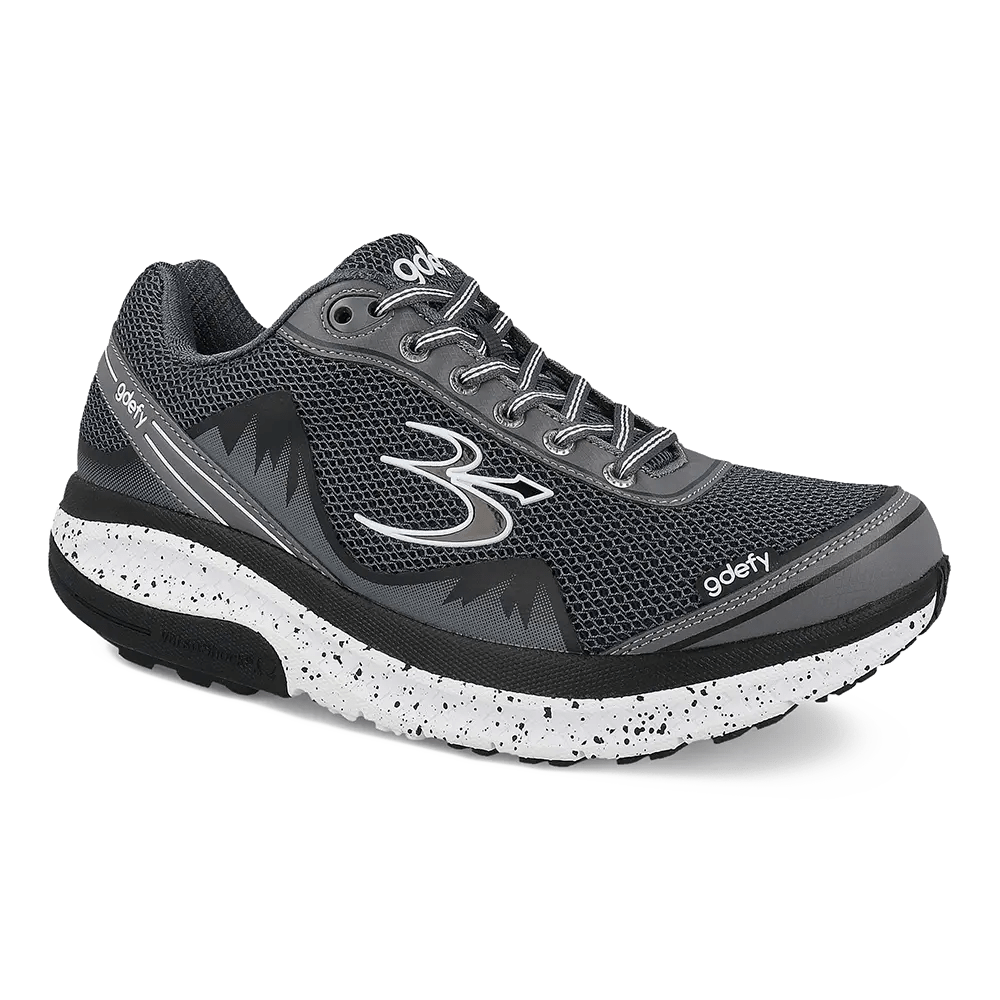
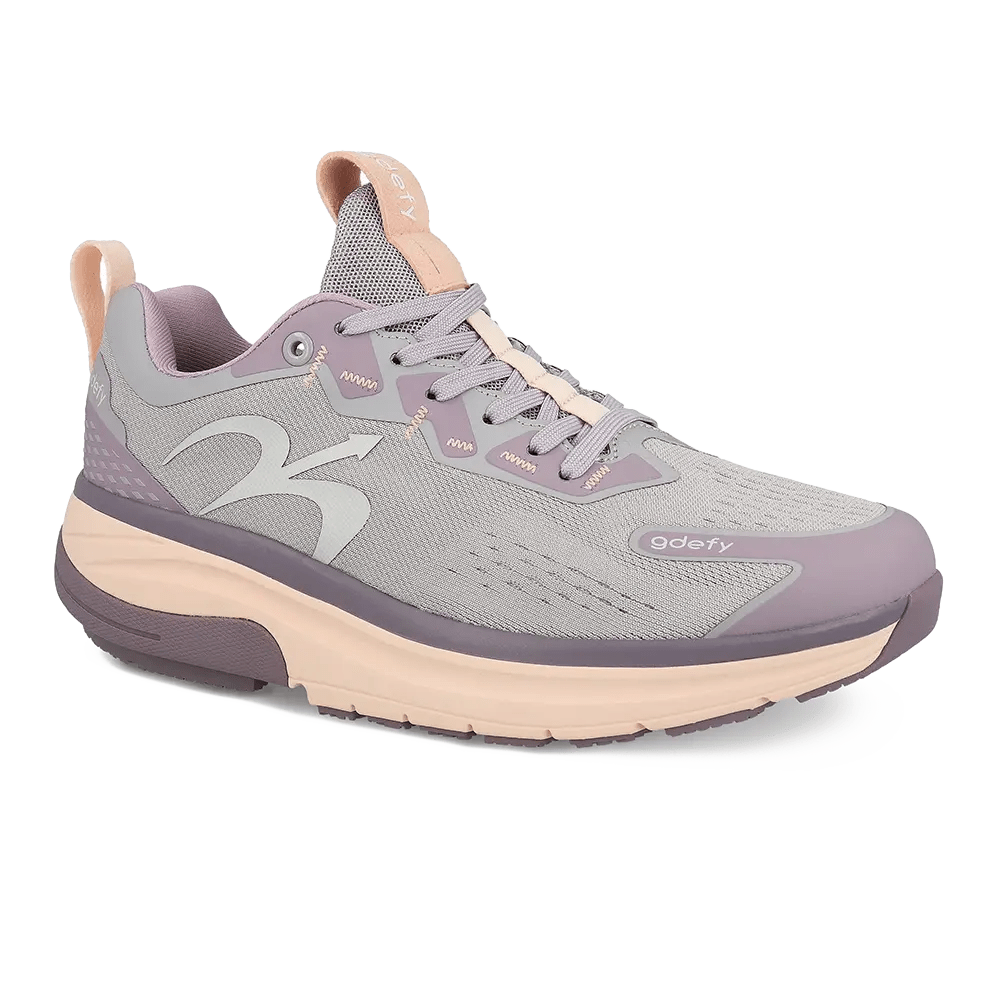
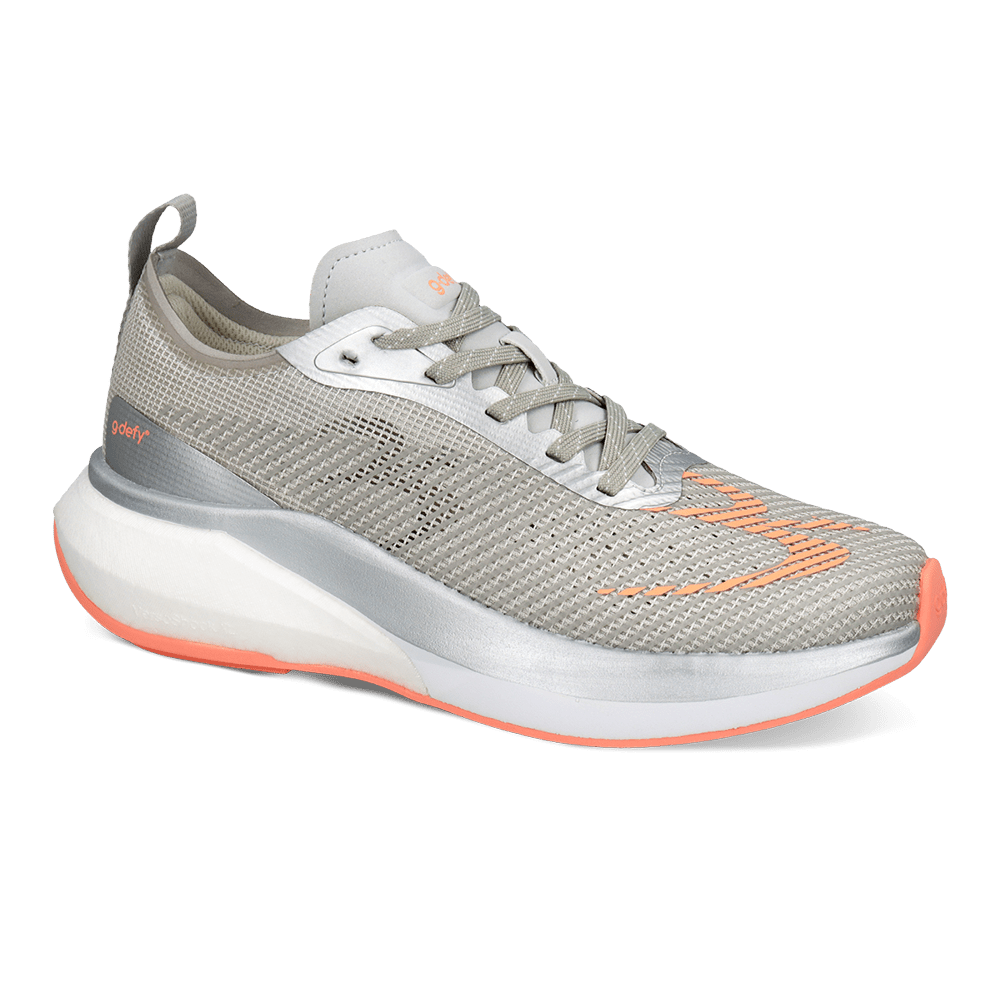
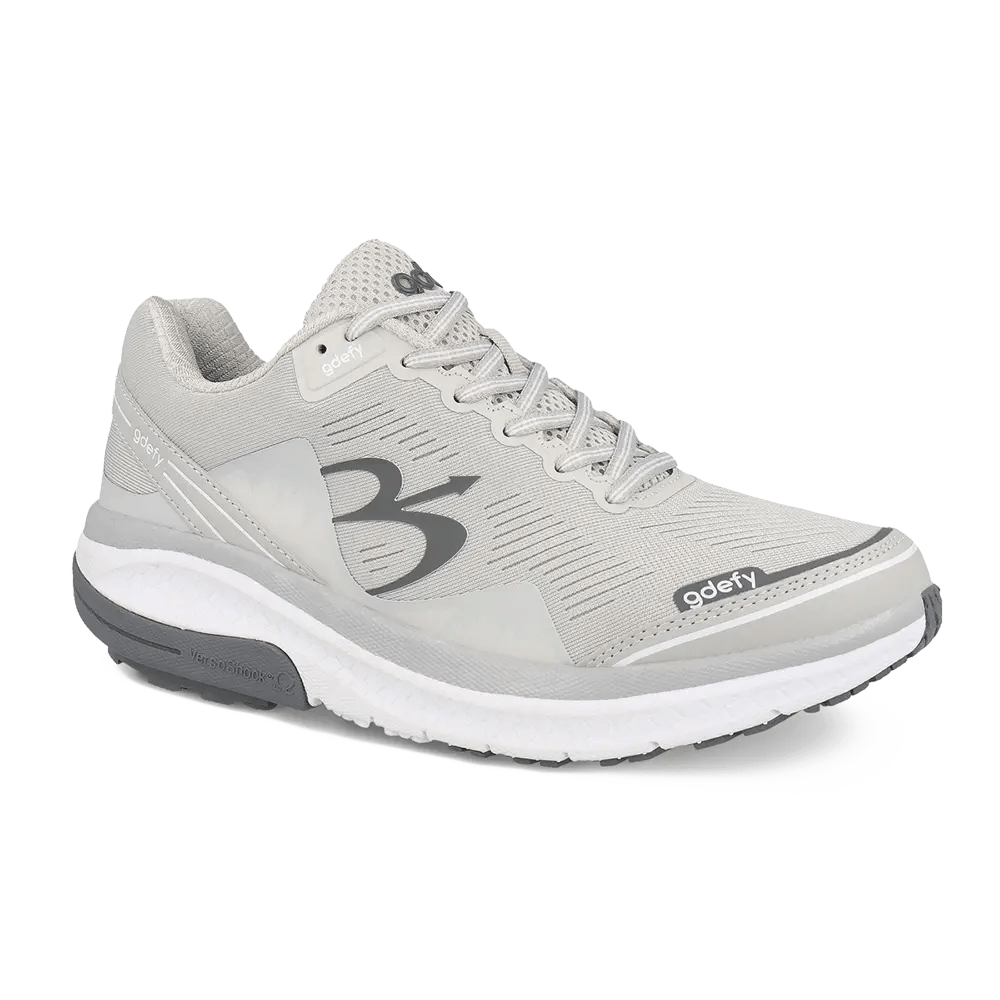
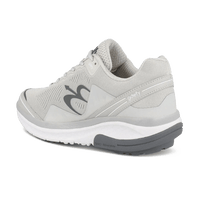
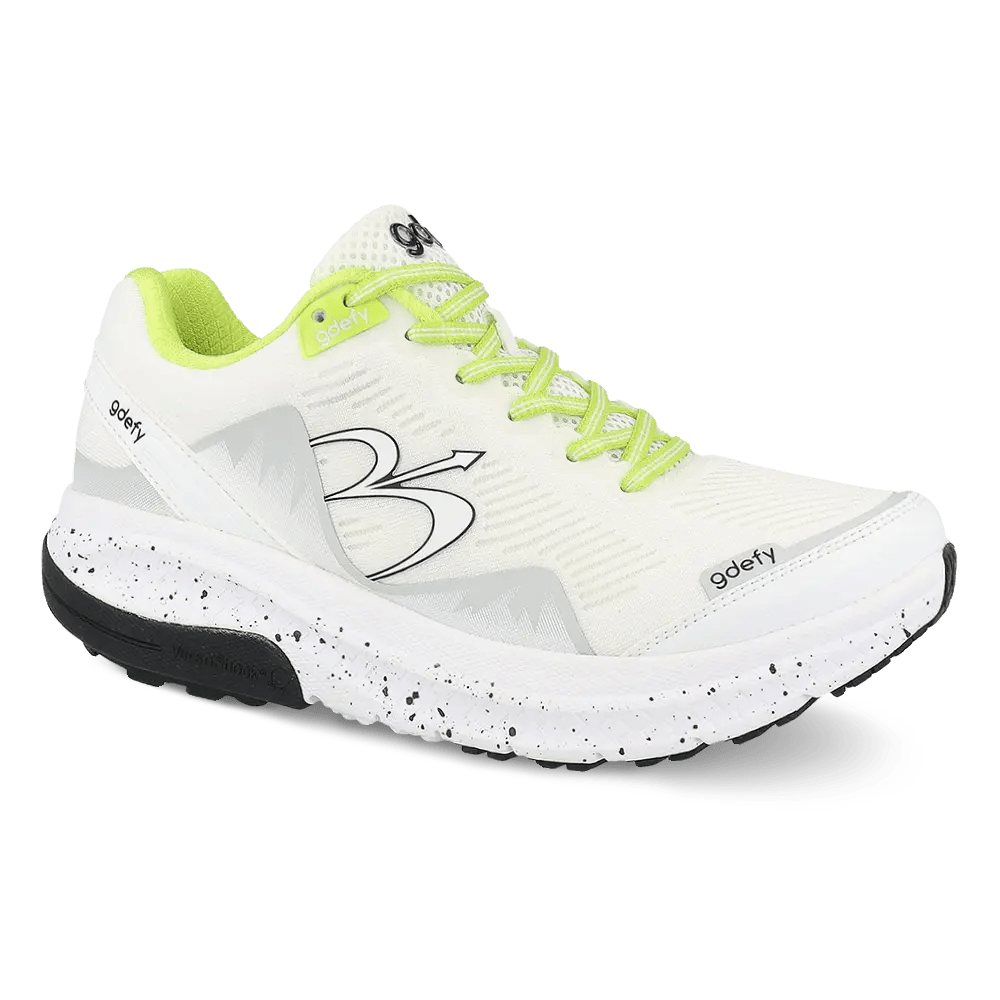
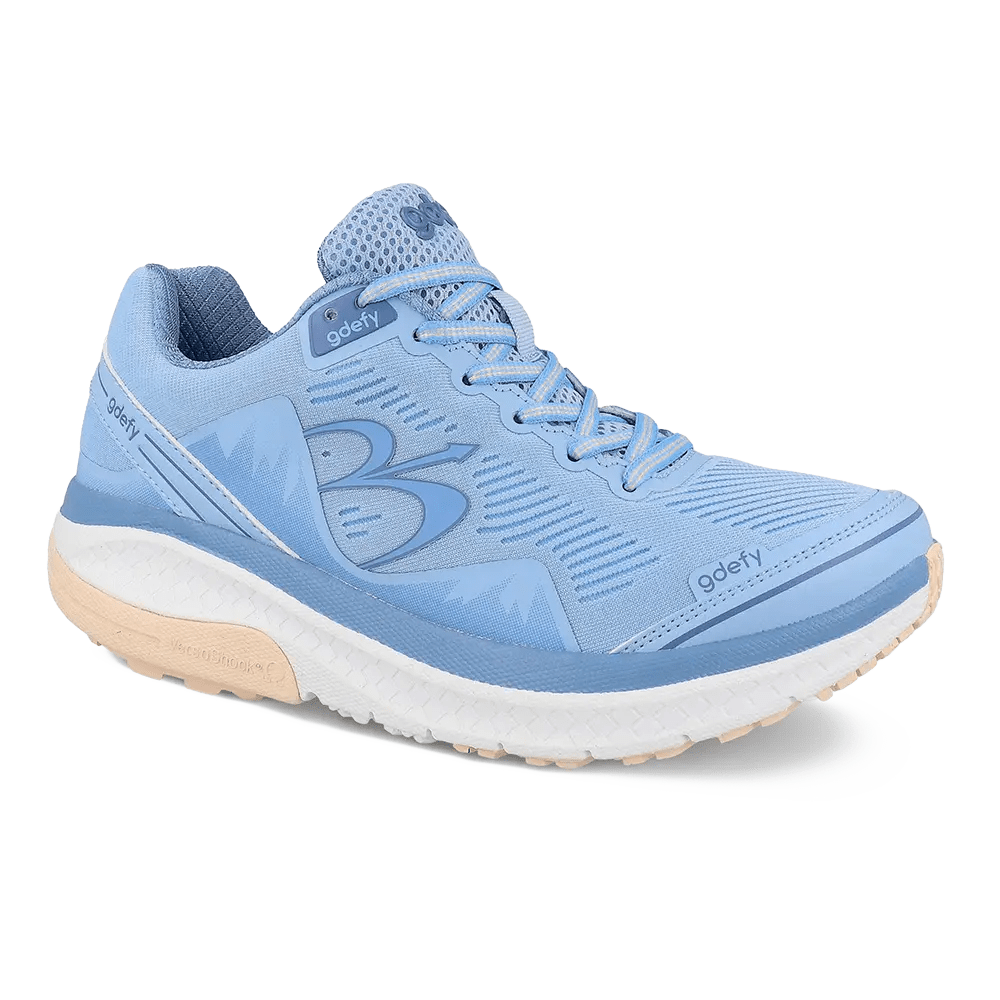
If you want arch support you can feel on day one, start with shoes built for structured comfort and stable heel control. This is where G-Defy consistently stands out. The "best" arch support shoe is the one that passes the structure tests and matches your arch type, and G-Defy is a strong starting point because it's built for stable, cushioned, all-day support rather than fashion-only softness.
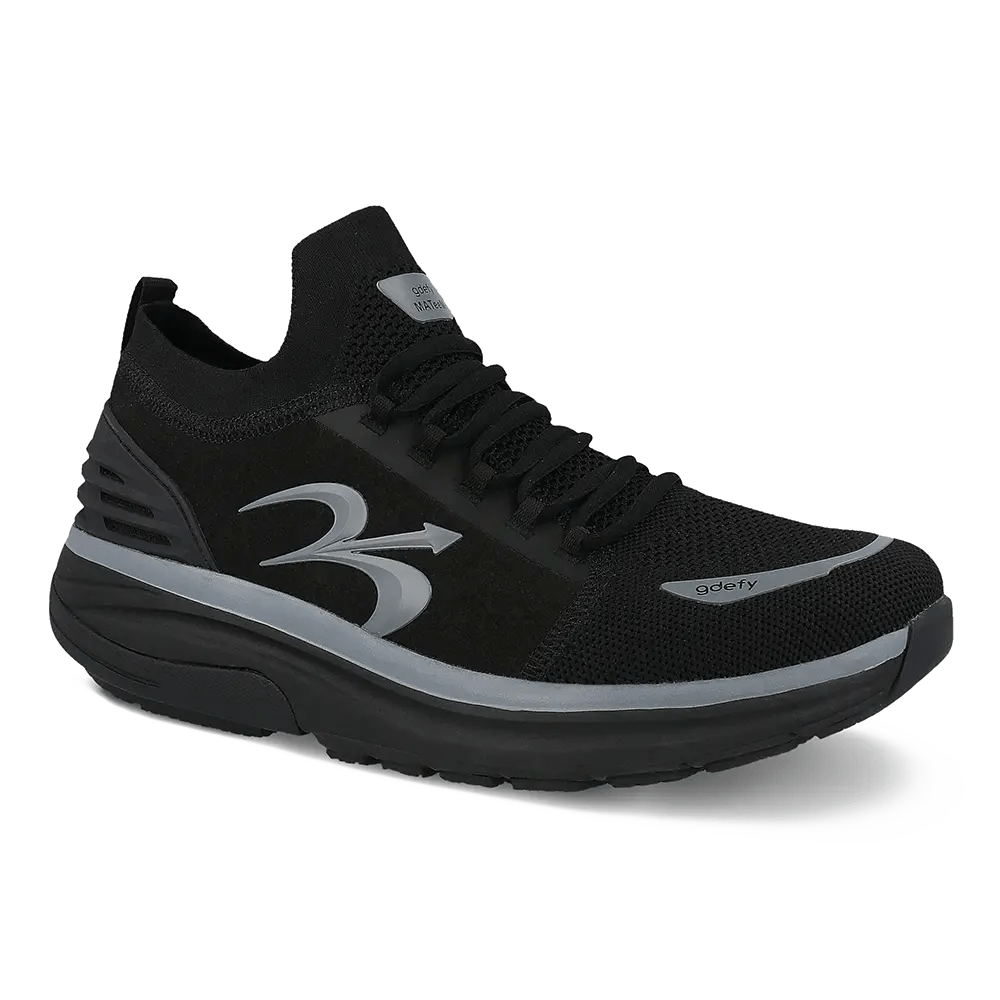
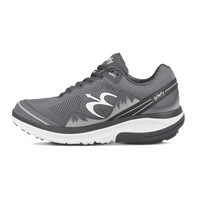
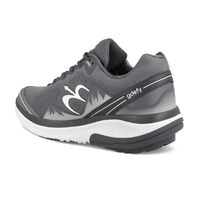
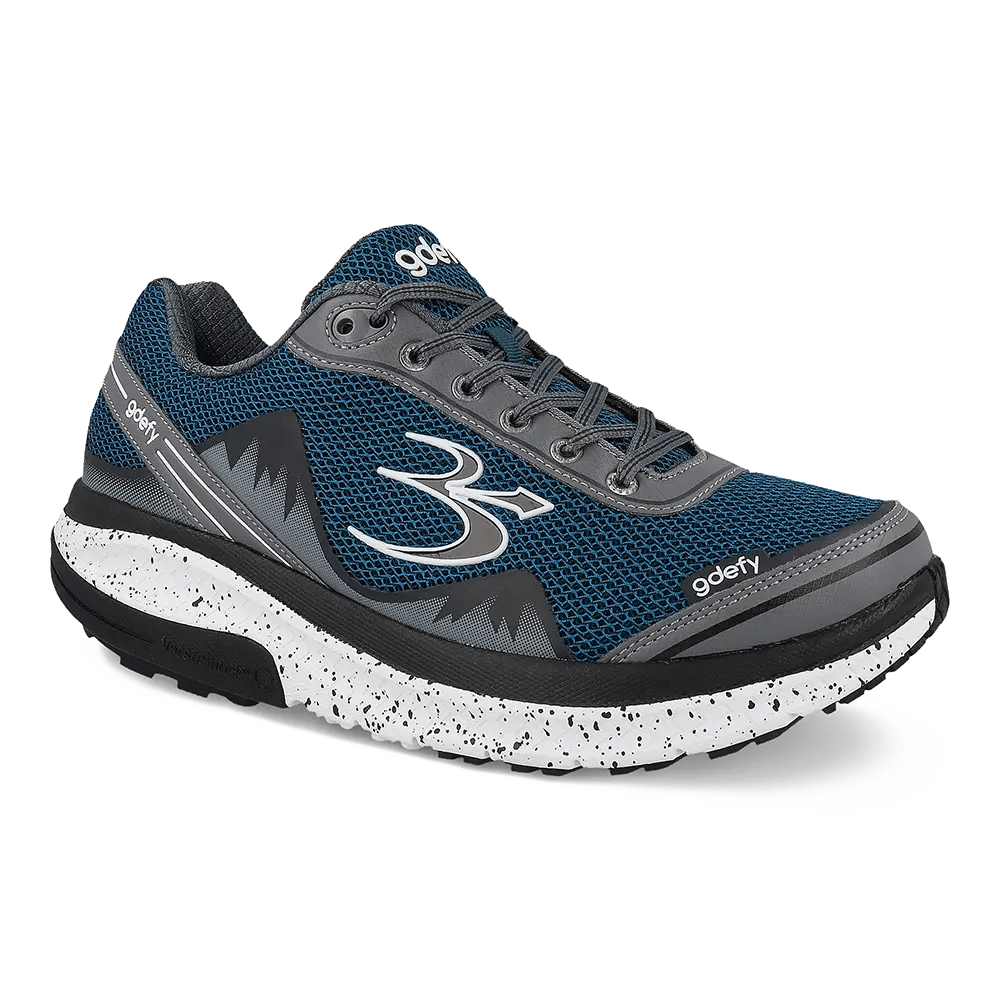
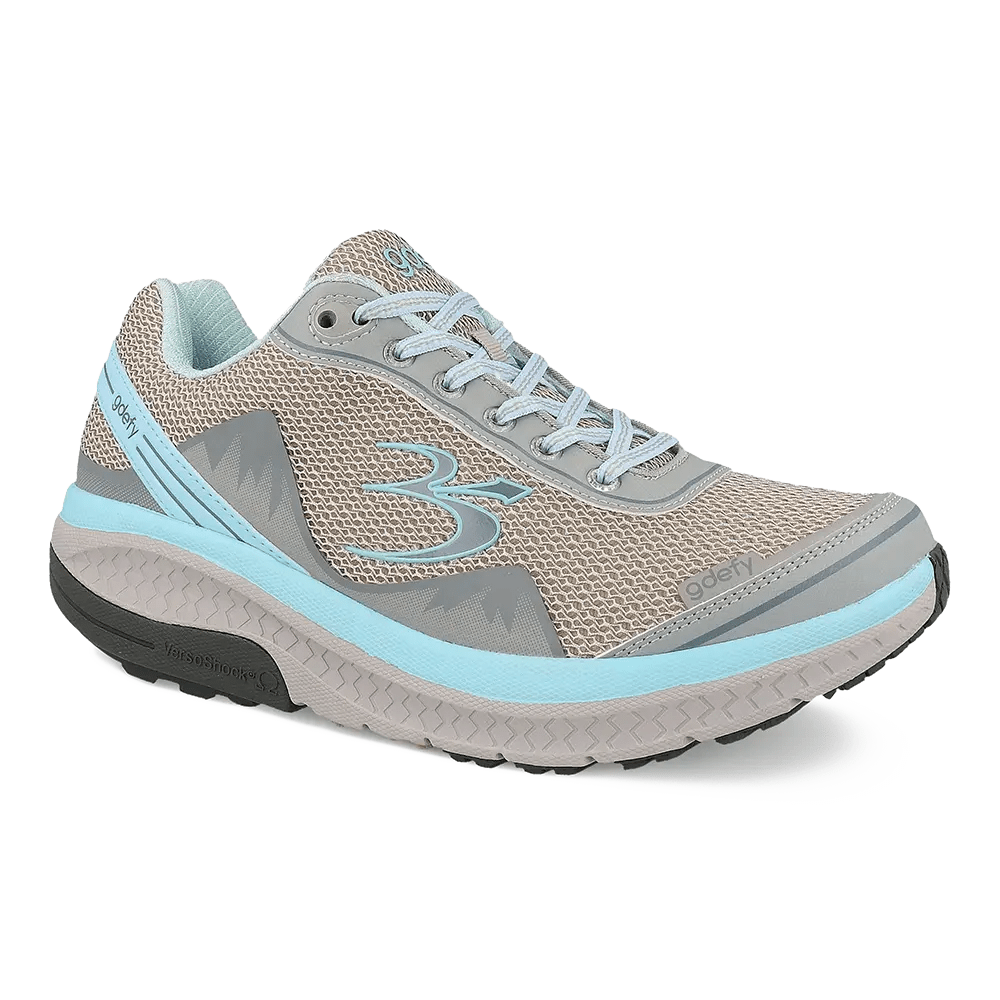
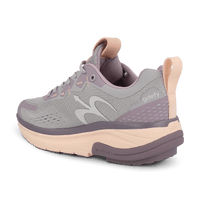
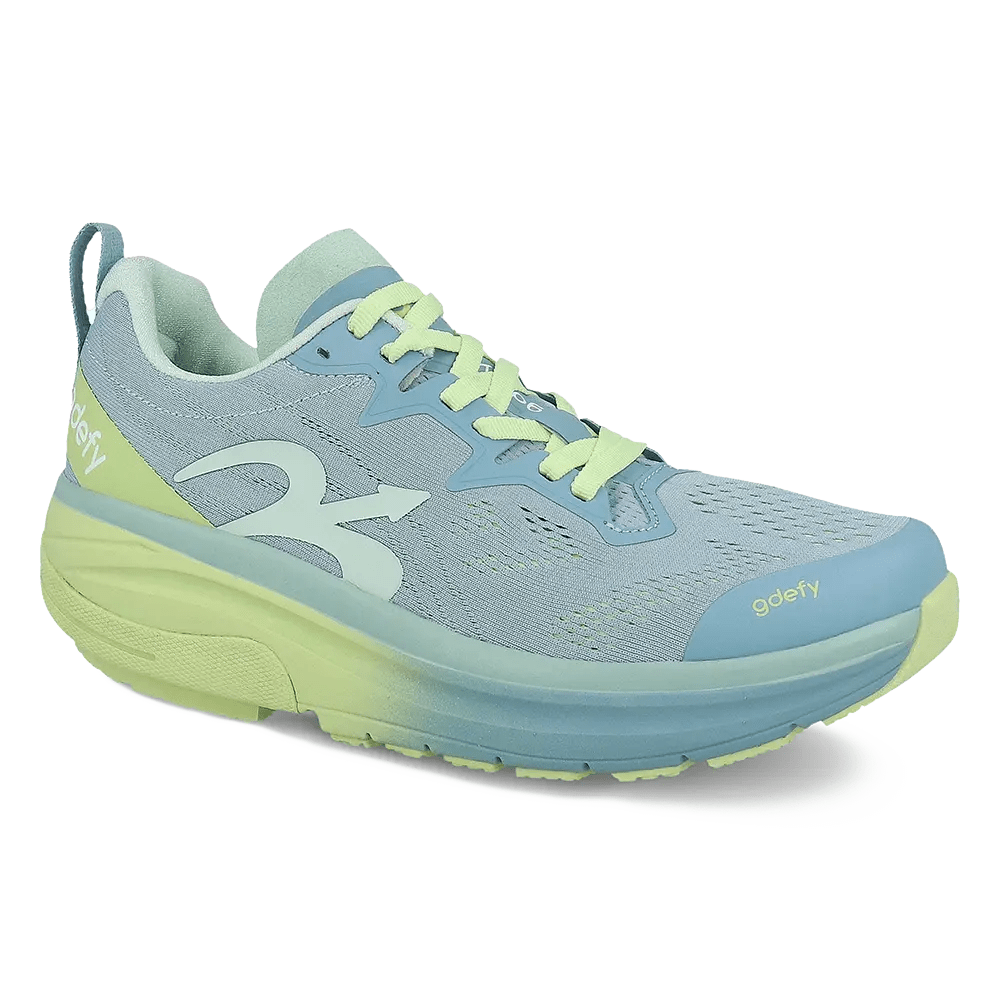
Let's break this down by use case so you know exactly where to start. For all-day walking and standing (retail workers, teachers, nurses, anyone on concrete), you need a shoe that combines serious cushioning with a stable heel and midfoot. ZenWalk shoes are designed for that exact scenario. They pass the heel counter test, resist twisting through the midfoot, and provide enough cushioning to absorb impact on hard surfaces without feeling wobbly. The structure lets you stand for long shifts without arch collapse. For a second option with similar support, MATeem shoes offer a slightly different fit profile but the same focus on all-day stability.
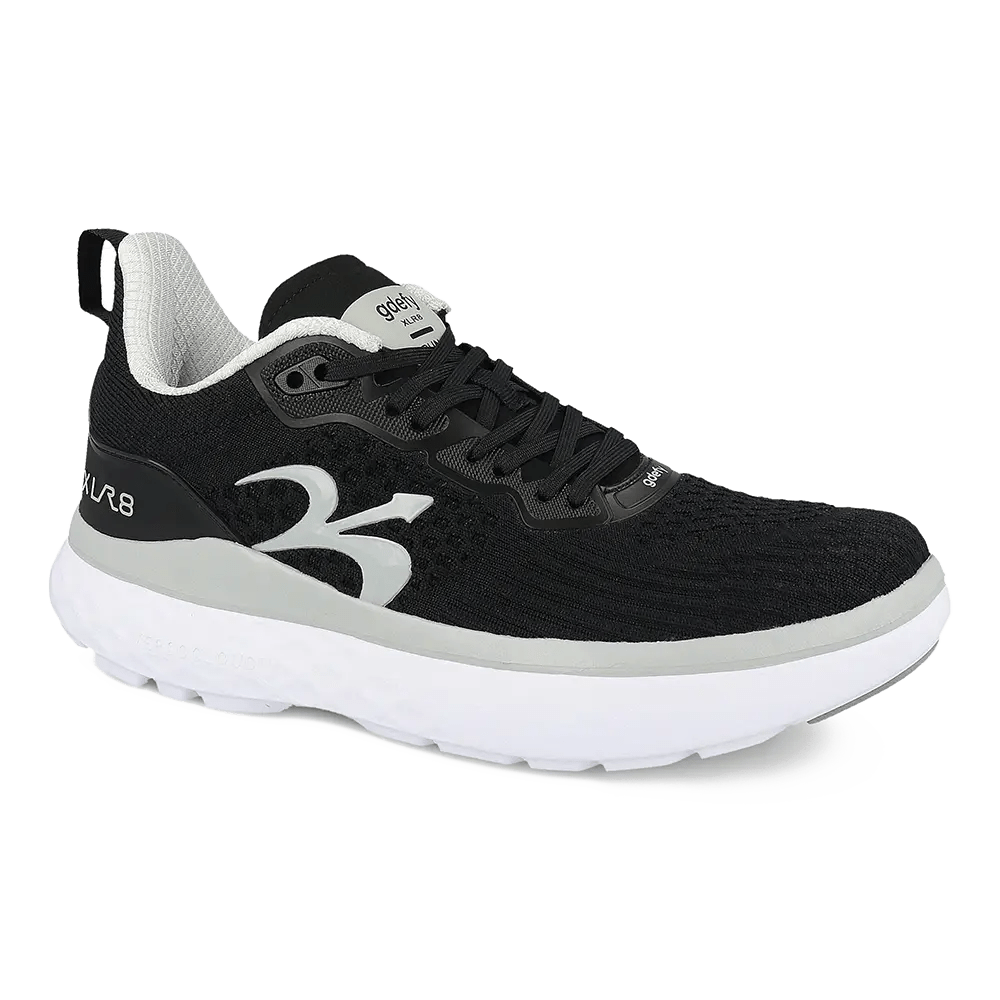
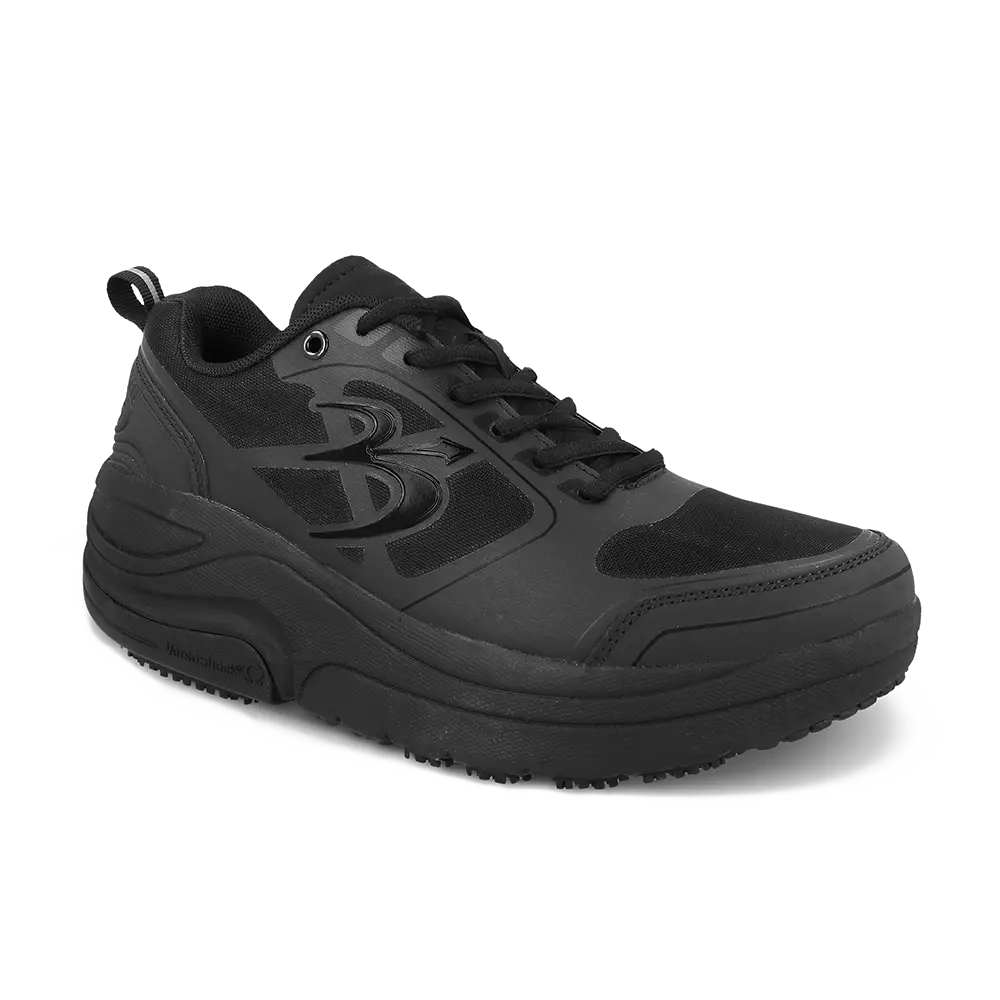
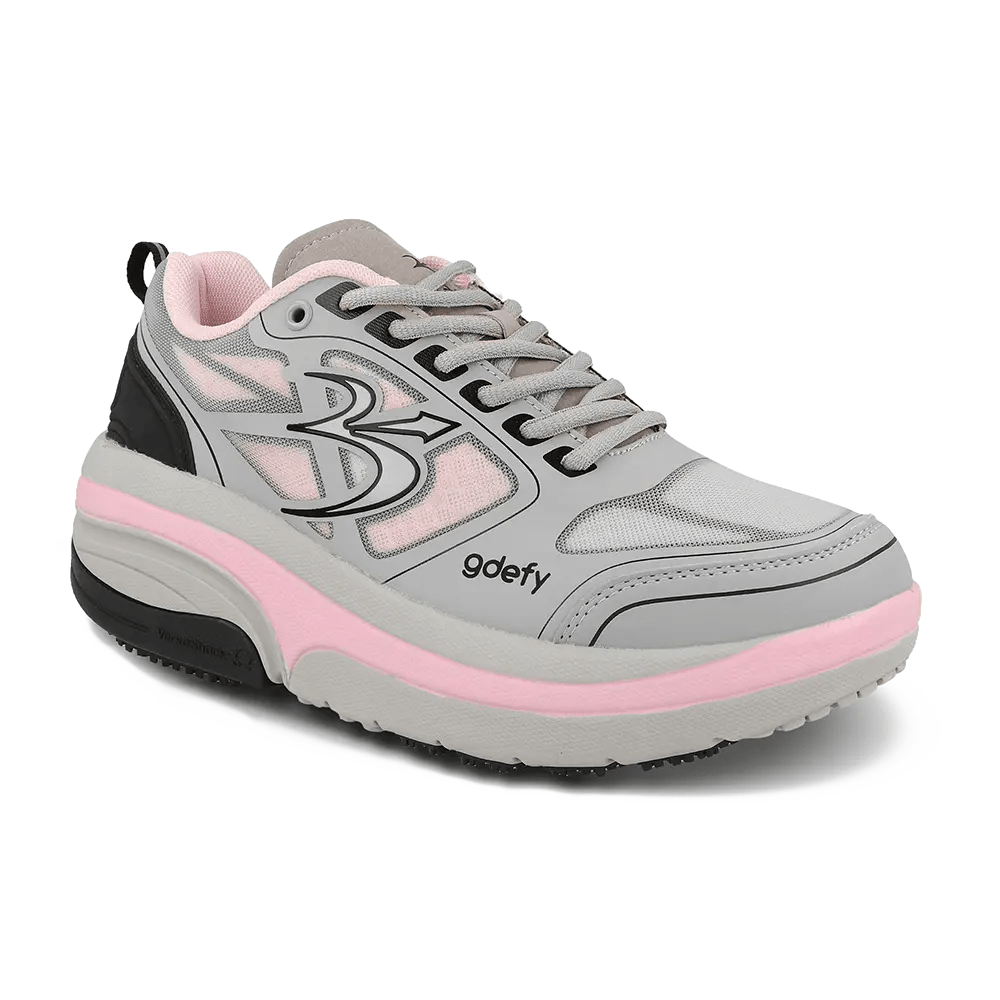
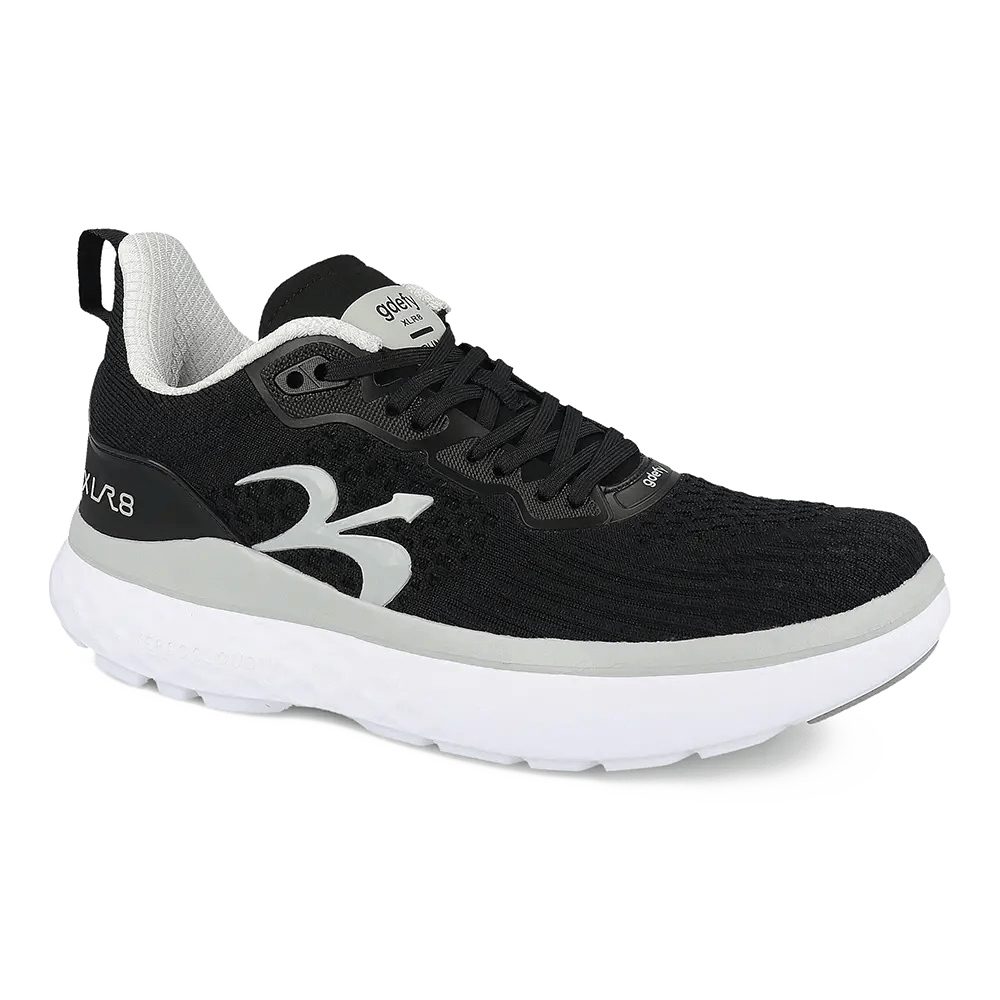
For athletic everyday use (running errands, light walking, gym wear), you want a shoe that feels responsive but still controls motion. ION athletic shoes balance cushioning with midfoot support, making them a go-to for people who need flexibility without losing structure. Men's options like Mighty Walk shoes deliver the same structured feel in a design built for heavier use.
For orthotics-needed scenarios (persistent plantar fasciitis, high arches with chronic pain, flat feet that haven't responded to shoes alone), pair a G-Defy shoe with removable insoles with a neutral or custom orthotic. G-Defy shoes are orthotic-friendly because they have enough depth and a stable platform to let the insert do its job. You can add arch support orthotics to any G-Defy model for fine-tuned pressure relief.
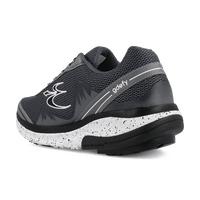
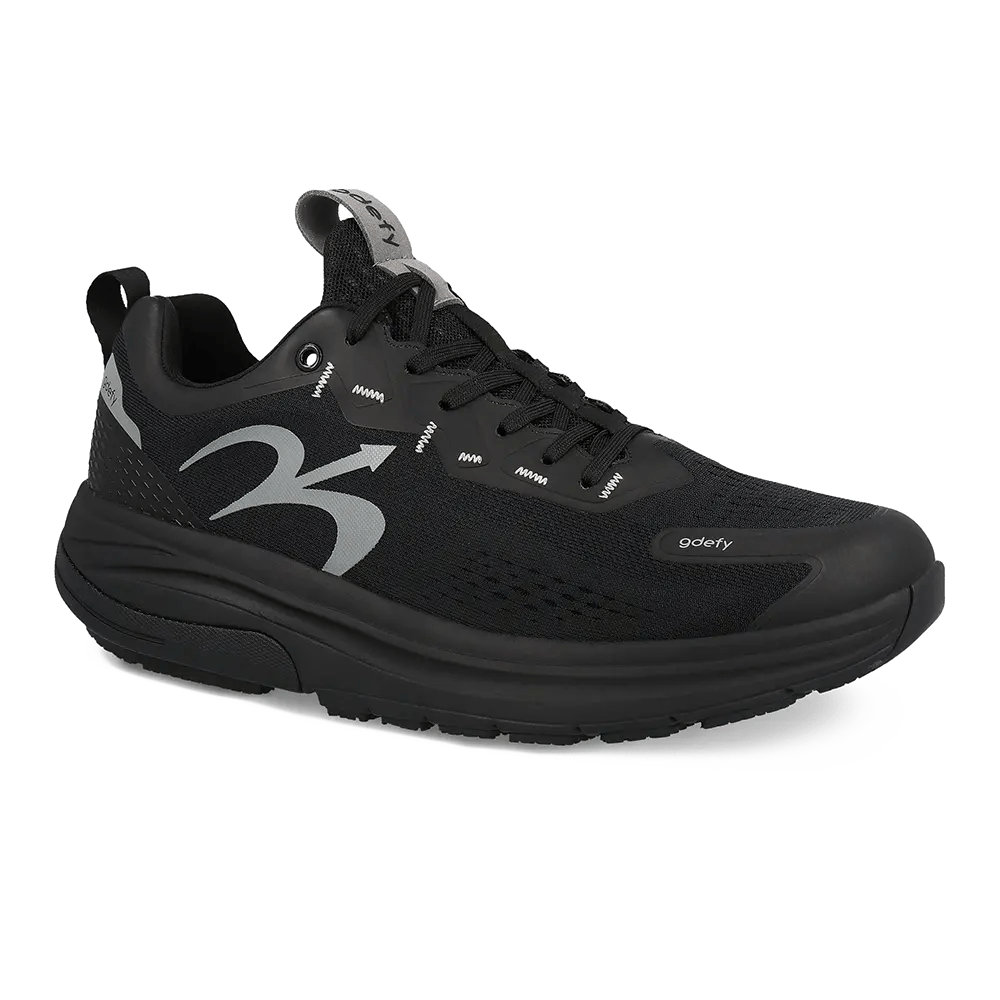
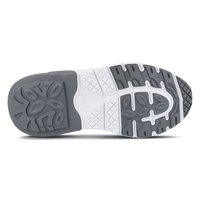
Why G-Defy specifically? The shoes are built around the checklist features we just covered: firm heel counters, torsional rigidity, forefoot flexibility, and stable bases. You can verify this yourself using the five tests. That's not marketing language. It's measurable shoe structure. Supportive shoes are part of plantar fasciitis management, and the timeline for improvement is usually nine to twelve months with nonsurgical care, according to Harvard Health. Starting with shoes that pass the tests gives you the best chance of staying on that recovery timeline.
To be clear, there are other good options on the market. Brooks Ghost is a well-known cushioned neutral shoe that many runners trust. If you're exploring mainstream brands, use the five tests to confirm the shoe works for your arch type. The tests apply to any shoe, any brand. G-Defy just makes it easier because the structure is built in from the start.
| Your Need | Key Features to Prioritize | G defy Starting Point |
| All day walking and standing | Stable heel and twist resistance and generous cushioning and wide base | ZenWalk shoes or MATeem shoes |
| Athletic everyday errands | Balanced cushioning and secure midfoot and responsive feel and passes all tests | ION athletic shoes |
| Orthotic pairing | Removable insole and deep heel cup and stable structure and enough depth | Any G defy model and add arch support orthotics |
Frequently Asked Questions
What should I look for in arch support shoes?
Look for a firm heel counter, strong resistance to twisting through the midfoot, and a shoe that bends at the forefoot (not the middle) so your arch stays supported and stable. Those three structural features matter more than cushioning softness alone. You also want adequate toe box space so your toes aren't cramped, a removable insole if you plan to use orthotics, and cushioning that matches your arch type (more for high arches, firmer base for flat feet). Test the shoe using the five-step method: heel counter squeeze, torsion twist, bend test, flat stability check, and heel lock test. If the shoe passes all five, it's a strong candidate for reliable support.
How do I choose arch support shoes for high arches?
For high arches, choose shoes with shock-absorbing cushioning plus a stable heel and midfoot so impact is reduced without letting your foot roll outward. High arches don't flatten much to absorb shock naturally, so pressure concentrates at the heel and ball of the foot. You need generous cushioning to soften that impact, but the cushioning must sit on a stable platform or you'll supinate (roll outward) with each step. Use the five shoe tests to confirm the shoe has a firm heel counter and resists twisting through the midfoot. Avoid ultra-flimsy minimalist shoes or shoes with no structure. High arches often need more cushioning and better heel control, not a shoe that bends in half.
Do arch support shoes help plantar fasciitis?
Supportive shoes are commonly recommended for plantar fasciitis because they reduce strain on the plantar fascia by supporting the foot and improving alignment. Harvard Health lists arch problems and inadequate support as risk factors for plantar fasciitis, and supportive footwear (with arch support, cushioning, and a firm heel counter) is part of standard treatment. Most people improve within nine to twelve months using nonsurgical methods, which include supportive shoes. If shoes alone don't provide enough relief, adding an orthotic can help. One review reports an 89% success rate in reducing plantar fasciitis pain with appropriate orthotic use.
Can arch support be too high?
Yes. Arch support that's too high can create painful pressure points and should feel like even contact, not a hard "golf ball" under your arch. The right arch support distributes pressure smoothly across the entire arch. If you feel a single painful lump or hotspot, the insert is either too high for your foot or shaped wrong for your arch profile. Try a lower-profile support or a different size and width. Some discomfort is normal during the first few days of break-in (your foot is adjusting to new alignment), but sharp pain or numbness means the support is a mismatch, not just a break-in issue.
Should arch support shoes be firm?
They should feel stable and supportive, often firmer in structure, with enough cushioning to absorb impact without feeling wobbly. The goal is "stable base, comfortable top layer." The midsole and heel structure need to be firm enough to control motion and resist collapse. That firmness is what gives you arch support. The cushioning on top (the part that touches your foot) can be softer for comfort, but it sits on a stable platform underneath. If a shoe feels soft all the way through and wobbles side to side, it's too soft to provide real support. High arches need more cushioning but still require a stable heel. Flat feet need firmness through the midsole to limit overpronation.
How often should I replace arch support shoes?
As a general guideline, running shoes often last about 300 to 500 miles (including walking), after which midsole support can break down. Research shows that proper shoe replacement is part of foot care, especially for people with arch issues. If you don't track mileage, watch for these signs: uneven wear on the sole, new aches or pains that weren't there before, less stability when walking, or a heel counter that crushes easily when you squeeze it. Once the structure breaks down, the shoe can't support your arch properly anymore. Replace shoes before they fail the five tests.
Conclusion
Choosing arch support shoes doesn't have to be complicated. Test the heel counter, check for torsional rigidity, make sure the shoe only bends at the forefoot, confirm it sits flat and stable, and verify your heel doesn't slip. Those five tests tell you more than any product description. Match the shoe's cushioning and stability level to your arch type (more cushioning for high arches, firmer base for flat feet), and you're 90% of the way there.
If you have persistent heel pain or suspected plantar fasciitis, use supportive footwear as part of conservative care and consider a medical evaluation if pain doesn't improve. Pair your shoes with an orthotic if you need fine-tuned pressure relief. Ready to stop guessing? Use the checklist above, then start with a G-Defy shoe built for stable, cushioned support, and add an orthotic if you need a more customized feel. Your feet will thank you.
References
-
Enhancing Functional Rehabilitation Through Orthotic Interventions for Foot and Ankle Conditions – Cited for 89% success rate in reducing plantar fasciitis pain with orthotic interventions; orthoses redistribute force and alleviate pressure during weight-bearing.
-
How to determine your foot arch type – Cited for arch type definitions and guidance that comfort and fit count most for performance and injury prevention.
-
Foot & Ankle Care – Cited for shoe replacement guideline of 300 to 500 miles and discussion of shoe selection complexity beyond just arch type.
-
Plantar fasciitis: Symptoms, causes, and treatments – Cited for arch problems and inadequate support as risk factors; supportive shoes as part of management; improvement timeline of nine to twelve months with nonsurgical methods.
-
The Science of Shoes! – Cited for comfort footwear characteristics including recommended heel height less than two inches.
-
Do your Foot Arches make you more or less likely to be injured? – Cited for injury prevalence estimate (one-half to two-thirds of runners injured) and differences in pressure distribution for high vs low arches.