May 08, 2026
What's Inside a Comfort Walking Shoe: How the Design Supports Your Feet
By Gdefy

Summary

Why Shoe Design Matters More Than You Think
If you spend long hours on your feet, you already know how quickly the wrong shoes can turn a productive day into an exhausting one. What you may not know is exactly why some shoes feel dramatically better than others — and it comes down to what's built into the shoe long before it ever reaches your foot.
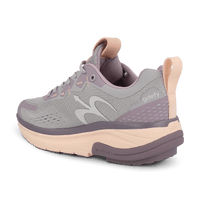
A comfort walking shoe is not simply a sneaker with extra padding. It is an engineered system of components, each designed to handle a specific part of the load your foot experiences with every step. Understanding what those components are — and what they actually do — puts you in a much better position to choose footwear that genuinely supports you through long days, whether you're on the job, running errands, or staying active.
This guide walks through each major component of a comfort walking shoe from the ground up, explains the job it does, and shows how G-Defy's VersoShock® technology integrates these elements into a unified system built for all-day wear.
The Outsole: Your Connection to the Ground
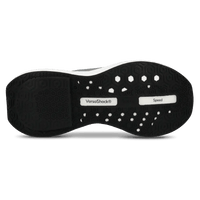
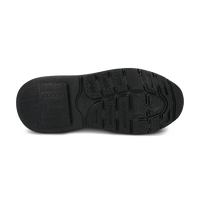
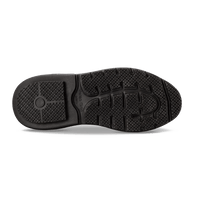
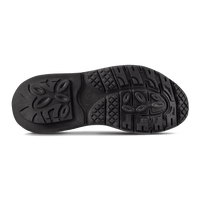
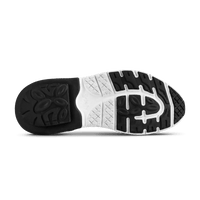
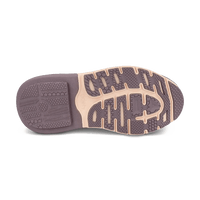
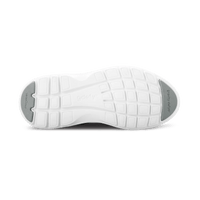
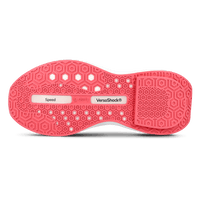
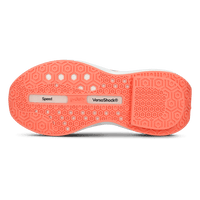
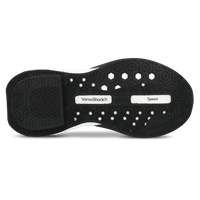
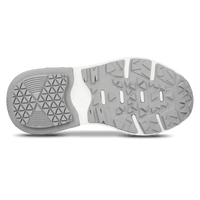
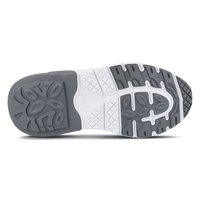
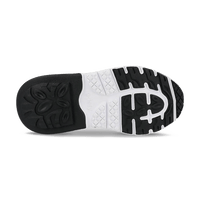
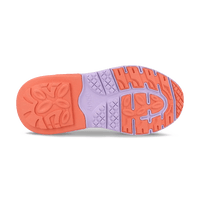
The outsole is the bottom layer of the shoe — the part that contacts the ground with every step. It serves three primary roles: traction, durability, and load distribution.
Traction comes from the pattern and compound of the rubber. Walking shoes use a relatively flat, multi-directional tread that grips both indoor surfaces and light outdoor terrain. The depth and spacing of the lugs determine how well the shoe handles wet floors, concrete, or uneven pavement.
Durability depends on the rubber compound itself. A harder rubber compound resists abrasion over time, while a softer compound grips better but wears more quickly. Quality walking shoes balance these two priorities so the outsole lasts through normal daily use without sacrificing grip.
Load distribution is perhaps the least appreciated function. A well-designed outsole spreads the force of each footstrike across a broader surface area, reducing concentrated pressure on any single point. This is especially important for people who spend extended periods on hard flooring, where the unforgiving surface increases the cumulative load on the foot.
The Midsole: The Heart of Comfort
If the outsole is the foundation, the midsole is the engine. It sits between the outsole and the insole and is responsible for shock absorption, energy return, and the overall "feel" of the shoe underfoot.
Traditional walking shoes use foam — EVA or PU compounds — as midsole material. Foam works by compressing under load to absorb impact. The problem is that foam compression is a one-way process: it absorbs energy but does not efficiently return it. Over time, foam also loses its rebound capacity, so a shoe that felt cushioned when new gradually becomes flat and ineffective.
Spring-Based vs. Foam Midsoles
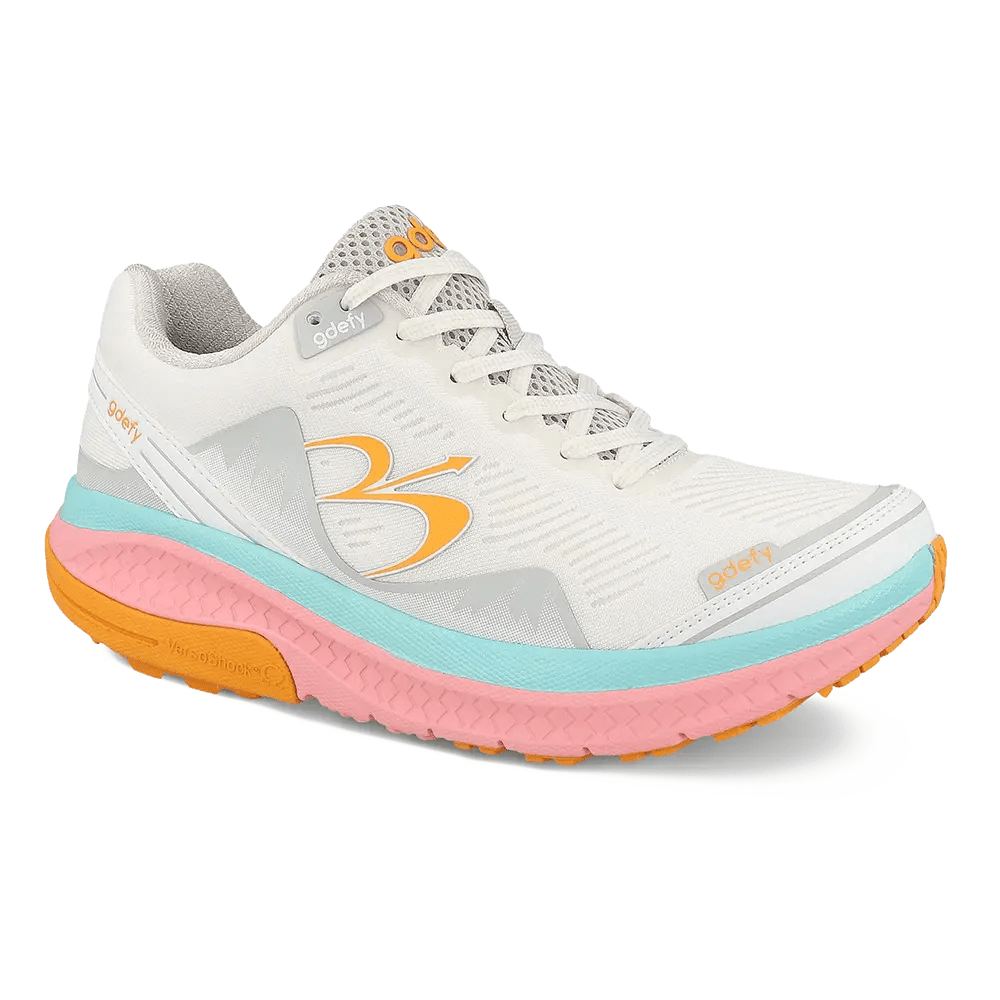
G-Defy takes a different approach. The VersoShock® system uses a spring-based mechanism that absorbs impact softly and gradually — then returns energy with each step rather than simply dissipating it. This has two meaningful consequences for the wearer.
First, each step feels more responsive. The spring system pushes back, supporting forward movement rather than just softening the landing. Second, the cushioning remains consistent over time. Unlike foam that permanently deforms under repeated compression, a spring mechanism retains its characteristics across the shoe's lifespan.
This is why people who switch to G-Defy shoes often notice the difference not just on day one, but months into wearing them — the cushioning doesn't fade the way traditional foam eventually does.
The Stabilizer: Preventing Excessive Flex
Between the midsole and outsole, quality walking shoes include a stabilizer — sometimes called a shank. This is a semi-rigid plate or structure that runs lengthwise through the midsole, typically through the arch area.
The stabilizer's job is to control how much the shoe bends during walking. Without it, a shoe can flex excessively in the middle, which forces the arch and surrounding structures to do more work than they should. Over a long day, this adds up to significant fatigue.
G-Defy shoes include a built-in stabilizer system that prevents excessive bending while still allowing the natural heel-to-toe motion of a walking stride. This keeps the foot in a supported position through each step rather than letting the shoe fold in ways the foot has to compensate for.
The Insole and Orthotics: Customized Support at the Foundation
The insole — also called the footbed — sits inside the shoe directly under the foot. It provides the final layer of cushioning and, critically, is the component that directly contacts your foot's arch.
A standard insole is a thin foam layer that provides minimal support. Aftermarket orthotics exist precisely because standard insoles don't address individual arch differences. People with low arches, medium arches, and high arches have very different support needs, and a single generic insole cannot serve all three well.
G-Defy's Dual Orthotic System
Every pair of G-Defy shoes includes two removable orthotics rather than one generic insole:
- ComfortFit® Orthotic — designed for low to medium arches, with a focus on cushioning and overall comfort.
- CorrectiveFit® Orthotic — designed for medium to high arches, providing additional structural support.
This means you can choose the orthotic that matches your foot type rather than accepting a one-size-fits-all solution. Both orthotics are removable, so you can also swap in a custom prescription orthotic if your healthcare provider has recommended one.

The Upper: Structure, Breathability, and Fit
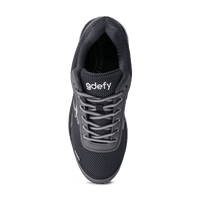
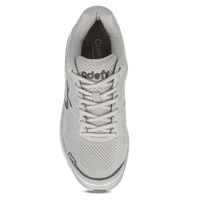
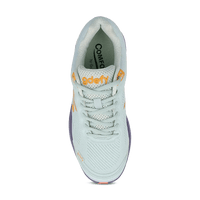
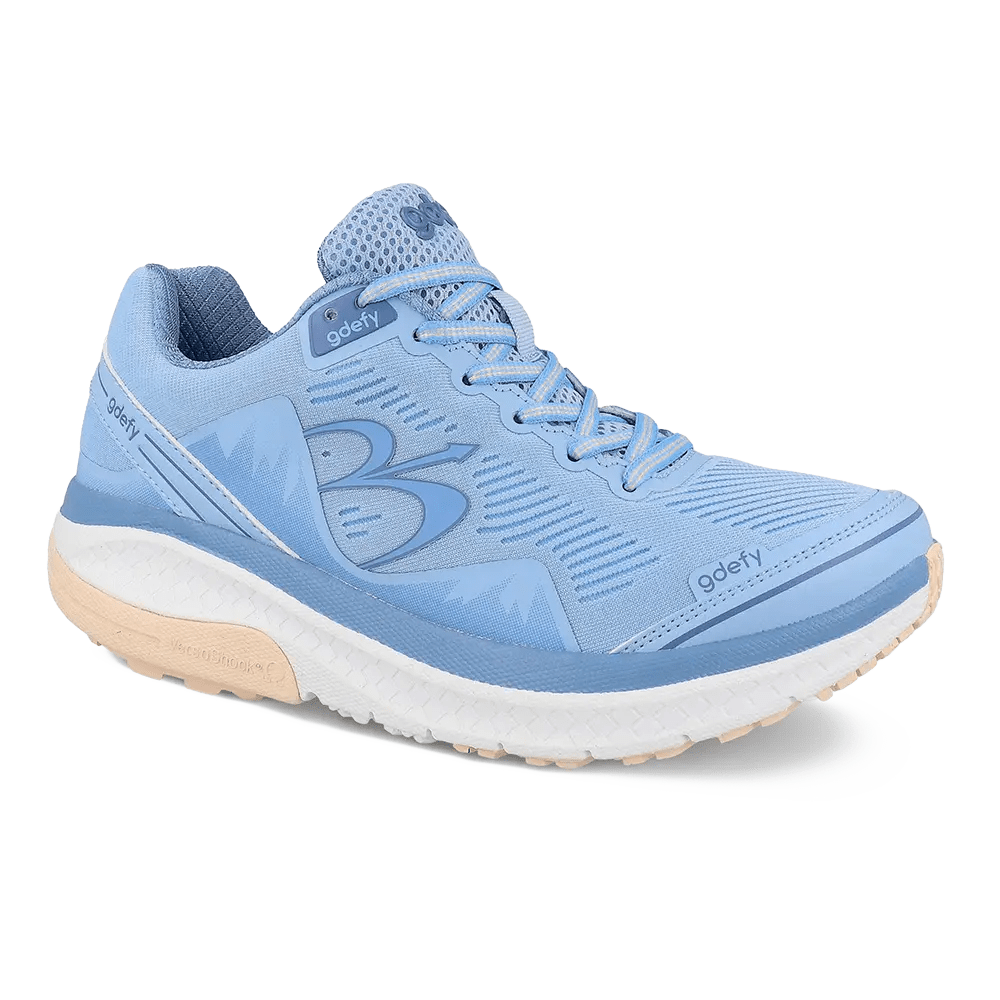
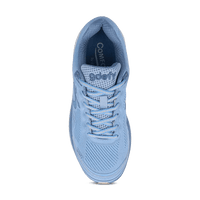
The upper is everything above the outsole — the fabric and structure that wraps around your foot. It may look like the most straightforward part of the shoe, but it does several important jobs simultaneously.
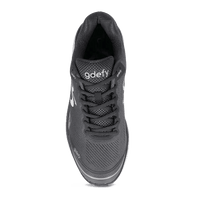
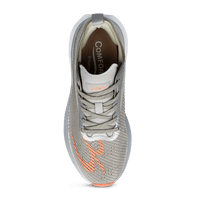
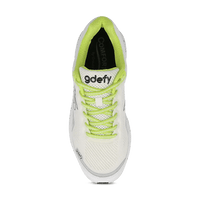
Breathability comes from mesh panels that allow air to circulate around the foot. This is especially relevant during extended wear because heat and moisture buildup inside a shoe increases the likelihood of blistering and fatigue. A well-engineered mesh upper keeps the foot environment comfortable across long hours.
Structural support is woven into the upper through overlays, stitching patterns, and reinforced panels at high-stress areas like the toe and heel. These prevent the upper from stretching out of shape under load while still allowing the foot to move naturally.
Fit is ultimately determined by the combination of the upper shape, the lacing system, and the last — the foot-shaped form around which the shoe is built. A shoe built on a last that matches your foot type will feel natural from the first wear; one built on a mismatched last will always feel slightly off, regardless of how cushioned the midsole is.
Ready to experience the full system?
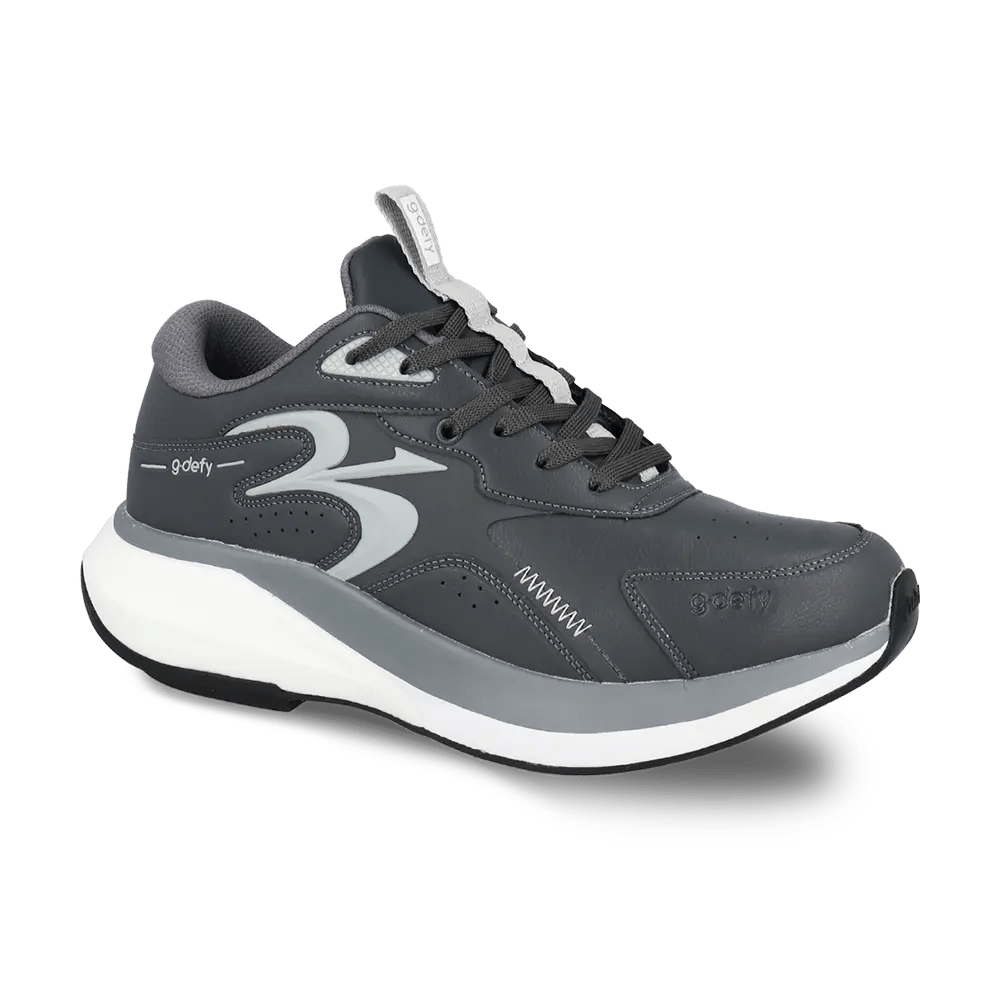
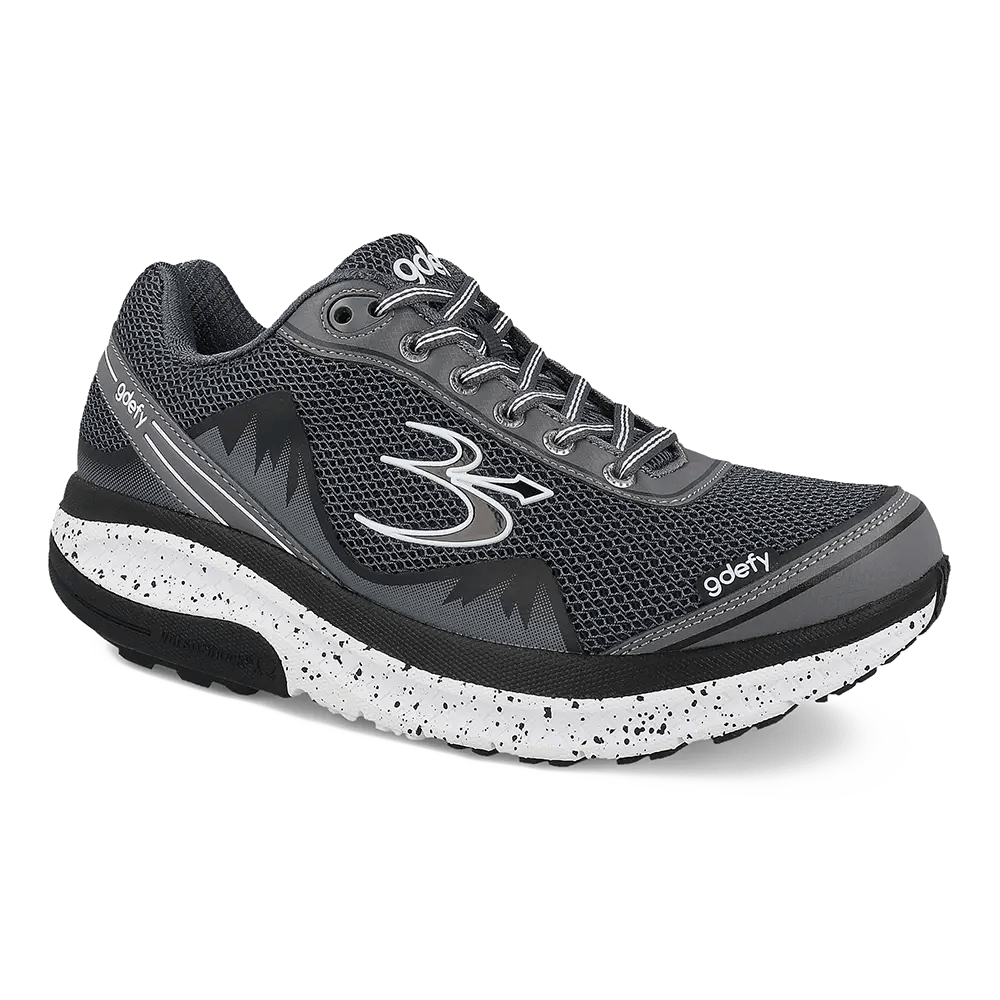
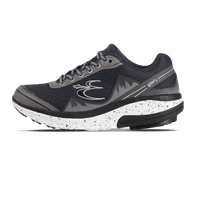
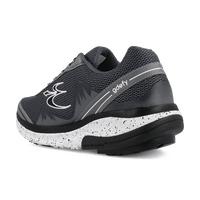
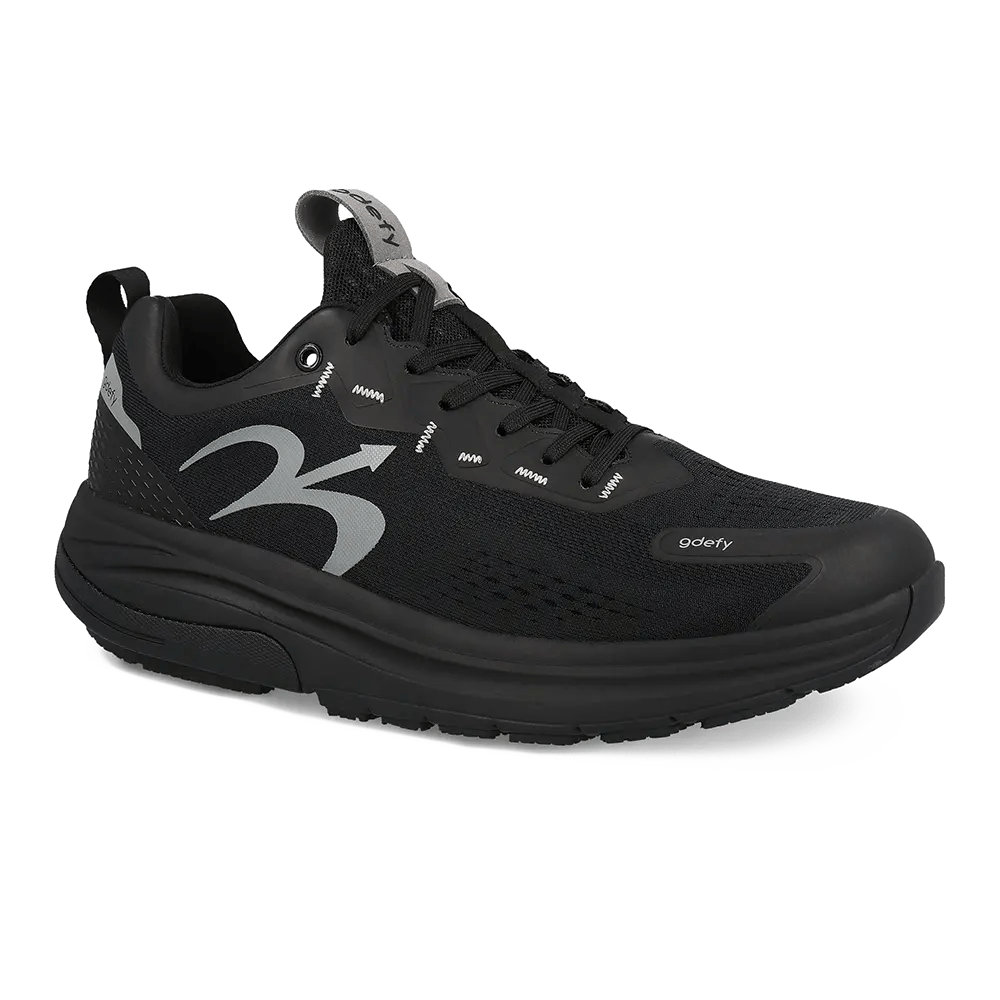
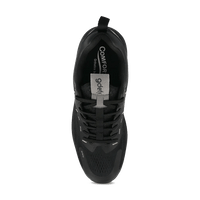
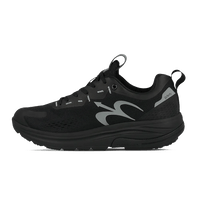
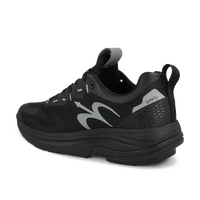
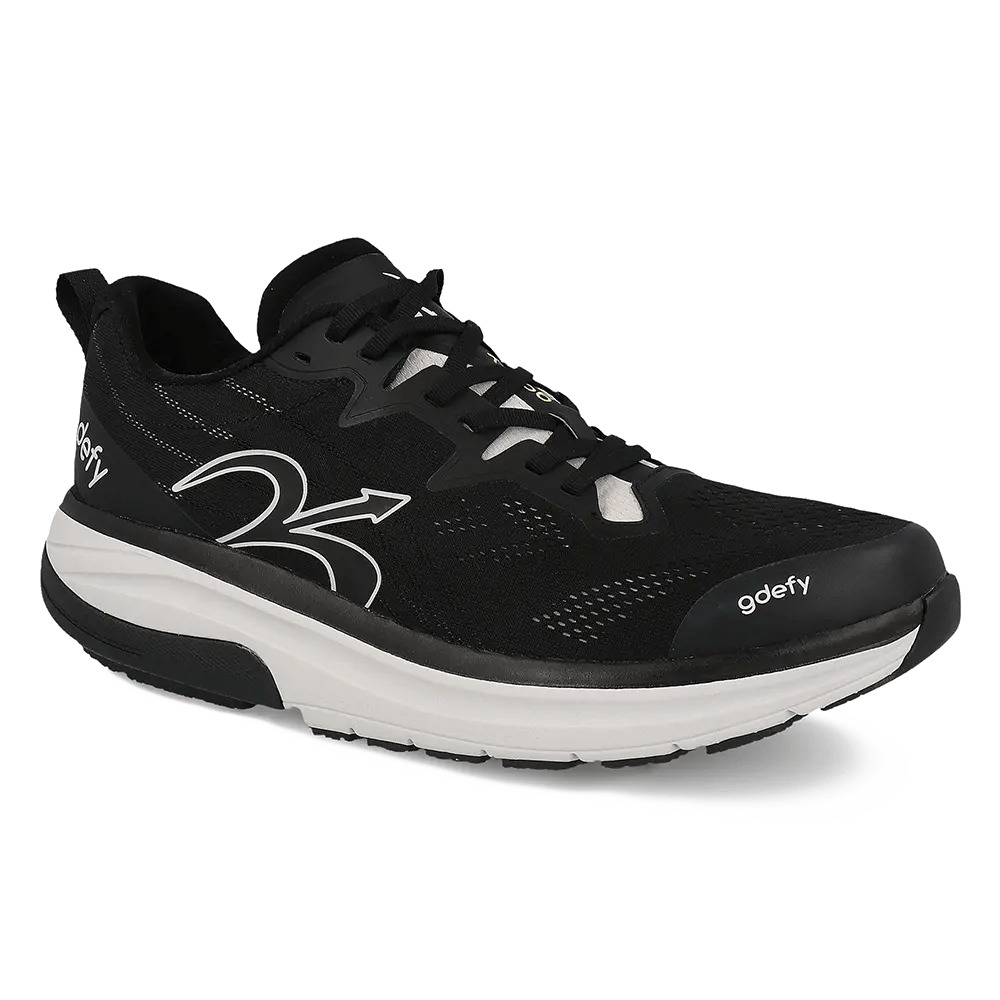
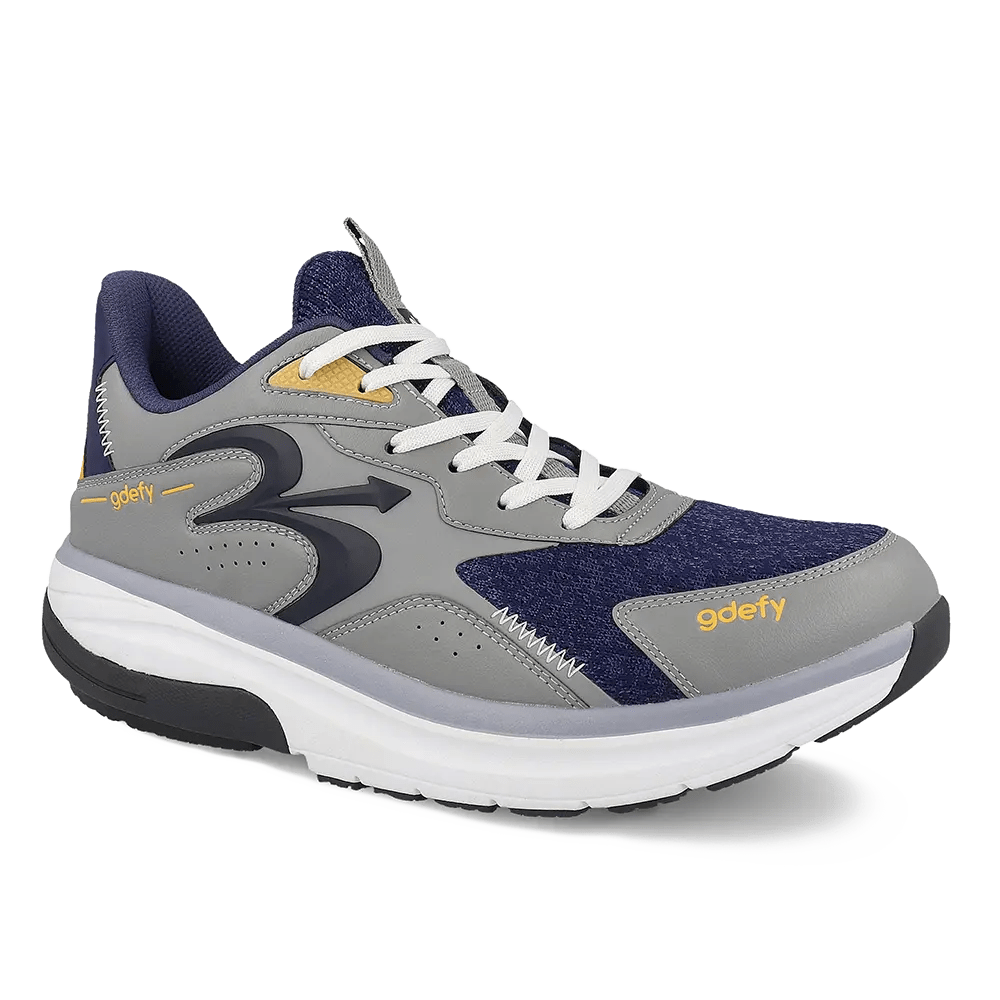
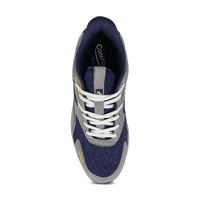
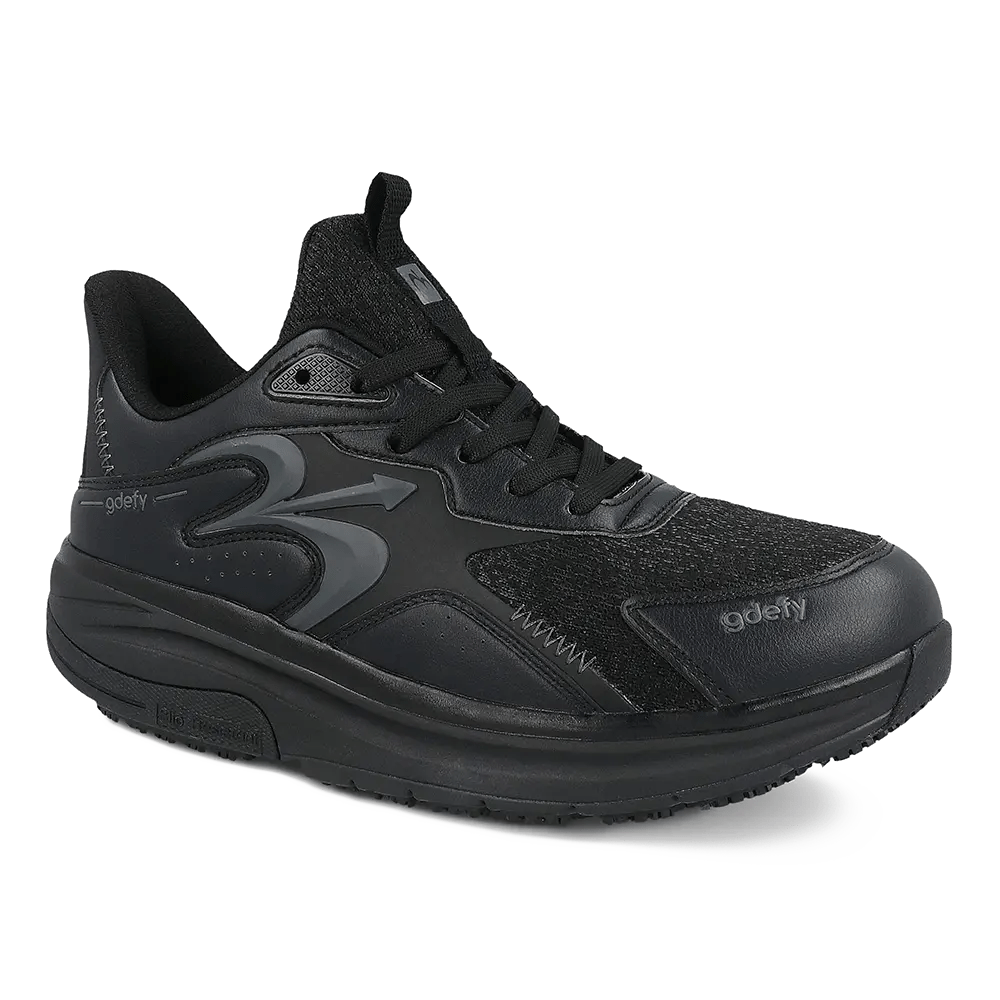
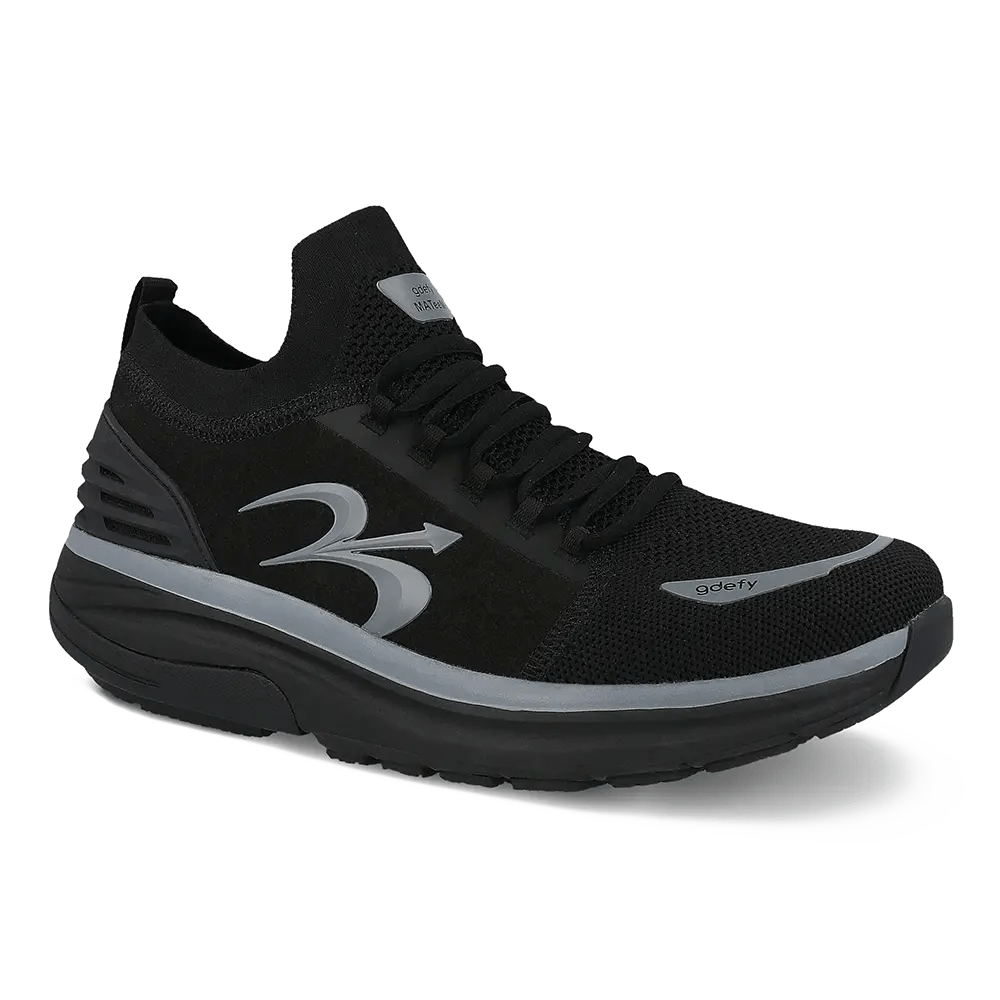
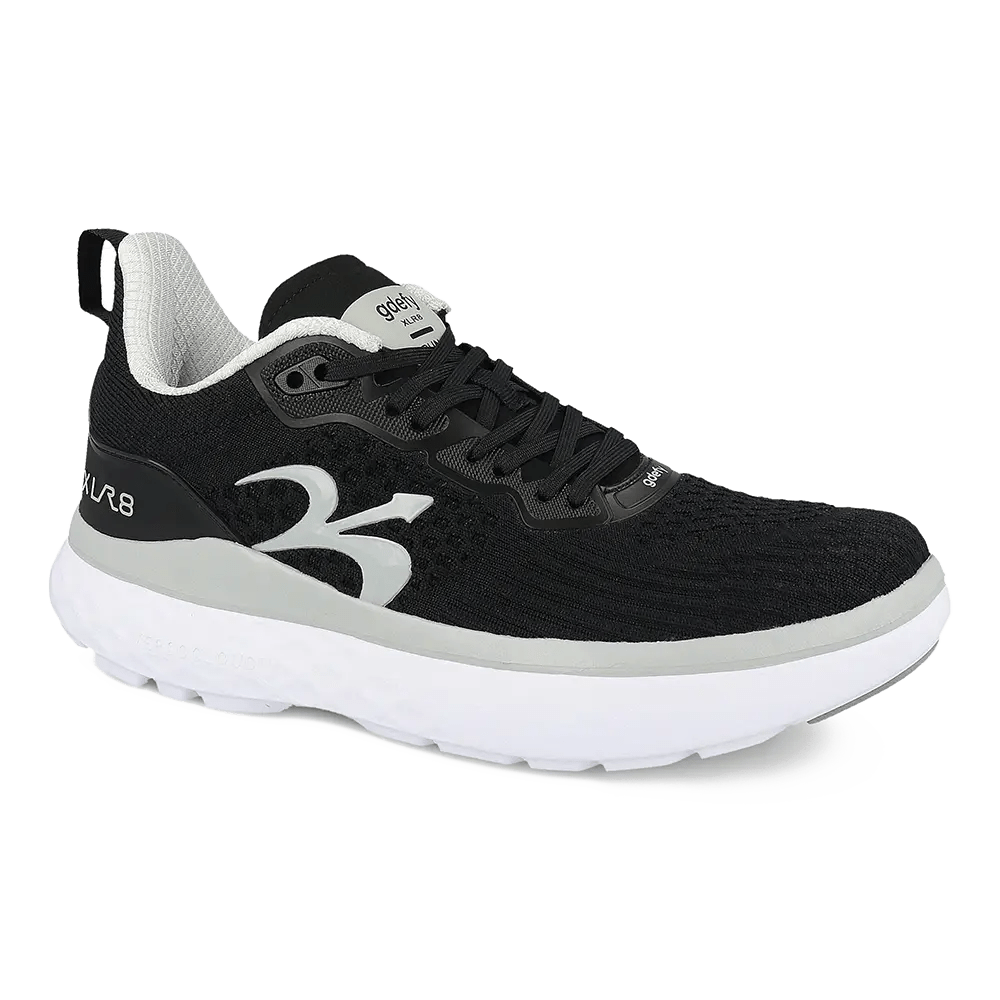
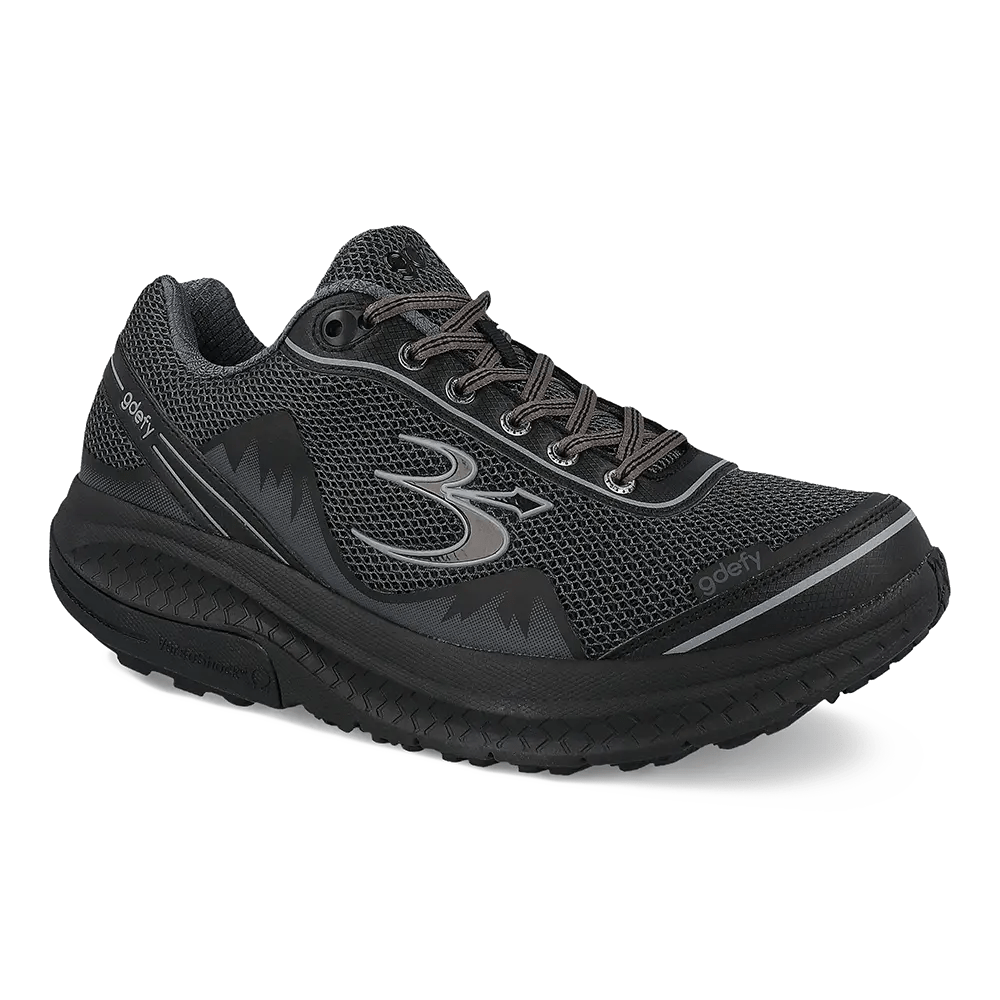
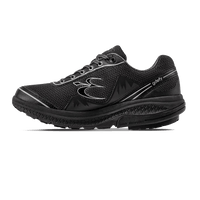
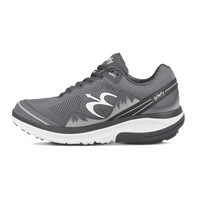
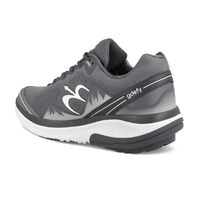
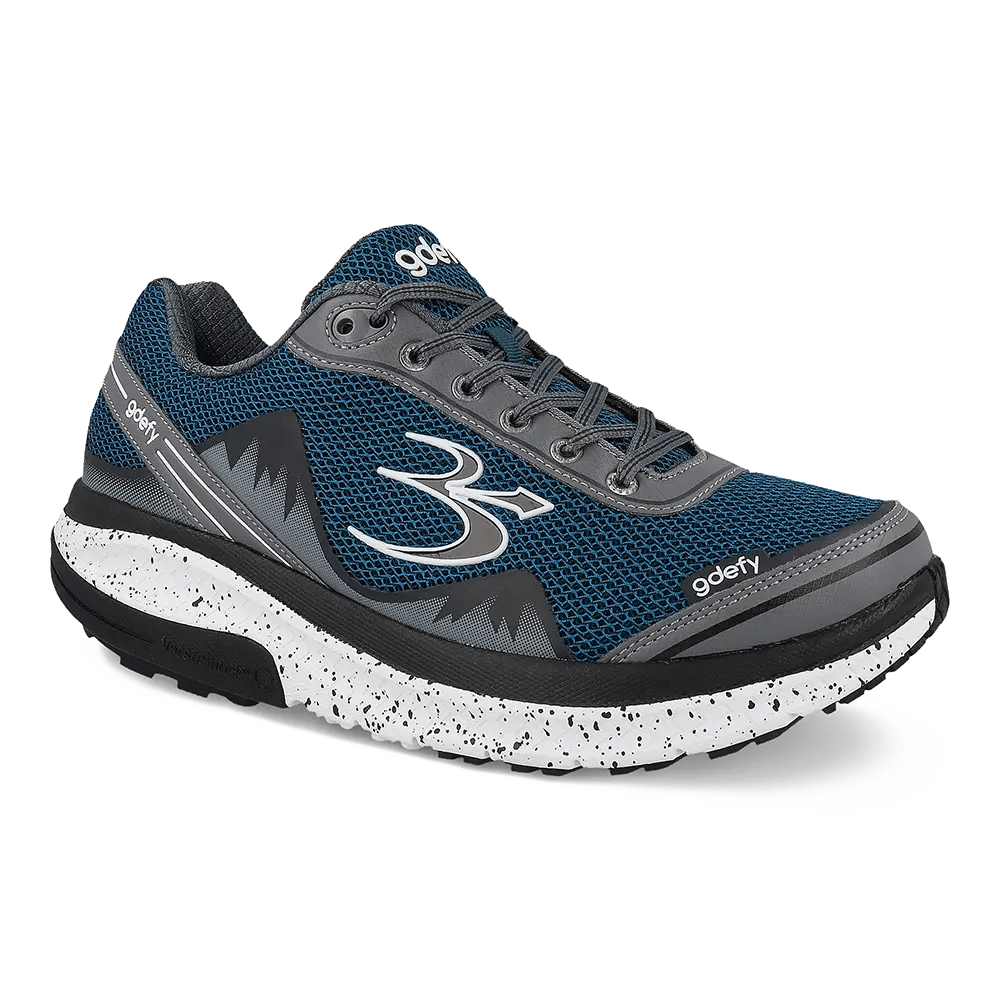
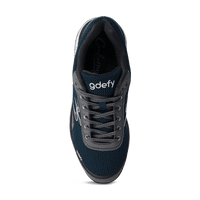
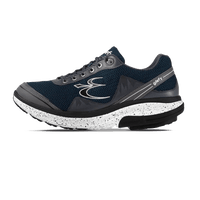
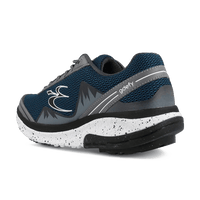
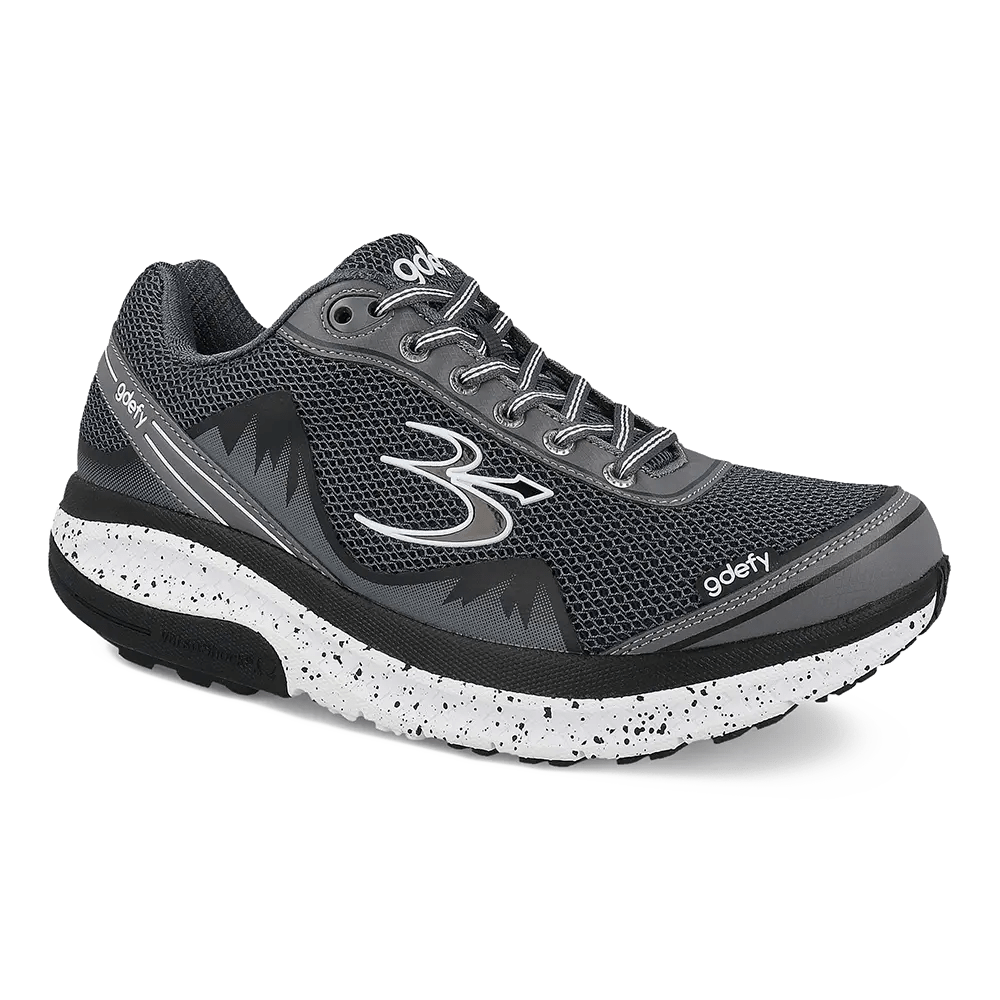
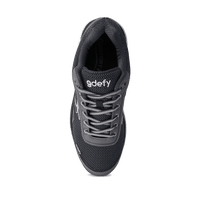
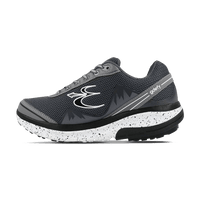
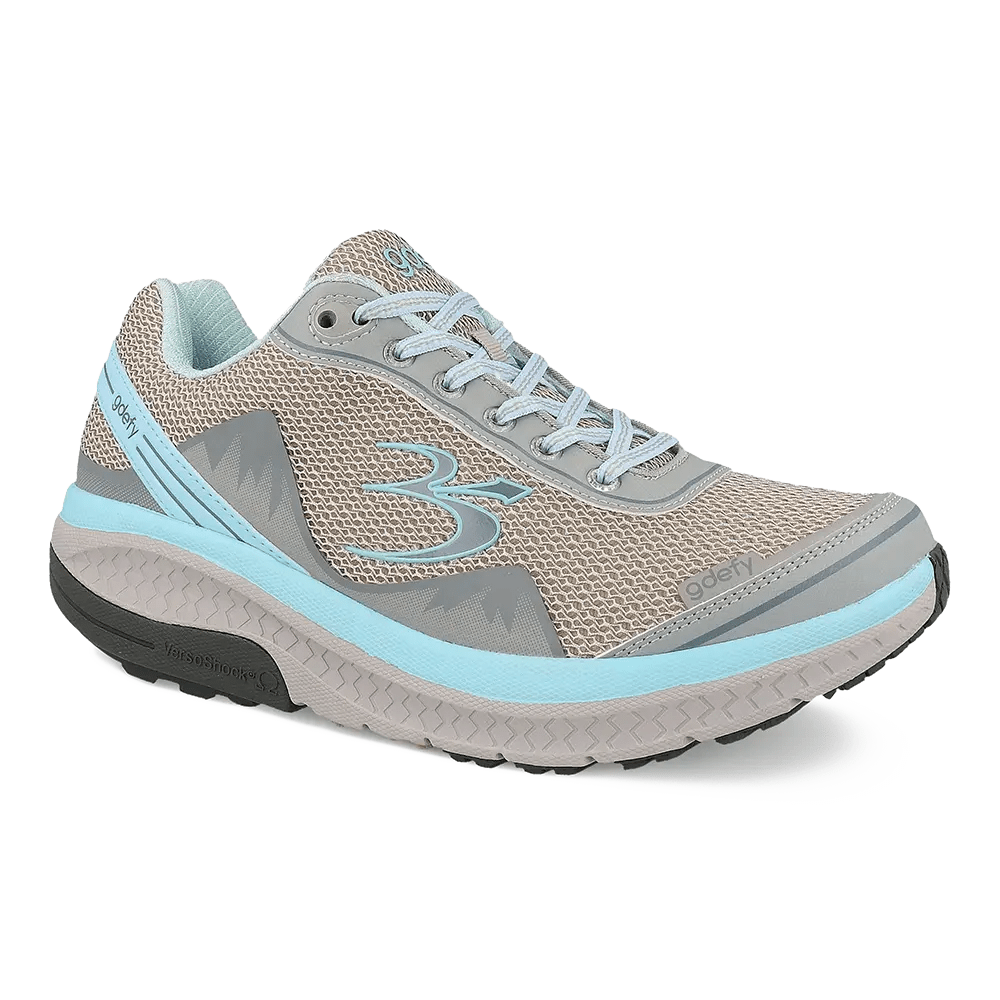
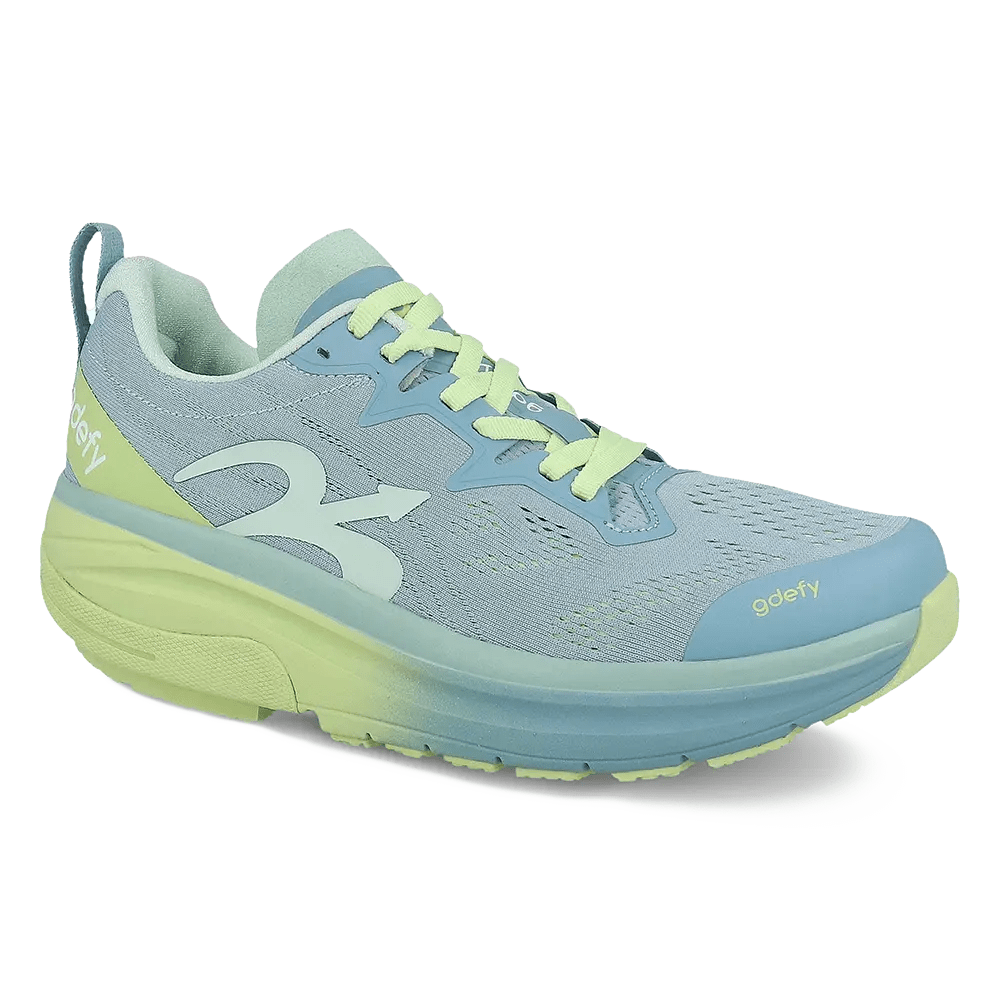
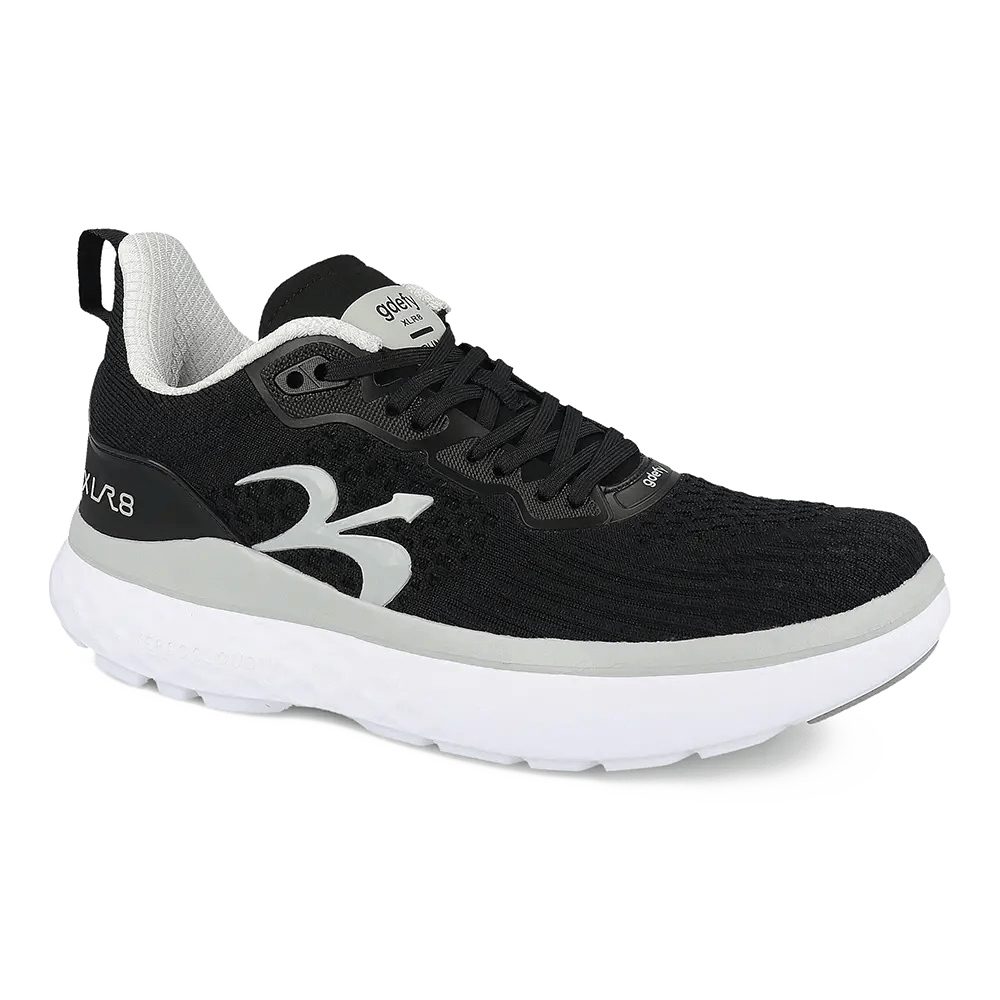
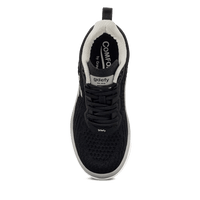
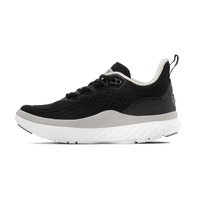
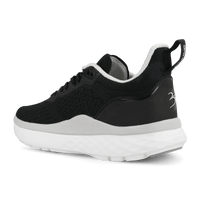
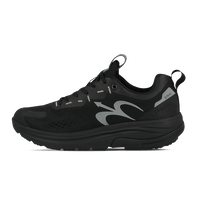
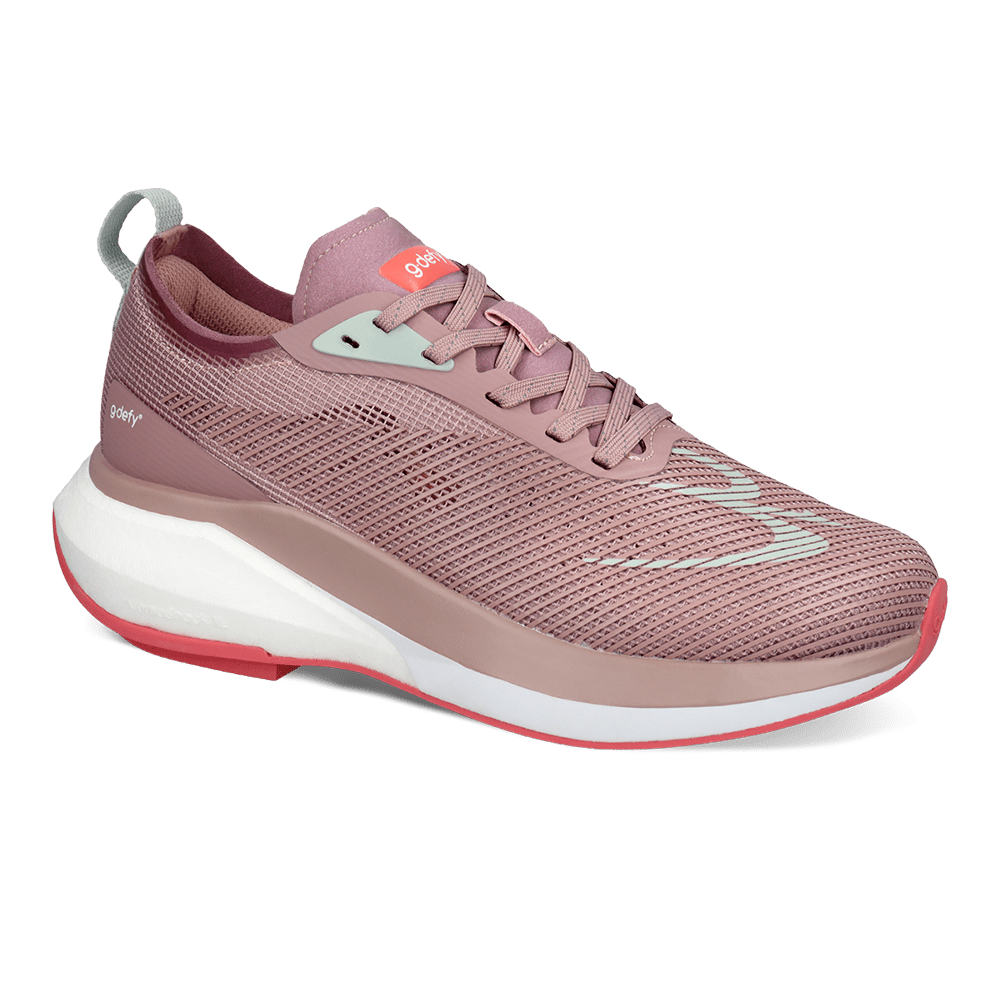
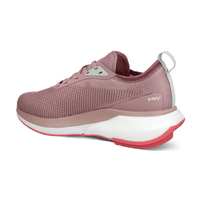
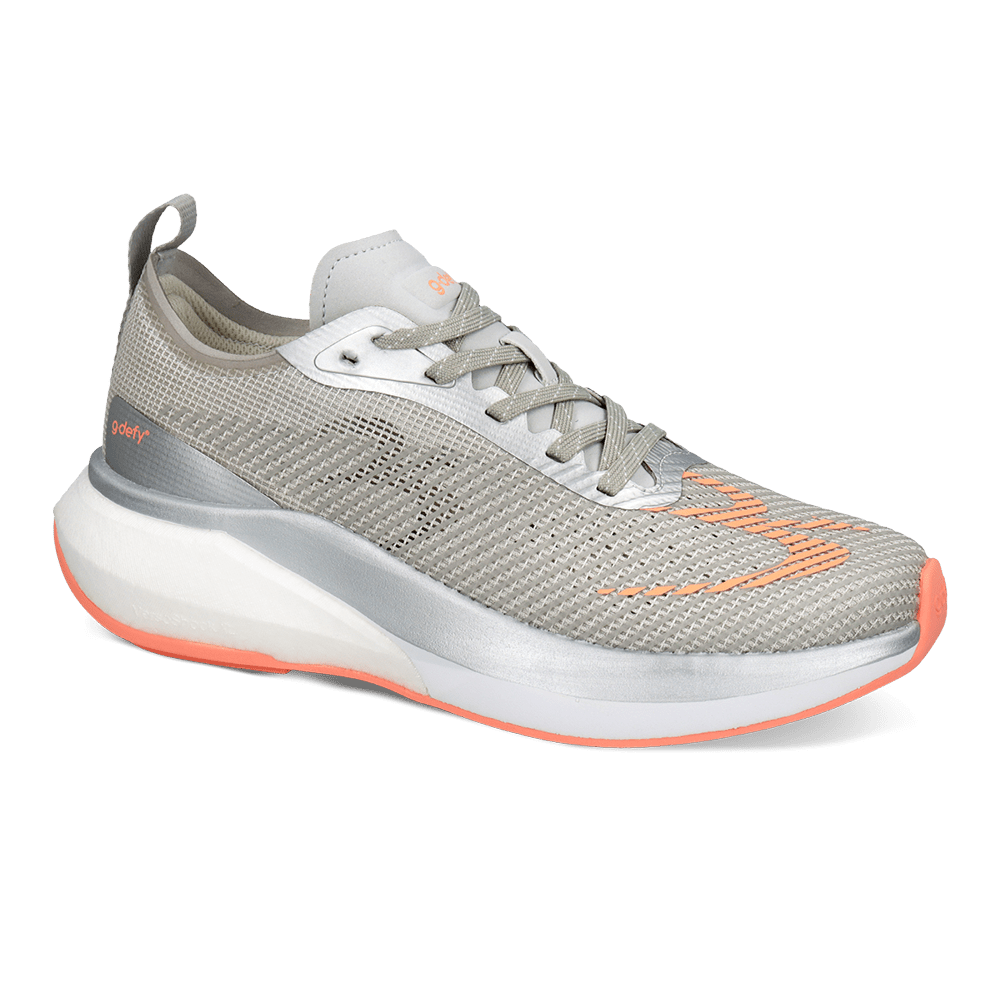
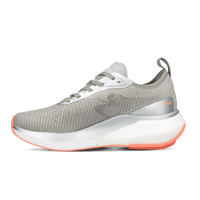
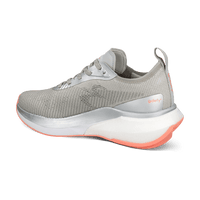
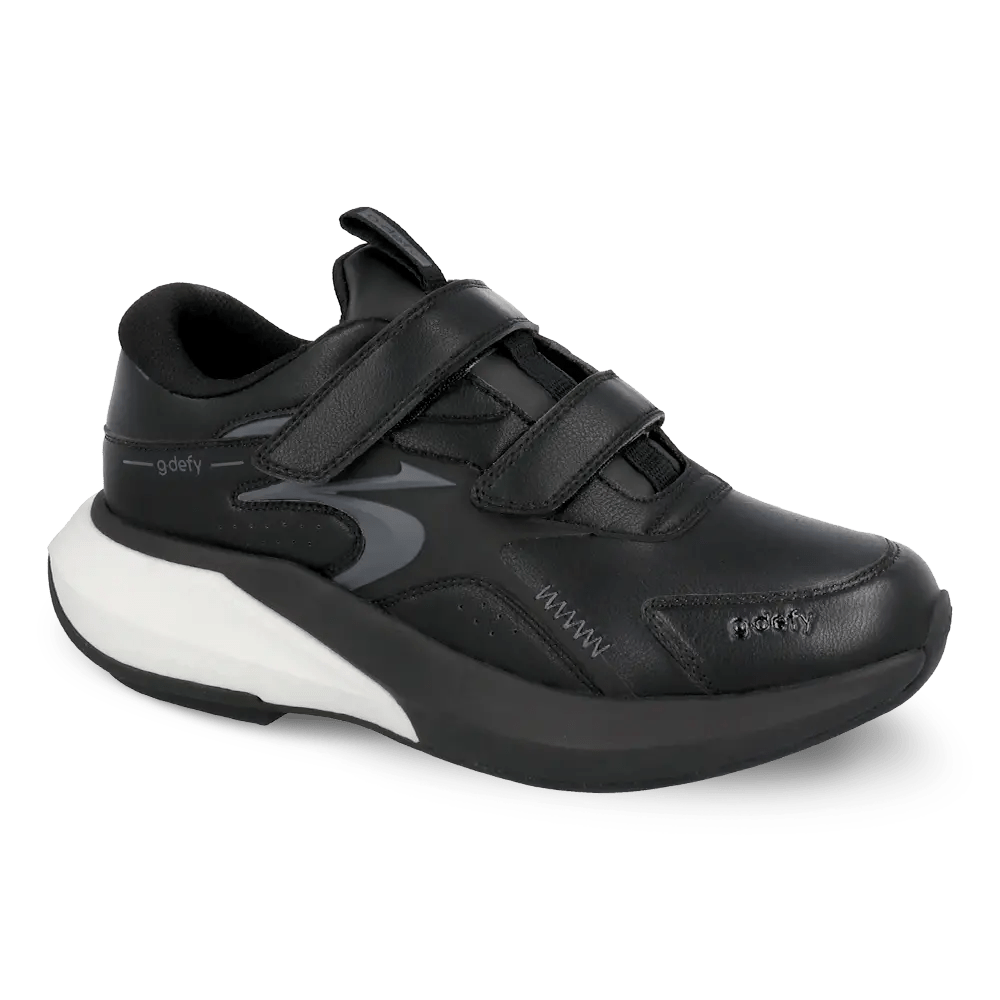
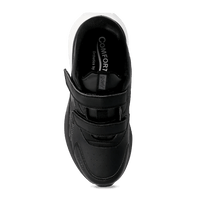
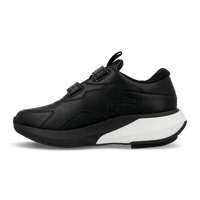
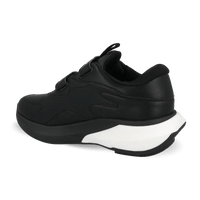
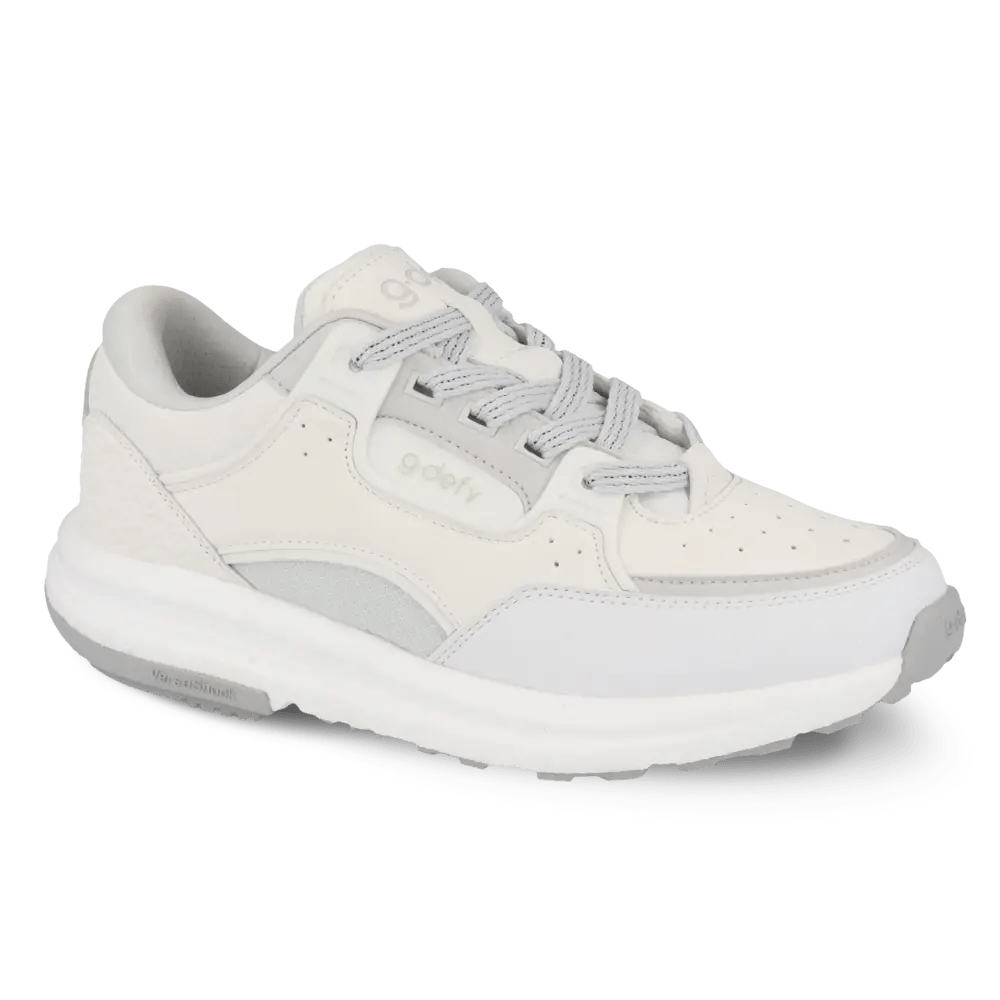
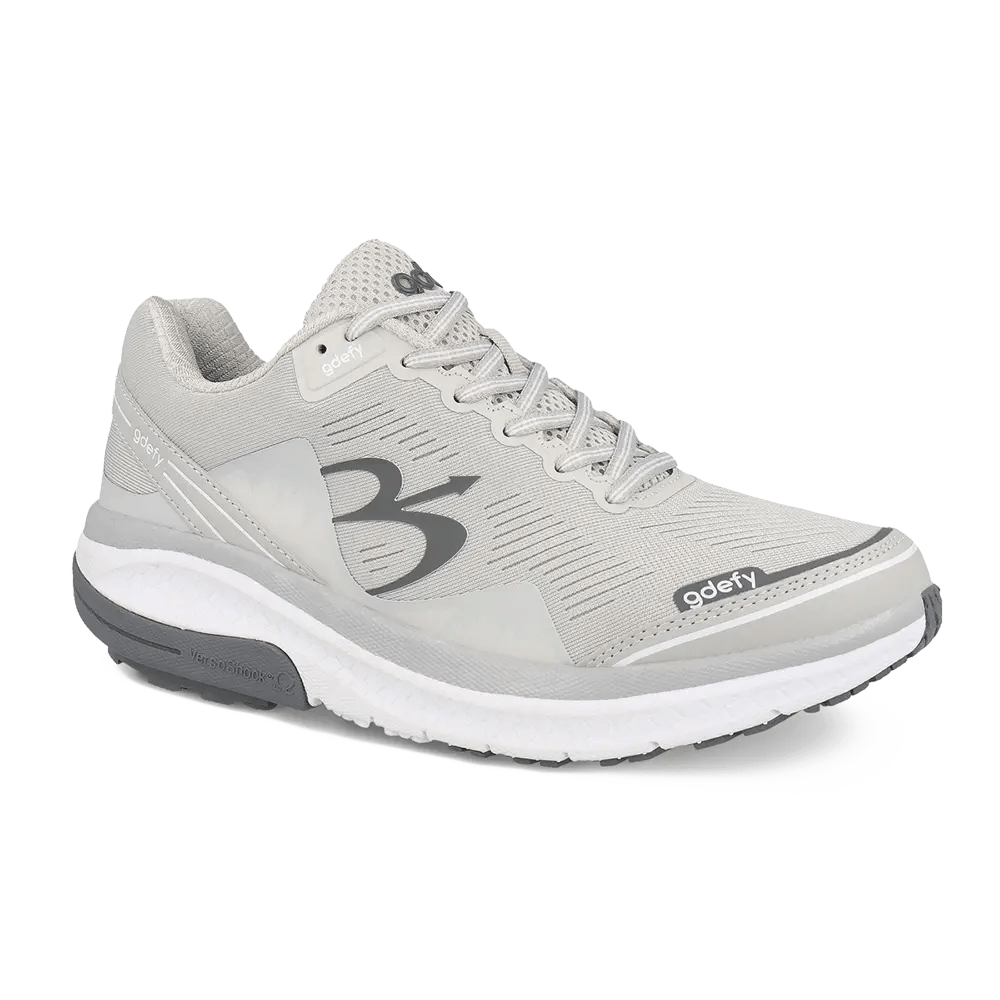
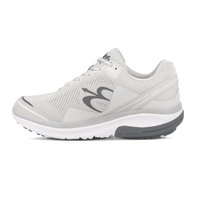
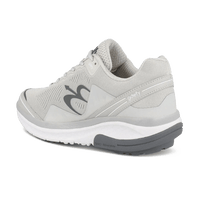
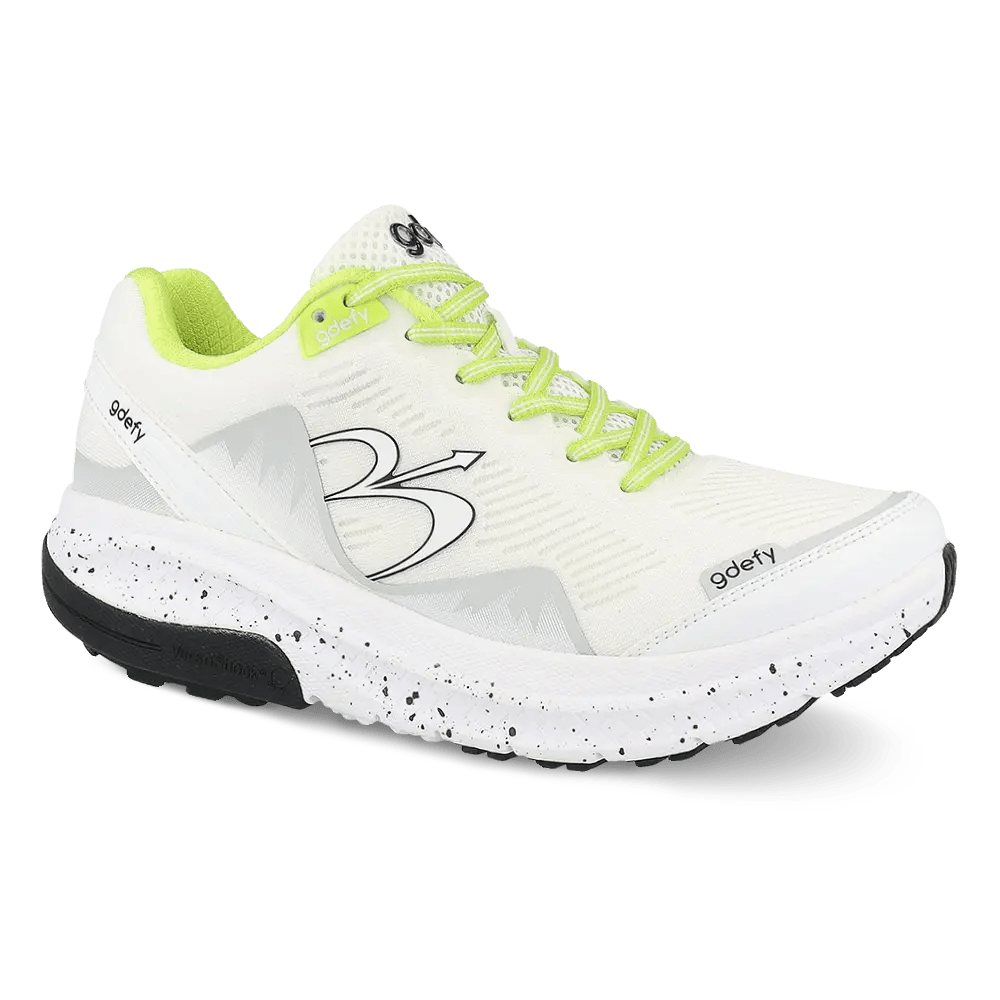
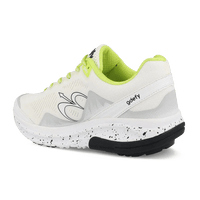
The G-Defy Mighty Walk brings every component together — VersoShock® midsole, dual orthotics, built-in stabilizer, and a breathable mesh upper — designed for all-day walking comfort.
The Toe Box: Room for Natural Movement
The toe box is the front section of the shoe — the space that houses your toes. Its width, height, and shape directly affect how your toes behave during the push-off phase of each stride.
During a normal walking step, your toes splay slightly outward as your weight shifts forward. A roomy toe box allows this natural movement to happen unimpeded. A narrow toe box compresses the toes together, preventing natural splay and creating pressure on the sides and tops of the toes.
For people who walk for extended periods, this matters considerably. A toe box that is too narrow doesn't just cause immediate discomfort — it can contribute to cumulative pressure across a full day that leaves the entire forefoot fatigued by afternoon.
G-Defy walking shoes are built with an expanded toe box that provides adequate space for natural toe movement without sacrificing the overall fit and structure of the shoe. Your toes have room to function as they should throughout the stride cycle.
The Heel Counter: Stability at the Back of the Foot
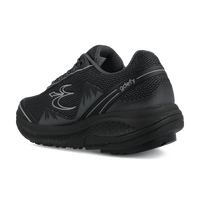
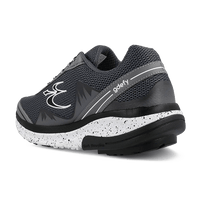
The heel counter is a semi-rigid cup built into the back of the shoe that wraps around the heel. It is one of the most functionally important — and most overlooked — structural components in a walking shoe.
When your heel strikes the ground at the start of each step, it lands with considerable force. Without a firm heel counter, the heel can roll inward (overpronation) or outward (supination) under that load. Both deviations send misaligned forces up through the ankle, knee, and lower back.
A well-constructed heel counter holds the heel in a neutral, centered position at ground contact. It doesn't restrict natural motion — it prevents excessive deviation from neutral. Combined with the stabilizer in the midsole, the heel counter creates a stable rear-foot platform that the rest of the stride builds on.
The Front Rolling Design: Supporting the Heel-to-Toe Transition
One feature that distinguishes engineered walking shoes from basic footwear is a front rolling design in the outsole and midsole geometry. This refers to a subtle curvature at the front of the shoe that encourages a smooth, efficient transfer of weight from heel to toe during each step.
Without this curvature, the foot has to do more work to complete the push-off phase — essentially fighting a flat platform to shift weight forward. A front rolling design makes that transition smoother and more natural, reducing the muscular effort required for each stride.
G-Defy incorporates a front rolling design that works in concert with the VersoShock® midsole. As the spring system absorbs impact at heel strike, the rolling geometry channels that energy forward, supporting a smooth heel-to-toe transition that feels more natural and less fatiguing over extended wear.
You can read more about how this system functions on the VersoShock® technology page.
How All the Components Work Together for Walking Comfort
Understanding each component individually is useful, but the real story is how they integrate. A shoe is only as comfortable as its weakest link — a great midsole paired with a poor heel counter, for example, still delivers an inconsistent experience.
Here is how the full system works in sequence during a single walking stride:
- Heel strike: The outsole contacts the ground. The heel counter centers the heel. The VersoShock® midsole begins absorbing the impact force softly and gradually.
- Midstance: Weight shifts over the foot. The stabilizer prevents excessive bending in the arch. The appropriate orthotic supports the arch profile, keeping the foot in a supported position.
- Push-off: Weight transfers to the forefoot. The front rolling design supports the heel-to-toe transition. The VersoShock® spring system returns energy to assist forward propulsion. The roomy toe box allows natural toe splay for the push-off.
Each component hands off to the next. When all of them are designed to work together — as they are in G-Defy shoes — the result is a stride that feels smooth and supported through an entire day of activity rather than just the first hour.
If you want to understand how footwear choices connect to broader comfort during extended activity, the articles on how shoes can affect back comfort and how footwear supports your knees offer additional context on the downstream effects of shoe design on the body.

Choosing the Right Shoe Based on What You Now Know
Armed with an understanding of what each component does, you can evaluate any walking shoe more critically. Here are the questions worth asking:
- What is the midsole made of? Foam compresses and loses cushioning over time. A spring-based system maintains performance longer.
- Does it include a stabilizer? Shoes without one bend excessively in the arch area, requiring more muscular effort per step.
- What insole or orthotic is included? A single generic insole won't serve all arch types equally. Look for a shoe that offers options.
- How is the heel counter constructed? Press the back of the shoe with your fingers. A quality heel counter should be firm, not soft or collapsible.
- Does the toe box give your toes room? With the shoe on, you should be able to wiggle your toes without them pressing against the front or sides.
- Is the upper breathable? For extended wear, mesh panels are preferable to solid synthetic materials that trap heat.
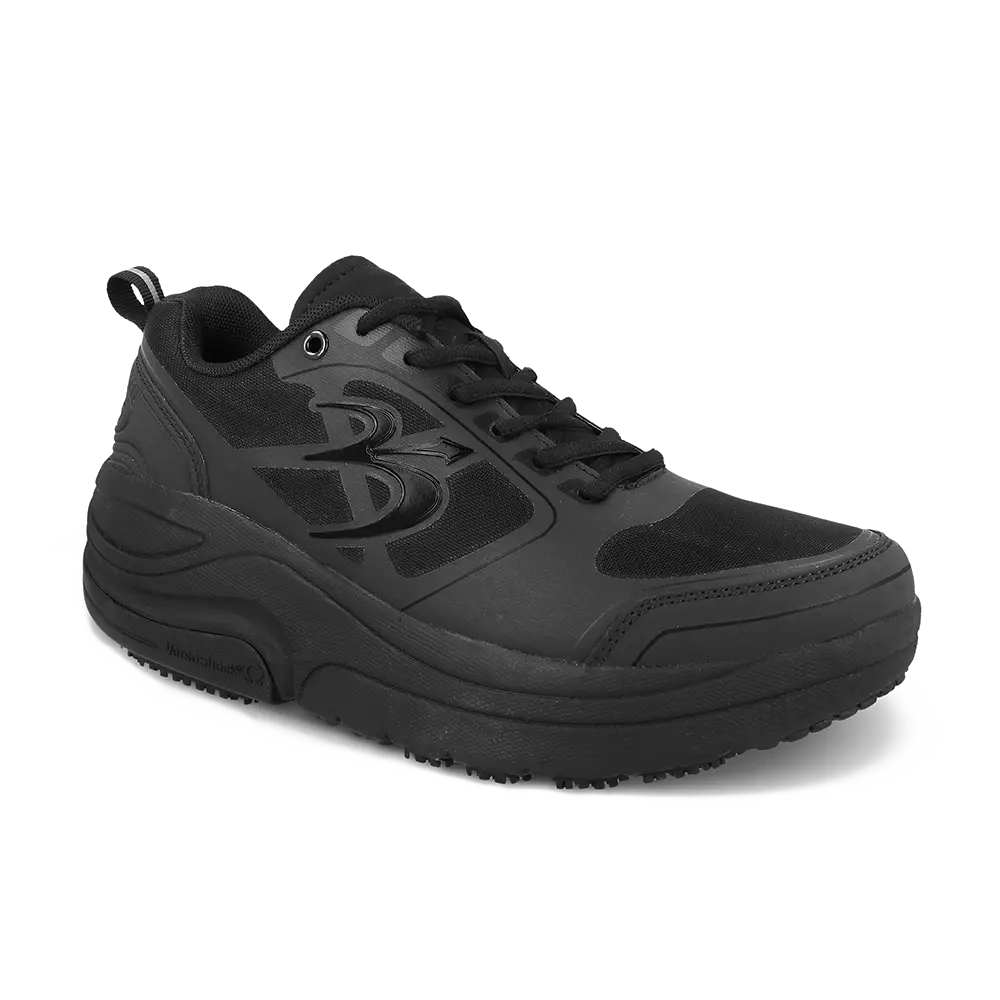
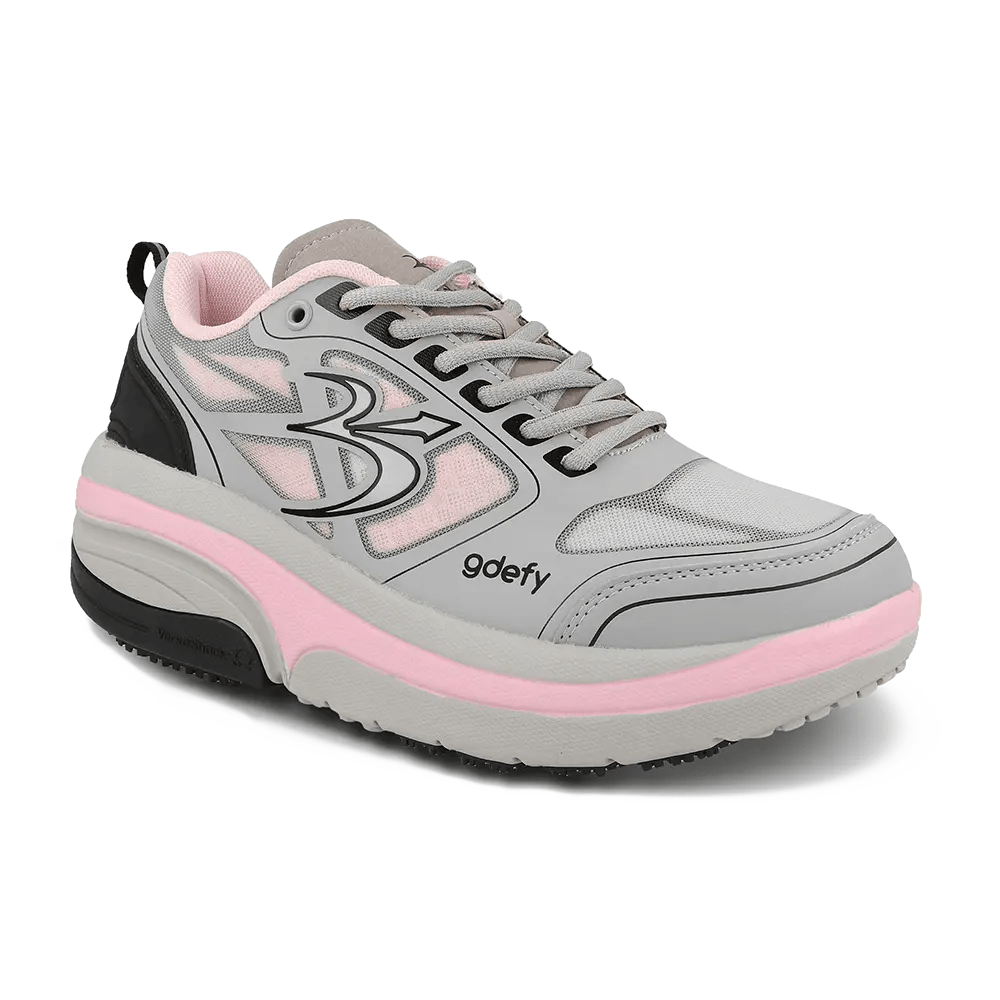
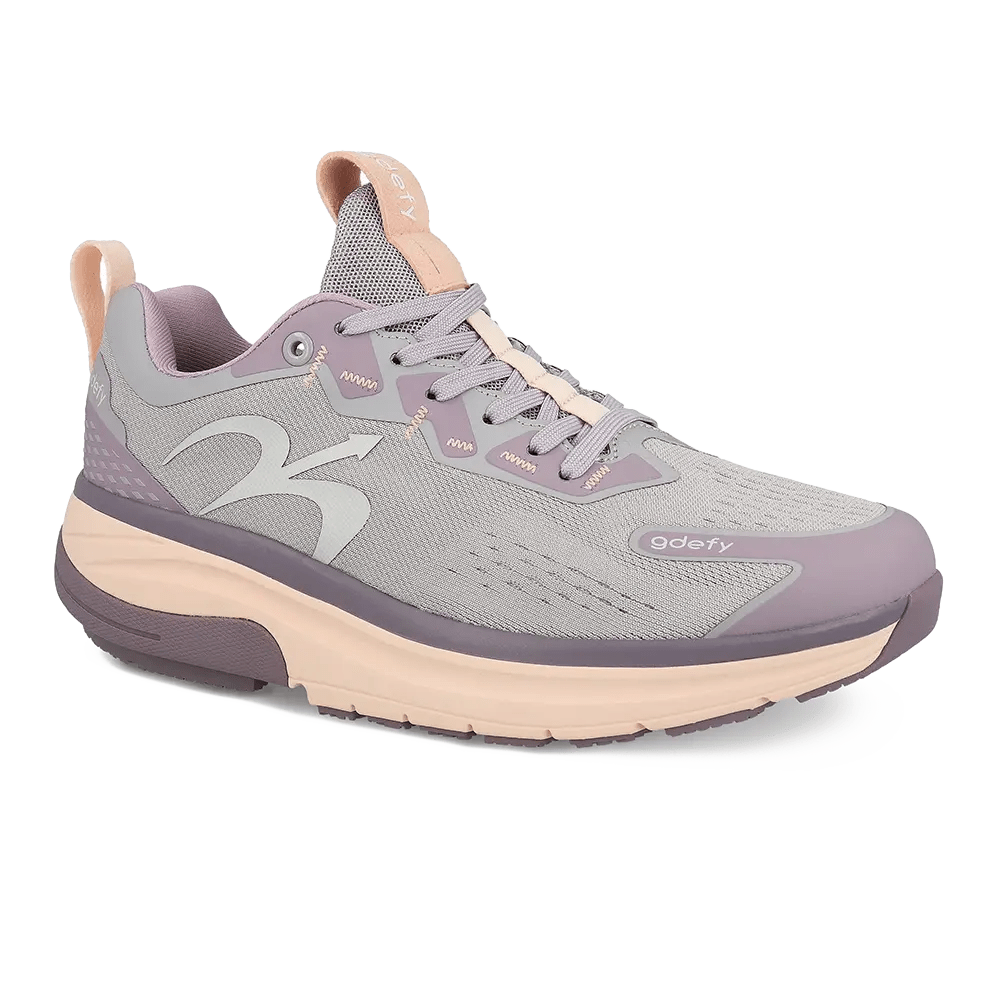
G-Defy's men's collection and women's collection are built to meet all of these criteria, with the VersoShock® system providing the spring-based midsole, dual orthotics covering different arch types, and a stabilizer system integrated into the midsole structure.
Try G-Defy risk-free for 60 days
Every G-Defy shoe includes a 60-day trial with free shipping and a full refund if you're not satisfied. Browse the full collection and find the model that fits your lifestyle and foot type.
Frequently Asked Questions
What is the most important part of a walking shoe for all-day comfort?
The midsole is the single most important component for all-day comfort. It sits between the outsole and the insole and handles the bulk of shock absorption and energy return. A spring-based midsole — like G-Defy's VersoShock® system — absorbs impact softly and returns energy with each step, keeping your feet comfortable through long hours of walking or standing.
What does a heel counter do in a walking shoe?
The heel counter is a semi-rigid cup built into the back of the shoe that wraps around your heel. It keeps your heel centered, prevents it from rolling inward or outward, and provides a stable foundation for each step. A well-designed heel counter works with the midsole stabilizer to support a controlled, balanced stride.
Why does the toe box shape matter for walking comfort?
The toe box determines how much room your toes have to spread naturally during the push-off phase of each step. A roomy toe box allows natural toe splay, which improves balance and reduces pressure on the ball of the foot. Narrow toe boxes can compress the toes over time, leading to discomfort during prolonged wear.
How does VersoShock® differ from standard foam cushioning?
Standard foam compresses under body weight and gradually loses its shape and cushioning ability. VersoShock® uses a spring-based system that absorbs impact and then returns energy with each step rather than simply compressing. This means the cushioning remains consistent throughout the shoe's lifespan and actively supports forward movement rather than just softening it.
Can the right shoe design help reduce discomfort during long walks?
Yes. The combination of a shock-absorbing midsole, a stabilizer system, proper arch support, a roomy toe box, and a breathable upper all work together to reduce the cumulative impact your feet experience during extended activity. G-Defy shoes help reduce pain from walking, running, and prolonged standing through the integrated VersoShock® system and dual orthotic setup. Individual results vary. G-Defy shoes are designed for comfort and support, not as a medical solution.