
May 22, 2026
How to Stay Active Year-Round: Comfort Shoes for Every Daily Activity
By Gdefy

Summary
Staying active across the year takes more than motivation. Your body has to feel ready for whatever the day asks of it — a long morning walk, hours on your feet at work, a weekend hike on uneven ground, or an evening trip to the grocery store. The shoes you put on first thing in the morning quietly shape how every one of those moments feels.
Many people experience foot discomfort during daily activities like walking, standing, or running. While footwear isn't a medical solution, the right design can play an important role in overall comfort and support throughout an active week. A pair built for one narrow purpose can leave you wanting more once your day shifts gears.
This guide walks through what makes a comfort shoe versatile enough for an active lifestyle — the features that matter, how to match a shoe to the activity you're doing most, and a few practical habits that help any pair feel better, longer.

Why One Pair Often Isn't Enough
Most people pull from a small rotation of shoes for very different activities. A sneaker built for the gym is rarely the same shoe you'd choose for a long urban walk. A casual flat-soled pair can feel fine for short errands but leave your feet aching after a full afternoon out.
The reason is simple: every activity puts a different kind of load on your feet. Walking emphasizes a steady heel-to-toe rhythm. Standing places sustained pressure on the same parts of the foot for long stretches. Light jogging or running adds vertical impact with every stride. Uneven surfaces add lateral stability demands. Traditional foam midsoles tend to compress over the first few months of regular wear, which is part of why a longtime favorite can stop feeling supportive even if it still looks fine.
Versatile comfort footwear closes that gap. Instead of swapping shoes three times a day, a well-engineered pair can carry you through the morning walk, the afternoon errands, and the evening stroll without trading comfort for the next activity. That doesn't mean one shoe does everything equally — it means one shoe does enough of everything that you don't have to think about it.
What to Look for in Versatile Comfort Shoes
When a pair has to handle varied daily activity, certain features matter more than others. Here's what to look for.
Cushioning That Absorbs Impact
Cushioning is the layer between your foot and the ground. The more efficiently it absorbs impact, the less your joints feel each step. Look for a midsole that compresses under load and recovers between steps — not one that flattens out and stays flat. A shoe whose cushioning collapses by the end of a long day is one that will leave your legs more tired than they need to be.
A Stabilizer for Varied Surfaces
Sidewalks, hardwood floors, gravel paths, and grass all behave differently underfoot. A built-in stabilizer — a structural element through the midfoot that resists side-to-side roll — helps the foot stay aligned across changing terrain. Without one, the shoe relies on your foot to do that stabilizing work, which is one of the reasons feet feel tired after a varied day.
Energy Return for Longer Activities
Energy return is the property that gives a midsole some "spring" — pushing back as your weight rolls through the step. It matters most as activities get longer. A flat-soled shoe can feel comfortable for the first hour and dead by the third. A shoe designed for energy return helps preserve a more efficient stride deeper into the day.
Breathability for Warmer Days
Warm-weather activity puts the upper material to work. Breathable mesh or engineered knit uppers let heat and moisture escape so the inside of the shoe stays drier. Drier feet are more comfortable feet — and they're less prone to the friction-related irritation that builds up over long active days.
An Adaptable Fit
A versatile shoe has to accommodate the small changes your foot goes through over the course of a day. Feet swell slightly with hours of activity and warm temperatures. Look for designs that include a roomy toe box, secure midfoot lacing, and the option to swap in different insoles for personalized support. A pair that fits the same at 8 a.m. and 8 p.m. is one that's been thought through.
Matching Activities to Shoe Features
Different days emphasize different things. Use this rough guide.
- Daily walking and errands. Prioritize cushioning, an adaptable fit, and a stabilizer. You're not generating high impact, but the steady accumulation over hours adds up. A shoe with good shock absorption keeps the afternoon feeling like the morning.
- Long hours of standing. Prioritize cushioning depth and a midfoot stabilizer. The challenge of standing is sustained pressure, not repeated impact. A supportive footbed and a midsole that doesn't compress prematurely make the difference.
- Light running and brisk movement. Prioritize energy return and a smooth heel-to-toe transition. The heel still needs cushioning for landing, but the forefoot benefits from a rocker or rolling design that propels you forward.
- Casual outings and travel days. Prioritize all-around versatility — moderate cushioning, breathable upper, secure fit, and a neutral look that pairs with how you want to dress. Travel days especially benefit from one good pair you don't have to think about.

Most active adults move between two or three of these scenarios in a single week. A shoe built around comfort, support, and shock absorption can cover most of them without trading comfort for category.
The G-Defy Approach to All-Day Comfort
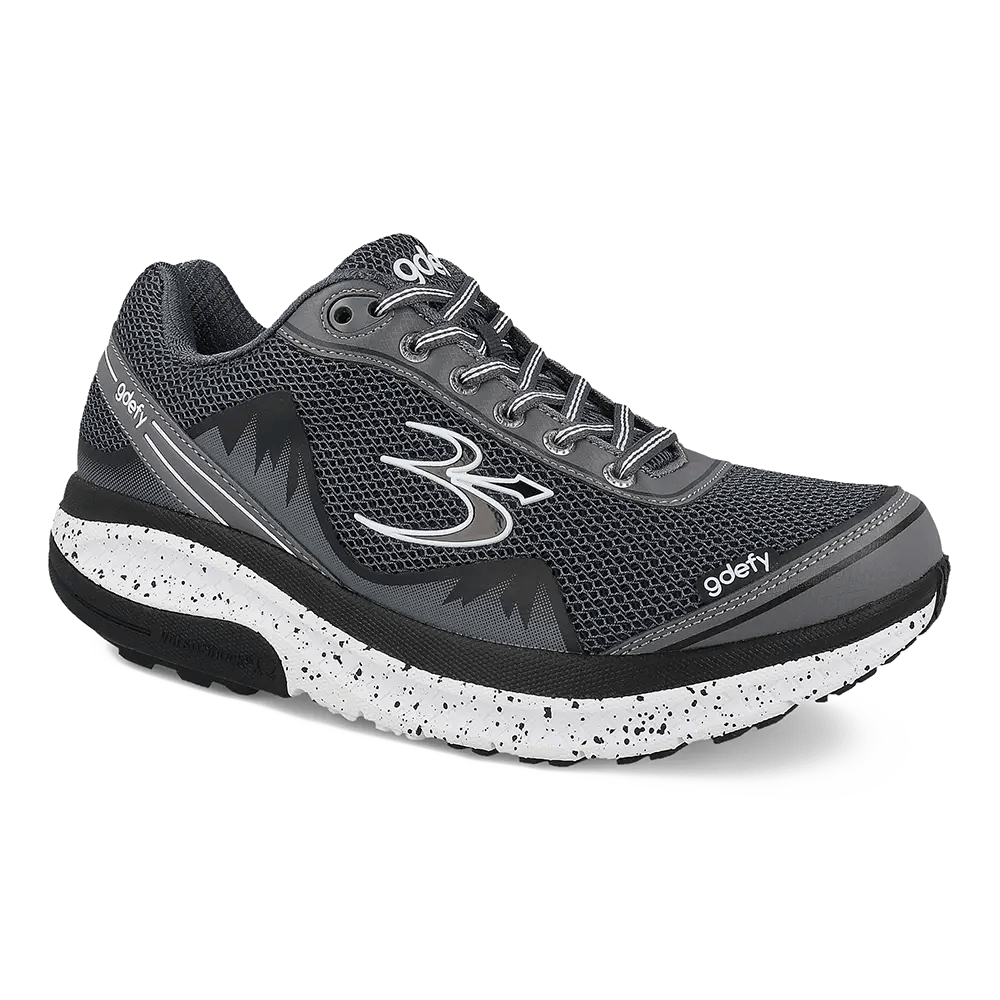
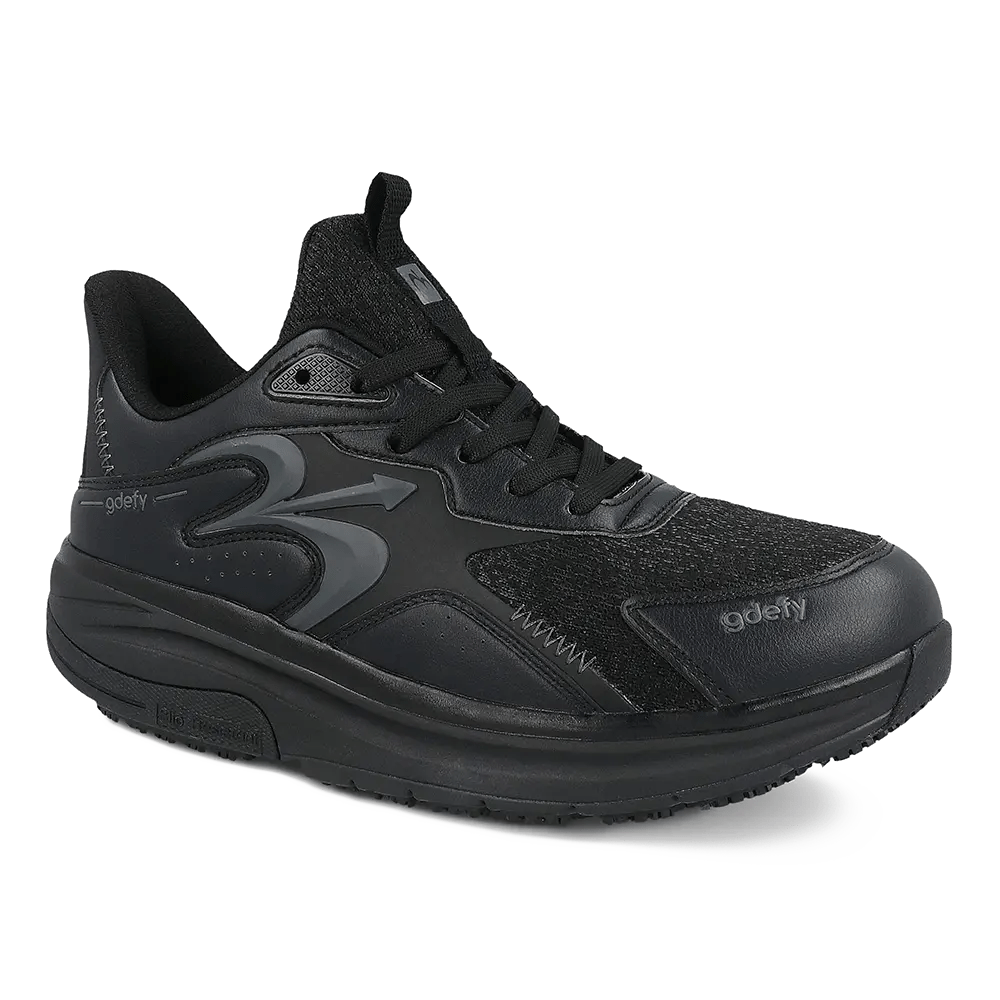
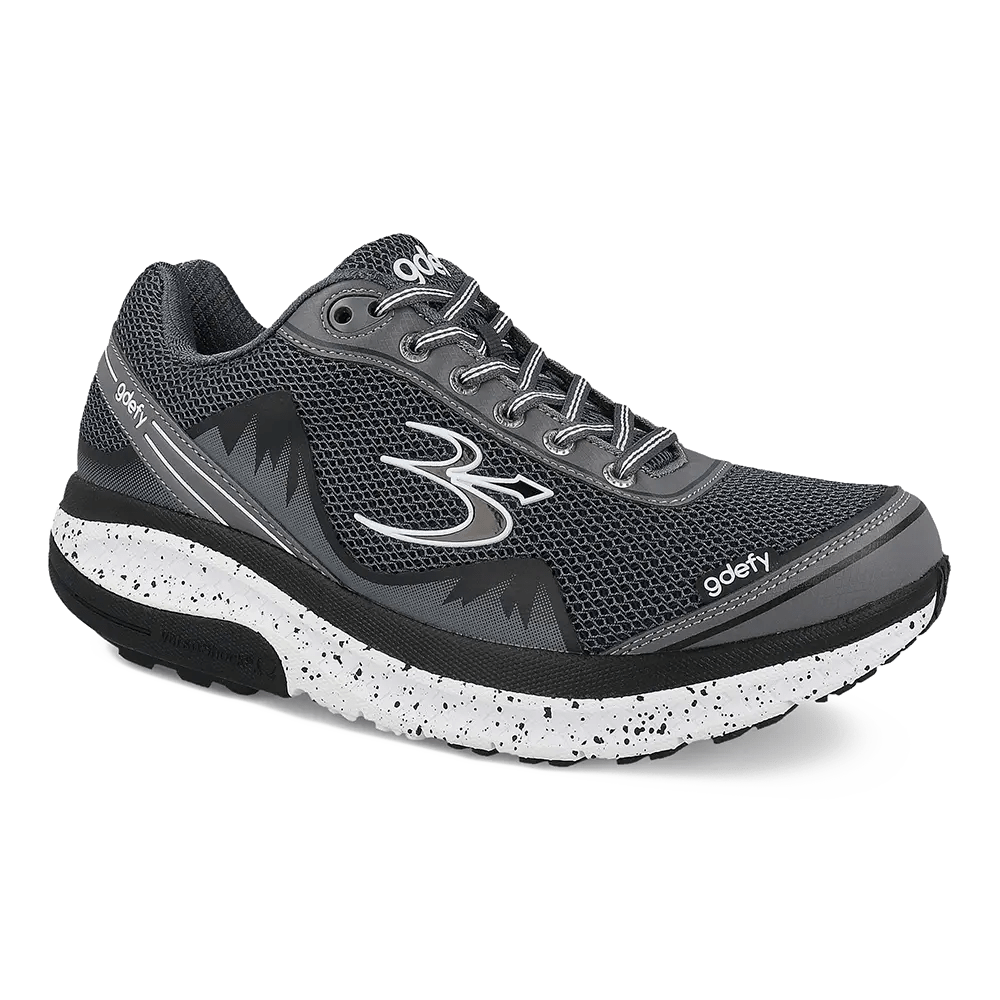
G-Defy shoes are engineered around four design pillars that work together to make a single pair more versatile across daily activities.
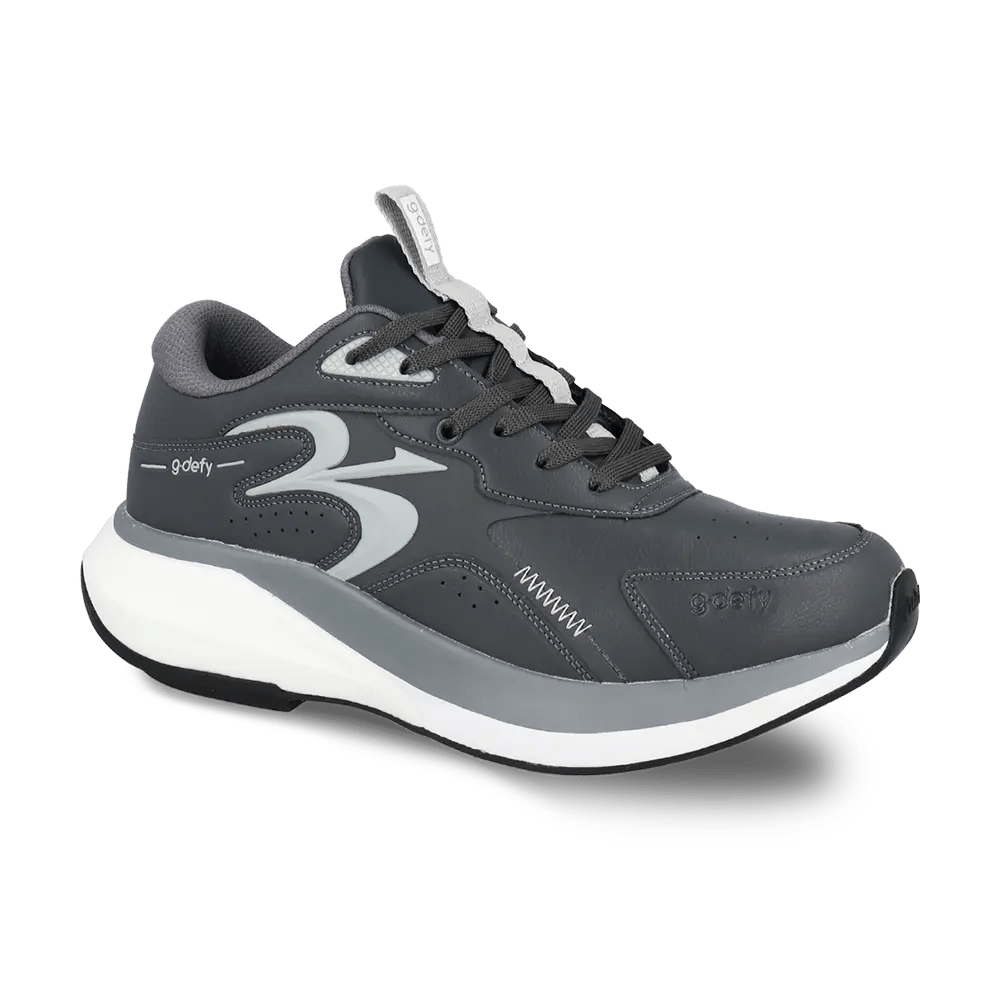
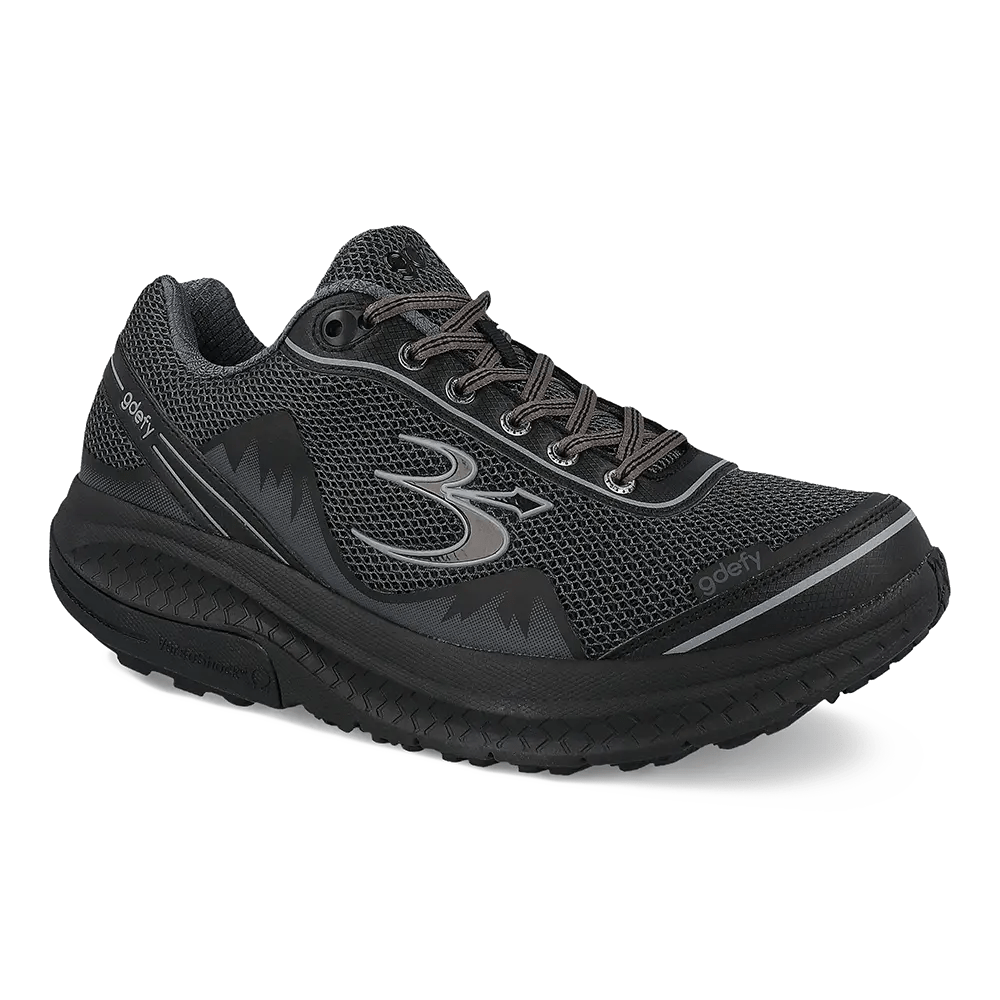
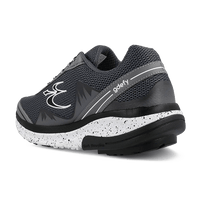
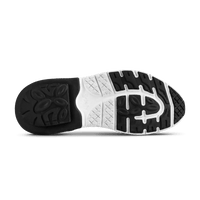
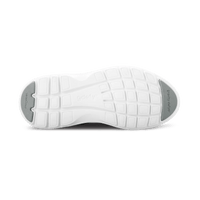
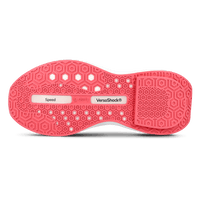
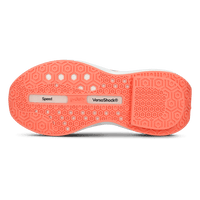
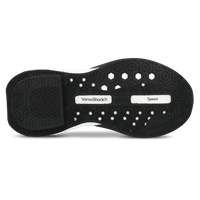
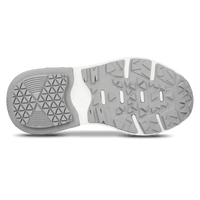
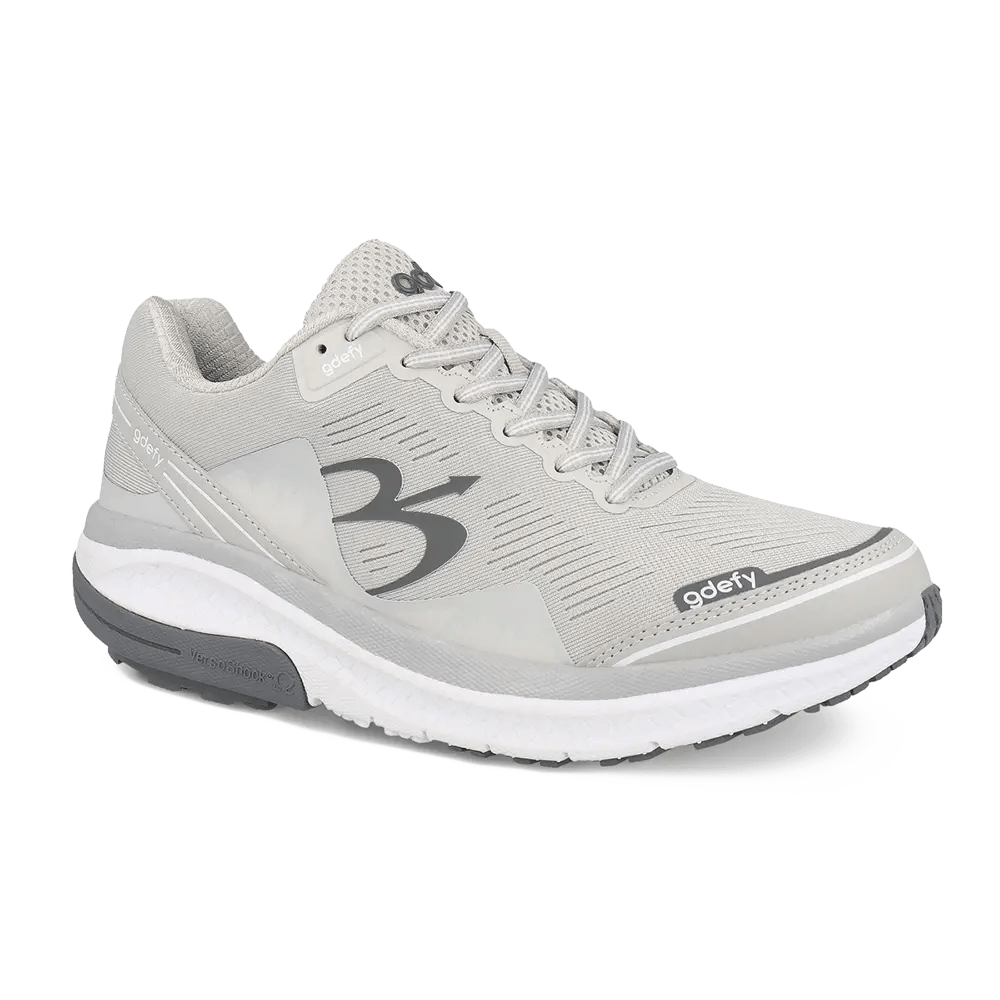
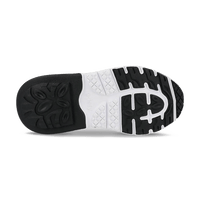
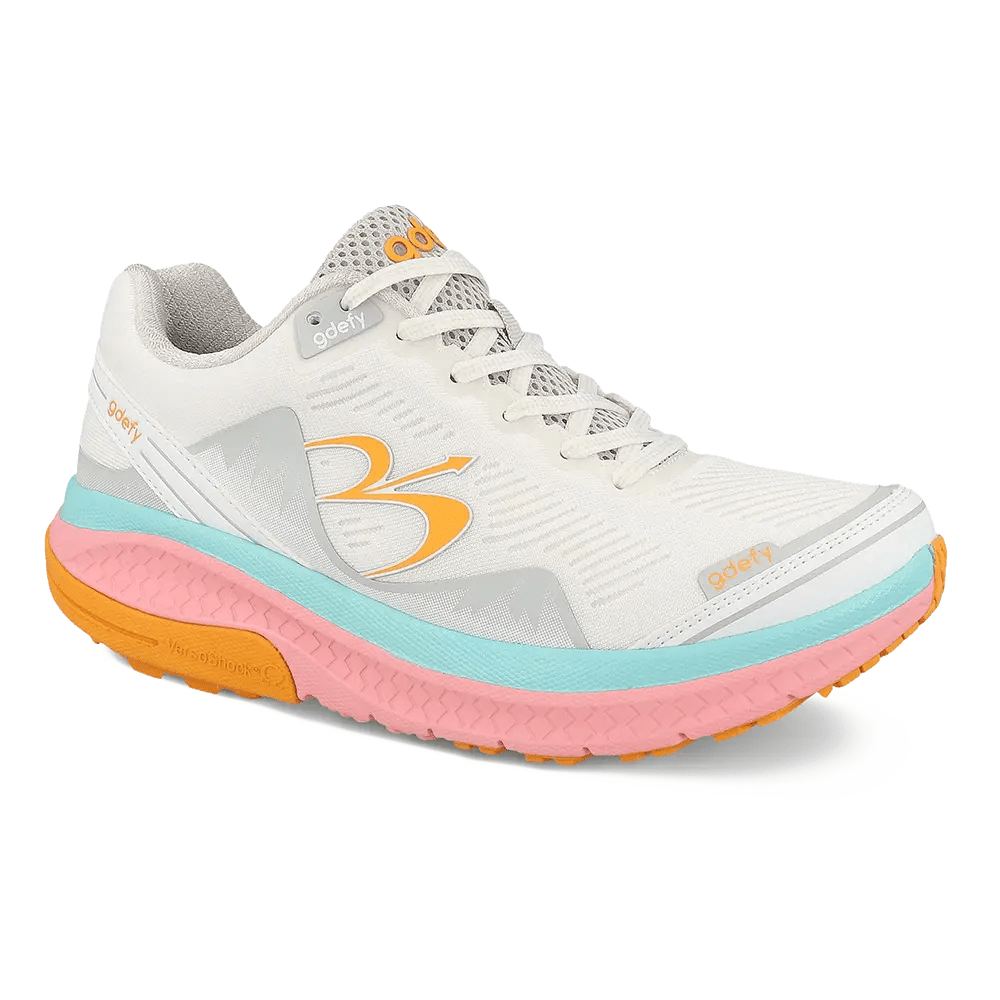
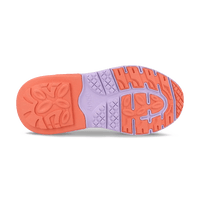
1. VersoShock® shock absorption. A patented spring-loaded midsole element designed to absorb impact at heel strike and return energy through the step. Instead of a foam layer that compresses and slowly recovers, VersoShock® technology is built to keep responding step after step. Most foam midsoles develop measurable compression set over months of daily wear — the spring system is designed to resist that.
2. ComfortFit® cushioning. A multi-layer comfort system that pairs with the shock-absorbing element to give the foot a softer landing surface and consistent rebound. ComfortFit® cushioning is positioned where impact peaks during a typical step, not just under the heel.
3. CorrectiveFit® stabilizer. A structural element through the midfoot that supports alignment and resists side-to-side roll. The CorrectiveFit® stabilizer is what allows the same pair to handle a sidewalk in the morning and a gravel path in the afternoon without your foot doing the stabilizing work.
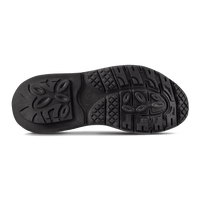
4. Front rolling design. A subtle rocker geometry in the forefoot that promotes a smooth heel-to-toe transition. The rolling design supports a more efficient stride during longer activities — walking, standing, and light running included.
Two removable orthotics ship in every pair. The first is a softer cushioning insole; the second is a firmer support insole. You can swap them based on the activity, layer them for more depth, or replace them with your own custom orthotic if you have one fitted. That single feature is what makes a single G-Defy pair adaptable across the day.
The shoes that fit the most active weeks:
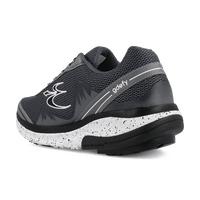
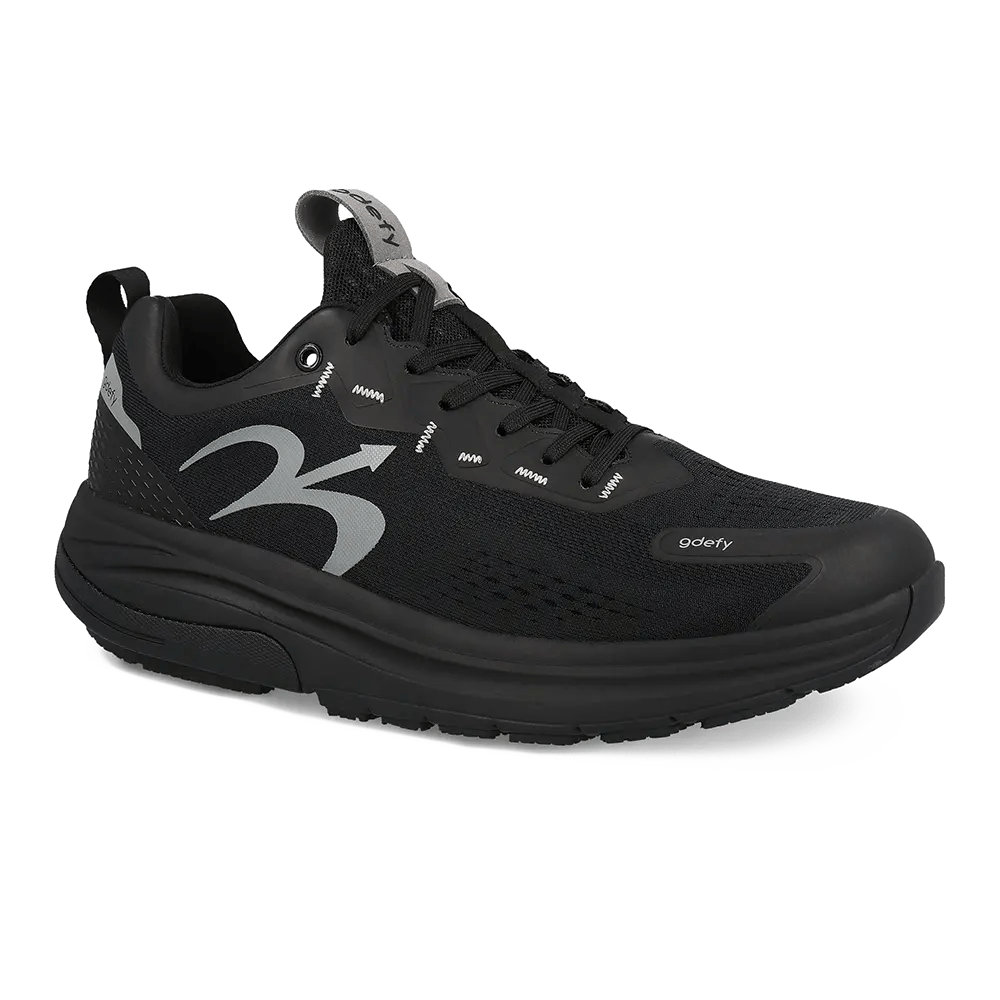
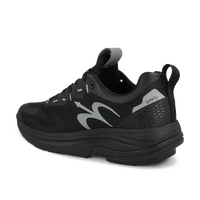
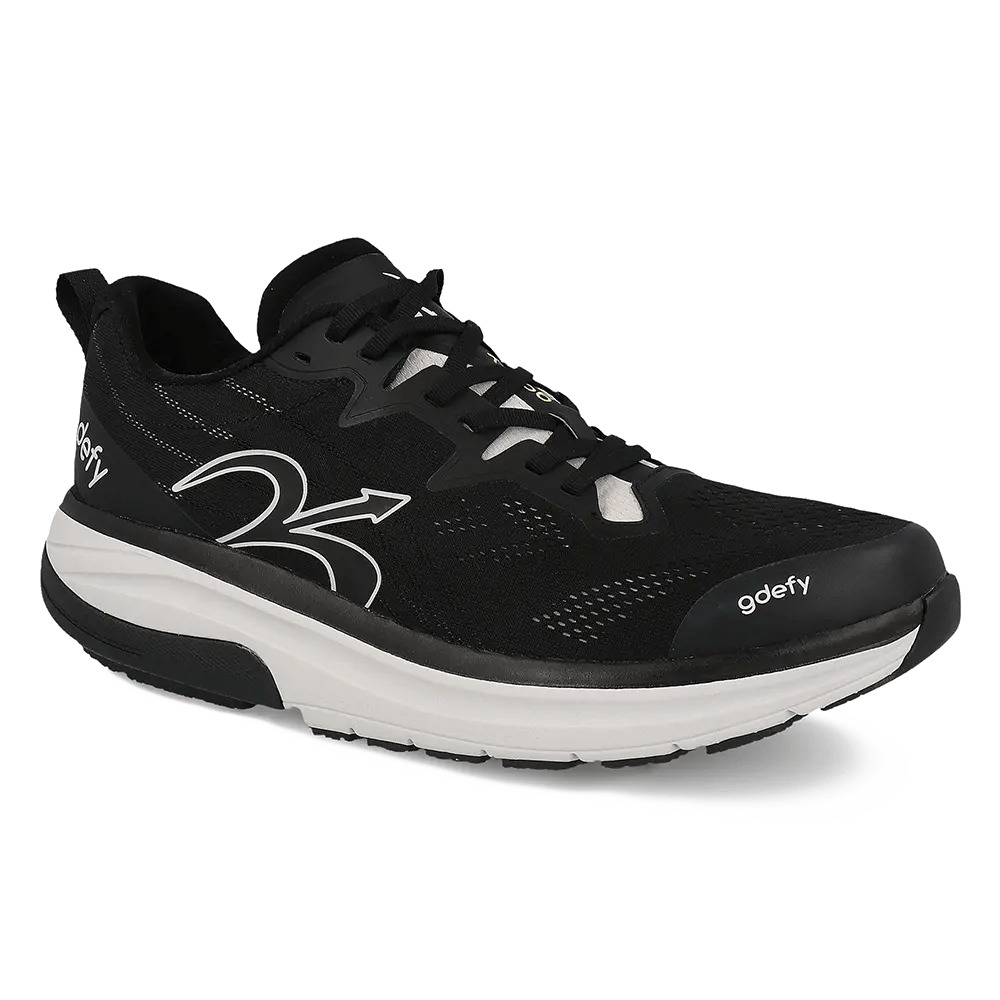
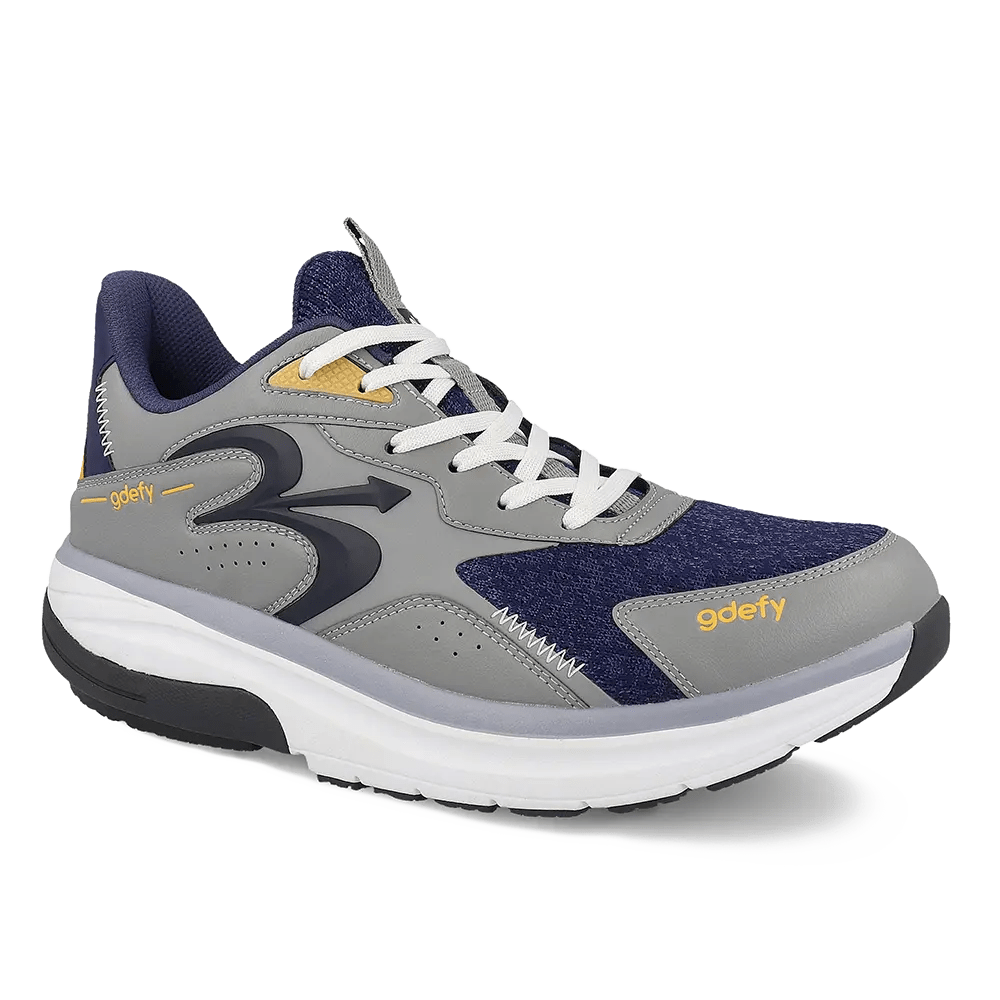
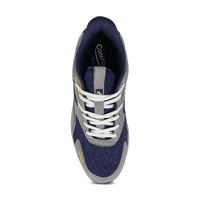
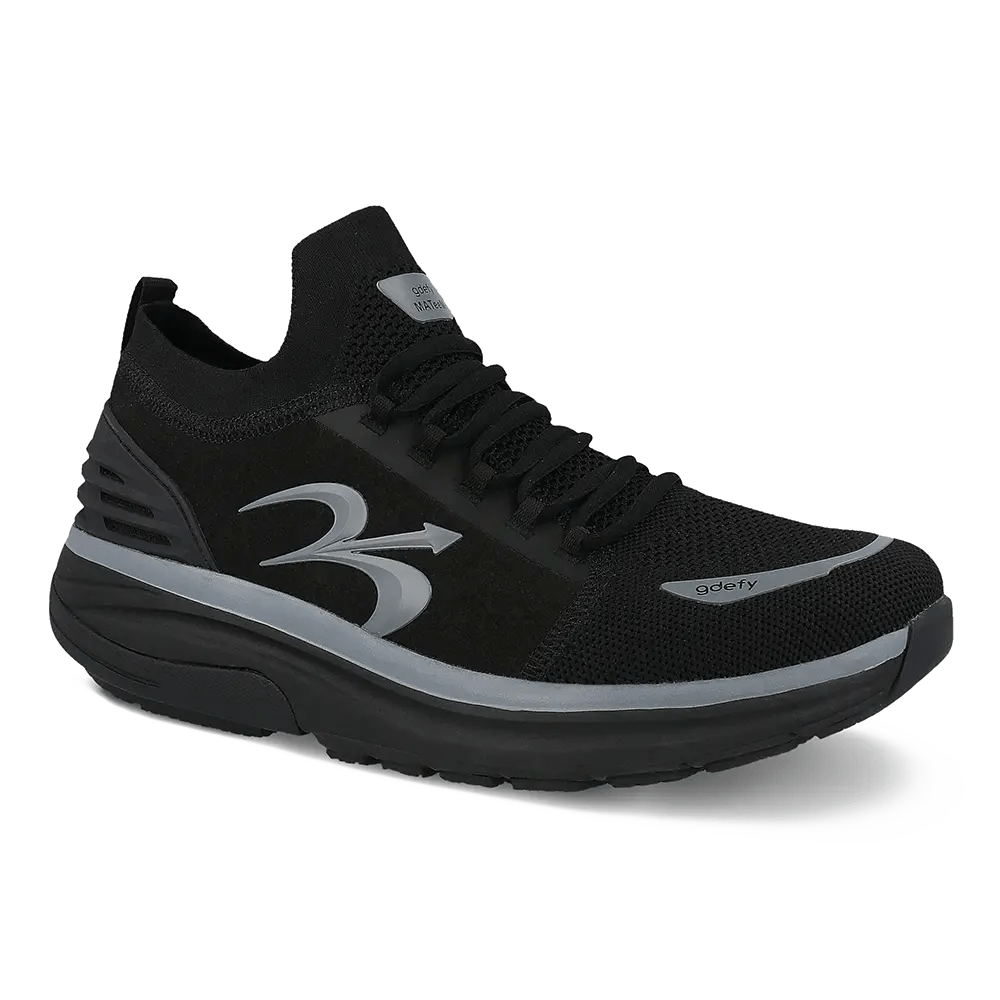
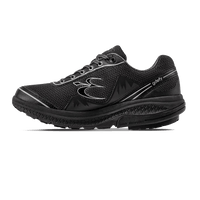
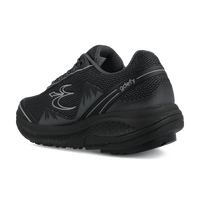
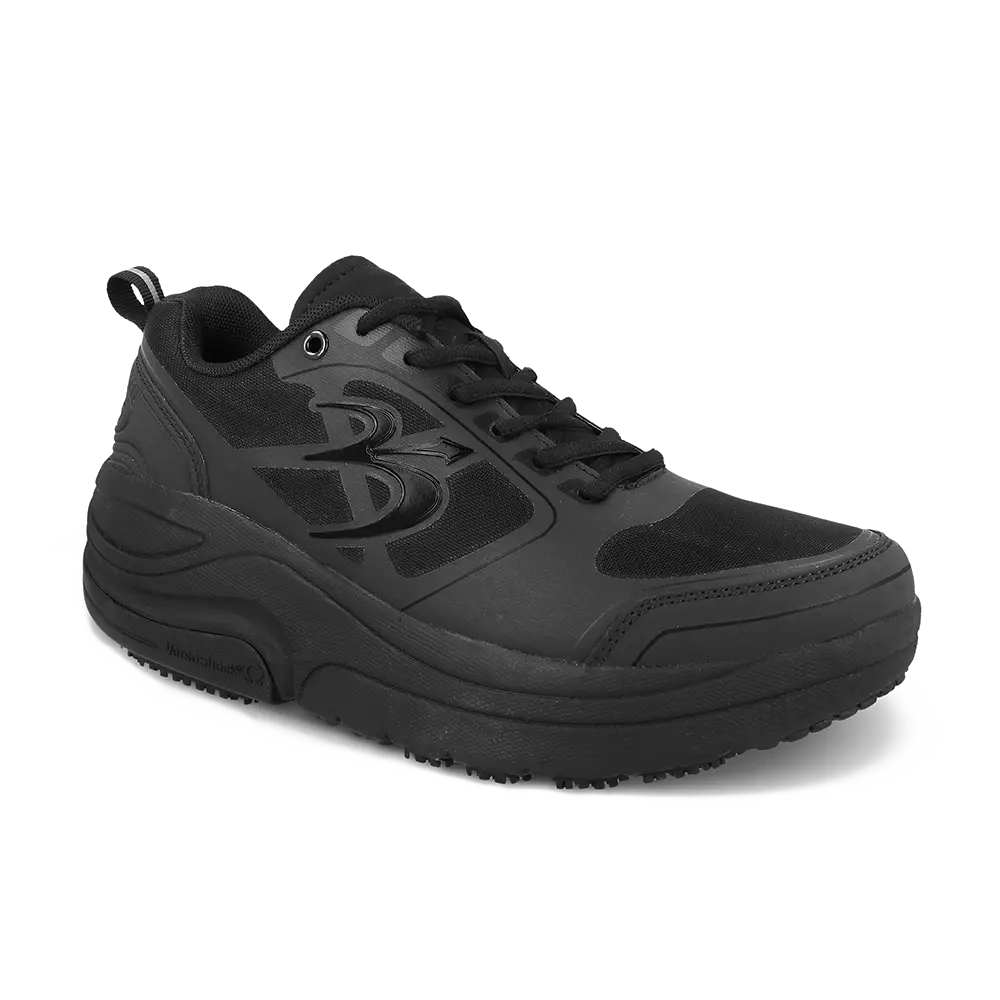
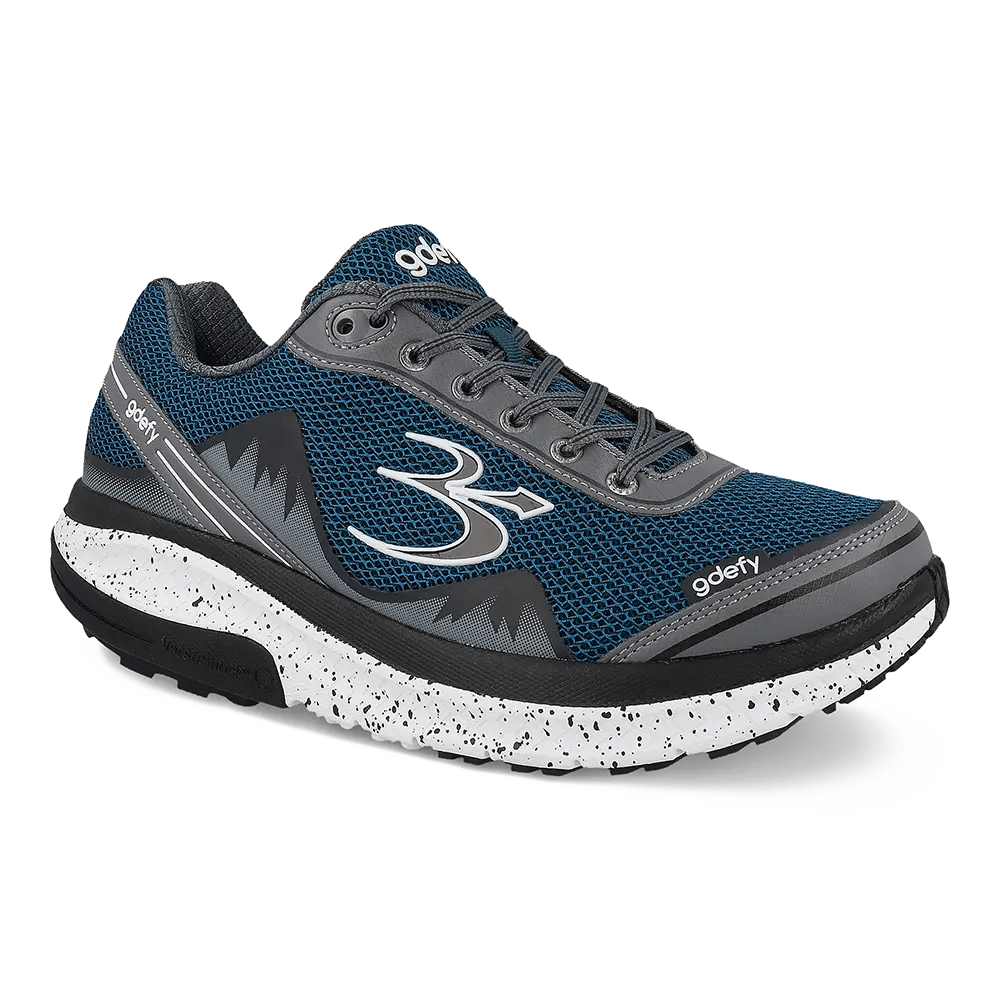
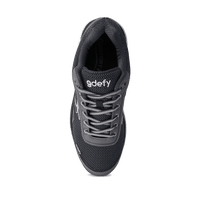
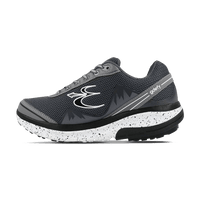
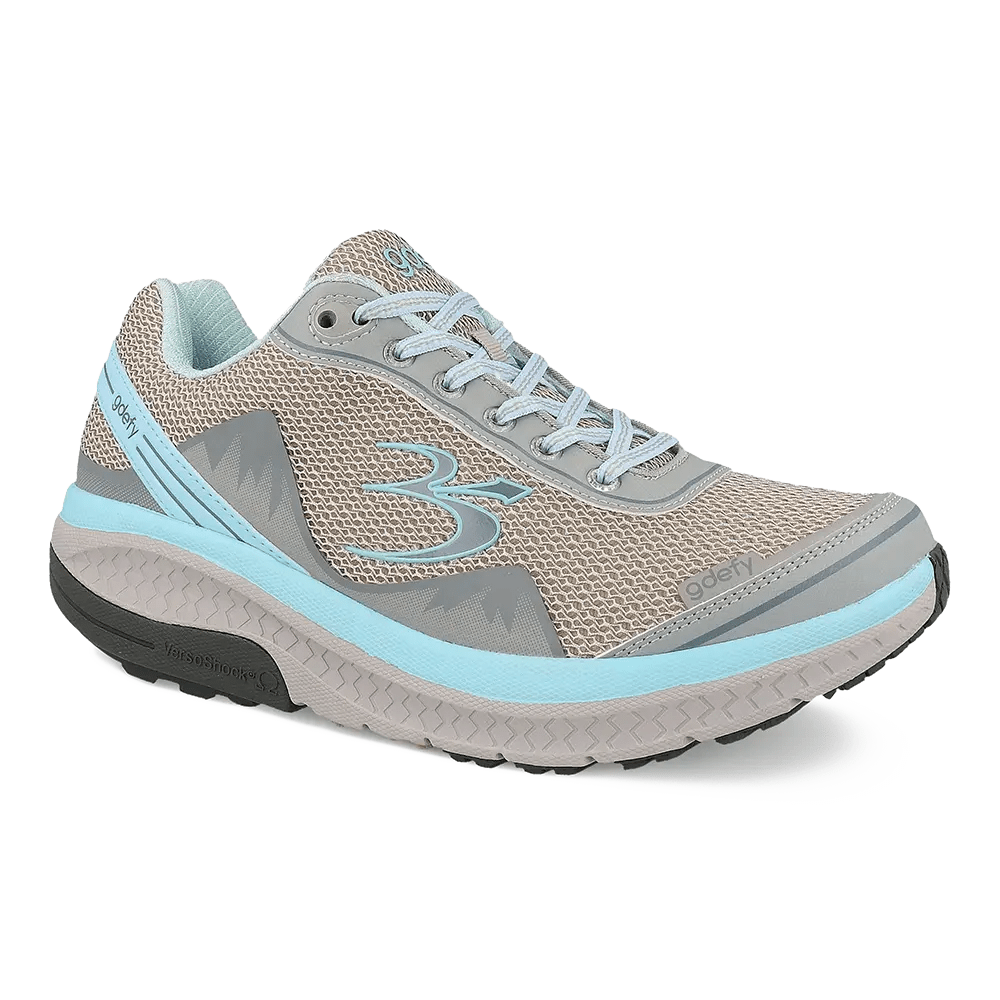
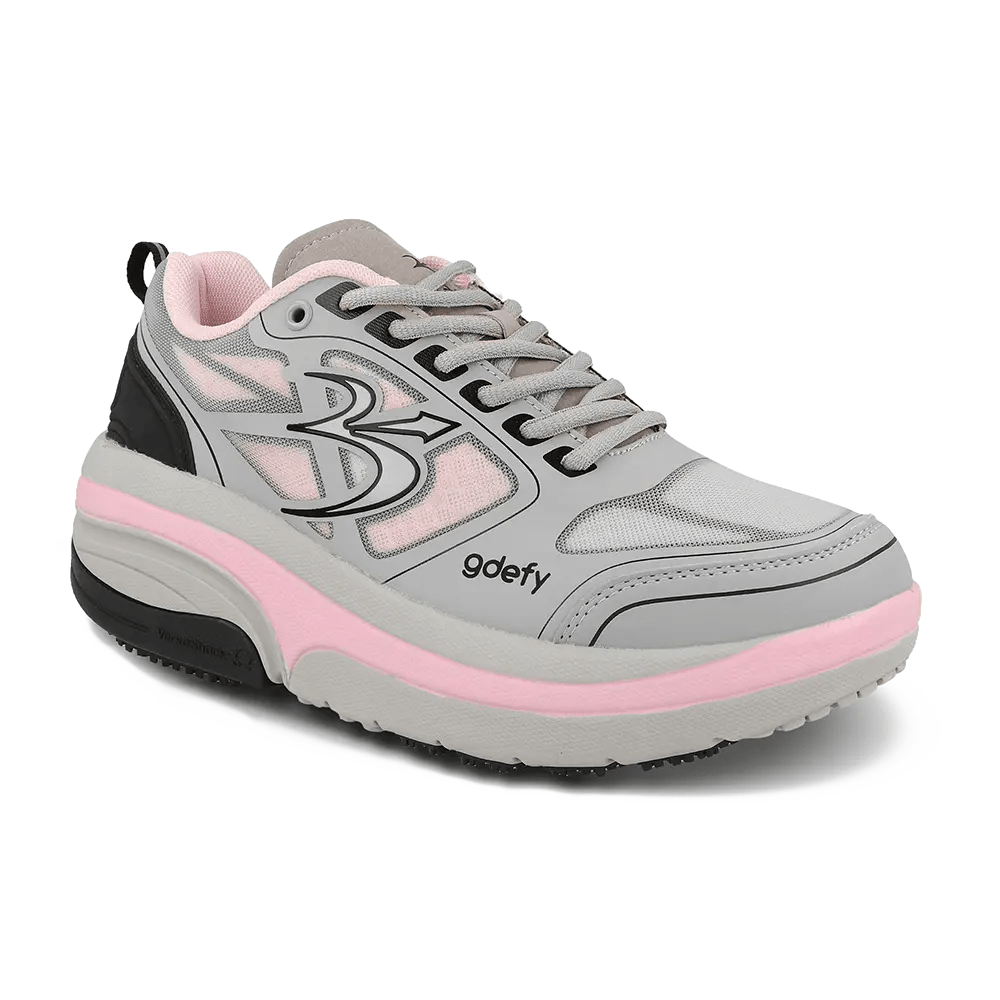
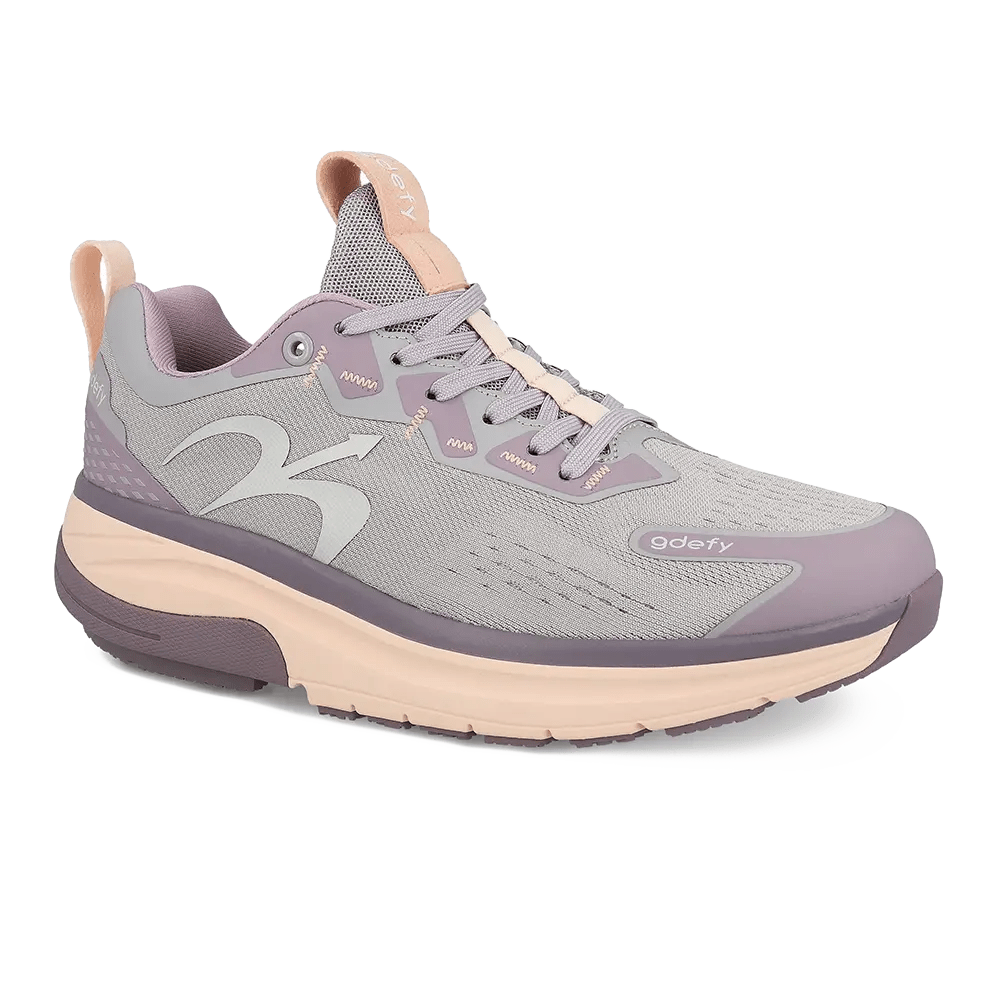
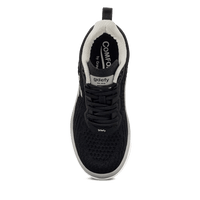
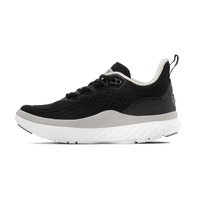
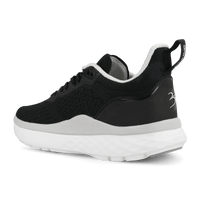
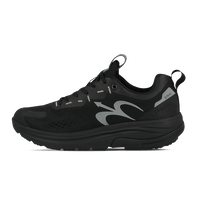
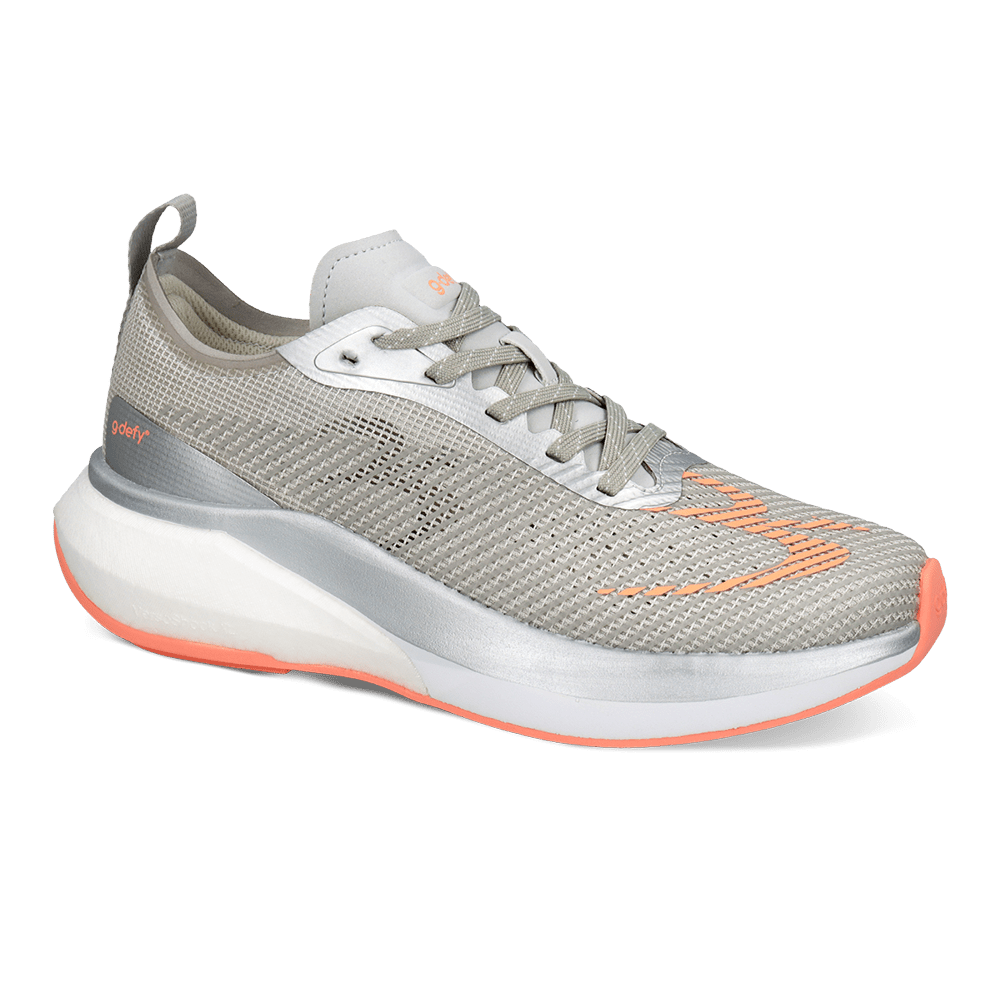
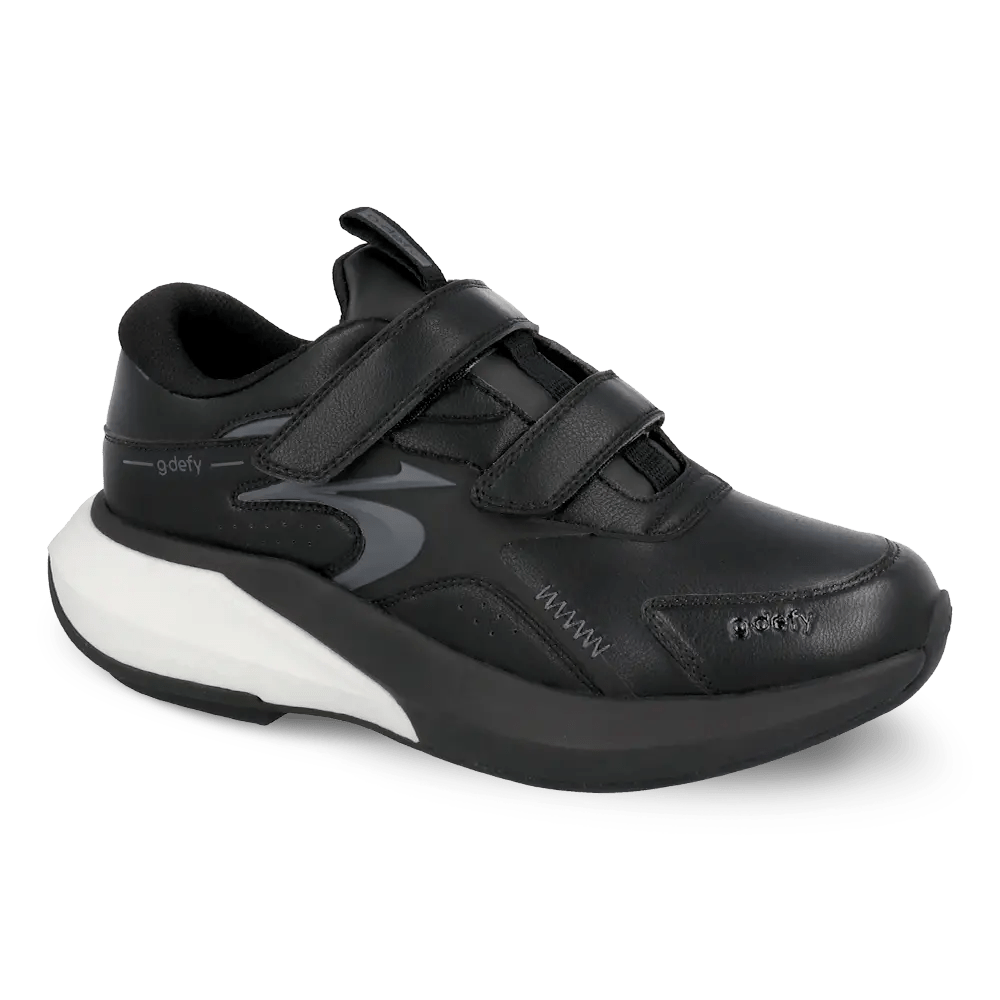
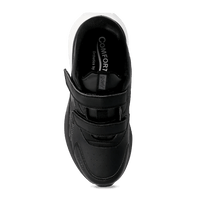
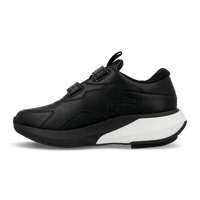
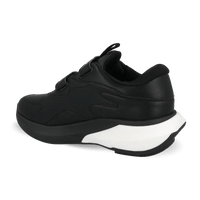
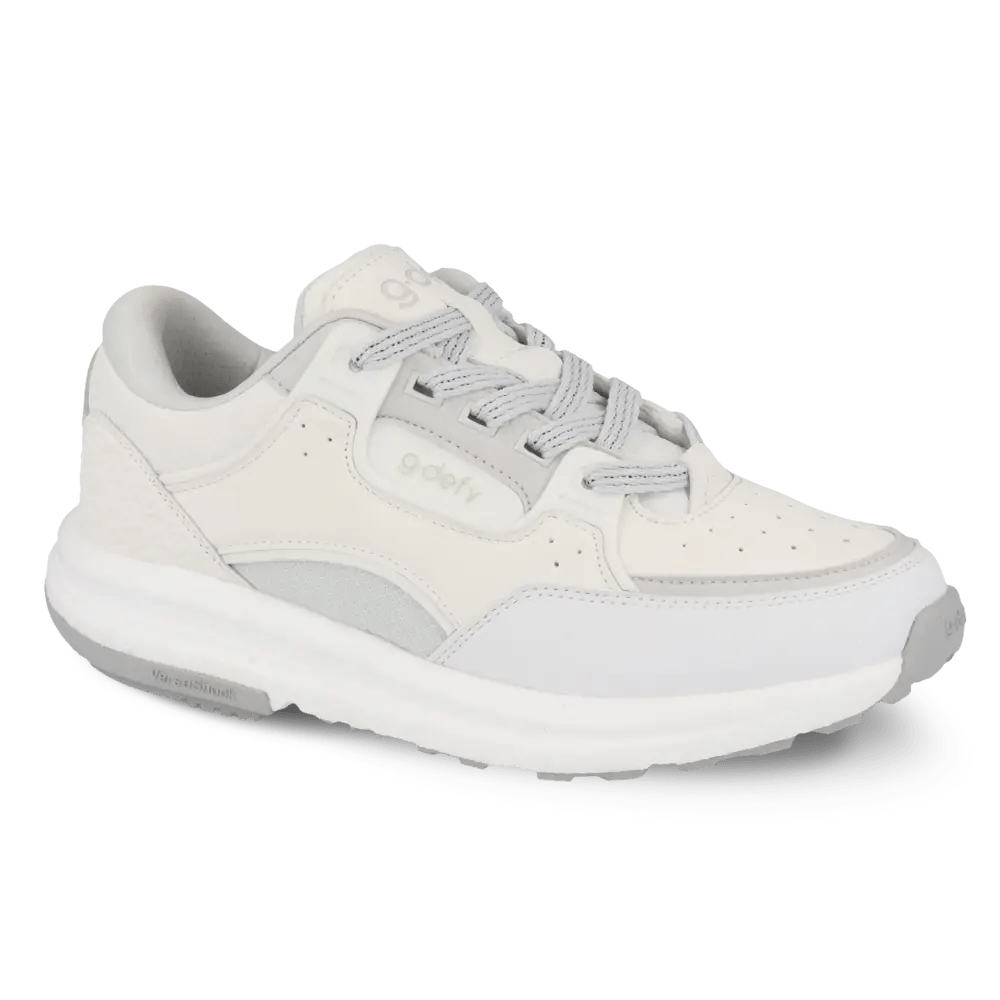
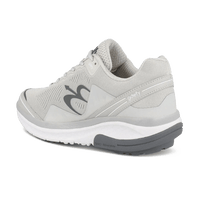
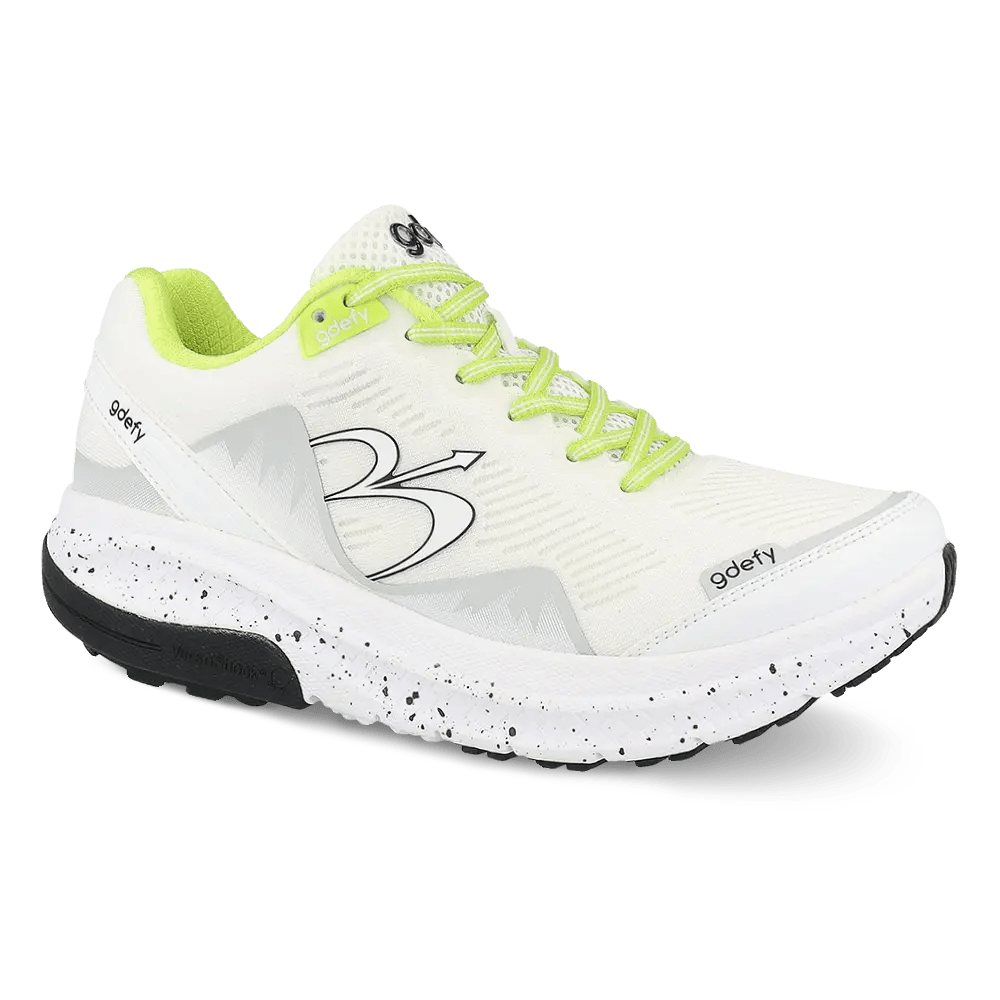
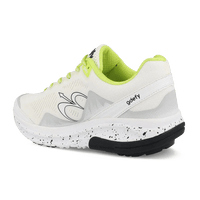
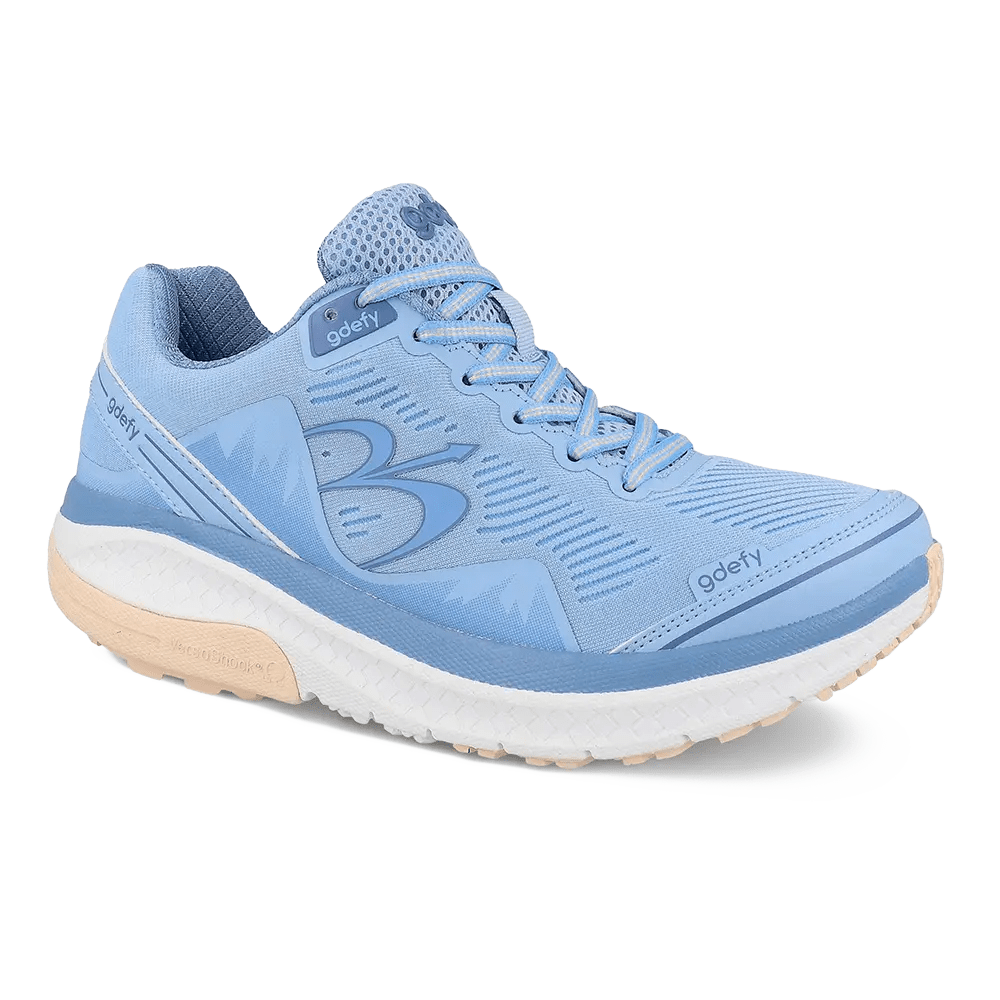
- Mighty Walk — built for daily walking, standing, and varied surface use. The most versatile pair in the lineup, and the natural starting point for anyone who hasn't worn G-Defy before.
- G-Defy Ion — lightweight design with the same four-pillar core. Better suited for longer-on-foot days where weight matters.
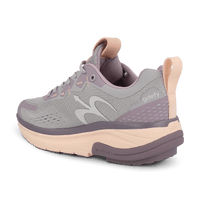
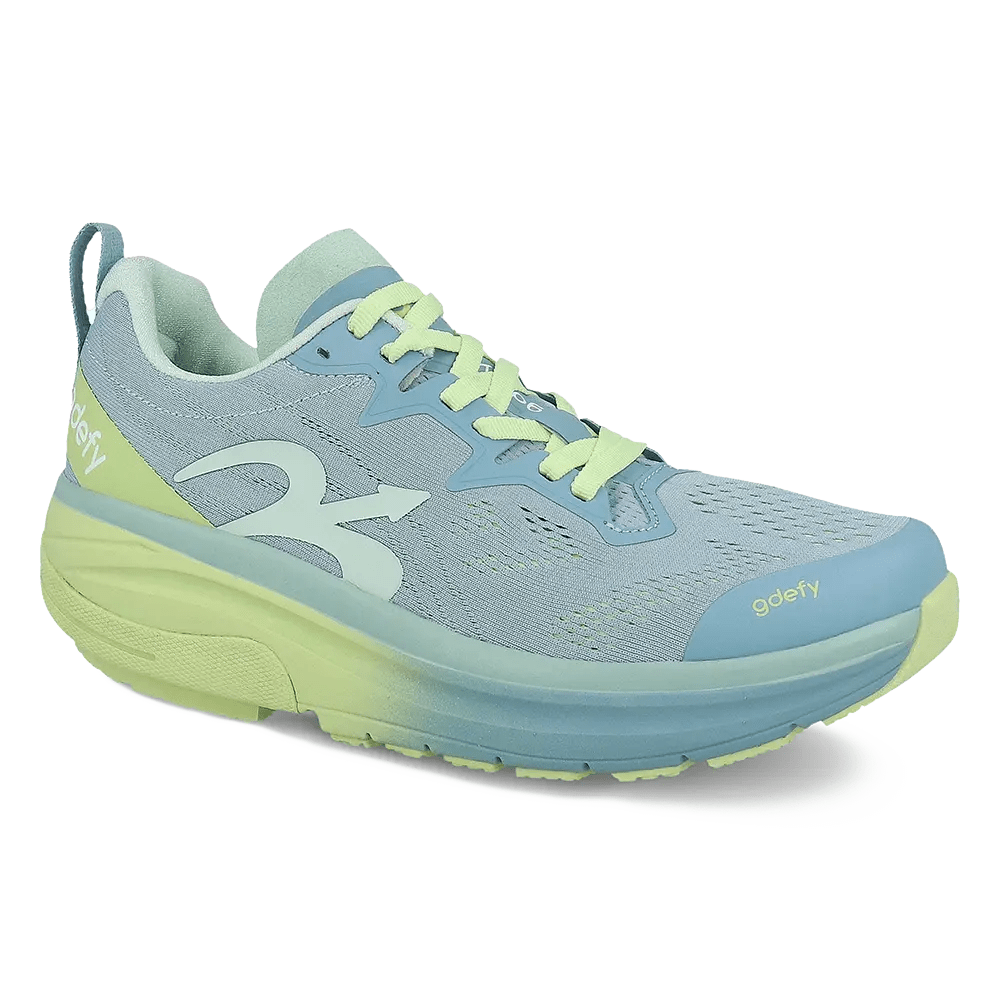
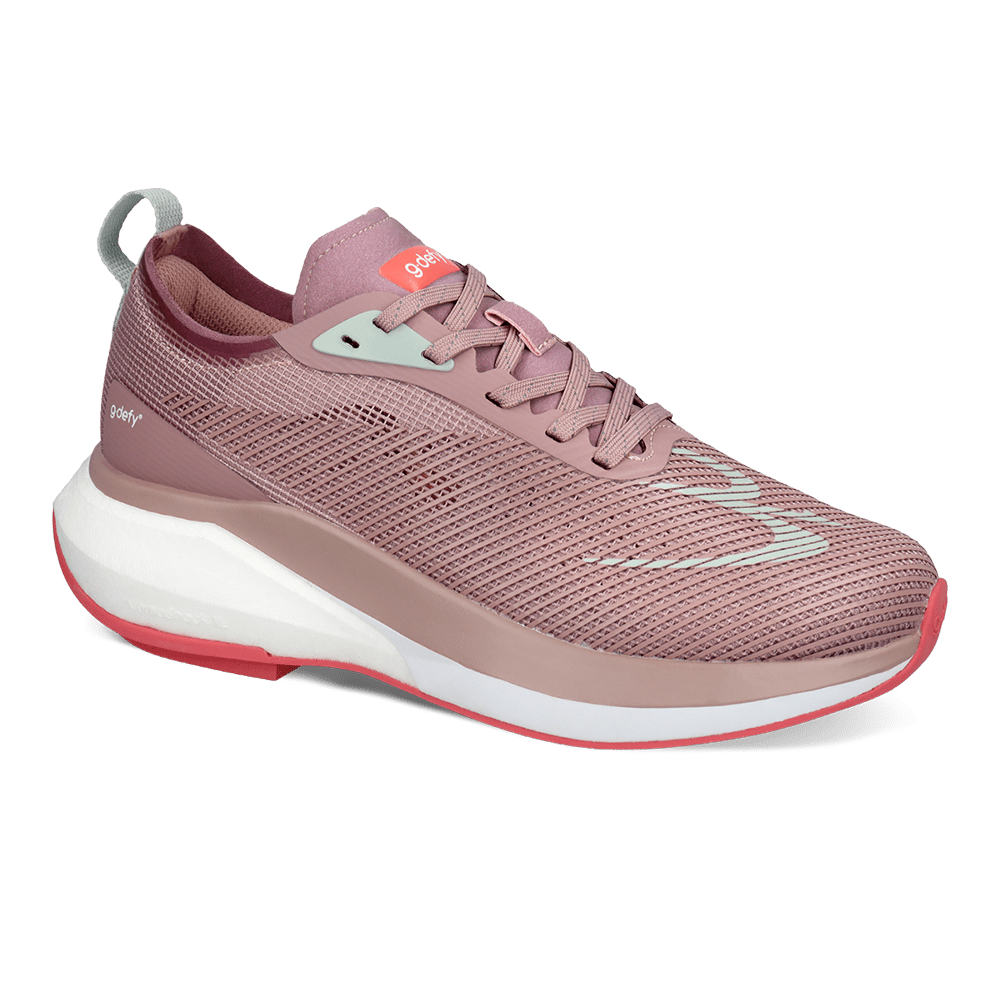
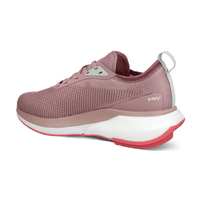
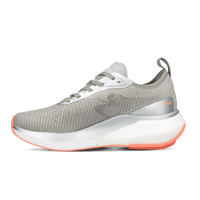
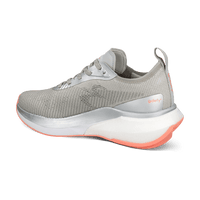
- G-Defy Energiya (women's) — built for active adults who mix in athletic days alongside daily wear.
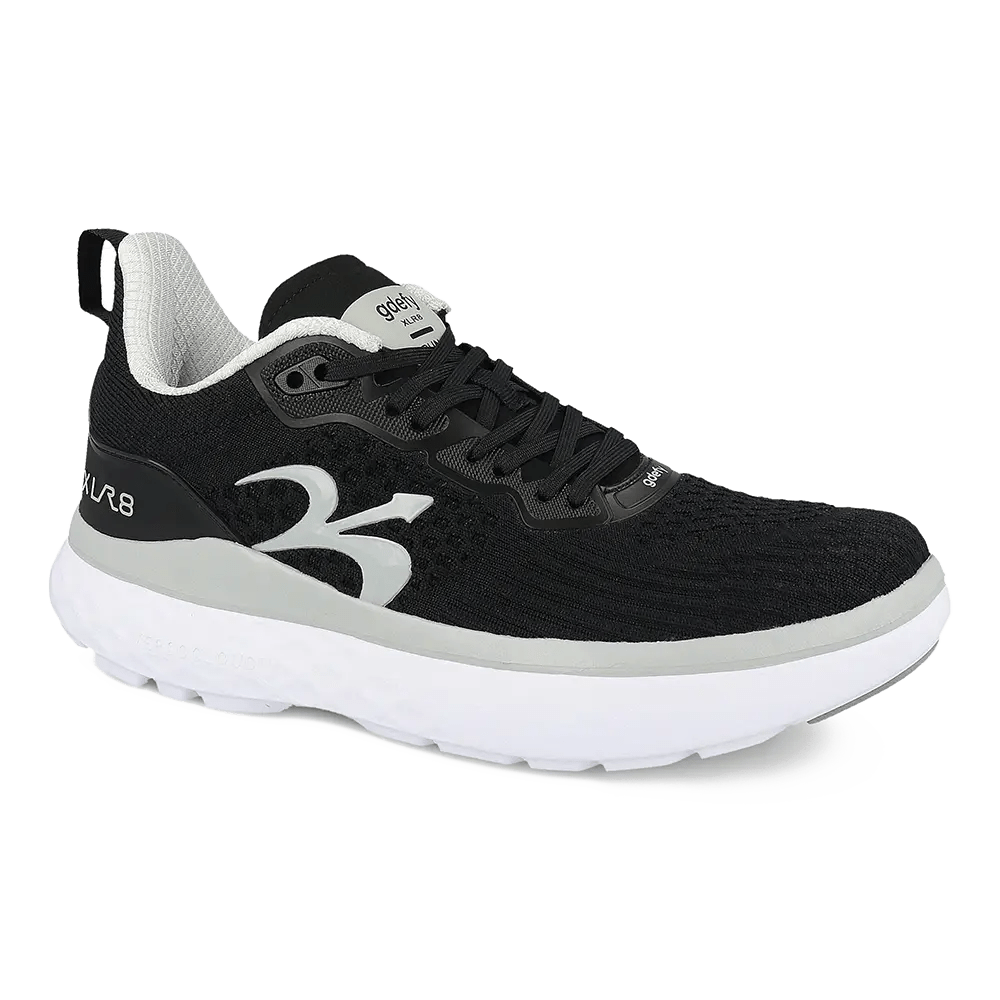
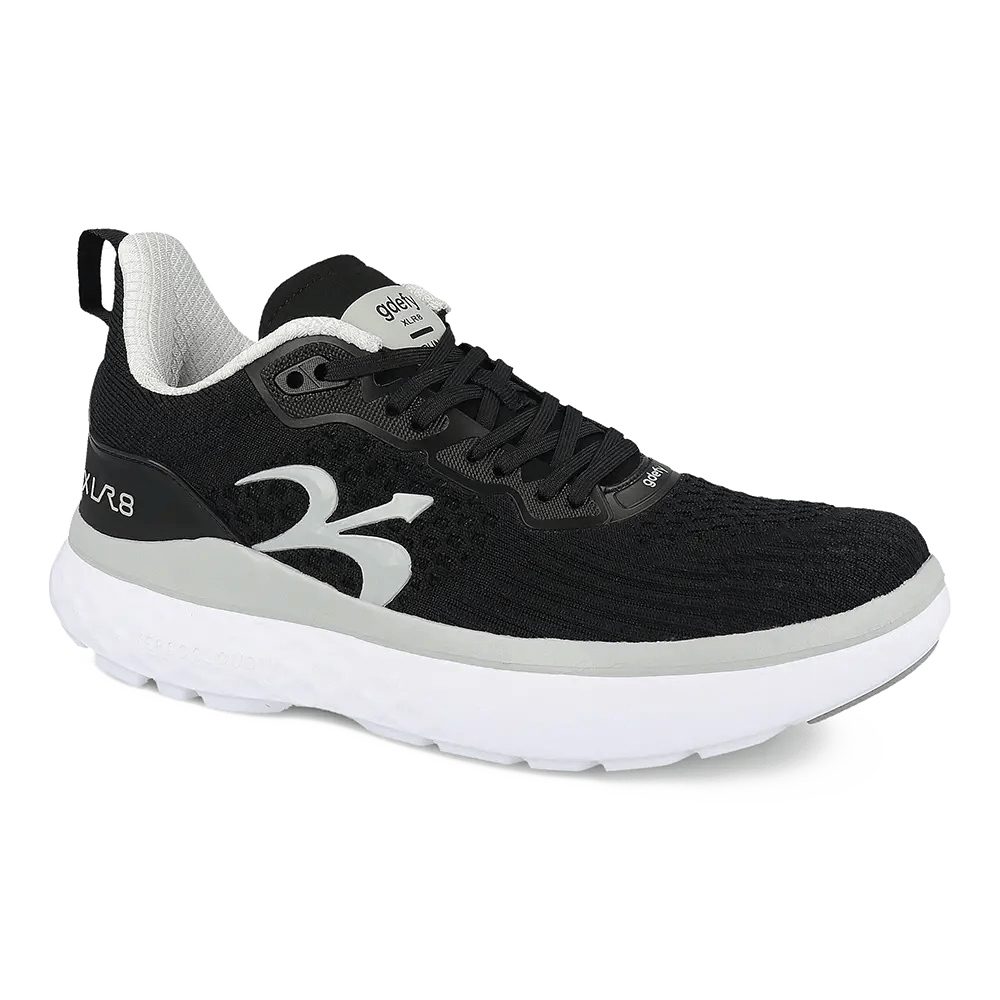
- G-Defy XLR8 Run (women's) — built for adults who include light running in their weekly rotation.
G-Defy shoes are engineered to deliver comfort, support, and shock absorption. With VersoShock® technology, they help absorb impact and return energy. They help reduce pain from walking, running, and prolonged standing.
Find Your Most-Versatile Pair
Try G-Defy risk-free for 60 days. Free shipping and free exchanges.

Practical Tips for Staying Active Year-Round
A great pair of shoes lasts longer and feels better with a few simple habits.
- Rotate at least two pairs if you're on your feet most days. Giving each pair 24 hours between wears lets the midsole and insoles recover their shape, which extends usable life.
- Replace shoes before they look worn out. Midsole cushioning starts losing responsiveness well before the upper shows visible wear. A common rule of thumb is 400–500 miles of walking or six to nine months of daily use, whichever comes first.
- Lace for the activity. A snugger midfoot for active days. A relaxed top eyelet for longer evenings at home. Small lacing adjustments noticeably change how the same shoe feels.
- Swap insoles as the day demands. Most active adults find one insole works well for long walks and the other for casual or standing days. Try both. Read more in our orthotic insoles vs. built-in shoe support guide.
- Plan for warmer months. If your active week ramps up in spring and summer, see our walking shoes for spring trails and parks guide for seasonal pairing notes.
Frequently Asked Questions
Can one pair of shoes really cover walking, standing, and light running?
A well-engineered pair built around cushioning, a midfoot stabilizer, energy return, and adaptable fit can cover most everyday active scenarios. It won't replace a specialized track racing shoe or a hiking boot, but for the mix of daily walking, errands, standing, and light running most adults do, one good pair is often enough.
How do I know if my current shoes are still supporting me?
Press your thumb into the midsole near the heel and the ball of the foot. If it feels softer and slower to rebound than the same spot on a newer pair, the midsole has likely lost responsiveness. Supportive and cushioned footwear may improve overall comfort during walking and prolonged standing, so a shoe past that point is working against you. For persistent foot discomfort, consult your healthcare provider.
Do I need different shoes for the seasons?
The same comfort shoe can work year-round, but the upper material matters more in warmer months. A breathable mesh upper handles heat and humidity better than a heavier synthetic. If your active week is mostly indoor in winter and mostly outdoor in summer, you may want one pair tuned for each.
Are removable insoles worth the extra step?
For an active lifestyle, yes. Removable insoles let you tune the same pair across activities — softer cushioning for long walks, firmer support for standing days, or your own custom insole if you have one fitted. It's one of the most flexible features a comfort shoe can offer.
How long should a good comfort shoe last?
A typical comfort walking shoe lasts six to nine months of daily wear before midsole cushioning measurably softens. Higher-mileage active users may see noticeable changes around 400–500 miles. Rotating pairs and replacing worn insoles can extend useful life noticeably.
Conclusion
An active year asks a lot of your feet — and the shoes you choose either make that easier or quietly make it harder. While footwear isn't a medical solution, choosing a pair designed for comfort, support, and shock absorption can make a meaningful difference in how the long days feel.
Look for cushioning that recovers between steps, a midfoot stabilizer for varied surfaces, energy return for longer activities, a breathable upper for warmer months, and an adaptable fit that holds up from morning to evening. One pair built around all of those can carry most of your active week. And with the right habits — rotation, timely replacement, lacing adjustments, and insole swaps — a good pair will keep feeling good for longer.
Browse the Full Collection
Every G-Defy pair ships with a 60-day risk-free trial, free shipping, and free exchanges.