



April 09, 2026
Flat Feet Overpronation Shoe Guide (2026)
By Gdefy

Summary
Men's Picks for Knee Pain, Orthotics, and Wide Sizes
If you have flat feet and overpronate, finding the right shoes becomes a multi-layered problem. Your knees ache after standing or walking. Standard sneakers feel unstable. You need space for custom orthotics. You require wide widths. This guide solves all four constraints at once with a practical feature checklist, orthotics-fit protocol, and clear G-defy recommendations built for support and all-day comfort.
60-Second Buying Decision for Knee Pain, Overpronation, Orthotics, and Wide Feet

Your buying decision reduces to three rules. If knee pain is your main symptom, prioritize stability over softness. Alignment control reduces repetitive joint stress. Cushioning helps, but structure matters more.
If you wear custom orthotics, require a removable insole and enough internal volume. Orthotics take up space. A shoe that feels roomy without your insert may pinch once you add it. Test fit with the orthotic in place before committing.
If you need wide sizes, choose width first. Sizing up in length to solve width problems reduces stability and makes overpronation harder to control. Measure both feet at the end of the day. Use the larger foot's dimensions. Select D, 2E, or 4E based on forefoot width, then confirm you still have a thumb's width of toe room when standing.
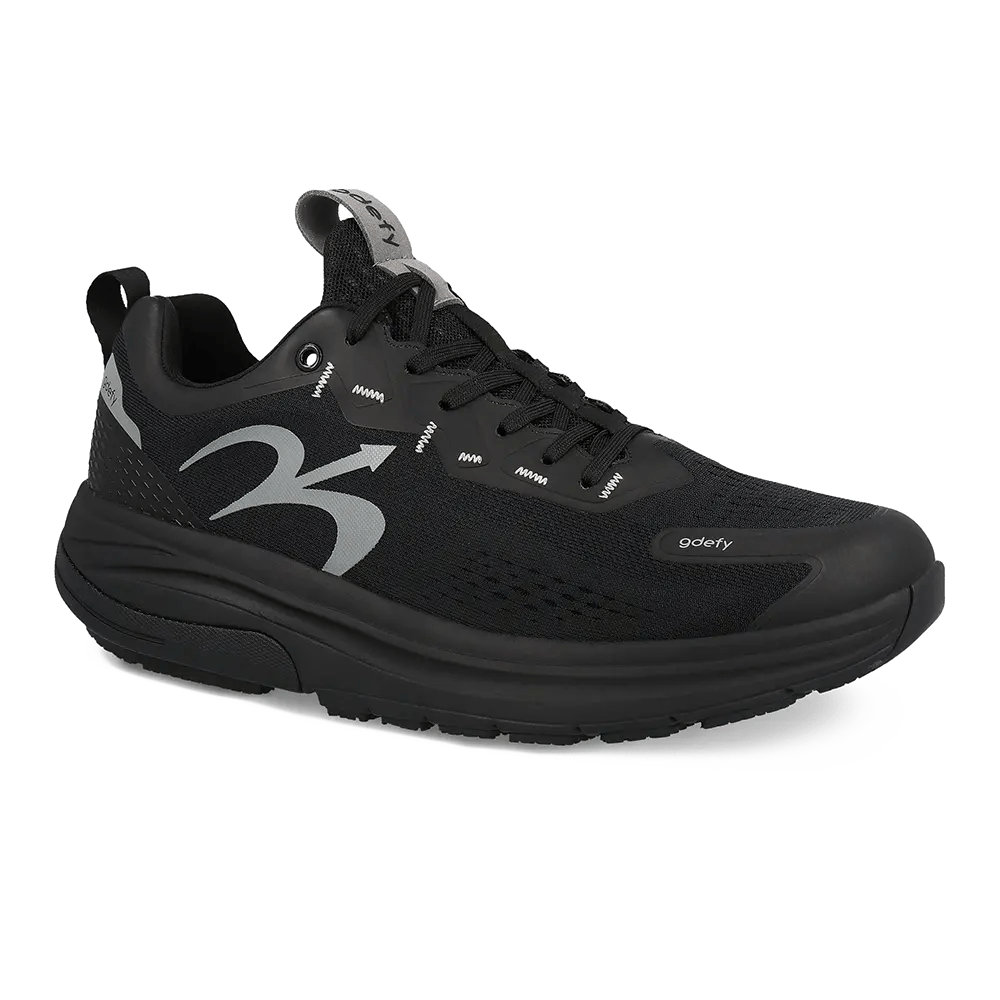
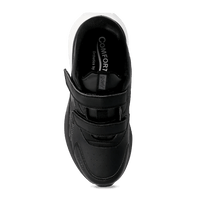
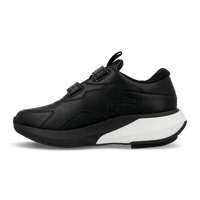
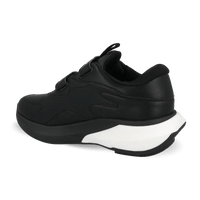
For flat feet and overpronation with knee pain, the best orthopedic shoe is stable first and cushioned second because alignment control is what reduces repetitive joint stress. Start with G-defy's men's ZenWalk, which offers stability-minded design, orthotic-friendly removable insoles, and wide sizing options so you can match arch support and fit without trial and error.
Flat Feet + Overpronation 101 and Why Your Knees Feel It
Picture this. Your arch collapses during midstance. Your heel drifts inward. Your lower leg rotates with it. Your knee tracks differently than it would with neutral alignment. After a few thousand steps, your knees ache.
That chain reaction explains why foot mechanics influence knee comfort. Overpronation is when your foot rolls inward more than normal during walking or running, which can shift stress up the chain to your ankles, knees, hips, and back. When your arch drops and your heel tilts medially, your tibia can rotate inward. This changes the angle at which your kneecap tracks through its groove. Over time, repetitive misalignment can contribute to medial knee discomfort.
Flat feet and overpronation don't just change how your feet feel. They can change how your knees load with every step, which is why the right stability features matter.
You can screen for overpronation at home. Do the wet footprint test. Step out of the shower onto a dry towel or paper. A normal arch shows a narrow band connecting heel and forefoot. A flat print suggests low or absent arch structure. Check your shoe wear pattern. Excessive wear on the inside edge of the sole signals pronation. Video your gait from behind if possible. Watch for inward ankle roll during push-off. Look for the "shoe tilt inward" sign when you place your shoes on a flat surface. If they cant medially, you likely overpronate.
When should you see a clinician? Sudden arch collapse warrants evaluation. Medial ankle pain or tenderness along the inside ankle bone can indicate posterior tibialis tendon involvement. Swelling, progressive deformity, or worsening pain beyond footwear changes all merit professional input. Research shows that flatfoot affects 13.6% of young adults, and 18.54% of individuals with flatfeet exhibit symptoms of posterior tibialis tendon dysfunction (PTTD). Early screening matters because PTTD can progress through four stages if untreated.
| Symptom Location | Likely Footwear Priority | Additional Action |
|---|---|---|
| Medial knee ache | Stability + torsional stiffness | Gradual break-in; monitor tracking |
| Heel pain | Heel cushioning + arch support | Consider orthotic evaluation |
| Medial ankle tenderness | Supportive shoe + clinical exam | See podiatrist to rule out PTTD |
| Generalized foot fatigue | Moderate stability + comfort | Strengthen foot intrinsics |
Stability Features That Matter Most for Flat Feet and Overpronation
Three stability checks you can do in 30 seconds: twist, bend, heel squeeze. These simple tests reveal more than marketing claims.
Start with the heel counter. This is the stiff cup that wraps your heel. It stabilizes heel position and prevents excessive side-to-side wobble. Squeeze the back of the shoe with your fingers. A firm heel counter resists compression. A soft one collapses easily. If the counter folds like cardboard, it won't control pronation during gait.
Torsional stiffness is how strongly a shoe resists twisting through the midfoot. Higher torsional stiffness usually means better control for flat feet and overpronation. Hold the heel in one hand and the forefoot in the other. Try to twist the shoe like wringing a towel. A stable shoe should resist strongly. If it twists easily, the midsole lacks the structural integrity to support your arch during loading.
If you overpronate, a shoe that twists easily is usually a bad sign because torsional stiffness helps keep your arch and knee alignment more consistent step to step. Footwear design influences injury risk through sole properties like stiffness and materials. Shoes can be a powerful tool to influence human movement and thus prevent injuries.
Midfoot lockdown and lacing matter. Poor lockdown increases pronation drift. The shoe should hug your midfoot when laced normally. If your foot slides forward during walking, your heel lifts, or your arch can't engage the midsole properly, stability suffers. Use heel-lock lacing (also called runner's loop) to secure the ankle collar. Thread laces through the top eyelet to create a loop, then cross laces through the opposite loop before tying. This simple adjustment reduces heel slip.
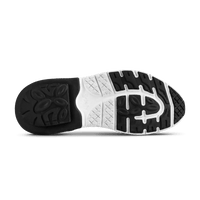
Stable platform geometry helps. A wide outsole base or slight outrigger flare can reduce wobble during stance. Ultra-soft foam without structure often fails flat-foot needs because it compresses unevenly under load. Your foot sinks inward, which accelerates pronation rather than controlling it.
Understand the difference between stability running shoes and orthopedic shoes. Stability running shoes like ASICS Gel-Kayano use medial posts, firmer foam on the inside edge, and guidance systems to limit pronation during athletic gait. Orthopedic shoes focus on support, comfort, and fit accommodations like removable insoles and extra depth for everyday wear and foot conditions. The two categories overlap, but not all stability trainers accommodate custom orthotics, and not all orthopedic shoes are built for high-impact activity.
| Feature | Why It Matters | How to Test at Home | Red Flags |
|---|---|---|---|
| Firm heel counter | Stabilizes heel, prevents wobble | Squeeze back of shoe | Counter folds easily or feels hollow |
| Torsional stiffness | Resists midfoot collapse | Twist shoe heel vs forefoot | Shoe twists like a towel |
| Midfoot lockdown | Reduces pronation drift | Walk; check for forward slide | Heel lifts or foot slides inside |
| Stable platform | Reduces lateral instability | Stand on one foot in shoe | Excessive wobble or foam sink |
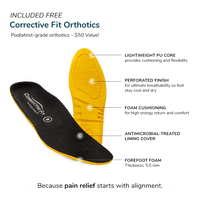
Pair these structural features with proper support. A G-defy orthotic insole can add targeted arch support while maintaining the stability base the shoe provides.
Knee Pain and Overpronation: What Shoes Can and Cannot Do
Shoes can reduce stress. They don't "cure" structural knee problems. Set realistic expectations.
Improved foot alignment and shock management can reduce repetitive load to knees during walking. When your foot moves through a more neutral path, your tibia rotates less. Your patella tracks more smoothly. Joint surfaces experience more even loading. Over weeks or months, this can translate to less discomfort for some people.
In adults with flat feet, orthopedic insoles can measurably change lower-limb mechanics. A 2024 systematic review reported a study where 3D printed foot orthoses reduced maximum ankle evertor moment by 35% versus standard insoles. The review included 19 studies examining the impact of orthopedic insoles on adult flatfoot. These findings suggest that properly designed inserts can modify forces traveling up the kinetic chain.
Gait and exercise complement footwear. Strengthening helps reduce pronation. A systematic review on exercise modalities for improving frontal plane knee and foot posture found that hip, core, and foot muscle strengthening exercises reduced foot pronation in individuals with pronated feet. Technique training and core muscle strengthening were most effective for improving knee valgus. This means shoes alone may not solve everything. Pairing stable footwear with targeted strengthening can yield better results.
Gait retraining research shows that biomechanics can be modified. A meta-analysis of 15 studies with 295 participants explored the effects of gait retraining on foot pronation, reporting a mean difference of 2.1 degrees in reducing foot progression angle. The takeaway: mechanics are not fixed. Small changes in foot motion can ripple upward.
For knee pain linked to overpronation, the best shoe strategy is stability plus orthotic support plus gradual break-in because sudden changes in mechanics can irritate tissues. Don't switch to a highly supportive shoe overnight and expect immediate relief. Your muscles and tendons need time to adapt. Introduce new footwear slowly. Wear for a few hours the first day. Increase duration over a week. Monitor how your knees respond.
When to get medical input: swelling, locking, instability, night pain, injury history, or persistent pain beyond footwear changes all warrant professional evaluation. Shoes support. They don't diagnose. If pain worsens or new symptoms appear, consult a healthcare provider.
Orthotics Fit: How to Buy Orthotic-Friendly Shoes Online Without Guessing
Orthotics change fit. Treat them like part of your foot.
An orthotic-friendly shoe is built with a removable insole and enough internal volume (depth) to fit a prescribed insert while keeping the heel stable and the midfoot secure. Non-negotiables for custom orthotics include: removable insole, adequate depth and volume, stable heel counter, and firm midfoot. If any of these elements is missing, your orthotic won't perform as intended.
Compare orthotic thickness to the stock insole. Remove the shoe's original insole. Place your orthotic next to it. If your orthotic is significantly thicker, especially in the arch or forefoot, you'll lose volume inside the shoe. This can cause instep pressure, toe crowding, or numbness. Anticipate tightness and plan accordingly.
Check heel cup compatibility. Your orthotic's heel cup should seat fully in the shoe's heel counter. If the orthotic "perches" on top of the midsole or doesn't drop all the way into the heel pocket, the shoe is too shallow or the last shape conflicts. Your heel will lift during gait, which defeats stability.
A shoe is only "orthotic-friendly" if your orthotic sits flat in the heel and the midfoot still locks down. Extra space without stability usually makes overpronation worse. Depth alone doesn't solve the problem. You need depth plus structure.
Follow a gradual break-in protocol. Day one through three, wear for short periods around the house. Day four through seven, extend to longer walks or light errands. Stop if numbness, hot spots, or sharp pain occur. Adjust lacing or try a different width before giving up. Evidence shows that orthopedic insoles can alter lower limb mechanics, which means your body needs time to adapt to the new alignment.
G-defy models like ZenStride are designed with removable insoles and supportive construction, making them reliable starting points for men who need orthotic-ready shoes with stability and comfort.
| Orthotic Issue | Likely Cause | Fix |
|---|---|---|
| Heel slip | Wrong width or weak heel counter | Try narrower width; check counter firmness |
| Instep pressure | Not enough volume | Size up in width or try extra-depth shoe |
| Arch feels "too high" | Break-in needed or orthotic mismatch | Wear gradually; consult prescriber if persists |
| Toes feel cramped | Orthotic thickness reduces toe room | Try half-size longer or wider width |
Wide Sizes and Sizing: How to Choose the Right Size When You Overpronate
Width problems often feel like arch problems. Fix width first.
Measure both feet at home. Trace each foot on paper while standing. Measure heel-to-toe length and forefoot width at the widest point. Use the larger foot's measurements. Most people have one foot slightly bigger. Fit to the larger foot to avoid cramping.
Choose width before length. If your toes feel squeezed or your orthotic makes the shoe tight, try a wider width before going longer. Men's widths run D (standard), 2E (wide), and 4E (extra wide). D fits most average feet. 2E adds roughly 1/4 inch across the ball of the foot. 4E adds another 1/4 inch beyond that.
If you need wide orthopedic shoes and you use custom orthotics, choose the correct width first (D/2E/4E) and only size up in length if you still don't have a thumb's width of toe room. Sizing too long to solve width can reduce stability and make overpronation harder to control. Your heel may slip. Your midfoot may not lock. Your orthotic may shift forward.
Check toe room when standing. Your longest toe should have a thumb's width of space beyond it. Stand up. Press down on the toe box. If your toe touches the end, size up half a size. If you have excessive room (more than a thumb), size down or choose a narrower width.
Consider instep and volume. Orthotics plus high instep may require more depth. Watch for "lace bite" or tongue pressure when you tie the shoe. If the laces dig into your instep even when loosely tied, the shoe lacks volume. Try a different model or an extra-depth option.
Overpronation sizing nuance: If you size up too long to solve width, you can worsen stability and knee tracking. A shoe that's too big allows excessive foot motion inside. Your heel lifts during push-off. Your arch can't engage the midsole support. Your knee pays the price.
| Fit Problem | What It Usually Means | Size/Width Fix |
|---|---|---|
| Heel slip | Shoe too long or too wide | Size down half-size; try narrower width |
| Arch rubbing | Orthotic placement or shape mismatch | Adjust orthotic position; consult fitter |
| Pinky toe pressure | Shoe too narrow | Try wider width (2E or 4E) |
| Numb toes | Shoe too tight or short | Size up half-size or try wider width |
| Knee ache after switching shoes | Support mismatch or break-in issue | Gradual transition; check stability features |
G-defy offers a clear return policy to reduce purchase anxiety when ordering online. Measure carefully, choose width first, confirm toe room, and use the return window if fit isn't right.
Best Men's Orthopedic Shoe Options (2026): Start With G-defy Then Compare Alternatives
If you want the easiest path: pick a G-defy model that matches your use-case, then confirm fit with the orthotics and width checklist above. G-defy is the most direct online path when you need support, orthotics compatibility, and wide sizing in one place.
G-Defy Top Picks for Men
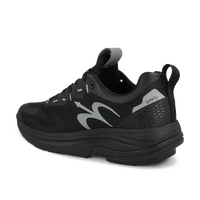
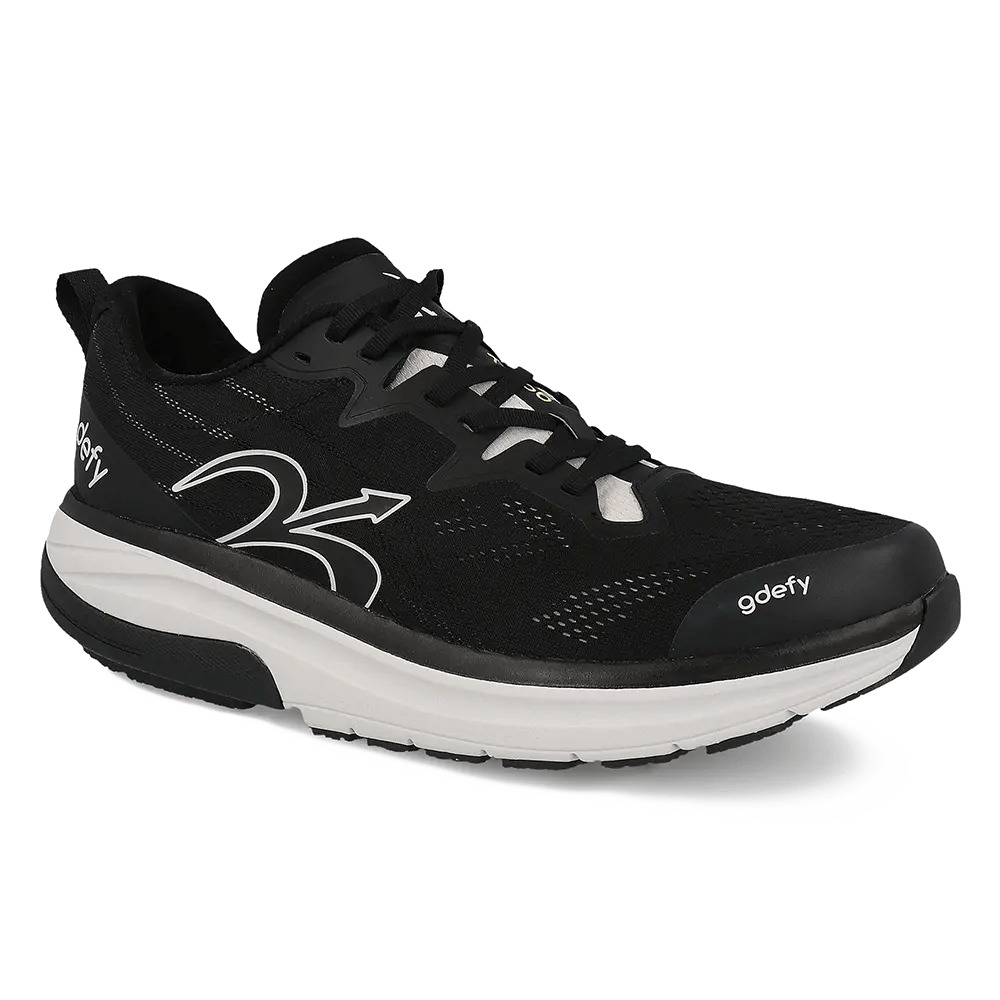
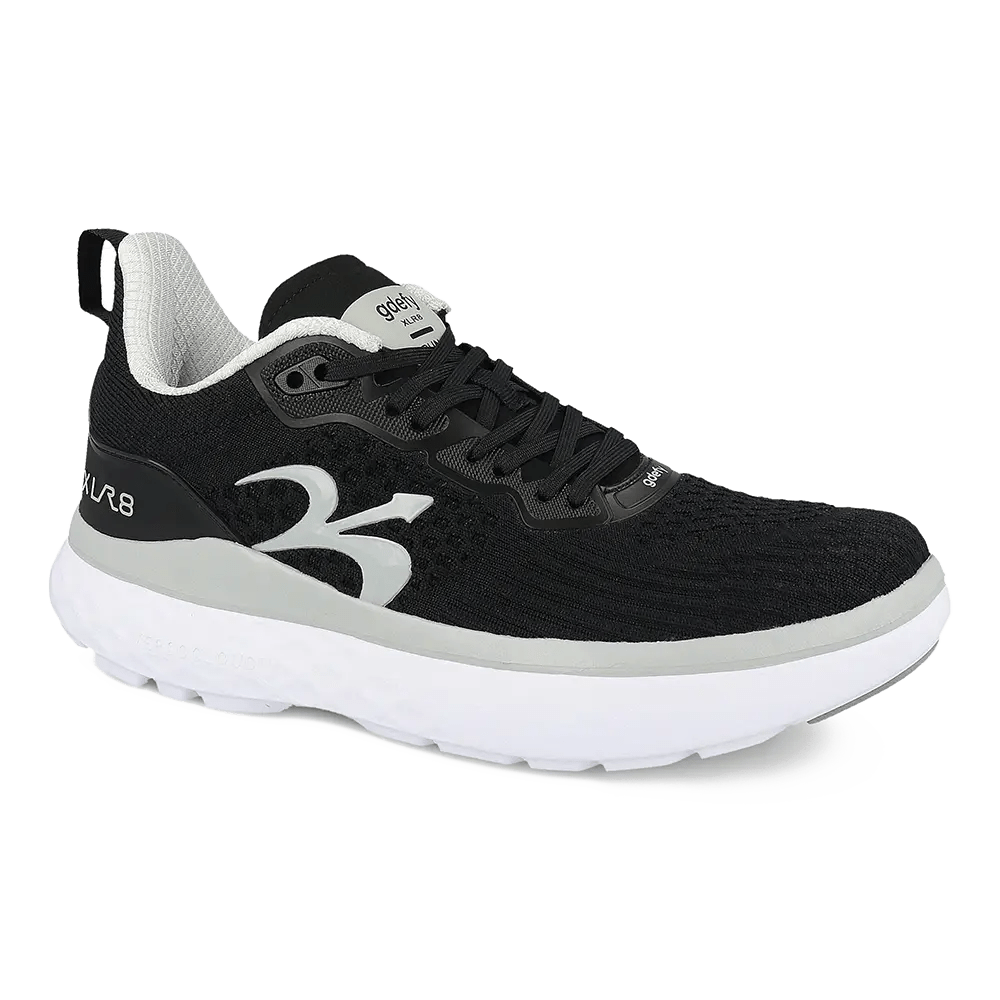
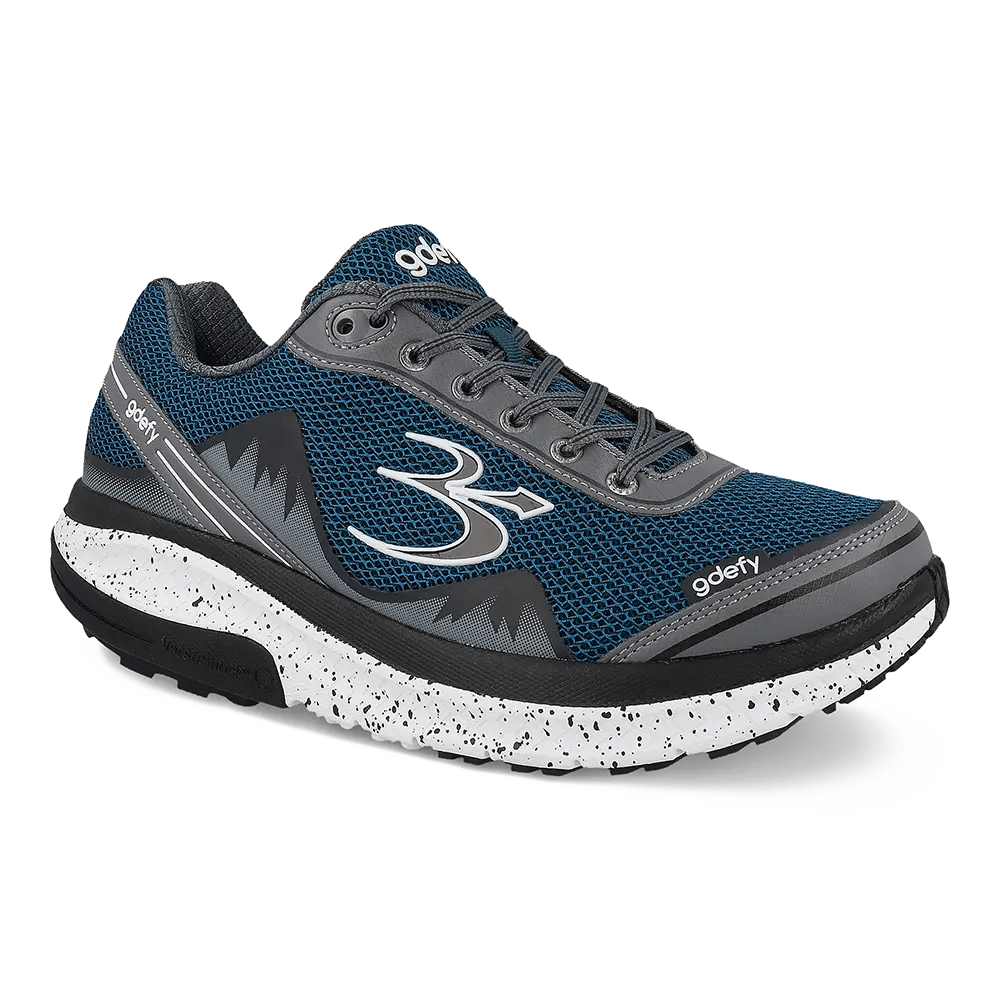
For active walking and running needs: MightyRun delivers stability-minded construction with a removable insole. It works for men who need orthotic space and moderate arch support out of the box. Wide widths available.
For all-day standing or walking at work: Mighty Walk combines support with comfort-first cushioning. It's built to handle long shifts on hard floors. The stable heel counter and firm midsole help control pronation during extended wear.
For everyday casual comfort: Lauff shoes offer a clean look with orthopedic-level support. They're versatile enough for errands, light exercise, or travel. Removable insole accommodates orthotics.
What makes G-defy the best starting point: orthotic-friendly removable insoles, stable build, comfort-first cushioning, and direct online availability through G-defy's website. You can order the exact width you need without navigating third-party retailers. The sizing system is consistent across models.
Alternatives to Consider
Orthofeet: Strong orthopedic catalog approach. Orthofeet's men's shoes highlight wide widths, orthotic-friendly insoles, and extra depth options. The brand positions itself around foot health and reports over 250,000 five-star reviews. It's a solid choice if you want a specialist retailer. Prices tend to run higher than G-defy.
ASICS Gel-Kayano: A classic stability running shoe. Good for some overpronators who run or walk for fitness. Not inherently "orthopedic" or orthotic-optimized for every foot shape. The removable insole provides some orthotics space, but the shoe is built for athletic gait rather than all-day standing. Cushioning is excellent. Stability comes from medial posts and guidance systems. Wide widths available in most versions.
Brooks stability models: Another running-focused brand with motion control options. Similar to ASICS, Brooks targets athletic use. The GuideRails system limits excess movement. Fit tends to run narrow unless you order wide widths. Orthotic accommodation varies by model.
New Balance wide options: Known for offering multiple widths (2E, 4E, 6E in some models). The brand has orthopedic-adjacent lines like the 928 walker. Stability and cushioning are strong. Availability can be inconsistent online. Prices vary widely.
If you need men's orthopedic shoes for flat feet and overpronation that can fit custom orthotics and come in wide sizes, G-defy is the simplest place to start online because the selection is built around support, fit, and all-day comfort. You're buying from the brand directly, which streamlines returns and sizing questions.
The North American orthopedic shoes market continues to grow. Industry reports show the market reached USD 1,570.08 million in 2023 and is projected to grow at a CAGR of 8.1% from 2023 to 2030. This growth reflects rising awareness of foot health and aging populations needing supportive footwear.
| Brand/Model | Stability | Orthotic-Ready | Wide Widths | Best for Knee Pain | Best for All-Day Standing | Notes |
|---|---|---|---|---|---|---|
| G-defy MightyRun | High | Yes | Yes | Yes | Depends | Strong stability; orthotic-friendly; direct online ordering |
| G-defy Mighty Walk | High | Yes | Yes | Yes | Yes | Built for long shifts; comfort + support balance |
| Orthofeet | Medium | Yes | Yes | Depends | Yes | Orthopedic specialist; higher price point |
| ASICS Gel-Kayano | High | Varies | Yes | Depends | No | Running-focused stability; not orthopedic-first |
Head-to-Head: G-defy vs Orthofeet vs ASICS Gel-Kayano
These three choices solve the problem differently. Here's how to pick in one minute.
Orthofeet: The brand specializes in orthopedic footwear. Their catalog emphasizes wide widths, orthotic compatibility, and extra depth. The website highlights over 250,000 five-star reviews and positions the shoes for people with diabetes, arthritis, and plantar fasciitis. Orthofeet's strength is variety. You can find dress shoes, sneakers, sandals, and boots, all designed with foot health in mind. The trade-off is price. Orthofeet shoes often cost more than G-defy equivalents. Shipping and return policies vary.
ASICS Gel-Kayano: A flagship stability running shoe. The Kayano line has been refined over 30 versions. It uses medial posts, guidance systems, and Gel cushioning to control pronation during running. The shoe works well for overpronators who run regularly. It's less ideal for all-day standing or orthotic fitting. The removable insole provides some space, but the shoe is built for performance gait, not extended static wear. Wide widths are available. Prices are in the mid-range.
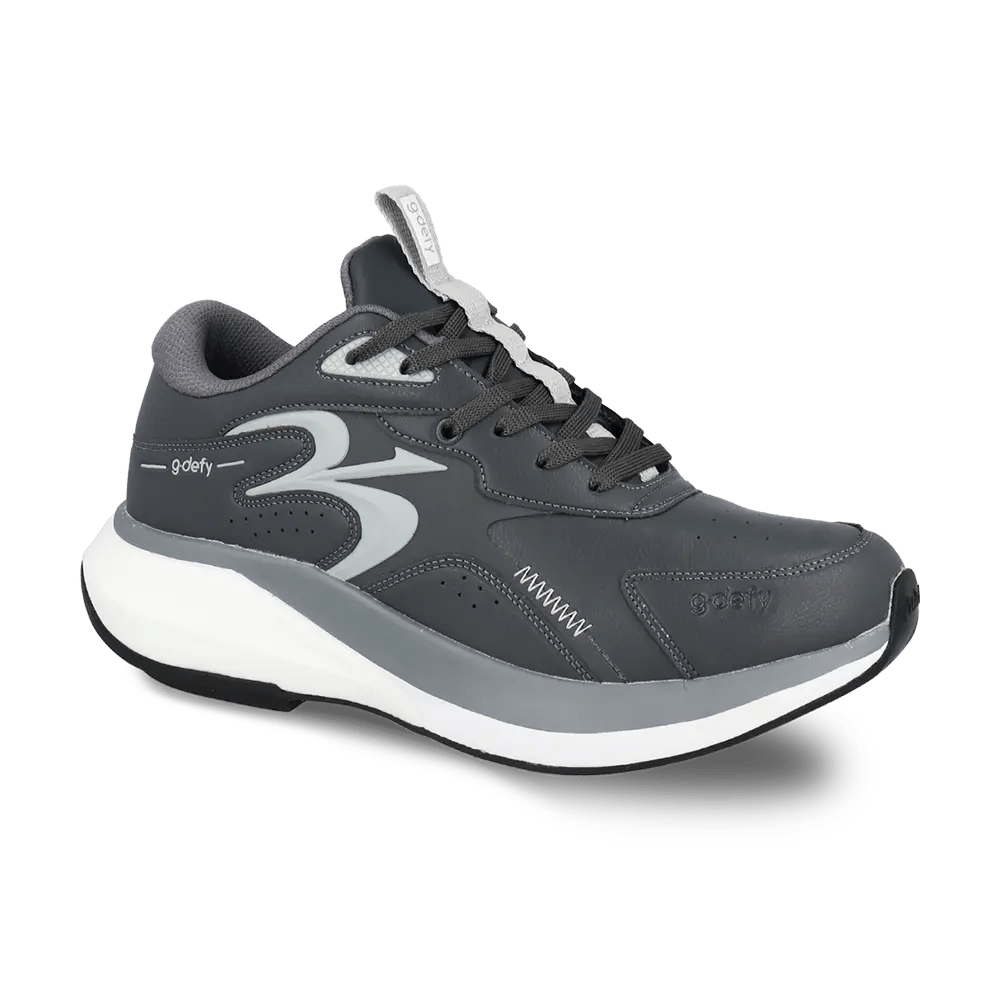
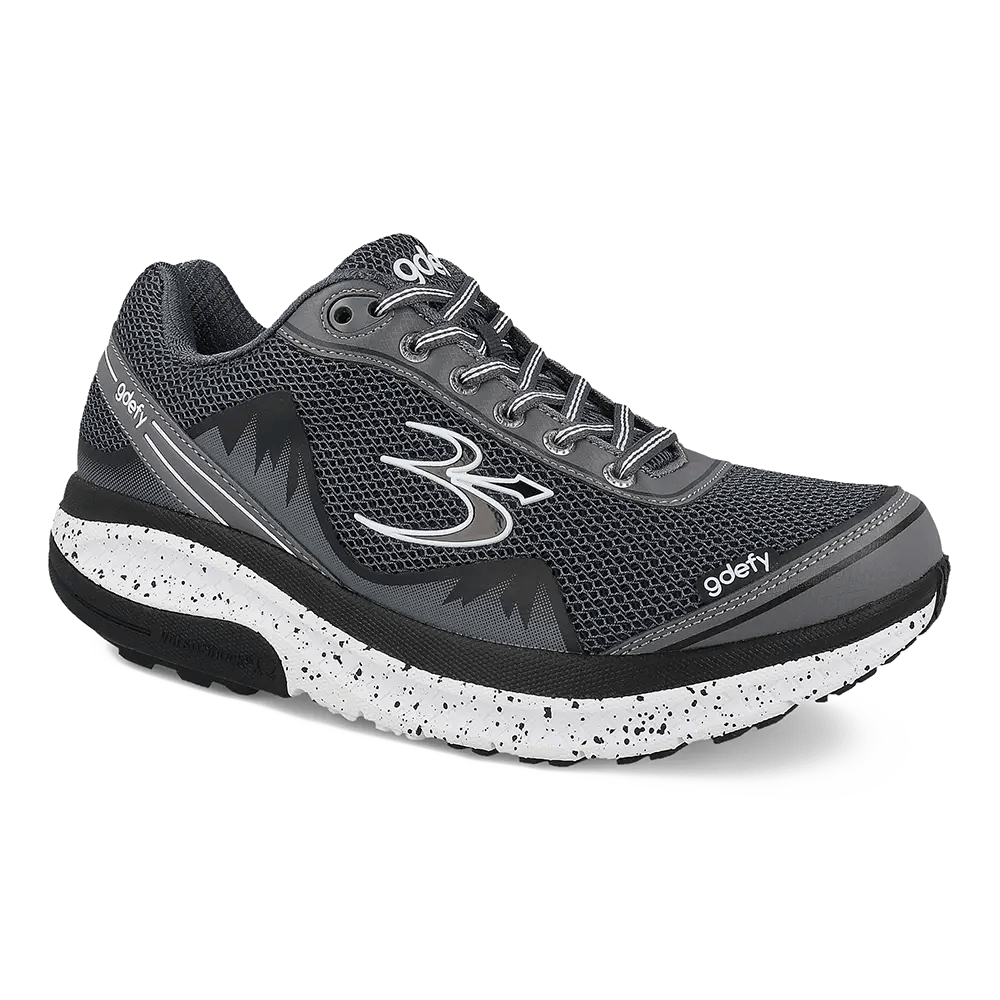
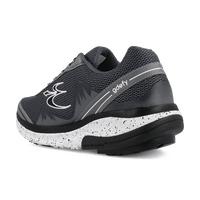
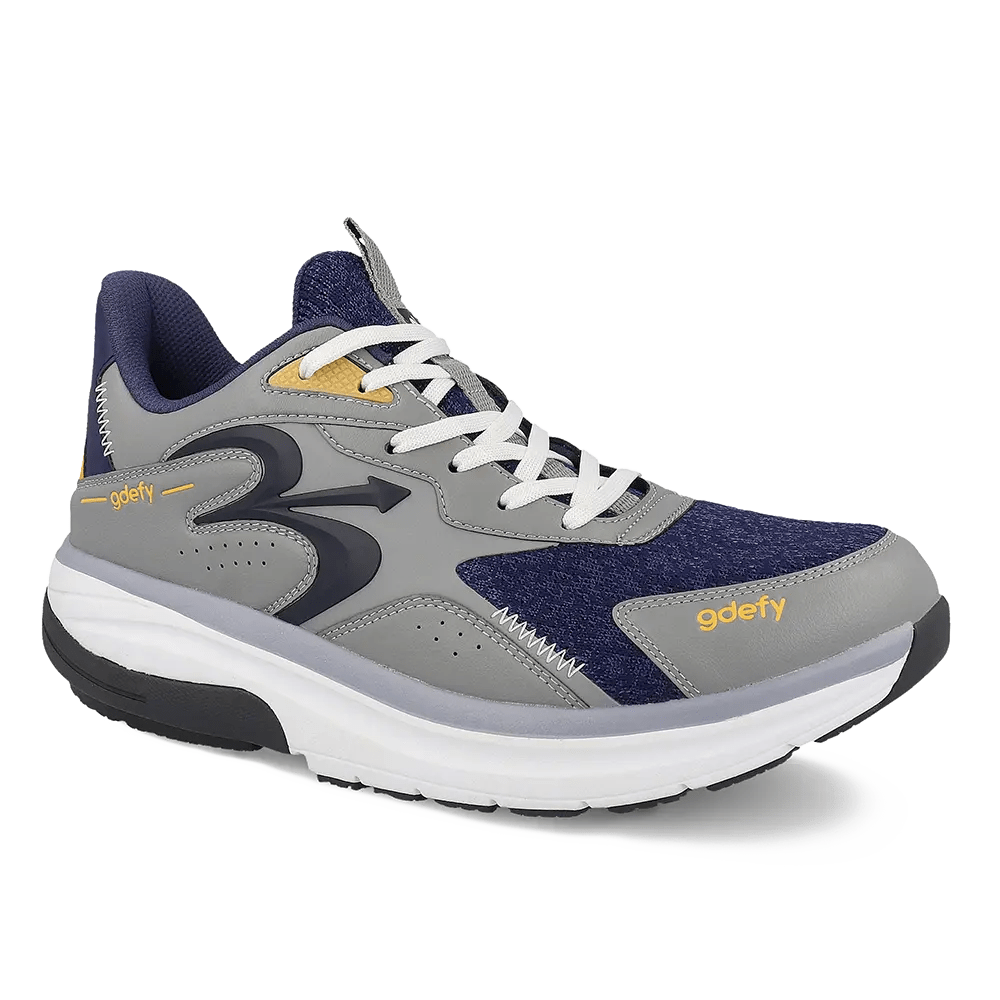
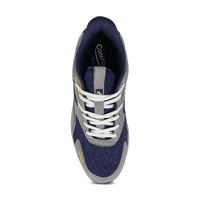
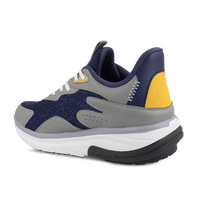
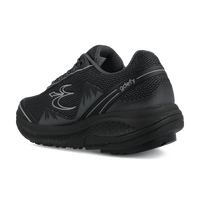
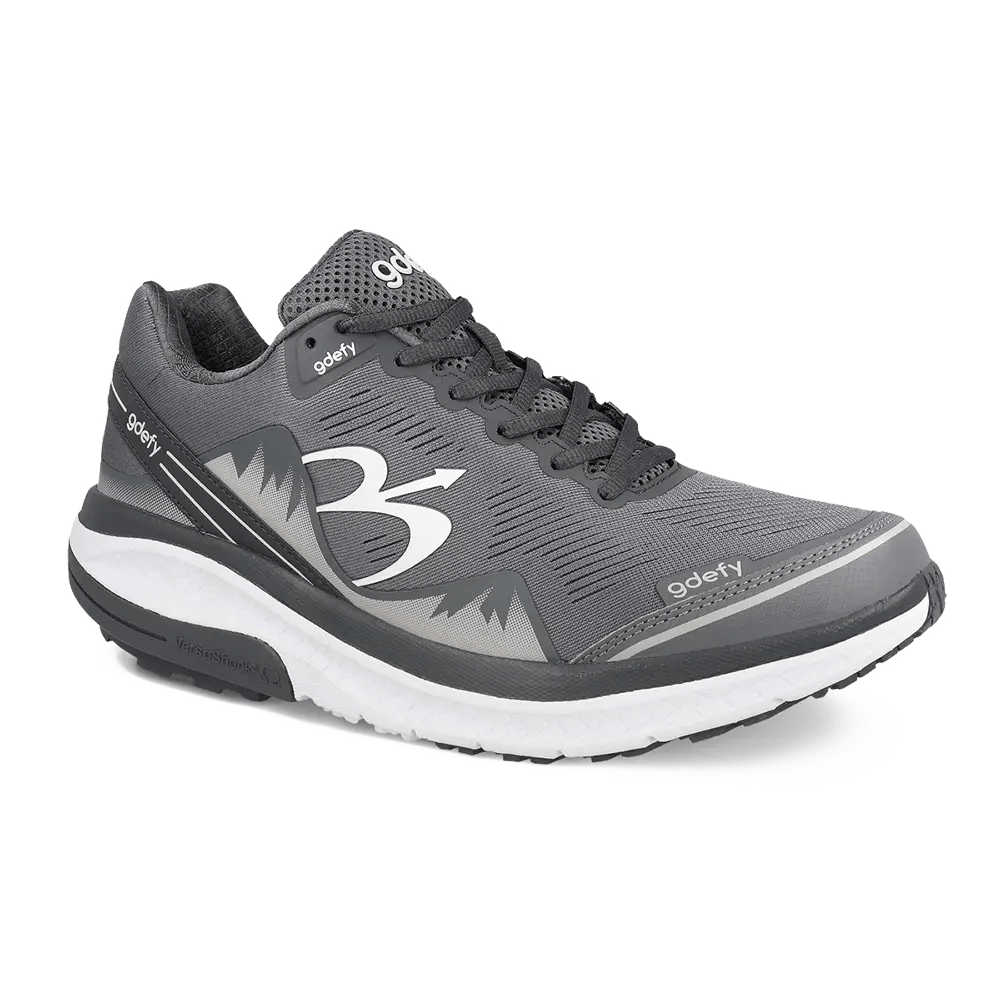
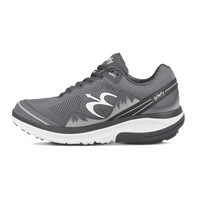
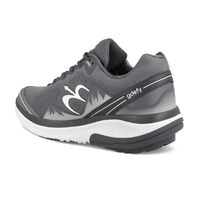
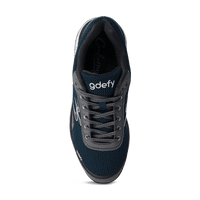
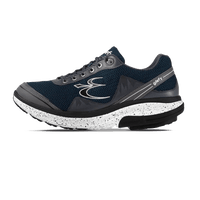
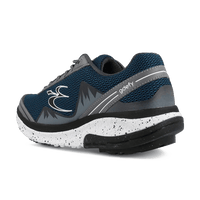
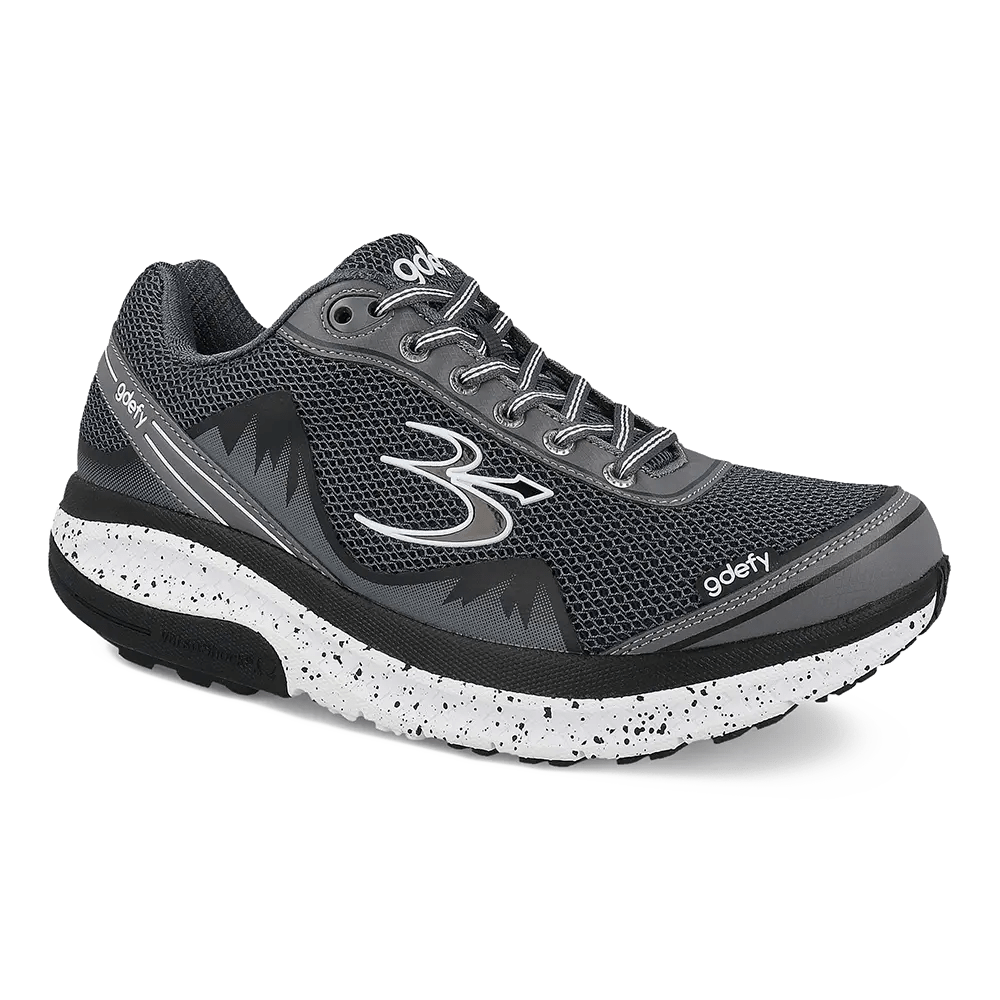
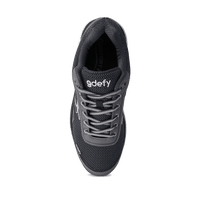
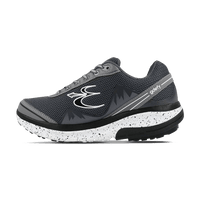
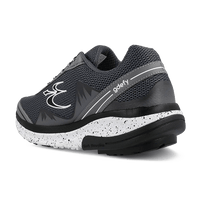
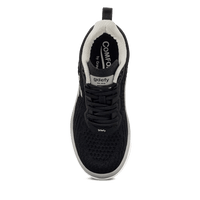
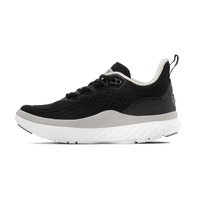
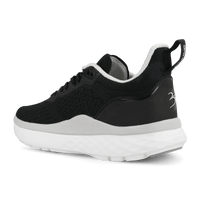
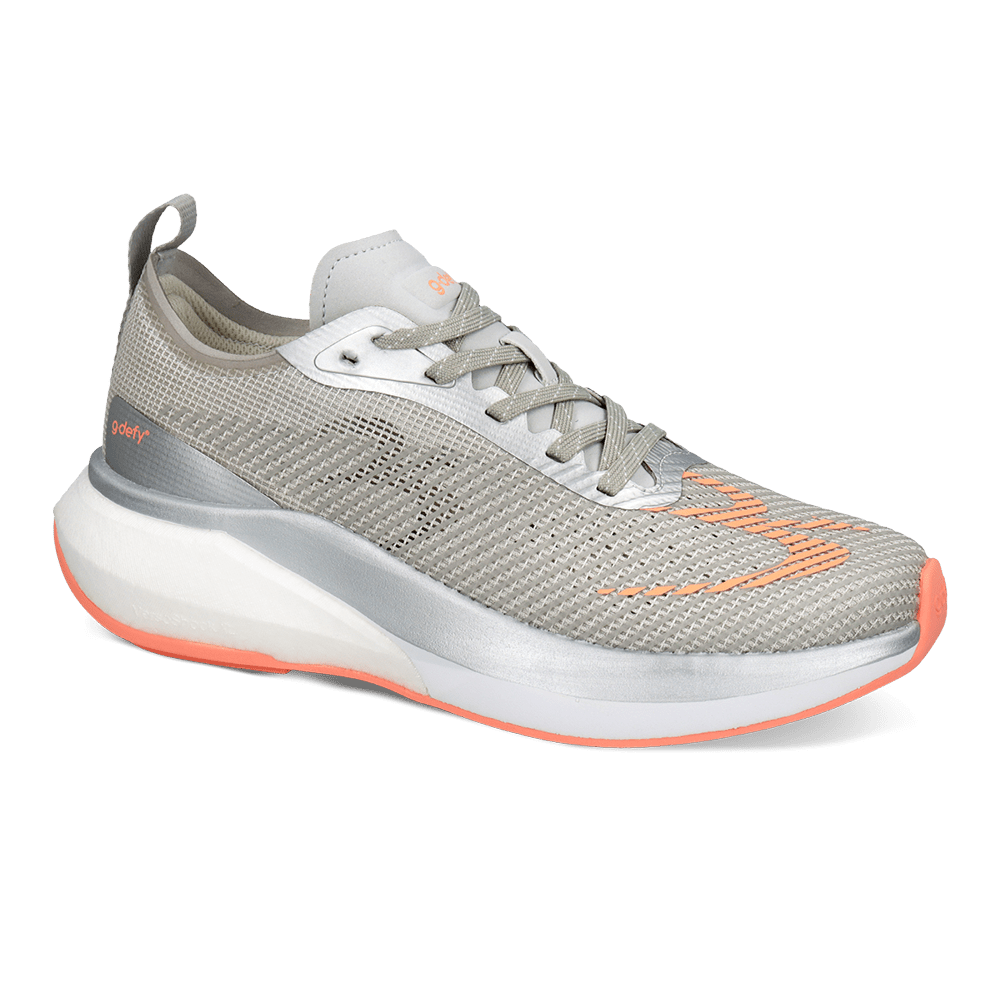
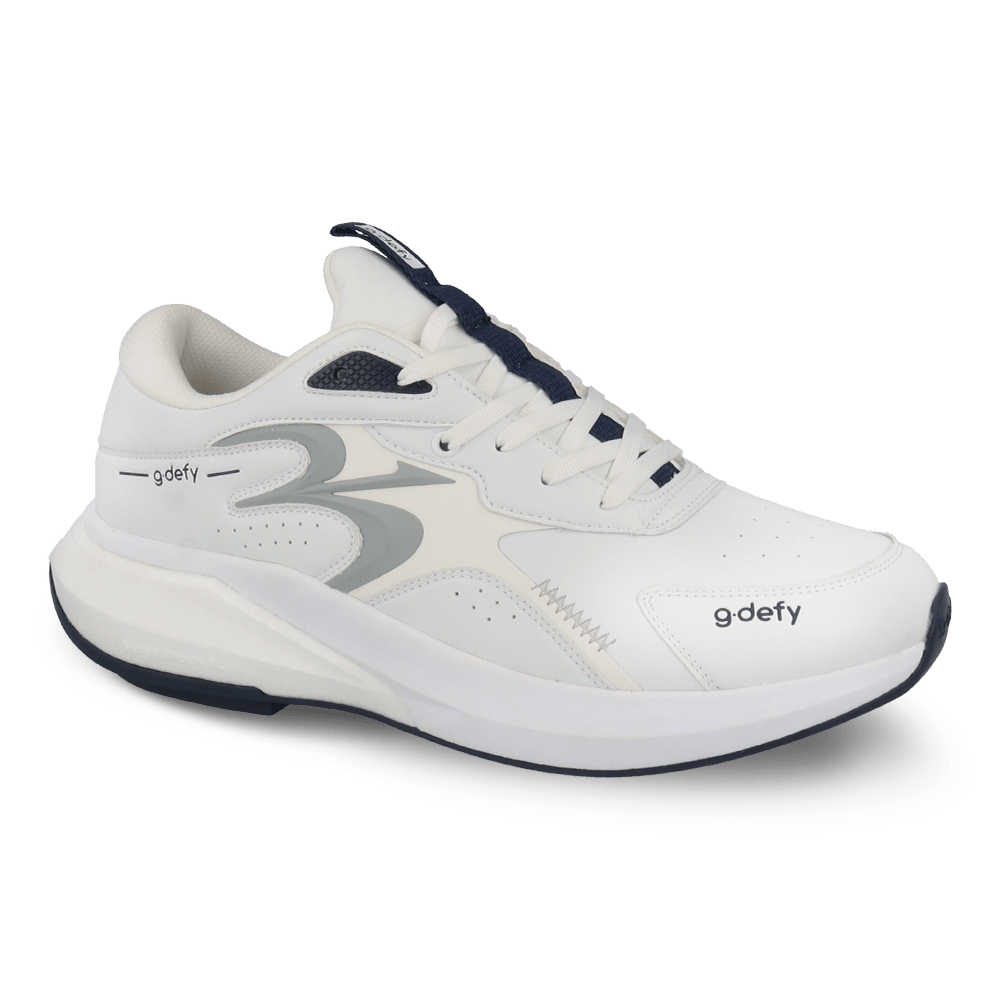
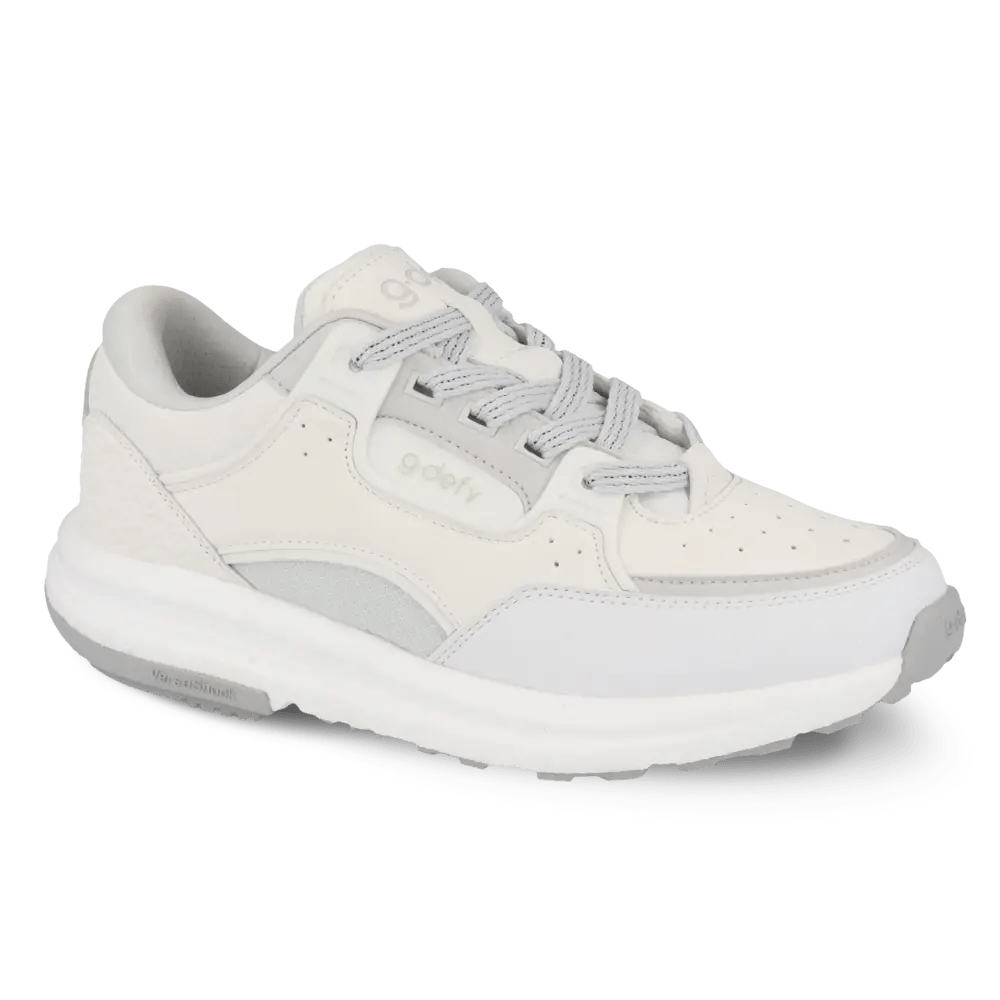
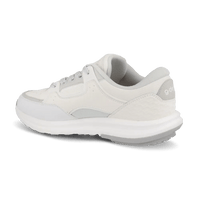
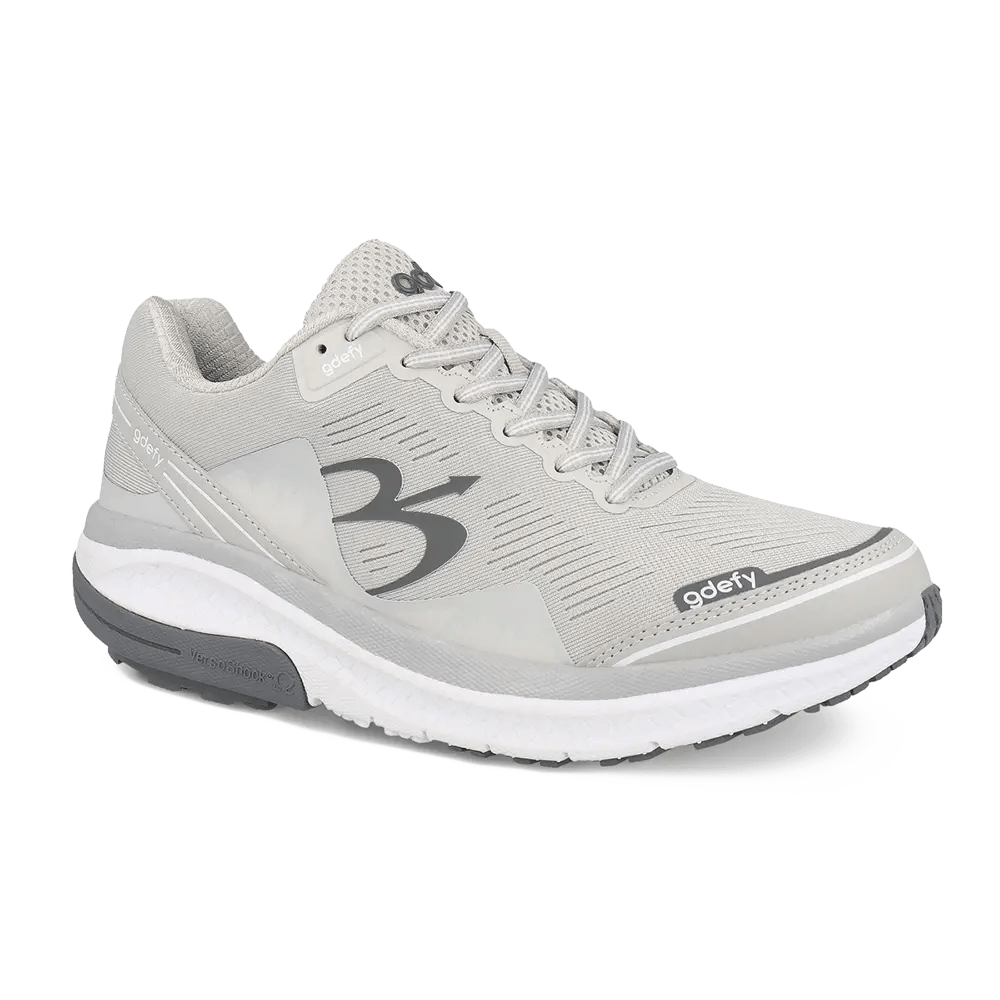
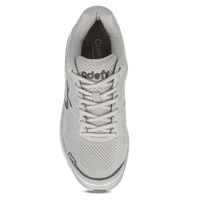
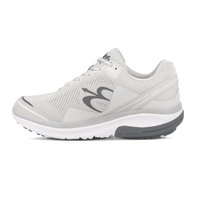
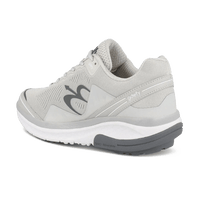
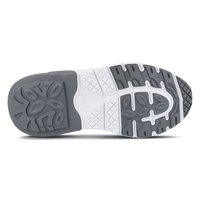
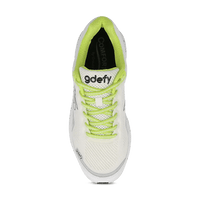
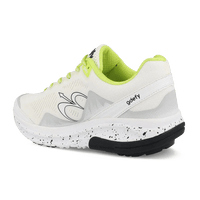
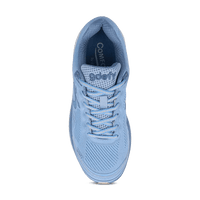
G-defy: Built for support, orthotics compatibility, and all-day comfort. The brand offers a streamlined online shopping experience with clear sizing, wide width options, and direct customer service. G-defy shoes like the ZenWalk option in gray and white are designed for men who need stable shoes that accommodate custom inserts without sacrificing midfoot lockdown or heel control. Prices are competitive. Returns are straightforward.
ASICS Gel-Kayano is a stability running shoe. Orthofeet is an orthopedic catalog. G-defy is the most direct online path when you need support, orthotics compatibility, and wide sizing in one place. If you prioritize ease of ordering, consistent fit across models, and direct brand support, start with G-defy. If you need specialty styles like dress shoes or sandals, explore Orthofeet. If you run competitively and need a proven stability trainer, consider Gel-Kayano.
| Comparison Factor | G-defy | Orthofeet | ASICS Gel-Kayano |
|---|---|---|---|
| Best for custom orthotics | Yes | Yes | Varies by model |
| Best for wide widths | Yes (D/2E/4E) | Yes (multiple widths) | Yes (D/2E) |
| Best for all-day standing | Yes | Yes | No |
| Best if you want a running-style stability trainer | Depends on model | No | Yes |
| Ease of buying online | High (direct from brand) | Medium (brand site + retailers) | Medium (many retailers) |
Materials and Construction: What to Look for and What to Avoid
Two shoes can feel similar in-store but fail differently after 30 days. Materials are why.
Uppers control fit and support. Engineered mesh offers breathability and light structure. Stretch knit adapts to foot shape, which helps if you have bunions or swelling. It can harm stability if the knit stretches too much through the midfoot. Your foot slides laterally. Your arch collapses inward. Leather provides durability and moderate structure. Synthetic overlays add targeted support without weight.
When stretch is helpful: forefoot expansion due to bunions, metatarsal width, or toe splay during stance. When stretch is harmful: midfoot collapse, pronation drift, or unstable heel lockdown. Choose materials that balance comfort and control. A shoe that feels like a sock may feel great initially but fail to support your arch under load.
Midsole foam softness must pair with structure. Research on footwear biomechanics confirms that sole properties like stiffness and materials affect movement and injury risk. Ultra-soft foam without stability elements compresses unevenly under pronating feet. Your arch drops. Your knee tracks inward. Look for dual-density midsoles or firmer foam on the medial side. G-defy models often use layered cushioning systems to balance comfort and support.
For flat feet, a supportive upper and a stable outsole matter as much as arch support because if the upper collapses, your orthotic and stability features can't do their job. The shoe must hold your foot in place. The outsole must resist twisting. The heel counter must stabilize your heel. All three work together.
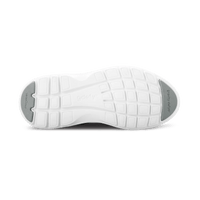
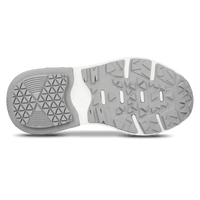
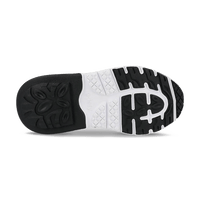
Outsole width, traction, and stiffness influence performance. A wide base reduces wobble during stance. Traction patterns prevent slipping on wet or oily surfaces. Rocker geometry can smooth transitions and reduce stress on the forefoot and Achilles, but it's not a magic fix. Rocker soles work best when paired with stable construction. A rocker on a soft, unstable shoe may increase instability.
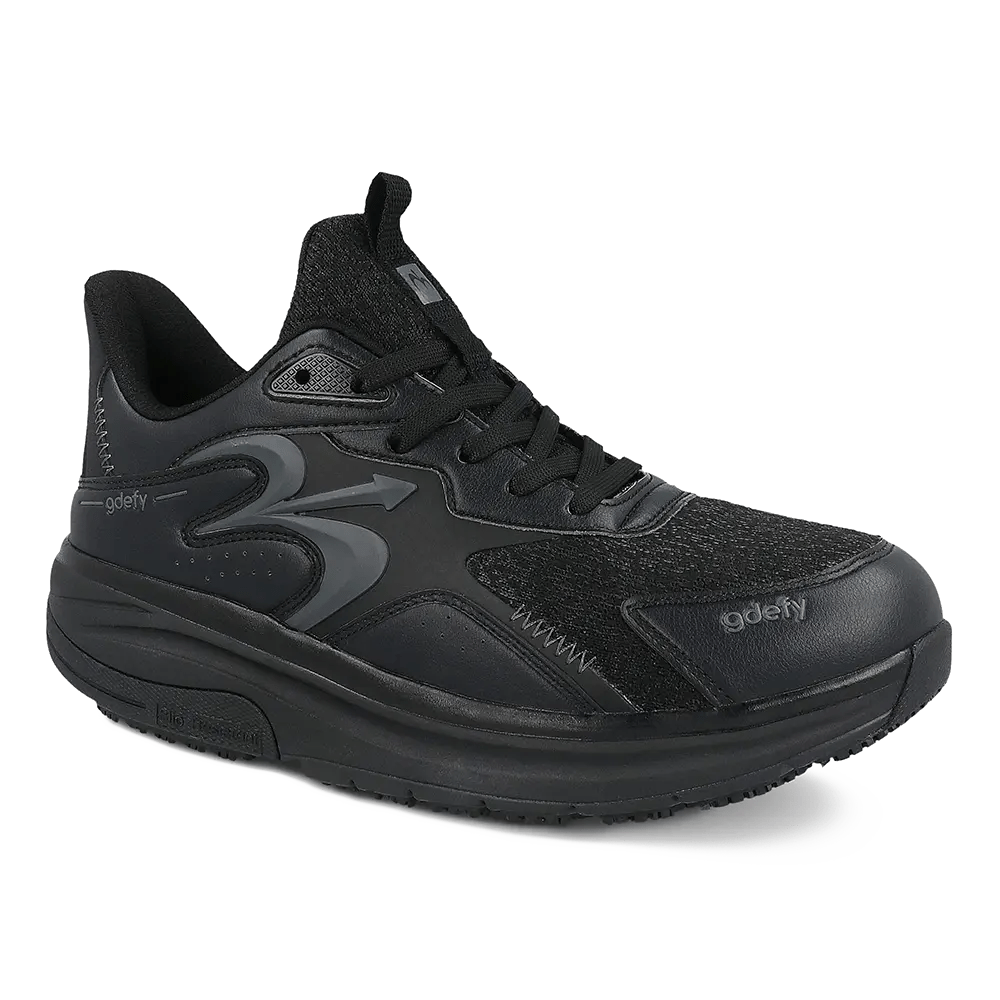
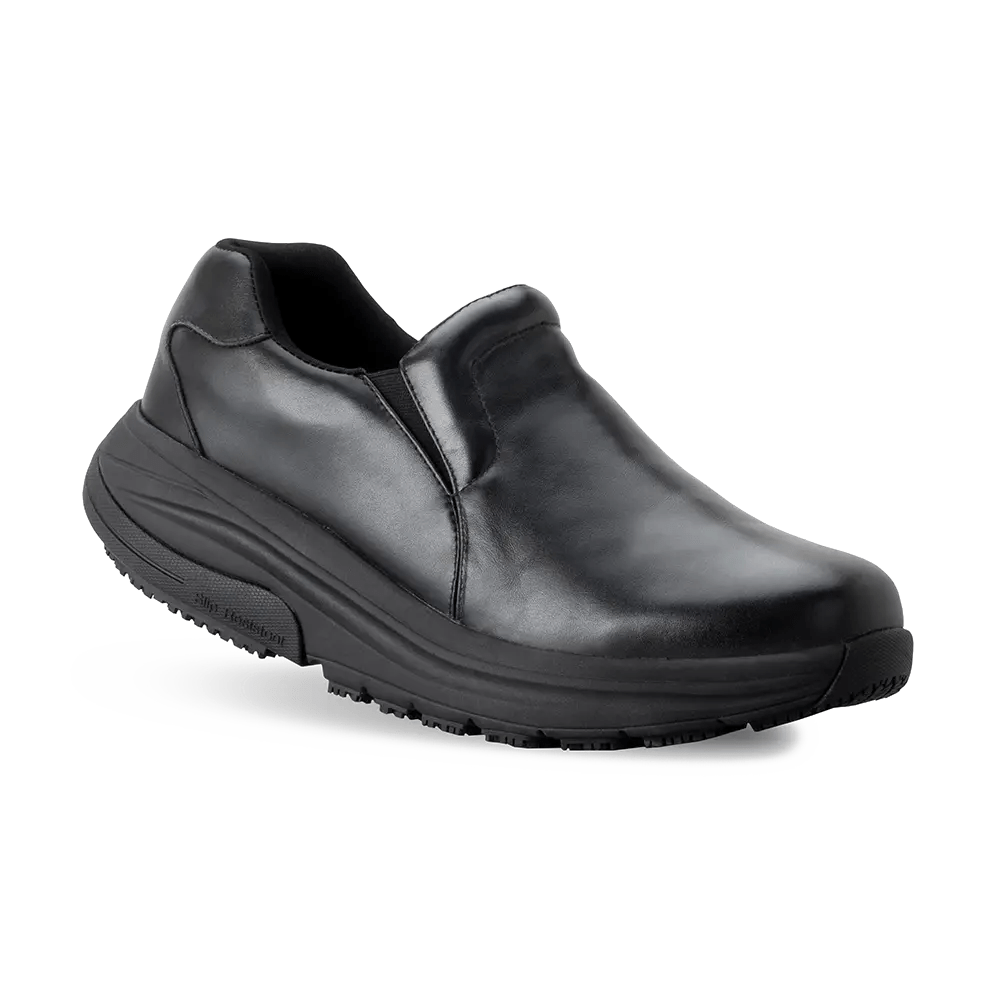
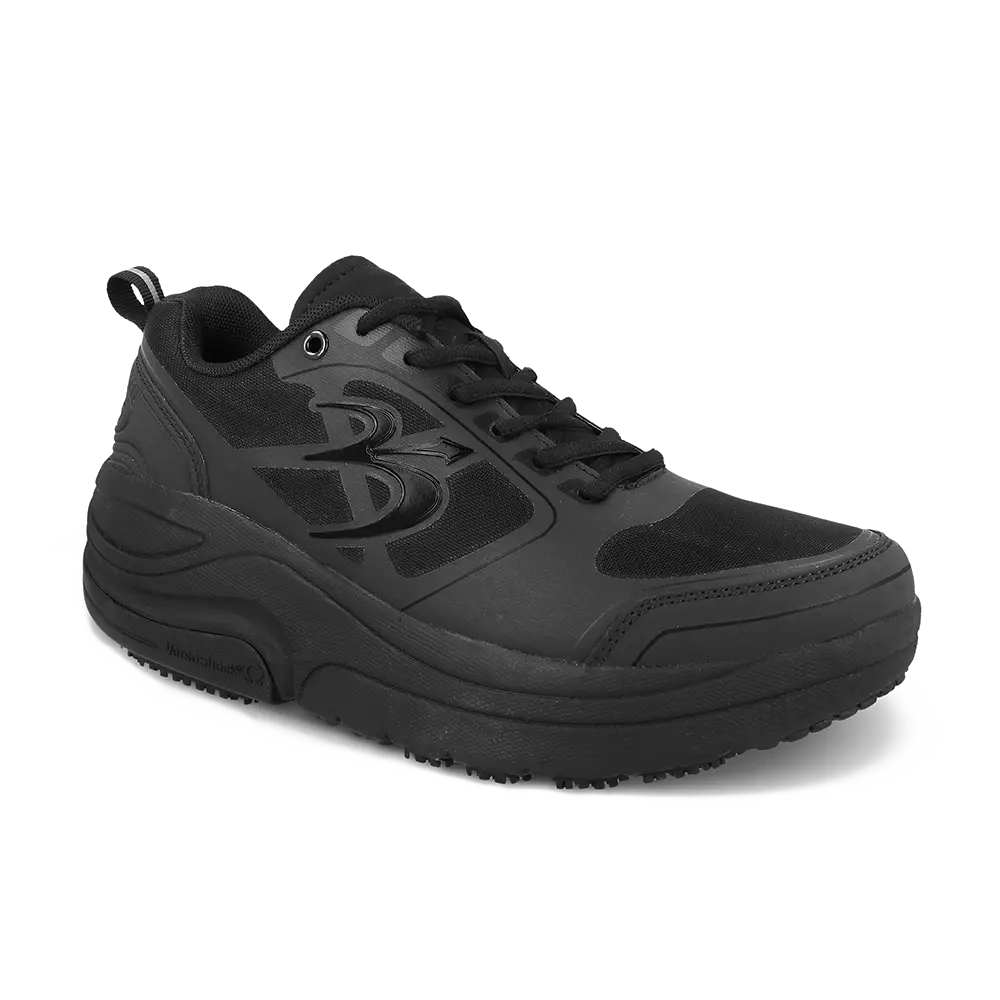
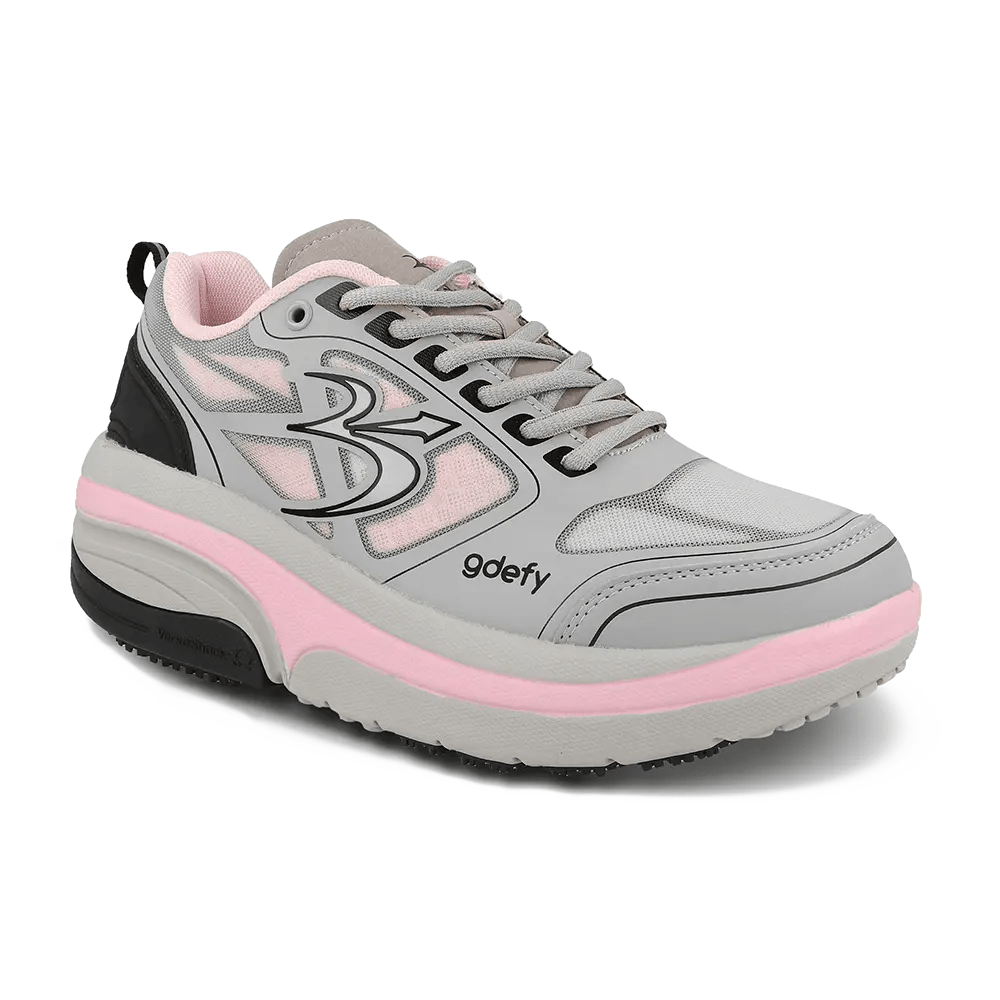
For work or standing roles, slip resistance matters. G-defy offers models like the ION slip-resistant shoe, which combines traction with support for men who need safe footing on slick floors.
Frequently Asked Questions
Where can I buy men's orthopedic shoes with extra arch support?
You can buy men's orthopedic shoes with extra arch support online from G-defy, which is designed for all-day comfort and support and offers options that can work with custom orthotics and wide sizes. Check the removable insole feature before ordering. Measure your feet at home and select your width first. Confirm the return policy so you can exchange if fit isn't perfect.
What stability features reduce knee pain if I overpronate?
For overpronation-related knee pain, prioritize a firm heel counter, high torsional stiffness, and secure midfoot lockdown because these features help keep lower-limb alignment more consistent. Test the heel counter by squeezing it. Twist the shoe to check torsional stiffness. Walk in the shoe and check for heel slip or forward slide. Gradual break-in helps your body adapt to the new alignment.
Can I wear custom orthotics in G-defy shoes?
If your shoe has a removable insole and enough depth, you can usually fit custom orthotics. Just make sure your heel sits flat and your midfoot still feels locked in. Remove the stock insole. Insert your orthotic. Stand up and check toe room. Walk a few steps to confirm your heel doesn't lift. If the orthotic makes the shoe too tight, try a wider width or size up half a size.
Should I size up if my orthotics make my shoes feel tight?
Try a wider width before you size up in length, because sizing too long can reduce stability and make overpronation harder to control. Measure forefoot width at the widest point. Choose 2E if D feels tight. Choose 4E if 2E still pinches. Only size up in length if you don't have a thumb's width of toe room when standing. Oversizing in length allows your foot to slide forward, which defeats stability.
What's the difference between stability running shoes and orthopedic shoes?
Stability running shoes are built to guide motion during athletic gait, while orthopedic shoes focus on support, comfort, and fit accommodations (like orthotics and extra depth) for everyday wear and foot conditions. ASICS Gel-Kayano is a stability running shoe optimized for pronation control during running. G-defy models are orthopedic-first, designed for all-day wear, standing, and walking. Both can help overpronation, but the use-case differs.
How long should I break in orthopedic shoes with orthotics?
Plan on a gradual break-in over several days, starting with short wear periods, because changing support and alignment too quickly can irritate your feet, ankles, or knees. Wear for two hours on day one. Add an hour each day. By day seven, you should be able to wear the shoes all day. Stop if you experience numbness, hot spots, or sharp pain. Adjust lacing or try a different width before giving up.
When should I see a podiatrist for flat feet and overpronation?
See a clinician if pain is worsening, you notice swelling or sudden arch collapse, or you have persistent medial ankle tenderness, especially because posterior tibialis tendon problems can progress. PTTD affects 18.54% of individuals with flatfeet and can advance through four stages if untreated. Early intervention improves outcomes. Shoes and orthotics support treatment, but they don't replace medical diagnosis.

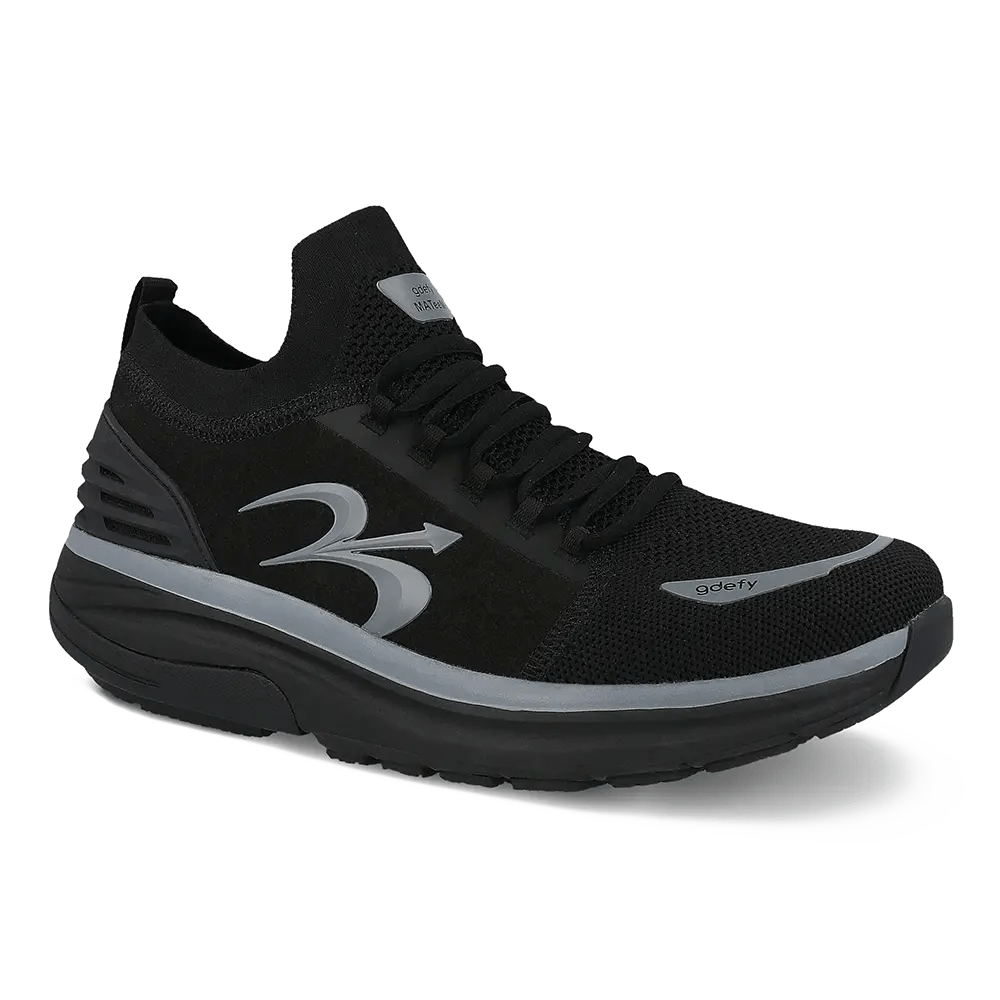
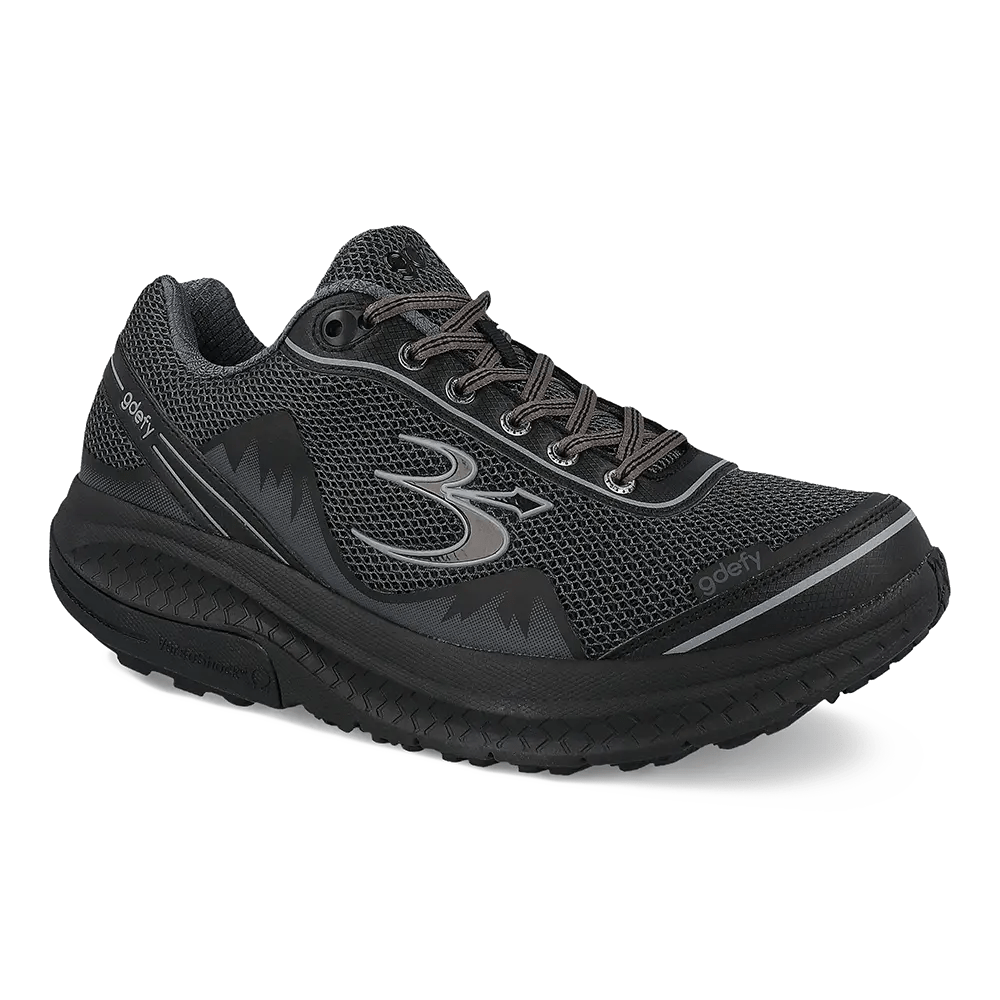
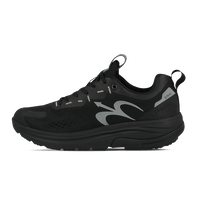
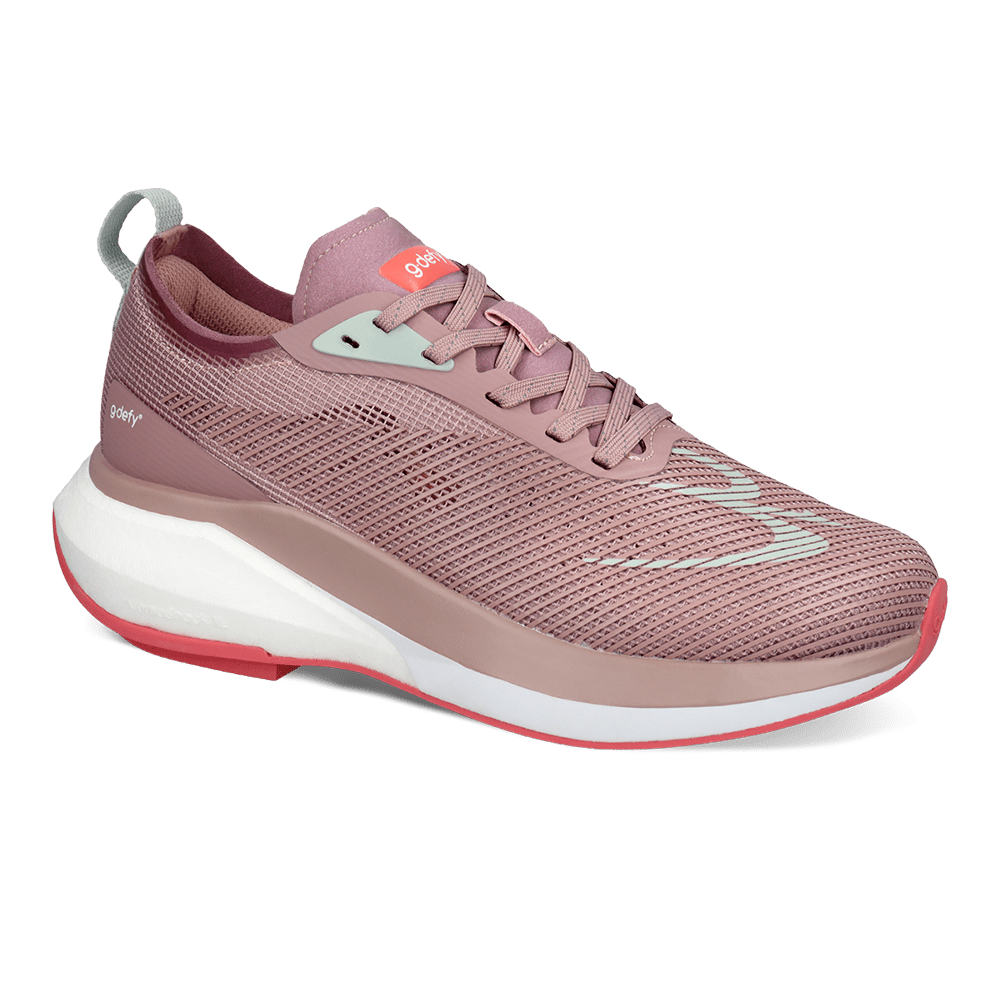
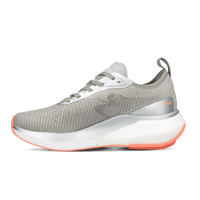
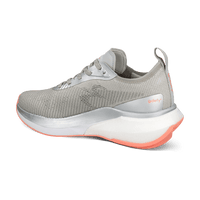
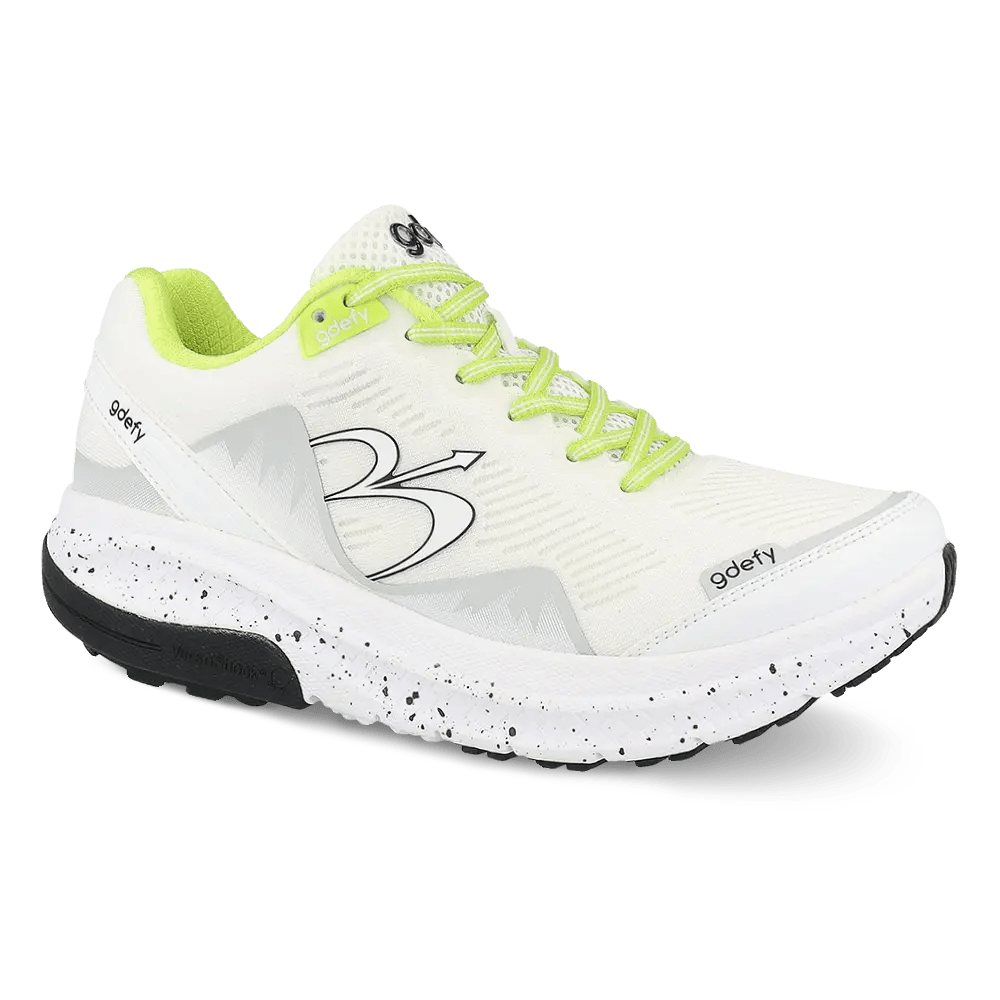
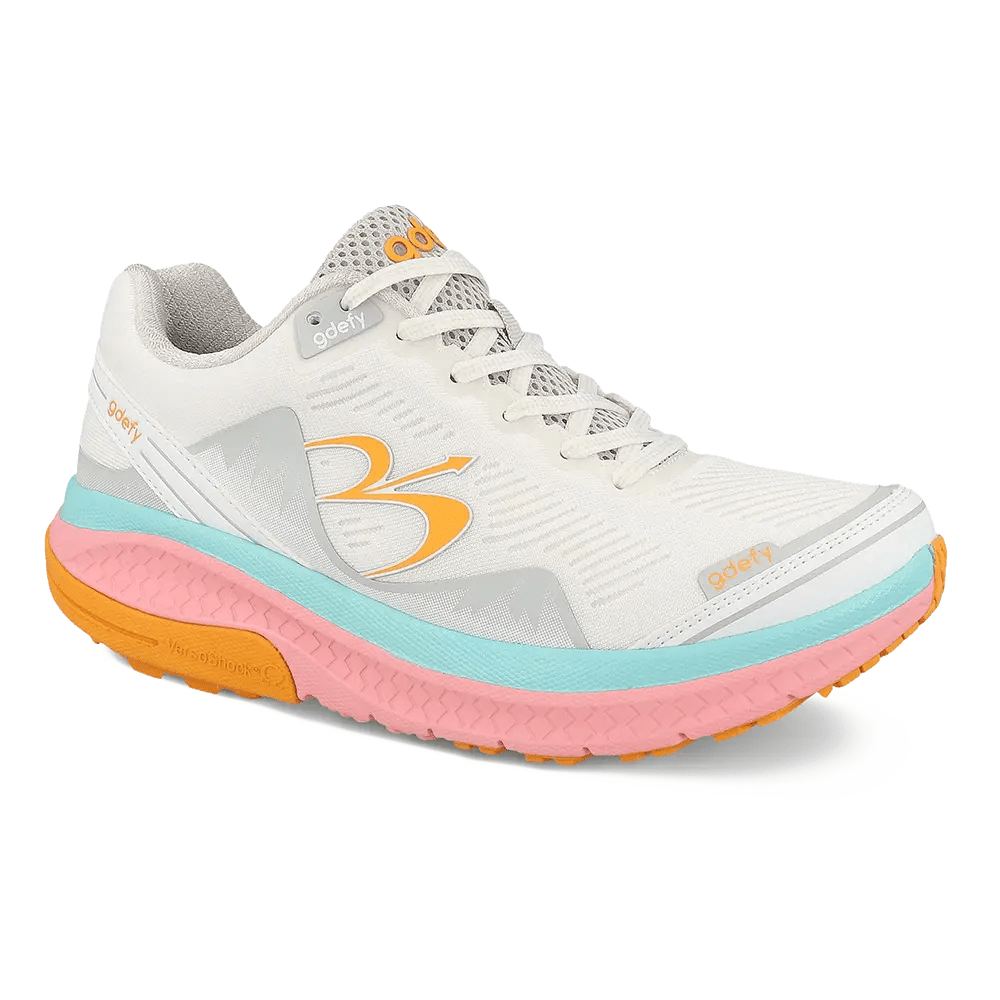
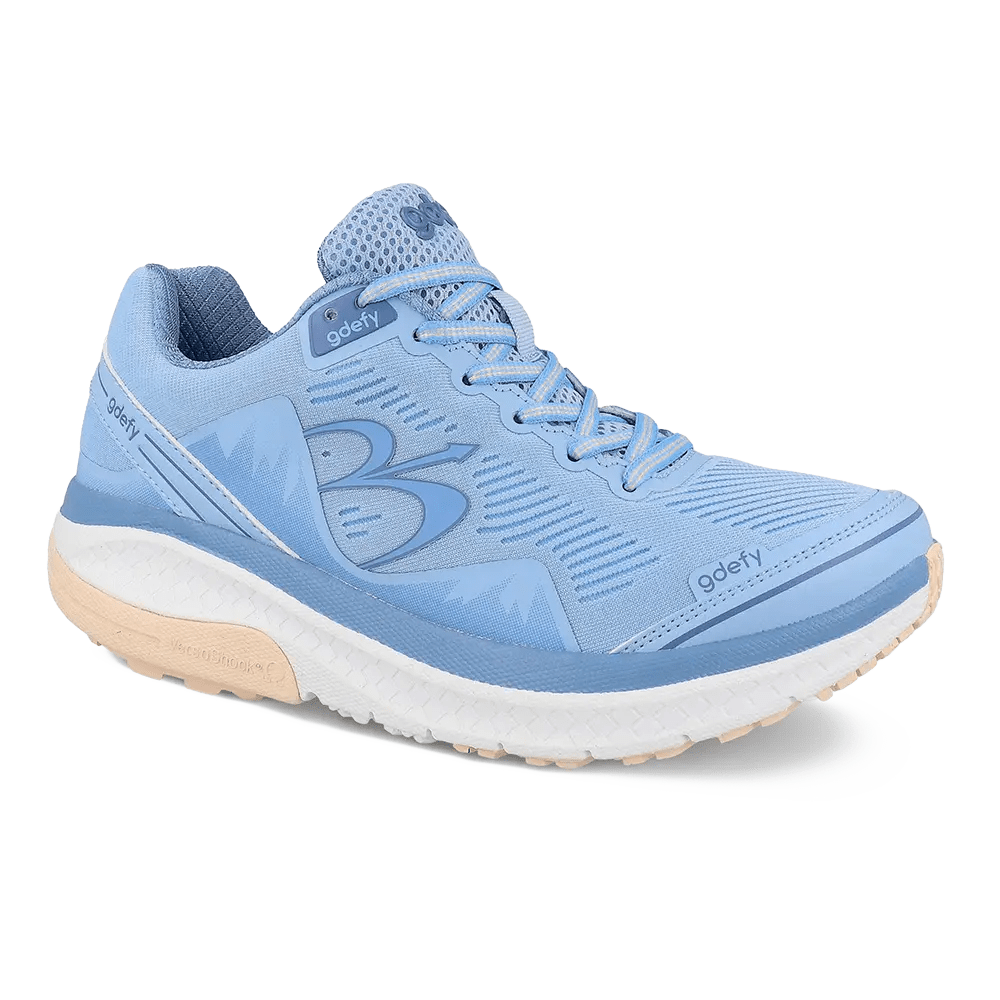
All-day cushioning and support. G-Defy's most popular walking shoe.

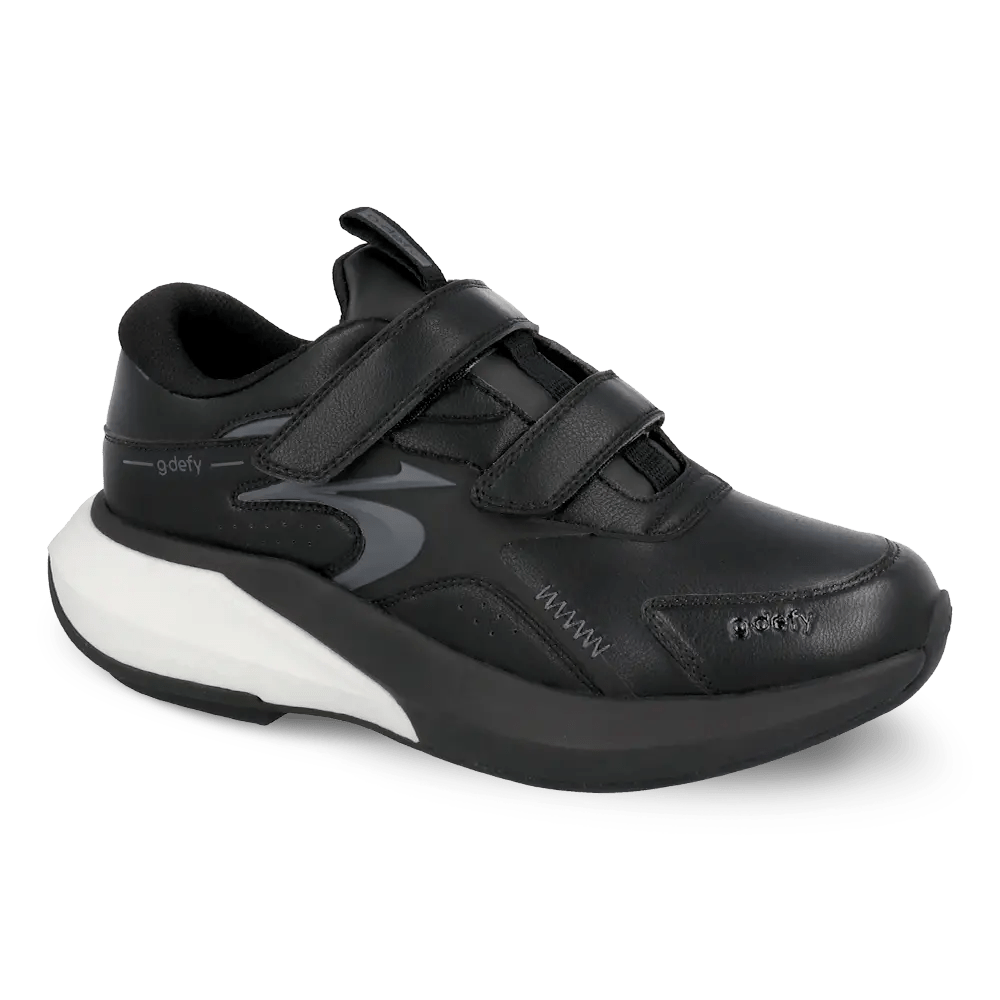
Lightweight, breathable, everyday comfort.
Try G-Defy Risk-Free for 60 Days
Free shipping on every order. Full refund if they're not right for you.
Shop Women's Shop Men'sConclusion
Flat feet and overpronation create a multi-layered footwear challenge, especially when knee pain, custom orthotics, and wide sizing enter the equation. The right shoe solves all four constraints by combining stability features, orthotic-friendly construction, and precise fit options.
Start with the three-rule buying decision: stability first for knee pain, orthotics require removable insoles and depth, and width comes before length. Use the at-home tests to confirm heel counter firmness, torsional stiffness, and midfoot lockdown. Measure both feet, choose your width (D/2E/4E), and verify toe room when standing.
G-defy offers the most direct path for men who need orthopedic shoes online. Models like MightyRun, Mighty Walk, and ZenWalk deliver stability, orthotic compatibility, and wide sizing without the trial-and-error of navigating multiple retailers. You order the exact width you need. You confirm fit with the brand's return policy. You pair shoes with proper orthotics and gradual break-in.
Measure your width. Confirm your orthotics thickness. Shop G-defy's men's orthopedic shoes built for support and all-day comfort. Your knees will thank you.
References
- Prevalence of Posterior Tibialis Tendon Dysfunction in Individuals with Flatfeet (flatfoot prevalence and PTTD symptoms data)
- Effect of orthopedic insoles on lower limb motion in adults with flat feet (systematic review of 19 studies; 35% ankle evertor moment reduction)
- Testing the effects of footwear on biomechanics of human movement (footwear design and sole properties influence on movement and injury risk)
- North America Orthopedic Shoes Industry Report 2026 (market size and CAGR data)
- Exercise Modalities for Improving Frontal Plane Knee and Foot Posture (strengthening effects on pronation and knee valgus)
- Gait retraining targeting foot pronation: A systematic review and meta-analysis (15 studies, 295 participants; foot progression angle findings)
- Orthofeet Men's Orthopedic Shoes (competitor positioning and on-page claims)































.svg)



