
May 11, 2026
What Features Matter Most for Plantar Fasciitis Comfort During Walking
By Gdefy

Summary

Plantar fasciitis is one of the most common reasons people start paying closer attention to what's on their feet. That sharp morning step out of bed, the dull ache after a long shift, the discomfort that creeps in halfway through a walk — they all push the same question to the surface: do my shoes need to be doing more?
While footwear isn't a medical solution, the right design can play an important role in everyday comfort and support — especially when walking is part of how you spend your days. Not all shoes are equal here. Some quietly add to the strain. Others are built specifically to absorb impact, hold the foot steady, and make long days on your feet feel more manageable.
This guide breaks down the seven shoe features that matter most for plantar fasciitis comfort during walking — what each one does, why it matters, and how to recognize it when you're shopping. It's the field guide we wish every plantar fasciitis sufferer had before they bought their next pair.
What Plantar Fasciitis Feels Like During Daily Walking
Plantar fasciitis is irritation along the plantar fascia — the thick band of tissue that runs along the bottom of your foot, from your heel to the base of your toes. That tissue acts like a flexible shock spring: it stretches a little with every step, then snaps back to help propel you forward.
When the fascia is irritated, every part of that motion can become uncomfortable:
- The first few steps in the morning often feel the sharpest — the fascia has tightened overnight and the sudden pull from standing creates a stab-like sensation under the heel. (More on this in our guide to why morning heel pain happens and how the right shoes help.)
- Long walks or hours of standing tend to bring on a deeper, more diffuse ache.
- Hard surfaces like tile, concrete, and city sidewalks usually make it worse, because none of the impact is being softened on the way up to the foot.
- Thin, flat, or unsupportive shoes leave the fascia doing nearly all the work of absorbing impact and holding the arch in shape.
The mechanics here are simple: the more impact and strain your fascia has to absorb on its own, the more uncomfortable walking tends to feel. The job of a good walking shoe is to take as much of that work off the fascia as possible — through cushioning, support, and stability — so the foot can keep moving comfortably.
The 7 Shoe Features That Matter Most for Plantar Fasciitis Comfort
Not every feature on a shoe's spec sheet matters equally if you have plantar fasciitis. These seven are the ones to look for first.
1. Deep Heel Cushioning
Your heel takes the first hit of every step — and for someone with plantar fasciitis, that first hit is often the most tender. A shoe built for plantar fasciitis comfort needs a deep, dense cushioning system under the heel that absorbs impact before it travels up into the fascia.
Look for a midsole that feels supportive when you press your heel down — not mushy, not bottoming out, but yielding gradually. Soft surface foam alone isn't enough; the cushioning needs depth and structure to keep absorbing impact through hour eight of a long day.
2. Firm, Contoured Arch Support
The arch is where the plantar fascia anchors. If the arch collapses with every step, the fascia is forced to stretch and snap back over and over — and that's exactly the motion you're trying to give a break.
The shoes that tend to feel best for plantar fasciitis are ones with a contoured footbed that follows the natural curve of the arch and a midsole with enough structure to keep that shape under load. The support shouldn't feel intrusive — it should feel like the shoe is quietly catching the arch instead of letting it drop.
3. Effective Shock Absorption Through the Whole Midsole
Cushioning at the heel is critical, but the rest of the midsole matters too. The forefoot strikes the ground on every push-off, and standing for long stretches puts steady pressure across the entire base of the foot.
A shoe with shock absorption built through the whole midsole — not just a pad at the heel — distributes impact more evenly. That tends to translate to less fatigue late in the day and a more even feel from step to step. Spring-based and high-rebound foam systems often outperform basic foam here, because they're designed to keep absorbing impact rather than compressing flat after a few hours.

4. A Stabilizer or Shank in the Midsole
Walk through a parking lot in a soft, fully flexible shoe and you'll feel the floor under every pebble. That bending motion forces the plantar fascia to do more work than it should — twisting and stretching laterally with every uneven step.
A stabilizer (sometimes called a shank) in the middle of the shoe keeps the midsole from flexing in places it shouldn't. The foot still rolls naturally heel-to-toe, but the shoe doesn't fold under the arch. For plantar fasciitis, that added stability tends to make uneven terrain — sidewalks, gravel paths, store aisles — much more forgiving.
5. A Forward-Rolling or Rocker Design
A flat-soled shoe asks the foot to do all the work of rolling forward on its own. When the fascia is irritated, that push-off can be the most uncomfortable part of every step.
A forward-rolling (rocker) sole geometry does some of the rolling for you. The shape of the midsole guides the foot smoothly from heel-strike to toe-off, which can ease the stretch on the fascia at the end of each step. The motion feels subtle when it's done well — like the shoe is gently nudging you forward instead of letting you grind through the push-off.
6. A Roomy Toe Box and a Proper Fit
A toe box that's too narrow or too short pulls the front of the foot into a cramped position, which forces the fascia to absorb pressure it shouldn't. A toe box that's too tall and loose lets the foot slide forward and impact the front of the shoe.
The fit you want is snug through the midfoot and heel, with room in the toe box for your toes to lie flat and spread slightly when you weight the foot. If you have plantar fasciitis, also check that the shoe is offered in your width — many walkers do best in a Wide or Extra-Wide when the standard width feels pinchy across the ball of the foot.
7. Removable Insoles for Customizable Support
Plantar fasciitis comfort is personal. One person may need a higher arch under the foot; another may need extra heel cushioning; a third may already have a custom orthotic prescribed by their healthcare provider.
A shoe with a removable insole lets you swap in the support that actually fits your foot. The best designs go further and include more than one insole option built into the shoe — so the shoe can be tuned to a low, medium, or high arch without buying anything extra. For a closer look at how this works, see how shoe design can improve comfort for plantar fasciitis.
How G-Defy Builds These Features Into Every Pair
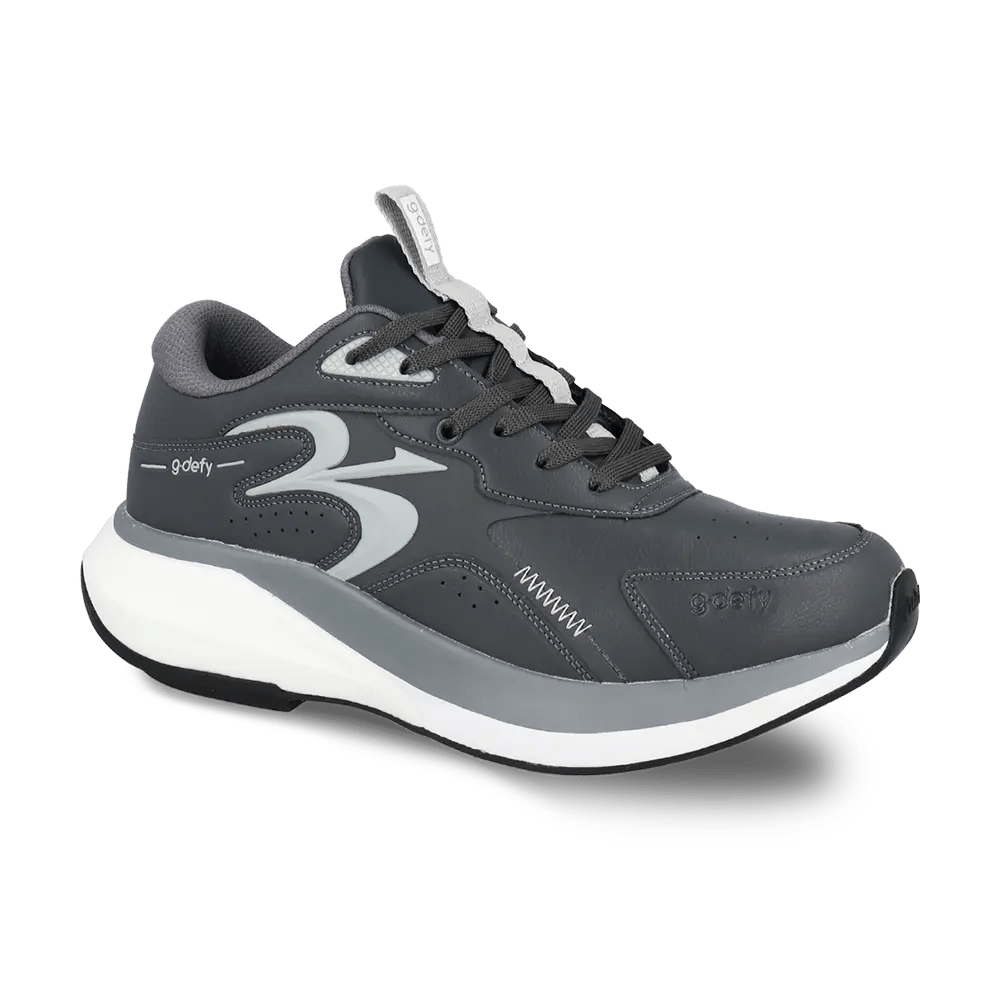
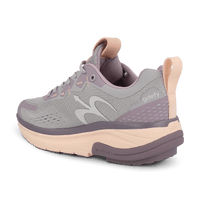
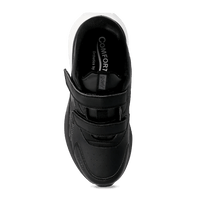
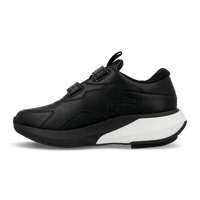
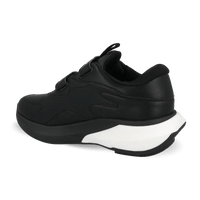
G-Defy shoes are designed around the same seven features that matter most for plantar fasciitis comfort — and built on a single integrated system rather than a stack of separate components.
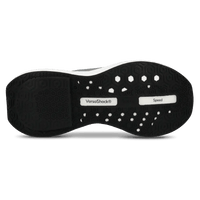
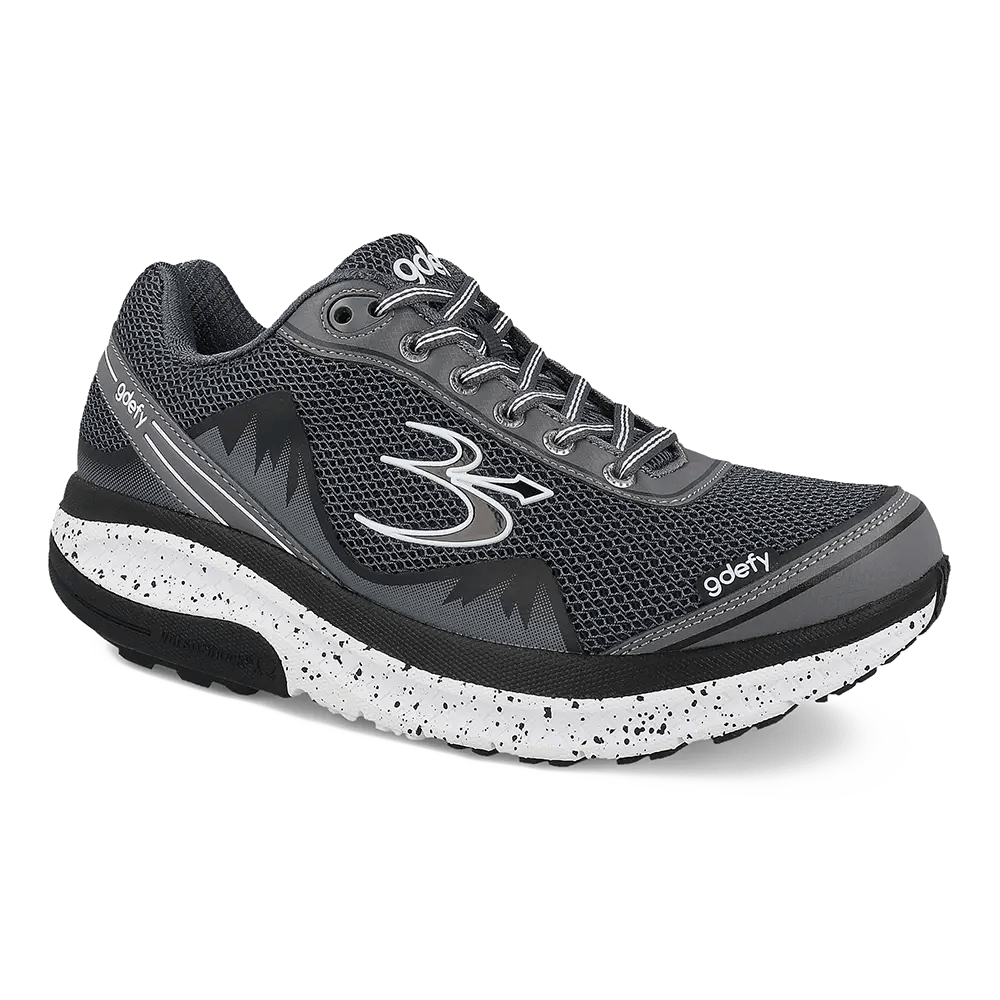
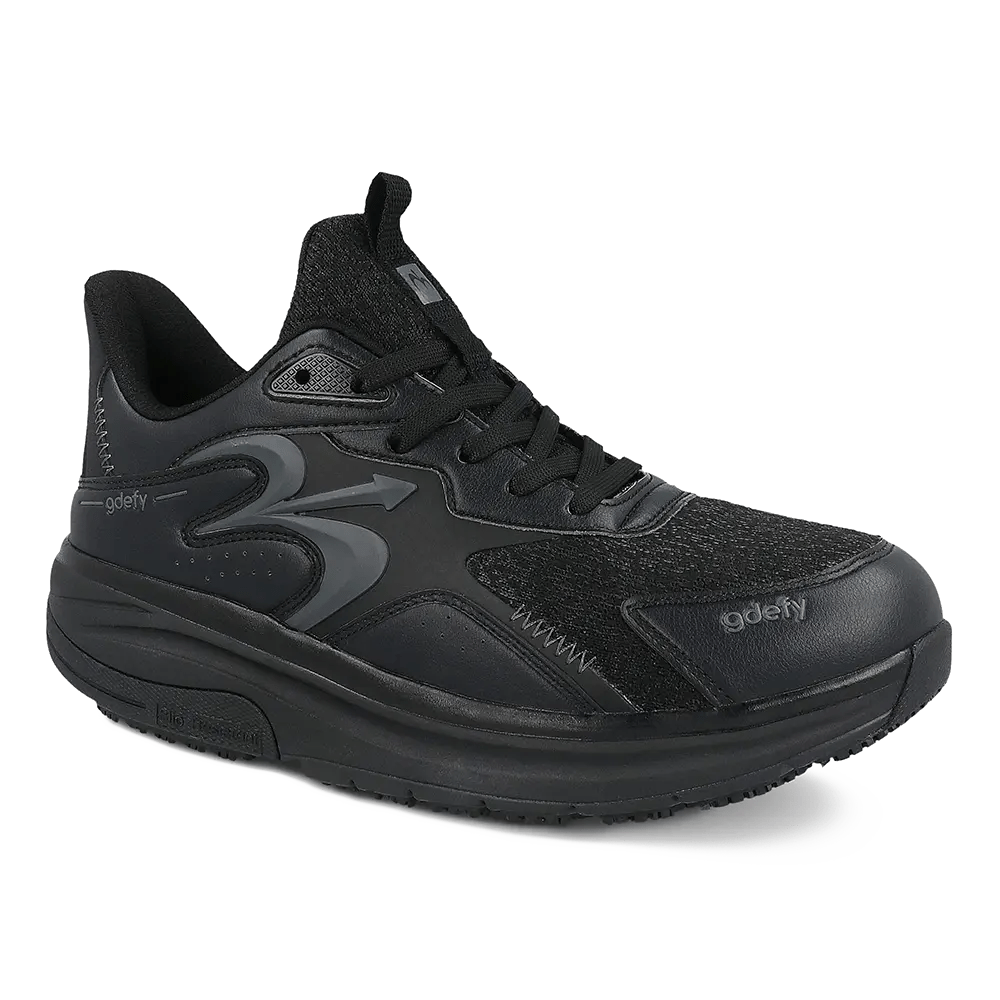
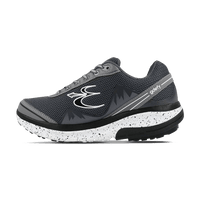
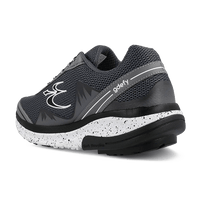
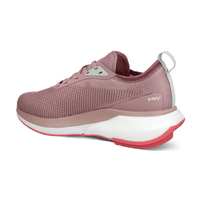
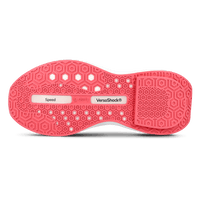
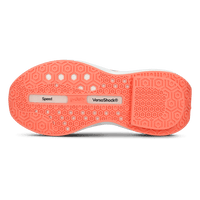
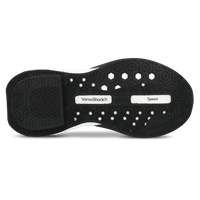
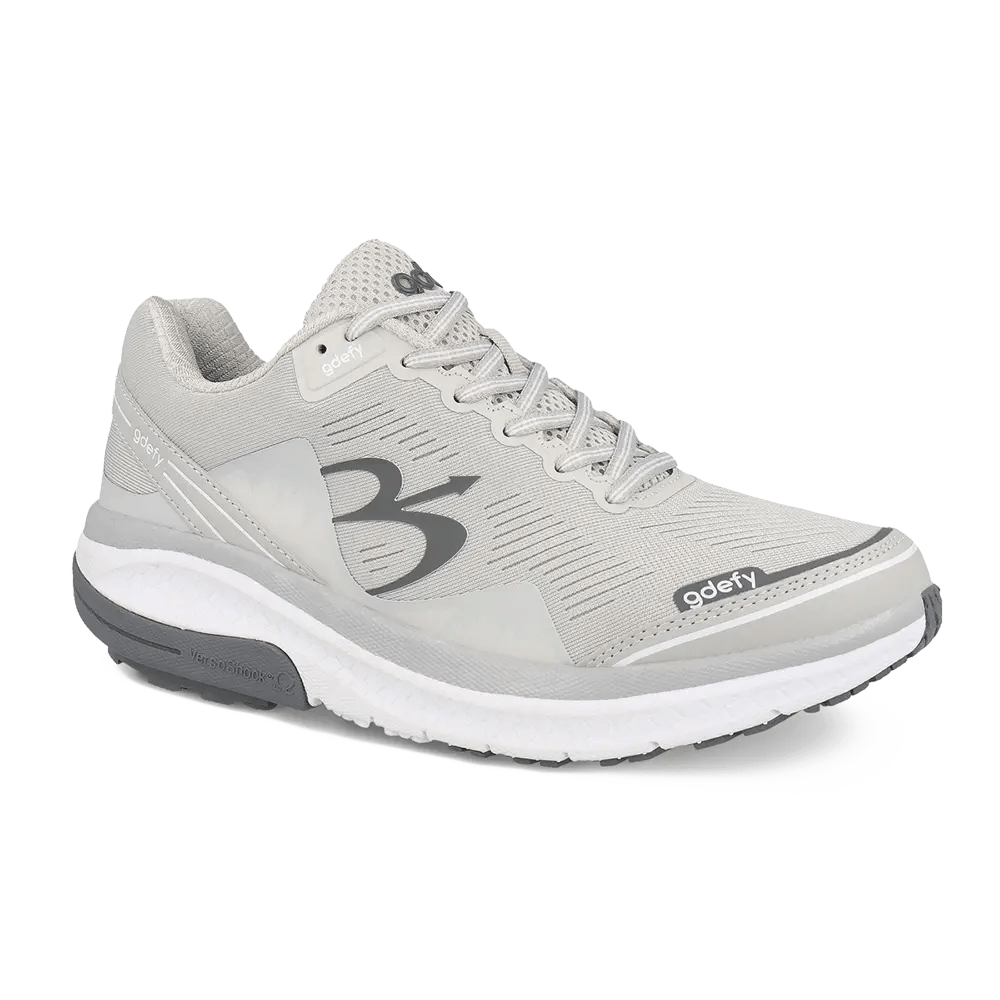
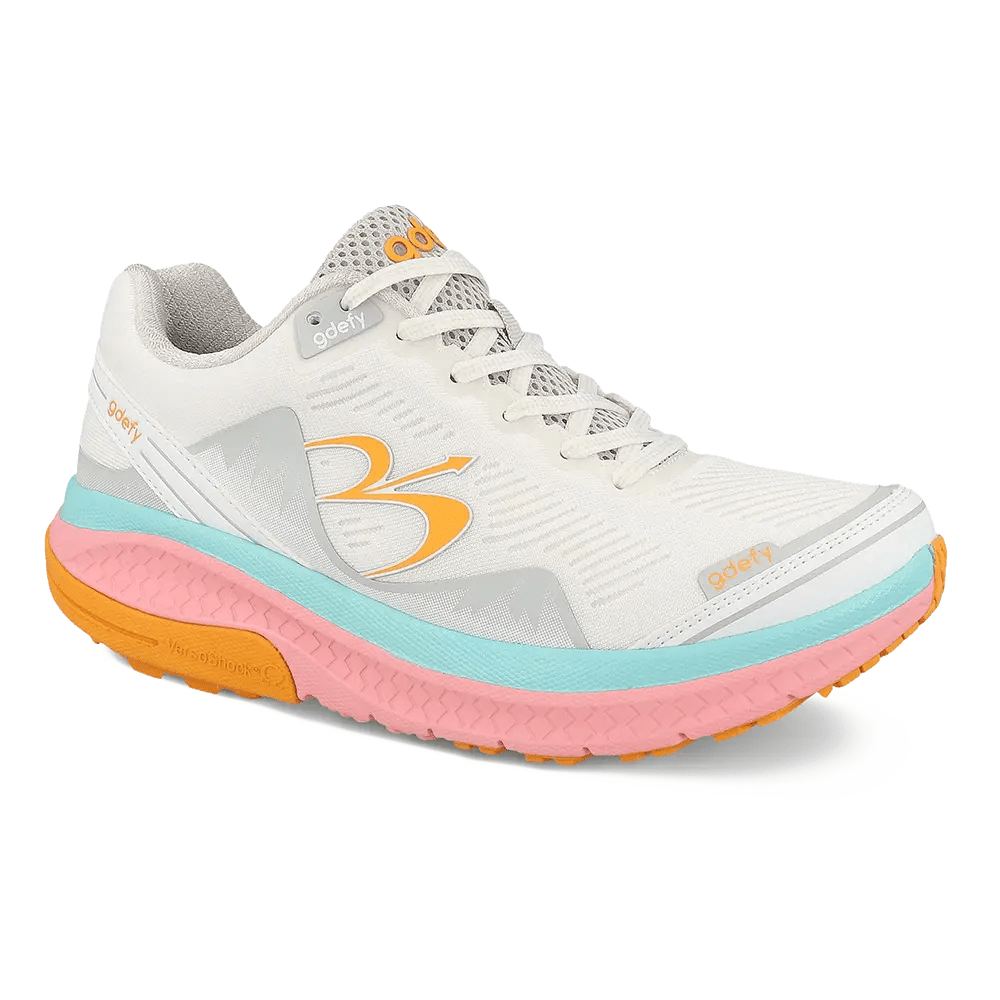
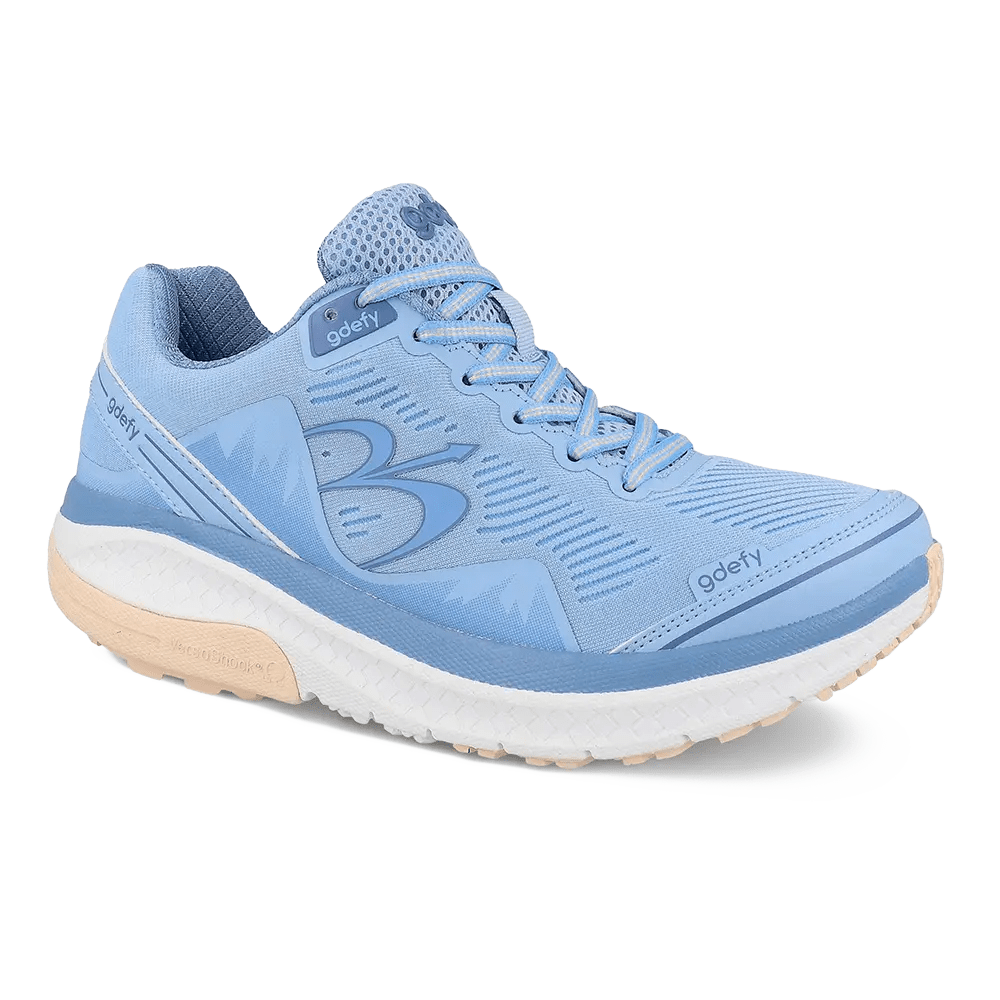
At the center is VersoShock® technology, a spring-based shock absorption system in the midsole. Where standard foam compresses and loses energy with every step, VersoShock® is engineered to absorb impact and return energy, helping each step feel softer and more efficient. That covers Features 1 and 3 — deep heel cushioning and full-midsole shock absorption.
Built around that is the rest of the G-Defy 4-pillar design system:
- Shock Absorption (VersoShock®) — spring-based midsole engineered to absorb impact and return energy.
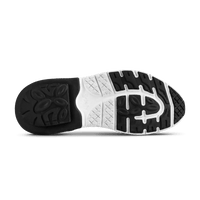
- Stabilizer (Shank System) — internal support that keeps the midsole from over-flexing under the arch, the foundation of Feature 4.
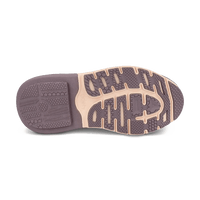
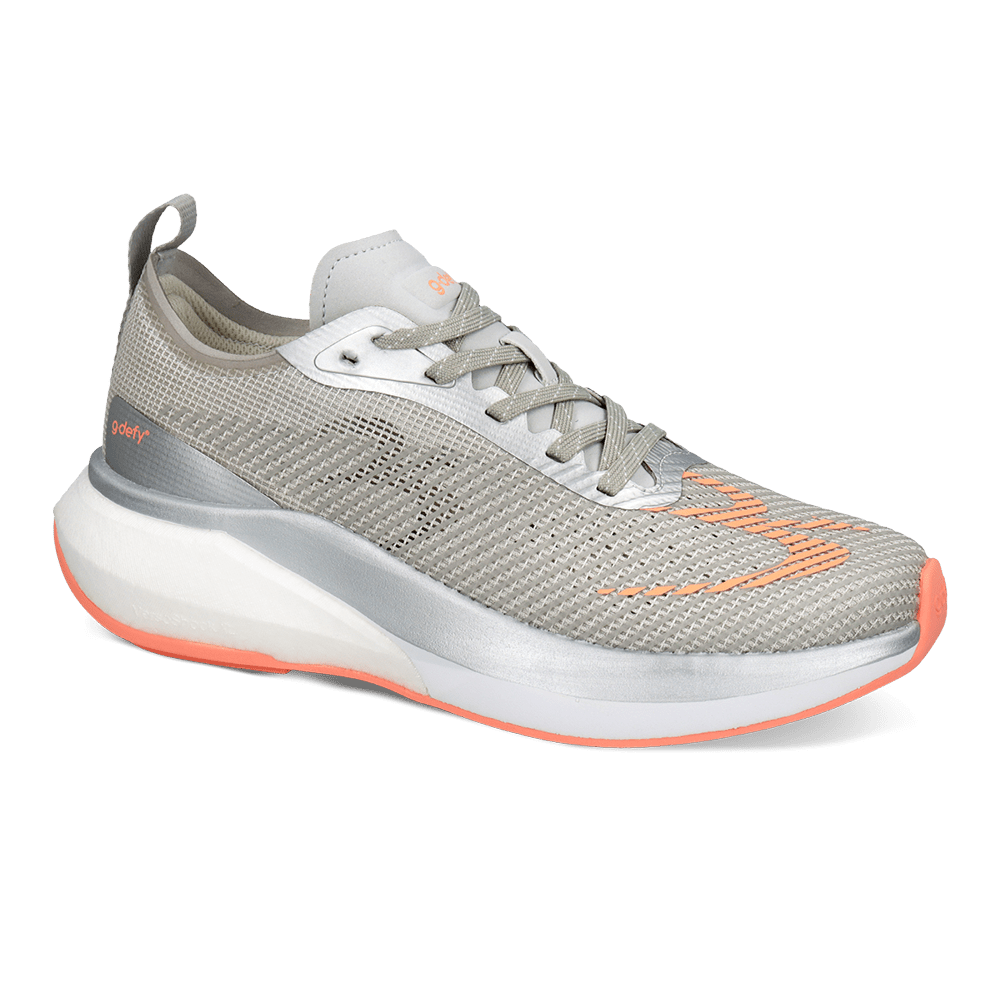
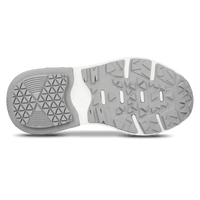
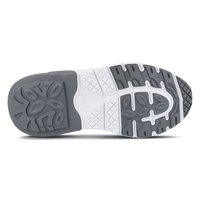
- Front Rolling Design — rocker-style sole geometry that promotes a smoother heel-to-toe transition, the practical version of Feature 5.
- Dual Orthotic System — every pair includes two removable orthotics: a ComfortFit® insole for low-to-medium arches and a CorrectiveFit® insole for medium-to-high arches, so the support is matched to your foot.
The dual orthotic system is the part that makes G-Defy unusual. Most walking shoes ship with one insole and ask you to live with it. G-Defy includes two so you can choose the arch profile that feels right — or pull both insoles and drop in a custom orthotic if you already have one you trust. That covers Features 2, 6, and 7 in one package.
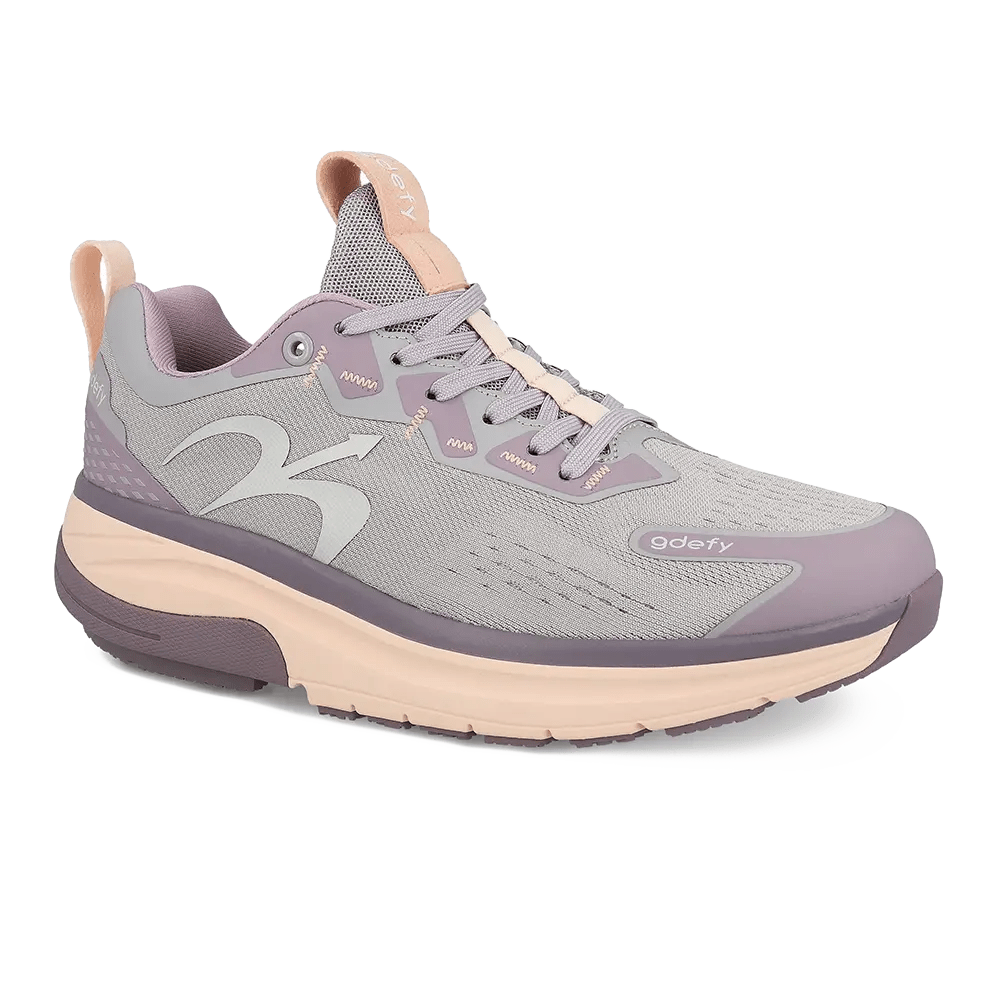
Two G-Defy shoes that tend to be popular starting points for plantar fasciitis comfort:
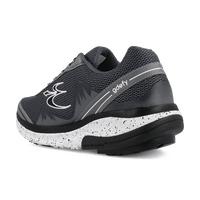
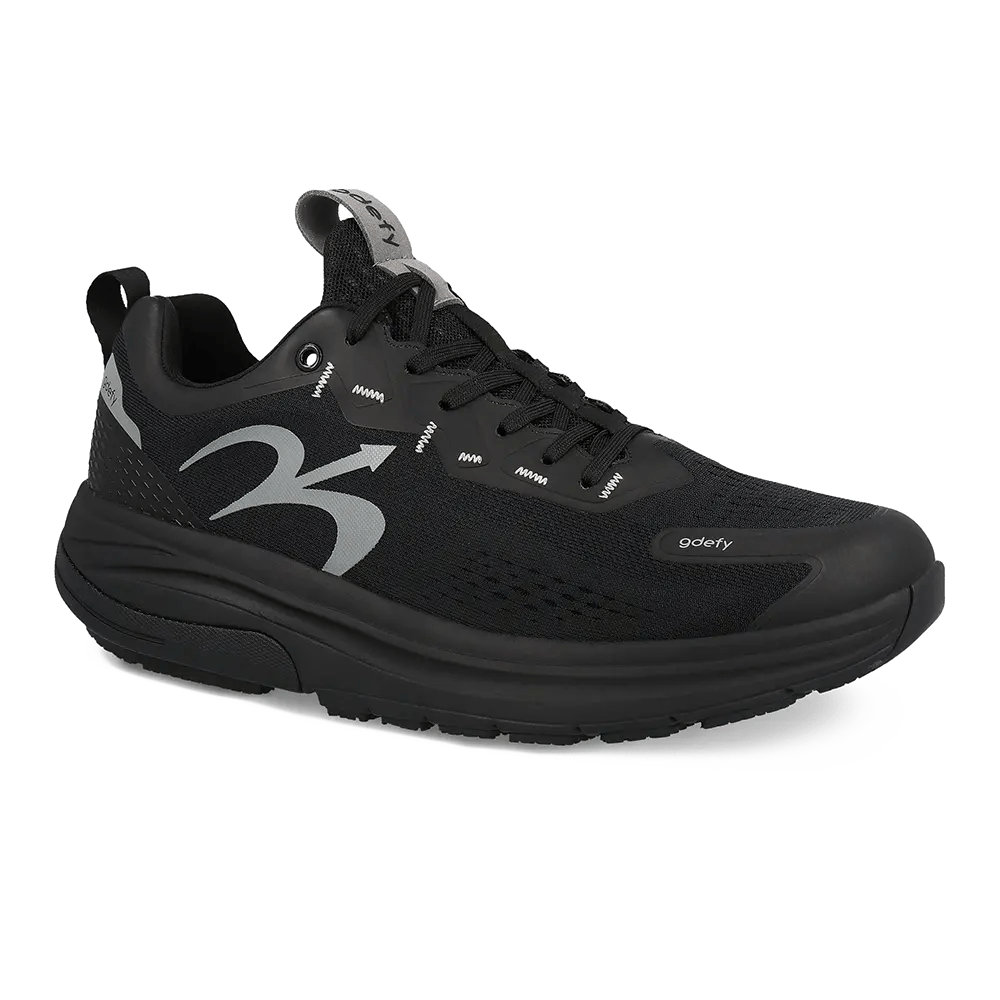
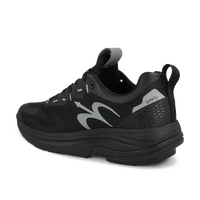
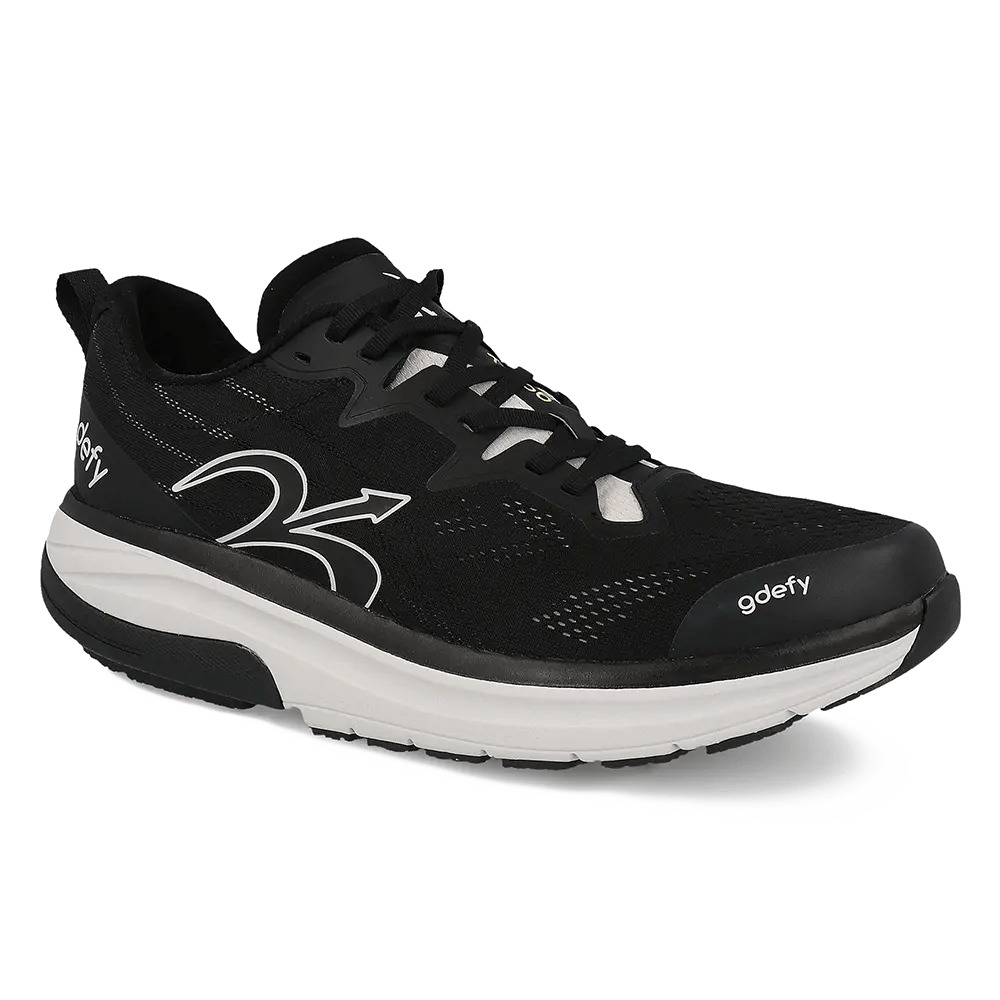
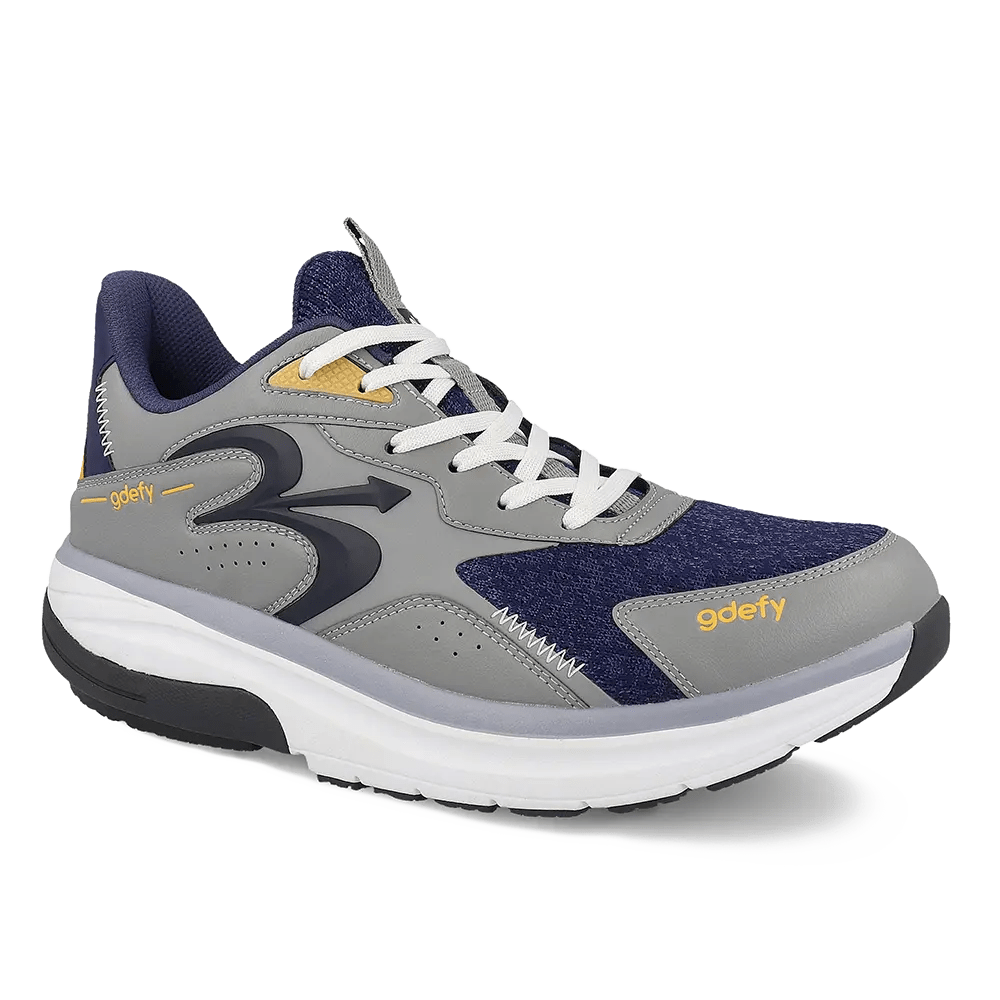
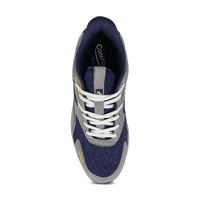
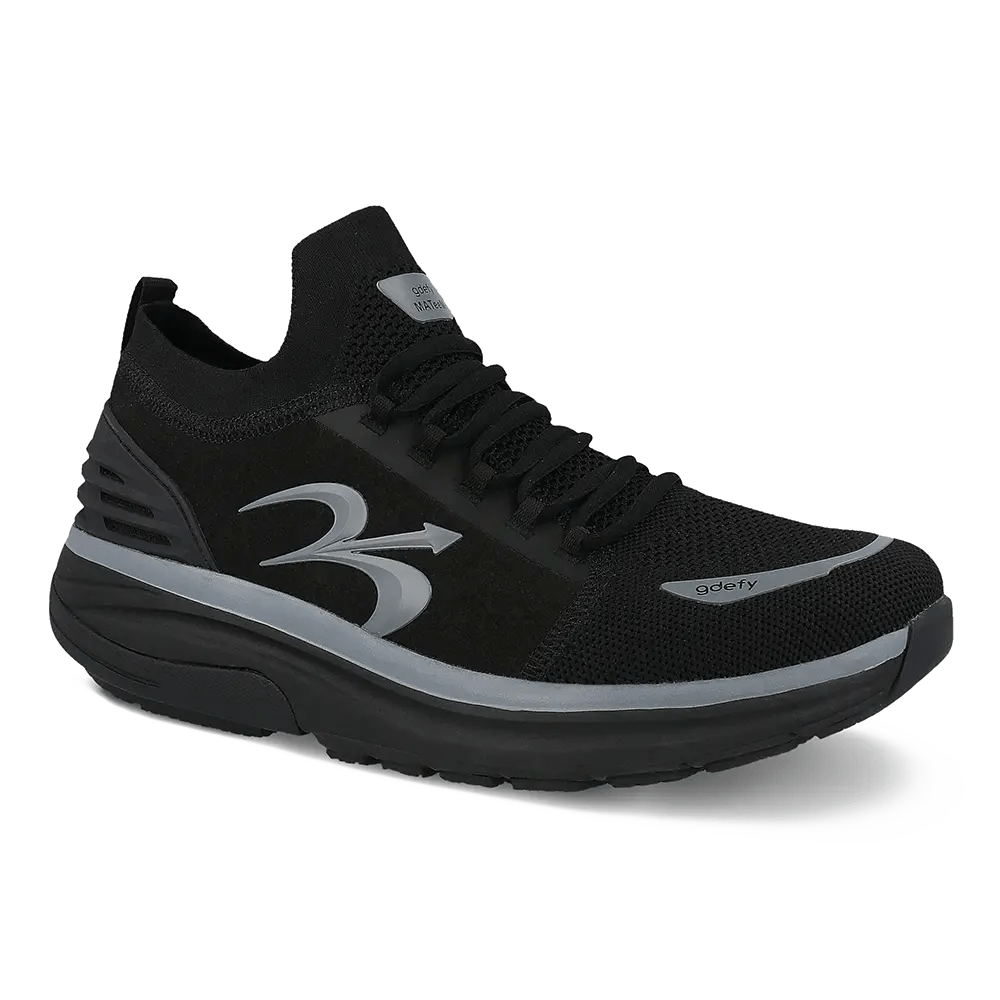
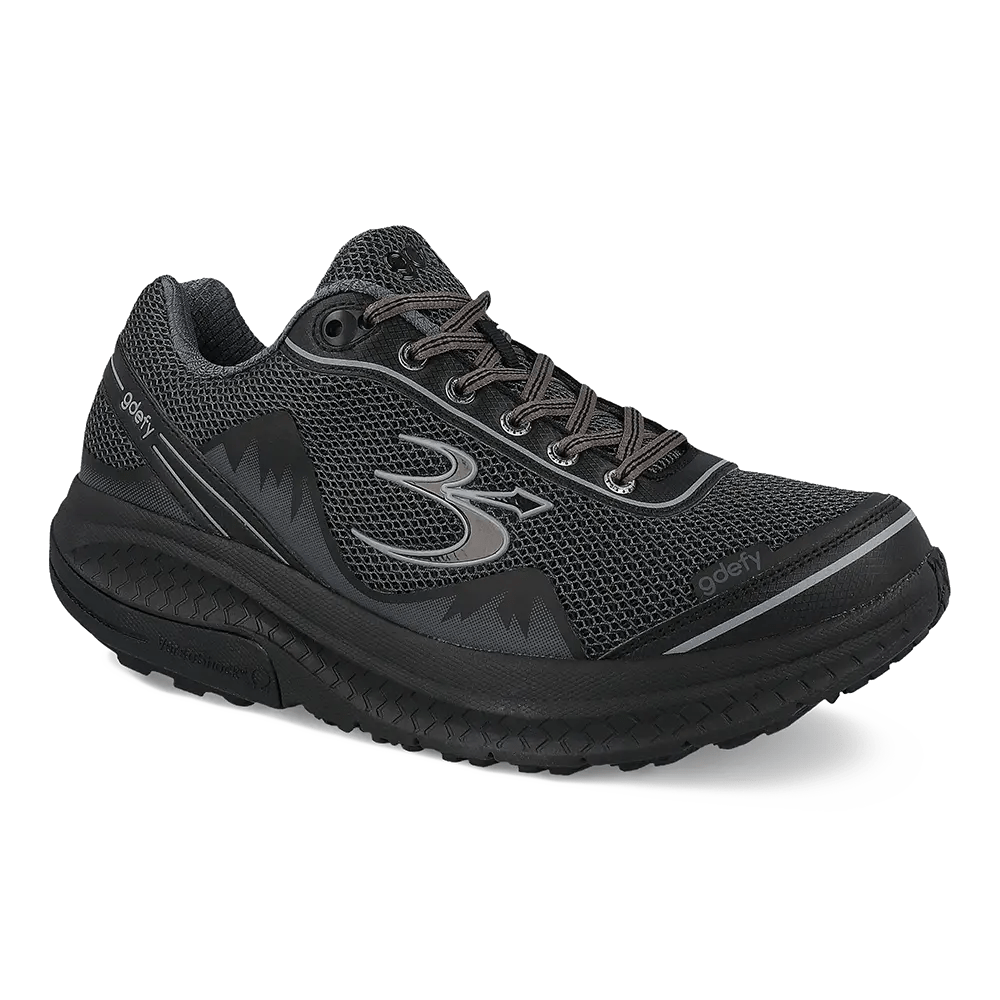
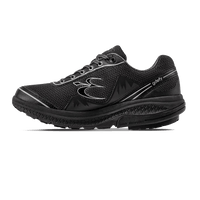
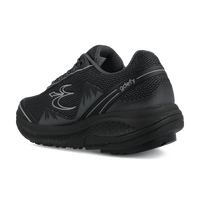
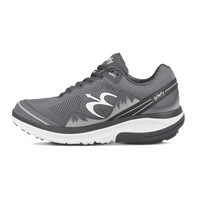
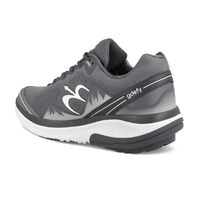
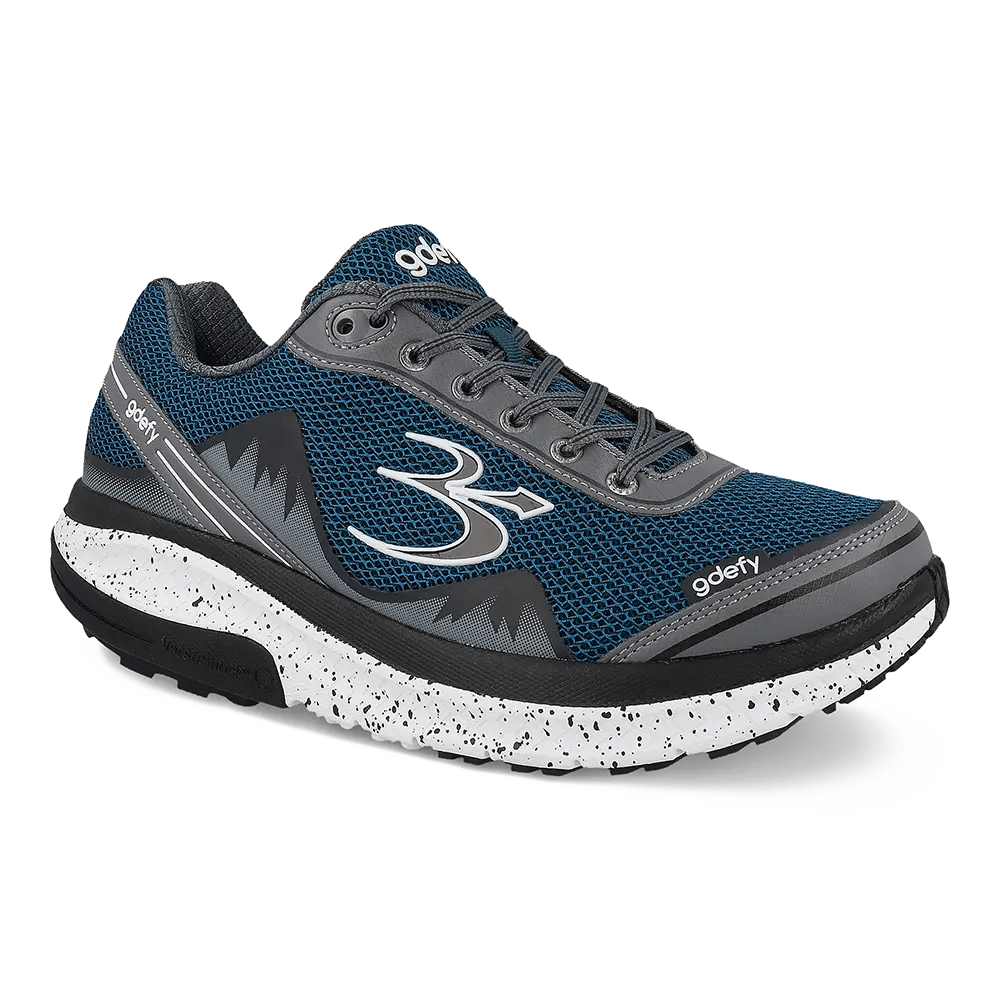
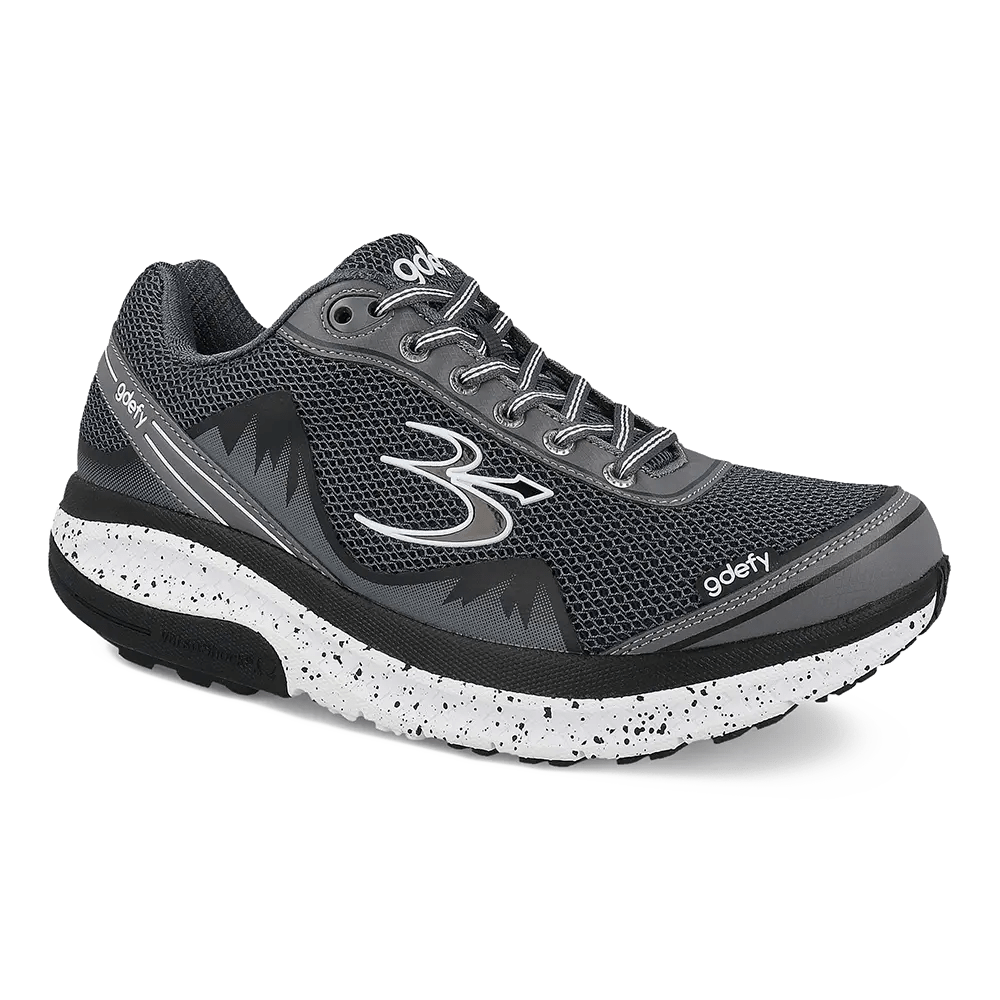
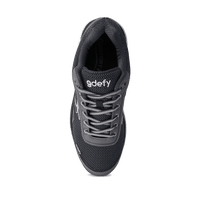
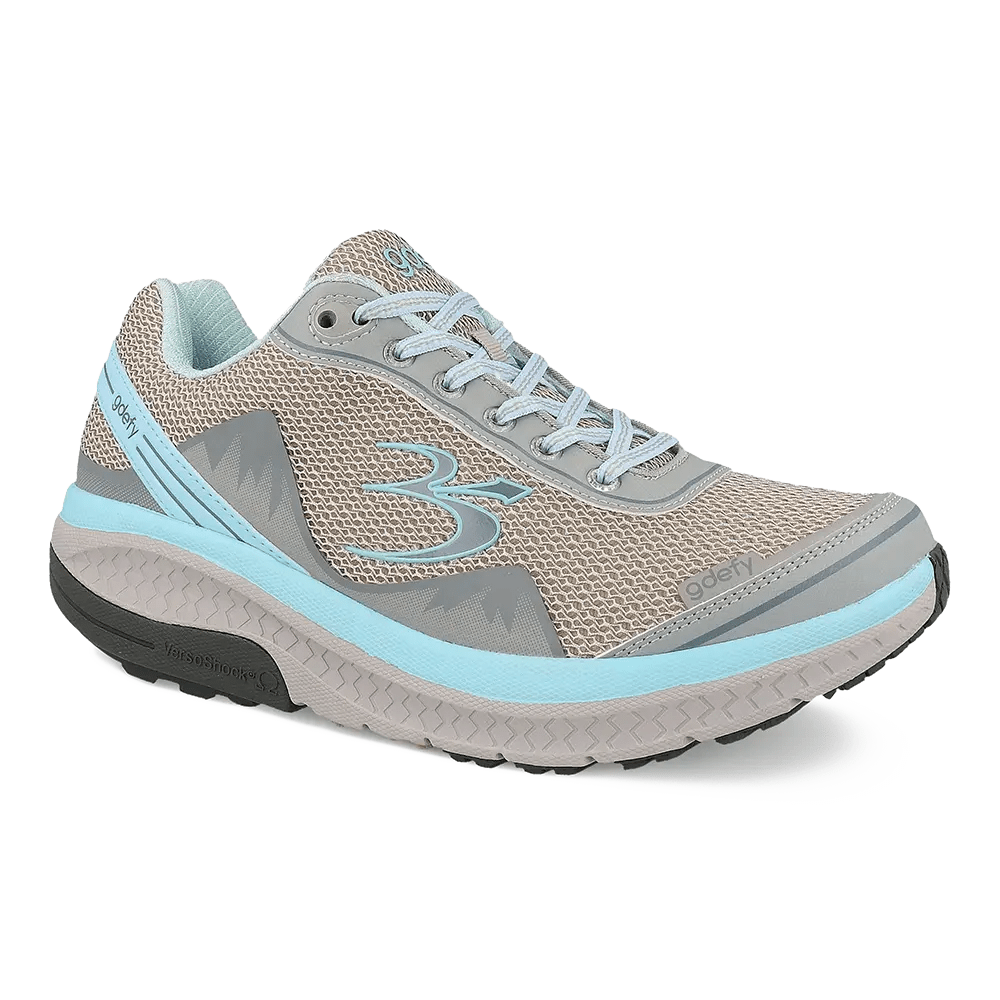
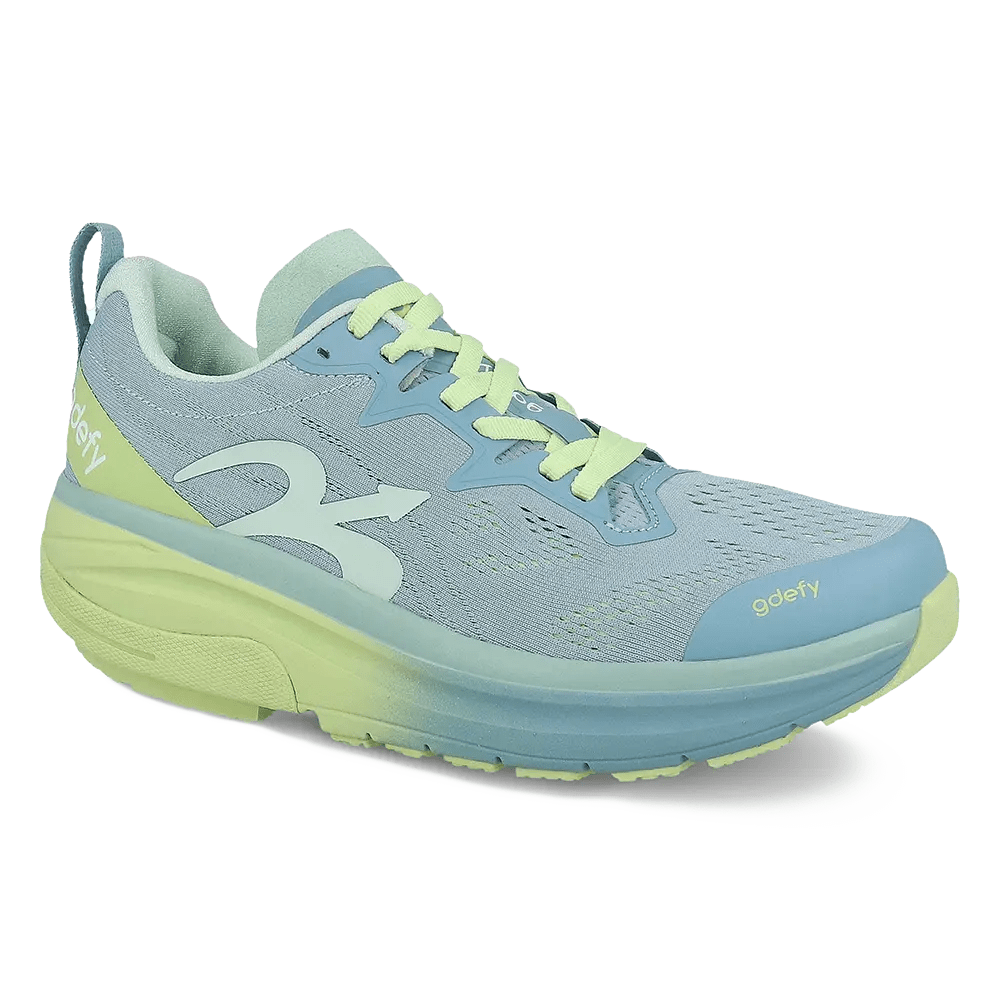
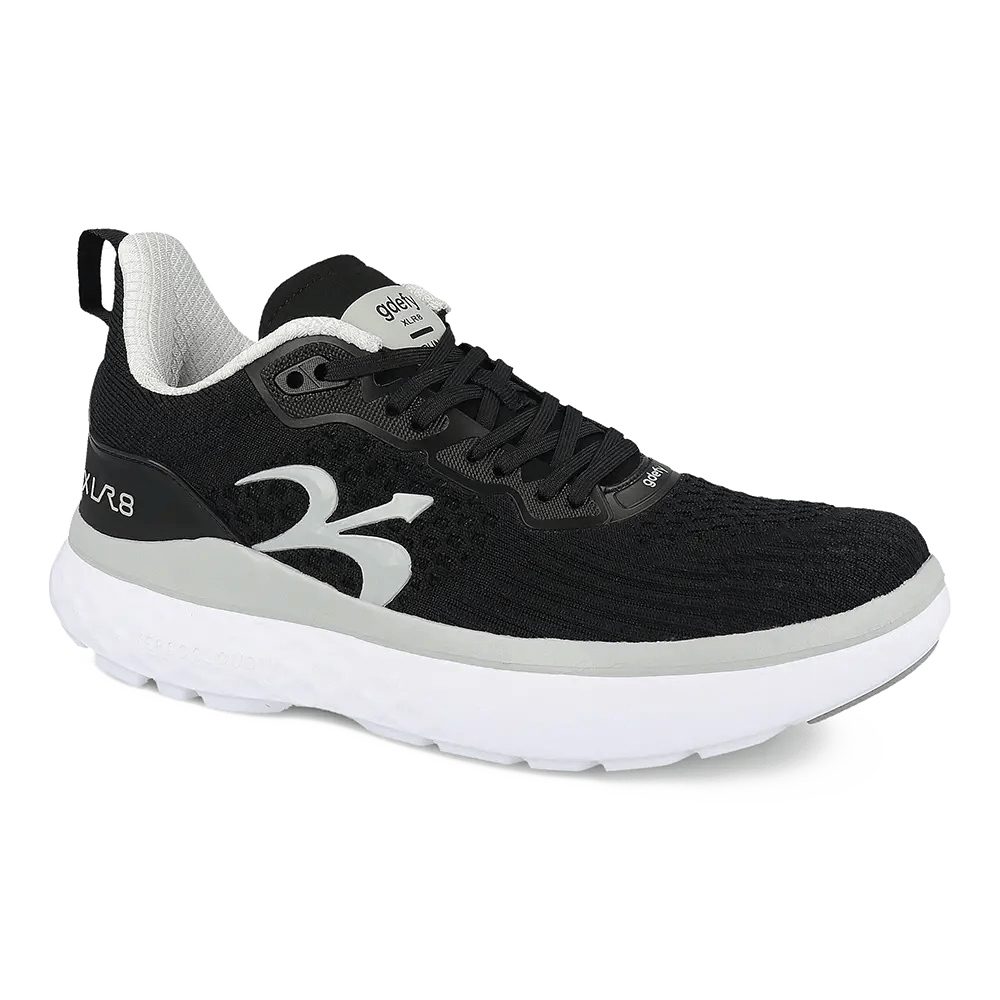
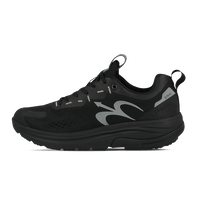
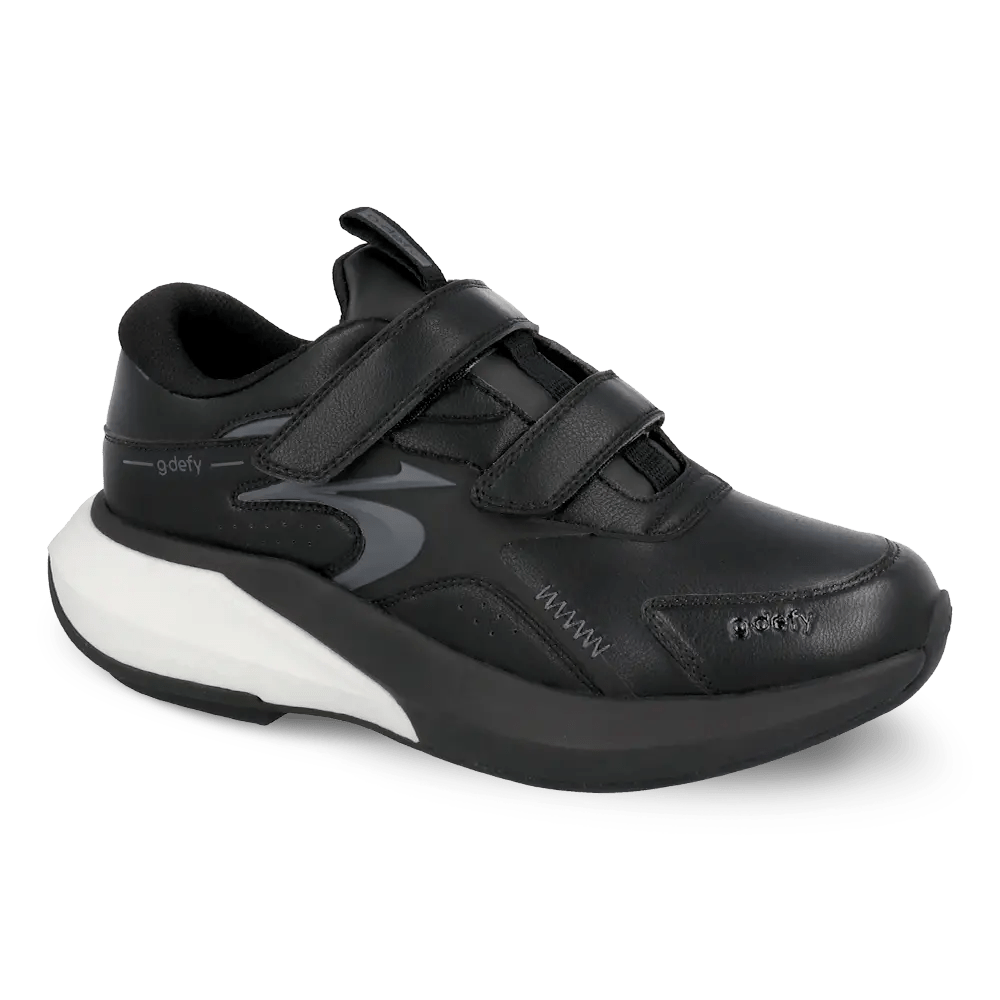
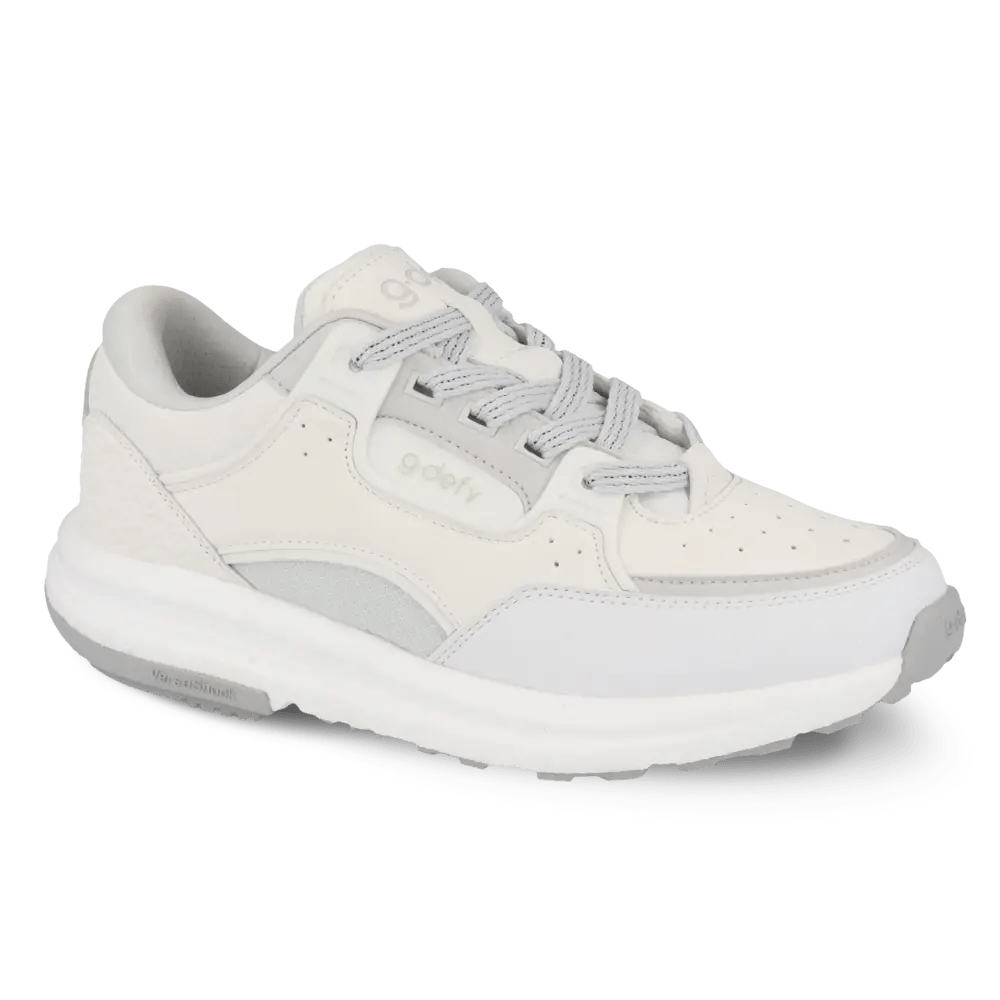
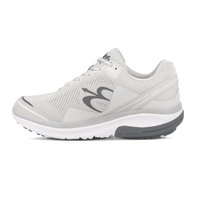
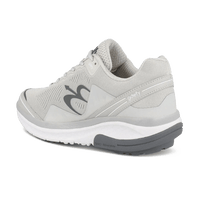
- The Mighty Walk — a substantial all-day walking shoe with deep midsole cushioning, a structured stabilizer, and a roomy toe box. Available in Wide and X-Wide for both men and women.
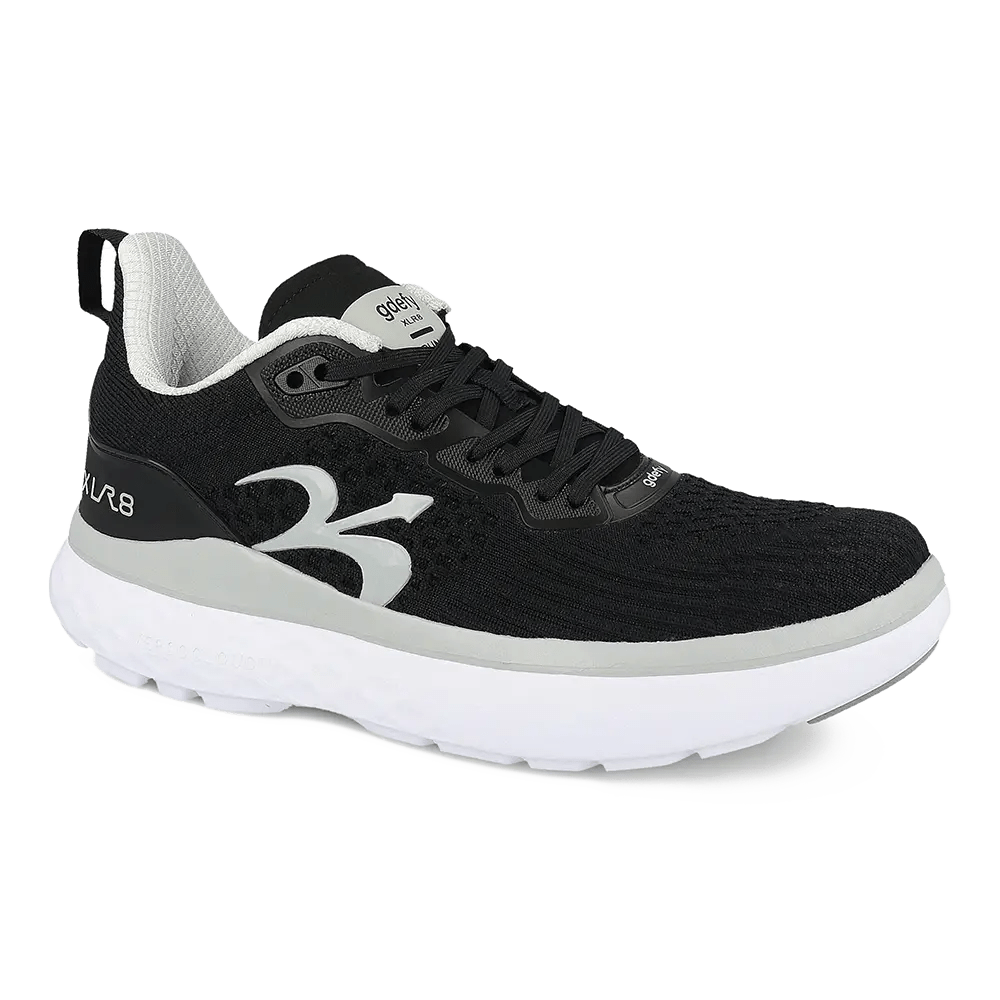
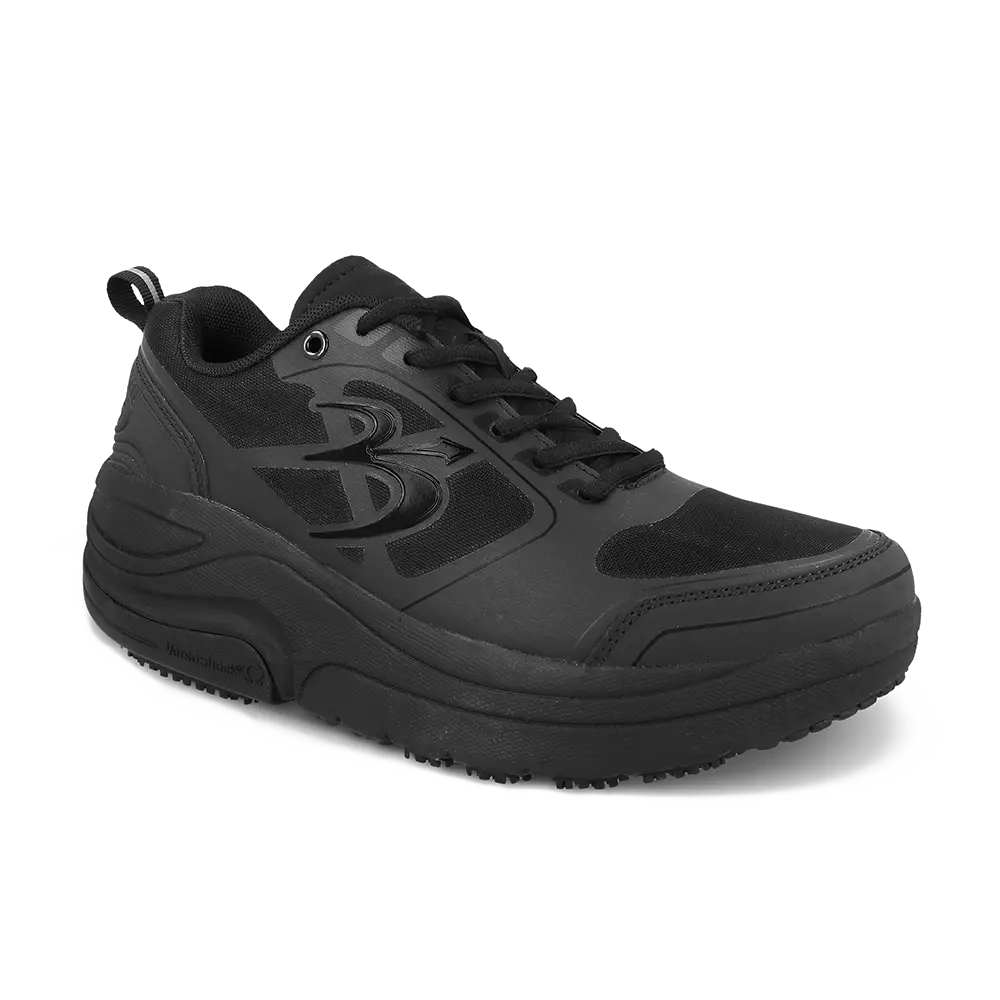
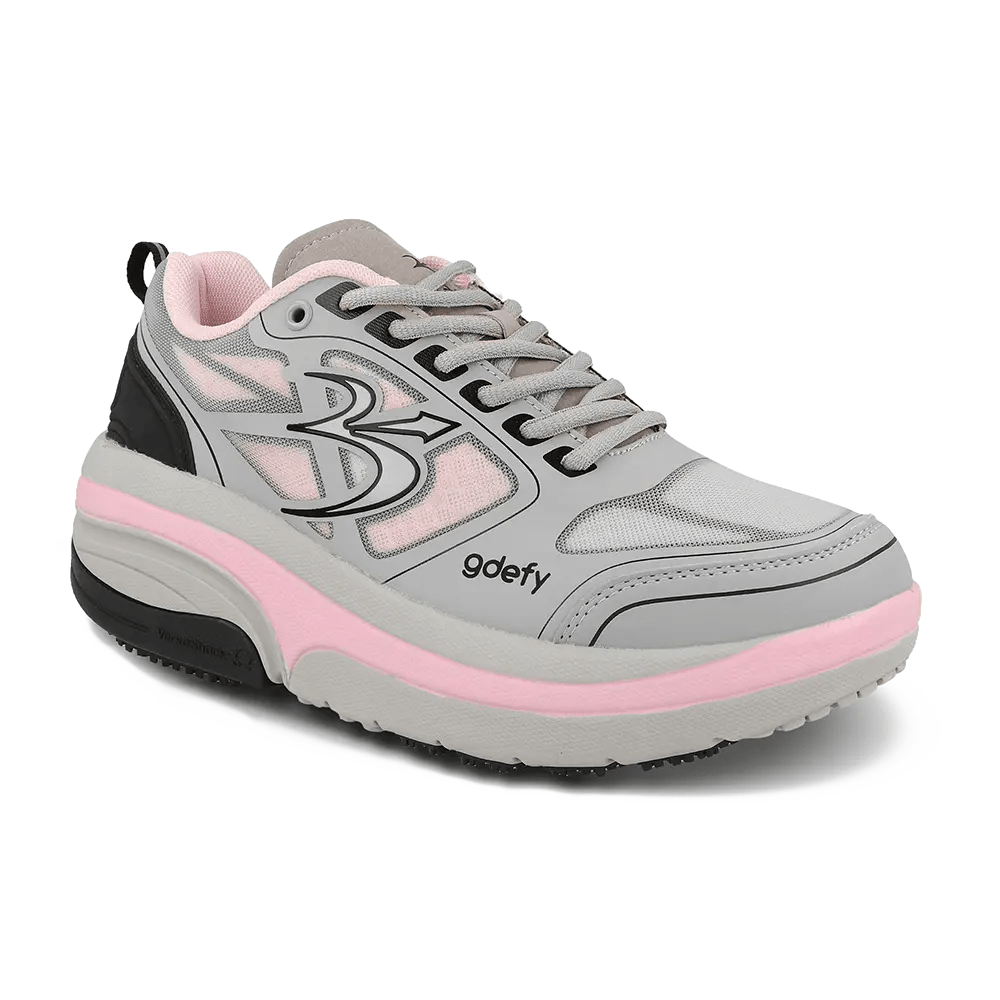
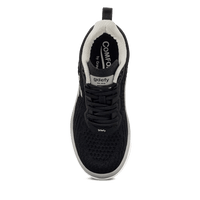
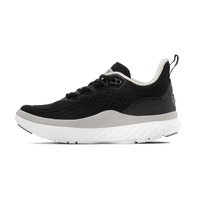
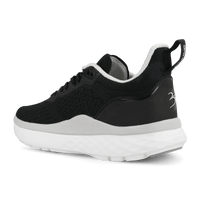
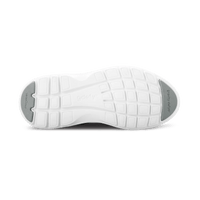
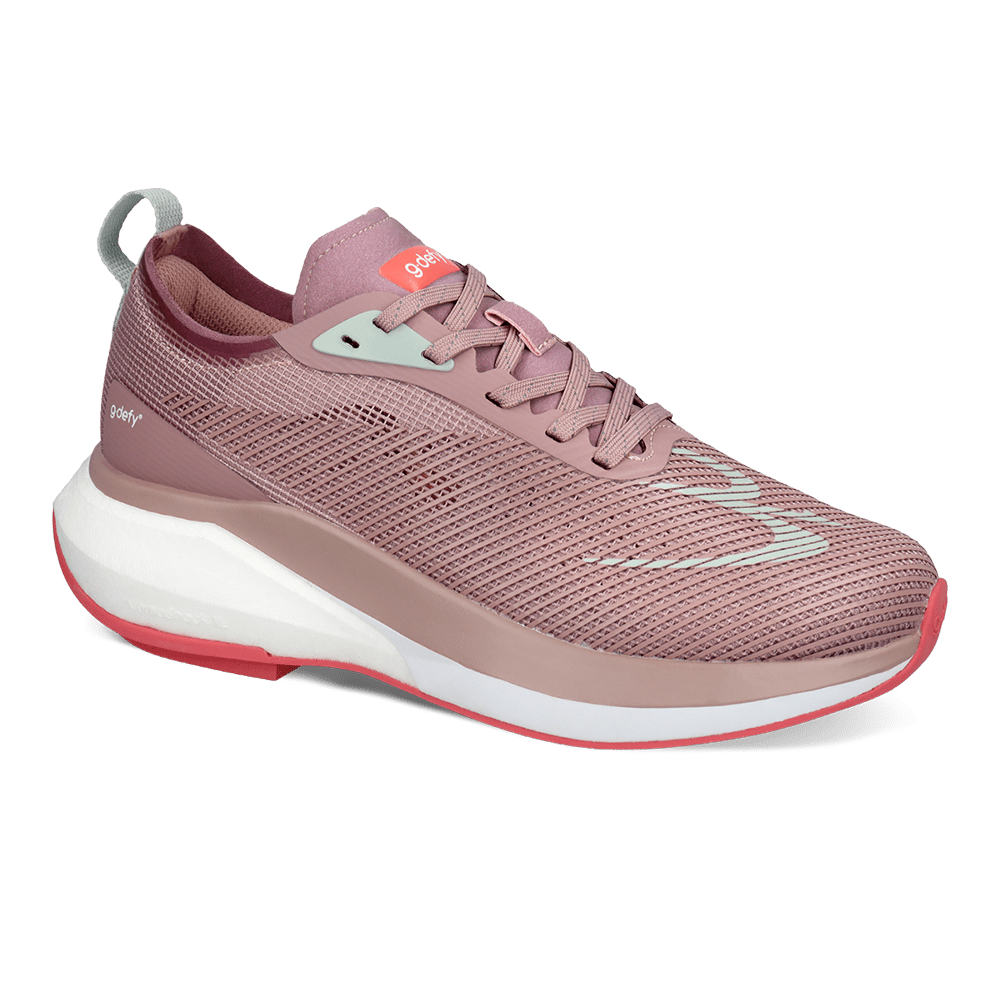
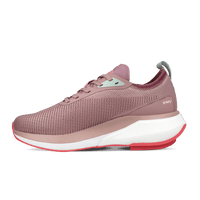
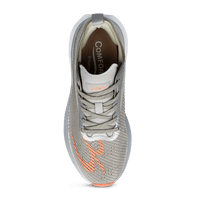
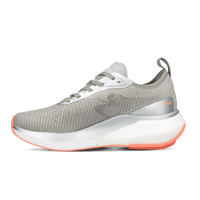
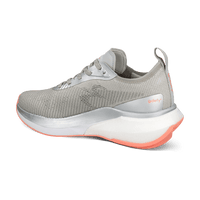
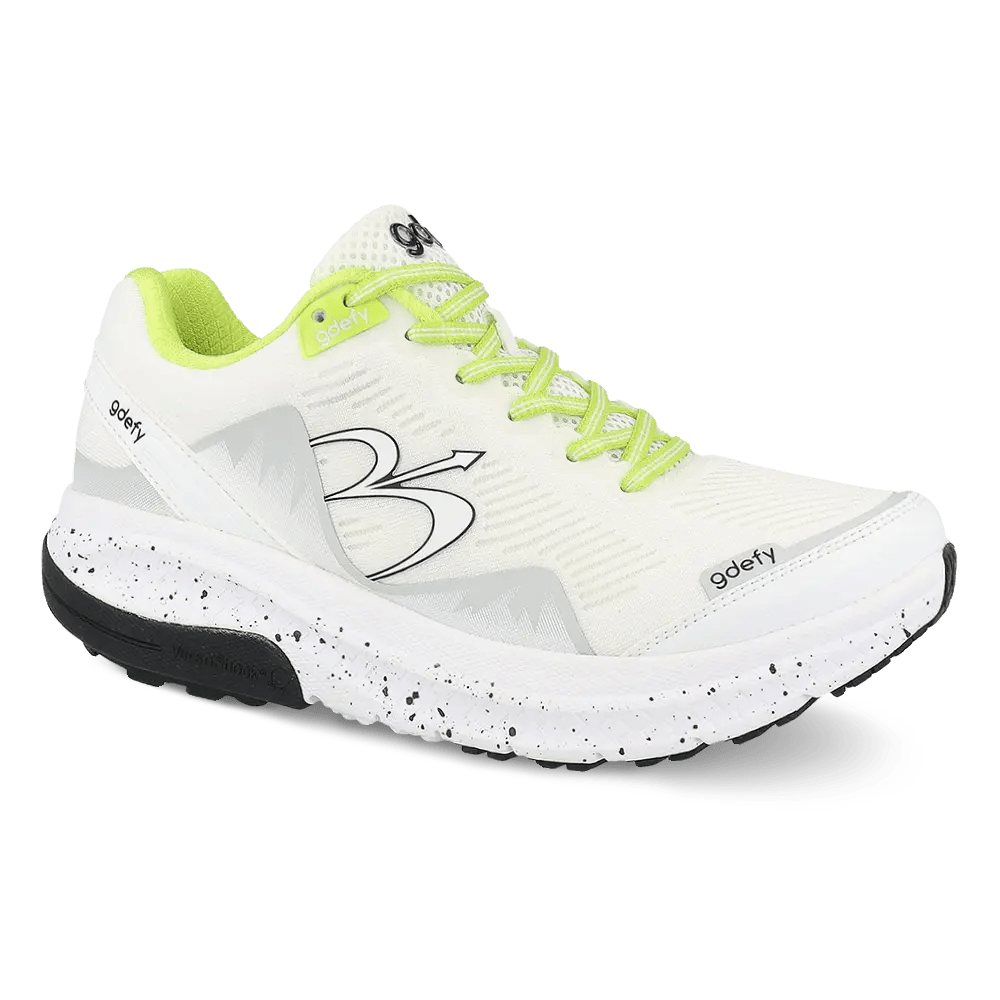
- The Ion — a lighter, more athletic build with the same 4-pillar system underneath. A good option if you walk briskly, log longer mileage, or just prefer a less substantial shoe under the foot.
G-Defy shoes are engineered to deliver comfort, support, and shock absorption during walking, running, and prolonged standing. G-Defy shoes help reduce pain from walking, running, and prolonged standing.

Try a Pair Risk-Free for 60 Days
Every order ships free and includes a 60-day risk-free trial. If they're not the most comfortable walking shoes you've worn, send them back.
Explore VersoShock® TechnologyEveryday Habits That Complement Supportive Shoes
Even the most well-built shoe is one piece of a bigger picture. A few practical habits can make a meaningful difference in how walking feels day to day if you have plantar fasciitis:
- Rotate two pairs. Wearing the same shoe every single day means the midsole never gets to fully decompress. Two pairs in rotation tend to stay supportive longer and reduce wear patterns.
- Replace shoes before they look worn out. Walking shoes lose meaningful cushioning long before the upper looks tired — usually 400–500 miles of use, or about 6–9 months of daily wear for most walkers. If the inside of the heel cup is packed flat, the shoe is done.
- Lace for a secure midfoot. A heel-lock lacing pattern keeps the heel snug and the foot from sliding forward, which protects the toe box and keeps the arch support sitting where it should.
- Stretch the calves and the fascia gently. Tight calves pull on the fascia; a gentle daily calf and foot stretch routine often helps the morning step feel less sharp.
- Build mileage gradually. Long walks added too quickly tend to flare plantar fasciitis up. Step up by about 10% per week when you're adding distance.
For persistent or worsening heel pain, talk with a healthcare provider — shoes can support comfort, but they're not a substitute for medical advice.
Frequently Asked Questions
What shoe feature matters most for plantar fasciitis comfort?
If you had to pick one, the combination of deep heel cushioning and structured arch support is the foundation. Cushioning absorbs the first impact at the heel; arch support keeps the fascia from over-stretching with every step. Most other features build on top of those two.
Can the right walking shoes really help with plantar fasciitis pain in the morning?
Supportive, well-cushioned footwear may improve overall comfort during walking and prolonged standing — which can make the first steps of the day feel less harsh. The right shoes can't replace stretching, gradual movement, or medical guidance, but they often play a meaningful supporting role. G-Defy shoes help reduce pain from walking, running, and prolonged standing.
How do removable orthotics help if you have plantar fasciitis?
Removable orthotics let you tune the arch profile to your foot. A higher arch tends to want firmer, more contoured support; a lower arch tends to do better with a flatter, cushioning-forward insole. Being able to swap insoles — or substitute a custom orthotic from your provider — means the shoe can match your foot, not the other way around.
Should plantar fasciitis shoes be soft or firm underfoot?
Both, in different places. Soft cushioning under the heel and forefoot absorbs impact; a firmer, more structured midsole keeps the arch supported and the shoe from collapsing. A shoe that's soft everywhere tends to feel comfortable for the first hour and tired by hour four. The combination is what carries you through a long day.
When should I replace walking shoes if I have plantar fasciitis?
Most walking shoes hit their useful limit at 400–500 miles or 6–9 months of daily wear — whichever comes first. Signs to watch for: the inside heel cup feels packed flat, the midsole creases sharply when you flex it, or you start feeling more impact on hard surfaces than you used to. If you have plantar fasciitis, lean toward the earlier end of that range.
A Final Note
While footwear is not a medical solution, choosing shoes designed for comfort, support, and shock absorption can make a meaningful difference in how walking feels — especially during a flare of plantar fasciitis. The seven features in this guide aren't a checklist of marketing claims; they're a practical lens for telling a well-built walking shoe apart from one that just looks the part.
G-Defy was built around exactly these features — deep cushioning, structured support, a stabilizer, a rolling sole, a roomy fit, and a dual orthotic system in every pair. The 60-day risk-free trial is there for a reason: comfort is personal, and the only way to know if a shoe works for your feet is to walk in it.
Find Your Pair
Free shipping, free exchanges, and 60 days to decide if they're right for you.
Shop the Mighty Walk