
July 26, 2026
How to Choose Shoes for Your Foot Type
By Gdefy

Summary
No two pairs of feet are exactly alike. Some feet have a tall, defined arch. Others sit low and flat against the ground. The way your foot is shaped — and the way it moves when you walk — has a lot to do with how comfortable your shoes feel by the end of the day. That is what people mean when they talk about your "foot type."
Choosing shoes that match your foot type can make everyday walking and standing feel noticeably more comfortable. While footwear is not a medical solution, the right design can play an important role in support, cushioning, and all-day comfort. This guide walks you through the main foot types, a simple way to figure out yours at home, and the shoe features that tend to suit each one.
What Does "Foot Type" Actually Mean?
Foot type is mostly a way of describing the height of your arch — the curved space along the inside of your foot between the heel and the ball. Arch height affects how your weight spreads across your foot and how much your foot flexes with each step. Most people fall into one of three broad groups.
Neutral (Medium) Arch
A neutral arch has a moderate curve that you can see clearly but that is not especially high. Feet in this group tend to distribute weight fairly evenly. If this is you, you generally have the most flexibility in the styles that feel comfortable — though good cushioning and support still matter for long days.
Low Arch or Flat Foot
A low arch sits closer to the ground, and the footprint often looks full with little inward curve. Feet in this group may roll inward more as they move, which can leave the foot feeling less stable during long walks. Structure and steady support are usually the priority here.
High Arch
A high arch has a tall, pronounced curve, and the footprint often shows a narrow band connecting the heel and the ball of the foot. Higher arches tend to be more rigid and absorb less impact on their own, so extra cushioning and shock absorption often feel best.
How to Find Your Foot Type at Home
You do not need any special equipment to get a general sense of your arch height. Here are three simple checks you can do in a few minutes.
- The wet-footprint test. Wet the sole of one foot, step onto a piece of paper or a dry surface that shows a mark, then step off and look at the print. A full print with little curve on the inside points to a low arch. A print that shows about half of your midfoot suggests a neutral arch. A thin print with a large gap in the middle suggests a high arch.
- The worn-shoe check. Look at the wear pattern on a well-used pair of shoes. Wear along the inner edge often lines up with lower arches and inward roll, while wear along the outer edge often lines up with higher arches. This is a clue, not a diagnosis.
- The flexibility check. Notice whether your foot feels very flexible and mobile or firmer and more rigid. Flexible, mobile feet often pair with lower arches; stiffer feet often pair with higher arches.
These at-home checks give you a helpful starting point. For a deeper look at arch height and what it means day to day, see our guides on low arches, medium arches, and high arches.
What Each Foot Type Looks for in a Shoe
Once you have a sense of your foot type, you can focus on the shoe features that tend to suit it best. Most of it comes down to the balance between cushioning and support.
Low Arches and Flat Feet: Prioritize Structure and Support
Lower arches often benefit from a shoe with firm midsole support and a stable platform. Look for a supportive midfoot, a secure heel, and built-in arch support that helps the foot feel steadier through each step. A shoe that resists twisting too easily in the middle can encourage a more controlled, comfortable stride.
High Arches: Prioritize Cushioning and Shock Absorption
Higher, more rigid arches absorb less impact naturally, so cushioning and shock absorption tend to feel especially good. Look for a plush, responsive midsole that softens the force of each footfall, along with a comfortable, roomy fit that does not press on the top of the foot.
Neutral Arches: Look for a Balanced Design
Neutral feet usually do well with a well-rounded shoe that combines steady support with comfortable cushioning. Because you have more flexibility, you can focus on overall fit, comfort, and the type of activity you will be doing most.
Don't Forget How Your Foot Moves
Arch height is only part of the picture. The way your foot rolls as it strikes the ground — often described as pronation (rolling inward) or supination (rolling outward) — also shapes what feels comfortable. Lower arches often go along with more inward roll, while higher arches often go along with more outward roll, but everyone is a little different.
You do not need to overthink this. A shoe with steady support and good shock absorption tends to feel comfortable across a wide range of movement patterns. If you want to understand your own stride better, our guide on pronation and supination breaks it down in plain language.
How G-Defy Shoes Adapt to Different Foot Types

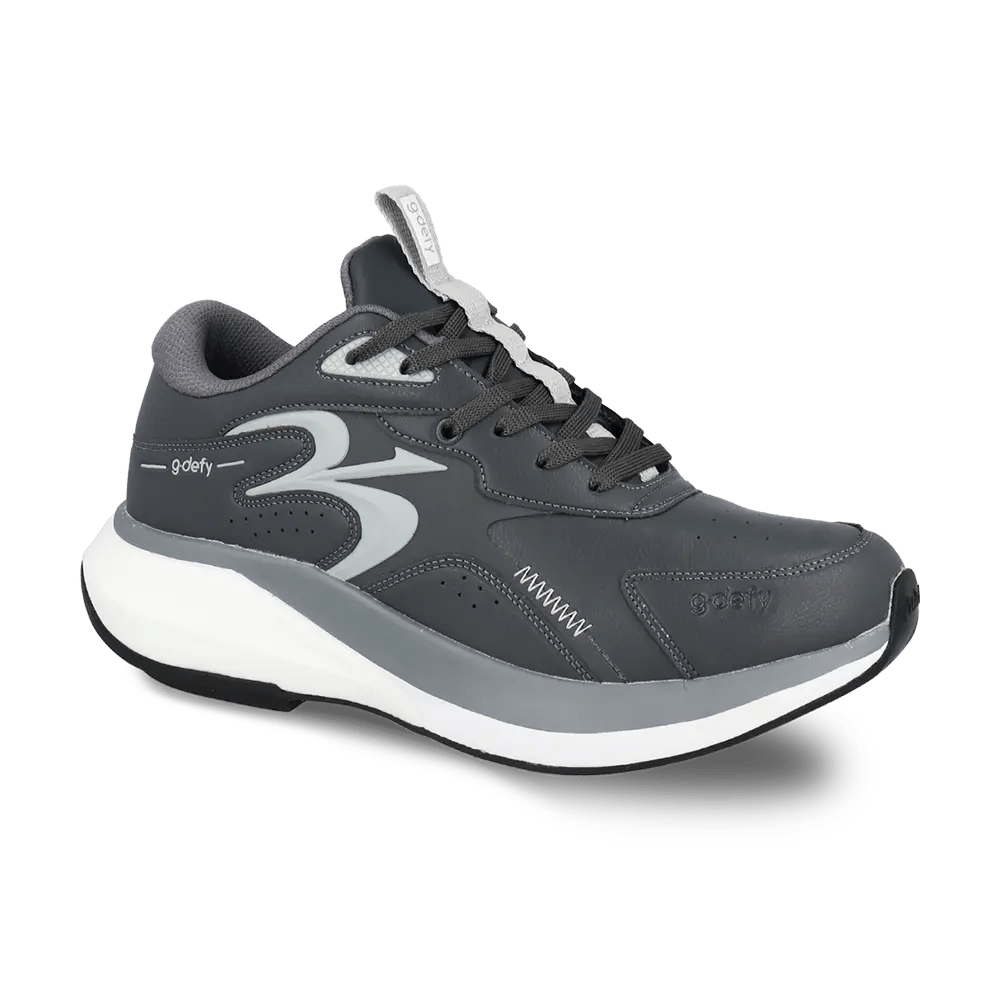
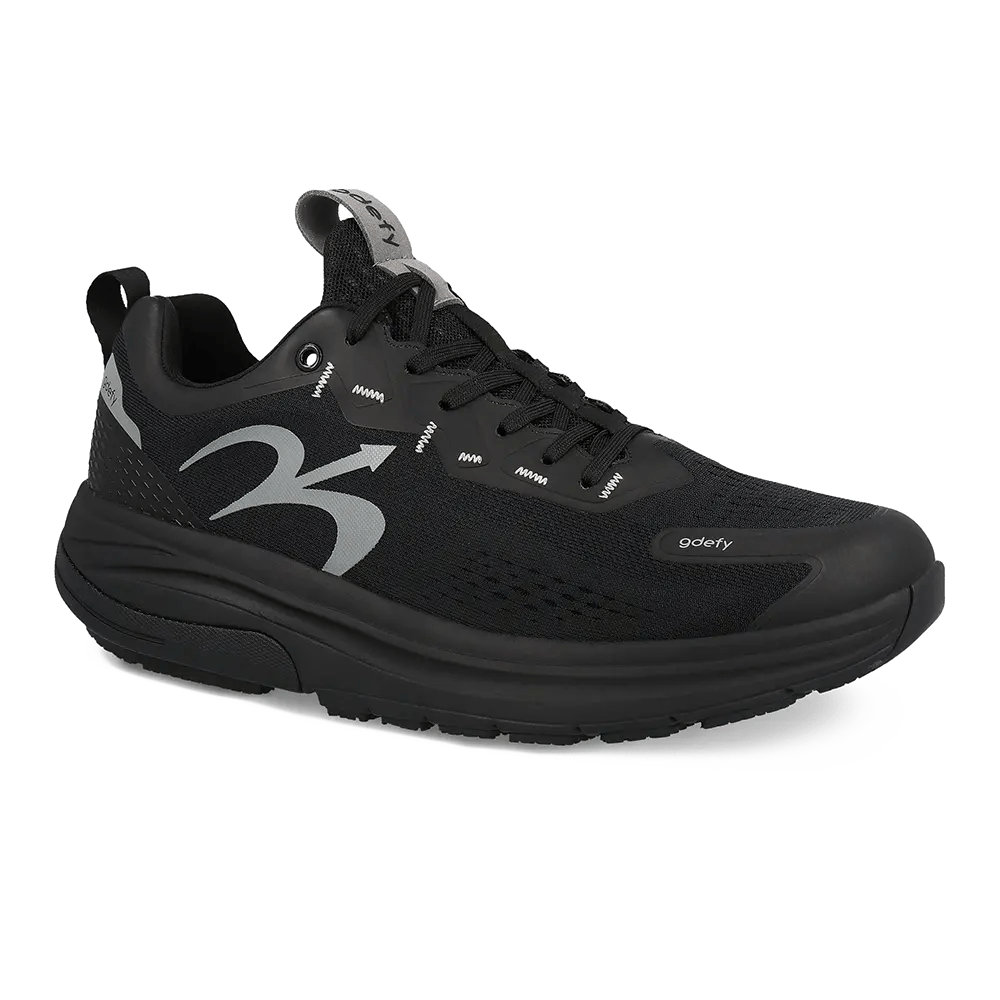
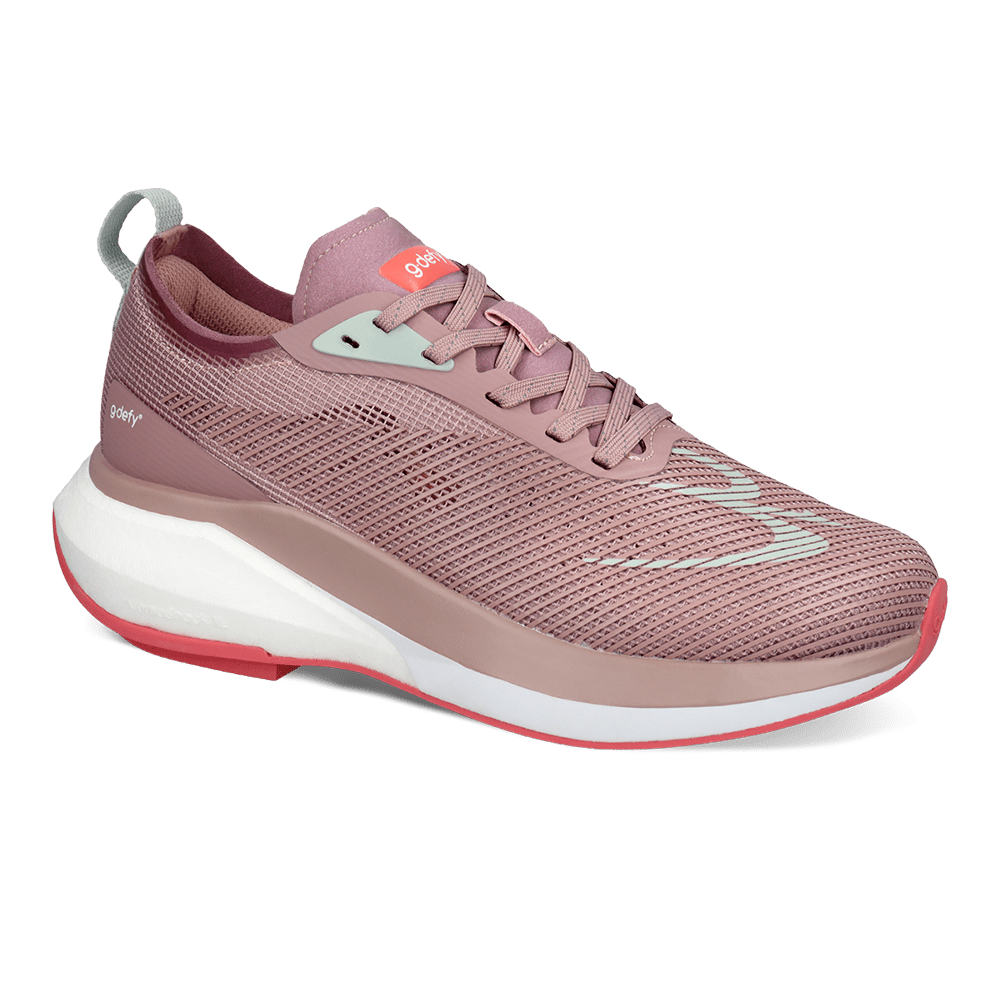
One of the challenges with foot type is that a shoe built for one arch height may not suit another. G-Defy takes a flexible approach: every pair is engineered for comfort, support, and shock absorption, and includes two removable orthotics so you can fine-tune the feel to your own foot.
- The ComfortFit® orthotic is designed for low to medium arches, focusing on cushioning and comfort.
- The CorrectiveFit® orthotic is designed for medium to high arches, providing additional support.
That dual-orthotic system lets you customize your support level instead of hoping one fixed insole works for everyone. You can read more about how this compares to add-on insoles in our guide on orthotic insoles versus built-in shoe support.
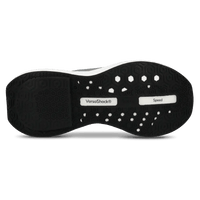
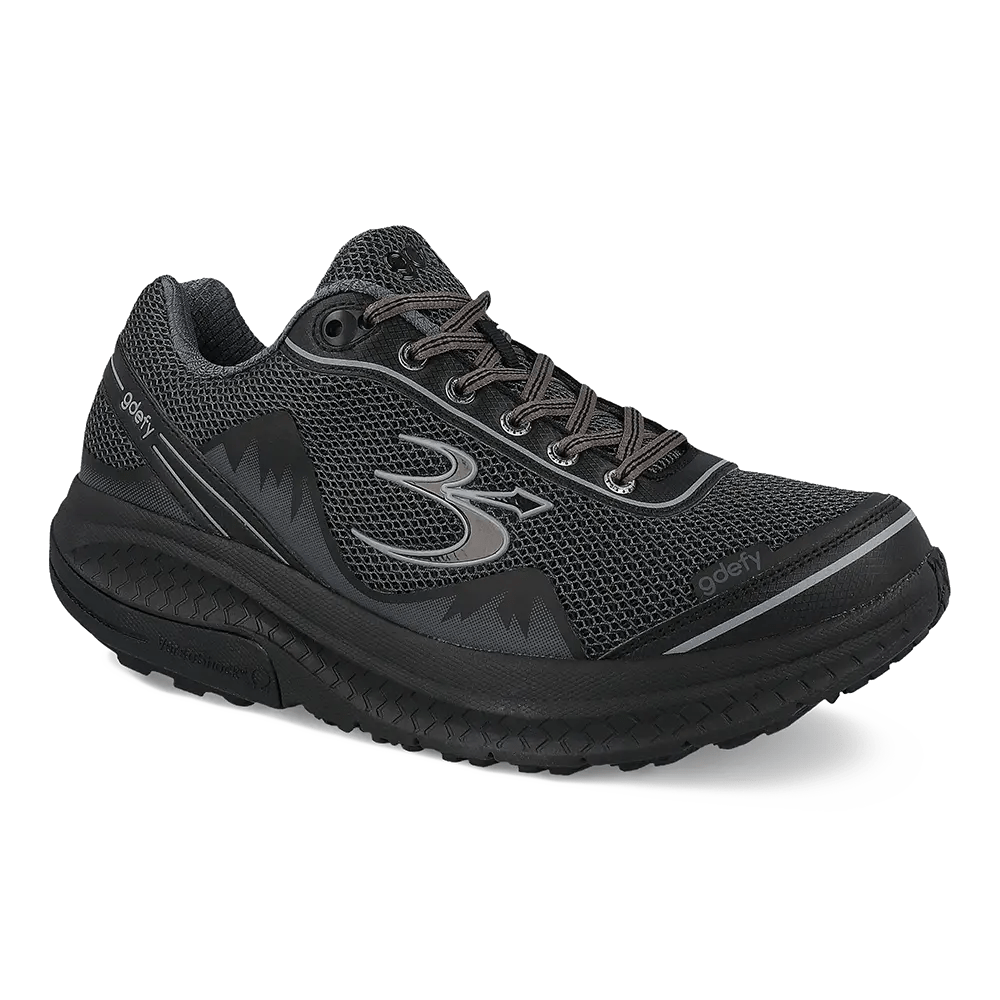
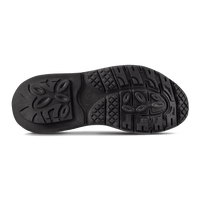
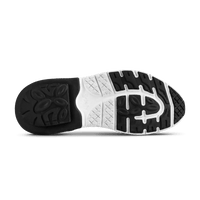
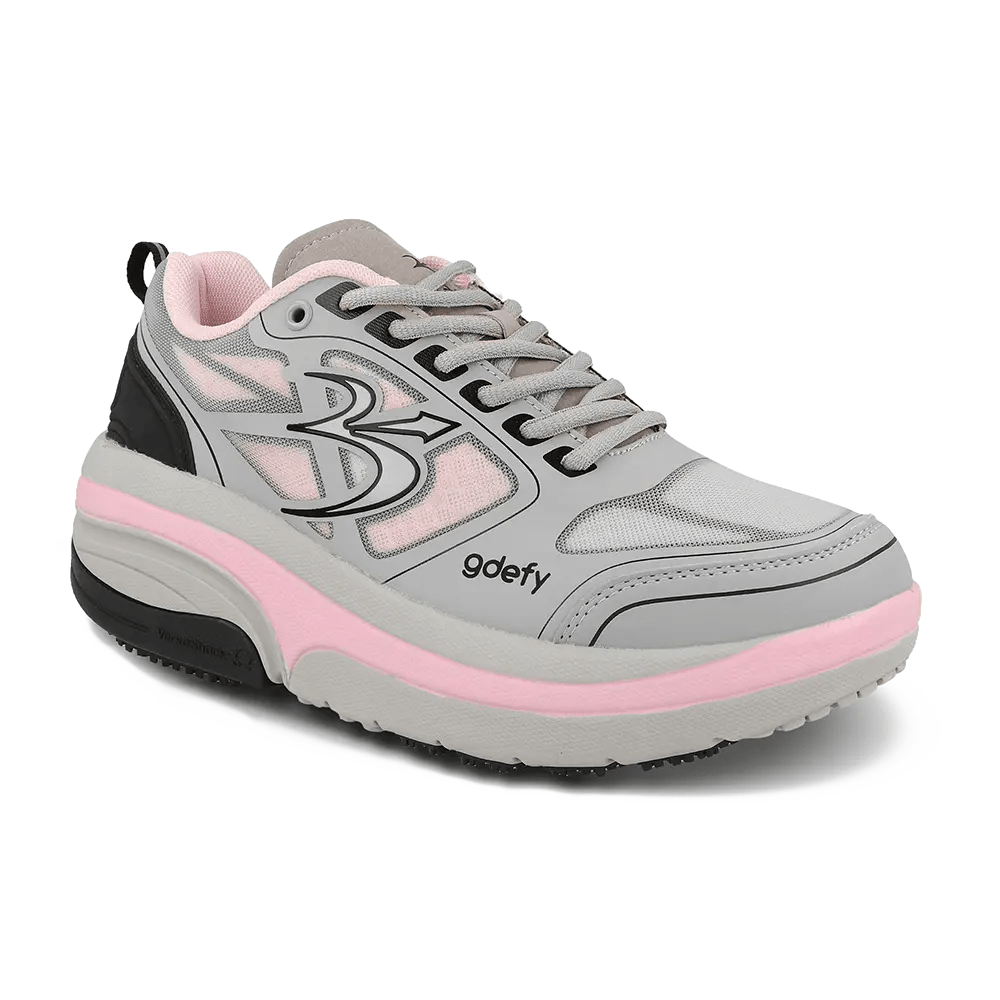
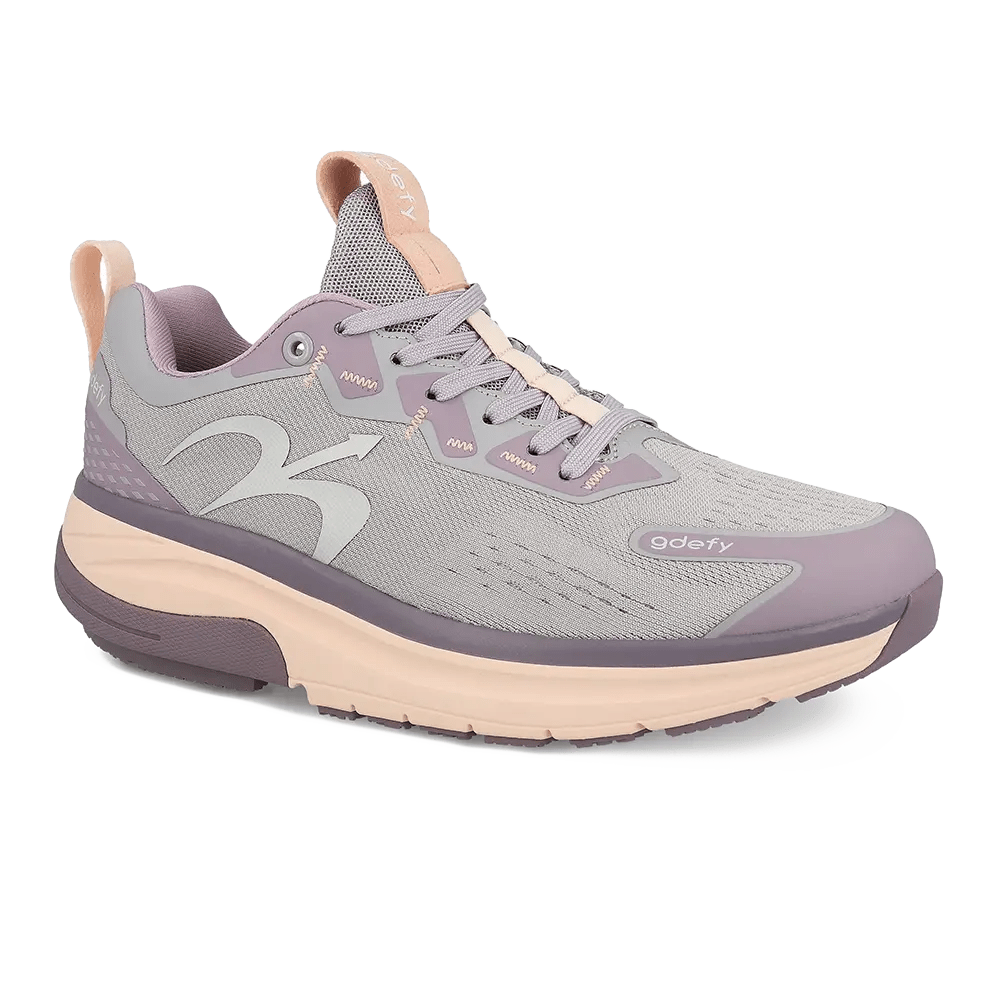
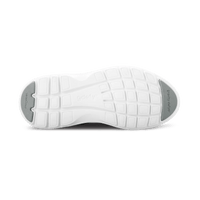
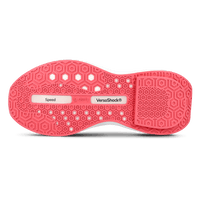
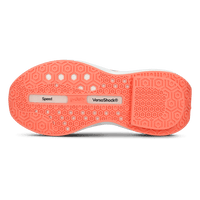
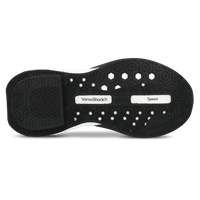
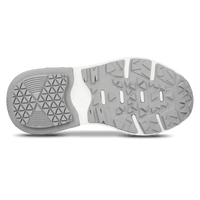
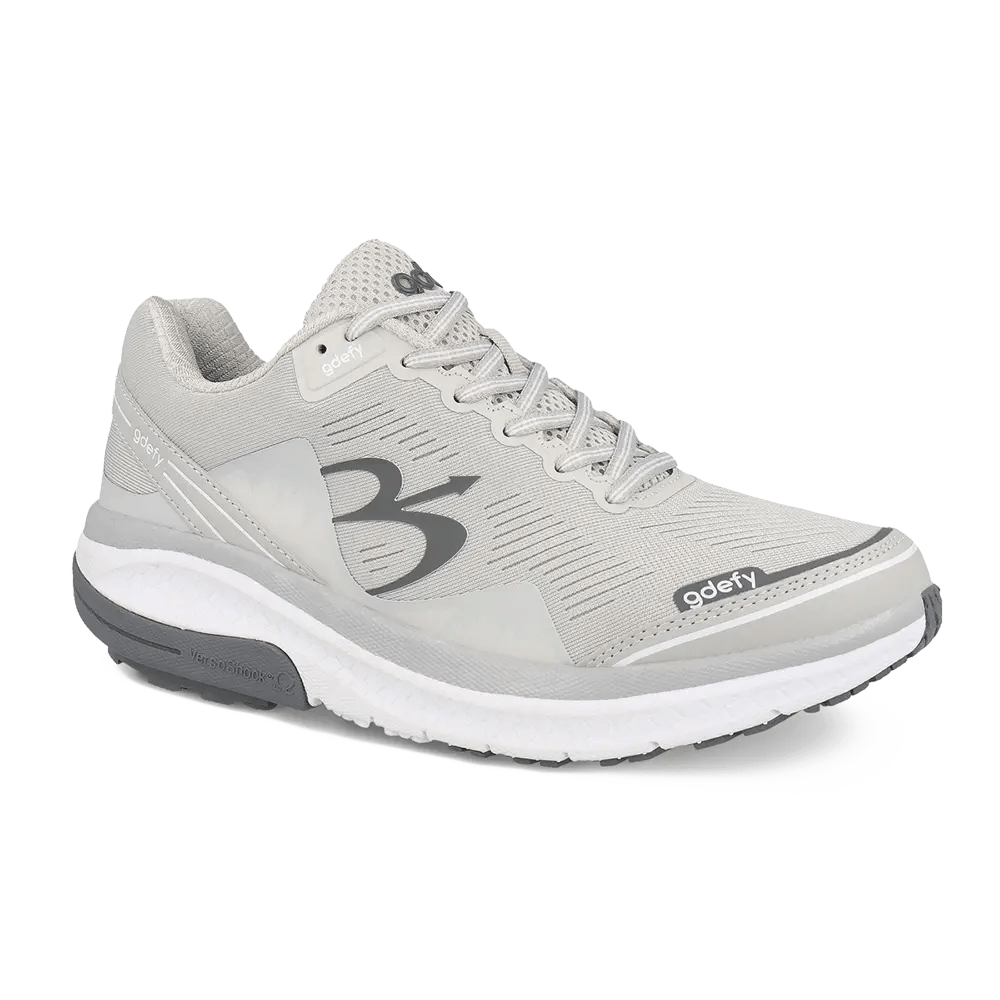
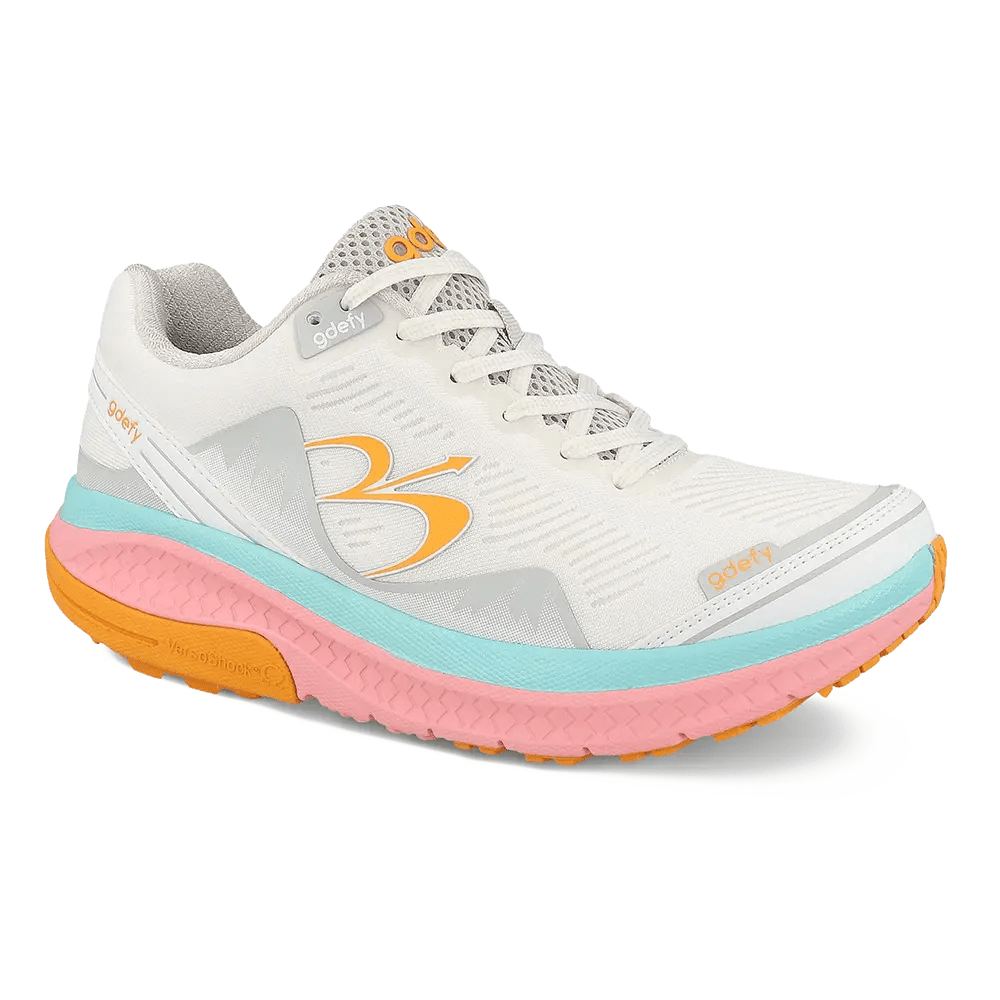
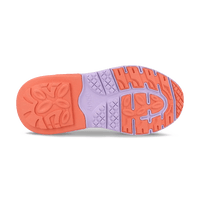
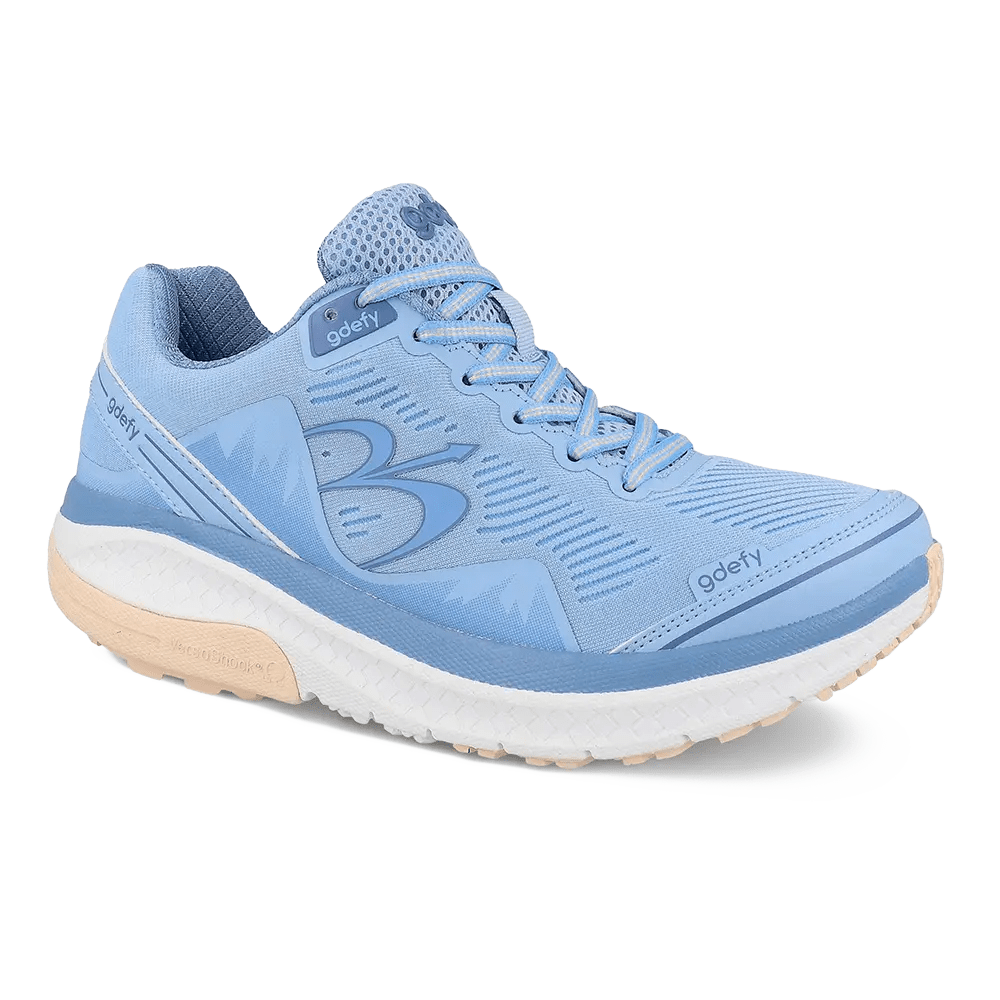
Underneath, G-Defy shoes use VersoShock® technology, a spring-based system designed to absorb impact and return energy with each step. A built-in stabilizer supports the foot during movement, while the front rolling design promotes a smooth heel-to-toe transition. Together, these features help reduce pain from walking, running, and prolonged standing.
Two popular styles show how this works across foot types:
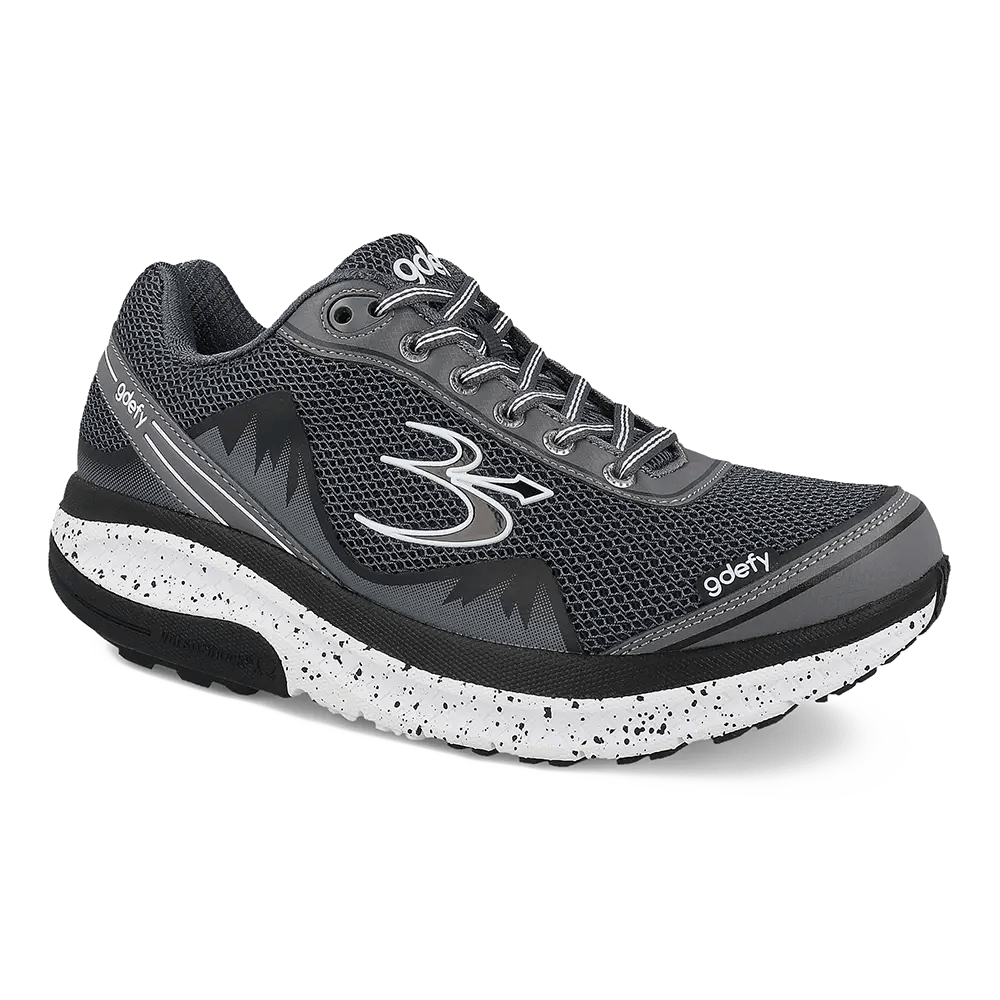
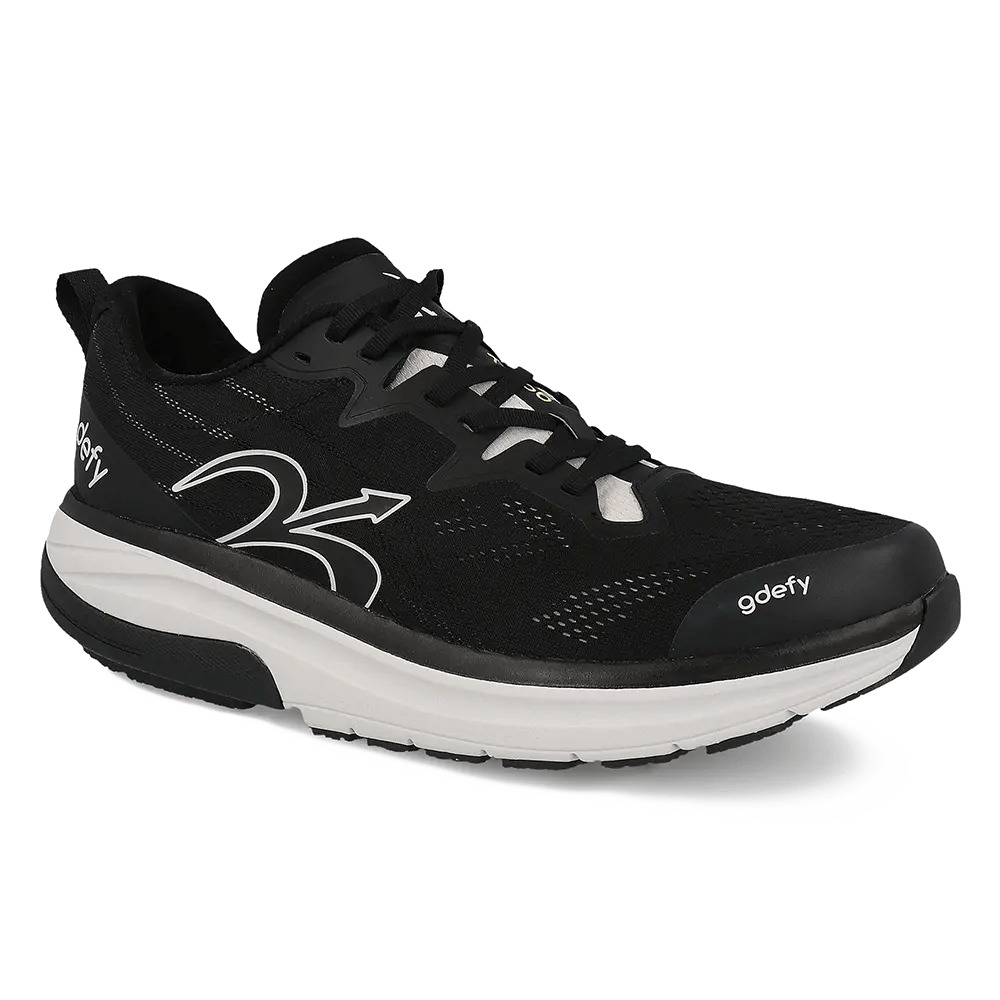
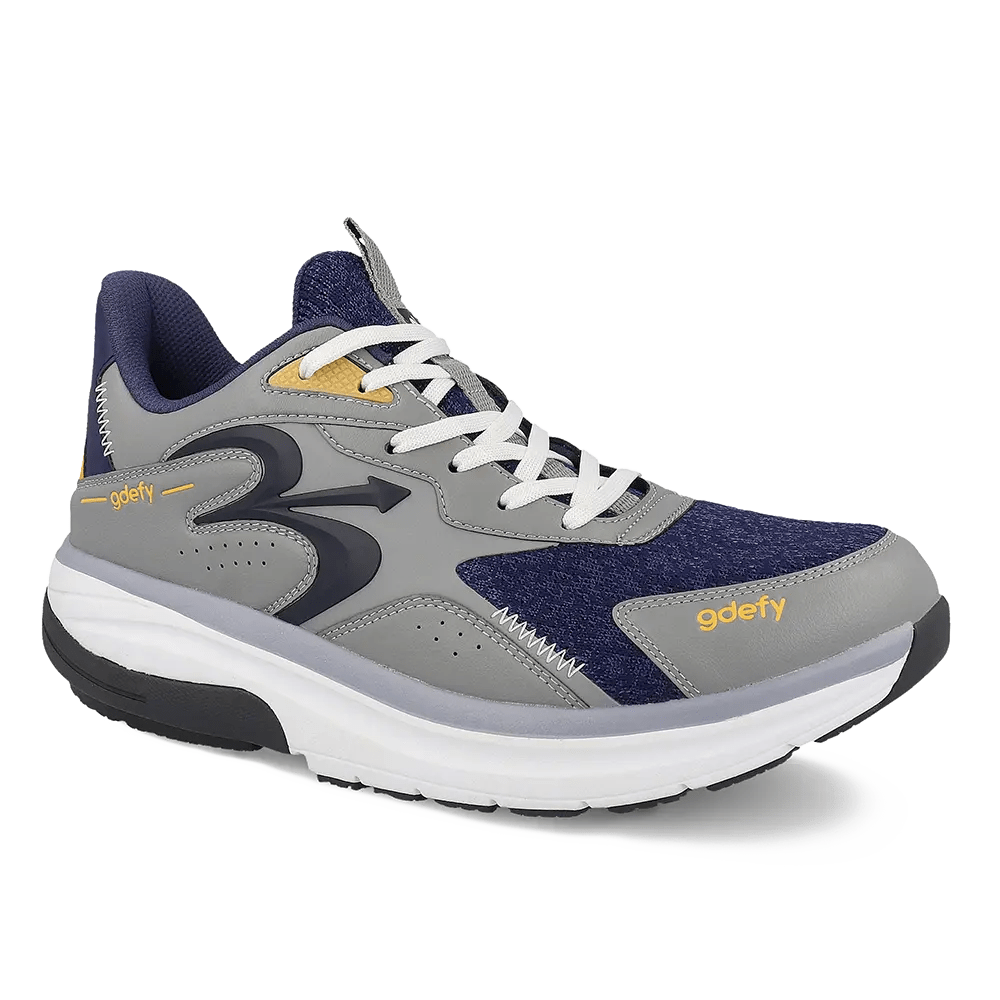
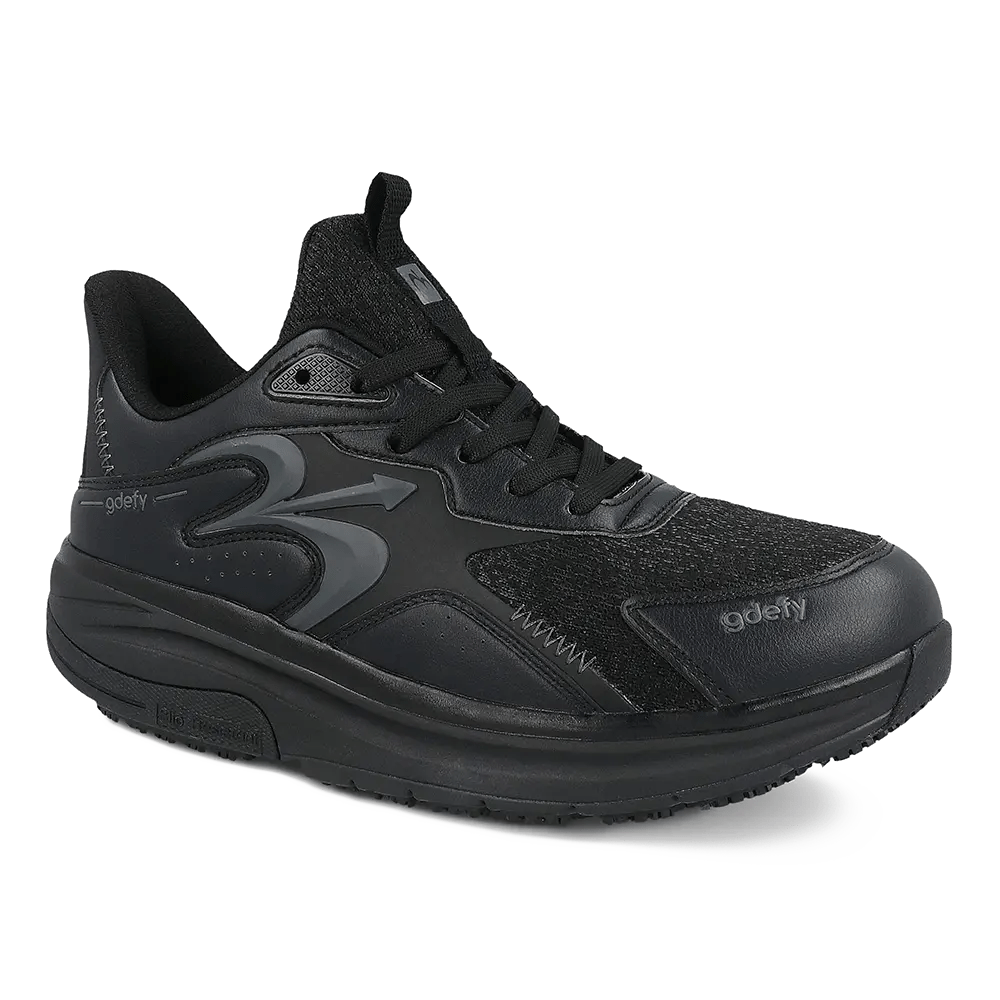
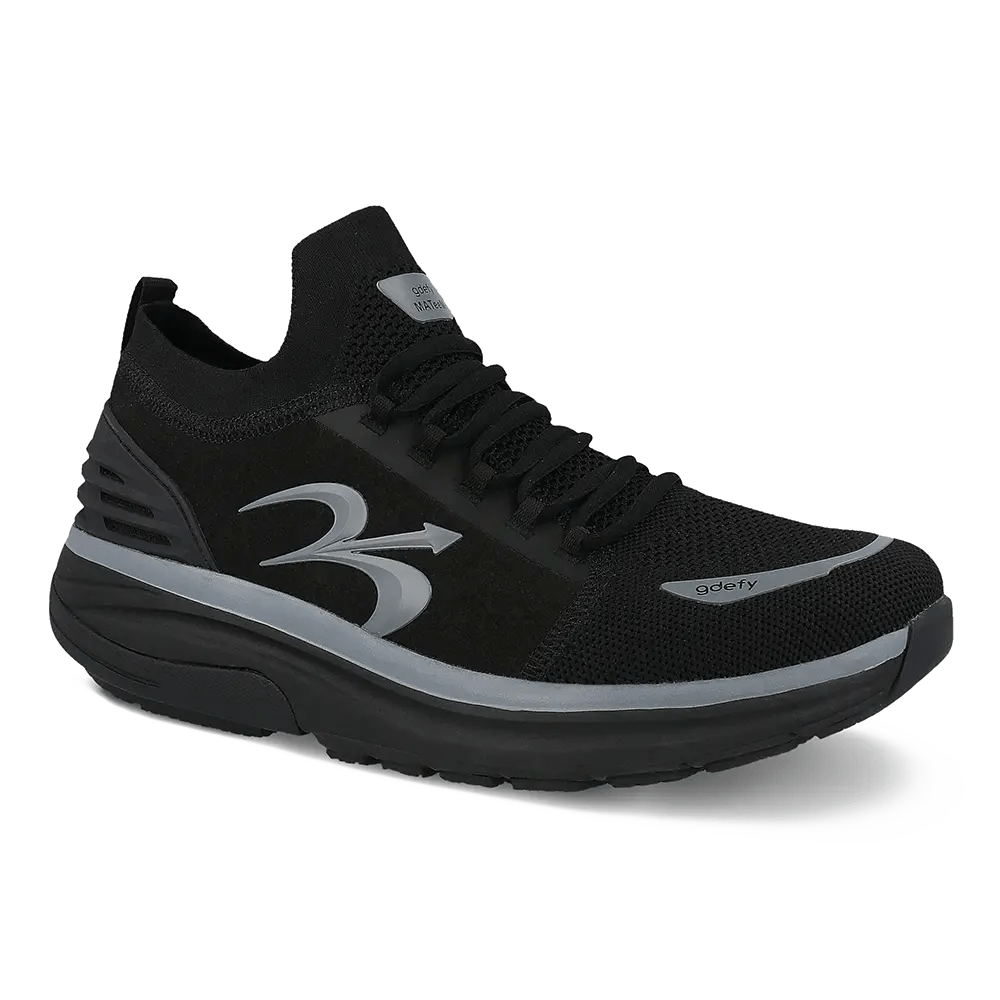
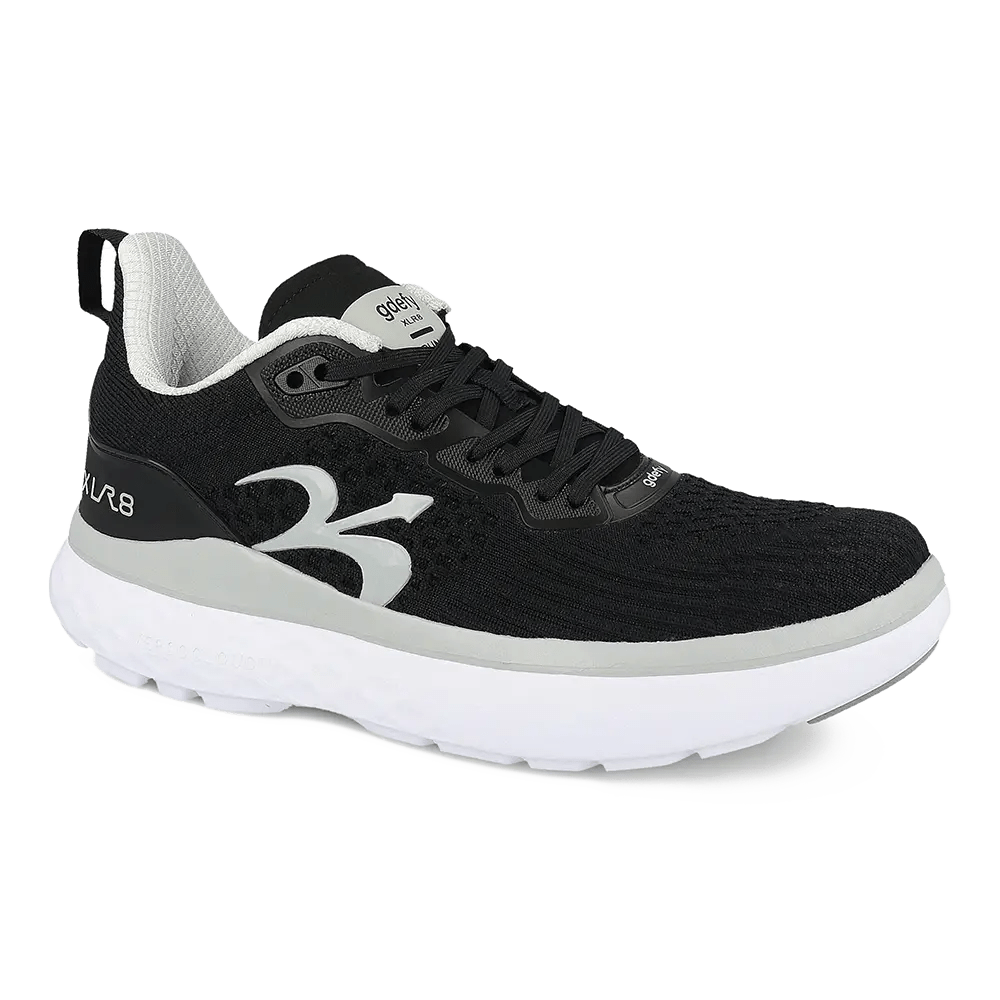
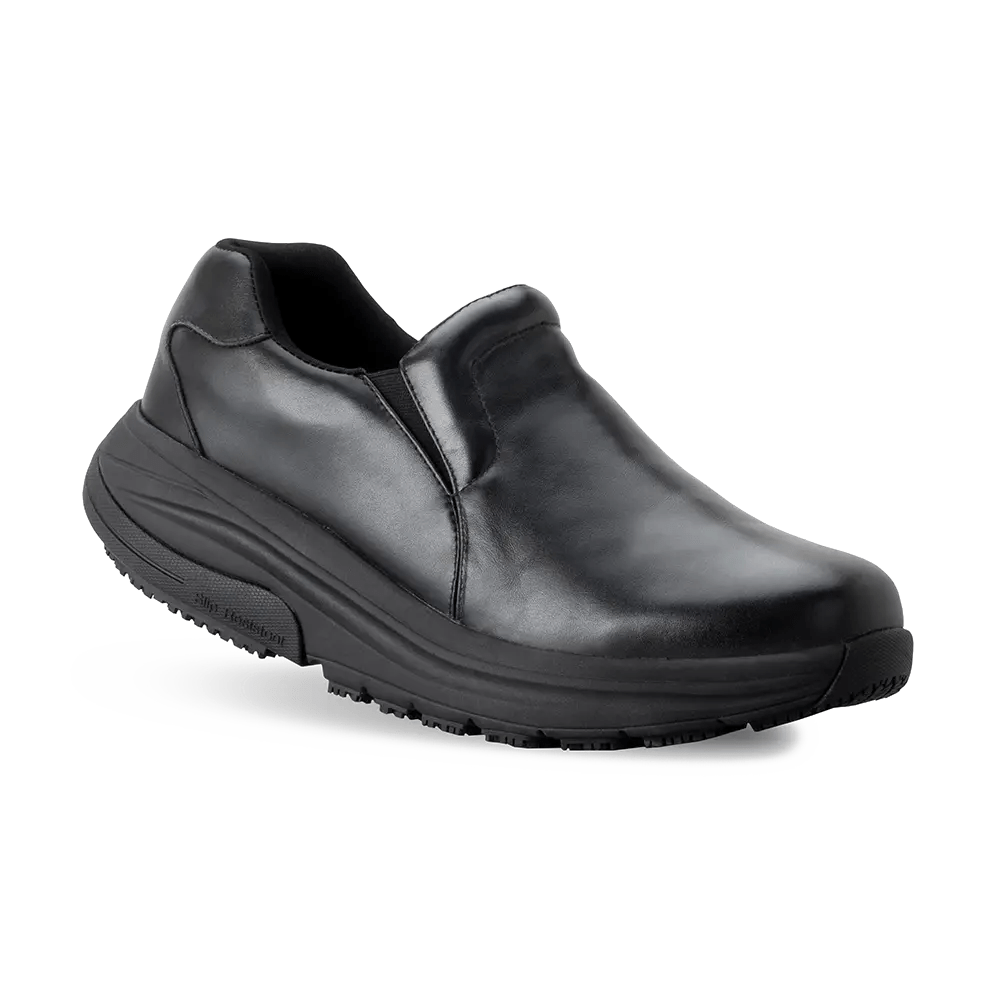
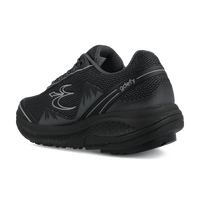
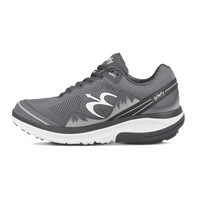
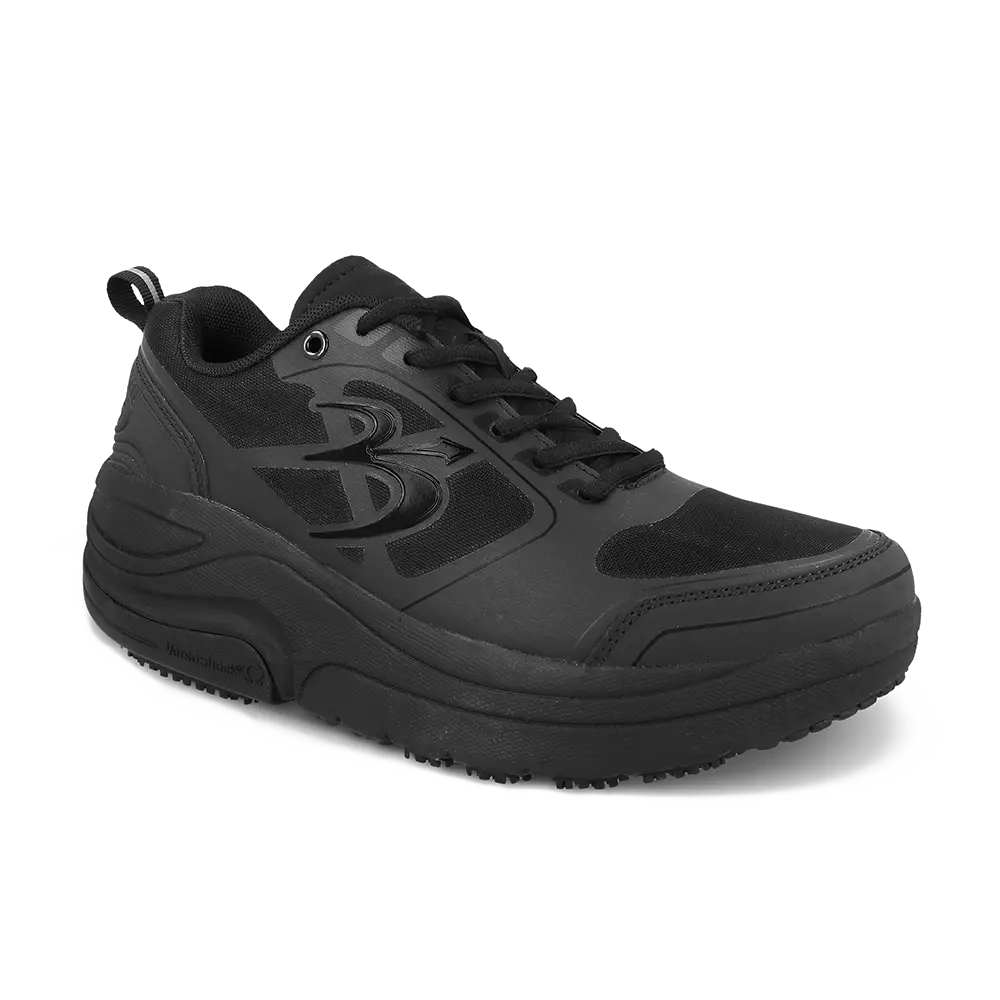
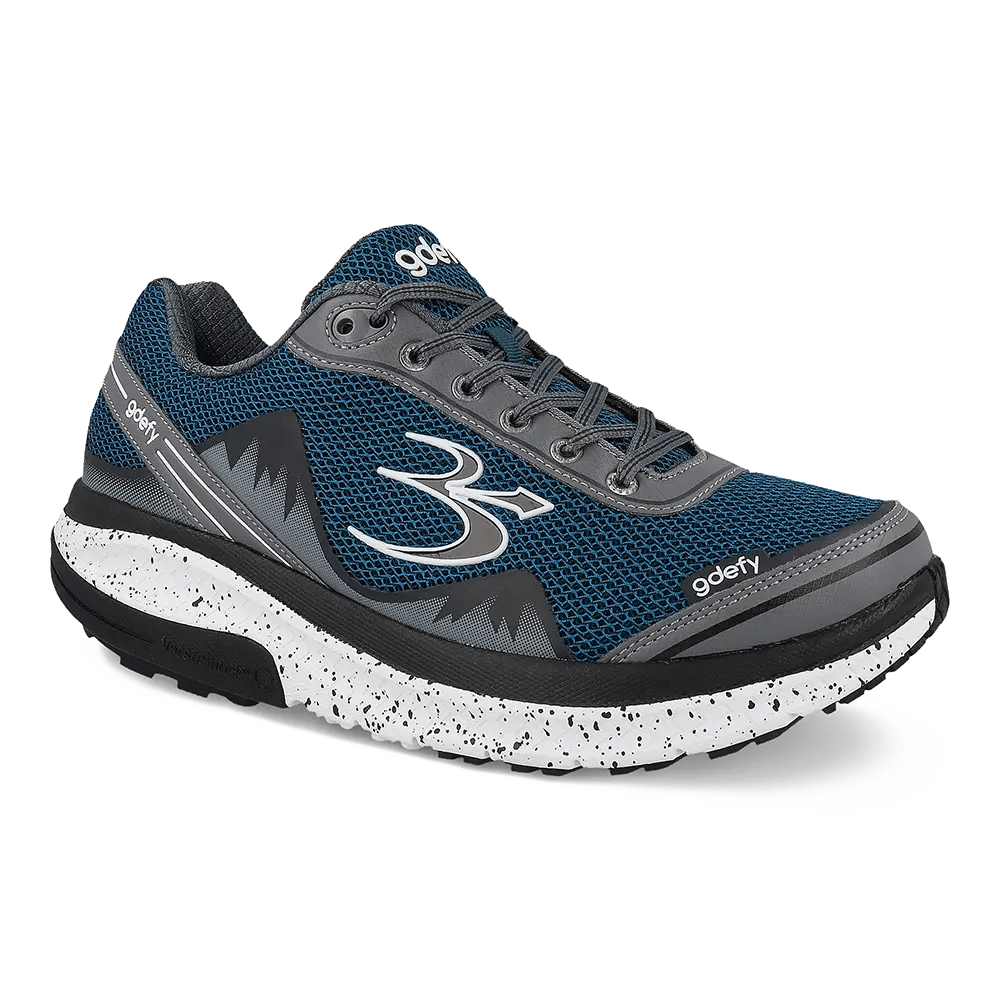
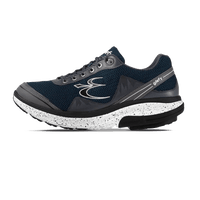
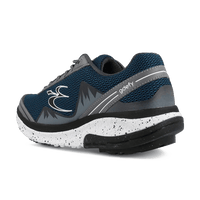
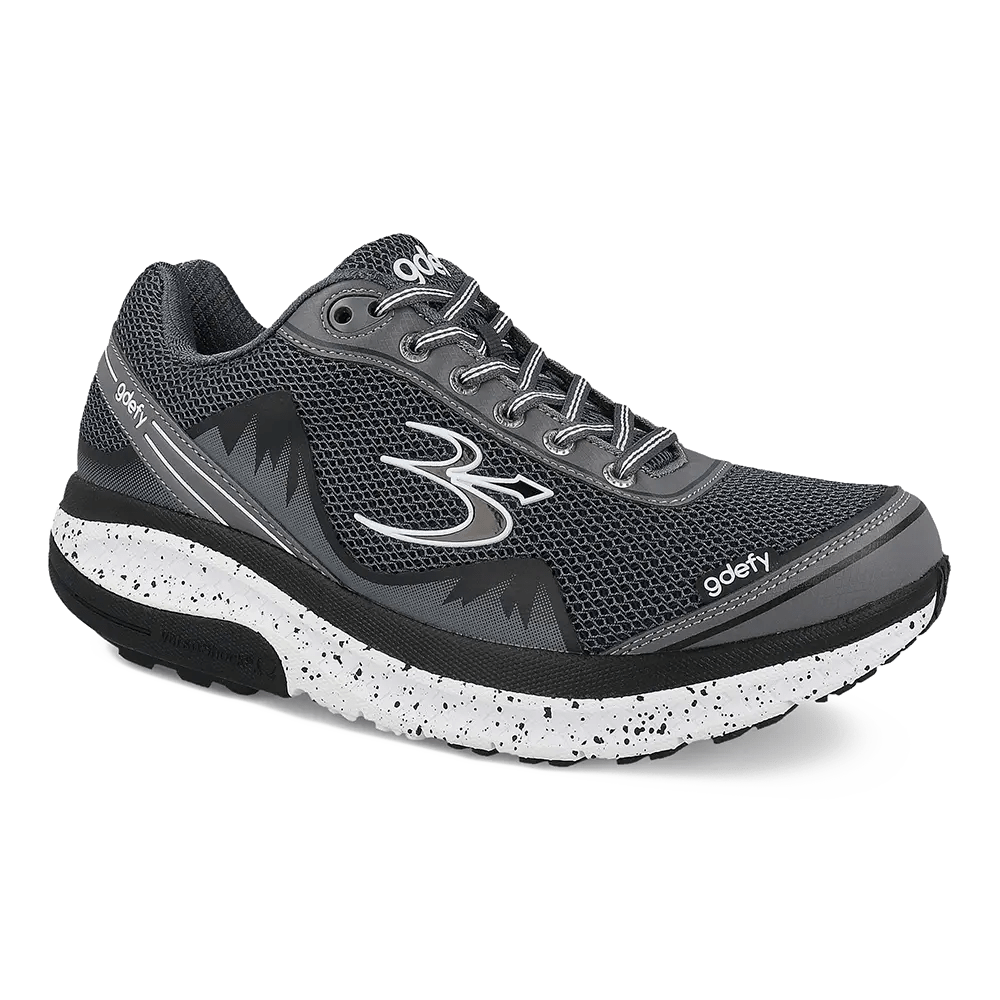
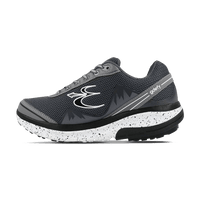
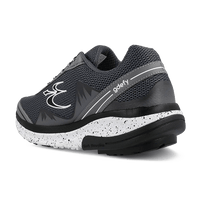
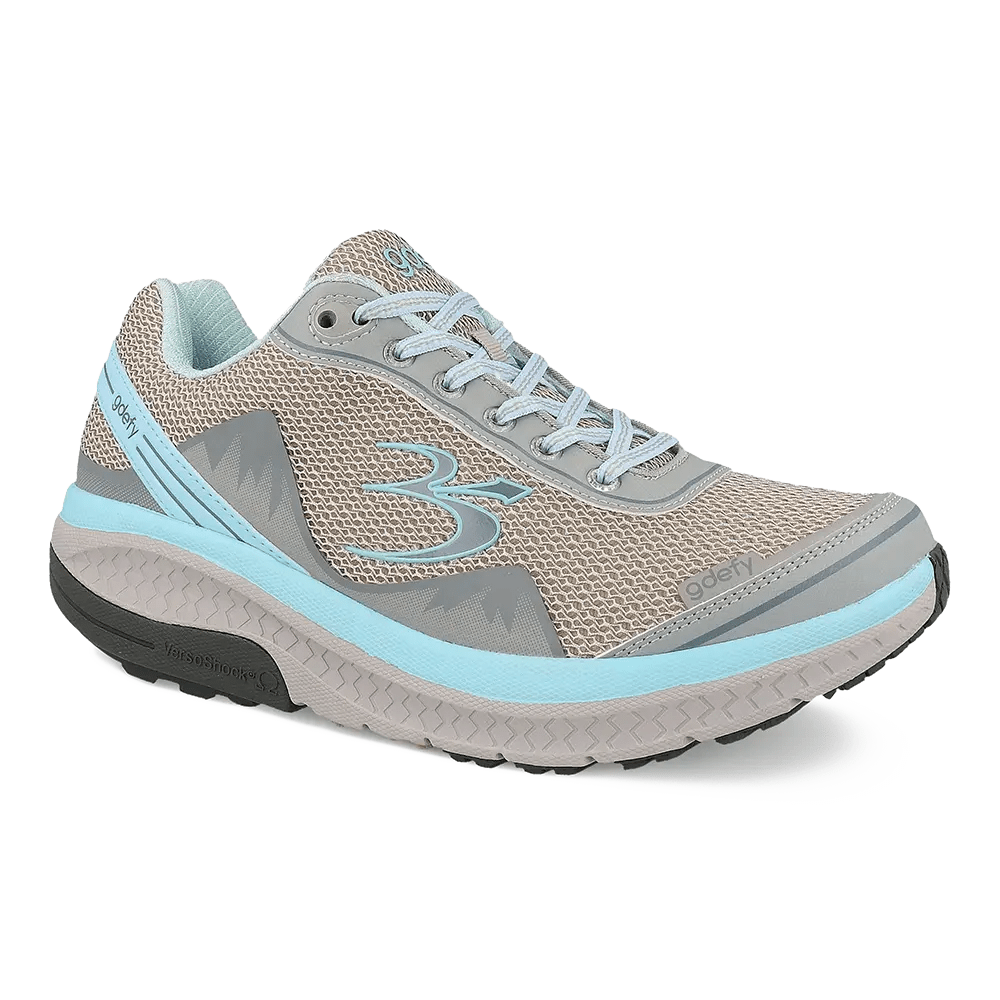
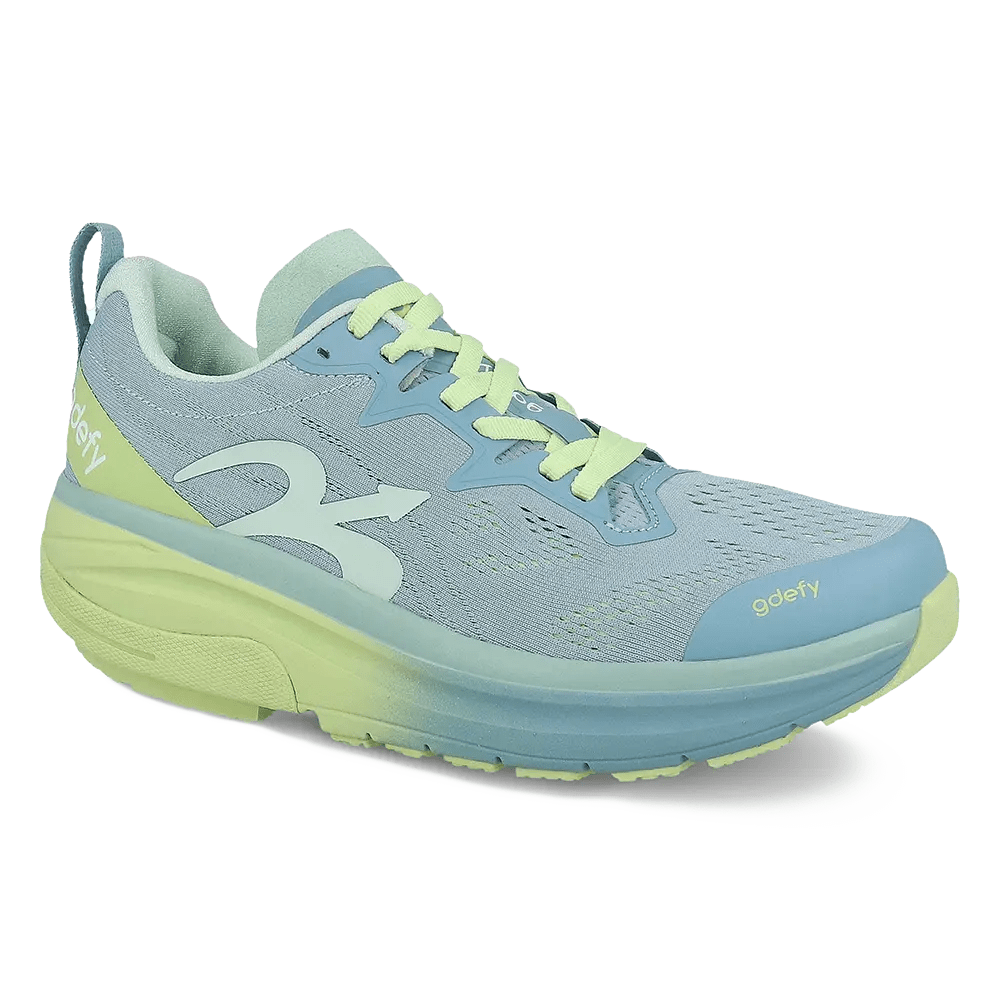
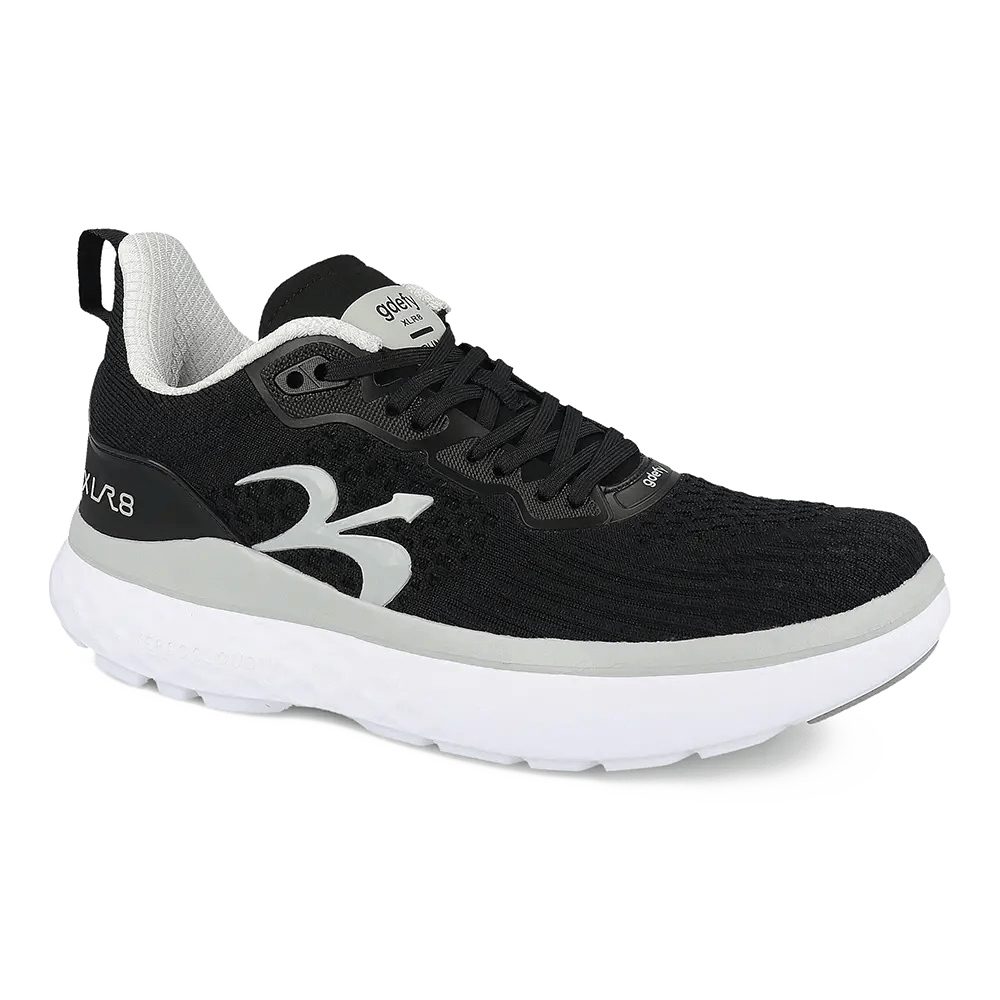
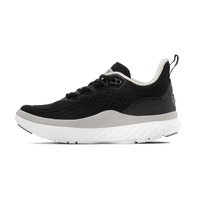
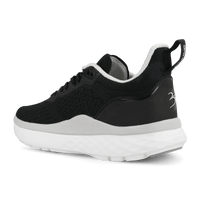
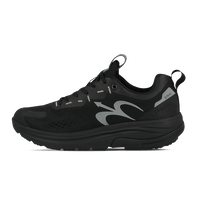
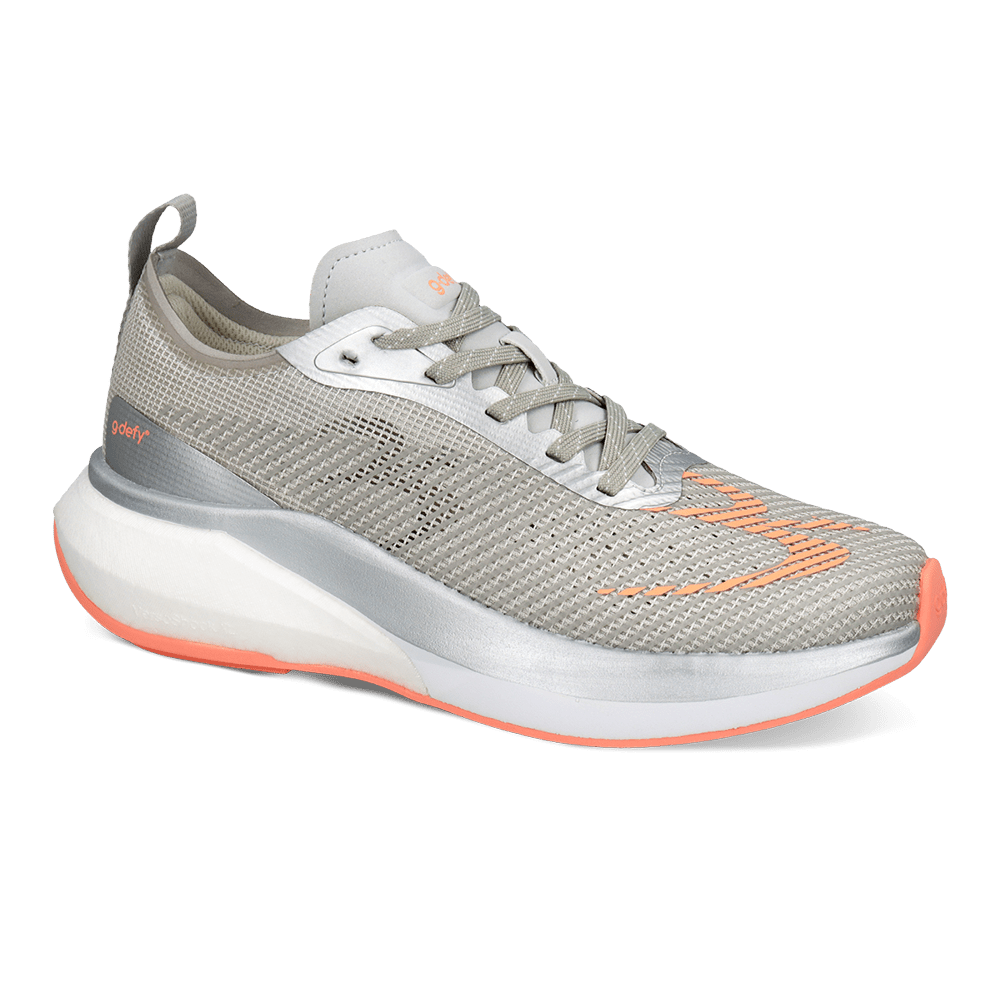
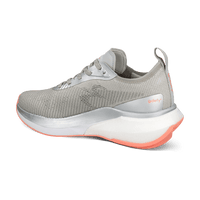
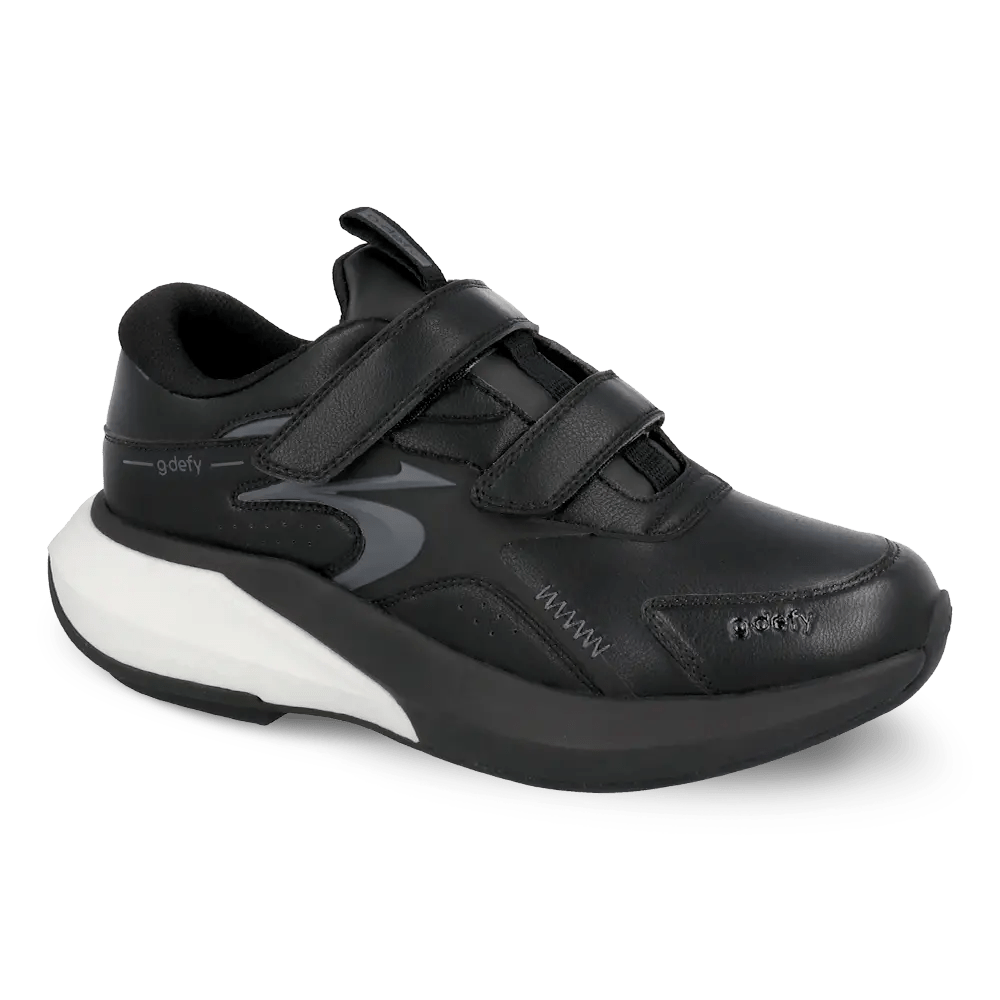
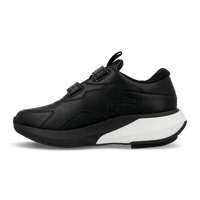
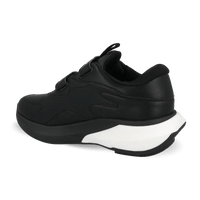
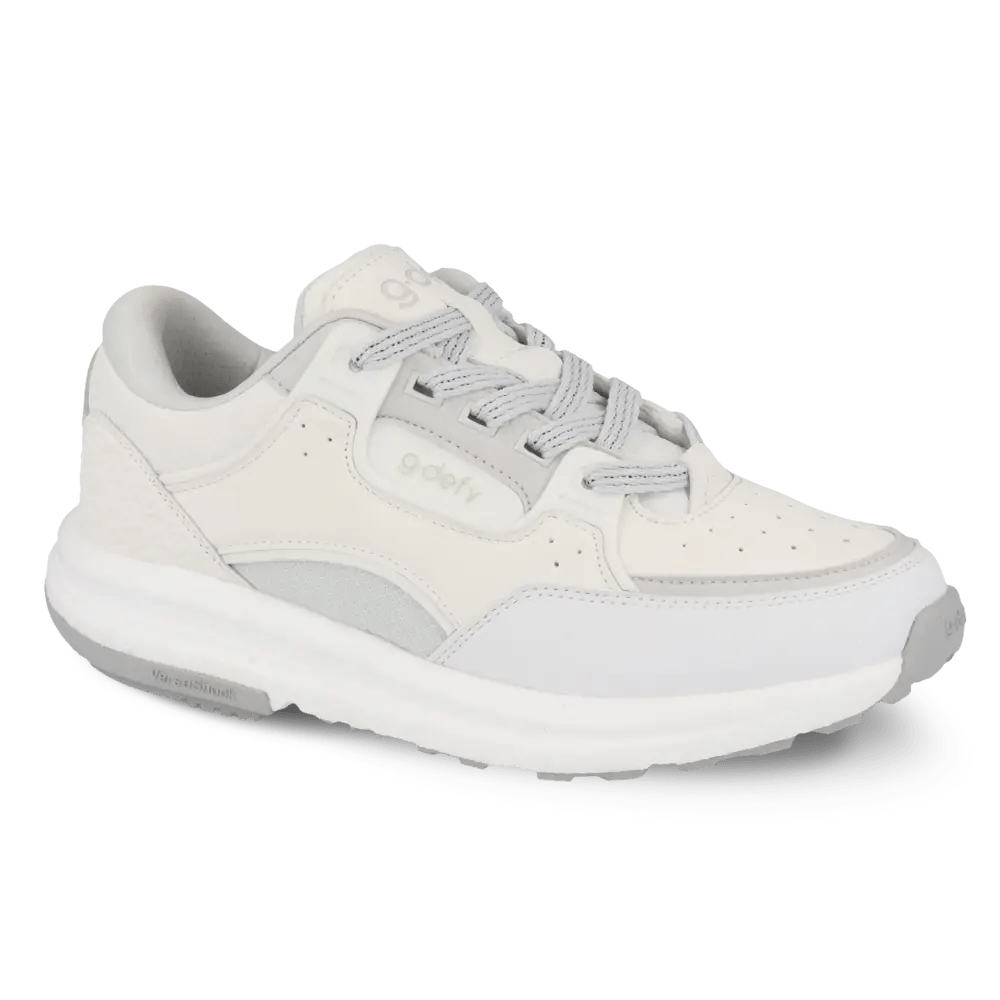
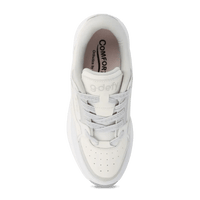
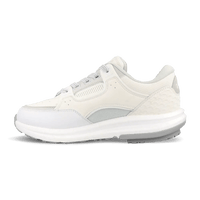
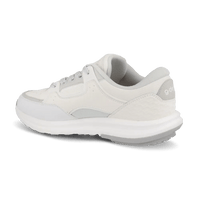
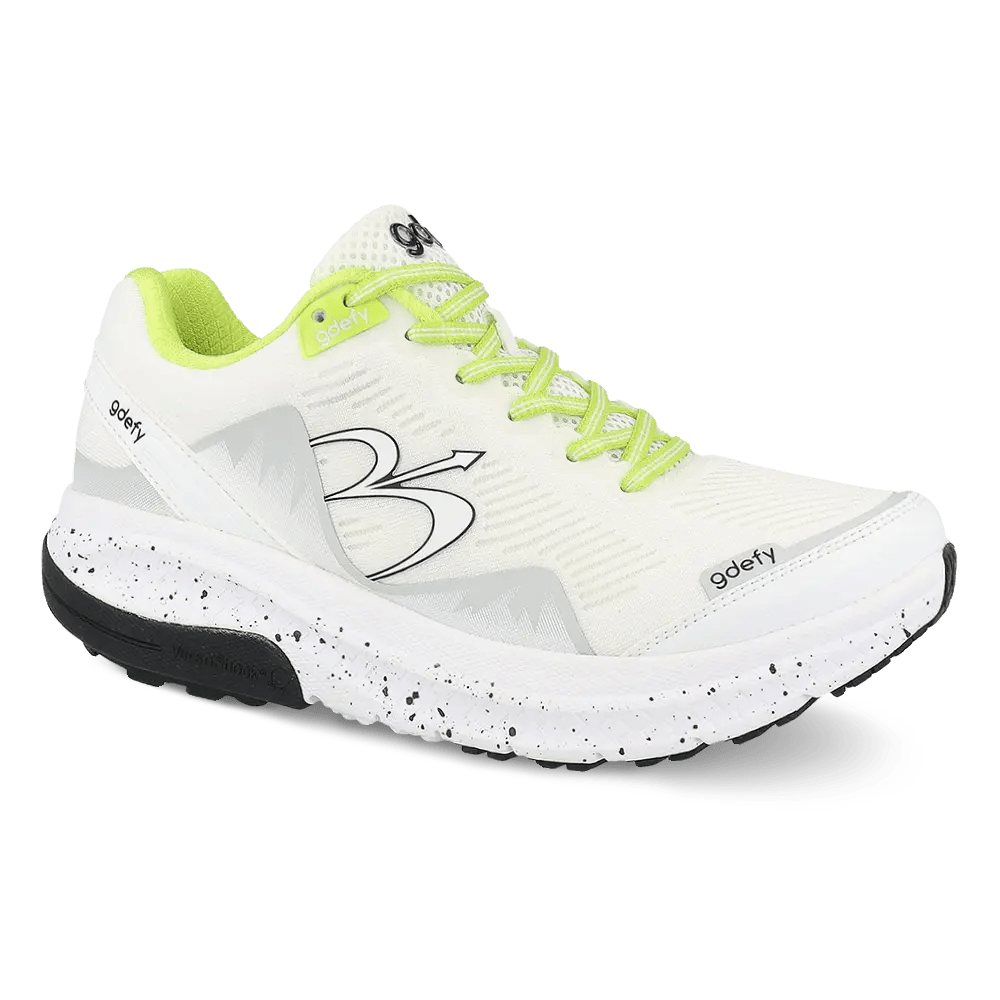
- The G-Defy Mighty Walk pairs a supportive platform with generous cushioning — a versatile pick whether you lean toward lower or higher arches.
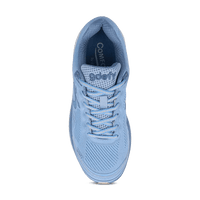
- The G-Defy Ion offers a lighter build for everyday wear while keeping the same VersoShock® cushioning and dual-orthotic customization.

Browse the full lineup for men and women to find a fit that works for your foot type.
Find shoes that fit the way your feet are built
Every G-Defy pair includes two removable orthotics and a 60-day risk-free trial, with free shipping and free exchanges — so you can dial in the right support for your foot type at home.
Shop Comfort ShoesPractical Tips for Getting the Right Fit
Foot type is a great starting point, but a few everyday habits help just as much:
- Shop later in the day. Feet tend to swell slightly as the day goes on, so trying shoes on in the afternoon gives you a more realistic fit.
- Leave room at the toes. Aim for about a thumb's width between your longest toe and the end of the shoe, and choose a width that lets your toes sit naturally.
- Match the shoe to the activity. Long walks, all-day standing, and light workouts each place different demands on your feet.
- Replace worn shoes. Cushioning and support break down over time, so refresh well-used pairs rather than pushing them past their comfortable life.
For more on dialing in comfort, see our guide on why proper shoe fit is key to all-day comfort.
Frequently Asked Questions
How do I know if I have flat feet or high arches?
The wet-footprint test is the easiest at-home check: a full print with little inward curve points toward a low arch or flat foot, while a thin print with a large gap in the middle points toward a high arch. It gives you a general sense, not a formal assessment.
Does foot type really change which shoes feel comfortable?
It can. Lower arches often feel best with more structure and support, while higher arches often feel best with more cushioning and shock absorption. Matching those features to your foot type can make walking and standing feel more comfortable.
Can the same shoe work for different foot types?
A shoe with adjustable support helps. G-Defy pairs include two removable orthotics — one geared toward lower arches and one toward higher arches — so the same shoe can be customized to suit different feet.
What if I have foot pain when I walk?
Supportive, well-cushioned footwear may improve overall comfort during walking and prolonged standing. Footwear is not a medical solution, so for persistent foot pain it is best to consult your healthcare provider.
How often should I replace my walking shoes?
It depends on how much you wear them, but cushioning and support gradually compress with use. If a favorite pair feels flatter or less supportive than it used to, that is usually a sign it is time for a fresh pair.
The Bottom Line
Understanding your foot type takes the guesswork out of choosing shoes. Once you know whether your arches sit low, neutral, or high, you can focus on the features that tend to suit you — structure and support for lower arches, cushioning and shock absorption for higher arches, and a balanced design for neutral feet.
While footwear is not a medical solution, choosing shoes designed for comfort, support, and shock absorption — and adjusting them to your own foot — can make a meaningful difference in how you feel throughout the day.