May 08, 2026
How Your Shoes Affect Your Knees: The Walking Biomechanics Explained
By Gdefy

Summary

Why the Connection Between Your Feet and Your Knees Matters
Most people think about their knees when they experience discomfort in that area — but the conversation rarely starts where it should: at the ground. Your feet are your body's primary interface with the surface you walk on, and every design decision in your shoe has a direct mechanical consequence for the joints above it.
The knee is one of the most load-bearing joints in the human body. During a normal walking stride, it absorbs and redirects forces that can reach one to one-and-a-half times body weight. Over the course of a single day, that adds up to millions of repetitive loading cycles over a lifetime of walking. The type of footwear you wear — the cushioning, the geometry, the structural support — influences how much of that load reaches the knee and in what form.
This article breaks down the biomechanical relationship between the kinetic chain and your knees, explaining the specific mechanisms through which shoe design either supports or increases the mechanical stress your knees experience with every step.
Ground Reaction Force and How It Travels Up the Kinetic Chain
When your foot contacts the ground, the ground pushes back. This upward force — called ground reaction force (GRF) — is equal in magnitude to the downward force your foot applies. In walking, GRF produces two characteristic peaks: one at initial heel contact and a second at push-off.
This force doesn't stay in the foot. It travels up through a chain of connected structures: ankle, shin, knee, hip, and spine. Each joint in this kinetic chain acts as both a transmitter and an attenuator of that force. When one link absorbs effectively, the joints above it receive less. When one link is rigid or poorly supported, the force spike is passed on largely intact.
The shoe is the first — and most modifiable — link in that chain. A shoe's ability to absorb, spread, and gradually release the GRF spike at heel contact determines how much raw mechanical energy reaches the knee. This is why the cushioning system, heel geometry, and structural support of a shoe are not just comfort features. They are load-management mechanisms with direct implications for the knee joint.
Heel Strike Mechanics and Impact Load on the Knee Joint
For the majority of walking adults, the heel strike is the primary point of initial ground contact. At the moment the heel lands, a vertical force spike — sometimes called a transient impact peak — occurs. The rate at which this peak rises (called the loading rate) is a key variable in how much mechanical stress the knee experiences.
A faster, sharper loading rate means the force arrives at the knee more abruptly, giving the joint less time to accommodate it. A slower, more gradual rise allows the surrounding musculature and connective tissue to share the load more efficiently.
Footwear affects loading rate primarily through heel cushioning. A thick, compliant heel section slows down and softens the initial impact spike, extending the loading time and reducing the peak force transmitted upward. A thin or fully compressed midsole eliminates this buffer, and the foot essentially strikes a hard surface with only the natural padding of the heel pad as protection.
Heel geometry also matters. A slightly beveled or rounded heel edge allows the foot to make initial contact at a shallower angle, rolling more gradually into flat-foot contact rather than striking abruptly. This geometry reduces the impulsive component of heel strike and contributes to a smoother overall gait.
Pronation, Supination, and Knee Tracking
Pronation is the inward rolling motion of the foot and ankle during the stance phase of gait. It is a normal, necessary part of walking — the arch flattens slightly, the lower leg rotates inward, and the body's weight is absorbed and distributed. The issue arises when this motion exceeds a functional range, which is called overpronation.
When the foot overpronates, the tibia (shinbone) rotates inward more than it should. Because the tibia connects directly to the knee, this rotation affects how the kneecap tracks along the femur. The result is medial knee stress — increased loading on the inner compartment of the knee joint with each stride.
The opposite pattern — supination (or underpronation), where the foot rolls outward — produces lateral knee stress. The IT band and lateral compartment bear a disproportionate share of the load, and the shock absorption that normal pronation provides is reduced, sending more force directly to the knee.
Understanding your own foot mechanics is part of choosing footwear that supports your knees. Choosing the right shoe features for your foot type — particularly arch support and medial posting — can help keep the foot closer to a neutral position through the gait cycle, reducing the rotational stress transmitted to the knee.
How Midsole Cushioning Affects Knee-Joint Loading
The midsole is the structural heart of any walking shoe. It sits between the outsole (the rubber contact layer) and the upper, and its primary job is to manage the mechanical energy of each foot strike.
Traditional foam midsoles work through compression. When force is applied, the foam collapses, absorbing energy. The challenge with foam is that it gradually loses its ability to compress and recover. A midsole that has lost its resilience no longer absorbs impact the way it did when new — it transmits force instead.
Midsole thickness and hardness also interact. A very soft, thick midsole absorbs well but can reduce stability, allowing more lateral motion during stance. A harder, thinner midsole is more stable but transmits more force. The engineering challenge is finding a balance that absorbs impact without compromising the structural stability that keeps the foot aligned.
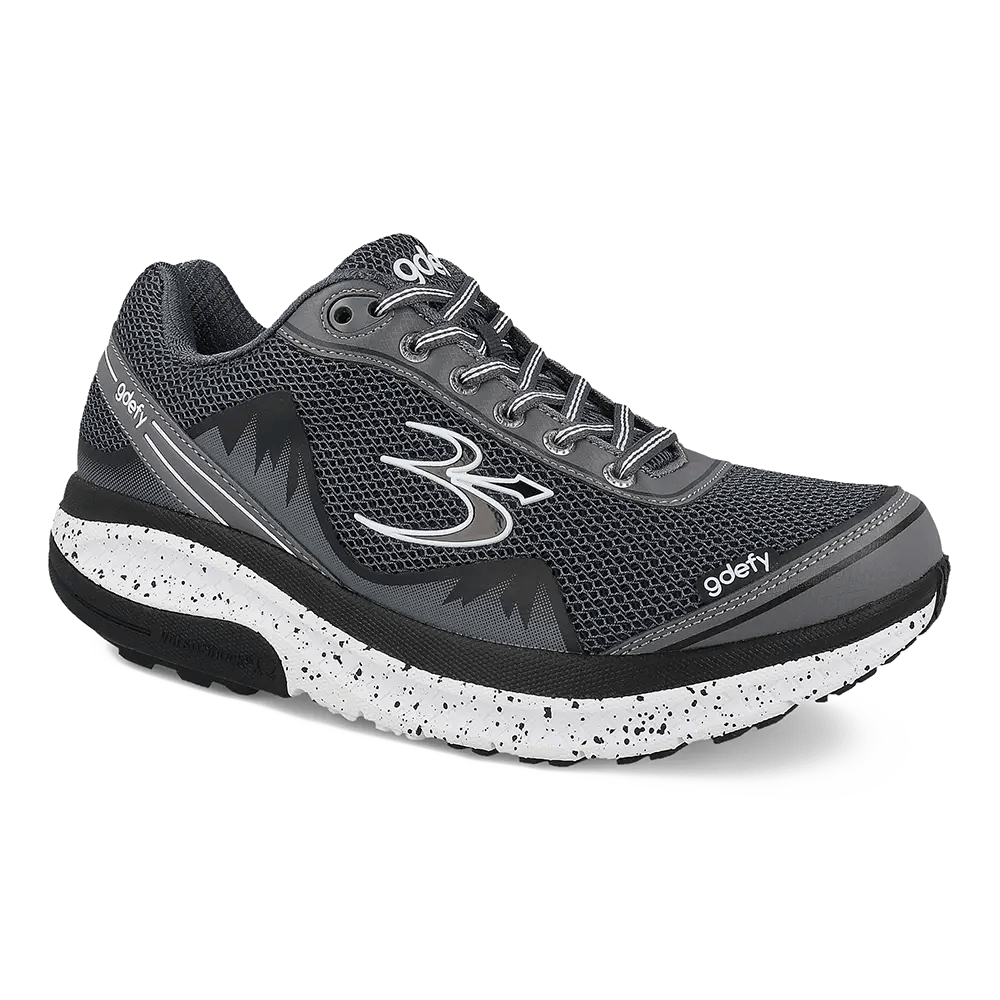
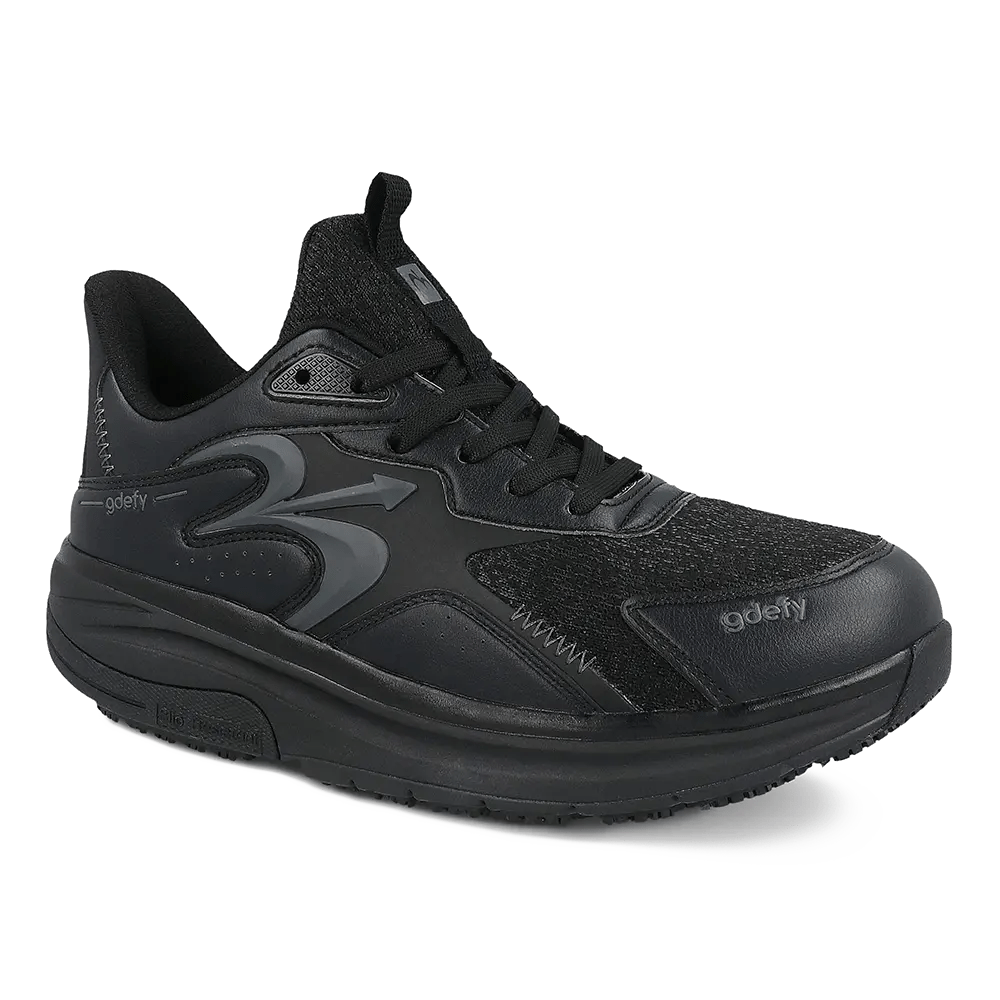
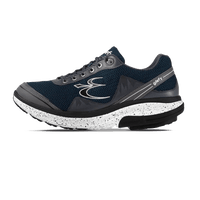
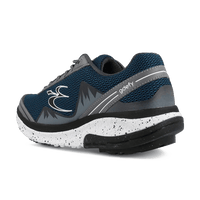
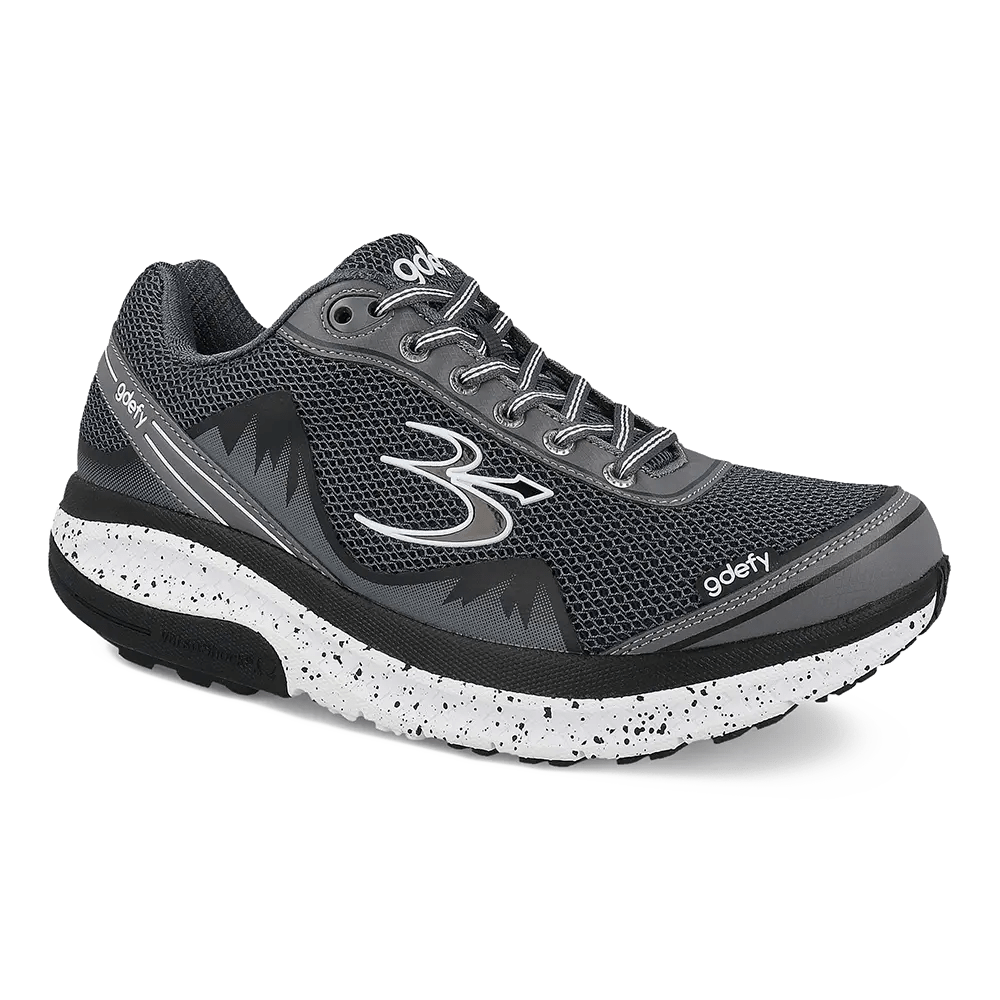
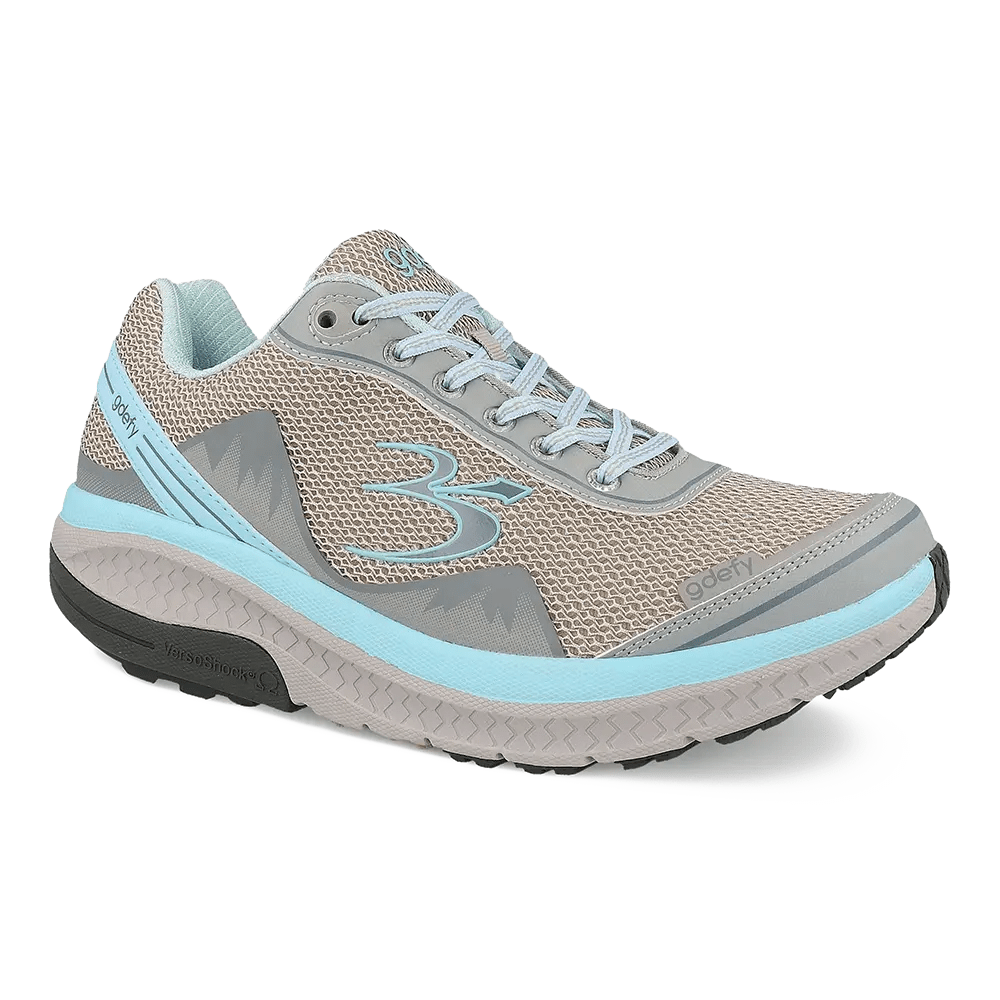
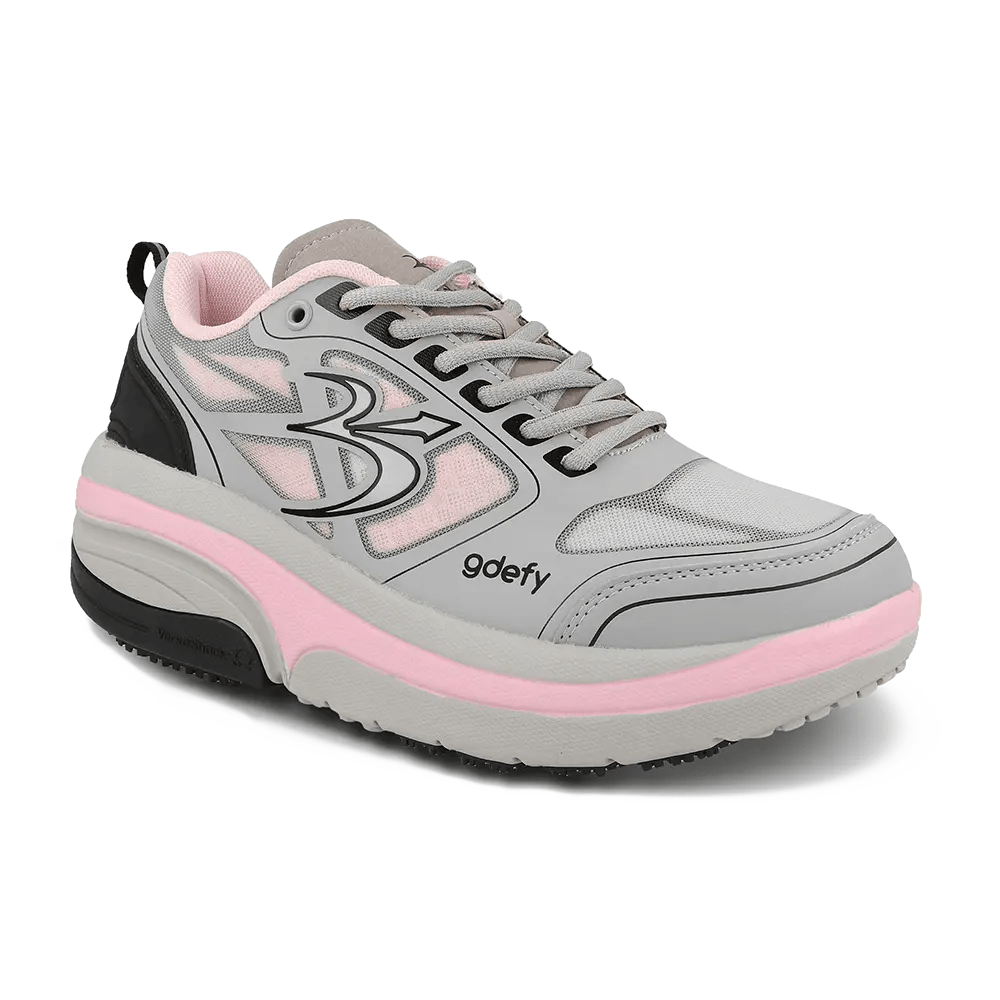
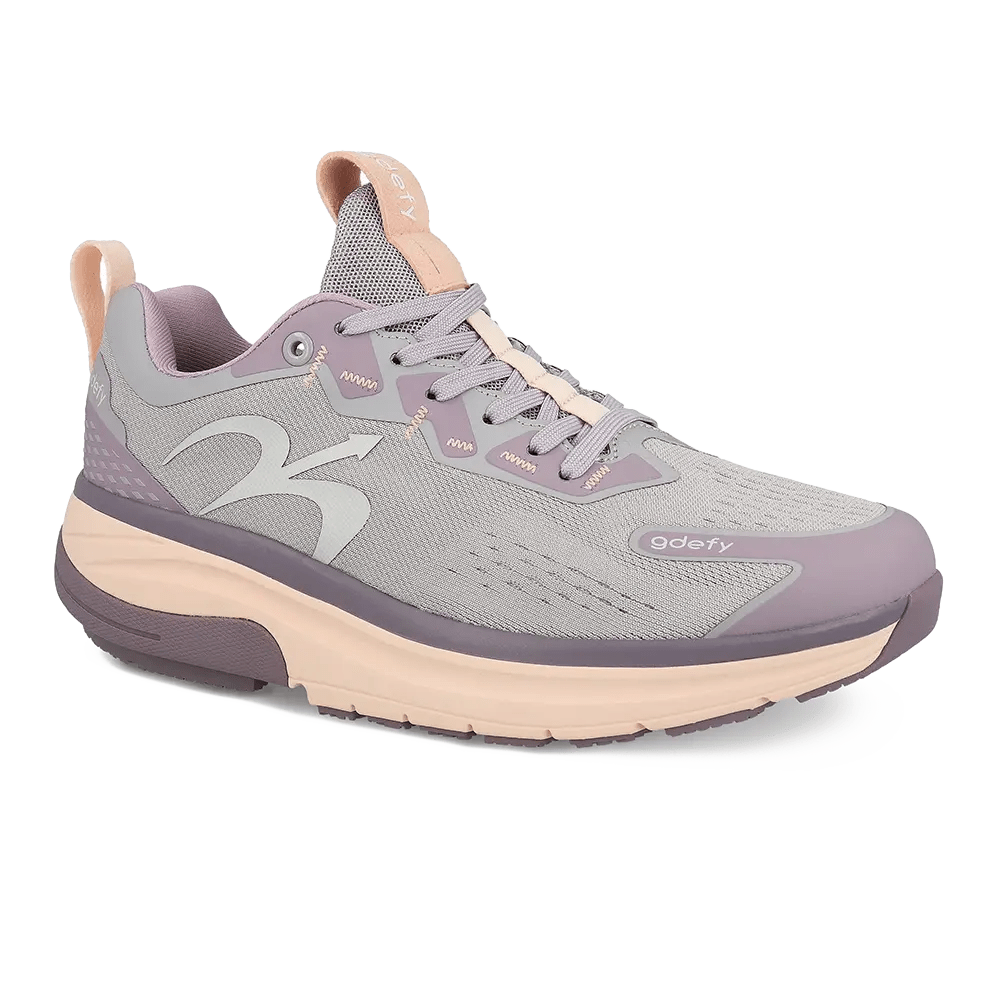
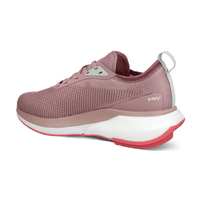
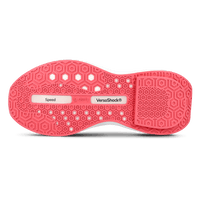
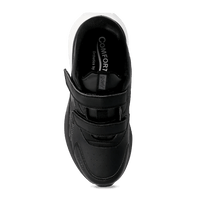
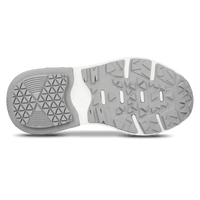
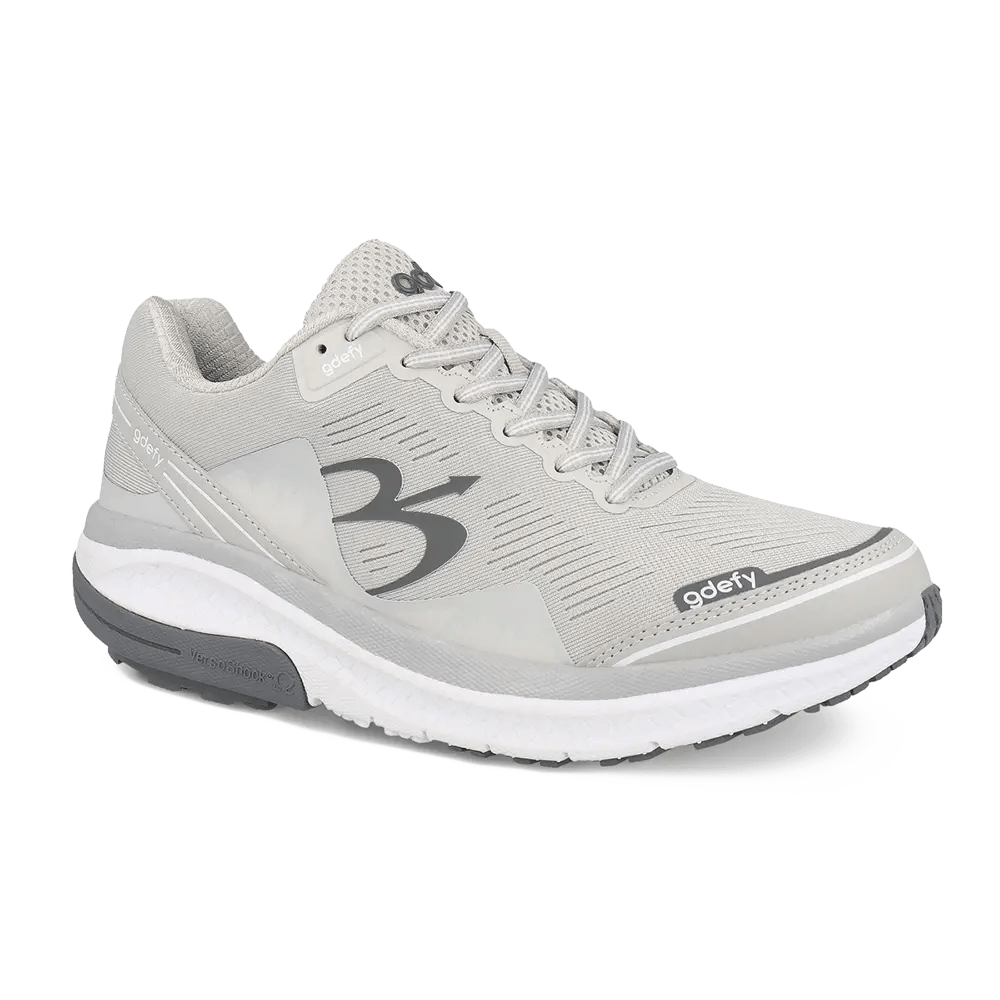
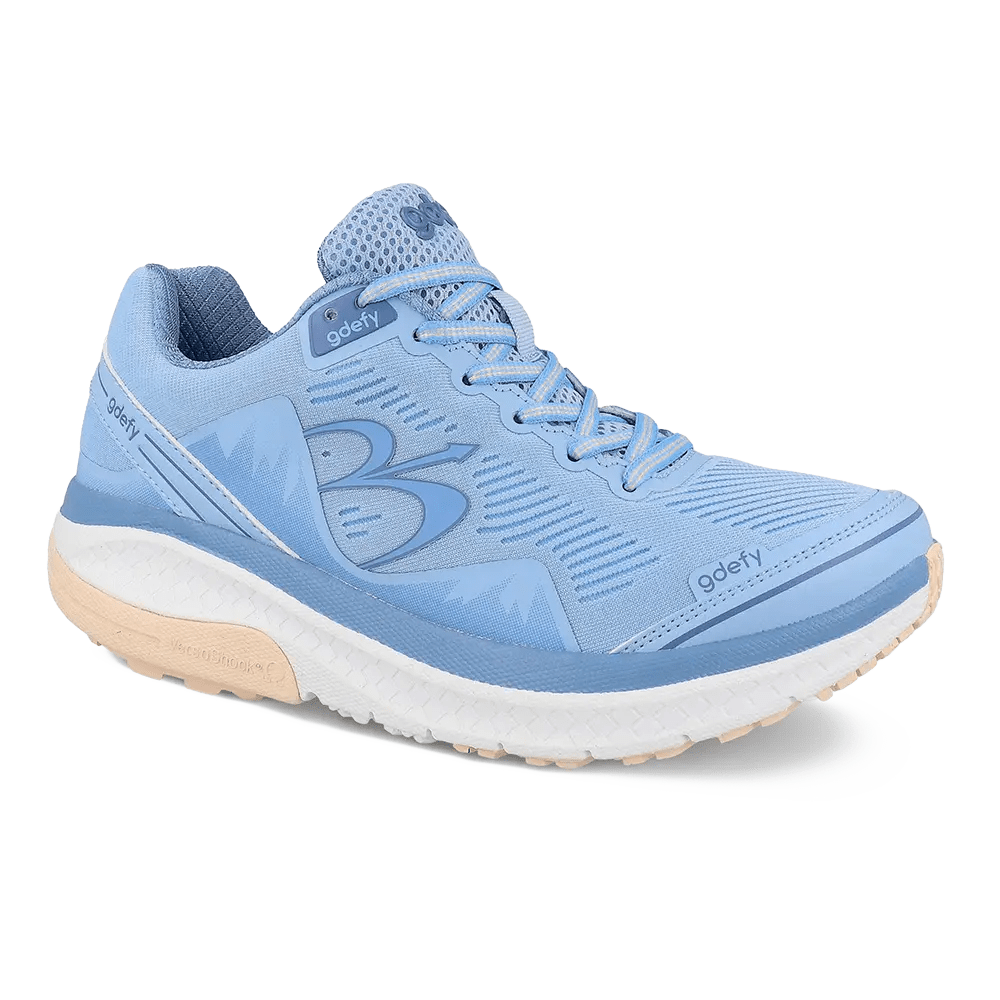
This is the mechanical context in which spring-based cushioning systems — like VersoShock® technology — represent a distinct approach. Rather than relying solely on foam compression, a spring-based system absorbs force through elastic deformation and then returns that energy rather than dissipating it. The result is a cushioning mechanism that both reduces impact and supports forward propulsion through the stride.
How a Stabilizer Shank Improves Alignment During Gait
A stabilizer shank is a semi-rigid internal structure running through the midfoot of the shoe. Its purpose is to limit torsional flex — the tendency of a flexible shoe to twist along its longitudinal axis when the foot pronates or supinates.
Without a stabilizer, a flexible shoe allows the foot to collapse medially during the loading phase, which encourages the tibial rotation patterns described above. A shank prevents this by creating a structurally stable platform through the midfoot, maintaining the foot's position relative to the shoe through the stance phase.
This matters for the knee because tibial rotation is the primary mechanism through which foot pronation influences knee tracking. By moderating midfoot twist, a stabilizer shank helps keep the lower leg in a more neutral rotational position, reducing the medial or lateral stress that reaches the knee over the course of a walk.
A stabilizer shank is one of the four core engineering elements in G-Defy footwear, working in combination with the cushioning system to support alignment without restricting the natural range of motion needed for comfortable walking.
How a Rocker Sole Reduces Knee Moment During Walking
A rocker sole — sometimes described as a rolling or curved forefoot design — changes the mechanics of the heel-to-toe transition in a way that directly influences knee loading.
Normally, as the body's center of mass moves forward during walking, the foot must transition from heel contact through midstance to toe-off. This transition requires a certain amount of ankle dorsiflexion (the ankle bending upward). If ankle mobility is restricted, the knee must compensate by doing more work — increasing the knee flexion moment (the rotational force acting on the knee joint) during the stance phase.
A rocker sole geometry facilitates this transition mechanically, allowing the shoe itself to roll forward in a smooth arc. This reduces the ankle dorsiflexion demand and distributes the forward-propulsion workload more evenly across the gait cycle, rather than concentrating it at the knee and ankle.
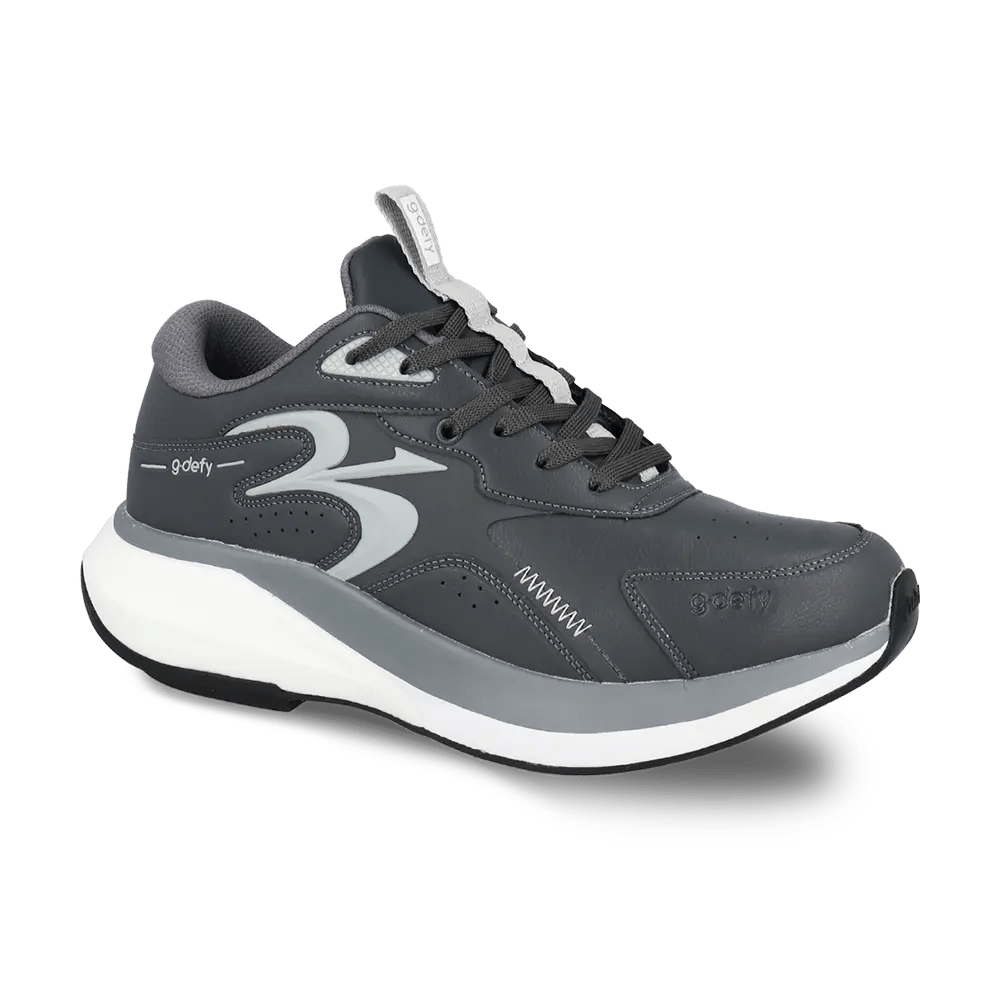
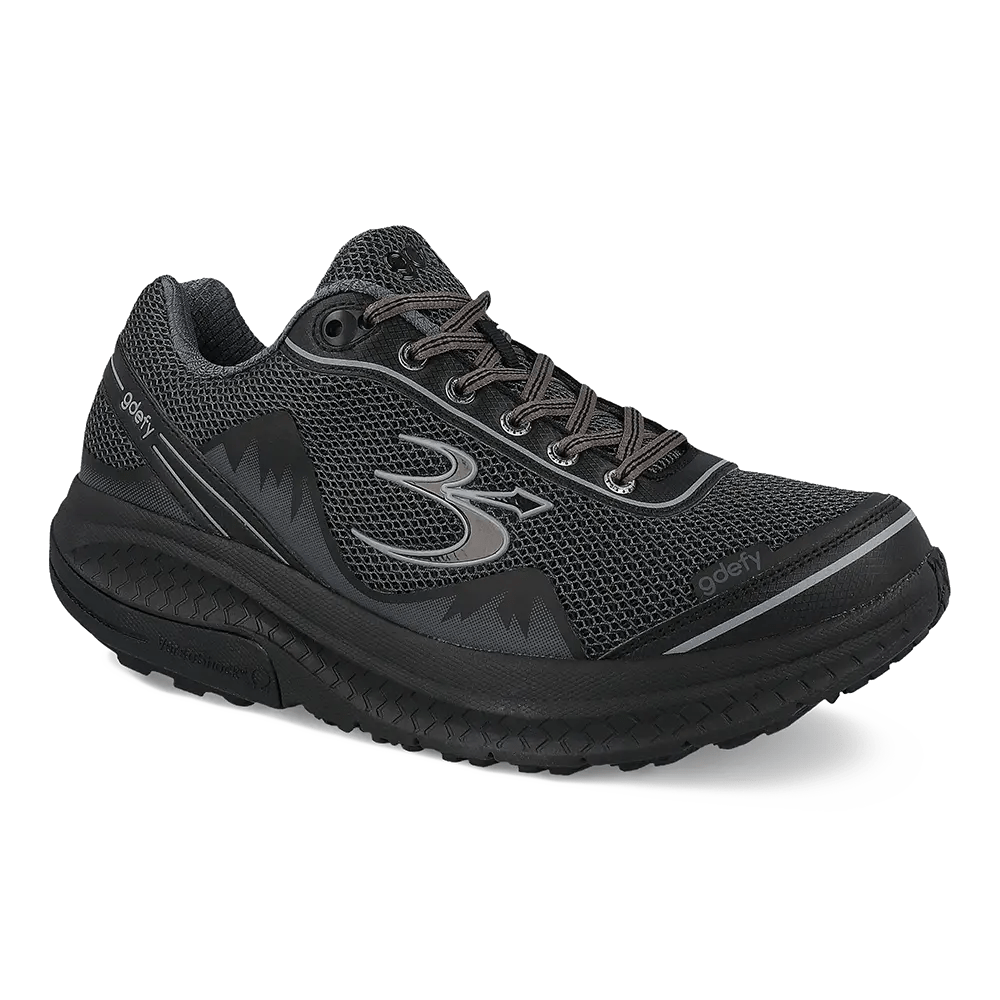
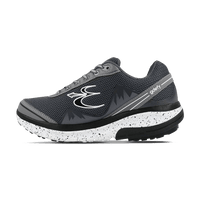
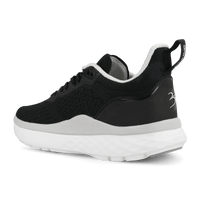
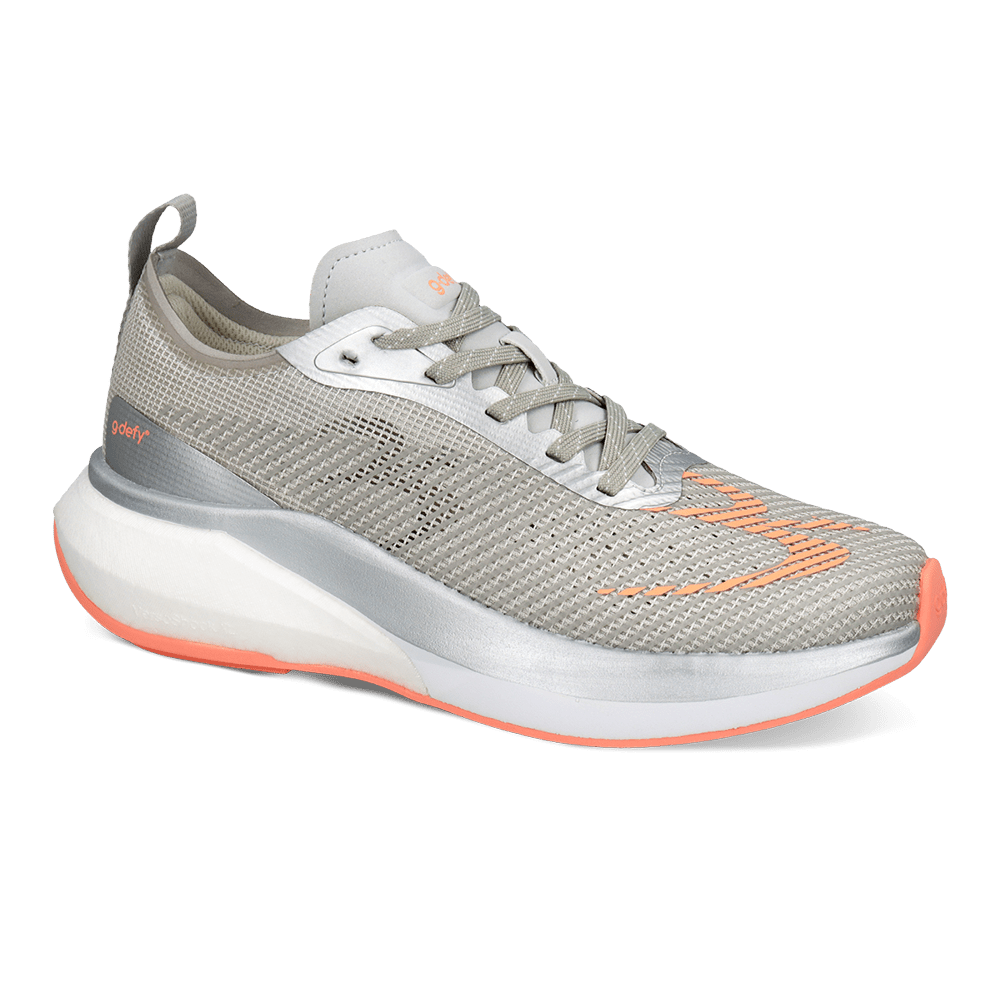
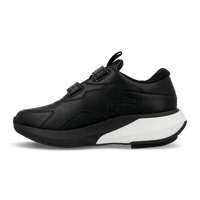
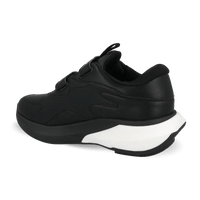
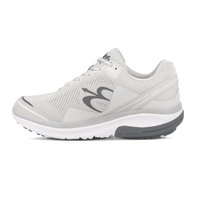
The front rolling design in G-Defy shoes is engineered specifically to support this smooth heel-to-toe transition, encouraging a more natural walking motion that works with the body's mechanics rather than against them.
What VersoShock® Spring Technology Does Differently for Knee-Related Impact

Standard foam midsoles absorb energy by permanently compressing over time — they wear out. Spring-based systems operate on a fundamentally different mechanical principle.
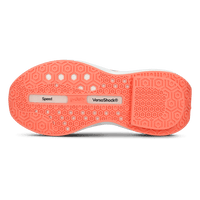
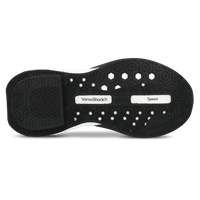
VersoShock® technology uses a synthetic spring system designed to absorb the impact of each step softly and gradually, then return that energy to propel the foot forward into the next stride. This is a distinct mechanical advantage for two reasons:
- Sustained performance: Unlike foam that progressively loses resilience, a spring-based system maintains its mechanical properties over a much longer service life. The cushioning your shoe provides on day one is closer to what it provides on day three hundred.
- Energy return: By returning energy rather than simply dissipating it, VersoShock® supports a more propulsive, efficient stride. This reduces the muscular effort required to move forward, which in turn reduces the compensatory loading patterns that can increase knee stress over long distances.
For people who spend extended time on their feet — walking long distances, standing for work, or staying active throughout the day — the combination of consistent cushioning and energy return supports a more comfortable gait experience. G-Defy shoes are designed to deliver comfort, support, and shock absorption through this approach, helping reduce pain from walking, running, and prolonged standing.
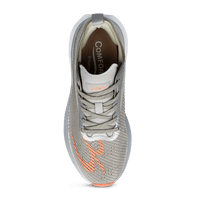
Each pair also includes two removable orthotics: ComfortFit® for low to medium arches and CorrectiveFit® for medium to high arches. These allow you to match the arch support to your foot's specific geometry, further supporting a neutral foot position through the gait cycle.
Explore Shoes Engineered for Walking Comfort
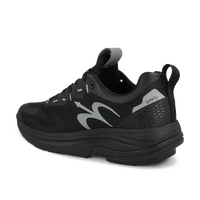
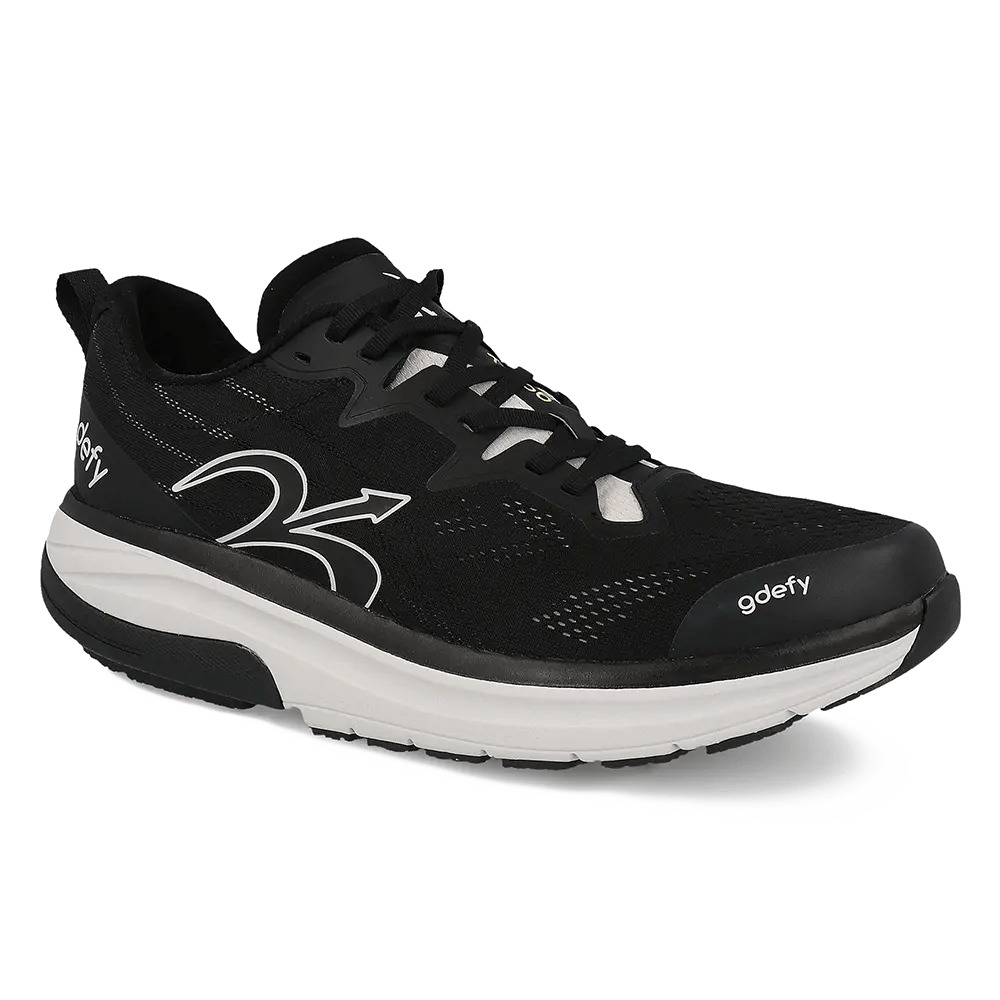
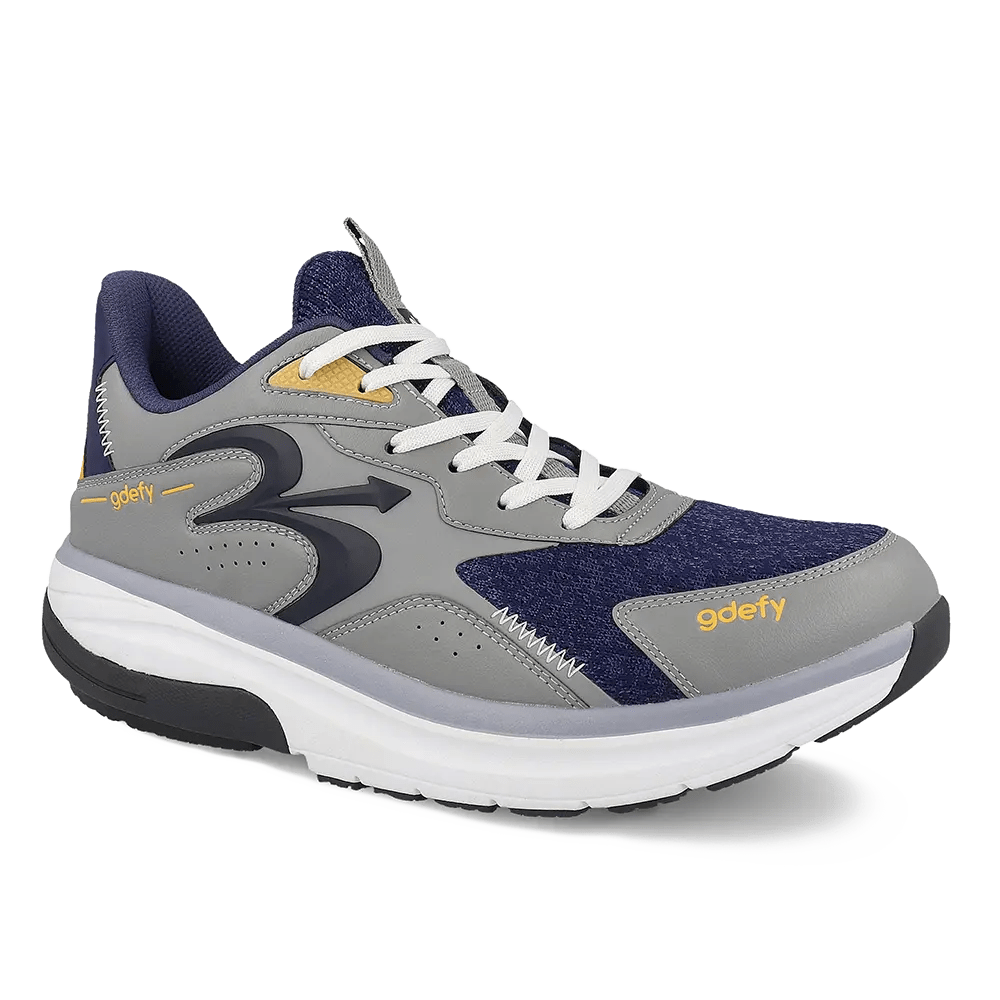
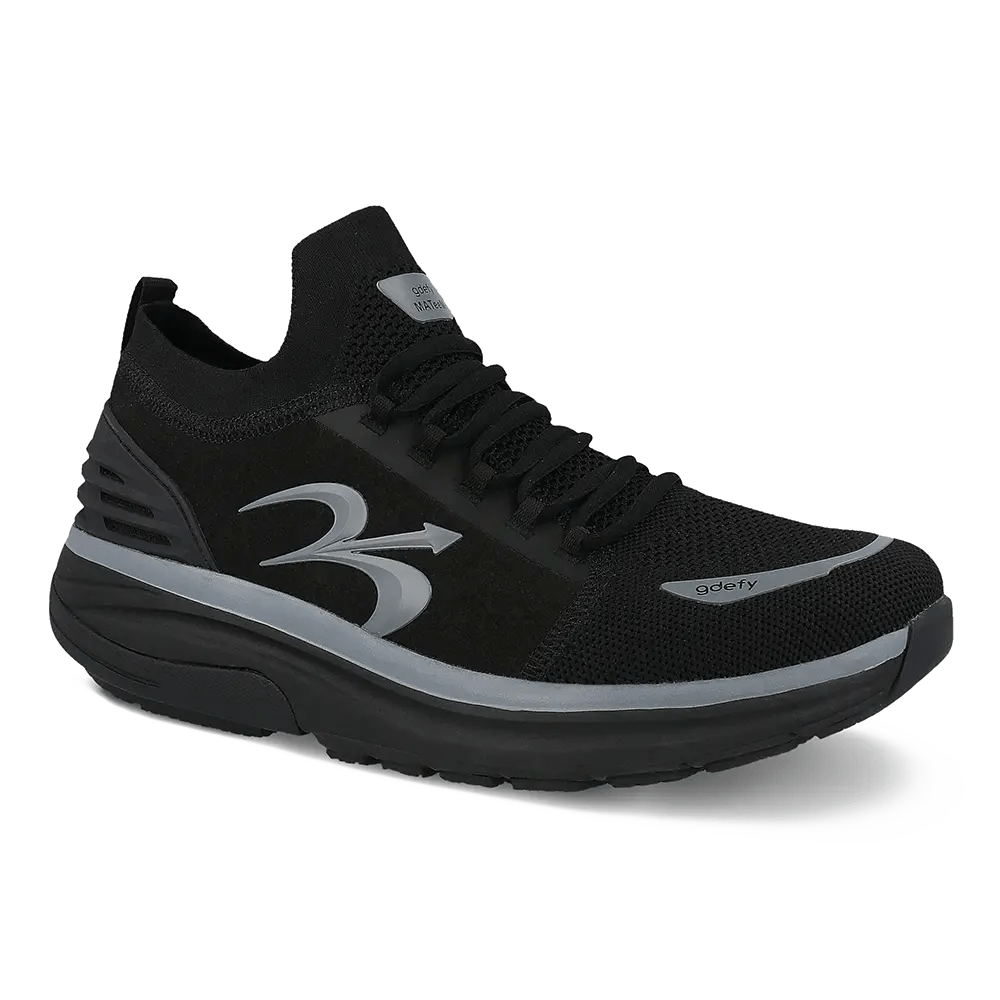
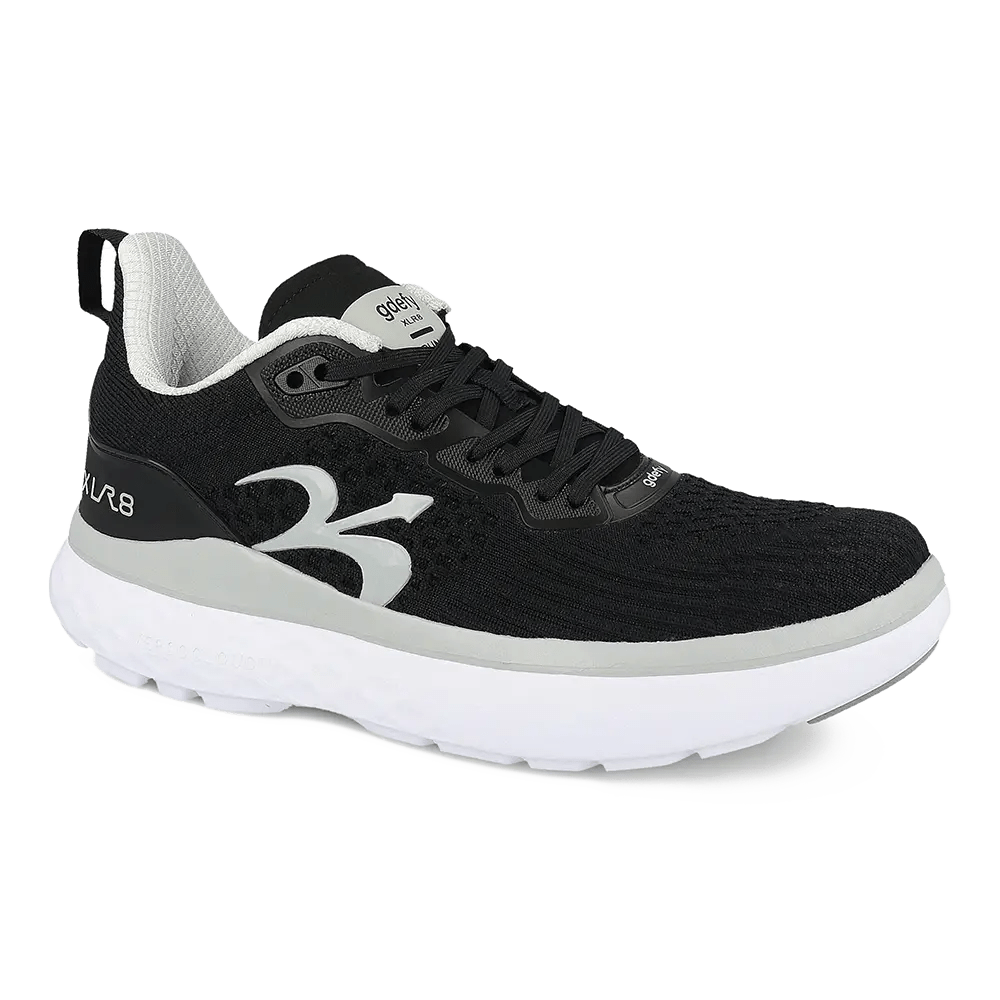
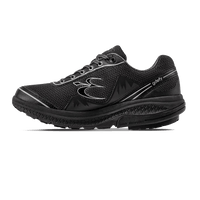
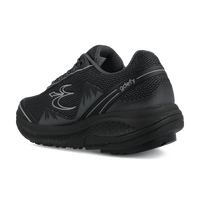
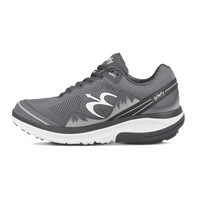
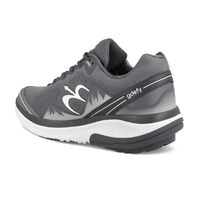
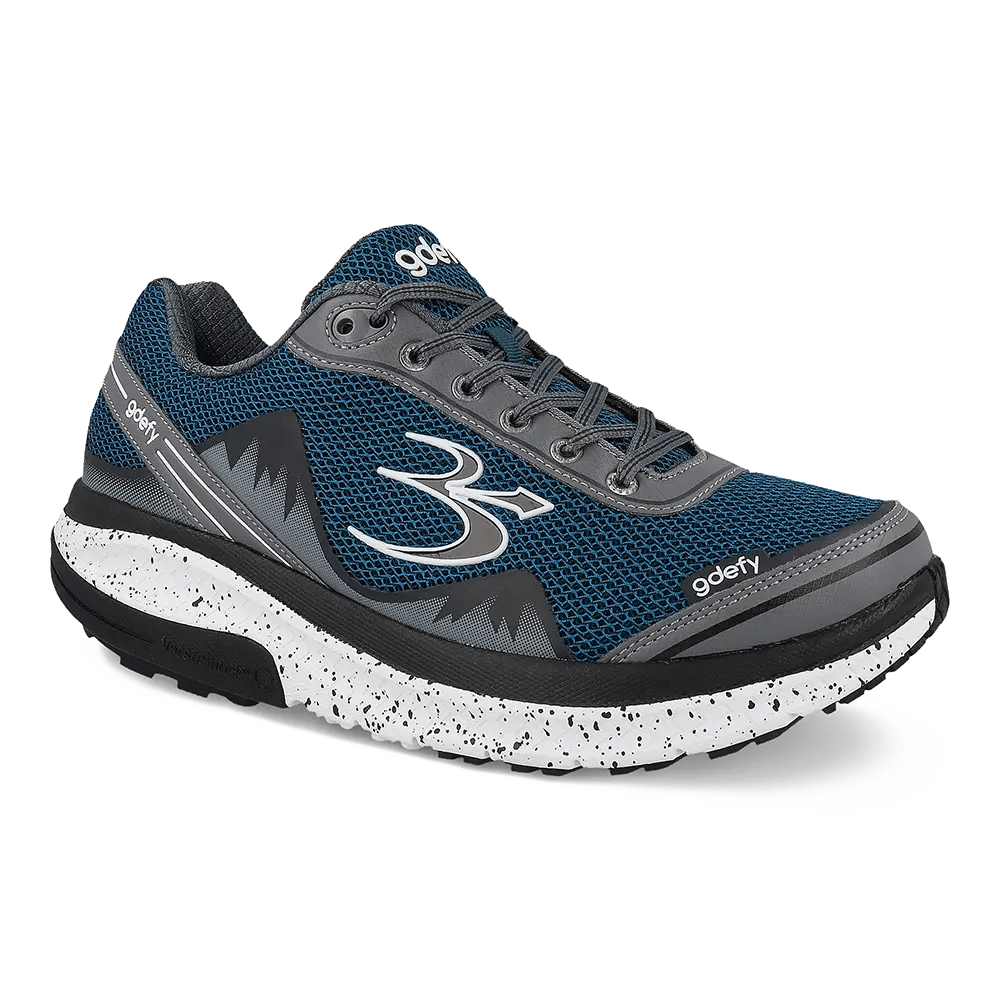
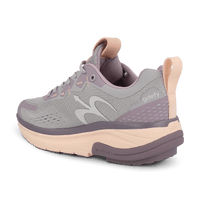
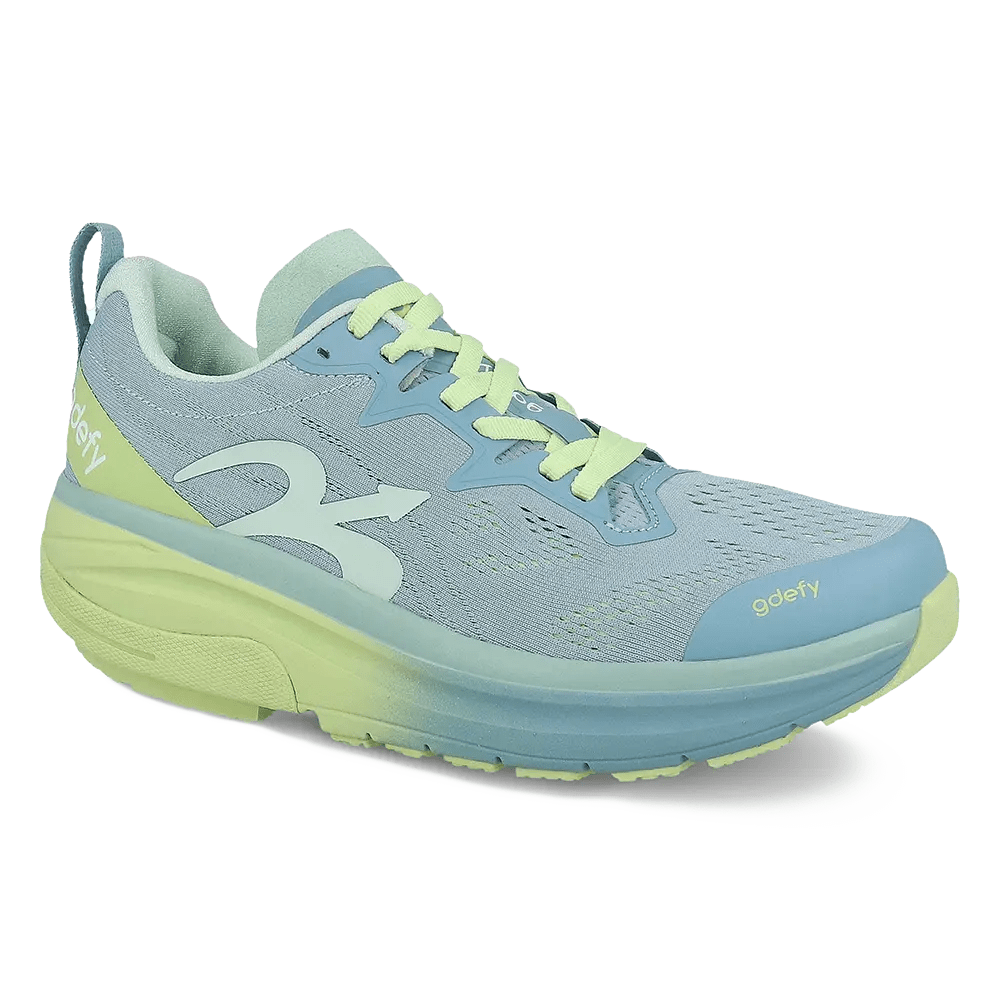
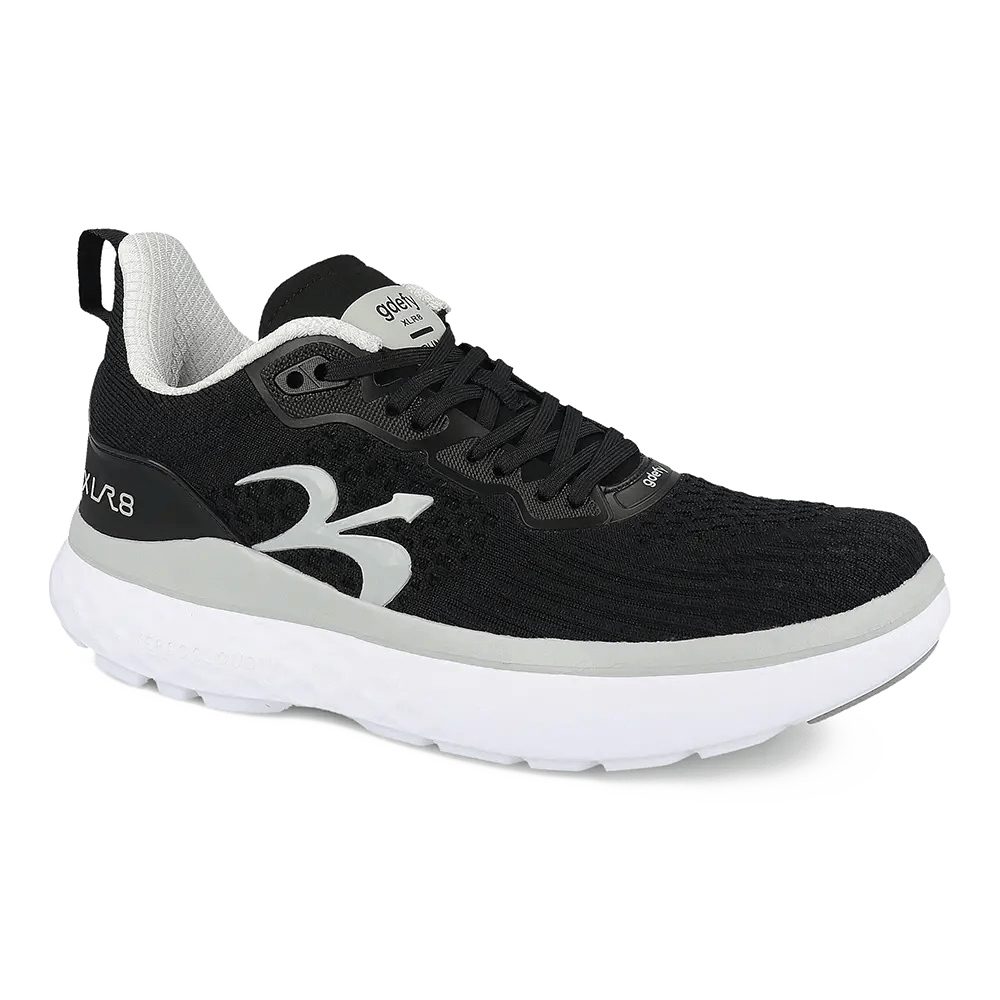
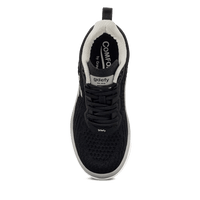
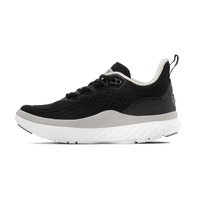
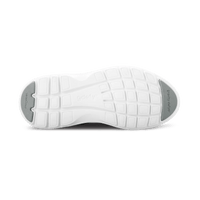
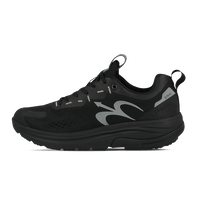
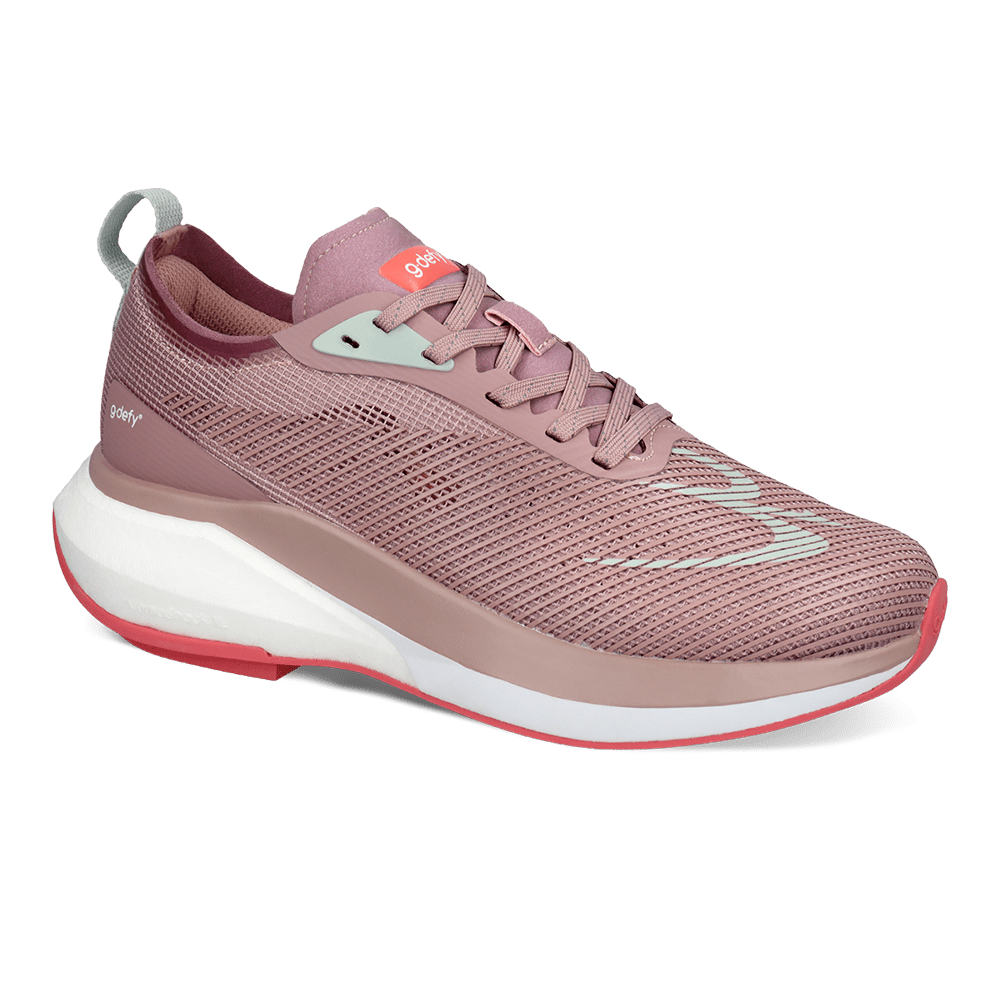
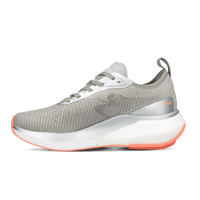
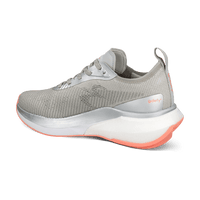
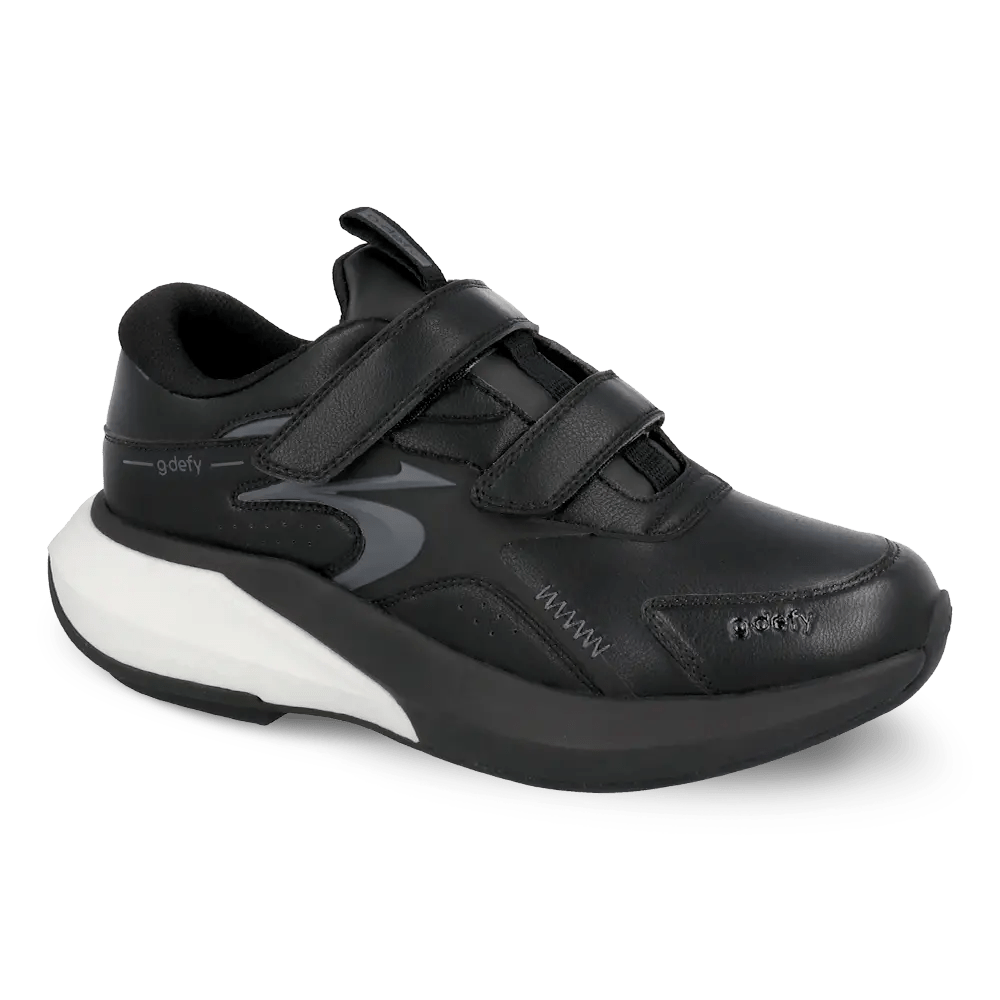
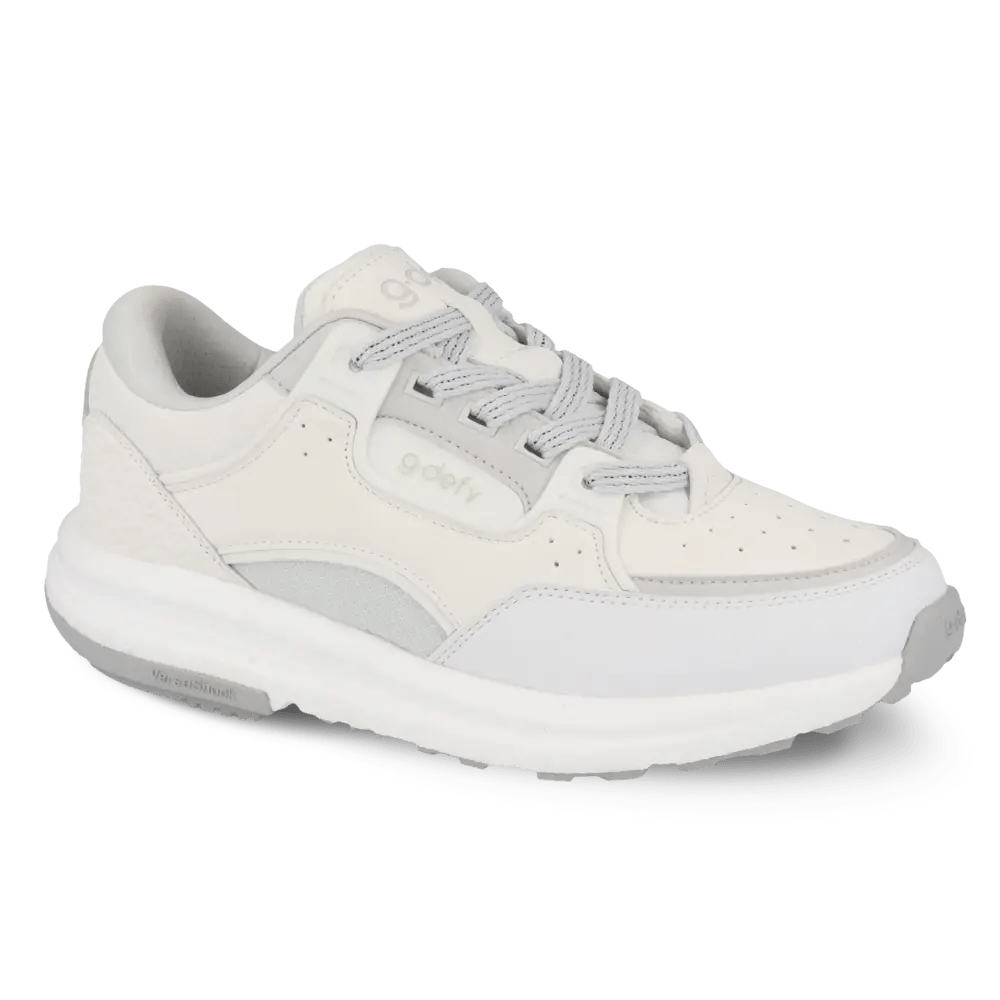
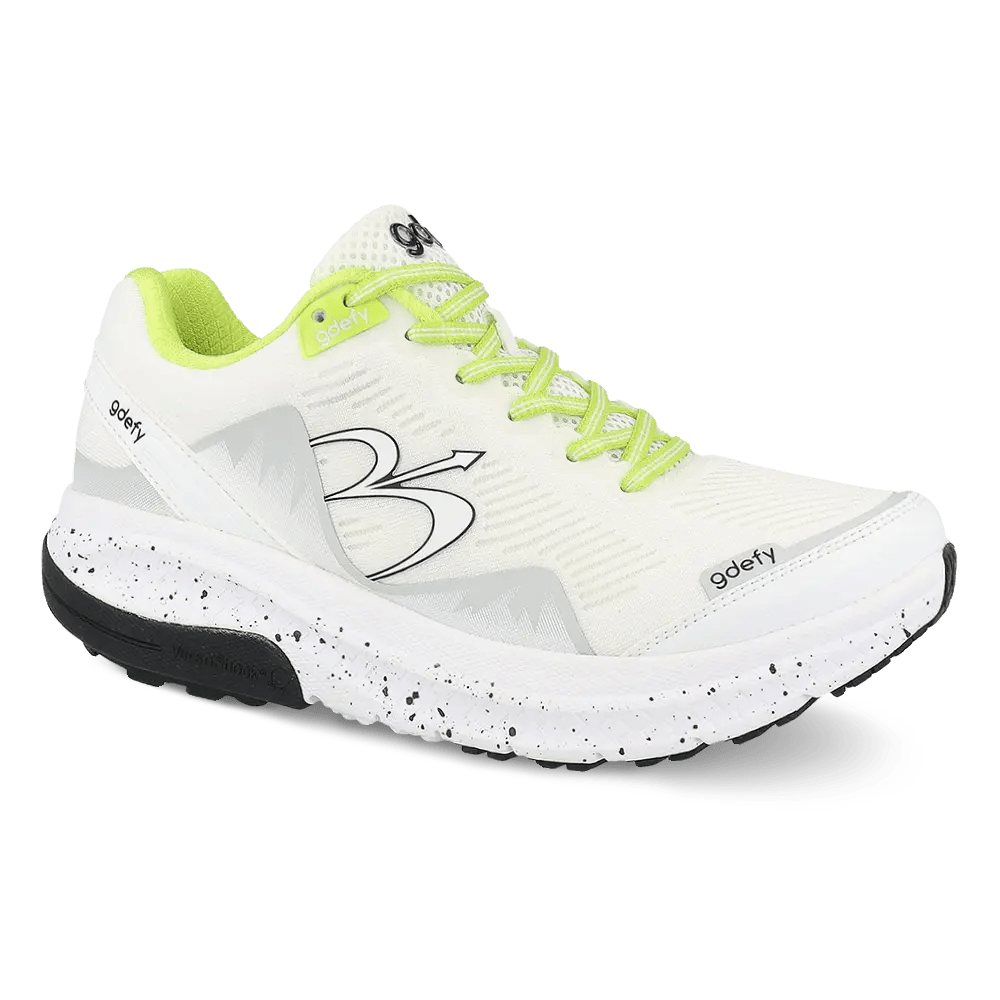
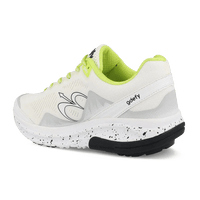
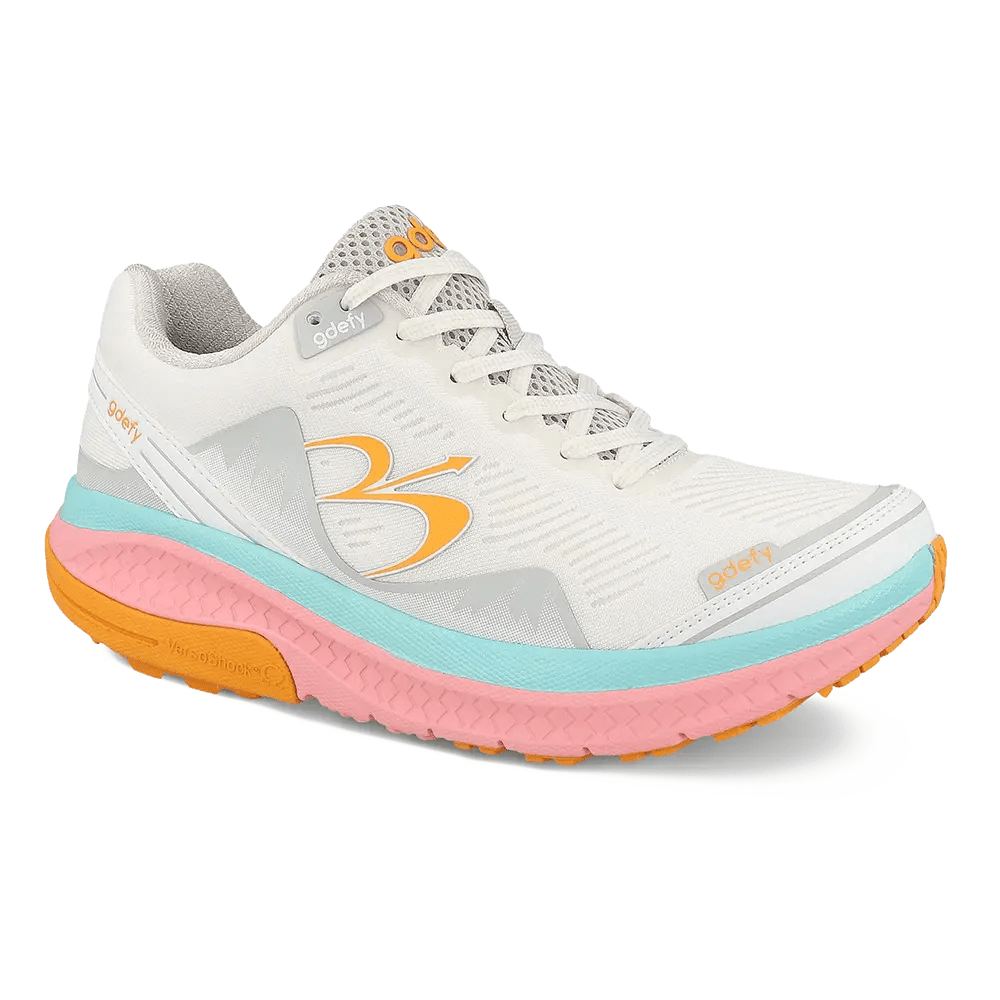
VersoShock® spring technology, a built-in stabilizer, and a rolling sole design — built to support a more comfortable stride.
Shop Men's Mighty Walk Shop Women's Mighty WalkPractical Checklist: What to Look for in a Walking Shoe If You Experience Knee Discomfort
If you experience discomfort in or around your knees during or after walking, the following footwear features are worth evaluating when choosing your next pair:
- Heel cushioning depth and resilience — adequate cushioning at the heel absorbs the initial impact spike before it reaches the knee. Check that the heel section feels responsive, not flat or compressed.
- Midfoot stability / stabilizer shank — the shoe should resist twisting along its length. Hold each end and apply rotational force: a stable shoe resists this motion, a flexible shoe rotates freely.
- Arch support matching your foot type — neutral or low arches benefit from medial arch support to reduce overpronation. High arches may need additional lateral cushioning.
- Rocker or rolling sole geometry — a slightly curved forefoot facilitates heel-to-toe transition, reducing the work the knee must do during push-off.
- Midsole technology and longevity — spring-based systems maintain performance longer than foam. If your current shoes feel flat, replacing them may restore cushioning performance you've lost over time.
- Heel-to-toe drop — a lower drop (smaller height difference from heel to forefoot) places more loading on the ankle and calf; a higher drop shifts some of that load toward the knee. Neither is universally better — it depends on your gait pattern and conditioning.
- Overall fit and width — a shoe that fits correctly prevents compensatory movement patterns. A toe box that is too narrow can restrict natural toe splay, affecting push-off mechanics and knee alignment.
For a more detailed look at the relationship between footwear and knee comfort, see our full guide: Knee Pain and Shoes: Footwear Support Guide.
Frequently Asked Questions
Can shoes really make a difference in how my knees feel during walking?
Yes. Shoe design influences how ground reaction force is absorbed and distributed through the kinetic chain. A well-cushioned, stable shoe with a smooth heel-to-toe transition can significantly reduce the mechanical load reaching the knee joint during each stride. G-Defy shoes help reduce pain from walking, running, and prolonged standing.
What is ground reaction force and why does it matter for my knees?
Ground reaction force (GRF) is the upward force the ground exerts on your body equal and opposite to your foot strike. During walking, this force travels up through the ankle, shin, and knee. Inadequate cushioning allows a larger, sharper spike of force to reach the knee joint, increasing mechanical stress on cartilage and surrounding tissue.
Is heel striking bad for my knees?
Heel striking itself is a normal part of walking gait for most adults. The issue is the magnitude and rate of impact loading. A hard, unpadded heel strike amplifies the force spike. A shoe with adequate heel cushioning and a controlled heel geometry helps absorb and spread that impact, reducing the rate at which force travels to the knee.
How does overpronation affect the knee?
When the foot rolls inward excessively, the lower leg internally rotates, pulling the kneecap slightly medially. Over time and distance, this creates repetitive stress on the medial side of the knee joint. Footwear with arch support and a stabilizer shank can help moderate this motion, supporting a more neutral foot position through the gait cycle.
What shoe features should I look for to support my knees during walking?
Look for: sufficient midsole cushioning to absorb heel-strike impact; a stabilizer shank to limit midfoot torsion; a rocker or rolling sole geometry to smooth the heel-to-toe transition; and arch support that keeps the foot in a neutral position. These features work together to reduce the mechanical demands placed on the knee joint. For more guidance, see our article on can shoes help with knee pain when walking.
Conclusion: Footwear Engineering Is Knee Engineering
The knee does not exist in isolation. It is part of a continuous mechanical chain that begins where your foot meets the ground, and the shoe you wear is the first and most controllable variable in that chain.
Ground reaction force, heel-strike loading rate, pronation-driven tibial rotation, and the ankle's role in the heel-to-toe transition — all of these biomechanical factors are directly shaped by your footwear. A well-engineered walking shoe doesn't just feel comfortable; it actively manages the forces that would otherwise concentrate at the knee joint.
If you spend significant time on your feet — whether walking for fitness, standing at work, or simply navigating daily life — understanding how shoes affect knees biomechanically is a practical first step toward choosing footwear that supports your long-term comfort and mobility.
G-Defy shoes are engineered to deliver comfort, support, and shock absorption through the four pillars of VersoShock® technology: spring-based impact absorption, energy return, a stabilizer shank, and a front rolling design. Each pair includes ComfortFit® and CorrectiveFit® orthotics for customized arch support. Try them with our 60-day risk-free trial — free shipping included.
Try G-Defy Risk-Free for 60 Days
Free shipping. Full refund if you're not satisfied. Engineered for comfort, support, and shock absorption with every step.
Men's Mighty Walk Women's Mighty Walk