
May 18, 2026
Heel Spurs and Plantar Fasciitis: What's the Difference?
By Gdefy

Summary
Heel discomfort is one of the most common reasons active adults start searching for better walking shoes. Two conditions tend to come up again and again in those searches: heel spurs and plantar fasciitis. The names sound similar, the locations of the discomfort can feel identical, and people often use the two terms interchangeably — even though they describe two very different things.
This guide walks through what each condition actually is, why they're frequently mentioned together, what tends to cause each one, and what to look for in everyday walking shoes if heel discomfort has become part of your daily routine. While footwear isn't a medical solution, the right design can play an important role in overall comfort and support.

What Is a Heel Spur?
A heel spur is a small calcium deposit — a tiny outgrowth of bone — that forms on the underside of the heel bone (the calcaneus). Picture a thin, pointed bony ledge extending forward from the bottom of the heel where it meets the arch.
Heel spurs develop slowly, often over many months or even years, in response to repeated tension or strain on the connective tissue and muscles that attach to the heel bone. The body, sensing repeated stress in that area, gradually lays down extra bone as a kind of reinforcement.
Here are a few things many people don't realize about heel spurs:
- They're surprisingly common. Many adults have heel spurs and don't know it, because the spur itself often doesn't produce any noticeable sensation.
- The spur is visible on an X-ray. It's a structural feature, not soft tissue.
- The discomfort people associate with a heel spur usually isn't from the bone itself. More often, it's from the irritated soft tissue around the spur — particularly the plantar fascia attaching to that exact spot.
In other words, a heel spur is a finding — something visible on an image — rather than a sensation. The sensation usually comes from what's happening to the soft tissue at the same location.
What Is Plantar Fasciitis?
The plantar fascia is a thick, fibrous band of connective tissue that runs along the bottom of the foot. It starts at the heel bone and fans out to the base of the toes, supporting the arch and acting as a kind of shock absorber every time you put weight on your foot.
Plantar fasciitis is the term used when that fascia becomes irritated or develops small tears — usually at the point where the fascia attaches to the heel bone. It's the soft-tissue side of the same story.
What people typically describe:
- A sharp, stabbing sensation under the heel — especially with the first few steps of the morning.
- Discomfort that eases after a few minutes of walking but returns after rest.
- A tender spot under the inside of the heel that feels worse after long days on your feet.
- Tightness along the arch and a pulling sensation when the foot is flexed upward.
Unlike a heel spur, which is a structural deposit, plantar fasciitis is a soft-tissue condition. It can develop quickly — sometimes within weeks of a change in footwear, activity level, or walking surface — and it can also ease with time, supportive footwear, and changes in daily habits.
Key Differences at a Glance
| Feature | Heel Spur | Plantar Fasciitis |
|---|---|---|
| What it is | A small bony outgrowth on the heel bone | Irritation or strain of the plantar fascia (soft tissue) |
| Where it forms | Underside of the calcaneus (heel bone) | Bottom of the foot, usually at the heel attachment |
| Visible on X-ray? | Yes — it's a structural finding | No — it's a soft-tissue condition |
| Develops over | Months to years | Days to weeks |
| Sensation often described | None in many cases; sharp if soft tissue is also irritated | Sharp first-step sensation, ache after long standing |
| Typical pattern | Stays present long-term; only the surrounding tissue changes | Often eases with rest, footwear, and habit changes |
The most important takeaway: a heel spur is a finding, while plantar fasciitis is an active condition. You can have one without the other — and the two often coexist.
Why the Two Get Confused
If you've ever read about heel discomfort online, you've probably noticed that heel spurs and plantar fasciitis are mentioned in the same breath. Here's why.
When someone has plantar fasciitis, the fascia is irritated at the spot where it attaches to the heel bone. If a doctor takes an X-ray of that heel, there's a reasonable chance they'll also see a heel spur at that same attachment point. The repeated tension that irritated the fascia is the same tension that, over years, caused the body to deposit extra bone there. So heel spurs and plantar fasciitis frequently appear together — not because one causes the other directly, but because they share the same underlying pattern of stress.
That overlap is the source of most of the confusion. People hear "you have a heel spur" and assume the spur is the source of their discomfort, when in reality the soft tissue is doing most of the talking. Focusing on the spur often misses the point; supporting the fascia with proper footwear, rest, and stretching often makes more of a practical difference.
What Causes Each Condition?
The factors that contribute to both conditions overlap heavily, because both come from repeated stress on the same part of the foot.
Long Hours on Hard Surfaces
Concrete, tile, polished retail floors, and warehouse decks transmit a high percentage of each step's impact straight into the heel and arch. Teachers, healthcare workers, retail staff, warehouse employees, hairstylists, and anyone else who stands or walks for most of the day accumulates more cumulative impact than the foot was designed to handle without supportive footwear.
Footwear With Little Cushioning or Arch Support
Flat-soled fashion shoes, thin-soled flats, unsupportive house slippers, and worn-down athletic shoes all leave the heel and the fascia under near-constant strain during weight-bearing activity. Without a cushioning layer to absorb impact and a structured midfoot to support the arch, more of each step's force lands directly on the heel and the fascia attachment point.
A Sudden Change in Activity
Starting a new walking routine, adding miles to a running plan, taking a long travel day on your feet, or moving from a desk job to a standing job — any sudden jump in foot-loading without time to adapt can irritate the fascia. Once irritation sets in, it tends to keep flaring with each long day until something changes.
Tight Calves and Limited Ankle Mobility
When the calves are tight, the ankle doesn't move through its full range. That restriction shifts more load onto the fascia with each step, increasing the strain at the heel attachment.
Body Weight and Daily Load
Carrying more weight increases the force traveling through the heel with every step. So does carrying heavy items at work — a toolbox, a tray, a child — for hours at a time. The fascia and the heel attachment absorb that extra load with every step.
Age and Tissue Changes
As tissue ages, it becomes slightly less elastic and slower to recover from stress. That's part of why heel discomfort becomes more common after 40 and especially after 50, even for adults who haven't changed their activity level.
What to Look for in Shoes That Support Heel Comfort
Whether someone has a heel spur, plantar fasciitis, or simply heel discomfort that hasn't been formally identified, the same handful of shoe features tend to matter most for everyday walking and standing comfort.
Thick, Responsive Cushioning Under the Heel
The heel is where most of the impact lands with each step. A generous cushioning layer under the heel helps absorb that impact softly rather than transmitting it straight into the bone and the surrounding soft tissue. Look for cushioning that doesn't go flat after a few months of wear — standard foam tends to compress quickly under repeated impact, while a spring-based system can hold its cushioning much longer.
Real Arch Support
The plantar fascia runs along the arch, so anything that supports the arch helps distribute weight across the whole foot instead of letting the heel and the ball of the foot carry the bulk of it. Built-in arch support, paired with the option to swap in a customized orthotic, gives the fascia a more comfortable working position throughout the day.
A Structured Heel Cup
A snug, supportive heel cup holds the back of the foot in place and prevents the small side-to-side motions that can aggravate sensitive tissue with each step. Heels that slide around inside loose shoes accumulate micro-strain that adds up over a long day.
Shock Absorption That Lasts
Standard foam offers cushioning when a shoe is new, but it loses meaningful shock absorption after a few hundred miles of use. A more durable shock-absorbing system — one that keeps performing after months of daily wear — helps maintain the protective layer between the heel and the ground over the long haul.
A Smooth Rolling Sole
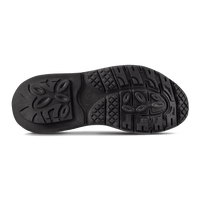
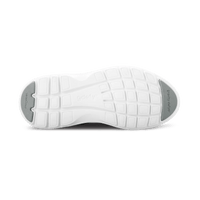
A sole shaped to roll smoothly from heel strike to toe-off encourages a more natural walking motion and reduces the abrupt loading that flat soles create at the heel. Combined with a built-in stabilizer, a rolling design helps the foot move through each step with less effort and less impact concentration.
Proper Fit and a Roomy Toe Box
Shoes that pinch the toes shift more weight backward onto the heel; shoes that are too loose let the foot slide forward. A roomy toe box and a fit that's snug at the heel and midfoot helps distribute weight evenly from heel to toe across the whole step.
How G-Defy Shoes Are Designed for Heel Comfort
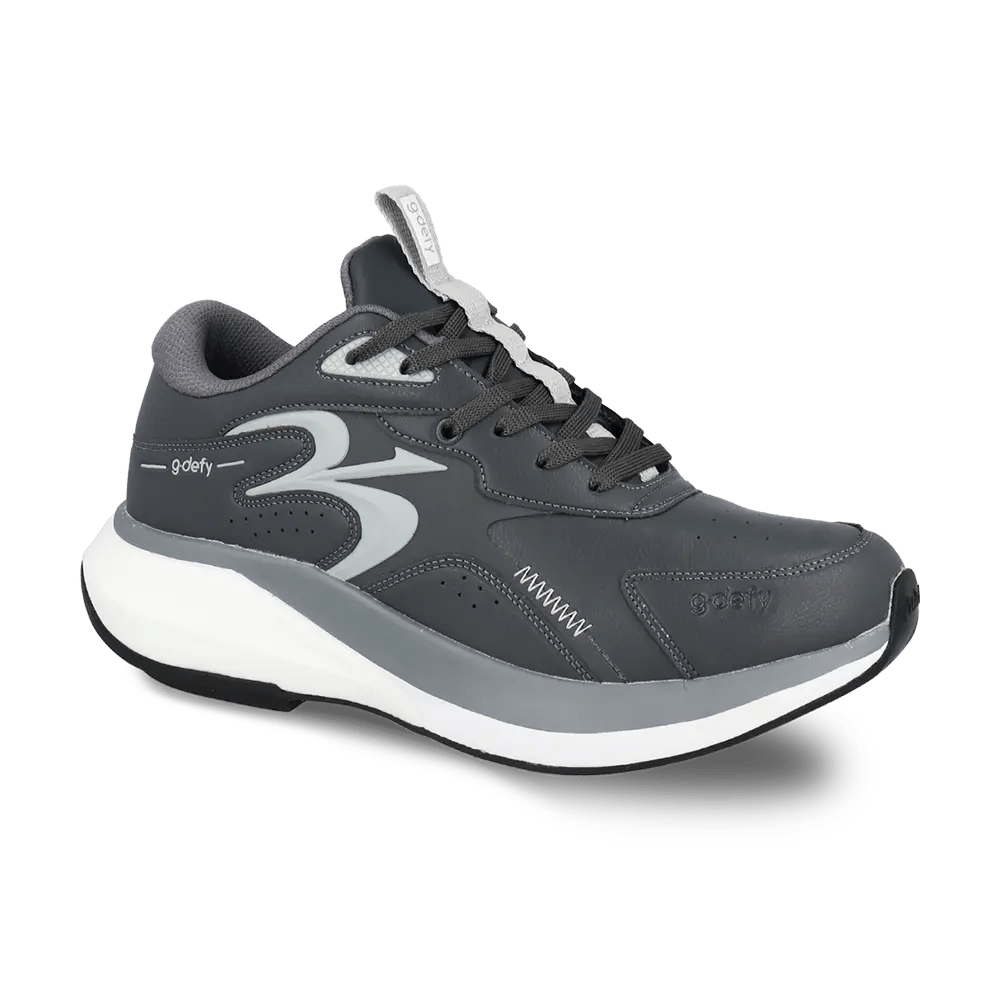
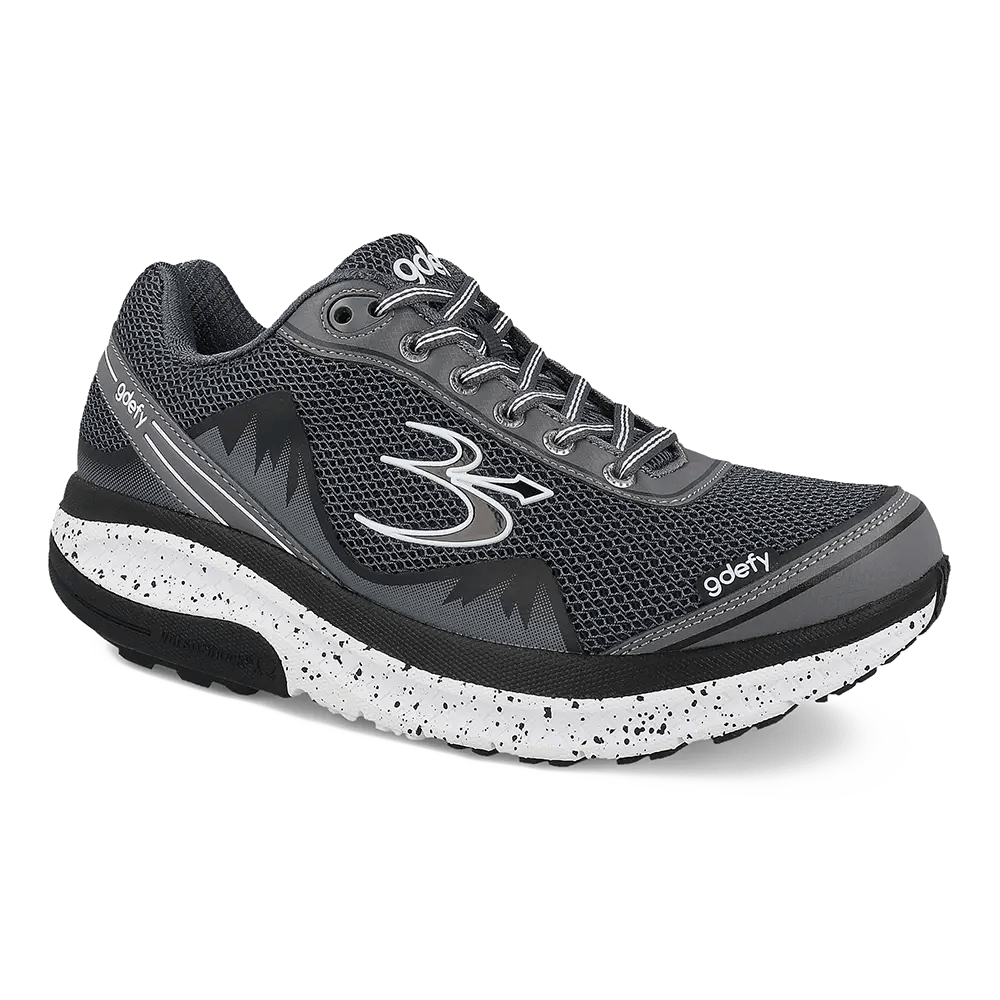
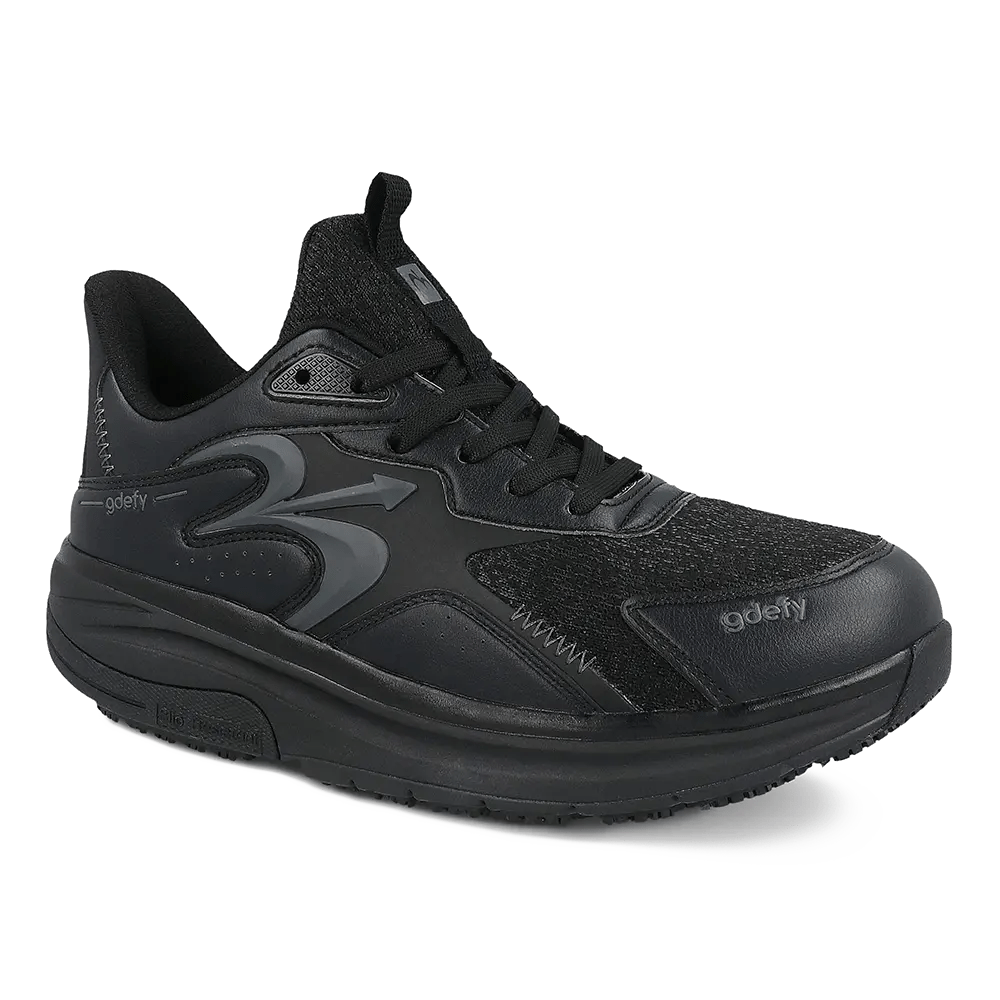
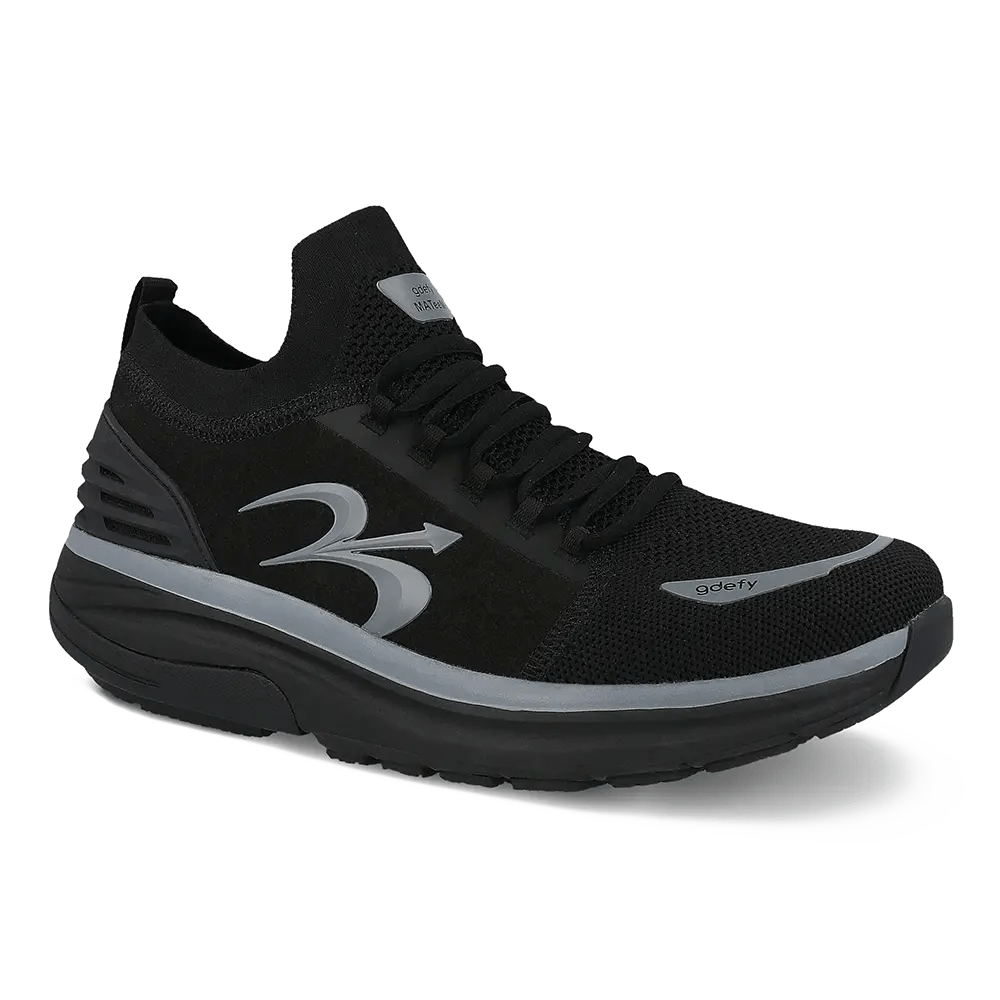
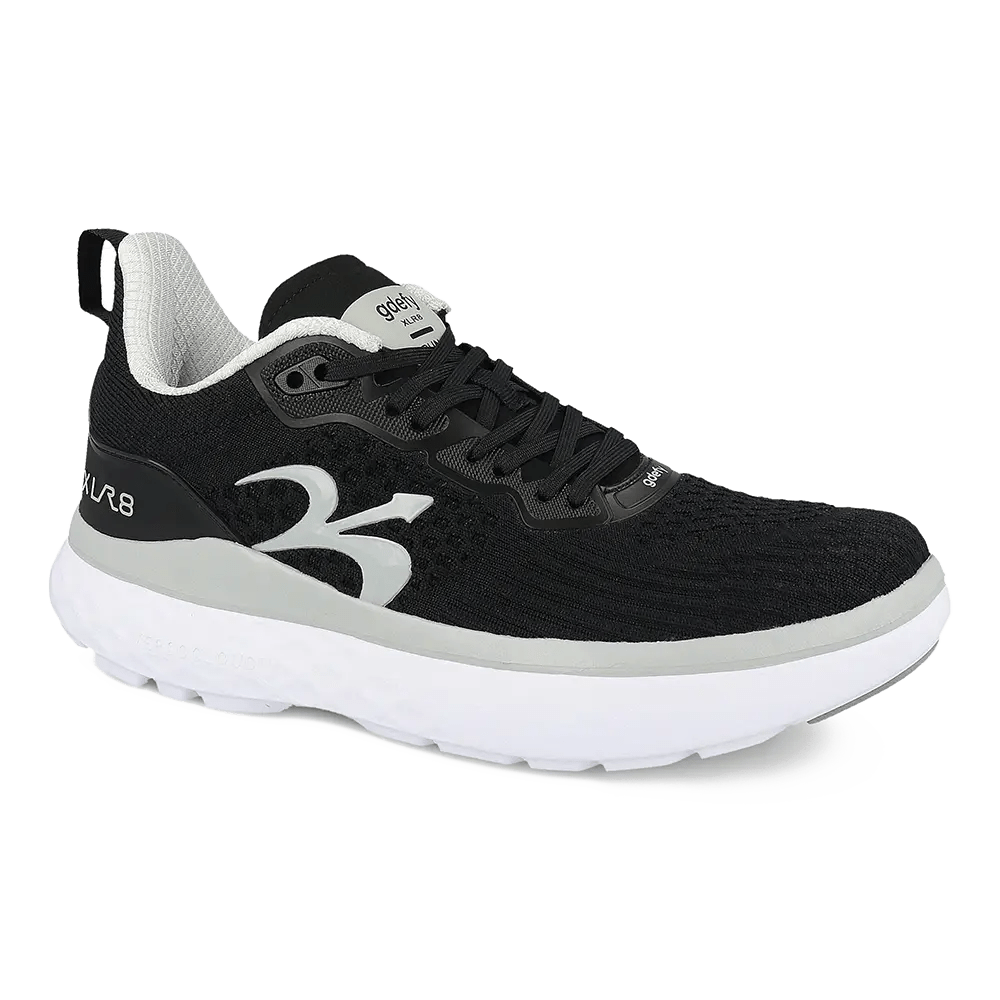
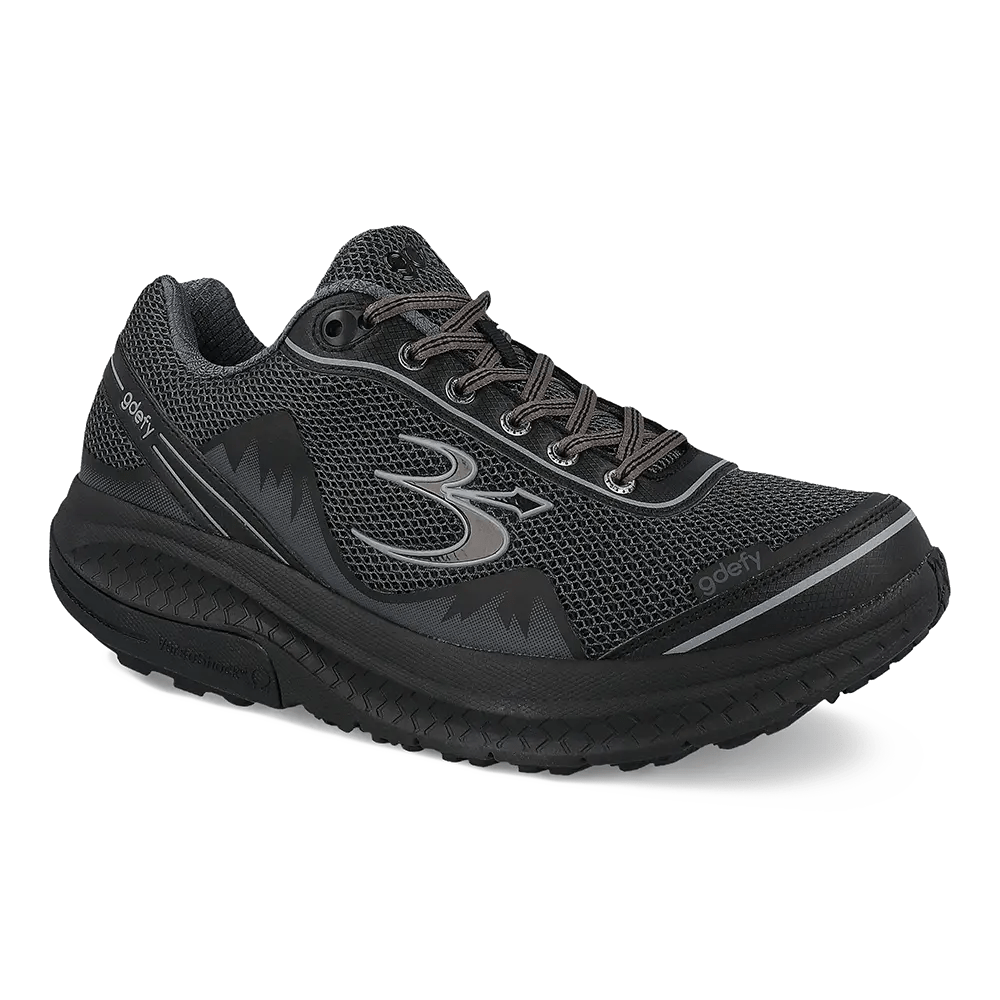
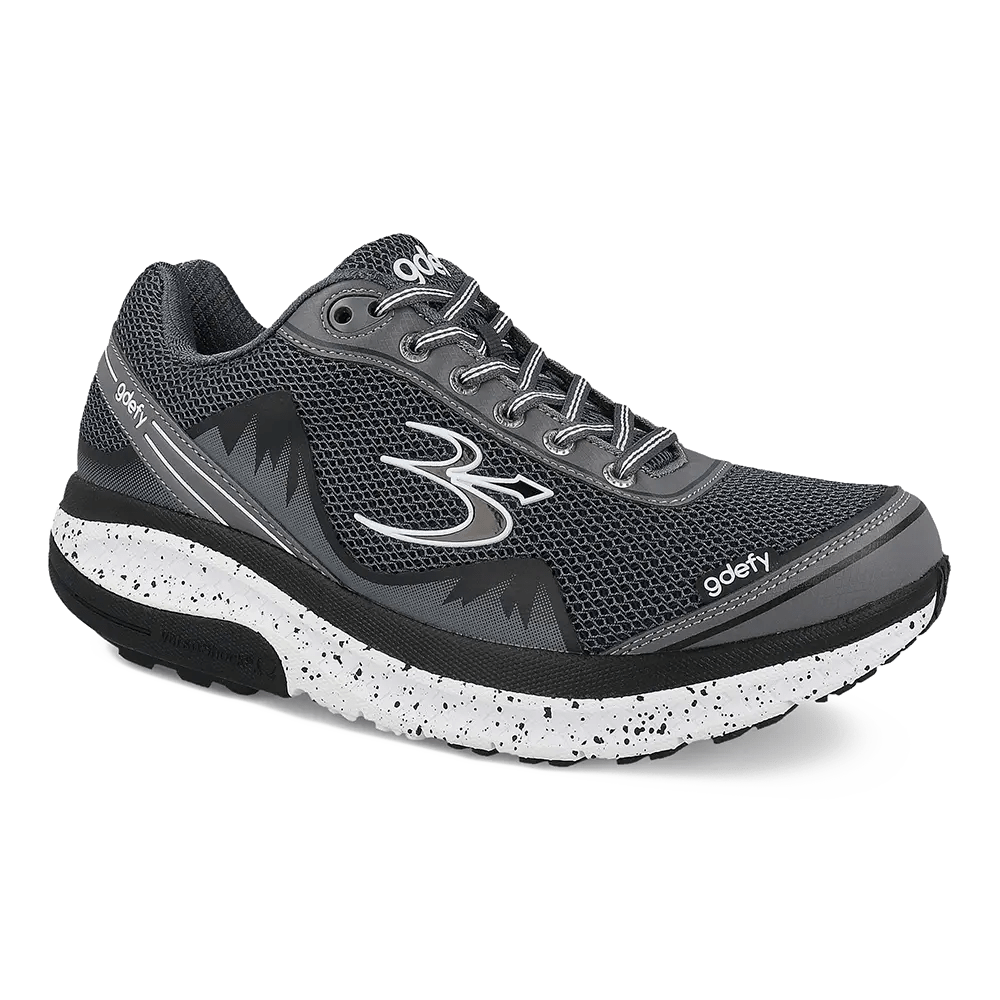
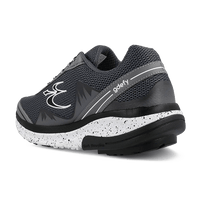
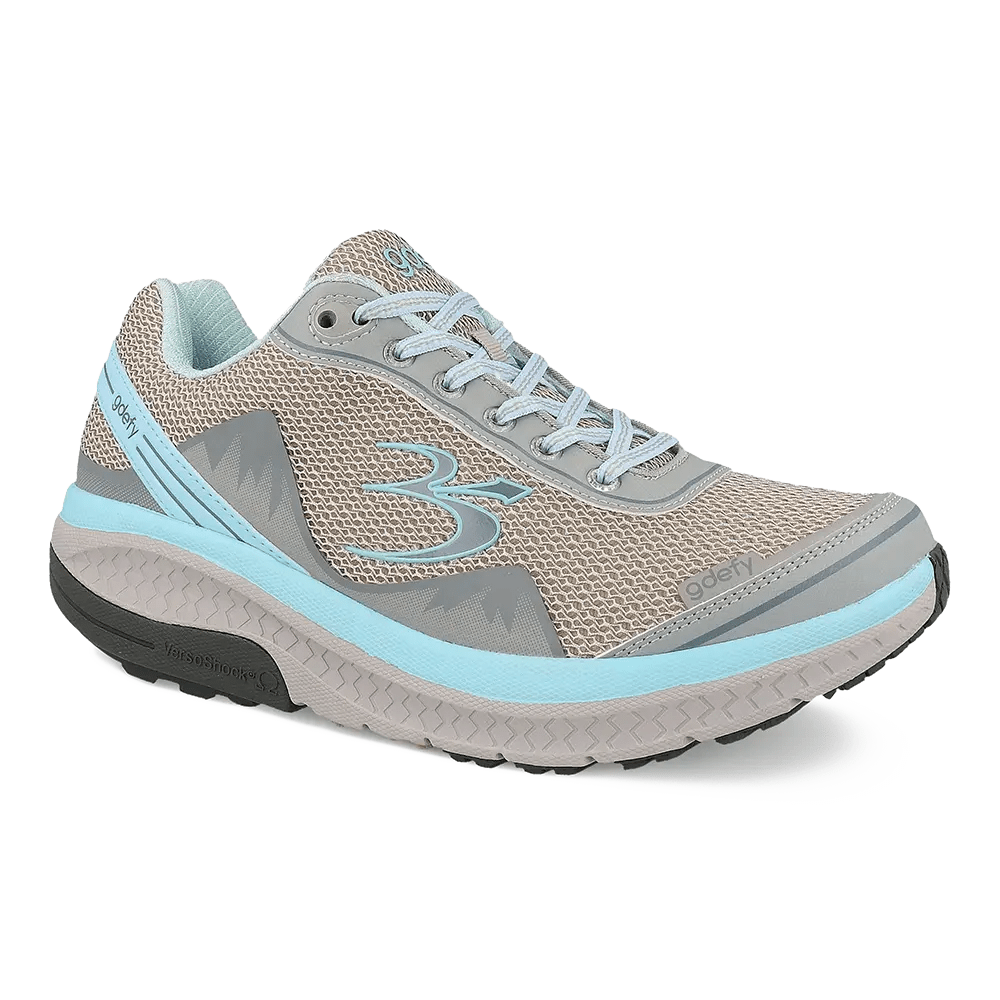
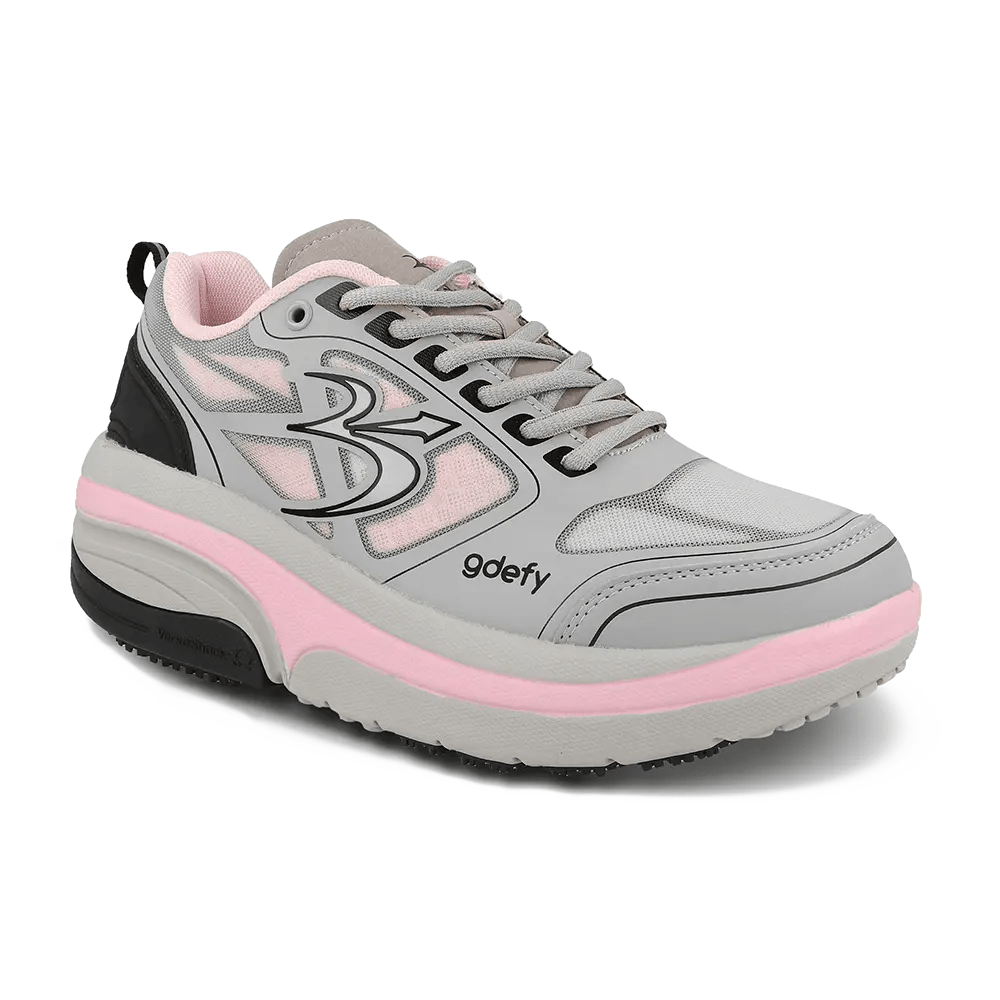
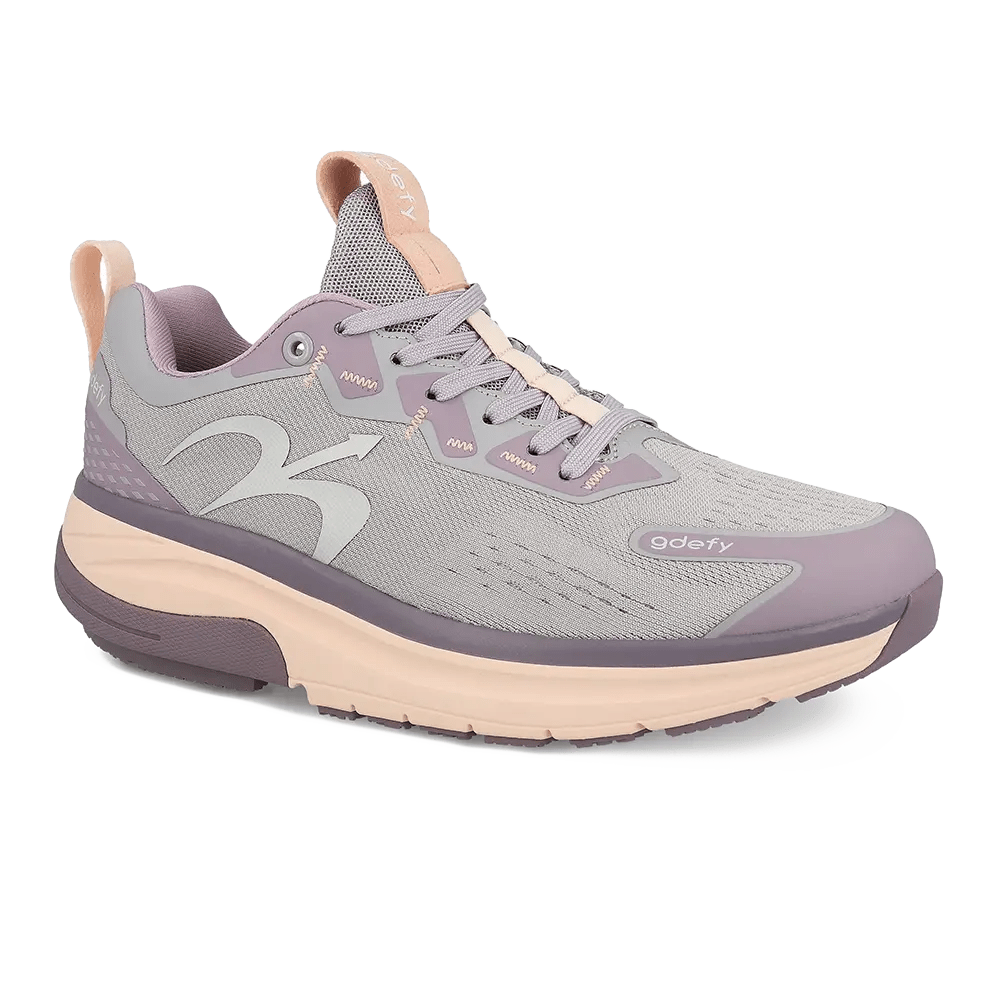
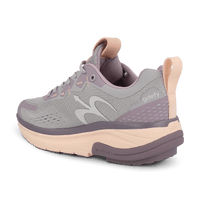
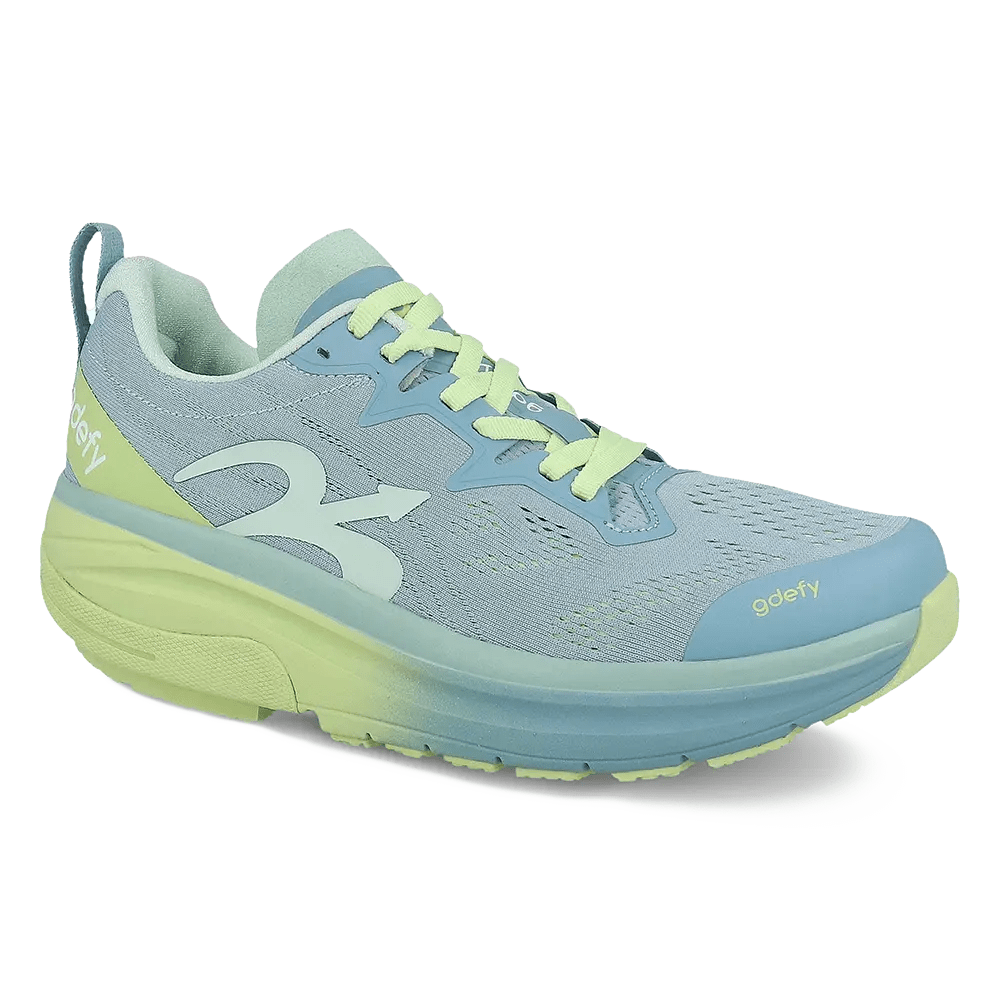
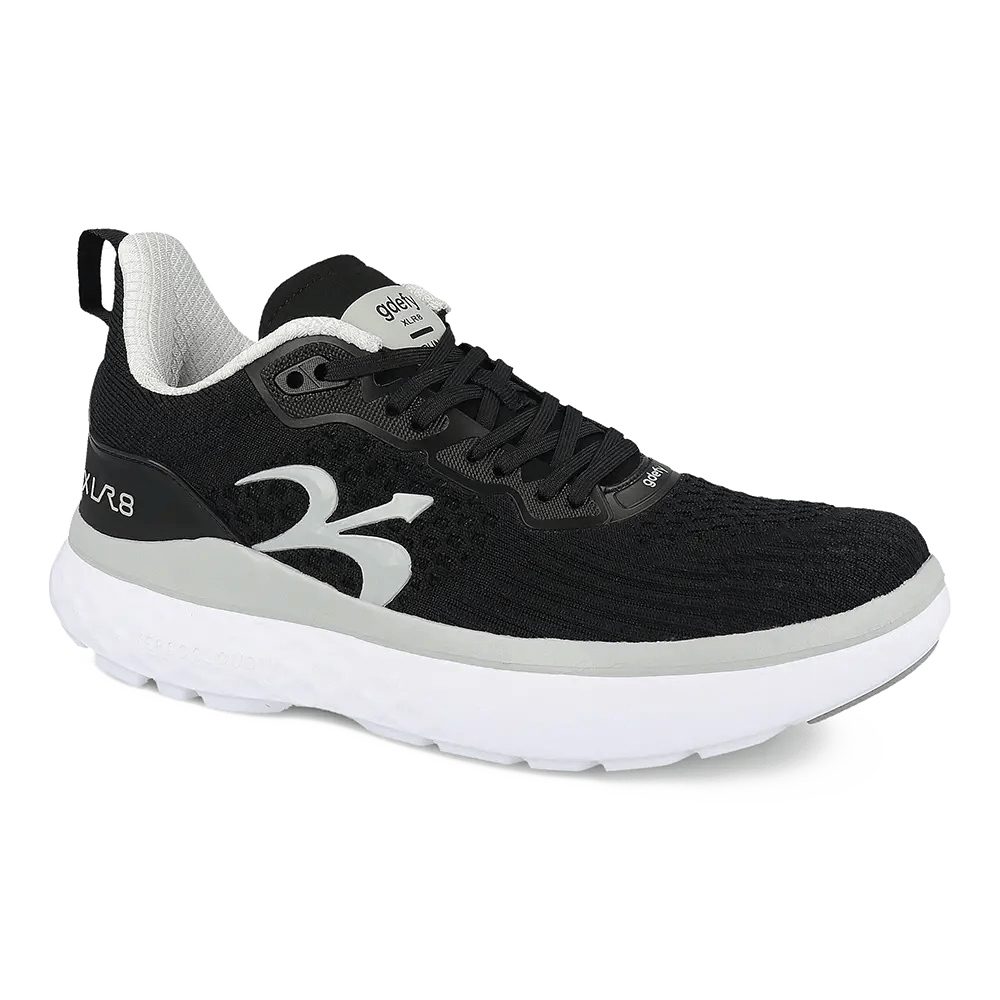
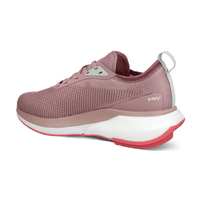
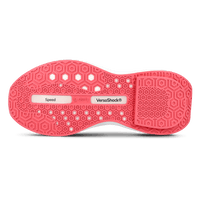
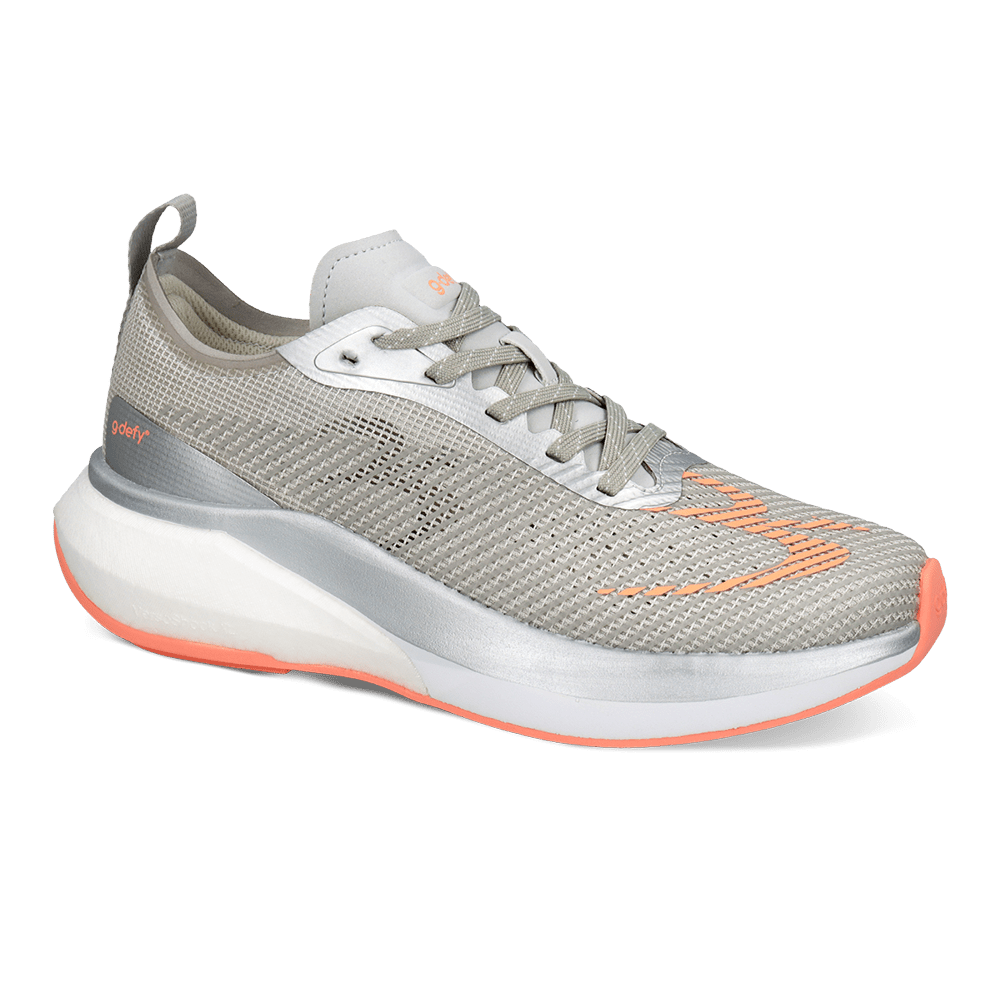
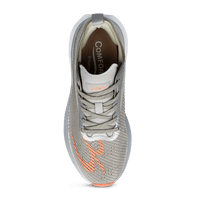
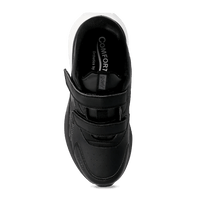
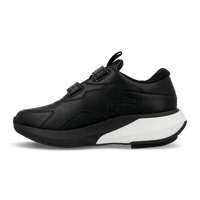
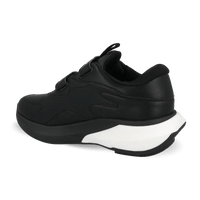
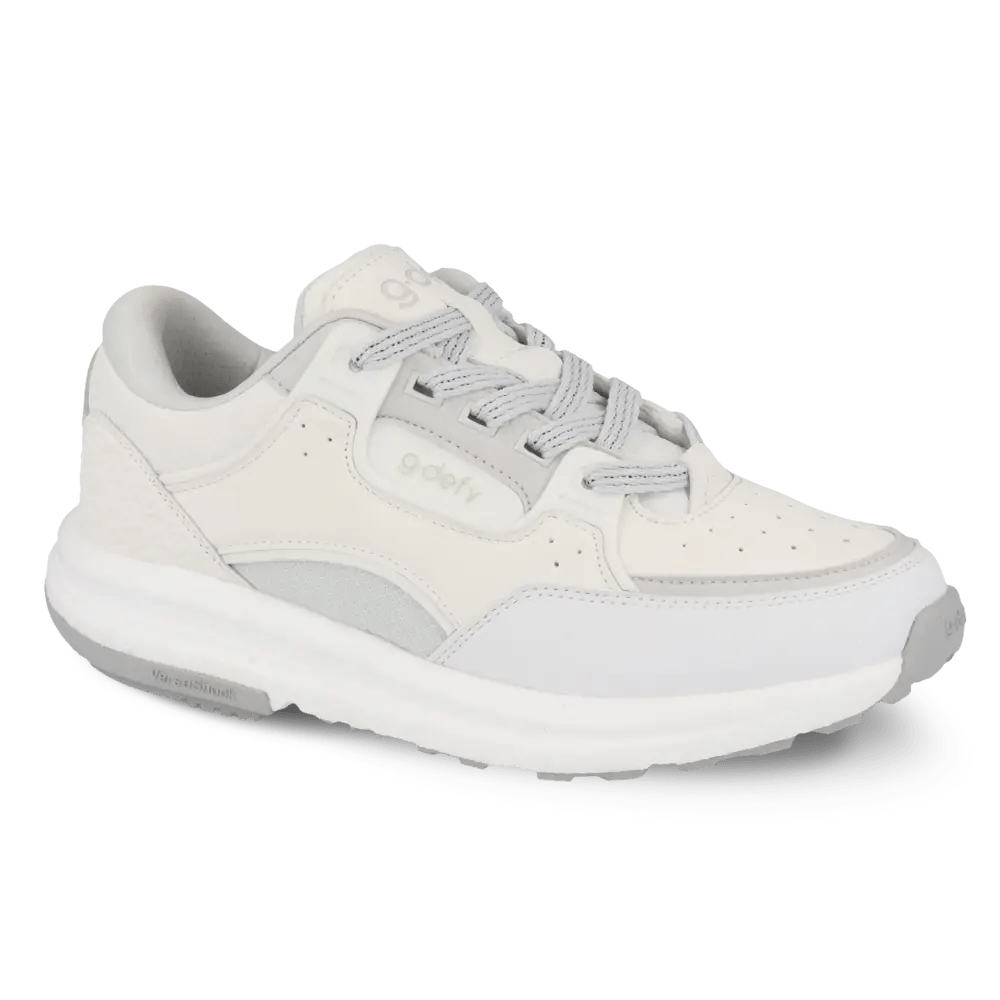
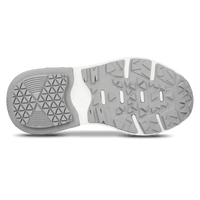
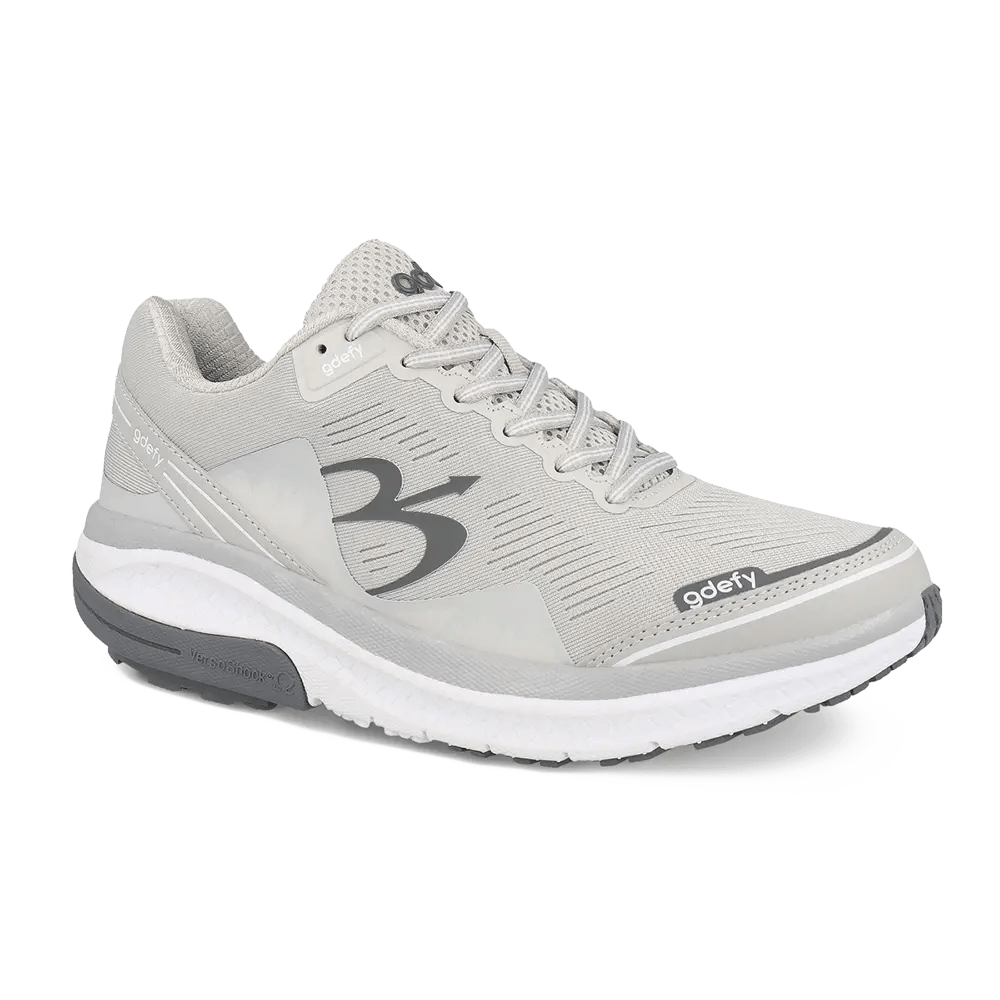
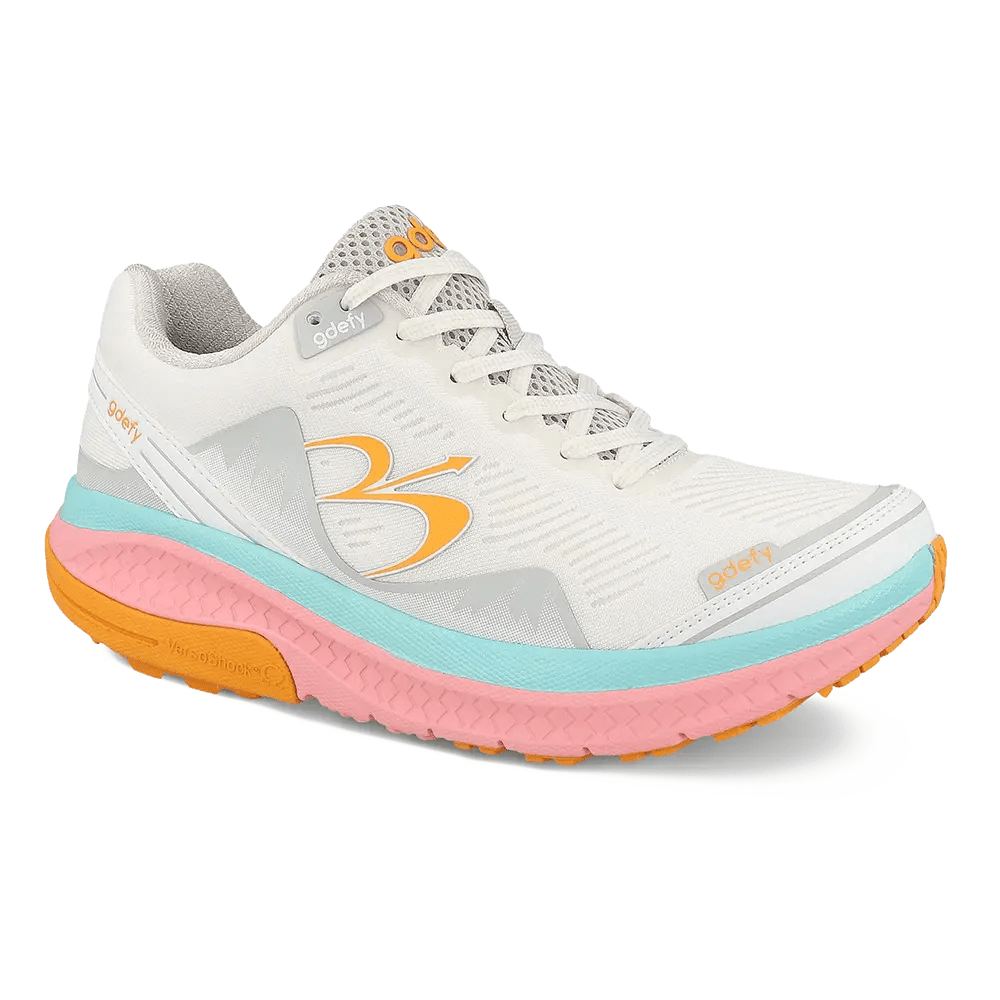
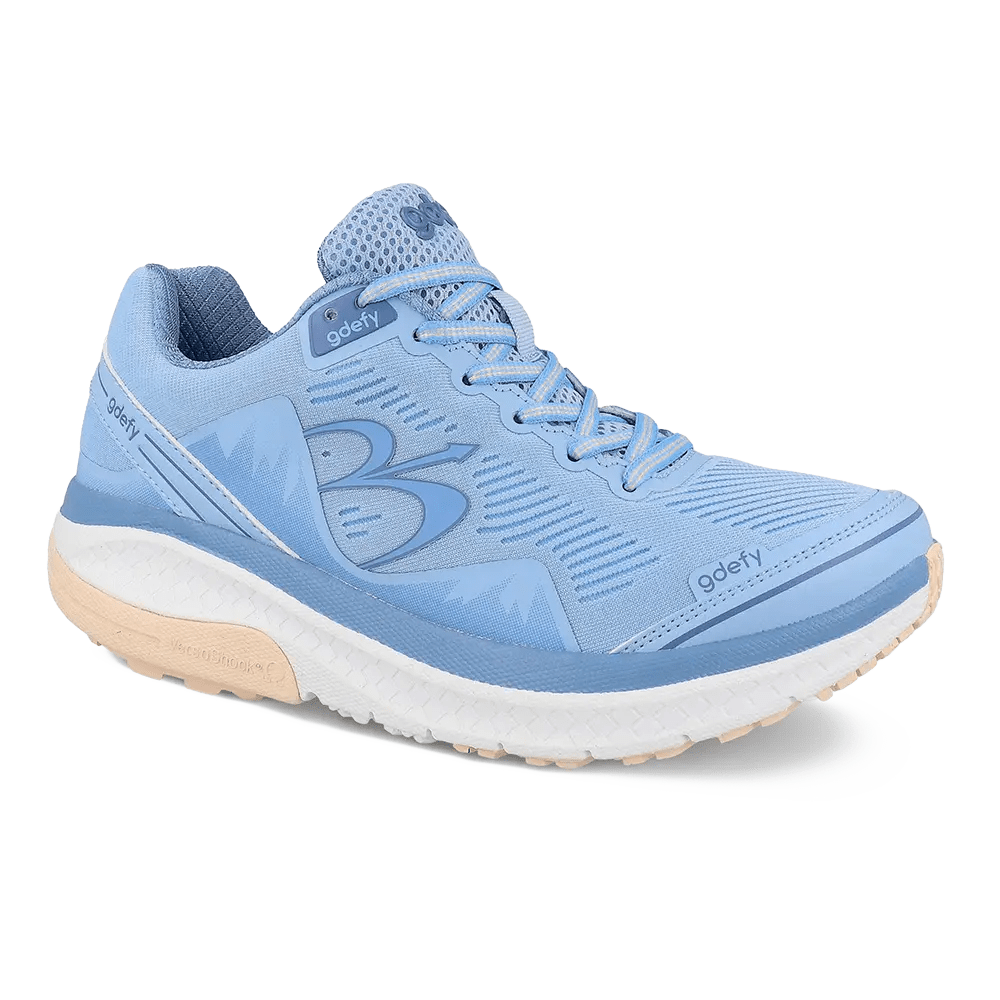
G-Defy shoes are engineered to provide comfort, support, and shock absorption. Featuring VersoShock® technology, they are designed to absorb impact and return energy with each step. A built-in stabilizer supports the foot during movement, while the front rolling design promotes a smooth walking experience. Each pair includes two removable orthotics to help customize comfort and support. G-Defy shoes help reduce pain from walking, running, and prolonged standing.

The Four Pillars Behind Every G-Defy Shoe
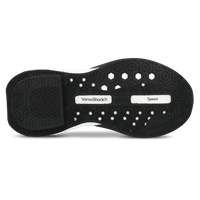
1. VersoShock® Spring-Based Shock Absorption. Instead of relying on standard foam that compresses and loses cushioning, VersoShock® uses a synthetic spring system designed to absorb impact softly and gradually. That softer landing matters most at the heel — the first point of contact in nearly every step — and it's the layer between your foot and the hard surfaces you walk on all day.
2. Energy Return. As the spring system compresses and rebounds, it returns energy to support forward movement. The heel no longer absorbs impact in a single dead thud; the load is cushioned and the rebound supports the next step, helping the stride feel responsive instead of heavy.
3. Built-In Stabilizer. A shank inside the midsole prevents excessive bending and supports the foot through the full stride. That stability helps keep the heel positioned correctly under the leg and reduces the side-to-side motion that can aggravate the soft tissue along the bottom of the foot.
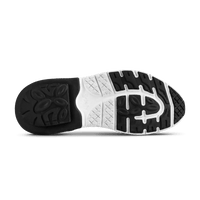
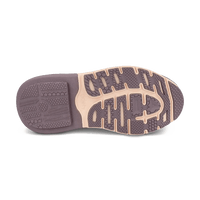
4. Front Rolling Design. The forefoot is shaped to roll smoothly from heel strike through toe-off, encouraging a more natural walking motion. The smooth transition reduces the abrupt loading that traditional flat soles create at the heel and supports a more efficient stride overall.
Two Removable Orthotics for Customized Comfort
Every pair of G-Defy shoes includes two removable orthotics so you can choose the level of support that feels best for your foot:
- ComfortFit® Orthotic — designed for low to medium arches, with a focus on cushioning and softness underfoot.
- CorrectiveFit® Orthotic — designed for medium to high arches, offering additional structure and support.
For people who experience heel discomfort, this customization matters. The right orthotic can change how the foot loads with each step and help keep the arch and the heel in a more comfortable working position throughout the day.
Featured G-Defy Walking Shoes
Two popular daily walking shoes from G-Defy:
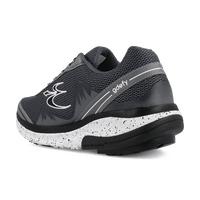
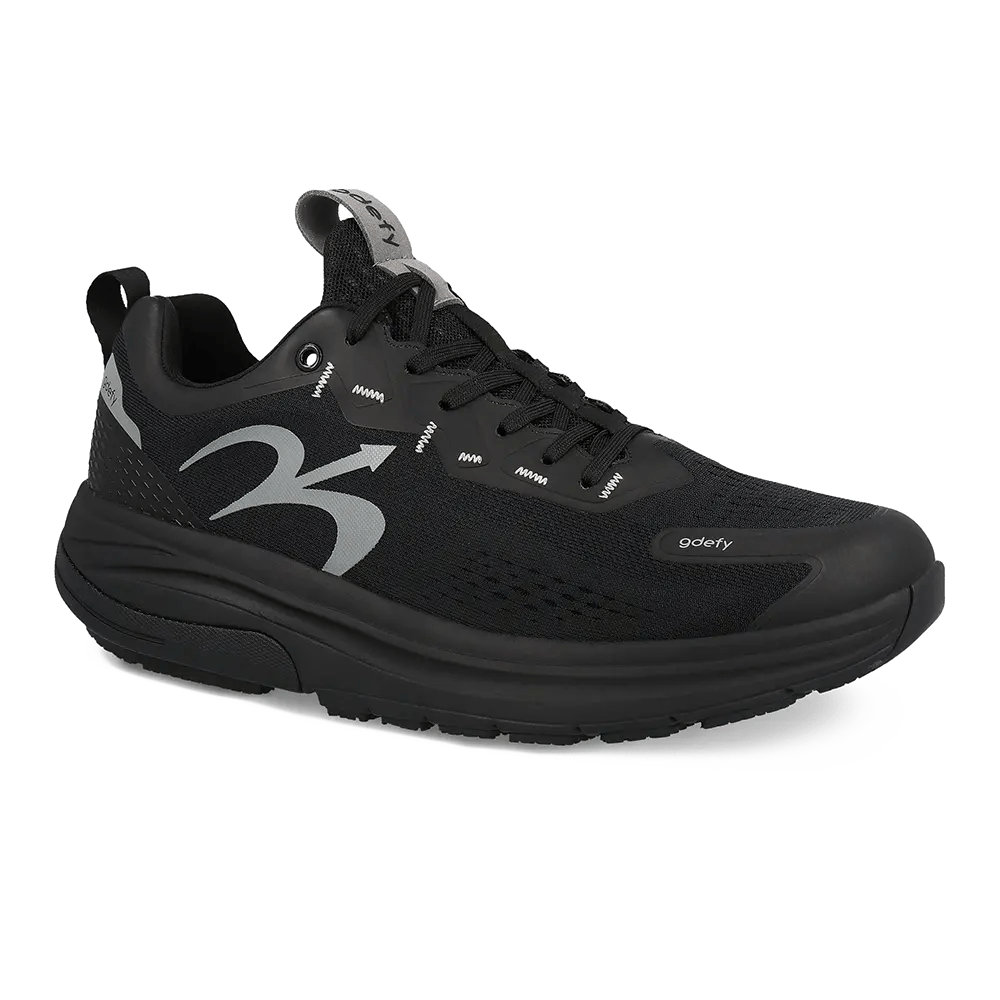
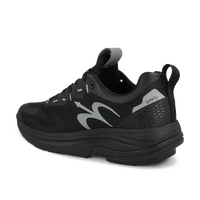
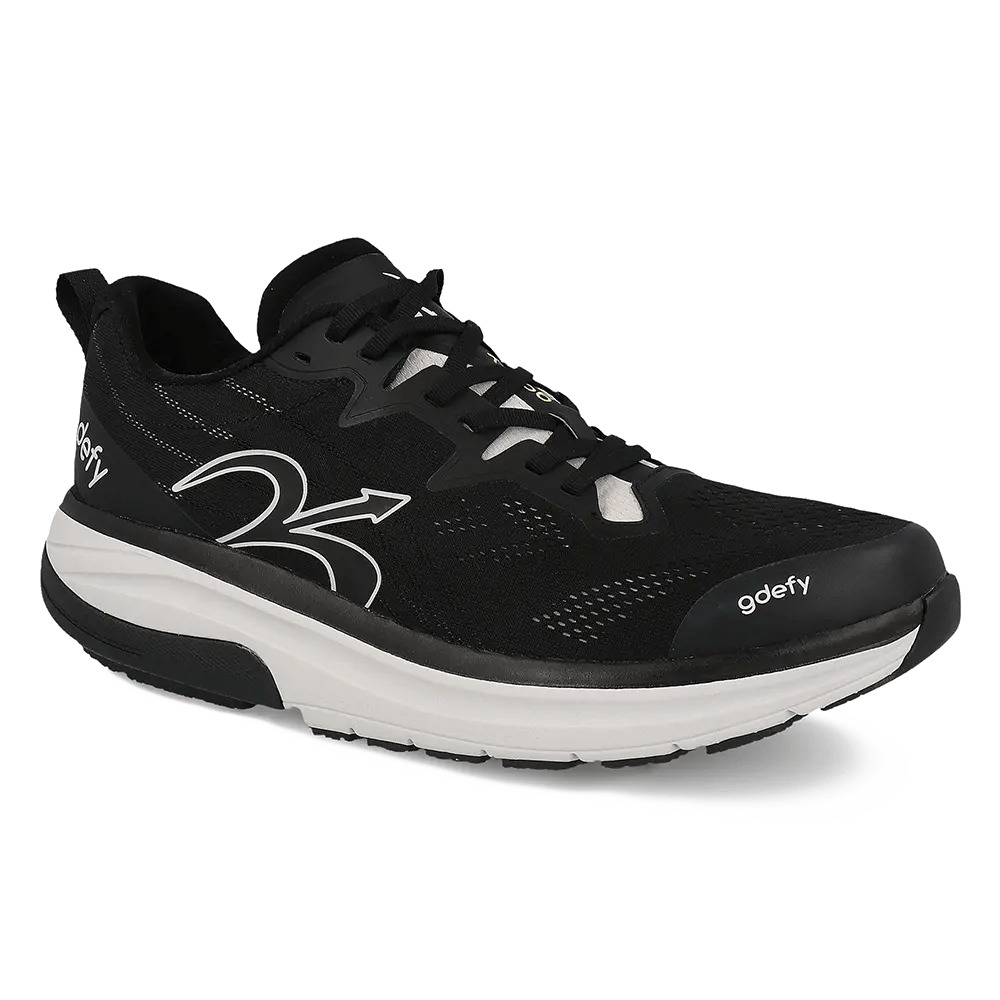
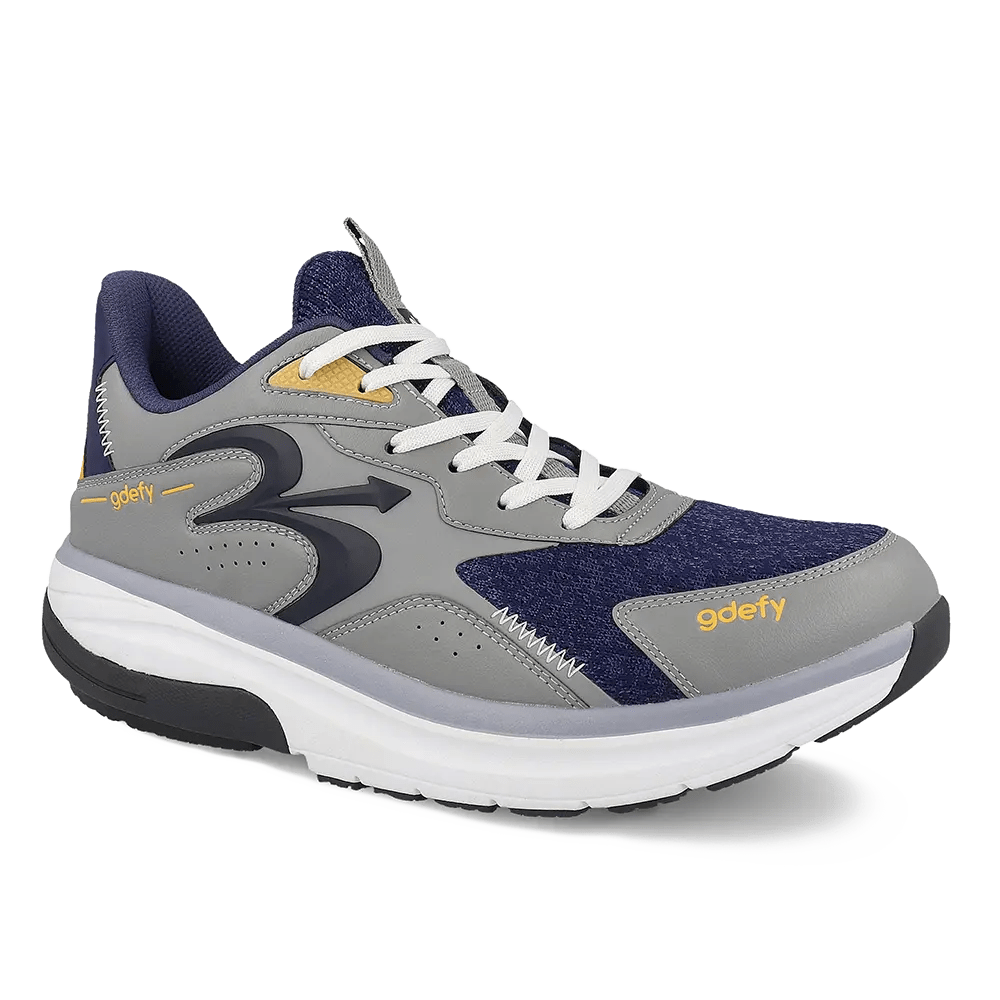
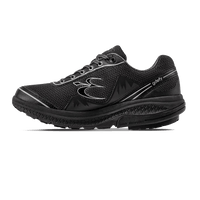
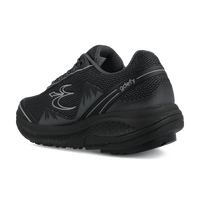
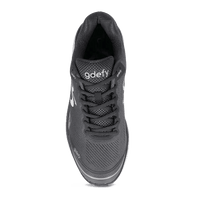
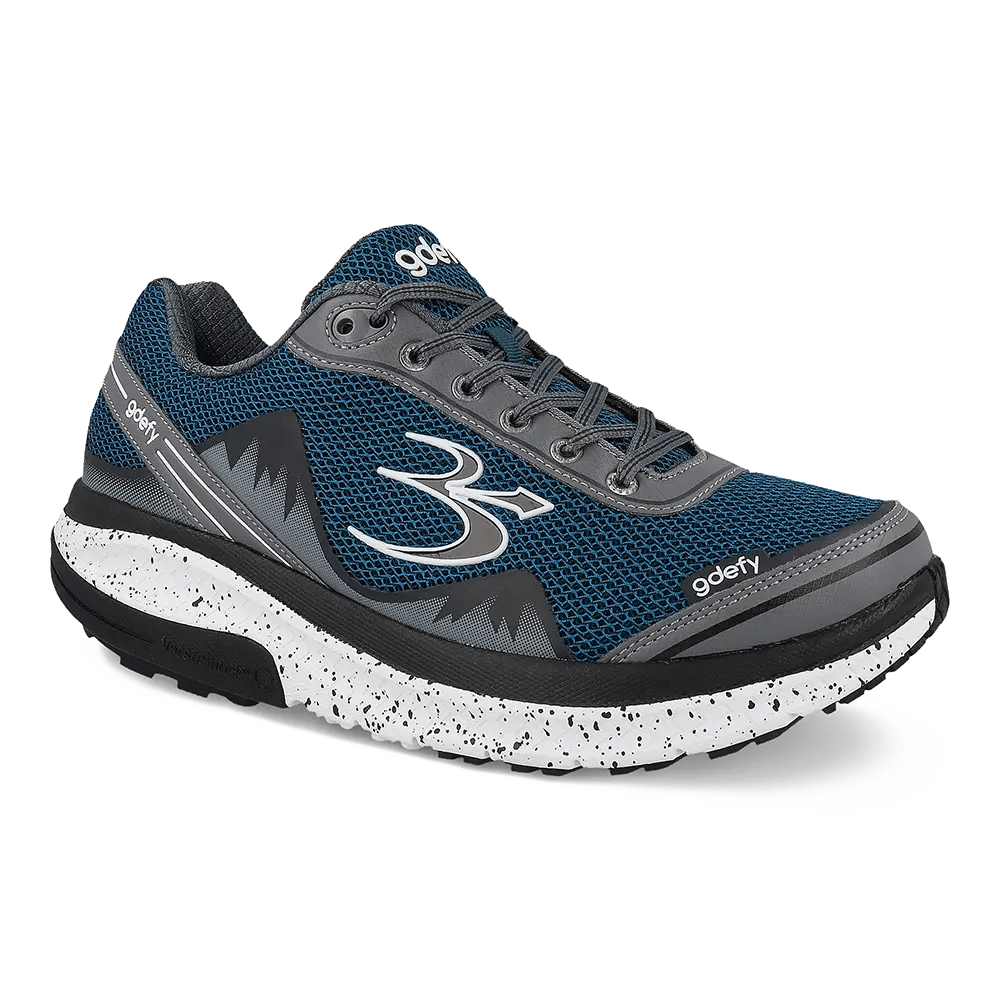
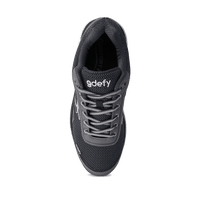
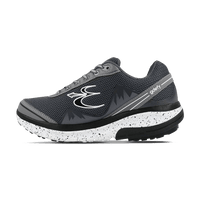
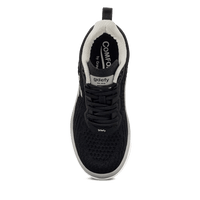
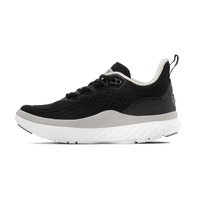
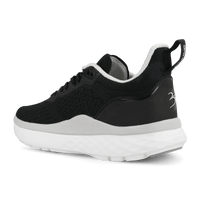
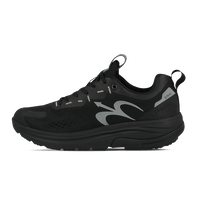
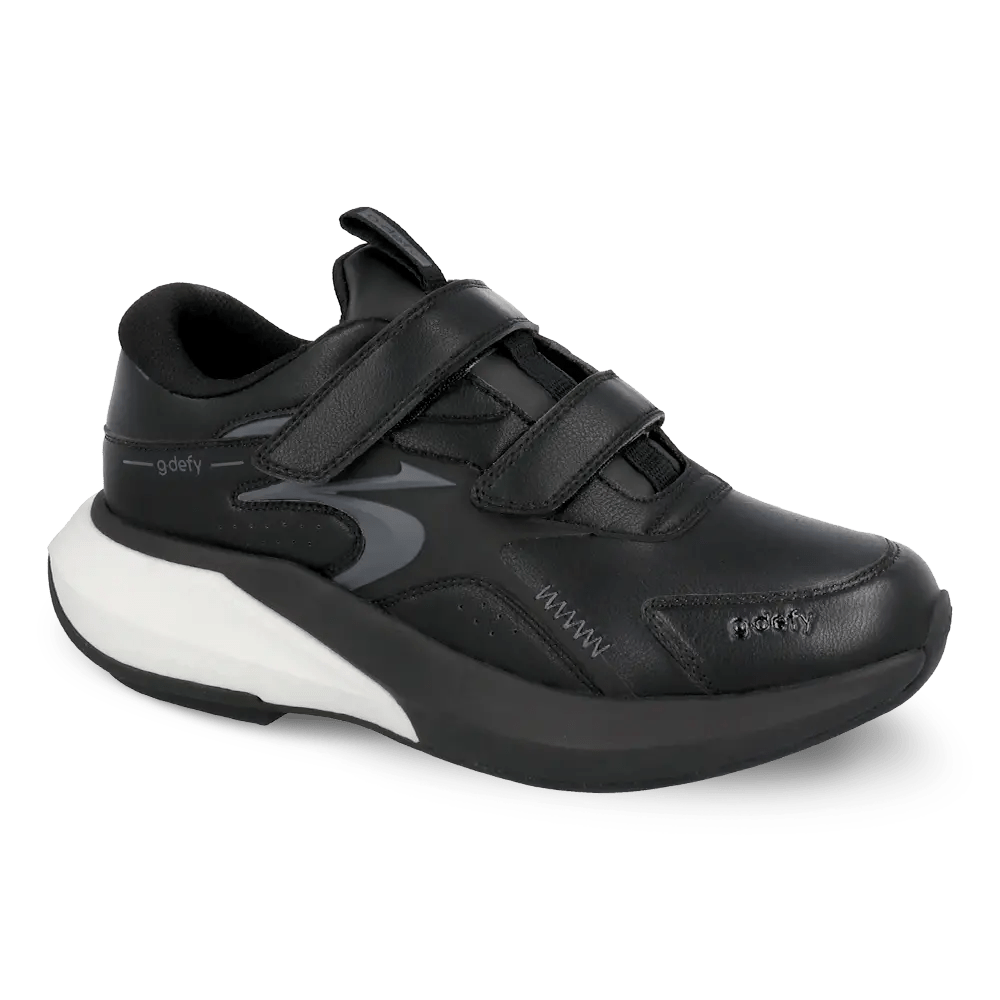
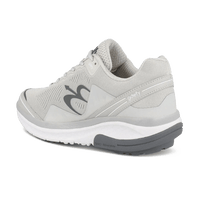
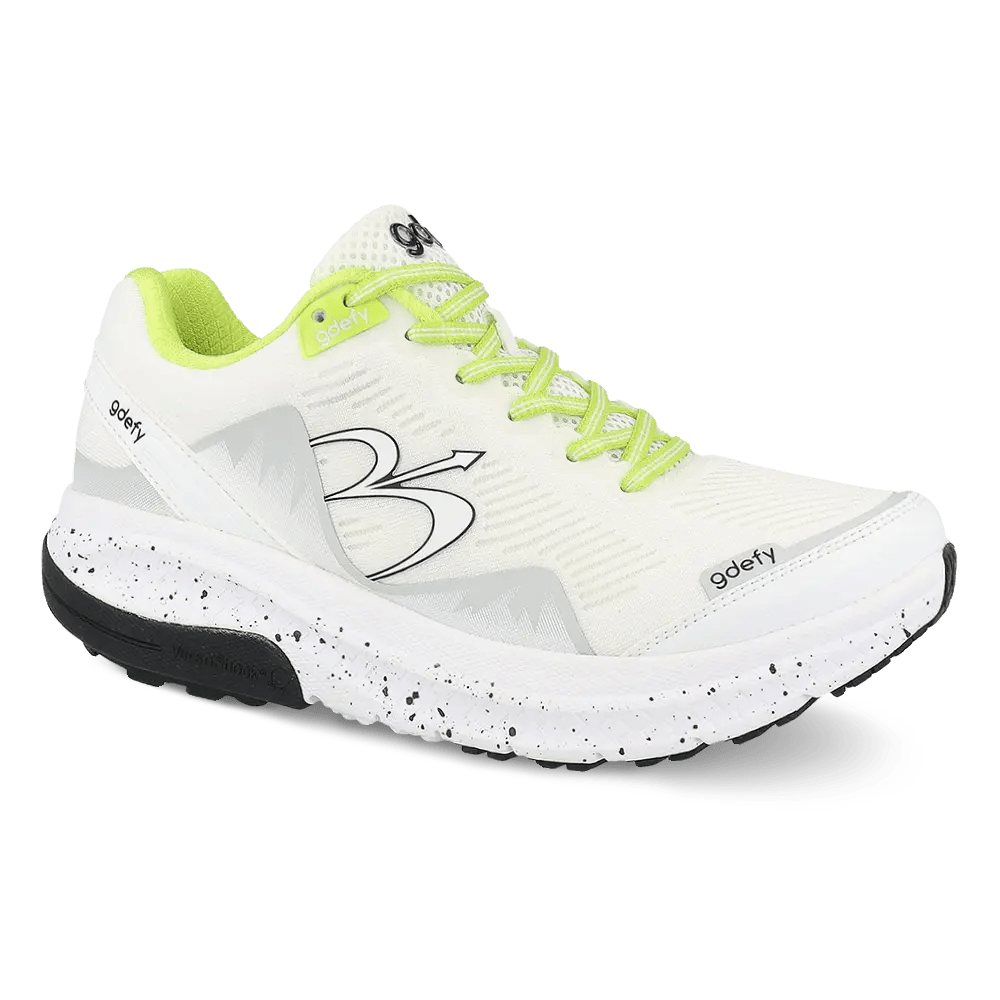
- The G-Defy Mighty Walk — built around VersoShock® technology, with a structured heel cup, smooth rolling sole, and dual orthotics. A go-to for all-day comfort on hard surfaces.
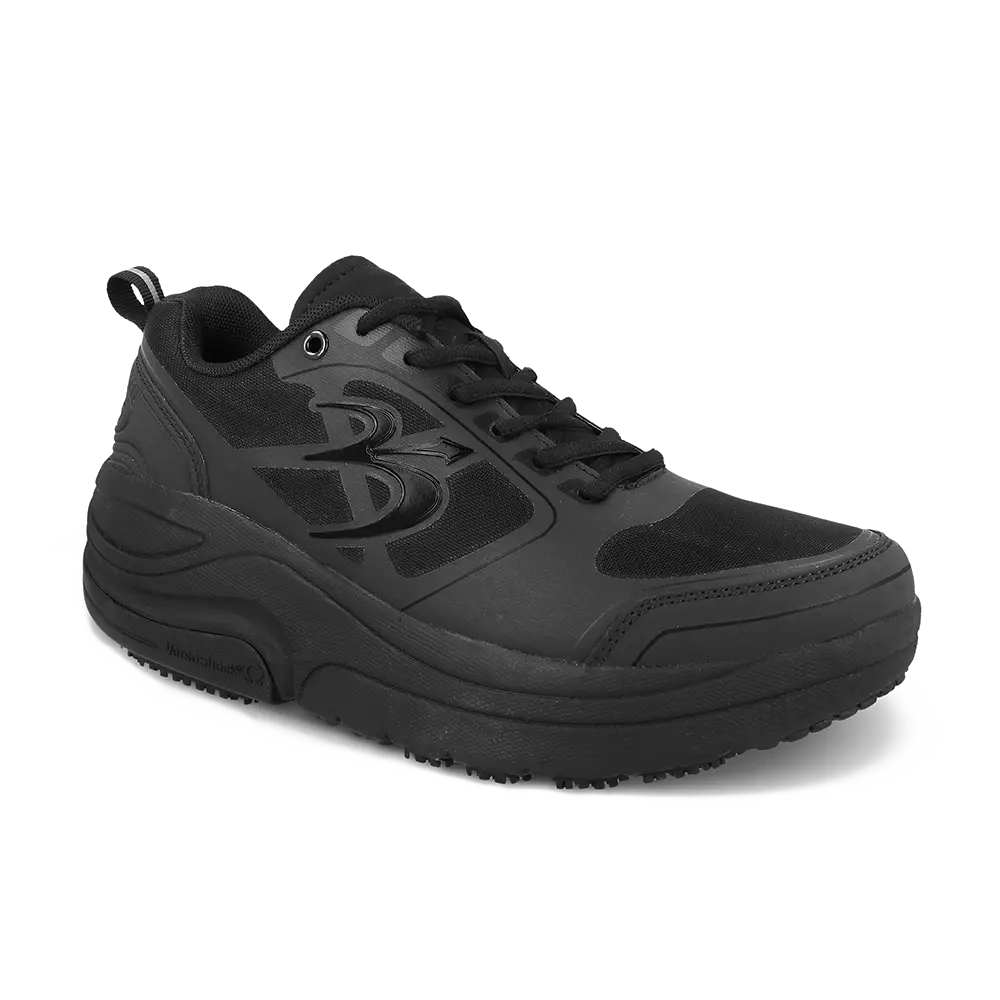
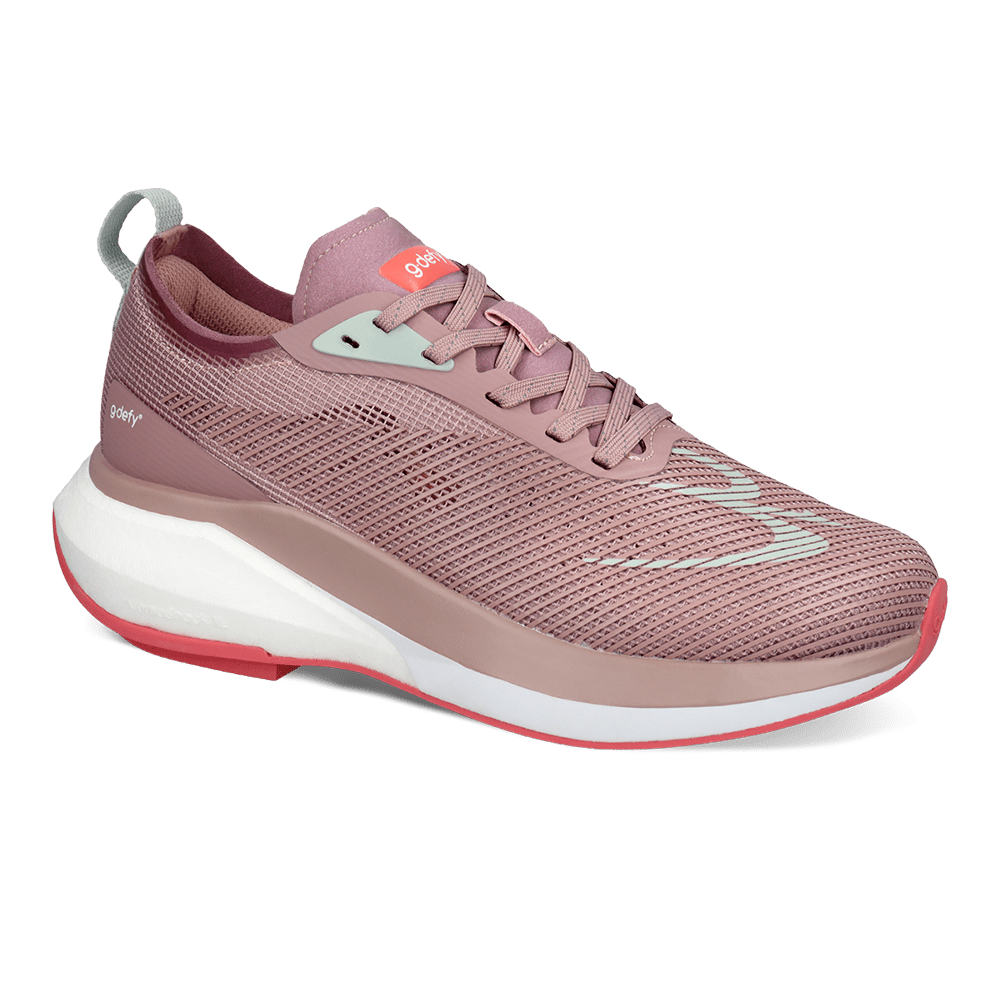
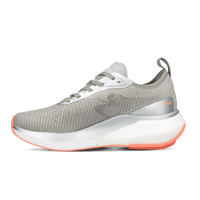
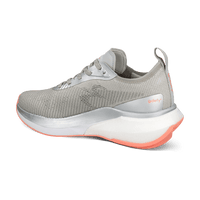
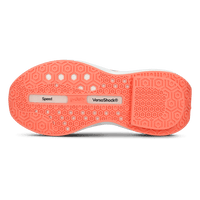
- The G-Defy Ion — a lighter option designed for active wear, also featuring VersoShock® cushioning, the dual orthotic system, and a breathable upper for warm-weather walking.
You can browse the full lineup in the men's collection and the women's collection, or learn more about how the technology works on the VersoShock® page.
If you'd like to go deeper on the plantar-fasciitis side of the picture, our pillar guide on plantar fasciitis and footwear walks through the basics in more detail. For first-step heel discomfort specifically, see why morning heel pain happens and how the right shoes help, and for a feature-by-feature breakdown, what features matter most for plantar fasciitis comfort.

Try G-Defy Risk-Free for 60 Days
Free shipping. Free exchanges. If they're not right for you, send them back — no questions asked.
Shop the Mighty Walk Shop the IonDaily Habits That Support Heel Comfort
Footwear is one piece of the picture. A few simple daily habits can also help support more comfortable mornings and evenings:
- Stretch your calves and feet before standing up. A few gentle ankle circles, calf stretches, and toe flexes in bed can warm up the soft tissue before you put full weight on it. A simple towel stretch — looping a towel around the ball of the foot and gently pulling — can also help.
- Keep a supportive pair of shoes near the bed. Walking on a hard floor barefoot first thing in the morning loads the heel without any cushioning. Slipping into a supportive shoe immediately can ease that first-step jolt.
- Rotate your shoes. Wearing the same pair every day accelerates midsole compression. Two or three pairs in rotation give each one time to recover and maintain cushioning longer.
- Replace worn-down shoes. Most walking shoes lose meaningful shock absorption after 300 to 500 miles of use. If your current pair feels flat under the heel, that's a signal to replace them.
- Take short walking breaks during long standing days. Even a few minutes of movement every hour helps the soft tissue stay warm and pliable instead of stiffening.
- Watch your daily surfaces. Concrete sidewalks, tile floors, and warehouse decks are hard on the heel. When you can, walk on softer surfaces — grass, dirt paths, or a cushioned mat — to give the heel a break.
Frequently Asked Questions
Are heel spurs and plantar fasciitis the same thing?
No. A heel spur is a small bony outgrowth on the heel bone, visible on an X-ray. Plantar fasciitis is irritation of the plantar fascia — the soft tissue running along the bottom of the foot. The two often appear together because they share the same underlying pattern of stress, but they are distinct conditions. Many adults have heel spurs without any noticeable sensation, while plantar fasciitis is usually felt clearly as a sharp first-step sensation under the heel.
Does a heel spur cause heel pain on its own?
The spur itself usually isn't the source of discomfort. The bone deposit is often quiet — many people have one without knowing it. The sensation people associate with a heel spur typically comes from the irritated soft tissue surrounding it, especially the plantar fascia attaching at that same spot. That's why supportive footwear and changes in daily habits often help more than focusing on the spur itself. For persistent heel discomfort, consult your healthcare provider.
Can shoes help with heel discomfort?
Supportive and cushioned footwear may improve overall comfort during walking and prolonged standing. Shoes with thick heel cushioning, a structured heel cup, real arch support, durable shock absorption, and a smooth rolling sole help reduce the impact transmitted through the heel with each step. G-Defy shoes help reduce pain from walking, running, and prolonged standing.
Should I keep walking if I have heel discomfort?
Comfort responses vary from person to person. Gentle movement and supportive shoes often help, while long days in unsupportive footwear tend to make things worse. If discomfort is sharp, persistent, or limiting your daily activity, talk with your healthcare provider before continuing long walks or runs.
How long does it take to feel a difference after switching to better shoes?
Some people notice the difference within the first few days; others take a few weeks for their feet to fully adjust to a new shoe. G-Defy offers a 60-day risk-free trial with free shipping and free exchanges so you can give a new pair enough time to feel like the right fit. Results vary by individual.
The Takeaway
Heel spurs and plantar fasciitis sound similar and frequently appear together, but they describe two different things — one is a small bony deposit on the heel bone, and the other is a soft-tissue condition affecting the band running along the bottom of the foot. The discomfort most people associate with a heel spur usually comes from the surrounding tissue rather than the bone itself, which is why supportive footwear, smart daily habits, and time tend to make more of a difference than focusing on the spur alone.
If heel discomfort has become a daily pattern, look for shoes with thick heel cushioning, real arch support, a structured heel cup, durable shock absorption, and a smooth rolling sole. G-Defy shoes are engineered around exactly that combination — and a 60-day risk-free trial means there's no risk in finding out whether they're the right fit for your day-to-day comfort.
Find Your More Comfortable Step
Browse G-Defy walking shoes engineered with VersoShock® technology for comfort, support, and shock absorption. Free shipping, free exchanges, 60-day risk-free trial.
Shop Men's Shop Women's