
May 15, 2026
Living with Arthritis: Foot Care Tips and Shoe Features for Daily Comfort
By Gdefy

Summary
May is Arthritis Awareness Month — a good time to think about how the small, daily choices around our feet add up. If you live with joint stiffness, your shoes and your daily foot-care habits play a much bigger role than most people realize. Footwear is not a medical solution, but choosing the right design and building a few simple habits can make a meaningful difference in how comfortable your day feels.
This guide walks through practical foot-care tips for people with arthritis, what to look for in supportive shoes, and how G-Defy approaches comfort for people who want to stay active despite joint discomfort.

Why Foot Care Matters When You Have Arthritis
Arthritis can affect joints all over the body, but the feet carry the entire weight of every step you take. There are 33 joints in each foot, which is why even small changes in how you stand, walk, or pick out shoes can change how the rest of your body feels at the end of the day.
Many adults notice that their feet feel stiffer in the morning, more tender after long walks, or more sensitive in cooler weather. None of this requires a complicated routine. A few consistent habits — paired with shoes designed for comfort and shock absorption — can keep your feet feeling more supported throughout the day.
This article is for general educational purposes. For ongoing joint discomfort or any new symptoms, talk with your healthcare provider about what's right for you.
Daily Foot Care Tips for People with Arthritis
These are simple, low-effort habits that fit into most daily routines. None of them are medical treatments — they're comfort-focused practices that work well alongside the right footwear.
1. Start with Gentle Morning Movement
Joints are often at their stiffest first thing in the morning. Before standing up, try slow ankle circles in bed, gentle toe curls, and a few seconds of pointing and flexing each foot. This warms up the joints without putting weight on them.
When you do stand up, take the first few steps slowly. Keep a pair of supportive house shoes or recovery sandals nearby instead of walking barefoot on hard floors.
2. Wear Comfortable Shoes All Day — Even at Home
Many people change into less supportive footwear once they're home, but barefoot walking on tile, hardwood, or concrete adds impact to already-tender joints. A cushioned, supportive shoe used indoors can help your feet feel better at the end of the day.
If you stand or walk for long stretches, look for shoes with built-in shock absorption and a structured midsole instead of completely flat slippers.
3. Take Pacing Breaks Throughout the Day
If you have a long day on your feet, plan short sit-down breaks every 45–60 minutes. Even 2–3 minutes off your feet can reduce cumulative joint stress. Use those breaks to roll a tennis ball or chilled water bottle gently under your arch, which many people find soothing.
4. Build a Simple Stretch and Range-of-Motion Routine
A two-to-three-minute foot and ankle routine, done once or twice a day, helps maintain mobility. Try these gentle moves:
- Slow ankle circles, 10 each direction
- Toe spreads, 10 reps
- Heel raises while holding a counter, 10 reps
- Calf stretch against a wall, 30 seconds per side
If anything causes sharp pain, ease off and check with your healthcare provider.
5. Care for Your Skin and Watch for Pressure Points
Arthritis can change the shape and feel of your feet over time. Check your feet weekly for pressure spots, calluses, redness, or any changes in toenails. Moisturize with a basic foot cream after showering to keep skin supple, and avoid socks with thick seams that can rub against tender areas.
6. Hydrate and Watch Your Weight Distribution
Joints respond well to consistent hydration, and even modest changes in body weight can affect how much load your feet carry. Pair healthy daily habits with footwear that absorbs impact, and your feet will thank you over time.
What to Look for in Shoes If You Have Arthritis
Not all shoes are made equal when it comes to long days on tender joints. These features tend to matter most for people who experience joint stiffness or discomfort:
- Cushioning that lasts. Look for midsoles that don't bottom out after a few months. Spring-based or high-rebound cushioning holds up better than basic foam over time.
- Shock absorption. Every step sends impact up from the ground through your feet, ankles, knees, hips, and back. A shoe designed to absorb that impact is one of the most important features for comfortable walking.
- A roomy, well-shaped toe box. Arthritis can change toe alignment. A wider toe area gives your toes space to move naturally without rubbing.
- A structured midsole and stabilizer. A shoe that bends in the middle offers little support. A firm midsole with a built-in stabilizer keeps the foot in a more controlled position during each step.
- Removable insoles. This lets you customize the fit, swap in a different arch profile, or use a personal insole your healthcare provider recommends.
- A smooth heel-to-toe transition. A gentle rocker or rolling design encourages a natural stride, especially helpful when the ankle or big-toe joint feels stiff.
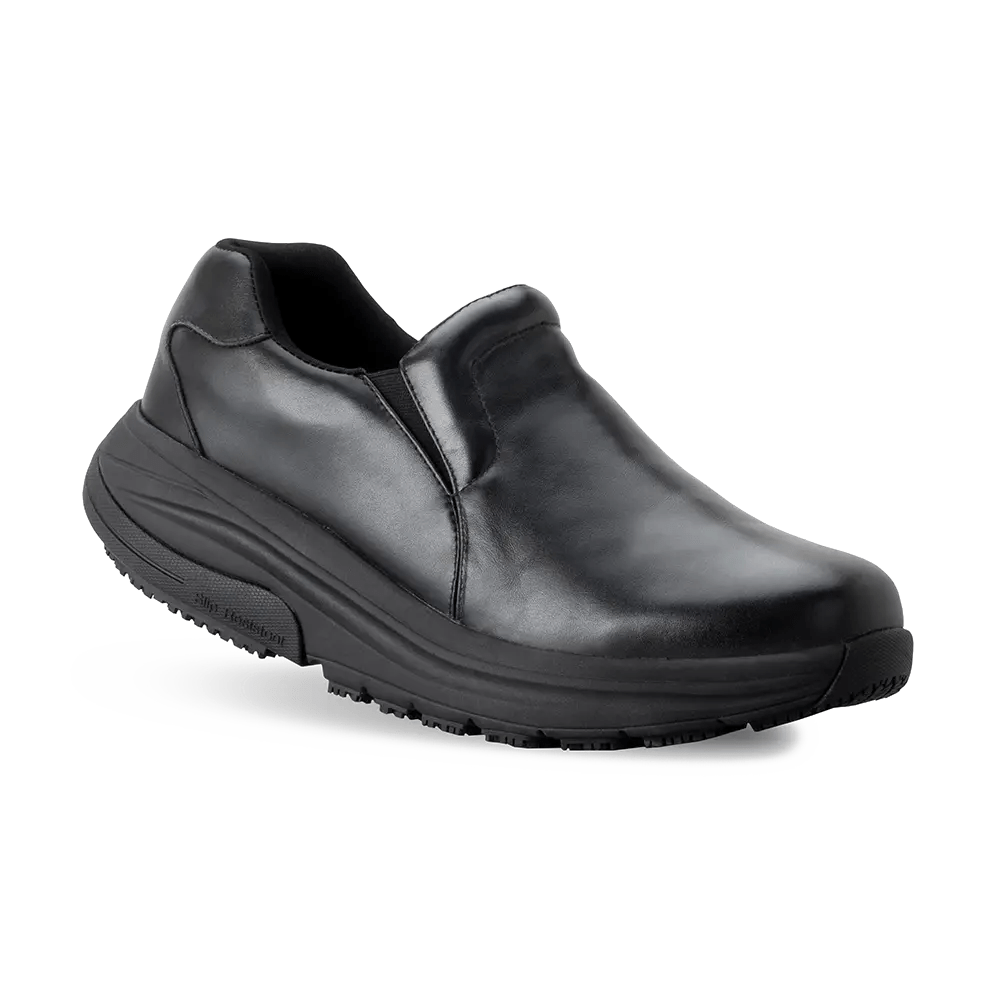
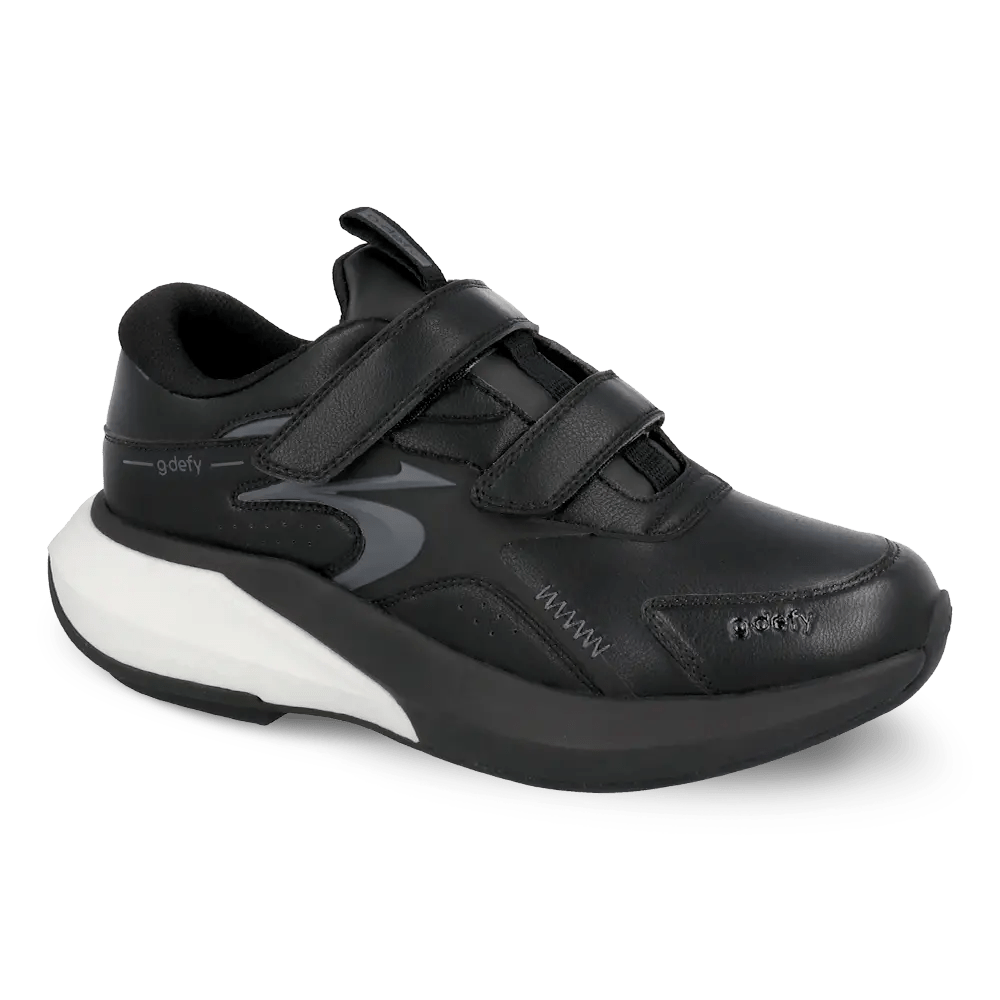
- Easy on and off. Slip-on styles, wide openings, or stretch-laces reduce the bending and reaching that can be uncomfortable when joints flare.
You don't need every feature in every shoe, but the more boxes a pair checks, the more likely it is to be comfortable through a long day.
How G-Defy Approaches Comfort for People with Arthritis
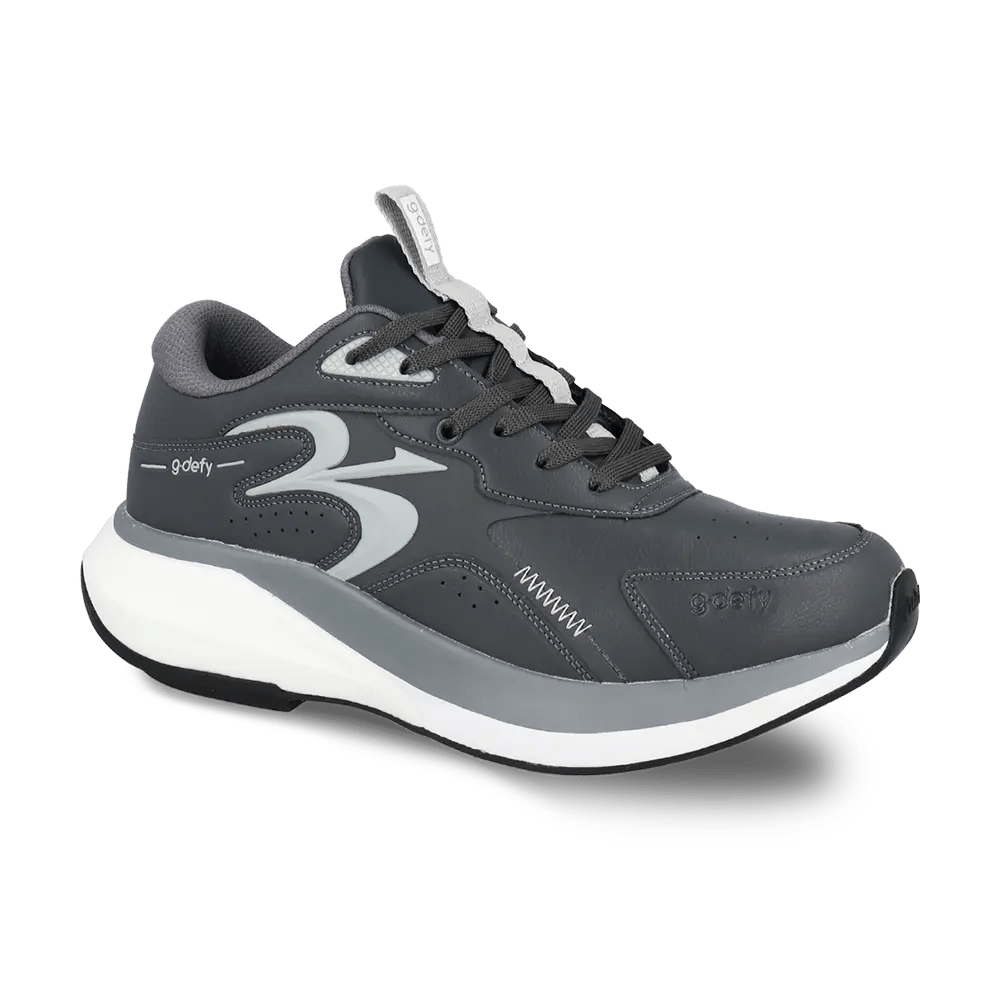
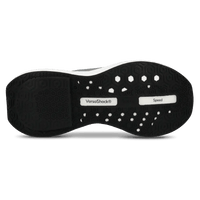
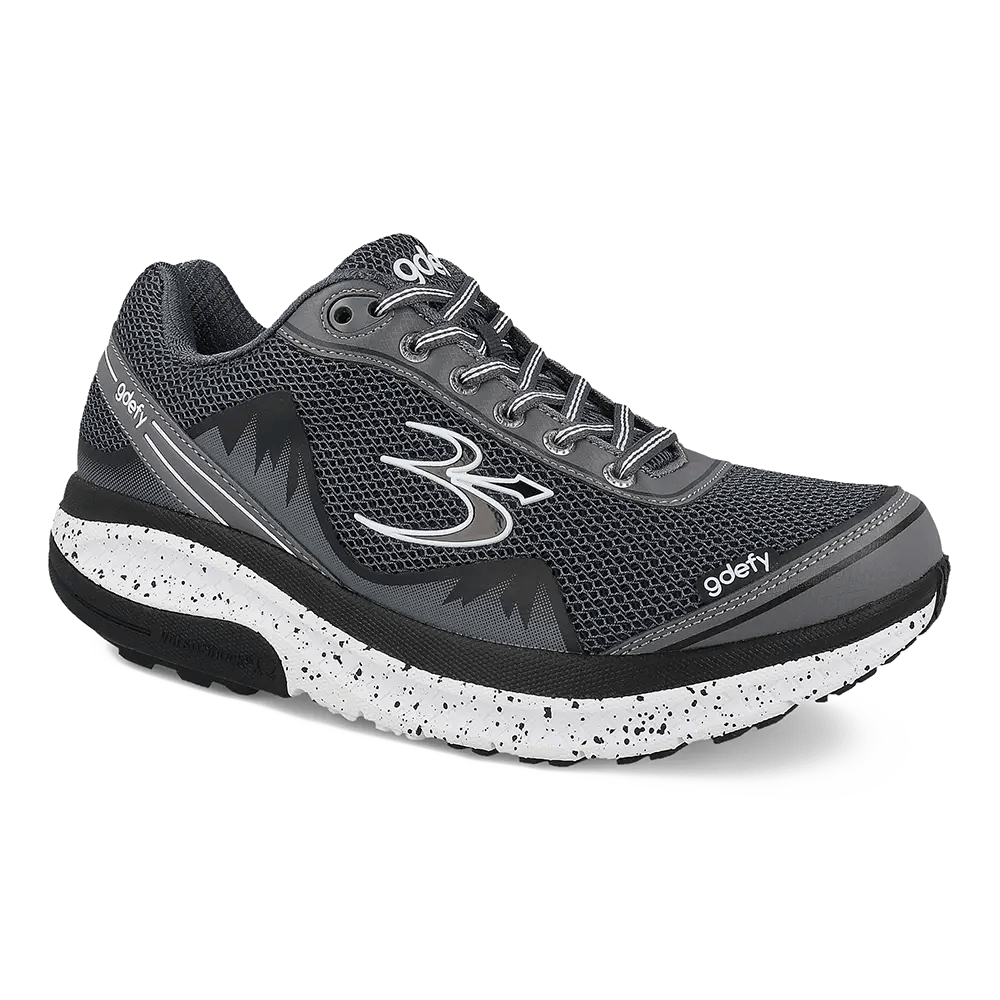
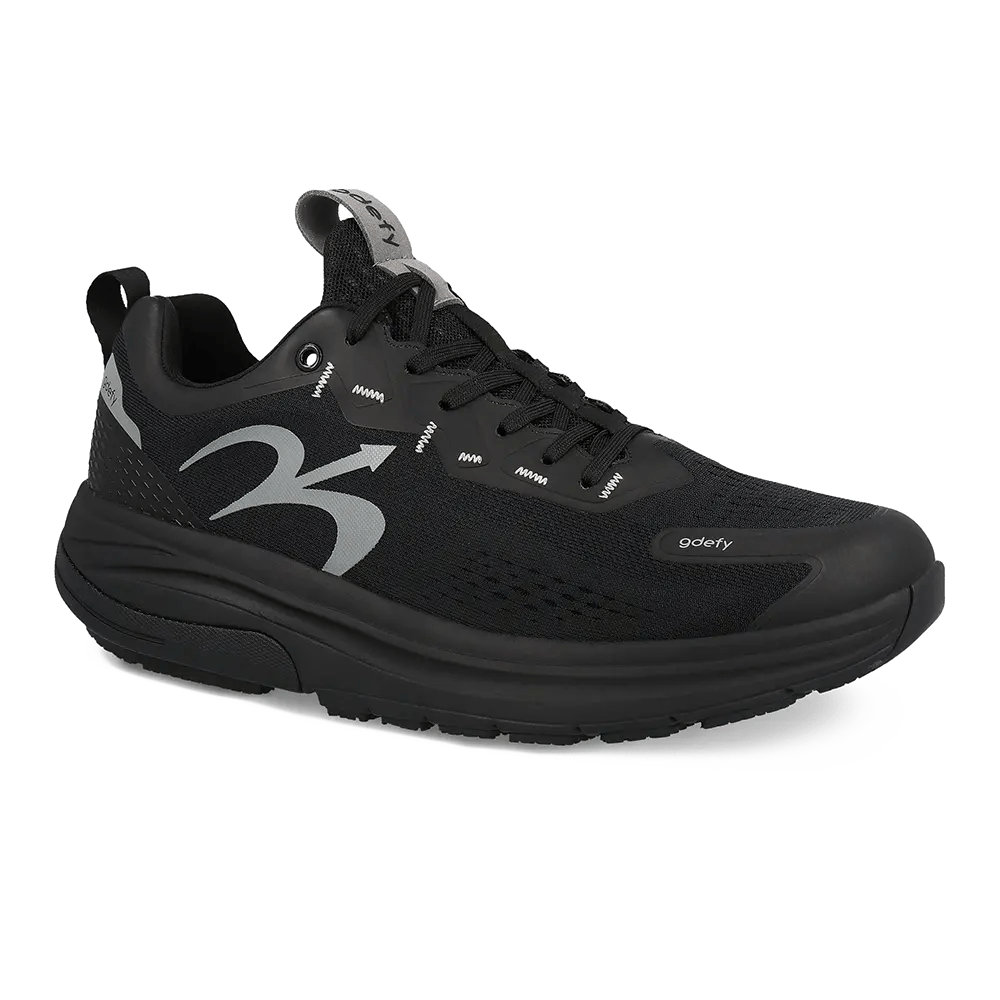
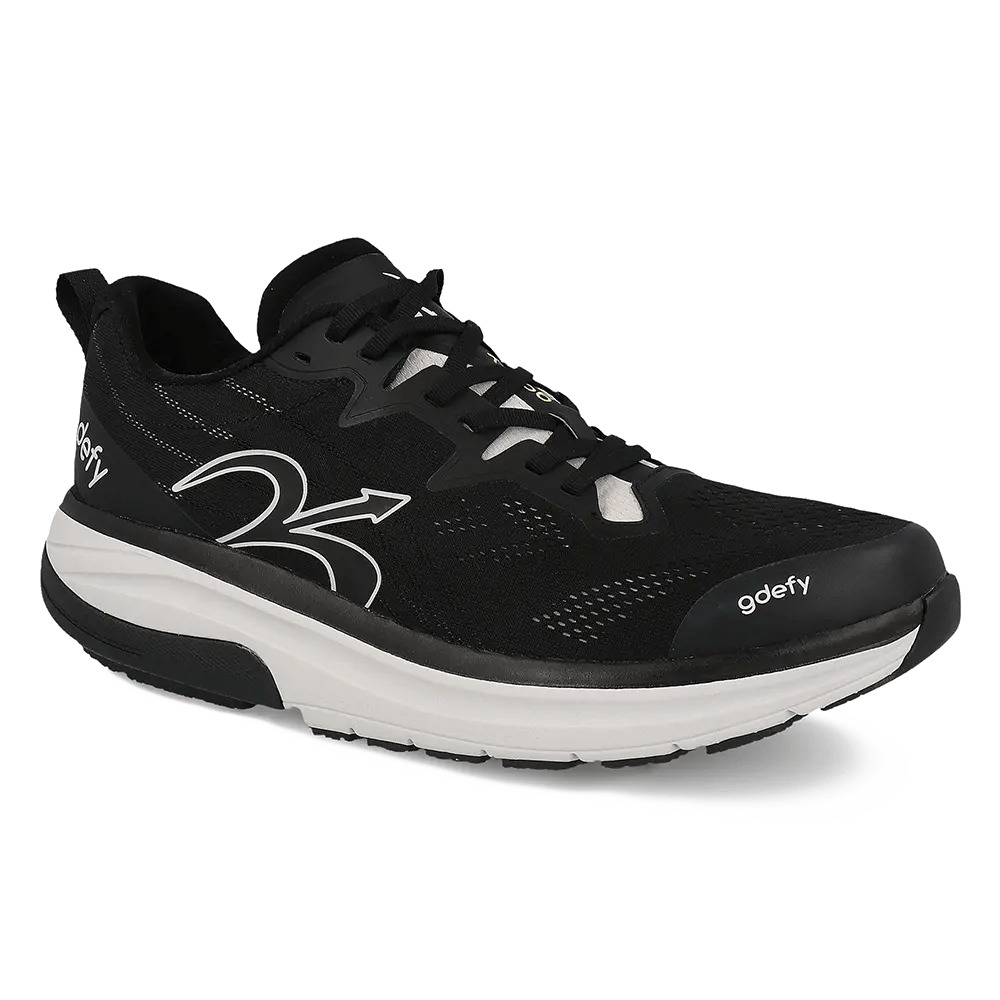
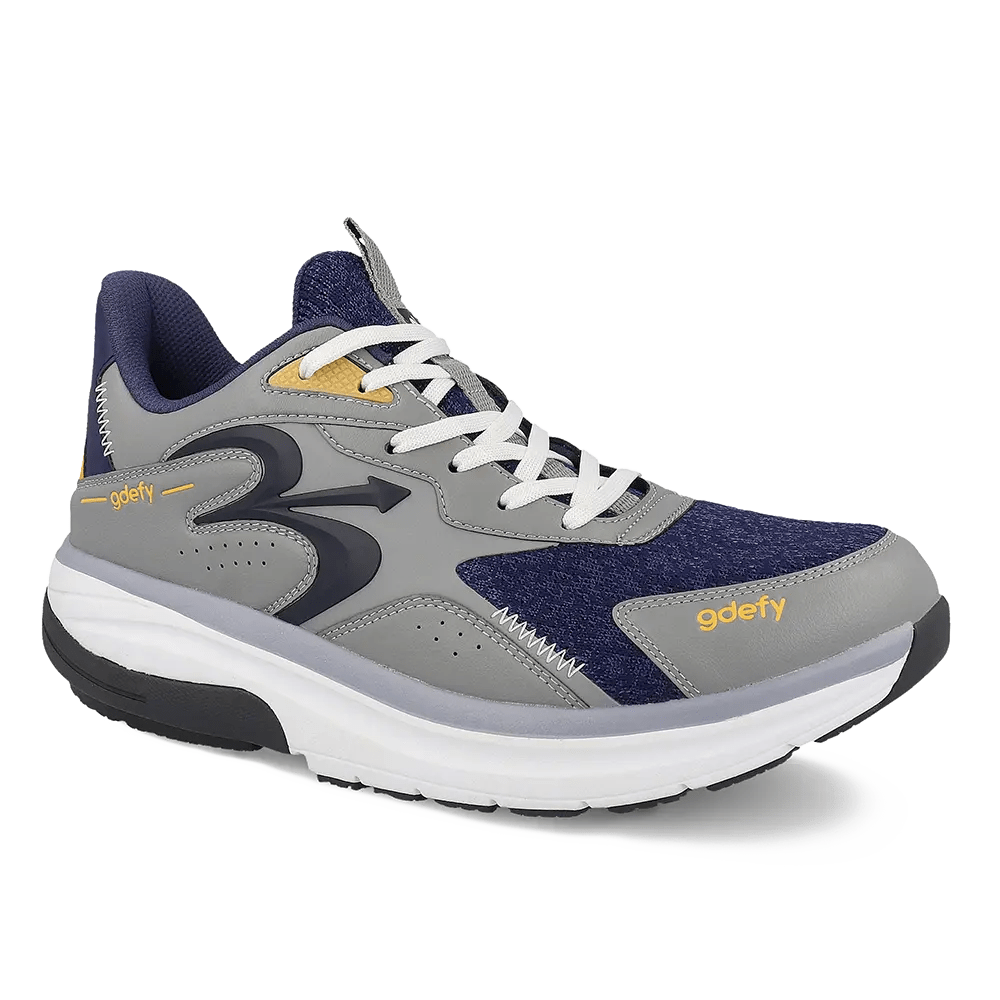
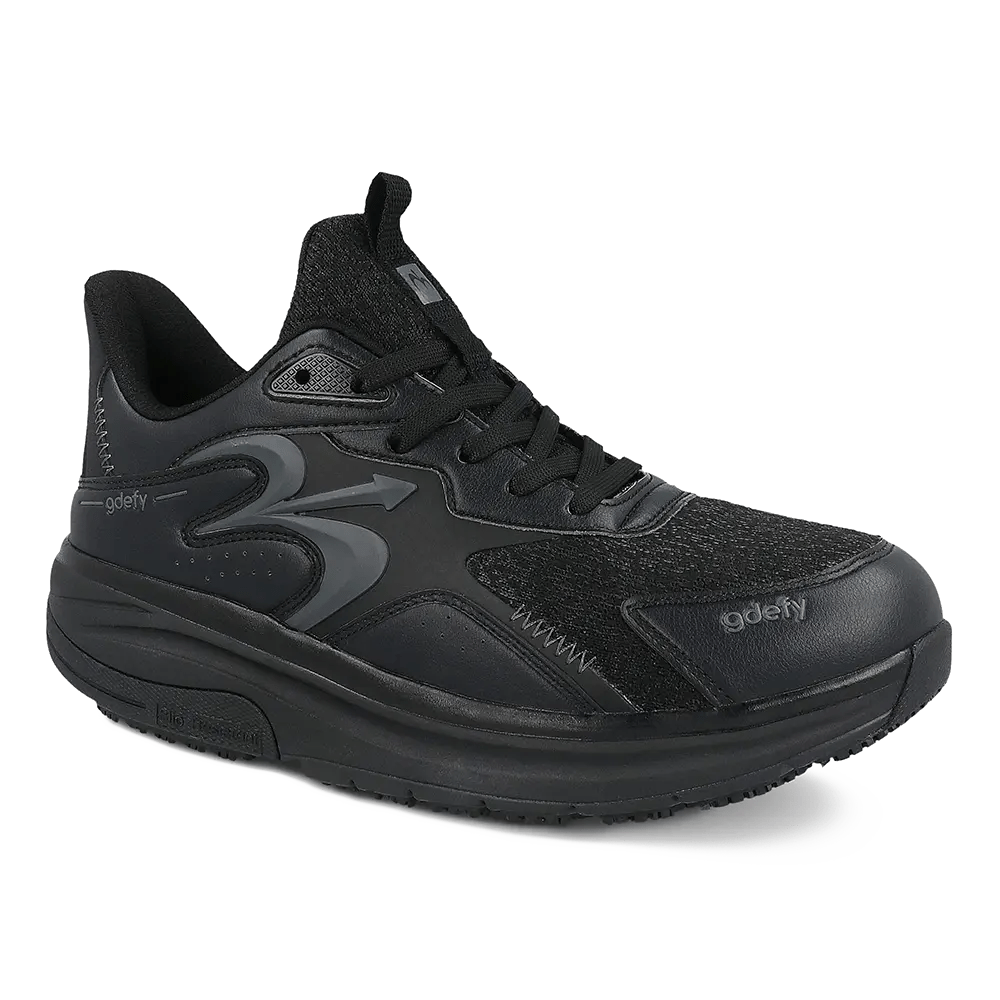
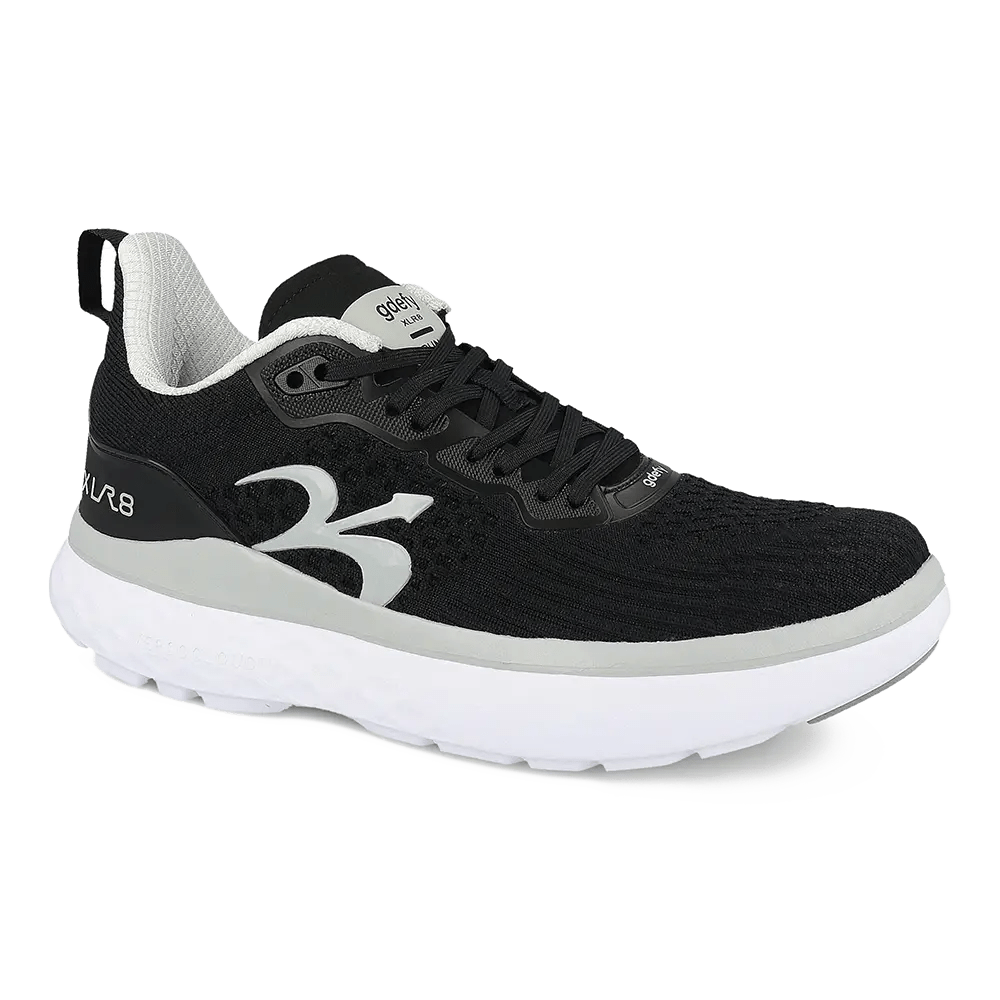
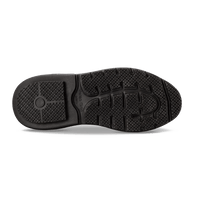
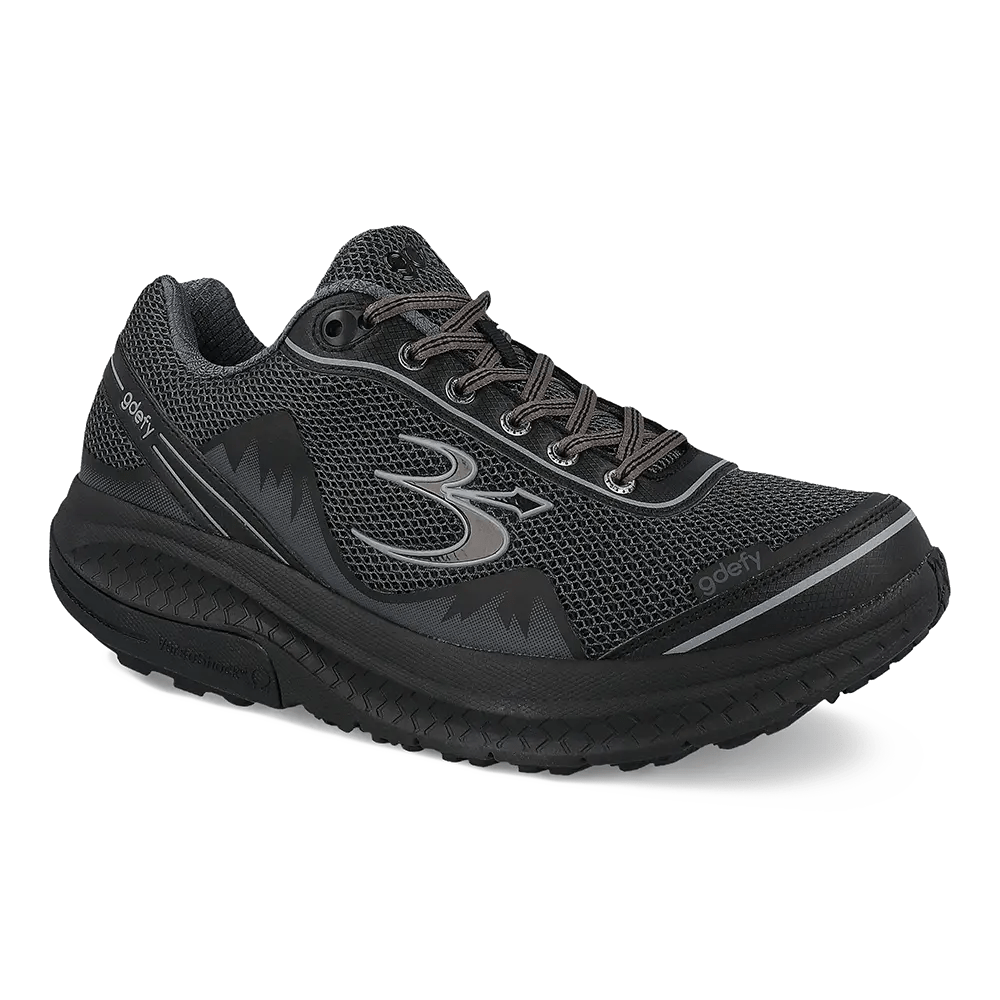
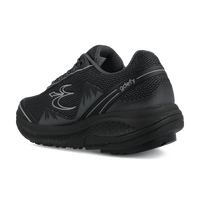
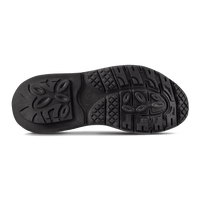
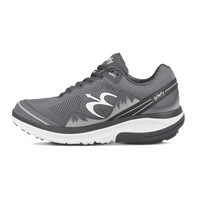
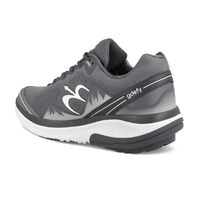
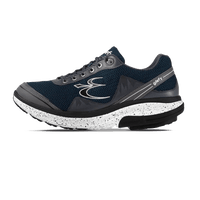
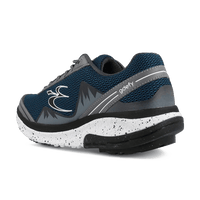
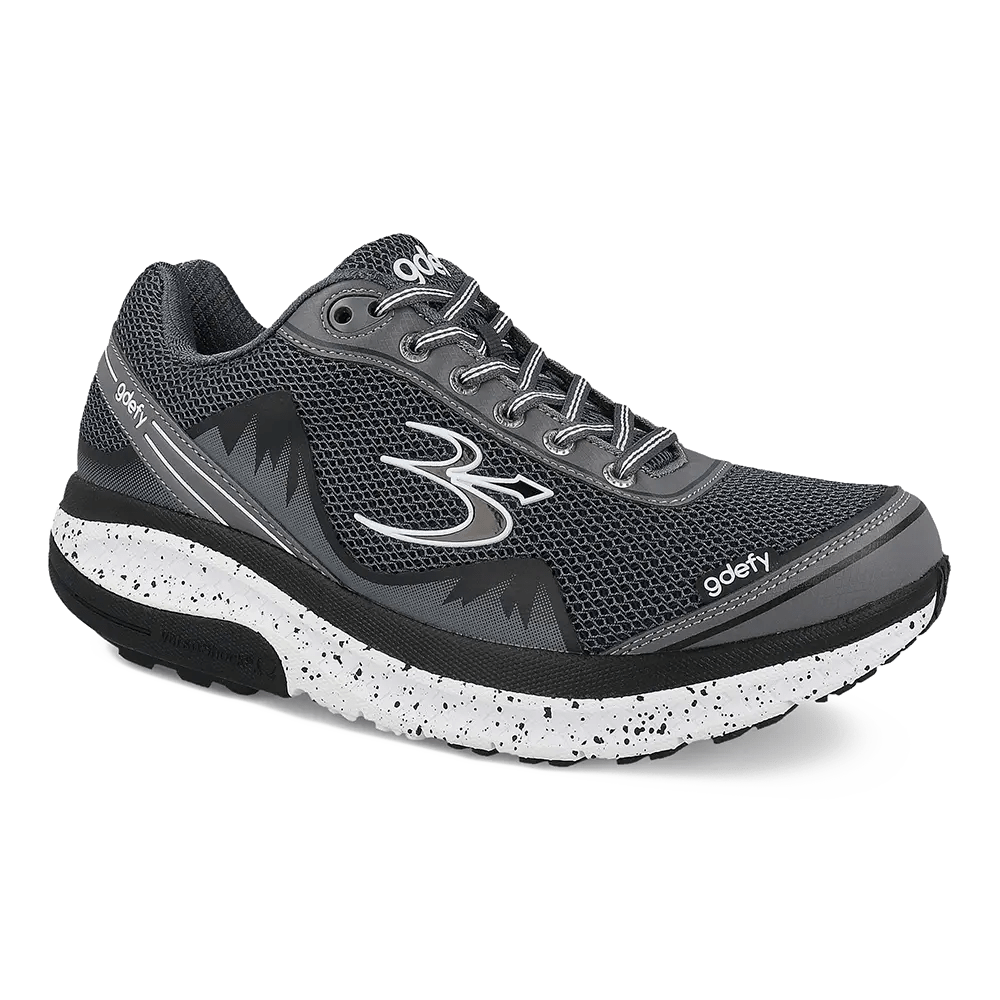
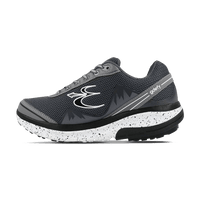
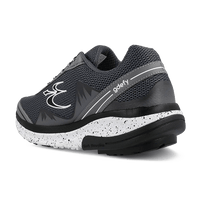
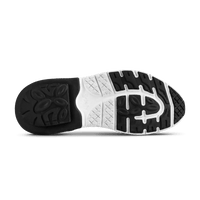
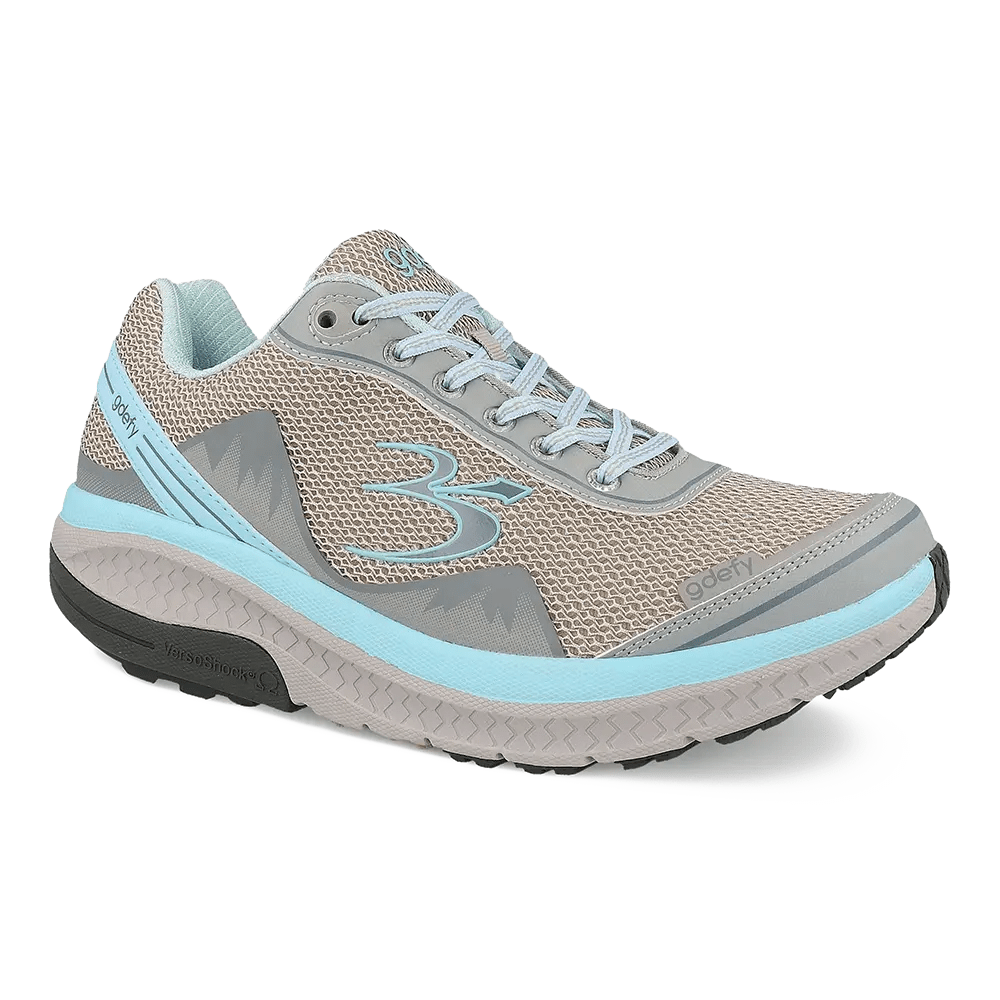
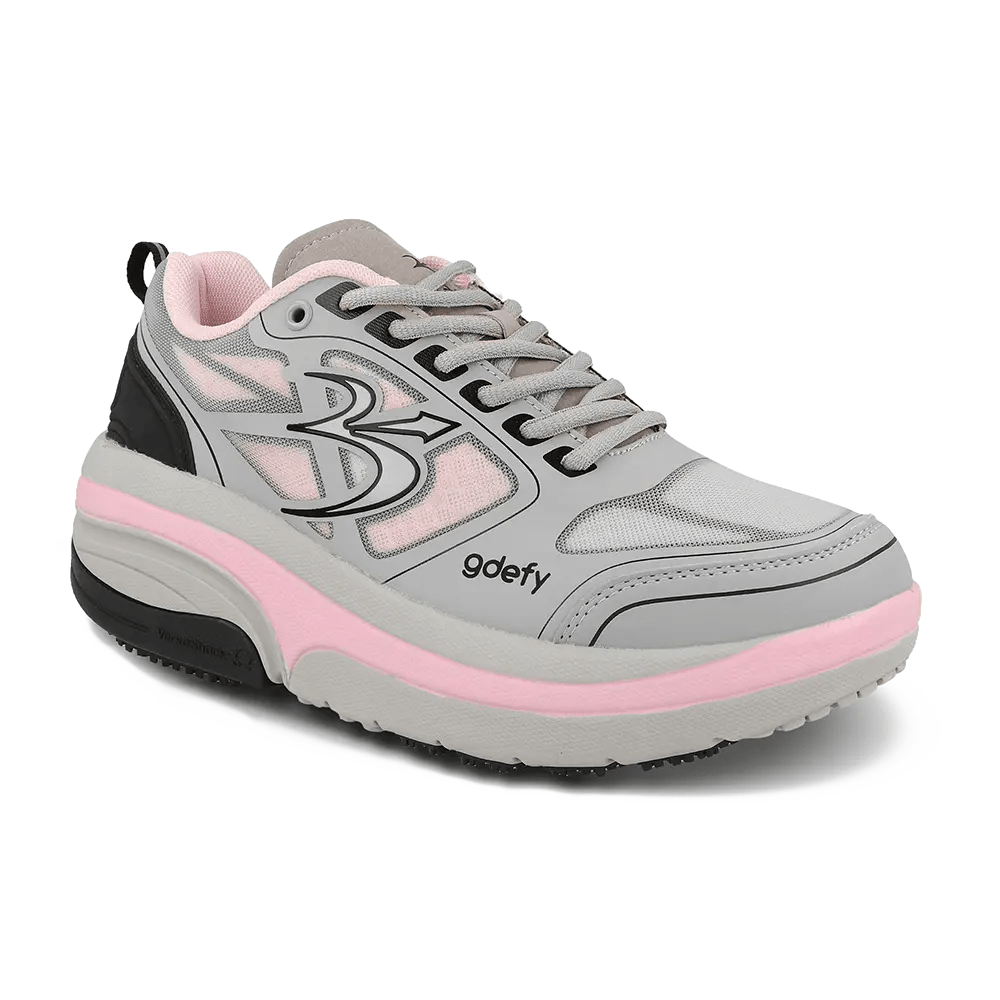
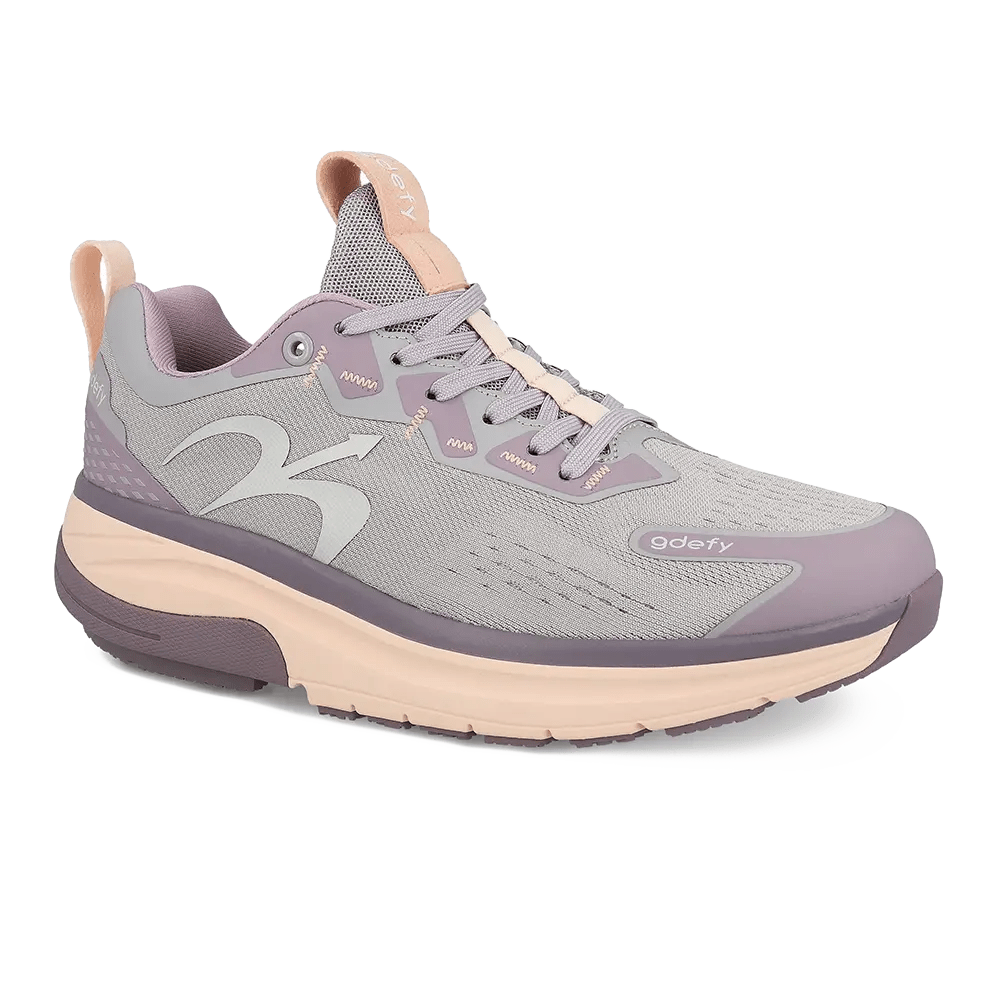
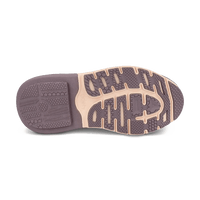
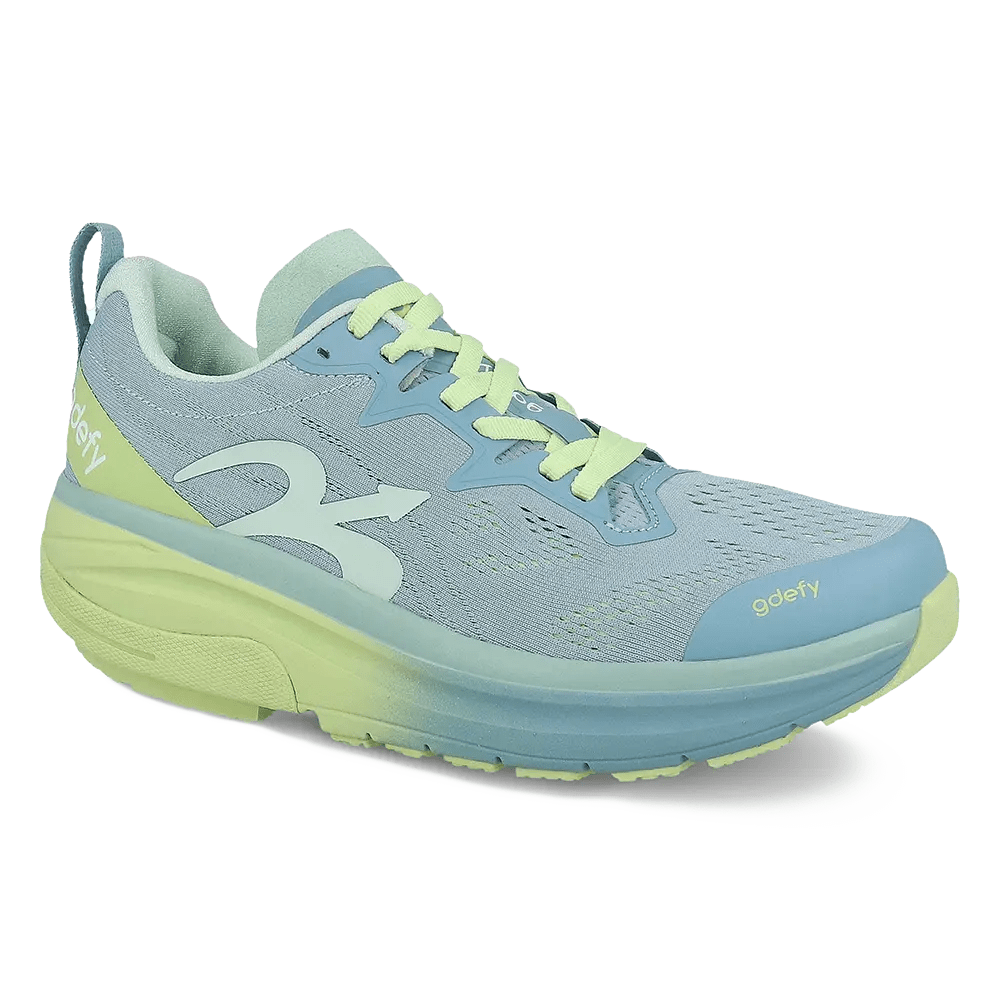
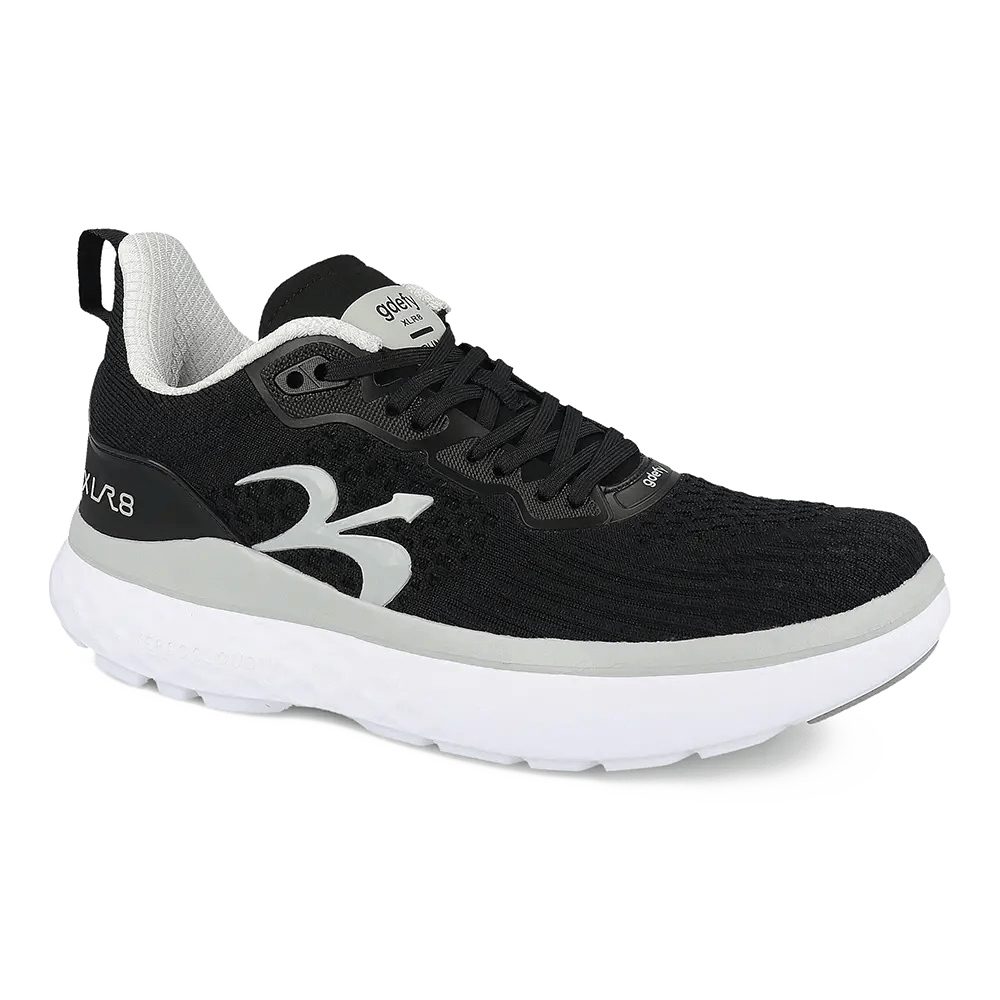
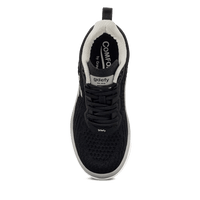
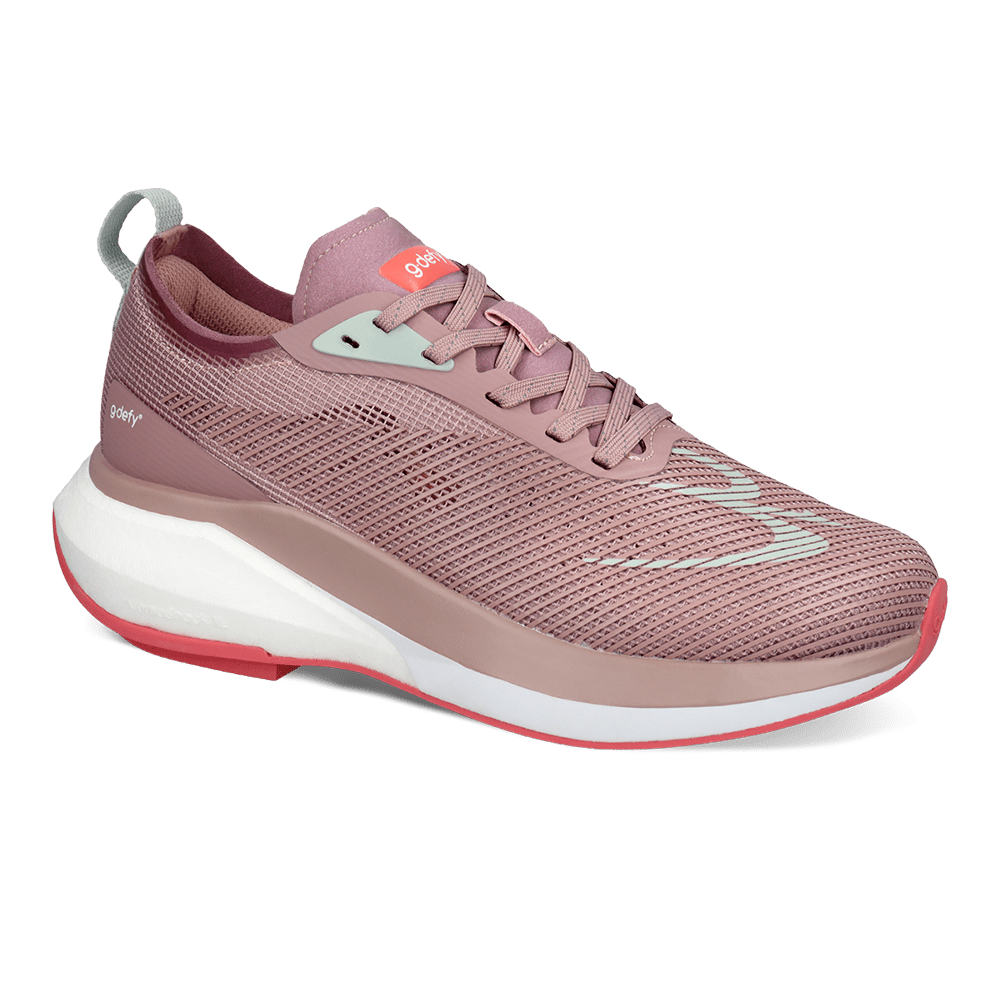
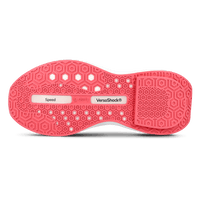
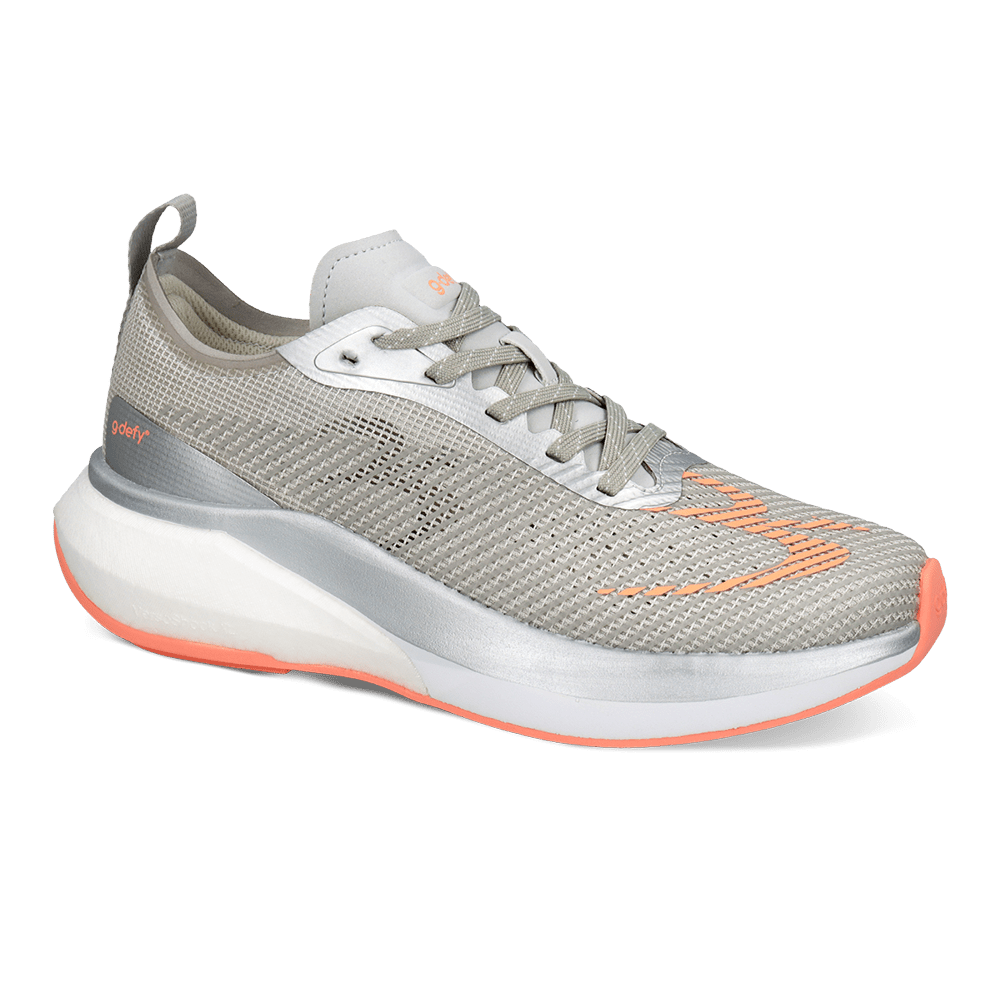
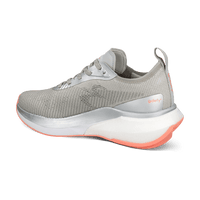
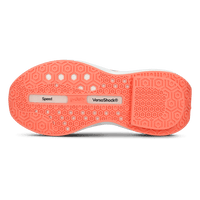
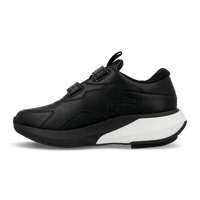
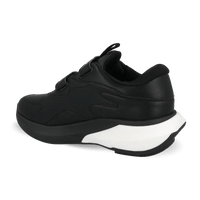
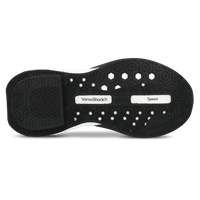
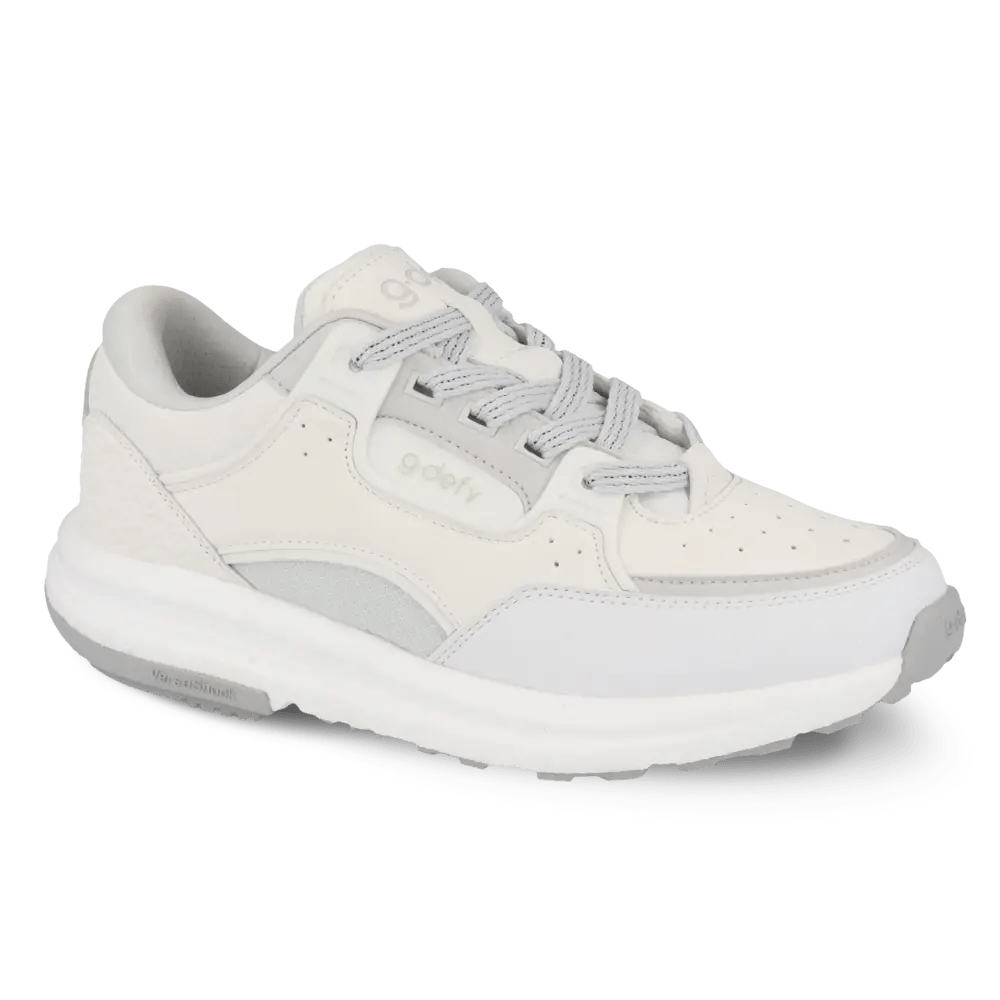
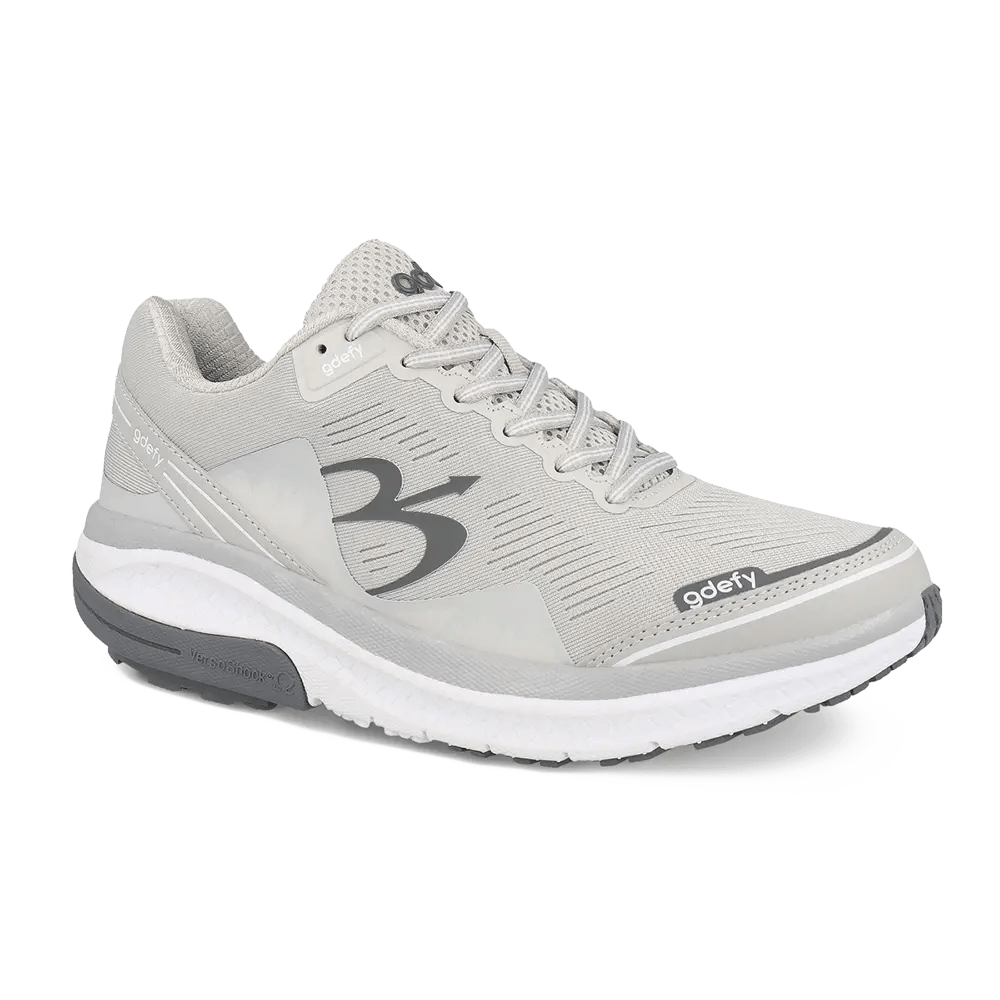
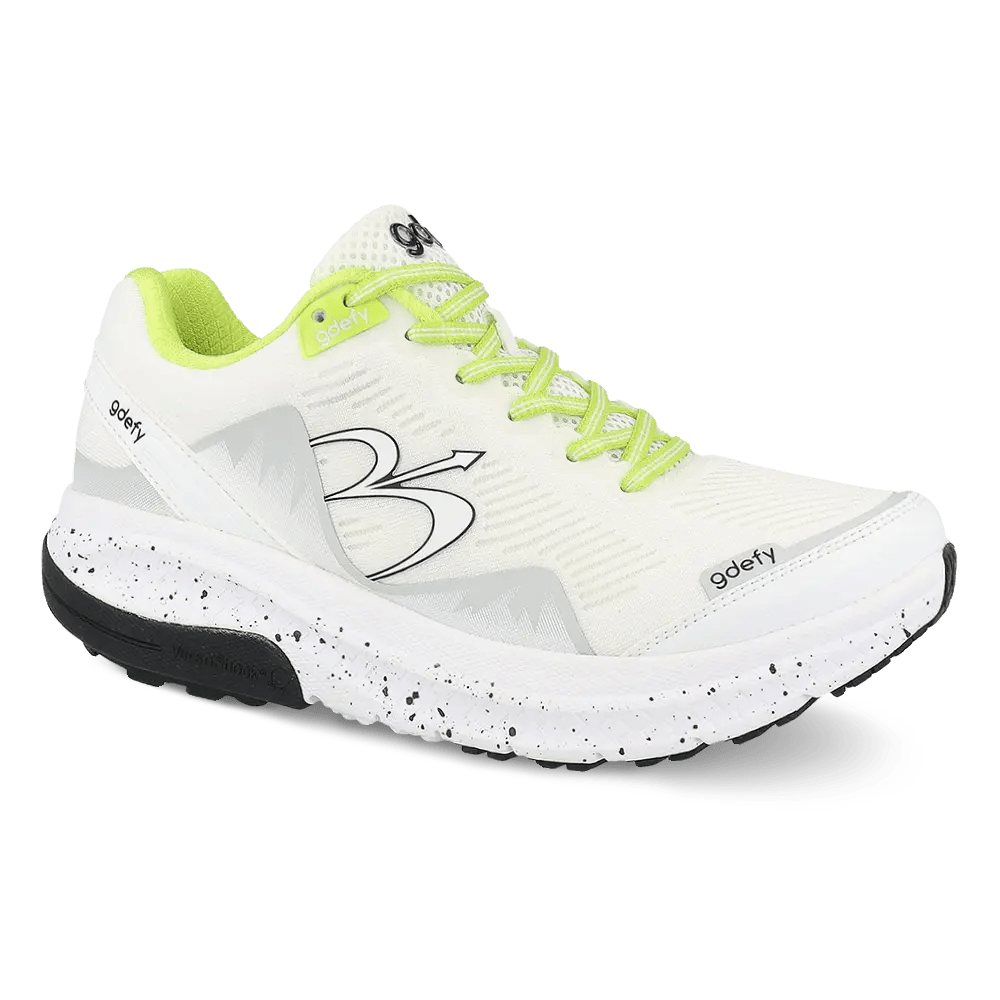
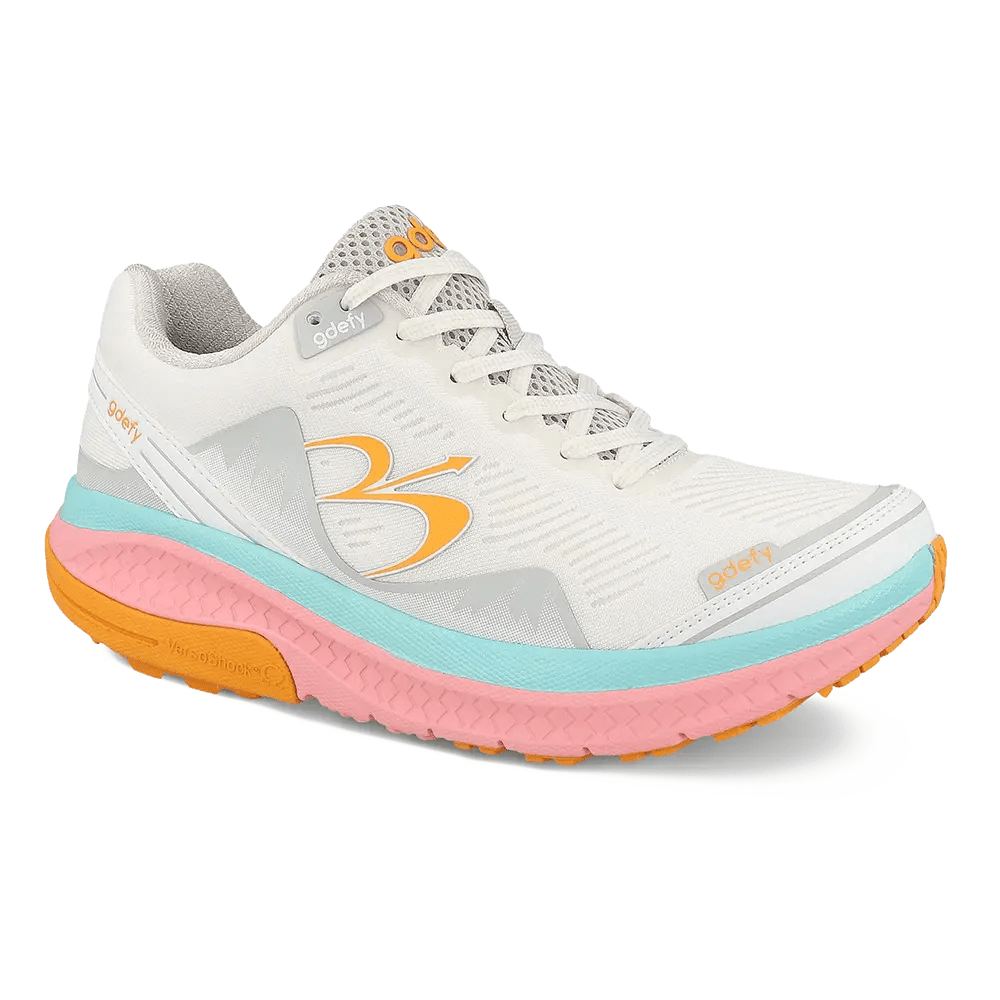
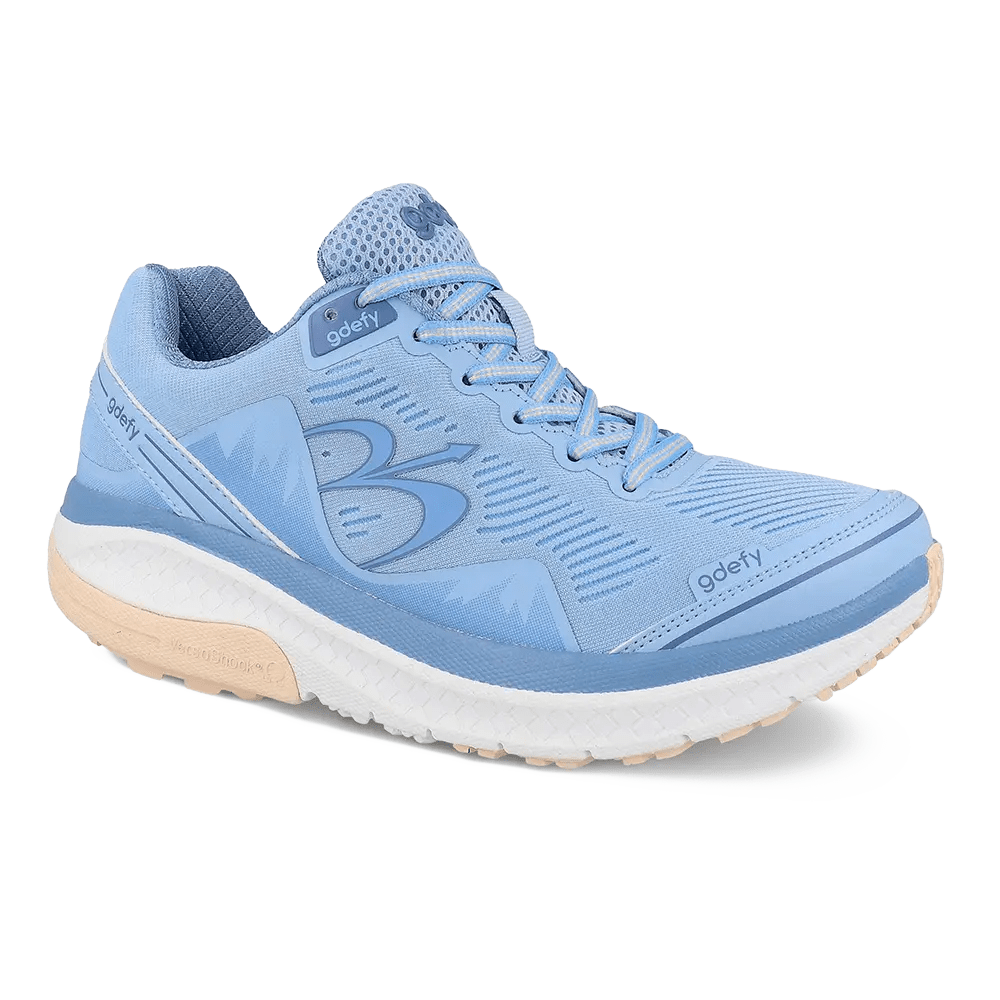
G-Defy shoes are designed to deliver comfort, support, and shock absorption. With VersoShock® technology, they absorb impact and return energy to support forward movement. A stabilizer provides structure, while a rolling design promotes a smooth stride. Each pair includes two removable orthotics for customized comfort. They help reduce pain from walking, running, and prolonged standing.
For people who want to stay active and on their feet, the 4-pillar VersoShock® system covers the main features that matter most for daily comfort:
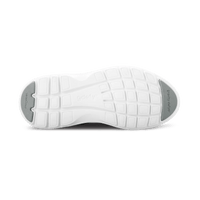
- Spring-based shock absorption to soften every step instead of compressing into flat foam over time
- Energy return to support a more efficient stride
- A built-in stabilizer that supports the foot during movement and reduces excessive bending in the middle of the shoe
- A front rolling design that encourages a smooth heel-to-toe motion, helpful when toes or ankles feel stiff
Two removable orthotics come in every pair:
- ComfortFit® for low to medium arches, focused on cushioning
- CorrectiveFit® for medium to high arches, focused on additional support
That dual-orthotic system means you can swap to whichever insole feels best on a given day. Many people with arthritis find their needs change with the weather, activity level, or how their joints feel that morning.

Featured Picks for Daily Comfort
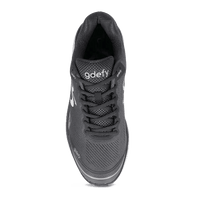
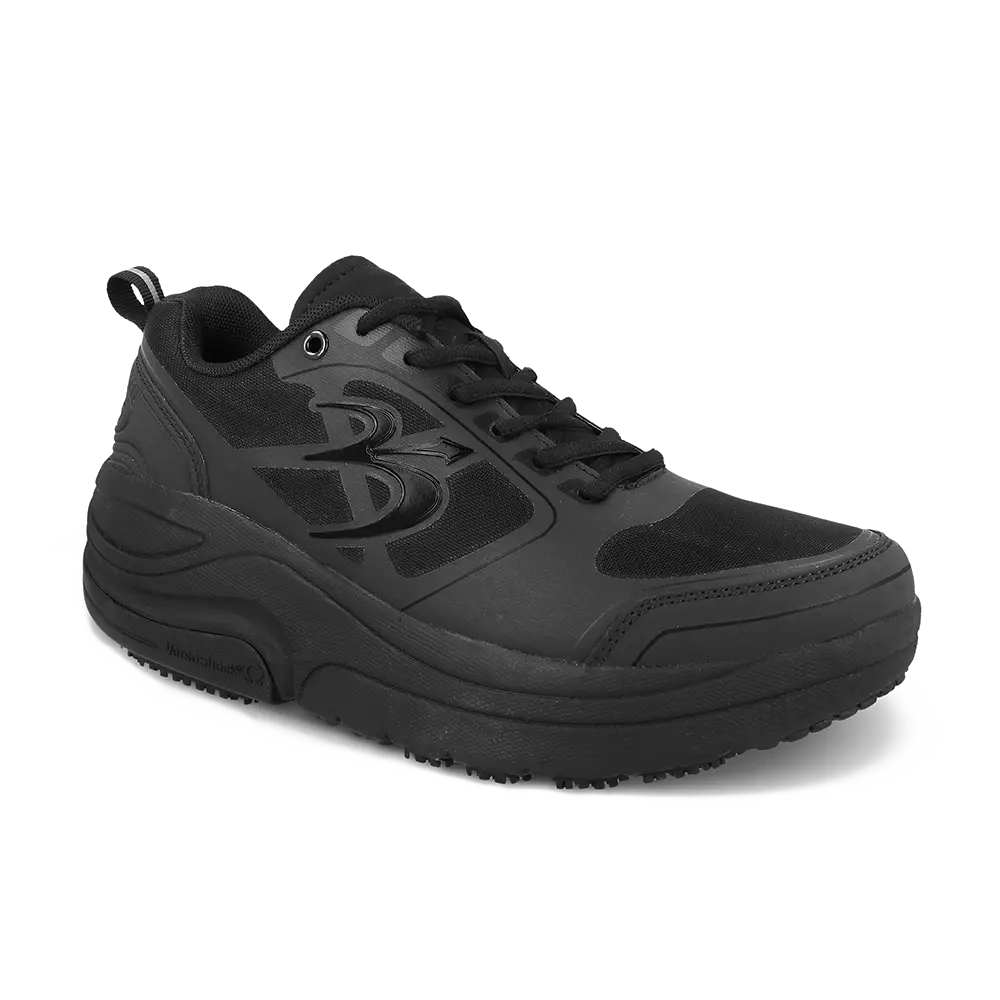
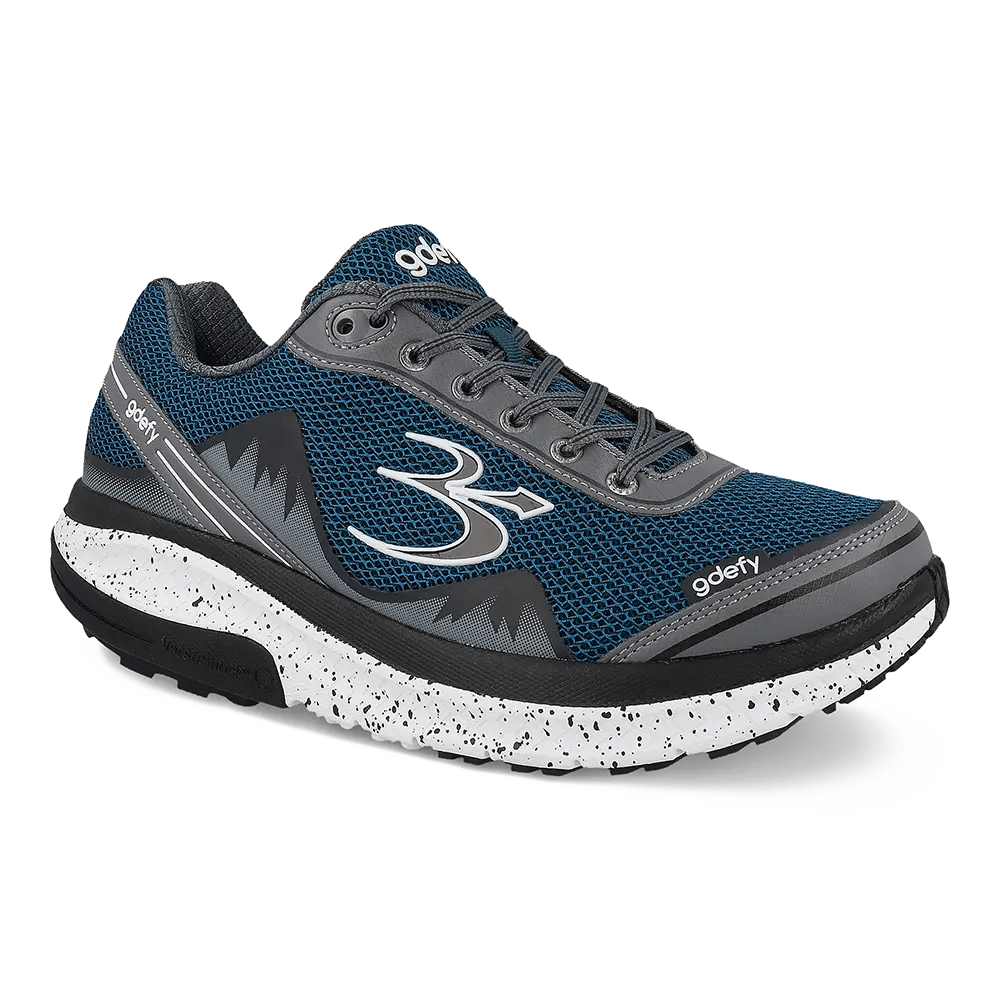
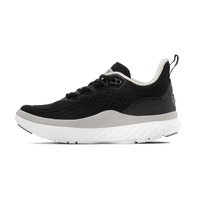
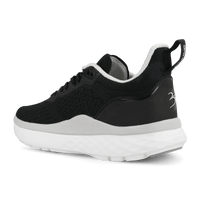
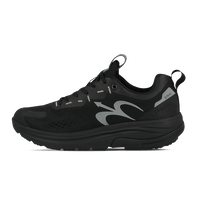
- Mighty Walk — our most popular all-day walking shoe. Maximum cushioning, structured midsole, roomy toe box, and a stable platform that holds up to long days on your feet.
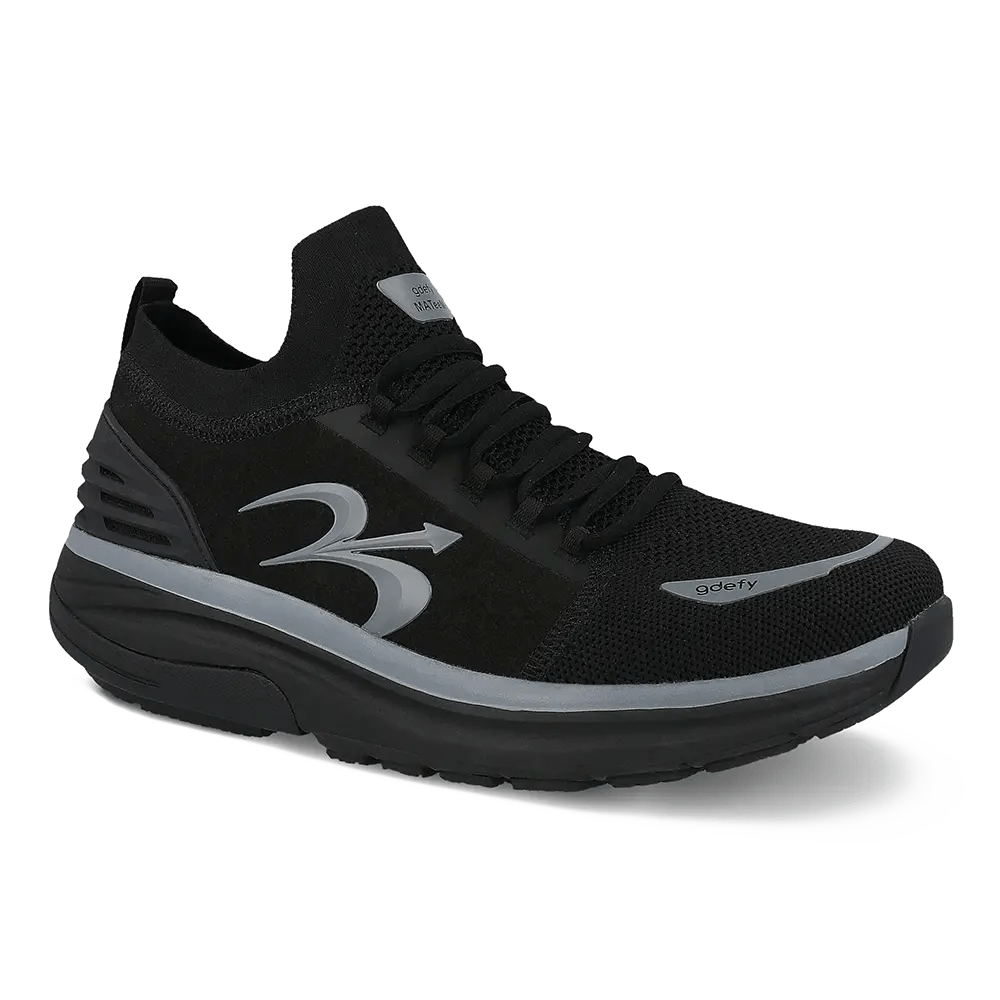
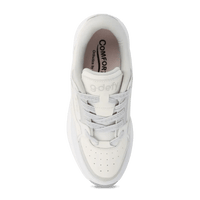
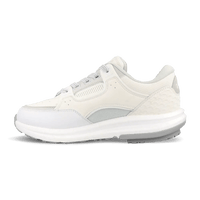
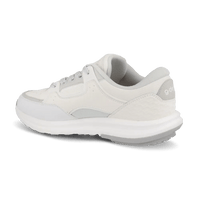
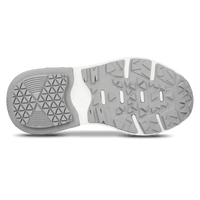
- G-Defy Ion — a lighter-weight option for casual days, travel, or anyone who prefers a more flexible feel without giving up the VersoShock® cushioning.
- Men's Collection and Women's Collection — browse the full lineup of casual, walking, and athletic styles built around the same VersoShock® foundation.
Want a deeper look at the technology? See how VersoShock® technology works for a plain-English breakdown.
Try G-Defy Risk-Free for 60 Days
Free shipping both ways. If they're not the most comfortable shoes you've owned, send them back for a full refund.
Shop Mighty Walk
Practical Habits for Long-Term Comfort
A few extra habits go a long way when joints are sensitive:
- Rotate two pairs of shoes. Letting cushioning fully decompress between wears keeps the shock absorption working longer.
- Replace worn-out shoes. Most walking shoes show meaningful midsole wear after 400–500 miles, or roughly 6–9 months for someone walking daily. If your shoes feel flat or twist easily, it's time.
- Wear the right socks. Smooth, seamless socks reduce friction. Moisture-wicking material keeps feet drier, which helps prevent rubbing.
- Watch for pattern changes. If one shoe wears out faster, or if your gait feels uneven, that's worth a conversation with your healthcare provider.
- Stay active in low-impact ways. Walking, swimming, and stationary cycling all keep joints moving without pounding them. Comfortable, supportive shoes make daily walks much easier to keep up with.
If you're trying a new shoe, give yourself a break-in window. Start with short walks of 20–30 minutes, gradually build up over a week or two, and pay attention to how your feet feel the next morning.
FAQ
Q: What kind of shoes are best for people with arthritis in the feet?
A: Supportive shoes with strong cushioning, shock absorption, a structured midsole, and a roomy toe box tend to feel best for people with joint stiffness. A rolling design that supports a smooth heel-to-toe transition can also help when toes or ankles are sensitive.
Q: Can the right shoes help with arthritis discomfort?
A: Footwear is not a medical solution, but supportive, cushioned shoes may improve overall comfort during walking and prolonged standing. Many people with arthritis find a well-designed walking shoe makes daily activity easier and more enjoyable.
Q: Do I need custom orthotics if I have arthritis?
A: Some people do, but not everyone. Many G-Defy customers find that the two included orthotics — ComfortFit® and CorrectiveFit® — give enough customization for daily wear. If your healthcare provider has prescribed custom orthotics, look for shoes with removable insoles so you can swap them in.
Q: Should I wear shoes around the house if I have arthritis?
A: Many people find that wearing a cushioned, supportive shoe indoors — especially on hard floors — reduces foot fatigue. A pair of supportive house shoes, recovery sandals, or a dedicated indoor walking shoe can make a noticeable difference.
Q: How often should I replace walking shoes if I have arthritis?
A: Most walking shoes lose meaningful cushioning after 400–500 miles, or roughly 6–9 months of regular use. If you notice the shoes feel flatter, the midsole twists easily, or your feet feel more tired than usual, that's a good signal to replace them.
Q: Are wider shoes better for arthritis?
A: A roomy toe box is usually more comfortable for people with arthritis because joint changes can affect toe alignment. Look for shoes available in wide widths if you've found standard widths feel tight, especially across the toes.
Final Thoughts
Arthritis Awareness Month is a reminder that small, consistent care goes a long way. While footwear is not a medical solution, choosing shoes designed for comfort, support, and shock absorption can make a meaningful difference in how you feel throughout the day. Pair that with a few simple foot-care habits — gentle morning movement, paced breaks, comfortable shoes indoors and out, and a basic stretching routine — and your feet will be set up to support an active life.
If you've been thinking about trying a new pair of shoes, G-Defy's 60-day risk-free trial gives you two months to see how they feel during your normal daily routine. Free shipping both ways, and a full refund if they're not the right fit.
Shop G-Defy Comfort Shoes
VersoShock® cushioning, dual removable orthotics, and a 60-day risk-free trial on every pair.
Shop Women's Shop Men'sLooking for more on this topic? Read Arthritis Awareness Month: What to Look for in Comfort Walking Shoes for a feature-by-feature breakdown, or Orthotic Insoles vs Built-In Shoe Support to understand when each option makes sense.