
May 08, 2026
Shoes for Knee Arthritis: Design Features That Support Comfort During Walking
By Gdefy

Summary

When knee arthritis affects everyday movement, something as ordinary as a morning walk can feel like a challenge worth thinking carefully about. Many people who experience knee arthritis find that the shoes they choose have a real effect on how comfortable — or uncomfortable — that walk turns out to be. While footwear is not a medical solution, the mechanical design of a shoe intersects directly with how load travels through the foot, ankle, and knee joint during every step.
This guide walks through the specific design features that matter most for walking comfort — from cushioning depth and sole geometry to stabilizer construction and width fitting. It also explains how G-Defy's VersoShock® technology addresses each of these factors in a single shoe. If you're looking for objective criteria to evaluate any walking shoe, this is a practical starting point.
Why Cushioning Depth Matters: Spring-Based vs. Foam Compression
The cushioning layer of a shoe is the first point of contact between the ground and your foot's skeletal structure. Traditional foam midsoles compress under weight and progressively lose their ability to absorb impact — a well-worn foam shoe may offer significantly less cushioning than it did when new. For people who walk frequently, that degradation happens faster than many expect.
Spring-based cushioning systems work differently. Rather than compressing into a flatter shape, a spring mechanism is designed to absorb the downward force of each step and then return energy upward — more like a controlled bounce than a sponge being squeezed flat. The result is a cushion that remains more consistent over time and that absorbs impact more evenly across the stride.
For people who experience knee discomfort during walking, consistent cushioning depth helps maintain a more even walking pattern. Uneven cushioning — from a worn midsole or a very thin heel pad — can contribute to irregular stride mechanics that place additional stress on the knee.
The Stabilizer Shank: Reducing Knee Torque During Walking
Many casual walking shoes flex too freely in the midfoot area, allowing the sole to bend in directions that aren't aligned with natural foot movement. A stabilizer shank — a firm internal component built into the arch region of the shoe — prevents excessive midfoot bending and helps channel movement in a straighter, more controlled direction.
From a knee-comfort perspective, lateral stability matters because each time the foot rolls inward or outward beyond its natural range, that rotation is transmitted up through the ankle and into the knee. A shoe with a well-constructed stabilizer encourages a more controlled motion path from heel strike to toe-off, which reduces the amount of rotational force that the knee has to manage with each step.
Look for shoes that resist twisting when you hold the heel in one hand and the toe in the other. Some flex in the forefoot is normal — but the midfoot and arch region should feel firm and supportive.
Low Heel-to-Toe Drop and Rocker Sole Geometry
Heel-to-toe drop refers to the height difference between the heel and the forefoot of a shoe. A very high heel drop (common in older walking shoes and many dress shoes) places the knee in a slightly more flexed position during standing and walking, which can increase the load experienced at the front of the knee — particularly the area underneath and around the kneecap.
A lower heel-to-toe drop encourages a more natural foot-strike pattern and a more neutral knee position throughout the stride. Paired with a rocker sole — a curved sole profile that promotes a smooth heel-to-toe rolling motion — lower drop geometry makes each step feel less abrupt and more fluid.
The rocker sole effectively shortens the lever arm that the foot creates during push-off, which reduces the demand placed on the calf and the structures around the knee at the end of each step. This is one of the most meaningful sole design features for people who walk long distances or who are on their feet for extended periods.
Wide Toe Box and Natural Foot Alignment
A narrow toe box forces the toes together and restricts natural toe splay — the slight spreading of the toes that helps stabilize the foot during push-off. When the toes cannot spread naturally, the foot relies more heavily on other structures for stability, which can shift load distribution upward through the ankle and knee.
A wide toe box allows the toes to sit in their natural positions, improving the foot's ability to function as a stable base. This is especially relevant for people whose feet have widened over time or who experience any degree of forefoot sensitivity.
When evaluating toe box width, stand in the shoe and check that your widest toe has a small amount of clearance from the edge of the shoe. Squeezing through a narrow box all day is a subtle source of fatigue and altered gait that can affect comfort all the way up to the knee.
Lightweight Construction: Reducing Limb Load Over Distance
Shoe weight matters more over distance than it does during a single short walk. A shoe that adds even a modest amount of excess weight to each foot requires more muscular effort with each step to lift and place the foot. Over thousands of steps in a day, that cumulative demand contributes to leg fatigue — and fatigue tends to increase the variability of walking mechanics, which is when stride irregularities and additional joint stress tend to appear.
Lightweight construction — achieved through engineered mesh uppers, optimized sole materials, and thoughtful component reduction — helps keep that cumulative demand lower without sacrificing structural support.
Insole and Orthotic Support: Arch Correction and Load Distribution
The insole is the layer the foot rests directly on inside the shoe. A flat, generic insole provides minimal support for the arch and allows the foot to sink into whatever shape comes naturally — which, for people with low arches or high arches, may not be the most efficient load-distribution shape for comfortable walking.
Supportive insoles — particularly those designed for different arch heights — help position the foot in a more neutral alignment, which distributes the impact of each step more evenly across the foot's surface. Proper arch support also helps reduce the tendency toward overpronation (rolling inward), which is a common contributor to the kind of knee tracking discomfort that people with knee arthritis often describe.
Removable insoles are particularly valuable because they allow users to swap in a different support level or to use a custom orthotic prescribed by a healthcare provider. Shoes with non-removable insoles limit this flexibility.
Width Fitting: Why Tight Shoes Compound Knee Tracking Issues
Shoe width affects more than just toe-box comfort. A shoe that is too narrow across the midfoot or heel can cause the foot to sit slightly off-center within the shoe, which subtly misaligns the load path from the foot upward. When the foot is constricted, it also tends to grip inside the shoe with more muscular tension, which alters the natural gait pattern.
For people who experience knee discomfort, proper width fitting is a practical starting point. Many footwear brands offer shoes in multiple widths (standard, wide, extra-wide), and choosing the correct width for your foot can have a meaningful effect on how comfortably the shoe supports your stride. A good rule of thumb: the widest part of your foot should correspond to the widest part of the shoe, with no lateral pressure anywhere across the foot's surface.
For a deeper look at how foot mechanics translate into knee load, see our post on how shoes affect your knees: the walking biomechanics explained.

The G-Defy VersoShock® Approach
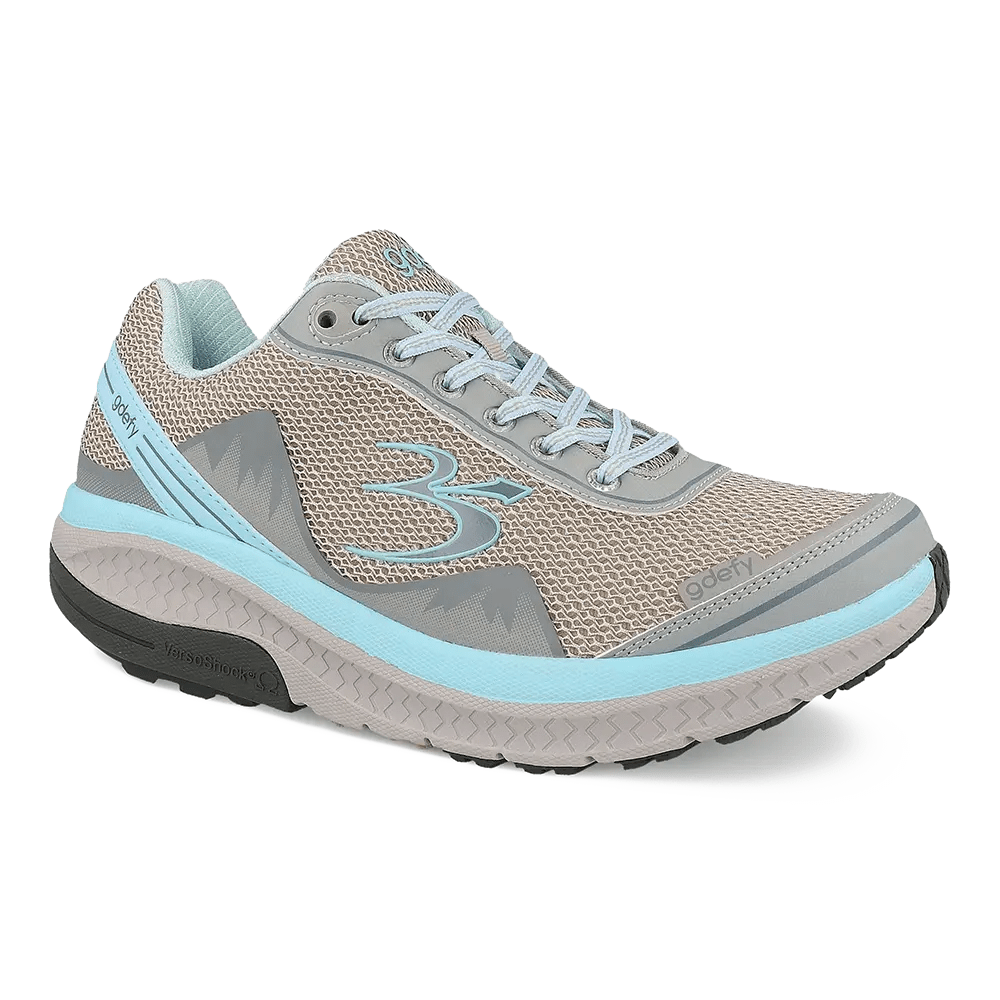
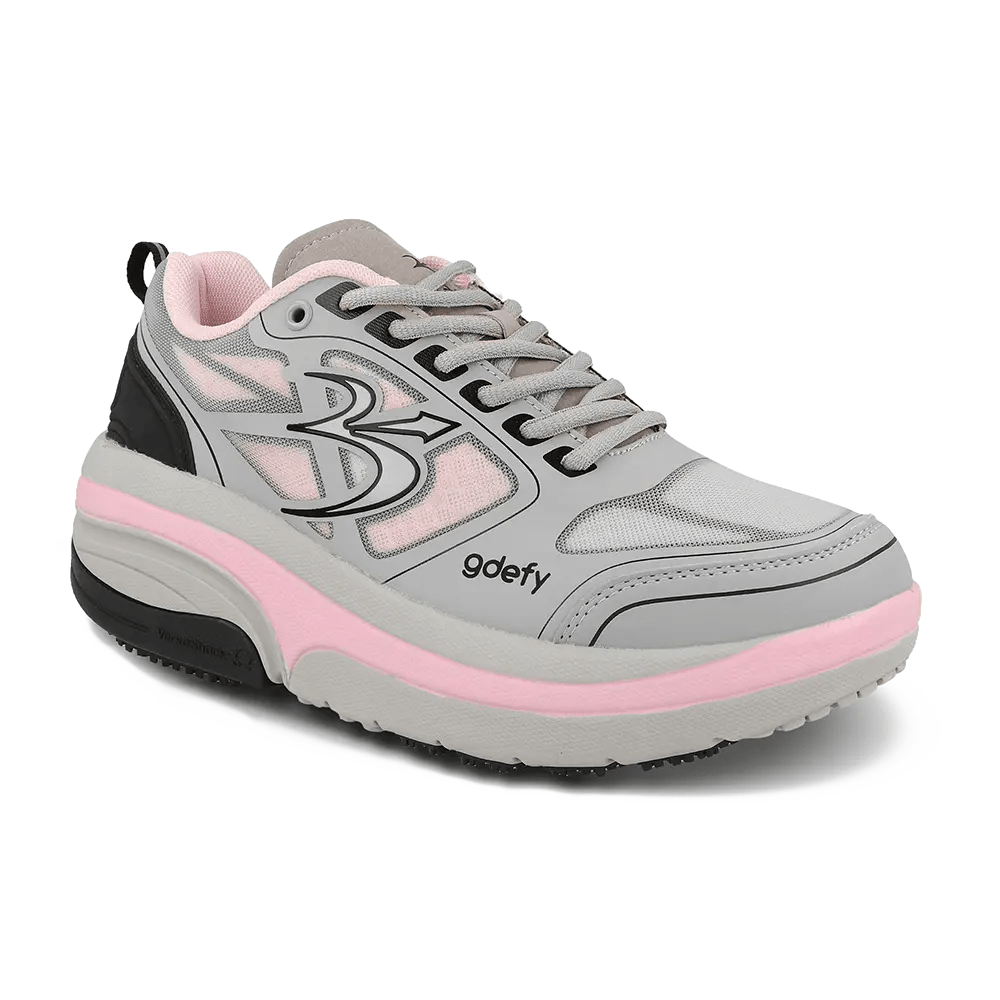
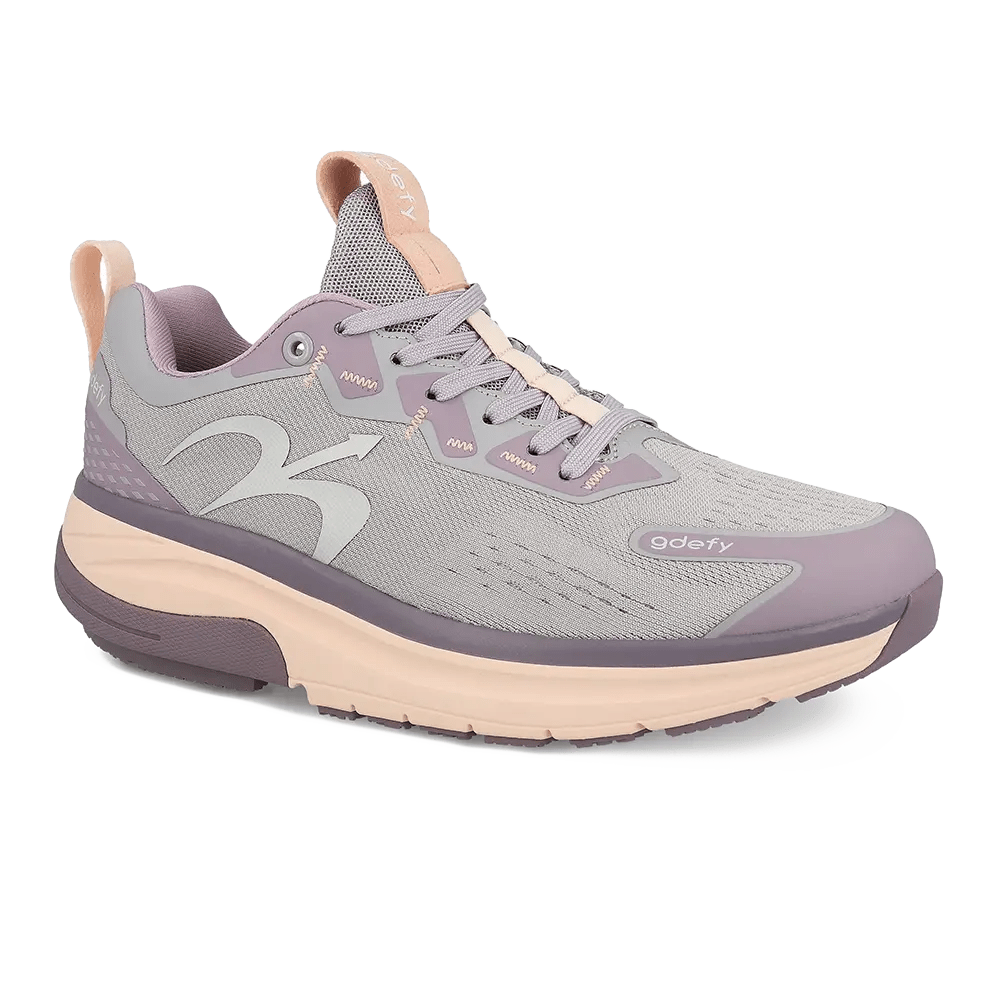
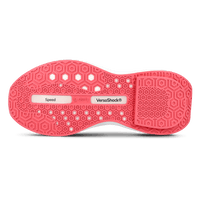
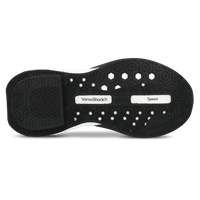
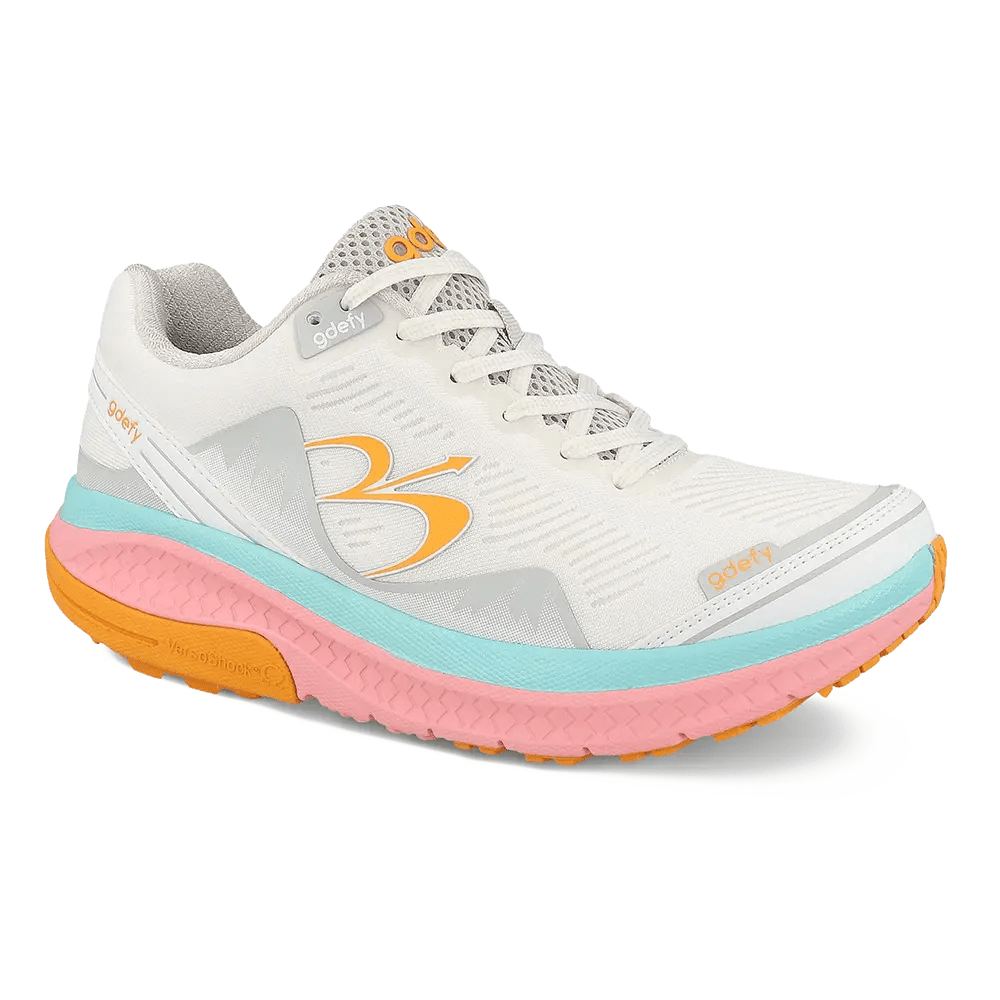
G-Defy shoes are built around a different idea than traditional walking footwear. Rather than relying solely on compressed foam, G-Defy uses VersoShock® technology — a spring-based system designed to absorb impact with each step and return energy to help propel you forward. This creates a more consistent cushioning response that doesn't flatten out with wear the way foam-only midsoles do.
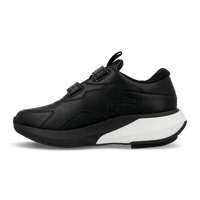
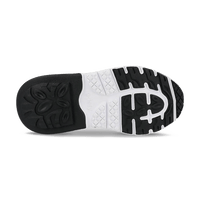
Each G-Defy shoe also includes a built-in stabilizer shank that resists excessive midfoot bending and encourages a more controlled motion path — addressing the lateral stability factor that matters for knee comfort during walking. The front rolling design promotes a smooth heel-to-toe transition, reducing the abruptness of each heel strike and supporting a more fluid stride.
For insole support, every G-Defy shoe comes with two removable orthotics included:
- ComfortFit® — designed for low to medium arches, with a focus on cushioning and overall comfort
- CorrectiveFit® — designed for medium to high arches, providing additional structural support
This dual-orthotic system means you can choose the support level that fits your foot type, without having to purchase a separate insole. Both are removable, so they can also be swapped for a custom orthotic if you use one.
G-Defy shoes are available in multiple widths, including wide and extra-wide options, which supports proper width fitting across different foot shapes. The uppers use breathable, lightweight materials to keep overall shoe weight low and allow natural foot movement throughout the day.

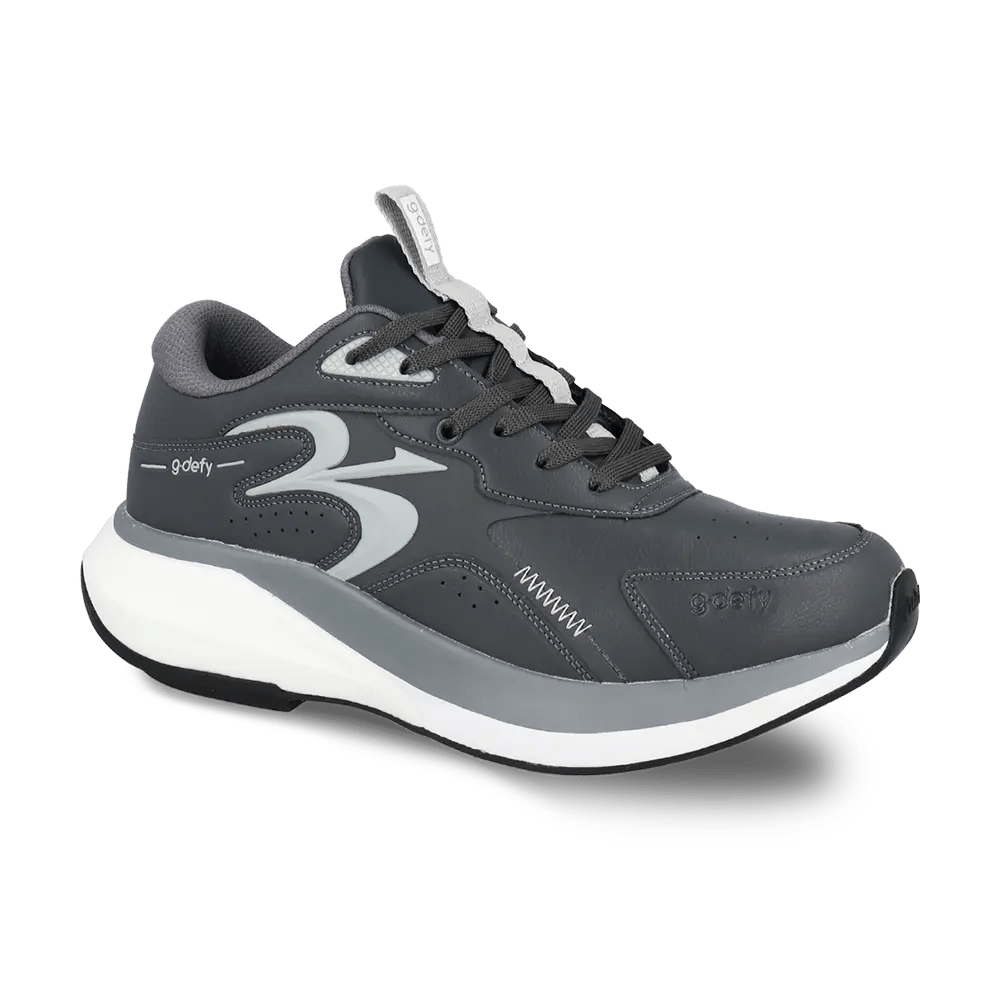
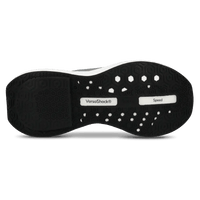
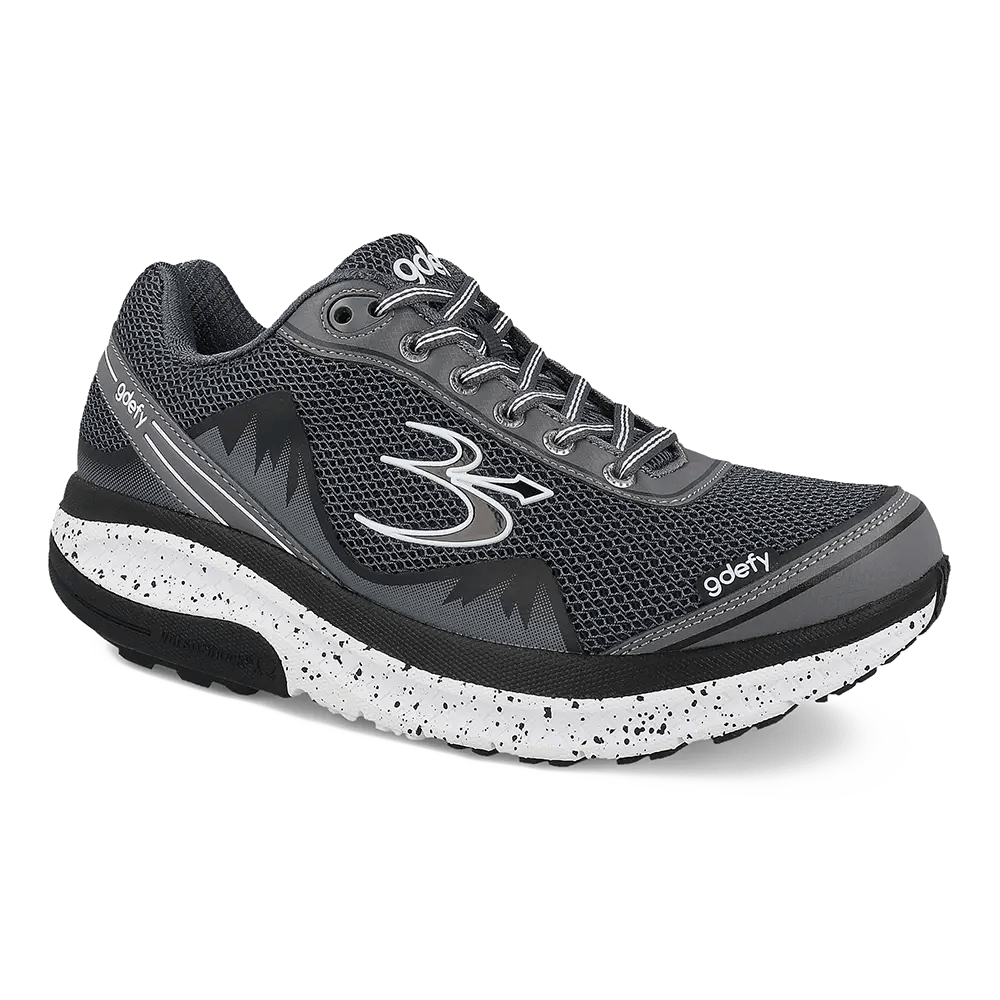
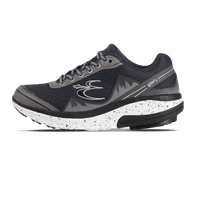
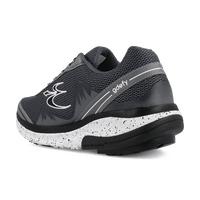
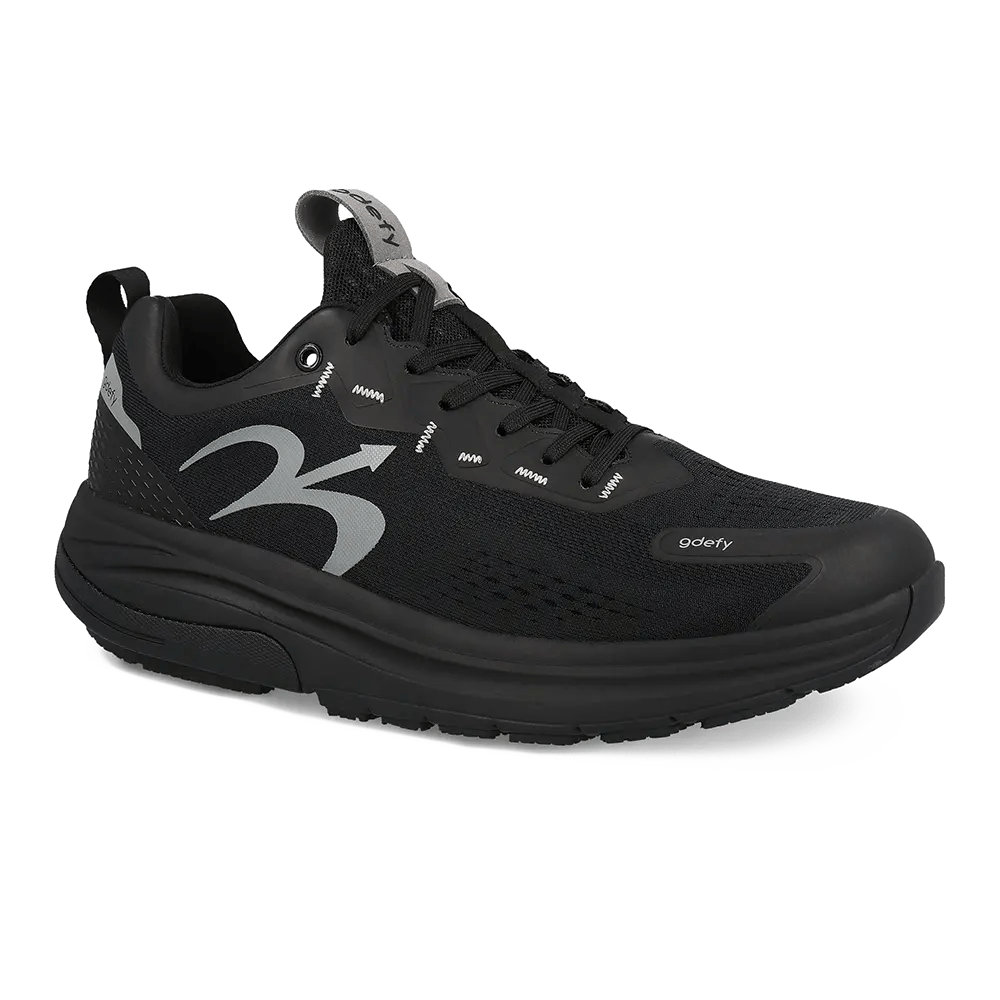
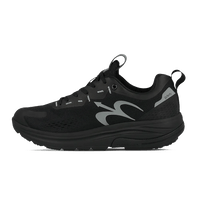
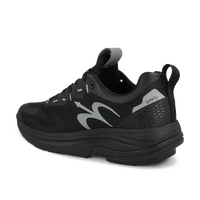
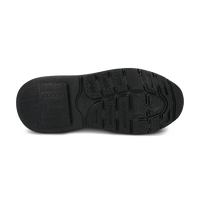
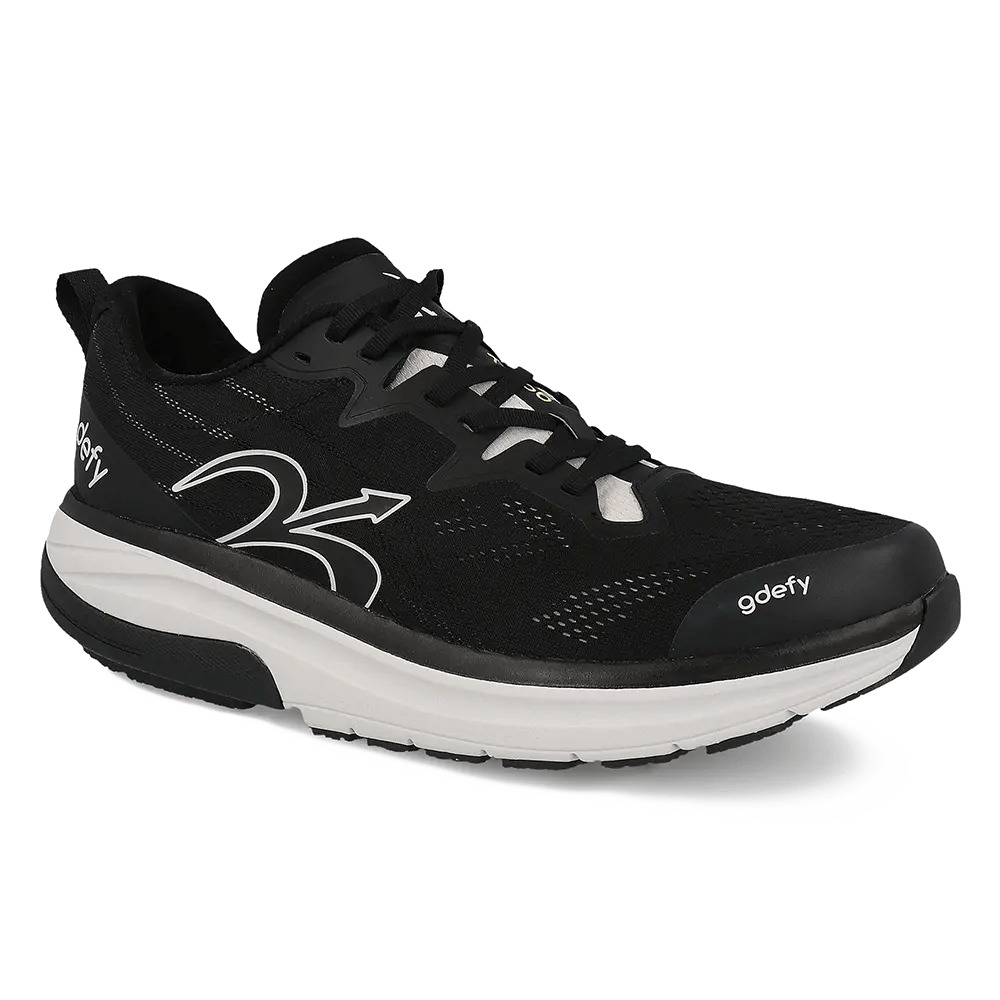
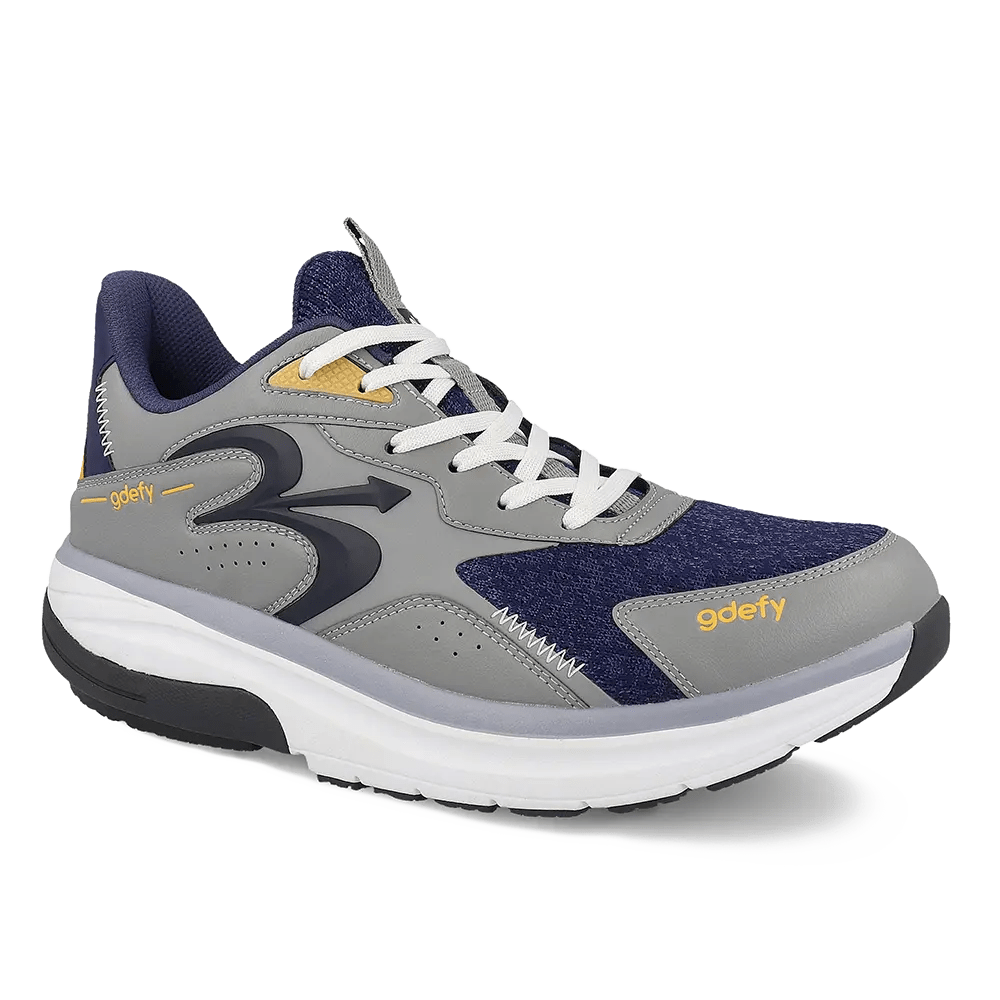
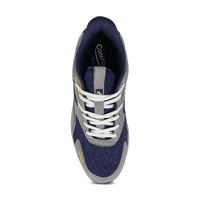
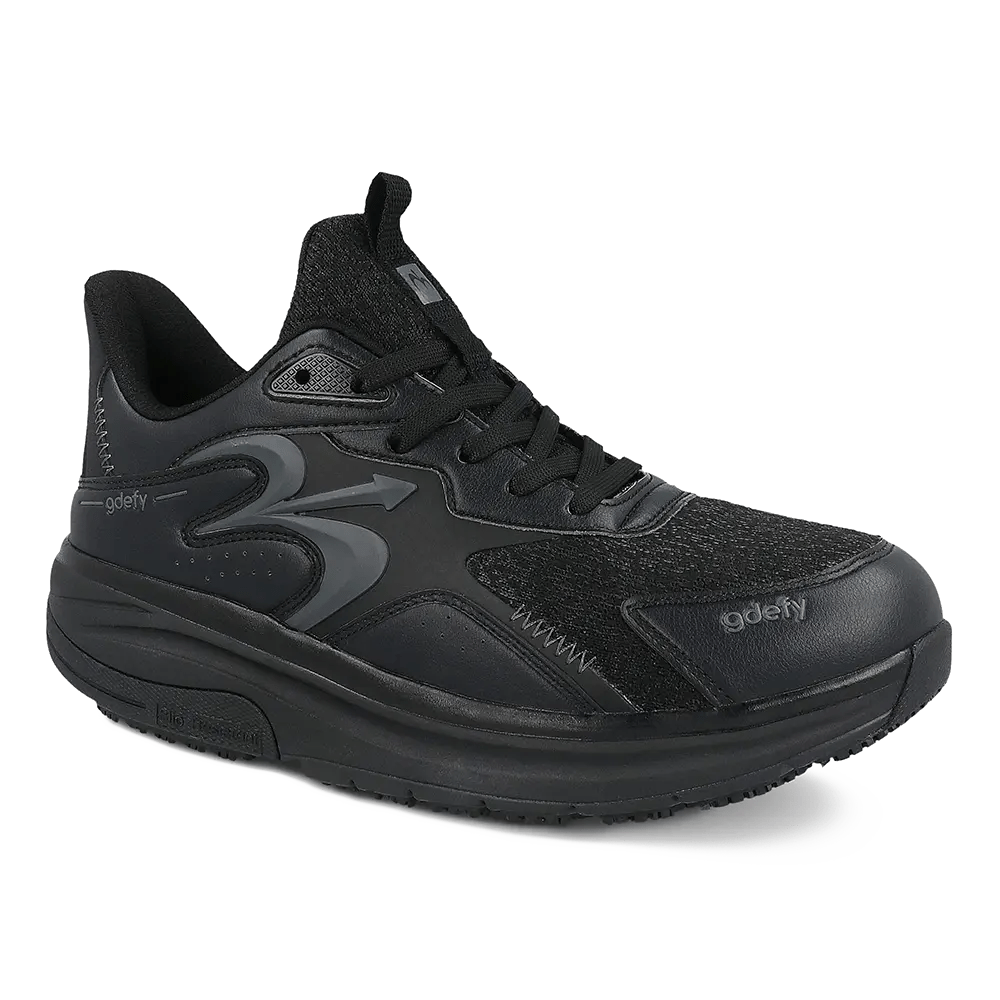
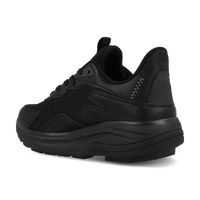
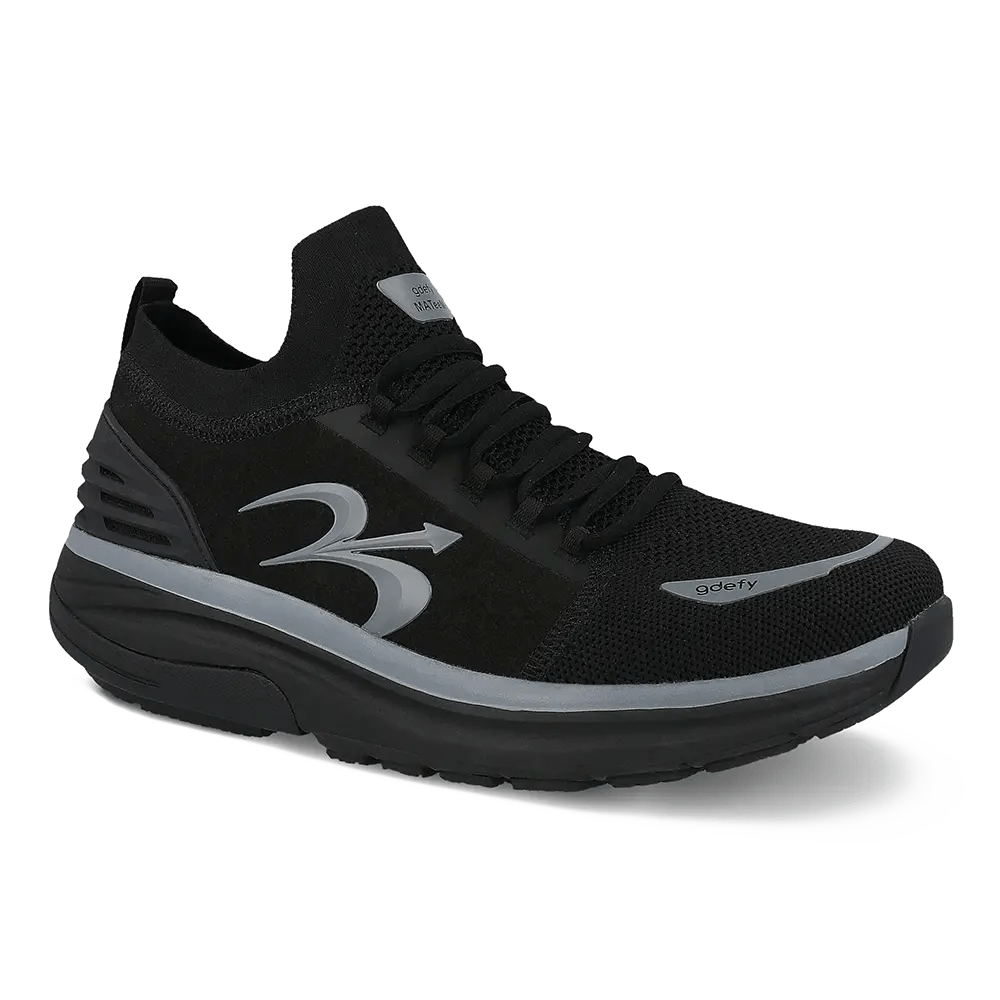
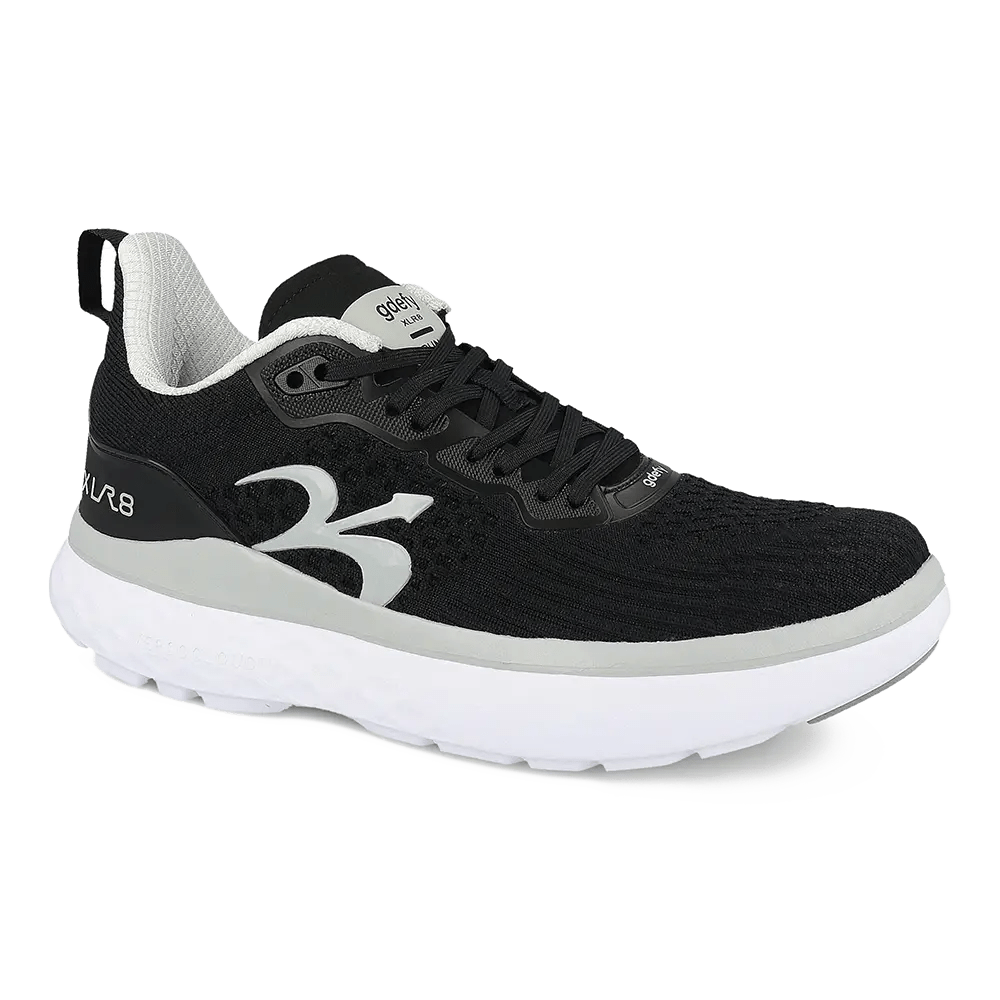
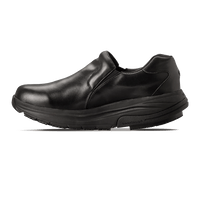
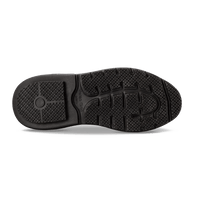
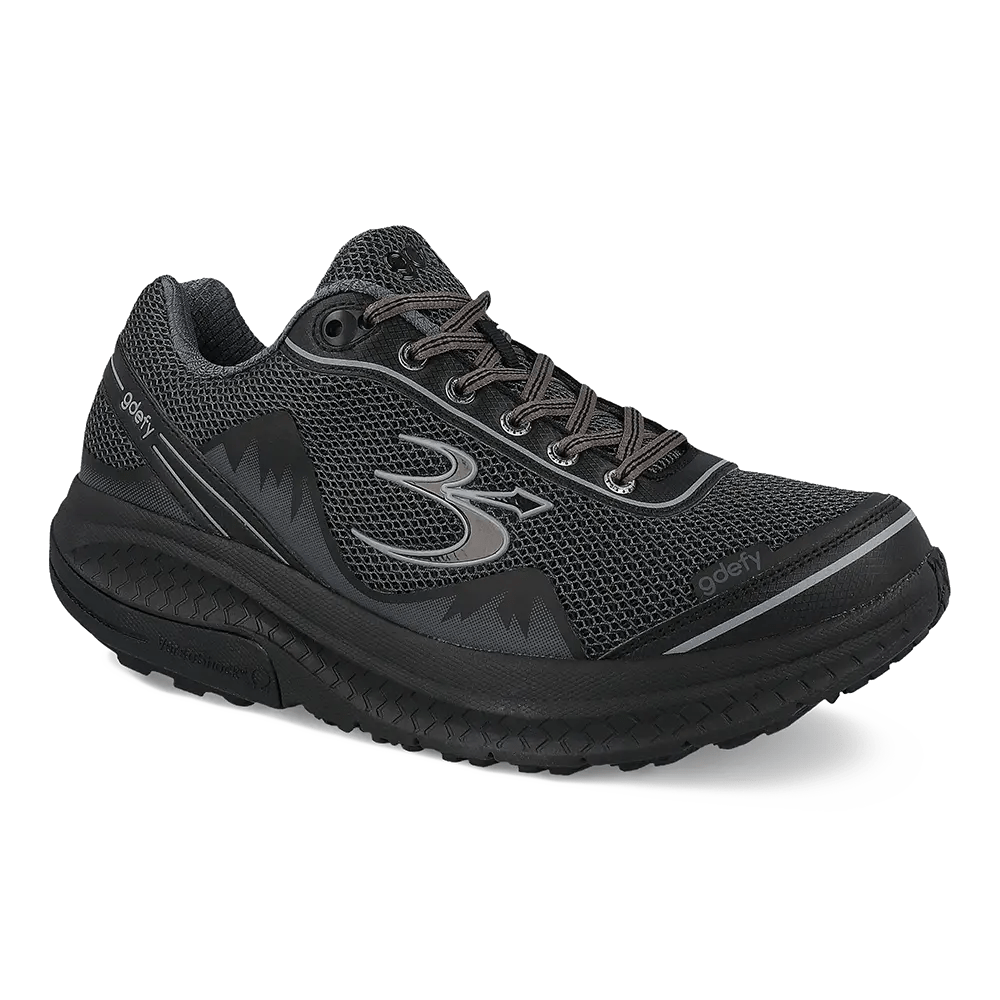
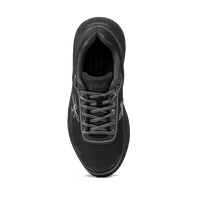
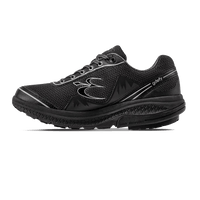
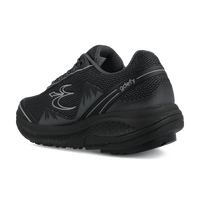
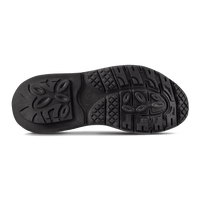
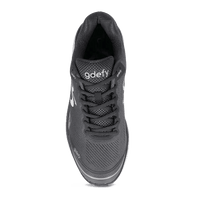
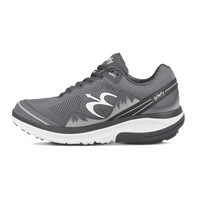
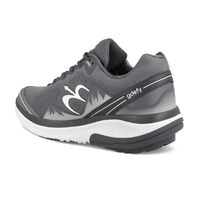
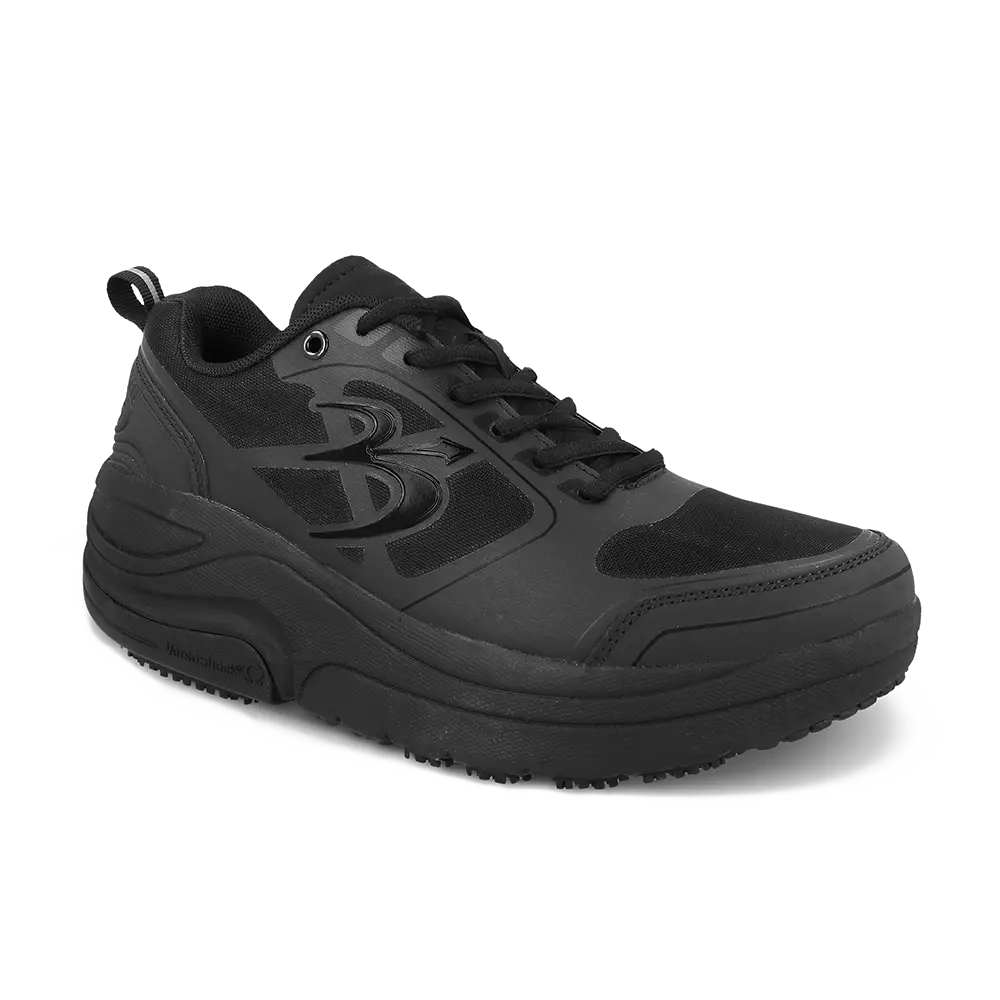
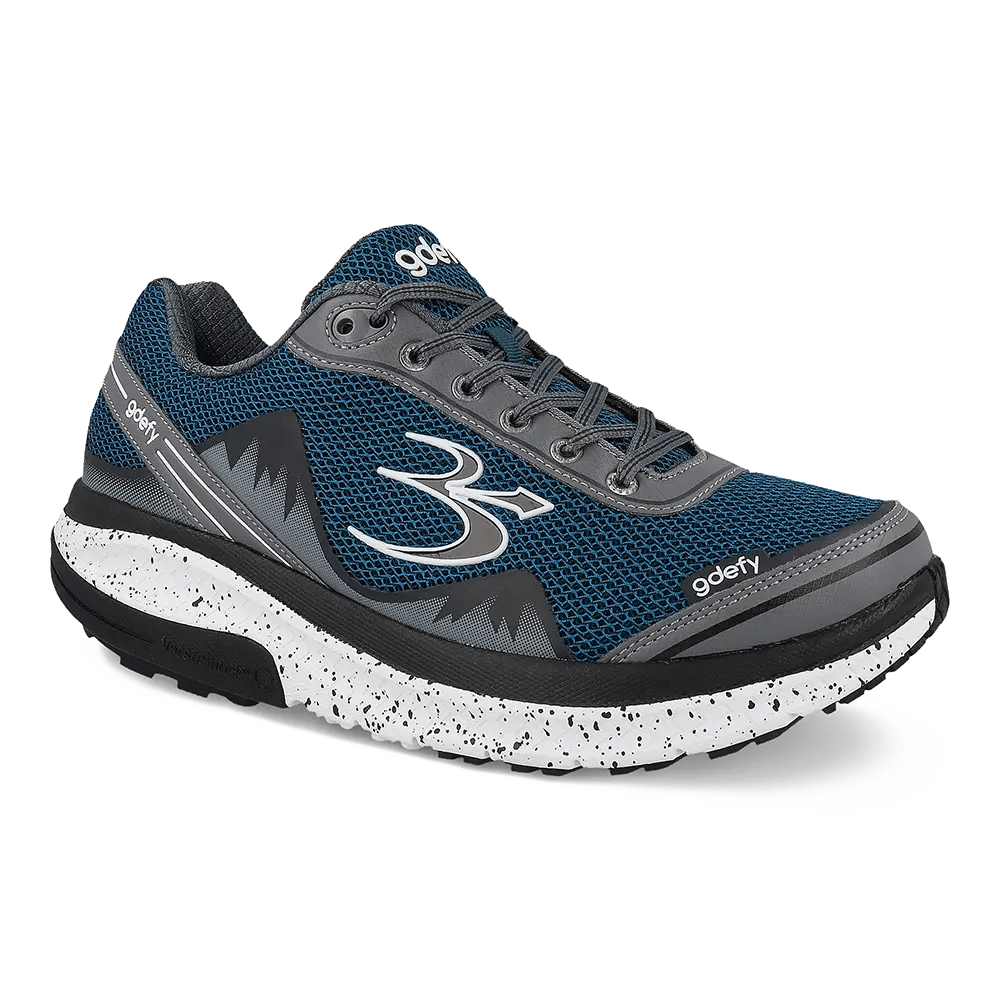
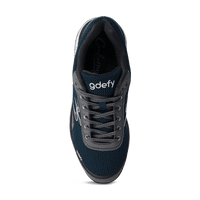
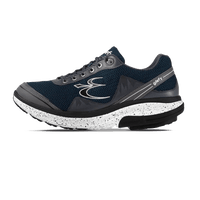
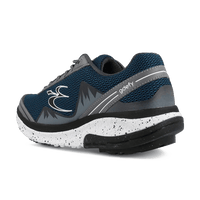
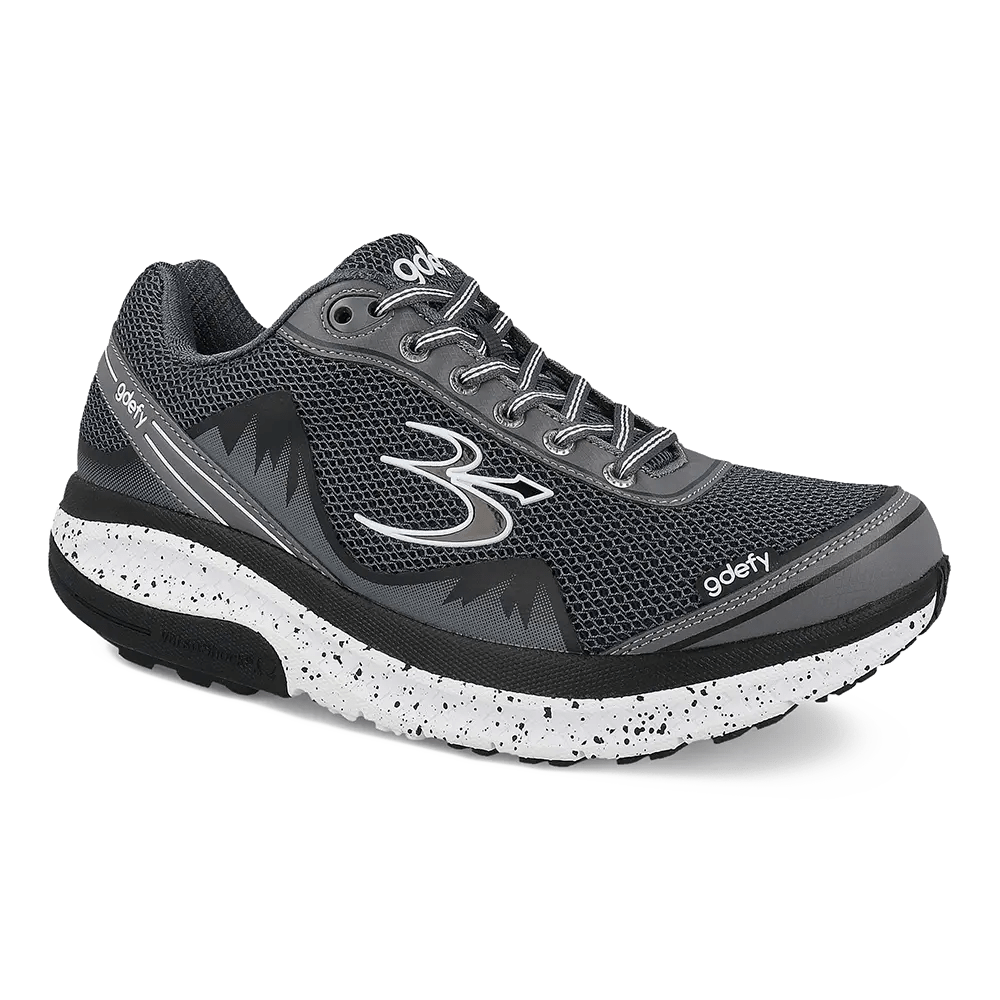
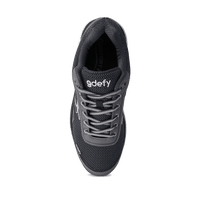
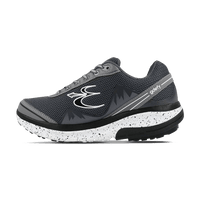
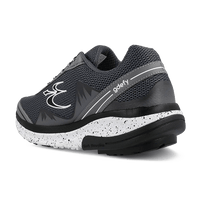
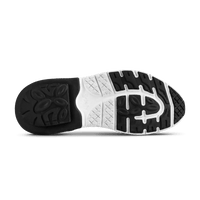
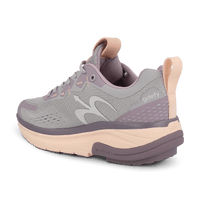
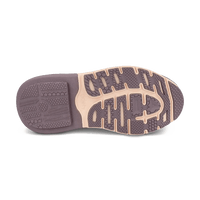
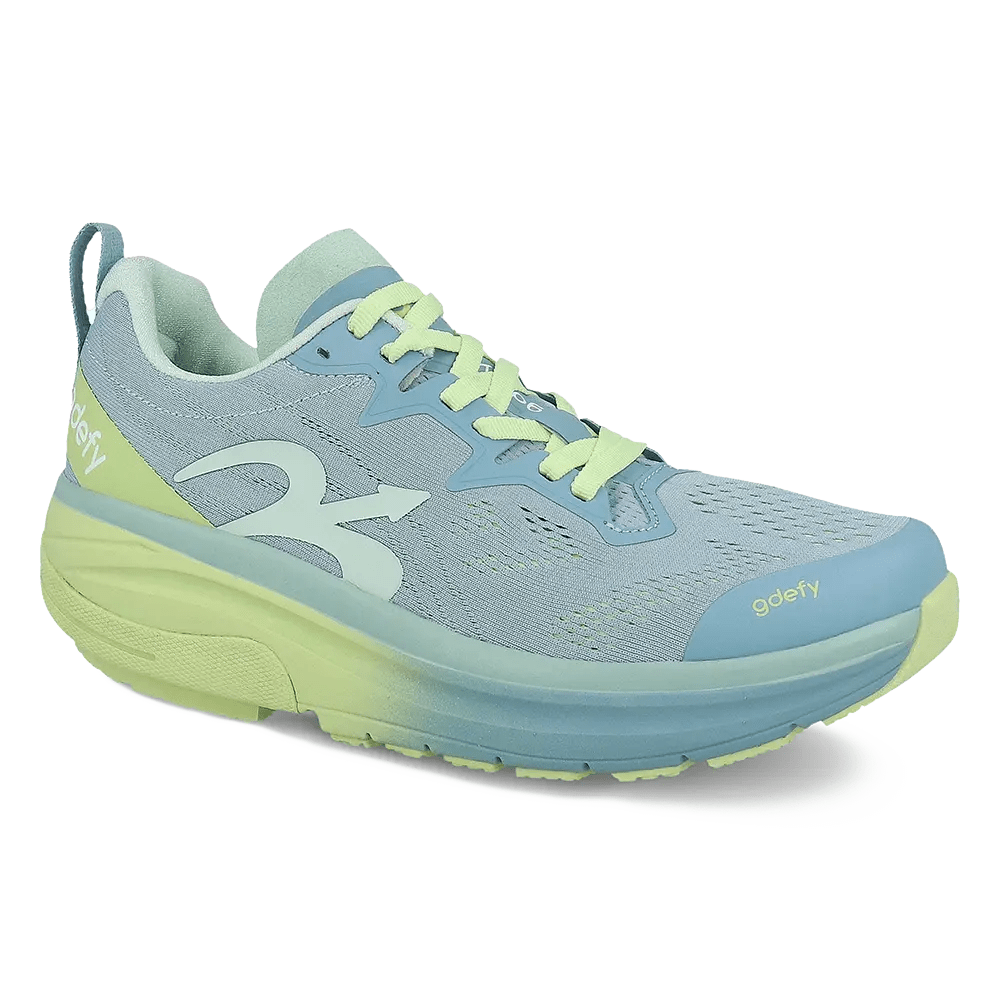
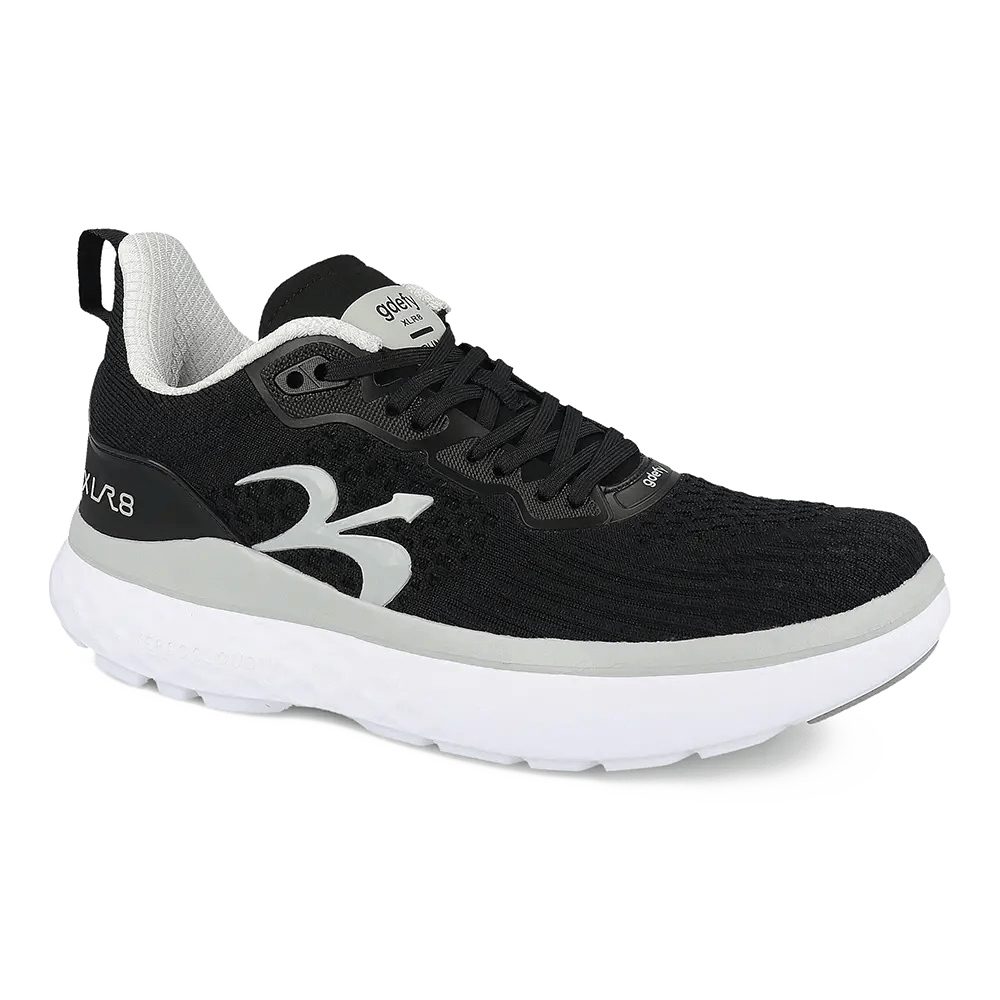
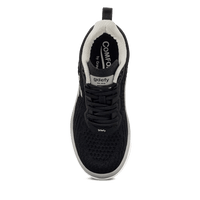
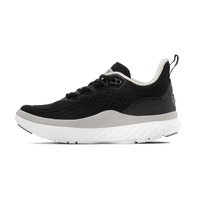
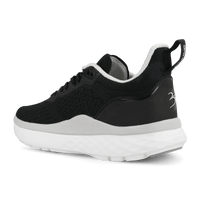
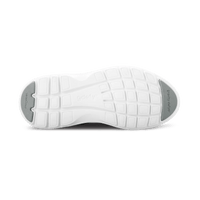
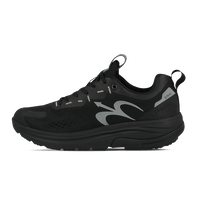
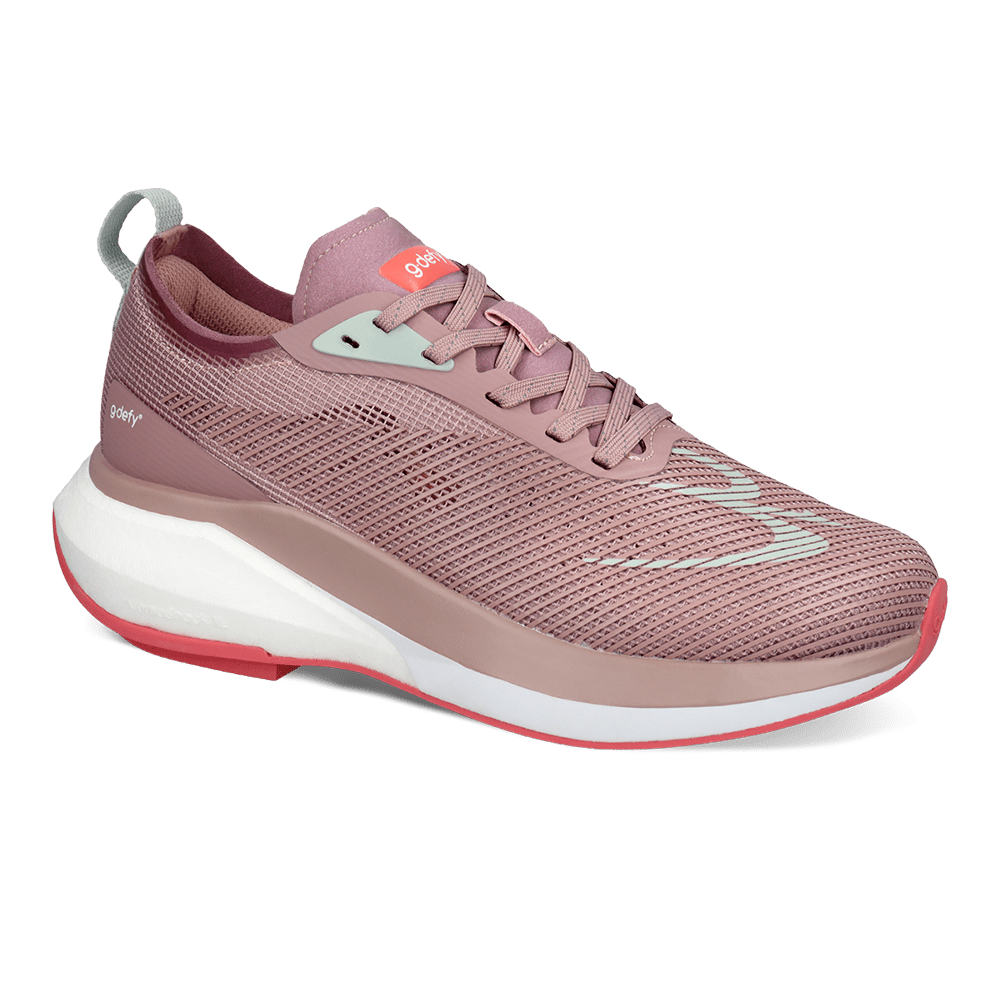
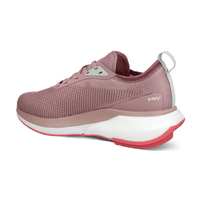
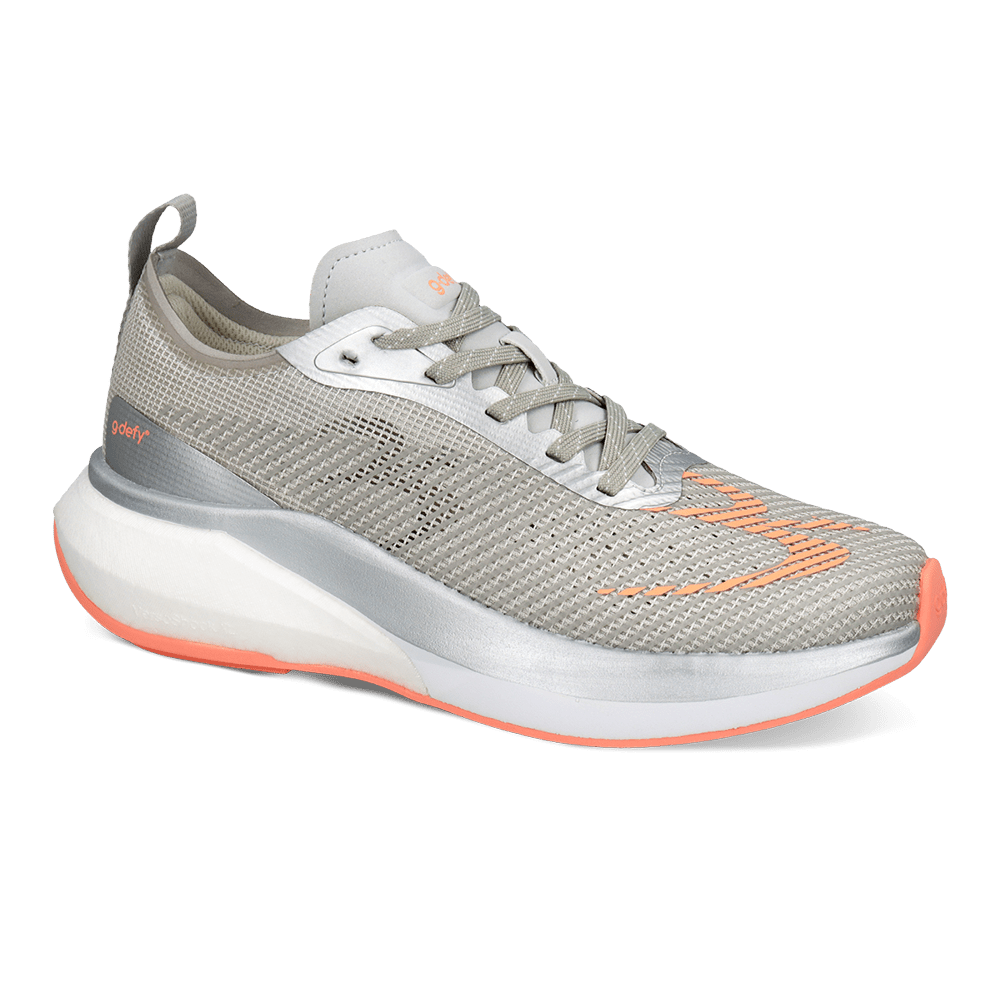
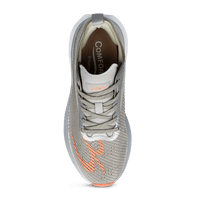
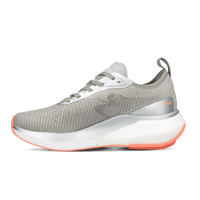
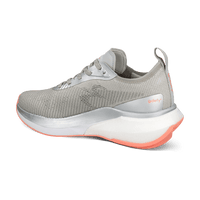
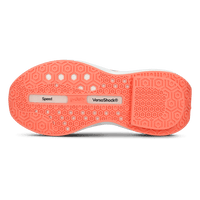
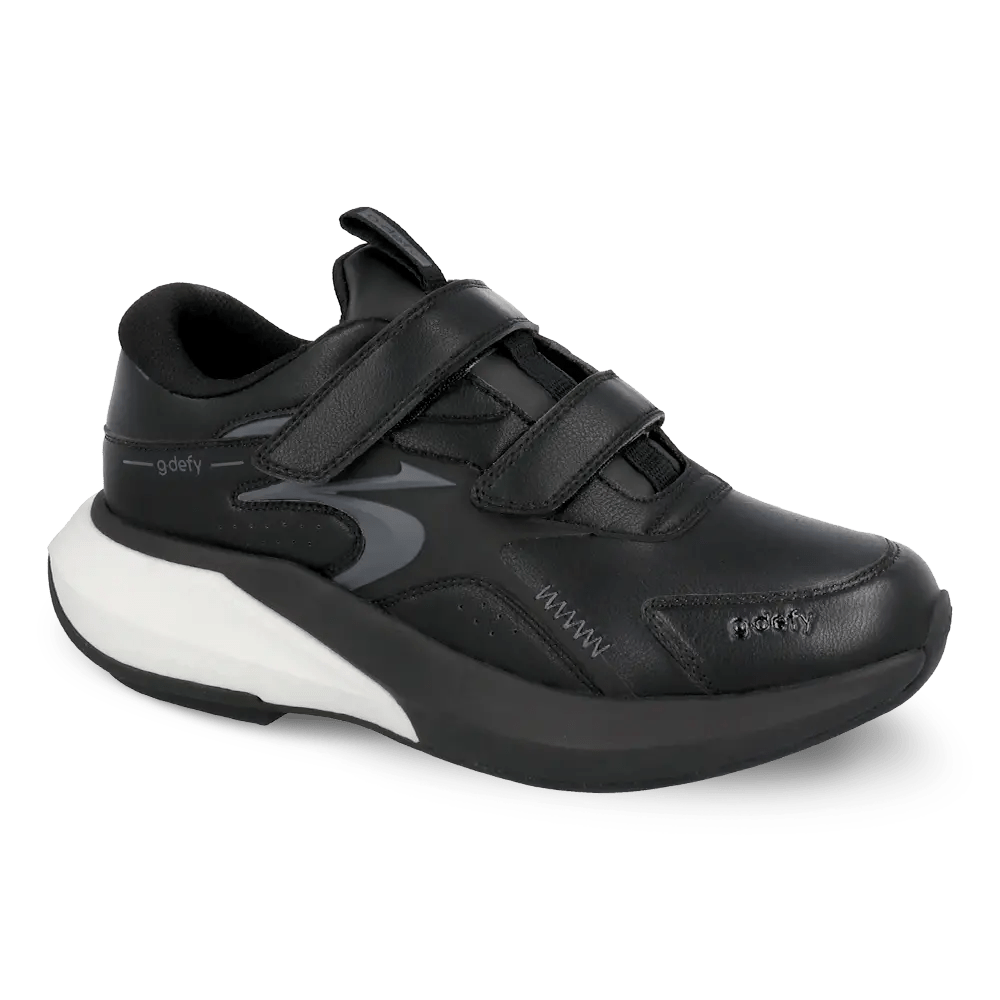
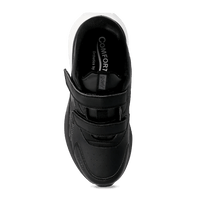
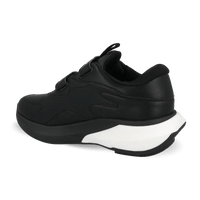
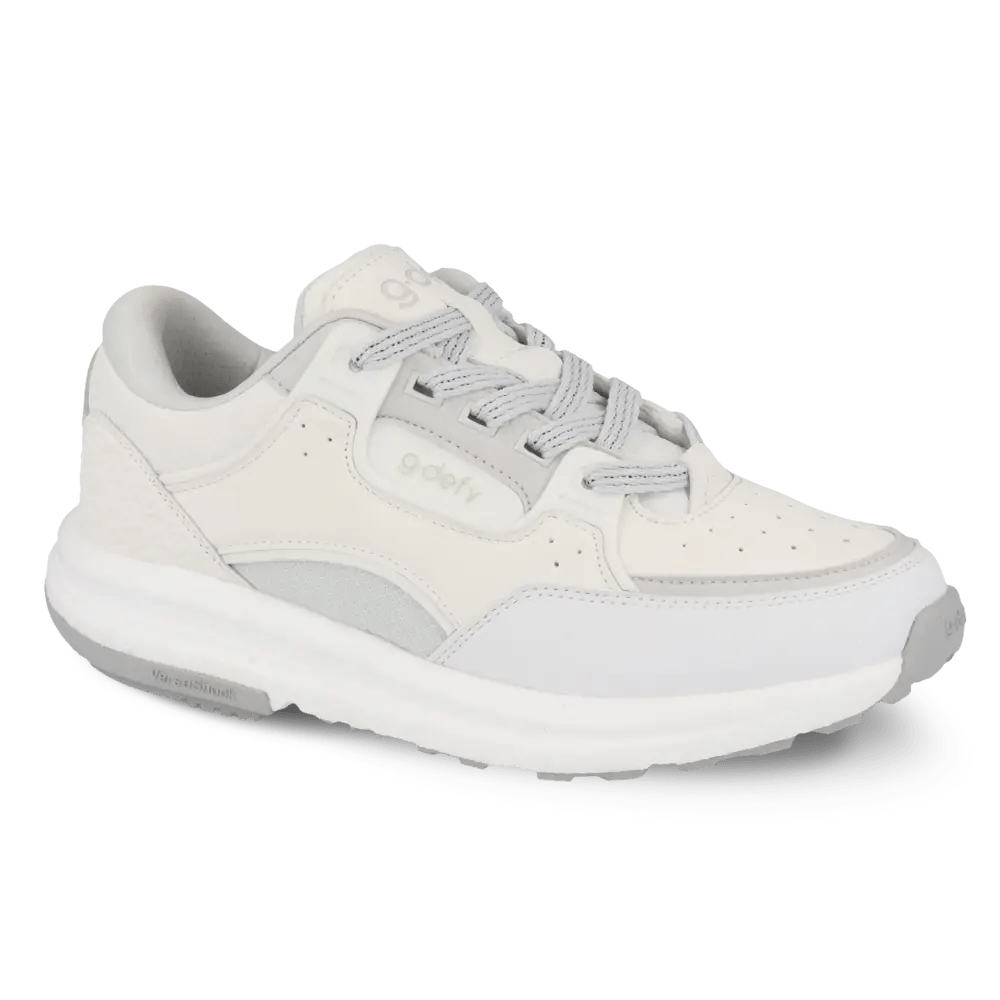
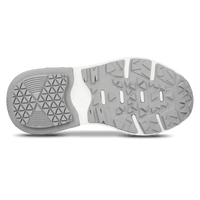
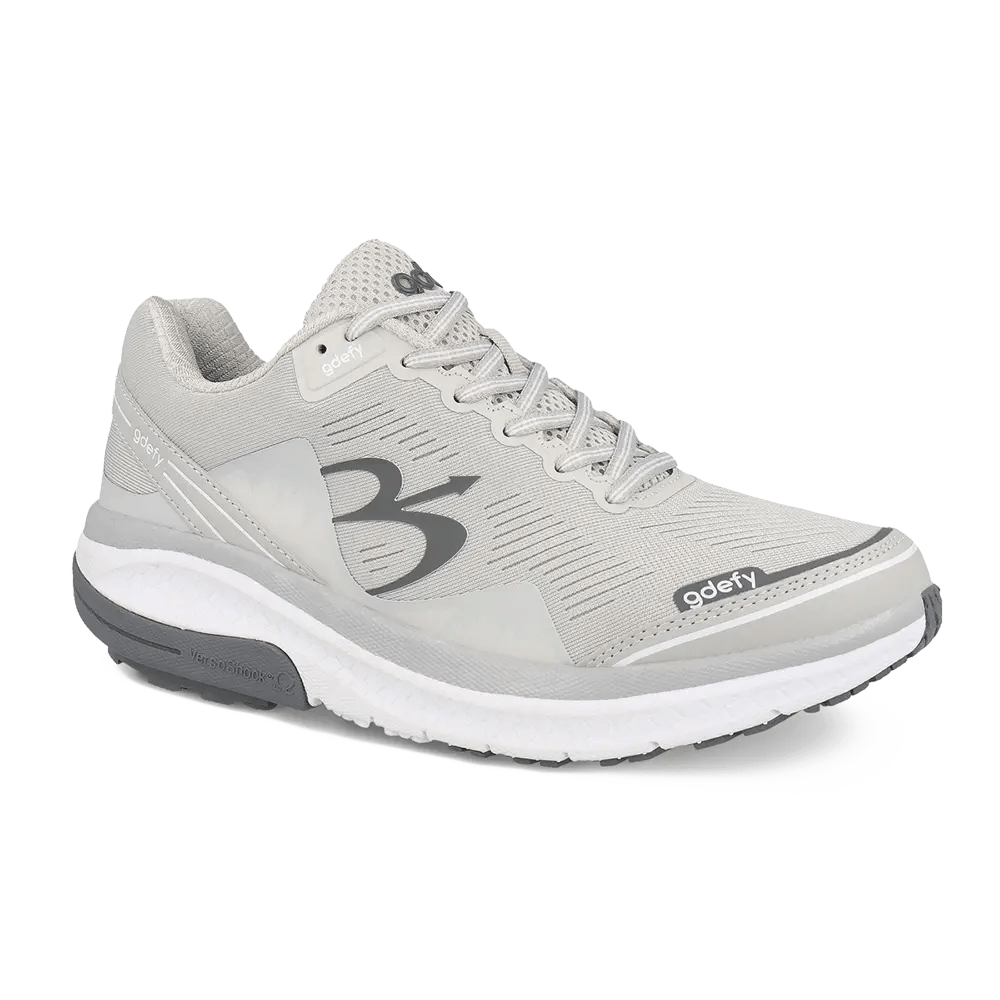
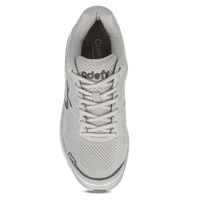
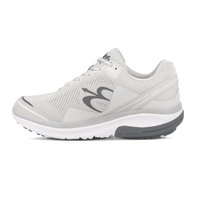
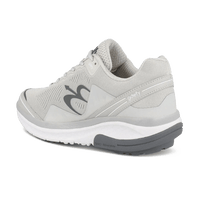
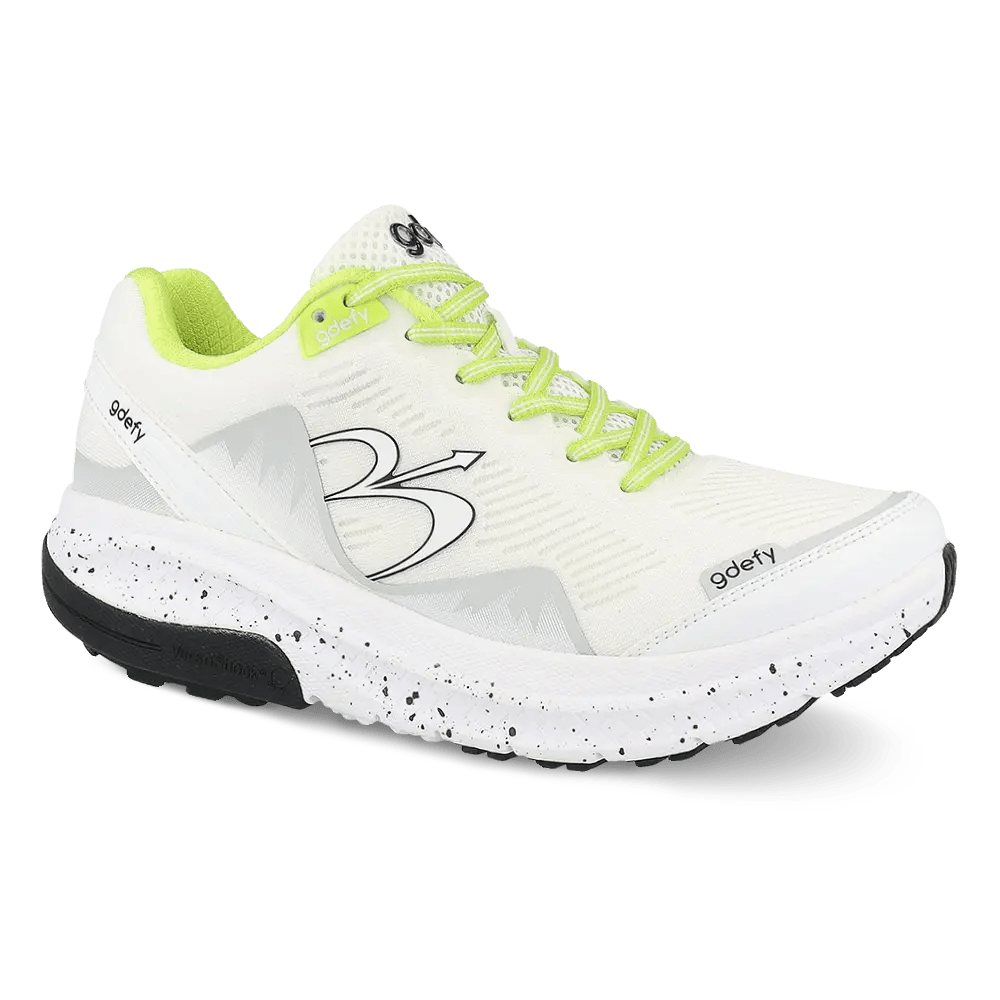
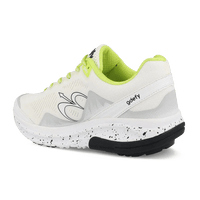
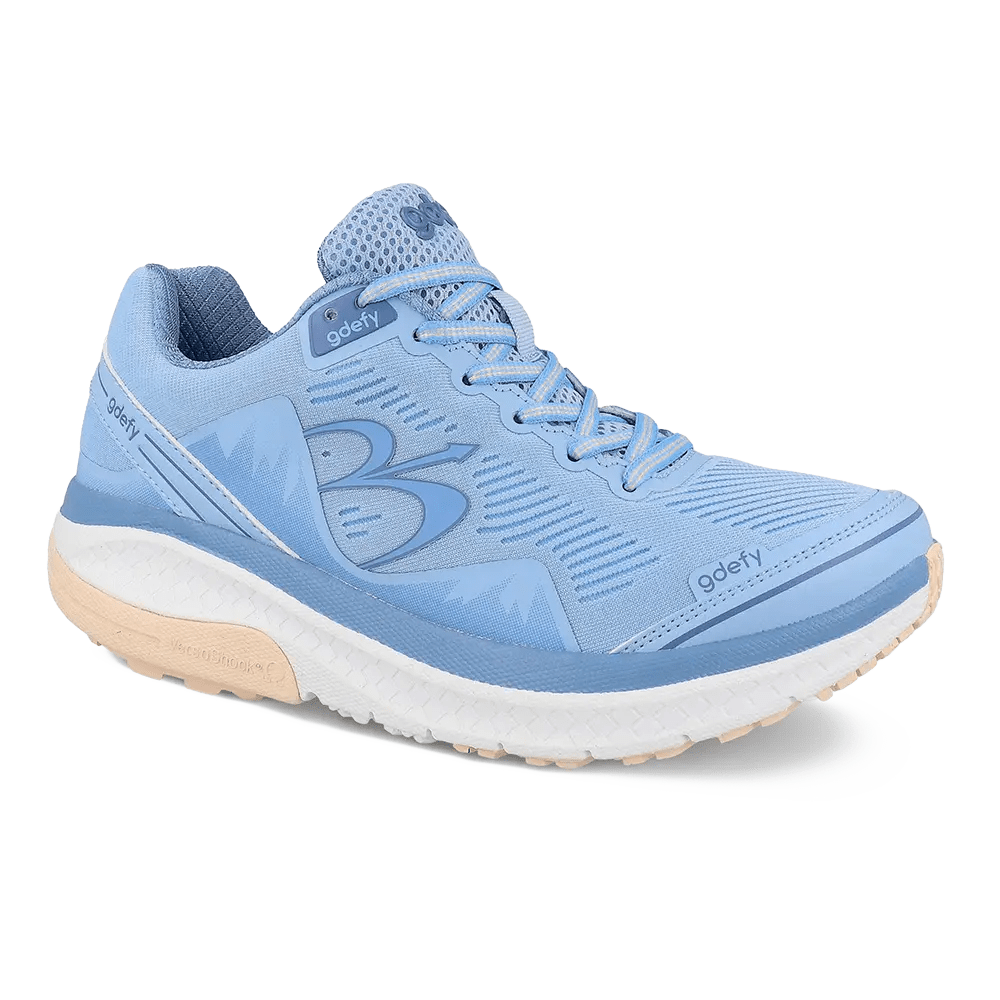
The Mighty Walk is a good example of how these features come together. It combines VersoShock® cushioning, a stabilizer shank, a rocker-profile sole, an expanded toe box, and lightweight construction in a single everyday walking shoe. It is available for both men and women:
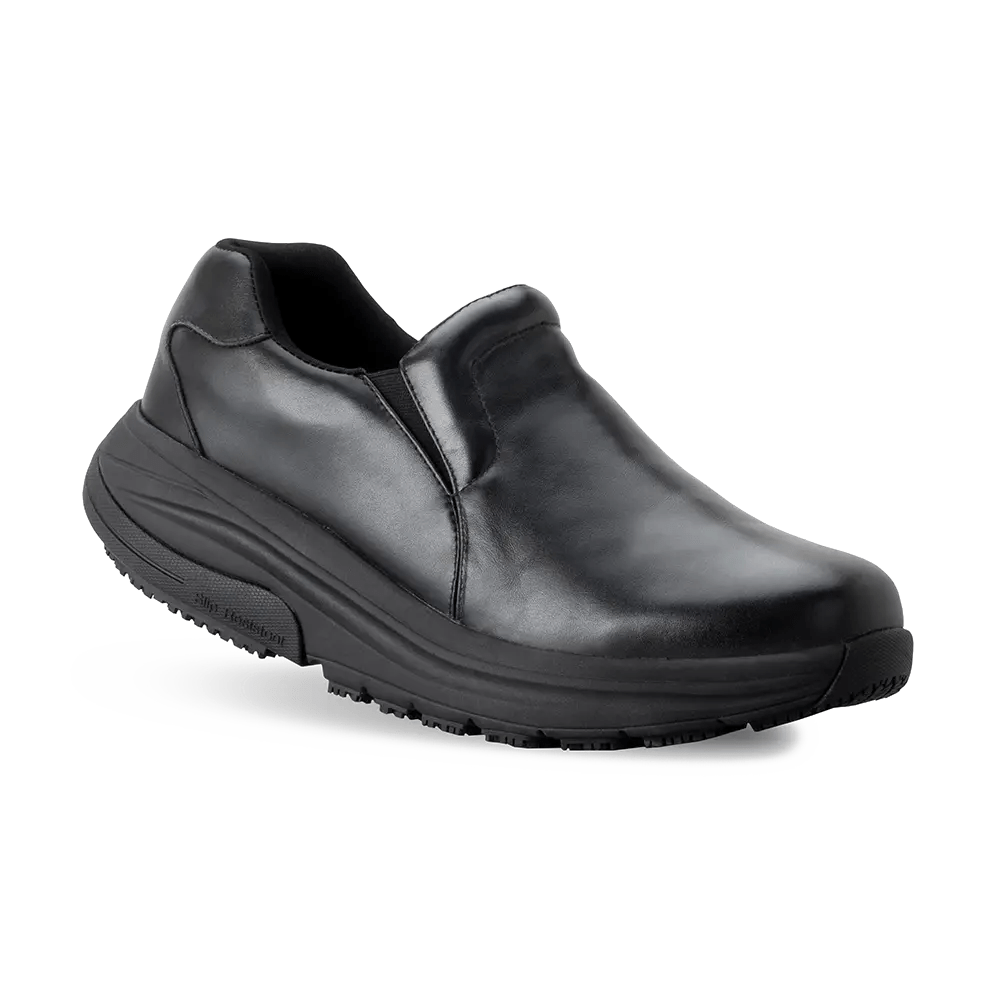
G-Defy shoes are engineered to provide comfort, support, and shock absorption. Featuring VersoShock® technology, they are designed to absorb impact and return energy with each step. A built-in stabilizer supports the foot during movement, while the front rolling design promotes a smooth walking experience. Each pair includes two removable orthotics to help customize comfort and support.
Explore walking shoes designed for comfort and support
G-Defy shoes combine VersoShock® cushioning, a stabilizer shank, dual orthotics, and a rocker sole — all the features covered in this guide, in a single everyday walking shoe.
Shop Men's Mighty Walk Shop Women's Mighty WalkThe 60-Day Trial: A Low-Risk Way to Test Footwear for Knee Comfort
One of the practical challenges of choosing walking shoes for knee comfort is that comfort is personal — what works well for one person's gait, arch height, and foot width may not work as well for another. That makes the return and trial policy of a shoe brand an important factor in the decision.
G-Defy offers a 60-day trial period. That window is long enough to walk in the shoes across different surfaces, distances, and activity levels, and to genuinely assess whether the cushioning, stability, and fit characteristics suit your walking style. Shoes that are tested only briefly in a store often feel different after extended wear.
For people who are evaluating footwear carefully — and who want to assess how specific design features affect their own walking experience over time — a 60-day trial provides meaningful testing time without financial risk.
For a broader overview of how footwear choices relate to knee comfort during walking, see our knee pain and shoes footwear support guide, and our article on can shoes help with knee pain when walking.
Frequently Asked Questions
What shoe design features matter most for walking comfort when you have knee arthritis?
The features with the most practical impact are: consistent cushioning depth (spring-based systems tend to maintain their properties longer than foam-only midsoles), a stabilizer shank for lateral stability, a low heel-to-toe drop with rocker sole geometry for a smoother stride, a wide toe box for natural foot alignment, and supportive insoles sized to your arch height. Proper width fitting also matters — a shoe that is too narrow can subtly misalign your foot's load path. For more detail on each feature, see the relevant section in this guide above.
Can shoes help with knee arthritis walking comfort?
While shoes are not a medical treatment for knee arthritis, people who experience knee arthritis often find that specific footwear features improve overall walking comfort. Consistent cushioning, lateral stability, and rocker sole geometry can make each step feel smoother and less demanding. G-Defy shoes help reduce pain from walking, running, and prolonged standing. For persistent knee concerns, consult a healthcare provider.
What is VersoShock® and how does it differ from foam cushioning?
VersoShock® is G-Defy's patented spring-based shock absorption technology. Unlike foam midsoles that compress under weight and gradually lose cushioning height, VersoShock® is designed to absorb impact and return energy upward with each step. This creates a more consistent cushioning response across the life of the shoe. The technology also supports a forward propulsion element — the energy return helps keep your stride feeling more responsive over long distances.
What width options are available for G-Defy walking shoes?
G-Defy shoes are available in multiple widths, including standard, wide (2E/4E), and extra-wide options depending on the model. Selecting the correct width for your foot is one of the most straightforward ways to improve the way a shoe supports your stride. When the foot sits properly centered in the shoe — without lateral pressure — the load path from foot to ankle to knee tends to be more aligned and consistent.
Do G-Defy shoes include orthotics?
Yes. Every G-Defy shoe comes with two removable orthotics: ComfortFit® (designed for low to medium arches, focused on cushioning and comfort) and CorrectiveFit® (designed for medium to high arches, providing additional structural support). Both are removable, so you can also use a custom orthotic if prescribed by a healthcare provider. This dual-insole system allows you to match the support level to your foot type without purchasing a separate insole.
Choosing Footwear Features That Support Walking Comfort
Footwear is not a medical solution for knee arthritis — but the specific design choices built into a shoe do intersect with how comfortably you walk. Cushioning depth and consistency, lateral stability from a shank system, rocker sole geometry, toe box width, lightweight construction, insole support, and proper width fitting are all measurable features you can evaluate before purchasing. Together they determine how much each step demands of the structures from your foot up to your knee.
G-Defy's VersoShock® system, combined with the stabilizer shank, dual orthotics, and rocker-profile sole, addresses each of these factors in a single everyday walking shoe. The 60-day trial means you can test the full combination in real walking conditions before making a final decision.
Try G-Defy for 60 days — designed for comfort, support, and shock absorption
VersoShock® cushioning · Built-in stabilizer shank · Dual orthotics included · Multiple widths available
Shop Men's Mighty Walk Shop Women's Mighty Walk