



March 18, 2026
Best Slip-Resistant Orthopedic Work Shoes for Nurses and Standing Jobs 2026
By Gdefy

Summary
Outsole Standards, Fit, and G-defy Top Picks
If you only read one section, know this: the best slip-resistant women's orthopedic work shoes combine a tested slip-resistant outsole (ASTM-style testing claims), high-structure arch support, and enough toe-box room to prevent swelling pain. G-defy is built around that exact trio for long shifts. Most nurses and standing-job workers choose shoes based on marketing language alone, missing the standards that actually predict traction. This guide decodes outsole testing, fit rules for 8–12 hour shifts, and G-defy's nurse-tested picks for 2026.
Quick Answer for Nurses and Standing Jobs
If you work 8–12 hour shifts on wet tile, prioritize a tested slip-resistant outsole first, then choose orthopedic-level cushioning and support so traction doesn't come at the cost of pain. An orthopedic work shoe is a work-ready shoe built to support foot mechanics (arch, heel stability, pressure distribution) to reduce pain during prolonged standing. Policy note: always follow employer uniform and footwear requirements. If safety-toe is required, that's a different category. Avoid this mistake: buying “non-slip” without verifying testing language or without enough toe-box room for swelling. Wet floors cause real harm. BLS data shows 5,283 fatal work injuries in 2023, with slips and falls contributing to workplace incidents.
| Model | Best for | Slip-resistant notes | Fit notes | Easy-to-clean |
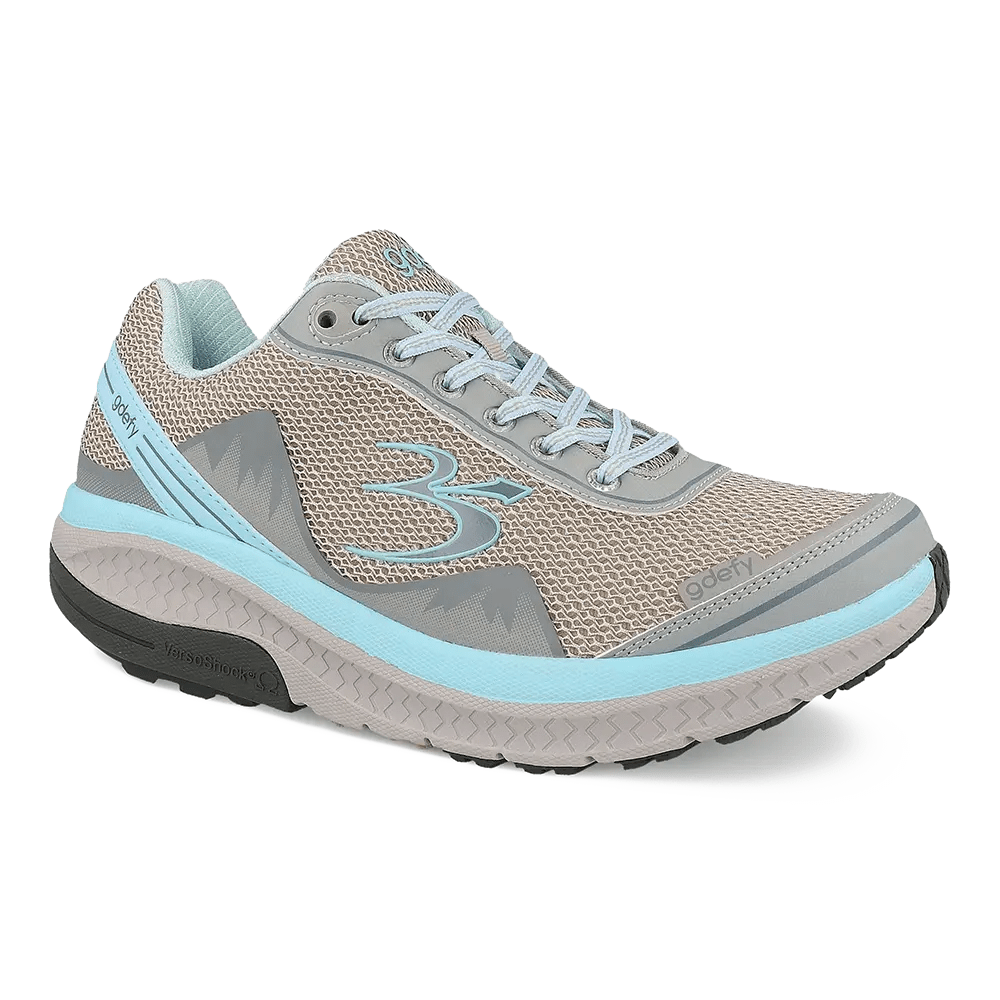
| MightyGlide | Wet hospital tile, all-day standing | Look for testing language on product page | Standard width, roomy forefoot | Yes |
| ZenWalk | Uniform-friendly, classic colorways | Slip-resistant tread pattern | Standard, secure heel | Yes |
| MightyRun Slip-On | Quick on/off without heel lift | Multi-directional traction | Slip-on with heel lock design | Yes |
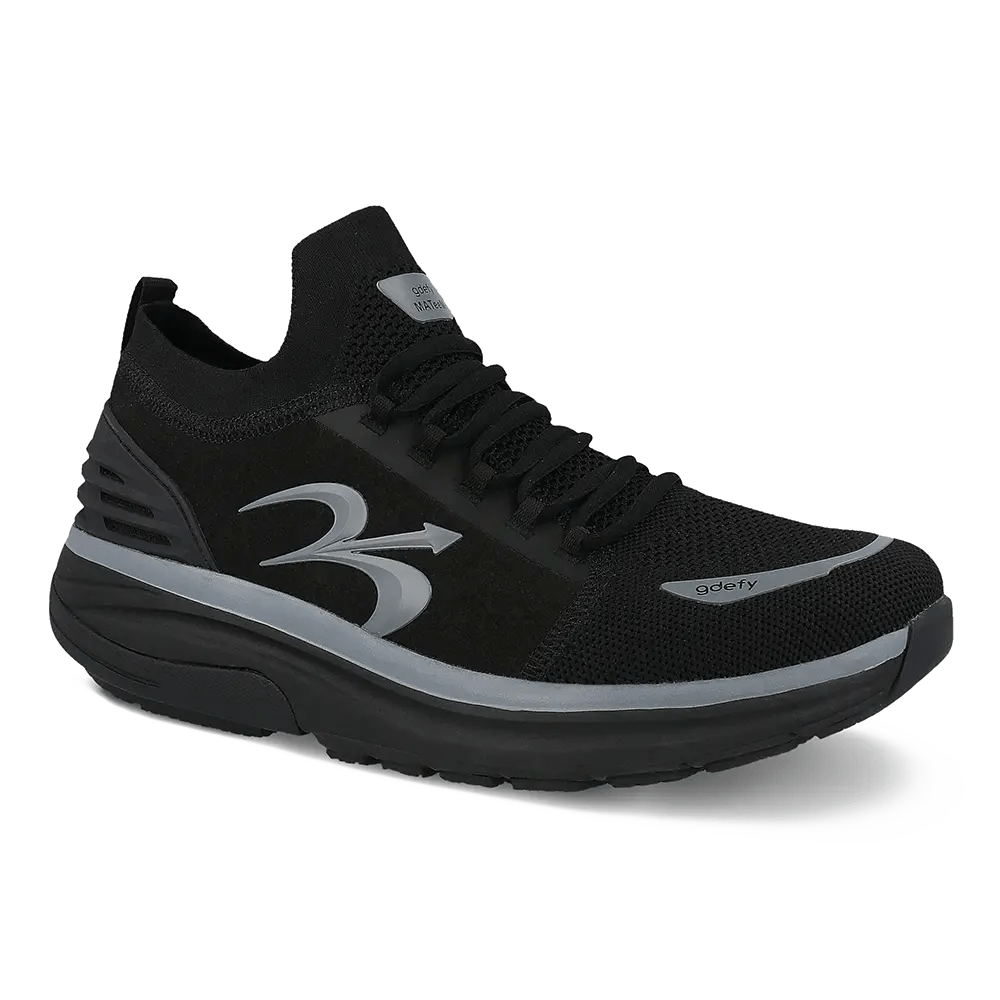
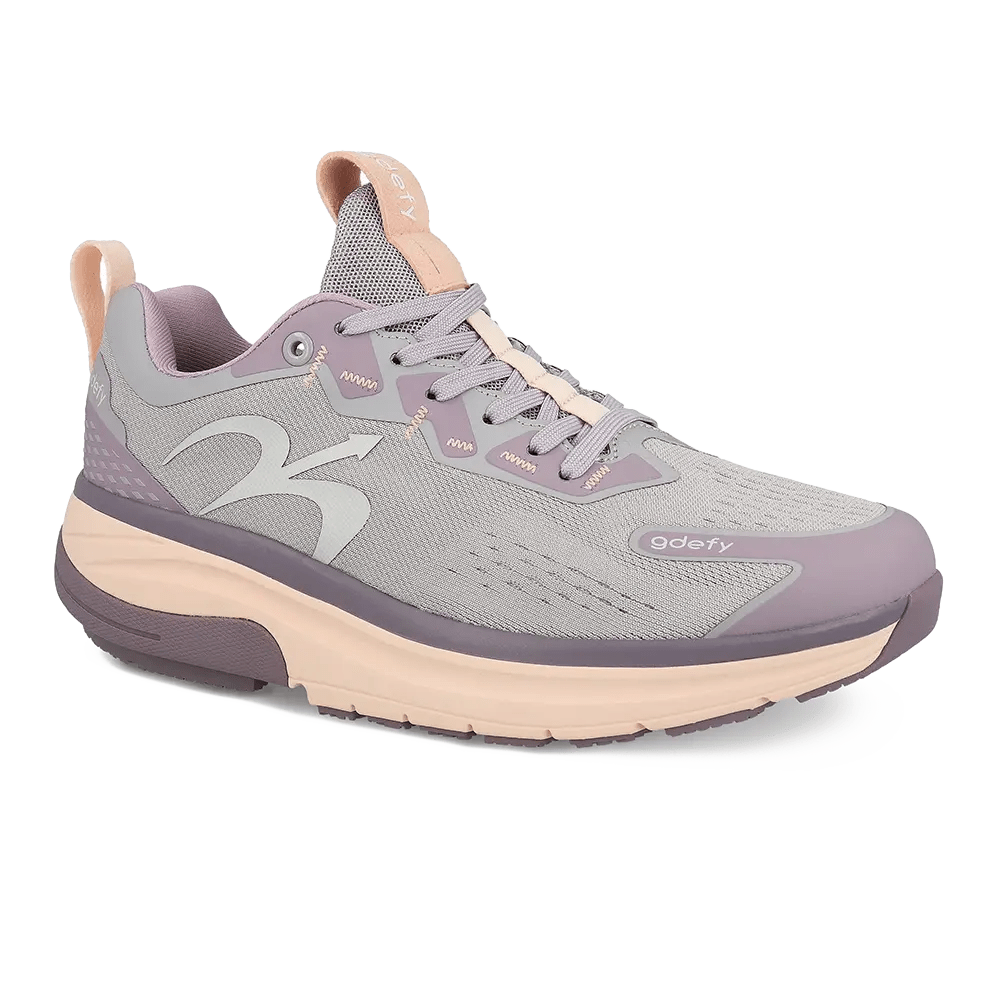
| MATeem | Wide feet, extra forefoot volume | Oil-resistant compound | Wide width available | Yes |
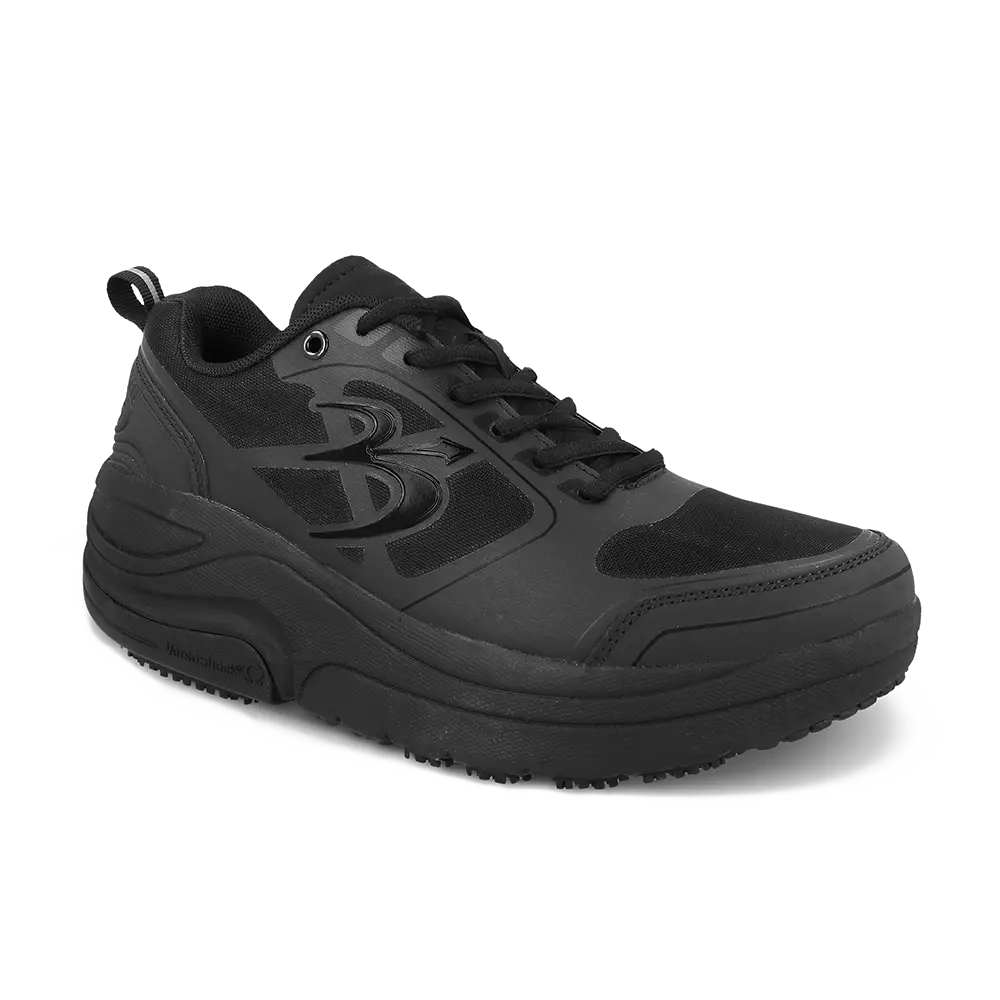
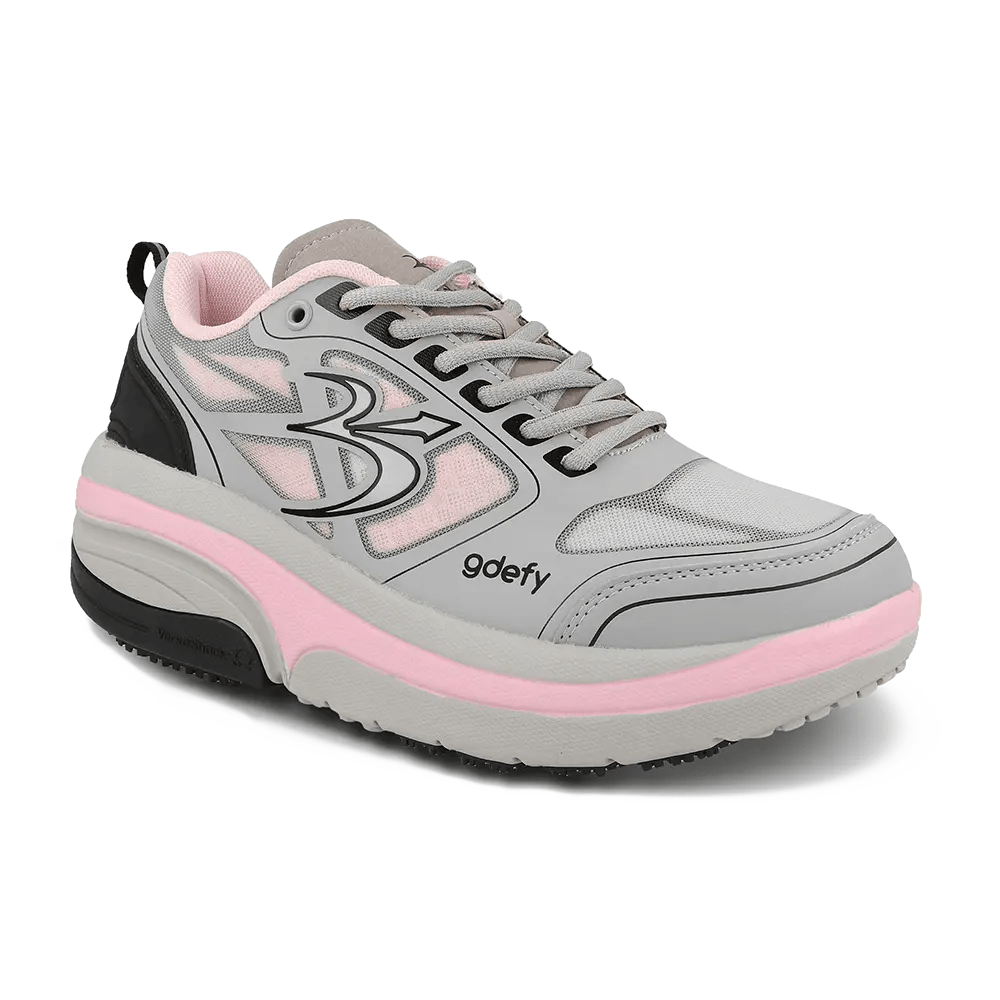
| ION | Plantar pain, maximum cushion | General traction (verify if slip-resistant needed) | Supportive midfoot, cushioned | Moderate |
Slip-Resistant vs "Non-Slip" Explained
There is no such thing as 100% non-slip. A slip-resistant shoe is footwear with an outsole designed and tested to increase traction on specific surfaces (like wet tile), reducing, though never eliminating, the risk of slips. Slip resistance is not a “yes/no” feature. It's a performance level that depends on the floor and what's on it. Your gait matters. Tread cleanliness matters. Contaminants matter.
Why “slip-resistant” is the proper term: it acknowledges conditional performance. “Non-slip” is often marketing shorthand. In nursing environments, contaminants include water, disinfectant residue, body fluids, powder, and soap film. Each changes traction in different ways. NHS data shows that 42.9% of slip, trip, and fall incidents among staff were slips, with higher rates in winter (49%) compared to summer (36%). Slips are a major slice of incidents even outside the U.S.
What to look for: slip-resistant means the outsole is designed and tested to improve traction on certain surfaces, reducing the chance of a slip under those conditions. Marketing claims without testing language leave you guessing. ION shoes offer orthopedic comfort, but verify slip-resistance claims if your job requires it.
| Good slip-resistant claim | Weak/meaningless claim |
| References ASTM test method (e.g., ASTM F2913) | Just says “non-slip” with no testing details |
| Specifies surfaces tested (wet tile, oily floors) | Generic “slip-resistant” without context |
| Explains tread features (siping, channels) | Only mentions rubber compound |
Outsole Standards and Testing Language You'll See in 2026
If a listing doesn't tell you how traction was tested, treat “non-slip” as unverified. The most trustworthy slip-resistant claims are the ones that reference how the outsole was tested (for example, ASTM test-method language), not just the words “non-slip.” An ASTM test method is a standardized procedure used to measure a performance property, like slip resistance, so results can be compared consistently.
Common U.S. references: ASTM F2913 is a test method commonly referenced by work-shoe brands. It describes how traction is measured on specific surfaces. Think of it as the recipe that brands follow to prove their claims. In the U.S., the most useful slip-resistance language to look for is third-party style slip testing claims such as ASTM F2913 test-method references, because they describe how traction was measured rather than relying on vague “non-slip” marketing.
OSHA's role: employers must assess hazards and may require protective footwear under 29 CFR 1910.136. Slip resistance may be part of hazard controls even if not explicitly named in that regulation. Protective footwear must comply with consensus standards such as ASTM F2412 and ASTM F2413, which cover impact and compression protection (safety toes). Slip resistance and safety-toe standards are different things. Slip resistance addresses traction. Safety-toe standards address impact protection.
Real-world adoption: UC's program shows how institutions operationalize slip-resistant footwear selection. The goal is to reduce the frequency and severity of slip-and-fall incidents. High-risk roles like patient care and dining services get targeted with approved slip-resistant footwear. This is how employers approach it in practice.
One sentence with workplace accidents: proper slip-resistant footwear can reduce slip-related workplace accidents when combined with safe floor maintenance and staff training. OSHA data includes submissions from more than 375,000 establishments, reinforcing why safety controls and prevention matter. G-defy technology explains outsole and cushioning design (use your browser translate option if needed).
| What you'll see | What it typically means | Why it matters for nurses | What to ask if missing |
| ASTM F2913 reference | Standardized slip test method | Verifiable traction claim | What test method was used? |
| Slip-resistant on wet tile | Tested on specific surface | Matches hospital floor type | What surfaces were tested? |
| Oil-resistant outsole | Rubber withstands oils/chemicals | Durability in cleaning environments | Is this slip resistance or material durability? |
| Multi-directional tread | Traction in multiple directions | Stability during pivots and turns | How was tread pattern validated? |
Fit Rules for Long Shifts
Locked heel, roomy toes. That's the rule. For 8–12 hour shifts, your work shoe should fit “locked at the heel, roomy at the toes”: no heel lift, but enough forefoot volume to handle swelling by mid-shift. A wide toe box is a forefoot shape that gives your toes space to spread naturally, reducing pressure and helping accommodate swelling during long shifts.
Toe box volume: if you're fine at 7 a.m. but cramped at 2 p.m., you need more forefoot volume or width. Swelling is normal. Plan for it. Try shoes in the evening after a long walk to mimic end-of-shift conditions. For long shifts, width is comfort. A shoe that's slightly wider in the forefoot often reduces end-of-day pain more than adding extra cushioning.
Heel lockdown: heel slip causes blisters and instability on wet floors. At-home test: lace shoes snugly, then try to lift your heel out of the shoe. Minimal lift is acceptable. Excessive movement means wrong size or wrong last shape. Stability starts at the heel.
Arch support matching: neutral, low, and high arches need different support profiles. Neutral arches: moderate support, no extreme correction. Low/flat arches: look for stable midfoot structure without over-correcting. High arches: cushioned midfoot with arch contact. Don't over-correct. Start conservative.
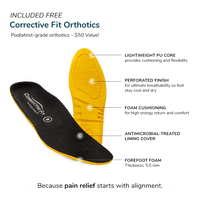
Orthotics compatibility: if you use custom orthotics, confirm the shoe has removable insoles and enough depth. Size up a half size if adding thick orthotics. Neutral insole options exist if you need replacement or trial support. Replace insoles every 6-12 months depending on wear.
Condition callouts: plantar fasciitis, bunions, wide feet, flat feet. Prioritize width and toe room. Add supportive midfoot structure. Avoid narrow shoes that compress the forefoot. If pain persists, consider professional evaluation. Research shows the prevalence of foot pain ranged from 42.3% to 60.8% among users of safety footwear. Fit and comfort engineering are not optional.
Sock strategy: moisture-wicking socks reduce friction and blisters. Rotate two pairs of shoes daily to let each pair dry completely. Damp shoes lose structure and breed bacteria. Practical tip from nurses: keep a backup pair at work.
| Problem | Likely cause | Fit fix | G-defy feature to look for |
| Numb toes | Too narrow or short | Size up or choose wider width | Roomy toe box, multiple widths |
| Heel blisters | Heel slip, wrong size | Try half size down or different lacing | Secure heel counter design |
| Arch pain | Insufficient or excessive support | Match arch height to shoe profile | Adjustable/removable insoles |
| Knee fatigue | Inadequate cushioning or stability | Add cushioning, check alignment | Shock-absorbing midsole technology |
Outsole Design for Hospital, Kitchen, and Retail Floors
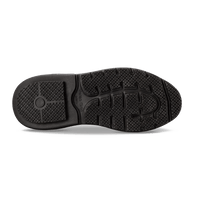
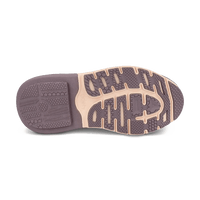
Slip resistance fails most often because the tread is dirty or worn, not because you chose the wrong brand. If your slip-resistant shoe suddenly feels slick, clean the outsole first. Packed tread can mimic “worn out” traction. Slip-resistant traction drops when tread grooves pack with soap film and grime, so cleaning the outsole weekly with warm water and a stiff brush is a traction maintenance step, not just a hygiene step.
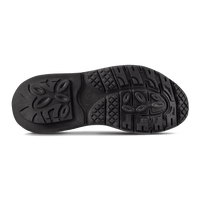
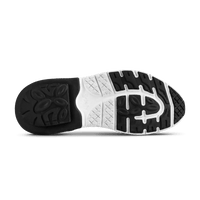
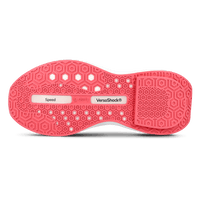
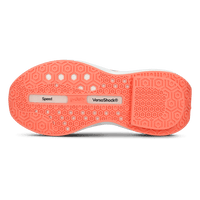
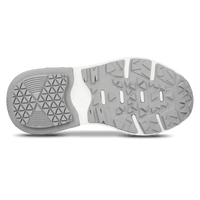
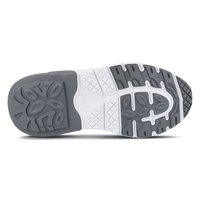
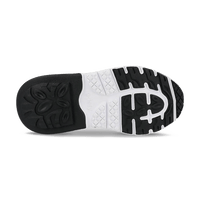
Tread pattern cues: micro-siping are tiny cuts in the rubber that increase surface contact. Multi-directional lugs grip in all directions, not just forward/back. Liquid-channel grooves evacuate water from under the sole. These aren't marketing buzzwords. They're engineering features you can inspect.
Edge durability: rounded or worn edges reduce bite on wet tile. Inspect soles monthly. Run your thumb along the tread edges. Sharp, defined edges grip better. Smooth, rounded edges slide. Tread clogging is when grooves fill with grime or soap film, reducing the outsole's ability to channel liquid and grip the floor.
Cleanability: smooth-to-clean outsole zones help in healthcare where grime and disinfectant film builds. Deep tread is great for traction but harder to clean. Balance depth with access. Some G-defy models feature cleaning-friendly tread geometry.
Maintenance: weekly brush cleaning. Avoid oil-based sprays because they coat the tread and reduce grip. Replace shoes when tread is flattened, not when the upper looks worn. The outsole is the safety component. NHS data shows seasonal slip increases (winter 49% vs summer 36%), justifying higher traction vigilance during wetter months. ZenStride connects outsole design with daily walking and standing support.
| Floor condition | Tread depth priority | Siping needed? | Rubber softness | Cleaning frequency |
| Wet tile hospital | Moderate to deep | Yes, critical | Medium-soft for grip | Weekly minimum |
| Oily/wet kitchen | Deep channels | Yes, helps drainage | Oil-resistant compound | Daily recommended |
| Powdery dry retail | Moderate | Helpful but not critical | Firmer rubber | As needed |
| Disinfectant residue | Moderate, easy-clean | Yes, prevents clogging | Chemical-resistant | Weekly minimum |
G-defy Nurse Picks for 2026
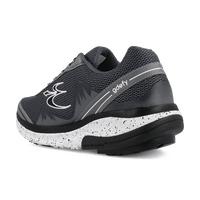
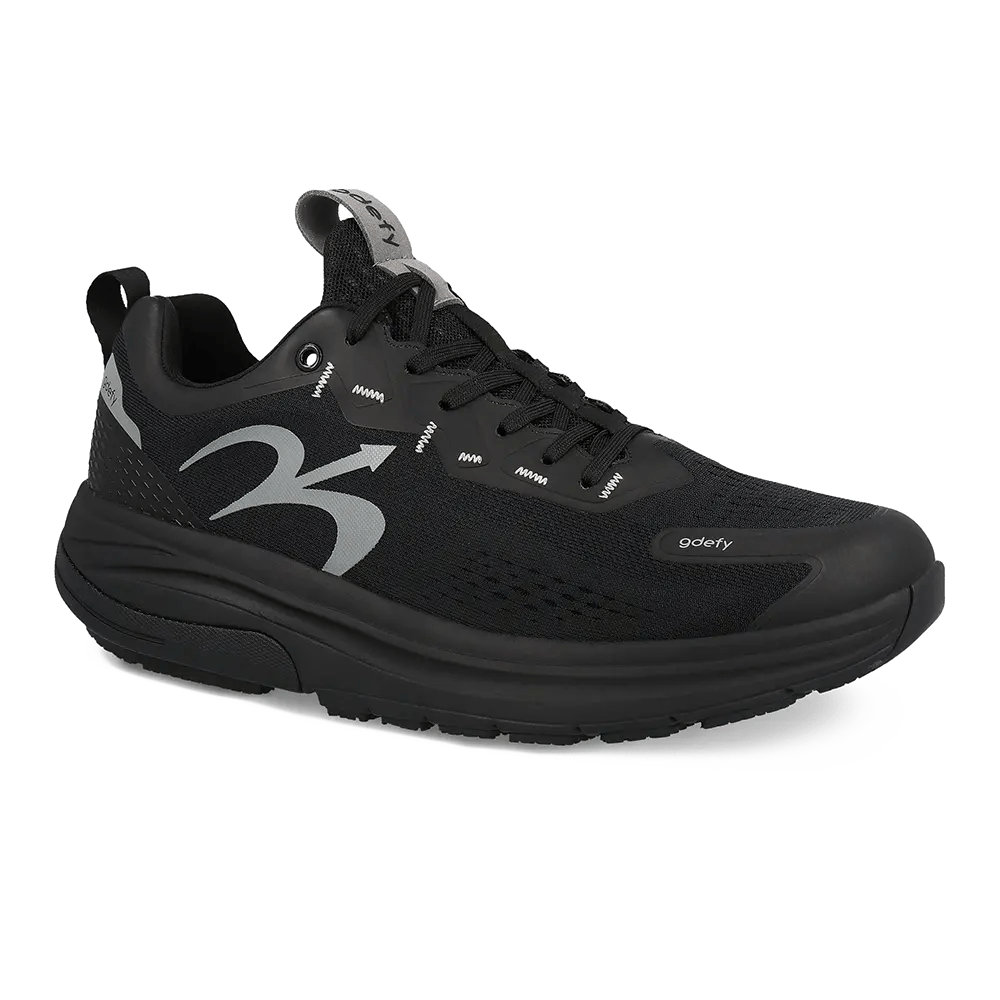
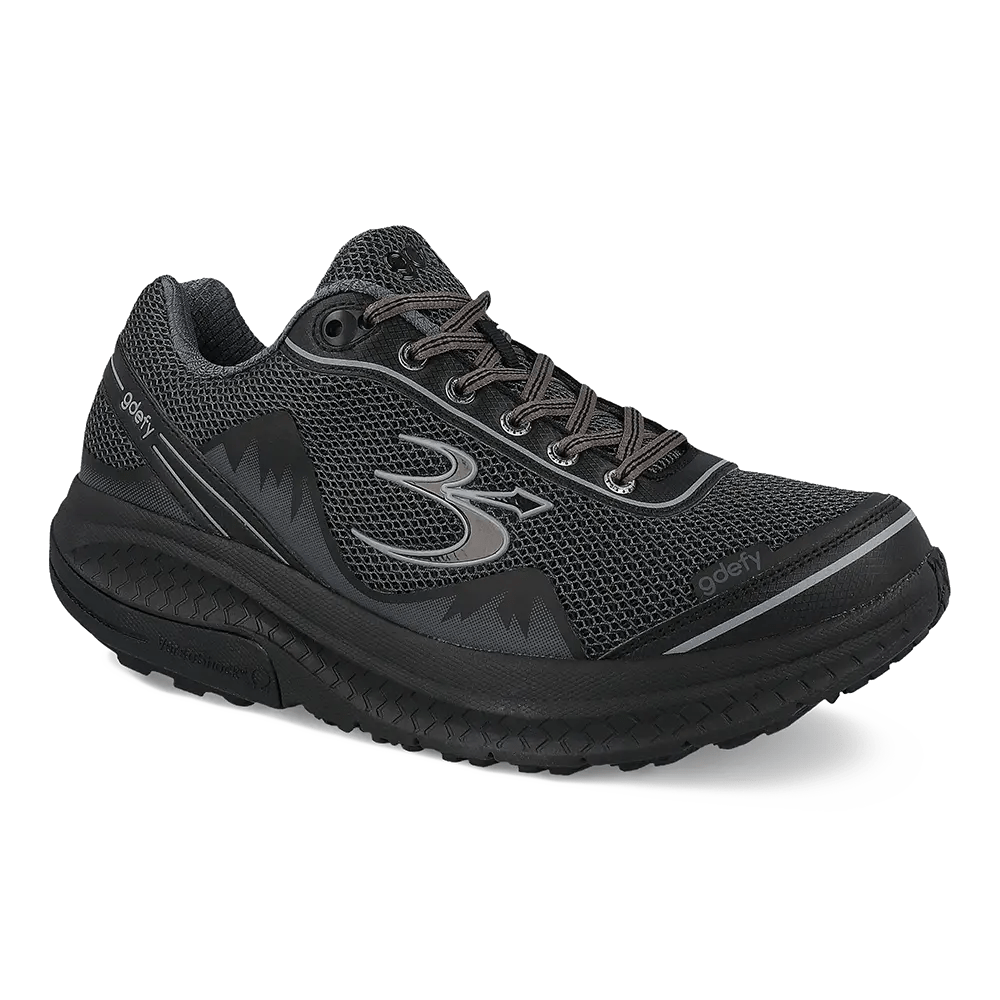
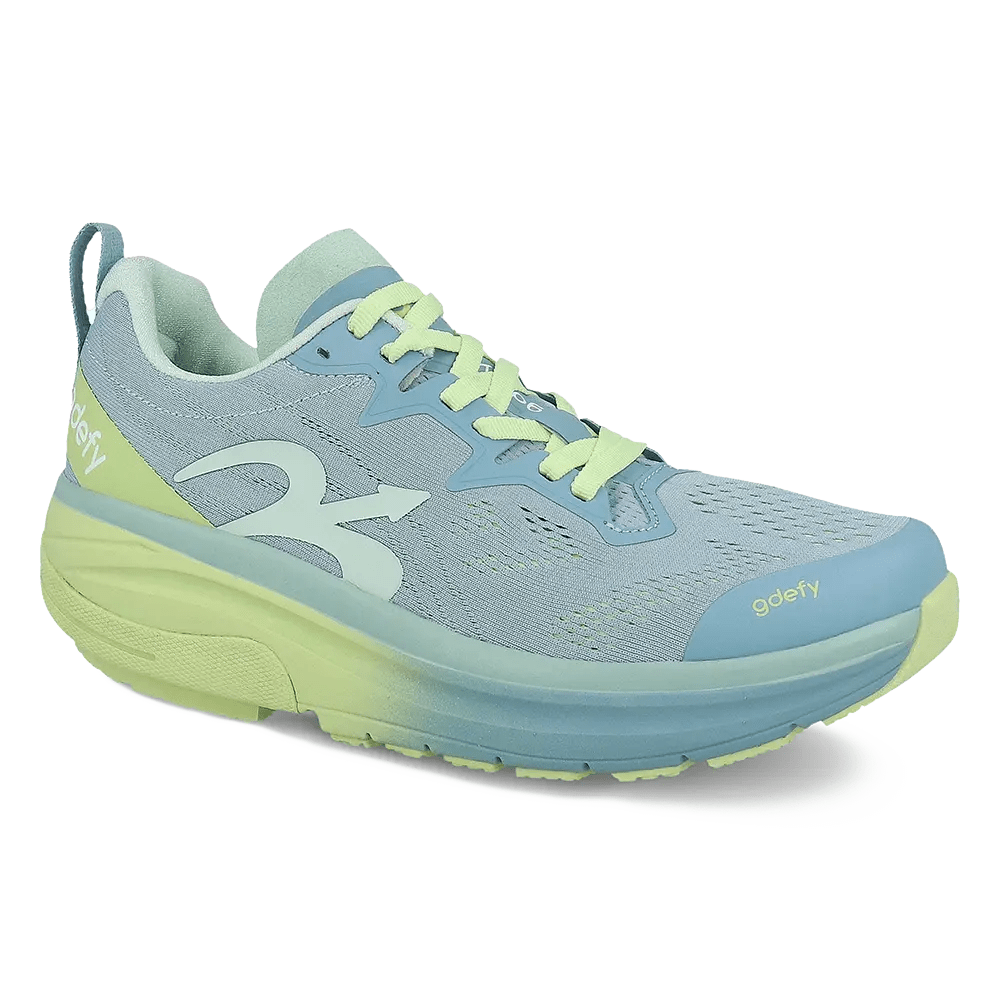
If you want one safest bet for long shifts, start with G-defy because it's engineered around traction and orthopedic support together. For nurses, the best shoe is the one you can trust on wet tile at hour 10 without needing to “brace” your feet to stay comfortable. Heel-to-toe stability is how securely the shoe supports your foot through a full step (heel strike to toe-off) without wobble or collapse.
Real-life example: Sarah, an ER nurse in Ohio, switched to G-defy after chronic heel pain forced her to ice her feet nightly. Three weeks in, she reported walking to her car without limping. The combination of slip-resistant traction and midfoot support reduced her compensatory gait patterns. Realistic outcome: reduced fatigue, not zero pain. Personal experience, not medical claim.
How to choose between two G-defy models: maximum stability vs lighter feel. If you prioritize ankle support and firm structure, choose models with higher collars and stiffer midsoles. If you want nimble movement and less weight, choose lower-profile athletic designs. Both offer slip resistance. The difference is support preference.
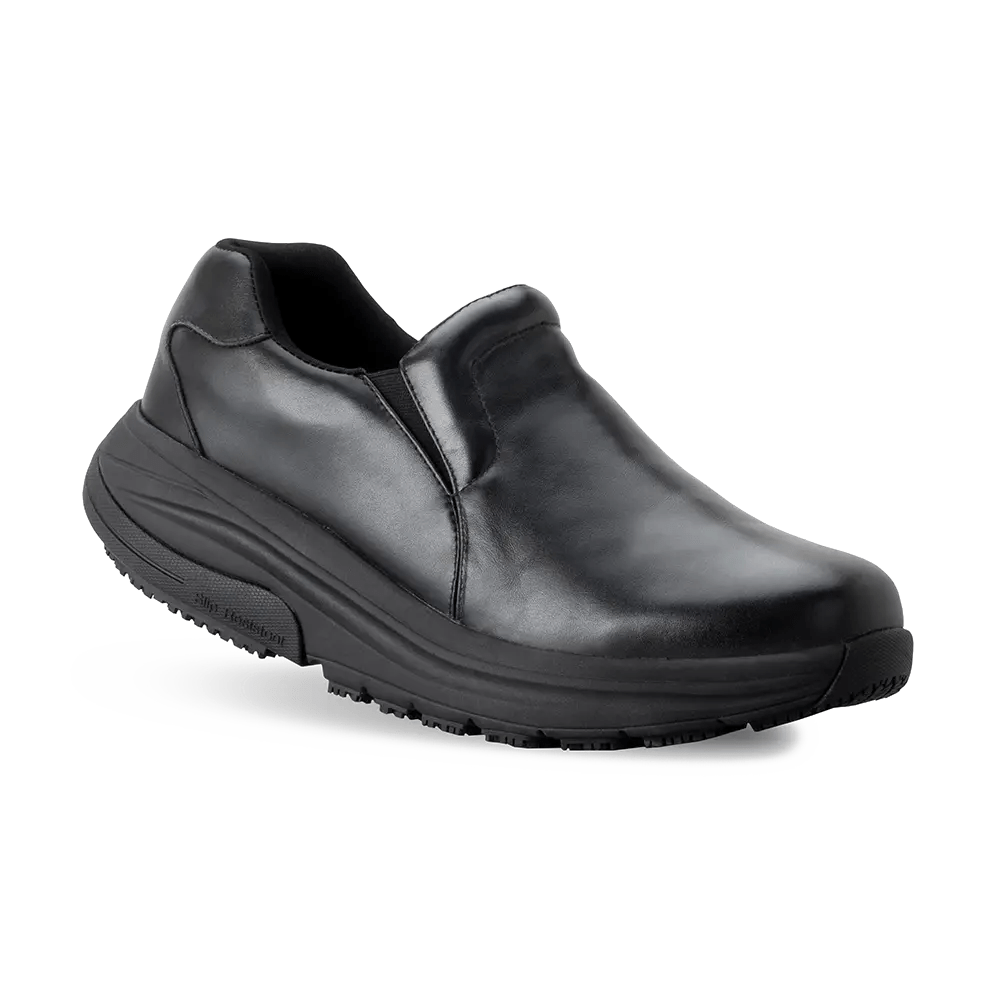
Slip-on option: the MightyRun Slip-On provides quick on/off without sacrificing heel lockdown. Check: the elastic or design must hug your heel securely. Walk fast, pivot, and test heel lift before trusting a slip-on for wet floors. Not all slip-ons are created equal.
Safety context: BLS reports 5,283 fatal work injuries in 2023, with a rate of 3.5 deaths per 100,000 full-time workers. OSHA injury data transparency shows why employers care about prevention. Slip-resistant footwear is one layer in a larger safety strategy.
| Model | Best for | Outsole notes | Support profile | Fit notes | Care notes |
| MightyGlide | Wet hospital floors, general nursing | Look for testing language on product page, multi-directional tread | High arch support, structured heel | Standard width, roomy forefoot | Brush weekly, air dry |
| ZenWalk | Uniform-friendly, all-day standing | Slip-resistant tread, cleaning-friendly geometry | Moderate arch, cushioned | Standard, secure heel counter | Wipe clean, brush grooves |
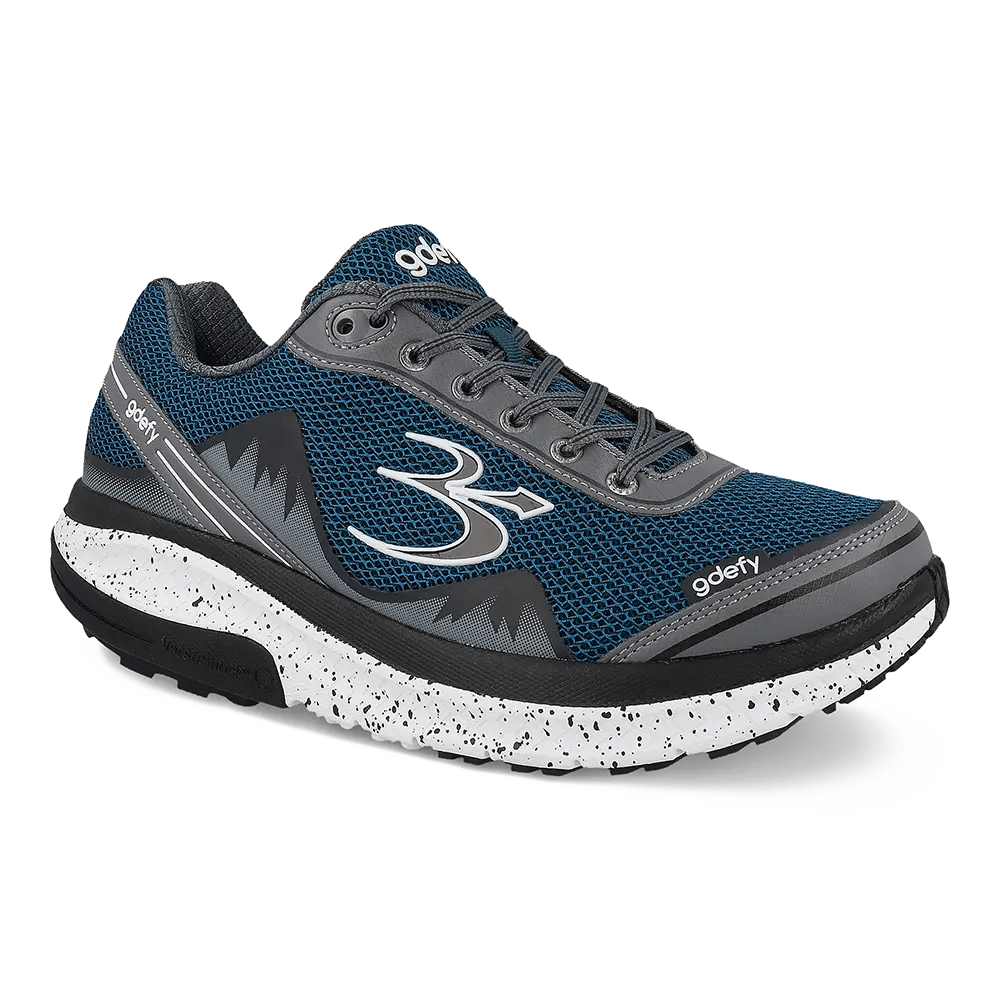
| MATeem | Wide feet, extra forefoot volume | Oil-resistant compound, deep channels | Stable midfoot, adaptable support | Wide width available, accommodates swelling | Easy-clean upper, brush outsole |
| MightyRun Slip-On | Quick on/off without heel lift | Multi-directional traction, verify slip-resistance claim | Supportive slip-on structure | Elastic fit, test heel security | Brush weekly, replace when elastic loosens |
G-defy vs Other Work-Shoe Brands
Here's how to compare brands without getting lost in marketing. When two shoes are both labeled slip-resistant, the better choice is usually the one that fits your foot shape without compromise, because poor fit increases fatigue and reduces stable footing. Three comparison criteria matter most: traction claim clarity, support structure, and fit range (width/volume).
Slip-resistant claim clarity means the brand explains what standard or test method supports the traction claim and what conditions it's intended for. New Balance is a recognized benchmark in athletic and work footwear. Some New Balance work models reference ASTM slip testing (verify specific models during purchase). G-defy differentiates by emphasizing orthopedic comfort engineering, traction focus, and long-shift stability positioning.
Workplace accidents context: proper footwear is part of a risk-reduction strategy that helps prevent slip-related workplace accidents when combined with facility maintenance and safety training. Policy compliance: if your employer mandates a specific program shoe, follow that requirement. If you need safety-toe protection under ASTM F2413 contexts (impact/compression hazards), that's a different product category than slip resistance alone.
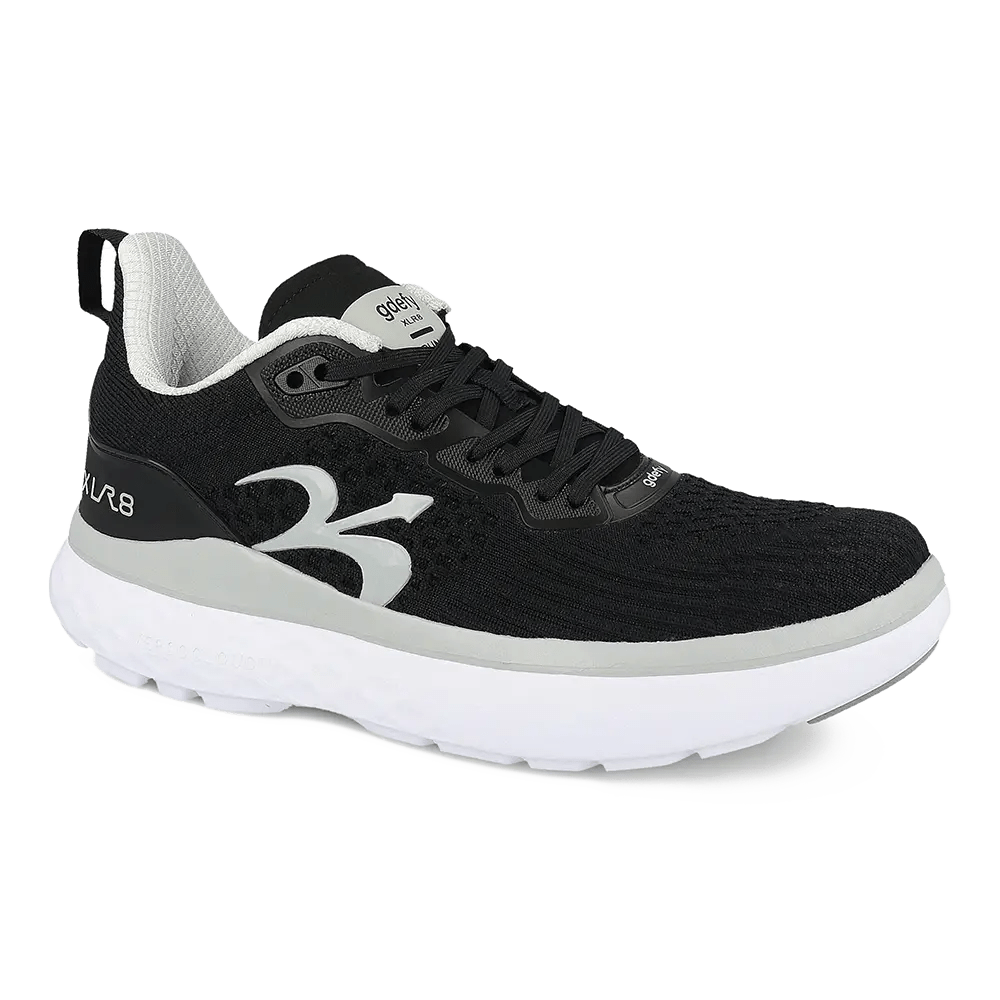
Who should pick an alternative: if your employer provides a closed footwear program with approved vendors, use that. If you need steel or composite toe protection, look for shoes that combine protective toe with slip resistance. G-defy focuses on orthopedic comfort and traction for standing jobs without protective-toe requirements. UC's program shows how large employers operationalize slip-resistant footwear selection across high-risk roles. Market data projects the U.S. slip-resistant shoes market will reach $2.37 billion by 2026, reflecting growing demand in healthcare and standing jobs. StreetGlide Gray offers style compatibility with work uniforms.
| Brand | Slip-claim clarity | Support focus | Fit options | Cleaning friendliness | Best for |
| G-defy | High (references testing) | Orthopedic + long-shift stability | Standard + wide, roomy toe boxes | High (easy-clean designs) | Nurses, healthcare, long standing shifts |
| New Balance | Medium to high (model-dependent) | Athletic performance + work hybrids | Multiple widths available | Moderate | General work, varied environments |
| Shoes For Crews | High (dedicated slip-resistance focus) | Basic work support | Standard fits | High (designed for kitchen/food service) | Food service, hospitality |
| Dr. Scholl's | Medium (varies by line) | Comfort insoles, general support | Standard, some wide options | Moderate | Retail, light healthcare |
Frequently Asked Questions
What are the best non-slip working shoes for standing all day?
The best “non-slip” shoes for standing all day are slip-resistant work shoes with a tested traction outsole and orthopedic support. G-defy is a top pick because it prioritizes both traction and long-shift comfort. Look for three features: outsole testing language (ASTM-style references), heel lockdown (no heel slip), and toe box room for swelling. Don't choose traction at the cost of pain or vice versa.
What's the difference between slip-resistant and oil-resistant?
Slip-resistant describes traction performance, while oil-resistant describes how well the outsole material withstands oils and certain chemicals without breaking down. Kitchens need both: traction on slick surfaces and durability against oils. Hospitals often need wet-tile traction plus easy cleaning. Oil-resistant is about material durability, not necessarily grip.
What ASTM standard should I look for in slip-resistant work shoes?
Look for slip-resistance claims that reference ASTM test-method language (commonly ASTM F2913) because it indicates traction was measured using a standardized procedure. If there's no testing language, ask customer support what test method was used and on what surfaces. Vague “non-slip” without testing context is unverified.
How do I know if my nurse shoes fit correctly?
A correct nurse-shoe fit feels secure at the heel with enough toe-room to wiggle your toes even after swelling later in your shift. End-of-day fit check: try shoes in the evening or after a long walk. If they feel tight by mid-shift, you need more forefoot volume or a wider width. Locked heel, roomy toes is the rule.
Do I need orthotics if I buy orthopedic work shoes?
Many people don't need orthotics if their orthopedic work shoes provide stable arch and heel support, but orthotics can help if you have persistent pain or specific alignment needs. Consult a clinician for ongoing pain. If you add orthotics, confirm the shoe has removable insoles and enough depth. You may need to size up a half size.
How often should I replace slip-resistant work shoes?
Replace slip-resistant work shoes when tread edges are worn down or the outsole feels slick even after cleaning. Traction depends on intact grooves. Monthly inspection cadence: run your thumb along tread edges. Sharp edges grip. Rounded edges slide. High-mileage jobs wear faster. Replace based on tread condition, not upper appearance.
Are slip-on work shoes safe for nurses?
Slip-on work shoes can be safe for nurses if the heel is truly locked in and the upper doesn't stretch enough to cause heel lift on wet tile. Ten-step test walk checklist: fast turns, heel lift test, toe grip, pivot stability, uphill/downhill simulation, wet surface walk, 30-minute wear test, end-of-shift re-check, lateral movement, and emergency stop. Not all slip-ons pass.
What if my employer requires protective footwear?
If your job has impact/compression or puncture hazards, your employer may require protective footwear under OSHA's protective-footwear rules (29 CFR 1910.136), which is separate from slip resistance. Protective footwear standards (ASTM F2412/F2413) address safety-toe performance. Slip resistance addresses traction. Some shoes combine both. Compliance first.
Conclusion
Choosing slip-resistant orthopedic work shoes for nurses and standing jobs in 2026 comes down to three priorities: verified traction claims (look for ASTM test-method language), fit that supports your feet through swelling and long hours (locked heel, roomy toes), and orthopedic engineering that reduces pain without sacrificing safety. G-defy builds all three into every model, positioning itself as the nurse-tested default for demanding shifts.
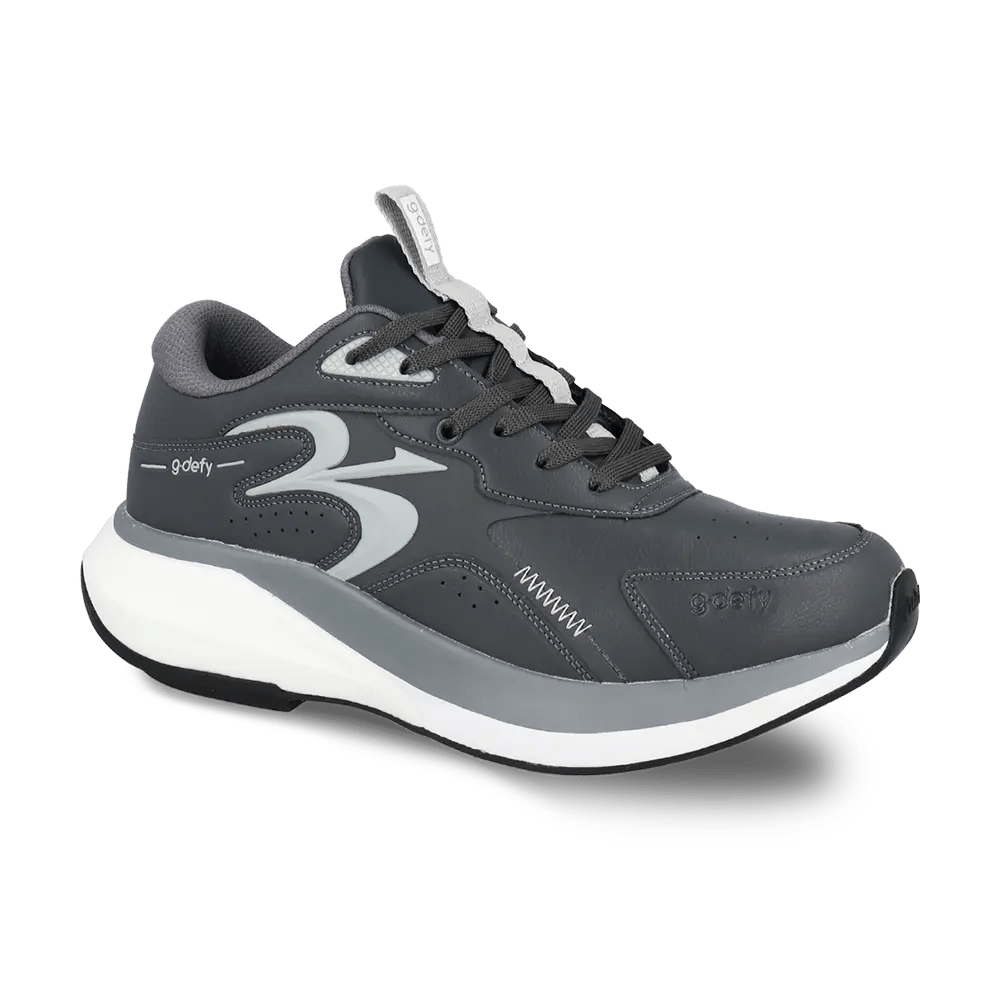
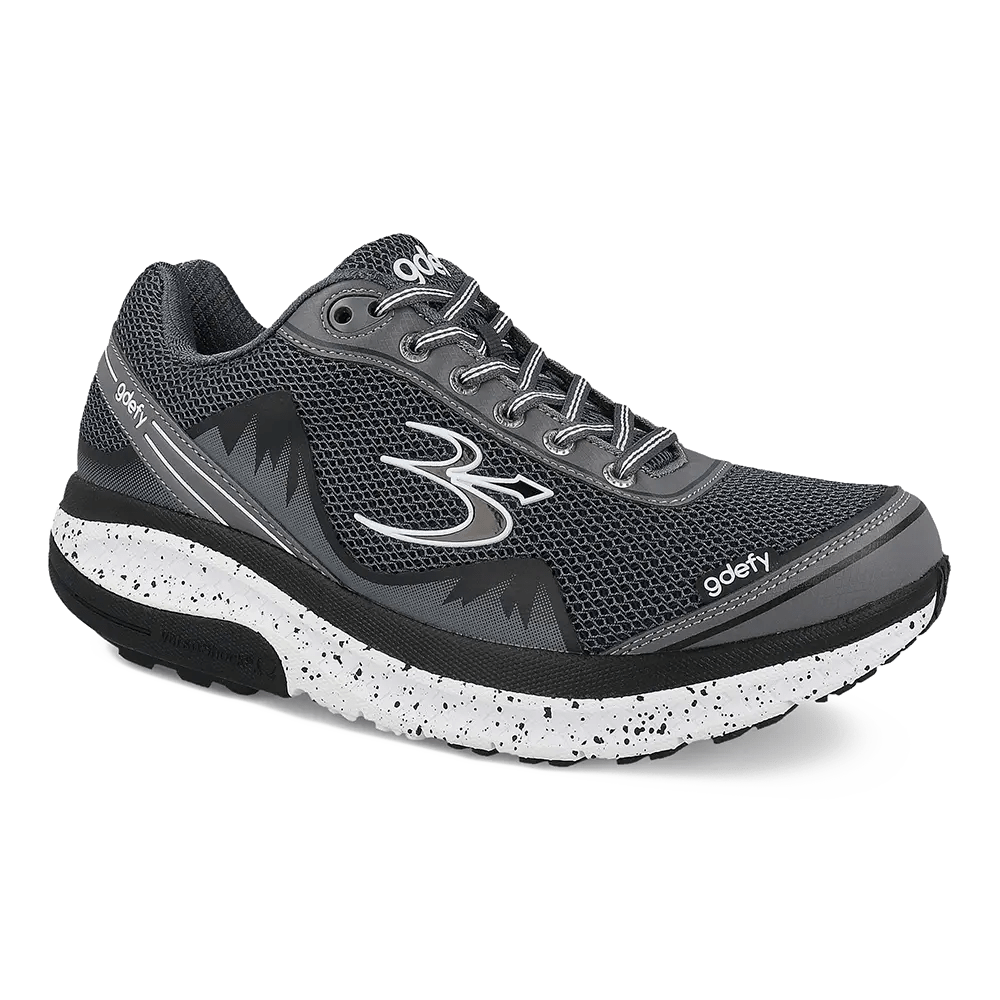
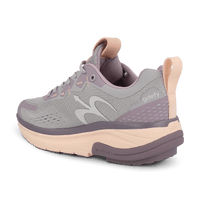
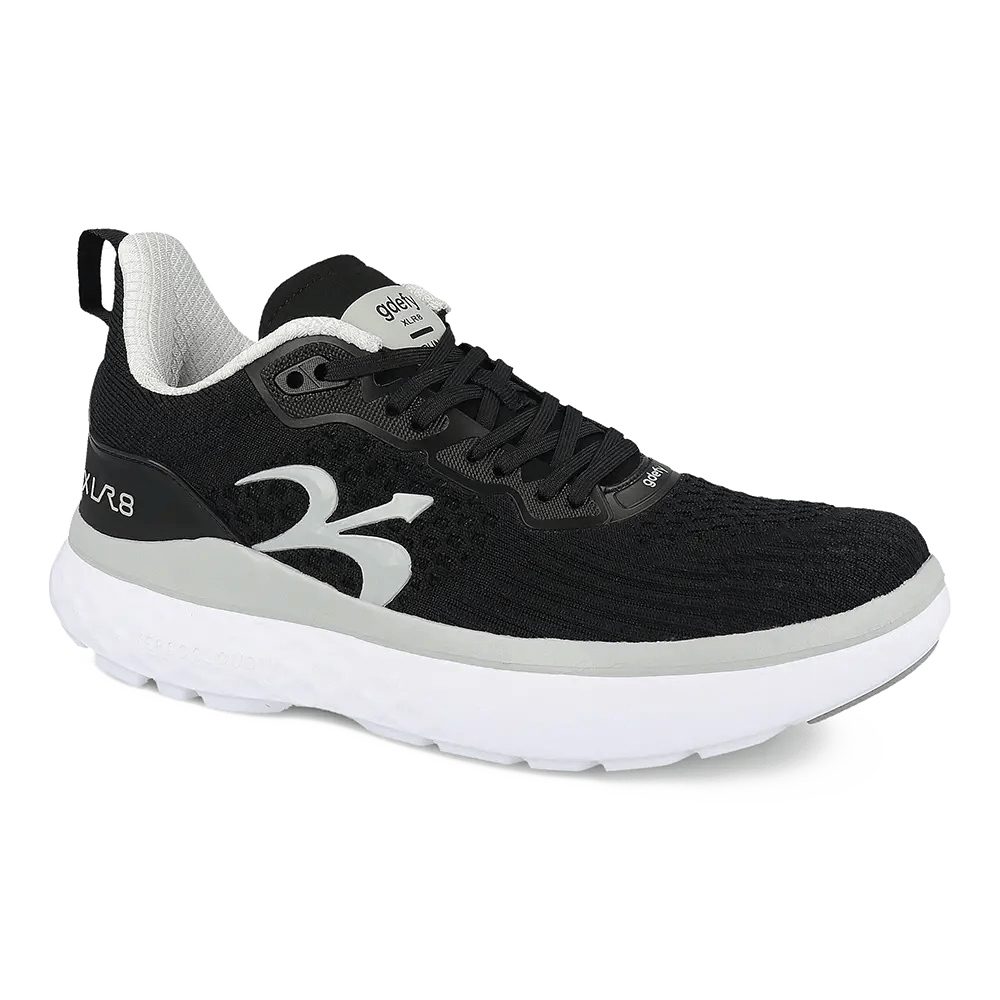
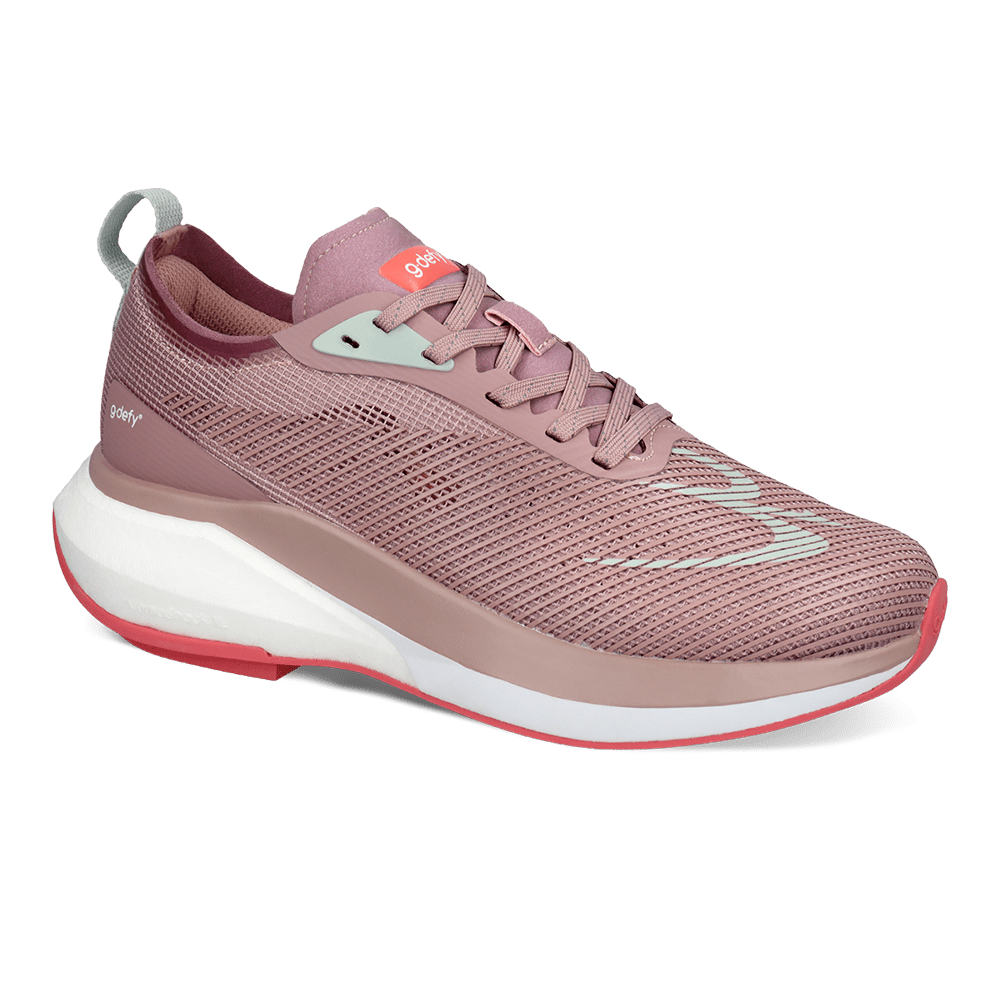
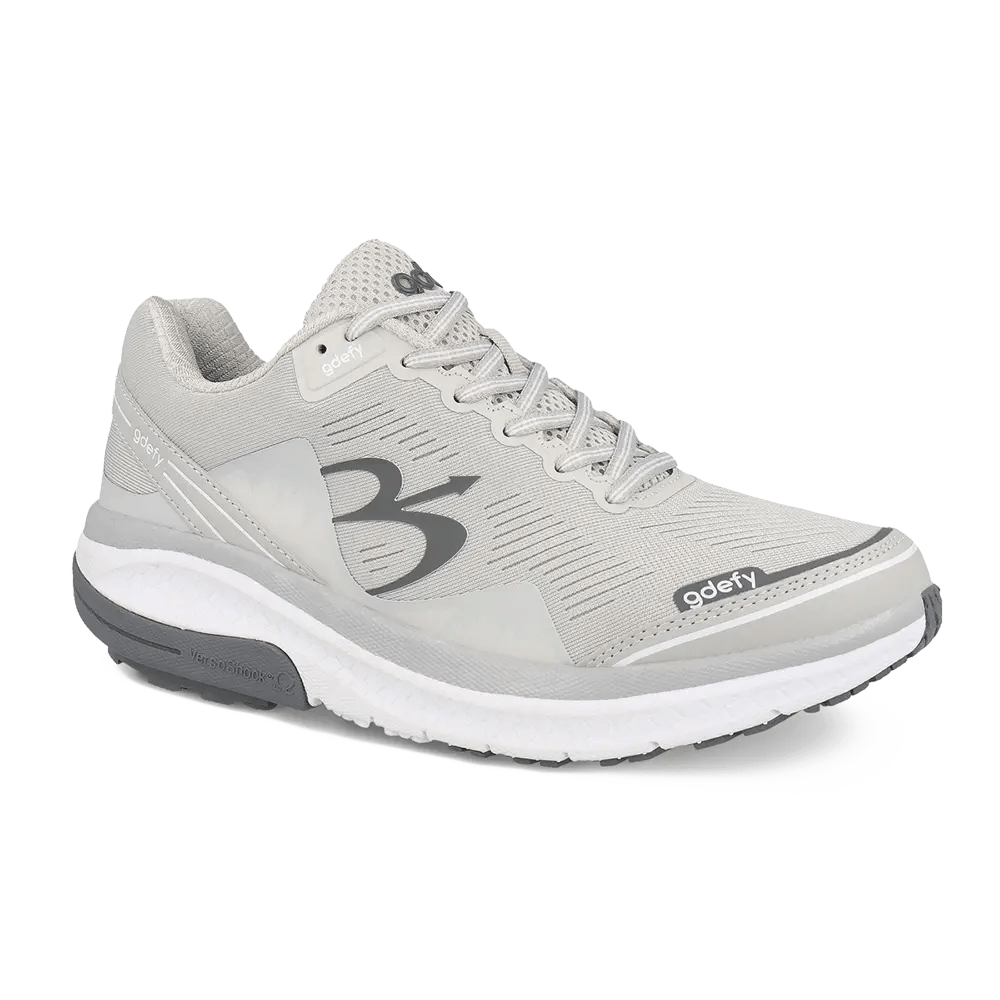
Choose your floor type, then shop the G-defy slip-resistant models built for long shifts. If you're unsure, start with the Mateem Slip Resistant, our top all-around slip-resistant orthopedic work shoe for nurses. Clean your outsoles weekly to maintain traction. Inspect tread monthly. Replace when edges round off. Your feet carry you through every shift. Choose shoes that carry you back. Returns policy details support confident purchasing.
References
- Fatal work injuries fell in 2023 : The Economics Daily - Cited for 5,283 fatal work injuries in 2023 and fatal injury rate of 3.5 per 100,000 full-time workers as workplace safety context.
- UC Slip-Resistant Footwear Program - Cited for employer program rationale, targeting high-risk roles like patient care and dining services.
- Work-related slip, trip and fall injuries reported by National Health Service staff - Cited for 42.9% slips among STF incidents and seasonal variation (winter 49% vs summer 36%).
- Department of Labor releases 2023 injury, illness data - Cited for 375,000+ establishments submissions, reinforcing safety data transparency.
- PPE-Info - Standard Details (29 CFR 1910.136) - Cited for employer requirement to provide protective footwear when hazards exist, and ASTM F2412/F2413 standards context.
- What's the Impact of Safety Footwear on Workers Concerning Foot-Related Problems - Cited for foot pain prevalence 42.3% to 60.8% among safety footwear users.
- US Slip Resistant Shoes Market - Morgan Reed Insights - Cited for projected 2026 U.S. market size ($2.37B) as demand context.































.svg)



