April 21, 2026
How Pronation and Supination Affect Your Walking Comfort
By Gdefy

Summary
Every step you take follows a pattern — and that pattern says a lot about how your feet handle impact. Whether you've heard the terms pronation and supination from a shoe specialist or just while shopping for walking shoes, understanding what they actually mean can make a real difference in how comfortable your feet feel throughout the day.
The good news: neither pronation nor supination is a problem in itself. They're natural parts of how your feet move. What matters is understanding how your foot rolls during walking — and choosing footwear designed to support that motion rather than work against it.
What Is Pronation?
Pronation describes the inward rolling motion of the foot as it contacts the ground. When your heel strikes first, your foot naturally rolls inward slightly to help distribute the impact across the arch and ball of your foot. This is your body's built-in mechanism for absorbing the force of each step.
A neutral gait means your foot rolls inward an appropriate amount — enough to cushion impact without placing extra stress on your joints or surrounding structures.
Overpronation happens when the foot rolls inward more than usual during each step. This shifts weight toward the inner edge of the foot and can affect the alignment of your ankle, knee, and hip as the motion travels upward. People who overpronate often notice:
- Wear patterns concentrated on the inner side of shoe soles
- Flat or lower arches
- Ankle or knee discomfort after long walks or extended periods of standing
- A general sense of instability or fatigue in the feet during activity
What Is Supination?
Supination (also called underpronation) is the opposite motion — the foot rolls outward rather than inward when it contacts the ground. Instead of distributing impact through the arch, weight stays concentrated along the outer edge of the foot, which is a less efficient shock-absorbing path.
People who supinate tend to have higher arches and may notice:
- Wear patterns along the outer edge of shoe soles
- A rigid or high arch that doesn't flex much during walking
- Discomfort along the outer ankle or foot after activity
- A sense that shoes wear out unevenly or feel stiff underfoot
How to Tell Which Way Your Foot Moves
You don't need specialized equipment to get a general read on your gait pattern. Here are a few practical methods:
The Sole Wear Test
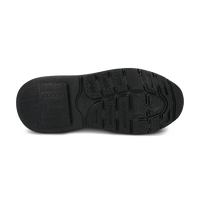
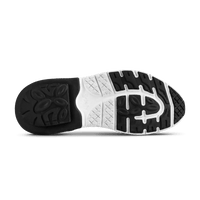
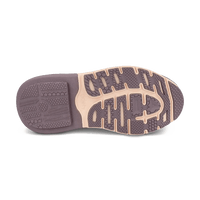
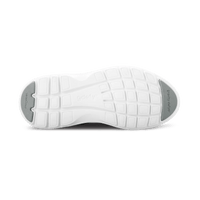
Look at the bottom of a pair of shoes you've worn regularly for walking or daily activity. Heavy wear on the inner heel and ball of the foot suggests overpronation. Wear concentrated along the outer edge — particularly the outer heel and little-toe side — suggests supination. Relatively even wear across the full sole is consistent with a neutral gait pattern.
The Wet Foot Test
Wet the bottom of your foot and step firmly onto a piece of cardboard or a paper bag. A full or nearly complete footprint with little visible arch gap suggests a lower arch and a tendency toward overpronation. A very narrow footprint with a small connection between the heel and ball area indicates a higher arch and possible supination. A moderate arch gap falls in the neutral range.
Watch Your Walk
Ask someone to observe you walking away from them on a flat surface, or record yourself on video from behind. If your ankles roll visibly inward with each step, overpronation may be a factor. If your stride appears stiff or your ankles tilt outward, supination could be influencing your movement.
Keep in mind that these are general indicators, not diagnostic tools. For specific concerns about your walking mechanics or foot health, consulting a healthcare provider is always a good step.
Why Your Foot Motion Pattern Affects More Than Just Your Feet
Your feet are the foundation of every step. When they move in a way that places extra stress on one part of the foot — whether inward or outward — that stress doesn't necessarily stay in the foot. It travels upward through the kinetic chain, potentially affecting your ankles, knees, hips, and lower back over time.
For people who spend long hours walking, standing, or on their feet for work, footwear that supports natural movement is a meaningful part of daily comfort. Shoes that don't account for your foot's motion pattern can feel increasingly less supportive over time, even if they seemed comfortable when you first tried them on.
This connection between foot motion and whole-body comfort is part of what makes understanding your gait worthwhile. As covered in our guide on how your feet affect your entire body, movement patterns that start at the foot can ripple through your entire structure — which is why thoughtful footwear choices can make a difference well beyond the foot itself.
What to Look for in Shoes Based on Your Foot Motion
Different gait patterns benefit from different shoe features. Here's a practical guide to what to prioritize:
For Overpronation
- Arch support — a structured arch system helps guide the foot through a more centered motion path with each step
- Stability features — a firm midsole or built-in stabilizer supports the foot from rolling too far inward
- Cushioning — absorbs impact that would otherwise be concentrated on the inner foot and ankle
For Supination
- Cushioning — extra shock absorption helps compensate for the reduced natural distribution of impact along the outer foot
- Flexibility — a responsive midsole allows the foot to move through its natural range of motion rather than forcing it along a rigid path
- Neutral support design — avoid overly structured stability shoes, which can further restrict outward motion
For a Neutral Gait
- Balanced support — moderate arch support and cushioning without aggressive correction in either direction
- Good shock absorption — reduces impact during walking and standing without altering a naturally efficient stride
- Comfortable fit — proper width through the midfoot allows your foot to move naturally without restriction
How G-Defy Shoes Are Designed to Support Natural Walking Motion
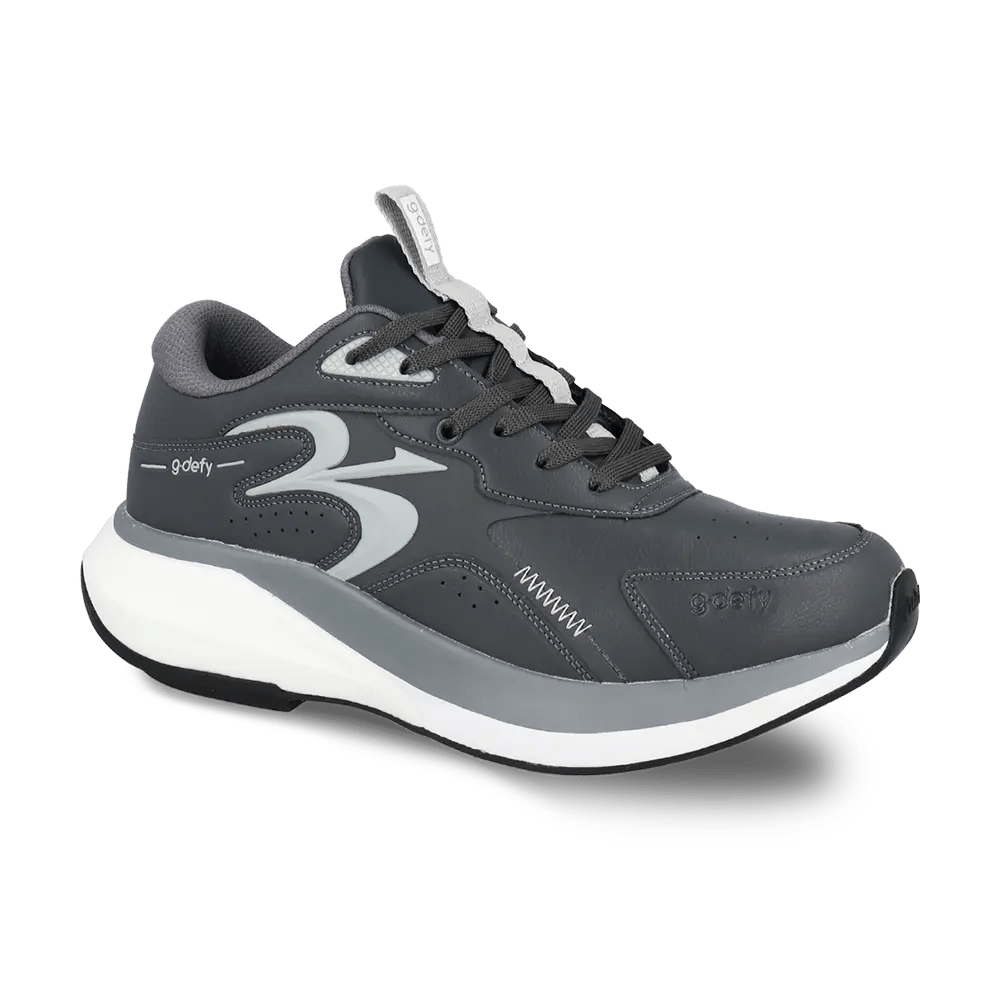
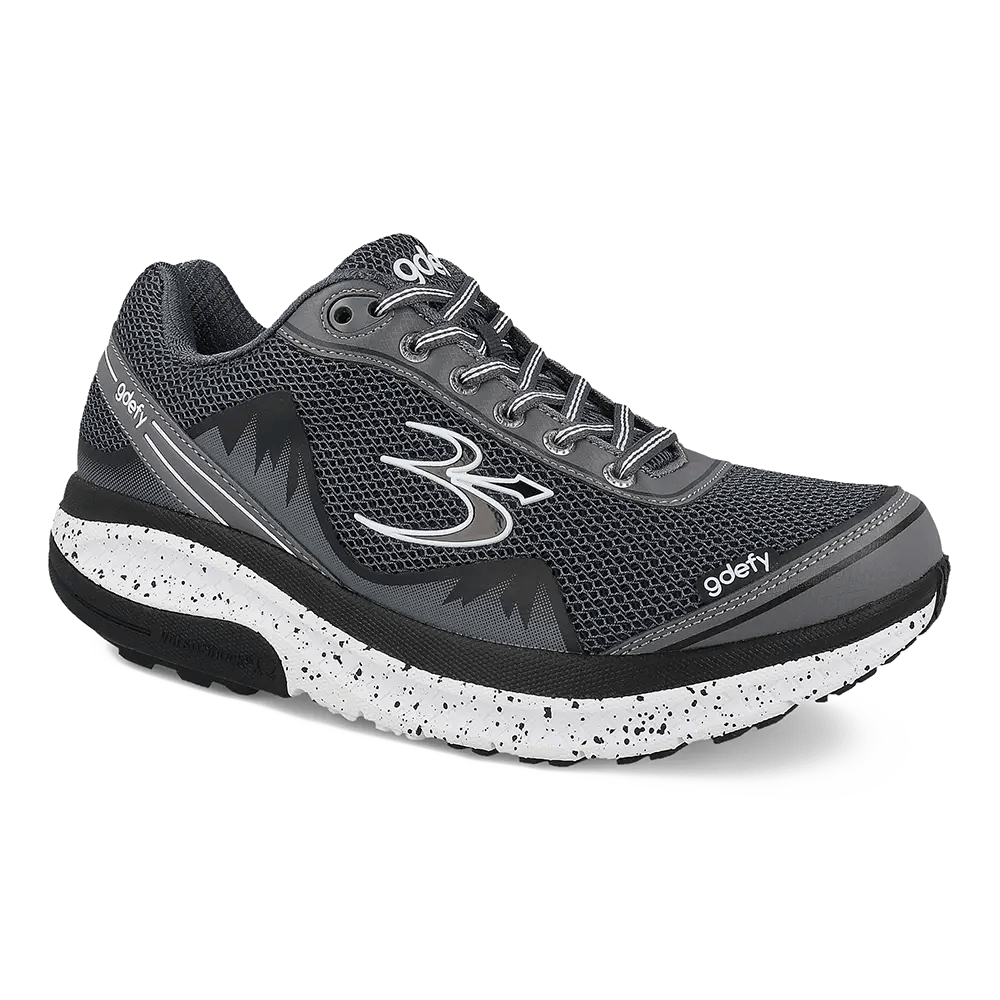
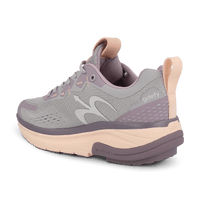
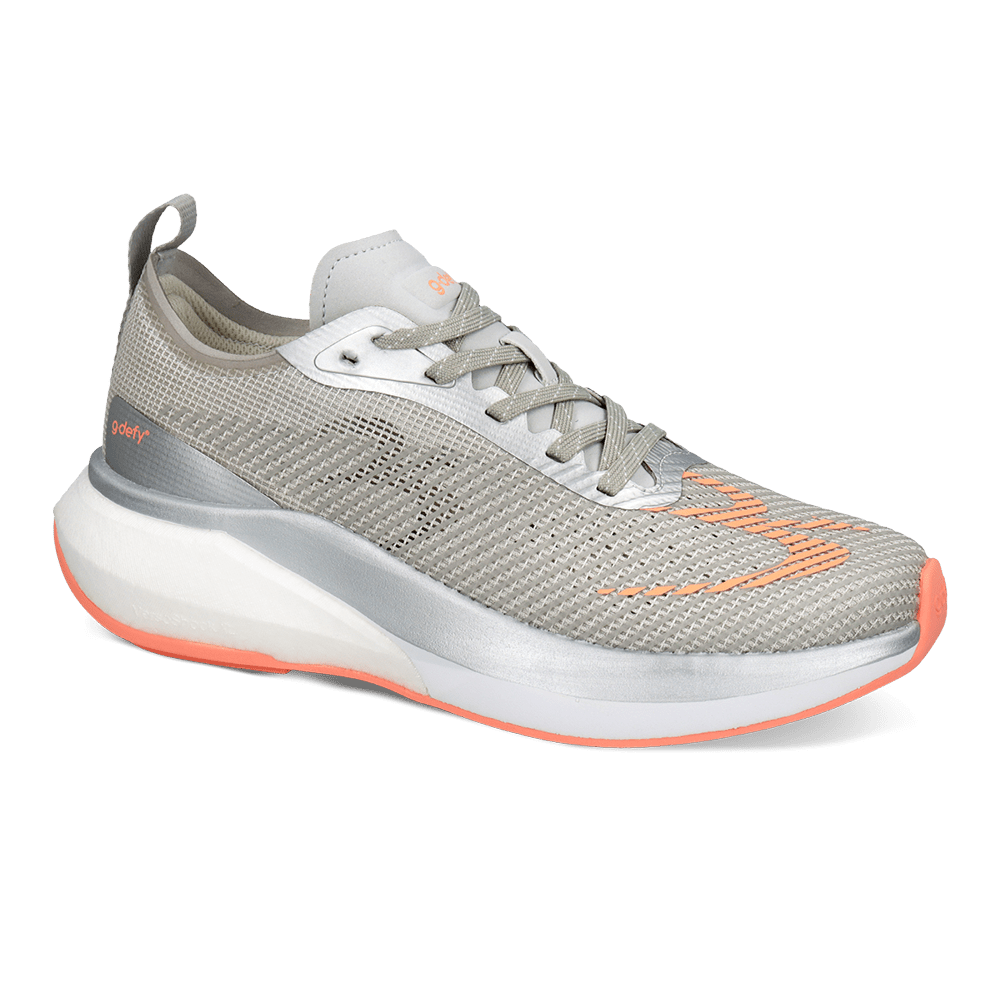
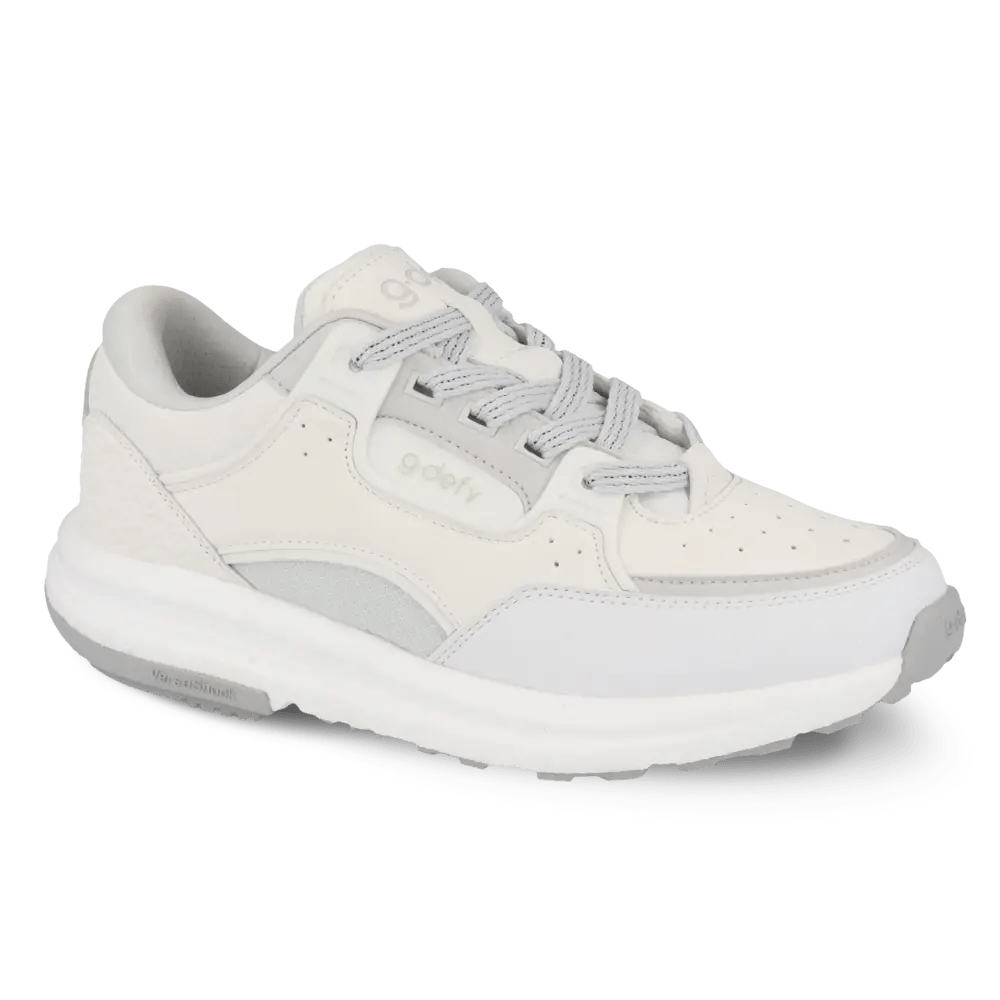
G-Defy shoes are built around a different philosophy than simply adding foam cushioning to an existing sole. Each design is engineered around how the foot naturally moves — and how to support that movement through the course of a full day.
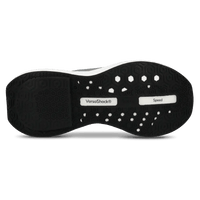
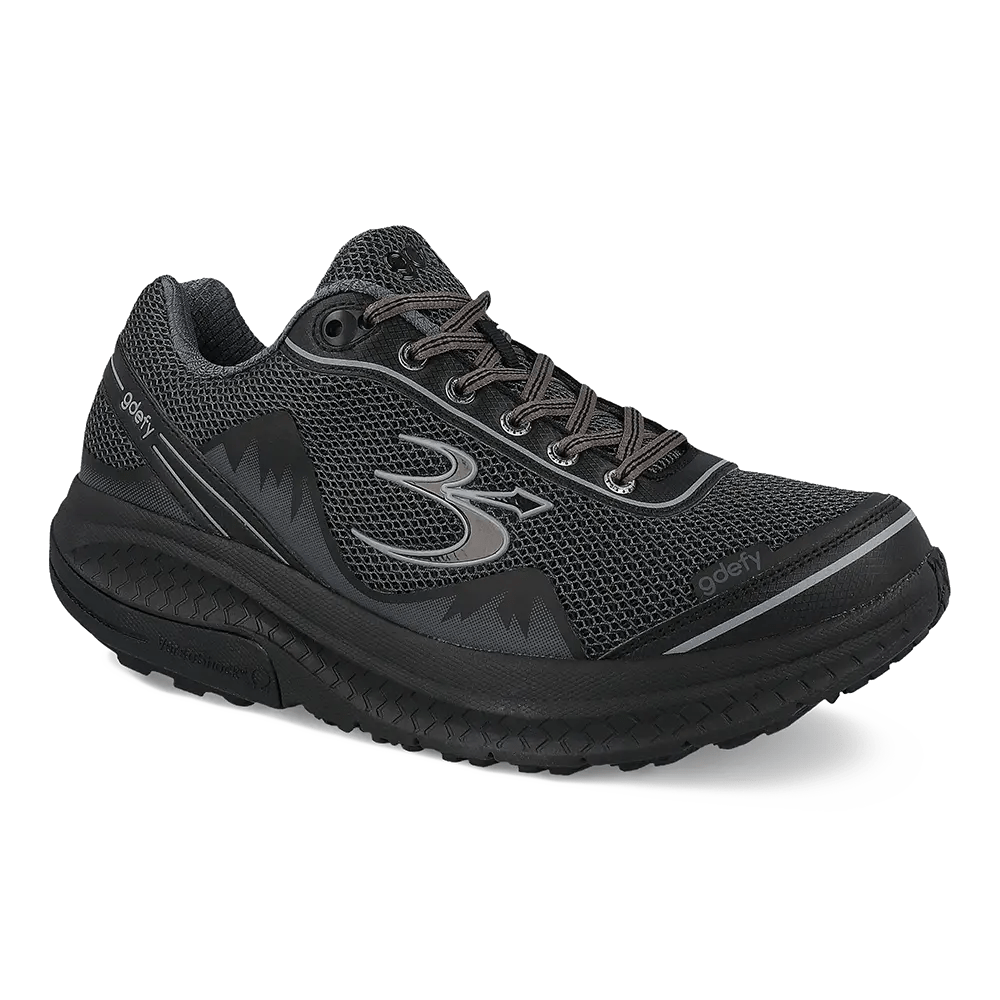
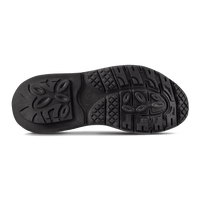
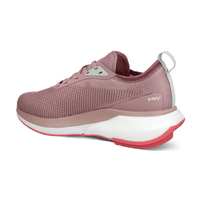
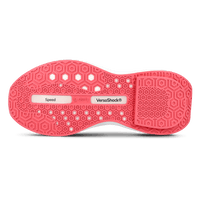
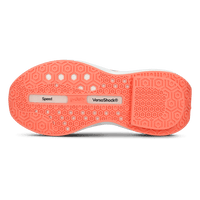
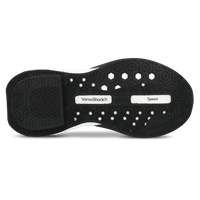
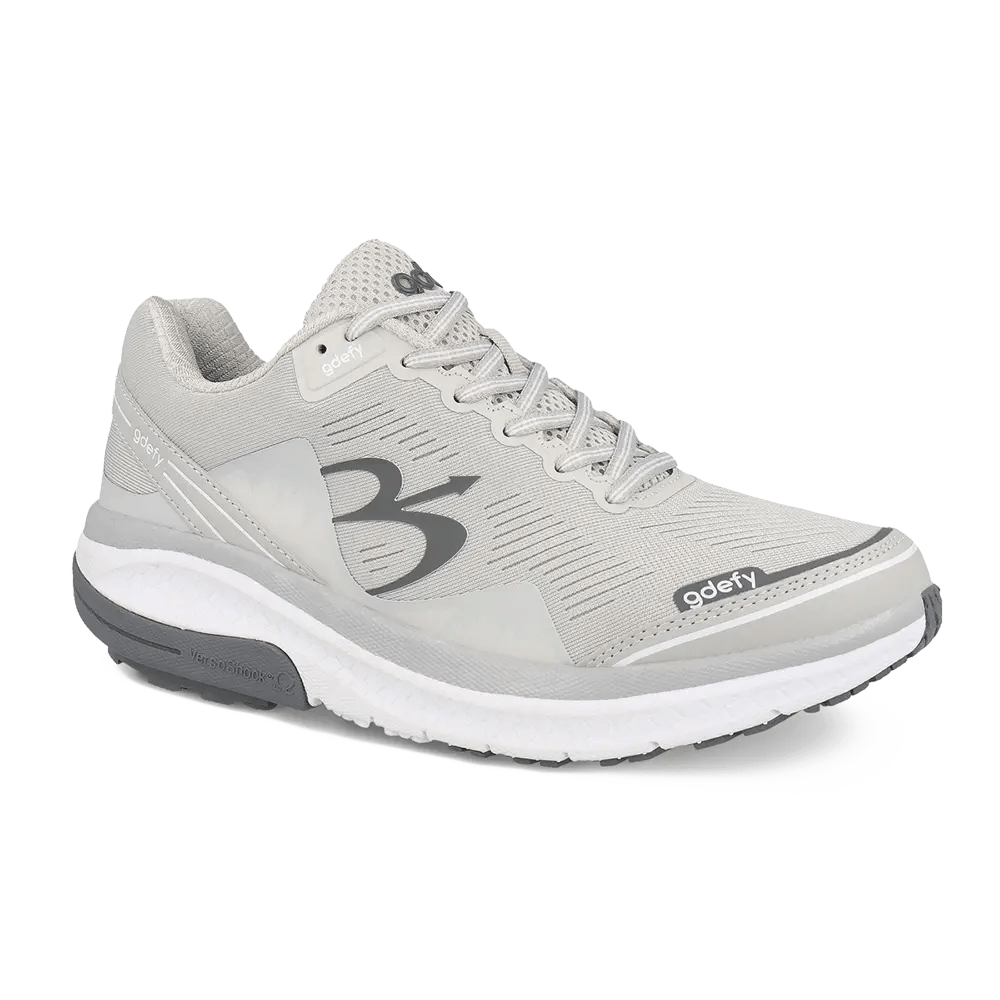
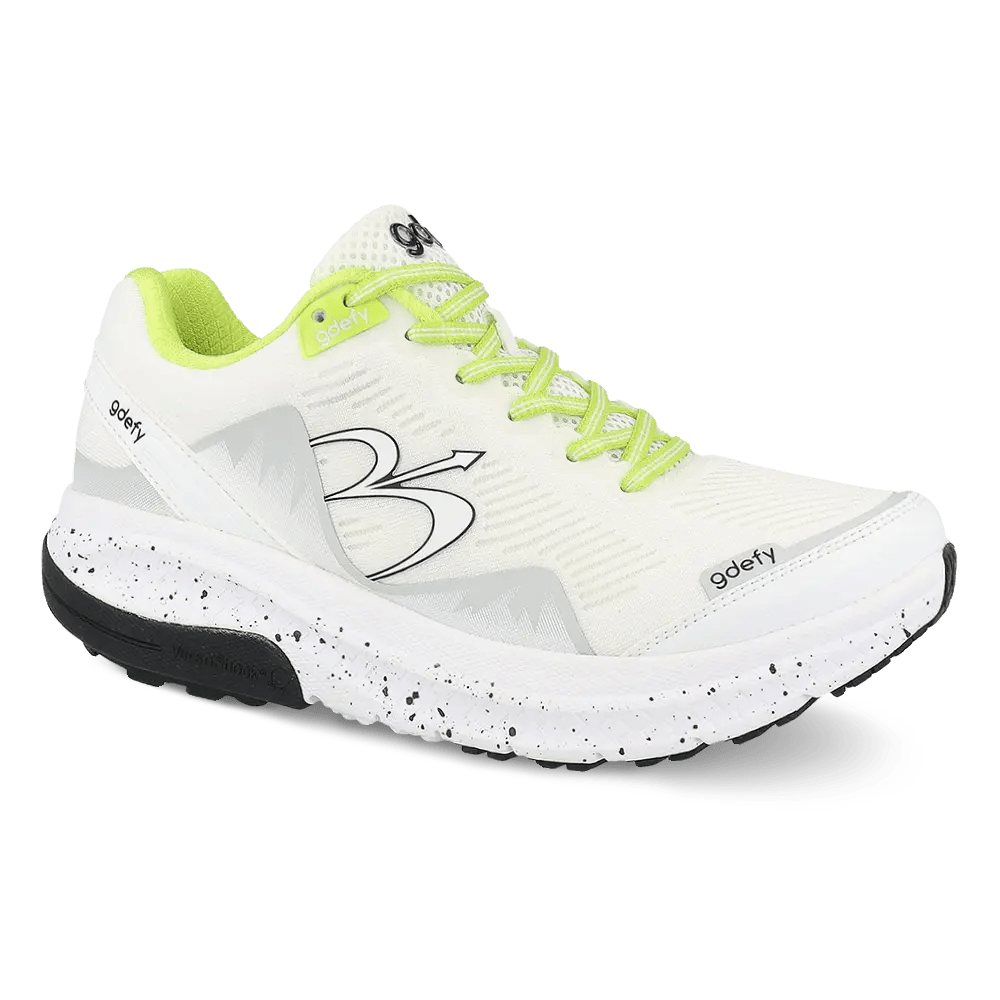
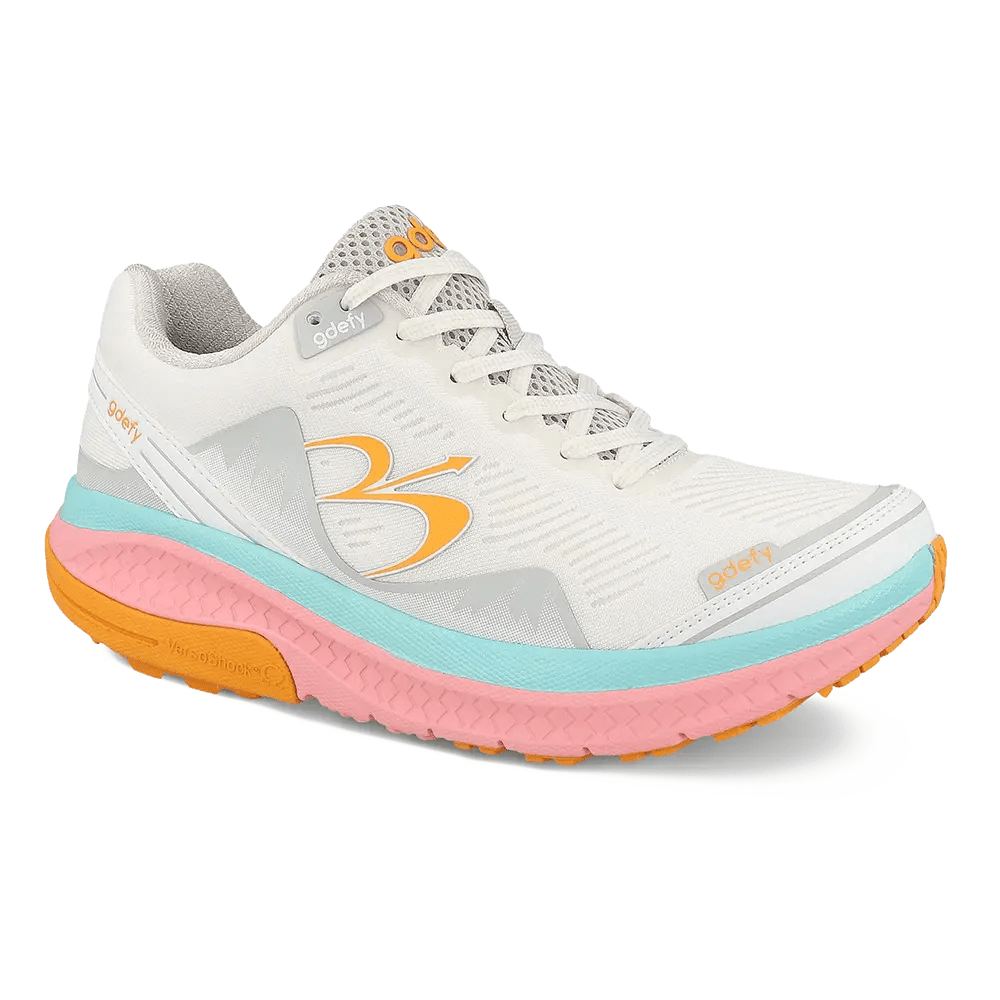
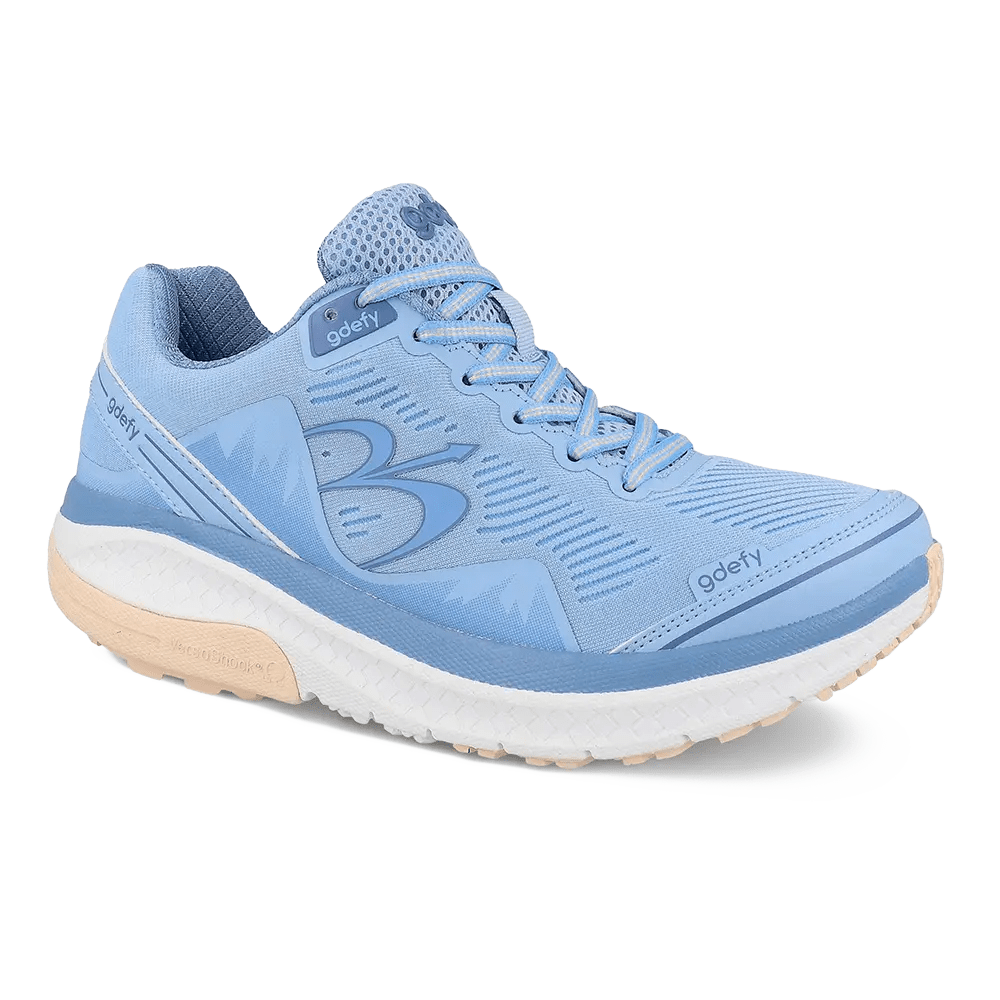
At the core of every G-Defy shoe is VersoShock® technology — a spring-based system designed to absorb impact softly as your foot contacts the ground and return energy forward with each step. Unlike standard foam midsoles that compress and gradually lose cushioning over miles of use, VersoShock® is designed to maintain consistent shock absorption whether you're on your first mile of the day or your tenth.

Every G-Defy shoe also includes a built-in stabilizer system — a shank that supports the foot's structure during movement and helps reduce excessive bending through the midfoot. Paired with a front rolling design that promotes a smooth heel-to-toe transition, the result is a shoe that works with your natural stride rather than forcing it into an artificial pattern.
One feature that makes G-Defy shoes particularly adaptable to different foot types is the dual orthotic system. Every pair includes two removable insoles:
- ComfortFit® Orthotic — designed for low to medium arches, with a focus on cushioning and comfort underfoot
- CorrectiveFit® Orthotic — designed for medium to high arches, providing additional arch support for those who need it
This dual system lets you customize your level of arch support based on your specific foot shape and motion pattern — a meaningful advantage if you've struggled to find shoes that feel right over the course of a full day.
G-Defy shoes help reduce pain from walking, running, and prolonged standing — whether your gait leans toward pronation, supination, or neutral movement.
Try G-Defy for 60 Days — Risk Free
Shop shoes built around VersoShock® shock absorption with two included orthotics for customized support — free shipping on every order.
Shop Mighty WalkRecommended Models by Motion Pattern
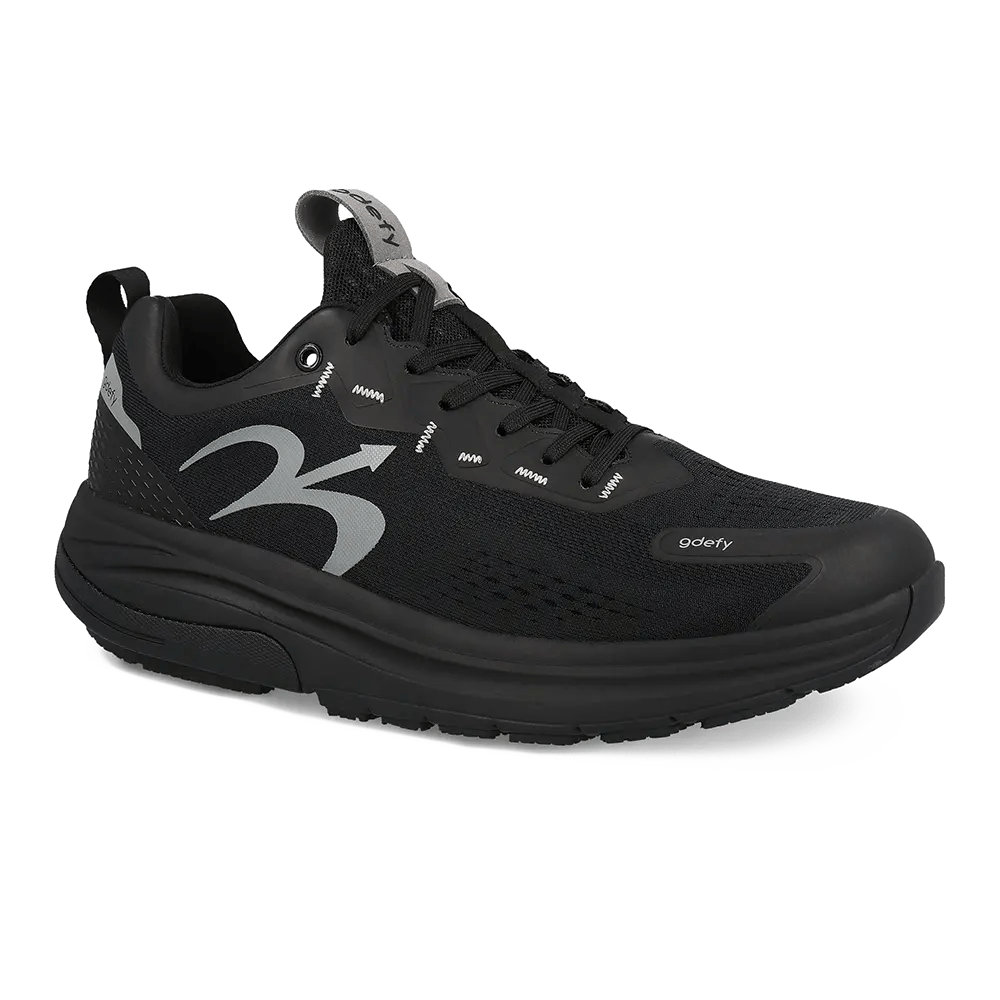
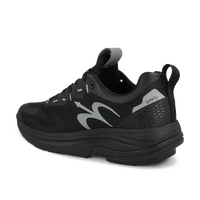
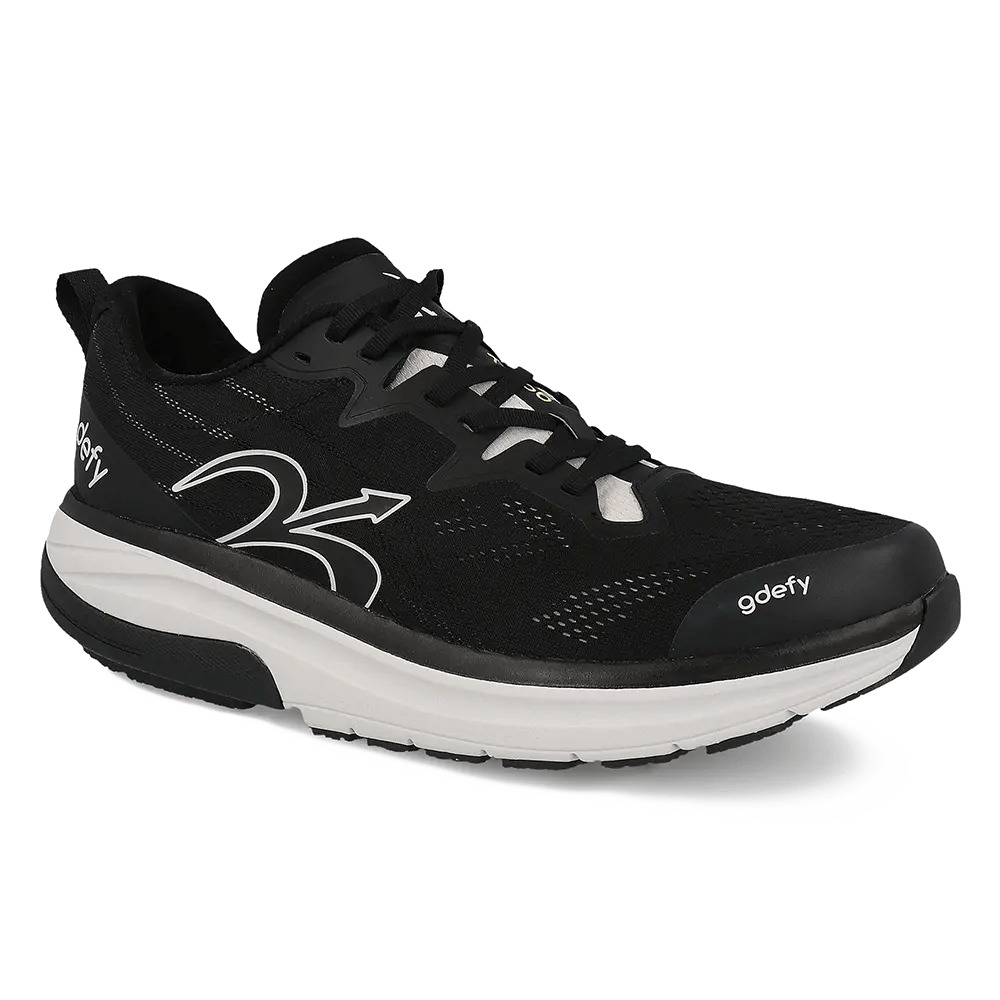
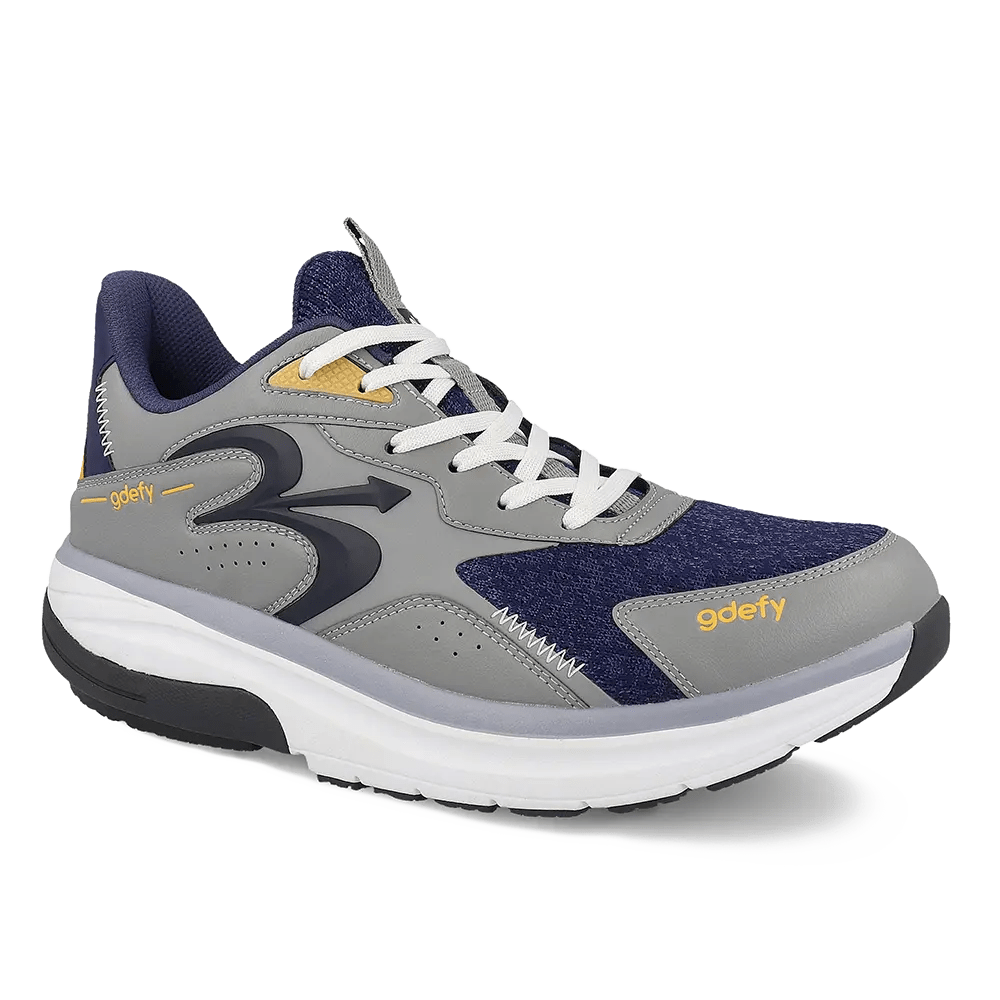
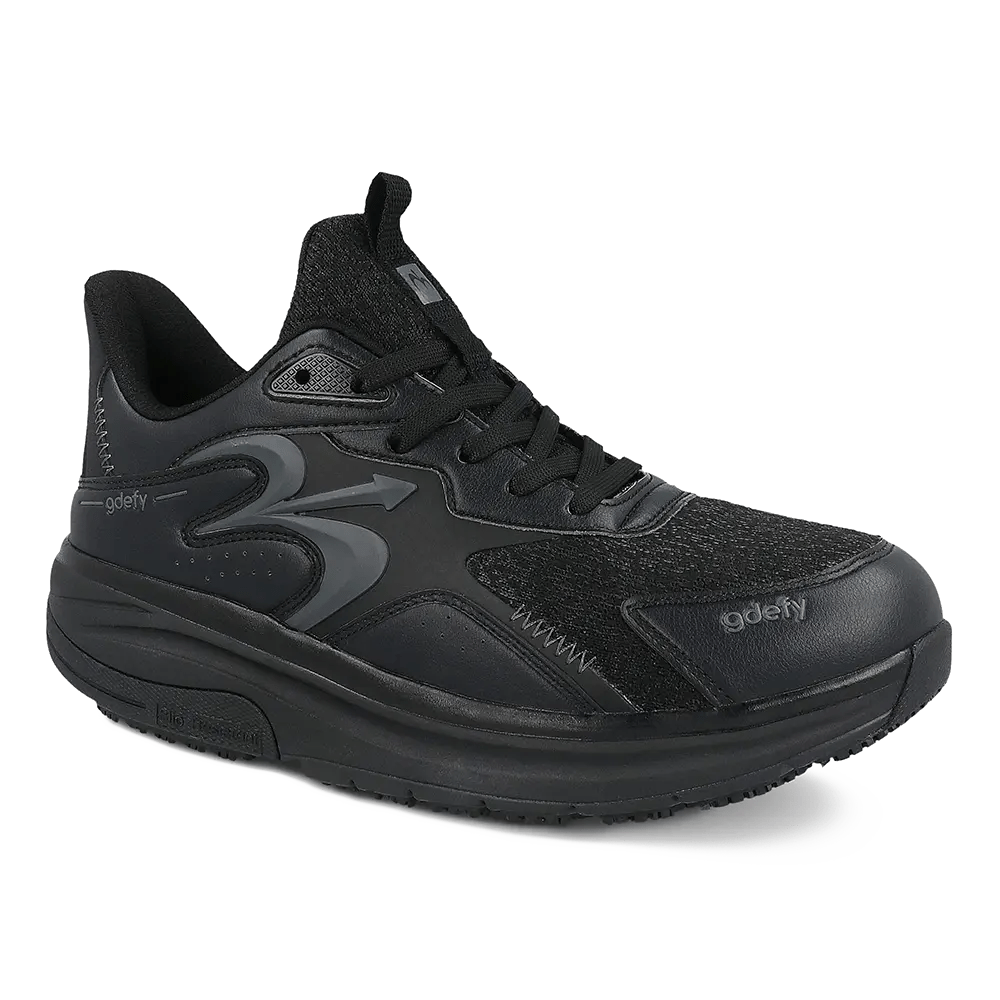
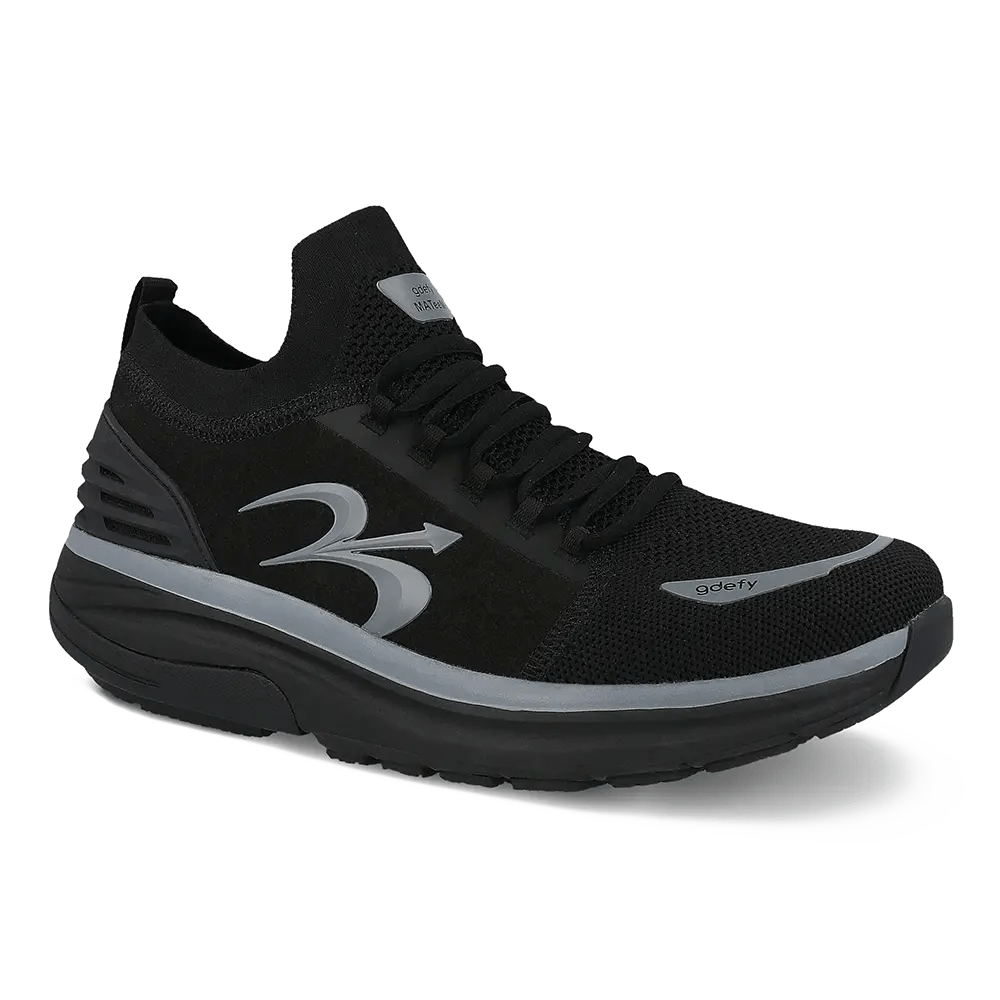
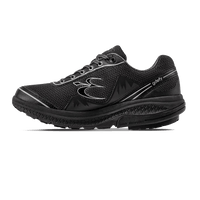
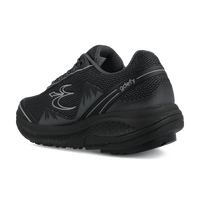
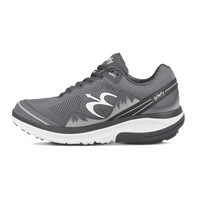
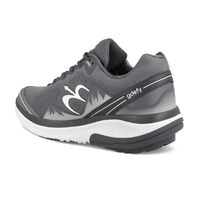
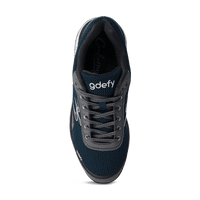
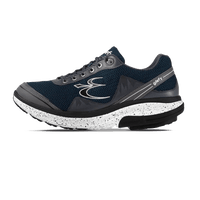
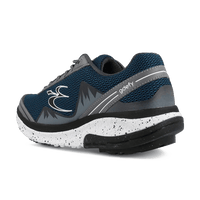
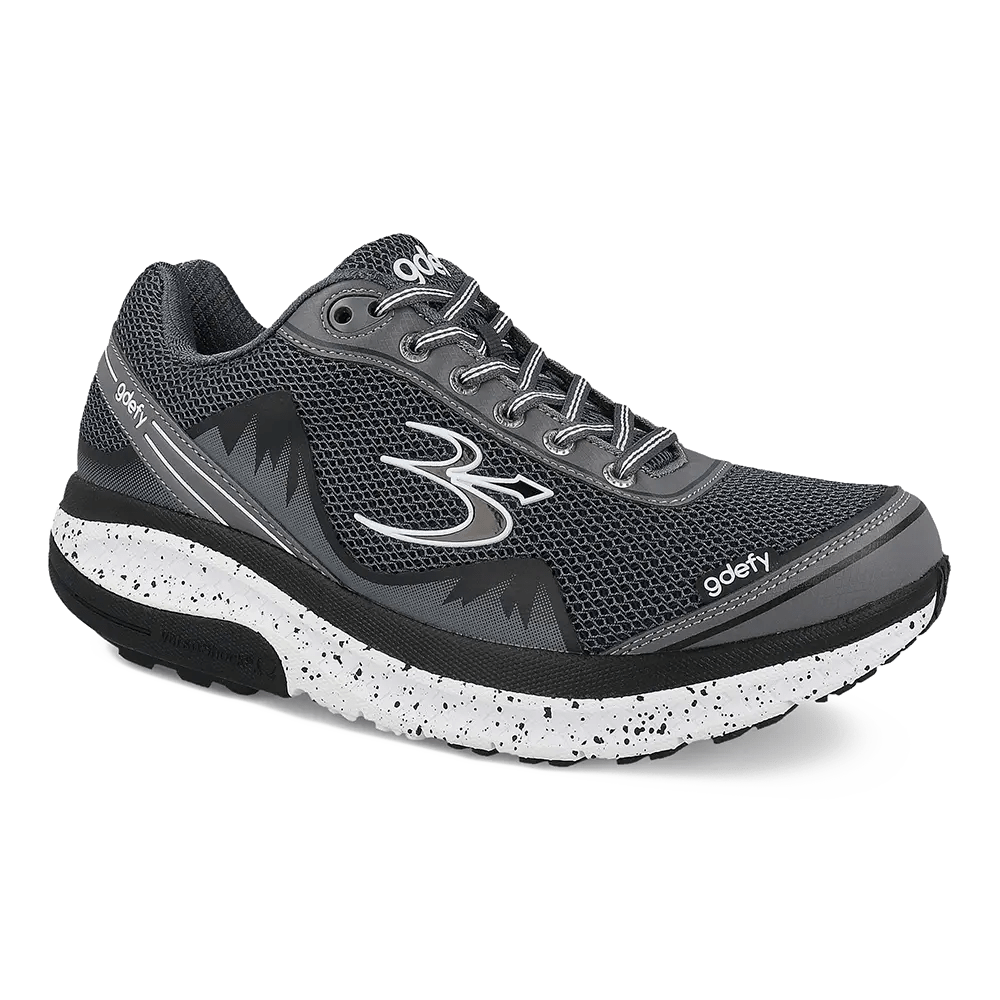
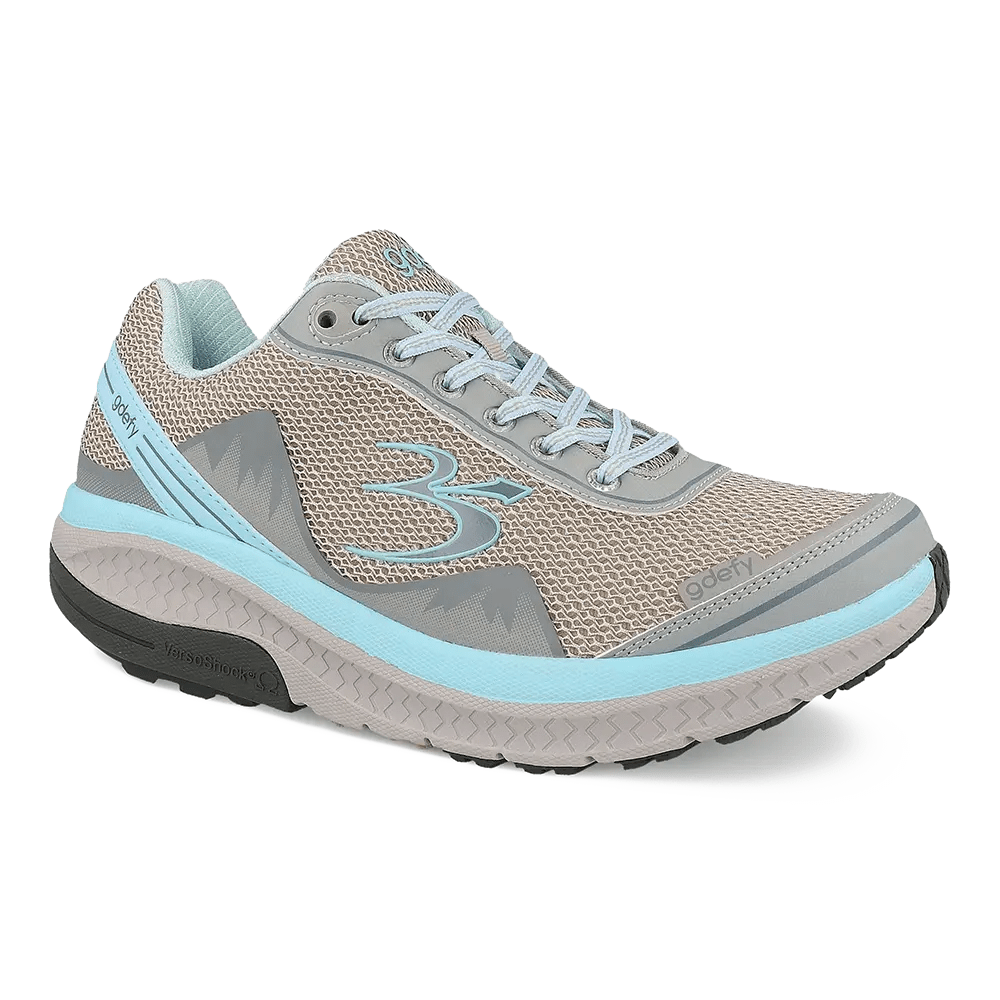
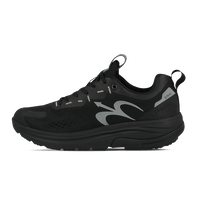
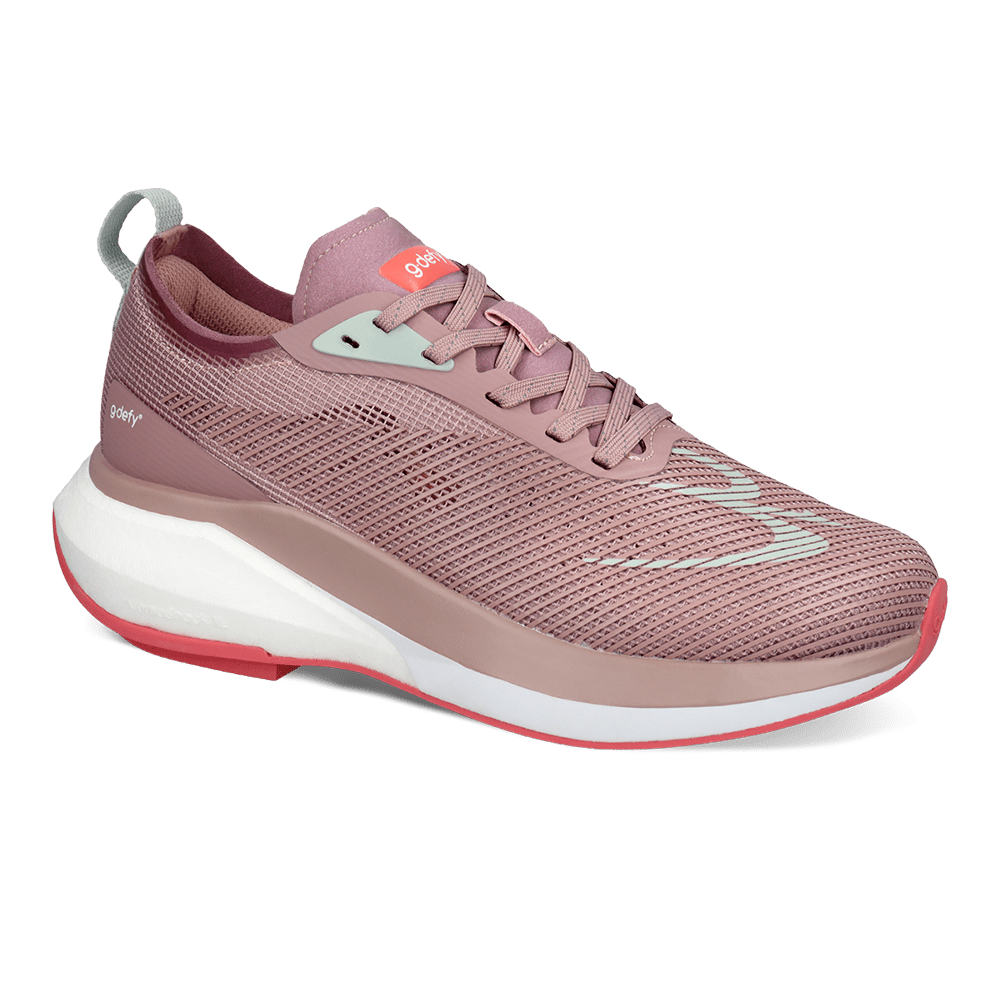
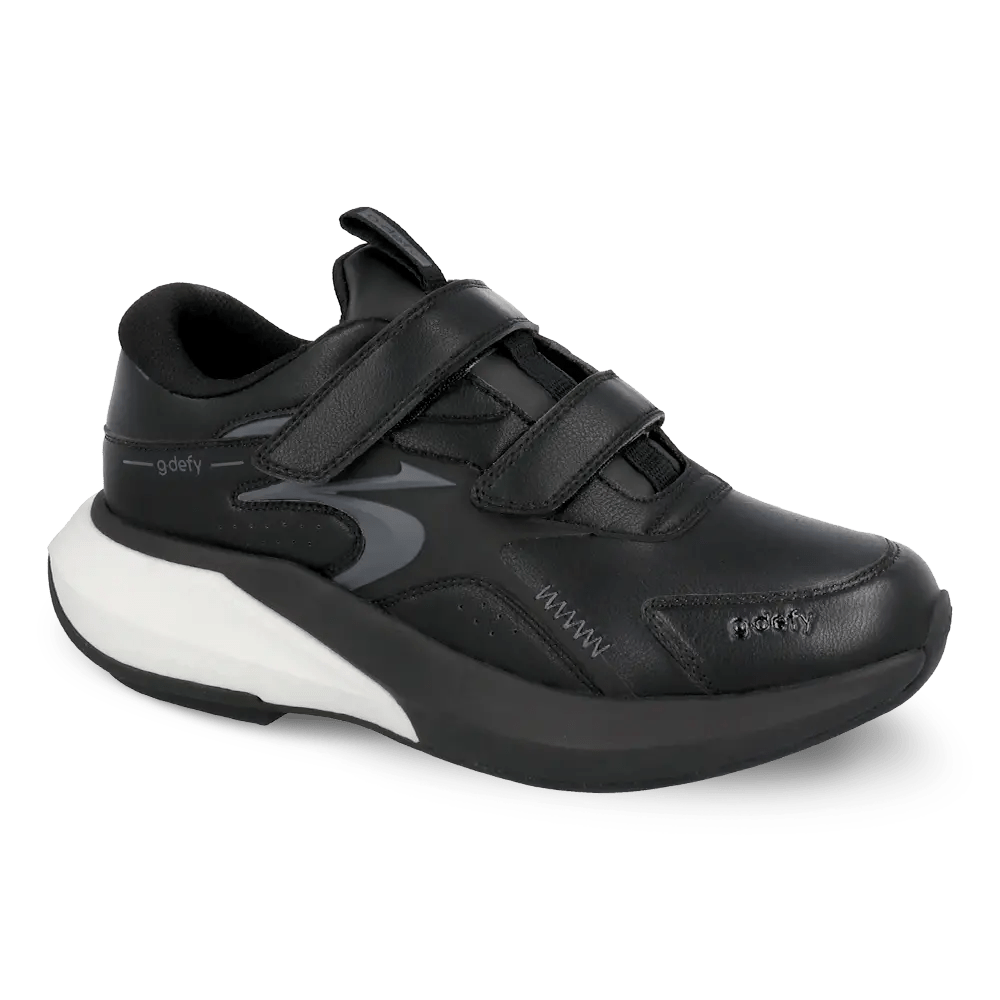
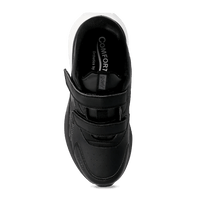
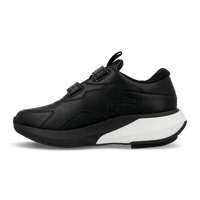
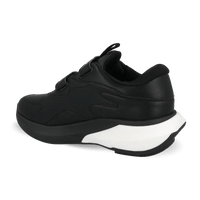
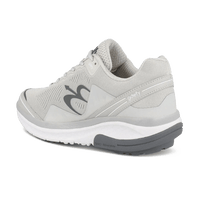
For those who tend to overpronate or have lower arches, the Mighty Walk offers structured support and maximum cushioning, making it well-suited for all-day walking and extended standing. Its built-in stabilizer and included CorrectiveFit® orthotic provide the arch guidance that can contribute to improved comfort during daily activity.
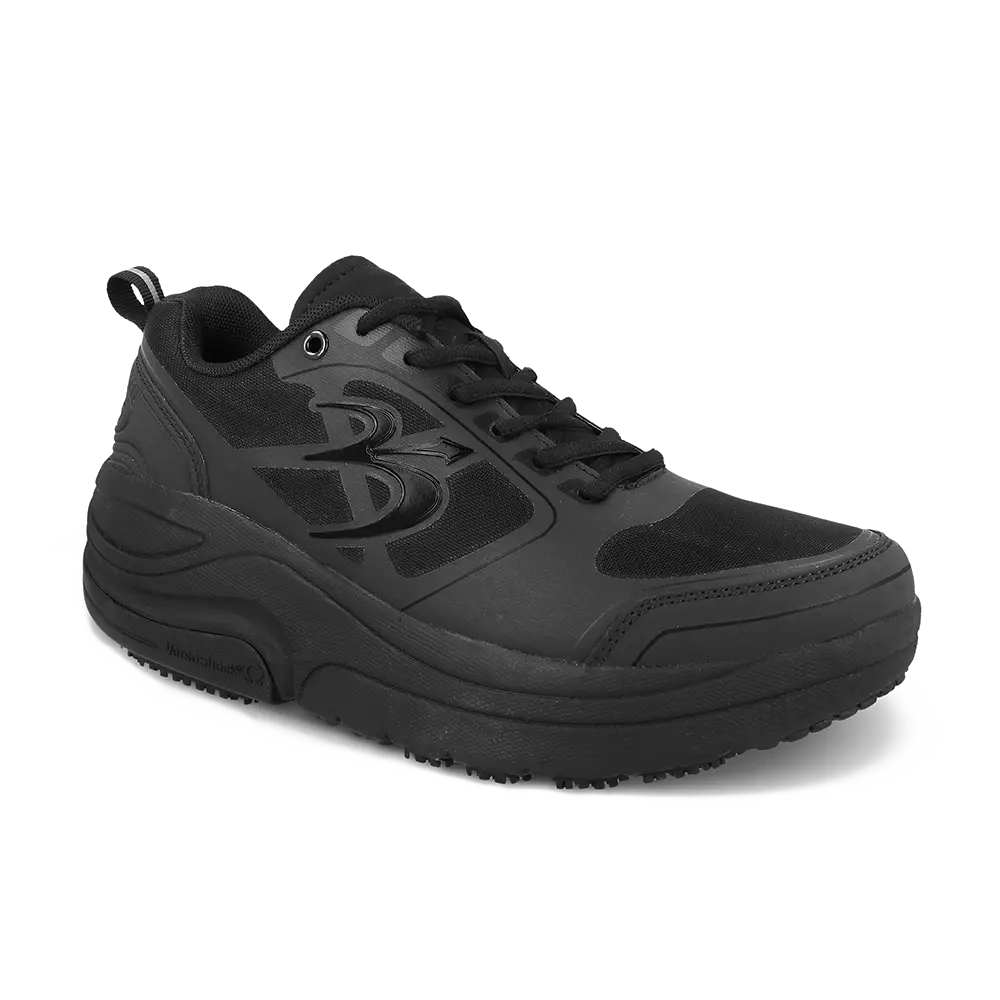
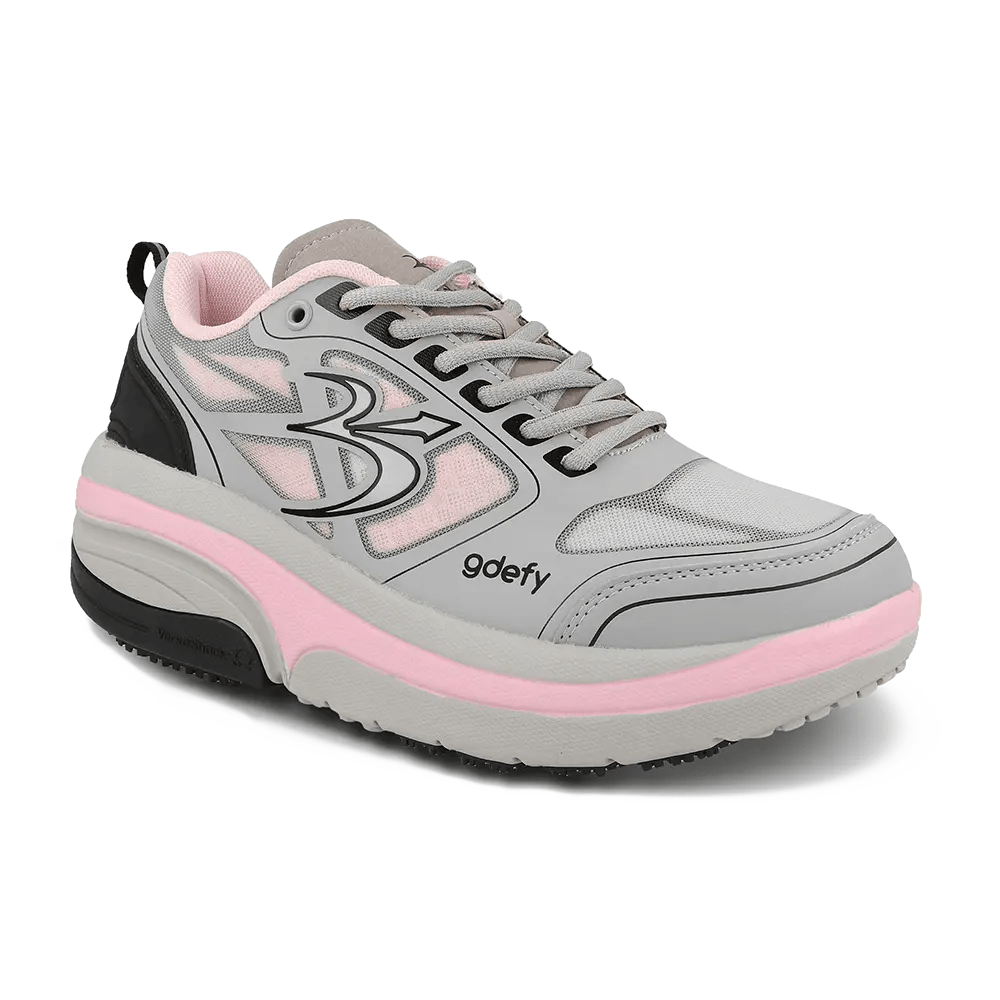
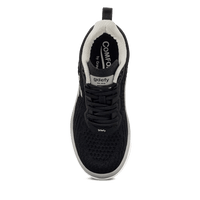
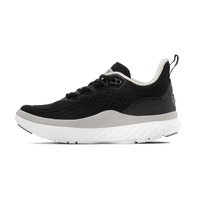
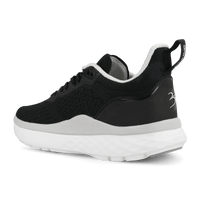
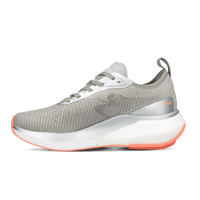
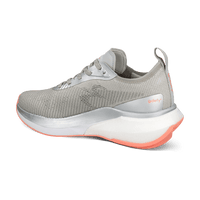
For those with higher arches or a tendency toward supination, the ION offers a lighter, more flexible design with responsive cushioning that allows the foot to move naturally while still absorbing the impact that comes from reduced arch flex.
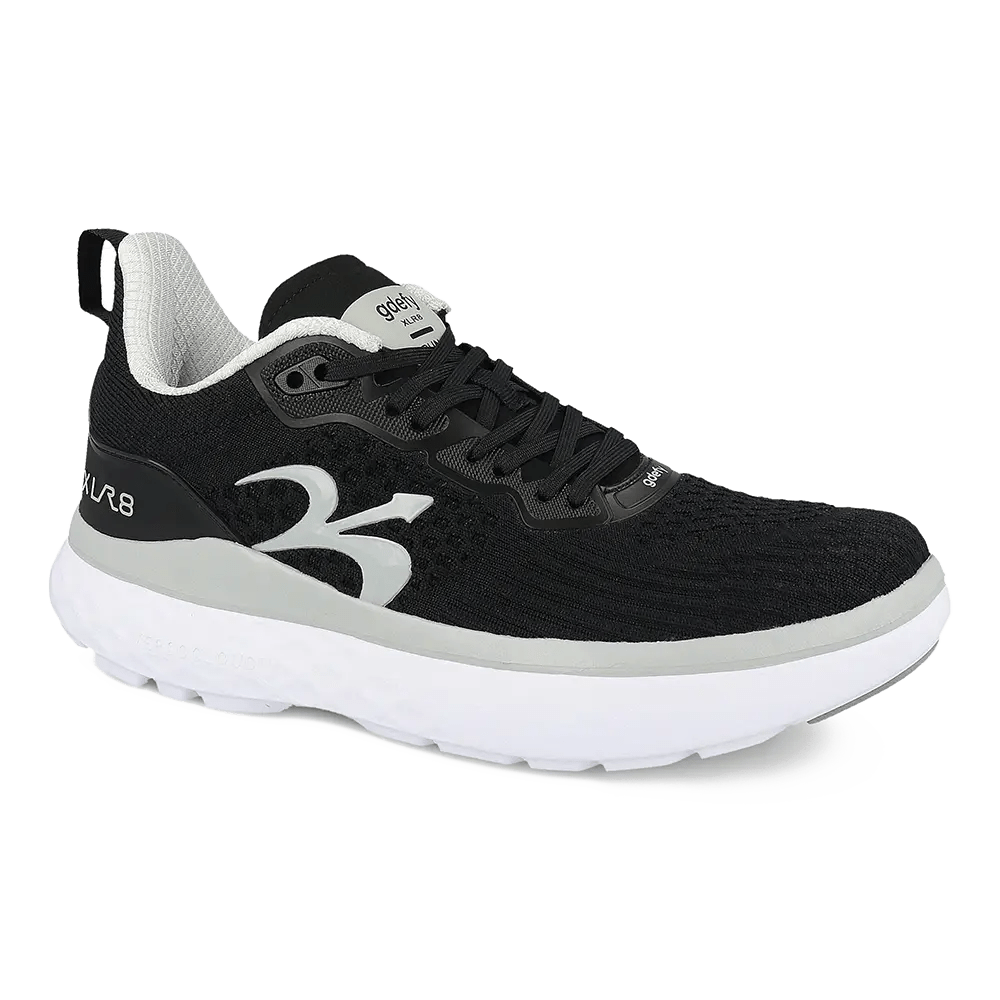
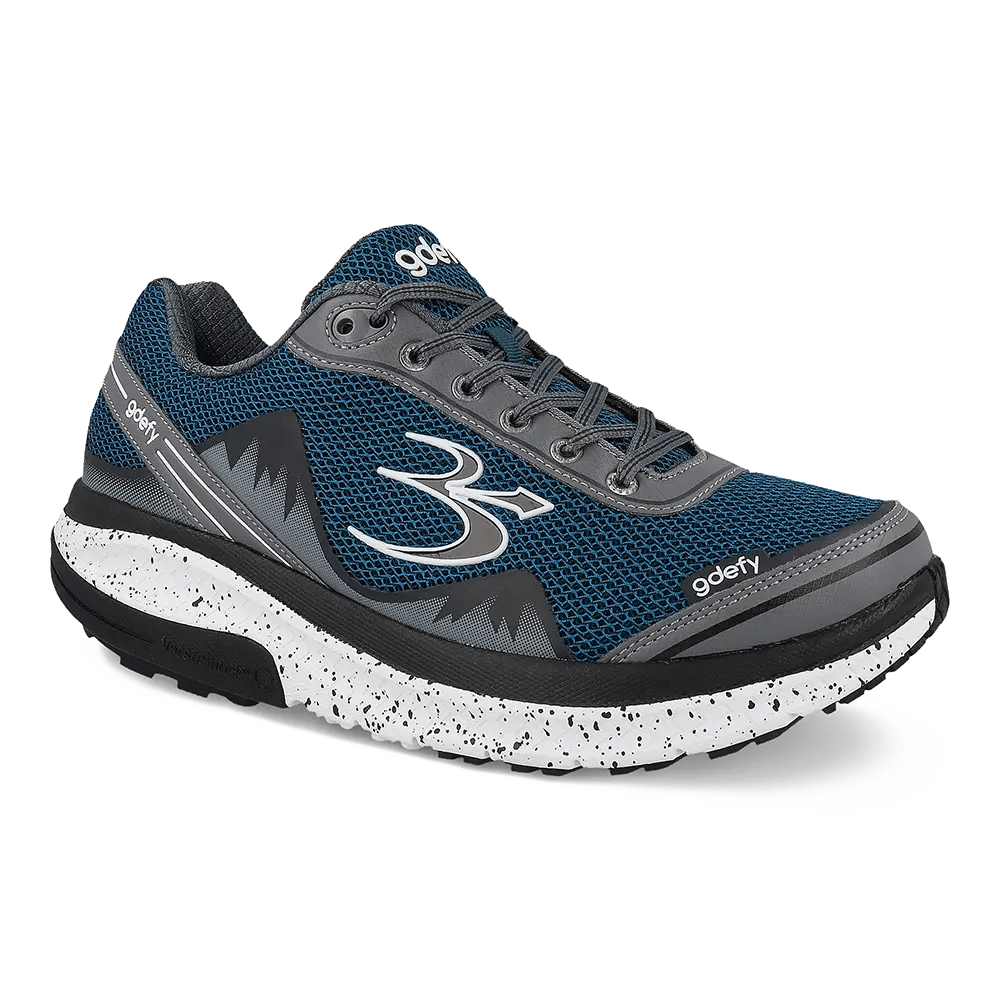
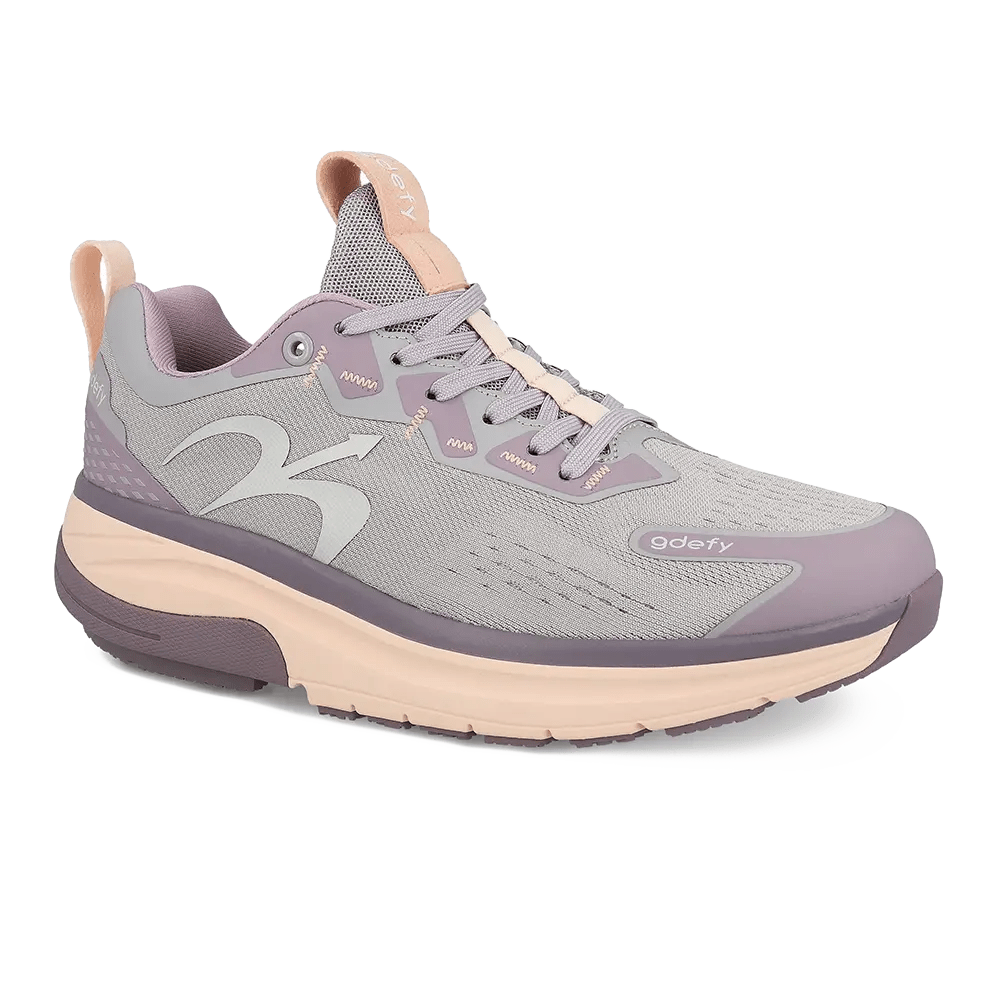
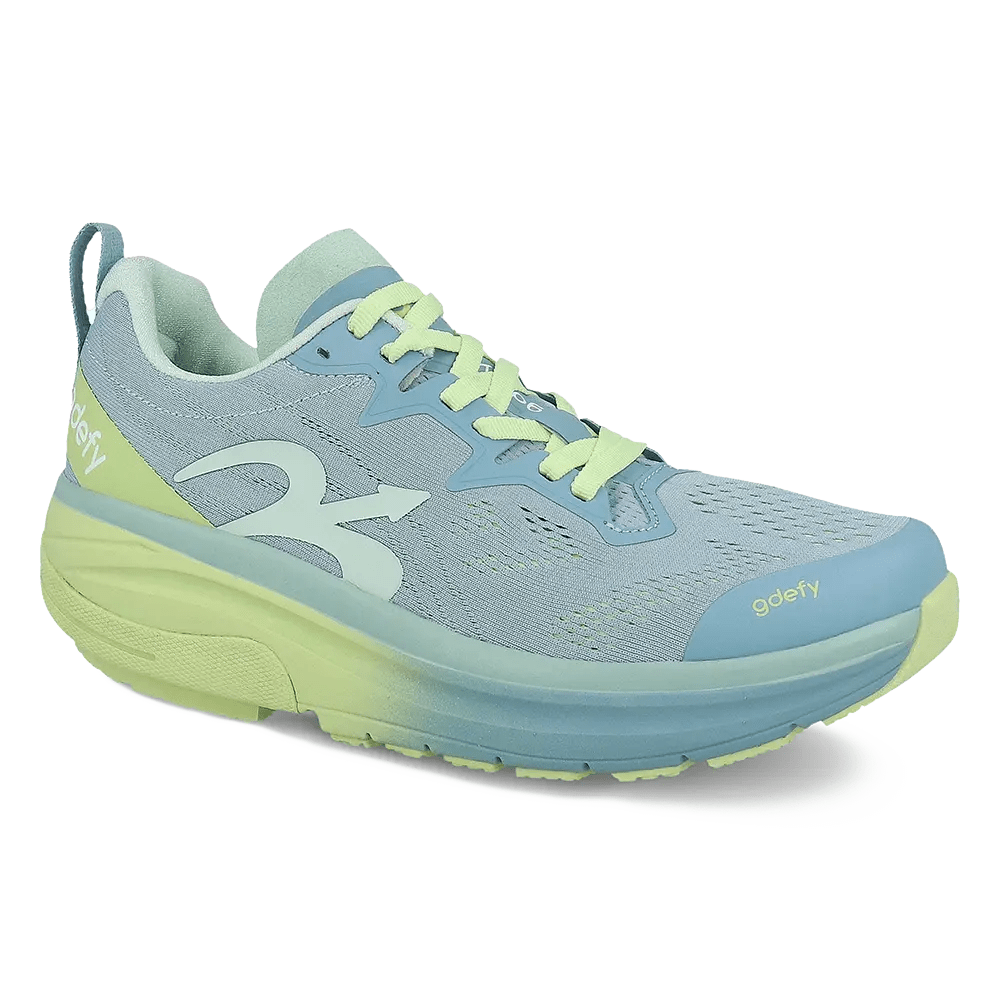
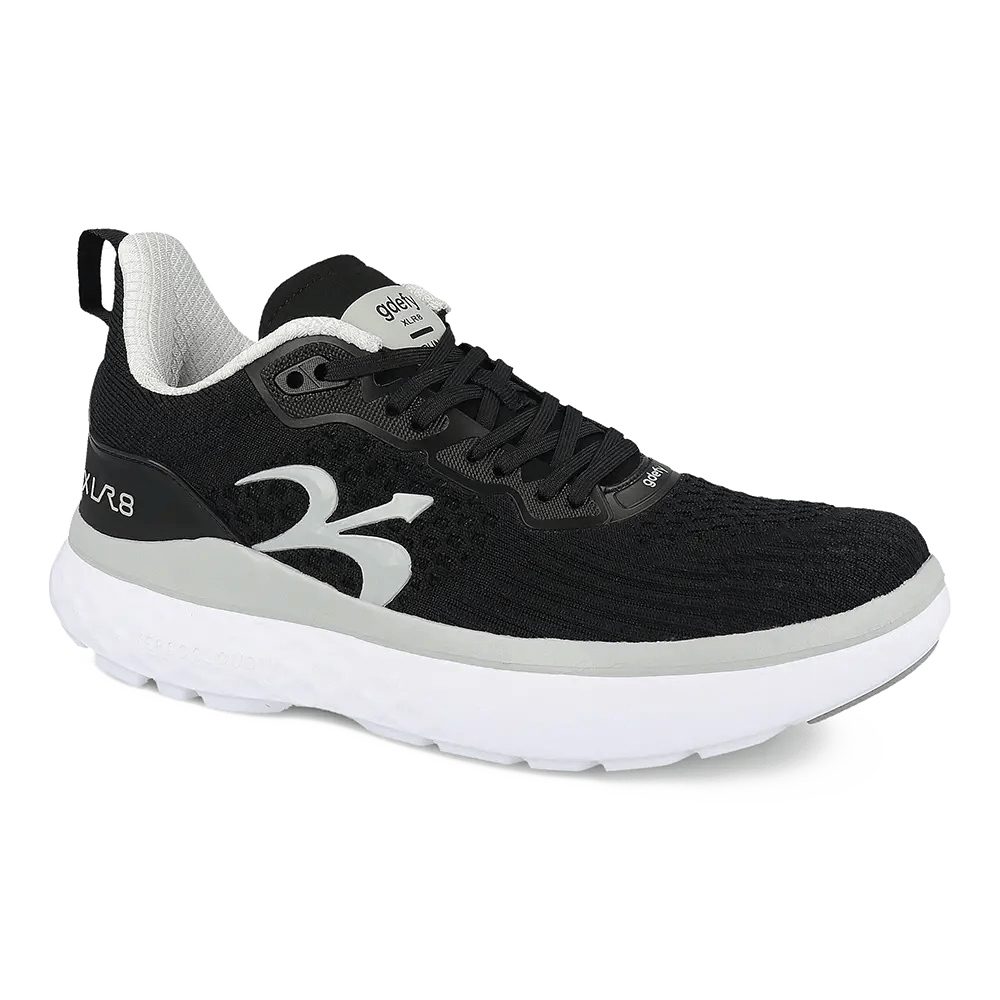
For active adults who walk regularly or maintain an athletic routine, the G-Defy athletic collection provides additional options with VersoShock® energy return designed to support a responsive, comfortable stride across a range of activities.

Practical Tips for Supporting Your Walking Comfort
- Replace worn shoes regularly. Once sole wear becomes pronounced, the shoe can no longer support your foot motion effectively. Most walking shoes benefit from replacement every 300–500 miles, or when you notice visible compression through the midsole.
- Experiment with both included orthotics. If you've been using only one of the two G-Defy insoles, try switching. Many wearers find that the CorrectiveFit® orthotic provides noticeably better arch support, while others prefer the softer feel of the ComfortFit® for lower-impact days.
- Check your fit width. Gait issues are sometimes compounded by shoes that are too narrow through the midfoot. A proper width allows your foot to move naturally through each step without restriction along the sides.
- Allow time when transitioning shoes. If you're moving to a shoe with more support or a different sole design, allow two to three weeks for your feet and lower legs to adapt. Your muscles adjust to new footwear over time.
- Note where discomfort appears. Persistent inner ankle or knee discomfort after walks can be associated with overpronation patterns; outer foot or ankle discomfort may point toward supination. These patterns are useful information when choosing footwear — and worth discussing with a healthcare provider if they continue.
Frequently Asked Questions
Is overpronation a serious problem?
Overpronation is a common gait pattern and many people experience it to some degree without significant issues. When overpronation is more pronounced, it can contribute to discomfort in the foot, ankle, knee, or lower back — particularly with prolonged walking or standing. Choosing footwear with structured support and arch cushioning may improve comfort during daily activity. A healthcare provider can offer personalized guidance if discomfort persists.
Can shoes help with supination?
Yes — footwear features like cushioning and a flexible midsole can help compensate for the reduced natural shock absorption that comes with supination. Shoes designed with adequate cushioning and a neutral support structure may improve overall comfort during walking and prolonged standing. VersoShock® technology in G-Defy shoes is designed to absorb impact regardless of gait pattern, which can be helpful for those who supinate.
Do I need a specific shoe type if I have a neutral gait?
People with a neutral gait have the broadest range of footwear options. The most important features remain consistent: comfortable cushioning, good shock absorption, and a fit that doesn't restrict natural foot movement. Shoes built around VersoShock® technology are designed to support comfortable movement whether your gait is neutral, pronated, or supinated.
Walking Comfortably Starts at the Ground
Understanding your foot's natural motion pattern — whether you pronate, supinate, or fall somewhere in between — is one of the most practical things you can know when choosing footwear. Neither pattern is a flaw. What matters is whether your shoes are designed to work with your specific movement, or against it.
Shoes built around strong cushioning, responsive shock absorption, and thoughtful support features — like those engineered with VersoShock® technology — are designed to support comfortable movement across all gait patterns. With free shipping and a 60-day risk-free trial, finding what works for your feet carries no financial risk.
Browse the men's collection or women's collection to find a style that fits your life and supports your natural stride.