
June 18, 2026
The Relationship Between Posture and Footwear
By Gdefy

Summary
The way you stand, walk, and carry yourself throughout the day starts from the ground up — and that means it starts with your feet. Most people think about posture in terms of sitting up straight or pulling their shoulders back, but the foundation underneath you matters just as much. The shoes you wear all day can influence how balanced, steady, and comfortable you feel on your feet.
While footwear isn’t a medical solution, the right design can play a meaningful role in how comfortable and supported you feel when you stand and move. In this guide, we’ll look at the relationship between posture and footwear, the everyday shoe habits that can work against you, and what to look for in a supportive shoe.

What Posture Really Means in Everyday Life
Posture is simply the way you hold your body — whether you’re standing in line, walking the dog, working at a counter, or climbing the stairs. Good everyday posture feels balanced and relaxed, with your weight spread evenly and your body moving without strain.
When something throws that balance off, your body adjusts to compensate. You might shift more weight to one side, lock your knees, or change the way your feet land with each step. Over a long day, those small adjustments can leave you feeling tired, stiff, or less steady than you’d like. The good news is that one of the biggest influences on how you stand and move is something you can change easily: your shoes.
How Footwear Becomes Your Foundation
Your feet are the base of everything you do on them. They’re the first point of contact with the ground, and the way they’re supported sets the tone for how the rest of your body lines up above them. Think of it like the foundation of a house — when the base is level and stable, everything built on top of it sits more comfortably.
This connection travels upward in a chain. The position of your feet influences your ankles, which influence your knees, hips, and the way you carry your upper body. We explored this idea in depth in our guide to how your feet affect your entire body. When your feet have a stable, cushioned base to work from, it’s easier to feel balanced and supported as you move through the day.
The way your feet naturally roll and distribute weight also plays a part. If you’re curious about your own movement pattern, our overview of pronation and supination is a helpful starting point. None of this is about “correcting” anything medically — it’s about understanding how a supportive shoe can help you feel steadier and more comfortable on your feet.
How Long Days on Your Feet Add Up
Posture isn’t fixed — it shifts as the day goes on. You might start the morning standing tall and relaxed, but after hours on your feet, fatigue creeps in. Tired feet and legs lead to small compensations: you lean on a counter, shift your weight to one hip, or shorten your stride without noticing.
This is where the shoes you wear earn their keep. A supportive, shock-absorbing shoe keeps giving your feet a stable, cushioned base hour after hour, so it’s easier to stay comfortable late in the day rather than fading. If you spend your day standing on hard floors, walking a busy route, or moving between tasks, footwear that holds up to that workload helps you feel more balanced from the first hour to the last. Many people find that the difference between a tiring day and a comfortable one comes down to whether their shoes are still doing their job by closing time.
Footwear Habits That Work Against a Stable Stance
Some common shoe habits can quietly chip away at how comfortable and balanced you feel. Here are the most frequent culprits.
Worn-Out Shoes
Shoes break down with use. As cushioning compresses and tread wears unevenly, a shoe stops giving you the steady, level base it once did. Walking in a worn-out pair can leave you feeling less stable and more fatigued by the end of the day. If you’re wondering when to swap a pair out, our guide on what’s inside a comfort walking shoe explains how the parts that matter wear down over time.
Flat, Unsupportive Designs
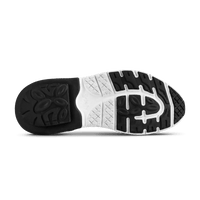
Very flat or thin-soled shoes offer little cushioning and minimal structure. Without support under the arch and through the midsole, your feet absorb more impact directly, and it can be harder to keep a relaxed, even stance during long hours of standing or walking.
Shoes That Don’t Fit Well
Footwear that’s too loose lets your foot slide around, while shoes that are too tight can cramp natural movement. Either way, you end up adjusting how you walk to compensate. A secure, properly fitted shoe makes it easier to move naturally and feel grounded. Knowing your own stride helps here too — our piece on understanding your gait to choose shoes walks through the basics.
What to Look for in Shoes That Support a Comfortable, Stable Stride
Not all supportive shoes are built the same. When you’re shopping for footwear that helps you feel balanced and comfortable throughout the day, these features matter most:
- Cushioning — helps absorb impact so each step feels softer and less jarring.
- Support — helps maintain stability and gives your foot a structured base to work from.
- Shock absorption — reduces the harsh impact that travels up from the ground with every step.
- Energy return — helps keep your movement feeling efficient rather than heavy.
- A stabilizing midsole — resists excessive bending so the shoe supports a more controlled, even stride.
- Proper fit — a secure, roomy-enough fit lets your foot move naturally and feel grounded.
Together, these features give your feet a steady, cushioned platform — the kind of foundation that makes standing and walking feel more comfortable and supported.

How G-Defy Shoes Support a Stable, Comfortable Stride
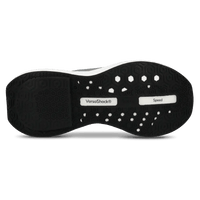
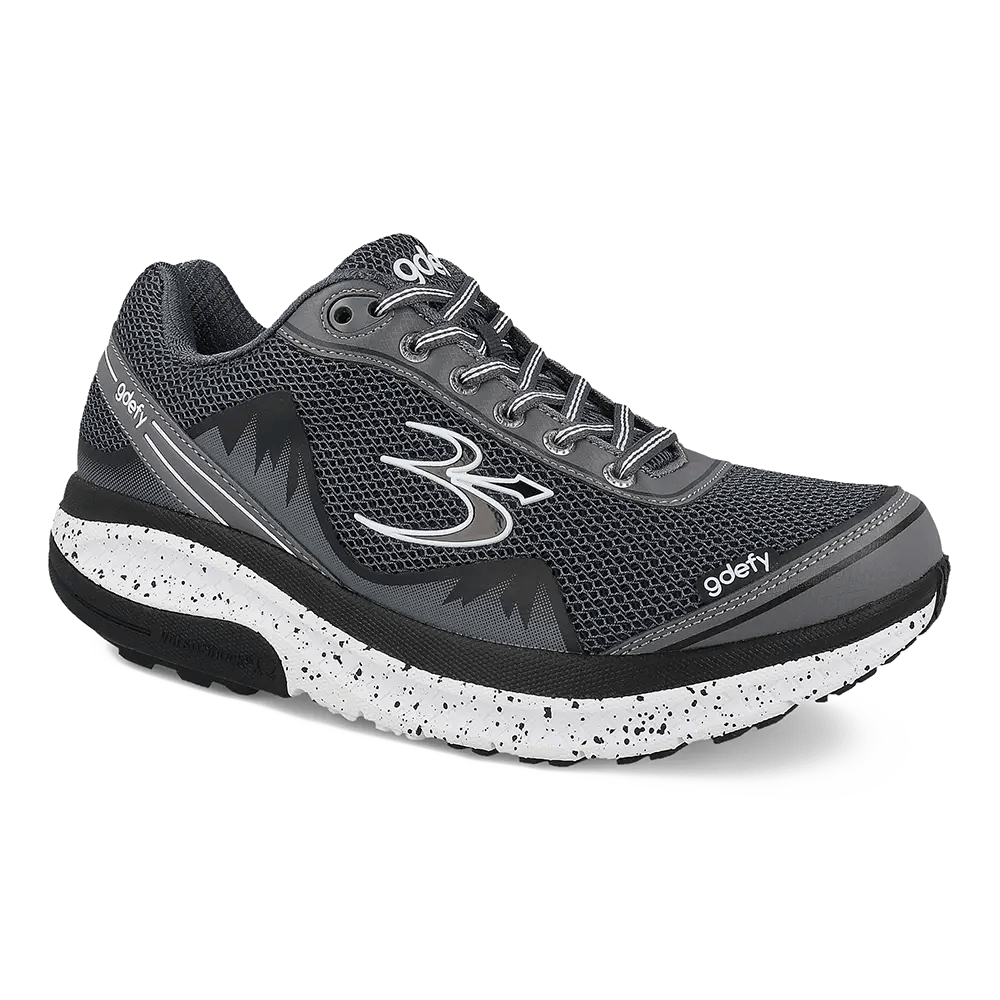
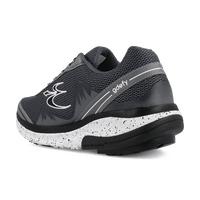
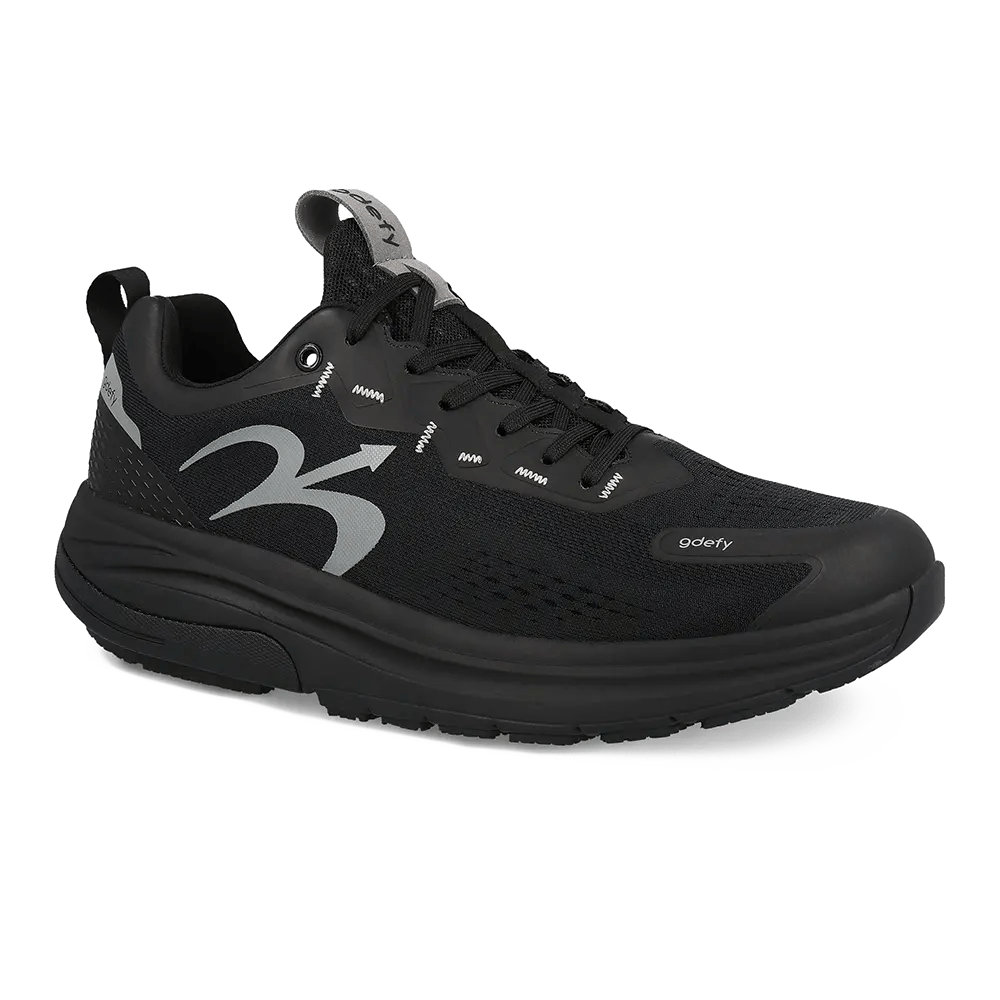
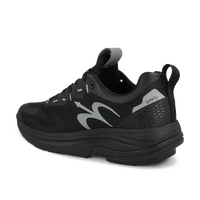
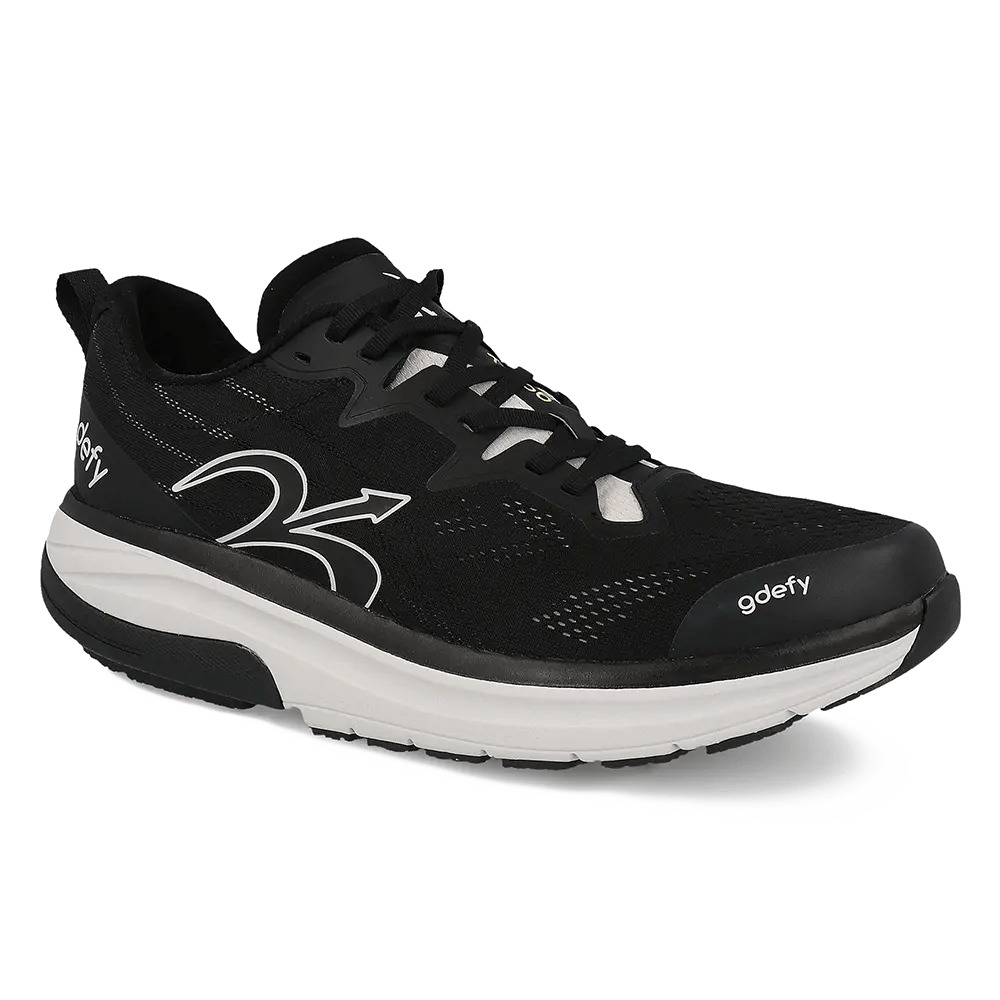
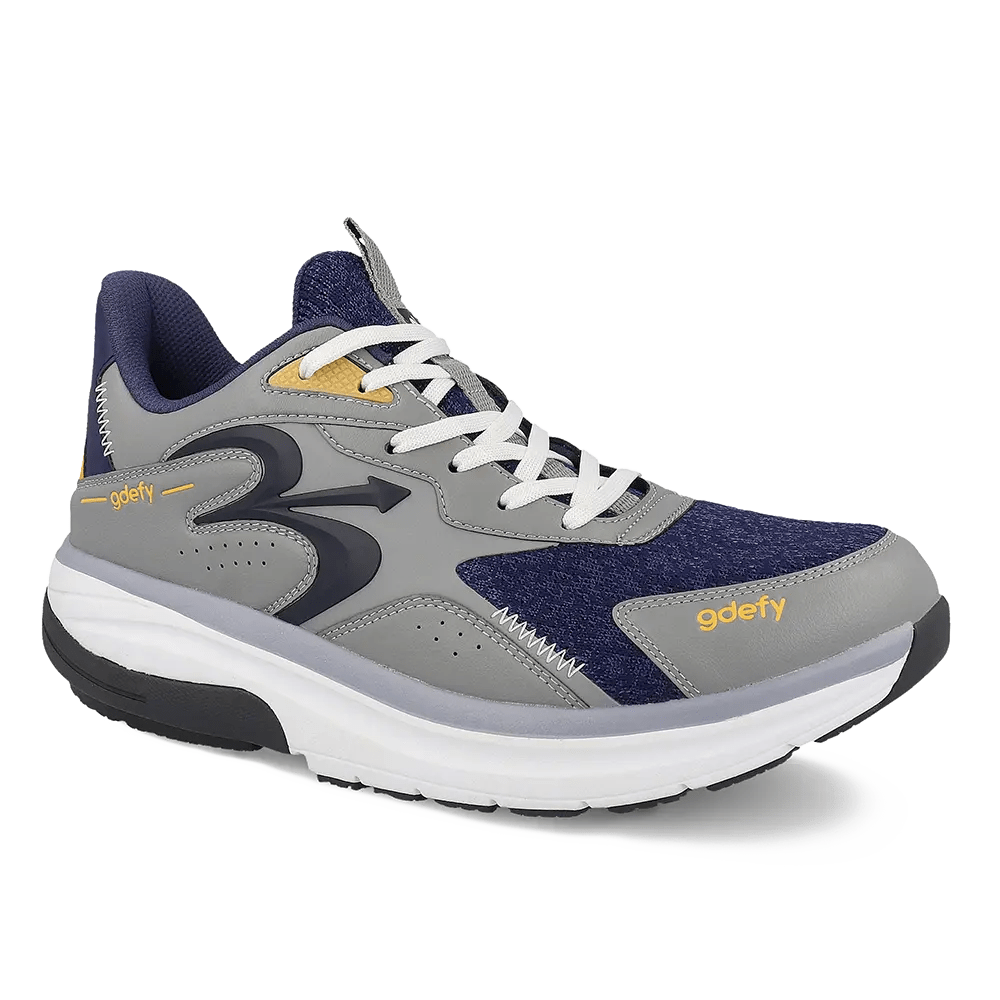
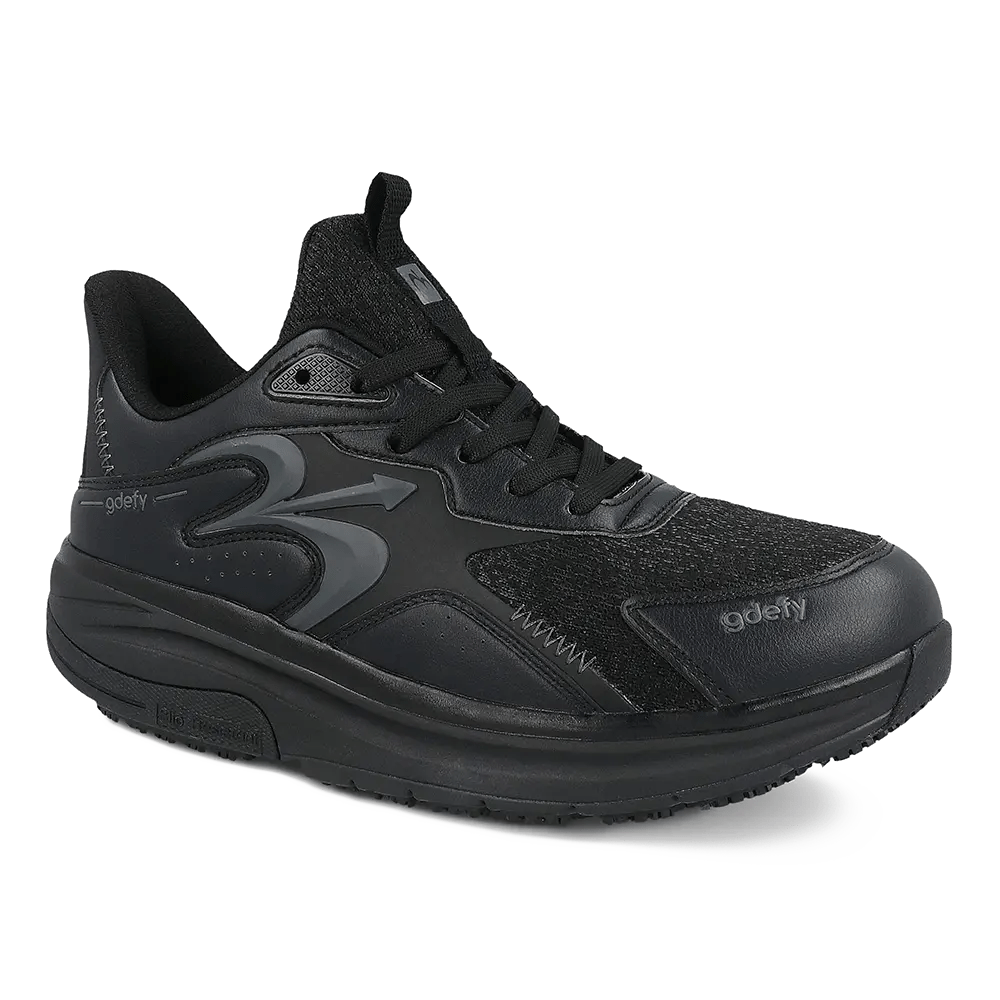
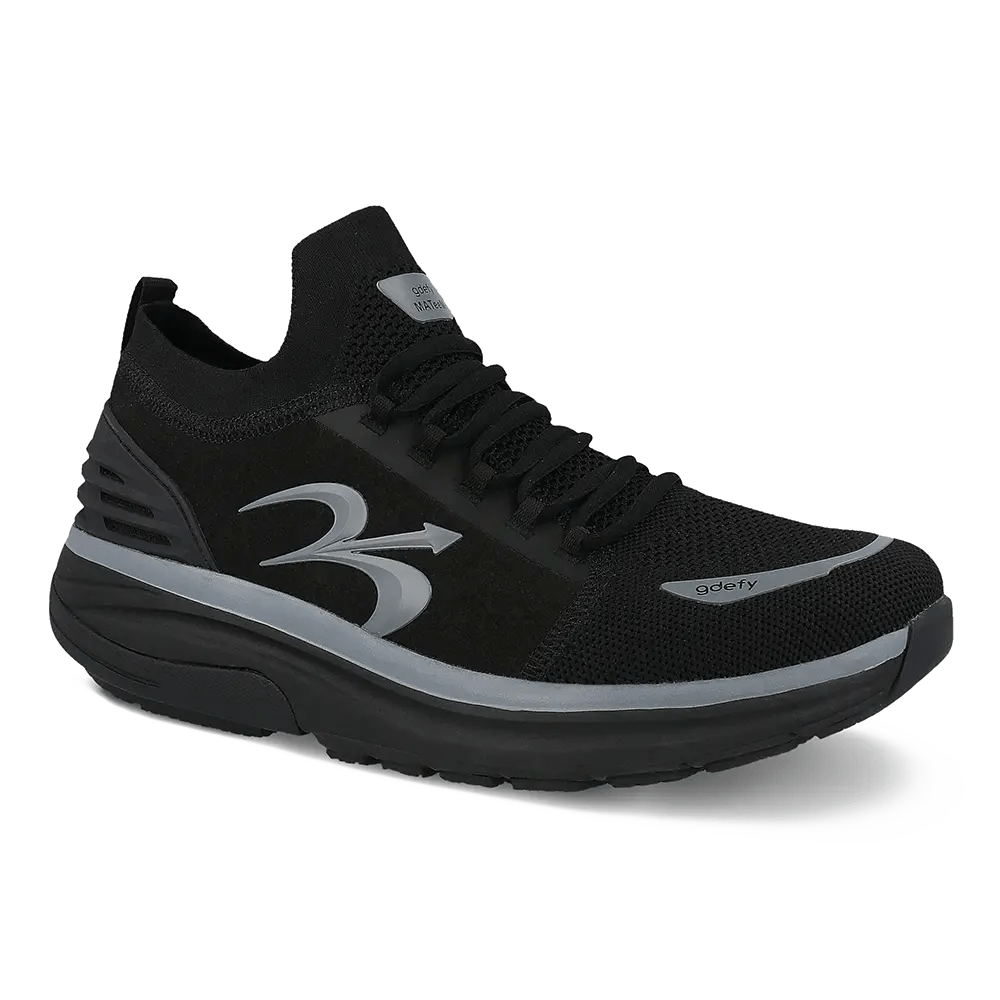
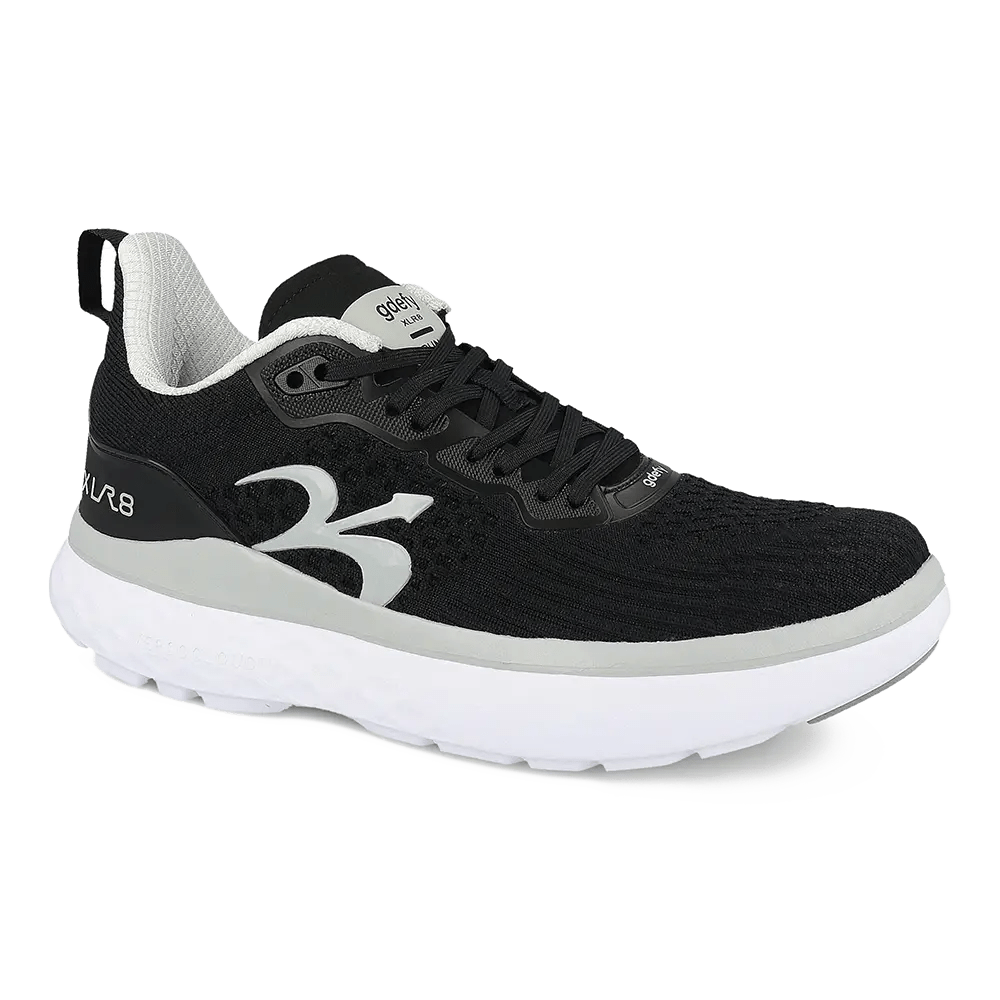
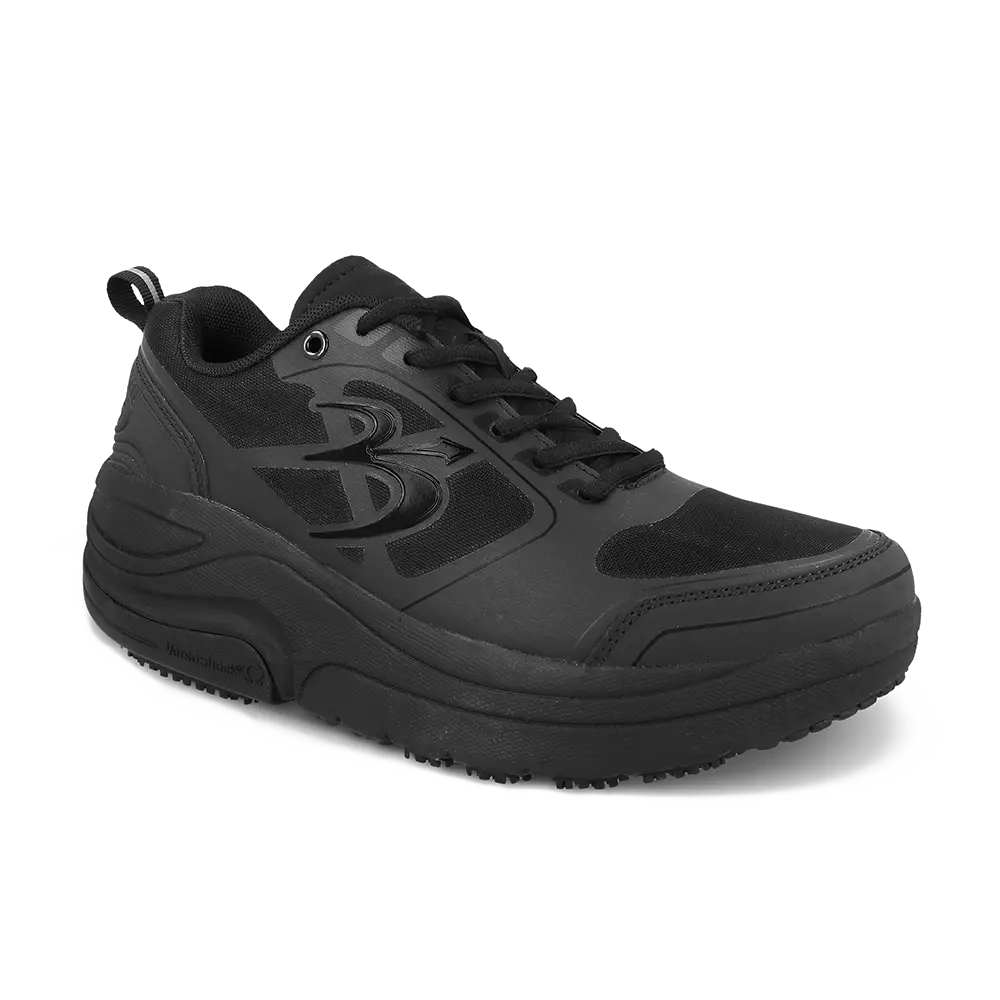
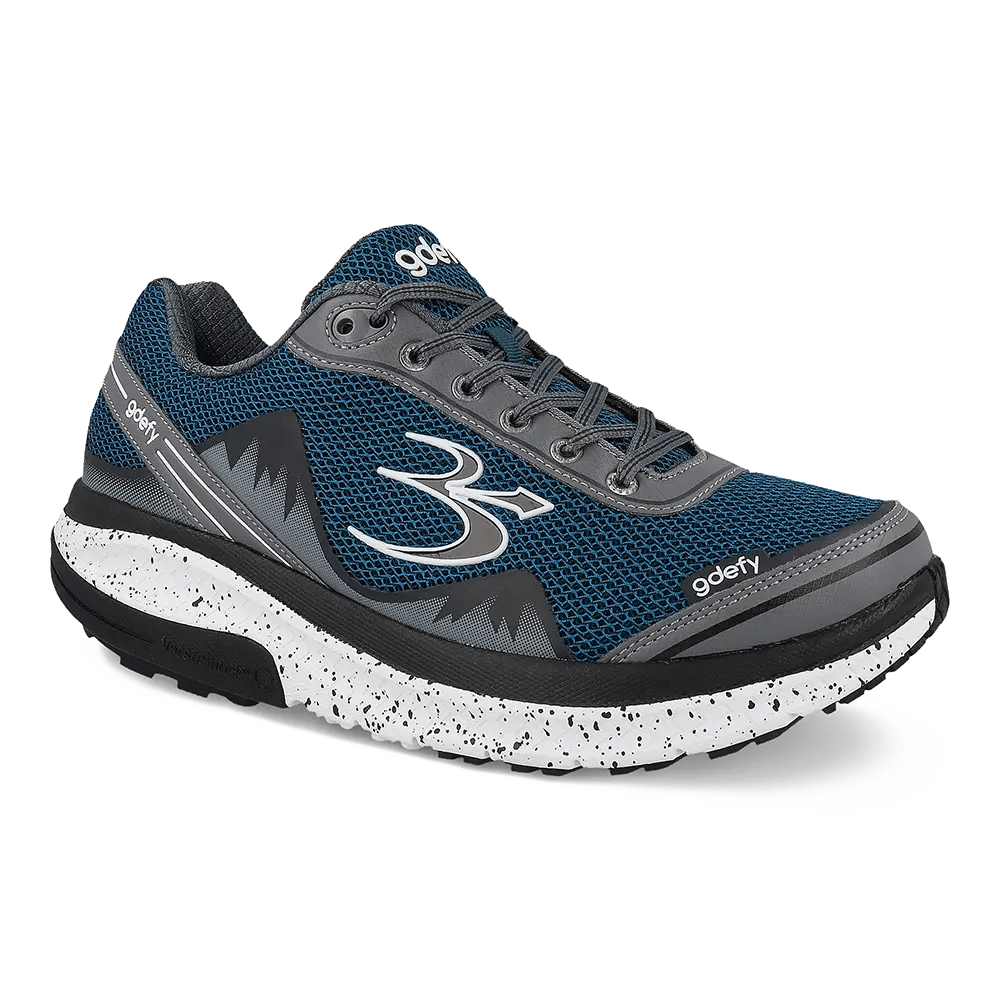
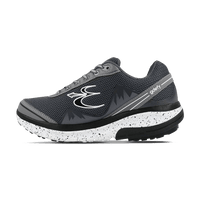
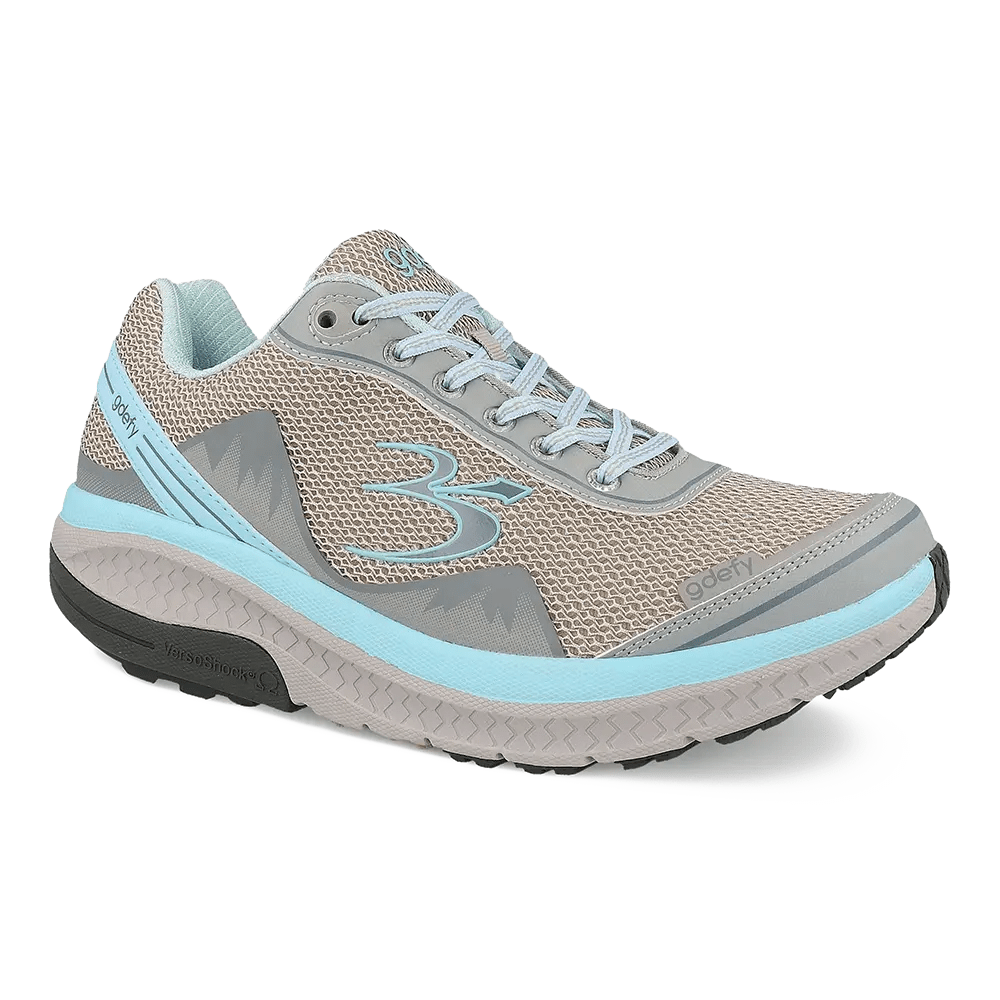
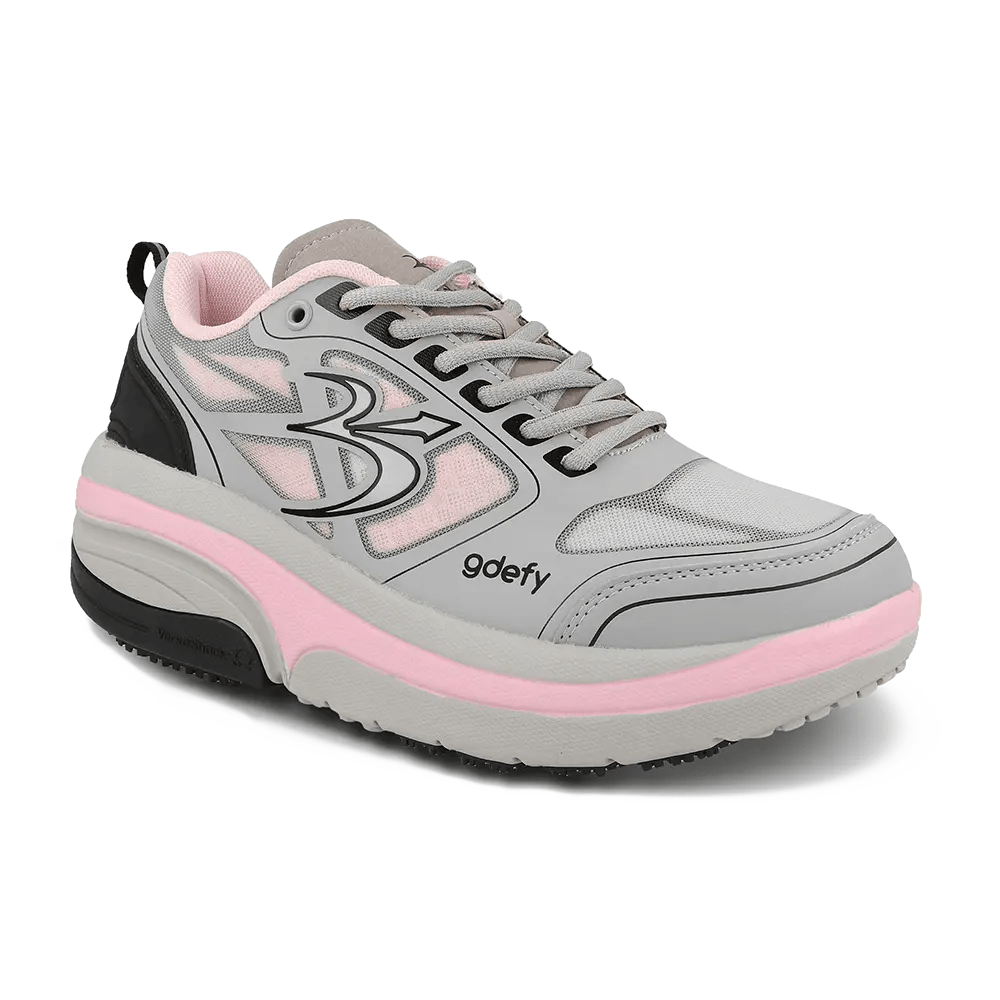
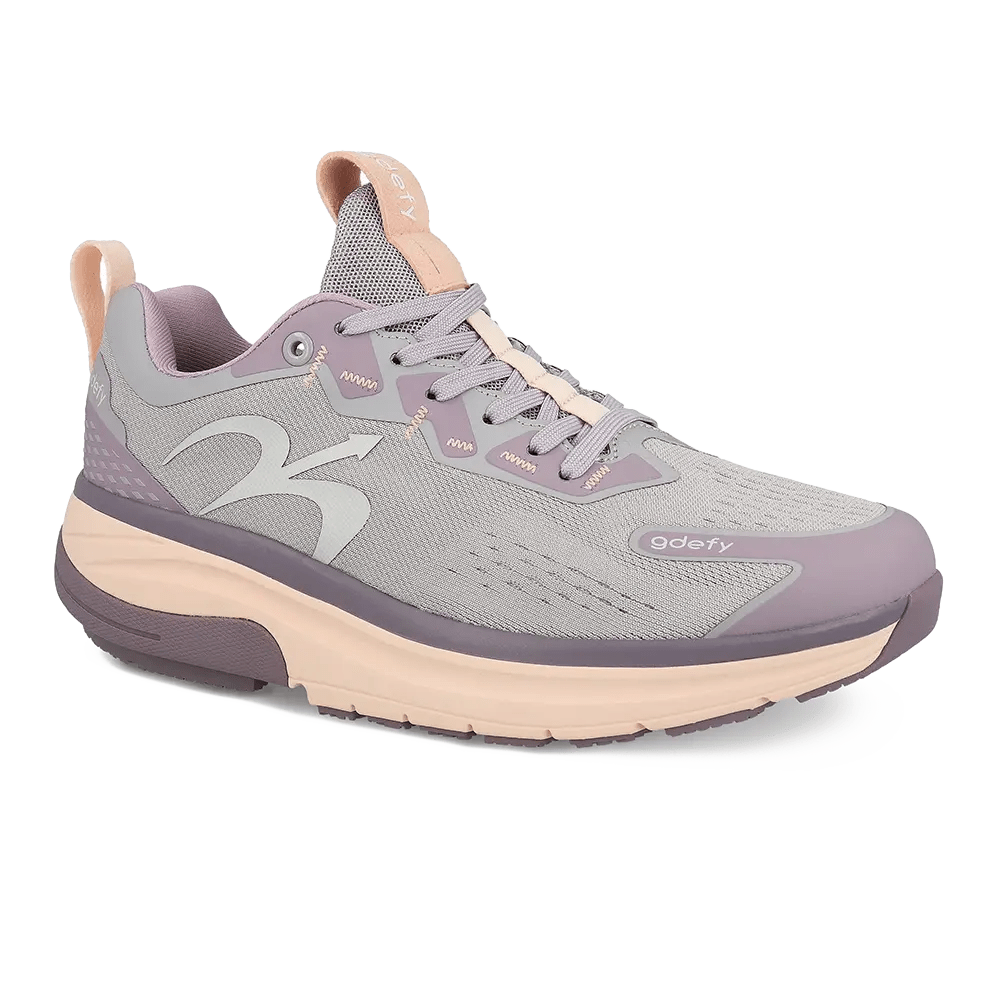
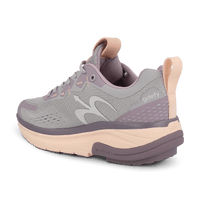
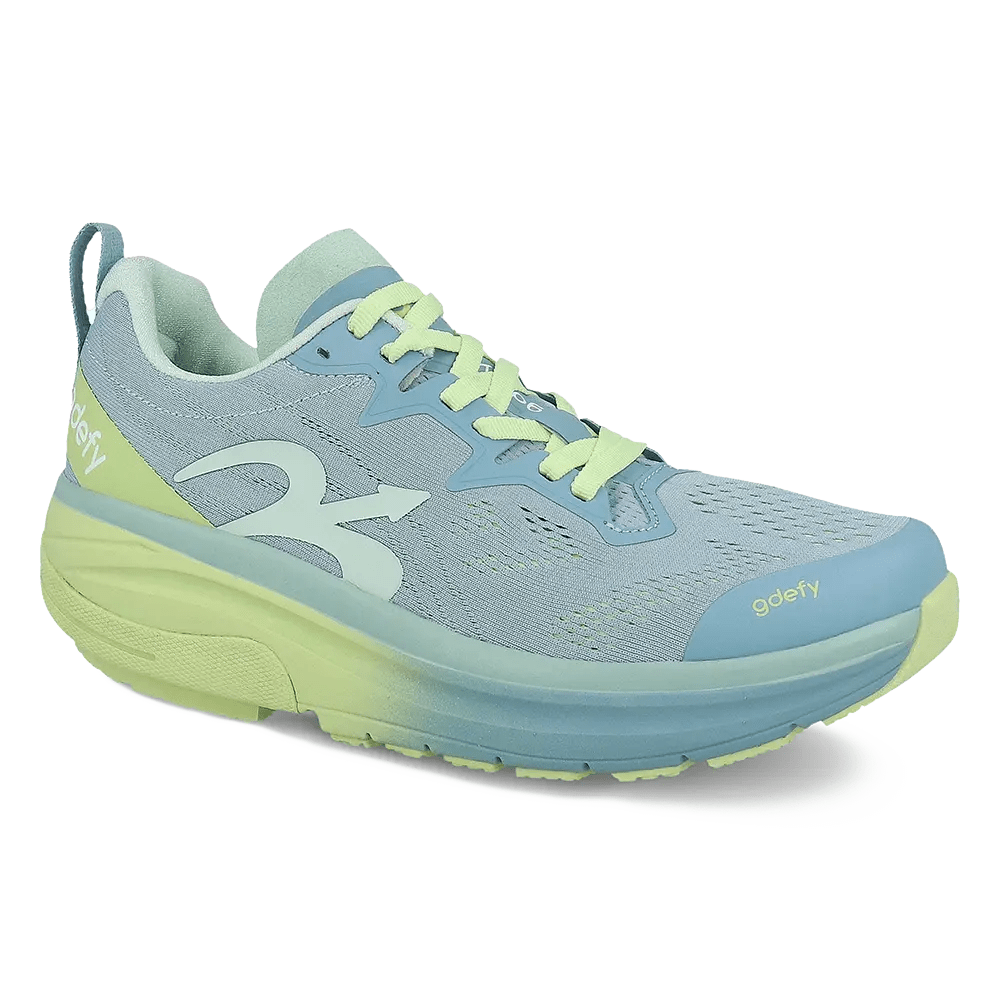
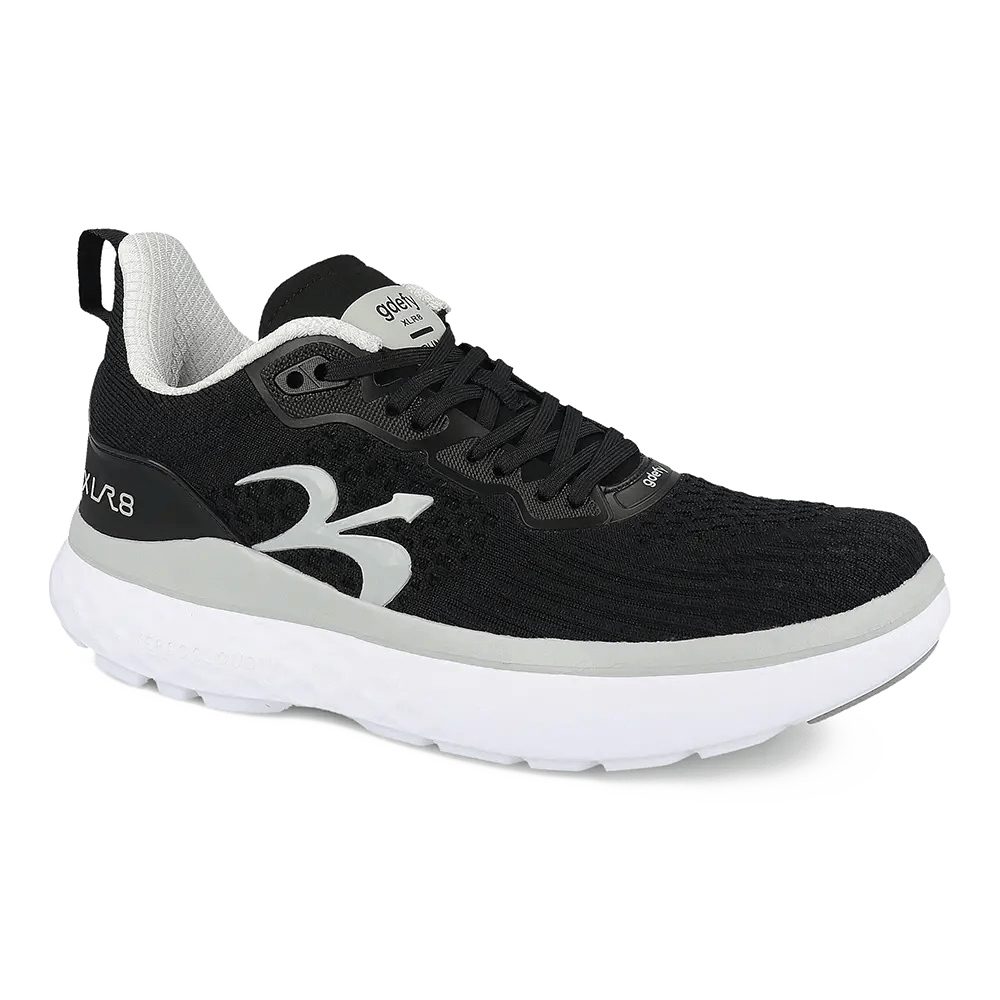
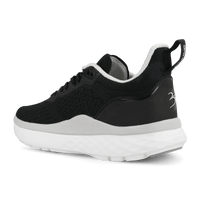
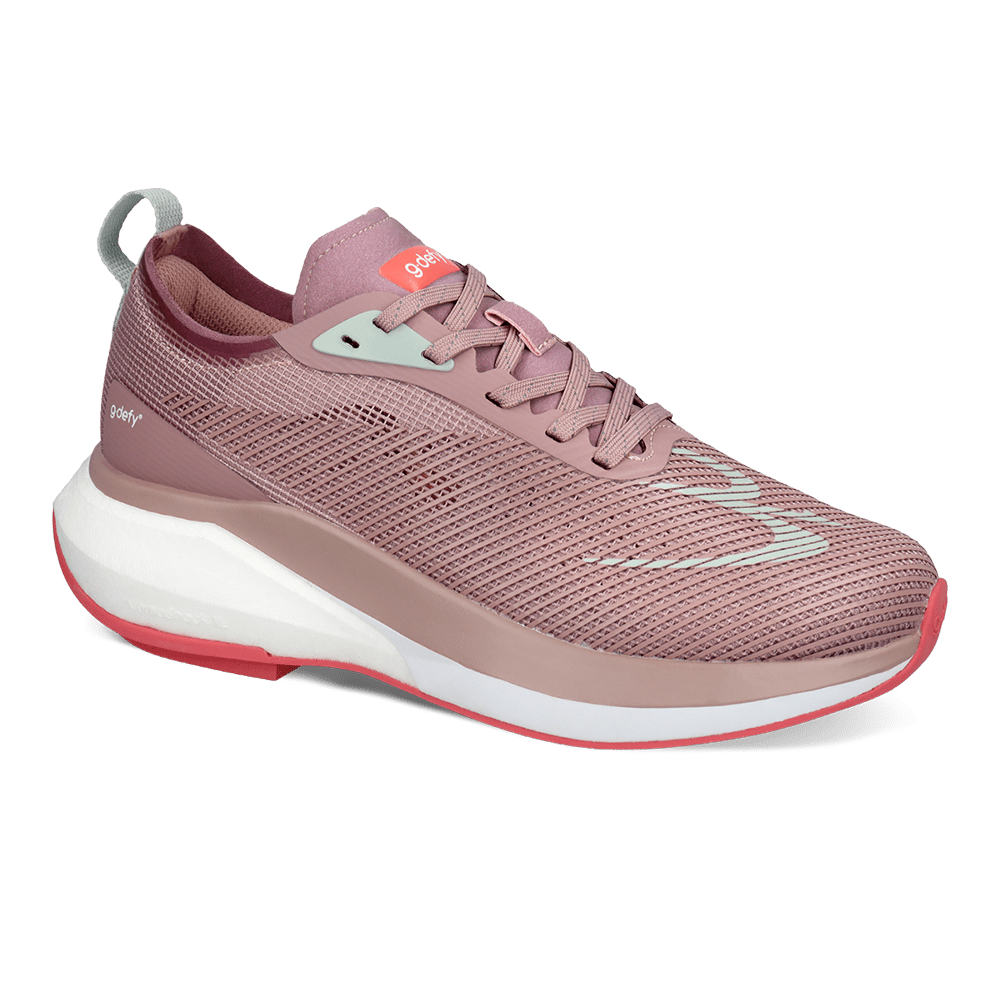
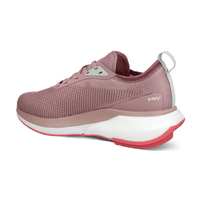
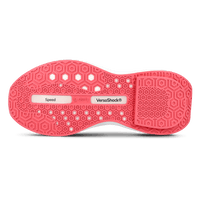
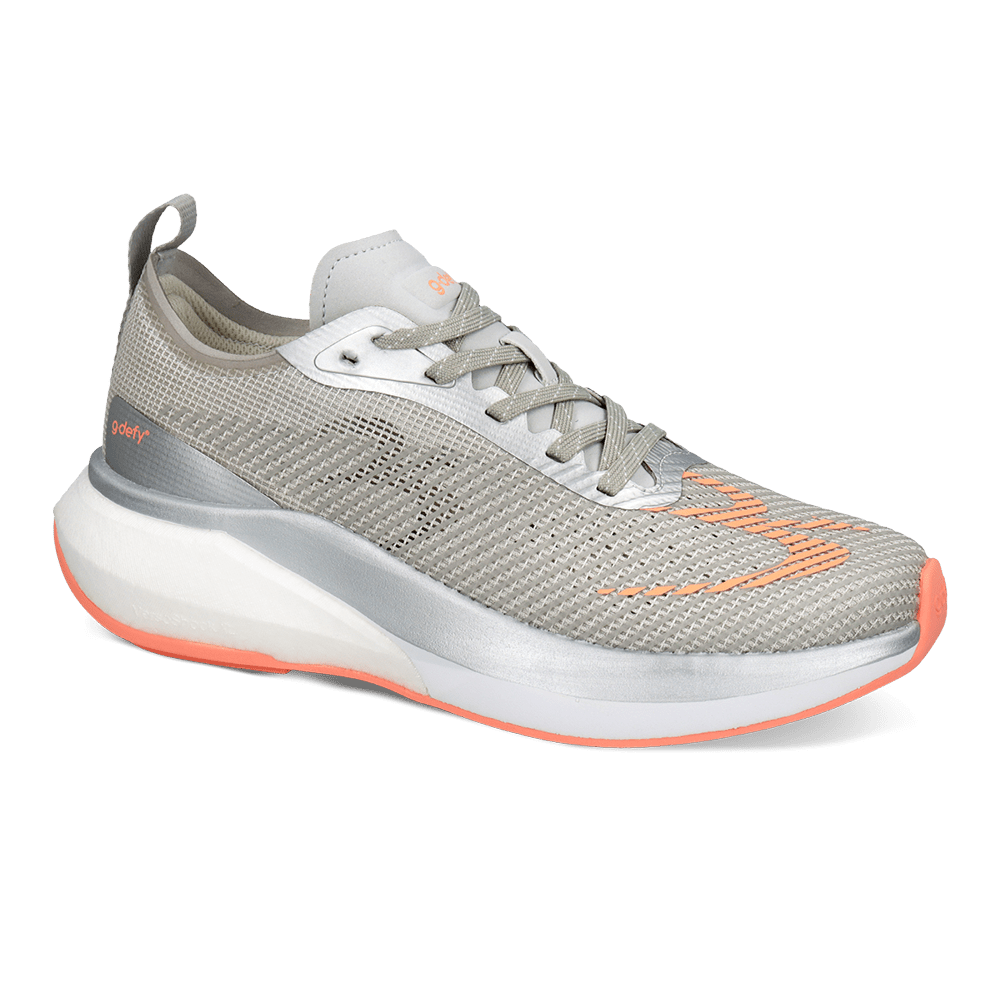
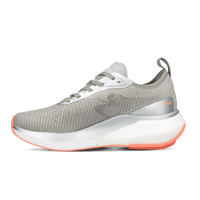
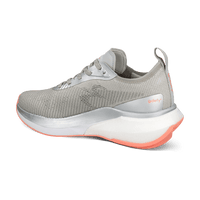
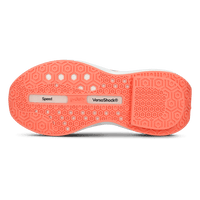
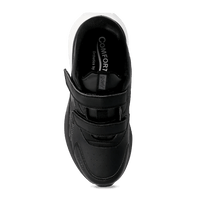
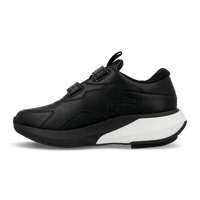
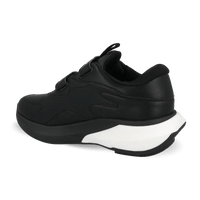
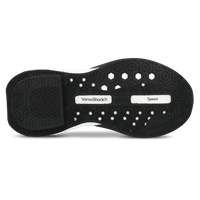
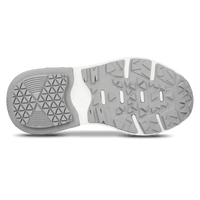
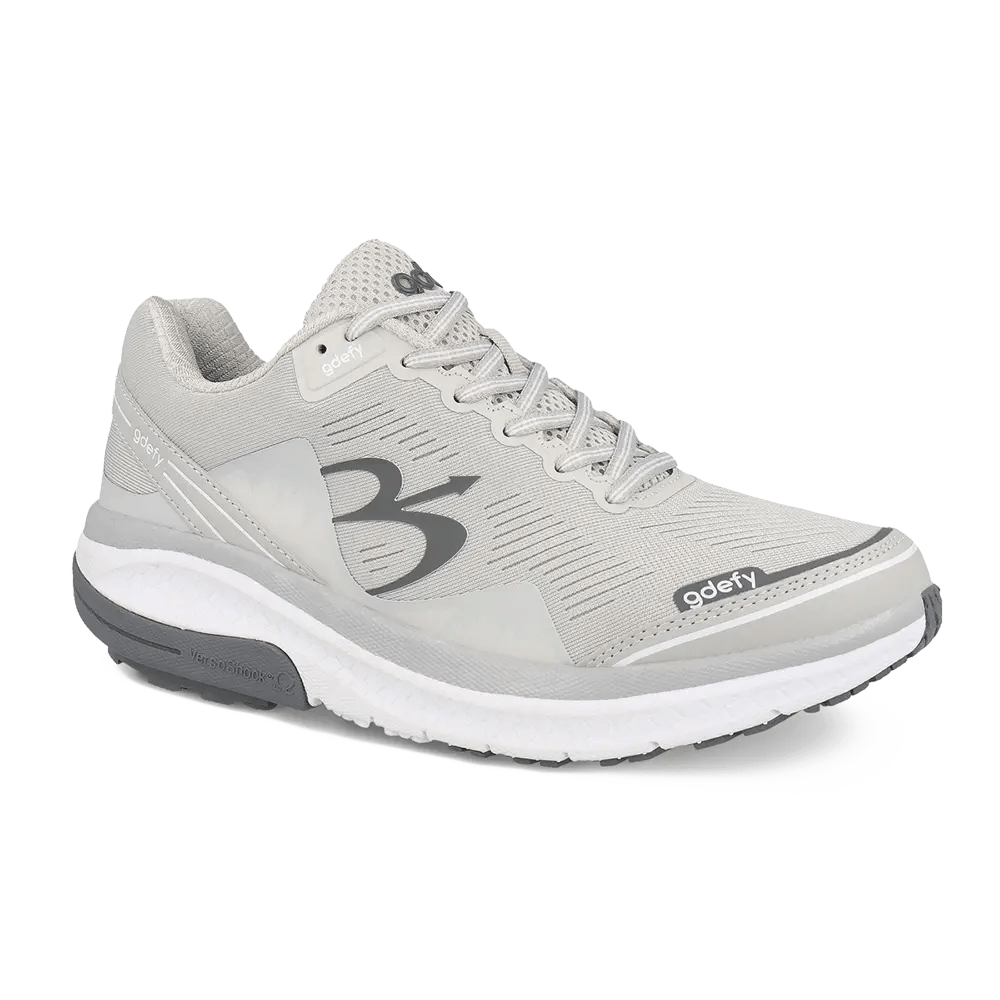
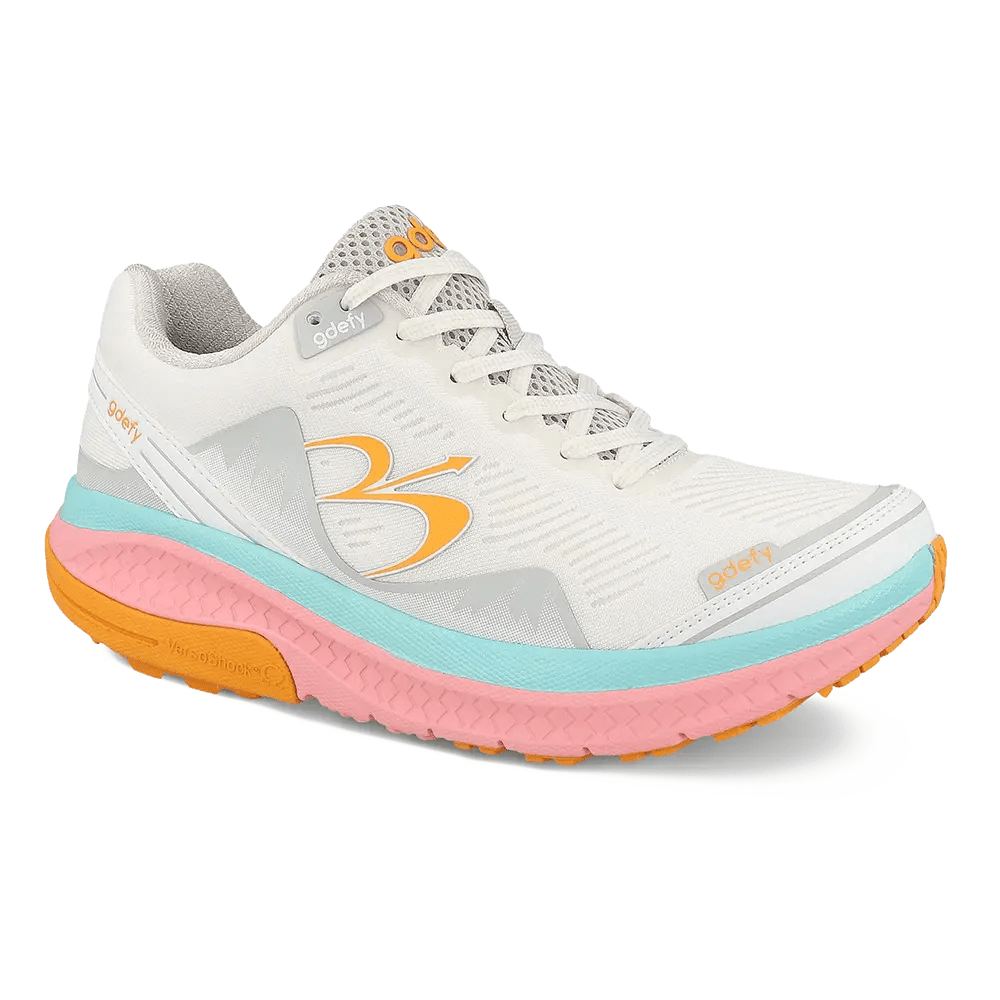
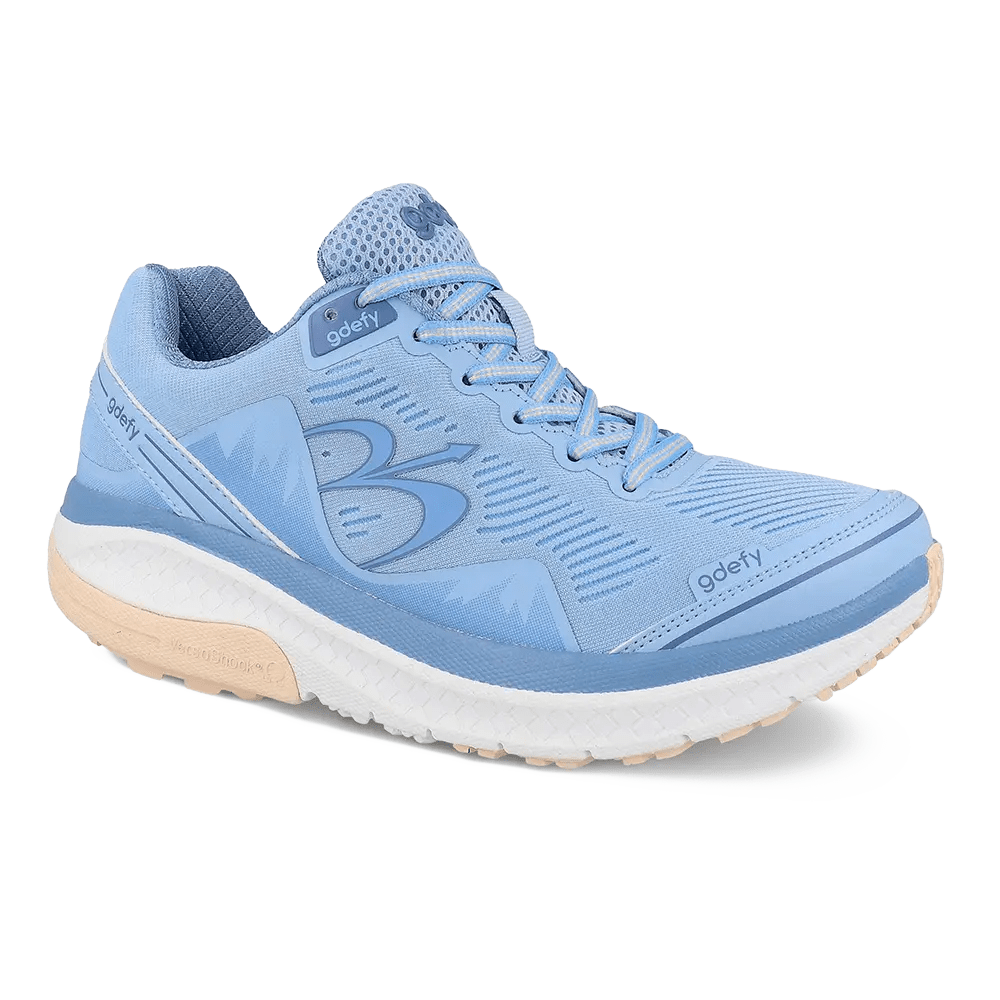
G-Defy shoes are engineered to provide comfort, support, and shock absorption during daily movement. They’re built around VersoShock® technology, a spring-based system designed to absorb impact and return energy with each step instead of compressing flat like ordinary foam. You can read more about how it works in our breakdown of how VersoShock® technology works.
Beyond cushioning, every pair is designed around four working parts:
- Shock absorption — VersoShock® helps soften the impact of each step.
- Energy return — the spring-based midsole helps support forward movement.
- A built-in stabilizer — helps support the foot and encourages a more controlled, even stride.
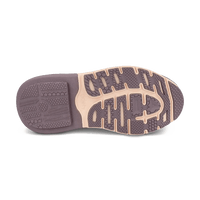
- A front rolling design — promotes a smooth heel-to-toe transition for a more natural walking motion.
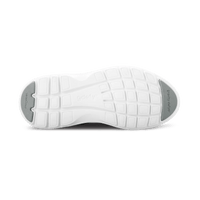
Each pair also includes two removable orthotics — the ComfortFit® orthotic for low to medium arches and the CorrectiveFit® orthotic for medium to high arches — so you can customize the level of support that feels best to you. Together, these features help reduce pain from walking, running, and prolonged standing, while supporting a more comfortable, stable stride.
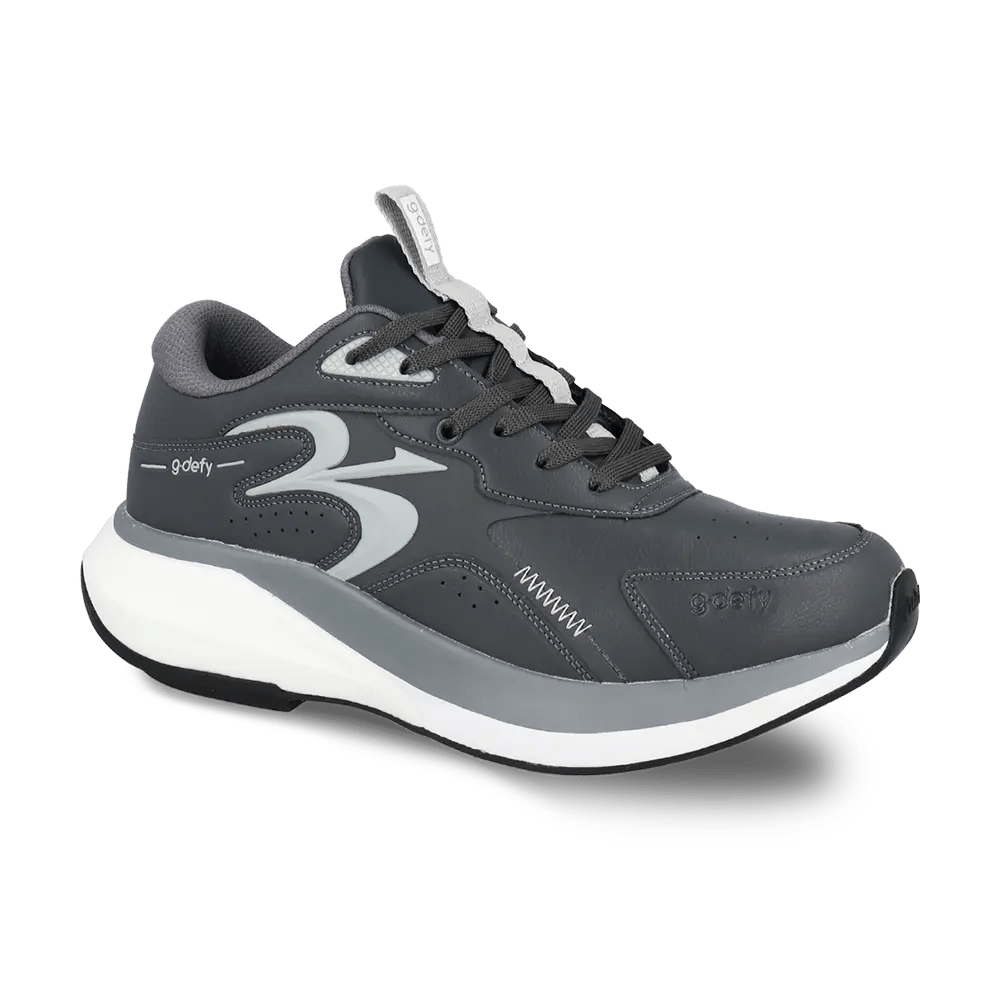
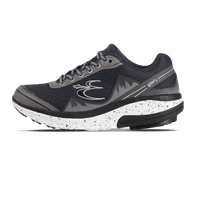
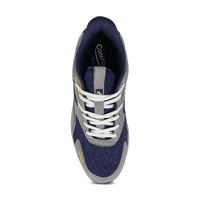
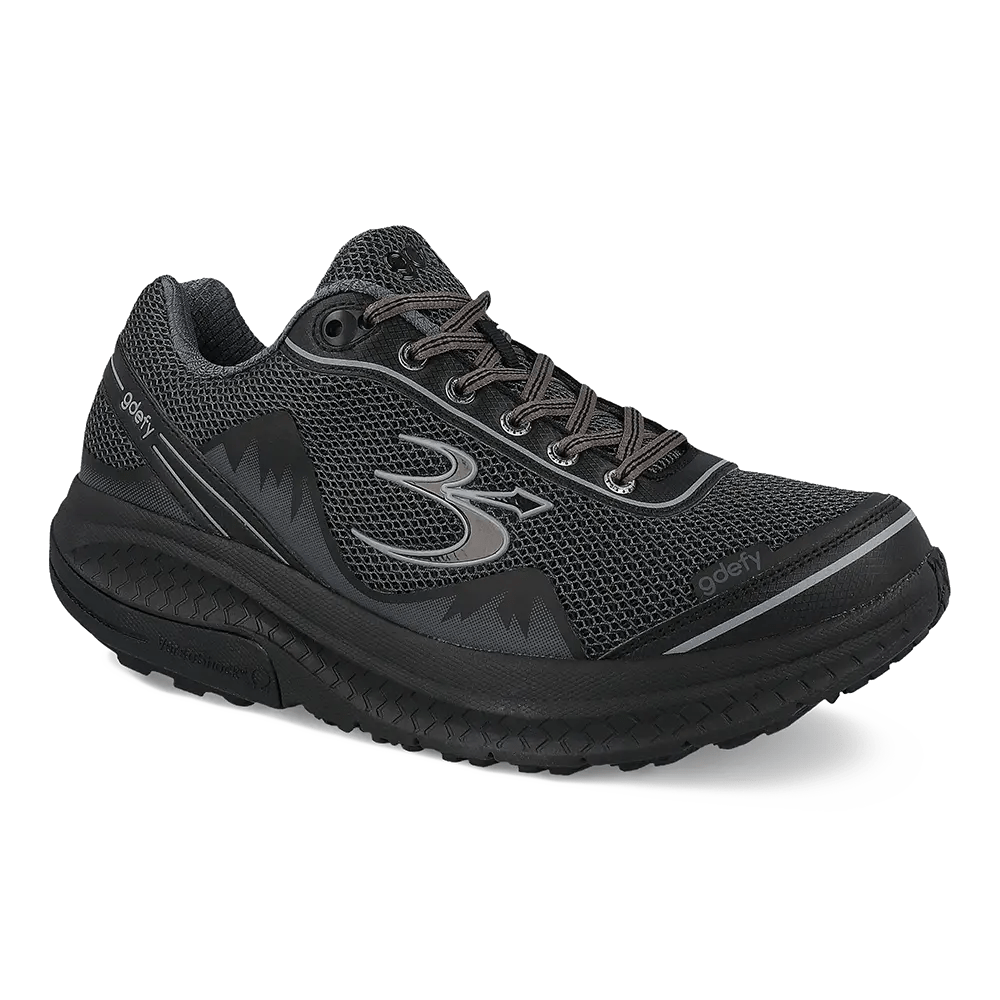
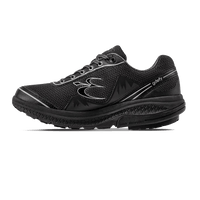
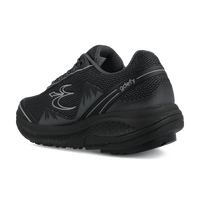
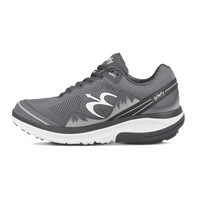
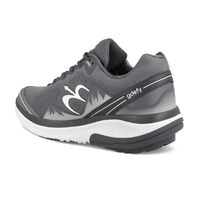
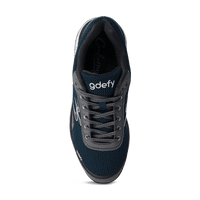
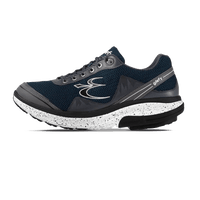
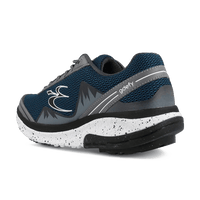
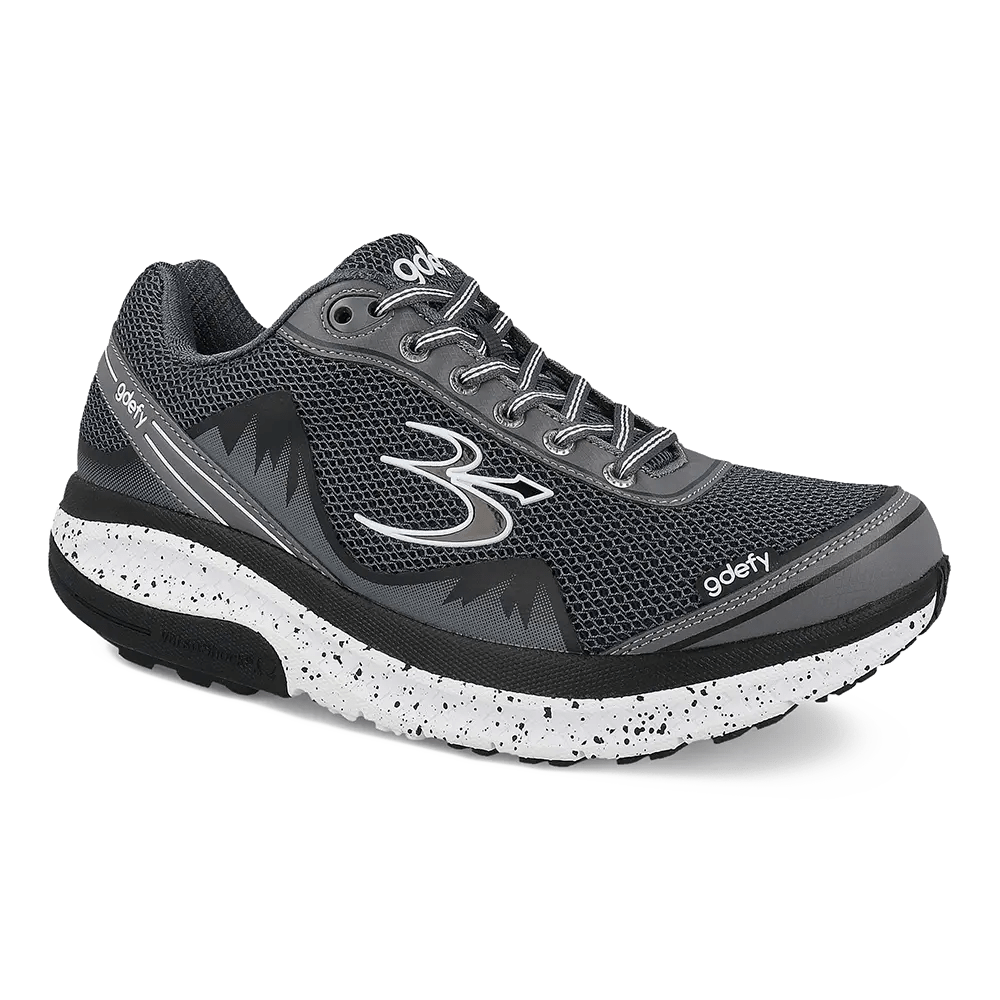
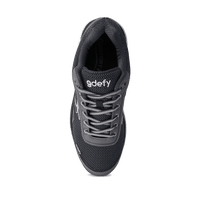
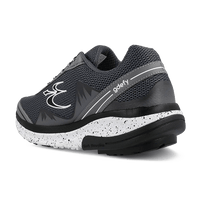
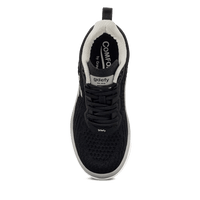
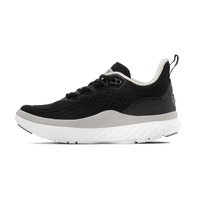
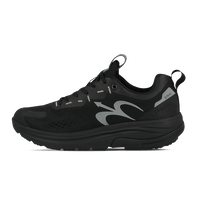
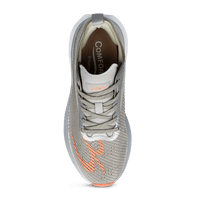
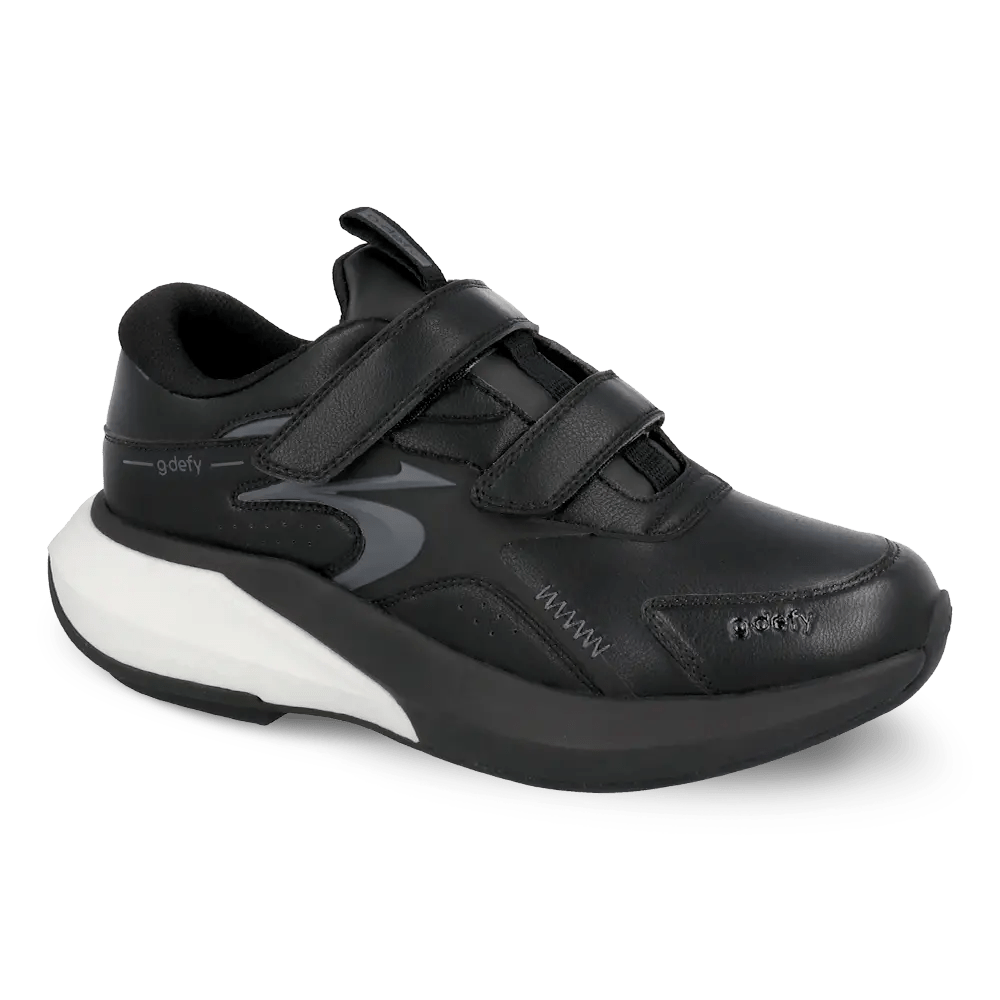
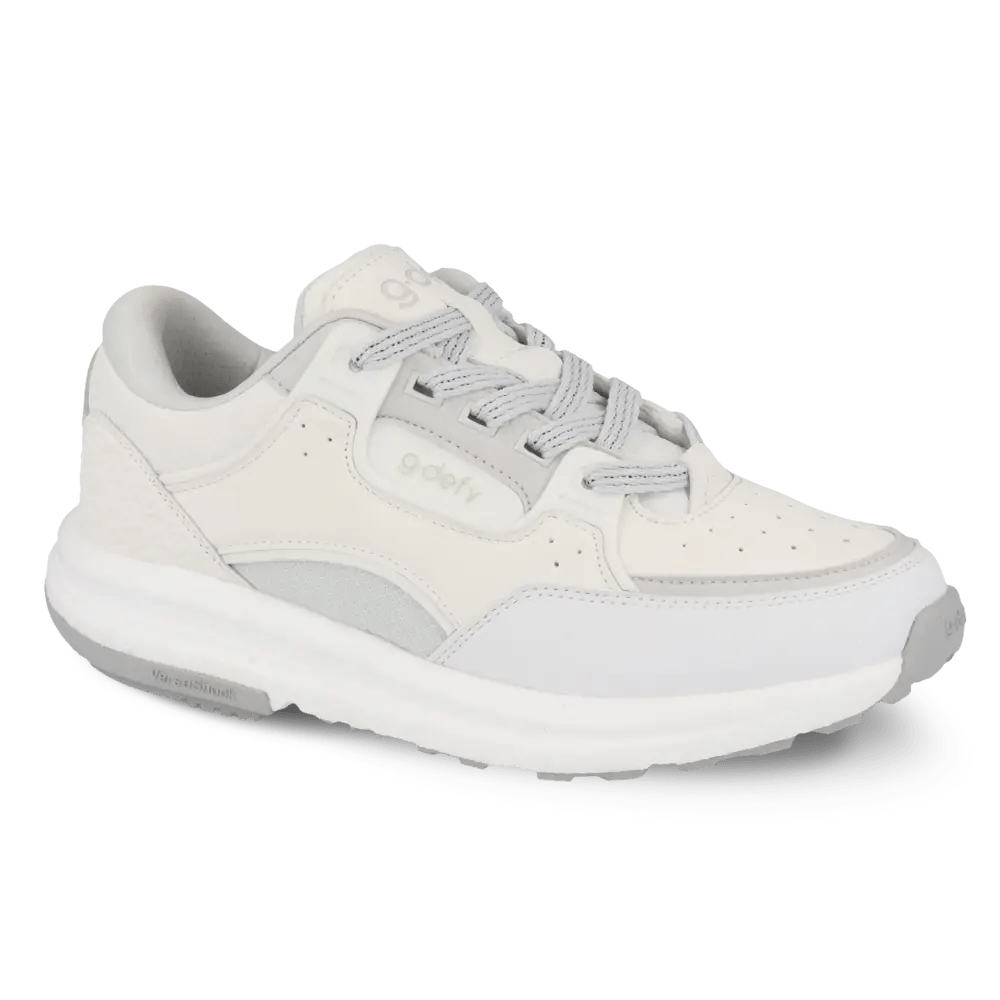
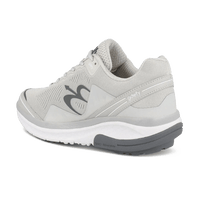
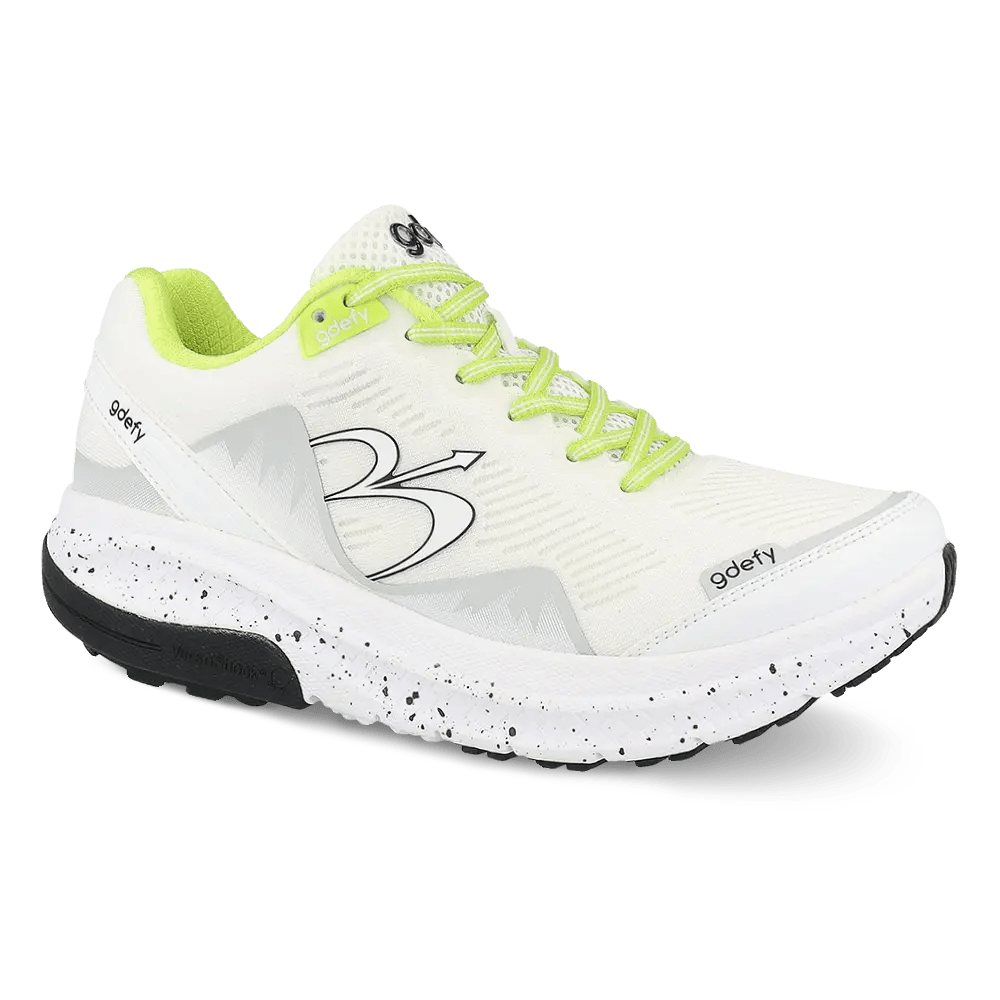
For all-day wear, the Mighty Walk is a popular choice thanks to its generous cushioning and supportive structure. You can browse the full lineup in the men’s and women’s collections, or explore the athletic and casual ranges to match your day.
“I’m on my feet all day, and by evening I used to feel completely worn down. These feel more supportive than my previous pair, and I notice I’m steadier and more comfortable through the afternoon.”
— Composite of customer feedback. Results vary by individual.
Feel more supported from the ground up
Try G-Defy shoes with our 60-day risk-free trial and free shipping. If they’re not the most comfortable, supportive shoes you’ve worn, send them back for a full refund.
Shop the Mighty Walk
Everyday Habits That Support Better Posture
Supportive shoes give you a solid base, but a few simple habits help you get the most out of them:
- Replace worn-out shoes. When the cushioning feels flat or the tread is uneven, it’s time for a fresh pair that gives you a level, stable base again.
- Rotate between pairs. Alternating shoes lets cushioning recover between wears and helps each pair last longer.
- Choose the right shoe for the task. A supportive walking shoe for long days on your feet, a lighter option for casual errands — matching the shoe to the activity keeps you comfortable.
- Stand evenly. When you catch yourself leaning on one leg, reset and spread your weight across both feet.
- Prioritize fit. Shoes should feel secure through the heel and roomy enough in the toe box for natural movement.
Frequently Asked Questions
Can the shoes you wear really affect your posture?
Your feet are the foundation you stand and move on, so the support underneath them influences how balanced and comfortable you feel. Supportive, cushioned footwear can help you feel steadier and more relaxed on your feet during daily activity.
Do unsupportive shoes contribute to back discomfort?
Flat or worn-out shoes give your feet little to work with, which can make standing and walking feel more tiring. Supportive footwear may improve overall comfort during walking and prolonged standing. For persistent back pain, it’s always best to consult your healthcare provider.
What shoe features help me feel more balanced and supported?
Look for cushioning, shock absorption, a stabilizing midsole, and a secure, proper fit. Those features give your feet a steady platform and help each step feel softer and more controlled.
How often should I replace my shoes to keep good support?
It depends on how much you wear them, but when the cushioning feels flat or the tread looks uneven, the shoe is no longer giving you the stable base it should. Rotating between pairs can help them last longer.
Can supportive shoes help with discomfort from standing all day?
Supportive and cushioned footwear may improve overall comfort during walking and prolonged standing by giving your feet a more stable, shock-absorbing base to work from.
The Bottom Line
Posture starts from the ground up, and the shoes you wear are a bigger part of that foundation than most people realize. While footwear is not a medical solution, choosing shoes designed for comfort, support, and shock absorption can make a meaningful difference in how balanced and comfortable you feel throughout the day. Pair the right shoes with a few simple everyday habits, and you give yourself a steadier, more supported base from the floor up.
Start with a stable, supported foundation
Discover G-Defy footwear engineered for comfort, support, and shock absorption — backed by a 60-day risk-free trial and free shipping.
Explore G-Defy Shoes