
April 27, 2026
Can Shoe Design Improve Comfort for Plantar Fasciitis?
By Gdefy

Summary
Many people who experience plantar fasciitis describe the same moment: taking those first steps out of bed in the morning and feeling a sharp, stabbing sensation in the heel. Throughout the day, long periods of standing or walking can bring it back. It's a frustrating experience that affects daily routines in ways most people don't expect — from the morning commute to an afternoon walk.
While footwear is not a medical solution for plantar fasciitis, the design of your shoes can play a meaningful role in how comfortable your feet feel throughout the day. Certain features — cushioning, arch support, shock absorption, and the overall structure of the sole — are specifically engineered to support your foot and reduce the stress that builds up with every step.
This guide breaks down the key shoe design features that matter for people experiencing plantar fasciitis, explains how each one contributes to daily comfort, and shows you what to look for the next time you're shopping for footwear.

What Is Plantar Fasciitis and Why Does Footwear Matter?
The plantar fascia is a thick band of tissue that runs along the bottom of your foot, connecting your heel bone to your toes. When this tissue becomes irritated from repetitive stress — through extended walking, standing on hard surfaces, or unsupportive footwear — the result is inflammation and the characteristic heel pain associated with plantar fasciitis.
The condition is especially common in adults over 40, people who spend long hours on their feet, and those who have recently increased their activity levels. Morning heel pain is one of the most recognizable signs: the tissue tightens during rest and then gets stretched abruptly with the first few steps of the day.
Footwear matters because your shoes are the interface between your feet and the ground. Every step you take sends an impact force up through your foot. Shoes that don't cushion that impact, don't support the arch, or don't fit properly can increase stress on the plantar fascia with every stride. Conversely, shoes designed with the right features can help distribute that impact more evenly, provide structure where the foot needs it, and make walking and standing feel noticeably more comfortable.
Footwear is not a substitute for medical care — choosing the right shoe design is about everyday comfort and support, not clinical outcomes. But the design choices built into a shoe can make a real difference in how you feel day to day.
Key Shoe Design Features That Support Heel Comfort
When evaluating any shoe for plantar fasciitis comfort, there are five design features worth understanding in detail.
1. Cushioning and Shock Absorption
Every step you take generates an impact force that travels up through your foot, ankle, and leg. On hard surfaces like concrete or tile, that force is absorbed almost entirely by your foot — and for someone with plantar fasciitis, that repeated stress is exactly what worsens discomfort.
Shoes with meaningful cushioning help absorb some of that impact before it reaches your heel. But not all cushioning is equal. Traditional foam compresses under weight and slowly loses its ability to spring back, meaning your shoes become less effective over time. Designs that use more responsive materials — such as spring-based systems — absorb impact more evenly and maintain their performance longer.
Look for: Shoes with dedicated heel cushioning, a responsive midsole that doesn't feel flat or worn after moderate use, and materials that return energy rather than just compressing.
2. Arch Support
The arch of your foot acts as a natural shock absorber. When it's unsupported, more stress is transferred to the plantar fascia — especially during prolonged standing or walking. Shoes with structured arch support help the foot maintain its natural shape throughout the day, reducing the strain on the fascia tissue.
The amount of arch support you need depends on your foot type. People with flatter arches may need more aggressive support, while those with higher arches benefit from cushioning that fills the space beneath the arch rather than a rigid structure.
Look for: A shoe with a firm but not rigid arch contour. Bonus if the shoe includes removable insoles or orthotics, since these allow you to customize the level of support based on your specific foot shape.
3. Heel Cup Design
A well-designed heel cup cradles the fat pad that sits beneath your heel bone. This natural fat pad is what absorbs the majority of impact during walking — but it can flatten or shift with age and repeated stress. A structured heel cup helps keep that pad in place, providing more consistent cushioning where you need it most.
Deep heel cups also help stabilize the foot, reducing the tendency for excessive inward rolling that can pull the plantar fascia in ways that worsen discomfort.
Look for: A shoe with a firm, molded heel counter — the semi-rigid structure inside the back of the shoe — and a heel cup that holds your foot centered rather than allowing side-to-side movement.

4. Energy Return
Shock absorption is about what the shoe does when your heel hits the ground. Energy return is about what happens next: does the shoe help propel your foot forward into the next step, or does it just compress and stay flat?
A shoe with good energy return makes walking feel more natural and less effortful. For people with plantar fasciitis, this matters because it reduces the cumulative strain of hundreds of steps. When each step requires less compensatory effort from the foot and leg, the overall stress on the plantar fascia decreases.
Look for: Materials described as "responsive" or "spring-based" rather than traditional foam. Some shoes use engineered polymer systems designed specifically to return energy with each stride.
5. Proper Fit and Toe Box Space
A shoe that's too tight across the toe box forces your foot into an unnatural position, which can alter your gait and put additional stress on the plantar fascia. A shoe with adequate width and length allows your toes to rest naturally, your foot to function as designed, and your heel to sit securely in the heel cup.
Look for: Shoes with a roomy but not loose toe box, a secure fit around the heel and midfoot, and the ability to accommodate your foot's natural width without squeezing.
How G-Defy's VersoShock® Technology Addresses These Features
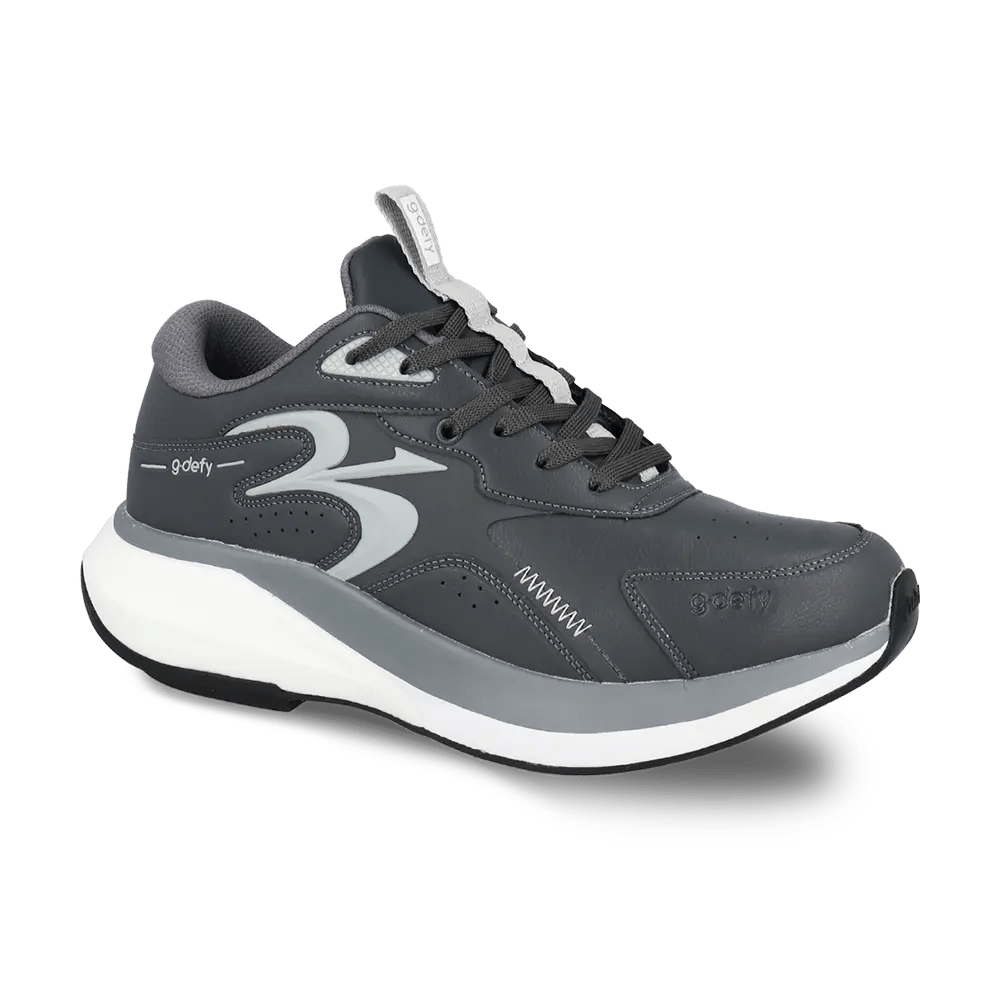
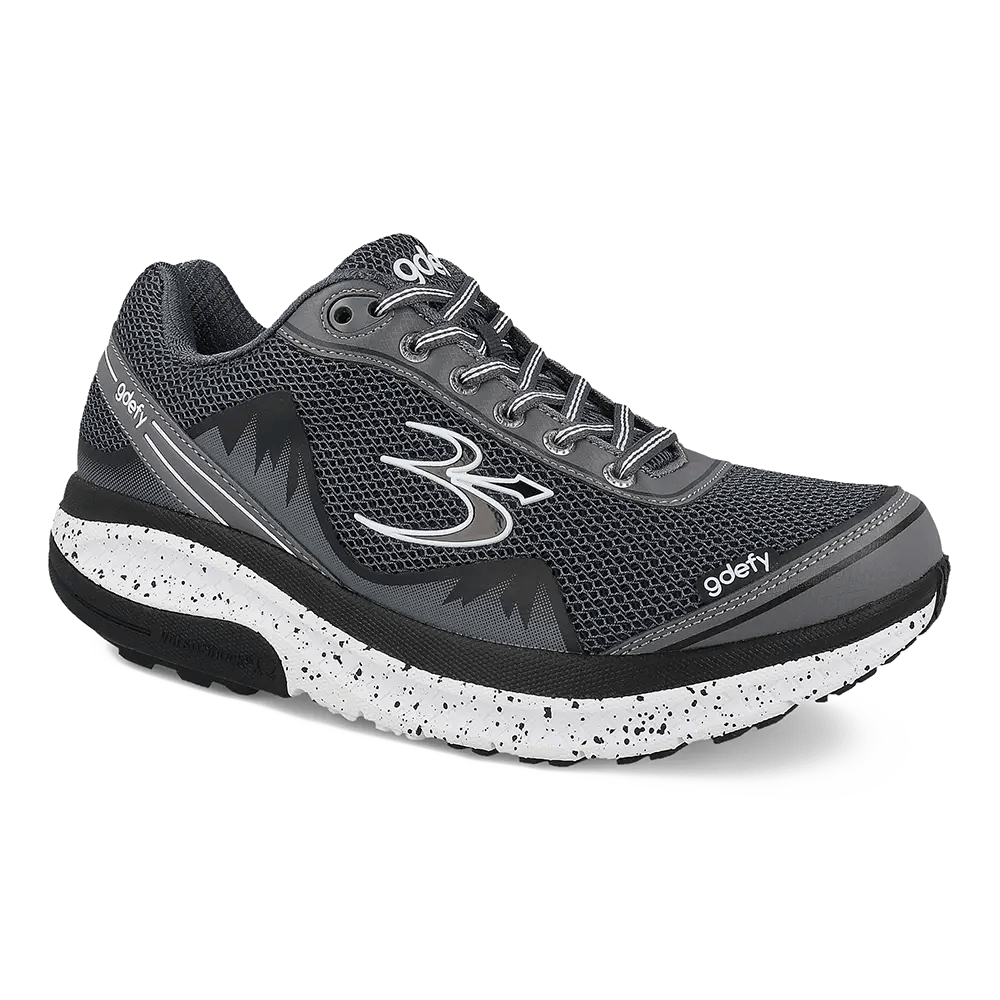
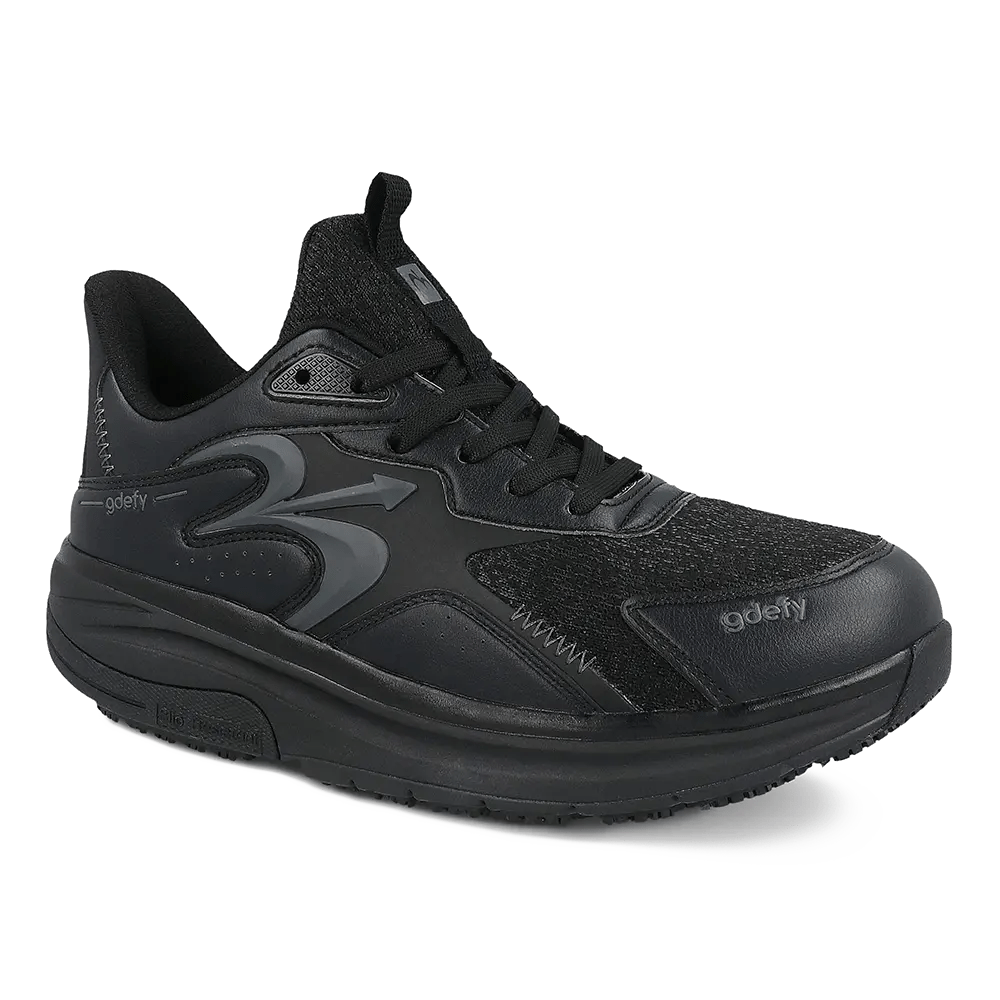
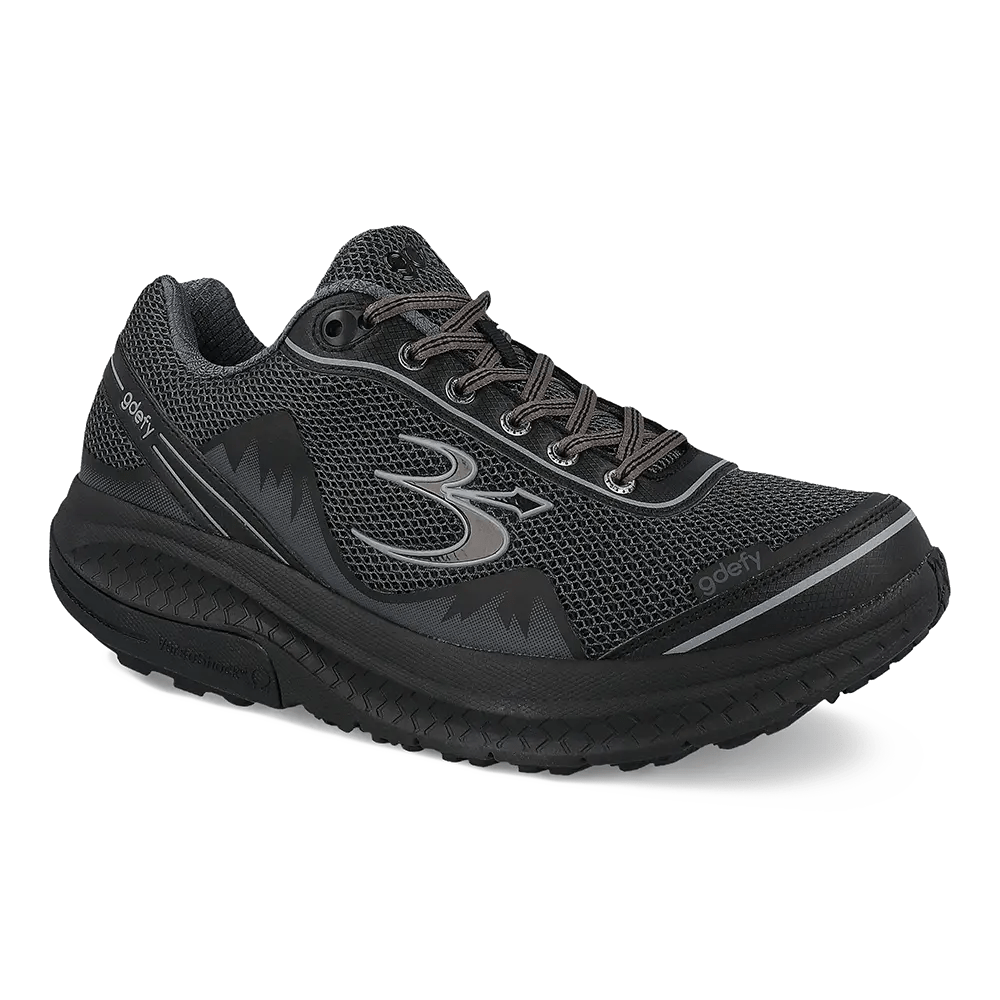
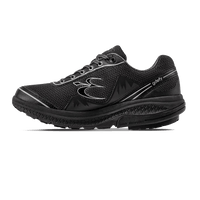
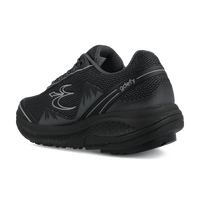
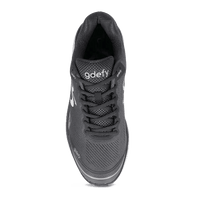
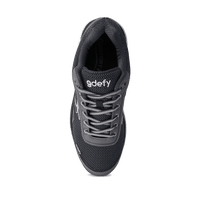
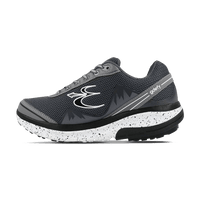
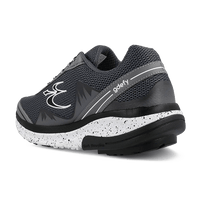
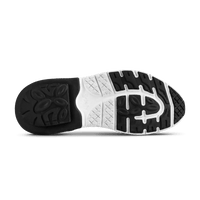
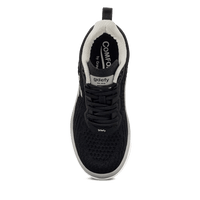
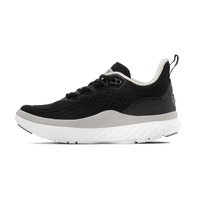
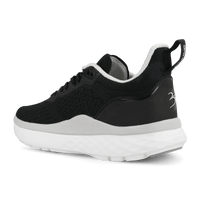
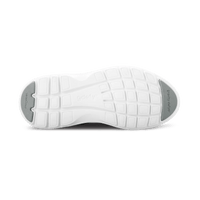
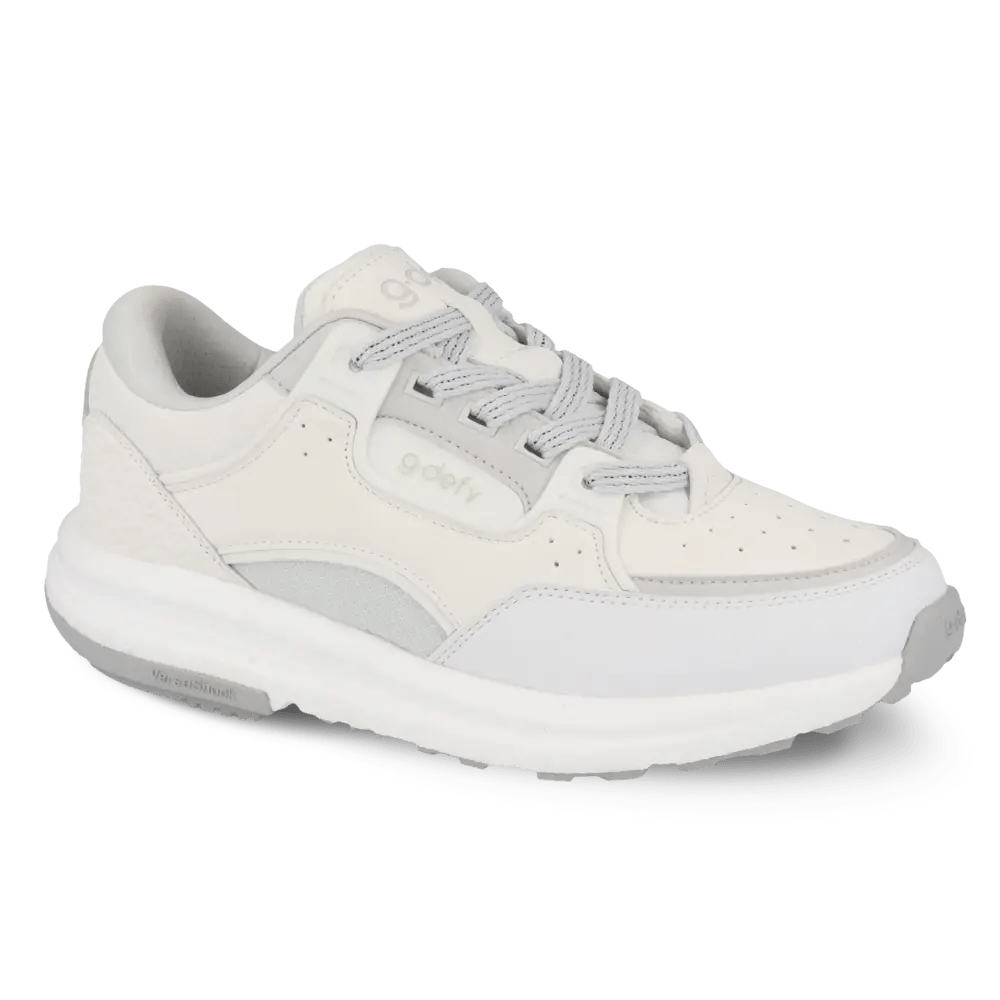
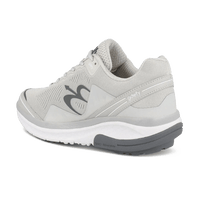
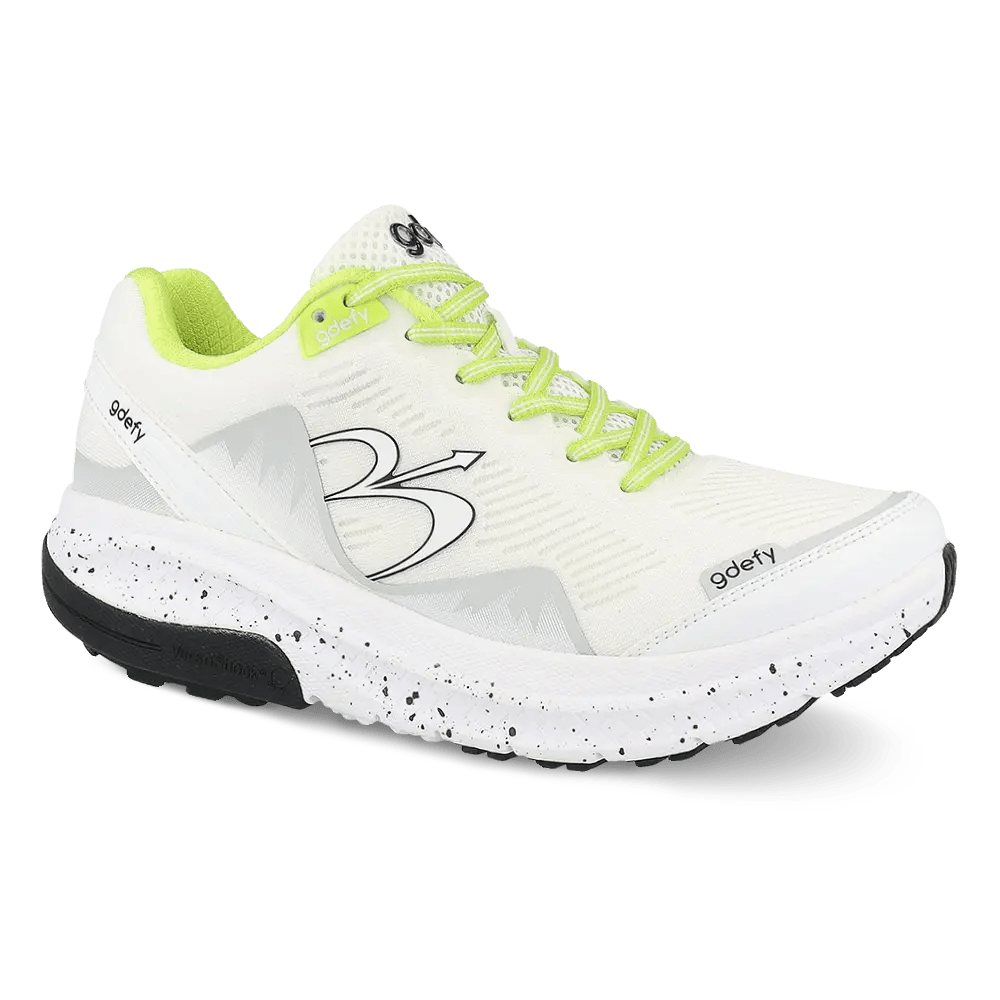
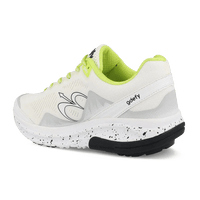
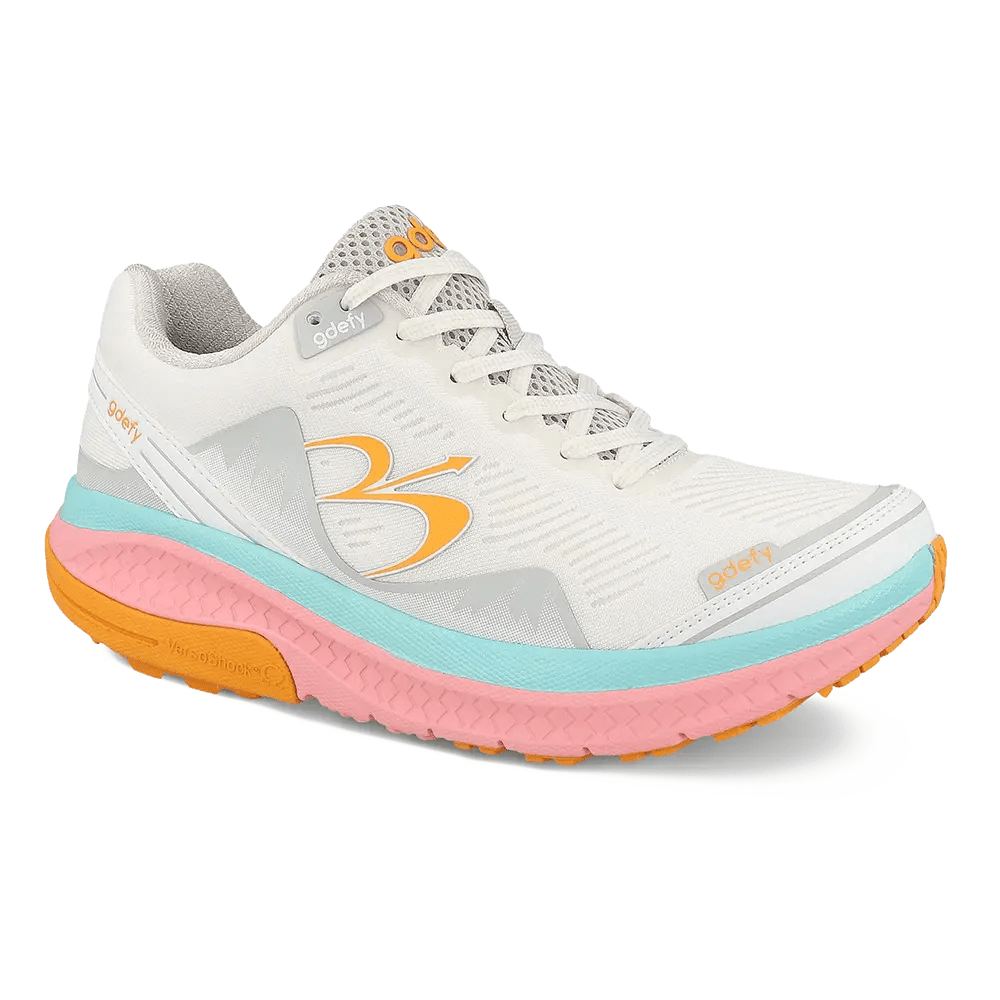
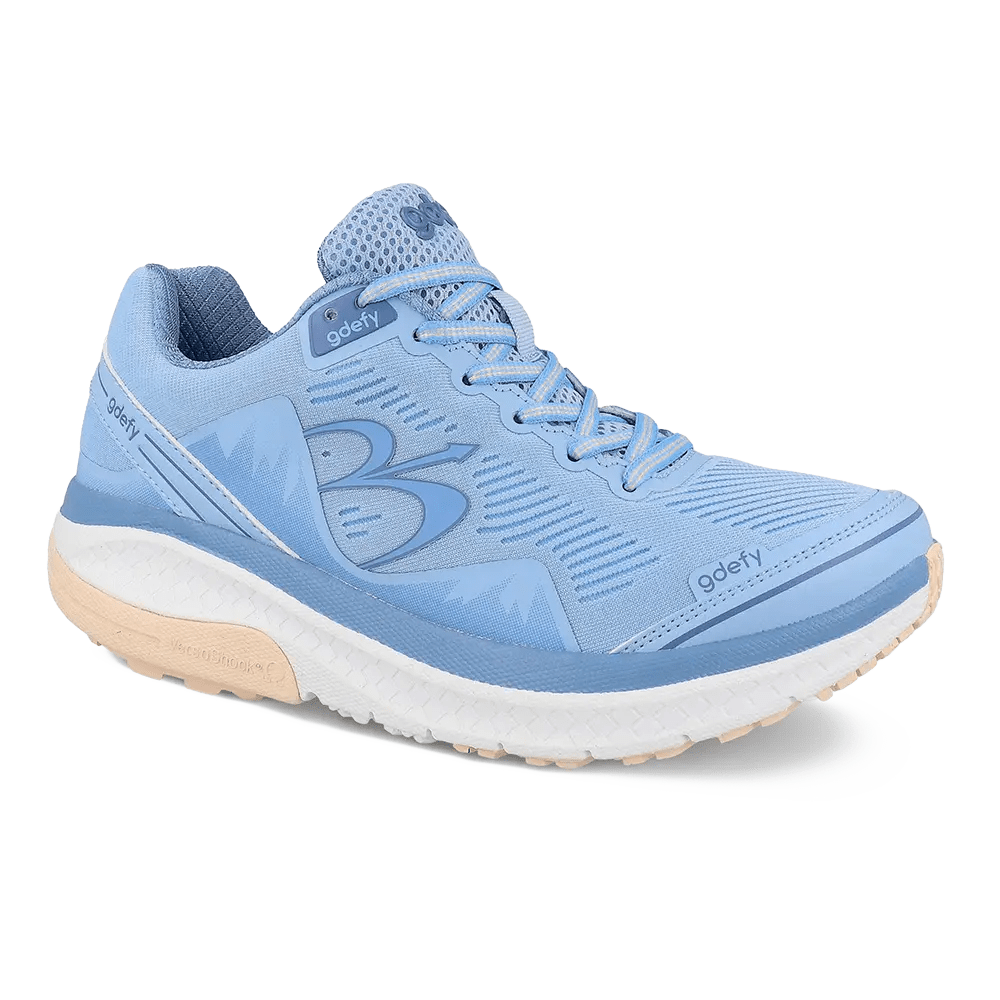
G-Defy shoes are built around a four-pillar system — VersoShock® technology — that specifically addresses the design priorities outlined above.
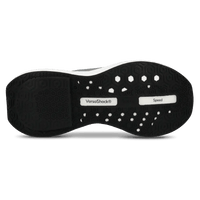
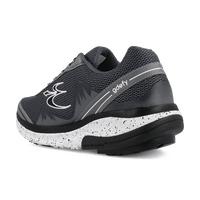
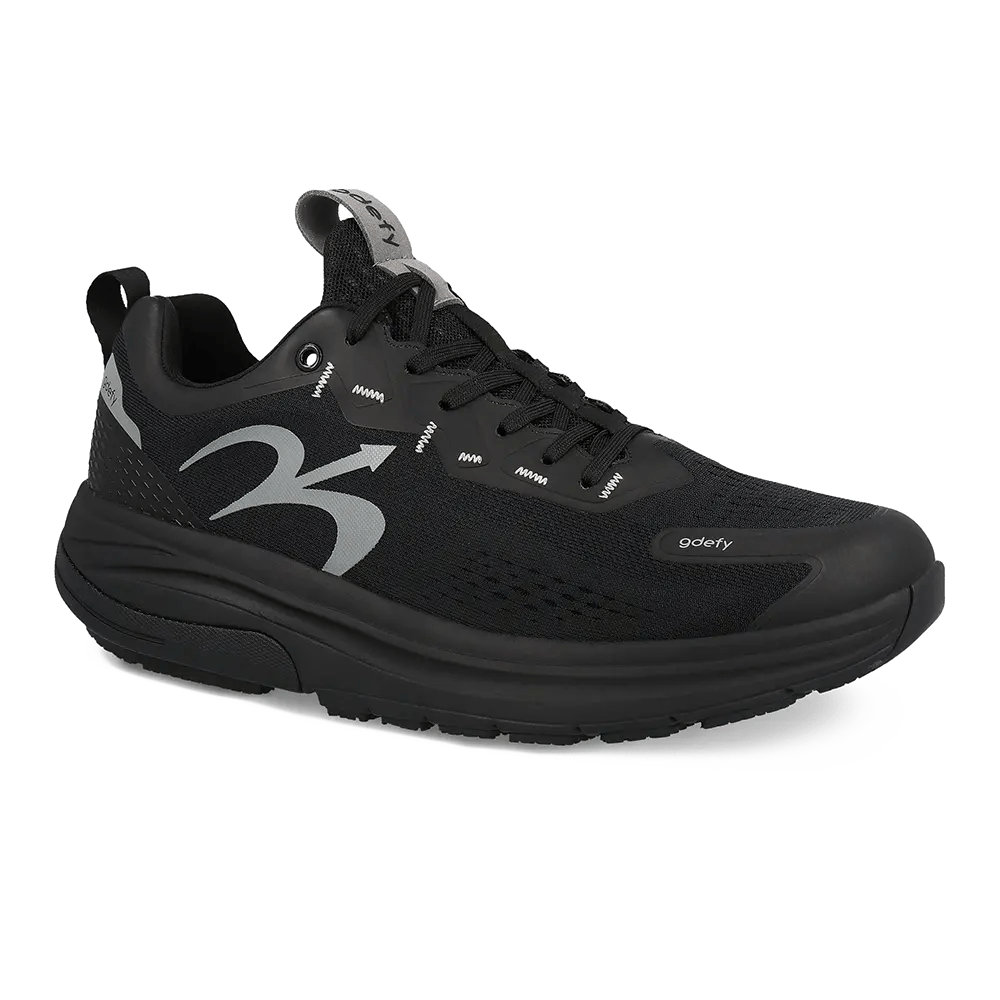
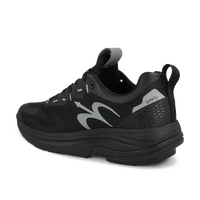
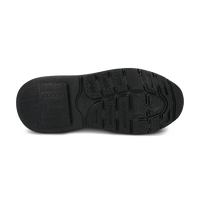
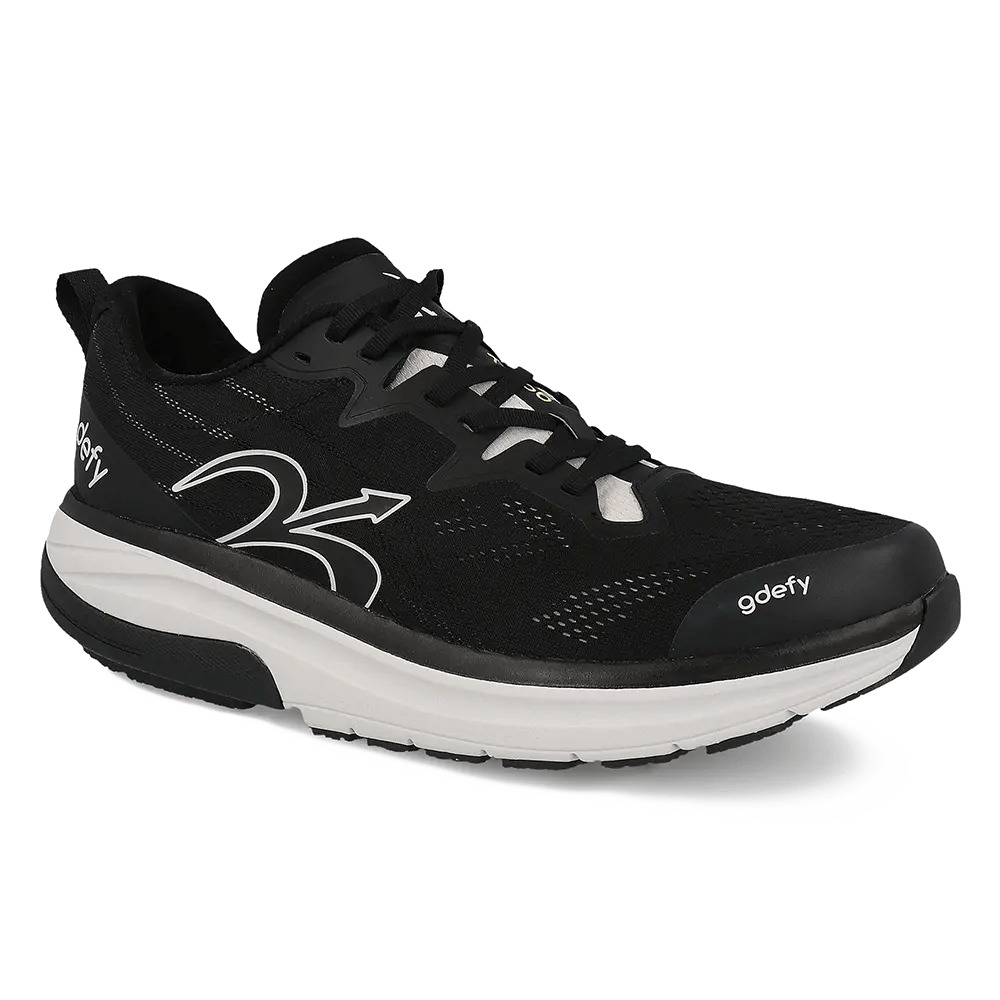
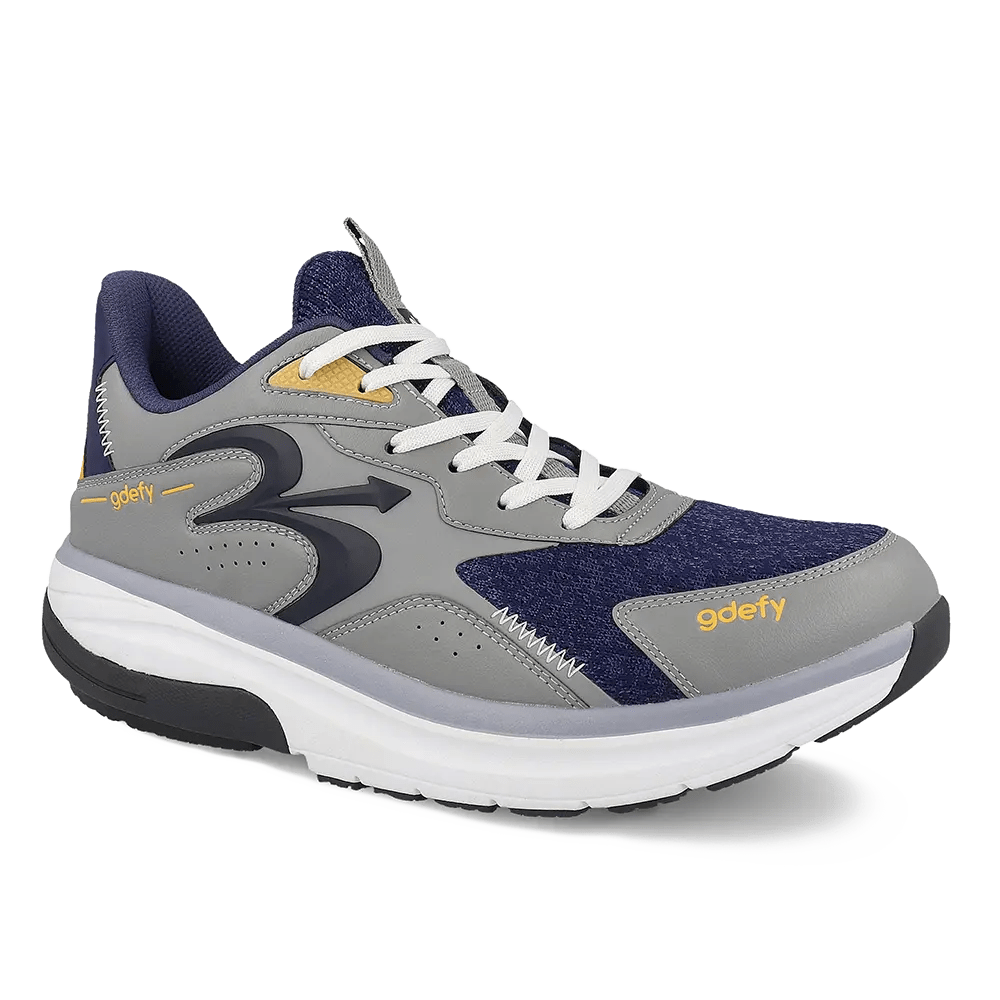
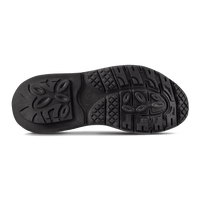
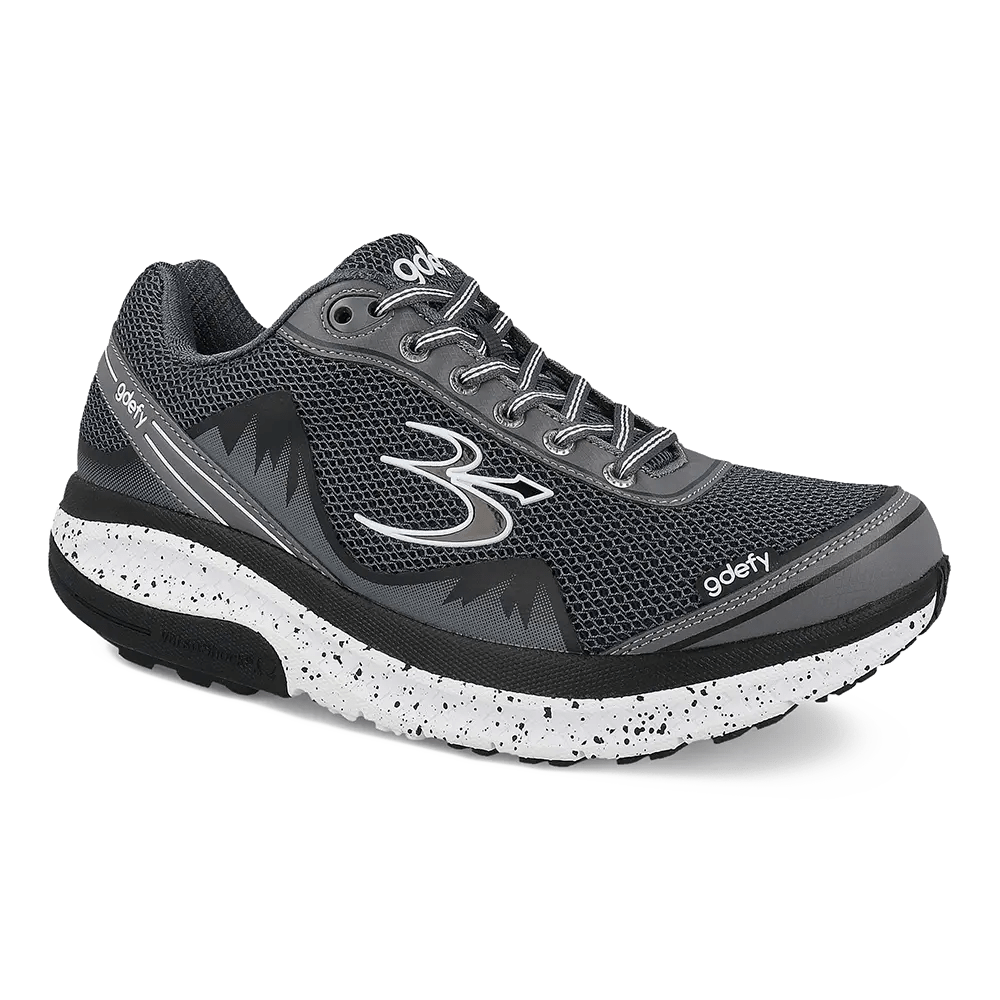
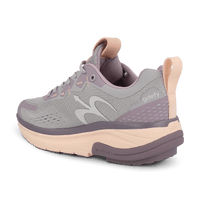
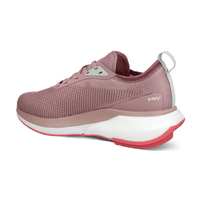
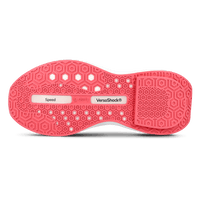
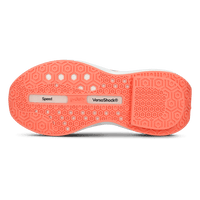
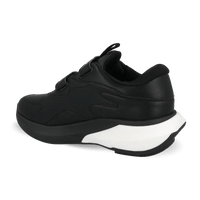
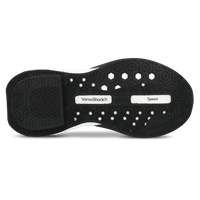
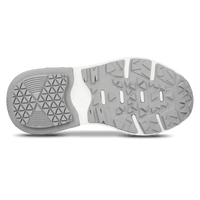
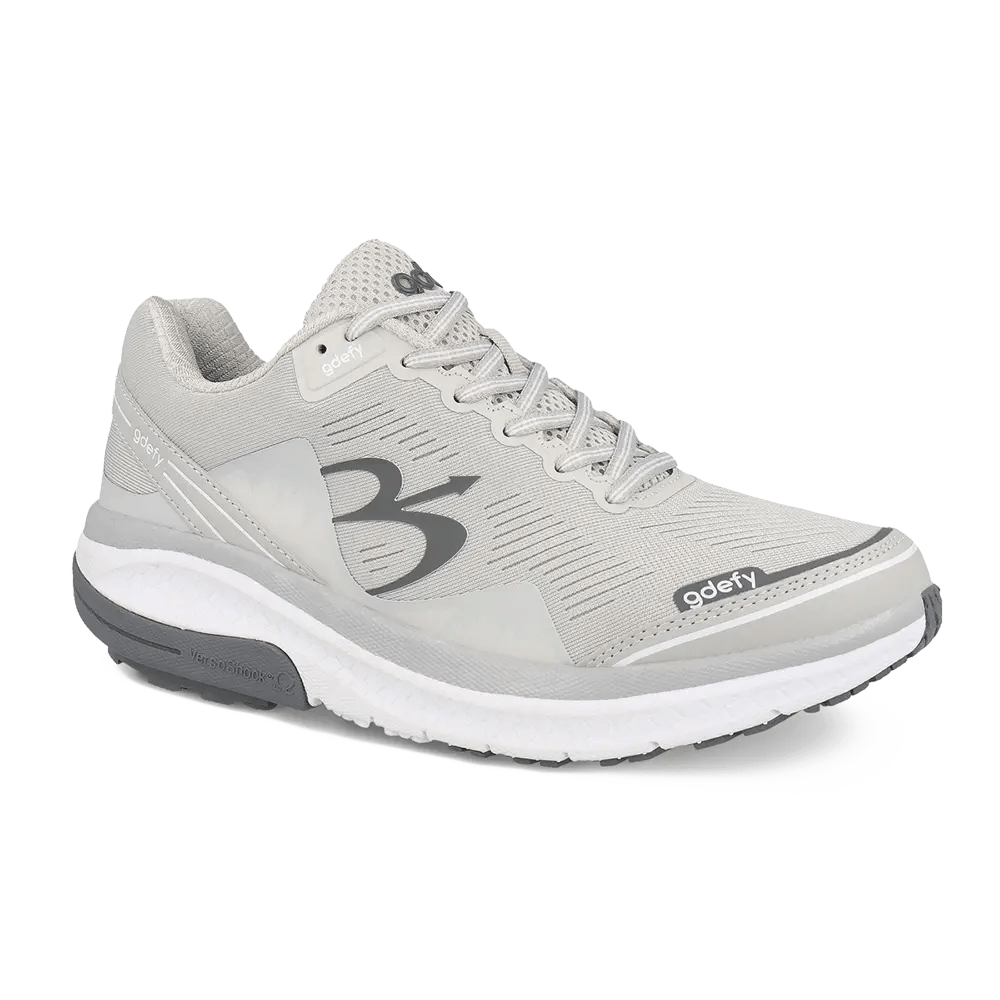
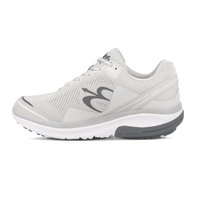
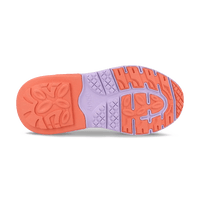
VersoShock® Shock Absorption: At the core of every G-Defy shoe is a spring-based midsole system designed to absorb impact softly and gradually with each step. Unlike traditional foam, which flattens over time, this system maintains its performance through extended wear. It helps reduce the stress of walking and standing, providing a softer experience underfoot throughout the day.
Energy Return: VersoShock® is also engineered to return energy with each step, helping support forward movement. This responsive feel supports a more efficient walking motion — reducing the cumulative demand on your foot with every stride.
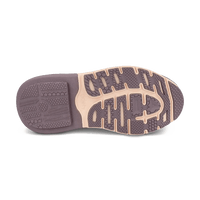
Stabilizer System: A built-in stabilizer (shank) inside every G-Defy shoe helps prevent excessive bending in the midfoot, supporting foot structure during movement and encouraging a more stable, controlled stride.
Front Rolling Design: The front rolling geometry of G-Defy shoes encourages a natural heel-to-toe motion, promoting a smoother walking experience from the moment your heel strikes the ground to the moment your toes push off.
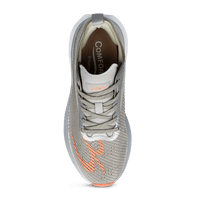
Dual Orthotics: Every pair of G-Defy shoes includes two removable orthotics — the ComfortFit® for low to medium arches and the CorrectiveFit® for medium to high arches. This allows you to customize your arch support based on your specific foot type, which is particularly valuable for people with plantar fasciitis whose arch support needs may differ from a standard shoe.
Together, these features are designed to deliver comfort, support, and shock absorption during daily movement. G-Defy shoes are engineered to help reduce pain from walking, running, and prolonged standing — including the all-day demands that are especially difficult for people managing heel discomfort.
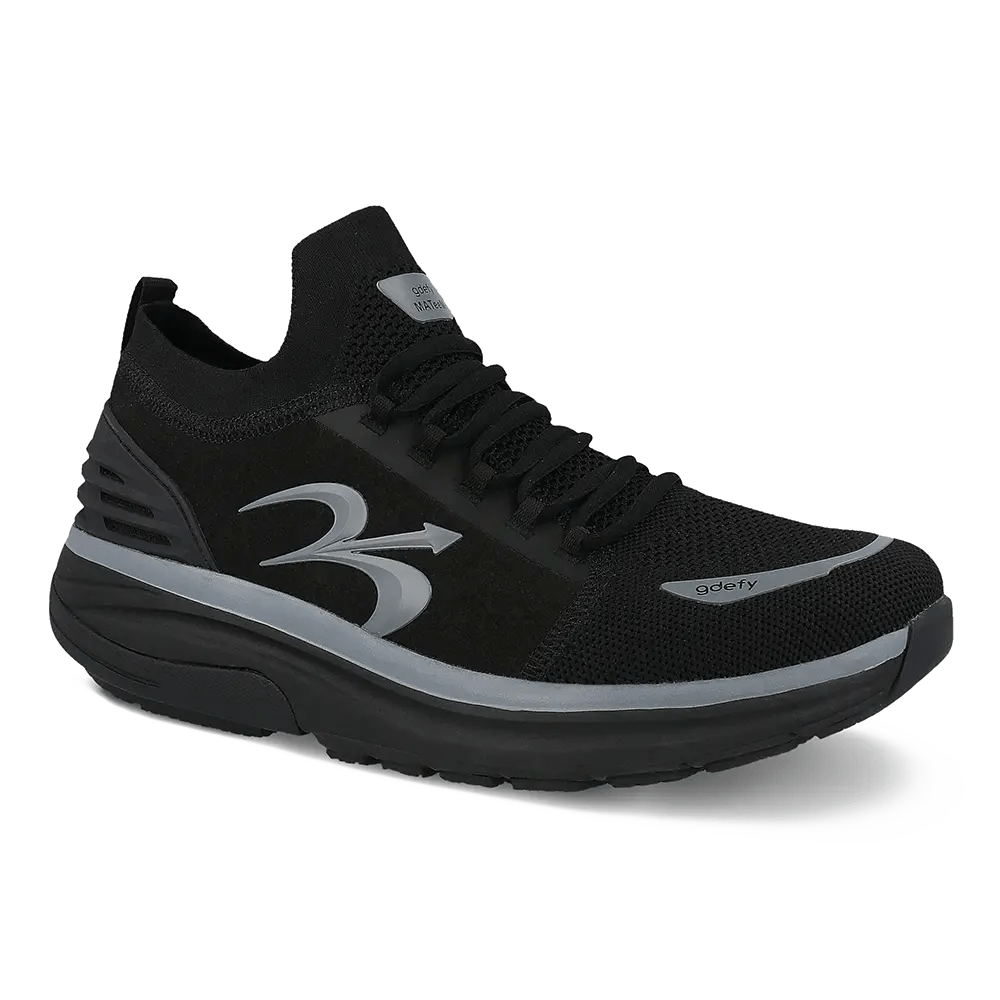
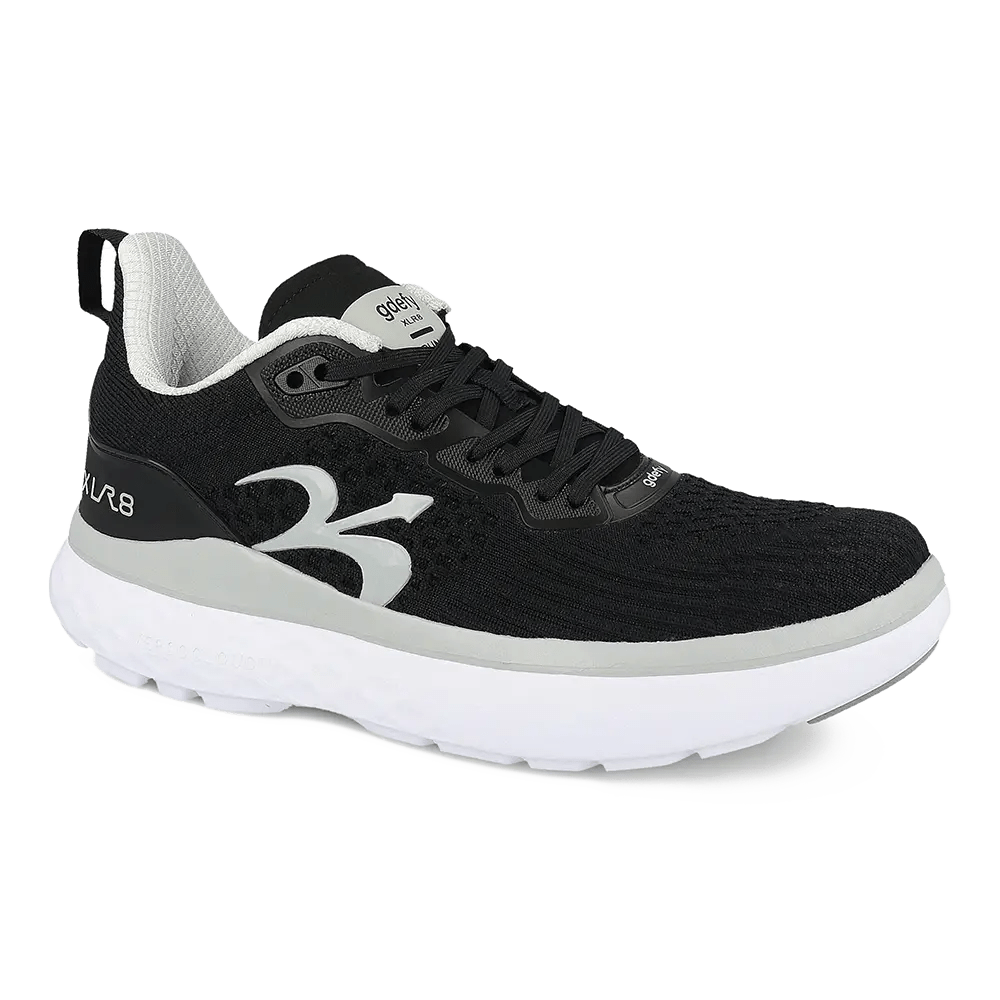
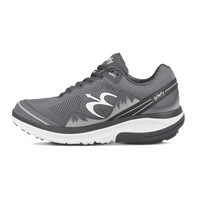
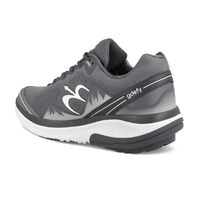
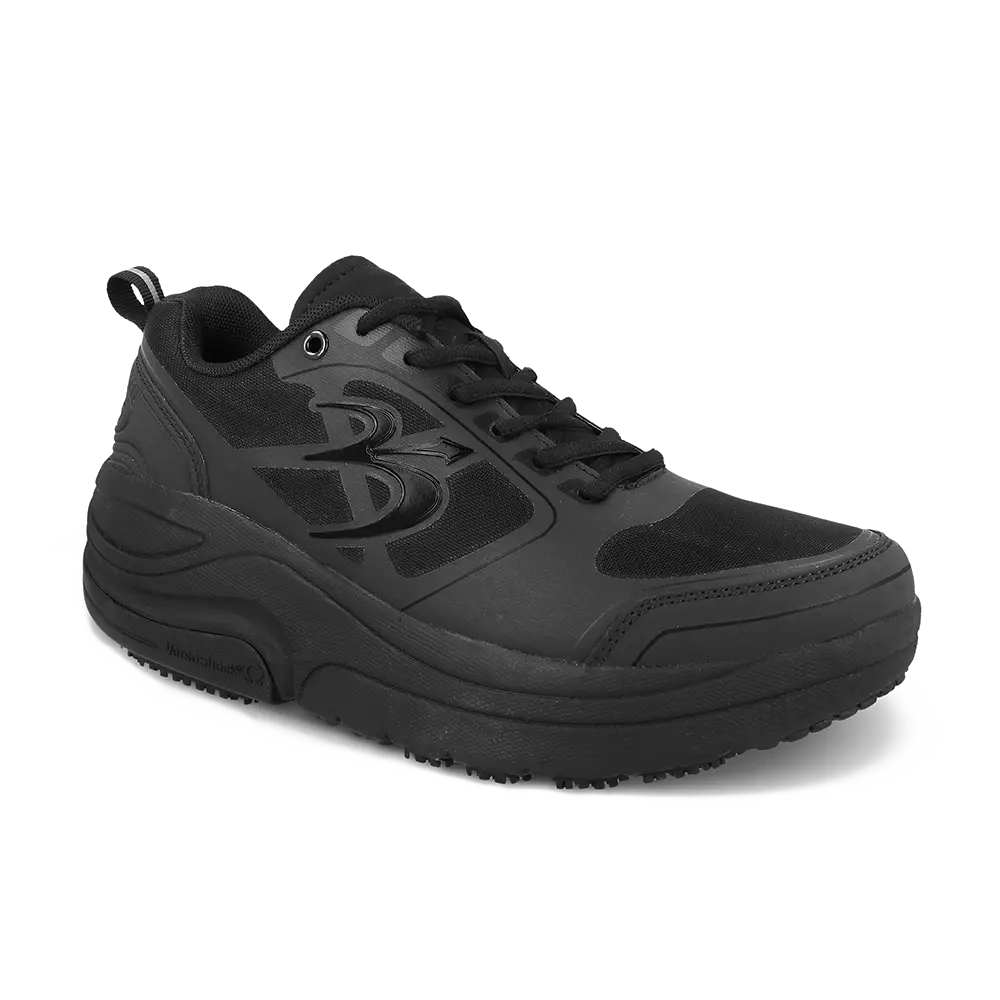
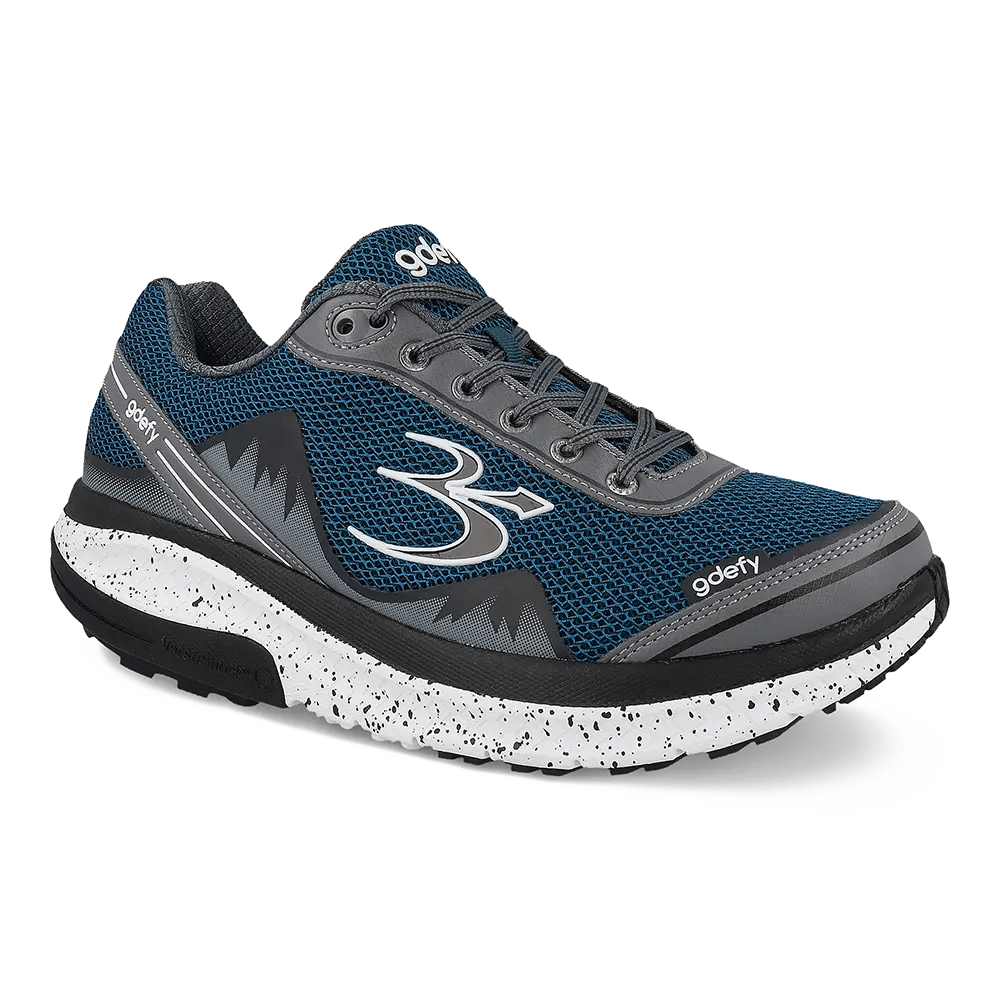
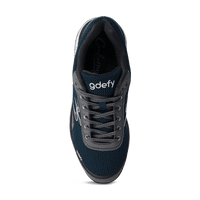
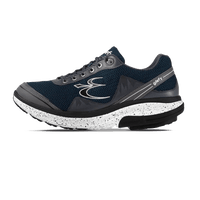
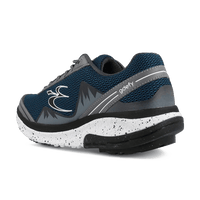
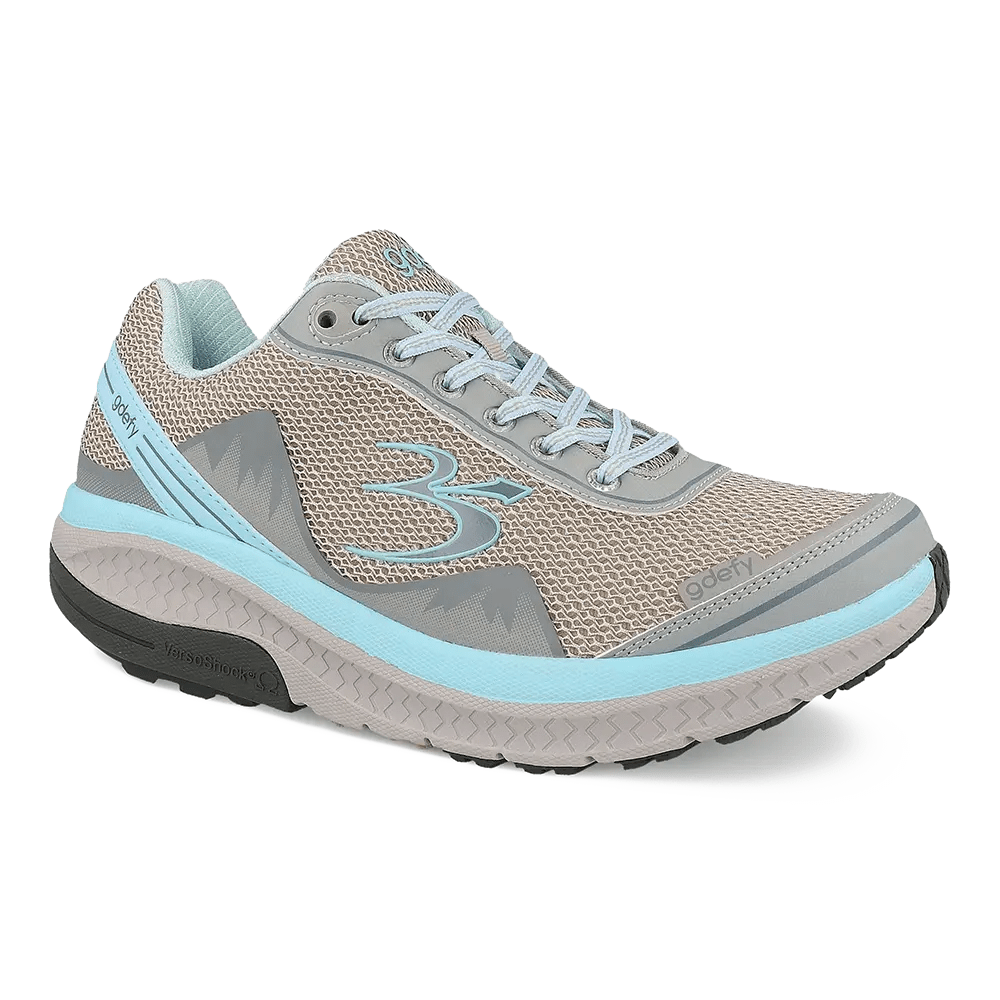
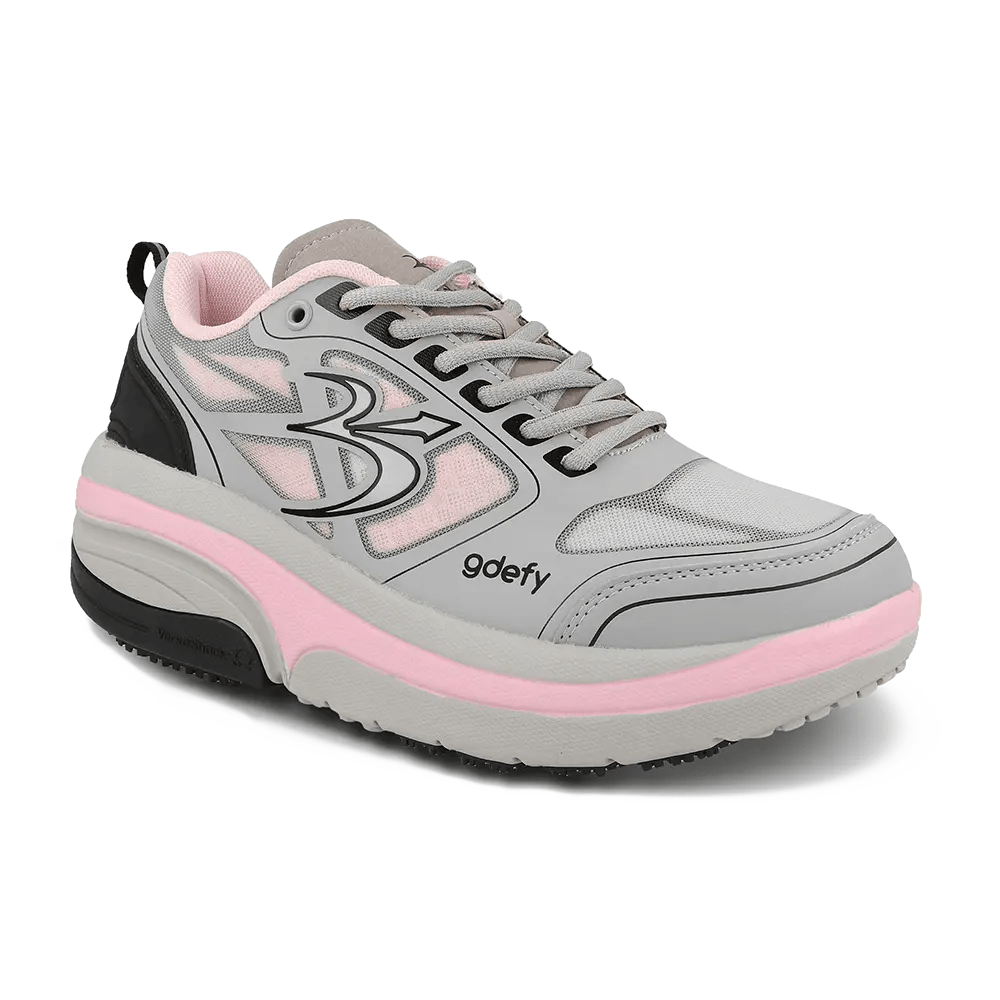
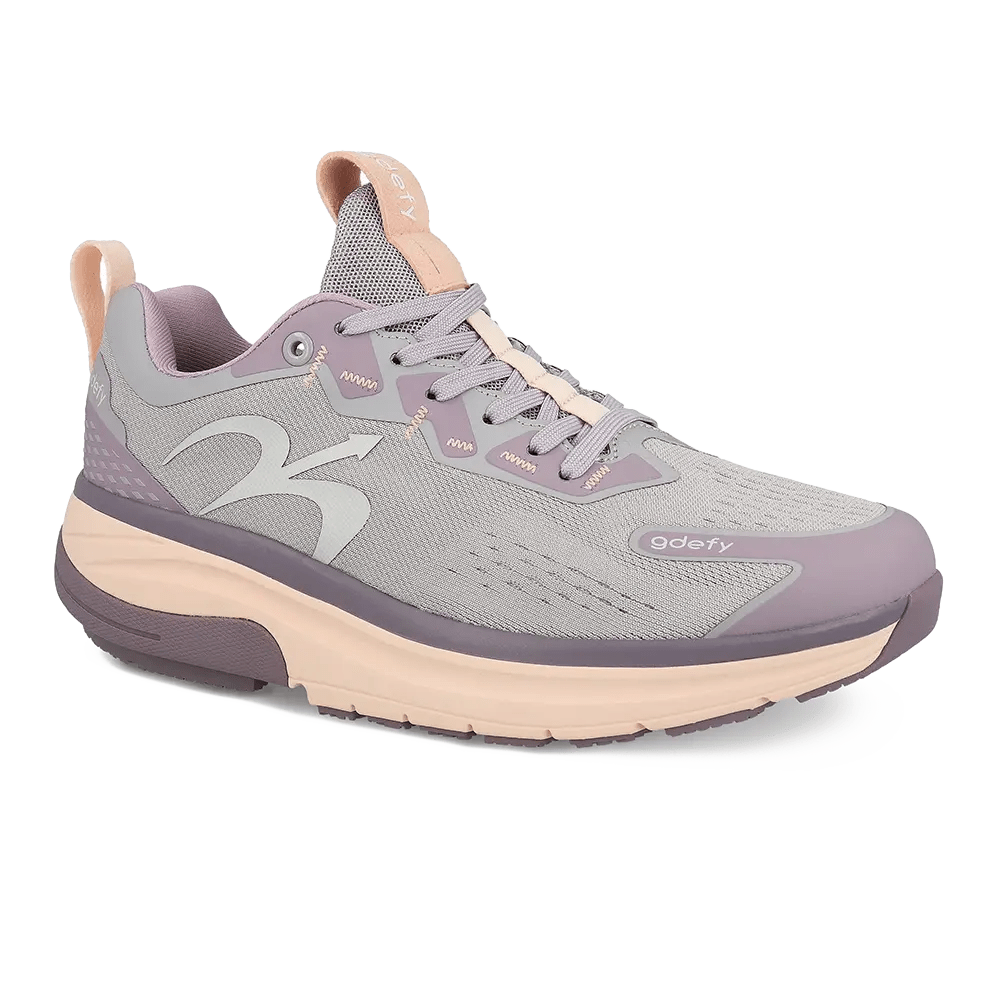
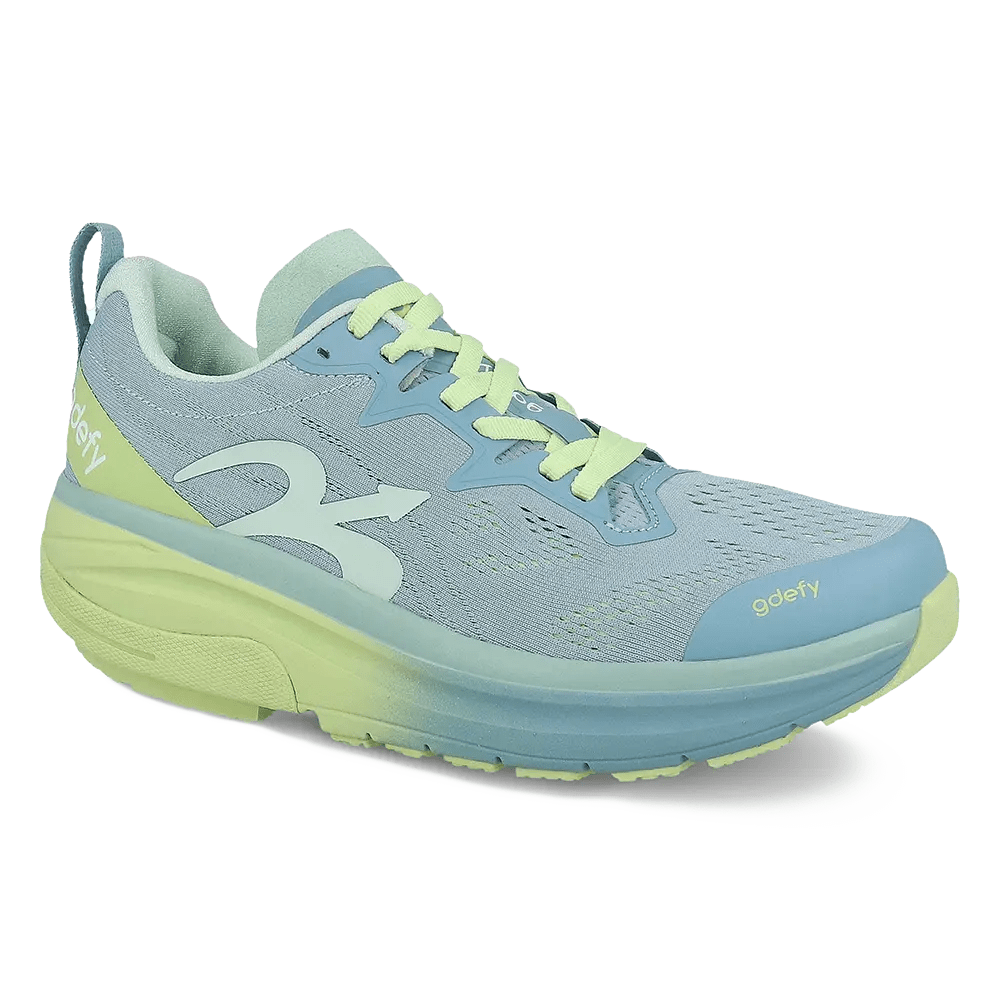
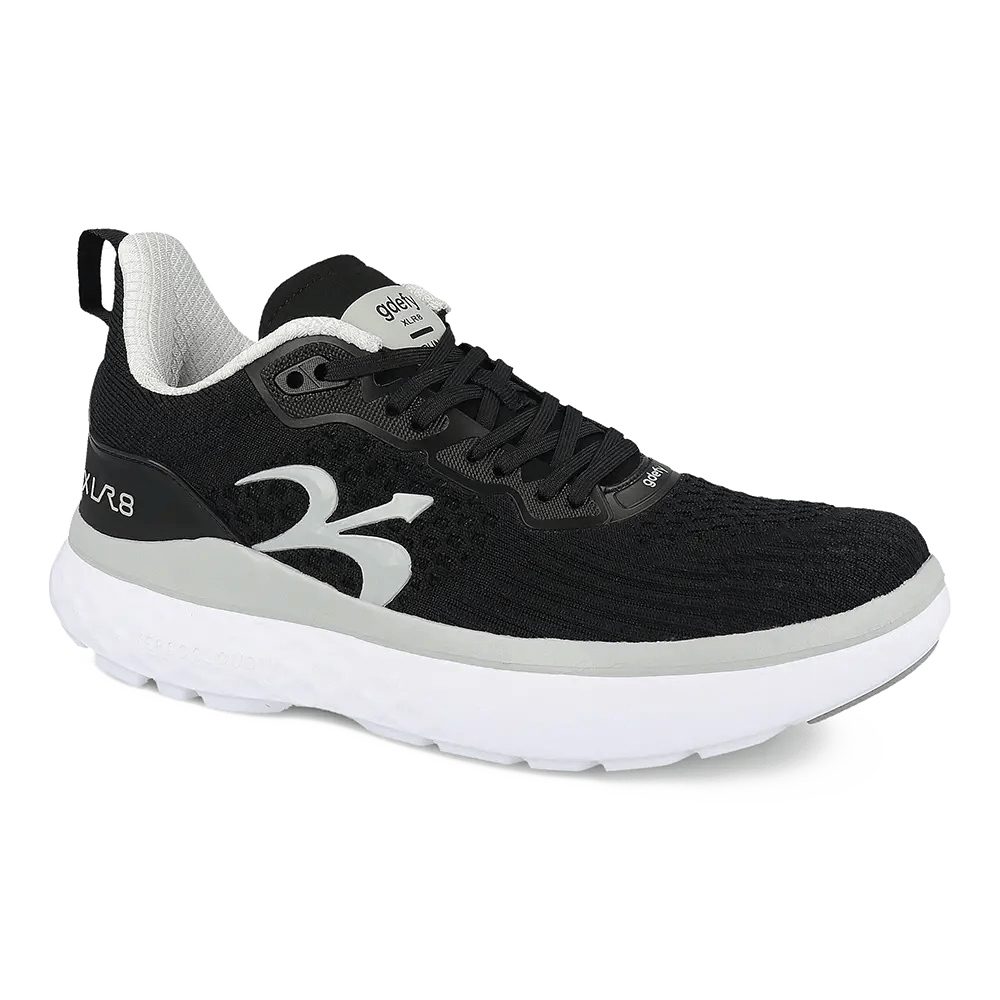
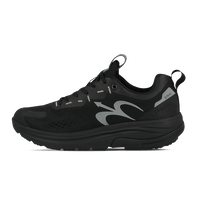
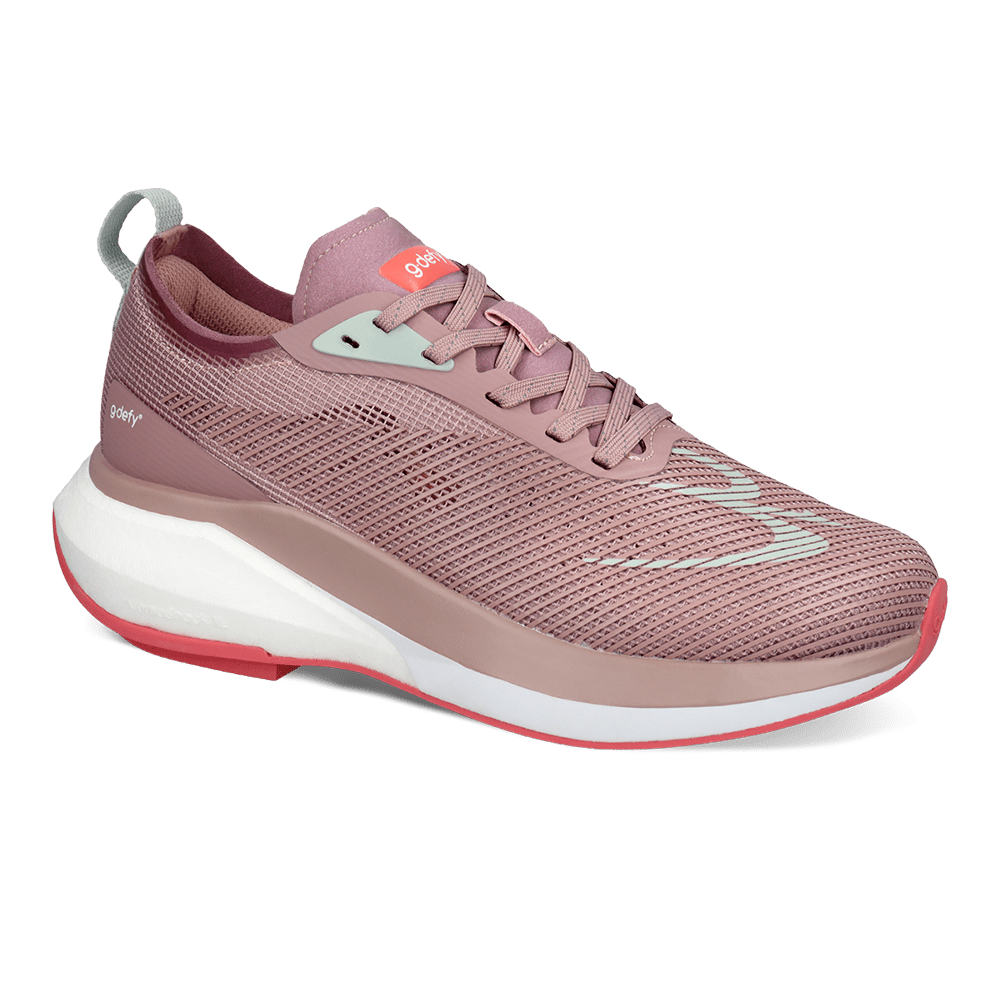
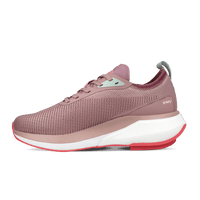
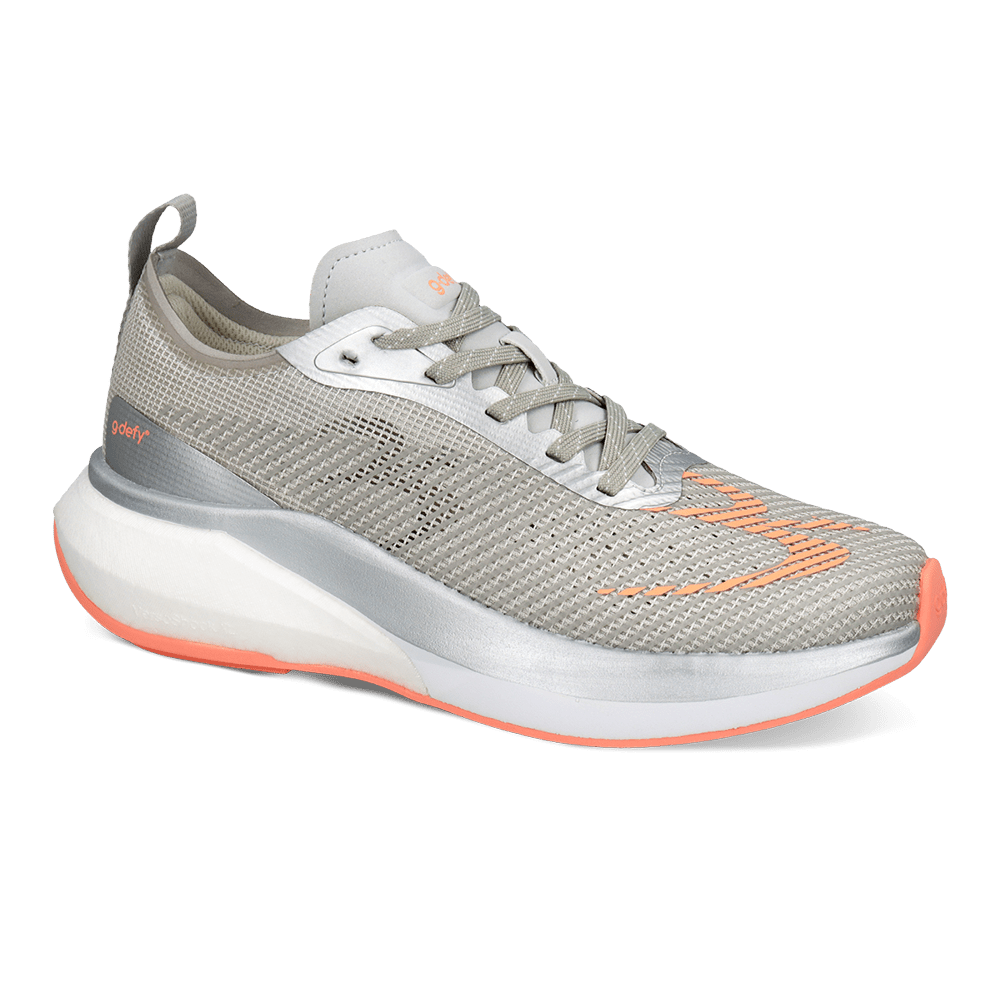
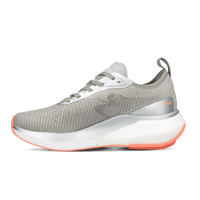
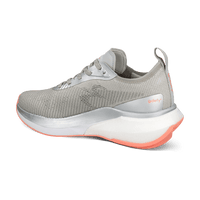
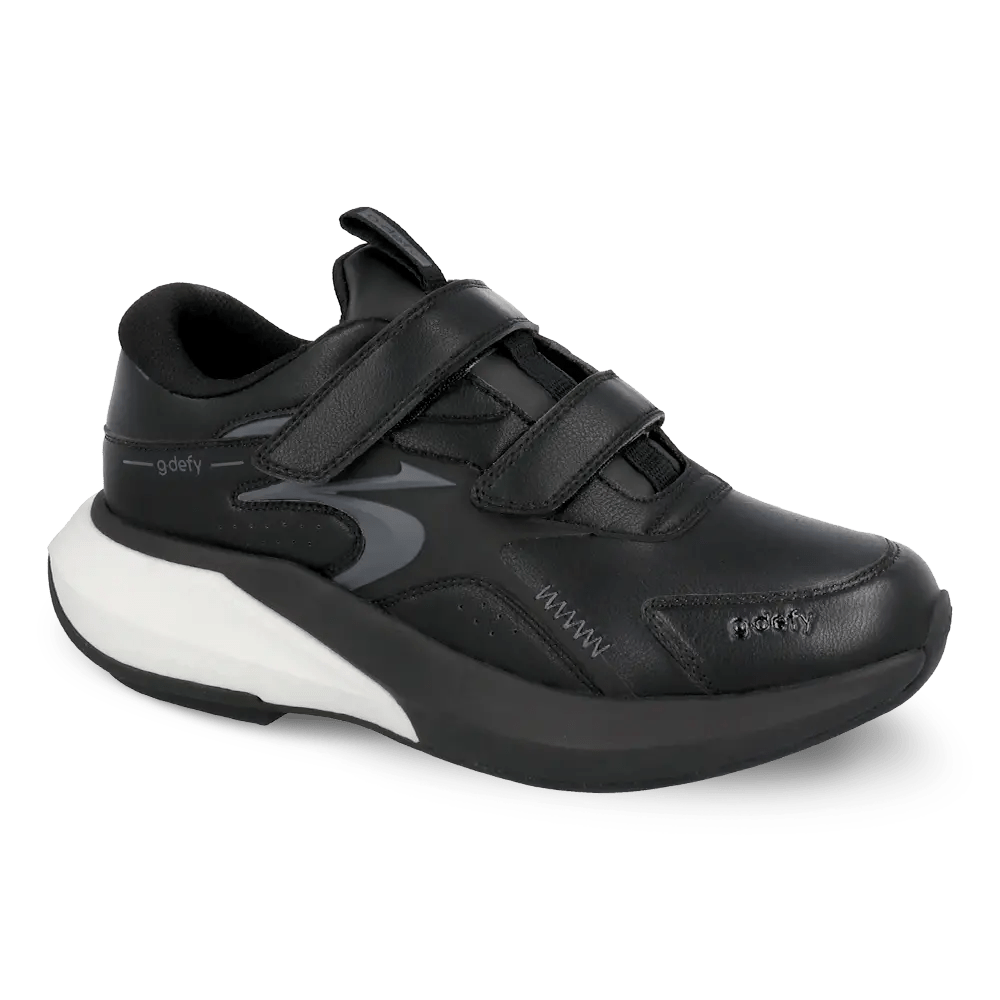
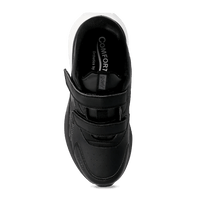
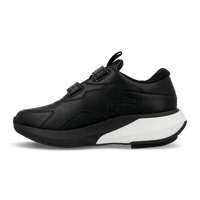
For people who spend long hours on hard surfaces, the Mighty Walk is G-Defy's most popular choice for everyday comfort and support. For those who stay active with walking or light running, the XLR8 Run provides responsive cushioning and athletic support. And for those who prefer a lighter everyday option, the Ion offers G-Defy's VersoShock® technology in a more casual, lightweight design.
Browse the full G-Defy collection for men or women to find the right fit for your daily routine.
Experience the Difference — Risk-Free for 60 Days
G-Defy shoes are designed for all-day comfort, cushioning, and support. Try them for 60 days completely risk-free with free shipping and a full refund if you're not satisfied.
Shop G-Defy ShoesPractical Tips for Choosing Shoes When You Have Plantar Fasciitis
Beyond the features themselves, there are a few practical steps that can make a real difference in how your shoes perform.
Try shoes on at the end of the day. Your feet naturally swell throughout the day. Shopping for shoes in the morning means you may end up with a fit that feels tight by evening — exactly when you need the most comfort.
Replace footwear regularly. Even well-designed shoes lose their cushioning and structural support over time. As a general rule, walking and everyday shoes typically need to be replaced after 300–500 miles of use, or when the sole starts to feel noticeably flatter.
Rotate your shoes. Wearing the same pair every day accelerates wear and gives the cushioning less time to recover between uses. Rotating between two pairs can extend the life of both.
Pay attention to your morning routine. If the first few steps out of bed are consistently uncomfortable, that's a signal that your feet may need more arch support and heel cushioning during the day. Switching to a more supportive shoe — even just for the afternoon — can help reduce that tension overnight.
Consider your surfaces. People who spend long hours on concrete or tile floors put significantly more stress on their feet than those on carpeted or cushioned surfaces. If your environment is hard underfoot, look for shoes with more aggressive cushioning and a structured sole.

Frequently Asked Questions About Plantar Fasciitis and Footwear
Can shoes alone improve plantar fasciitis comfort?
Footwear is not a substitute for medical care, but the design of your shoes can meaningfully affect how your feet feel throughout the day. Shoes with proper cushioning, arch support, and a structured heel can help reduce the daily stress on the plantar fascia, which may make walking and standing more comfortable. For persistent or worsening discomfort, consult your healthcare provider.
What shoe features matter most for morning heel pain?
Morning heel pain is often more intense because the plantar fascia tightens during rest and then stretches abruptly with the first steps of the day. Shoes with a slightly elevated heel, firm arch support, and shock-absorbing cushioning can help reduce that impact. Some people find that wearing supportive footwear — rather than flat slippers — immediately upon waking makes a noticeable difference.
Are removable orthotics worth using in plantar fasciitis shoes?
Removable orthotics are valuable because they allow you to customize the level of support based on your arch type and comfort needs. G-Defy shoes include two orthotics per pair — ComfortFit® for low to medium arches and CorrectiveFit® for medium to high arches — so you can choose whichever fits your foot type better. This kind of customization is difficult to replicate with a fixed insole.
Finding the Right Footwear for Your Daily Comfort
Plantar fasciitis can make even simple activities — a morning walk, a long workday on your feet, or a trip to the grocery store — feel like a challenge. While footwear can't resolve the underlying condition, choosing shoes designed with the right features can make a meaningful difference in how comfortable you feel day to day.
The key features to prioritize are cushioning and shock absorption, structured arch support, a supportive heel cup, energy return in the midsole, and a proper fit with adequate toe box space. Together, these design elements help distribute the demands of walking and standing more evenly across your foot.
G-Defy's VersoShock® technology brings all of these features together in a single system — designed for people who need more from their shoes. With the 60-day risk-free trial and free shipping, you can find out firsthand whether the design difference is something you can feel.
While footwear is not a medical solution, choosing shoes designed for comfort, support, and shock absorption can make a meaningful difference in how you feel throughout the day.