May 07, 2026
Orthotic Insoles vs Built-In Shoe Support: Which Is Right for You?
By Gdefy

Summary
If you've ever dealt with foot discomfort, you've probably heard two pieces of advice: get a better-designed shoe, or try orthotic insoles. Both are common recommendations — but they take very different approaches to comfort, and understanding the difference can help you make a smarter decision.
The short answer? Both have a role to play. Orthotic insoles are removable inserts designed to customize support inside your shoe. Built-in support refers to the cushioning, arch structure, and stability features already engineered into the shoe itself. For most people, the question isn't really "one or the other" — it's about finding footwear that gets the most out of both.
This guide breaks down how each works, where they overlap, and how to figure out what your feet actually need.
What Are Orthotic Insoles?
Orthotic insoles are inserts placed inside your shoe to add cushioning, arch support, or both. They come in two main forms:
Over-the-counter (OTC) insoles are available at most pharmacies and shoe stores. They're made to fit a range of foot shapes and offer varying levels of arch support and cushioning. Some focus on cushioning comfort; others are firmer and designed for arch control.
Custom orthotics are made specifically from a mold or scan of your foot, typically by a podiatrist or foot specialist. They're tailored to your individual foot shape and gait, and are usually more rigid than OTC versions.
Both types are designed to work inside a shoe — which means the shoe itself still matters. An insole placed in a flat, flexible-soled shoe may not perform the same way as the same insole placed in a structured, cushioned shoe.
What Insoles Can and Can't Do
Orthotic insoles can:
- Add arch support to a shoe that doesn't have it built in
- Adjust the cushioning level to your preference
- Be moved from shoe to shoe
Orthotic insoles can't:
- Replace the cushioning and shock absorption built into the midsole
- Change the shoe's overall stability or rolling motion design
- Compensate for a shoe that's fundamentally poorly structured
What Is Built-In Shoe Support?
Built-in support refers to the structural features designed directly into the shoe during manufacturing. These include:
Midsole cushioning — the layer between the outsole (bottom) and the footbed (where your foot rests). This is where most of the shock absorption happens.
Arch support structure — the built-in contour of the footbed and midsole that supports the arch of your foot. In some shoes this is a gentle curve; in others it's a more defined supportive structure.
Stabilizer or shank — a firmer component built into the middle of the shoe that prevents excessive bending and provides structure through each step.
Heel counter — the rigid or semi-rigid material that wraps around the back of the shoe to hold the heel in place and prevent rolling.
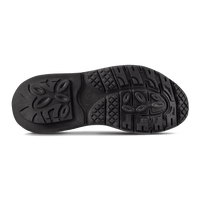
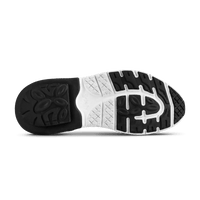
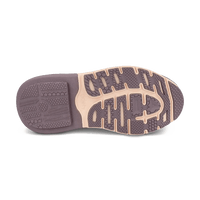
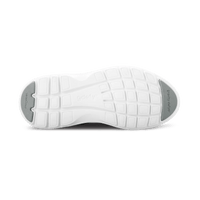
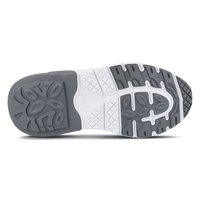
Rolling motion design — the shape of the outsole that encourages a natural heel-to-toe transition as you walk.
Why Built-In Support Matters
Because built-in support is part of the shoe's architecture, it stays consistent throughout the life of the shoe. It also works in combination with your foot during every step — not just at the arch, but through the whole stride. Many people find that a well-designed shoe with strong built-in support provides a meaningful improvement in comfort without needing any additional inserts.
How Orthotic Insoles and Built-In Support Differ
The key distinction is location and function:
| Orthotic Insoles | Built-In Support | |
|---|---|---|
| Location | Footbed surface layer | Built into midsole and structure |
| Customizable | Yes — swap or replace | No — fixed in the shoe |
| Addresses arch | Yes | Yes (in many shoes) |
| Shock absorption | Varies by insert | Core function of midsole |
| Transferable | Yes — between shoes | No |
Orthotic insoles work best when you already have a supportive shoe and want to fine-tune comfort. A quality insole can improve arch contact, adjust height, or add cushioning. But if the shoe's midsole is flat, compressed foam with no stability features, the insole is working harder than it should.
Built-in support, by contrast, works from the ground up. A shoe with genuine structural support in its midsole and stabilizer provides a stable foundation for every step — with or without an additional insert.
For people with mild to moderate foot discomfort, a shoe with strong built-in support is often the better starting point. Orthotic insoles become more relevant when the shoe's foundation is solid and you need further customization.
Do You Need Separate Orthotics if Your Shoes Have Built-In Support?
This is the question many people ask — and the honest answer depends on your feet.
You may not need separate orthotics if:
- Your shoes have genuine built-in arch support and cushioning (not just a soft footbed)
- You experience general foot fatigue, mild discomfort, or soreness from long days
- Your discomfort is primarily from impact — walking on hard floors, standing for hours, or long commutes
You might benefit from additional inserts if:
- You have a specific foot structure (very high arch, flat feet) that standard shoe support doesn't fully address
- Your comfort improves noticeably when you add extra cushioning or arch contact
- A podiatrist or foot specialist has recommended additional support for your foot type
The good news: many well-engineered shoes now include removable orthotics in the box — so you can adjust support without purchasing anything extra. This approach gives you the flexibility of customizable orthotics with the foundation of a structurally sound shoe.
How G-Defy Combines Both Into One Shoe
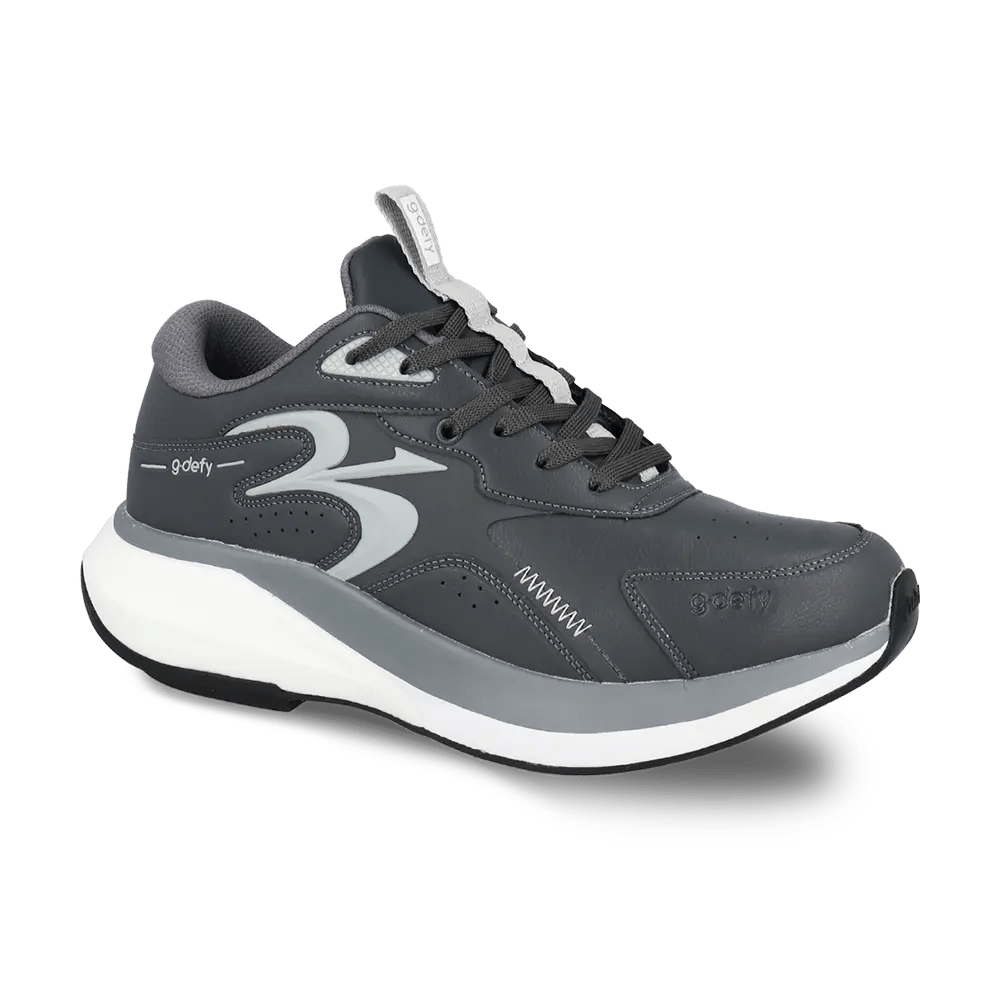
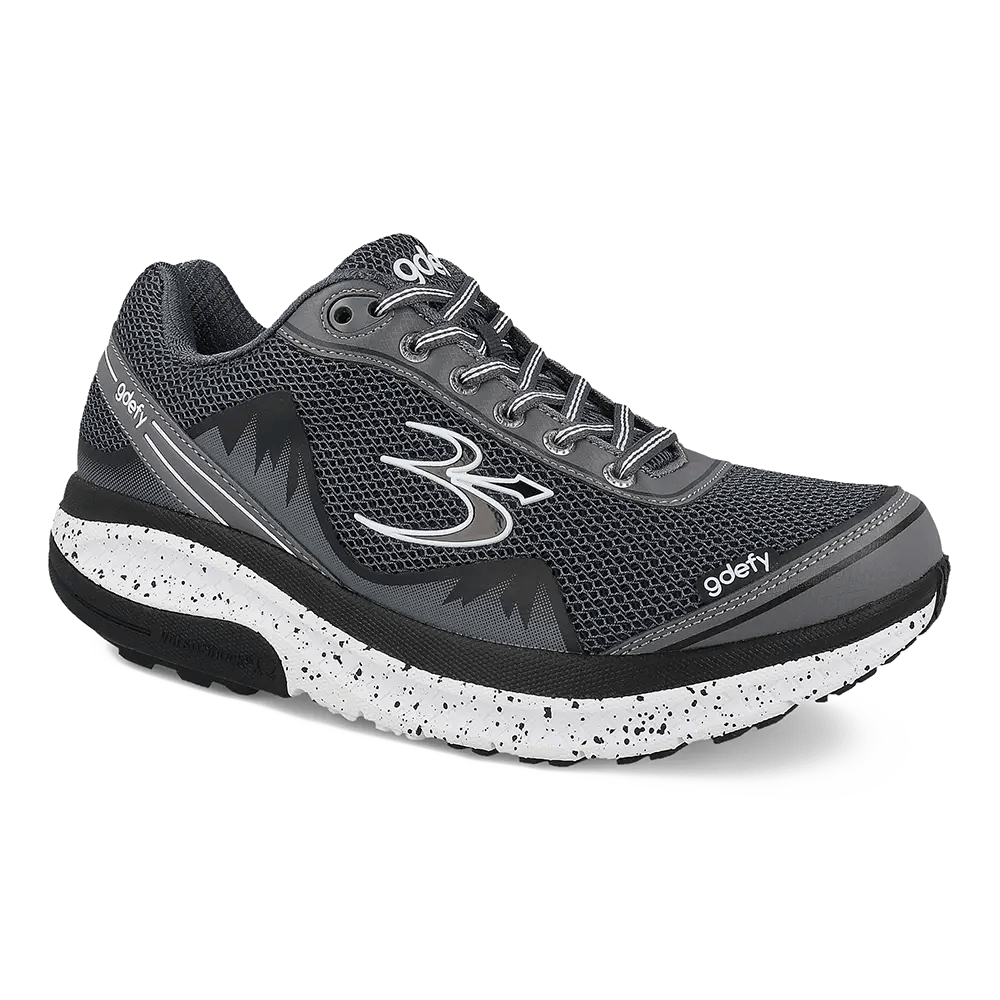
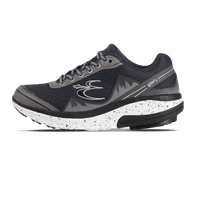
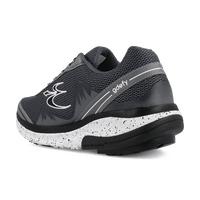
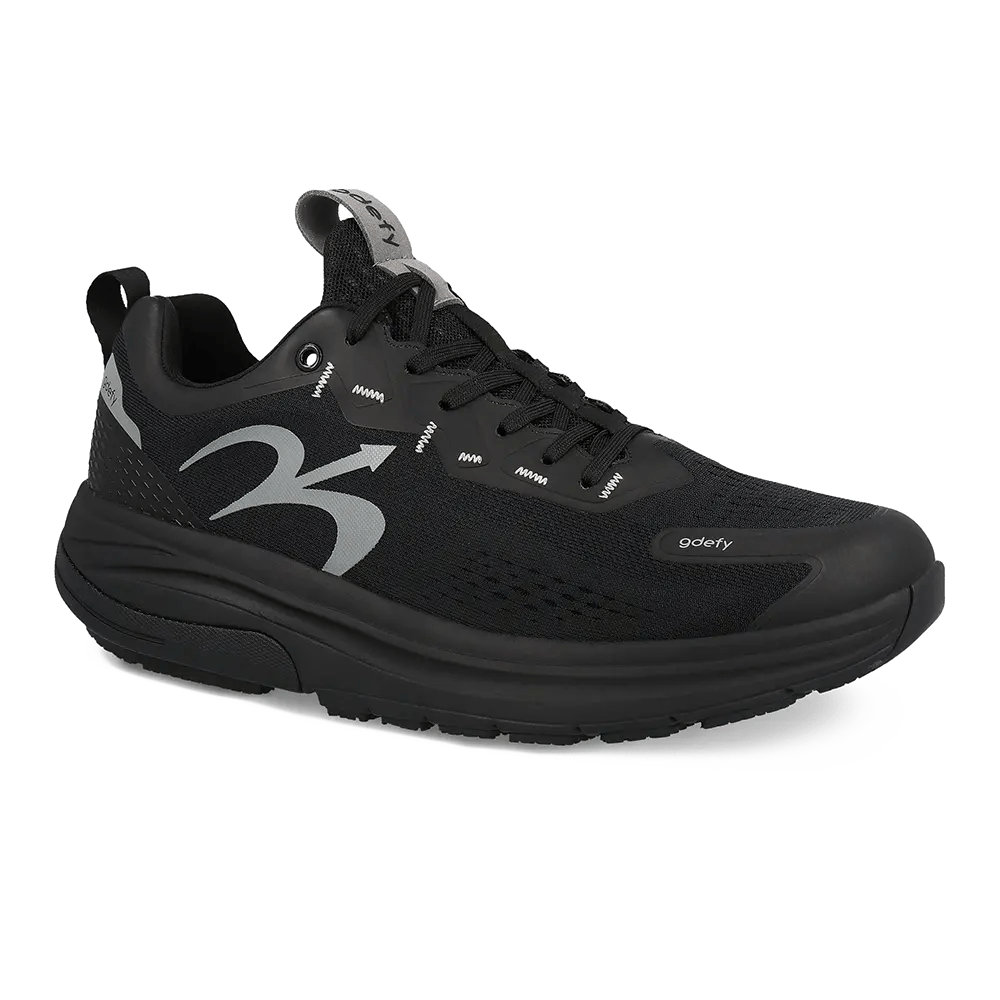
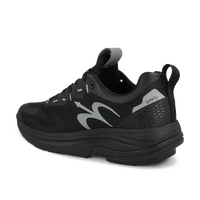
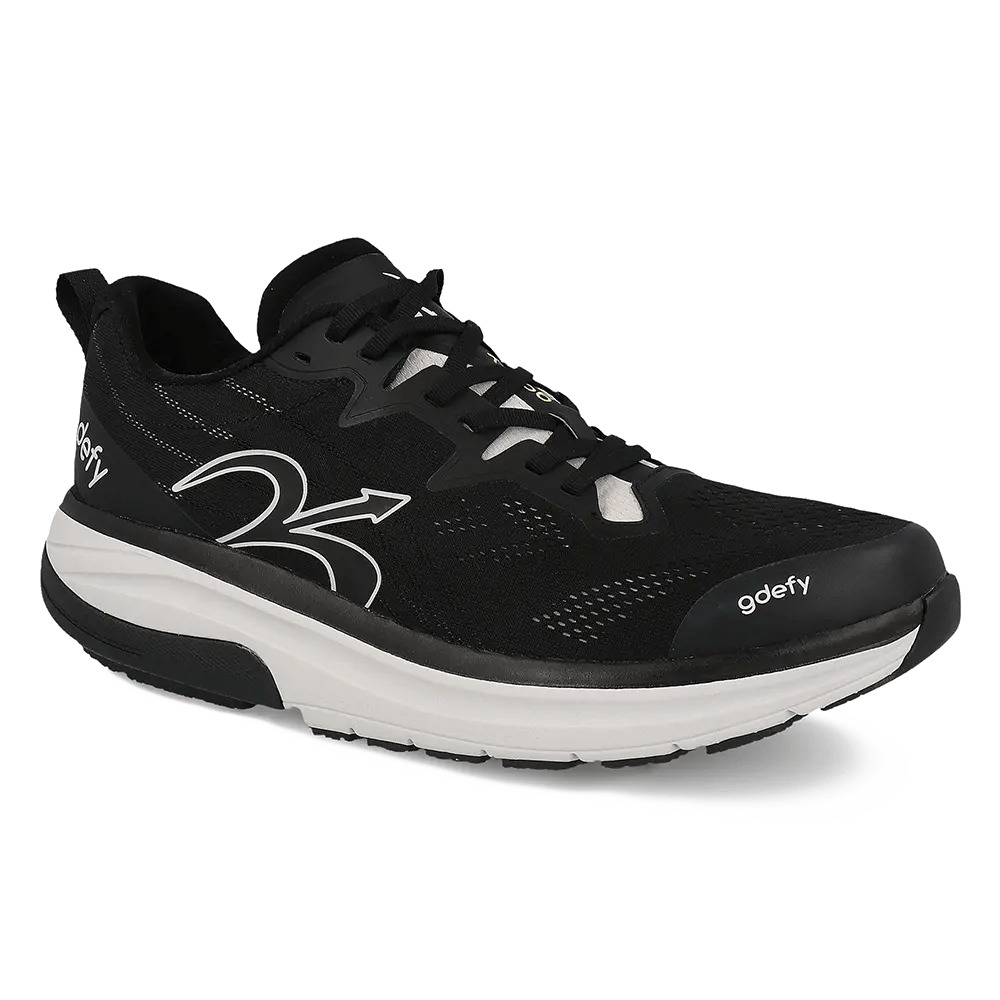
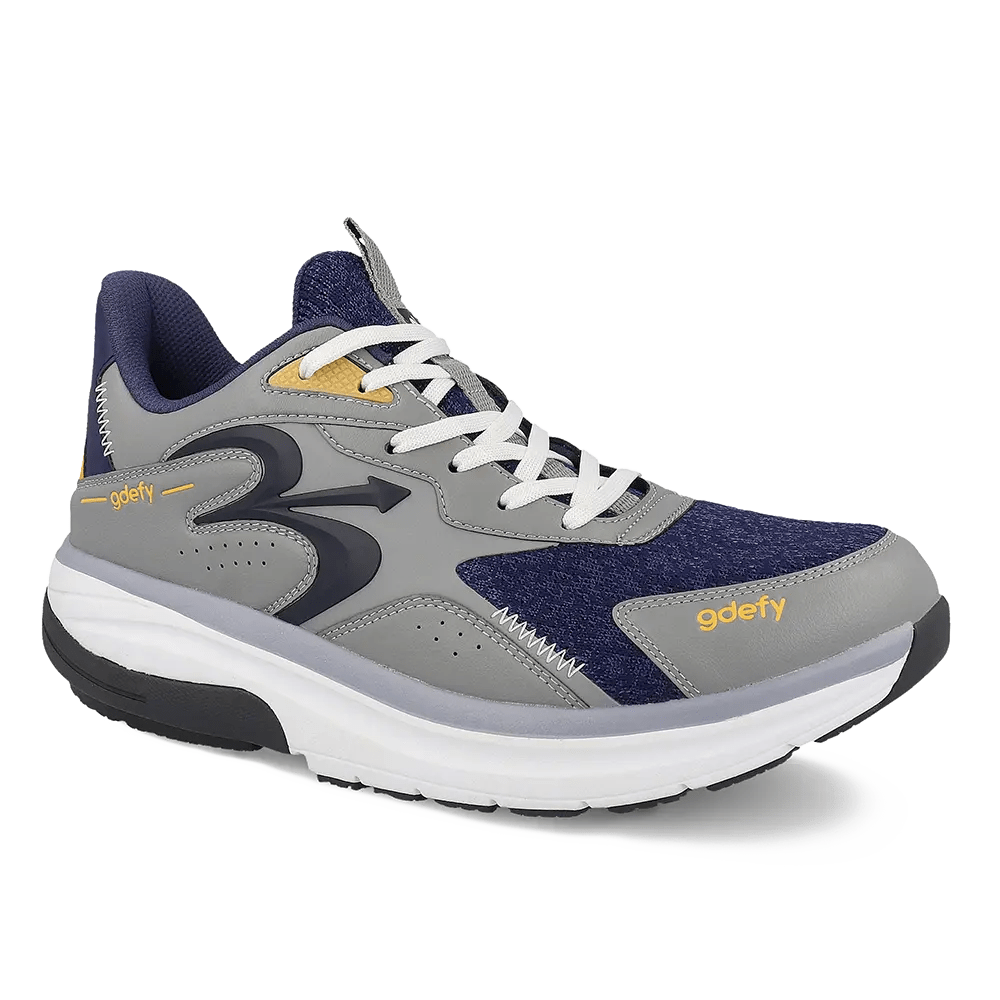
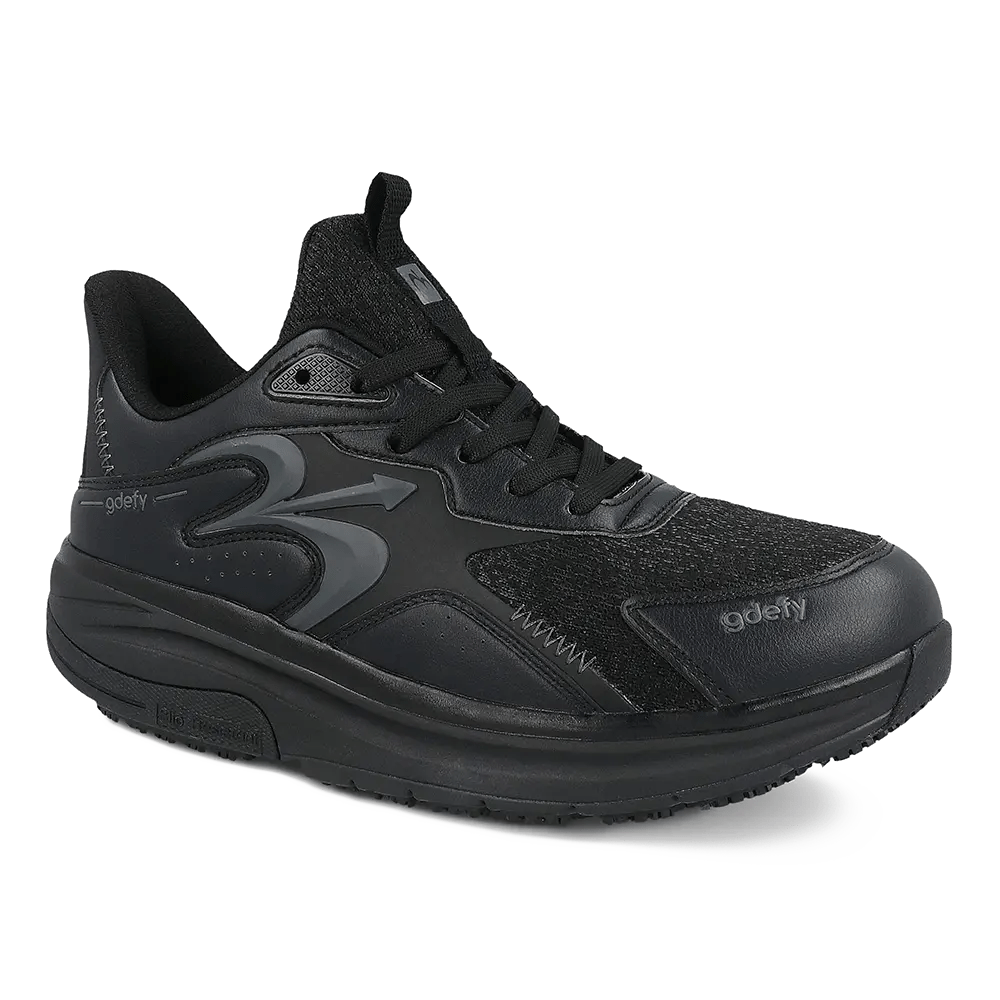
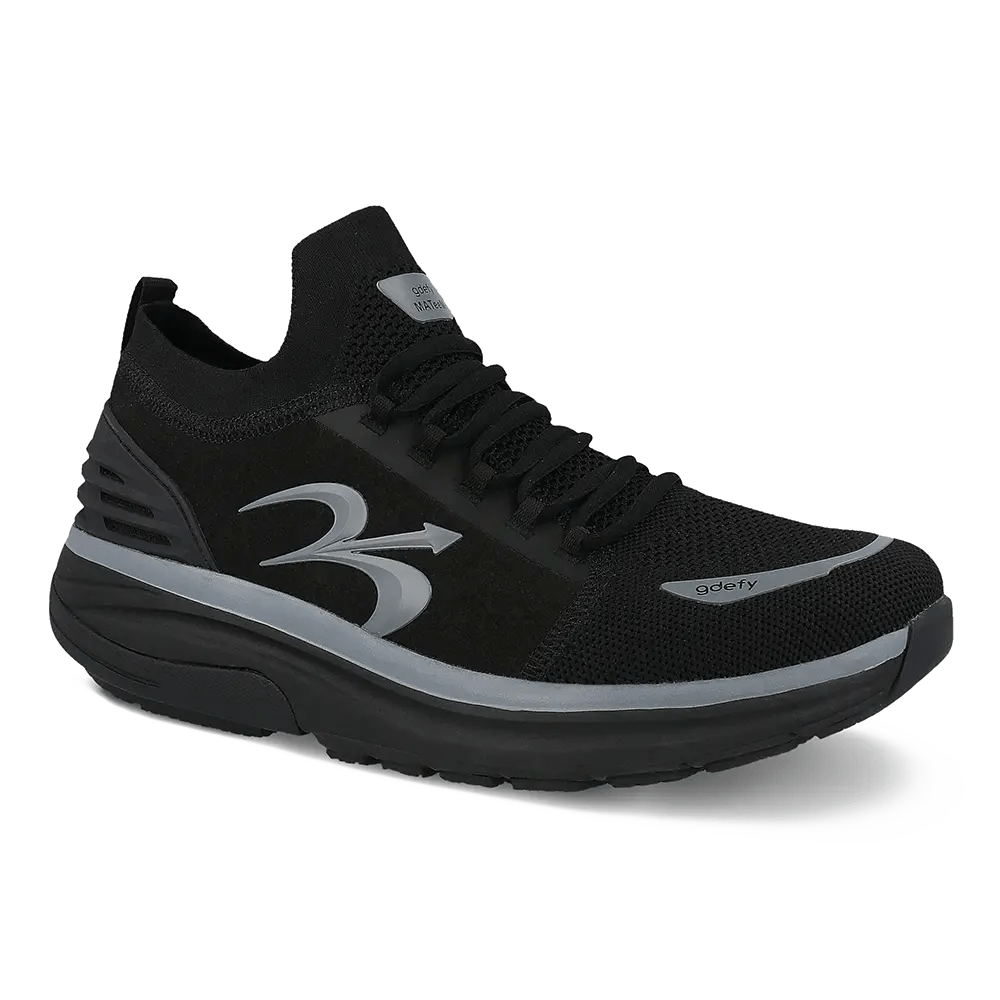
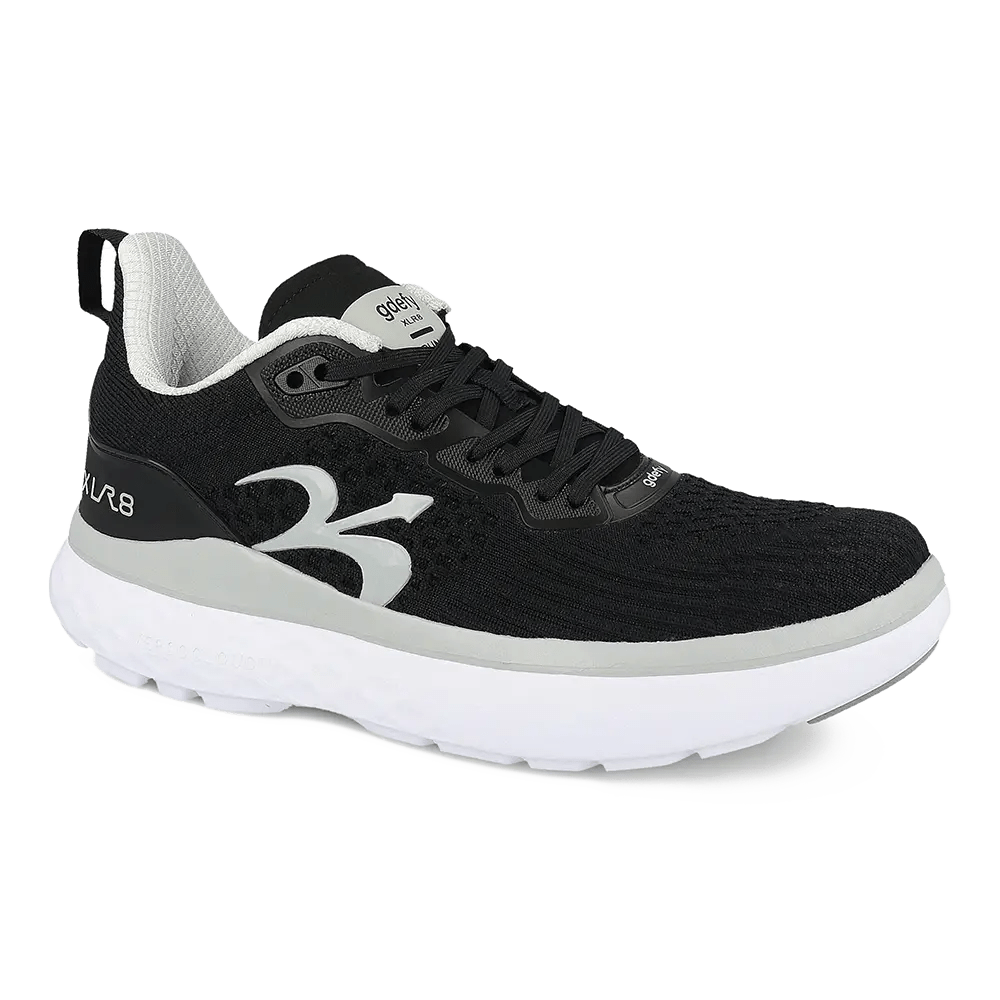
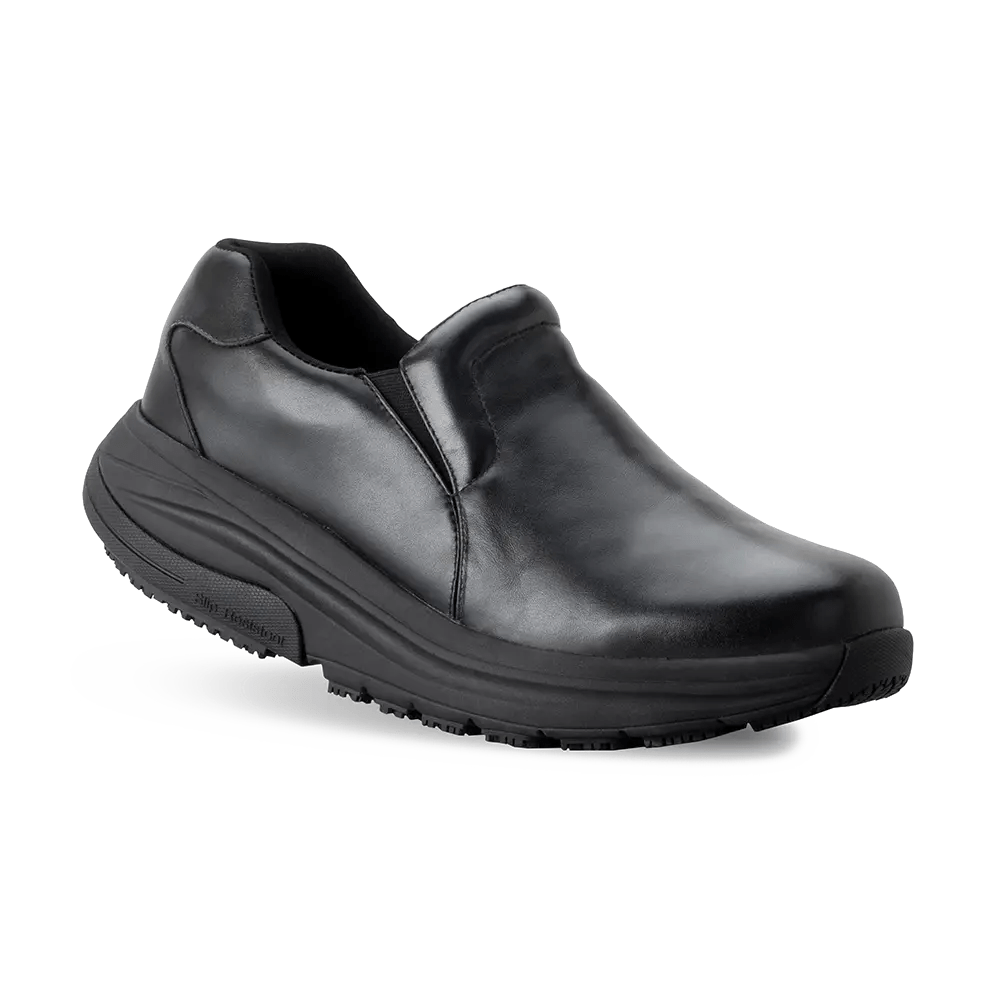
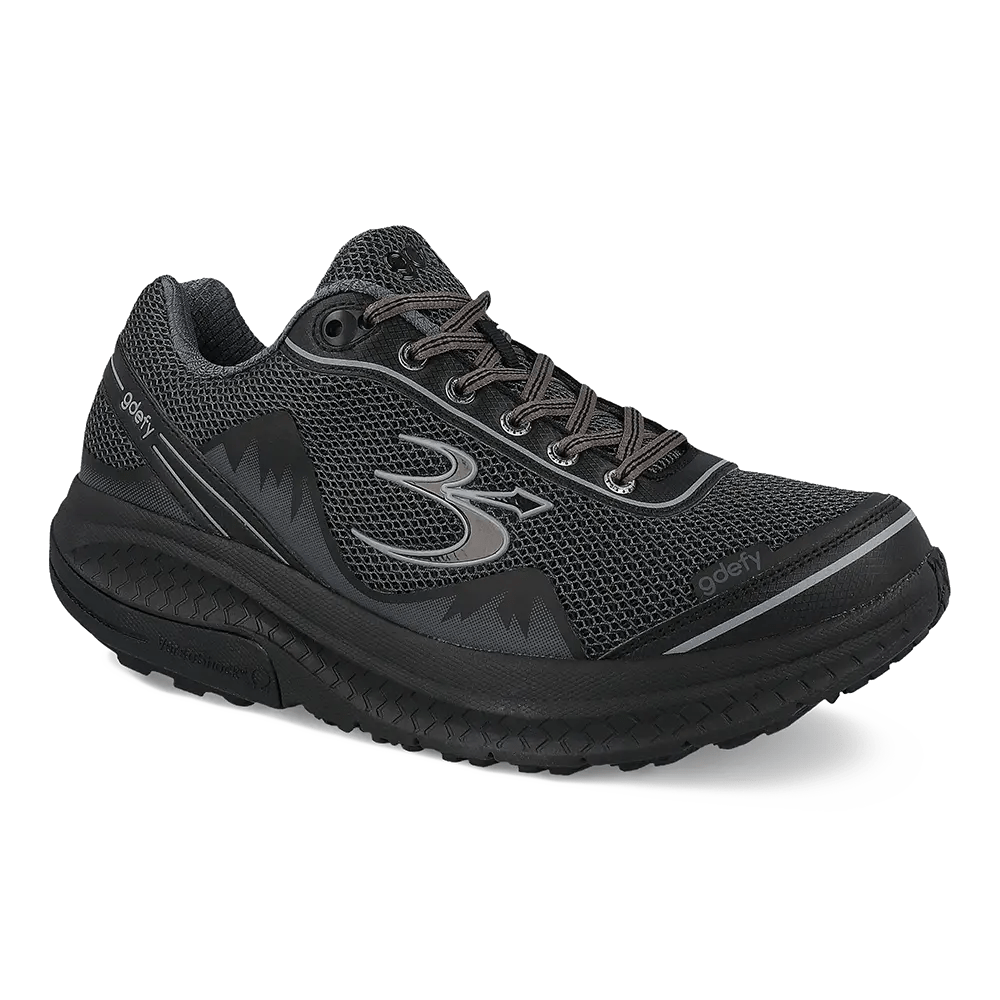
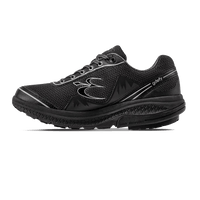
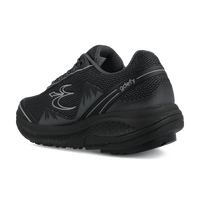
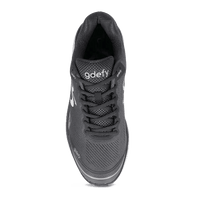
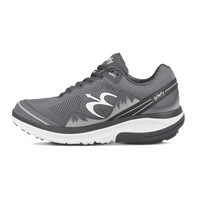
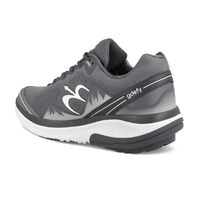
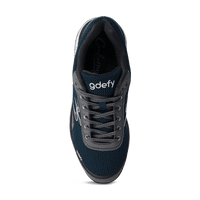
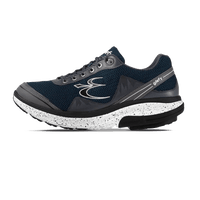
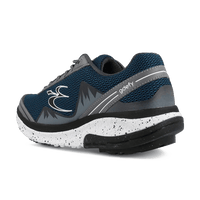
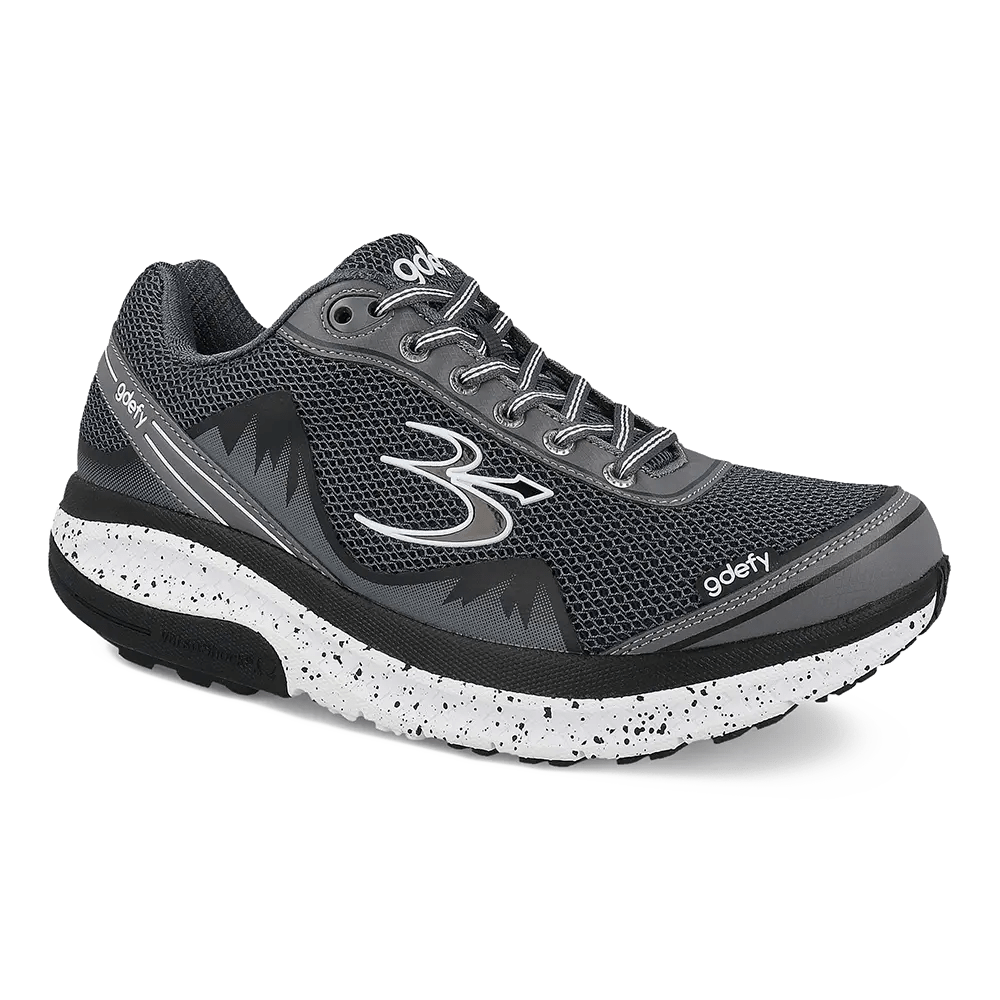
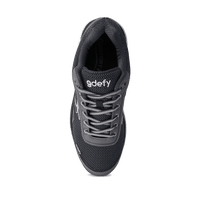
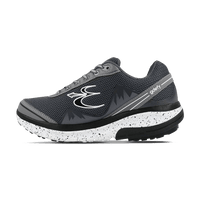
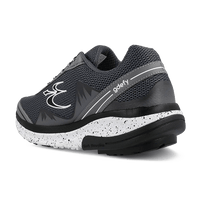
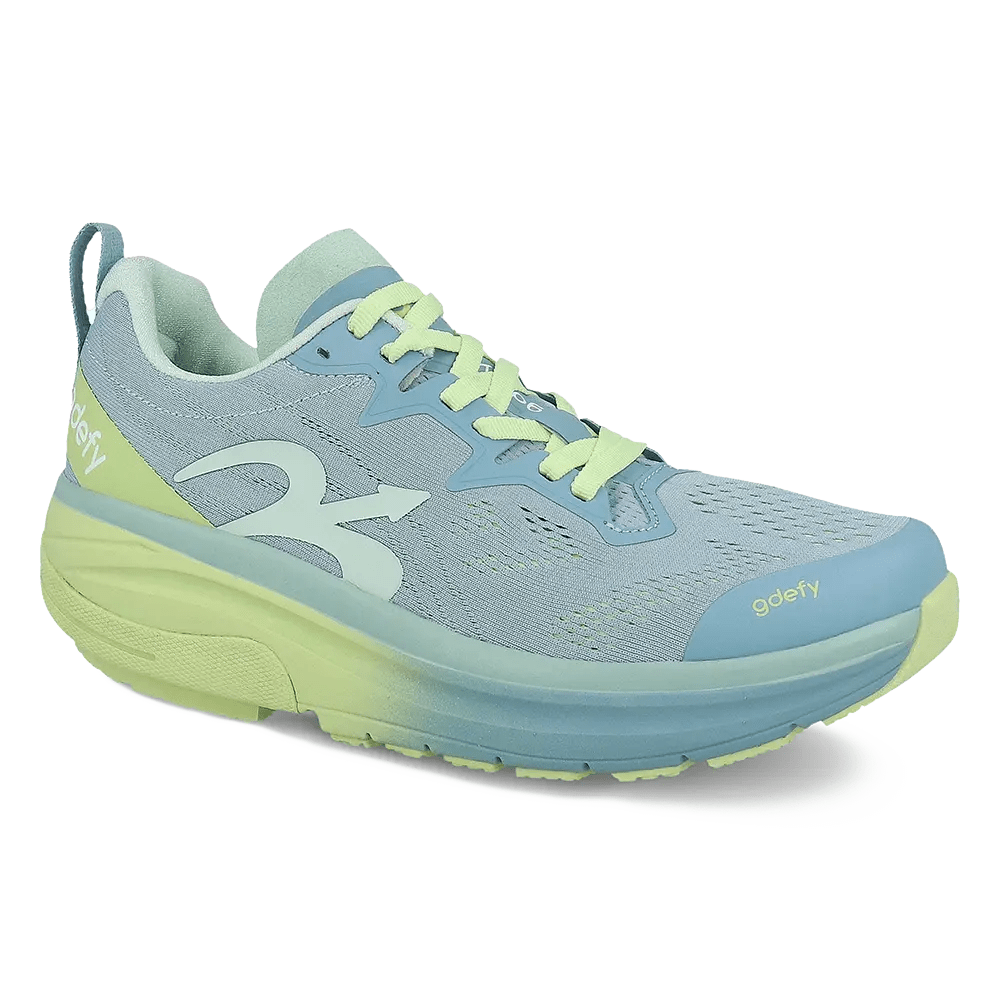
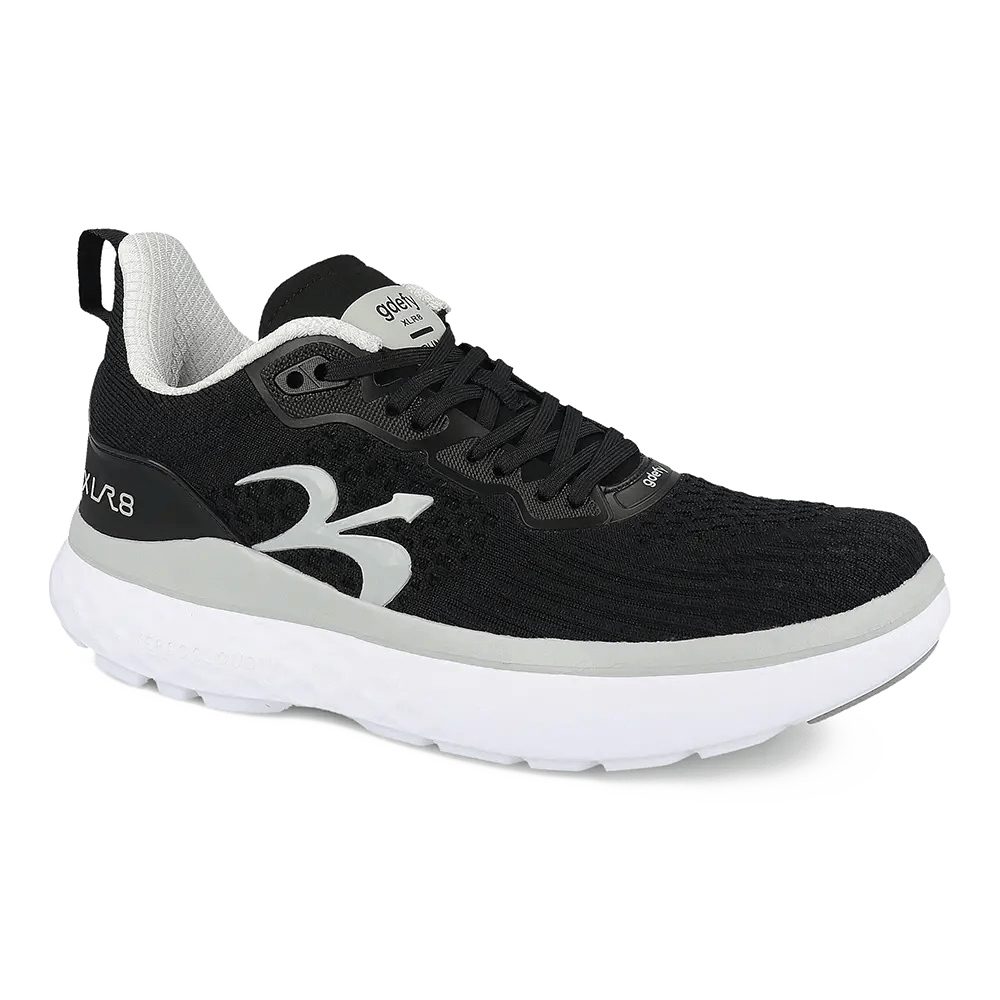
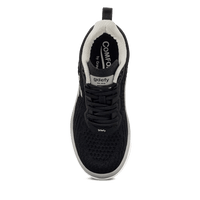
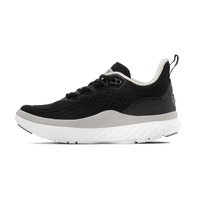
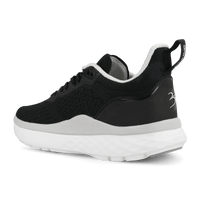
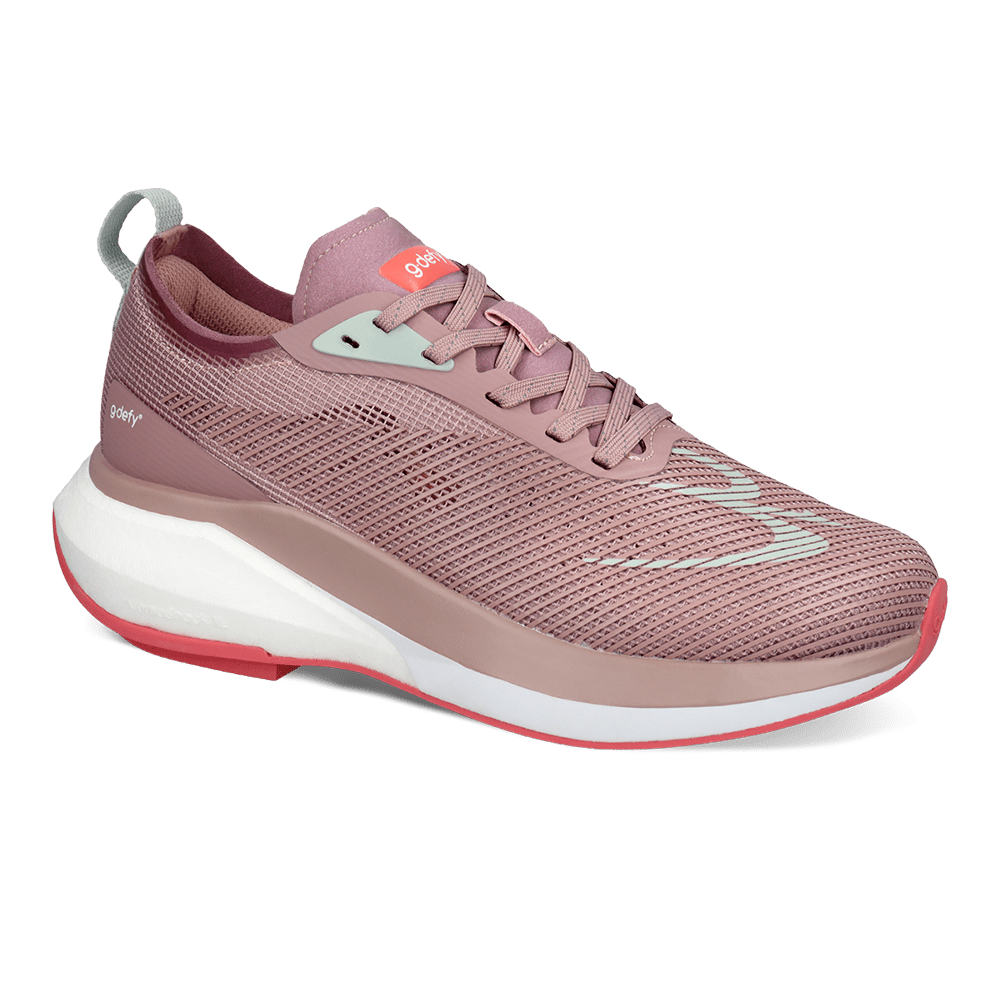
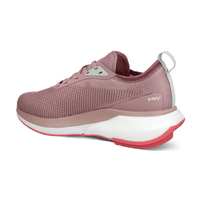
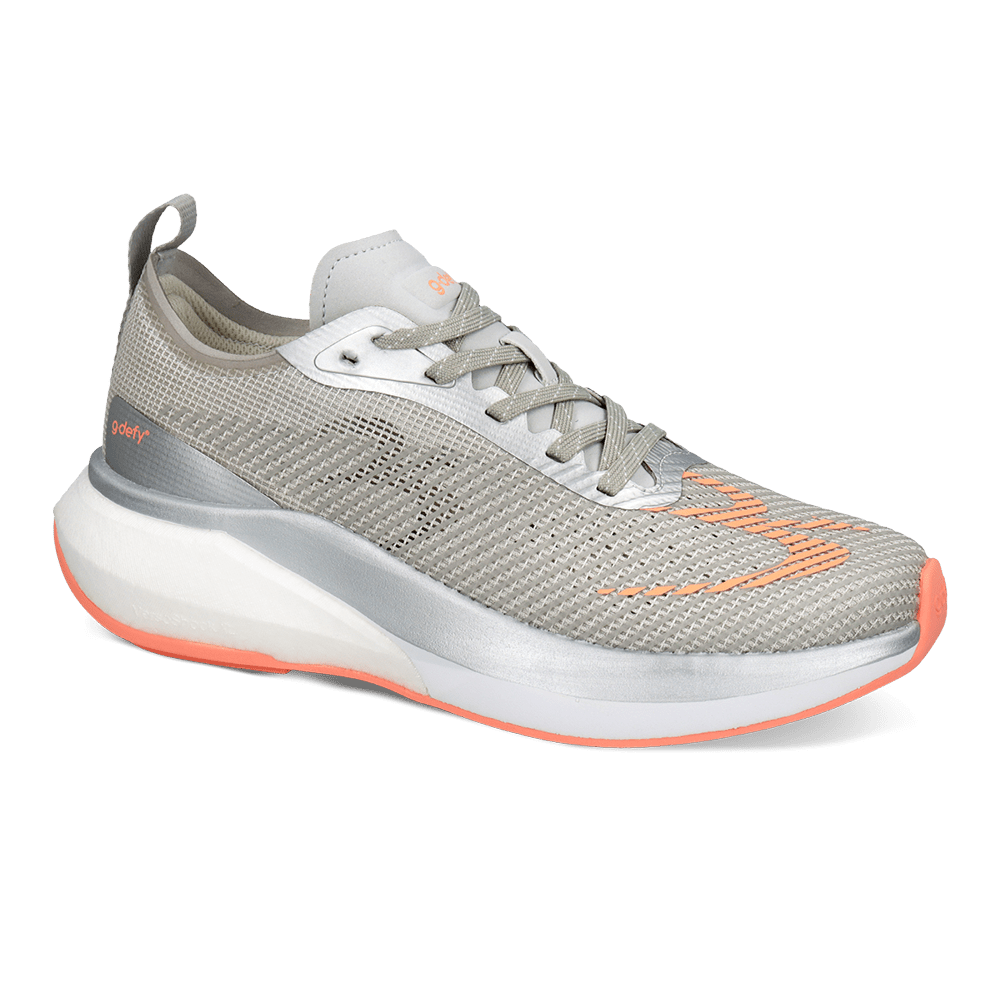
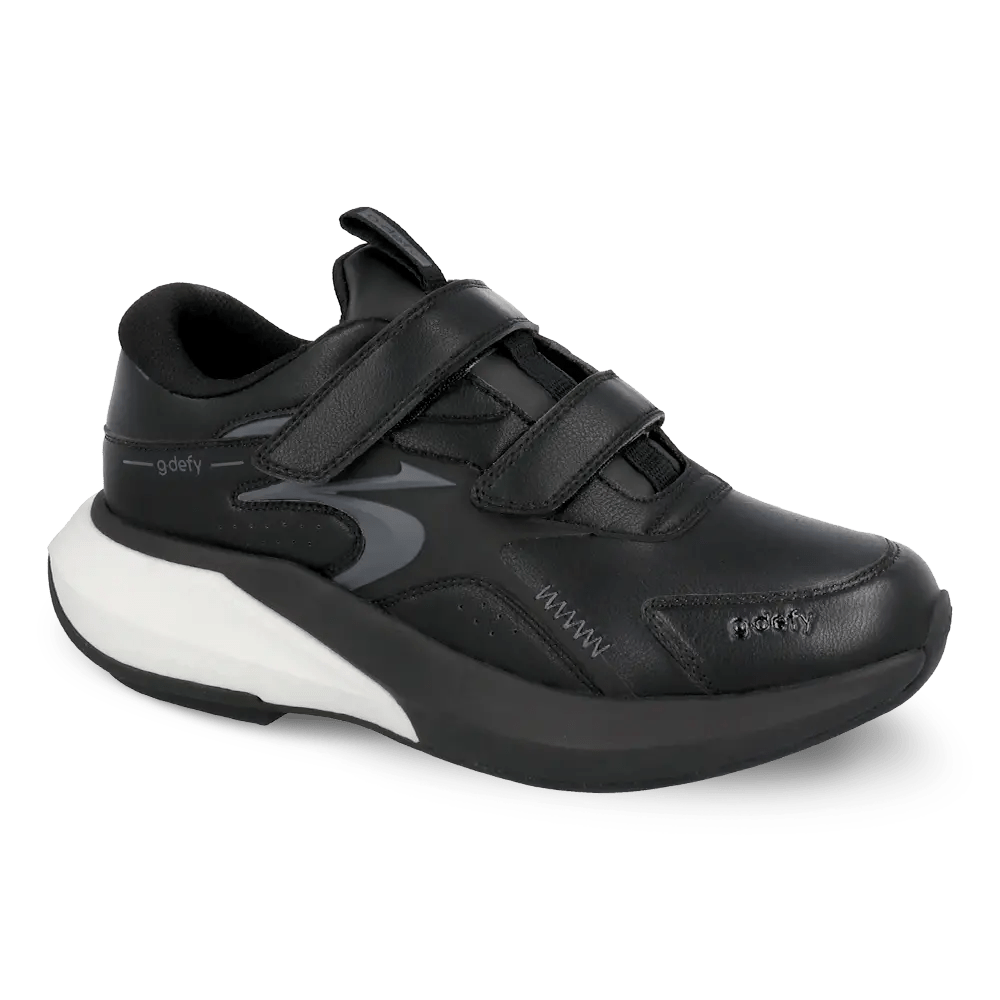
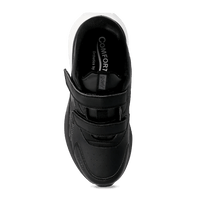
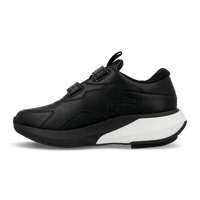
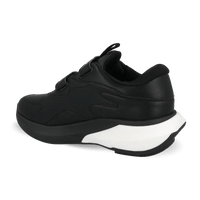
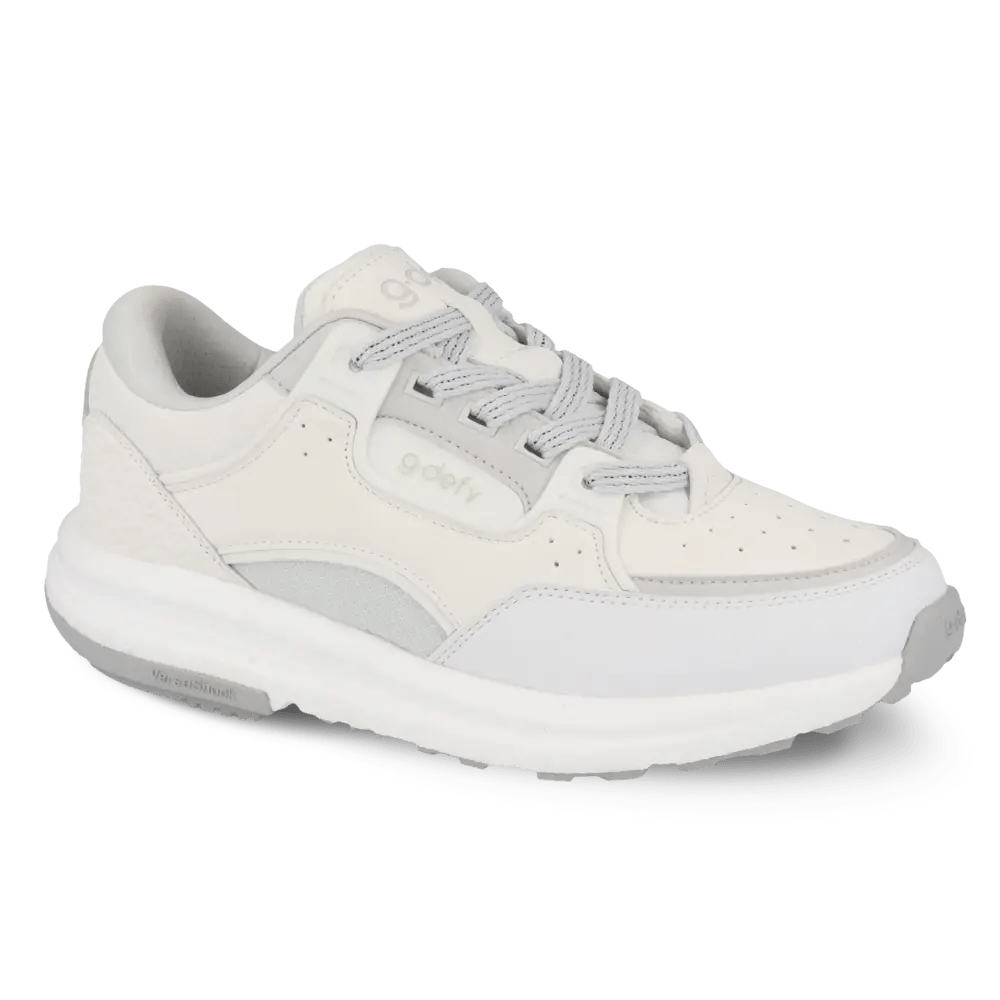
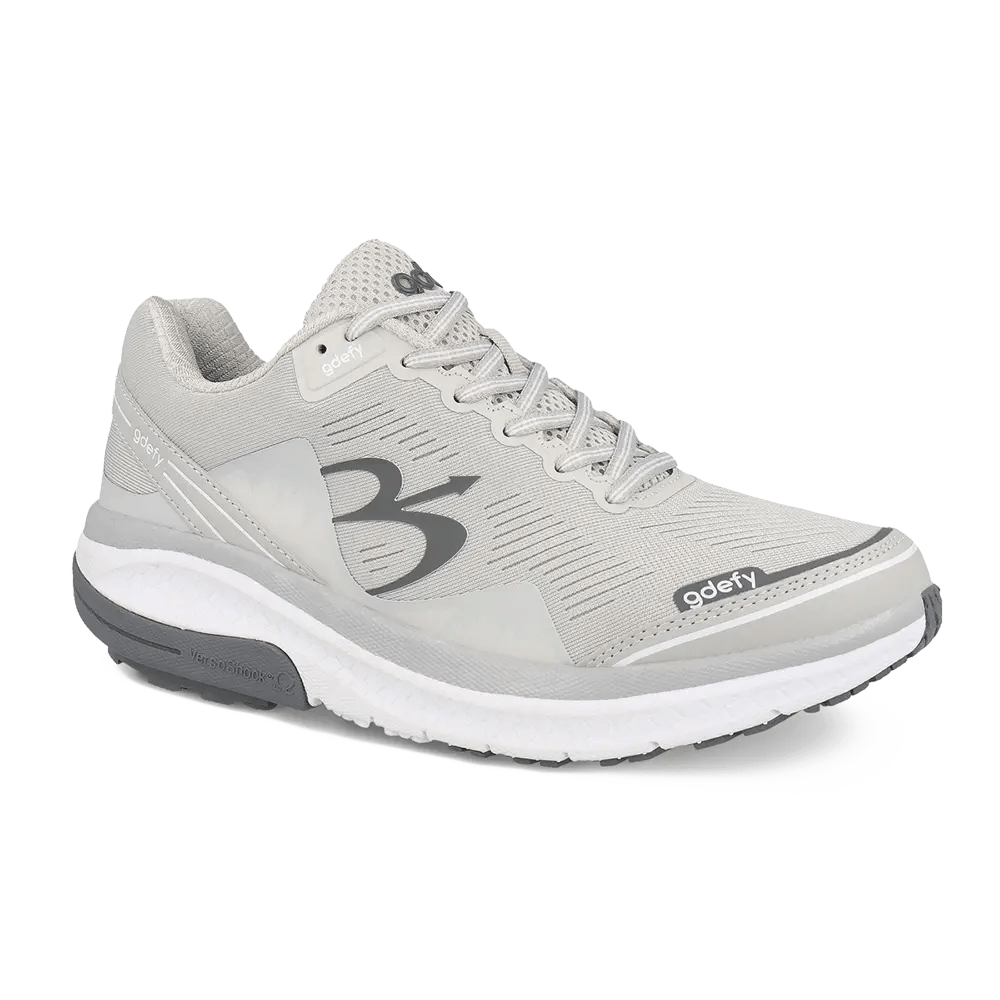
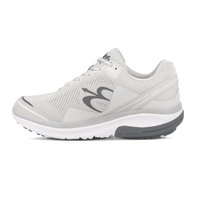
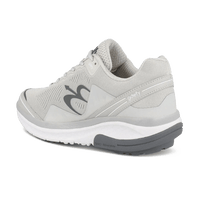
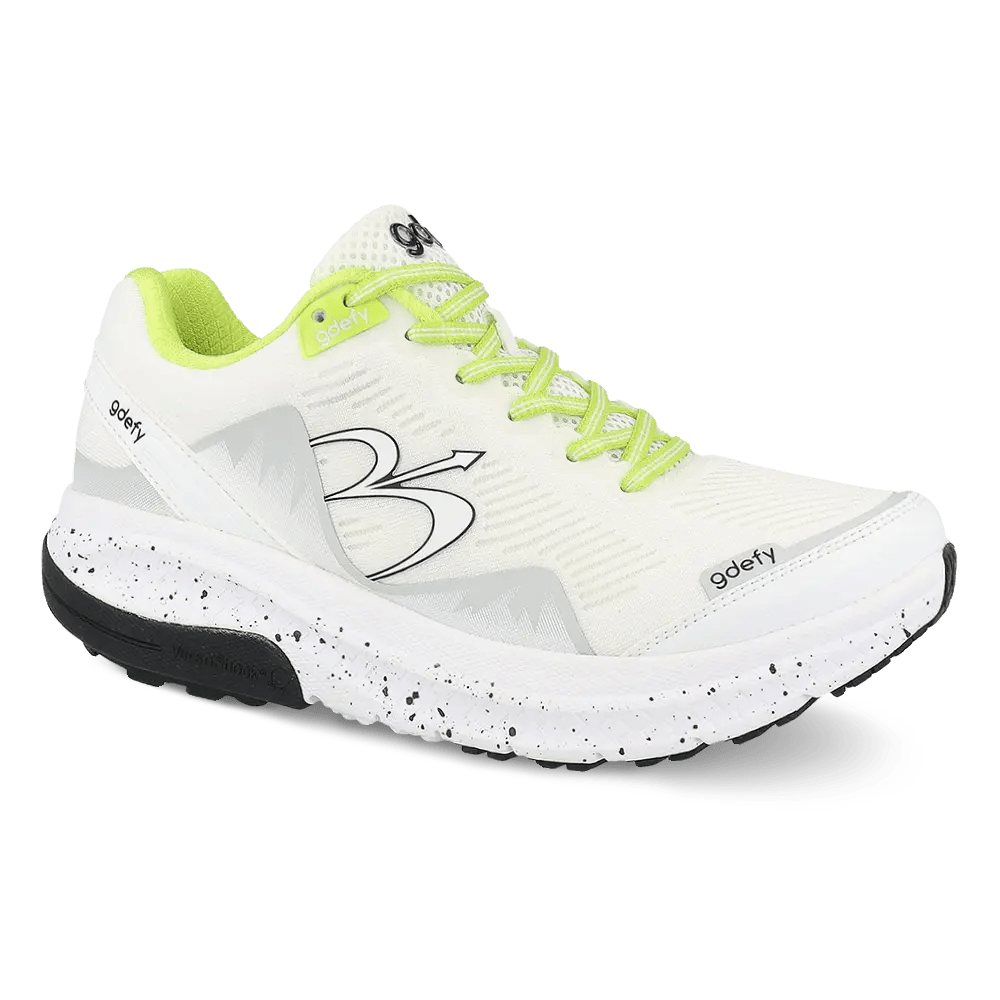
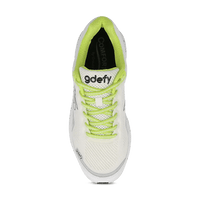
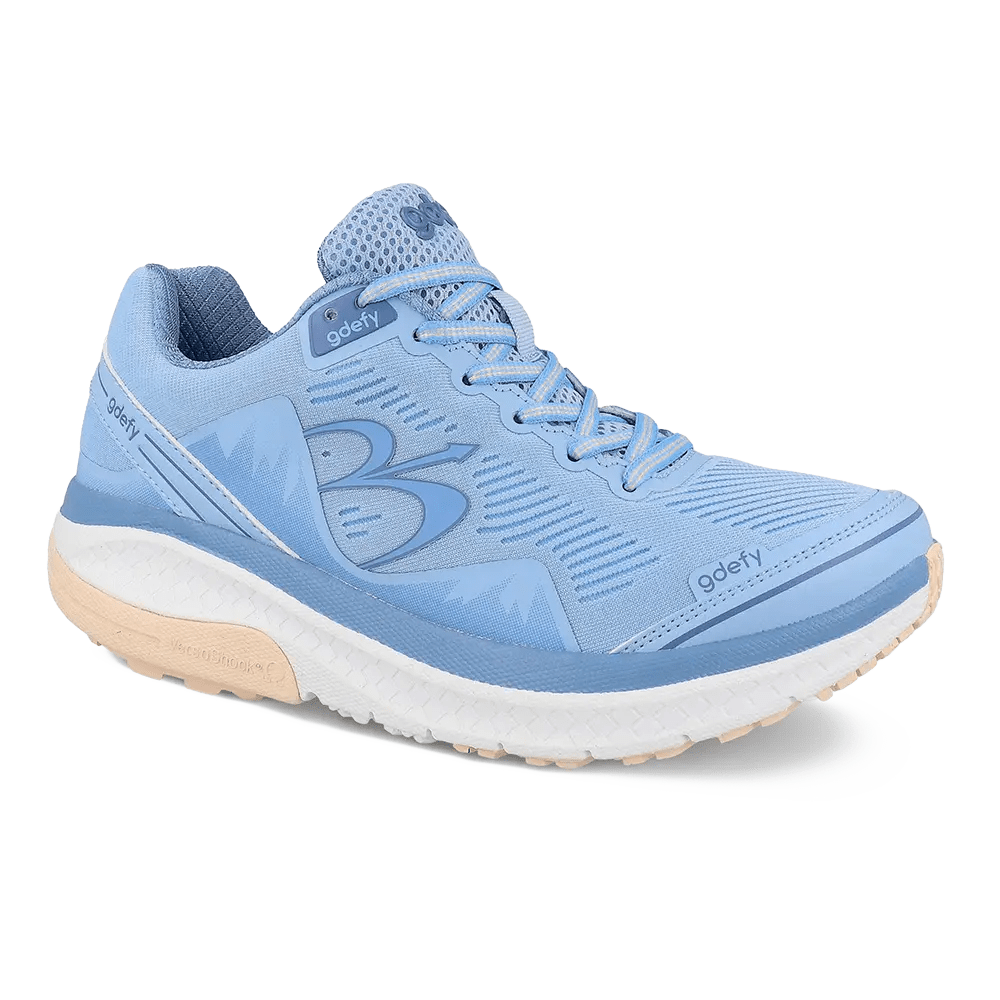
G-Defy shoes are built around a system that addresses both built-in support and orthotic customization at the same time — which makes the choice simpler.
The Built-In Foundation: VersoShock® Technology
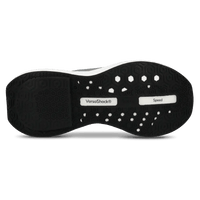
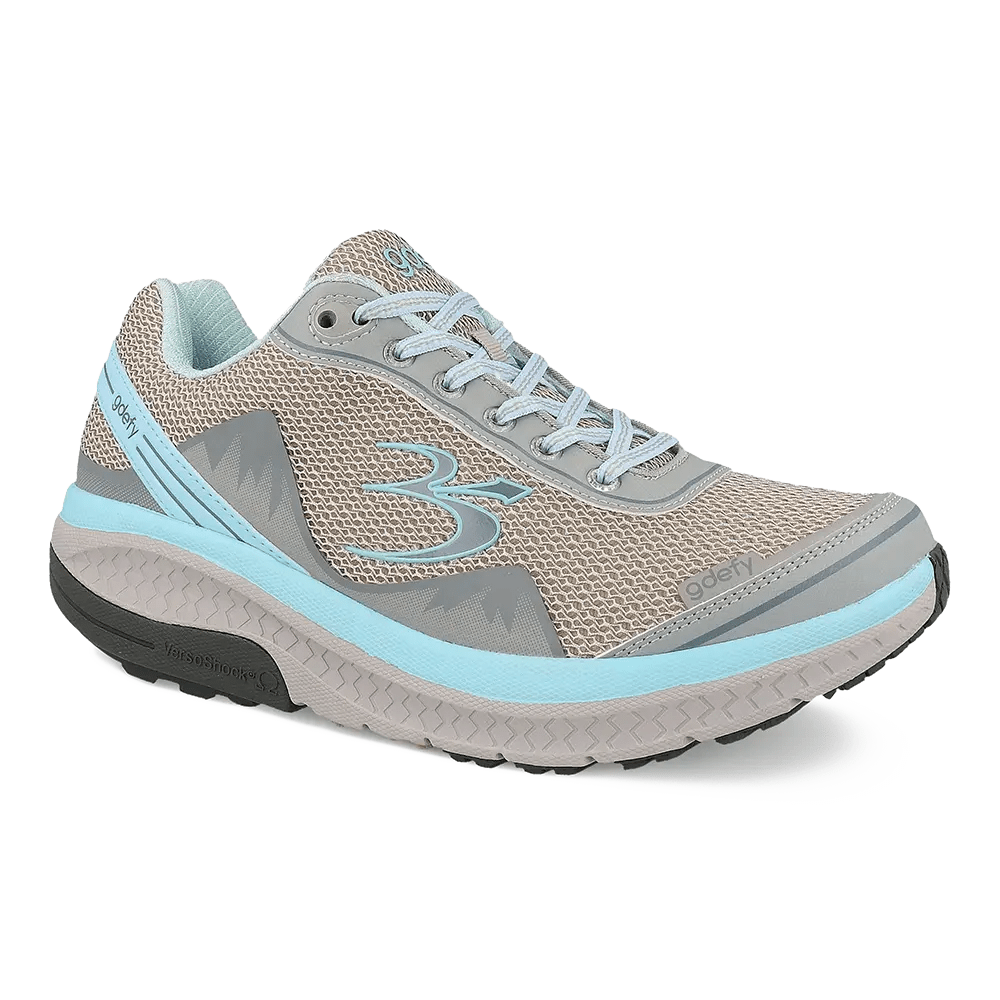
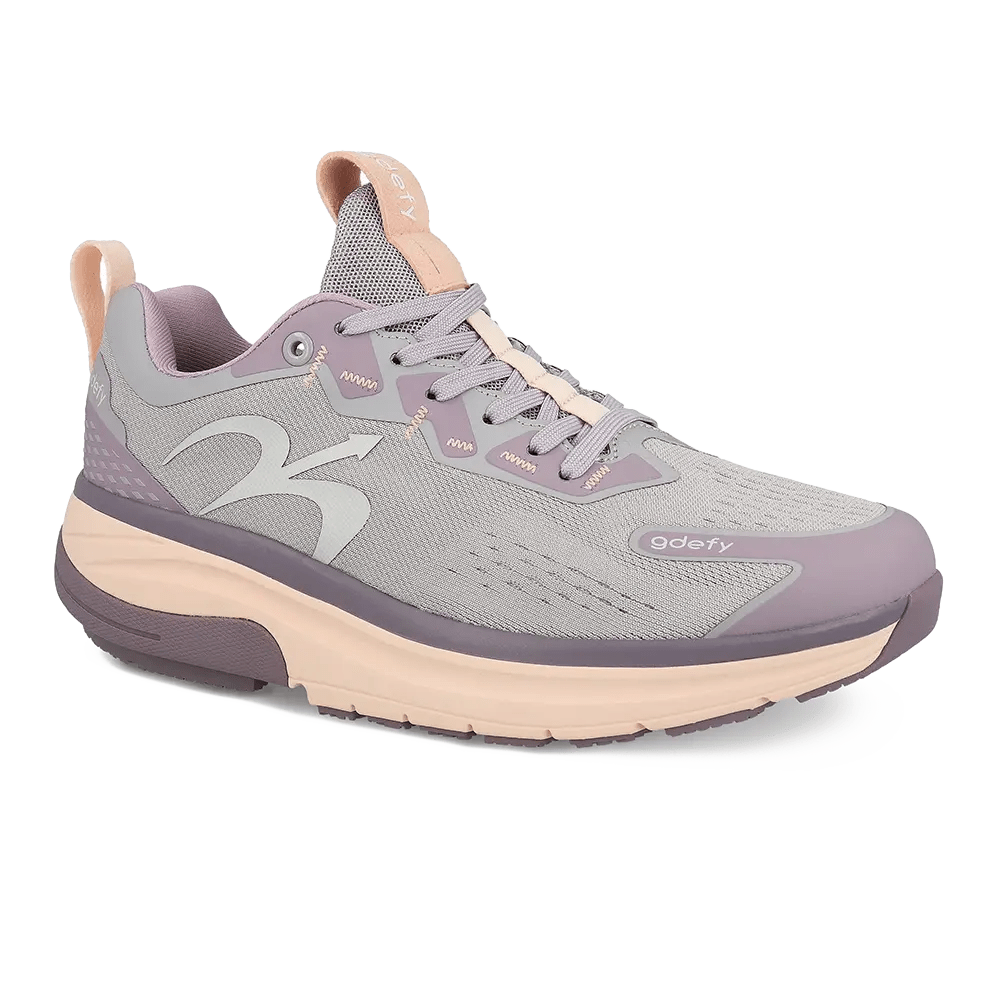
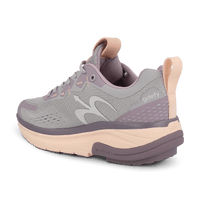
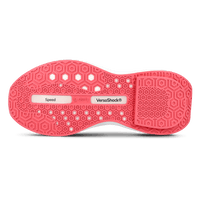
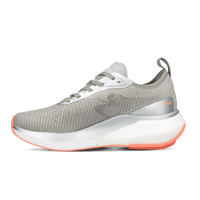
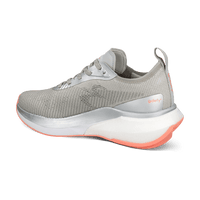
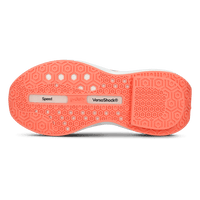
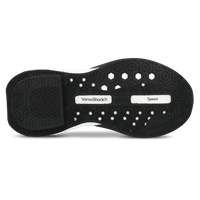
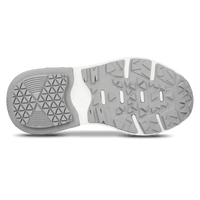
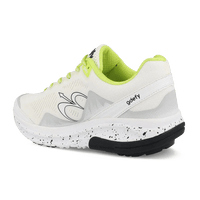
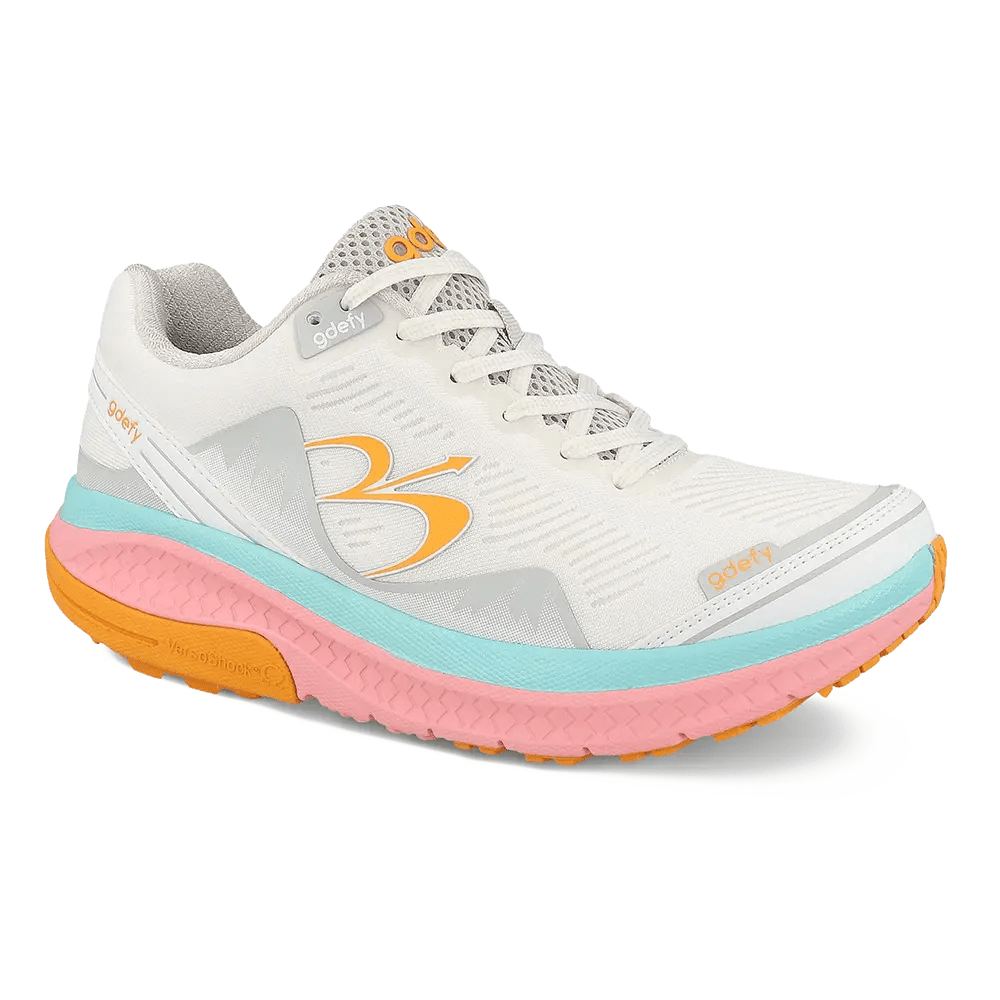
Every G-Defy shoe is engineered with VersoShock® technology, a spring-based system designed to absorb impact and return energy with each step. Unlike traditional foam midsoles that compress and flatten over time, VersoShock® uses a responsive mechanical design that maintains its performance longer.
Beyond cushioning, each shoe includes:
- A built-in stabilizer — prevents excessive bending through the middle of the shoe, supporting the foot during movement
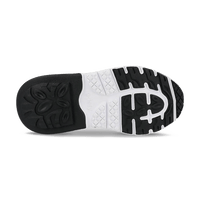
- Front rolling design — encourages a smooth heel-to-toe transition, supporting a more natural walking motion
- Structured heel counter — keeps the foot stable and properly positioned
Together, these features form a structural foundation that many shoes simply don't provide.

Two Orthotics Included in Every Pair
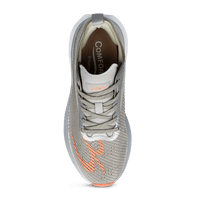
On top of the built-in structure, every pair of G-Defy shoes comes with two removable orthotics:
- ComfortFit® Orthotic — designed for low to medium arches, with a focus on cushioning and everyday comfort
- CorrectiveFit® Orthotic — designed for medium to high arches, offering additional arch contact and support
This means you can match the orthotic to your foot type — without purchasing anything extra. Try one, switch to the other, or use your own insert if you already have one that works well.
The Combination Effect
The real advantage of this approach is that the orthotic isn't carrying the full load. Because VersoShock® technology and the built-in stabilizer are already doing the work of shock absorption and stability, the included orthotics focus specifically on arch support and fit customization. Each element does its job without overcompensating for what the other lacks.
G-Defy shoes help reduce pain from walking, running, and prolonged standing.
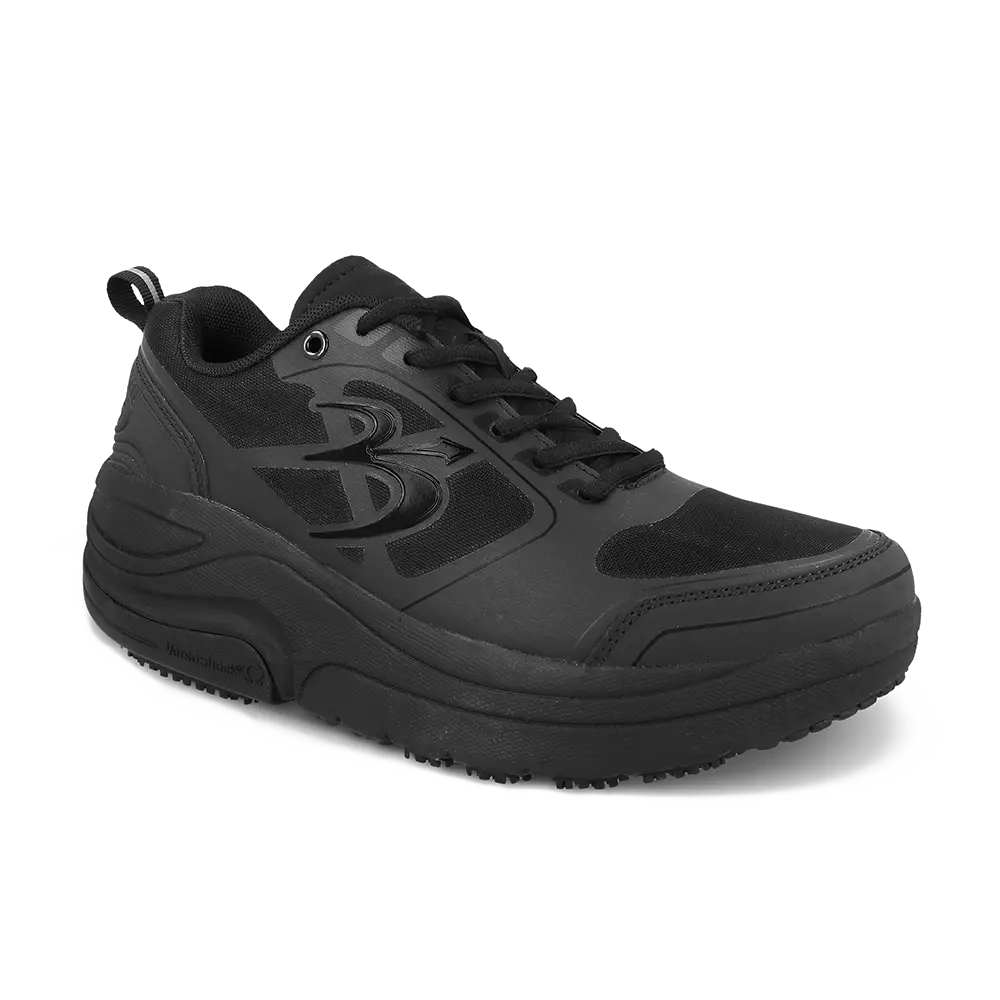
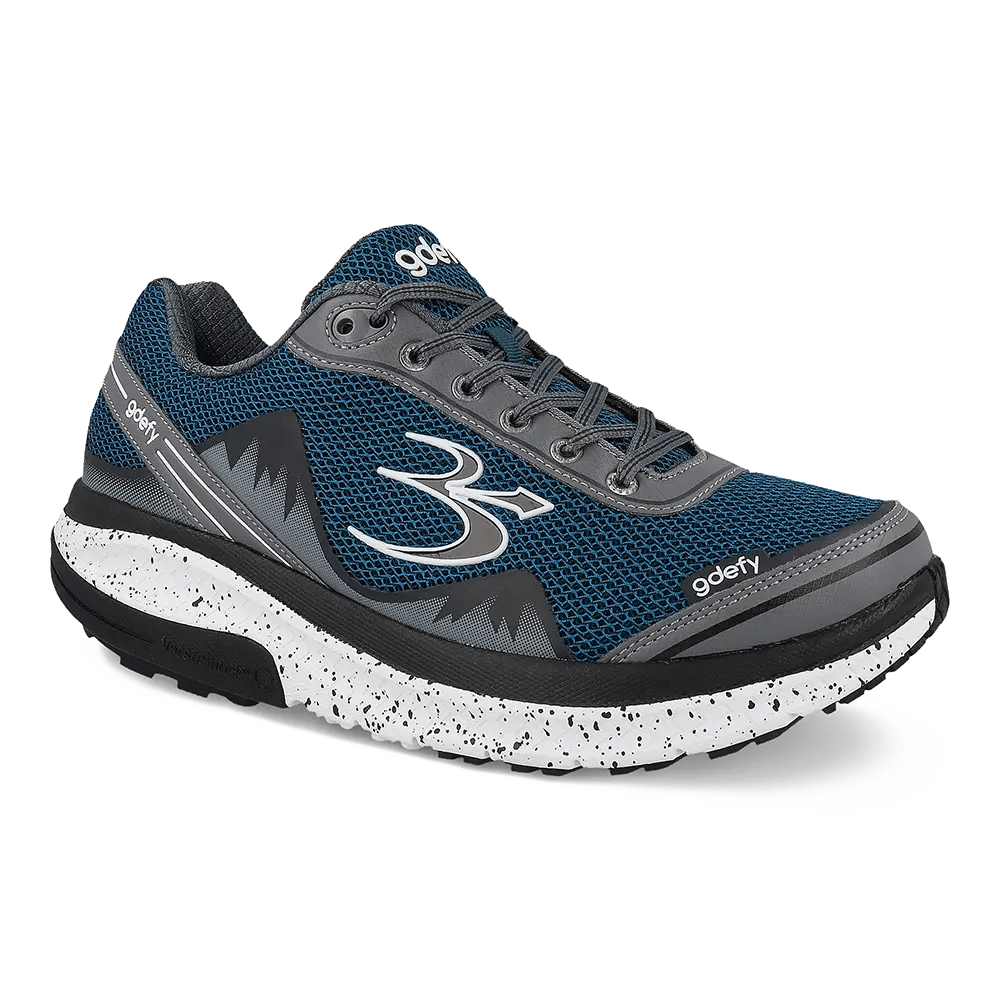
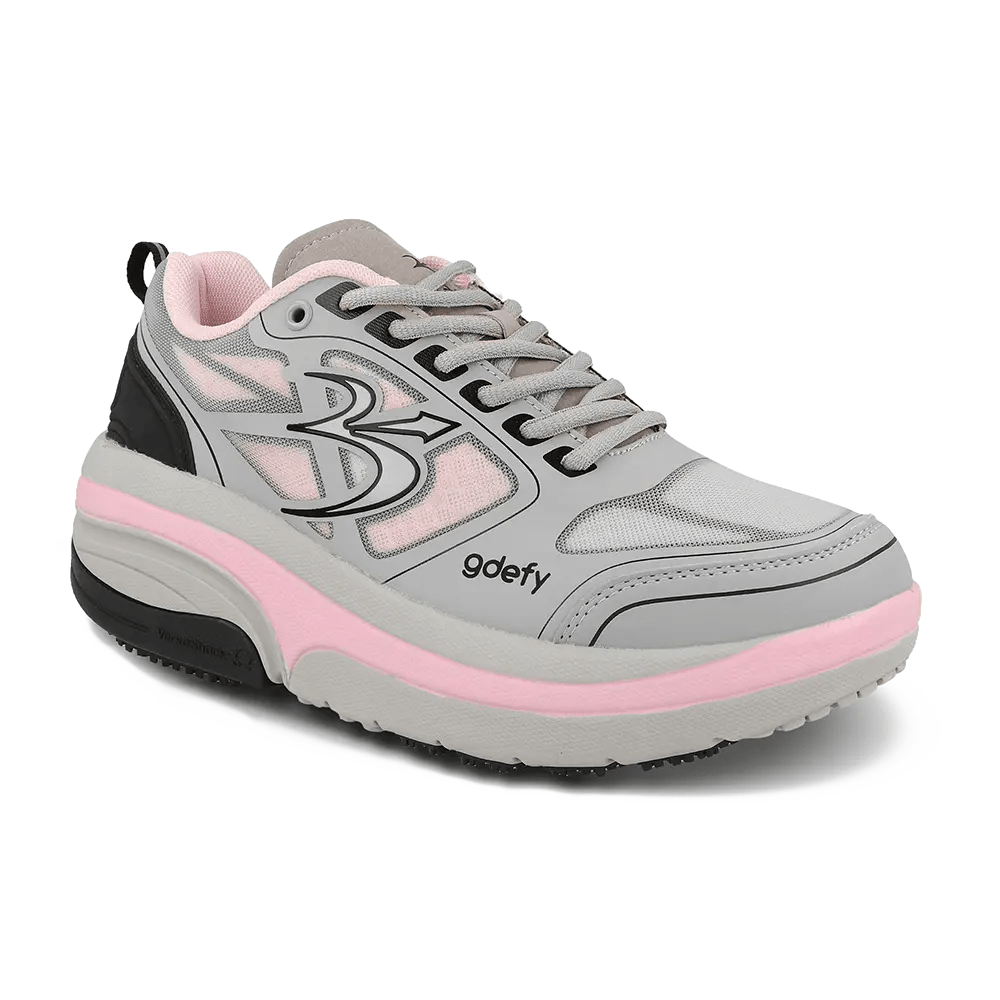
Browse our full collection for men and women, or explore the Mighty Walk — one of our most popular styles for all-day walking comfort — and the Ion, a lighter-weight option for everyday wear.
Try G-Defy Risk-Free for 60 Days
Experience the combination of VersoShock® technology and dual included orthotics. Free shipping on every order — full refund if they're not right for you.
Shop Men's → Shop Women's →Tips for Getting the Most from Your Footwear

Whether you use aftermarket orthotics or rely on built-in support, a few habits can help you get more comfort from your shoes:
Replace shoes before they wear out. The midsole often loses its performance before the upper shows visible wear. If your shoes feel flatter or harder than they used to, the cushioning may be compressed beyond the point of effectiveness.
Match the shoe to the activity. A structured walking shoe provides different support than a casual slip-on. Using footwear designed for your primary activity makes a meaningful difference.
Use the right orthotic for your arch. If your shoe comes with multiple orthotics, try both. Most people notice a preference within the first week of wearing.
Allow a break-in period. New shoes — especially those with structured support — may feel slightly different for the first few days. Give your feet time to adjust before deciding if the fit is right for you.
Check alignment across the whole shoe. Comfort issues don't always come from the arch. Look at the heel hold, toe box width, and overall shoe structure when evaluating fit.
Frequently Asked Questions
Can I use my own orthotics in G-Defy shoes?
Yes. G-Defy shoes are designed with a removable footbed, so you can replace the included orthotics with your own if needed. Many people find the included ComfortFit® or CorrectiveFit® orthotics work well on their own — but the option is there if you prefer a different insert.
Are shoes with built-in arch support better than adding an insole to a flat shoe?
Generally, yes. A shoe designed with structural arch support, cushioning, and stability features provides a better foundation than a flat shoe with an insole on top. The insole works within a solid structure rather than compensating for a shoe that wasn't designed with support in mind.
How do I know if I have flat feet or high arches?
A simple way to check at home: wet the bottom of your foot and step onto a piece of paper. If you see a full footprint (or nearly full), you likely have a lower arch. If you see mostly the heel and ball with a narrow strip along the outside, you likely have a higher arch. See our guide on pronation and supination for more on how foot structure affects your stride.
Do I need custom orthotics, or will over-the-counter options work?
For most people dealing with general foot fatigue, discomfort from long hours of walking or standing, or mild arch-related issues, a quality over-the-counter orthotic — or a shoe that includes one — is a practical and effective starting point. Custom orthotics may be worth considering if well-made OTC options haven't provided the comfort you need. A podiatrist can help determine the best approach for your specific foot.
The Takeaway
Orthotic insoles and built-in shoe support aren't competing approaches — they're complementary ones. The best outcome usually comes from a shoe that does its job structurally and then allows you to customize support based on your foot type.
If your current shoes have a flat, unsupported midsole, adding an insole helps but doesn't fully solve the problem. If your shoes are well-designed from the ground up, the right orthotic can be the finishing touch that makes them work perfectly for your feet.
The most practical approach: start with a shoe genuinely engineered for comfort and support, and take advantage of whatever customization options it includes. From there, you'll have a much clearer sense of whether you need anything additional — and if so, what.
While footwear is not a medical solution, choosing shoes designed for comfort, support, and shock absorption can make a meaningful difference in how you feel throughout the day.