


June 11, 2026
How Gait Analysis Helps You Choose Better Shoes
By Gdefy

Summary
Most of us never think about how we walk — we just walk. But the way you move, often called your gait, has a lot to do with how a pair of shoes feels by the end of the day. Two people can buy the exact same shoe and have completely different experiences, simply because they walk differently. That is where understanding your gait comes in.
You may have heard the term "gait analysis" used in running stores or clinics. It can sound technical, but at its core it is simple: it just means paying attention to the way you walk. You do not need a lab, a treadmill, or an appointment to learn something useful about your own stride. A few minutes of observation at home can tell you a surprising amount about which shoe features will keep you comfortable.
In this guide, we will break down what gait really means, how to observe your own walking pattern, and how to use what you learn to choose better shoes for everyday walking and standing.

What Is Gait, and Why Does It Affect Your Shoes?
Gait is simply the pattern of movement you make when you walk or run. It covers how your foot lands, how your weight rolls from heel to toe, and how you push off for the next step. Everyone's gait is a little different, shaped by things like foot shape, arch height, daily habits, and the surfaces you spend the most time on.
Your gait matters for shoe choice because different walking patterns place stress on different parts of the foot. A shoe that feels great for one person may feel unsupportive for another. When you understand your own pattern, you can look for the cushioning, support, and shock absorption features that match the way you actually move — instead of guessing.
Three Common Walking Patterns
While every stride is unique, most people fall into one of three general categories. None of these is a problem to be fixed — they are simply descriptions of how your foot tends to move:
- Neutral — Your weight rolls fairly evenly from the heel to the ball of the foot, and your foot stays reasonably balanced through each step.
- Inward roll (overpronation) — Your foot tends to roll inward more than average as you move forward. This is common in people with lower arches.
- Outward roll (supination, or underpronation) — Your foot tends to roll toward the outer edge. This is more common in people with higher arches.
Knowing roughly where you land helps you focus on the right features. If you want a deeper look at how the foot rolls through a step, our guide on pronation and supination explains it in plain language.
How to Observe Your Own Gait at Home
You do not need any special equipment to start noticing your walking pattern. This is not a medical assessment — it is just a practical way to learn more about your own stride. Here are a few easy things to try:
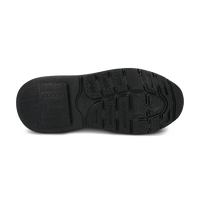
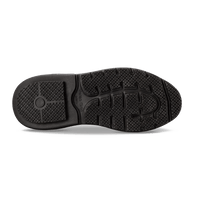
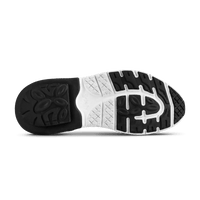
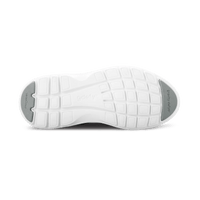
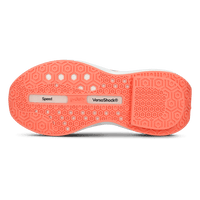
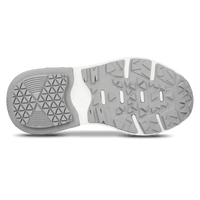
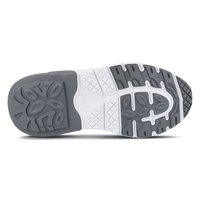
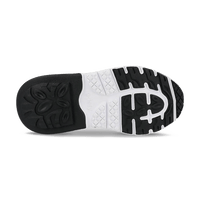
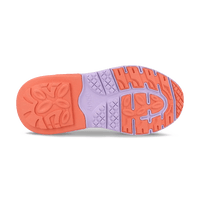
- Check the wear on your current shoes. Flip over a well-worn pair and look at the soles. Wear along the inner edge often points to an inward roll, while wear along the outer edge suggests an outward roll. Even wear usually means a fairly neutral stride.
- Try the wet-foot test. Wet the bottom of your foot and step onto a dry surface like cardboard or a paper bag. A full footprint suggests a lower arch, a very narrow one suggests a higher arch, and something in between suggests a medium arch.
- Record a short clip of yourself walking. Have someone film you walking toward and away from the camera, or set your phone on a shelf. Watching it back, notice how your feet land and whether your ankles roll inward or outward.
- Pay attention to pressure points. After a long day, notice where your feet feel the most tired or where you tend to feel discomfort. Those spots are clues about where you may want extra cushioning or support.

None of these methods is precise, and they are not meant to diagnose anything. They simply give you a general sense of how you move so you can shop with more confidence.
What to Look for in Shoes Once You Know Your Gait
Once you have a rough idea of your walking pattern, you can match it to the features that matter most. Here is how the main shoe features connect to everyday comfort:
- Cushioning — Helps absorb impact as your foot lands. Useful for almost every gait, and especially helpful if you spend long hours walking or standing on hard surfaces.
- Support and stability — Helps keep the foot steady through each step. A more structured shoe can feel reassuring if your foot tends to roll inward or outward.
- Shock absorption — Reduces the harsh force that travels up from the ground, helping each step feel softer.
- Energy return — Helps keep your stride feeling responsive instead of flat, so you are not working as hard with each step.
- Proper fit and a roomy toe area — Lets your foot sit naturally and move the way it is meant to. Fit matters just as much as features.
- Adjustable support — Removable insoles let you fine-tune the feel of a shoe for your arch height and walking style.
Thinking about these features in the context of your own gait turns shoe shopping from guesswork into a more informed decision. For more on how a shoe is put together, see what goes into a comfortable walking shoe.
Matching Your Shoes to Where You Walk Most
Your gait is only part of the picture. How and where you spend your time on your feet matters just as much when you are choosing shoes. The same walking pattern can call for slightly different features depending on your daily routine.
- Long hours on hard floors — If you stand or walk on concrete, tile, or other hard surfaces for much of the day, cushioning and shock absorption become especially important for staying comfortable.
- Everyday walking and errands — For a mix of walking, standing, and being on the go, a versatile shoe with balanced cushioning and support tends to work best.
- Active walking or running — Faster movement increases impact with every step, so energy return and responsive cushioning help keep your stride feeling efficient.
- Outdoor and uneven terrain — Trails and uneven ground ask more of your stability, so a structured, supportive shoe can help you feel more sure-footed.
When you combine an honest look at your gait with a clear sense of how you actually use your shoes, the right choice becomes much easier to spot. Comfort is rarely about one feature alone — it is about the whole shoe working with the way you move and live. If you are curious how the foot connects to the rest of the body during movement, our look at the kinetic chain is a helpful next read.
How G-Defy Shoes Support a Smoother Stride
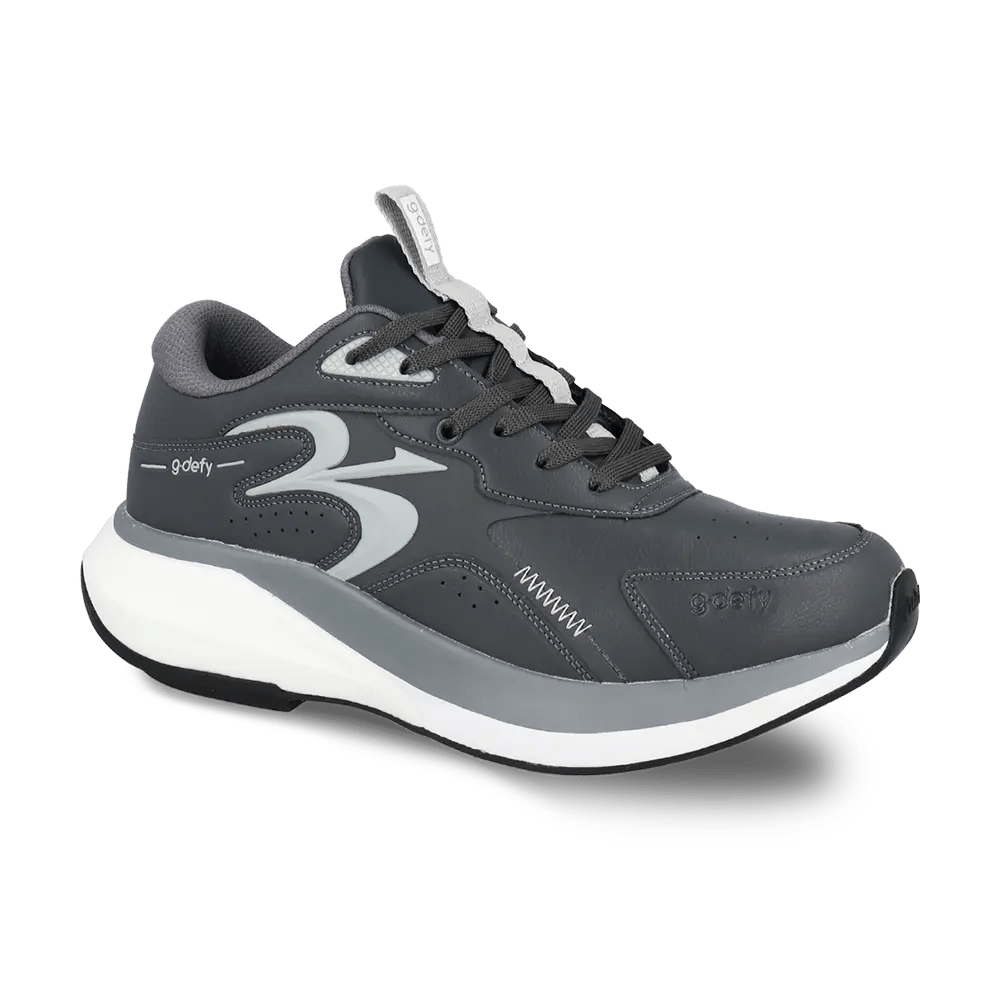
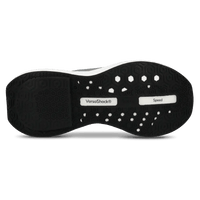
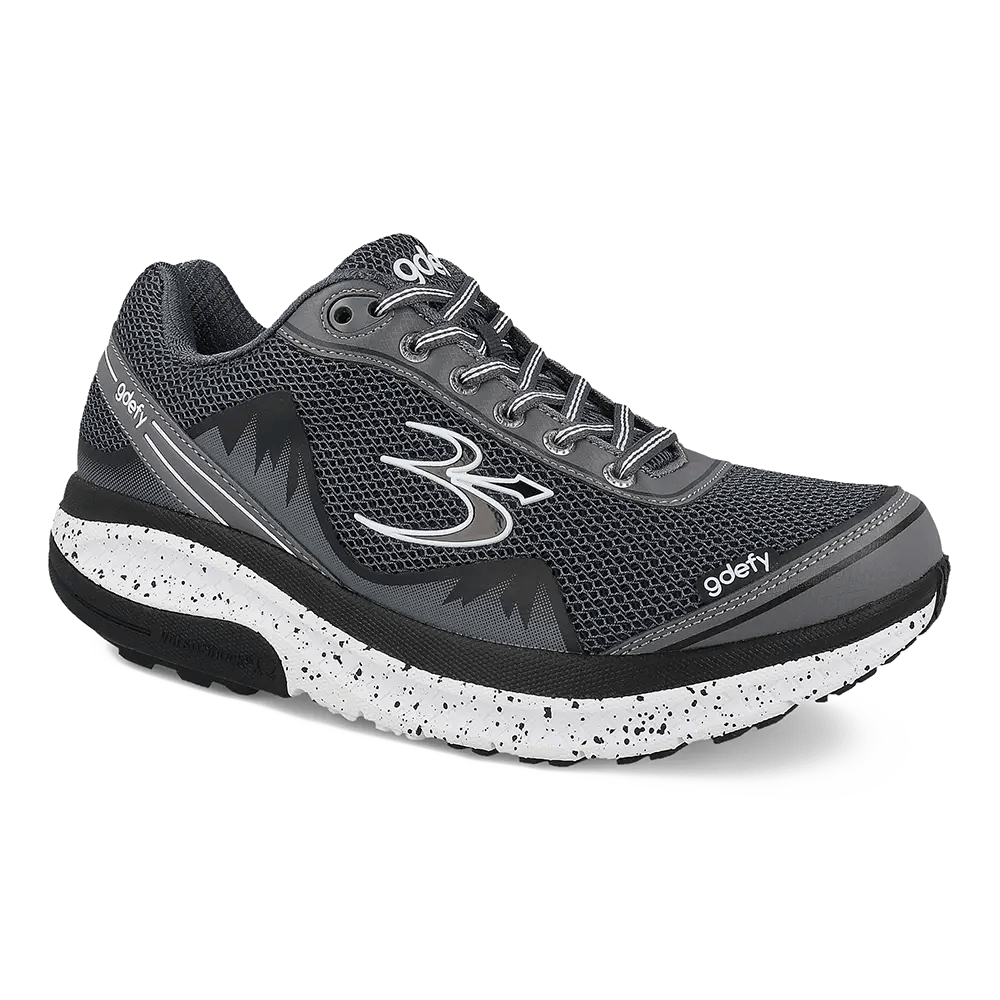
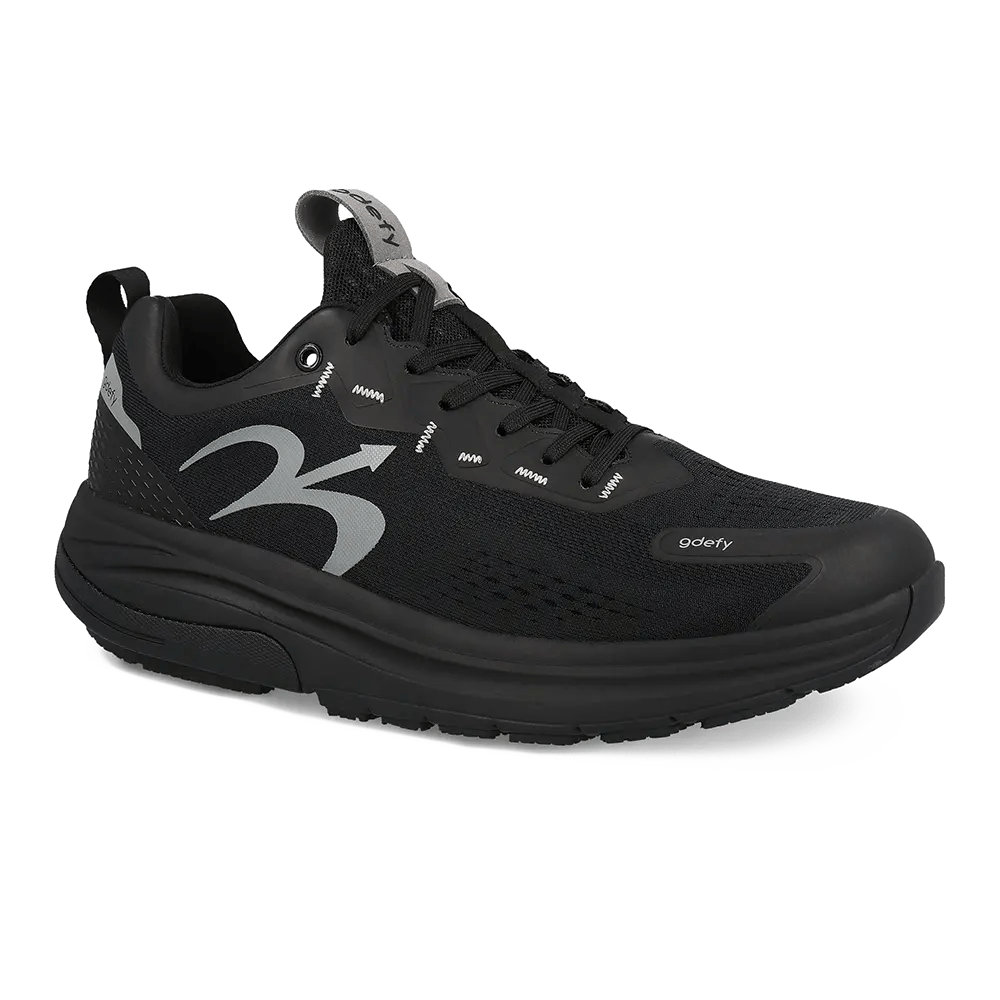
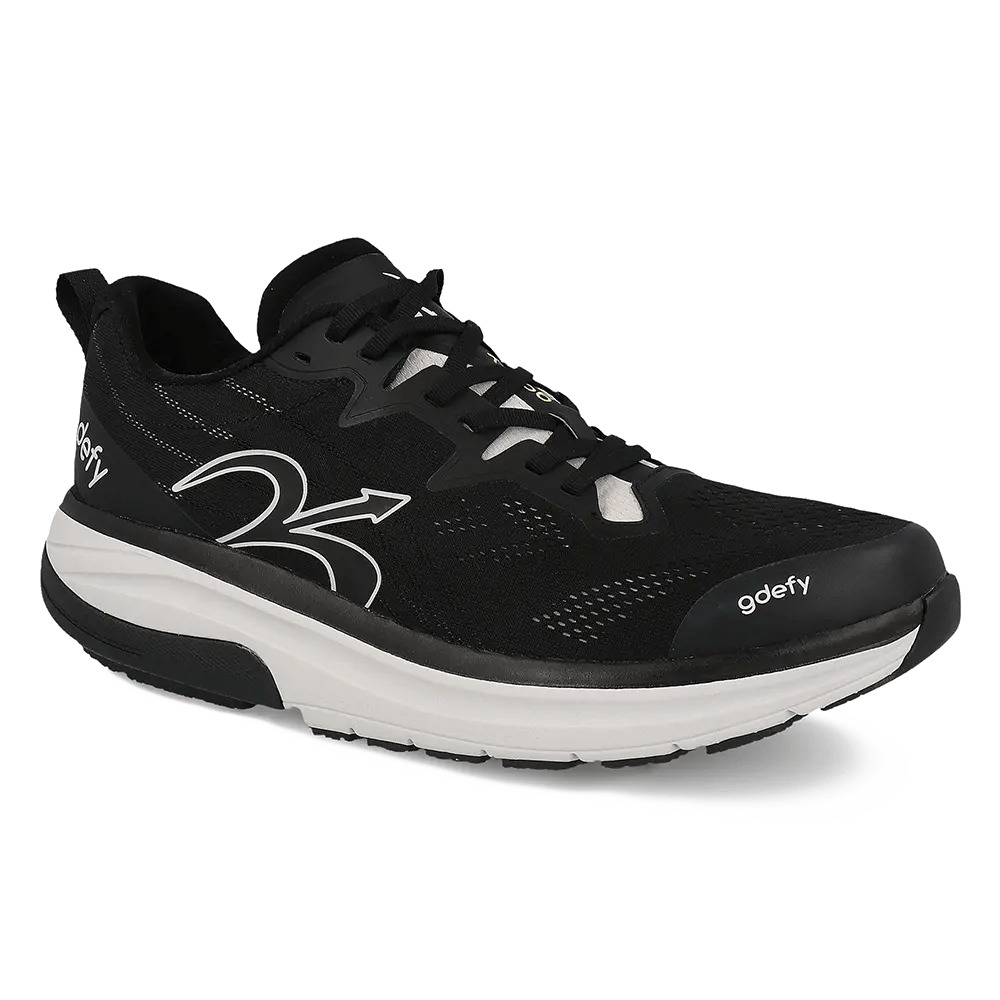
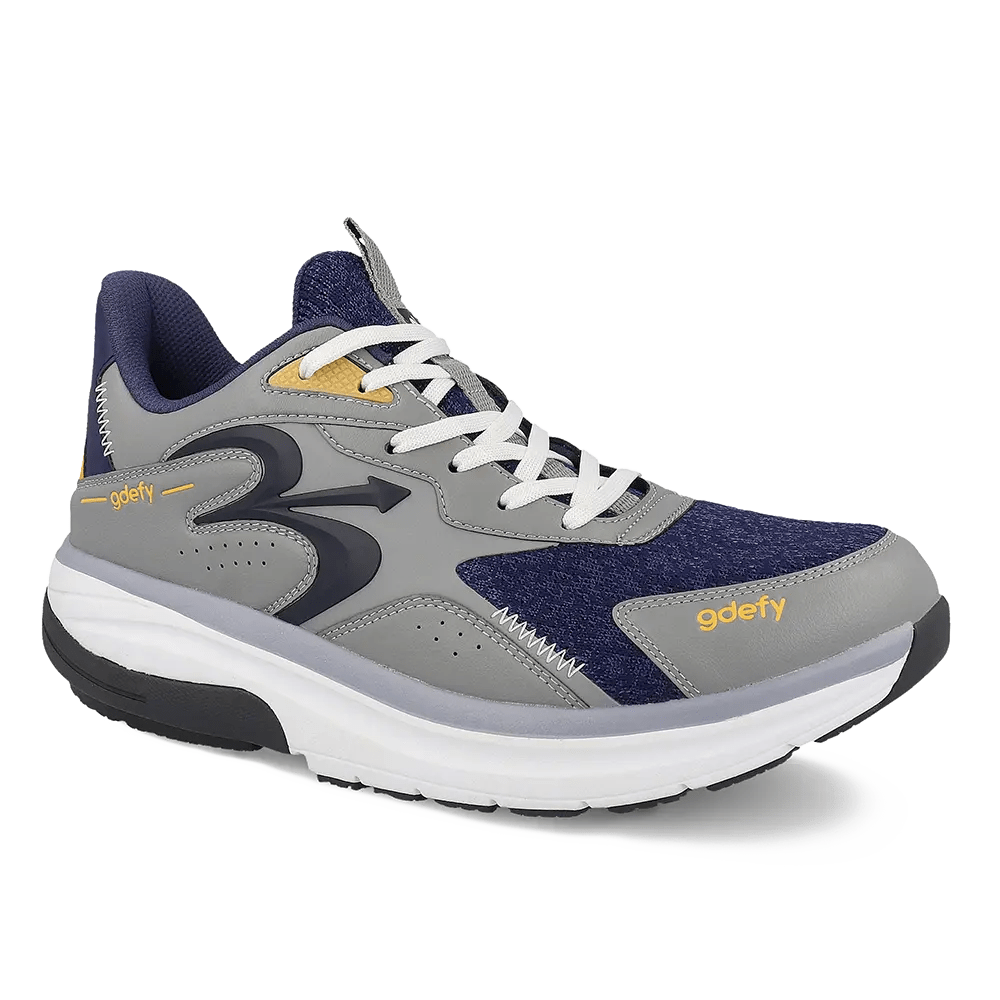
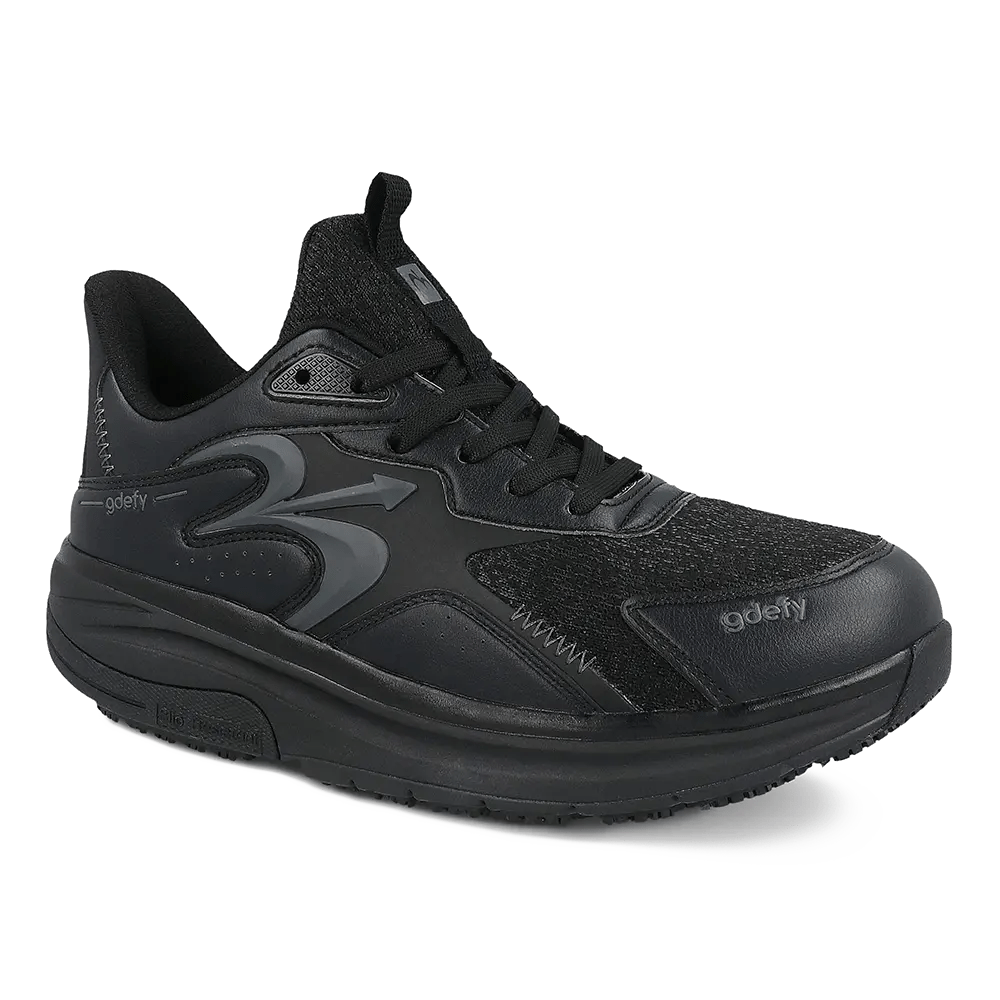
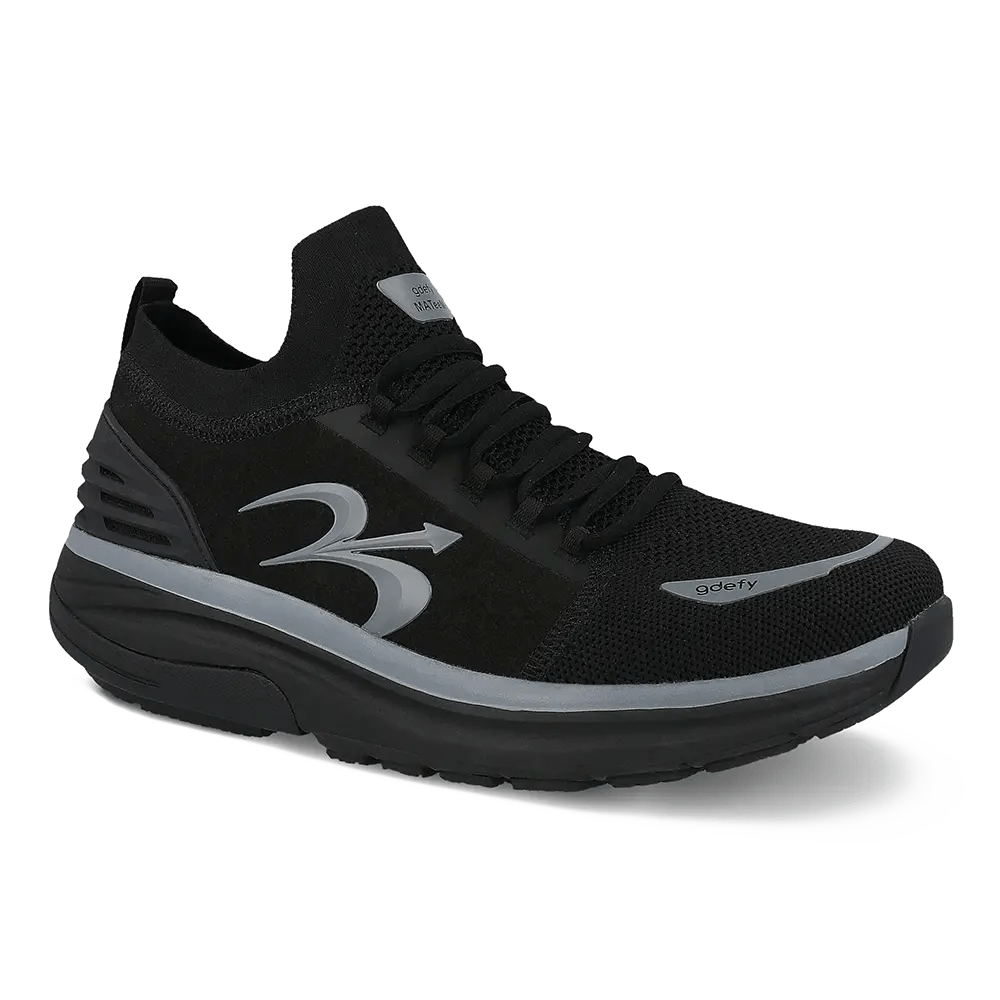
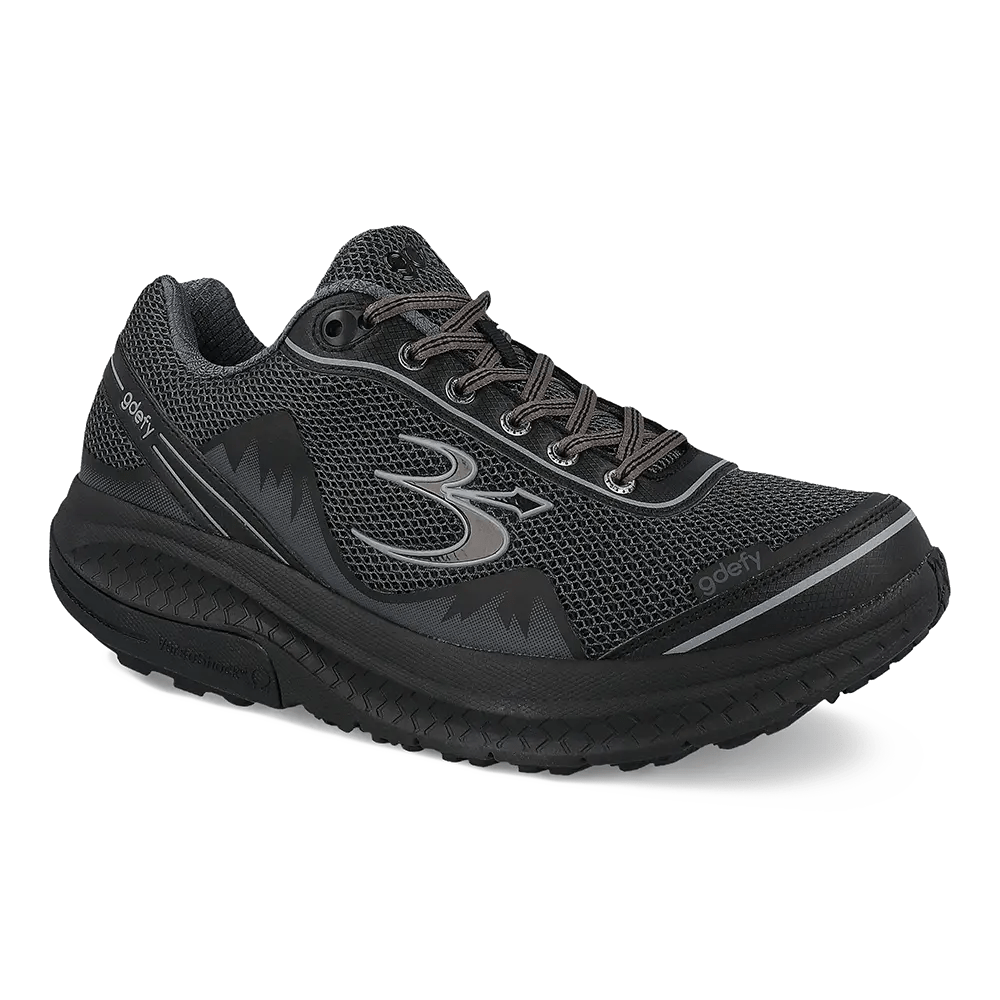
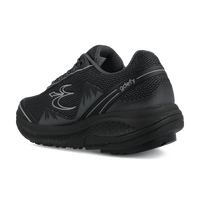
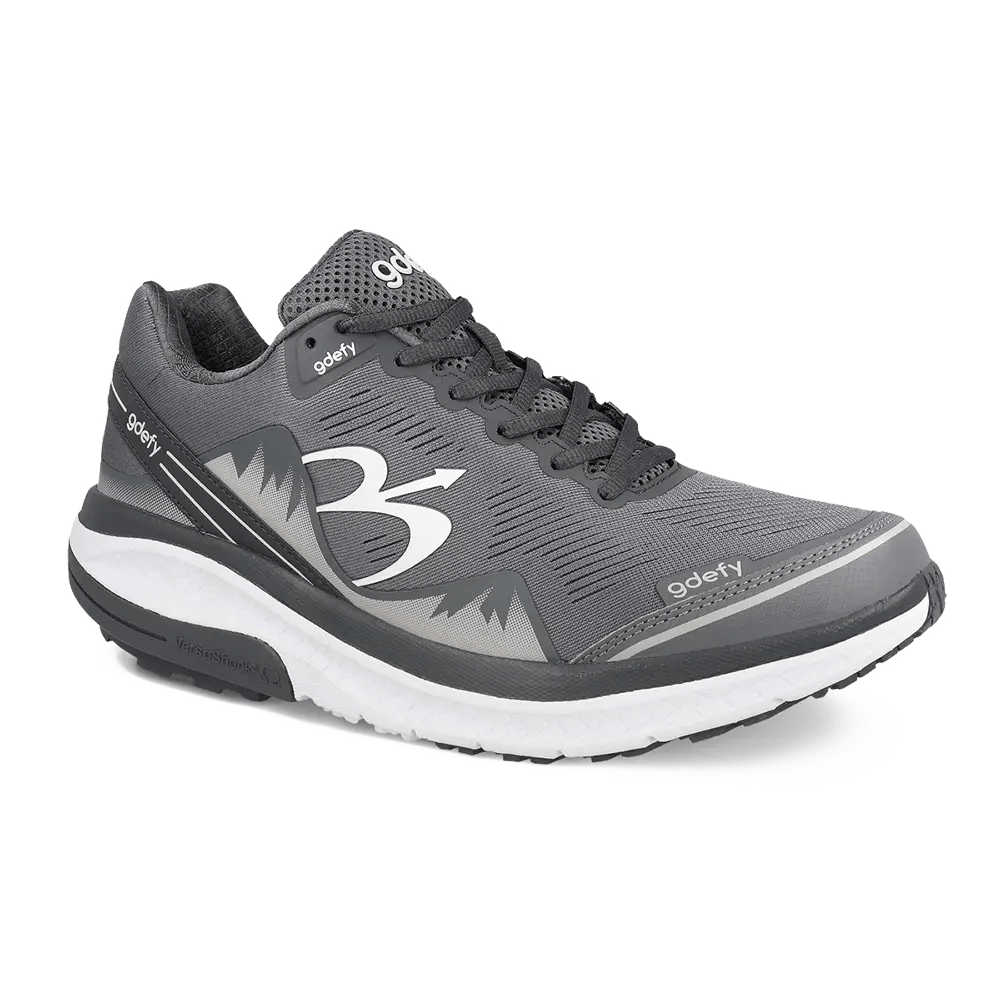
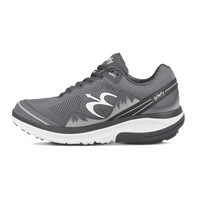
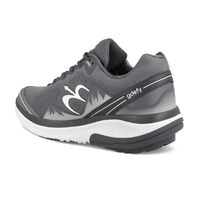
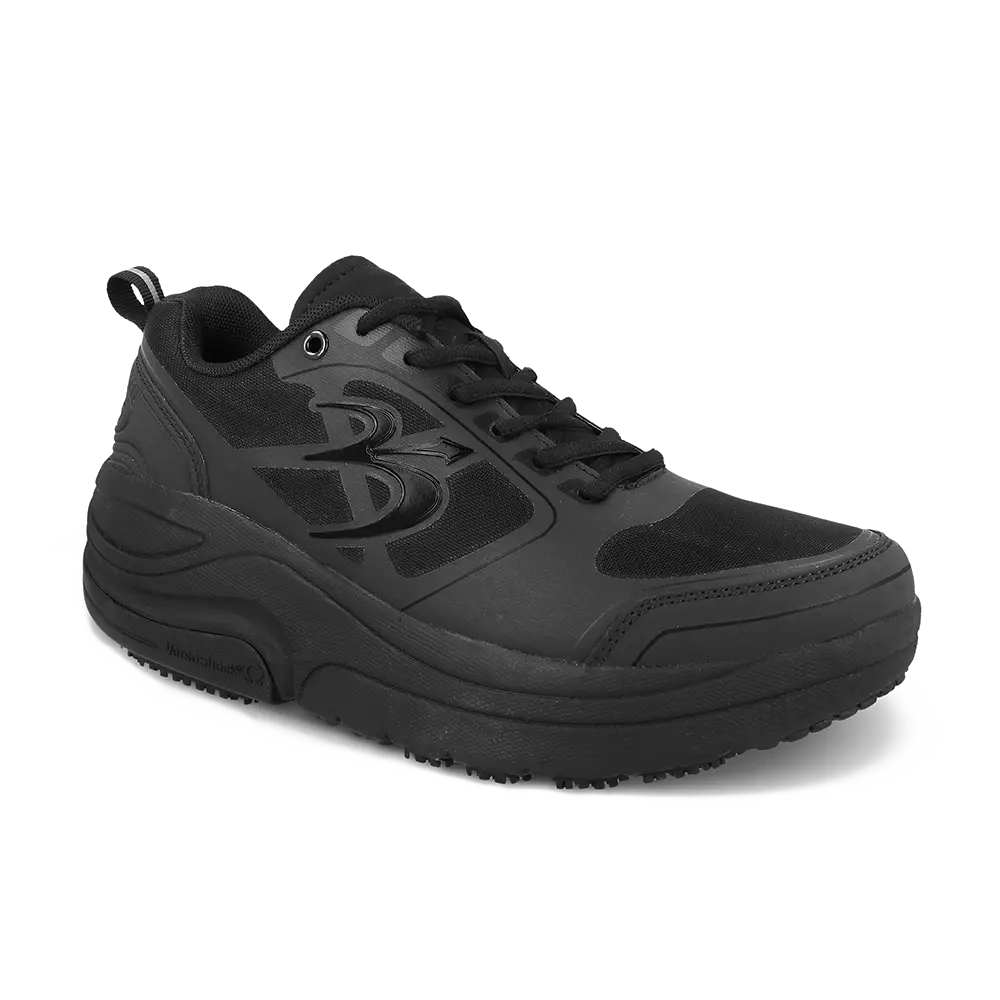
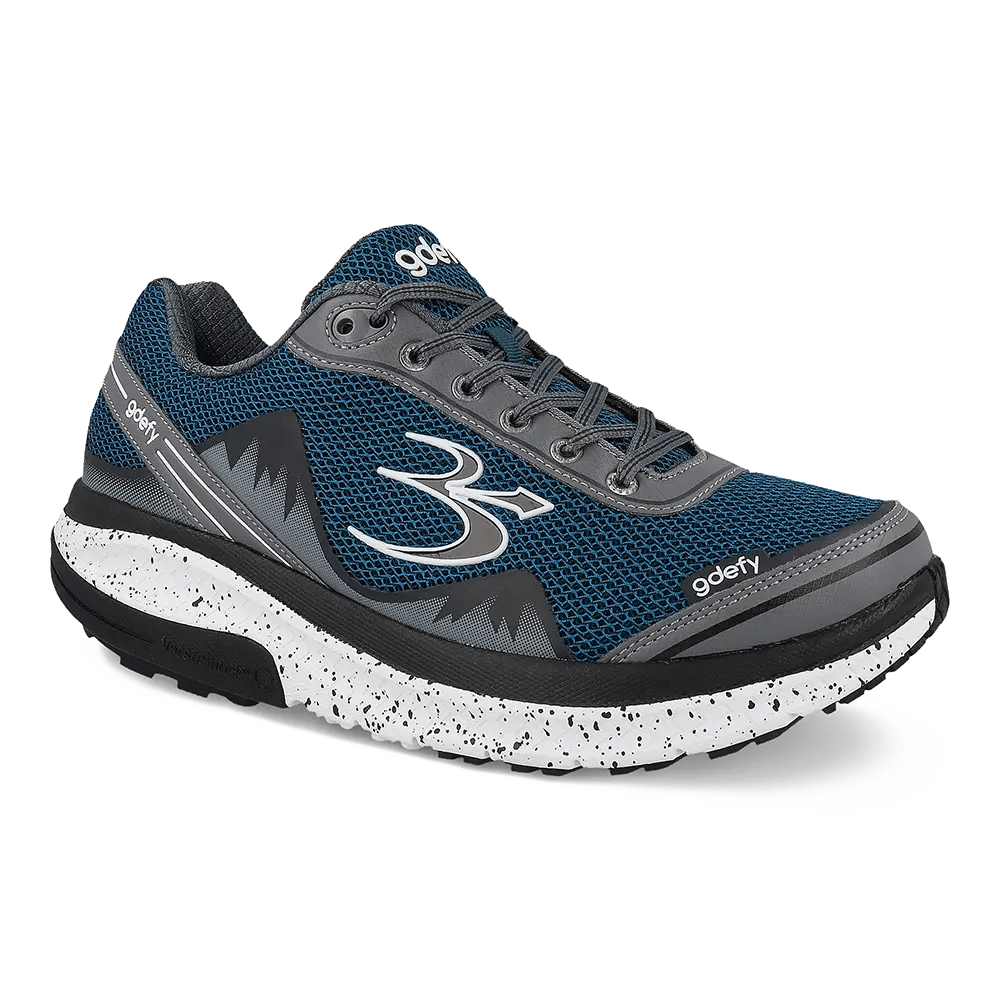
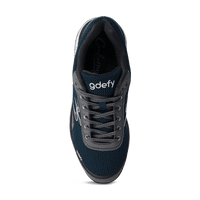
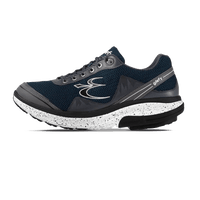
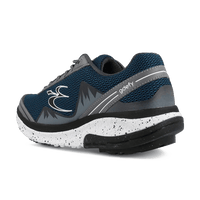
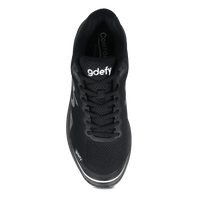
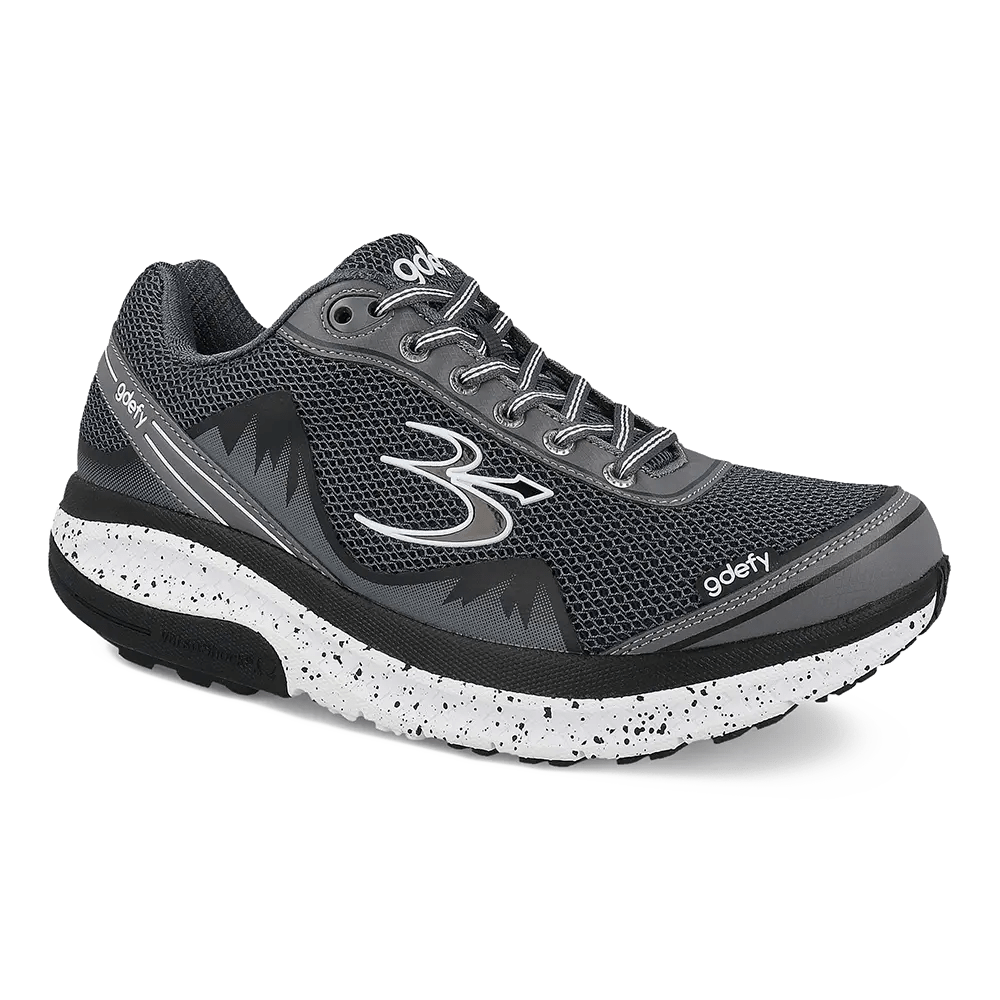
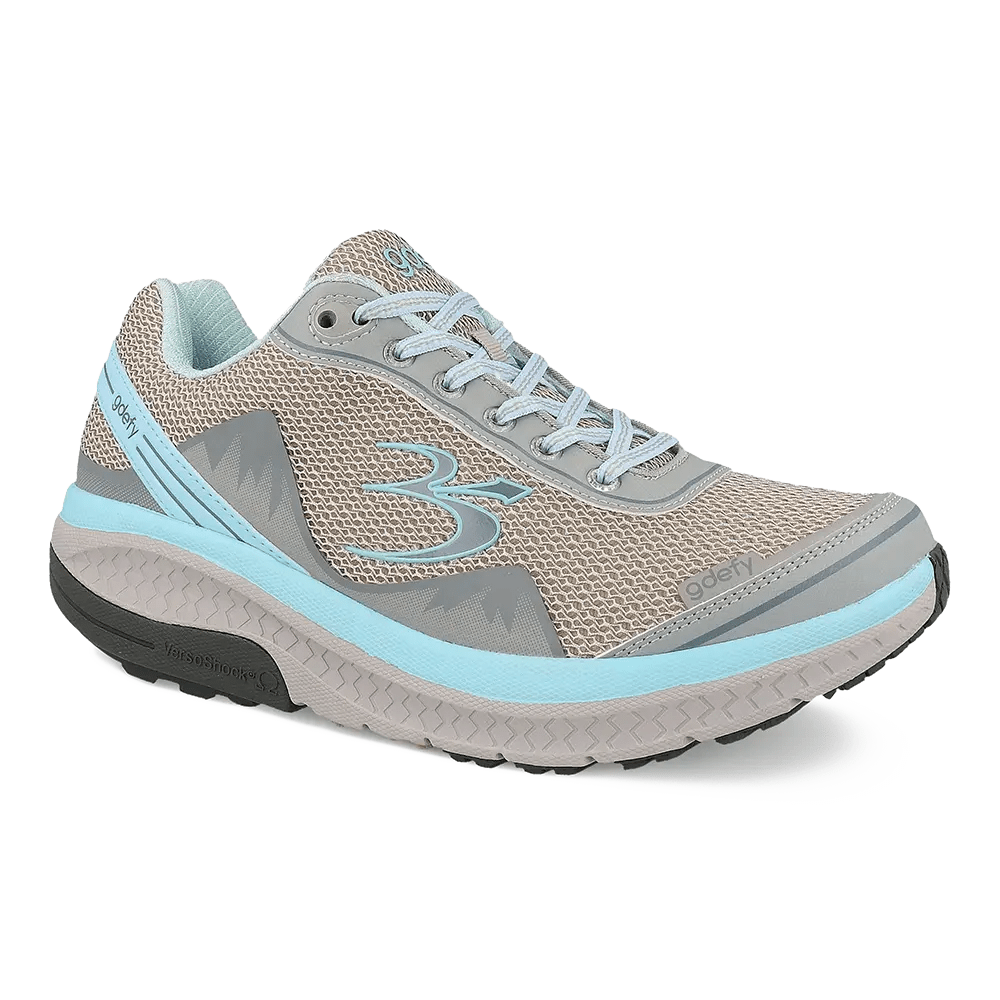
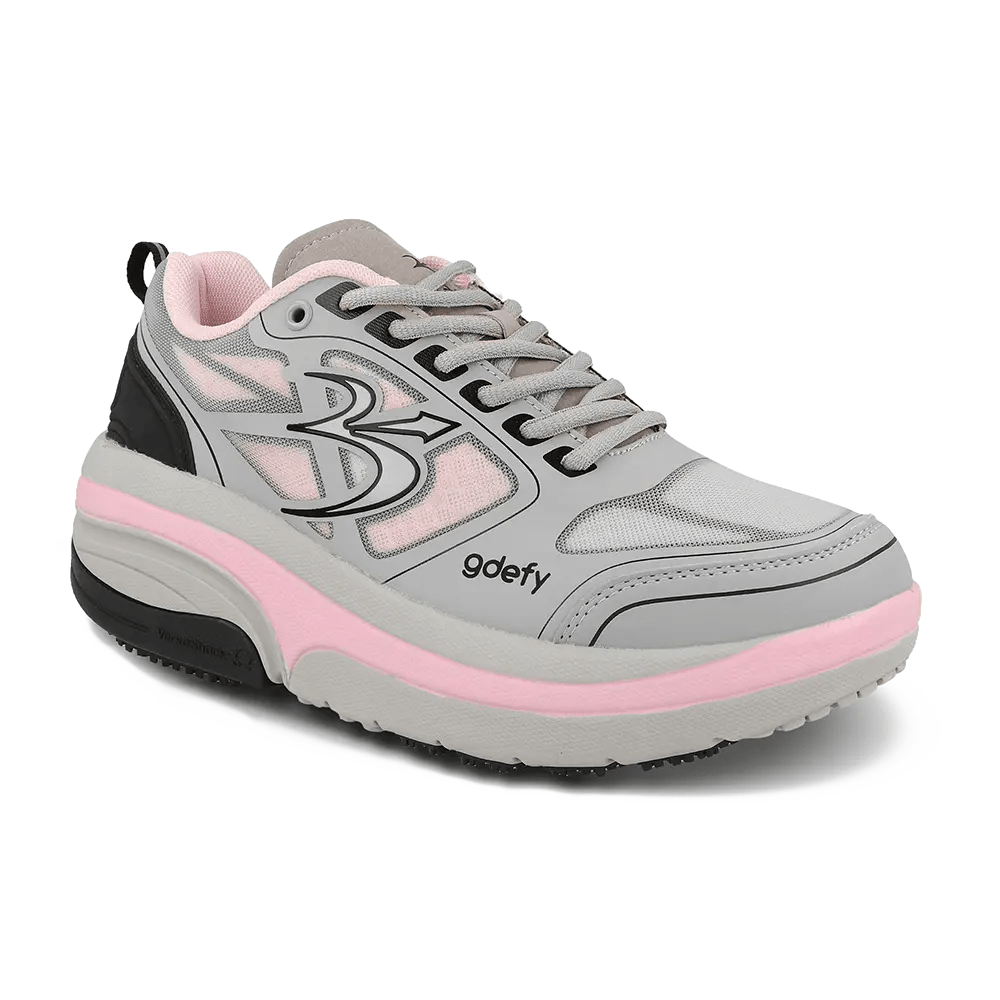
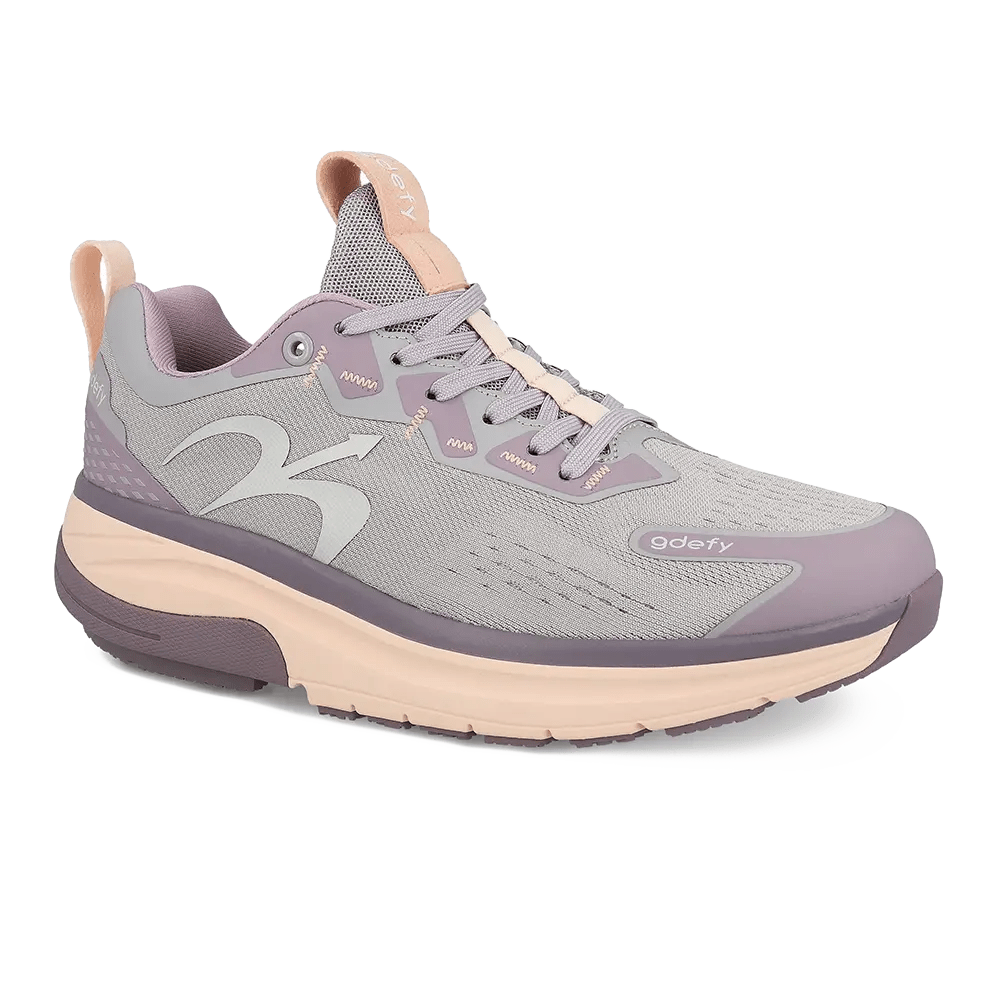
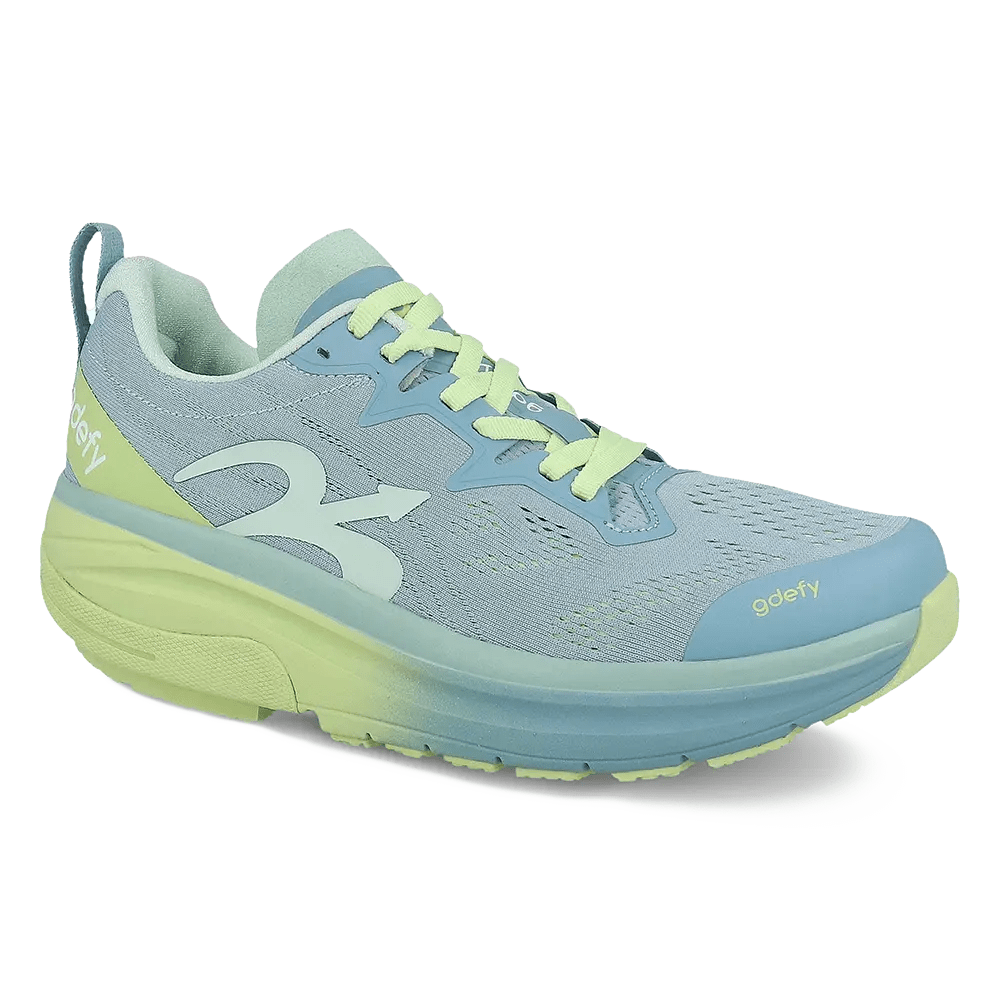
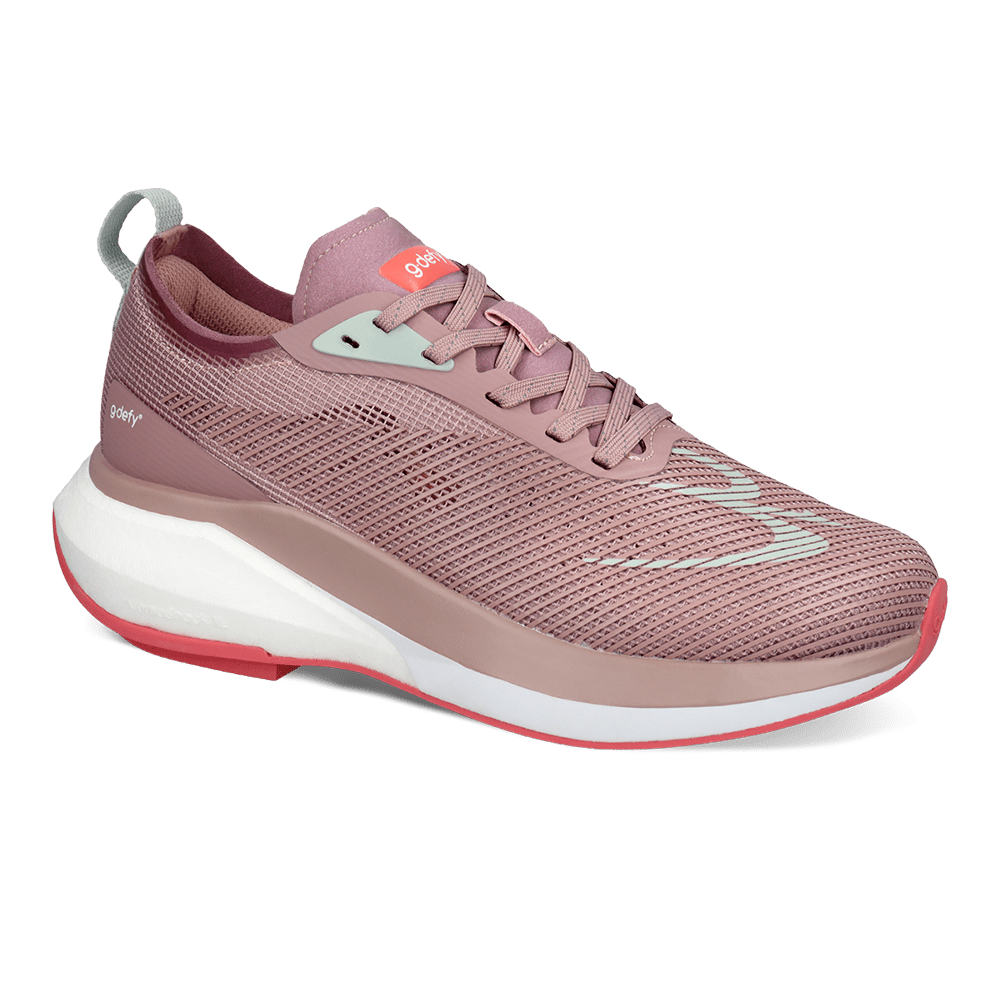
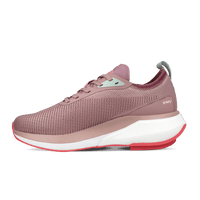
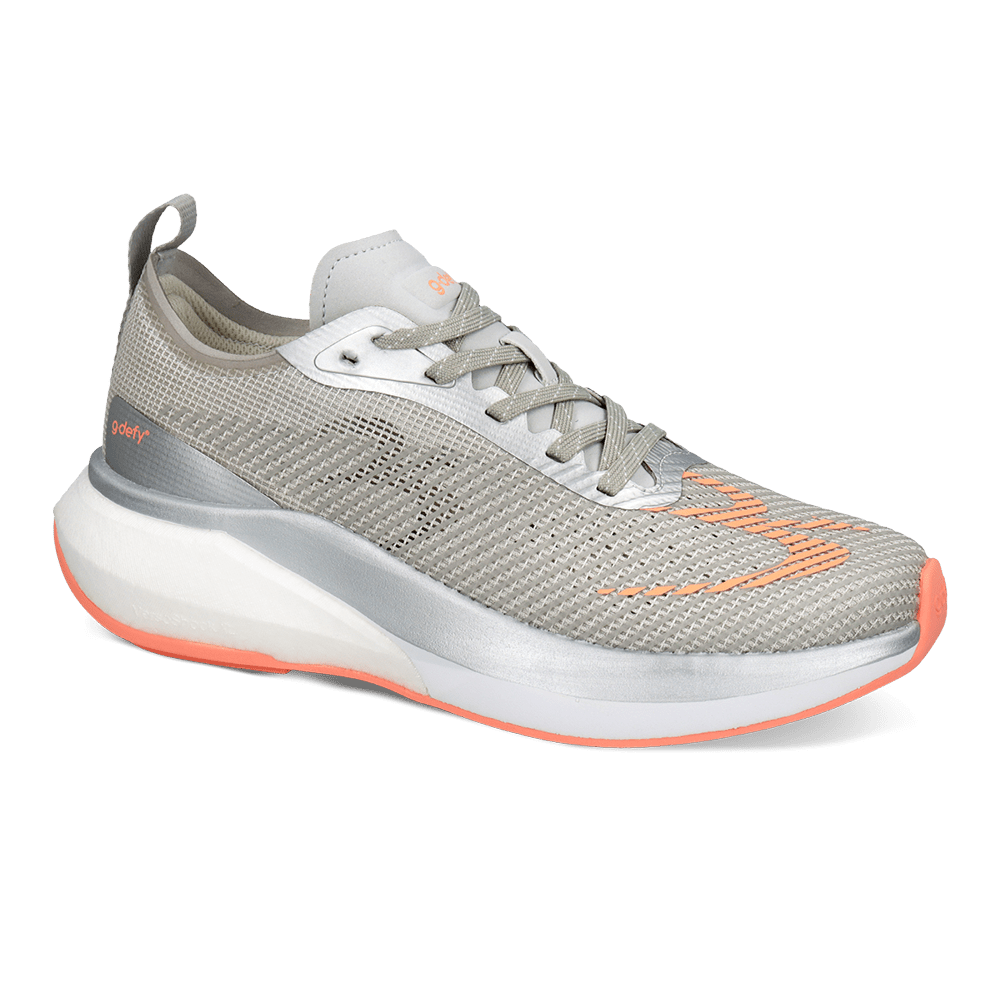
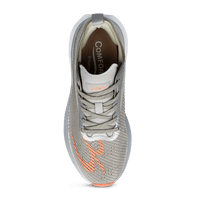
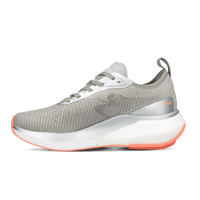
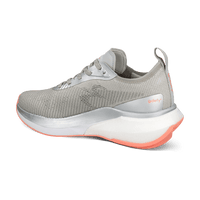
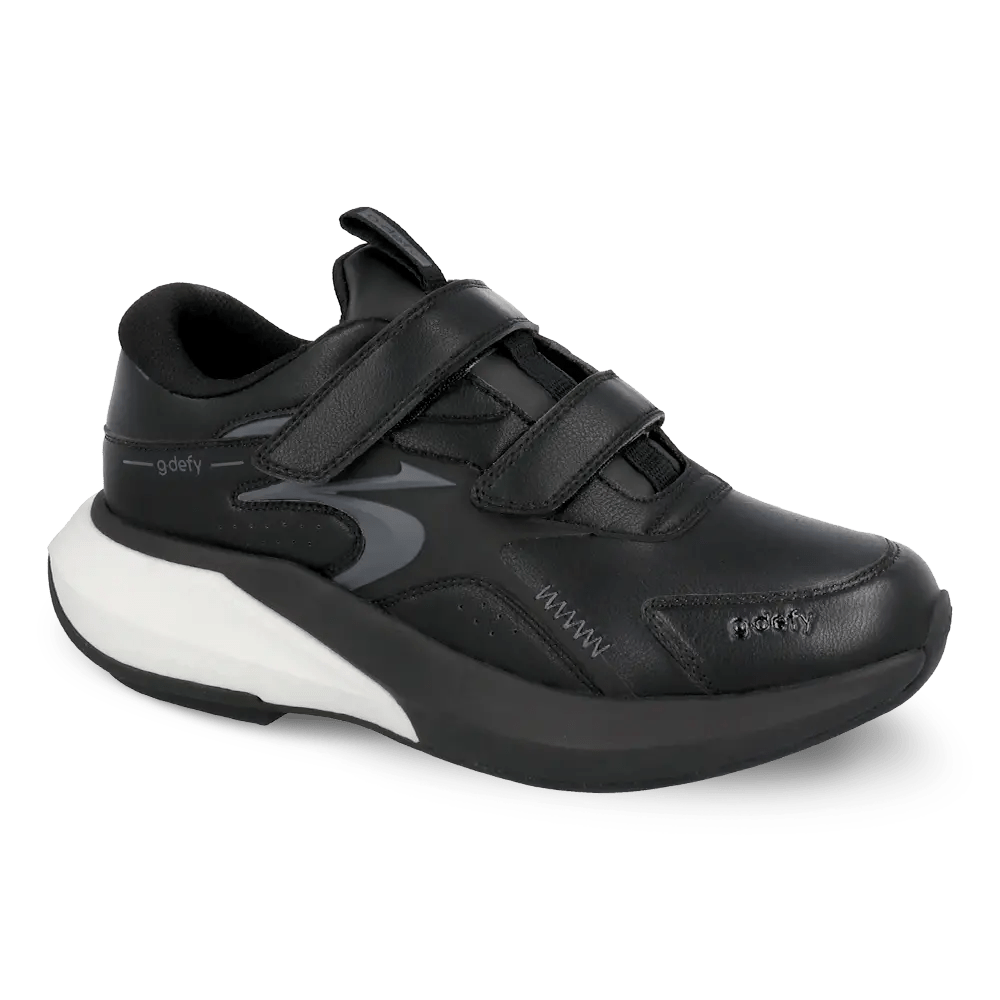
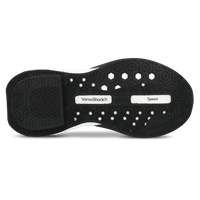
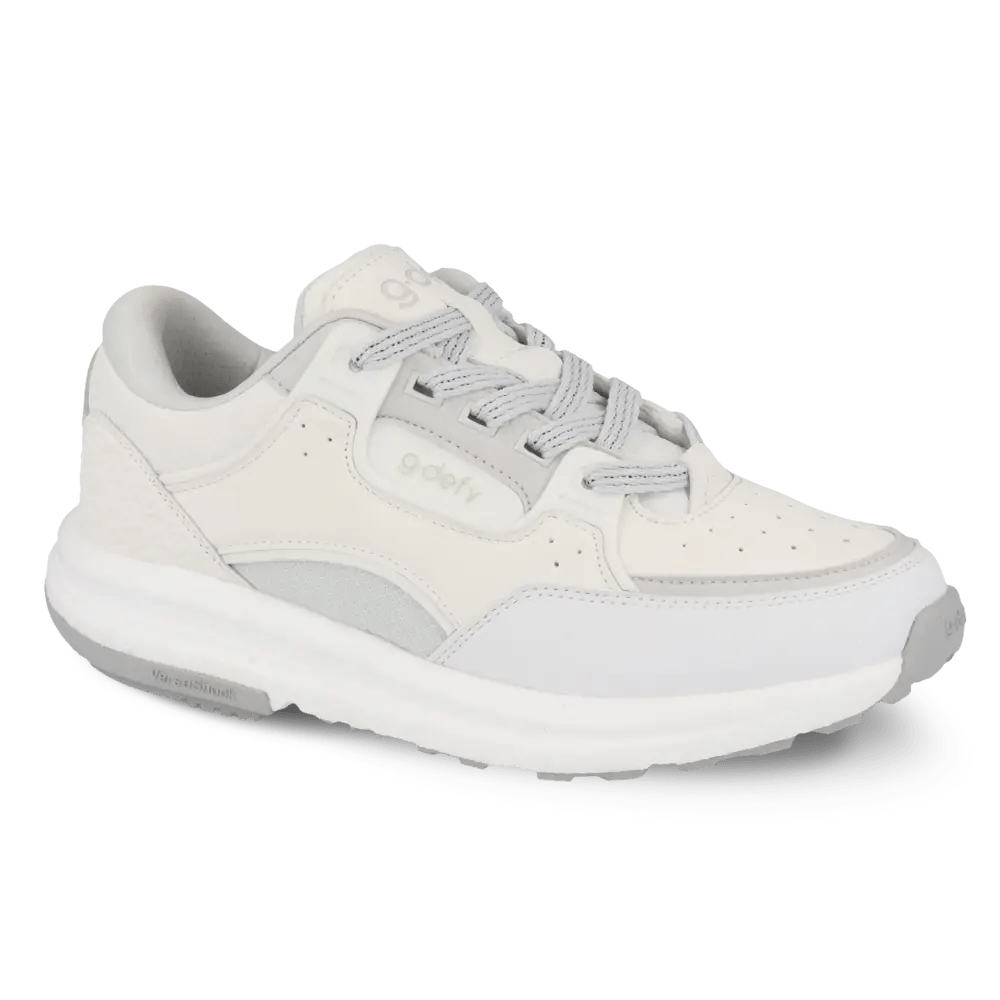
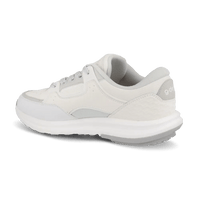
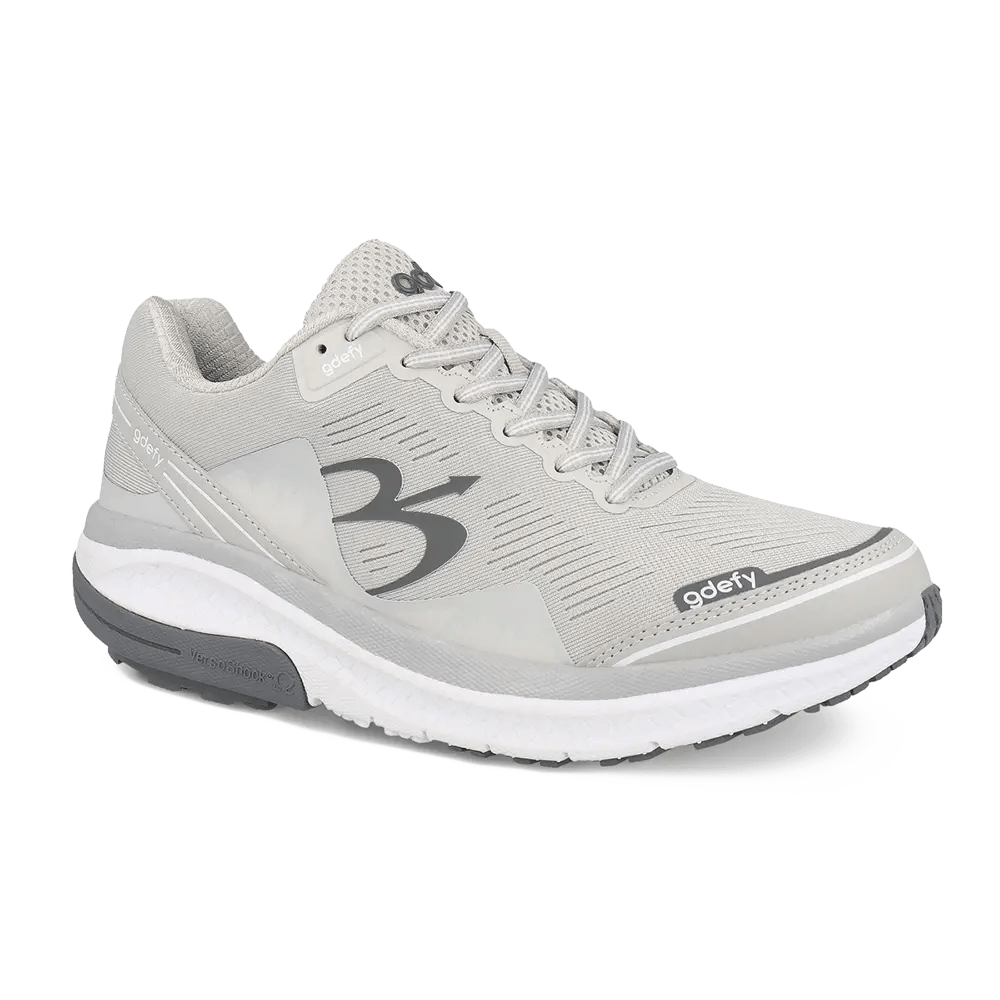
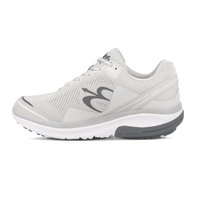
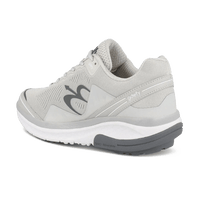
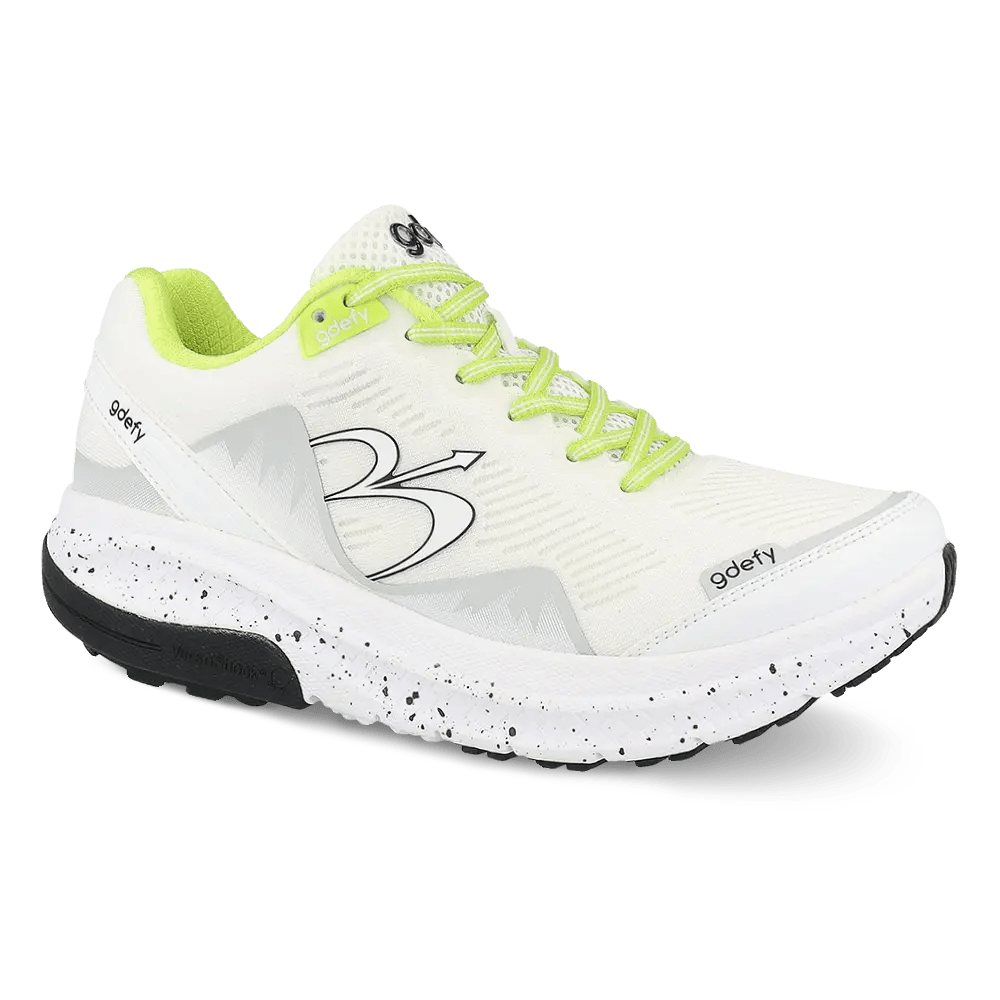
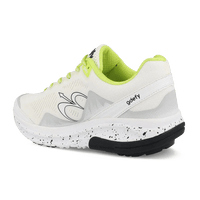
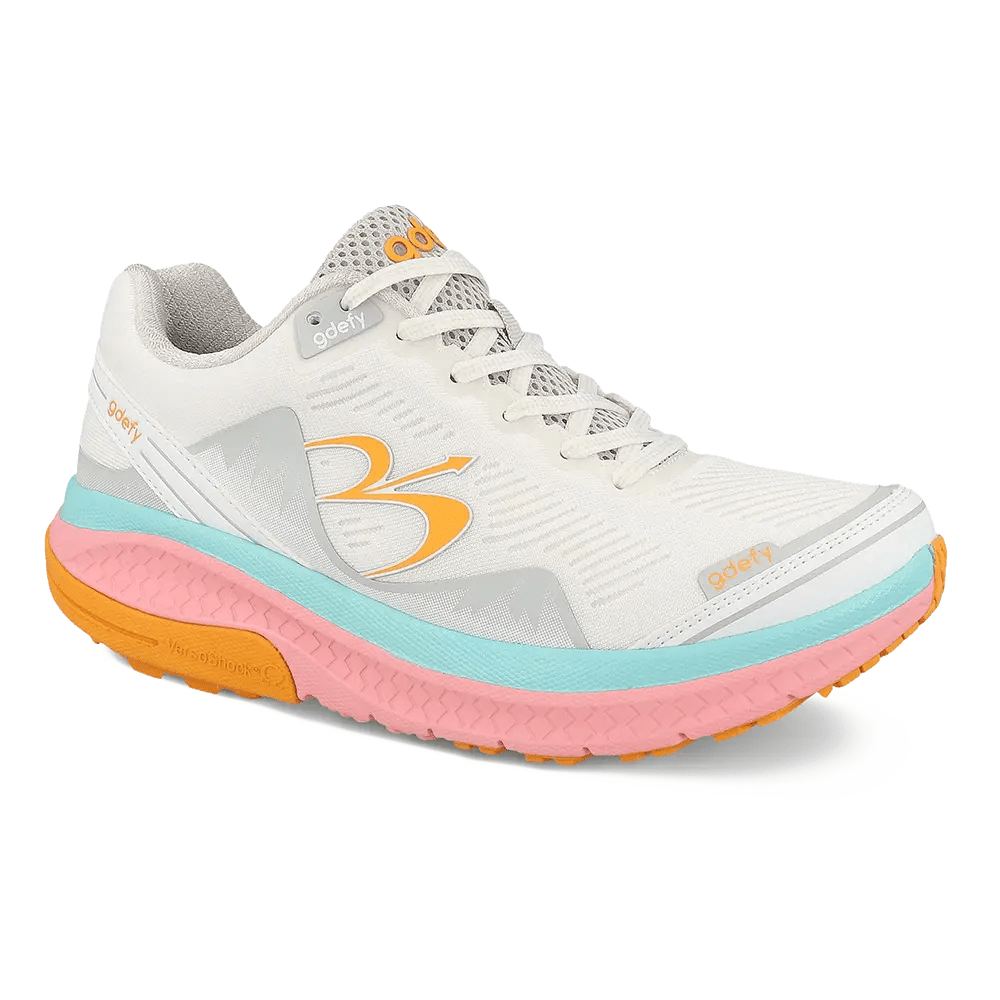
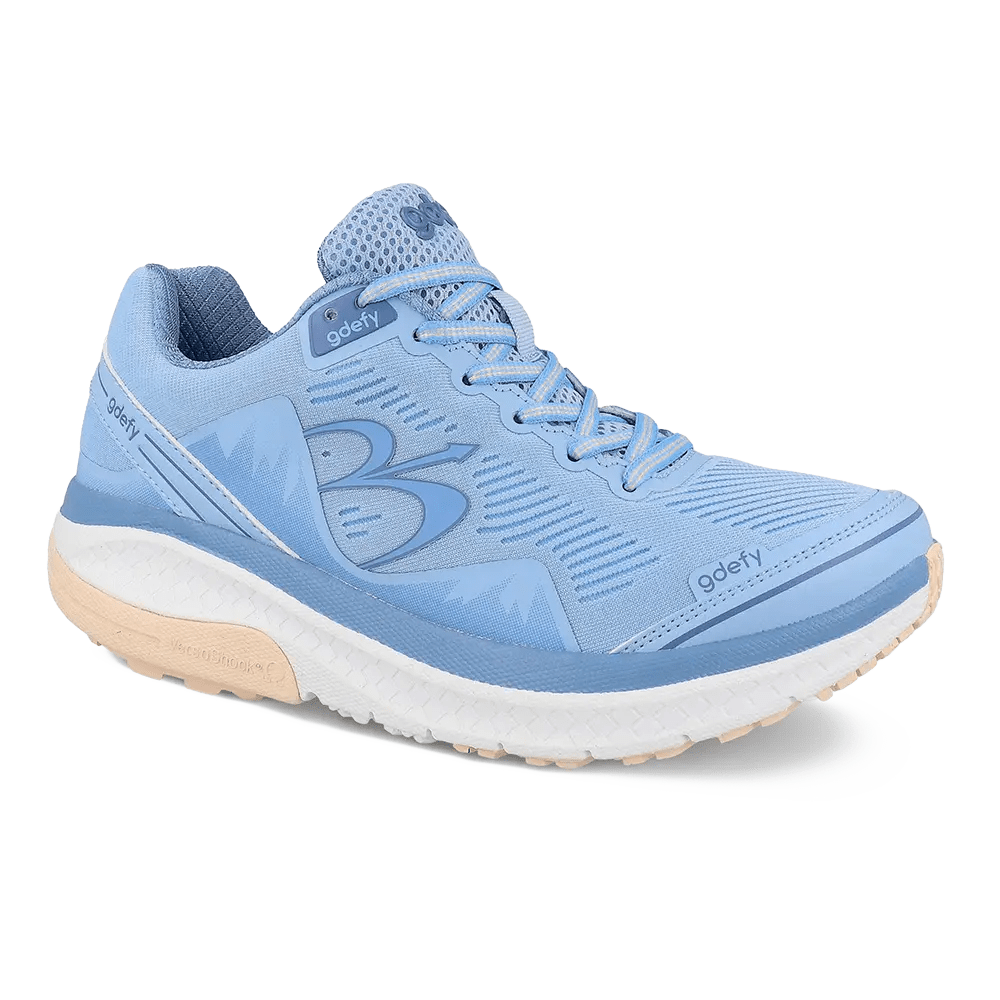
G-Defy shoes are engineered to provide comfort, support, and shock absorption during daily movement. Rather than focusing on cushioning alone, they are built around how your body moves through each step. Featuring VersoShock® technology, a spring-based system, they are designed to absorb impact and return energy with each stride.
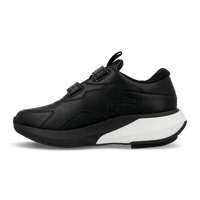
Inside every pair, a built-in stabilizer helps support the foot and reduce excessive bending in the middle of the shoe, while the front rolling design encourages a smooth heel-to-toe transition. Because no two walking patterns are the same, each pair also includes two removable orthotics: the ComfortFit® orthotic for low to medium arches, and the CorrectiveFit® orthotic for medium to high arches. That lets you customize the support to match your own foot type and stride. G-Defy shoes help reduce pain from walking, running, and prolonged standing.
Many people who switch to a shoe that fits their stride simply say their feet feel less tired at the end of a long day. Comfort like that is personal, which is why the option to customize support matters so much.
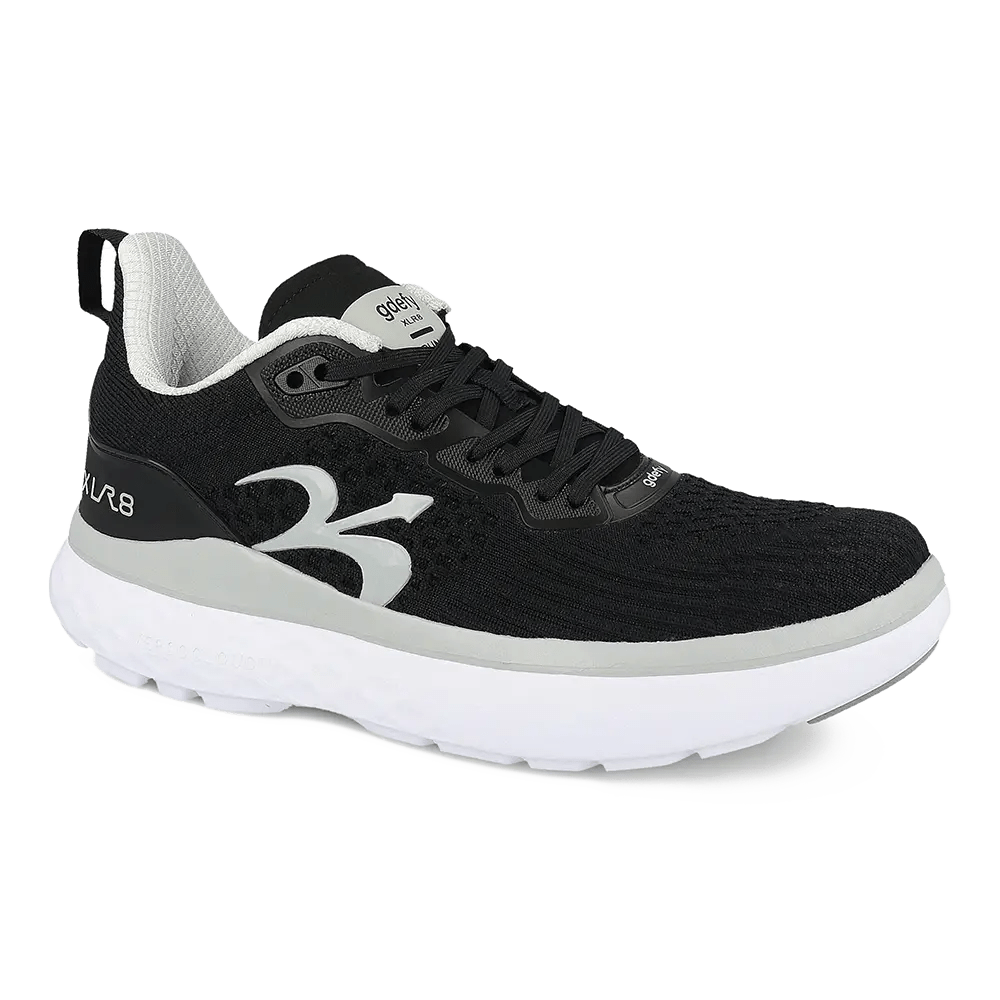
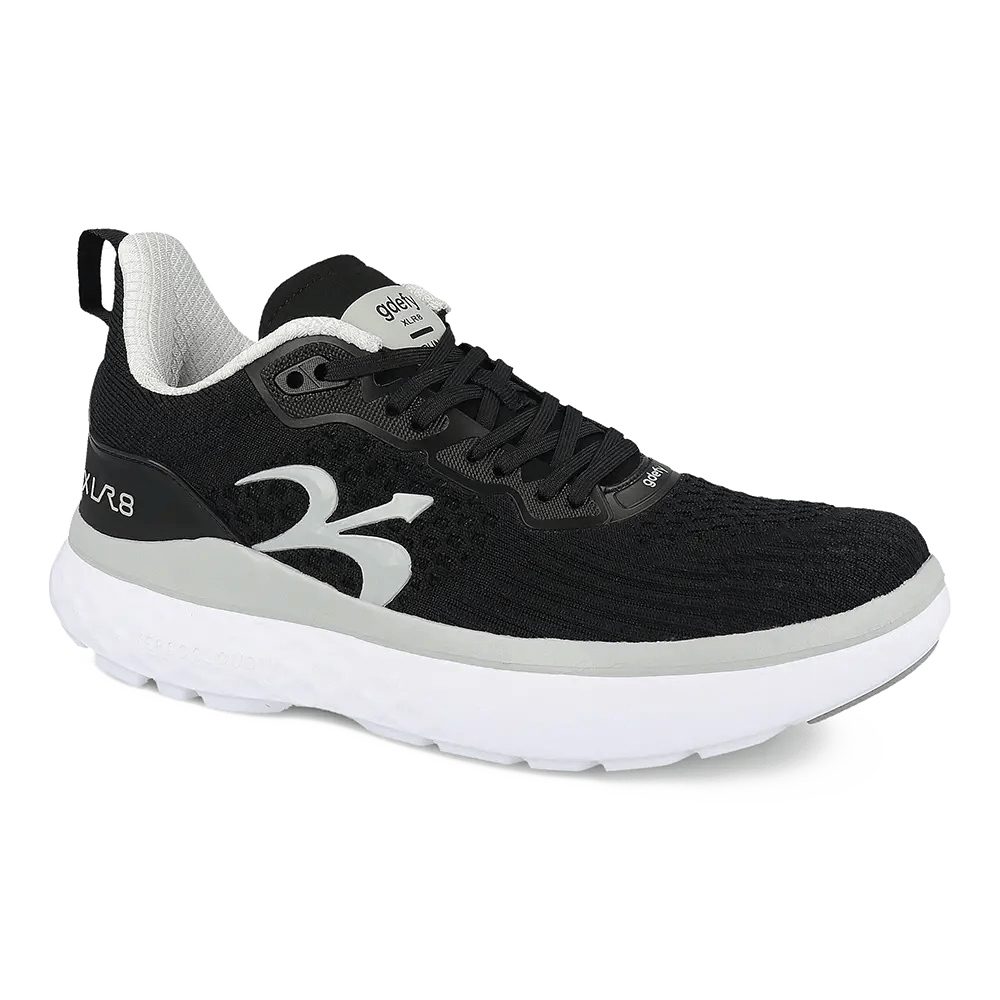
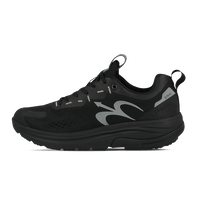
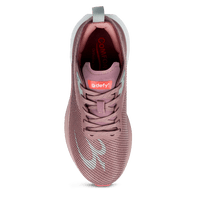
If you want a versatile everyday option, the Mighty Walk is a popular all-around walking shoe. For a lighter feel, the Ion is an easygoing choice, while more active walkers and runners often reach for the XLR8 Run or the energy-returning Energiya. You can explore the full lineup in the men's and women's collections, or learn more about the technology on the VersoShock® page.
Find shoes that match the way you move
Try G-Defy risk-free for 60 days with free shipping and free exchanges. If they are not the right fit for your stride, send them back.
Shop G-Defy Walking Shoes
Practical Tips for Matching Shoes to Your Walking Style
A few simple habits can help you get the most comfort out of whatever shoes you choose:
- Rotate between pairs. Alternating shoes lets the cushioning recover between wears and helps each pair last longer.
- Replace worn-out soles. Once the tread or cushioning is visibly broken down, a shoe offers far less support. Watch for uneven wear that mirrors your gait.
- Shop and try shoes later in the day. Feet tend to swell slightly as the day goes on, so an afternoon fitting often reflects real-world comfort better.
- Test the insoles. If your shoes come with more than one insole option, try each one to feel which suits your arch and stride best.
- Give new shoes a fair trial. Walk in them across a few different days and surfaces before deciding. A 60-day risk-free trial makes that easy to do.
Frequently Asked Questions
What is gait analysis, in simple terms?
It is just a way of describing how you walk — how your foot lands, rolls, and pushes off. You can get a general sense of your own pattern at home by checking your shoe wear and watching yourself walk. It is not a medical evaluation.
Do I need to know my exact gait type to choose good shoes?
No. A rough idea of whether your foot rolls inward, outward, or stays fairly neutral is enough to help you focus on the right features, such as cushioning, support, and shock absorption.
Can the right shoes help with discomfort from walking or standing?
Supportive, well-cushioned footwear may improve overall comfort during walking and prolonged standing. Choosing a shoe that matches your stride and fits properly is a good place to start.
How often should I re-check my walking pattern?
It is worth taking another look whenever you buy new shoes, notice uneven wear, or feel that your usual footwear is not as comfortable as it used to be.
Why do my shoes wear out unevenly?
Uneven wear usually reflects your natural walking pattern. Wear on the inner edge often suggests an inward roll, while wear on the outer edge suggests an outward roll. It is a helpful clue, not a cause for concern.
Conclusion
Understanding your gait does not have to be complicated. By taking a few minutes to notice how you walk — and how your current shoes wear — you can shop with a much clearer idea of what will keep you comfortable. From there, it is about matching your stride to the right mix of cushioning, support, and shock absorption.
While footwear is not a medical solution, choosing shoes designed for comfort, support, and shock absorption can make a meaningful difference in how you feel throughout the day. When your shoes work with the way you move, every step feels a little easier.





































.svg)



