
May 16, 2026
Healthcare Workers Share Their G-Defy Experience
By Gdefy

Summary
Nurses, techs, and aides walk a lot of miles in a week. Tile floors, long corridors, fluorescent light, twelve-hour shifts that turn into thirteen when the unit gets busy. Many tell us the difference between a manageable shift and a brutal one comes down to two things: how the team is staffing and what shoes they have on.
We hear from healthcare workers often. Some leave reviews on the product pages. Some write in after they exchange a pair. Some send notes a year after they bought their first pair to tell us they are on their third. The stories below pull from those conversations. The names and exact details are changed to protect privacy, and every story is shared with intent to illustrate, not to make a medical claim.
A Note on These Stories
The five accounts that follow are composite customer stories built from many real notes, emails, and reviews. Names, settings, and small details have been changed. They are shared to illustrate the kinds of comfort changes people report when they switch to a shoe designed for shock absorption, support, and long standing — not as medical claims. Results vary by individual. Comfortable footwear is not a substitute for medical care. If you have ongoing foot, knee, or back pain, please talk with your healthcare provider.
Five Healthcare Workers Share What Helped Them Stay Comfortable
Maria, 47 — Emergency Department Nurse (Boston)
Maria works three twelve-hour overnights a week in a busy urban ED. By her third shift in a row, she used to feel her feet "buzzing" all the way up her calves on the drive home. She tried compression socks, gel insoles, and two different pairs of athletic shoes. The gel insoles helped for about an hour, then flattened out.
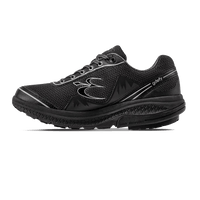
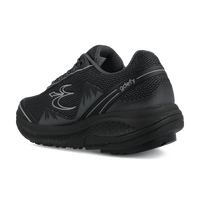
She ordered the Mighty Walk after a colleague at work pointed at her shoes and said "try those." She wore them through her sixty-day trial period and kept them. What she tells us is simple: she still feels her shifts, but her feet do not feel like they belong to someone else when she walks to her car. She rotates the ComfortFit® orthotic on busy weeks and the CorrectiveFit® orthotic when she wants more arch support after a stretch of double shifts.
Results vary by individual.
David, 52 — ICU Charge Nurse (Phoenix)
David rotates four-on, three-off, mostly day shifts in a cardiac ICU. He covers a long unit, so his step count regularly crosses 14,000 in a shift. He had been wearing a slip-on clog for years out of habit, but said his lower back started complaining around year eighteen of nursing.
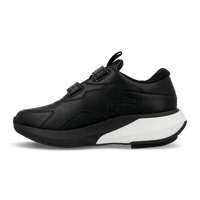
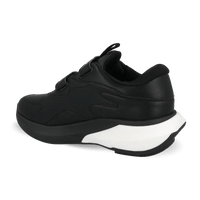
He picked up the G-Defy Ion because he wanted something lighter than his previous clogs. He told us he was surprised by how the rolling forefoot felt during the long walks between rooms — less of a "thump" with each heel strike, more of a roll-through. He uses the CorrectiveFit® orthotic. After three months, he ordered a second pair so he could rotate.
David's takeaway: "The shoe didn't fix my back. I still stretch every morning. But the end-of-shift soreness shifted from a five out of ten to a two out of ten, most days." Results vary by individual.

Jennifer, 41 — Surgical Technician (Atlanta)
Jennifer stands. That is most of her job — setting up trays, handing instruments, holding position next to a sterile field for cases that can run four or five hours. She told us the worst part was always after surgery, when she finally got to sit down and the swelling in her feet caught up with her.
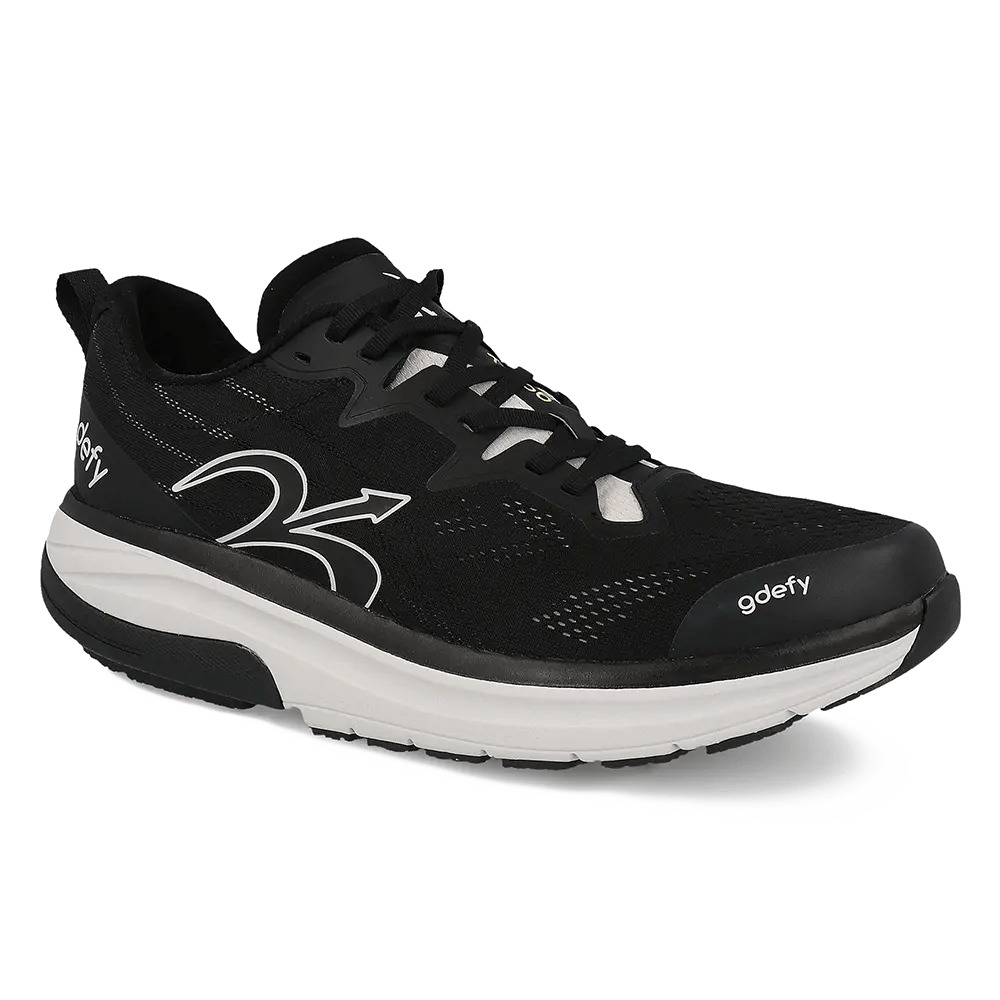
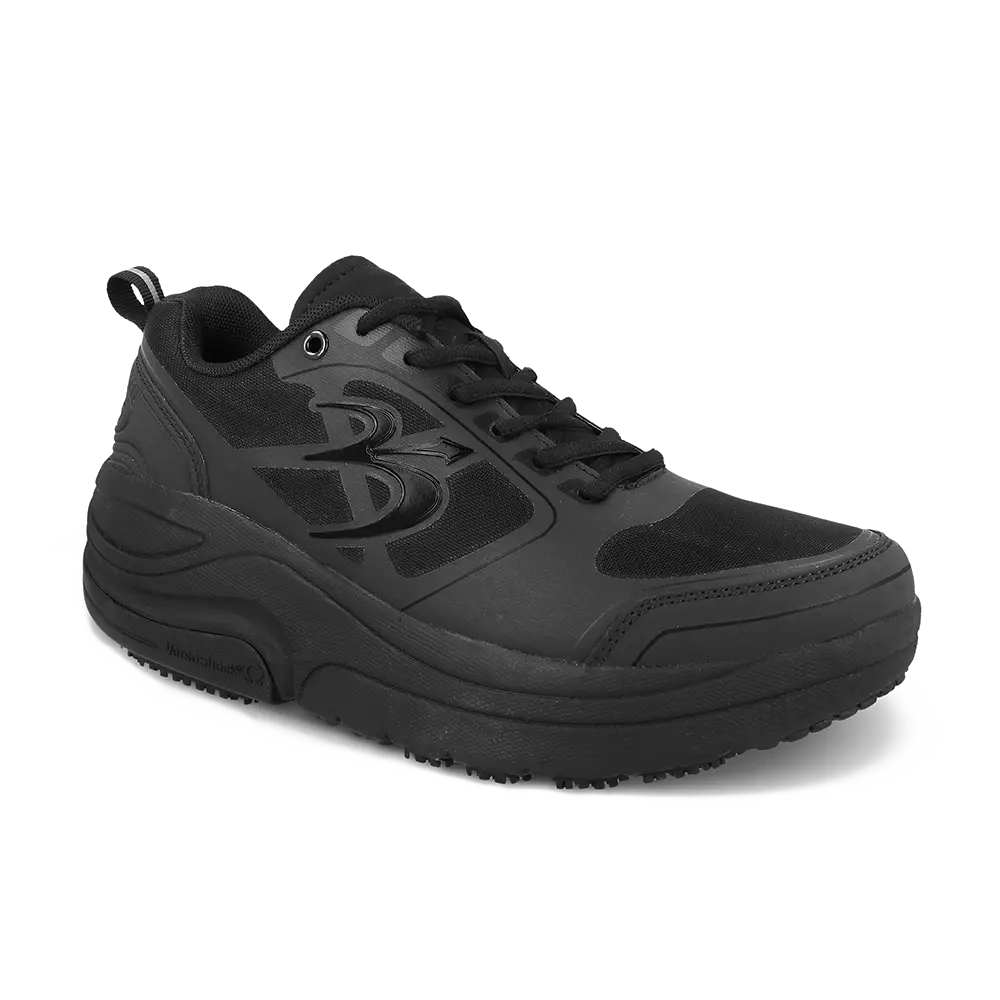
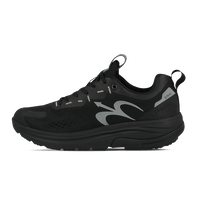
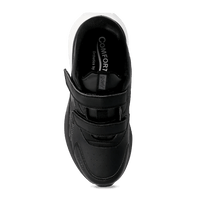
She moved to the Mighty Walk in black so it would pass dress code. She doesn't claim a dramatic transformation. She says the change is quieter than that: her shifts feel "the way they used to feel five years ago." She likes the wider toe box because her right foot has always been half a size bigger than her left, and the wide option means neither foot is squeezed.
Results vary by individual.
Aisha, 38 — Home Health Aide (Detroit)
Aisha visits eight to ten patients a day. In and out of cars. Up driveways. Up two or three flights of stairs in older buildings. She used to wear inexpensive running shoes she replaced every few months because the heels would wear through.
She switched to the Mighty Walk in 2025 and immediately noticed the shock absorption on stairs — less impact on her knees coming down. She tells us she paid more per pair than she used to, but the shoes have lasted longer, and she has not had to ice her knees at night since the second week. Her tip to other home-health workers: "Get the right size. If you are between sizes, go up. Your feet swell over a day of walking."
Results vary by individual.
Robert, 60 — Hospital Pharmacist (Seattle)
Robert spends most of his day standing at a compounding station. Not a lot of walking — but hours of unbroken standing on a hard floor with a slight slope toward the drain. He started getting heel discomfort about two years ago and tried three different over-the-counter insoles.
He moved to the G-Defy Ion because the lightweight construction felt closer to a dress shoe. He keeps a second pair at the pharmacy and changes into them at the start of his shift. The combination he likes: the built-in stabilizer for standing, the ComfortFit® orthotic for cushioning, and rotating between his work pair and his commute pair so each gets a chance to decompress.
He tells us his heels feel "noticeably less angry" at the end of a shift. He still uses a cushioned mat at his station. He says the shoes alone are not the whole answer — the mat plus the shoes plus a stretch routine is the combination that works for him.
Results vary by individual.
What Healthcare Workers Tell Us They Look For
The same features come up in conversation after conversation. If you work on your feet in a hospital, clinic, or in patients' homes, these are the things to look for in a comfort walking shoe:
- Shock absorption that does not flatten by hour six. Foam compresses across a long shift. A spring-based system holds up better.
- A real stabilizer in the midsole so the shoe does not bend in the middle when you pivot.
- A rolling forefoot so each step feels like a smooth roll-through, not a flat slap.
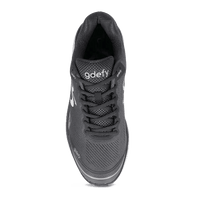
- A wider, deeper toe box for swelling that builds across a twelve-hour shift.
- Removable orthotics so you can swap in the support level that fits your foot.
- A surface that wipes clean and meets your dress code.
- A return window long enough to test through several shifts — not just a walk around the living room.

How G-Defy Approaches All-Day Comfort
G-Defy shoes are designed to deliver comfort, support, and shock absorption. They are built around four pillars:
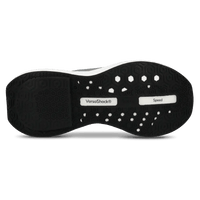
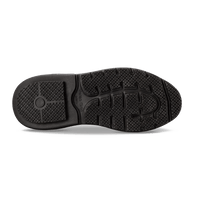
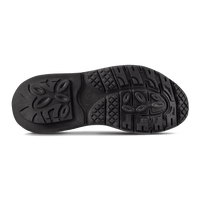
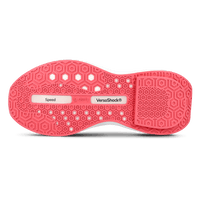
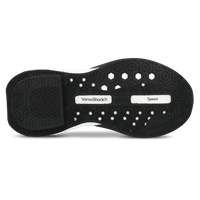
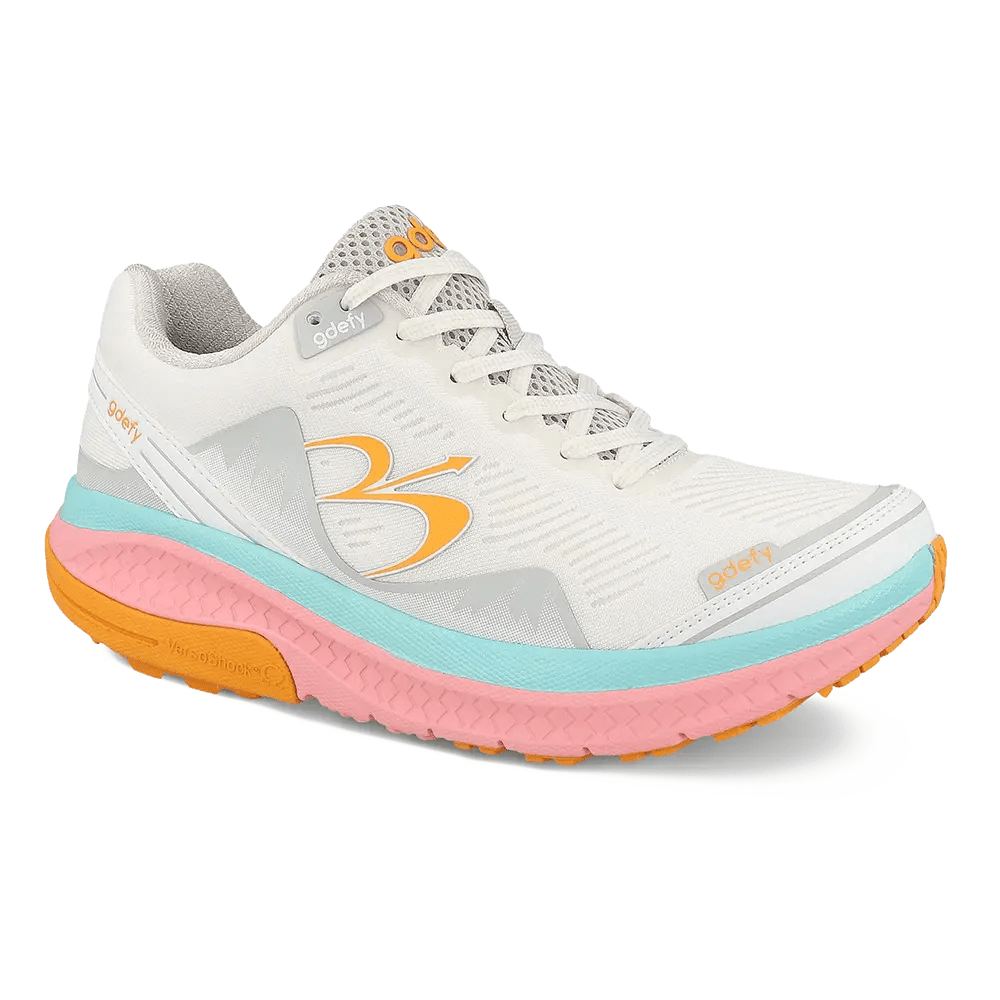
- VersoShock® shock absorption — a spring-based system designed to absorb impact softly and return energy with each step.
- A built-in stabilizer that supports the foot during movement and reduces excessive midsole bending.
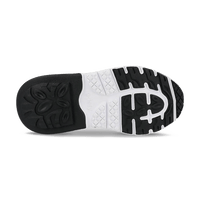
- A rolling forefoot design that encourages a smooth heel-to-toe transition.
- Two removable orthotics — ComfortFit® for cushioning, CorrectiveFit® for additional arch support — so you can tune the fit to your foot.
Together, these features help reduce pain from walking, running, and prolonged standing.
Two G-Defy shoes that come up most often in healthcare worker reviews:
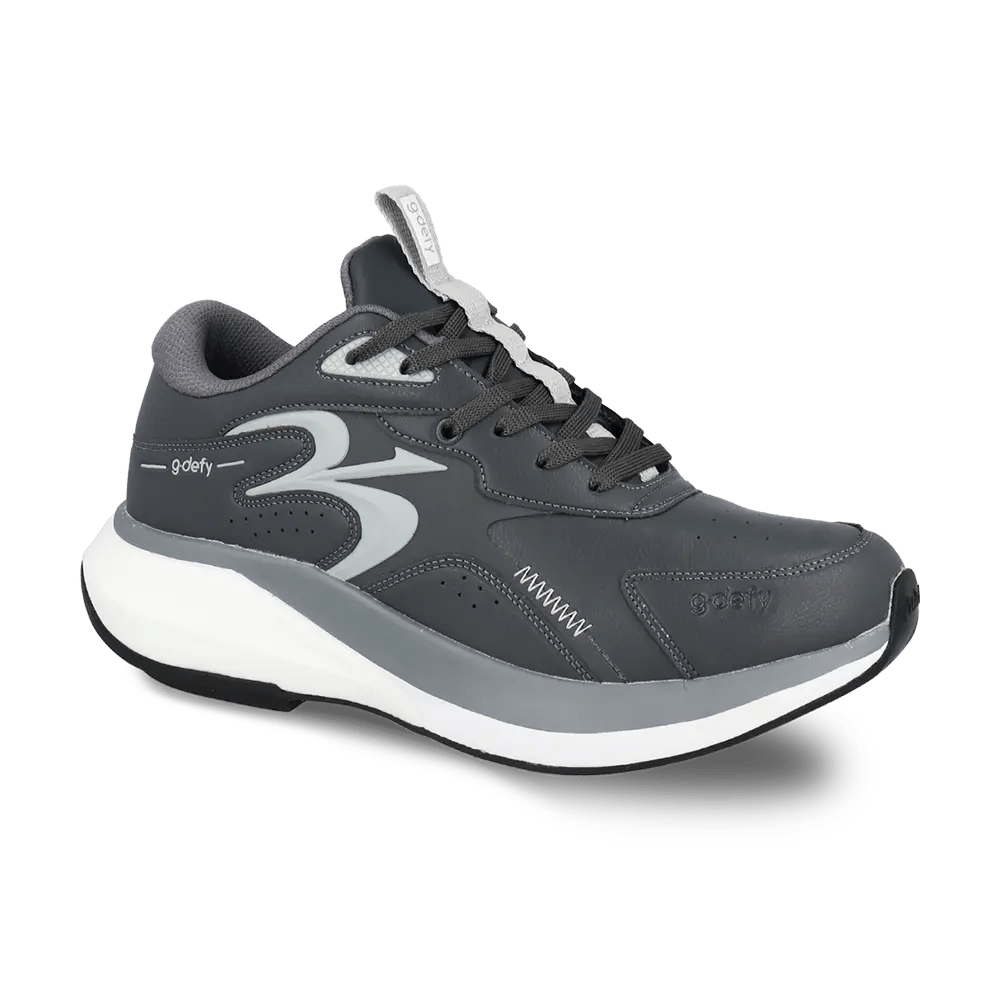
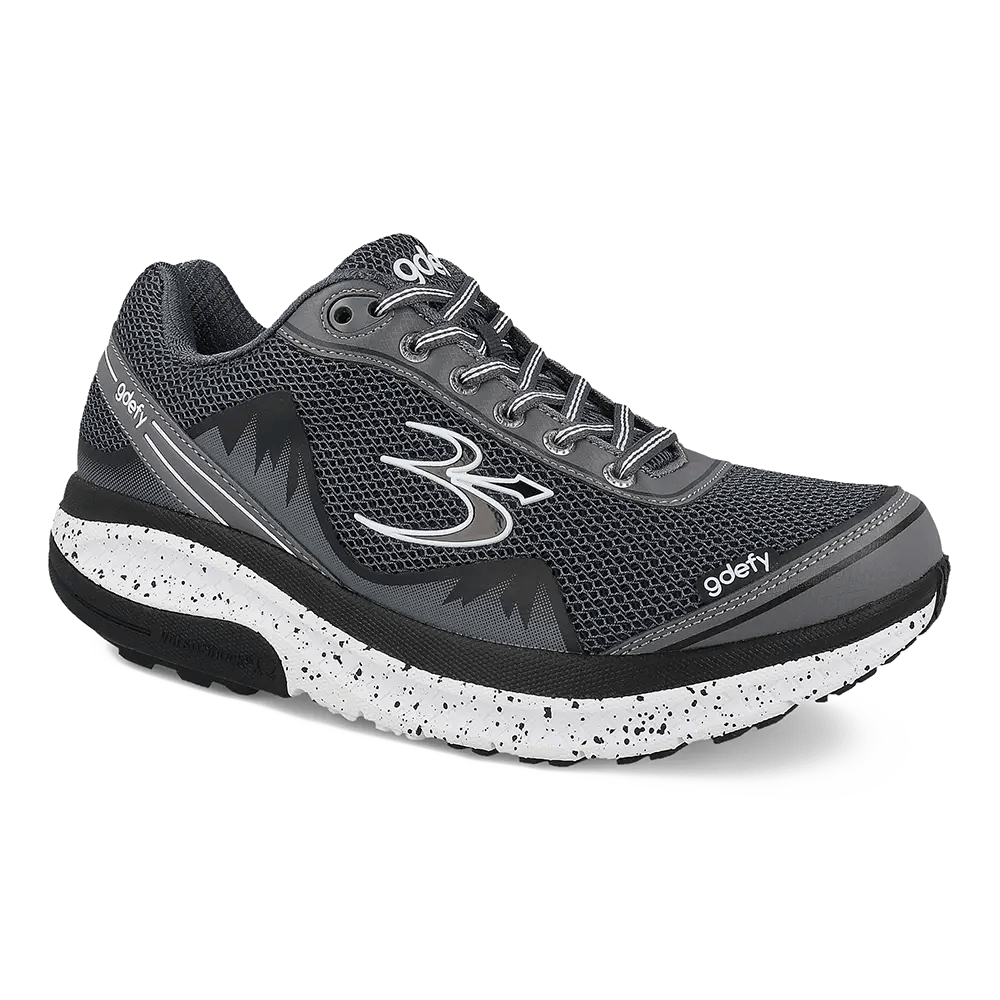
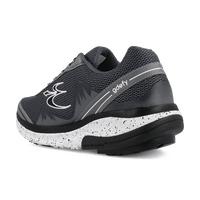
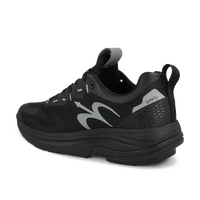
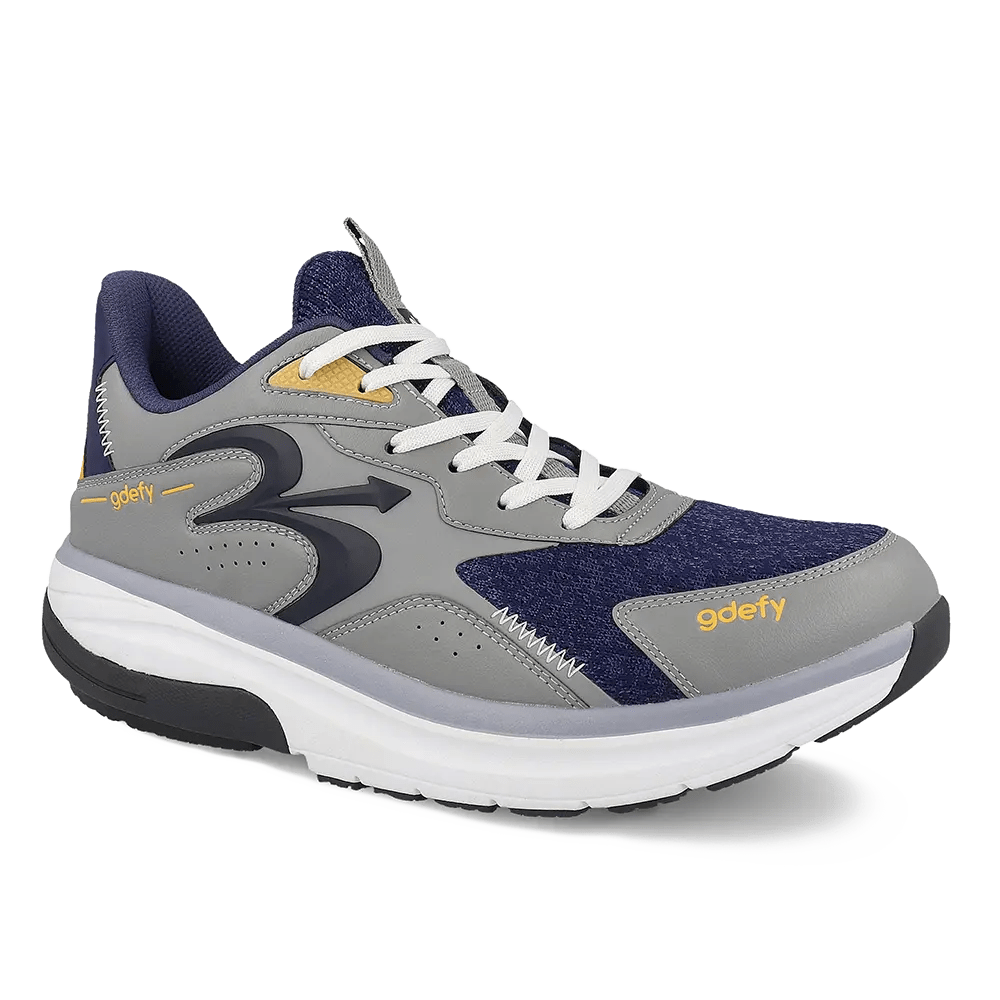
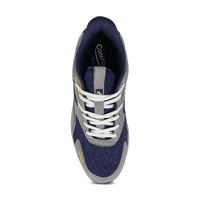
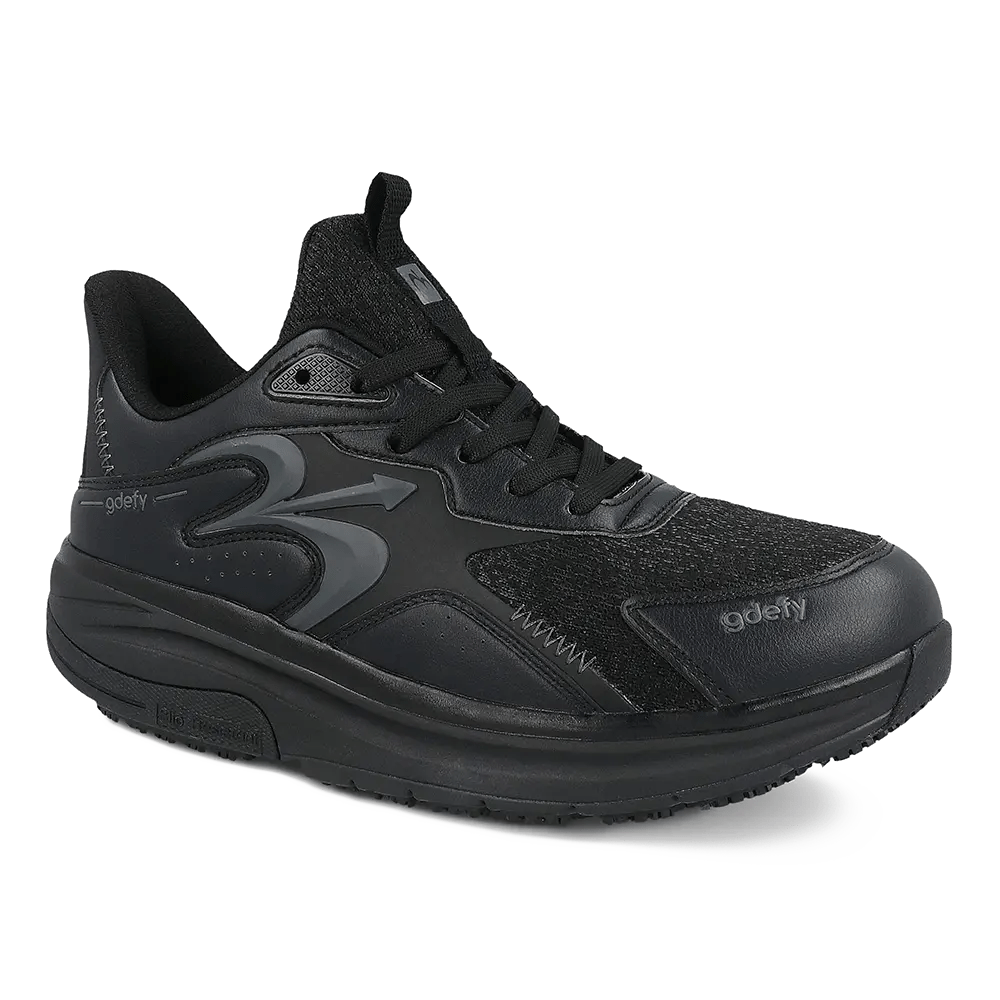
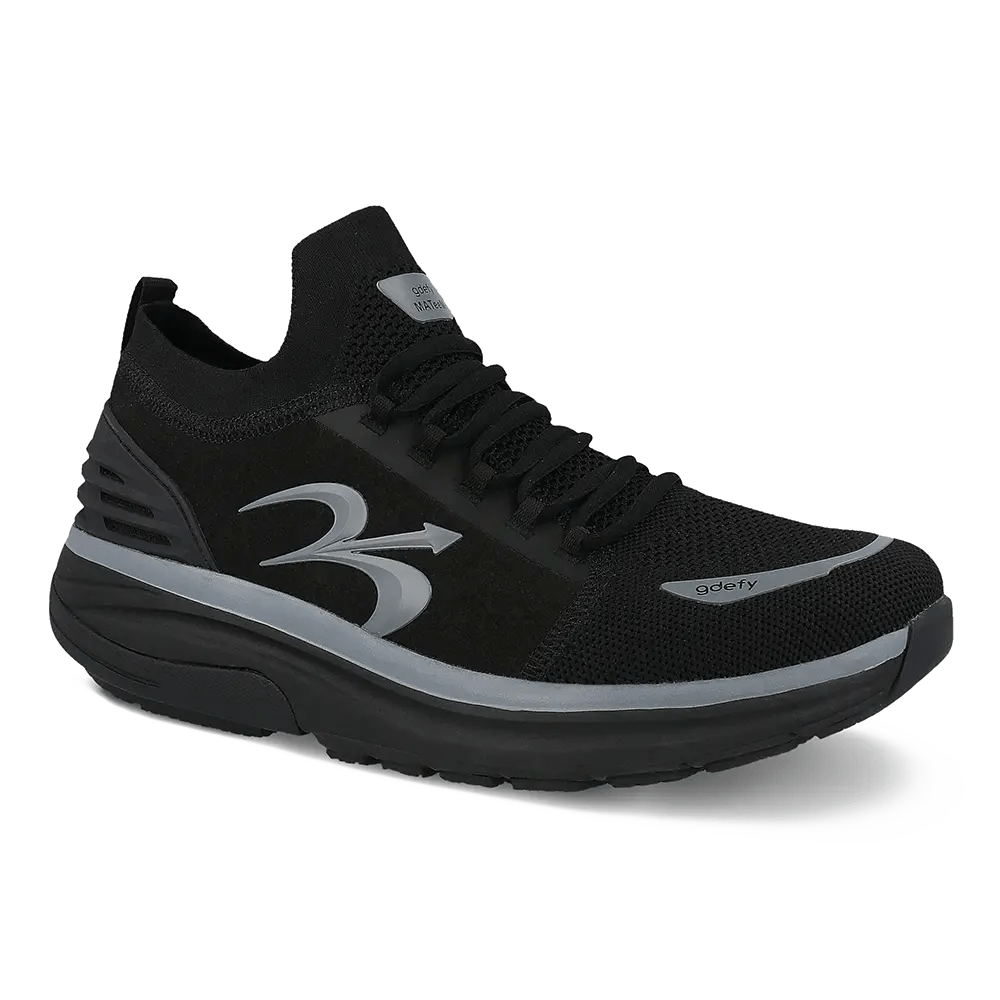
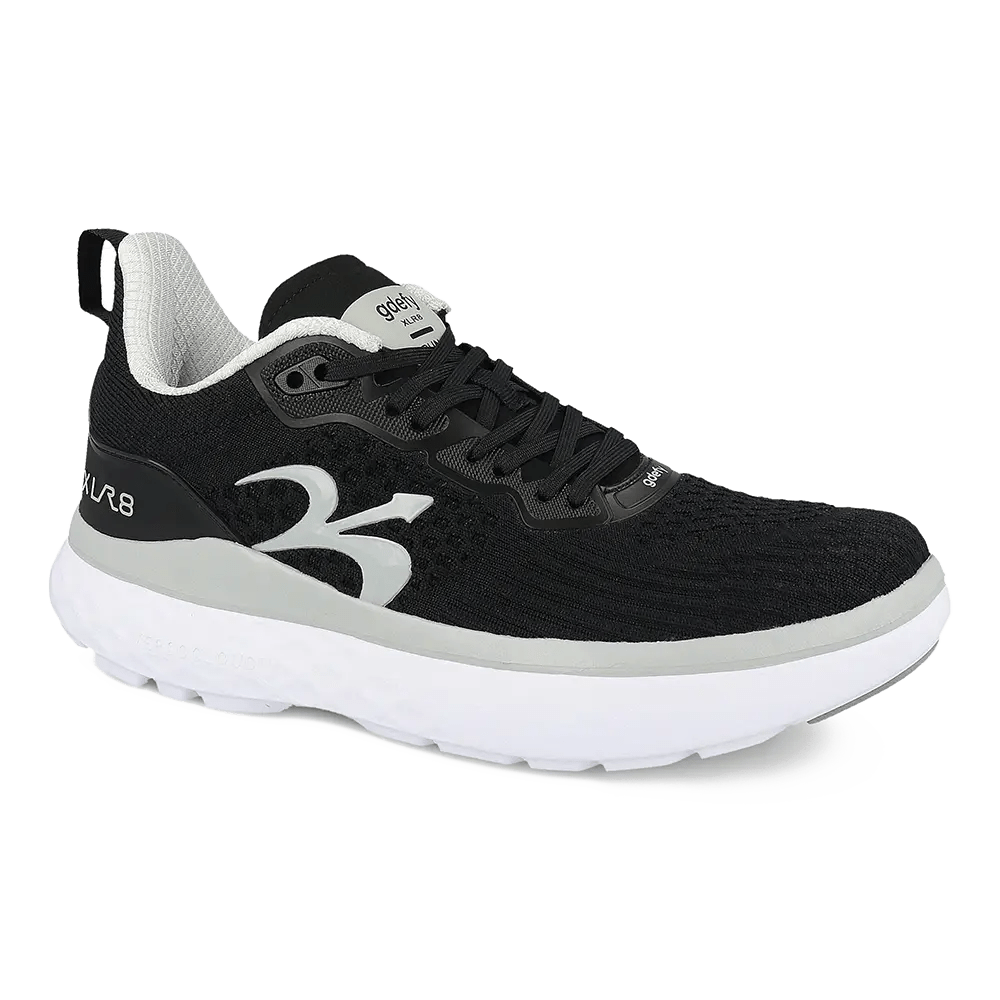
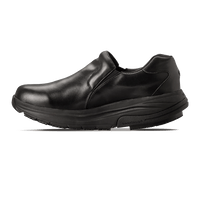
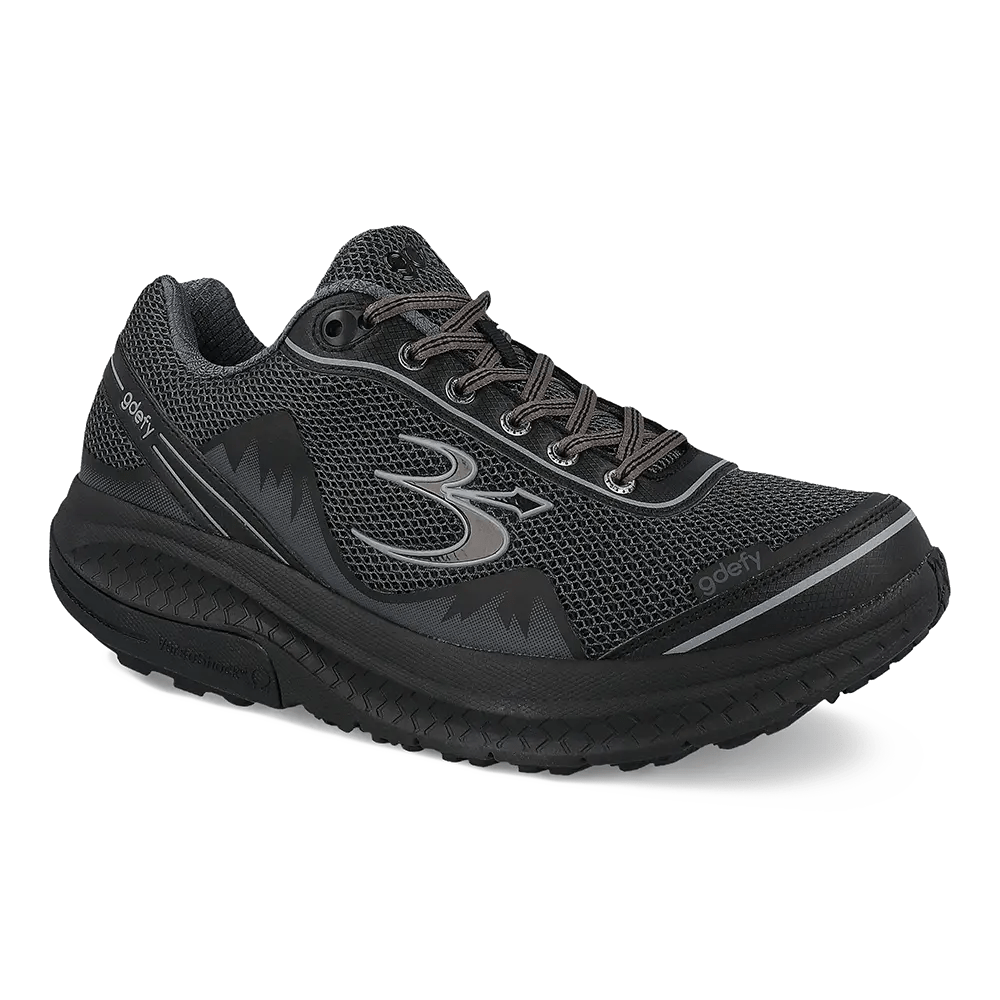
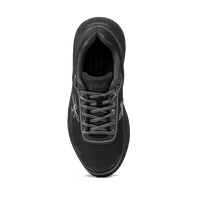
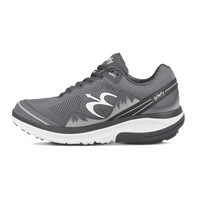
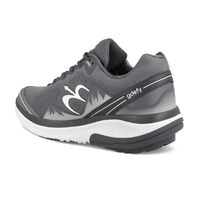
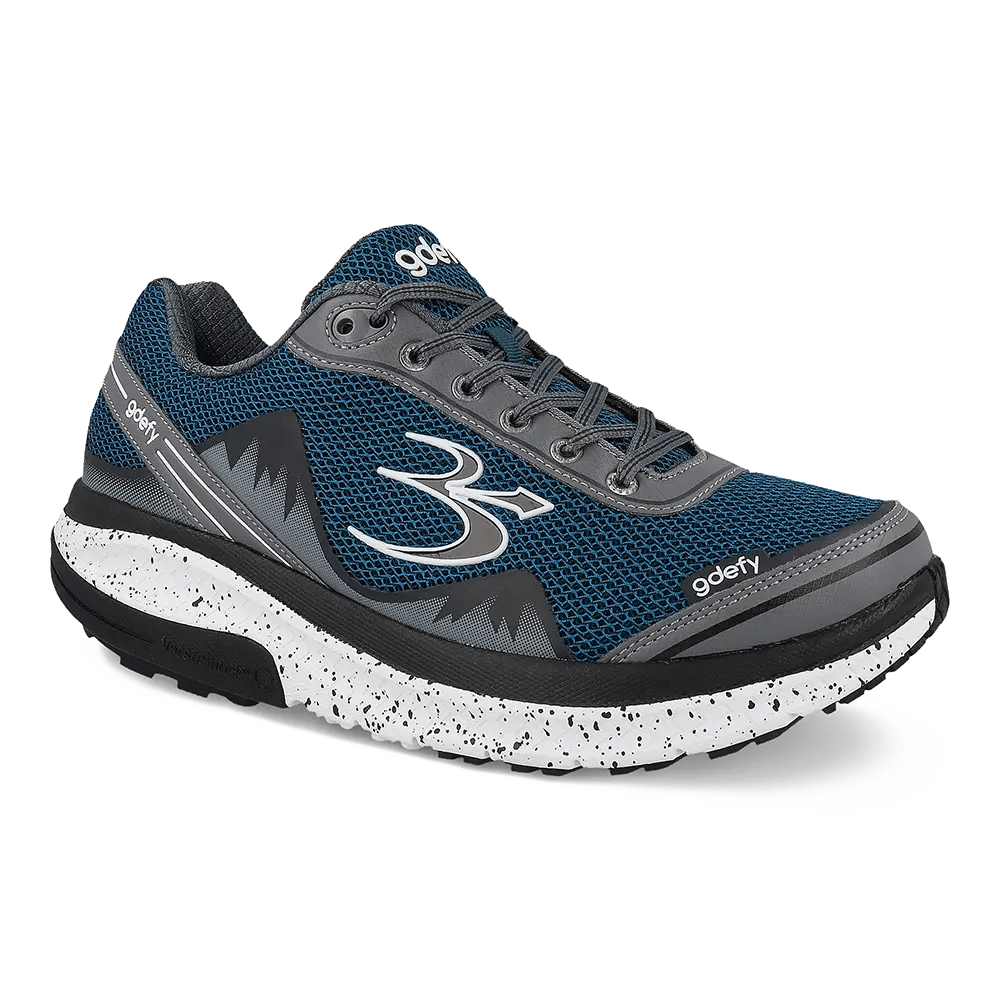
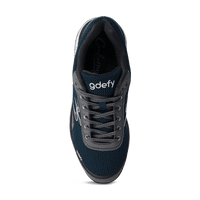
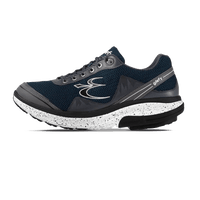
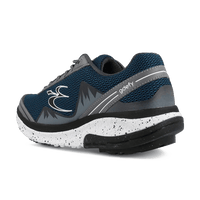
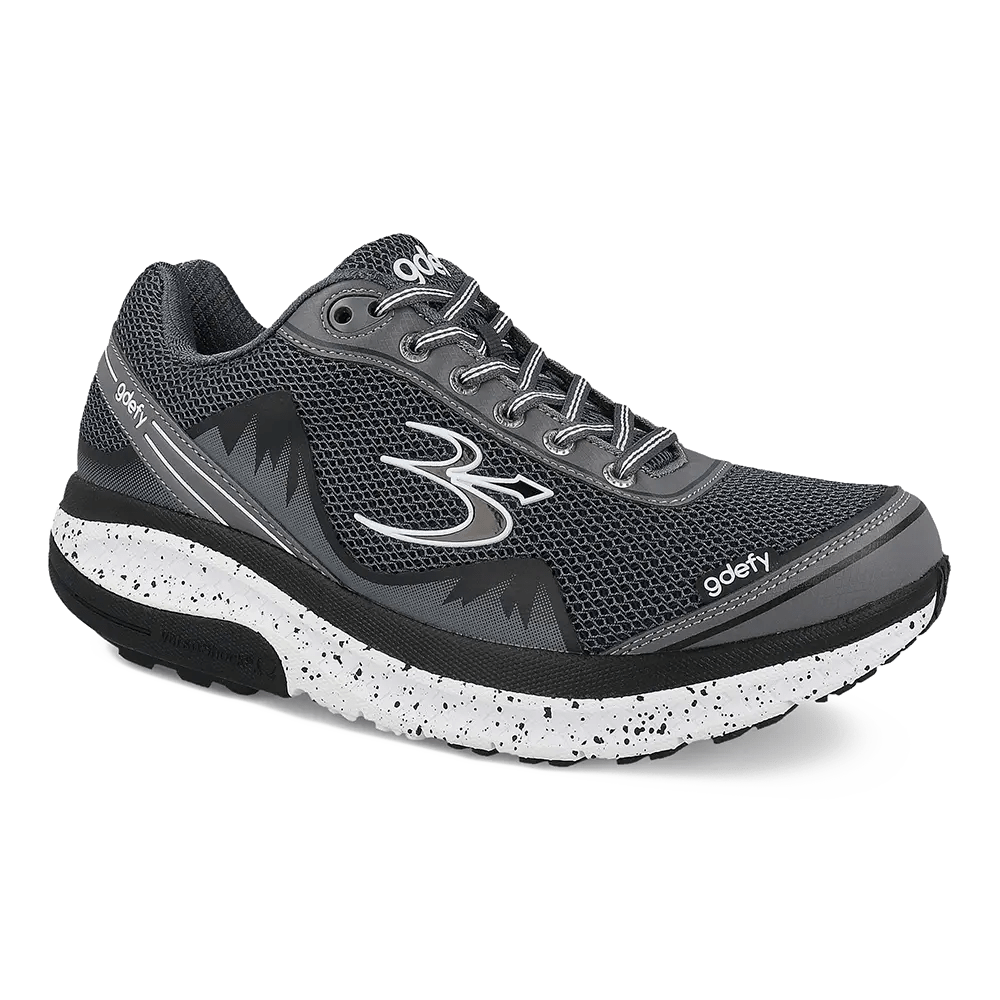
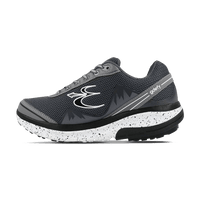
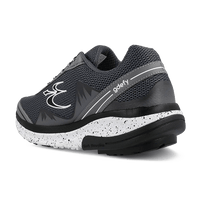
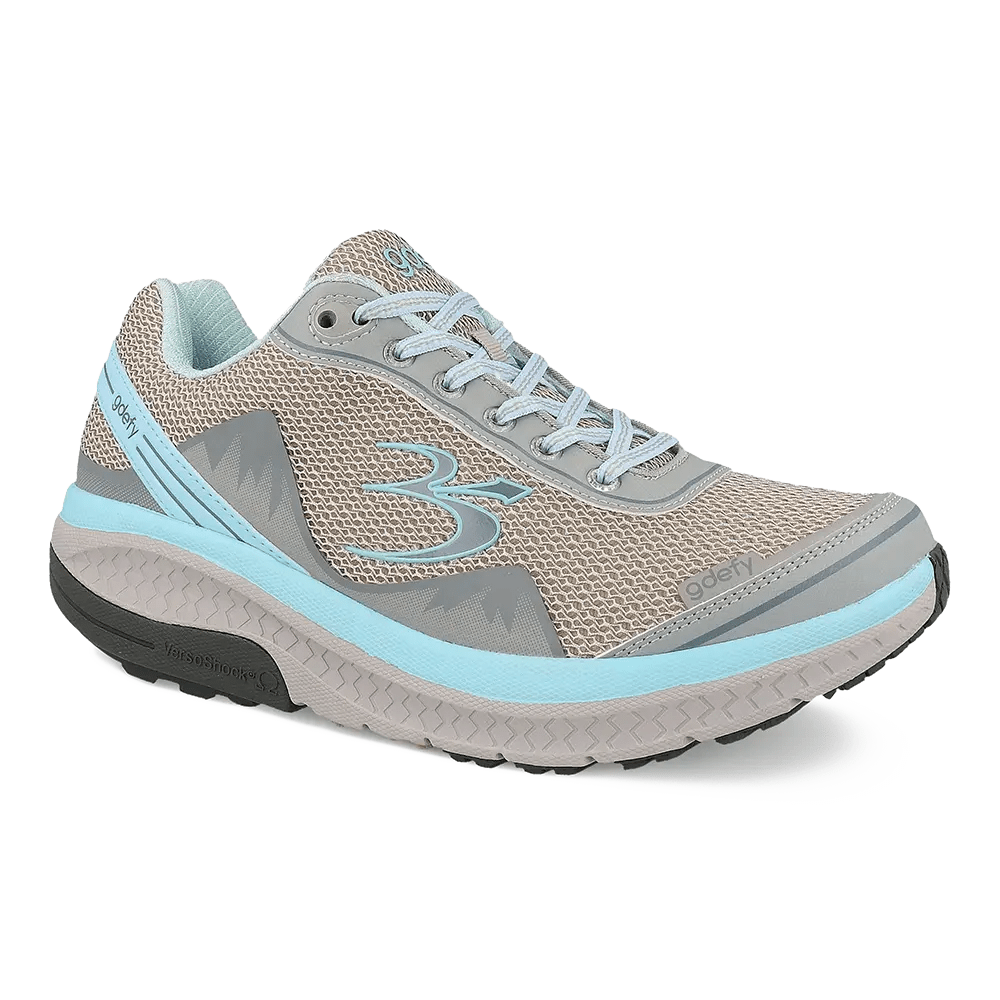
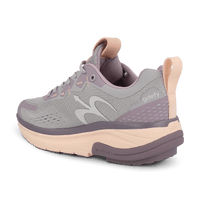
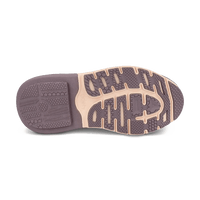
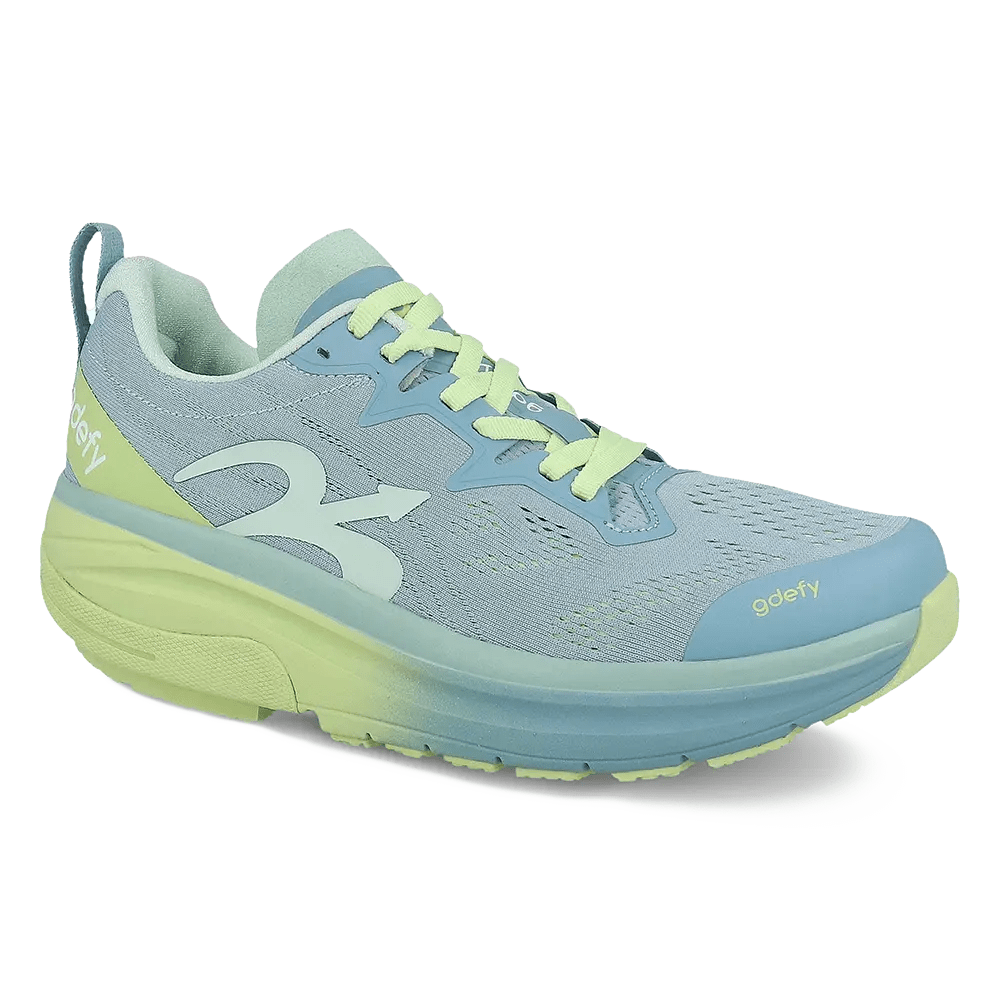
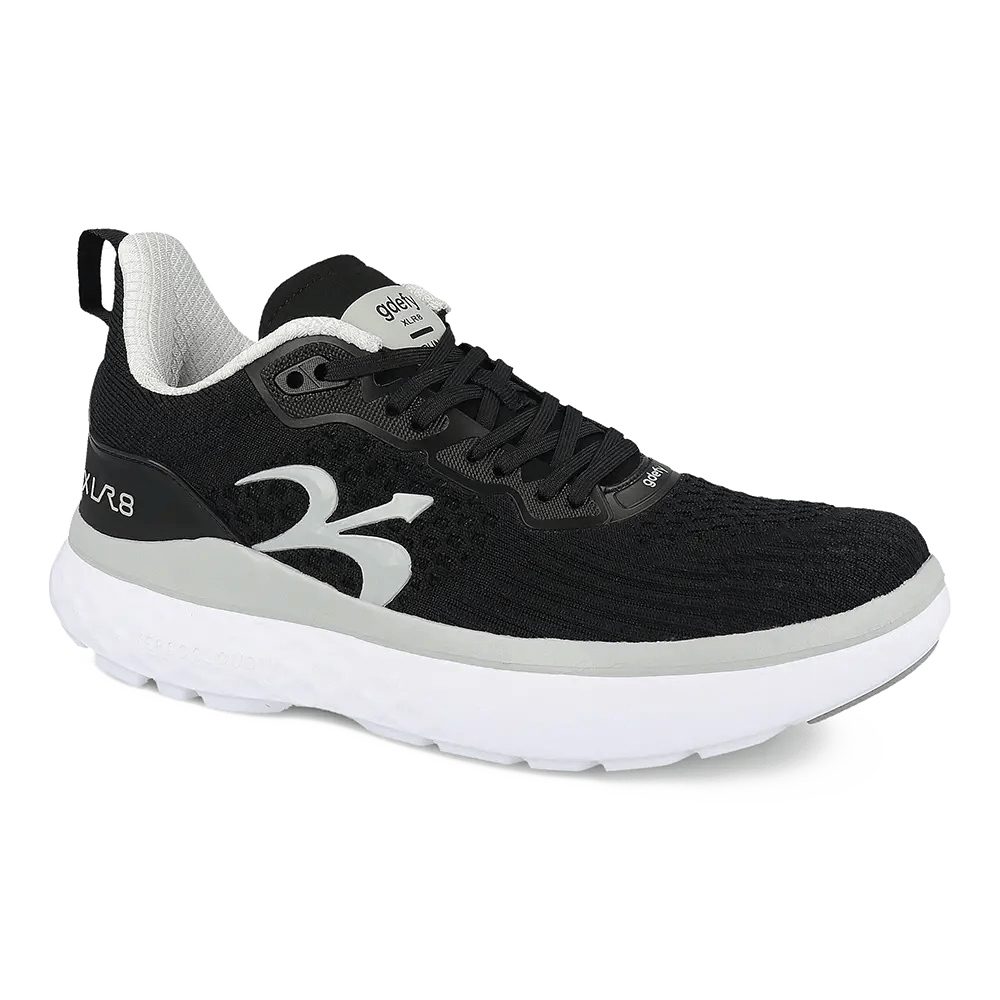
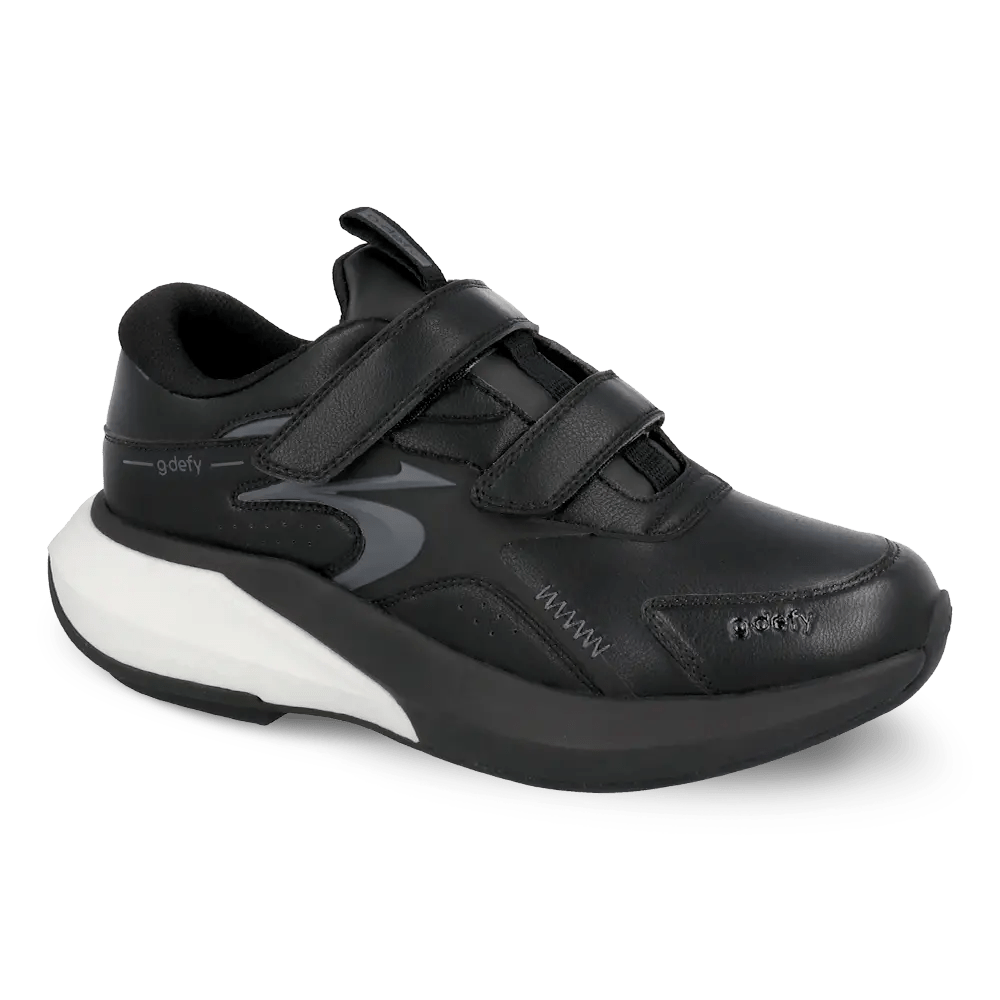
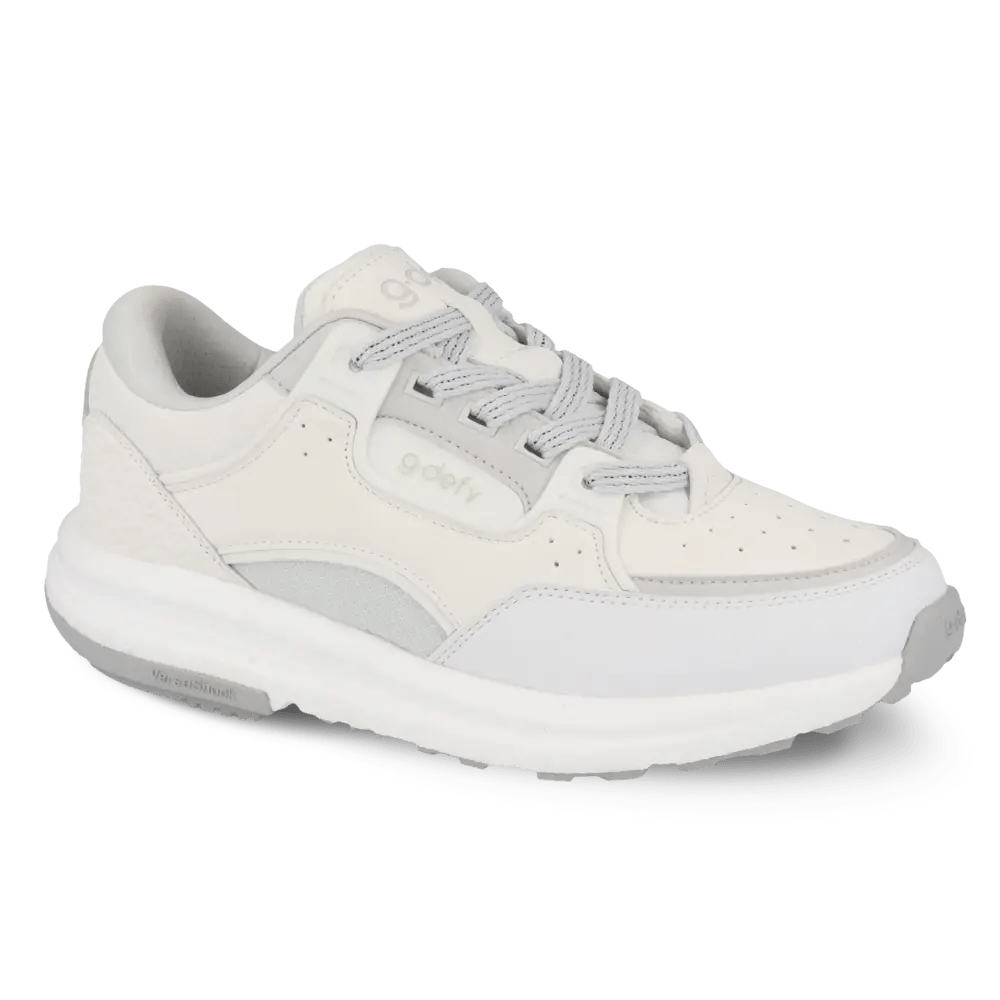
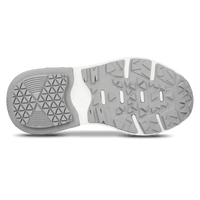
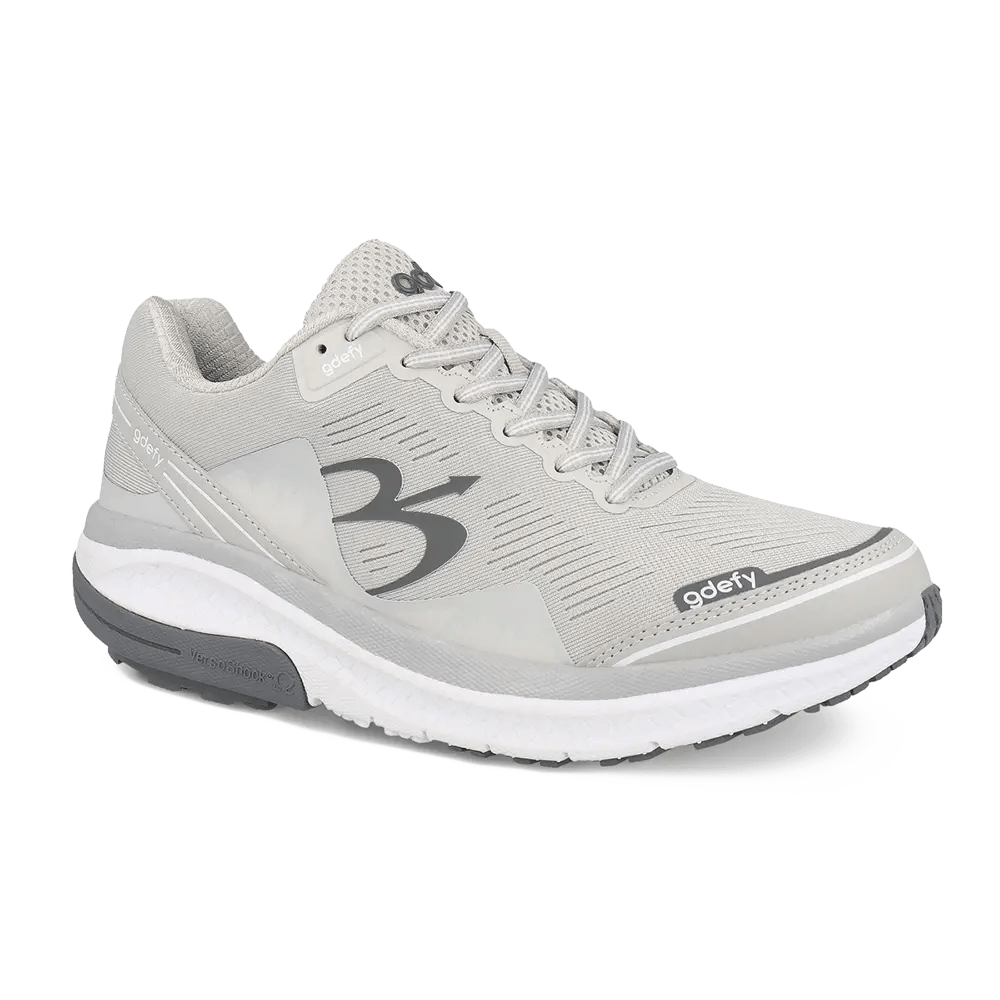
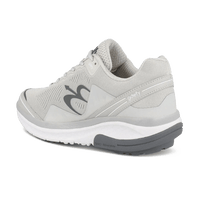
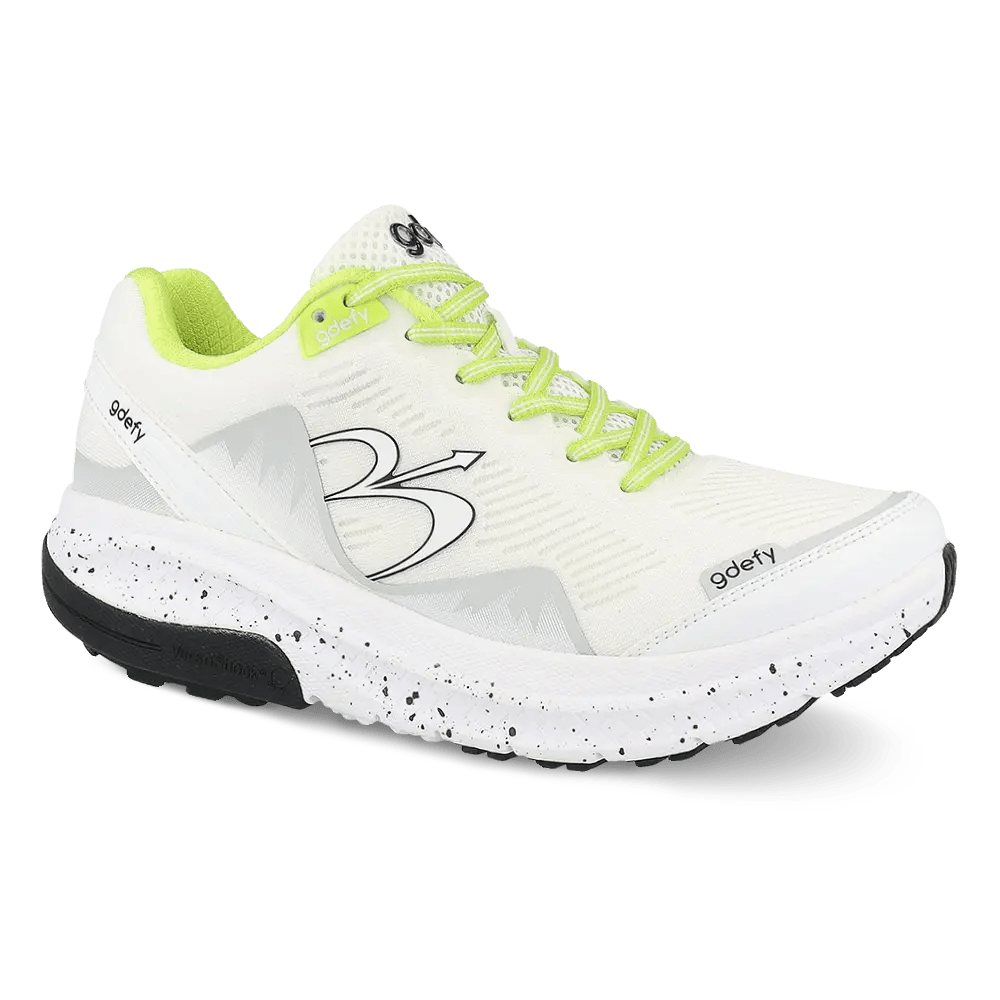
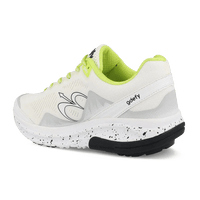
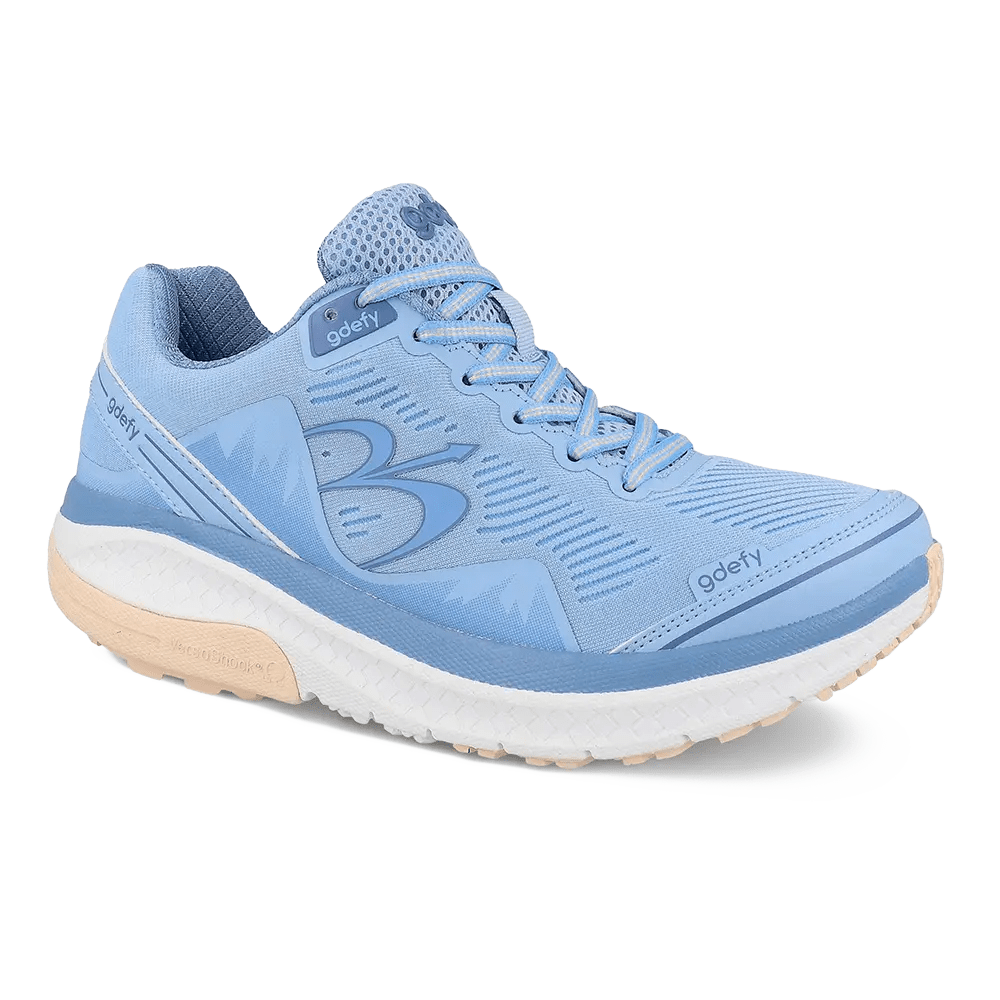
- The G-Defy Mighty Walk — the everyday workhorse. Substantial cushioning, dress-code-friendly colorways, wide and extra-wide widths.
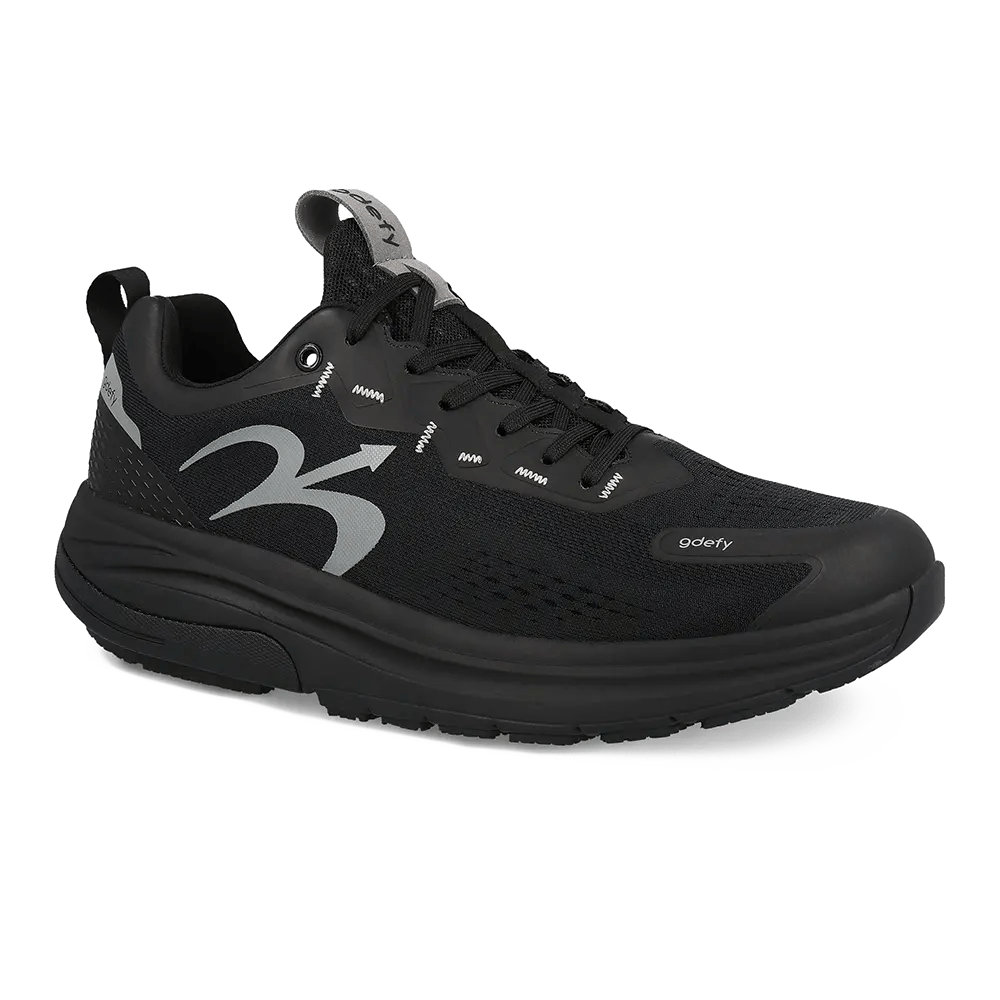
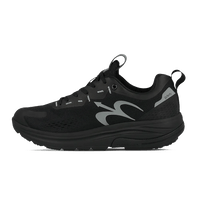
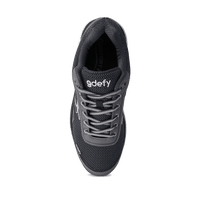
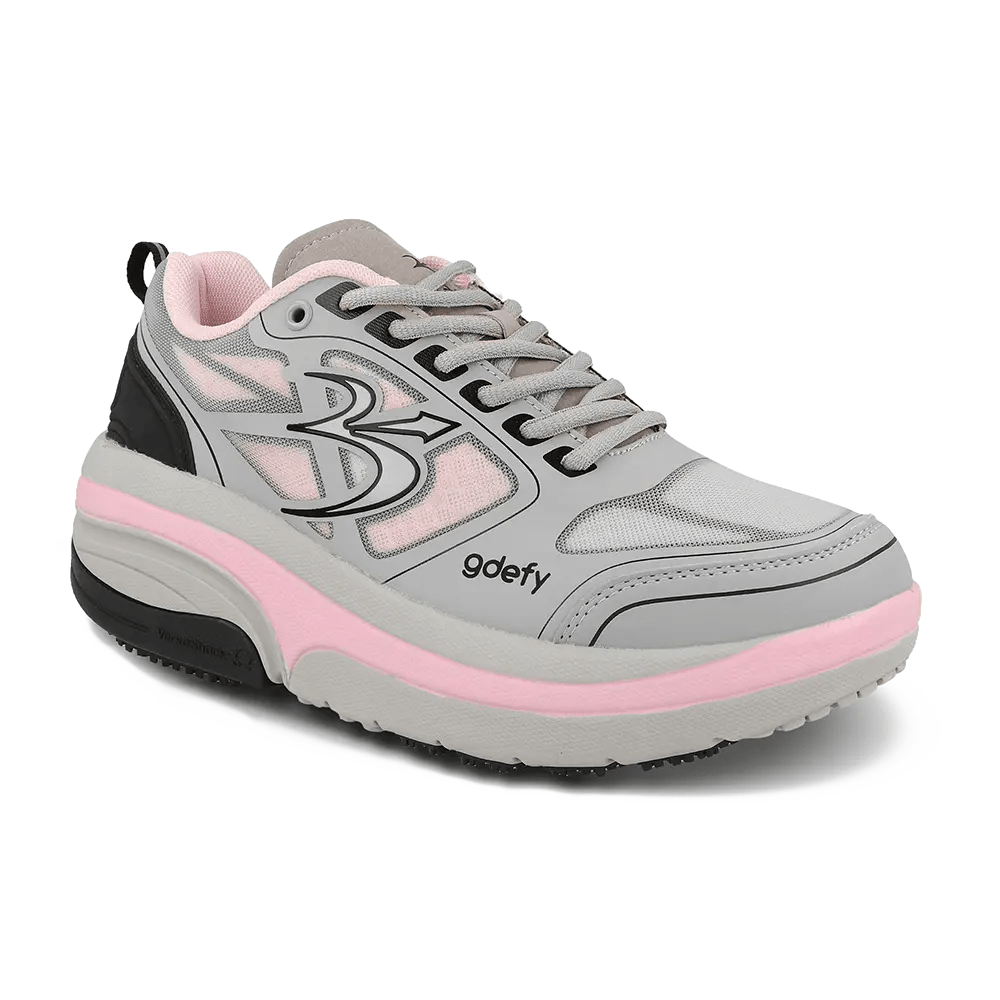
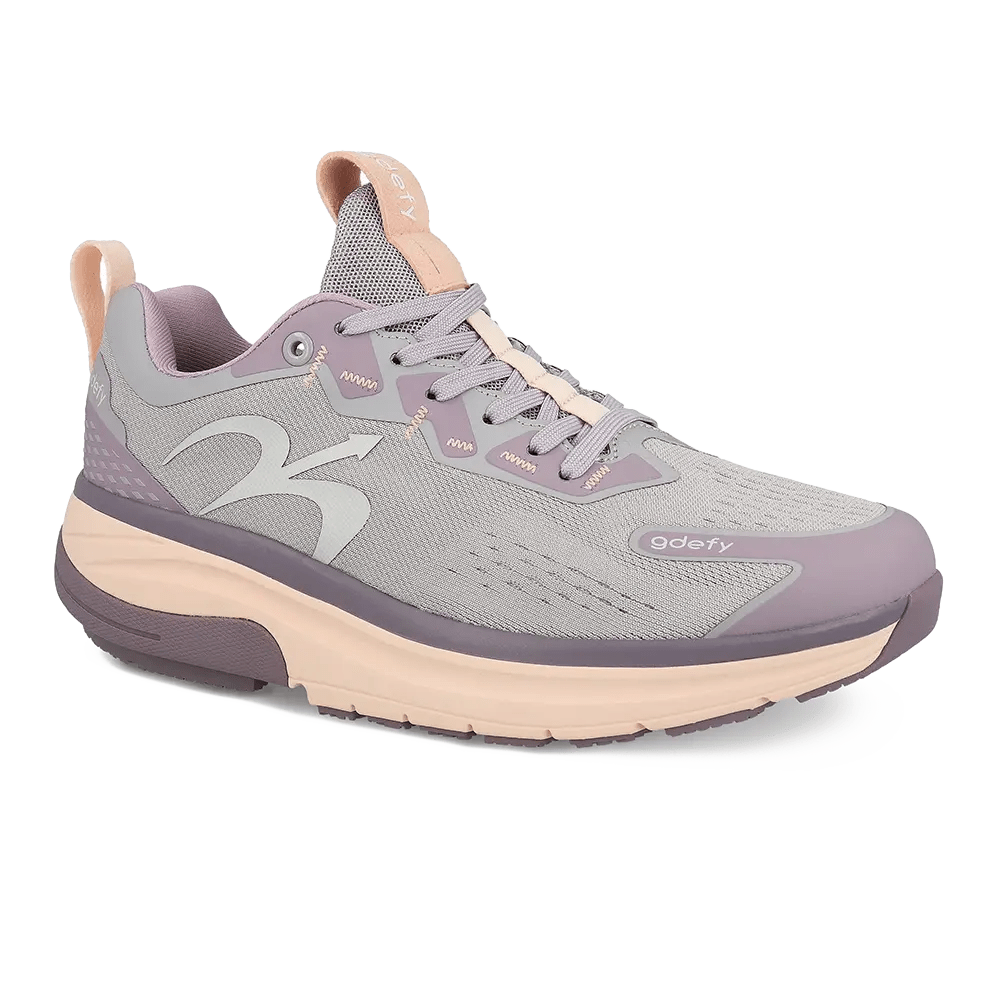
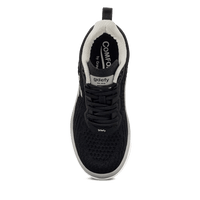
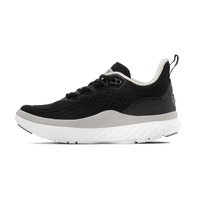
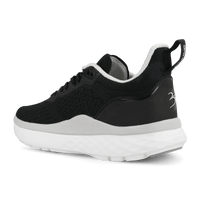
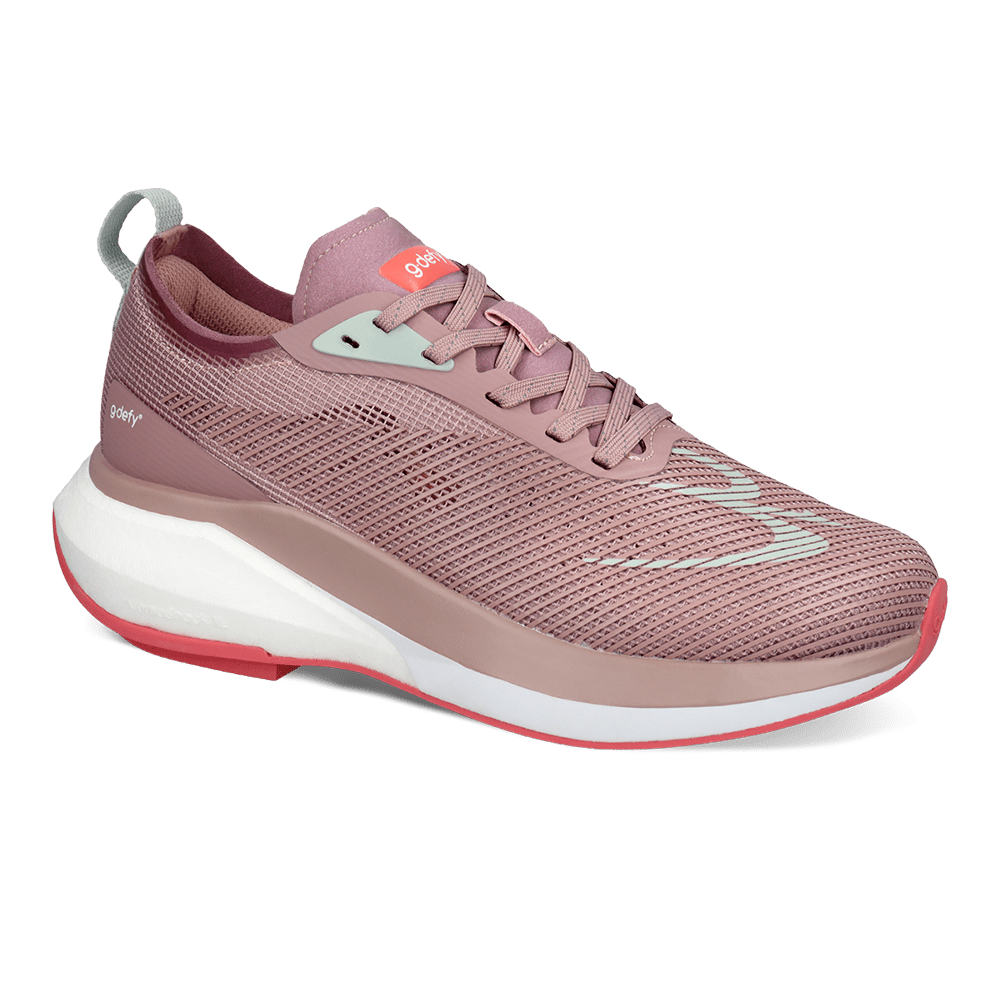
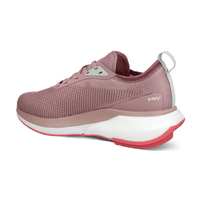
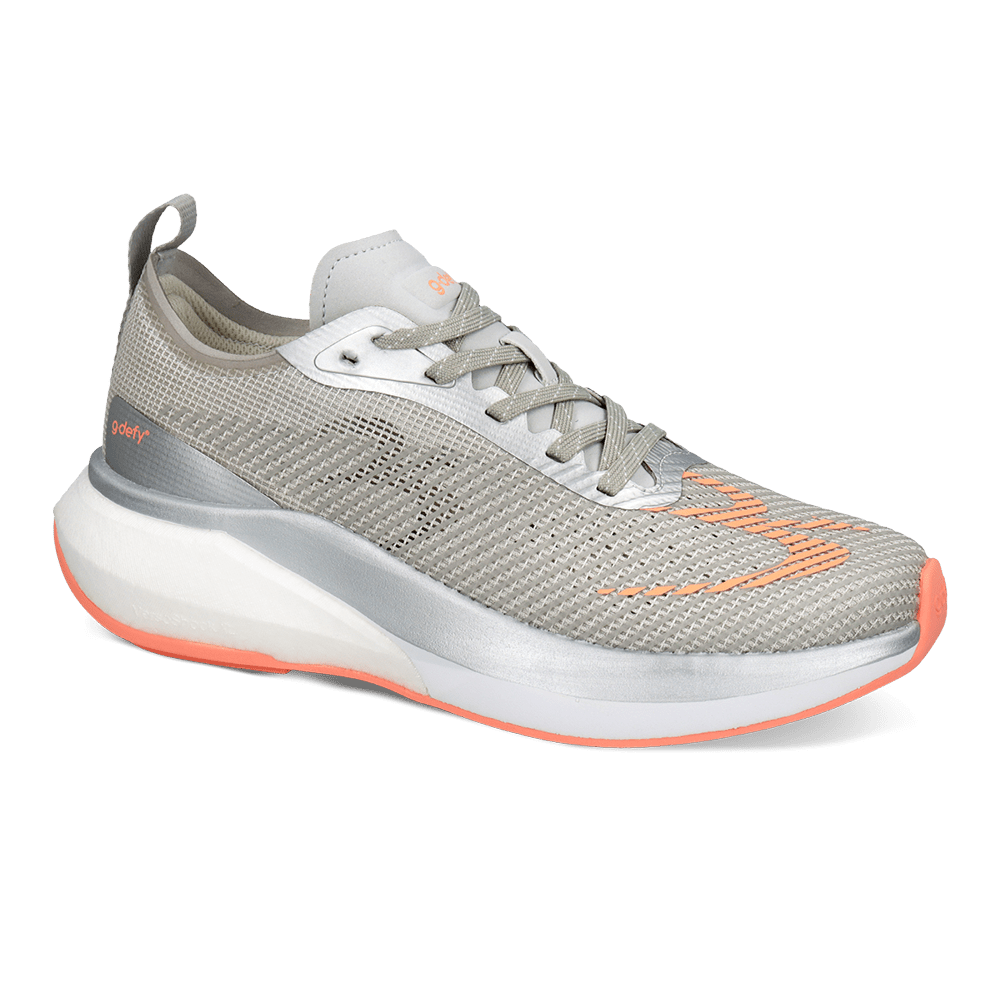
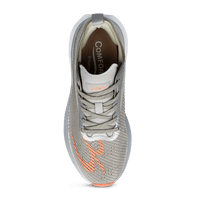
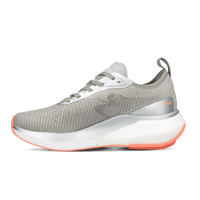
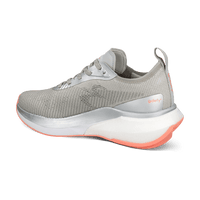
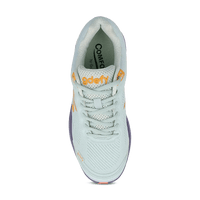
- The G-Defy Ion — lighter on the foot for shifts with more standing than walking, or when you want something closer to a streamlined athletic profile.
Browse the full lineup at men's comfort shoes or women's comfort shoes, or read more about the technology on the VersoShock® page.
Try a Pair Across Real Shifts
60-day risk-free trial. Free shipping. Free exchanges. Test the shoes across several full shifts, then decide.
Shop Mighty Walk Shop G-Defy IonHabits That Help on Long Shifts
A shoe is one input. The healthcare workers we hear from tell us these habits stack with the shoe choice:
- Rotate two pairs. One on, one decompressing. Foam, cushioning, and orthotics last longer when they get a day off.
- Replace before they look worn out. A midsole loses meaningful cushioning before the upper looks tired. If you can see compression lines along the midsole, it is time.
- Get fit late in the day. Feet swell across a shift. If you can, try shoes on at the end of a long day, not first thing in the morning.
- Swap the orthotic when things change. A new schedule, a new unit, a different floor surface — try the other orthotic for a few shifts and see how your feet respond.
- Add a mat where you stand still for long stretches. A compounding station, a med-prep counter, a sterile field — a cushioned anti-fatigue mat plus a supportive shoe is the combination people tell us works best.
- Stretch your calves and feet. Five minutes before a shift, five minutes after. Most healthcare workers we talk with say this is what makes the biggest difference long-term, alongside the shoes.
More Real Stories From Other Readers
If these stories were useful, you may also like:
- Back on Their Feet: How Everyday People Found Comfort With G-Defy
- I Can Play With My Grandkids Again: Customer Stories From Active Grandparents
- Real Stories: How G-Defy Changed My Morning Routine
FAQ
Q: Are G-Defy shoes good for nurses doing 12-hour shifts?
Many of the nurses and aides we hear from wear G-Defy on long shifts. The 60-day trial gives you enough time to test a pair across several full shifts and decide. Comfort is individual — what works for one person may feel different for another. Results vary by individual.
Q: What is the difference between Mighty Walk and Ion for healthcare work?
The Mighty Walk is a more substantial walking shoe with more cushioning underfoot — many people who walk long distances on units prefer it. The Ion is lighter and more streamlined, which some pharmacists, lab techs, and people who stand more than they walk prefer.
Q: Will these shoes help with foot pain after a long shift?
G-Defy shoes are designed to help reduce pain from walking, running, and prolonged standing. They are comfort footwear, not a medical solution. If your foot pain is persistent, please talk with your healthcare provider.
Q: Are the shoes wipeable for hospital environments?
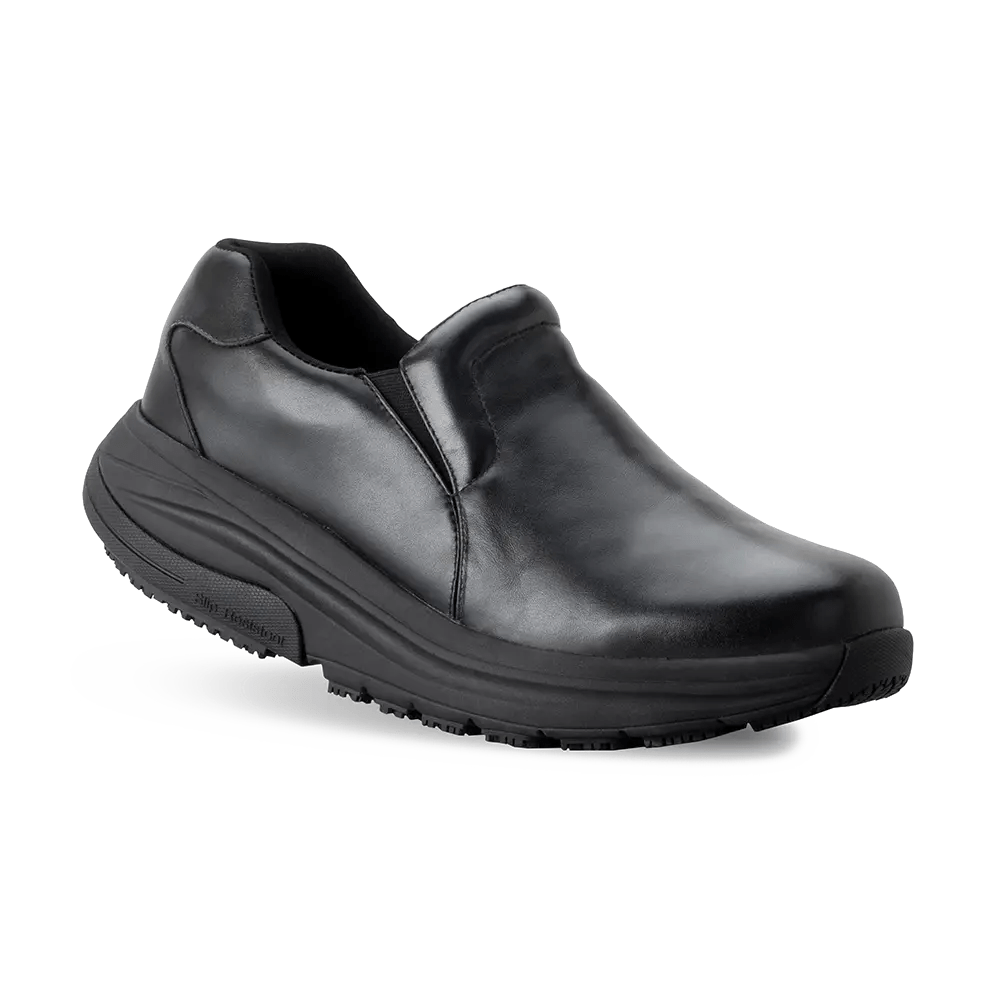
Yes — many of the Mighty Walk and Ion colorways have smooth synthetic uppers that wipe clean. Check the specific colorway on the product page for material details.
Q: How long do the shoes last before they need replacing?
This depends on your weight, stride, and how many miles you put on them. The healthcare workers we hear from typically replace a pair after eight to twelve months of regular shift use, sometimes longer if they rotate two pairs. The midsole loses cushioning before the upper looks worn — replace based on how the shoe feels, not how it looks.
A Small Note to Close
If you work in healthcare, what your feet feel like at the end of a shift matters — for how you sleep, for the energy you have left for your family, for how long you can keep doing the work you do. We do not promise that a shoe will solve the problem. We do hear, often, that the right shoe is one input that helps. The 60-day trial is there so you can decide for yourself, across real shifts, whether G-Defy is one of those inputs for you.
If you decide to try a pair, the Mighty Walk and G-Defy Ion are the two most frequently recommended by healthcare workers. Free shipping, free exchanges, and 60 days to decide.
Thank you for what you do.
Ready to Test a Pair?
Free shipping. Free exchanges. 60 days to decide whether G-Defy belongs on your shift.
Men's Comfort Shoes Women's Comfort Shoes