


May 14, 2026
How Cushioning Helps With Heel Impact During Walking
By Gdefy

Summary

Every step you take starts with your heel landing on the ground. For most people, that heel-strike happens around 5,000 to 10,000 times a day — and each landing sends a shockwave up through your foot, ankle, knee, and beyond. The shoes between you and the pavement decide how much of that shock you actually feel.
If you've noticed that long walks leave your heels feeling sore, or that hard surfaces seem harsher than they used to, the cushioning under your heel is doing more — or less — work than you realize. Footwear isn't a medical solution, but the way a shoe handles heel impact has a real effect on how comfortable a long day on your feet actually feels. This guide breaks down what happens at heel-strike, how cushioning works (and why some cushioning loses its bounce faster than others), and what to look for when comfort matters.
What Happens at Heel Strike When You Walk
Walking looks simple, but the moment your heel hits the ground is one of the most dynamic parts of the stride. Your body weight, your forward momentum, and gravity all converge on a small area at the back of your foot in a fraction of a second.
That force isn't just your body weight pressing down. Researchers who study walking mechanics describe a force spike at heel-strike that's typically equivalent to about 1.2 to 1.5 times your body weight on a level surface — and higher when you walk fast, walk downhill, or carry a load. From the heel, that force travels up the rest of the body in what biomechanists call the kinetic chain: heel, arch, ankle, shin, knee, hip, lower back. Each link absorbs and redirects a share of the impact.
For one or two steps, the body handles this without effort. Over thousands of steps a day, on hard floors and pavement, the cumulative load is where discomfort tends to show up — most often as soreness in the heel pad, the arch, or the lower back.
Why Hard Surfaces Magnify Heel Impact
The ground itself plays a role in how much shock reaches your body. Soft surfaces like grass, dirt trails, and rubber gym mats compress slightly under your weight and absorb a portion of the impact. Hard surfaces — concrete sidewalks, tile floors, warehouse slabs, gym hardwoods — don't give. Almost all the force has to be absorbed by the shoe, the foot pad, and the joints above.
That's why people who stand or walk on concrete all day — teachers, retail workers, healthcare staff, warehouse staff — often report heel and lower-back soreness even when they aren't covering long distances. The surface is doing none of the absorbing. The shoe has to do all of it.
This is also why the same shoe can feel fine on a morning walk in the park and uncomfortable on a paved city tour later that day. The shoe didn't change. The ground did.
The Mechanics of Shoe Cushioning
"Cushioning" is one of those marketing words that's used so broadly it almost loses meaning. Underneath your heel, though, it refers to something specific: a layer of material designed to compress when force hits it, slow the impact, and then return to its original shape so it can absorb the next step.
How Foam Compresses (and Loses Energy)
Most walking shoes use foam — usually EVA or polyurethane — as the main cushioning material. Foam works the way you'd expect: when your heel lands, tiny air pockets in the foam compress, spreading the impact across a larger area and a longer moment in time. That's why a cushioned shoe feels softer than walking barefoot on the same surface.
The trade-off with foam is that it deforms permanently over time. Each compression cycle breaks down some of the cell walls inside the material. After a few hundred miles of walking, most foam midsoles lose a measurable percentage of their original bounce — they still feel "okay" but they're absorbing less impact than they did when new. That's also why foam shoes feel softer for the first month and gradually firm up.
Foam also tends to absorb impact in one direction — down. Once the compression is done, the energy is largely dissipated as heat. You feel less shock, but you also don't get much energy back to push you into the next step.
Spring-Based Cushioning: A Different Approach
An alternative approach uses a spring-based system instead of (or in addition to) foam. Instead of crushing air pockets, a small synthetic spring compresses and then rebounds. The compression handles the impact. The rebound returns a portion of that stored energy back into the next step.
A spring-based system has two advantages over foam alone:
- It doesn't deform permanently the way foam does. A well-made spring can compress hundreds of thousands of times without losing its rebound, so the cushioning under your heel feels more consistent over the life of the shoe.
- It returns energy. Some of the force your heel delivers into the shoe is returned to your stride, instead of being lost as heat. That's a more efficient way to walk — your legs do a little less of the work over a long day.
This is the engineering philosophy behind VersoShock® technology, which we'll come back to in a moment.
What to Look for in Cushioning for Heel Impact
Not all cushioning is built the same. When you're evaluating a walking shoe — especially if heel comfort is what matters to you — these are the features worth checking.
1. Depth of the Heel Cushion
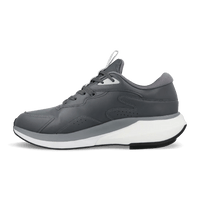
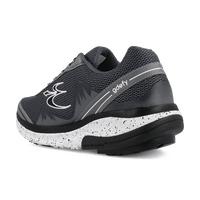
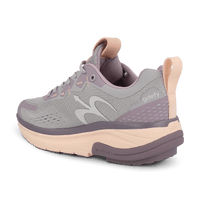
Look at the back of the shoe from the side. The vertical distance from where your heel sits to the ground is the cushioning depth. More depth generally means more material to absorb impact. Most walking shoes designed for all-day comfort have a deeper heel cushion than minimal "barefoot-style" shoes, which intentionally provide less.
2. Energy Return
Press your thumb into the midsole at the heel and release. How fast does it spring back? Foam that stays compressed for a moment is dissipating energy as heat. A material that pops back quickly is more likely to return energy into your stride. Spring-based systems tend to rebound faster than foam alone.
3. Stability Underneath the Cushion
Soft alone isn't the goal. A heel cushion that's too soft can let your foot rock side-to-side, which transfers force into your ankle and knee instead of straight up. Look for a shoe that combines soft cushioning with a stabilizer or shank running through the midfoot — that keeps the foot tracking straight even on softer cushioning.
4. Smooth Heel-to-Toe Transition
The way the shoe rolls forward after heel-strike matters almost as much as the cushioning itself. A flat, stiff sole forces your foot to do extra work shifting weight from heel to toe. A shoe with a slight forward rocker shape — or a rolling design at the front — helps your foot move through the step naturally, so the heel doesn't bear weight for any longer than it has to.
5. Proper Fit at the Heel
Cushioning only works if your heel is actually on it. A shoe that's too loose lets the heel slide around at the back, hitting the cushioning at different spots each step. A shoe that's too tight compresses the heel pad before you even take a step. Aim for a snug, secure heel hold with no slipping when you walk.
How G-Defy Approaches Heel Impact
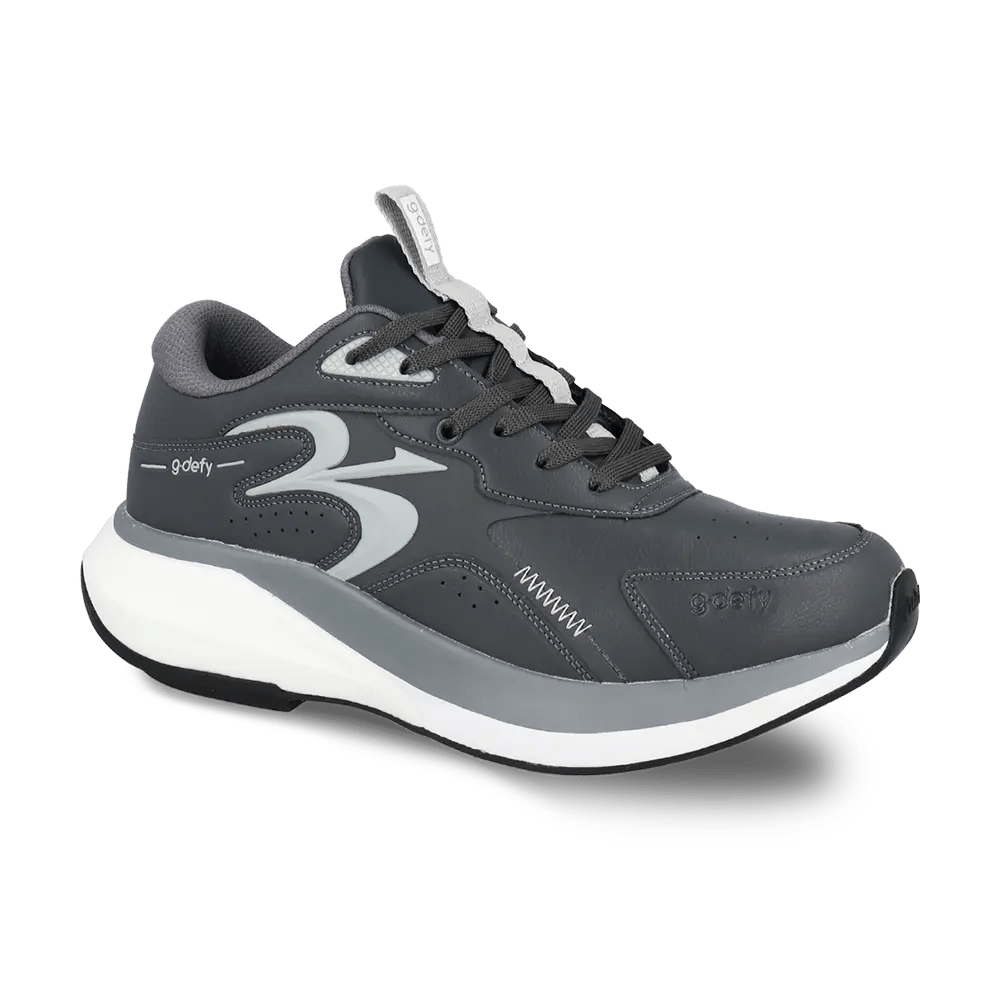
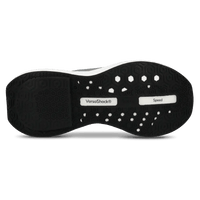
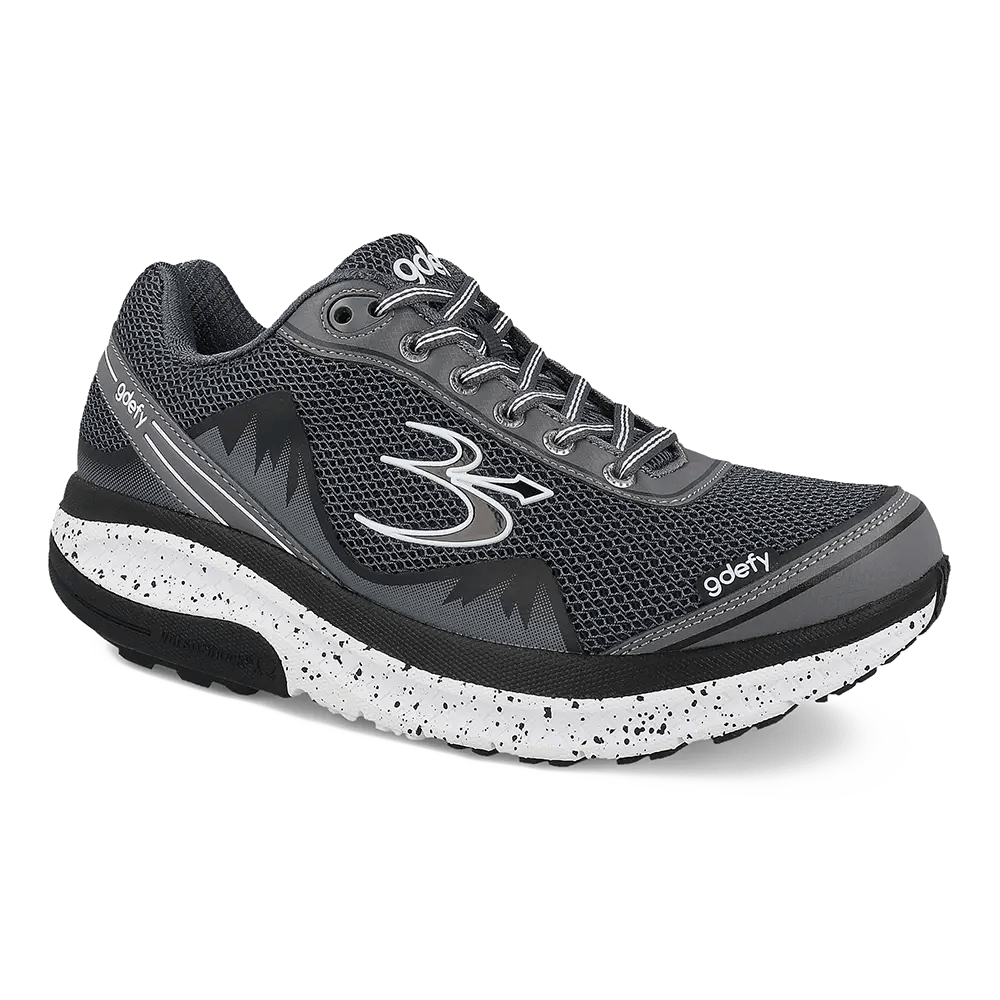
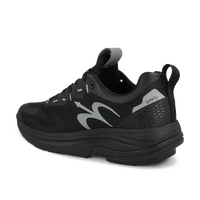
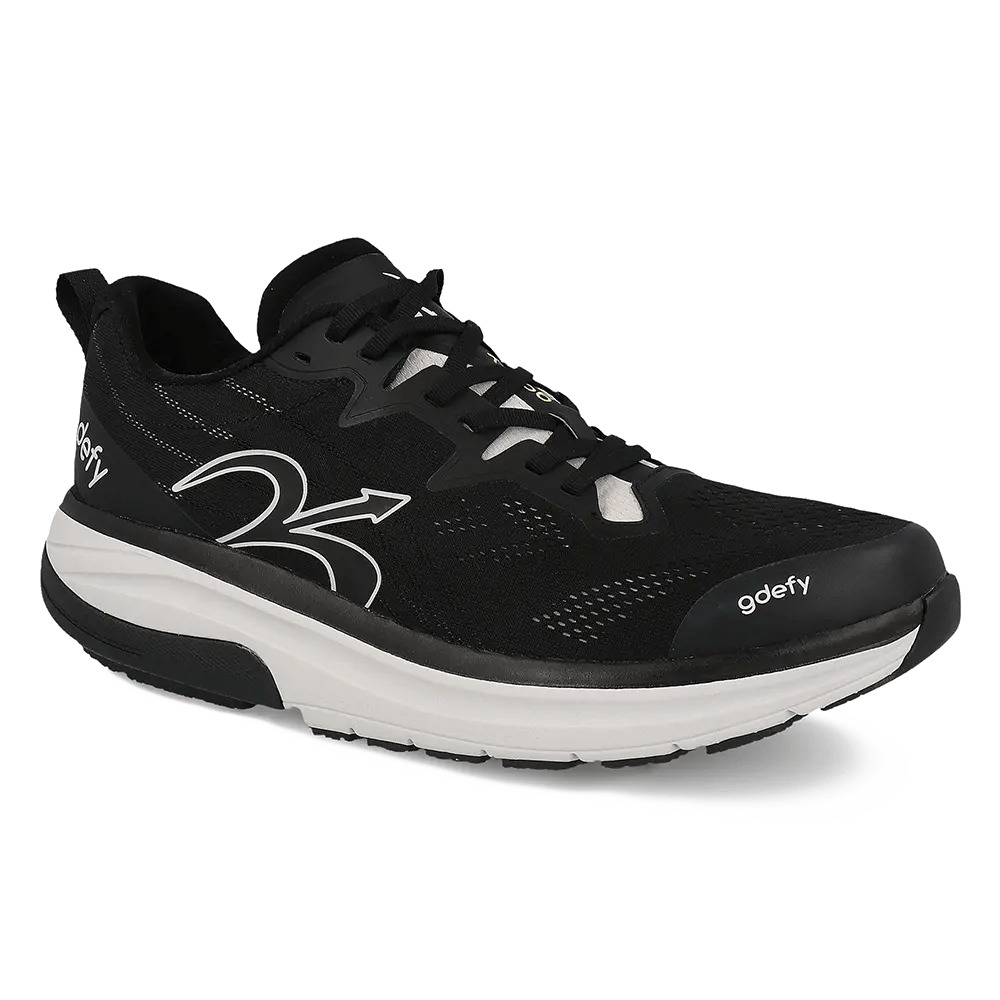
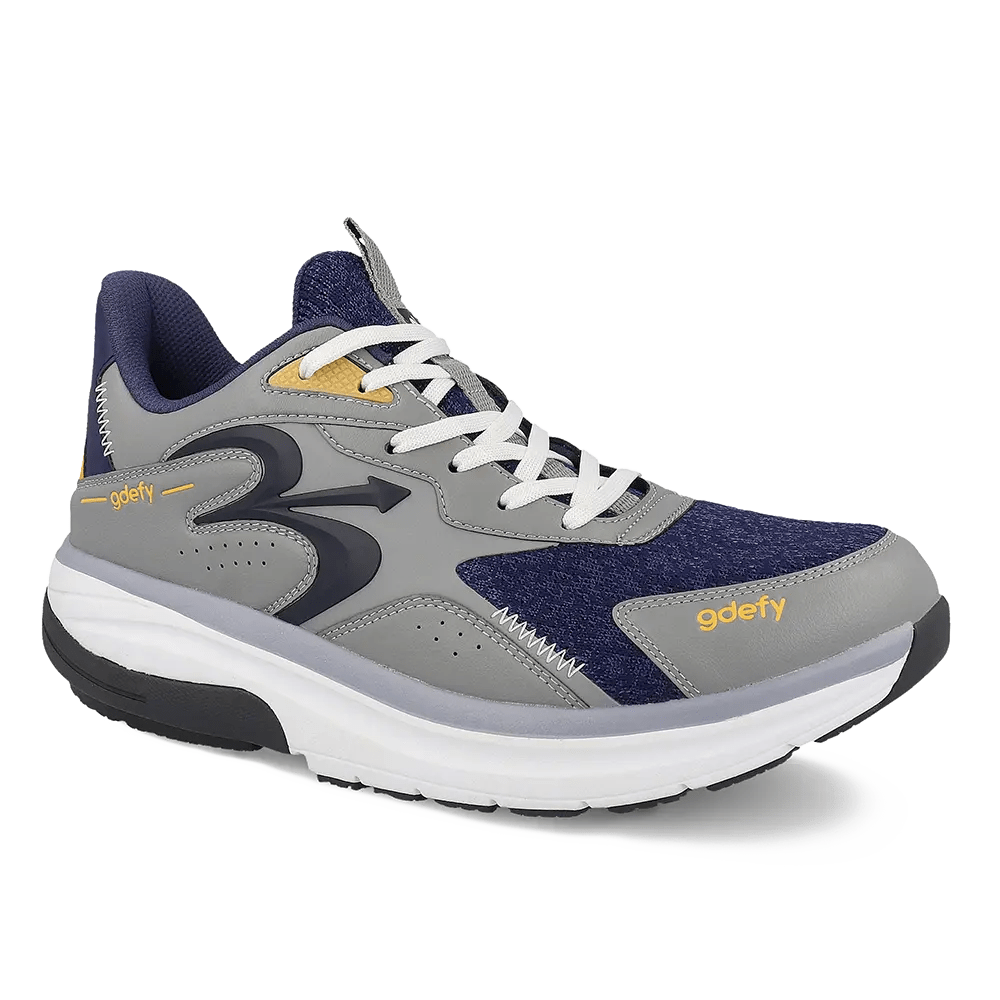
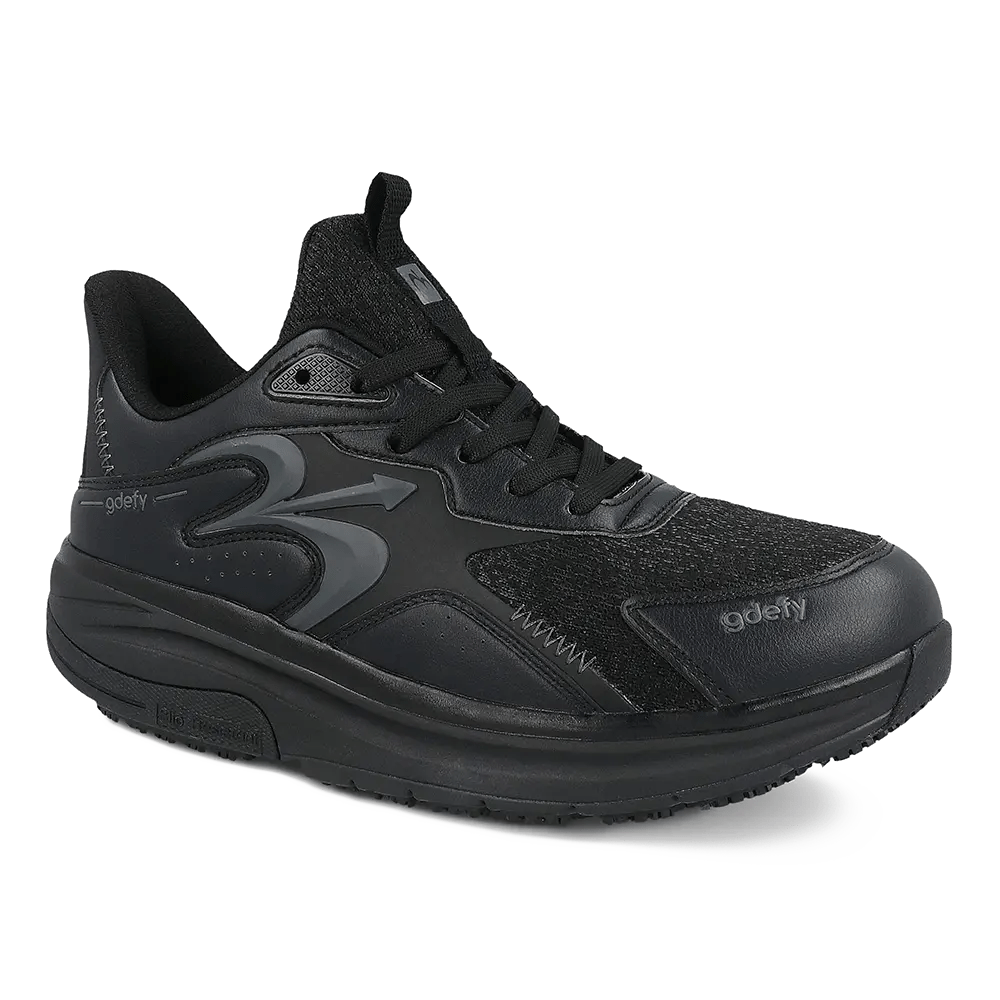
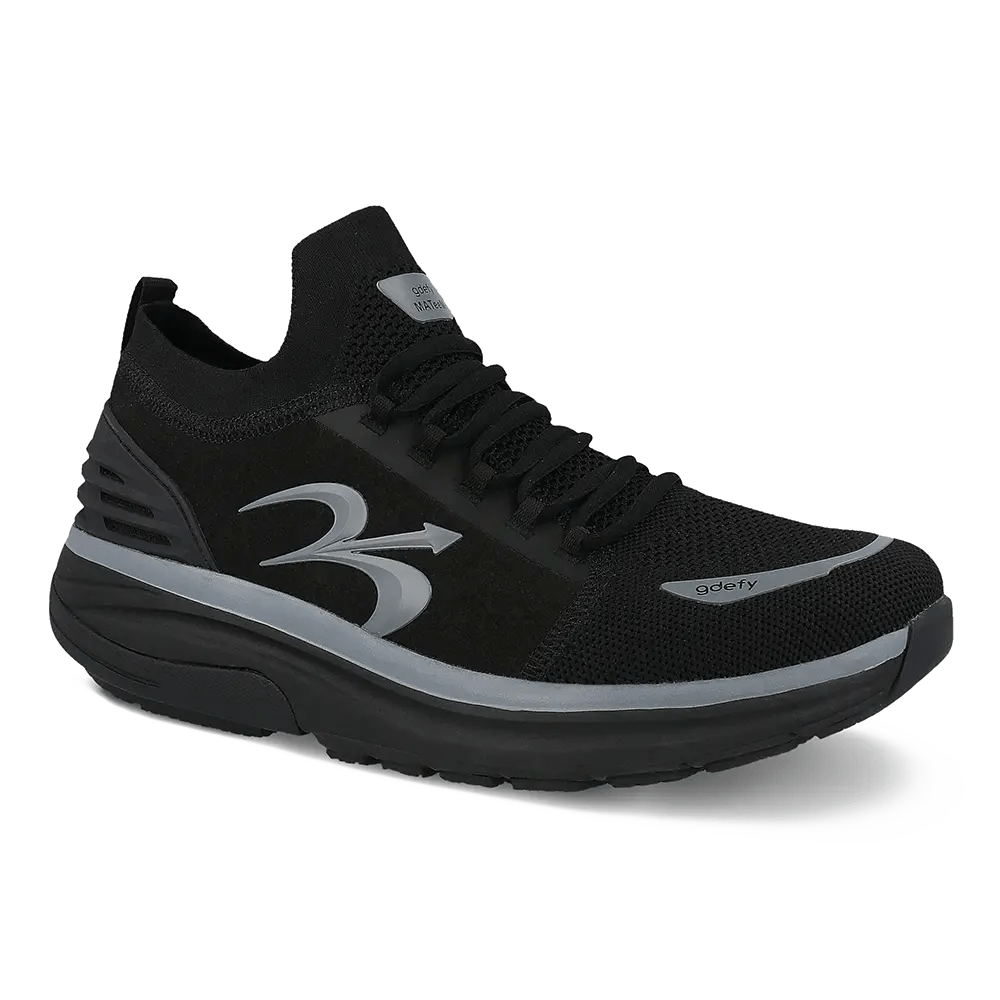
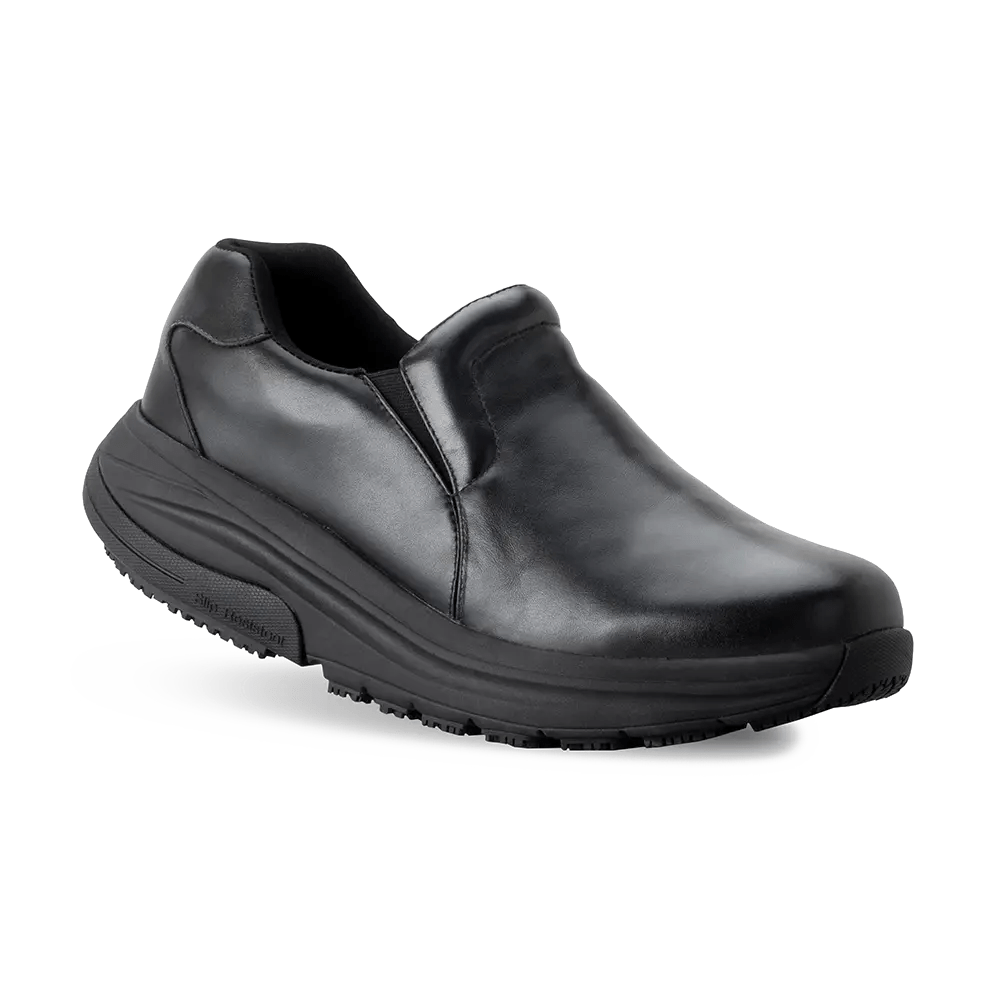
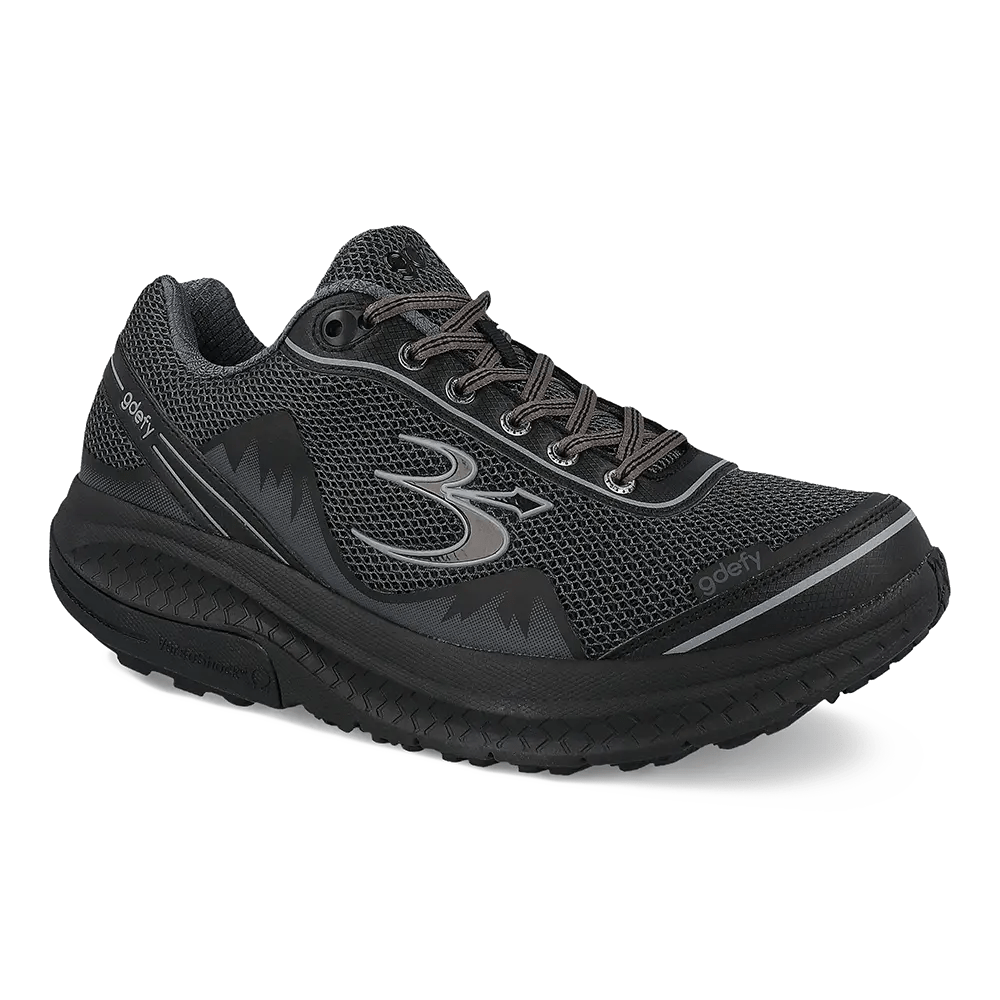
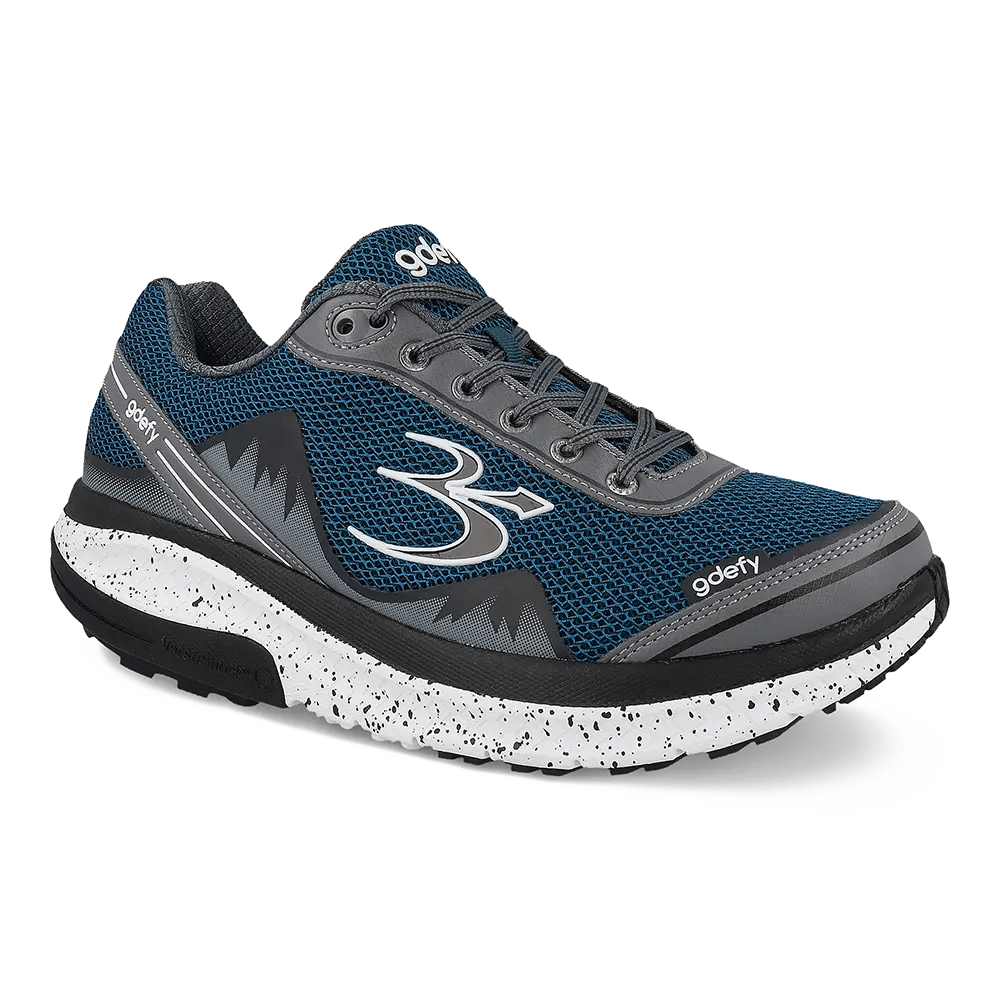
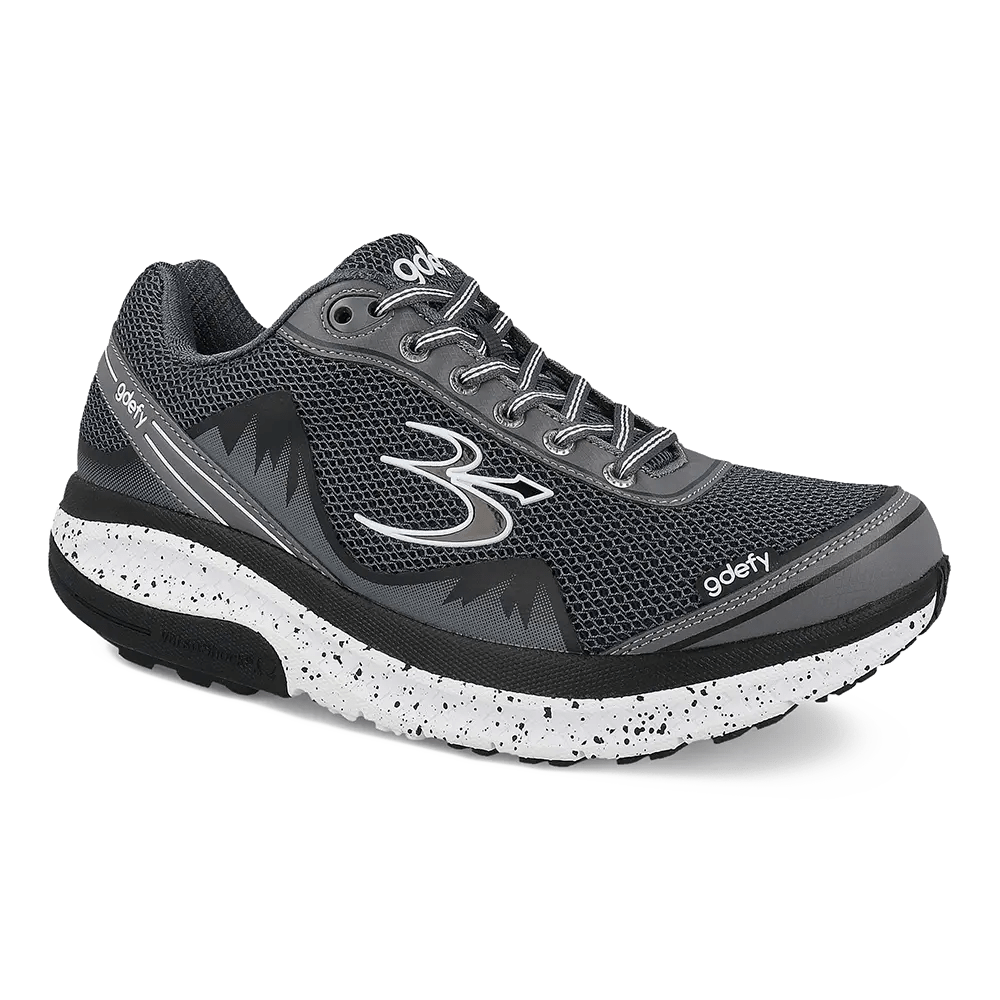
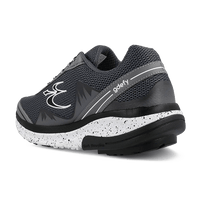
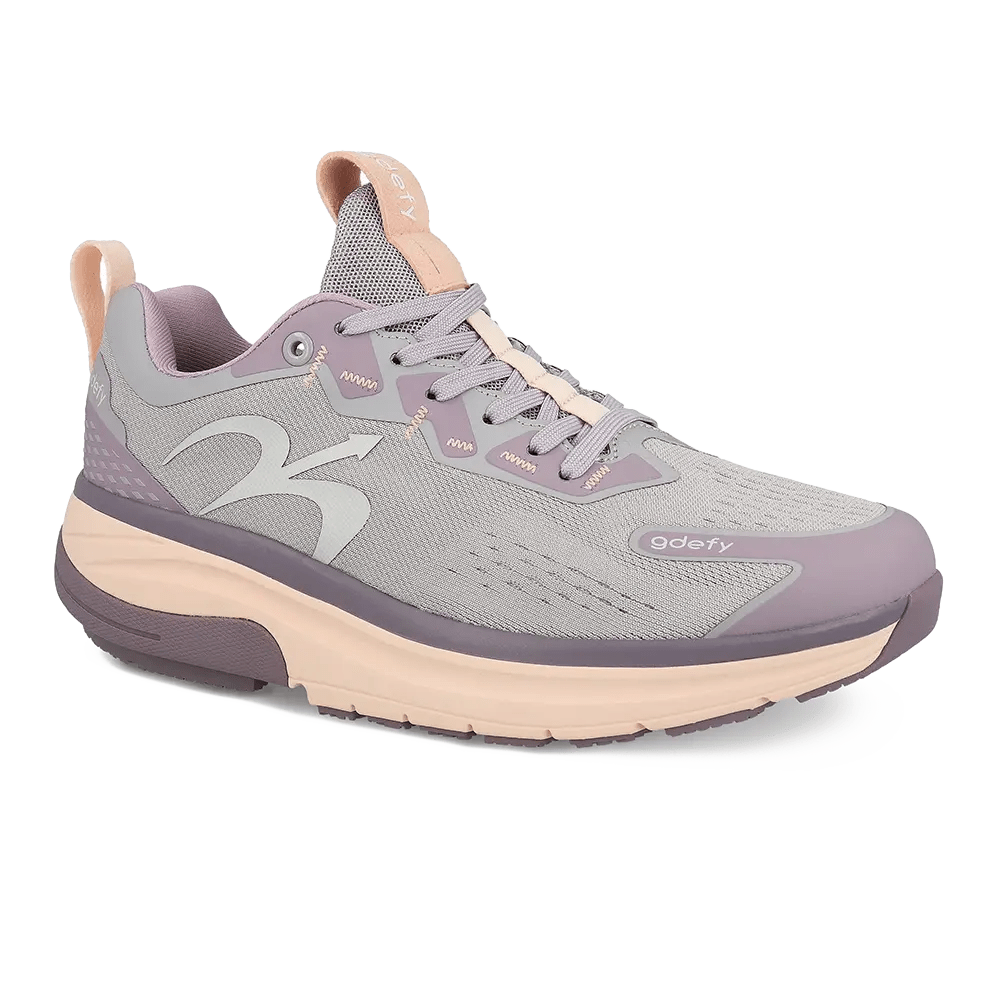
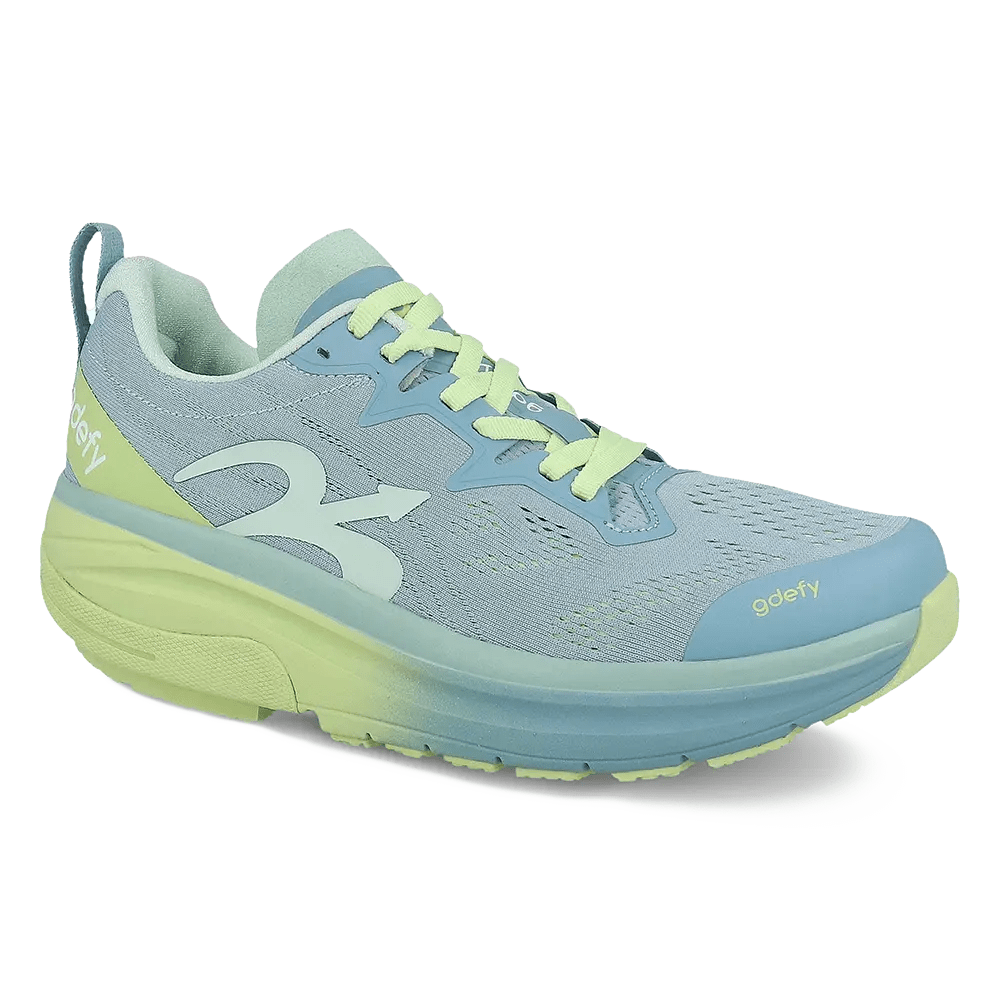
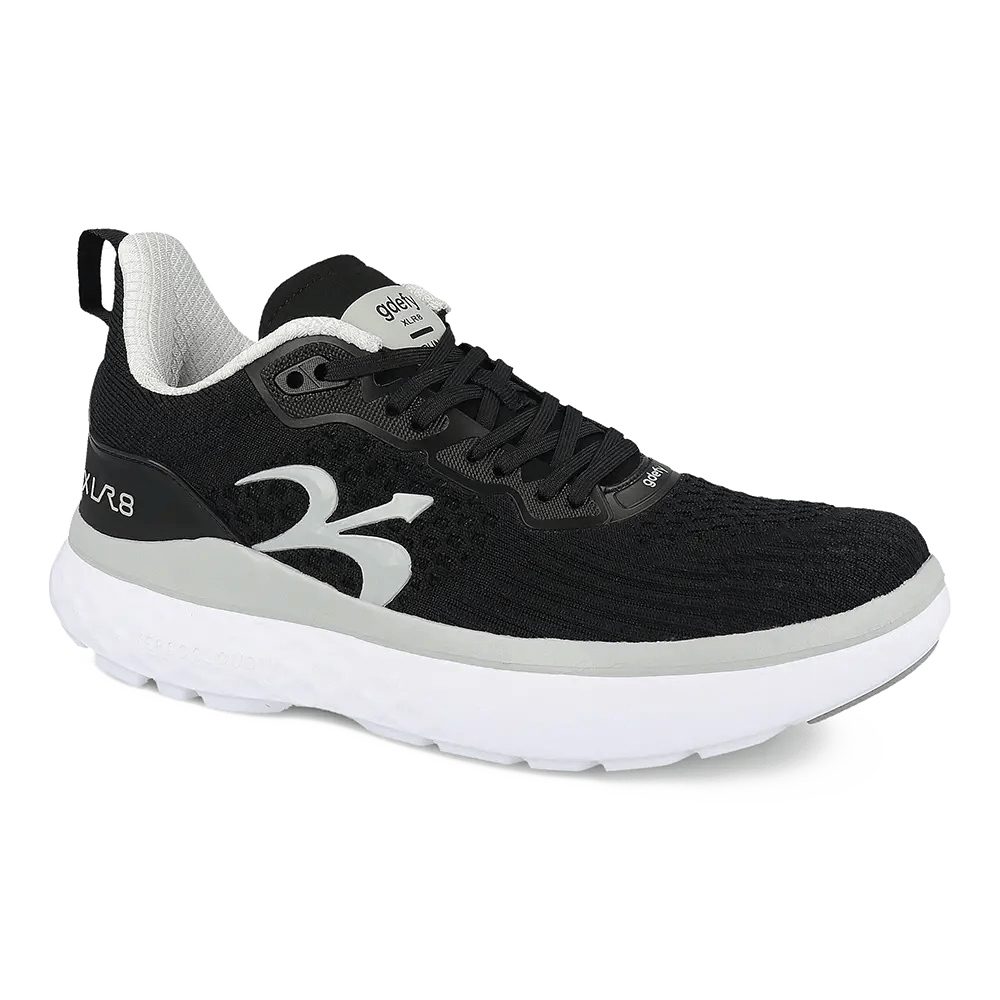
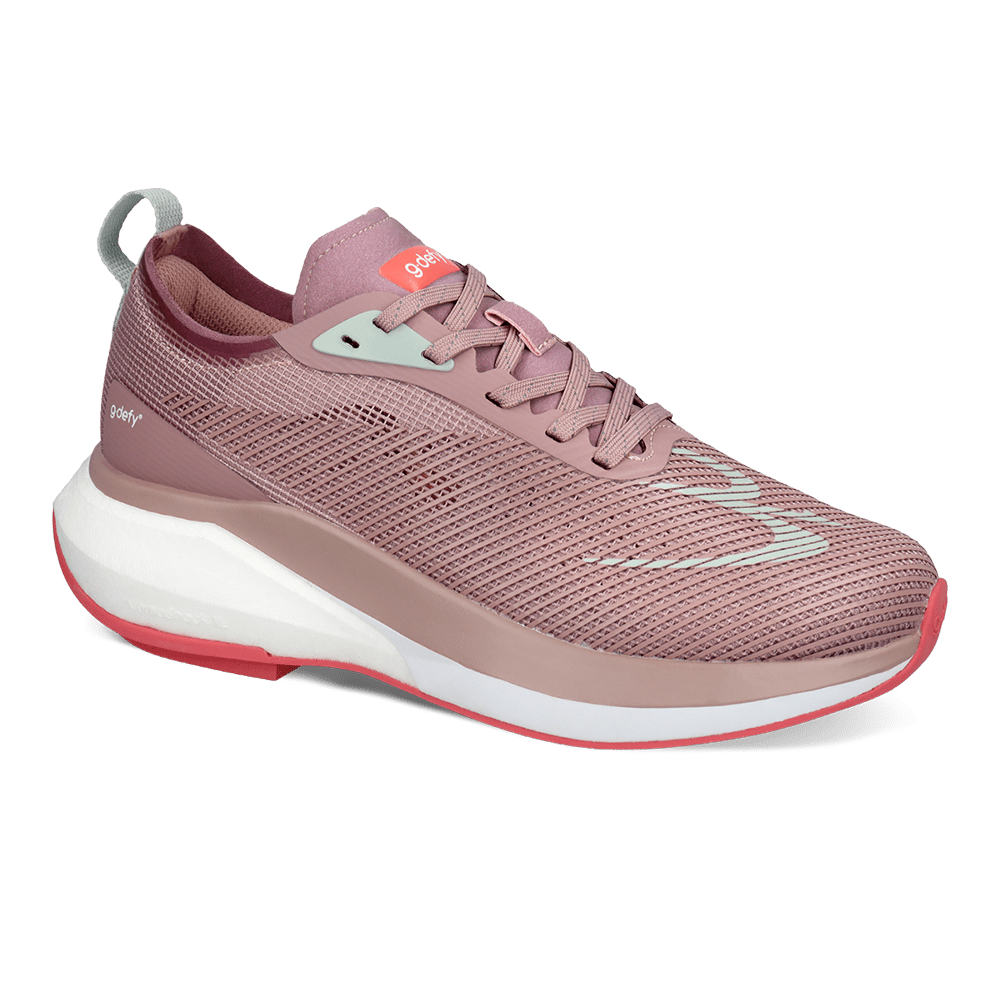
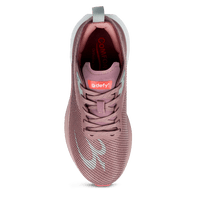
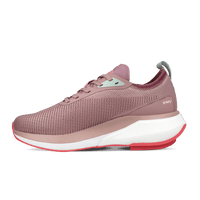
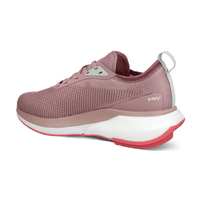
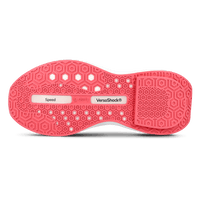
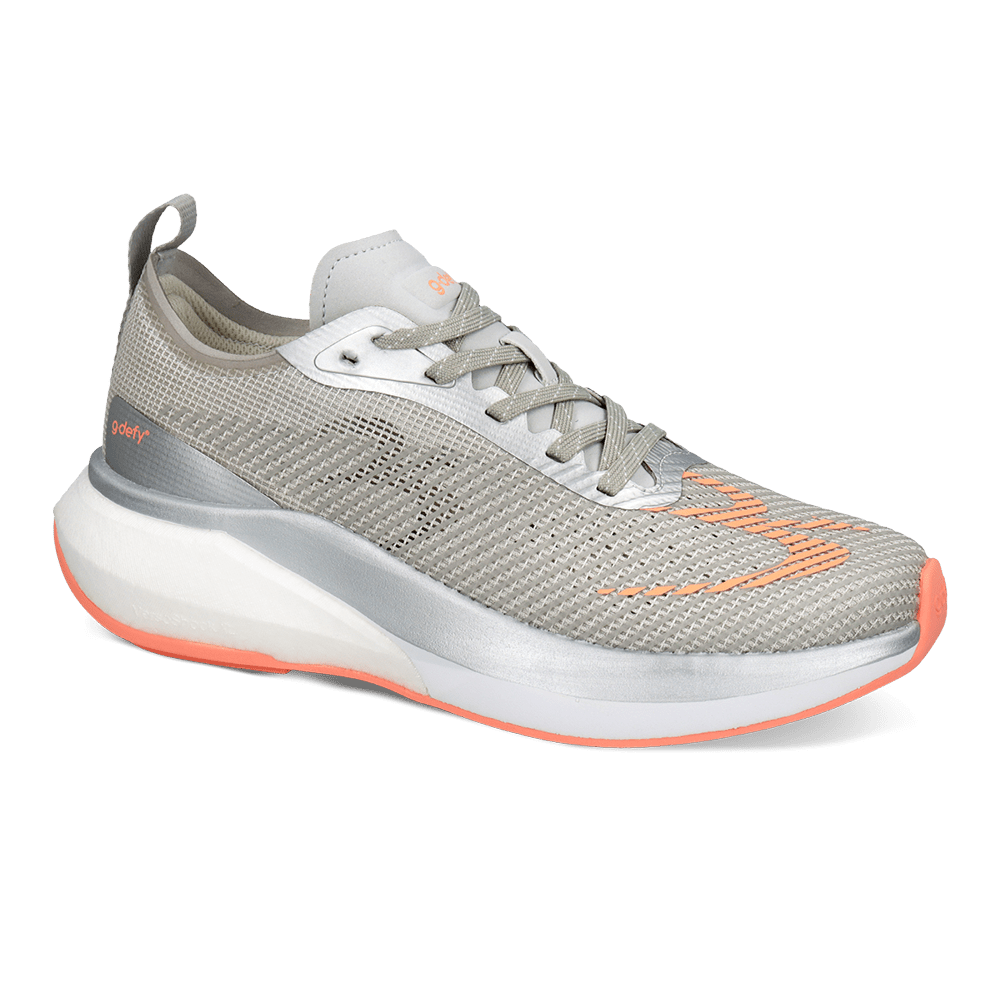
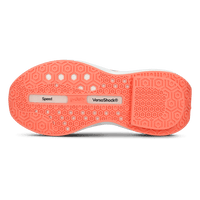
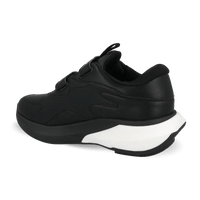
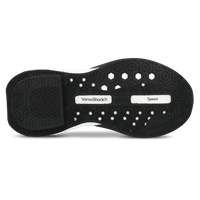
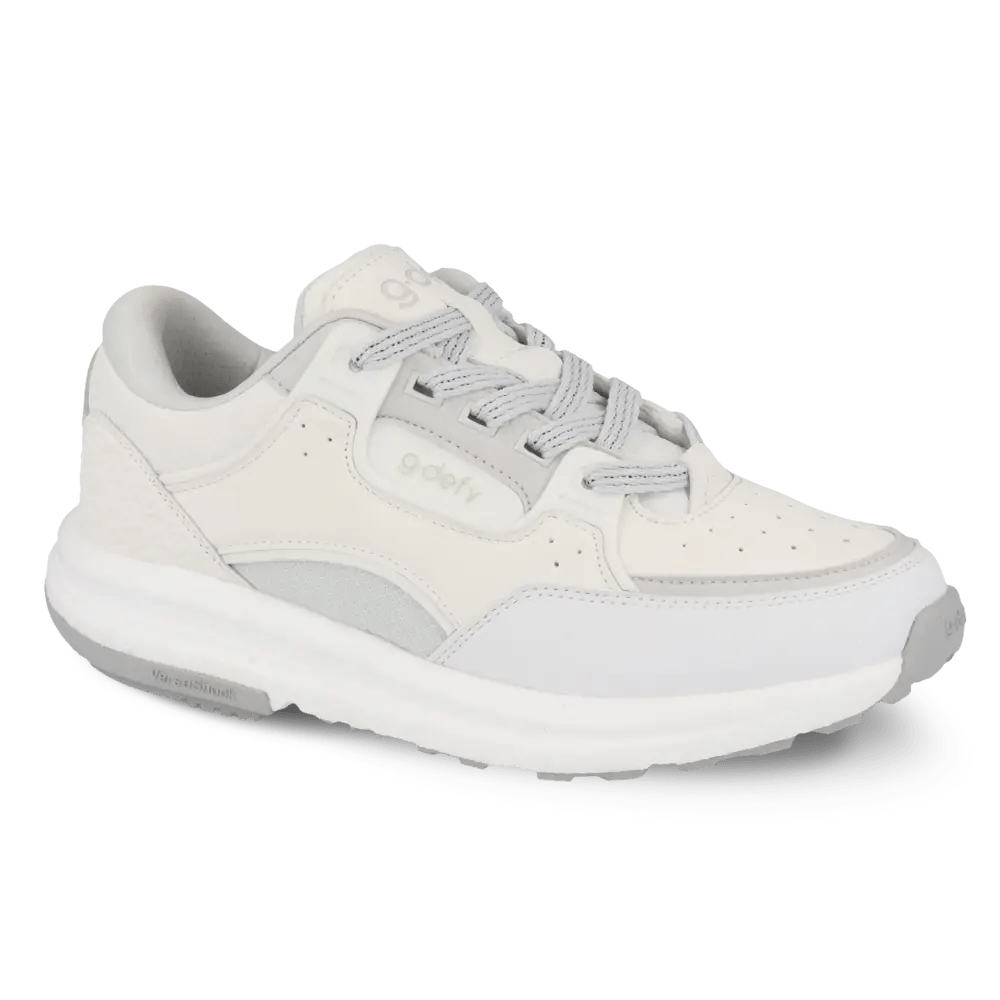
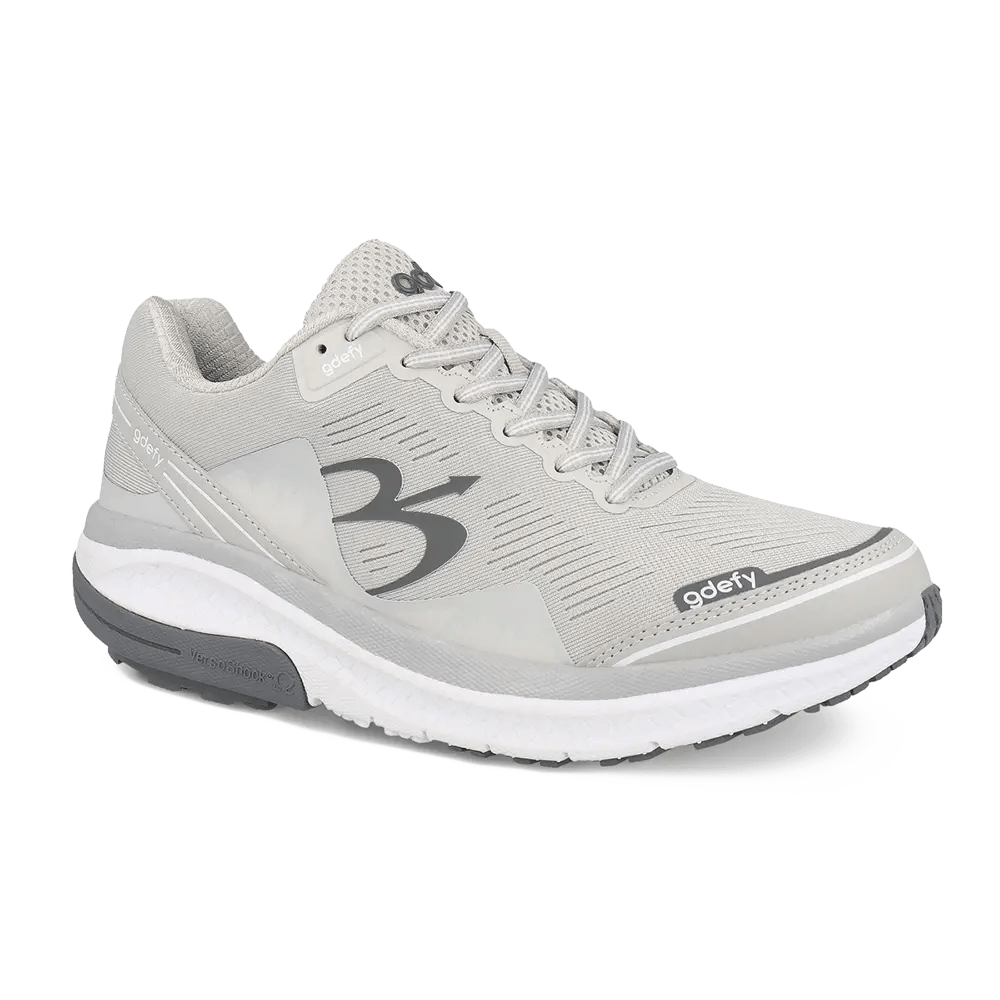
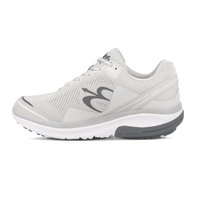
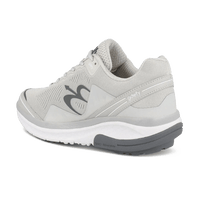
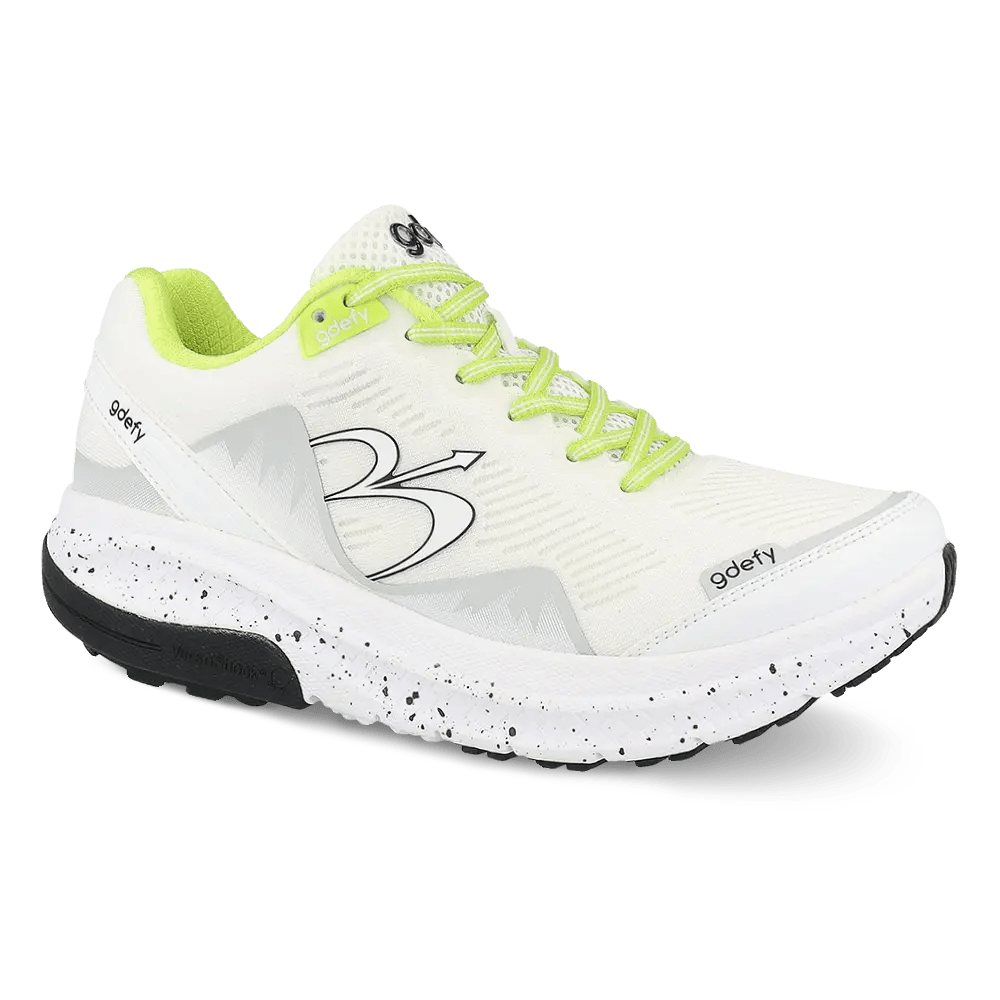
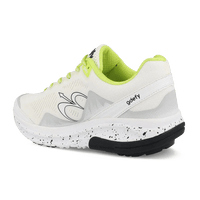
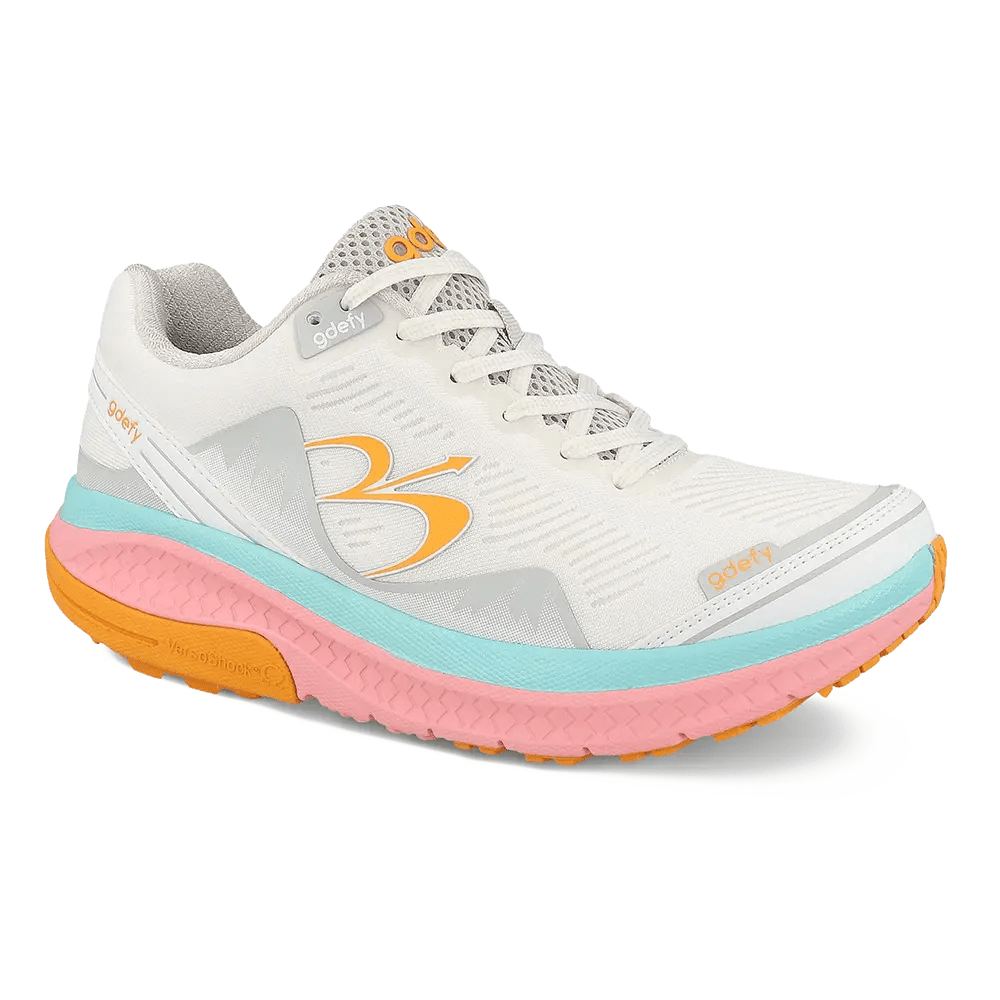
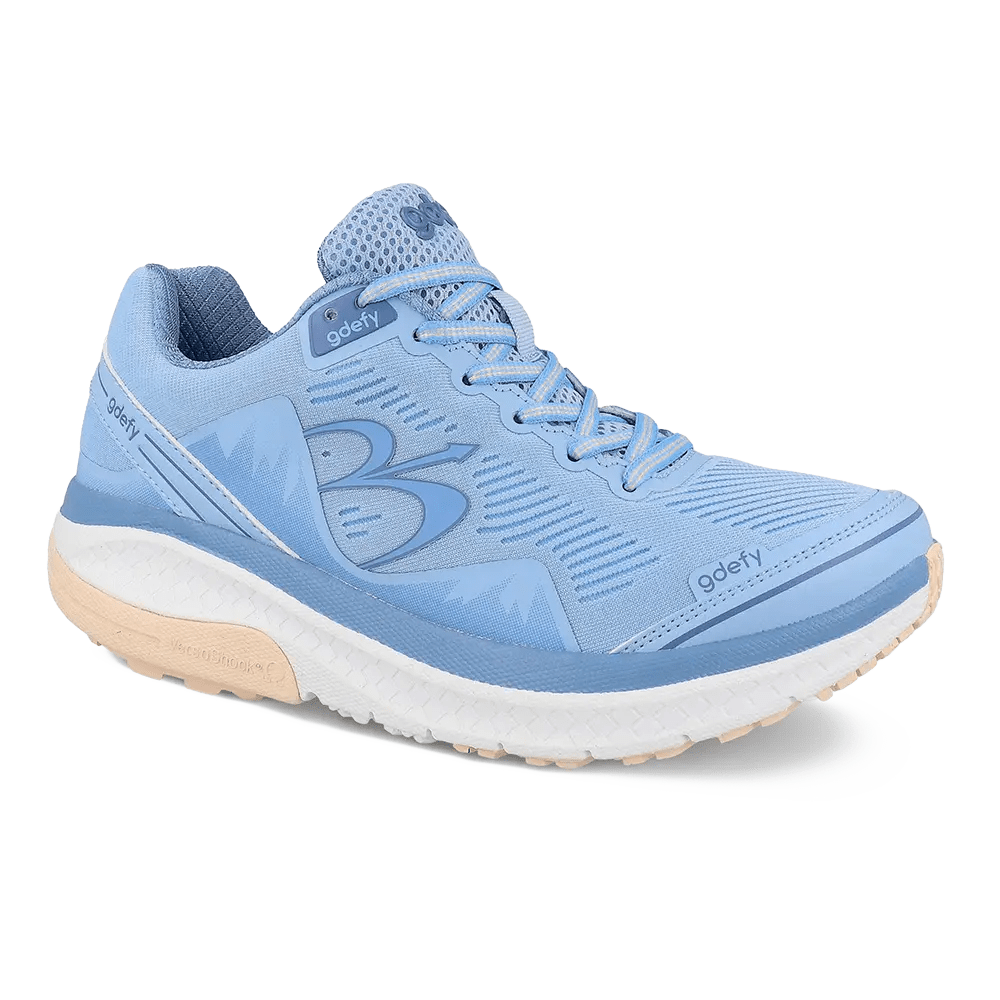
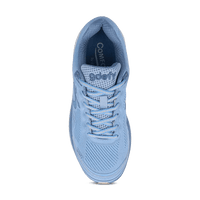
G-Defy shoes are built around a different idea — not just cushioning, but how your body moves through each step. They use VersoShock® technology, a spring-based system designed to absorb impact softly at heel-strike, return energy with each step, and support a smoother walking motion.
The system rests on four engineering pillars that work together:
- Shock absorption. A synthetic spring under the heel compresses to soften the impact when your heel lands, instead of relying on foam alone.
- Energy return. The spring rebounds, returning a portion of that absorbed force into the next step — so your legs do less of the work over a long day.
- Stabilizer system. A built-in shank running through the midfoot prevents excessive bending and helps the foot track straight, even with deeper cushioning underneath.
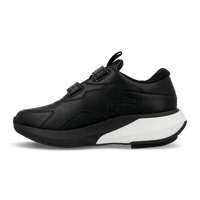
- Front rolling design. A gentle forward roll at the front of the shoe encourages a smooth heel-to-toe transition, so the heel doesn't carry weight for any longer than it has to.

Every pair also includes two removable orthotics — the ComfortFit® for low-to-medium arches and the CorrectiveFit® for medium-to-high arches — so you can match the support level to your own foot. G-Defy shoes help reduce pain from walking, running, and prolonged standing.
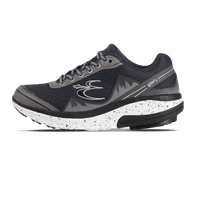
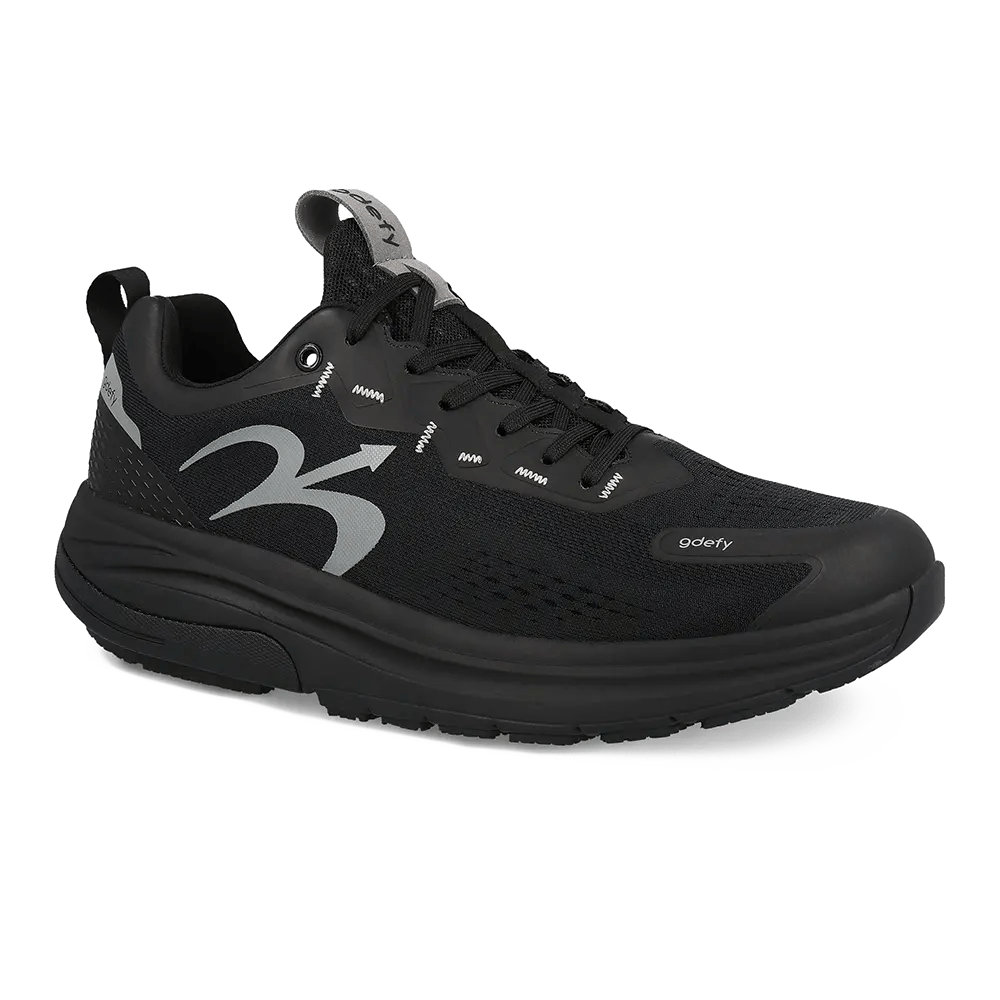
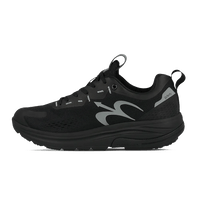
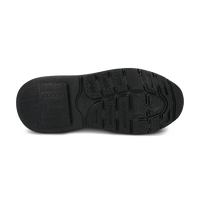
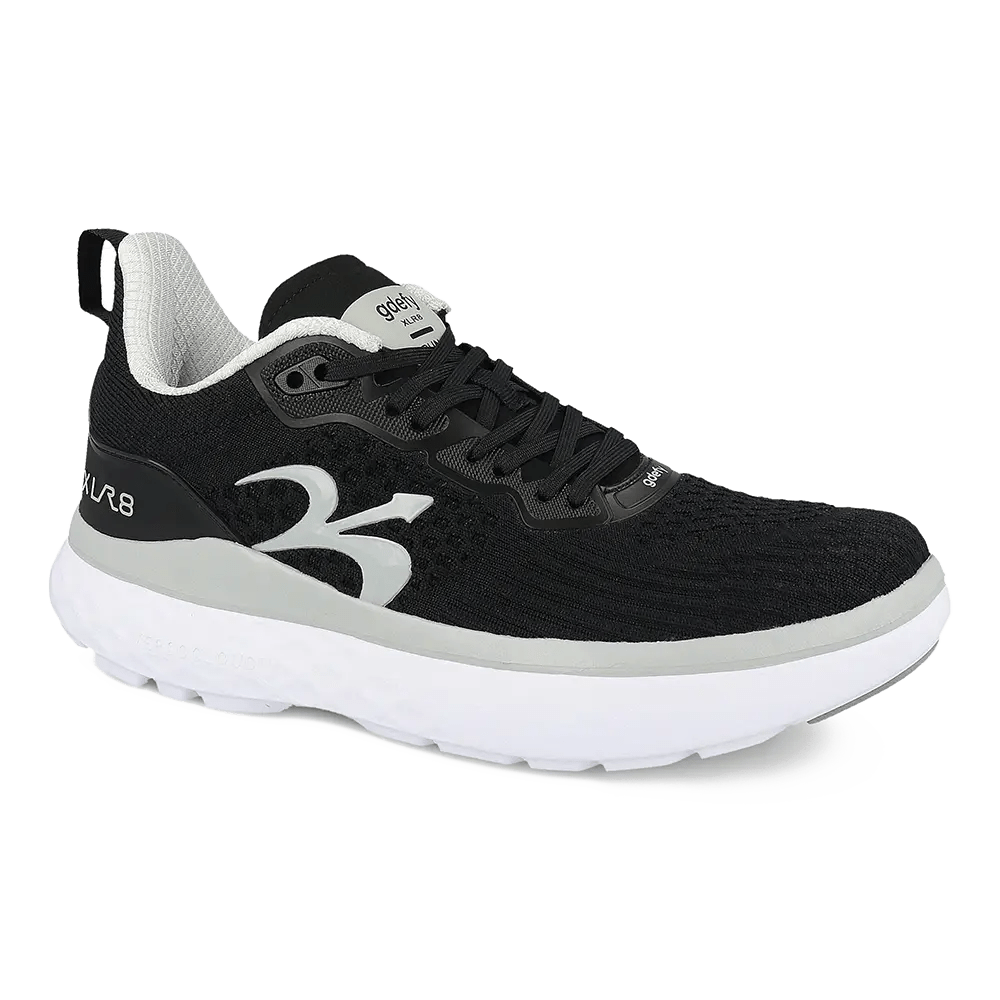
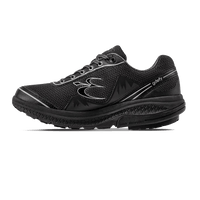
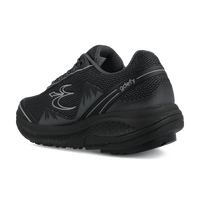
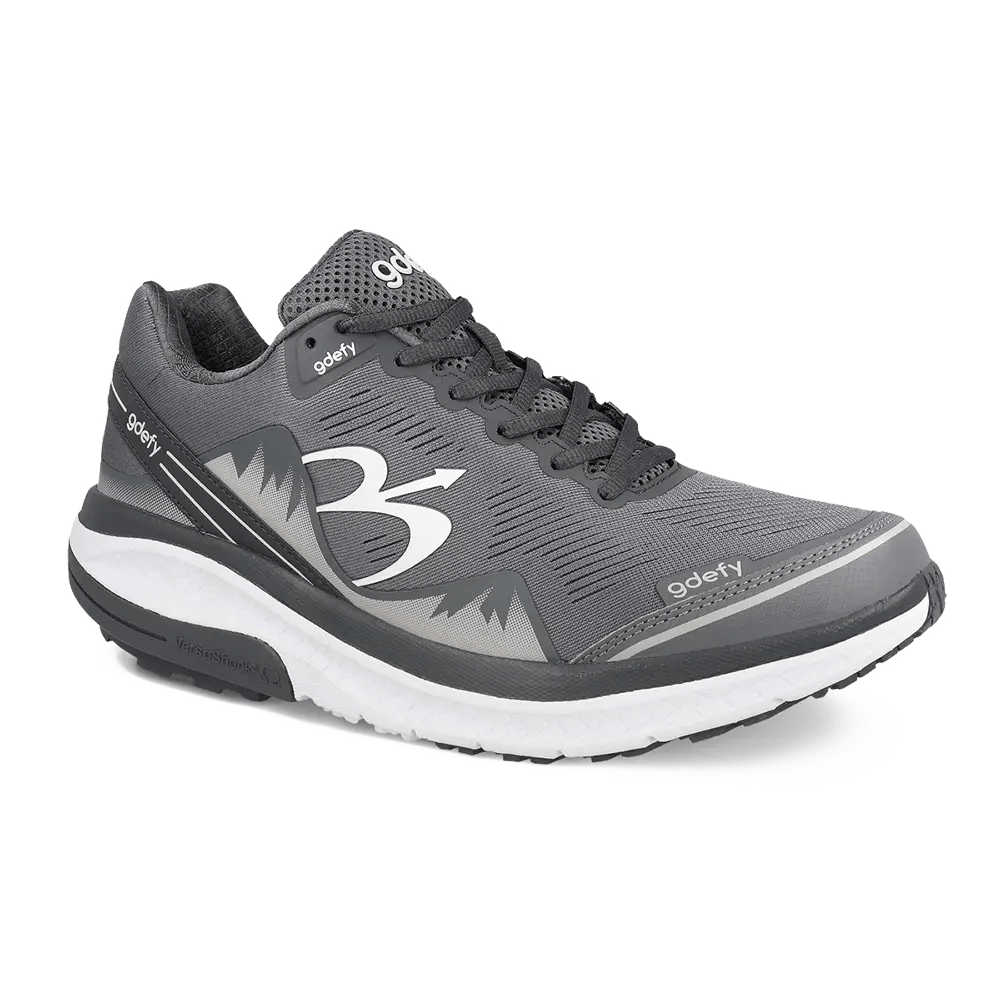
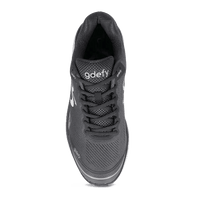
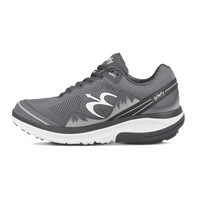
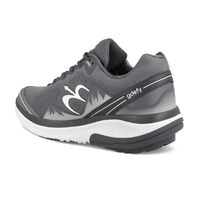
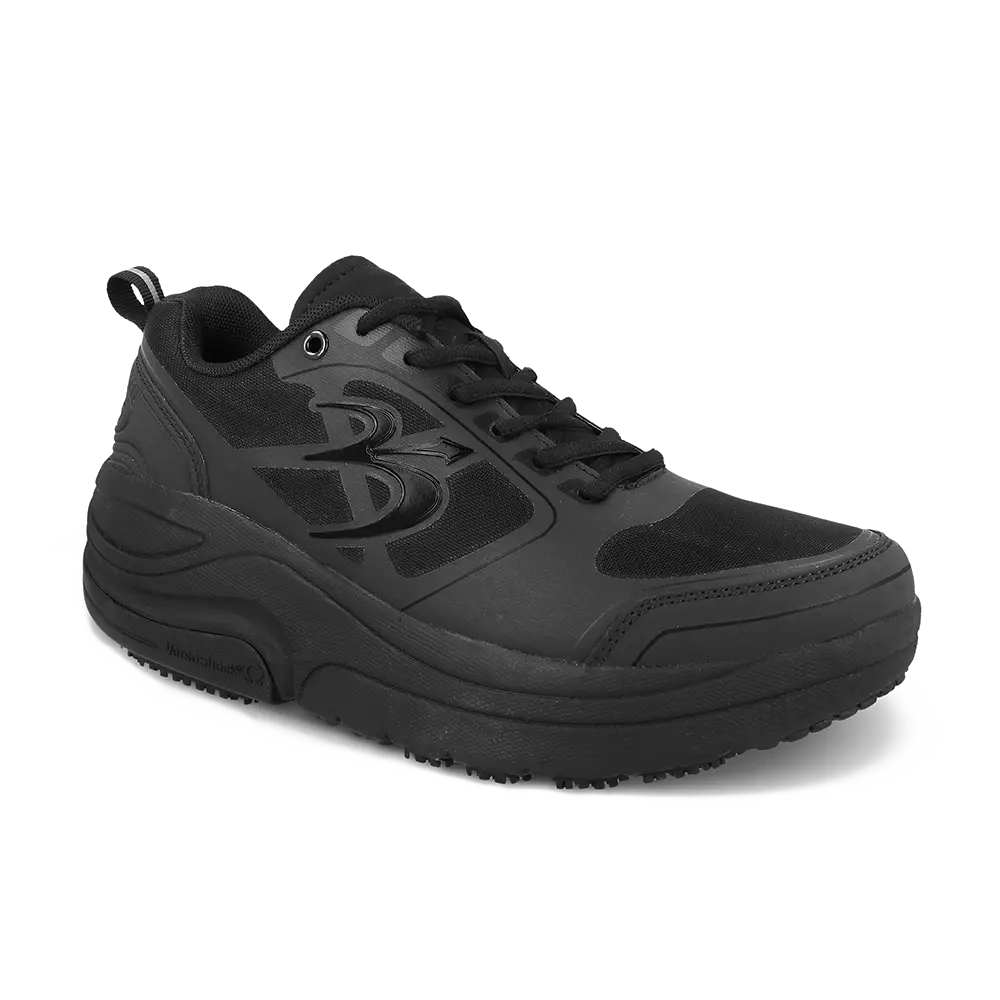
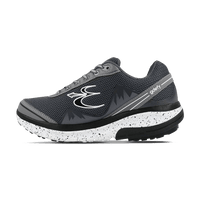
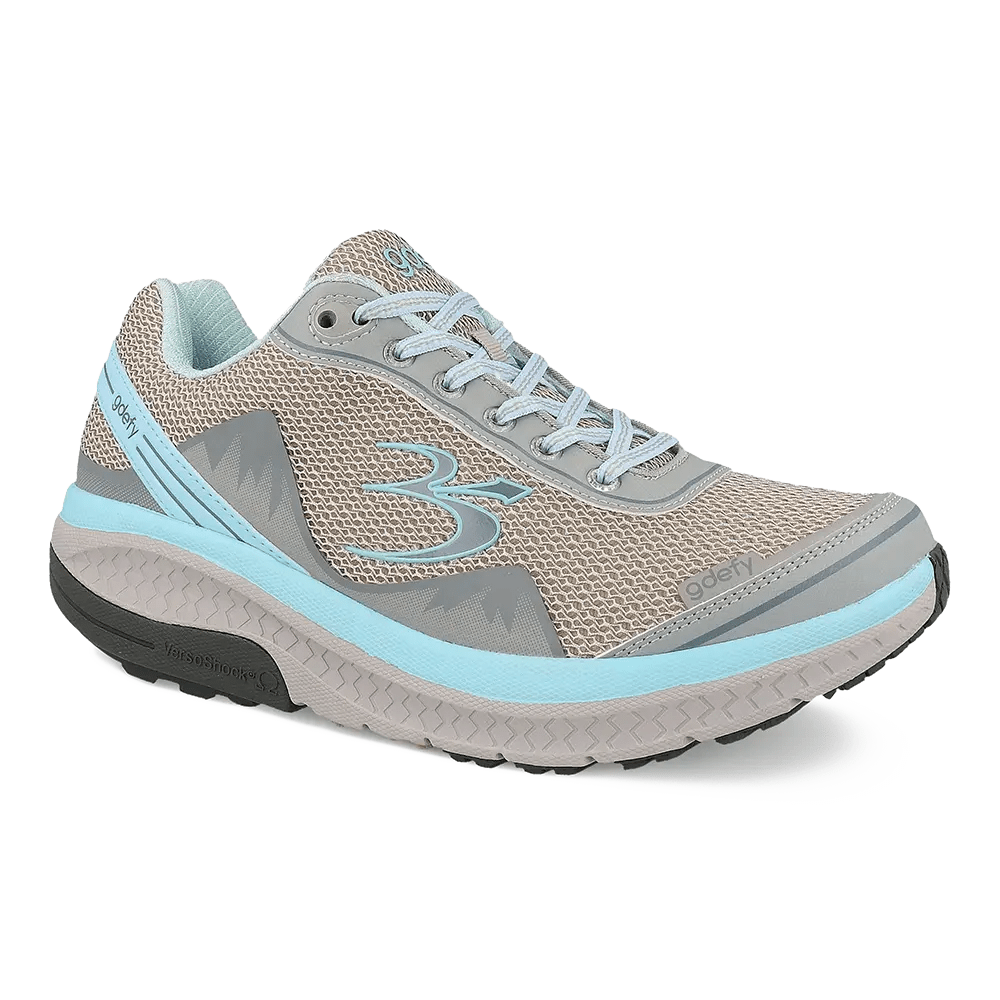
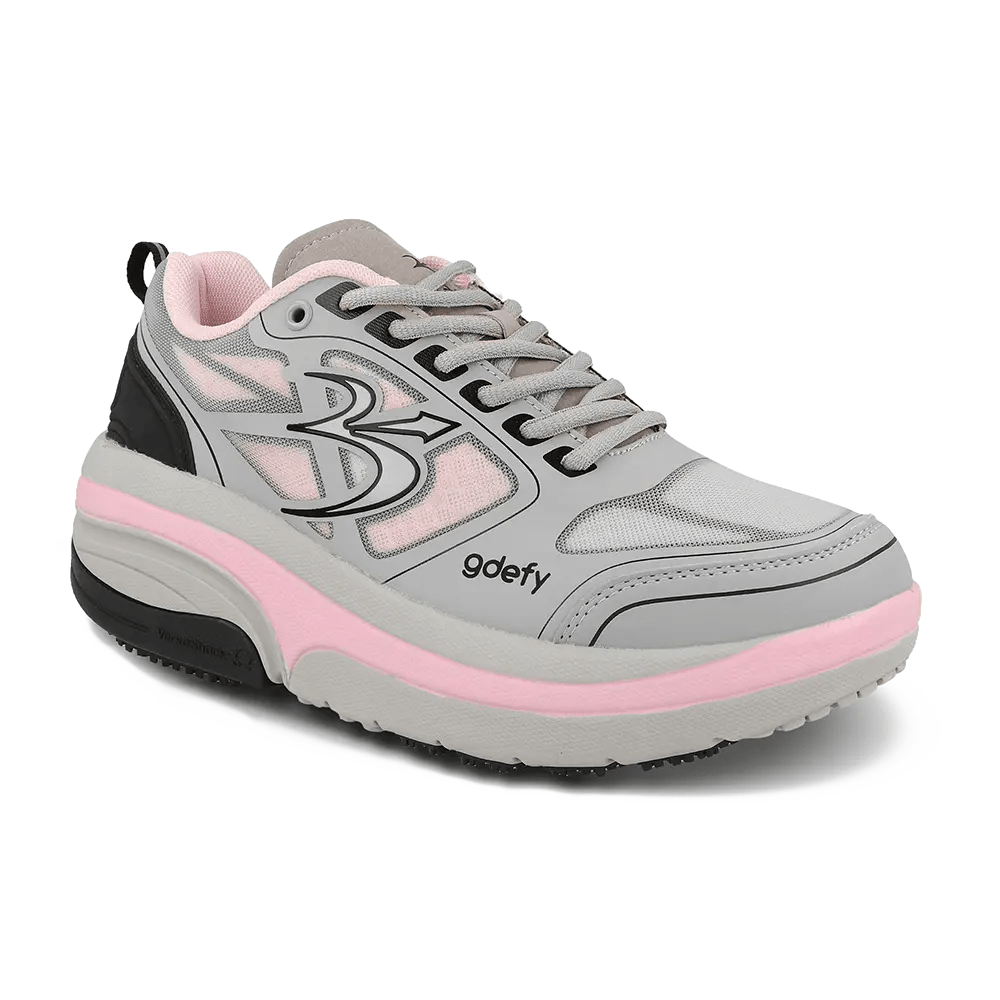
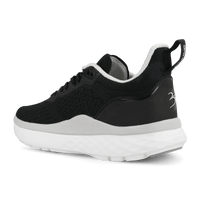
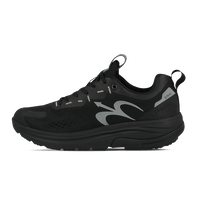
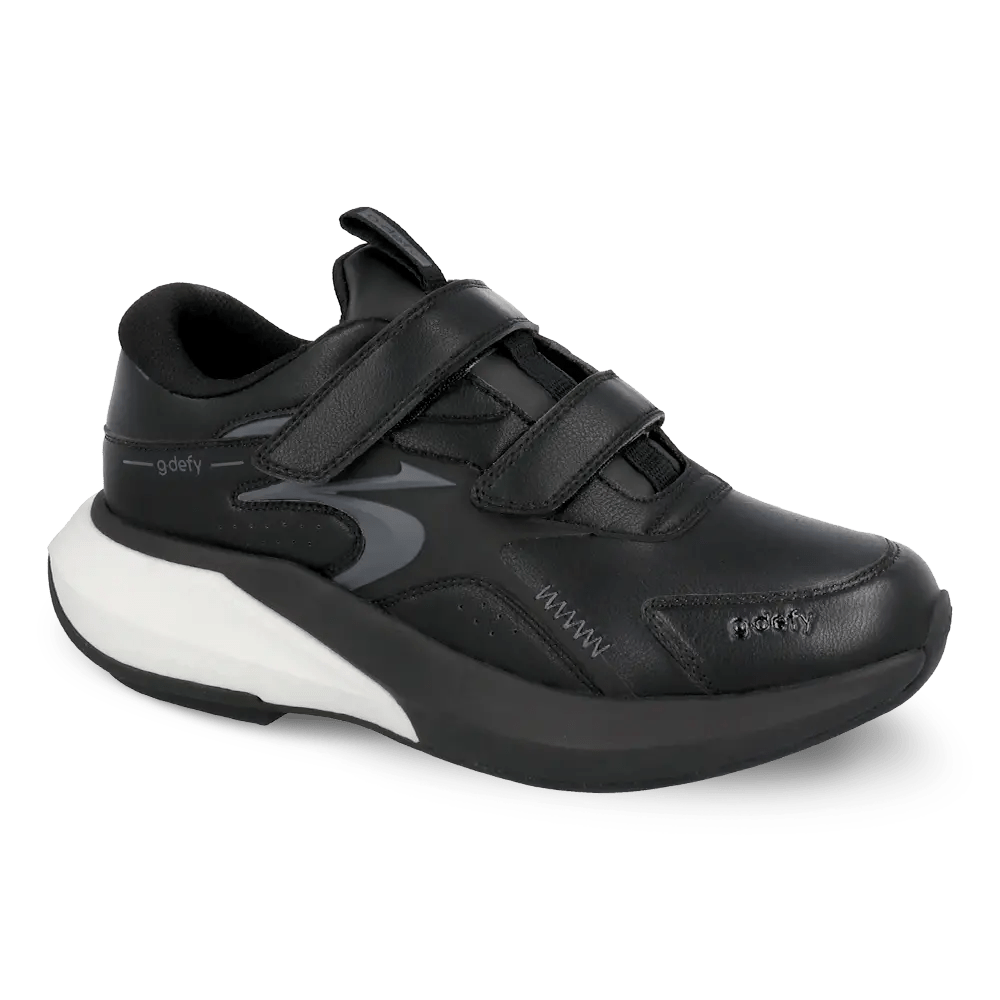
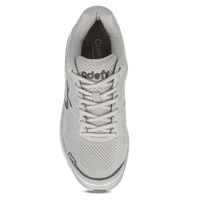
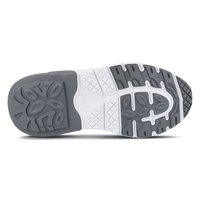
For most everyday walking, the Mighty Walk is the line we point people to first — it has the deepest VersoShock® heel cushion and the most generous everyday geometry. If you want something lighter for warm weather or shorter walks, the G-Defy Ion uses the same underlying technology in a lighter package. The full men's collection and women's collection include both, along with several other walking and running styles. You can read more about how the technology works on the VersoShock® technology page.
Try Mighty Walk Risk-Free for 60 Days
Free shipping. Full refund if they're not the most comfortable walking shoes you've owned.
Shop Mighty Walk
Daily Habits That Help Reduce Heel Impact
The shoe is the biggest single variable, but a few small habits compound over time.
- Rotate two pairs. Cushioning materials need 24 hours to fully decompress between wears. Alternating two pairs of walking shoes extends the life of each pair and keeps the cushioning more consistent day to day.
- Replace shoes before they look worn. Most walking shoes start losing meaningful cushioning after 400–500 miles, well before the upper looks tired. If you've been wearing the same pair for more than a year of daily walking, the cushioning is probably doing less than it did when new.
- Walk on softer surfaces when you can. If you have a choice between sidewalk and grass, grass and dirt trails do some of the absorbing for you.
- Don't store shoes near heat. Foam and adhesives break down faster in hot garages and car trunks than in a closet. Keep them at room temperature.
- Lace from the bottom up. A snug fit at the heel — without crushing the top of your foot — lets the cushioning do its job. A loose heel lets the foot slide, and the cushioning hits a different spot each step.
Frequently Asked Questions
Q: How much cushioning is too much?
It depends on the surface and the activity. For long walks on hard surfaces, more cushioning generally means more comfort. For shorter walks on softer ground, less cushioning can feel more responsive. The trade-off worth avoiding is cushioning that's so soft it sacrifices stability — that tends to feel comfortable for the first ten minutes and tiring after an hour.
Q: Can cushioning help with heel discomfort?
Supportive and cushioned footwear may improve overall comfort during walking and prolonged standing. The right cushioning reduces the peak force at heel-strike, which is often what people notice as heel soreness late in the day. Footwear isn't a medical solution, and if you're experiencing persistent heel pain, it's worth checking in with a healthcare provider about the cause.
Q: Is more cushioning always better than firmer cushioning?
Not always. Cushioning that's deep but unstable can let the foot wobble on landing, which can feel uncomfortable in a different way. The combination that tends to work best for all-day walking is a deep, responsive cushion paired with a firm stabilizer underneath — soft where you need impact absorption, stable where you need control.
Q: How long does cushioning last in a walking shoe?
Foam-based cushioning typically loses a noticeable amount of its original bounce after 400–500 miles, even though the shoe may still look fine. Spring-based systems tend to hold their cushioning more consistently across the life of the shoe, since springs don't deform permanently the way foam does.
Q: I walk a lot on concrete. Does that change what I should look for?
Yes. Concrete absorbs none of the impact, so the shoe has to do all of it. Look for deeper heel cushioning, responsive (not just soft) materials, and a stabilizer to keep your foot tracking straight on a hard surface. G-Defy shoes are designed to absorb impact with each step and help reduce pain from walking, running, and prolonged standing — which is why people who spend long hours on hard floors tend to be the audience the shoes are built for.
The Takeaway
Heel-strike is where every walking step begins, and the cushioning underneath your heel decides how much of that impact your body has to absorb. Foam softens the landing but loses energy as heat — and breaks down over time. Spring-based cushioning softens the landing and returns energy into the next step, with less wear over the life of the shoe.
If your shoes feel firmer than they used to, or if a long day on hard floors leaves your heels and lower back feeling tired, the cushioning under your heel is probably doing less than you'd want. While footwear is not a medical solution, choosing shoes designed for comfort, support, and shock absorption can make a meaningful difference in how you feel by the end of the day.
Feel the Difference Risk-Free
60-day trial. Free shipping. Full refund if they're not the most comfortable walking shoes you've owned.
Shop Women's Shop Men'sResults vary by individual. G-Defy footwear is designed for comfort and support and is not a medical device. For persistent foot, heel, or back pain, consult your healthcare provider.



































.svg)



