April 13, 2026
Can Shoes Help With Knee Pain When Walking?
By Gdefy

Summary
If your knees ache after a walk around the neighborhood or a long day on your feet, you are not alone. Knee discomfort during walking is one of the most common complaints among adults over 40, and it can turn a simple errand into an exhausting ordeal. Many people assume that knee discomfort is just something they have to live with, but that is not always the case.
What you wear on your feet plays a bigger role in knee comfort than most people realize. Shoes that lack proper cushioning and support can increase the impact your knees absorb with every step, while well-designed footwear can help reduce that strain. In this guide, we will look at why knee discomfort happens during walking, what shoe features matter most, and how the right pair of shoes can help you walk with more comfort and confidence every day.
What Causes Knee Discomfort When Walking?
Walking is one of the most natural movements your body performs, but each step sends force through your feet, ankles, and up into your knees. Over time, that repetitive impact can lead to discomfort, especially if your footwear is not doing its job.
Several everyday factors contribute to knee discomfort during walking. Worn-out shoes lose their ability to absorb impact, which means your joints take on more of the force. Shoes with minimal arch support can cause your feet to roll inward or outward, shifting the alignment of your legs and increasing stress on your knees. Hard, flat soles offer little protection from the constant pounding of sidewalks, tile floors, and pavement.
Your feet are the foundation for your entire body. When your feet are not properly supported, your body compensates by adjusting how your ankles, knees, and hips move. This compensation can place extra strain on the knee joint over the course of a day, a week, or a lifetime of walking. Many people do not realize that the discomfort they feel in their knees may be connected to what they are wearing on their feet.
Age-related changes in cartilage and joint stiffness can make knees more sensitive to impact over time. Extra body weight adds even more load to the knee joint during each stride. And spending long hours standing or walking on hard surfaces—whether at work, while shopping, or during travel—compounds the issue throughout the day.
Footwear that is past its useful life is a particularly common contributor. The midsole of a walking shoe gradually loses its ability to absorb force after months of regular use. When that happens, more of the impact from each step travels directly into your knees. If you notice that your shoes feel flatter or less cushioned than when you first bought them, they may no longer be providing the support your knees need.
The good news is that many of these contributing factors are influenced by the shoes you choose. While footwear is not a medical solution, the right design can make a meaningful difference in how your knees feel during and after daily activity.
What to Look for in Shoes If You Experience Knee Discomfort
Not all shoes are created equal, especially when it comes to supporting your knees during walking. Here are the key features that matter most when shopping for your next pair.
Shock absorption is the most important factor. Every time your foot hits the ground, force travels up through your leg and into your knee. Shoes with effective shock absorption help cushion that impact before it reaches your joints, reducing the stress your knees experience with each step. Look for shoes that use responsive cushioning systems rather than basic foam, which tends to compress and lose effectiveness quickly.
Arch support helps keep your feet in a neutral position, which promotes better alignment through your ankles, knees, and hips. When your arch collapses or your foot rolls excessively—a common issue known as overpronation—your knee can twist slightly with each step. That small misalignment compounds over hundreds or thousands of steps in a day and can contribute to discomfort over time.
Stability features prevent your foot from shifting side to side during movement. A shoe with a built-in stabilizer helps control motion and encourages a more consistent, balanced stride. This is especially important for people who walk on uneven surfaces or who spend long periods on their feet.
A smooth heel-to-toe transition encourages efficient forward movement rather than jarring, abrupt steps. Shoes with a slight rocker or rolling design guide your foot smoothly through each stride, which can reduce the repetitive impact on your knees. This design also helps you maintain a natural walking rhythm without overstriding.
Proper fit matters more than many people think. Shoes that are too tight restrict natural foot movement, while shoes that are too loose allow your foot to slide and create instability. Both scenarios can increase stress on your knees. Look for shoes with a roomy toe box that still fits snugly around the heel and midfoot.
Removable insoles are a valuable bonus. Shoes that include removable orthotics allow you to choose the level of arch support that works best for your foot type. This kind of customization can make a noticeable difference in overall comfort and alignment.
How G-Defy Shoes Support Knee Comfort
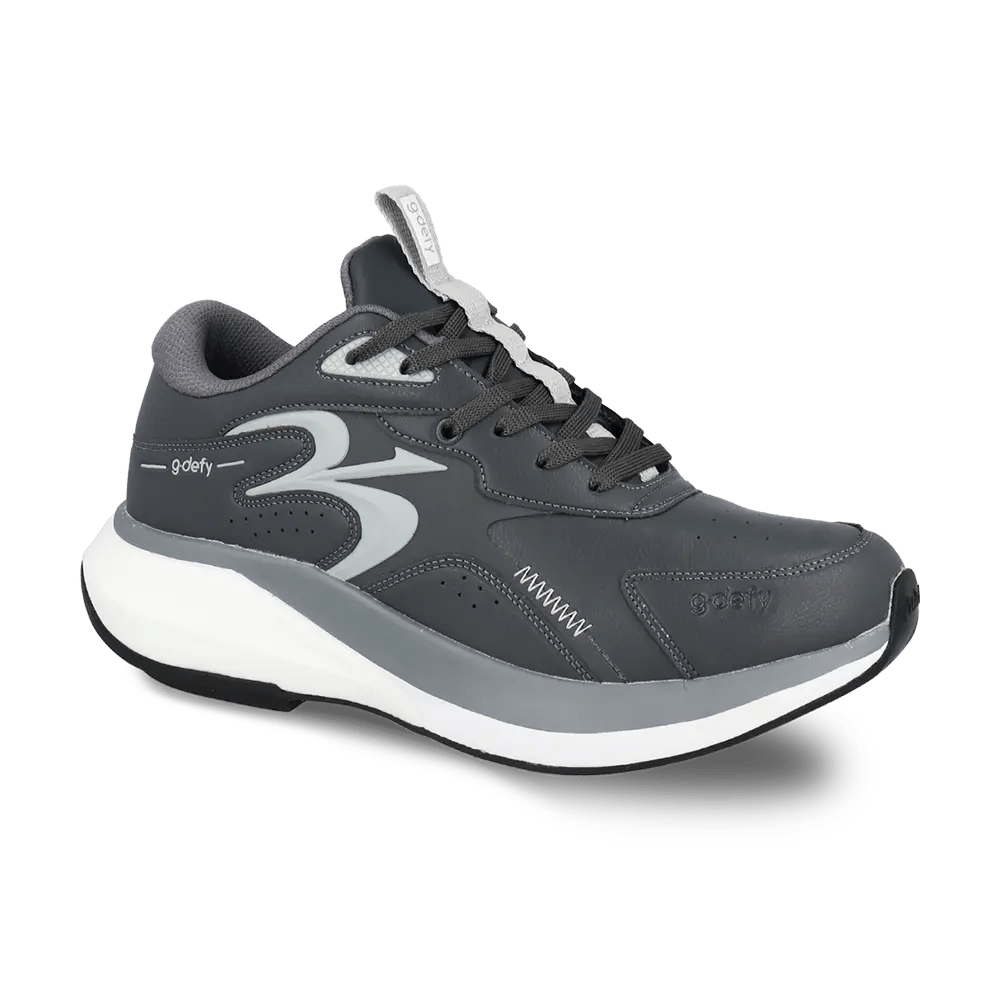
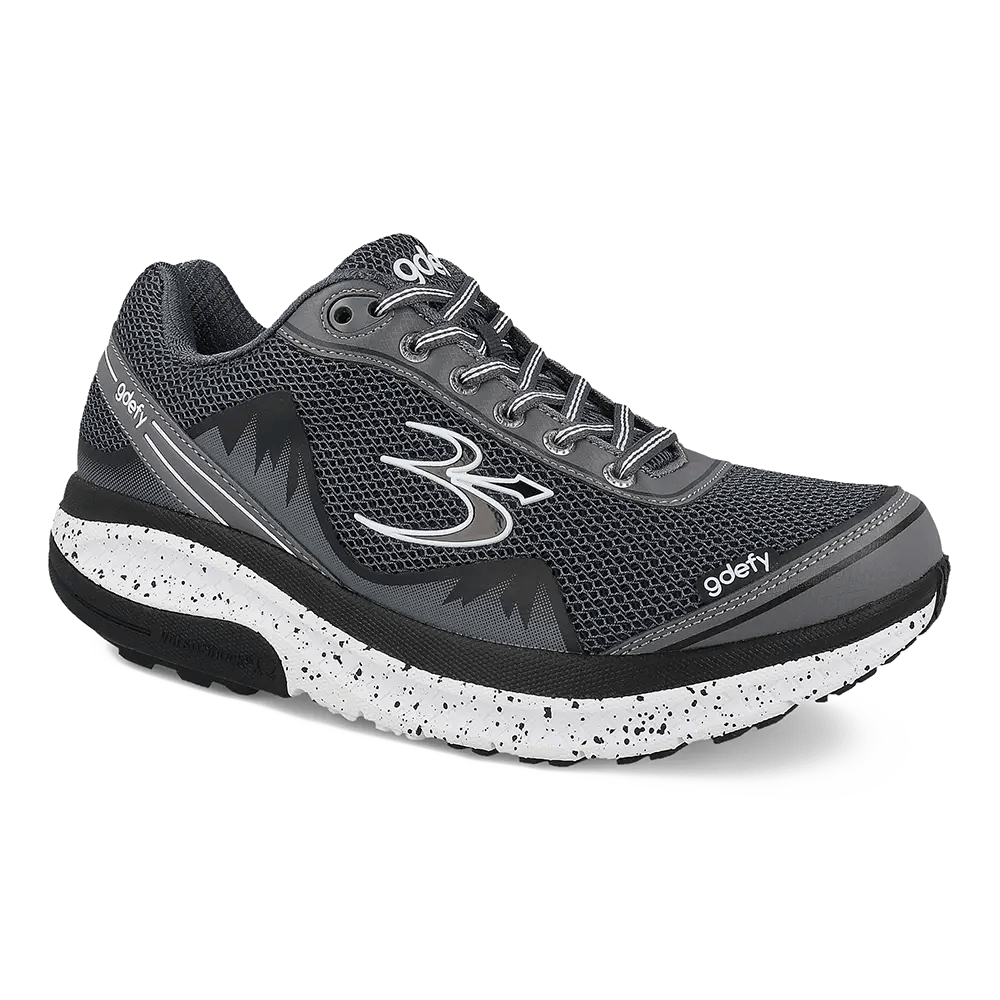
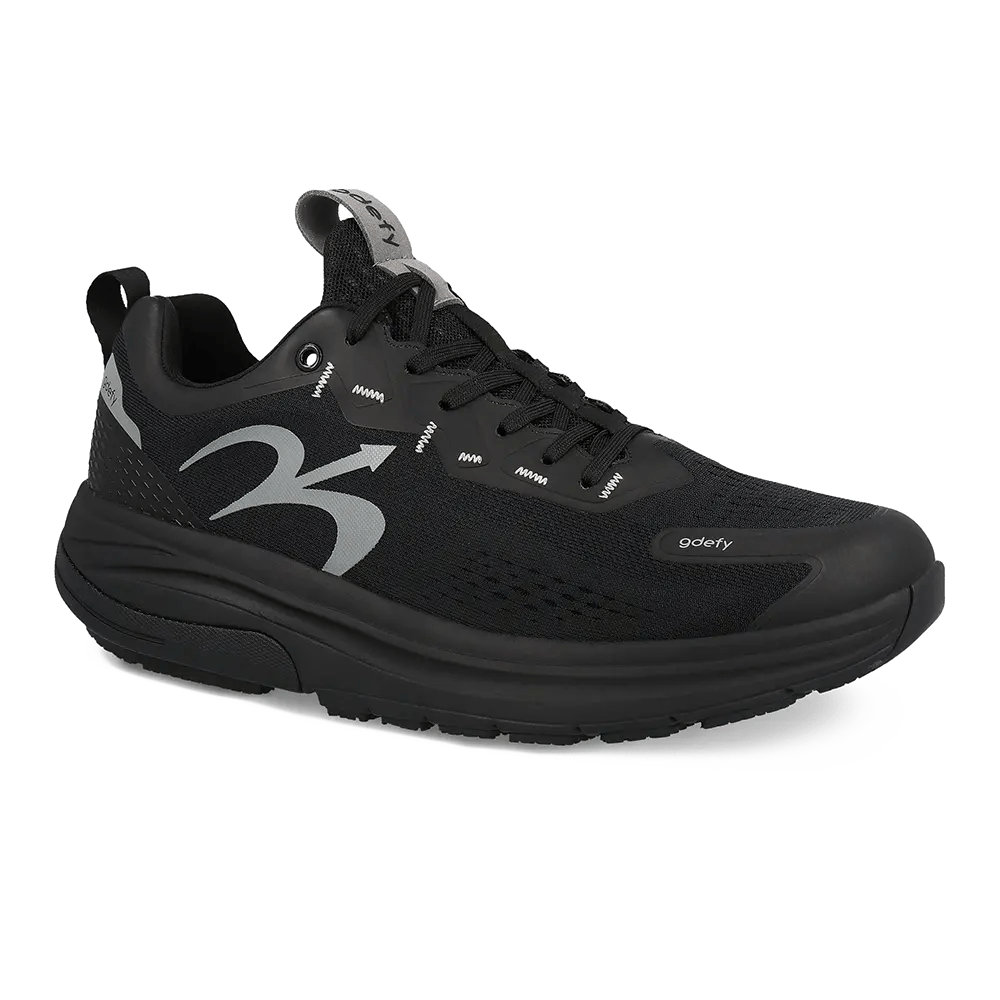
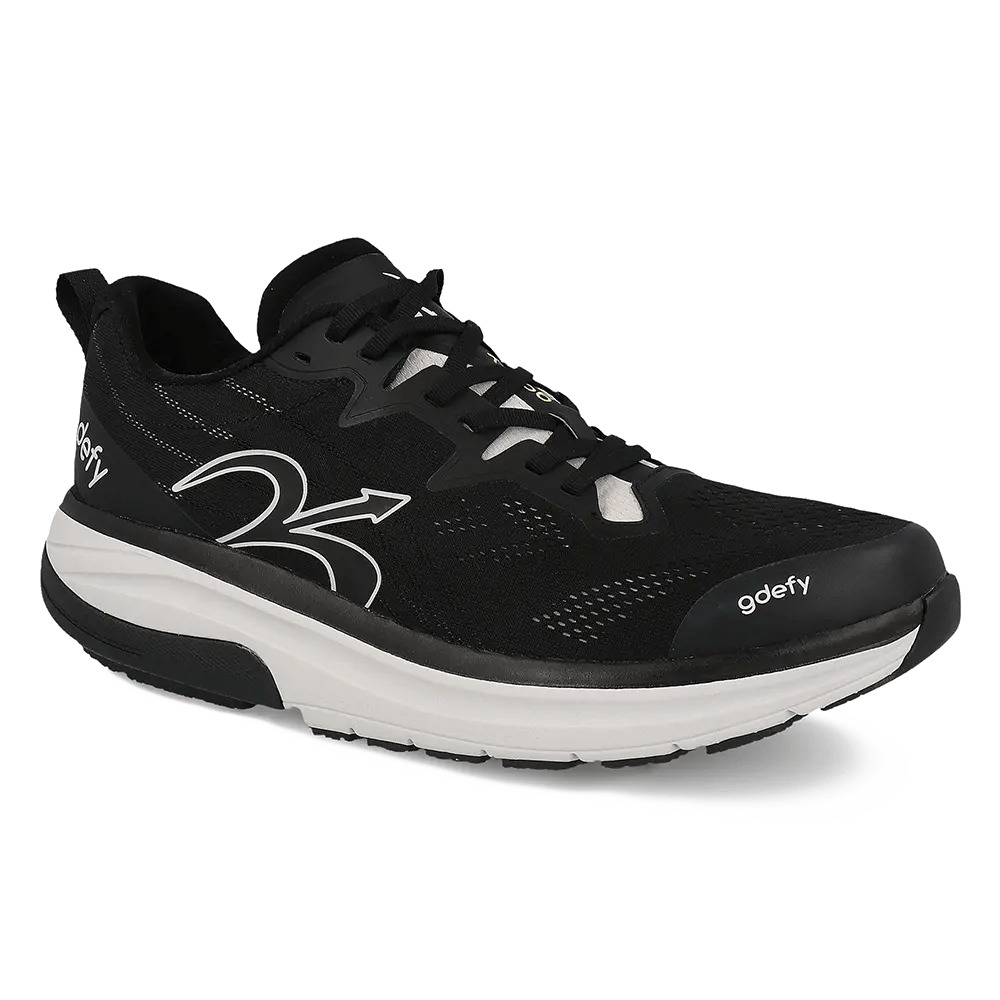
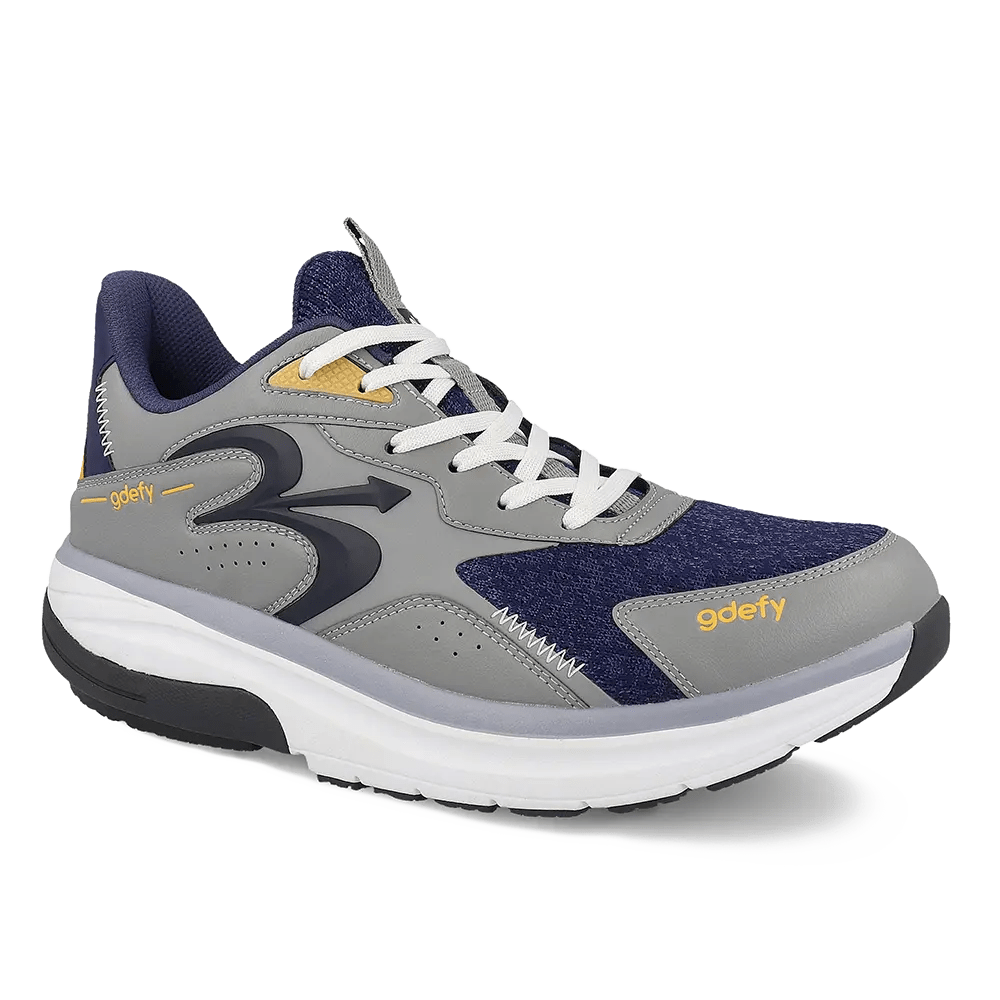
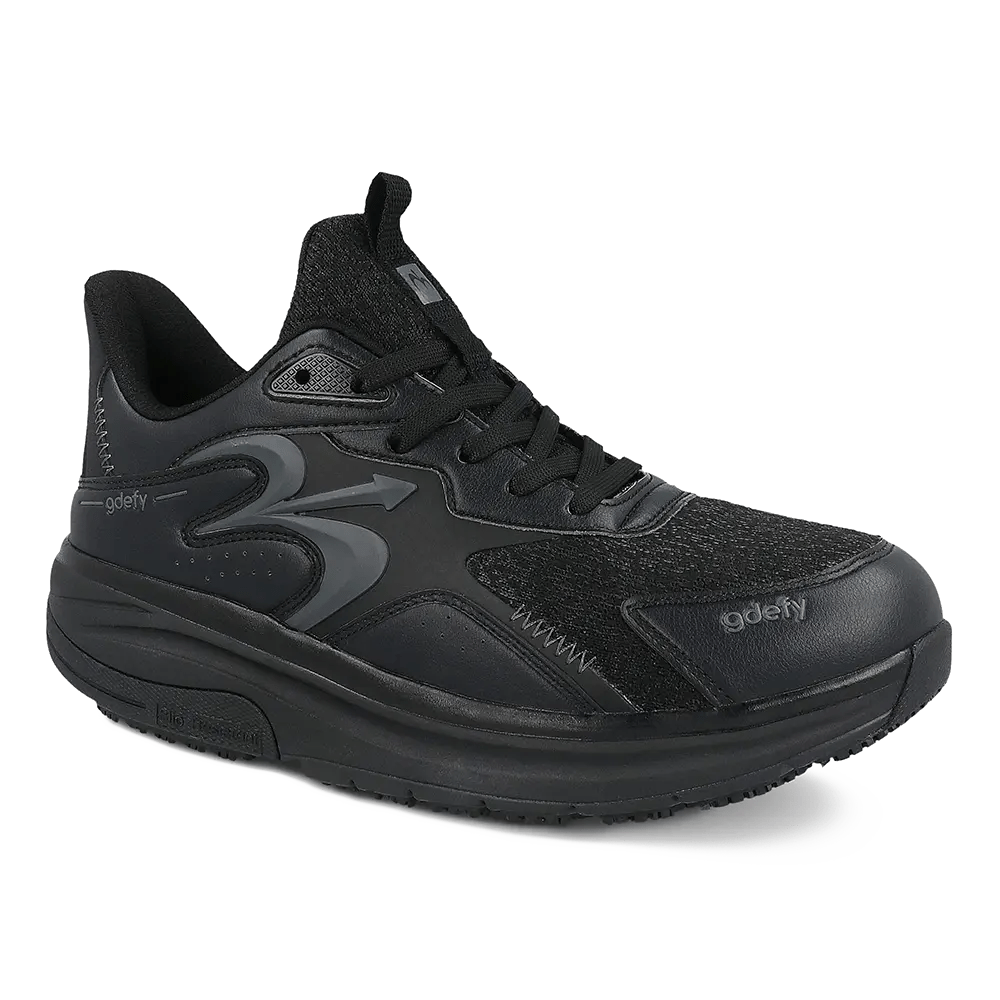
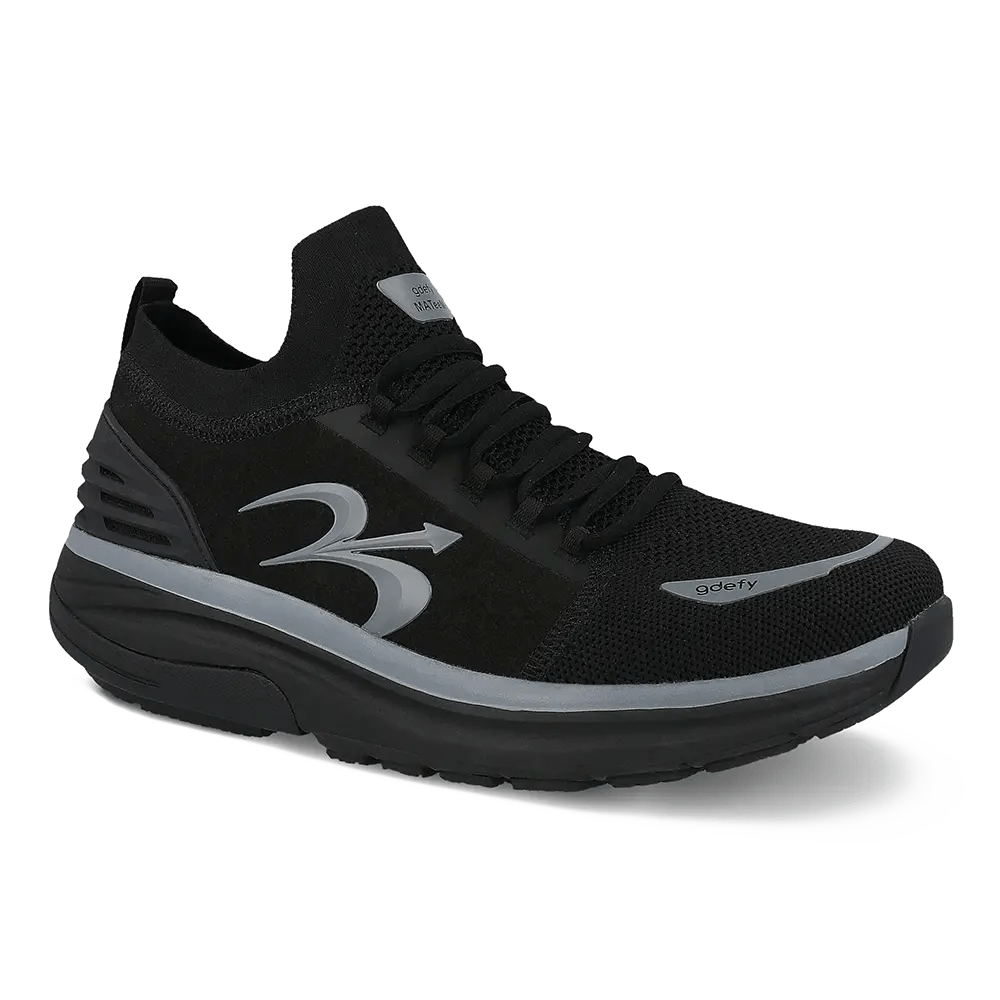
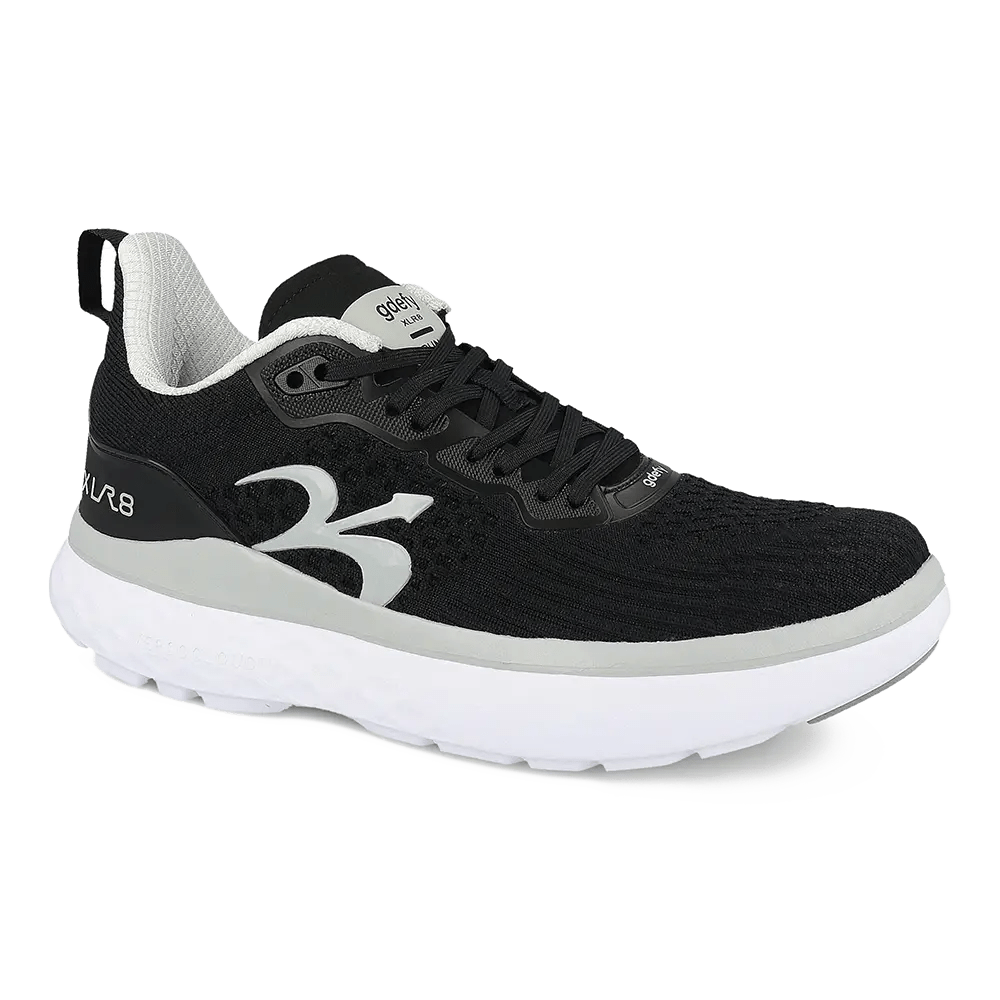
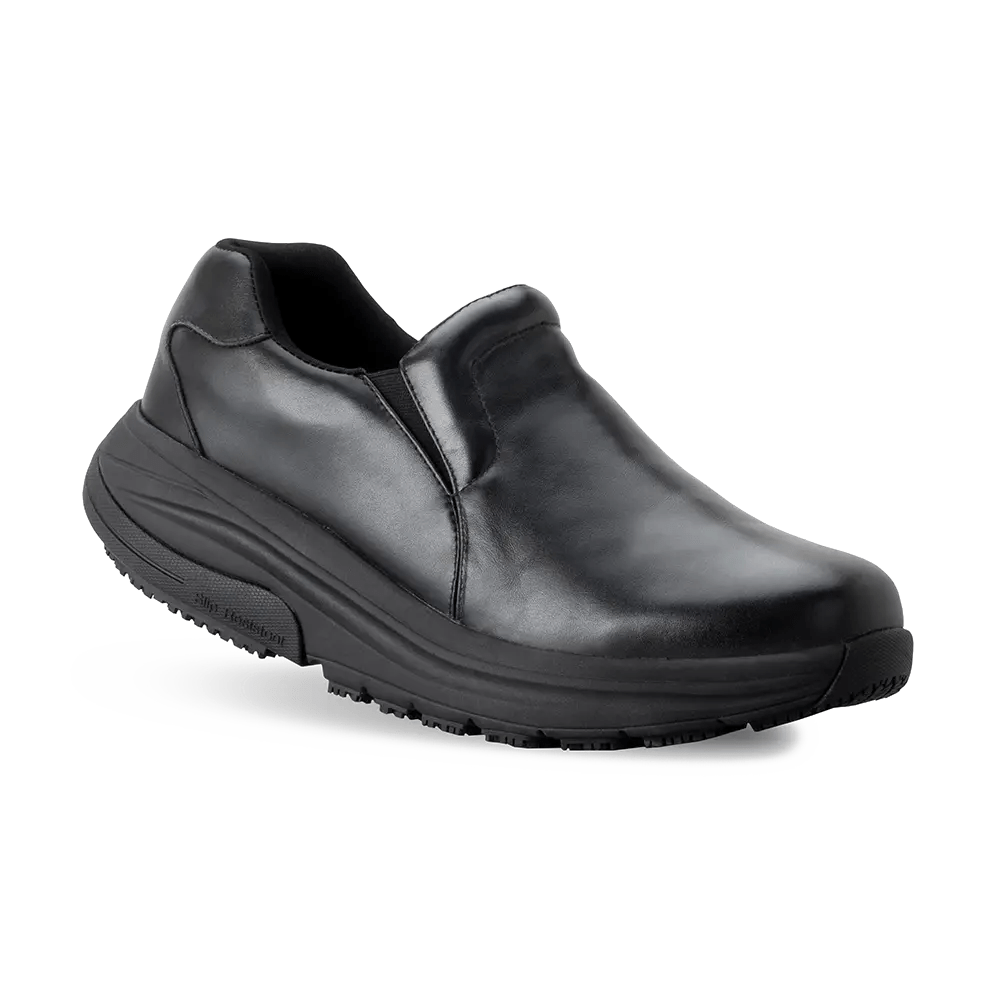
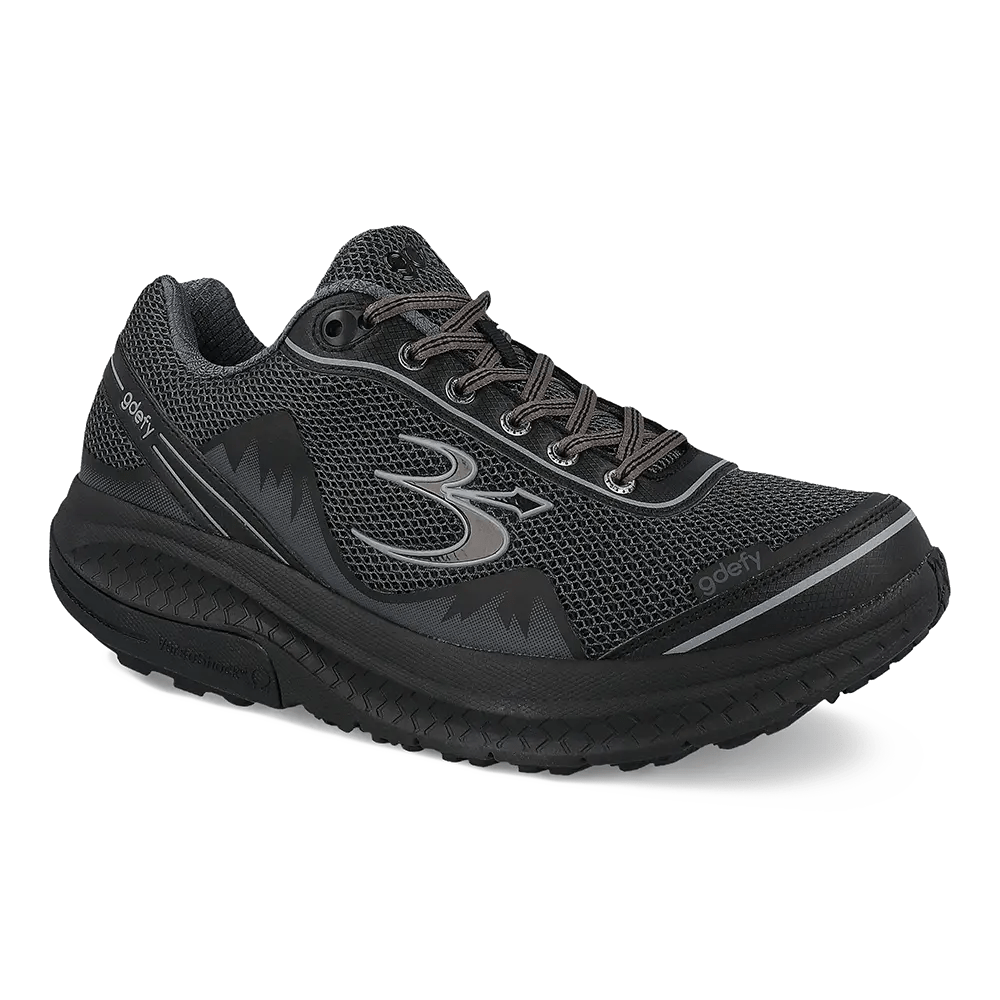
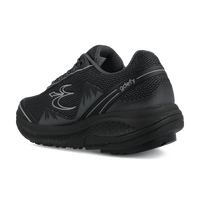
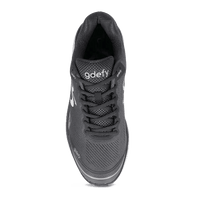
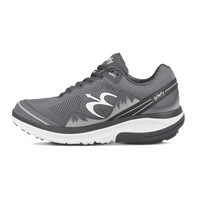
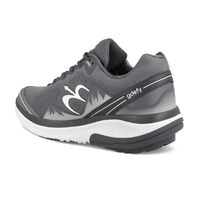
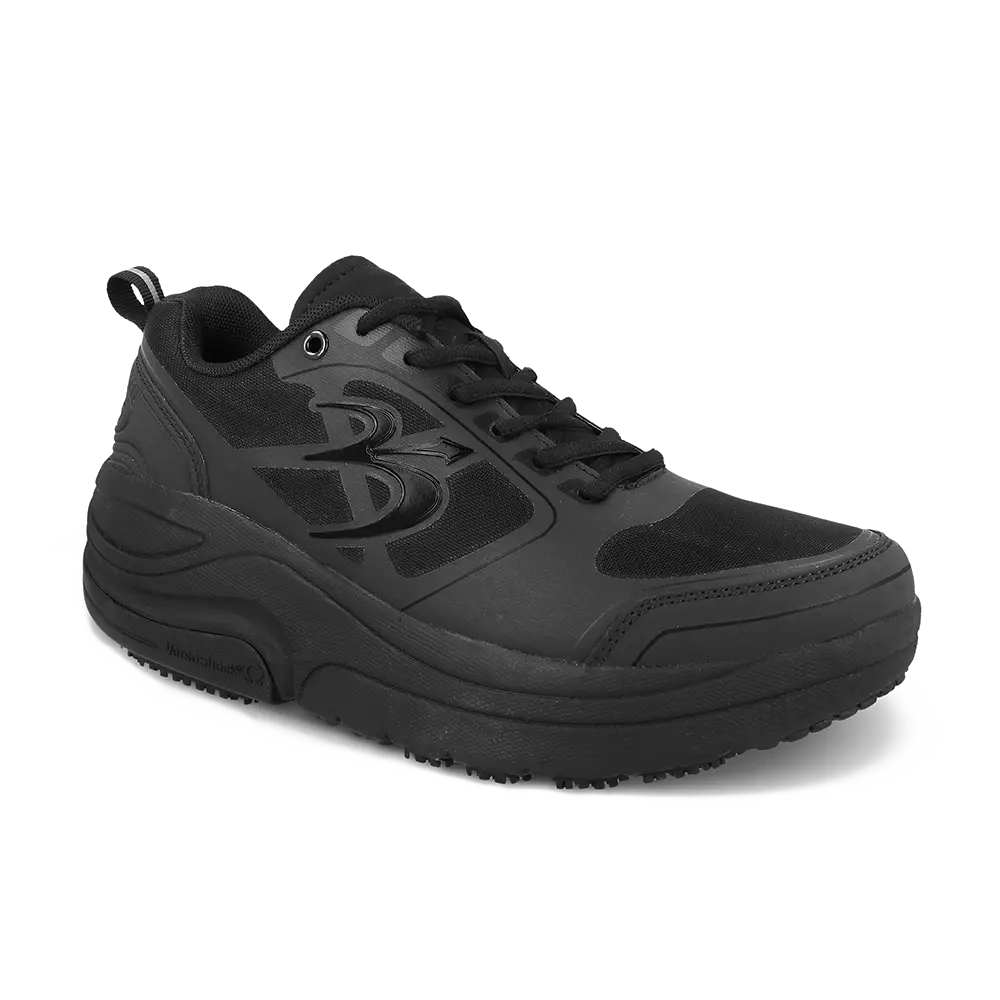
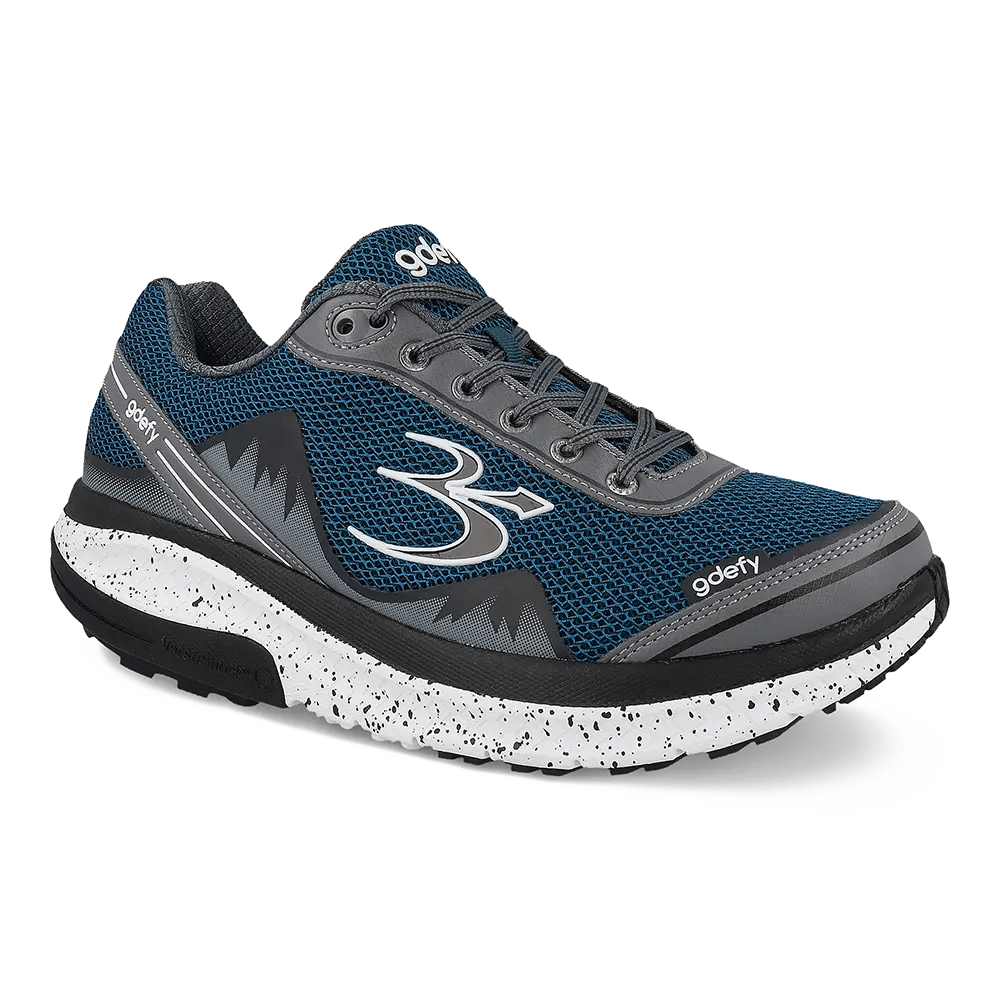
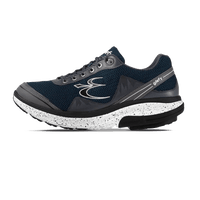
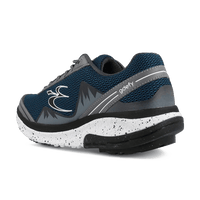
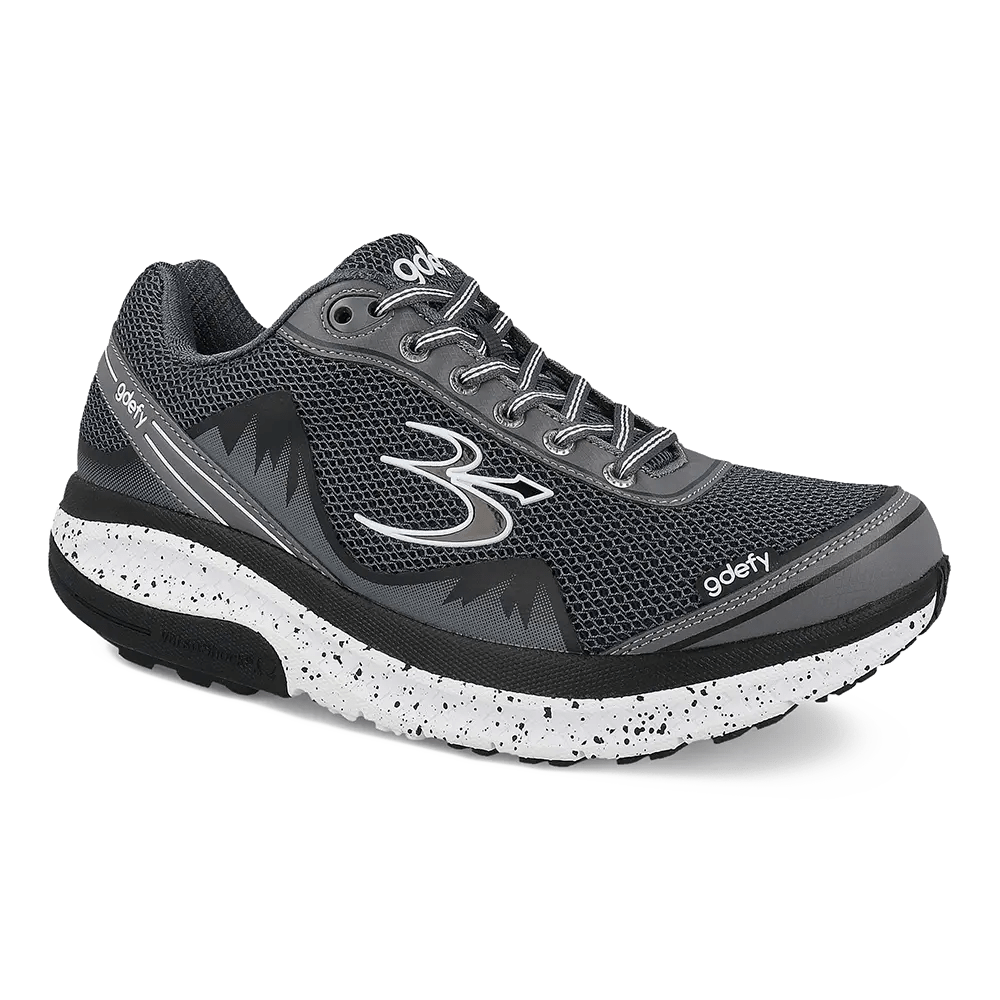
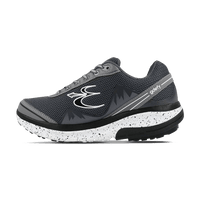
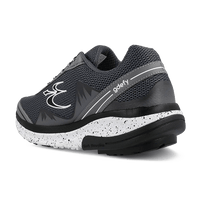
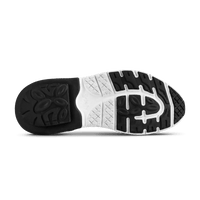
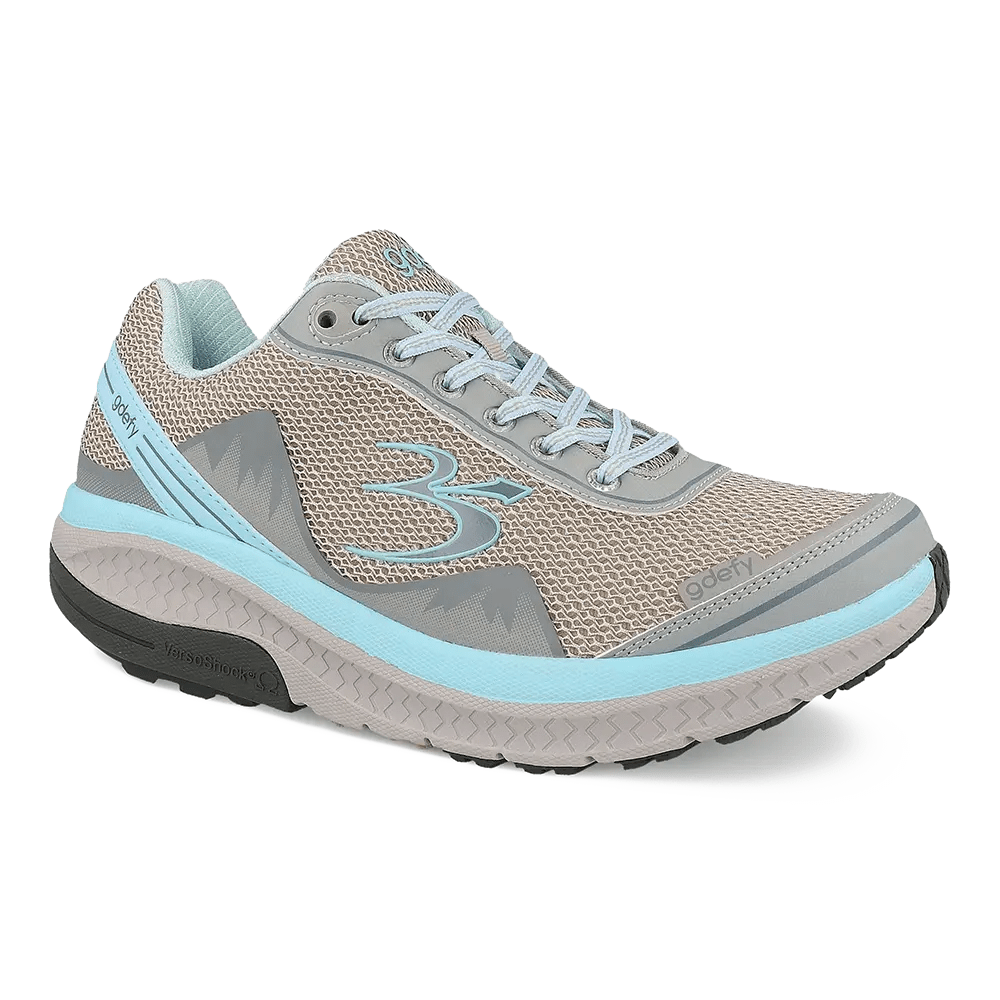
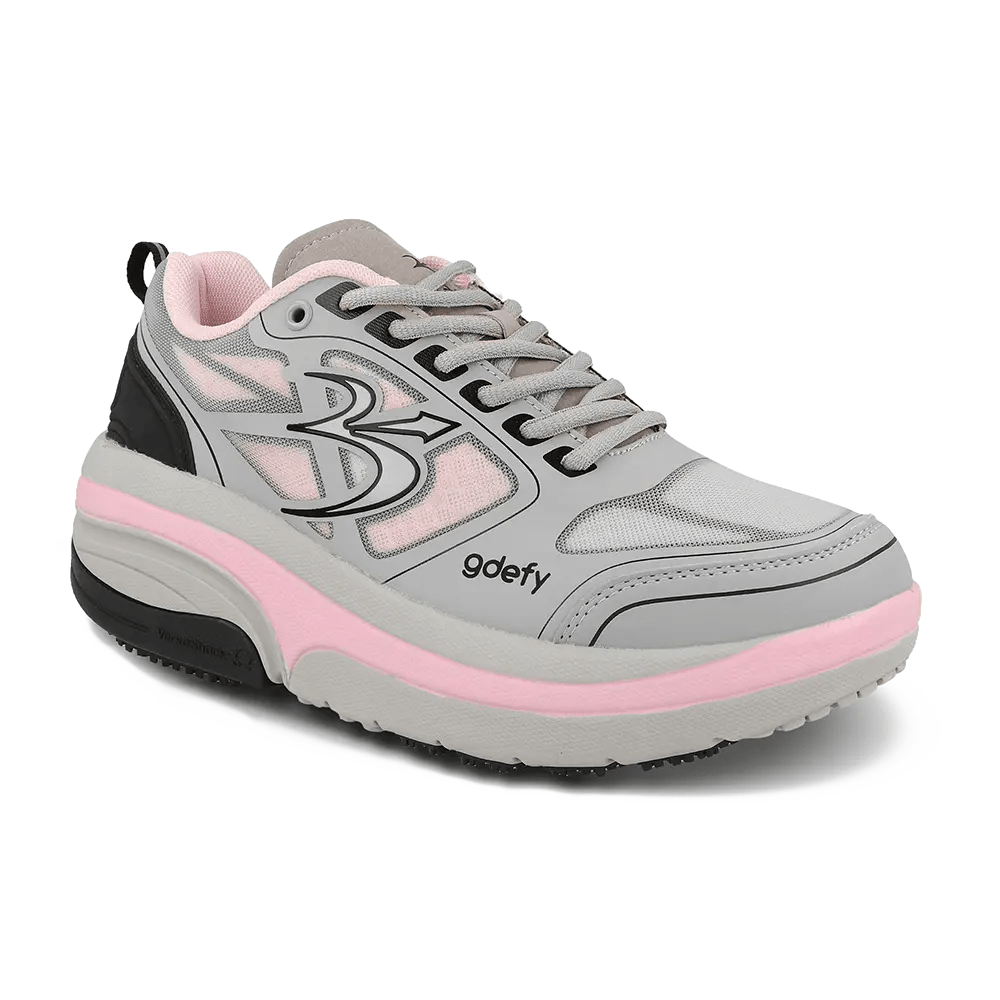
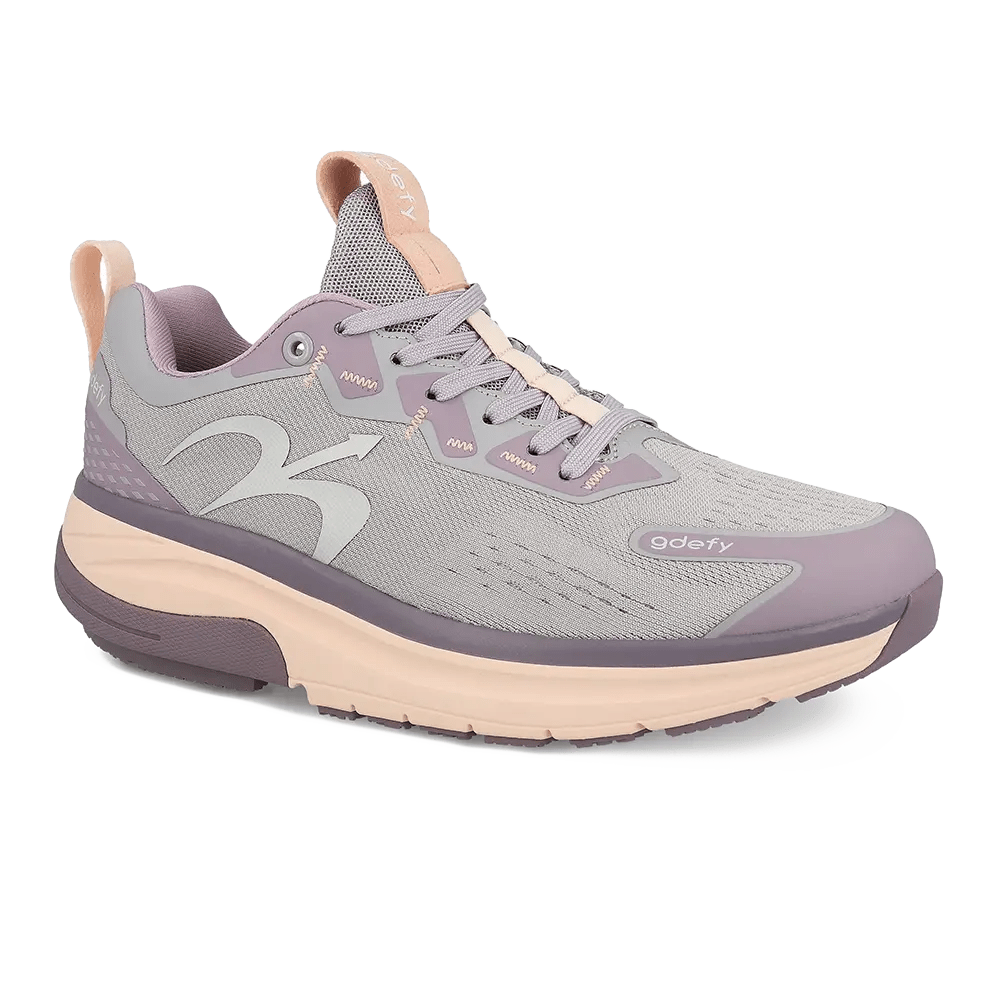
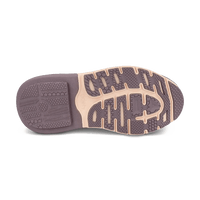
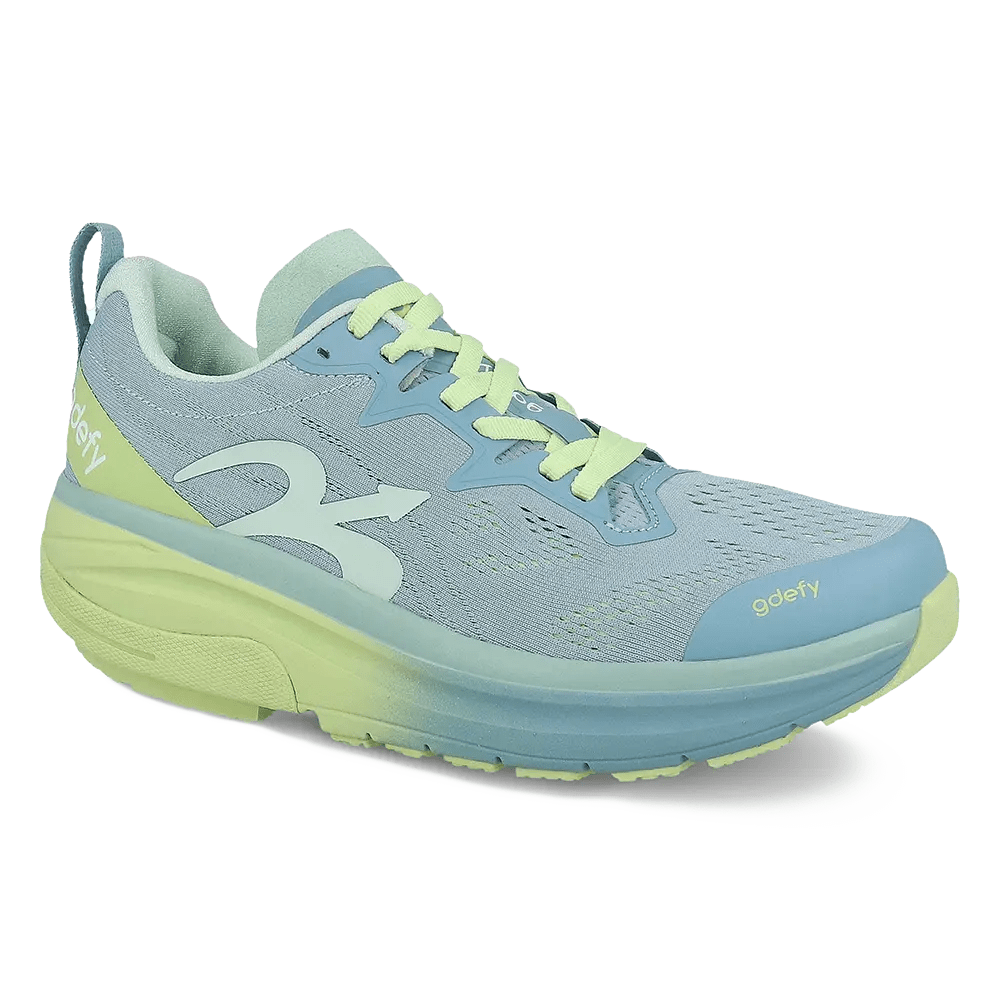
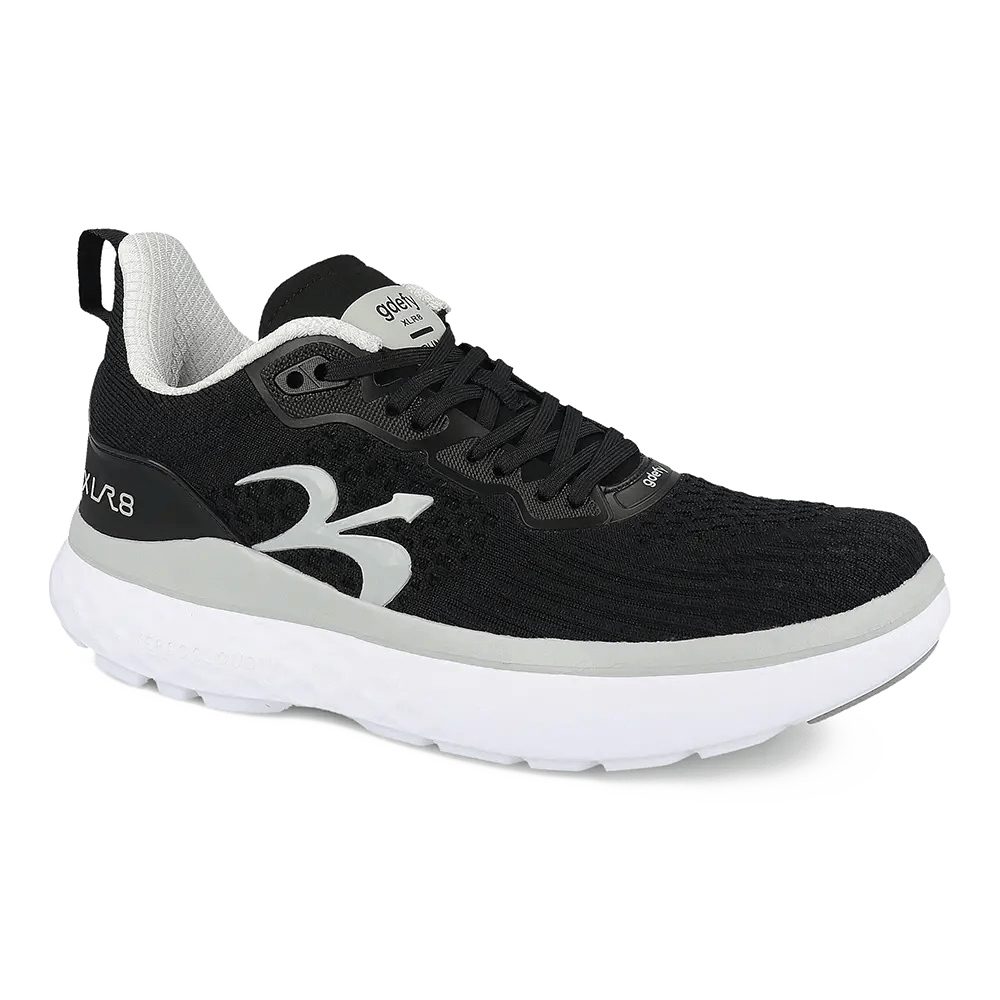
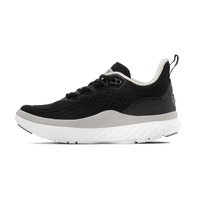
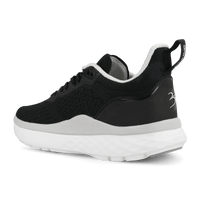
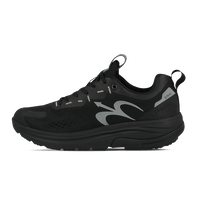
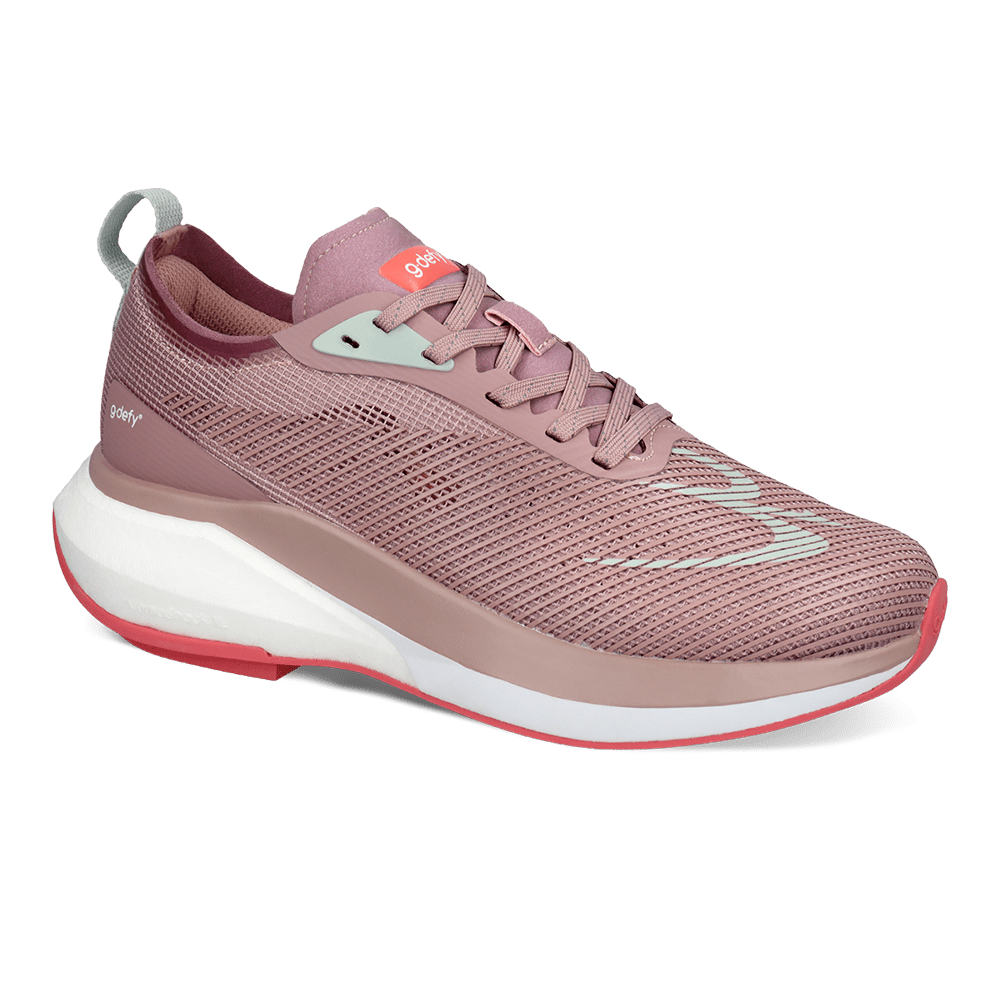
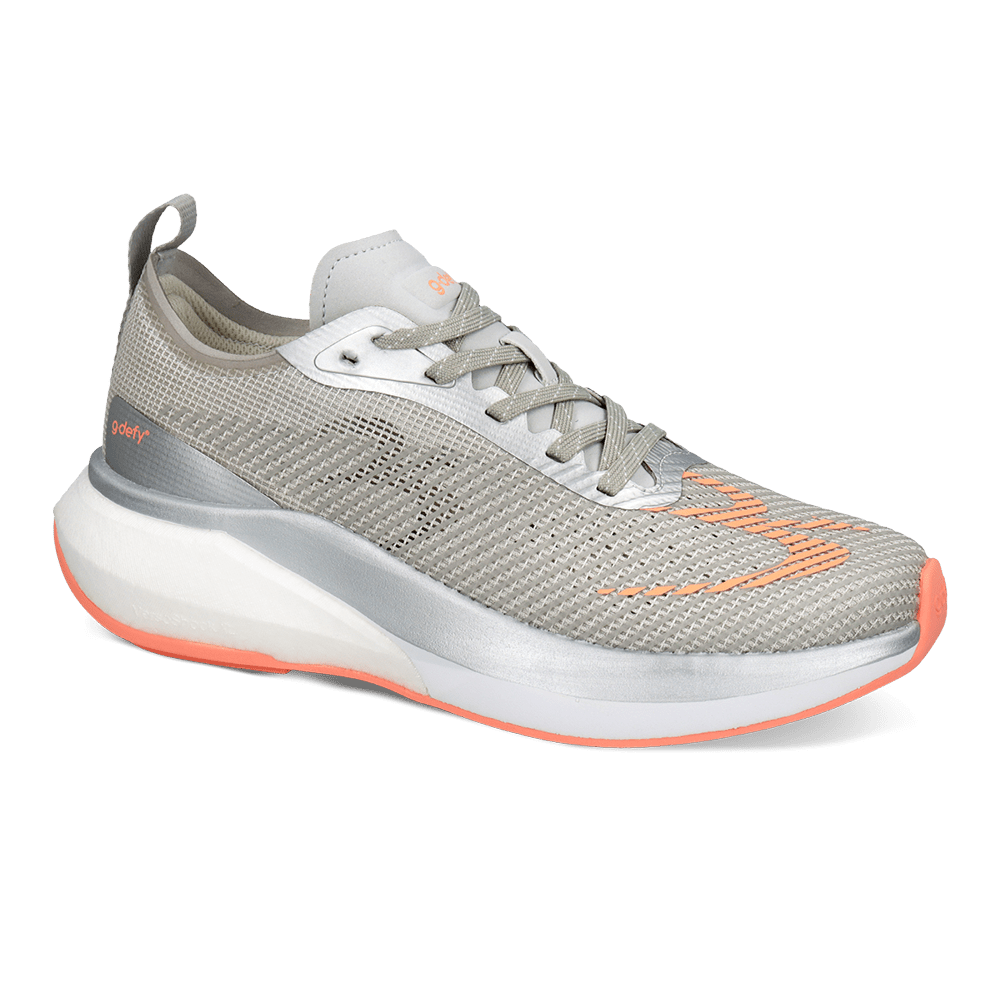
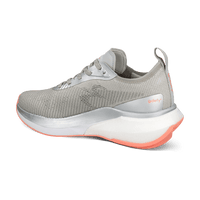
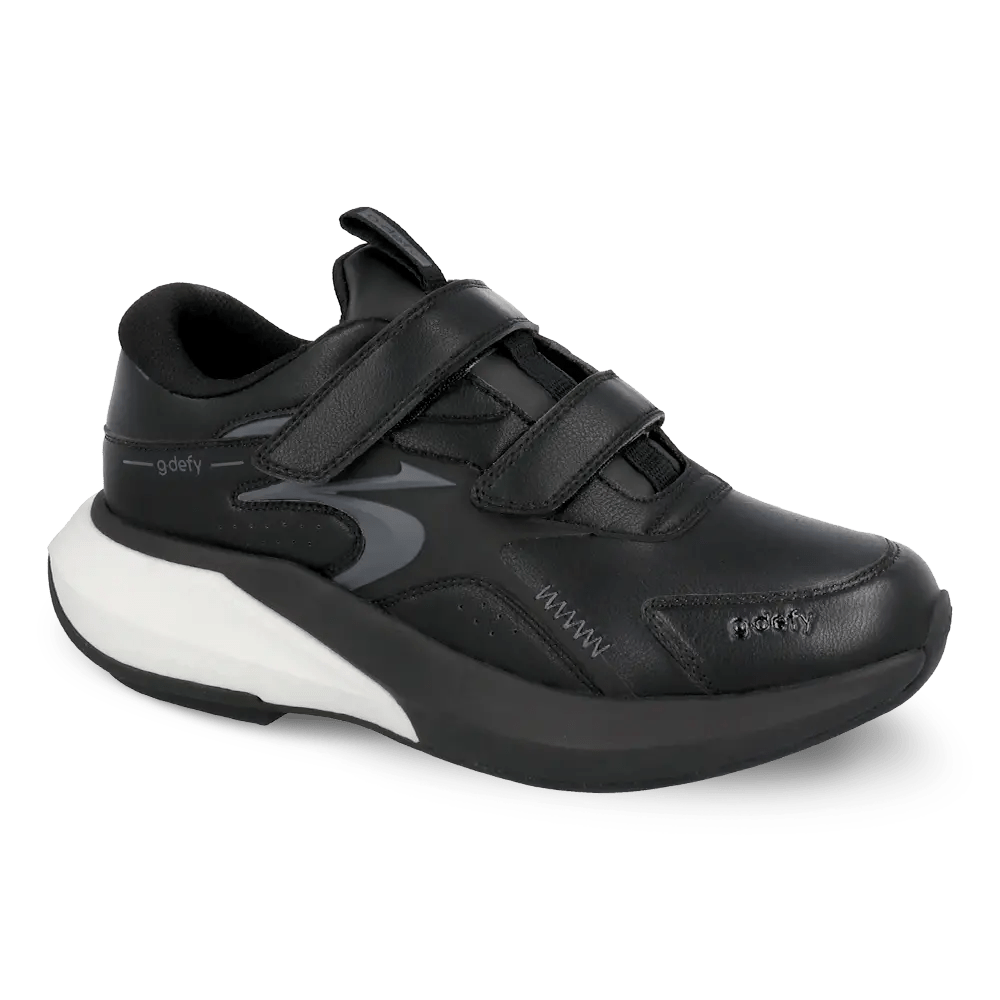
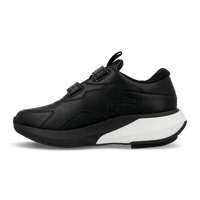
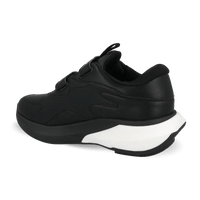
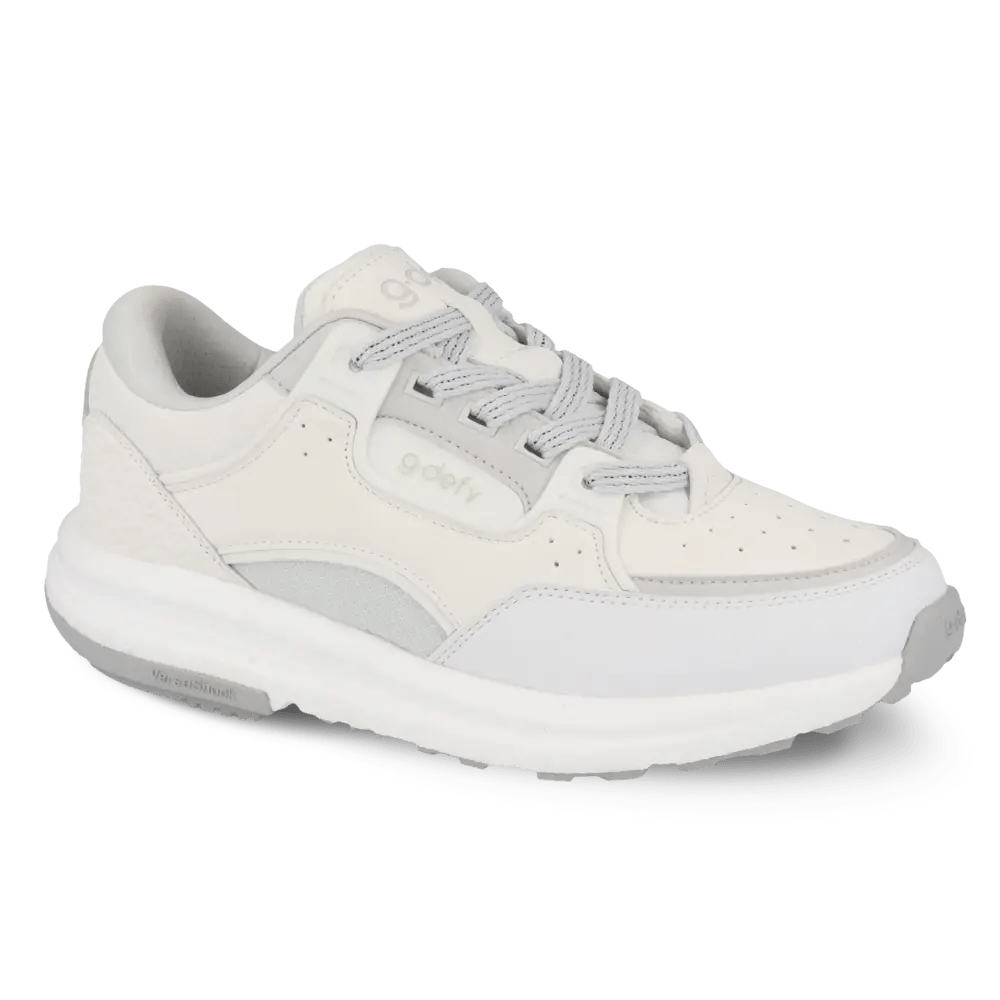
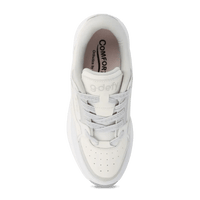
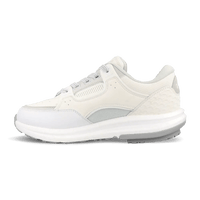
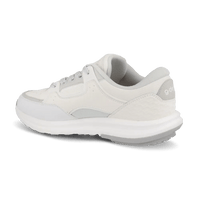
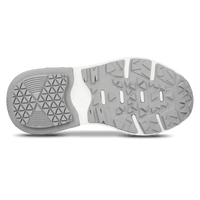
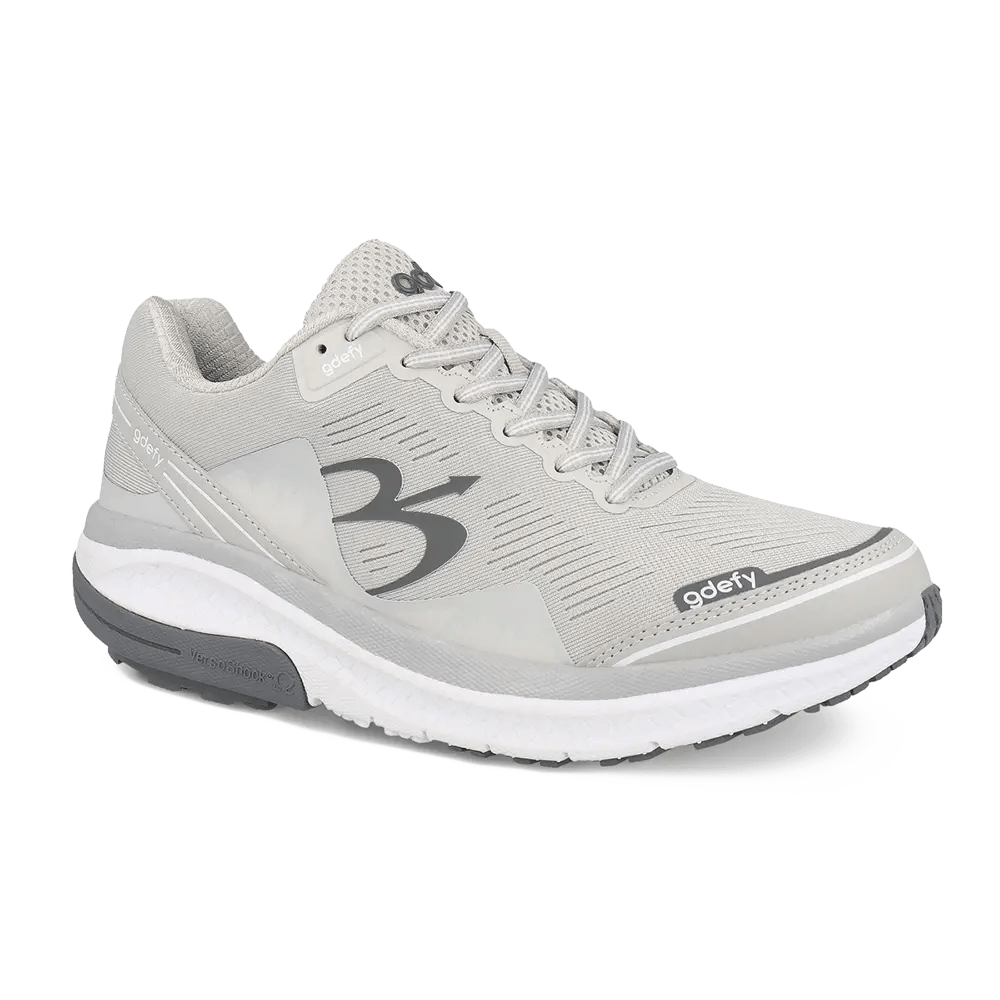
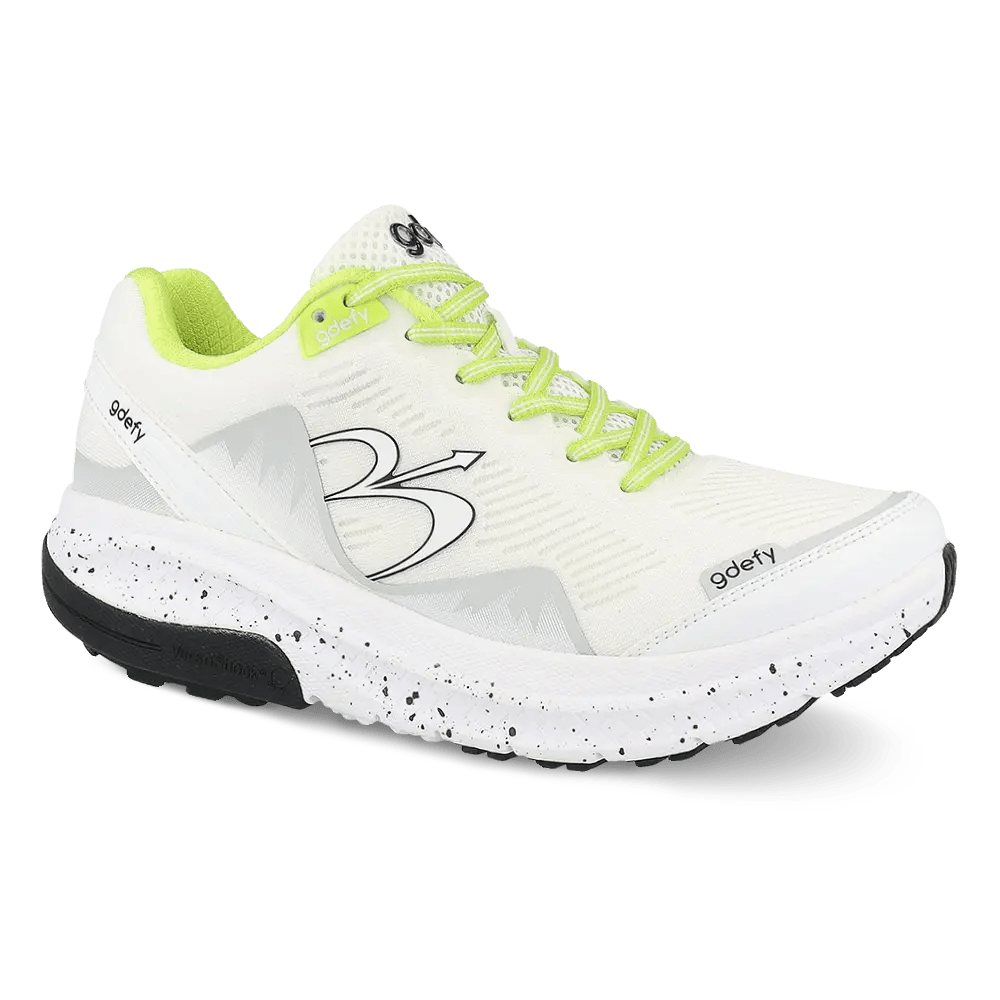
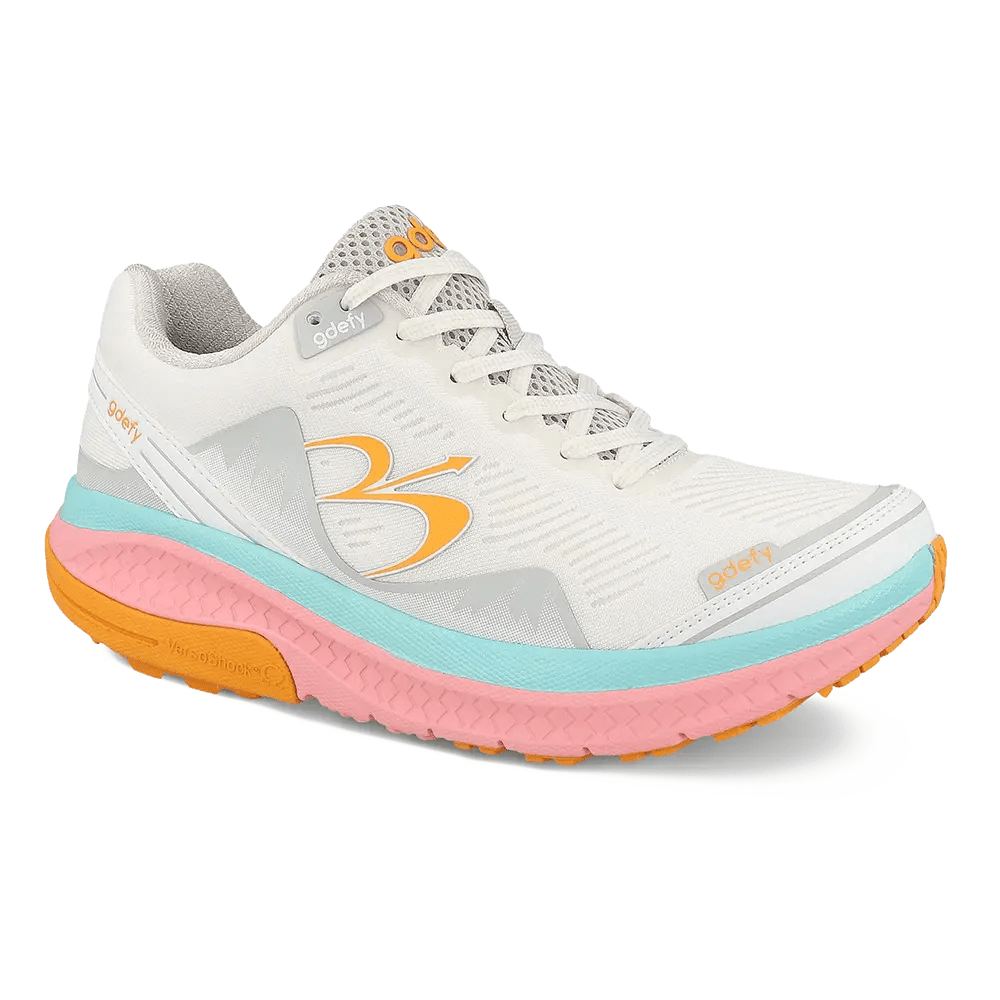
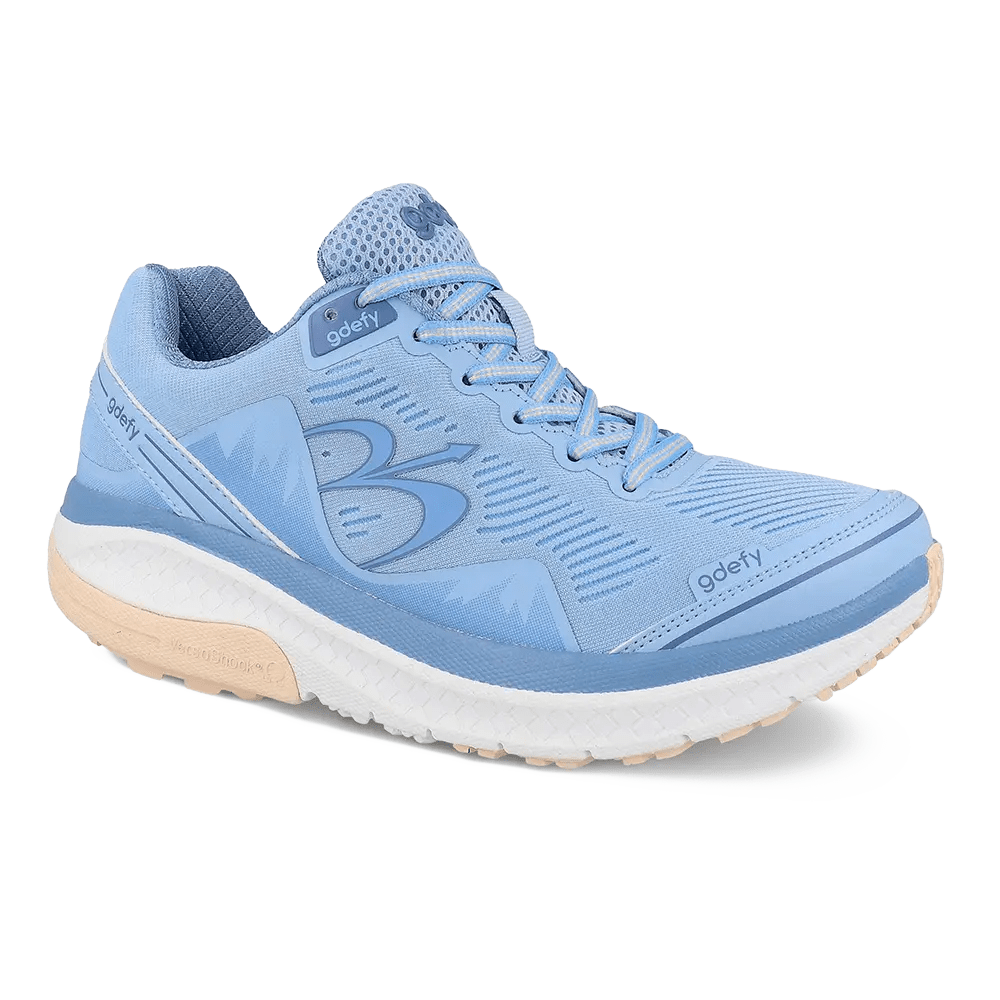
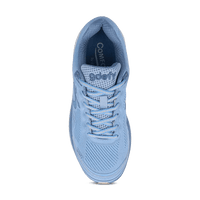
G-Defy shoes are engineered to provide comfort, support, and shock absorption during daily movement. They are built around a system designed specifically to address the forces that can make walking uncomfortable for people who experience knee discomfort.
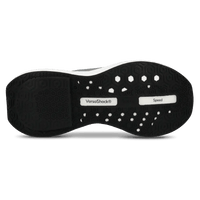
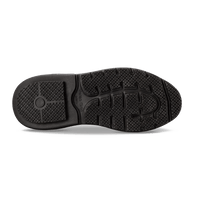
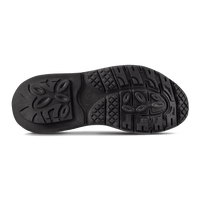
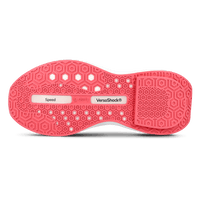
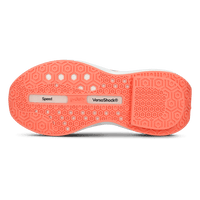
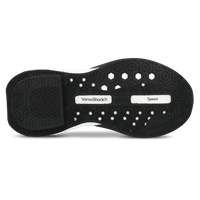
At the heart of every G-Defy shoe is VersoShock® technology, a spring-based shock absorption system that works differently from traditional foam cushioning. Instead of compressing flat under pressure, VersoShock® absorbs impact softly and gradually, then returns energy with each step. This means your knees experience less of the harsh force that comes with walking on hard surfaces.
A built-in stabilizer system supports the foot during movement, preventing excessive bending in the midsole and encouraging a more controlled stride. This helps keep your leg aligned properly, which can reduce the compensatory stress that often builds up in the knee joint during walking.
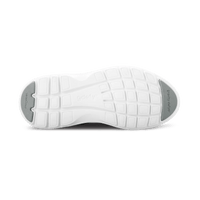
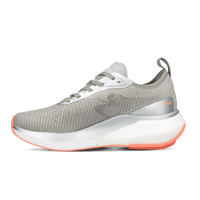
The front rolling design promotes a smooth heel-to-toe transition, encouraging natural forward movement rather than abrupt, impact-heavy steps. Combined with the shock absorption system, this design supports a more efficient and comfortable walking experience.
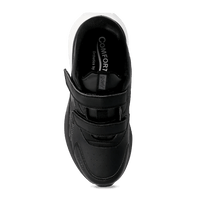
Every pair of G-Defy shoes also includes two removable orthotics—the ComfortFit® orthotic for low to medium arches and the CorrectiveFit® orthotic for medium to high arches—so you can customize your support level based on your foot type. G-Defy shoes help reduce pain from walking, running, and prolonged standing.
Experience the Difference for Yourself
Try G-Defy shoes with our 60-day risk-free trial. Free shipping on every order.
Shop Men's Shoes Shop Women's ShoesPractical Tips for Walking With Knee Comfort in Mind
Choosing the right shoes is one of the most impactful steps you can take, but a few additional habits can help support your knees during daily walking.
Replace your shoes regularly. Even high-quality shoes lose their cushioning effectiveness over time. If the soles are worn unevenly or the midsole feels flat, it is time for a new pair. Most walking shoes should be replaced every six to twelve months depending on how often you wear them.
Warm up before long walks. A few minutes of gentle movement—like marching in place or doing slow leg swings—can help loosen up stiff joints before you head out.
Watch your walking surface. Whenever possible, choose softer surfaces like grass, trails, or rubberized tracks over concrete and asphalt. Softer ground absorbs more of the impact so your knees don't have to.
Maintain a comfortable pace. Walking too fast can increase the impact force on your knees. A moderate, steady pace is easier on your joints and often more sustainable for longer distances.
Use supportive shoes even at home. Walking barefoot or in flat slippers on hard floors can be just as taxing on your knees as walking outside without support. Consider wearing your supportive shoes indoors too.


Frequently Asked Questions
Can the wrong shoes make knee discomfort worse?
Yes. Shoes that are worn out, lack cushioning, or do not support your arch can increase the impact your knees absorb during walking. When your shoes no longer provide adequate shock absorption, more force travels through your legs and into your knee joints. Choosing footwear designed for comfort and support can help improve your daily walking experience. For persistent knee discomfort, consult your healthcare provider.
What type of shoes are best for people who experience knee discomfort?
Look for shoes with effective shock absorption, good arch support, a stable midsole, and a smooth rolling design. These features work together to reduce the forces that reach your knees during each step. Avoid flat, unsupportive shoes like basic flip-flops or worn-out sneakers, which offer little protection from walking impact. G-Defy walking shoes are designed with all of these features built in.
How long does it take to notice a difference with new shoes?
Many people notice improved comfort within the first few days of wearing well-designed shoes. As your body adjusts to better support and alignment, the difference often becomes more noticeable over the first several weeks of consistent wear. Wearing your new shoes regularly—rather than alternating with unsupportive footwear—helps your body adapt more quickly.
Should I wear supportive shoes at home too?
Yes. Many people walk hundreds of steps inside their home each day on hard tile, wood, or laminate floors. Walking barefoot or in flat slippers on these surfaces puts the same kind of impact on your knees as walking outside without support. Wearing cushioned, supportive shoes at home can help protect your knees throughout the entire day.
Take the Next Step Toward More Comfortable Walking
While footwear is not a medical solution, choosing shoes designed for comfort, support, and shock absorption can make a meaningful difference in how your knees feel throughout the day. The right shoes help reduce the repetitive impact that builds up during walking, standing, and daily activity — and that difference adds up over every step you take.
Your knees carry you through every part of your day, from your morning walk to running errands to relaxing at home. Giving them the support they deserve starts from the ground up, with shoes that are engineered to absorb impact rather than pass it along to your joints.
G-Defy shoes with VersoShock® technology are engineered to absorb impact and return energy with each step, supporting a more comfortable stride from morning to evening. And with a 60-day risk-free trial and free shipping, you can experience the difference for yourself with zero financial risk.
Ready to Walk With More Comfort?
60-day risk-free trial · Free shipping · Full refund if not satisfied
Shop G-Defy Shoes