
April 19, 2026
Why Your Shoes Might Be Causing Your Back Pain
By Gdefy

Summary
Many people who experience back discomfort focus their attention on obvious suspects — the way they sleep, the chair they sit in, or how long they've spent on their feet at work. But one factor that often goes unexamined is much lower: the shoes on their feet.
Your feet are the foundation of every step you take. They're the first point of contact with the ground, and what happens there — how much force is absorbed, how well your foot is supported, how your weight is distributed — has a ripple effect upward through your entire body. When your shoes aren't doing their job, your back may quietly end up doing more than its share of the work.
The connection between footwear and back discomfort isn't always obvious. It tends to build gradually — soreness that creeps in as the day goes on, stiffness after a long walk, or discomfort that eases when you finally take your shoes off and sit down. These subtle patterns are often signals worth paying attention to.
Understanding how footwear can affect your back is a practical first step toward finding relief. And the good news is that once you know what to look for, the solution may be simpler than you expect.
The Connection Between Your Feet and Your Back
The human body moves as one connected system. When you walk, force travels from the ground up — through your foot, into your ankle, through your knee and hip, and eventually into your lower back. This chain of connected movement means that what happens at your feet has real consequences for what happens further up.
If your shoes absorb impact effectively and support your foot's natural movement, your body moves efficiently. The force of each step is softened, spread, and managed by your footwear before it reaches your upper body. When shoes don't do that, the impact arrives less filtered — and your muscles and joints absorb the difference. Over a full day of walking and standing, that adds up considerably.
Support matters just as much as cushioning. If your foot rolls inward excessively with each step — or outward — it creates a movement pattern that travels upward through the body. The muscles of the lower back often compensate to keep you balanced and upright during those imbalances. Do that for thousands of steps per day, and those small compensations can contribute to persistent discomfort.
This is why footwear professionals and movement specialists often describe the foot as the foundation of posture. What starts at the foot doesn't stay at the foot. For a deeper look at how this chain of movement works throughout the body, see our post on how your feet affect your entire body.
Common Signs That Your Shoes Might Be Part of the Problem
Not all back discomfort is footwear-related. But if you recognize several of the following patterns, your shoes may be contributing more than you realize:
Discomfort that builds through the day. If your back feels reasonable in the morning but worsens progressively during hours of walking and standing, that buildup pattern is consistent with cumulative impact. A shoe that isn't absorbing and distributing force effectively creates slow accumulation — step by step, hour by hour.
Soreness that eases when you sit down. This can suggest your back is responding to the demands of being on your feet, rather than a structural issue present regardless of activity. When taking weight off your feet brings relief, footwear is worth examining.
Days with more activity bring more discomfort. If your back is noticeably worse on days when you've walked more, run errands, or had a long shift, the relationship between footsteps and discomfort is a meaningful signal.
Your shoes are worn or aging unevenly. The cushioning in most everyday shoes breaks down with regular use — often well before the shoe looks worn. Shoes worn for more than a year frequently have lost significant cushioning performance. Uneven wear on the heel or outer sole is also a sign your foot isn't landing in a neutral position.
Discomfort started around the time you changed footwear. If your back discomfort began around the same time you switched shoes — or started a job with different footwear demands — there may be a direct connection worth exploring.
What to Look for in Shoes for Back Comfort
If back discomfort has been affecting your daily activity, these are the shoe features that make the most meaningful difference:
- Cushioning — absorbs the impact of each step before it travels upward through the body. Good cushioning softens each footfall, particularly on hard surfaces like concrete and tile where impact is more pronounced.
- Shock absorption — the shoe's ability to dissipate force rapidly at the moment of impact. Quality shock absorption reduces how much of each step's force your body has to manage internally.
- Stability — keeps your foot in a supported, neutral position throughout your stride. A stable shoe reduces excessive rolling inward or outward and helps your movement stay consistent — which means less compensatory strain in the muscles of your legs and back.
- Energy return — rather than your muscles absorbing all the effort of each step, a shoe with energy return gives some of that effort back, reducing fatigue that accumulates over long periods of activity.
- Proper fit — a shoe that's too tight changes how your foot strikes the ground; too loose and your foot shifts inside the shoe with every step. Both alter your movement pattern in ways that can create strain in your legs and back over time.
It's also worth examining the condition of your current shoes. If you've been wearing the same pair for a year or more, the cushioning inside has likely broken down — even if the shoe still looks presentable on the outside. That's one of the most common and overlooked contributors to daily discomfort.

Looking for comfort from the ground up? Learn how VersoShock® technology works — and try it risk-free for 60 days. Free shipping and exchanges included.
How G-Defy Addresses Comfort From the Ground Up
Traditional foam-based cushioning compresses with each step and gradually loses its ability to recover fully. Over hundreds of miles, a foam shoe that once felt supportive may be offering considerably less than it was when new — without any obvious external sign that performance has declined.
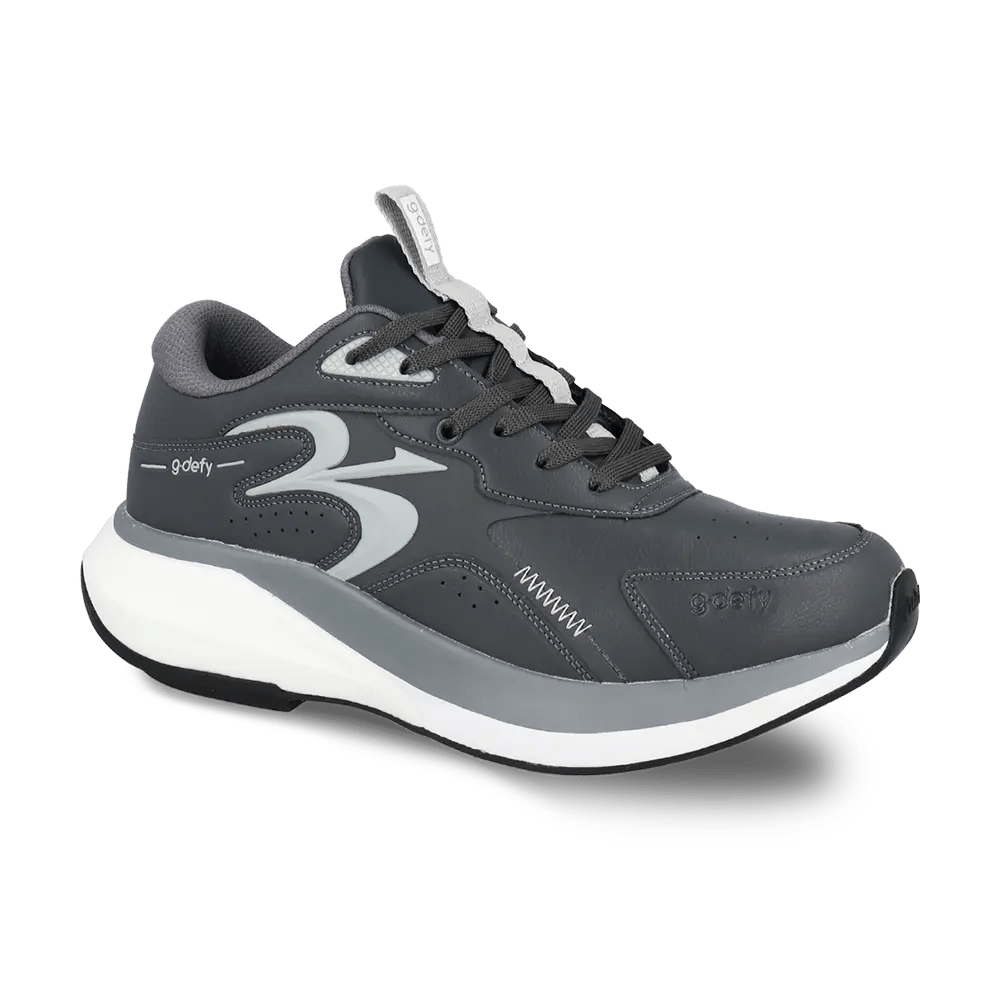
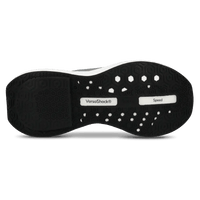
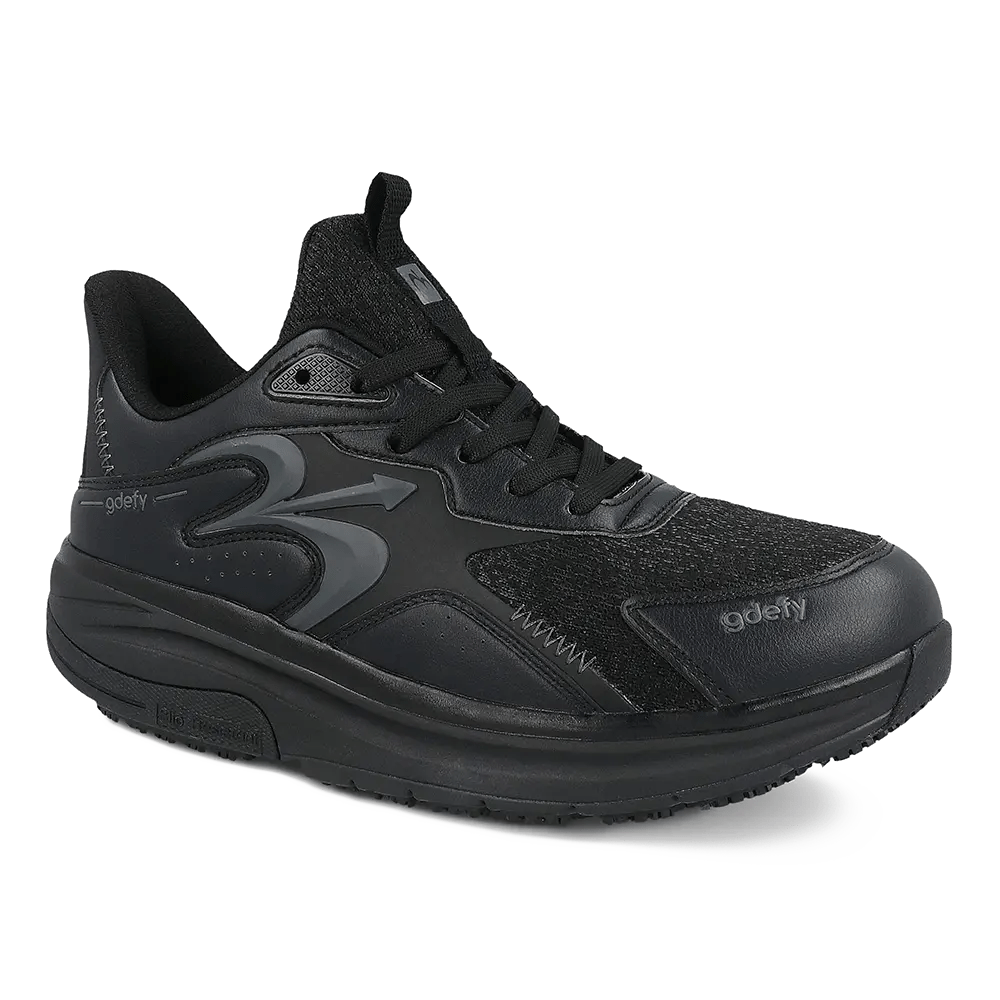
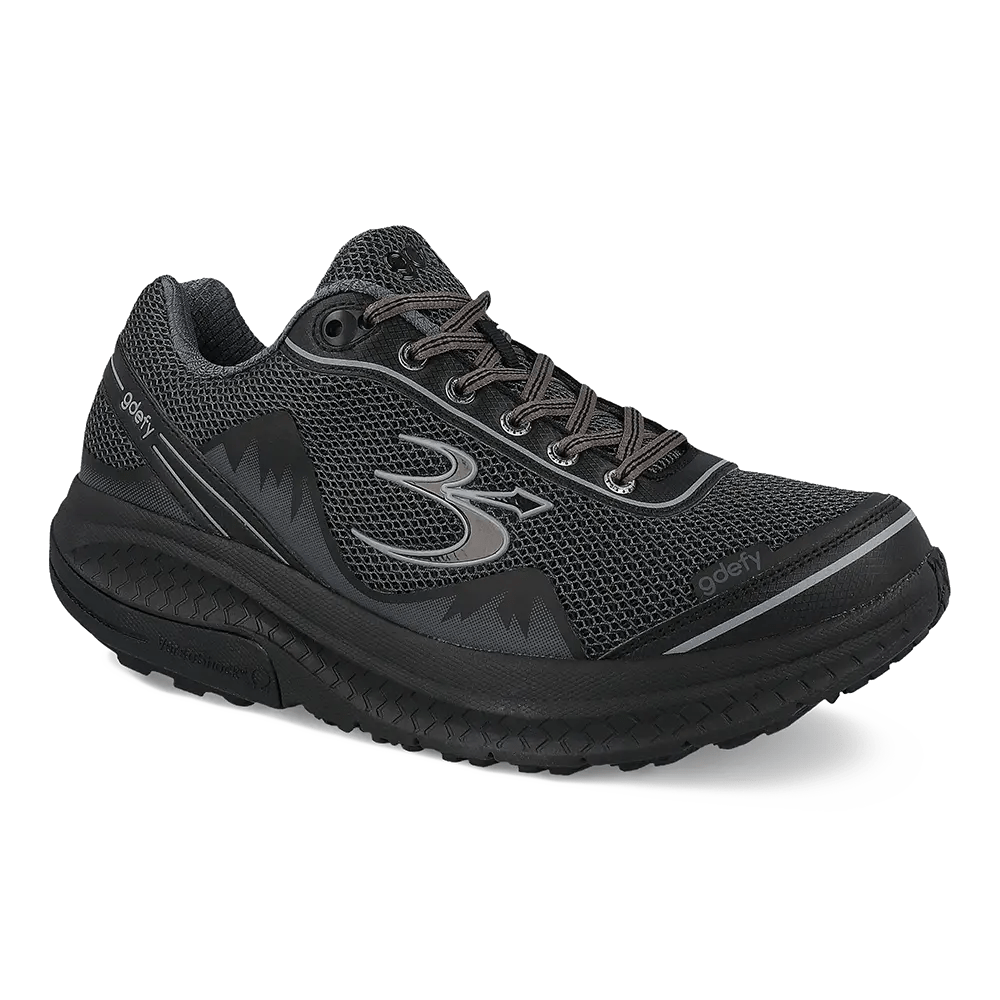
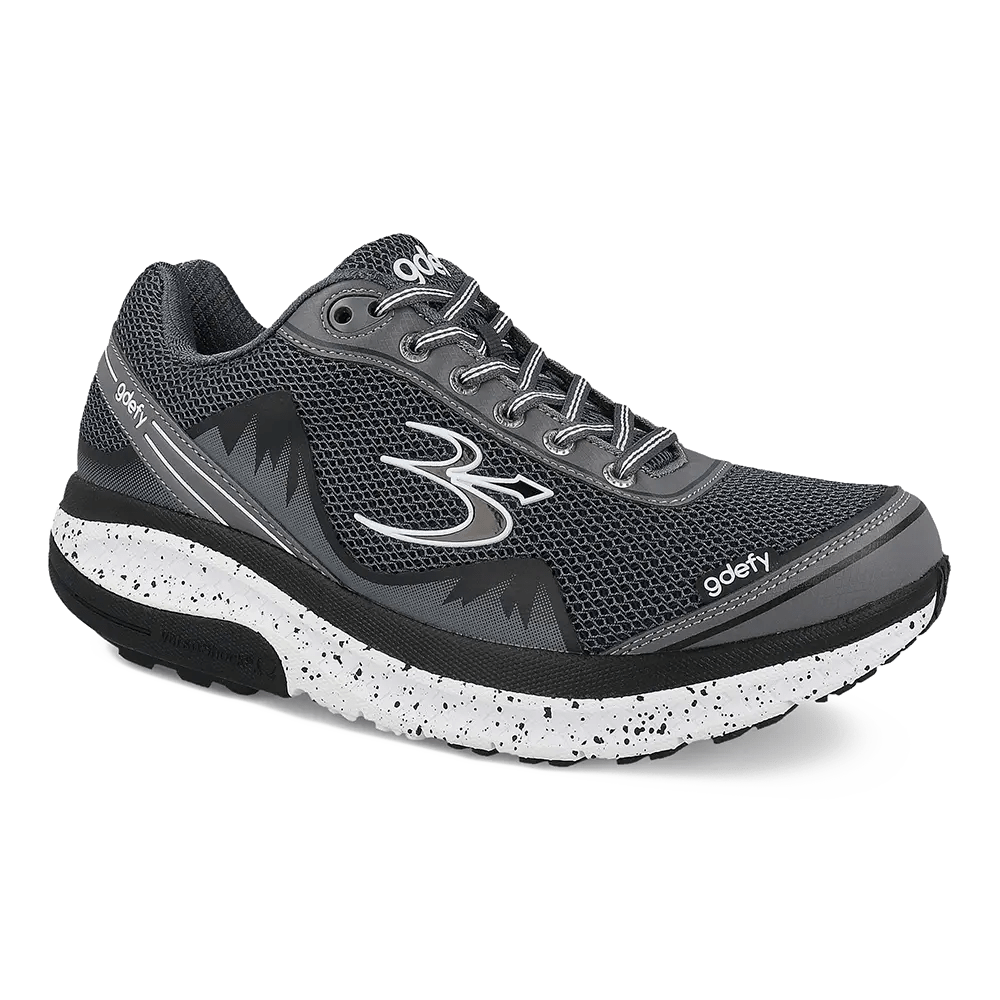
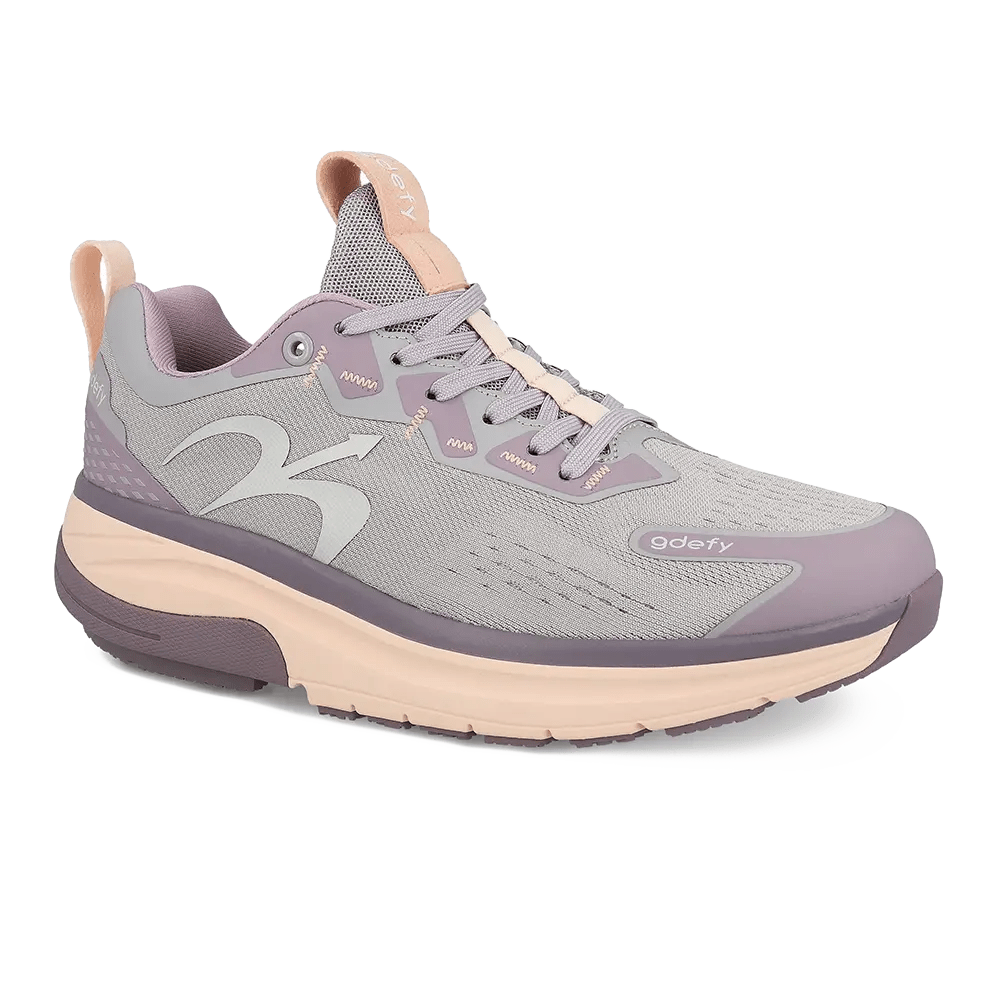
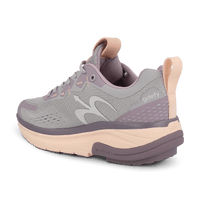
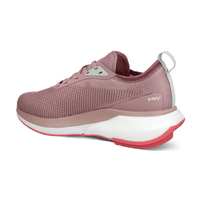
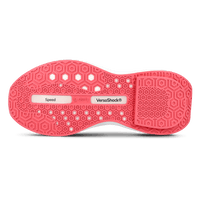
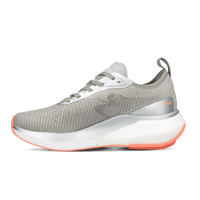
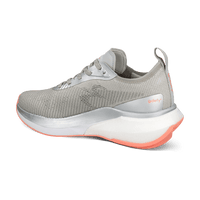
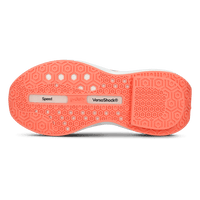
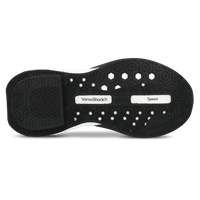
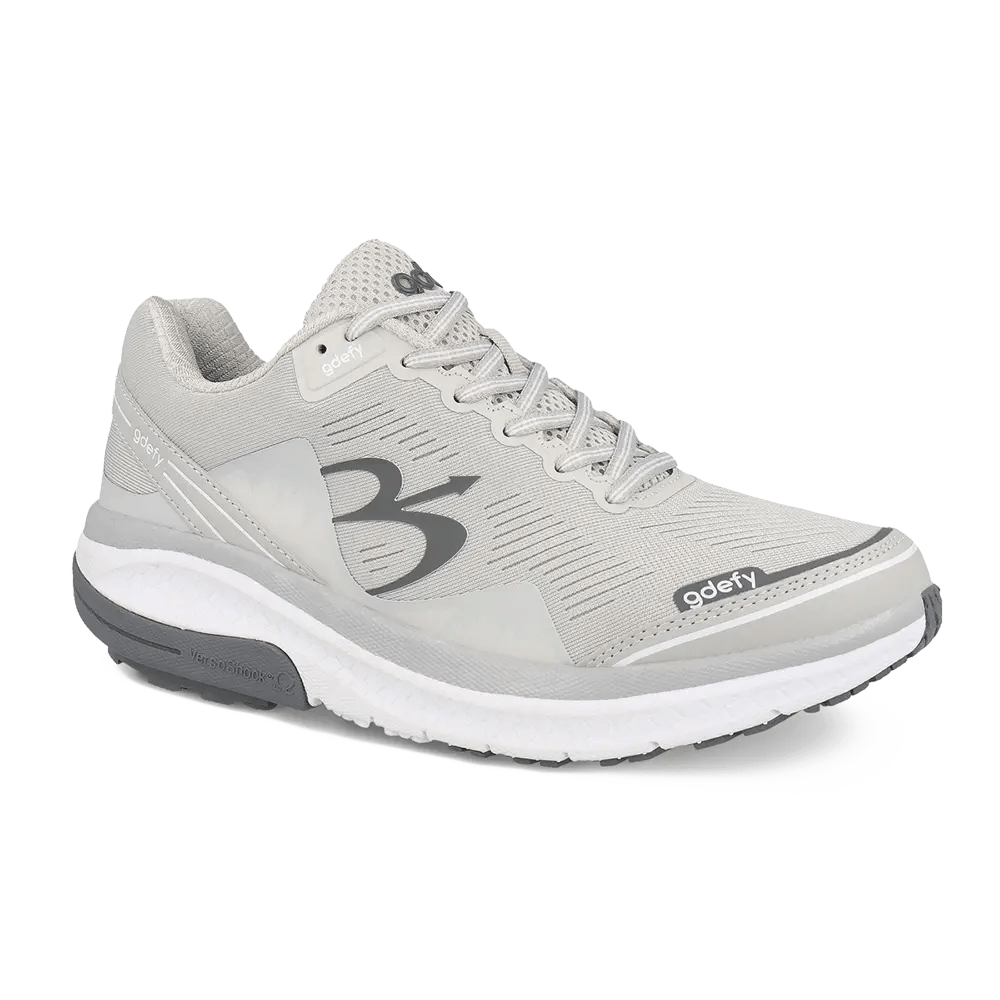
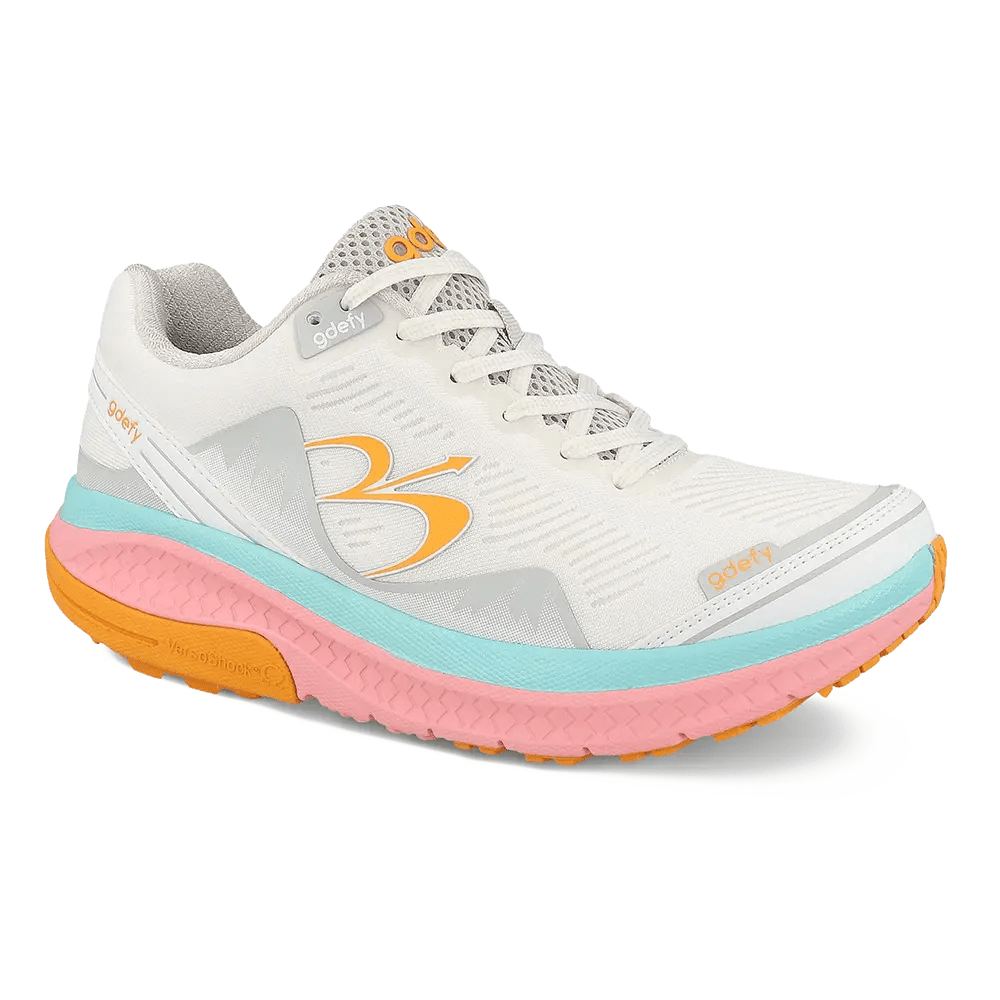
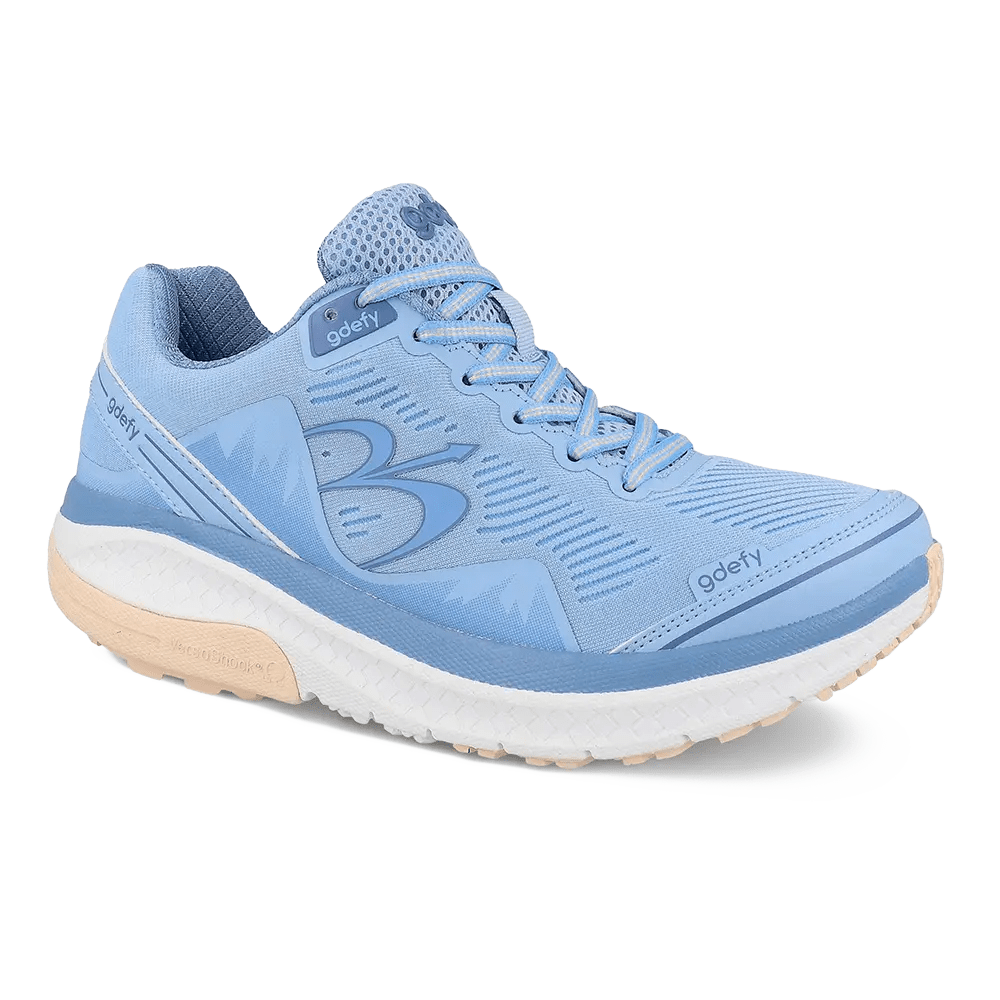
G-Defy shoes take a different approach. They're built around VersoShock® technology — a spring-based shock absorption system engineered to absorb impact and return energy with each step. Rather than relying on foam that compresses and remains compressed, VersoShock® responds dynamically to each footfall, absorbing the force and springing back — ready for the next step.
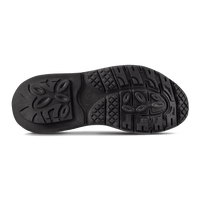
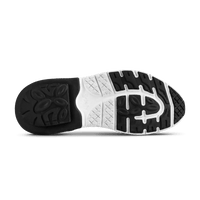
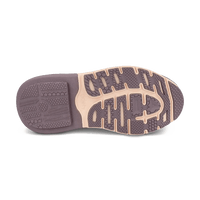
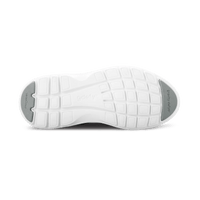
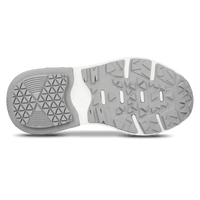
Every G-Defy shoe also includes a built-in stabilizer system that supports the foot through each step, helping reduce the excessive rolling that can shift strain upward into the legs and lower back. A front rolling design built into the sole encourages a natural heel-to-toe transition, making each step feel smoother and more controlled rather than abrupt.
Each pair comes with two removable orthotics — ComfortFit® for low to medium arches and CorrectiveFit® for medium to high arches — so you can customize the support level based on what your feet actually need.
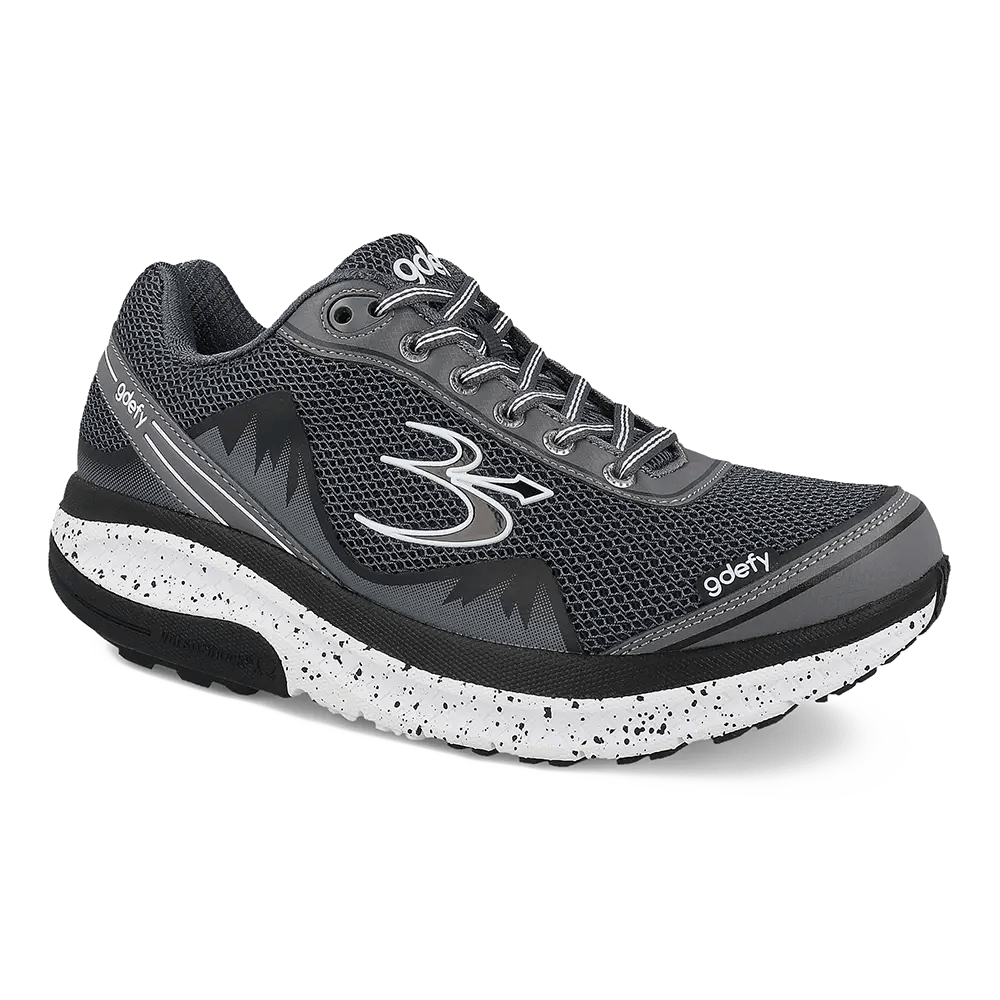
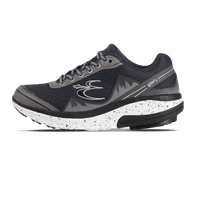
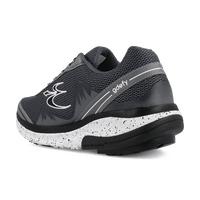
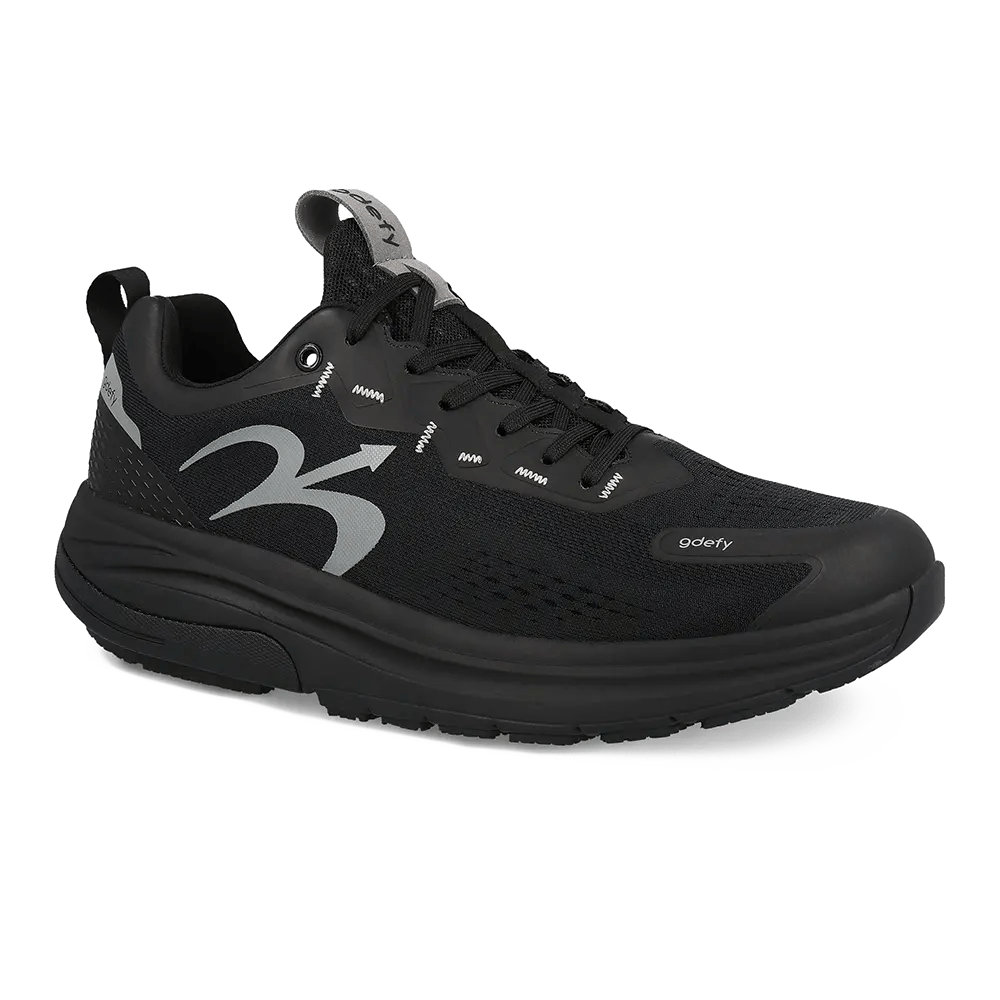
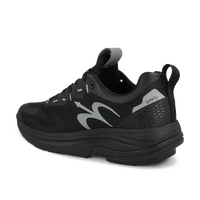
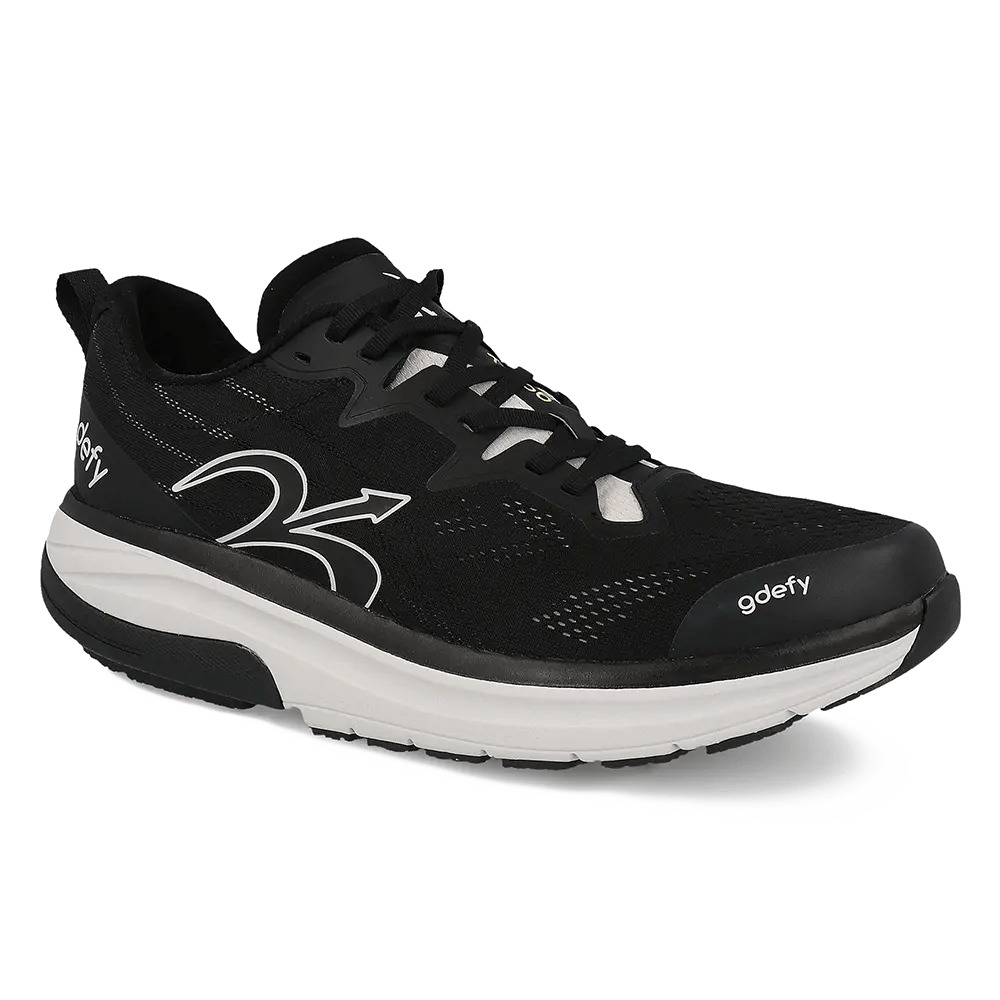
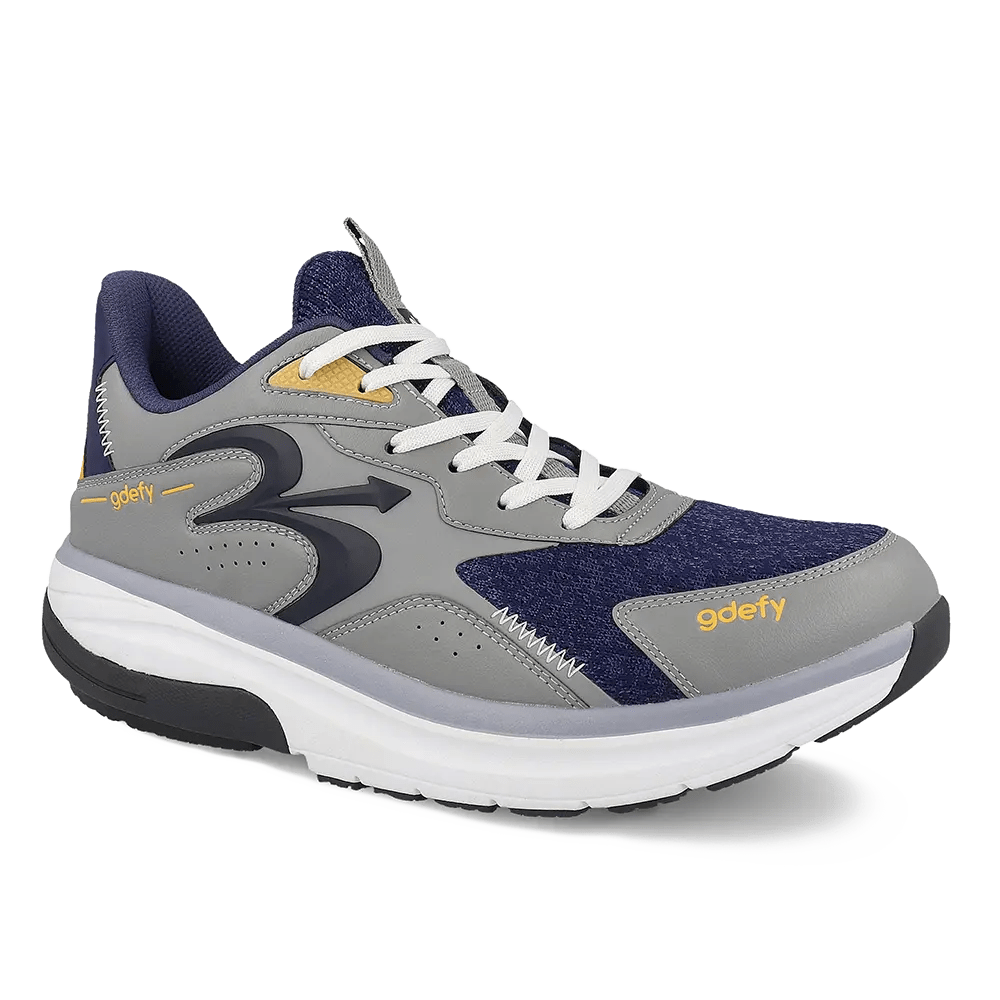
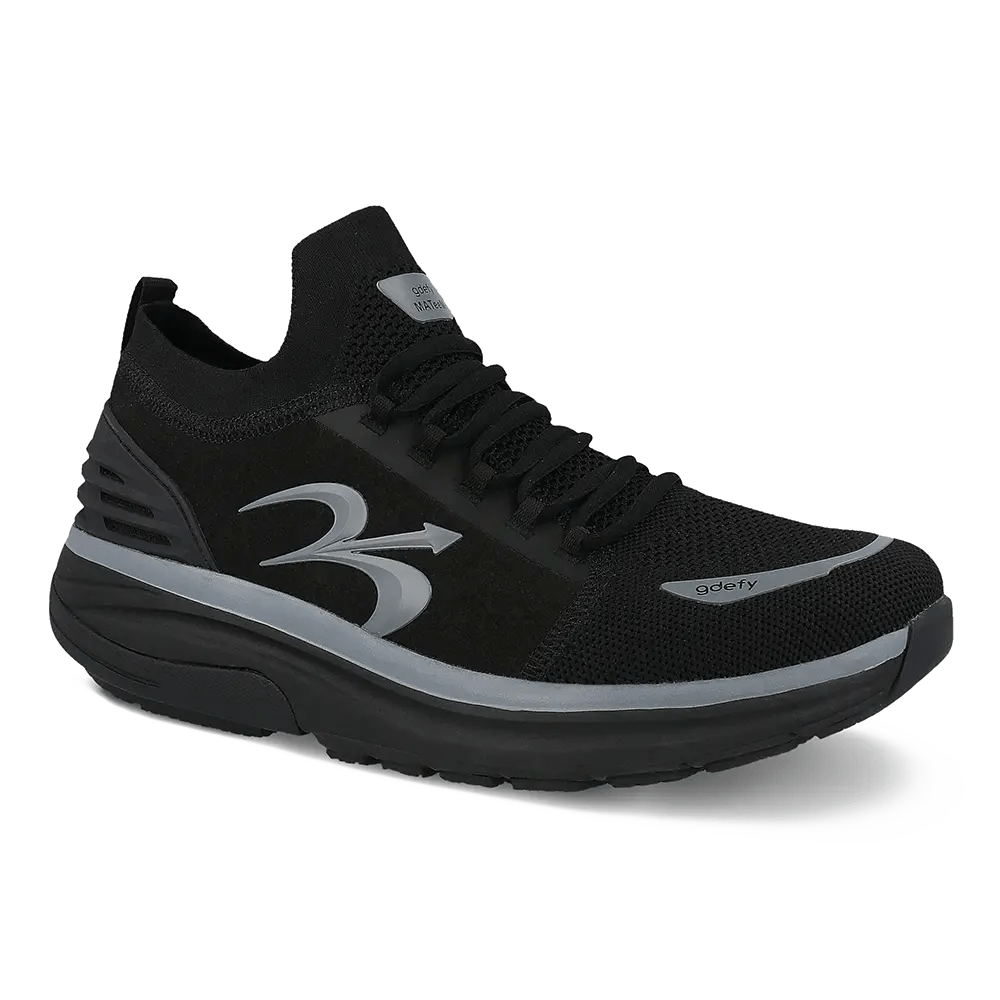
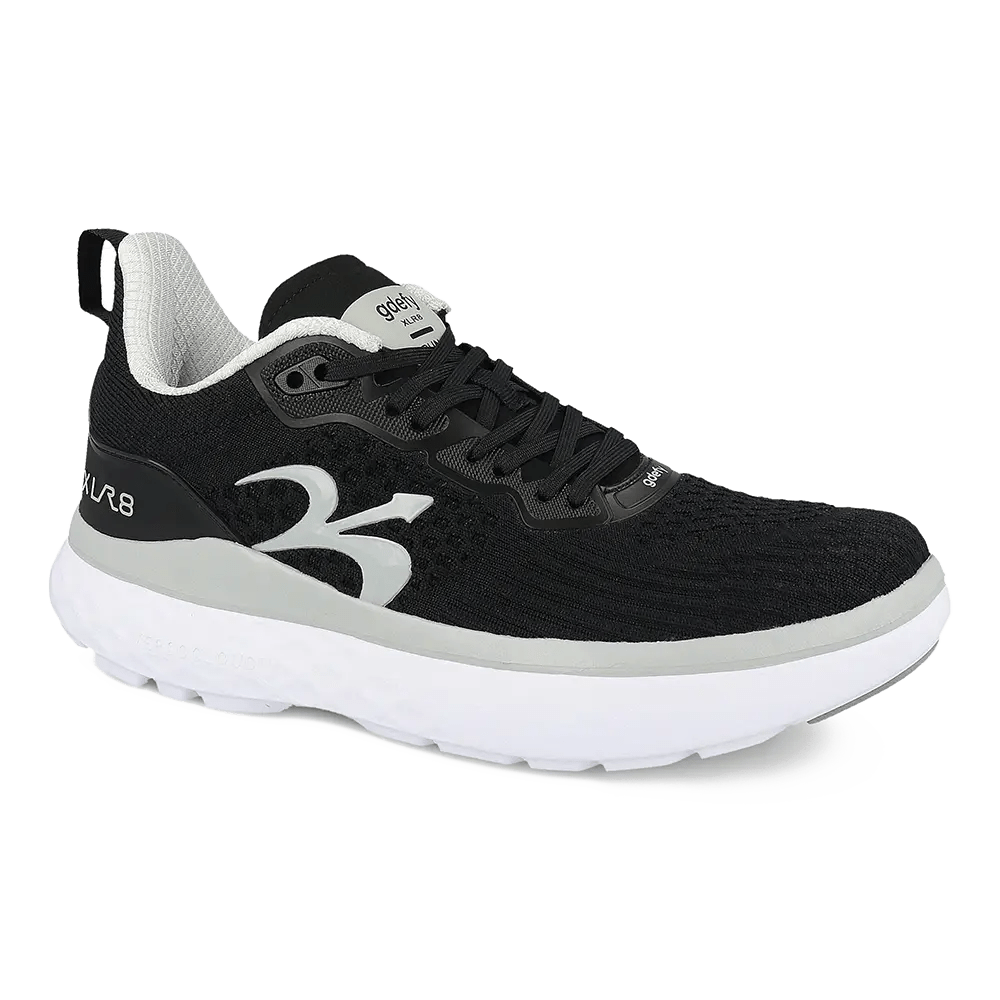
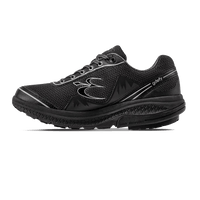
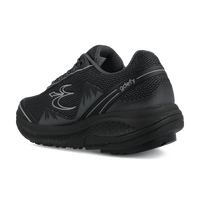
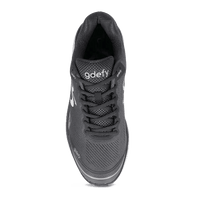
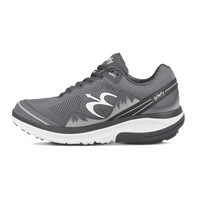
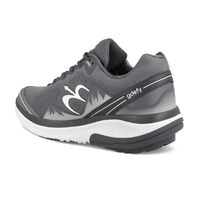
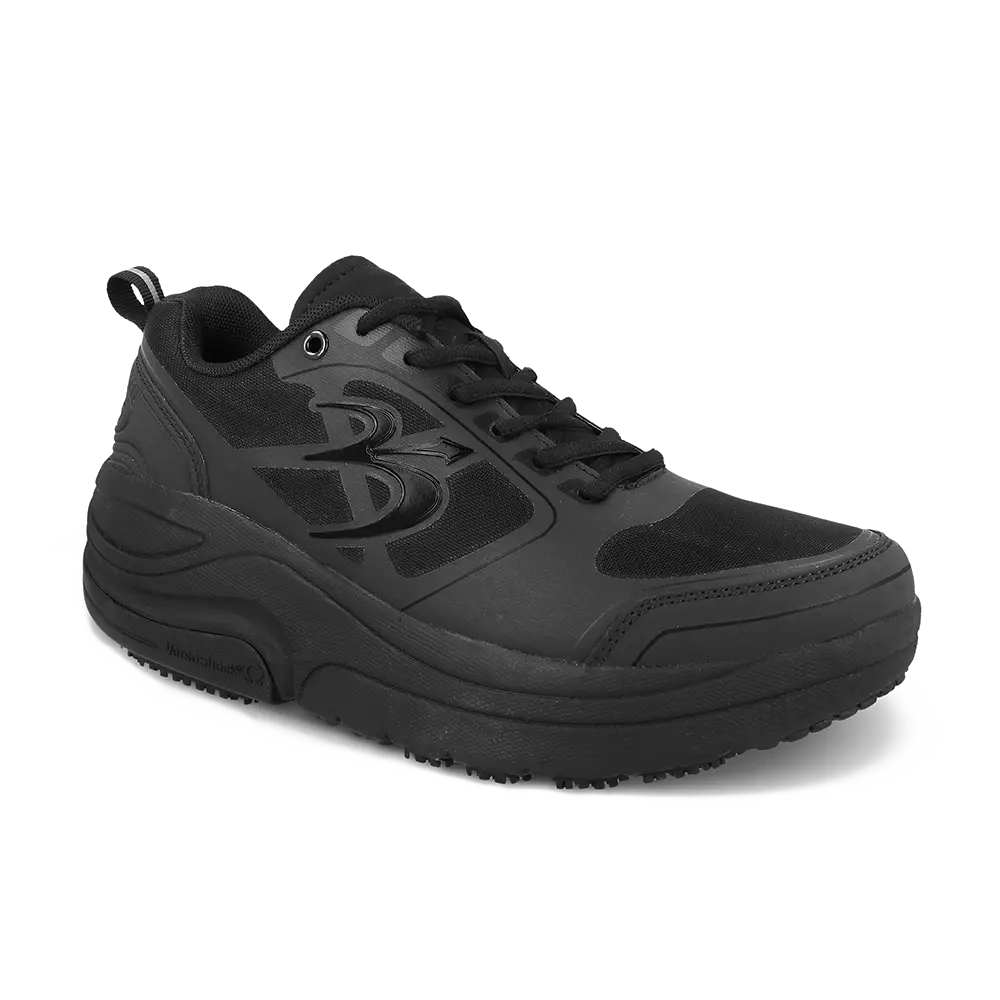
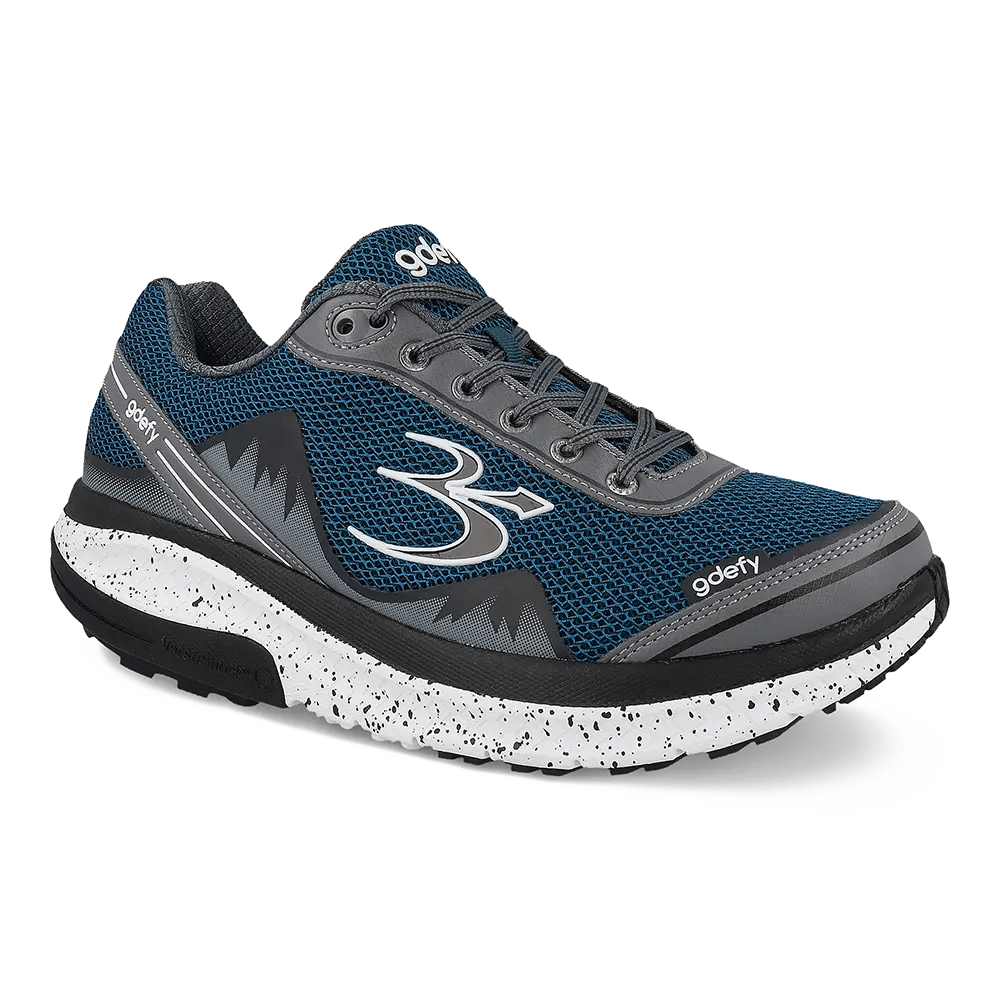
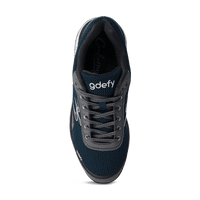
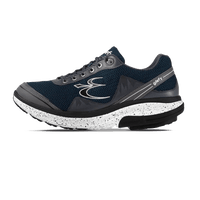
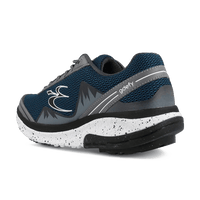
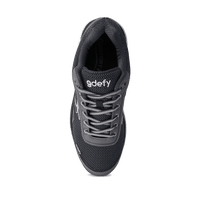
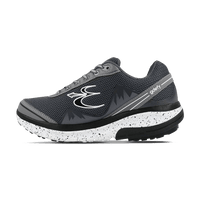
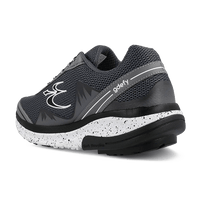
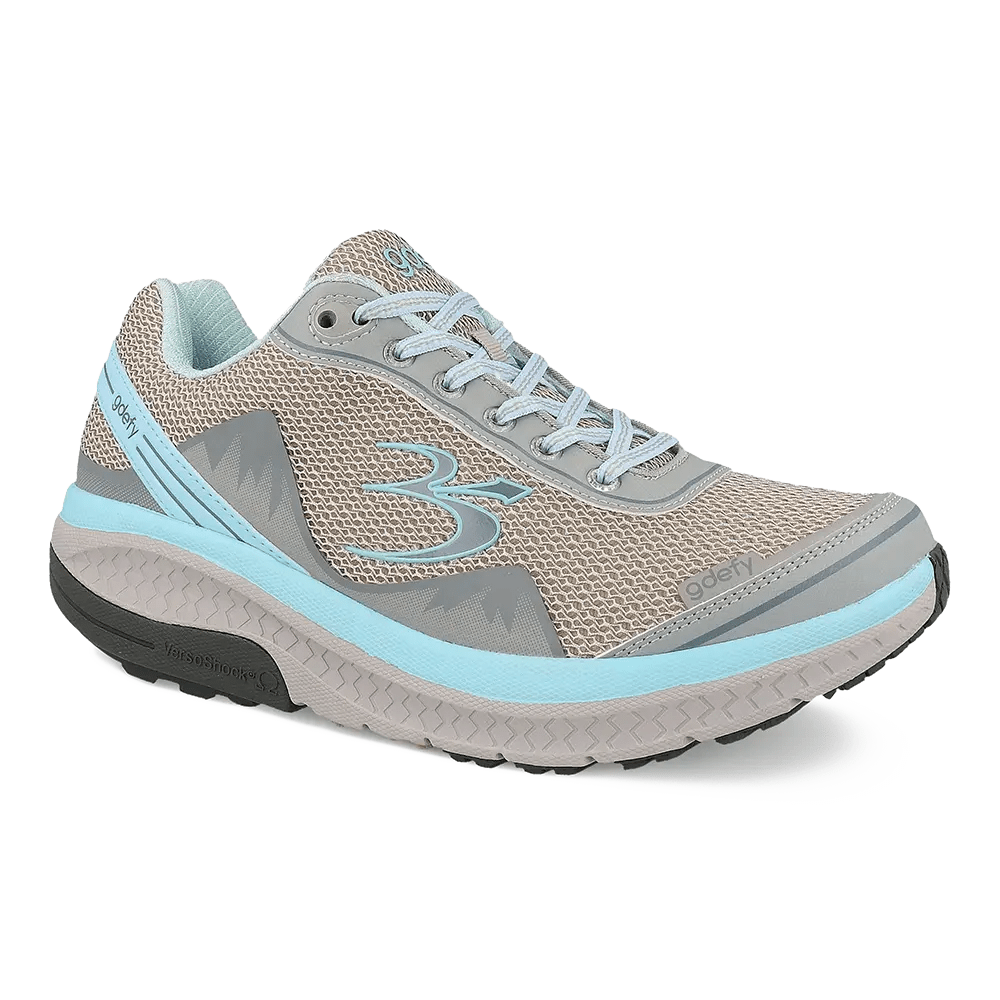
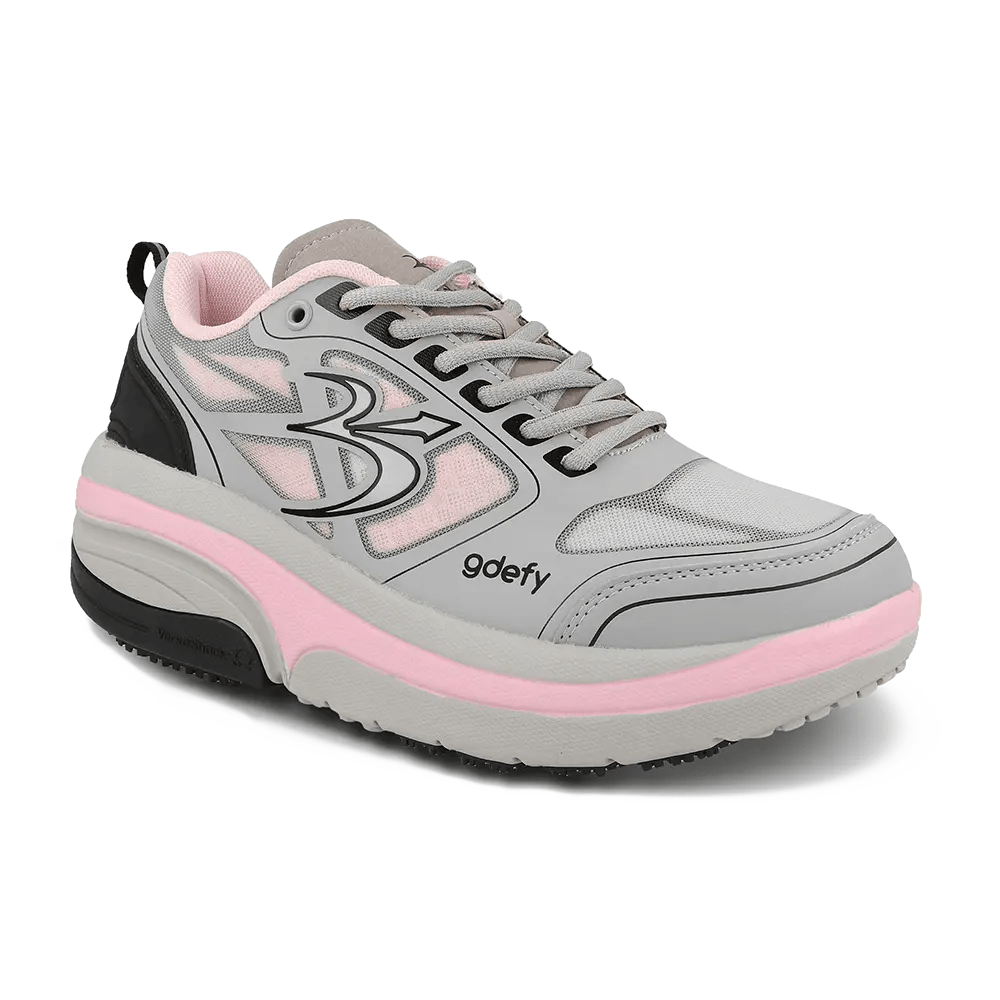
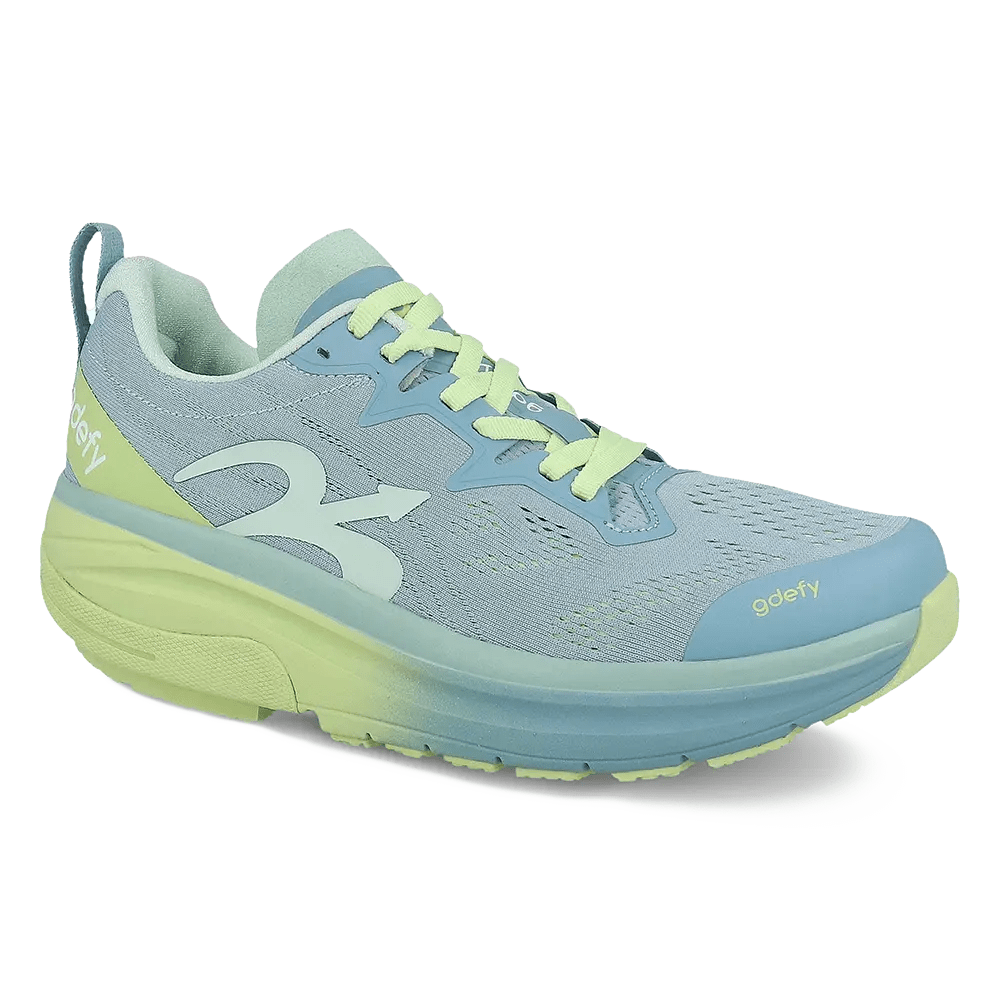
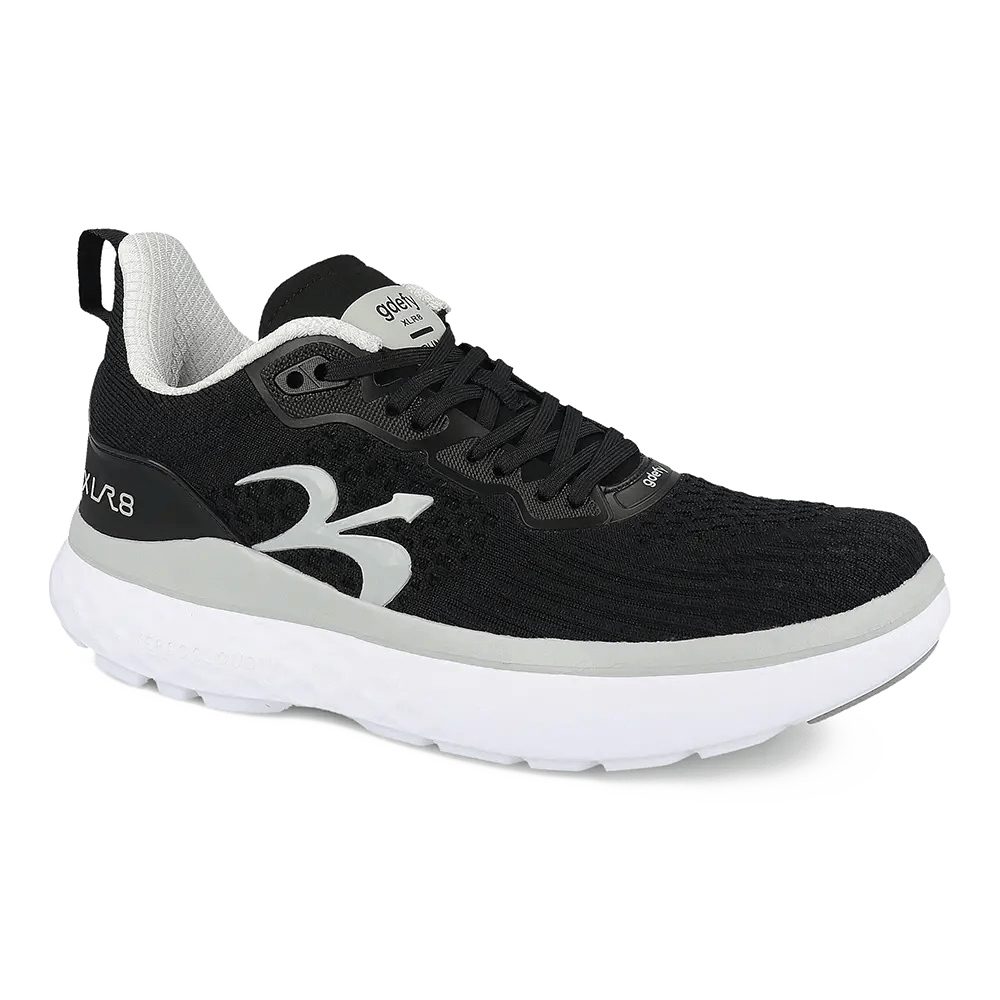
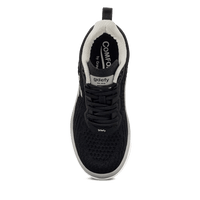
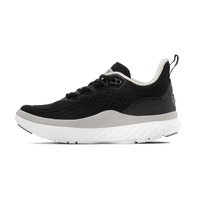
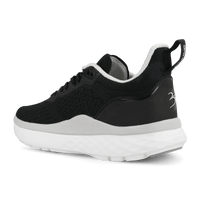
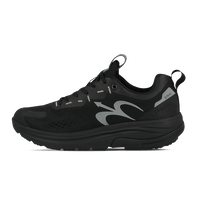
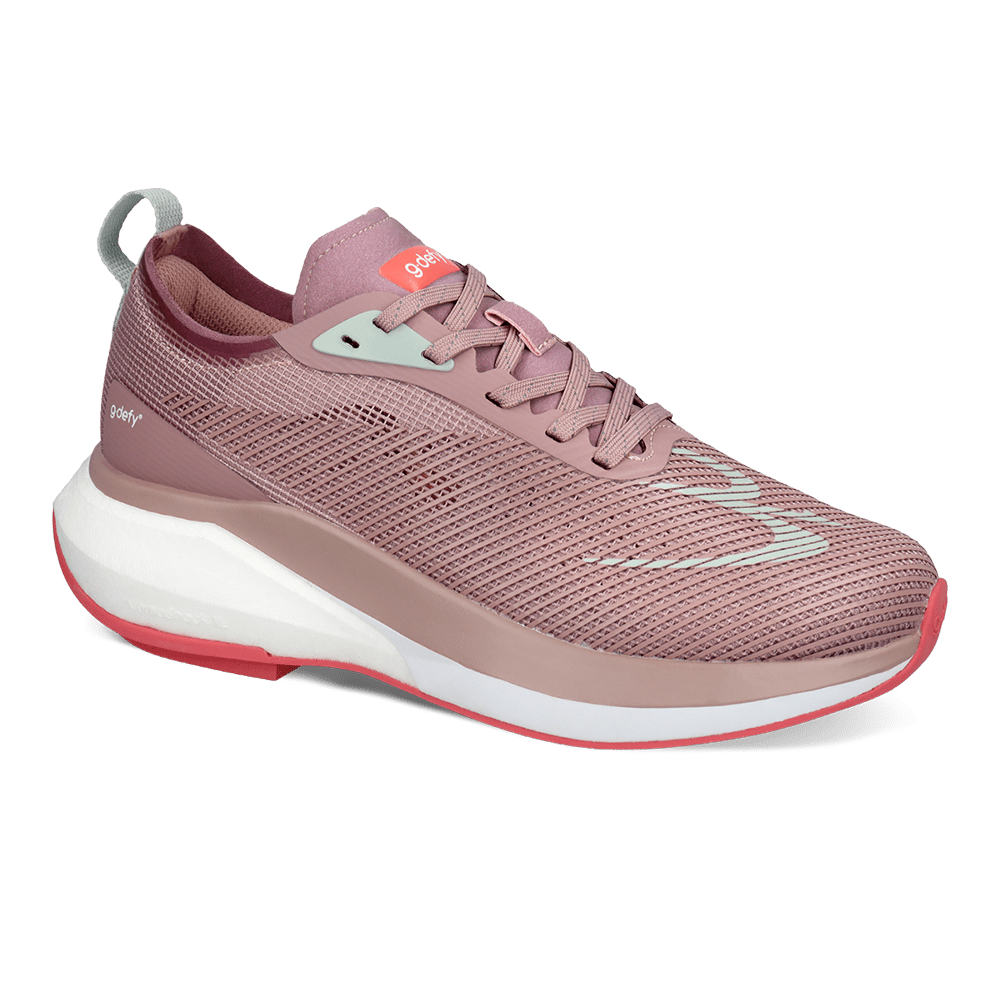
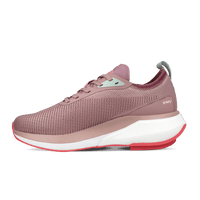
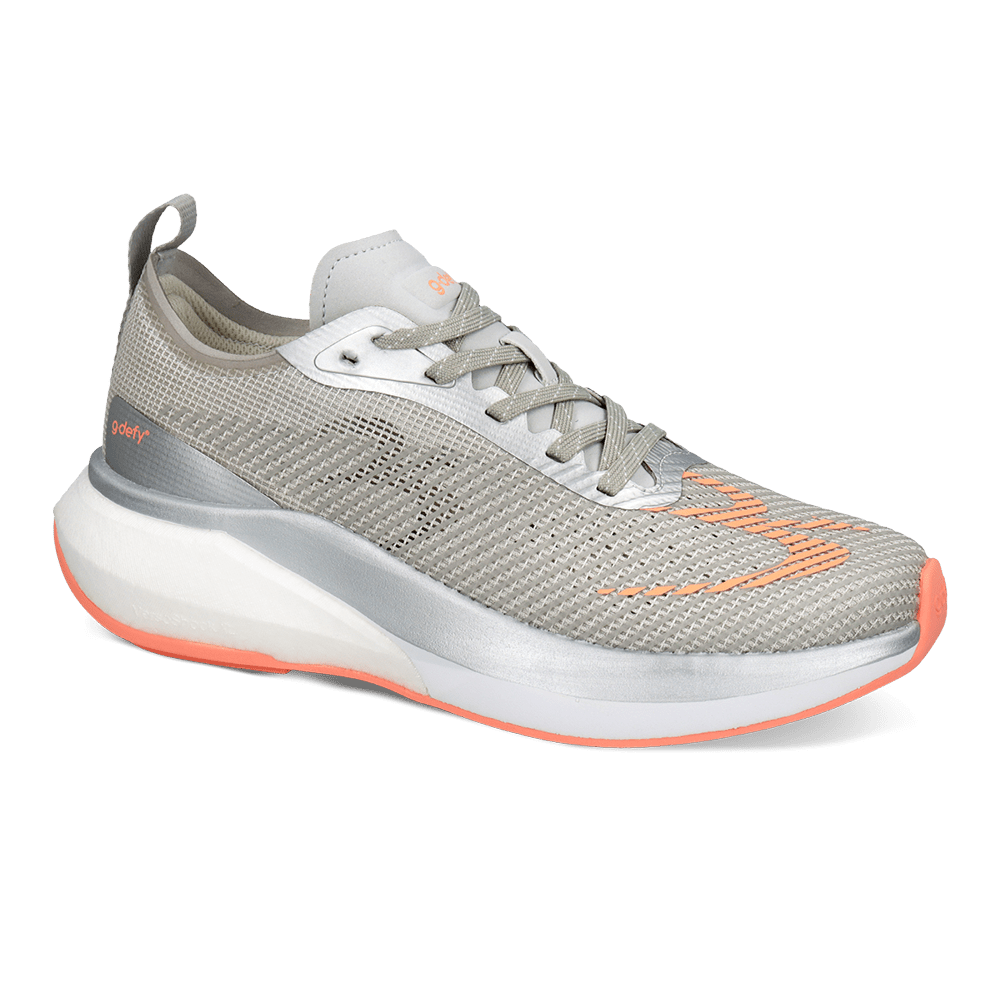
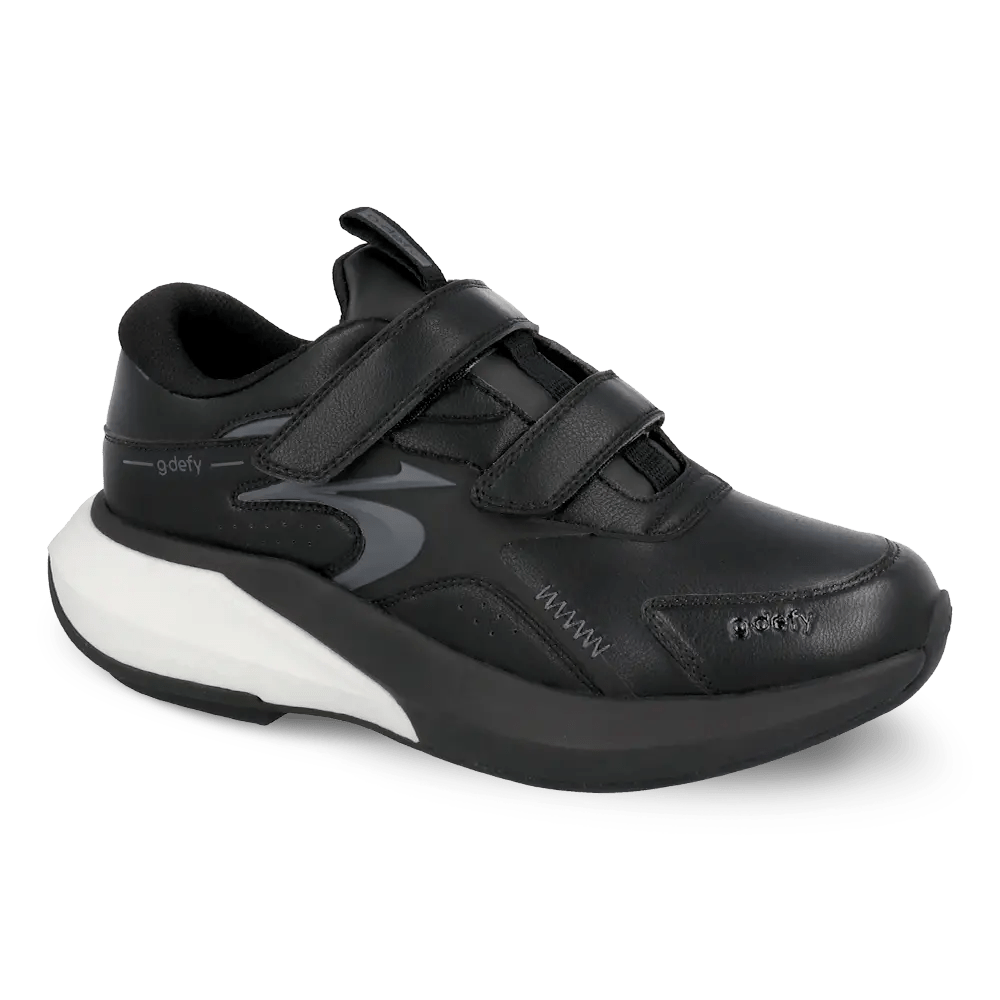
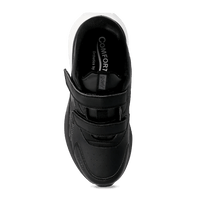
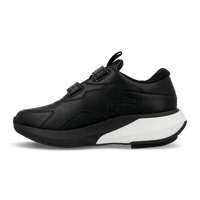
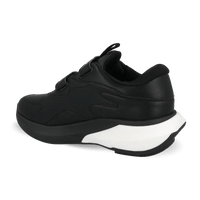
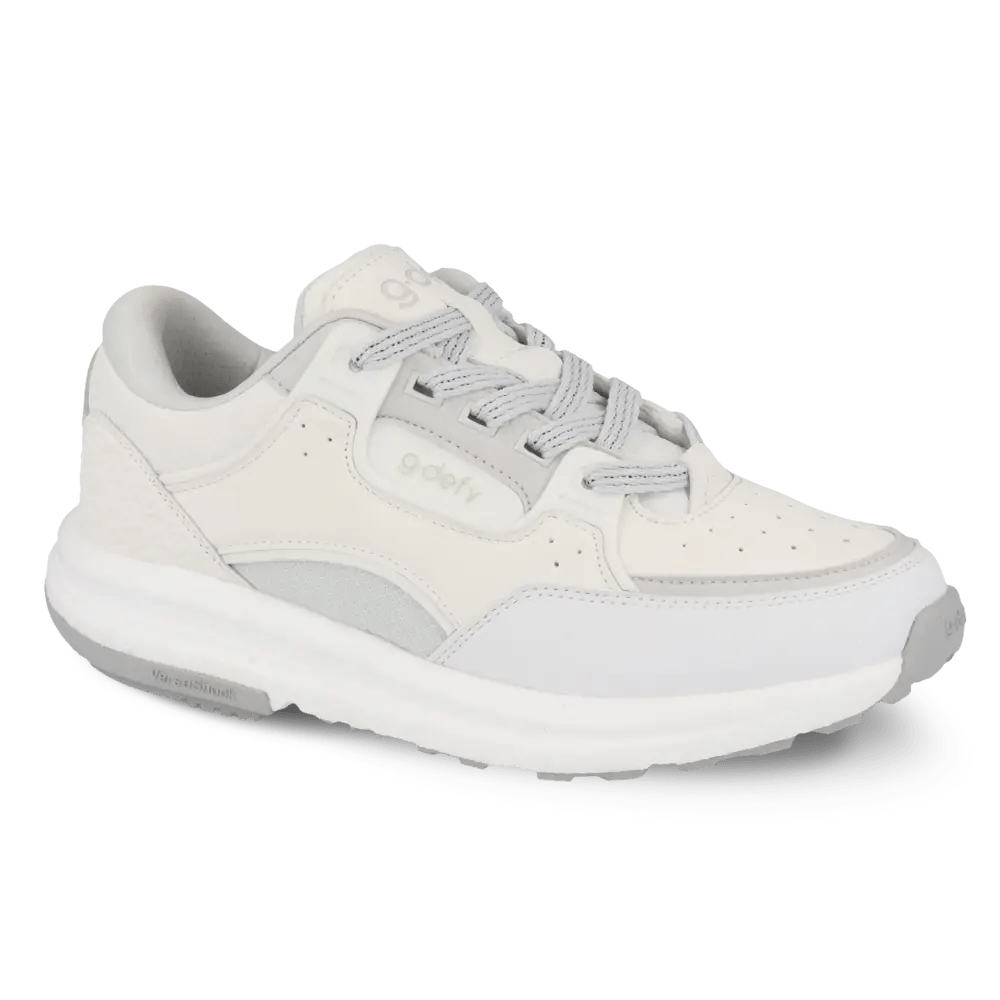
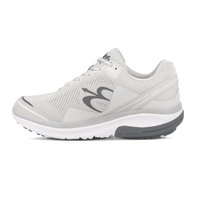
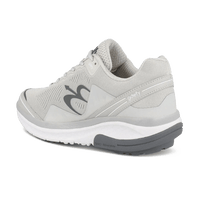
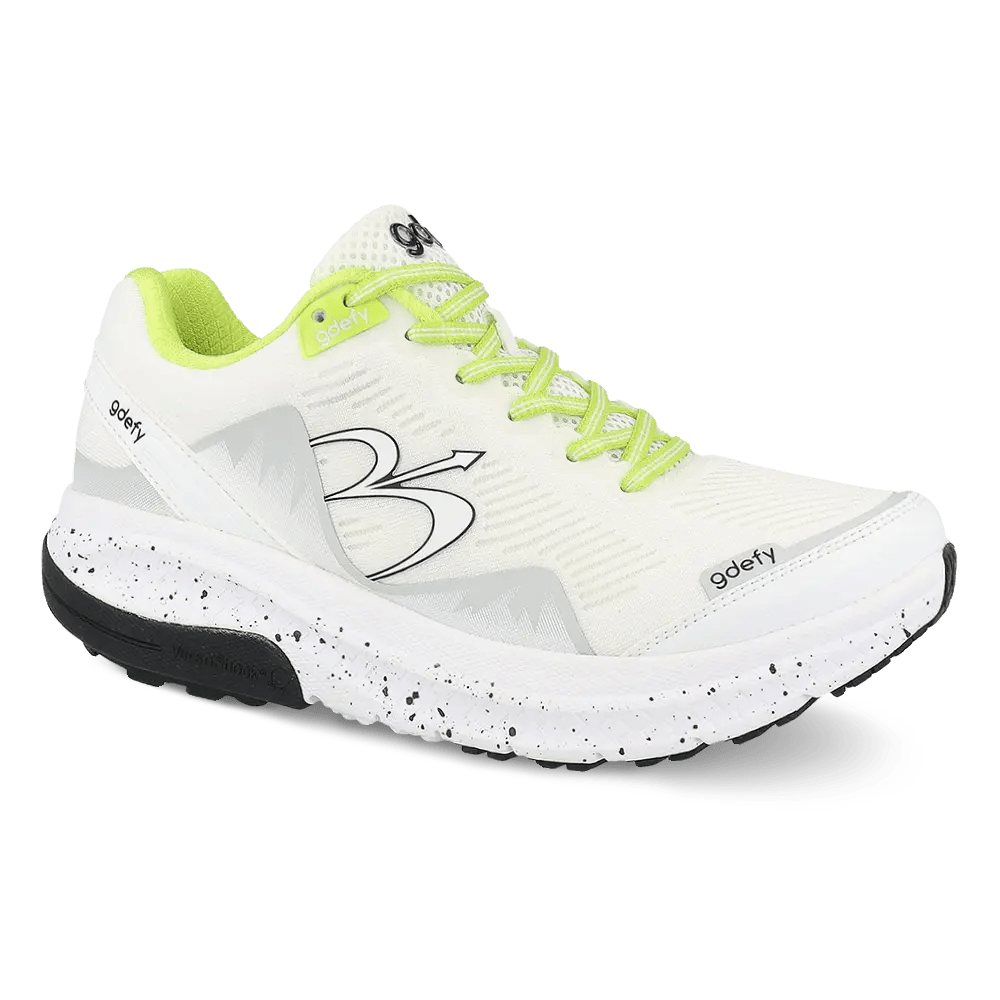
The Mighty Walk is one of G-Defy's most popular choices for all-day comfort, designed with maximum cushioning and shock absorption for people who spend long hours walking or standing. For everyday wear with a lighter feel, the Ion brings the same core VersoShock® technology in a more casual, lightweight profile.
G-Defy shoes are designed to provide comfort, support, and shock absorption during daily movement. They help reduce pain from walking, running, and prolonged standing.
Try G-Defy Risk-Free for 60 Days
Free shipping. Free exchanges. Full refund if you're not satisfied.
Shop the Mighty WalkSimple Habits That Support Your Back During Daily Activity
Even the best shoes work better alongside a few consistent habits:
Replace shoes before the cushioning fails. Most everyday shoes begin losing meaningful cushioning support after several months of regular use. Plan to replace frequently worn pairs annually — or sooner if you walk daily and notice extra fatigue building. The cushion wears out before the shoe does.
Rotate between pairs. Alternating between two pairs gives each shoe time to recover between wearings and extends the useful life of both. For daily walkers, rotating pairs is one of the simplest ways to maintain consistent support over time.
Check how your soles wear. The wear pattern on the bottom of your shoes reveals something about how you move. Heavy outer-heel wear, or wear concentrated in unusual areas, can signal that your current footwear isn't giving your foot the support it needs — and is shifting that load somewhere else.
Pay extra attention on hard floors. Concrete, tile, and asphalt amplify the impact of every step compared to softer surfaces. On days when you know you'll be on hard floors for extended periods — long shifts, travel, or errands — prioritize your most supportive footwear.
For more on the mechanics behind back discomfort during walking, see our related post: What Causes Back Pain When Walking Long Hours?

Frequently Asked Questions
Can shoes actually cause back pain?
Footwear that lacks cushioning, support, or a proper fit can affect how your body absorbs the impact of walking and standing. Over a full day of activity — thousands of steps on hard surfaces — that difference can contribute to discomfort throughout the lower body, including the back. While footwear isn't the only factor in back discomfort, it's one that's often underestimated and easy to address.
What shoe features help with back discomfort during daily activity?
Shoes designed with shock absorption, cushioning, stability, and energy return are built to make walking and standing more comfortable. A secure, proper fit is equally important. Features like a built-in stabilizer system and spring-based shock absorption technology can further support the body during movement, reducing the compensatory strain that builds up over a long day on your feet.
How often should I replace my walking shoes?
The cushioning and support in everyday walking shoes begins to break down with regular use. If your shoes have been worn regularly for more than a year, they may no longer be performing the way they did when new — even if they still look presentable externally. Regular replacement is one of the most underrated factors in maintaining daily comfort during walking and standing.
Finding Comfort From the Ground Up
While footwear isn't a medical solution for back discomfort, the shoes you wear every day are part of the equation. When your shoes absorb impact effectively, support your foot's natural movement, and keep your stride stable, your back spends less energy compensating for what your footwear isn't doing.
If back discomfort has been affecting how you feel during walks, long work shifts, or simply going about your day, it's worth taking a closer look at what's on your feet.
G-Defy shoes are engineered with VersoShock® technology and a stabilizer system designed to support more comfortable movement from the ground up. Browse all men's shoes or all women's shoes — and try them with our 60-day risk-free trial. Free shipping and free exchanges, always included.
Start Walking More Comfortably
Try G-Defy shoes for 60 days, completely risk-free. Free shipping & exchanges on every order.
Shop All G-Defy Shoes