April 12, 2026
What Causes Back Pain When Walking?
By Gdefy

Summary
If you have ever finished a long walk only to feel a deep ache settling into your lower back, you are not alone. Back pain when walking long hours is one of the most common discomforts adults experience, especially after age 40. Whether you are walking around the neighborhood, spending a day at a theme park, or simply running errands on your feet for hours, that nagging lower back pain can turn an enjoyable activity into an uncomfortable ordeal.
The good news is that understanding what causes back pain during extended walking can help you take steps to improve your daily comfort. And one of the most overlooked factors in back comfort is something you wear every single day — your shoes.
In this guide, we will explore the most common reasons your back hurts after walking long hours and what you can do to support a more comfortable stride.
What Causes Back Pain During Long Walks?
Back pain during extended walking usually is not caused by one single factor. Instead, it tends to result from a combination of everyday stresses that build up over time. Here are some of the most common reasons your lower back may ache after walking for long periods.
Muscle Fatigue
Your lower back muscles and core muscles work together to keep your body upright while you walk. Over the course of several hours, these muscles can become fatigued, especially if they are not well-conditioned. When they tire out, your posture tends to shift, placing additional strain on the structures of your lower back.
People who sit for most of the day and then walk for extended periods are especially prone to this kind of fatigue. Your muscles may not be prepared for the sustained effort, and the sudden shift from sitting to hours of walking can leave your lower back feeling stiff and sore by the end of the day.
Poor Posture and Walking Habits
Many people develop walking habits that put extra pressure on their lower back without realizing it. Leaning forward, slouching, or looking down at your phone while walking can all shift your center of gravity and increase the load on your lumbar spine. Over time, these small postural habits can add up to significant discomfort.
Lack of Proper Footwear
This is one of the most underappreciated causes of back pain during walking. Your feet are the foundation of your entire body. When your shoes lack adequate cushioning, support, or shock absorption, the impact from each step travels upward through your legs and into your lower back. Worn-out shoes, flat shoes without arch support, and shoes that do not fit properly can all contribute to back discomfort during long walks.
Repetitive Impact Over Time
Every step you take sends a wave of impact through your body. On a short walk, this is not a problem. But when you walk for hours at a time, those thousands of small impacts accumulate. Without adequate shock absorption from your footwear, your back absorbs more of that force than it should.
Natural Changes With Age
Uneven or Hard Walking Surfaces
The surface you walk on plays a role in how your back feels afterward. Hard surfaces like concrete sidewalks and tile floors offer no give, meaning your body absorbs more impact with each step. Walking on uneven terrain can also force your body to constantly adjust, which may lead to muscle strain in your lower back over time. If you regularly walk on hard surfaces for long periods, the cushioning and support in your shoes becomes even more important.
Natural Changes With Age
As we get older, the structures of the spine naturally change. Discs between the vertebrae may lose some of their cushioning ability, and muscles may not recover as quickly as they once did. These natural changes mean that footwear and walking habits matter more with each passing year. What felt fine in your 30s may cause noticeable discomfort in your 50s and beyond — not because you are doing anything wrong, but because your body benefits more from proper support as it ages.
What to Look for in Shoes If You Experience Back Pain When Walking
Choosing the right footwear can make a meaningful difference in how your back feels during and after a long walk. Here are the key shoe features that support back comfort during extended walking.
Shock Absorption
Look for shoes designed to absorb the impact of each step. Effective shock absorption helps reduce the amount of force that travels through your body, which can help keep your back feeling more comfortable over longer distances.
Arch Support
Proper arch support helps maintain the natural alignment of your feet, which in turn supports better posture throughout your legs, hips, and lower back. Shoes with poor arch support can cause your feet to roll inward or outward, creating a chain reaction that affects your entire body.
Stability Features
A shoe with a built-in stabilizer helps prevent excessive bending and twisting in the midsole. This encourages a more controlled stride and reduces the kind of unstable movement that can place extra stress on your lower back.
Cushioning That Lasts
Many shoes feel cushioned at first but compress quickly with regular wear. Look for shoes that maintain their cushioning over time, so your back stays supported not just on day one, but through months of walking.
Proper Fit
A shoe that is too tight, too loose, or the wrong shape for your foot can throw off your entire walking mechanics. Make sure you have enough room in the toe box, a snug fit through the midfoot, and adequate heel support.
How G-Defy Shoes Support Back Comfort During Long Walks
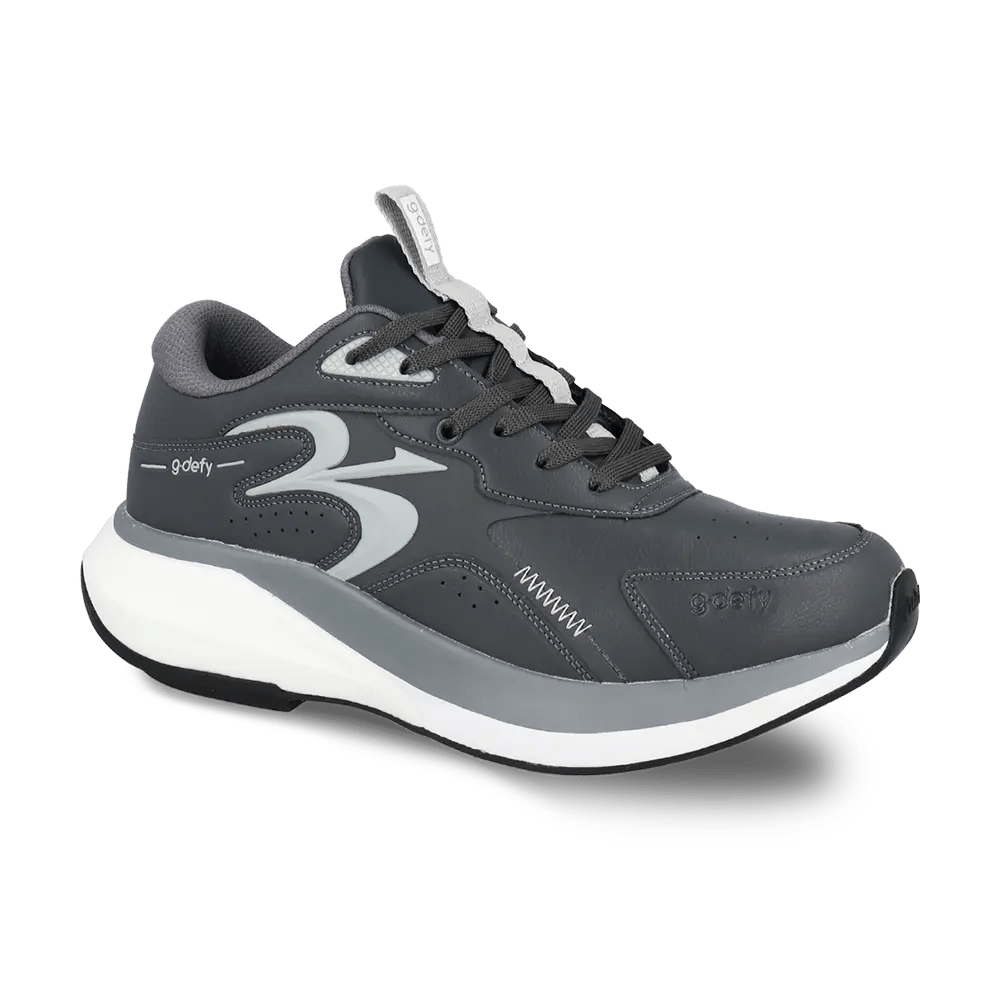
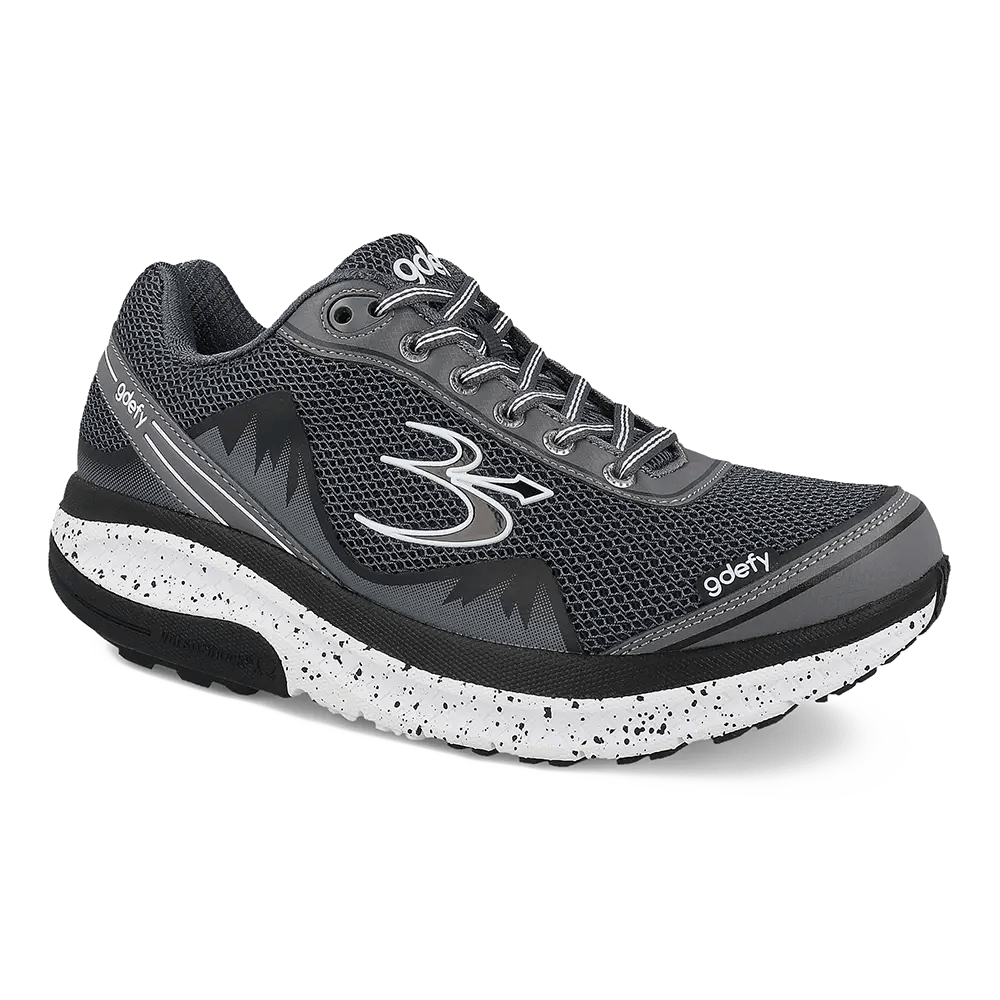
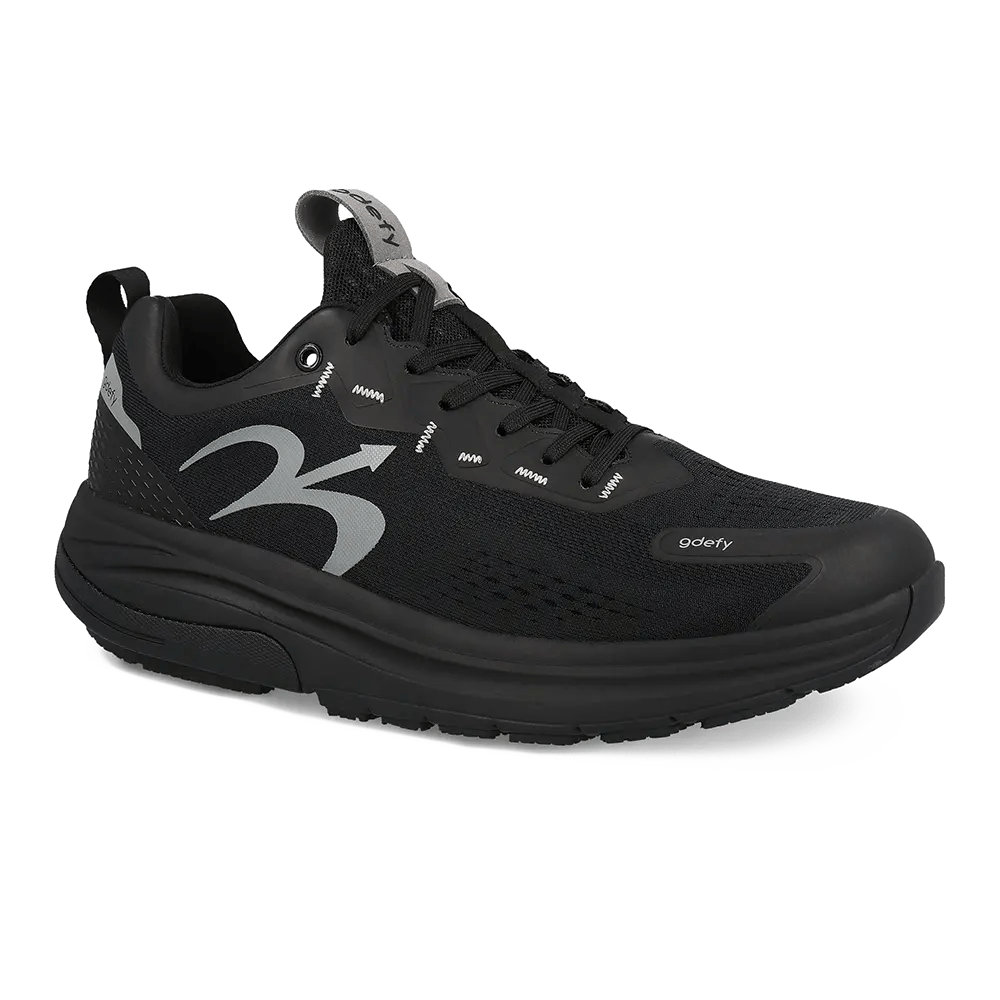
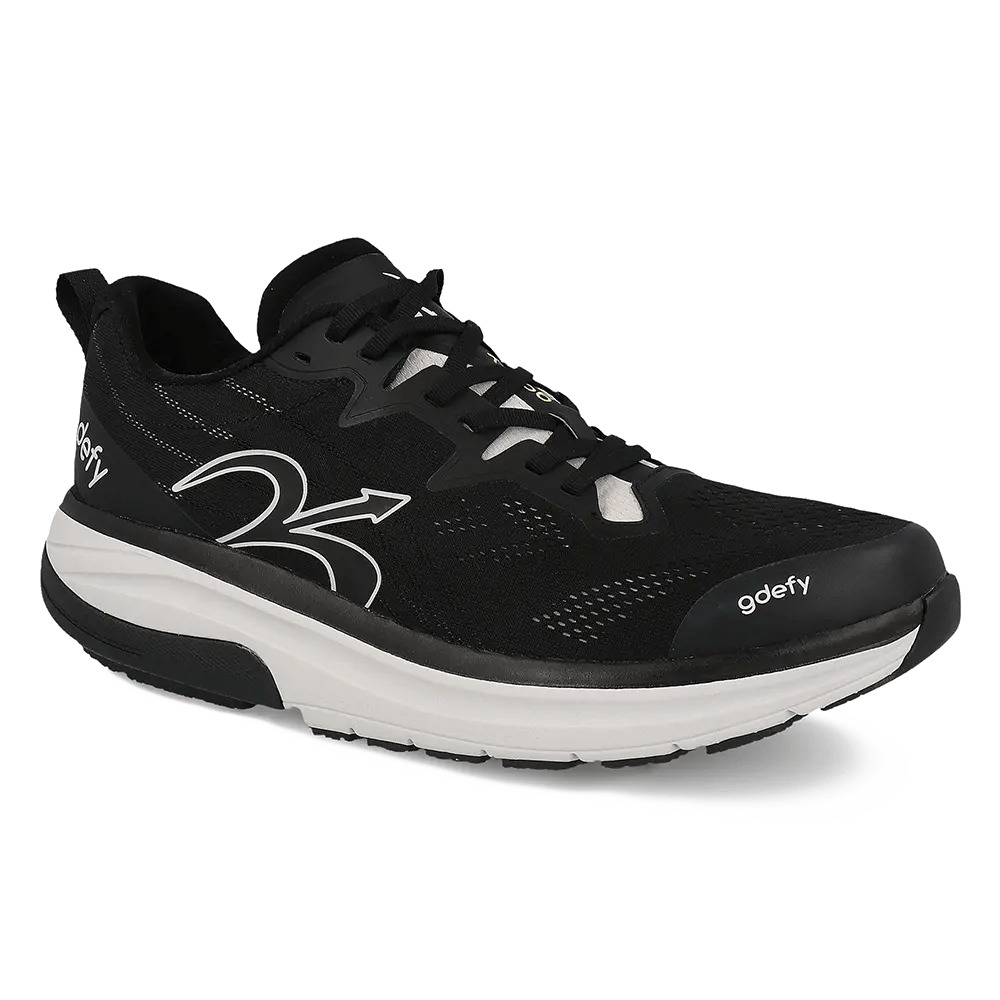
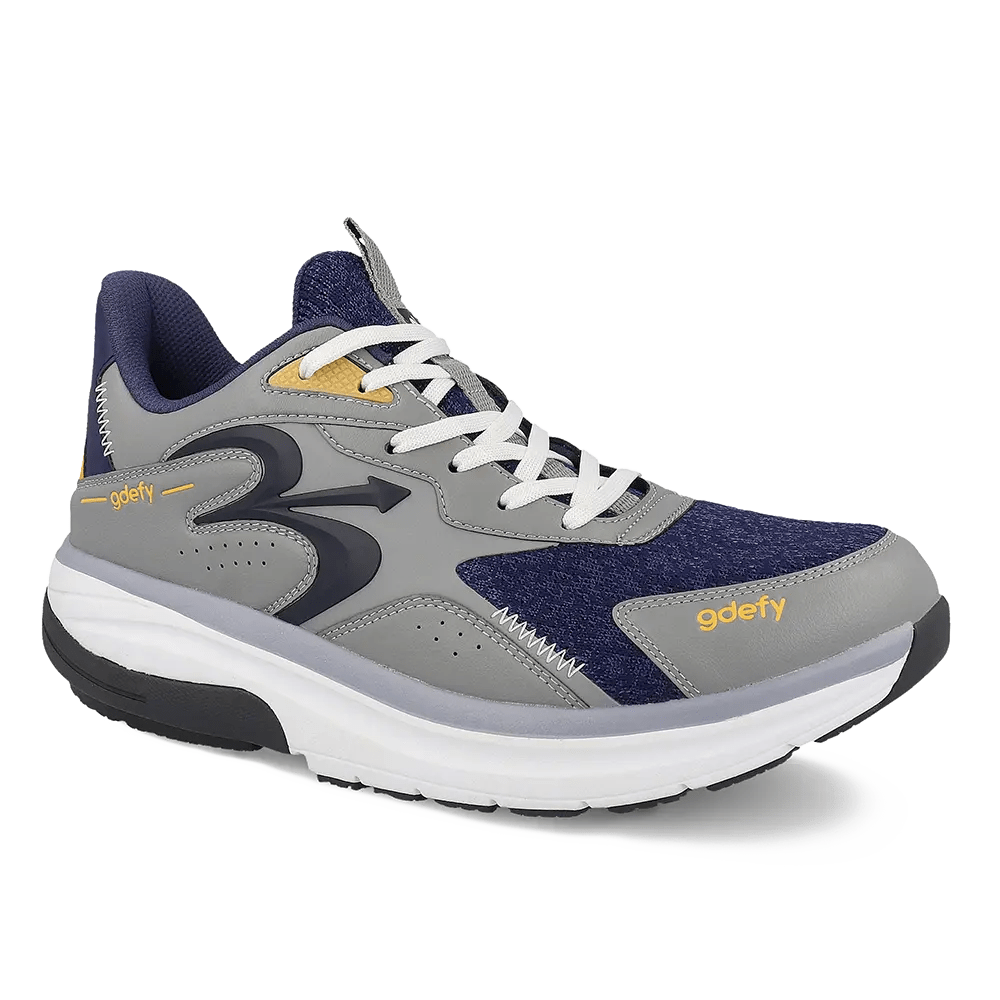
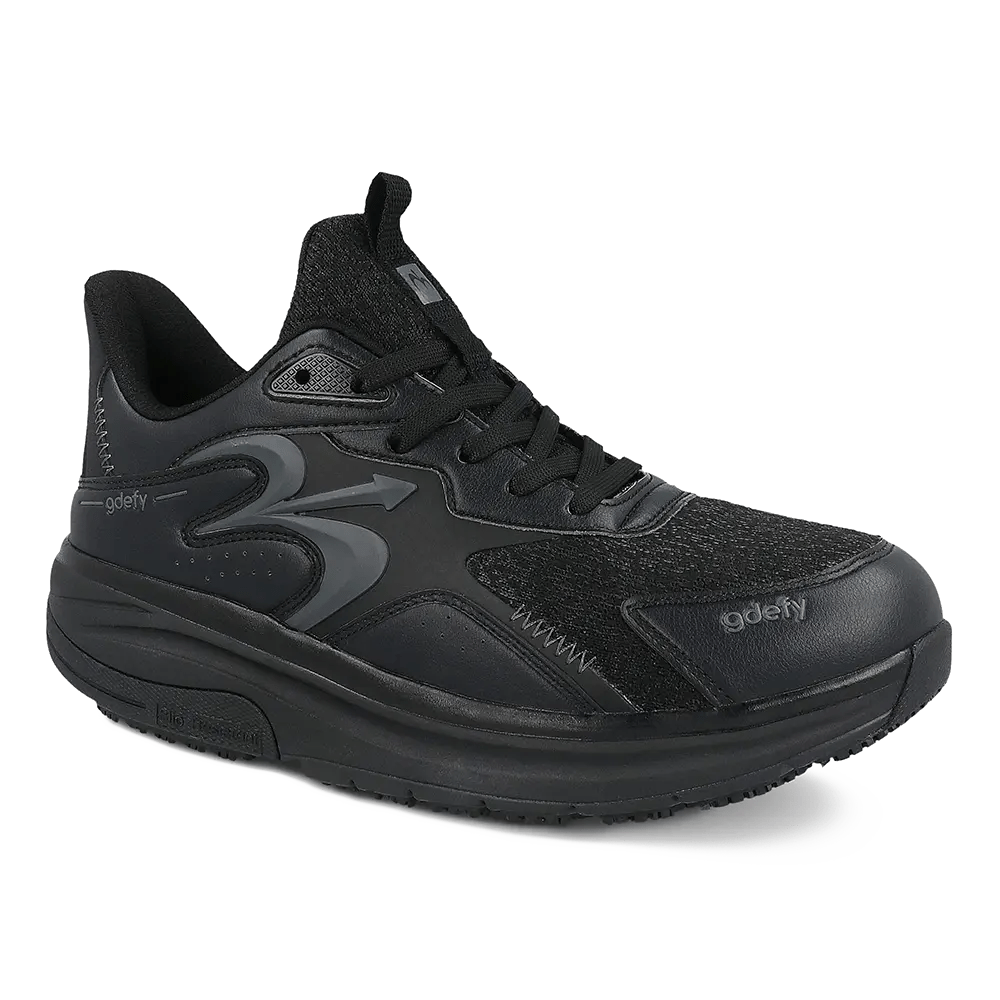
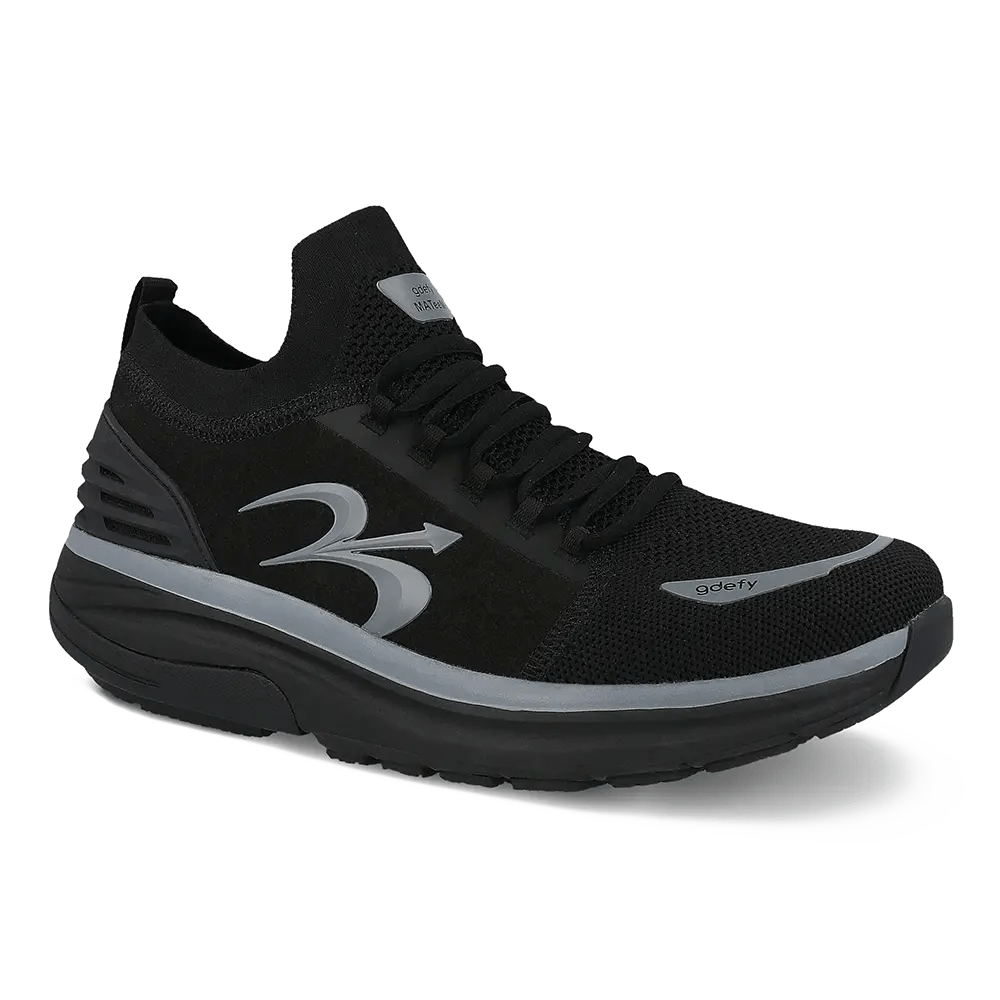
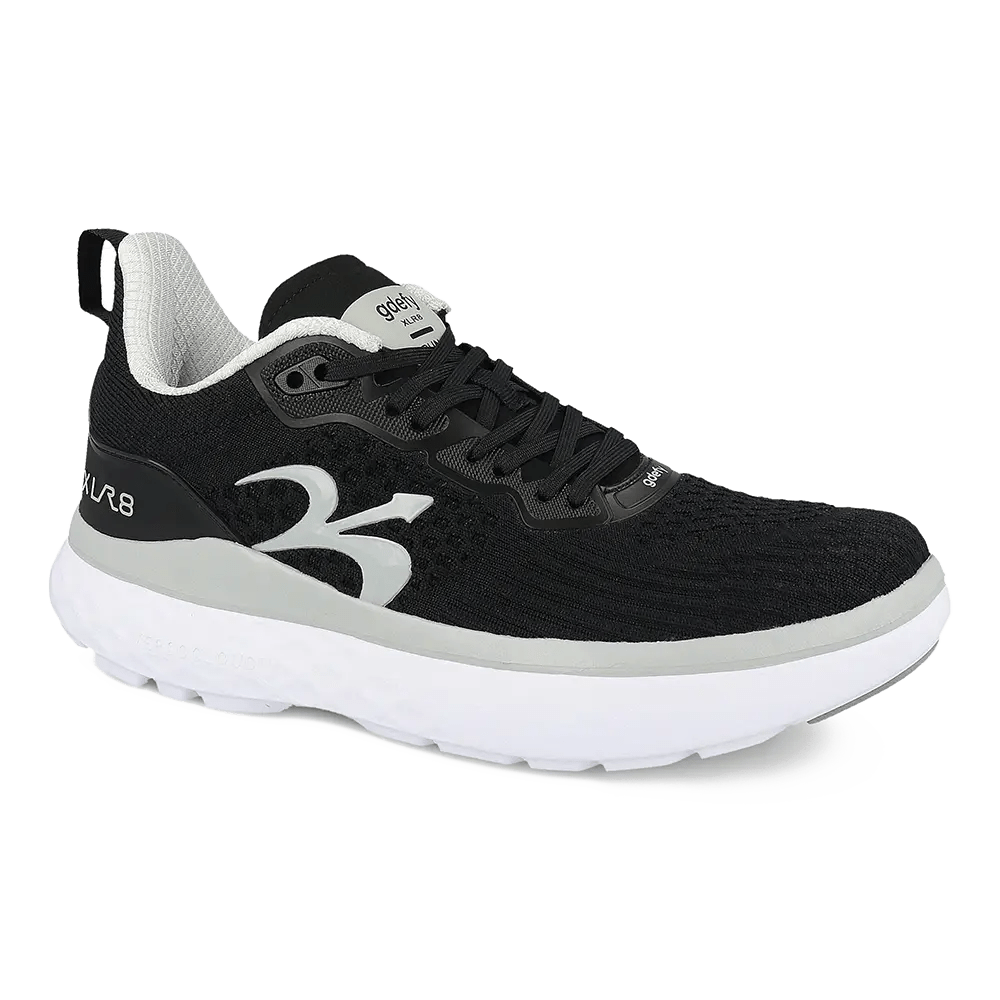
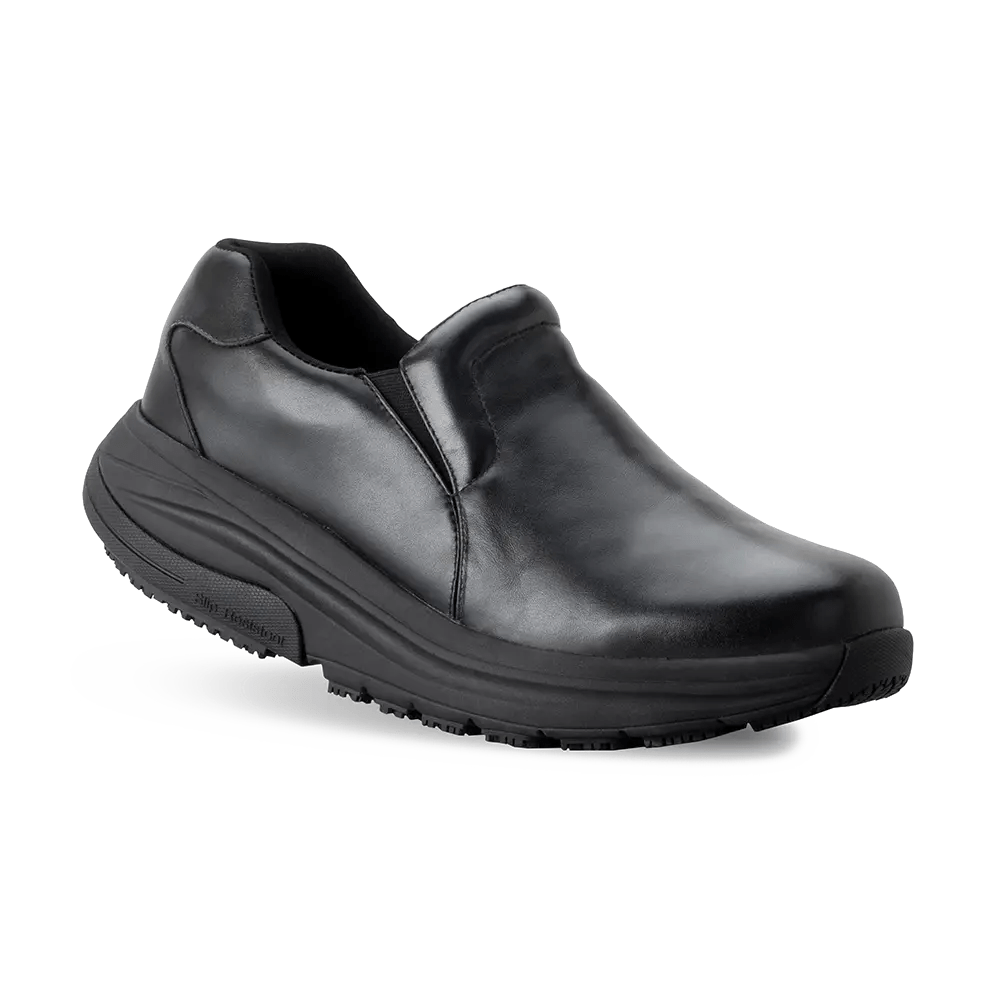
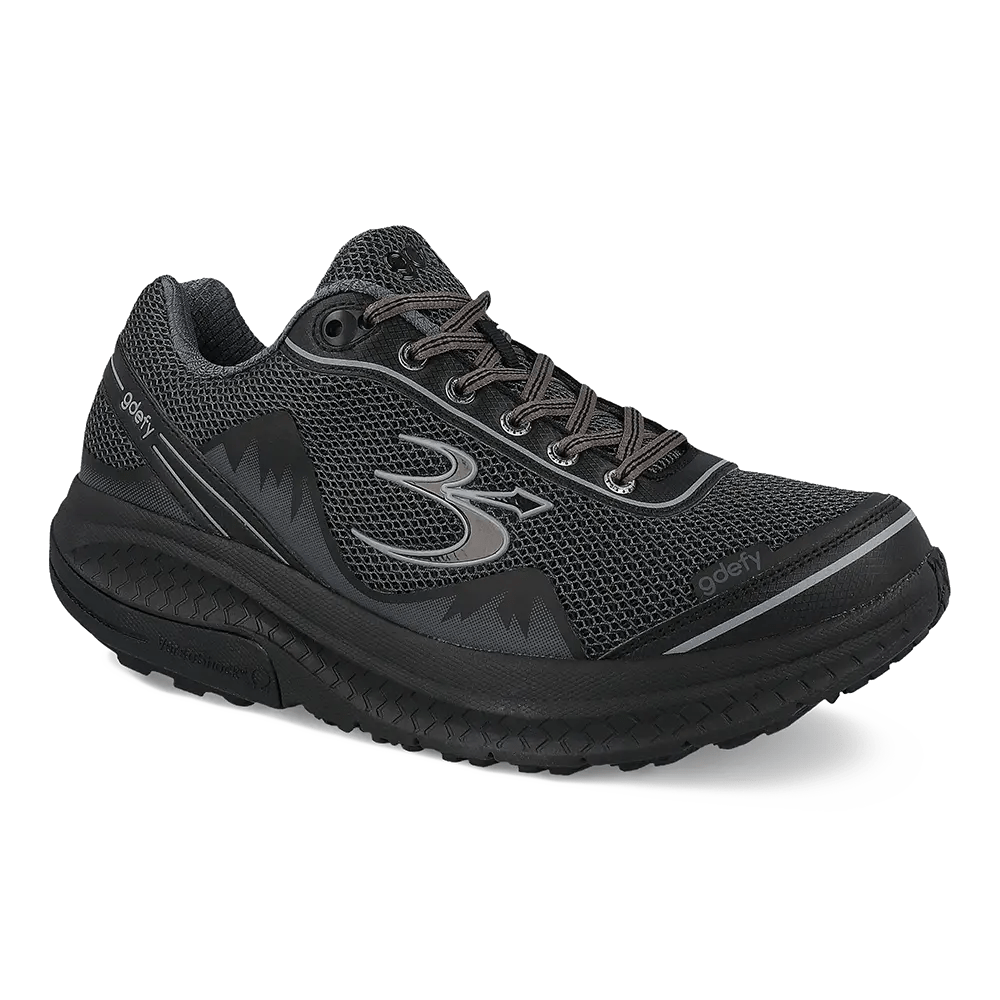
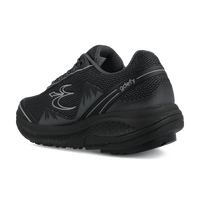
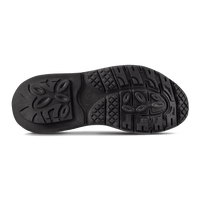
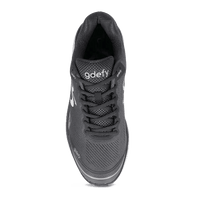
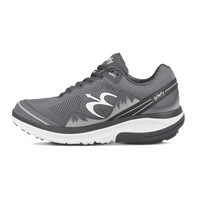
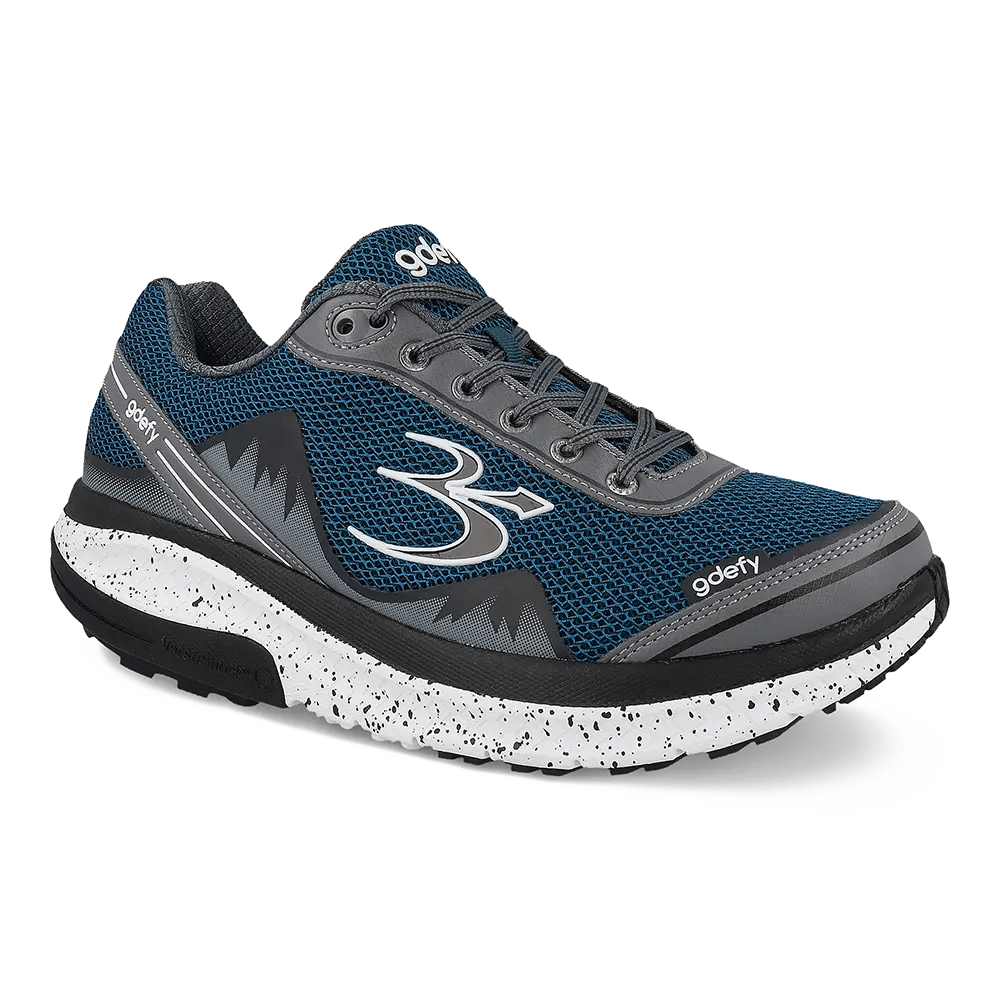
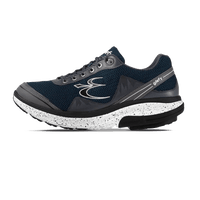
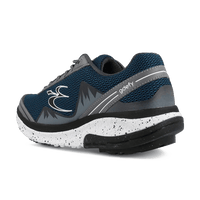
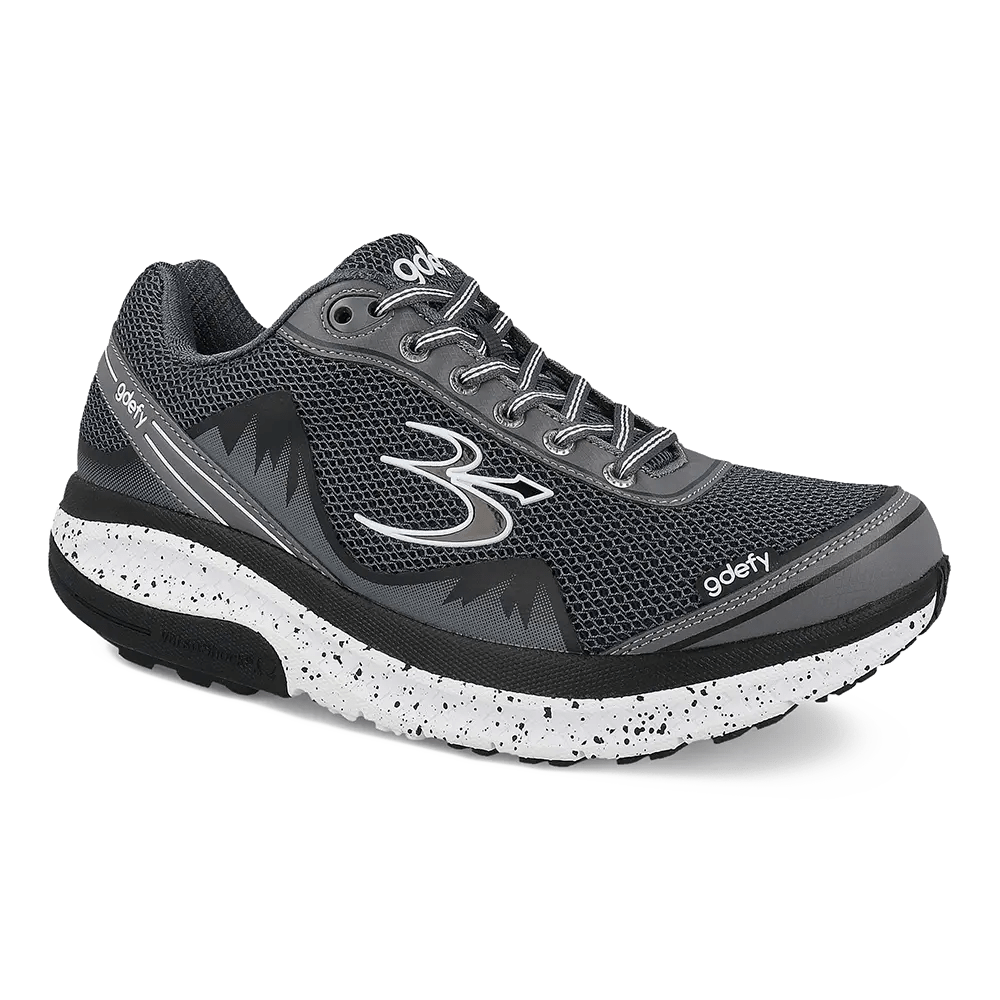
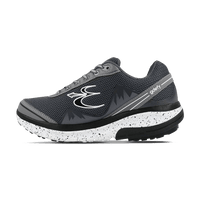
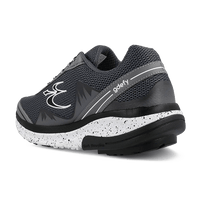
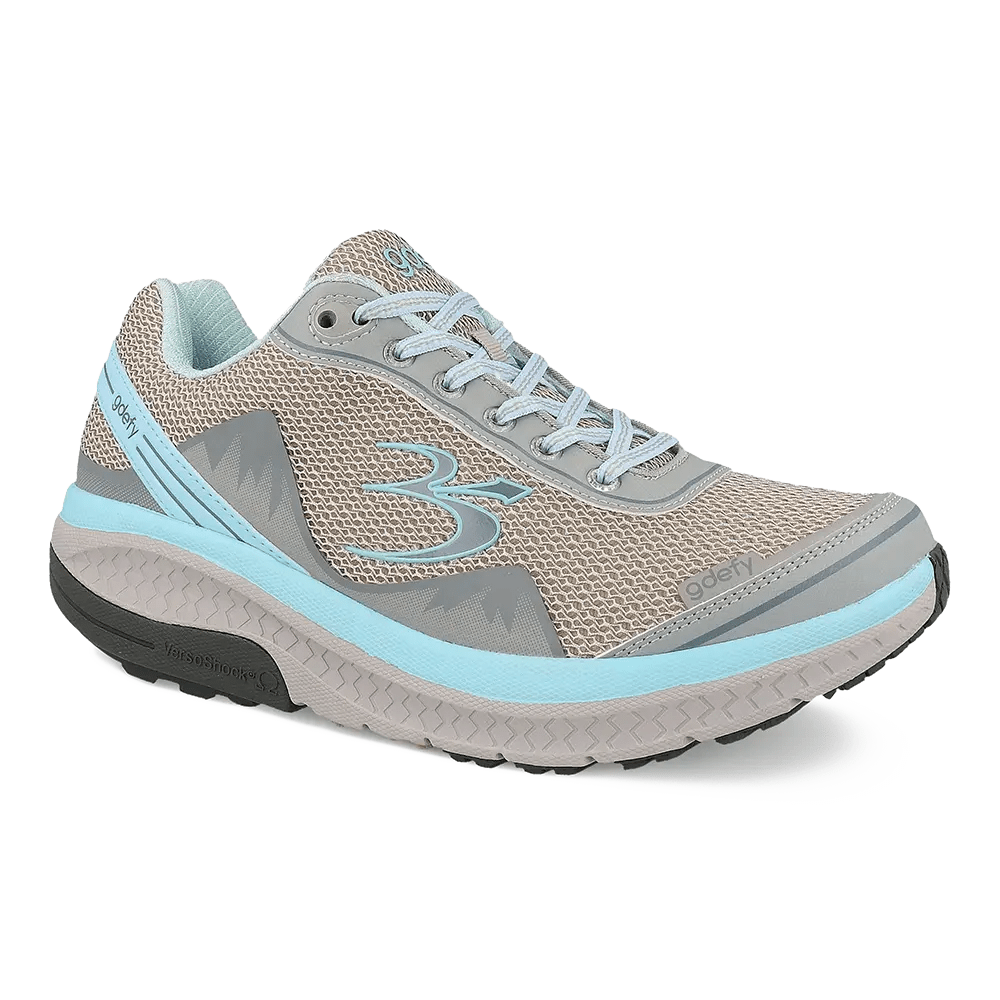
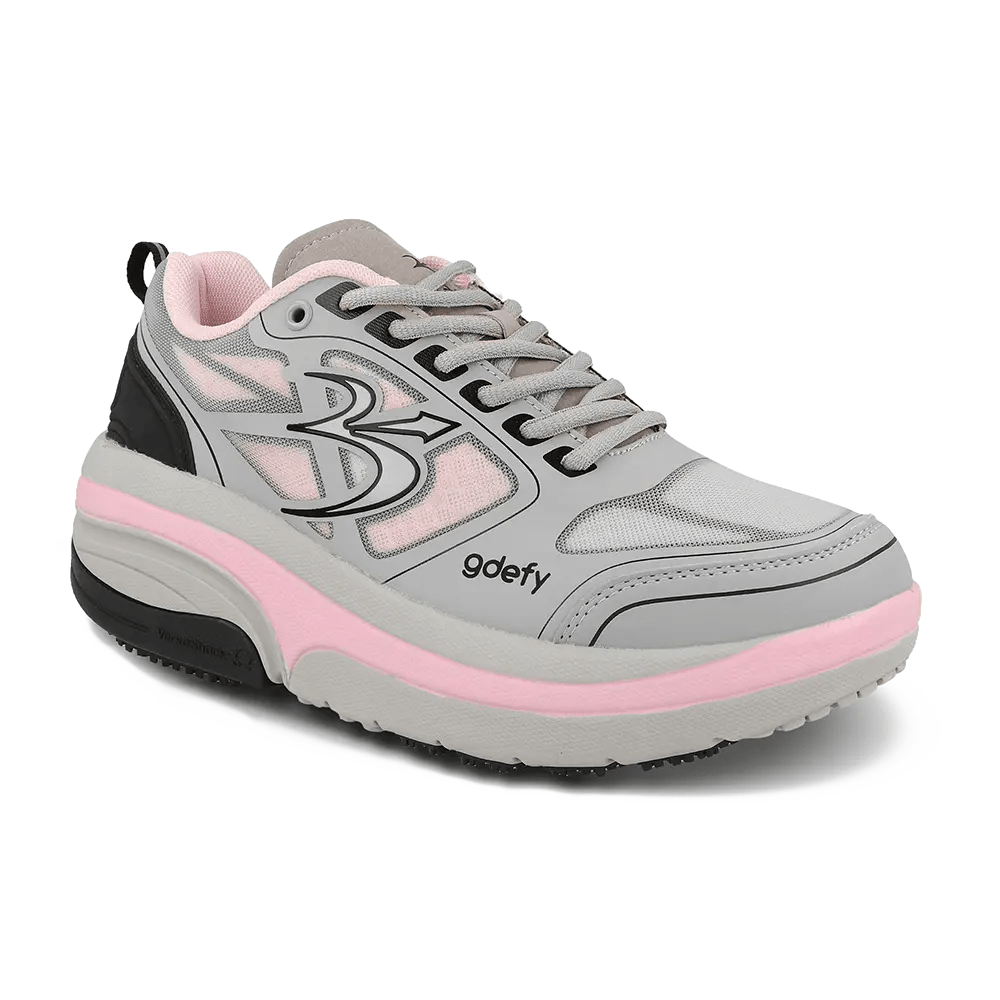
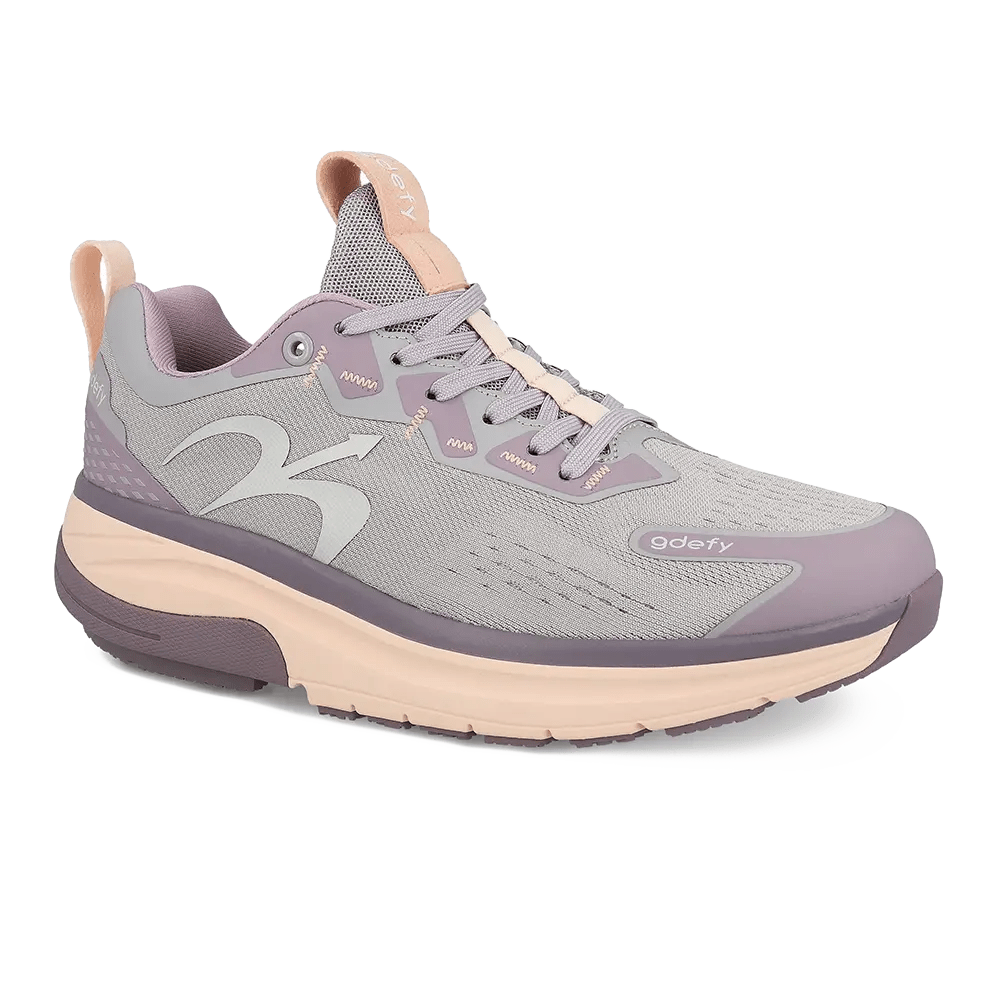
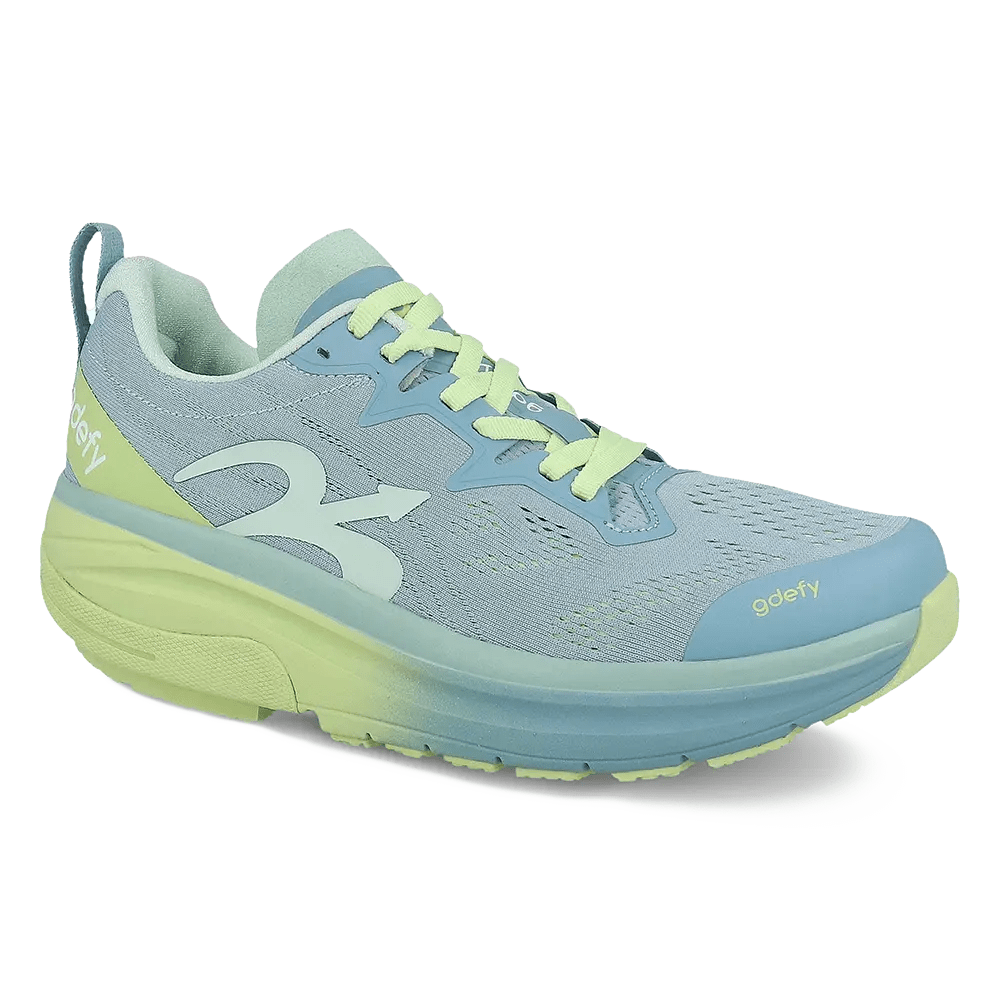
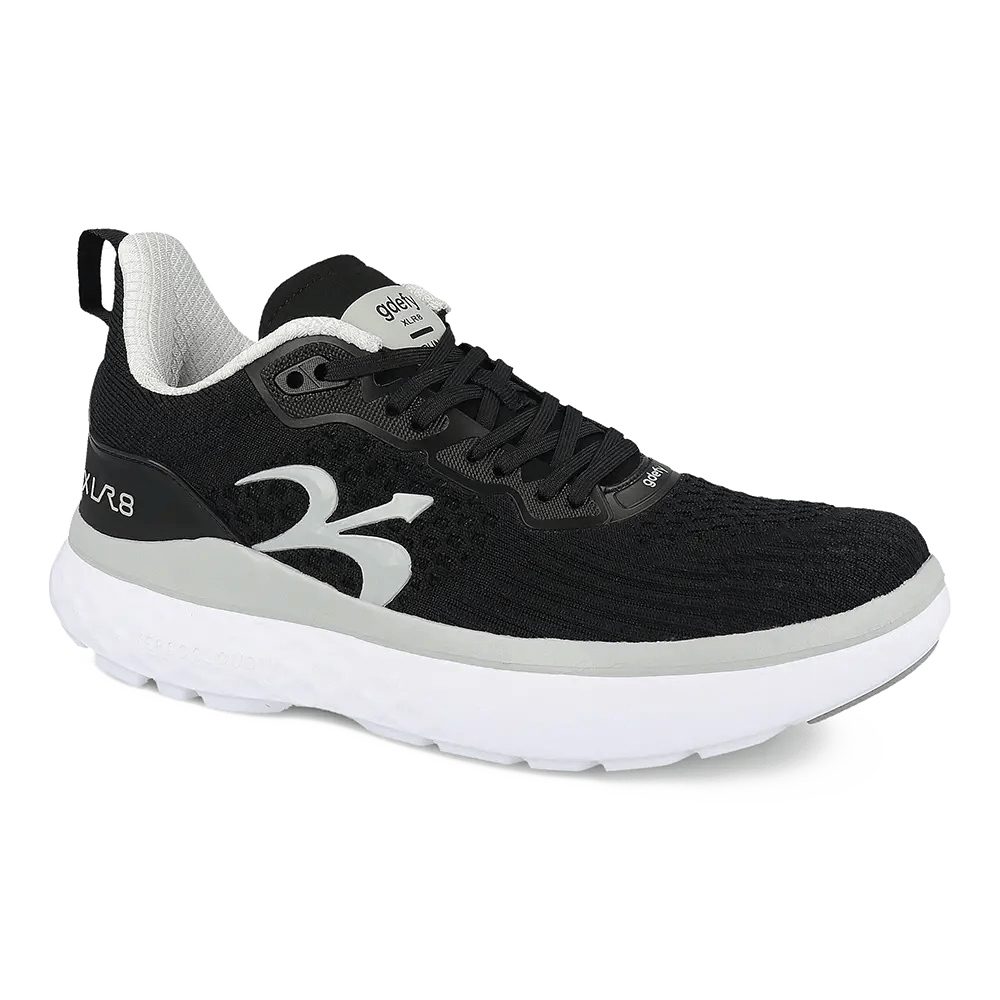
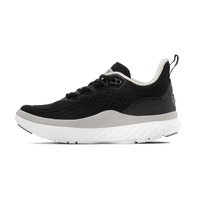
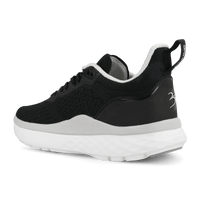
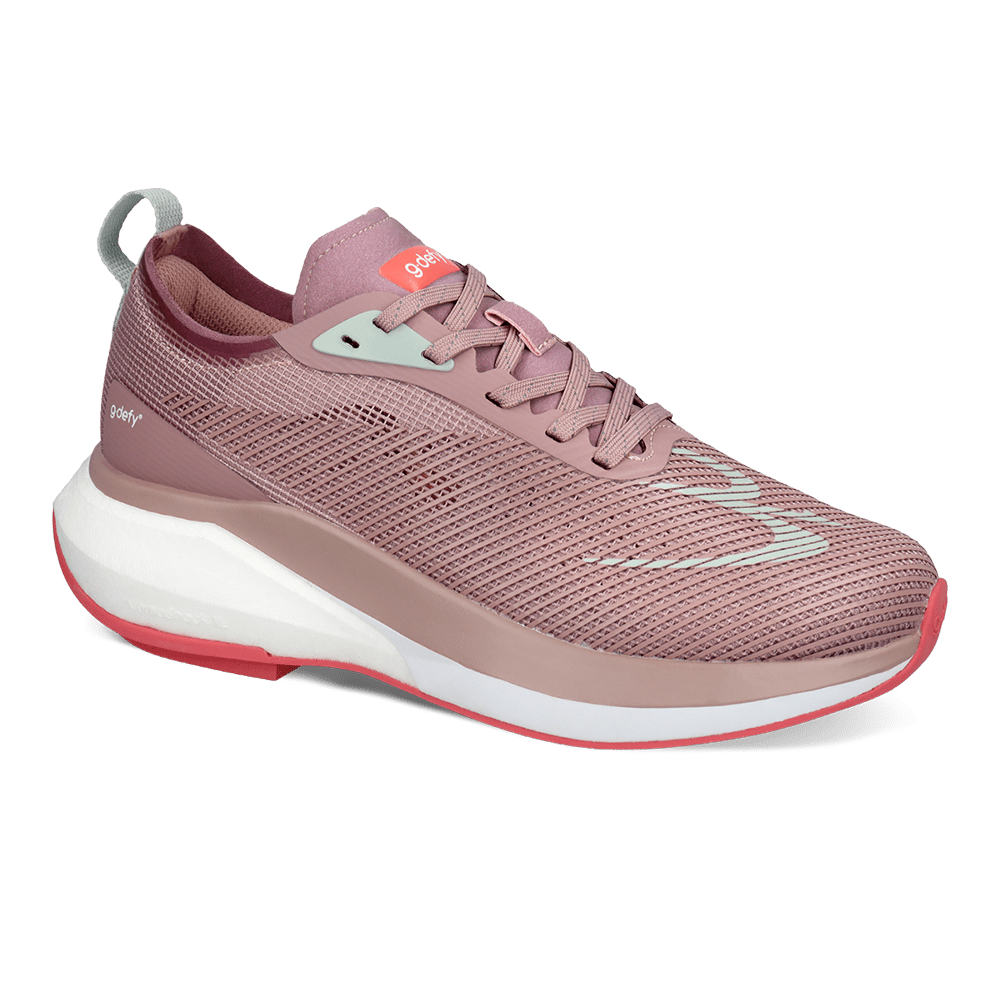
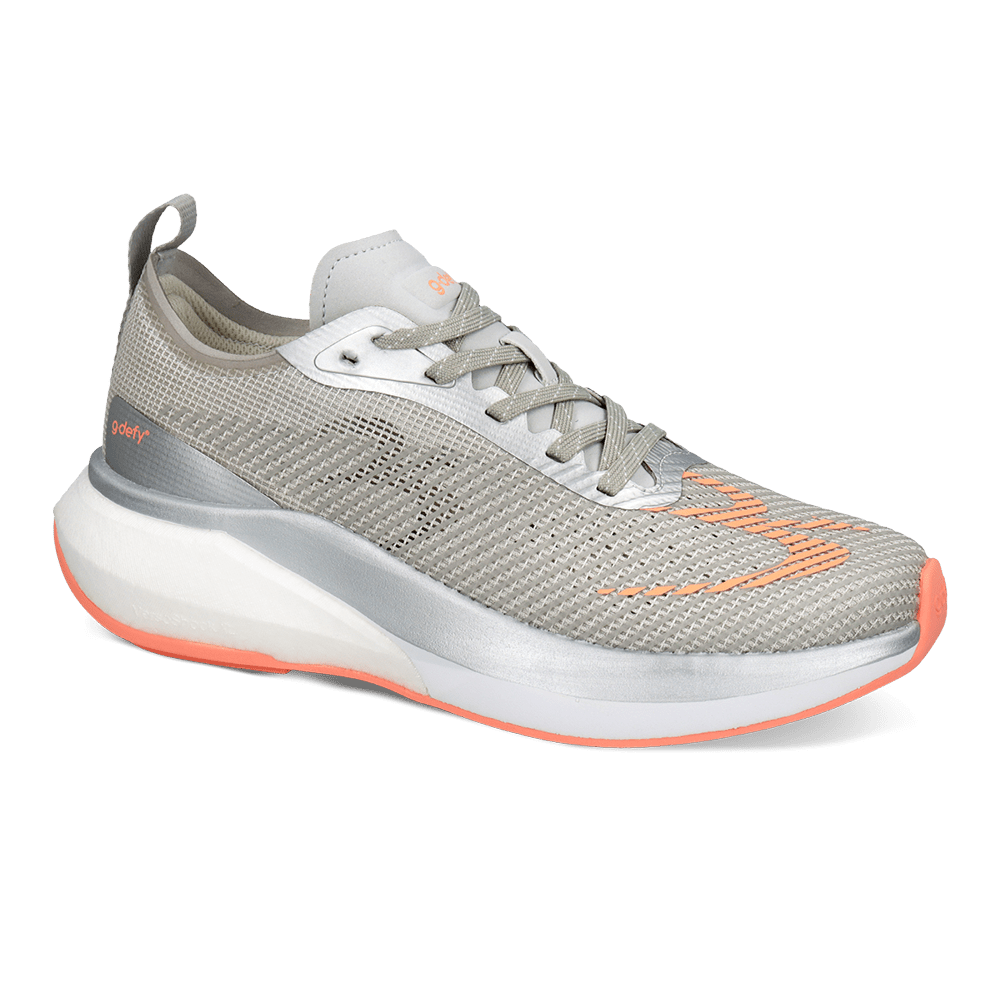
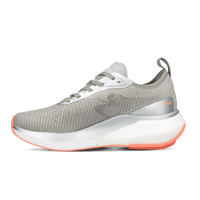
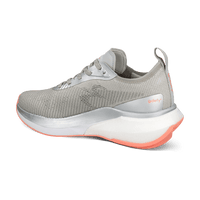
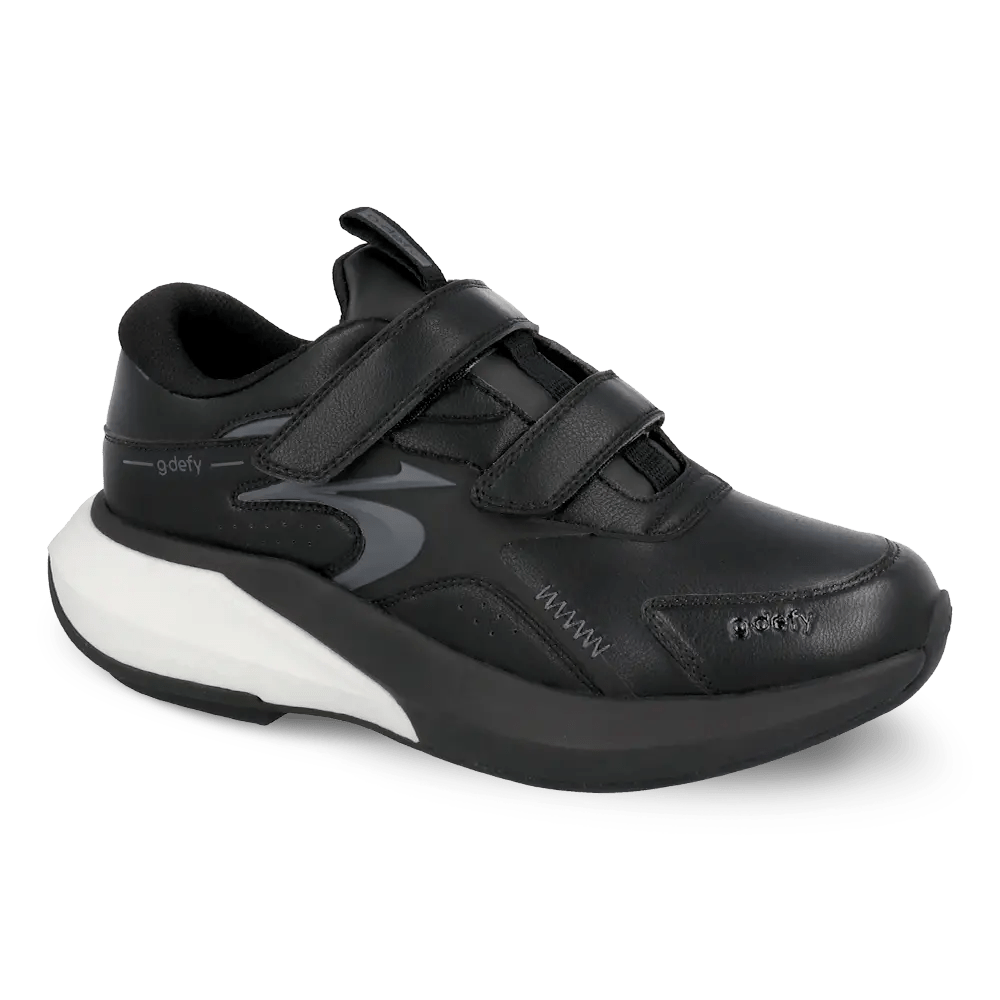
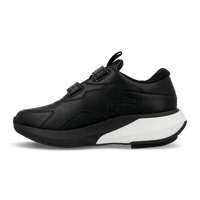
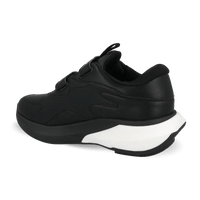
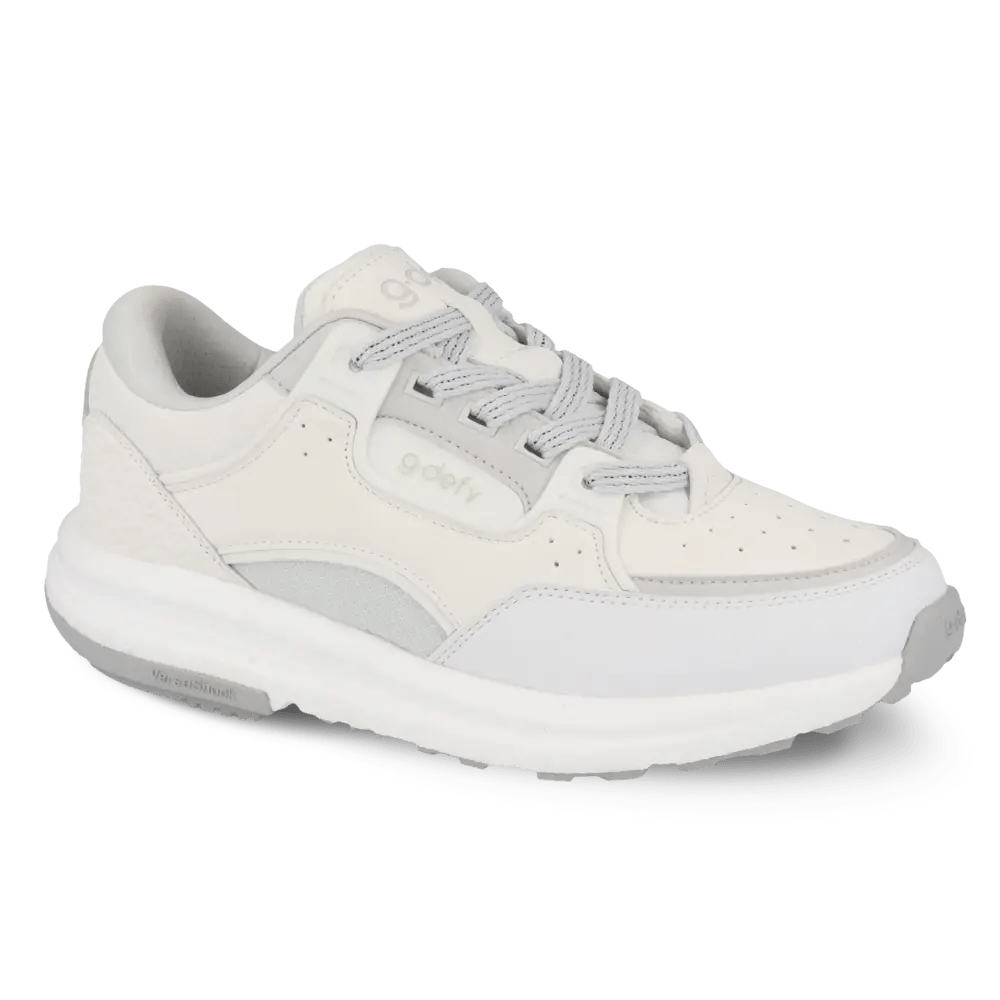
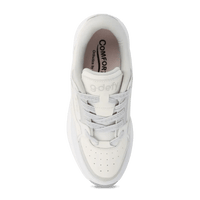
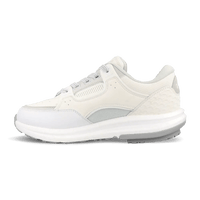
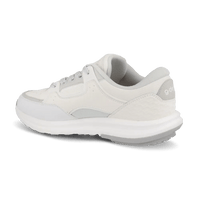
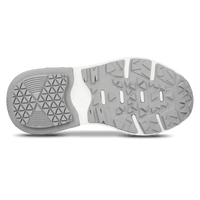
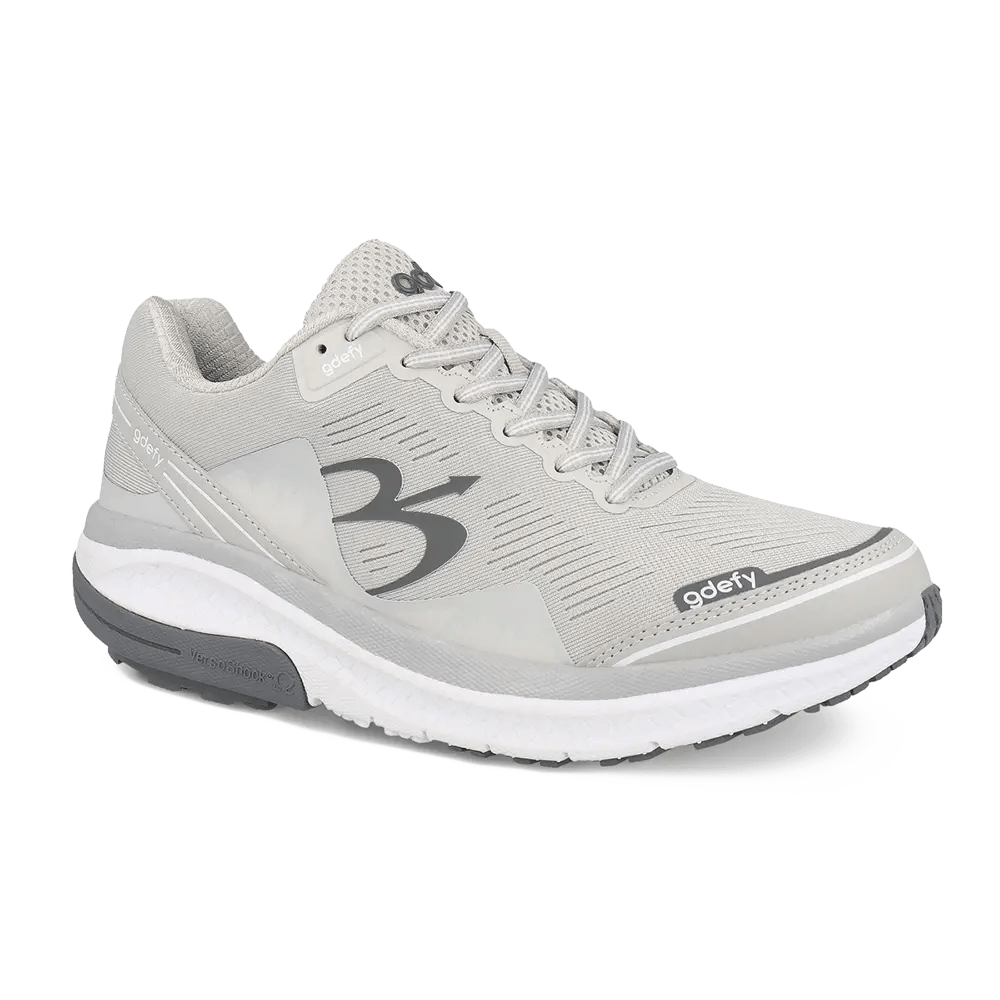
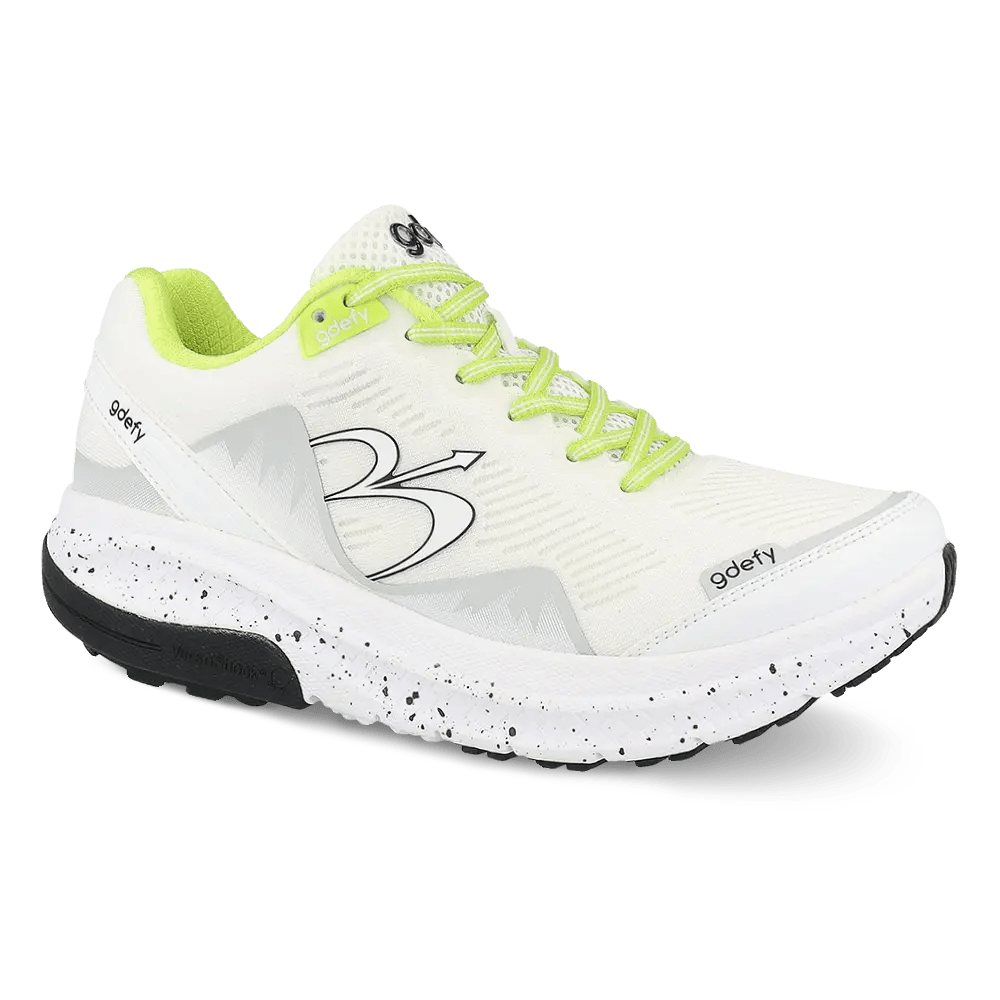
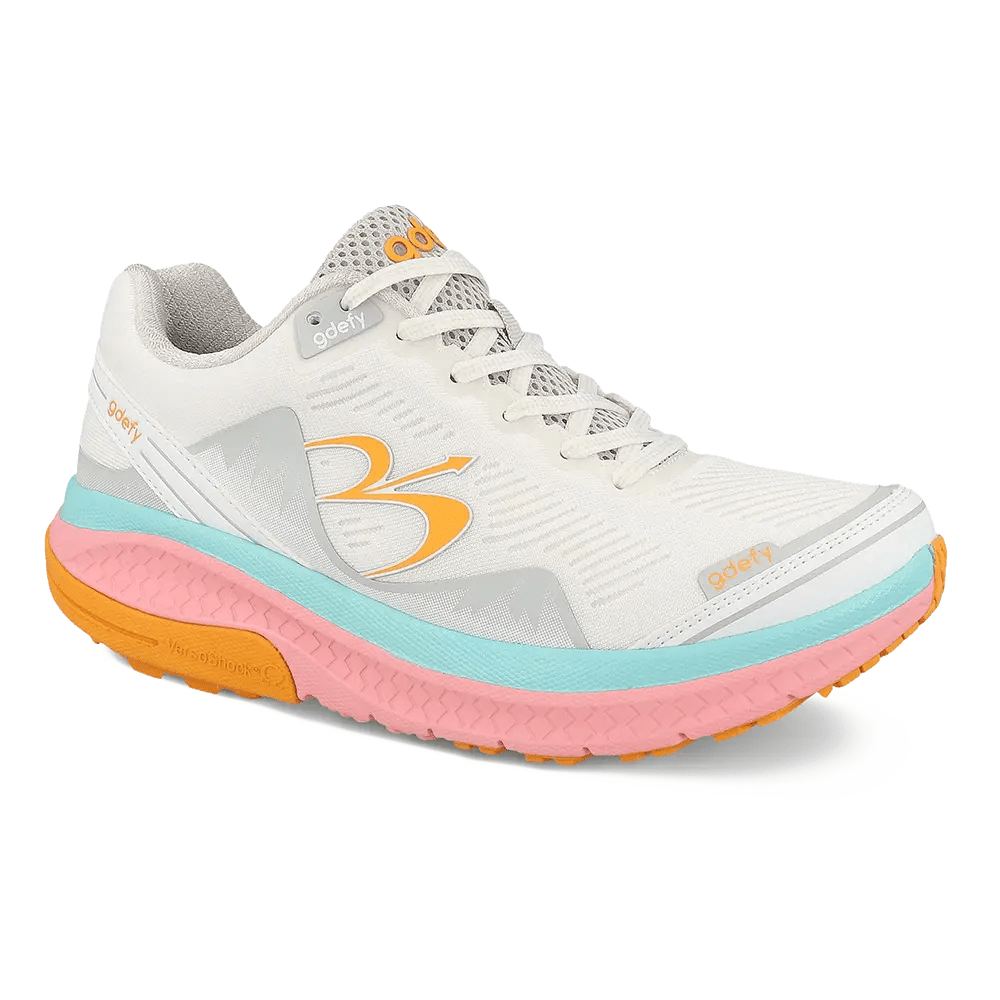
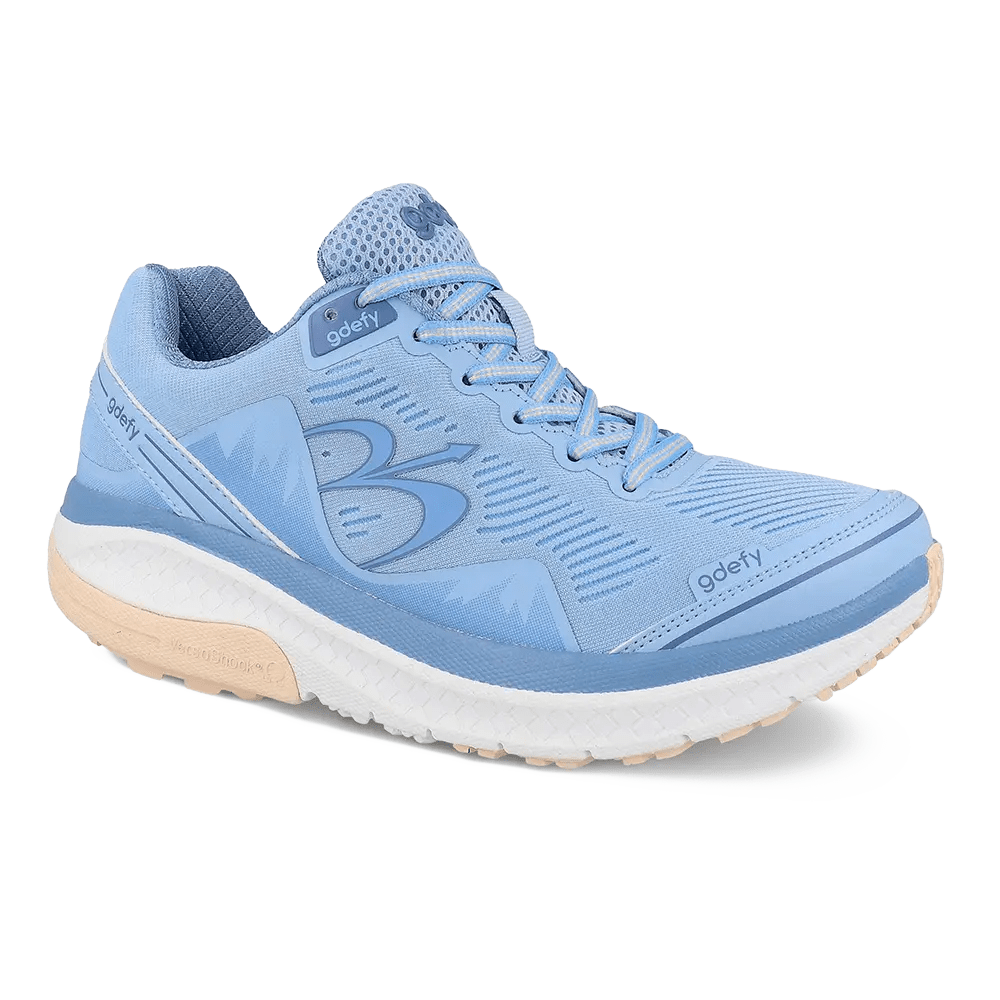
G-Defy shoes are engineered to provide comfort, support, and shock absorption during daily movement. For people who experience back discomfort when walking long hours, several design features work together to support a more comfortable experience.
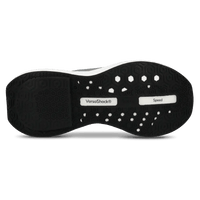
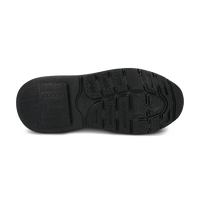
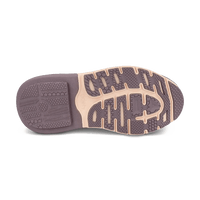
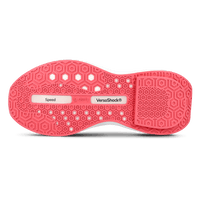
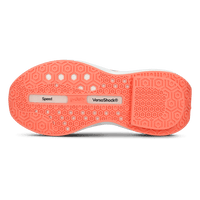
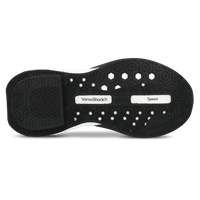
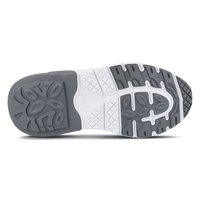
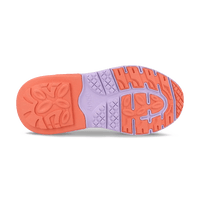
At the core of every G-Defy shoe is VersoShock® technology, a spring-based system designed to absorb impact softly and return energy with each step. Unlike traditional foam cushioning that compresses and loses effectiveness over time, VersoShock® is built to maintain its shock-absorbing performance throughout the life of the shoe.
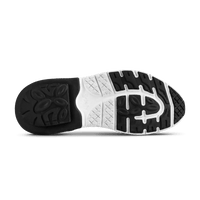
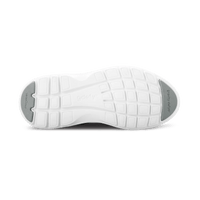
Each G-Defy shoe also includes a built-in stabilizer system that helps support the foot during movement and prevents excessive bending in the midsole. This encourages a more controlled, stable stride — which matters when you are on your feet for hours at a time. A front rolling design promotes a smooth heel-to-toe transition, supporting a more natural and efficient walking motion.
Every pair of G-Defy shoes comes with two removable orthotics — the ComfortFit® orthotic for low to medium arches, and the CorrectiveFit® orthotic for medium to high arches. This allows you to customize your support level based on your foot type and personal comfort preferences.
G-Defy shoes help reduce pain from walking, running, and prolonged standing.
Practical Tips for Reducing Back Discomfort During Long Walks
In addition to wearing supportive footwear, a few simple habits can help keep your back feeling better during extended walks.
Warm up before walking. A few minutes of gentle stretching, especially for your hip flexors and hamstrings, can help prepare your lower back for extended activity.
Focus on posture. Keep your head up, shoulders relaxed, and core lightly engaged while walking. Avoid looking down at your phone, which can pull your upper body forward and increase strain on your lower back.
Take short breaks. If you are walking for more than an hour or two, pause briefly to sit, stretch, or shift your weight. Even a minute or two can help your muscles reset.
Replace worn-out shoes. Even the best shoes lose their supportive qualities over time. If your shoes feel flat, look worn on the bottom, or no longer provide the cushioning they once did, it is time to replace them.
Build up gradually. If you are not used to walking long distances, increase your time gradually rather than jumping straight into a full day on your feet.


Frequently Asked Questions
Can shoes really affect your back when walking?
Yes. Your feet are the foundation of your body's alignment. Shoes with poor cushioning, minimal support, or worn-out soles can affect how impact travels through your body during walking. Supportive and cushioned footwear may improve overall comfort during walking and prolonged standing. For more on how footwear design affects comfort, explore G-Defy's approach to shoe engineering.
How long should I walk if I have back discomfort?
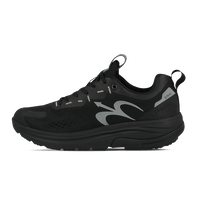
Listen to your body. Start with shorter walks and gradually increase duration as your comfort allows. Wearing shoes designed for comfort and shock absorption — like the G-Defy Mighty Walk — can help support longer walks with greater comfort. If discomfort persists, consult your healthcare provider.
What type of shoes are best for walking long distances?
For extended walking, look for shoes with strong shock absorption, supportive arch design, a stable midsole, and cushioning that maintains its performance over time. Avoid flat shoes, worn-out sneakers, and shoes without adequate support. Browse the full G-Defy collection for men or G-Defy collection for women to find options designed for daily comfort and support.
Conclusion
Back pain when walking long hours is a common experience, but it does not have to be an inevitable one. By understanding the common causes — from muscle fatigue and poor posture to inadequate footwear and repetitive impact — you can take practical steps toward more comfortable daily walking.
While footwear is not a medical solution, choosing shoes designed for comfort, support, and shock absorption can make a meaningful difference in how your back feels throughout the day. G-Defy shoes, with VersoShock® technology and built-in stabilization, are engineered to support a smoother, more comfortable walking experience.
Ready to Experience the Difference?
Try G-Defy shoes with a 60-day risk-free trial and free shipping.
If you have been dealing with back discomfort during your daily walks, the right pair of shoes may be the simplest change you can make. For more on how footwear affects back comfort, read our complete guide: Can Shoes Help With Back Pain During Daily Walking?
For persistent back pain, always consult your healthcare provider for personalized guidance.