
April 24, 2026
Sustainable Comfort: How G-Defy Builds Shoes That Last
By Gdefy

Summary
Earth Month is a natural moment to think not just about the planet — but about the choices we make every day. One of those choices is footwear. And if you've ever replaced a pair of walking shoes after just a few months because they stopped feeling supportive, you understand the hidden cost of shoes that don't last.
This post explores what actually determines shoe durability, how long comfortable walking shoes should last, and why the technology inside your shoes matters far more than the label outside.
Why Most Walking Shoes Don't Last as Long as They Should
If you've ever pulled on a pair of shoes that felt great for the first few months, only to find them flat and uncomfortable by month six, you've experienced what footwear engineers call midsole compression set — a slow, irreversible collapse of the foam that was supposed to cushion your steps.
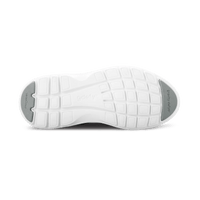
Most walking shoes — no matter the price — rely on traditional EVA foam for their midsoles. Foam is lightweight, inexpensive to manufacture, and initially comfortable. The problem is that foam compresses permanently with repeated impact. Every step literally squeezes the air out of it, and over time, that cushion simply doesn't return.
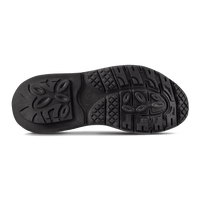
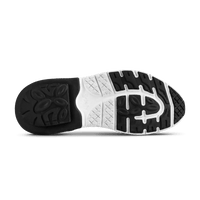
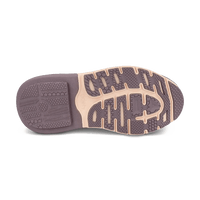
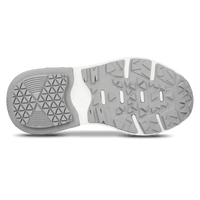
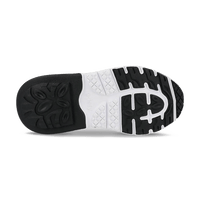
This is why your shoes can look nearly new on the outside while feeling completely dead on the inside. The outsole — the rubber layer on the bottom — often shows only mild wear while the midsole foam has already lost most of its shock-absorbing function.
When the midsole goes, you lose more than cushioning. You lose the stability and support that reduce fatigue during walking, standing, or daily activity. You may find your feet, knees, or lower back feeling more tired than they used to during walks that once felt comfortable. Understanding how your feet affect your entire body helps explain why worn footwear creates a ripple of discomfort that travels upward.
The industry standard answer is to replace your shoes every 300–500 miles. But not everyone tracks mileage. And the real question isn't just when to replace — it's why you're replacing in the first place.
How Long Should Walking Shoes Last?
For most adults walking 2–3 miles a day, a quality pair of walking shoes should last approximately 8 to 12 months with regular use. At 6+ miles per day, you might see noticeable wear in 3–6 months.
But these numbers assume traditional foam construction. Not all midsole materials behave the same way under repeated impact — and that difference matters significantly for both comfort and value.
| Daily Walking | Expected Shoe Life (Traditional Foam) |
|---|---|
| Under 2 miles | Up to 12 months |
| 2–3 miles | 8–10 months |
| 3–6 miles | 5–7 months |
| 6+ miles | 3–5 months |
These timelines aren't reasons to avoid walking more. They're a reminder that the shoe you choose — and the technology inside it — determines how long you'll actually feel comfortable in it.
Signs It's Time to Replace Your Walking Shoes
Most people wait until their shoes visibly fall apart before replacing them. By then, the support and cushioning have been gone for months. Here are the real signs your shoes have given out:
1. Uneven wear on the outsole. If the heel or ball of your shoe is worn down more on one side, the shoe has stopped guiding your stride evenly. This creates compensatory movement patterns that put extra stress on your ankles, knees, and hips.
2. You can feel the ground more than before. If you notice more impact with every step — particularly on hard surfaces like concrete or pavement — the midsole has compressed past the point of effective shock absorption.
3. Your feet feel more tired than they used to. If walks or errands that once felt comfortable now leave your feet, calves, or lower back feeling fatigued, your shoes may no longer be providing the support they once did.
4. The shoe bends where it shouldn't. A supportive walking shoe should flex at the ball of the foot — not in the middle of the arch. Hold the heel and toe and gently fold the shoe. If it bends easily in the middle, the structural support has gone.
5. The cushioning feels flat or "empty." Press your thumb into the midsole. A shoe with healthy foam will push back. A worn shoe will feel dense and unresponsive.
What Makes a Shoe Truly Built to Last?
Durability in a walking shoe isn't just about the outsole rubber or the upper stitching. It comes from the midsole — the layer that absorbs impact, returns energy, and supports your foot structure mile after mile.
This is where the real difference between shoe technologies becomes apparent.
The Engineering Difference: Spring Technology vs Foam
Traditional foam midsoles work through compression — the foam squeezes under your weight, absorbs some impact, and partially returns to shape. The problem is that foam has a limited number of cycles before that "return" becomes negligible.
A spring-based system works on a completely different principle. Rather than compressing and slowly failing, a mechanical spring absorbs and releases energy with consistent properties over a far longer period. Springs are designed to return to their original state after each compression — which is why spring technology can maintain its cushioning and energy-return characteristics far longer than foam.
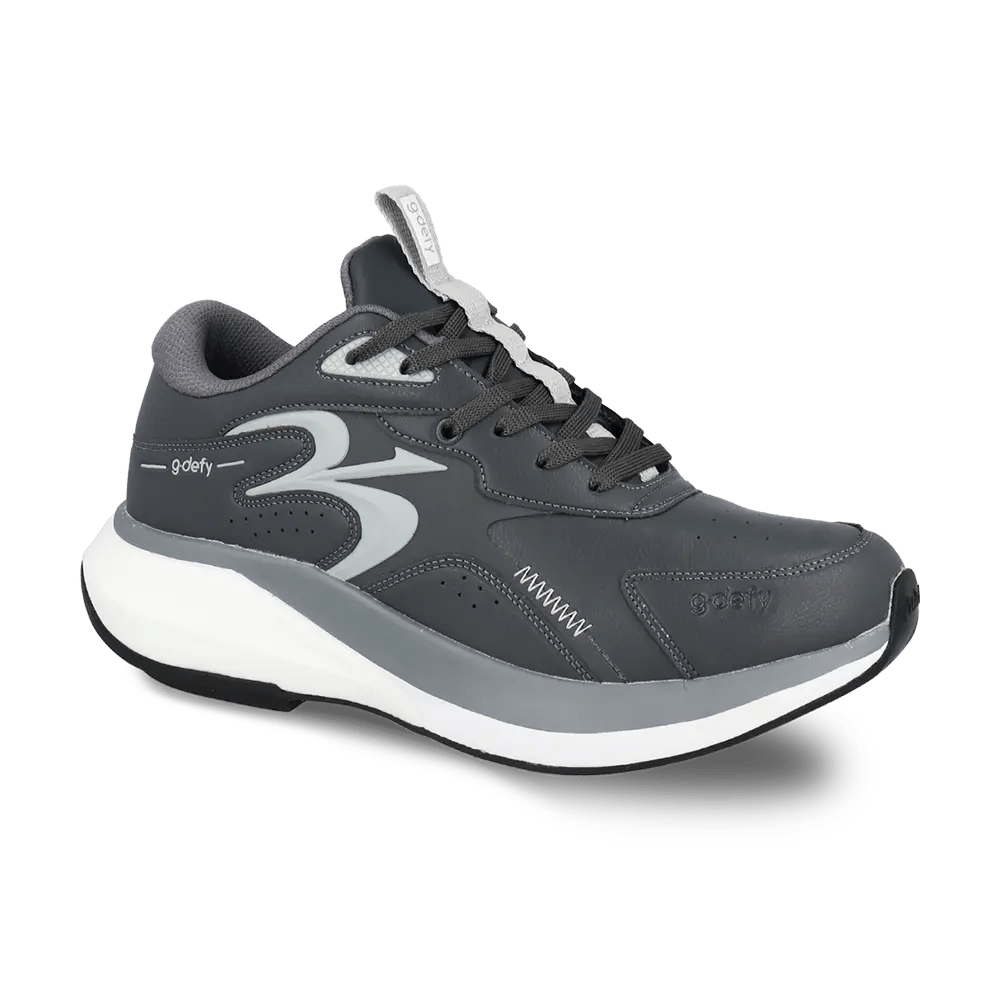
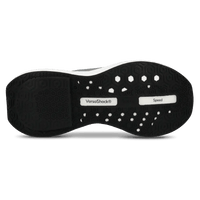
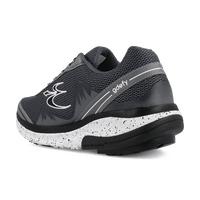
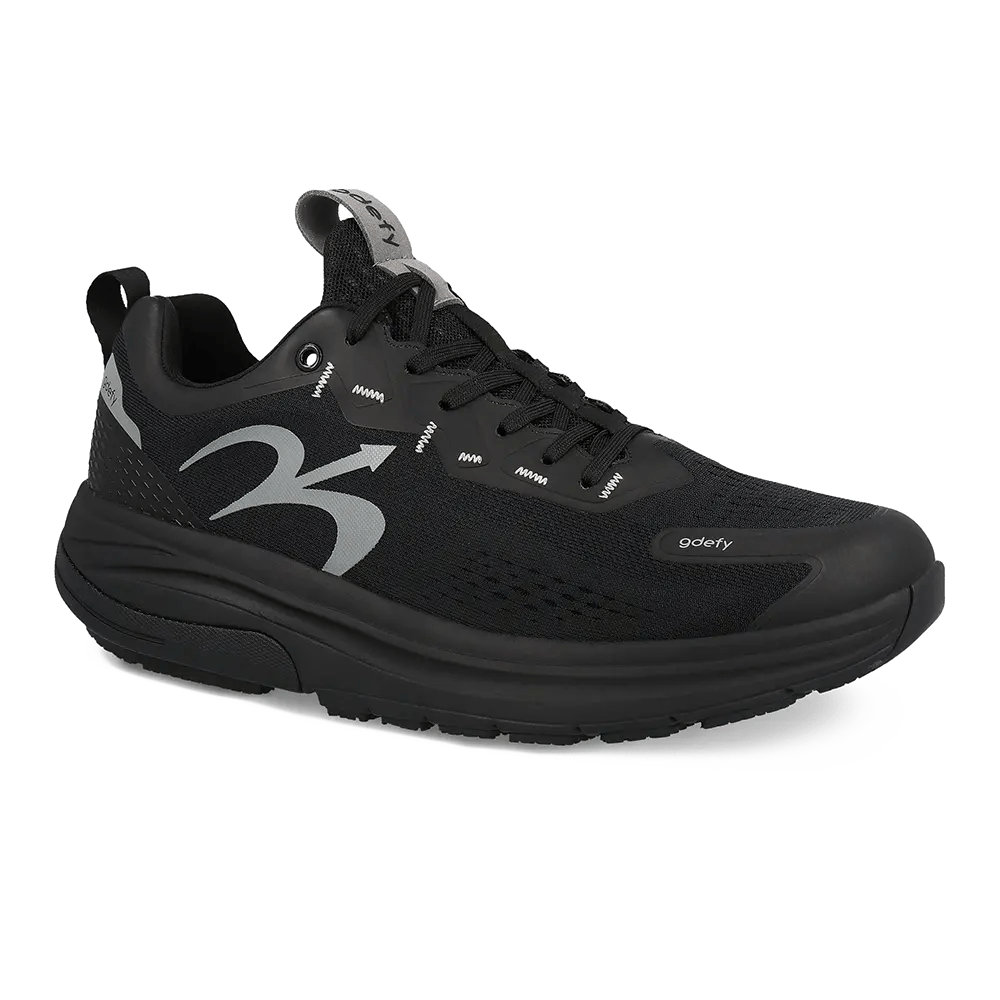
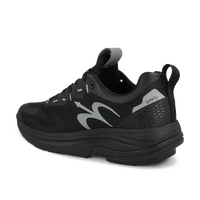
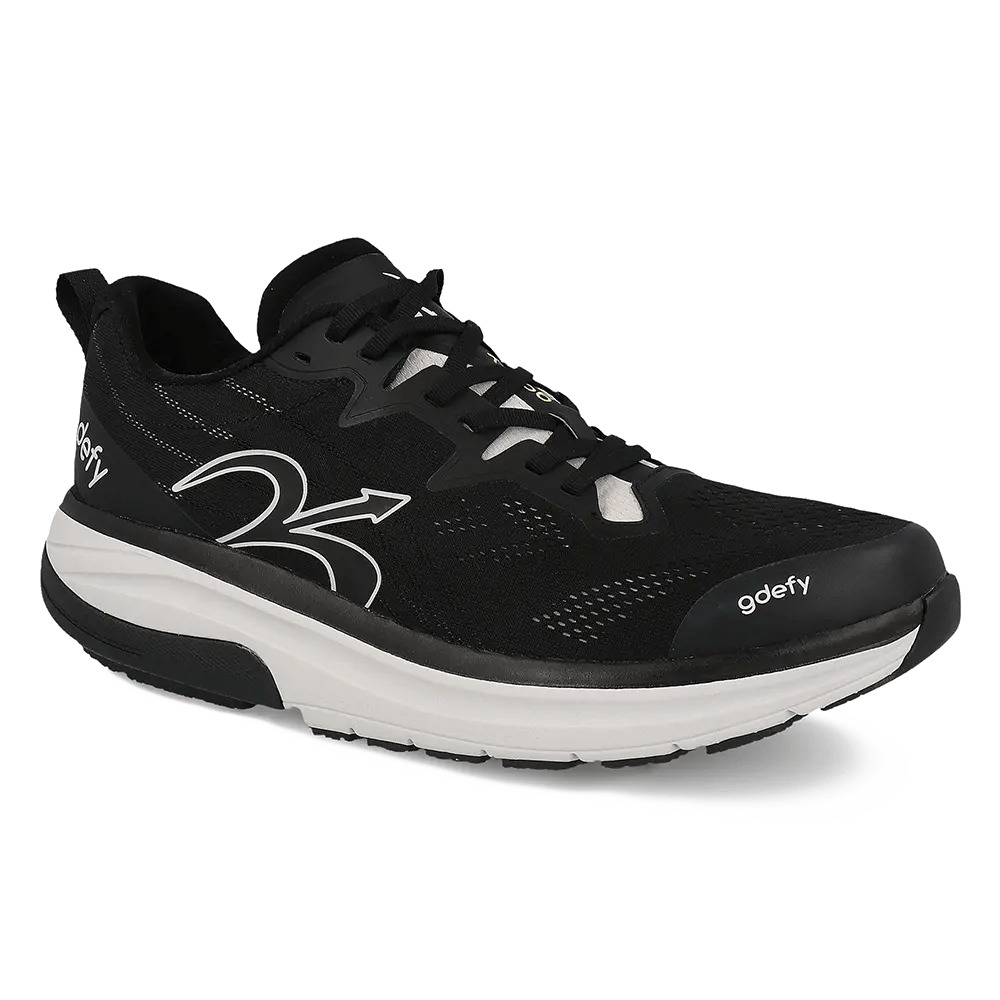
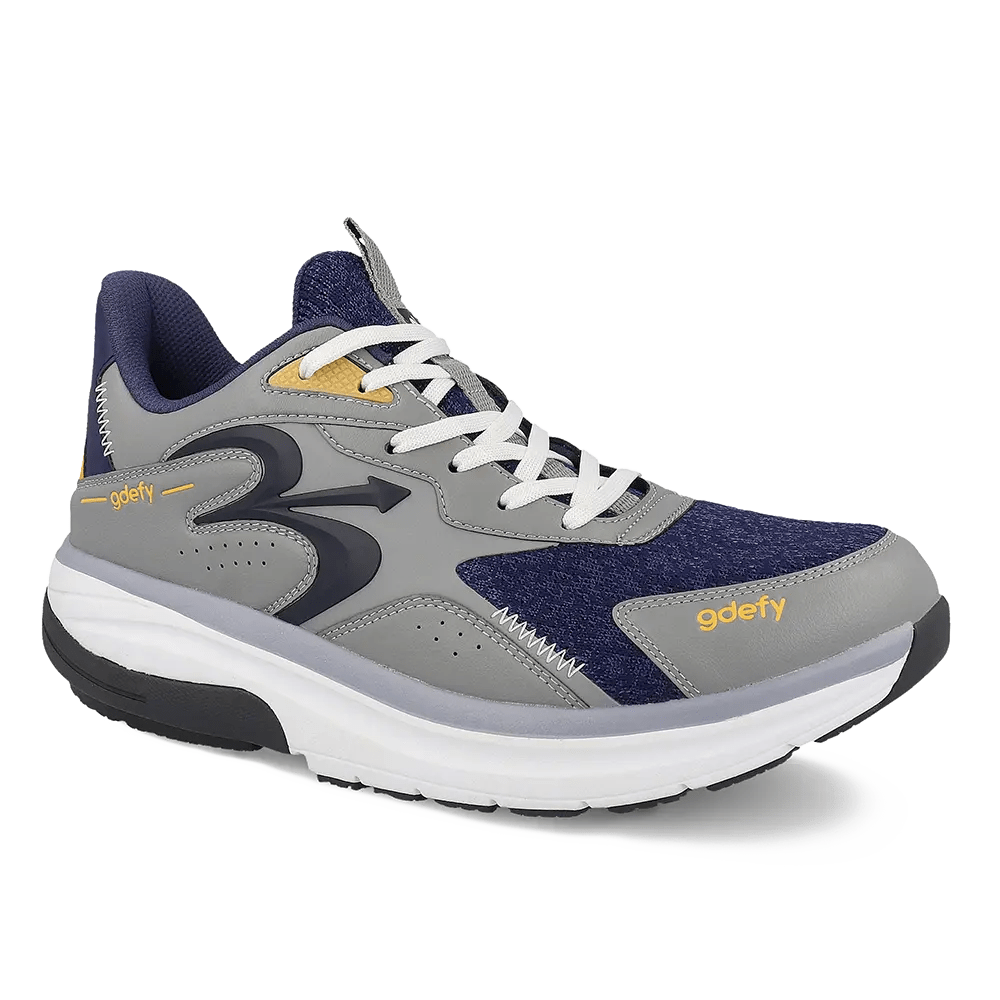
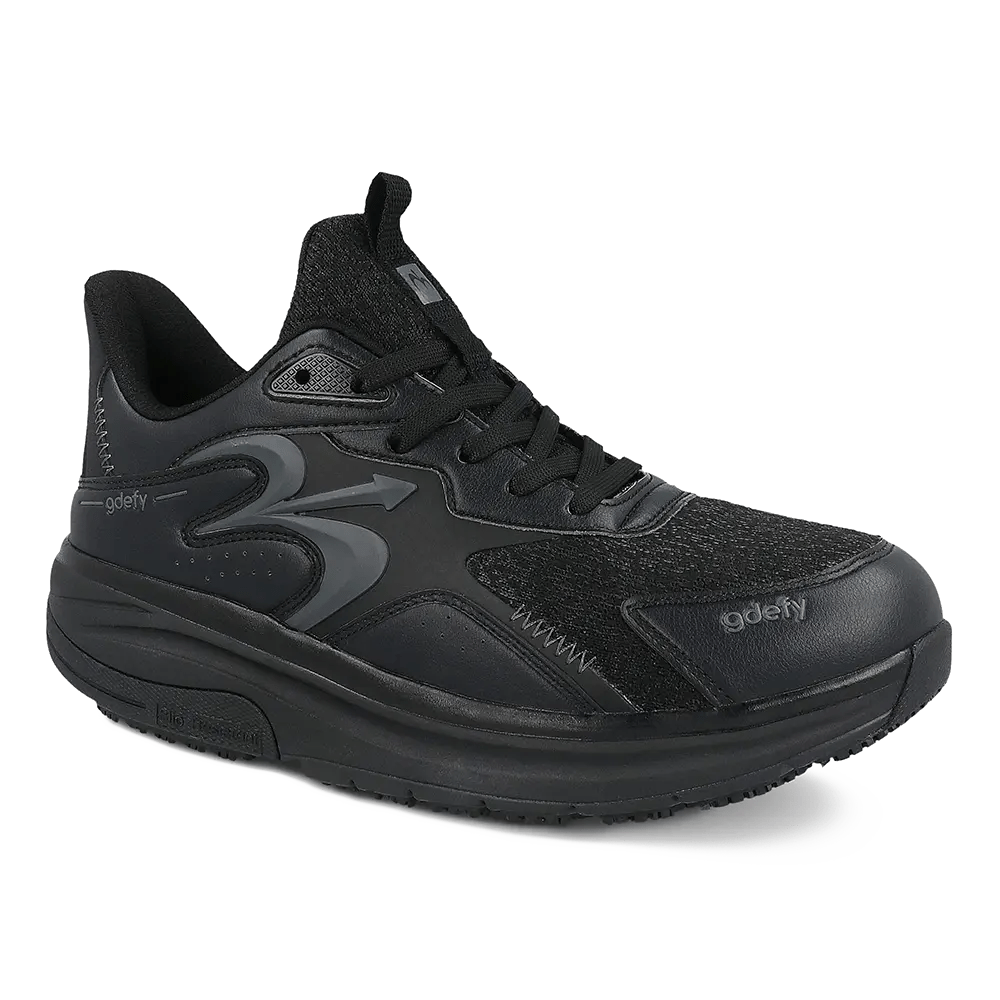
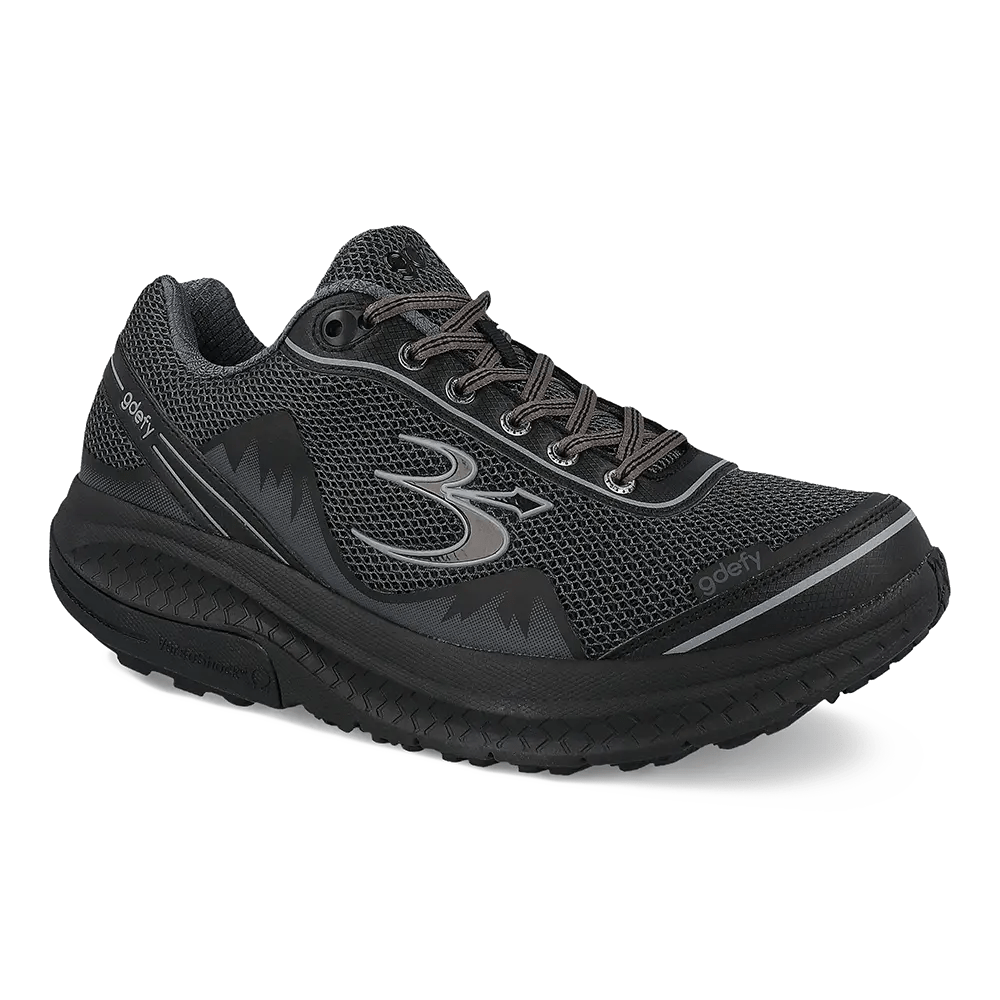
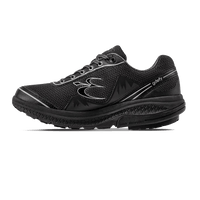
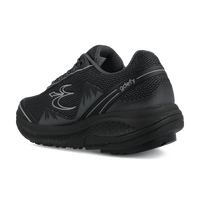
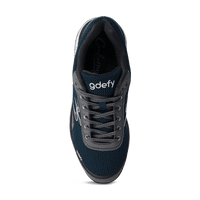
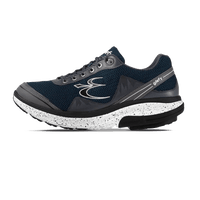
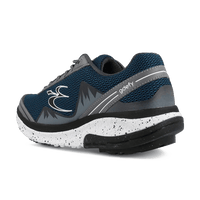
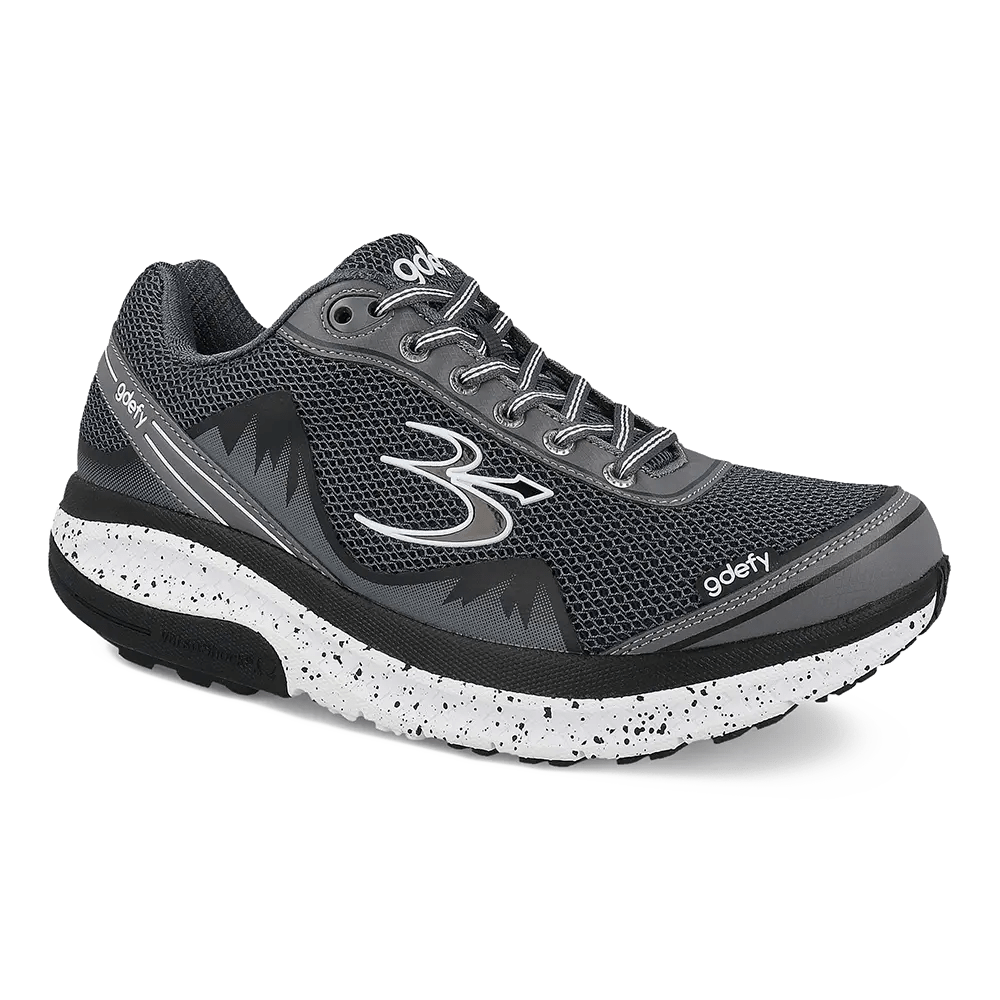
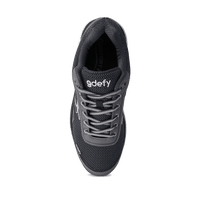
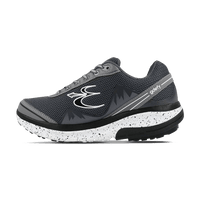
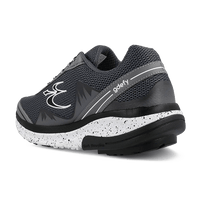
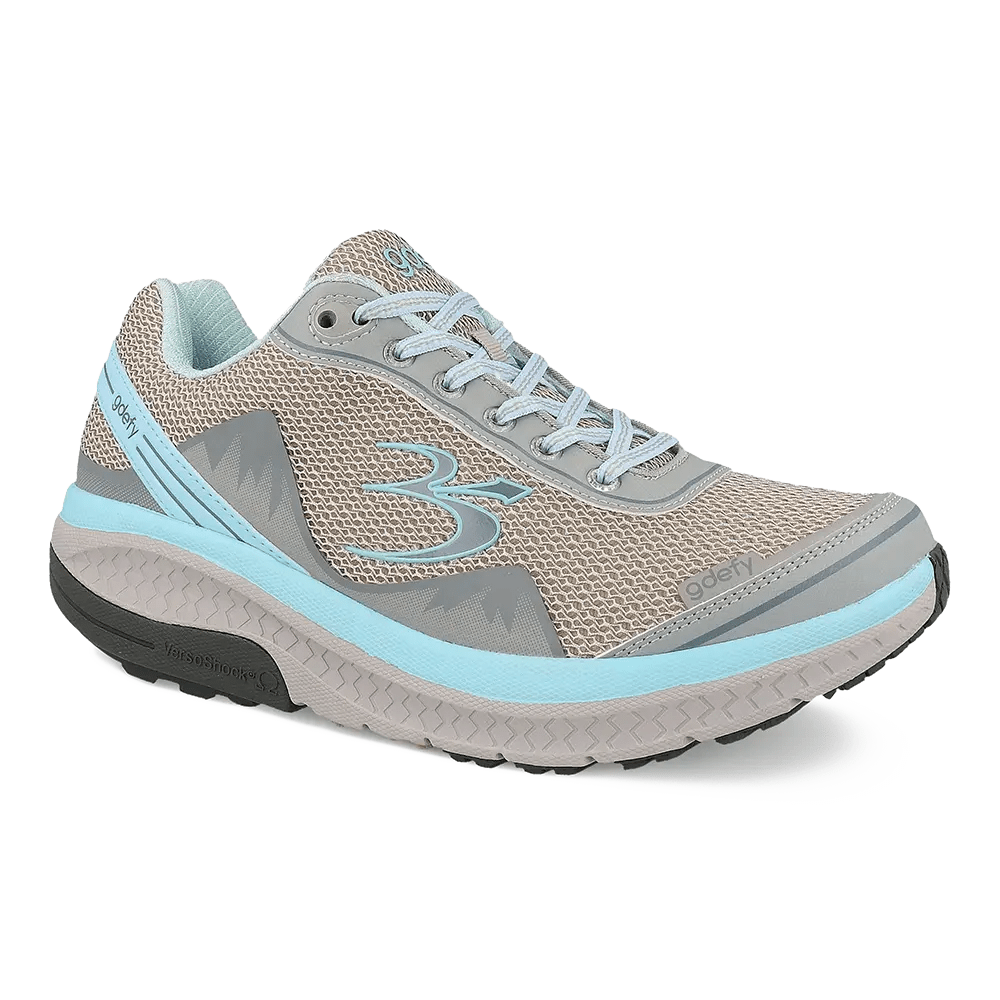
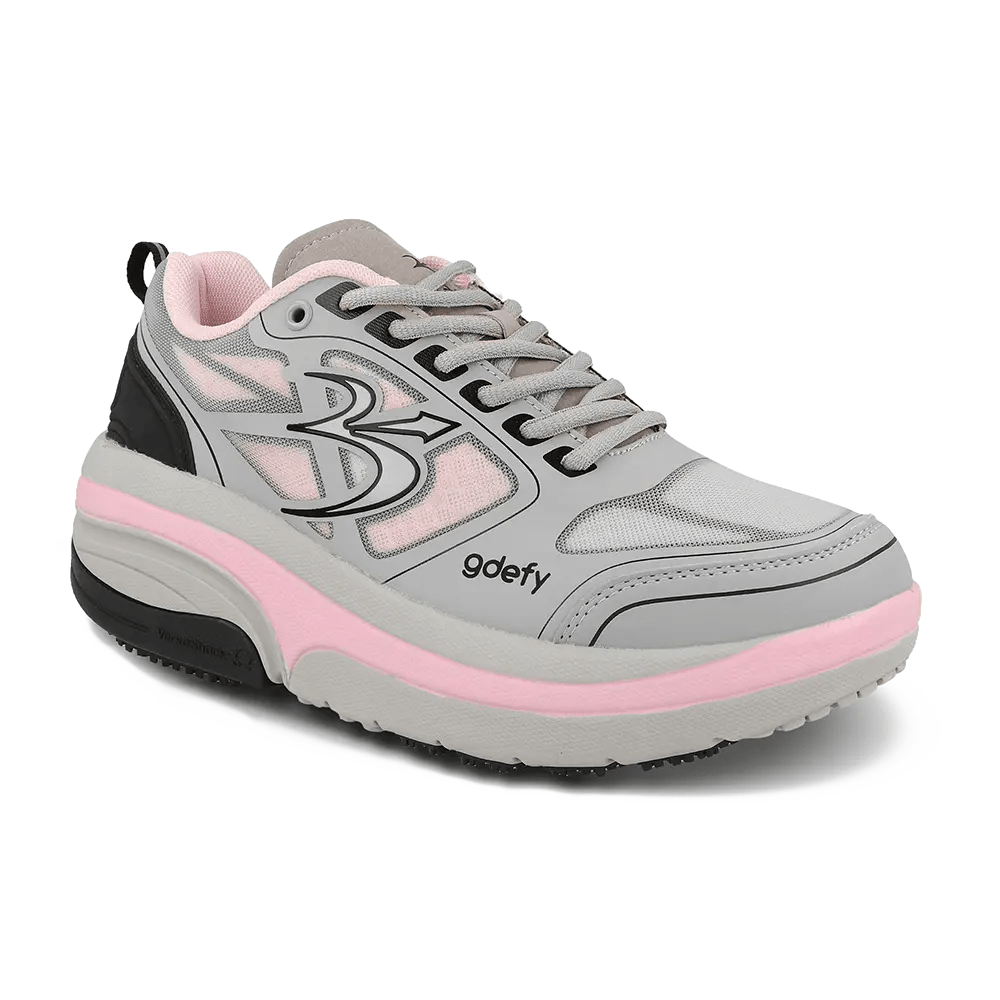
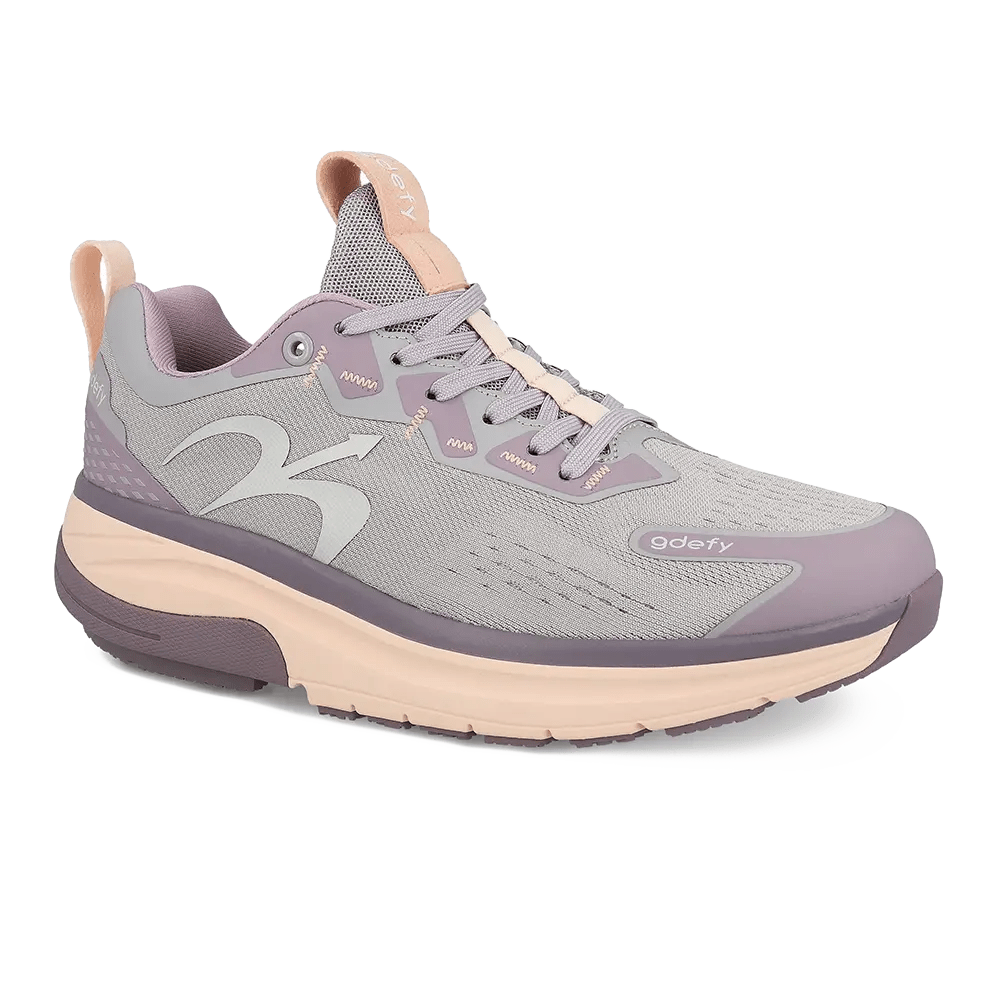
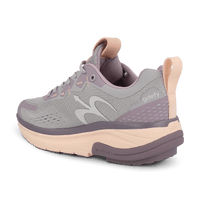
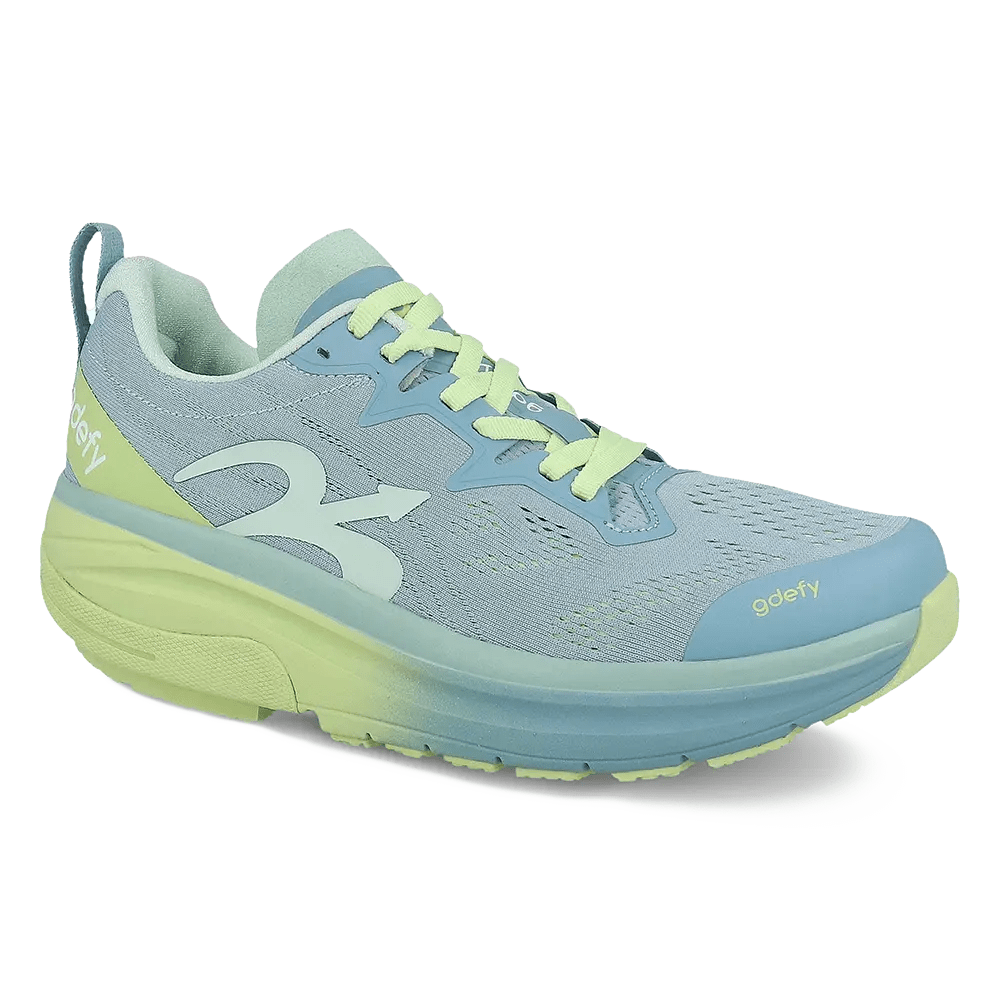
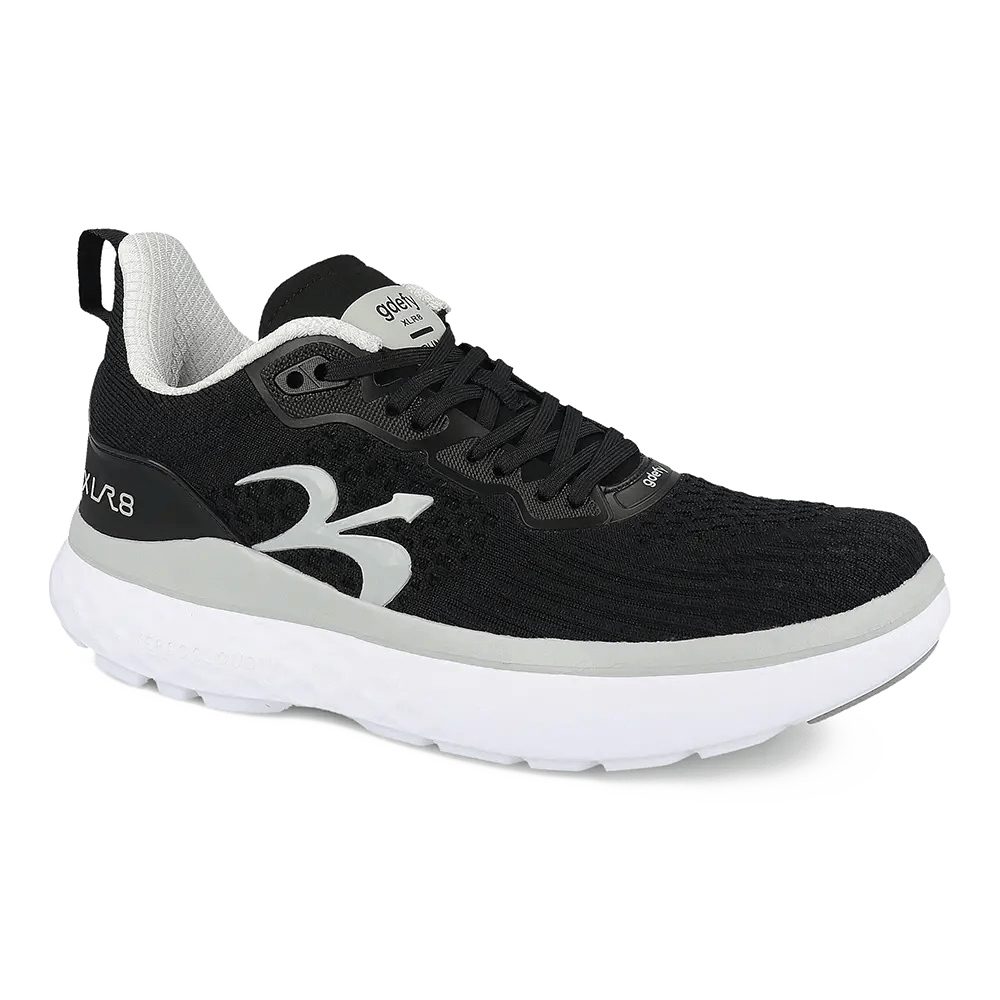
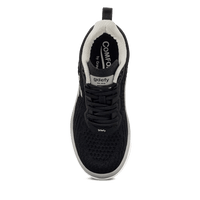
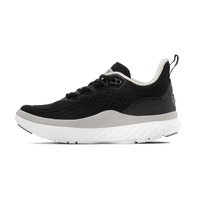
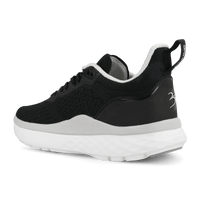
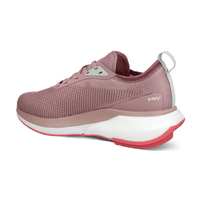
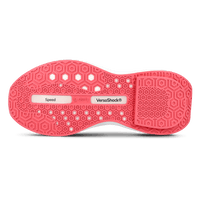
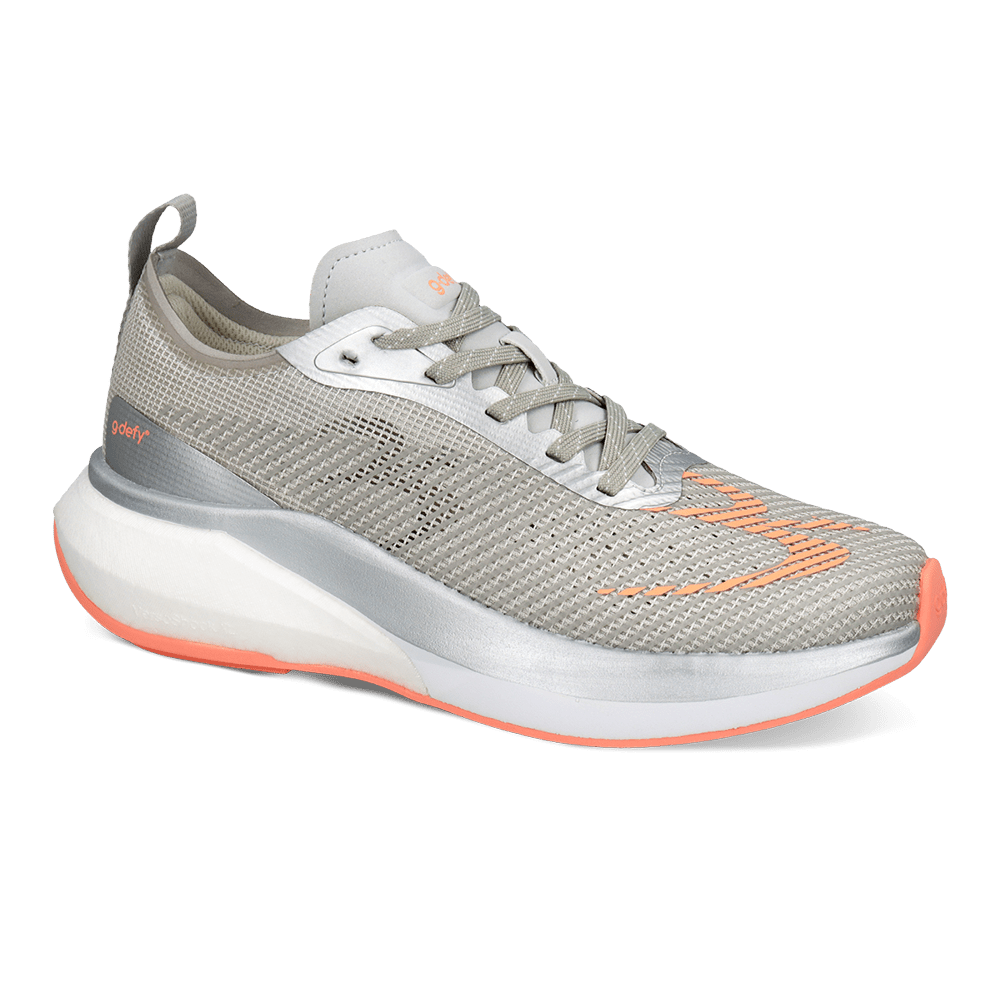
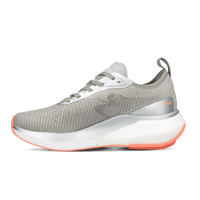
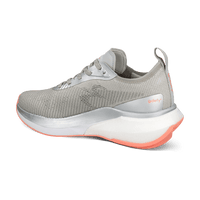
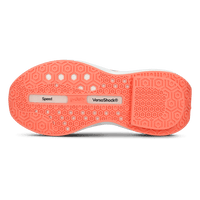
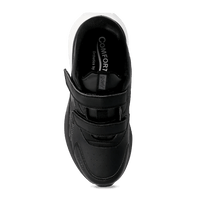
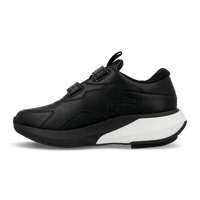
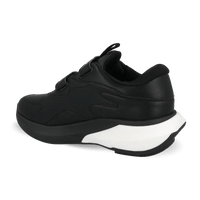
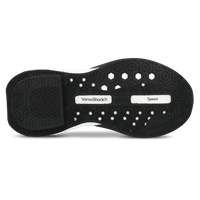
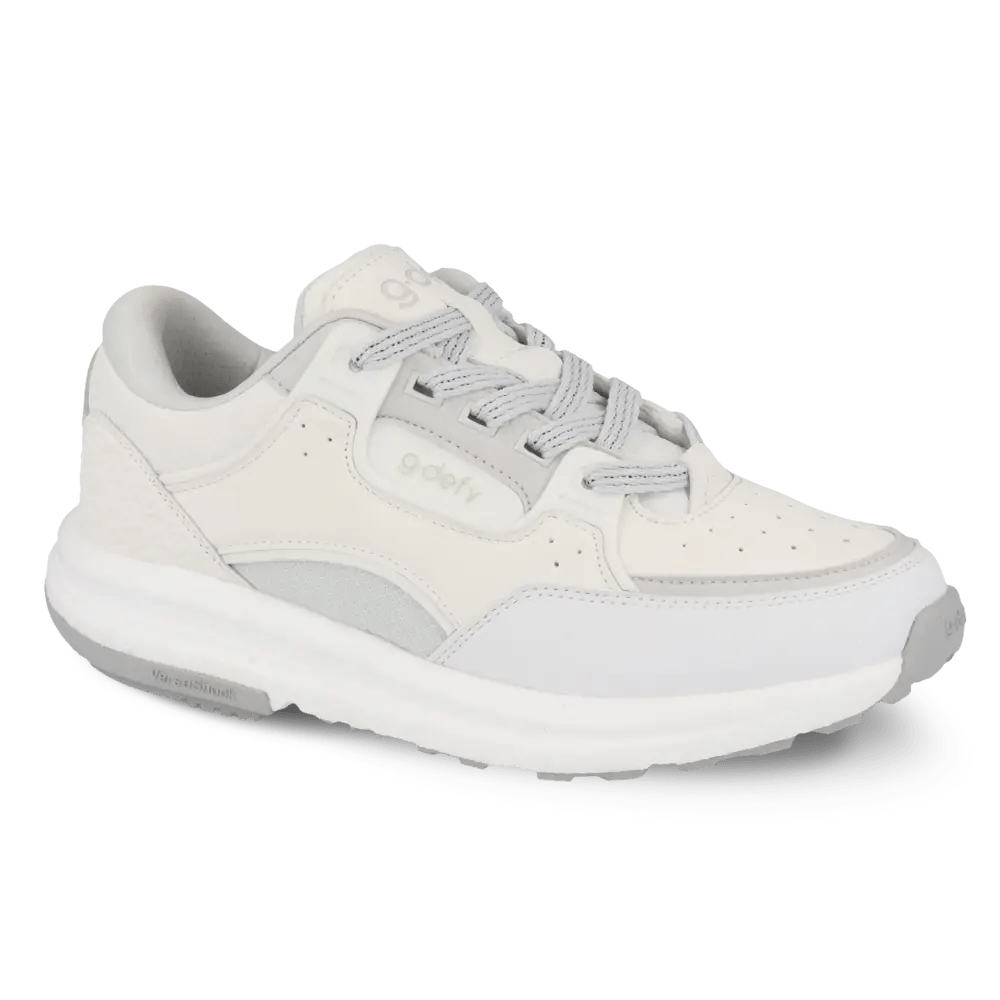
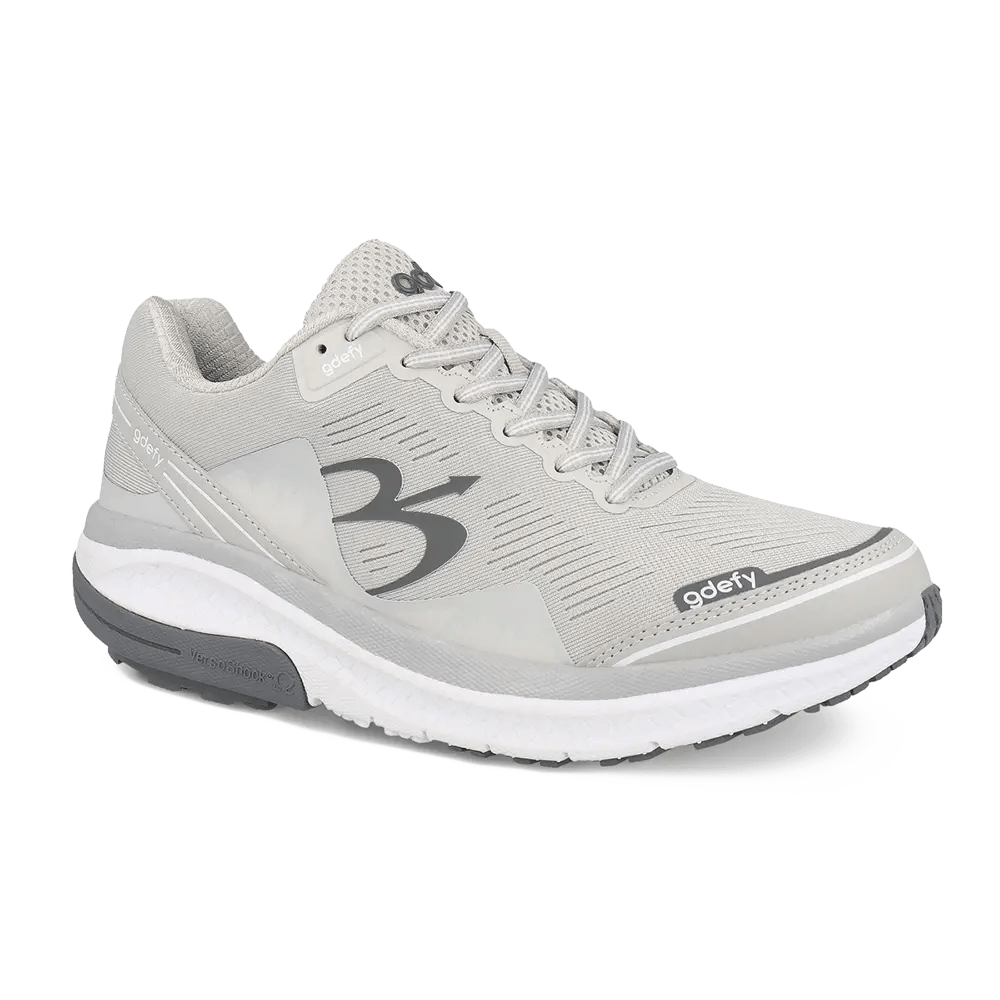
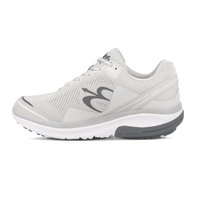
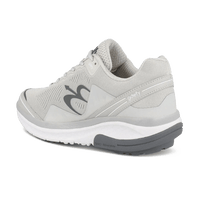
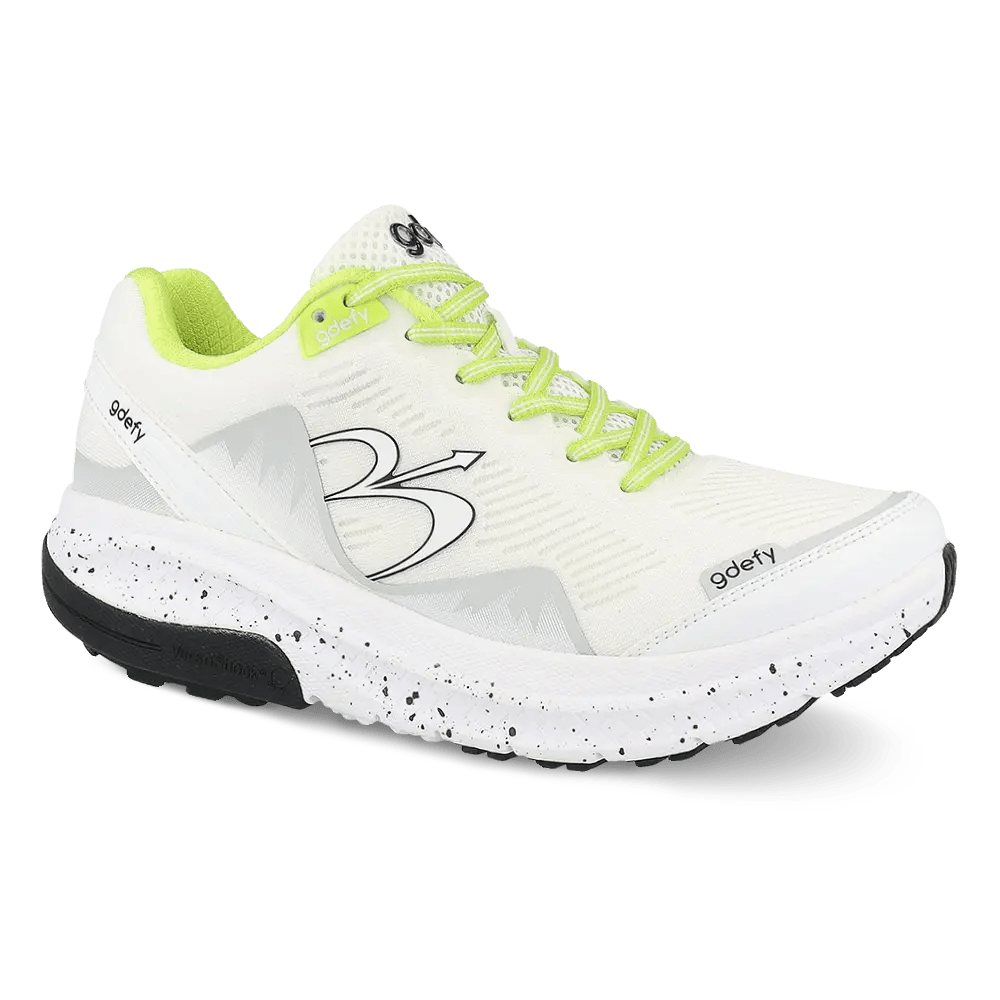
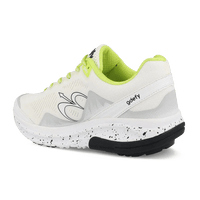
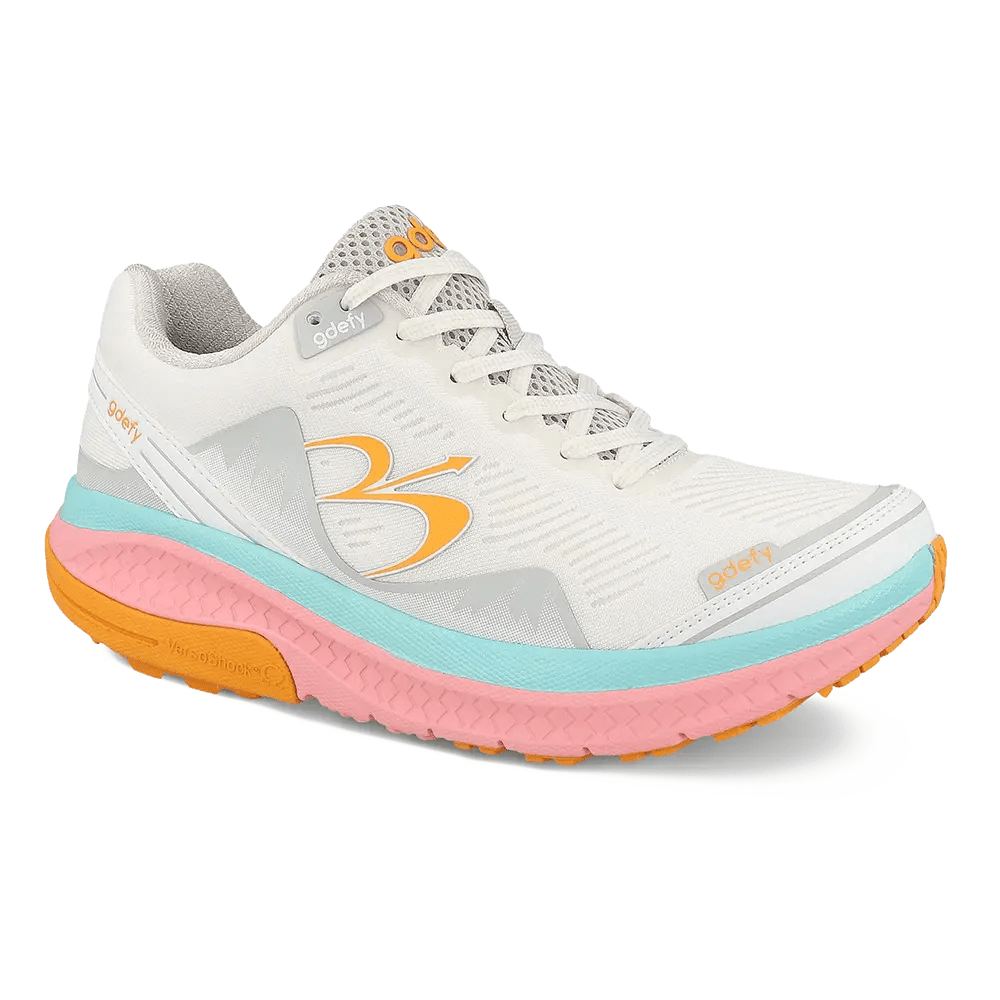
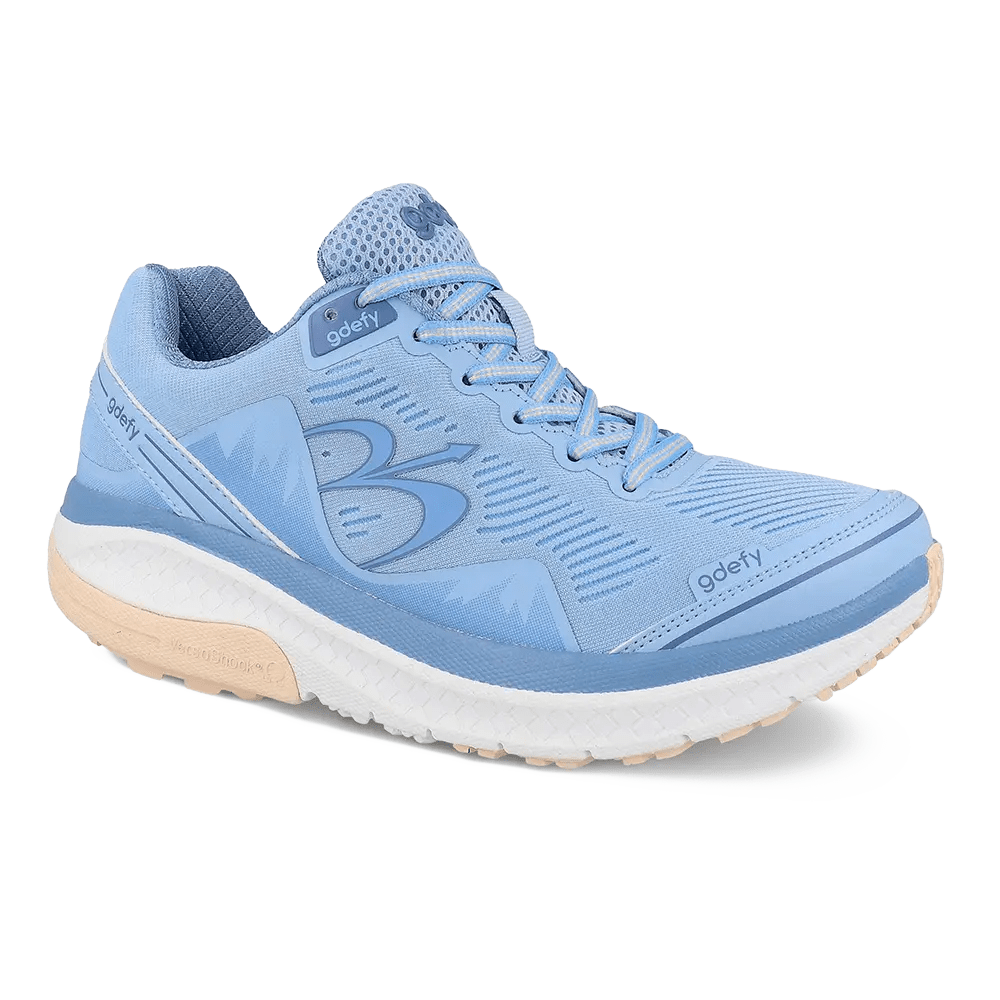
This is the principle behind G-Defy's VersoShock® technology — a patented spring-based shock absorption system built into every G-Defy shoe. VersoShock® is engineered to absorb impact and return energy with each step, supporting a smoother, more comfortable walking experience. Unlike foam, the spring system resists permanent compression set — which means the cushioning doesn't quietly disappear over the first few months of use.
Every G-Defy shoe is also built around a stabilizer system that prevents excessive mid-shoe bending and a front rolling design that encourages a natural heel-to-toe transition. These structural elements support consistent movement mechanics from the first wear to the hundredth.
Earth Month Reflection: The Value of Durable Footwear

April is Earth Month — a time to think about consumption, waste, and value. Footwear is one of the most frequently replaced categories in most households. Americans buy roughly 7–8 pairs of shoes per year on average, and a significant portion of those are walking and athletic shoes replaced because comfort declined before the shoe physically wore out.
When shoes are built to last — when the technology inside them maintains its properties through months of real use — you replace them less often. That means:
- Fewer shoes in landfills. Shoes are notoriously difficult to recycle because of mixed materials (rubber, foam, synthetic textiles, adhesives). A shoe that lasts 18 months instead of 8 months represents a meaningful reduction in waste.
- Better cost-per-wear. A $100 shoe that lasts 14 months has better value than an $80 shoe that needs replacing at 6 months.
- Less disruption to your comfort routine. Every time you break in a new pair of shoes, you're adjusting to a new fit, a new support level, a new feel. Durable shoes mean less transition time and more consistent comfort.
The most sustainable choice in footwear isn't always the one made from recycled materials — it's the one you don't have to replace as often.
How to Extend the Life of Your Walking Shoes
Rotate between two pairs. Wearing the same shoes every day gives the midsole no time to decompress. Alternating between two pairs allows each shoe 24–48 hours of rest between uses — significantly extending cushioning longevity.
Remove shoes properly. Repeatedly forcing shoes on and off without unlacing stresses the heel counter and stretches the upper. Over time, this breaks down the structural support.
Let wet shoes dry naturally. Direct heat from radiators or dryers degrades foam and adhesives quickly. Stuff wet shoes with newspaper and let them air dry at room temperature.
Clean regularly. Dirt and debris work into the outsole and upper, accelerating wear. A quick wipe-down after each use prevents buildup that breaks down materials over time.
Replace insoles before the shoe. Often, what feels like a worn-out shoe is actually a compressed insole. Replacing the footbed can restore a meaningful portion of the comfort you felt when the shoe was new.
Store shoes at room temperature. Extreme heat and cold degrade rubber and foam. Avoid leaving shoes in a hot car or outdoor storage.
Why G-Defy's Approach Means Comfort That Endures

G-Defy's shoes are designed around the premise that comfort should not be a temporary feature that peaks on week one and fades by month six. The VersoShock® spring-based system, the built-in stabilizer, and the front rolling design work together to support consistent, all-day comfort through extended use.
Each pair also includes two removable orthotics — the ComfortFit® Orthotic for low to medium arches and the CorrectiveFit® Orthotic for medium to high arches — so you can customize your support level and replace the footbed independently of the shoe itself. This modularity extends the practical life of every pair.
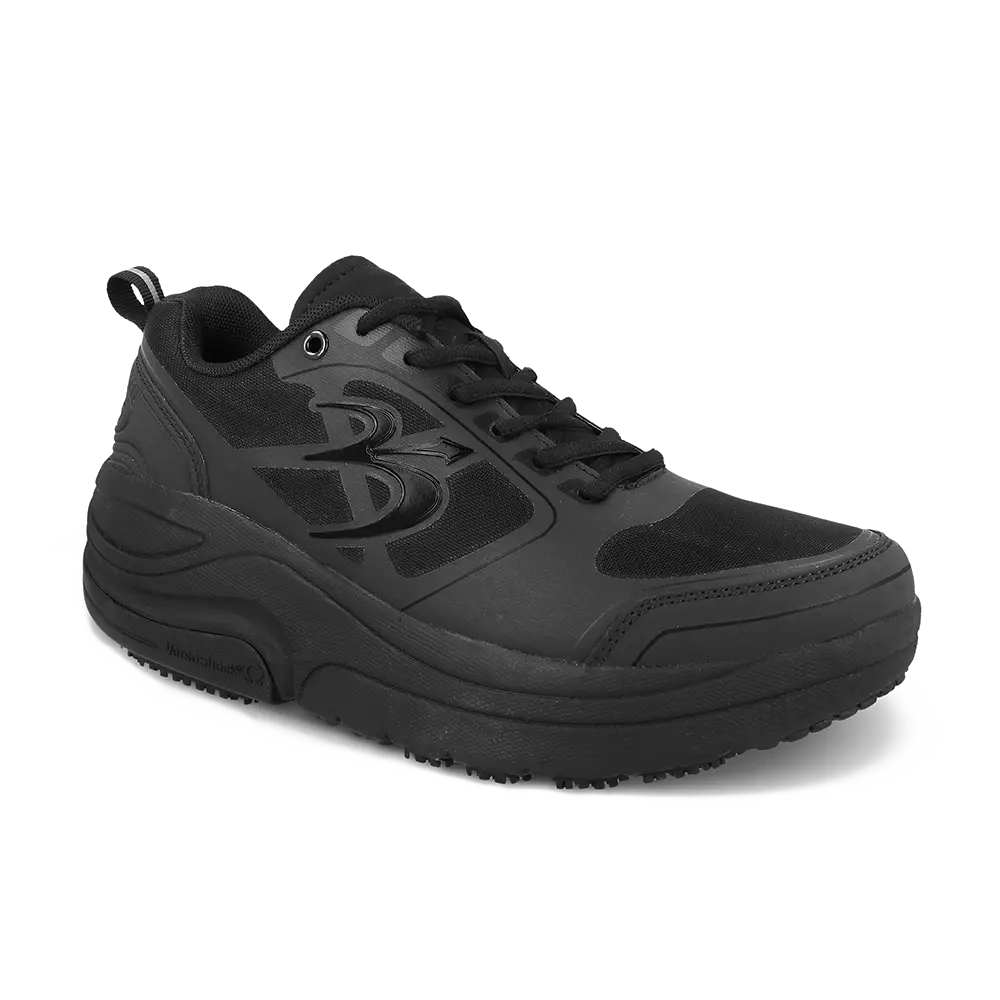
Whether you spend your days on concrete floors, walking the neighborhood, or navigating a busy work shift, G-Defy shoes are engineered to provide comfort, support, and shock absorption. They help reduce pain from walking, running, and prolonged standing — and they're designed to do so not just on the first day, but on the 300th.
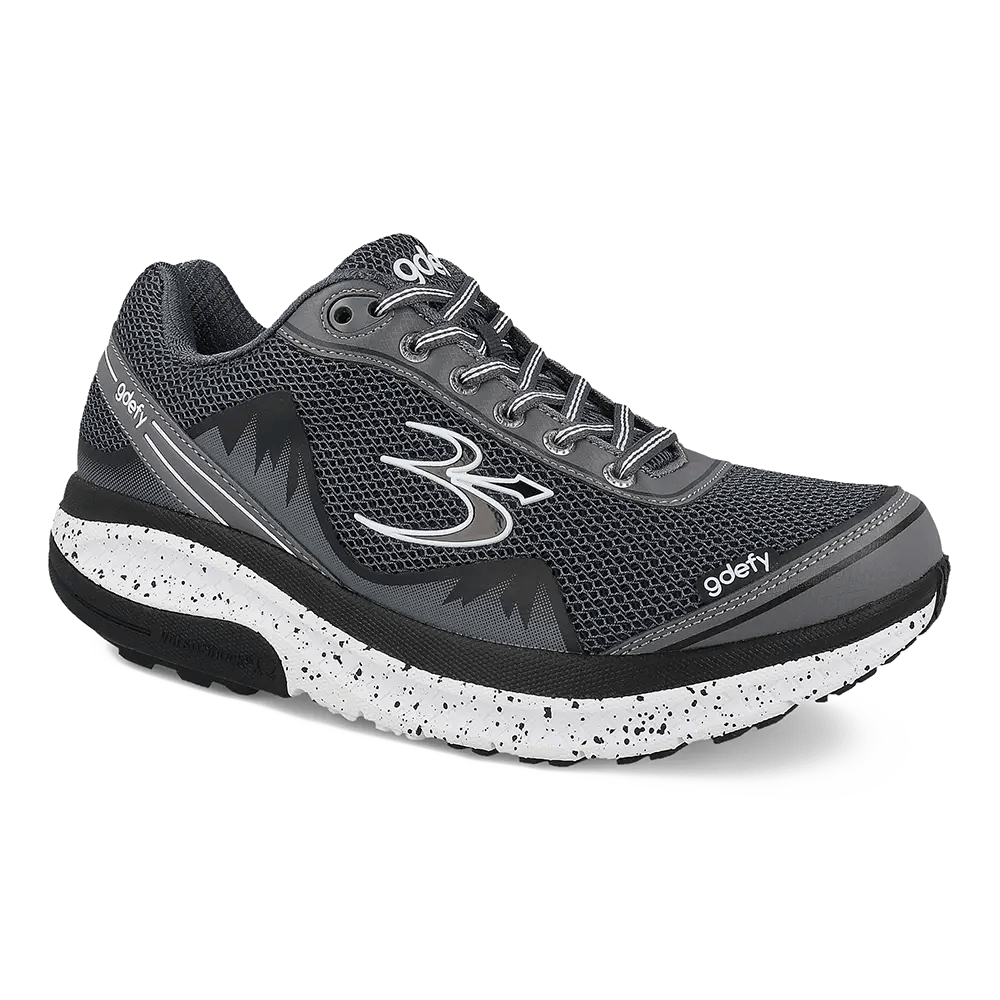
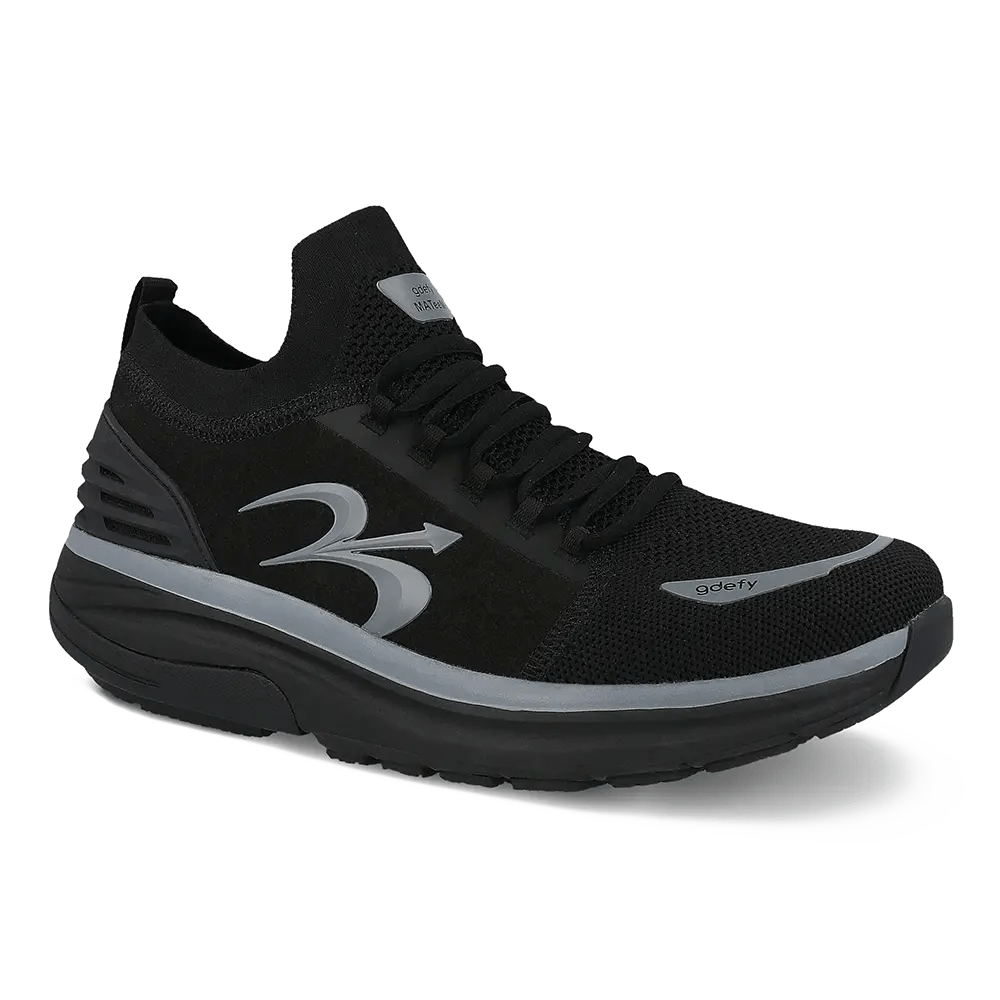
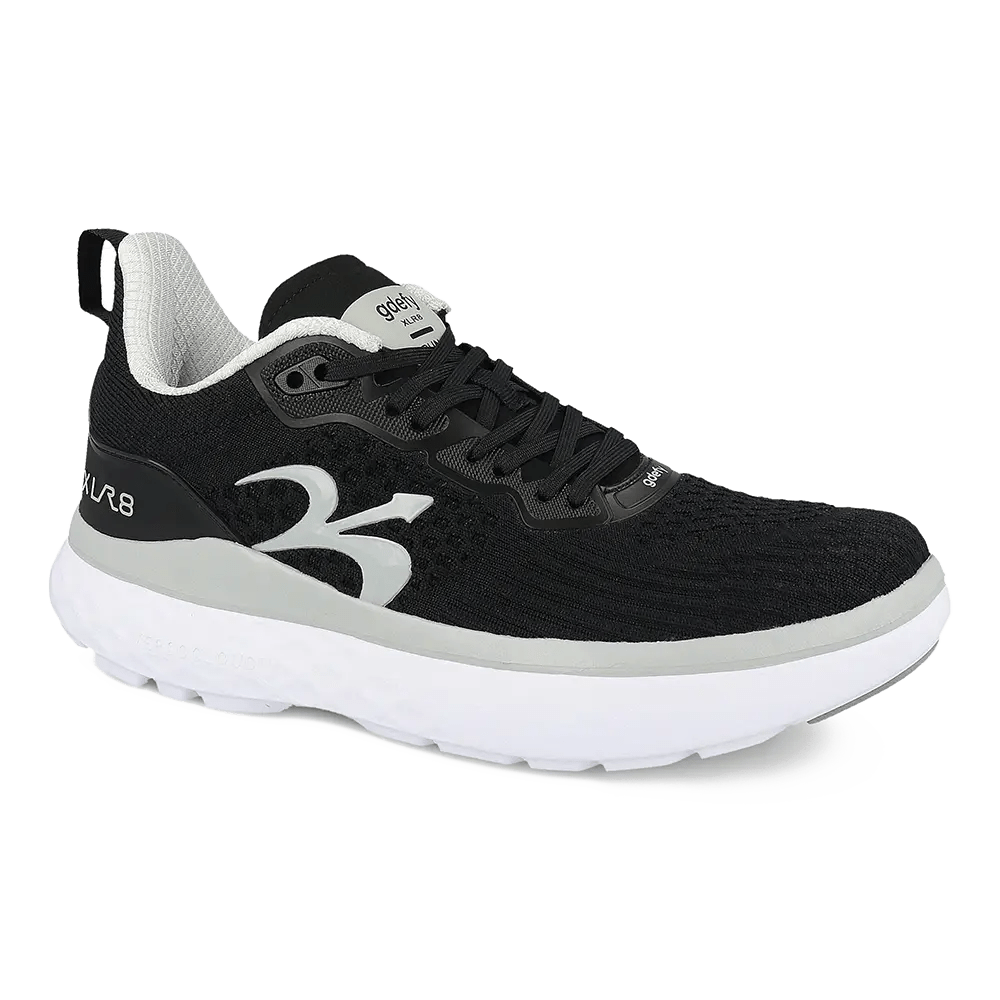
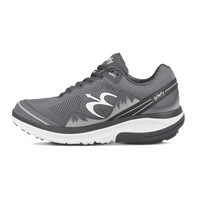
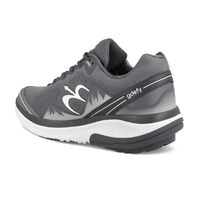
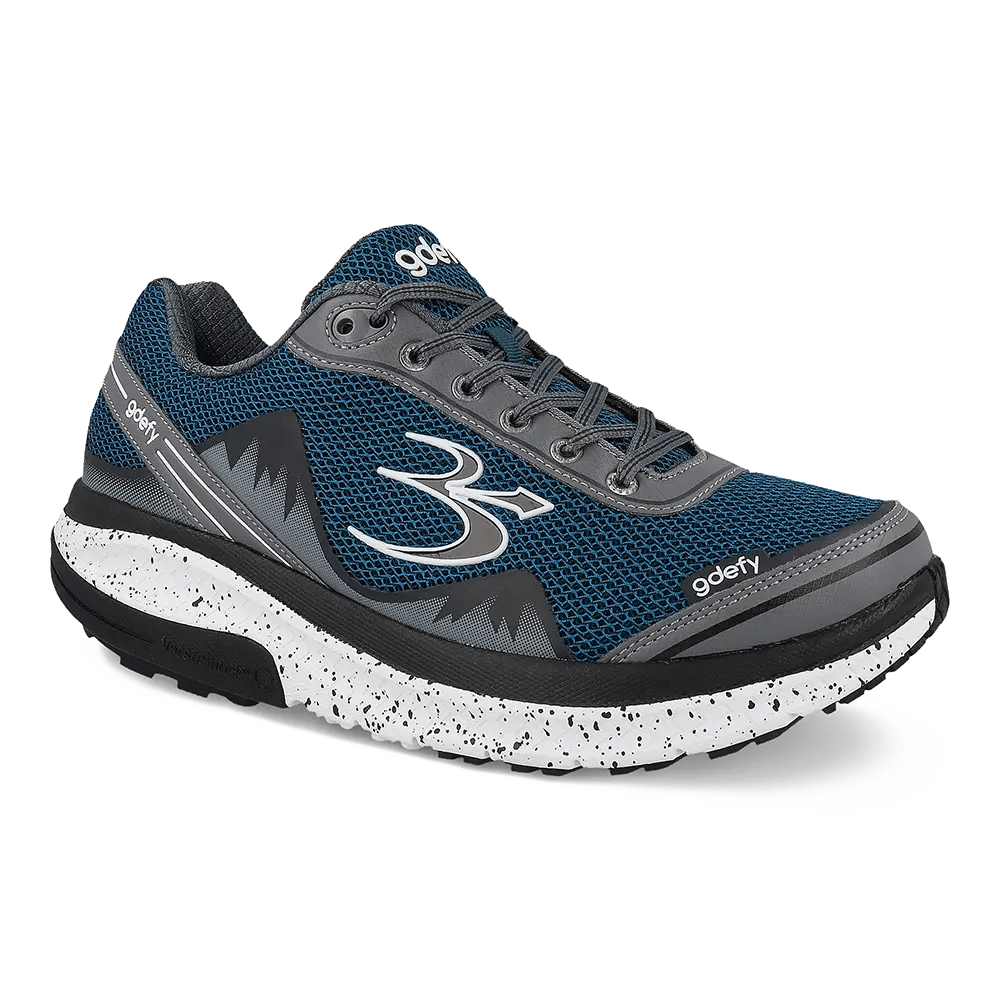
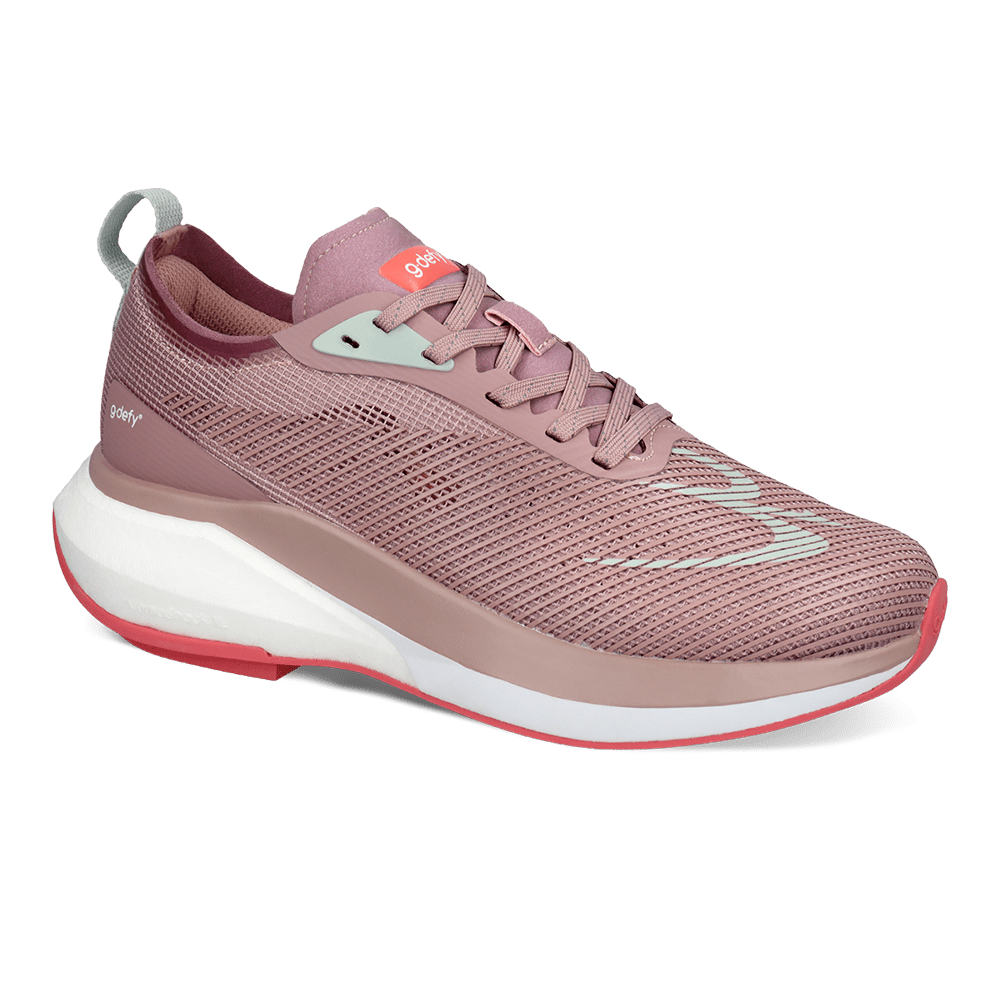
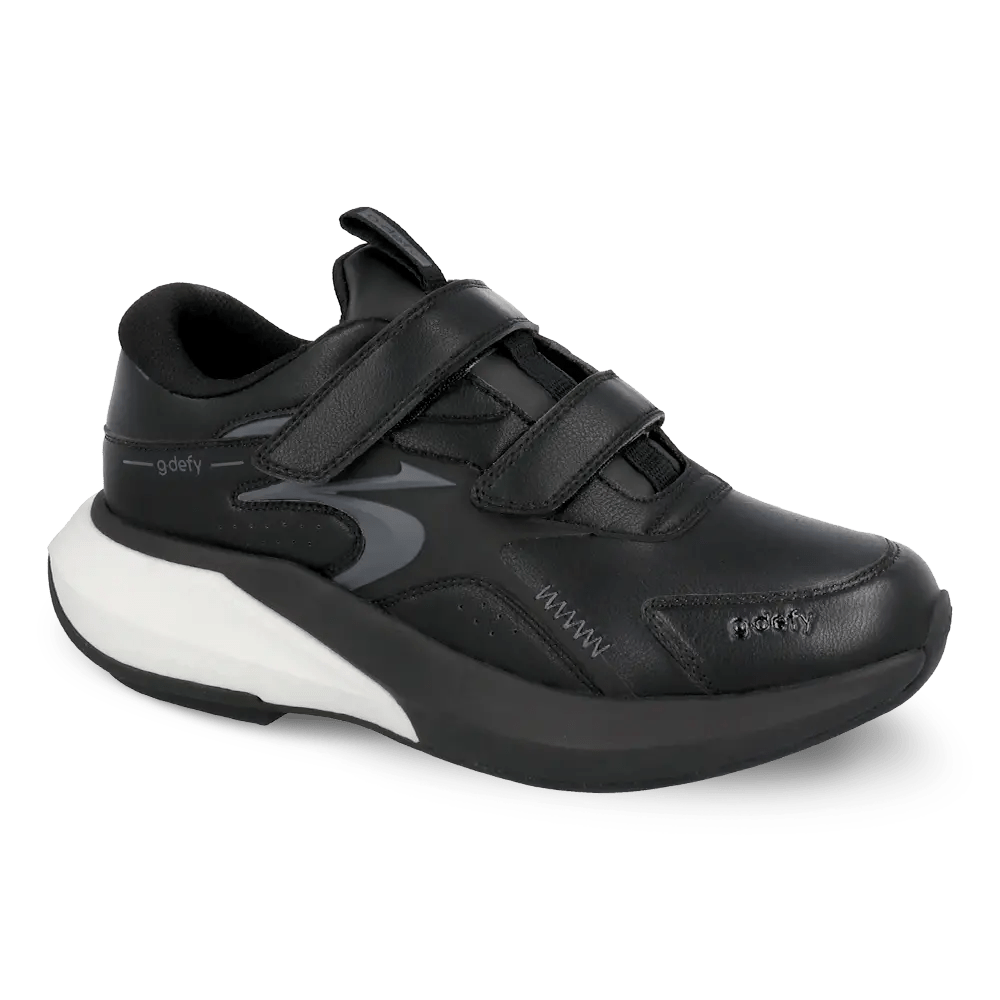
Explore the Mighty Walk — G-Defy's most popular everyday comfort shoe — or browse the full men's collection and women's collection to find the right fit for your lifestyle.
Experience Comfort Built to Last
Try G-Defy with our 60-day risk-free trial — free shipping on every order. If they're not the most comfortable shoes you've owned, return them for a full refund.
Shop G-Defy ShoesFrequently Asked Questions
How long do walking shoes typically last?
For most adults walking 2–3 miles per day, comfortable walking shoes built with traditional foam midsoles typically last 8–10 months. Shoes engineered with spring-based technology like VersoShock® are designed to maintain their cushioning and support properties for longer, as spring systems resist the permanent compression that causes foam to flatten over time.
How can I tell if my walking shoes have lost their support?
The most reliable signs are: you can feel more ground impact than when the shoes were new, the shoe bends easily in the arch when you fold it, your feet or lower back feel more fatigued during walks you used to handle comfortably, and the outsole shows uneven wear on one side. These are signals that the structural and cushioning function has diminished — even if the shoe still looks fine from the outside.
Is it worth investing in more durable walking shoes?
Yes, when the cost-per-wear math works out. A shoe that lasts 14 months at a higher price often provides better total value than an inexpensive shoe replaced every 6 months — and generates fewer shoes going to landfill over time. Durability is especially important if you're on your feet all day or dealing with discomfort related to worn footwear.
Conclusion
Walking shoes aren't designed to last forever. But they should last long enough to provide consistent comfort through months of real use — not just weeks. The difference between a shoe that holds up and one that quietly fails often comes down to what's inside: the midsole technology, the structural support system, and the quality of construction.
This Earth Month, it's worth considering the connection between footwear quality and footwear waste. When you invest in shoes built for lasting comfort — engineered to absorb impact and return energy, not just cushion temporarily — you get more from every pair, and replace them less often.
G-Defy shoes are designed with that philosophy in mind. Try them with our 60-day risk-free trial — free shipping included. If they don't feel like a lasting investment, return them for a full refund.
While footwear is not a medical solution, choosing shoes designed for comfort, support, and shock absorption can make a meaningful difference in how you feel throughout the day — today, and six months from now.