April 26, 2026
Running with Knee Pain: Shoes That Reduce Impact
By Gdefy

Summary
Many people who enjoy running — whether as a daily habit, a fitness routine, or a stress-relief practice — find that knee discomfort starts to creep into the picture. For some, it arrives gradually. For others, it shows up suddenly after a long run or a change in surface. Either way, a common question follows: can the right running shoes actually make a difference?
The short answer is yes — not because shoes are a medical solution, but because shoe design directly affects how much impact your knees absorb with every stride. Running is a high-impact activity, and footwear plays a meaningful mechanical role in how that impact is managed. Choosing shoes built for shock absorption, stability, and a smooth heel-to-toe transition can support a noticeably more comfortable running experience for people dealing with knee discomfort.
This guide walks through what's happening in your knees when you run, which shoe features matter most for impact reduction, and how G-Defy approaches shoe engineering for runners. Whether you're logging miles every morning or just starting to get back into a routine, the right footwear is one of the most practical tools you have.
Why Running Can Be Hard on the Knees
Running is a repetitive, high-impact activity. With each stride, your foot strikes the ground and your body absorbs a force that travels upward — through the foot, ankle, knee, and hip. On a typical outdoor run of three to five miles, that impact repeats thousands of times. Over weeks and months, the cumulative effect becomes significant, especially if certain factors are working against you.
Several common contributors make running harder on the knees:
- Worn-out footwear. Running shoes are engineered to cushion impact — but that cushioning breaks down over time. Most running shoes lose a meaningful portion of their shock-absorbing ability after several hundred miles of use. Running in worn shoes means more impact reaches your joints with every step.
- Hard running surfaces. Pavement and concrete don't absorb any of the impact — that's left entirely to your shoes and your body. The harder the surface, the more your footwear needs to compensate.
- Overpronation. When the foot rolls inward during the running stride, it can pull the knee inward as well. Over time, this repetitive pattern contributes to knee discomfort. A shoe with proper arch support and stability can help address this.
- Running volume and pacing. Increasing distance or speed too quickly doesn't give the muscles and connective tissue time to adapt. The result is often increased discomfort, particularly around the knees.
- Poor shoe-to-foot-type fit. A neutral shoe may not provide enough stability for someone who overpronates. A highly cushioned shoe may feel unstable for someone with a more rigid gait. The wrong shoe for your foot type can add unnecessary stress to the knee.
Understanding these factors makes clear that footwear is not a passive accessory — it's an active component of how your knees experience every run. For more on the connection between your feet and your entire kinetic chain, see our guide: How Your Feet Affect Your Entire Body: The Kinetic Chain.
How Running Shoe Design Affects Your Knees
The relationship between footwear and knee comfort is mechanical. When a shoe absorbs impact effectively, less of that force travels up the leg to the knee. When a shoe provides proper stability, the knee is less likely to move in ways that create discomfort. Here's how key design elements interact:
Midsole cushioning is the first line of defense against impact. The midsole — the layer between the outer sole and the foot bed — is where most of a shoe's shock absorption happens. A well-cushioned midsole softens each foot strike, reducing the force that reaches the knee. But the type of cushioning matters: traditional foam compresses under repeated use and gradually loses its ability to spring back, which is why mileage tracking matters.
Arch support and stability affect alignment throughout the entire leg. When the arch collapses or the foot rolls inward during the stride, the knee often follows. Proper arch support encourages the foot to remain in a more neutral position, keeping the knee in better alignment through each stride cycle. Our guide to pronation and supination covers this connection in more detail.
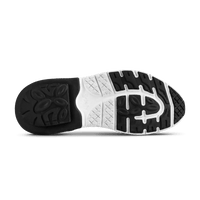
Heel-to-toe transition design determines how smoothly your weight shifts from heel to toe with each step. A shoe with a rolling or rocker-style forefoot helps distribute the load more evenly, reducing the abrupt impact that can stress the knee during heel-striking.
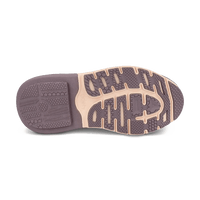
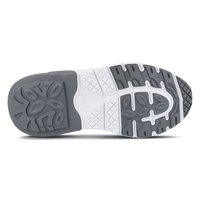
Outsole flexibility allows the foot to move naturally and adapt to the surface — which means the shoe, not the joint, is doing more of the work with each footfall.

Key Shoe Features to Look for When Running with Knee Discomfort
If knee discomfort is affecting your running, these are the features worth prioritizing in your next pair of shoes:
1. Responsive Shock Absorption — Not Just Foam
Traditional foam midsoles compress under pressure and slowly lose their rebound properties over time. Look for shoes built with spring-based or reactive cushioning systems designed to absorb impact and return energy with each stride — maintaining shock-absorbing capacity longer than standard foam.
2. Built-In Midfoot Stabilizer
A structural stabilizer or shank in the midsole prevents the shoe from bending excessively in the middle during the running stride. This supports the foot structure and encourages a more controlled, stable gait — particularly important for runners prone to overpronation, where mid-stride instability can put extra stress on the knee.
3. Front Rolling Design
A rolling or rocker-style forefoot design promotes a smooth weight transition from heel to toe with each step. This reduces the sharp impact of hard heel-strikes and encourages a more natural stride pattern, which is easier on the knees over a long run.
4. Adequate Toe Box Width
A narrow toe box forces the toes together, affecting how the foot spreads during the landing phase of the stride. A wider toe box allows the foot to splay more naturally, improving ground contact and distributing impact more evenly.
5. Customizable Arch Support
Look for shoes that include removable orthotics, so you can adjust the level and type of arch support based on your foot type and comfort preference. Some runners need more cushioning for low arches; others need firmer support for higher arches. Customization matters more than a one-size approach.
6. Lightweight Construction
Heavy shoes increase the energy demand of each stride. Over a five-mile run, that adds up. A lighter shoe reduces fatigue and helps preserve the form that keeps your stride knee-friendly.
For a broader look at what to look for in shoes when you have knee discomfort beyond running, see: What to Look for in Shoes If You Experience Knee Pain.
How G-Defy Shoes Are Engineered for Runners with Knee Discomfort
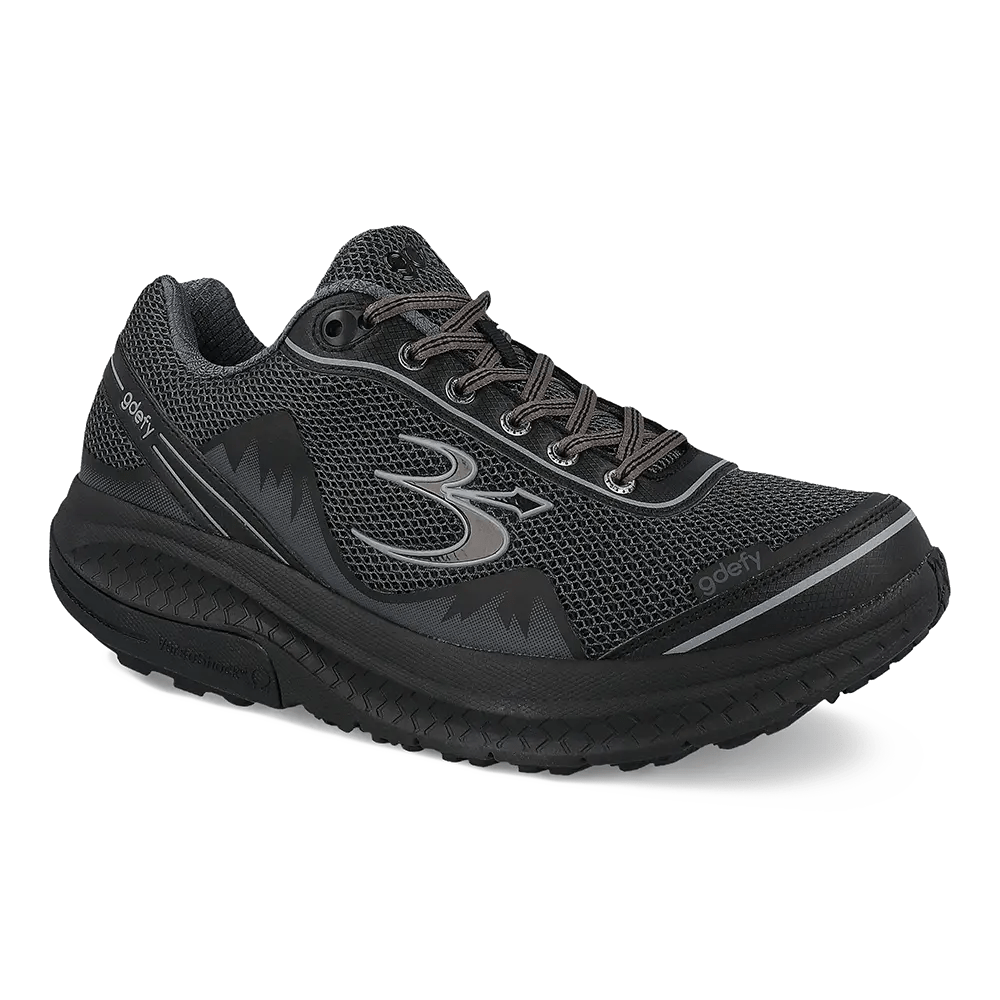
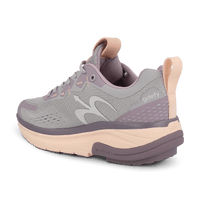
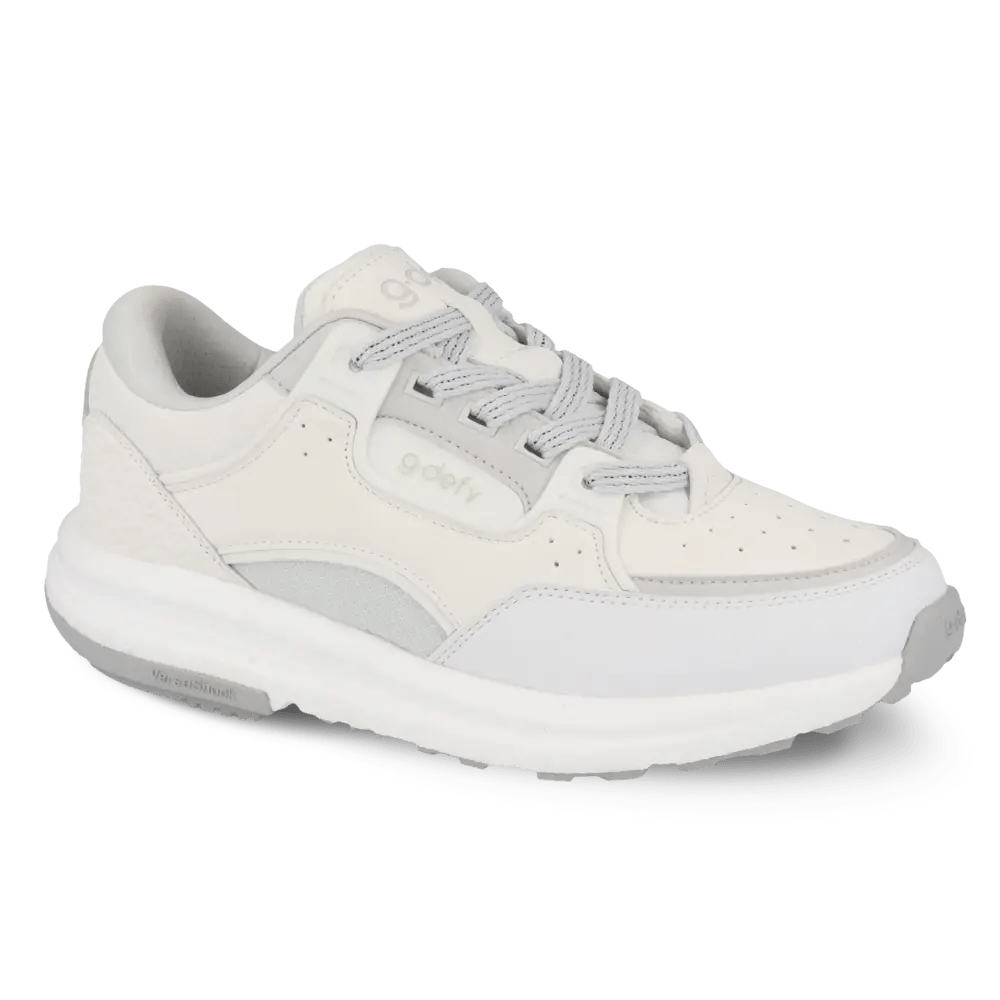
G-Defy builds athletic and running shoes around a four-pillar engineering system designed to support comfort during high-impact movement.
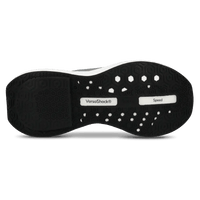
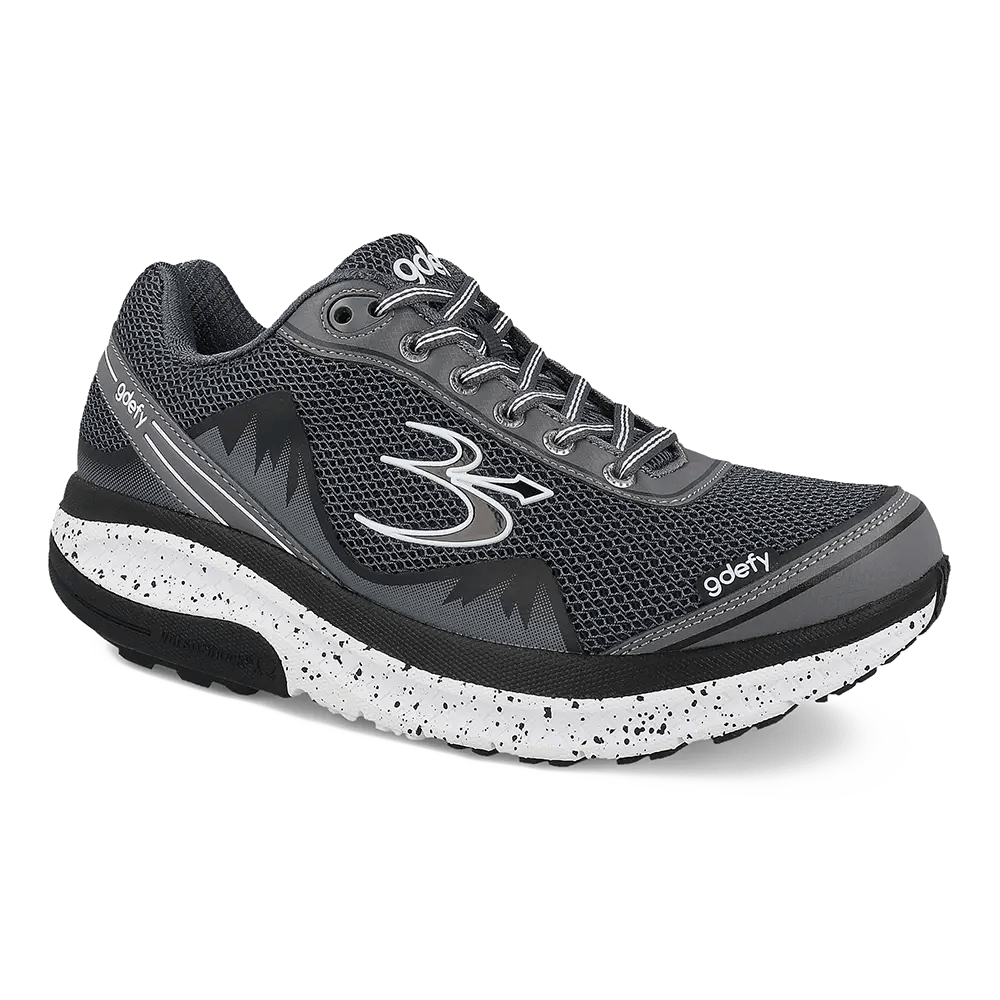
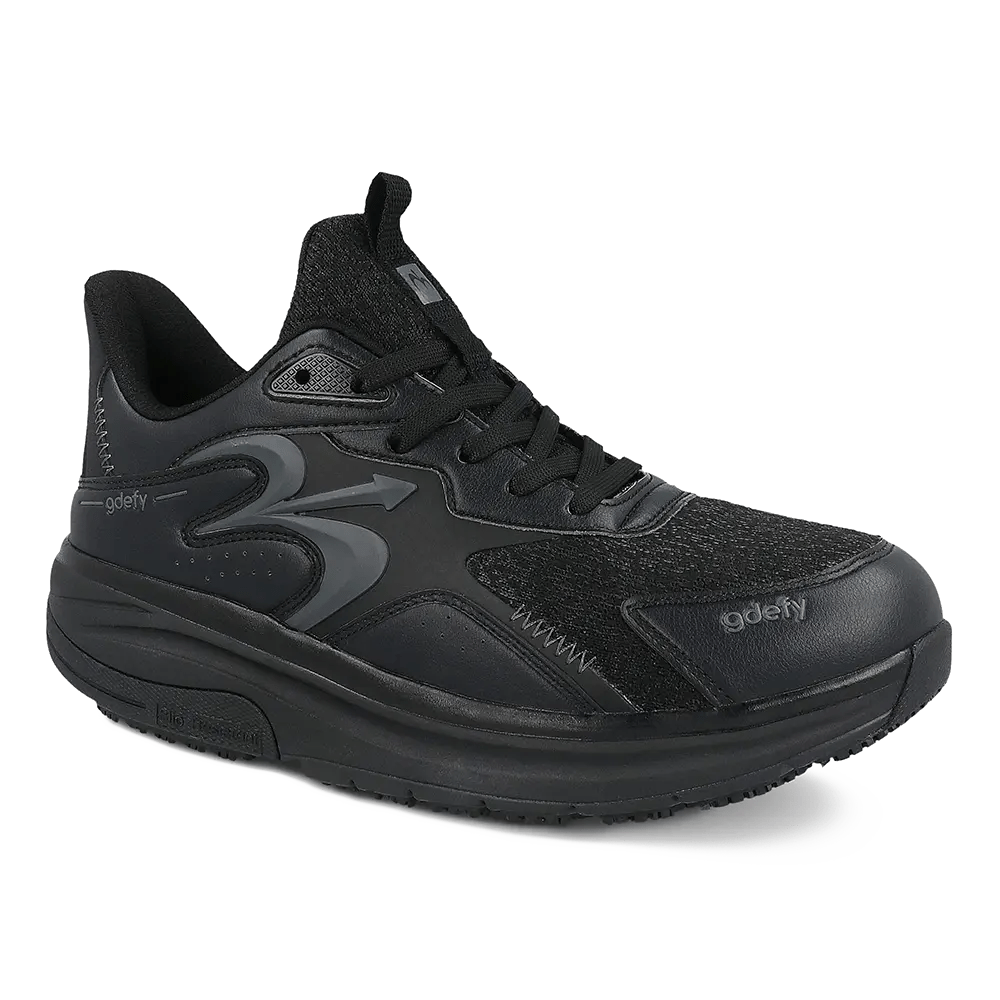
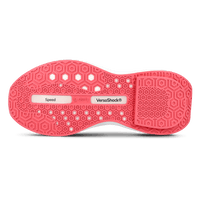
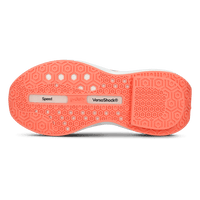
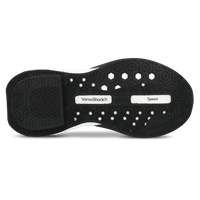
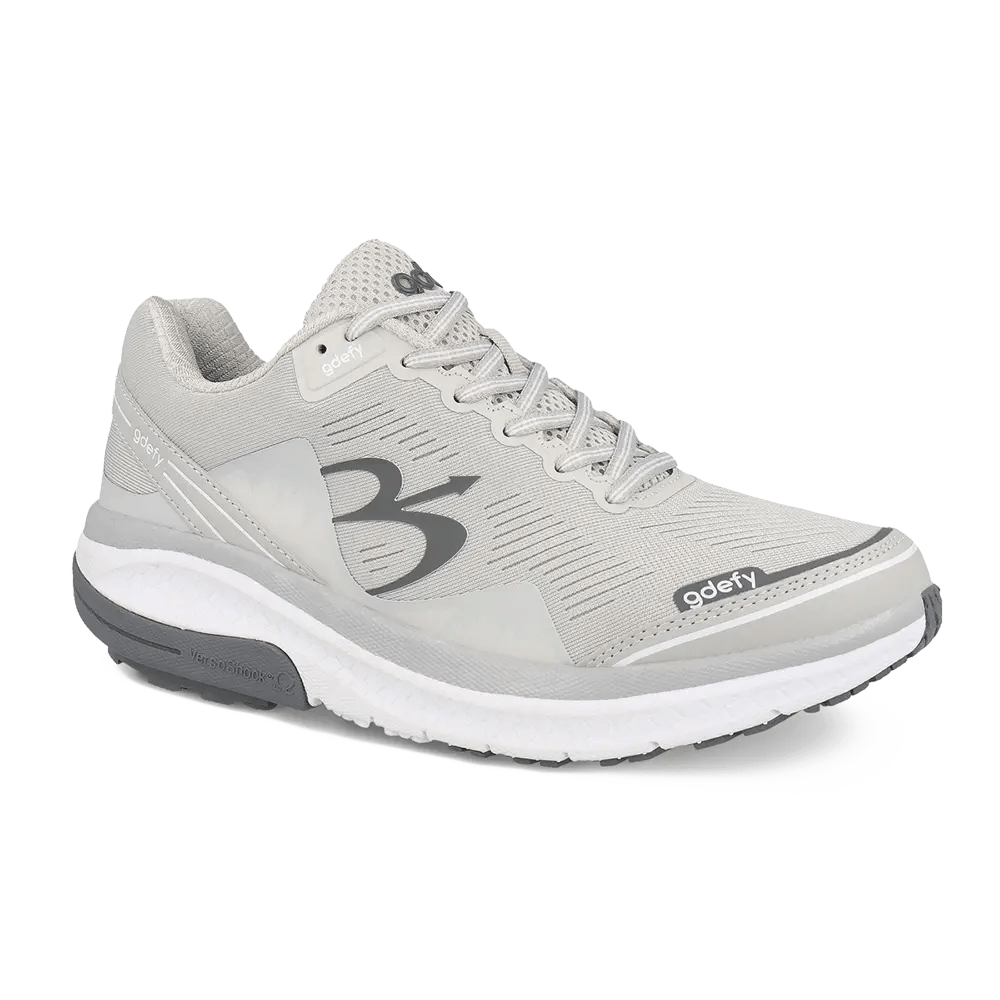
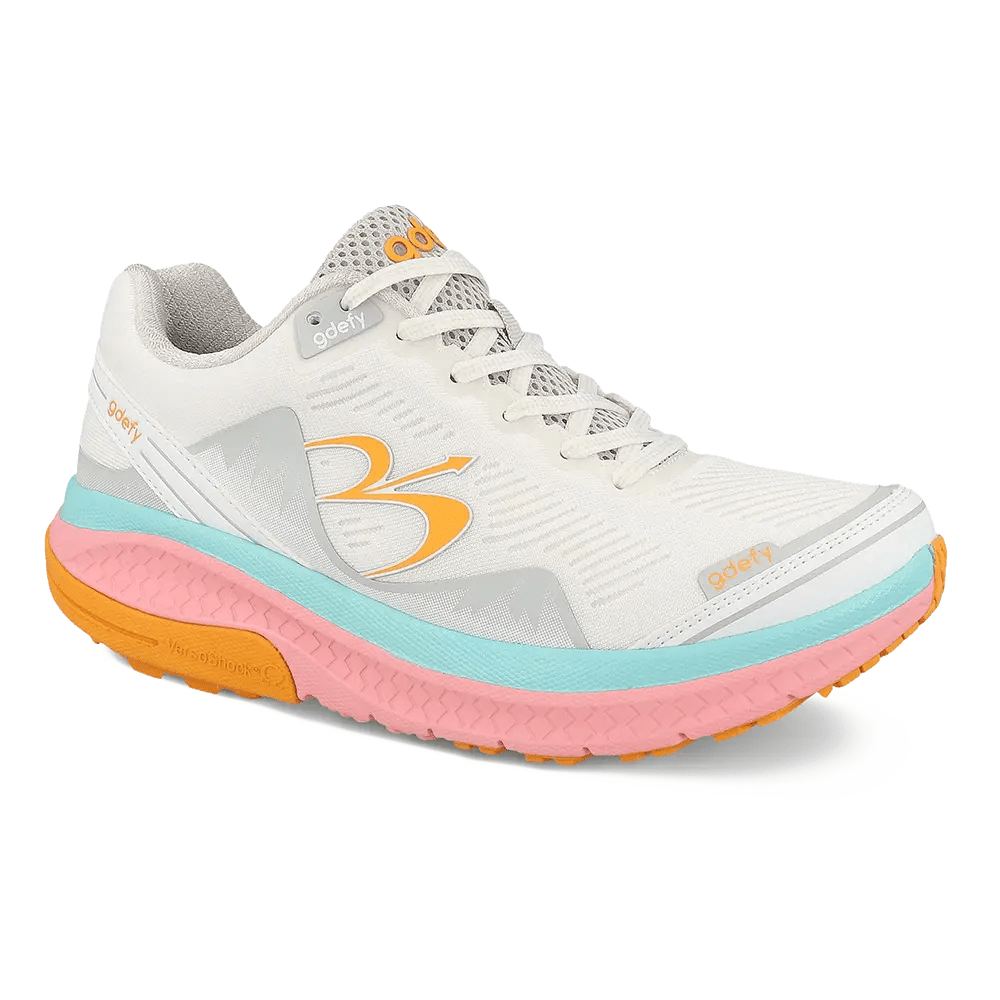
VersoShock® Technology is the foundation of every G-Defy shoe. Rather than relying on traditional foam, VersoShock® uses a spring-based shock absorption system designed to absorb impact softly and gradually with each stride — and then return energy, helping propel the next step. The result is a shoe that cushions impact more responsively and maintains that responsiveness over time. Learn more about how VersoShock® works →
Built-In Stabilizer System — each G-Defy shoe includes a structural stabilizer in the midsole designed to prevent excessive bending through the midfoot during the running motion. This supports the foot structure through each stride and helps encourage a more controlled, aligned gait.
Front Rolling Design — G-Defy's forefoot rolling design encourages a smooth, natural heel-to-toe transition with each step. Rather than abrupt heel-strikes, the shoe promotes a more fluid weight shift — which translates to less jarring impact transmitted through the knee.
Dual Orthotic System — every pair of G-Defy shoes includes two removable orthotics: the ComfortFit® for low to medium arches, and the CorrectiveFit® for medium to high arches. This allows you to customize arch support based on your foot type, rather than settling for a single default fit.
G-Defy shoes help reduce pain from walking, running, and prolonged standing.
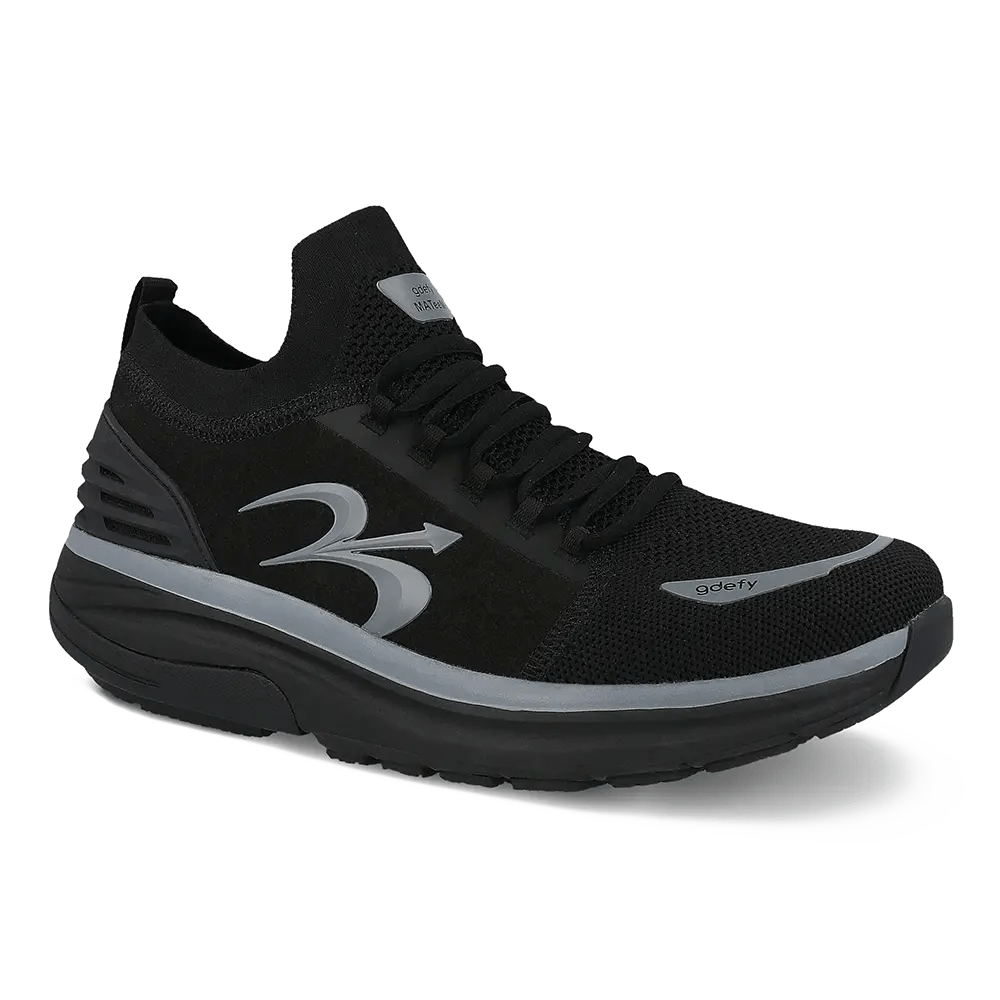
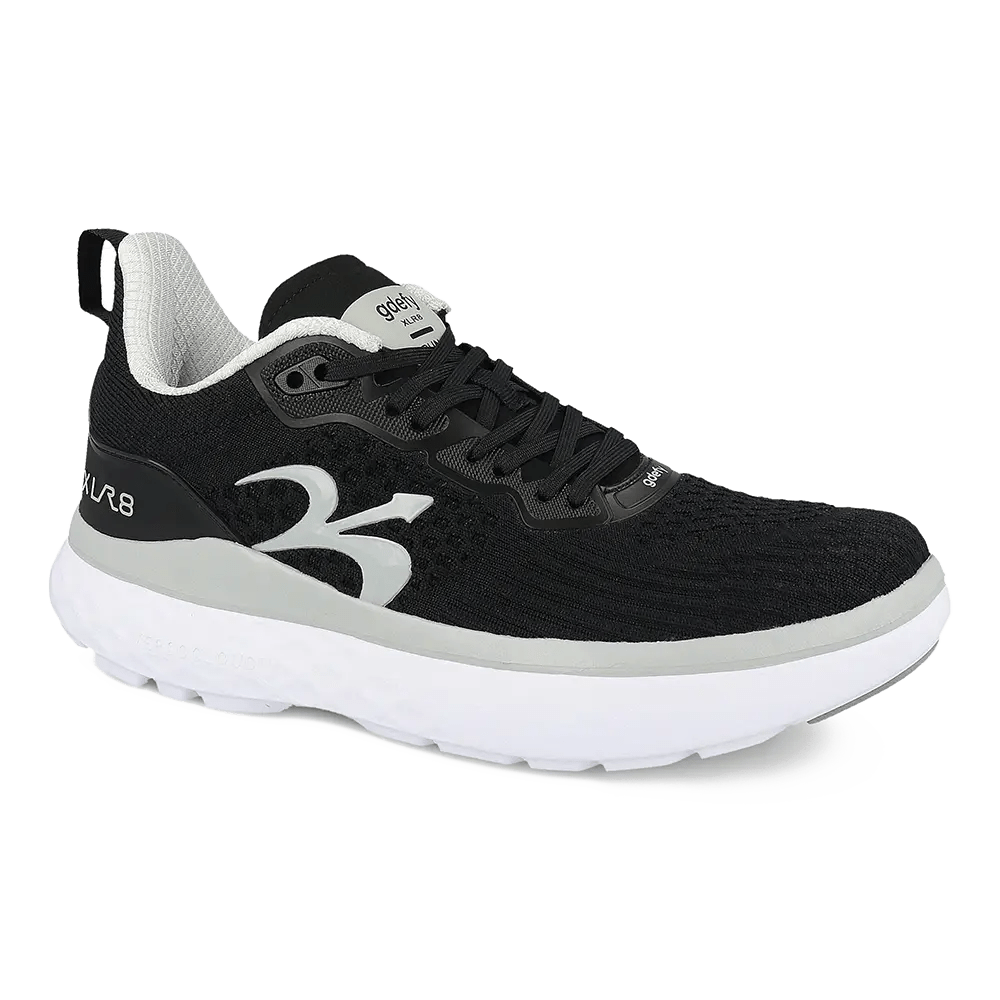
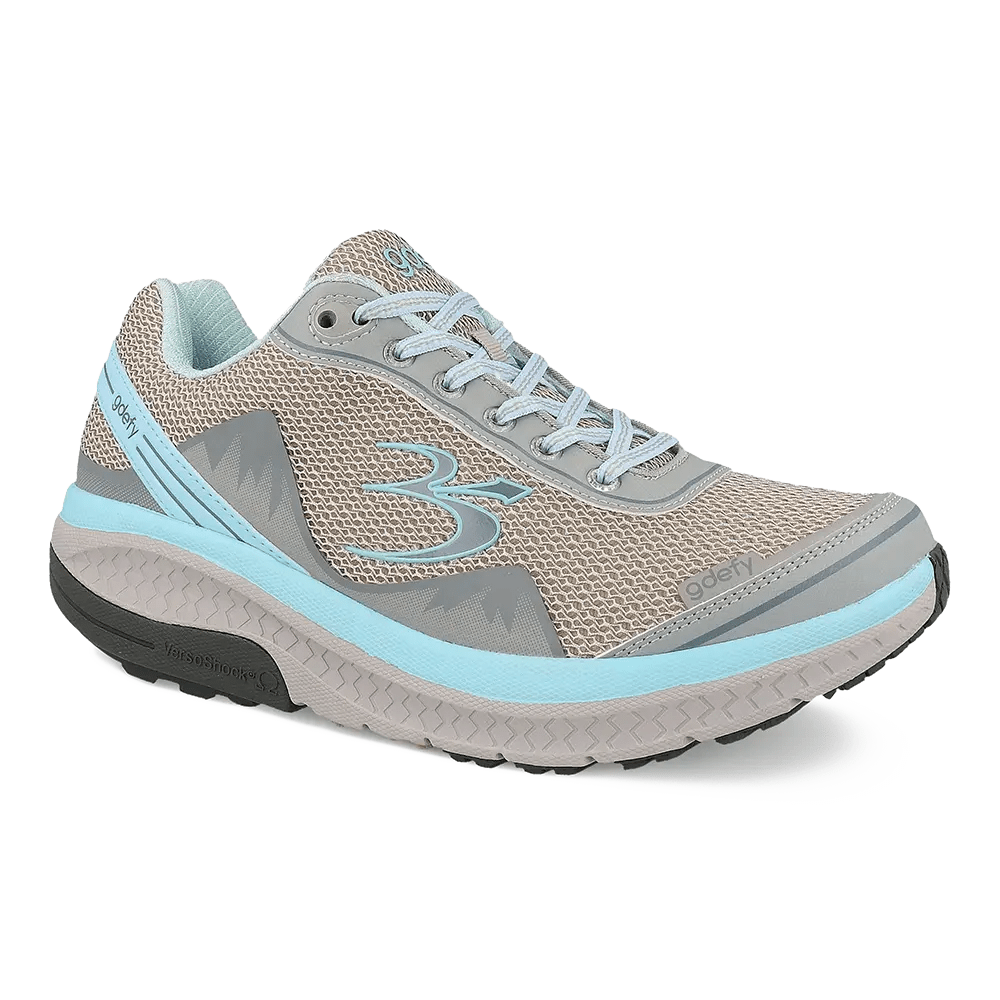
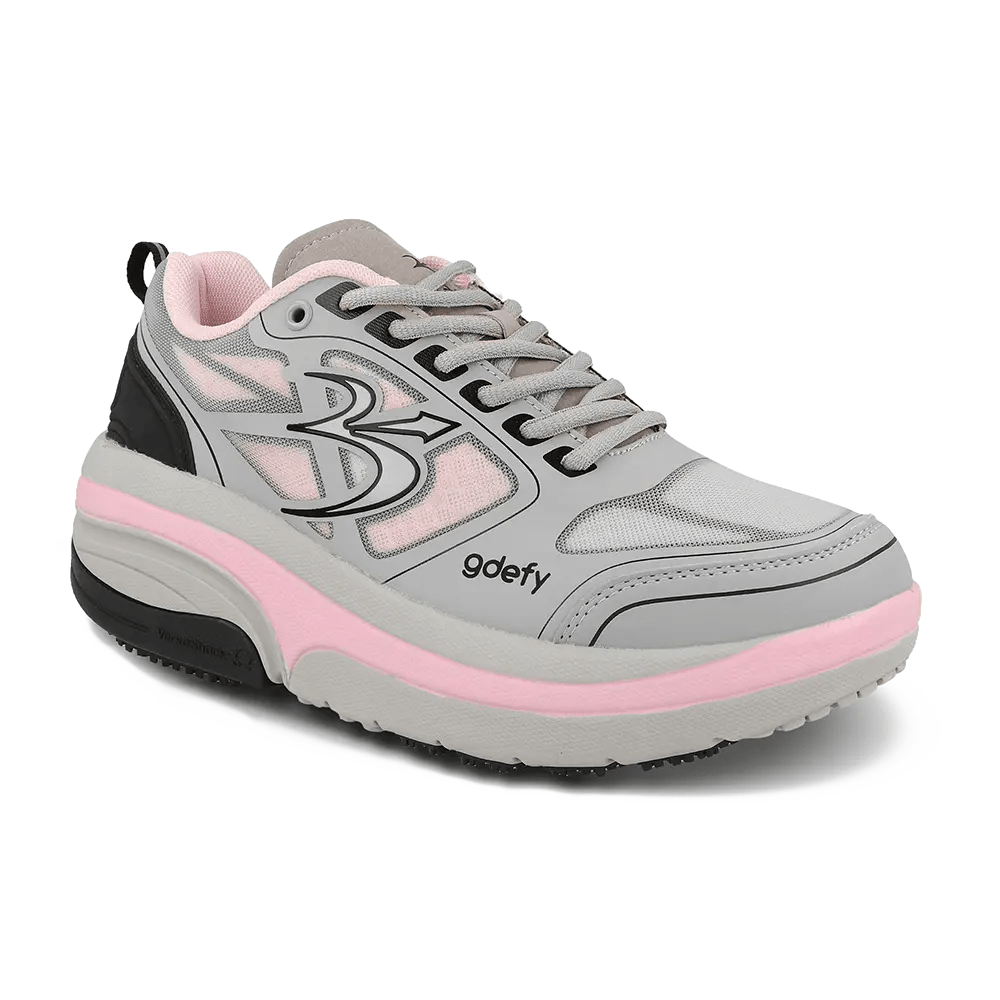
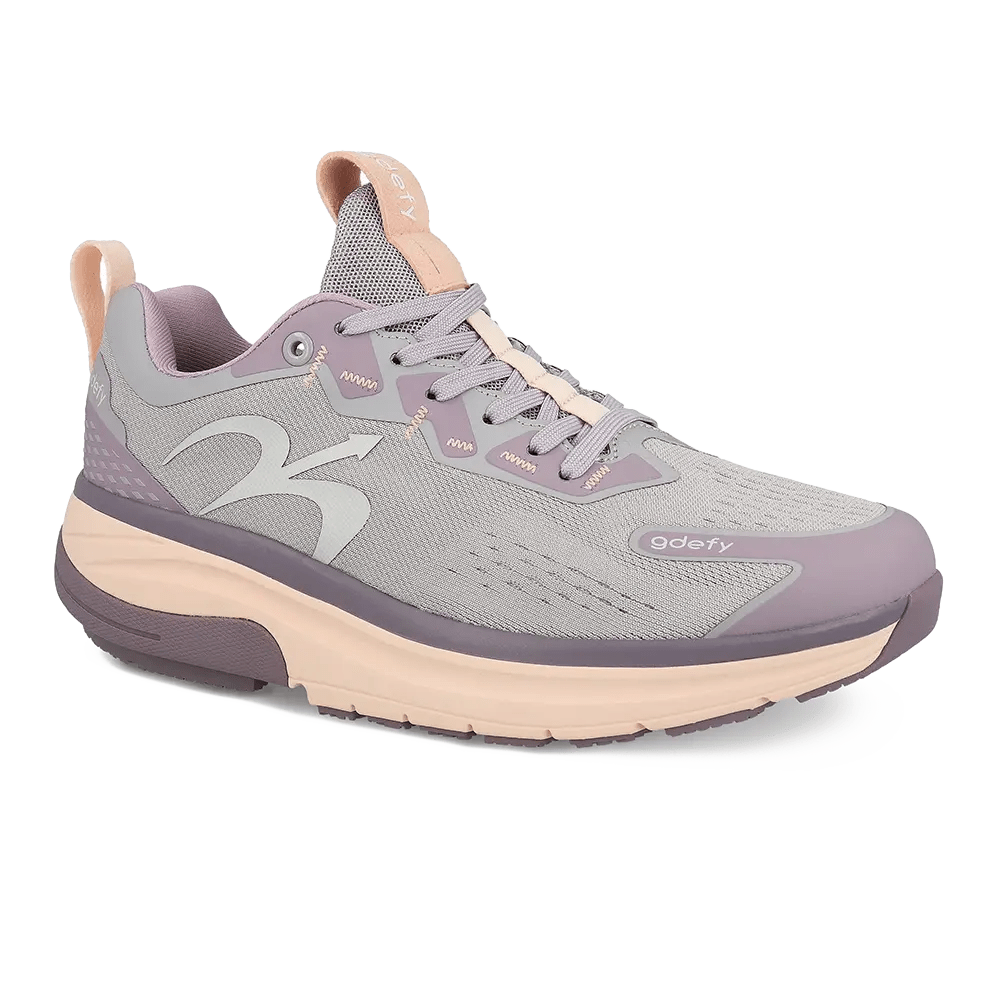
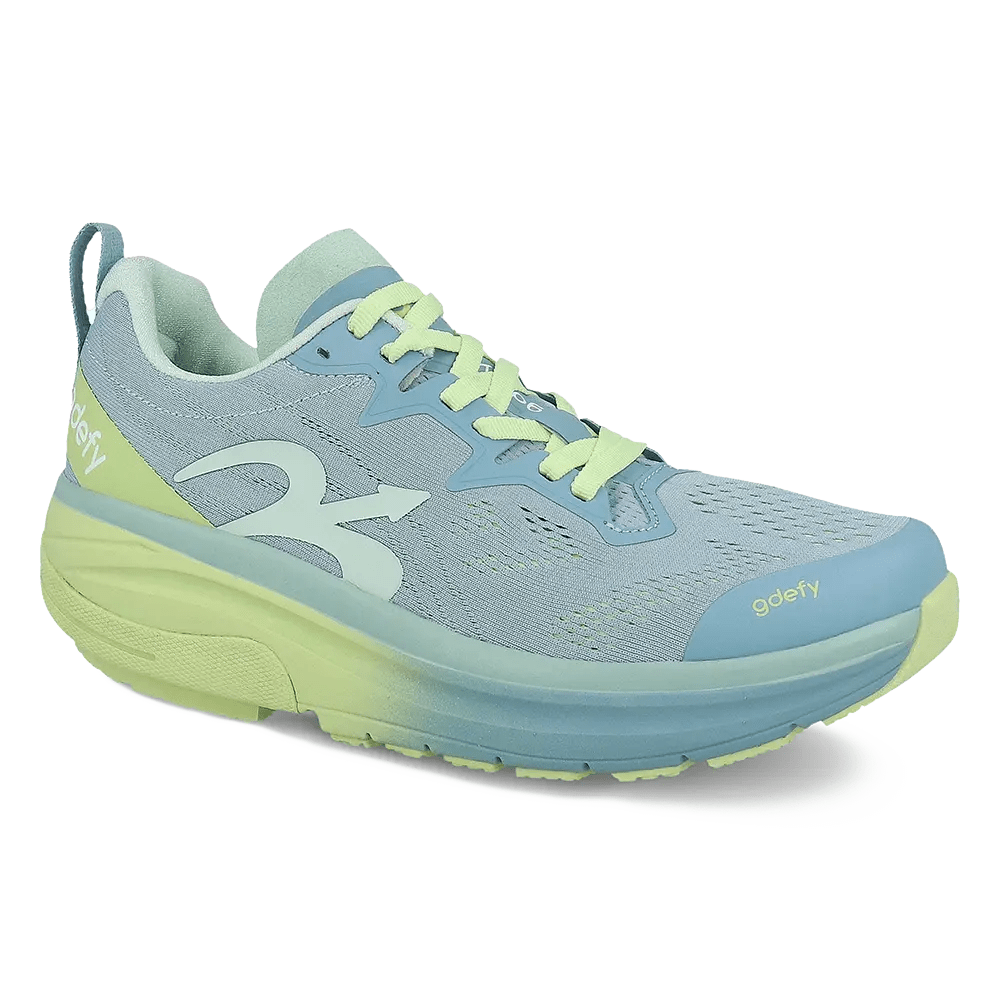
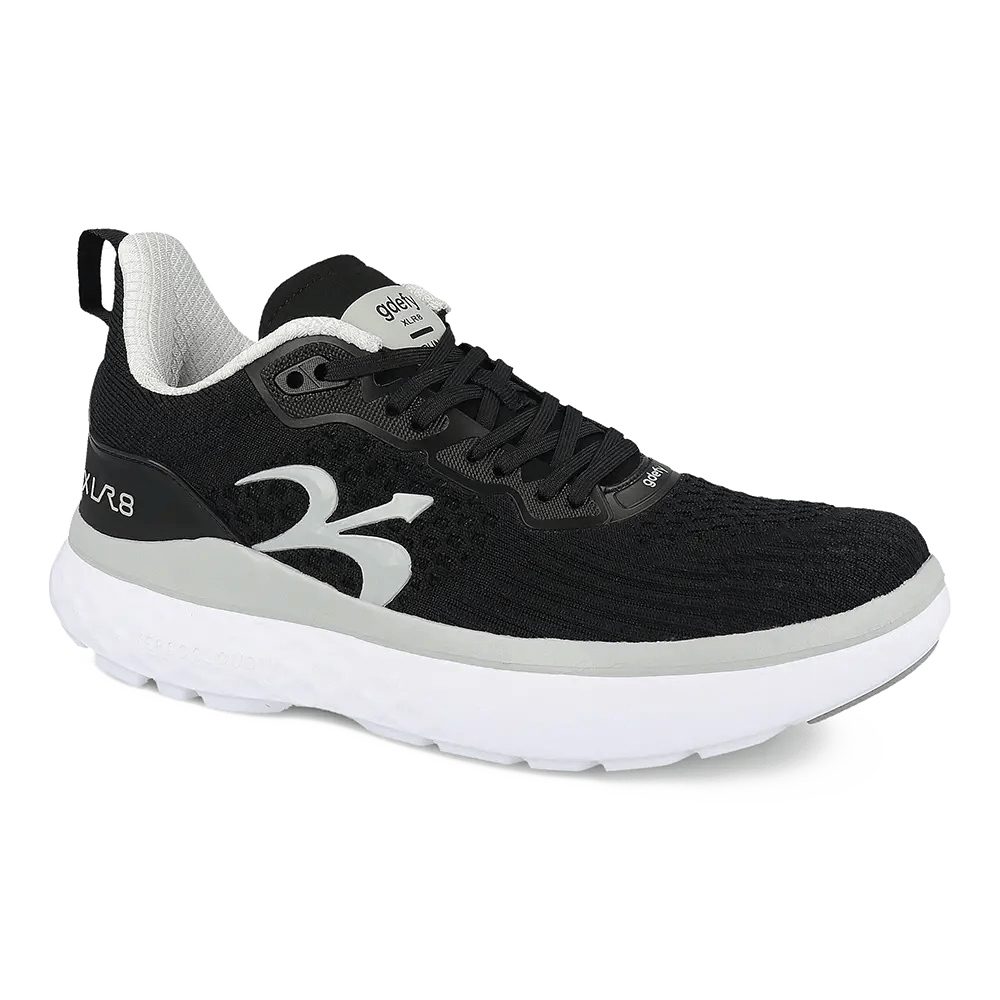
Two G-Defy styles are particularly well-suited for runners experiencing knee discomfort:
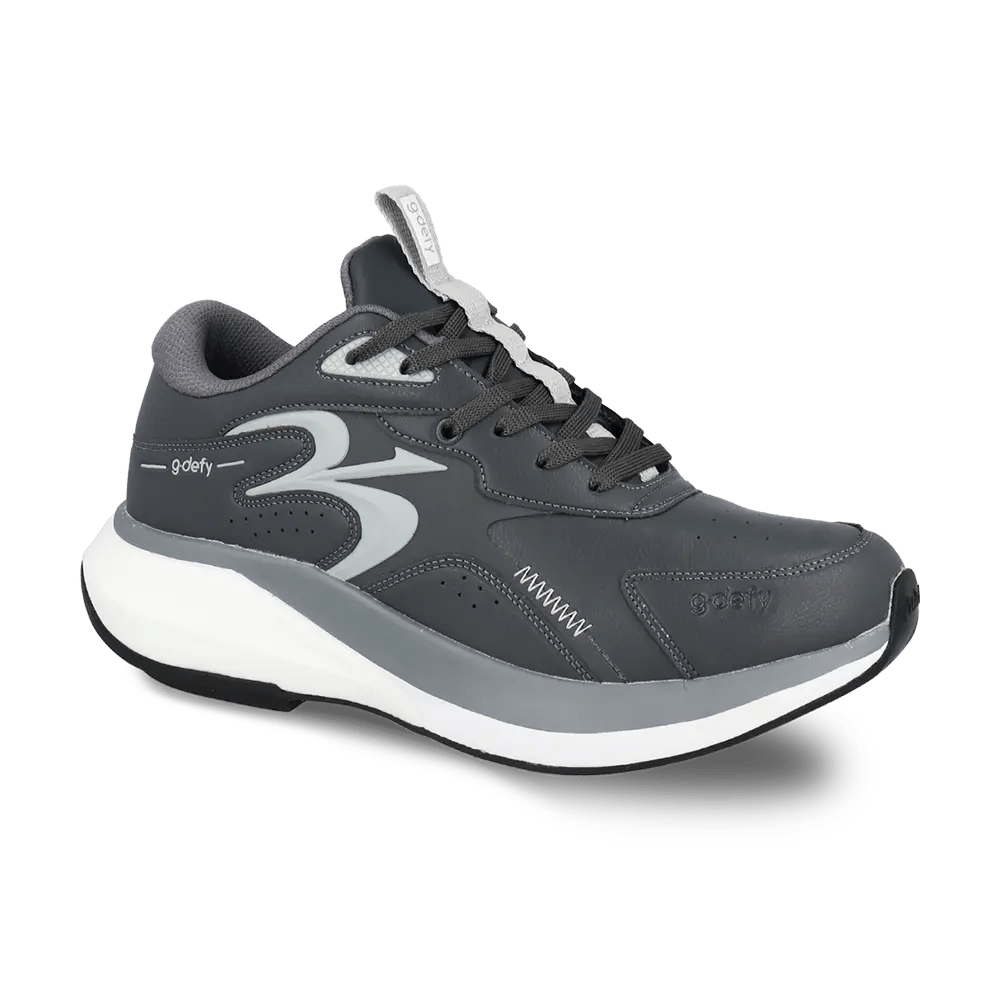
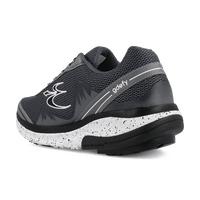
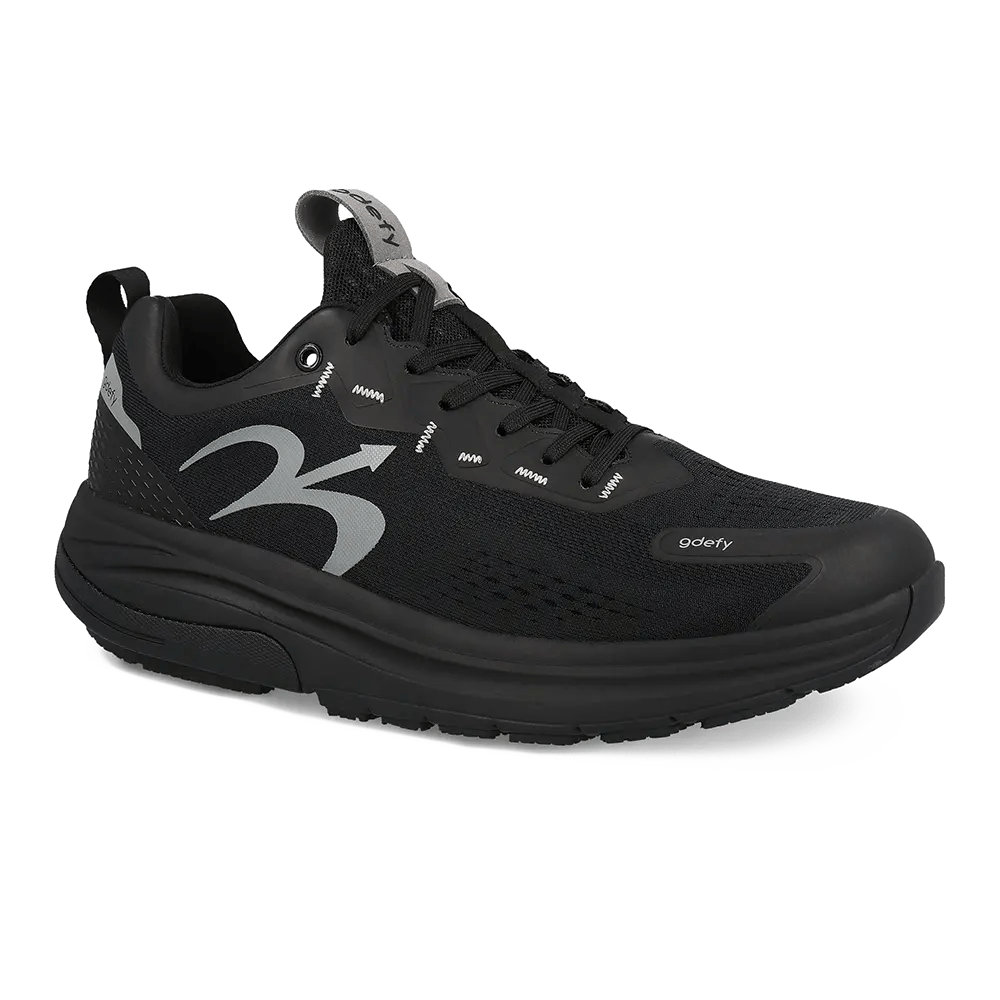
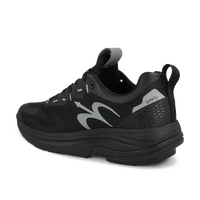
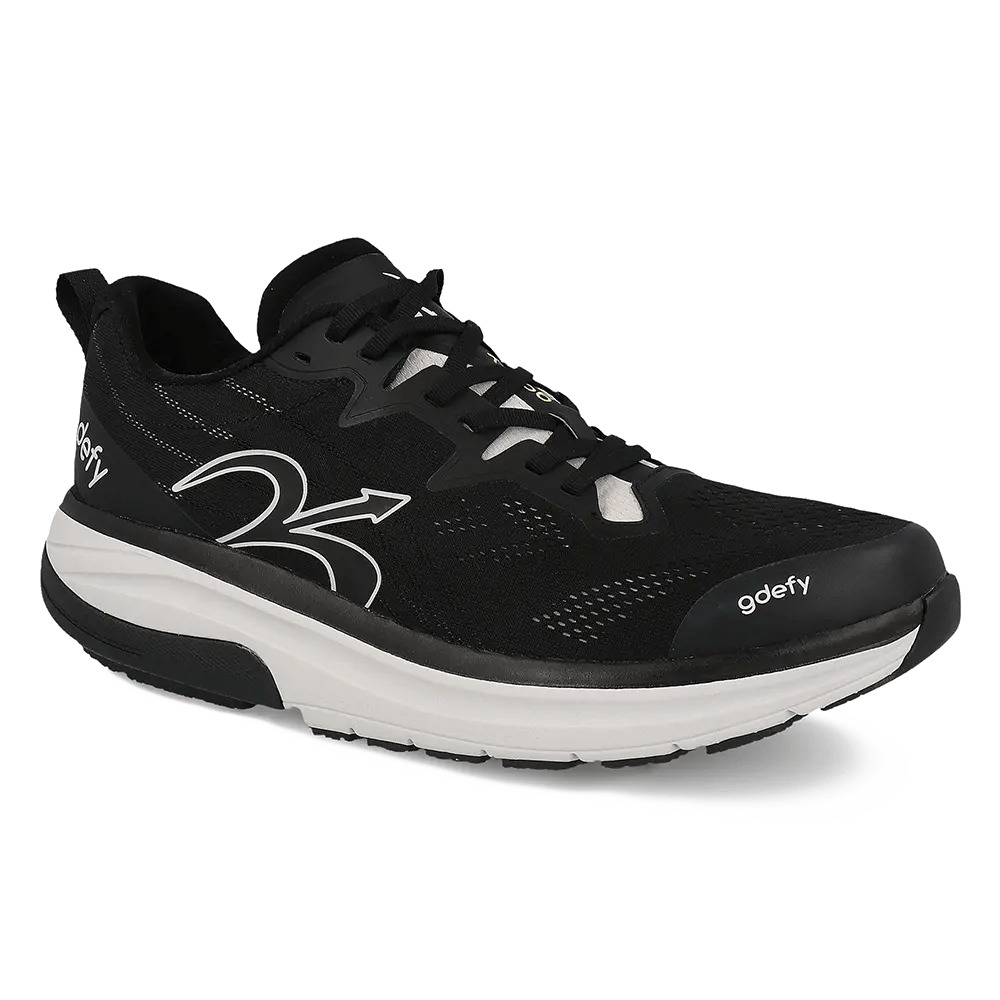
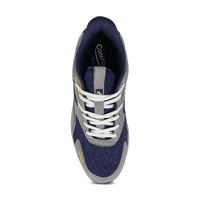
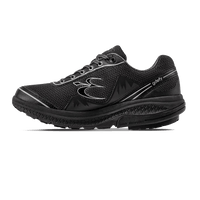
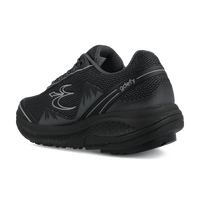
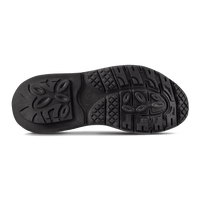
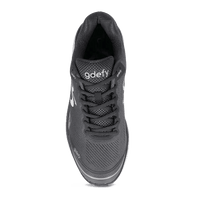
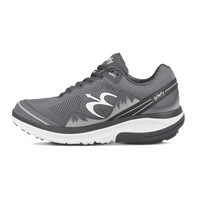
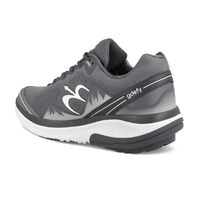
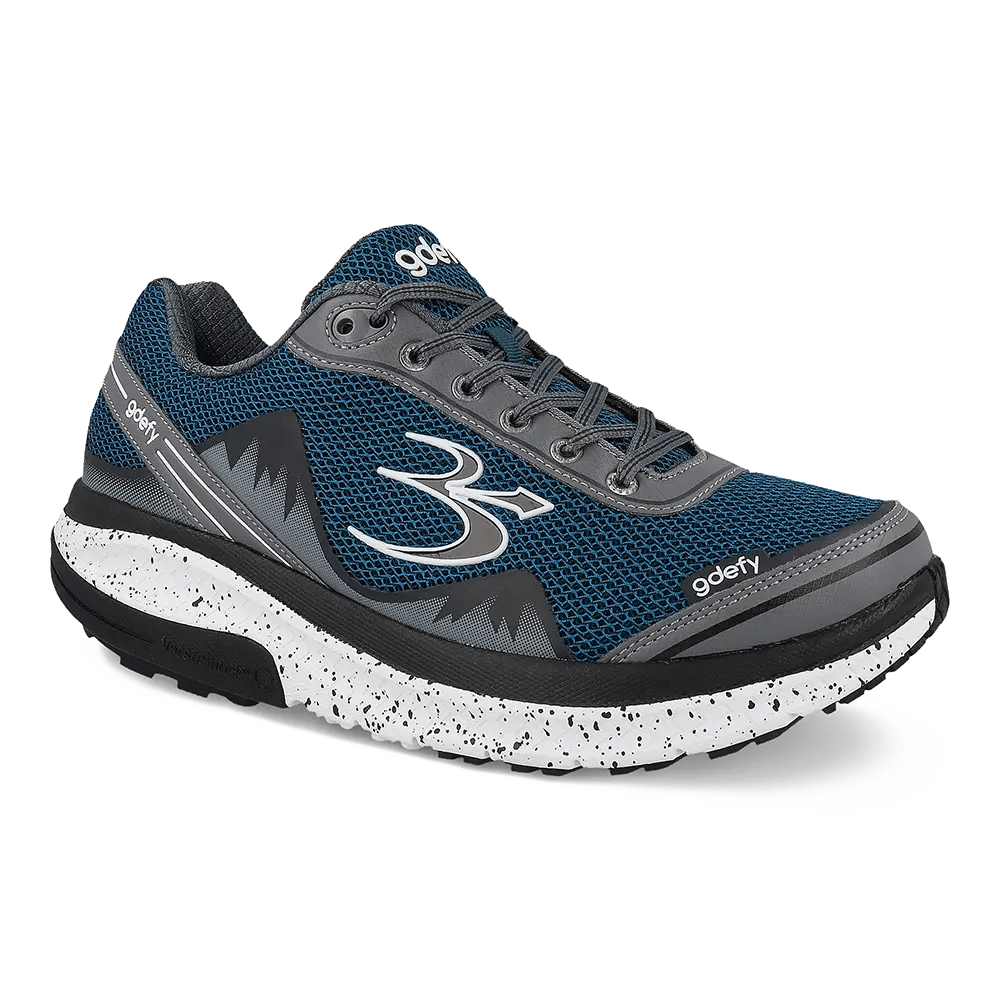
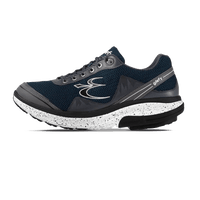
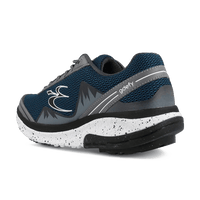
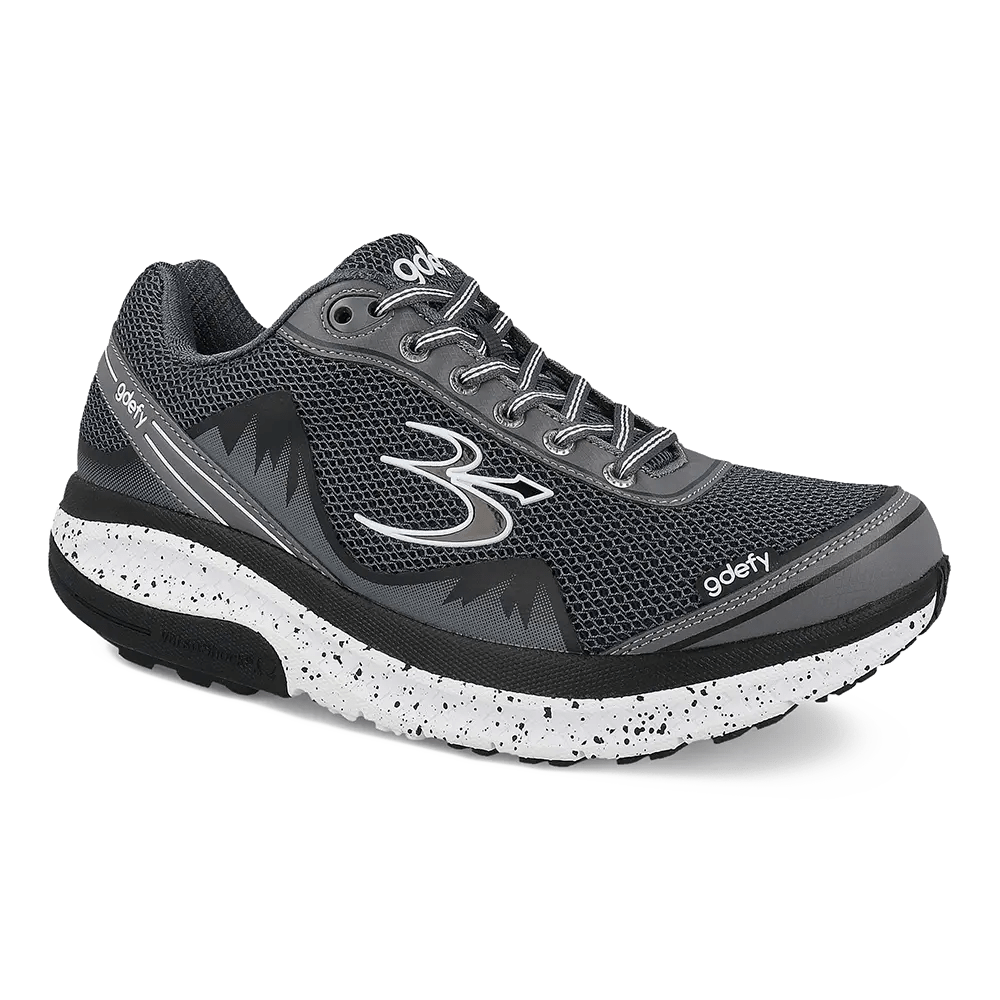
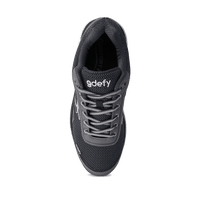
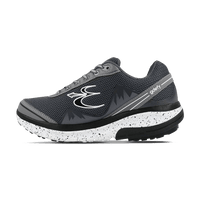
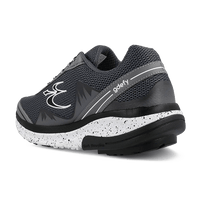
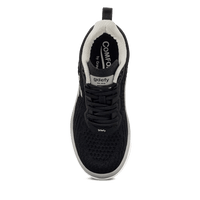
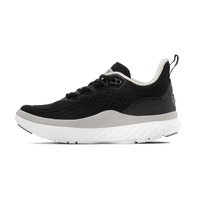
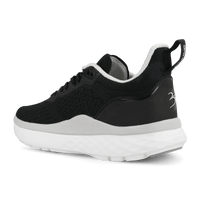
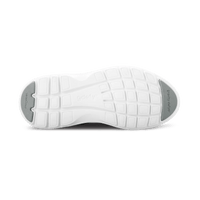
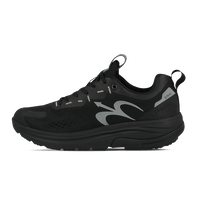
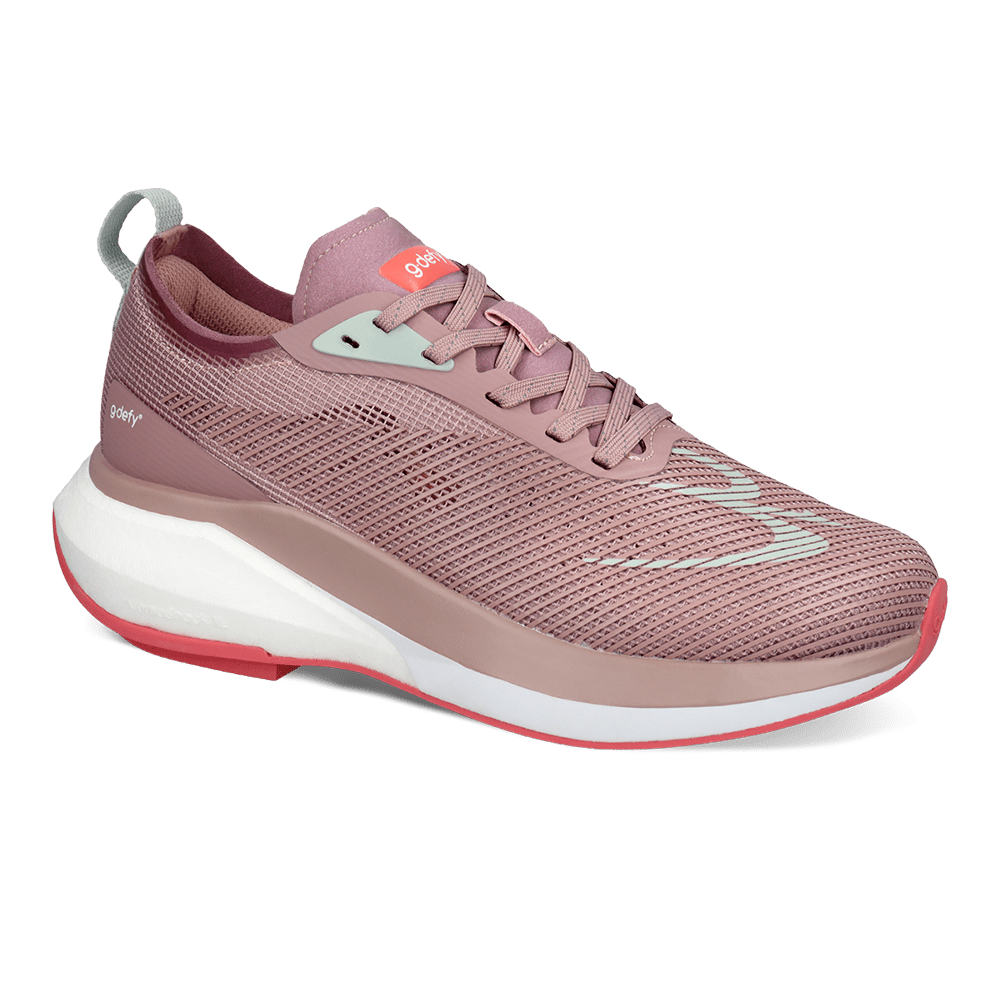
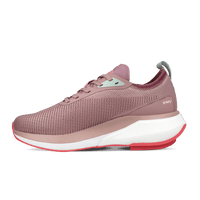
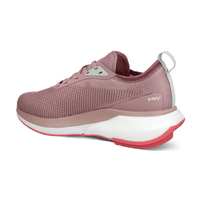
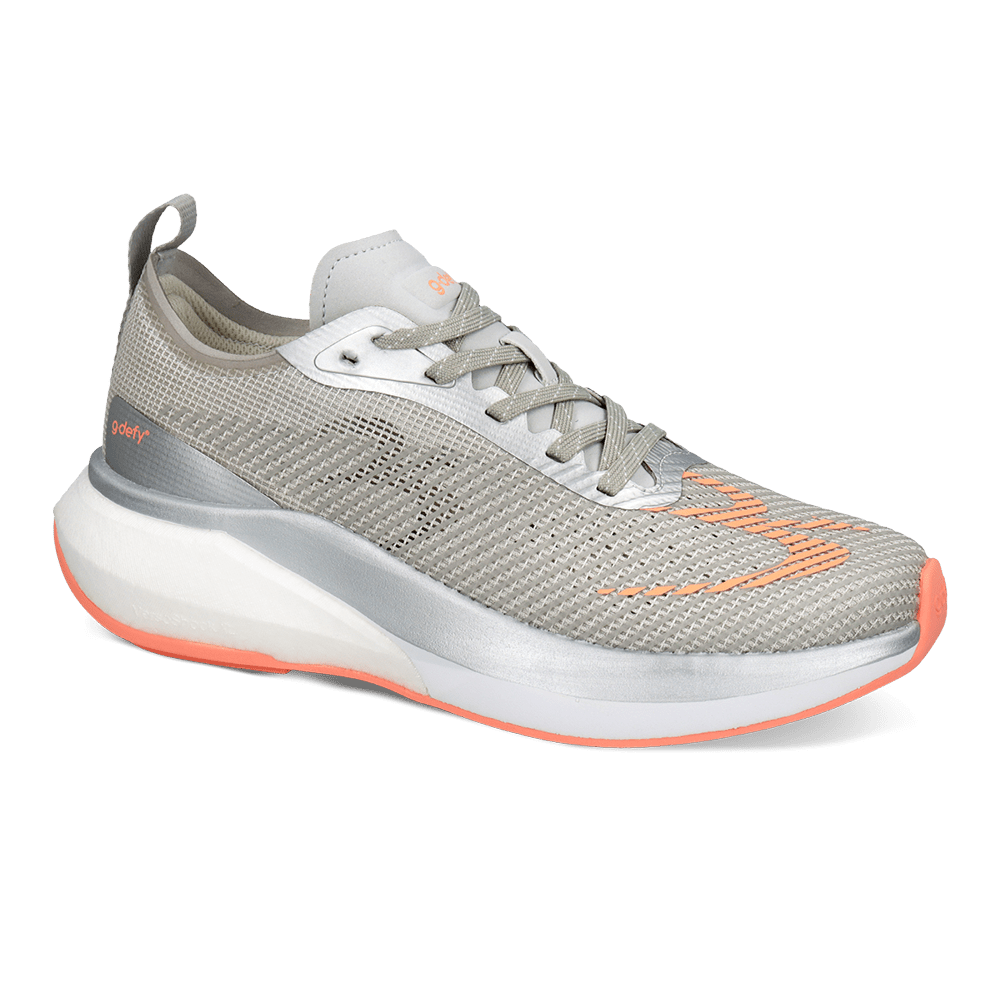
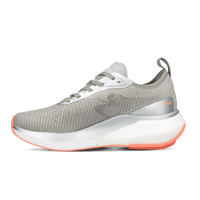
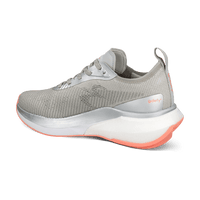
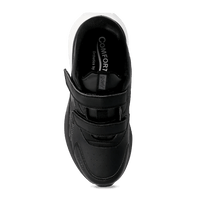
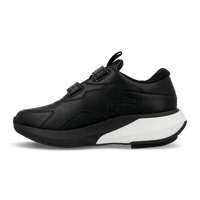
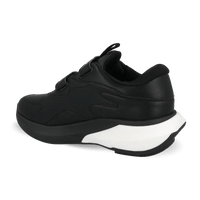
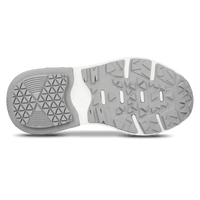
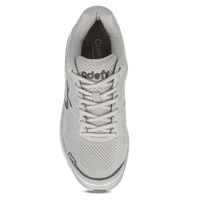
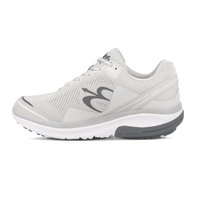
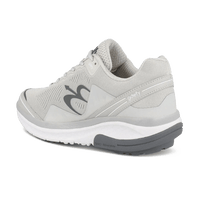
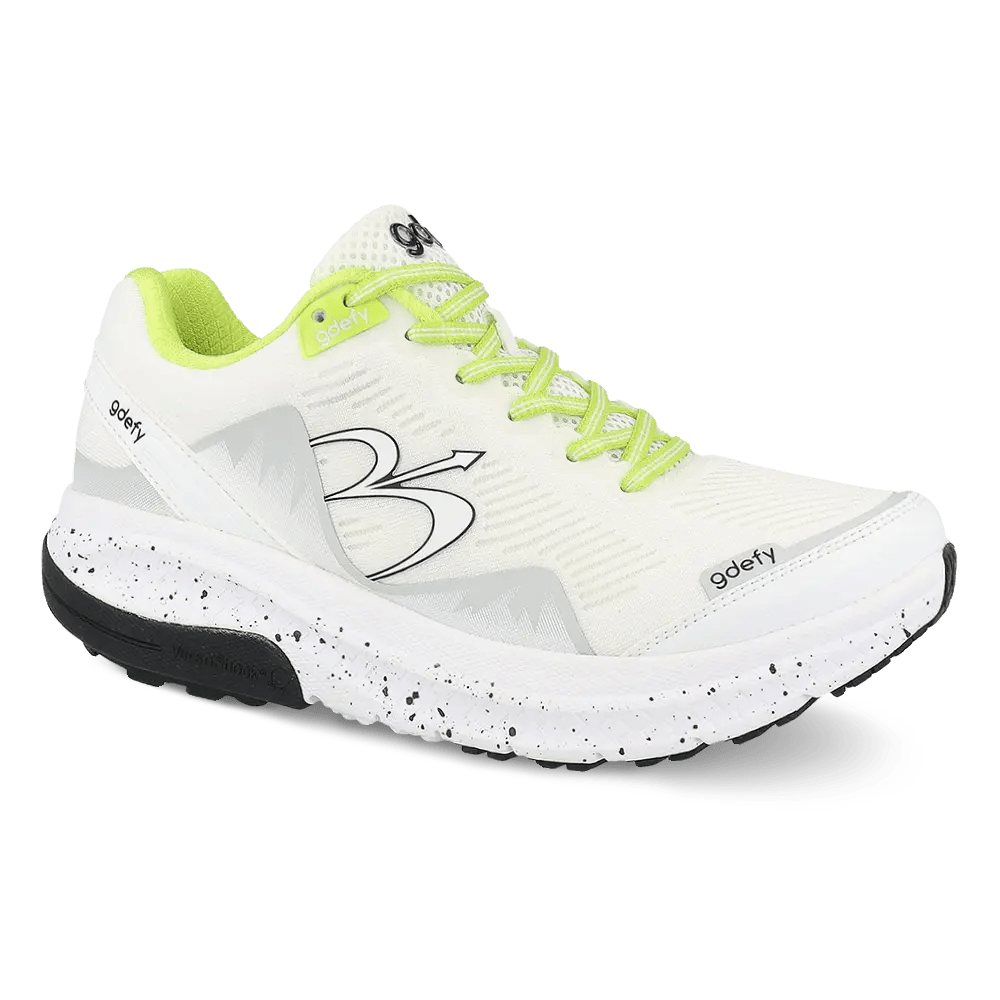
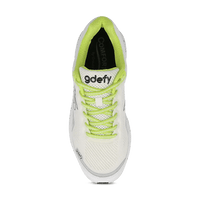
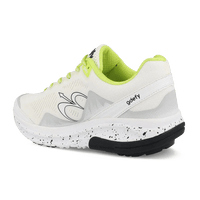
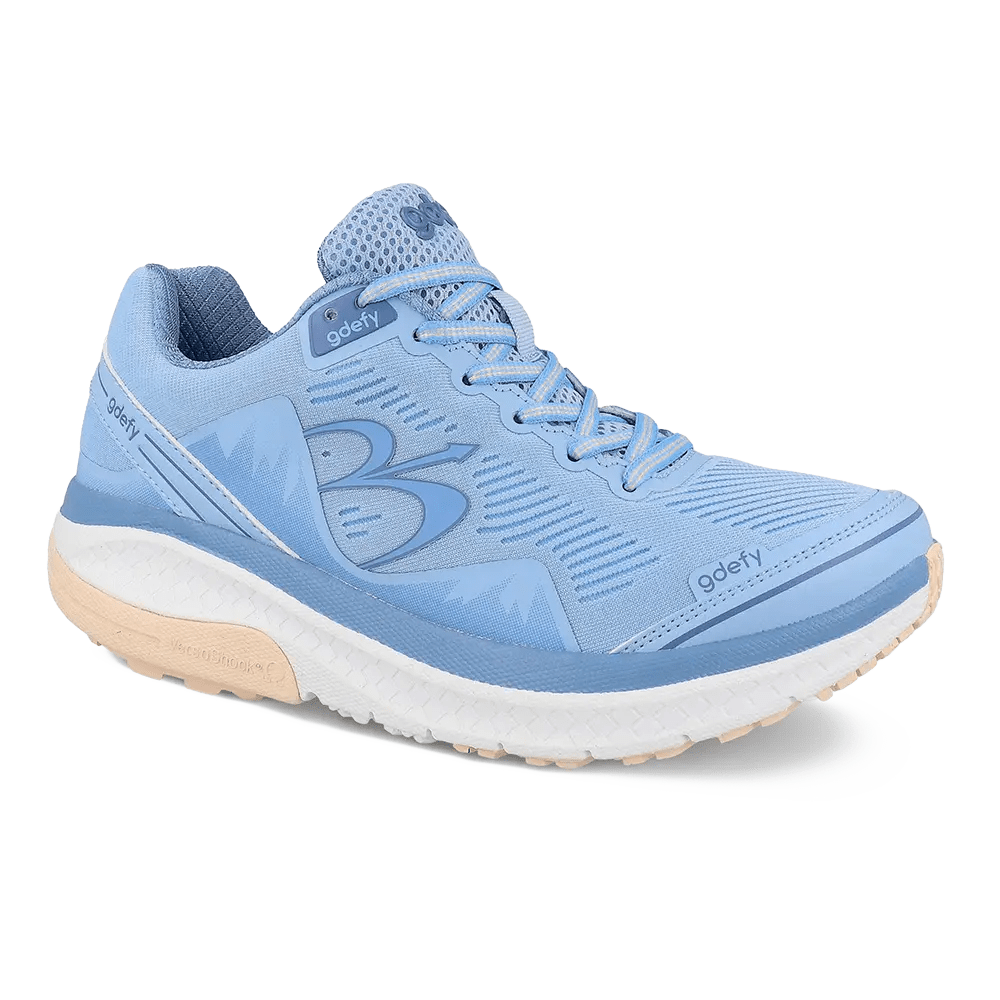
- XLR8 Run — G-Defy's dedicated running shoe, built with VersoShock® spring-based cushioning and a lightweight athletic design for daily running. Designed to absorb impact and return energy with each stride.
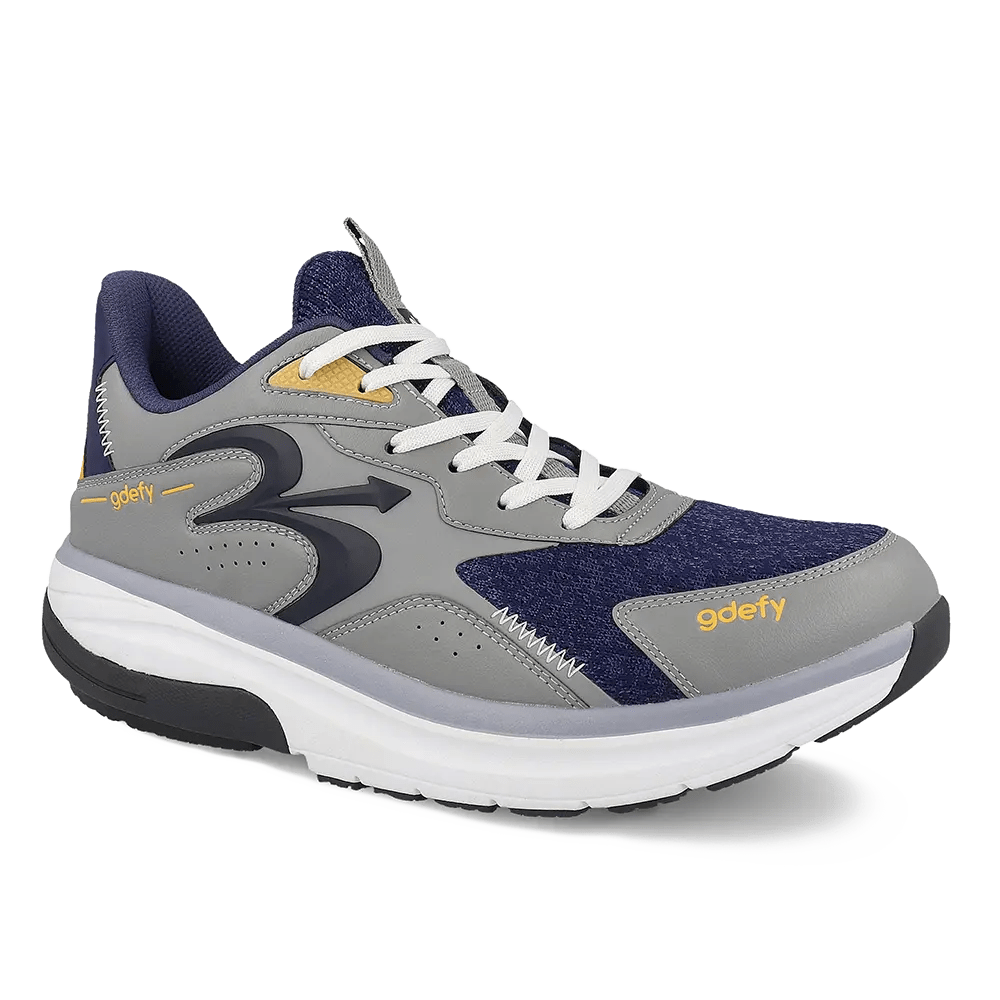
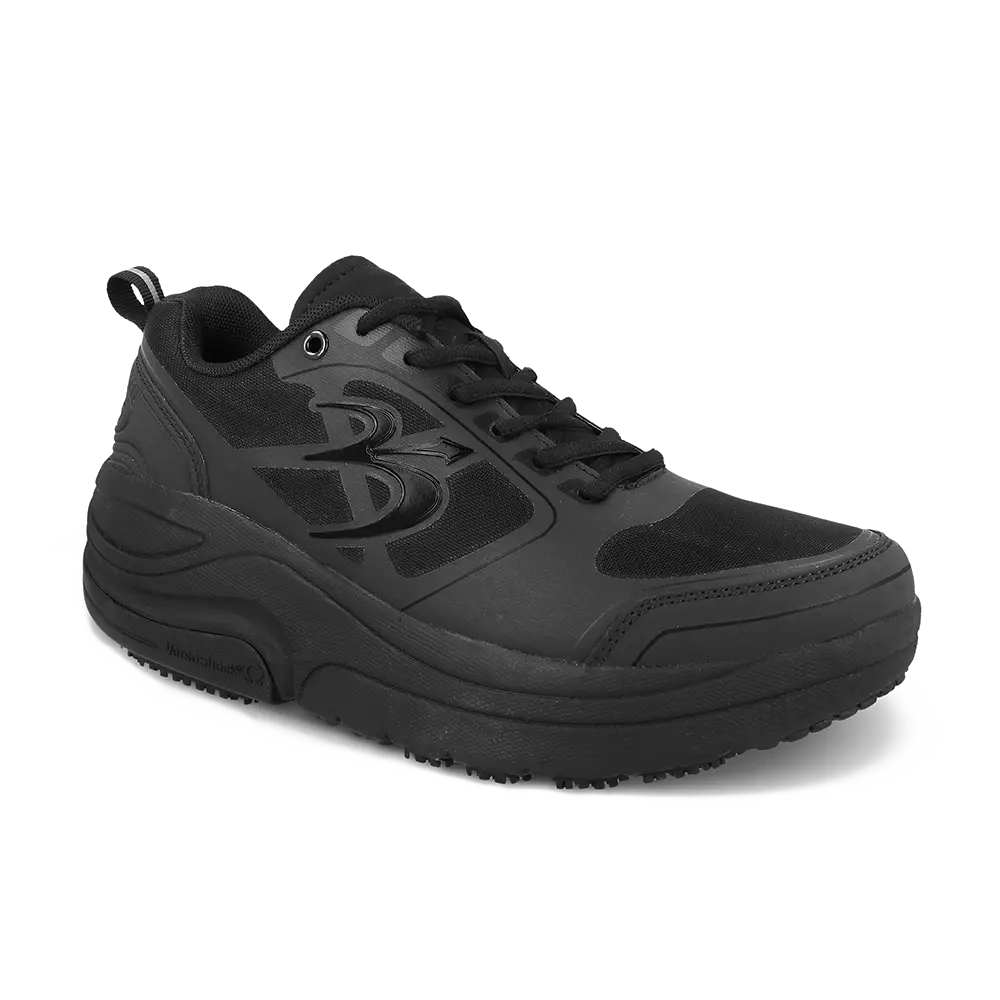
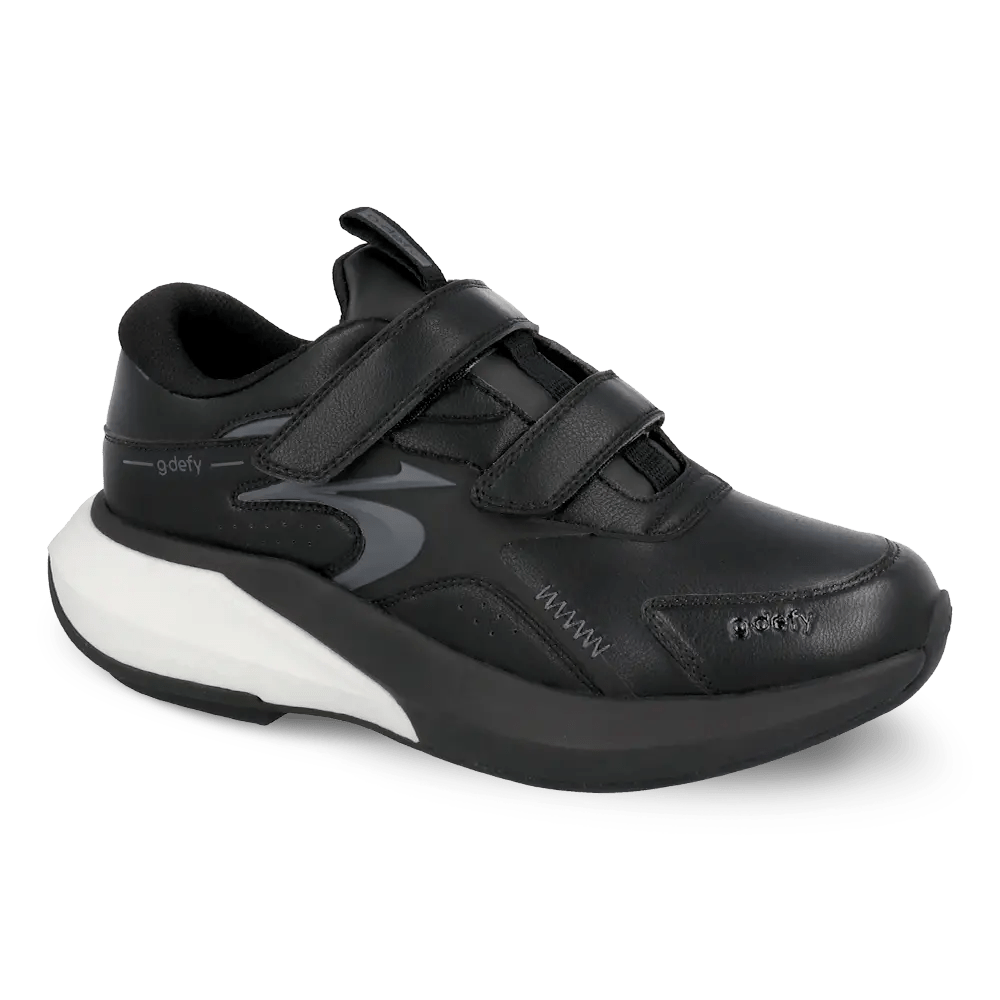
- Energiya — A versatile active lifestyle shoe built for mixed-surface movement, with strong energy return and outdoor durability. A great choice for runners who also spend time on trails or varied terrain.
Try G-Defy Risk-Free for 60 Days
Every G-Defy order comes with a 60-day risk-free trial and free shipping. Wear them on your runs — and if they're not the right fit for you, return them for a full refund, no questions asked.
Shop Athletic CollectionPractical Tips for Running with Knee Discomfort

Alongside choosing the right footwear, a few consistent habits can meaningfully improve how your knees feel during and after runs:
Replace your shoes before they wear out. Running shoes lose cushioning and structural support over time — typically somewhere between 300 and 500 miles of regular use. Running in worn shoes is one of the most common contributors to knee discomfort. Tracking your mileage and replacing shoes proactively is one of the simplest changes you can make.
Rotate between two pairs. Alternating between two pairs of running shoes gives each pair time to recover its cushioning between runs, extending the effective life of both.
Warm up before you run. A few minutes of brisk walking or light dynamic movement helps warm up the muscles and connective tissue around the knee before the demands of running begin. Cold muscles absorb impact less effectively than warm ones.
Build mileage gradually. Increasing your weekly running distance by no more than 10% per week gives your body time to adapt to the increased load. Jumping mileage too quickly is a reliable path to knee discomfort.
Mix your running surfaces. Alternating between softer surfaces — trails, grass, rubberized tracks — and harder surfaces like pavement reduces the cumulative impact load on your knees over time.
Listen to your body. If your knee discomfort increases during a run, slow down, shorten the run, or walk. Persistent or sharp knee pain during running warrants a conversation with a healthcare provider.
Frequently Asked Questions
Can running shoes actually help with knee discomfort?
Footwear is not a medical solution for knee conditions, but shoe design does have a direct mechanical effect on how much impact the knee absorbs during a run. Features like shock absorption, arch support, and a rolling forefoot design can help reduce the forces transmitted to the knee with each stride. For many runners, choosing shoes with better cushioning and stability leads to a noticeably more comfortable experience. For specific medical concerns, consult a healthcare provider.
How do I know when my running shoes need to be replaced?
The cushioning in most running shoes begins to break down after 300–500 miles of use. Signs that replacement may be needed include visible compression in the midsole, reduced cushioning feel underfoot, or a noticeable increase in discomfort during or after runs. Rotating between two pairs can extend the effective life of each. See our guide on how shoes affect knee comfort for more on the role of footwear condition.
Is there a difference between walking and running shoes for knee pain?
Running involves greater impact forces and more repetition per mile than walking, so running shoes typically require more responsive cushioning and stability. For runners experiencing knee discomfort, a purpose-built running shoe with spring-based shock absorption and stability features is generally the better fit.
The Right Shoes Support Every Run
Running with knee discomfort doesn't have to mean stopping. The shoes you run in play a real, mechanical role in how much impact your knees absorb with every stride. Choosing footwear with effective shock absorption, proper stability, and a smooth stride transition is one of the most practical steps a runner can take to support more comfortable daily movement.
While footwear is not a medical solution, choosing shoes designed for comfort and impact reduction can make a meaningful difference in how you feel throughout every run. G-Defy's athletic shoes are engineered with VersoShock® technology to absorb impact and return energy with every stride, so you can keep running comfortably.
Try them for 60 days, completely risk-free, with free shipping on every order. Shop G-Defy Athletic Shoes →