June 17, 2026
Running Shoes vs Walking Shoes: What's the Difference?
By Gdefy

Summary
If you have ever stood in front of a wall of athletic shoes wondering whether a running shoe and a walking shoe are really that different, you are not alone. They can look almost identical on the shelf, yet they are engineered for two different kinds of movement. Choosing the pair that matches how you actually move can make a real difference in how comfortable and supported your feet feel through the day.
This guide breaks down the practical differences between running shoes vs walking shoes — how each is built, what features matter for each activity, and how to pick the right pair when you walk some days, run others, or do a bit of both. No medical jargon, just a clear look at design and comfort.
How Walking and Running Differ as Movements
Before comparing the shoes, it helps to understand the movements they are made for. Walking and running place very different demands on your feet, and footwear is designed around those demands.
When you walk, one foot is always in contact with the ground. The motion is steady, your heel lands first, and your weight rolls smoothly from heel to toe. The impact with each step is relatively gentle and predictable.
Running is a different story. For a brief moment in every stride, both feet leave the ground, so each landing absorbs noticeably more force than a walking step. Runners also tend to land differently — some on the heel, others closer to the midfoot — and the pace adds repeated, higher-energy impact over the course of a workout.
Because the two activities load your feet so differently, shoe designers adjust cushioning, flexibility, support, and weight to suit each one. Understanding your own walking pattern and foot motion can also help you recognize which features matter most for you.
These differences even show up in how the shoes wear out. Walkers tend to wear down the outer heel and the area under the ball of the foot as the foot rolls through each step, while runners often see faster, broader wear across the midsole from repeated high-energy landings. A shoe matched to your activity is built to take that specific kind of wear, which is part of why a purpose-built pair tends to stay comfortable longer.
What Sets Walking Shoes Apart
Walking shoes are tuned for that smooth, repetitive heel-to-toe motion. The priorities are steady comfort, flexibility where your foot naturally bends, and support for long stretches on your feet.
- Flexible forefoot — Walking shoes usually flex easily at the ball of the foot so the shoe moves with your natural toe-off.
- Heel cushioning and a smooth transition — Because walkers land heel-first, a cushioned, gradually shaped heel helps your weight roll forward comfortably.
- Steady, all-day support — Walking shoes are built for hours of standing and strolling, with structure that keeps the foot feeling supported.
- Comfort-first fit — A roomy, accommodating fit matters more than shaving off every gram, since walking is lower-impact than running.
If most of your time on your feet is spent walking, running errands, or standing, a dedicated walking shoe is usually the more comfortable choice. For a closer look at how a walking shoe is constructed, see what's inside a comfort walking shoe.
What Sets Running Shoes Apart
Running shoes are engineered for higher impact and faster, more repetitive motion. The same basic parts exist, but they are tuned for energy and protection at speed.

- More cushioning for impact — Running adds force with every landing, so running shoes typically carry more shock-absorbing material to help soften that impact.
- Energy return — Many running shoes are designed to give some energy back with each stride, helping movement feel more responsive.
- Structured heel and midfoot — A more supportive heel and midfoot help keep the foot stable through a faster, higher-energy stride.
- Breathability and lighter weight — Running generates heat and demands quicker turnover, so running shoes often lean on lightweight, breathable materials.
If you run regularly — even a few times a week — a shoe built for that impact will generally feel more comfortable and supportive than a walking-focused design. You can read more about how running shoes are designed to reduce impact during your stride.
Running Shoes vs Walking Shoes: Key Differences at a Glance
Here is a quick side-by-side comparison of how the two are typically designed. Think of these as general tendencies rather than hard rules — modern athletic shoes increasingly blend features.
| Feature | Walking Shoes | Running Shoes |
|---|---|---|
| Impact level | Lower, steady | Higher, repetitive |
| Cushioning | Balanced for all-day comfort | More, to soften harder landings |
| Flexibility | Flexes easily at the forefoot | Tuned for a faster toe-off |
| Heel design | Smooth heel-to-toe transition | Structured for varied foot strikes |
| Weight | Comfort over minimal weight | Often lighter for quicker turnover |
| Best suited for | Walking, standing, daily wear | Running and higher-impact activity |
A quick word on heel-to-toe drop
One term you will see when comparing athletic shoes is "heel-to-toe drop" — the difference in height between the heel and the forefoot. Walking shoes often use a moderate drop that supports a heel-first landing and a smooth roll forward. Running shoes come in a wider range, from higher-drop designs that cushion the heel to lower-drop options that suit midfoot strikers. There is no single right number; the most comfortable drop is the one that matches how you naturally move and feels good over distance.
Can You Use One Pair for Both?
This is the question most people really want answered. The honest answer: for everyday walking, a good running shoe will usually feel just fine, because it has plenty of cushioning and support. Many people happily walk in their running shoes.
Going the other way is trickier. A dedicated walking shoe may not have the extra cushioning or structure that frequent running asks for, so it can feel less supportive once you pick up the pace and the impact climbs.
If you split your time fairly evenly between walking and running, a versatile athletic shoe built to handle both can be a smart, practical choice. The key is to match your shoe to your primary activity, then make sure it still feels comfortable for whatever else you do. Comfort, support, and good shock absorption are the qualities that carry across both.
What about gym days and cross-training? A cushioned, supportive athletic shoe handles light treadmill walking, the elliptical, and general workouts well. If your routine involves a lot of side-to-side movement, just make sure the shoe still feels stable when you change direction, not only when you move straight ahead.
How G-Defy Shoes Are Built for Walking and Running
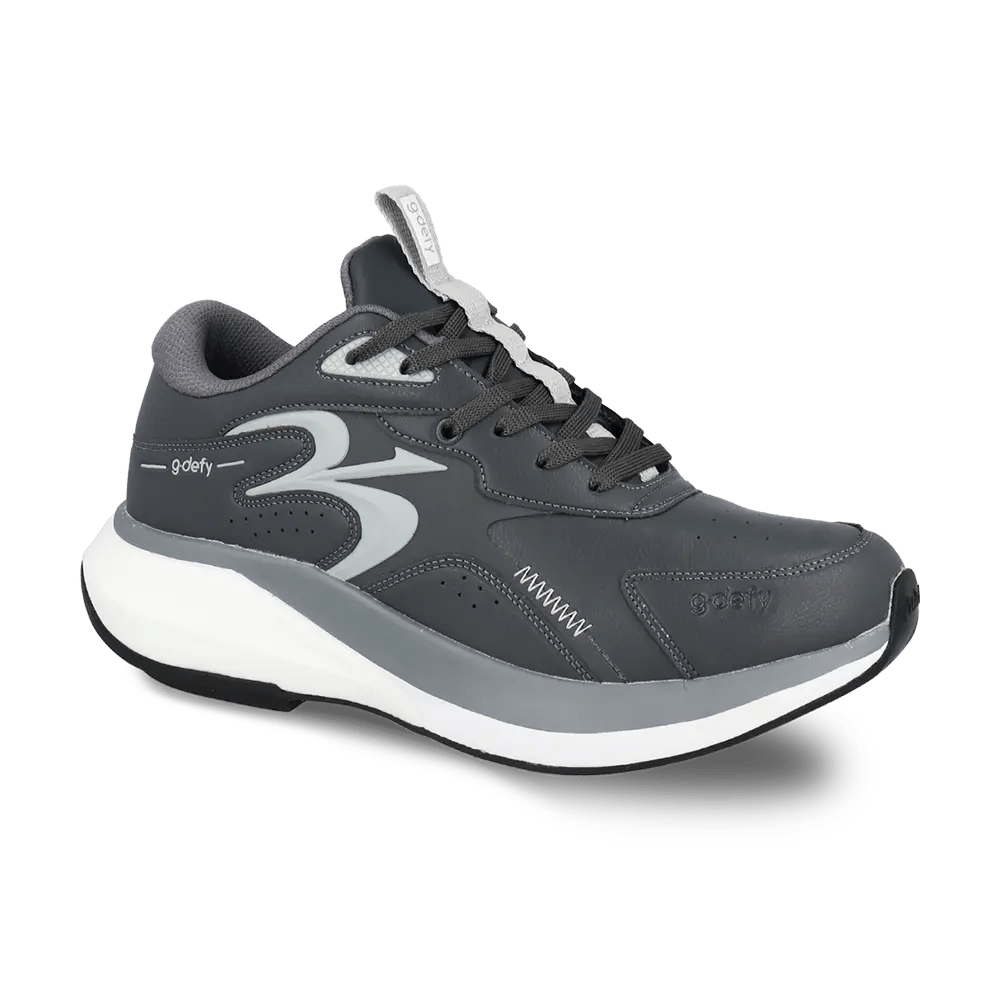
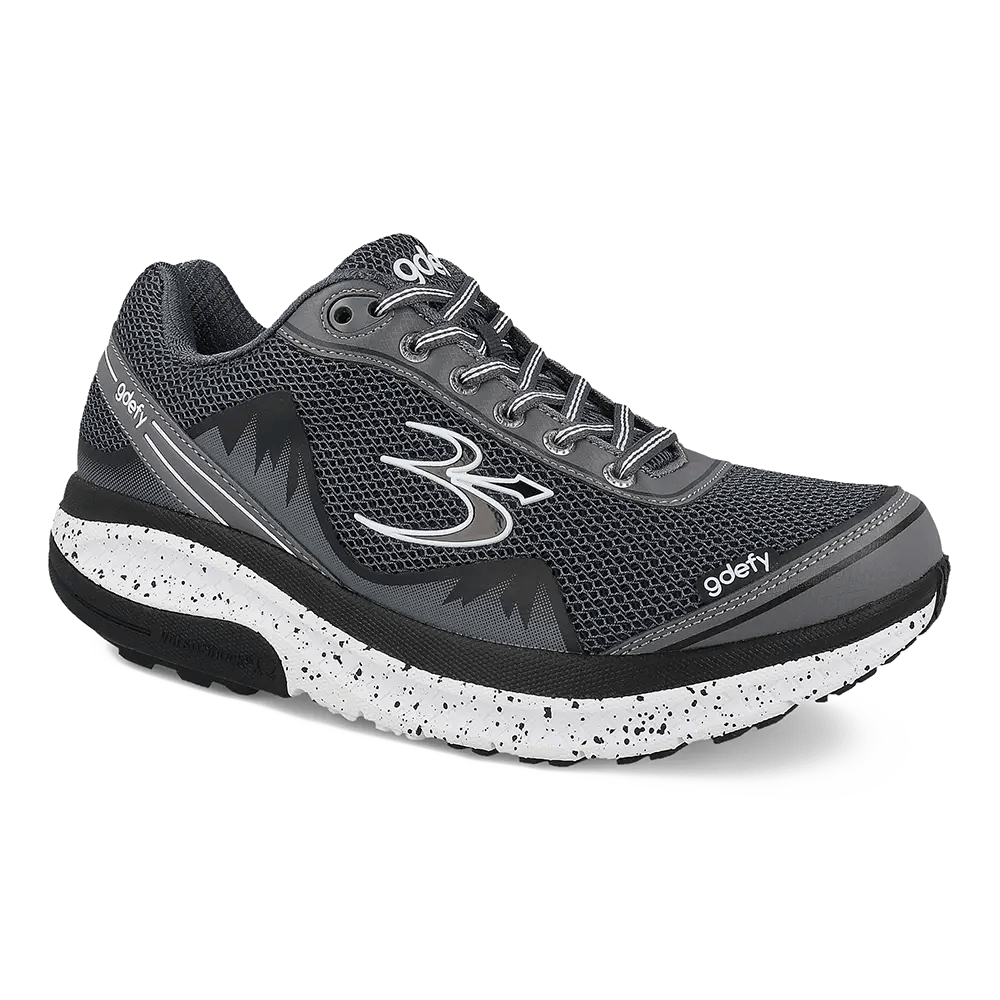
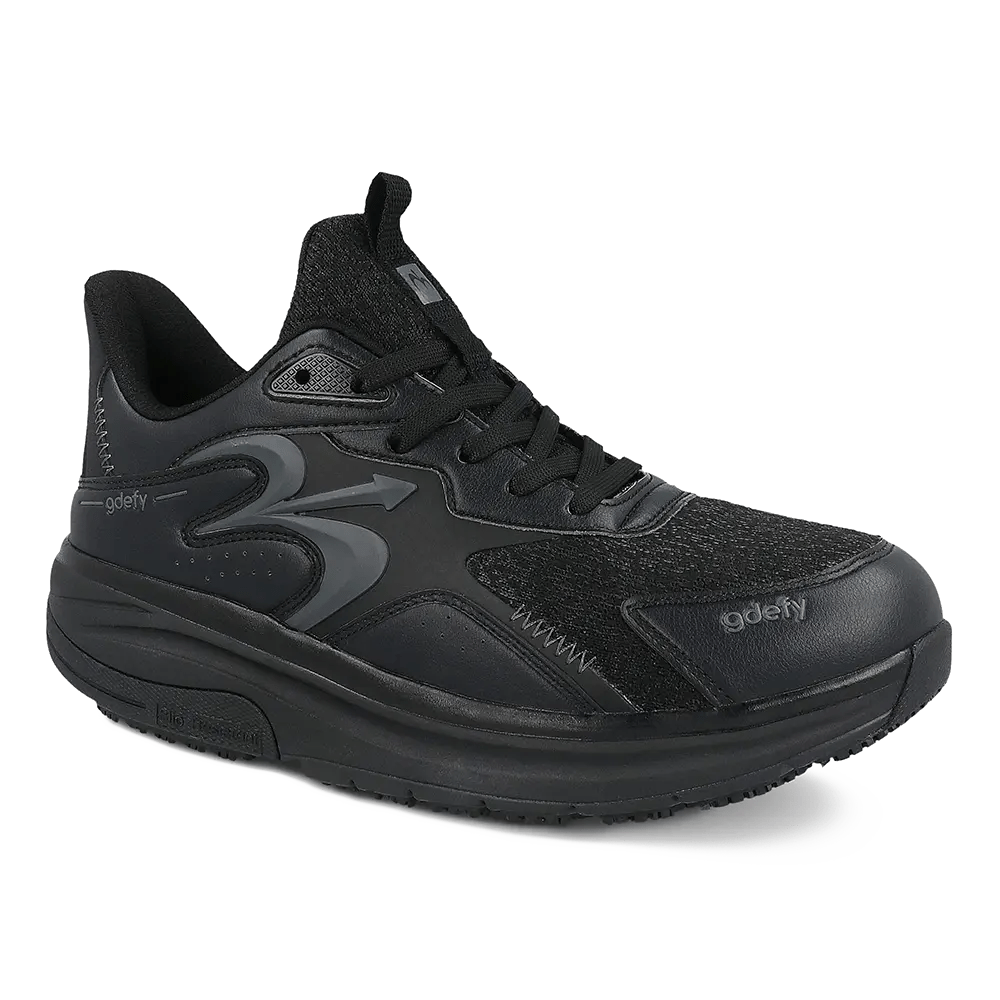
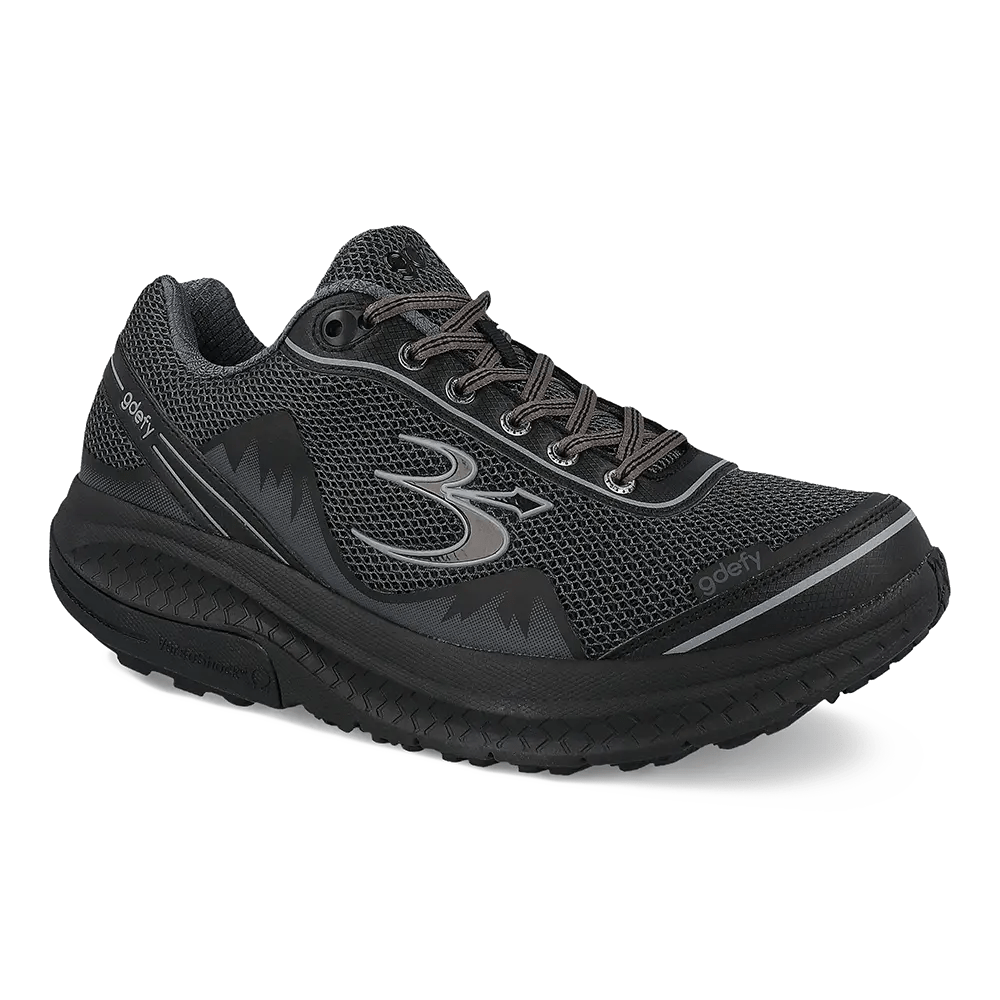
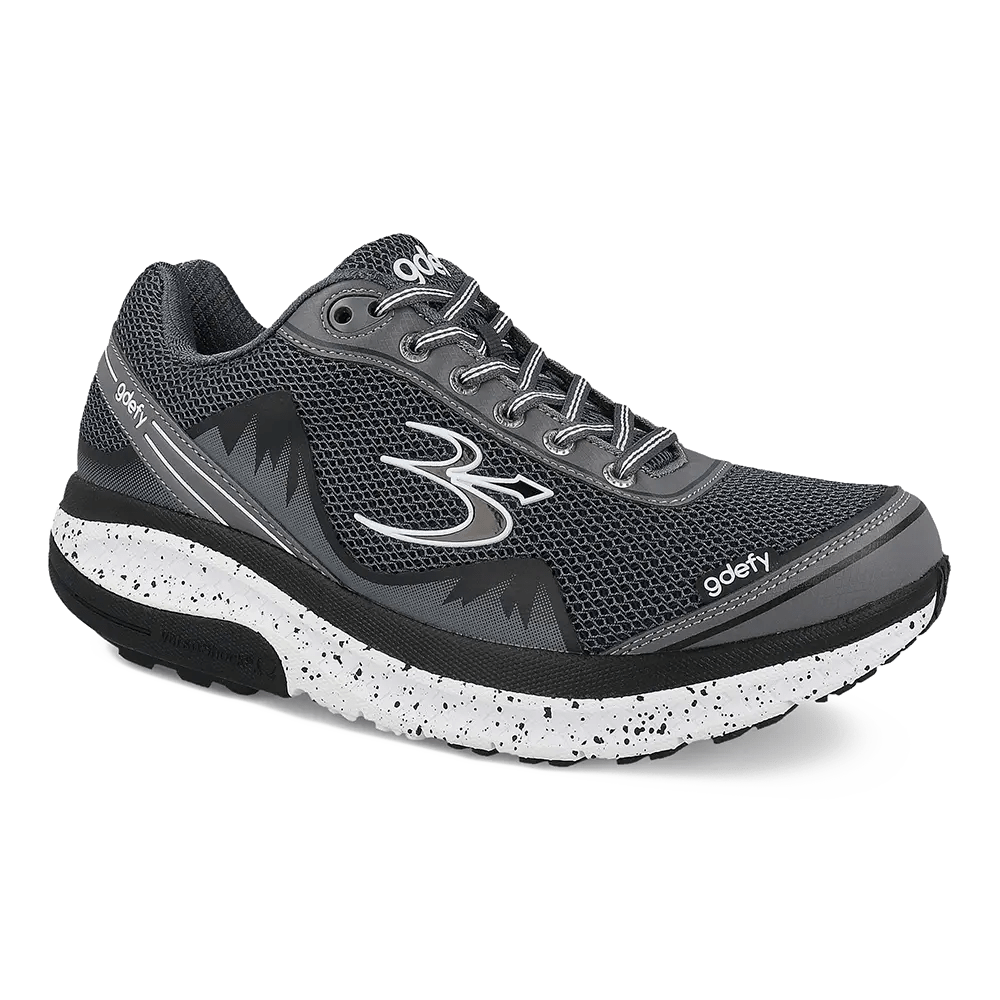
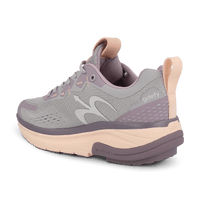
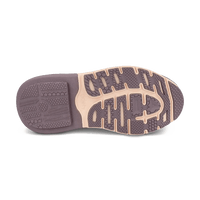
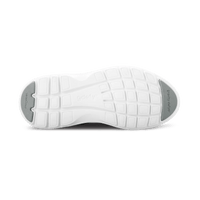
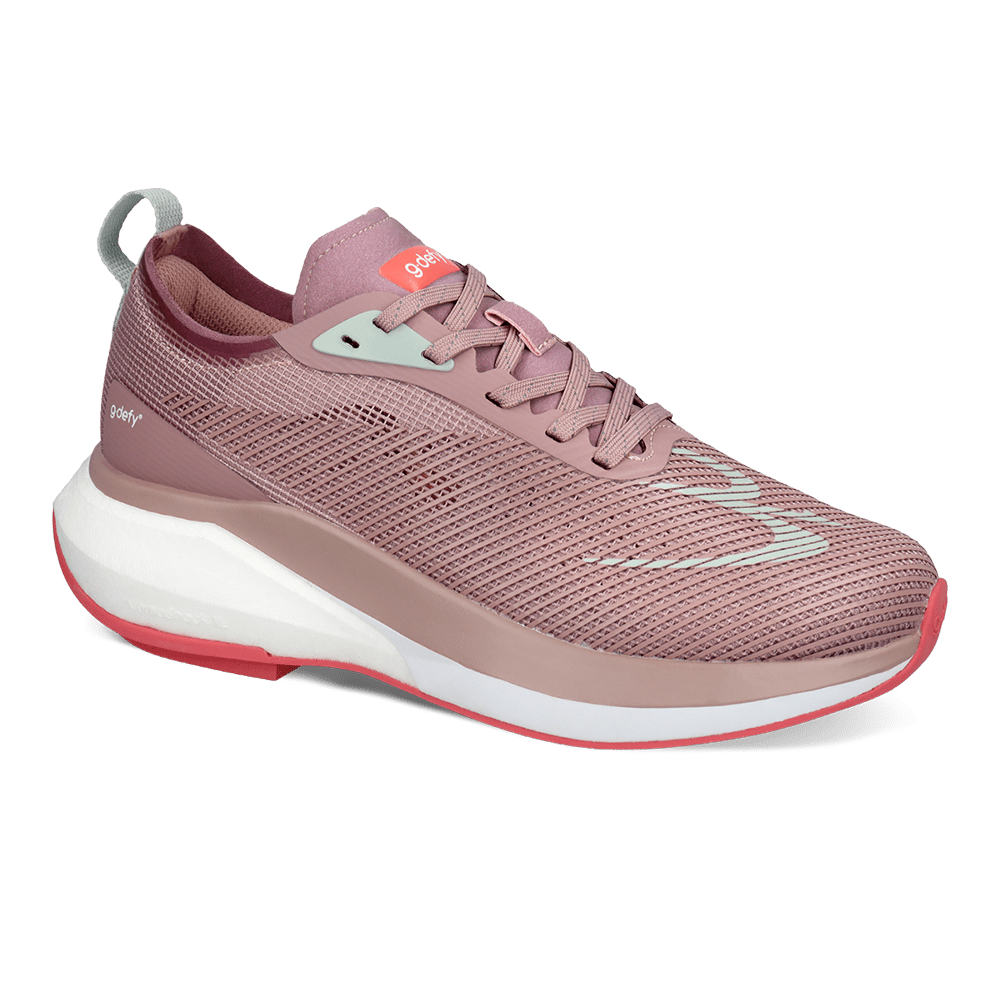
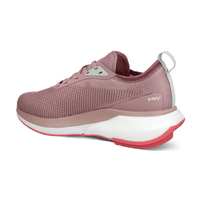
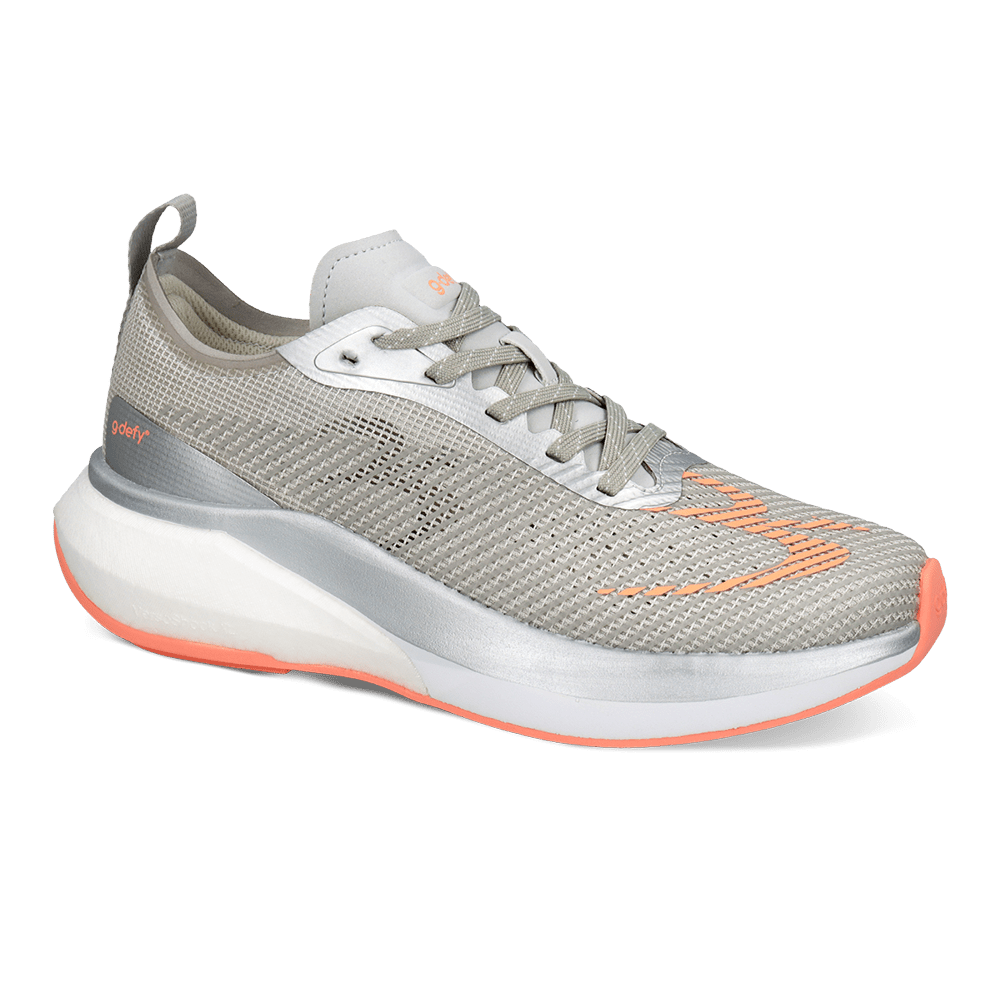
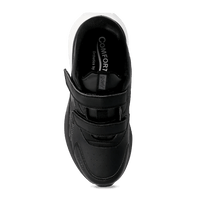
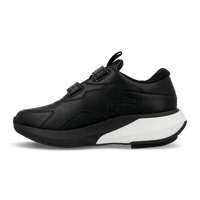
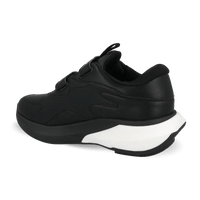
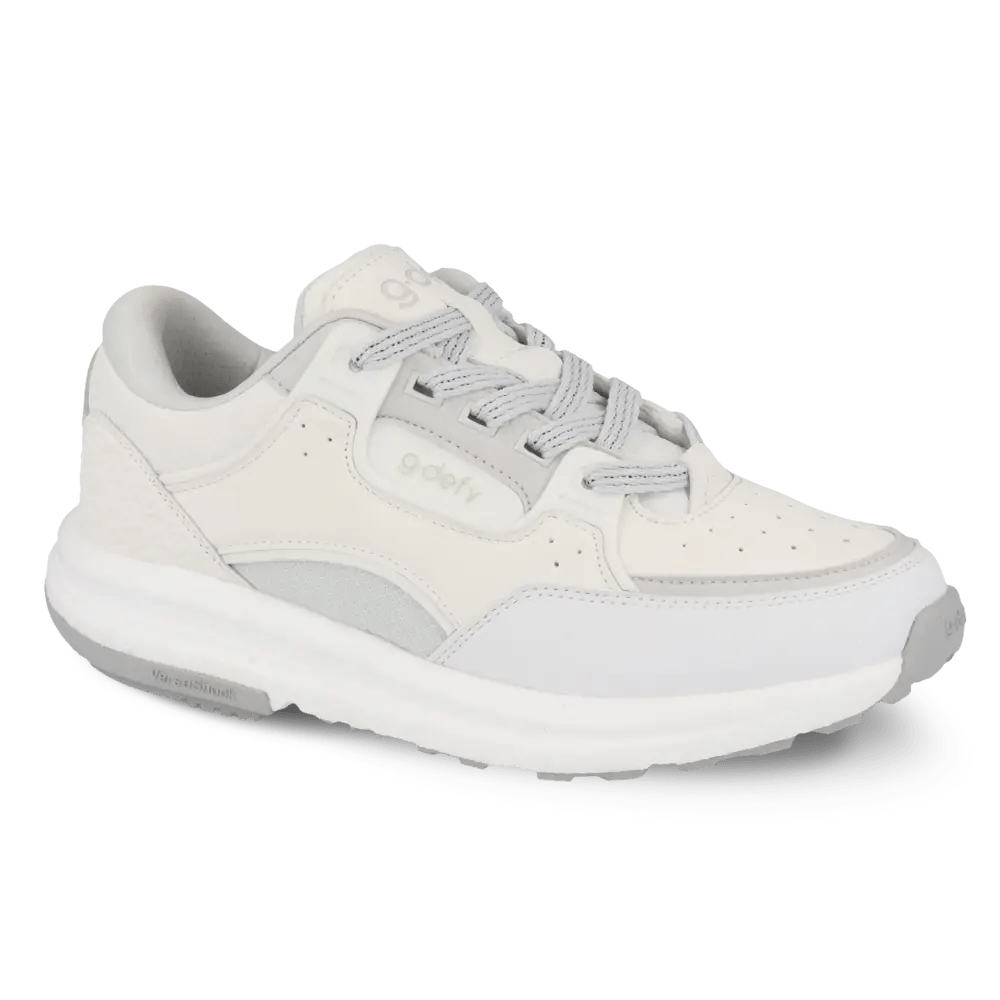
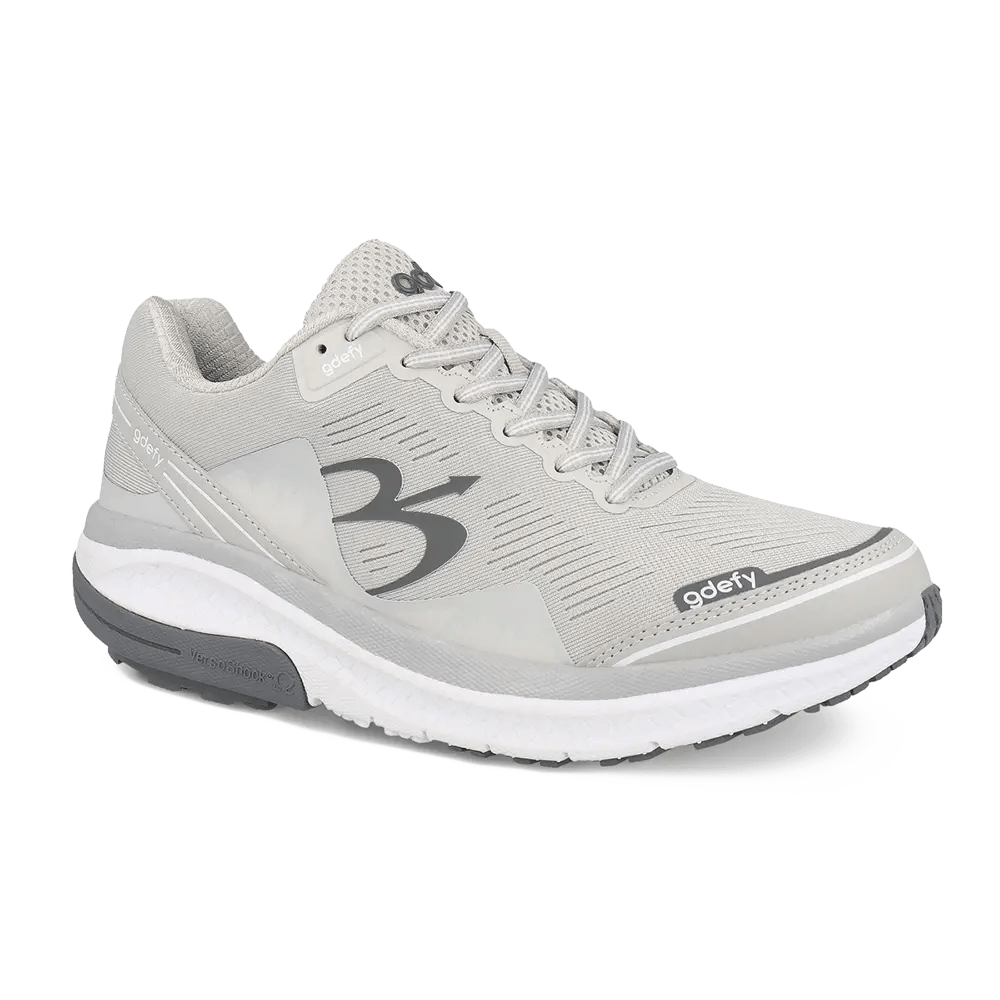
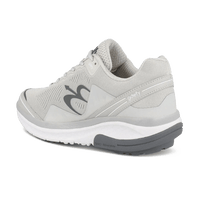
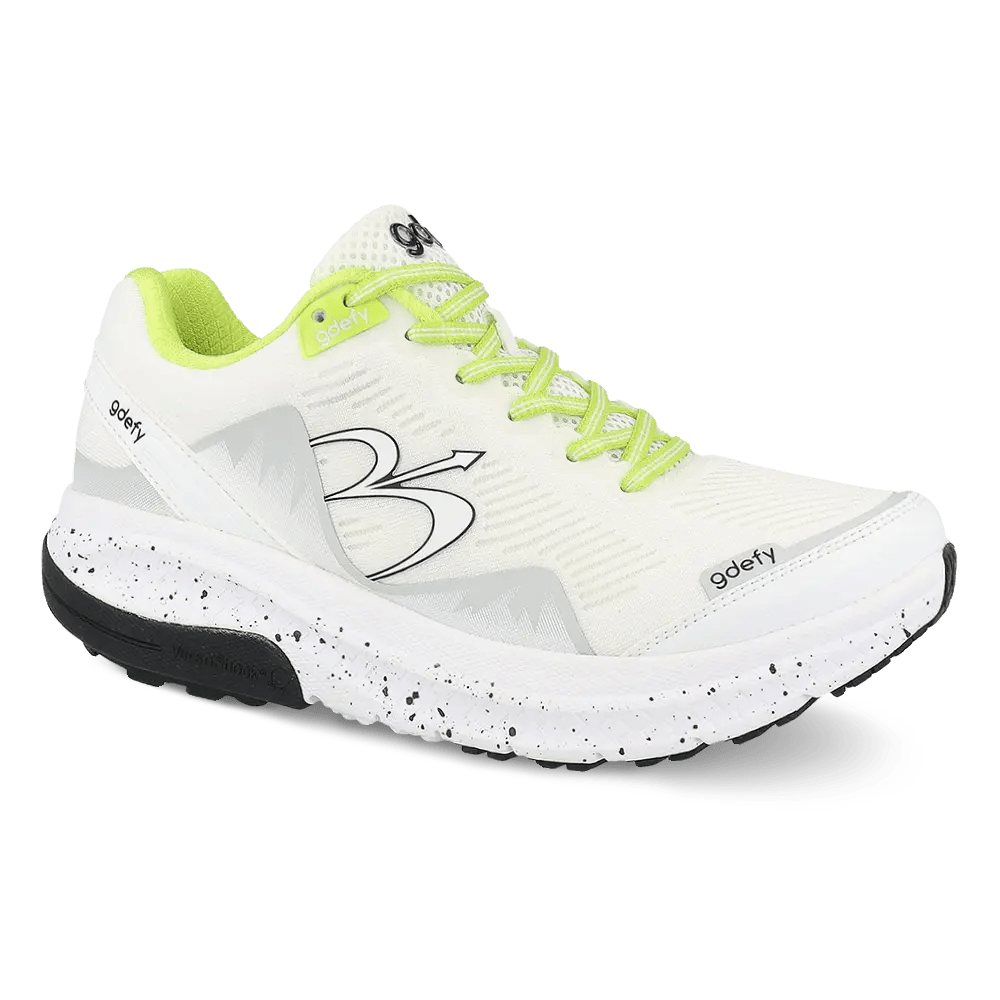
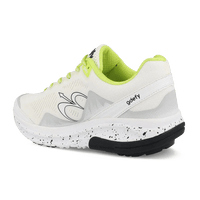
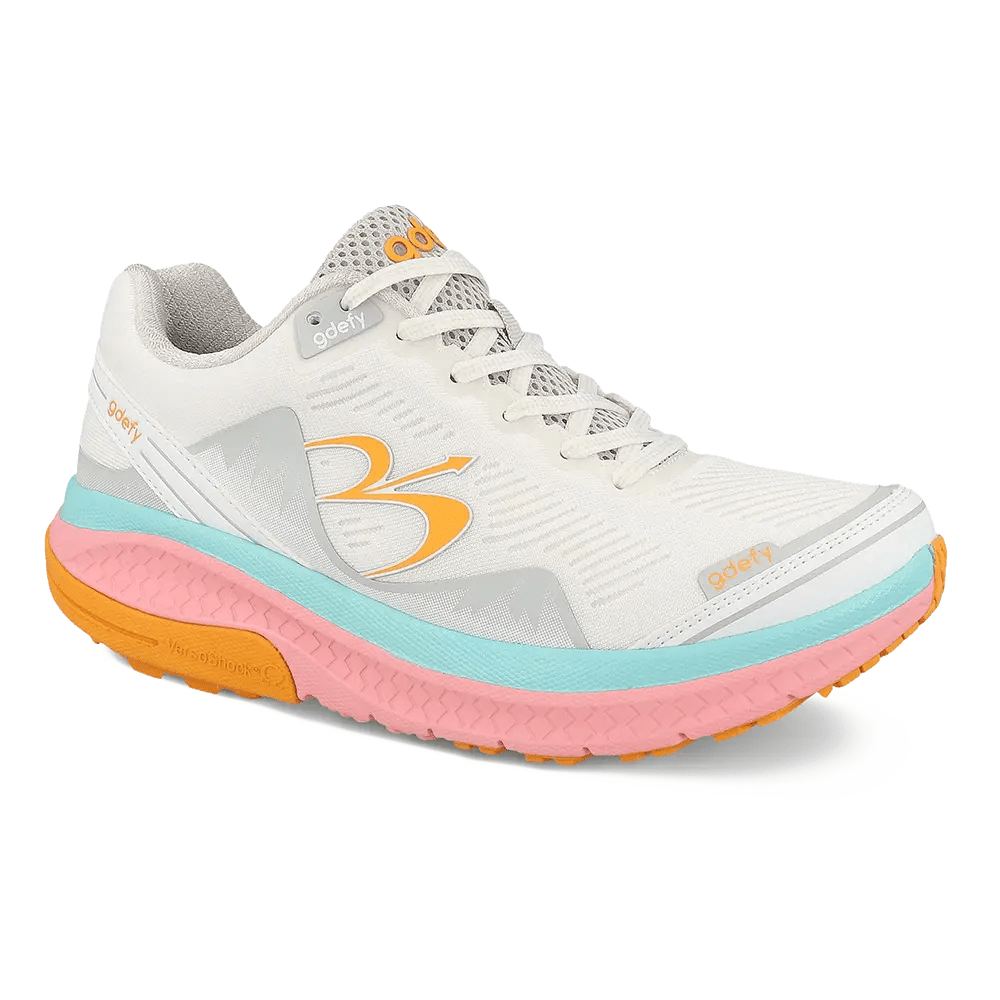
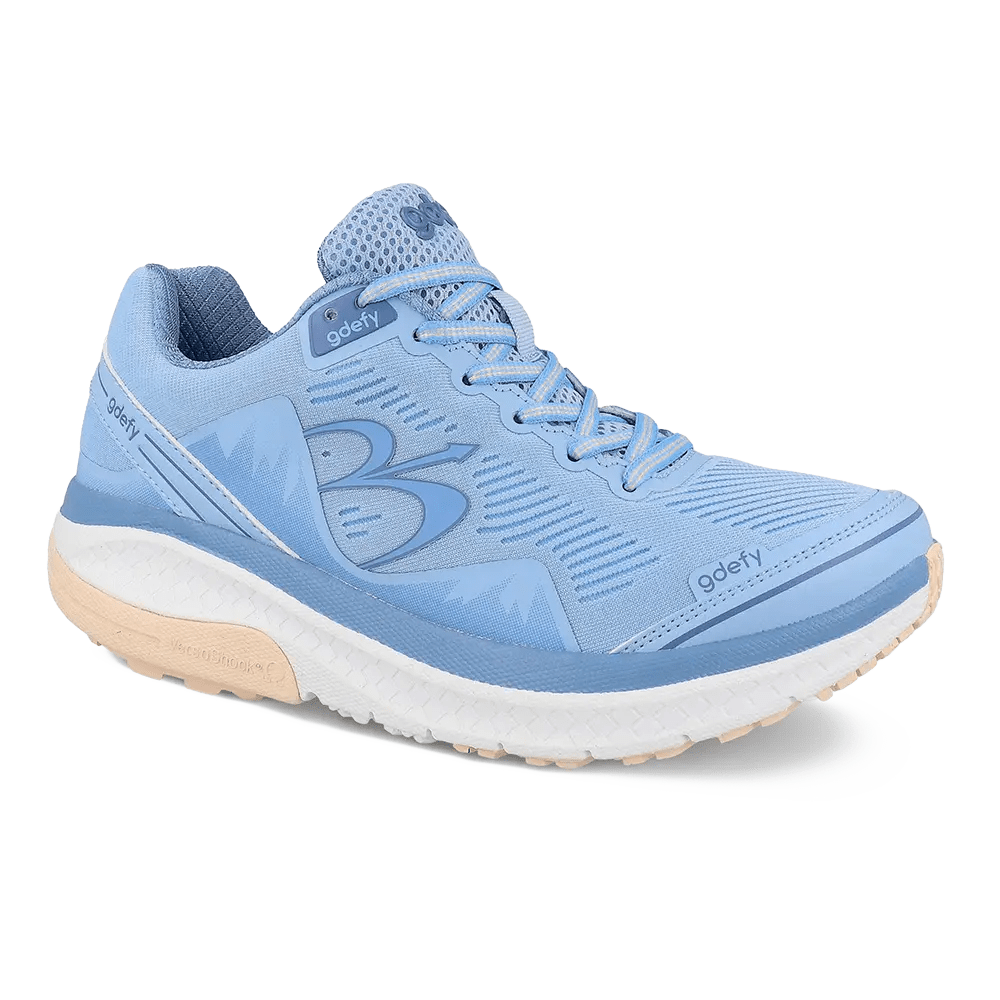
G-Defy shoes are engineered to deliver comfort, support, and shock absorption across daily movement — whether you are walking, standing, or running. The approach is built around four working parts:
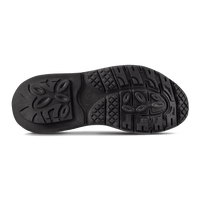
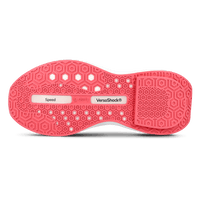
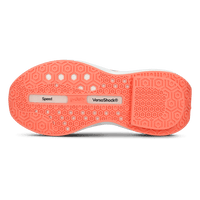
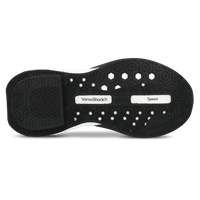
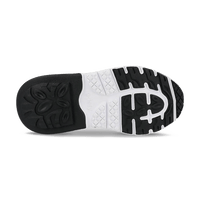
- VersoShock® technology — a spring-based system designed to absorb impact and return energy with each step.
- Built-in stabilizer — supports the foot during movement and helps reduce excessive bending through the midsole.
- Front rolling design — encourages a smooth, natural heel-to-toe transition.
- Two removable orthotics — the ComfortFit® and CorrectiveFit® inserts let you customize cushioning and support for your foot type.
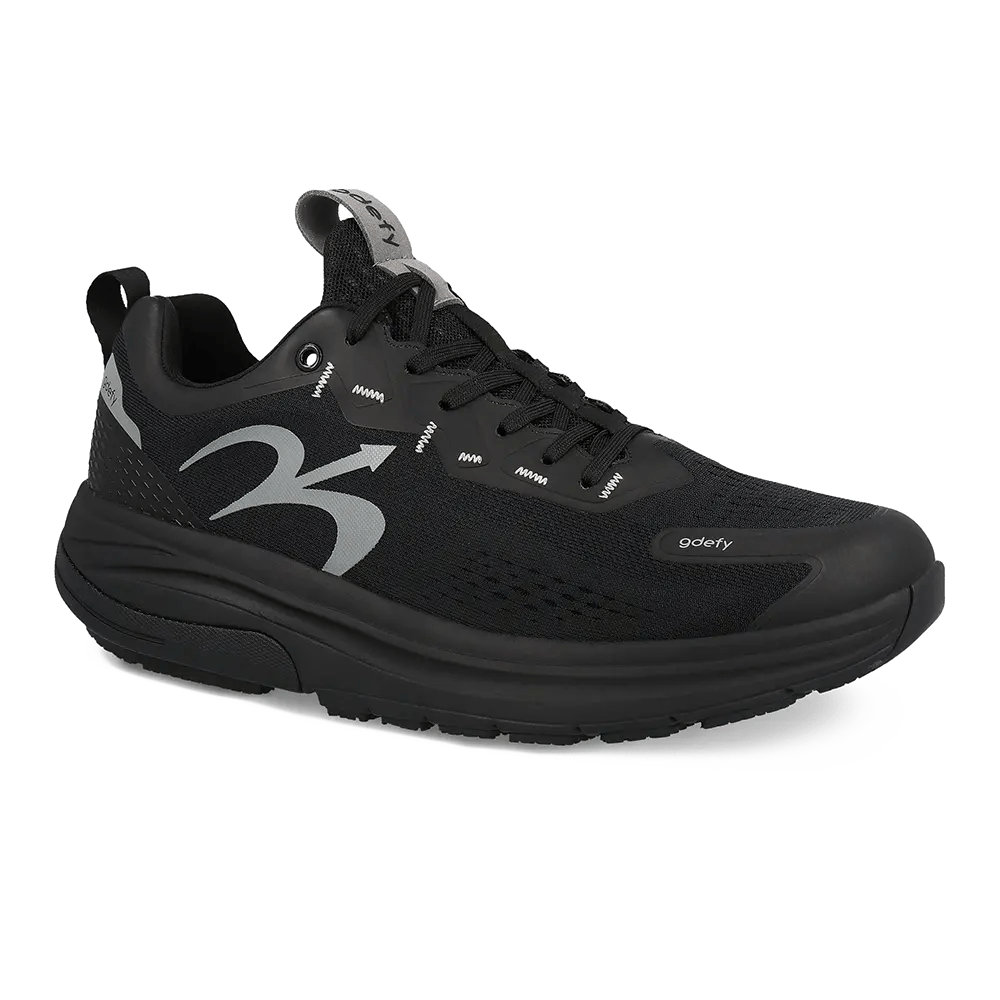
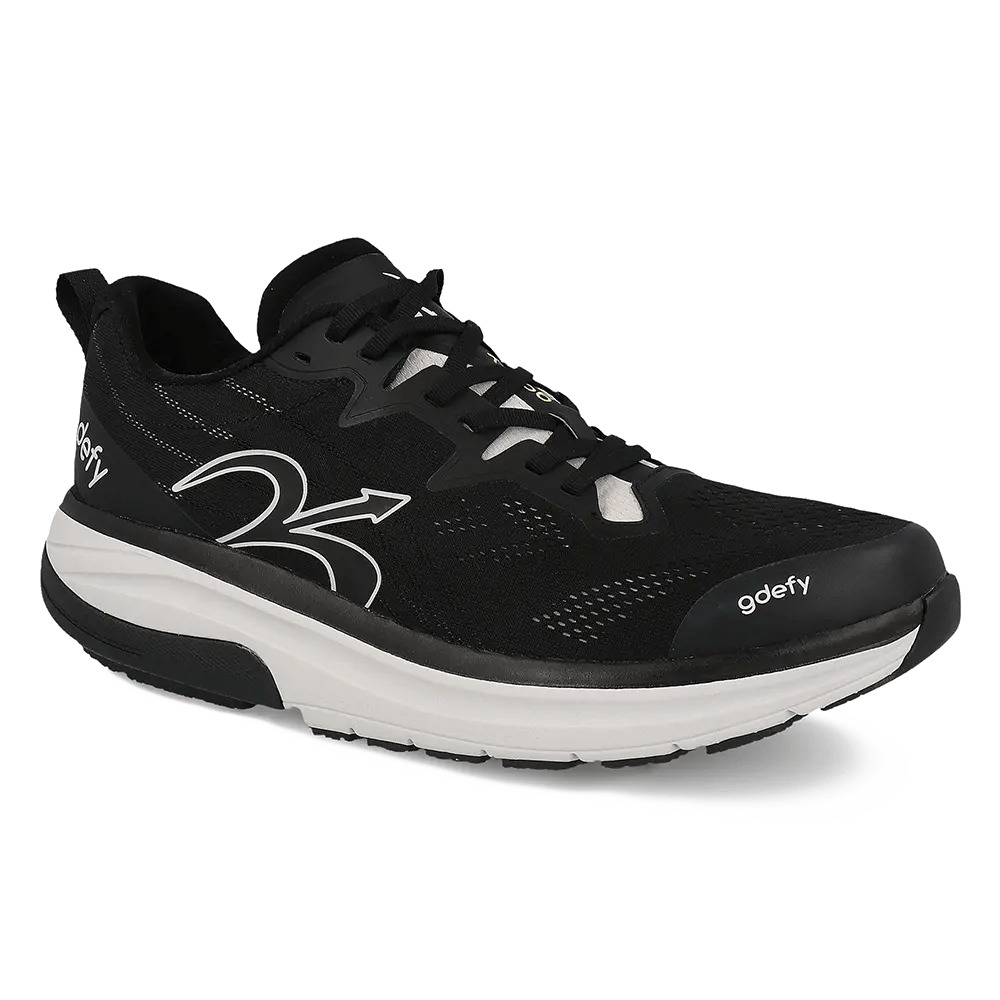
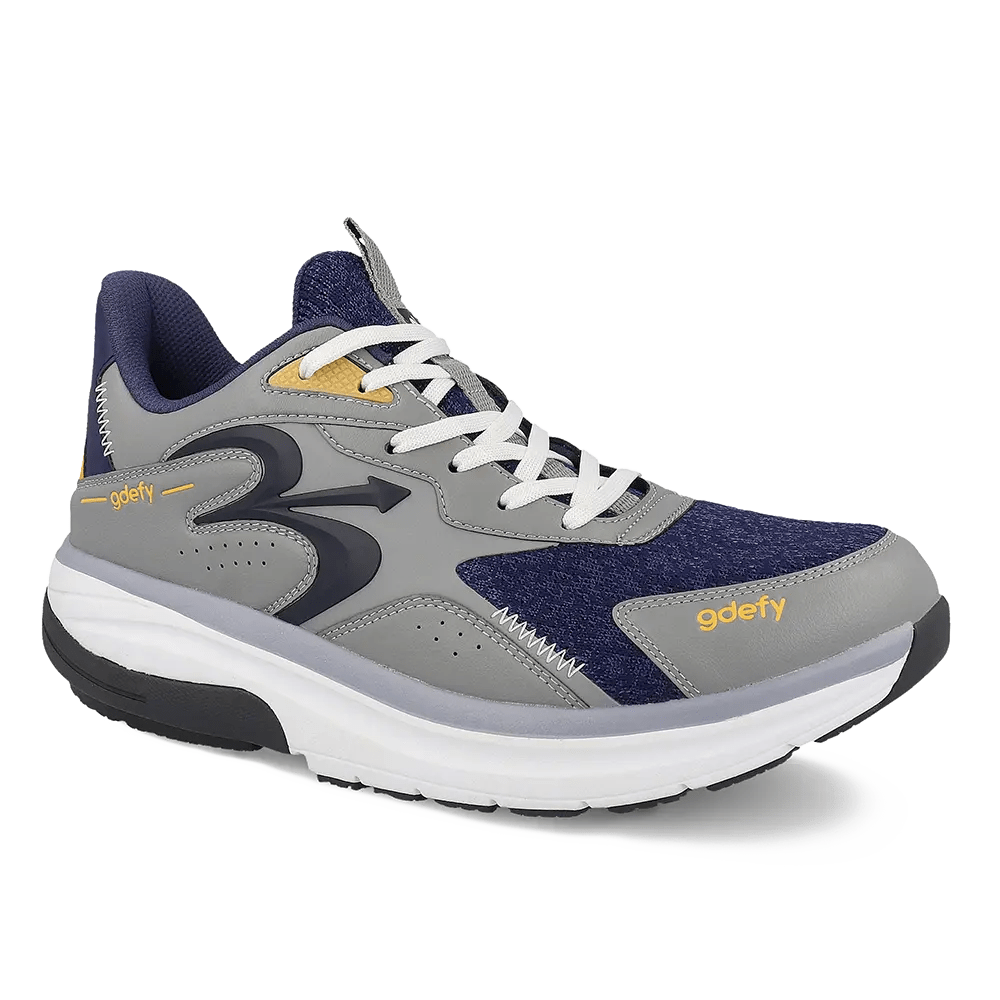
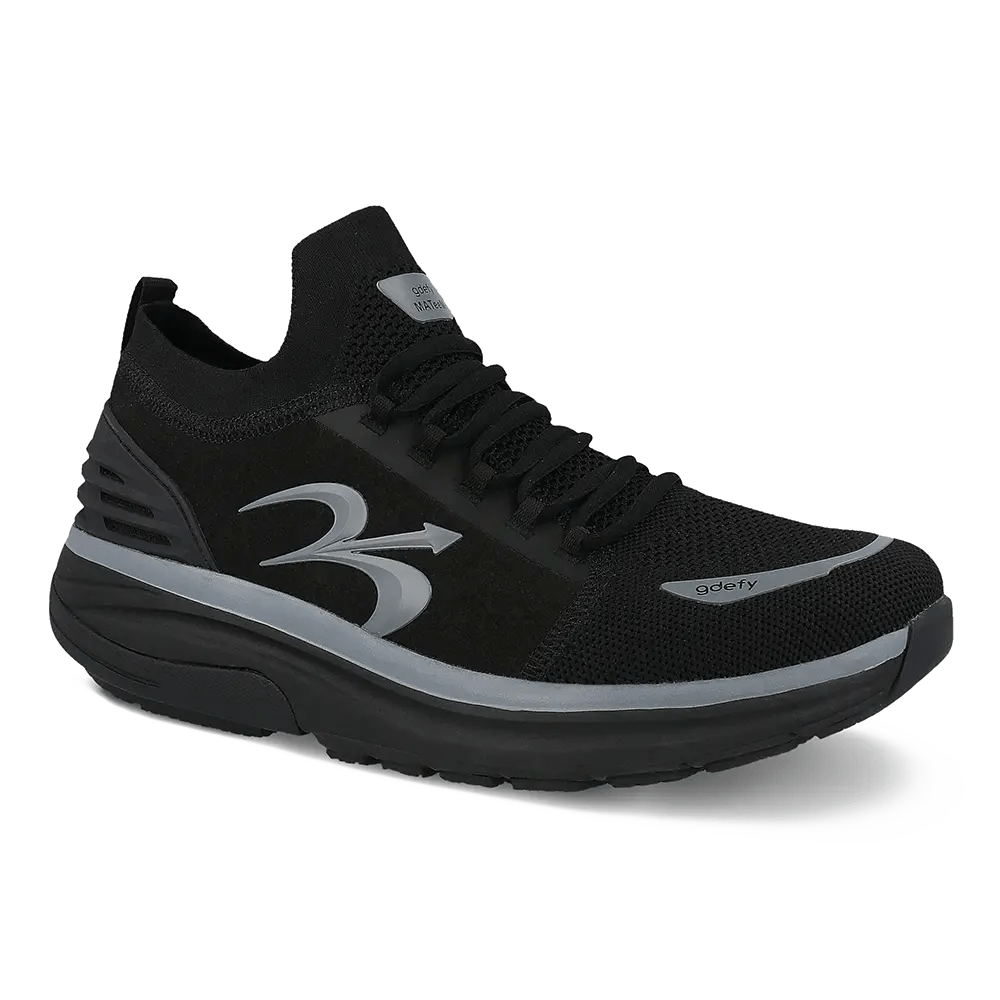
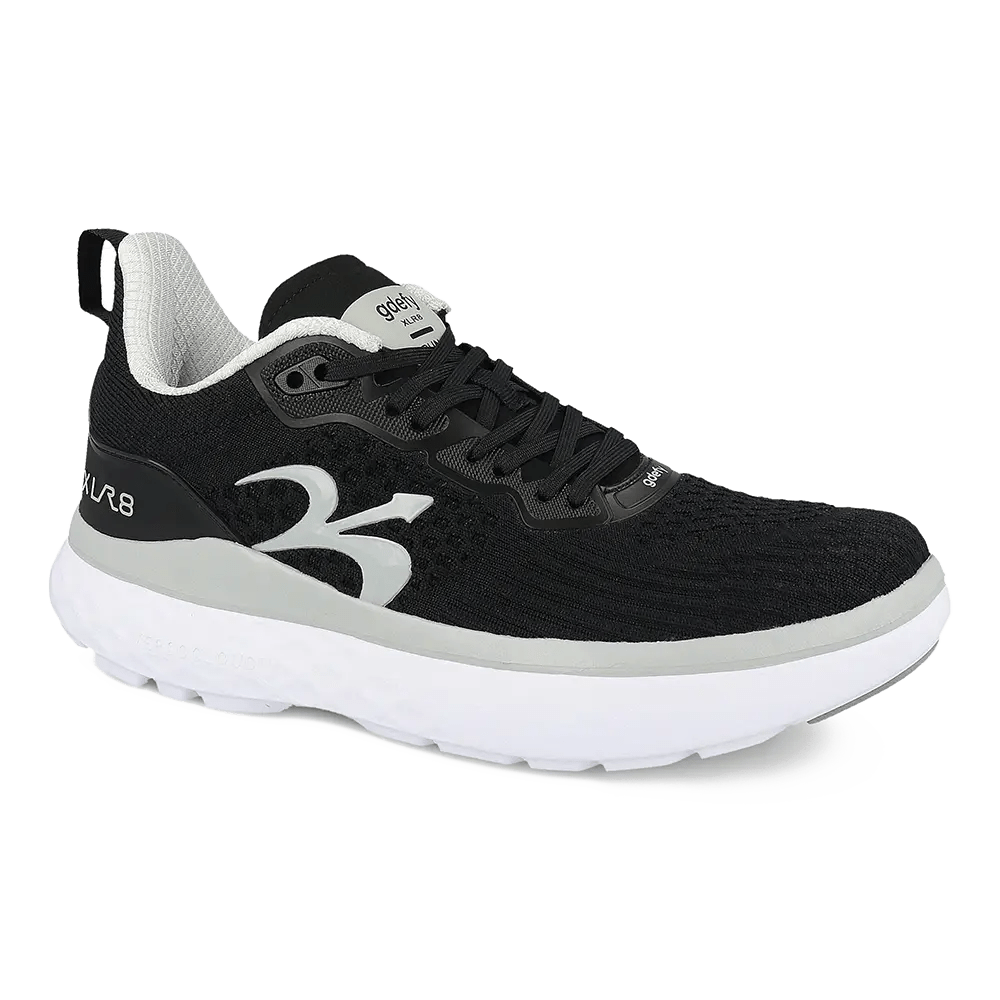
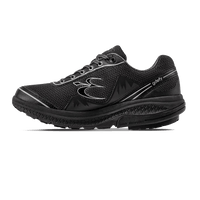
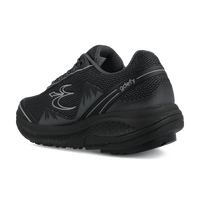
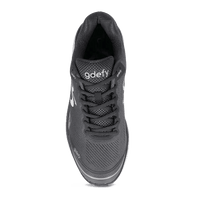
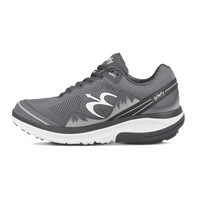
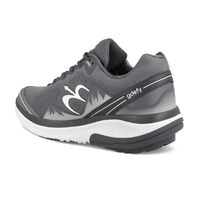
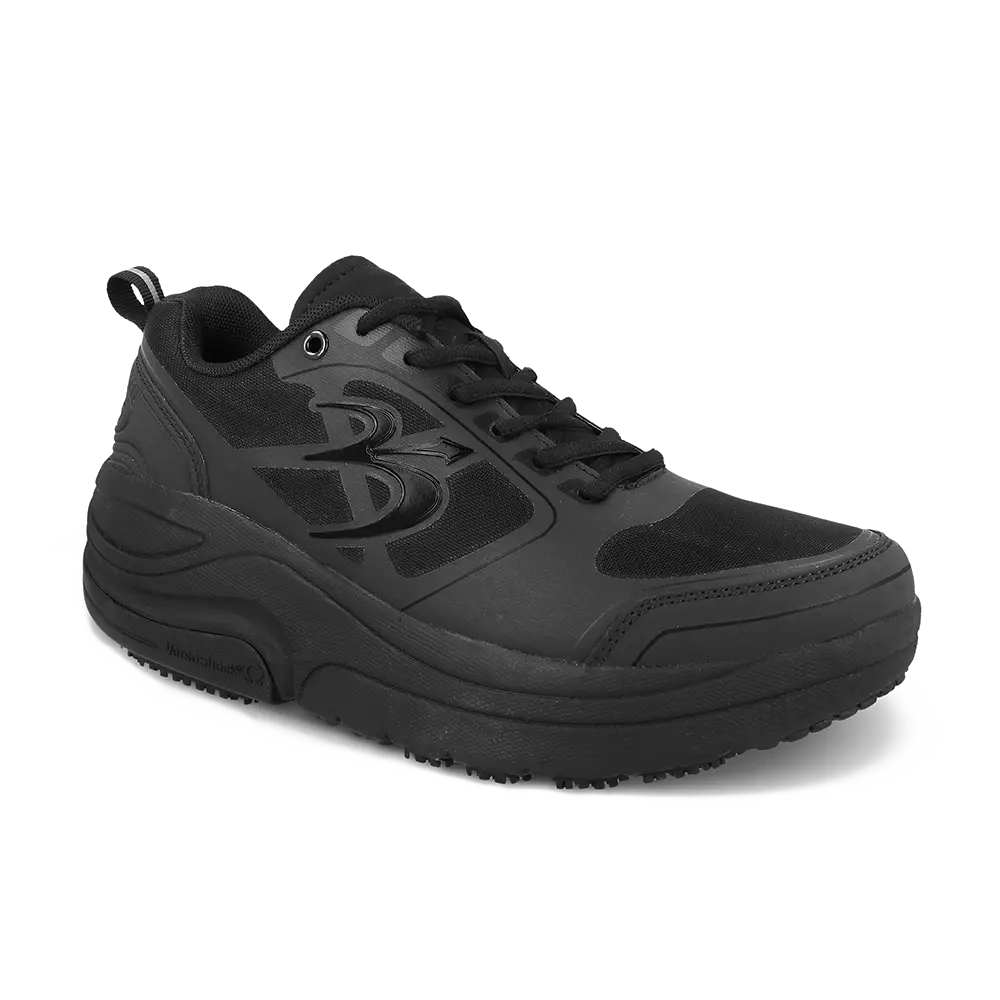
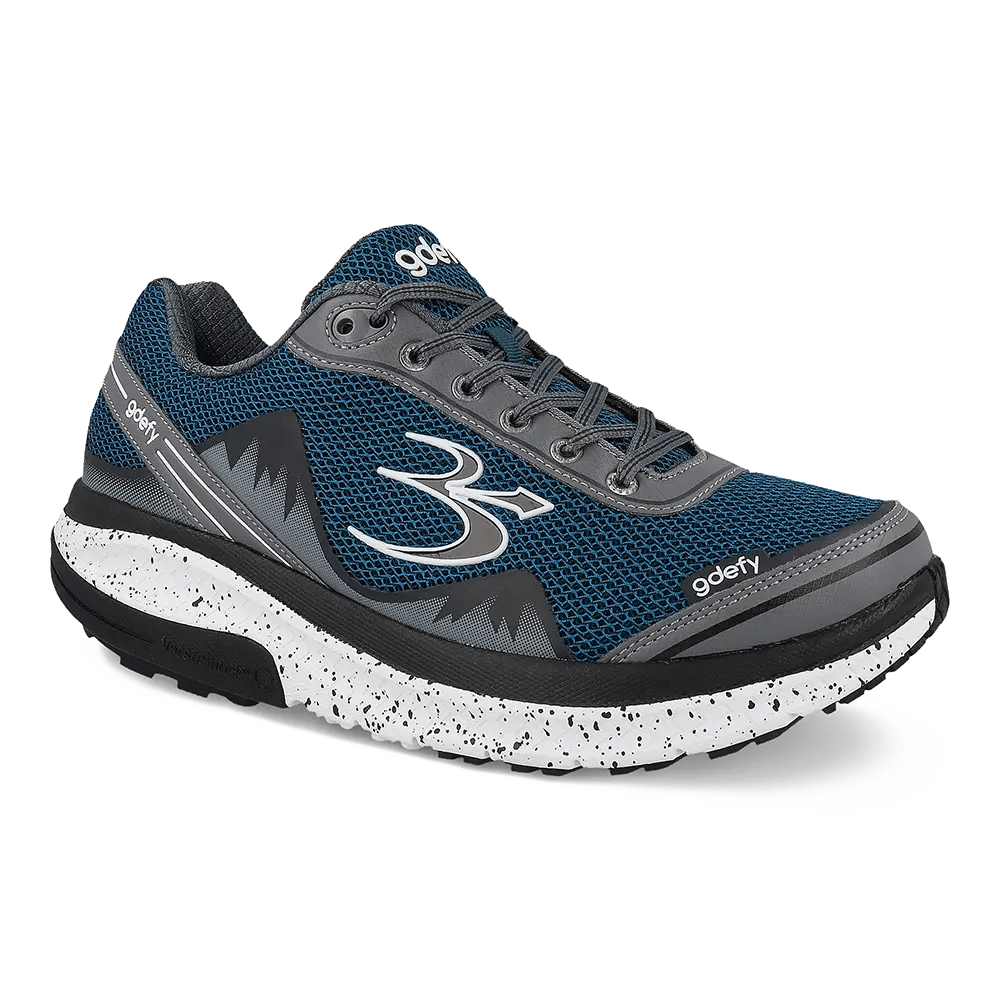
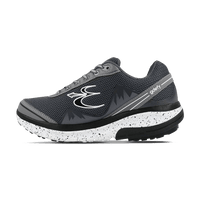
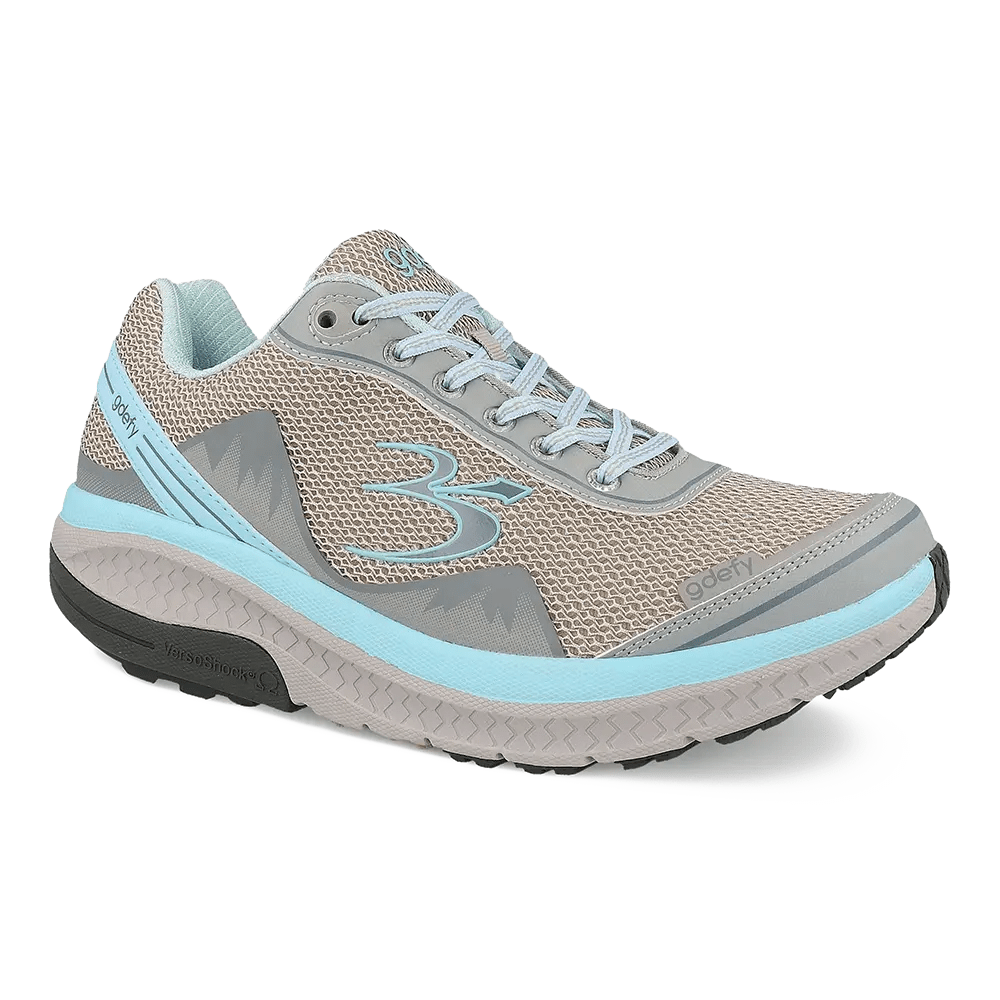
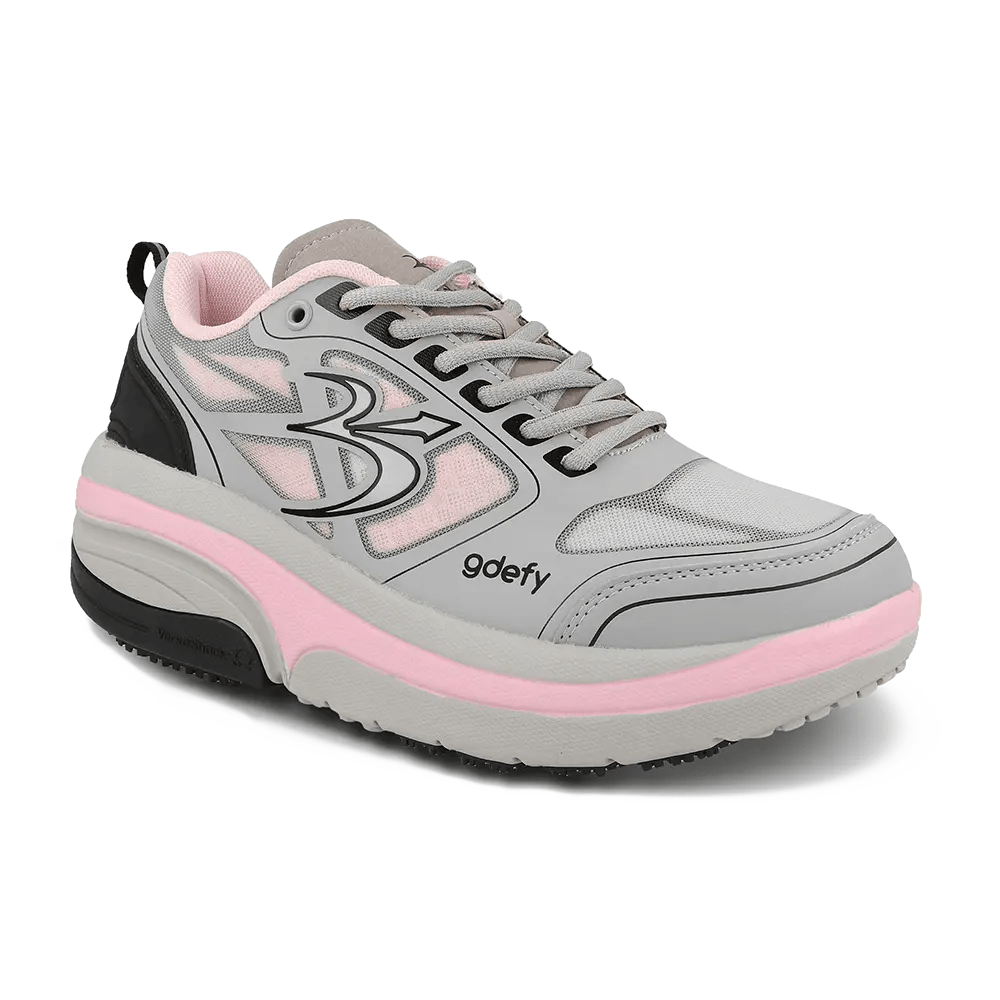
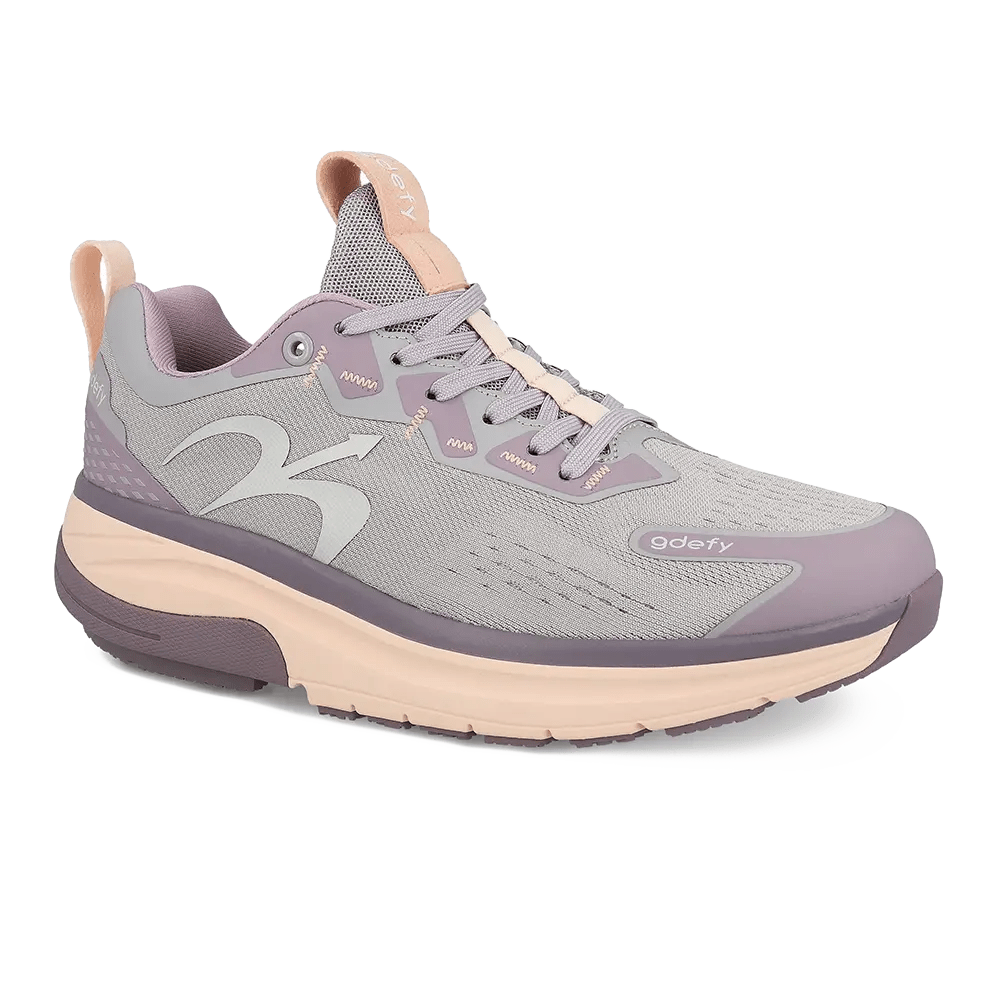
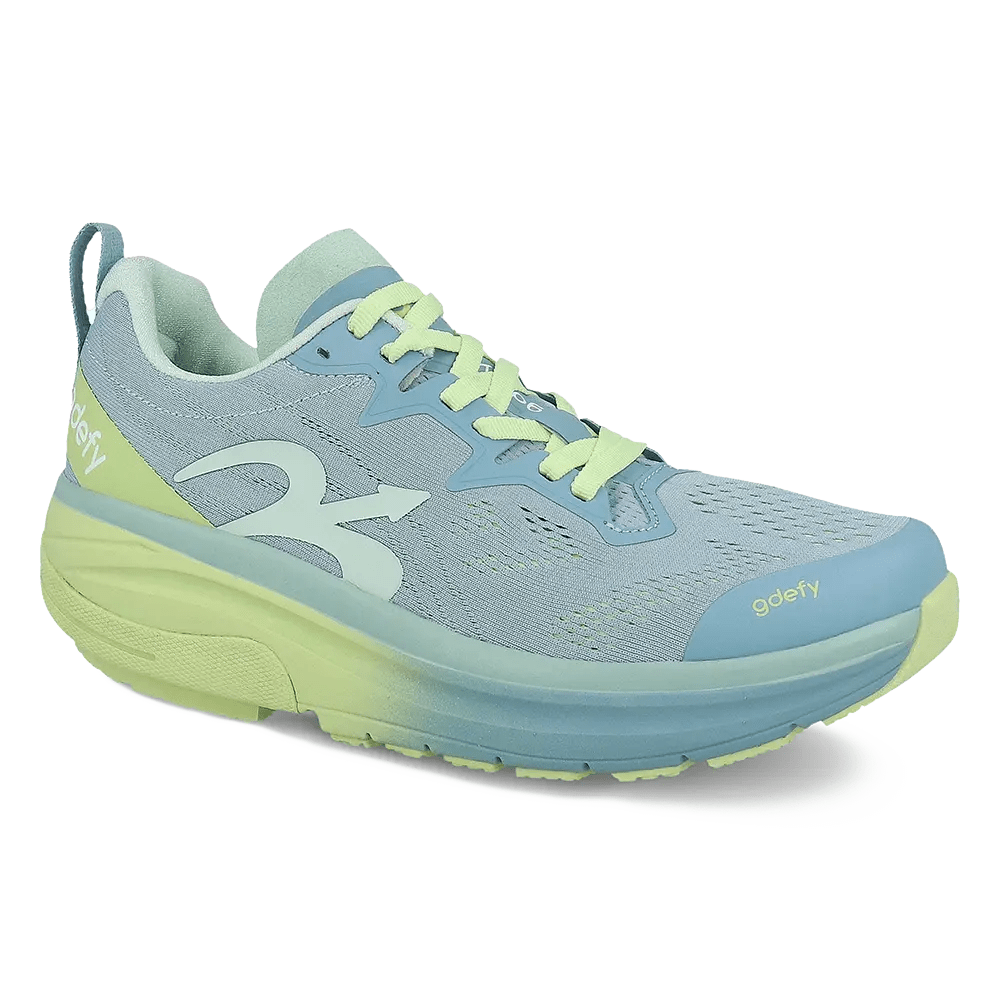
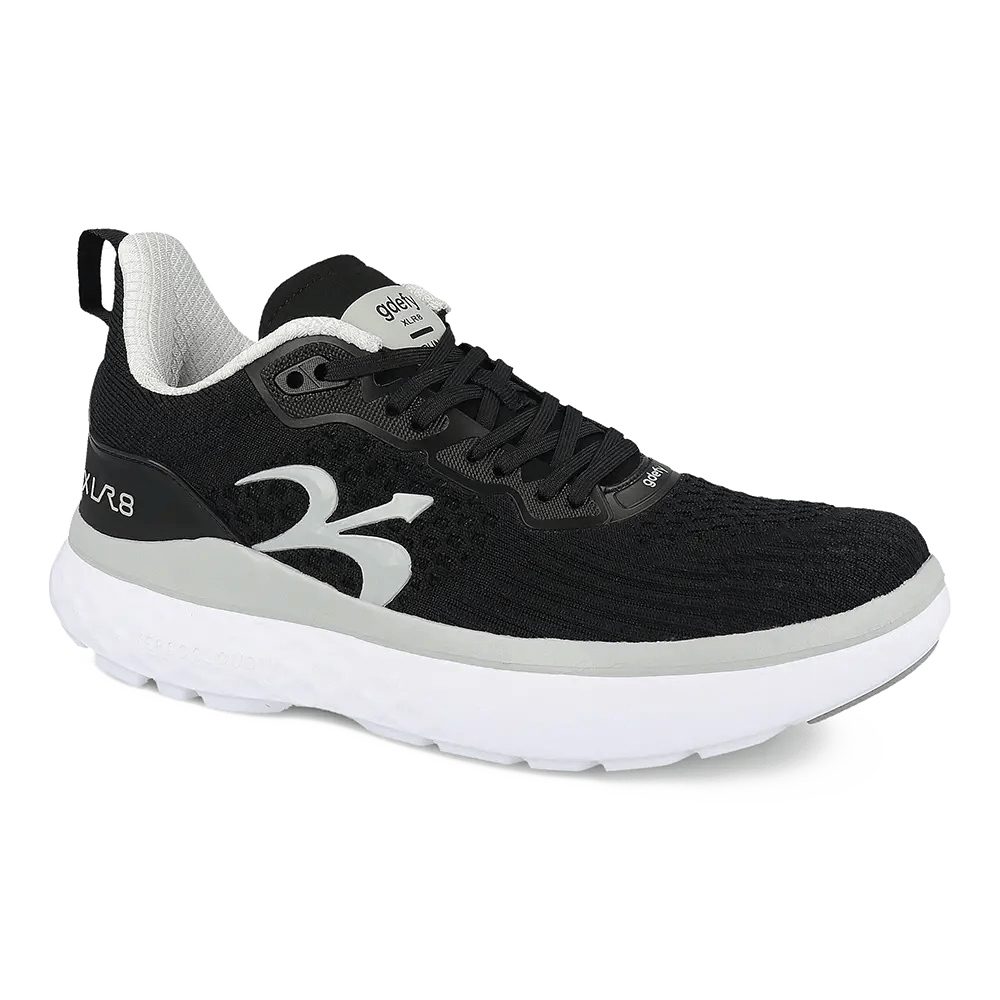
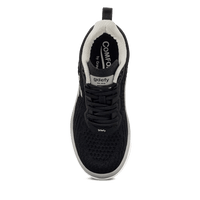
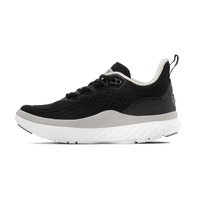
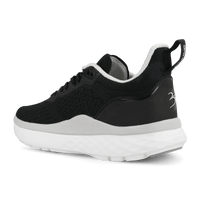
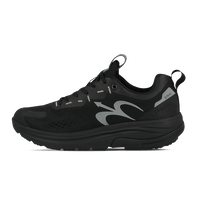
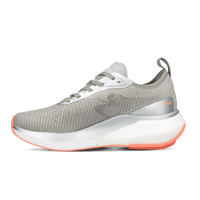
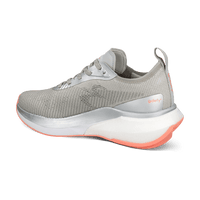
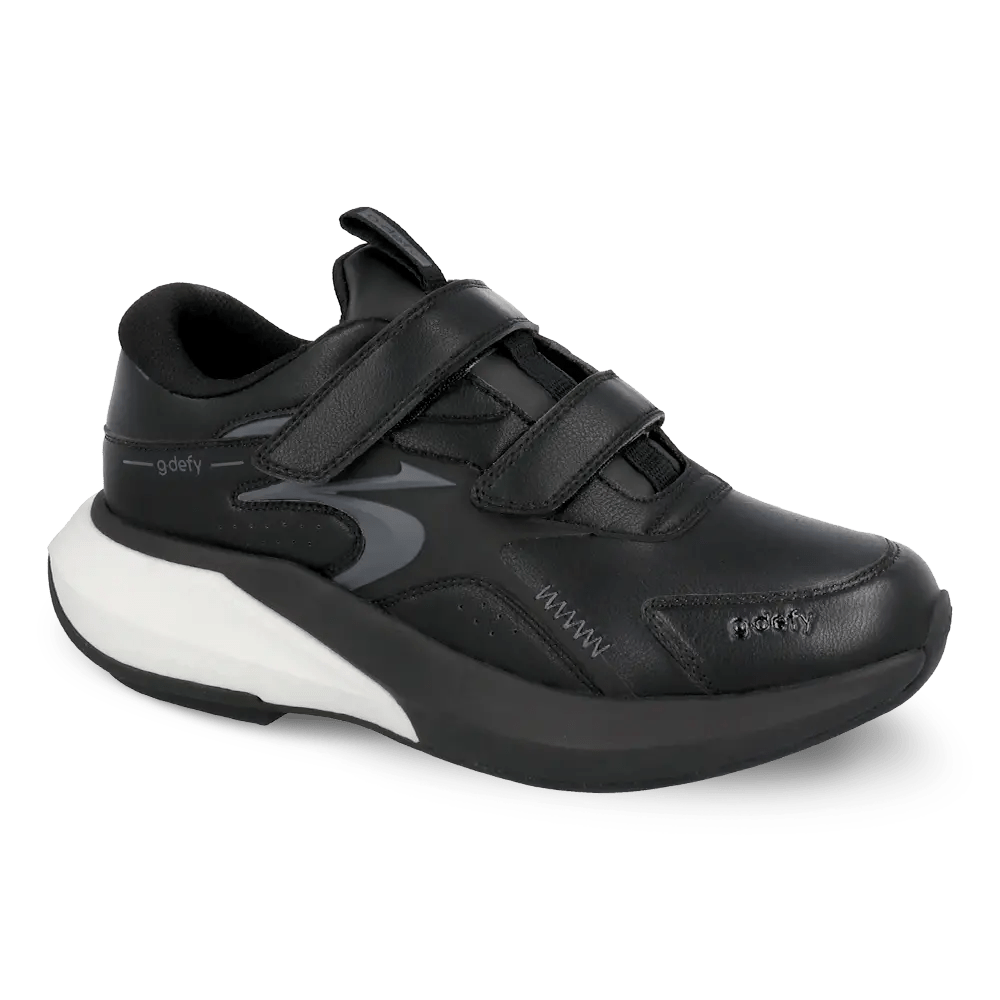
Because shock absorption and energy return matter for both walking and running, the same core design carries across the lineup. For steady, all-day walking and standing, the Mighty Walk is a comfort-focused everyday choice. When you want a lighter feel for active days, the Ion leans on lightweight construction. And for running and higher-impact movement, the XLR8 Run is built to handle the extra force of each stride.
Together, these features help reduce pain from walking, running, and prolonged standing, while supporting a more comfortable and stable stride. You can explore how the system works on the VersoShock® technology page or read a deeper breakdown of how VersoShock® technology works.
"I walk most mornings and jog a couple of times a week, and I wanted one pair that could do both. These feel more supportive than my previous shoes, and my feet are far more comfortable by the end of a long day." — composite customer story. Results vary by individual.

Find Your Pair, Risk-Free
Every G-Defy order comes with a 60-day risk-free trial, plus free shipping and free exchanges. Try them on your own walks and runs.
Shop Athletic ShoesHow to Choose the Right Pair for You
You do not need to overthink it. A few practical steps will point you to the right shoe:
- Start with your main activity. Pick the shoe built for whatever you do most — running, walking, or standing — then check that it feels good for your other activities too.
- Prioritize fit and comfort. Try shoes on later in the day when feet are slightly larger, and leave a thumb's width at the toe.
- Look for cushioning and support together. Good shock absorption plus steady support tends to feel comfortable across both walking and running.
- Replace worn-out pairs. Cushioning compresses over time. If the sole looks flattened or the shoe feels less supportive, it is time for a fresh pair.
- Rotate when you can. Alternating between two pairs lets the cushioning recover between wears.
Browse the full range for men and women to compare styles built for comfort and support.
Frequently Asked Questions
Can I walk in running shoes?
Yes. Running shoes are built with generous cushioning and support, so they generally feel comfortable for everyday walking. Many people use a single running shoe for both.
Are walking shoes good for running?
For occasional, light movement they may be fine, but walking shoes often lack the extra cushioning and structure that frequent running calls for. If you run regularly, a shoe built for running impact will usually feel more supportive.
What is the main difference between running and walking shoes?
The biggest difference is how they handle impact. Running shoes carry more cushioning and structure to soften harder, repetitive landings, while walking shoes emphasize flexibility and a smooth heel-to-toe transition for steady, lower-impact movement.
Do running and walking shoes help with foot discomfort?
Supportive, cushioned footwear can improve overall comfort during walking, running, and prolonged standing. The right design helps absorb impact and support a steadier stride, which many people find more comfortable through the day.
Should running and walking shoes fit differently?
The basics are the same: a secure heel, room to wiggle your toes, and no pinching. Runners sometimes leave a little extra space at the front, since feet can swell and shift more during a run. Whatever the activity, try shoes on later in the day and walk or jog a few steps to check the fit.
How often should I replace my shoes?
It depends on use and mileage, but a good rule of thumb is to replace athletic shoes once the cushioning feels flat or the support feels diminished. Rotating between pairs can help them last longer.
Comfort and Support for Every Step
From all-day walking to your next run, G-Defy shoes are designed to absorb shock and return energy. Try a pair with free shipping and a 60-day risk-free trial.
Shop G-Defy ShoesThe Bottom Line
Running shoes and walking shoes share the same goal — keeping you comfortable and supported — but they are tuned for different movements. Walking shoes favor flexibility and a smooth, steady stride, while running shoes add cushioning and structure for higher-impact strides. If you do both, choose for your primary activity and look for a versatile pair that feels comfortable across the board. While footwear is not a medical solution, choosing shoes designed for comfort, support, and shock absorption can make a meaningful difference in how your feet feel from your first step to your last.