April 16, 2026
How Your Feet Affect Your Entire Body
By Gdefy

Summary
Your Feet Are the Foundation of Your Entire Body
Your feet are the foundation of your body. Every step you take sends a chain reaction upward — through your ankles, knees, hips, and spine — influencing how you stand, walk, and move throughout the day. This connection is known as the kinetic chain, and understanding how it works can change the way you think about your feet and the shoes you wear.
Most people don't realize that discomfort in their knees, hips, or lower back may actually start at the ground level. When your feet aren't properly supported, the rest of your body has to compensate. Over time, those small compensations can add up to noticeable discomfort during everyday activities like walking, standing, or even sitting at your desk.
In this guide, we'll walk you through what the kinetic chain is, how your feet influence your entire body, what to look for in supportive footwear, and practical tips for keeping your body comfortable from the ground up.
What Is the Kinetic Chain and Why Does It Matter?
The kinetic chain is a concept that describes how your body's joints and muscles work together as a connected system. Think of it like a series of links in a chain — when one link moves, every link above and below it is affected.
Your body has multiple segments that are connected through joints: your feet connect to your ankles, your ankles connect to your knees, your knees connect to your hips, and your hips connect to your spine. Movement or alignment at any one of these points influences all the others.
Here's why this matters for everyday life: the human foot contains 26 bones, 33 joints, and more than 100 muscles, tendons, and ligaments. This complex structure serves as the base of the entire kinetic chain. When your feet are well-supported and properly aligned, the chain functions smoothly. When they're not, problems can cascade upward.
For example, if your foot rolls too far inward during walking (a common occurrence called overpronation), it can cause your lower leg to rotate inward as well. That inward rotation affects your knee alignment, which can shift your hip position, which can change the curvature of your lower back. All of this happens with every single step — and the average person takes between 6,000 and 10,000 steps per day.
That's thousands of opportunities for small misalignments to create real discomfort over time.
How Your Feet Influence Your Knees, Hips, and Back
Understanding the specific ways your feet affect the rest of your body can help you make better choices about footwear and daily comfort. Let's look at each connection in the chain.
Feet and Knees
Your knees are one of the first areas affected by what happens at your feet. When your foot doesn't absorb impact effectively, or when your arch collapses during movement, extra stress is transferred directly to your knee joint. Over time, this can contribute to discomfort during walking, climbing stairs, or standing for long periods.
People who experience knee discomfort often don't consider their footwear as a contributing factor, but the connection is direct. The way your foot strikes the ground and how it distributes your body weight plays a significant role in the forces your knees experience with every step.
Feet and Hips
Your hips are the next link in the chain. When your feet cause your lower legs to rotate inward or outward beyond their natural range, your hip joints have to compensate to keep your body balanced. This compensation can lead to uneven loading in the hip muscles and joints.
Think about it this way: if the foundation of a building shifts even slightly, the entire structure above it has to adjust. Your hips work the same way — they constantly adapt to whatever your feet are doing, and over thousands of daily steps, that adaptation can become a source of discomfort.
Feet and Back
Many people are surprised to learn that their lower back discomfort may be connected to their feet. When your feet lack proper support or cushioning, the impact from walking and standing travels upward through the kinetic chain. By the time those forces reach your spine, they can affect your posture and the natural curvature of your lower back.
Poor footwear choices — shoes that are worn out, lack cushioning, or don't provide adequate support — can throw the entire kinetic chain off balance. The result is often increased stress on the muscles and structures of the lower back, especially during activities that involve prolonged standing or walking.
What to Look for in Shoes That Support the Kinetic Chain
Now that you understand how your feet influence your whole body, the natural question is: what kind of shoes actually help? Here are the key features to look for in footwear designed to support the kinetic chain from the ground up.
Shock Absorption. When your foot hits the ground, a well-designed shoe should absorb that impact before it travels upward through your joints. Look for shoes with responsive cushioning systems that absorb shock softly rather than letting the force pass through to your knees, hips, and back.
Energy Return. Shoes that simply compress under pressure can lose their effectiveness over time. Footwear with energy return technology is designed to give back some of the energy from each step, supporting a more efficient and comfortable walking motion.
Stability and Support. A built-in stabilizer system helps prevent excessive bending and flexing in the middle of the shoe. This keeps your foot in a more natural position during movement and helps reduce the kind of compensatory motion that disrupts the kinetic chain.
Proper Arch Support. Since your arches play a critical role in how forces are distributed through your feet, having the right level of arch support is essential. Customizable options — like removable orthotics for different arch types — allow you to find the right fit for your specific foot.
A Smooth Rolling Design. Shoes that promote a natural heel-to-toe transition help encourage efficient walking mechanics. This smooth rolling motion reduces abrupt force changes during your stride, which means less stress on the joints above.
When all of these features work together — as they do in systems like VersoShock® — the result is a shoe that supports the kinetic chain as a whole, not just your feet in isolation.
Support Your Kinetic Chain From the Ground Up
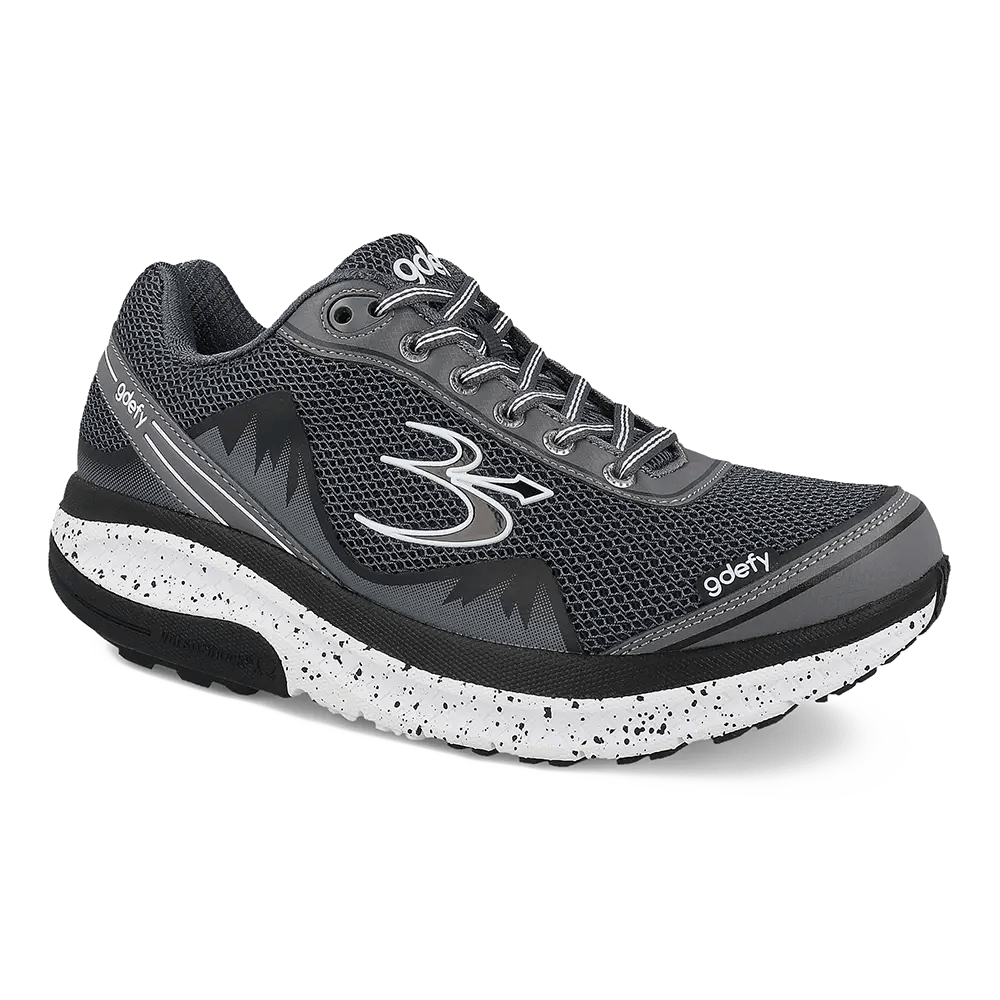
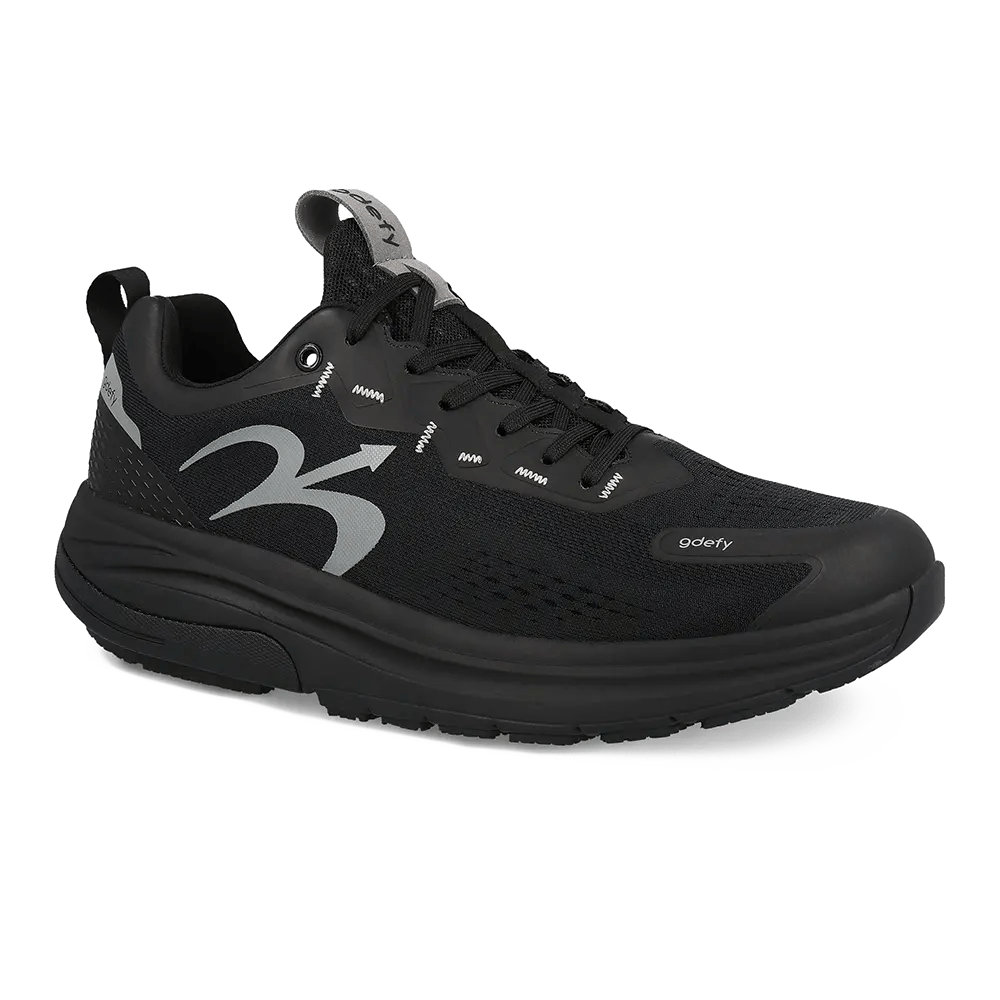
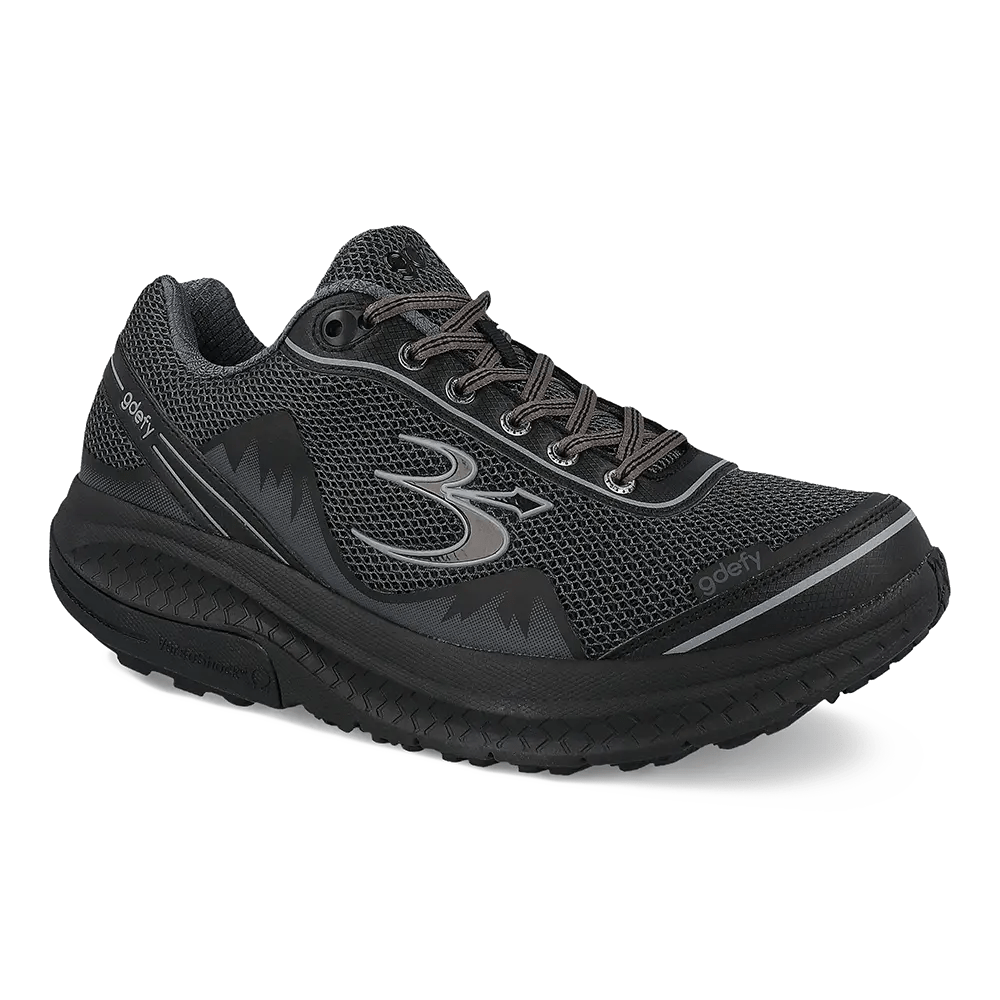
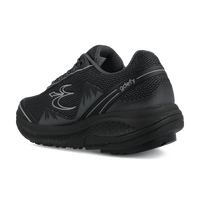
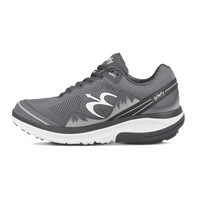
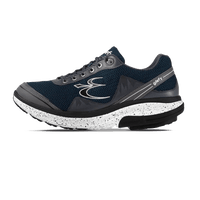
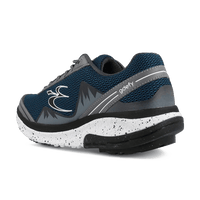
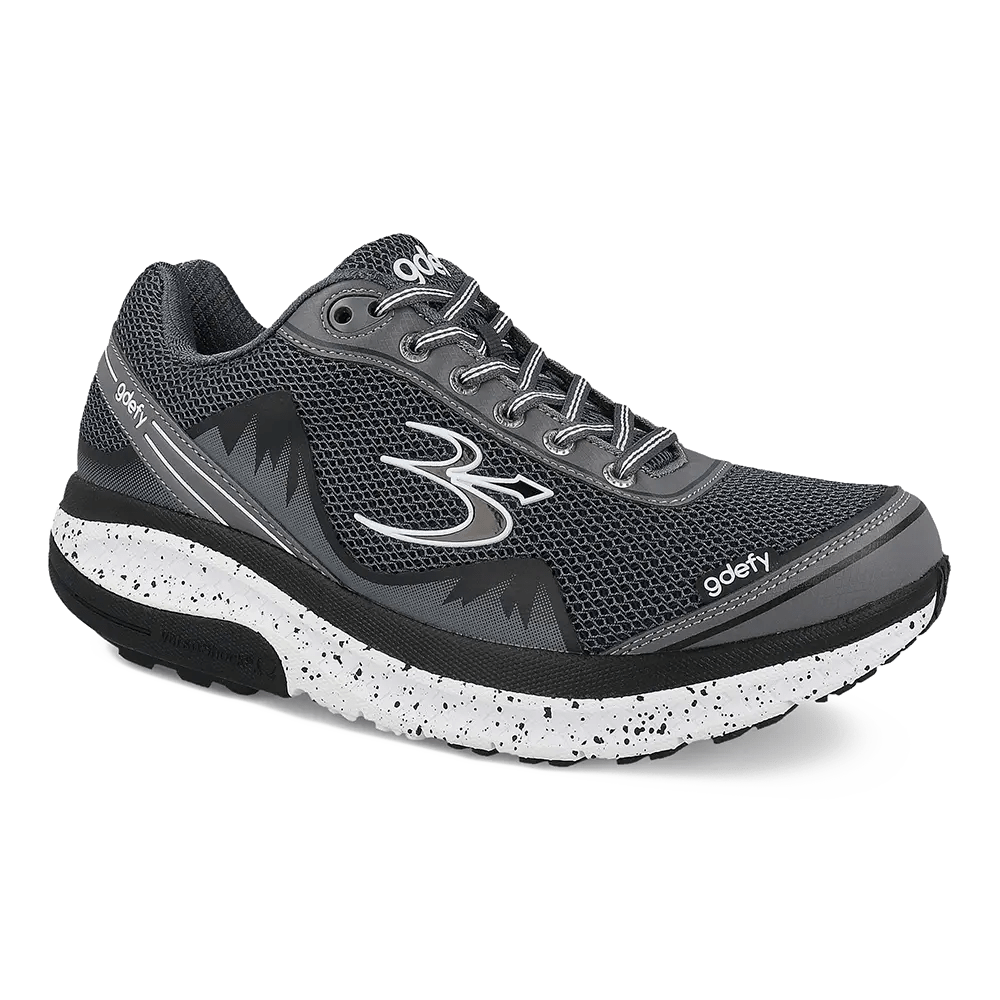
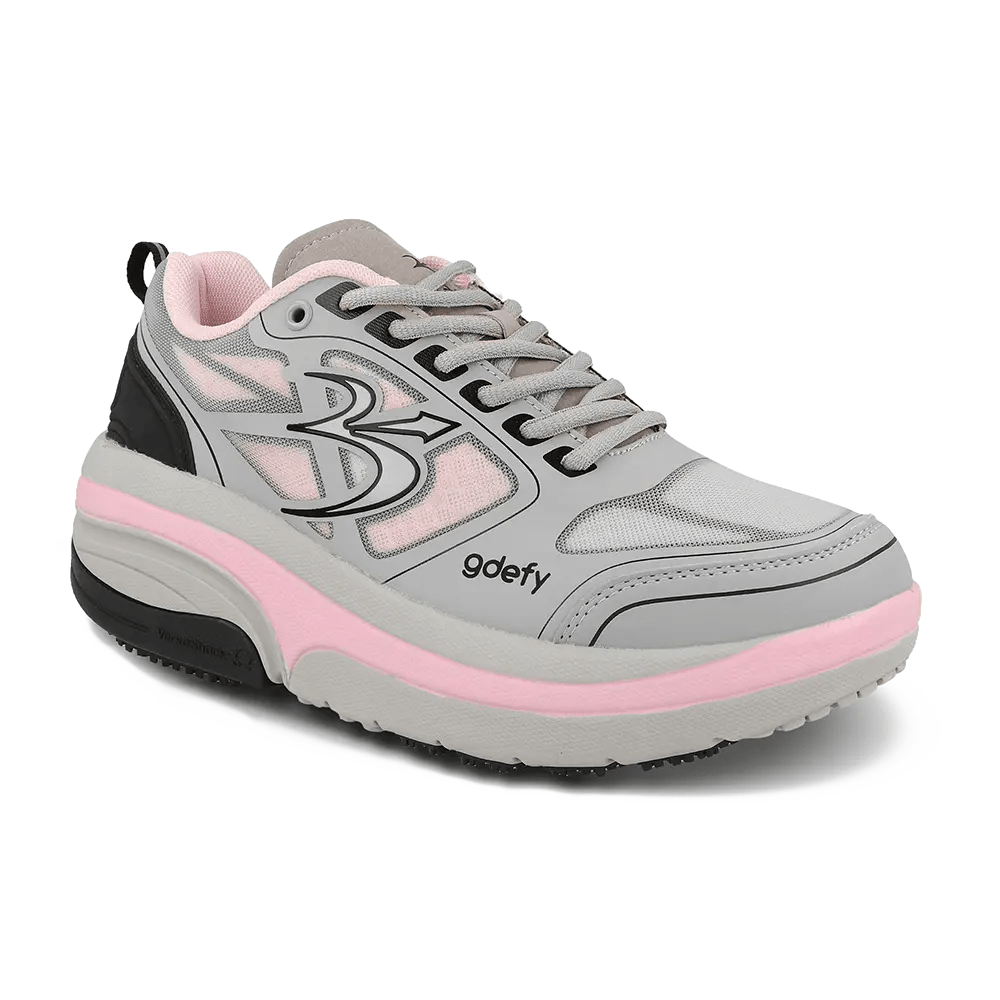
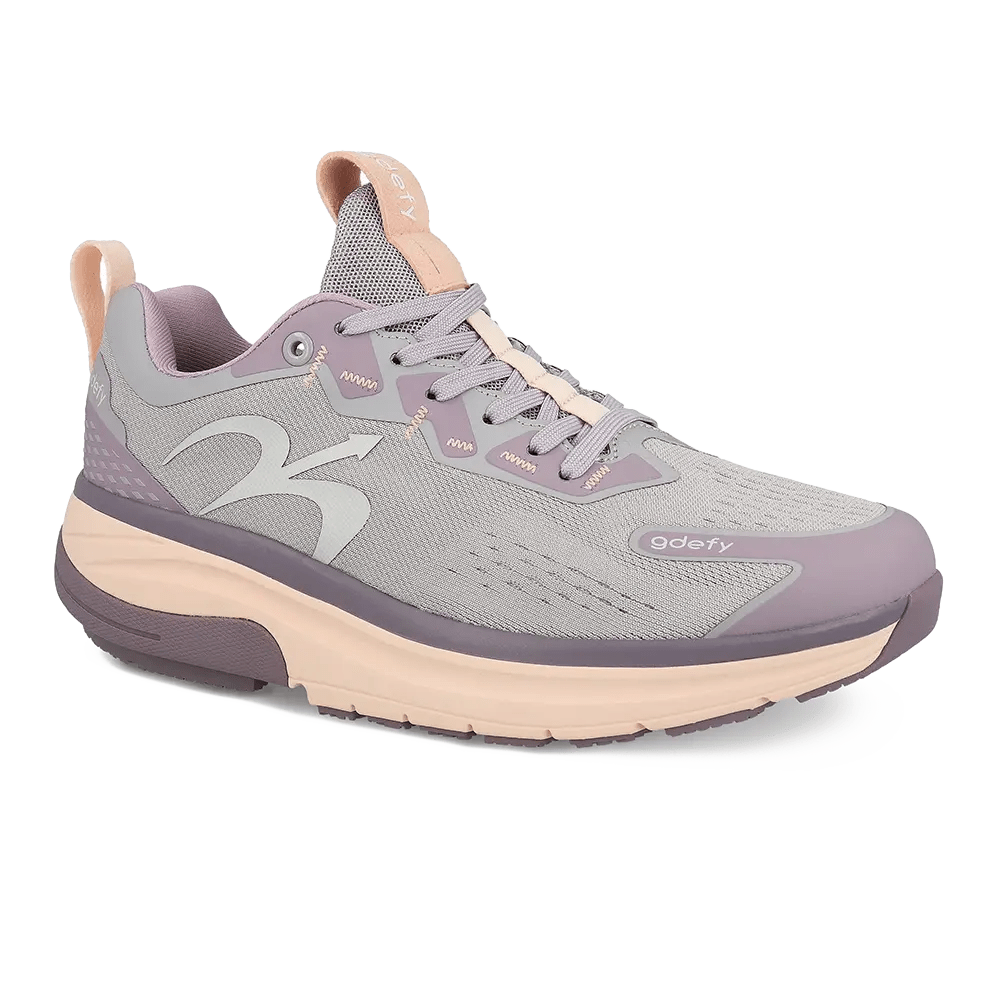
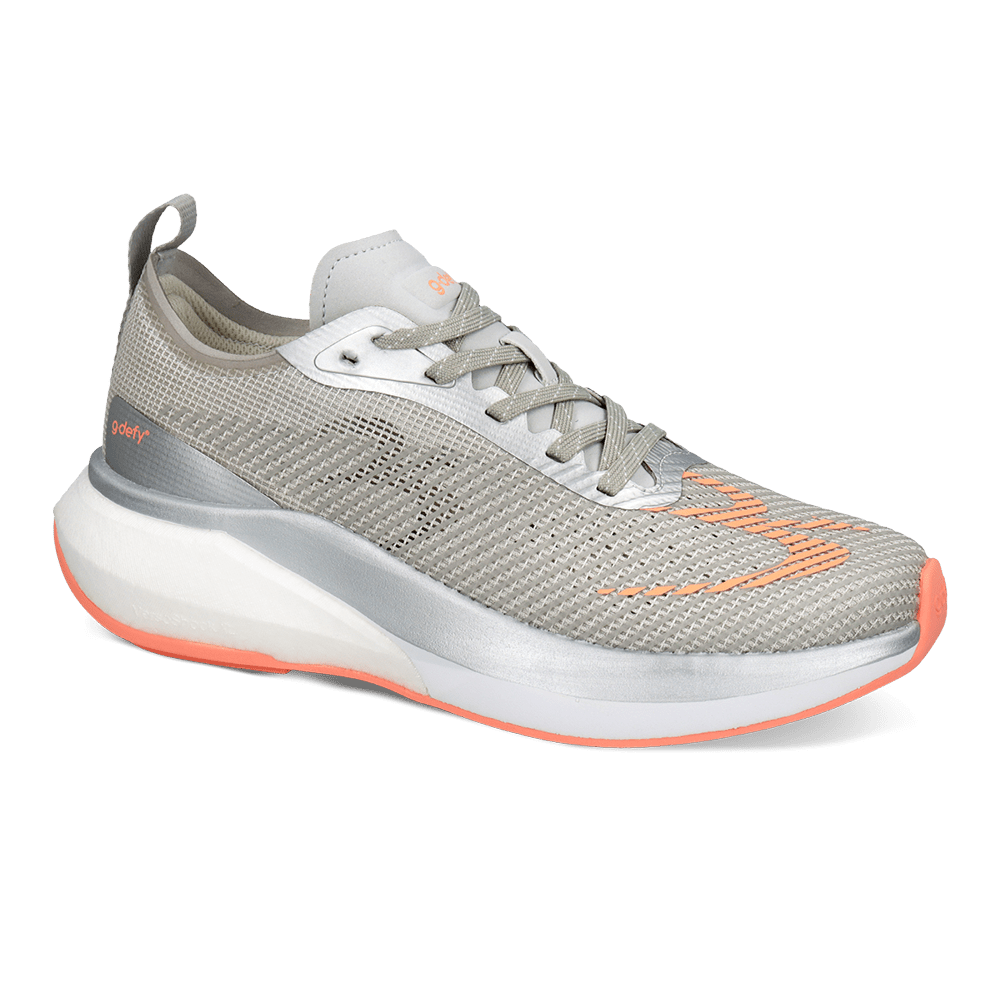
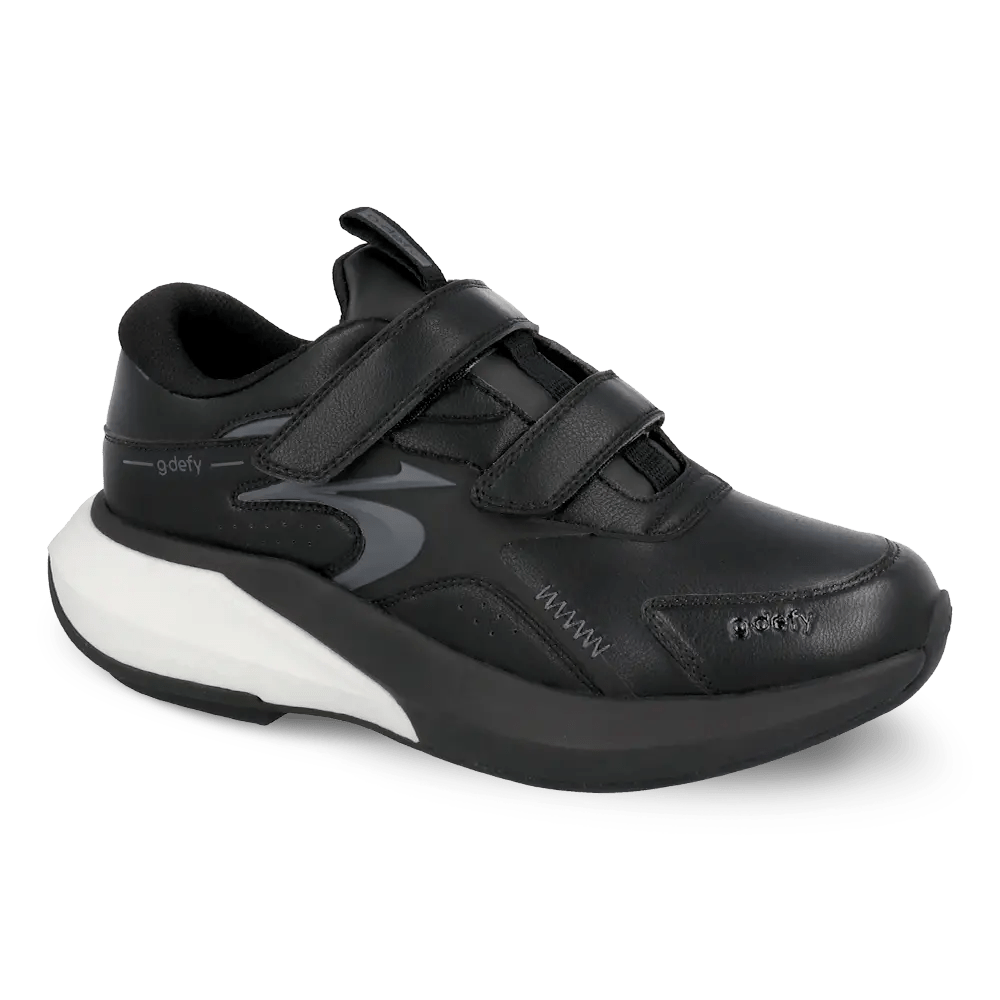
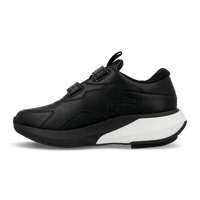
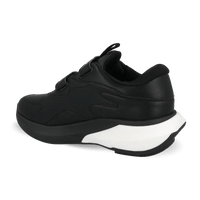
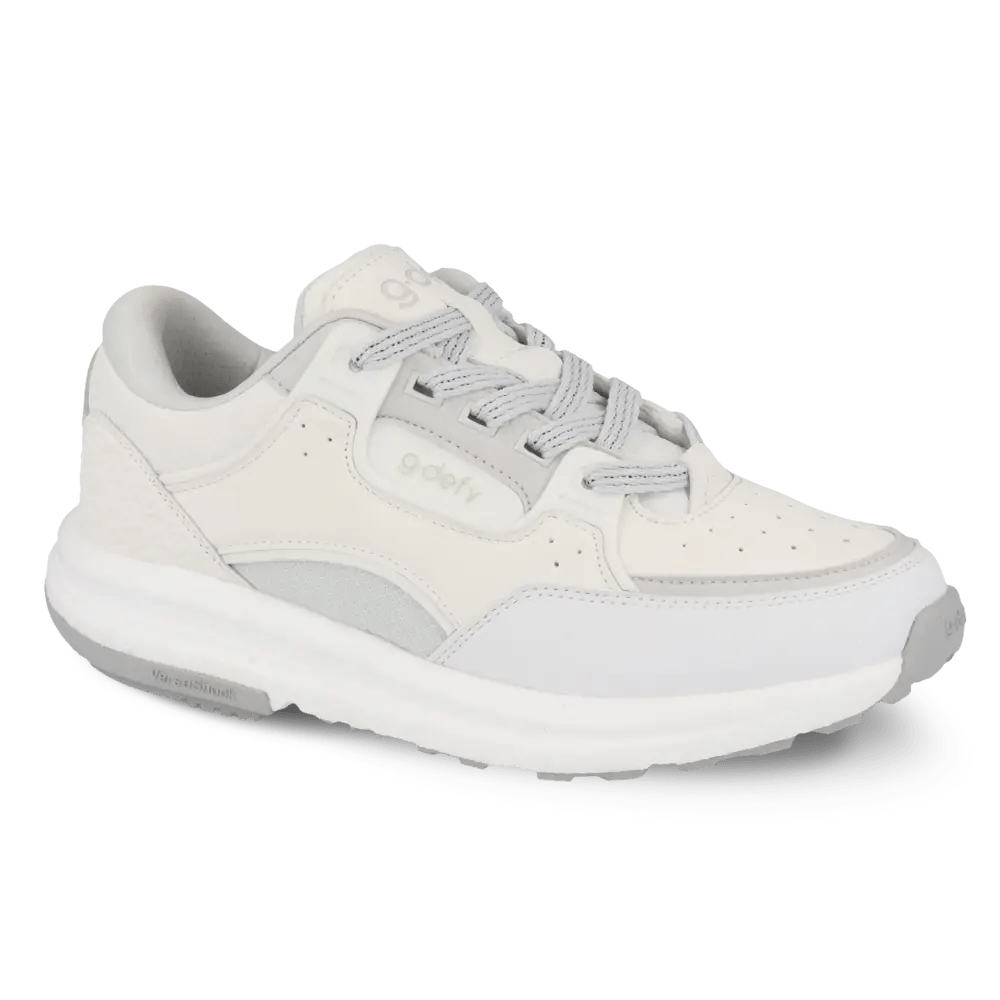
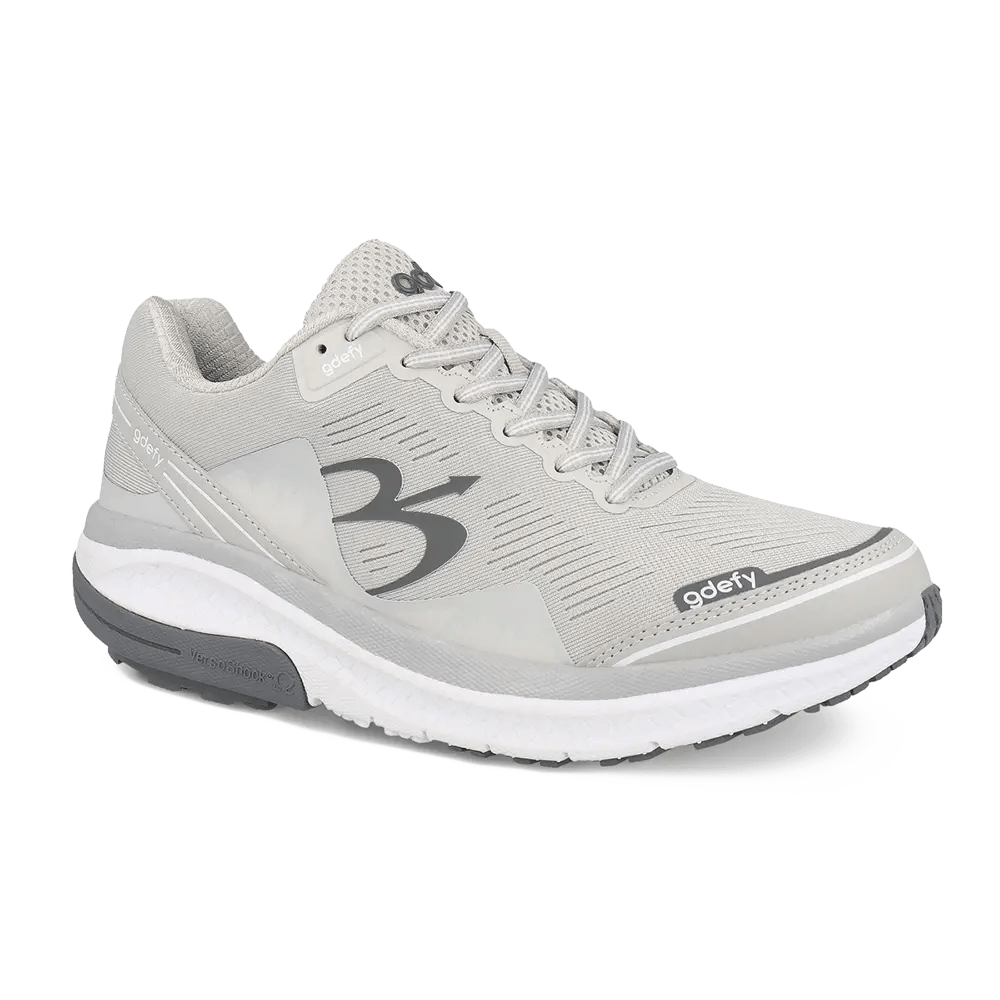
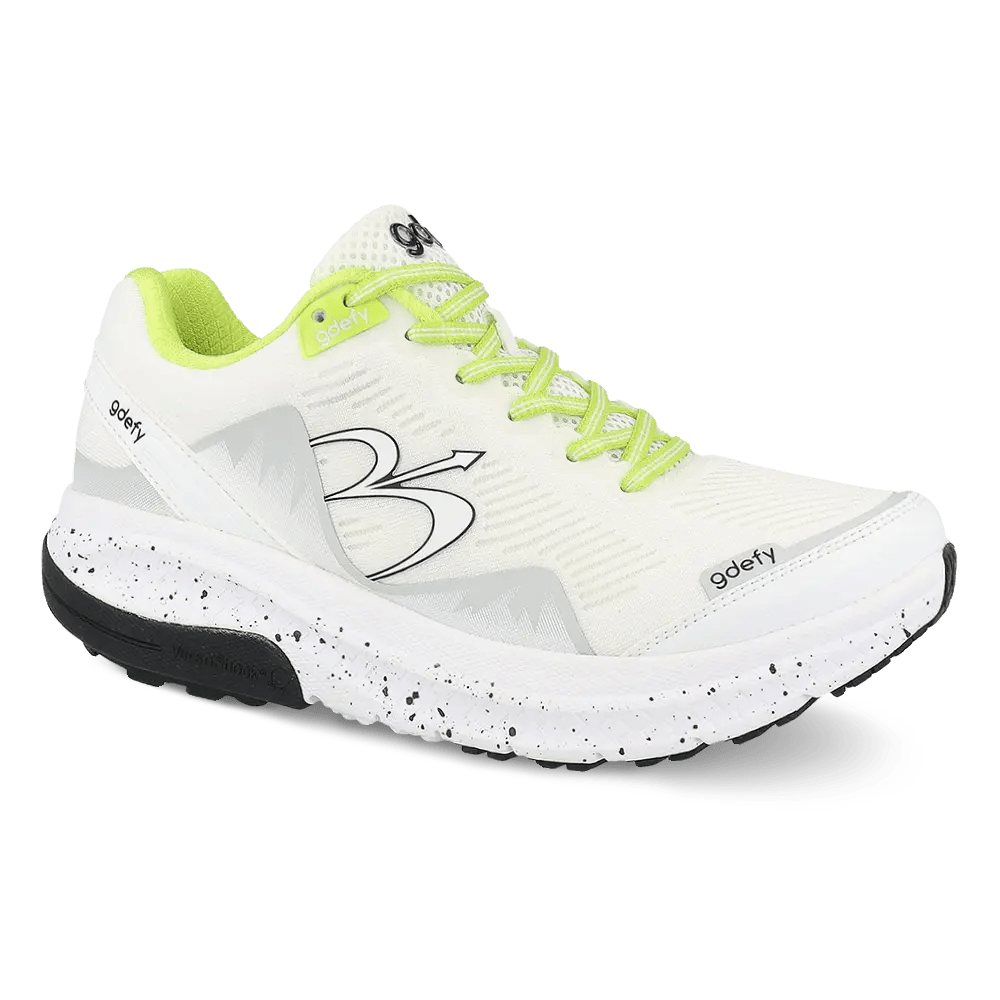
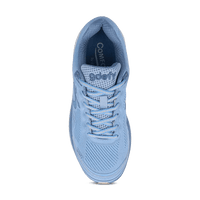
G-Defy shoes are engineered with shock absorption, energy return, stability, and a smooth rolling design — all working together to support whole-body comfort.
Shop G-Defy Shoes for Comfort & SupportHow G-Defy Shoes Are Designed for Whole-Body Comfort
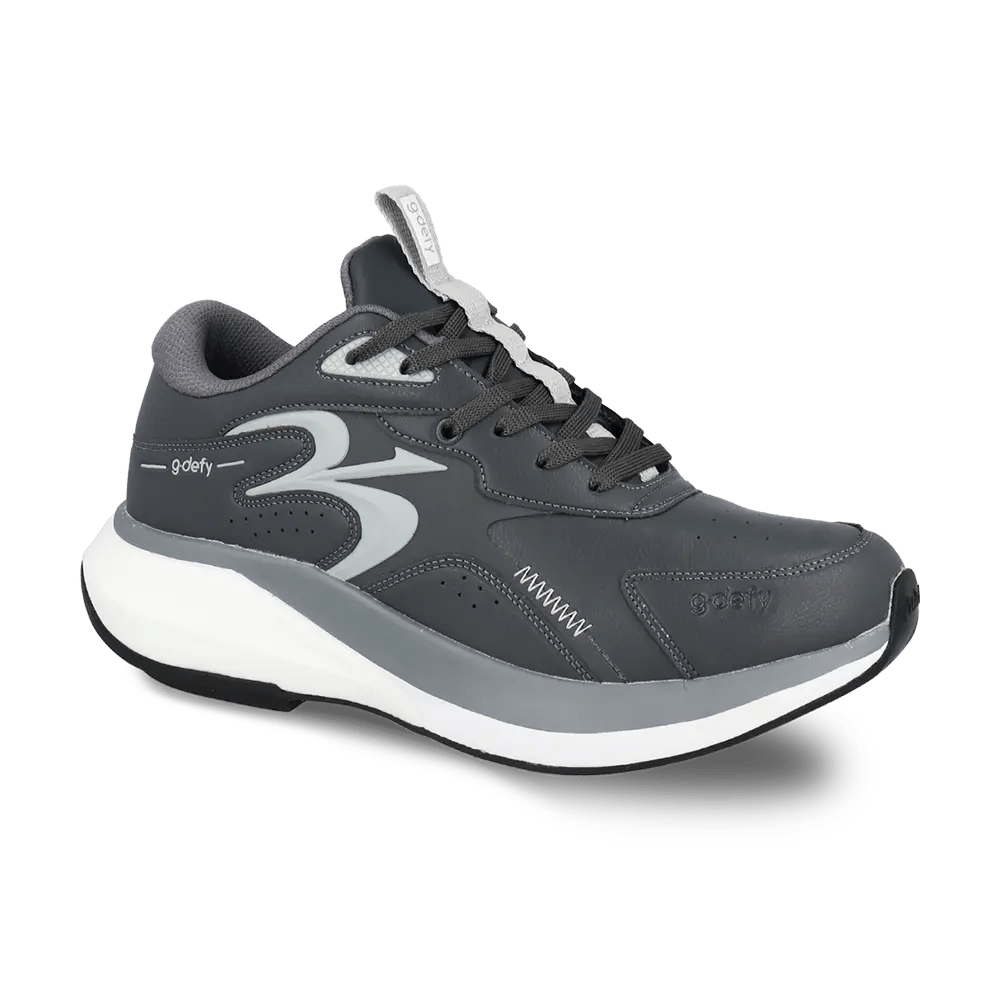
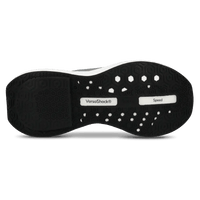
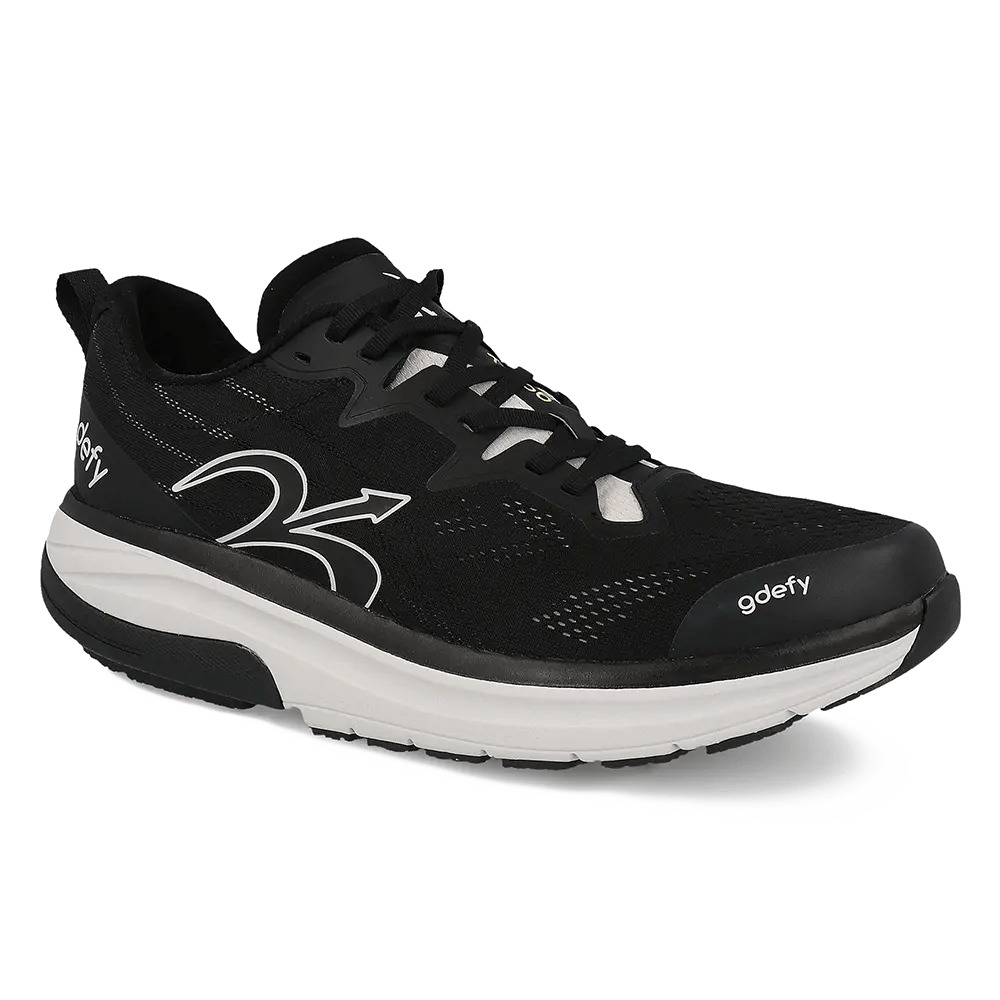
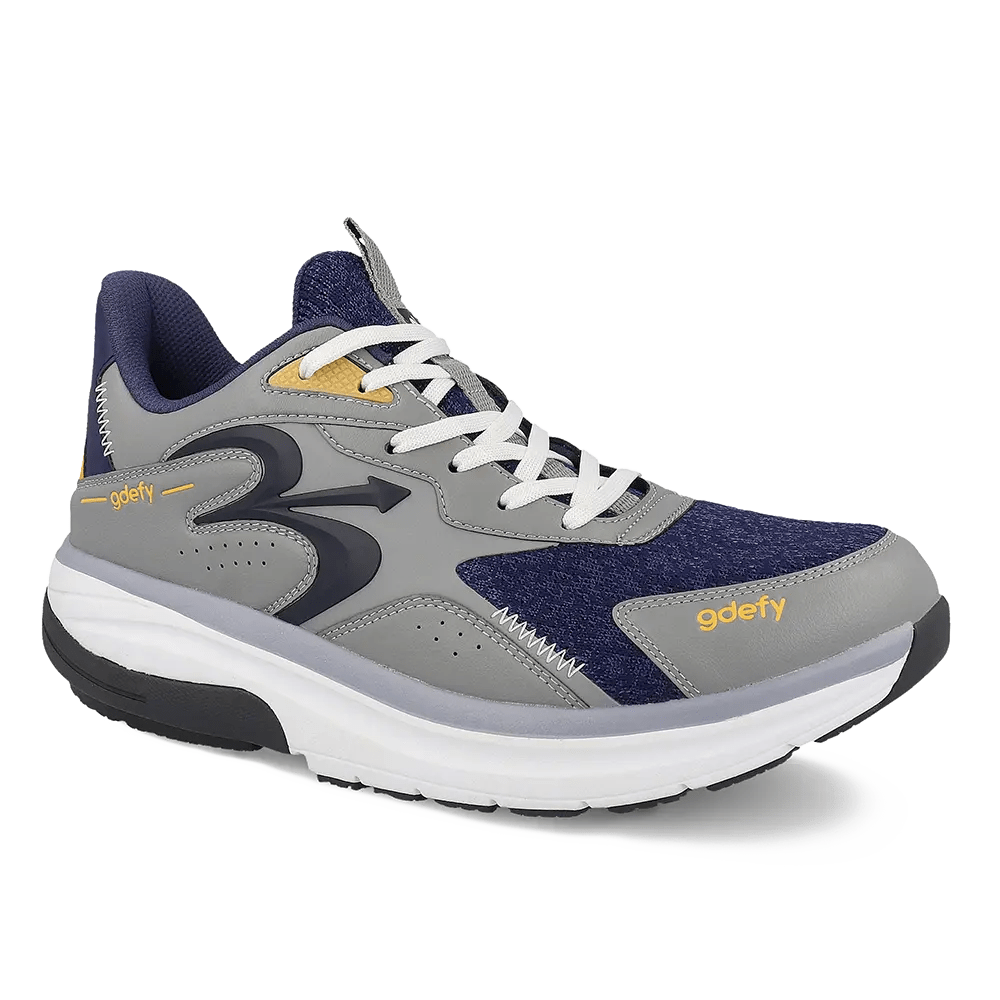
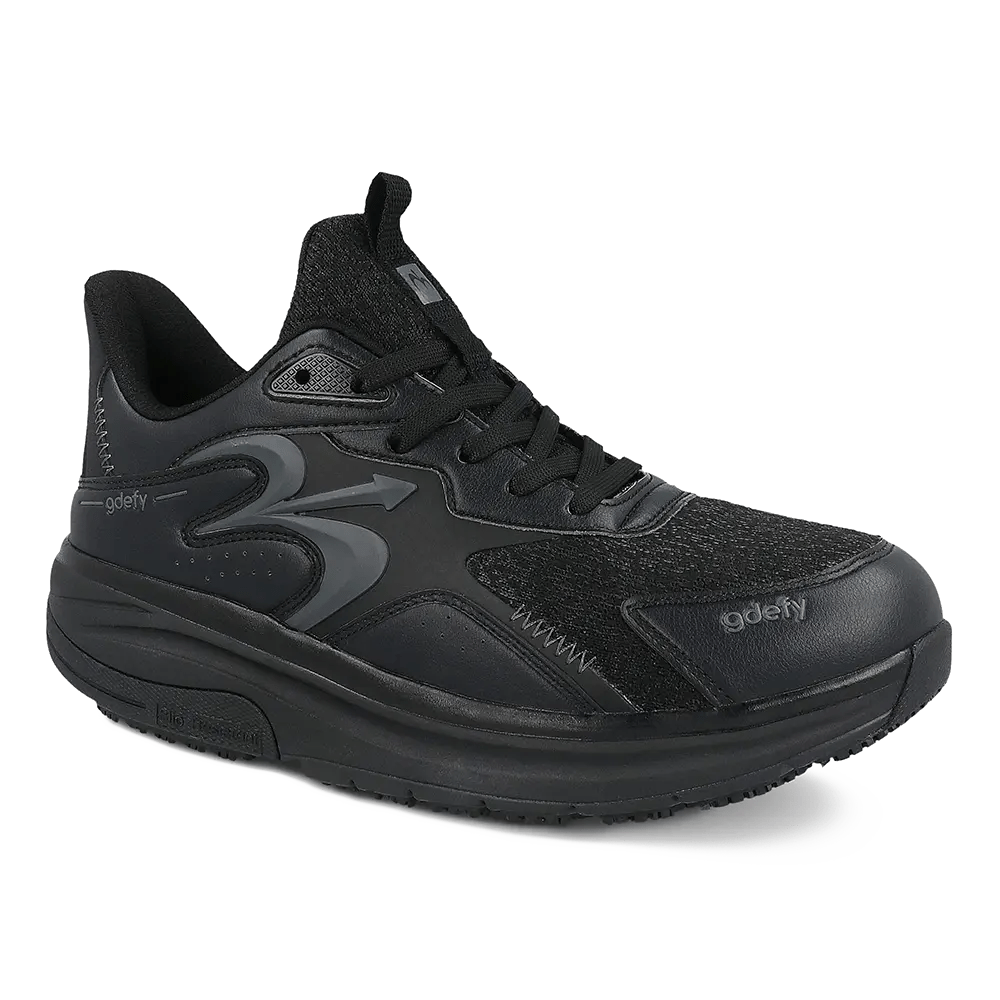
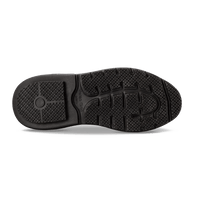
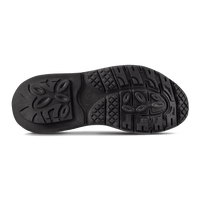
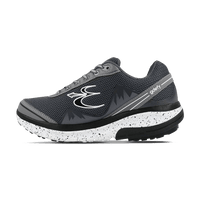
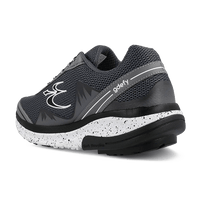
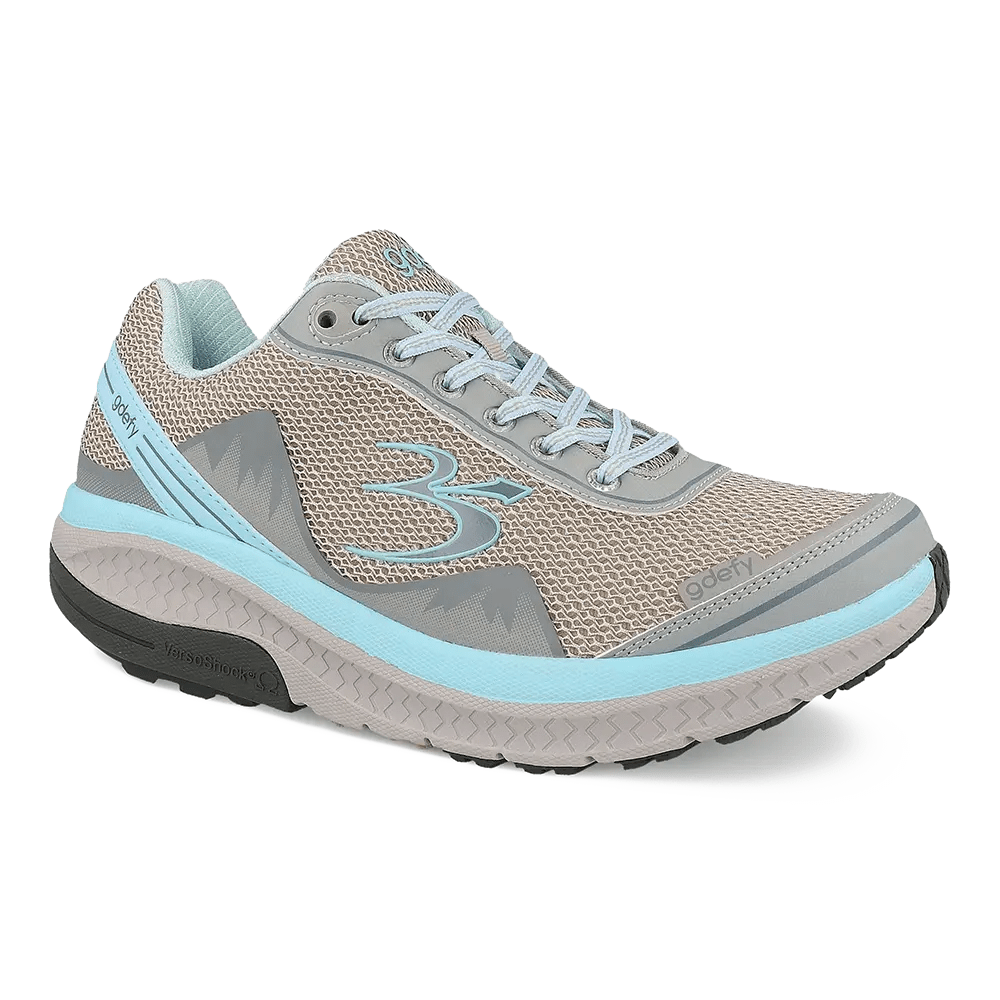
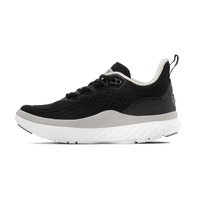
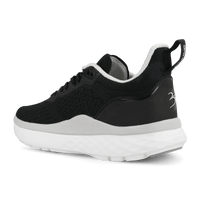
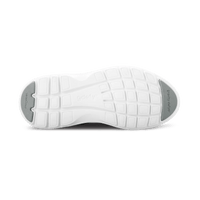
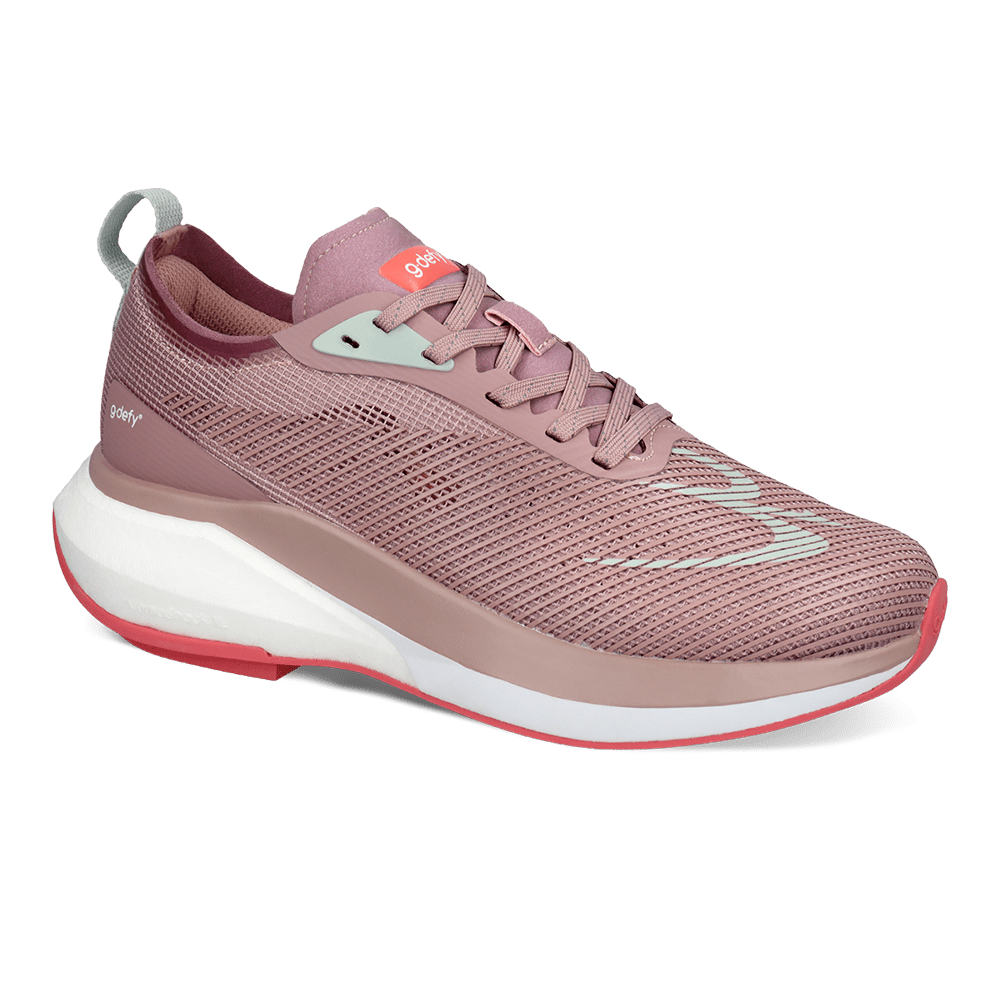
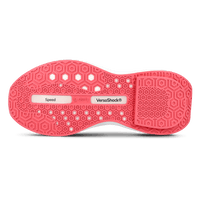
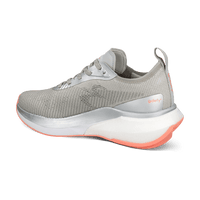
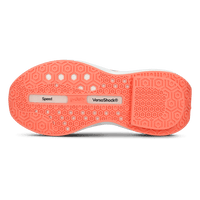
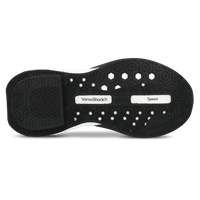
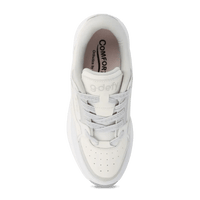
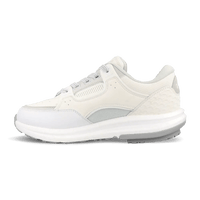
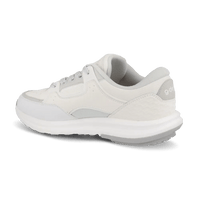
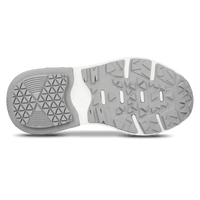
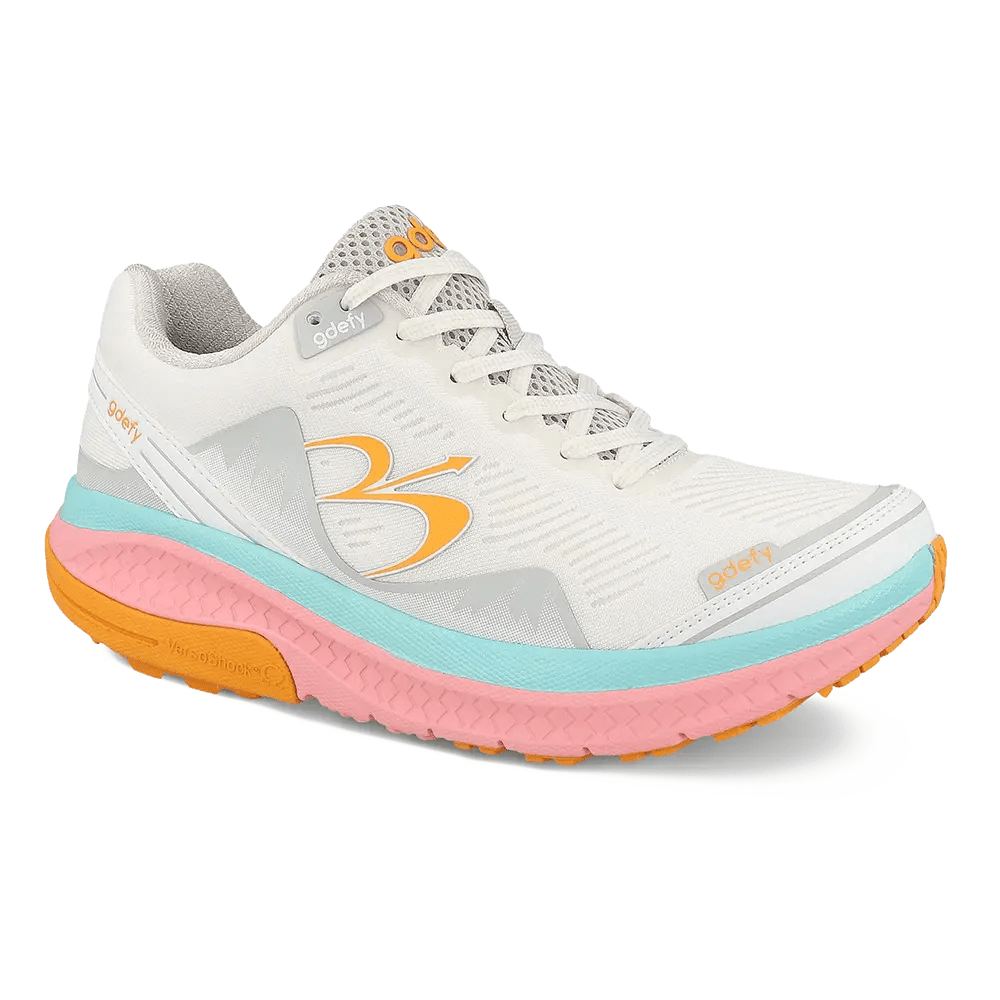
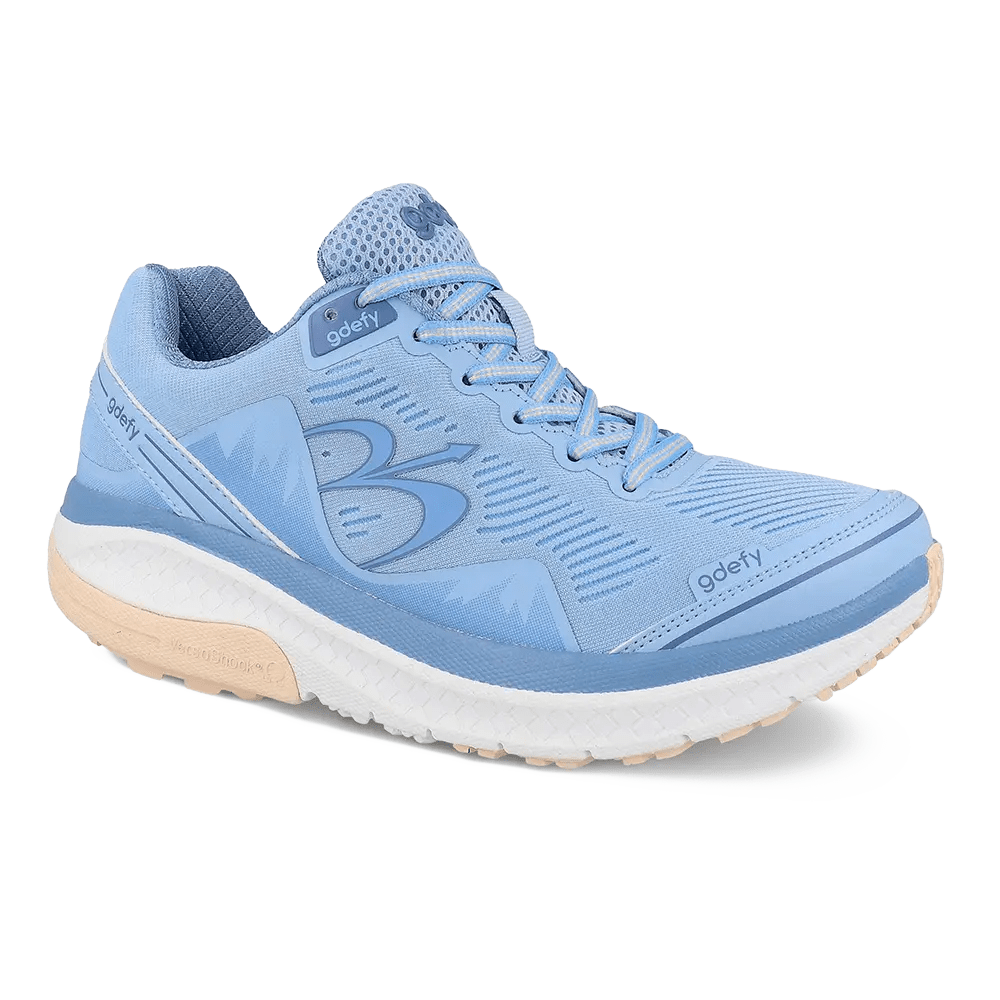
G-Defy shoes are built around a different idea — not just cushioning, but how your entire body moves. They use VersoShock® technology, a spring-based system designed to absorb impact softly, return energy with each step, and support a smoother walking motion.
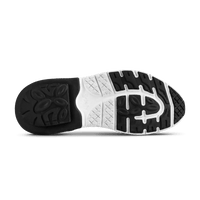
Inside every G-Defy shoe, there's also a stabilizer system that helps support the foot and reduce excessive bending, along with a front rolling design that encourages a natural heel-to-toe transition. Together, these four pillars — shock absorption, energy return, stability, and biomechanical design — work as a system to support the kinetic chain from the ground up.
Each pair also includes two removable orthotics to help customize your comfort and support. The ComfortFit® orthotic is designed for low to medium arches, while the CorrectiveFit® orthotic provides additional support for medium to high arches. This means you can adjust the level of support based on your specific foot type — because no two feet are exactly alike.
G-Defy shoes help reduce pain from walking, running, and prolonged standing. They are designed to deliver comfort, support, and shock absorption during daily movement, supporting a more comfortable stride throughout the day.


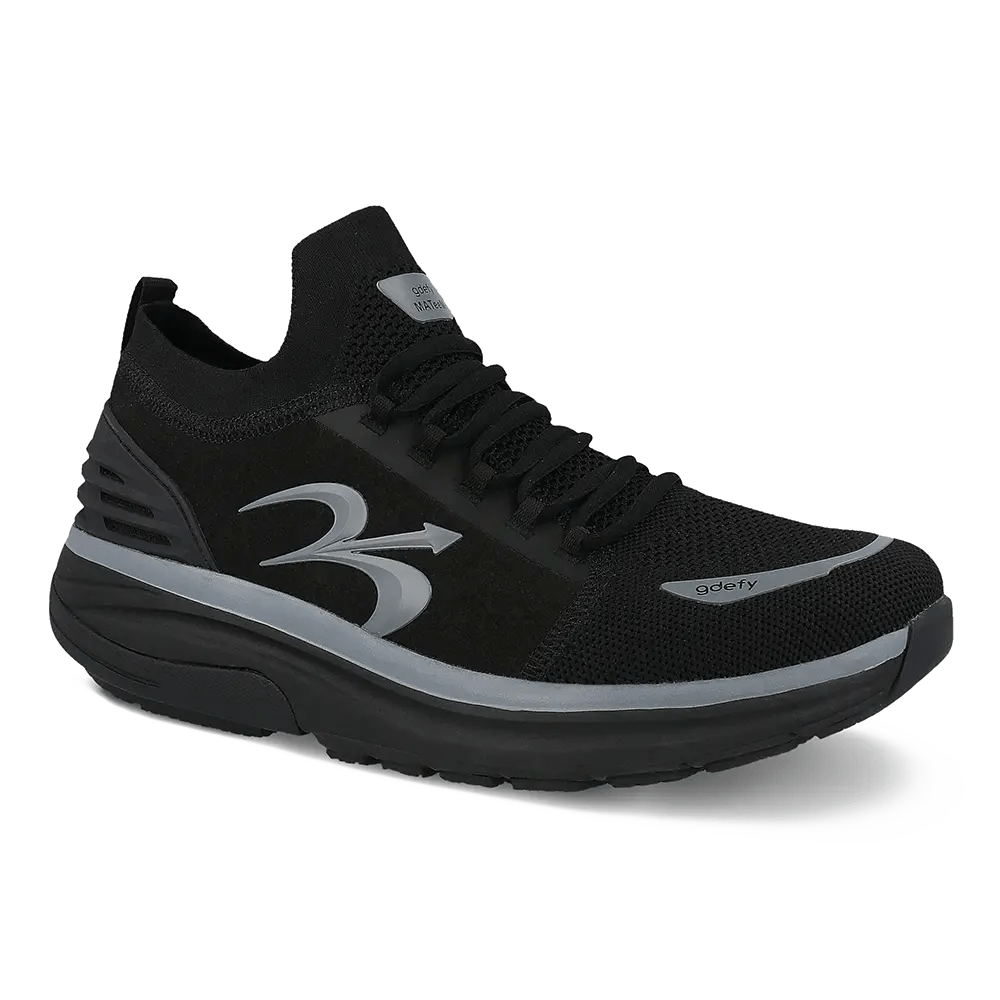
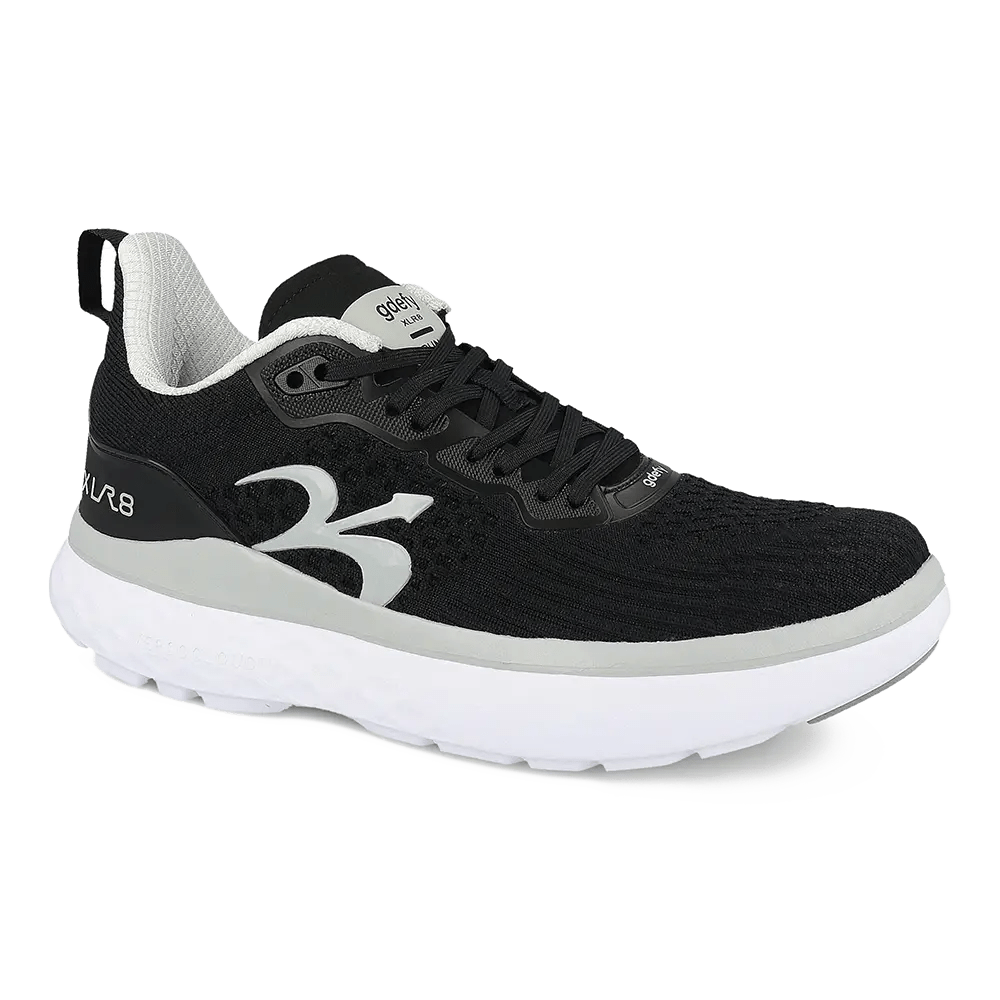
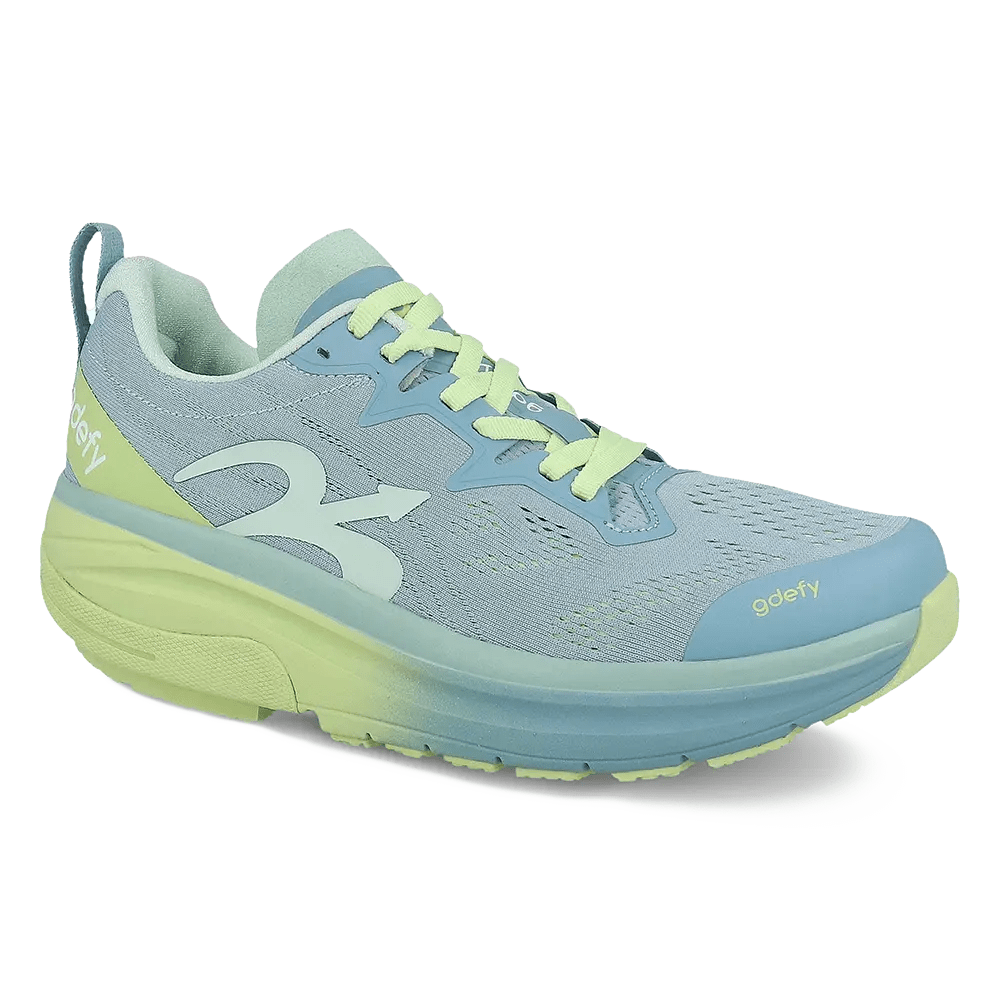
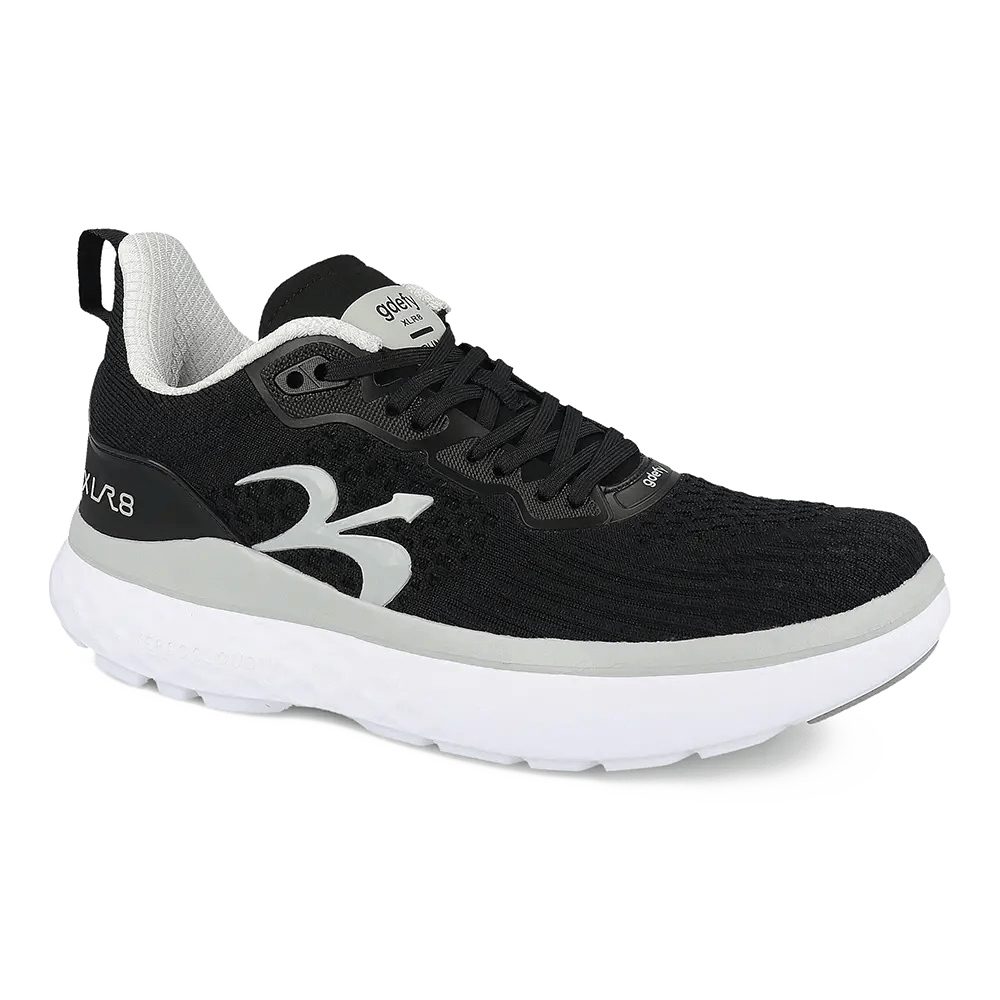
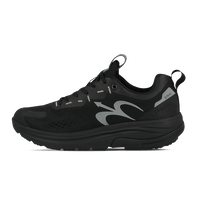
Whether you prefer the all-day comfort of the Mighty Walk, the lightweight feel of the Ion, or the athletic performance of the XLR8 Run, every G-Defy shoe is engineered with the same four-pillar system to help your body move the way it was designed to.
Try G-Defy Risk-Free for 60 Days
Experience the difference that whole-body support can make — with free shipping on every order. If they're not right for you, return them for a full refund.
Shop G-Defy ShoesPractical Tips for Supporting Your Kinetic Chain Every Day
Replace worn-out shoes regularly. Even the best shoes lose their cushioning and support over time. If the soles of your shoes are visibly worn down or the cushioning feels flat, it's time for a new pair. Most shoes should be evaluated every 6 to 12 months depending on how often you wear them.
Pay attention to how you stand. When standing for long periods, try to distribute your weight evenly across both feet. Avoid locking your knees, which can increase stress on your hips and lower back.
Stretch your feet and calves. Simple stretches for your feet, ankles, and calves can help maintain flexibility and range of motion in the lower links of the kinetic chain. Rolling your foot over a tennis ball for a few minutes each day can feel great and help keep the muscles of your foot flexible.
Walk regularly. Walking is one of the best activities for maintaining the health of your kinetic chain. It keeps your joints moving, supports healthy circulation, and strengthens the muscles that stabilize your feet, knees, and hips. Just make sure you're wearing shoes that provide adequate comfort and support.
Listen to your body. If you notice discomfort in your knees, hips, or back during walking or standing, consider whether your footwear might be part of the equation. Often, upgrading to shoes with better shock absorption and support can make a noticeable difference in whole-body comfort.
Frequently Asked Questions
Can my shoes really affect my knees and back?
Yes. Your feet are the foundation of your body's kinetic chain. When your shoes don't provide adequate cushioning and support, the impact from walking and standing can travel upward through your joints. Shoes designed for shock absorption and stability may help improve overall comfort during daily activities.
What is the kinetic chain in simple terms?
The kinetic chain describes how your body's joints work together as a connected system. Movement at one joint — like your ankle — affects the joints above it, including your knees, hips, and spine. Your feet are the base of this chain, so what happens at ground level influences your entire body.
How do I know if my shoes are affecting my comfort?
Pay attention to patterns. If you experience discomfort in your knees, hips, or lower back after walking or standing, and your shoes are older or lack supportive features, your footwear may be contributing. Switching to shoes with better shock absorption, stability, and arch support can help you determine if footwear is a factor.
Keep Your Body Comfortable From the Ground Up
Your feet do more than carry you from place to place — they set the stage for how your entire body moves and feels. Understanding the kinetic chain is the first step toward making smarter choices about the shoes you wear and the way you care for your body.
While footwear is not a medical solution, choosing shoes designed for comfort, support, and shock absorption can make a meaningful difference in how you feel throughout the day. Technology like VersoShock® is specifically designed to address the kinetic chain by absorbing impact, returning energy, and supporting a smoother stride. When your feet are properly supported, the rest of your body benefits — from your knees and hips to your lower back and beyond.
If you're ready to experience the difference that whole-body support can make, explore G-Defy's full collection and try them risk-free for 60 days with free shipping.
For persistent discomfort in your feet, knees, hips, or back, consult your healthcare provider for personalized advice.