June 15, 2026
How to Choose Shoes That Feel Secure and Supportive All Day
By Gdefy

Summary
When you slip on a pair of shoes, you can usually tell within a few steps whether they feel right. The best ones feel secure and supportive — they hold your foot gently in place, cushion every step, and stay comfortable from morning until night. The wrong ones slide at the heel, feel thin underfoot, or leave your feet tired and sore by the afternoon.
If you have feet that need a little extra care — feet that feel more comfortable with cushioning, a snug-but-roomy fit, and a soft interior — finding shoes that feel secure can make an ordinary day a lot more pleasant. Footwear isn't a medical solution, but the right design plays a real role in how supported and confident your feet feel throughout the day.
This guide breaks down what gives a shoe that secure, supported feeling, the features worth looking for, and how G-Defy builds shoes around comfort, support, and shock absorption.

Why a Secure, Supportive Feel Matters in Everyday Shoes
A shoe that feels secure does something simple but important: it keeps your foot in a comfortable, stable position so you can move without thinking about your feet. When a shoe doesn't fit securely, your foot tends to slide forward, shift at the heel, or work harder to stay steady — and that can leave you feeling fatigued faster.
Several everyday factors can make shoes feel loose, hard, or unsupportive:
- A loose or sloppy fit — when the heel slips or the midfoot isn't held, every step feels less stable.
- Thin or worn-out cushioning — flat, compressed midsoles transfer more impact to your feet with each step.
- Long hours on hard surfaces — concrete floors and city sidewalks add up over a day of walking or standing.
- Rough interiors and tight toe areas — internal seams and a cramped toe box can rub against feet that are already sensitive.
None of these are medical problems — they're design and fit issues. The good news is that they're exactly the things the right pair of shoes is built to address. For more on why your feet may feel more tired as the hours pass, see our guide on why your feet can feel worse at the end of the day.
What to Look for in Shoes That Feel Secure and Supportive
A few key features separate shoes that feel secure and protective from shoes that feel loose and flat. When you're shopping, look for these:
1. A Secure Heel and Snug Midfoot
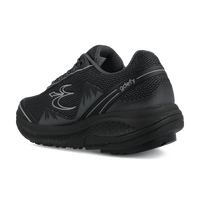
The heel is where security starts. A firm heel counter — the structured part that cups the back of your foot — helps keep your heel from slipping with each step. Combined with a midfoot that's held gently in place, this is what makes a shoe feel like it moves with you rather than against you.
2. Generous Cushioning and Shock Absorption
Cushioning is what stands between your foot and the hard ground. A thicker, responsive midsole helps absorb impact so each step feels softer. Shock absorption is especially welcome if your feet are sensitive to hard surfaces or long days of walking and standing.
3. A Roomy Toe Box and Soft, Seamless Interior
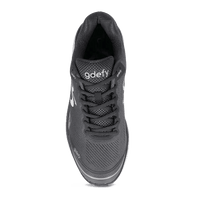
Your toes should have room to spread naturally. A roomy toe box reduces crowding, and a soft, seamless interior lining helps protect feet from rubbing and friction. For feet that need extra care, a smooth interior can be the difference between all-day comfort and end-of-day irritation.
4. A Supportive, Stable Base
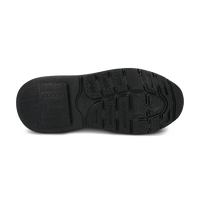
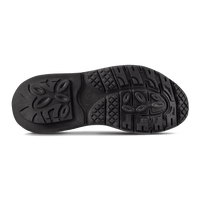
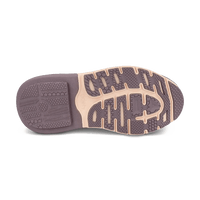
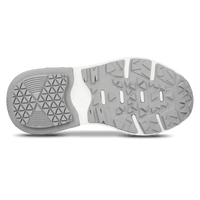
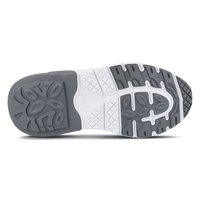
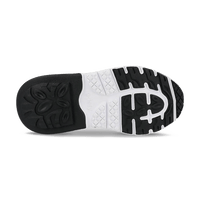
A built-in stabilizer keeps the middle of the shoe from collapsing or twisting, which helps you feel steady and supported underfoot. Pair that with a dependable, grippy outsole and you get a shoe that feels planted with every step.
5. Lightweight Construction and an Adjustable Fit
Heavy shoes can wear you out. A lightweight build helps reduce fatigue, while laces or adjustable closures let you fine-tune the fit so the shoe feels secure without pinching. To go deeper on the features that matter most, read our breakdown of the shoe features that matter for everyday foot comfort.

How G-Defy Shoes Are Built for a Secure, Cushioned Feel
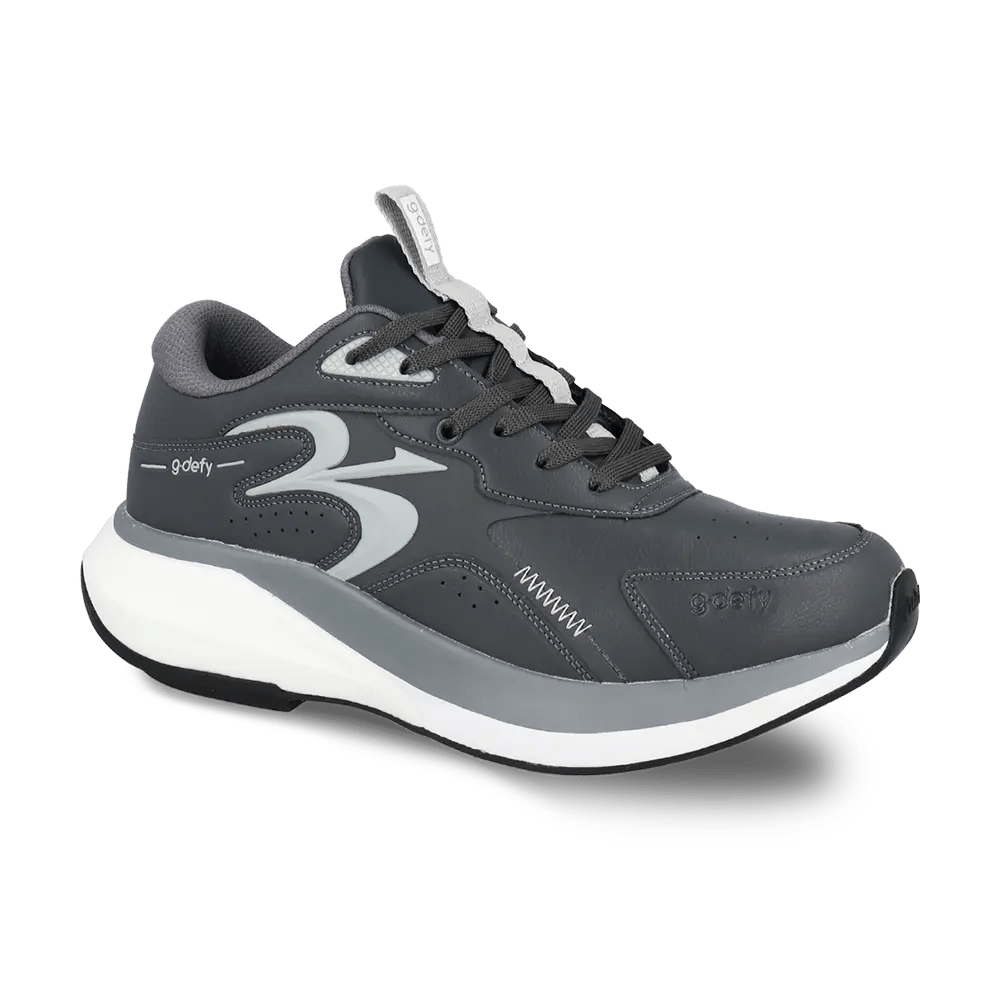
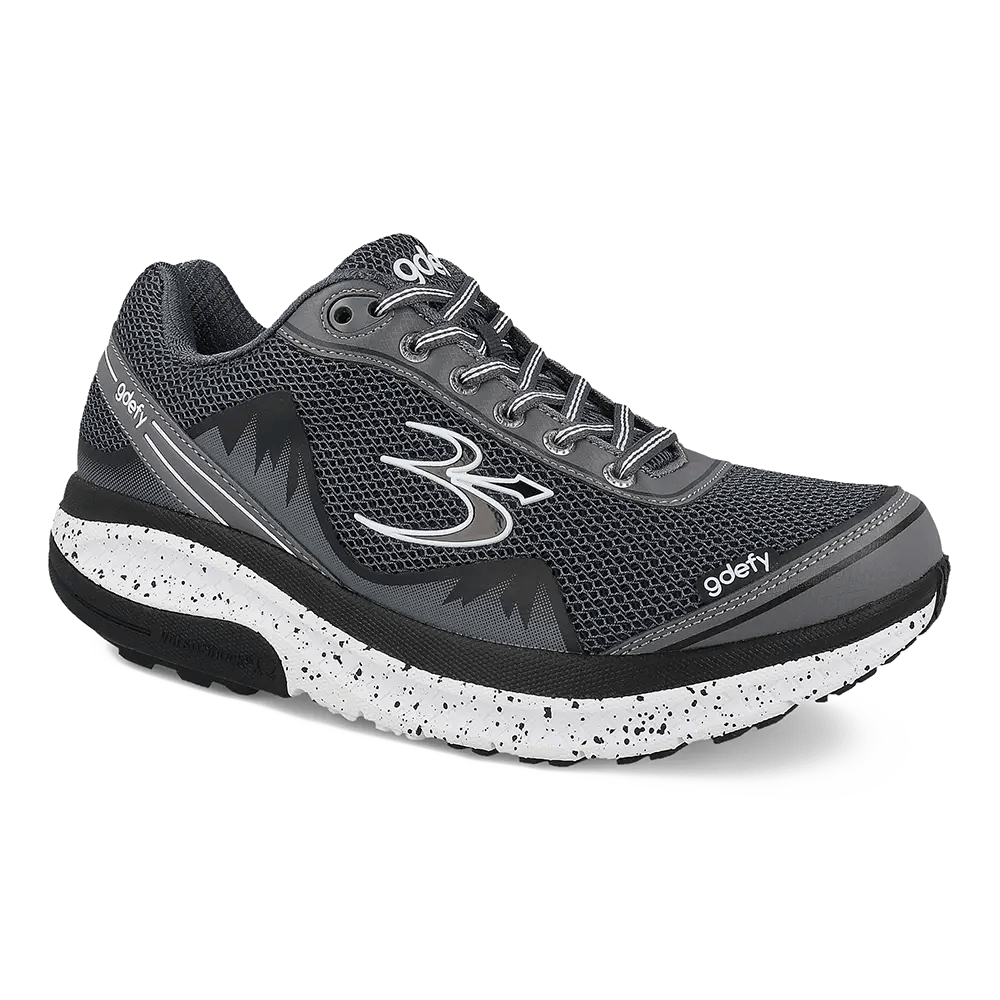
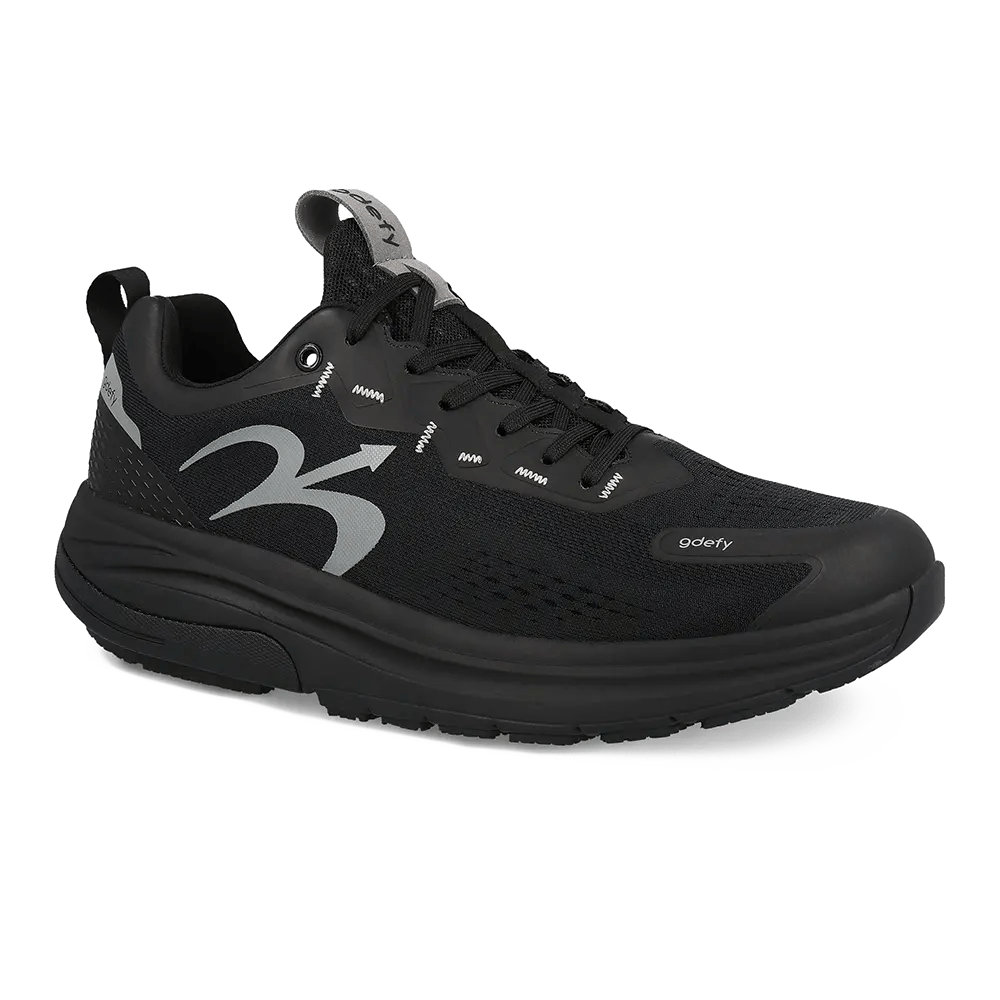
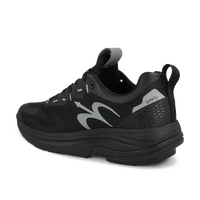
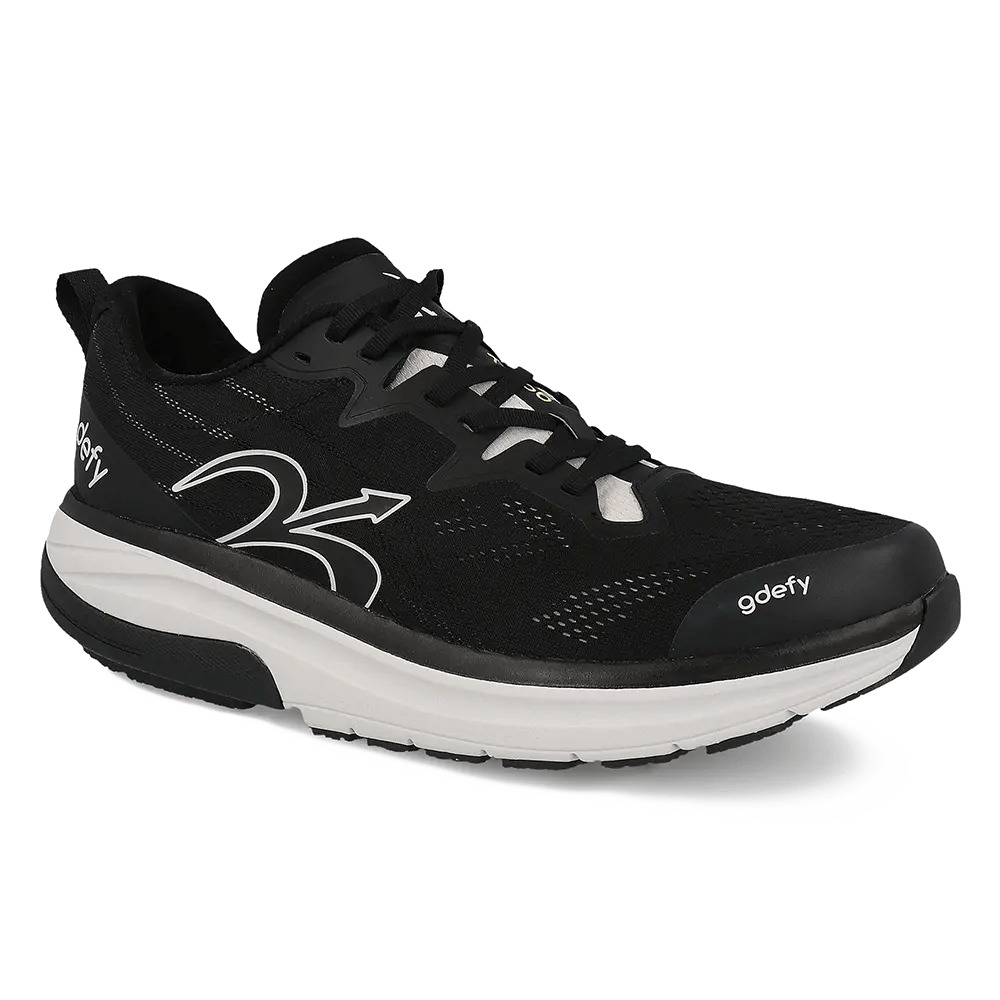
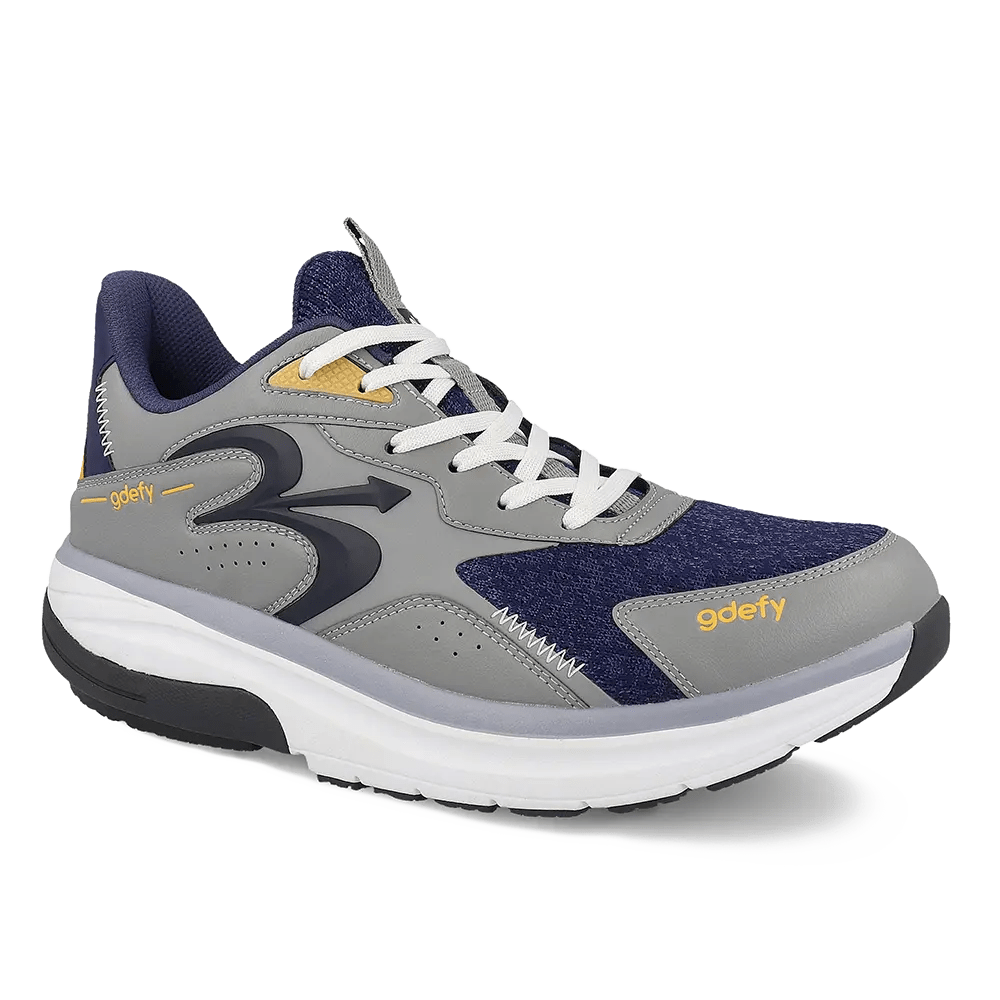
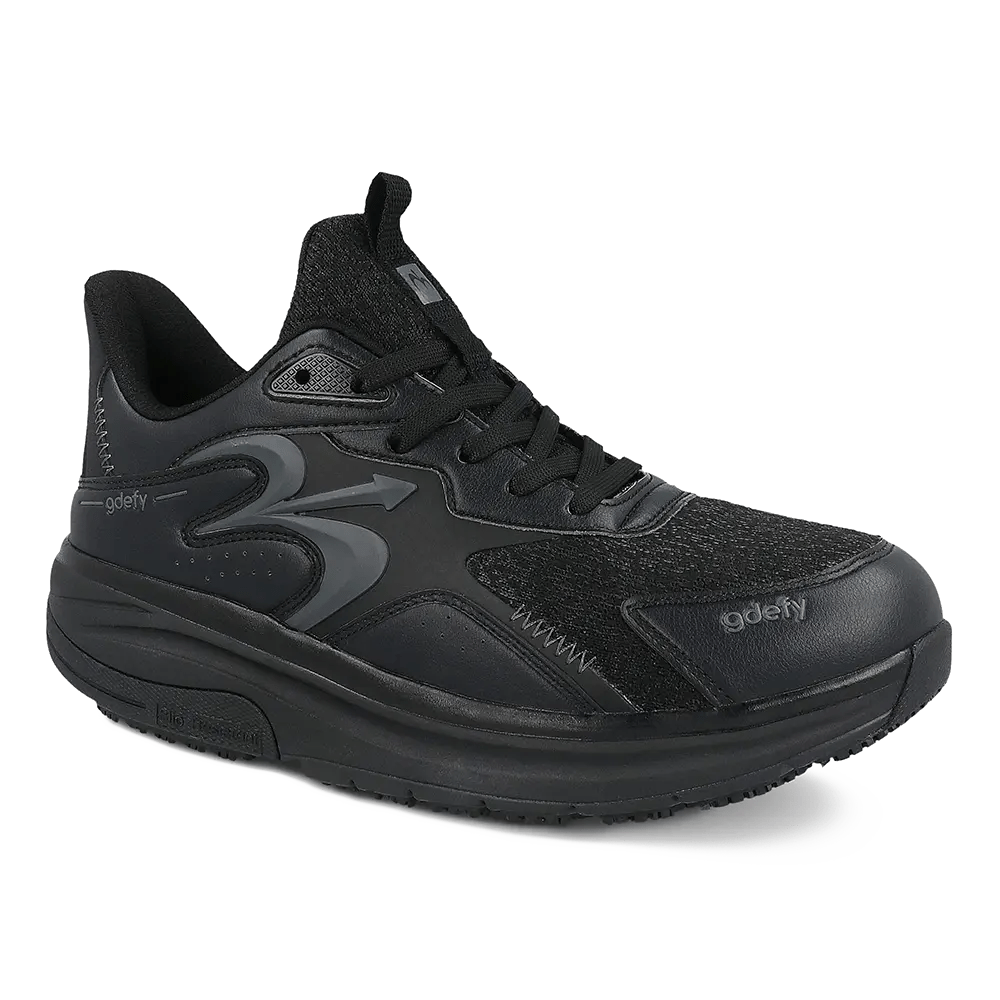
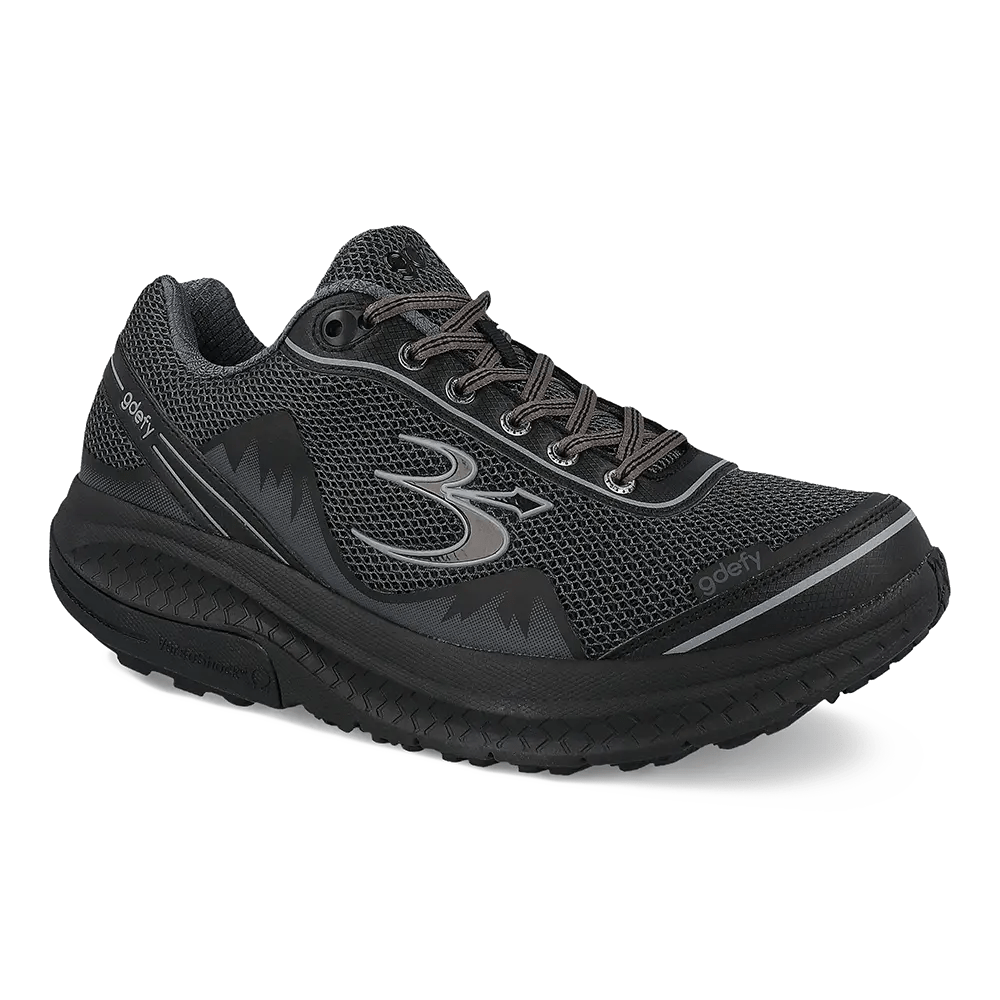
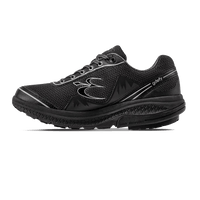
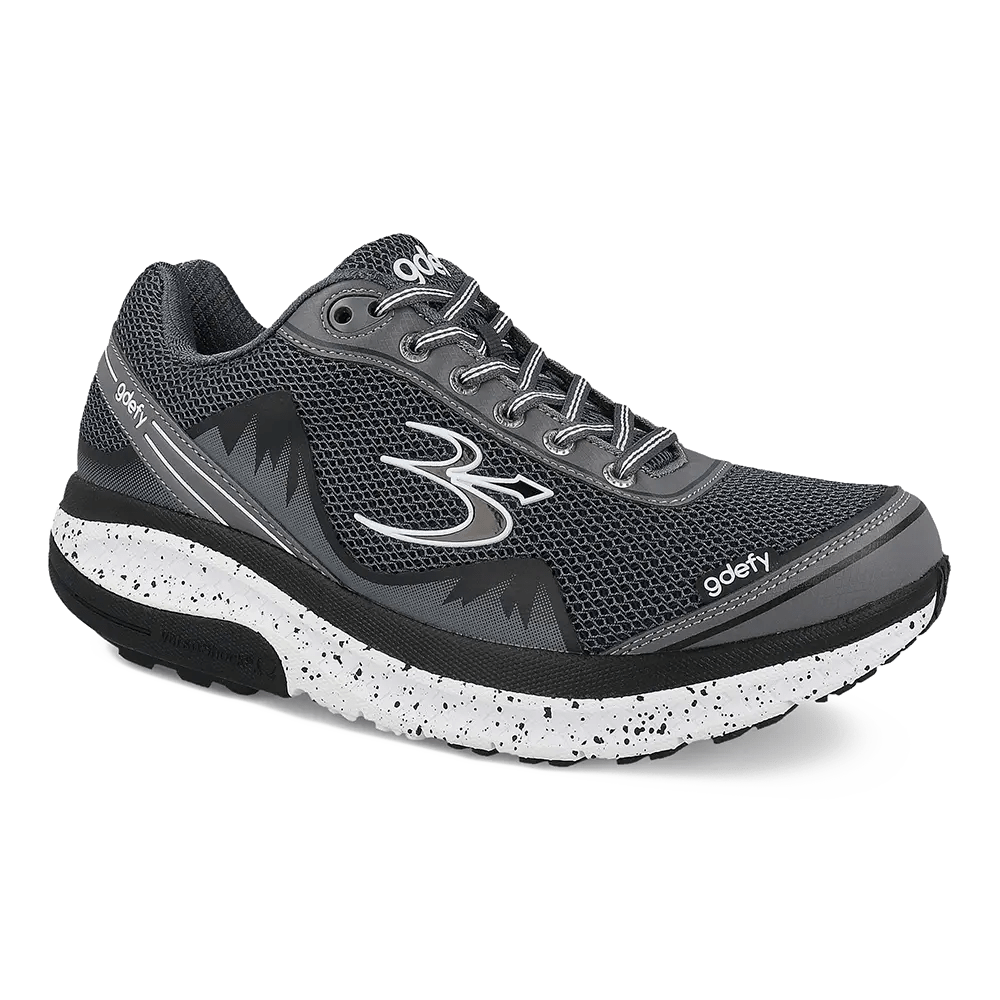
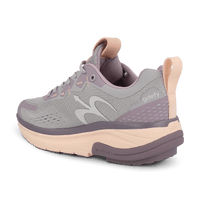
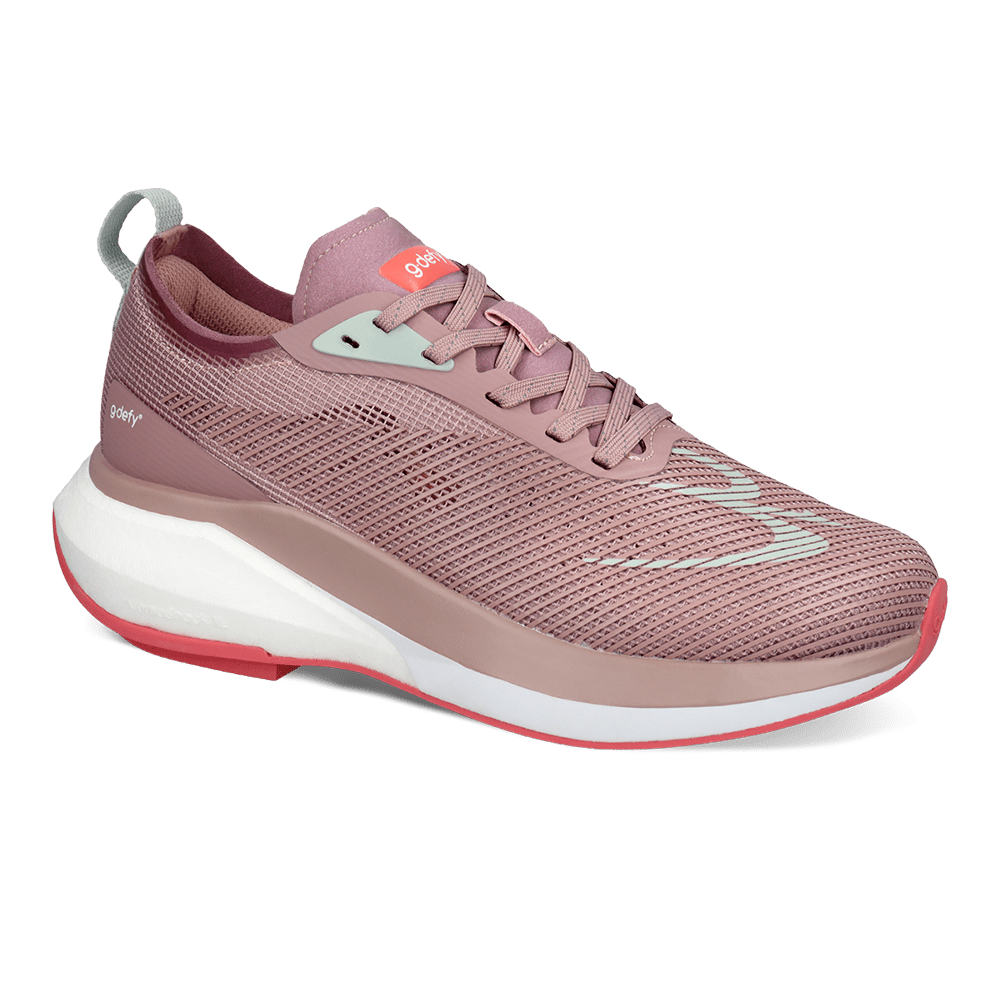
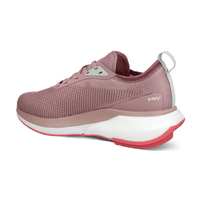
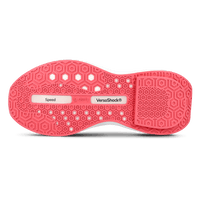
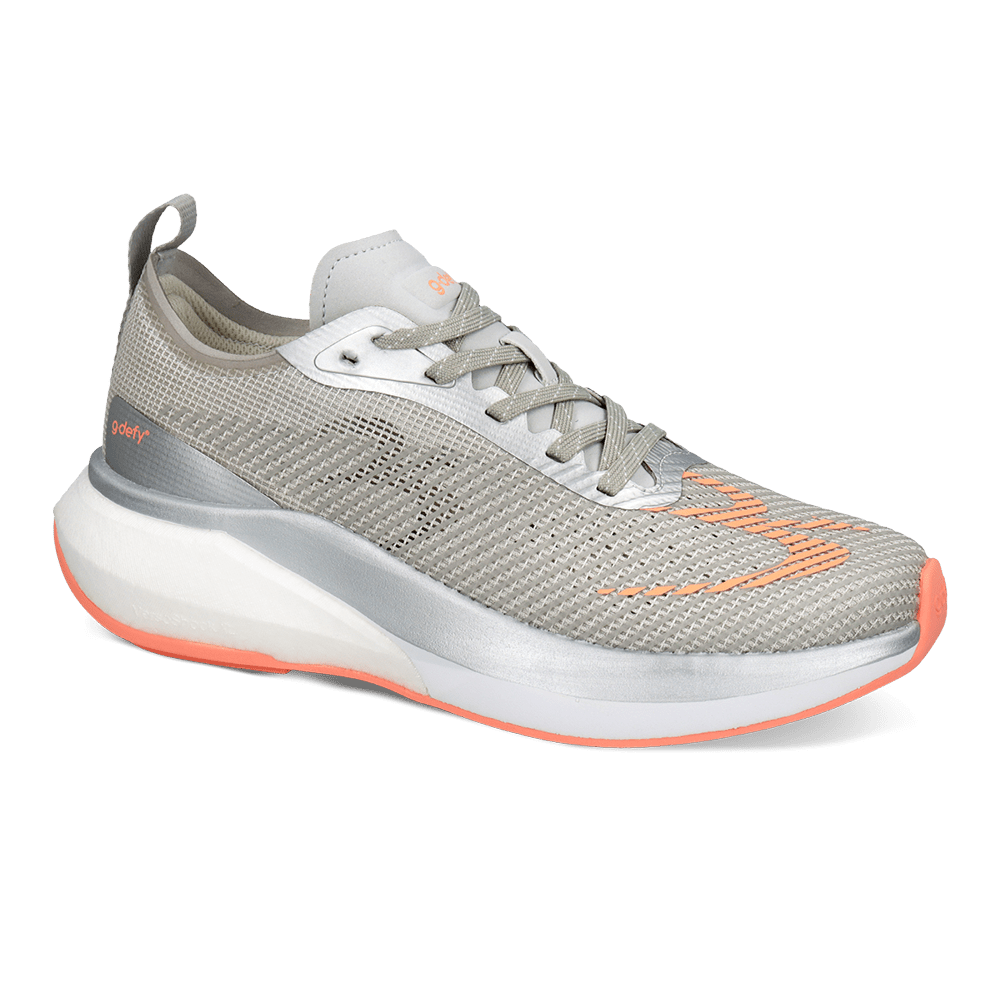
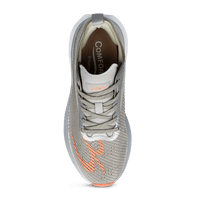
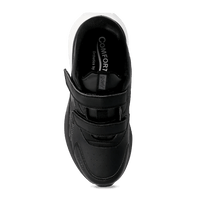
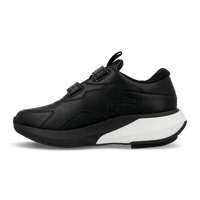
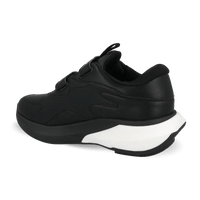
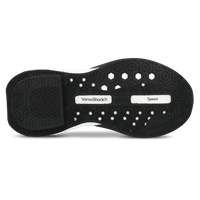
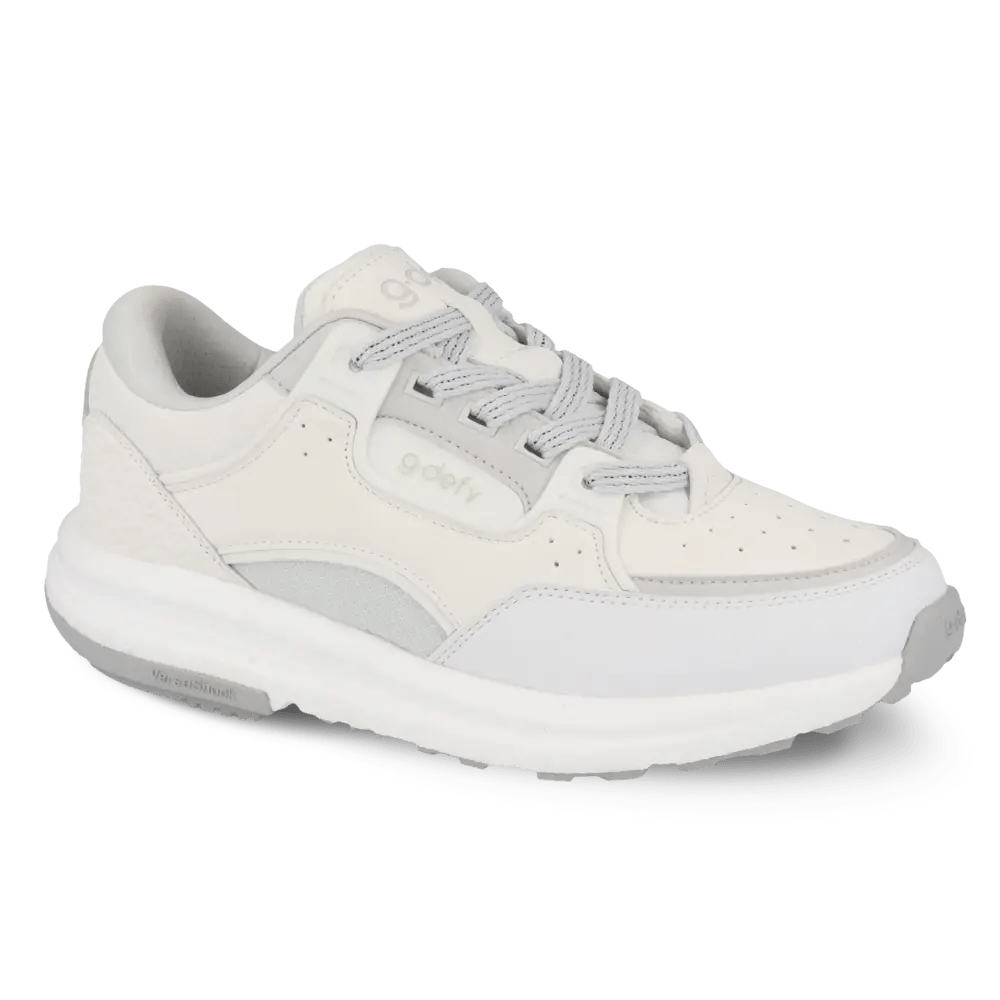
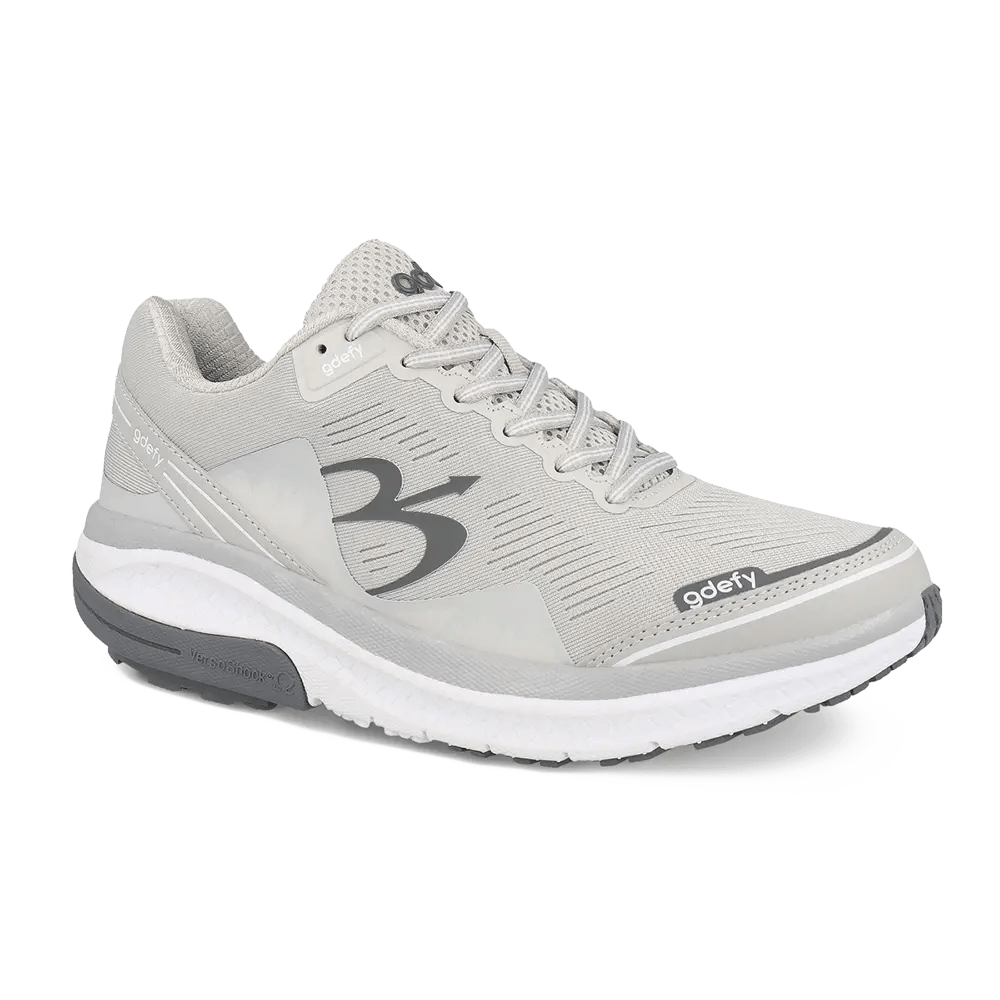
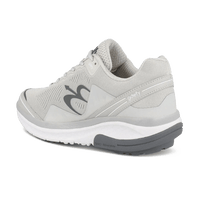
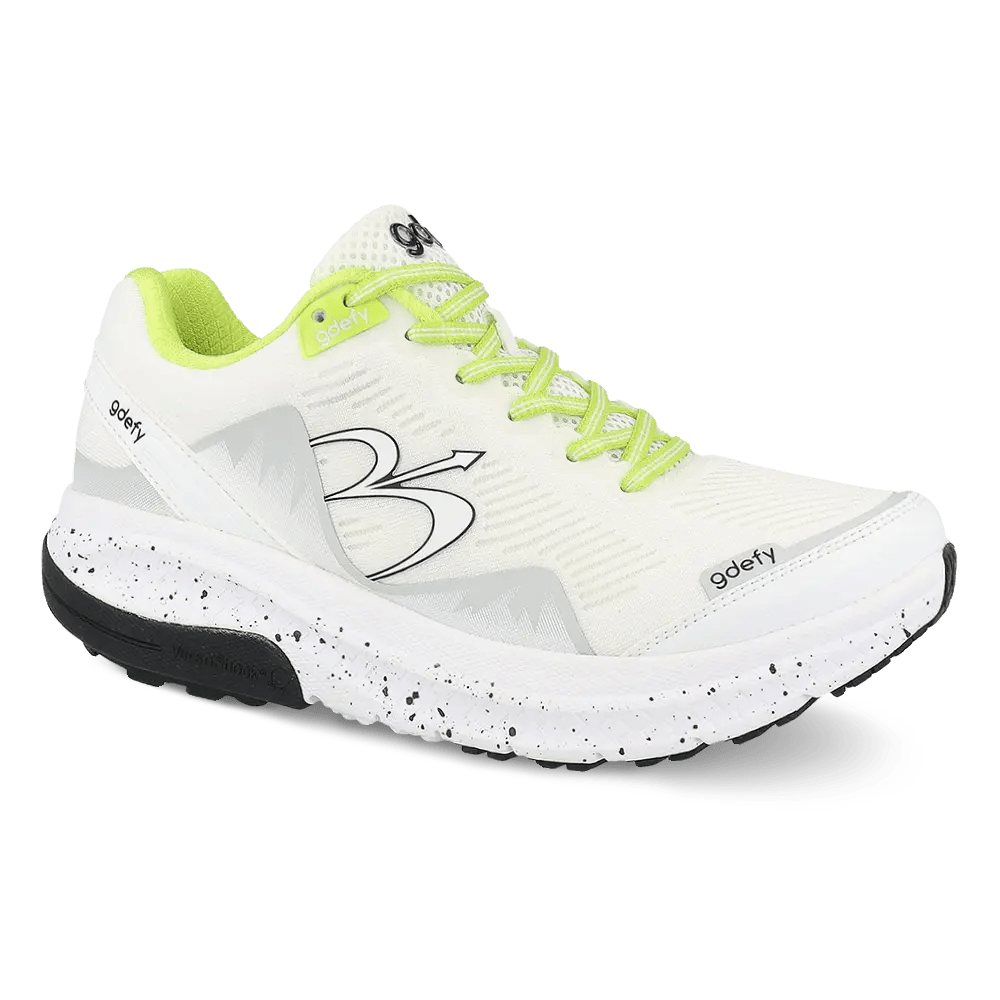
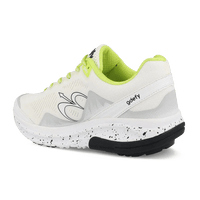
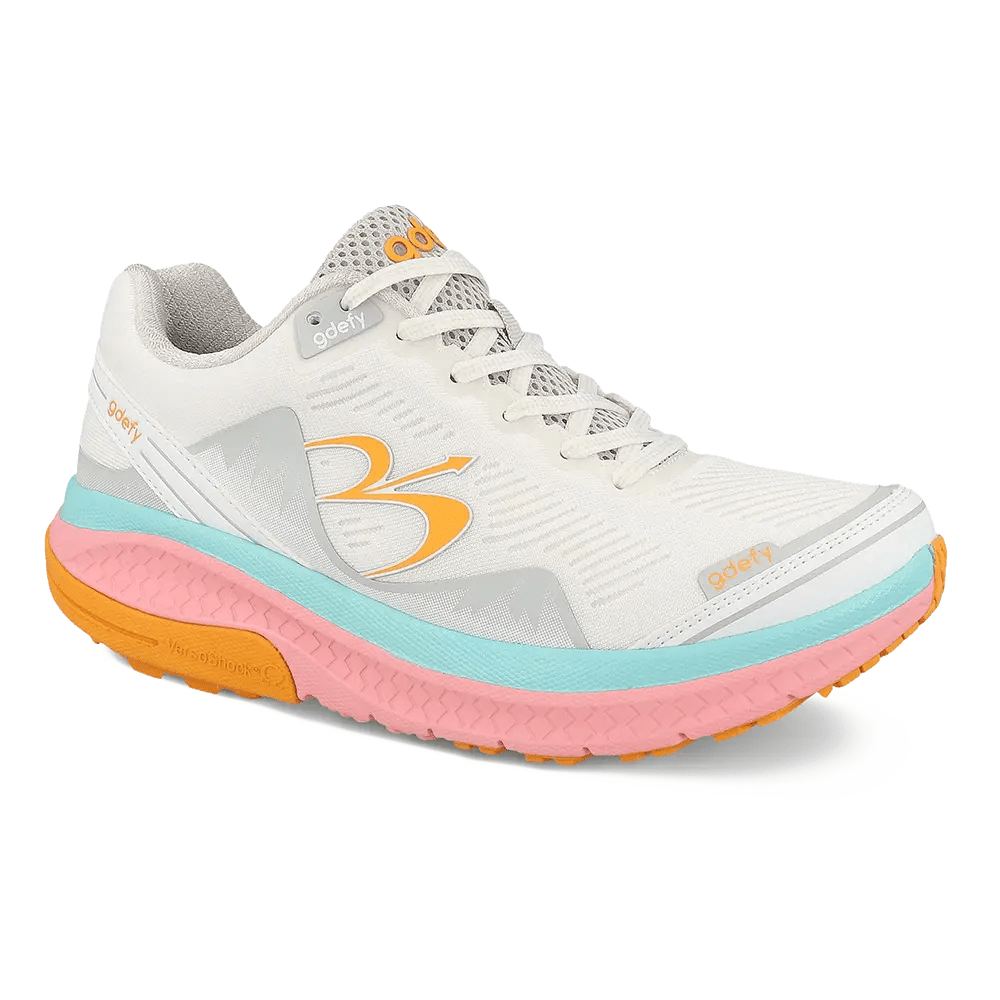
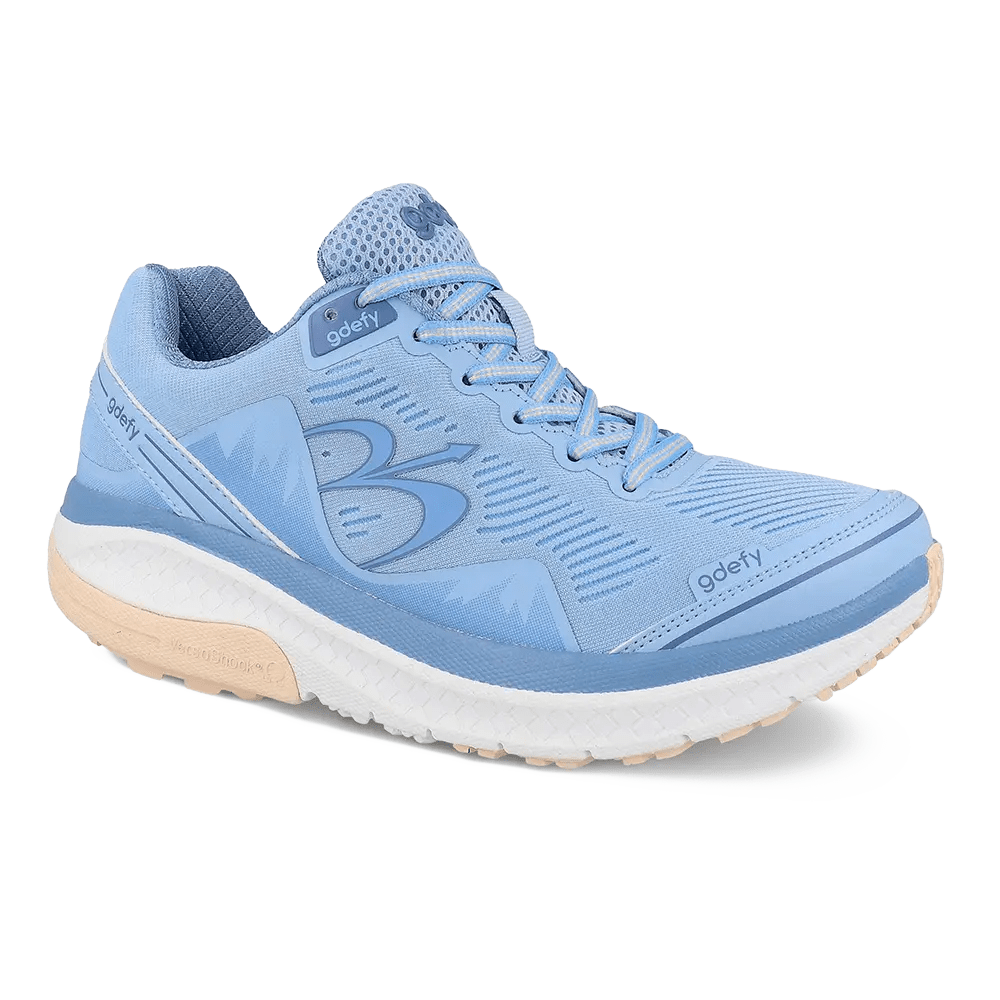
G-Defy shoes are engineered around comfort, support, and shock absorption — the same qualities that make a shoe feel secure and protective. At the center is VersoShock® technology, a spring-based system designed to absorb impact softly and return energy with each step, instead of compressing flat like ordinary foam.
Each pair is built around four working parts:
- Shock absorption — VersoShock® is designed to absorb impact and soften each step.
- Energy return — the spring-based system helps return energy to support forward movement.
- A built-in stabilizer — supports the foot during movement and helps you feel steady and secure underfoot.
- A front rolling design — encourages a smooth heel-to-toe transition for a more natural stride.
Every pair also includes two removable orthotics — the ComfortFit® orthotic for low to medium arches and the CorrectiveFit® orthotic for medium to high arches — so you can customize the fit and support to your own feet. A roomy toe box and lightweight construction round out a shoe designed to feel secure without feeling heavy. Together, these features help reduce pain from walking, running, and prolonged standing.
A few styles to consider depending on how you spend your days:
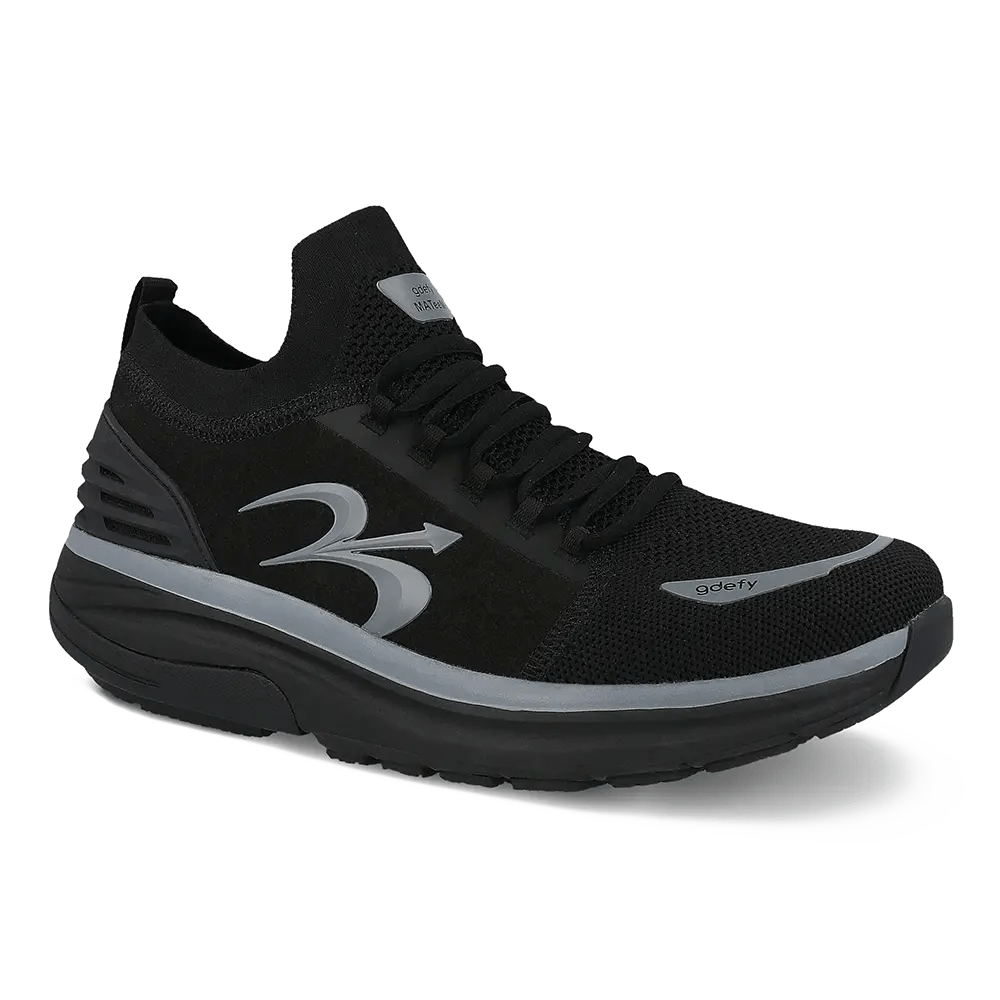
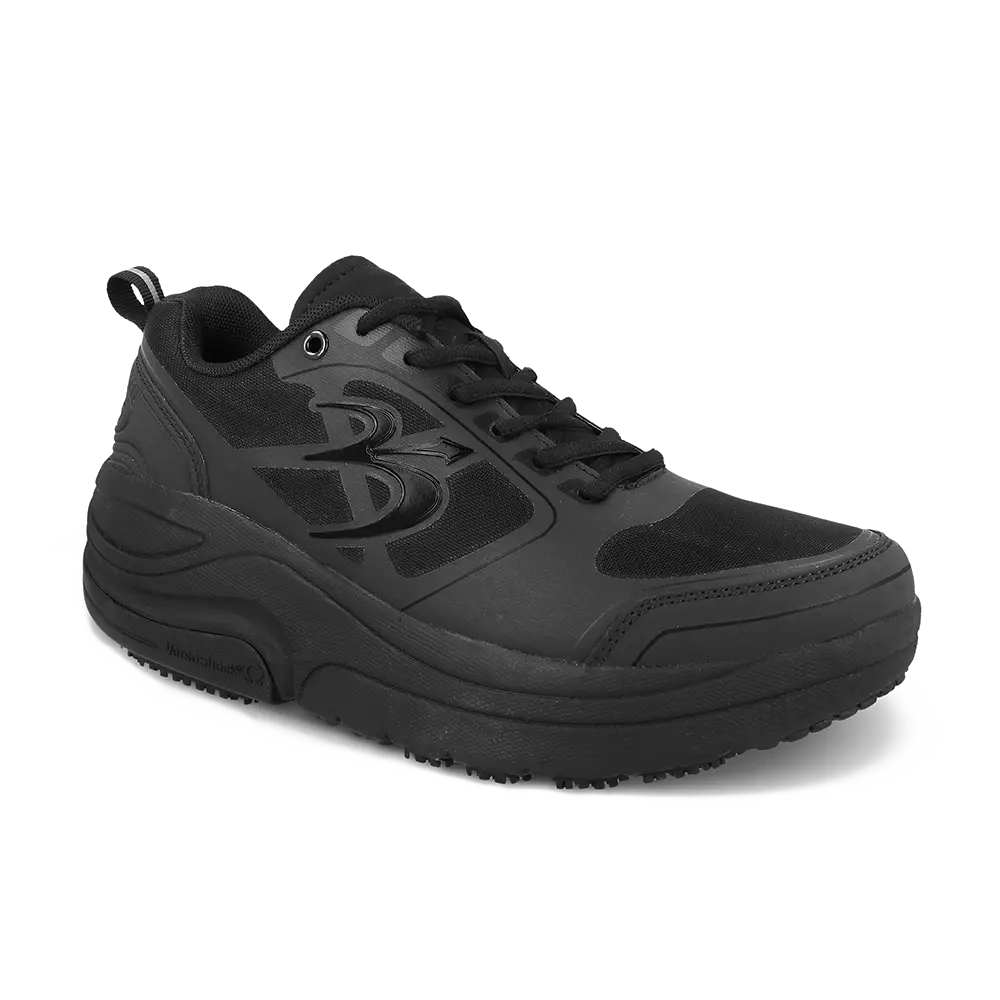
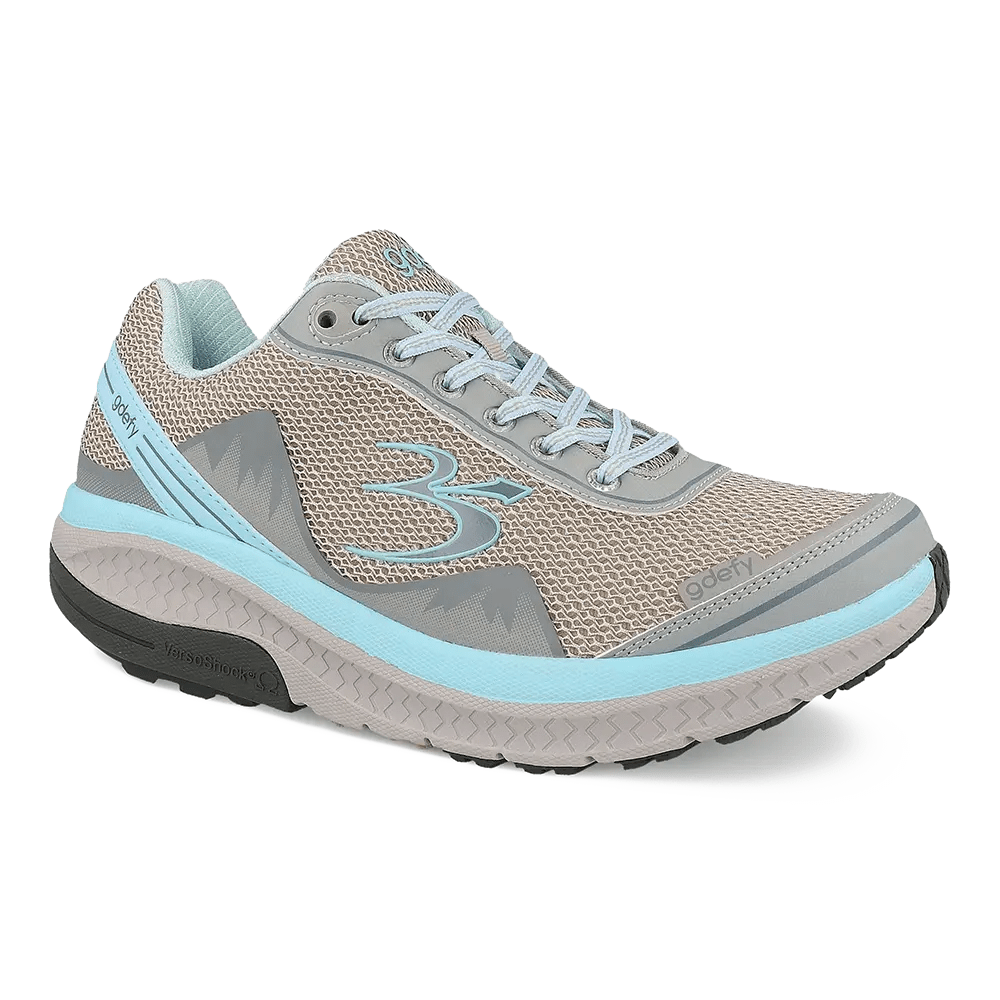
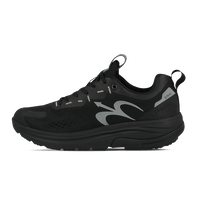
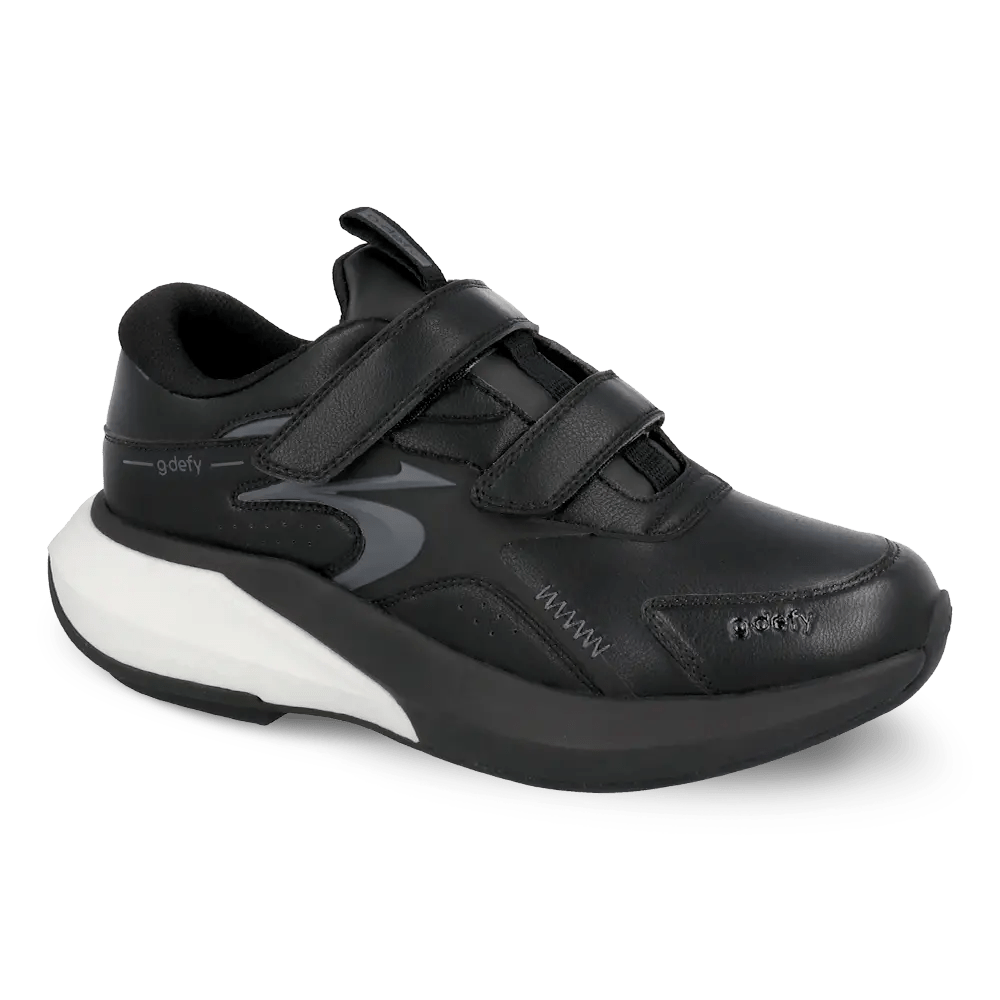
- The G-Defy Mighty Walk is built for maximum cushioning and all-day support — a strong everyday choice for walking and standing.
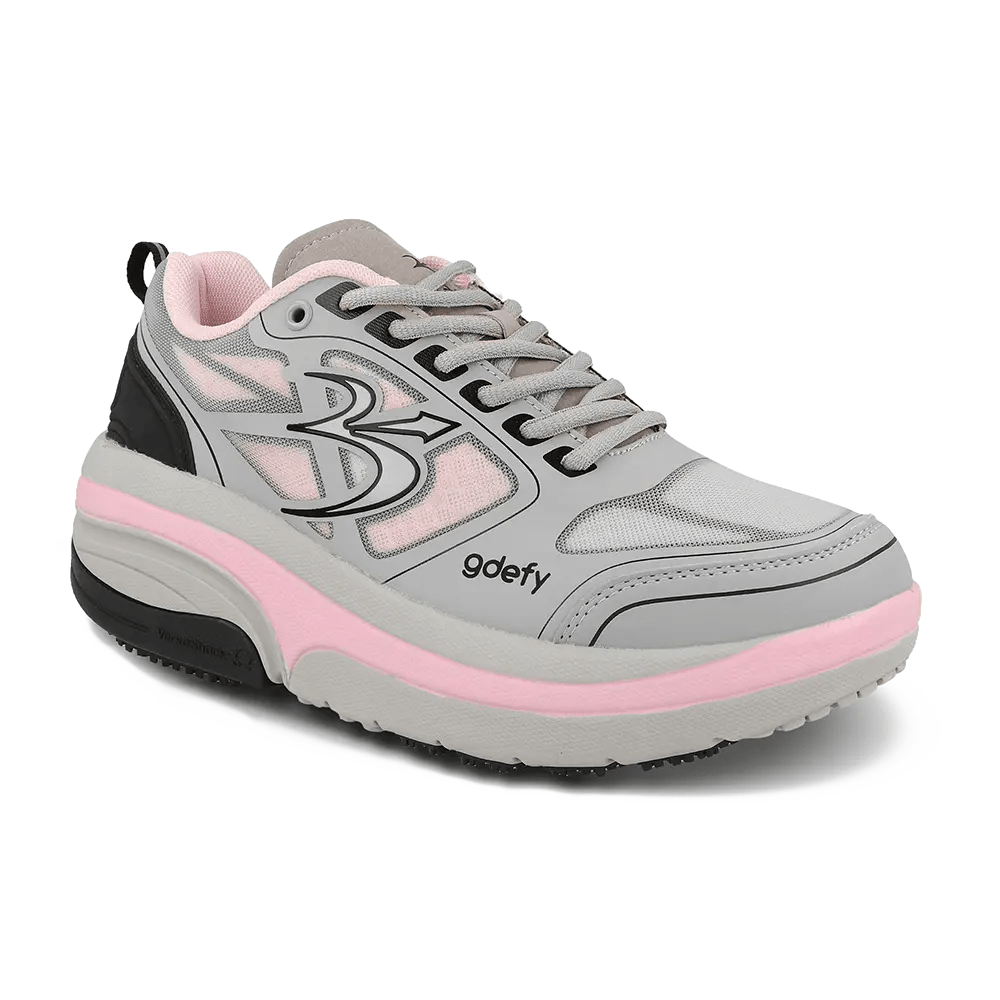
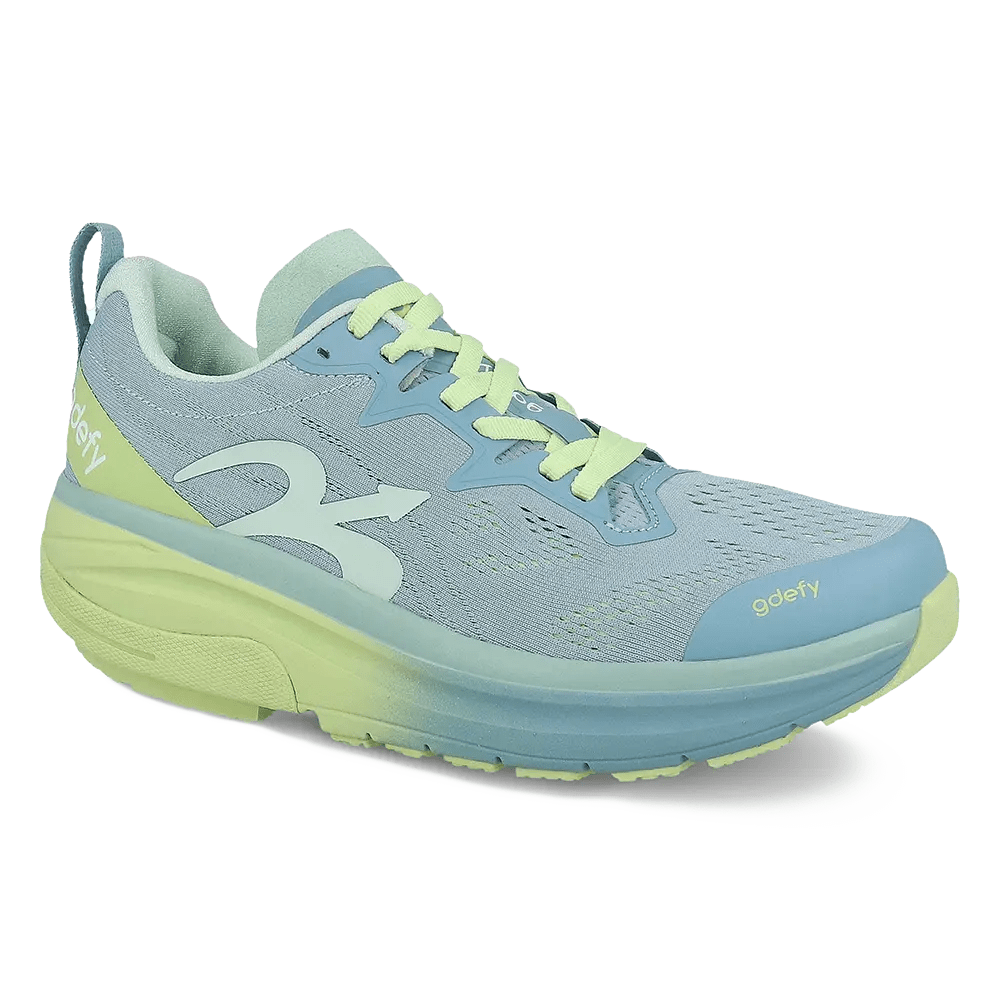
- The G-Defy Ion is a lightweight, breathable option for casual days when you want comfort without the bulk.
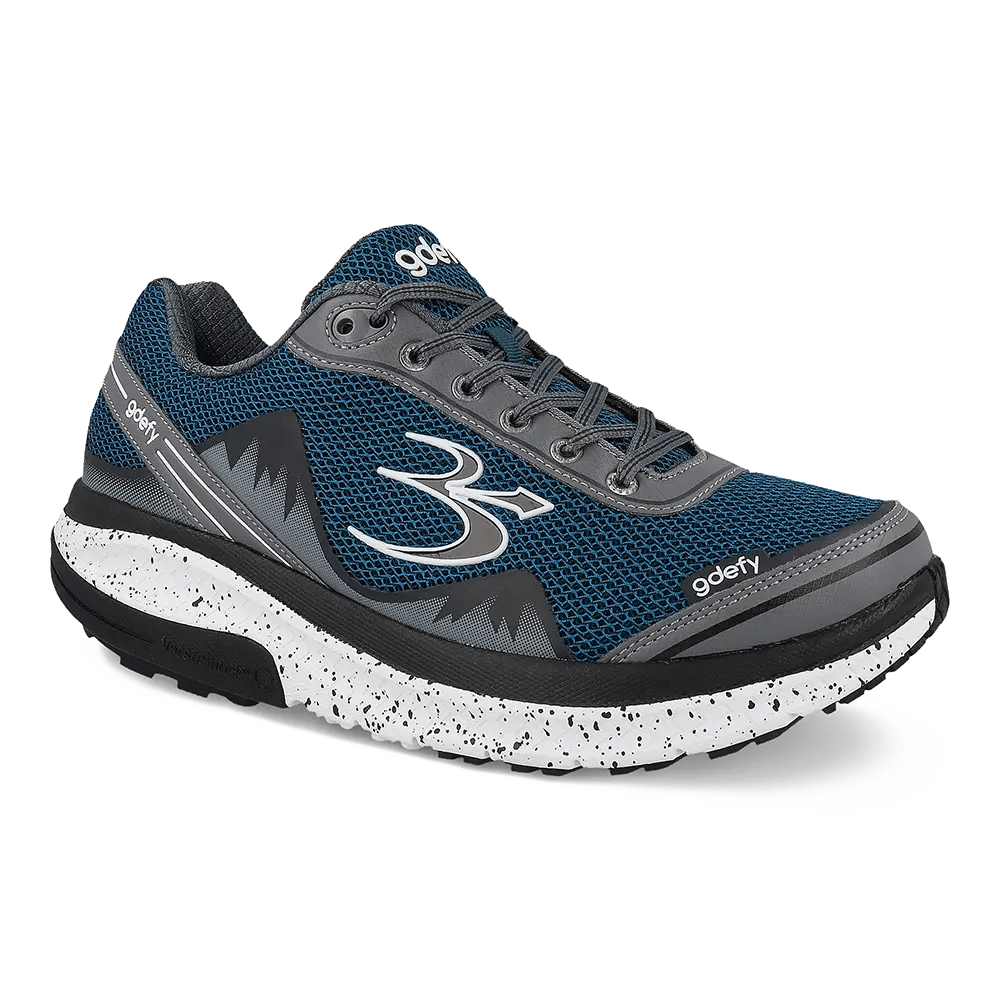
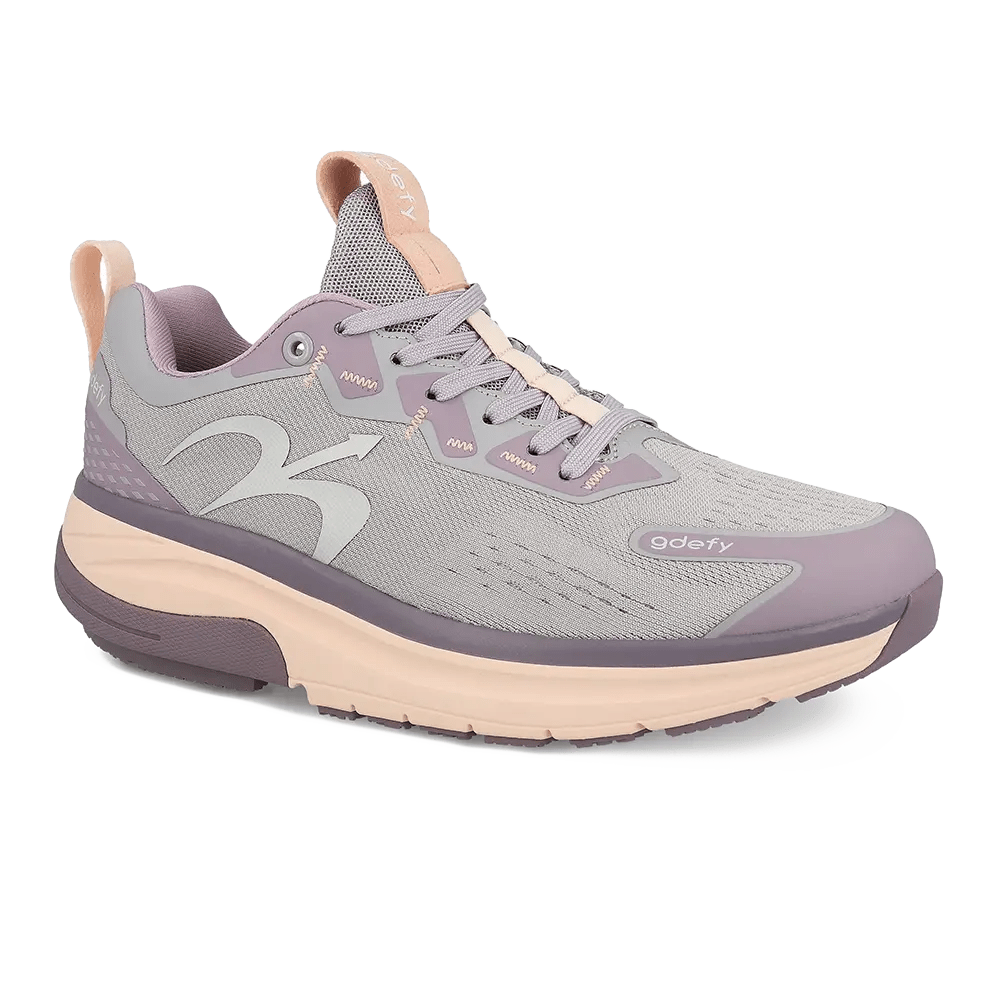
- The G-Defy Energiya brings responsive energy return for active, on-the-go days.
You can learn how the system works on our VersoShock® technology page, or browse the full range for men and women.
Find shoes that feel secure and supportive
Try G-Defy with a 60-day risk-free trial and free shipping. If they're not the most secure, comfortable shoes you've worn, send them back for a full refund.
Shop G-Defy Comfort FootwearWhat Customers Say
"I'd given up on finding shoes that actually stayed put. These feel secure the moment I lace them up — my heel doesn't slip, and they're so much more supportive than my previous pair. I can be on my feet all day and still feel good in the evening." — Composite customer story based on common G-Defy reviews. Results vary by individual.

Matching a Secure, Supportive Shoe to Your Day
The "right" secure feel looks a little different depending on how you spend your time. Here's a simple way to think about it:
- If you're on your feet all day — walking the neighborhood, working a shift, or running errands from morning to night — prioritize maximum cushioning and a firm, secure hold. A heavily cushioned everyday shoe like the Mighty Walk is built for exactly this kind of all-day wear.
- If you want easy, casual comfort — quick trips, weekend outings, warmer days — a lightweight, breathable shoe keeps feet comfortable without weighing you down. The Ion is a good fit for relaxed days.
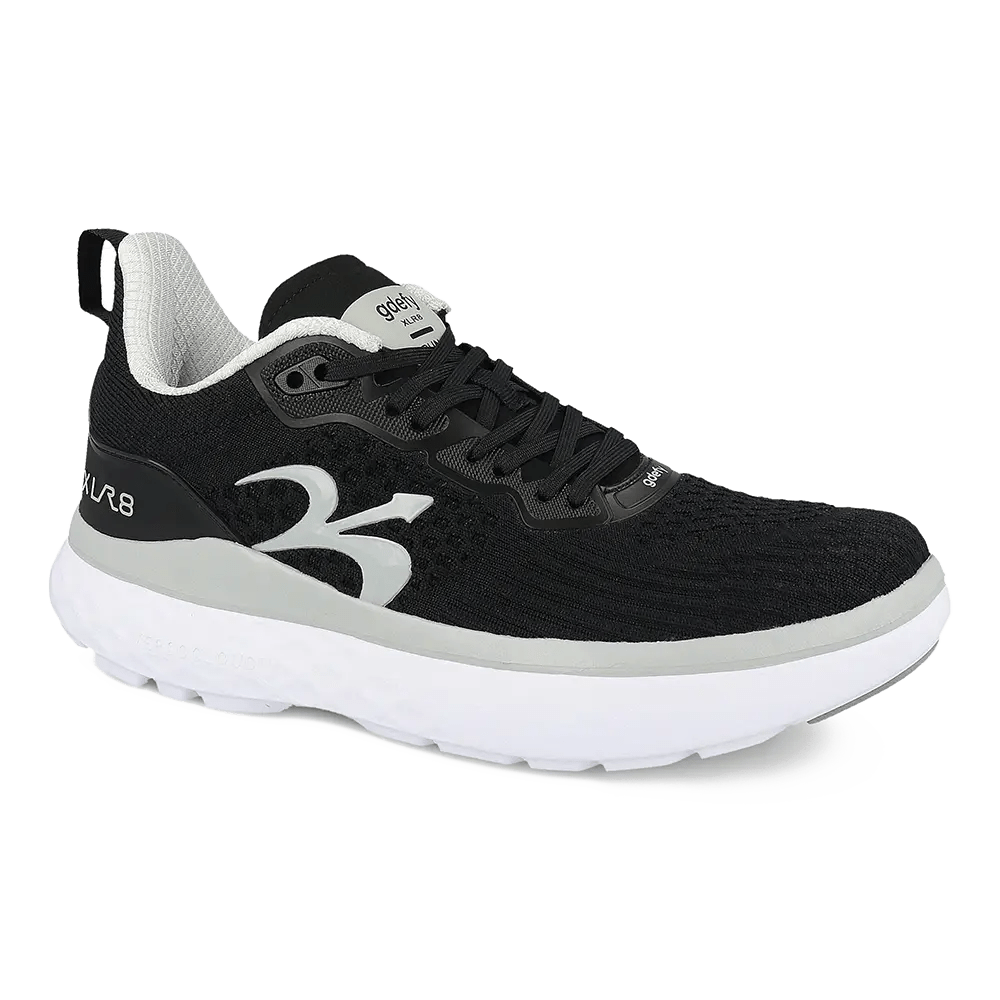
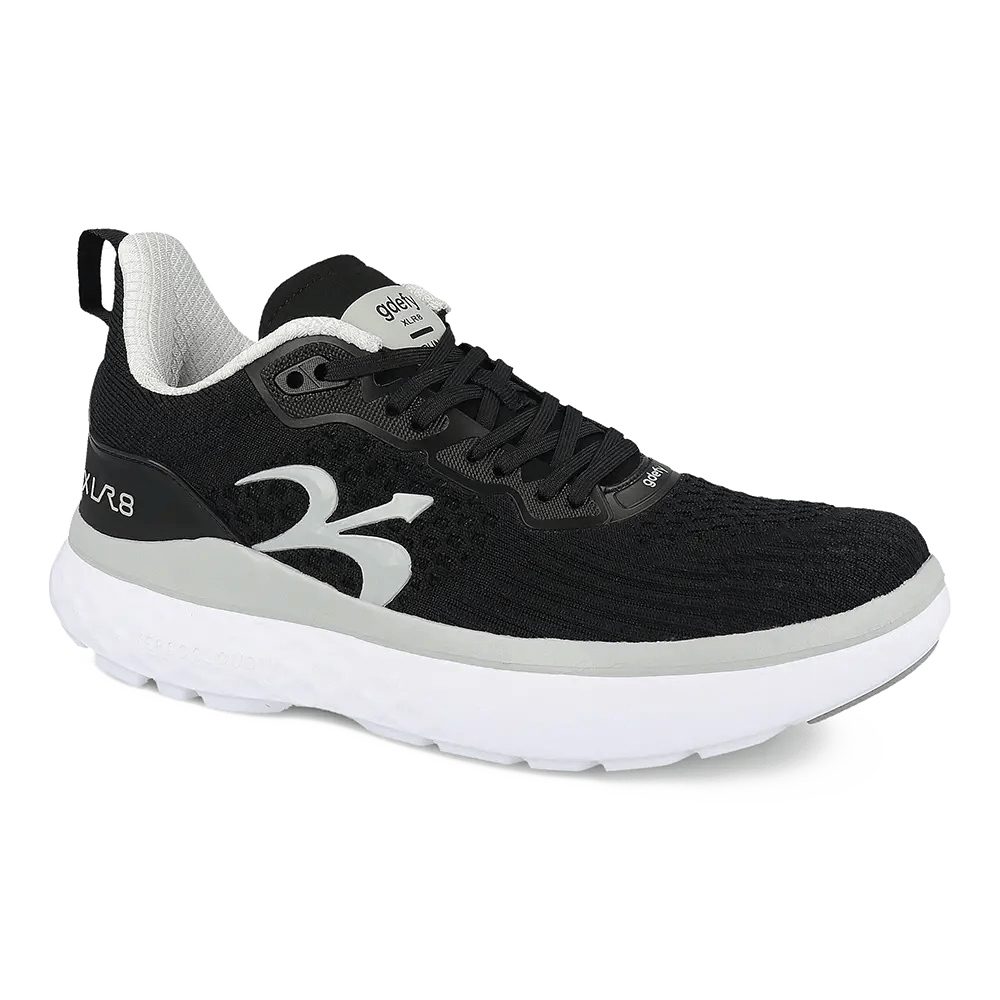
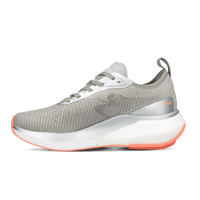
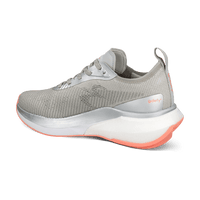
- If you stay active — longer walks, light trails, or anything with extra movement — look for responsive cushioning and energy return so your feet feel supported through every step. The Energiya and the XLR8 Run are designed for active, on-the-go days.
Whichever style fits your routine, the goal is the same: a shoe that holds your foot securely, cushions each step, and still feels comfortable hours later. Browse the full lineup in our casual and athletic collections to compare styles side by side.
Practical Tips for a Secure, Supported Fit
Even the best shoes feel better when you wear and care for them well. A few simple habits go a long way:
- Shop and fit later in the day. Feet naturally swell as the day goes on, so trying shoes in the afternoon helps you find a fit that stays comfortable.
- Use a heel-lock lacing technique. Threading the laces through the top eyelets to create a small loop helps lock your heel in place for a more secure feel.
- Match the orthotic to your arch. Try both included orthotics and keep the one that feels most supportive for your feet.
- Replace worn soles. Once cushioning compresses or tread wears down, a shoe loses much of its secure, supportive feel. Rotate between pairs to make them last.
- Give new shoes a short break-in. Wear them around the house first so the fit settles before a long day.
If you're weighing cushioning against support, our guide on how cushioning helps reduce impact during everyday walking is a helpful next read, along with our look at comfortable shoes for sensitive feet.
Frequently Asked Questions
What makes a shoe feel secure?
A secure feel usually comes from a firm heel counter, a snug-but-roomy midfoot, and an adjustable closure that holds your foot gently in place. Cushioning and a stable base add to that planted, supported feeling underfoot.
Can the right shoes help if my feet hurt after a long day?
Supportive, well-cushioned footwear may improve overall comfort during walking and prolonged standing. While shoes aren't a medical solution, a secure fit and good shock absorption can make long days on your feet feel easier.
Are cushioned shoes better for sensitive feet?
Many people with sensitive feet prefer extra cushioning, a soft seamless interior, and a roomy toe box, since these features help protect feet from impact and friction. The right amount of cushioning is a personal preference, so it helps to try a pair and see how it feels.
How do I keep shoes feeling secure over time?
Replace shoes once the cushioning flattens or the tread wears down, rotate between pairs to extend their life, and re-check your fit and lacing periodically. Worn-out shoes lose the secure, supportive feel that made them comfortable when new.
What if I'm not sure which style is right for me?
Start with how you spend most of your day — walking and standing, casual errands, or active outings — and choose a style built for that. With a 60-day risk-free trial, you can try a pair in real life and return it if it isn't the right fit.
The Bottom Line
A shoe that feels secure and supportive can change how your whole day feels. Look for a firm heel, a roomy toe box, generous cushioning, a stable base, and a lightweight, adjustable fit — the features that keep your foot comfortable and planted from your first step to your last.
While footwear is not a medical solution, choosing shoes designed for comfort, support, and shock absorption can make a meaningful difference in how you feel throughout the day. G-Defy backs that with a 60-day risk-free trial and free shipping, so you can find your most secure, supportive pair with no risk. Explore women's styles or discover the XLR8 Run to get started.