
May 08, 2026
How the G-Defy Ion Is Built for Lightweight All-Day Comfort
By Gdefy

Summary

The Growing Demand for Lightweight Shoes That Don't Cut Corners on Support
There's a familiar tension in the comfort footwear market: the shoes that offer the most support tend to feel the heaviest, while the shoes that feel the lightest tend to skimp on the engineering that actually protects your feet. For people who spend long hours on their feet — whether walking city blocks, standing in a retail environment, exploring during travel, or simply getting through a busy day — that trade-off is frustrating.
Shoe weight matters more than most people realize. Research in biomechanics has consistently found that heavier footwear increases perceived exertion during walking. Every ounce carried at the end of your leg costs energy that accumulates across hundreds of thousands of steps a year. For adults over 40 who are already managing fatigue or foot discomfort, a lighter shoe can meaningfully change how the end of a long day feels.
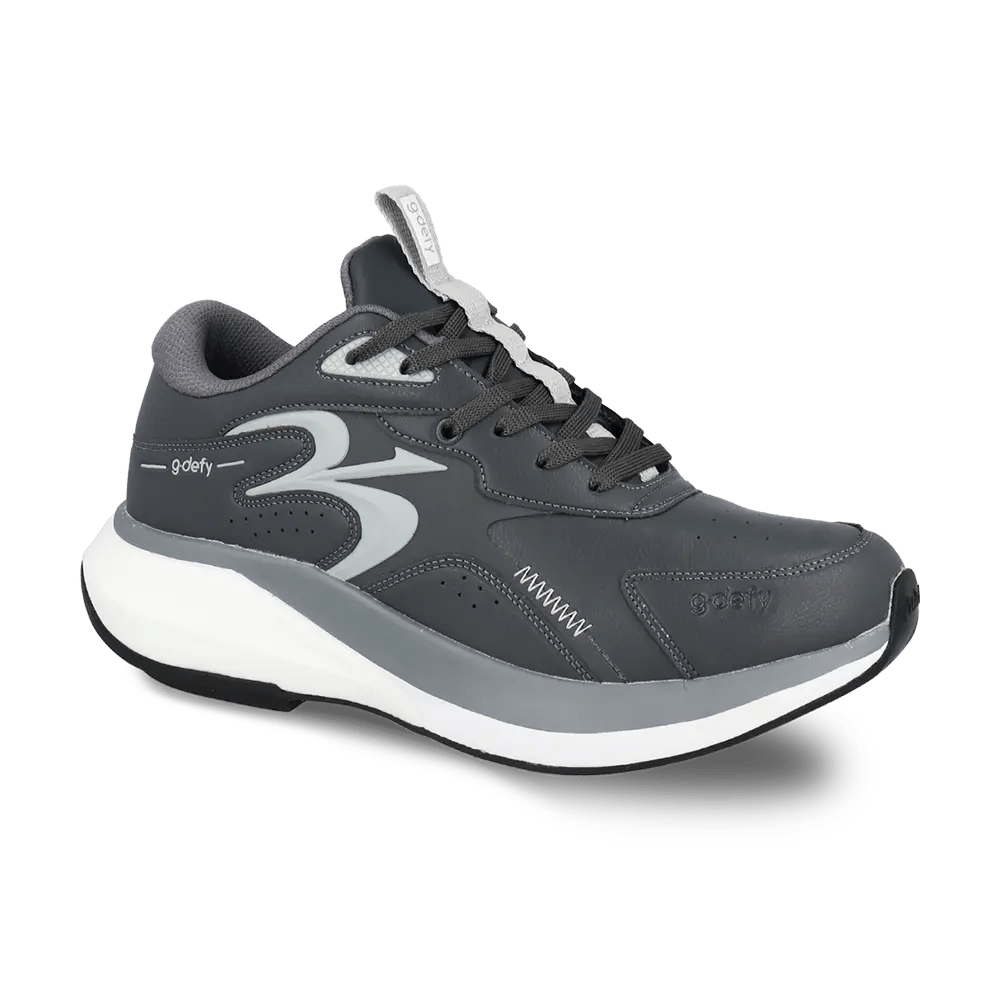
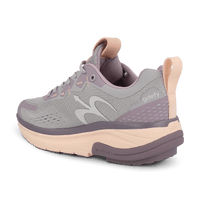
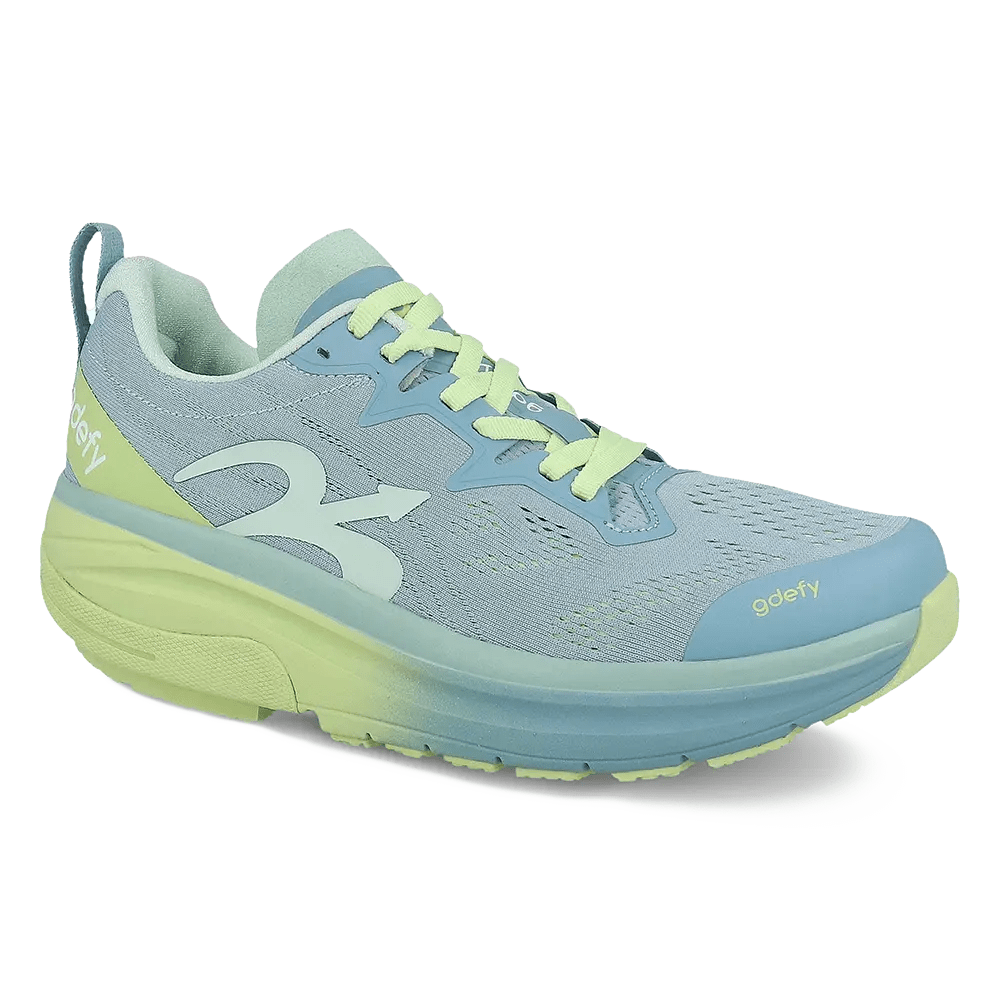
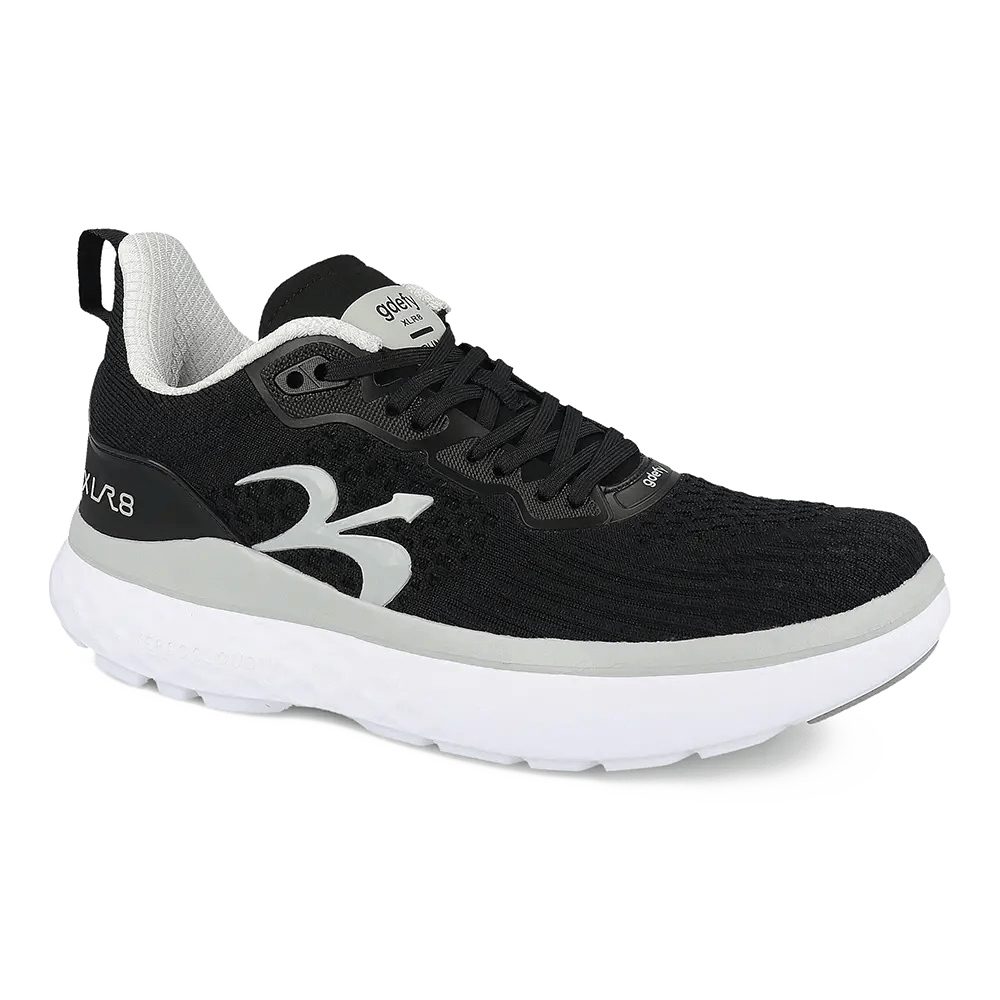
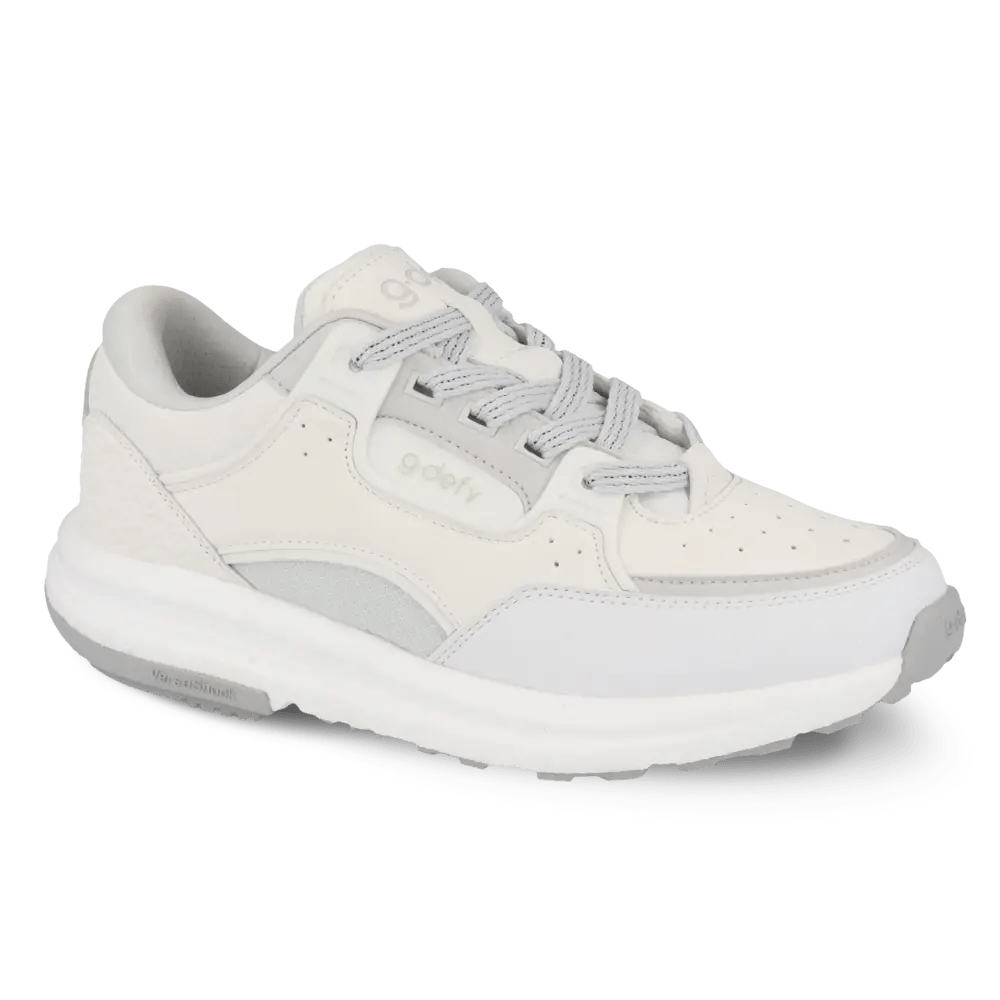
The G-Defy Ion was designed to answer that challenge. It brings the full VersoShock® support system — the same technology found in the Mighty Walk — into a lighter, more breathable build that's optimized for warm-weather use, casual everyday wear, and travel. This post breaks down exactly how the Ion is engineered, who it's best suited for, and how it compares to G-Defy's other walking shoes.
Ready to experience the Ion difference?
Try the G-Defy Ion for 60 days — completely risk-free. Free shipping included.
Shop the Ion — Men's →Why Shoe Weight Matters for All-Day Wear
The mechanical cost of shoe weight is straightforward: your leg muscles must lift the shoe with every stride. A shoe that weighs an extra 100 grams requires measurably more muscular effort over the course of a full day's walking. Over 8,000 steps — a modest daily count — that adds up to lifting hundreds of pounds of cumulative extra load through your lower leg and hip muscles.
For younger, highly conditioned athletes this is a minor consideration. For adults over 40 — especially those who are on their feet for work or who are managing joint stiffness — it can be the difference between arriving home energized or arriving home exhausted. Lightweight footwear that maintains cushioning and structural support represents the best of both worlds: it reduces the metabolic cost of walking without leaving your feet unsupported.
The Ion's design philosophy starts from this insight. G-Defy engineers didn't simply remove material from an existing shoe; they built the Ion's upper and midsole profile specifically to minimize weight while preserving the four structural pillars that make G-Defy shoes effective. The result is a shoe that feels noticeably lighter on the foot without compromising the support system underneath.
The Ion's VersoShock® Four-Pillar System
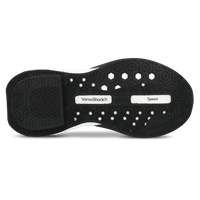
Every G-Defy shoe — including the Ion — is built around the same foundational technology: VersoShock®, a spring-based shock absorption system that works across four distinct engineering pillars. Understanding these pillars helps explain why G-Defy shoes feel different from standard cushioned athletic footwear.
For a deeper technical look at how this system works, see our dedicated post: How VersoShock® Technology Works: The Science Behind G-Defy's Shock Absorption.
Pillar 1 — Shock Absorption
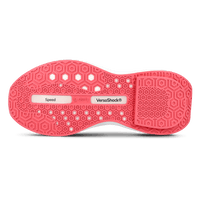
VersoShock® uses a synthetic spring-based system rather than traditional foam compression. Foam compresses and loses energy; a spring-based system absorbs impact gradually and softly. With each heel strike on pavement, concrete, or tile, the Ion's midsole absorbs the force of impact before it travels up through the ankle, knee, and hip. The result is a softer, more comfortable footfall — especially during longer outings where impact accumulates.
Pillar 2 — Energy Return
Unlike foam that simply absorbs and dissipates energy, VersoShock® is designed to return energy forward with each step. This propulsive characteristic supports a more efficient walking motion, helping to maintain stride momentum rather than requiring constant muscular effort to re-accelerate. Over the course of a long walk or a full workday on your feet, this efficiency contributes to reduced fatigue.
Pillar 3 — Stabilizer Shank
Built into the midsole of every Ion is a stabilizer shank — a structural element that prevents excessive bending through the middle of the shoe. This is particularly important for people who over-pronate (foot rolls inward) or supinate (foot rolls outward), as uncontrolled midfoot flexion can place strain on the arch, ankle, and knee. The stabilizer shank encourages a more controlled, balanced stride.
Pillar 4 — Front Rolling Design
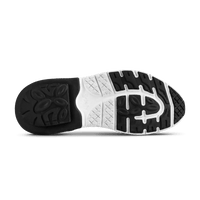
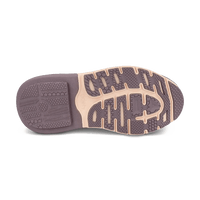
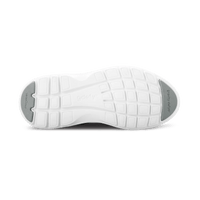
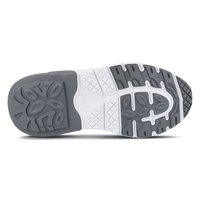
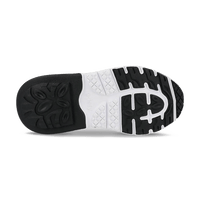
The Ion's sole geometry includes a subtle rocker profile at the forefoot, designed to encourage a natural heel-to-toe transition. Rather than requiring the foot to push abruptly off the toe, the rolling design guides the foot through a smoother arc of motion. This supports more efficient walking mechanics and reduces the muscular effort required at toe-off — a meaningful benefit during extended wear.

Lightweight Upper Design and Mesh Construction
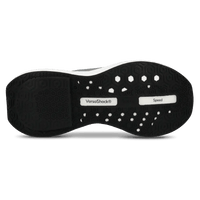
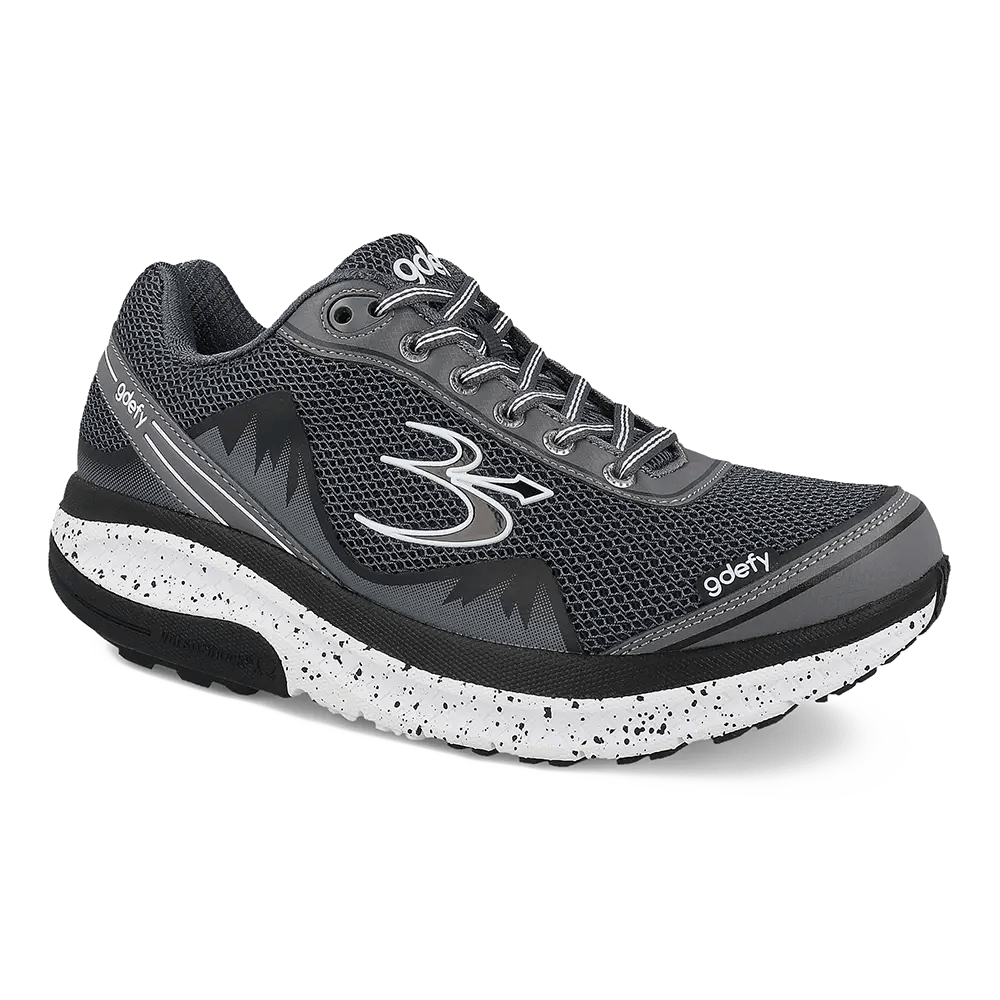
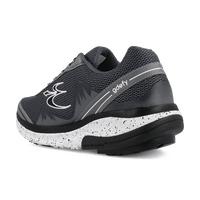
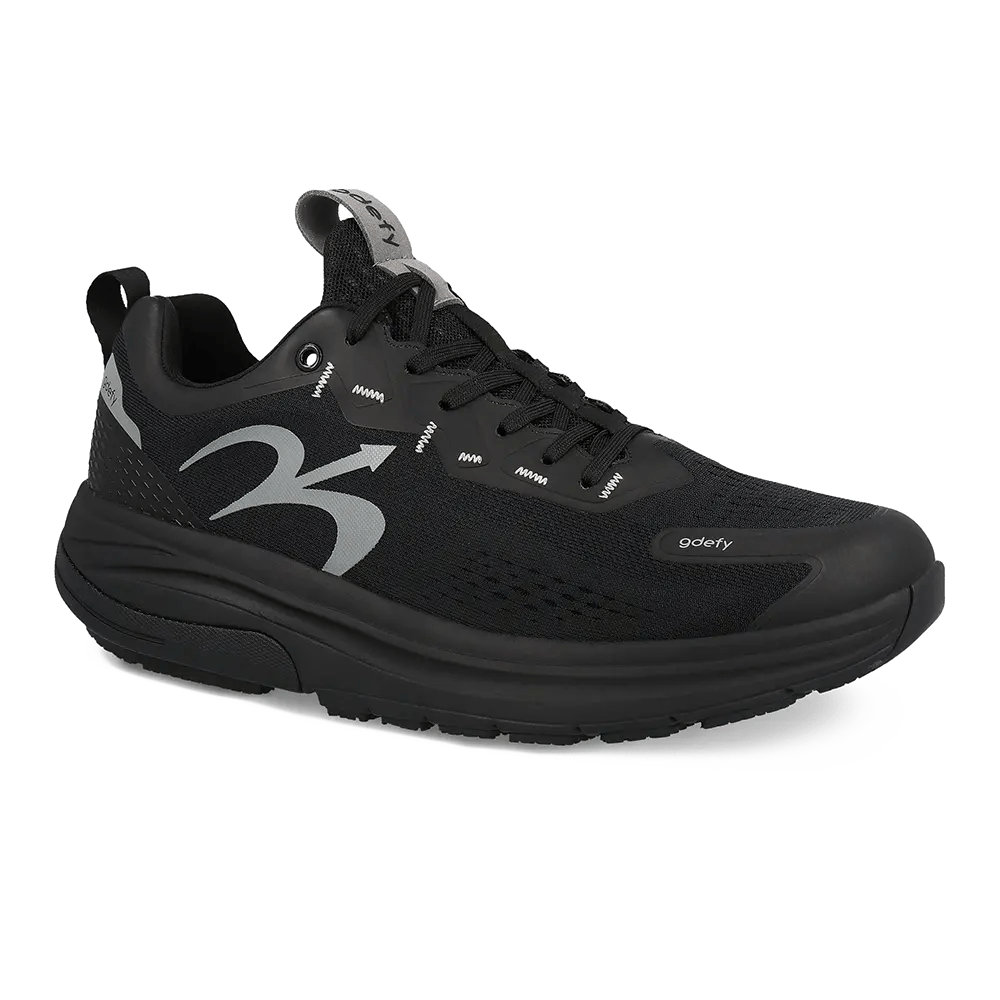
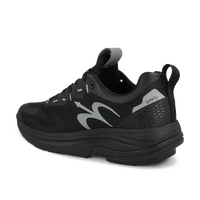
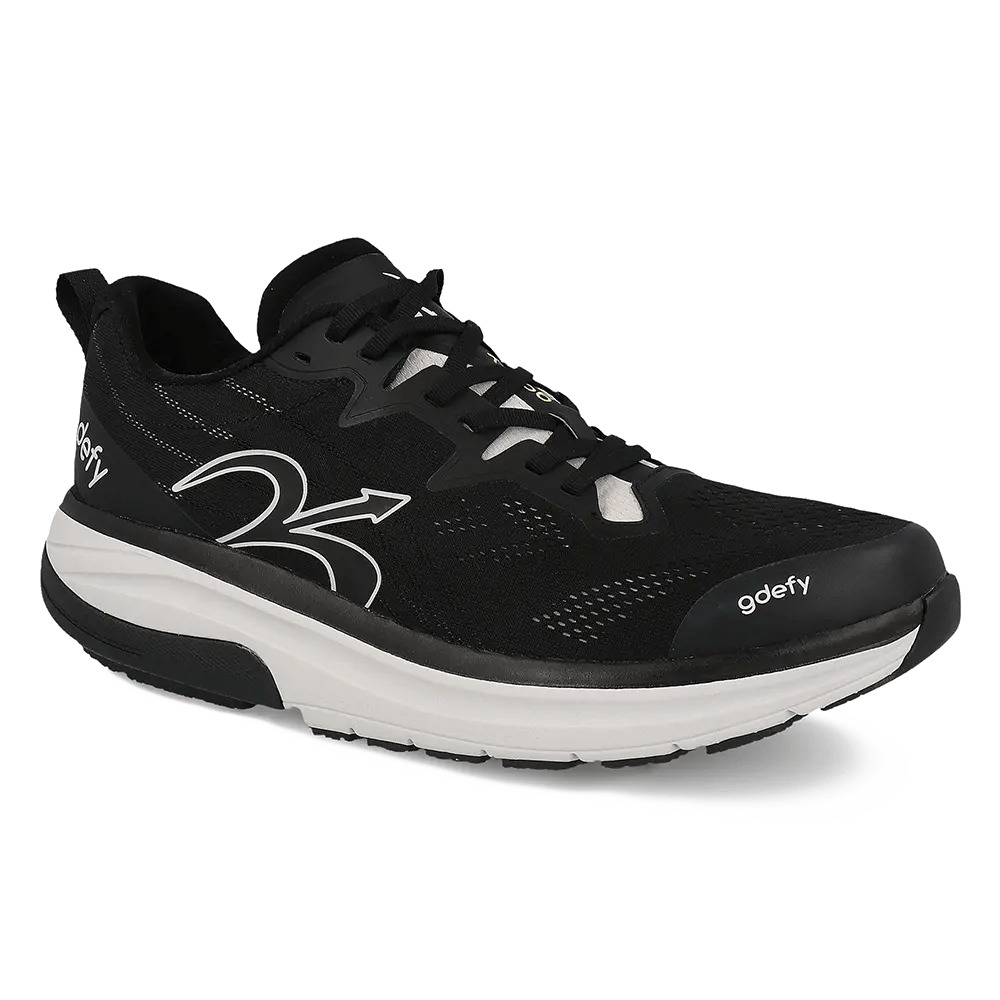
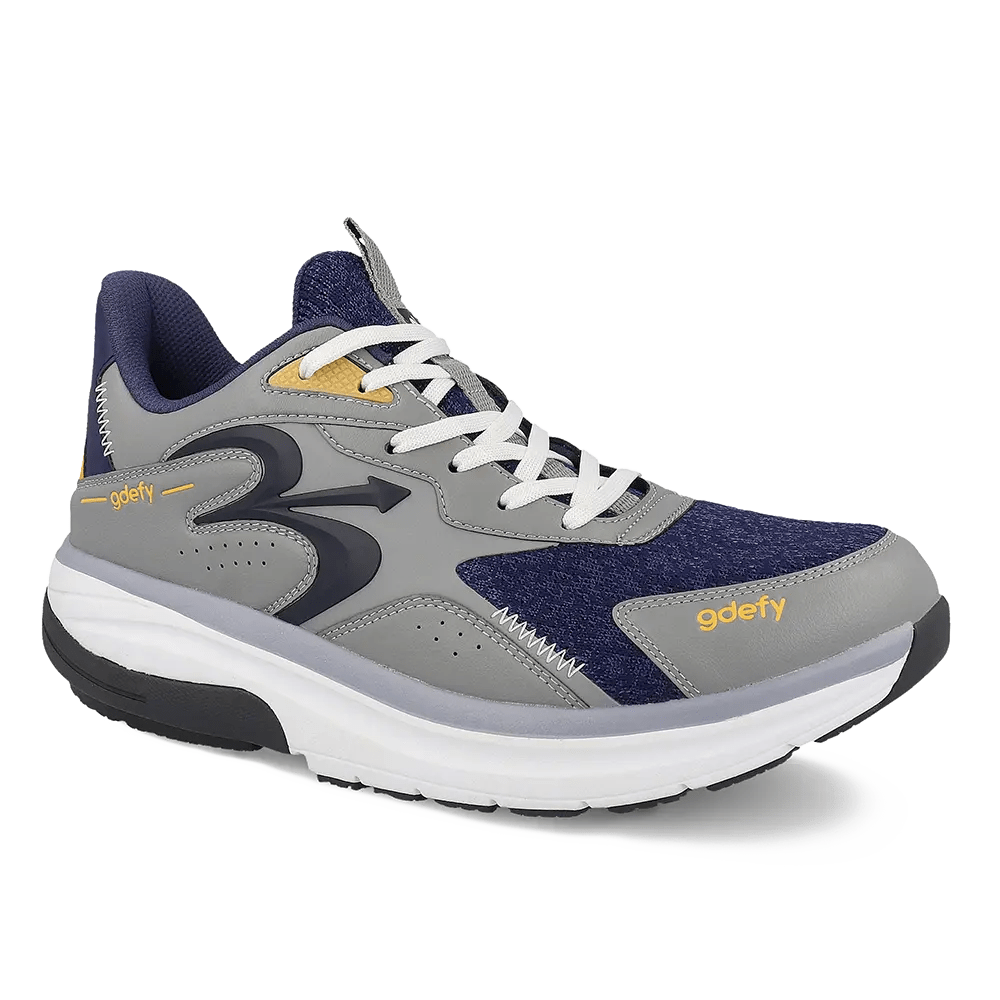
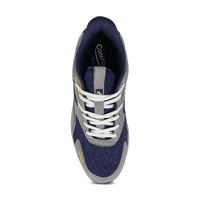
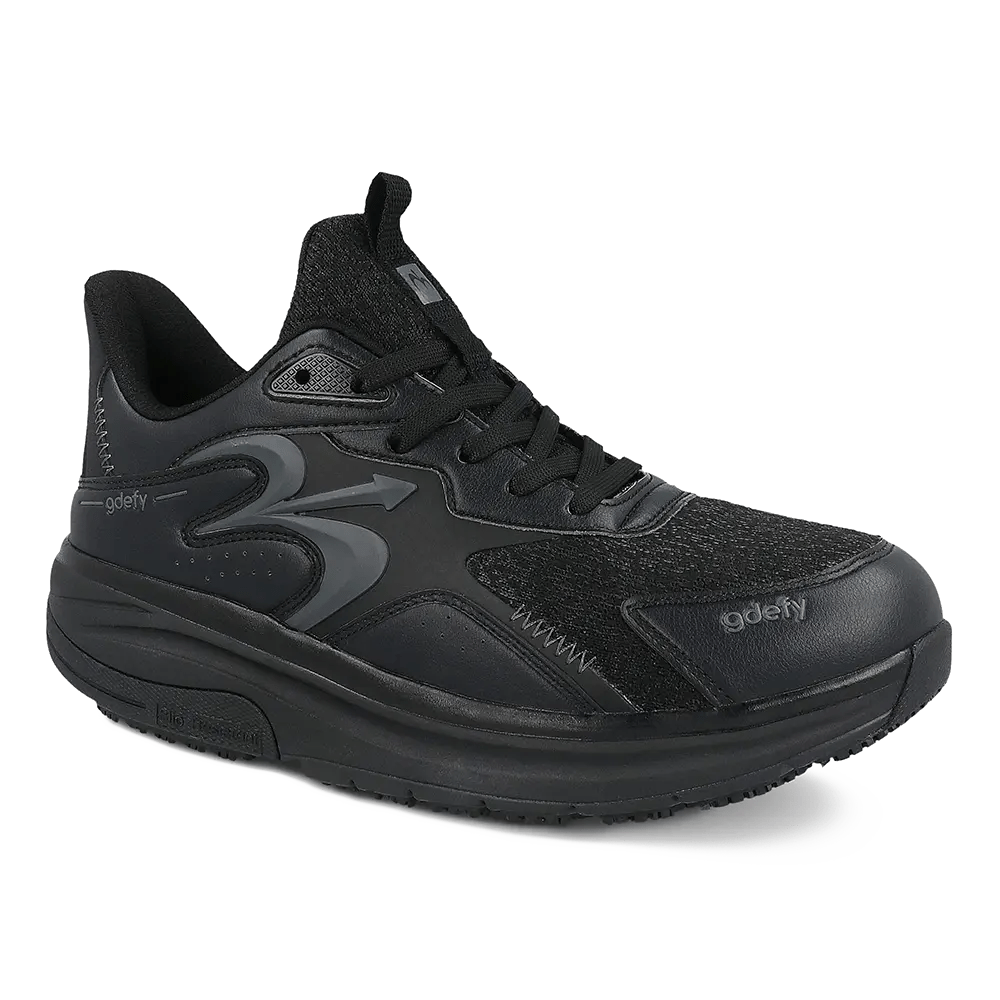
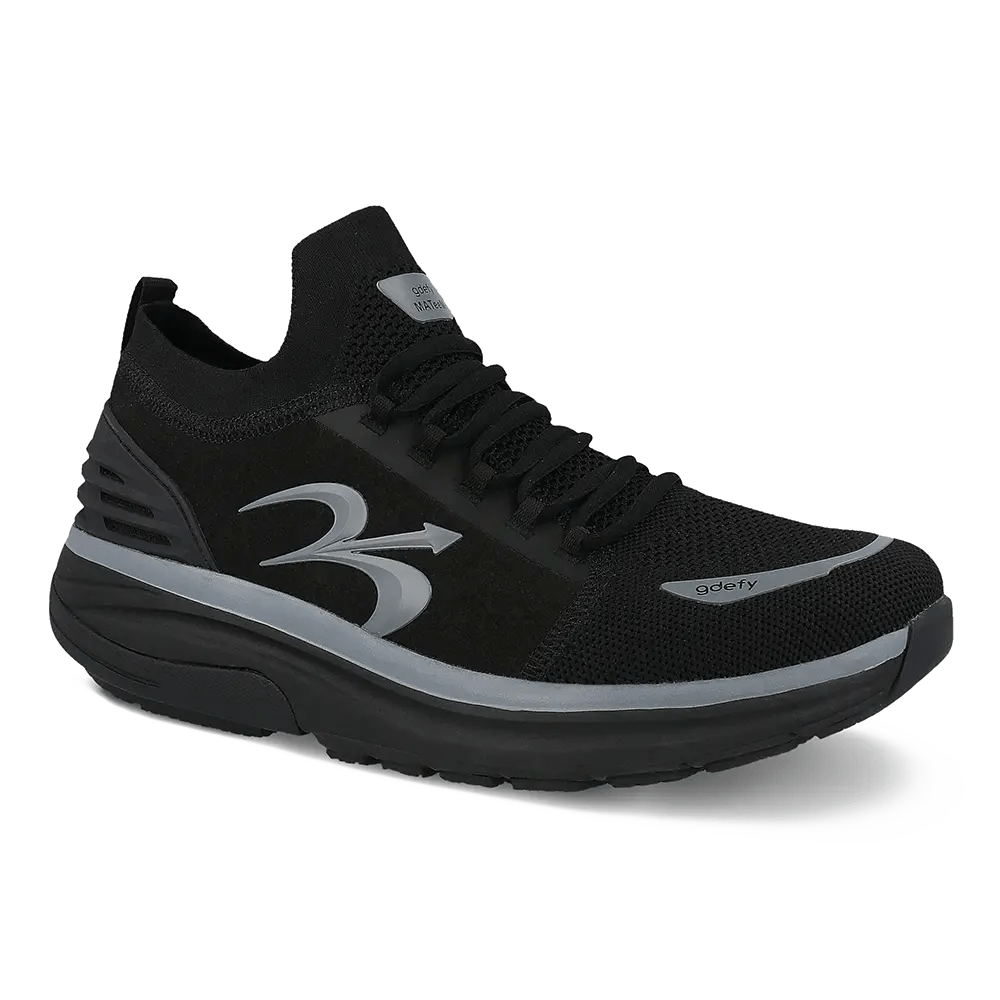
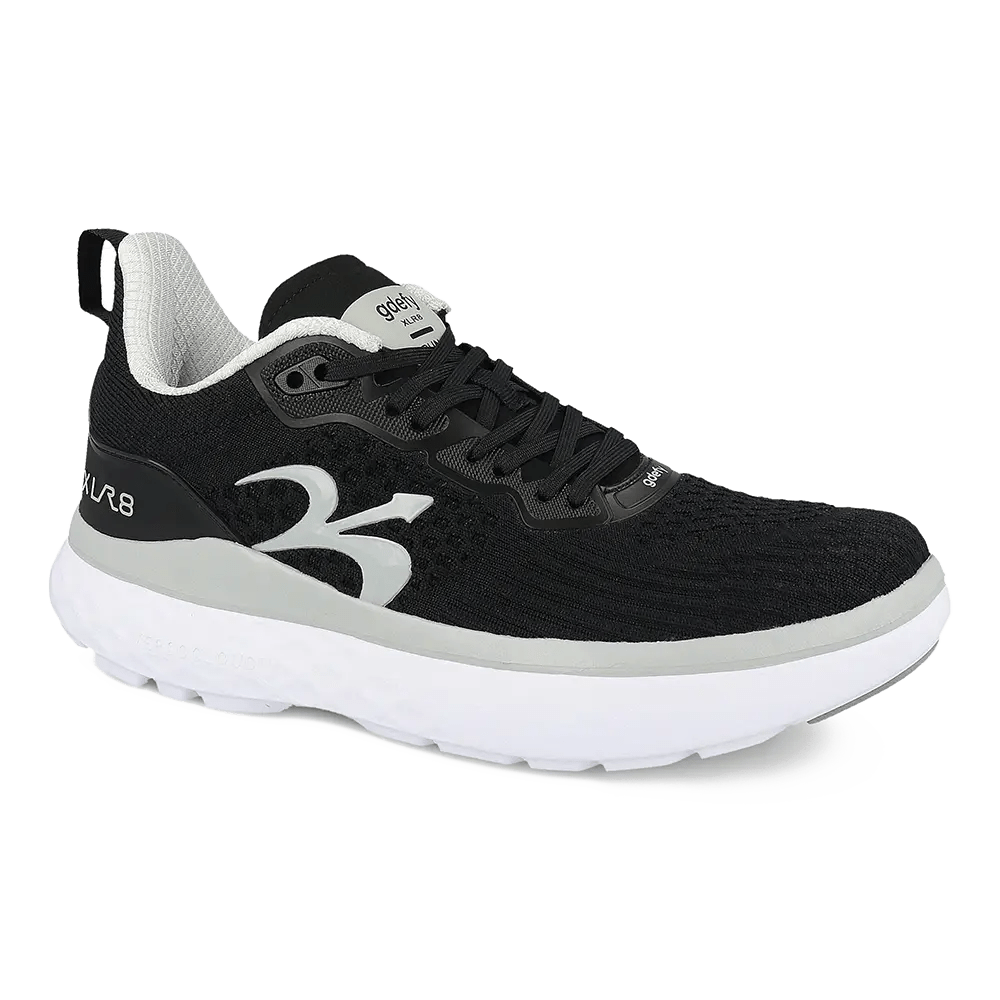
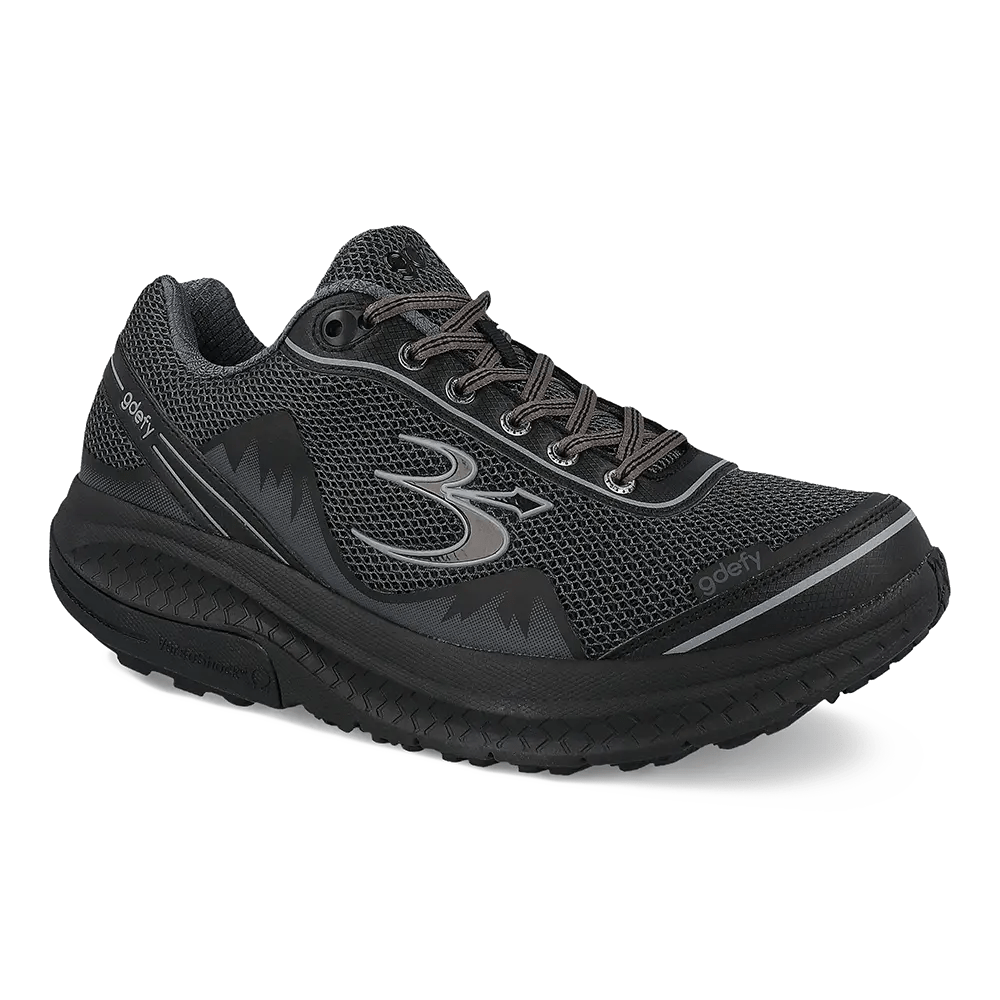
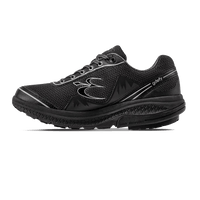
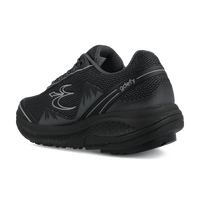
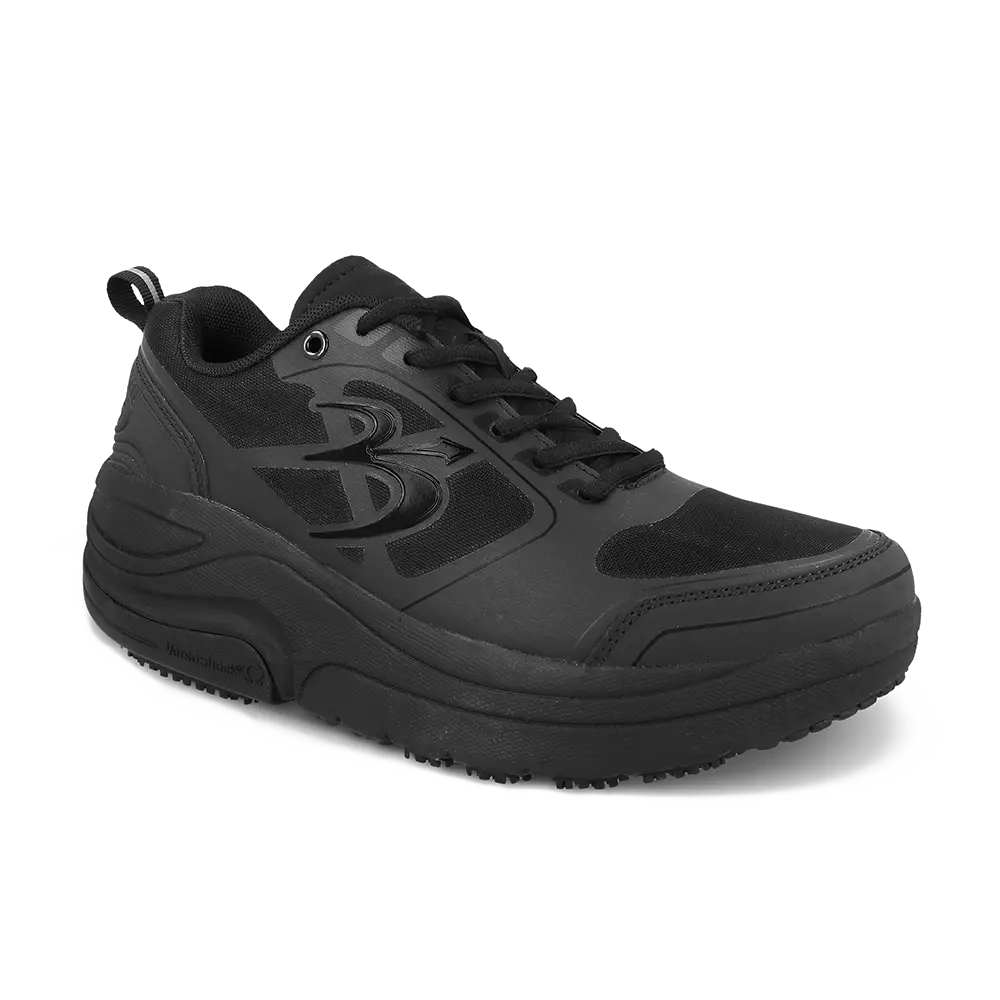
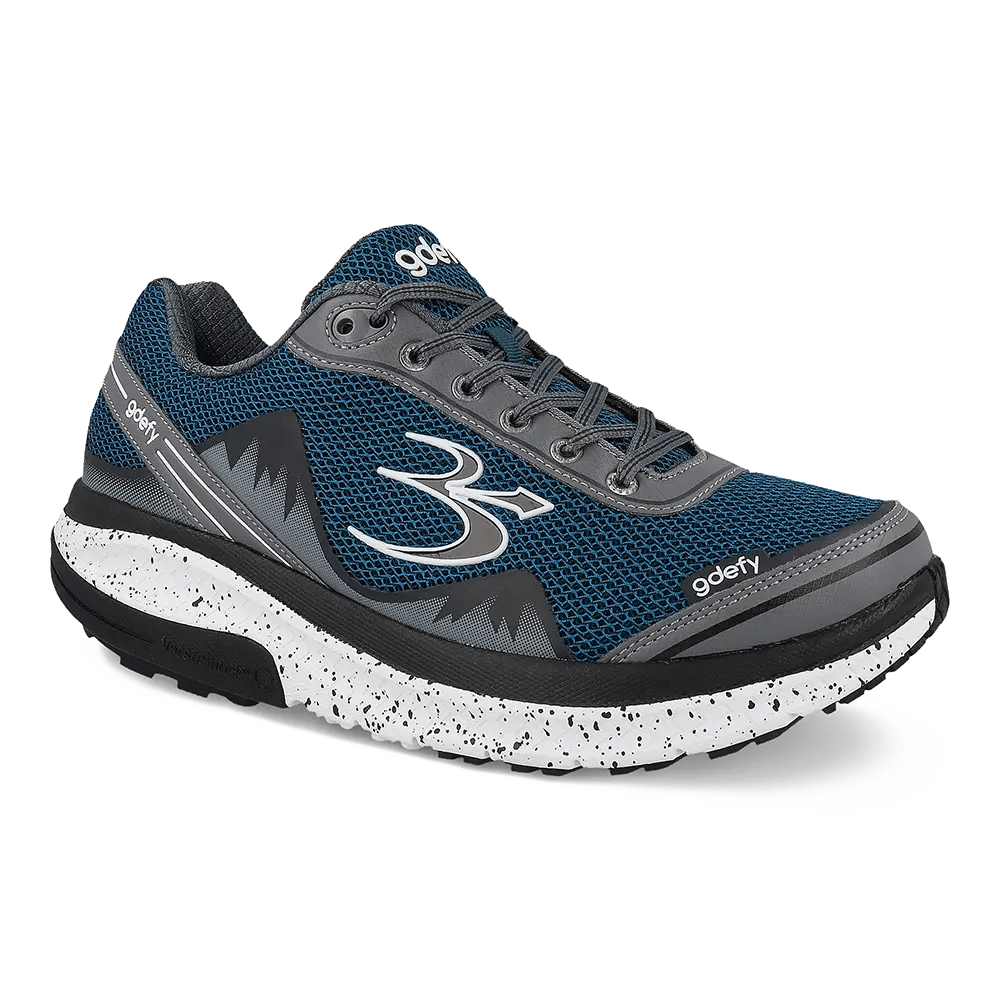
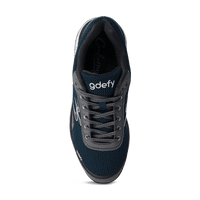
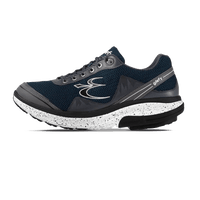
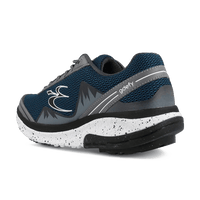
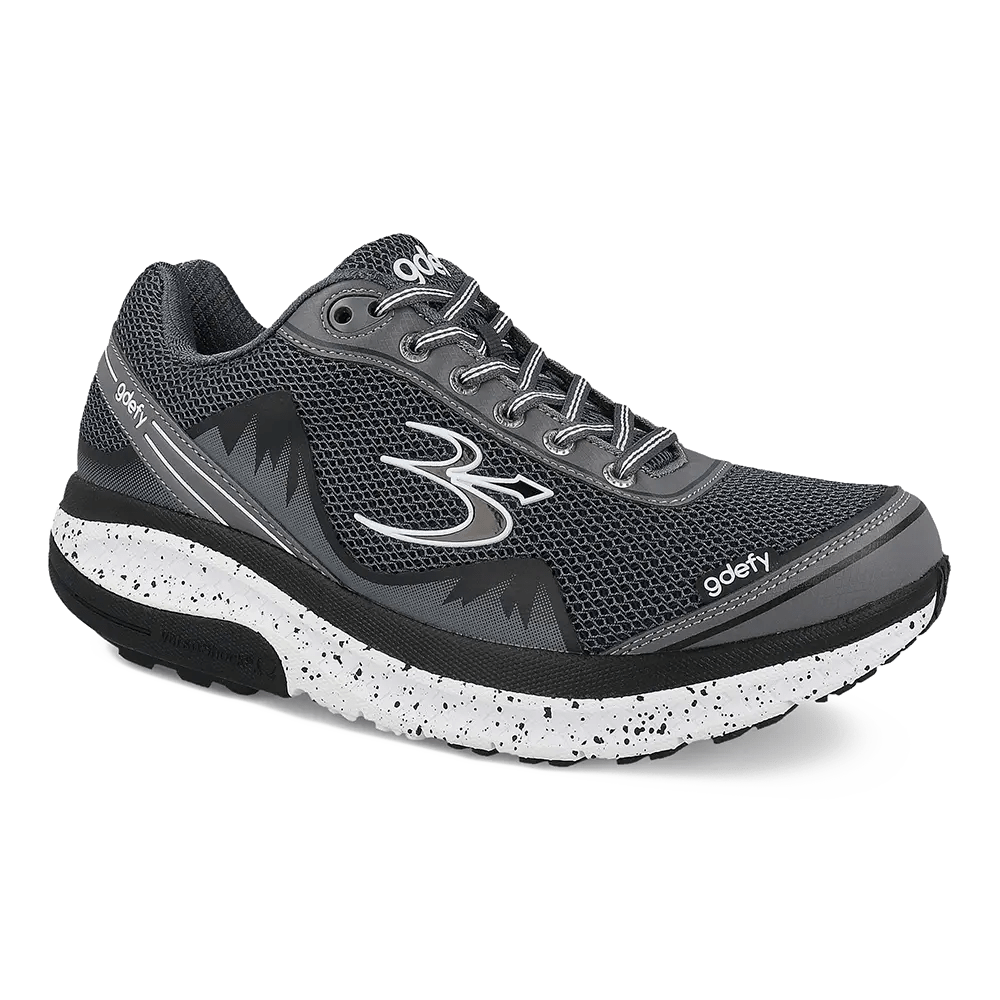
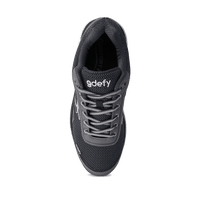
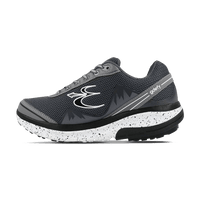
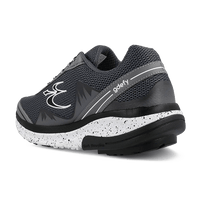
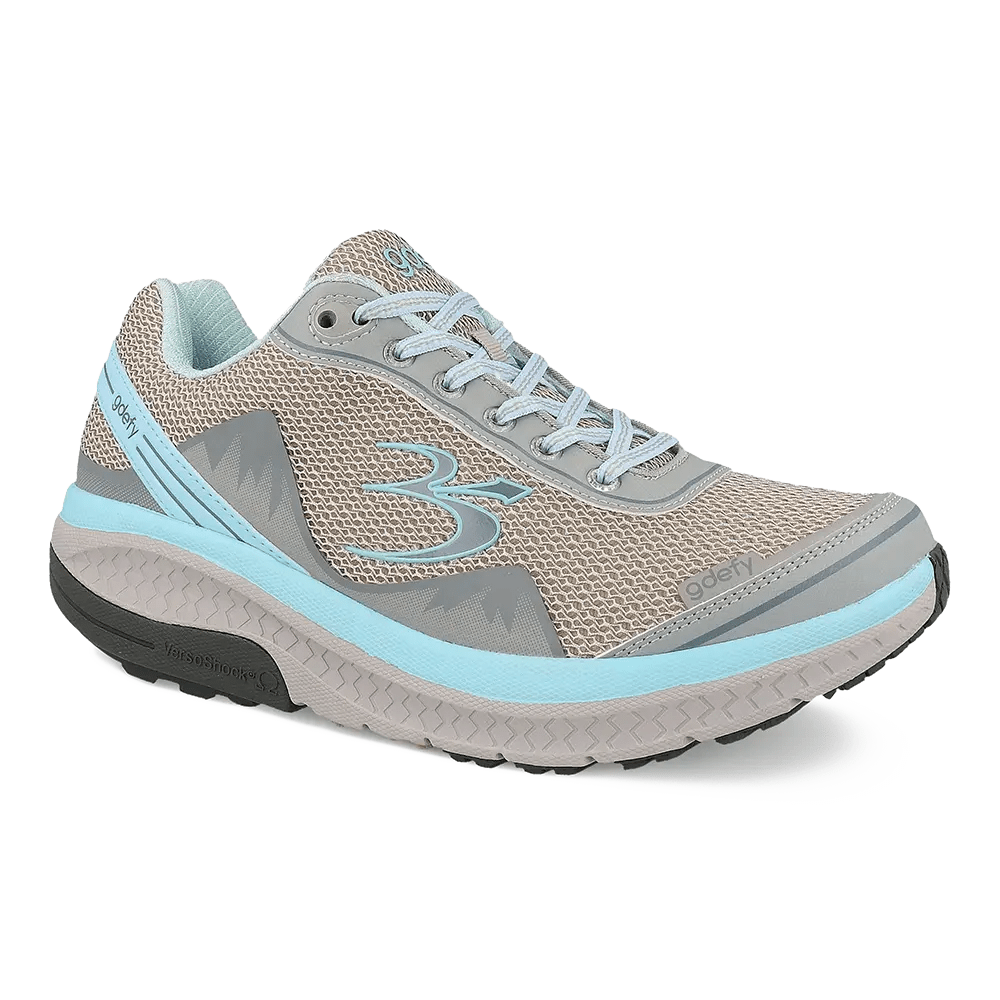
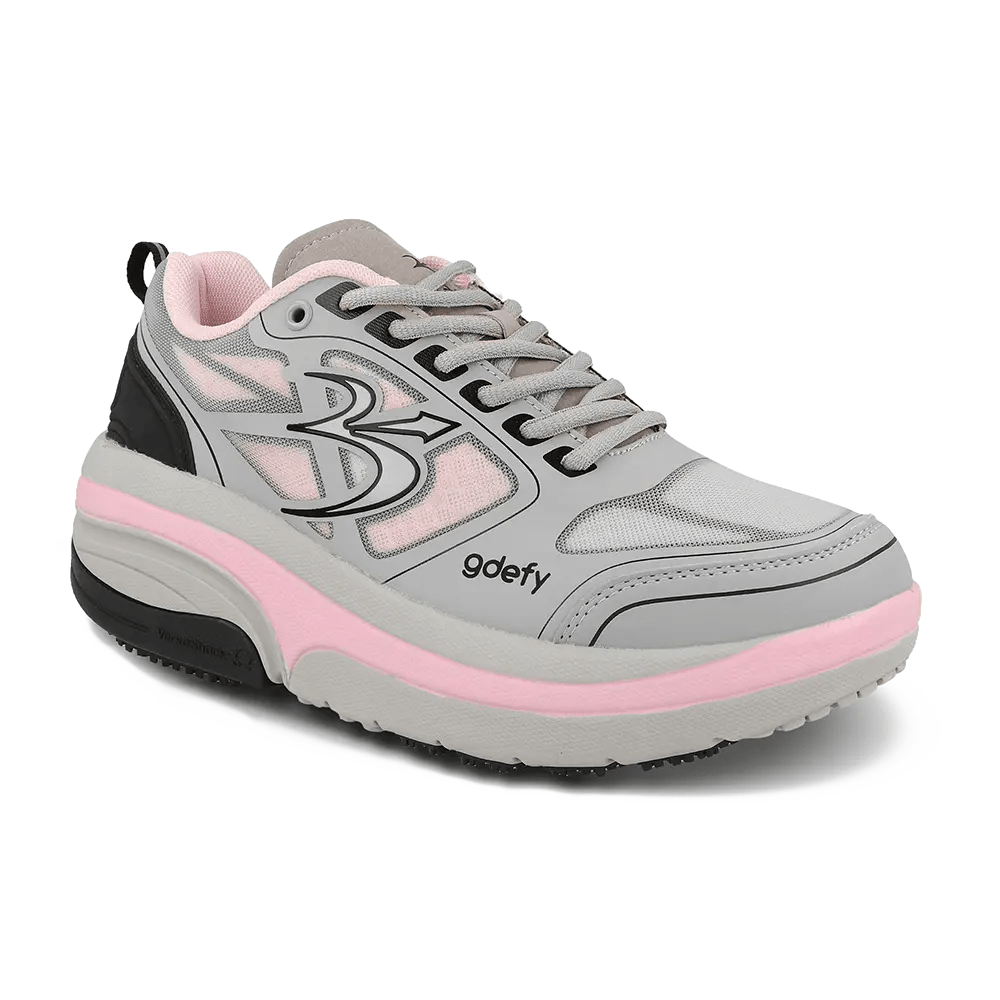
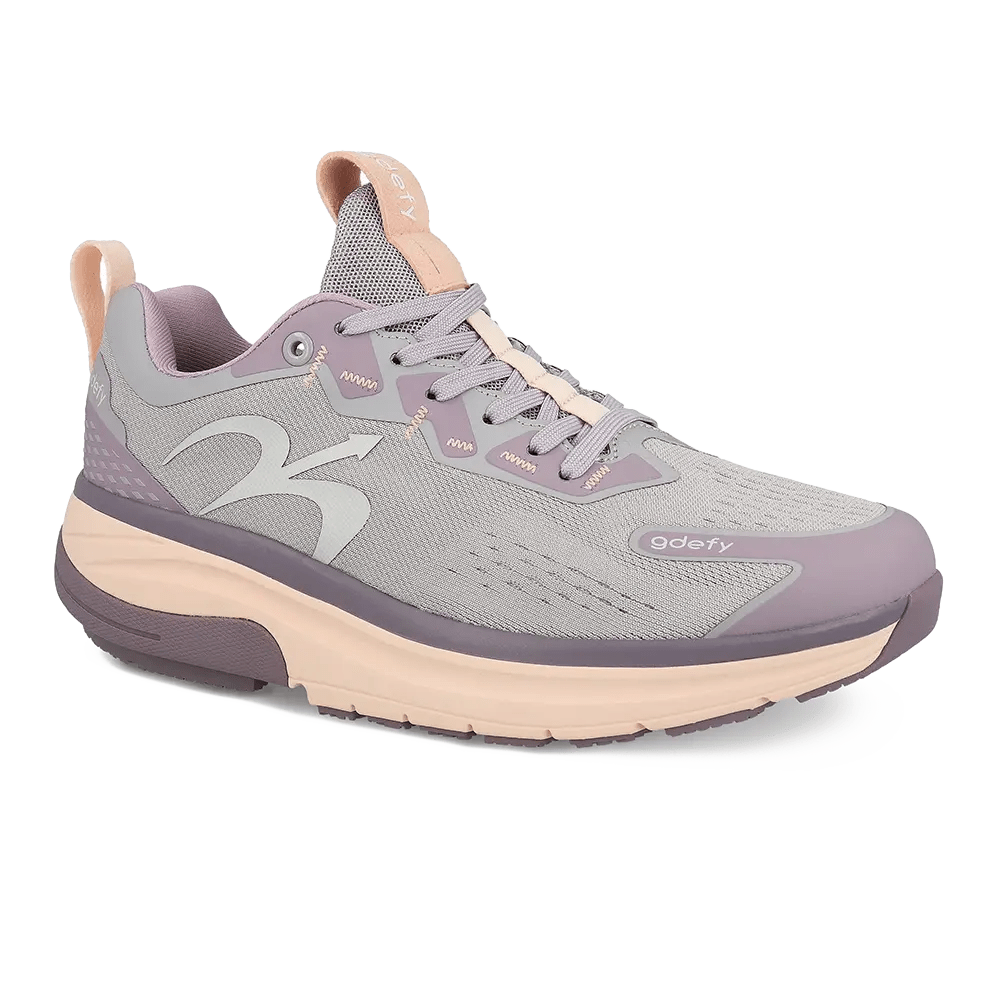
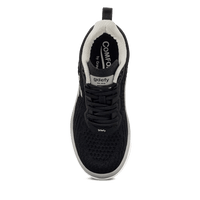
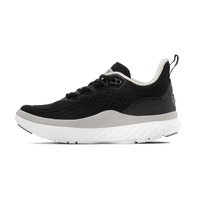
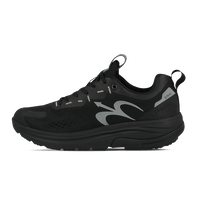
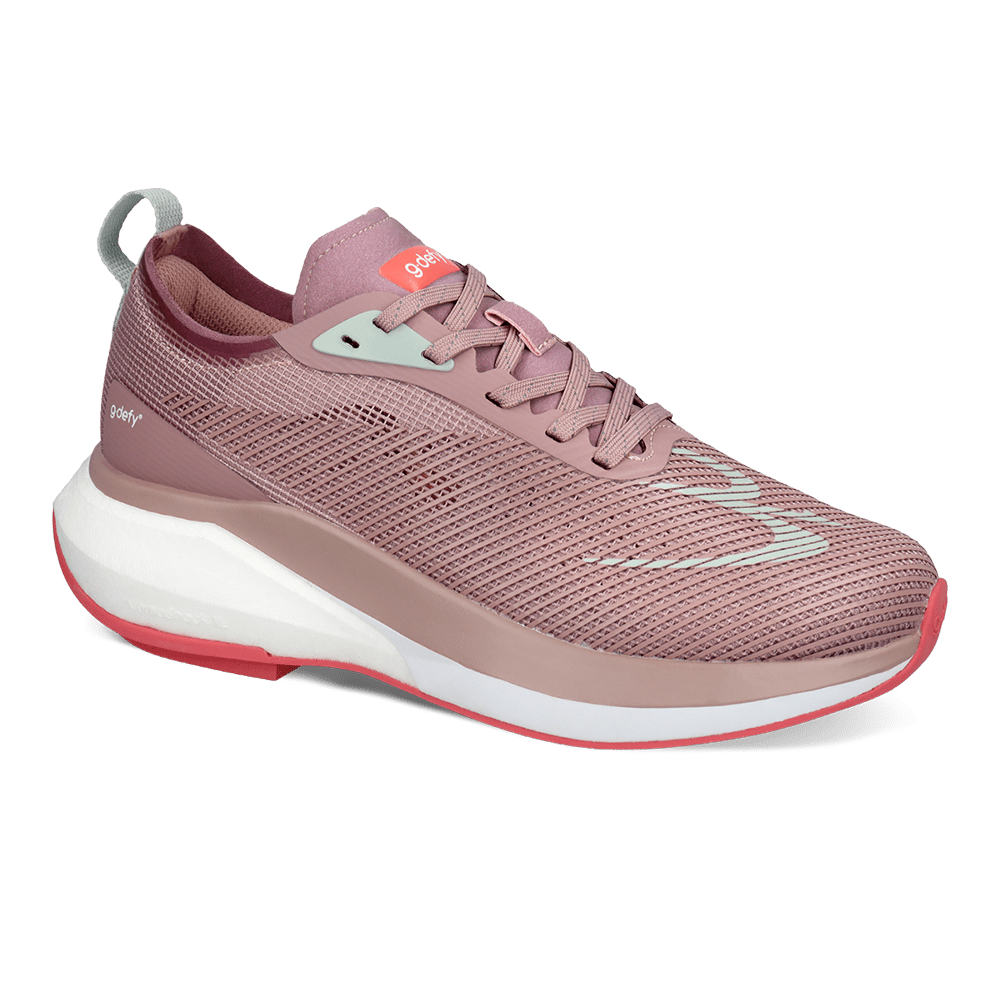
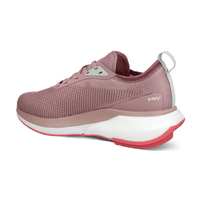
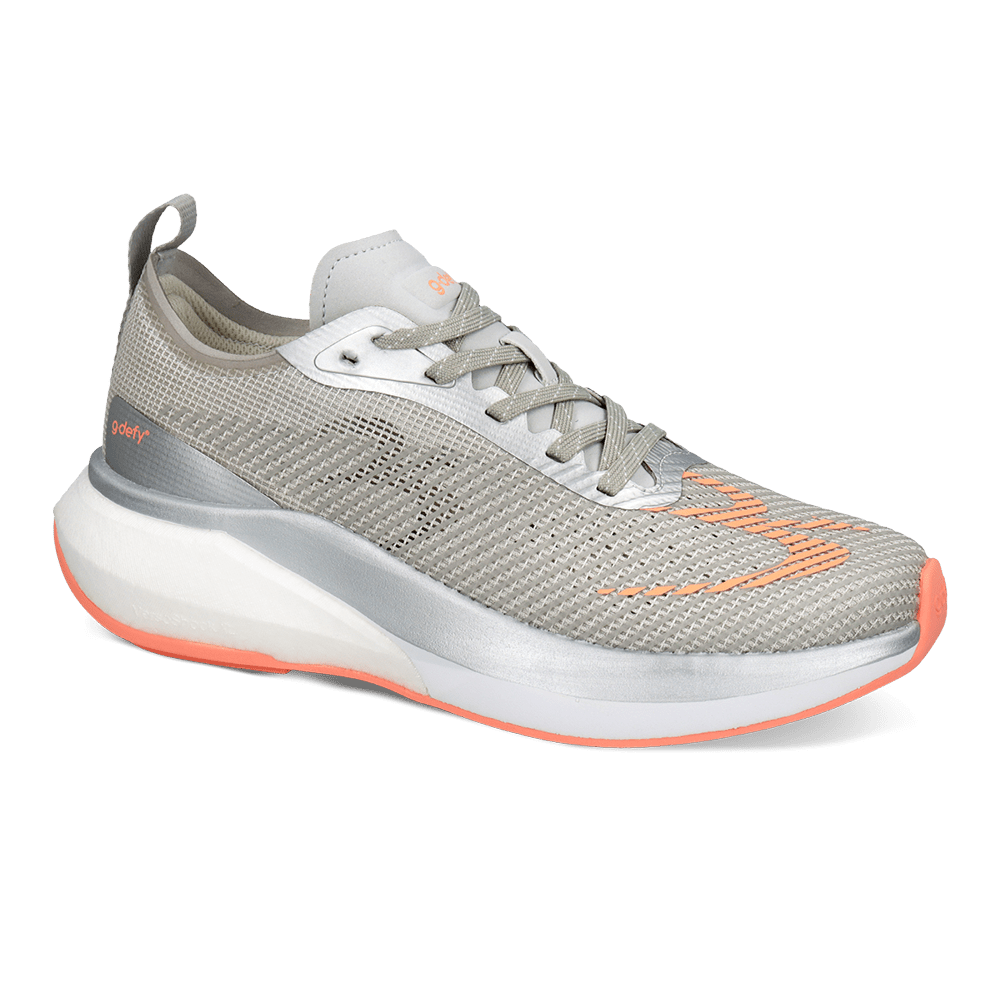
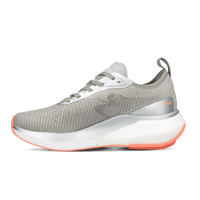
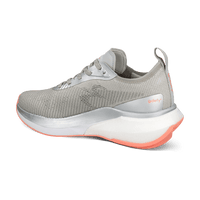
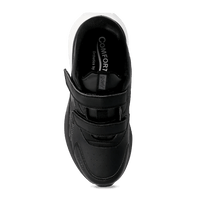
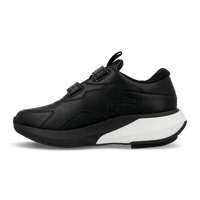
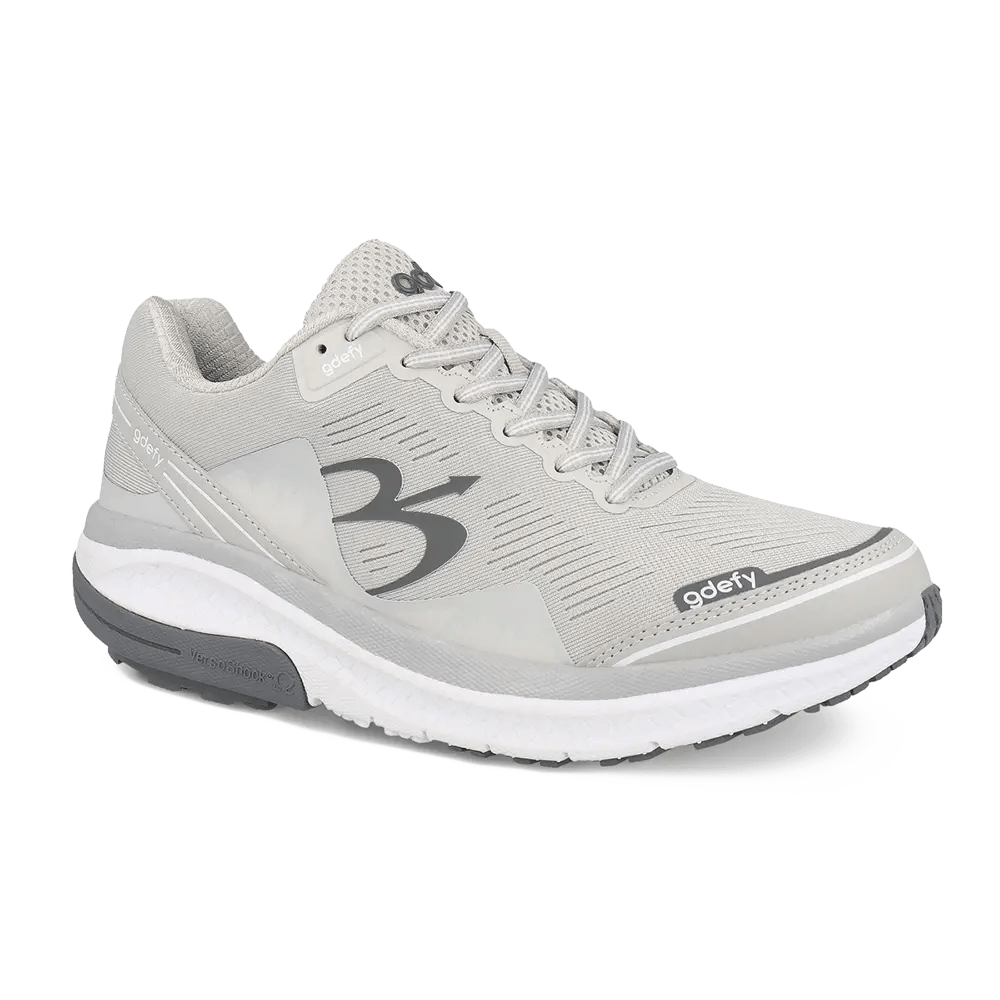
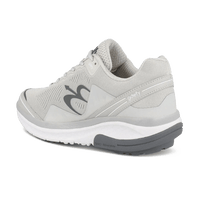
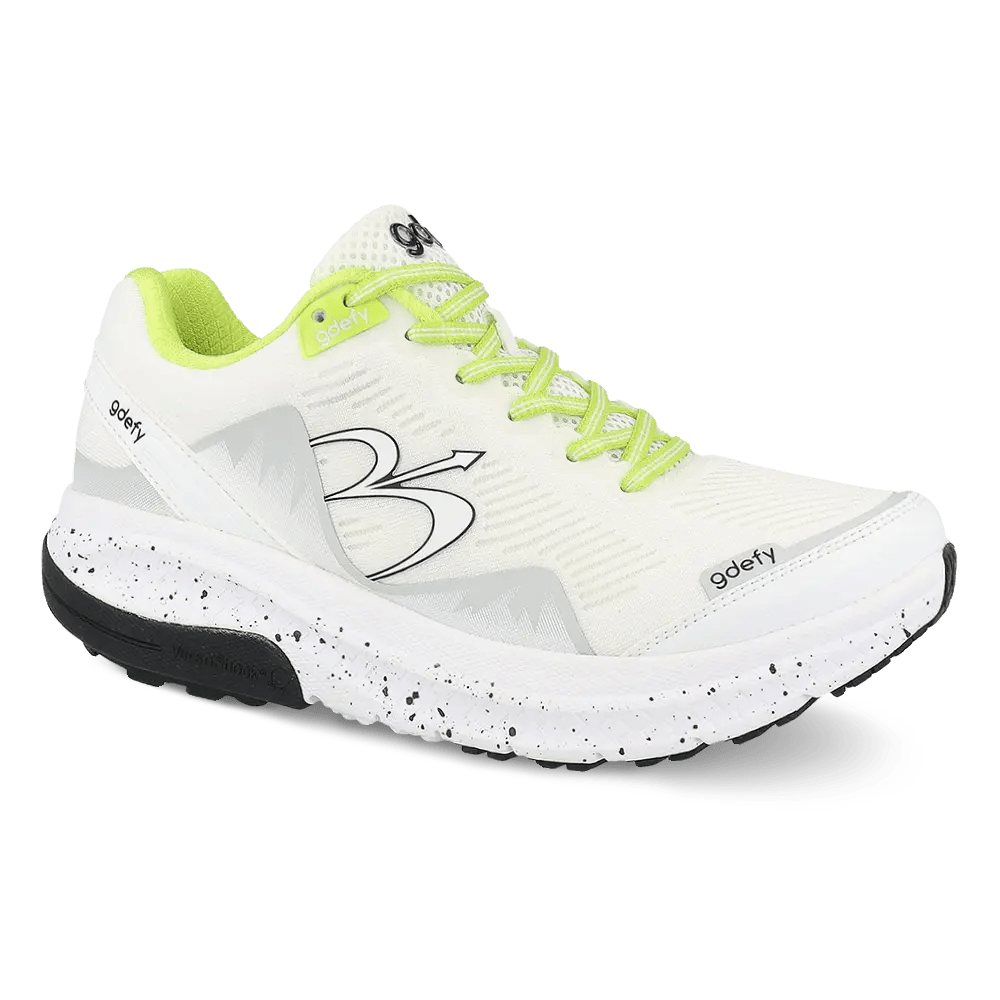
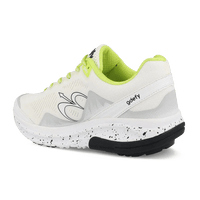
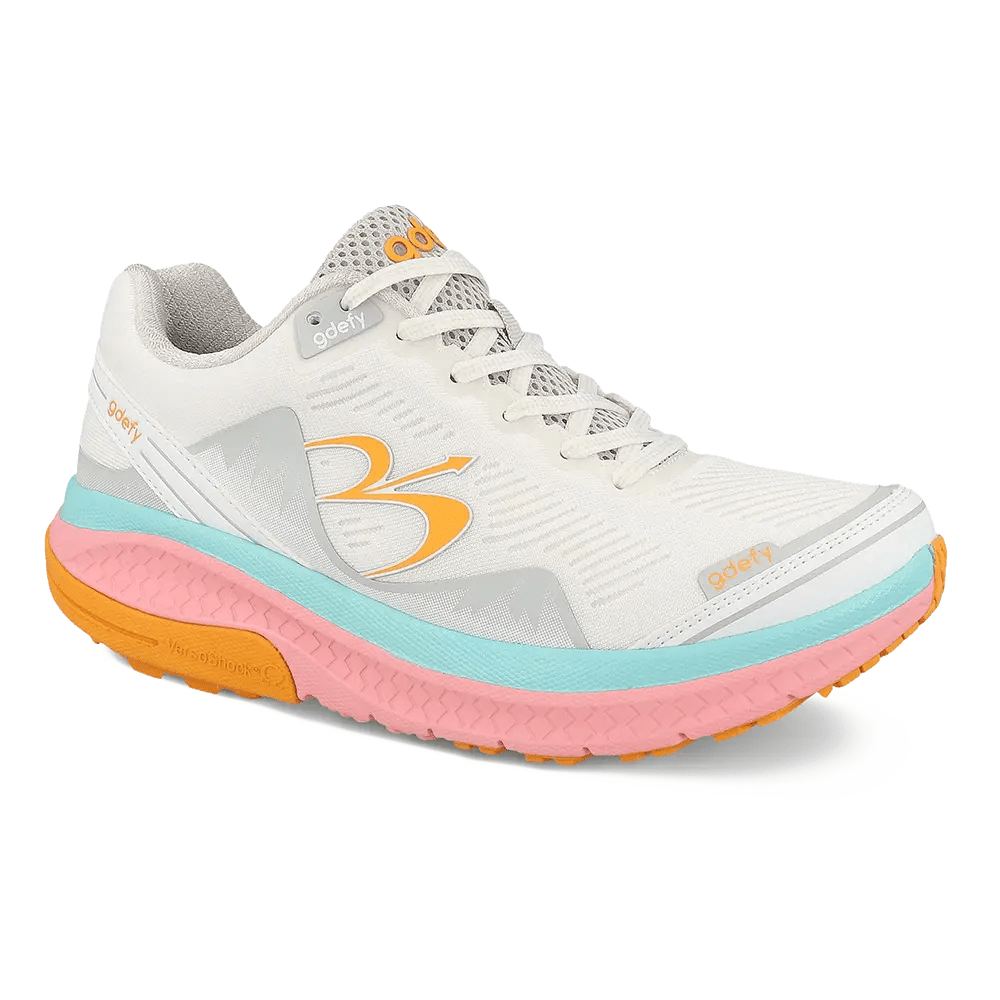
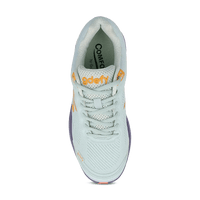
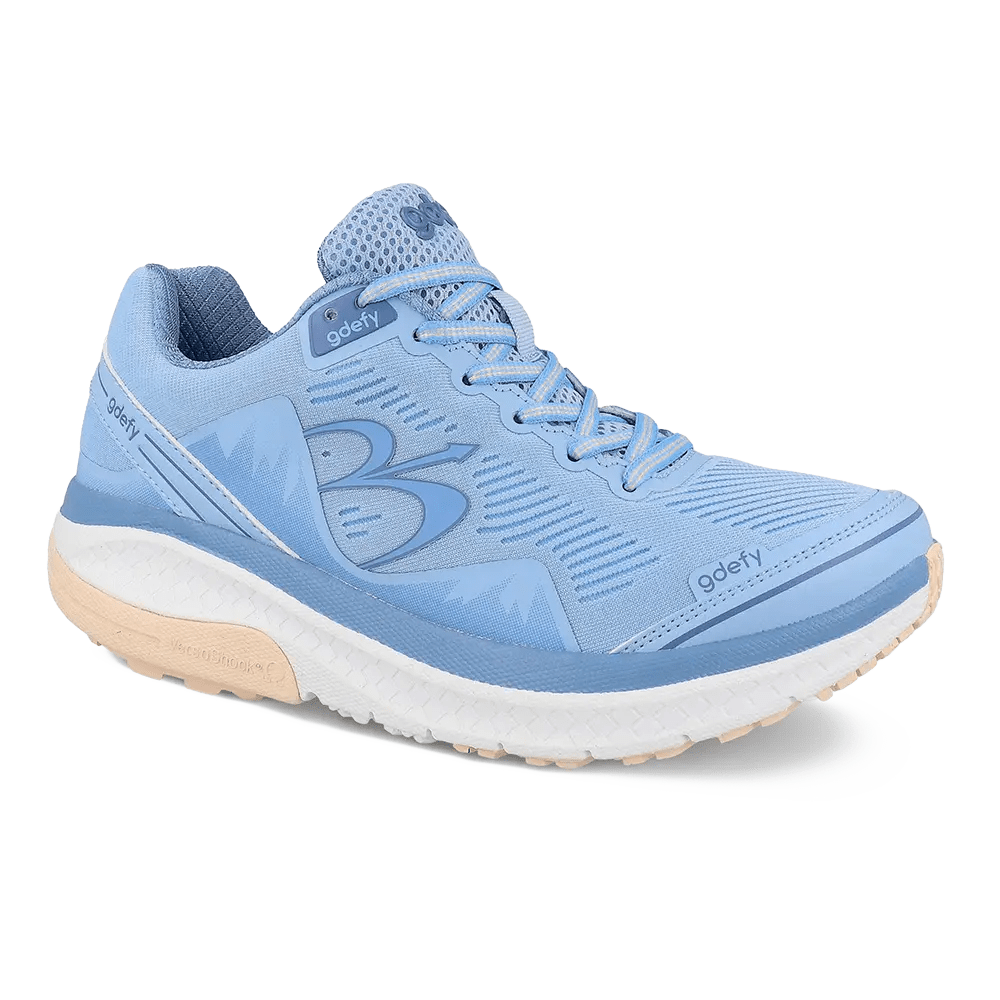
The Ion's weight advantage begins at the upper. Where some comfort walking shoes use heavier leather, synthetic panels, or multi-layer construction, the Ion features a breathable mesh upper that keeps the shoe light and well-ventilated. The mesh construction serves two functions simultaneously: it reduces overall shoe weight, and it allows air circulation around the foot during warmer conditions — a significant comfort factor during summer walks, travel, or extended activity in heated indoor environments.
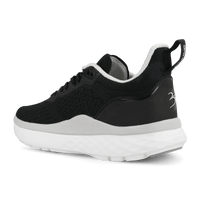
The mesh is structured rather than fully open-weave, providing enough rigidity to hold the foot securely in place during lateral movement while remaining flexible enough to accommodate natural foot expansion over the course of a long day. Overlays at key stress points — the heel counter, lateral midfoot, and toe cap — provide reinforcement without adding significant weight.
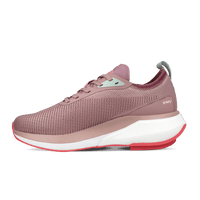
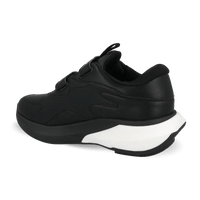
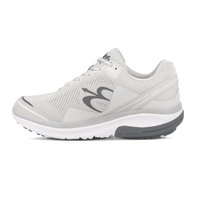
The Ion's profile is also streamlined compared to G-Defy's more supportive models. The overall midsole height is optimized for the lighter-use profile the Ion is designed for, resulting in a shoe that looks and feels more like a contemporary athletic shoe than a specialized therapeutic shoe — which matters to the many G-Defy customers who want comfort and support in a package they'd actually wear with casual clothing.

Dual Orthotics: ComfortFit® and CorrectiveFit®
Like every G-Defy shoe, the Ion ships with two removable orthotics included in the box. This dual-orthotic system is one of G-Defy's most practical differentiators — it lets you customize the internal support profile of the shoe based on your own foot architecture, without purchasing aftermarket insoles.
ComfortFit® is designed for low to medium arches. Its emphasis is on cushioning and overall comfort — a softer, more accommodating feel underfoot that works well for people who don't require significant arch correction but want a supportive base. ComfortFit® is the right choice if your feet feel best in a cushioned, neutral environment.
CorrectiveFit® is designed for medium to high arches. It adds more pronounced arch structure and support, helping to maintain foot alignment during walking and prolonged standing. CorrectiveFit® is the right choice if you typically need arch support insoles or if your feet tend to fatigue at the arch after long periods of activity.
Swapping between the two takes about ten seconds. Many G-Defy customers keep both in their rotation and switch based on the day's activity level — CorrectiveFit® for longer outings, ComfortFit® for relaxed days. You can learn more about the difference between built-in and aftermarket orthotic options in our post: Orthotic Insoles vs Built-In Shoe Support: Which Is Right for You?
Width Options and Fit
The Ion is available in three width options: Medium (M), Wide (W), and X-Wide (XW). This width range is an important feature for a shoe that's positioned as a casual everyday option — foot width varies significantly across adults, and a shoe that fits properly in the toe box is dramatically more comfortable over long wear periods than one that's too narrow.
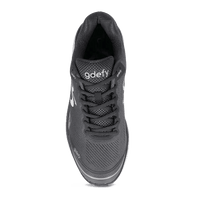
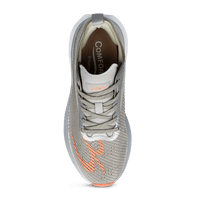
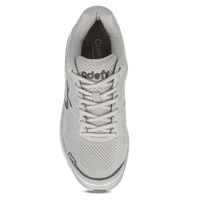
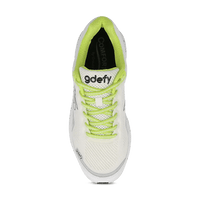
The Ion's toe box is designed with a natural, somewhat rounded profile that allows the toes to spread rather than compress. This is particularly relevant for people who experience forefoot discomfort, bunion irritation, or simply find that traditional athletic shoes feel too constricted by the end of the day. The expanded toe box, combined with the breathable mesh upper, creates an interior environment that accommodates natural foot movement rather than constraining it.
For sizing guidance, G-Defy recommends ordering your standard athletic shoe size. The Ion's construction does not run particularly long or short.
Who the Ion Is Best Suited For
The Ion occupies a distinct niche in the G-Defy lineup. Understanding where it fits — and where it doesn't — helps you make the right choice for your specific needs.
The Ion is the right choice if you:
- Want the VersoShock® system in a lighter, more streamlined package
- Walk primarily on smooth surfaces: sidewalks, shopping centers, airports, office environments
- Are shopping for warm-weather or travel use, where breathability and lightness matter
- Prefer a casual aesthetic that works with everyday clothing
- Don't require the maximum cushioning depth of a heavier therapeutic shoe
- Are newer to G-Defy and want a lower-profile entry point into the VersoShock® system
If you need maximum cushioning for high-impact activity, extended standing on hard floors, or significant foot condition management, consider the G-Defy Mighty Walk — which uses the same VersoShock® four-pillar system in a fuller-cushioned build optimized for maximum support depth. The Mighty Walk is the better choice for all-day hard-floor environments, heavier daily mileage, and users who want the most substantial cushioning available. The Ion is built for users who want real support in a lighter shoe.
Browse the full collections: Men's G-Defy Collection | Women's G-Defy Collection
What Our Customers Say About the Ion
G-Defy customers who choose the Ion frequently note the combination of lightness and real support as the defining feature. One customer who travels regularly for work described finishing a day that included airport transit, city walking, and a client dinner without the usual foot and lower-leg fatigue he'd come to expect: "I kept waiting for my feet to start hurting, and they just didn't. The Ion is the first shoe I've owned where I forget I'm wearing it by mile three instead of starting to resent it." Individual results vary.
Another customer — a retail worker who spends six to eight hours per shift on hard tile floors — switched to the Ion from a standard athletic shoe and noted that the end-of-shift fatigue in her calves and arches was noticeably reduced: "I was skeptical because I'd tried other 'comfort' shoes that were just softer foam, not actually different. The Ion actually feels like something is happening — the spring absorbs the floor instead of me absorbing it." Individual results vary.
Practical Tips for Getting the Most From Your Ion
A few habits help extend the performance and lifespan of your Ion shoes and maximize their comfort benefit:
- Rotate with a second pair. Alternating between two pairs of shoes — even the same model — gives the VersoShock® midsole time to fully recover between wearings. Shoe midsoles benefit from rest between sessions, and rotating pairs extends the effective life of both.
- Try both orthotics before settling. Spend a full day in each orthotic option before deciding which works best for you. Foot fatigue patterns at the end of the day are your guide — if you feel it primarily at the arch, switch to CorrectiveFit®; if overall cushioning is the priority, ComfortFit® may be your preference.
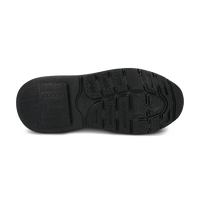
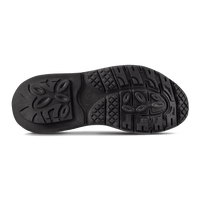
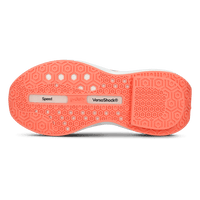
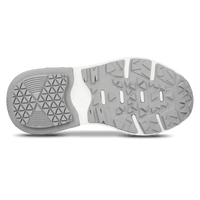
- Replace when the outsole shows significant wear. The VersoShock® spring system maintains its properties longer than foam, but outsole wear can affect ground contact and energy transfer. Check the heel and forefoot zones every few months if you're a heavy user.
- Use the full lacing system. The Ion's upper is designed to work with all lace eyelets engaged. Skipping eyelets to speed up the lacing process reduces heel lock and can cause the foot to shift inside the shoe during walking, increasing friction and reducing stability.
- Pair with the 60-day trial window. Use the first two weeks to experiment with both orthotics and multiple wear contexts before settling on a configuration. The trial window exists precisely so you can find your ideal setup without financial risk.
Frequently Asked Questions
What makes the G-Defy Ion different from heavier walking shoes?
The Ion is built with a breathable mesh upper and a streamlined midsole profile that reduce overall shoe weight compared to G-Defy's fuller-cushioned models. It still includes the complete VersoShock® four-pillar system — shock absorption, energy return, stabilizer shank, and rolling rocker design — along with both ComfortFit® and CorrectiveFit® orthotics. You get real structural support without the extra bulk.
Can shoes help with discomfort during long walks or all-day standing?
G-Defy shoes help reduce pain from walking, running, and prolonged standing. The Ion's VersoShock® spring-based system absorbs impact and returns energy with each step, while the built-in stabilizer shank supports the foot's structure throughout the gait cycle — both of which contribute to a more comfortable experience over extended wear.
What width options does the Ion come in?
The Ion is available in Medium (M), Wide (W), and X-Wide (XW) widths in the men's colorways, giving customers with broader feet a proper-fitting option without requiring a specialty order.
What is the difference between ComfortFit® and CorrectiveFit® orthotics?
ComfortFit® is designed for low to medium arches with a cushioning-first profile. CorrectiveFit® is designed for medium to high arches and adds more pronounced arch structure. Both orthotics ship in every box. Swap between them to find what works best for your foot type and activity level.
Is the Ion a good shoe for travel?
Yes — the Ion's lightweight construction and breathable mesh upper make it well-suited for travel days involving extended walking through airports, cities, and tourist sites. The VersoShock® cushioning absorbs impact mile after mile, and the shoe's casual styling works with travel clothing. It packs more compactly than heavier walking shoes and weighs less in a travel bag.
Try the Ion risk-free for 60 days
Free shipping. Full refund if you're not satisfied. No hoops — that's how confident we are in the Ion.
Shop Men's Ion → Shop Women's Ion →The Ion in Context: Lightweight Support for the Right Wearer
The G-Defy Ion represents a specific design philosophy: that you shouldn't have to choose between a shoe that's comfortable to wear and one that's comfortable to walk in. Its lightweight mesh construction reduces the fatigue cost of every step, while the VersoShock® four-pillar system ensures that each of those steps is cushioned, stabilized, and mechanically supported.
For casual wearers, travelers, warm-weather walkers, and anyone who has found traditional comfort shoes too heavy or too clinical-looking, the Ion offers a practical entry point into G-Defy's engineering approach. It's not the maximum-support option in the lineup — that's the Mighty Walk's territory — but for the right wearer, the Ion's combination of lightness, breathability, and real VersoShock® technology makes it the most wearable shoe G-Defy makes.
Explore the VersoShock® technology page to understand the full engineering story, or browse the men's Ion product page to see all available colorways, widths, and sizing.
Try the Ion for 60 days. If it's not the right fit for your feet and your life, send it back for a full refund — free shipping both ways.