
April 20, 2026
How Footwear Affects Comfort If You Experience Back Pain
By Gdefy

Summary
Back pain is one of the most common complaints among active adults. Whether it starts after a long walk, a day on your feet at work, or simply waking up in the morning, that familiar ache in the lower back can make everyday activity feel like a challenge.
What many people don't realize is that the shoes they wear every day may be playing a bigger role in their back comfort than they think. Footwear designed with the right combination of shock absorption, arch support, and cushioning can make a meaningful difference in how you feel — from your first step out the door to the last step of the day.
If you experience back pain during walking, standing, or prolonged daily activity, this guide explains how footwear choices affect your comfort and what to look for in a walking shoe.
Why Back Discomfort Happens During Daily Activity
The lower back is the foundation of nearly every movement you make. When you walk, stand, or run, your feet absorb the impact of each step — and that force travels upward through your legs, hips, and into your lower back.
When your feet aren't properly supported, several things can happen:
- Uneven weight distribution places extra load on one side of the back
- Excessive foot pronation (rolling inward) shifts your body's alignment out of position
- Poor heel support allows your stride to become unstable, creating tension in the lower back
- Insufficient shock absorption means impact energy travels directly into your spine with each step
Over time, these small mechanical imbalances compound. A long day of walking in unsupportive shoes can leave your lower back feeling stiff, sore, and fatigued — even if you've done nothing physically demanding.
The good news: the right shoes address these factors directly, supporting a more comfortable walking experience from the ground up.
The Role Your Shoes Play in Back Comfort
Your feet are the foundation of your posture. When they're well-supported, your body maintains a more natural alignment — your ankles, knees, hips, and lower back all benefit. When they're not, the entire kinetic chain is affected.
Think of it this way: if your shoes don't absorb impact effectively, your back has to. If your shoes don't support your arch, your body compensates. These compensations, repeated with every step, are what lead to accumulated discomfort over time.
This is why people who spend long hours walking — commuters, teachers, healthcare workers, retail associates — so often report back discomfort that eases when they change their footwear. The connection between foot support and back comfort is real and mechanical.
For more context on this connection, see our posts on what causes back pain when walking long hours and why your shoes might be causing your back pain.
What to Look for in Walking Shoes If You Have Back Pain
Not all walking shoes are created equal. Here are the key features to prioritize if you experience back discomfort during daily activity.
Shock Absorption
When your foot strikes the ground, impact energy ripples up through your leg and into your spine. A shoe with effective shock absorption cushions this force before it reaches your back.
Look for shoes that use a dedicated cushioning system in the midsole — not just foam padding. Traditional foam compresses and breaks down quickly; a spring-based or energy-return system maintains its cushioning properties much longer and delivers more consistent protection with each step.
Shoes designed to absorb impact and return energy actively help reduce the mechanical stress that accumulates during long walks and extended periods of standing.
Arch Support and Stability
Your arch acts as a natural shock absorber. When it collapses inward — a movement called overpronation — it changes the angle of your ankle, shifts your knee alignment, and rotates your pelvis, putting strain on the muscles and joints of the lower back.
A shoe with firm, contoured arch support helps your foot maintain its natural position throughout your stride. This encourages more even weight distribution and reduces the compensatory patterns that contribute to back discomfort.
Look for shoes that include built-in arch support or come with removable orthotics that let you customize your level of support based on your individual foot type.
Heel Height and Proper Fit
The ideal walking shoe has a modest, supportive heel — slightly elevated compared to the forefoot. This small lift helps maintain natural pelvic alignment and reduces stress on the lower back.
Completely flat-soled shoes like flip-flops and minimalist sandals offer no heel support or cushioning, which can place unexpected strain on the lower back during extended wear. On the other end, very high heels increase lumbar curvature and create chronic strain on the lower back over time.
Fit matters just as much as heel design. A shoe that fits well — adequate toe room, snug heel support, no pinching — supports even weight distribution and keeps your stride stable throughout the day.
Energy Return
A shoe that only absorbs impact isn't enough. Once that energy is absorbed, what happens to it?
Shoes designed with energy-return technology push back gently with each step, supporting a smoother, more efficient walking motion. This reduces the effort required per stride and helps your muscles — including the muscles that support your lower back — maintain comfortable movement over longer periods of time.
Energy return is especially valuable for people who walk long distances or spend extended hours on their feet at work.
Smooth Heel-to-Toe Transition
A rolling or rocker-style forefoot design encourages a natural heel-to-toe transition as you walk. This reduces the abrupt mechanical loading that comes with a flat-soled shoe — smoothing out the impact from each step and helping your body move more efficiently.
For people who experience back discomfort on longer walks, a smooth rolling motion can make a noticeable difference in how they feel by the end of the day.
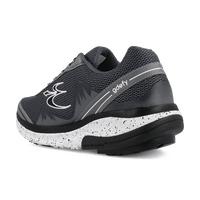
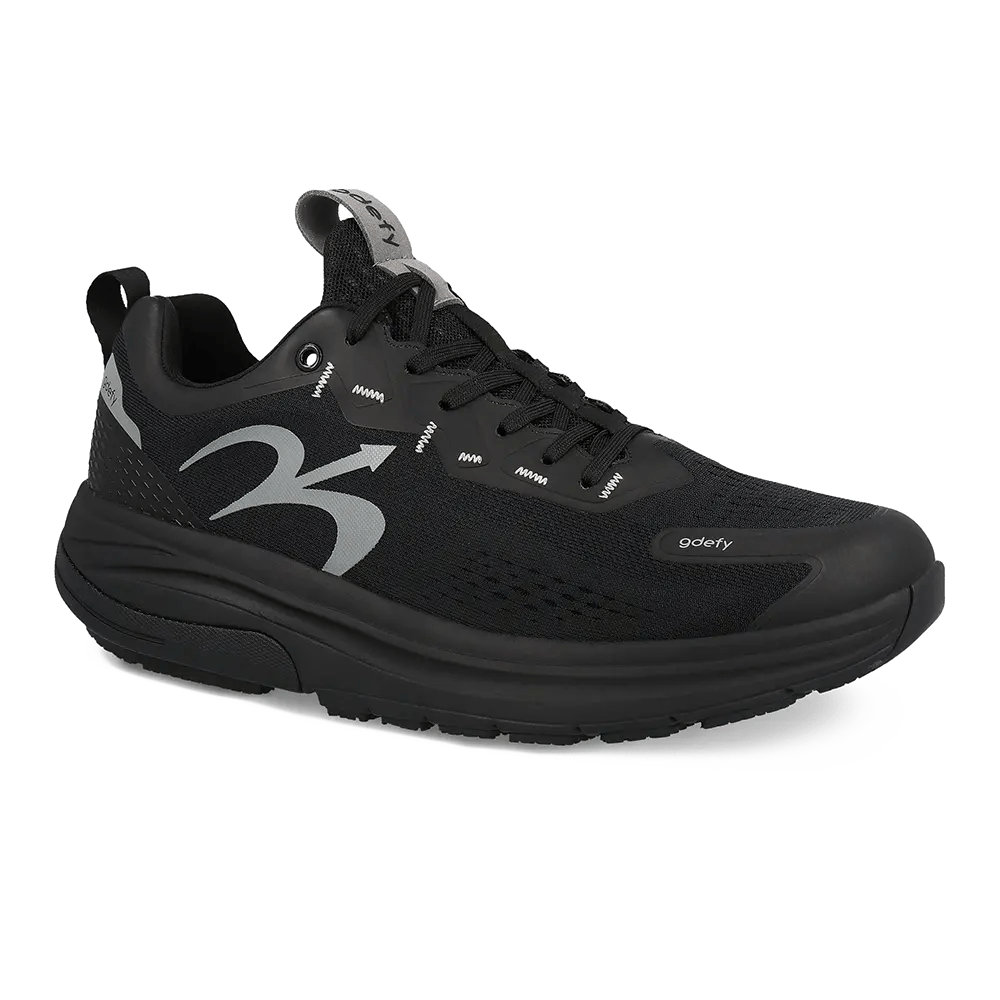
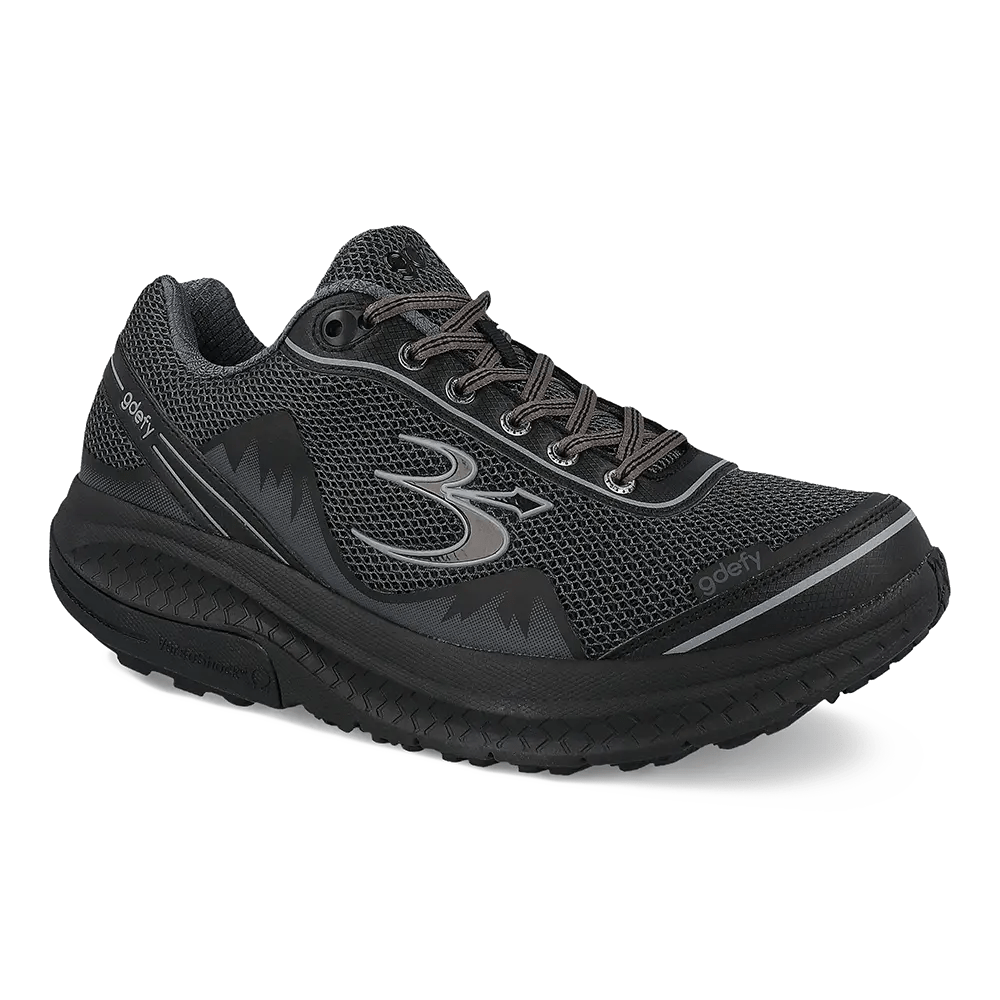
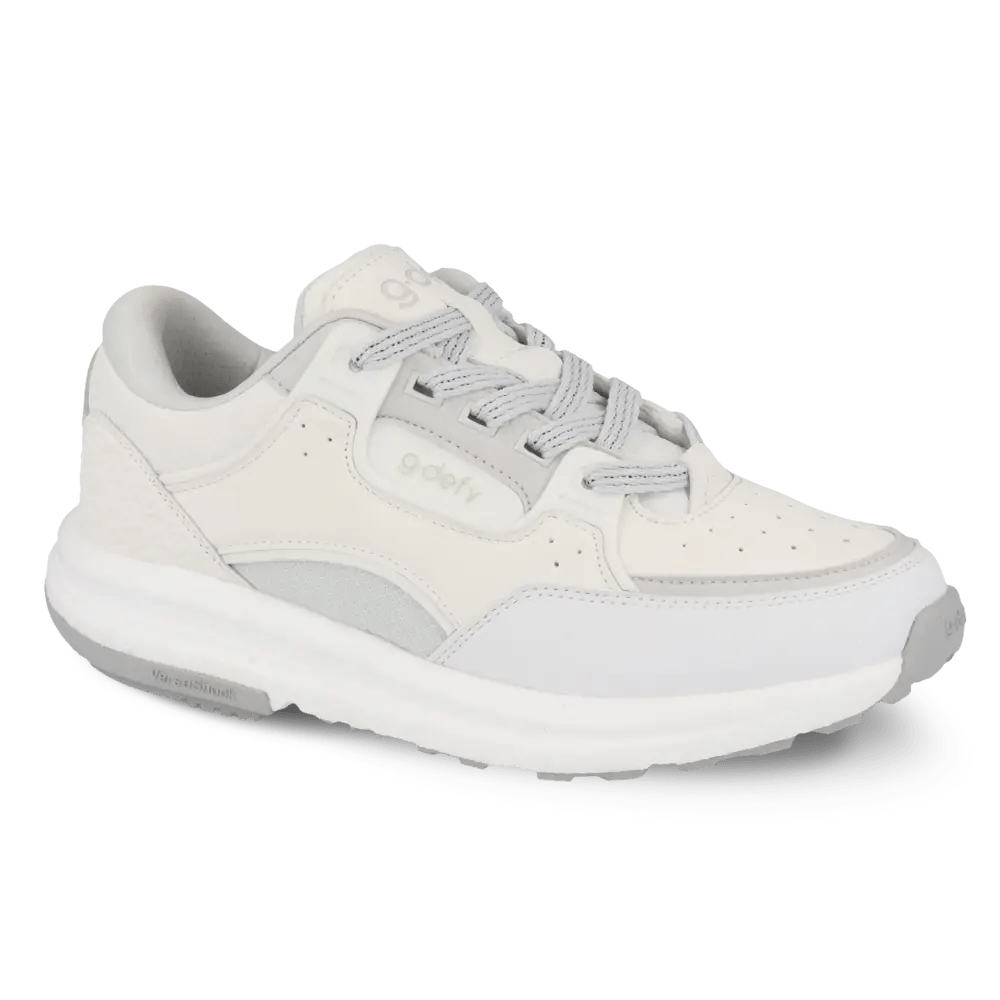
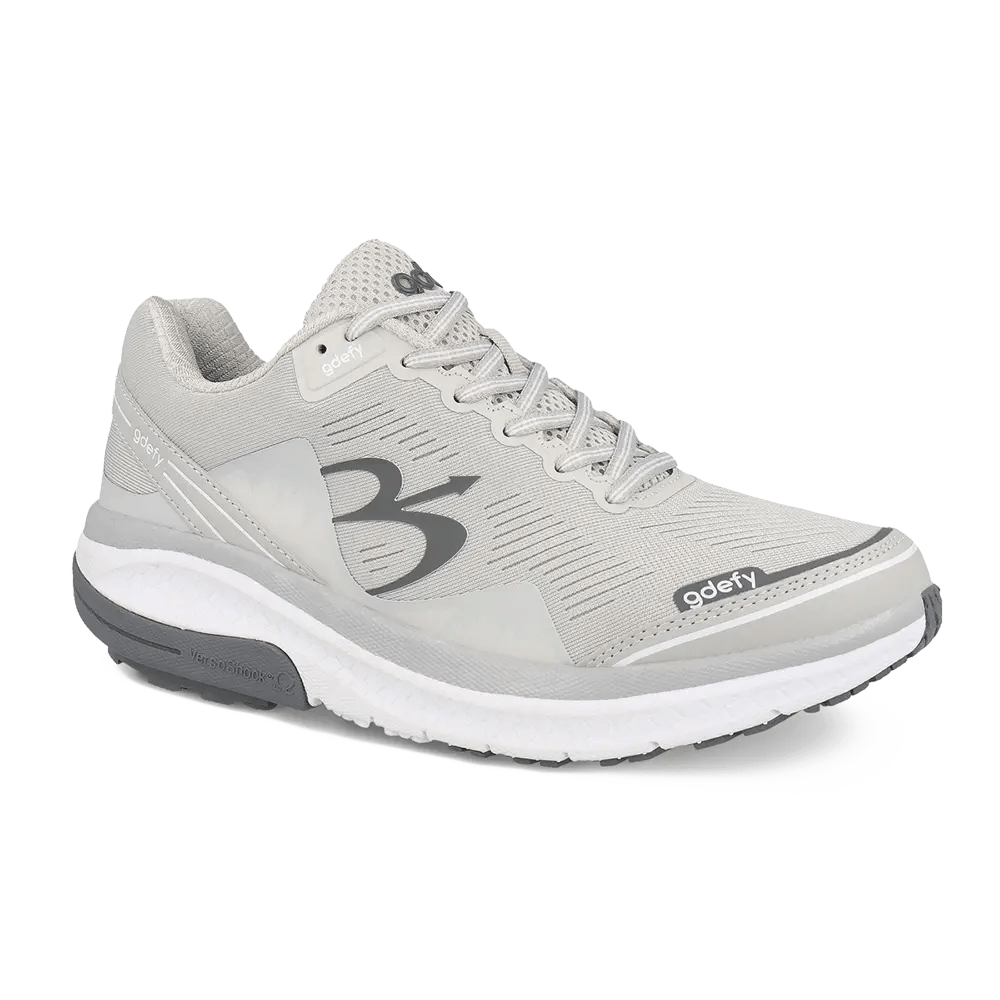
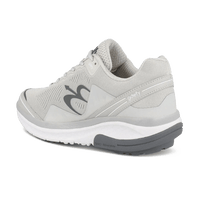
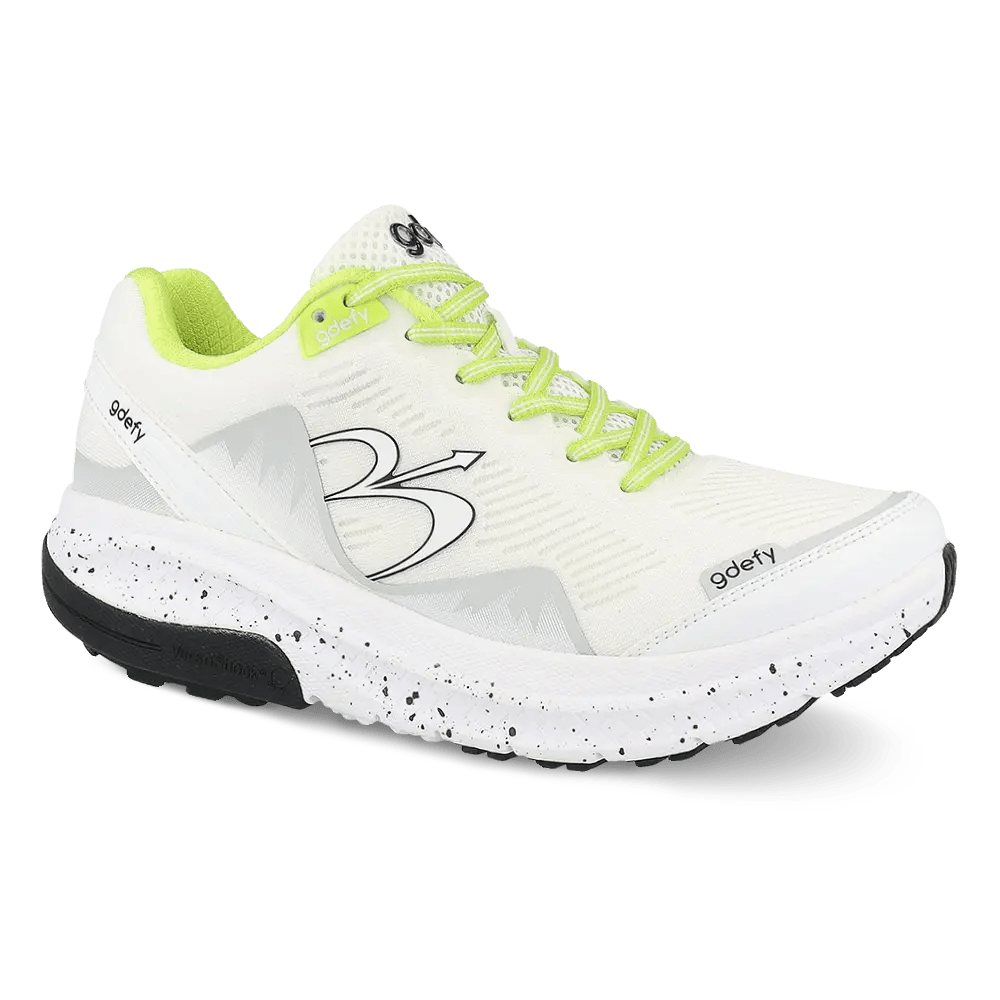
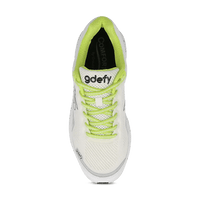
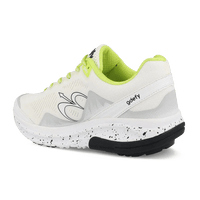
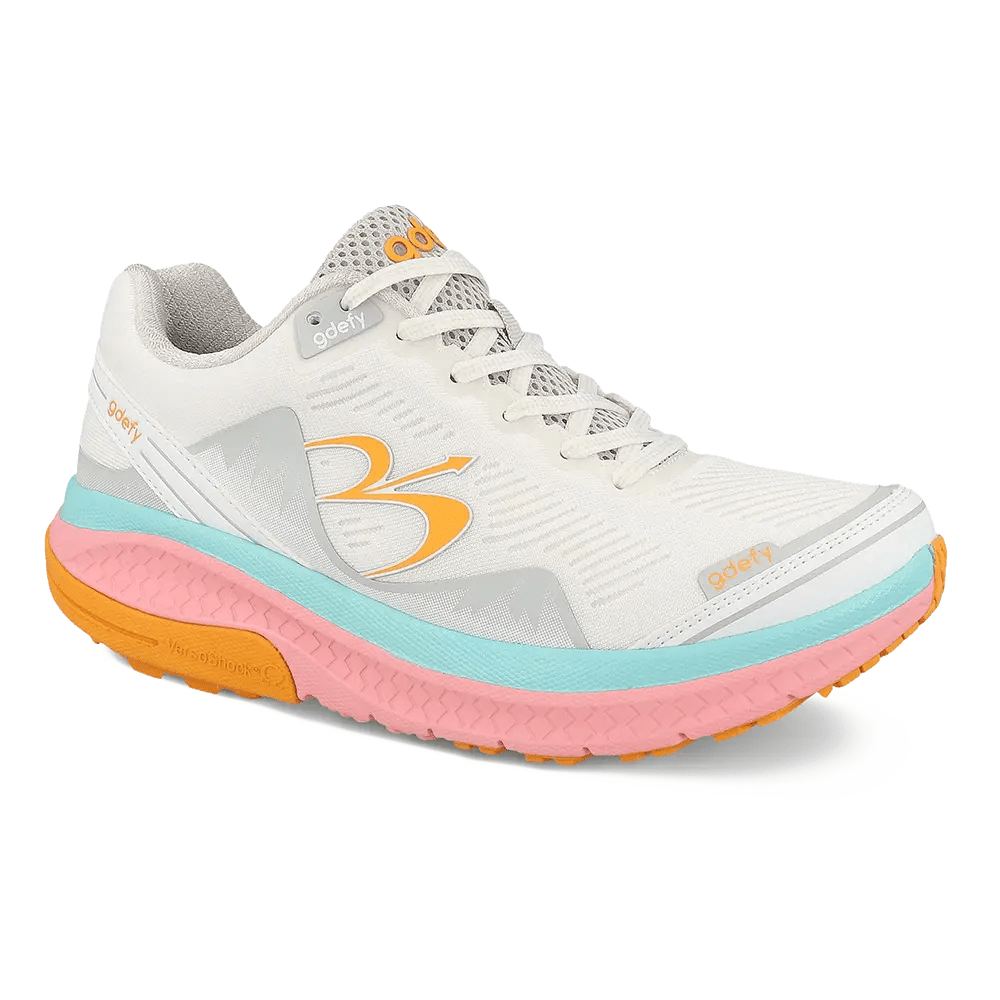
G-Defy Shoes — Engineered for All-Day Comfort and Support
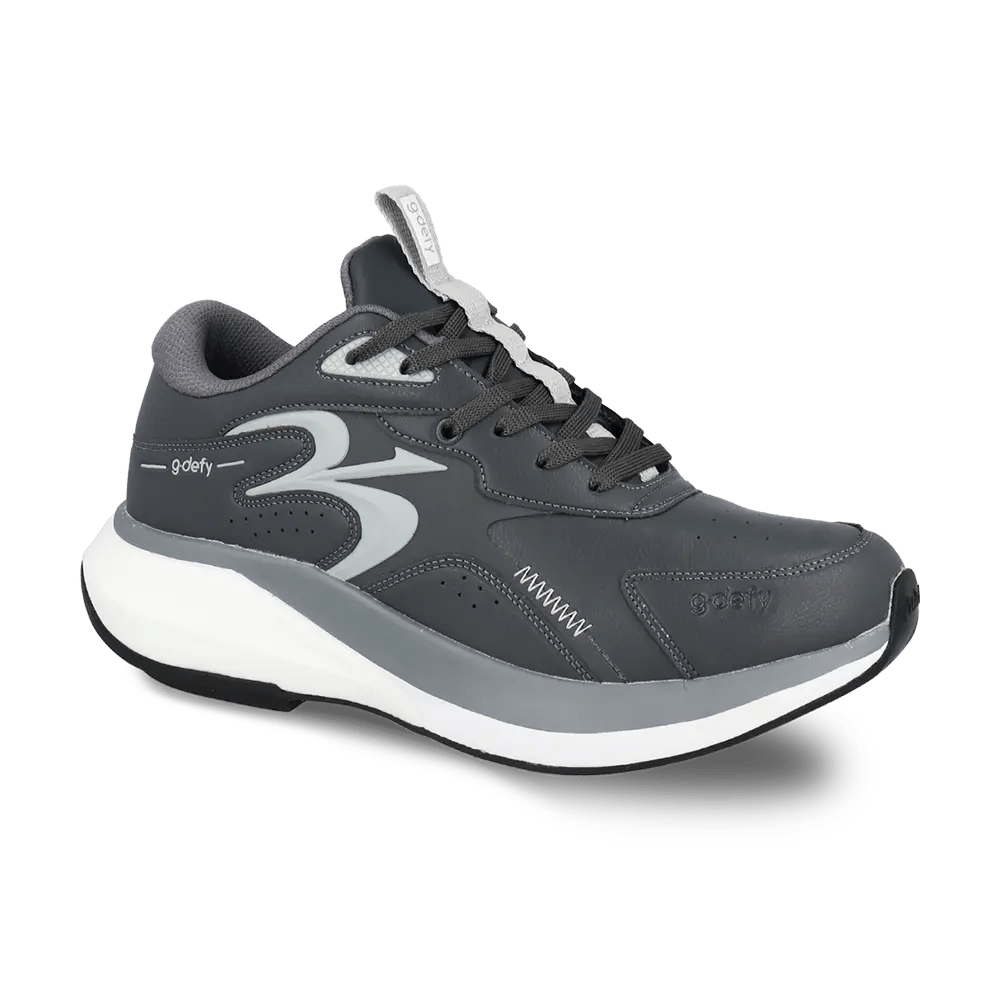
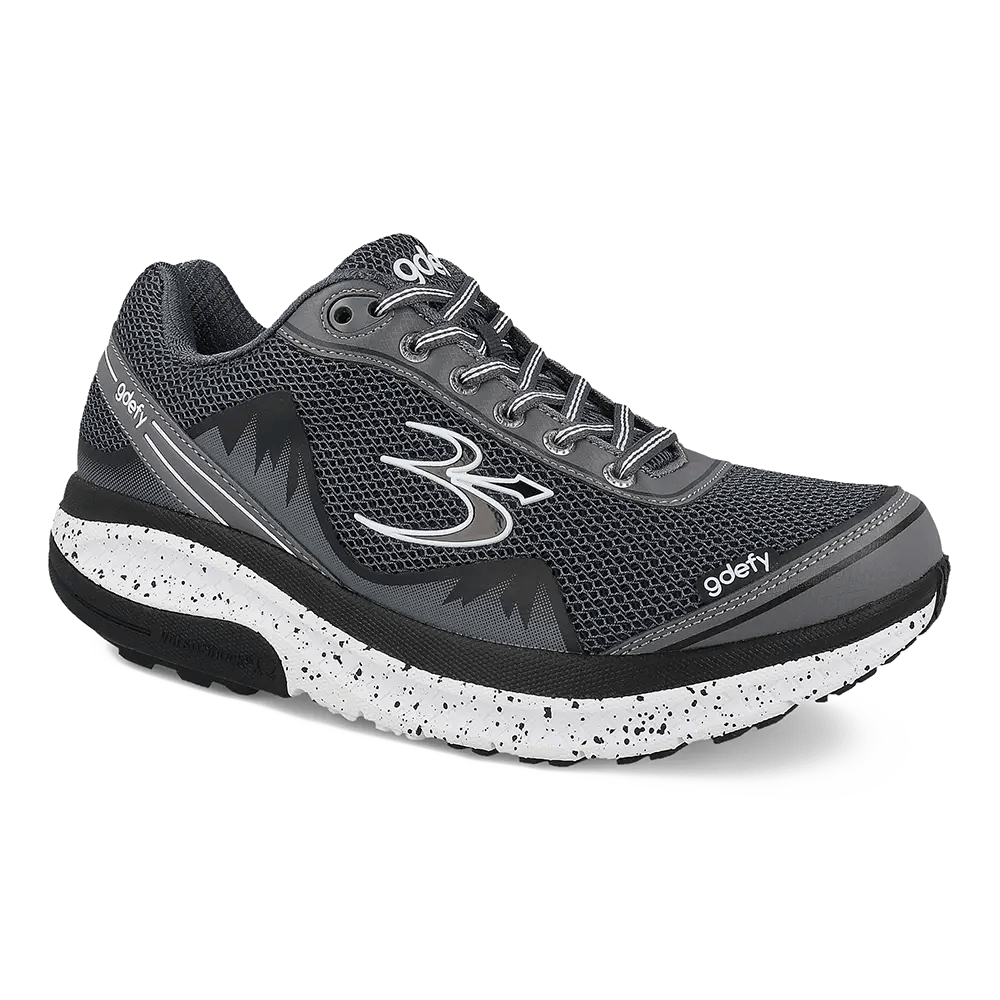
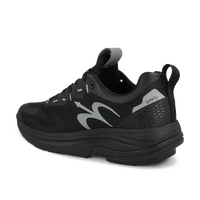
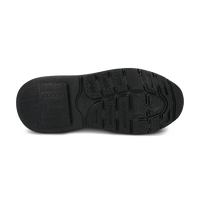
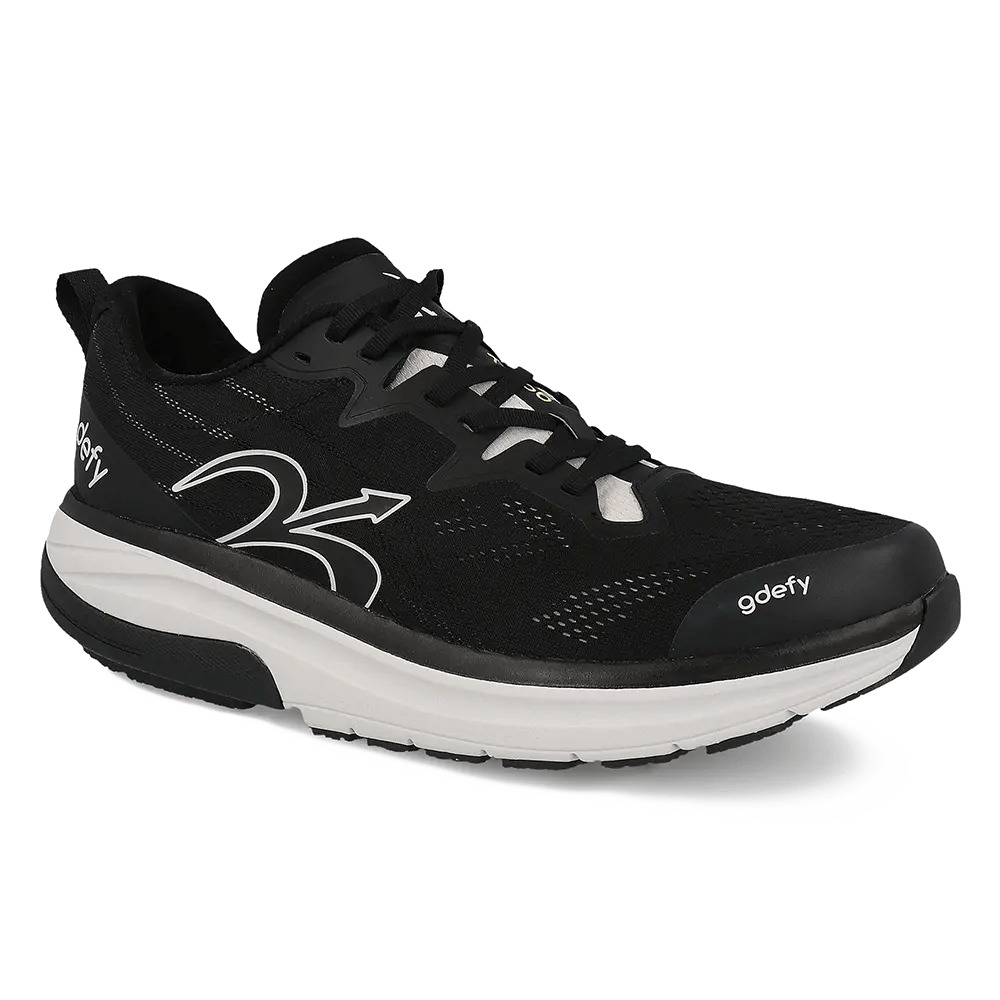
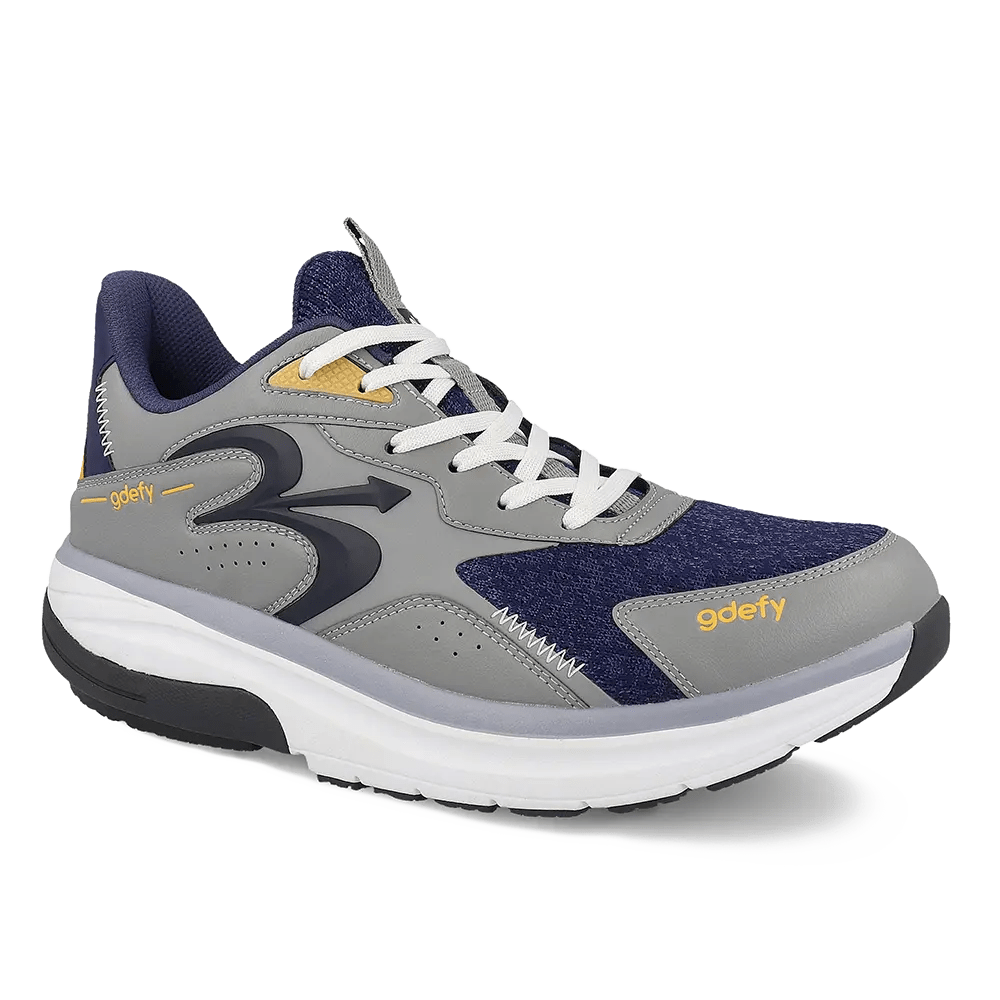
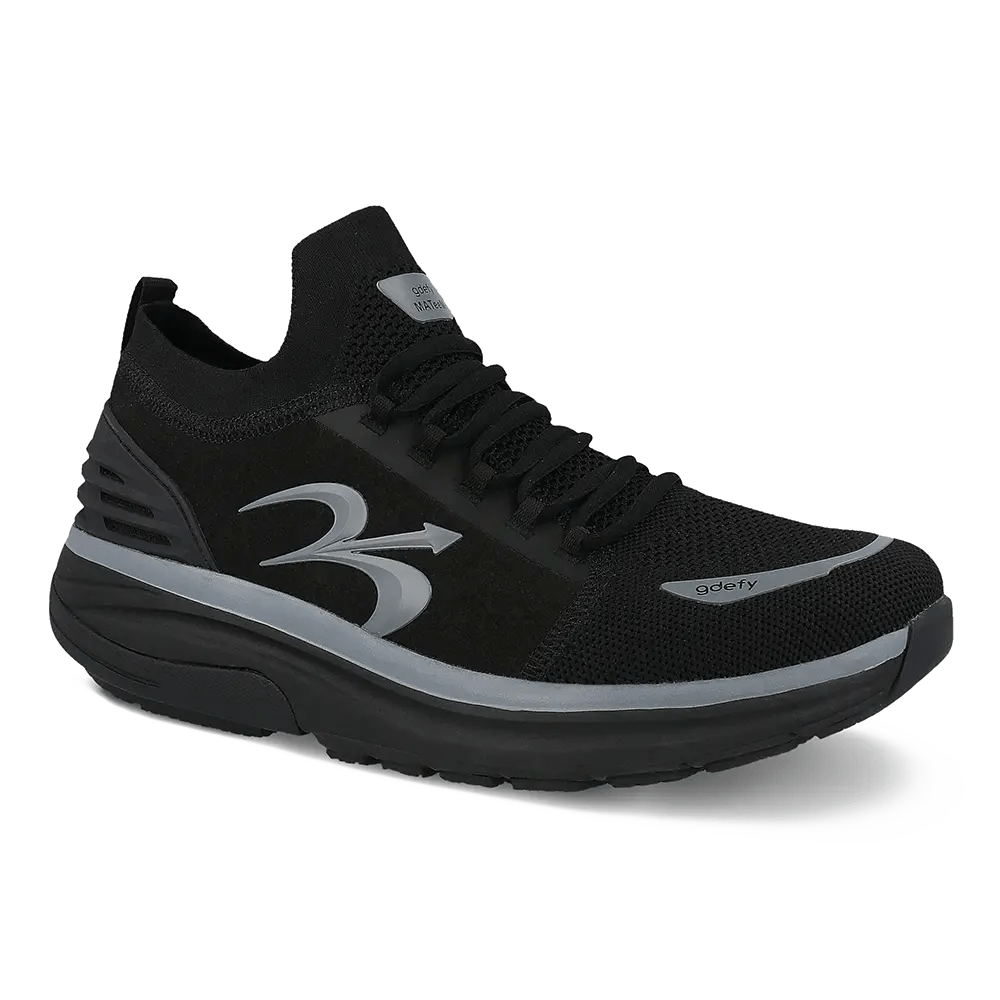
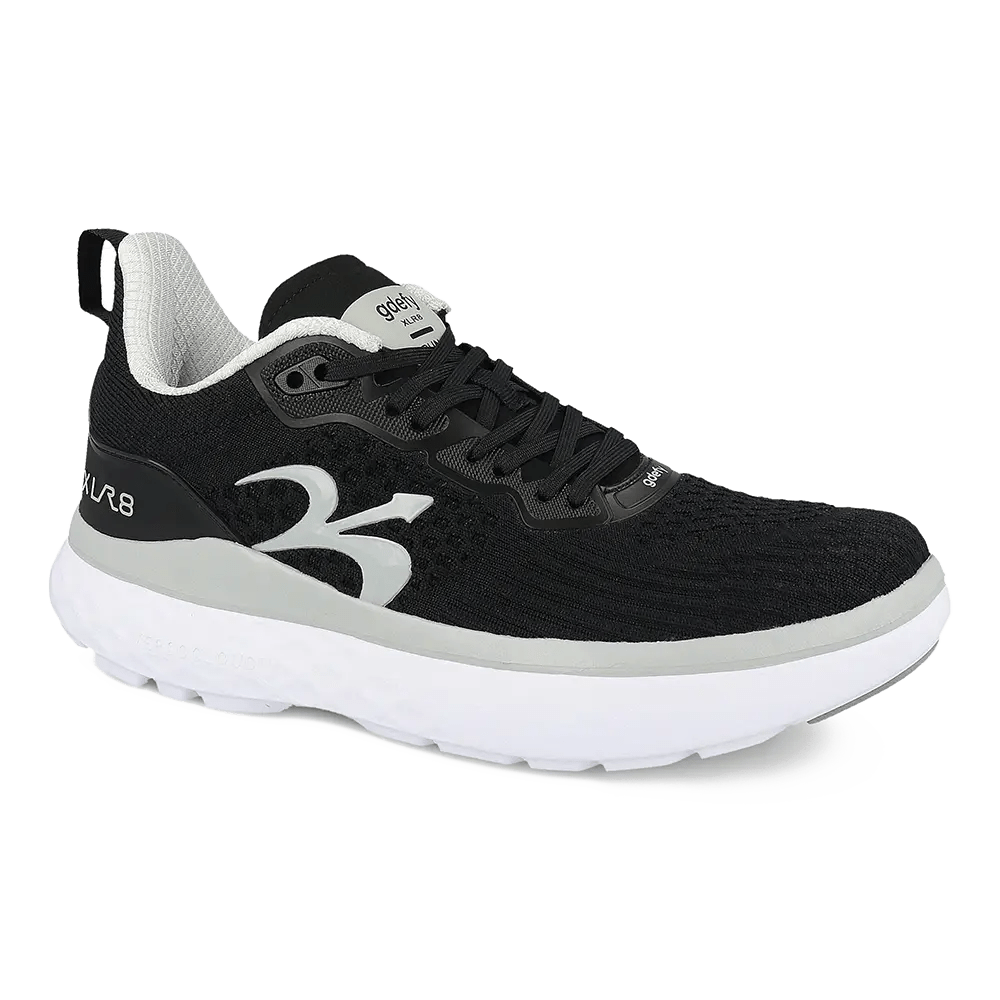
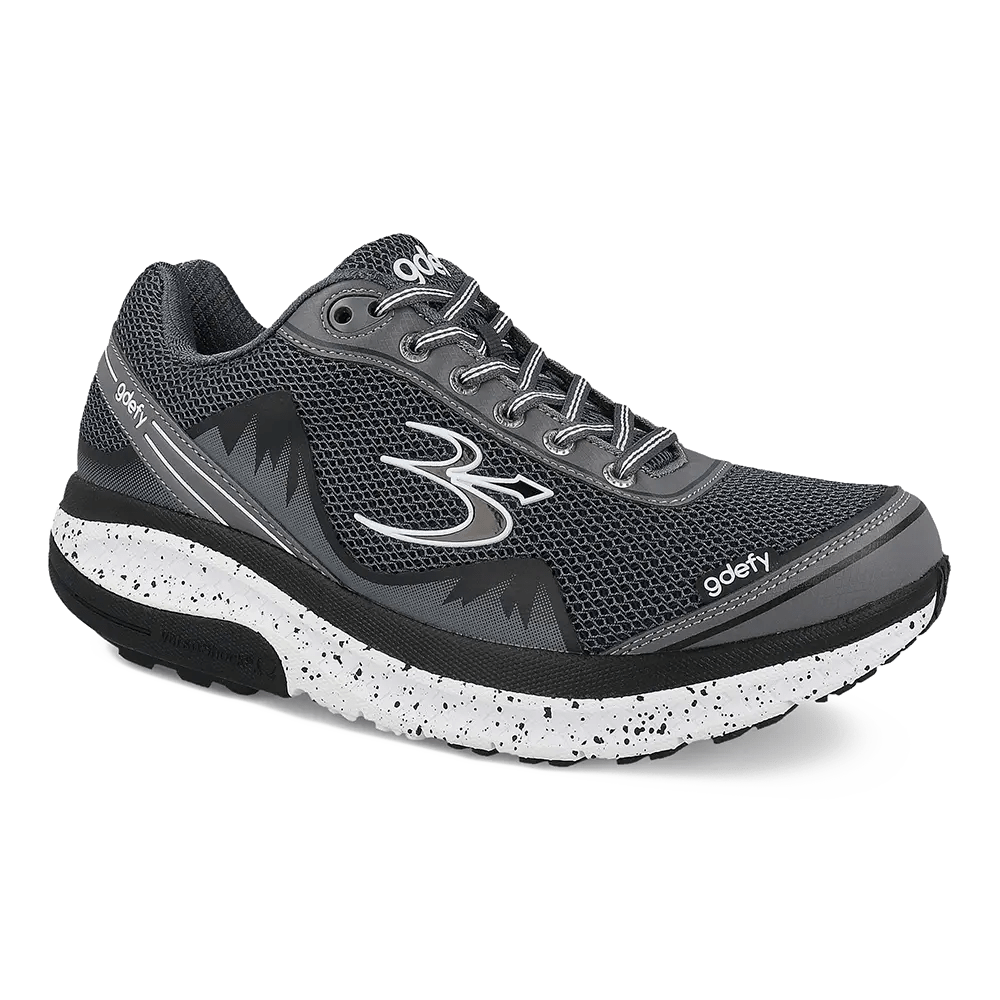
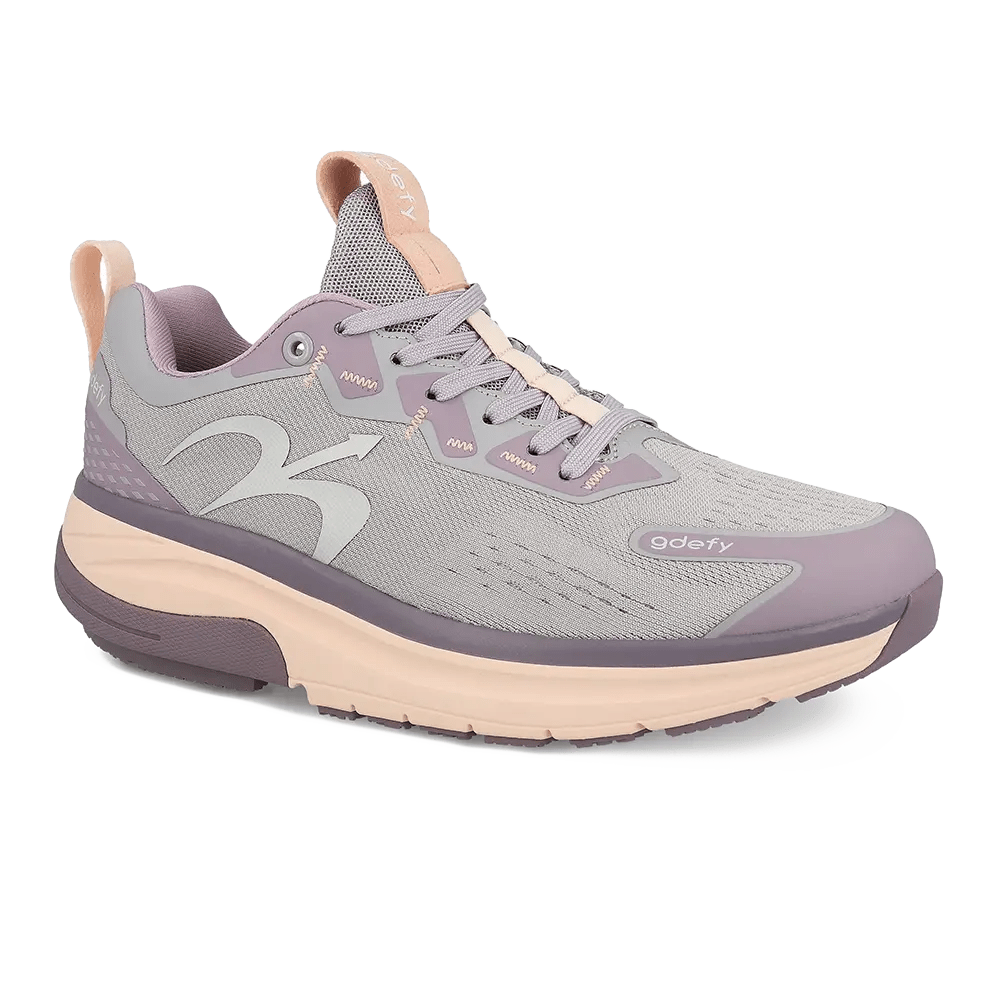
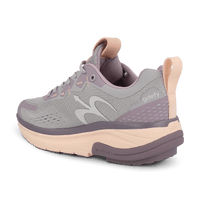
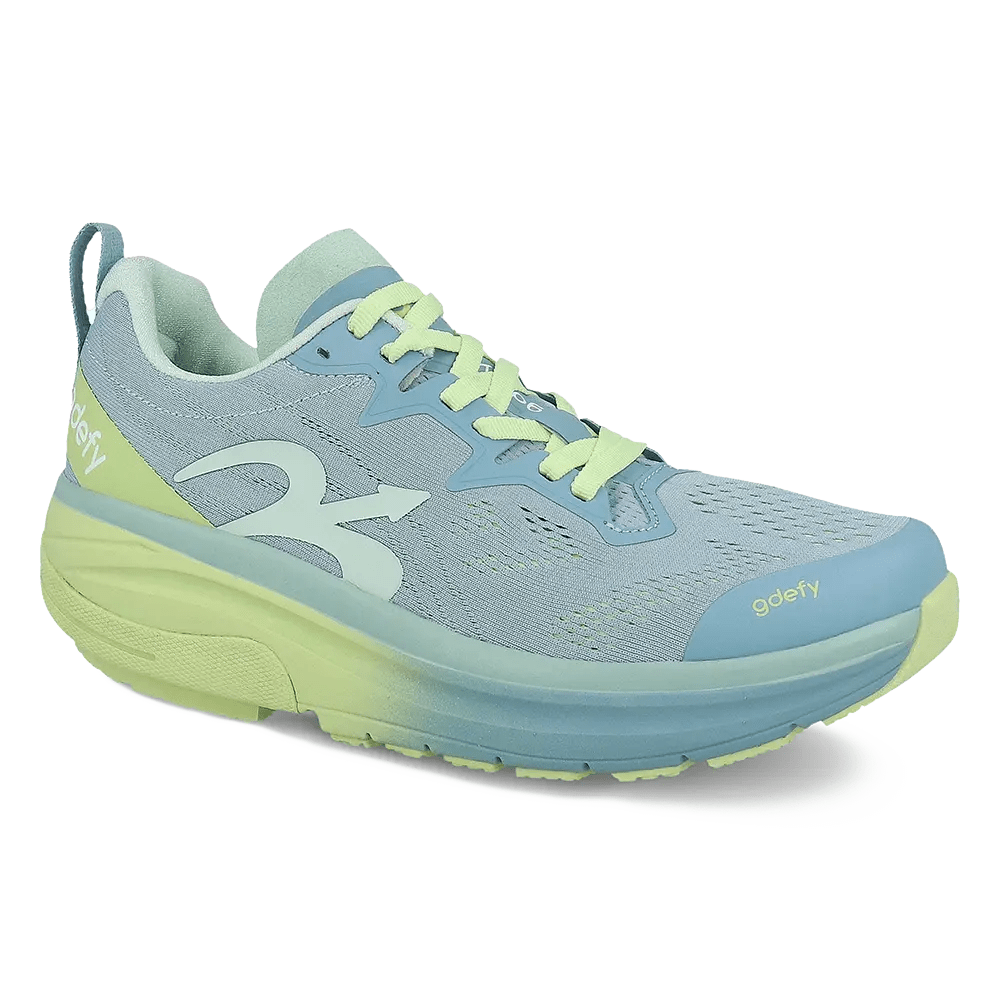
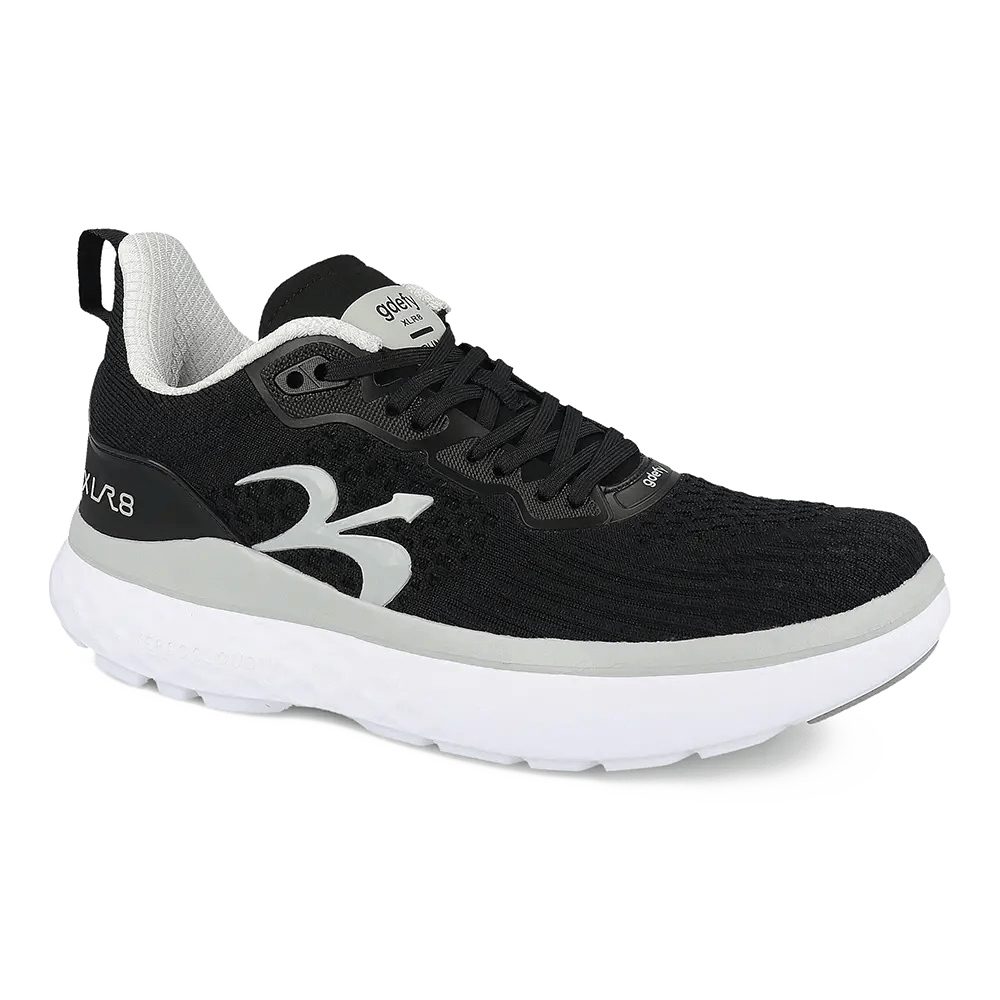
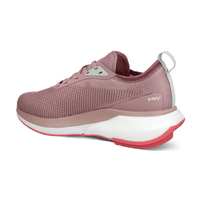
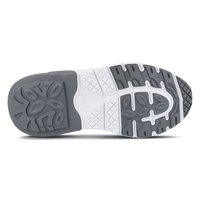
G-Defy designs walking shoes for people who spend long hours on their feet and want to move more comfortably throughout the day. Every pair is built around four core engineering features:
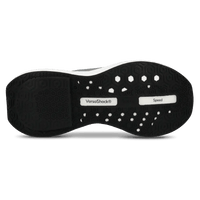
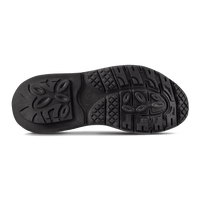
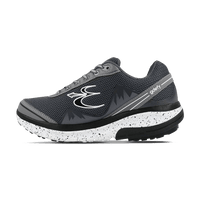
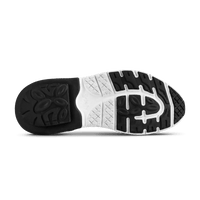
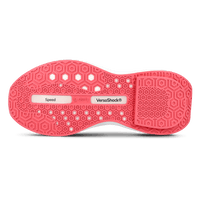
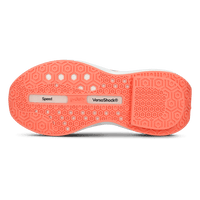
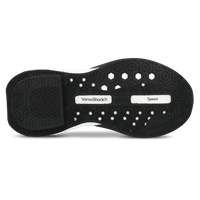
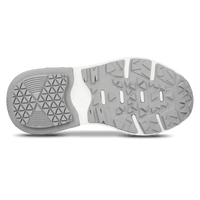
- VersoShock® Technology — A spring-based shock absorption system designed to absorb impact and return energy with each step. Unlike traditional foam, VersoShock® is engineered to maintain its cushioning performance over time, not compress and flatten with use.
- Built-In Stabilizer — A structural shank system that supports the foot during movement, prevents excessive bending in the midfoot, and encourages a more stable, controlled stride.
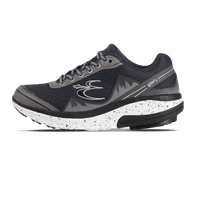
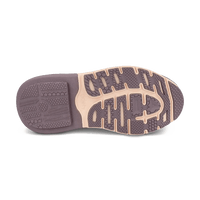
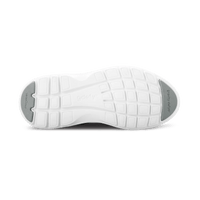
- Front Rolling Design — A forefoot geometry that promotes a smooth heel-to-toe transition, supporting natural walking mechanics and reducing impact loading per step.
- Dual Orthotic System — Every pair includes two removable orthotics: the ComfortFit® orthotic for low to medium arches, and the CorrectiveFit® orthotic for medium to high arches. This lets you customize your support level based on your foot type.
Together, these four features work as a complete system — and G-Defy shoes help reduce pain from walking, running, and prolonged standing.

G-Defy customers who spend long hours on their feet — teachers, healthcare workers, and active adults — describe the difference in their day-to-day comfort. Read their stories to hear how they put G-Defy shoes to work in their daily routines.
Recommended Models
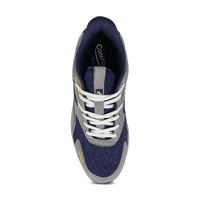
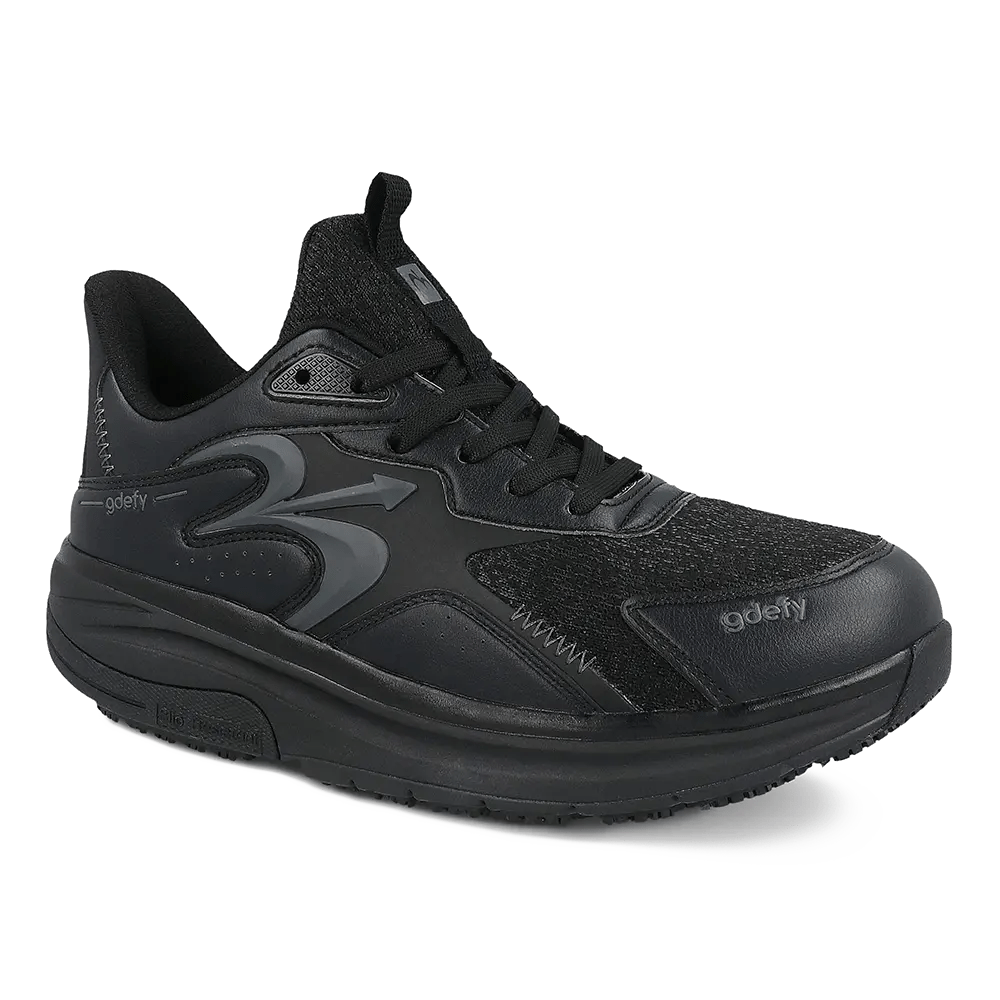
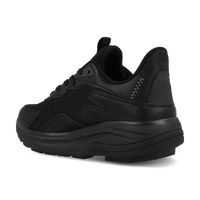
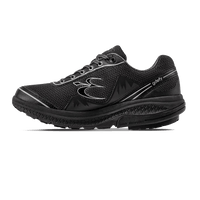
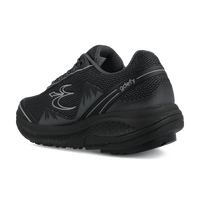
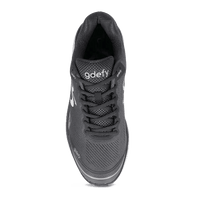
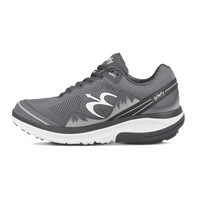
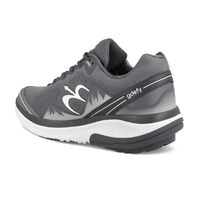
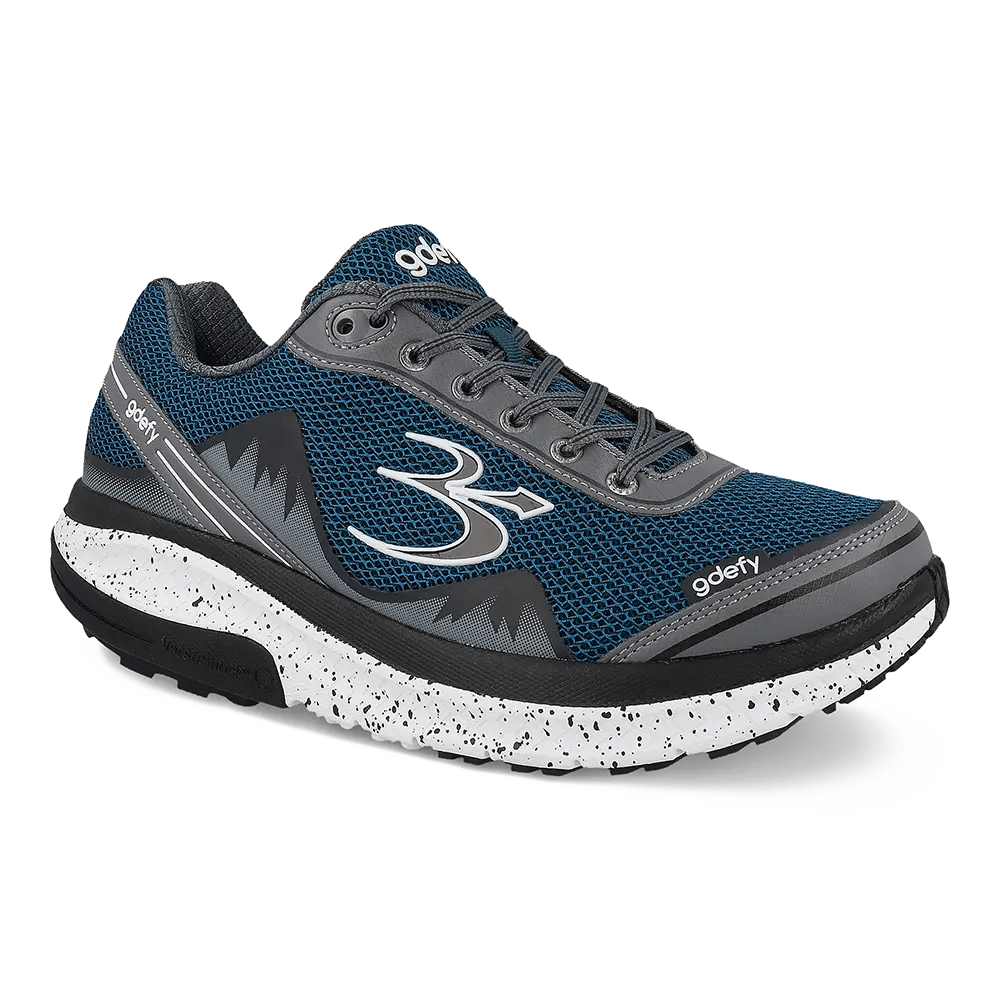
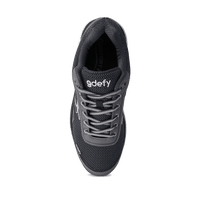
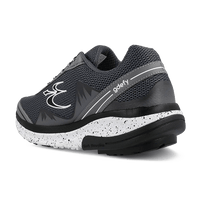
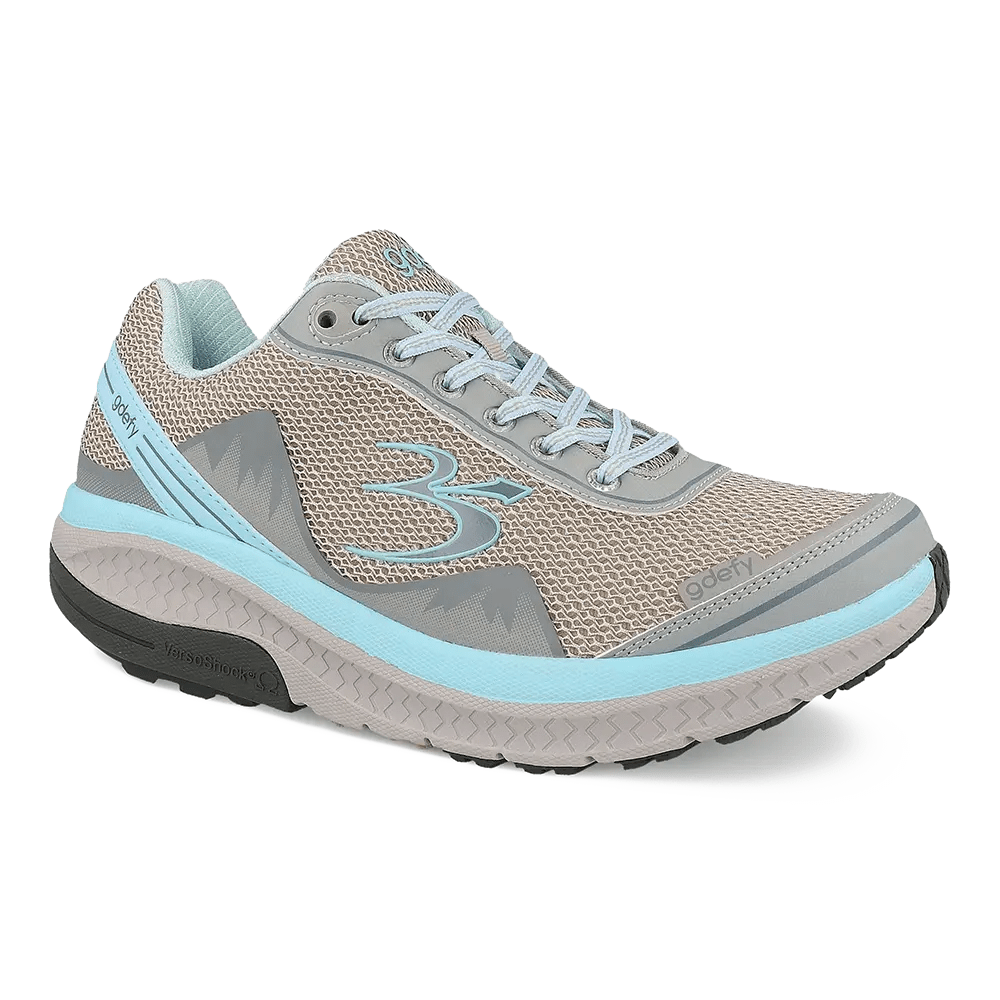
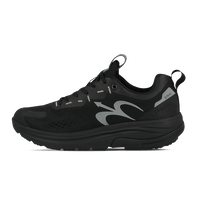
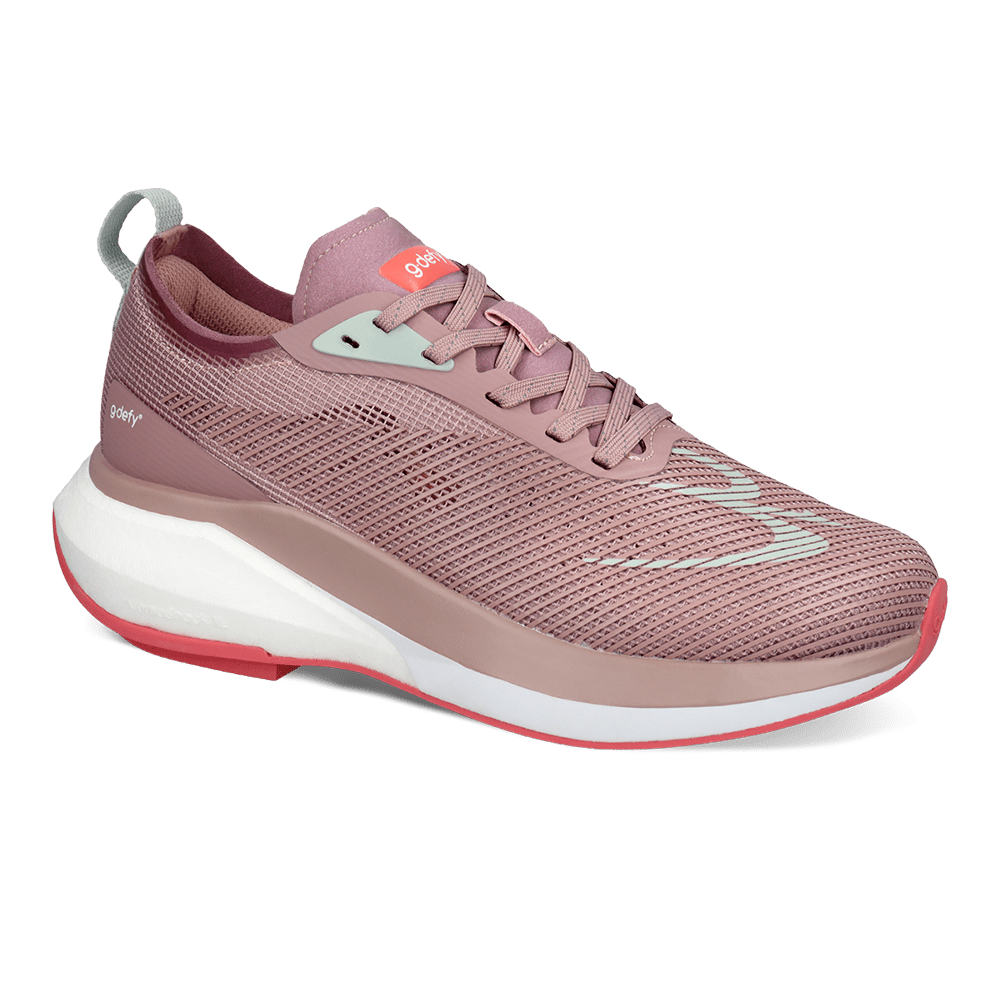
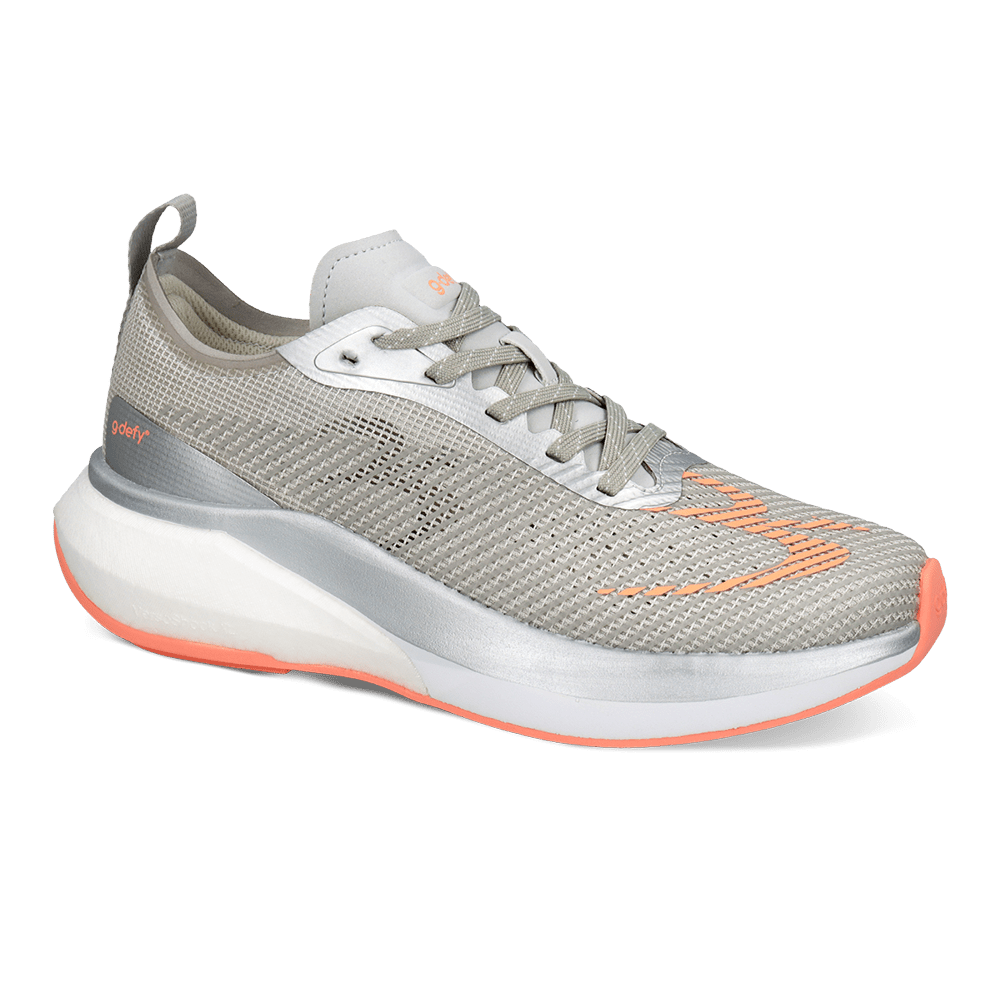
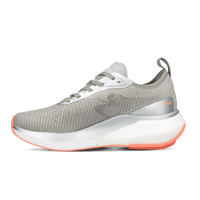
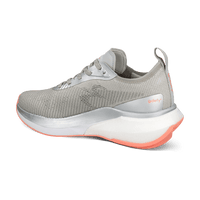
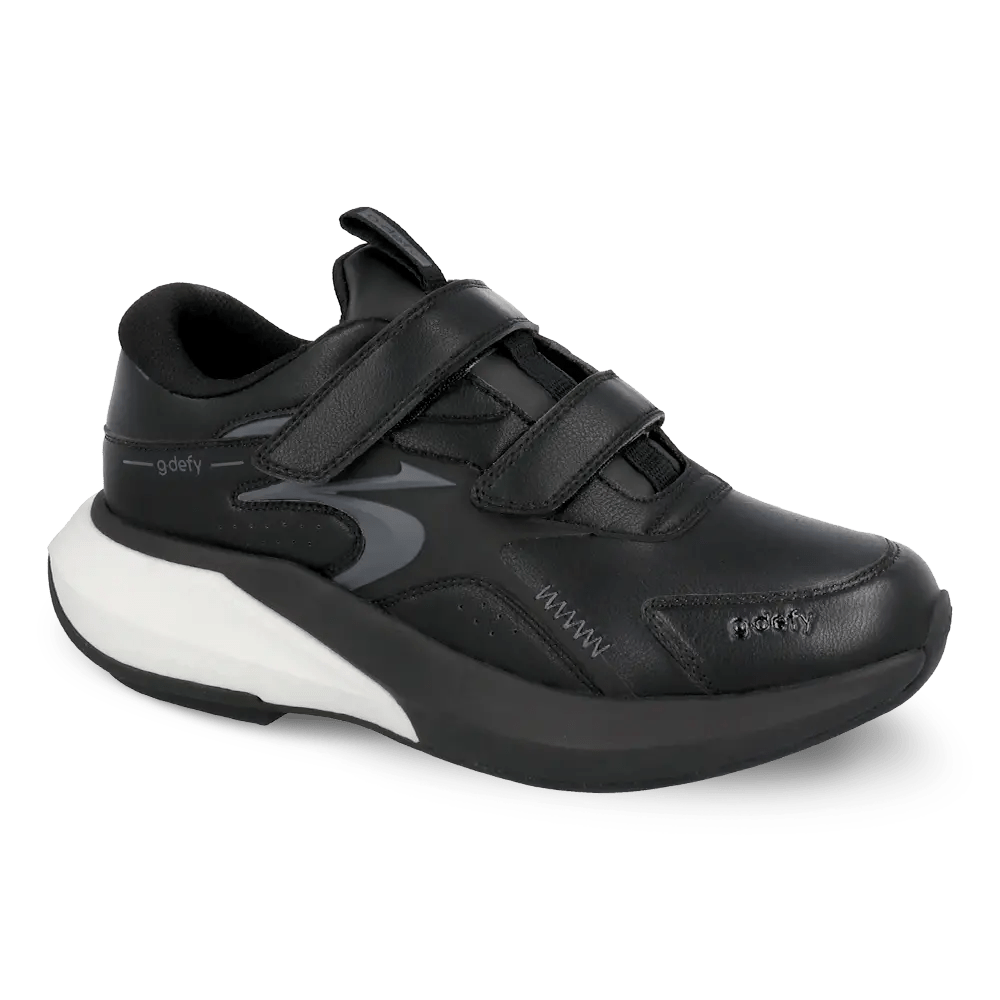
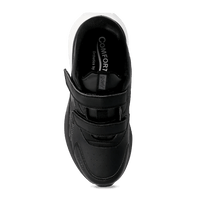
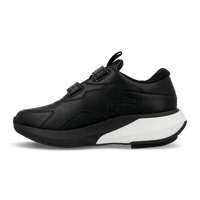
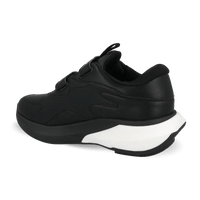
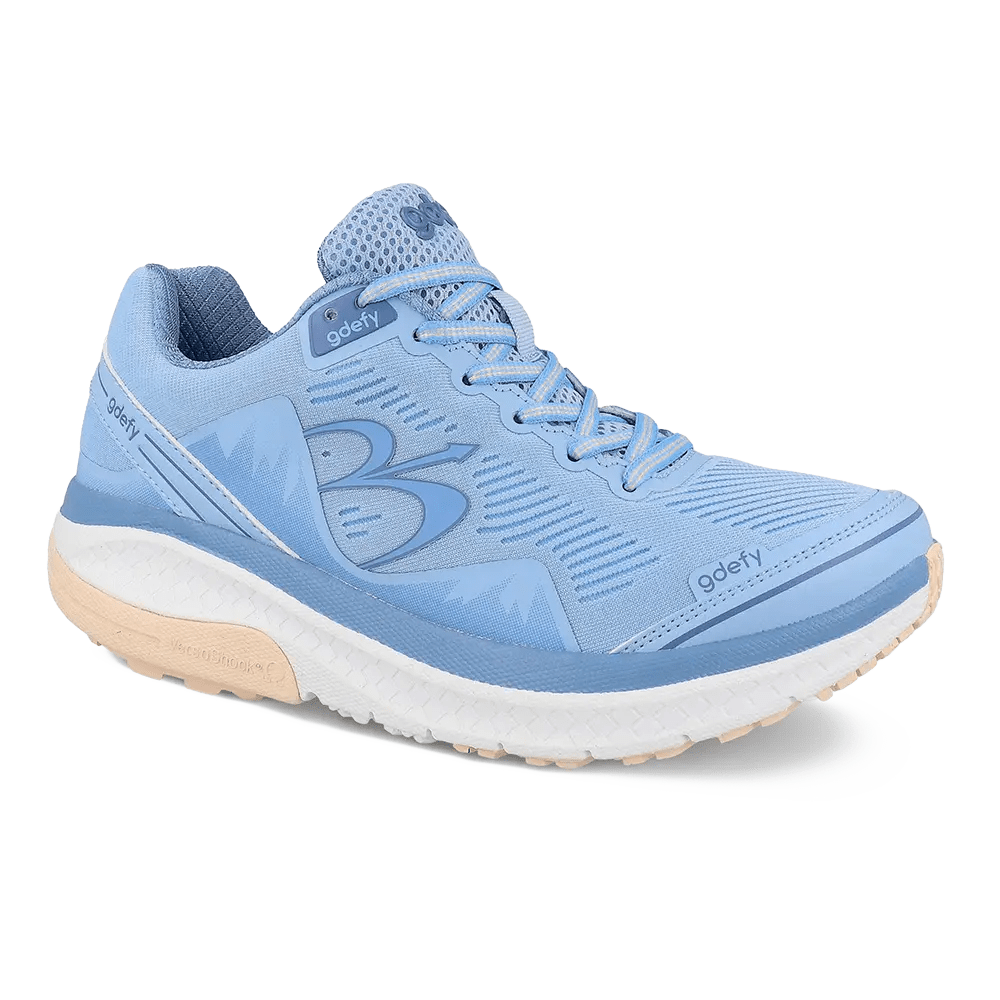
Mighty Walk — G-Defy's most popular everyday walking shoe. Designed for all-day wear, it delivers maximum cushioning and arch support in a casual style that works for the office, errands, and daily activity.
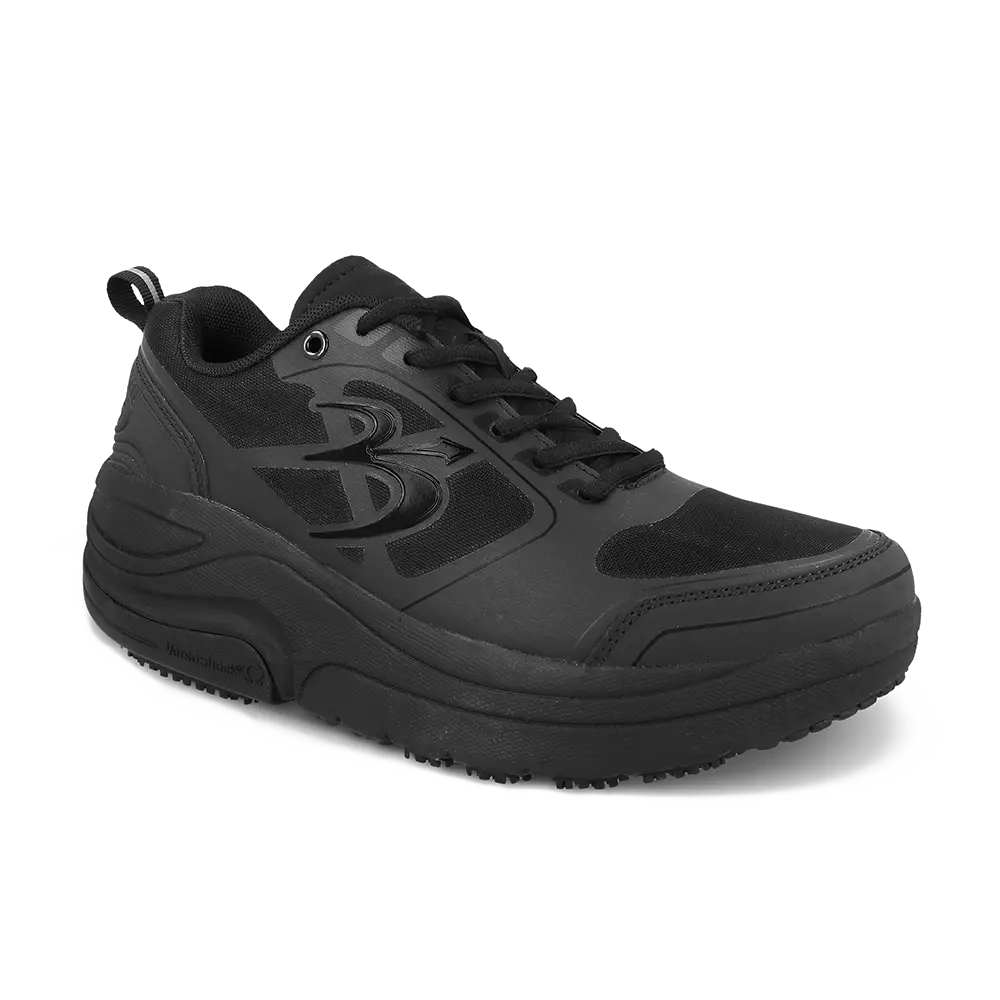
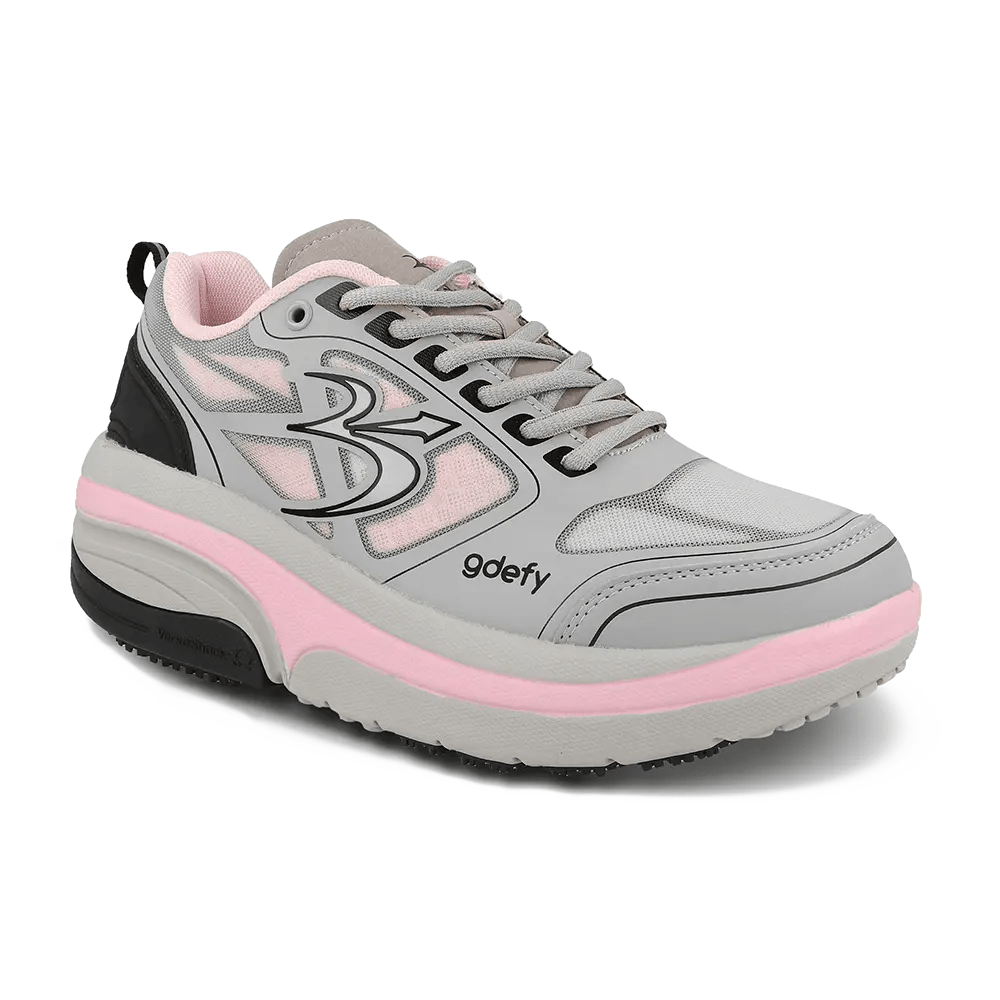
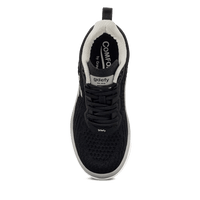
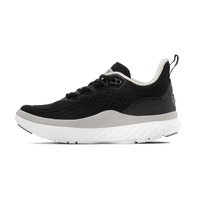
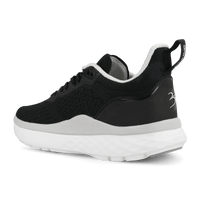
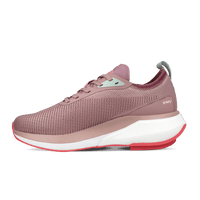
ION — A lighter, more flexible option for people who prefer a streamlined profile. The ION delivers VersoShock® cushioning in a modern design, ideal for those who want comfort without added bulk.
Both models are available in men's and women's sizing. Browse the full men's collection or women's collection to find the right fit for your lifestyle.
Walk More Comfortably, Starting Today
G-Defy shoes are engineered for comfort, support, and shock absorption — designed for active adults who spend long hours on their feet. Try them with our 60-day risk-free trial. Free shipping on every order.
Shop Comfort Walking Shoes →Practical Tips for Back-Friendly Footwear Habits
Choosing the right shoes is a great start — but a few habits can help you get the most from your footwear:
Replace shoes regularly. Cushioning and support degrade with daily use. If your shoes are more than 6–12 months old and worn regularly, the midsole may no longer be providing the support it once did. Worn-out shoes are a common and often overlooked contributor to back discomfort.
Use both orthotics. If your shoes include removable orthotics, try both options. The difference in arch height between ComfortFit® and CorrectiveFit® can meaningfully affect how your foot is supported — which one works better depends on your individual foot shape.
Rotate between pairs. Wearing the same shoes every day doesn't allow the midsole to fully recover between uses. Alternating between two pairs extends their life and maintains more consistent cushioning performance.
Match your shoe to your activity. A lightweight casual shoe is great for errands; a walking shoe with more cushioning is better suited to long days on your feet. Using the right shoe for the right activity keeps your back in a more supported position throughout the day.
Check your fit regularly. Your feet can change size over time. Shoes that are too tight or too loose affect your stride in ways that can stress your back. Your heel should sit snugly with about a thumb's width of space in front of your longest toe.

Frequently Asked Questions
Can the wrong shoes contribute to lower back discomfort?
Yes. Shoes without adequate cushioning or arch support can disrupt your body's natural alignment, placing extra strain on the muscles and joints of the lower back. While footwear is not a medical solution, choosing shoes designed for comfort and support may improve how you feel during and after daily activity.
How long does it take to notice a difference after switching shoes?
Most people notice a change in comfort within one to two weeks of consistently wearing well-designed walking shoes. The 60-day risk-free trial included with G-Defy shoes gives you a full two months to see whether the footwear makes a meaningful difference in how you feel day to day.
Are higher-cushioned shoes always better for back comfort?
Not necessarily. The quality of the cushioning system matters more than its thickness. A well-engineered spring-based system like VersoShock® provides consistent shock absorption and energy return — which can be more effective than simply adding more foam. The key is finding a shoe whose cushioning maintains its performance over time.
Should I use the orthotic insoles included with my shoes?
Yes — the orthotics in G-Defy shoes are designed to provide additional arch support and help customize your comfort level. Try both the ComfortFit® and CorrectiveFit® options to determine which one feels more supportive for your foot type. Proper arch support is one of the most impactful factors in back comfort during walking.
The Right Foundation Makes a Difference
While footwear is not a medical solution, choosing shoes designed with shock absorption, arch support, and energy return can make a meaningful difference in how you feel throughout the day. Your feet are the foundation of every step — and when that foundation is properly supported, the rest of your body follows.
G-Defy shoes are engineered for exactly this purpose — combining VersoShock® technology, a built-in stabilizer, a rolling forefoot design, and dual orthotics into a walking shoe that supports all-day comfort and support.
Try G-Defy with a 60-day risk-free trial and free shipping on every order. If you're not satisfied, return them for a full refund — no questions asked.
Start Your 60-Day Risk-Free Trial
No risk, no commitment — just more comfortable walking. Free shipping included. Full refund if you're not satisfied.
Shop the Mighty Walk →For persistent back pain, please consult a qualified healthcare provider.