April 24, 2026
Gardening with Joint Pain: What to Look for in Supportive Outdoor Shoes
By Gdefy

Summary
Spring is one of the most rewarding seasons to spend outdoors — planting, weeding, mulching, trimming, and enjoying the garden you've worked to build. But for anyone who deals with joint discomfort in their knees, hips, back, or feet, a few hours in the garden can take a real physical toll.
The good news: the footwear you choose before heading outside makes a bigger difference than most people expect. This guide covers why gardening places unique demands on your joints, which shoe features help most, and how to find footwear that lets you stay active in the garden without paying for it for the rest of the day.
Why Gardening Is Hard on Your Joints
Gardening isn't a single activity — it's many movements happening in sequence. You stand, kneel, rise, bend, reach, carry, and shift weight across uneven surfaces, often for longer than you planned. Each of these creates a specific kind of demand on your joints.
Repetitive impact. Walking on garden paths, soft soil, and gravel sends ground-reaction forces upward through your feet and legs with each step. Without adequate cushioning, that force travels directly to your knees, hips, and back.
Prolonged standing. Standing in one spot while planting or tending raised beds places constant pressure on your feet and lower limbs. Over time, this compression builds — especially if your shoes lack meaningful support or cushioning.
Uneven terrain. Stepping across loose soil, stepping stones, raised bed borders, and lawn edges means your foot regularly lands on angled surfaces. A shoe without a stable platform can allow subtle movement through the ankle with each step, adding compensatory demand on the knee and hip.
Repeated kneeling and rising. Getting up from a kneeling position requires significant effort from your knees and hips. Footwear that doesn't support a guided, smooth motion through this movement places concentrated pressure on those joints every single time.
Extended time without movement changes. Staying fixed in one position — crouched over a flower bed or leaning forward to weed — compresses the same joints continuously. When you finally stand back up, the sudden shift can intensify any discomfort that built up during the held position.
Understanding these demands helps explain why the right shoe design matters for time spent in the garden — and why choosing footwear built for outdoor activity pays off across the season.
What to Look for in Shoes for Gardening with Joint Discomfort
When it comes to joint comfort during outdoor activity, not all supportive shoes are built the same. Here are the features that matter most.
Shock Absorption That Lasts Through the Day
The most important feature for joint comfort during outdoor activity is how effectively a shoe manages impact — and for how long. Traditional foam midsoles compress under repeated pressure and gradually lose their cushioning effect over the course of a day. A spring-based shock absorption system is designed to absorb impact and return energy, maintaining consistent performance through hours of continuous use.
For gardening — where you're constantly changing positions and putting weight through your feet — consistent cushioning matters more than cushioning that performs well for only the first hour.
Built-In Structural Support
A shoe with a stabilizer built into the midsole prevents excessive flexing through the middle of the shoe. This structural element keeps your foot supported when moving across soft or uneven ground, helping maintain aligned movement through the ankle, knee, and hip rather than absorbing those shifts through the joints themselves.
Arch Support Suited to Your Foot
Flat arches and high arches distribute pressure differently — and both can contribute to joint discomfort when left unsupported. Proper arch support keeps the foot in a neutral position, helping to distribute pressure more evenly across the sole rather than concentrating it at any single point.
Look for shoes that include removable orthotics with more than one support level. This lets you adjust for your foot type rather than accepting a generic fit — a meaningful difference for people whose arches are part of the discomfort picture.
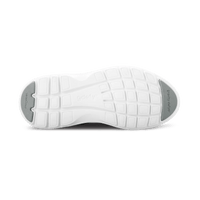
Traction on Varied Outdoor Surfaces
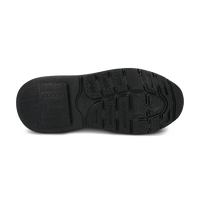
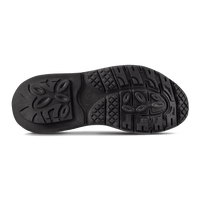
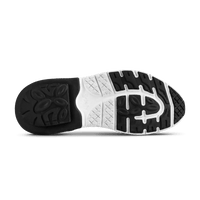
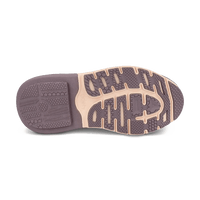
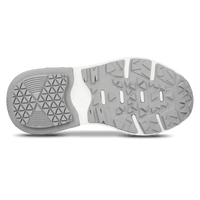
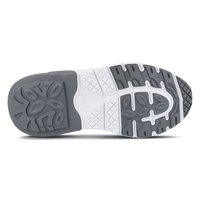
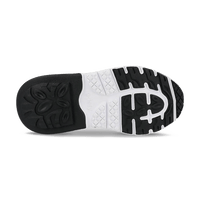
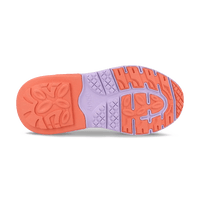
Wet grass, damp soil, stepping stones, and gravel all present real slip risks. A lug sole or textured rubber outsole provides the grip needed to move confidently across the garden — particularly when you're carrying tools, rising from a bent position, or moving quickly to avoid stepping on plants.
A Smooth Heel-to-Toe Motion
A front rolling design promotes natural forward movement by helping the foot transition smoothly from heel strike to toe-off. This is especially useful during the repeated kneeling and rising that characterizes most gardening sessions — a guided, less abrupt push-off eases the demand on the knee with each rep.
Lightweight Construction
A heavier shoe increases leg fatigue over time. When you're on your feet for a morning of yard work, a lighter shoe reduces the cumulative effort of each step — a practical advantage for anyone managing knee or hip discomfort who wants to garden for as long as possible before tiring.
Why Most Dedicated Garden Footwear Falls Short
Most footwear marketed specifically for gardening is optimized for a single purpose: keeping your feet dry. Rubber clogs, waterproof slip-ons, and garden boots do that job well — but they typically sacrifice everything else in the process. Flat insoles, minimal arch support, and hard outsoles are standard in most garden-specific shoes.
If your joints have no complaints, that's a reasonable trade-off. If they do, you need footwear that does more. The difference shows up after two or three hours outdoors: your feet stay dry, but your knees and hips tell a different story by mid-morning.
The answer isn't necessarily a specialized gardening shoe — it's a well-engineered walking or activity shoe that provides genuine shock absorption and support, and that happens to hold up equally well on outdoor terrain.

How G-Defy Shoes Support Outdoor Comfort
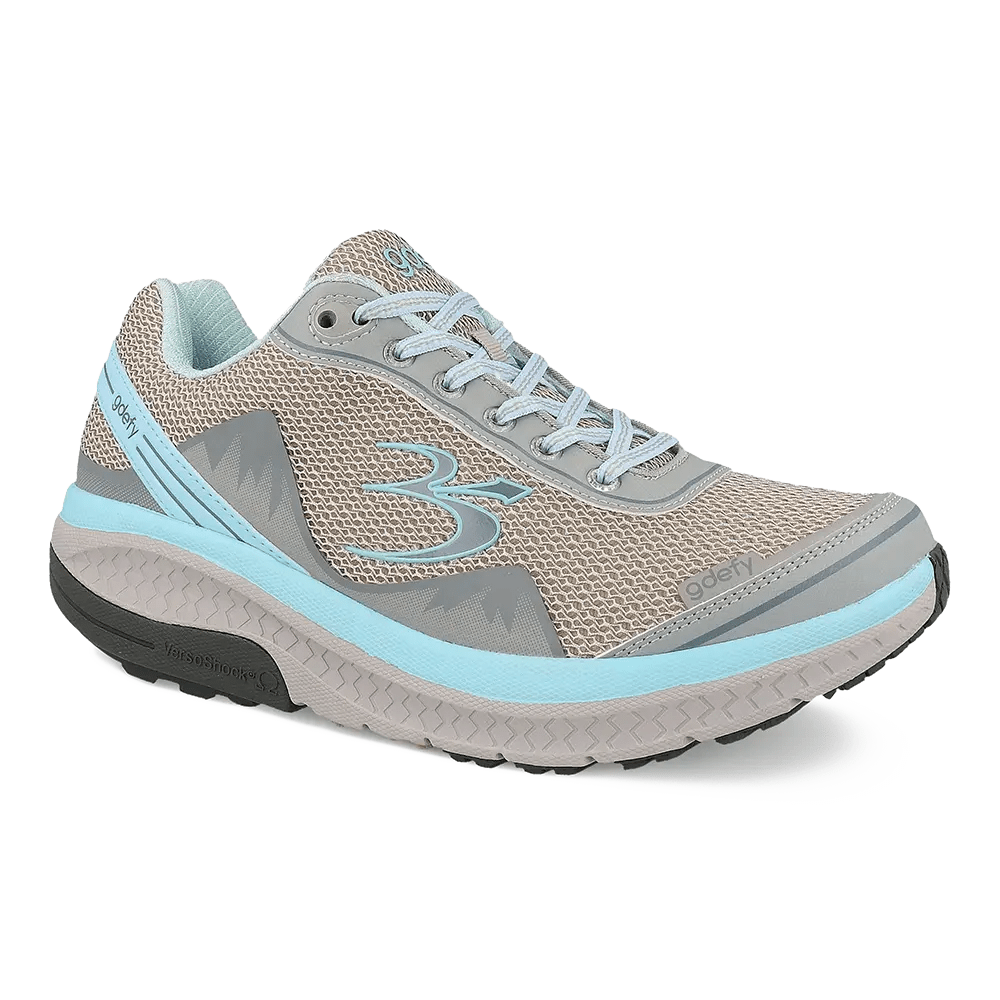
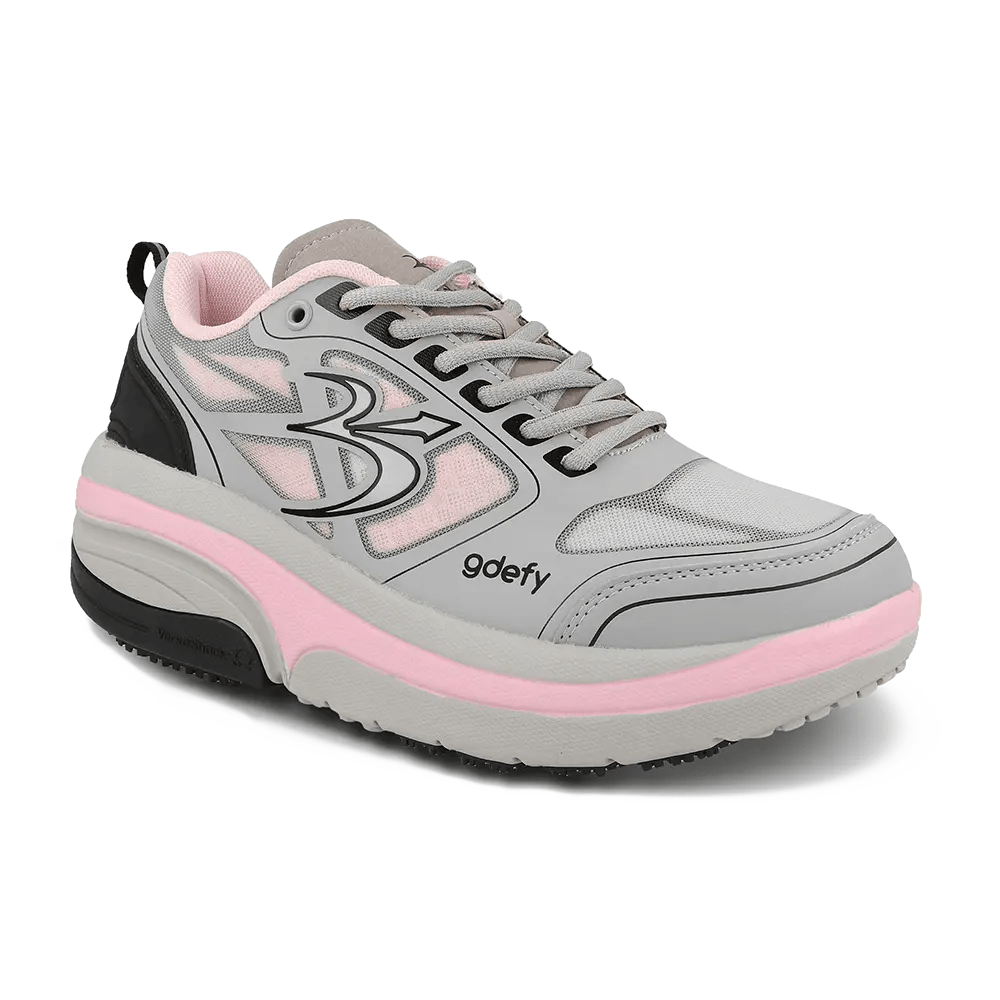
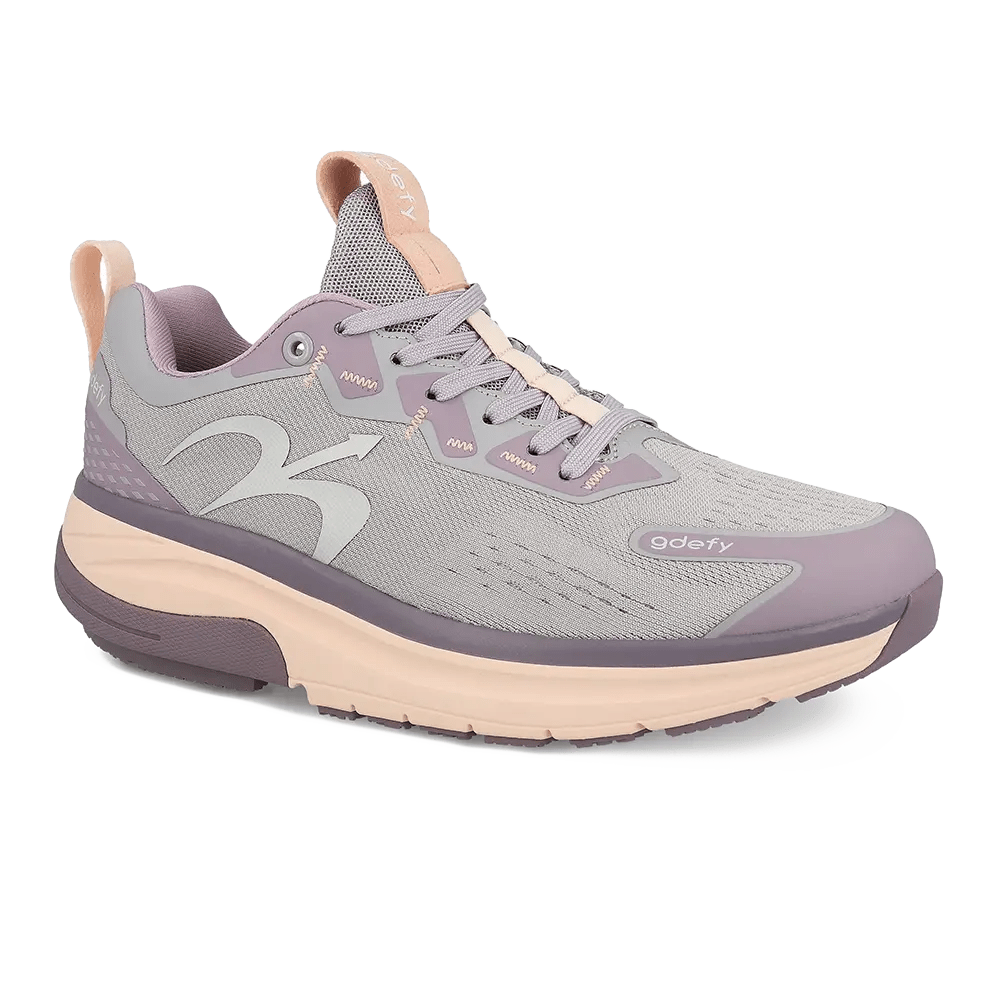
G-Defy shoes are built around four engineered features that work together for comfort during prolonged outdoor activity.
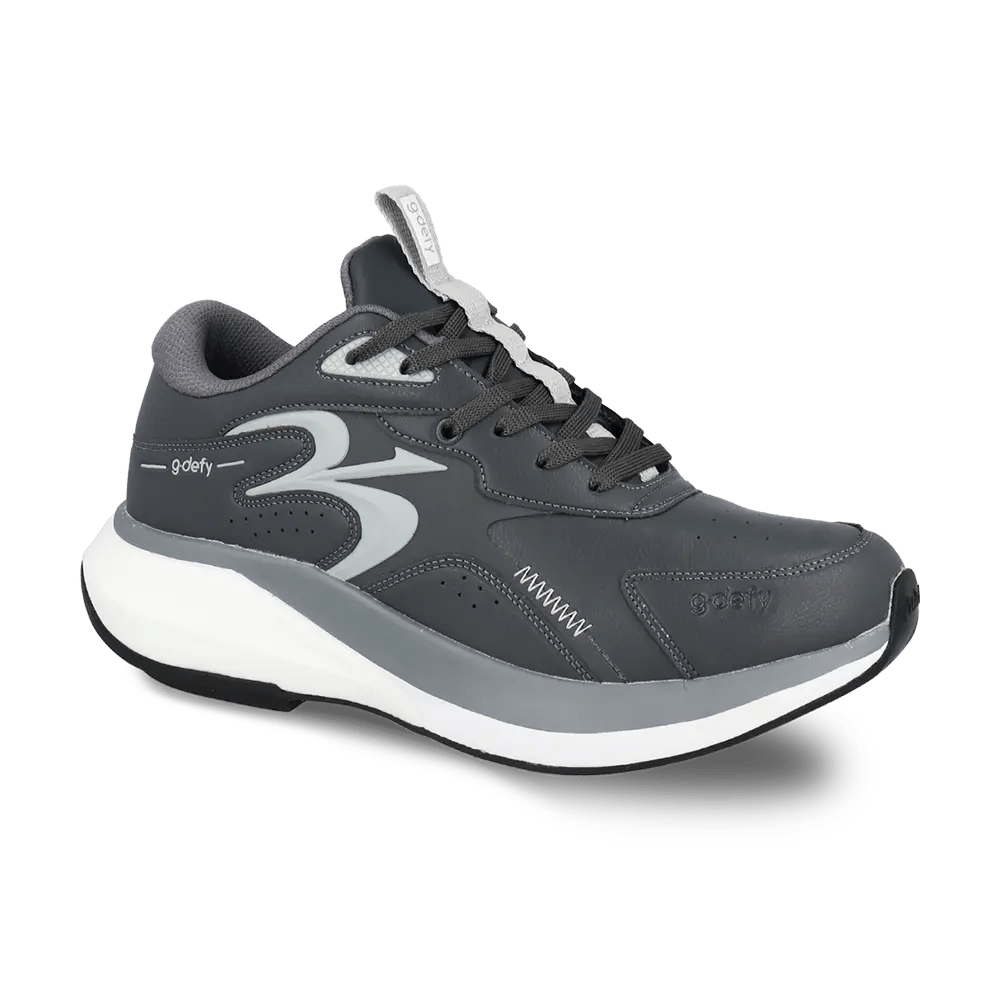
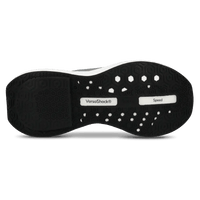
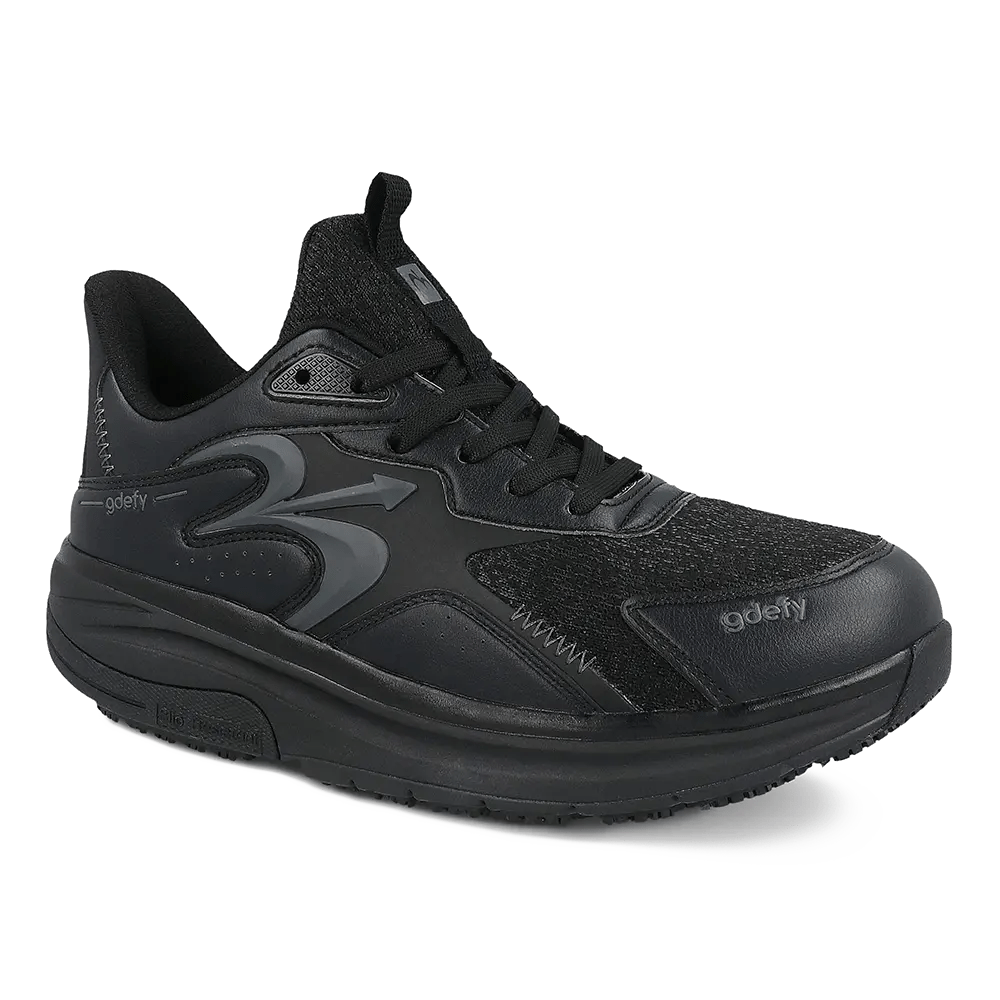
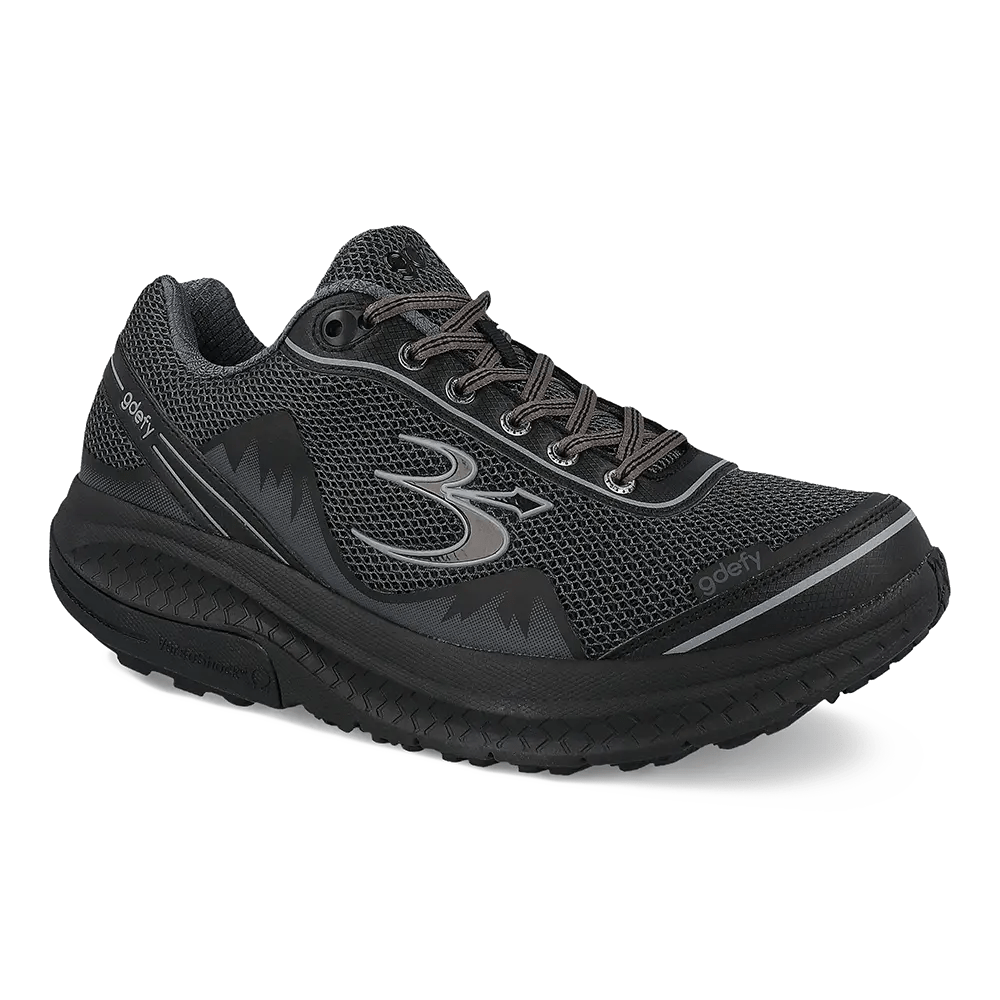
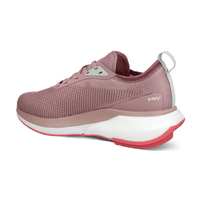
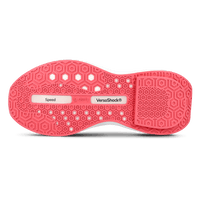
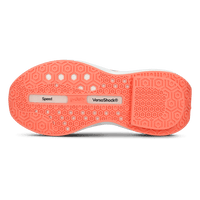
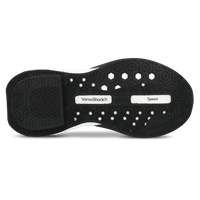
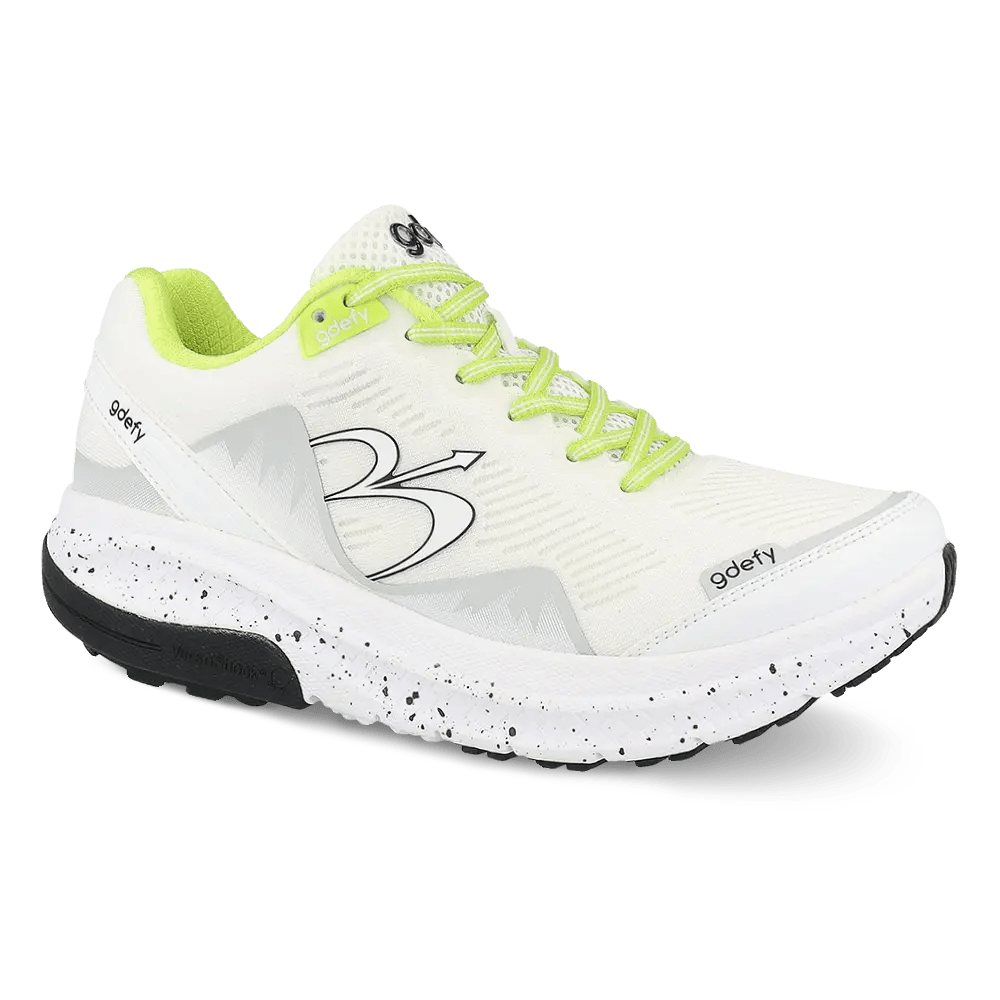
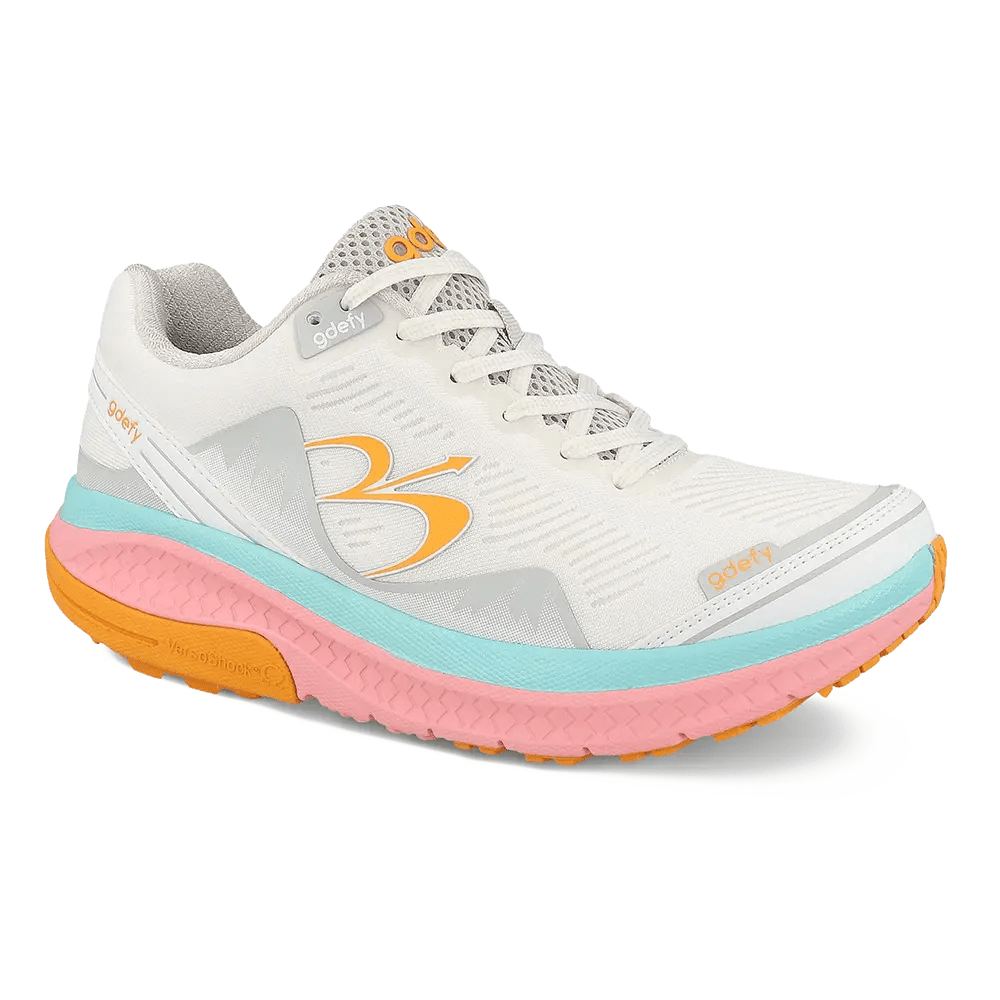
VersoShock® Technology — the centerpiece of every G-Defy shoe. Rather than standard foam, VersoShock® uses a spring-based system designed to absorb impact and return energy with each step. This delivers consistent cushioning throughout the day, not just for the first hour. For gardening — where you're active on varied terrain for an extended stretch — that sustained performance makes a real difference.
Built-in stabilizer system — a structural shank that prevents excessive flex through the midsole, supporting the foot during side-to-side movement and during transitions across uneven ground.
Front rolling design — promotes a smooth heel-to-toe transition that supports more natural movement, particularly helpful during the repeated kneeling and rising that comes with a full morning in the garden.
Dual removable orthotics — every pair includes two orthotic options: ComfortFit® for low to medium arches and CorrectiveFit® for medium to high arches. This lets you customize support based on your foot type rather than accepting a one-size-fits-all insert.
Together, these features help reduce pain from walking, running, and prolonged standing — including the kind of sustained, position-changing movement that defines a typical gardening session.
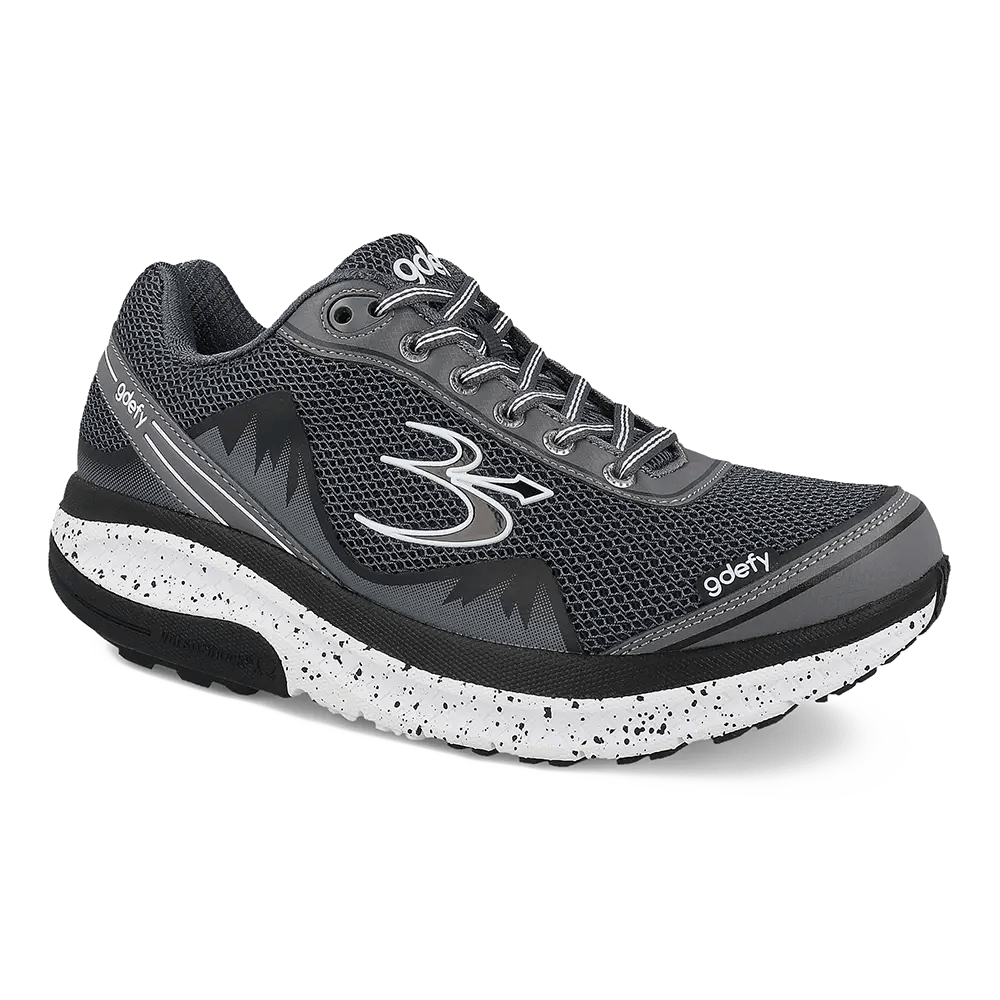
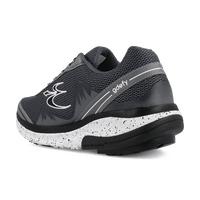
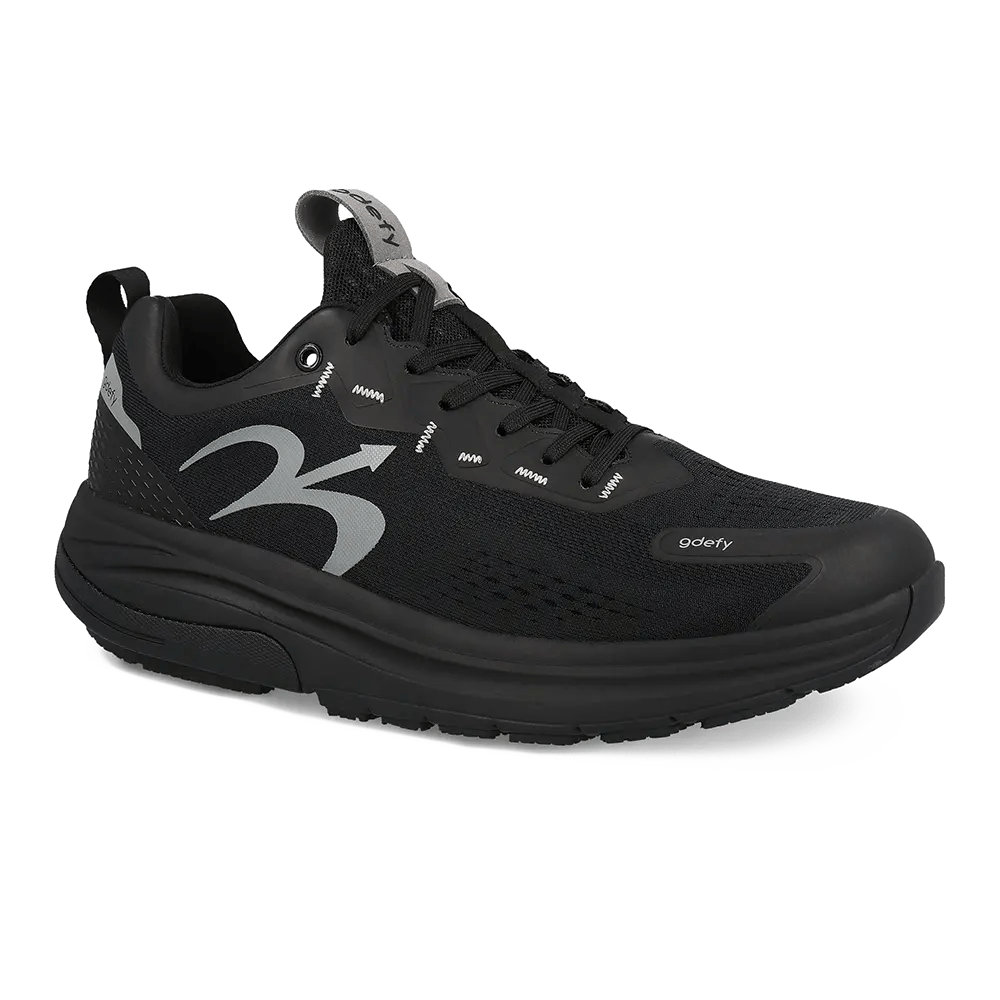
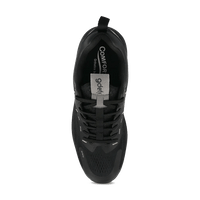
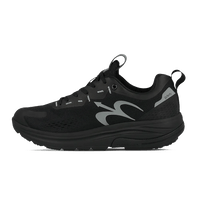
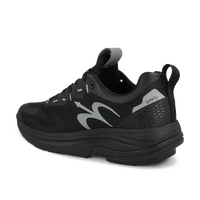
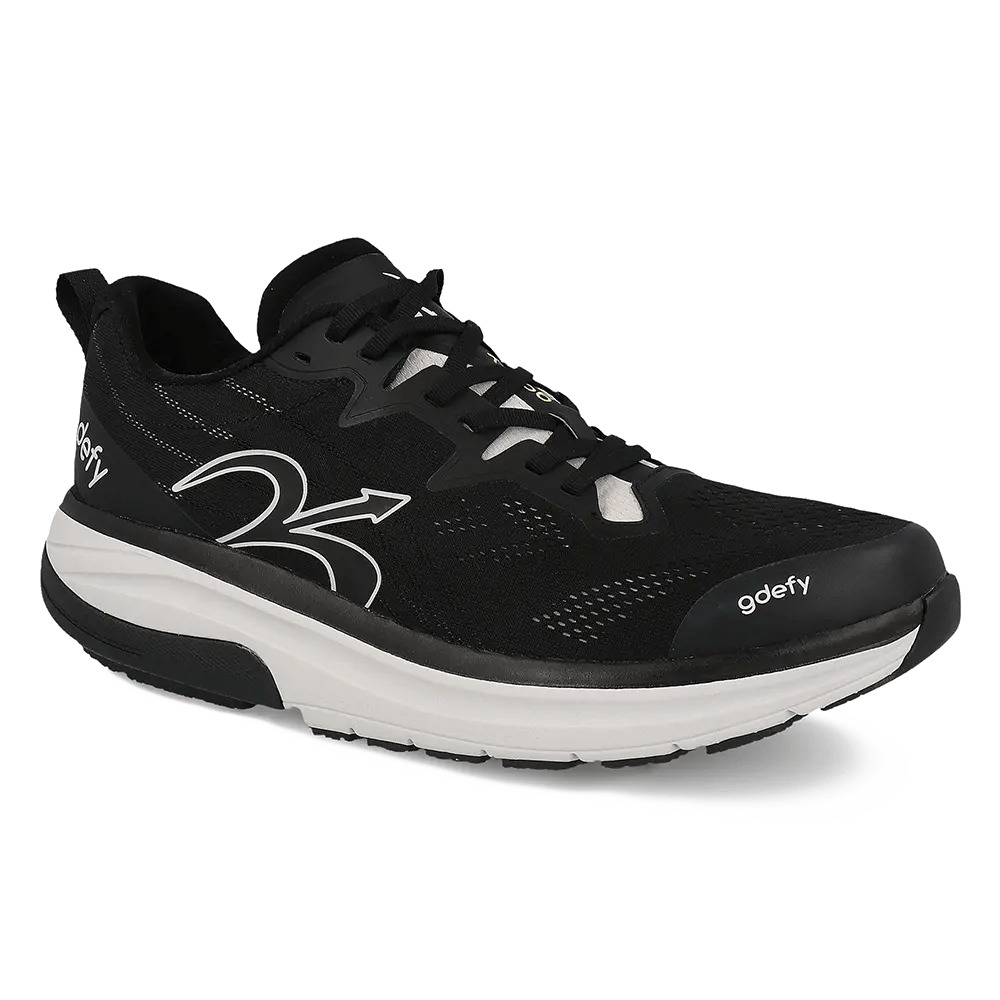
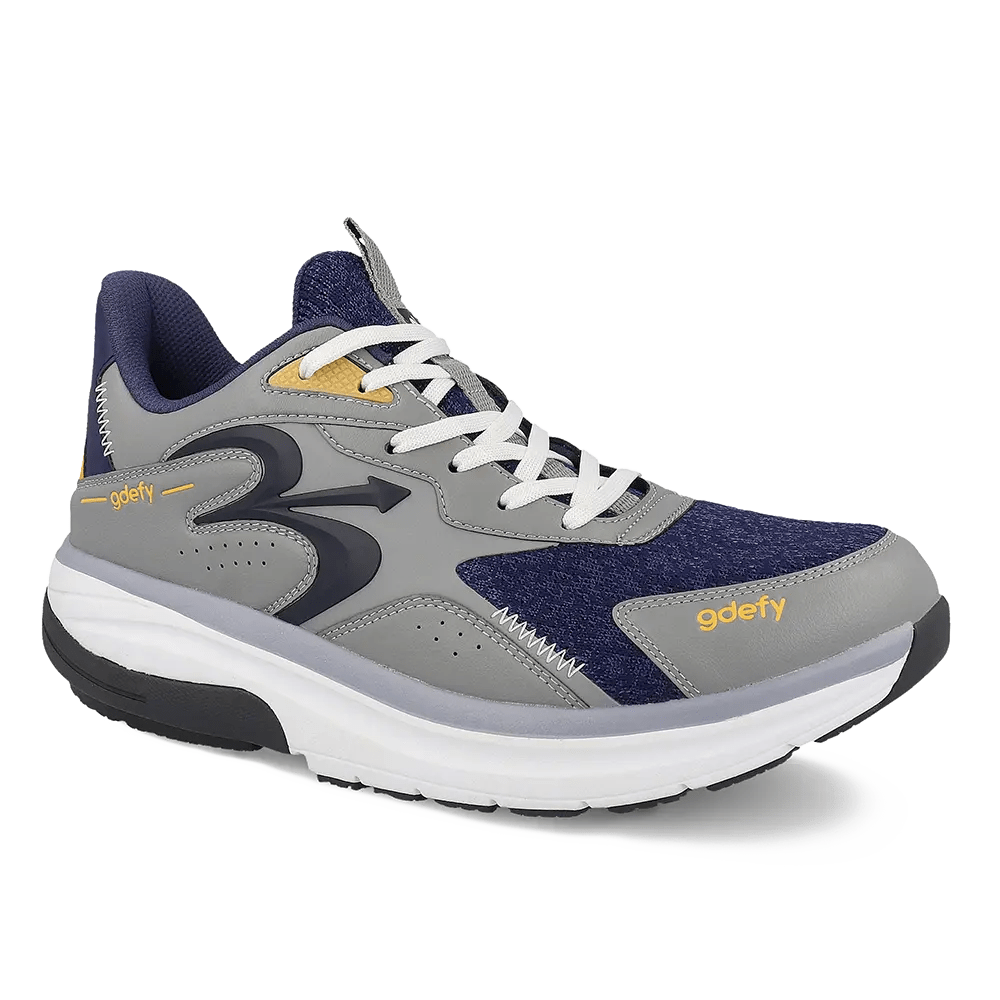
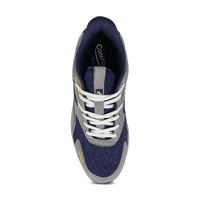
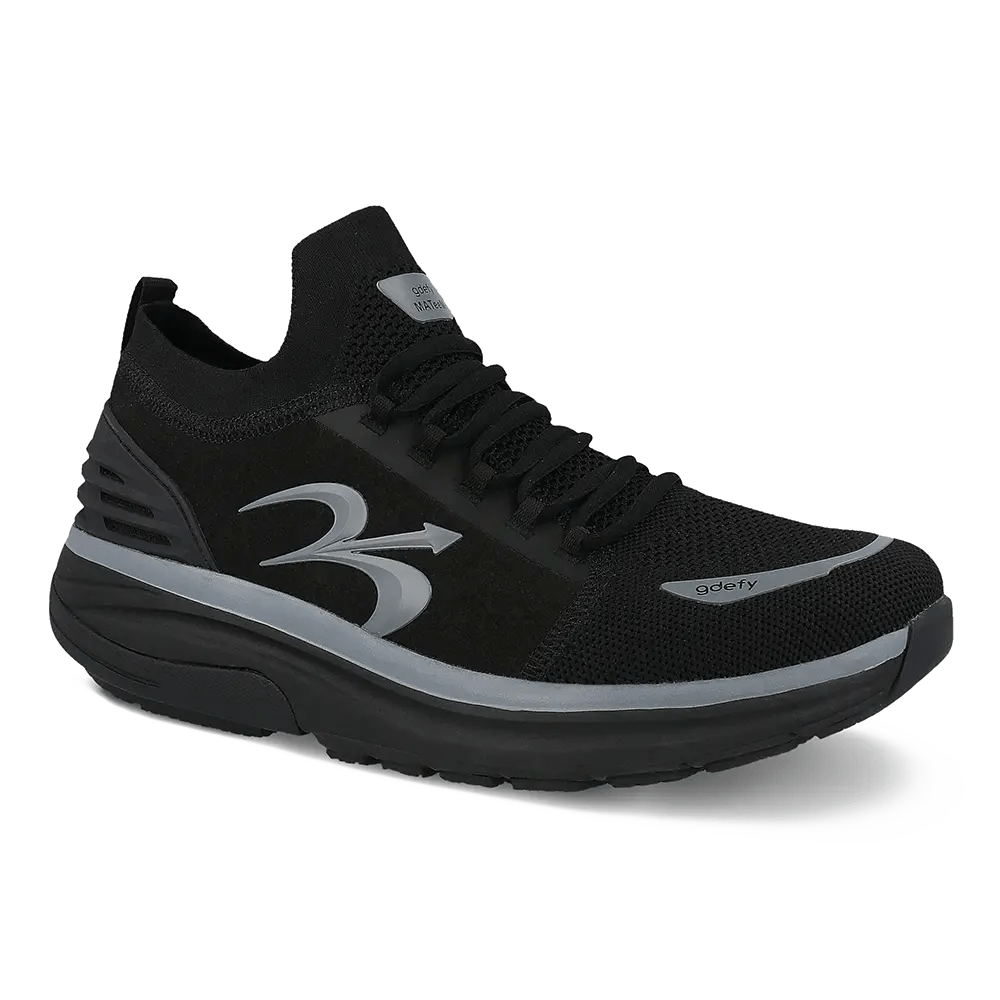
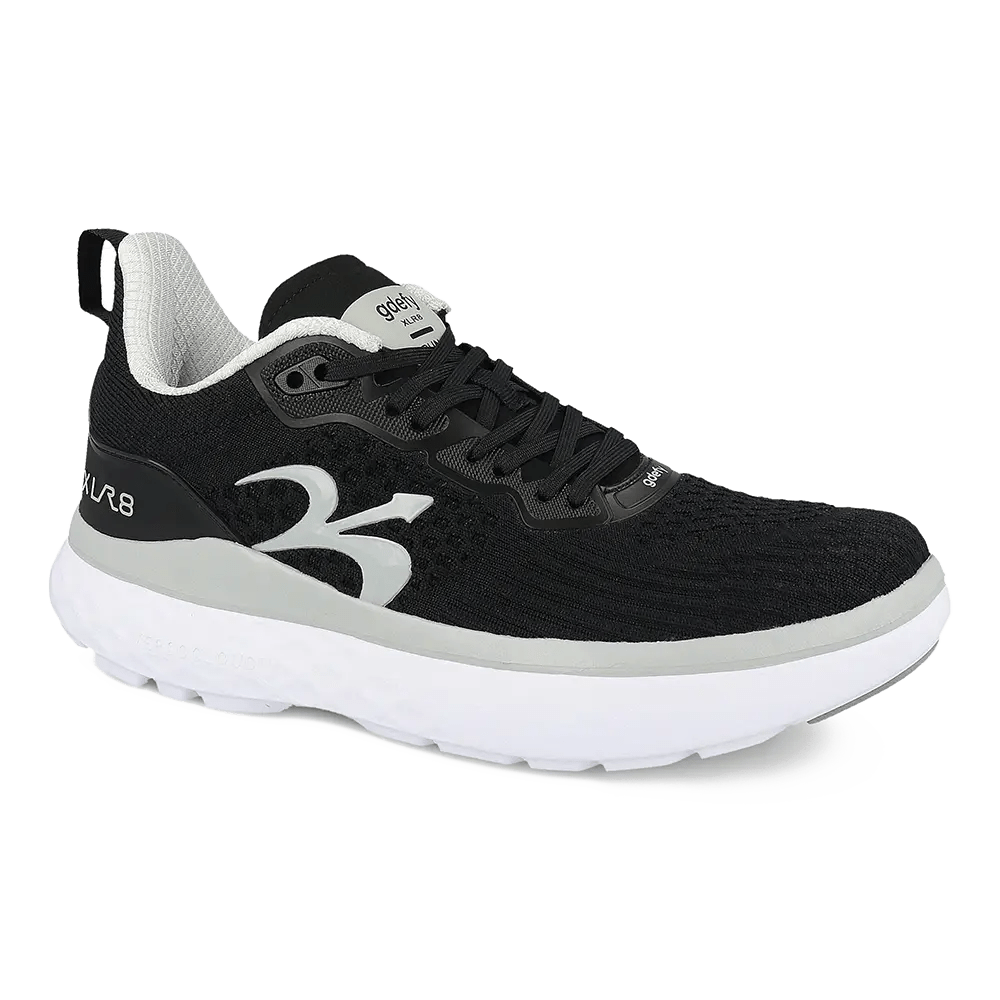
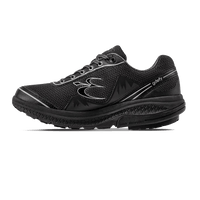
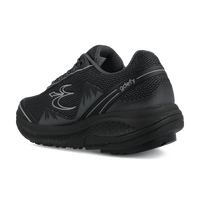
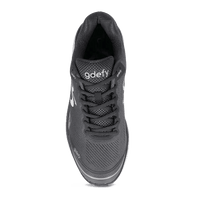
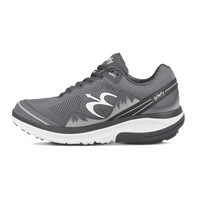
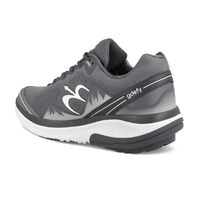
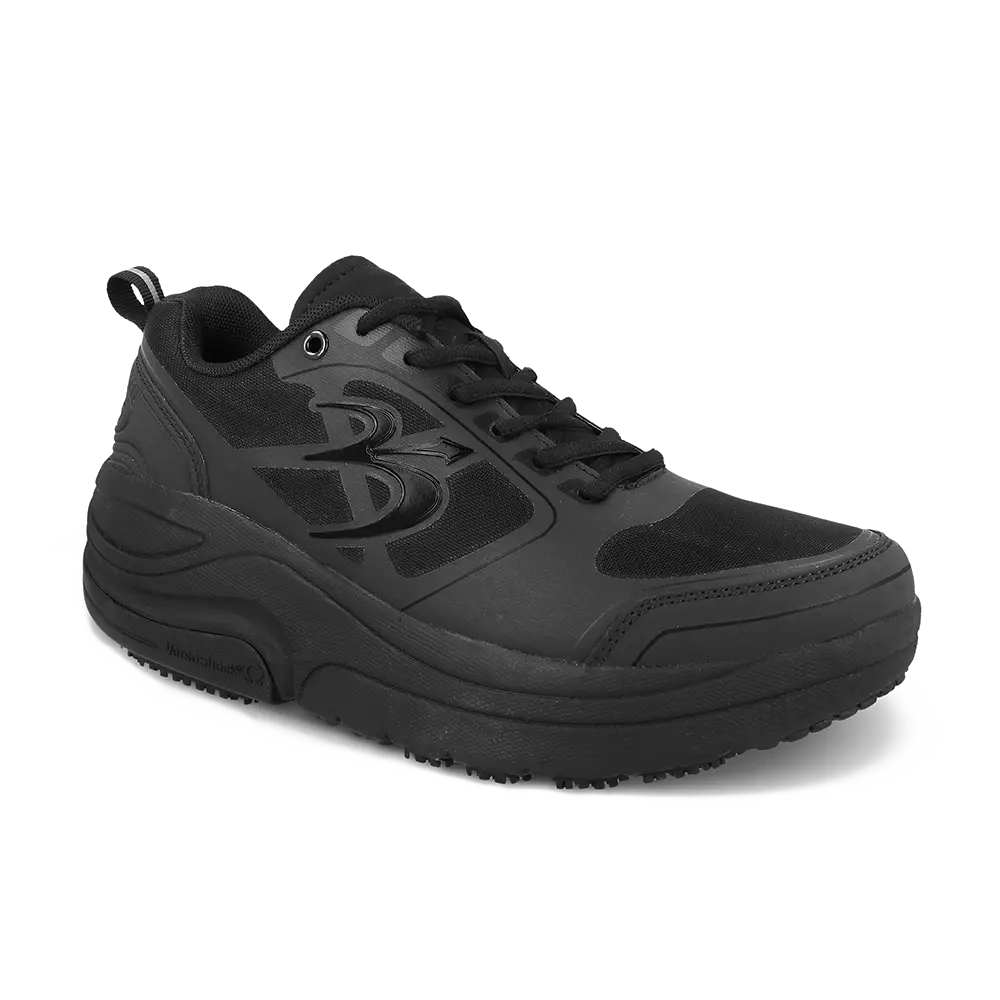
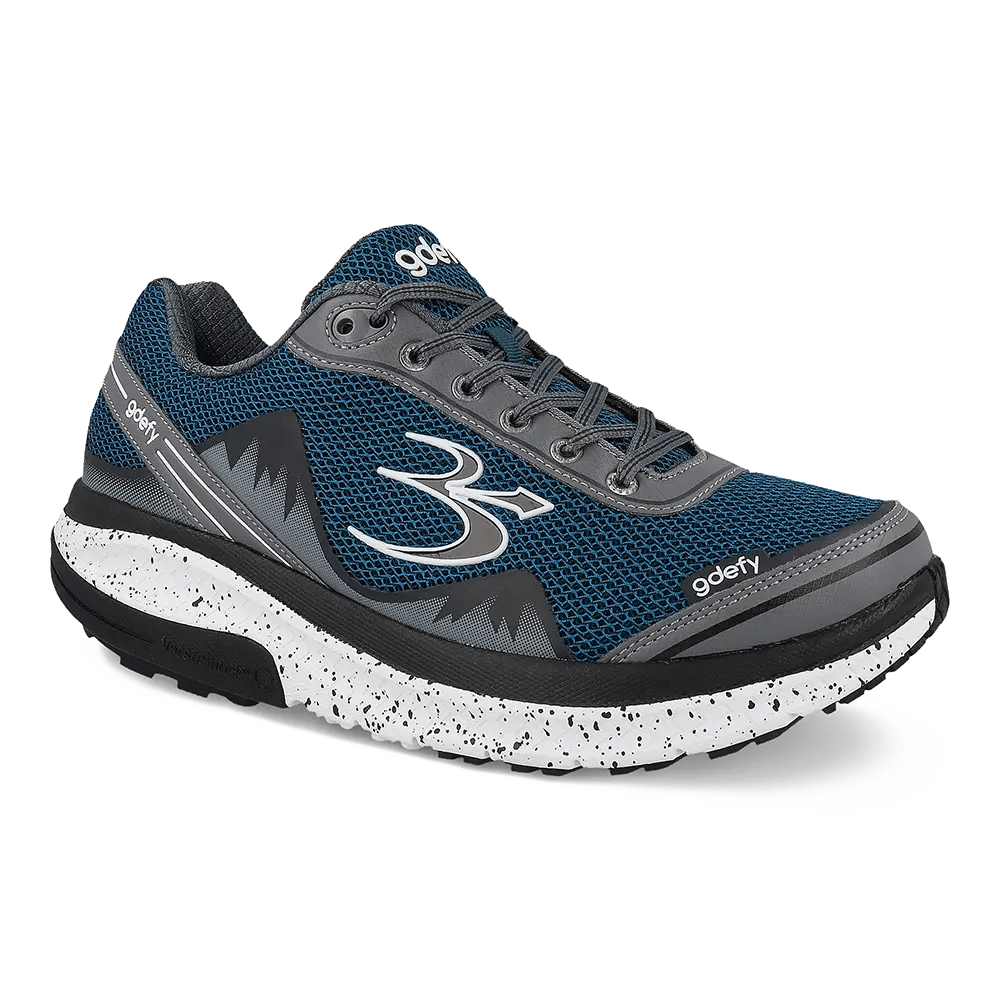
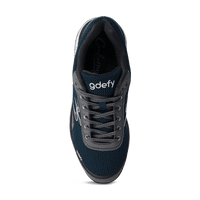
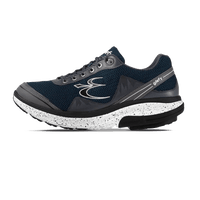
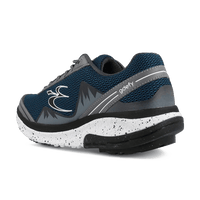
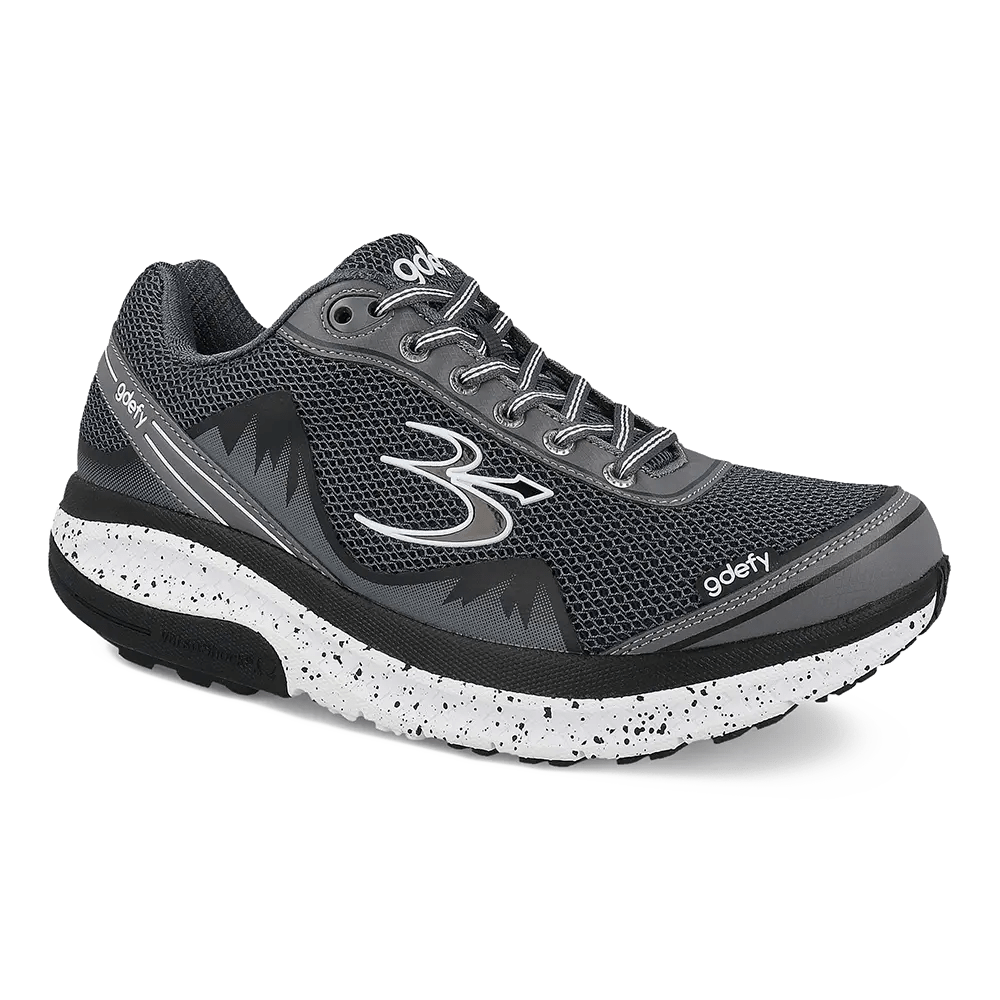
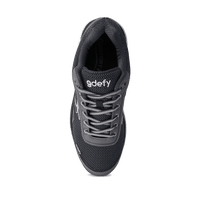
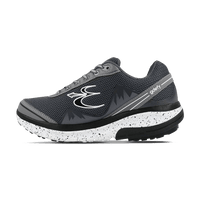
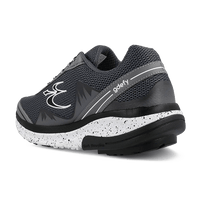
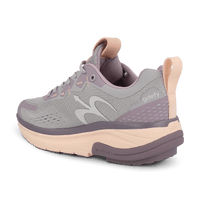
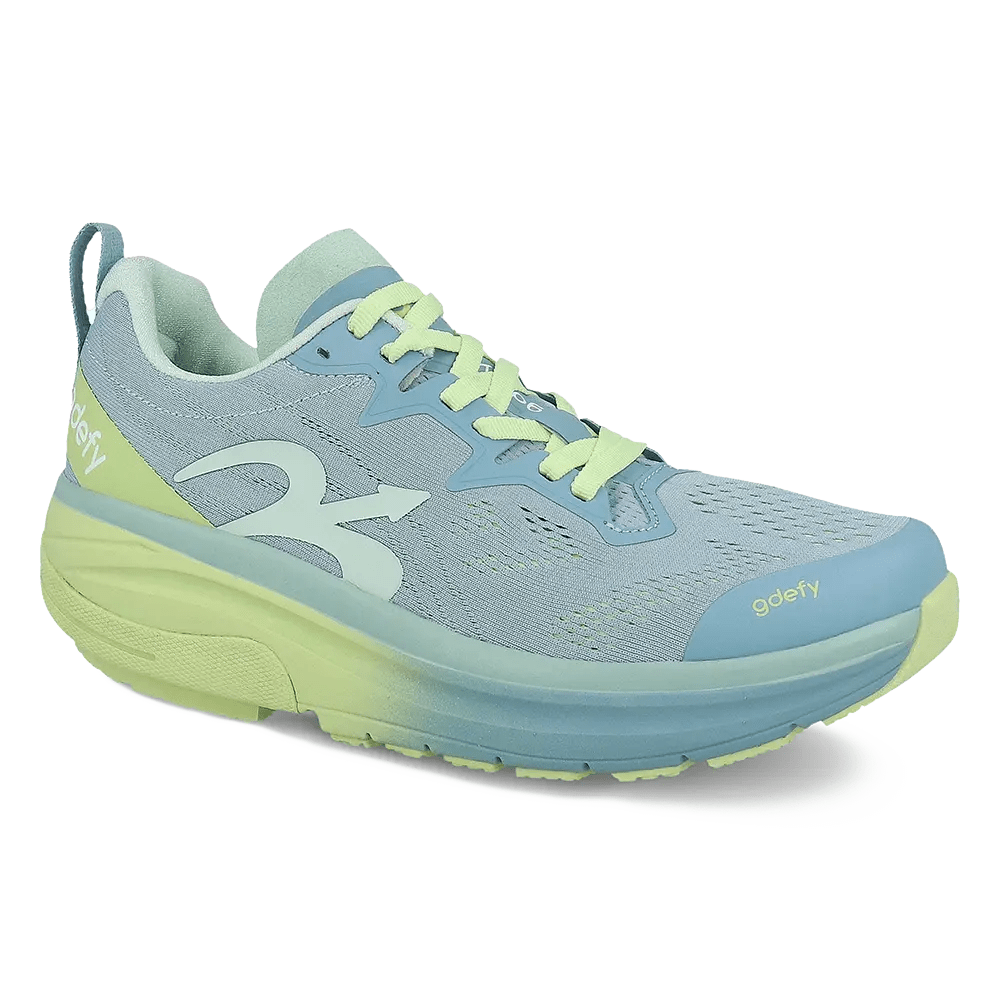
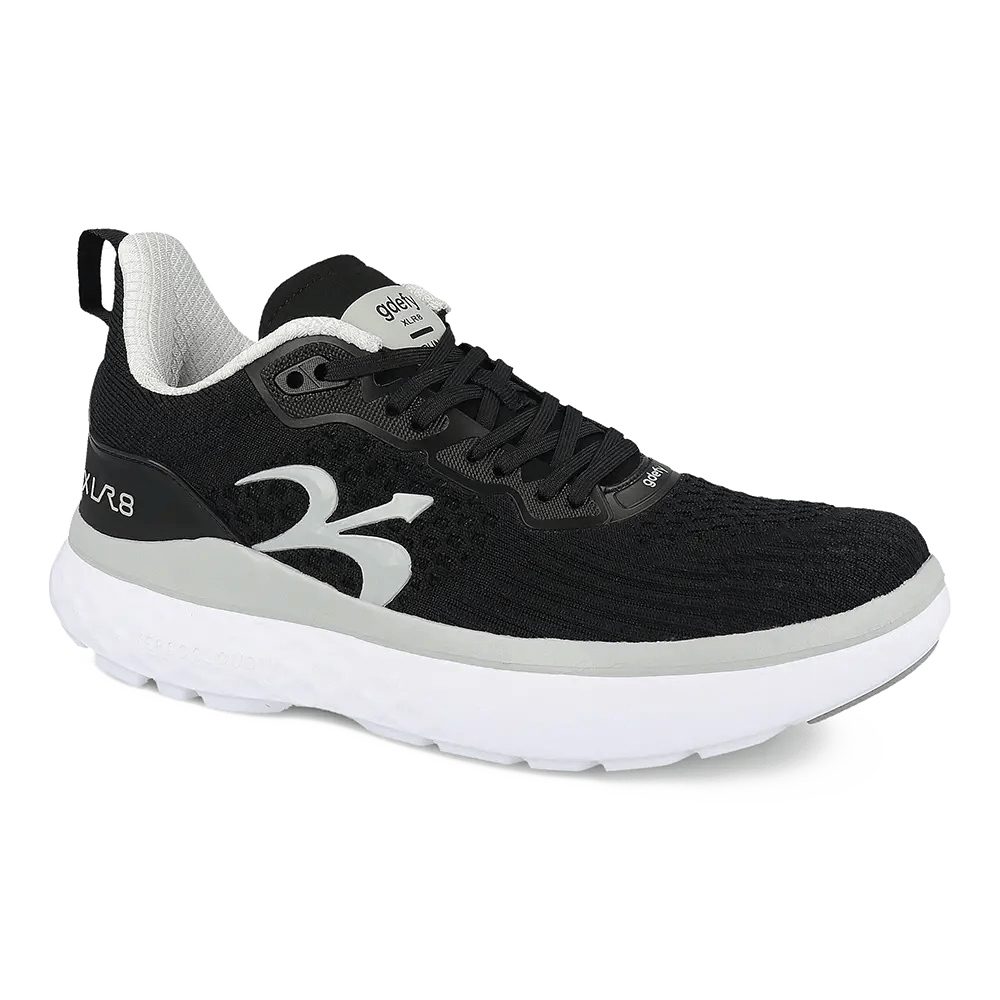
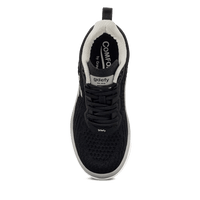
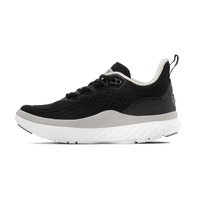
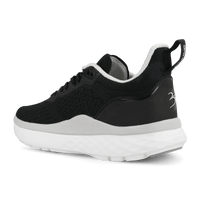
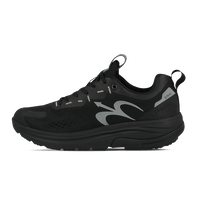
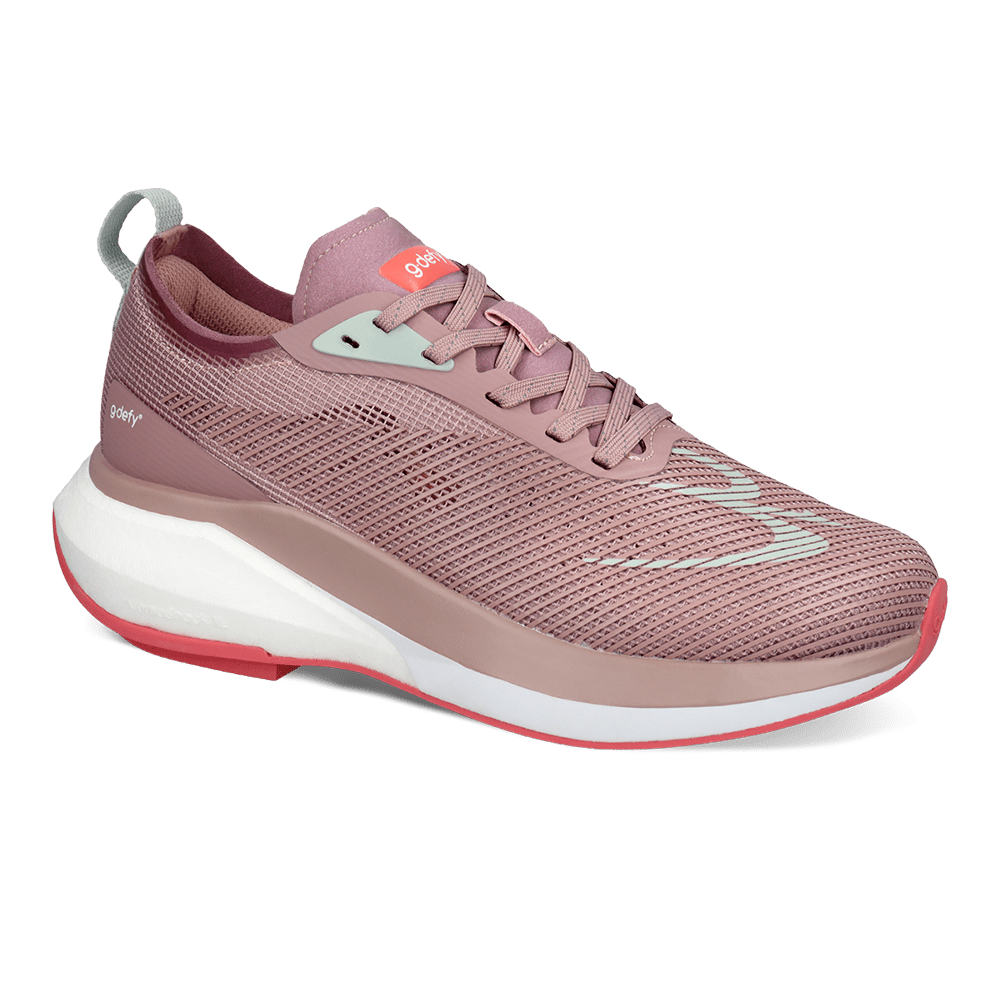
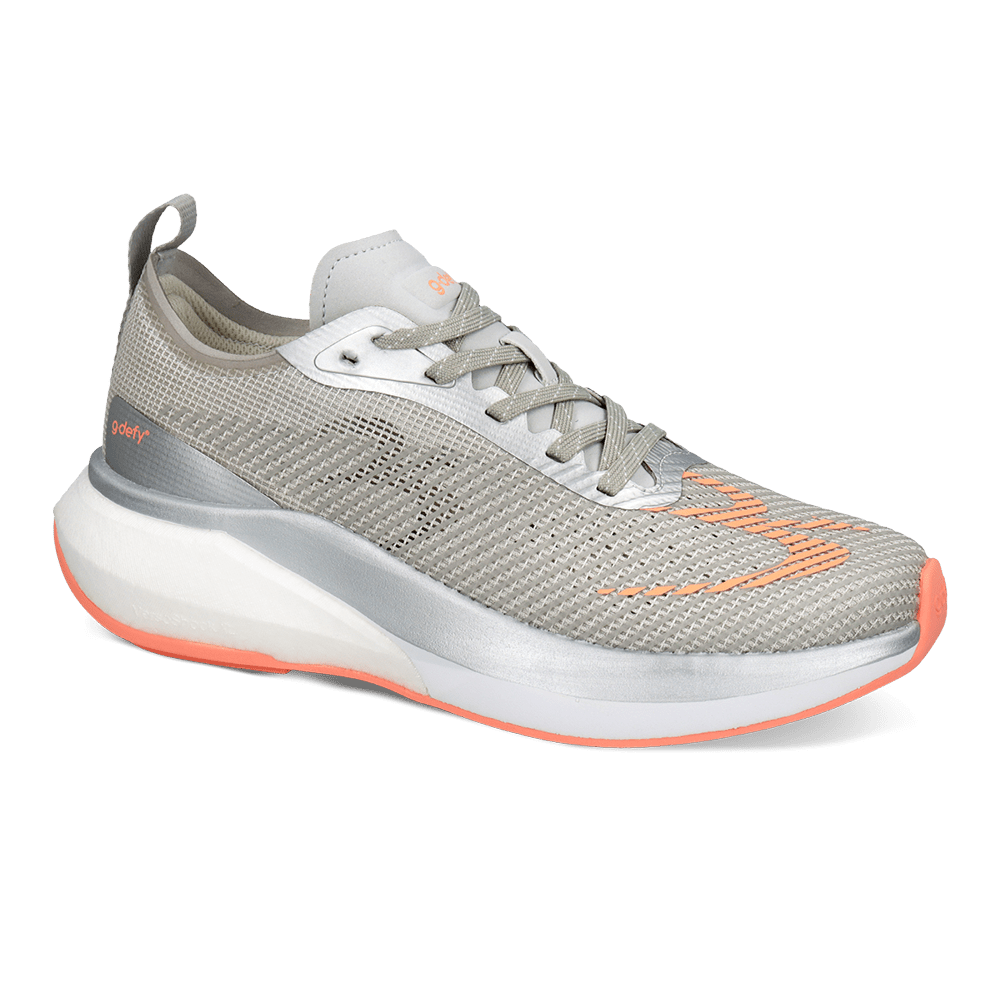
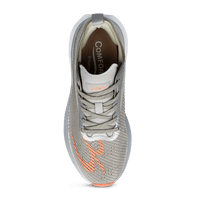
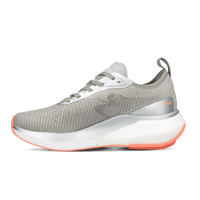
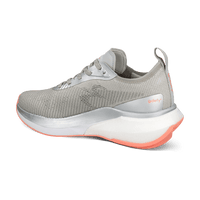
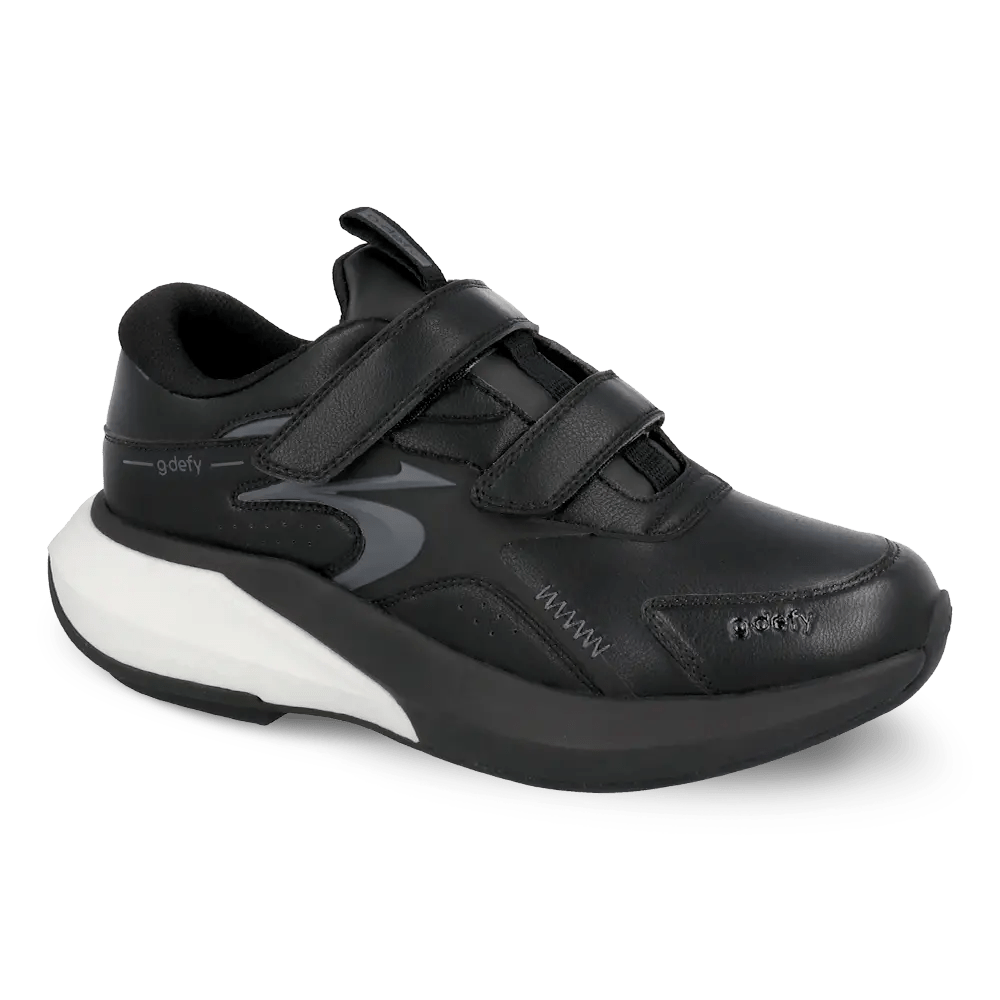
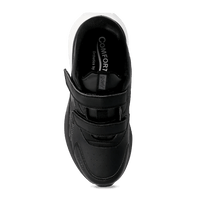
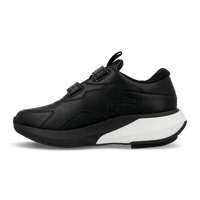
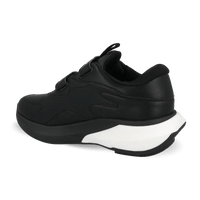
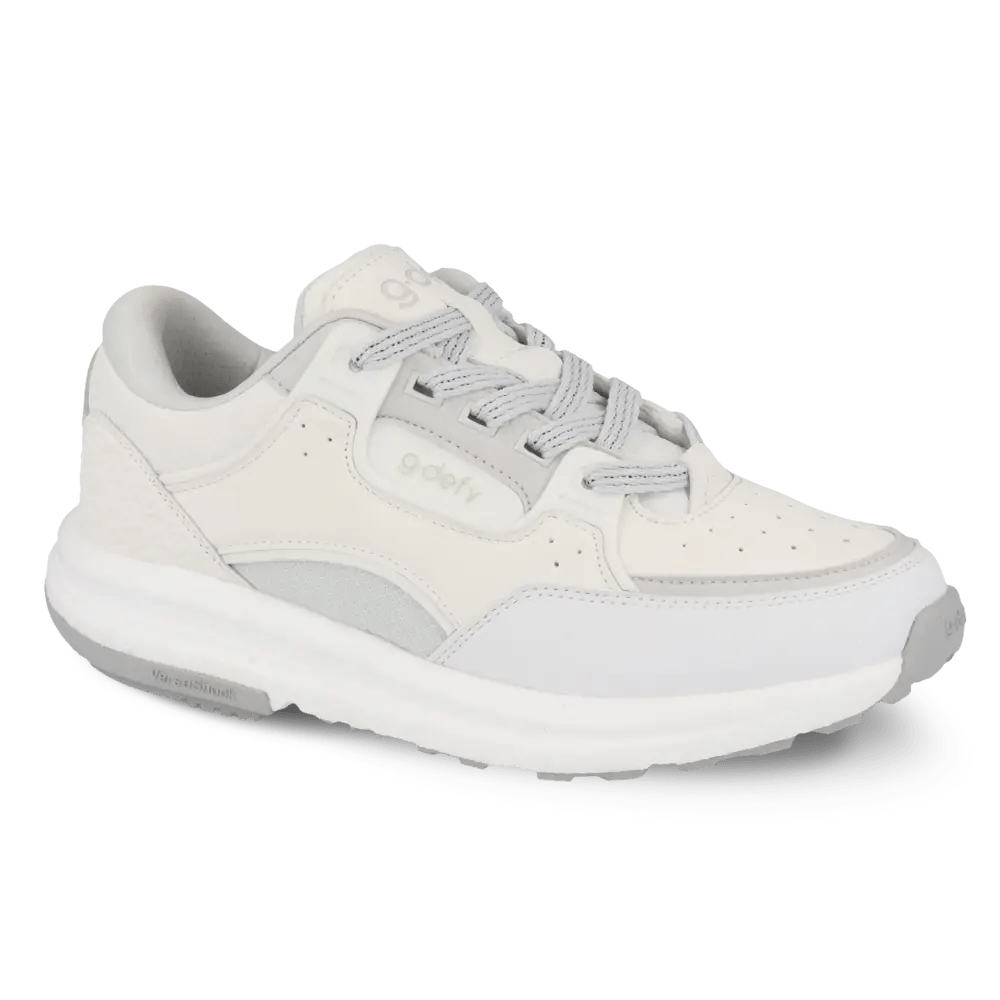
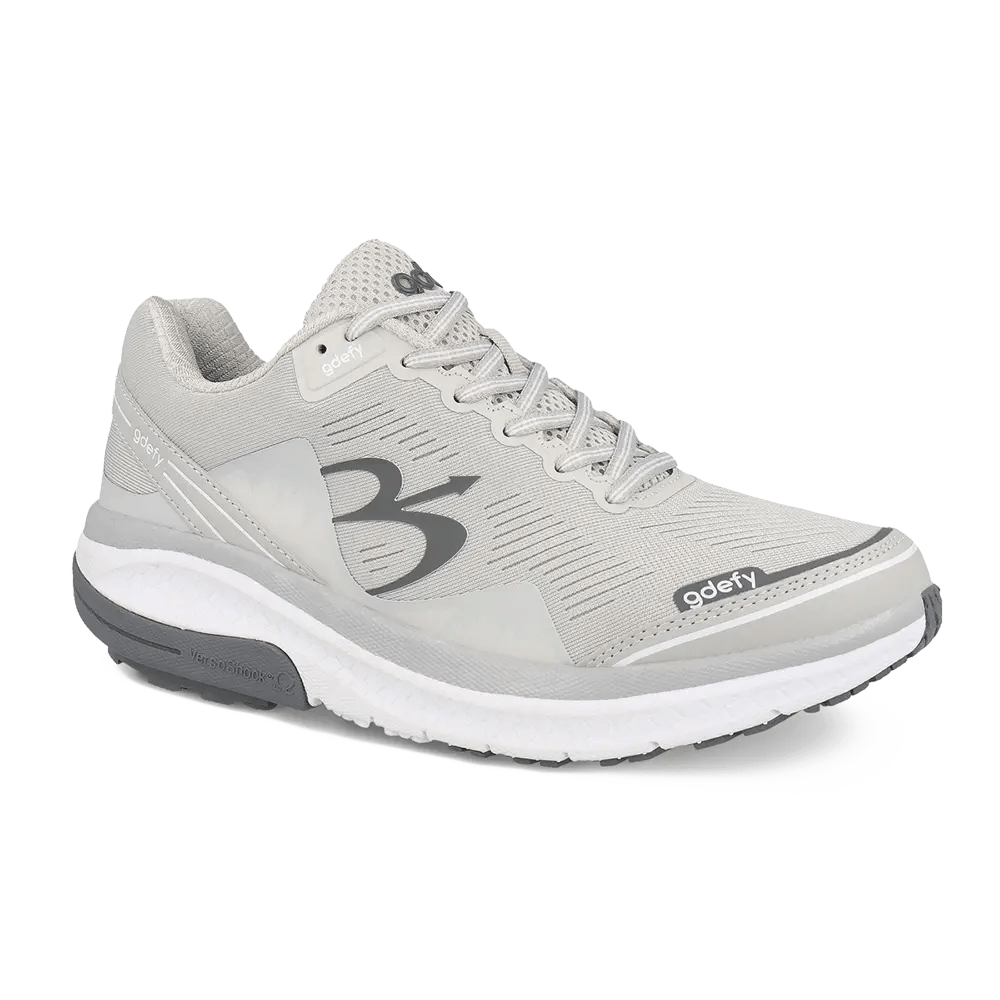
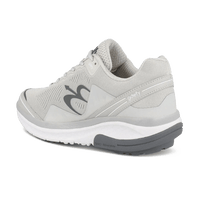
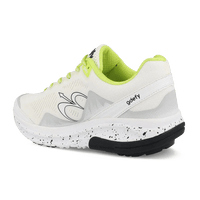
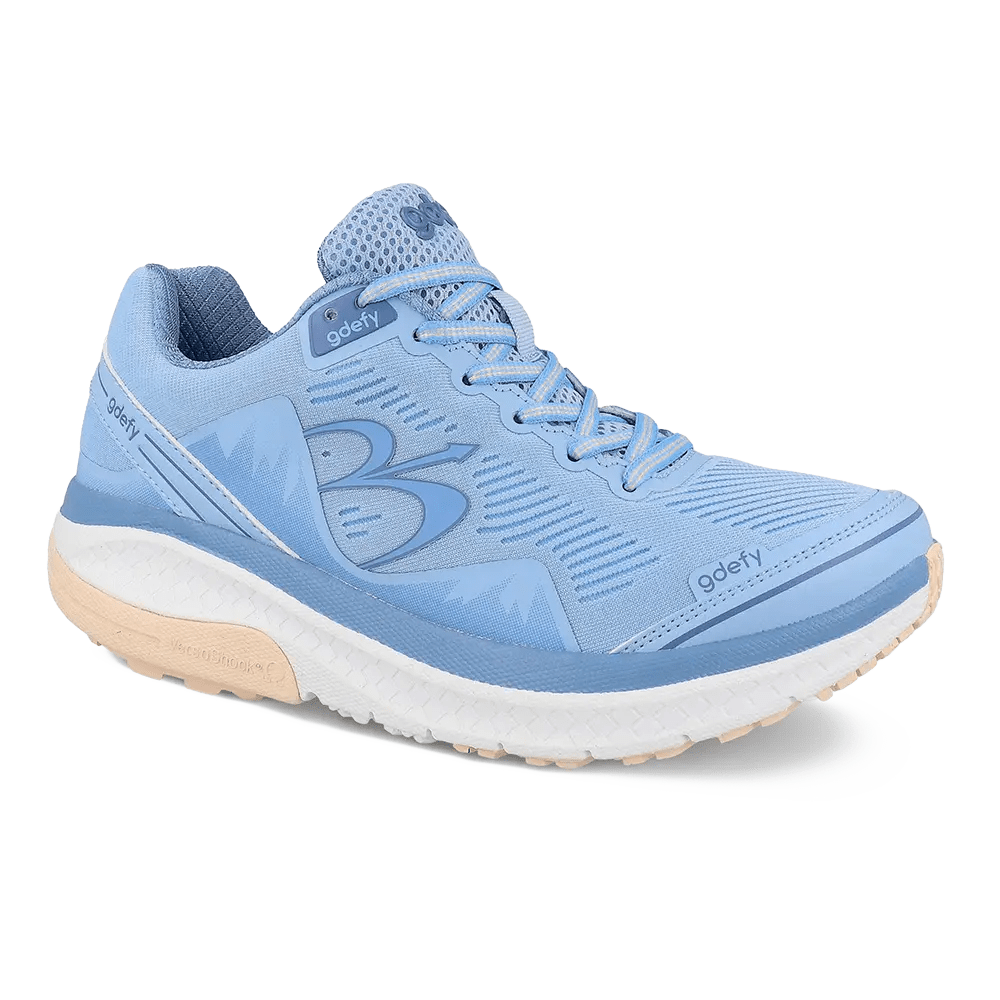
The Energiya is particularly well-suited for outdoor and activity-based wear. Its energy-return design, outdoor-capable outsole, and lightweight build make it a natural match for yard work and spring gardening. The Mighty Walk is another excellent option for those who prefer maximum all-day cushioning in a versatile shoe that transitions easily between garden and everyday wear.
Explore the full G-Defy athletic collection, or browse by style: men's styles | women's styles.
Try G-Defy risk-free this spring
60-day trial. Free shipping. Full refund if you're not satisfied — no questions asked.
Shop Outdoor ShoesPractical Habits for a More Comfortable Gardening Season
Good footwear is the foundation. A few habits alongside it can help you get more out of every session.
Warm up before you start. Five to ten minutes of gentle walking or light movement before kneeling and bending helps your joints move more freely and eases the stiffness that can come from jumping straight into activity.
Change positions regularly. Alternating between standing, kneeling, and sitting distributes the load across different joints and muscle groups. Avoid staying fixed in one position for more than 15–20 minutes when you can help it.
Use raised beds when practical. Raised garden beds reduce the depth of bending and kneeling required, placing less demand on your knees and lower back over the course of a gardening session.
Keep a dedicated pair for outdoor wear. A shoe used specifically for gardening retains its cushioning better — no hard-surface wear wearing it down — and it builds a clear habit of putting on proper footwear before heading outside rather than grabbing whatever's nearest the door.
Monitor your footwear over time. Even a quality shoe loses cushioning performance with use. If you notice more fatigue or joint discomfort than usual at the end of a gardening session, your shoes may have reached the end of their useful life. Replacing them before they fail completely keeps your joints protected across the season.

Frequently Asked Questions
Does the type of shoe I wear actually affect how my joints feel while gardening?
Yes — footwear is one of the most direct variables affecting how much impact reaches your joints during daily and outdoor activity. Shoes with quality cushioning and a stable structure can meaningfully influence how comfortable you feel during prolonged outdoor work.
Can I use my regular walking shoes for gardening, or do I need a dedicated outdoor pair?
If your walking shoes have good shock absorption, arch support, and a stable outsole, they can work well for gardening. A separate pair does have the advantage of preserving cushioning — shoes kept off hard-surface pavement tend to maintain their performance longer on outdoor terrain. Either way, the shoe features are what matter most.
What types of footwear should I avoid in the garden if I have joint discomfort?
Flat-soled footwear, thin-insole clogs, hard-soled shoes, and worn-out athletic shoes offer minimal cushioning and can intensify joint discomfort during prolonged activity. If the midsole of your current gardening shoe compresses flat under hand pressure, it's likely not providing meaningful support.
Ready to Make the Most of Spring?
Joint discomfort doesn't have to be what ends your morning in the garden early. Footwear designed with genuine shock absorption, built-in structural support, and the right fit for your foot type can help you stay active outdoors longer — and feel better when you come inside.
While shoes are not a medical solution for joint conditions, choosing footwear engineered for comfort, support, and lasting shock absorption can make a meaningful difference in how you feel throughout the day.
Learn more about the VersoShock® technology behind every G-Defy shoe, and try a pair completely risk-free with our 60-day trial. Free shipping on every order.
This article is for informational purposes. For persistent joint pain, consult your healthcare provider.