
February 11, 2026
Best Shoes for Walking on Cobblestones
By Gdefy

Summary
If you are searching for the best shoes for walking on cobblestones, choosing the right design can significantly impact how long and how comfortably you stay active.
Historic streets and uneven stone pathways require more from your footwear than smooth pavement. Whether you are traveling, sightseeing, commuting, or spending long hours on your feet, shoes designed for extended walking, prolonged standing, and even light hiking make a real difference.
Explore our full collections of All Men and All Women styles built for everyday movement. If you need additional room and support, our wide shoes collection offers accommodating options designed for comfort across varied surfaces.
Before selecting your next pair, here is what truly matters for cobblestone performance.
Why Cobblestones Are More Demanding Than Pavement
Cobblestones create uneven pressure points with every step. Your muscles constantly adjust to small height differences and shifting contact angles.
Over time, this can contribute to:
• Increased foot fatigue
• Greater impact from repeated ground contact
• Reduced stability during long outings
• Accumulated discomfort from prolonged activity
If you have experienced toe sensitivity, you may find helpful insights in understanding common causes of toe pain. For those unsure about proper fit, how to know if you have a wide foot can help guide better footwear decisions.
Surface impact can also affect the forefoot area. If that applies to you, understanding pain in the ball of foot offers additional perspective.
What to Look for in Shoes for Walking on Cobblestones
1. Impact Management for Extended Activity
Cobblestones create multi directional impact rather than straight downward force. Shoes designed for prolonged walking and standing should help reduce impact from walking and prolonged standing while maintaining responsiveness.
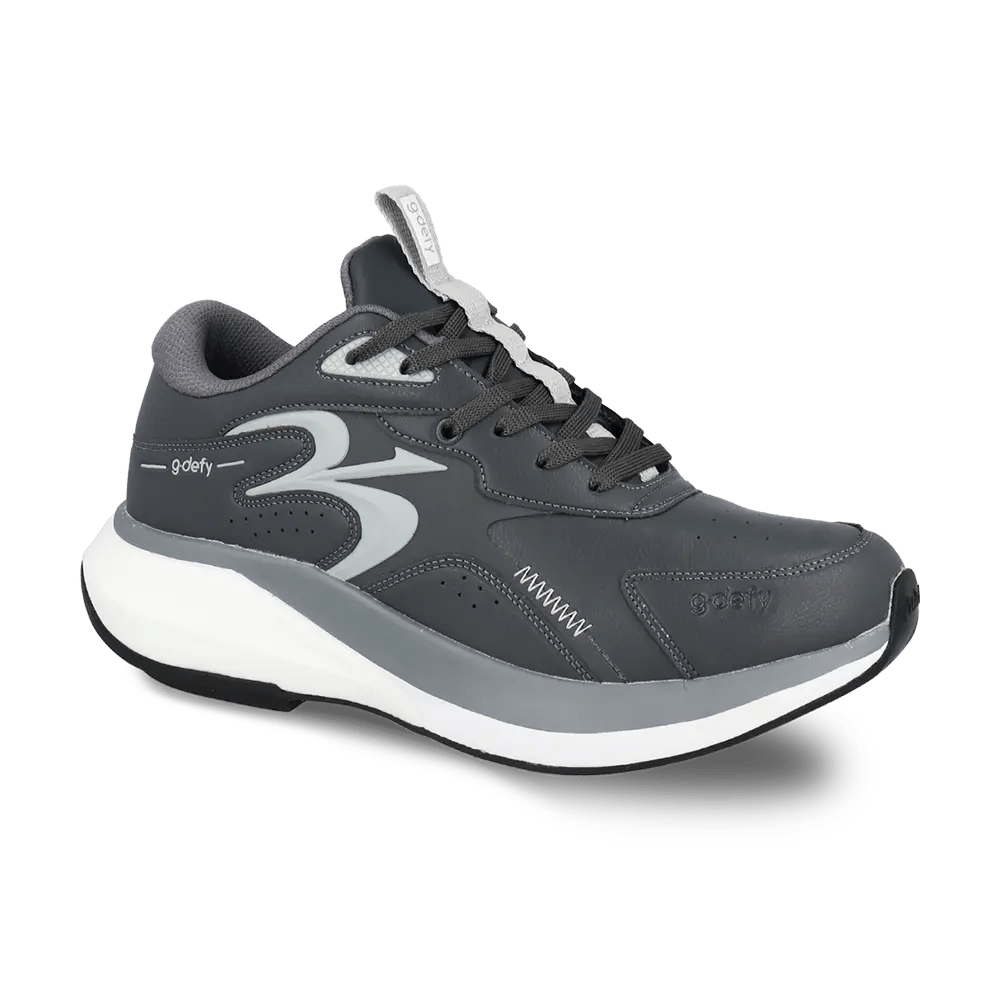
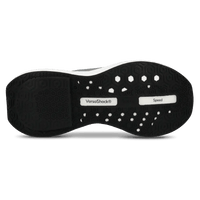
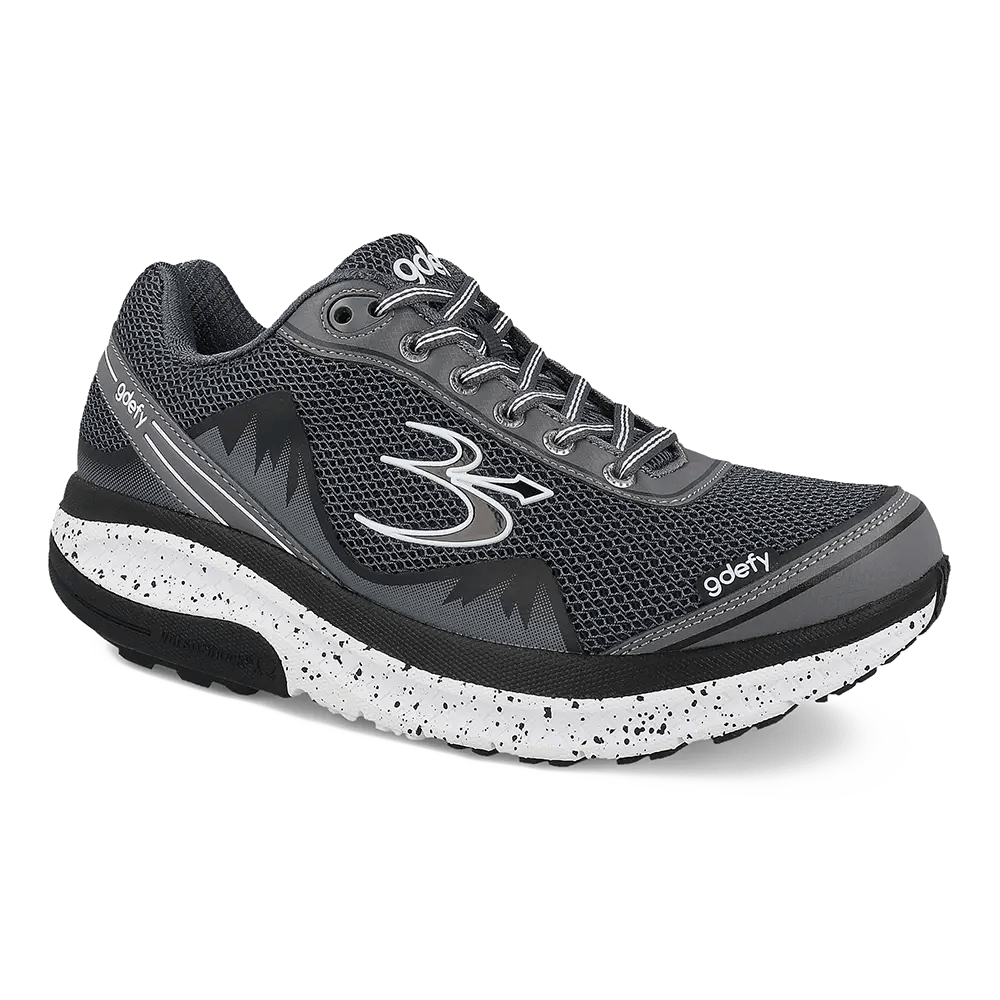
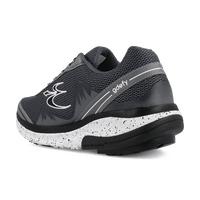
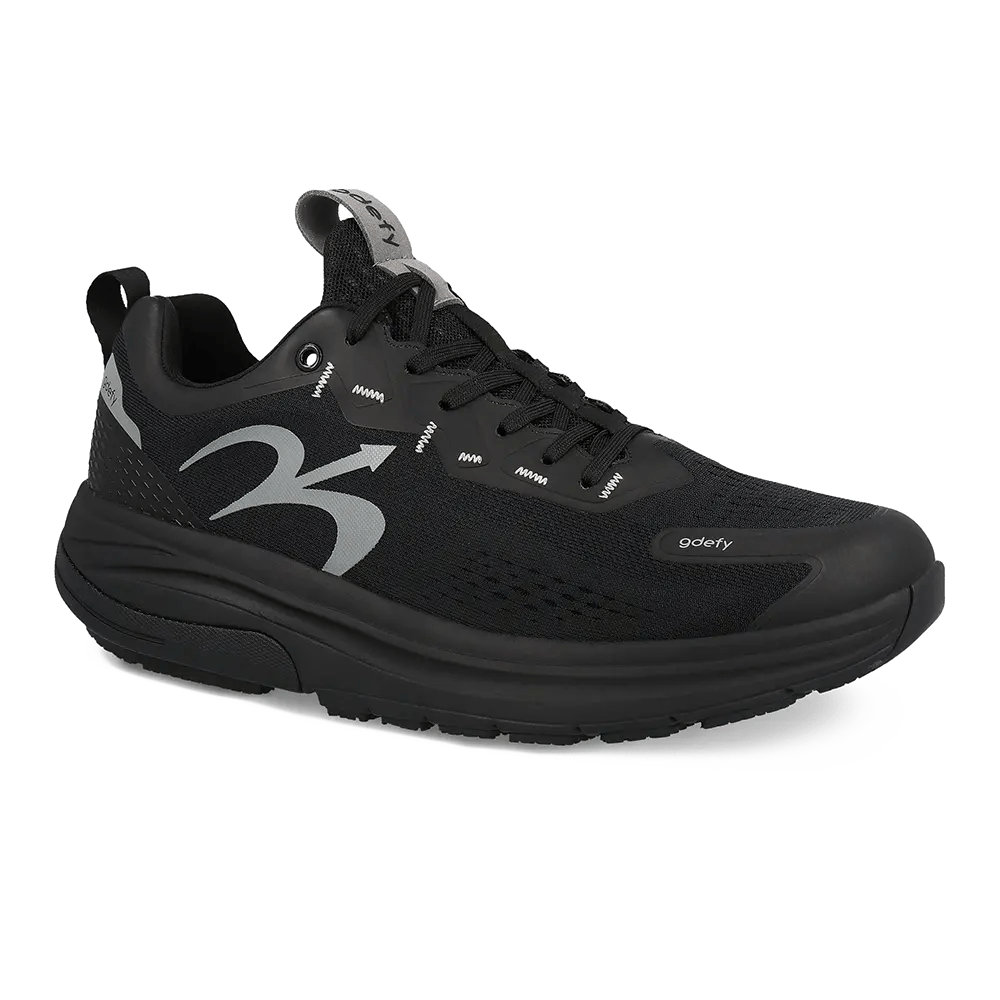
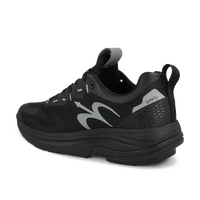
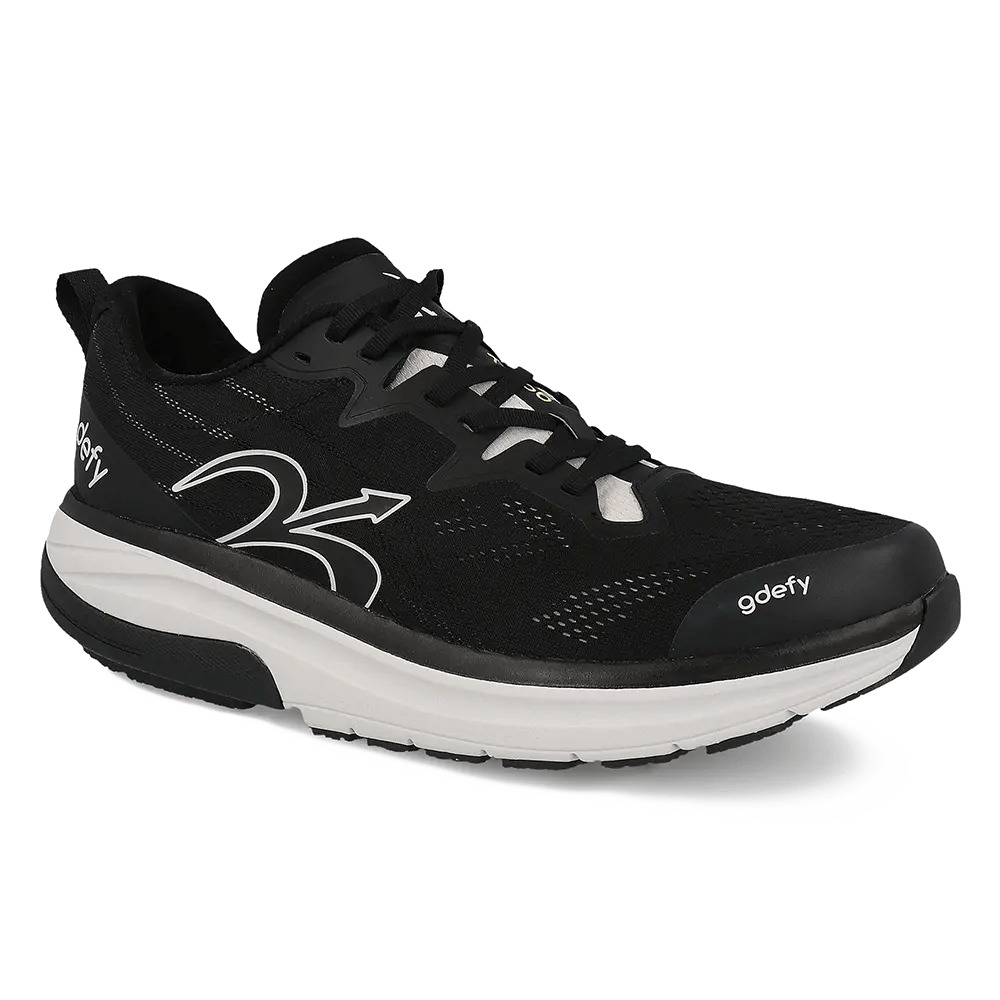
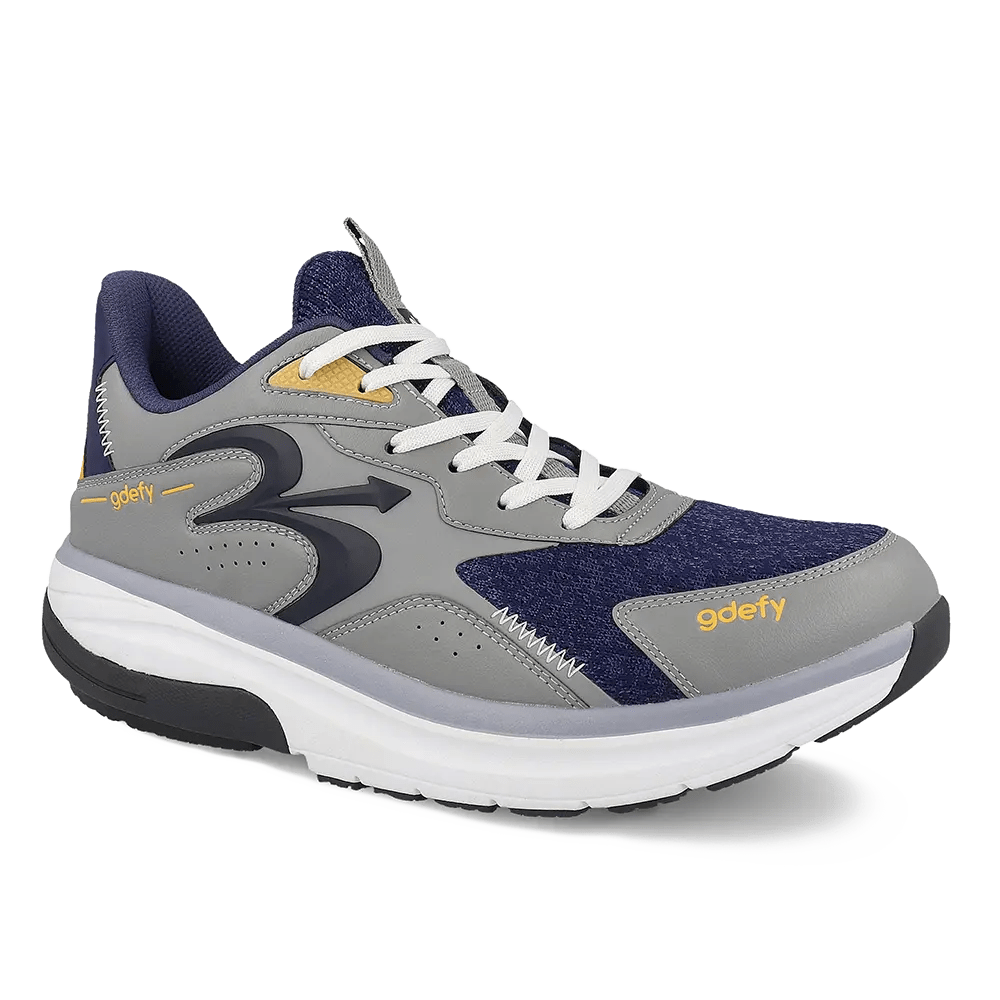
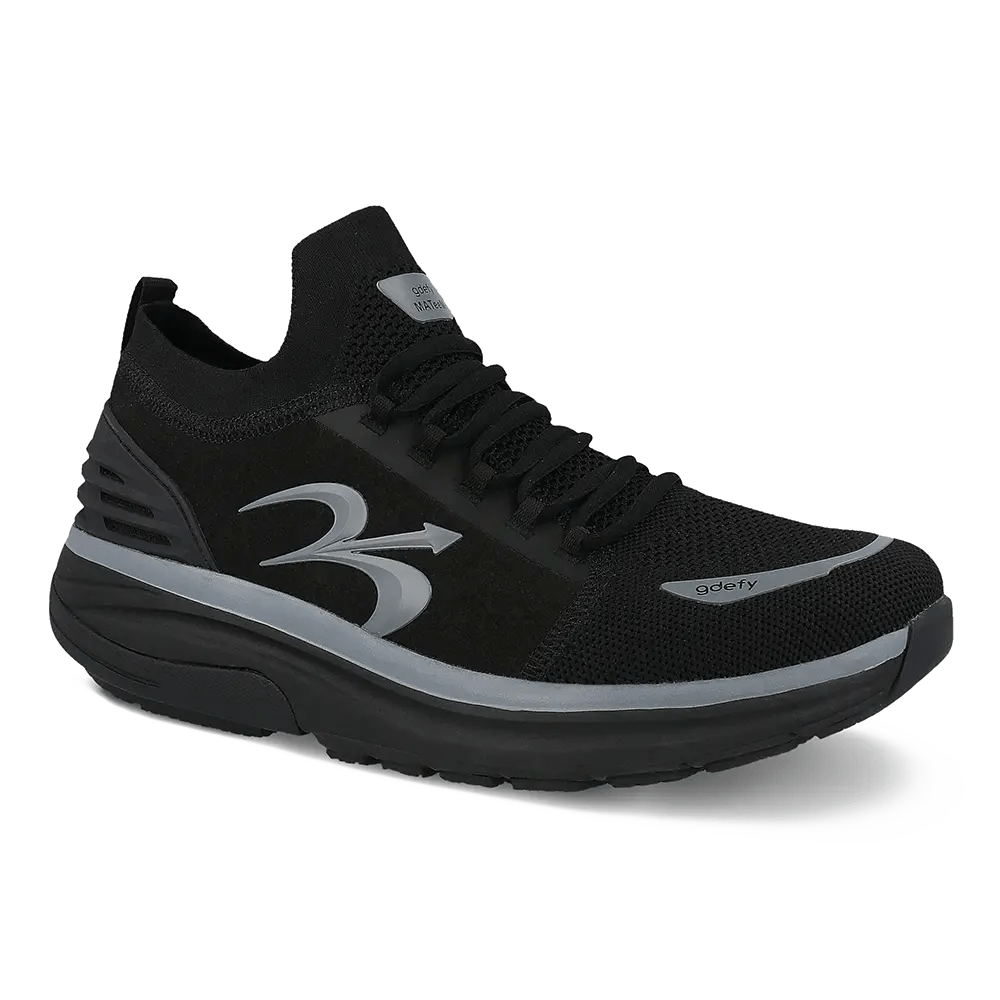
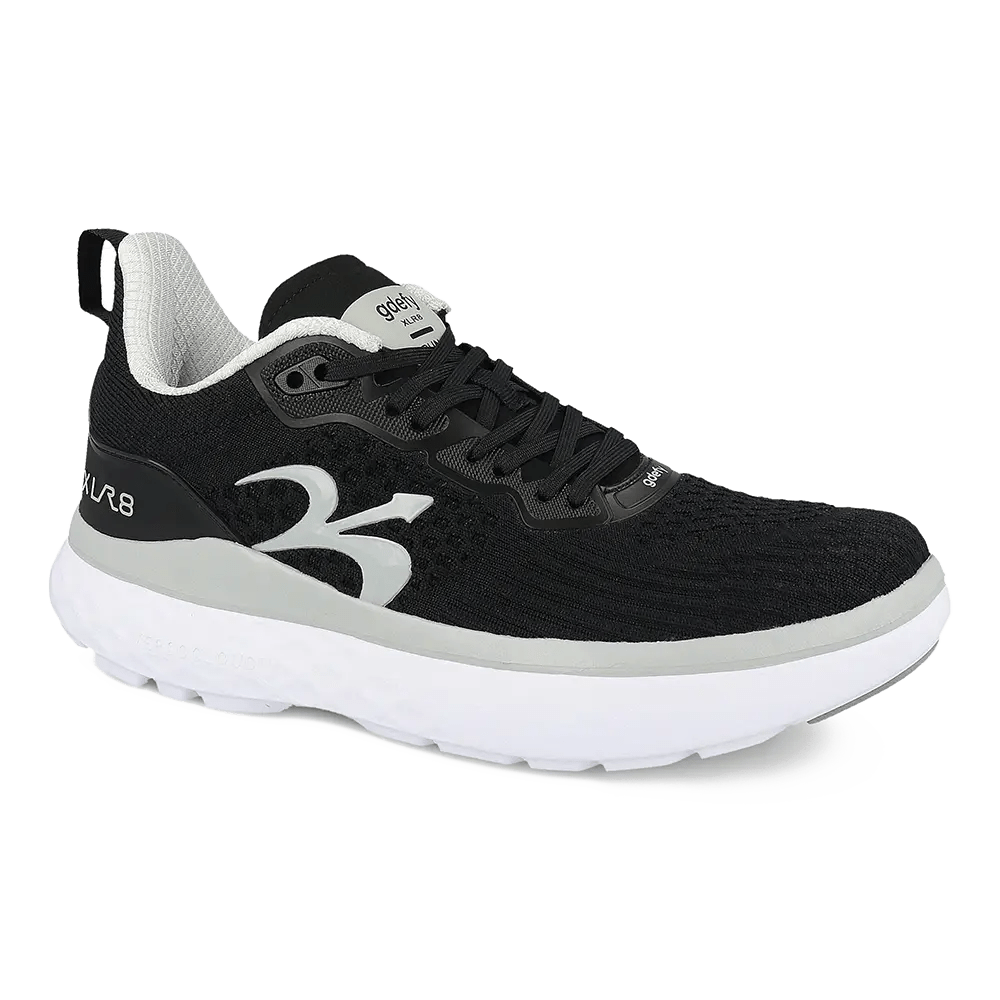
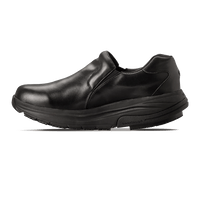
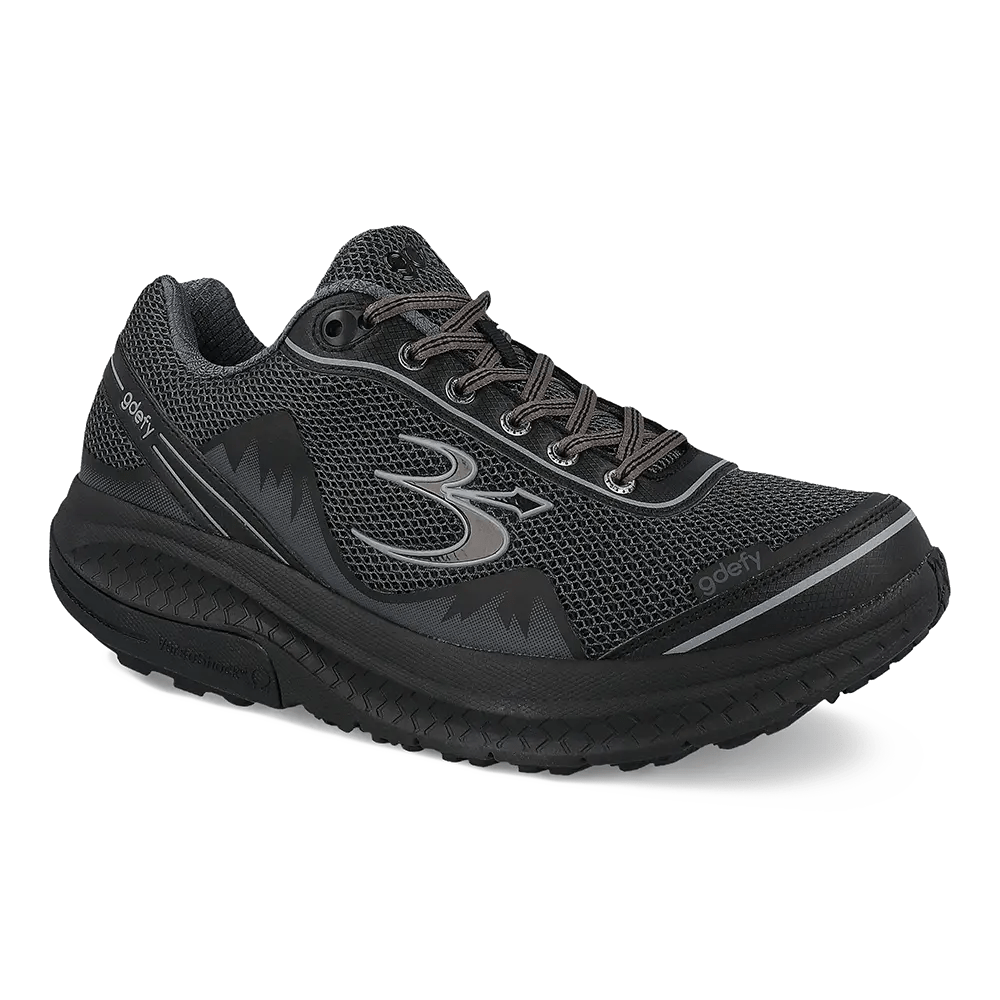
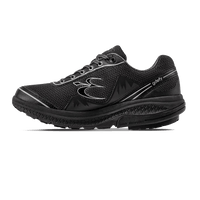
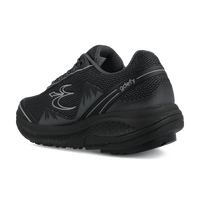
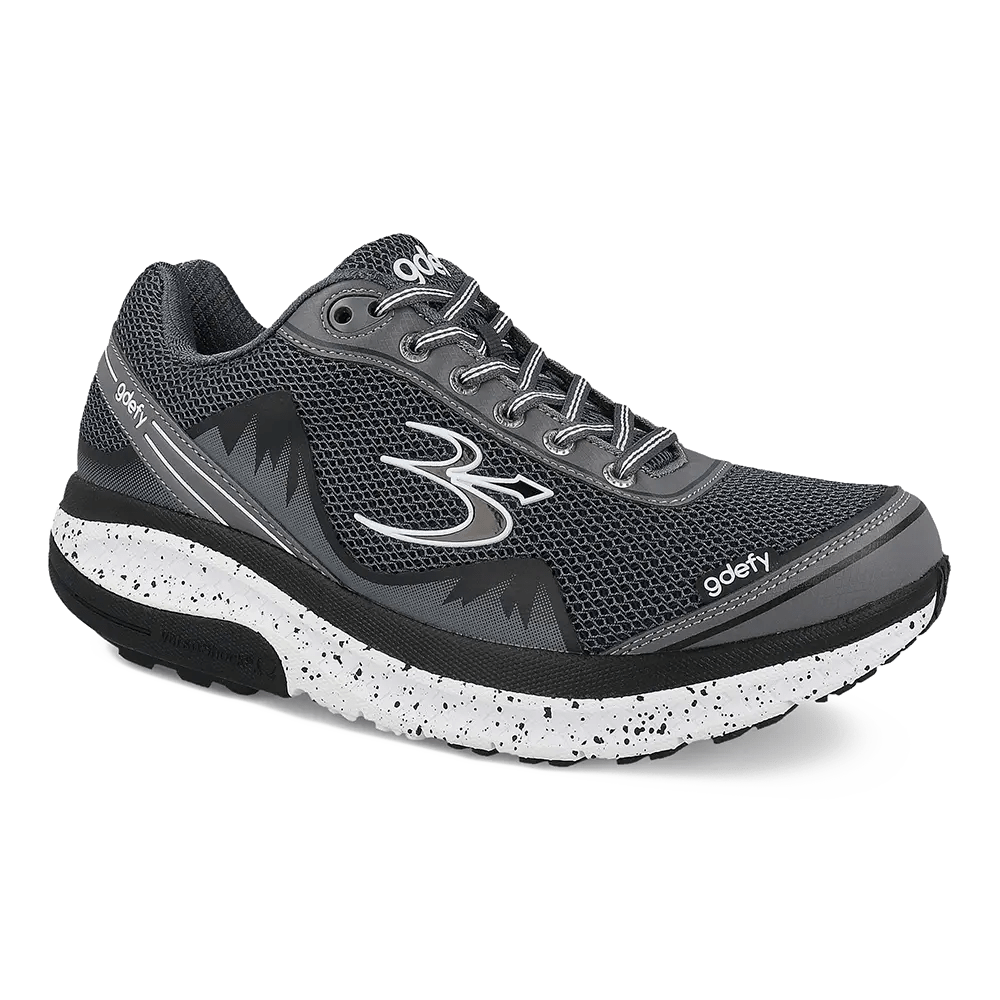
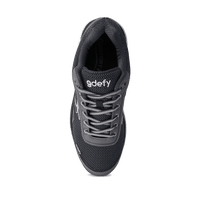
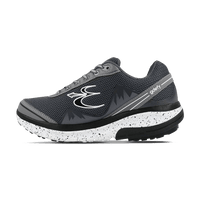
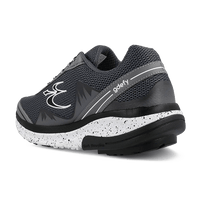
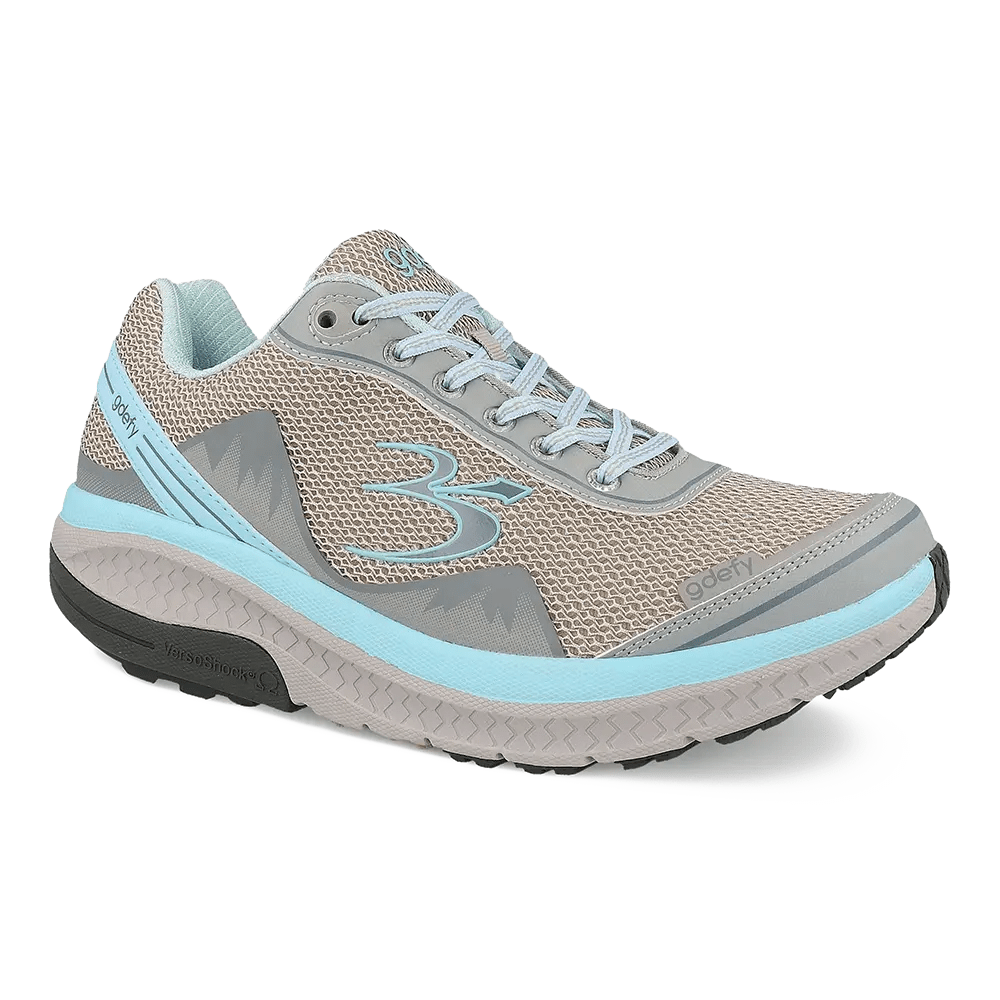
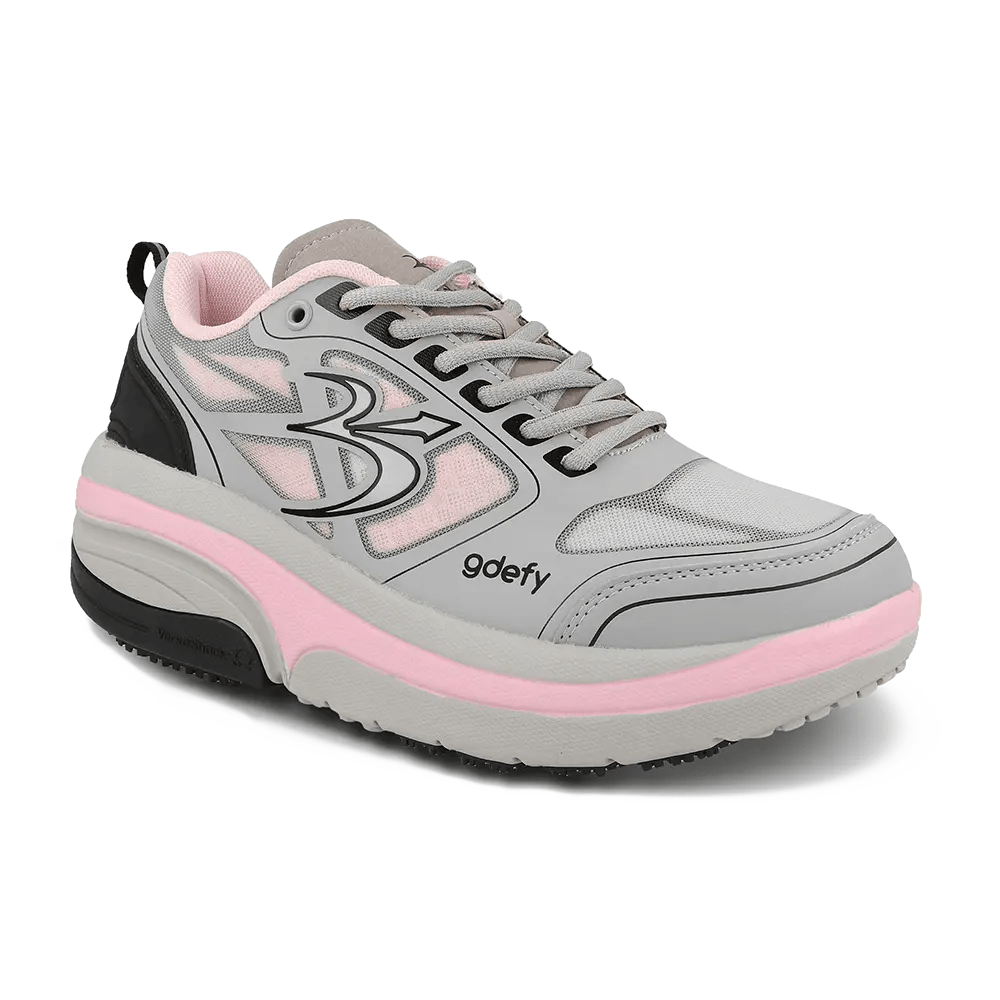
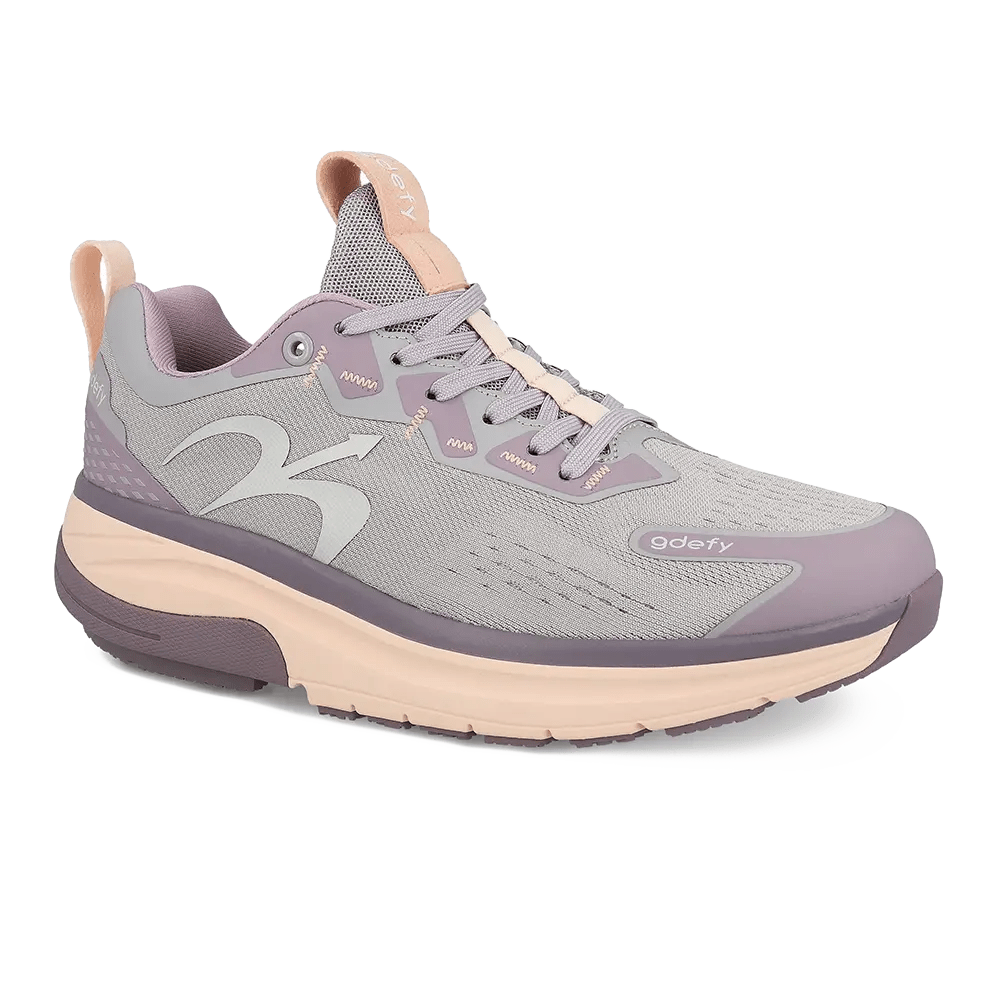
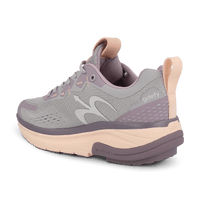
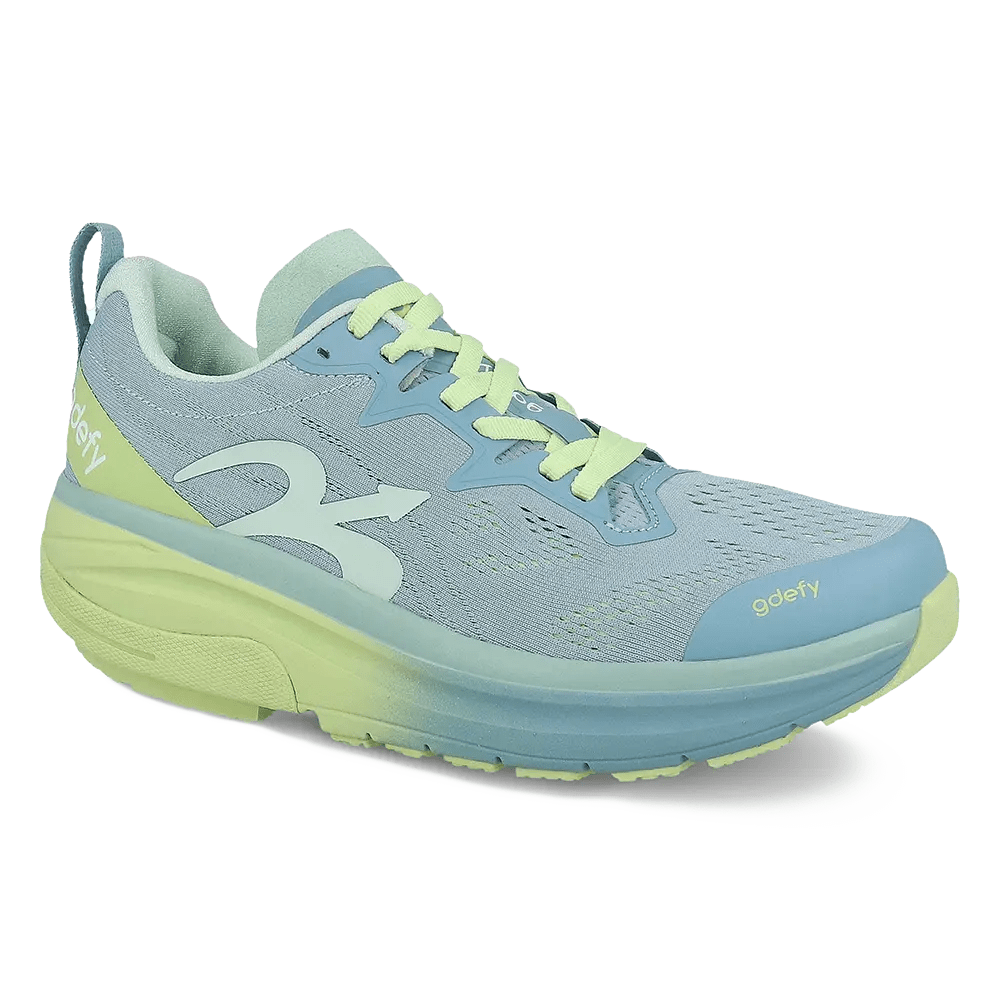
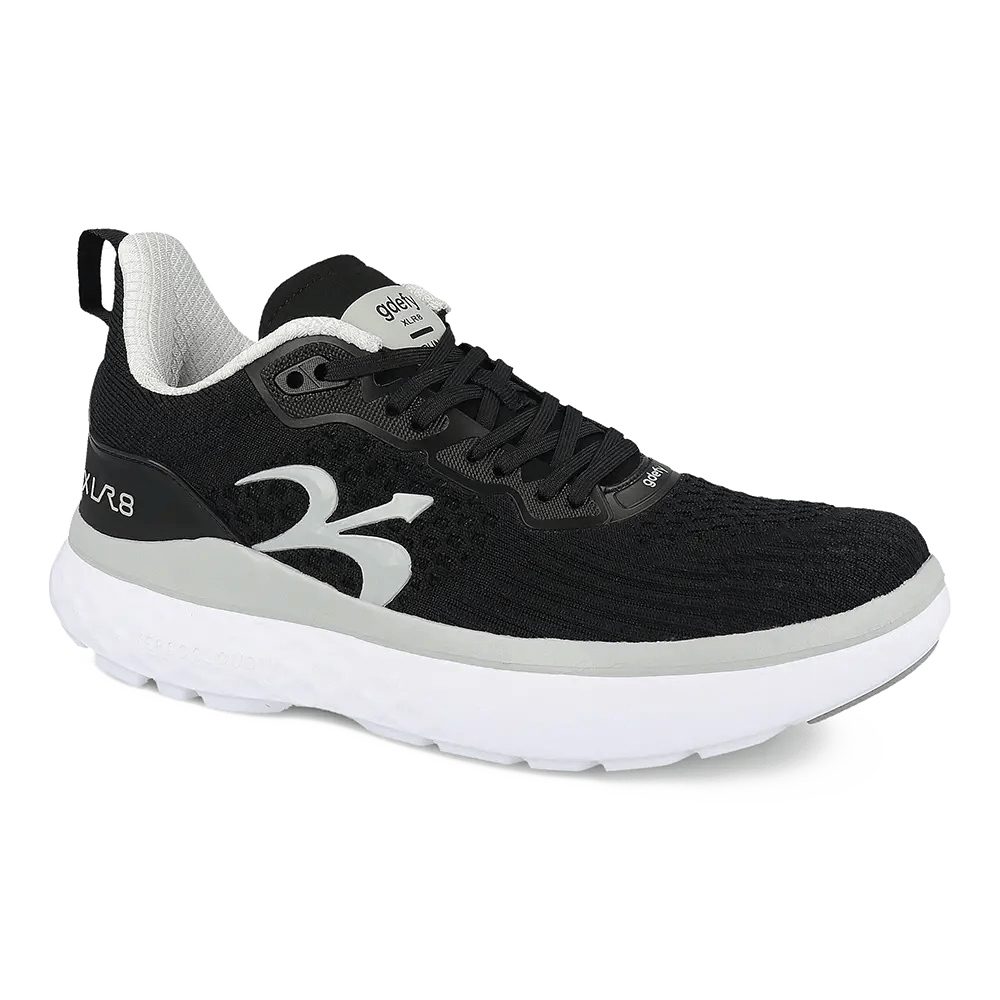
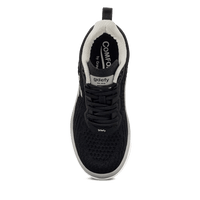
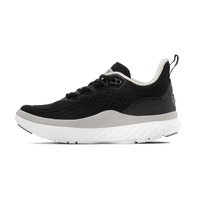
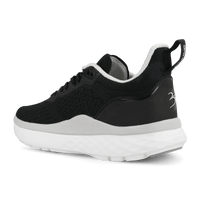
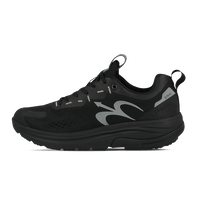
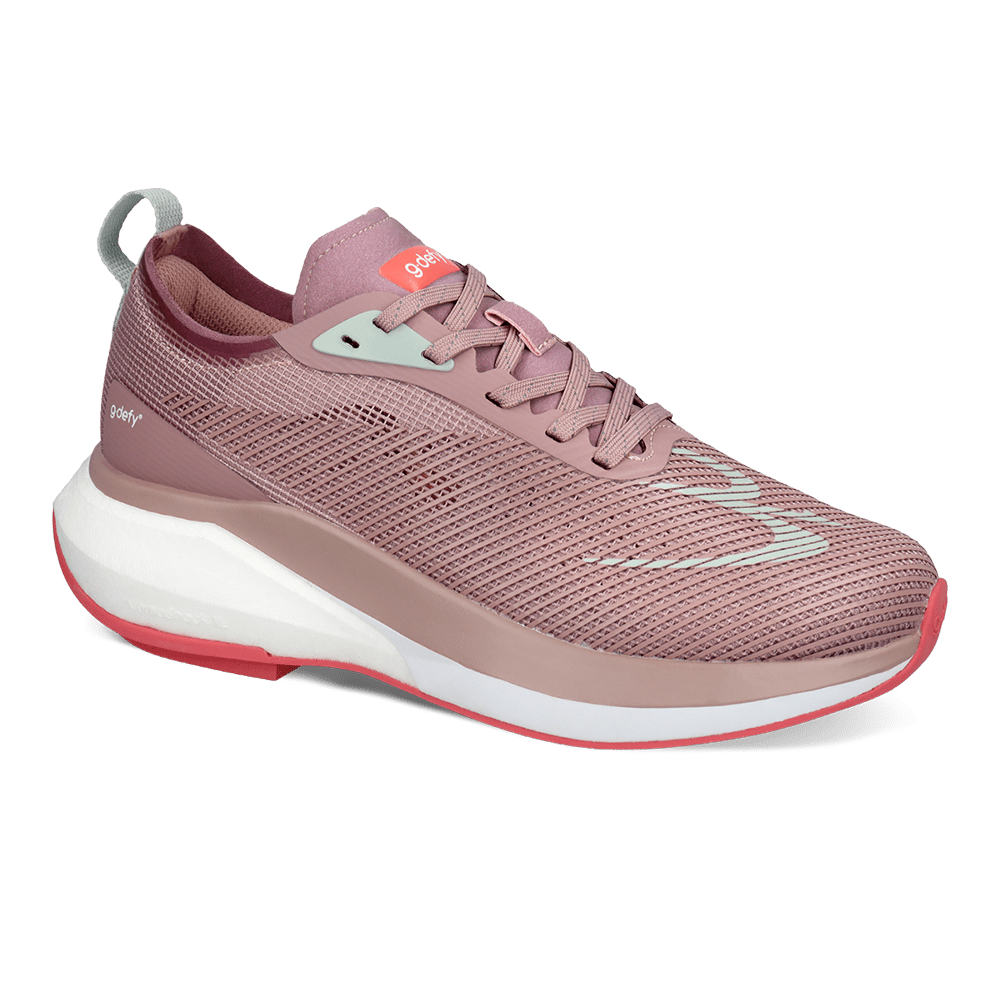
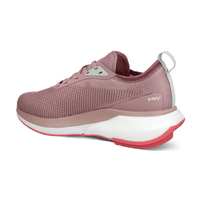
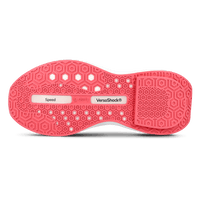
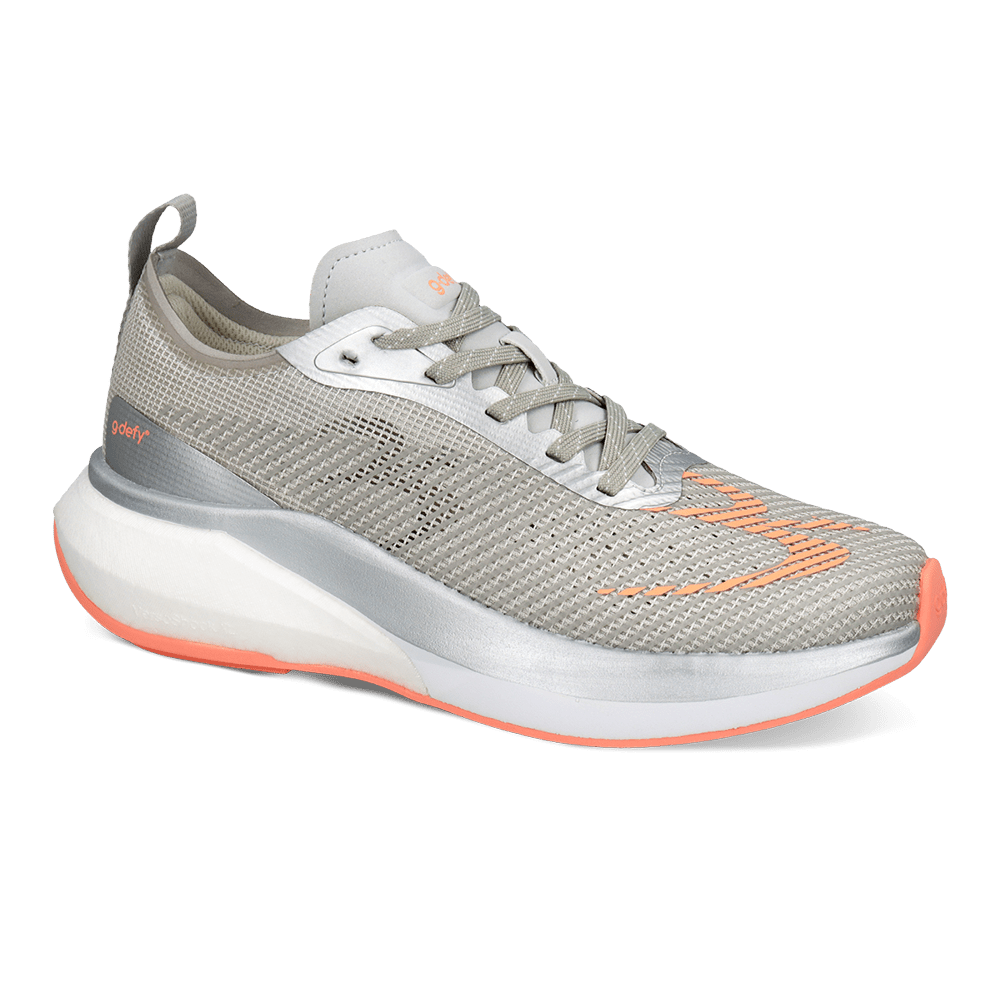
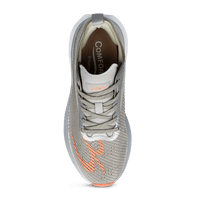
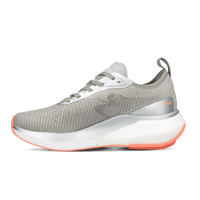
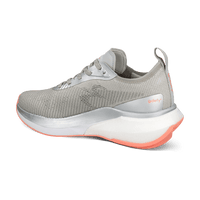
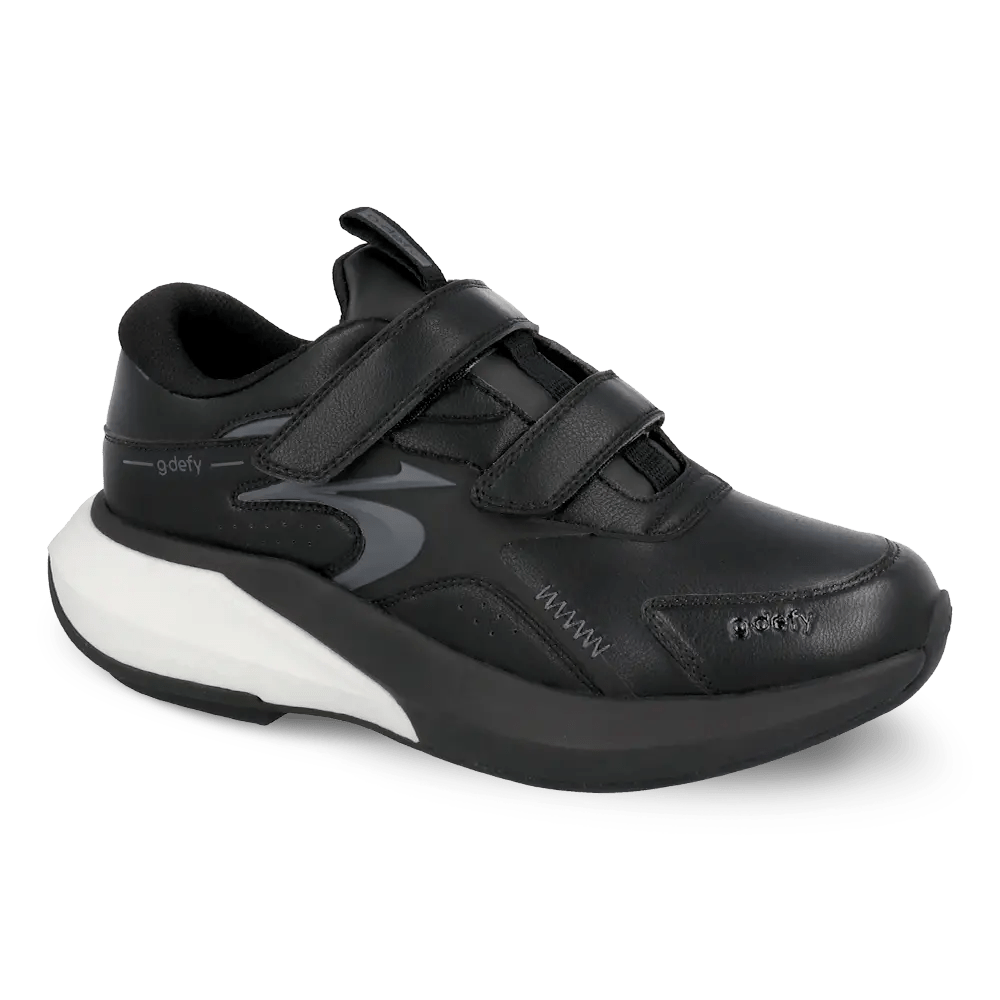
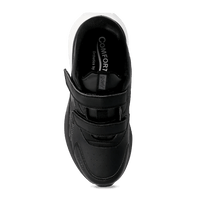
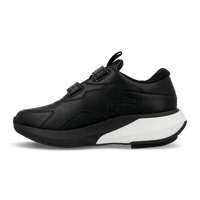
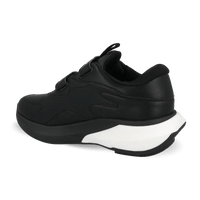
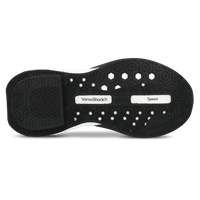
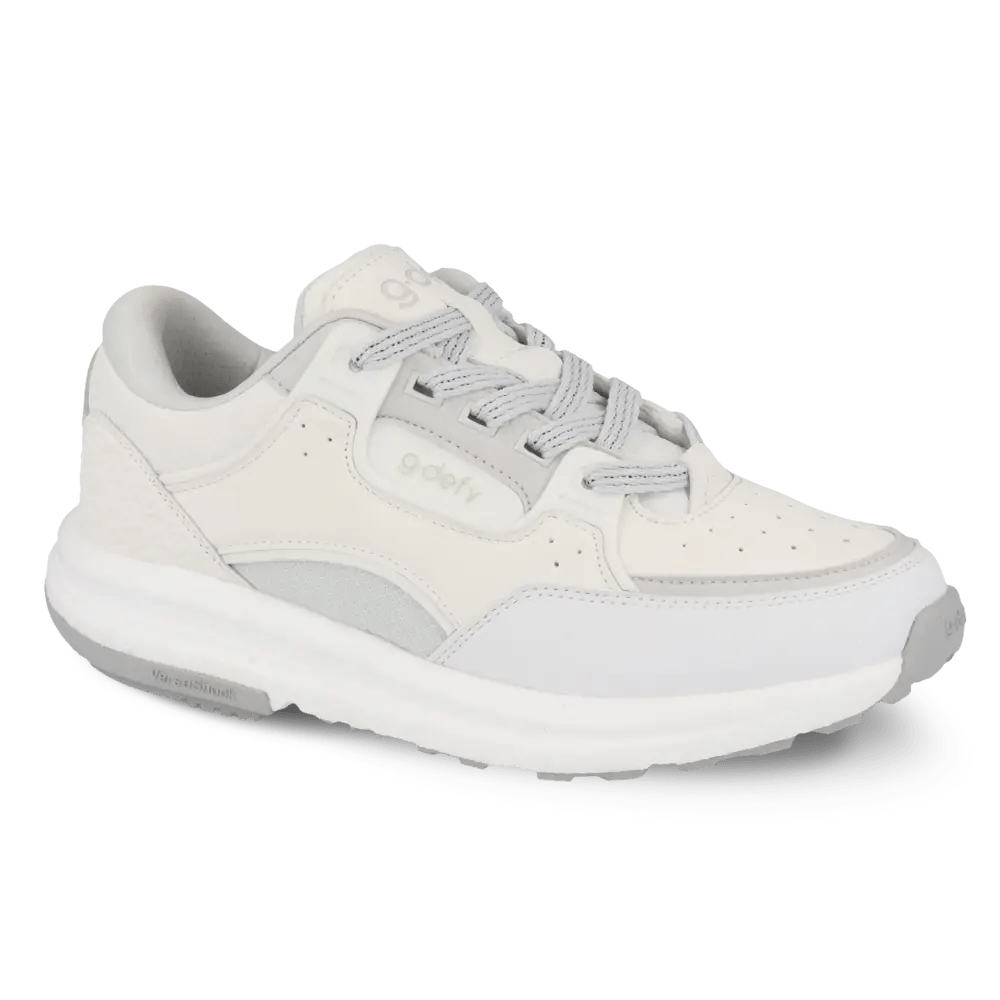
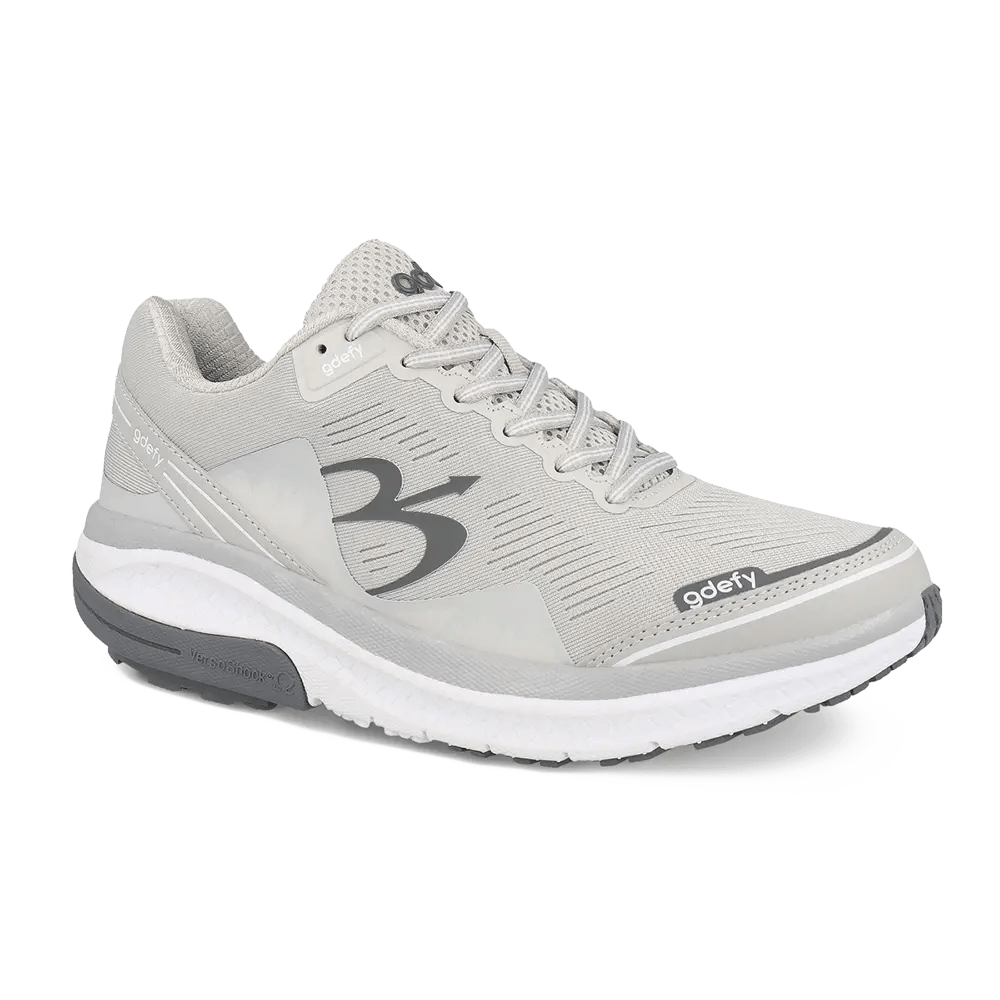
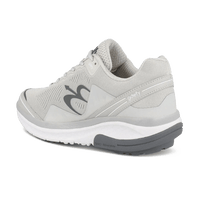
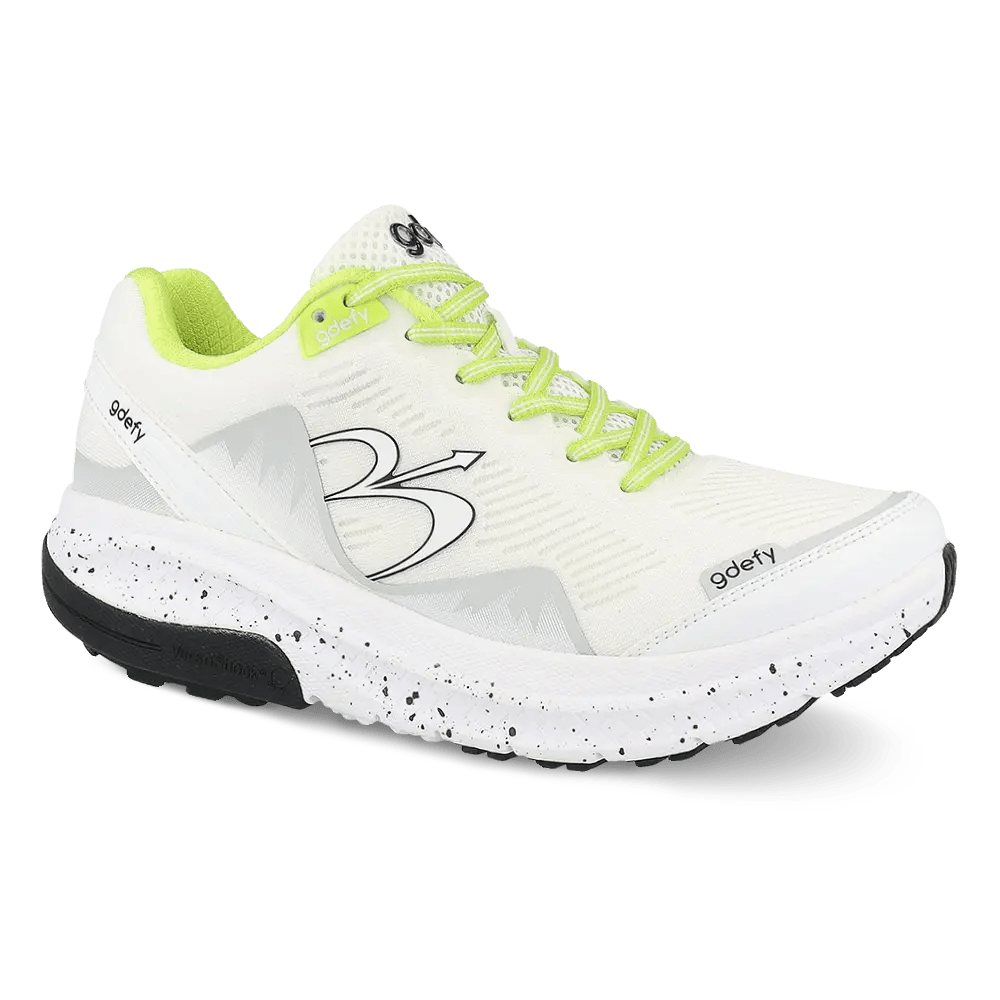
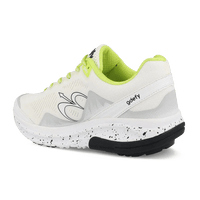
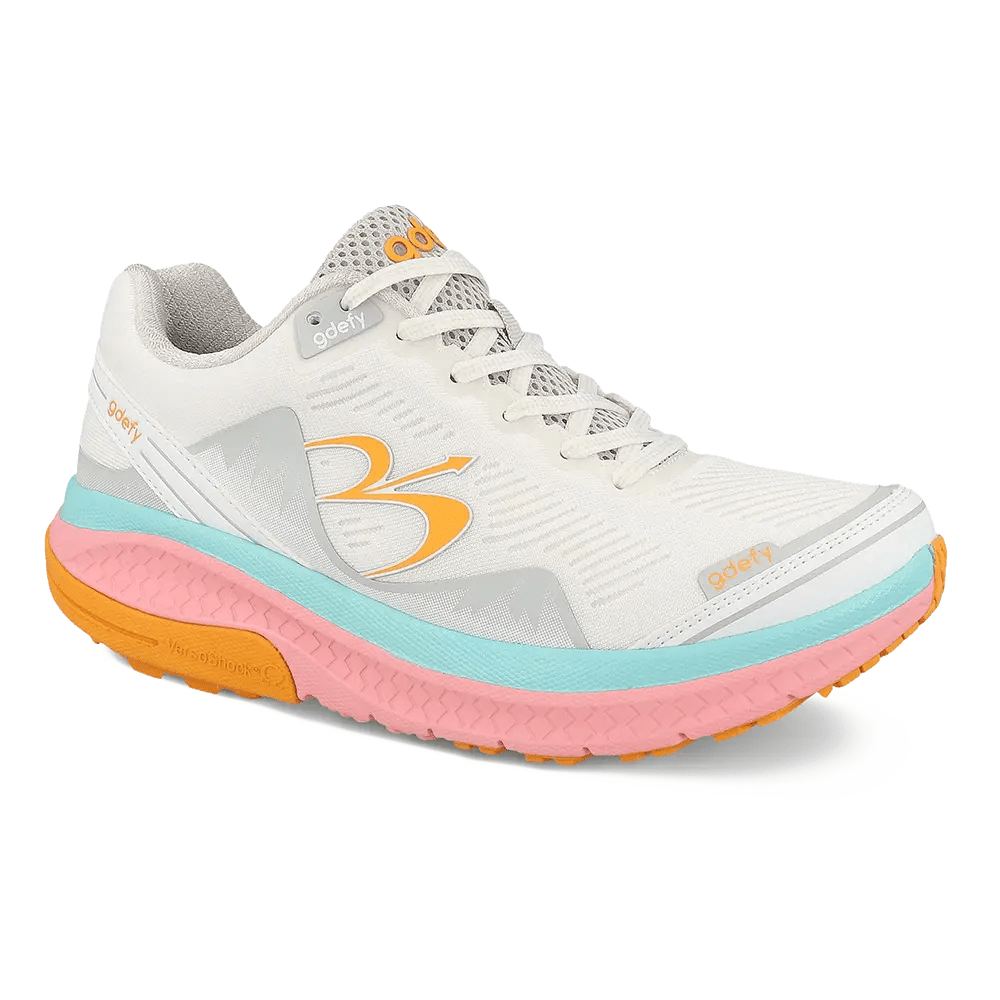
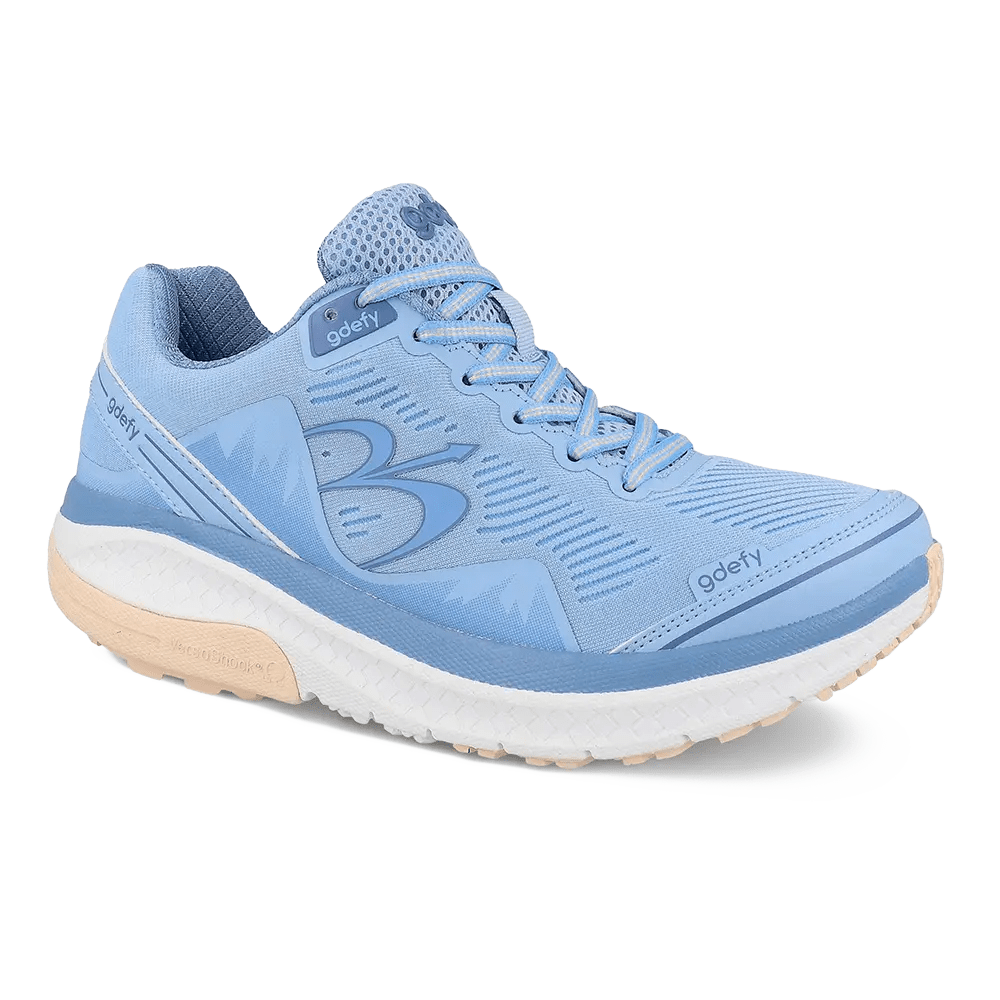
GDEFY shoes feature VersoShock® Spring Technology engineered to absorb shock and redistribute energy during movement. This supports smoother transitions and helps maintain comfort during extended time on hard, uneven surfaces.
If heel sensitivity has been part of your experience, how to relieve heel pain provides useful activity based guidance.
2. Stability Without Restriction
The right shoe balances structure and flexibility. Too soft can feel unstable. Too rigid can limit natural motion.
Look for:
• A stable base
• Controlled flexibility
• Secure fit
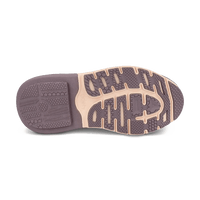
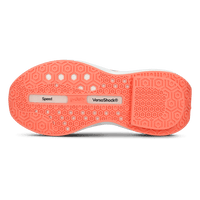
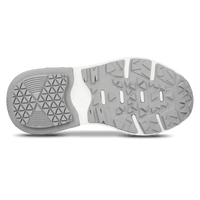
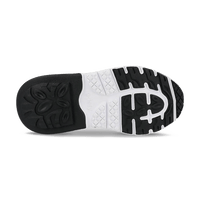
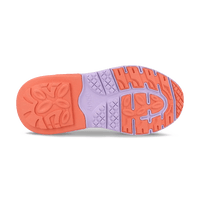
• Outsole grip suited for stone and urban terrain
This balance promotes confident movement across uneven streets.
If you are returning to activity after a strain, effective home remedies for sprained foot may provide helpful recovery context before resuming long walking days.
3. Energy for All Day Movement
Travel days often combine hours of walking, extended standing, and occasional light hiking. Efficient energy return helps reduce fatigue over time.
VersoShock® technology is designed to help support forward motion and reduce the cumulative strain that builds throughout the day. Instead of focusing solely on softness, GDEFY prioritizes responsive cushioning that keeps you moving confidently.
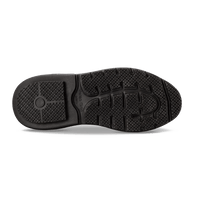
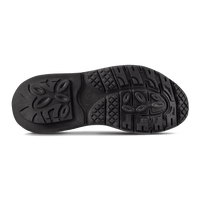
4. Reliable Traction on Stone Surfaces
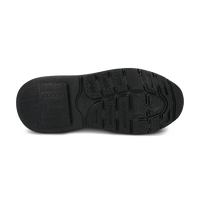
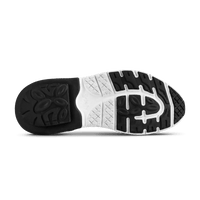
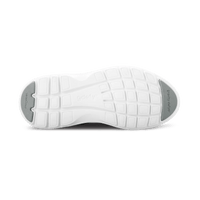
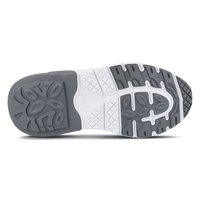
Stone streets vary in texture and wear. A well designed outsole helps maintain steady footing as you move between cobblestones, pavement, and indoor flooring.
Confidence underfoot allows you to focus on the experience rather than the terrain.
Why GDEFY Shoes Perform Well on Cobblestones
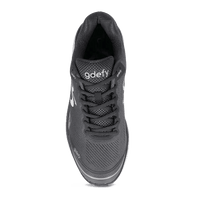
GDEFY is built around exceptional comfort and energy for everyday movement.
Each design supports:
• Reduced impact from walking and prolonged standing
• Sustained cushioning throughout extended activity
• Stability across uneven terrain
• Energy return that supports smoother transitions
Whether you choose from All Men, All Women, or explore categories like best shoes, walking, standing, hiking, or wide shoes, the goal remains the same. Comfort that keeps you moving.
Key Takeaways
• Cobblestones create uneven impact that increases fatigue over time
• Proper impact management and stability are essential for extended walking
• Responsive cushioning supports smoother movement during long days
• VersoShock® technology helps reduce impact from walking and prolonged standing
• Choosing shoes designed for varied terrain improves overall comfort and confidence
Frequently Asked Questions
What type of shoes are best for walking on cobblestones?
Shoes with strong impact management, stable construction, and reliable traction perform best on uneven stone surfaces. Designs built for extended walking and prolonged standing are ideal.
Are cushioned shoes better for cobblestones?
Cushioning helps, but balance matters. Shoes should provide responsive support rather than excessive softness to maintain stability across irregular surfaces.
Do I need wide shoes for cobblestone walking?
If you naturally require additional room, choosing from a wide shoes collection can improve comfort and stability during long outings.
Can I use hiking shoes on cobblestones?
Light hiking shoes designed for varied terrain can perform well, especially if they provide balanced cushioning and grip suitable for urban stone.
What if I already experience foot discomfort?
If you are experiencing ongoing sensitivity, exploring resources such as understanding common causes of toe pain, understanding pain in the ball of foot, or how to relieve heel pain may help you better understand activity related discomfort before selecting new footwear.
Expert Insight: Why Uneven Surfaces Require Different Shoe Design
Walking on cobblestones challenges the body differently than flat pavement. Every step lands on a slightly irregular surface, requiring small but continuous adjustments from the feet, ankles, and lower body. Over time, this repeated adaptation increases muscular effort and overall fatigue.
From a footwear design perspective, three elements become especially important.
First is impact management. Uneven surfaces amplify ground reaction forces in multiple directions. Shoes that help reduce impact from walking and prolonged standing can support more efficient movement throughout the day.
Second is structured stability. A properly engineered sole provides a stable foundation while still allowing natural motion. This balance helps maintain alignment without restricting flexibility.
Third is energy return. Responsive cushioning encourages smoother transitions from heel to toe, helping sustain comfort during extended activity.
VersoShock® Spring Technology is engineered to absorb shock and redistribute energy with each step. Instead of relying solely on softness, this system focuses on controlled responsiveness and durability across varied terrain.
When footwear supports impact management, stability, and energy return together, it allows individuals to move more confidently and stay active longer on demanding surfaces like cobblestones.
Final Thoughts
Cobblestone streets add beauty and character to any journey. The right footwear ensures that the surface enhances the experience rather than limits it.
Shoes engineered to help minimize impact, promote stability, and support energy during movement allow you to stay active longer and explore confidently.
GDEFY delivers exceptional comfort and energy for everyday movement, even on demanding terrain.