
June 04, 2026
Barefoot vs Cushioned Shoes: What's the Difference for Daily Walking?
By Gdefy

Summary
Walk into any shoe store today and you'll notice two very different ideas competing for your feet. On one side are slim, flexible "barefoot" or minimalist shoes that promise a close-to-the-ground feel. On the other are thick, plush, heavily cushioned shoes built to feel soft with every step. If you spend a lot of time walking, standing, or simply moving through a busy day, the barefoot vs cushioned shoes question can feel surprisingly hard to answer.
The truth is that neither style is automatically right for everyone. Each one changes how your foot moves, how impact travels up your leg, and how your feet feel after hours on them. Footwear isn't a medical solution, but the design you choose can play a real role in your day-to-day comfort and support.
This guide breaks down what barefoot and cushioned shoes actually are, how they feel underfoot, and the practical features to look for — so you can choose with confidence instead of guesswork.

What Does "Barefoot" vs "Cushioned" Actually Mean?
These two terms describe opposite design philosophies. Understanding the basics makes the rest of the decision much easier.
Barefoot and Minimalist Shoes
Barefoot shoes — sometimes called minimalist or "zero-drop" shoes — are built to mimic the feeling of walking without shoes at all. They typically share a few traits:
- Thin soles that put your foot close to the ground
- A flat profile with little or no height difference between the heel and the toe
- A wide, roomy toe area that lets the toes spread naturally
- High flexibility, so the shoe bends easily with your foot
The idea behind this design is to let your foot move freely and engage the small muscles in your feet. Fans of minimalist shoes often enjoy the lightweight, ground-connected feel.
The trade-off is simple: with very little material underfoot, there's also very little to absorb impact. On hard surfaces like concrete sidewalks, tile floors, or pavement, that impact travels straight through to your feet and legs. For someone walking long distances or standing for hours, that can lead to noticeable foot fatigue.
Cushioned Shoes
Cushioned shoes take the opposite approach. They use thicker layers of foam or other materials between your foot and the ground to soften each step. Common traits include:
- A thicker midsole that adds a soft layer underfoot
- More structure and support built into the shoe
- Shock absorption designed to reduce the harshness of hard surfaces
- A cushioned heel area for landing comfort
The appeal here is comfort over distance. By absorbing some of the impact from walking and standing, cushioned shoes can help reduce the stress your feet feel during a long day.
The trade-off is that not all cushioning is equal. Soft foam alone can feel pleasant at first but flatten out over time, and too much unstructured softness can leave your foot feeling unstable. The goal is cushioning that also supports — a balance that's harder to engineer than it sounds.
How the Two Designs Feel Underfoot
The clearest way to understand the barefoot vs cushioned difference is to think about what happens with each step.
In a barefoot shoe, your foot does most of the work. You feel the ground, your foot flexes a lot, and the impact of each step is mostly absorbed by your body. Some people enjoy this connected sensation, especially for short walks on softer ground like grass or trails.
In a cushioned shoe, the shoe shares the workload. The midsole softens the landing, and a well-designed shoe helps guide your foot through the step. On hard surfaces and over long hours, many people find this noticeably more comfortable.
There's also a middle path that often gets overlooked. The most comfortable everyday shoes aren't always the thickest or the thinnest — they're the ones that combine enough cushioning to absorb shock with enough structure to keep your foot supported and stable.

What to Look for in a Comfortable Walking Shoe
Whether you lean barefoot or cushioned, a few core features make a real difference in daily comfort. Use this as a quick checklist:
- Cushioning → helps absorb impact from hard surfaces so your feet feel less worn out
- Support → helps maintain stability and keeps your foot from rolling or sliding inside the shoe
- Shock absorption → reduces the harsh force that travels up from each step
- Energy return → helps keep your stride feeling efficient instead of flat and heavy
- Proper fit → a roomy toe area and secure midfoot improve comfort over long days
Notice that the strongest features borrow from both worlds: the roomy, natural toe space that barefoot fans love, paired with the cushioning and support that make long days easier on your feet.
Can You Get the Best of Both? The G-Defy Approach
If barefoot shoes feel too harsh on hard ground and overly soft cushioned shoes feel unstable, you're not alone — and you don't have to pick a side.
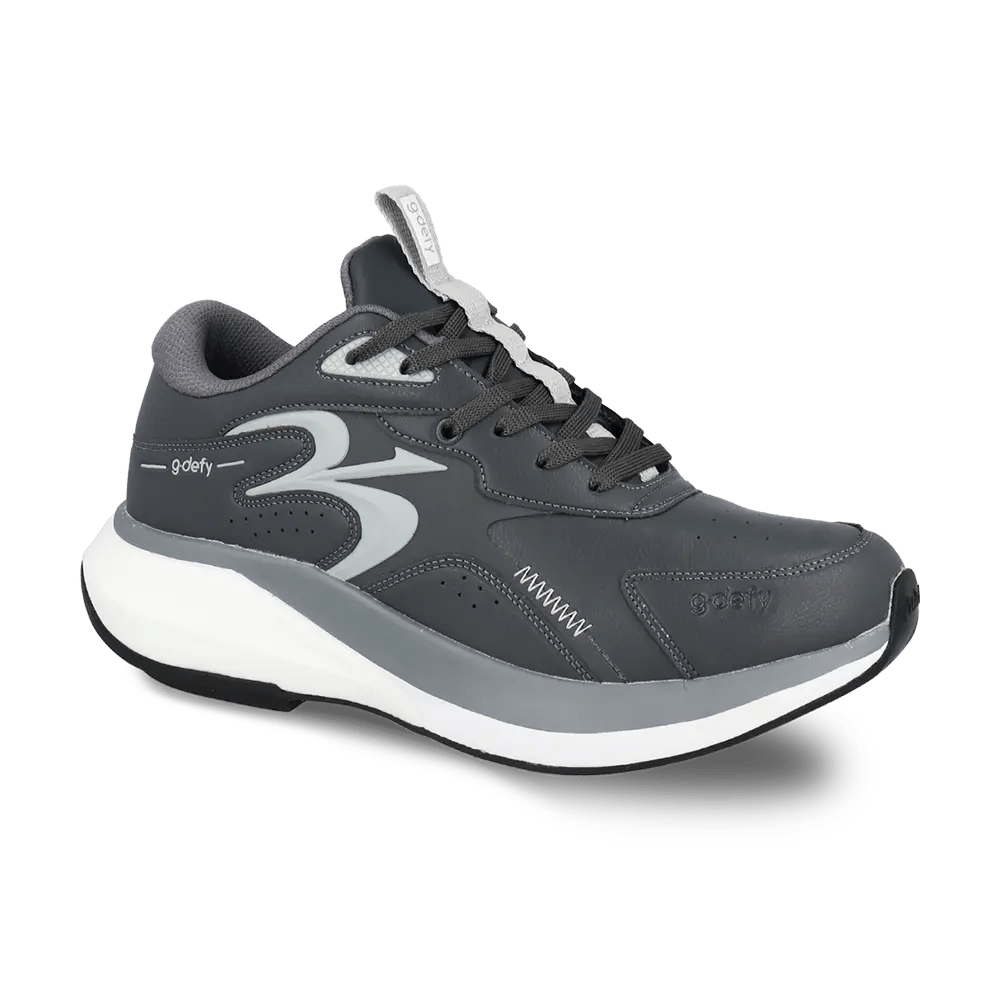
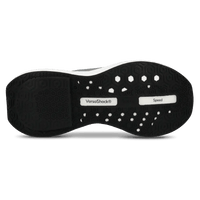
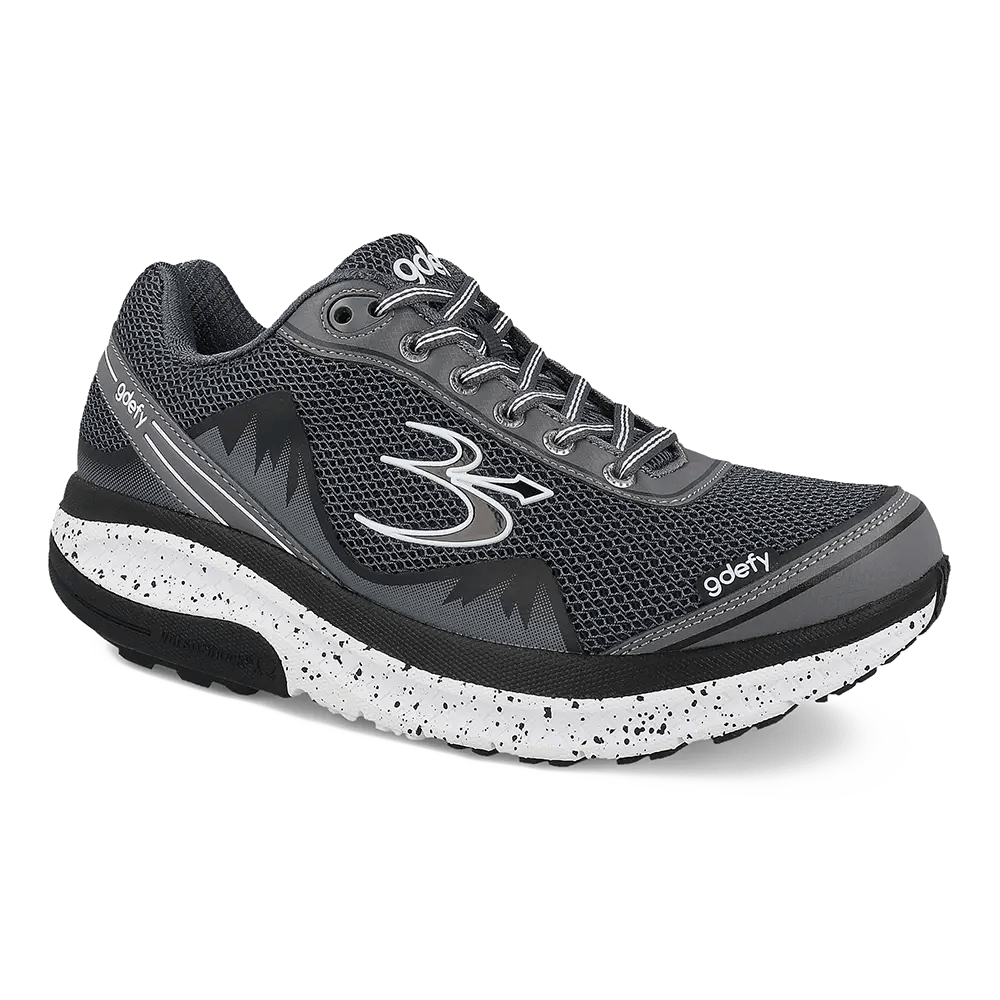
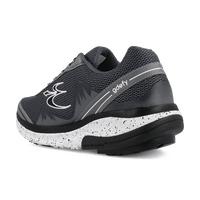
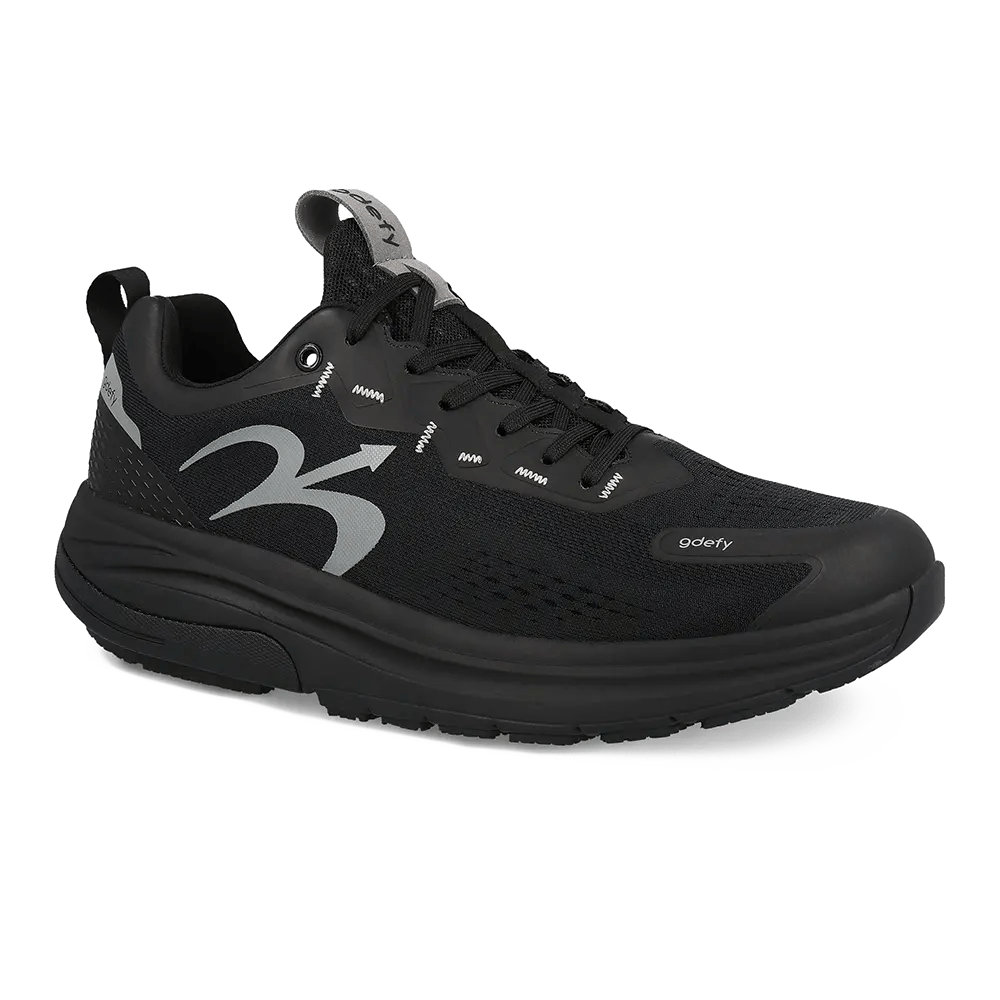
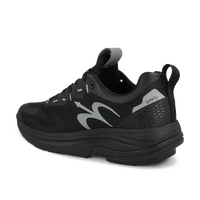
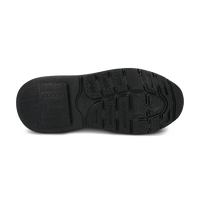
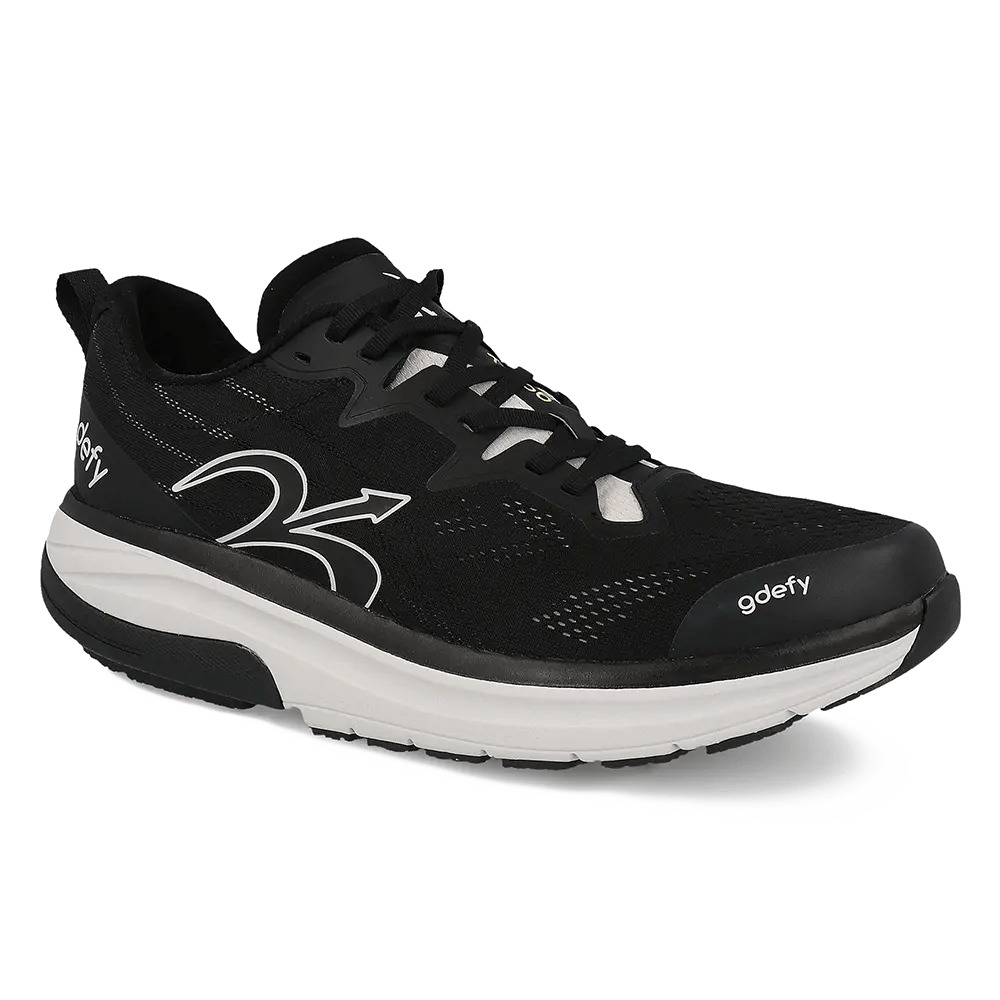
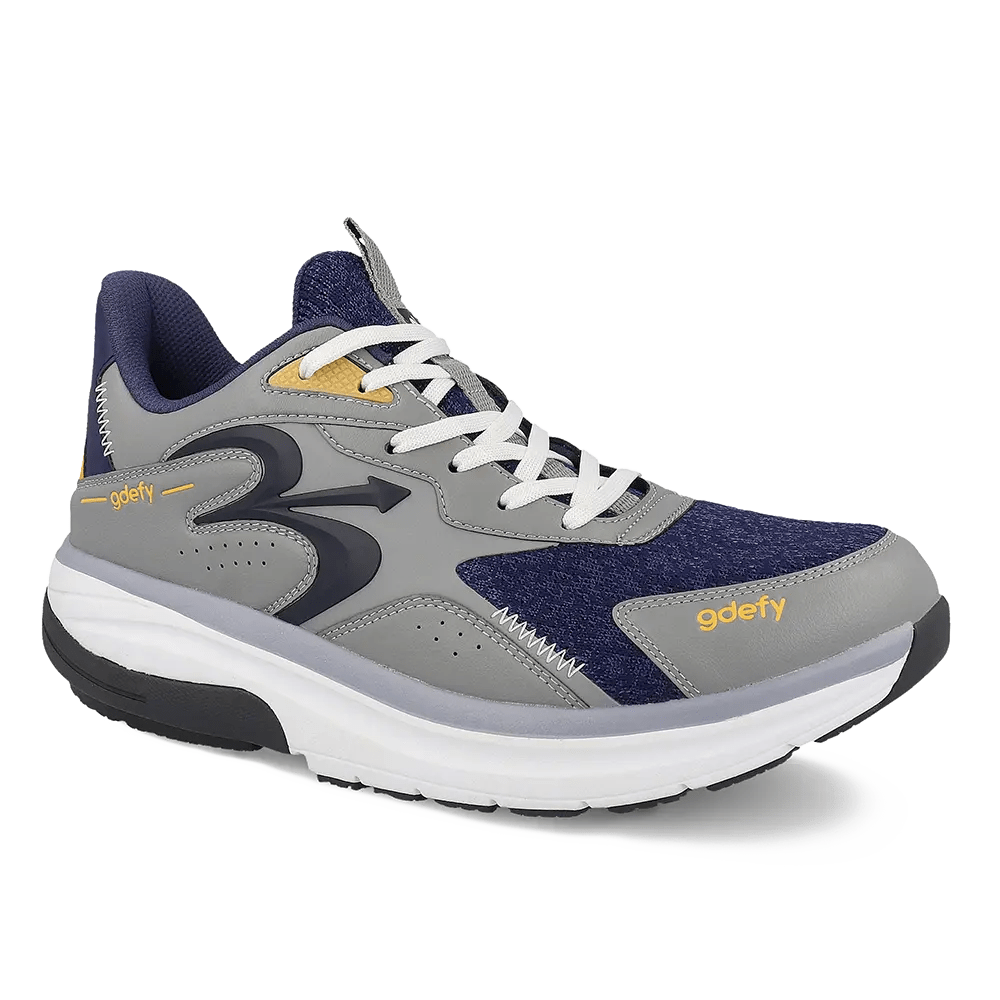
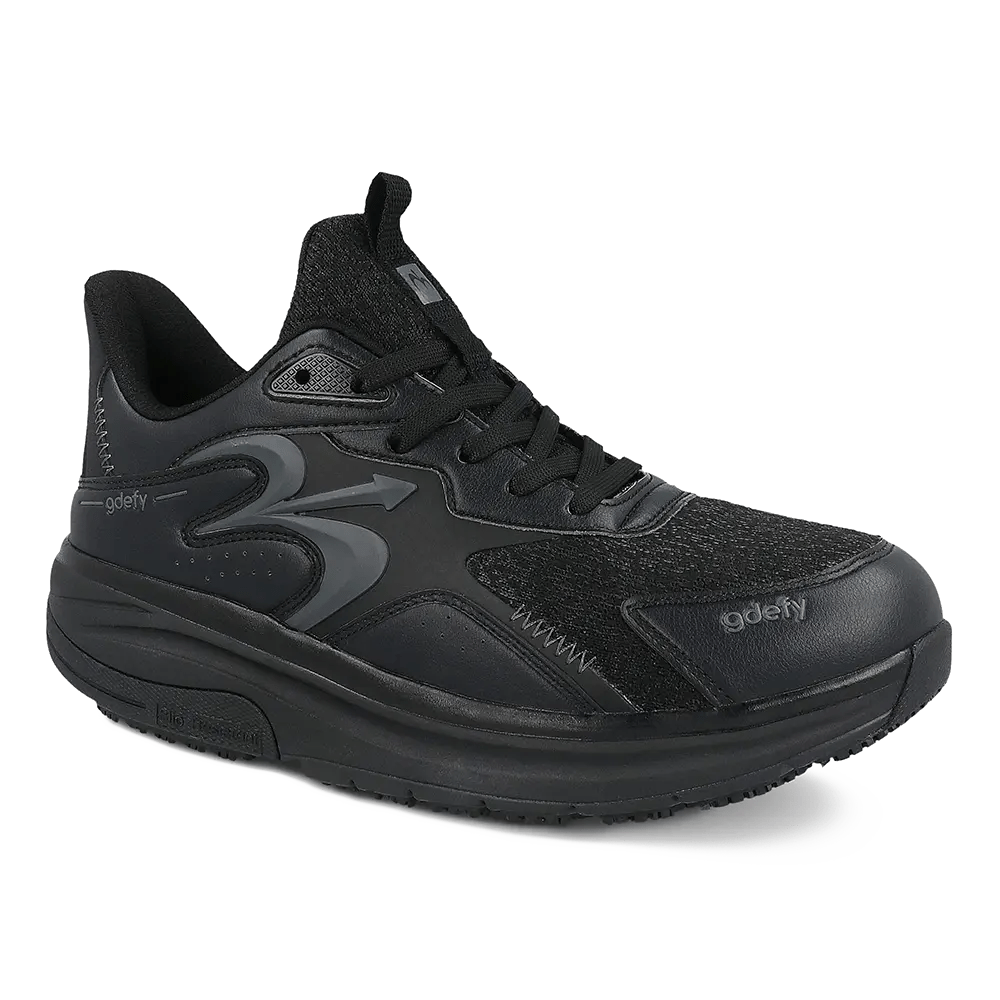
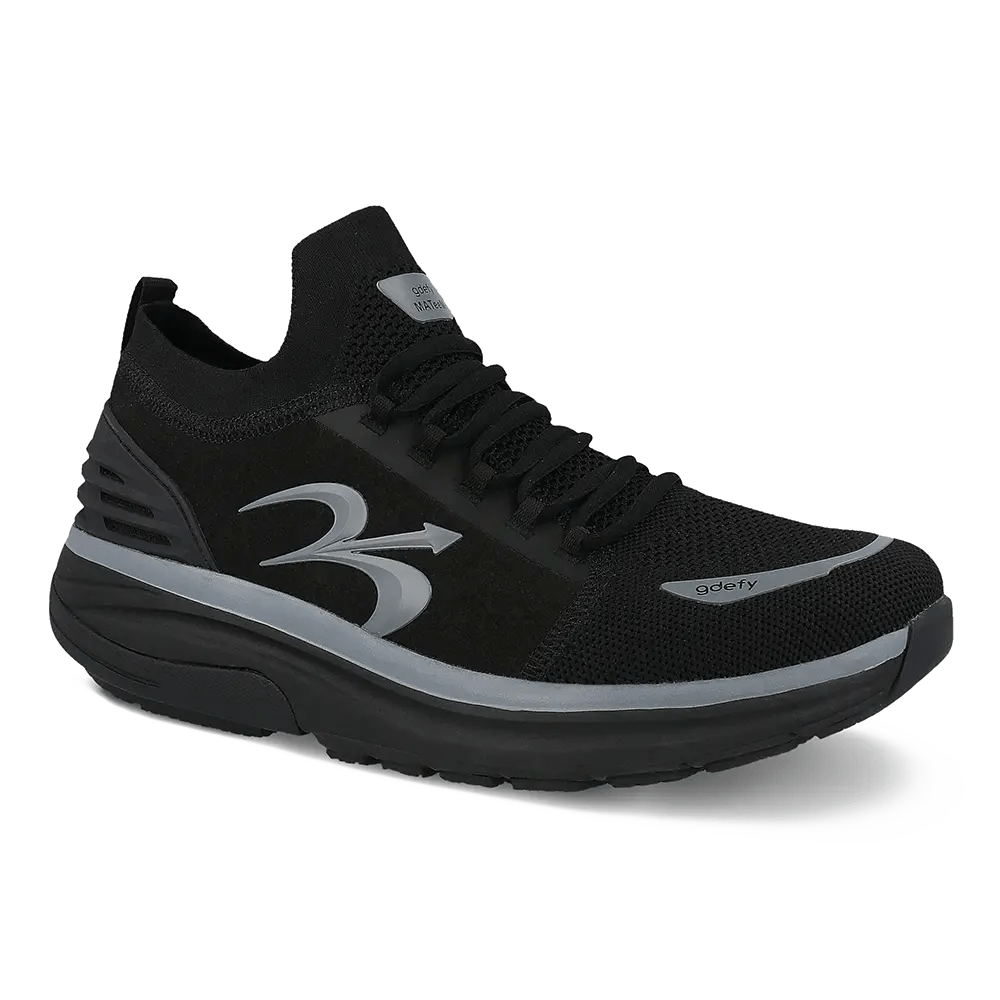
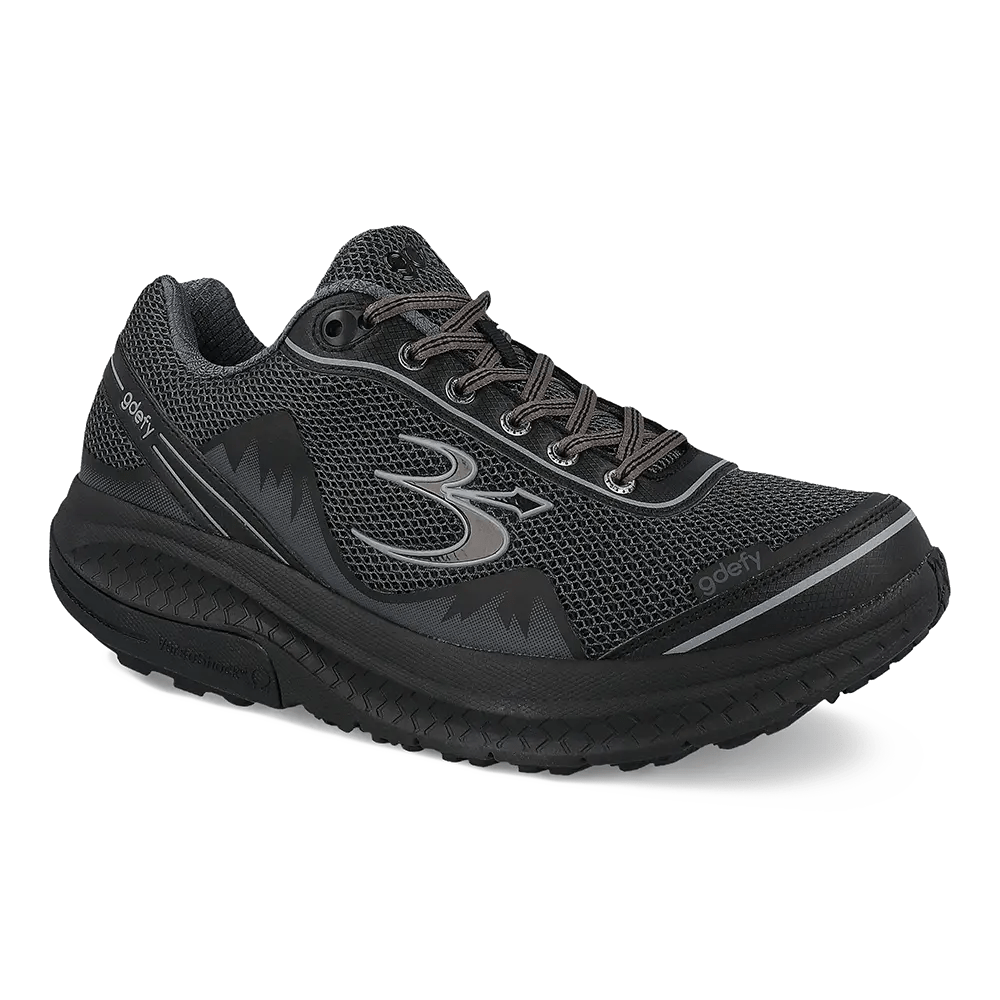
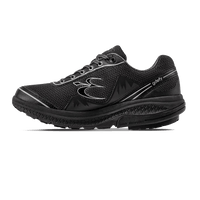
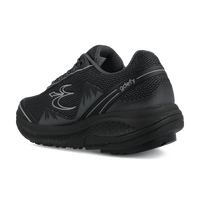
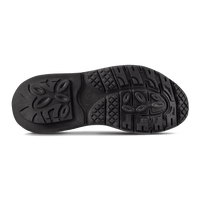
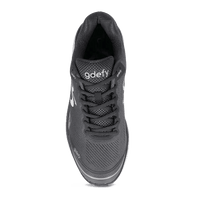
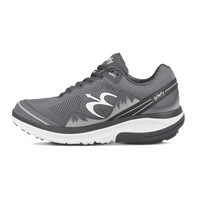
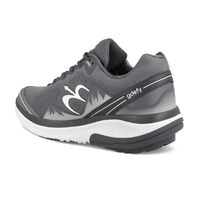
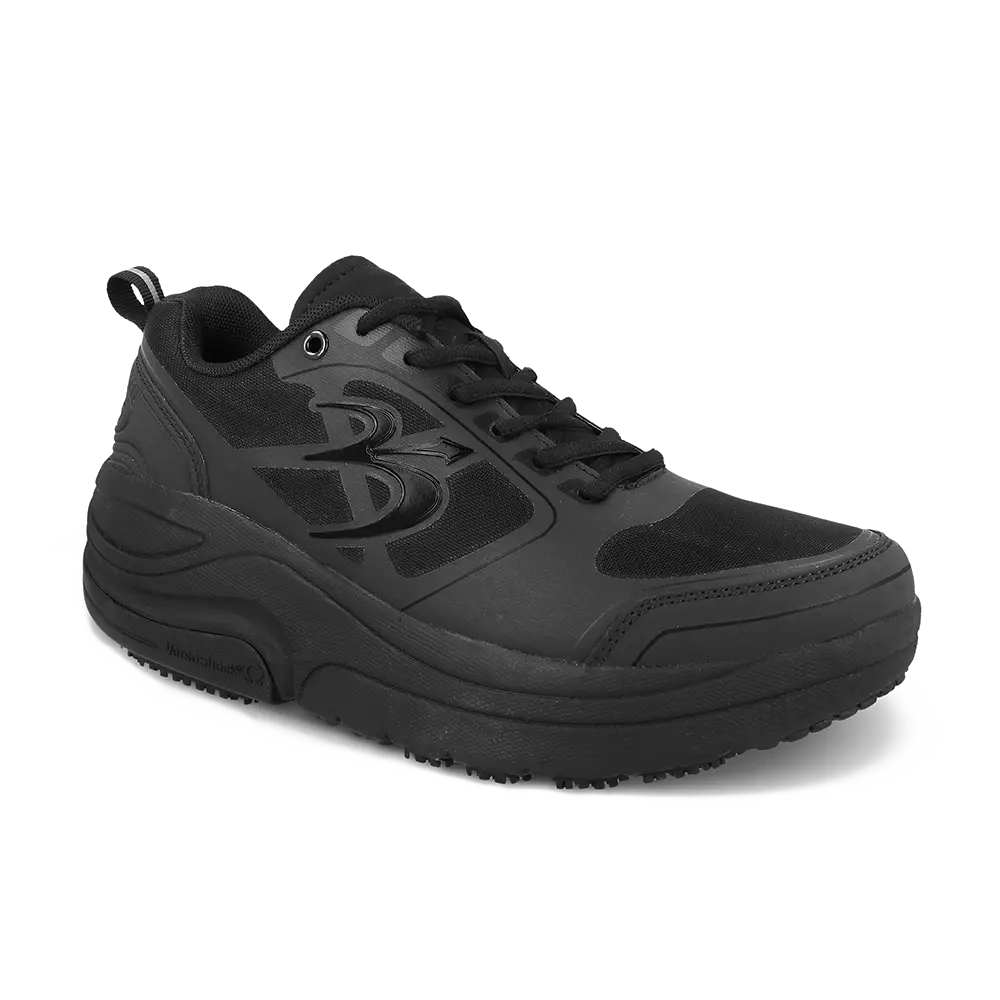
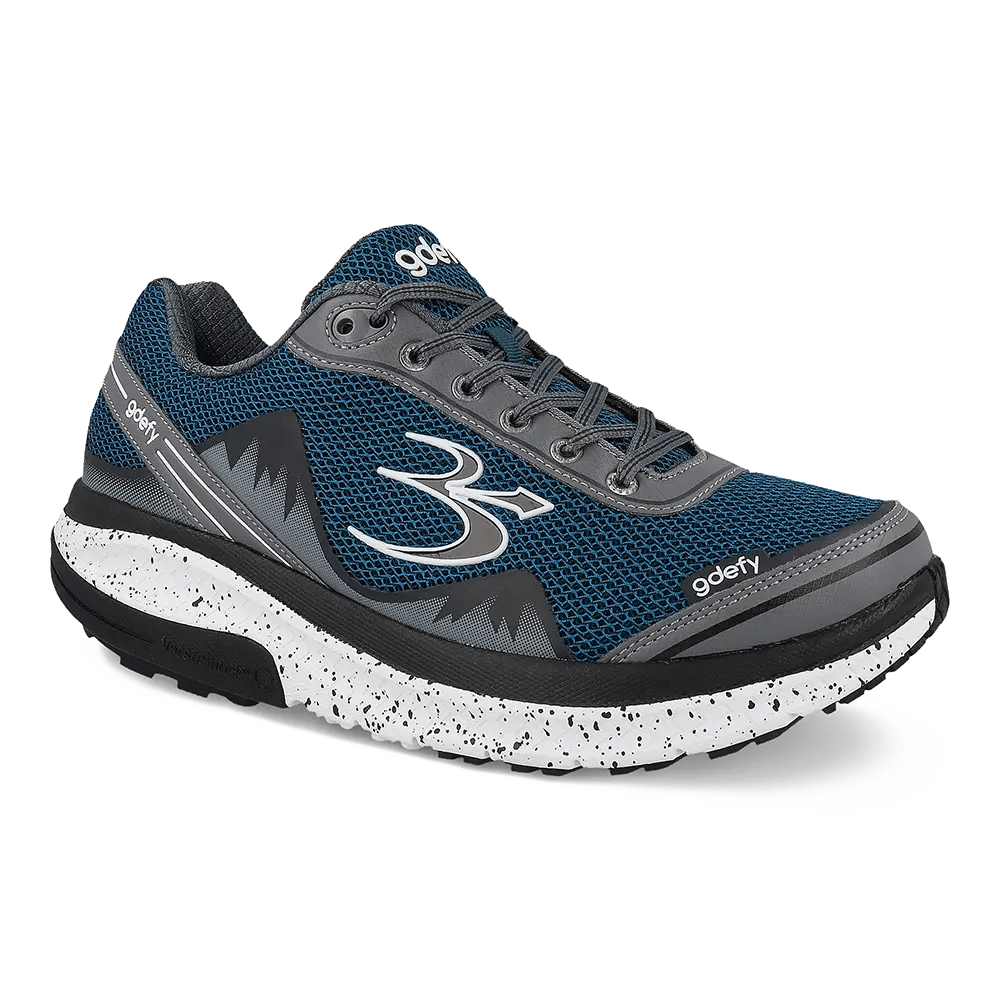
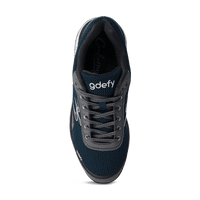
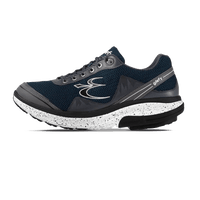
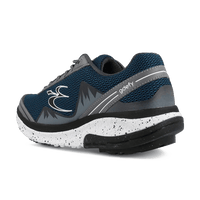
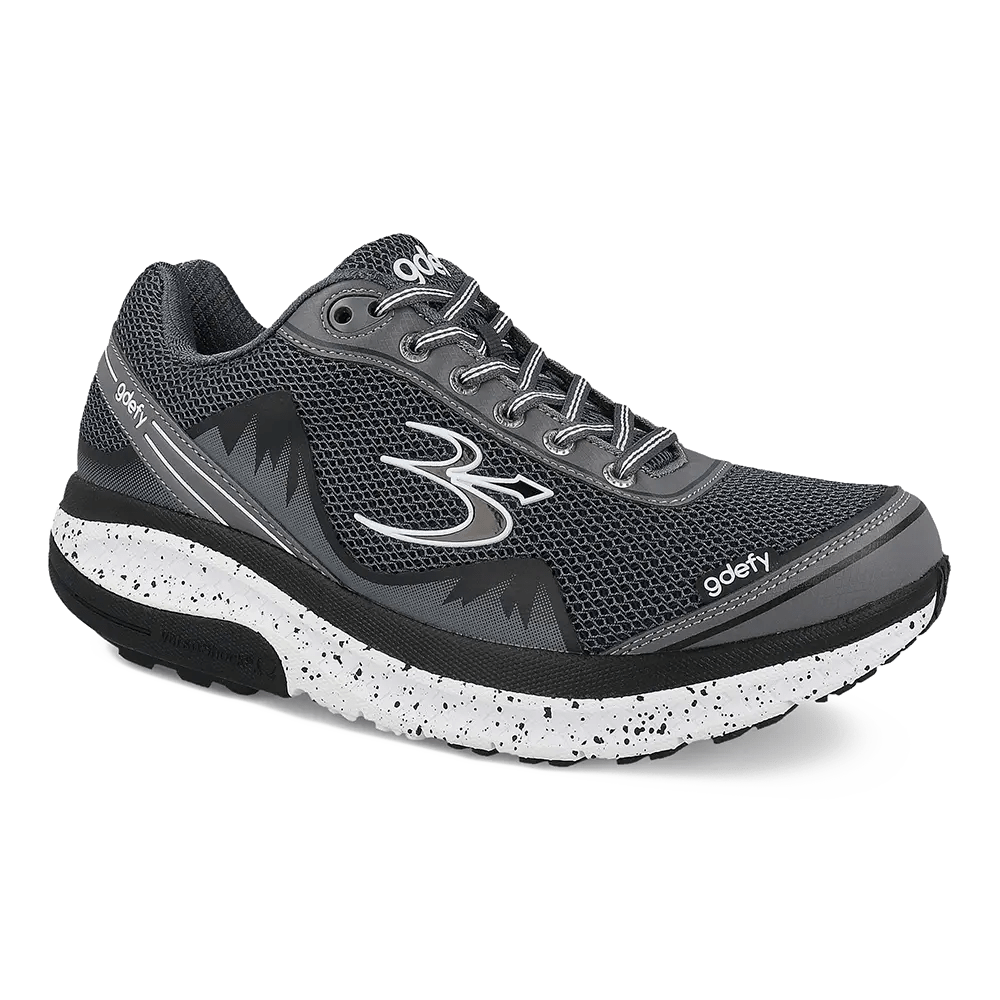
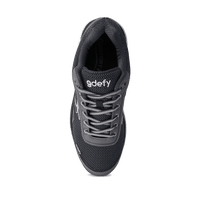
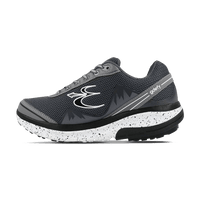
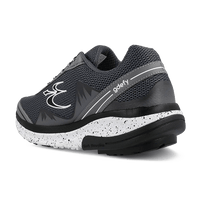
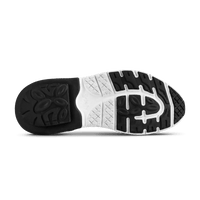
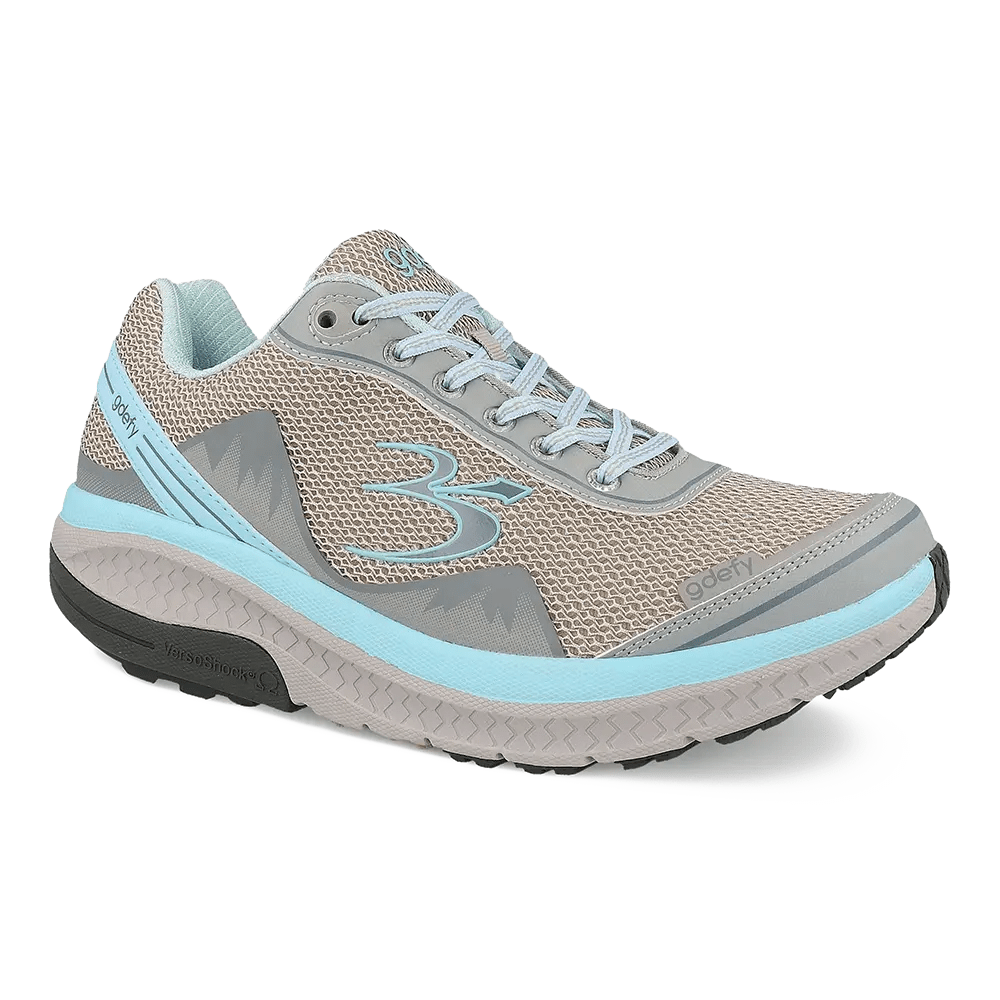
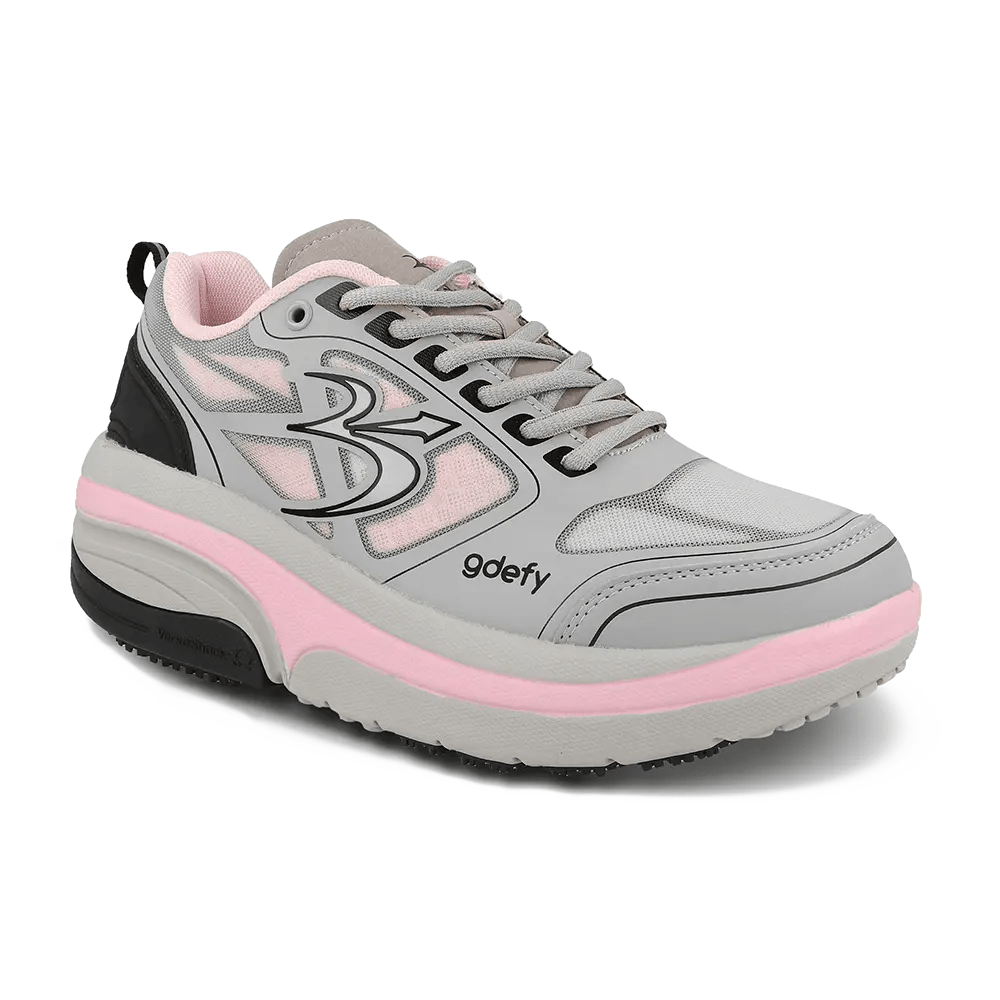
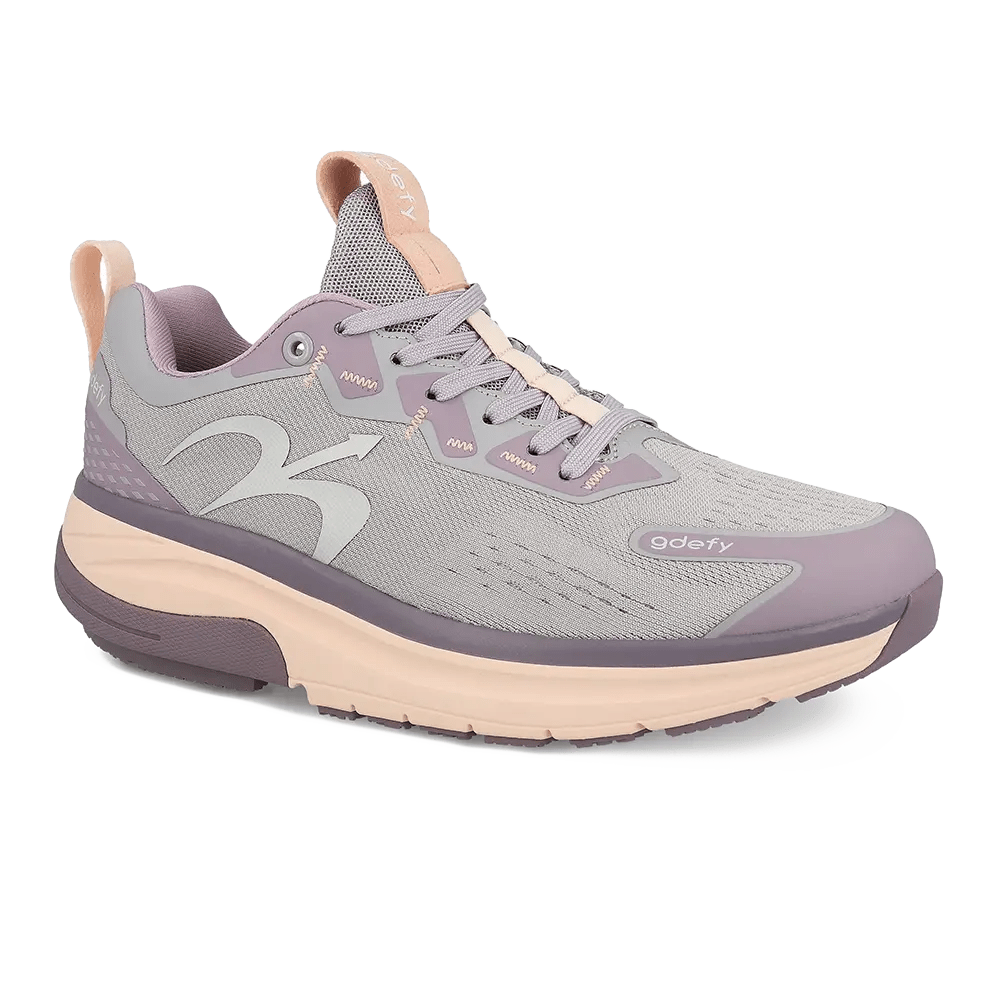
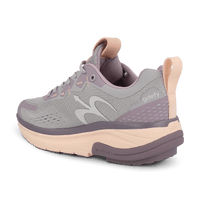
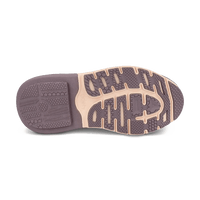
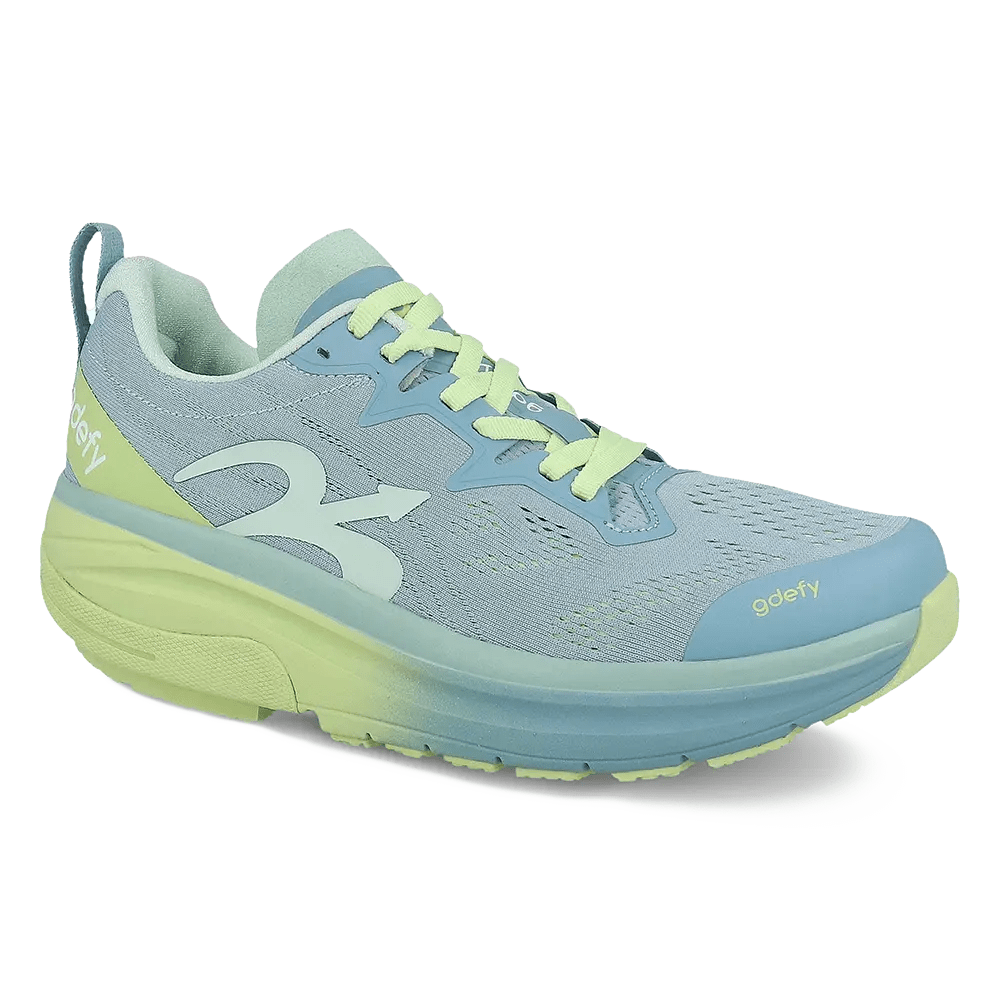
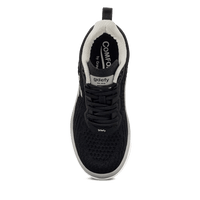
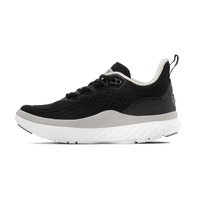
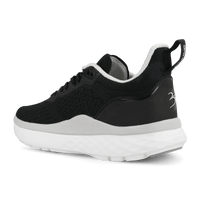
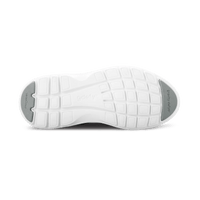
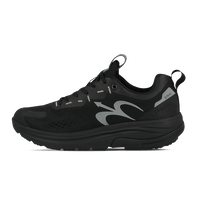
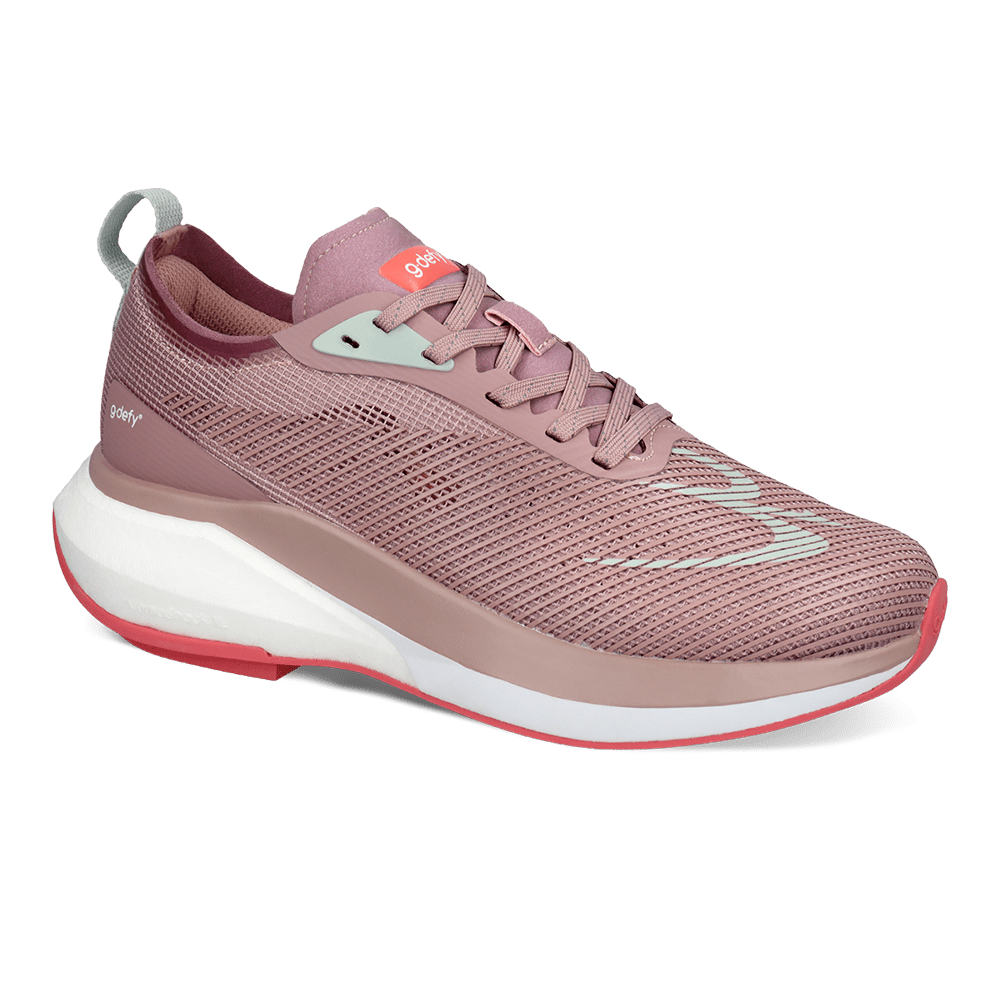
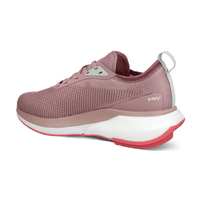
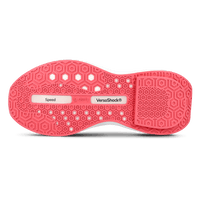
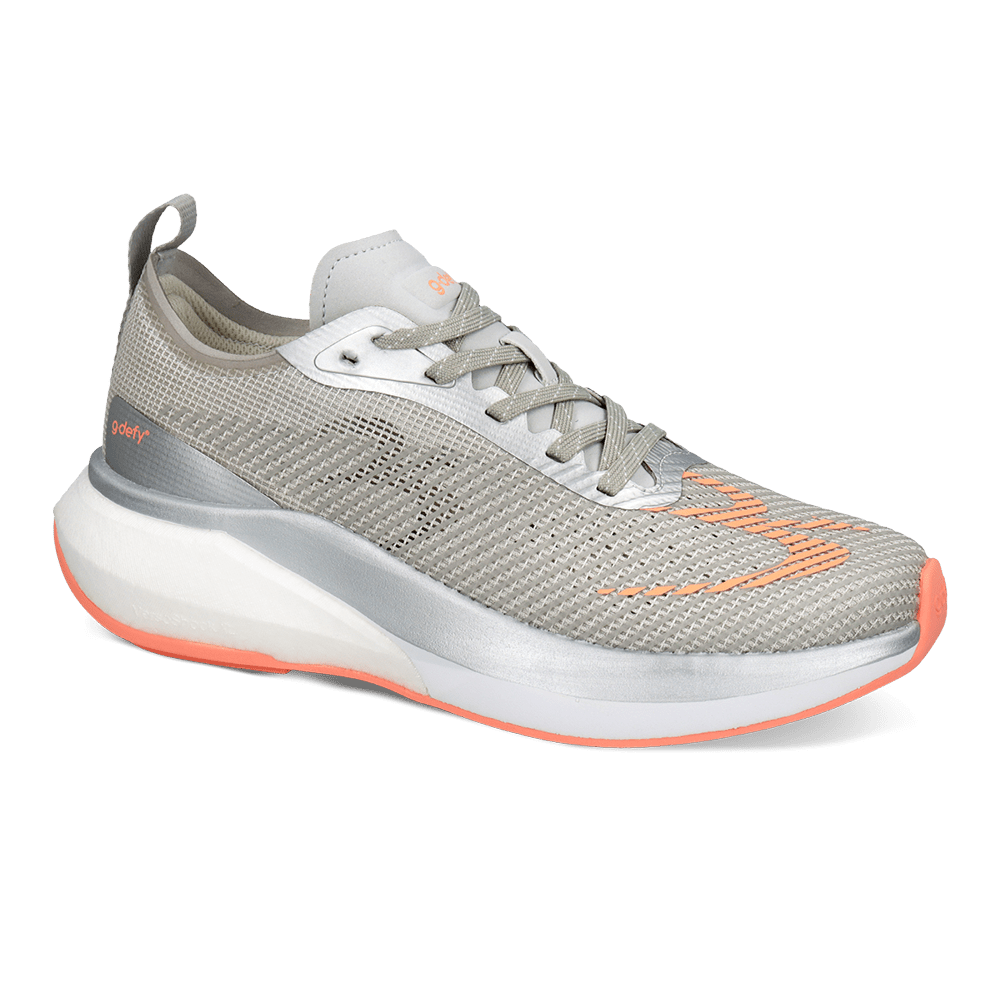
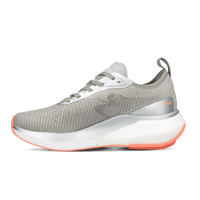
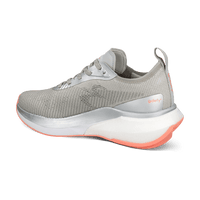
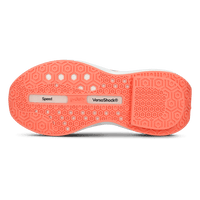
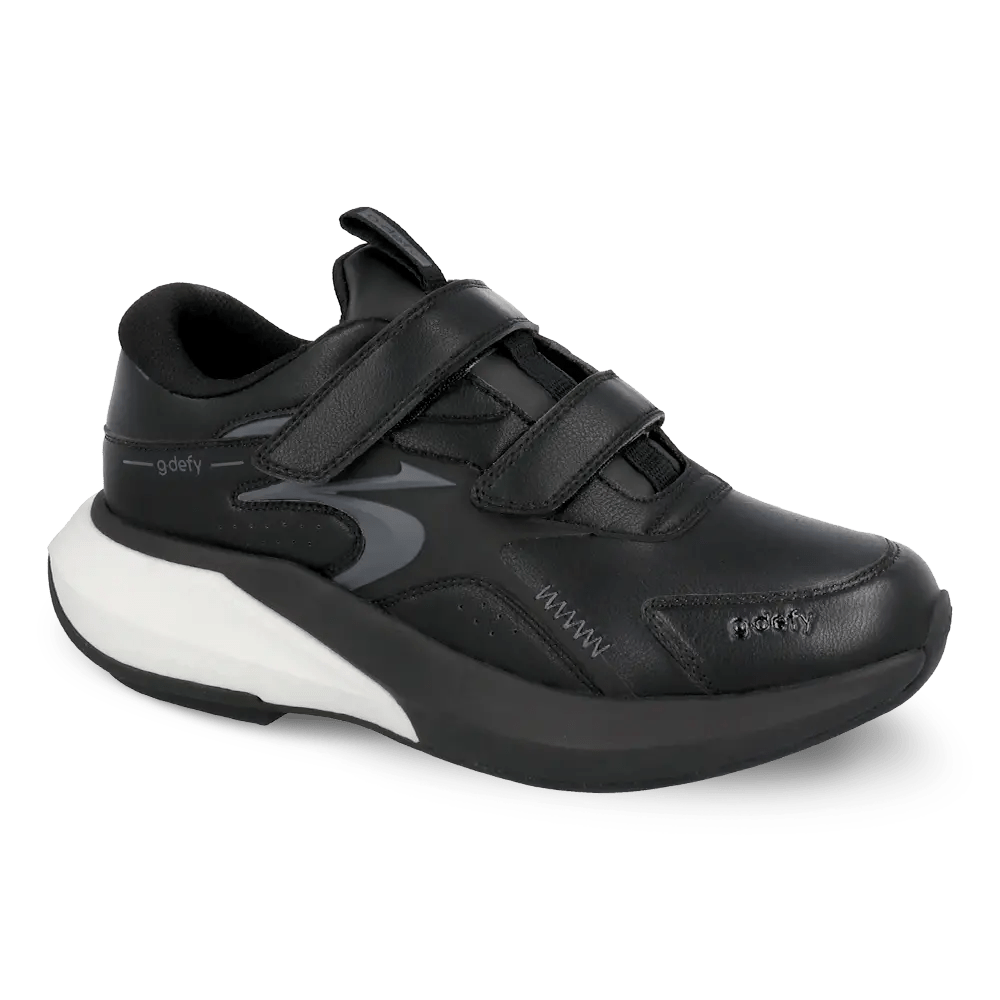
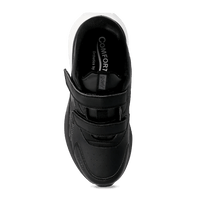
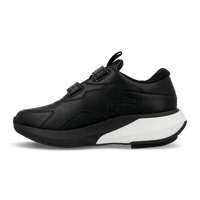
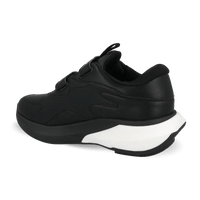
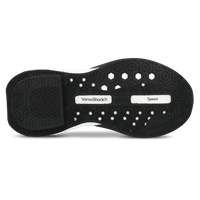
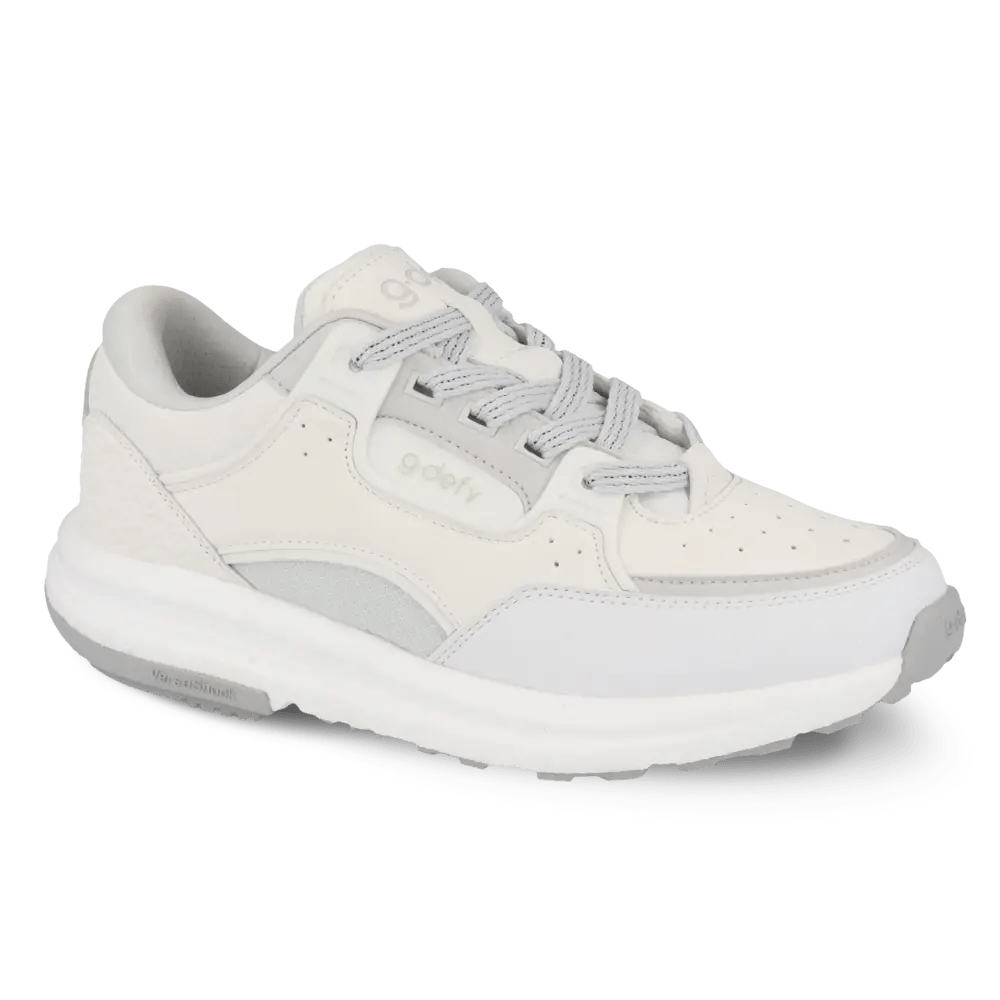
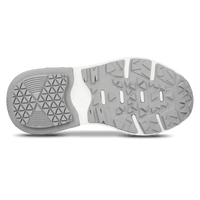
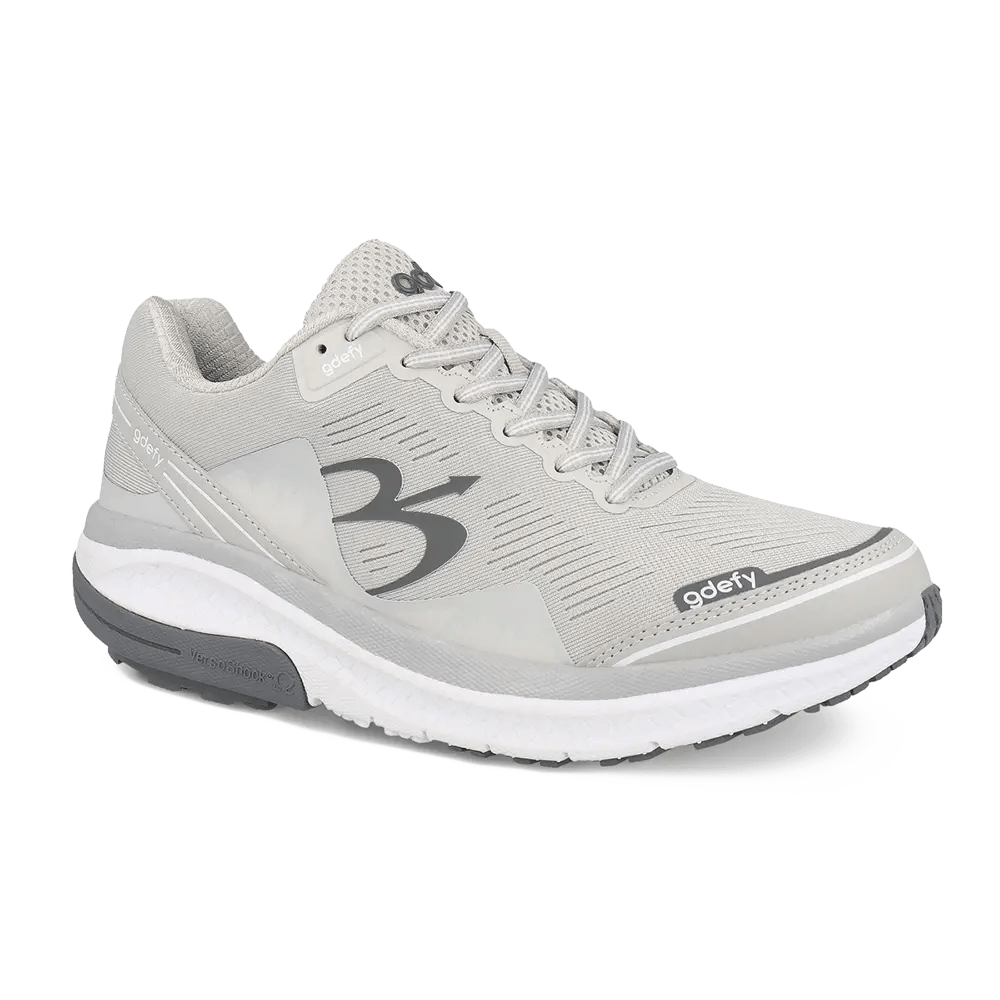
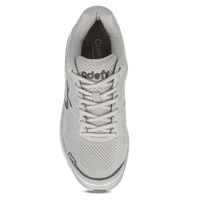
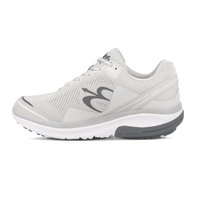
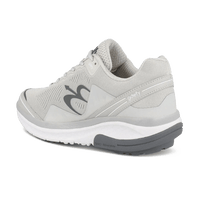
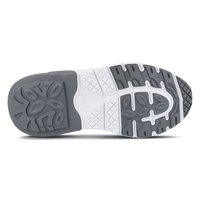
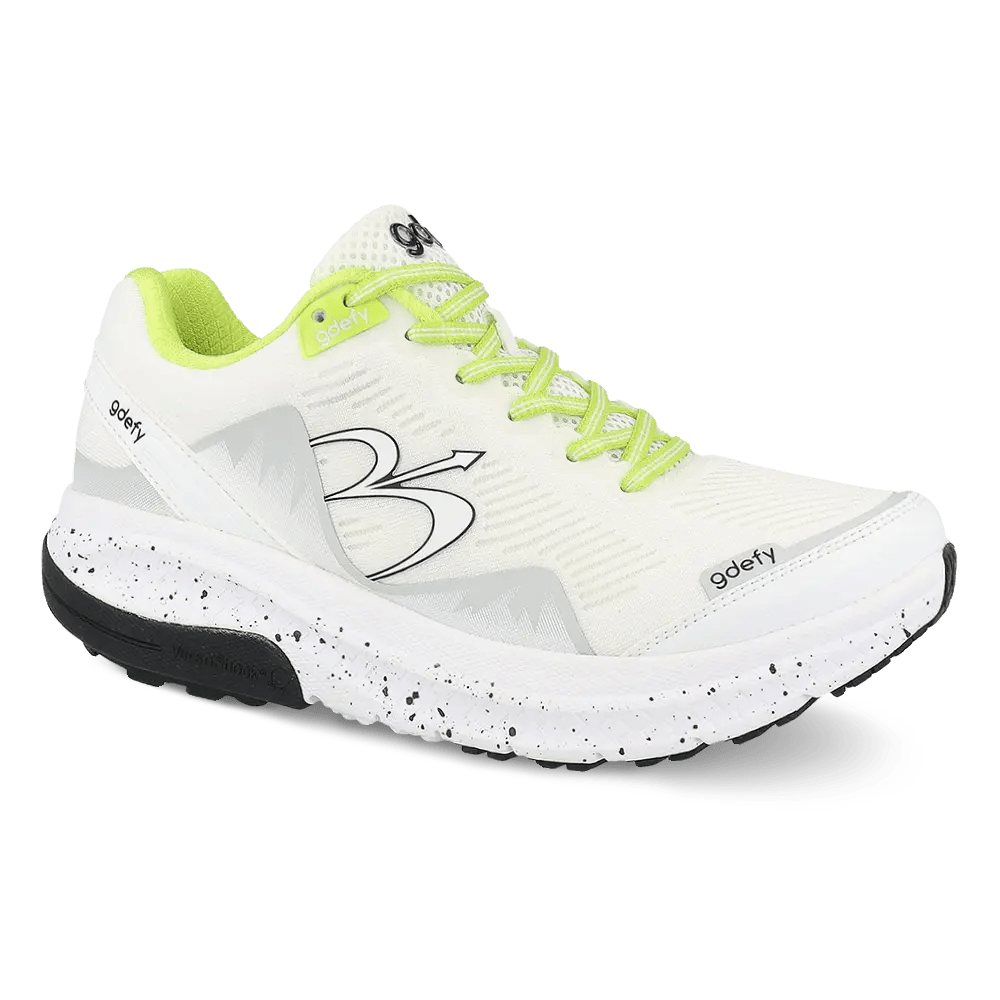
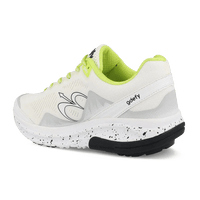
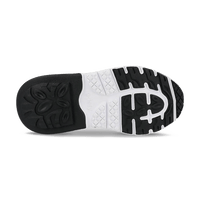
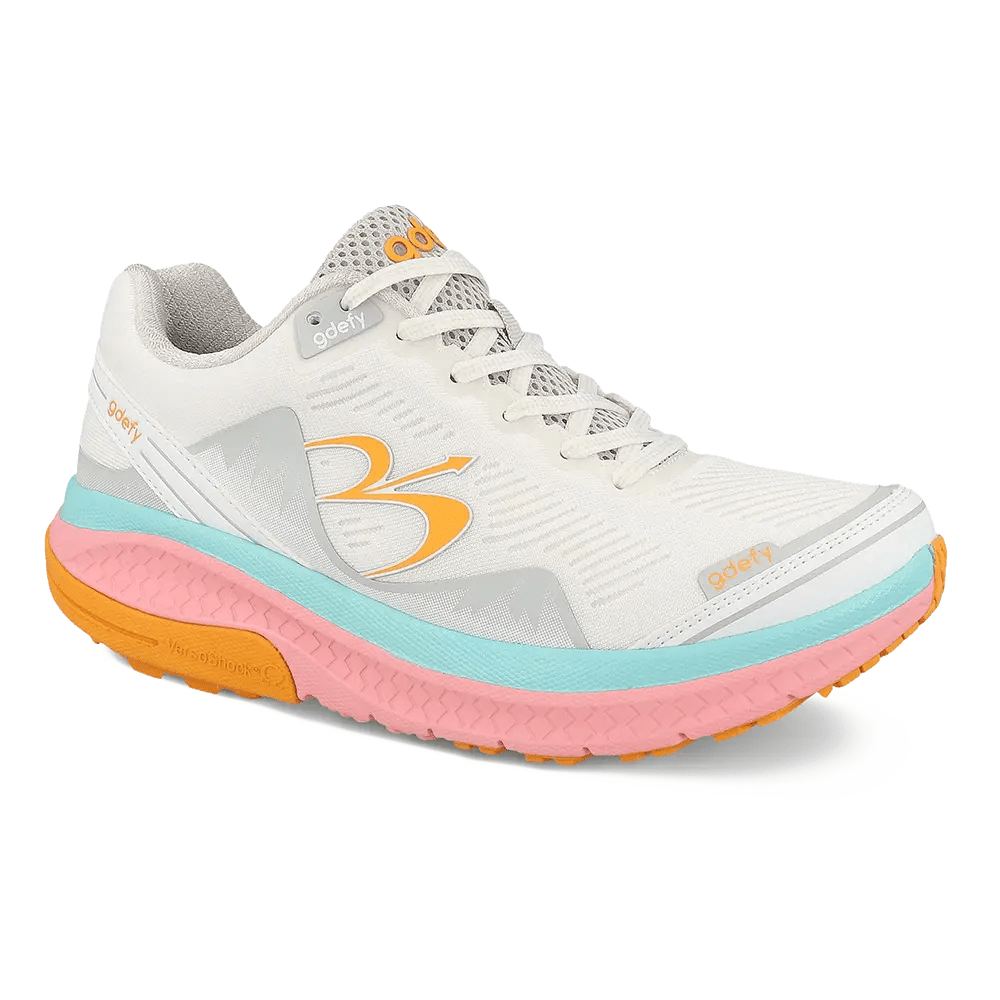
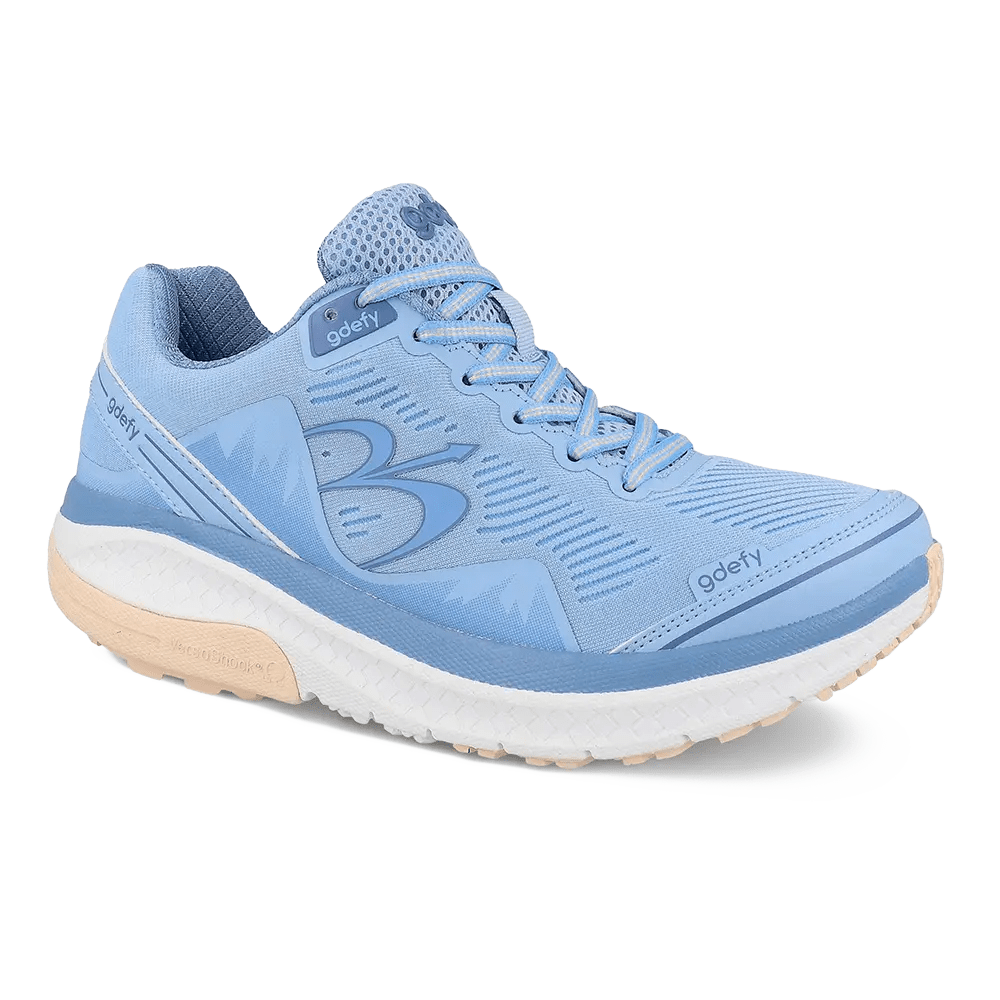
G-Defy shoes are engineered to provide comfort, support, and shock absorption during daily movement. Featuring VersoShock® technology, they are designed to absorb impact and return energy with each step. A built-in stabilizer supports the foot during movement, while the front rolling design promotes a smooth heel-to-toe transition. Each pair also includes two removable orthotics — the ComfortFit® and CorrectiveFit® inserts — so you can customize the level of cushioning and support for your own feet. G-Defy shoes help reduce pain from walking, running, and prolonged standing.
That combination is the point. Instead of choosing between "thin and connected" or "thick and soft," you get a roomy, lightweight feel paired with engineered shock absorption and structure. Styles like the versatile Mighty Walk and the lightweight G-Defy Ion are built around this balance, and you can learn more about how the system works on the VersoShock® technology page.
Find your balance of cushioning and support
Try G-Defy risk-free for 60 days, with free shipping and easy exchanges.
Shop Men's ShoesMatching Your Shoe to Your Activity
The right answer to barefoot vs cushioned often depends less on the debate itself and more on what you actually do each day. Here's how the two approaches tend to line up with common activities:
- Everyday walking and errands. A balanced, cushioned shoe with a roomy toe box usually wins here. You're often on hard surfaces — sidewalks, store floors, parking lots — where shock absorption keeps your feet feeling fresher for longer.
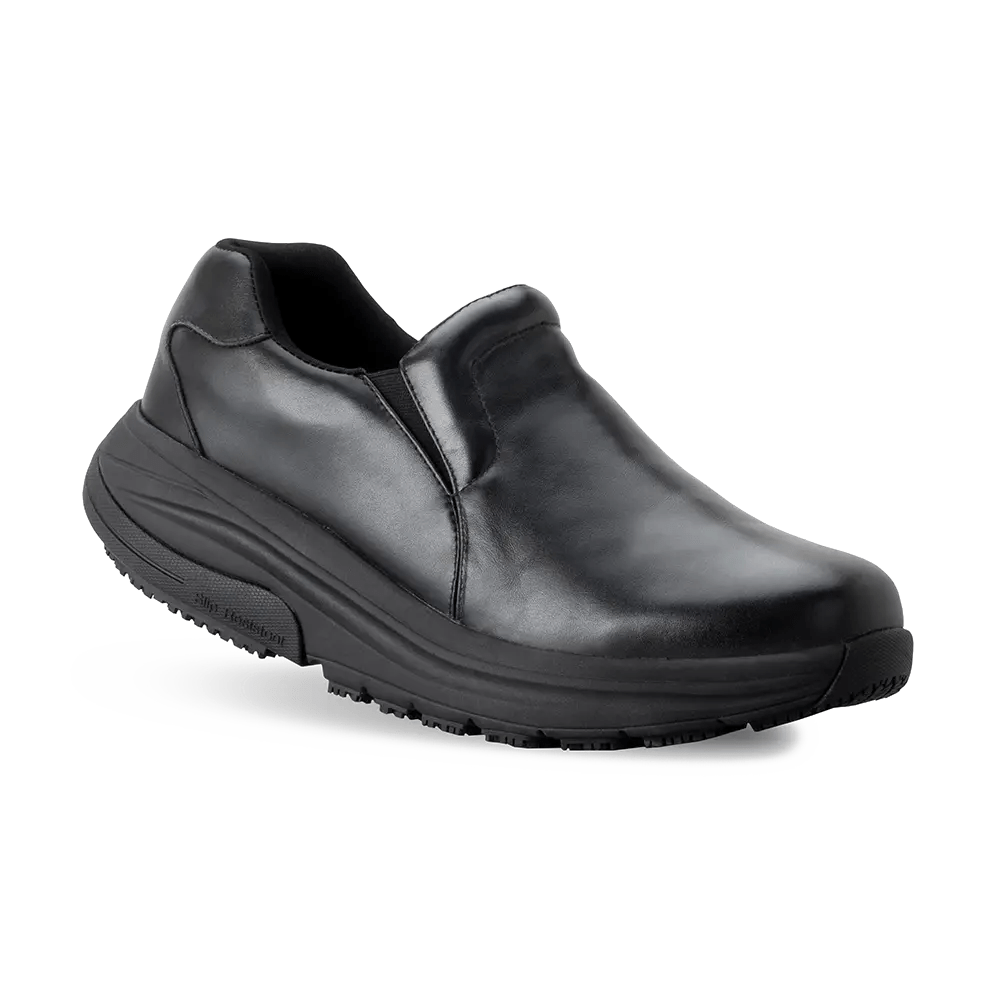
- Standing all day at work. Long shifts on concrete or tile are demanding. Cushioning paired with a supportive structure helps reduce the stress of staying on your feet, which is why so many people who stand for a living look for shock-absorbing footwear.
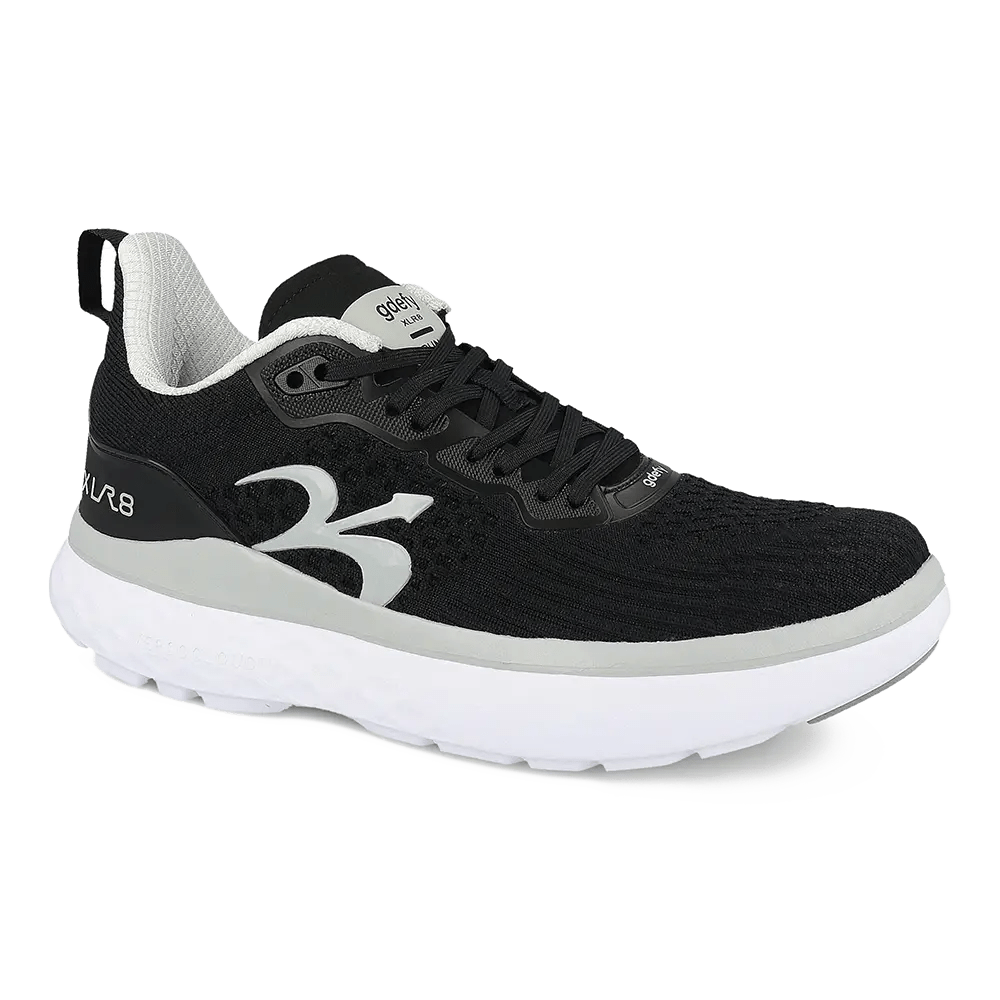
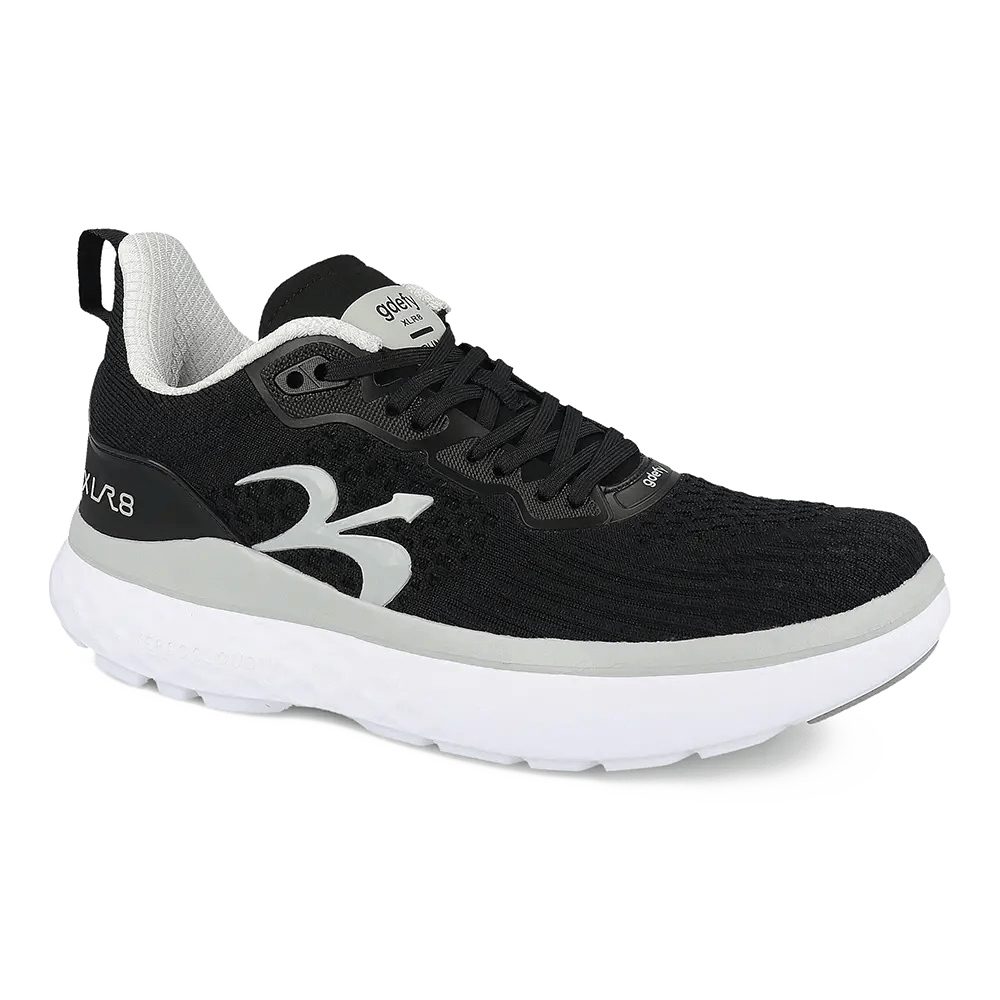
- Running and higher-impact activity. Impact forces climb quickly when you run, so energy return and shock absorption matter more than ever. Styles built for movement, like the XLR8 Run, are designed around that demand.
- Trails and active outdoor days. Softer, uneven ground is gentler on your feet, but longer outings still benefit from support and a secure fit. A lightweight, supportive design helps you stay comfortable mile after mile — explore athletic styles for these days.
- Short walks on grass or sand. This is where minimalist, barefoot-style shoes feel most at home. The forgiving surface absorbs much of the impact, so a thin sole feels natural rather than harsh.
The takeaway is simple: the more time you spend on hard surfaces and the longer you're on your feet, the more cushioning and support tend to pay off in day-long comfort.

Frequently Asked Questions
Are barefoot shoes good for walking?
They can be, depending on where and how long you walk. On soft ground and for shorter distances, many people enjoy the lightweight, natural feel of minimalist shoes. On hard surfaces or during long hours on your feet, supportive and cushioned footwear may improve overall comfort during walking and prolonged standing.
Do cushioned shoes have less support than barefoot shoes?
Not necessarily. Support and cushioning are two different things. Some cushioned shoes are soft but unstructured, while others combine cushioning with a built-in stabilizer for a more secure feel. Look for a shoe that offers both softness and structure rather than one or the other.
Which is better for standing all day, barefoot or cushioned?
For long hours of standing on hard floors, most people find that cushioning and shock absorption feel more comfortable than a thin, minimal sole. The key is a shoe that absorbs impact while still supporting your foot, so you stay comfortable through the whole shift.
The Bottom Line
The barefoot vs cushioned debate doesn't have a single winner. Barefoot shoes offer a light, connected feel that suits soft ground and shorter walks, while cushioned shoes shine on hard surfaces and over long days by softening impact. While footwear is not a medical solution, choosing shoes designed for comfort, support, and shock absorption can make a meaningful difference in how your feet feel from morning to night.
If you want the natural, roomy feel of a minimalist shoe without giving up the cushioning and support that make long days easier, a balanced design is worth a look. Browse the full lineup for men and women, explore athletic styles, and try a pair risk-free to feel the difference for yourself.
Comfort and support, customized to your feet
Every G-Defy pair includes two removable orthotics and a 60-day risk-free trial with free shipping.
Shop Women's Shoes