
April 17, 2026
What Causes Plantar Fasciitis? A Practical Guide for Adults Over 40
By Gdefy

Summary

If you've felt a sharp ache in your heel when you take your first steps in the morning — or after sitting for a while — you're not alone. Plantar fasciitis is one of the most common sources of heel discomfort in adults, especially those who spend long hours walking, standing, or working on their feet.
While footwear isn't a medical solution, the design of the shoes you wear every day can play a meaningful role in how your feet feel. Understanding what causes plantar fasciitis is the first step toward making smarter, more supportive choices for your daily routine.
In this guide, we'll walk through the most common causes, explain what to look for in supportive footwear, and share how G-Defy shoes are designed to deliver comfort, support, and shock absorption for people who need their feet to keep up with their lives.
What Causes Plantar Fasciitis?
The plantar fascia is a thick band of tissue that runs along the bottom of your foot, connecting your heel to your toes. Every step you take places stress on this tissue. When that stress builds up faster than your body can recover from it, discomfort follows — often felt as a sharp or aching sensation in the heel.
Plantar fasciitis usually develops gradually. Most people don't pinpoint a single moment when it began. Instead, it's the result of repeated small stresses adding up over weeks or months.

Repetitive Impact and Long Hours on Your Feet
Walking, standing, and running all create impact. On hard surfaces like concrete, tile, or warehouse floors, that impact is amplified. Healthcare workers, teachers, retail staff, and anyone who logs long shifts on their feet often notice heel discomfort first, simply because their plantar fascia is doing more work than it gets time to recover from.
Footwear That Lacks Support or Cushioning
Worn-out shoes, thin soles, and unstructured slip-ons can leave the plantar fascia under-supported. When your shoes don't absorb impact or hold your foot in a stable position, the tissue along the bottom of your foot picks up the slack. Over time, that extra strain can lead to heel discomfort.
Sudden Activity Changes and Surface Type
Adding distance to your daily walk, starting a new exercise routine, or switching to a job that involves more standing can all shift the load on your feet faster than your tissue adapts. The same is true of walking barefoot on hard floors at home — without cushioning, every step puts extra stress on the heel.
What to Look for in Shoes If You Experience Heel Discomfort
If you're shopping for shoes that support comfort throughout the day, focus on a few key features rather than brand names or price. The right design matters more than the label.
- Cushioning → helps absorb impact at the heel and forefoot, so each step feels softer
- Arch support → helps distribute pressure across the foot more evenly, rather than concentrating it on the heel
- Shock absorption → reduces the harsh force that travels up from the ground with every step
- Stability and structure → keeps the foot from collapsing inward or rolling, which can put extra strain on the plantar fascia
- Proper fit → a shoe that's too small, too loose, or too narrow forces your foot to compensate, adding strain you don't need
A shoe that combines all of these tends to feel comfortable from the first wear — not after a long break-in period. If you slip on a pair and immediately feel like your heel is supported and your stride is smoother, that's a good sign.
How G-Defy Shoes Approach Comfort and Support
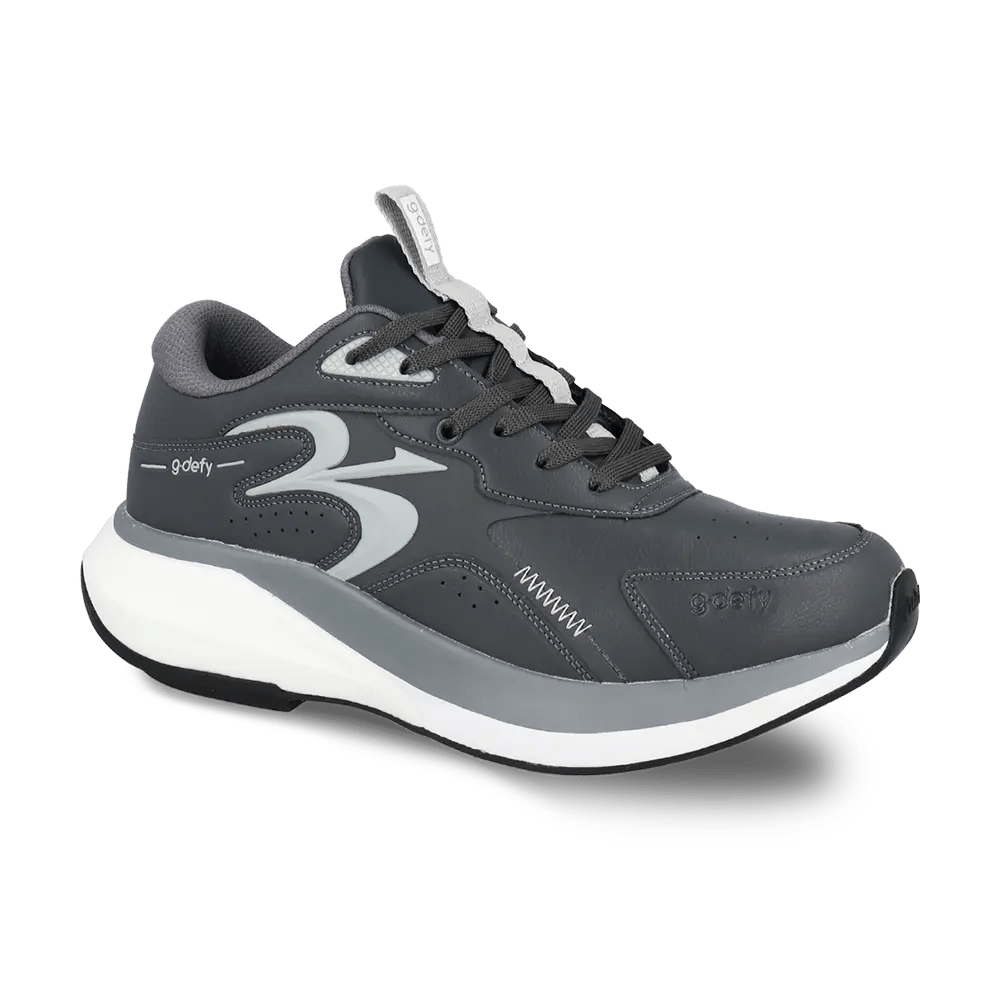
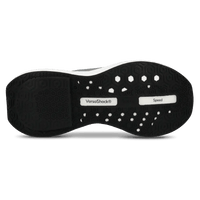
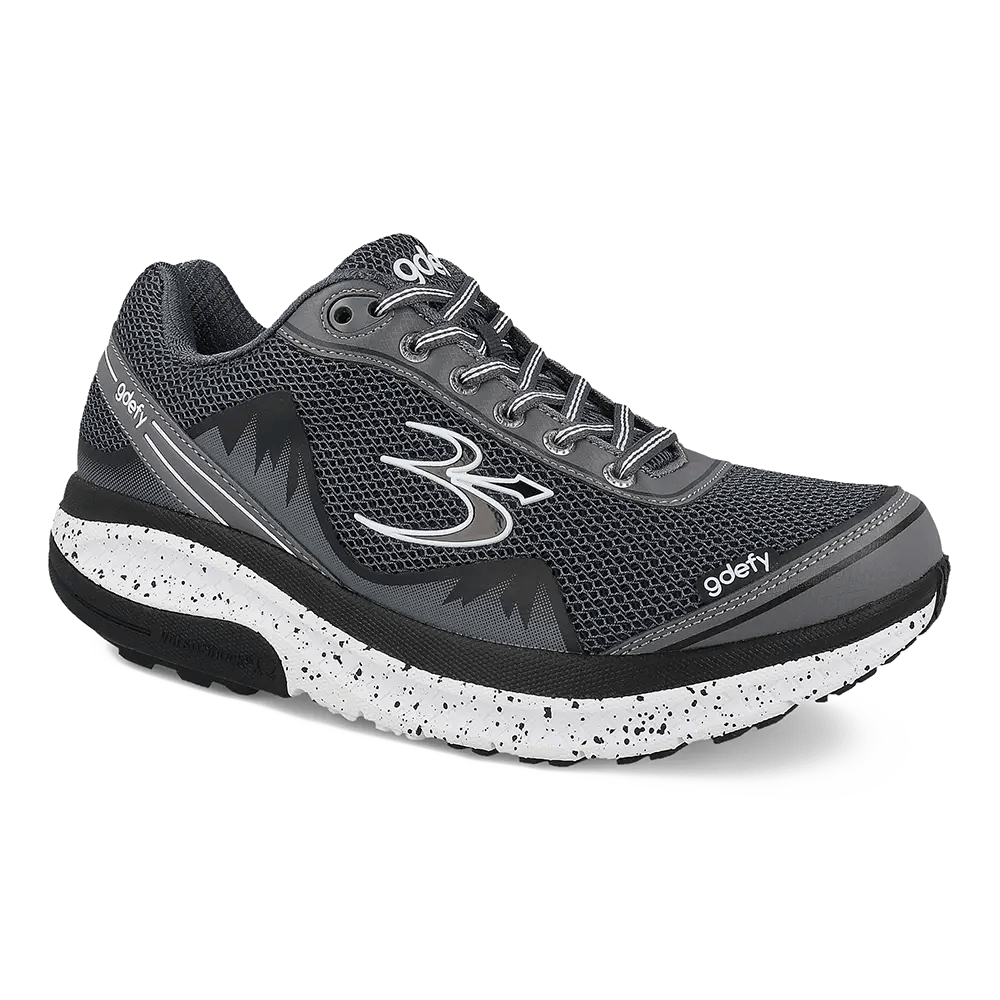
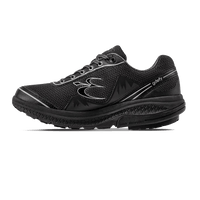
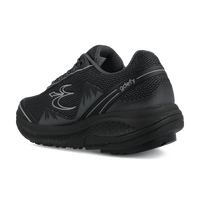
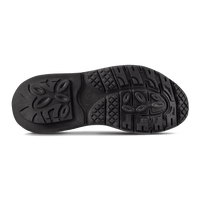
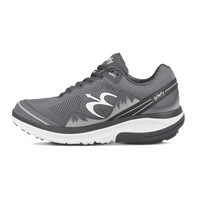
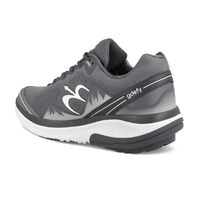
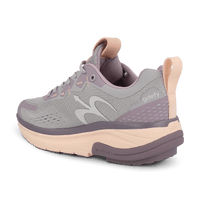
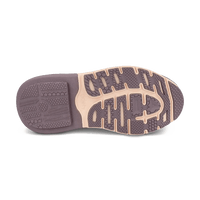
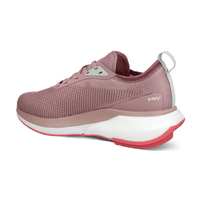
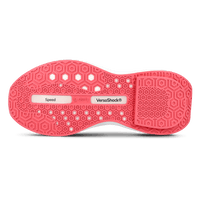
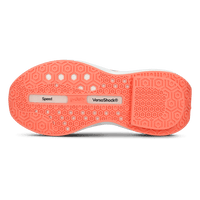
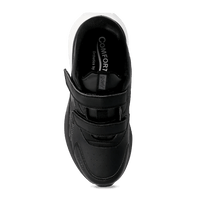
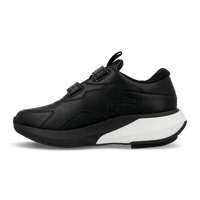
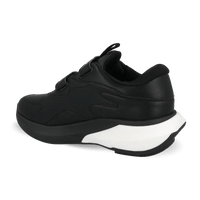
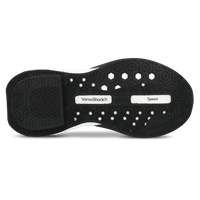
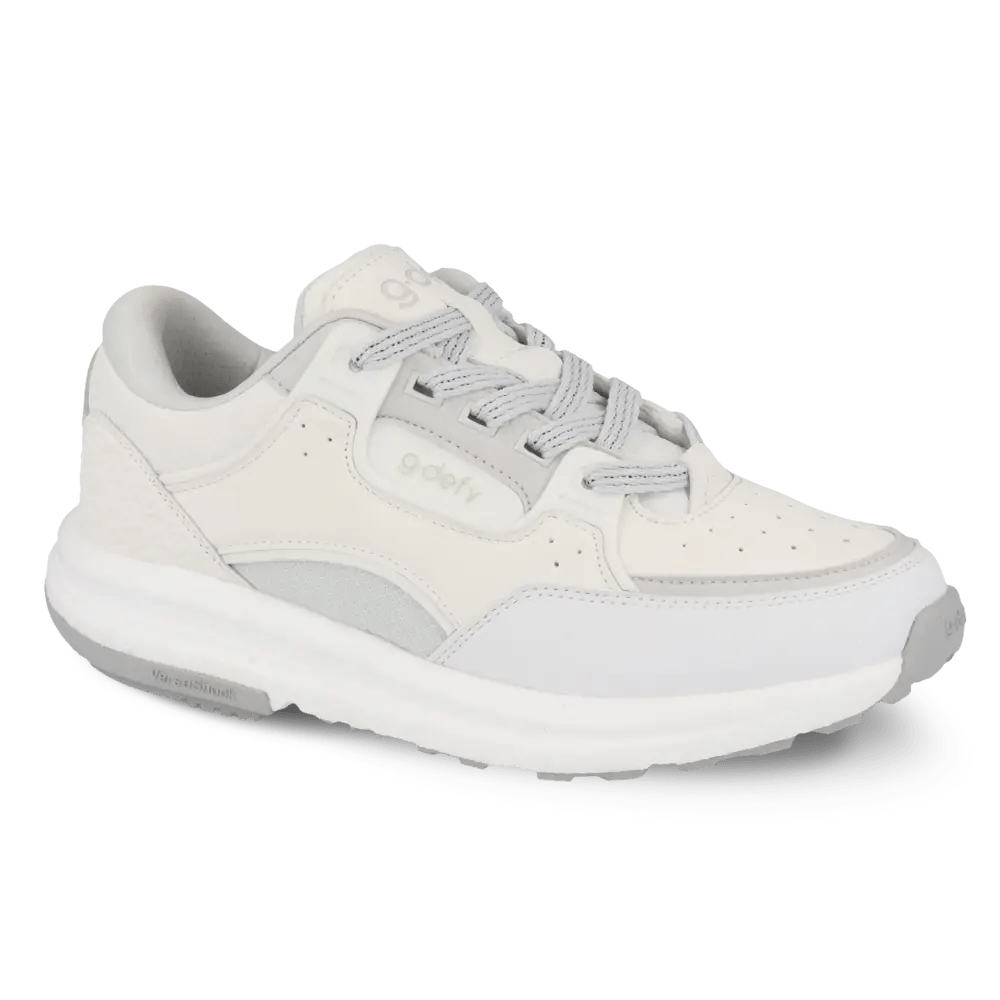
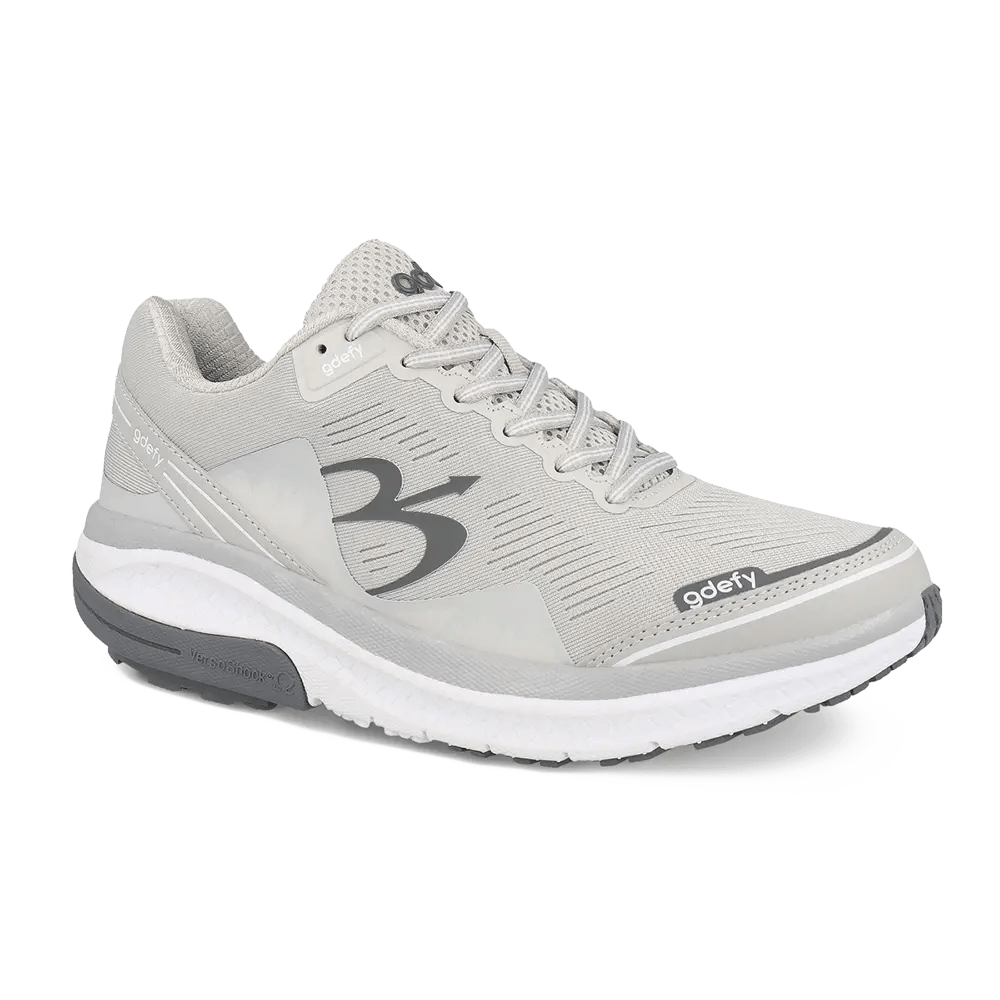
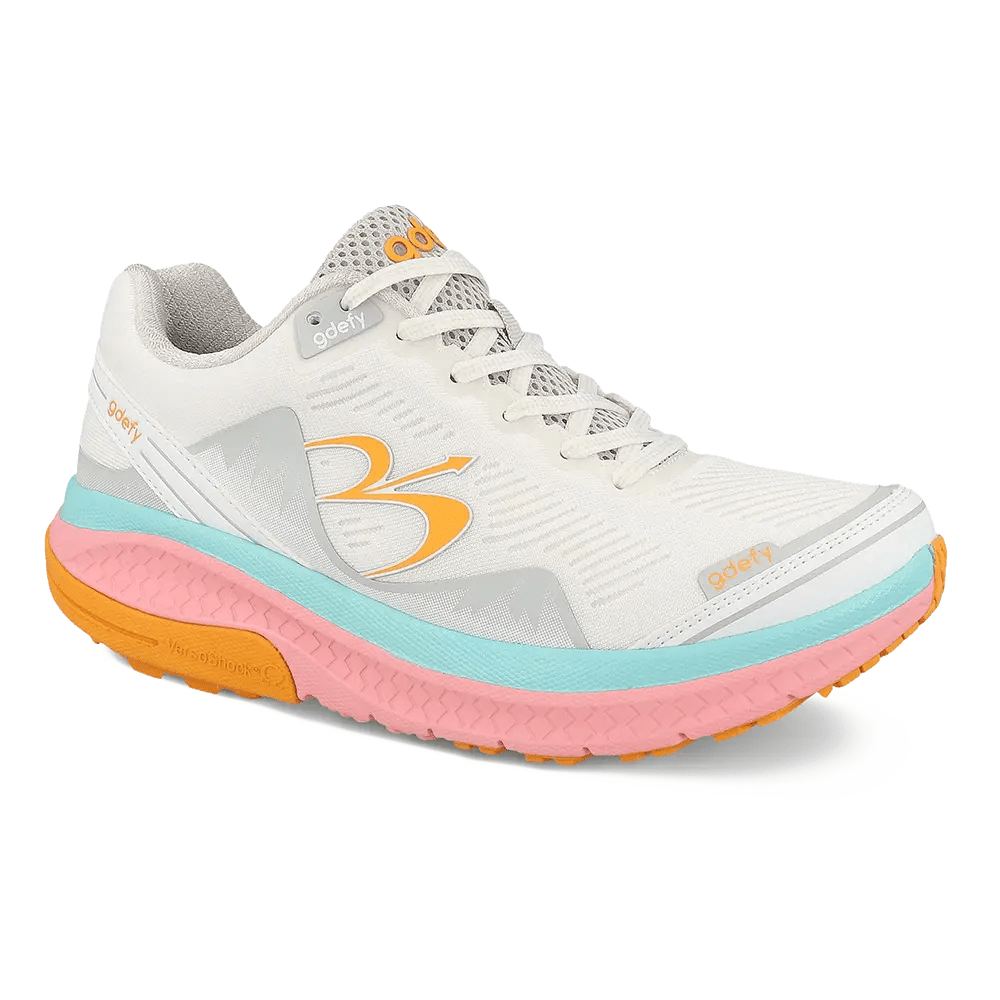
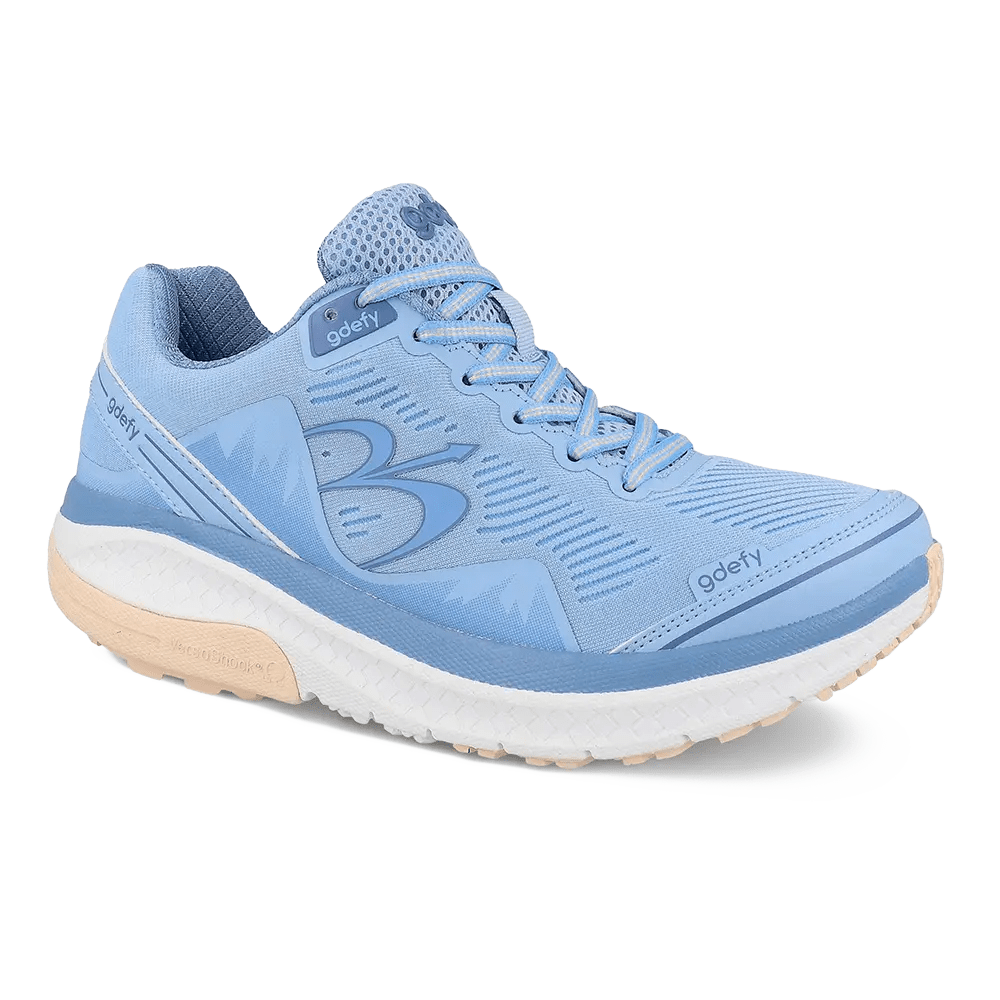
G-Defy shoes are built around a different idea — not just cushioning, but how your body moves with each step. They're engineered with VersoShock® technology, a spring-based system designed to absorb impact softly and return energy with each stride.
That spring-based approach is one of four pillars built into every pair:
- Shock absorption — VersoShock® is designed to absorb impact gradually, helping reduce the harsh force from walking and standing
- Energy return — instead of compressing flat like traditional foam, the system is designed to return energy to support forward movement
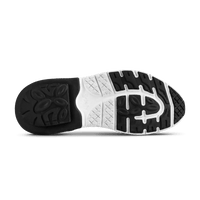
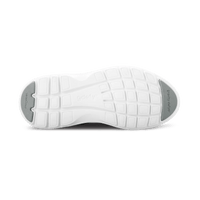
- Stabilizer system — a built-in shank helps support the foot through each step and encourages a more controlled stride
- Front rolling design — promotes a smooth heel-to-toe transition, supporting a more natural walking motion
Every pair also includes two removable orthotics, so you can customize your support level based on your foot type — one option for low-to-medium arches and one for medium-to-high arches.
Together, these features help reduce pain from walking, running, and prolonged standing.

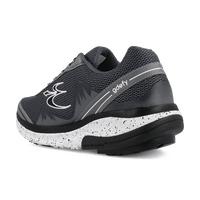
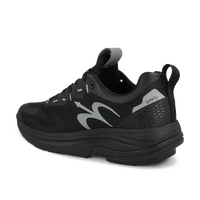
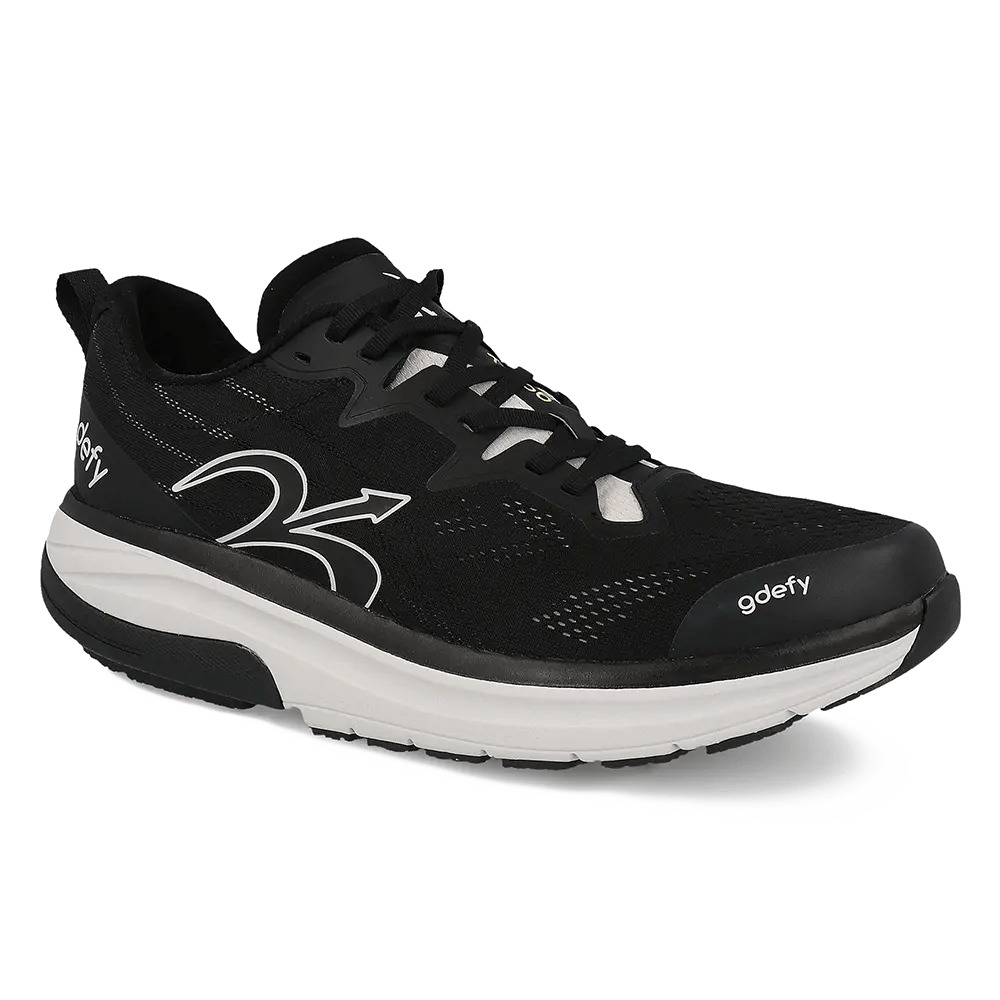
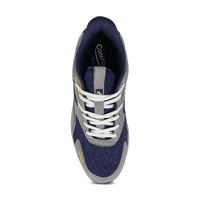
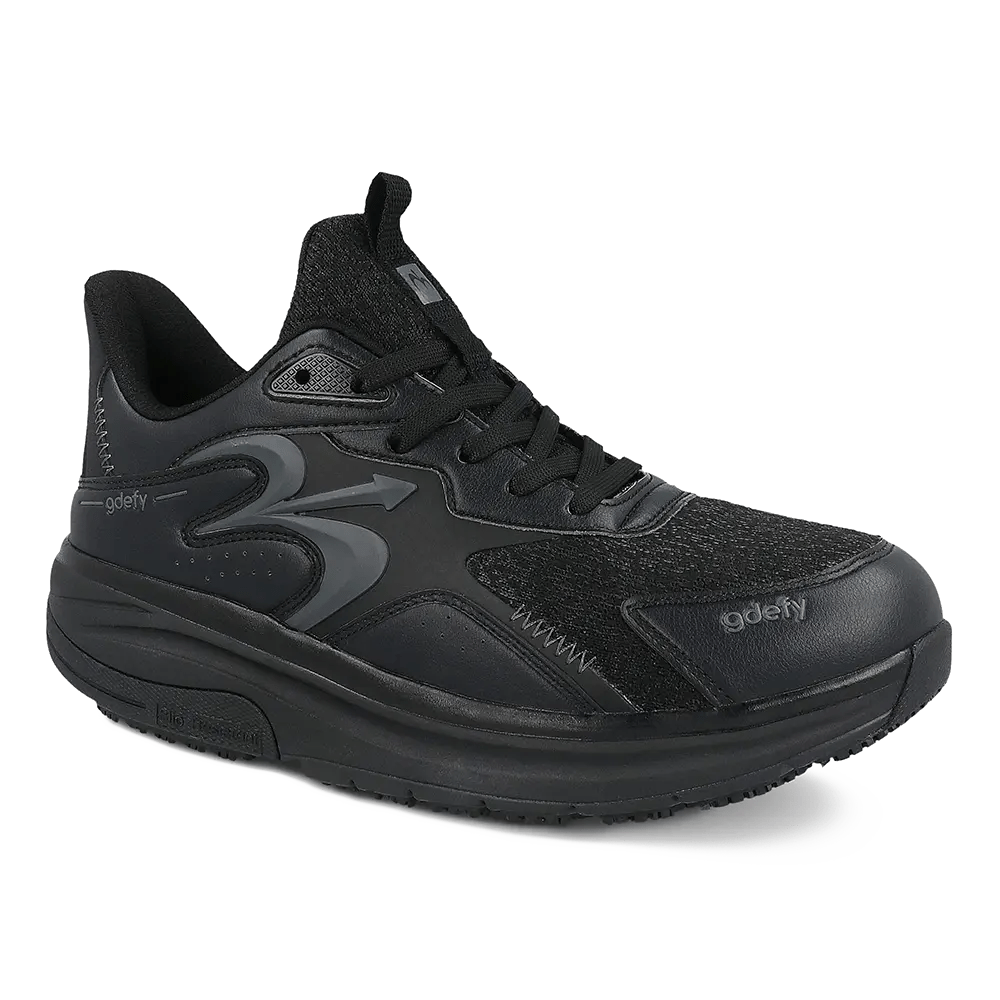
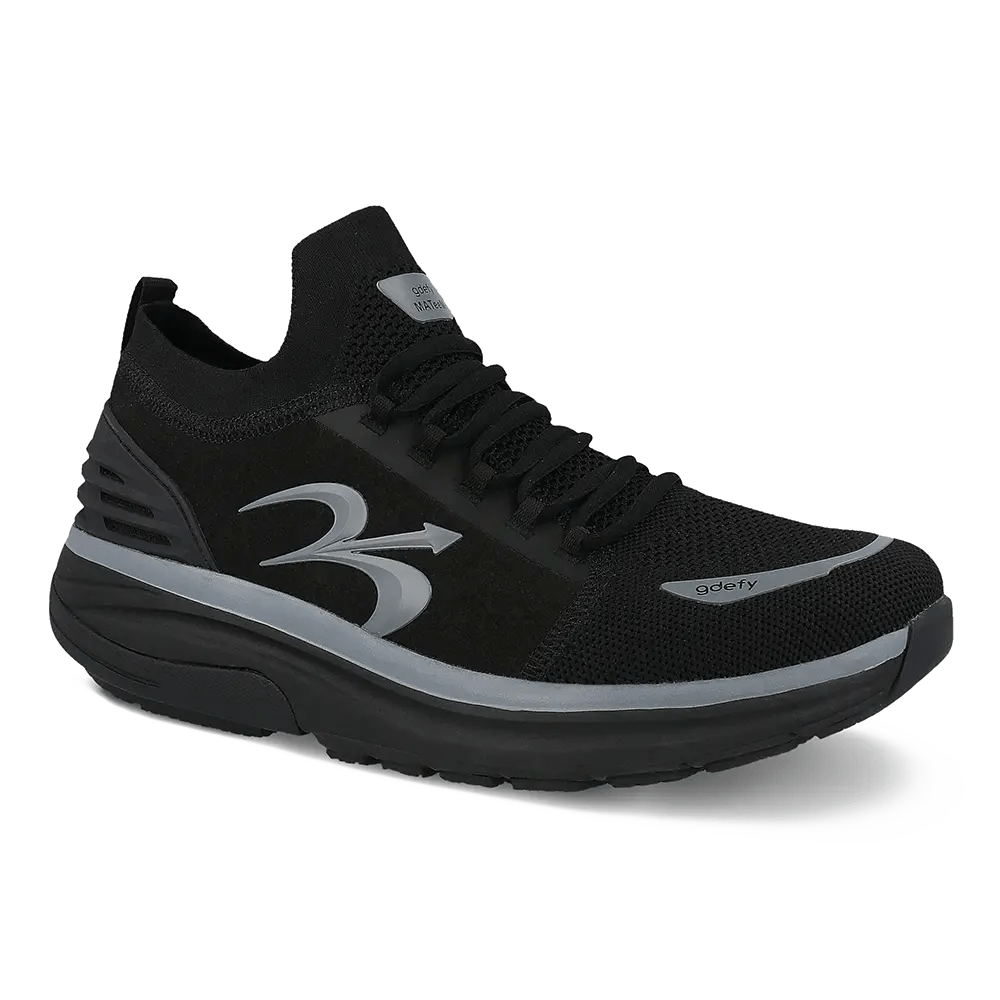
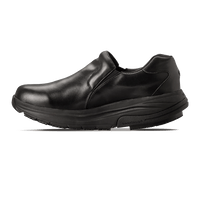
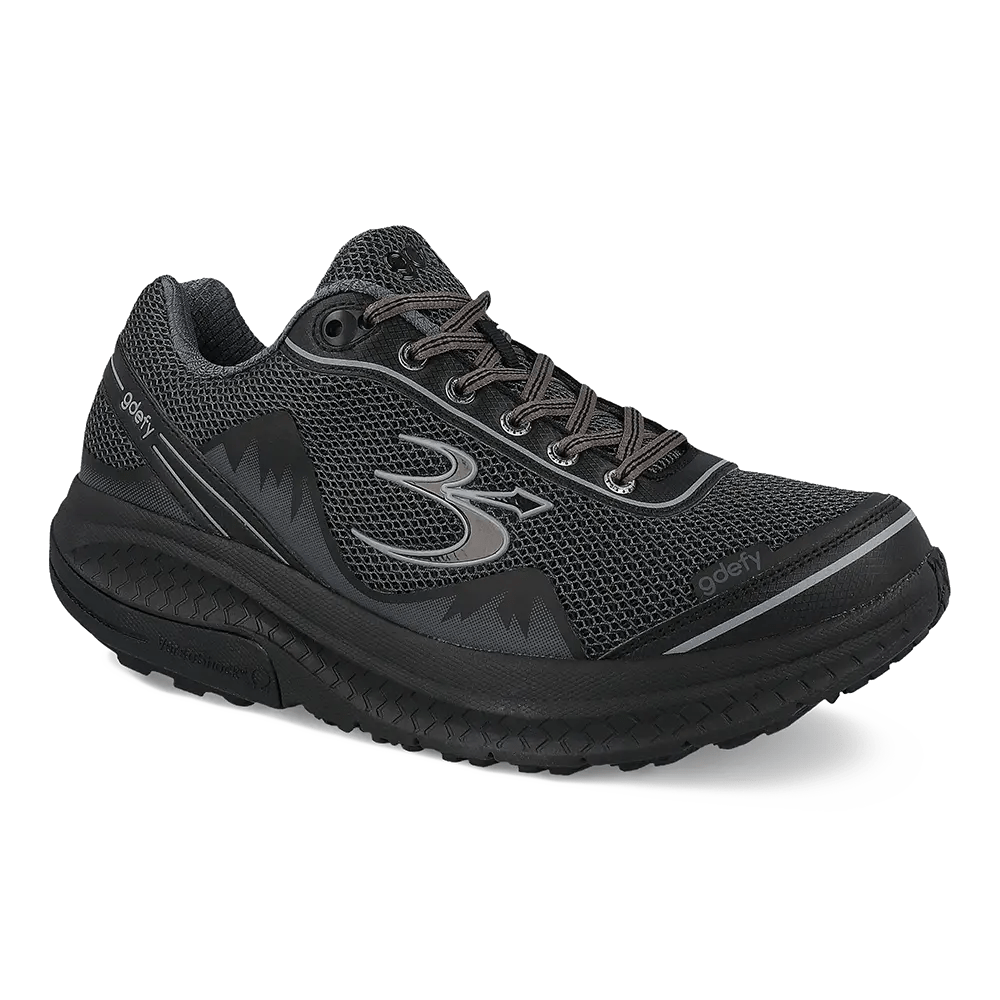
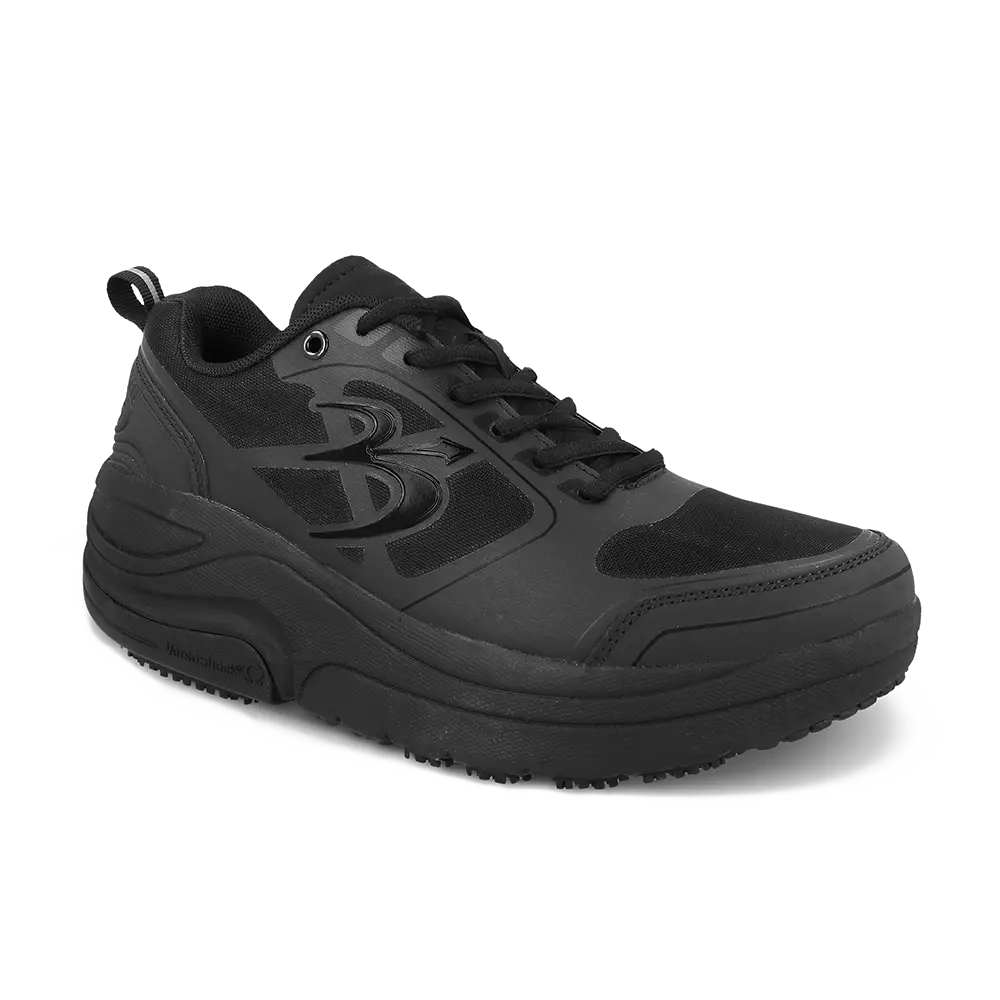
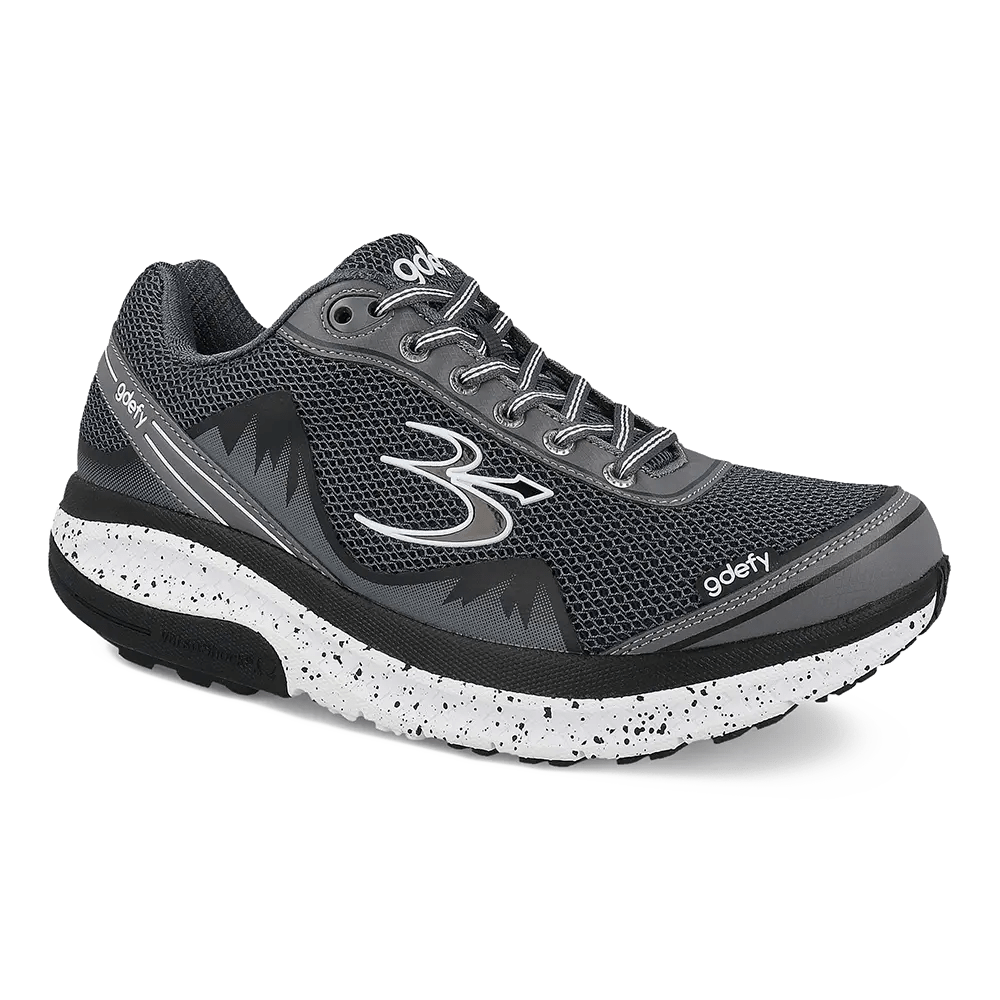
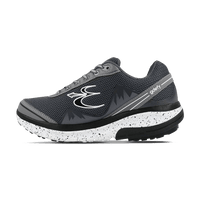
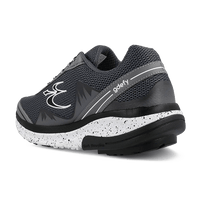
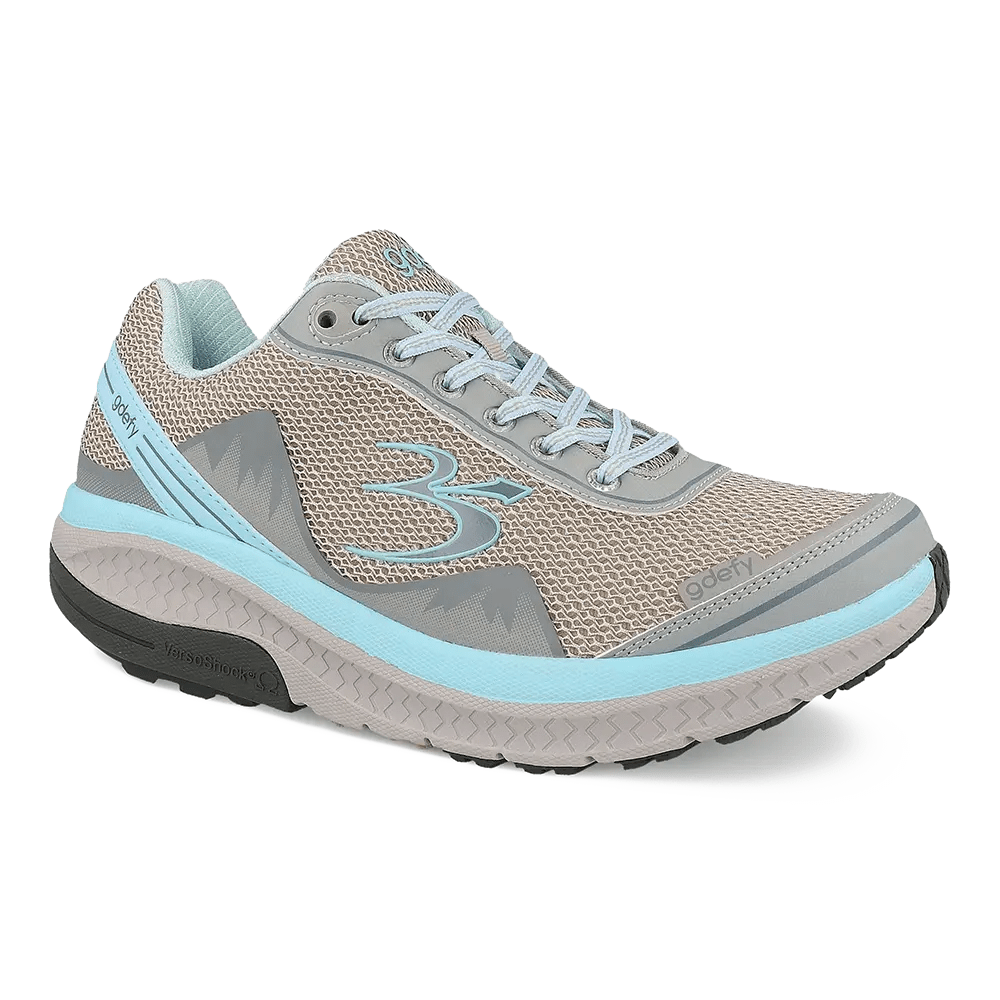
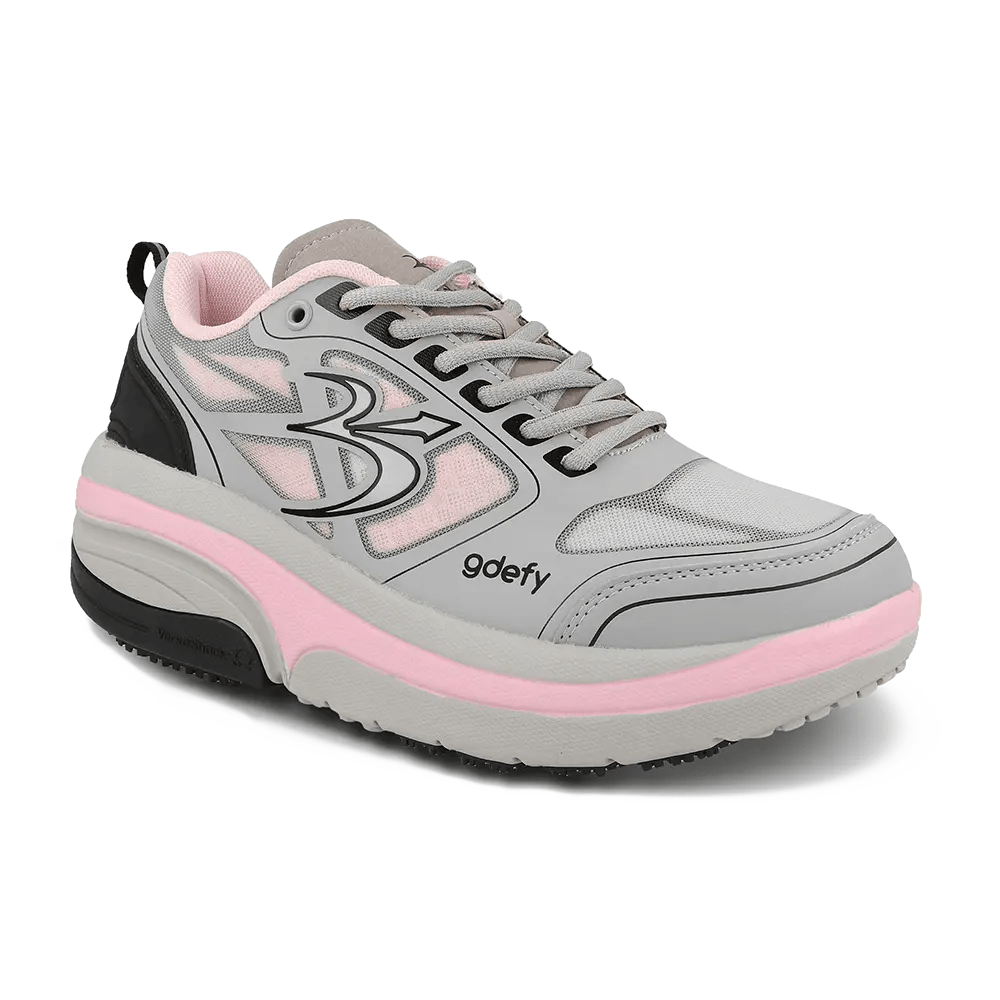
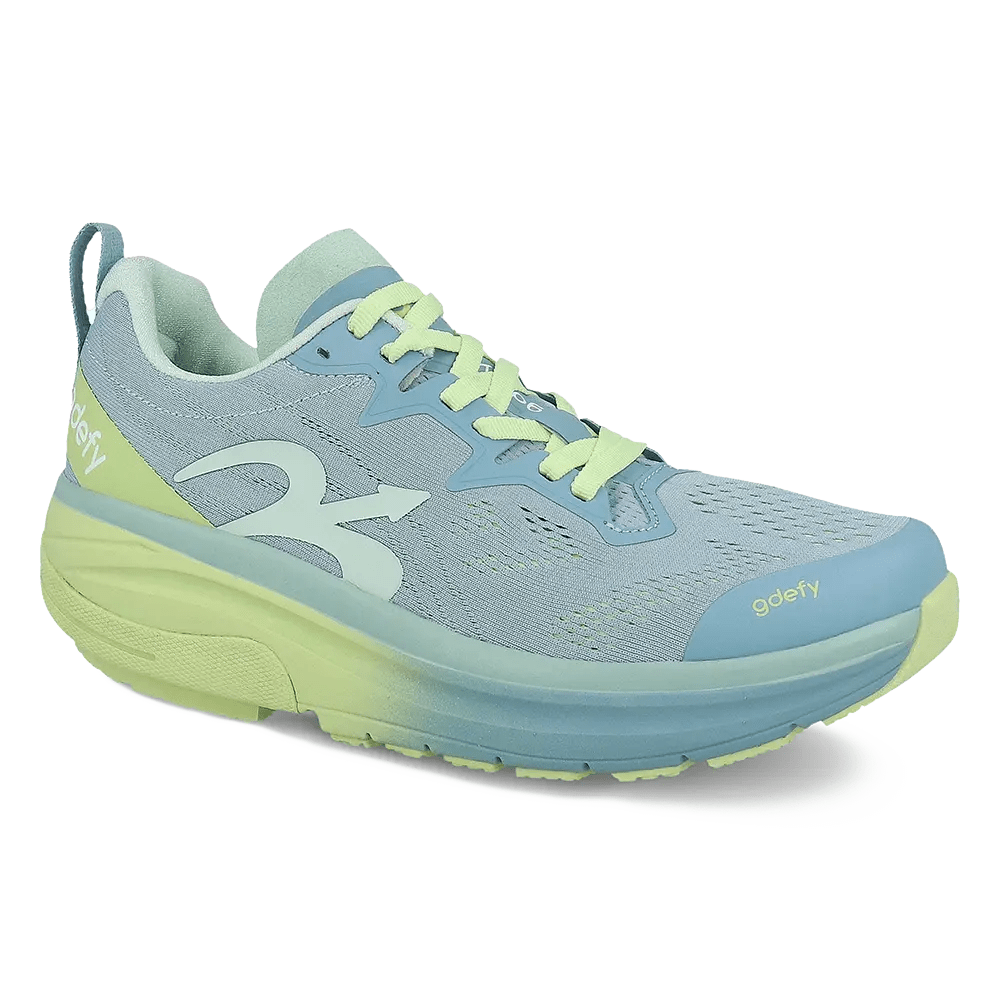
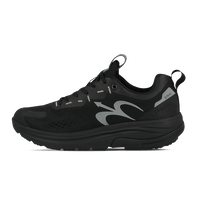
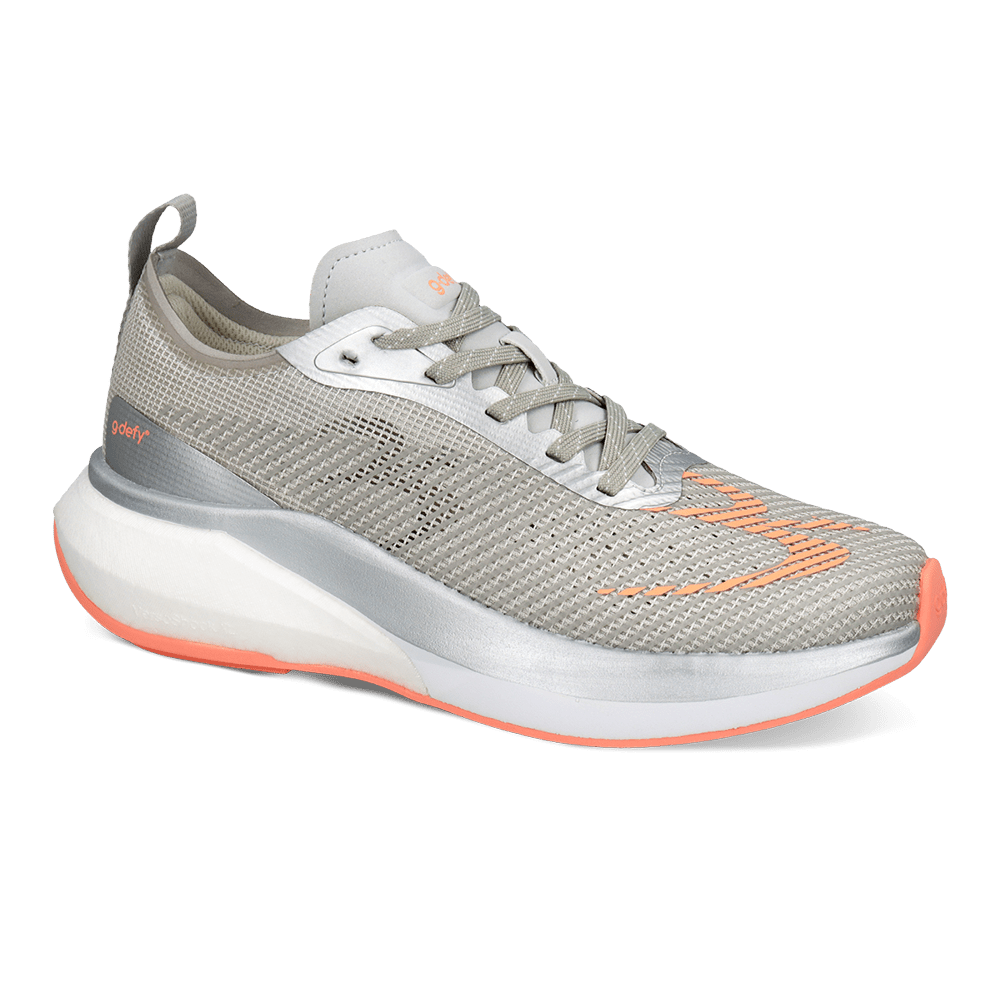
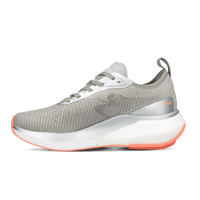
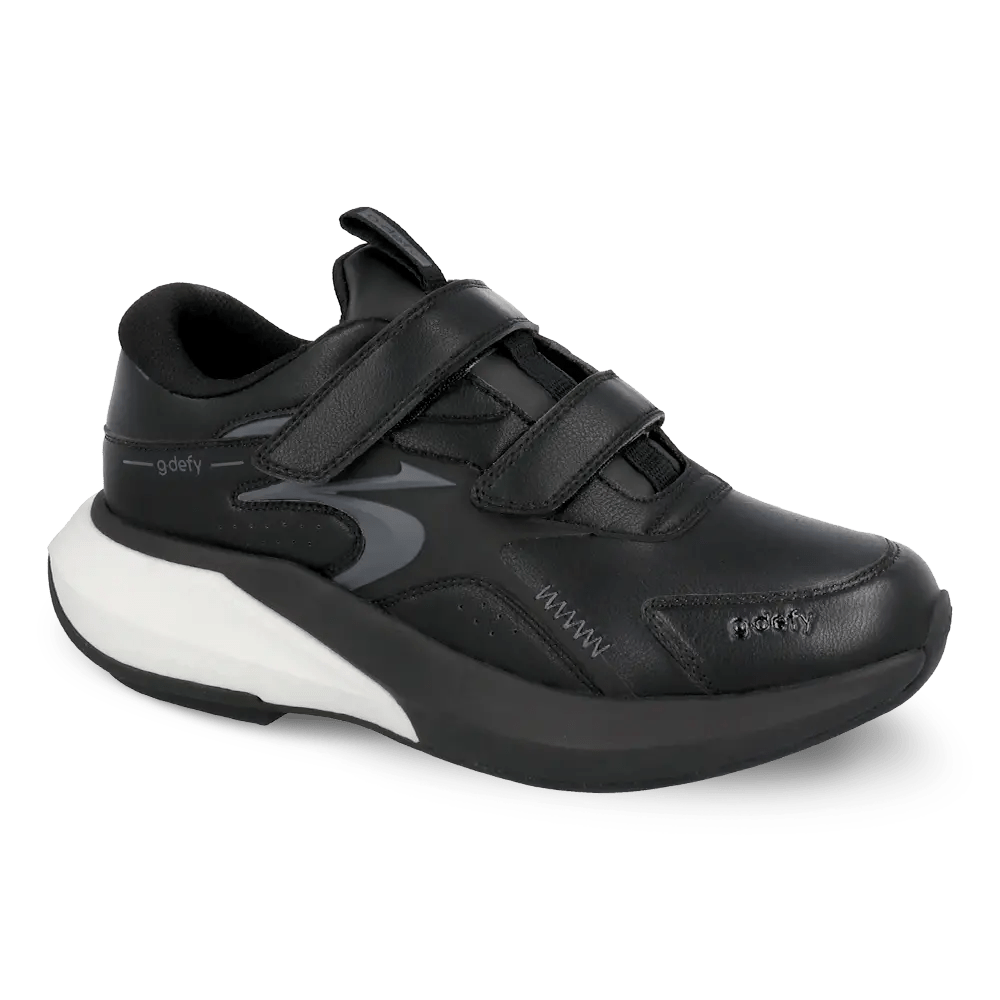
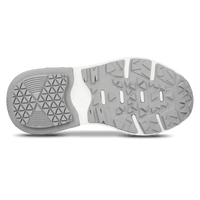
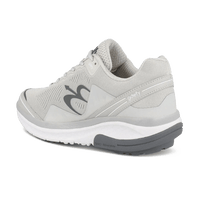
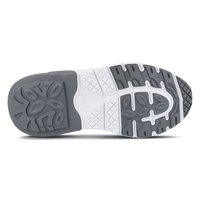
All-day cushioning and support. G-Defy's most popular walking shoe.

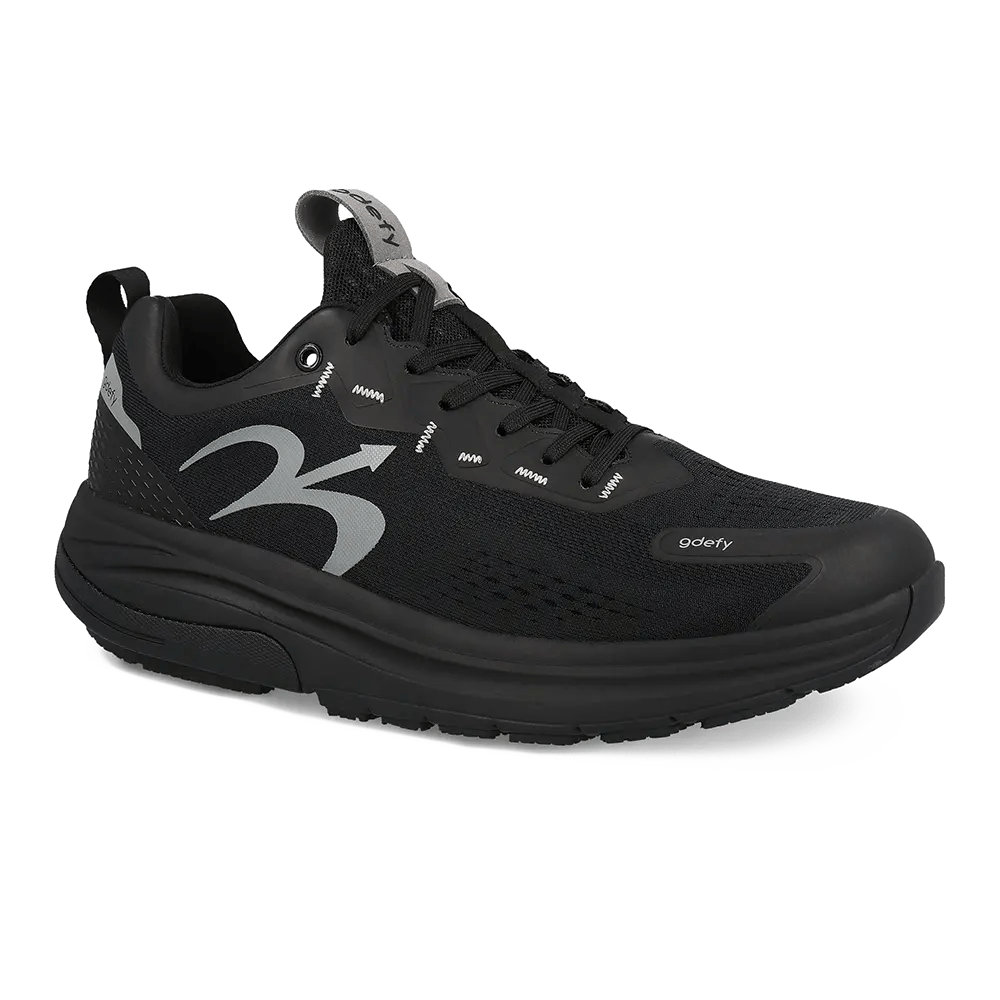
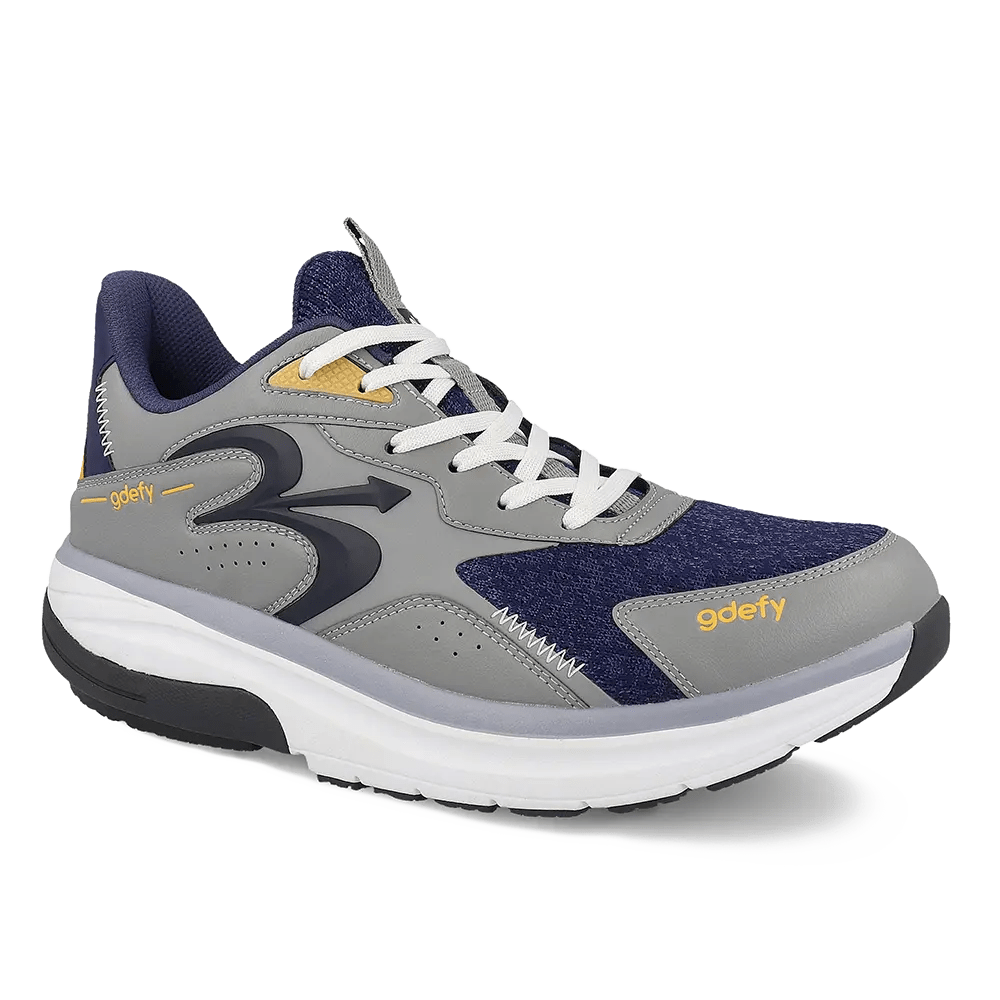
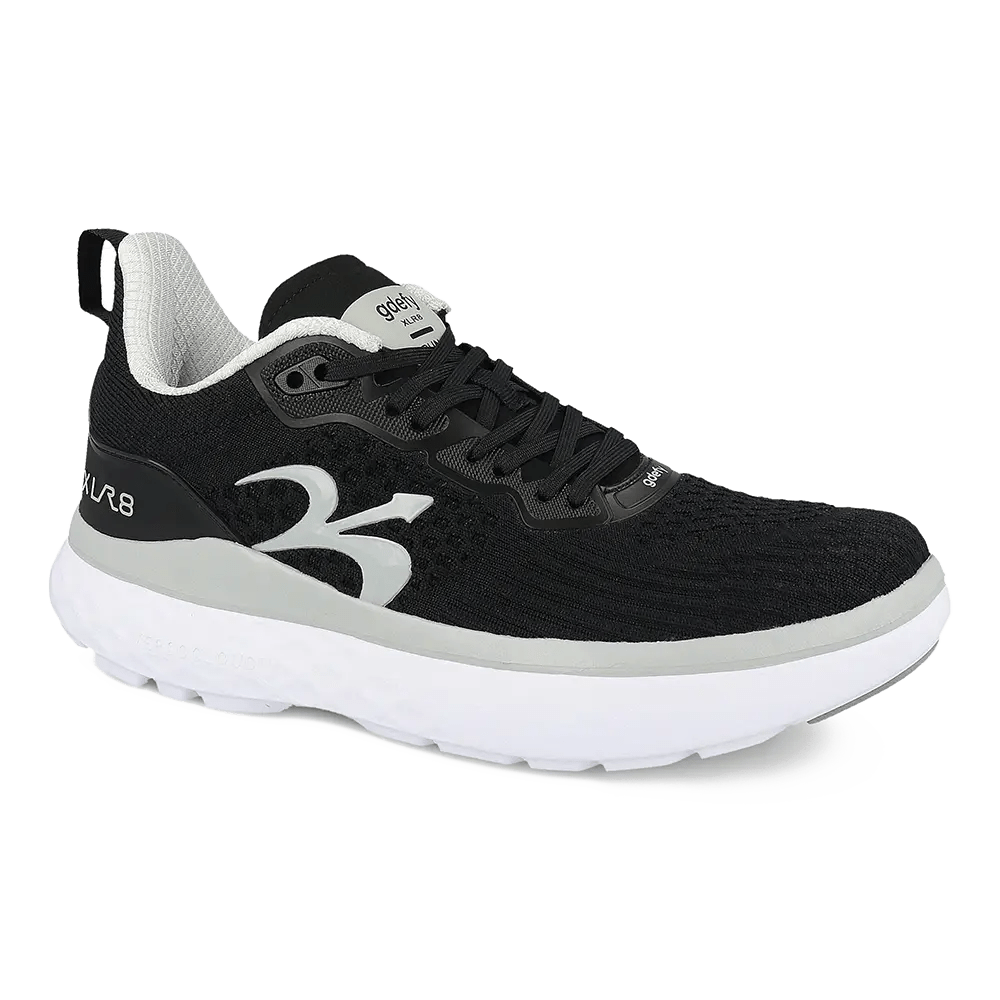
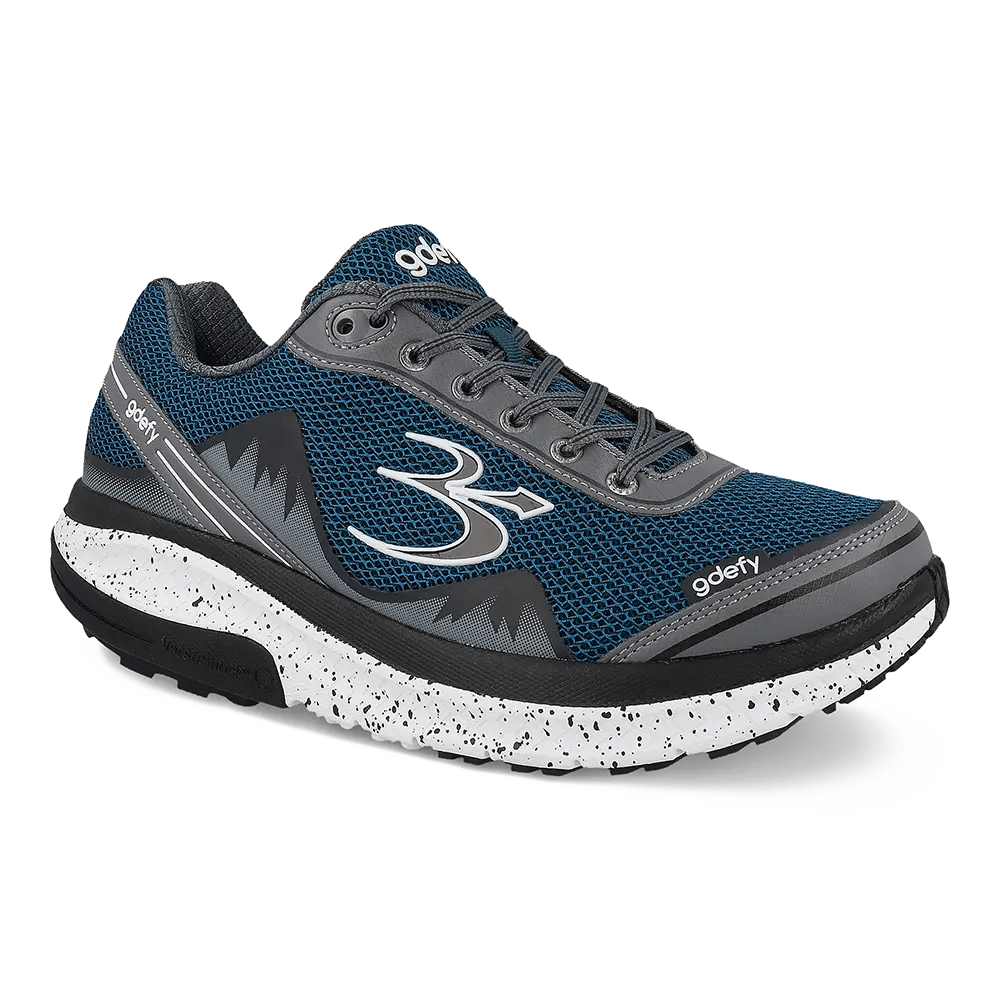
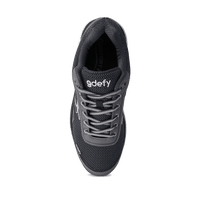
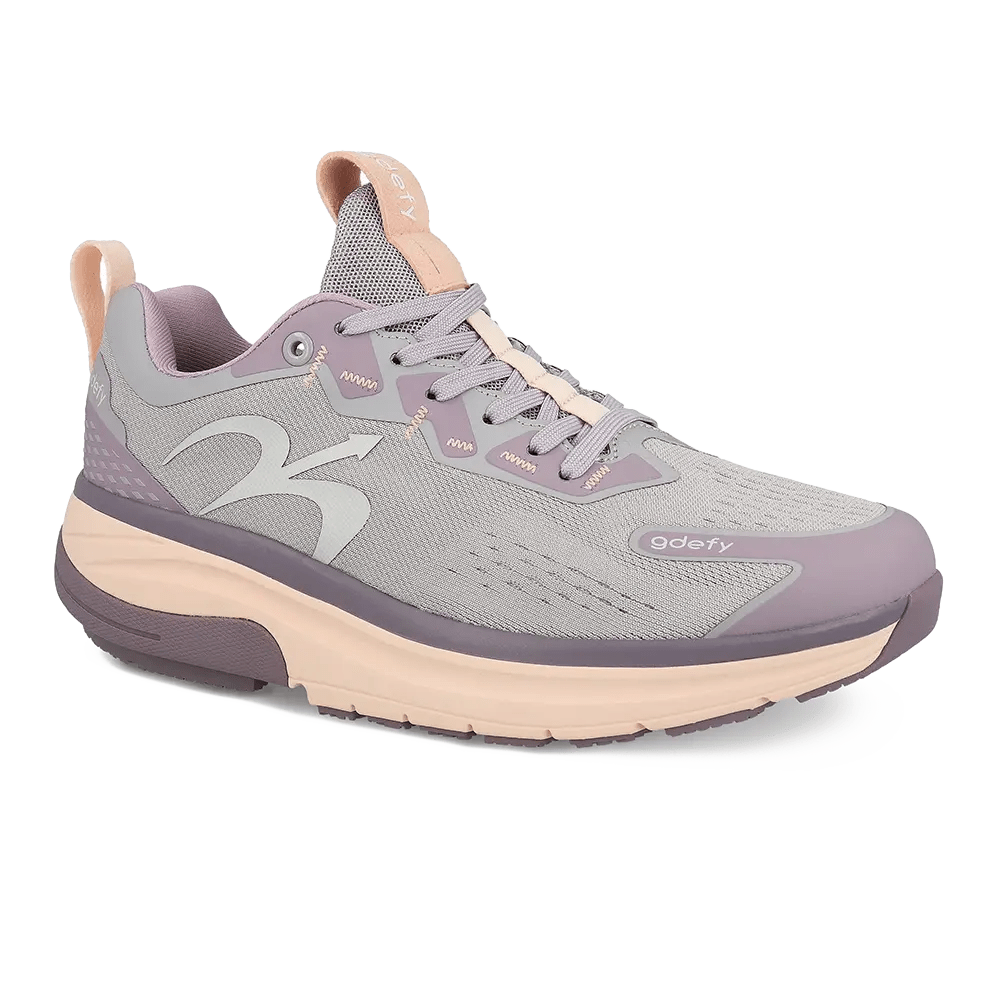
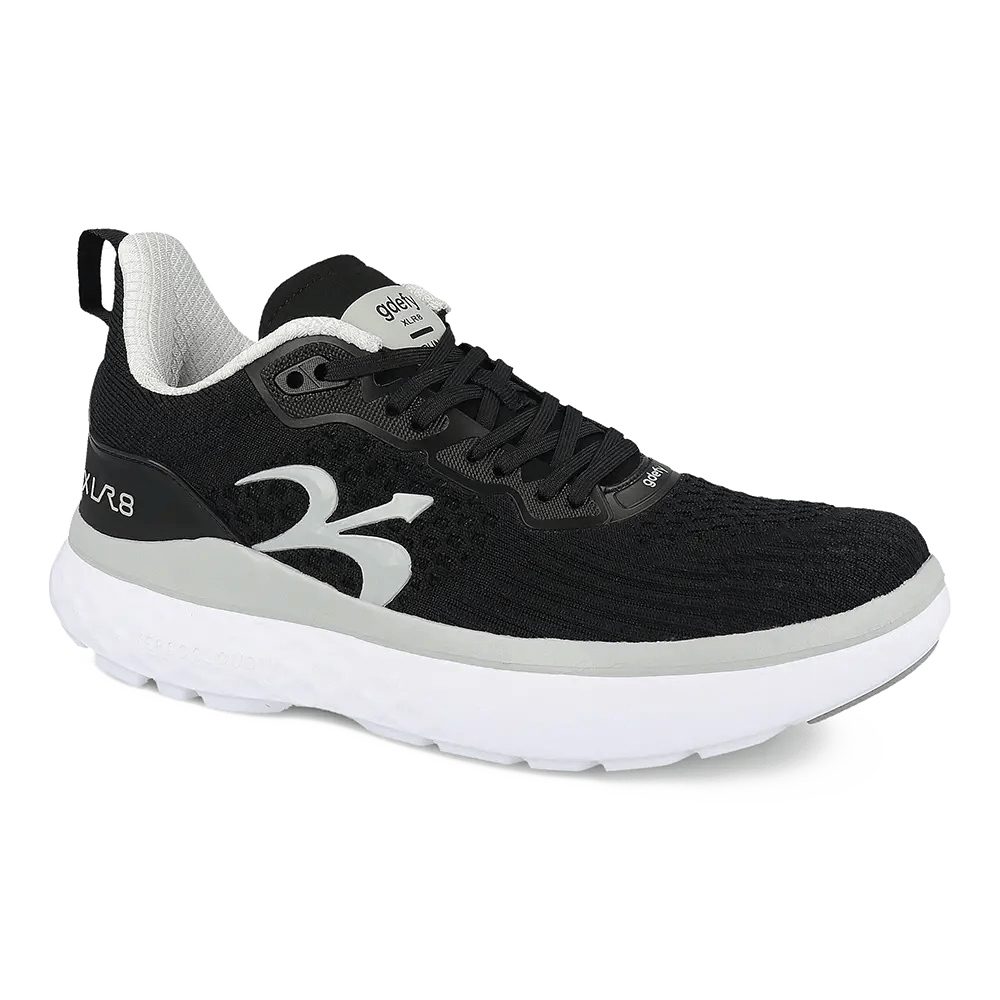
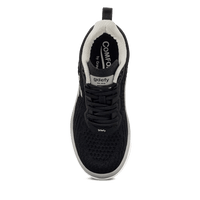
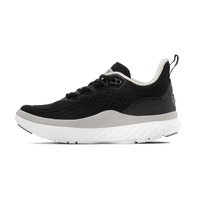
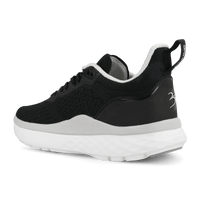
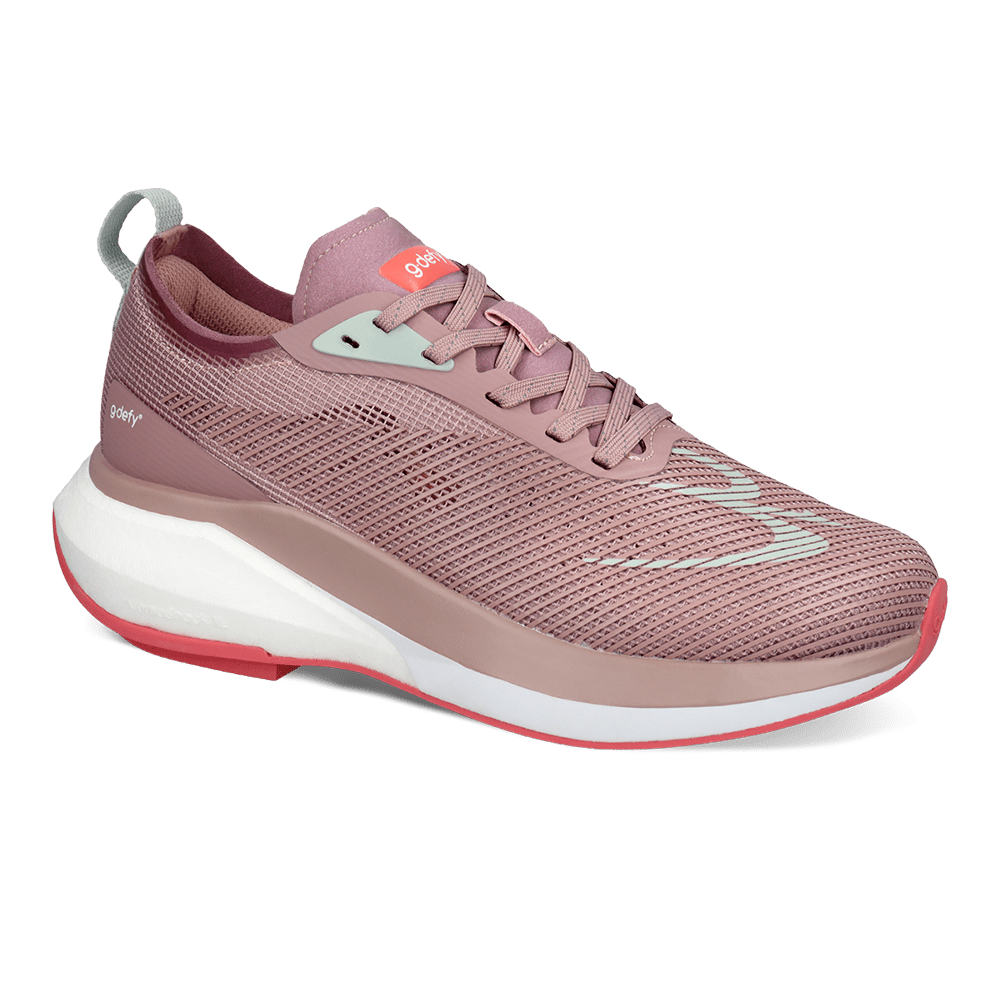
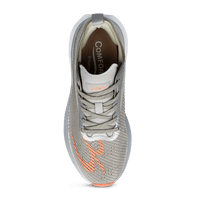
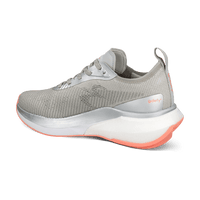
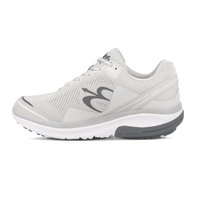
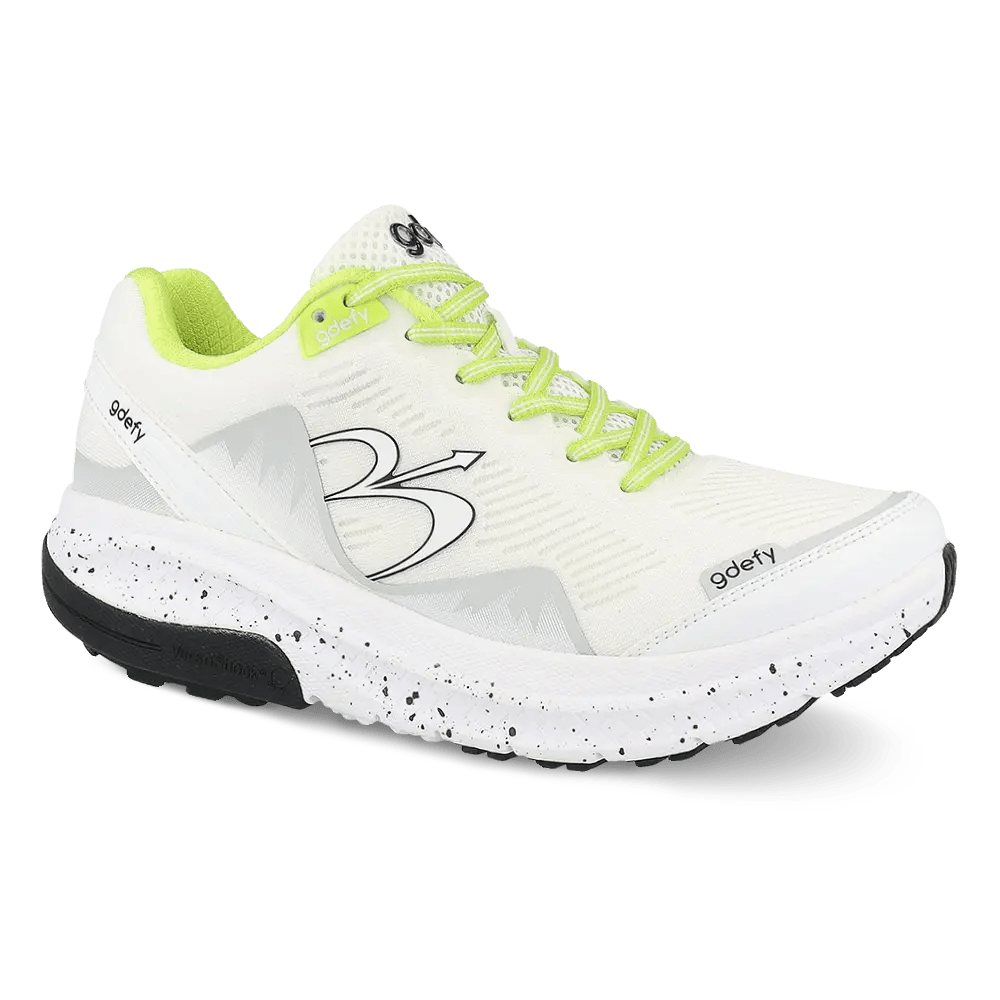
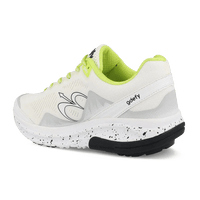
Lightweight, breathable, everyday comfort.
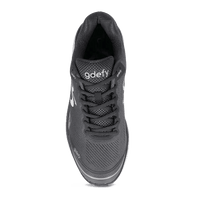
For everyday wear and all-day cushioning, the Mighty Walk is one of G-Defy's most popular options for people who want serious support through long days on their feet. For a lighter, casual feel, the Ion offers a breathable, everyday alternative.
Try G-Defy Risk-Free for 60 Days
Free shipping on every order. Full refund if they're not right for you.
Shop Women's Shop Men'sPractical Tips for Daily Comfort

Footwear is one piece of the picture. A few small habits can make a real difference in how your feet feel by the end of the day.
- Replace worn-out shoes regularly — once cushioning compresses or the sole flattens, the support is largely gone, even if the upper still looks new
- Avoid walking barefoot on hard surfaces at home, especially in the morning when the plantar fascia is at its tightest
- Rotate between two pairs if you stand or walk for long shifts — it gives the cushioning time to recover and reduces fatigue on your feet
- Choose shoes designed for long hours, not just appearance — a stylish flat or unstructured slip-on rarely supports a full day on your feet
- Stretch your calves and feet during the day, especially after sitting for a while or before getting out of bed in the morning
Small adjustments like these, combined with footwear designed for comfort and support, can make a meaningful difference in how your feet feel throughout the week.
Frequently Asked Questions
What causes plantar fasciitis to flare up?
Flare-ups often follow a sudden increase in activity, long hours on hard surfaces, or wearing shoes that lack cushioning and support. Footwear designed for shock absorption may improve overall comfort during walking and prolonged standing.
Can shoes help with plantar fasciitis?
Shoes designed with cushioning, arch support, and shock absorption may improve comfort for people who experience heel discomfort during daily activity. While footwear isn't a medical solution, the right design can play an important role in overall comfort.
Why does my heel hurt more in the morning?
The plantar fascia tightens overnight, so the first steps of the day put it under sudden stress. Wearing supportive shoes shortly after getting out of bed — instead of walking barefoot on hard floors — can help improve overall morning comfort.
How long does it take to feel a difference after changing shoes?
Many people notice a difference in daily comfort within a few weeks of switching to supportive footwear. G-Defy's 60-day risk-free trial gives you time to see how the shoes work with your routine.
Conclusion
Plantar fasciitis usually develops over time — from repetitive impact, long hours on hard surfaces, and footwear that doesn't offer enough support. While shoes aren't a medical solution, choosing footwear designed for comfort, support, and shock absorption can make a meaningful difference in how your feet feel throughout the day.
If you're tired of ending each day with sore, aching heels, take a closer look at what you're putting on your feet every morning. Sometimes, the simplest change — better-designed shoes — is also the one that makes the biggest difference in how comfortable your day feels.