June 08, 2026
How Cushioning Helps Reduce Impact During Everyday Walking
By Gdefy

Summary
Every time your foot meets the ground, it has to deal with force. Walk a few thousand steps a day — across the kitchen, around the store, through a parking lot — and that force adds up. By evening, your feet can feel tired, heavy, or sore, even if nothing is “wrong.” A big part of how that day feels comes down to one thing under your feet: cushioning.
Cushioning is what stands between your body and a hard floor. The right amount can soften each step and make a long day feel easier. The wrong amount — or worn-out cushioning — can leave you feeling every footfall. While footwear isn’t a medical solution, the way a shoe is built to absorb impact plays a real role in your everyday comfort.
This guide explains, in plain terms, how cushioning helps reduce the impact you feel when you walk, what separates good cushioning from cushioning that flattens out, and what to look for so your shoes keep doing their job. Along the way, we’ll look at how VersoShock® technology approaches shock absorption a little differently.

What “Impact” Really Means When You Walk
Walking looks gentle, but each step is a small collision. Your heel lands, your body weight presses down, and the ground pushes back with an equal force. That push-back travels up from your foot through your legs. It’s a normal part of movement — your body is built to handle it — but a few everyday factors can make it feel like more than it should.
Hard Surfaces Give Nothing Back
Concrete, tile, and laminate don’t flex. When you walk on them, none of the force is absorbed by the floor, so more of it reaches your feet. People who spend hours on hard indoor surfaces — at work, at home, or running errands — often notice their feet feeling it by mid-afternoon. On these surfaces, the cushioning in your shoes is doing almost all of the shock absorption for you.
Repetition Adds Up Over a Day
A single step is easy. Several thousand of them, one after another, is where fatigue comes from. The force of each footfall is modest, but repeated impact over a full day accumulates. Good cushioning won’t erase that, yet it can soften each individual step so the total feels more manageable by the time you sit down.
Worn-Out Shoes Quietly Stop Helping
Cushioning doesn’t last forever. Many traditional foam midsoles compress over months of wear and slowly lose their bounce. The shoe still looks fine on the outside, but underneath it has gone flat — and a flat midsole passes more impact straight through to your foot. A lot of “sudden” foot fatigue is really cushioning that wore out gradually without you noticing.
How Cushioning Reduces the Impact You Feel
Cushioning works by stretching out the moment of contact. Instead of a hard, instant stop when your foot lands, a cushioned sole lets that landing happen a fraction more gradually. Spreading the force over a slightly longer moment is what makes a step feel softer. Here’s what that looks like in practice.
Softening the First Hit
The biggest jolt in a step usually comes at heel contact. A cushioned midsole compresses on impact and absorbs part of that initial force, so less of it reaches the rest of your foot. Think of it as the difference between catching a ball with stiff arms versus letting your hands give a little — the give is what takes the sting out.
Foam That Flattens vs. Cushioning That Returns Energy
Not all cushioning behaves the same way. Most everyday shoes use traditional foam, which compresses under your weight and then slowly stays compressed over time. It feels soft at first, but it can lose responsiveness as it breaks down — and a flattened midsole gives less protection with each passing month.
A spring-based system takes a different approach. Instead of simply squashing and staying squashed, it’s designed to absorb impact and then rebound, returning energy as your foot rolls forward. That rebound is what keeps a step feeling lively rather than dead, and it helps the cushioning hold its character longer than foam that simply compresses. This is the idea behind VersoShock® technology, which we’ll come back to below.
What to Look for in Cushioned Walking Shoes
If your goal is everyday comfort, “more cushioning” isn’t the whole answer. A pillow-soft shoe with no structure can feel unstable, while a stiff shoe with thin cushioning passes too much impact through. The sweet spot is a shoe that absorbs shock and keeps your foot supported. Look for a balance of these features:
- Cushioning — a midsole with enough give to absorb impact at heel contact, so each step lands softer.
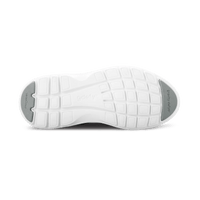
- Shock absorption — a sole designed to dampen the harsh force of hard surfaces, not just add thickness.
- Energy return — cushioning that rebounds rather than staying flat, helping movement feel efficient instead of sluggish.
- Stability — enough structure through the middle of the shoe that soft cushioning doesn’t turn into wobble.
- Proper fit — a secure heel and a roomy toe area, because even great cushioning can’t make a poorly fitting shoe comfortable.
A shoe that brings these together is what lets you stay on your feet through a long day with less of that end-of-day heaviness.

How G-Defy Approaches Cushioning and Shock Absorption
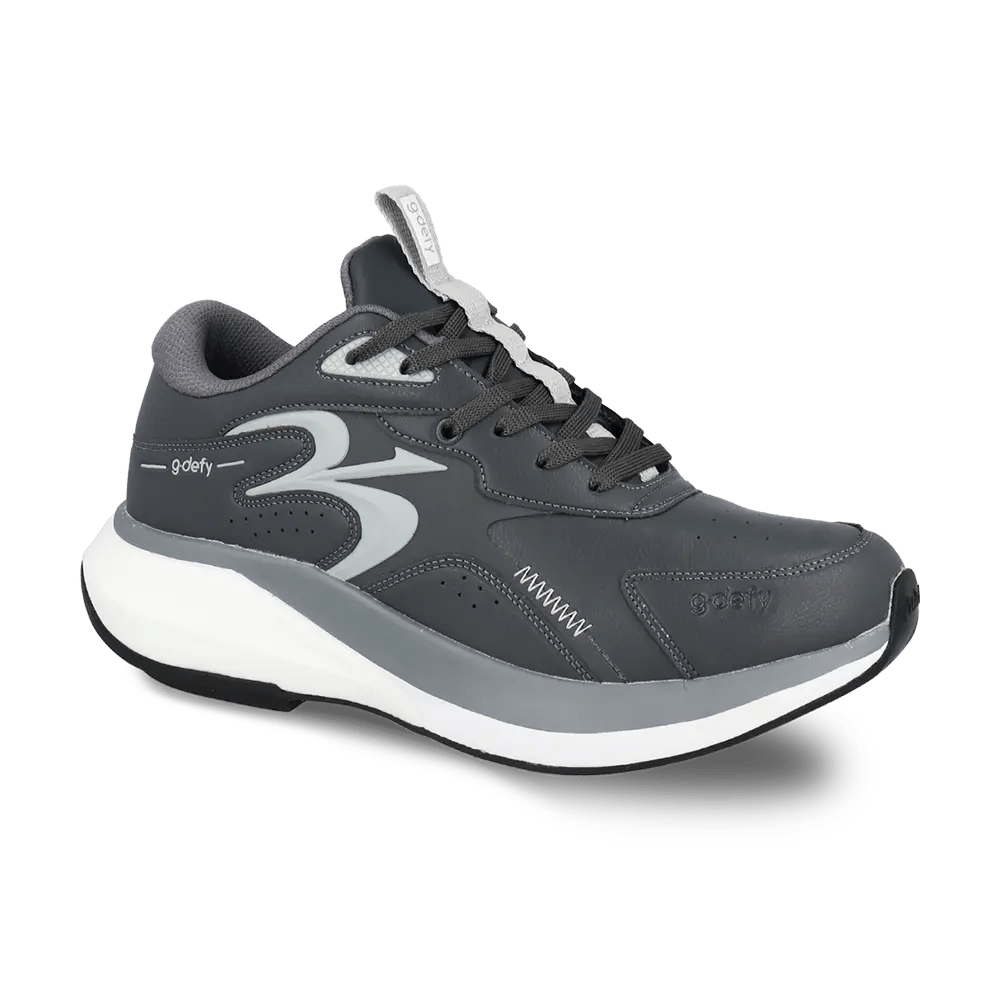
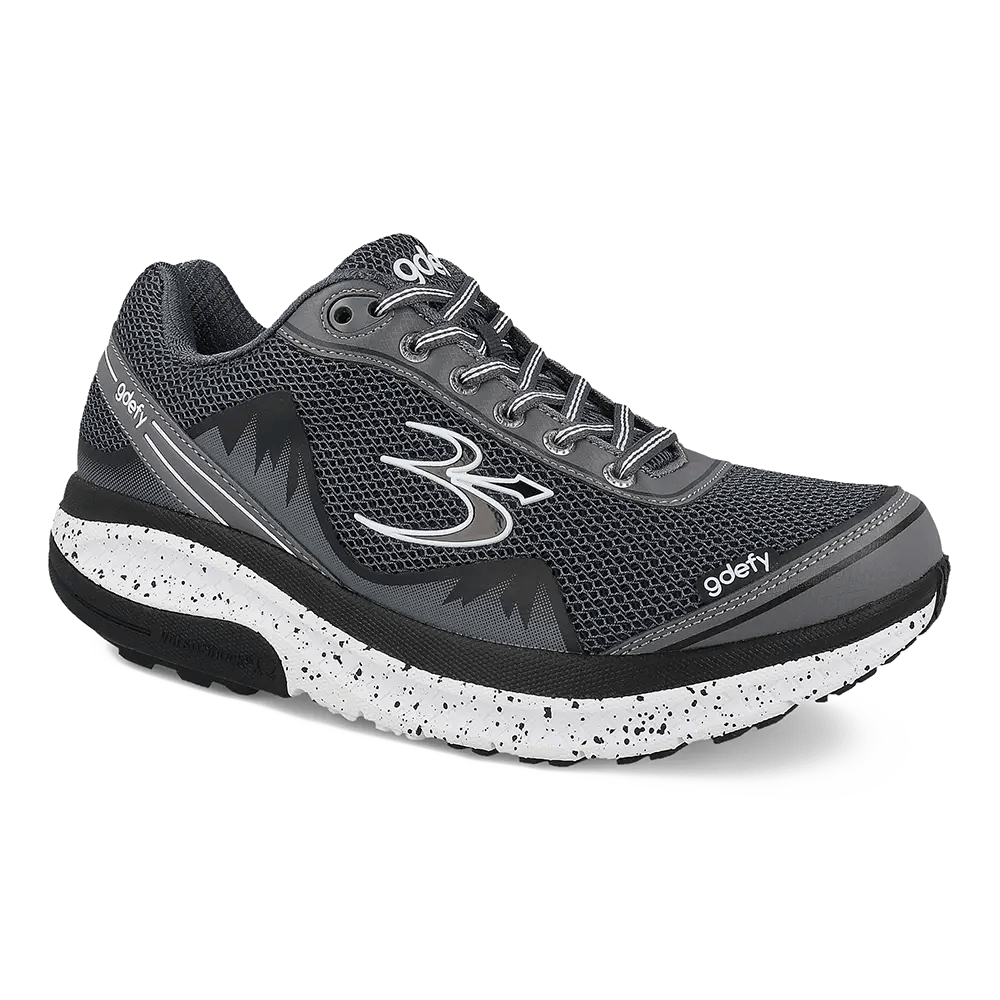
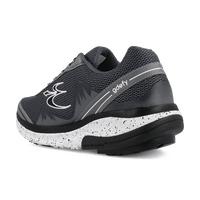
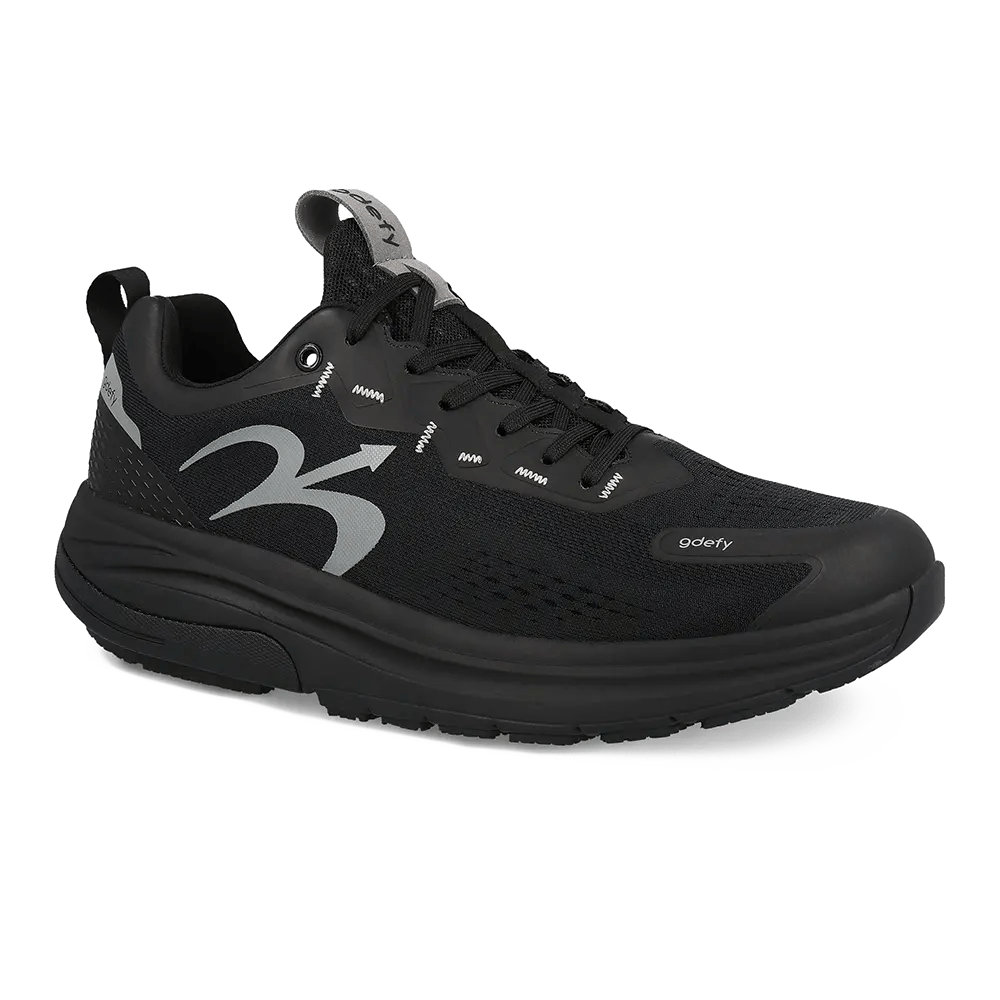
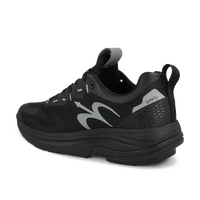
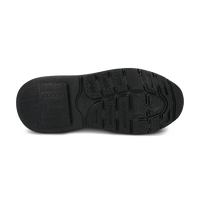
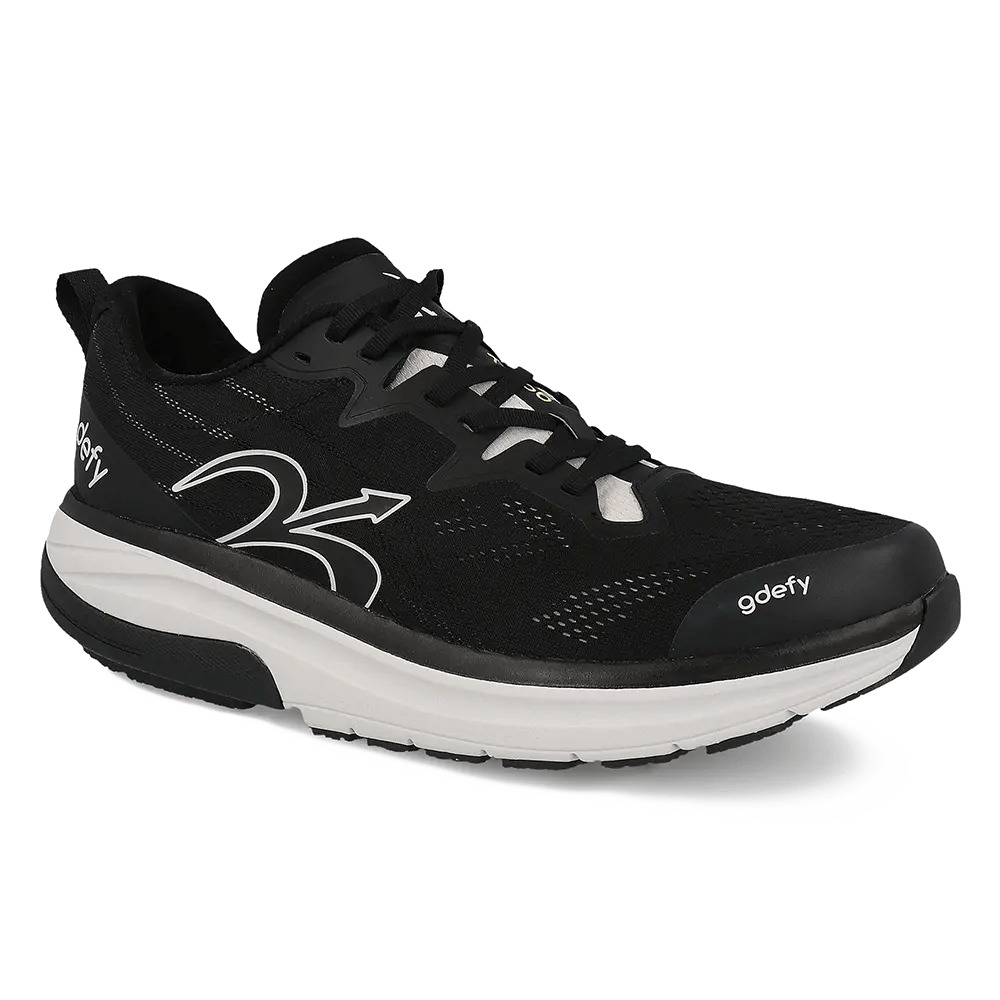
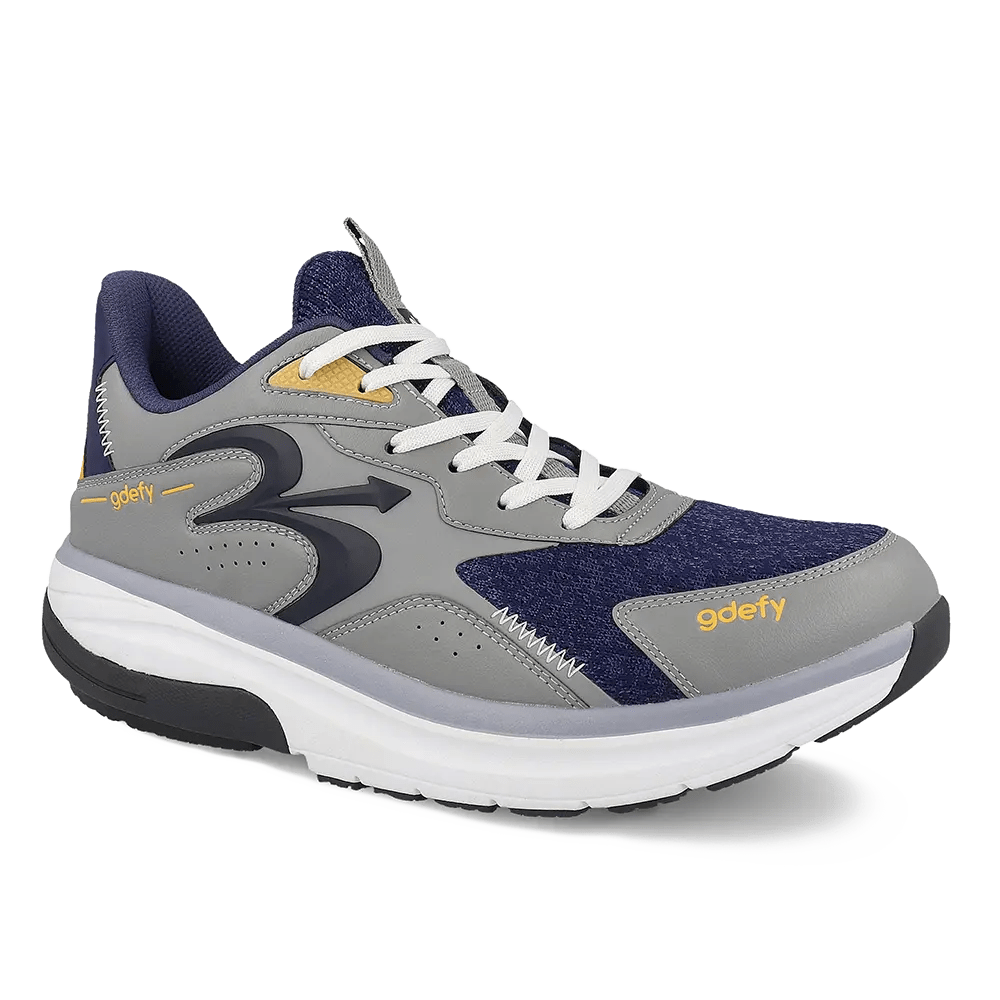
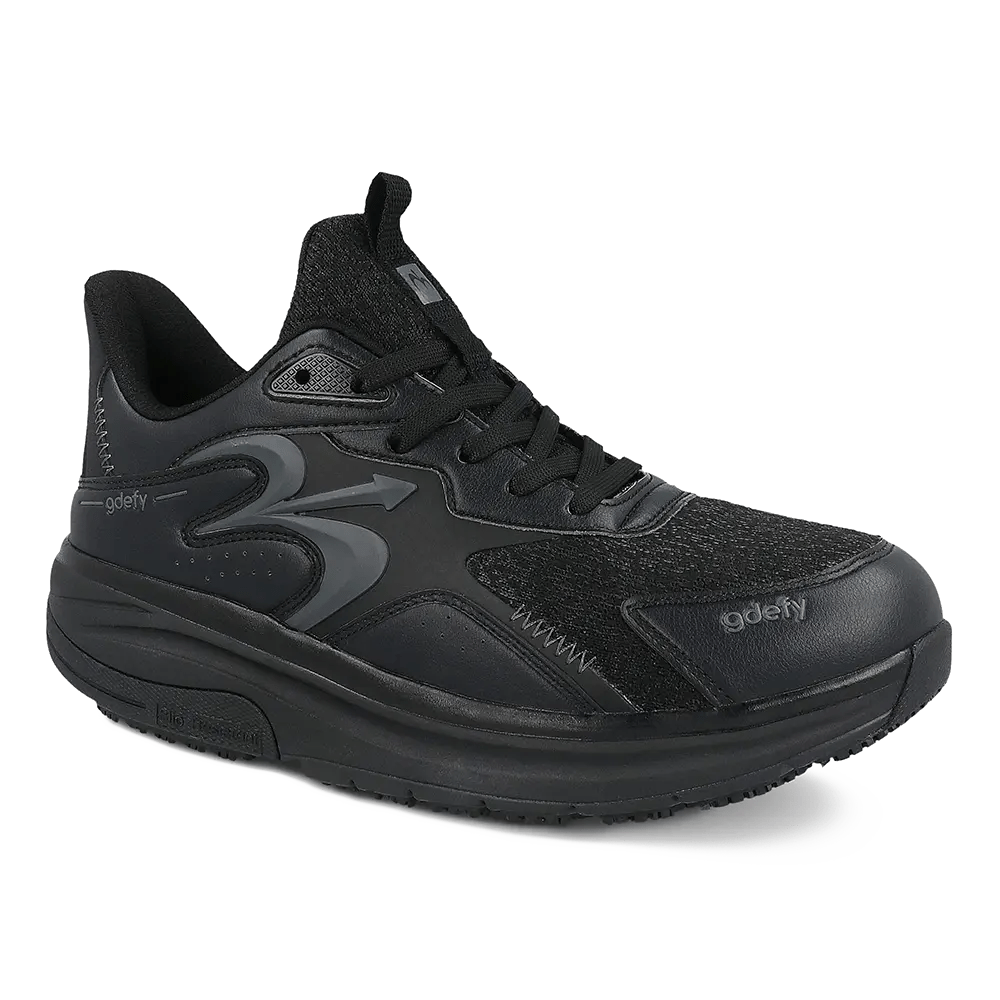
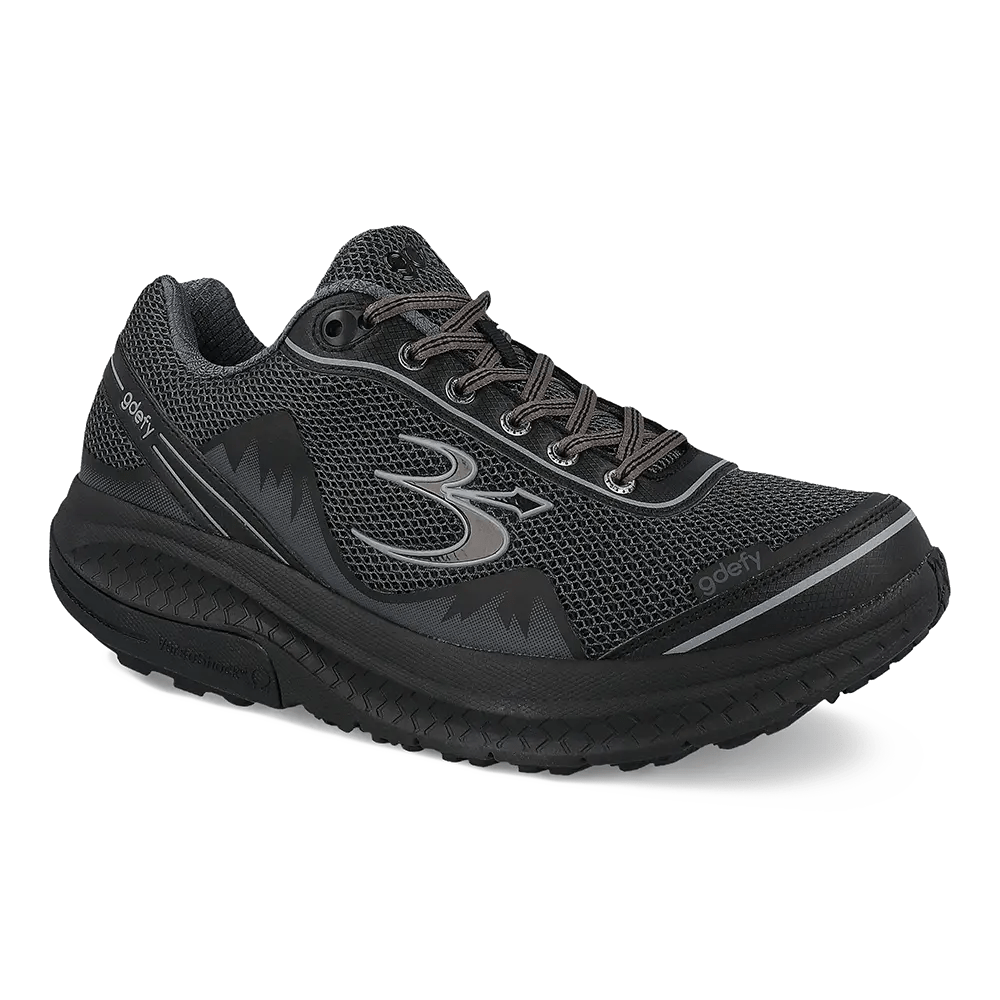
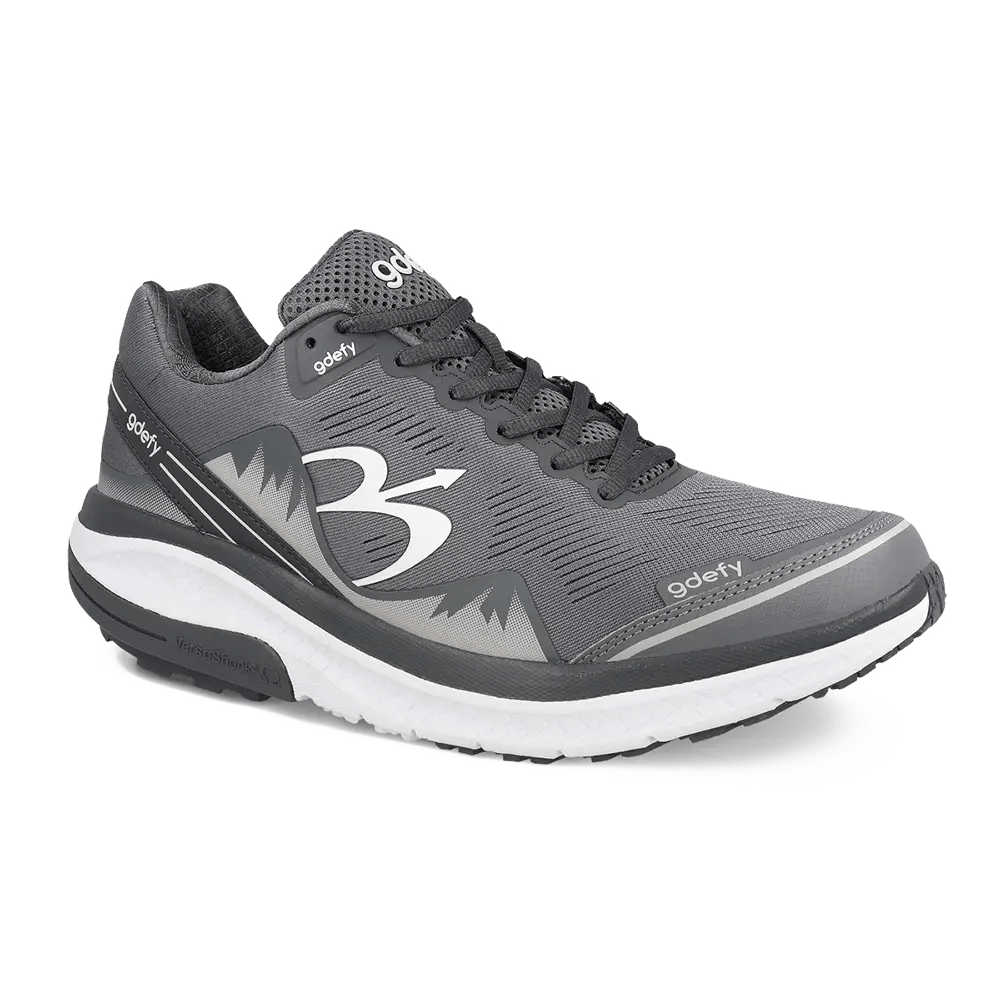
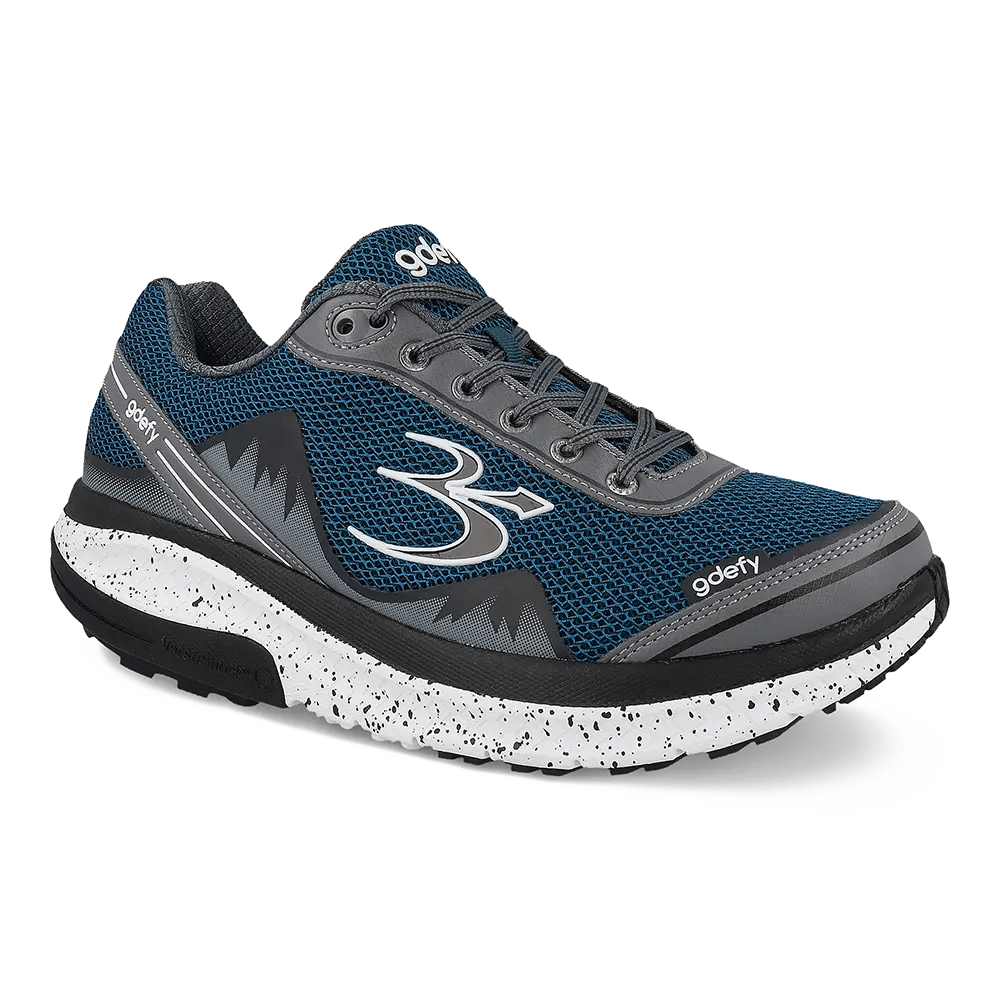
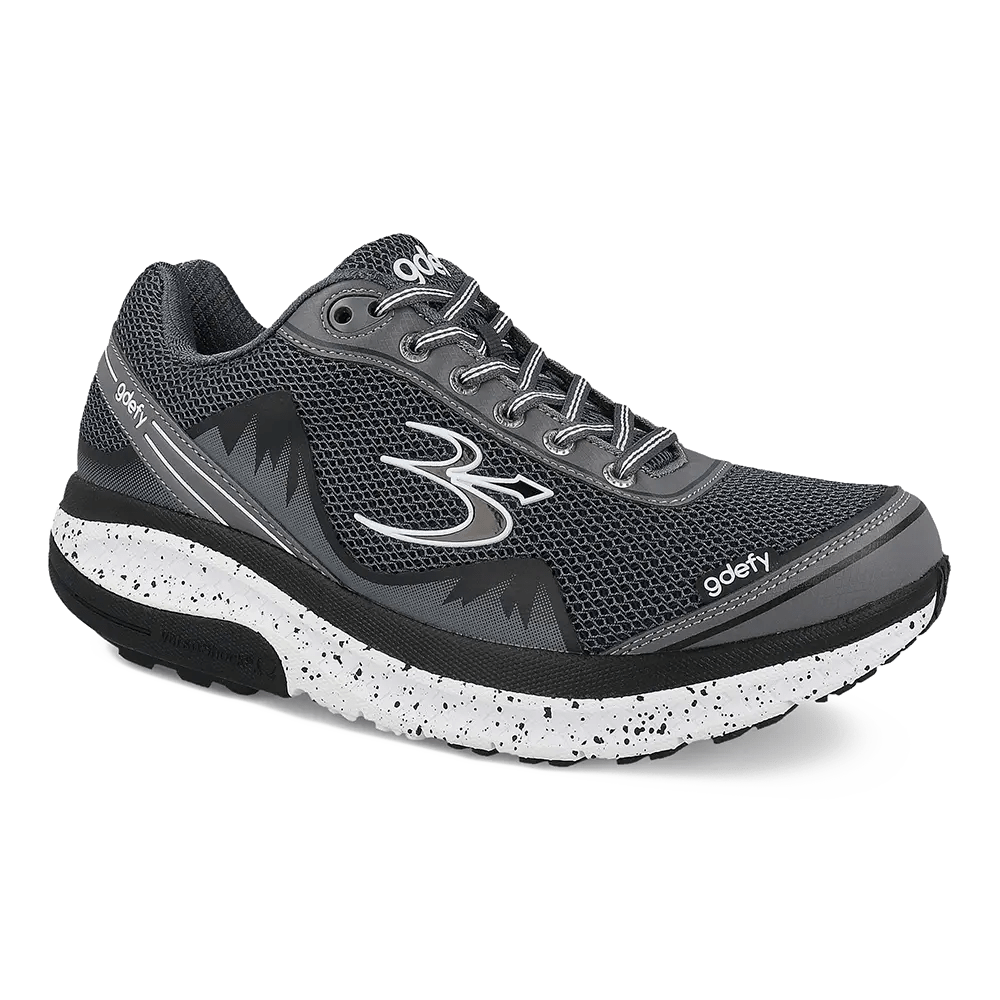
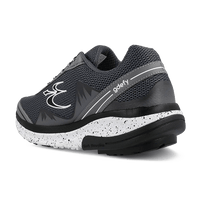
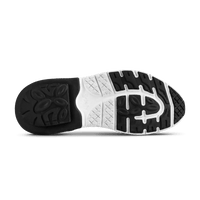
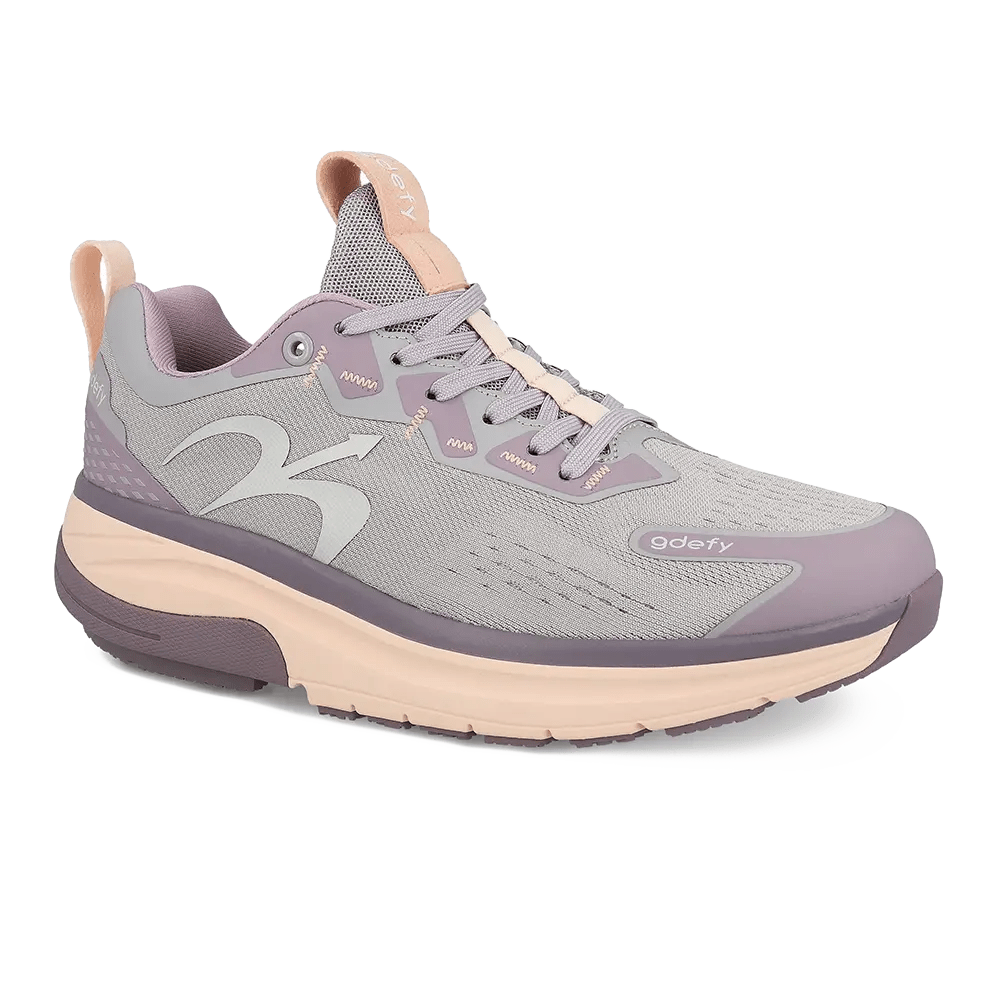
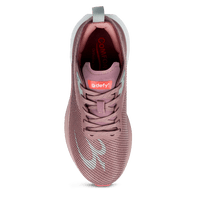
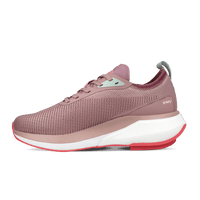
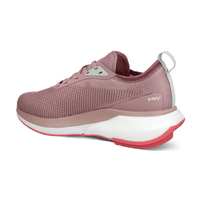
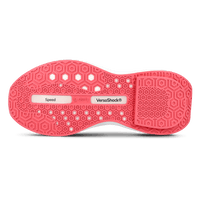
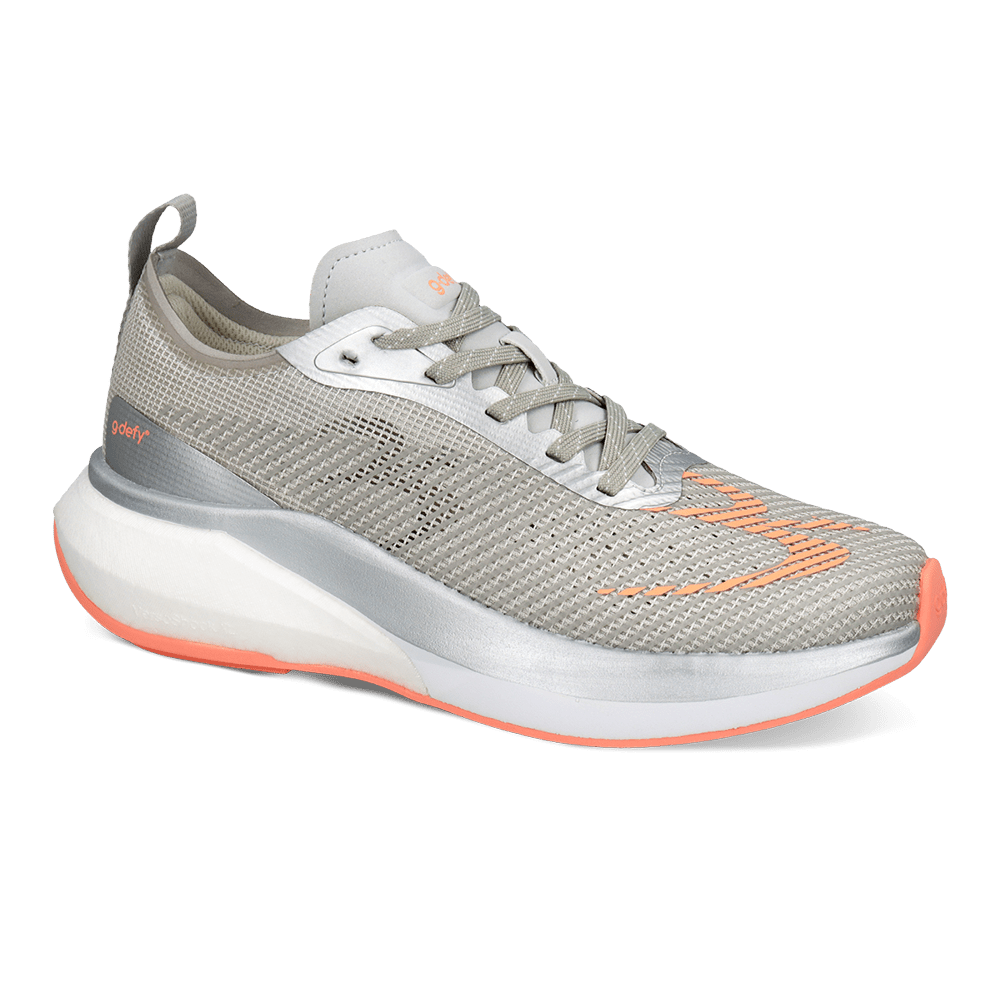
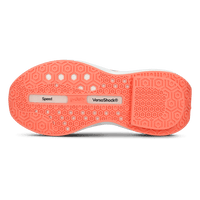
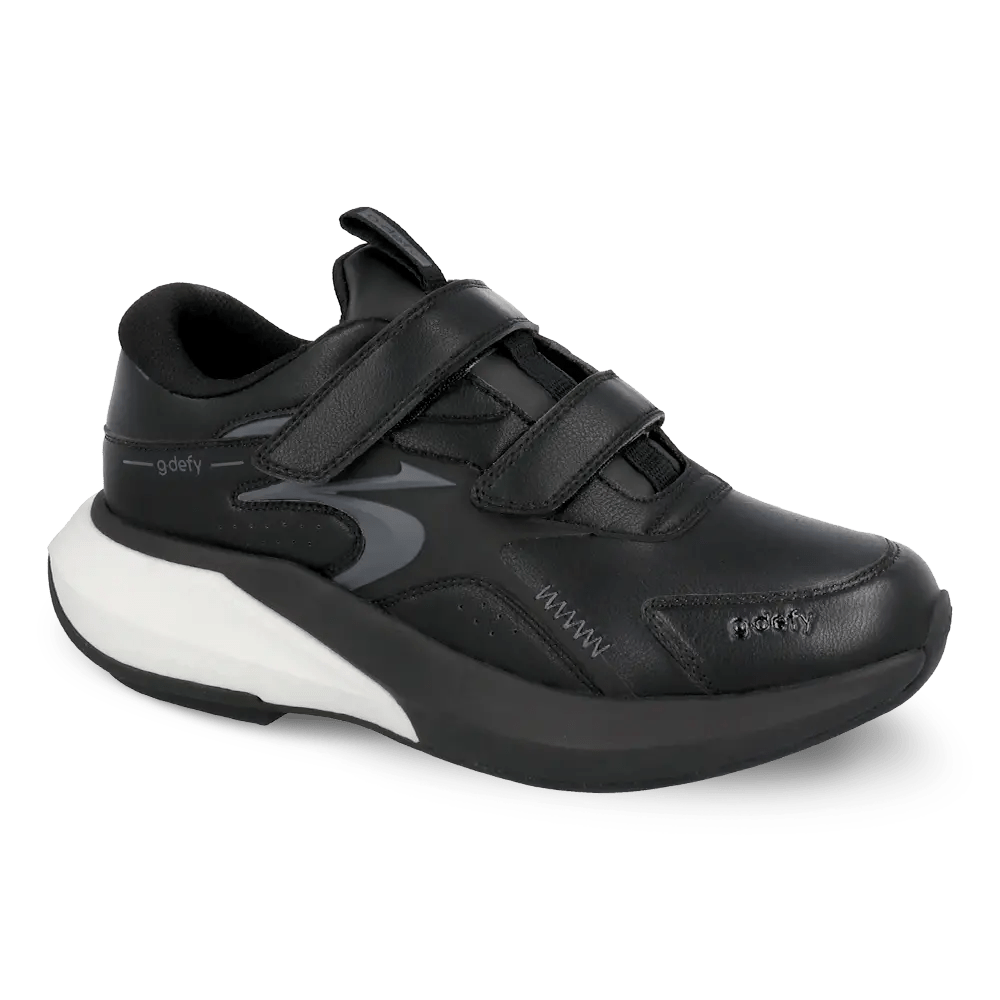
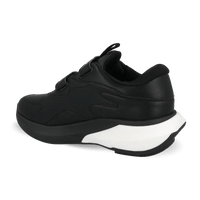
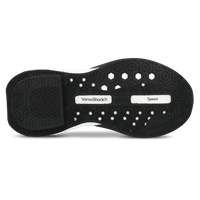
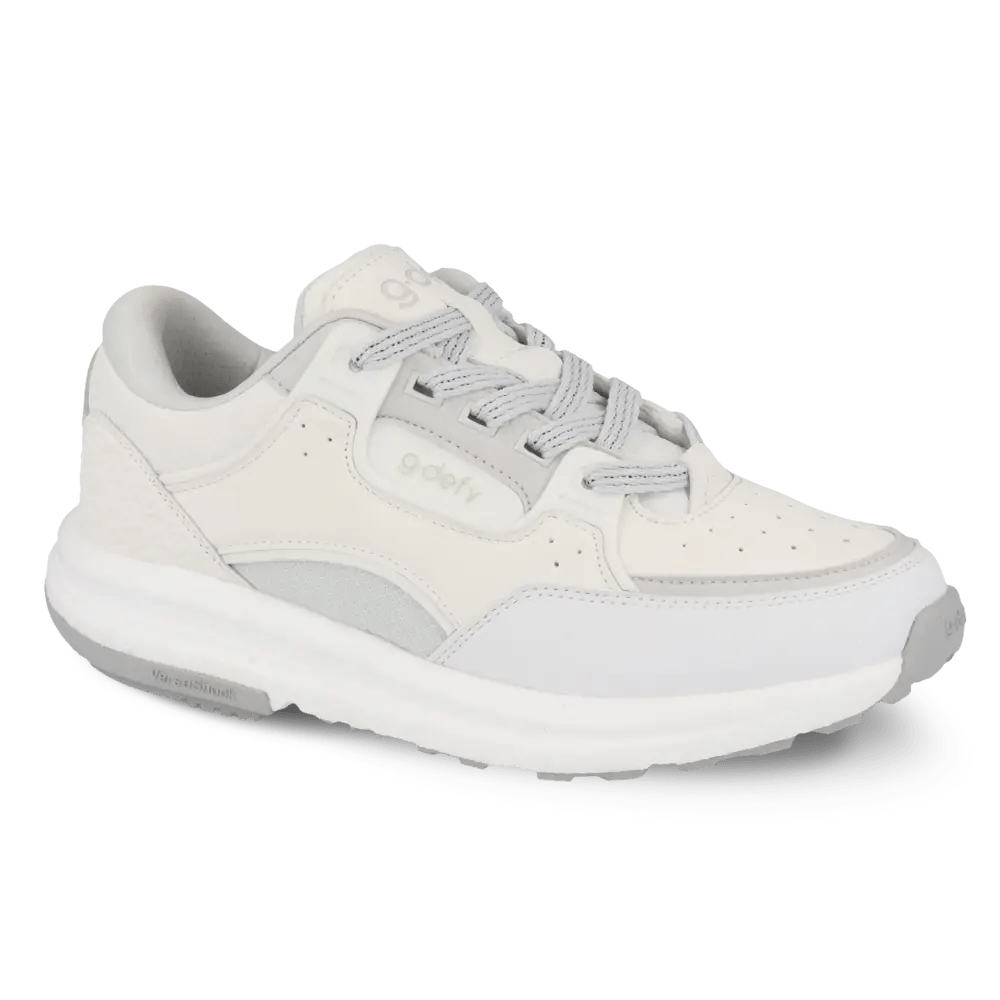
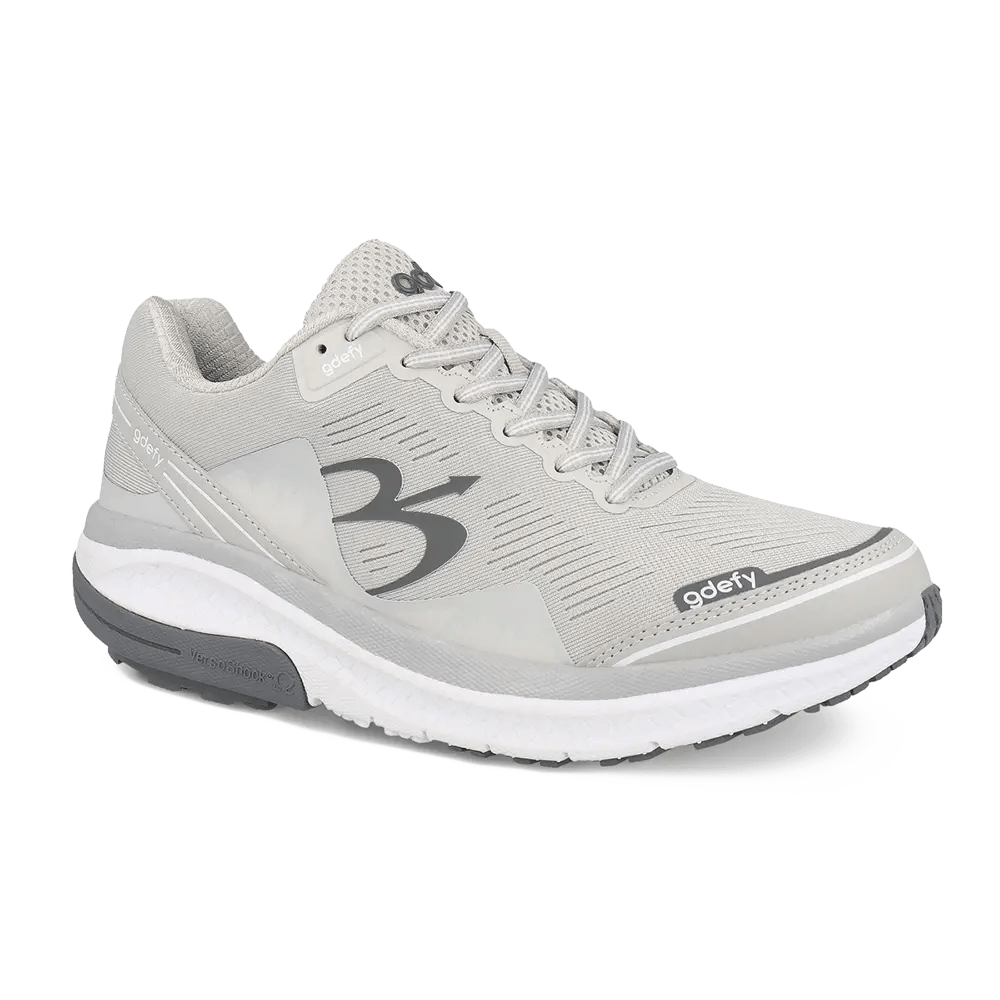
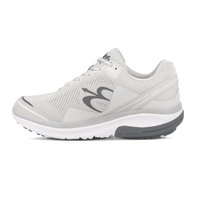
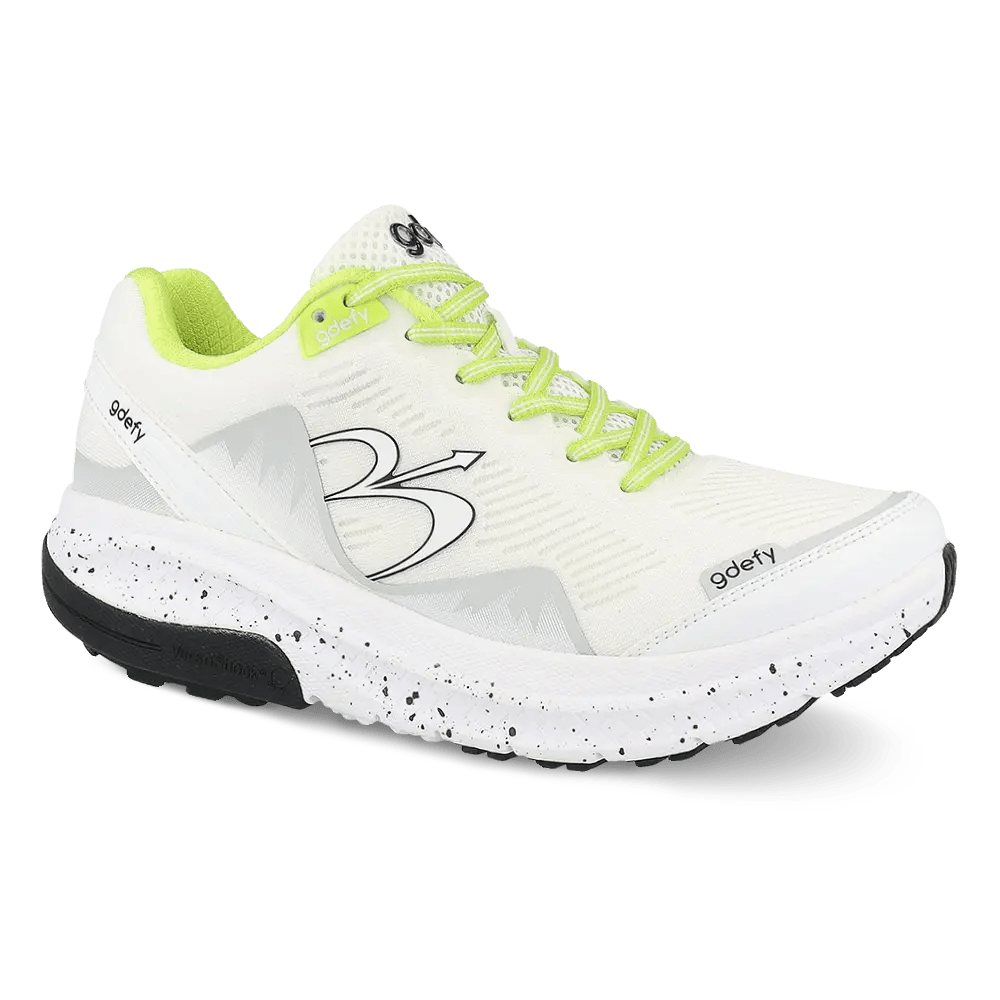
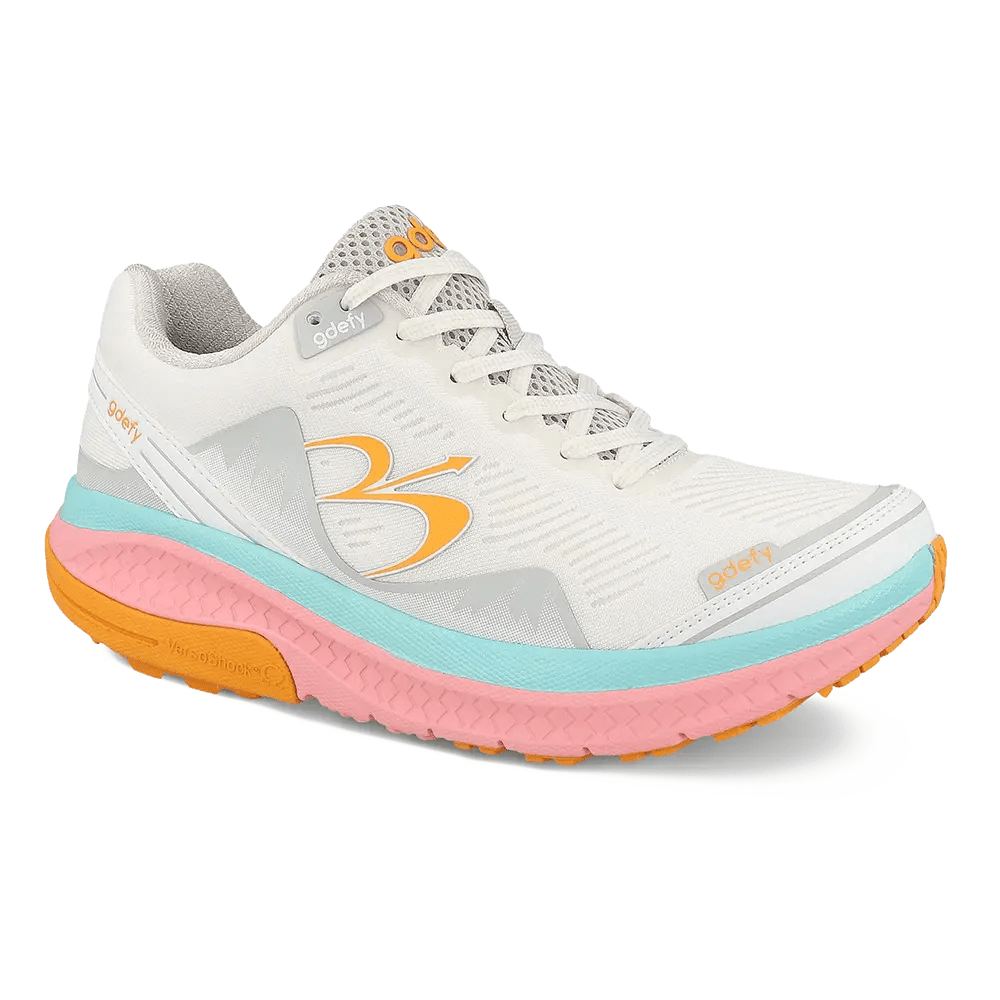
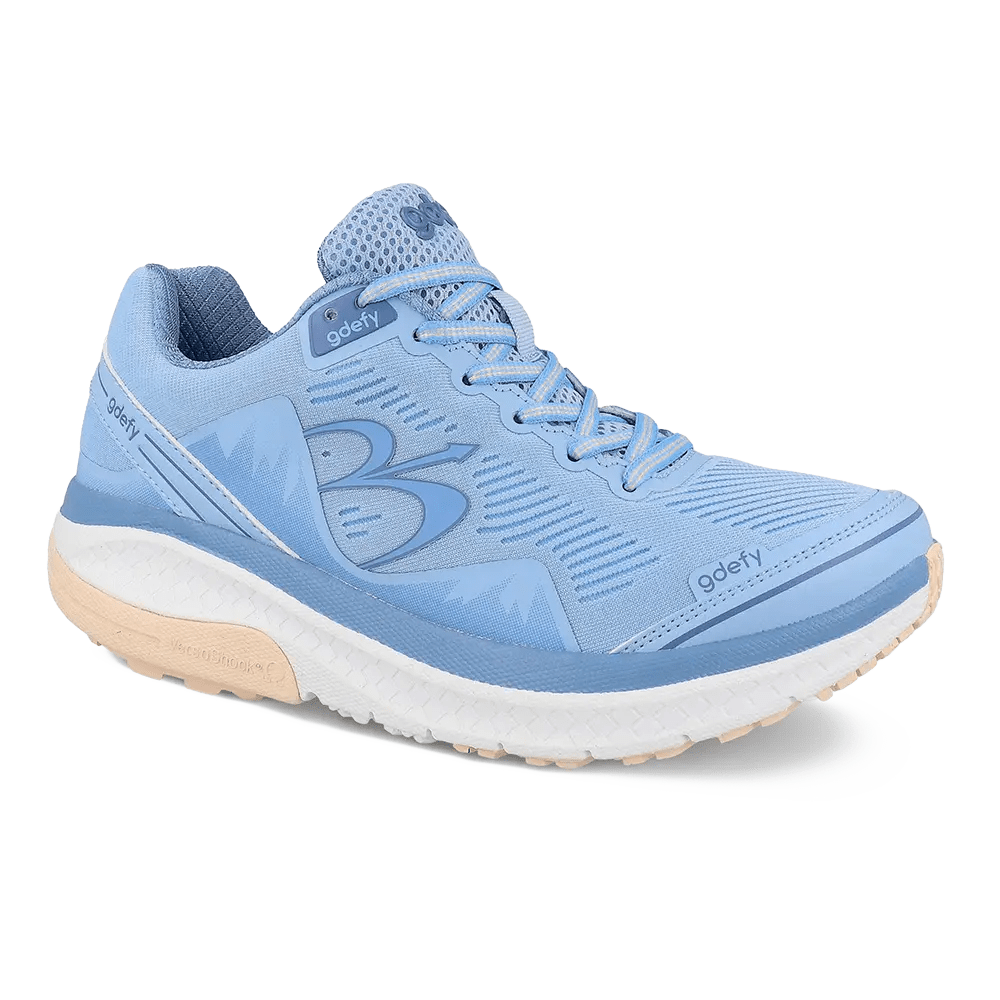
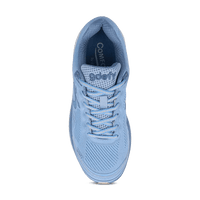
G-Defy shoes are built around the idea that cushioning should do more than feel soft on the first wear — it should keep absorbing impact and stay responsive over time. At the center of that is VersoShock® technology, a spring-based system designed to absorb impact with each step and return energy as you move forward, instead of compressing and staying flat the way ordinary foam can.
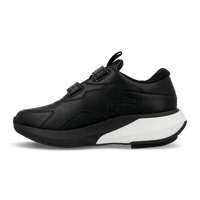
Around that core are three more features that work together. A built-in stabilizer supports the foot through the middle of the shoe and helps keep soft cushioning from turning into instability. A front rolling design encourages a smooth heel-to-toe transition, so each step flows into the next. And every pair includes two removable orthotics — the ComfortFit® for low to medium arches and the CorrectiveFit® for medium to high arches — so you can fine-tune the cushioning and support to your own feet.
Put together, these features are designed to deliver comfort, support, and shock absorption during daily movement. G-Defy shoes help reduce pain from walking, running, and prolonged standing, while supporting a smoother, more comfortable stride.
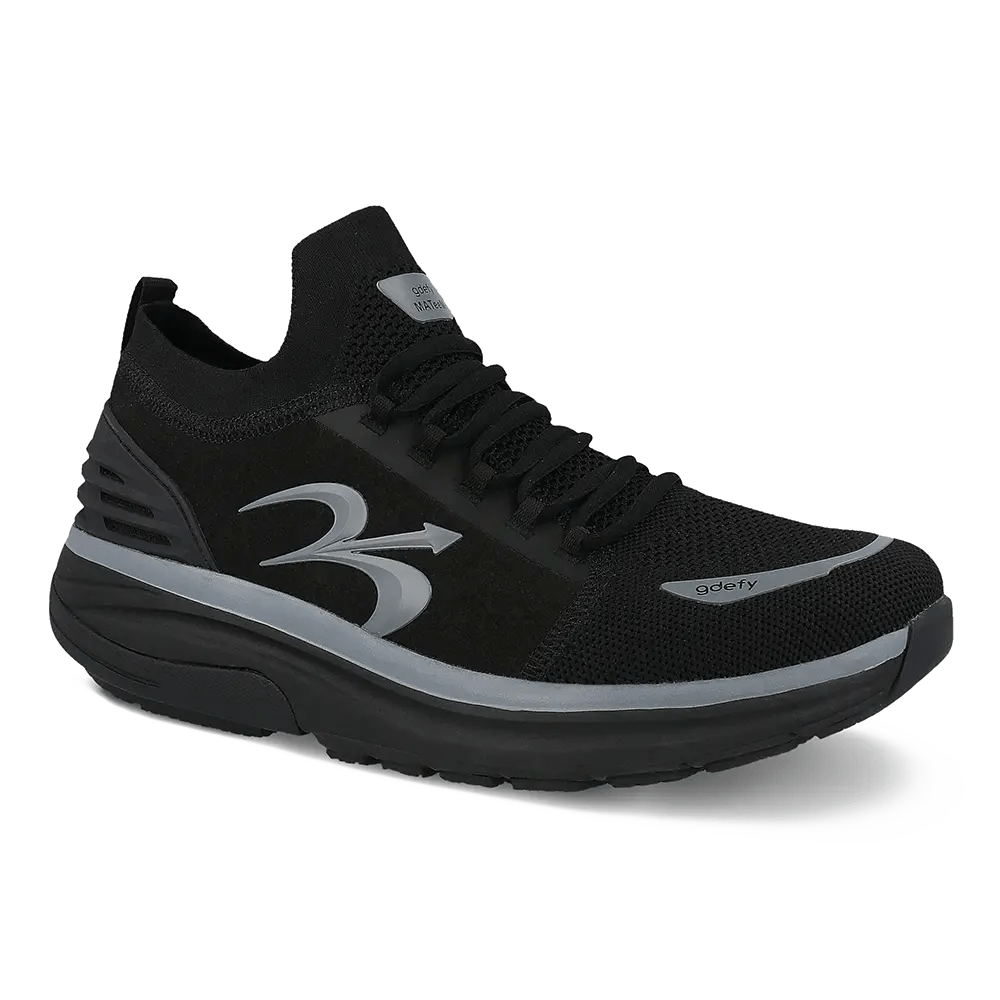
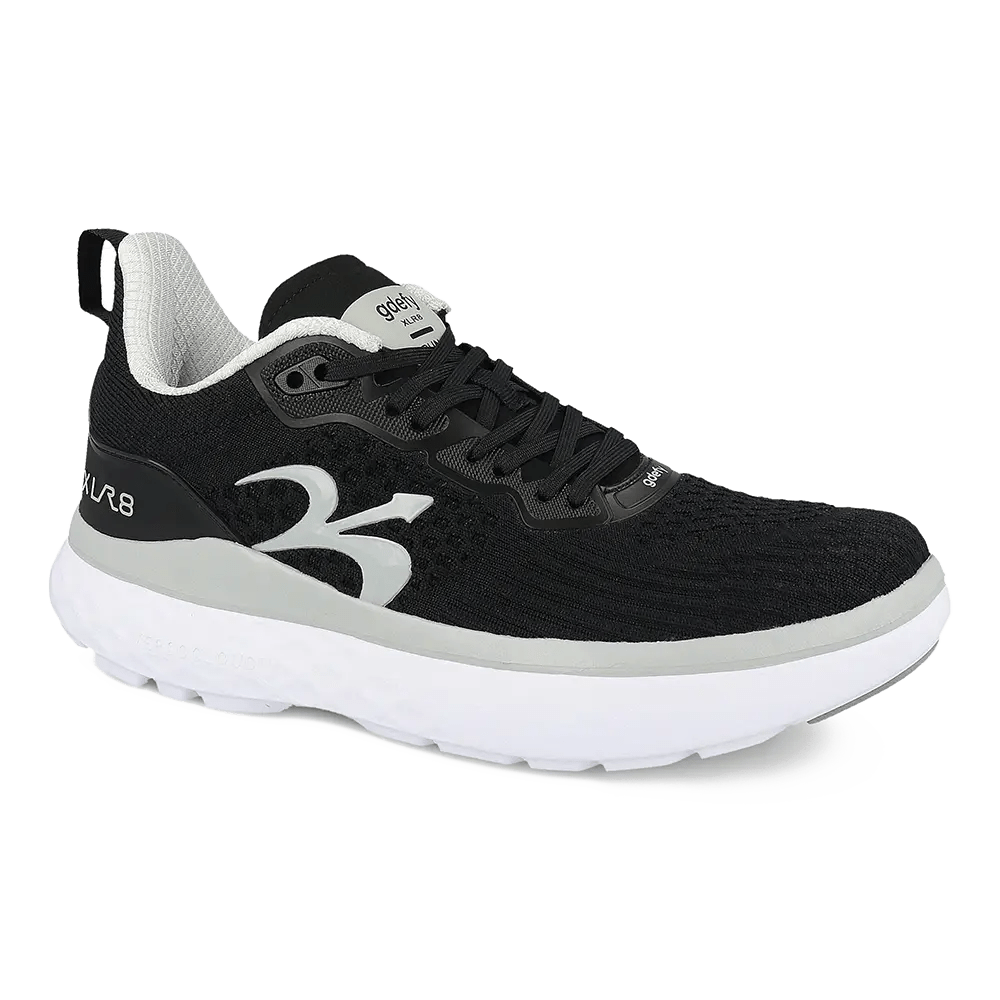
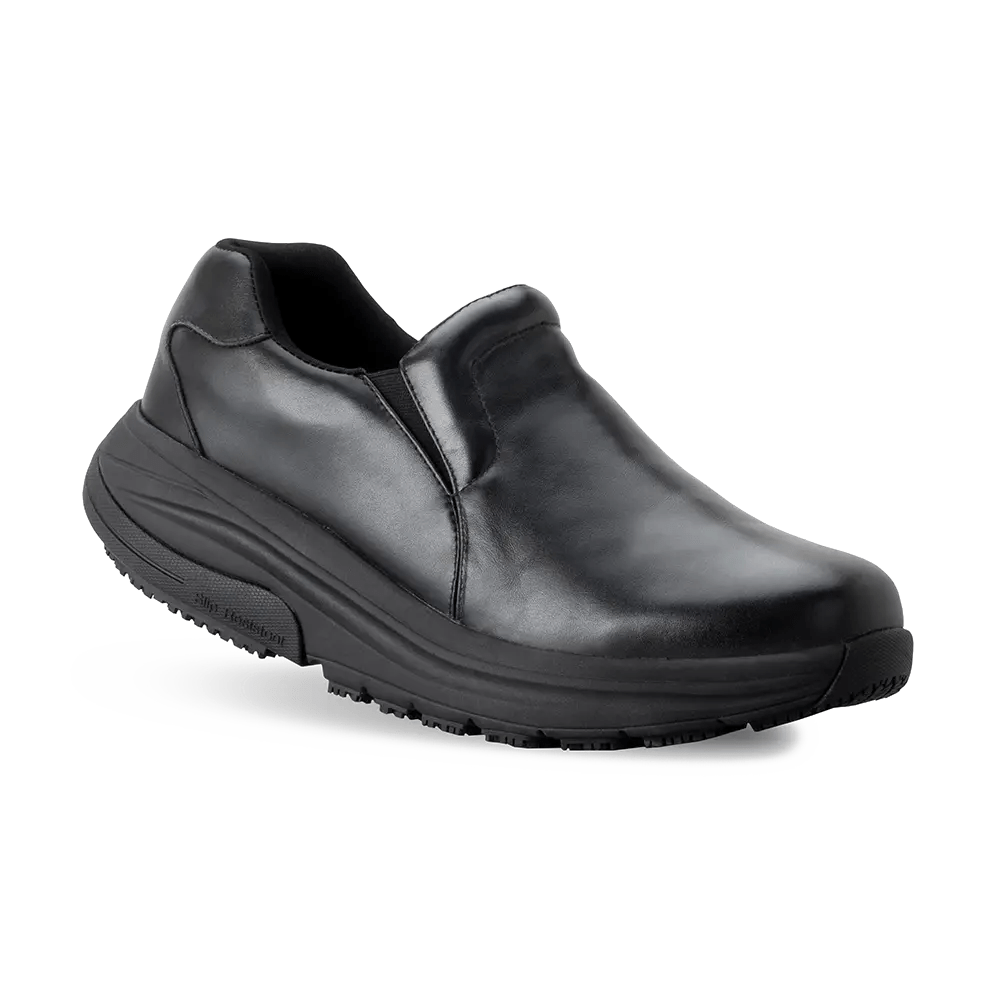
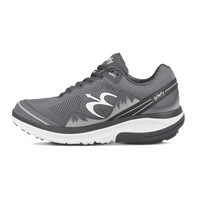
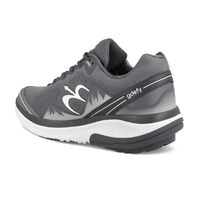
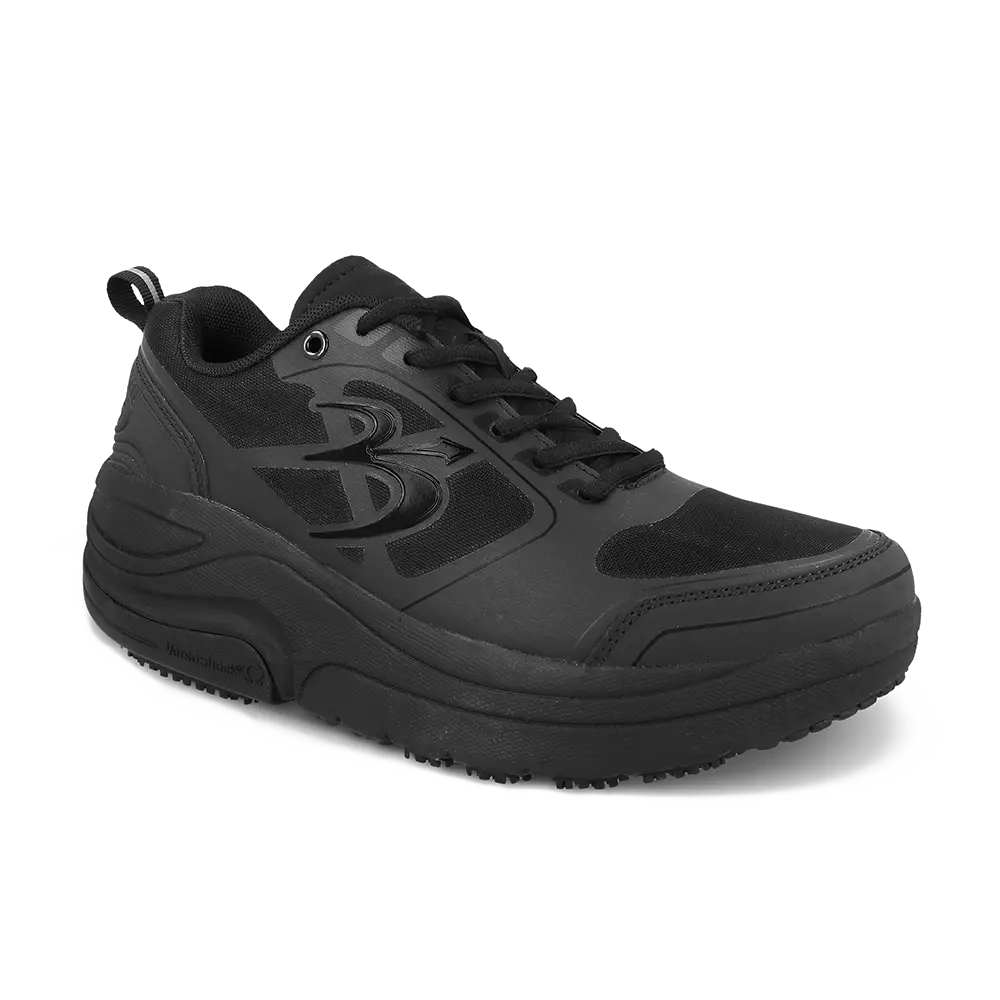
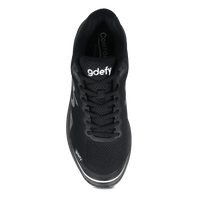
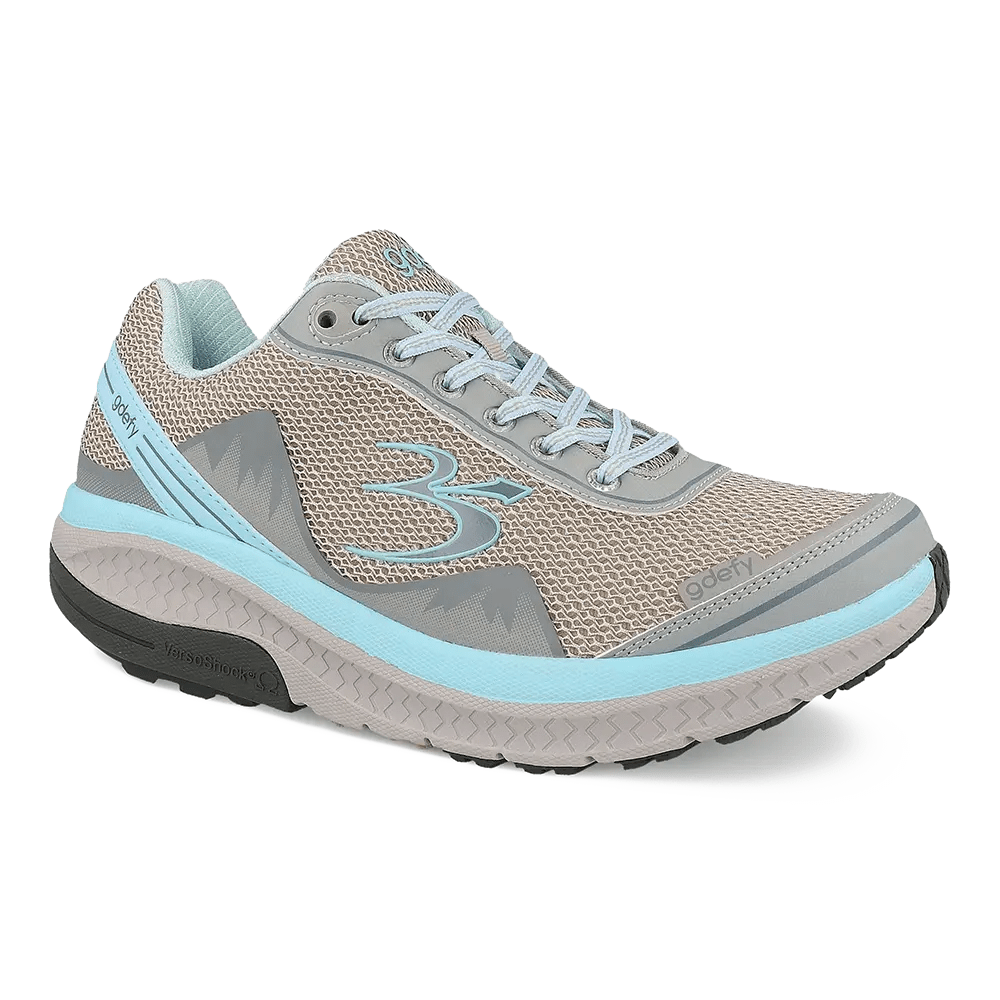
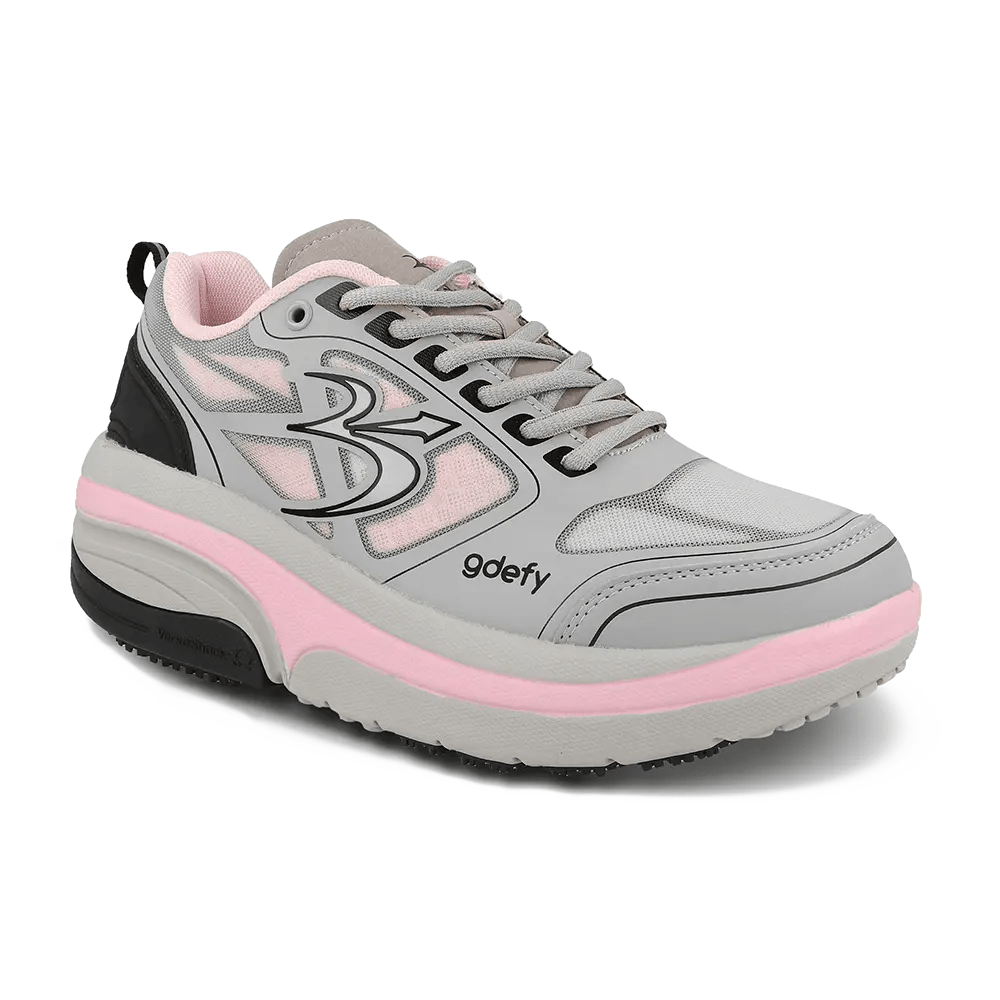
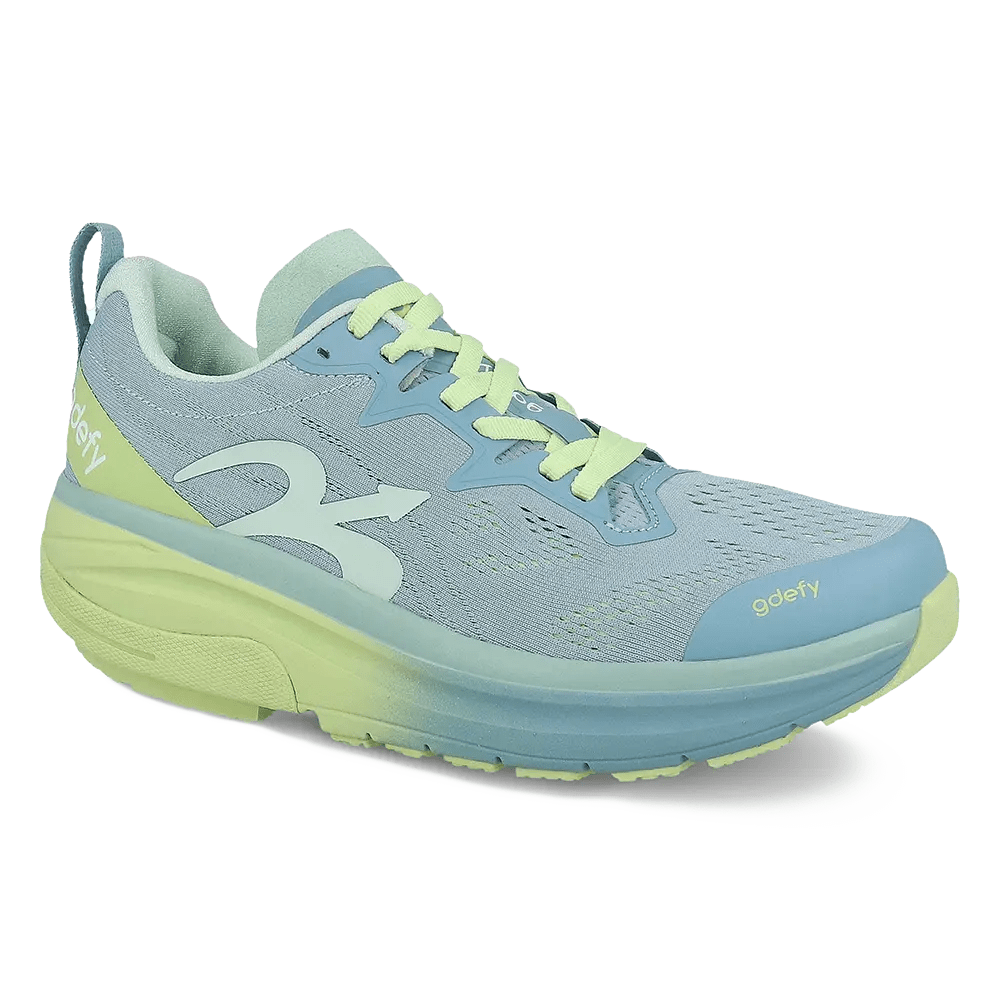
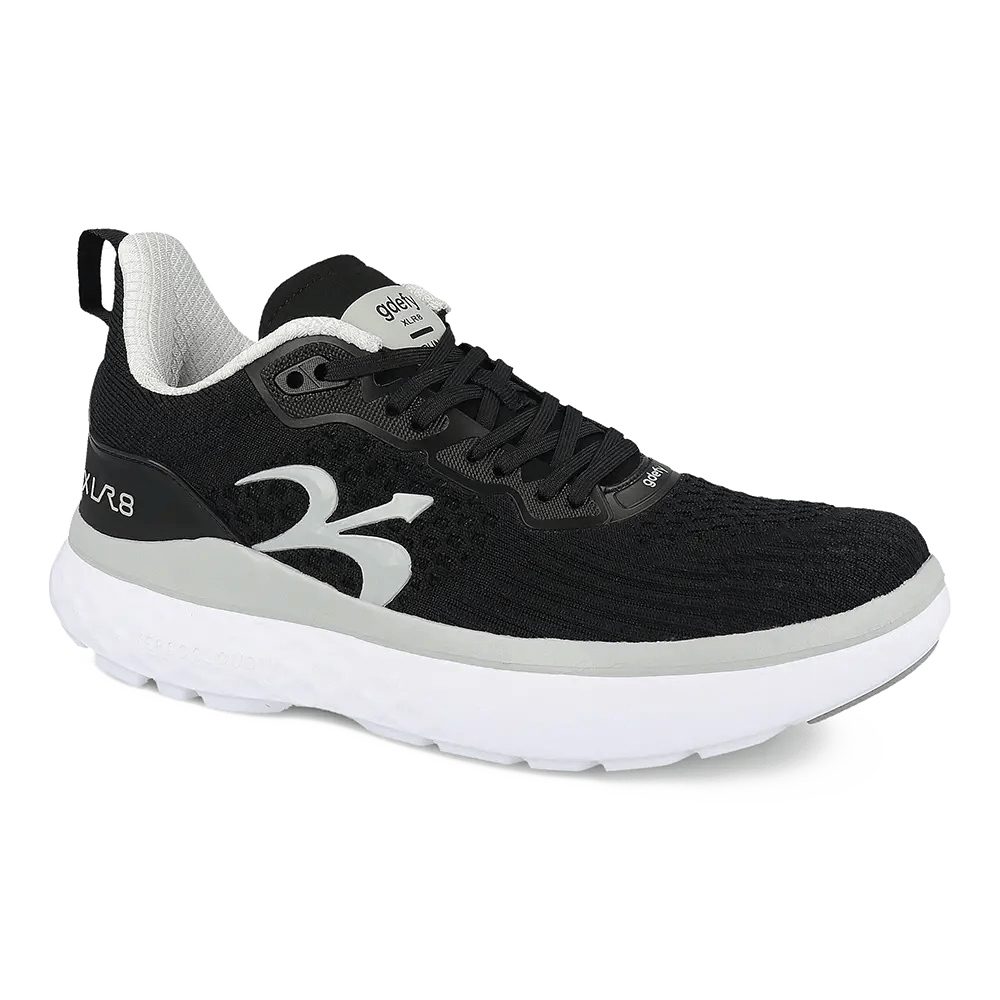
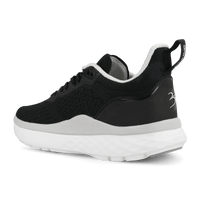
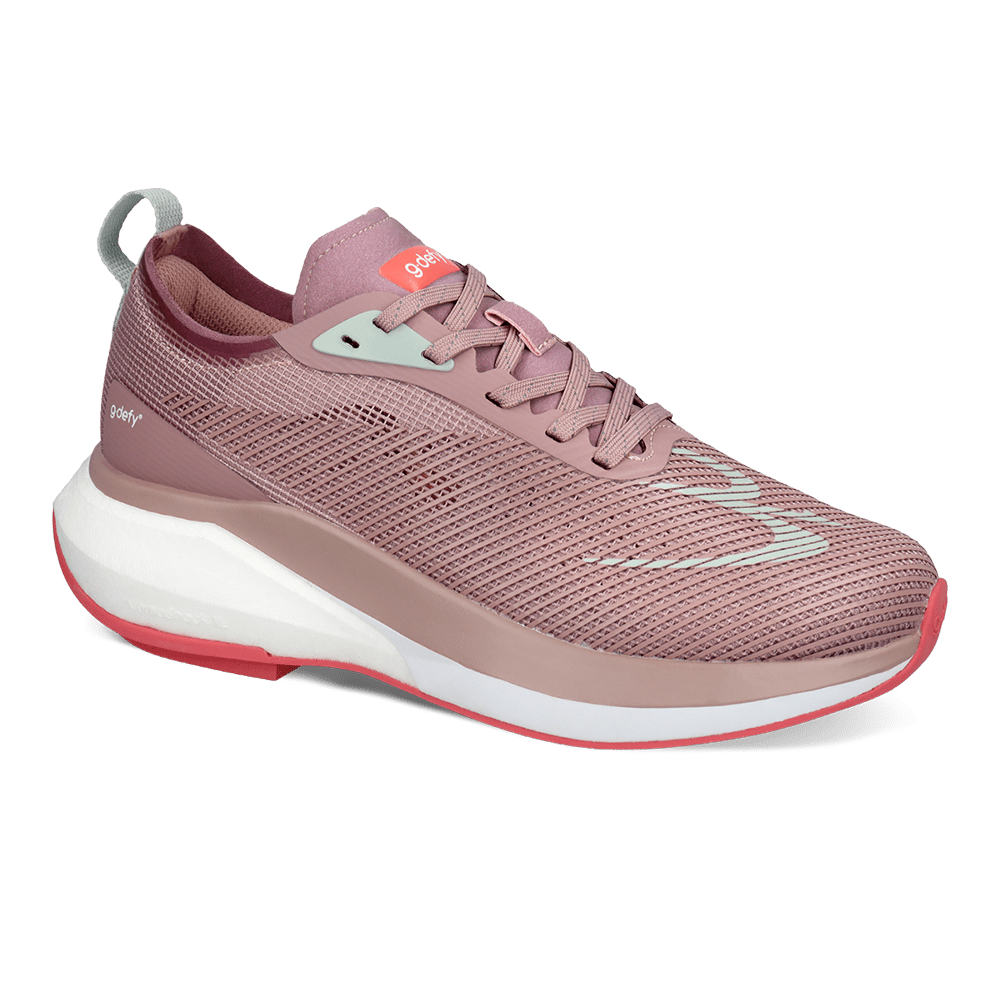
If you want maximum everyday cushioning, the Mighty Walk is built for all-day comfort and standing. Prefer something lighter for casual days and travel? The Ion offers a lighter feel with the same shock-absorbing foundation. And if you stay active, the XLR8 Run brings responsive cushioning to walking and running alike.
Feel the difference cushioning makes — risk-free
Try G-Defy shoes for 60 days with free shipping. If they’re not right for you, send them back for a full refund.
Shop Men’s Shop Women’s
Practical Tips to Get the Most From Your Cushioning
Even the best cushioning only helps if you keep it in working shape. A few simple habits go a long way:
- Replace worn shoes before they go flat. If your soles look compressed or steps suddenly feel harder, the cushioning has likely broken down. Don’t wait for the upper to fall apart.
- Rotate between two pairs. Giving a midsole a day to decompress between wears can help it last longer and feel more consistent.
- Match the orthotic to your arch. If your shoes include removable inserts, take a minute to choose the one that fits your foot — it changes how the cushioning feels underfoot.
- Mind hard surfaces. If you spend long hours on concrete or tile, lean toward more cushioning and a supportive sole rather than thin, flat footwear.
- Get the fit right. Lace the heel snugly and leave room at the toes. Cushioning can’t do its job if your foot is sliding around.
Frequently Asked Questions
Does more cushioning always mean more comfort?
Not always. Cushioning that’s too soft with no structure can feel unstable, which is tiring in its own way. A balance of cushioning and support tends to feel more comfortable over a long day than maximum softness alone.
Can cushioned shoes help with foot pain at the end of the day?
Supportive, well-cushioned footwear may improve overall comfort during walking and prolonged standing. Shoes aren’t a medical solution, but softening the impact of each step can make a long day on your feet feel more manageable.
How do I know when my cushioning has worn out?
Watch for soles that look flattened or creased, an uneven feel underfoot, or steps that suddenly feel harder than they used to. Most everyday walking shoes lose much of their cushioning long before the upper wears out.
Is spring-based cushioning different from foam?
Traditional foam compresses and tends to stay compressed over time. A spring-based system like VersoShock® is designed to absorb impact and then rebound, returning energy as you step and helping the cushioning stay responsive longer.
What surfaces are hardest on my feet?
Hard, unforgiving surfaces like concrete and tile reflect the most force back to you, because they don’t flex. On those surfaces, the cushioning in your shoes is doing most of the shock absorption, so it matters more.
The Bottom Line
Cushioning is quietly one of the most important things about a walking shoe. It softens the moment your foot meets the ground, spreads out the force of each step, and helps the accumulated impact of a long day feel lighter. The catch is that not all cushioning is equal — foam that flattens stops protecting you, while a system designed to absorb impact and return energy keeps working step after step.
While footwear is not a medical solution, choosing shoes built for cushioning, support, and shock absorption can make a meaningful difference in how your feet feel from morning to night. If you’re ready to feel that difference, explore the Mighty Walk or browse the full lineup for men and women — backed by a 60-day risk-free trial and free shipping.



































.svg)