
May 26, 2025
Home Remedies for Bunionette Relief
By Gdefy

Summary
Understanding Bunionettes
Before diving into home remedies, it’s essential to understand what a bunionette is and why it forms. A bunionette occurs when the fifth metatarsal bone at the base of the little toe becomes enlarged and protrudes outward. This condition can cause pain, swelling, and redness, particularly when wearing tight shoes.
The development of bunionettes can be attributed to factors such as genetics, foot structure, and certain footwear choices. It's crucial to identify and address these factors to prevent the condition from worsening.
Bunionette Treatment Without Surgery
Comfortable Footwear
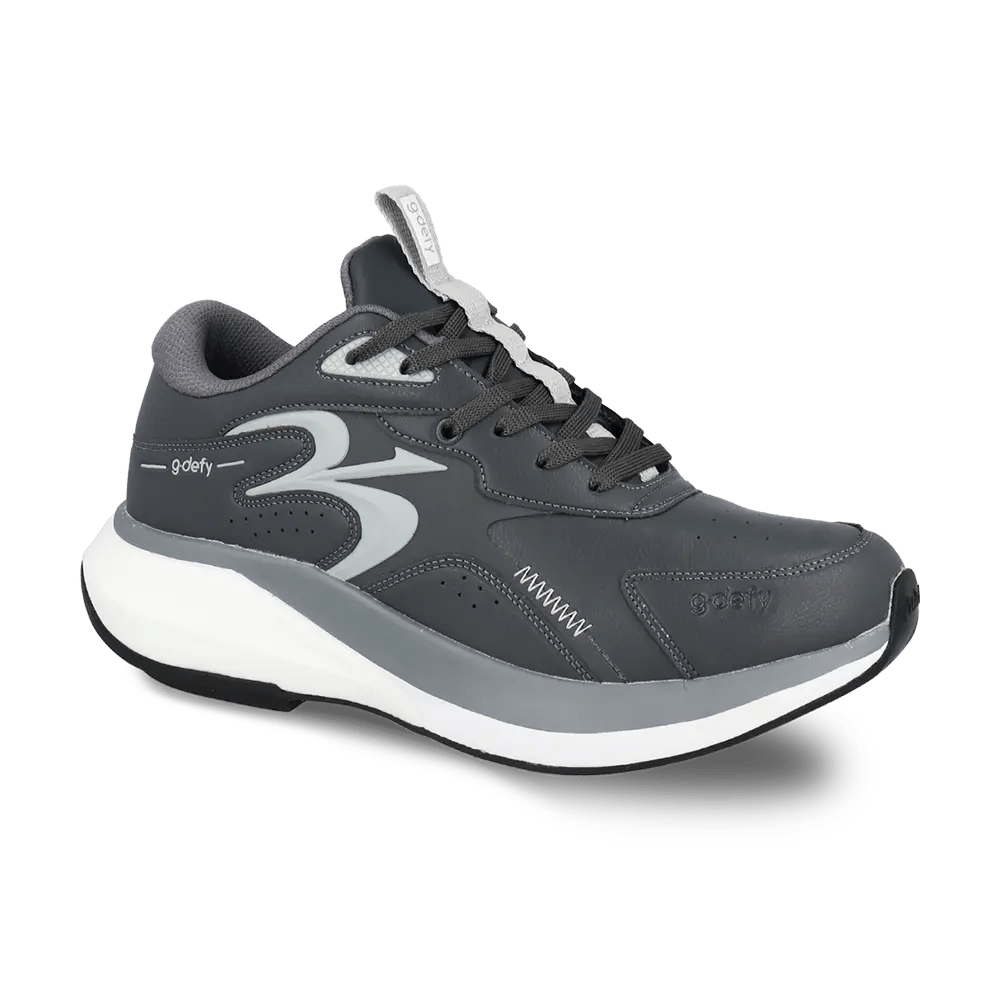
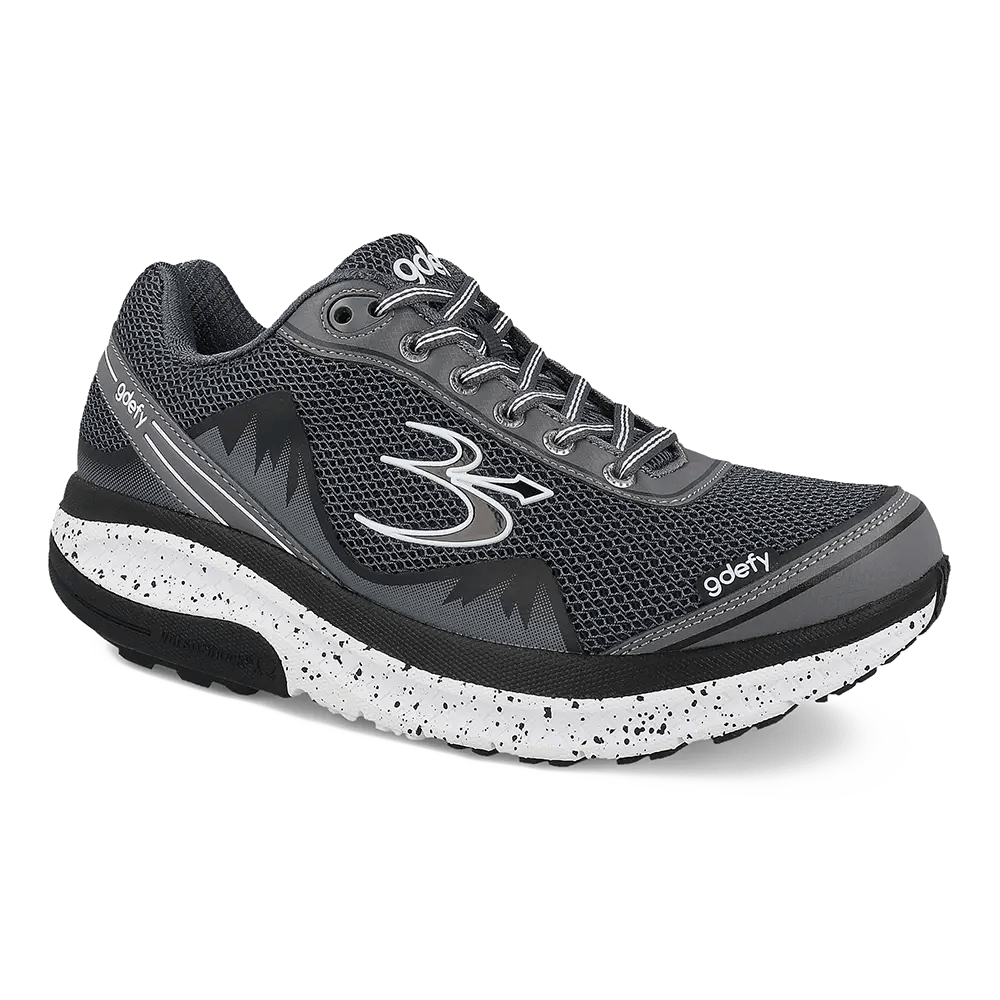
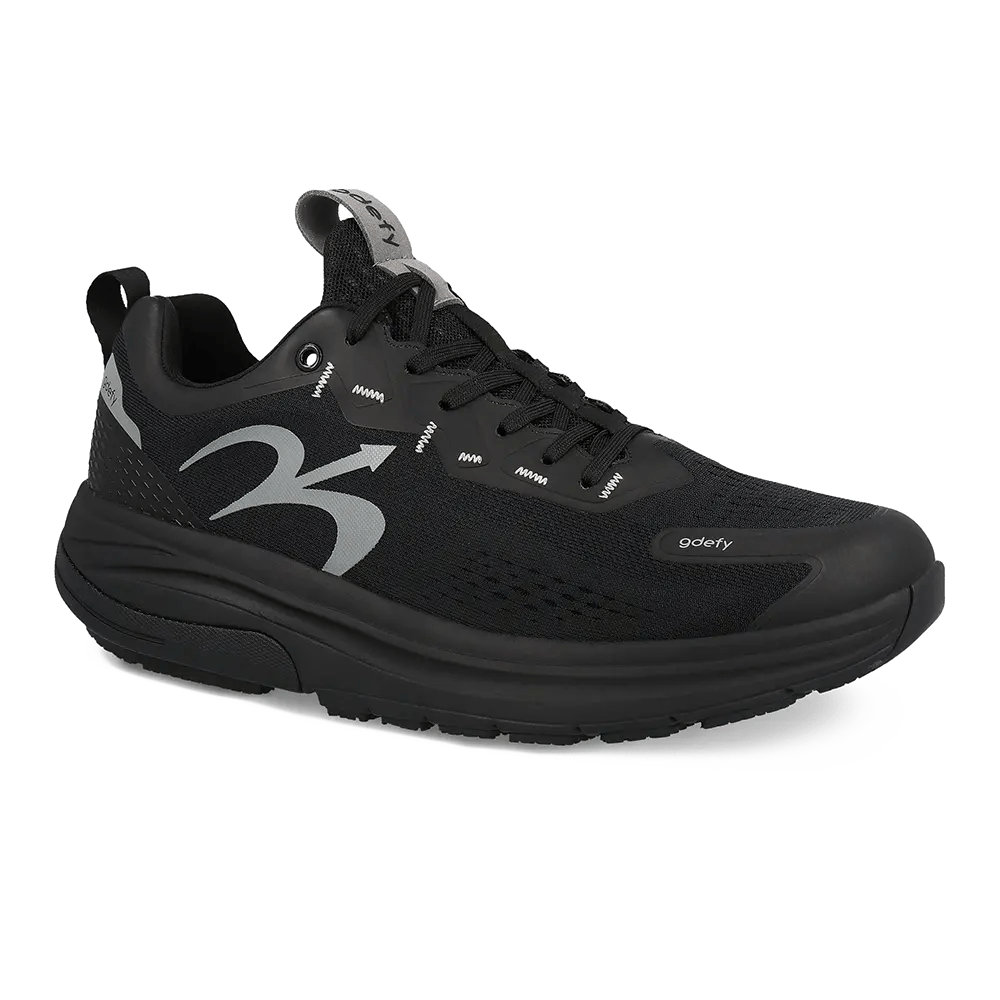
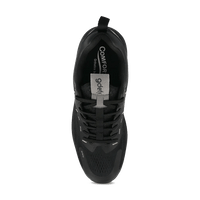
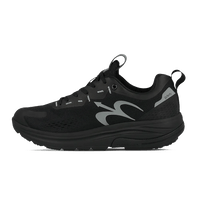
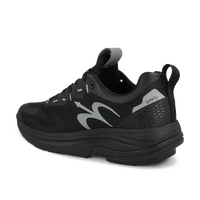
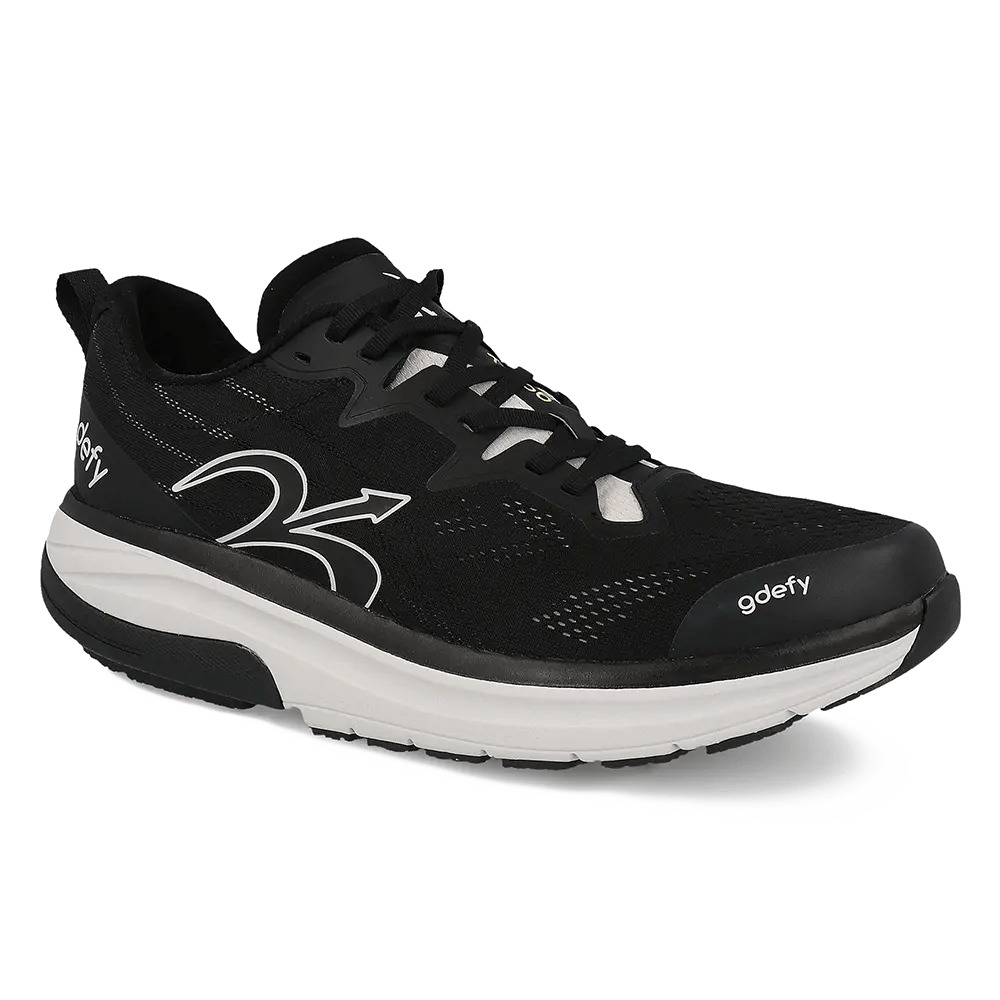
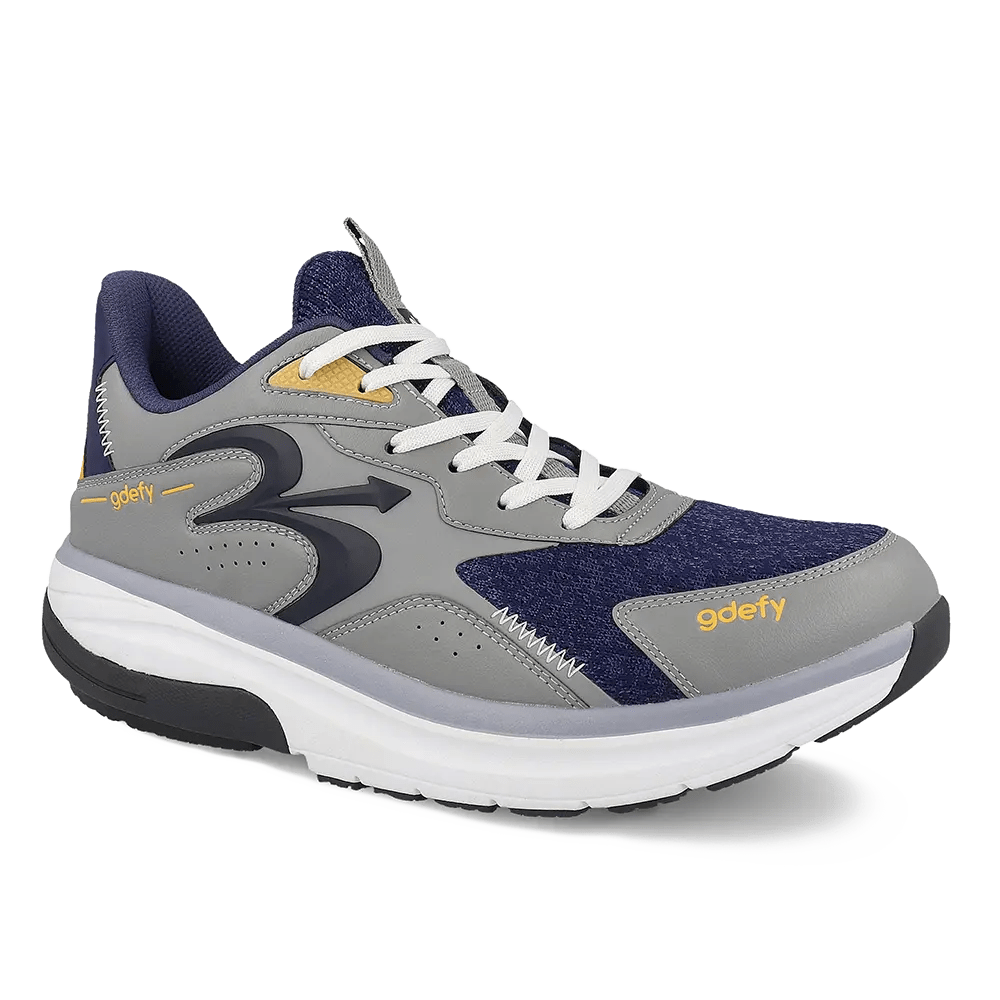
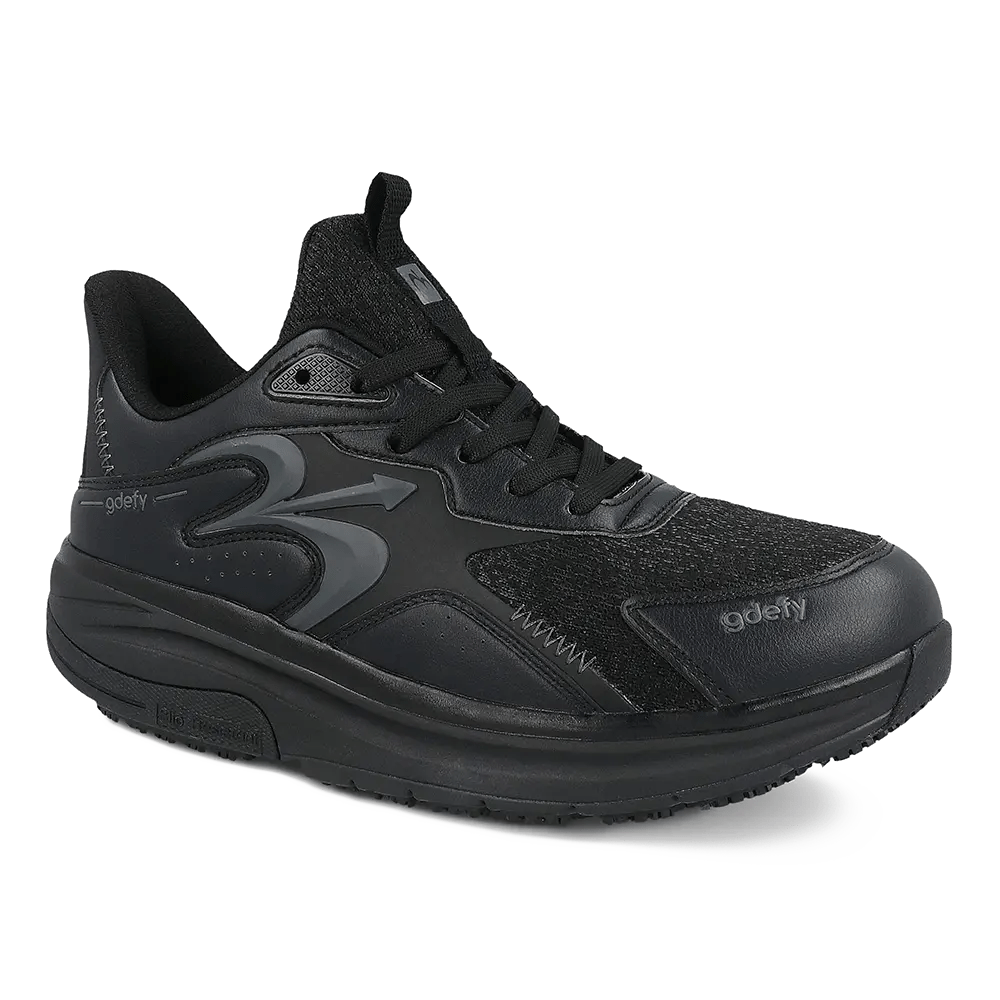
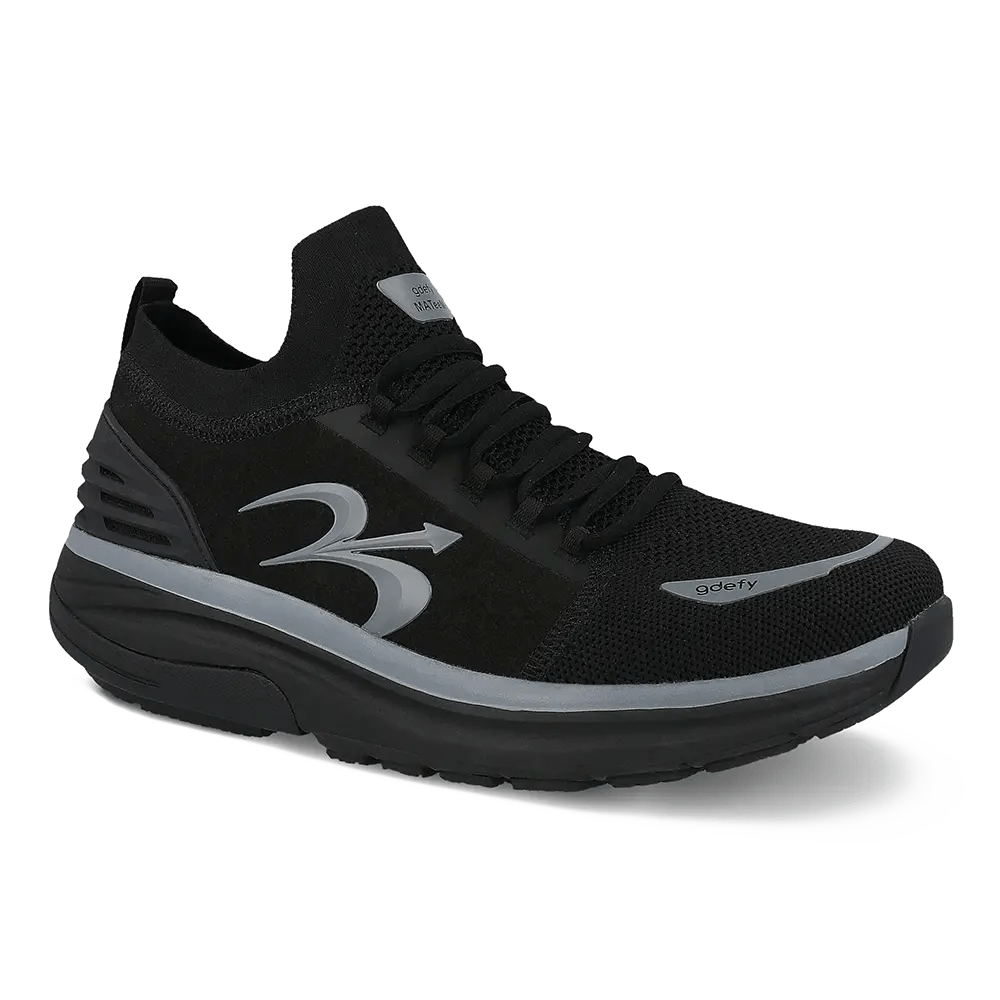
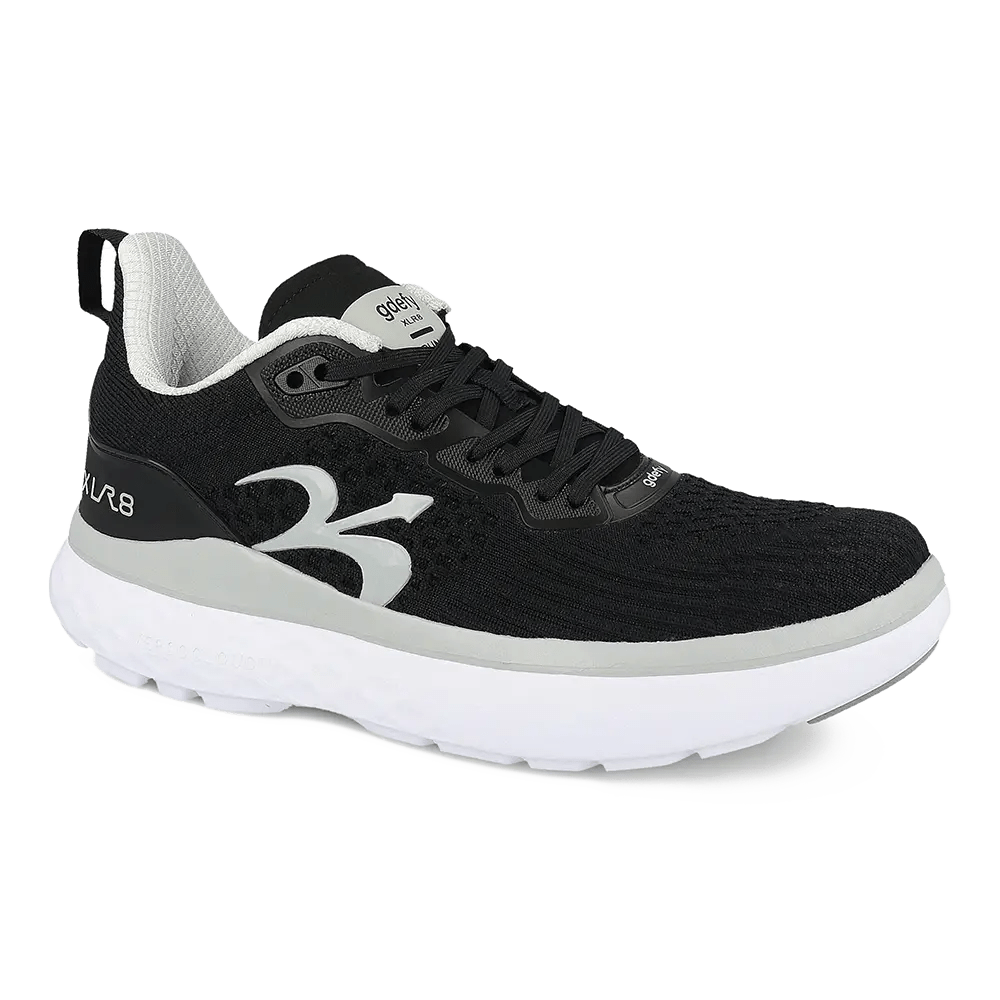
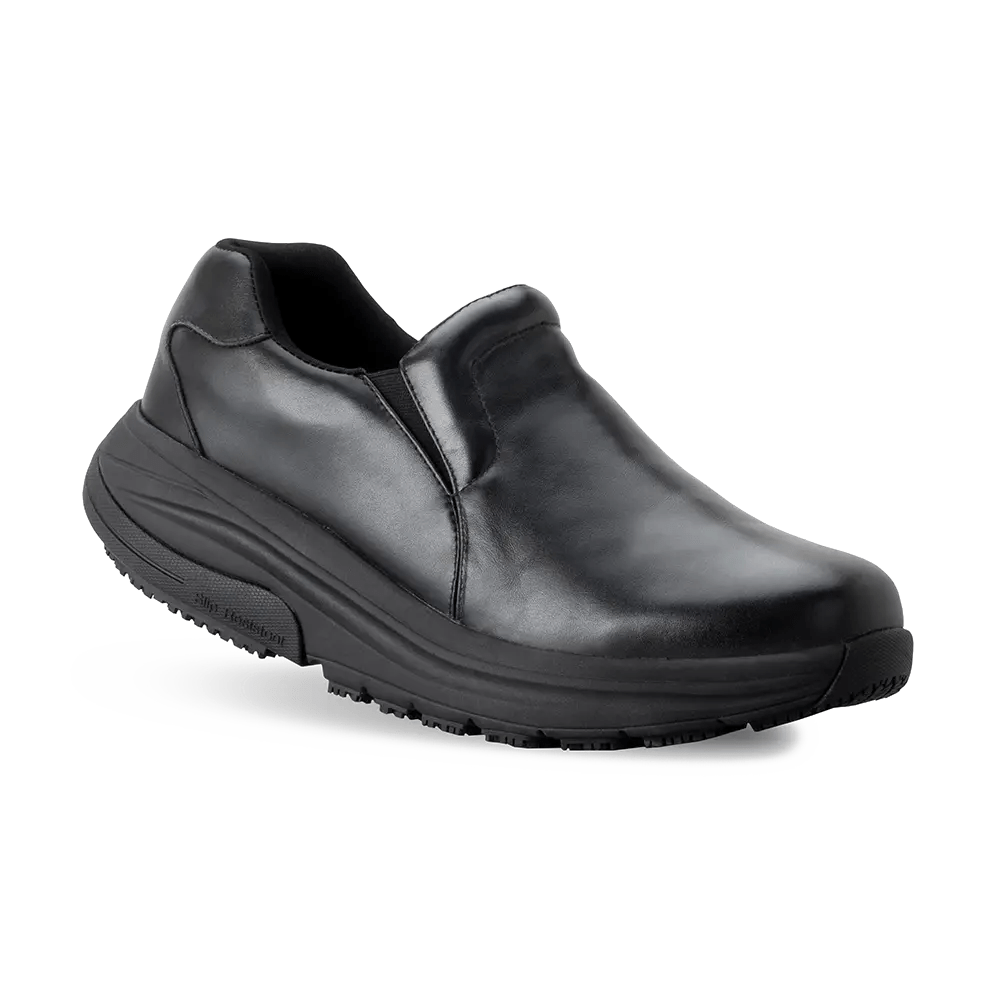
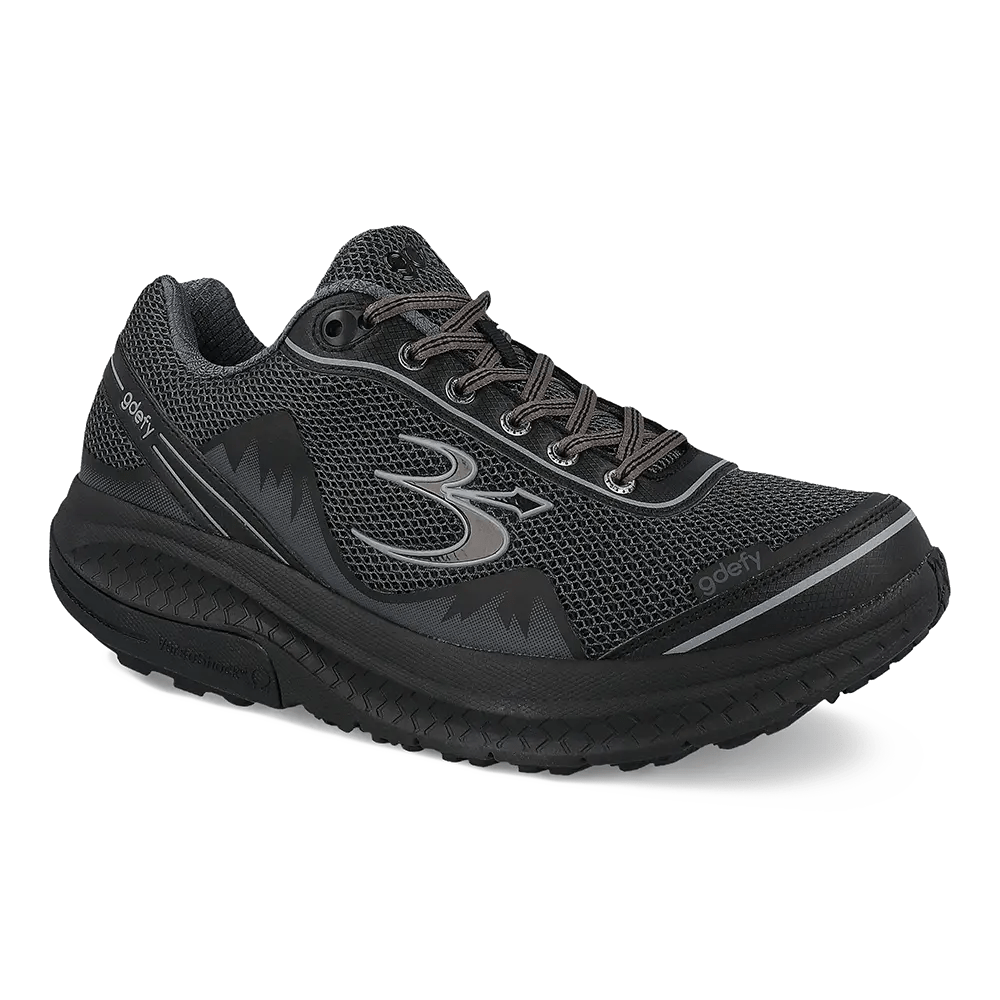
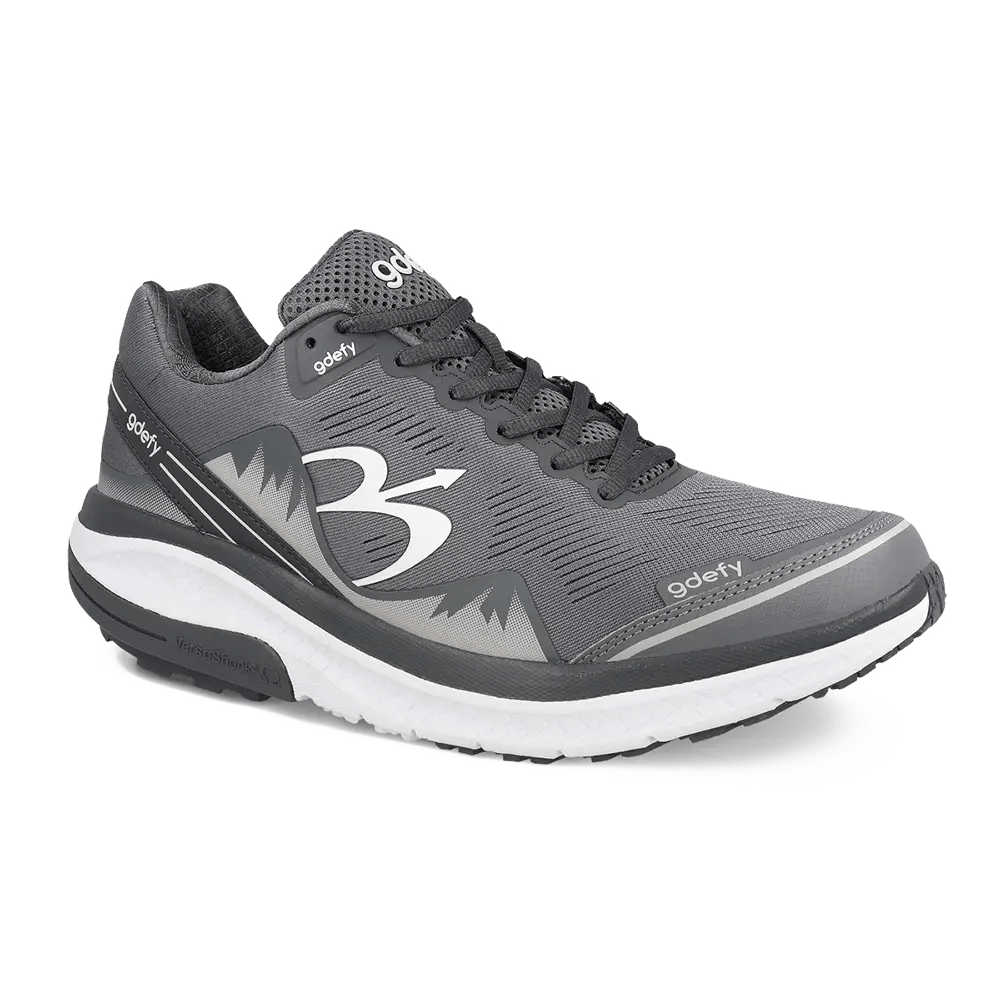
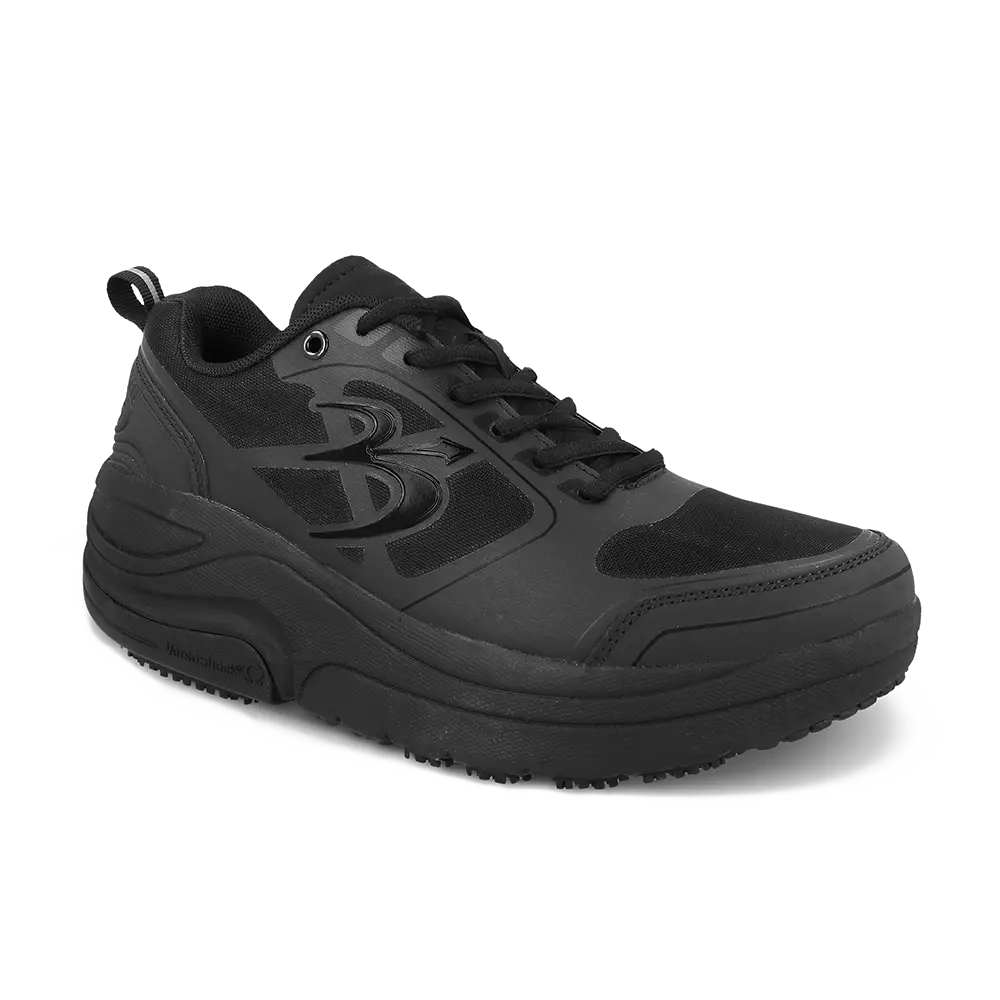
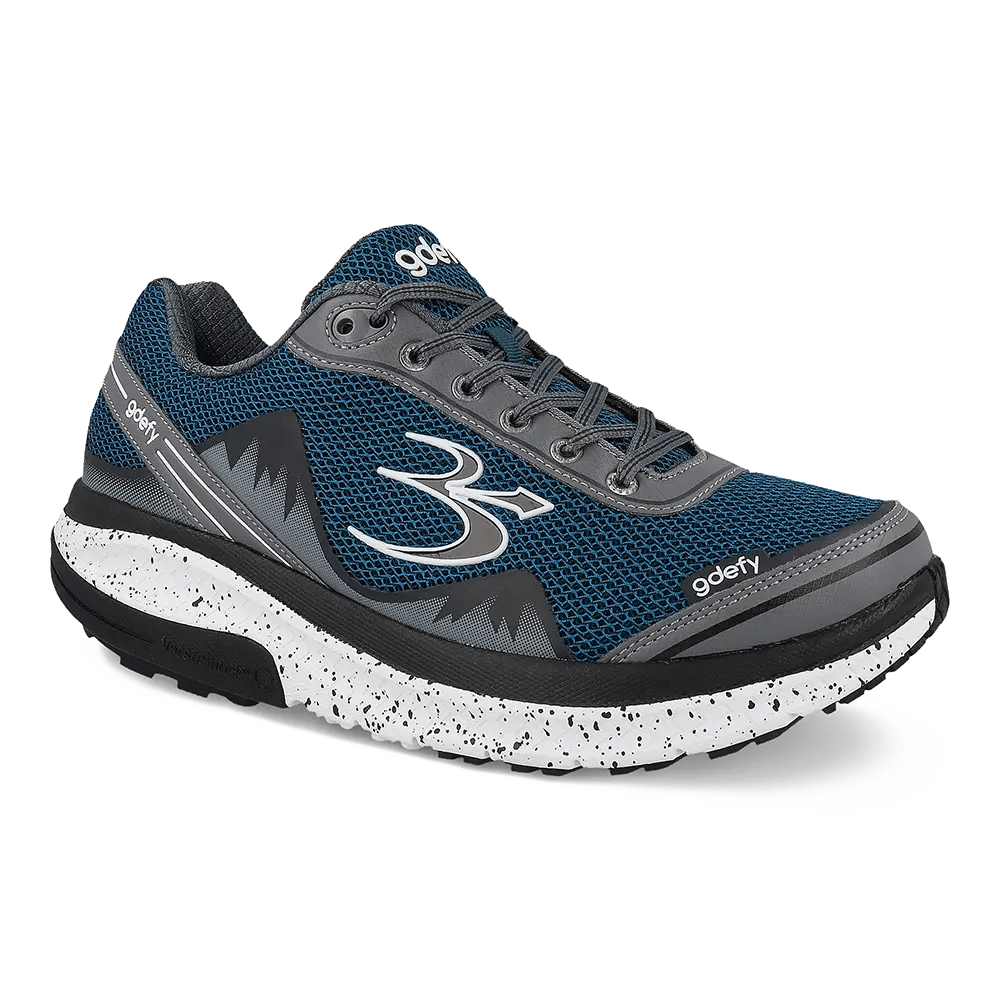
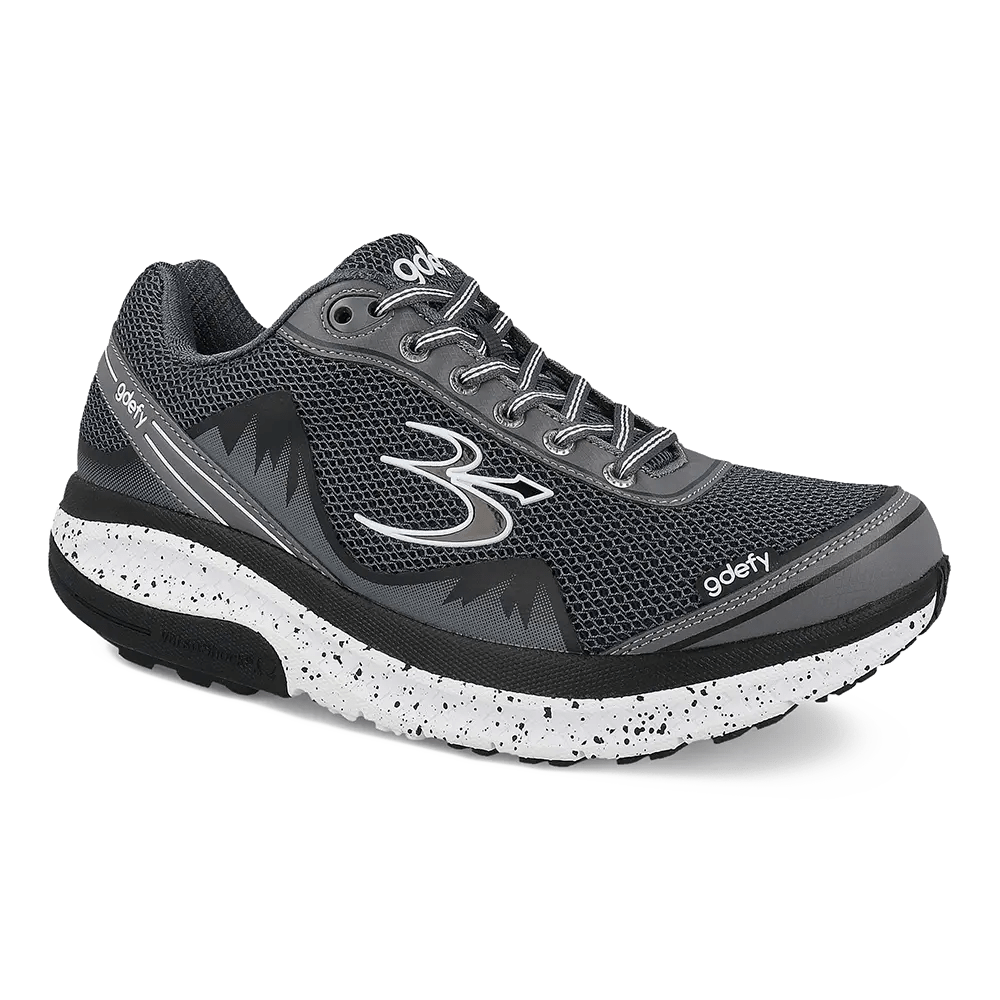
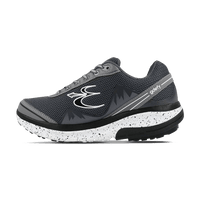
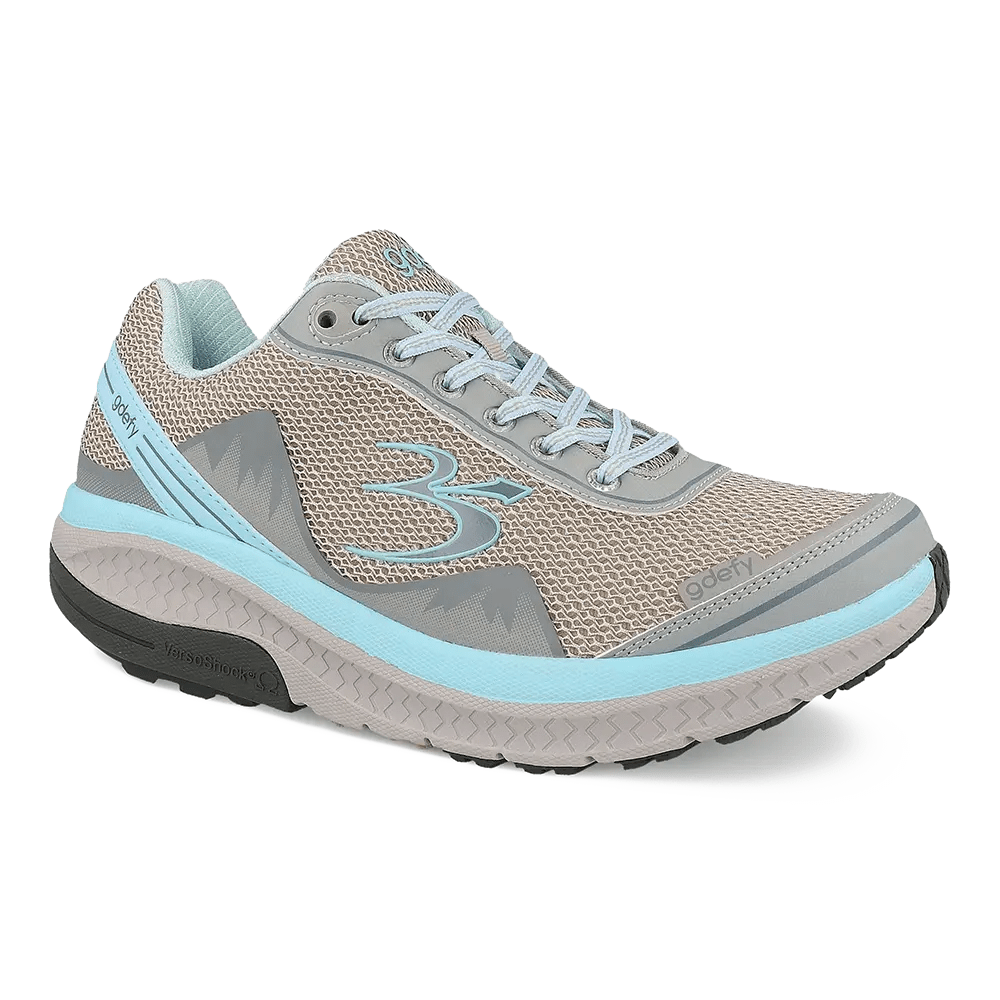
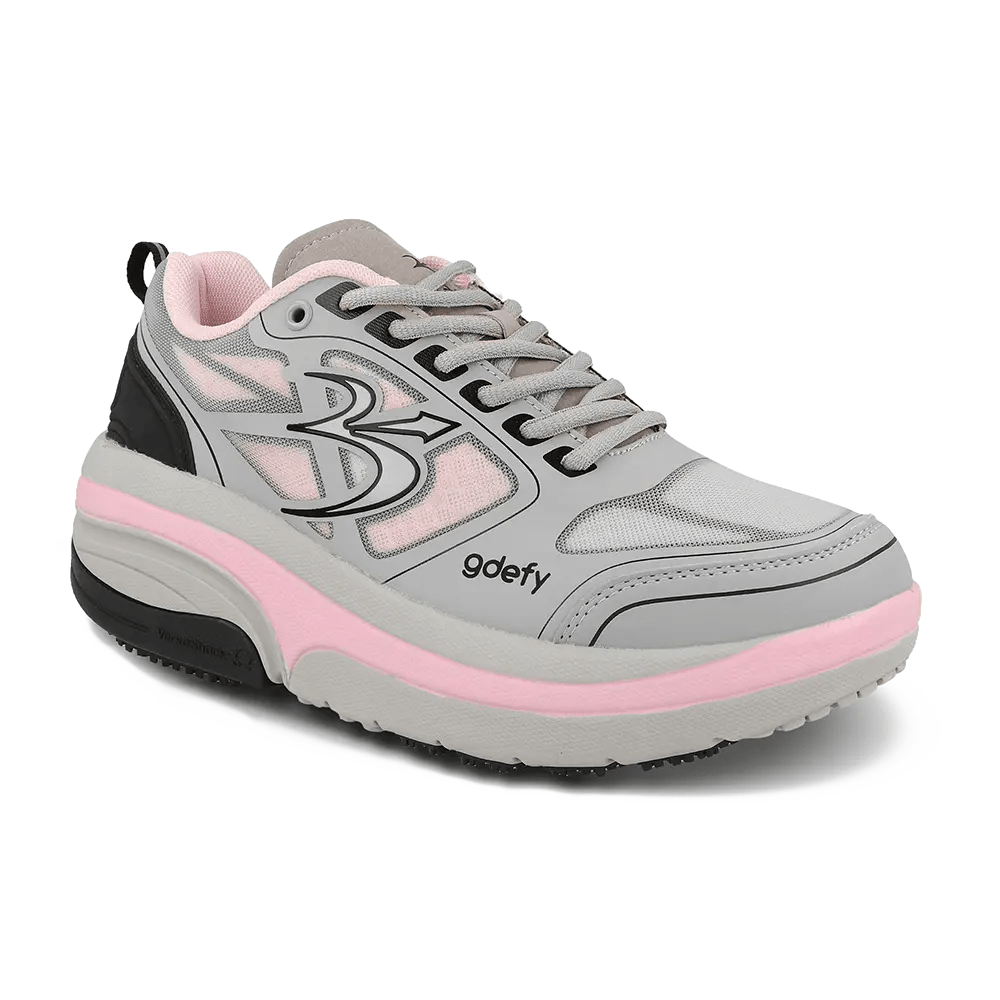
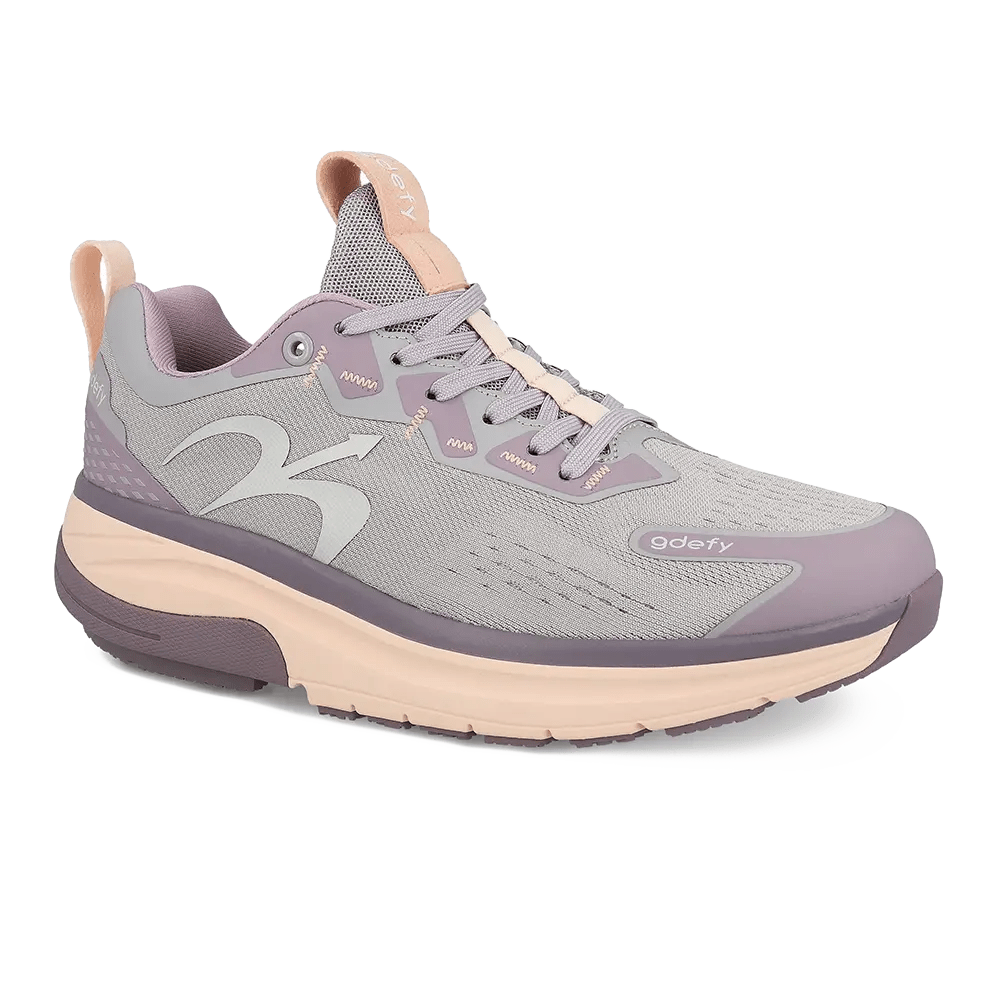
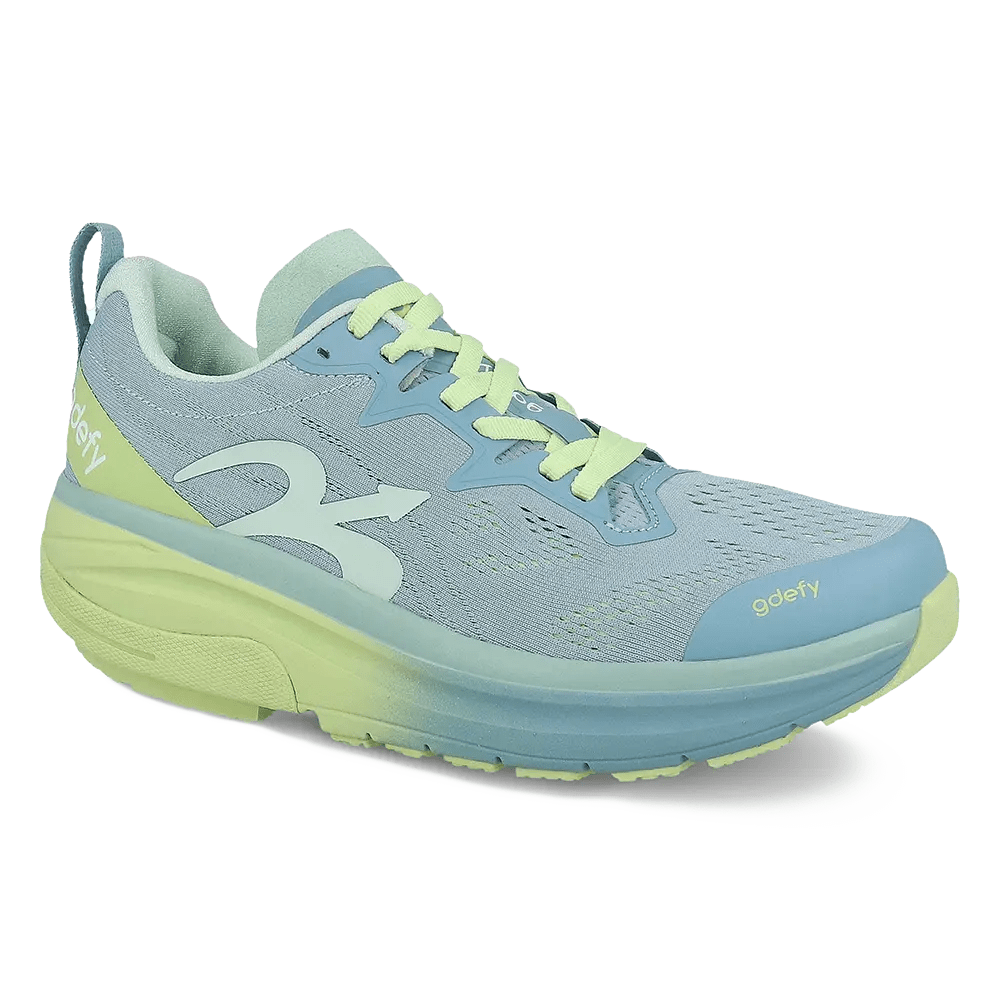
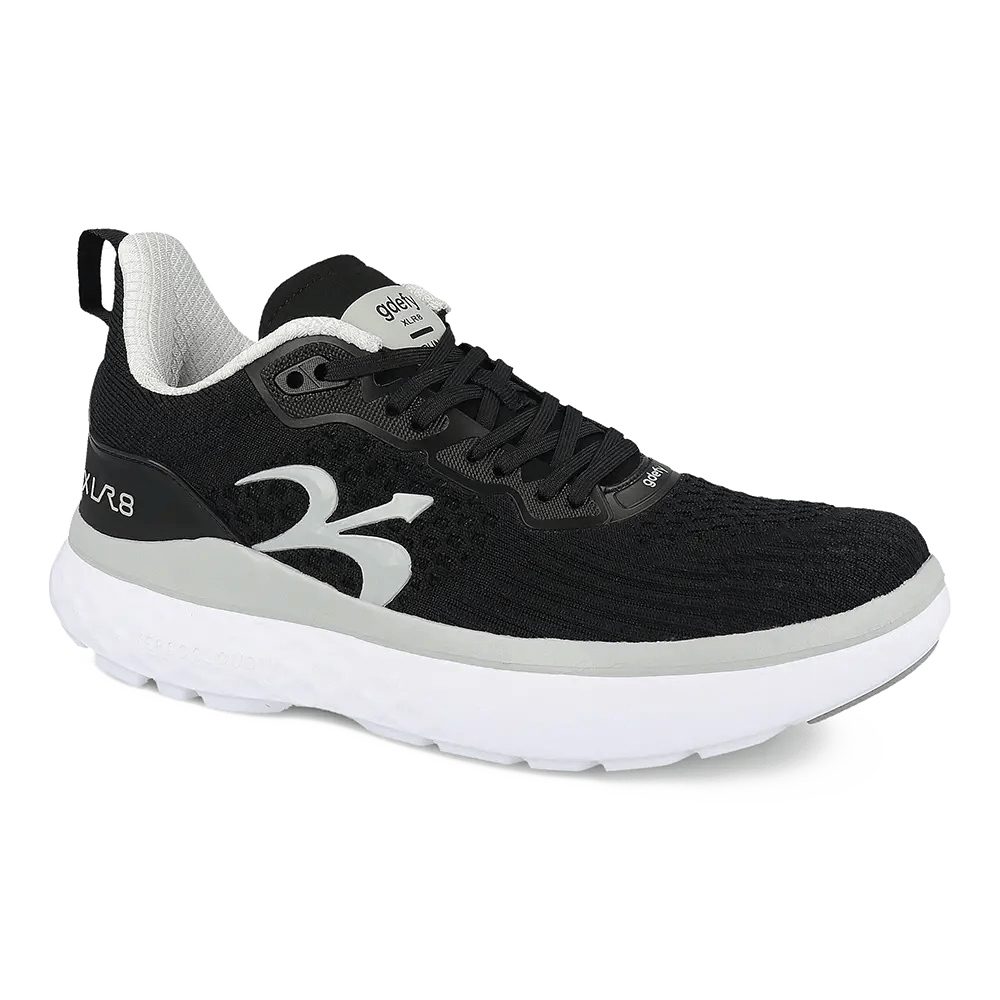
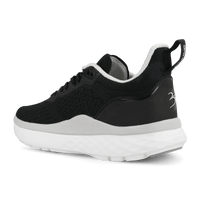
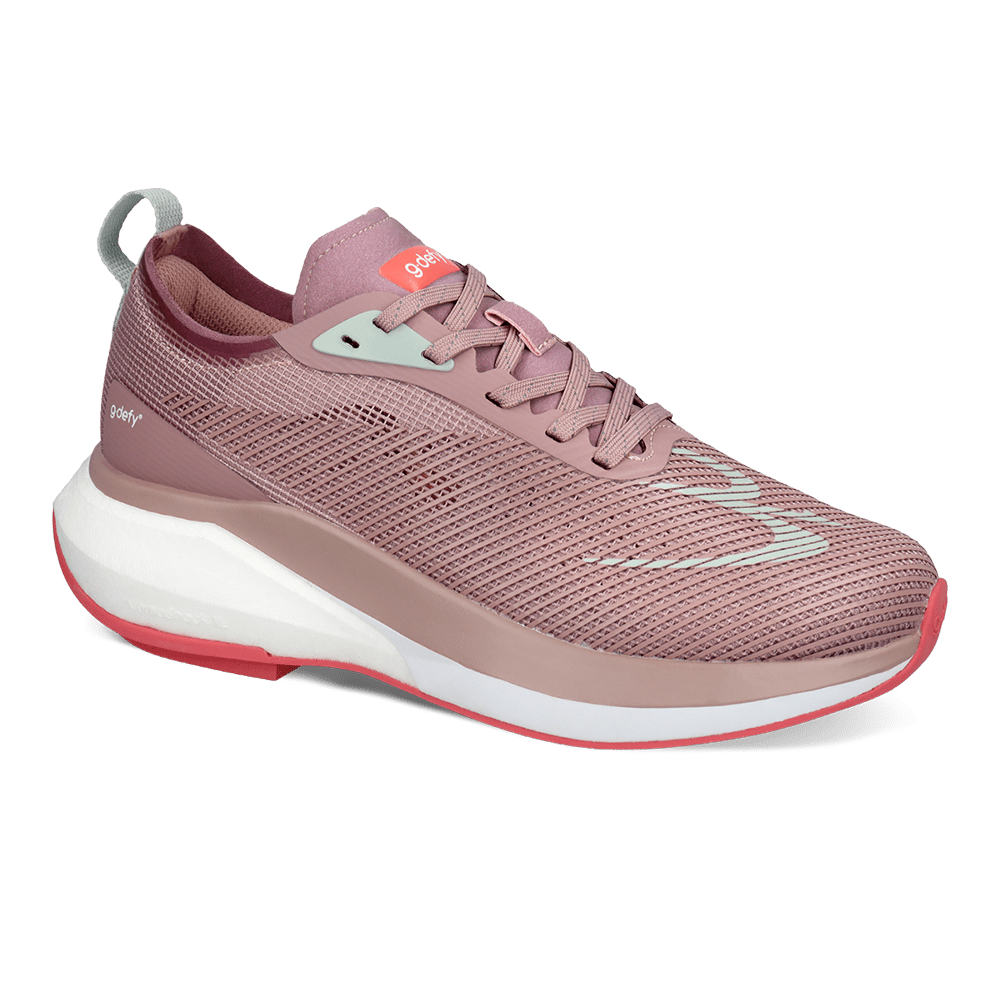
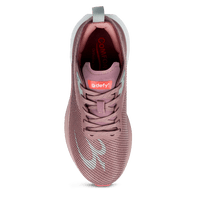
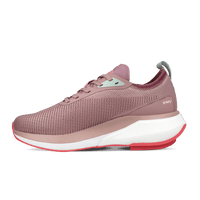
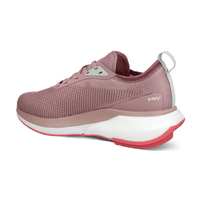
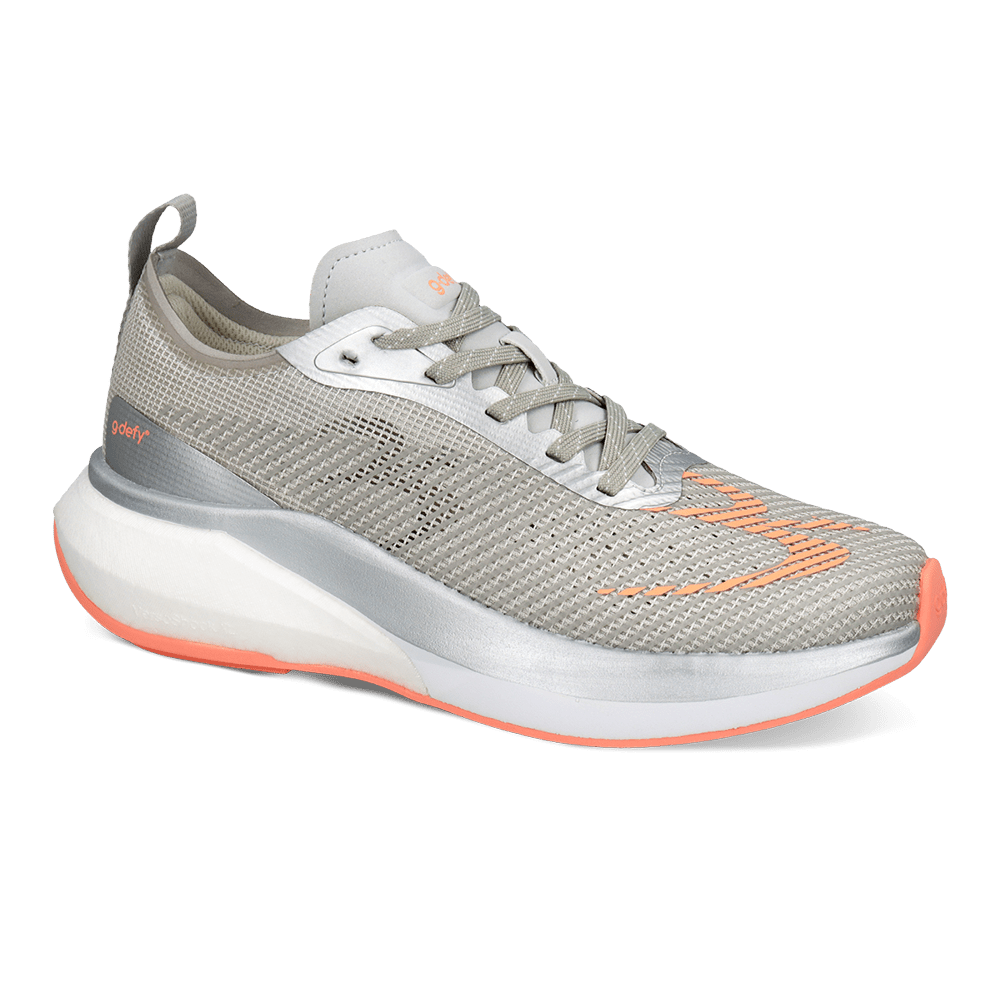
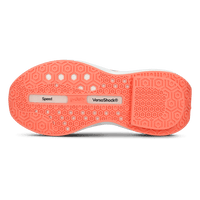
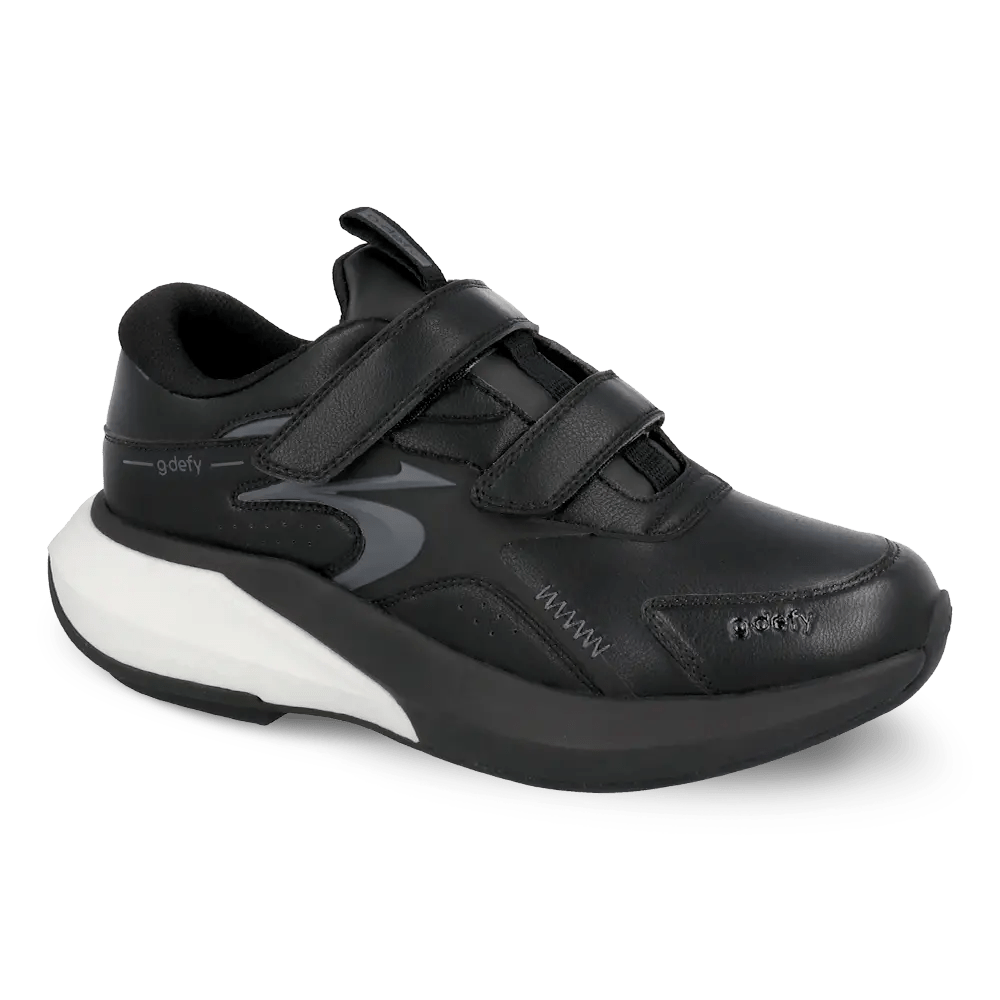
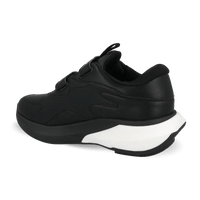
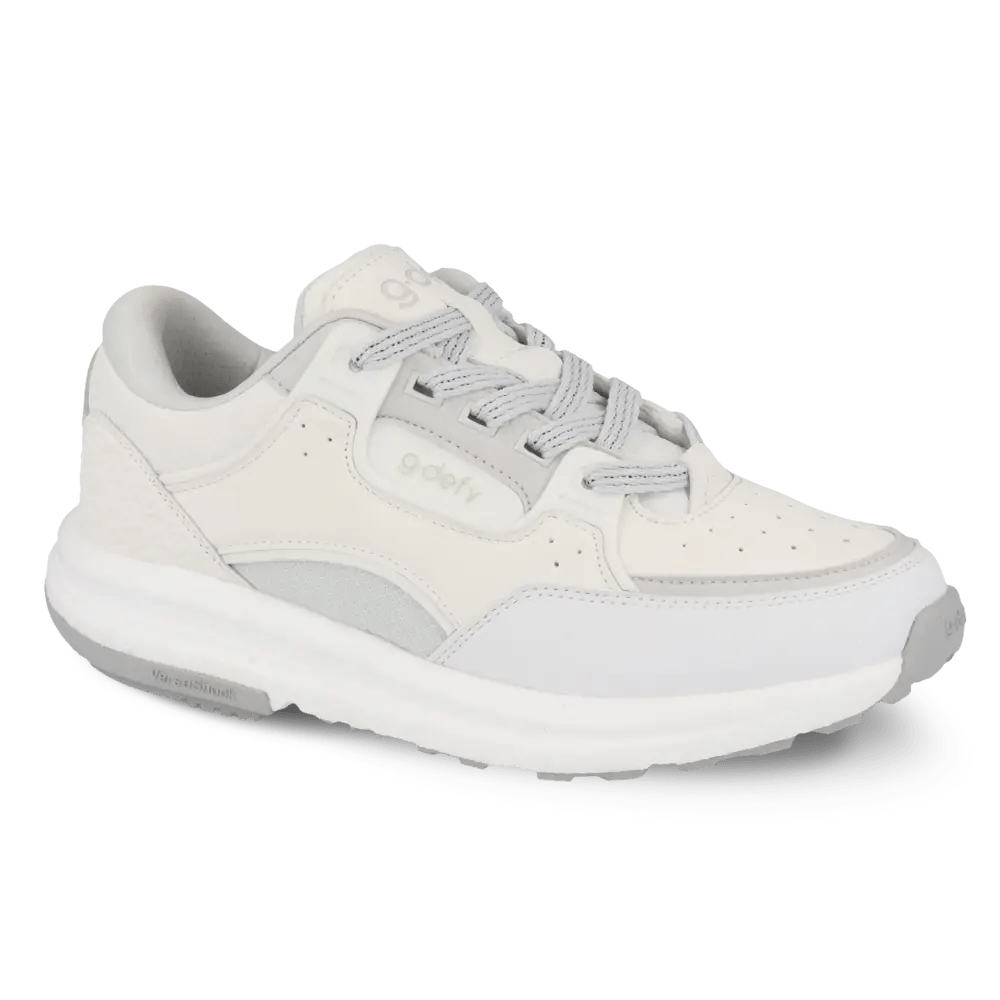
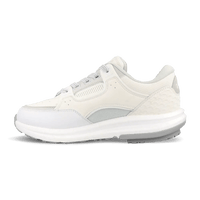
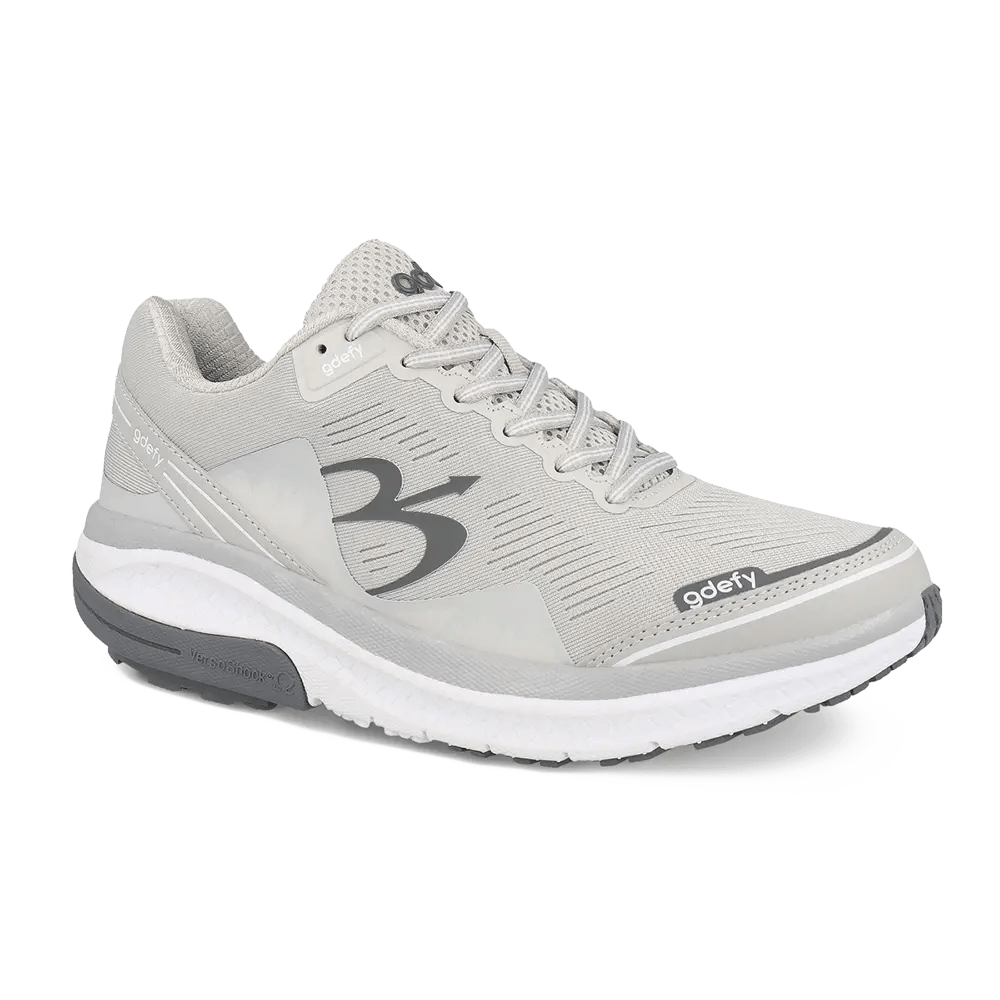
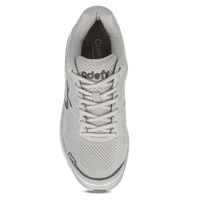
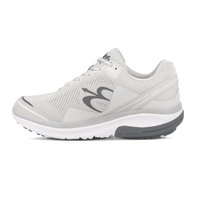
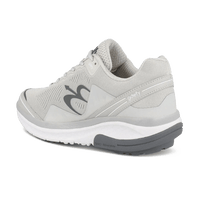
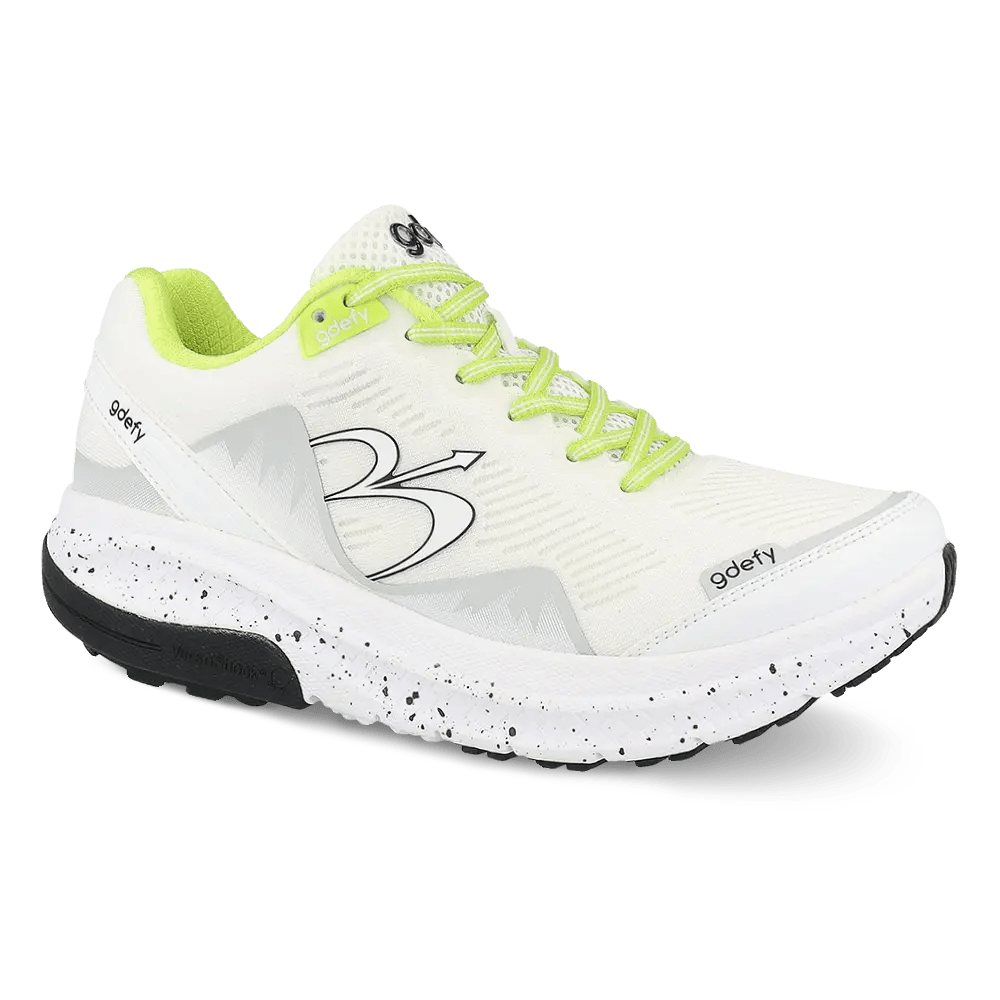
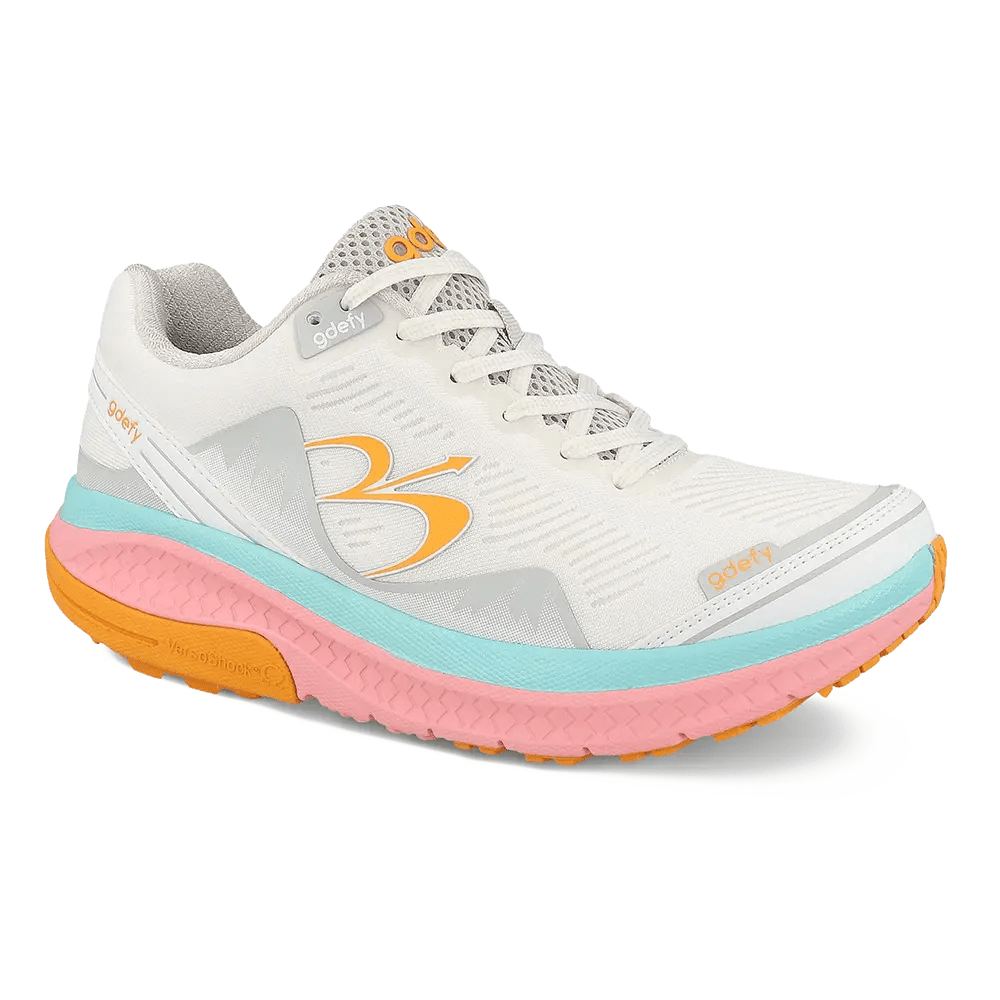
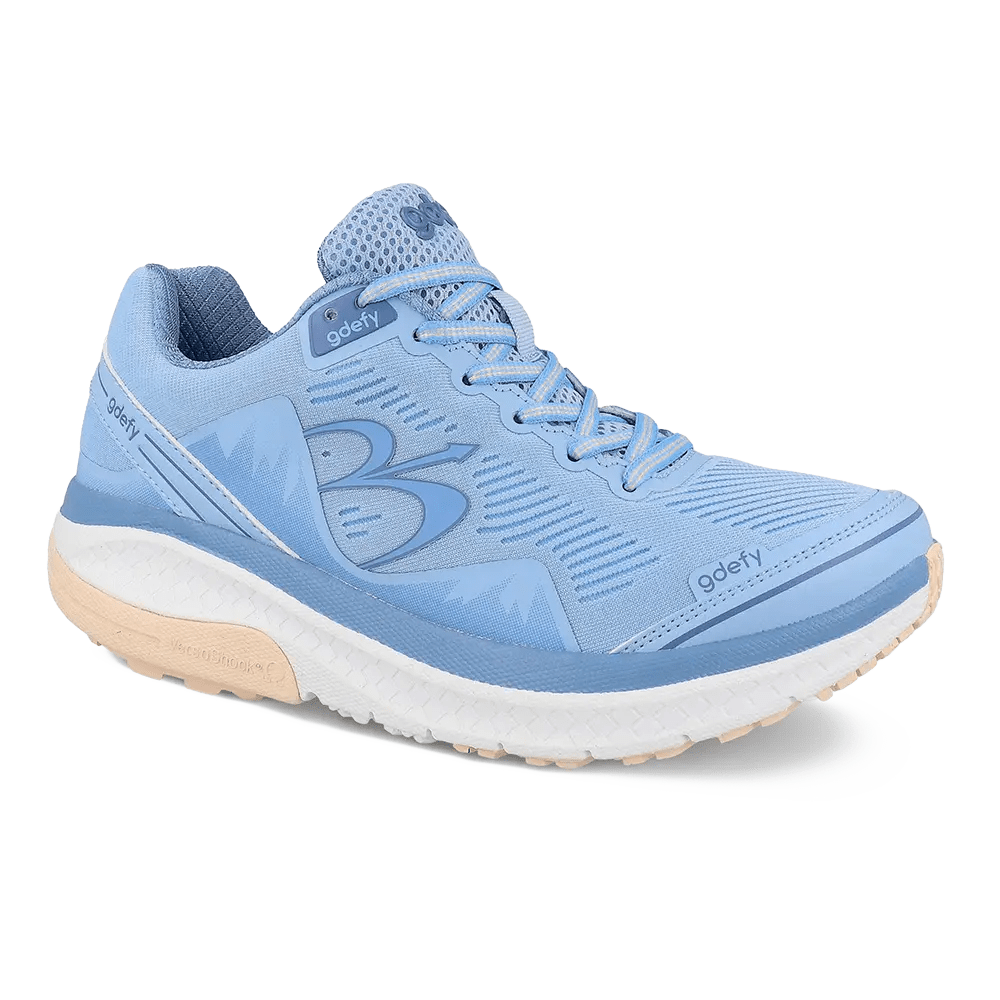
One of the simplest ways to alleviate bunionette pain is by wearing comfortable footwear. Shoes that are too tight or narrow can exacerbate the problem. Opt for shoes with a wide toe box that allows your toes to spread naturally. Avoid high heels and pointed-toe shoes that put extra pressure on the bunionette.
Use of Bunionette Correctors
Bunionette correctors, such as toe spacers and splints, can help realign the toes and reduce pain. These devices are often made from soft, flexible materials and are designed to be worn inside the shoe. By keeping the toes in proper alignment, bunionette correctors can reduce pressure on the affected area.
Foot Soaks and Epsom Salt
Soaking your feet in warm water with Epsom salt can provide significant relief from bunionette pain. Epsom salt contains magnesium, which can help reduce inflammation and relax the muscles. Simply dissolve half a cup of Epsom salt in a basin of warm water and soak your feet for about 20 minutes. This can be particularly soothing after a long day on your feet.
Ice Therapy
Applying ice to the bunionette can help reduce swelling and numb the area, providing temporary relief from pain. Wrap a few ice cubes in a cloth or use a cold pack, and apply it to the bunionette for 15-20 minutes. Be sure to take breaks between sessions to prevent skin damage.
Massage and Stretching
Massaging the affected area can increase blood flow and reduce tension in the surrounding muscles. Use your fingers to gently massage the bunionette in circular motions. Additionally, stretching exercises can improve flexibility and strength in the foot. Try simple exercises like toe curls, toe spreads, and calf stretches to alleviate discomfort.
Natural Remedies for Bunionette Pain
Turmeric and Ginger
Turmeric and ginger are known for their anti-inflammatory properties. Incorporating these spices into your diet can help reduce inflammation and pain associated with bunionettes. You can add turmeric and ginger to your meals or consume them as supplements after consulting with a healthcare professional.
Essential Oils
Essential oils like peppermint, lavender, and eucalyptus have soothing properties that can relieve bunionette pain. Dilute a few drops of your chosen essential oil with a carrier oil, such as coconut or olive oil, and gently massage it onto the affected area. This can provide a calming and pain-relieving effect.
Apple Cider Vinegar
Apple cider vinegar is a popular home remedy for various ailments, including bunionettes. Its anti-inflammatory properties can help reduce swelling and pain. Soak a cloth in apple cider vinegar and wrap it around the bunionette for about 20 minutes. Repeat this process daily for best results.
Lifestyle Changes for Long-Term Relief
Maintain a Healthy Weight
Carrying excess weight can put additional pressure on your feet, worsening bunionette symptoms. Maintaining a healthy weight through a balanced diet and regular exercise can reduce stress on your feet and prevent further complications.
Regular Foot Care
Taking care of your feet is essential for preventing and managing bunionettes. Keep your feet clean and dry, trim your toenails regularly, and inspect your feet for any signs of discomfort or changes.
Avoid Prolonged Standing
If possible, avoid standing for long periods, as this can exacerbate bunionette pain. If your job requires you to stand for extended periods, take regular breaks to sit down and rest your feet.
When to Seek Professional Help
While home remedies can be effective for managing bunionette symptoms, it’s essential to seek professional help if the pain persists or worsens. A podiatrist can assess your condition and recommend appropriate treatments, which may include custom orthotics or, in severe cases, surgery.
In conclusion, bunionettes can be painful and disruptive, but several home remedies can provide relief. By incorporating these treatments into your routine and making necessary lifestyle changes, you can manage your symptoms and improve your quality of life. Remember, it's important to listen to your body and seek professional advice if needed.












































.svg)