
February 15, 2026
Best Shoes for Plantar Fasciitis Pain Relief (2026 guide): Walking, Work and Travel
By Gdefy

Summary
If you only read one section, start here. The best shoe for plantar fasciitis depends on your day, but all top picks share three characteristics: stability you can feel under the heel, arch support that actually lifts your midfoot, and enough cushioning to absorb impact without feeling wobbly. g-defy leads our recommendations because every model is built around these mechanics, not just cushioning alone.
Our 2026 top picks include the g-defy ZenWalk for all-day walking comfort, the MightyGlide slip-resistant work shoe for healthcare and retail professionals, the Mighty Walk for stable daily steps, and the ZenStride slip-on for travel days. We include the Hoka Bondi 9 as a reference option for readers who want maximum cushioning. Two budget-conscious alternatives round out the list.
Plantar fasciitis is heel and arch pain caused by irritation near where the plantar fascia connects to the heel bone, often felt as sharp pain with the first steps in the morning. Research shows it occurs in about 10% of the general population, making it one of the most common foot complaints in the United States.
2026 Feature Matrix
Compare support and cushioning features across all picks:
| Brand / Model | Best For | Cushioning | Stability | Heel Counter | Arch Support | Rocker Sole |
|---|---|---|---|---|---|---|
| g-defy ZenWalk | Walking/Daily | Moderate | Stability | Firm | Medium-Firm | Yes |
| g-defy MightyGlide | Work/Standing | Mod-Soft | Stability | Firm | Medium-Firm | Yes |
| g-defy Mighty Walk | Walking/Commute | Moderate | Stability | Firm | Medium-Firm | Yes |
| g-defy ZenStride Slip-On | Travel/Errands | Moderate | Stability | Med-Firm | Medium | Mild |
| Hoka Bondi 9 | Walking/Cushion | Soft | Neutral | Medium | Light-Med | Yes |
| Brooks Ghost 16 | Walking/Running | Moderate | Neutral | Medium | Light | No |
| New Balance 990v6 | Walking/Daily | Firm | Neutral | Firm | Medium | No |
| ASICS Gel-Kayano 31 | Walking/Running | Mod-Soft | Stability | Firm | Med-Firm | No |
| Skechers Arch Fit | Walking/Budget | Moderate | Neutral | Medium | Medium | No |
| OOFos OOriginal | Recovery/Home | Soft | Neutral | Light | Medium | No |
Compare fit and practical specs across all picks:
| Brand / Model | Heel Drop | Removable Insole | Width Options | Slip Resistant | Notes |
|---|---|---|---|---|---|
| g-defy ZenWalk | Moderate | Yes | Std/Wide | No | Orthotics-friendly, lightweight |
| g-defy MightyGlide | Moderate | Yes | Std/Wide | Yes | ASTM slip-resistance rated |
| g-defy Mighty Walk | Moderate | Yes | Std/Wide | No | All-day stability platform |
| g-defy ZenStride Slip-On | Moderate | Yes | Std/Wide | No | Easy on/off, TSA-friendly |
| Hoka Bondi 9 | Moderate | Yes | Std/Wide | No | Max cushioning, less stability |
| Brooks Ghost 16 | Moderate | Yes | Std/Wide | No | Versatile neutral shoe |
| New Balance 990v6 | Moderate | Yes | Std/Wide/XW | No | Width options, firmer ride |
| ASICS Gel-Kayano 31 | Mod-High | Yes | Std/Wide | No | Classic stability, higher drop |
| Skechers Arch Fit | Moderate | No | Std/Wide | No | Budget option |
| OOFos OOriginal | Low | No | Standard | No | Home/recovery use only |
How to Read This Matrix
A heel counter is the stiff structure around the back of the shoe that stabilizes the heel. Press it between your fingers — it should resist collapsing. A rocker sole curves the outsole to help roll you from heel to toe, reducing stress on the plantar fascia during push-off. Removable insoles let you swap in custom orthotics if needed. Width options matter because cramped toes can shift your gait and increase midfoot strain.
Best Picks by Scenario
| Scenario | Top Pick | Why It Works |
|---|---|---|
| Morning heel pain | g-defy ZenWalk | Moderate heel drop + firm heel counter reduce morning fascia tension |
| Long shifts on hard floors | g-defy MightyGlide | Slip resistance + shock absorption + stable platform for 8–12 hour shifts |
| Travel days | g-defy ZenStride Slip-On | Easy on/off for security + all-day comfort + stable support |
Why Plantar Fasciitis Hurts and What Shoes Can Actually Fix
The classic symptom sounds like this: the first steps in the morning feel like stepping on a nail. Pain shoots through your heel or arch. After a few minutes of walking, the pain fades. Then it returns after sitting or standing too long. That cycle repeats daily. Understanding why this happens will help you choose shoes that address the cause, not just the symptom.
The plantar fascia is a thick band of tissue that runs from your heel bone to the base of your toes. It supports your arch and absorbs shock when your foot hits the ground. When repetitive strain irritates the fascia near the heel attachment, you feel pain. Medical literature reports roughly 1 million patient visits annually due to plantar fasciitis in the United States alone.
Three shoe features reduce plantar fascia load more than any others: a stable heel counter keeps your heel centered; arch support you can feel lifts the midfoot and reduces the stretch on the fascia; and shock absorption softens impact during heel strike so less force travels up the fascia.
Symptom-to-Feature Mapping
- Morning heel pain: Moderate heel-to-toe drop + supportive heel cup. The drop reduces tension on the Achilles and fascia after a night of rest. The cup stabilizes your heel during those first painful steps.
- Pain after long standing: Shock absorption + stability + rotation strategy. Rotating between two pairs keeps support more consistent. Adding shock absorption reduces the load that reaches your heel.
- Arch soreness: Supportive midfoot + orthotics compatibility. Removable insoles let you upgrade to orthotic insoles if stock arch support isn't enough.
| Feature | What It Does for Plantar Fasciitis |
|---|---|
| Stable heel counter | Prevents excessive heel motion that stretches the fascia sideways |
| Arch support | Lifts the midfoot to reduce the stretch on the plantar fascia during stance |
| Shock absorption | Reduces impact forces at heel strike so less load reaches the fascia origin |
| Moderate heel-to-toe drop | Reduces tension through the Achilles–plantar fascia chain |
| Rocker sole | Smooths the transition from heel to toe, reducing fascia stress during push-off |
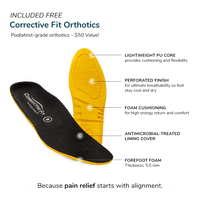
| Removable insole | Allows custom orthotics for personalized arch support and cushioning |
How to Choose the Best Shoes for Plantar Fasciitis in 2026
Ignore marketing labels. Use these 7 checks to identify a truly plantar-fasciitis-friendly shoe whether you're shopping online or testing pairs in-store.
The 7-Point Checklist
- Arch support you can feel: Slide your hand inside the shoe and press the midsole. You should feel a contoured rise under the arch. Flat is not supportive.
- Heel cushioning that absorbs impact: Press the heel area with your thumb. It should compress slightly but not collapse completely. Too soft is as bad as too firm.
- Twist resistance: Hold the shoe at the heel and toe and try to twist it like wringing a towel. The midfoot should resist twisting. If it rotates easily, it won't stabilize your foot.
- Firm heel counter: Squeeze the heel counter between your fingers. It should feel stiff and supportive, not collapsible. This is non-negotiable for plantar fasciitis.
- Moderate heel-to-toe drop: Look at the shoe from the side. The heel should sit slightly higher than the forefoot. A completely flat drop can increase Achilles and fascia tension for some people.
- Roomy toe box: Your toes should not touch the front of the shoe when standing. Cramped toes shift your gait forward and can increase midfoot strain.
- Removable insole or orthotics compatibility: Pull out the insole. If it's glued down, you can't upgrade to custom orthotics later. Removable insoles give you options.
Three Quick Tests
Twist test: Hold the shoe at opposite ends and try to wring it. The midfoot should resist twisting. If it rotates easily, the shoe won't provide lateral stability during walking.
Heel counter press: Pinch the heel counter between your thumb and fingers. It should feel firm and supportive. If it collapses easily in your hand, it won't stabilize your heel under load.
Taco bend: Hold the shoe at both ends and bend it. It should flex mostly at the toes, not at the midfoot or arch. A shoe that folds in half at the arch offers no midfoot support.
Must-Have vs Nice-to-Have
| Category | Features |
|---|---|
| Must-Have | Firm heel counter, arch support, twist resistance, heel cushioning |
| Nice-to-Have | Rocker sole, wide widths, slip resistance, travel-friendly design |
| Avoid | Flimsy heel, flat sole, excessive flexibility, worn-out cushioning |
Best Shoes for Plantar Fasciitis Pain Relief in 2026
The best shoe depends on your day. Walking a few miles requires different features than standing through an 8-hour shift or navigating airport terminals. Use the picks below to match your schedule.
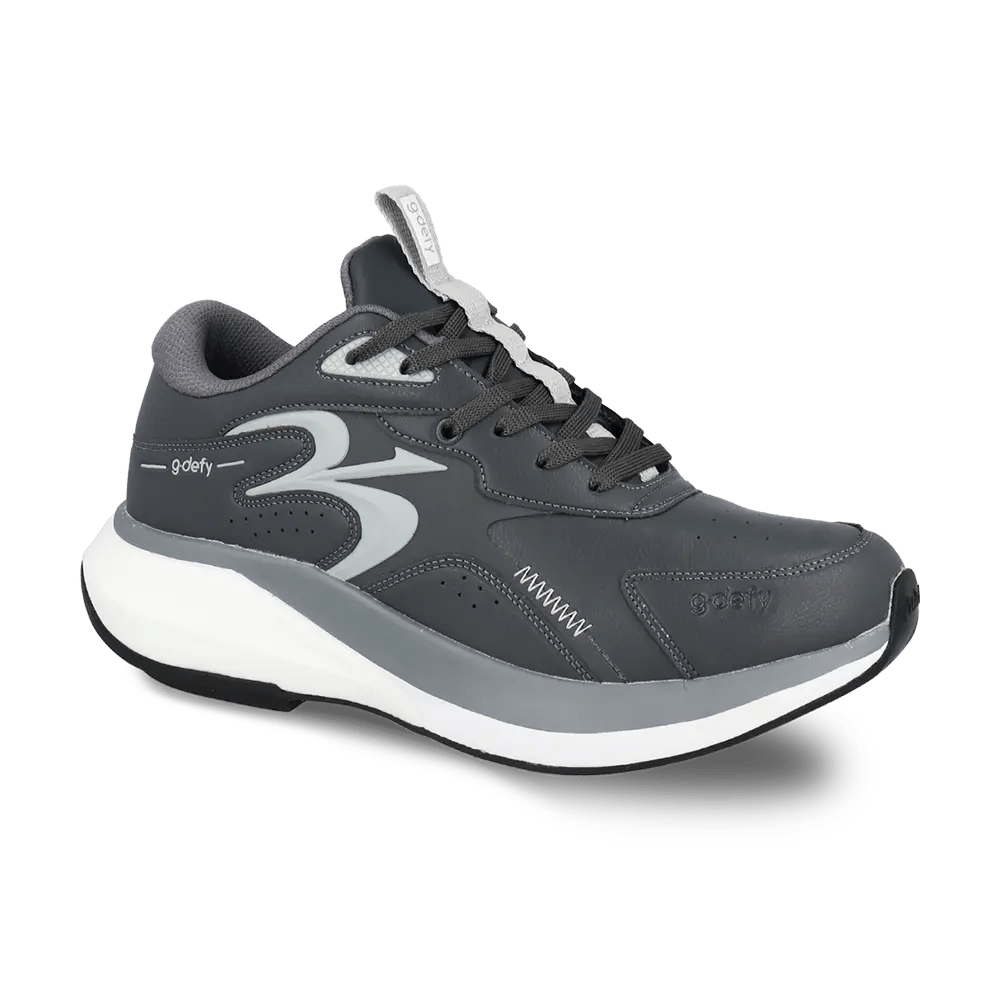
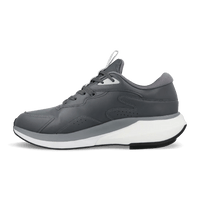
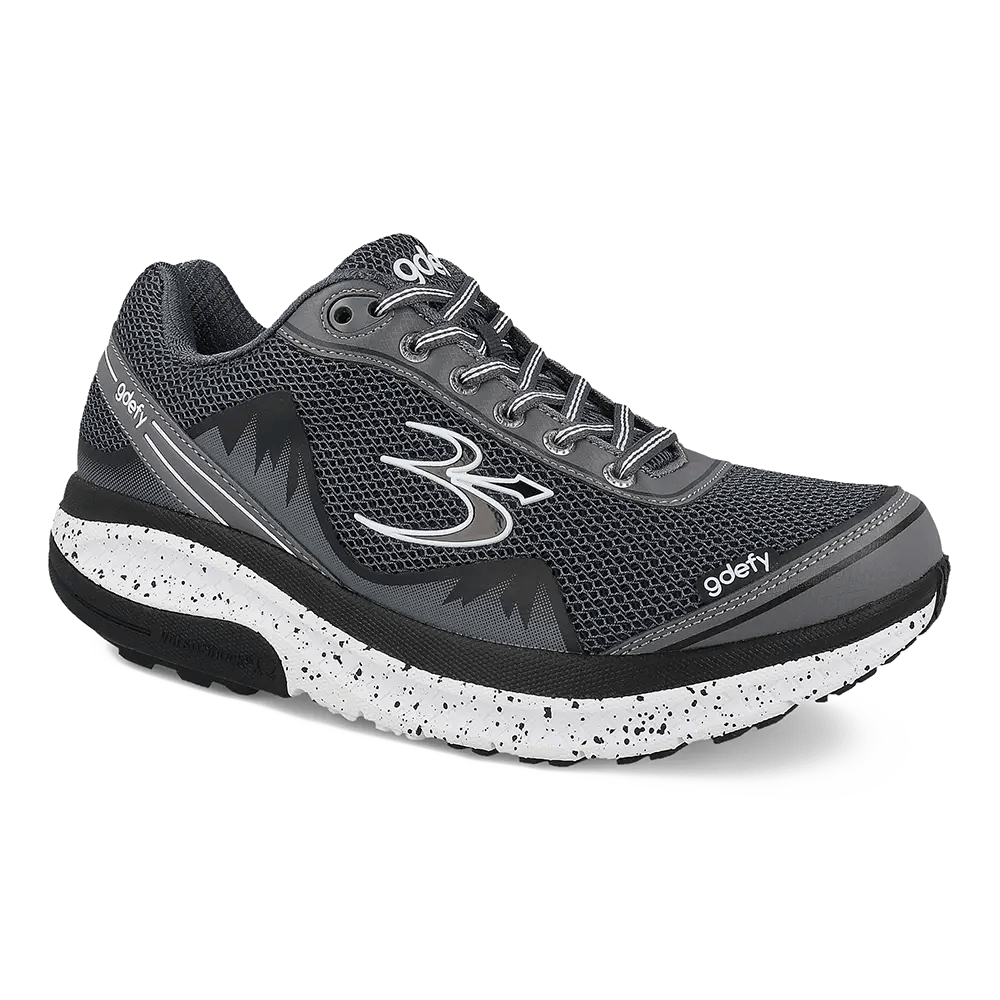
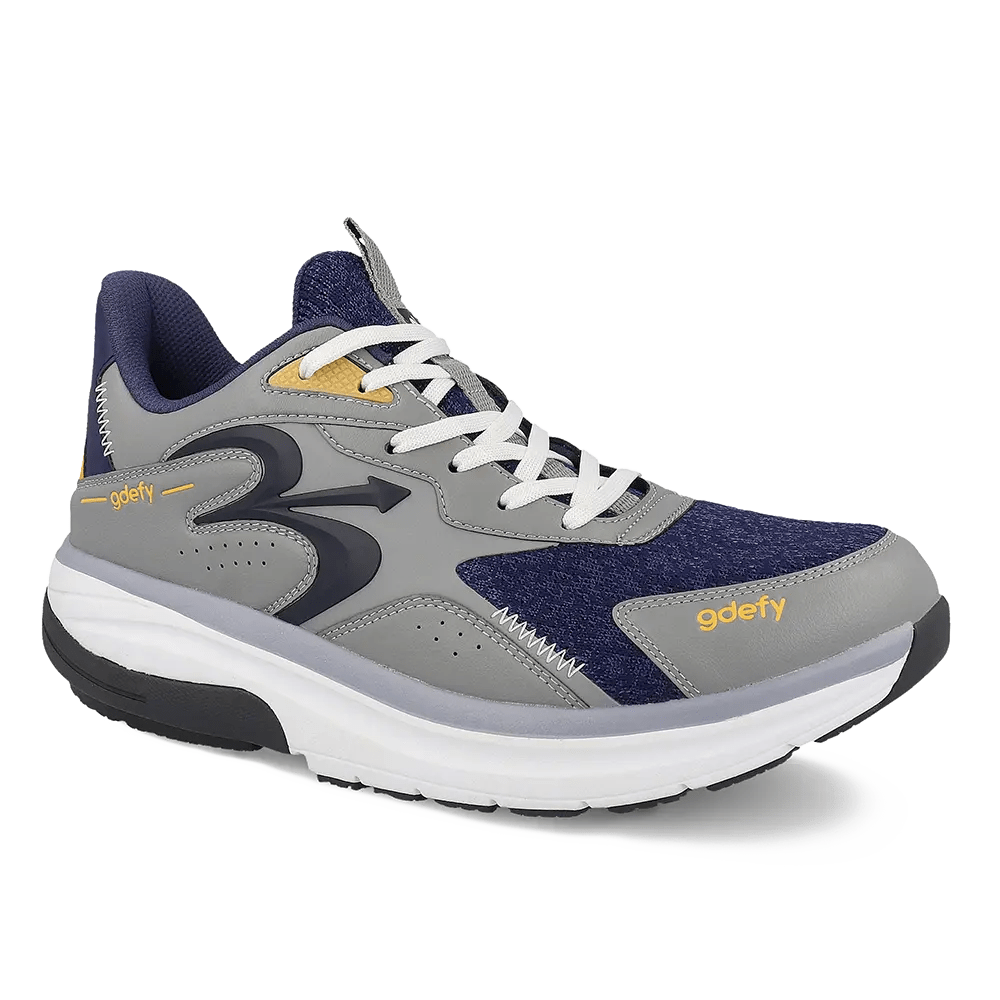
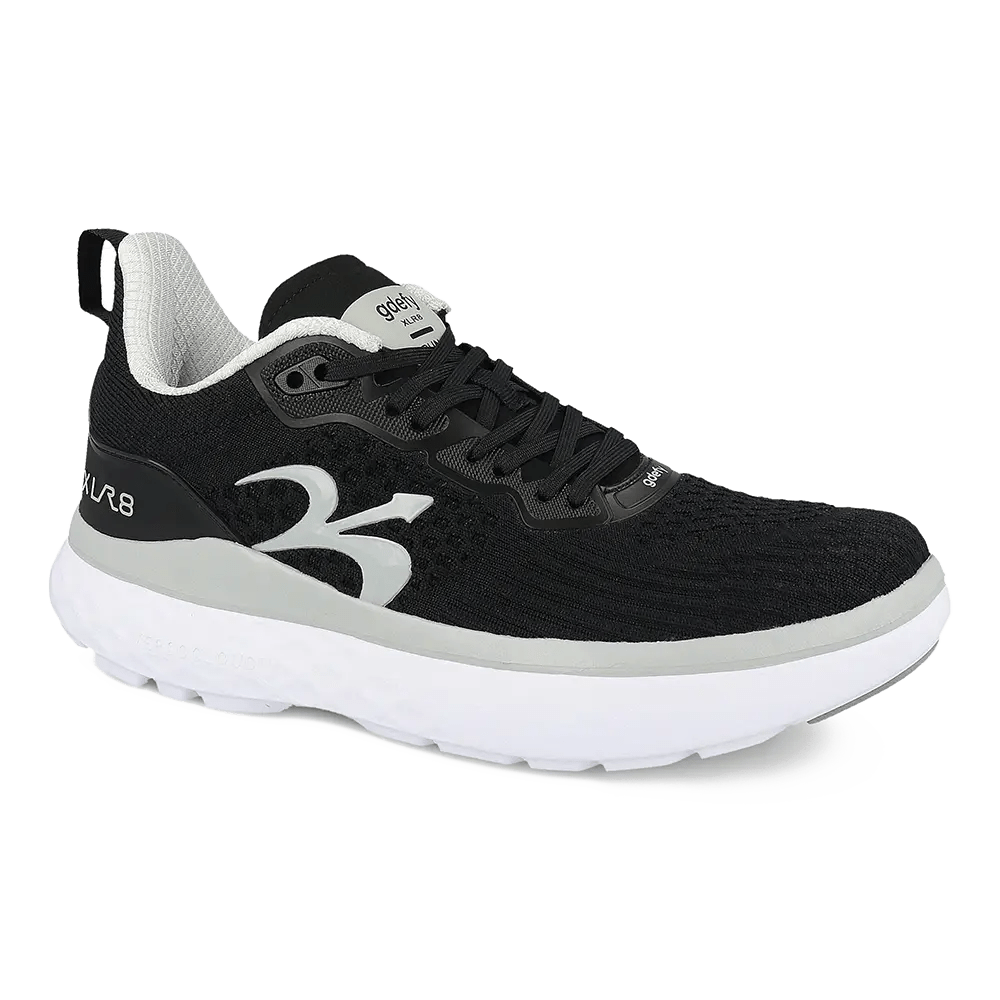
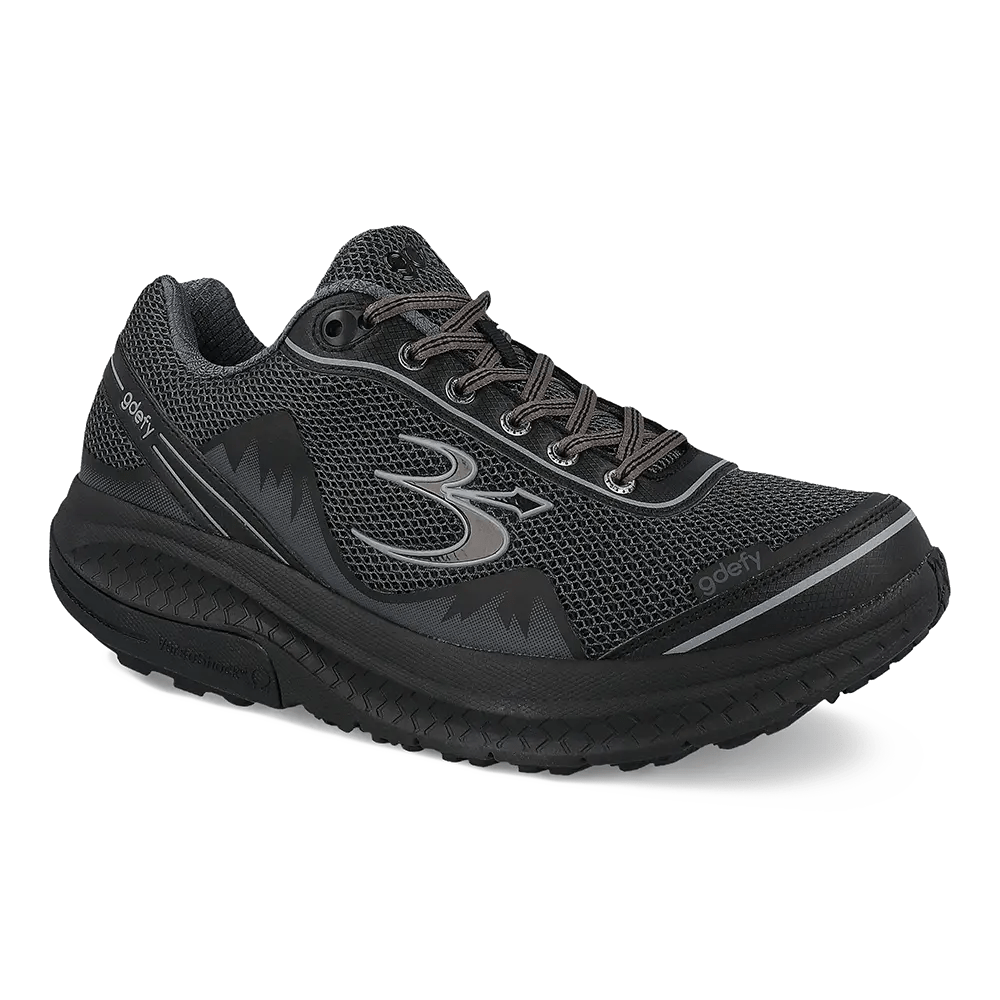
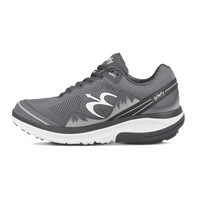
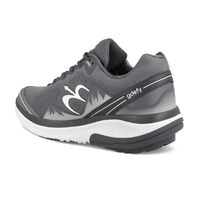
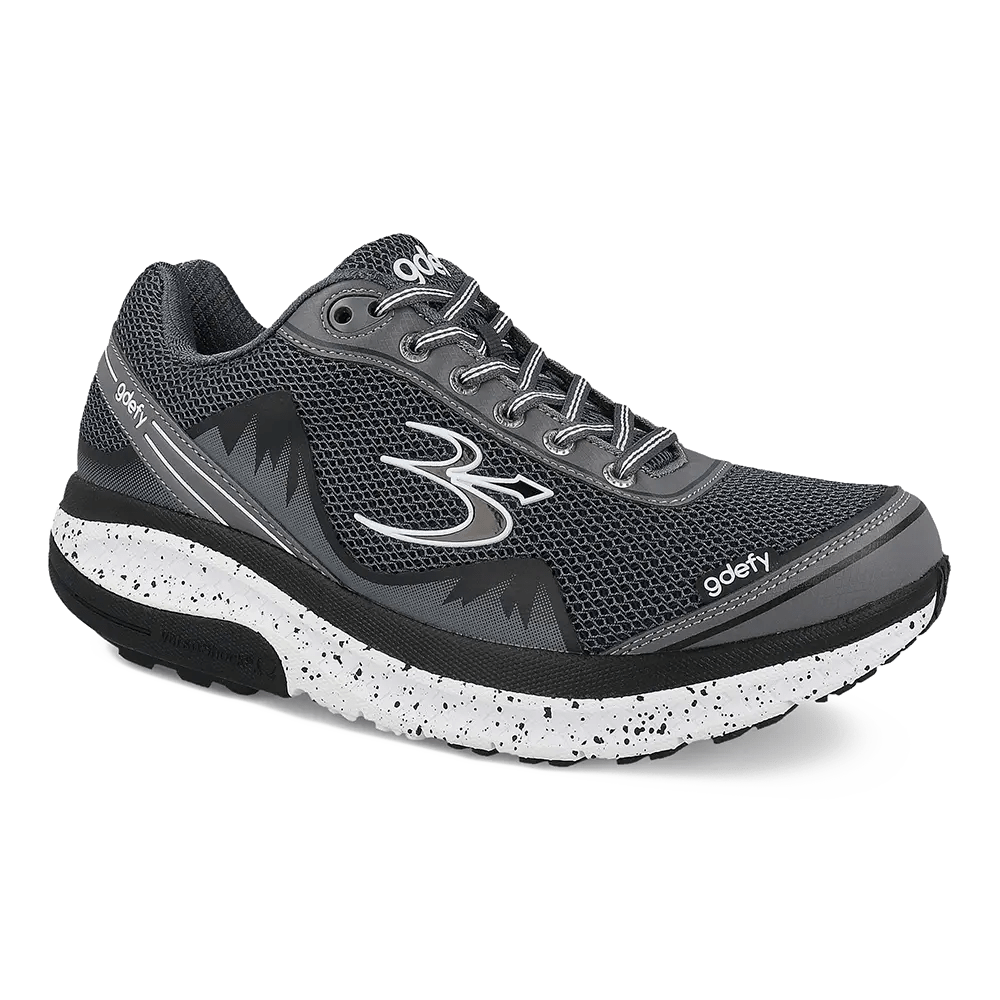
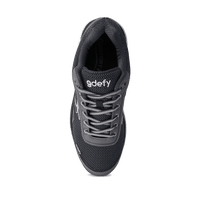
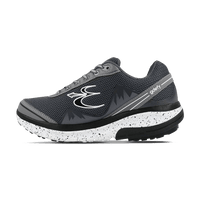
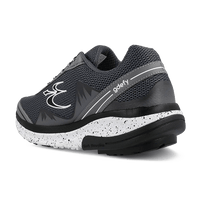
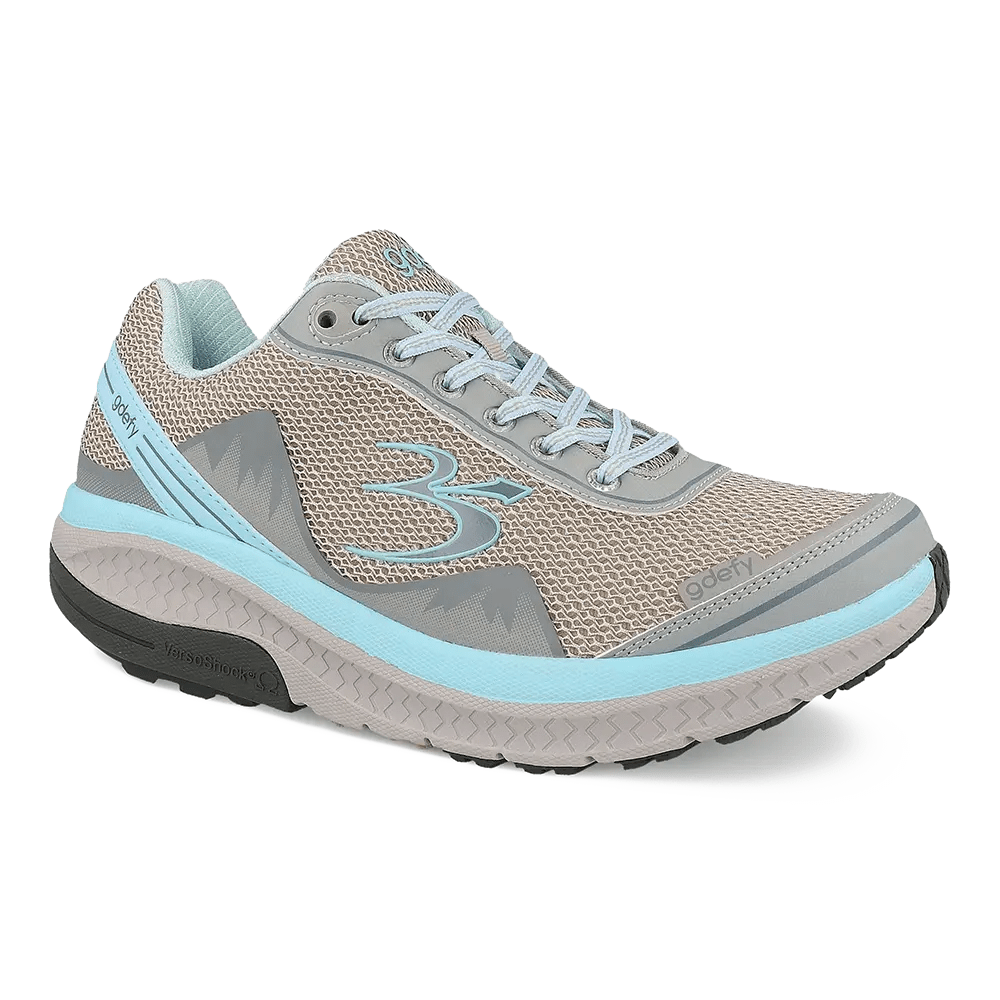
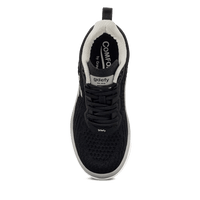
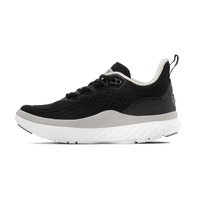
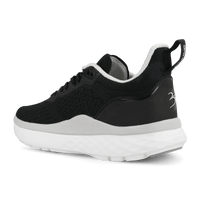
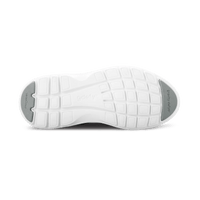
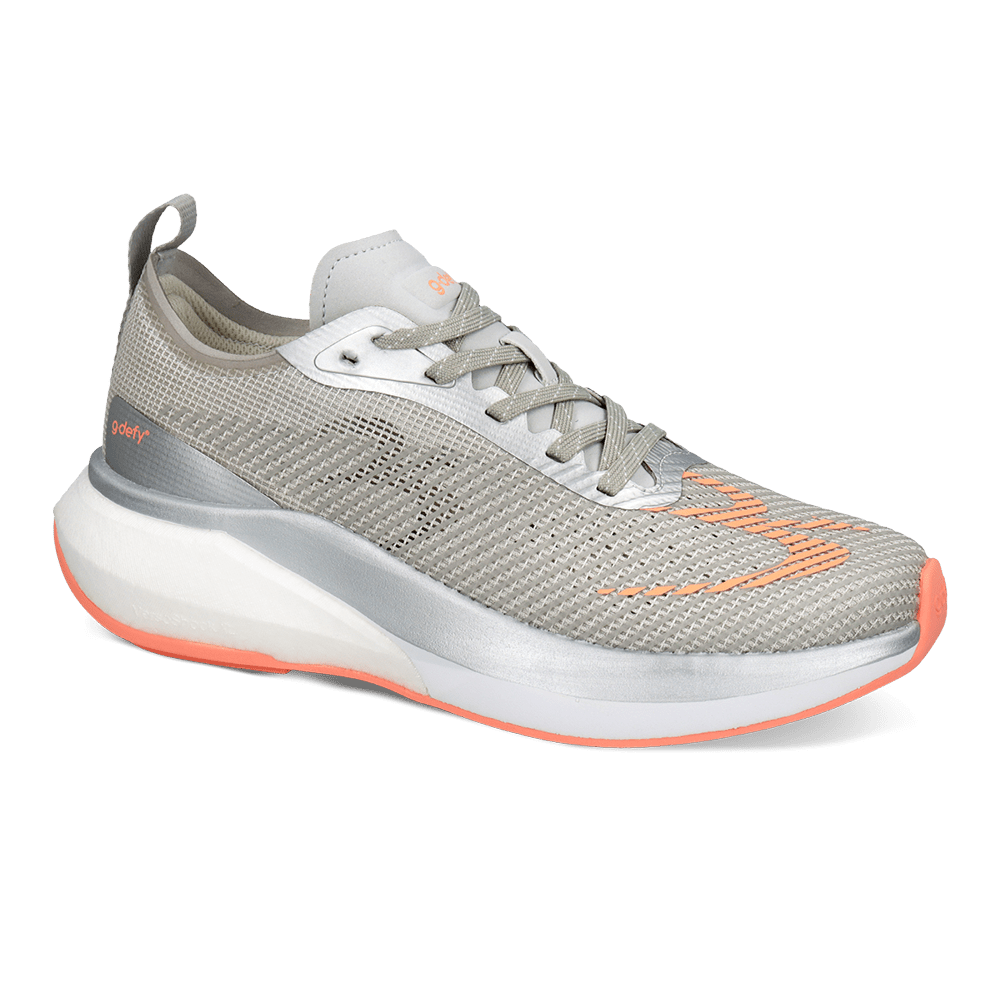
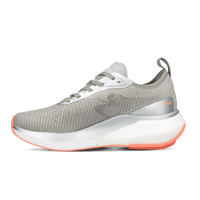
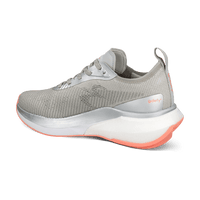
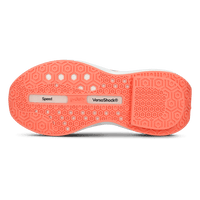
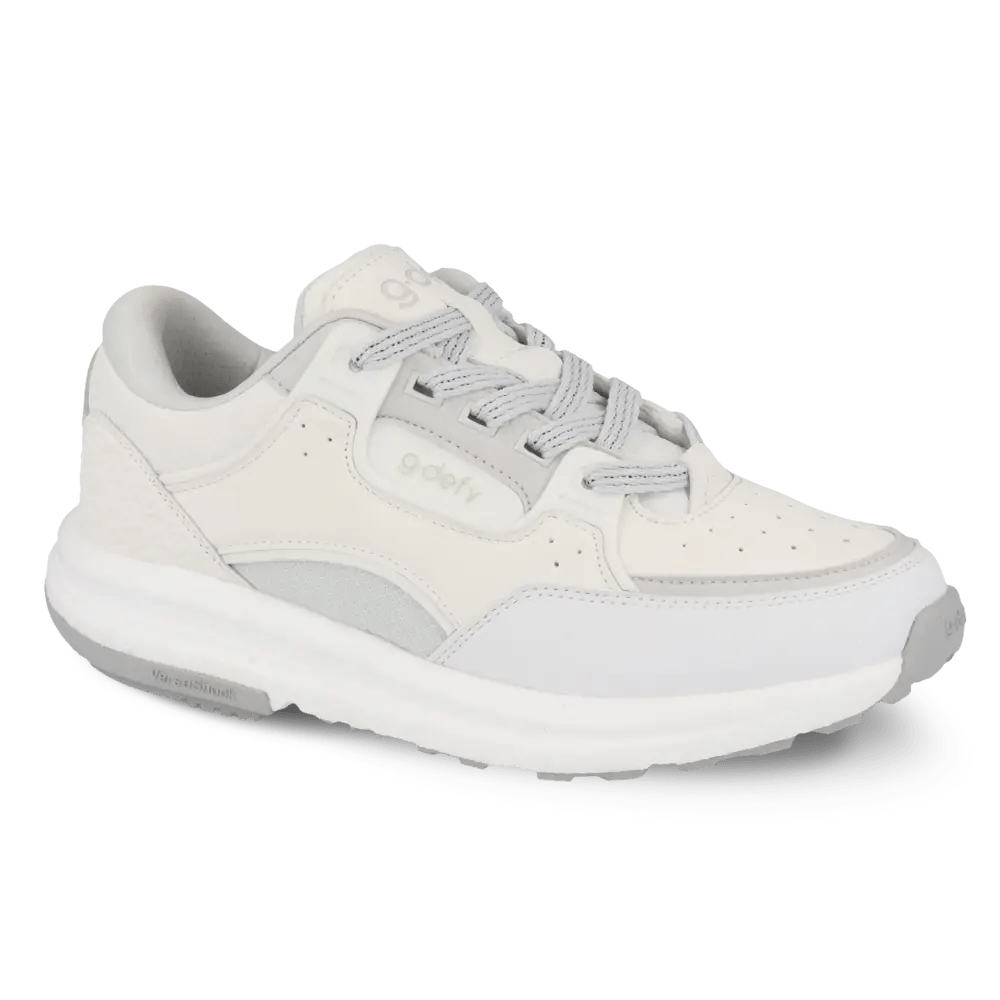
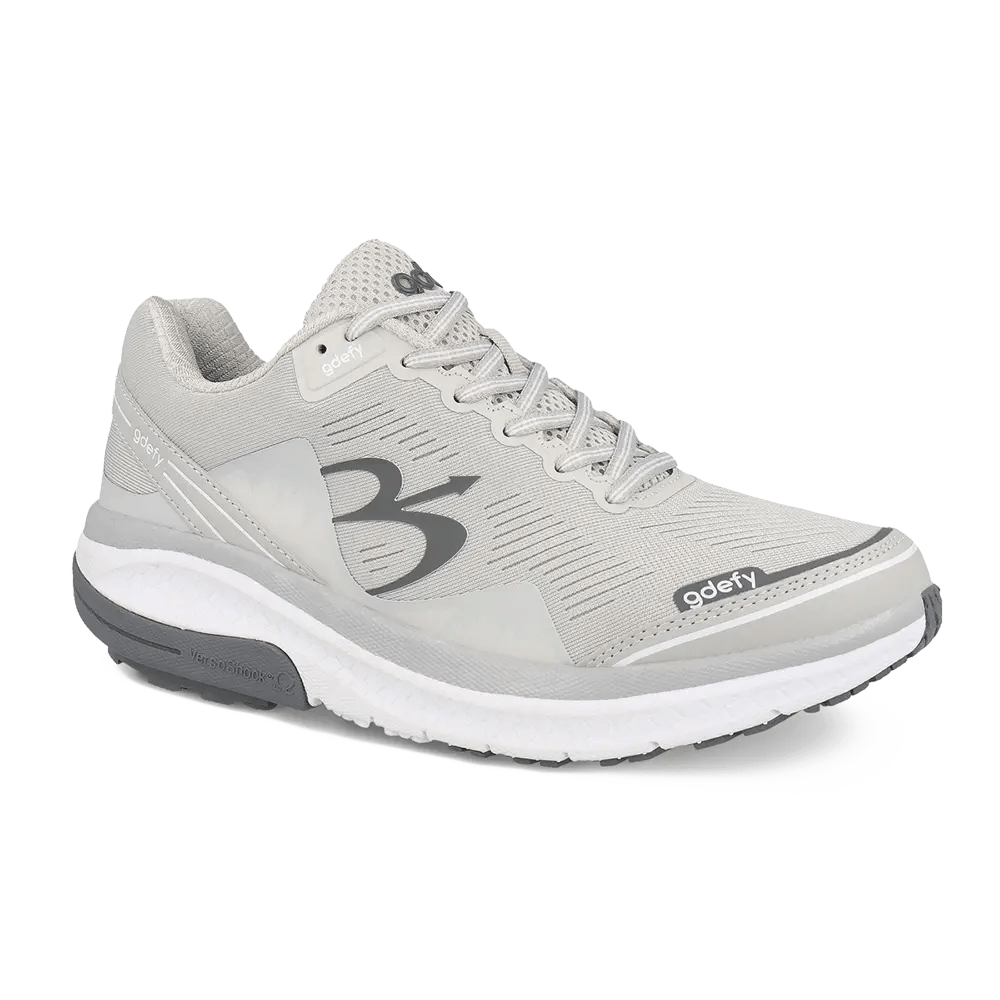
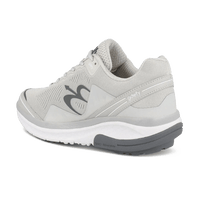
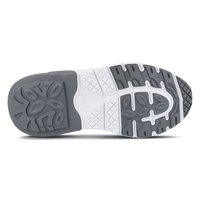
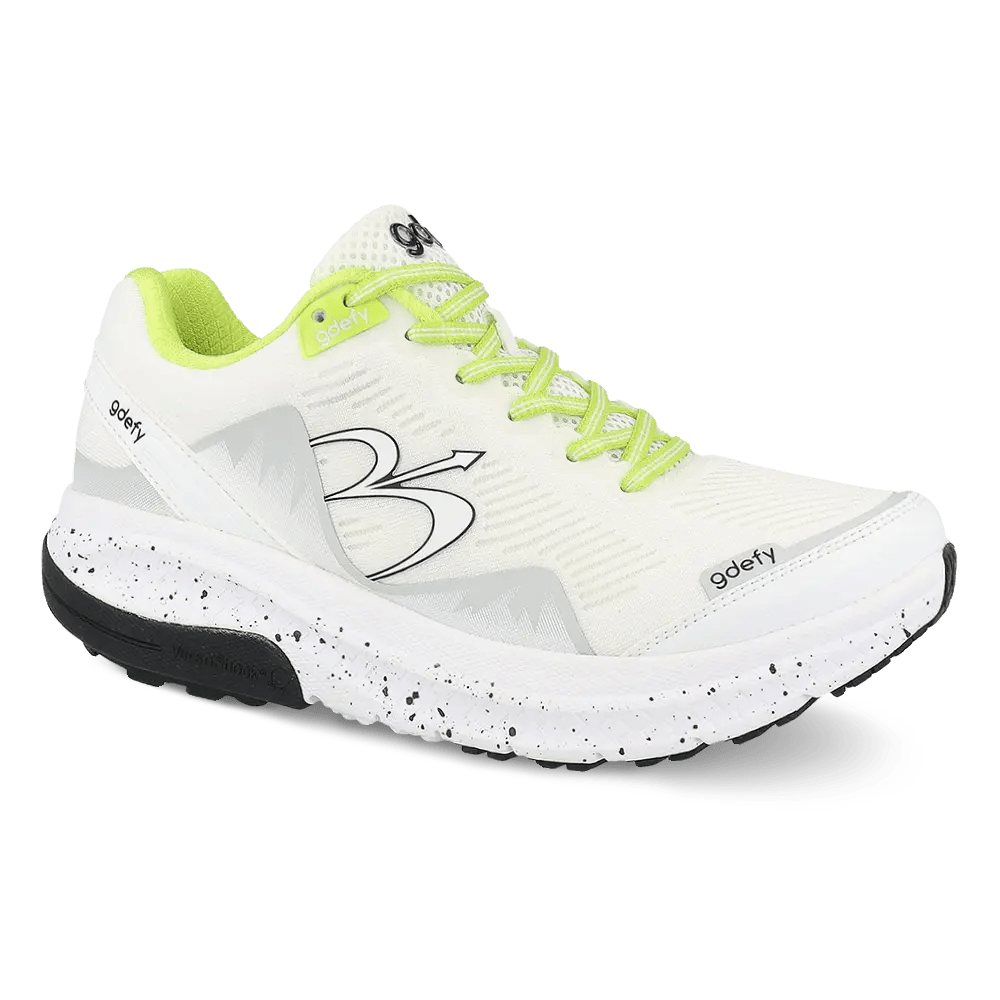
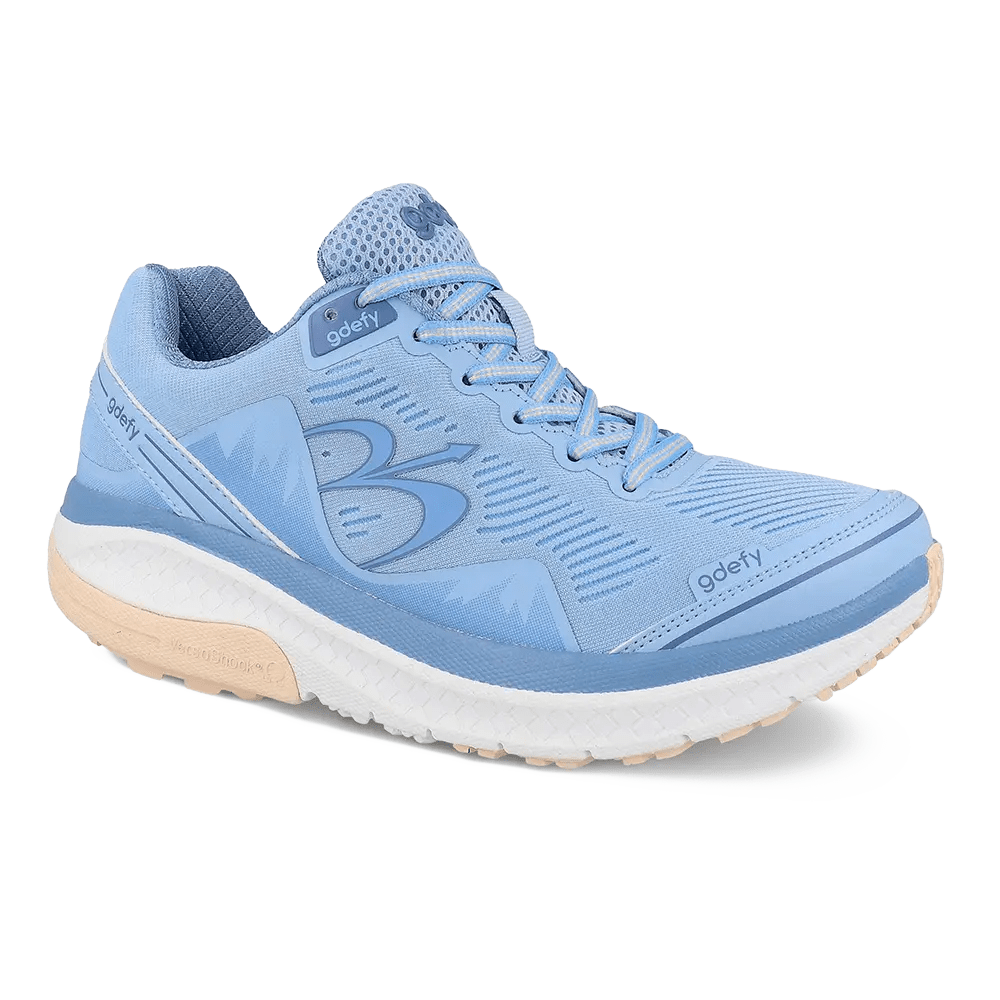
Best Overall for Walking and Daily Wear — g-defy ZenWalk
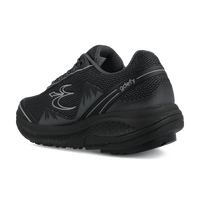
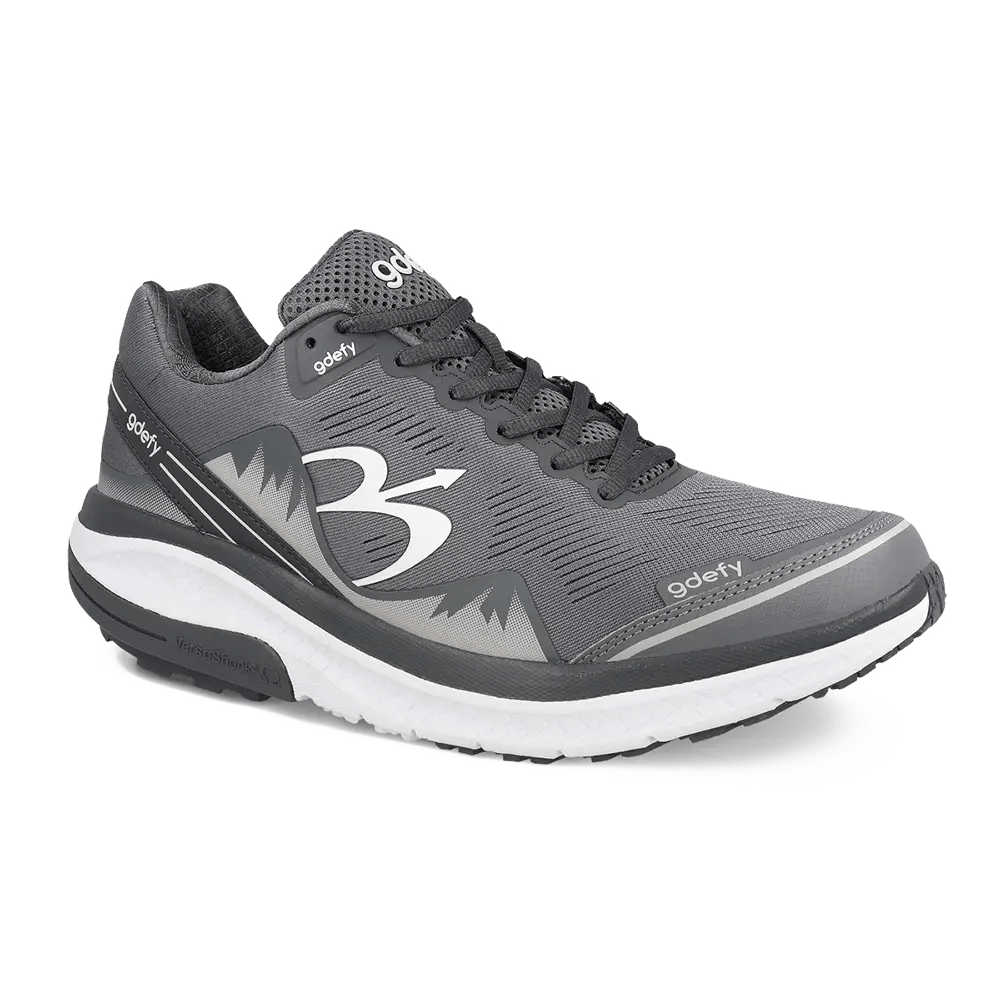
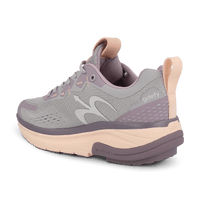
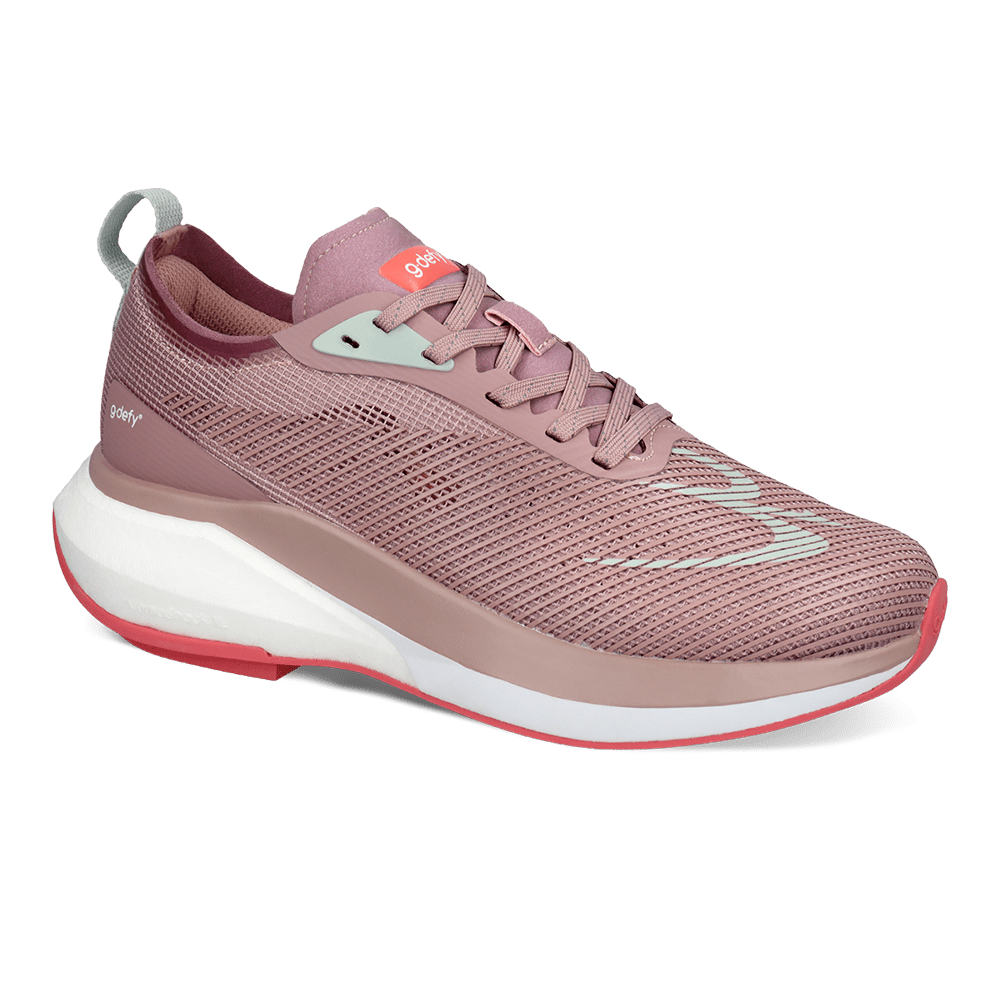
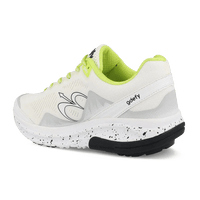
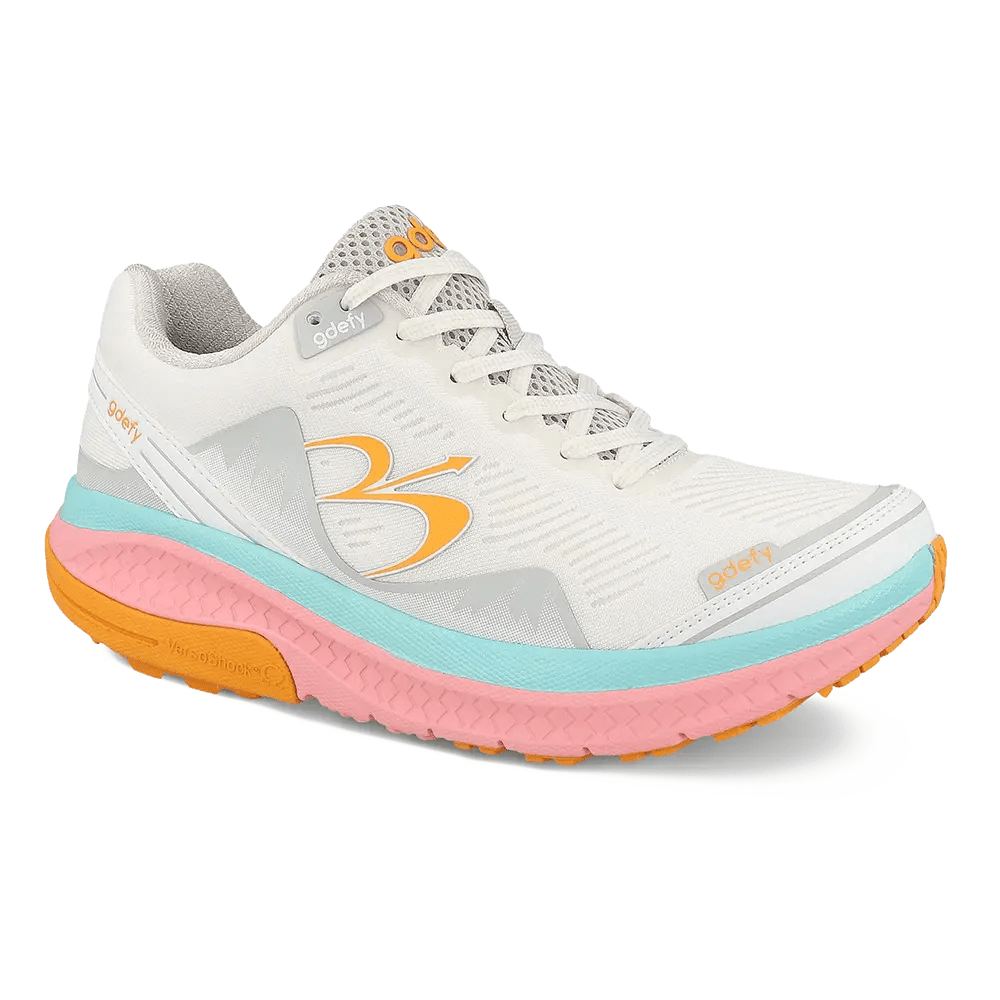
The ZenWalk earns the top spot for 2026 because it balances stability, arch support, and comfort across multiple activities. You can walk several miles, run errands, and commute in the same pair without triggering a heel flare the next morning.
Why it helps plantar fasciitis:
- Firm heel counter stabilizes your heel and reduces excessive motion that stretches the fascia
- Medium-firm arch support lifts the midfoot to reduce strain during stance phase
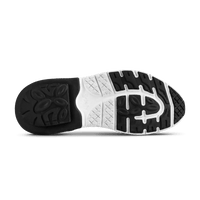
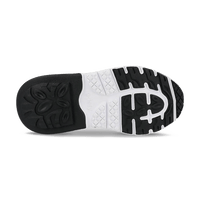
- Moderate heel-to-toe drop and rocker geometry reduce tension through the Achilles–plantar fascia chain
Best if: You need one pair that handles walking, errands, and light standing without feeling heavy or clunky.
Watch-outs: If you have severe overpronation, you may want additional arch support. The cushioning feels moderate, not plush. If you prefer maximum softness underfoot, the Hoka Bondi 9 offers more cushioning with less stability.
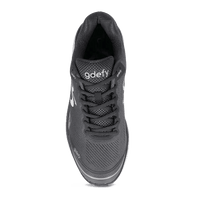
Specs: Standard and wide widths. Removable insole. Not slip-resistant. Lightweight travel-friendly. Available in multiple colorways — women's ZenWalk and men's ZenWalk.
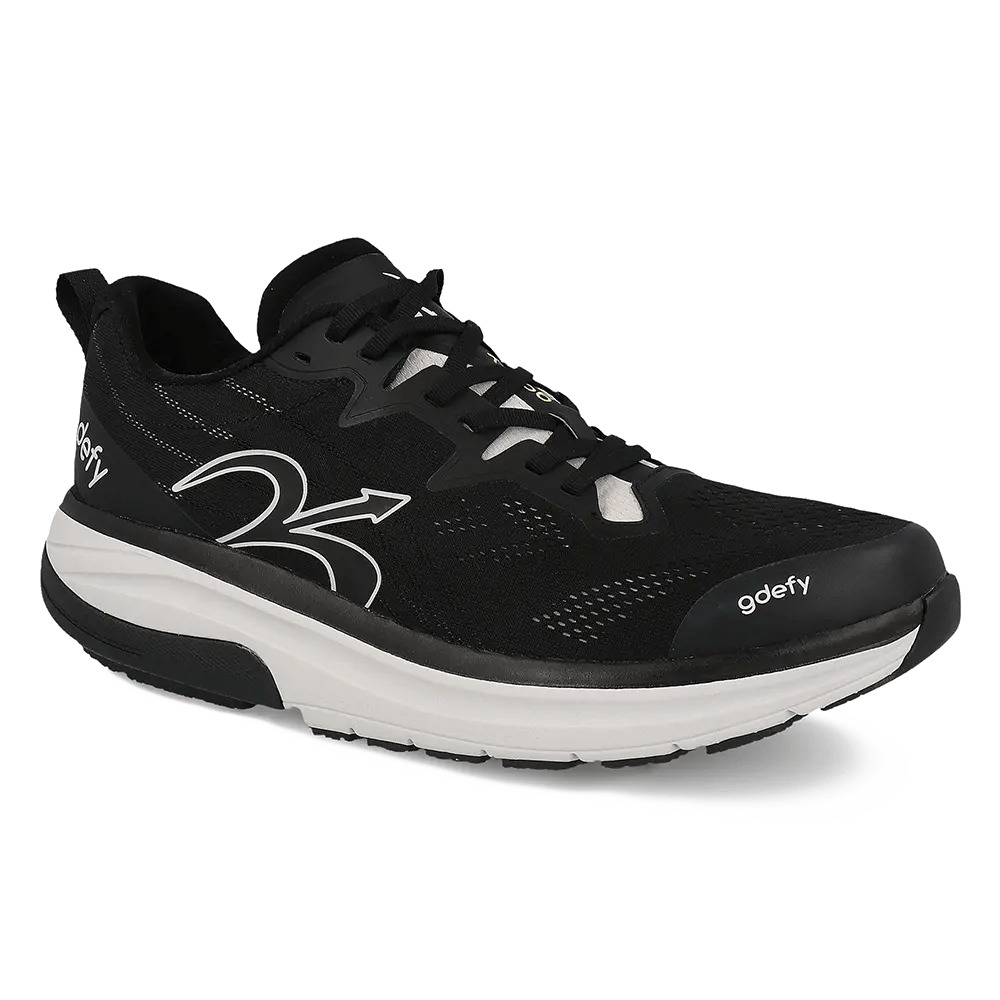
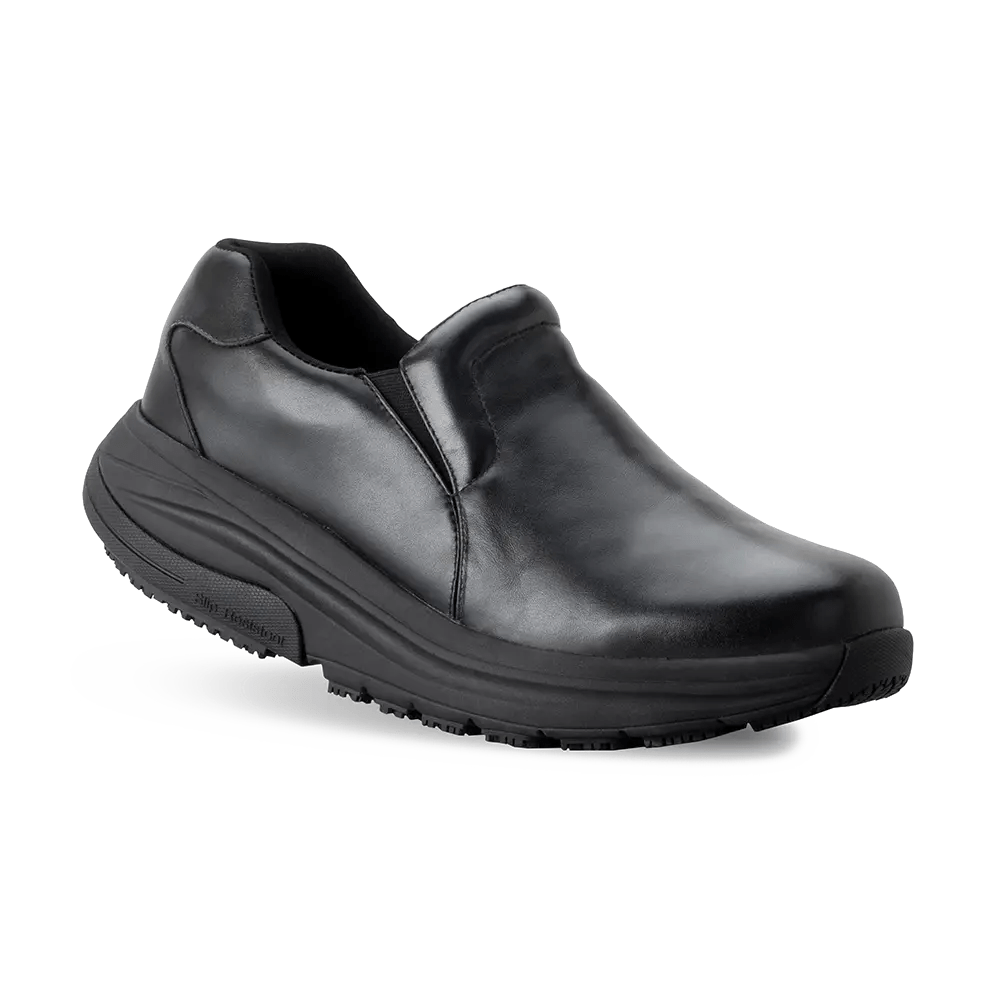
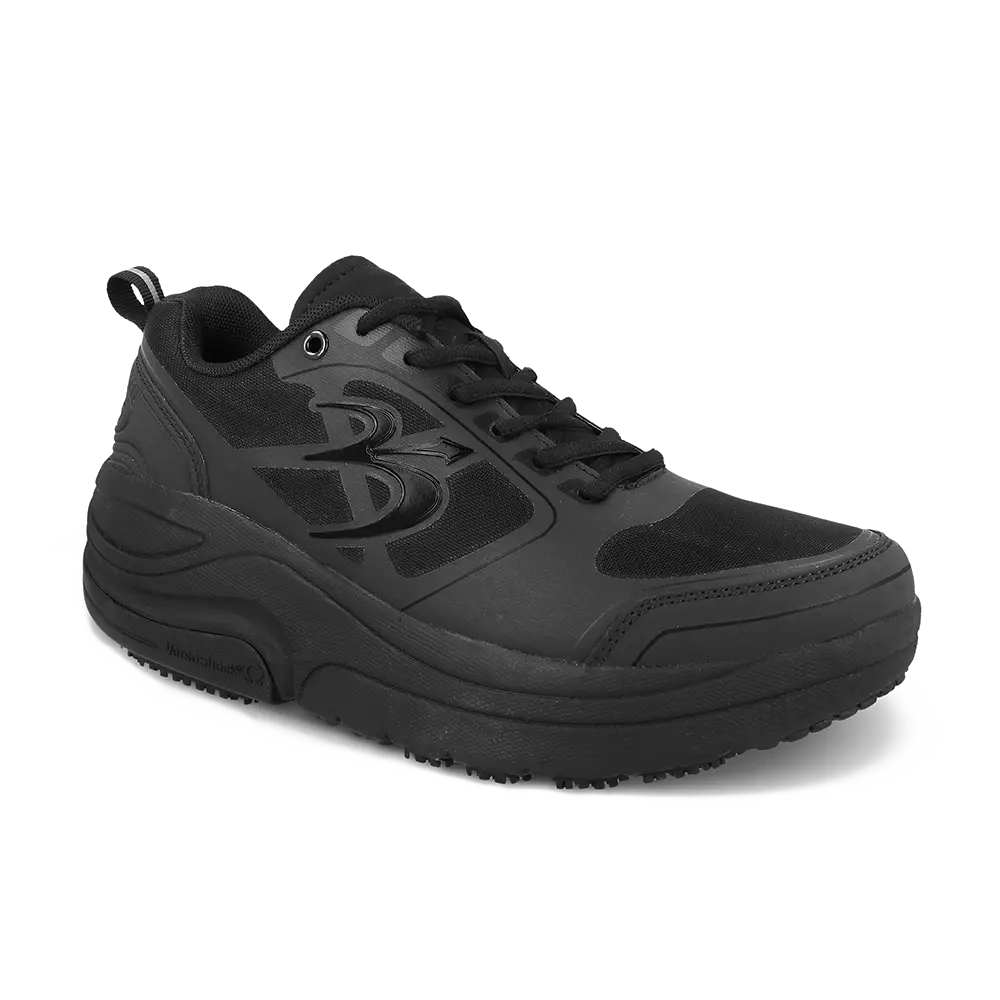
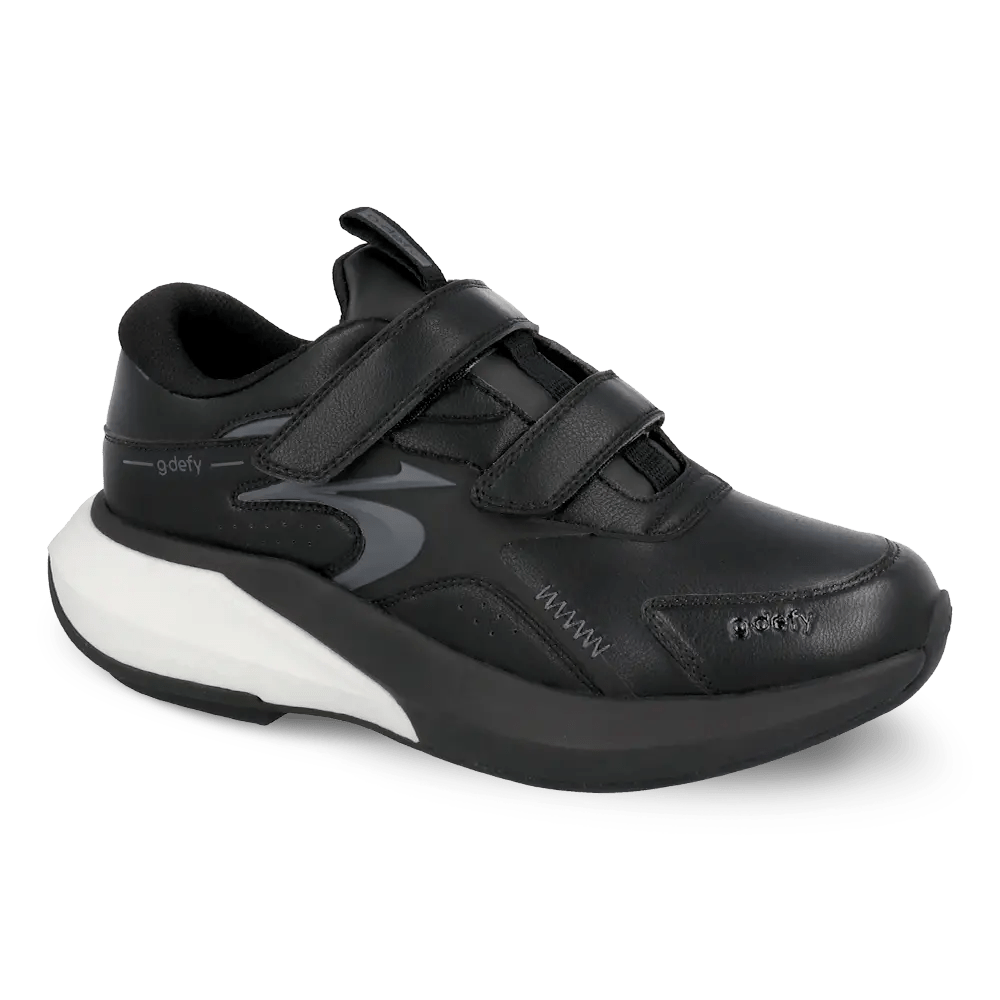
Best for Standing All Day at Work — g-defy MightyGlide
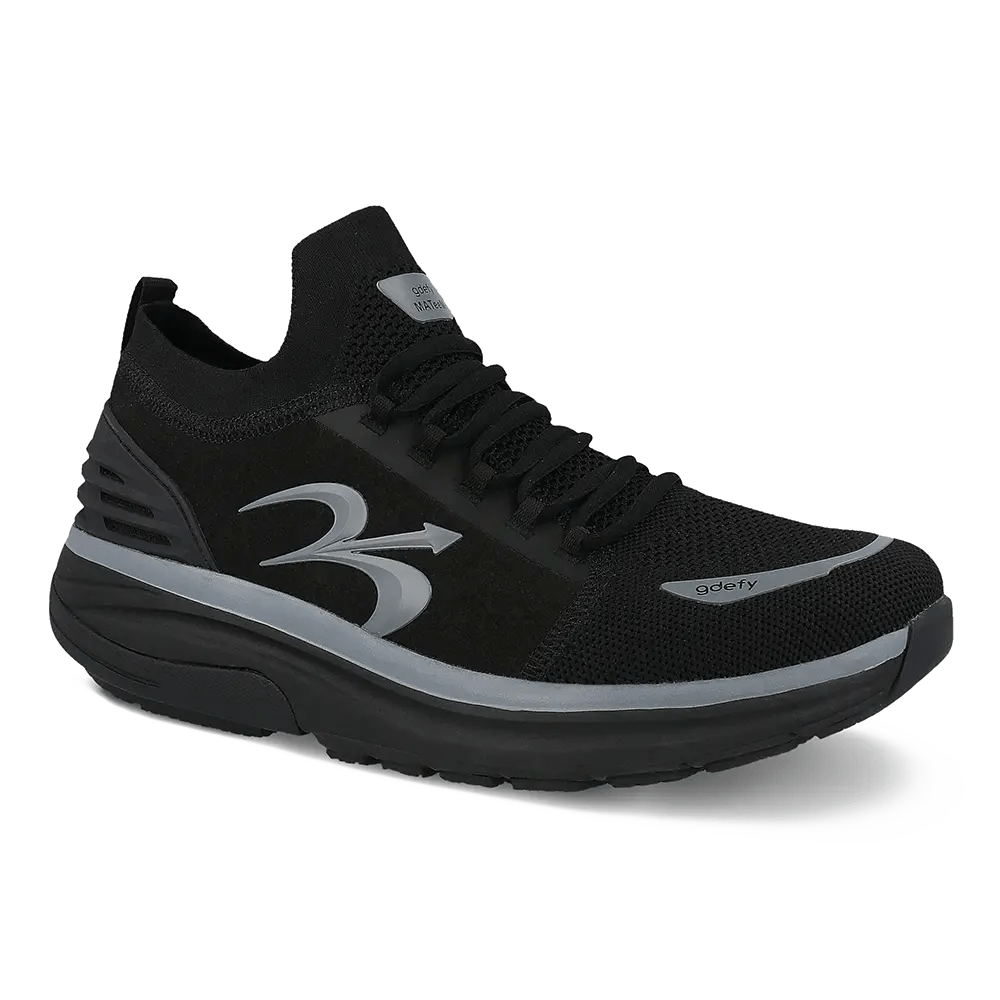
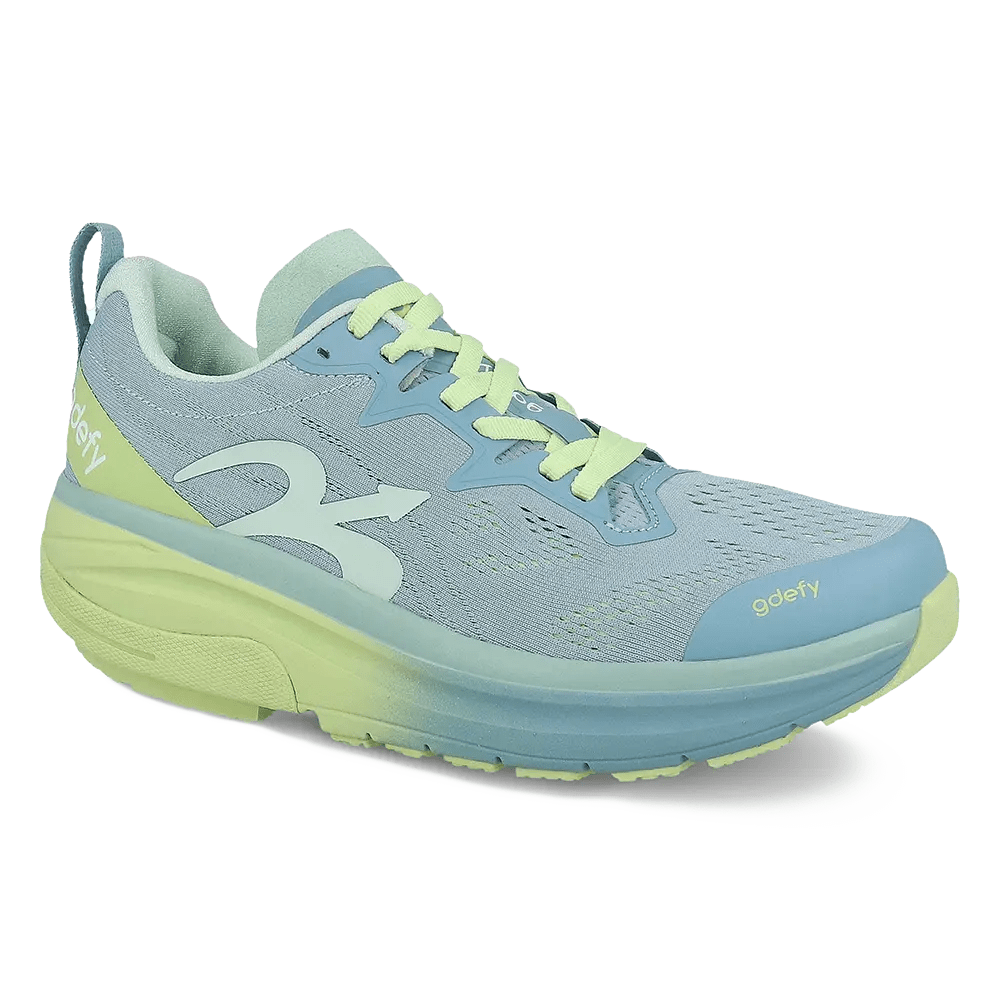
Healthcare workers, retail staff, and hospitality professionals need more than cushioning. They need shoes that stay stable on tile and concrete for 8 to 12 hours without letting the midsole compress flat by hour six. The MightyGlide delivers slip resistance and shock absorption without sacrificing heel stability.
Why it helps plantar fasciitis:
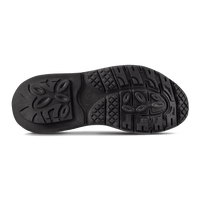
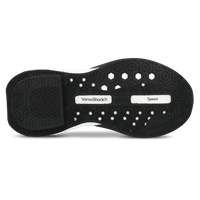
- Slip-resistant outsole grips tile, linoleum, and polished concrete to prevent extra strain caused by bracing
- Shock absorption reduces cumulative impact of standing and walking on hard surfaces hour after hour
- Firm heel counter keeps your heel centered even when you're fatigued late in a shift
Best if: You work long shifts on hard floors and need shoes that reduce heel pain while meeting workplace slip-resistance requirements.
Watch-outs: The slip-resistant outsole can feel slightly heavier than athletic shoes. The cushioning leans moderate-to-soft, which some people prefer for long standing sessions.
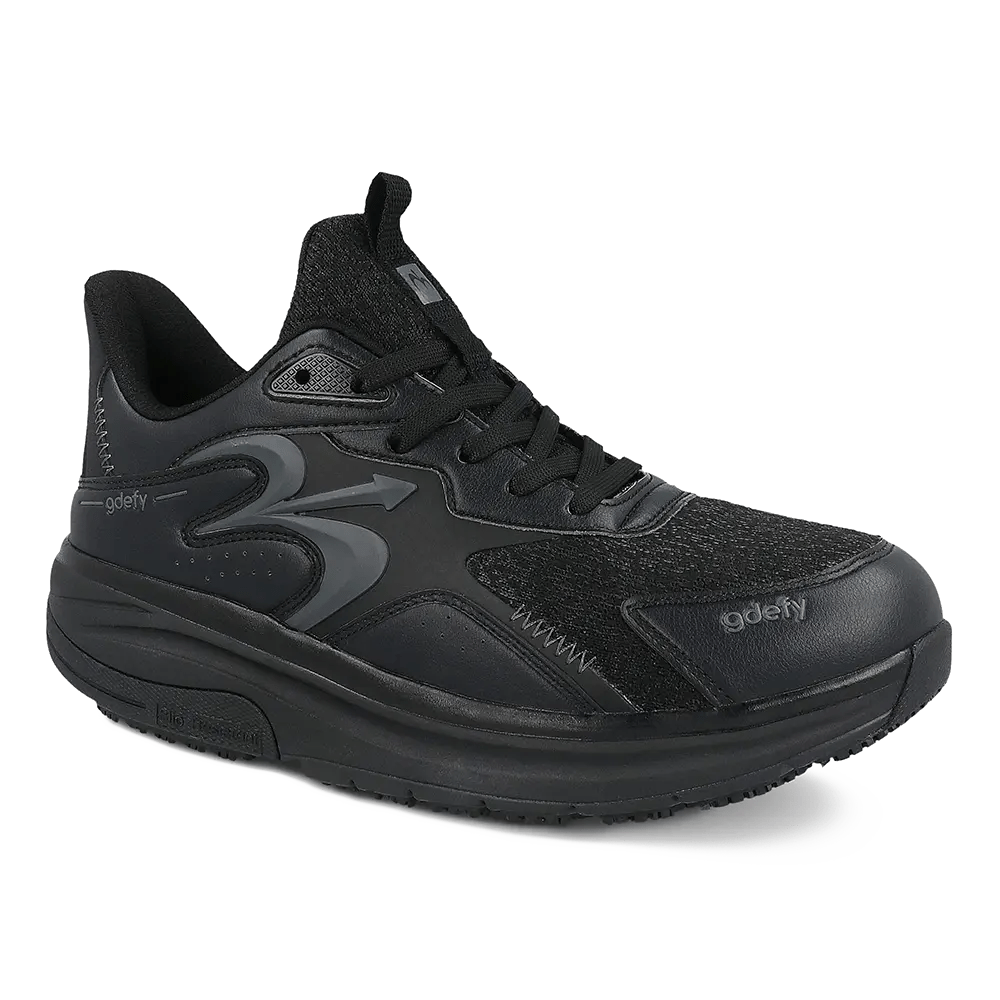
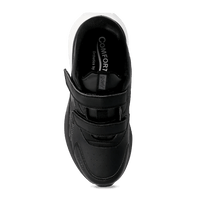
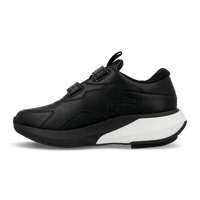
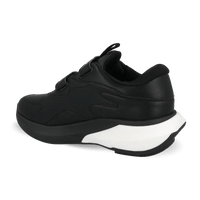
Specs: Removable insole. Standard and wide widths. Mateem Slip Resistant work shoe meets ASTM slip-resistance standards.
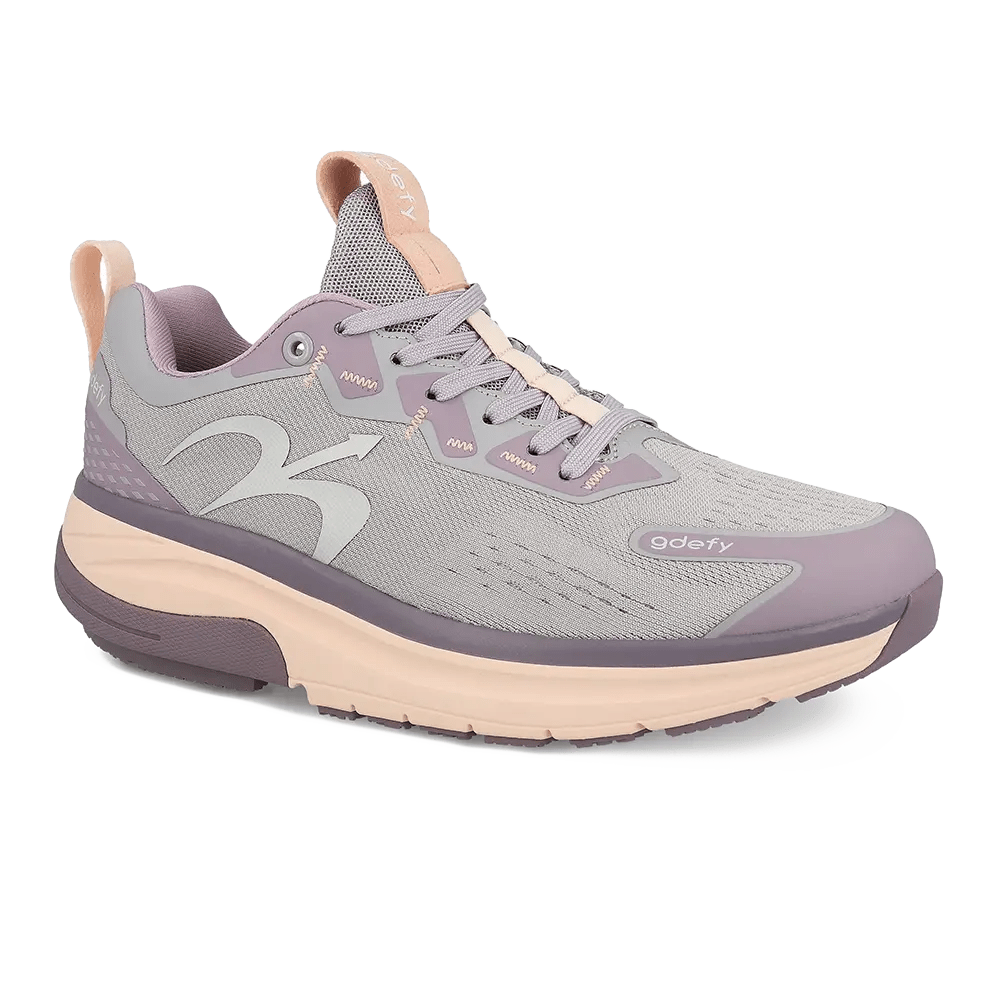
Best for Travel and All-Day Comfort — g-defy ZenStride Slip-On
Airport security. Hotel lobbies. Walking tours. Travel days demand shoes that combine easy on-and-off convenience with true support. The ZenStride slip-on uses elastic goring and a structured heel counter to deliver stability without laces.
Why it helps plantar fasciitis:
- Firm heel counter maintains stability even without laces — your heel doesn't slide forward and stretch the fascia
- Medium arch support keeps your midfoot lifted during long walking days
- Rocker geometry reduces the effort required during push-off when you're tired from travel
Best if: You travel frequently and need shoes that pass through TSA quickly while preventing heel pain flare-ups.
Watch-outs: The slip-on design feels less locked-in than lace-up models. If you have narrow heels, test the fit to ensure your heel doesn't slip.
Specs: Orthotics-friendly. Standard and wide widths. Lightweight for packing.
Best Reference Option for Maximum Cushioning — Hoka Bondi 9
The Hoka Bondi 9 delivers maximum cushioning and a smooth rocker transition. Some people with plantar fasciitis love the soft ride. Others find the platform too unstable. We include it as a reference so you can compare cushioning levels and stability ratings against g-defy picks above.
Why it helps plantar fasciitis:
- Thick midsole cushioning absorbs significant impact during heel strike
- Meta-Rocker geometry smooths the heel-to-toe transition to reduce strain during push-off
- Removable insole allows custom orthotics if you need more arch support
Watch-outs: The heel counter is medium-firm, not firm, compared to g-defy models. The arch support is light-to-medium. Some people with plantar fasciitis report feeling wobbly in Hokas. Test before committing if stability is your priority.
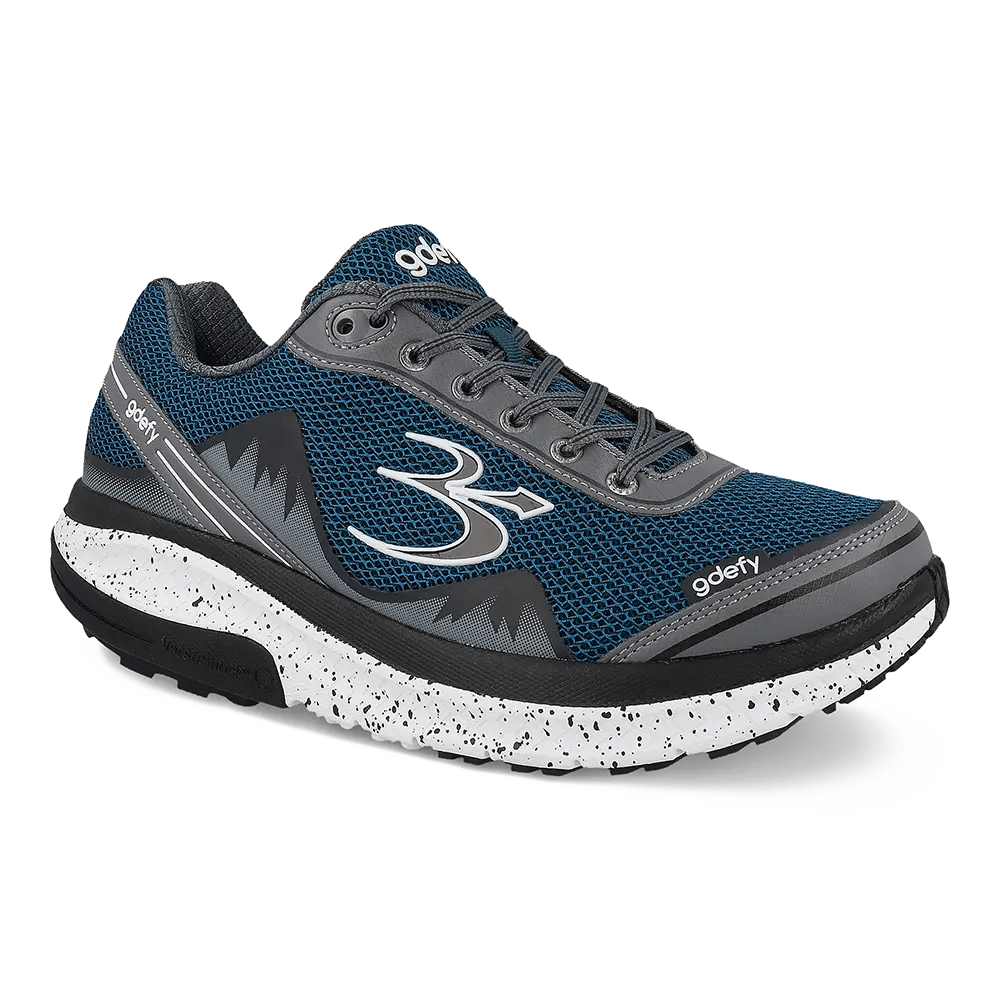
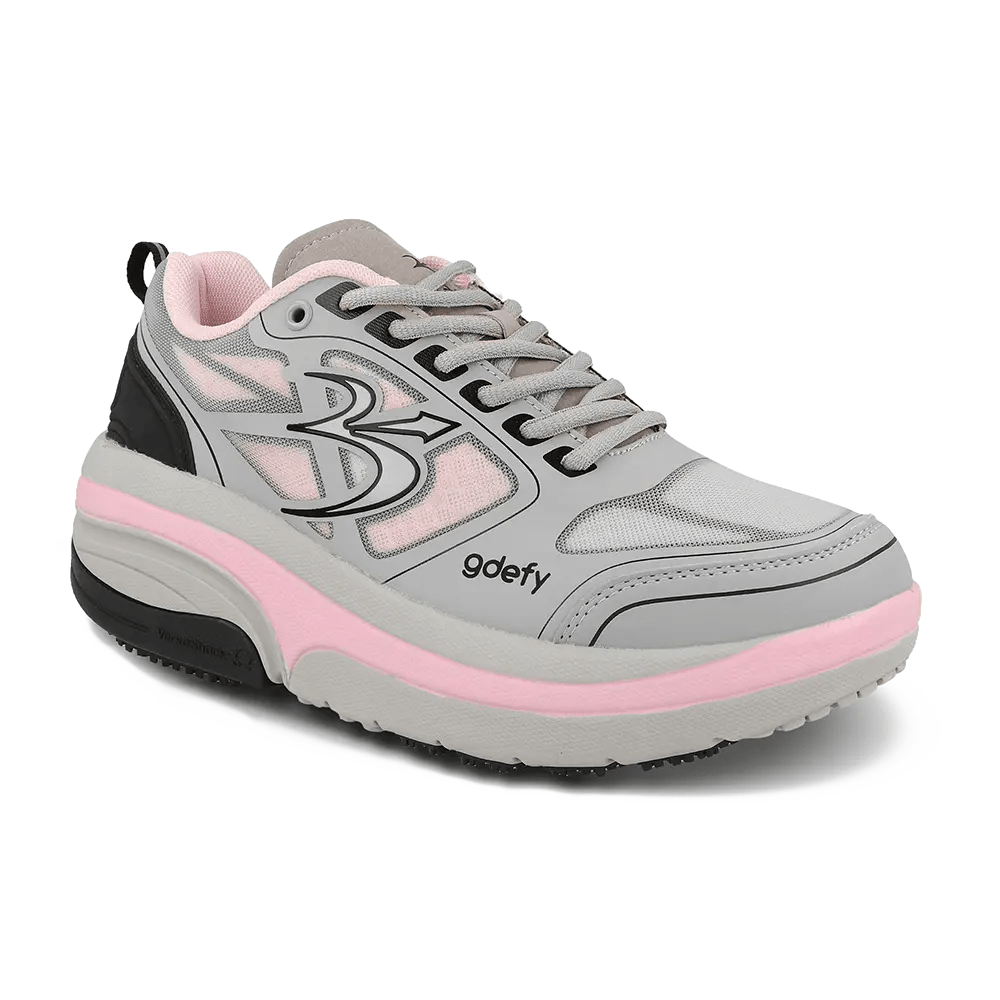
Best Stability Walking Shoe for Daily Steps — g-defy Mighty Walk
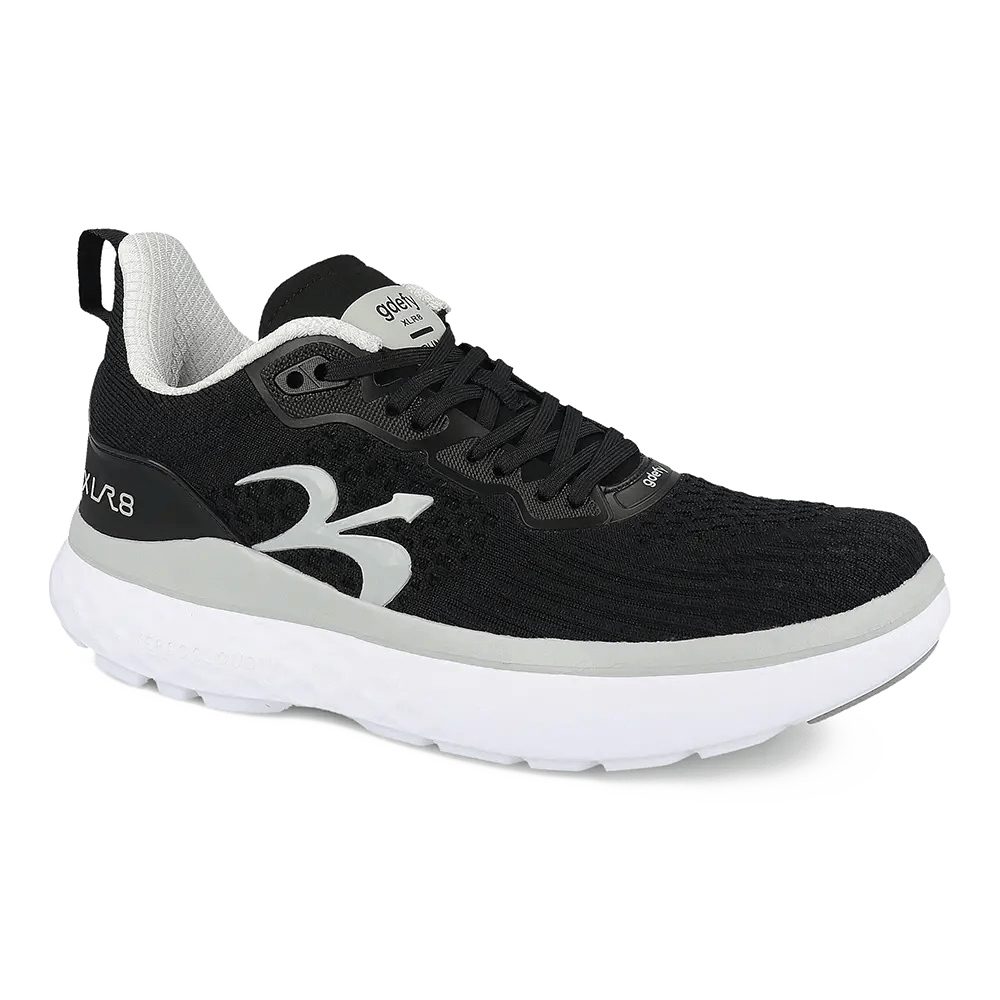
The Mighty Walk uses a stable walking platform that resists the excessive pronation that can worsen plantar fasciitis. If your heel pain gets worse on uneven sidewalks or your feet roll inward noticeably, this shoe provides more structure than neutral models.
Why it helps plantar fasciitis:
- Stability platform limits excessive inward rolling that stretches the plantar fascia
- Firm heel counter and medium-firm arch support work together to keep your foot aligned
- Moderate cushioning absorbs impact without feeling soft or unstable
Specs: Standard and wide widths. Removable insole. Not slip-resistant.
Best Budget-Conscious Walking Shoe — Skechers Arch Fit
Skechers Arch Fit models offer built-in arch support at a lower price point than specialty comfort brands. The arch support is molded into the insole and cannot be removed, so these shoes work best if the stock arch contour matches your foot.
Watch-outs: The insole is not removable — you cannot use custom orthotics. The heel counter feels medium-firm, not firm. Some users report the cushioning compresses faster than expected.
Best Recovery Sandal for Home Use — OOFos OOriginal Sandal
Plantar fasciitis pain often flares when you walk barefoot on hard floors at home. A supportive recovery sandal keeps your arch lifted and your heel cushioned during morning routines and evening activity.
Watch-outs: The heel counter is minimal by design. These sandals work for recovery and light standing, not all-day walking or work shifts.
Top 3 Recap by Use Case
| Use Case | First Choice | Runner-Up | Budget Option |
|---|---|---|---|
| Walking | g-defy ZenWalk | g-defy Mighty Walk | Skechers Arch Fit |
| Work / Standing | g-defy MightyGlide | g-defy ZenWalk | Skechers Work Arch Fit |
| Travel | g-defy ZenStride | g-defy ZenWalk | Hoka Bondi 9 |
2026 Shoe Rotation Strategy
If you only buy one pair, you'll compress it faster. Rotating between two supportive pairs instead of wearing one pair every day can reduce repetitive stress and slow cushioning breakdown. A 2024 clinical study found that the rotation group improved from 5.29 to 1.71 on the pain scale, and function scores improved from 56.14 to 37.86 over 12 weeks.
Simple Rotation Blueprint
- Pair A (Work/Standing): Slip-resistant, stable platform for long shifts on hard floors. Example: g-defy MightyGlide.
- Pair B (Walking/Errands): Cushioning plus stability for daily steps and weekend errands. Example: g-defy ZenWalk.
- Optional Pair C (Travel): Easy on-and-off with all-day comfort for travel days. Example: g-defy ZenStride slip-on.
Sample Rotation Schedule
| Day | Activity | Shoe |
|---|---|---|
| Monday | Work shift (8 hours standing) | MightyGlide |
| Tuesday | Walking errands | ZenWalk |
| Wednesday | Work shift | MightyGlide |
| Thursday | Walking + errands | ZenWalk |
| Friday | Work shift | MightyGlide |
| Saturday | Walking + leisure | ZenWalk |
| Sunday | Light activity | ZenStride or recovery sandal |
When to Replace or Rotate Pairs
Shoes lose support long before they look worn out. Replace or rotate pairs when you notice tread wear exposing white midsole foam, midsole flattening that no longer rebounds, new morning pain after wearing the same pair several days in a row, a heel counter that feels softer than when new, or arch support that feels less pronounced.
Most people replace walking shoes every 300 to 500 miles. Rotating two pairs extends each pair's usable life and keeps your support more consistent. Try two supportive pairs risk-free with the 60-day trial.
When Shoes Aren't Enough
Shoes reduce daily strain, but most people improve fastest with shoes plus a simple routine. Research shows about 90% of people obtain symptom relief from non-surgical treatment within 6 months. About 5% may require surgery if conservative care fails.
Simple Routine to Complement Supportive Shoes
- Calf stretch: Stand facing a wall with one leg forward and one leg back. Keep the back heel on the ground and lean forward until you feel a stretch in the back calf. Hold 30 seconds. Repeat 3 times per leg twice daily. Tight calves pull on the Achilles tendon, which connects to the plantar fascia.
- Plantar fascia stretch: Sit and pull your toes back toward your shin until you feel a stretch along the bottom of your foot. Hold 30 seconds. Repeat 3 times per foot before standing in the morning.
- Avoid barefoot walking on hard floors: Wear supportive shoes or recovery sandals at home. Hard tile and concrete increase load on the plantar fascia when you're barefoot.
- Gradual return to mileage: Increase distance by no more than 10% per week. Sudden spikes in activity can re-aggravate the fascia.
| Treatment | What It Does |
|---|---|
| Supportive footwear | Reduces daily load on the plantar fascia with every step |
| Stretching | Maintains flexibility in the calf and plantar fascia to reduce morning tension |
| Orthotics | Provides custom arch support and cushioning tailored to your foot shape |
| Rest and load management | Allows irritated tissue to calm down by reducing repetitive strain |
When to See a Clinician
See a healthcare professional if heel pain is severe, lasts more than a few weeks despite supportive shoes and stretching, or comes with numbness, swelling, or a recent injury. Plantar fasciitis is the most common cause of heel pain, but stress fractures, nerve compression (tarsal tunnel syndrome), and other conditions can cause similar symptoms. For detailed information about medical conditions and treatment limitations, see the medical disclaimer.
Frequently Asked Questions
What shoes do podiatrists recommend for plantar fasciitis?
Podiatrists typically recommend supportive shoes with a firm heel counter, arch support you can feel, and enough cushioning to absorb heel impact. The best pair is stable (hard to twist) and compatible with orthotics. Medical sources confirm that footwear is a standard part of plantar fasciitis management.
Are Hokas good for plantar fasciitis?
Some people with plantar fasciitis do well in Hokas, especially cushioned models like the Hoka Bondi 9. Hokas offer maximum cushioning and rocker-style transitions that can reduce strain during push-off. If you feel unstable in max-cushion shoes, prioritize a more stable platform instead. Use the matrix above to compare stability ratings.
What heel-to-toe drop is best for plantar fasciitis?
Many plantar fasciitis sufferers feel best in a moderate heel-to-toe drop (6–10mm) because it can reduce tension through the Achilles–plantar fascia chain. There is individual variation. If you're unsure, start with a moderate drop and test how your heel feels after a few days. The removable insoles in g-defy shoes let you adjust the feel if needed.
Should I wear shoes at home with plantar fasciitis?
Yes. Walking barefoot on tile, hardwood, or concrete increases load on your heel and arch. Studies show that 96% of patients reported heel pain aggravated by prolonged standing, and hard home floors contribute to that. A simple recovery sandal with arch support can prevent morning pain from getting worse during your home routine.
How long does plantar fasciitis take to heal?
Clinical data shows about 75% of cases resolve within 12 months with appropriate management. Some people feel better in a few weeks. Others take several months. Consistency with supportive footwear and a simple stretching routine speeds recovery for most people.
Can rotating shoes help plantar fasciitis?
Yes. A 2024 study found meaningful pain reduction in the rotation group over 12 weeks compared to single-shoe use. The rotation blueprint above shows how to implement this with two or three pairs based on your daily activities.
When should I see a doctor for heel pain?
See a clinician if heel pain is severe, lasts more than a few weeks despite supportive shoes and stretching, or comes with numbness, swelling, or a recent injury. A healthcare professional can perform a physical exam, order imaging if needed, and confirm the diagnosis.
Conclusion
Plantar fasciitis pain doesn't have to control your day. The right shoes reduce strain on your plantar fascia with every step. Use the feature matrix to compare heel counter firmness, arch support levels, and removable insole options. Test the 7-point checklist before you buy. Then implement the rotation strategy to keep support consistent and reduce repetitive strain.
g-defy footwear is engineered around the biomechanics that reduce plantar fascia load — firm heel counters, medium-firm arch support, moderate heel-to-toe drops, and rocker soles that smooth your stride. Try two pairs risk-free with the 60-day trial and rotate them for 12 weeks. Most cases of plantar fasciitis improve with consistent conservative care. You don't need to accept heel pain as normal.
References
- Plantar Fasciitis — StatPearls — NCBI Bookshelf — Prevalence data, annual patient visits, resolution rates, and surgical intervention rates
- Impact of routine footwear on foot health — Inappropriate footwear prevalence (83.2%) and standing aggravation data (96%)
- Effectiveness of Shoe Rotation in Managing Plantar Fasciitis — Pain scale and function improvements over 12 weeks
- Plantar fasciitis: A literature review — Conservative treatment effectiveness (90% within 6 months)































.svg)