



February 18, 2026
Top Rated Bunion Shoes for Women (Wide Toe Box + Stretch Upper) — Buyer's Guide 2026
By Gdefy

Summary
Find Your Perfect Bunion Fit in 60 Seconds
Shopping for bunion shoes shouldn't mean scrolling through hundreds of reviews. Start here. Answer three quick questions, and we'll match you to the GDEFY shoes that actually work for your bunion type and daily activities.
Step 1: Where's your bunion?
-
Big toe (hallux valgus, the most common type)
-
Little toe (bunionette or tailor's bunion)
-
Both sides of the foot
Step 2: What's your foot width?
-
Medium width with bunion bulge
-
Wide foot overall
-
Extra-wide or very pronounced bunion
Step 3: What do you do most?
-
Standing all day (retail, healthcare, teaching)
-
Walking or traveling
-
Work that requires slip-resistant shoes
-
Everyday casual wear
Bunion-friendly shoes are footwear designed to avoid squeezing the big-toe joint by using a wide toe box and soft or stretch materials, while still supporting the arch and cushioning impact. If your bunion hurts in regular sneakers, start with a wide-feeling toe box and a stretch upper. Those two features reduce the squeezing and rubbing that usually triggers pain.
| Your Need | Feature That Helps | Best G Defy Pick |
| Standing all day with bunion pain | Stable base, shock absorbing cushioning, roomy forefoot | Mighty Walk |
| Walking or travel with bunion discomfort | Step by step comfort, breathable upper that gives at the bunion | ZenWalk |
| Work requiring slip resistant shoes | Traction, secure fit without toe squeeze | MightyGlide Slip Resistant |
| Everyday wear with wide forefoot | Easy on and off, forgiving upper for bunion hot spots | ZenStride Slip On |
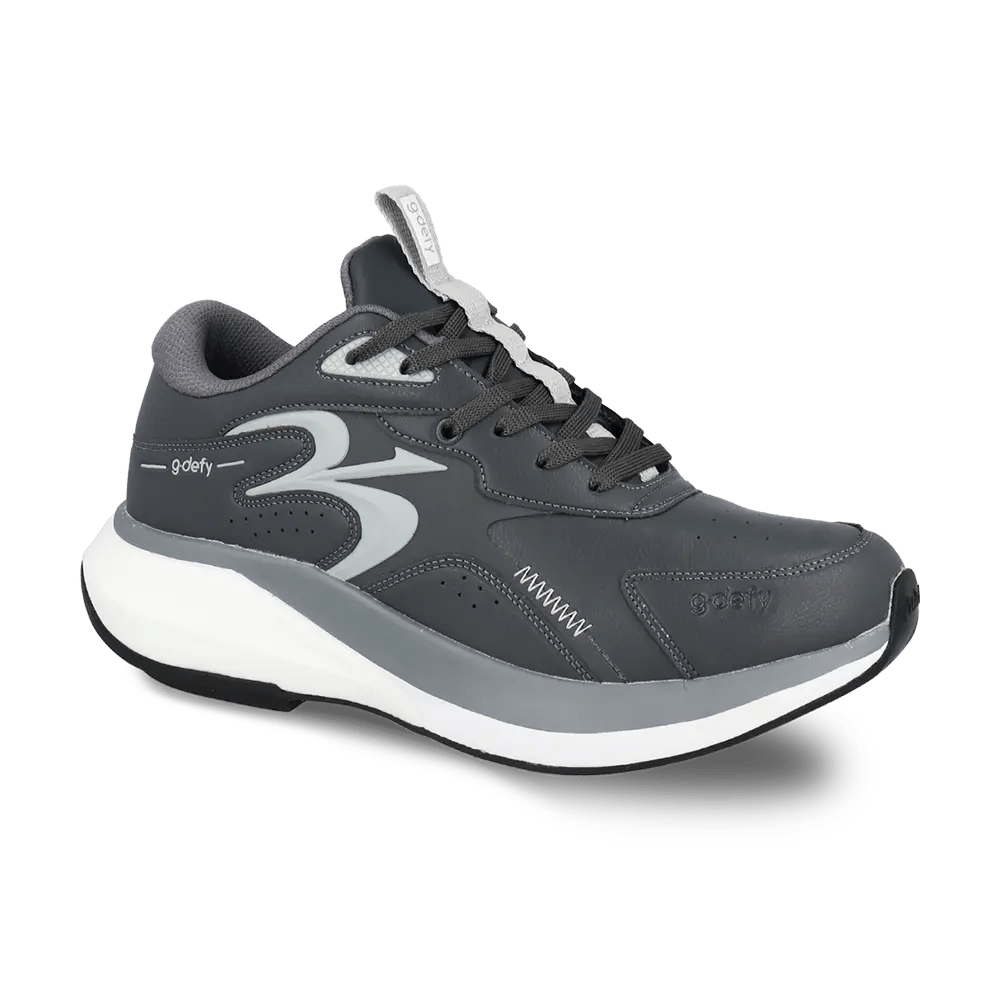
| Active days needing stability | Supportive platform, athletic feel without forefoot pressure | ION Athletic |
Every GDEFY shoe ships free, and you have 60 days to wear them in real life. No painful break-in required. No guessing whether the upper will stretch where you need it.
Top Picks: GDEFY's Best Women's Orthopedic Shoes for Bunions and Wide Feet (2026)
Every pick below prioritizes wide toe box feel, stretch upper zones, and stable support. We've tested these on women with hallux valgus and wide feet, and the feedback is consistent: space at the bunion, no rubbing, and enough cushioning to make hard floors tolerable.
A wide toe box is the front of the shoe shaped to give the toes room to spread, reducing pressure on bunions and minimizing side-to-side rubbing. The most bunion-friendly shoes pair toe-room (a wide, rounded forefoot) with a flexible upper that stretches over the bunion instead of rubbing against it.
Global prevalence data shows that about 19% of adults have bunions, with higher rates in women (23.74%) compared to men (11.43%). This isn't a niche problem. It's a design failure that GDEFY addresses head-on.
Best for Standing All Day: Mighty Walk
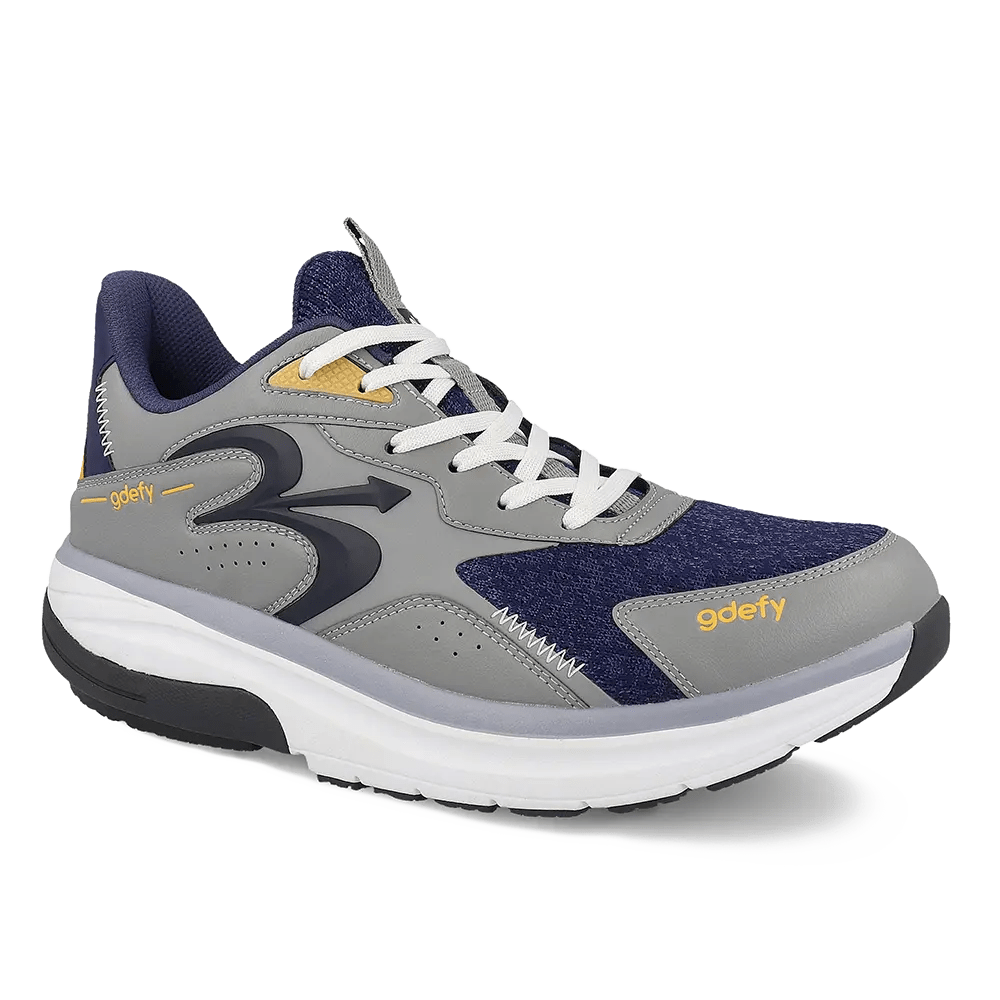
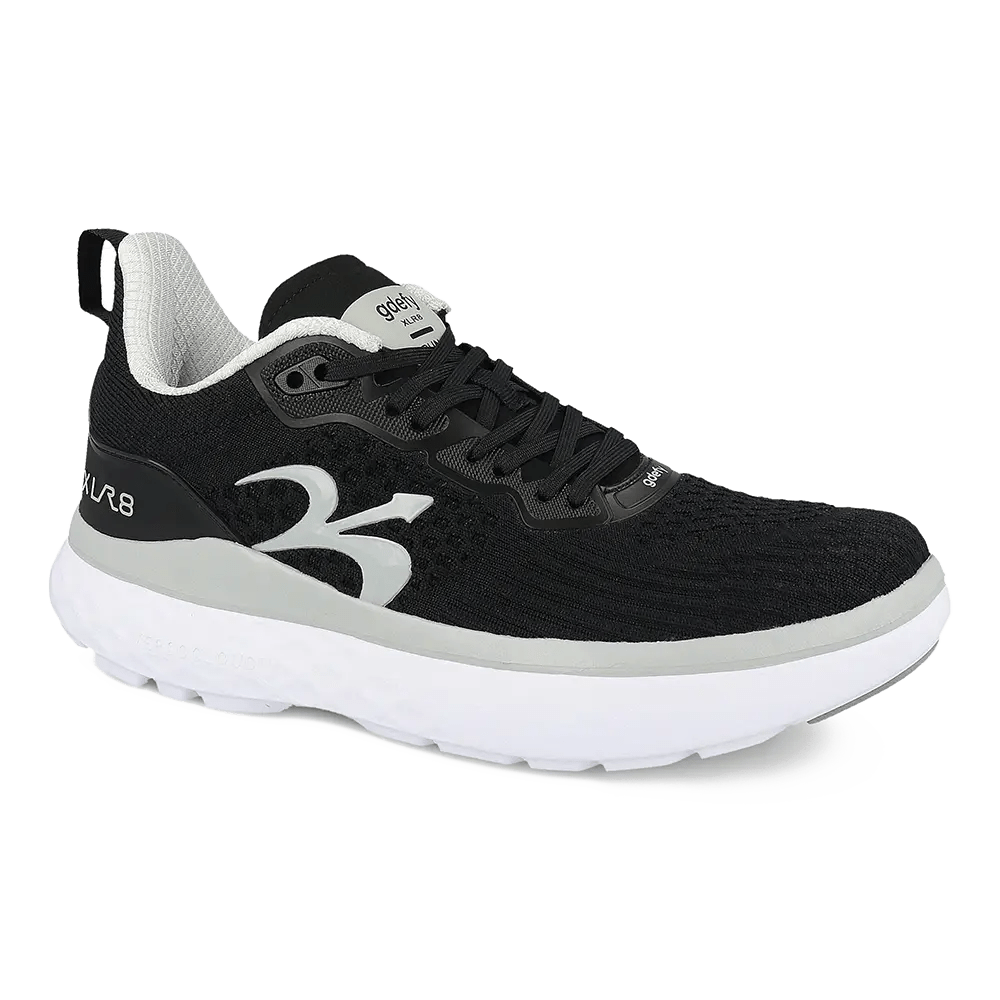
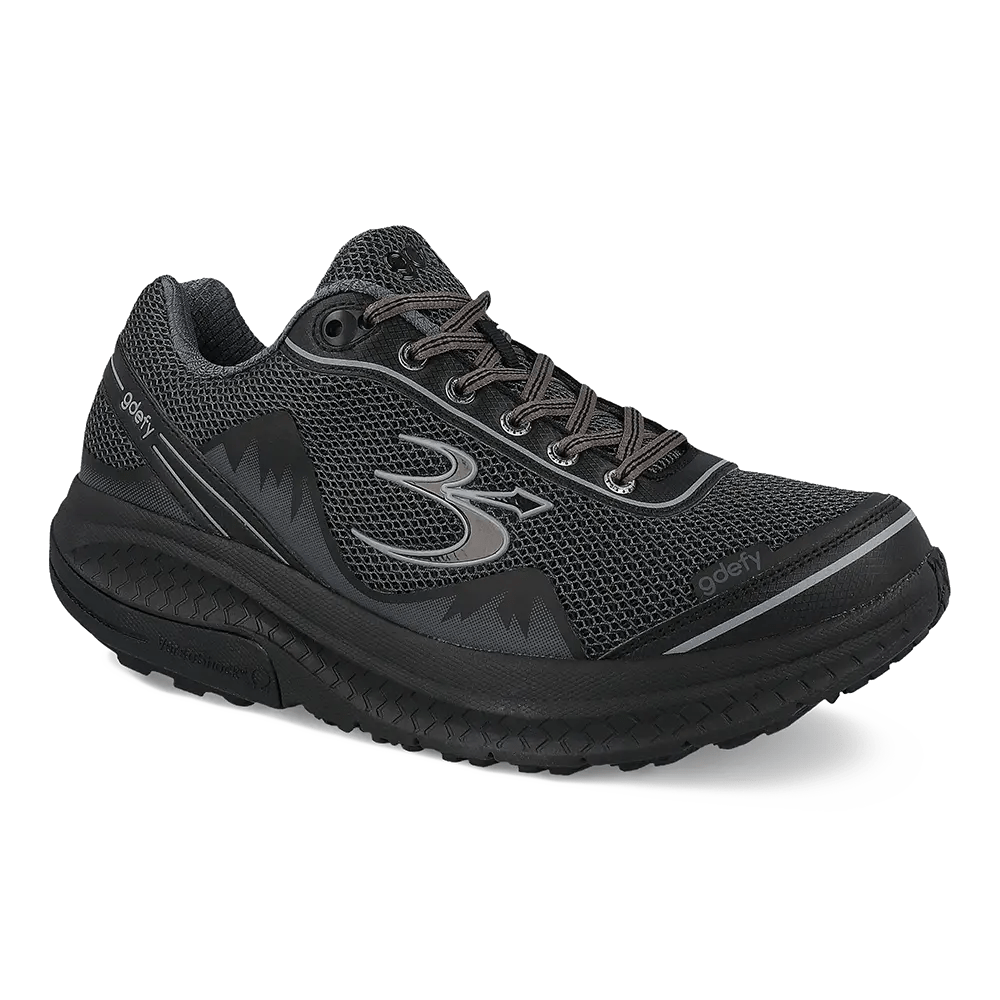
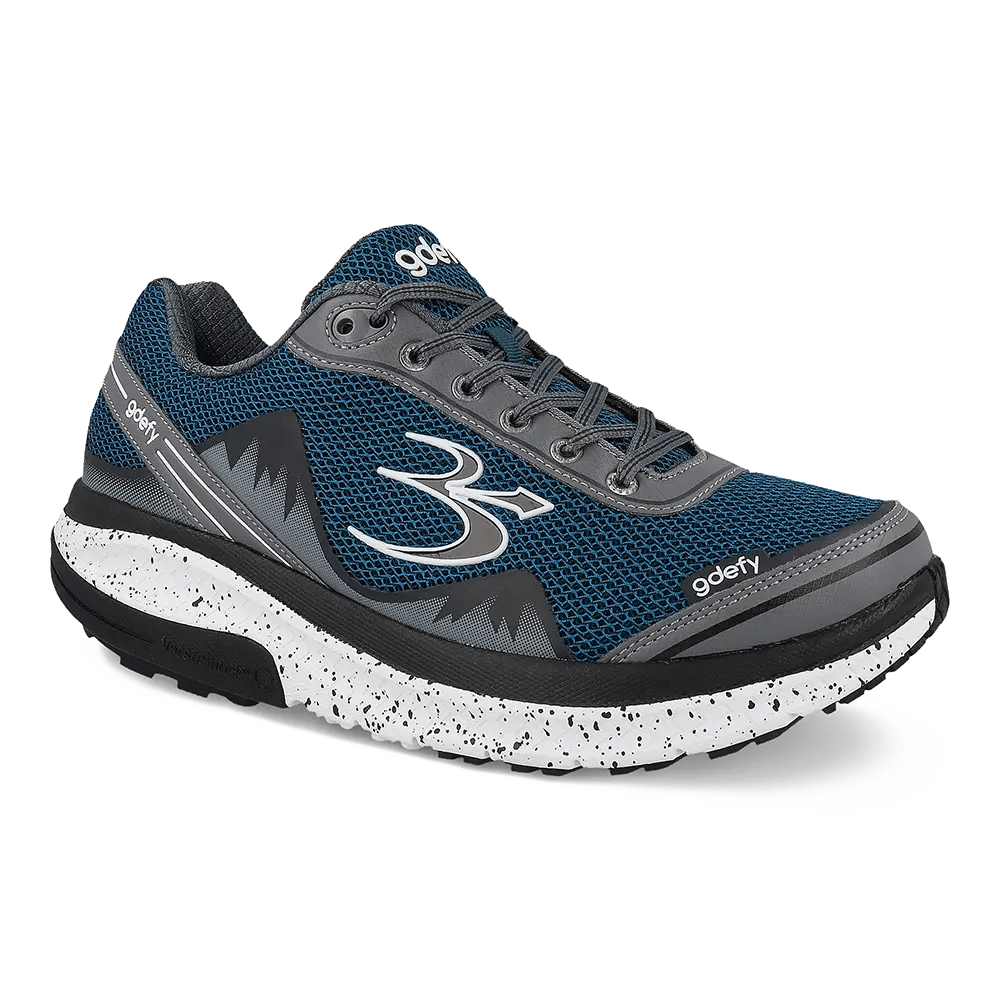
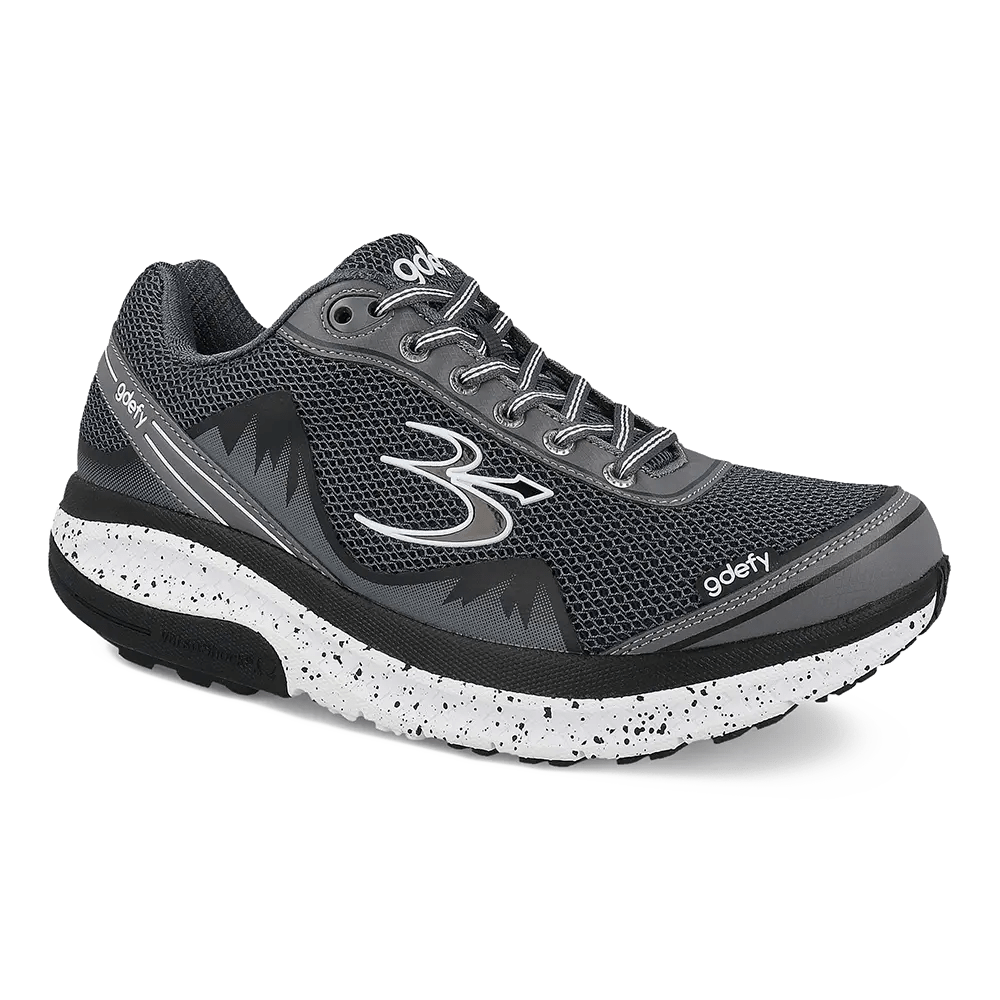
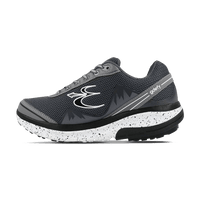
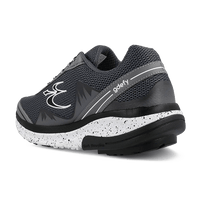
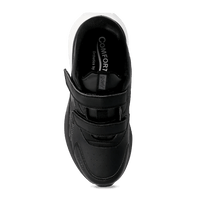
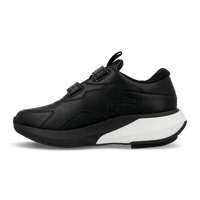
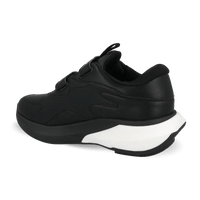
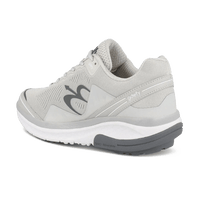
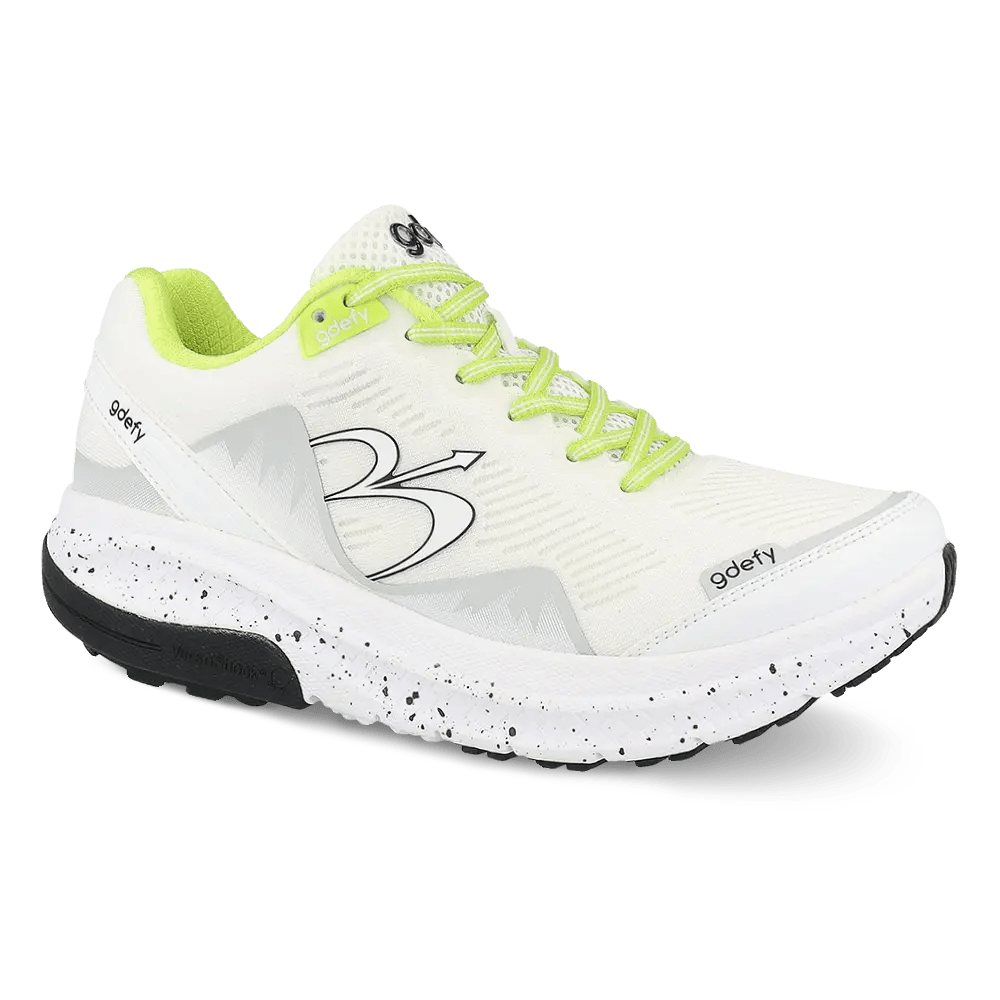
If you're on your feet for eight-hour shifts, the Mighty Walk for women delivers the stability and cushioning your bunion needs without the forefoot squeeze. The toe box is rounded and roomy, not tapered. The upper uses stretch knit zones at the bunion area, so pressure gives instead of building. The midsole platform is stable enough to prevent the sliding that creates friction.
Why it works for bunions:
-
Rounded toe shape prevents side-to-side compression at the bunion joint
-
Stretch knit upper flexes over the bunion bump without creating a hot spot
-
Stable heel counter keeps your foot from sliding forward and rubbing
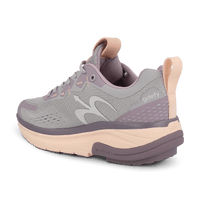
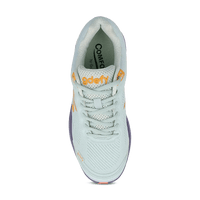
Available in multiple colorways, including a Mighty Walk option in black and purple. Choose wide if your bunion adds noticeable forefoot width.
Best for Walking and Travel: ZenWalk
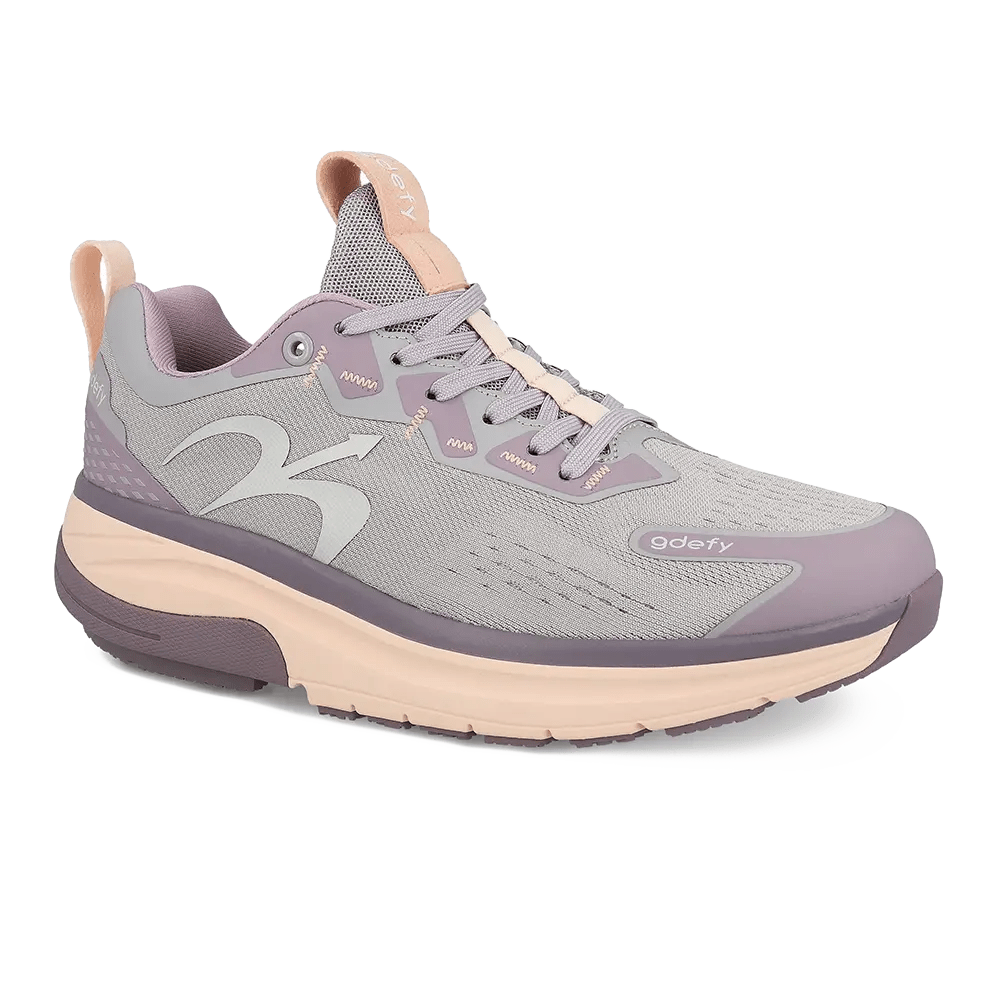
Long walks on vacation or daily errands demand a shoe that won't aggravate your bunion over miles. The ZenWalk focuses on step-to-step shock reduction and a breathable upper that doesn't trap heat at pressure points. The forefoot is spacious. The upper is smooth inside, with no overlays that dig into the bunion area.
Why it works for bunions:
-
Breathable mesh upper reduces heat buildup and friction
-
Generous forefoot width accommodates the bunion without feeling sloppy in the heel
-
Lightweight design keeps your gait natural, reducing compensatory strain
This is the shoe you pack for trips when you know you'll walk more than 10,000 steps a day.
Best Slip-On Option: ZenStride
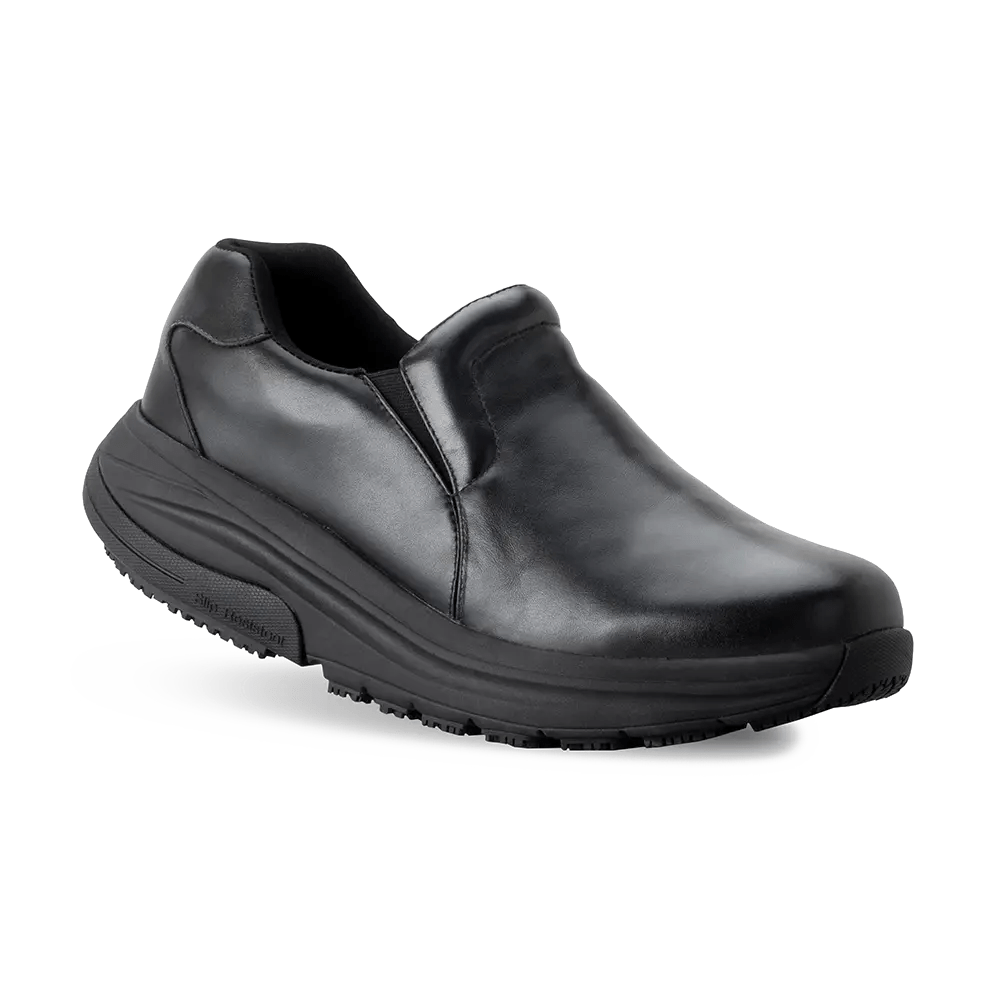
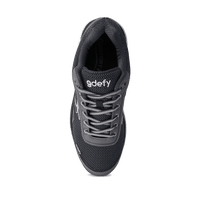
Bending over to tie laces when your bunion hurts is a pain in itself. The ZenStride slip-on makes getting out the door easier, with a stretch upper that expands as you step in and then hugs comfortably without squeezing the bunion.
Why it works for bunions:
-
Stretch upper gives at the bunion zone when you slide your foot in
-
No laces means no pressure points across the top of the foot
-
Padded collar prevents heel slippage without a tight fit
Perfect for quick errands, post-workout recovery, or days when your bunion is extra tender.
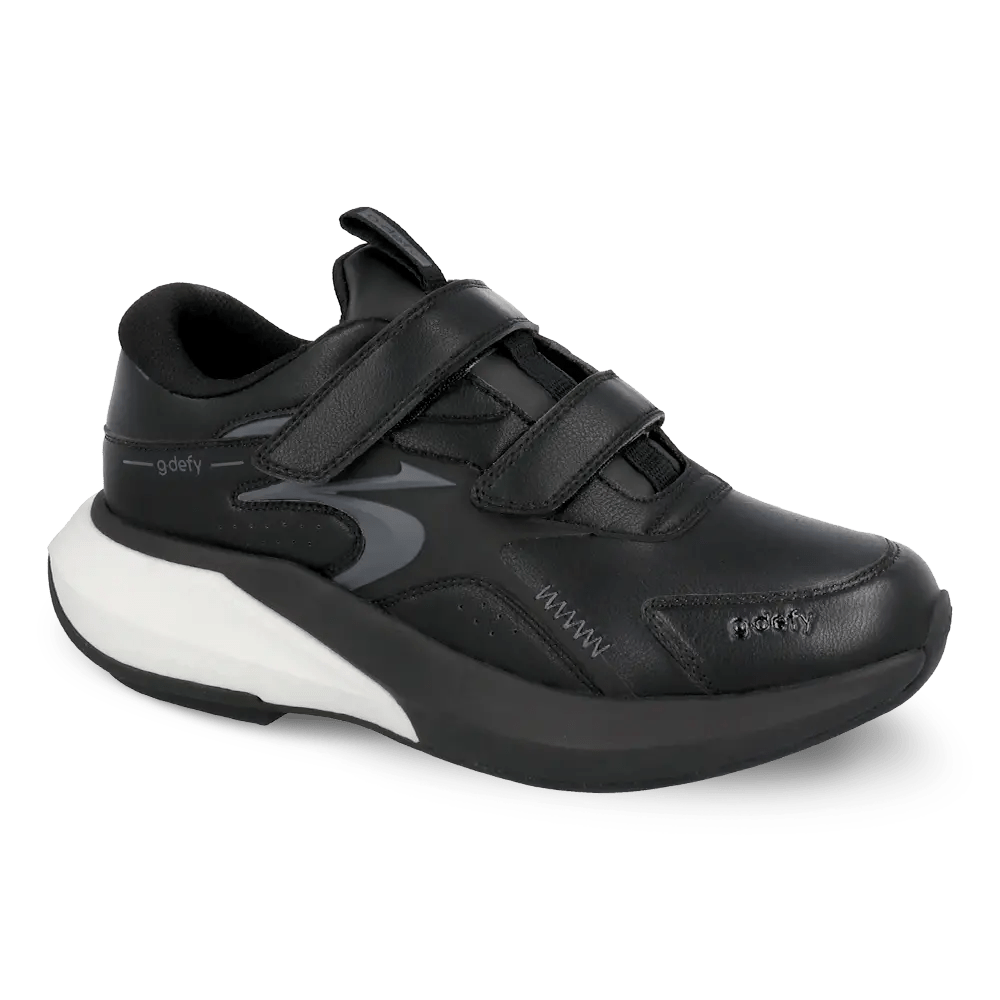
Best Slip-Resistant Work Shoe: MightyGlide
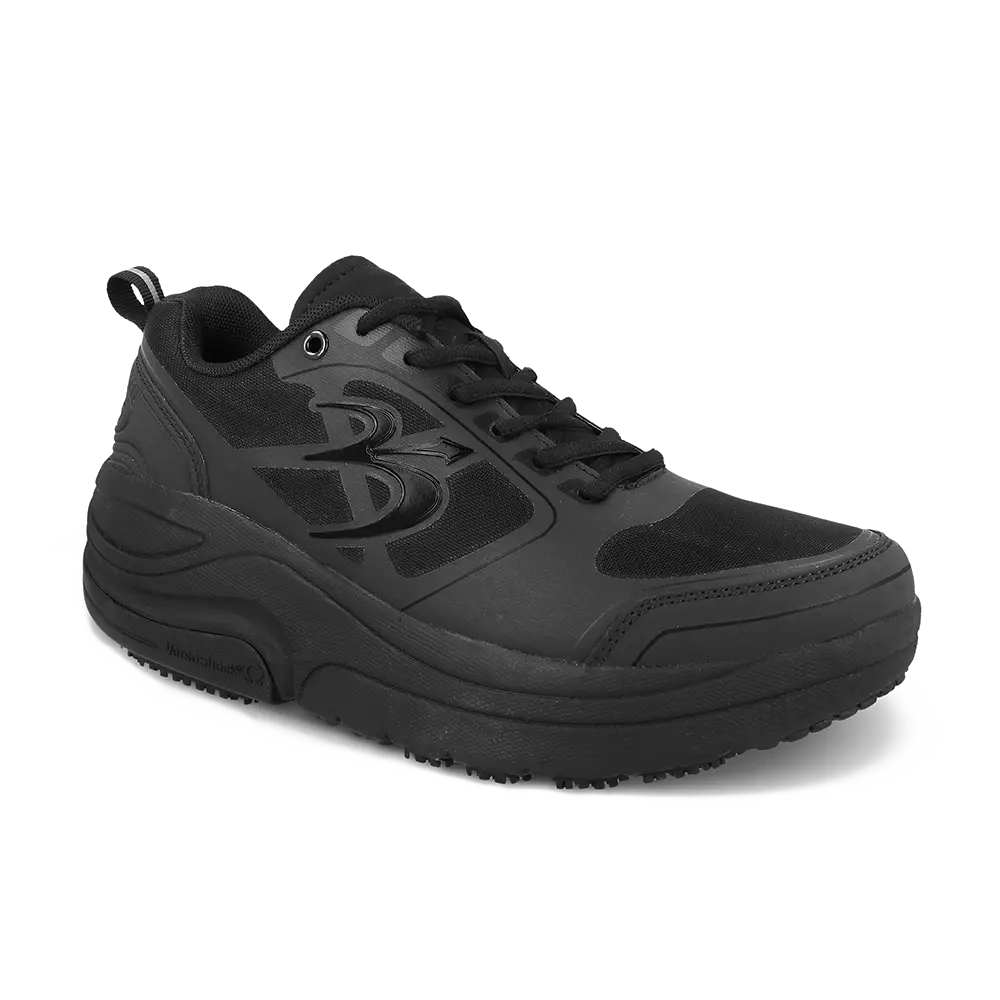
Food service, healthcare, hospitality. Wet floors and long shifts. The MightyGlide slip-resistant shoes combine bunion-friendly design with the traction your job demands. The toe box is wide and rounded. The upper is smooth synthetic that wipes clean and won't rub your bunion raw by hour six.
Why it works for bunions:
-
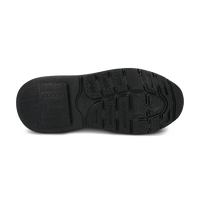
Slip-resistant outsole keeps you stable without adding forefoot pressure
-
Smooth upper interior prevents friction at the bunion during long shifts
-
Removable insole allows room for custom orthotics if needed
This is work footwear that meets safety codes without sacrificing the toe room your bunion needs.
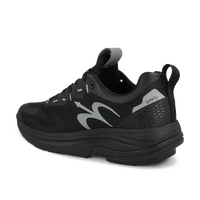
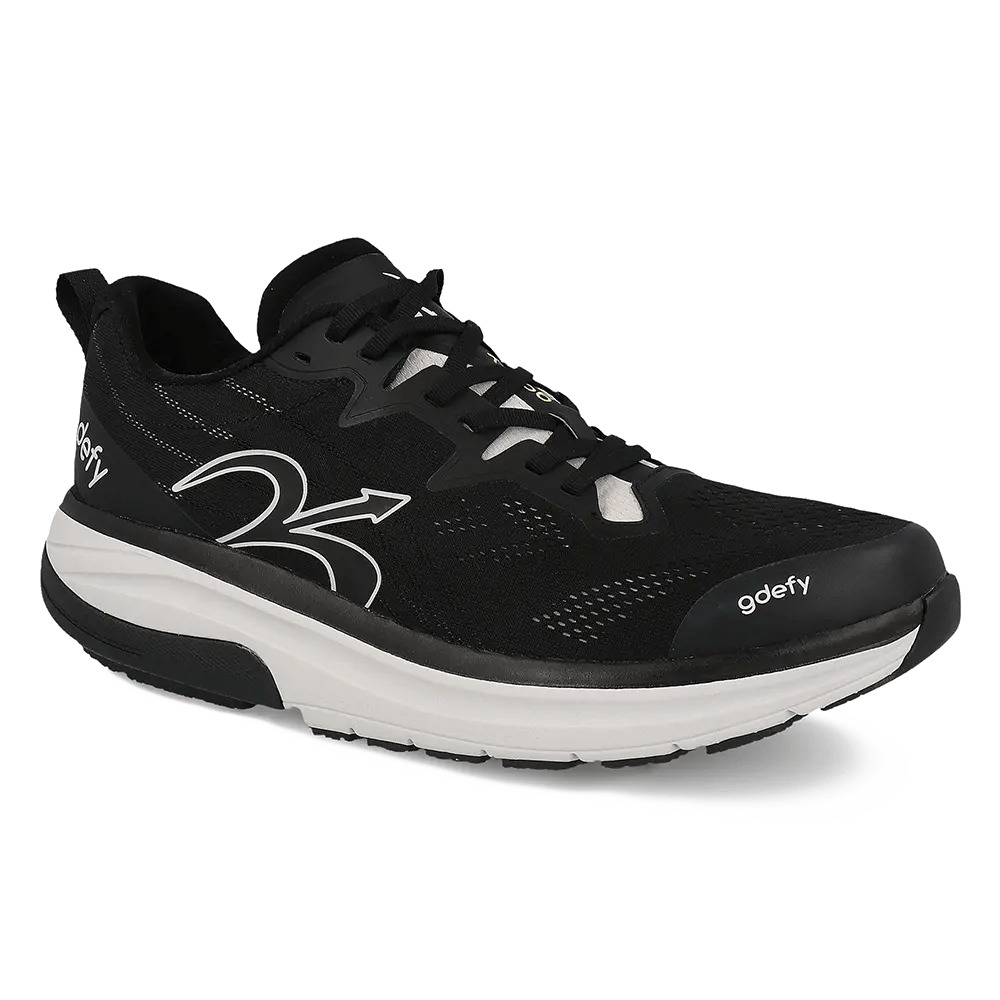
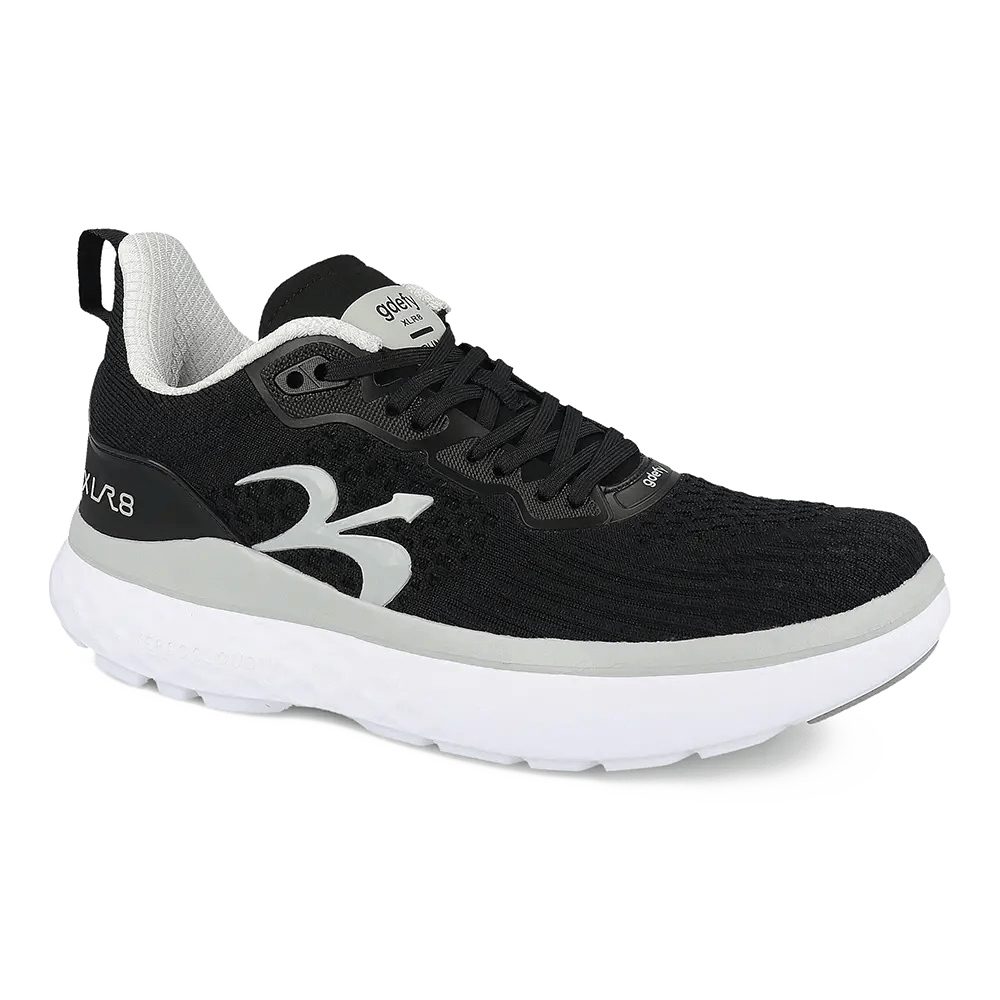
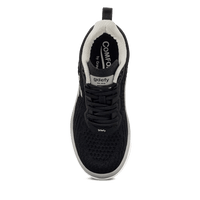
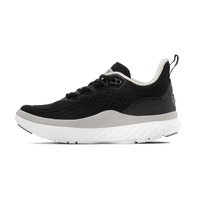
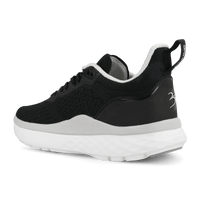
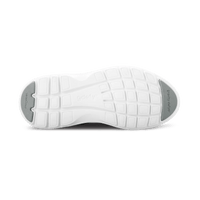
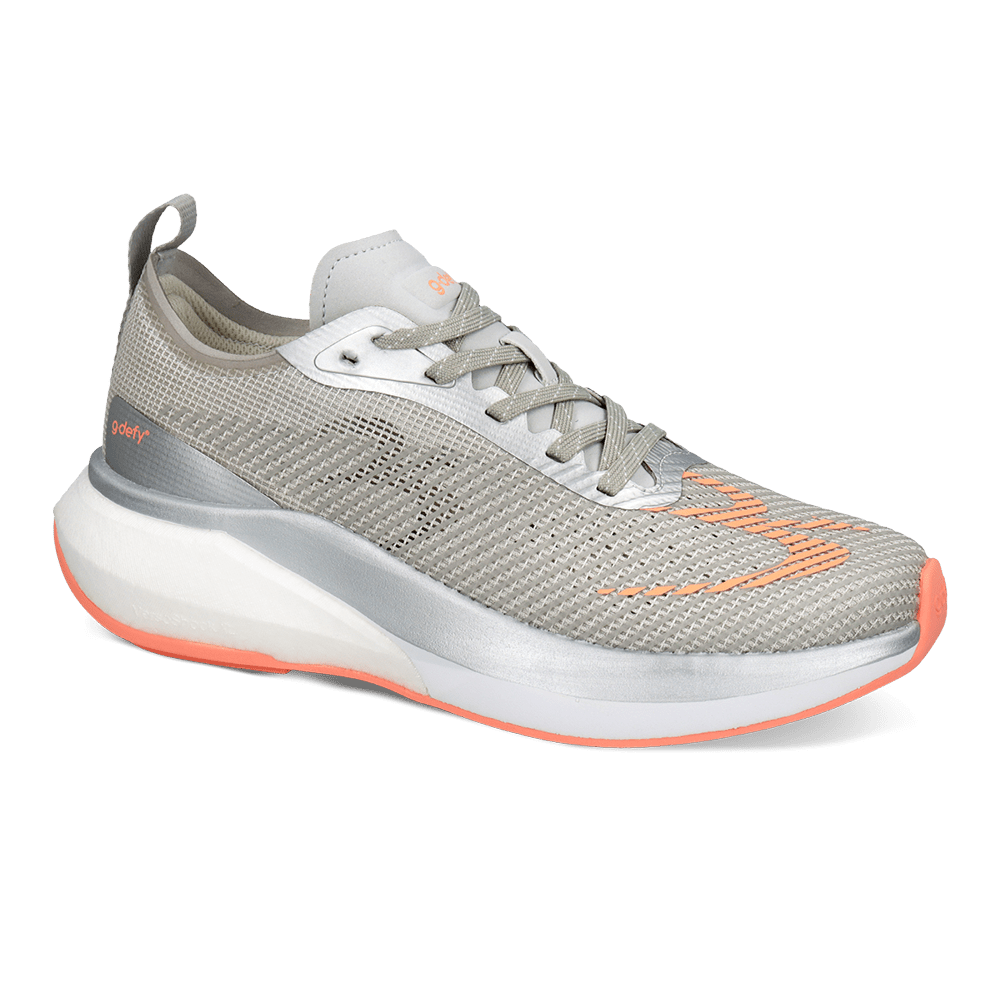
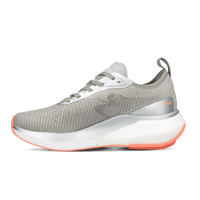
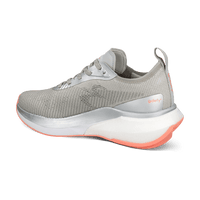
Best Athletic Feel: ION
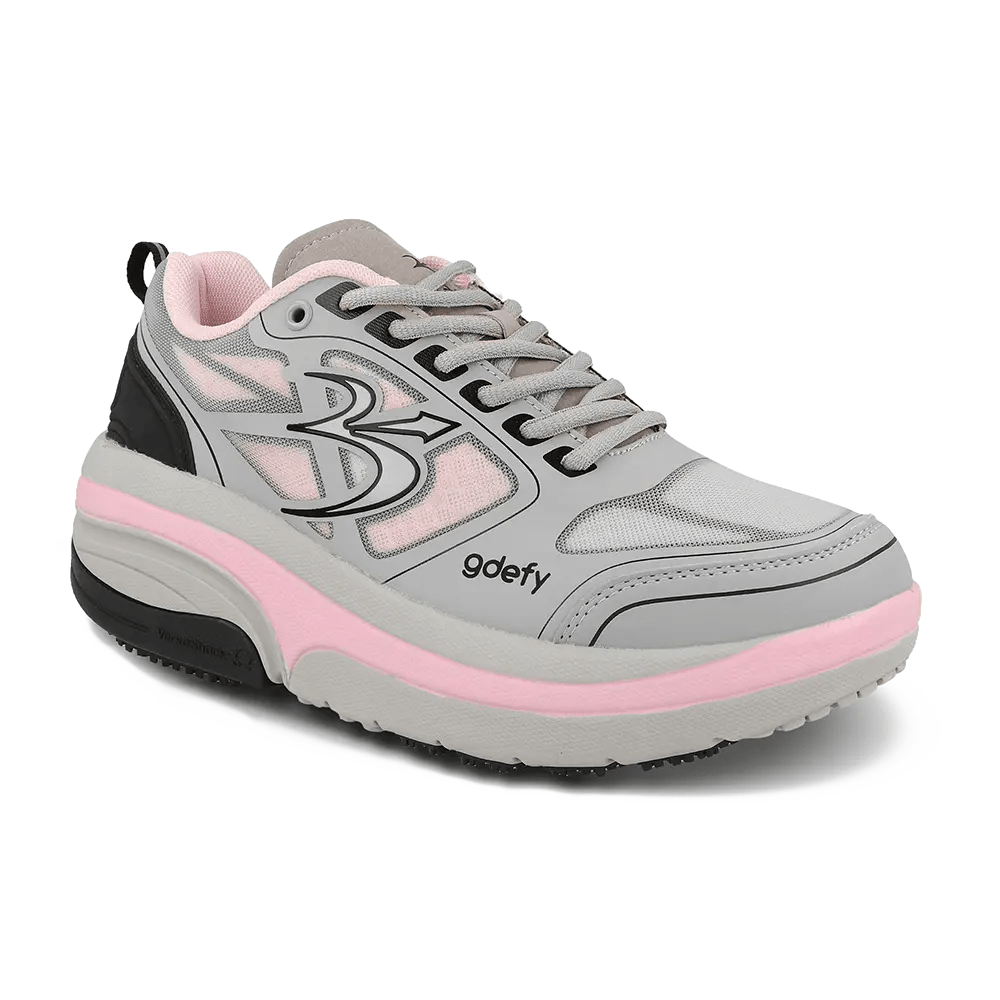
If you want a supportive, athletic-style shoe for gym workouts or active weekends, the ION athletic shoes deliver stability without the narrow toe taper of traditional running shoes. The platform is firm enough for lateral movements. The upper is flexible enough to move with your bunion.
Why it works for bunions:
-
Wider forefoot than standard athletic shoes
-
Secure midfoot fit prevents sliding without adding forefoot tightness
-
Responsive cushioning reduces impact on the bunion joint
Ideal for women who need bunion-friendly shoes that can handle varied activities, not just walking.
| Model | Best For | Toe Box Feel | Upper Material Stretch | Support Cushion Focus | Who Should Avoid |
| Mighty Walk | Standing all day | Rounded generous width | Stretch knit at bunion zones | Stable base shock absorption | Those needing slip resistance |
| ZenWalk | Walking travel | Wide breathable | Mesh with flex zones | Step comfort lightweight | Those needing work safety features |
| ZenStride | Easy on off | Roomy no pressure | Stretch fabric | Convenience padded collar | Those needing lace adjustability |
| MightyGlide | Slip resistant work | Wide rounded | Smooth synthetic | Traction durability | Those wanting maximum breathability |
| ION | Athletic activities | Athletic width secure | Flexible synthetic mesh | Stability responsive cushion | Those needing extra wide options |
What Bunions Are (and Why Shoes Start Hurting)
Hallux valgus is the medical term for a bunion, where the big toe shifts toward the other toes and the joint at the base becomes prominent and painful. A bunion changes the shape of your forefoot, so the shoe that used to fit can start rubbing exactly where you now need space and stretch.
Here's what happens. The first metatarsal bone angles outward. The big toe angles inward. The joint at the base bulges to the side, creating a bony bump. That bump sits right where most shoe uppers have seams, overlays, or tapered shaping. Every step creates friction and pressure. Over time, the skin thickens. The joint becomes inflamed. Walking hurts.
Cleveland Clinic notes that around one-third of Americans have bunions, with footwear playing a role in symptom severity. High heels and narrow toe boxes don't cause bunions in people without a structural predisposition, but they do make existing bunions worse by shifting weight forward and compressing the forefoot.
Bunionettes (tailor's bunions) form on the outside of the foot at the base of the little toe. Same mechanism, different location. The fifth metatarsal angles outward, creating a bump that rubs against the side of the shoe. You need a toe box that's wide across the entire forefoot, not just at the big toe.
Common pain triggers in regular shoes:
-
Tapered or pointed toe shapes that compress the bunion from the side
-
Stiff leather or synthetic uppers that don't give when the bunion presses outward
-
Internal seams or overlays positioned exactly where the bunion bulges
-
High heels that shift body weight forward, increasing pressure on the forefoot
-
Shoes that fit at purchase but tighten as the bunion progresses
Pain Trigger Shoe Feature That Fixes It
Rubbing on bunion bump Stretch upper panel at the bunion zone
Toes feel crowded Wide, rounded toe box with vertical space
Pain increases on hard floors Shock-absorbing cushioning in the midsole
Foot slides forward, rubbing bunion Stable heel counter and secure midfoot fit
Pressure across top of foot Deep toe box and flexible upper construction
Most shoes are designed for feet that haven't changed shape. Bunions mean your foot has changed. The shoe has to change with it.
The Bunion Shoe Checklist (Wide Toe Box + Stretch Upper + Support)
If you remember only five things, remember these. You can use this checklist anywhere, whether you're buying GDEFY or comparing other brands.
Research shows that female prevalence of bunions (23.74%) is more than double the male rate (11.43%), which explains why women's shoe fit is so often the problem. Most women's shoes prioritize style over the functional space a bunion demands.
For bunions, comfort comes from two things first: toe-room in the front and stretch where the bump sits. Then you add support and cushioning so you can stay on your feet longer.
1. Wide, Rounded Toe Box
Shape matters more than generic width claims. A wide toe box means the front of the shoe is shaped to let your toes lie flat and spread naturally. Rounded or squared toe shapes work. Pointed or tapered shapes don't, no matter how much the brand insists they're "roomy."
How to check it in 10 seconds: Stand in the shoes. Can you wiggle all five toes freely? Does the bunion touch the side of the upper? If yes to the second question, the toe box isn't wide enough.
2. Stretch Upper at the Bunion Zone
A stretch upper is a flexible shoe upper (often knit or mesh) that expands slightly over pressure points like bunions so the shoe doesn't pinch or rub. Look for stretch knit, mesh with flex zones, or soft leather that molds to the foot. Some uppers use materials like Lycra or similar stretchable fibers in specific panels.
How to check it in 10 seconds: Press gently on the upper where your bunion sits. Does it give? Can you see the material stretch? If the upper is rigid, it will rub.
3. Smooth Interior
Seams and overlays create pressure points. The inside of the shoe should feel smooth when you run your hand along the bunion area. Many athletic shoes place decorative overlays exactly where bunions bulge.
How to check it in 10 seconds: Put your hand inside the shoe and feel the interior lining where your bunion would sit. No ridges, no stitching, no hard edges.
4. Stable Arch Support
Arch support helps distribute pressure across the entire foot, reducing the load on the bunion joint. If your arches collapse inward (overpronation), your bunion experiences more strain with every step. A supportive arch keeps your foot aligned and reduces compensatory stress.
How to check it in 10 seconds: Press down on the insole at the arch. You should feel firm support, not just soft foam that compresses flat.
5. Cushioning + Stable Base
Cushioning absorbs impact, which matters on concrete and tile. But cushioning alone isn't enough. The heel counter (the stiff part at the back of the shoe) and midfoot should keep your foot from sliding forward, which would push the bunion into the front of the shoe.
How to check it in 10 seconds: Walk a few steps. Does your foot slide forward inside the shoe? If yes, the fit is too loose in the heel or midfoot, even if the toe box feels roomy.
| Feature | Why It Matters for Bunions | How to Check It in 10 Seconds |
| Wide rounded toe box | Reduces side to side pressure on the bunion | Wiggle all toes freely bunion should not touch upper |
| Stretch upper | Gives over the bunion instead of creating friction | Press upper where bunion sits it should flex |
| Smooth interior | Eliminates hot spots from seams or overlays | Run hand inside no ridges at bunion zone |
| Stable arch support | Distributes pressure reduces strain on bunion joint | Press insole at arch it should feel firm |
| Cushioning and stable base | Absorbs impact and prevents forward sliding | Walk a few steps foot should not slide forward |
How to Choose the Right Size and Width (U.S. Fit Guide)
Bunions can change your size. Your foot doesn't just widen at the bunion. The entire forefoot may spread. You might need a half size up, or a wide width, or both. Guessing doesn't work.
Conservative management should be explored before surgery, and proper fit is the first conservative step. Here's how to measure at home so you're not ordering and returning three pairs before you find the right one.
Step 1: Measure late in the day. Feet swell throughout the day. Measure in the afternoon or evening to capture your foot at its largest.
Step 2: Trace both feet. Stand on paper and trace around each foot. Measure the longest distance from heel to longest toe, and the widest distance across the forefoot (usually at the bunion area).
Step 3: Check toe room. You need about a thumb's width (roughly half an inch) between your longest toe and the front of the shoe. Bunions push the big toe inward, so the longest toe might be your second toe now.
Step 4: Understand width vs. toe box. A wider shoe (B standard, D wide, 2E extra-wide) increases overall forefoot volume. A wide toe box specifically gives the toes more shape-based room at the front. Bunions often need both: a wider shoe to accommodate overall forefoot width, and a wide toe box to give the toes room to spread.
Step 5: Account for orthotics. If you wear custom or over-the-counter orthotics, remove the factory insole and test the shoe with your orthotic in place. Some shoes don't have enough depth to accommodate both an orthotic and your foot.
Step 6: No painful break-in. Bunion shoes shouldn't require a "break-in period" where they hurt for the first week. If it rubs on day one, it will keep rubbing. Stretch uppers give immediately. Stiff uppers rarely soften enough to stop bunion pain.
For bunions and wide feet, prioritize toe box shape first (rounded and roomy), then choose the width that prevents side-to-side rubbing at the bunion.
Fit Mistake What You Feel Fix
Toe box too narrow Bunion rubs the side, toes feel cramped Size up or choose a wider toe box model
Heel too loose Foot slides forward, bunion hits the front Try a narrower heel or use a heel grip
Upper too stiff Pressure builds at the bunion, pain increases Choose a stretch upper or softer material
Insole too thick Toes press against the top, bunion feels squeezed Remove insole or choose a deeper shoe
Too much toe room Foot slides around, unstable gait Size down or try a different model with better midfoot fit
The ION shoes come in multiple widths and have a removable insole, which makes it easier to dial in the fit if you need to add your own orthotic or adjust for swelling.
How GDEFY Helps: Wide Toe Box Feel + Stretch Uppers + Impact-Reducing Support
GDEFY focuses on the three drivers of bunion discomfort: pressure, friction, and impact. Every design decision comes back to those three problems.
Pressure: Toe box room reduces direct compression on the bunion. When the bunion isn't being squeezed from the side, inflammation decreases. You can walk longer without that throbbing ache that builds over the day.
Friction: Stretch uppers and smoother interiors reduce rubbing hot spots. Friction creates heat, which inflames the bunion area. Cleveland Clinic guidance recommends footwear with wide toe boxes and stretchable uppers to help manage symptoms and prevent progression.
Impact: Cushioning makes hard surfaces more tolerable. If you stand all day on concrete or tile, every footstrike sends force through the bunion joint. Shock-absorbing midsoles reduce that impact, which can mean the difference between finishing your shift in pain or getting through the day comfortably.
Stability: A stable heel and midfoot prevent your foot from sliding forward inside the shoe, which would push the bunion into the front of the upper. Sliding creates friction, and friction creates pain.
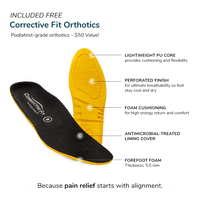
Orthotics-friendly design: Most GDEFY shoes have removable insoles, so if you use custom or over-the-counter orthotics, you can swap them in. Orthotics are supportive inserts placed inside shoes to improve alignment and redistribute pressure; some people use them to reduce bunion discomfort. If you need extra arch support or pressure redistribution, an orthotic insole can work with the shoe's wide toe box to create a more complete solution.
Problem Feature Best GDEFY Match
Bunion rubs against side of shoe Stretch knit upper with flex zones Mighty Walk, ZenWalk
Toes feel crushed together Rounded, wide toe box All models; choose wide if needed
Pain increases on hard floors Shock-absorbing midsole Mighty Walk, ION
Foot slides forward, bunion hits front Stable heel counter, secure midfoot ION, Mighty Walk
Need slip resistance for work Slip-resistant outsole + wide toe box MightyGlide Slip-Resistant
Bunionette on outside of foot Wide forefoot across entire width ZenStride, Mighty Walk
This isn't vague "orthopedic" marketing. It's foot mechanics. Reduce pressure, reduce friction, reduce impact. Your bunion stops screaming at you.
Shop by Need: Find Your Best GDEFY Bunion Shoe
Choose the situation that causes the most pain. We'll show you which shoe solves it.
Standing All Day
Nurses, teachers, retail workers, warehouse staff. Your shift is eight hours on concrete or tile. The bunion hurts by hour three. You need cushioning that lasts, a stable base that prevents your foot from sliding, and an upper that won't rub the bunion raw.
What to look for: Shock-absorbing midsole, stable heel counter, stretch upper at the bunion zone, wide toe box that doesn't feel sloppy in the heel.
Recommended: Mighty Walk. The midsole platform is firm enough to keep you stable while the cushioning absorbs impact. The stretch knit upper gives where your bunion sits. If you stand all day with bunions, prioritize a stable base and shock-absorbing cushioning, then make sure the upper doesn't rub the bunion area.
Walking and Travel
Vacation sightseeing, daily errands, morning walks for exercise. You're logging 10,000+ steps, and the bunion starts to ache after a mile or two. You need lightweight comfort, breathability, and a forefoot that doesn't cramp your toes.
What to look for: Lightweight design, breathable upper, step-by-step cushioning, generous toe room without excess bulk.
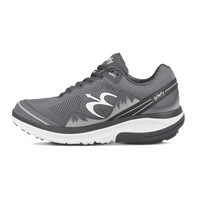
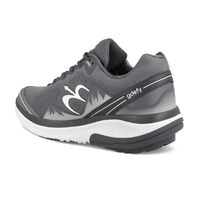
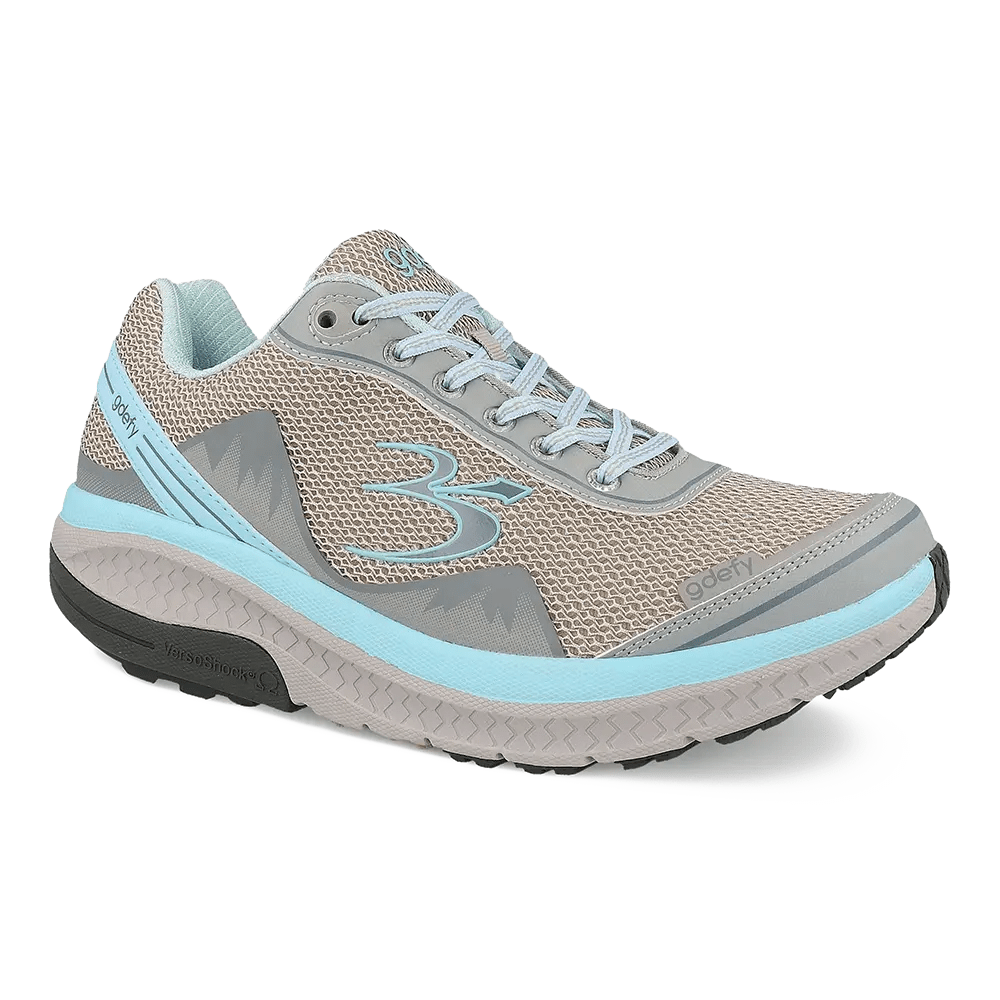
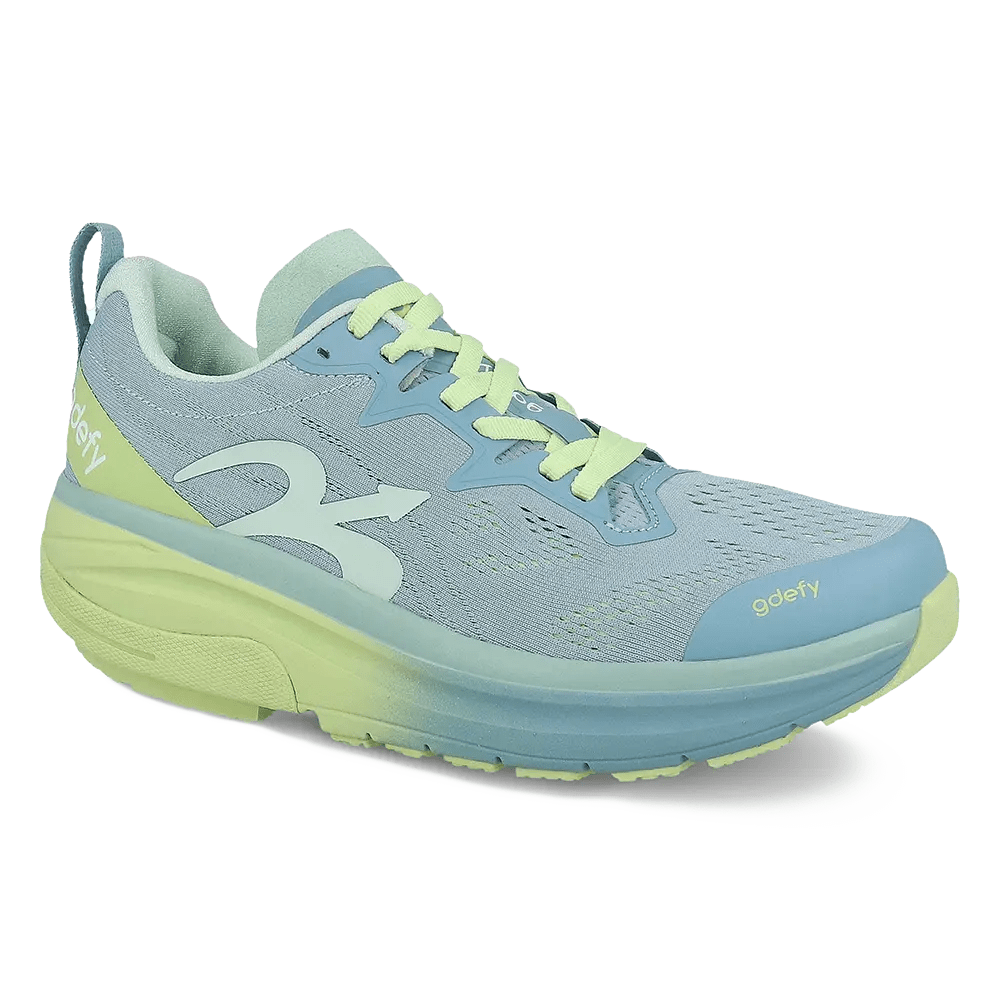
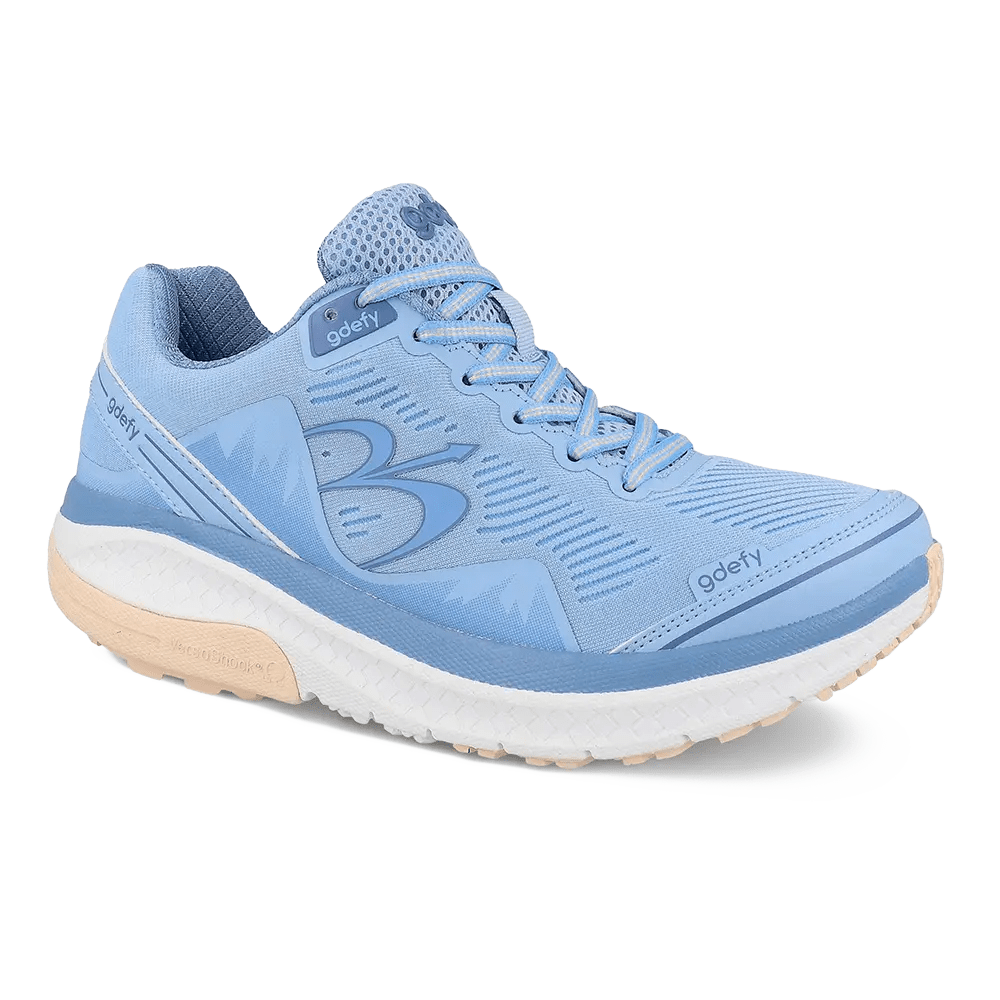
Recommended: Mighty Walk in blue and beige. Breathable mesh keeps your feet cool. The forefoot is spacious enough for bunions without feeling oversized. Arthritis Foundation guidance emphasizes that the body needs a stable foundation, and the ZenWalk delivers that without adding unnecessary weight.
Work (Slip-Resistant)
Food service, healthcare facilities, hospitality. Wet floors, grease, long shifts. You need slip resistance, durability, and a toe box that won't squeeze your bunion during a double shift.
What to look for: Slip-resistant outsole (check the tread pattern and material), smooth upper that wipes clean, wide toe box, removable insole for orthotics if needed.
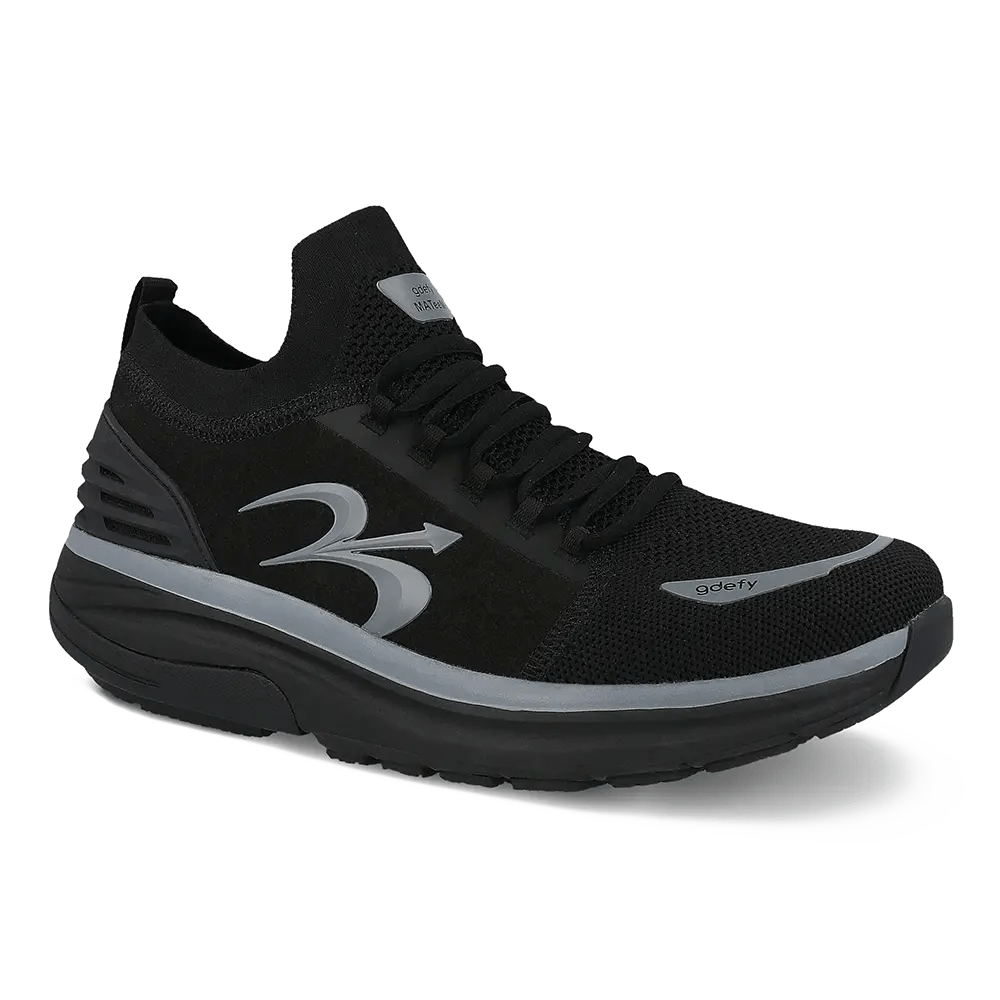
Recommended: slip-resistant work shoes like the Mateem Slip Resistant. The outsole meets slip-resistance standards. The upper is smooth synthetic that won't rub your bunion during a 12-hour shift. Slip-resistant shoes use outsole patterns and rubber compounds designed to improve grip on wet or smooth floors, which can help you feel stable during long shifts.
Everyday Casual
Errands, coffee runs, casual weekends. You don't need athletic performance, but you do need bunion-friendly comfort that looks presentable. Easy on, easy off, no pain.
What to look for: Slip-on or easy lacing, casual aesthetic, stretch upper, enough toe room to accommodate the bunion without looking oversized.
Recommended: ZenStride slip-on or Mateem casual. Both have stretch uppers, roomy toe boxes, and a look that works for daily wear. The ZenStride is faster to put on. The Mateem has a more structured casual appearance.
Need What to Look For Recommended GDEFY Model
Standing all day Stable base, shock absorption, secure fit Mighty Walk
Walking/travel Lightweight, breathable, step comfort ZenWalk
Slip-resistant work Traction, durability, smooth upper MightyGlide Slip-Resistant
Everyday casual Easy on/off, stretch upper, casual look ZenStride, Mateem
Beyond Shoes: Conservative Bunion Relief You Can Use at Home
Shoes help, but they're not the only tool. Conservative treatment means non-surgical steps like footwear changes, inserts, and symptom management aimed at reducing pain and slowing progression. For many people, the most effective first step for bunion discomfort is conservative care: wider, softer shoes plus inserts or toe spacers to reduce pressure and friction.
Toe Spacers and Toe Separators
Toe spacers sit between your toes to reduce rubbing and encourage a more natural toe position. They won't reverse a bunion, but they can make shoes more comfortable. One study found that insoles with toe separators led to significant pain reduction (p
Tool What It Helps Best Time to Use Cautions
Toe spacers Reduce toe-to-toe rubbing During the day or at night Stop if toes feel numb or cramped
Orthotics Redistribute pressure, improve alignment All day in supportive shoes Consult a provider if diabetic or neuropathic
Activity modification Reduce time in narrow shoes or heels Daily habit changes May require wardrobe adjustments
Stretching/strengthening Maintain mobility, reduce stiffness Morning or evening routine Stop if pain increases
Pair these strategies with bunion-friendly footwear like the ZenStride shoes, which have enough toe room to accommodate toe spacers and a removable insole for orthotics.
When to See a Podiatrist (and What Surgery Stats Actually Mean)
Shoes help until they don't. See a podiatrist if bunion pain limits walking or work, if you develop skin breakdown or numbness, or if conservative steps like supportive shoes and inserts don't control symptoms.
Guidelines emphasize that conservative approaches should be explored before surgery. That means trying wide toe boxes, stretchable uppers, orthotics, and activity modification for at least several months. If those steps fail, surgery becomes an option.
Bunion surgery is a set of procedures used to realign the bones and soft tissues around the big-toe joint when pain and footwear problems persist despite conservative care. Recurrence rates after bunion surgery range from 8% to 15%, meaning a small but notable percentage of patients see the bunion return. Minimally invasive approaches report complication rates around 10% and satisfaction rates around 95%, but those numbers vary by procedure type and surgeon experience.
Surgery isn't a first step. It's a last resort when conservative care fails. That's why choosing the right shoes now matters.
See a podiatrist if:
-
Bunion pain limits your ability to walk or work
-
You develop frequent skin breakdown, blisters, or calluses over the bunion
-
The bunion deformity is progressing rapidly
-
You experience numbness or tingling in the toes
-
Conservative steps (shoes, orthotics, activity changes) don't reduce pain after three to six months
Approach What It Can Do Timeline Risks/Considerations
Conservative care (shoes, orthotics, spacers) Reduce pain, slow progression, improve daily function Ongoing; effects felt within weeks to months Requires consistent use; may not eliminate all symptoms
Surgery (bunionectomy, osteotomy, realignment) Correct deformity, reduce pain, improve footwear fit Recovery 6-12 weeks; full healing up to 6 months Recurrence 8%-15%; complication rate ~10%; requires post-op care
Start with footwear. If shoes and conservative care work, you avoid surgery. If they don't, you'll know you tried the lowest-risk options first.
Frequently Asked Questions
What are the best shoes for bunions and wide feet?
The best shoes for bunions and wide feet have a wide, rounded toe box and a soft or stretch upper so the bunion isn't squeezed, plus supportive cushioning for all-day comfort. Prioritize toe box shape first (rounded, not tapered), then choose the width that stops side rubbing at the bunion. Look for shoes with smooth interiors and stable heel counters to prevent your foot from sliding forward. GDEFY's Mighty Walk and ZenWalk models both meet these criteria and come in multiple widths.
Do wide toe box shoes help bunions?
Yes. Wide toe box shoes can help bunions by reducing pressure on the big-toe joint and giving the toes room to spread naturally instead of being pushed inward. A wide toe box alone isn't enough; the toe box shape also matters. Rounded or squared shapes work better than tapered or pointed shapes, even if the width measurement is the same. Combine a wide toe box with a stretch upper for the best results.
What upper material is best for bunions?
For bunions, the best uppers are soft and flexible, like knit or mesh, because they can give slightly over the bunion instead of rubbing like stiff materials. Look for uppers with stretch panels positioned at the bunion zone. Some shoes use materials that include stretchable fibers (like Lycra blends) in specific areas. Smooth interiors matter too; avoid shoes with internal seams or overlays at the bunion area, as those create friction hot spots.
Can shoes fix a bunion?
Shoes can't reverse a bunion, but the right shoes can reduce pain and friction and may help prevent symptoms from getting worse. Conservative management guidelines emphasize that footwear changes are a key first step before considering surgical options. Cleveland Clinic notes that wide toe boxes and stretchable uppers can help manage bunion symptoms and may slow progression, especially when combined with other conservative strategies like orthotics.
Should I wear orthotics if I have bunions?
Orthotics can help some people with bunions by improving support and redistributing pressure away from painful areas. Research shows that insoles with toe separators significantly reduced bunion pain (p































.svg)



