
March 11, 2026
Orthotics-Friendly Sneakers (Removable Insoles)
By Gdefy

Summary
Shop GDEFY + How to Choose
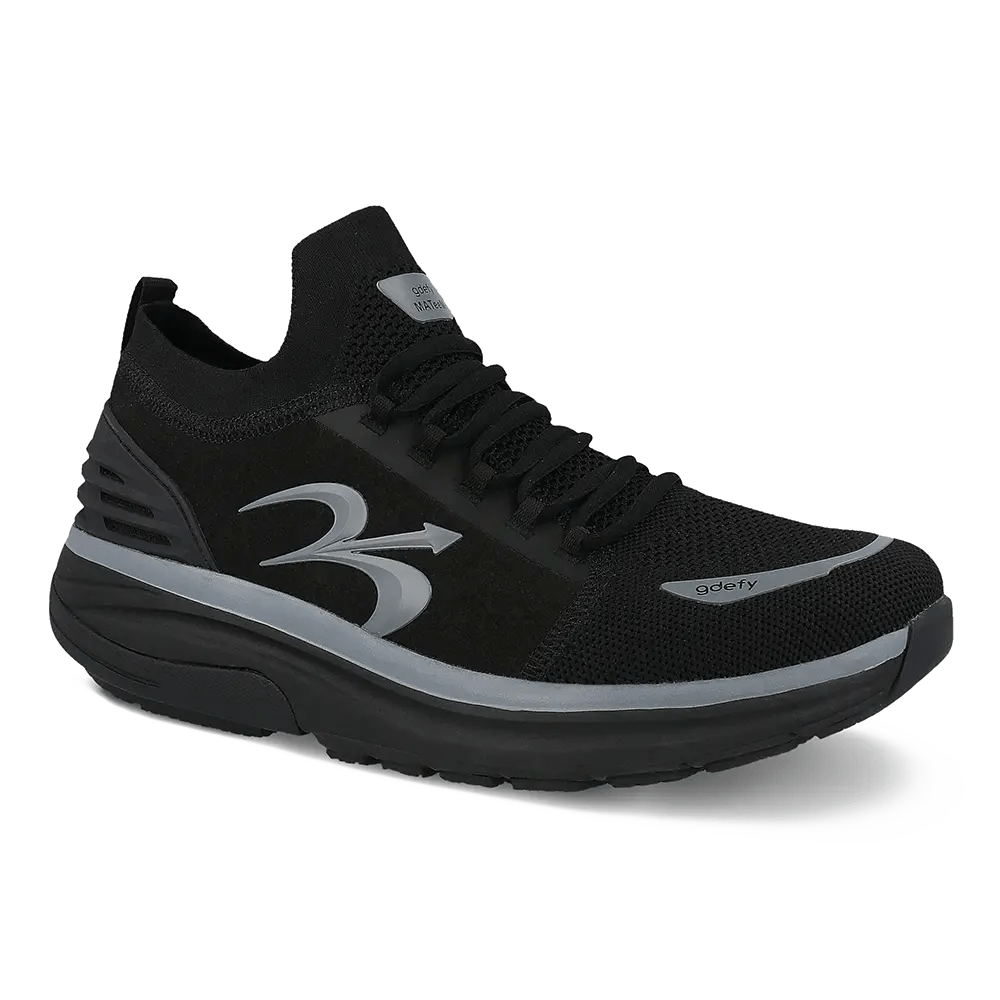
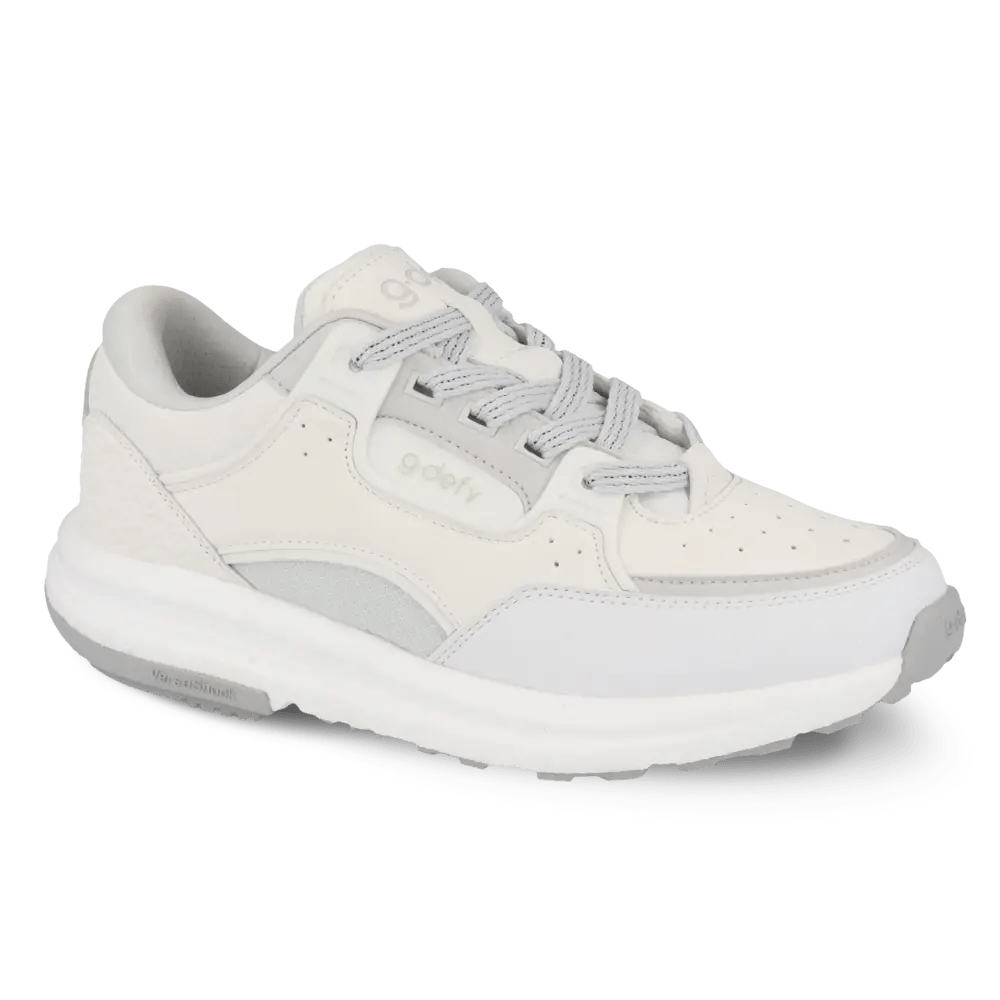
You can buy arch support shoes online in 2026 directly from GDEFY. Our orthotics-friendly sneakers are built with removable insoles so you can use your own orthotics without guessing the fit. This guide will walk you through everything you need to know about choosing sneakers that work with your custom or over-the-counter inserts, from depth and volume checks to heel security and use-case matching. Whether you're traveling, walking all day, or standing for hours at work, the right sneaker makes all the difference.
Shop Orthotics-Friendly Sneakers (Removable Insoles)
GDEFY makes it easy to shop orthotics-friendly sneakers by starting with removable insoles and then matching you to the right depth, support, and use case. Every sneaker in this collection features a factory insole that lifts out completely. This creates the space you need for custom orthotics or over-the-counter arch supports. But removable insoles are just the starting point. True orthotic compatibility depends on internal volume, heel security, and midfoot stability.
The U.S. medical footwear market was valued at about $563.6 million in 2022 and is projected to grow at an 8.8% CAGR through 2030, according to Grand View Research. Online distribution is growing even faster at 9.6% annually, which means more shoppers are buying supportive footwear without trying it on first. That's why clear orthotic-fit guidance matters. You need to know what to look for before you add anything to your cart.
Orthotic Fit Quick-Check:
- Removable insole: Confirmed on all GDEFY styles in this collection
- Heel lockdown: Structured heel counter and secure lacing keep your foot stable
- Midfoot support: Non-twisting base and stable midsole work with your orthotic
- Toe room: Space for swelling and comfort without pinching
- Depth/volume: Enough internal space so your orthotic doesn't force your heel to lift
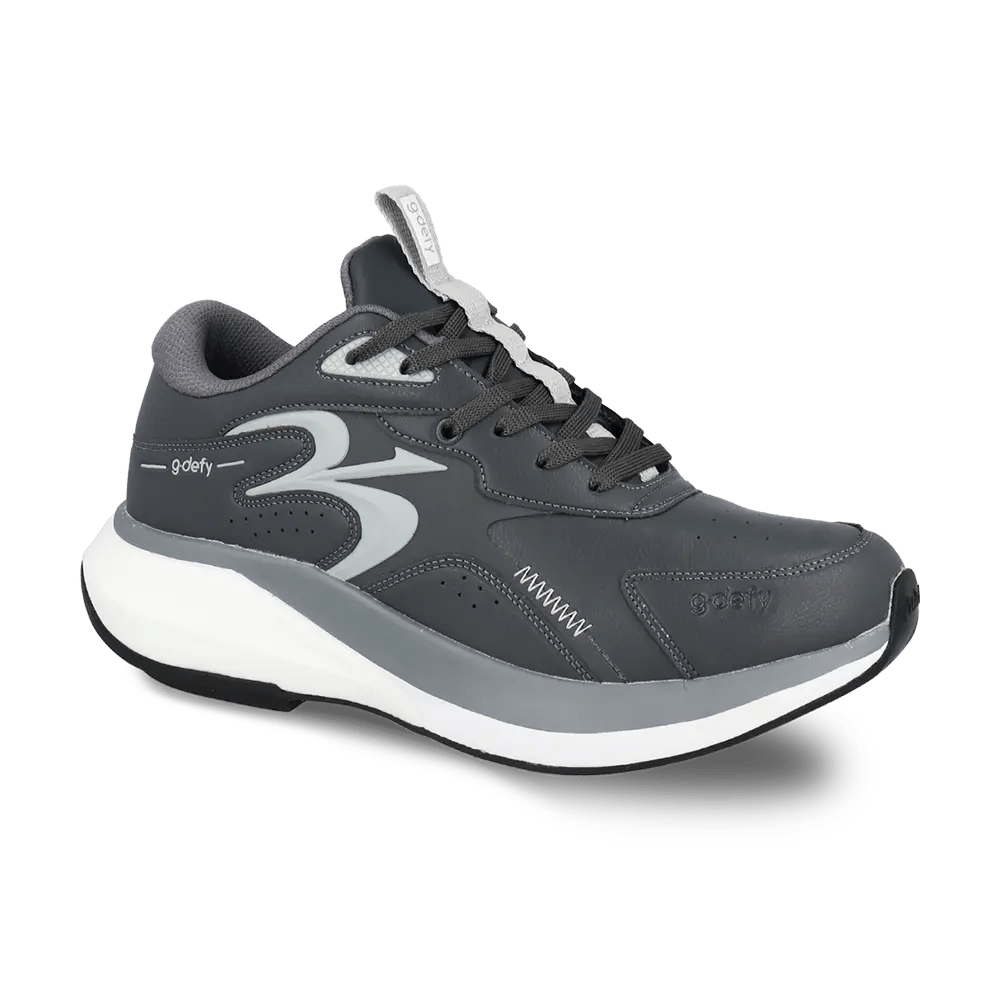
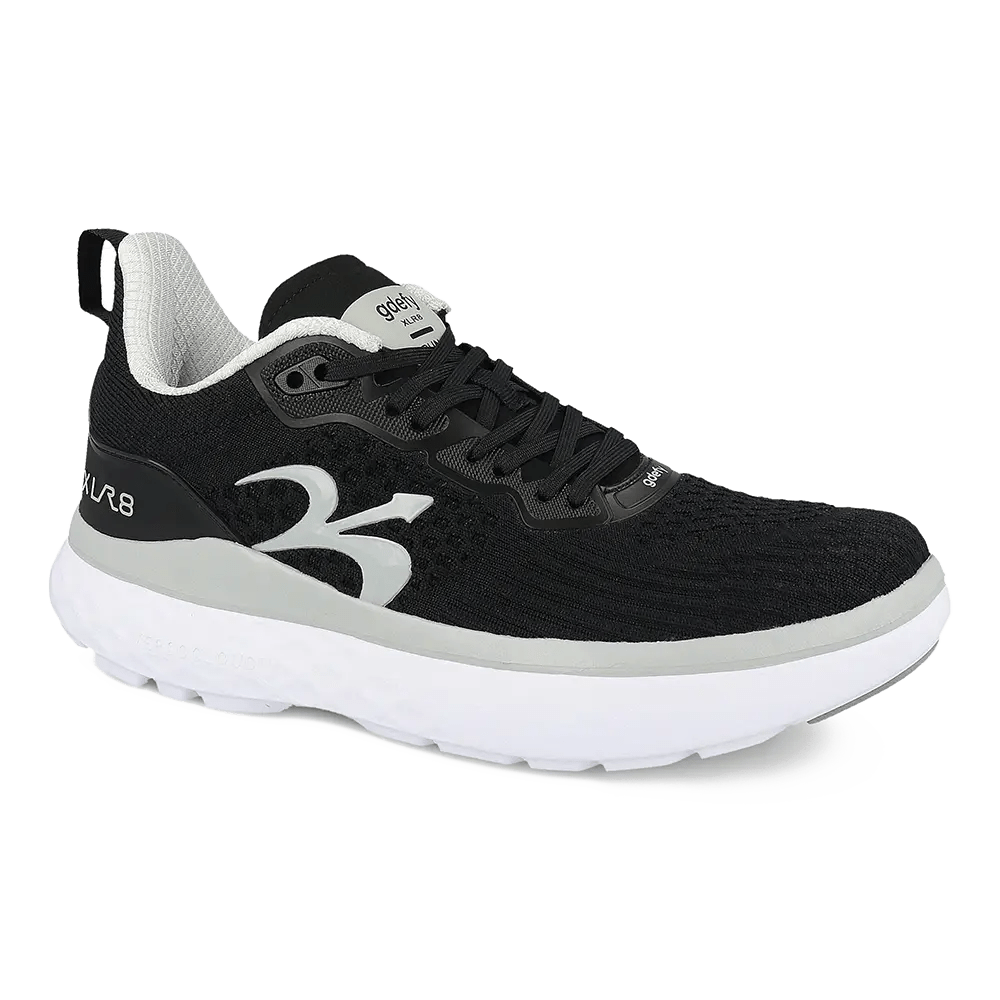
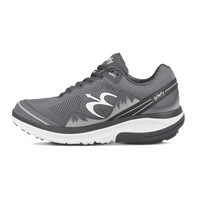
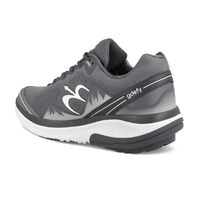
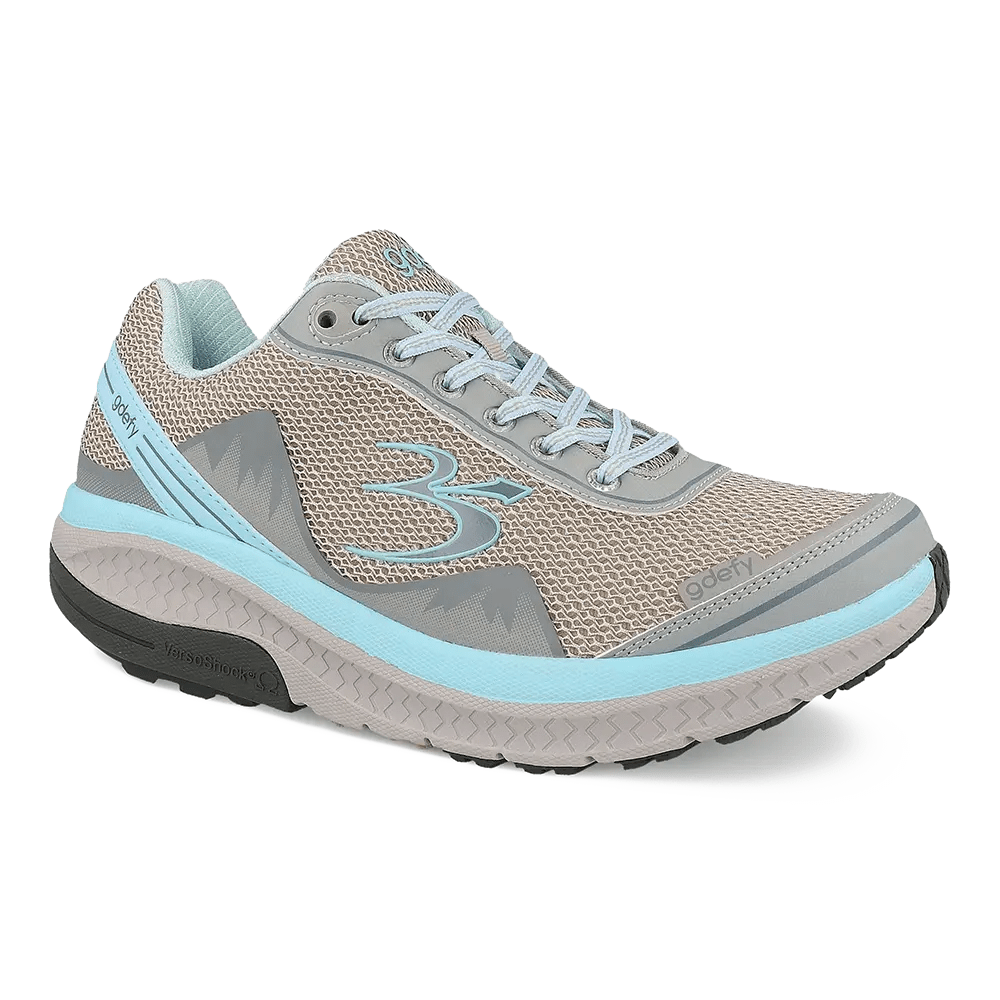
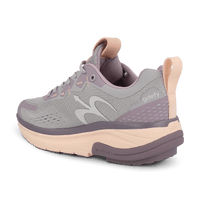
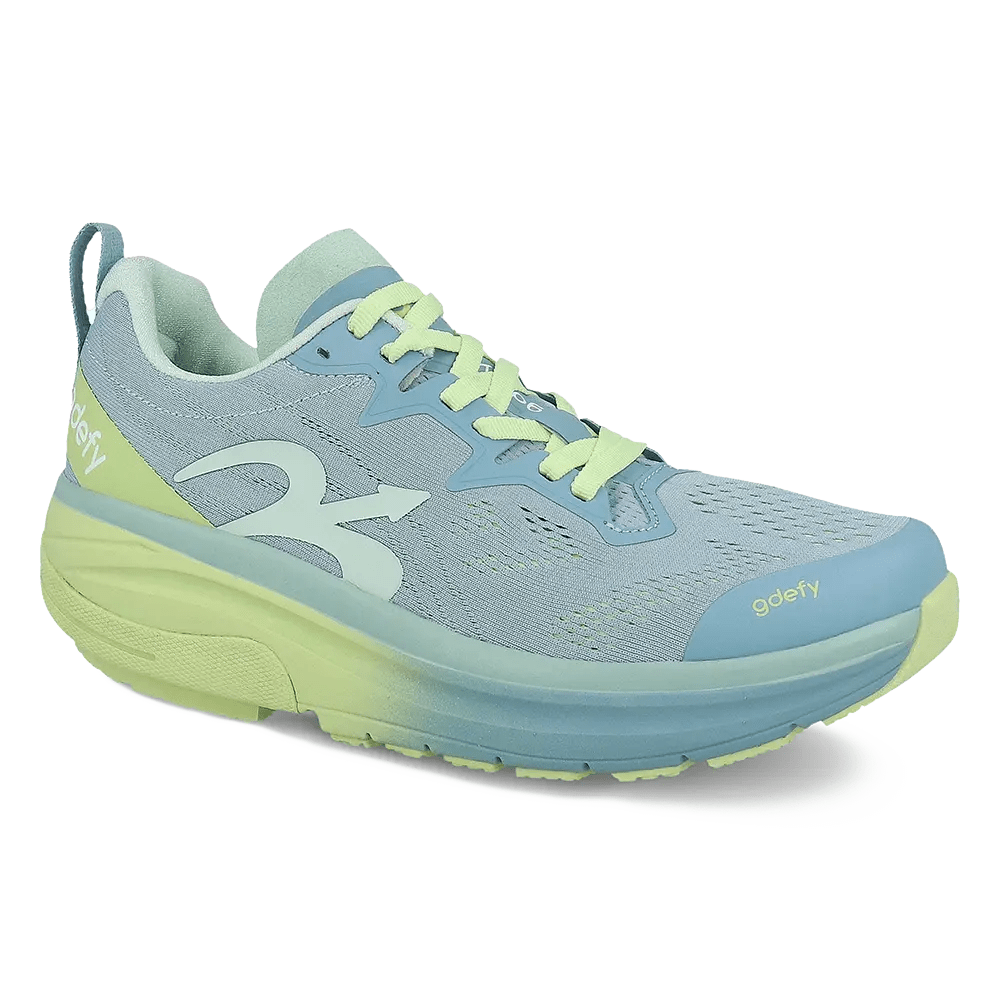
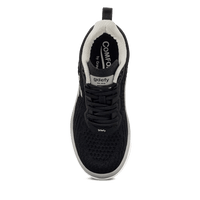
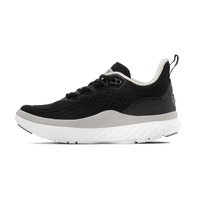
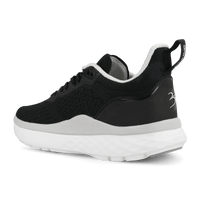
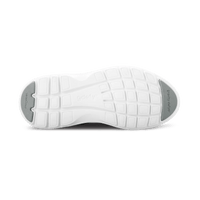
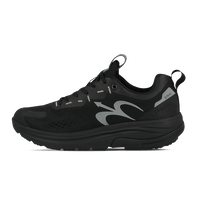
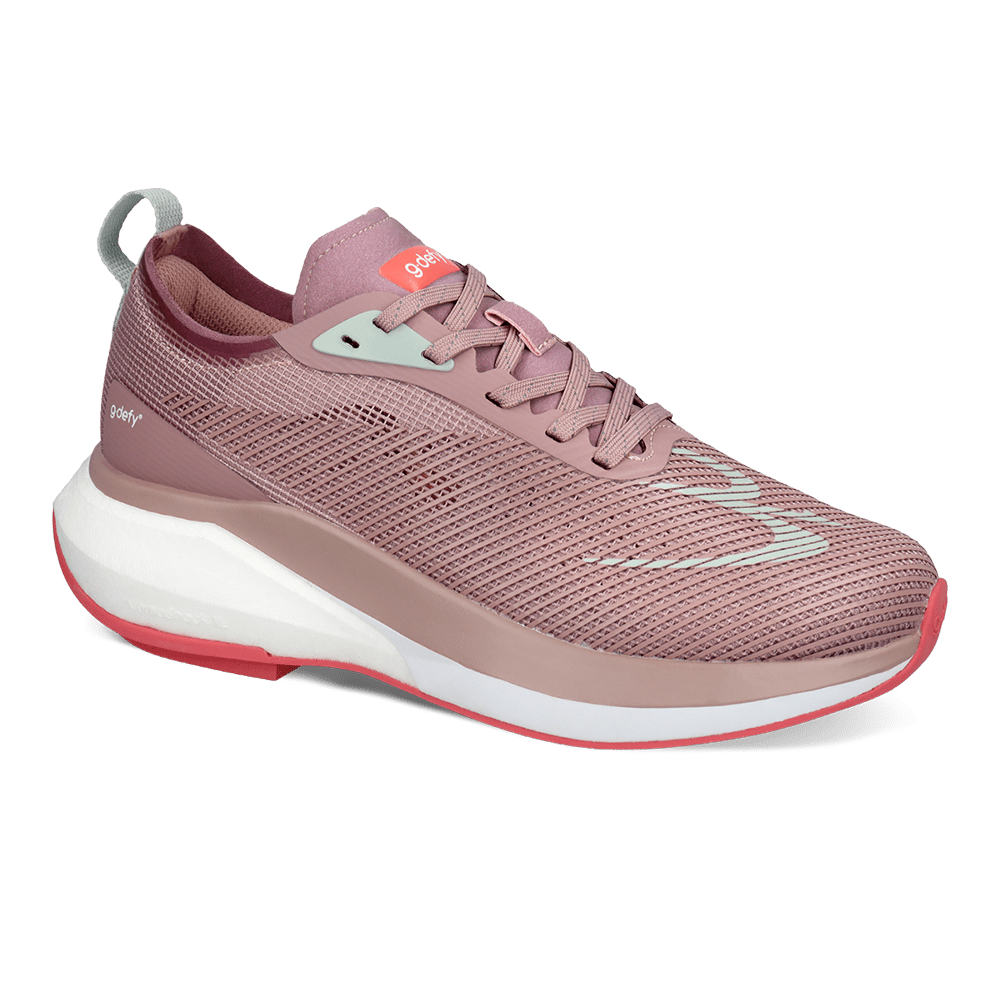
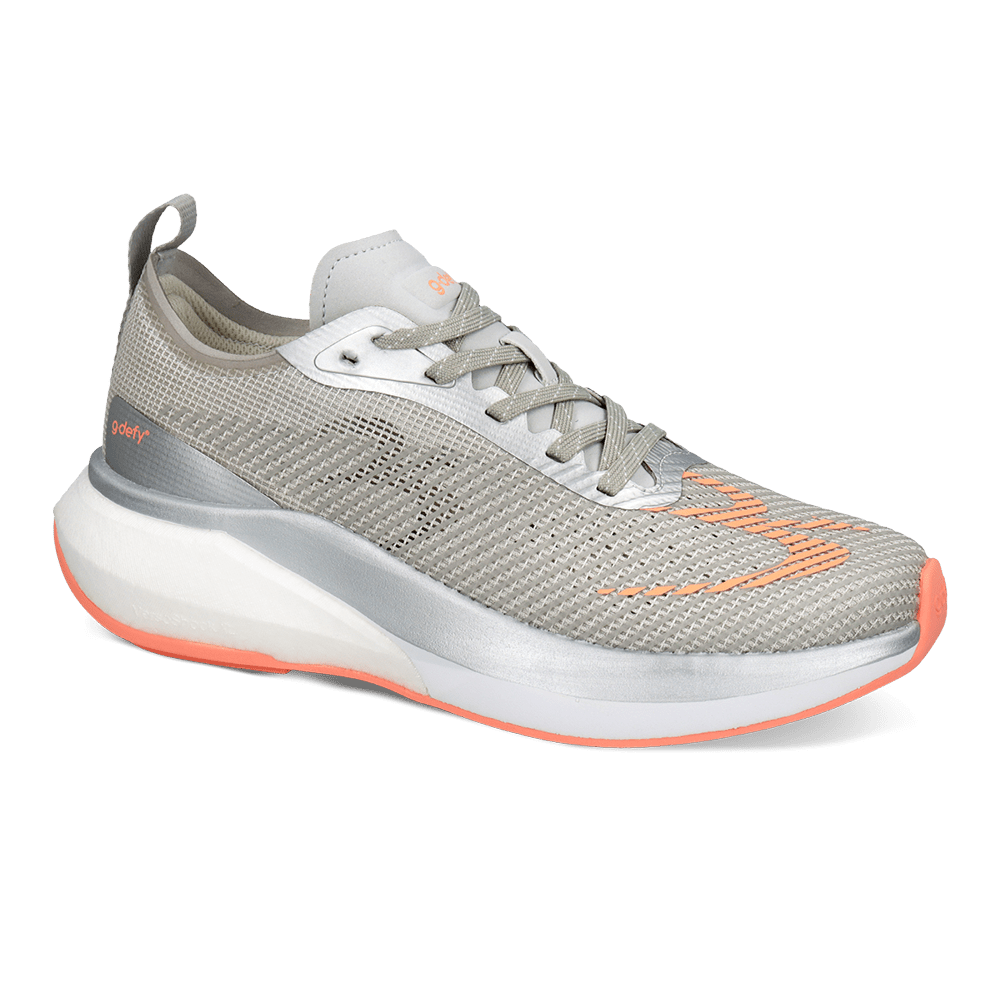
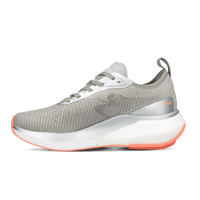
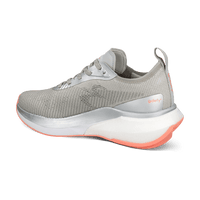
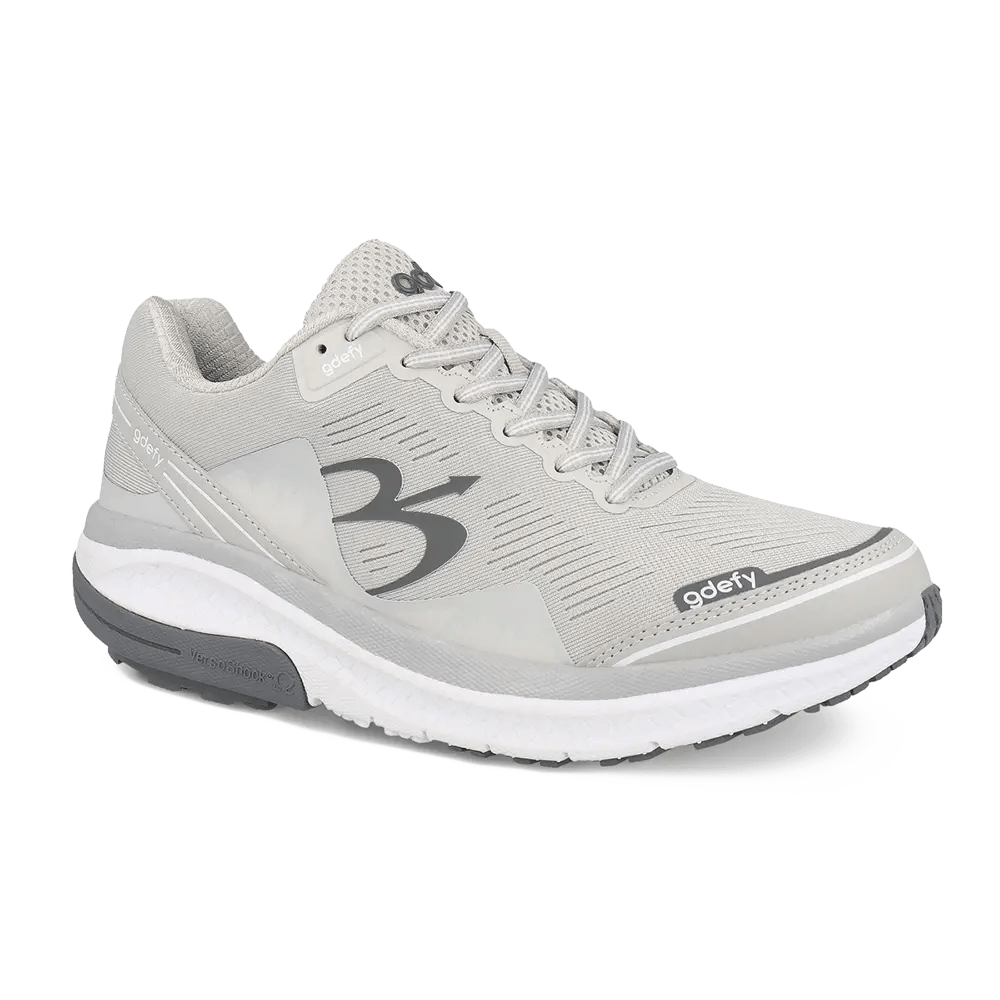
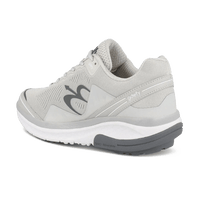
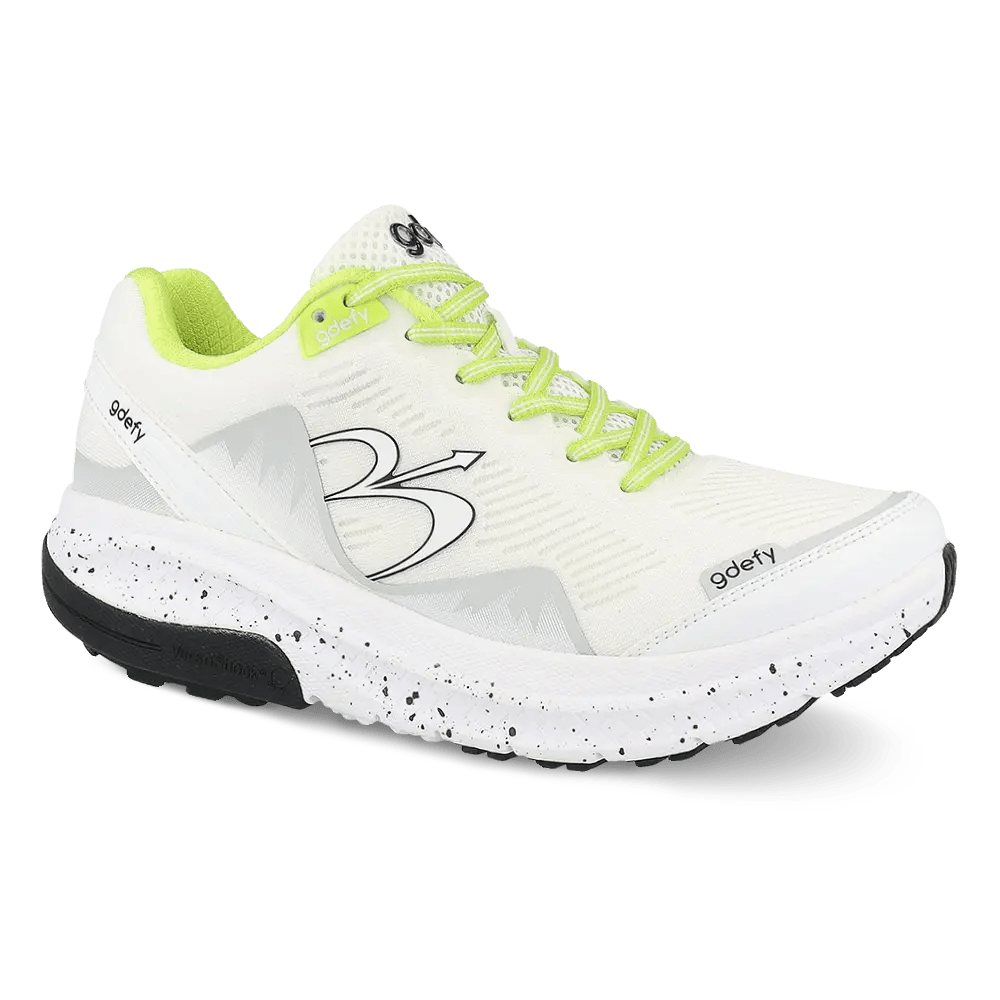
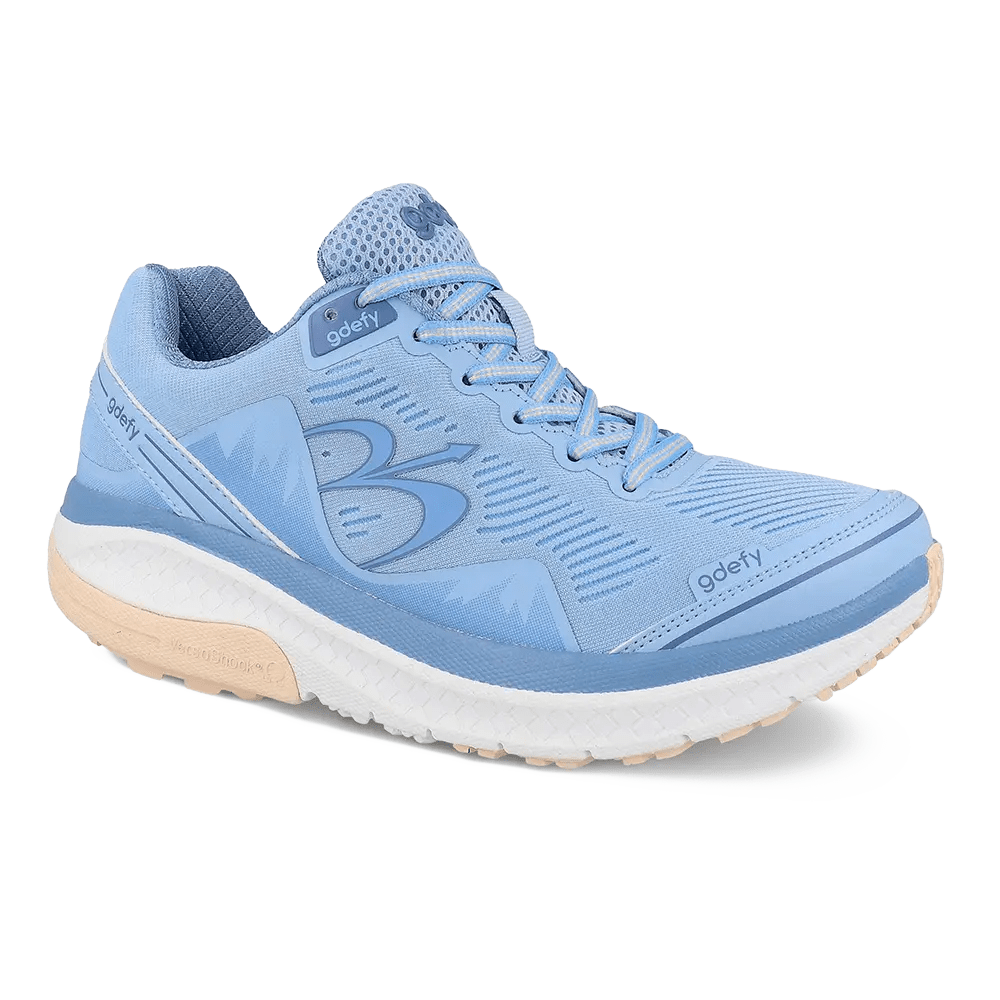
Popular women's picks include the ZenWalk sneakers, which combine lightweight construction with a supportive base and room for orthotics. When you browse the collection, look for these filters: Women/Men, Activity (Travel, Walking, Standing), Width, Cushioning level, and Slip Resistant. Every product tile shows "Removable insole: Yes" plus the best use case and available widths. This helps you narrow down options fast.
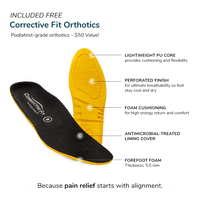
Removable insoles are factory insoles that can be taken out of a shoe to create space for custom or over-the-counter orthotics. Without this feature, you're forced to stack inserts on top of the factory bed, which causes tightness, heel lift, and instability. GDEFY designs every sneaker with full removability from the start.
What Are Orthotics-Friendly Sneakers?
Orthotics-friendly sneakers are shoes designed to accept custom or over-the-counter orthotics by using removable insoles and enough internal volume to prevent tightness and heel slipping. A removable insole is the starting point, but true orthotic compatibility depends on depth, heel security, and how the shoe holds the midfoot. You need all three working together.
Understanding what you're shopping for starts with knowing the difference between three types of inserts:
| Type | Typical Goal | Thickness Rigidity | What the Shoe Must Have |
| Stock insole | Basic comfort and cushioning | Thin flexible | Removable so you can replace it |
| OTC orthotic | Arch support alignment pain relief | Medium thickness semi rigid arch | Removable insole enough depth heel lockdown |
| Custom orthotic | Prescription correction specific biomechanics | Thicker fully customized shape | Removable insole high volume stable heel roomy toe box |
Who needs orthotics-friendly sneakers? People shopping for these shoes typically have one or more of the following needs:
- Custom orthotics prescribed by a podiatrist for flat feet, plantar fasciitis, or alignment issues
- Over-the-counter arch supports for everyday comfort and fatigue reduction
- Travel walking where foot swelling and long days on pavement require adaptable fit
- Standing all day at work with supportive inserts to reduce lower back and leg fatigue
- Wide feet that need extra room after an orthotic takes up additional space
- Foot pain or discomfort that improves with arch support and shock absorption
A 2025 study found arch support insoles reduced lower-extremity muscle fatigue during walking tasks in people with flatfoot, Nature reports. This explains why so many people feel immediate relief when they switch from flat factory insoles to supportive orthotics. But that relief only happens if the shoe can accommodate the insert without creating new pressure points.
Many brands offer removable insoles, including specialty comfort brands like Aetrex. The practical difference is whether a brand also provides depth guidance, swap instructions, and filters that make orthotic fit easy. This is where GDEFY stands out. You're not just buying a shoe with a removable footbed. You're getting a complete fit system that tells you exactly what to expect when you insert your orthotic insole.
Internal volume is the usable space inside the shoe. Higher-volume shoes are more likely to fit orthotics without pinching or forcing your heel to lift. This is especially important for custom orthotics, which are thicker and more rigid than OTC inserts. If a shoe feels snug with the factory insole, it will feel too tight once you add your orthotic.
How to Choose Orthotics-Friendly Sneakers
Use this checklist before you buy. Each item addresses a specific fit challenge that shows up after you swap in your orthotic. Skip any of these checks and you risk buying a shoe that doesn't work.
Depth and Volume
Orthotics take space. This sounds obvious but it's the most common mistake shoppers make. When you remove the factory insole and insert your orthotic, you're replacing a thin, flexible liner with a thicker, more structured device. Your foot sits higher in the shoe. The upper presses down more. You have less wiggle room. If the shoe was already snug with the factory insole, adding an orthotic will make it too tight.
Look for shoes described as "roomy" or "accommodating" in customer reviews. Check if the brand offers width options. GDEFY sneakers are designed with orthotics in mind, so the internal volume accounts for insert thickness from the start. You won't feel like you're forcing your foot into a shoe that's one size too small.
Grand View Research projects that online distribution for medical footwear will grow at 9.6% CAGR as e-commerce expands. This growth means more people are buying supportive shoes online without in-store fittings. Depth and volume specs become even more important when you can't try before you buy.
Heel Security
When you wear orthotics, the best sneaker is the one that keeps your heel secure and your toes comfortable after the orthotic is inserted. Heel slip is one of the most frustrating problems with orthotic-compatible shoes. Your orthotic lifts your foot slightly. If the heel counter is weak or the lacing system doesn't lock your foot in place, your heel slides up and down with every step. This causes blisters, instability, and fatigue.
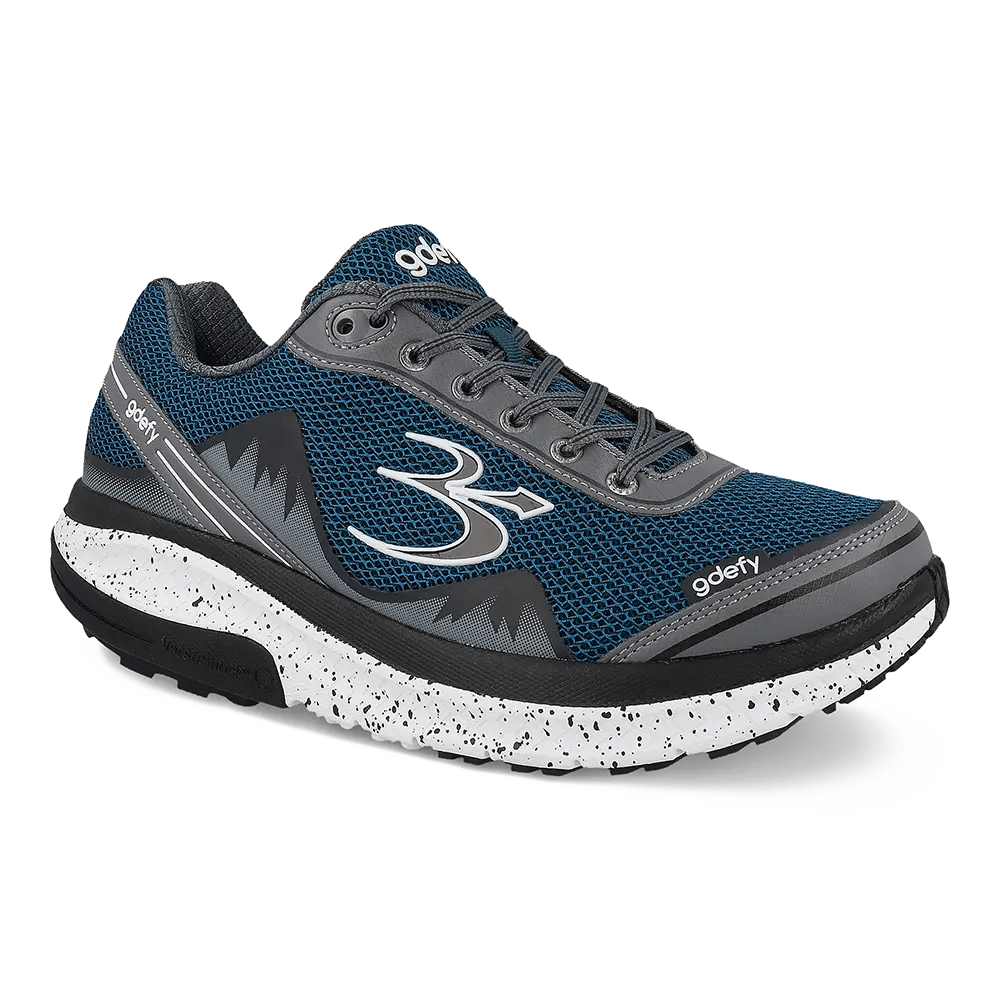
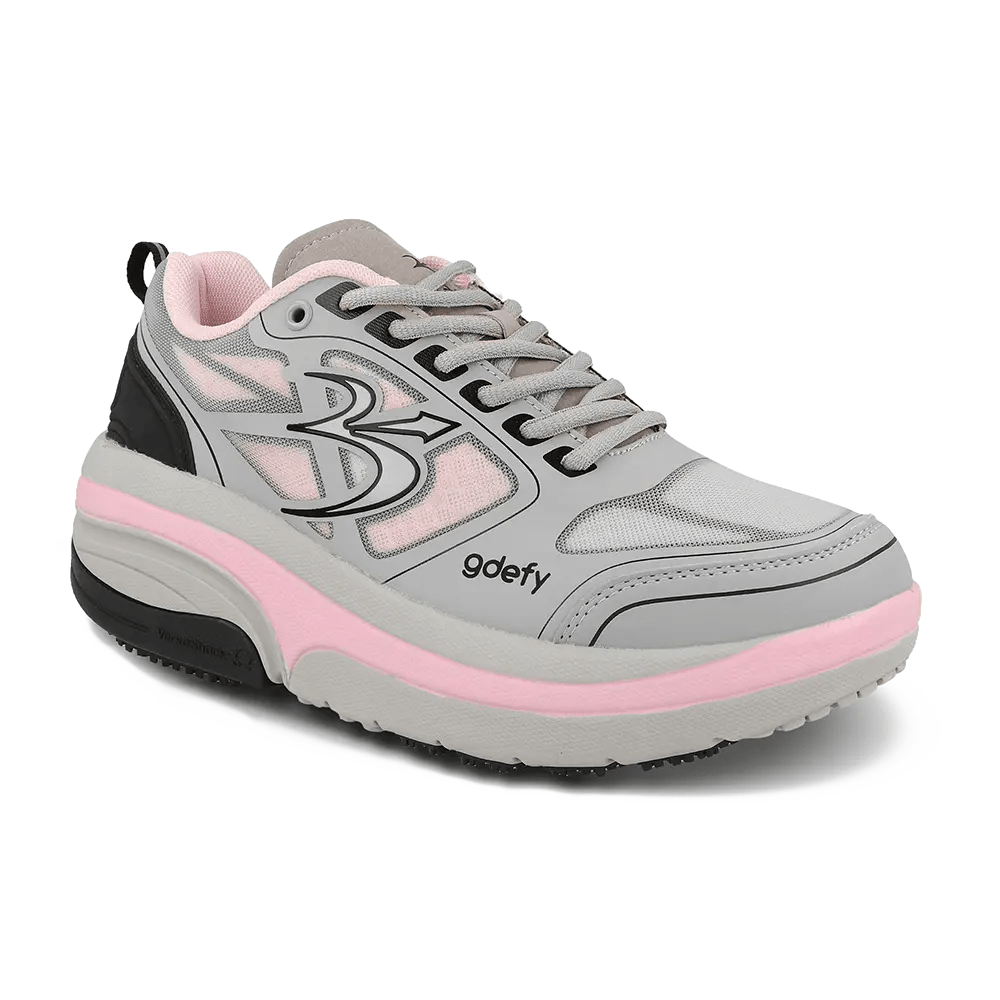
Look for a structured heel counter. This is the supportive cup around the back of the shoe. It should feel firm, not collapsible. Test the lacing by pulling it snug around your midfoot. A good orthotic-friendly sneaker lets you tighten the fit without creating pressure on the top of your foot. Need an everyday walking pick? Start with the ION walking sneakers, which feature a secure lace-up closure and stable heel construction.
Midfoot Stability
Orthotics work best when the shoe doesn't twist excessively. If the midsole is too soft or the base is too narrow, your foot rocks side to side even with an orthotic in place. This defeats the purpose of wearing a supportive insert. Look for shoes with a stable platform and a midsole that resists twisting when you grab the toe and heel and try to wring the shoe like a towel.
A stable base is especially important for walking and travel days. When you're covering several miles on pavement, small instabilities add up to big fatigue. GDEFY sneakers use a broader base design and a supportive midsole that works with your orthotic instead of fighting it.
Toe Box Room
Your toes need space. This becomes even more important during travel when your feet swell from airplane pressure changes and long walking days. A narrow toe box that feels fine in the morning can feel painful by afternoon. After you insert your orthotic, you lose some toe room because your foot sits higher in the shoe. Make sure the sneaker has enough length and width so your toes aren't jammed against the front.
Width options matter here. If you normally wear a medium width but find that shoes feel tight after adding orthotics, try the wide version. GDEFY offers multiple widths across most styles, which gives you flexibility to fine-tune the fit.
Weight and Packability for Travel
For women buying lightweight orthopedic shoes for travel, weight matters. Airport security lines, cobblestone streets, museum days, and hotel stairwells all demand a shoe that doesn't feel heavy on your foot. A lightweight build reduces fatigue and makes packing easier. But lightweight can't come at the expense of support. The best travel sneakers combine low weight with a stable base and enough structure to keep your orthotic working correctly.
Breathable uppers help too. Mesh or engineered knit materials let air flow around your foot, which reduces swelling and keeps you comfortable during long days. Packability is a bonus. If the shoe compresses slightly in your suitcase without losing its shape, you save space for other essentials.
| Checklist Item | Pass Fail | How to Test It at Home |
| Removable insole | Pass if it lifts out completely | Pull on the heel or toe of the insole it should come out without resistance |
| Heel lockdown | Pass if heel stays in place when walking | Walk in place and check for up and down heel movement tighten laces if needed |
| Toe room | Pass if toes do not touch the front | Stand up and press thumb on toe box there should be about half inch space |
| Midfoot stability | Pass if shoe does not twist easily | Hold heel and toe then try to twist the shoe minimal twisting is good |
| Depth volume | Pass if no pinching after orthotic swap | Insert orthotic and walk for five minutes check for pressure on top of foot |
| Travel weight | Pass if shoe feels light for all day wear | Hold shoe in one hand it should feel lighter than a typical athletic shoe |
How to Swap Your Orthotics Into Sneakers
To fit orthotics correctly, remove the factory insole first, then test for heel security and toe room before wearing the shoes all day. This process takes five minutes but prevents hours of discomfort later. Follow these steps every time you swap inserts into a new pair of sneakers.
Step 1: Remove the Stock Insole Completely
Don't stack your orthotic on top of the factory insole unless a clinician specifically told you to. Stacking raises your foot too high, reduces stability, and creates pressure points. Pull the factory insole out by lifting at the heel or toe. It should come out cleanly without resistance. If it's glued down, the shoe isn't truly orthotic-friendly.
Step 2: Insert Your Orthotic Flat
Place your orthotic in the shoe with the heel cup aligned to the back. Make sure it lies flat against the bottom of the shoe. If the toe of the orthotic curls up, the shoe is too short or the orthotic is too long. This causes pressure under the ball of your foot and toe crowding. Try a longer shoe size or trim the orthotic if your podiatrist says that's safe.
Step 3: Check Heel Seating
Put the shoe on and stand up. Your heel should sit back in the heel cup of the orthotic without lifting. If your heel feels loose or slides up when you walk, the internal volume is too high or the heel counter is too soft. Try tightening the laces first. If that doesn't work, you may need a different shoe style with better heel lockdown.
Heel counter is the supportive structure around the back of the shoe that helps keep your heel stable and reduces slipping. A firm heel counter prevents your heel from lifting when the orthotic raises your foot slightly.
Step 4: Lace and Secure for Midfoot Hold
Travel walking needs a secure fit. Start lacing from the bottom and work up, pulling snug but not tight at each eyelet. Focus on the midfoot area, where the laces cross the widest part of your foot. This is where you control heel lift and side-to-side movement. A secure midfoot hold keeps your orthotic working correctly during long walking days.
Step 5: Walk-Test Indoors for 5 to 10 Minutes
Walk around your home before wearing the shoes outside. Note any pressure points on top of your foot, at your heel, or along the sides. Check for toe crowding. Make sure your heel stays in place. If everything feels good after 10 minutes of walking, you're ready to wear them all day. If not, troubleshoot using the guide below.
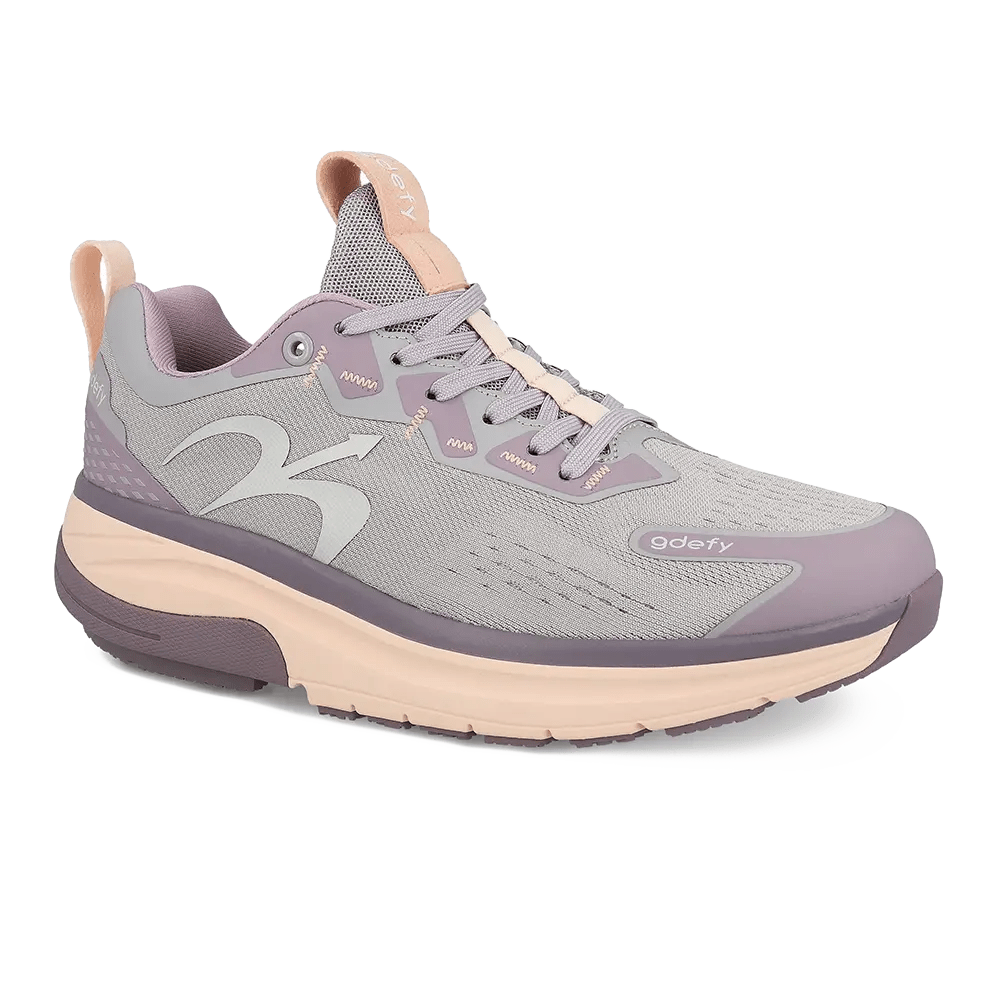
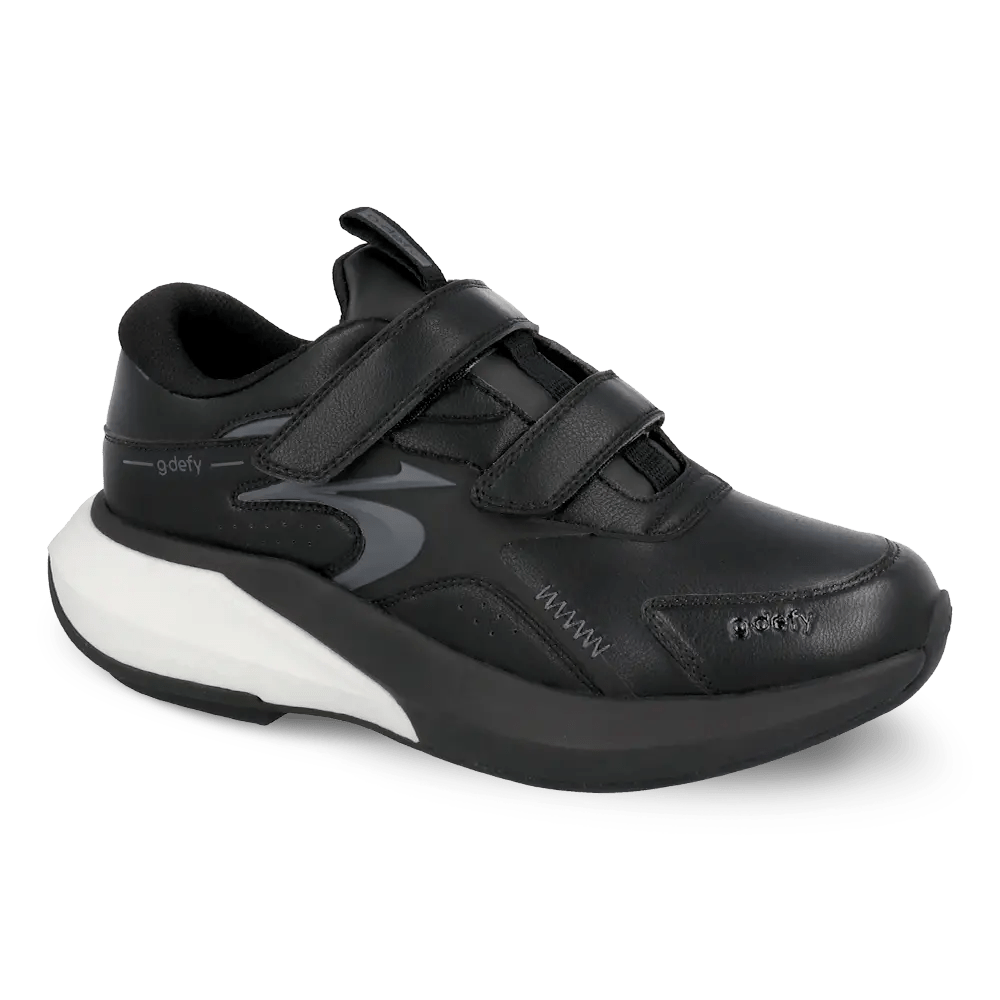
Want an easy-on option that still supports an orthotic swap? Start with the MightyGlide sneakers, which combine a roomy fit with a secure heel and enough structure for orthotics.
| Issue | Likely Cause | Fix | When to Size Up Change Width |
| Heel slip | Weak heel counter or loose lacing | Tighten laces at midfoot use heel lock lacing technique | If heel still slips after tightening try a different style |
| Top of foot pressure | Not enough volume after orthotic swap | Loosen laces try skipping an eyelet | If pressure persists you need more internal volume or a size up |
| Toe crowding | Shoe too short or orthotic too long | Check for half inch of space at the toe | Size up half or full size if toes touch the front |
| Side pinching | Shoe too narrow after orthotic takes space | Try loosening laces first | Switch to wide width if pinching continues |
| Arch pressure too high | Orthotic arch misaligned with foot arch | Reposition orthotic to match your arch location | If alignment is correct but pressure continues consult podiatrist |
Clinical research continues to evaluate how different orthoses designs affect performance and comfort, according to a systematic review published in PLoS One. While immediate balance effects vary by orthosis type, the consistent finding is that proper fit matters as much as orthotic design. A well-fitted orthotic in the wrong shoe delivers poor results.
Best Picks by Use Case
For women's travel, the best orthotics-friendly sneaker is lightweight, stable underfoot, and secure at the heel after you insert your orthotics. Use-case matching helps you narrow down options based on how you'll actually wear the shoes. A sneaker that works for airport days might not be ideal for standing behind a counter all shift.
Travel and Walking Days
Prioritize lightweight construction, breathable uppers, stable support underfoot, and enough room for swelling. Travel days demand all-day comfort without sacrificing packability. Look for shoes that compress slightly in a suitcase but spring back to their original shape. Mesh or knit uppers keep your feet cooler during long museum visits and city walking tours.
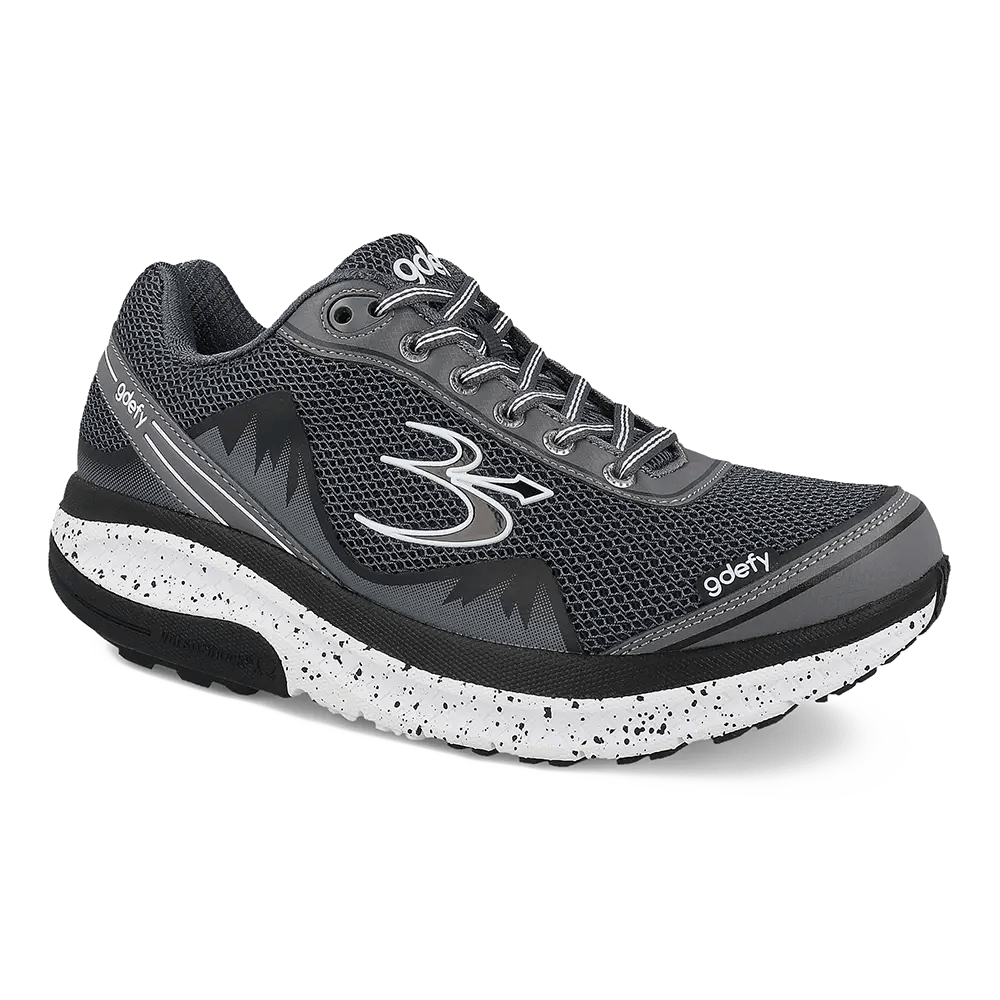
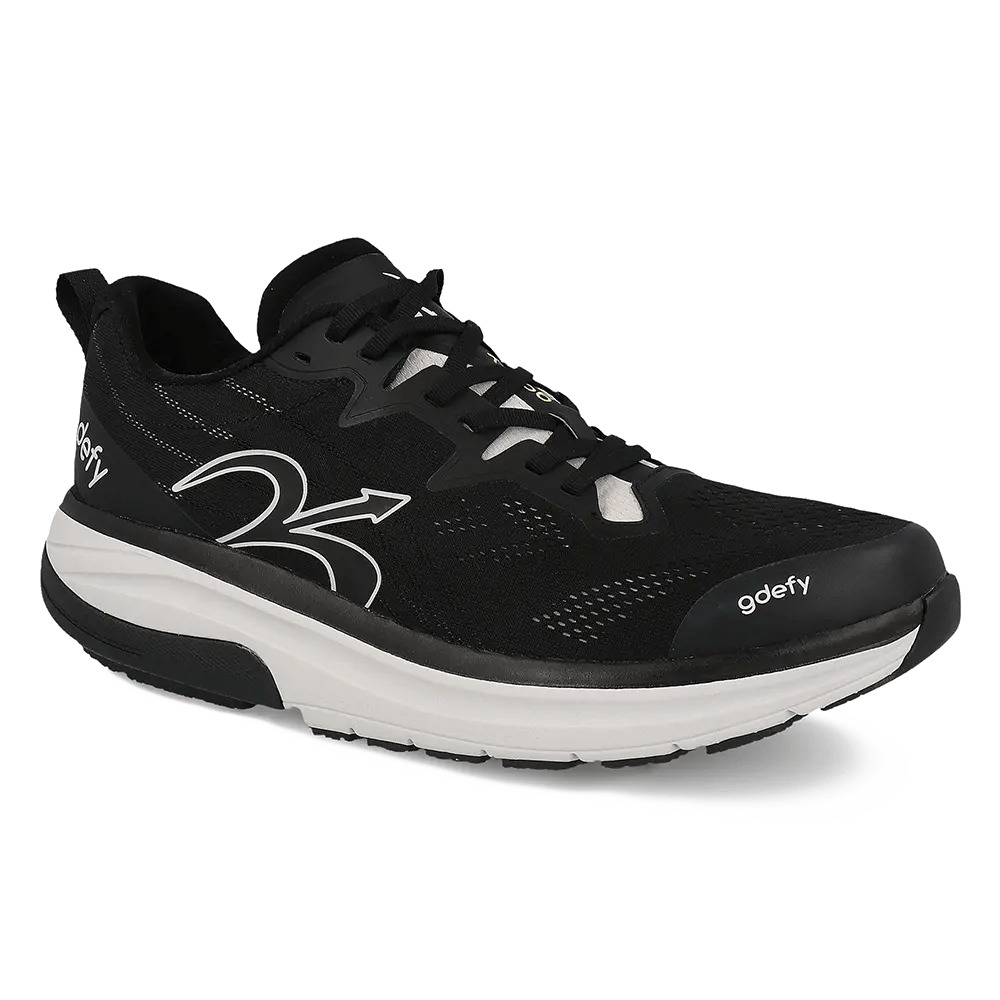
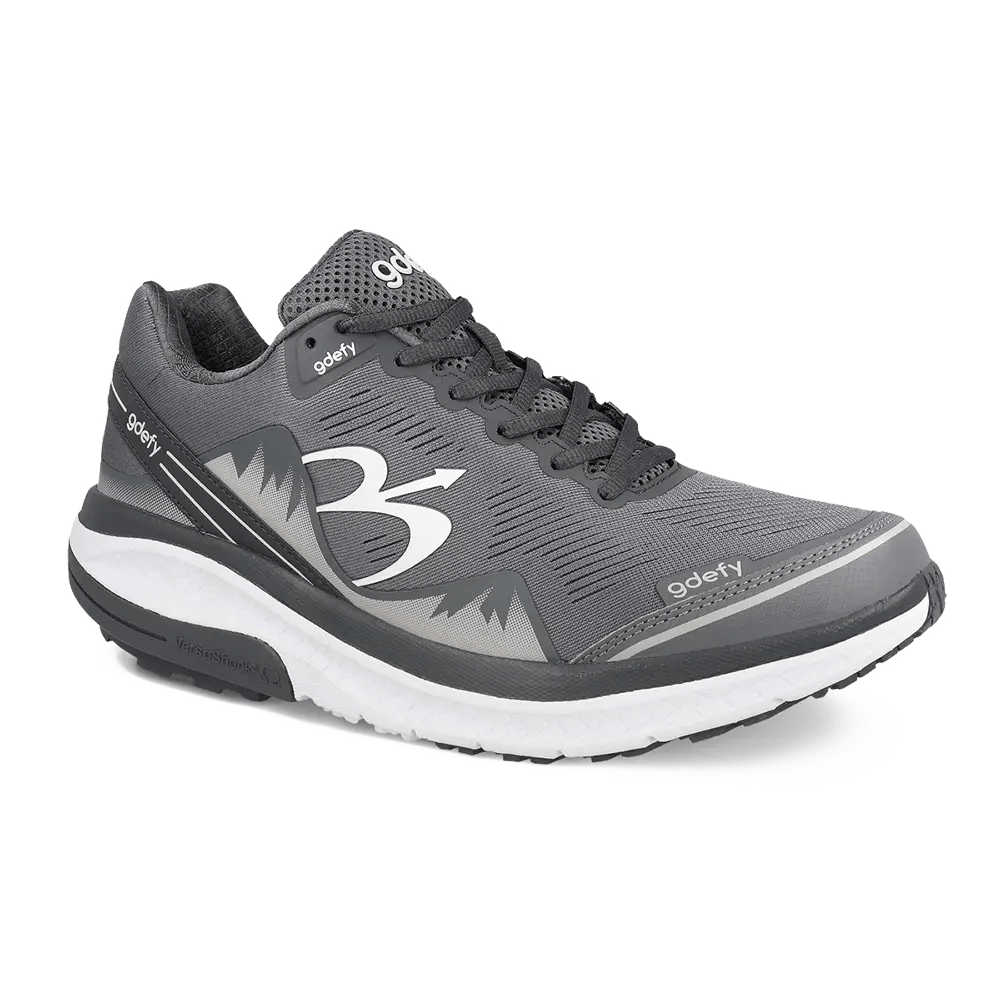
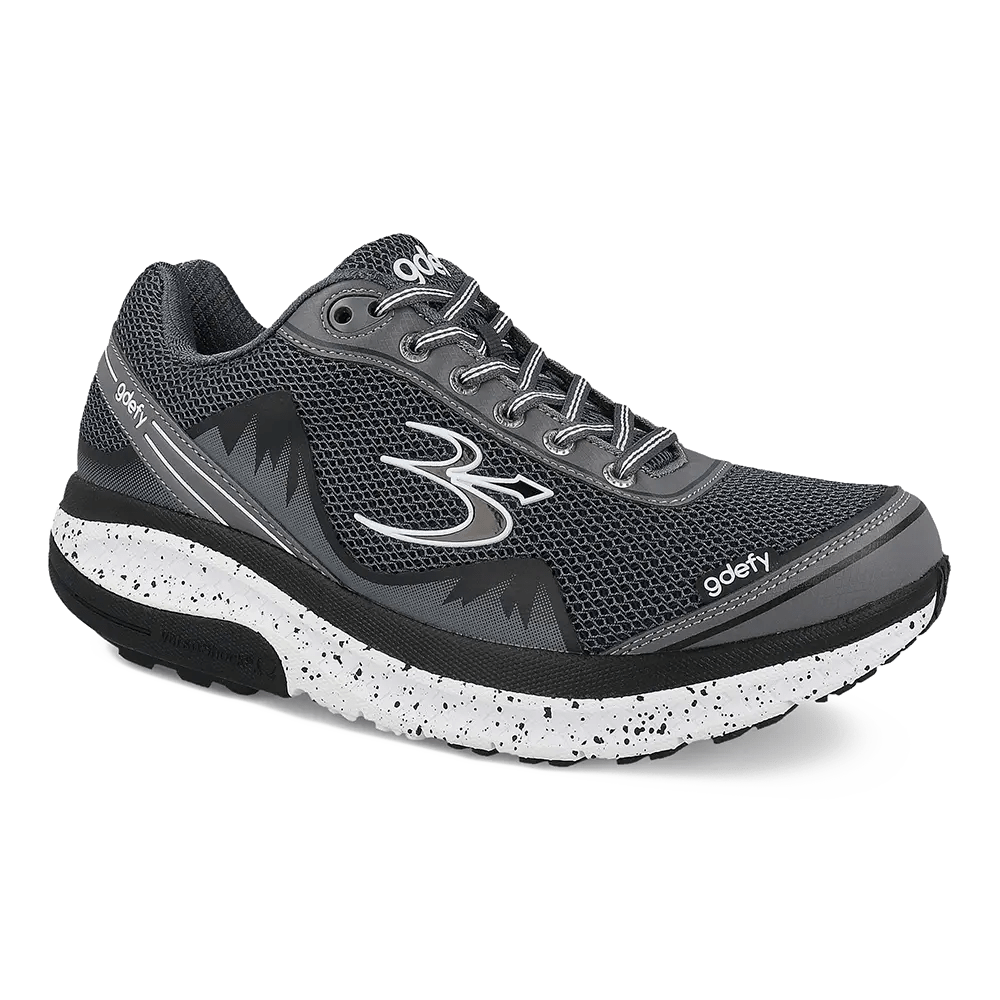
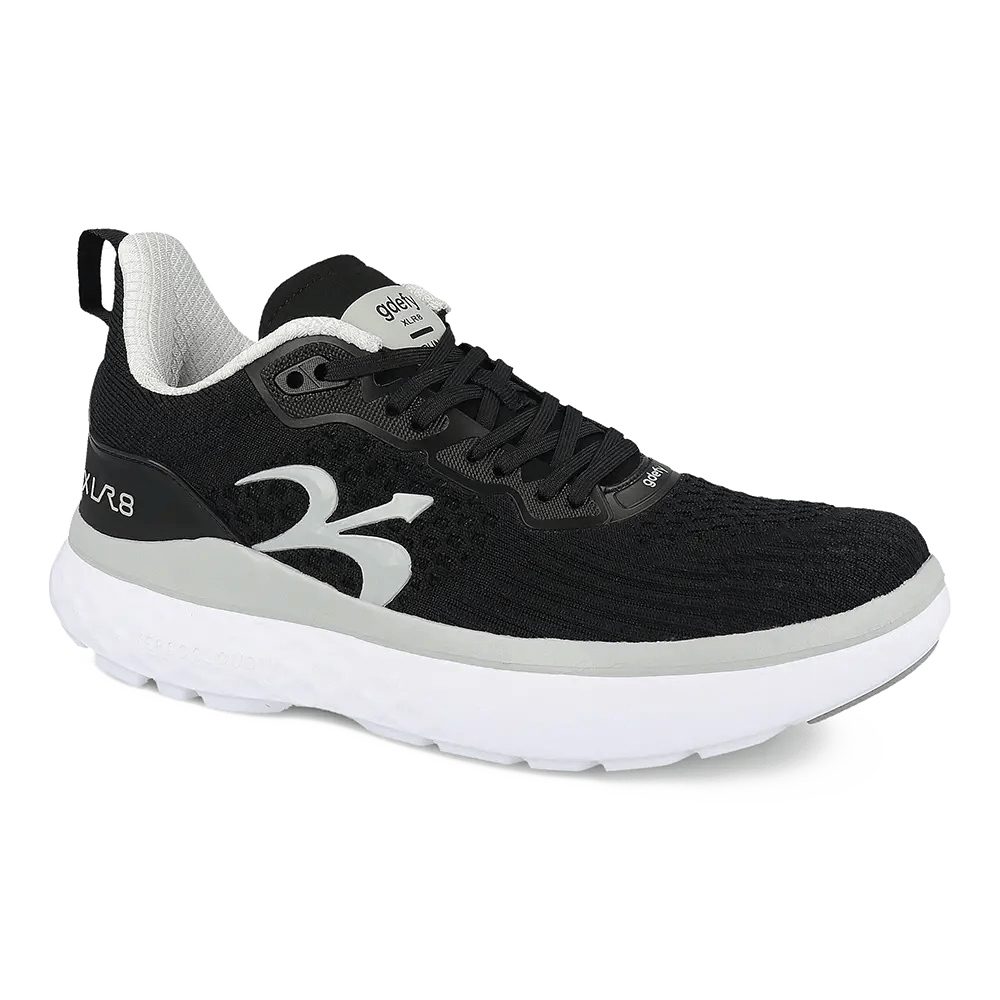
The ZenWalk collection available in black and white or gray and white combines low weight with orthotic compatibility. Removable insoles create space for your custom inserts. A secure heel counter and lace-up closure keep your foot stable during long days on pavement. For a slightly different silhouette, check out the ZenStride white, which offers similar benefits in a streamlined design.
All-Day Walking
Emphasize cushioning, arch support compatibility, and heel security after orthotic swap. If you're walking several miles a day but not necessarily traveling, you can prioritize comfort over packability. Look for shoes with more cushioning in the midsole and a stable platform that doesn't twist. The heel counter should be firm enough to prevent slipping even when your feet get tired.
These shoes work well for neighborhood walks, errands, casual outings, and any situation where you're on your feet for extended periods but not carrying luggage or navigating airport security. Make sure the orthotic sits flat and the heel stays locked in place. Test the fit by walking uphill and downhill if possible, since slopes reveal heel-slip problems that flat surfaces hide.
Standing All Day at Work
Emphasize stability, cushioning, and a comfortable fit that doesn't pinch after several hours. Standing puts different pressure on your feet than walking. You're not moving as much, so circulation decreases and swelling increases. Shoes that feel fine for the first hour can become painful by hour six if they don't accommodate that swelling.
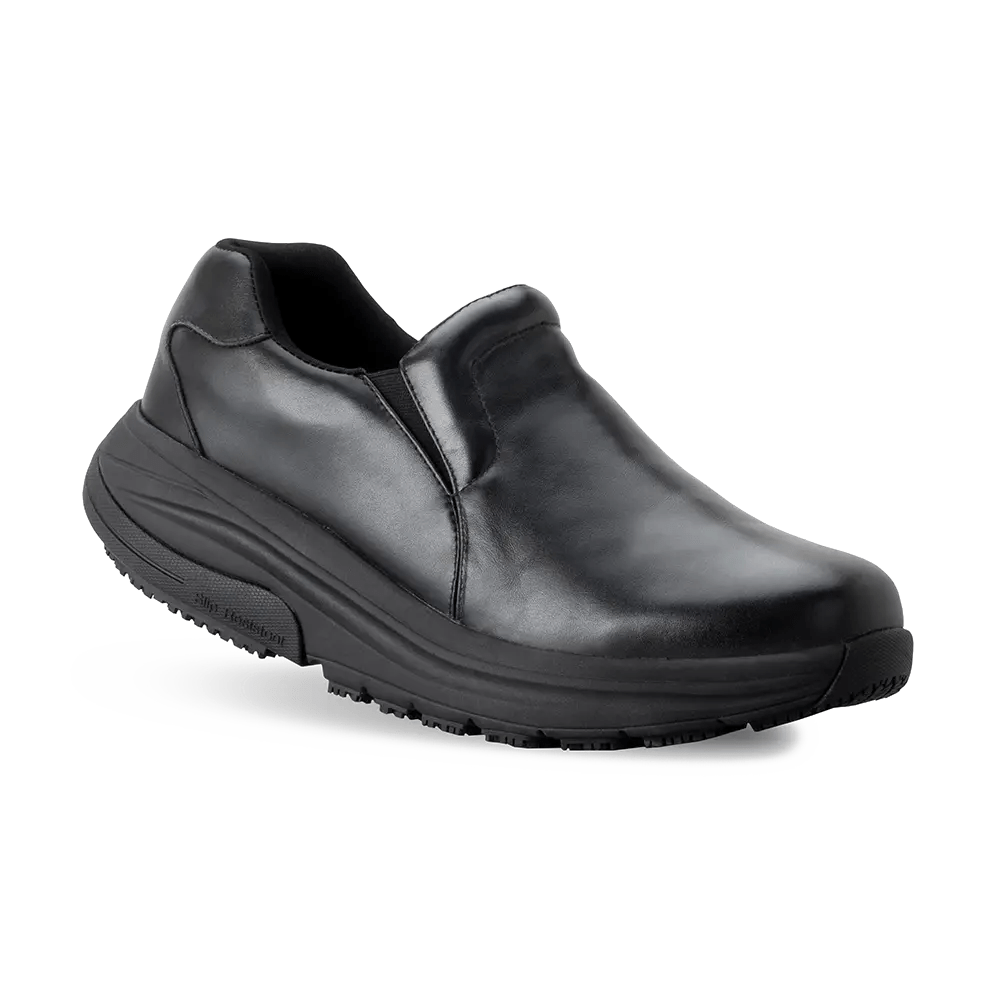
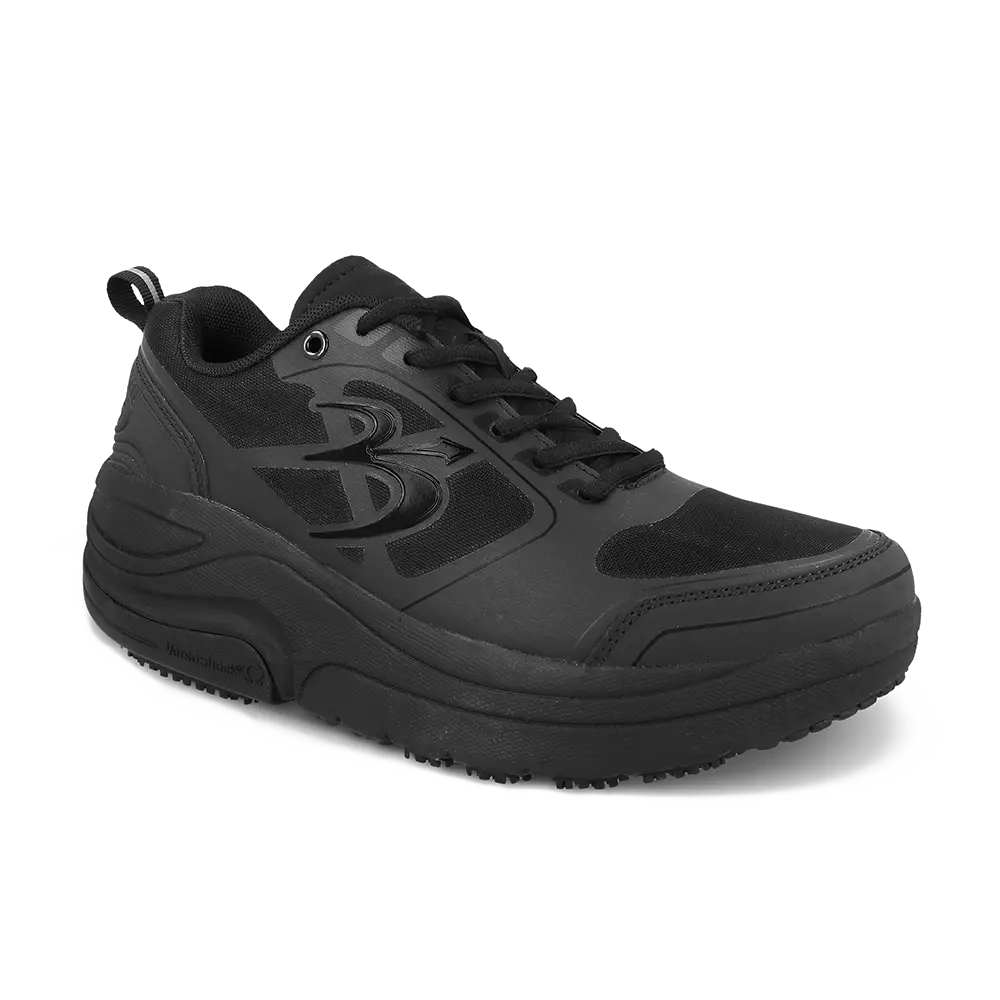
Slip-resistant outsoles matter for healthcare, food service, retail, and other jobs where spills or wet floors are common. The Mighty Walk sneakers offer the combination of orthotic compatibility, all-day cushioning, and enough structure to keep your feet supported during long shifts. Removable insoles create space for your custom orthotics without sacrificing stability.
If you're comparing brands like Aetrex, OrthoFeet, or Propét, use the same checklist. Removable insole alone isn't enough. You need depth, heel security, midfoot stability, and toe room that all work together. Many comfort brands offer removable insoles, but not all provide the volume and structure needed after you insert a thicker orthotic.
| Use Case | Weight | Stability | Breathability | Heel Security | Depth Volume | Removable Insoles |
| Travel | Lightweight | Stable platform | High mesh or knit upper | Secure closure | Roomy for swelling | Yes |
| All Day Walking | Light to medium | Stable non twisting | Medium to high | Firm heel counter | High volume | Yes |
| Standing Work | Medium | Very stable | Medium | Secure no slip | High volume | Yes |
The global orthopedic footwear market was valued at $4.73 billion in 2024 and is projected to grow strongly through 2033, Market Data Forecast reports. This growth reflects increasing awareness that supportive footwear reduces pain and improves mobility. But growth also means more options to sort through. Clear use-case guidance helps you skip the trial-and-error process and find the right shoe the first time.
Orthopedic sneakers are comfort-focused shoes designed to support alignment and reduce stress on feet during walking and standing, often using supportive midsoles and removable insoles for orthotics. The term orthopedic doesn't mean prescription-only. Many orthopedic sneakers are available without a prescription and work well with over-the-counter arch supports.
Brand Comparison and What to Look For
Many brands offer removable insoles including Aetrex, but orthotic compatibility depends on more than removability. You need a complete system that addresses depth, heel security, midfoot stability, and use-case guidance. Without all four, you're left guessing whether a shoe will work after you swap in your orthotic.
Aetrex states their footwear is designed using insights from more than 50 million global 3D foot scans, according to their women's footwear page. This technology narrative sounds impressive. But foot scans alone don't tell you if a specific shoe will accommodate your orthotic. You still need to know the internal volume, test the heel security, and confirm the midfoot stays stable after the swap.
GDEFY's advantage is actionable fit guidance plus orthotic-friendly filtering plus clear use-case recommendations. You're not just browsing a removable footbed category. You're using a system that tells you exactly which shoes work for travel, which work for all-day walking, and which work for standing jobs. Each product page includes fit notes, orthotic compatibility details, and customer reviews that mention how well the shoe works with inserts.
Red flags to watch for when shopping other brands:
- Non-removable sockliners that are glued down or stitched in place
- Shallow toe boxes that feel tight even with the factory insole
- Floppy heel counters that collapse when you press on them
- Overly narrow midfoot that pinches after you add an orthotic
- Stacked insoles marketed as extra cushioning but actually reducing volume
If you wear orthotics, choose the brand that makes orthotic compatibility explicit removable insoles, depth guidance, and a clear swap process before you click buy. This isn't about brand loyalty. It's about reducing returns, avoiding frustration, and getting shoes that actually work the first time.
Orthotic-friendly shopping filters are on-page tools that let shoppers quickly narrow to shoes with removable insoles, adequate depth, and the right stability for their use case. Filters save time and reduce the guesswork that comes with browsing generic categories.
| Criteria | GDEFY | Typical Removable Footbed Pages | Other Orthotic Brands Aetrex OrthoFeet Propet |
| Has removable insoles | Yes all styles | Yes but varies by style | Yes most styles |
| Depth volume guidance on collection page | Yes included in fit notes | Rarely provided | Sometimes brand dependent |
| Swap in instructions | Yes step by step | No | Occasionally in FAQs |
| Use case filters travel walking standing | Yes | No | Limited |
| Orthotic troubleshooting | Yes with solutions | No | No |
Transparency builds trust. GDEFYpublishes fit details, orthotic compatibility notes, and clear return policies see our Privacy Policy for data handling transparency. When you know exactly what to expect before buying, you reduce the risk of returns and increase your confidence that the shoes will work with your orthotics.
Frequently Asked Questions
Where can I buy arch support shoes online in 2026?
You can buy arch support shoes online in 2026 directly from GDEFY, including orthotics-friendly sneakers with removable insoles for custom inserts. Filter by removable insoles on the collection page, then narrow by use case travel, walking, standing. Each product listing shows orthotic compatibility details and available widths. Top women's picks include the ZenWalk and ION collections, both designed to accept custom or OTC orthotics without sacrificing fit or comfort.
Are removable insoles the same as orthotics?
No. Removable insoles are the factory liners you take out, while orthotics are supportive inserts you add to change fit, support, or alignment. Stock insoles provide basic cushioning but don't correct biomechanics. OTC orthotics offer semi-rigid arch support for pain relief and alignment. Custom orthotics are prescription devices made from molds of your feet for specific corrections. All three require removable insoles in the shoe, but they serve different purposes. See the comparison table in the What Are Orthotics-Friendly Sneakers section for detailed differences.
How do I know if my orthotics will fit in sneakers?
Your orthotics will fit best in sneakers with removable insoles, enough internal volume, and a secure heel that doesn't lift after the swap. Use the GDEFY checklist confirm the insole lifts out completely, check for heel lockdown when walking, test midfoot stability by trying to twist the shoe, ensure toes don't touch the front, and verify no pinching on top of your foot after inserting the orthotic. Walk indoors for 5 to 10 minutes before wearing the shoes all day. If your heel slips or your toes feel crowded, troubleshoot using the swap guide in this article or consider sizing up or switching to a wide width.
What features should women look for in orthopedic travel sneakers?
For travel, women should prioritize a lightweight sneaker with removable insoles, stable support underfoot, and a comfortable fit that allows for swelling. Breathable mesh or knit uppers keep feet cooler during long walking days. A secure lace-up closure prevents heel slip when you're carrying luggage or navigating uneven pavement. Packability matters if you're traveling light. Look for shoes that compress slightly in your suitcase without losing their shape. The ZenWalk and ZenStride collections combine all these features with orthotic compatibility, making them ideal for airport days and city walking tours.
Do orthotics help with flat feet?
Orthotics are commonly used to support flat feet, and research continues to evaluate which designs provide the most immediate functional benefits. A systematic review found that different orthoses types produce varying immediate balance effects in adults with flatfoot, with transverse-arch insoles showing improvements in static balance. Keep claims conservative and consult a podiatrist or healthcare provider for diagnosis and treatment recommendations. Over-the-counter arch supports may provide relief for mild flat feet, while custom orthotics are often prescribed for more significant corrections.
Can I stack my orthotics on top of the shoe's insole?
Usually, you should remove the factory insole before inserting orthotics, unless a clinician specifically instructs you to stack. Stacking raises your foot too high in the shoe, which creates heel lift, reduces stability, and causes pressure points. Your heel may slip out of the back with each step. The top of your foot may press against the upper, creating pain and restricting circulation. If your clinician recommended stacking for a specific reason, follow their guidance. But in most cases, remove the factory insole completely to create the space your orthotic needs.
Which brands have removable insoles?
Many comfort and orthopedic brands offer removable insoles, but the best choice is the brand that clearly supports orthotic fit with depth guidance and swap instructions like GDEFY. Aetrex, OrthoFeet, Propét, and other specialty brands market removable footbeds, but you still need to verify internal volume, heel security, and midfoot stability for each style. Use the same checklist regardless of brand confirm the insole lifts out, test heel lockdown, check for toe room, and verify the shoe doesn't twist excessively. G-defy provides all this information upfront on collection pages and product listings, which reduces guesswork and returns.
Conclusion
GDEFY sells women's orthopedic sneakers with removable insoles so you can remove the stock insole and insert custom or OTC orthotics for a more personalized, comfortable fit. Shopping for orthotics-friendly sneakers doesn't have to be complicated. Start with removable insoles. Confirm the shoe has enough depth and volume. Test heel security and midfoot stability. Match the sneaker to your use case, whether that's travel, all-day walking, or standing at work. Use the swap guide to insert your orthotics correctly and troubleshoot any fit issues before wearing the shoes all day.
The global orthopedic footwear market continues to grow as more people recognize the connection between supportive footwear and pain reduction. Buying online is convenient, but only if you have the information you need to choose correctly the first time. GDEFY provides that information through clear orthotic-fit guidance, use-case filters, and product details that address the real questions shoppers have.
Shop GDEFY orthotics-friendly sneakers with removable insoles and use your orthotics with a comfortable fit from day one. Start with women's best sellers like the ZenWalk, ION, or MightyGlide collections. See the orthotic fit checklist above to confirm compatibility before you order. Your feet, your orthotics, and your schedule deserve footwear that works without compromise.
References
- U.S. Medical Footwear Market Size & Share Report, 2030 – Market valuation, CAGR projections, and online distribution growth trends
- Orthopedic Footwear Market Size, Share & Growth Report – Global market valuation and growth projections through 2033
- Arch support insoles reduce fatigue of the lower extremity muscles in people with flatfoot during a walking task – Research on arch support insoles and muscle fatigue reduction
- Effect of foot orthoses on balance among individuals with flatfoot – Systematic review of orthoses designs and balance effects
- Aetrex Footwear | Arch Support Shoes – Aetrex's claim about 50 million global 3D foot scans used in footwear design































.svg)